Athletic Archive Tape Skew Correction: A Preservation Workflow for Legacy Game Video
Athletic archive tape skew correction is the process of diagnosing and correcting the geometric distortion—angled or “leaning” images, ragged horizontal edges, and picture bending at the top or bottom of the frame—that appears when a VHS, S-VHS, Betacam, or 3/4-inch U-matic tape is played back with incorrect tension or a misaligned head drum wrap angle. Unlike signal-level artifacts such as dropout or dot crawl, tape skew is a timing artifact: the rotating heads read the diagonal tape tracks fractionally early or late across the frame, causing the horizontal synchronization pulses to arrive out of alignment and the picture to appear sheared rather than rectangular.
Read More
Athletic Archive Dot-Crawl Correction: A Preservation Workflow for Legacy Game Video
Athletic archive dot-crawl correction is the process of identifying and reducing the moving checkerboard or dot-pattern artifact that appears along color-luma boundaries in NTSC composite video—common in VHS, S-VHS, and 3/4-inch U-matic game tapes—while preserving every frame of authentic competitive detail that makes archived footage historically valuable. Dot crawl is not a defect in the tape itself; it is a crosstalk artifact baked into the composite signal at the moment of recording. That distinction matters: you cannot fix it by cleaning heads or baking the cassette, but you can dramatically reduce its visual impact through targeted software filtering applied only to the access copy, never to the archival master.
Read More
Athletic Archive Vinegar Syndrome Inspection and Quarantine Workflow for Historic Game Film
The championship game film sitting in your equipment room or storage closet may be deteriorating right now — and the warning sign is a smell, not a picture quality problem. Cellulose acetate film, the base material used for almost all educational and sports motion picture film produced from the 1950s through the mid-1990s, breaks down through a self-accelerating chemical process called vinegar syndrome. Once the process begins, it releases acetic acid, produces the characteristic sharp vinegar odor, and generates shrinkage, brittleness, and channel warping that make the film increasingly difficult — and eventually impossible — to digitize. An athletic archive vinegar syndrome inspection workflow is a documented, repeatable process for identifying affected reels, classifying deterioration severity, quarantining compromised film to prevent cross-contamination, recording condition accurately, and determining which reels need emergency digitization before the footage is permanently lost.
Read More
Athletic Archive Drop-Frame Timecode Workflow for Game Video
Timecode looks like a clock on the screen, but it does not behave like a clock unless you choose the right type — and for the game video that fills school athletic archives, choosing wrong means every clip, every caption, and every catalog timestamp is slightly off in ways that compound over a three-hour recording. An athletic archive drop-frame timecode workflow is a documented, repeatable process for identifying the timecode type embedded in each video file, standardizing it across the collection, and ensuring that captions, highlight clips, interview segments, and catalog records all reference accurate positions in the footage.
Read MoreAthletic Archive Photo Negative Scanning Workflow for Historic Team Images
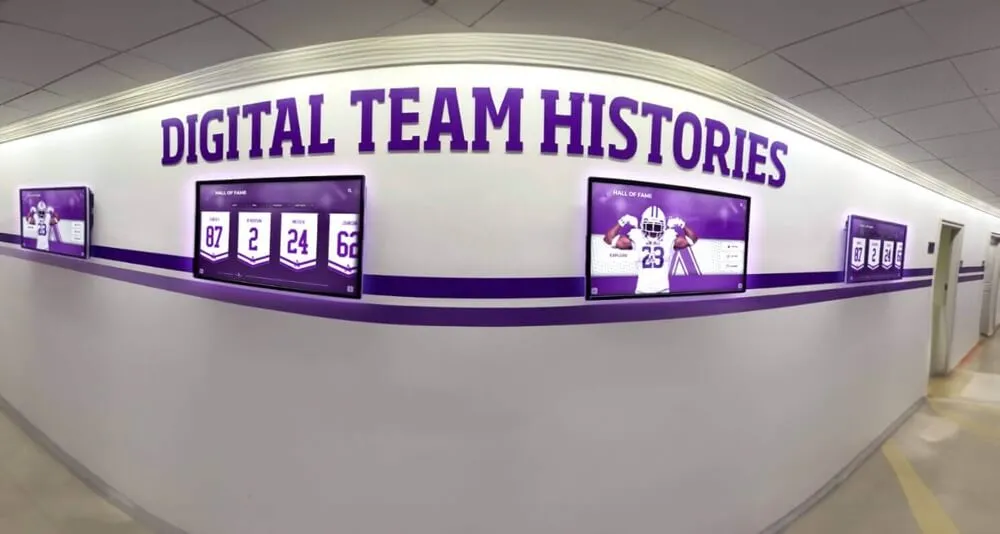
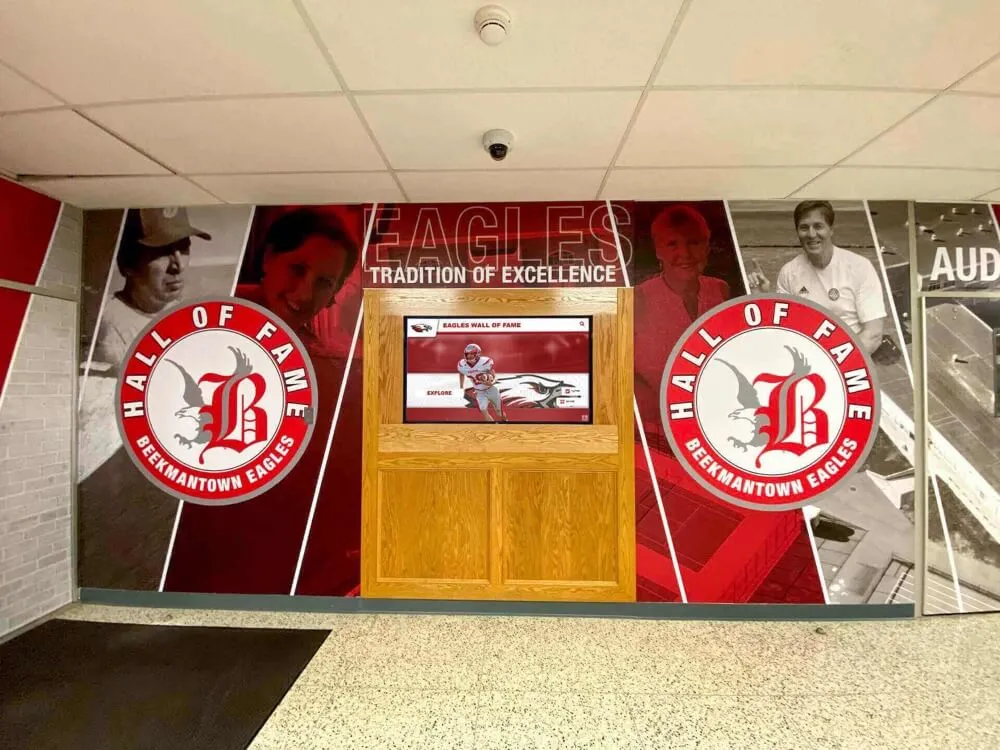
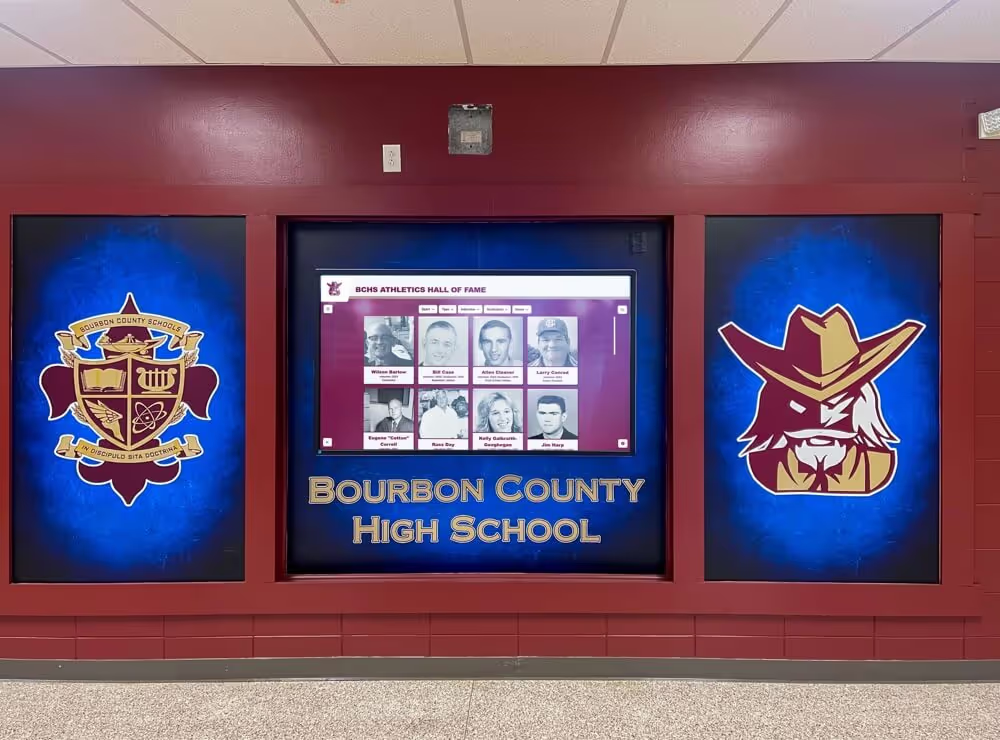
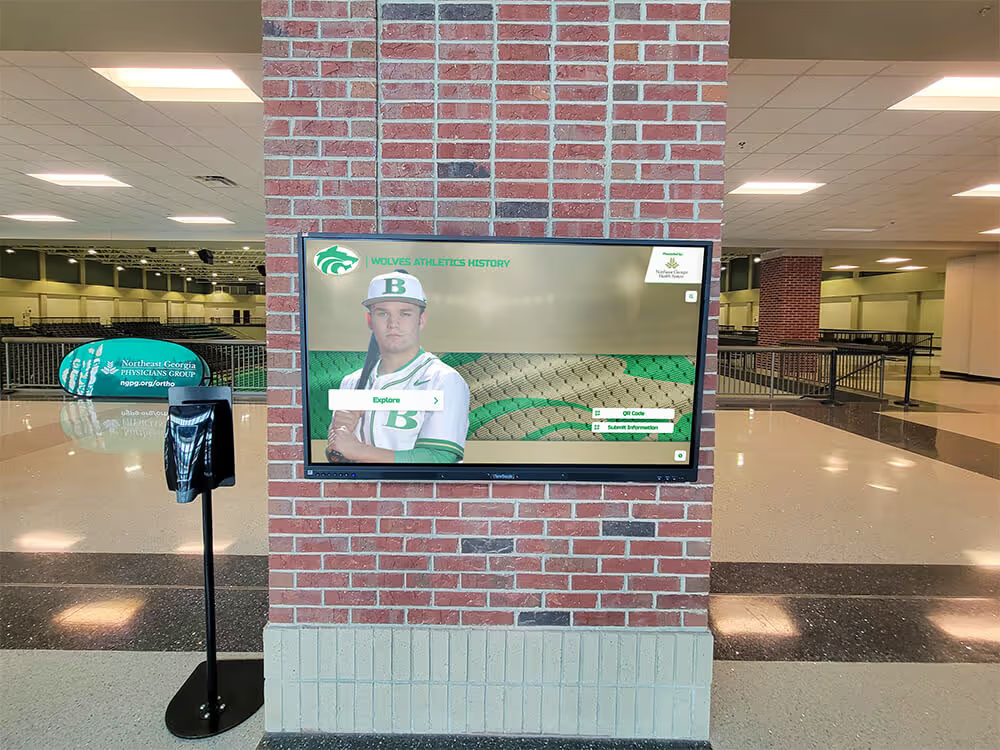
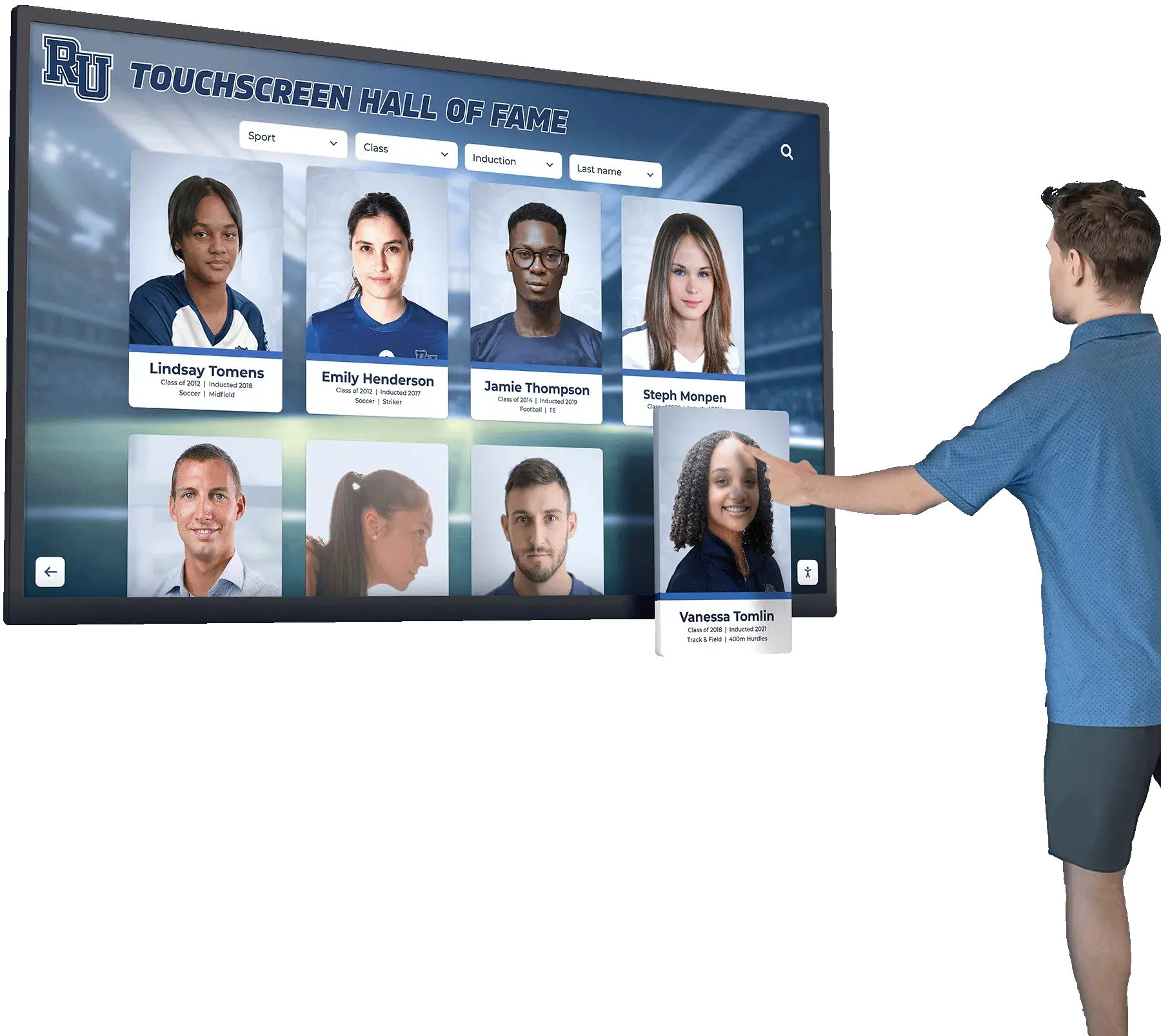
Film negatives locked in archive drawers, manila envelopes, and plastic sleeves represent some of the most irreplaceable documentation a school athletic program possesses — championship rosters, hall-of-fame inductees, record-setting moments, and coaches whose names appear on today’s gym floors. Converting them through a repeatable athletic archive photo negative scanning workflow turns fragile silver-halide film into searchable digital assets that can power a touchscreen recognition display, a digital yearbook spread, or a sports banquet presentation without endangering the originals.
Read More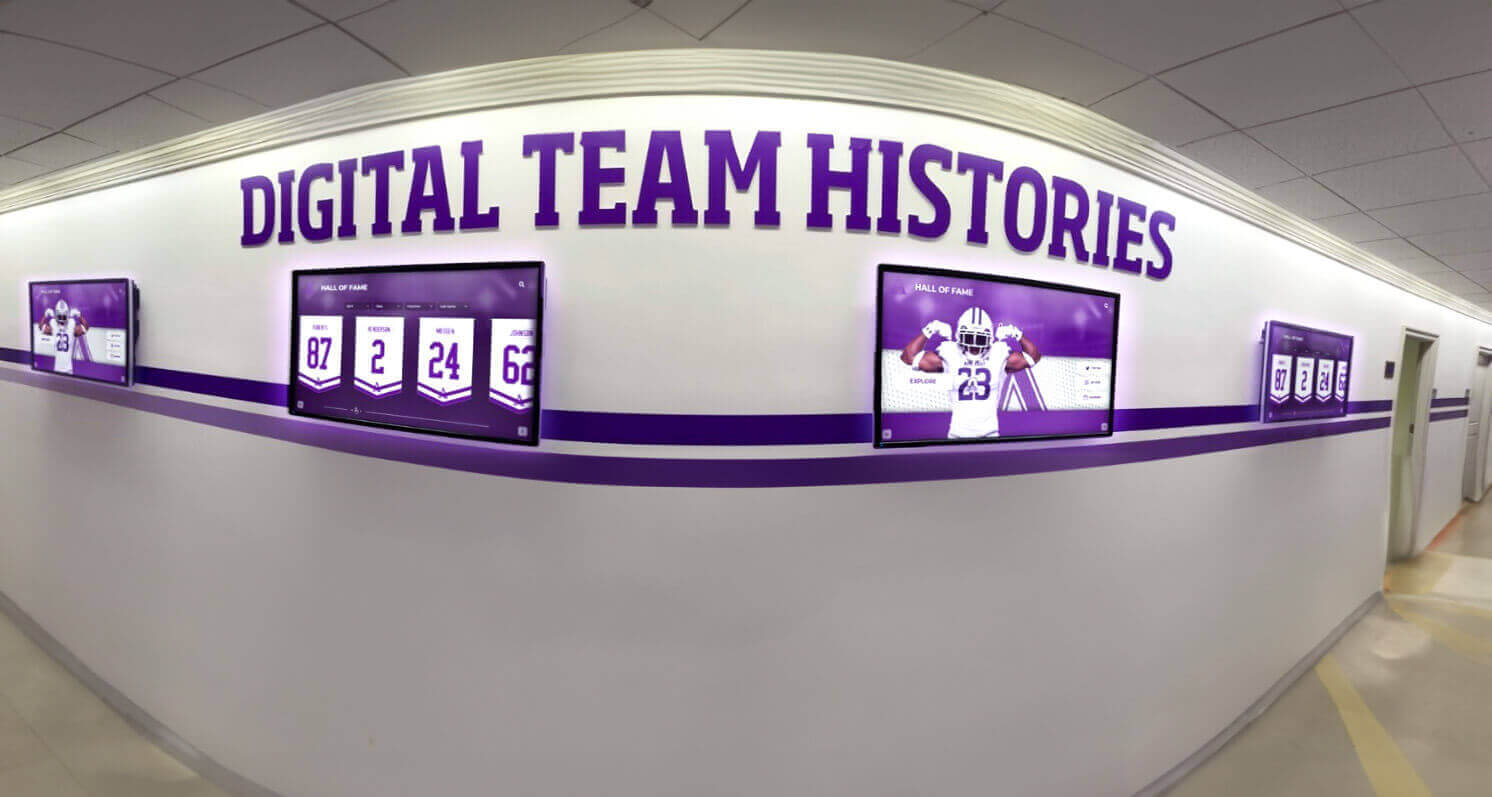
Athletic Archive Transfer Manifest Template: Document Files, Carriers, and Custody
An athletic archive transfer manifest is a document that records every file, physical carrier, and custody handoff made when an athletic department moves records to an archive—before a single file is ingested, stored, or displayed. It answers the questions any future records audit, legal inquiry, or recognition project will ask: What was transferred? Where did it come from? Who handed it over, and to whom? What media carried the content? Are there access restrictions that apply?
Read More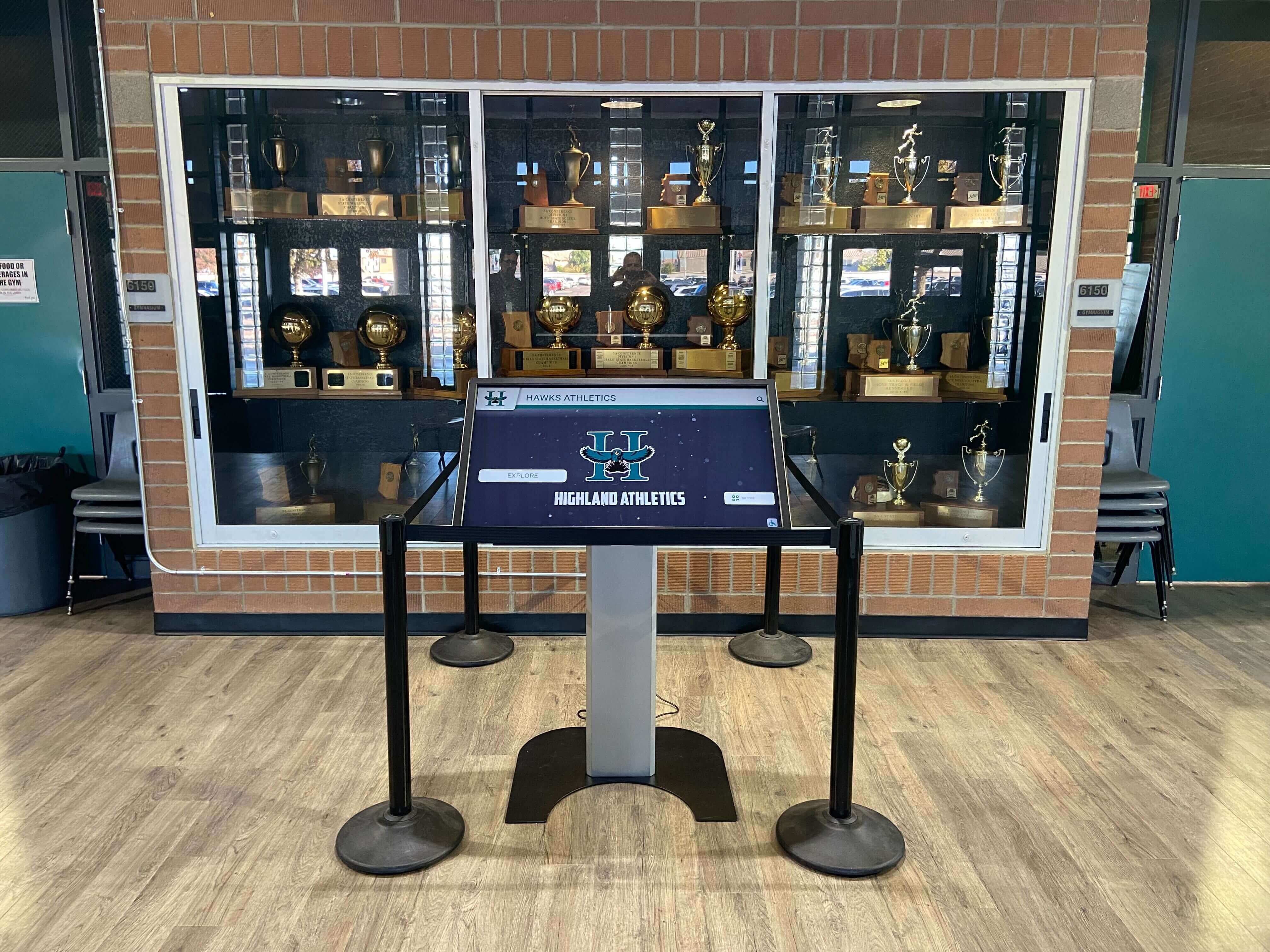
Athletic Archive Accession Numbering System: A Practical Format for School Collections
A consistent athletic archive accession numbering system assigns every item in your school’s collection—trophy, jersey, photo, program, or digital file—a unique, durable identifier that survives staff turnover, software migrations, and storage room reorganizations. That identifier becomes the anchor for recognition profiles, hall-of-fame nominations, digital display records, and donor stewardship for decades.
Read More
Athletic Archive Removable Media Intake Checklist: Safely Preserve Drives, Discs, and Cards
Every athletic department eventually inherits a box of removable media. USB drives from a retired coach, a stack of CD-Rs from the early 2000s, SD cards from a former team photographer, a handful of external hard drives from a booster who stored championship footage. Each piece of media potentially holds irreplaceable photos, game video, yearbook files, records, and athlete histories that exist nowhere else. The challenge is getting to that content without damaging the originals, importing malware, corrupting files, or losing track of what came from where.
Read More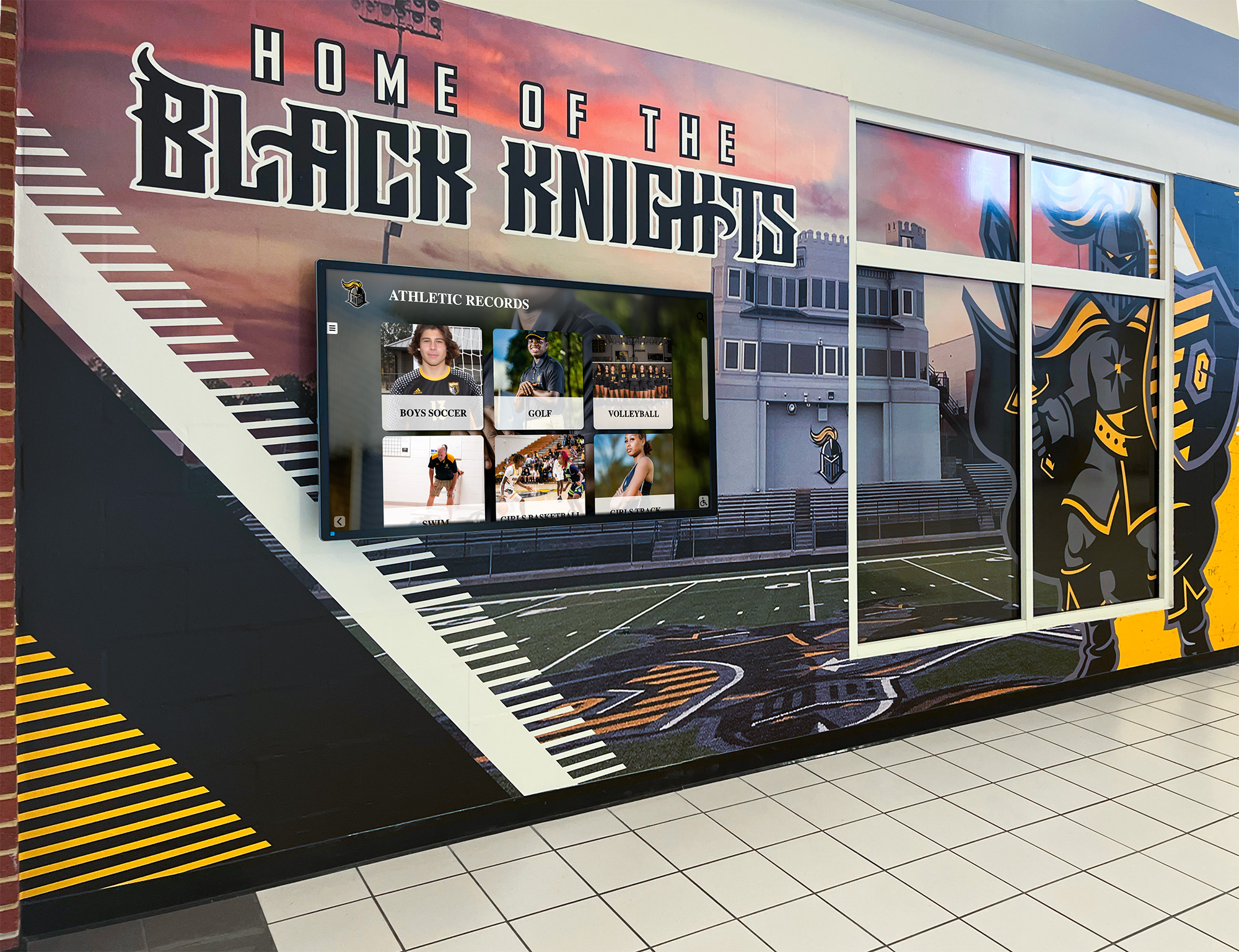
Athletic Archive Born-Digital Records Policy: Preserve Photos, Video, Stats, and Design Files
Modern athletic history often begins—and ends—on a device. A photographer uploads game photos to a shared cloud folder, a student journalist posts a season-recap video to the school YouTube channel, the statistician exports final standings to a spreadsheet on a personal laptop, and the graphic designer sends jersey mockups from a home computer. When staff members leave, accounts expire, or hardware is replaced, those files disappear with them—and the institutional record of an entire season becomes unrecoverable.
Read More