Athletic Archive Reticulation Inspection Before Team Photo Negative Scanning
Athletic archive reticulation inspection is the pre-scanning assessment process that examines historic school team photo negatives for pre-existing reticulation — a permanent, network-like wrinkling of the gelatin emulsion layer caused by temperature shock or chemical stress during original film processing — and distinguishes that physical emulsion condition from scanner-introduced artifacts before any digitization workflow begins. When team portrait negatives, championship documentation negatives, or decades of school athletic photography were processed under conditions of inconsistent temperature control — a warm developer followed by a cold wash, or vice versa — the gelatin binder that holds the image-forming silver can contract and expand at different rates across its depth, setting a permanent wrinkled or cratered texture into the emulsion. That texture is already in the physical negative. It will appear in every scan of that negative, and it will not be resolved by changing scanner settings, adjusting post-processing, or rescanning. Understanding whether a texture pattern visible on a scan of a team photo negative is pre-existing reticulation or a scanner-introduced artifact is the inspection question this guide answers.
Read More
Athletic Archive Ferrotyping Inspection: Protect Stuck Team Photo Negatives Before Scanning
Athletic archive ferrotyping inspection is the pre-scanning assessment process that examines historic school team photo negatives for emulsion adhesion and surface deformation — conditions where the gelatin emulsion has bonded to an adjacent surface or developed contact-induced gloss marks — and determines which negatives can proceed to digitization and which must be isolated and referred to a photo conservator before any scanning or separation attempt begins. When photo negatives from a school’s team portrait sessions, championship documentation, or decades of athletic history were stored in non-archival enclosures, stacked without interleaving, or held in drawers and boxes in humid or uncontrolled environments, the gelatin binder that holds the image-forming silver can soften, become tacky, and bond to whatever surface it was pressed against. A negative that has adhered — to another negative, to a paper envelope, to a plastic sleeve, or to an adjacent print — cannot be safely separated by pulling, peeling, soaking, heating, or applying any solvent. Forced separation in a school environment, however gently attempted, risks tearing emulsion away from the base, lifting image-bearing silver layers from the surface, and permanently destroying the record of a championship season, a retiring coach, or an entire era of school athletic history.
Read More
Athletic Archive Photo Negative Scanning Workflow for Historic Team Images
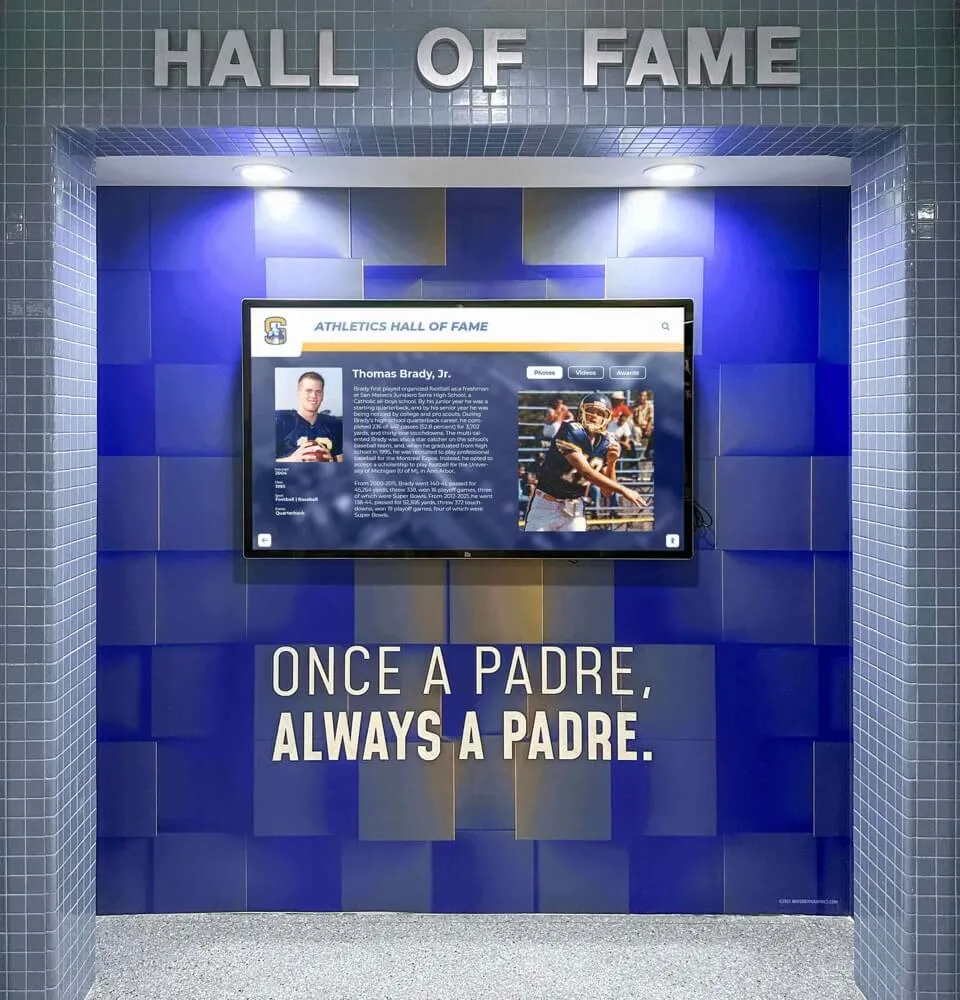
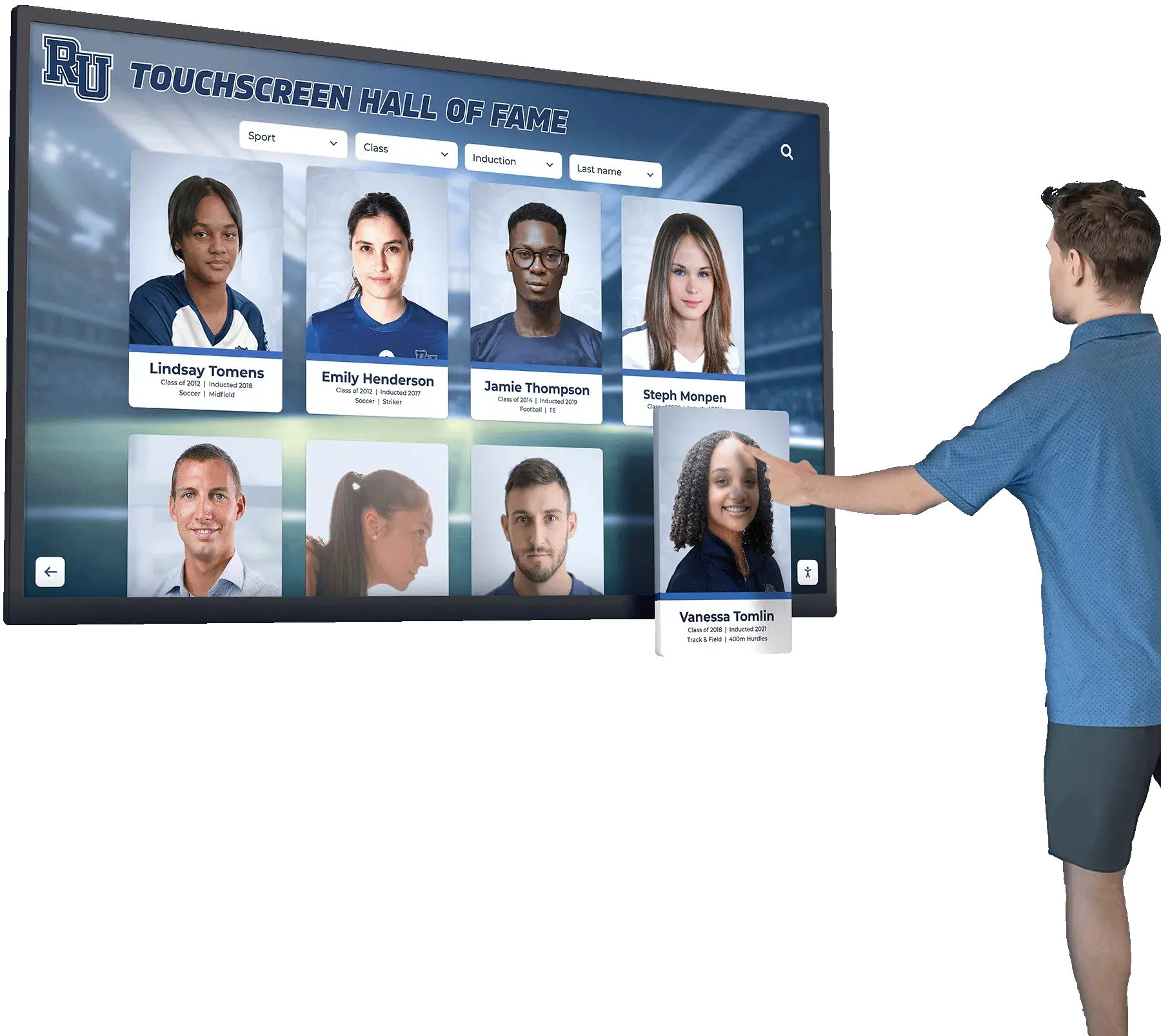
Film negatives locked in archive drawers, manila envelopes, and plastic sleeves represent some of the most irreplaceable documentation a school athletic program possesses — championship rosters, hall-of-fame inductees, record-setting moments, and coaches whose names appear on today’s gym floors. Converting them through a repeatable athletic archive photo negative scanning workflow turns fragile silver-halide film into searchable digital assets that can power a touchscreen recognition display, a digital yearbook spread, or a sports banquet presentation without endangering the originals.
Read More