Athletic Archive Aspect-Ratio Correction: Preserve Historic Sports Video Without Stretching
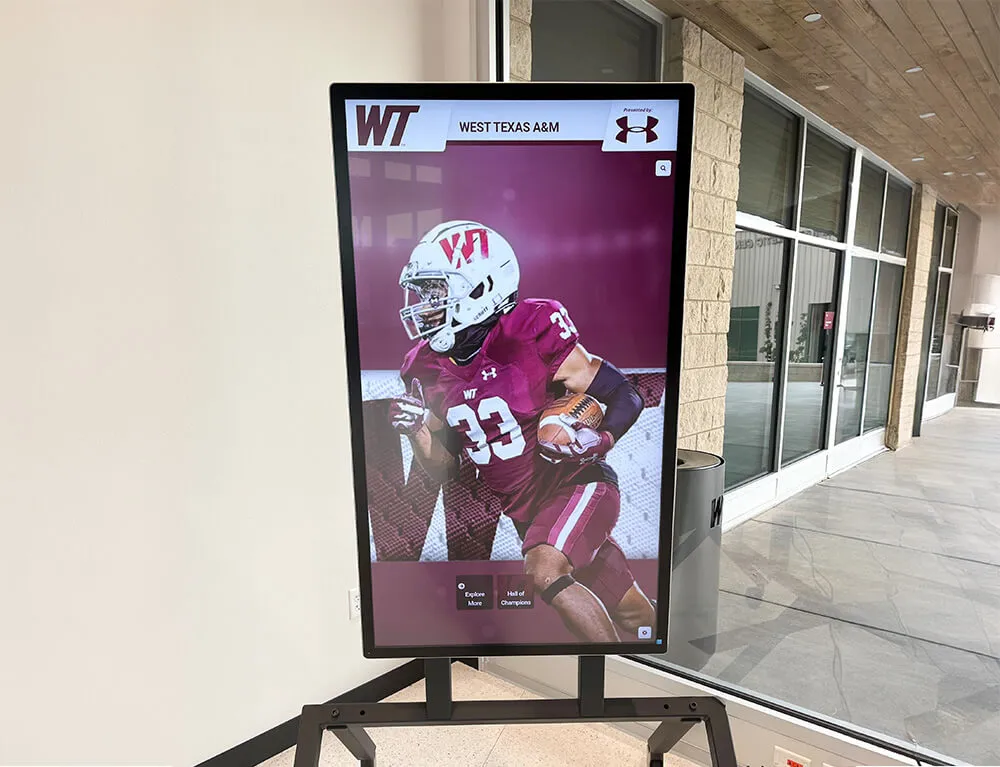
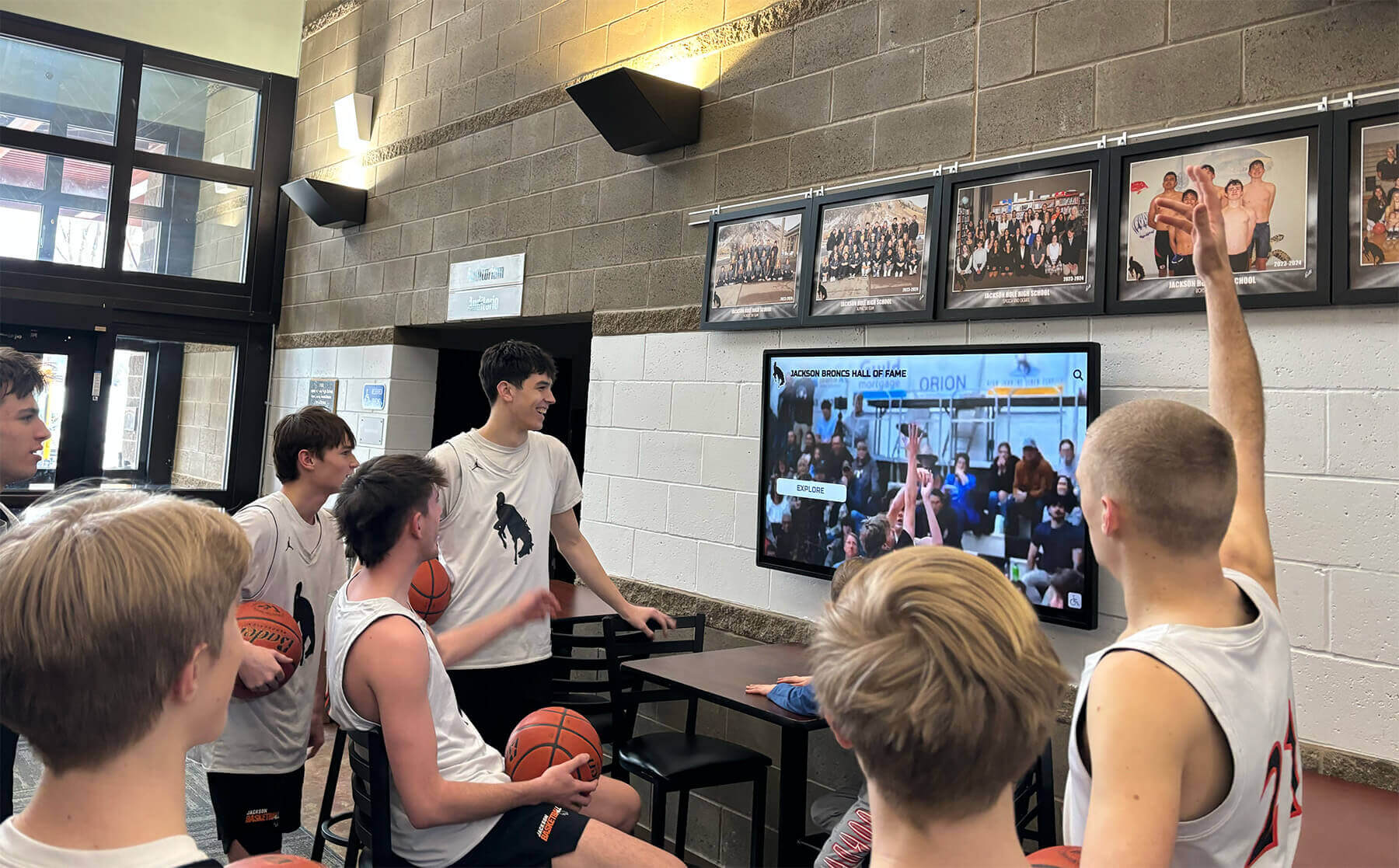
Athletic archive aspect-ratio correction is the process of identifying the native frame dimensions of historic sports video and ensuring those proportions are preserved — not distorted — when files are re-encoded, transferred to modern display systems, or integrated into school recognition infrastructure. Most historic school athletic video was captured in 4:3 aspect ratio: the near-square frame standard for broadcast television and consumer camcorders from the 1950s through the mid-2000s. Modern lobby displays, hall-of-fame kiosks, digital yearbook viewers, and recognition platforms default to 16:9 widescreen. When a 4:3 source plays on a 16:9 display without correction, the video stretches horizontally — athletes appear noticeably wider than they were, playing courts and fields look compressed, and scoreboard text and banner lettering become visibly deformed. The visual historical record is misrepresented in exactly the infrastructure built to honor it.
Read More
Athletic Archive Chroma Subsampling Guide: Preserve Color Detail in Historic Sports Video
An athletic archive chroma subsampling guide is a practical reference for school staff who are digitizing, transcoding, or storing historic sports video — and who need to understand why color detail in uniforms, banners, and school logos degrades during video encoding, and how to prevent it. Chroma subsampling is the compression mechanism that determines how much color information a video encoder retains at each pixel. At the standard delivery setting used by most consumer tools — 4:2:0 — the encoder discards three-quarters of the color samples in every frame. For general content, that trade-off is invisible. For athletic archive video where the cardinal red on a 1989 state championship jersey or the gold lettering on a gymnasium banner carries real institutional meaning, the chroma loss is visible, measurable, and preventable.
Read More