Digital Recognition
- Home /
- Categories /
- Digital Recognition

Youth Sports Photography Tips: Capturing Athletic Moments Worth Displaying in 2026
Every athletic season produces thousands of memorable moments—game-winning shots, breakthrough performances, personal bests, and displays of determination that define young athletes’ journeys. Yet capturing these fleeting instances in photographs that truly do them justice requires more than pointing a smartphone at the field. Great youth sports photography freezes peak action, conveys athletic emotion, and creates images worthy of display on recognition walls, digital yearbooks, and family homes for years to come.
Read More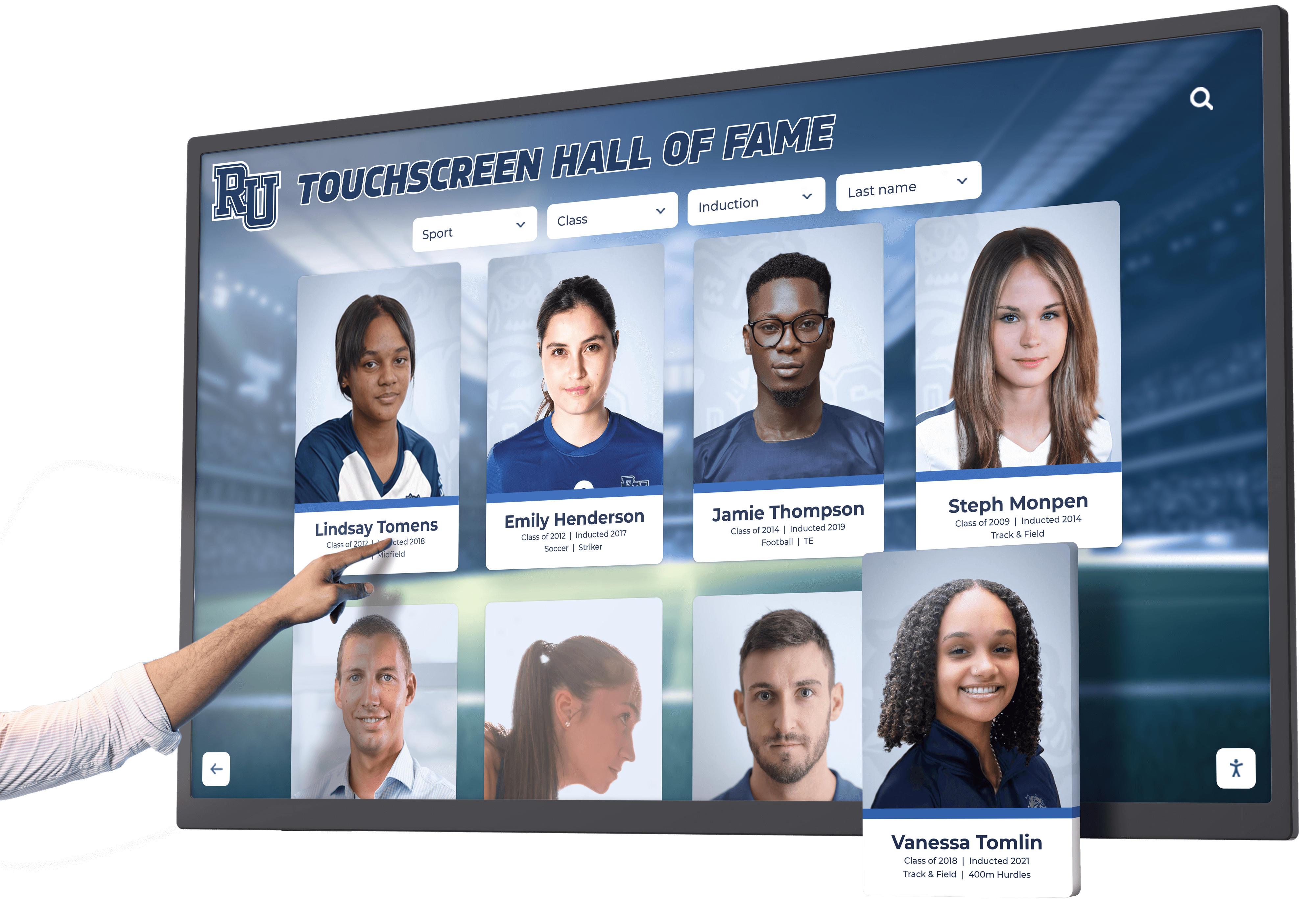
Best Touchscreen Hall of Fame Solutions: Complete 2026 Buyer's Guide for Schools & Organizations
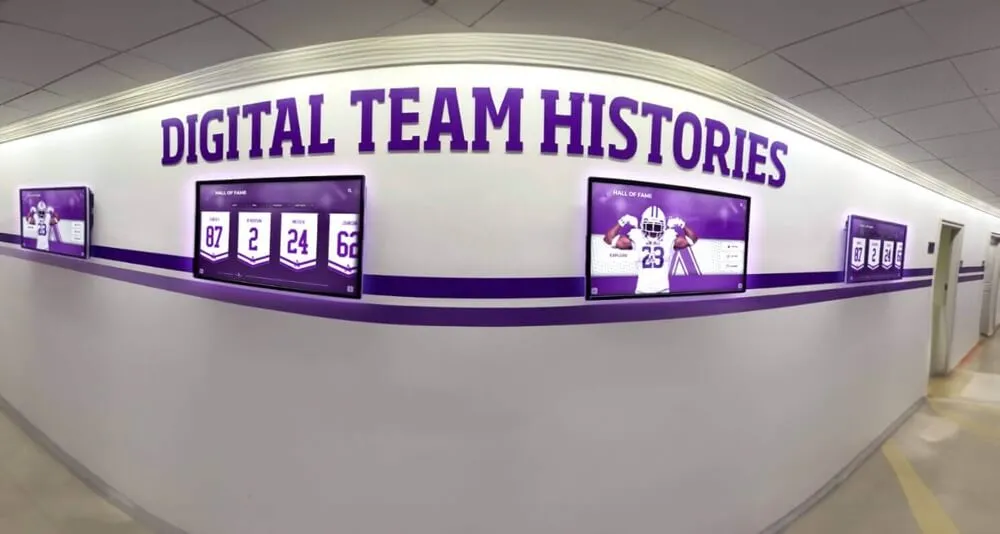
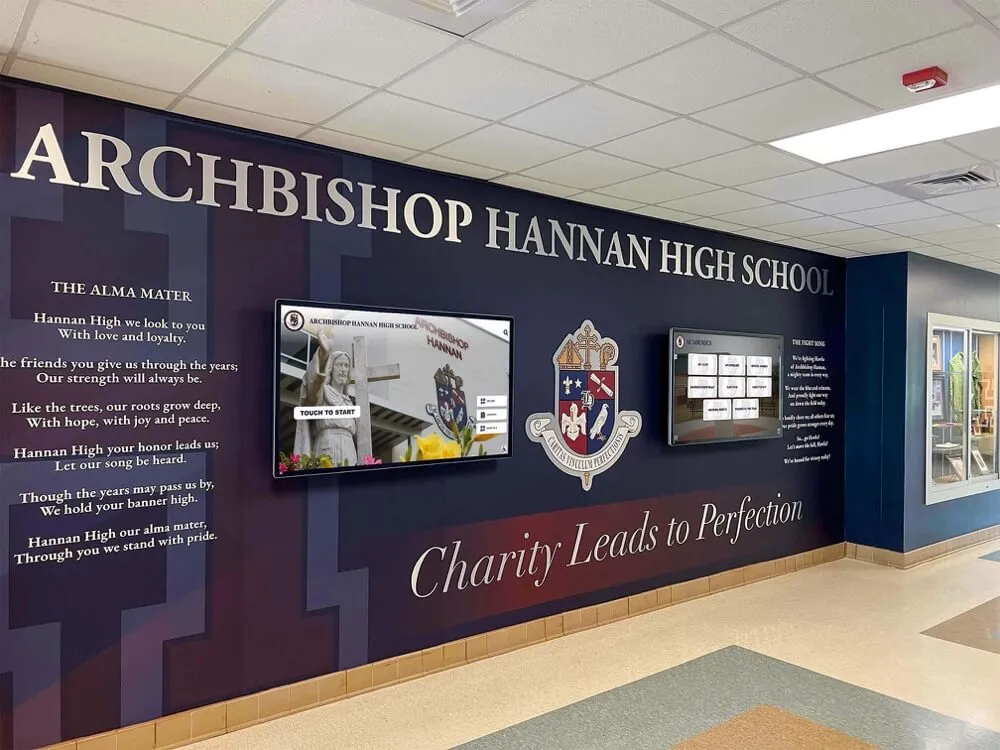
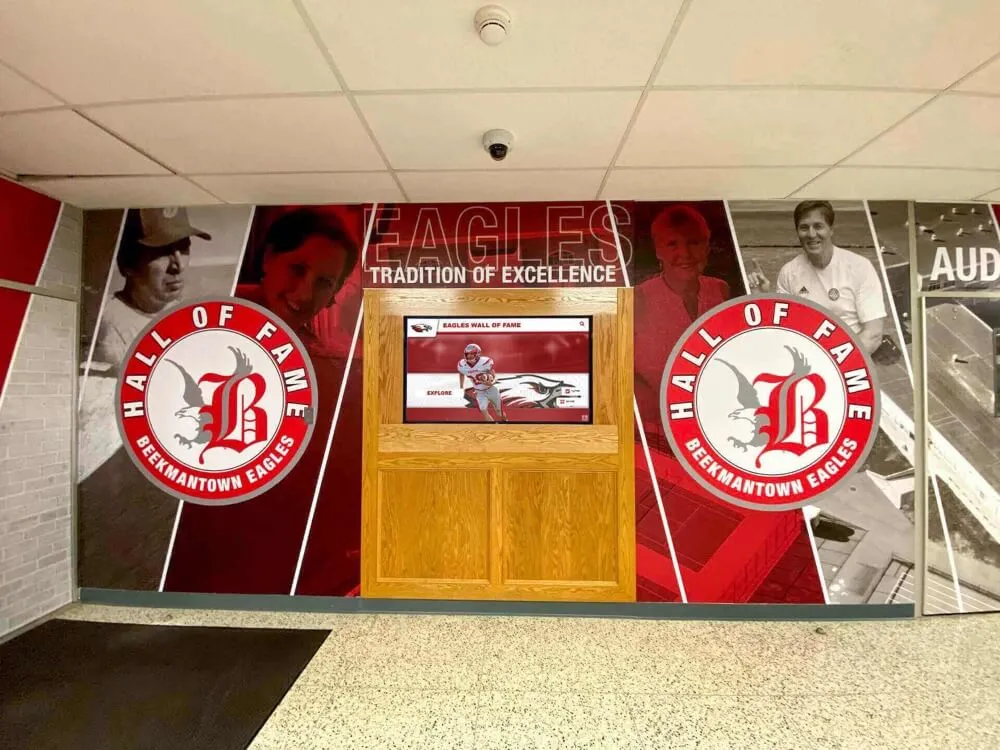
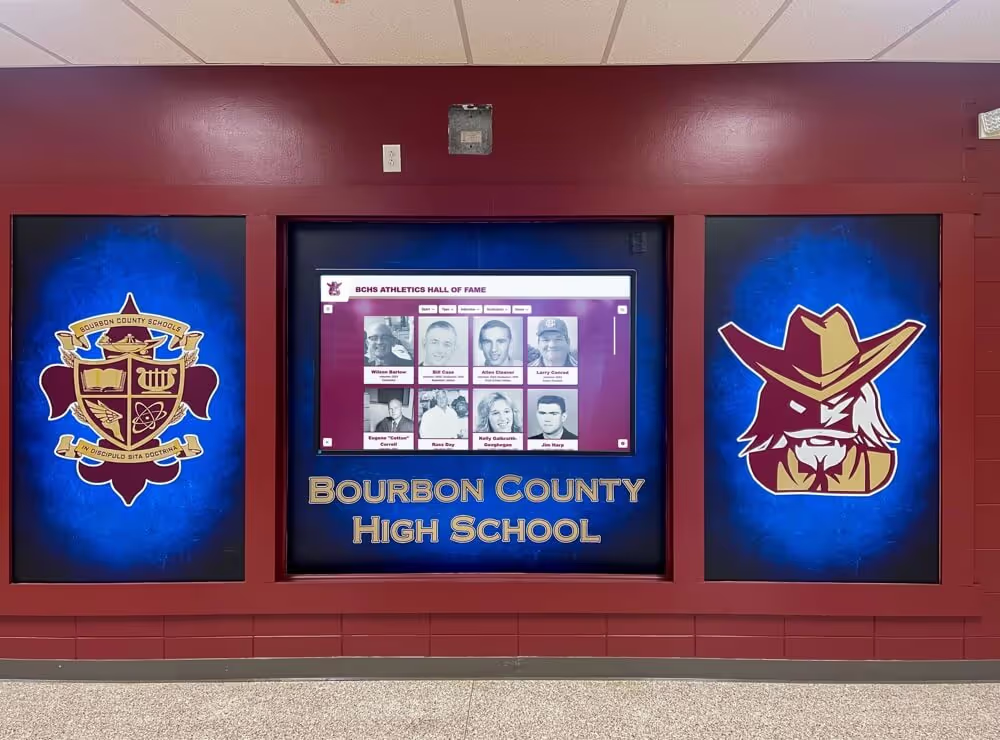
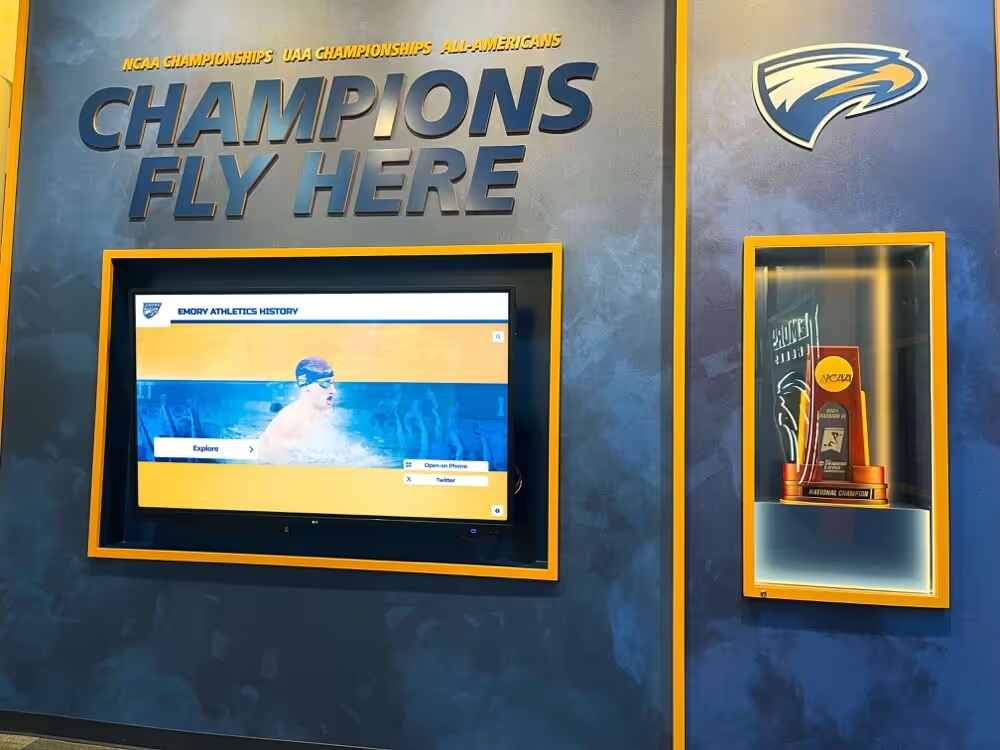
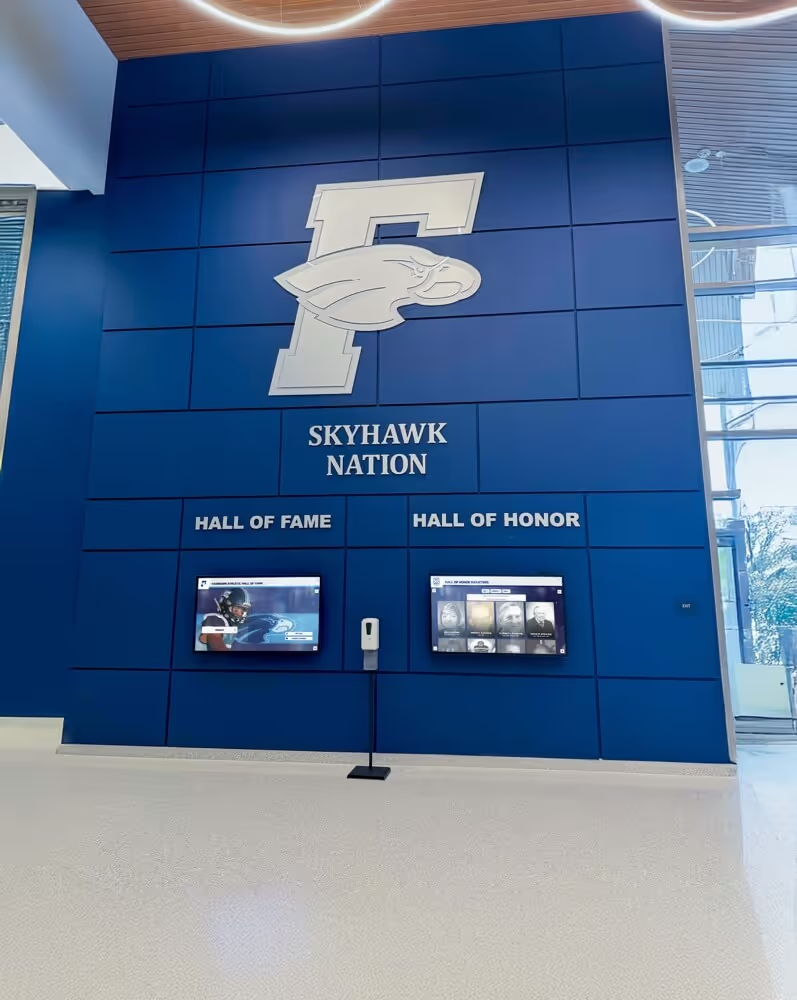
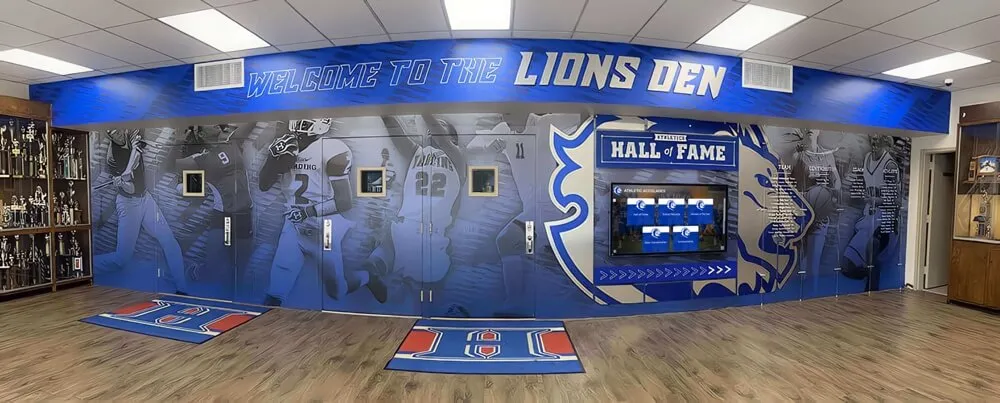
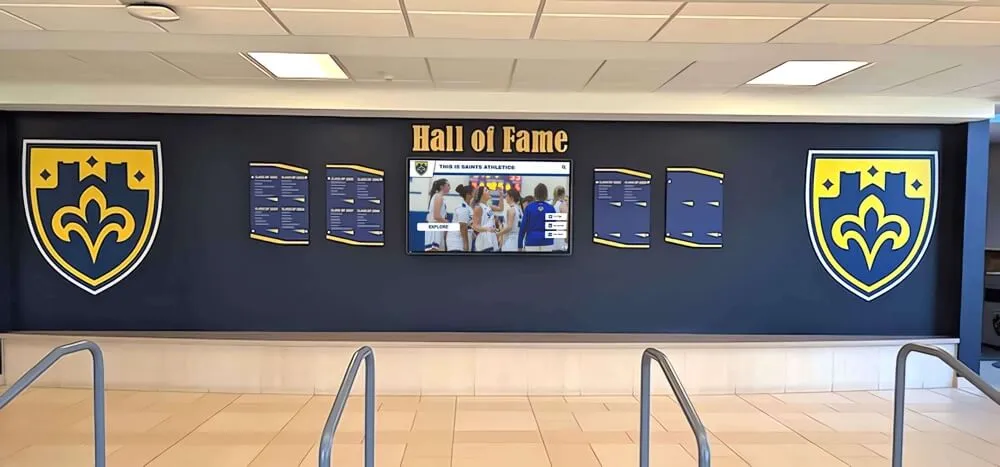
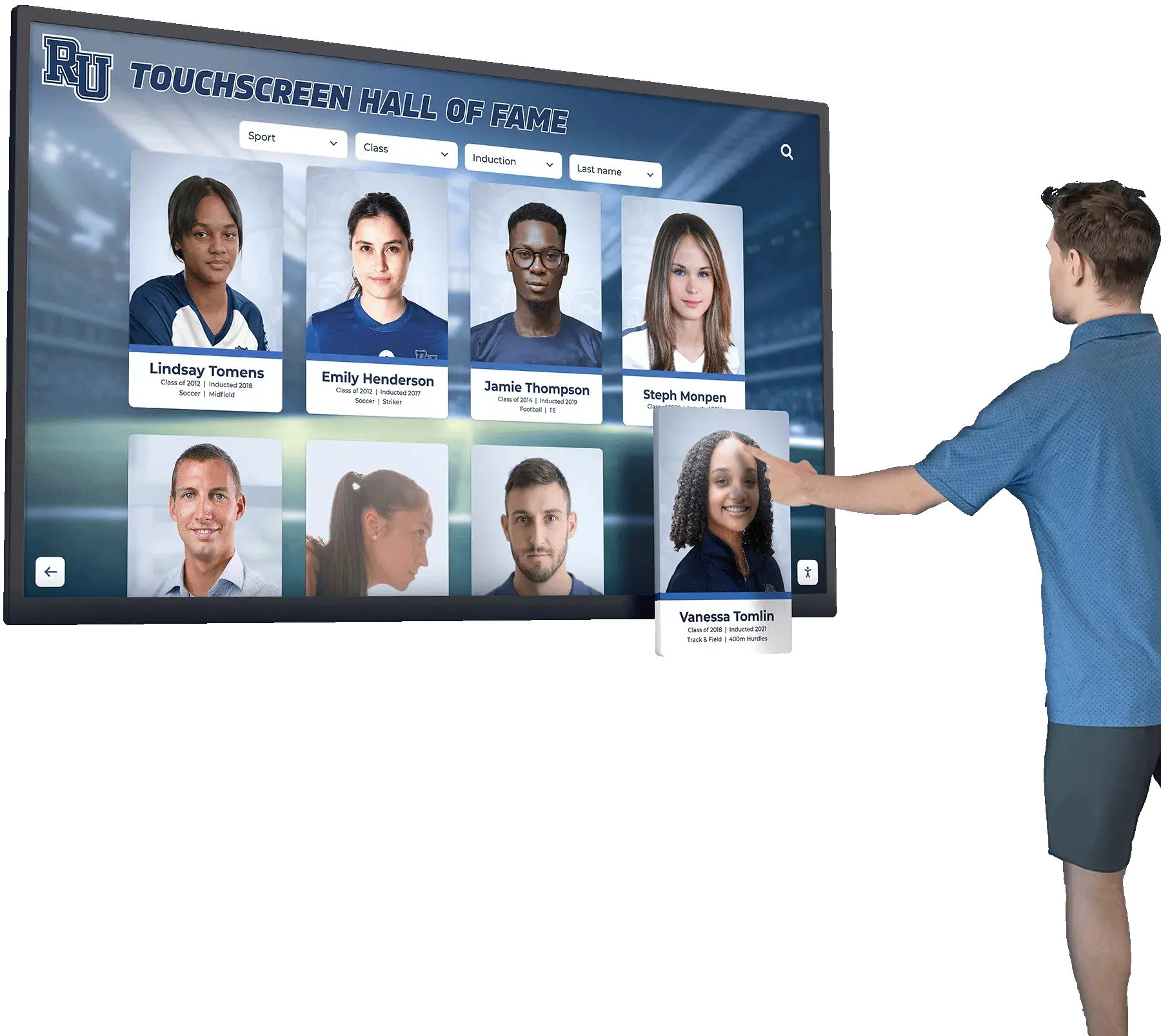
Walk through any modern high school, university athletic facility, or institutional building today and you’ll notice a striking transformation in how organizations celebrate achievements. Traditional trophy cases and static plaques are giving way to interactive touchscreen hall of fame displays—dynamic systems that engage visitors through intuitive touch interfaces while providing unlimited recognition capacity, rich multimedia storytelling, and instant content updates.
Read More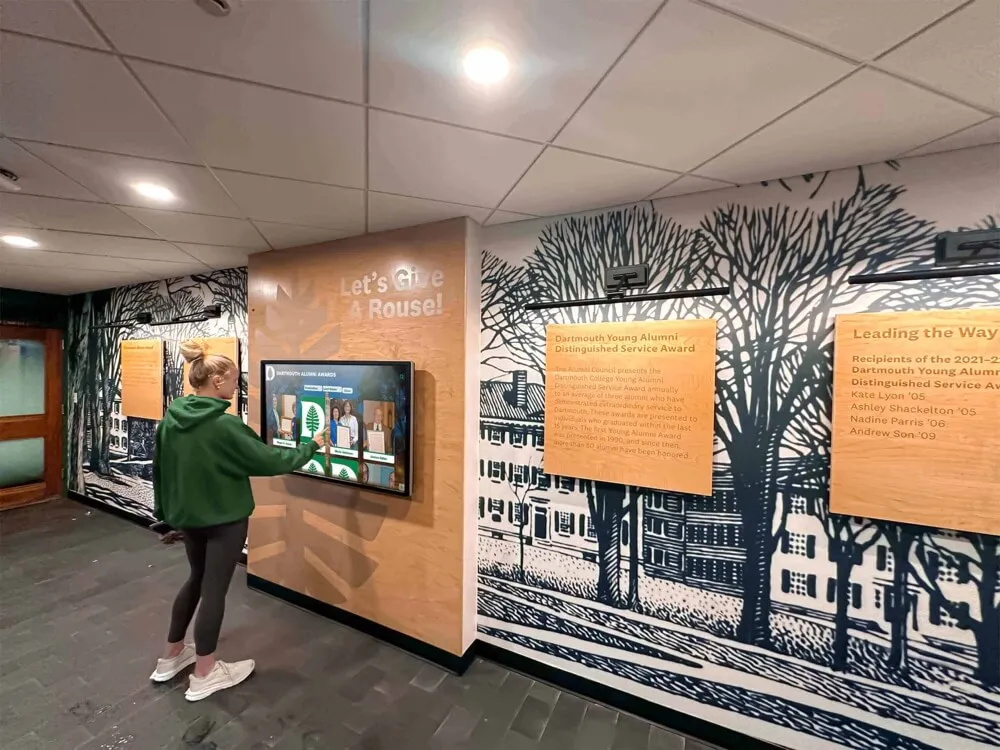
Alumni Engagement Ideas: Building Lasting Connections with Your School's Graduates
The relationship between educational institutions and their graduates shouldn’t end at commencement—yet many schools struggle to maintain meaningful connections with alumni after they walk across the stage to receive their diplomas. Strong alumni engagement transforms former students into active community members who mentor current students, contribute to fundraising campaigns, advocate for institutional reputation, and create professional networking opportunities that benefit everyone involved.
Read More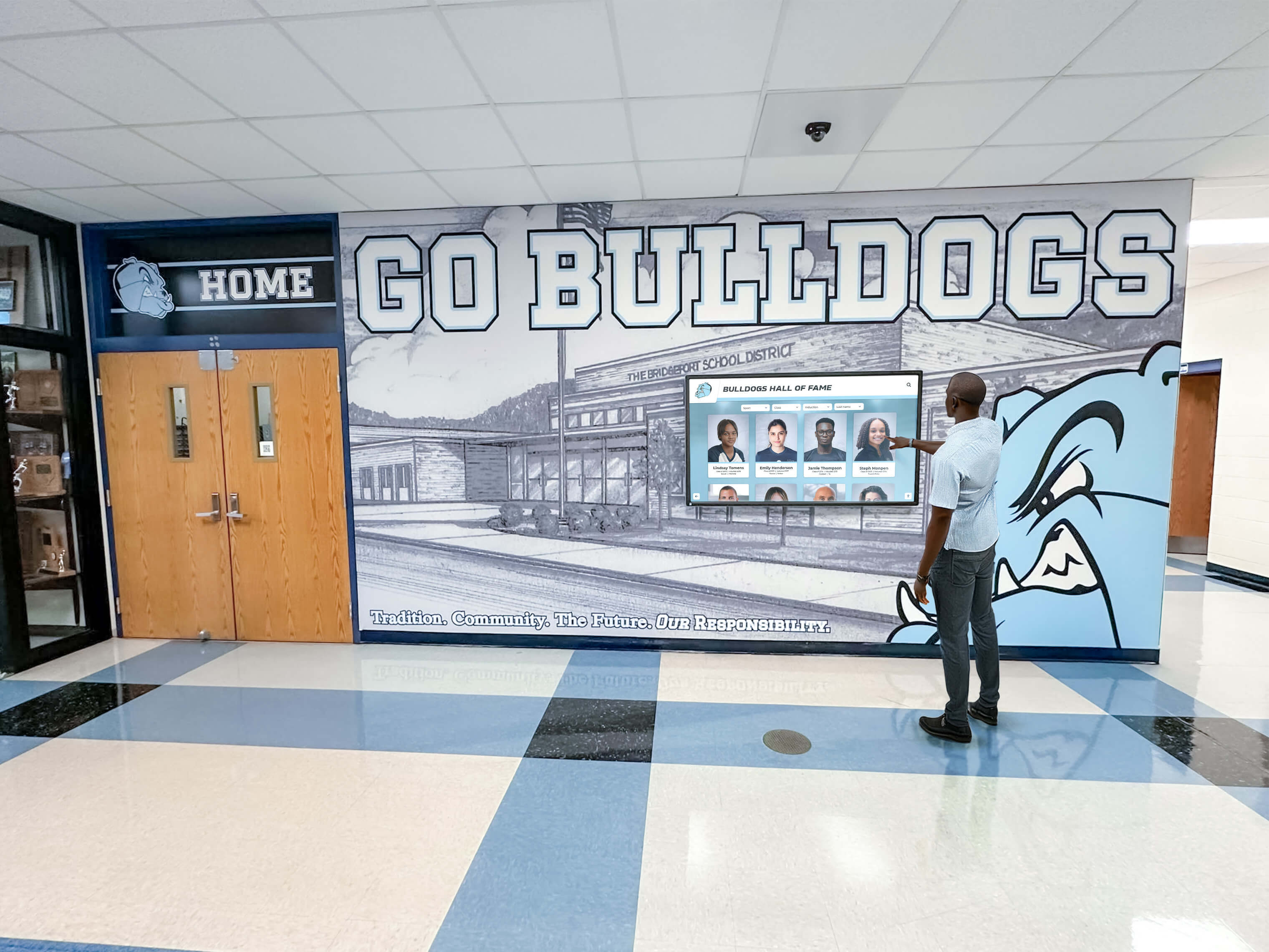
Turnkey Digital Hall of Fame Display Pricing: Complete Content Setup & Training Guide for Schools
Many school administrators face the same challenge when considering digital hall of fame displays: the technology looks impressive, but who will set everything up? Who creates the initial content? How will staff learn to update it? These questions often delay or derail projects that could transform how schools celebrate student achievements.
Read More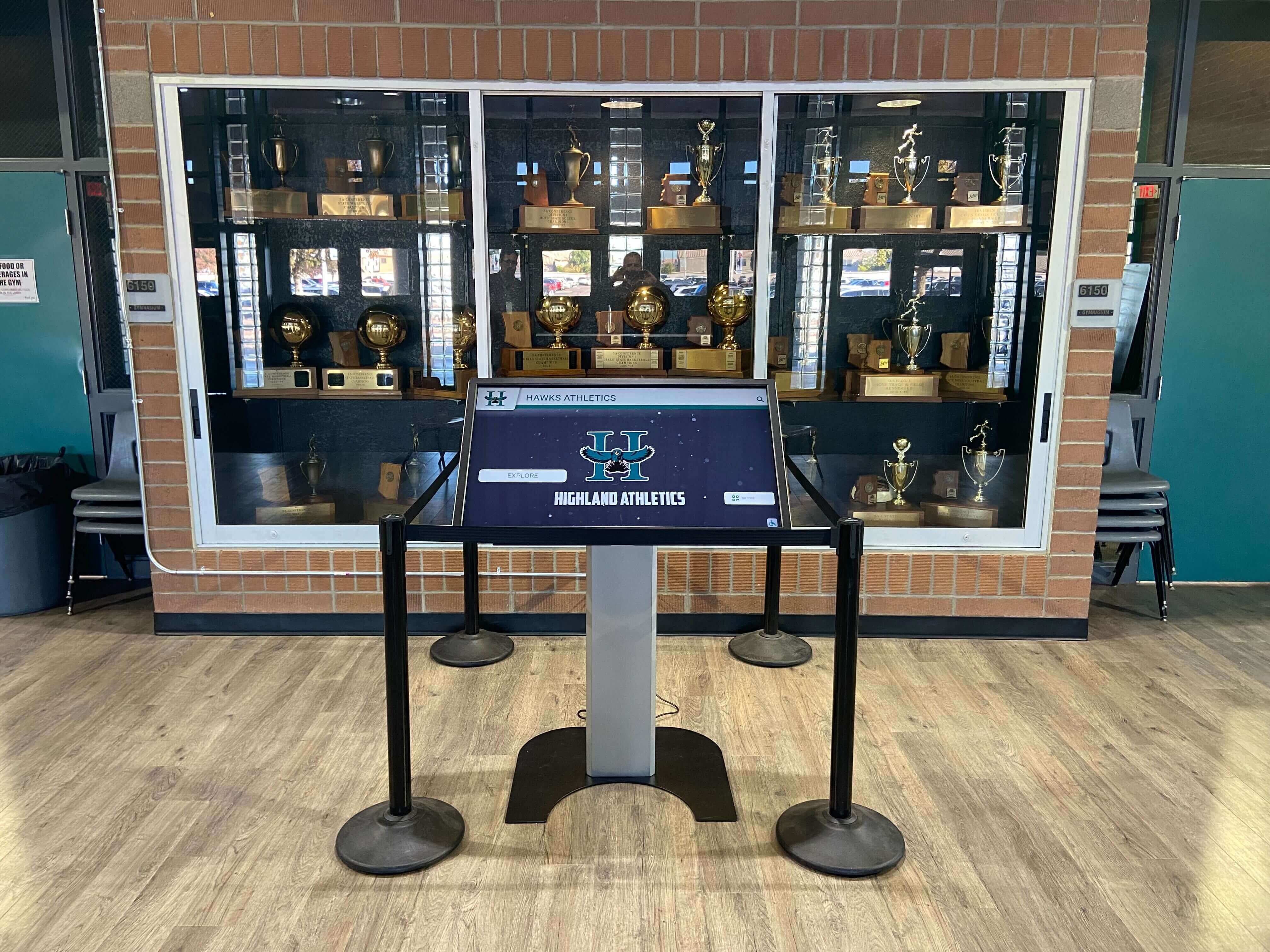
Digital Hall of Fame Display vs Traditional Trophy Case: What's the Difference for School Hallways?
Walk through any high school hallway and you’ll encounter trophy cases—glass-enclosed displays filled with decades of athletic achievements, dusty plaques commemorating state championships, and overcrowded shelves struggling to fit one more award. These traditional recognition fixtures have served schools for generations, but many administrators now face a critical question: Should we stick with conventional trophy cases, or is it time to transition to digital hall of fame displays?
Read More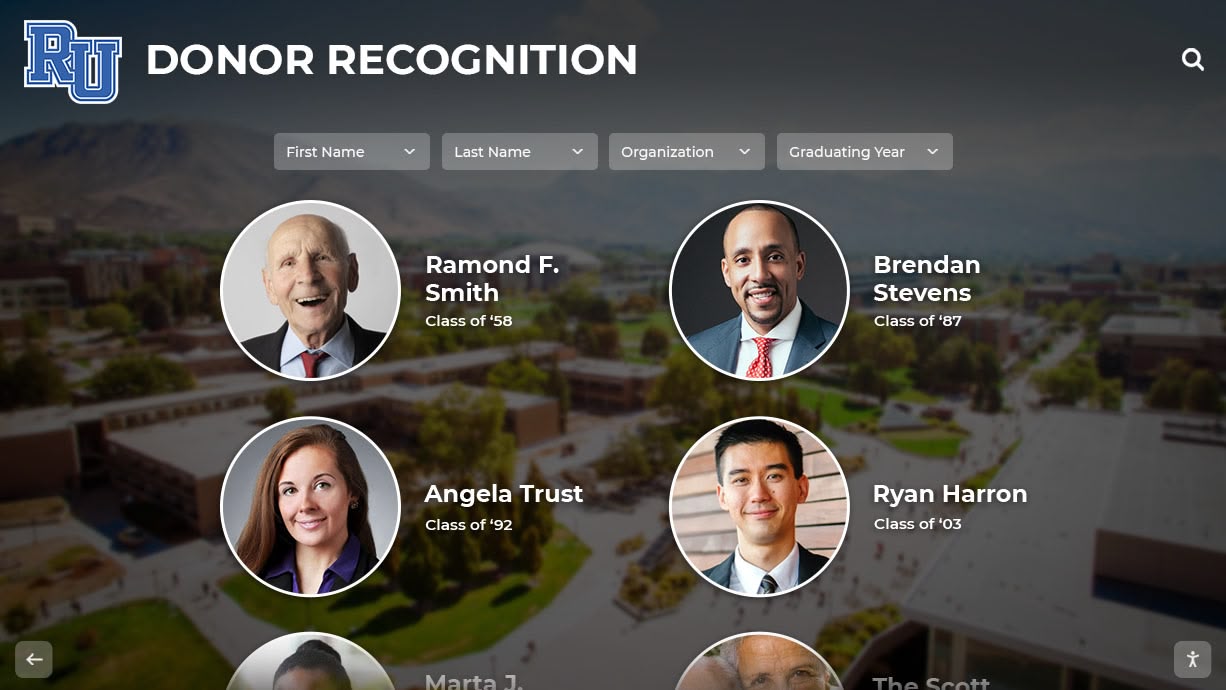
Digital Hall of Fame Displays That Work as Donor Walls: Sponsor Recognition Guide
Schools, nonprofits, and organizations frequently face space constraints when honoring both achievement inductees and financial supporters. Traditional recognition requires separate physical displays—trophy cases for athletic achievements, plaque walls for hall of fame members, and distinct donor walls for contributors. As recognition needs grow, available wall space shrinks, forcing difficult decisions about which accomplishments deserve visibility.
Read More
Hall of Fame Induction: How Schools Decide Who Gets In and Display Them Digitally
Establishing a hall of fame program represents one of the most meaningful ways schools celebrate achievement and preserve institutional legacy. Yet many administrators struggle with fundamental questions: What criteria should govern inductions? How do we ensure fairness and consistency? Who makes selection decisions? And once inductees are chosen, how can we present their achievements in ways that inspire current students while honoring past accomplishments?
Read More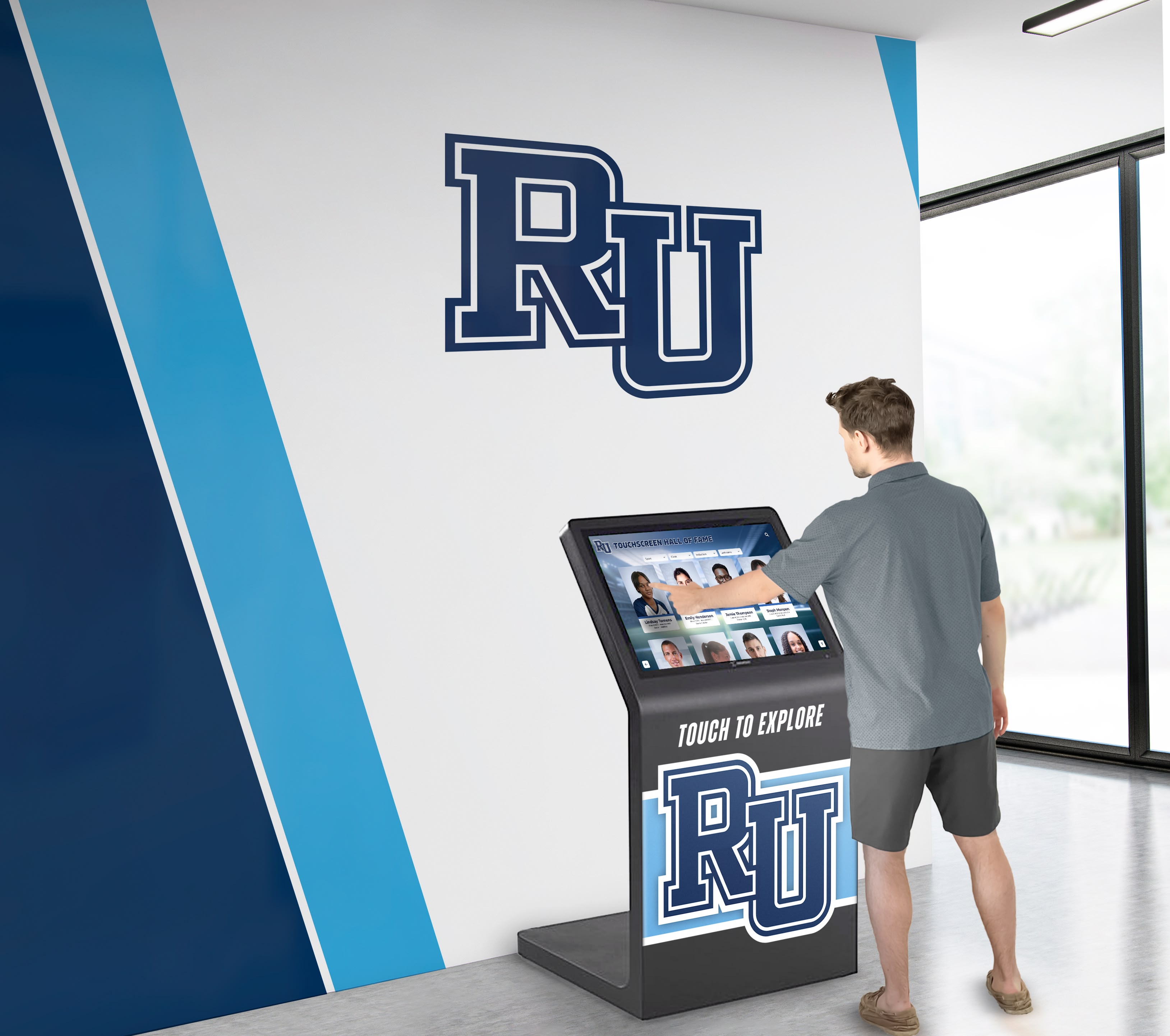
Who Installs Digital Hall of Fame Displays in Schools? Complete Installation & Setup Guide
When a school decides to install a digital hall of fame display near the front office, the implementation involves coordinating multiple professionals across facilities, IT, and specialized audiovisual integration teams. Unlike traditional plaques that require simple mounting, digital displays demand careful planning for structural support, electrical power, network connectivity, and ongoing technical maintenance. The question of who installs these systems has no single answer—successful installations typically involve collaboration between internal school staff and external specialists, each contributing specific expertise to create reliable, professional recognition systems.
Read More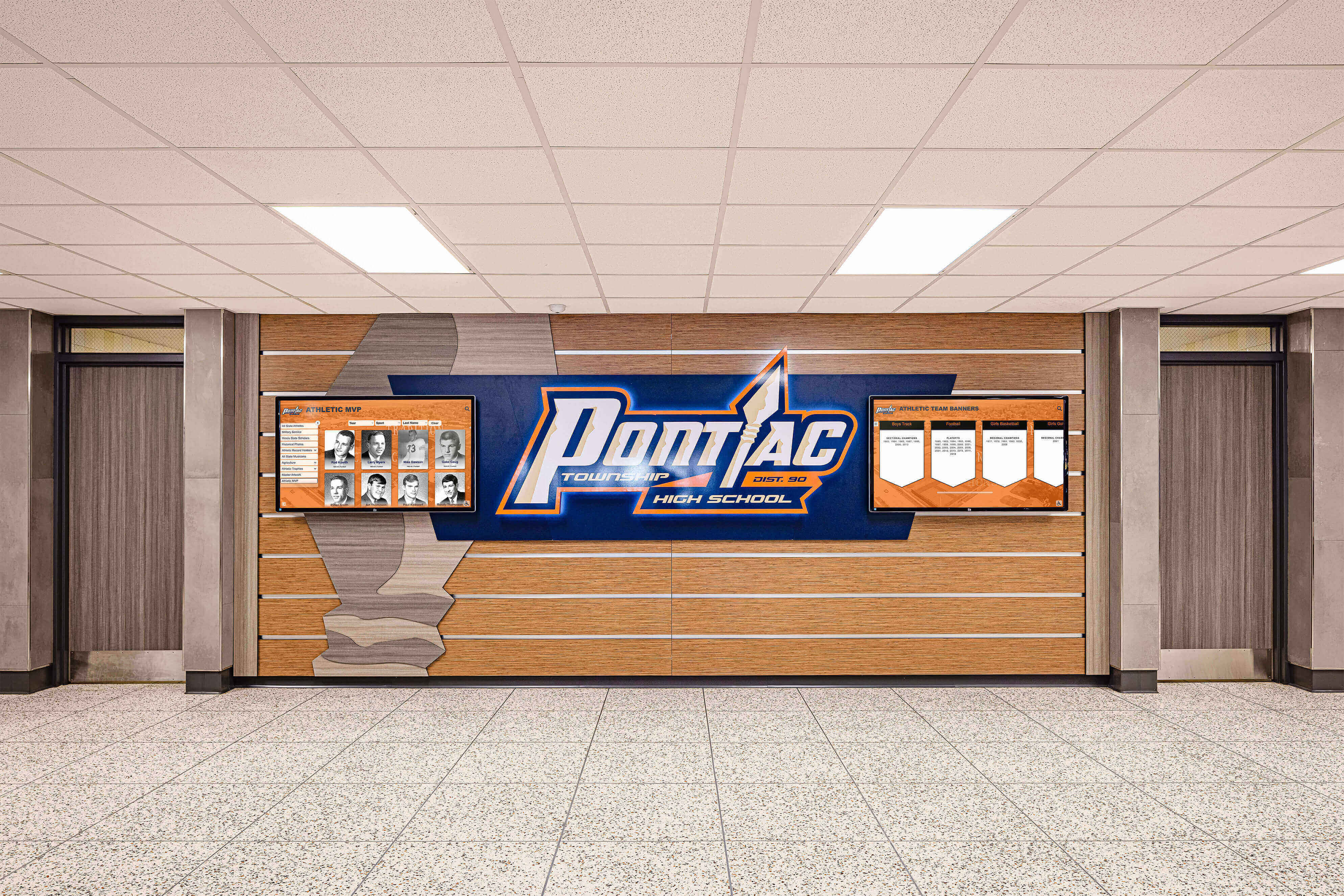
Why Rocket Alumni Solutions is Perfect for Small to Medium Public High Schools
Small to medium public high schools face unique challenges when celebrating student achievements. Limited budgets mean choosing between recognizing athletes or scholars. Small maintenance teams struggle to update outdated trophy cases and faded banners. Tight spaces force administrators to remove historical recognition to make room for new honorees. Traditional recognition methods designed for large institutions with dedicated staff and substantial budgets simply do not work for schools serving 300-800 students.
Read More
Rocket Touchscreen WCAG 2.2 AA Accessible - Why Accessibility Matters for Digital Recognition Displays
When schools and organizations invest in digital recognition displays, they’re creating centerpieces for their lobbies, hallways, and gathering spaces. These interactive touchscreens showcase achievements, honor contributors, and preserve institutional history. But for roughly 26% of adults in the United States who live with some form of disability, many digital displays create barriers rather than opportunities for engagement.
Read More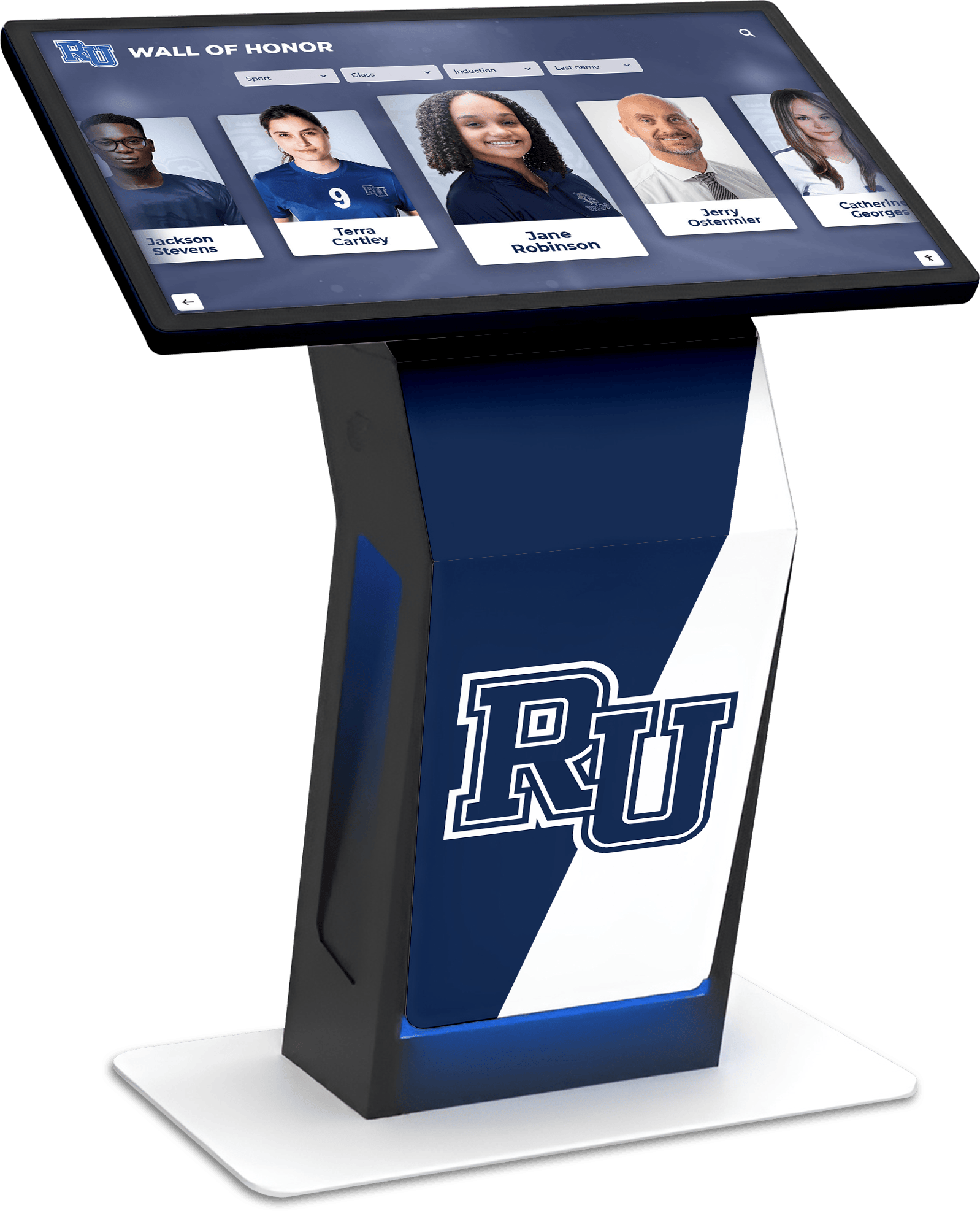
Rocket Recognition: Complete Guide to Modern Employee & Student Recognition Platform
Recognition programs across schools, organizations, and businesses face a common challenge: how to celebrate achievements meaningfully while managing limited space, keeping content current, and reaching distributed audiences. Traditional plaques fill walls to capacity, trophy cases overflow with decades of awards, and static displays become outdated the moment they’re installed. Meanwhile, the people you’re trying to honor—employees who drive business success, students who exemplify academic excellence, athletes who break records, donors who fuel missions—deserve recognition that matches their contributions.
Read MoreDesign Consistency and Creative Freedom: How to Reduce Fragmented Visuals in Digital Recognition
Schools and organizations implementing digital recognition systems face a fundamental tension: they want unique, creative layouts that reflect their distinct identity, but they also need consistent, professional experiences that don’t fragment into a disjointed mess. Traditional approaches force an uncomfortable choice—accept rigid templates that limit creativity, or embrace full customization that leads to inconsistent branding, broken features, and costly ongoing maintenance.
Read MoreRocket Alumni Solutions Subscription Pricing: Multi-Year Options and Budget Flexibility Explained
Schools, universities, and organizations evaluating digital recognition solutions face a fundamental budget question: How do subscription pricing models align with educational procurement cycles, bond funding requirements, and long-term financial planning? For institutions accustomed to one-time purchases of physical plaques and trophy cases, the shift to software subscriptions raises valid concerns about ongoing costs, budget predictability, and total ownership expenses.
Read MoreWhy Rocket Touchscreen is Great for Small Schools and Not Overkill: Complete Guide
Small schools evaluating digital recognition systems frequently encounter the assumption that comprehensive platforms like Rocket Alumni Solutions represent “overkill”—too sophisticated, too feature-rich, and too expensive for institutions with modest budgets and straightforward needs. The concern seems reasonable: why invest in database-backed interactive touchscreen systems with analytics, donor tracking, and web accessibility when a simple Google Slides loop or basic digital signage appears sufficient?
Read More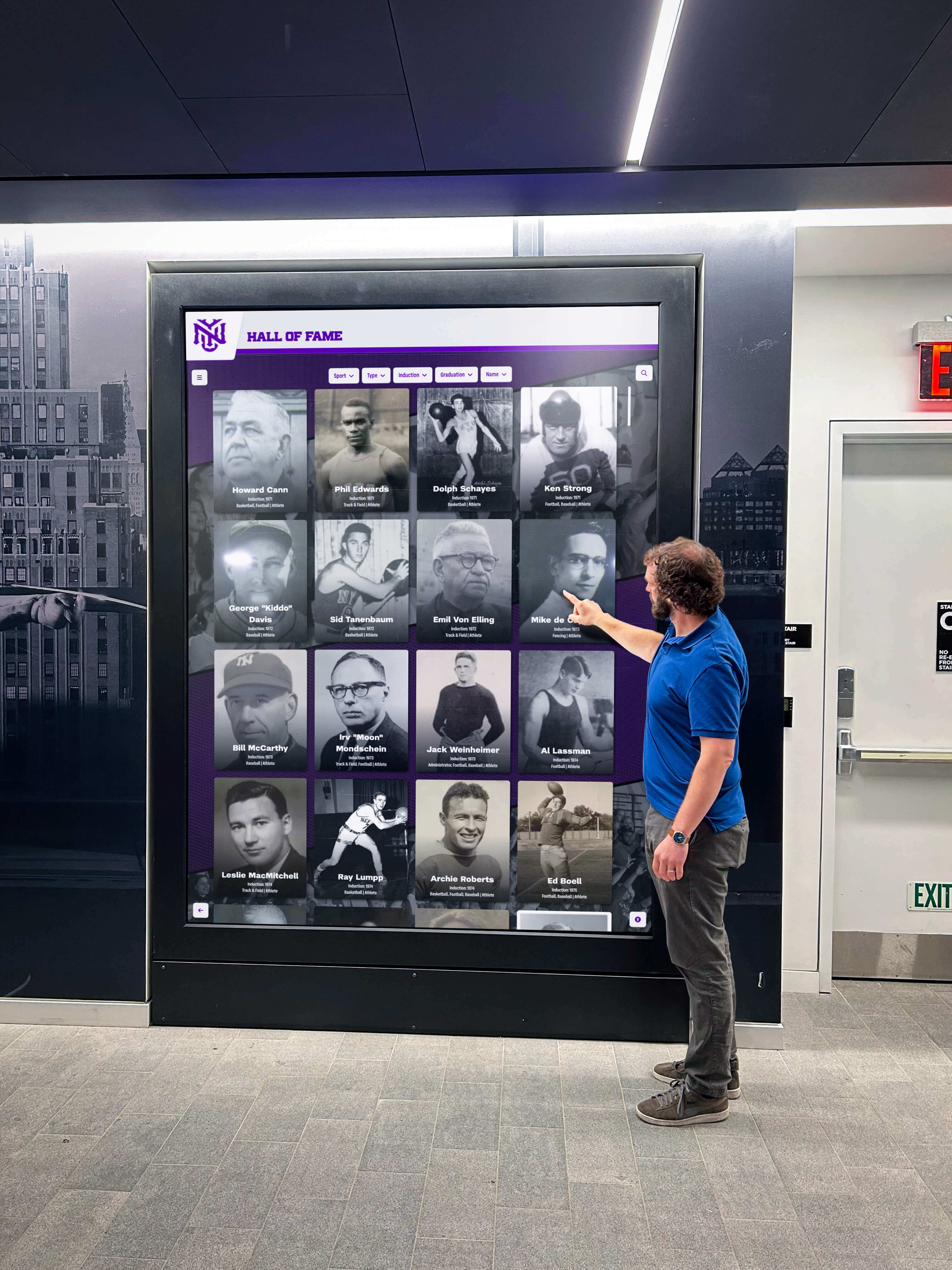
Assisted Living Visitor Digital Displays: Complete Guide to Modern Senior Care Communication
Assisted living facilities face unique challenges in creating welcoming, secure, and informative environments for residents, families, and visitors. Traditional communication methods—bulletin boards, paper calendars, and static signage—struggle to deliver timely information while maintaining the warm, engaging atmosphere families expect when visiting their loved ones. Digital displays are transforming how assisted living communities communicate with visitors, manage security, showcase activities, and celebrate resident life.
Read MoreHilton Lobby Visitor Kiosk: Complete Guide to Hotel Self-Service Technology
Hotel lobbies have transformed from simple waiting areas into dynamic hubs of technology and guest engagement. The Hilton lobby visitor kiosk represents a pioneering shift in hospitality technology, where interactive self-service displays streamline check-in processes, enhance guest experiences, and provide 24/7 concierge services. As major hotel chains like Hilton adopt interactive kiosk technology, the hospitality industry is witnessing a fundamental transformation in how guests interact with hotel services from the moment they arrive.
Read MoreAlumni Engagement Strategies: How Schools Build Lasting Connections with Graduates in 2026
Strong alumni engagement transforms graduates from distant former students into active community members who support institutional mission through mentorship, fundraising, recruitment advocacy, and professional networking that benefits current students and strengthens institutional reputation. Yet most schools struggle to maintain meaningful connections with alumni beyond graduation weekend, watching engagement rates decline as graduates disperse geographically and establish careers, families, and competing priorities that overshadow institutional loyalty.
Read More