Every athletic season produces thousands of memorable moments—game-winning shots, breakthrough performances, personal bests, and displays of determination that define young athletes’ journeys. Yet capturing these fleeting instances in photographs that truly do them justice requires more than pointing a smartphone at the field. Great youth sports photography freezes peak action, conveys athletic emotion, and creates images worthy of display on recognition walls, digital yearbooks, and family homes for years to come.
The challenge facing parents, coaches, and team photographers extends beyond simply getting a clear shot. Youth sports photography demands anticipating fast-moving action, managing difficult outdoor lighting conditions, selecting appropriate camera settings for various sports, and composing images that tell compelling athletic stories. The difference between a forgettable snapshot and a frame-worthy action shot often comes down to technical knowledge, preparation, and understanding what makes sports images genuinely memorable.
This comprehensive guide explores proven youth sports photography techniques—from essential camera equipment and settings to advanced composition strategies and action-anticipation skills. Whether you’re a parent capturing your child’s soccer season, a volunteer team photographer, or a coach building recognition displays, you’ll discover practical approaches for creating athletic images that athletes, families, and communities genuinely treasure.
Youth sports photography serves multiple valuable purposes: preserving personal athletic memories, documenting team histories, recognizing individual achievements, and creating visual content for athletic programs seeking to celebrate participants and attract future athletes. Quality sports photography transforms ordinary game attendance into lasting visual records that athletes revisit throughout their lives.

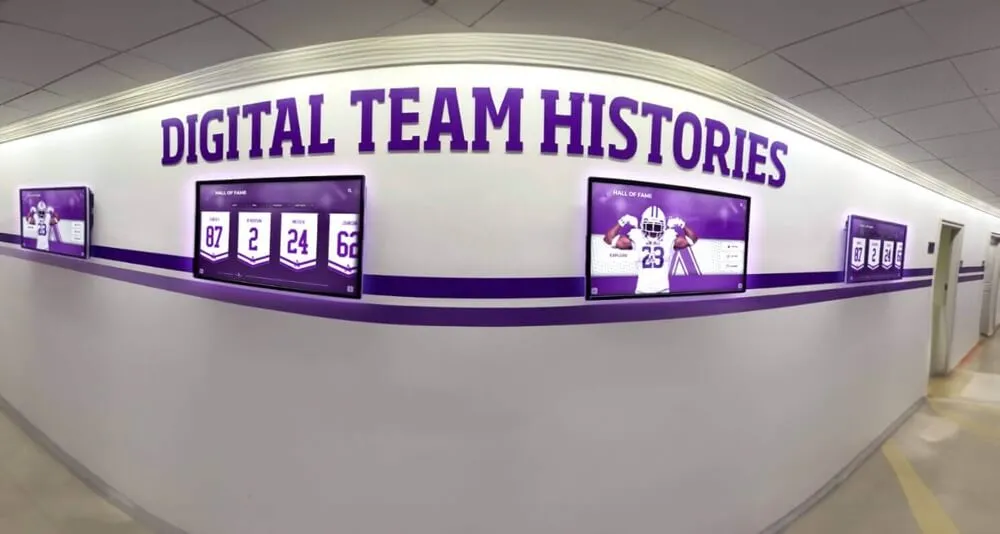
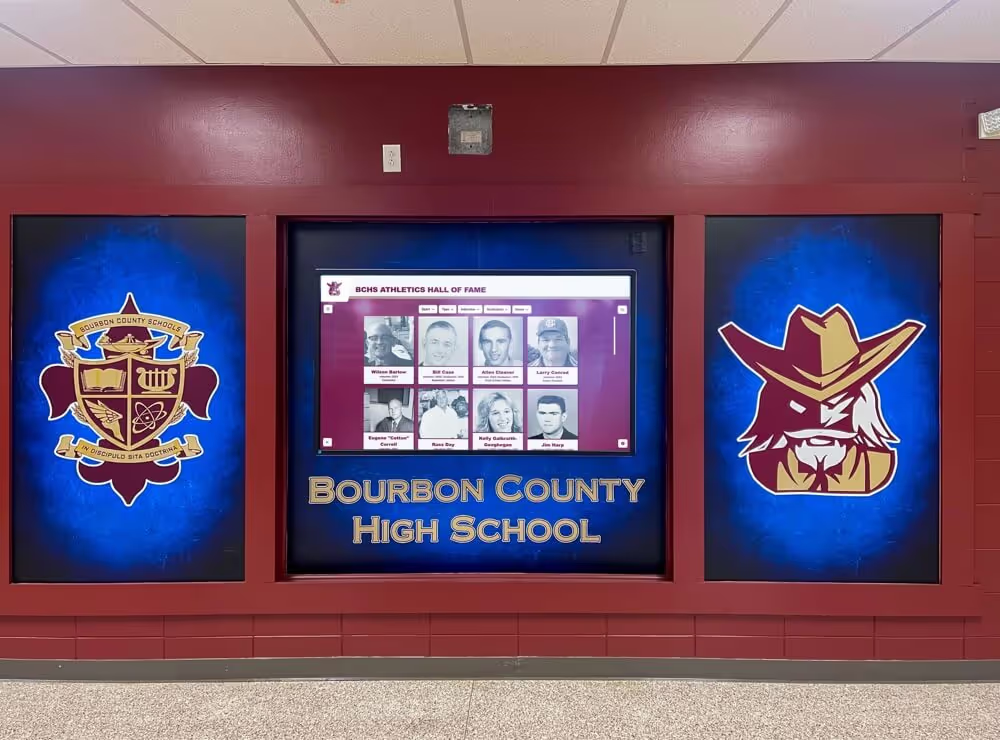
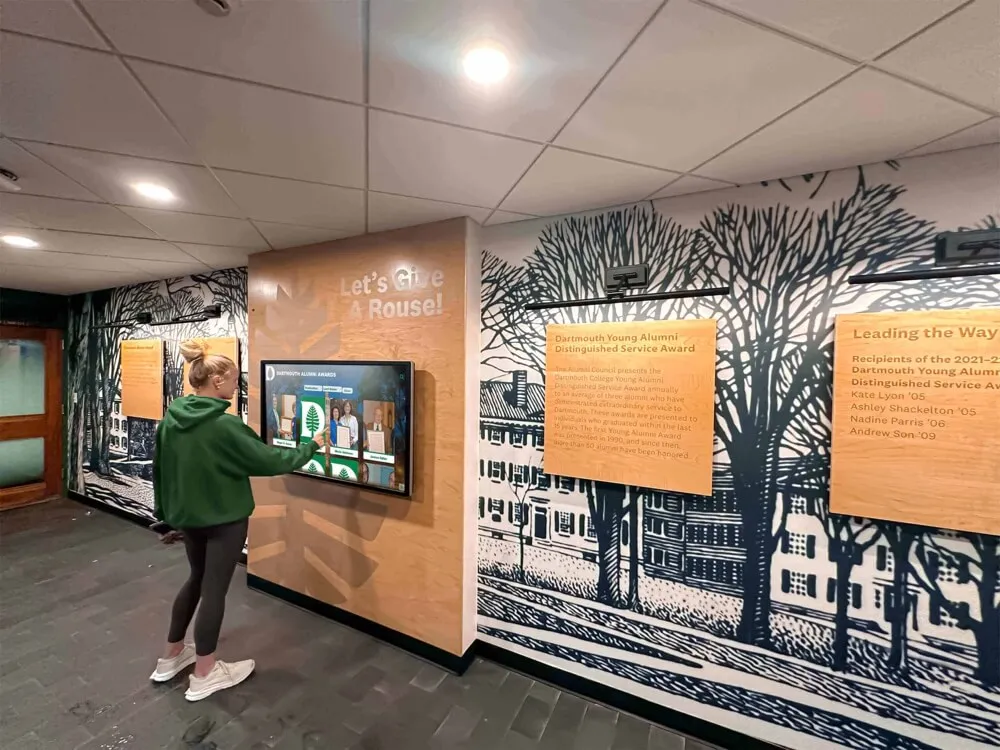
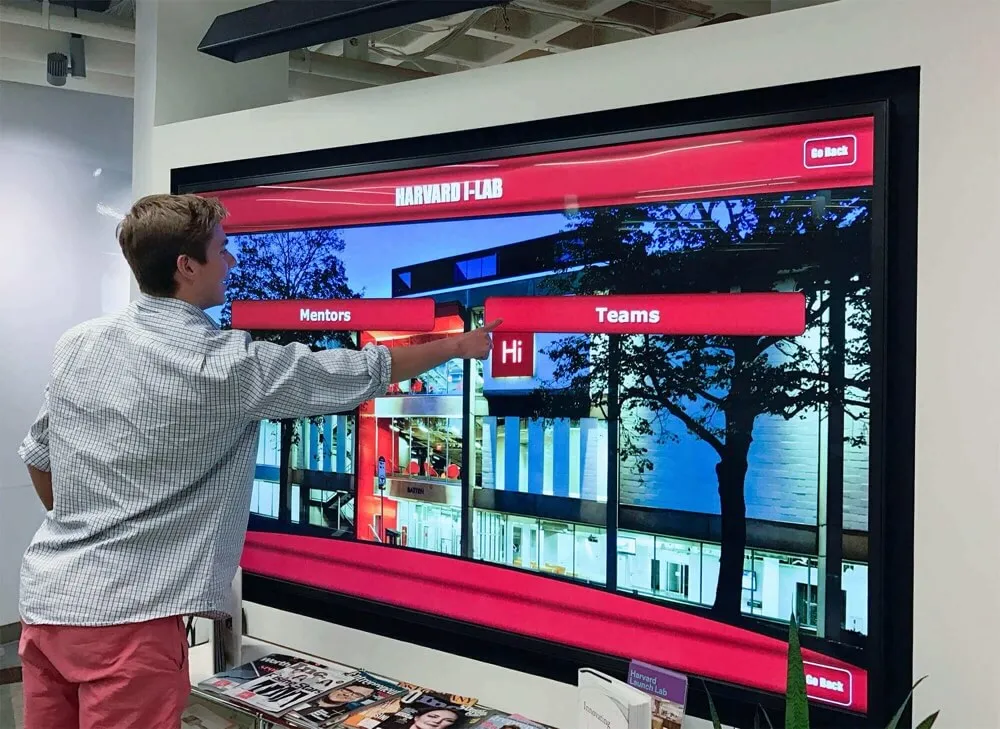
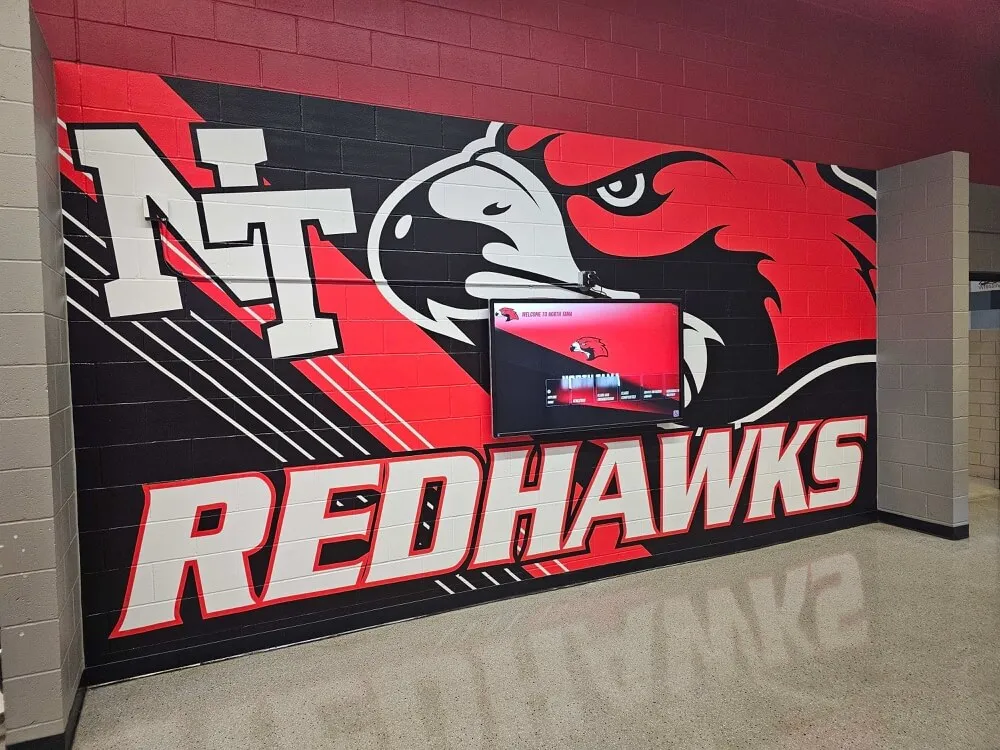
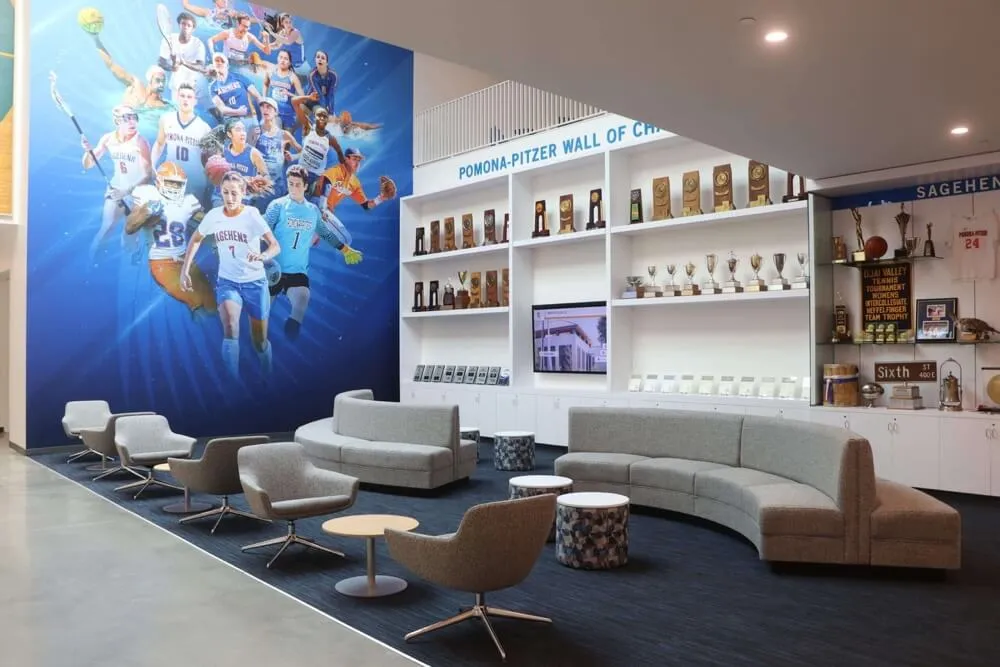
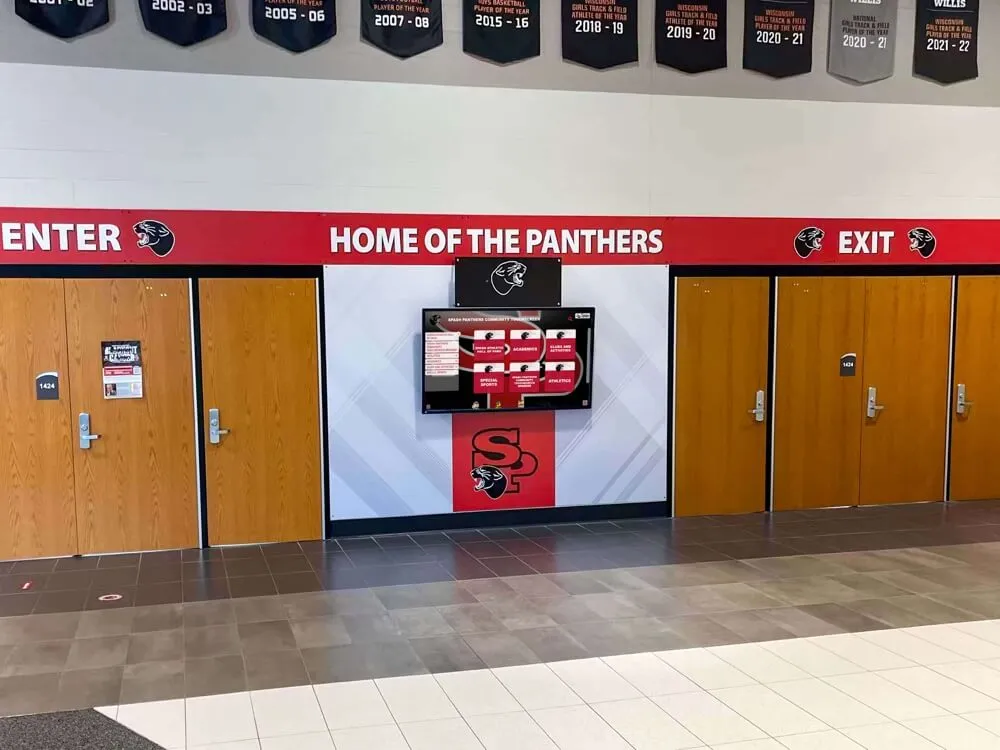
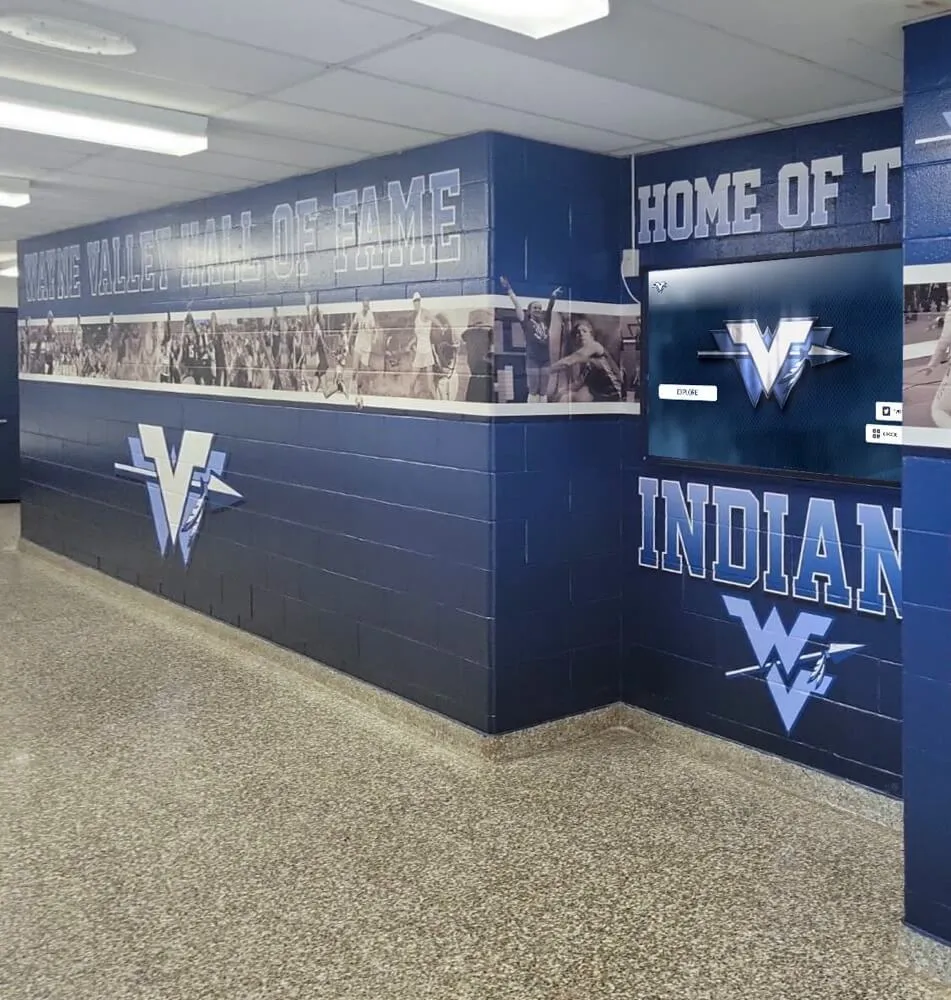
Professional sports documentation creates lasting athletic records that can be showcased through modern digital recognition systems
Essential Equipment for Youth Sports Photography
Success in sports photography begins with appropriate equipment matching your goals and budget.
Camera Body Selection
DSLR and Mirrorless Camera Advantages Serious sports photography benefits significantly from interchangeable lens cameras:
- Fast autofocus systems track moving athletes across playing fields effectively
- Burst shooting modes capture 5-10+ frames per second, ensuring you don’t miss peak action moments
- Manual control options allow precise exposure adjustments for challenging lighting conditions
- Larger image sensors produce higher quality files suitable for printing and enlargement
- Minimal shutter lag means the camera captures images the moment you press the button
- Weather sealing protects equipment during outdoor games in various conditions
Entry-level DSLR or mirrorless cameras from Canon, Nikon, Sony, or Fujifilm provide excellent starting points, with mid-range models offering features particularly valuable for sports photography like advanced autofocus tracking and faster burst rates.
Smartphone Photography Considerations Modern smartphones capture surprisingly good sports photos with proper technique:
- Burst mode capabilities help capture action sequences
- Improved computational photography enhances images through software processing
- Convenience factor means you always have a camera available at games
- Immediate sharing enables quick social media posting and family distribution
- Video capabilities allow capturing game highlights alongside still photography
Smartphone limitations include slower autofocus for fast action, digital rather than optical zoom reducing quality at distance, and smaller sensors struggling in low light compared to dedicated cameras.
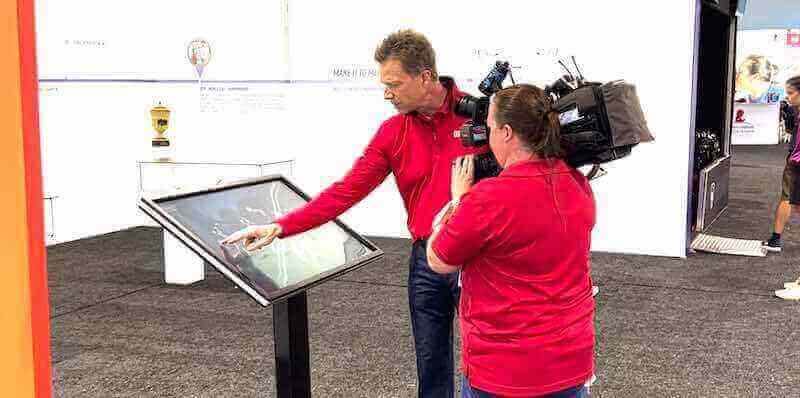
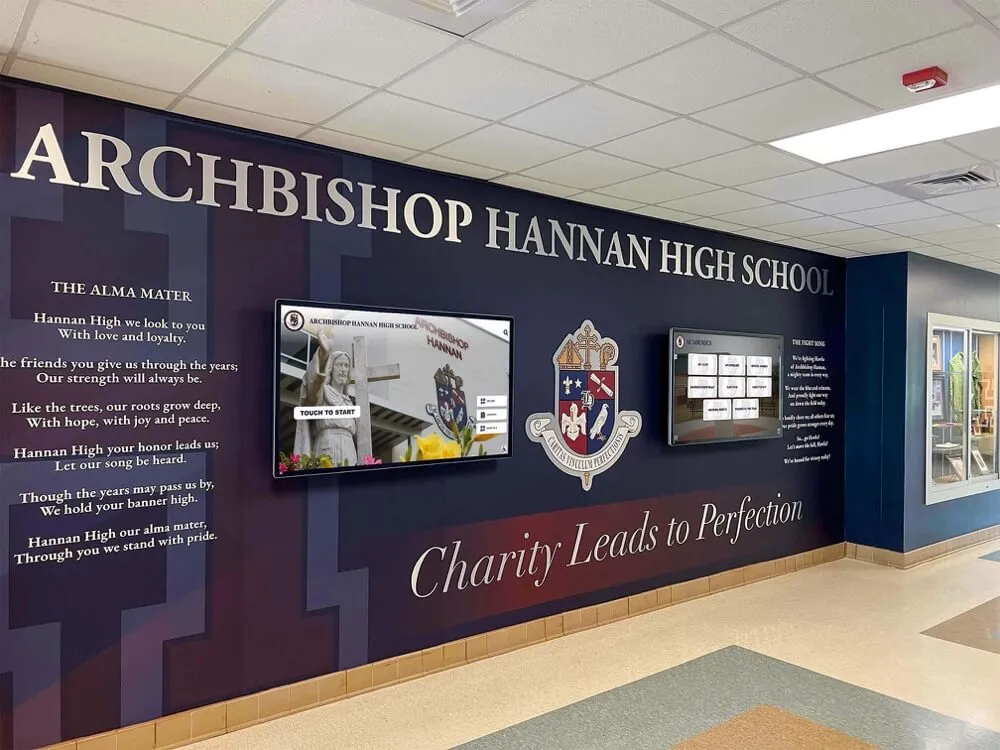
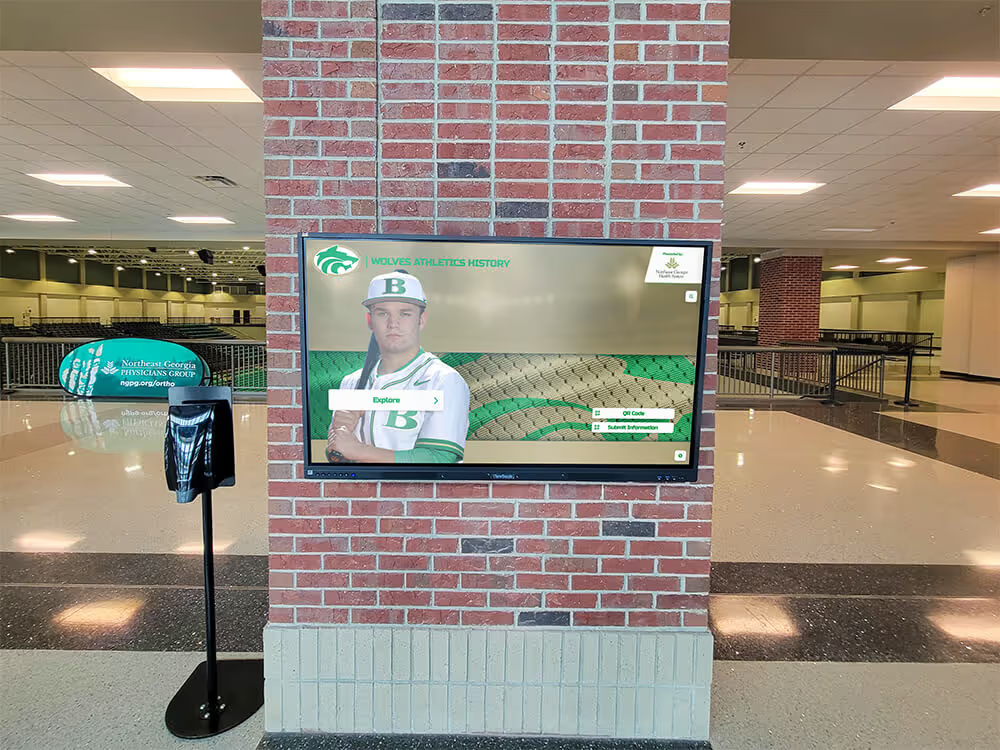
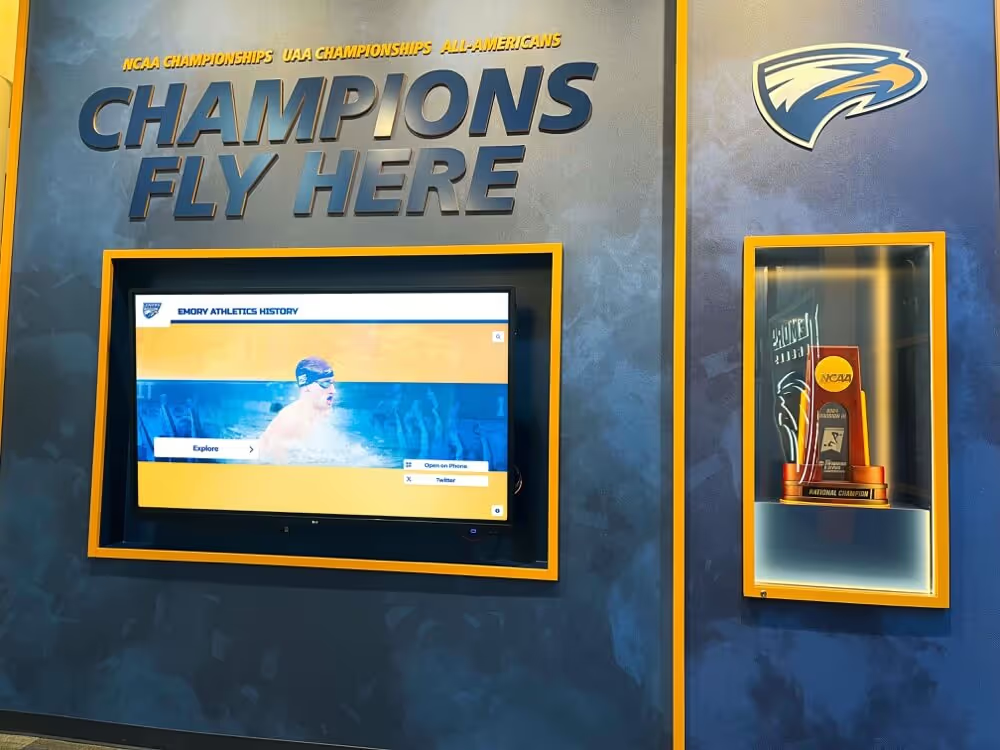
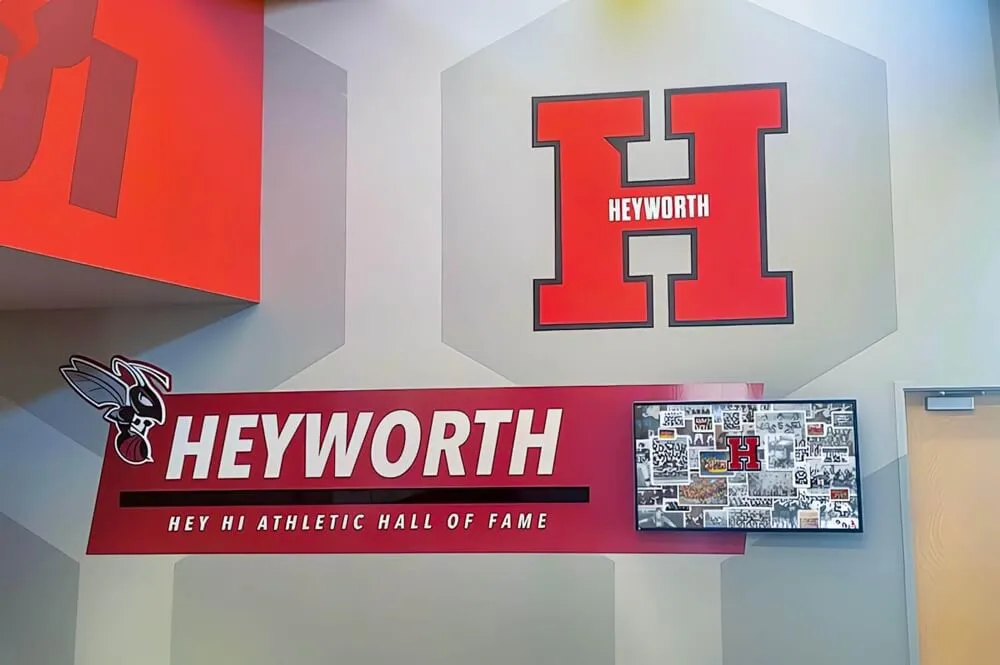
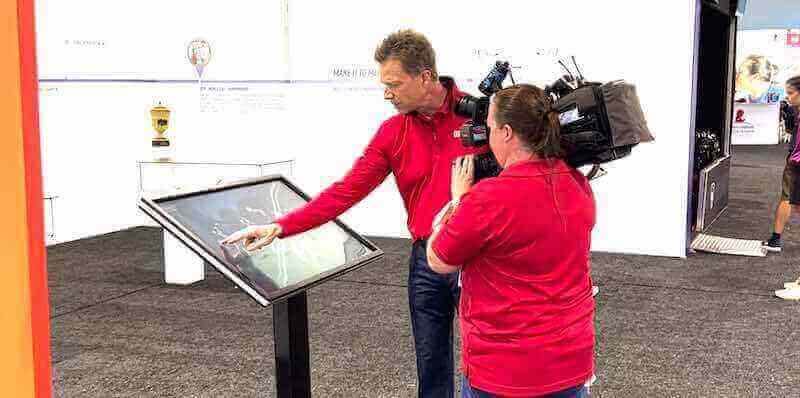
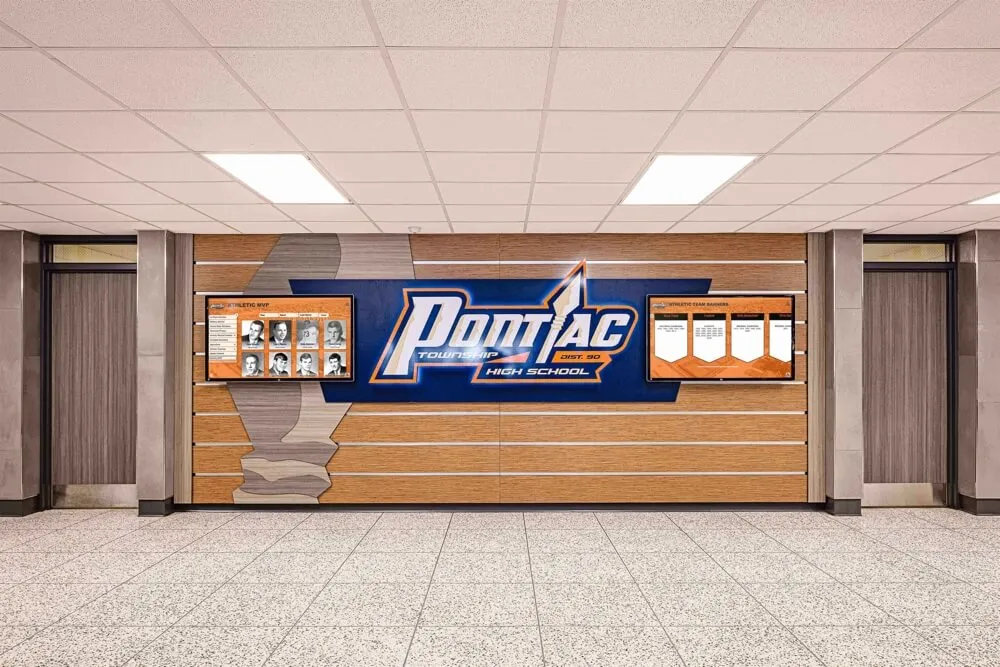
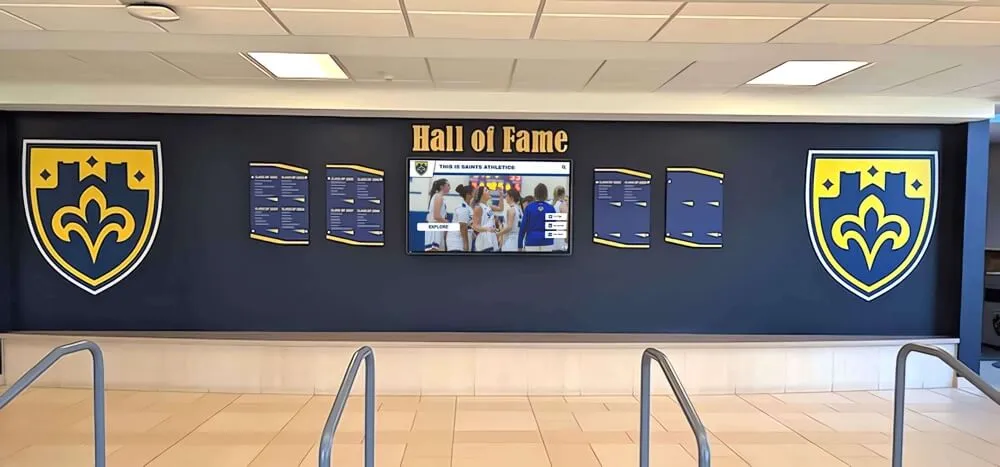
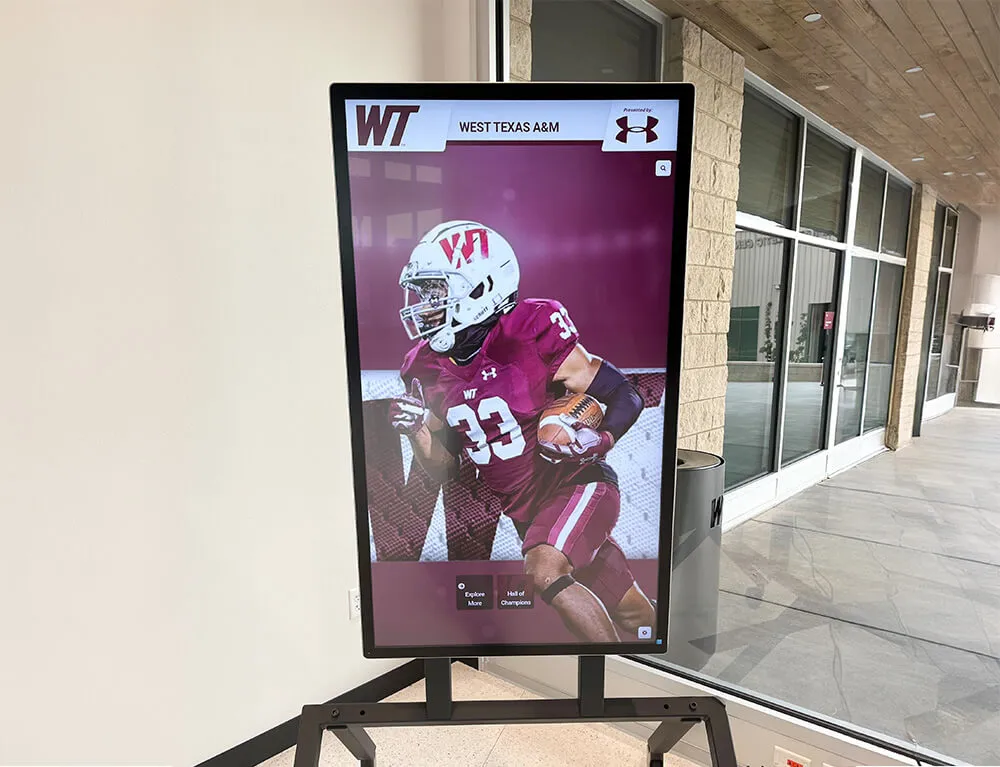
Professional documentation creates high-quality content for interactive recognition systems celebrating athletic achievement
Lens Selection for Sports Photography
Lens choice dramatically impacts sports photography success:
Telephoto Zoom Lenses Most youth sports photography requires reaching distant action:
- 70-200mm f/2.8 lenses represent the gold standard for field sports, providing reach with excellent light-gathering capability
- 70-300mm or 100-400mm options extend reach for larger playing fields at lower cost with variable apertures
- Fast maximum apertures (f/2.8 or f/4) enable shooting in lower light while creating background blur isolating athletes
- Image stabilization reduces camera shake when handholding telephoto focal lengths
- Weather sealing protects lenses during outdoor use in various conditions
Wide-Angle Options Shorter focal lengths work for specific situations:
- 24-70mm zoom lenses capture team photos, bench reactions, and environmental context
- Wide-angle perspectives convey court or field scope in basketball, volleyball, and wrestling
- Closer proximity shots work for sports where photographers access sidelines or courts easily
Most dedicated sports photographers carry both telephoto and standard zoom lenses, selecting appropriate focal lengths based on sport type and shooting position.
Supporting Equipment and Accessories
Monopods and Stabilization Supporting long telephoto lenses reduces fatigue and improves sharpness:
- Monopods provide stability while maintaining mobility to follow action
- Lens collars balance telephoto lenses properly on support systems
- Comfortable padding reduces shoulder strain during multi-hour games
Memory Cards and Batteries Burst shooting consumes storage and power quickly:
- Fast memory cards (UHS-II SD cards or CFexpress) handle high-speed burst shooting without slowing down
- Large capacity cards (64GB+) accommodate thousands of RAW images per game
- Spare batteries ensure you never miss critical moments due to power depletion
- Weather-resistant camera bags protect equipment during transport and outdoor use
Learn about preserving and displaying athletic photos through youth sports awards and recognition programs that honor athletic achievement.
Camera Settings for Capturing Youth Sports Action
Technical settings separate clear, well-exposed action shots from blurry disappointments.
Shutter Speed: Freezing Motion Effectively
Sport-Specific Shutter Speed Guidelines Different sports require different minimum shutter speeds to freeze action:
- Soccer, lacrosse, field hockey: 1/500s minimum to freeze running athletes and ball movement
- Basketball, volleyball: 1/640s minimum for jumping actions and quick movements
- Baseball, softball: 1/1000s minimum to freeze bat swings and pitched balls
- Tennis, track and field: 1/800s minimum for serving motions and sprinting
- Swimming: 1/500s minimum to freeze water splashes and stroke motions
- Football, wrestling: 1/640s minimum for contact sports with sudden movements
These represent minimum speeds—faster shutter speeds produce even sharper results when lighting permits. Set your camera to shutter priority mode (S or Tv) to maintain desired shutter speeds while the camera automatically adjusts other settings.
Creative Motion Blur Techniques Occasionally, intentional motion blur conveys speed and energy:
- Panning shots at 1/60s to 1/125s blur backgrounds while tracking athletes, emphasizing forward motion
- Slower shutter speeds during warm-ups or celebrations create artistic effects
- Water blur in swimming uses longer exposures to smooth pool surfaces while freezing faces above water
These creative approaches require practice but add visual variety beyond standard frozen-action shots.
Aperture: Controlling Depth of Field
Large Apertures for Subject Isolation Wide apertures create professional sports photography looks:
- f/2.8 to f/4 produces shallow depth of field blurring distracting backgrounds
- Subject isolation draws viewer attention to athletes rather than spectators, fences, or benches
- Bokeh effect creates pleasing out-of-focus areas in backgrounds
- Better low-light performance allows faster shutter speeds in dim gymnasiums or evening games
Smaller Apertures for Team Photos Group photography requires different approaches:
- f/8 to f/11 ensures all athletes remain in sharp focus across depth
- Team recognition photos need clarity from front row to back row
- Award ceremony images benefit from full scene sharpness
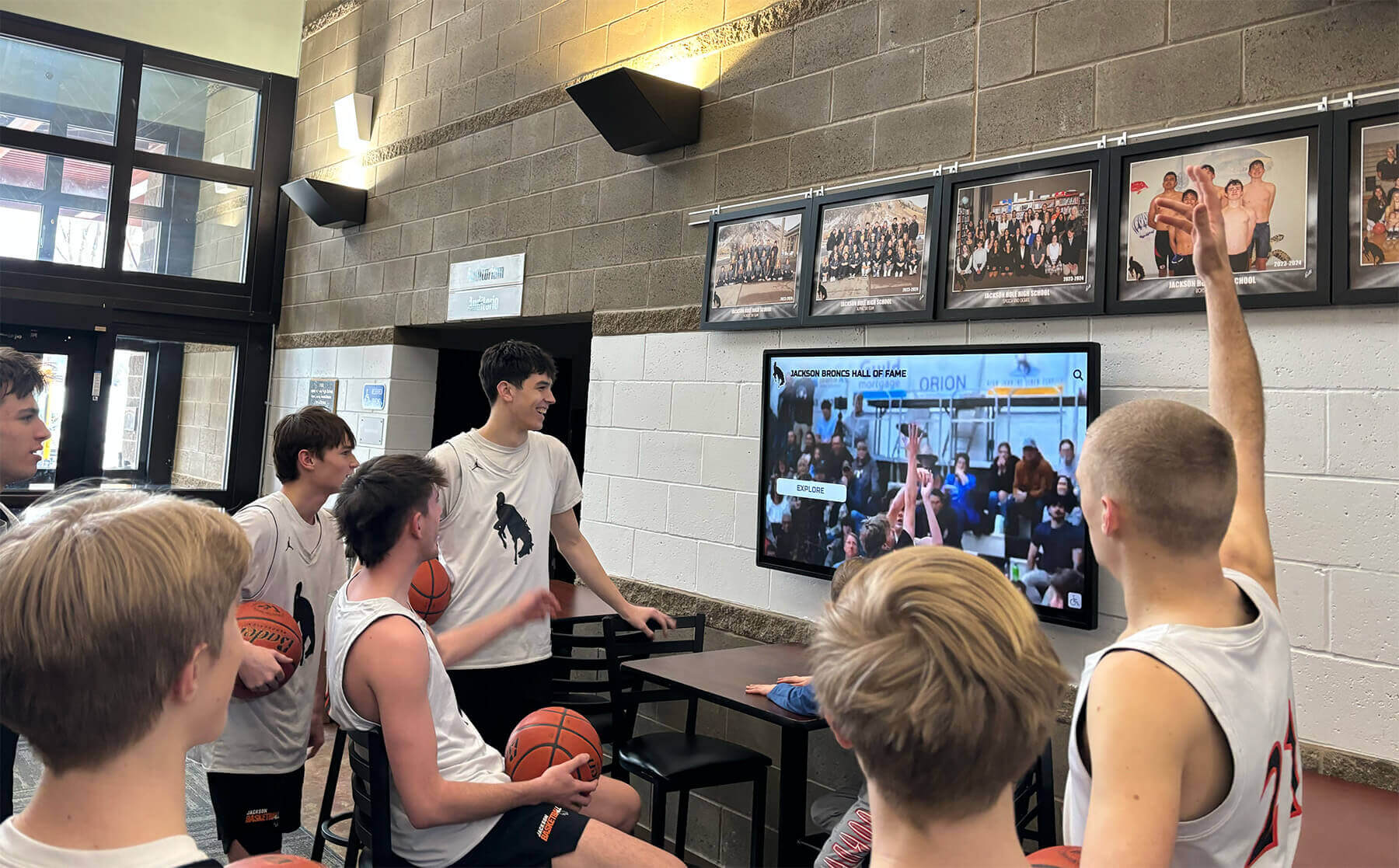
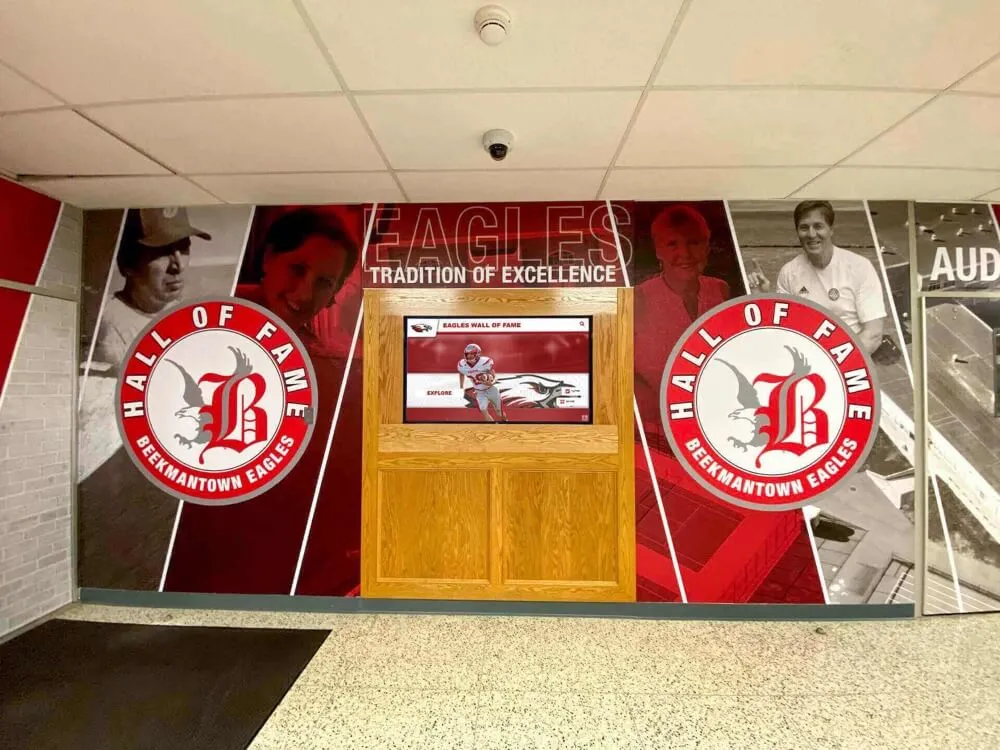
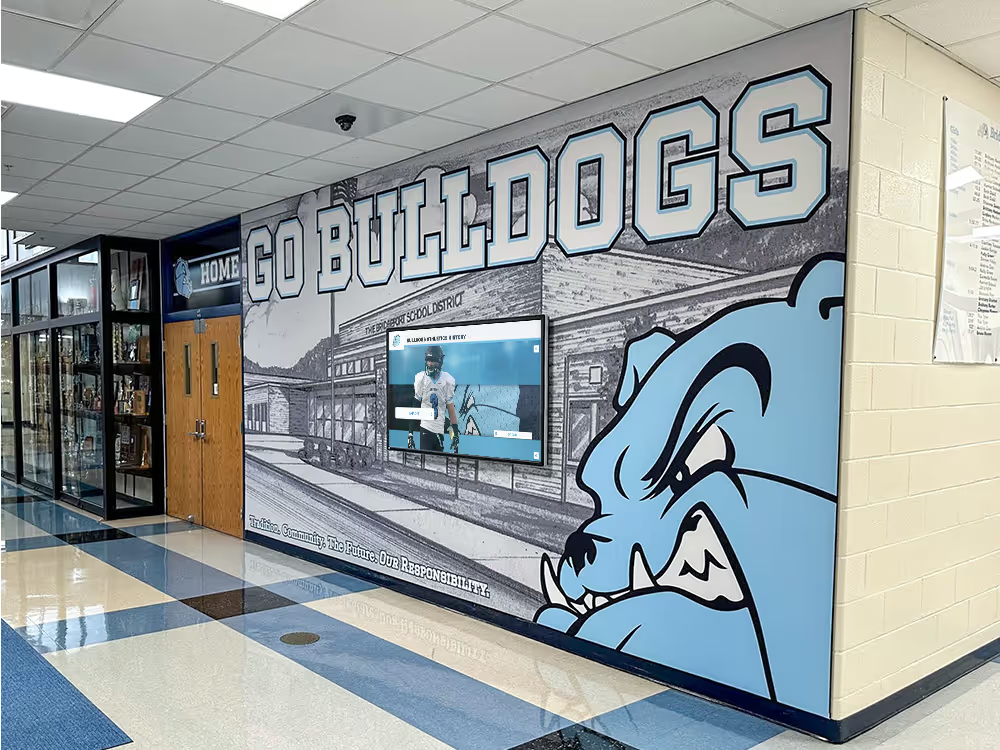
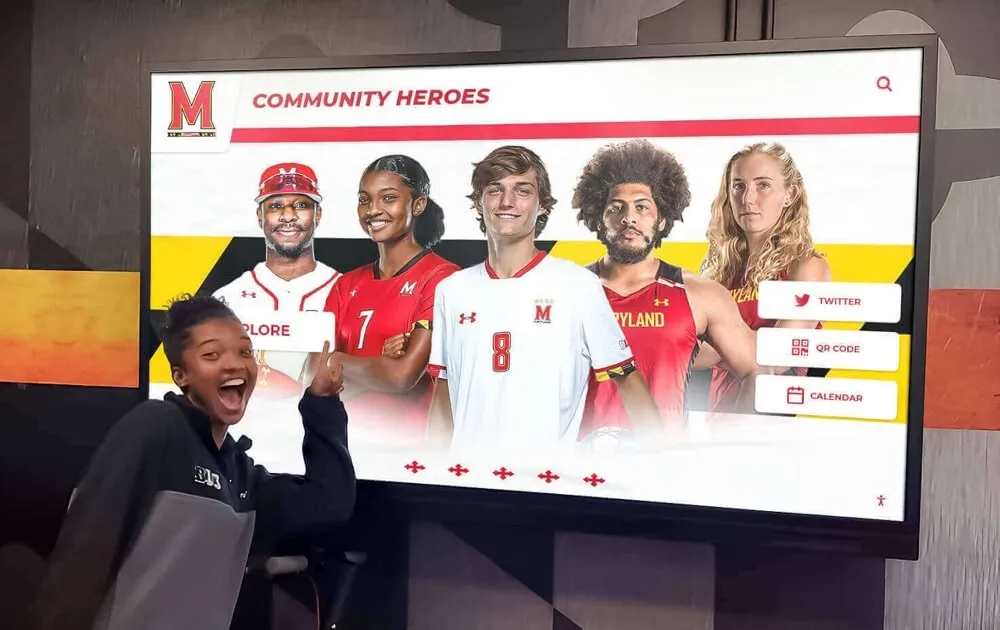
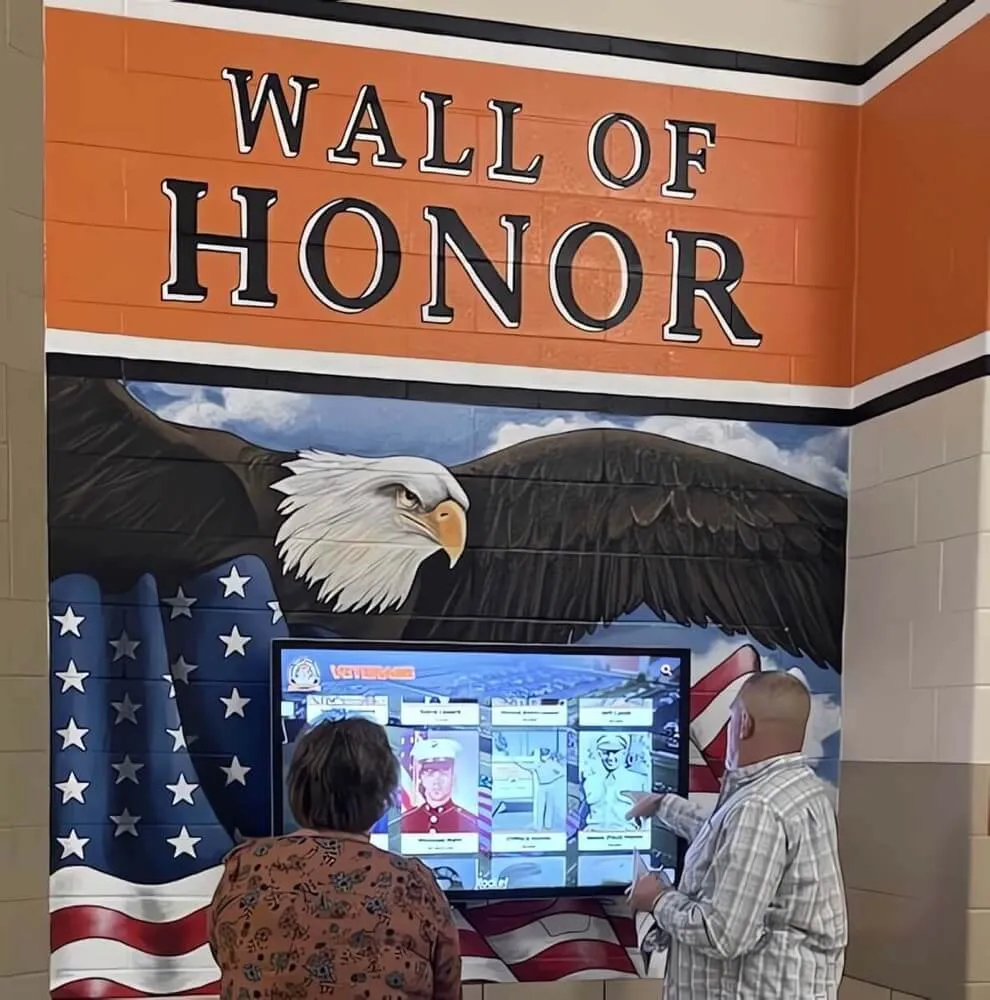
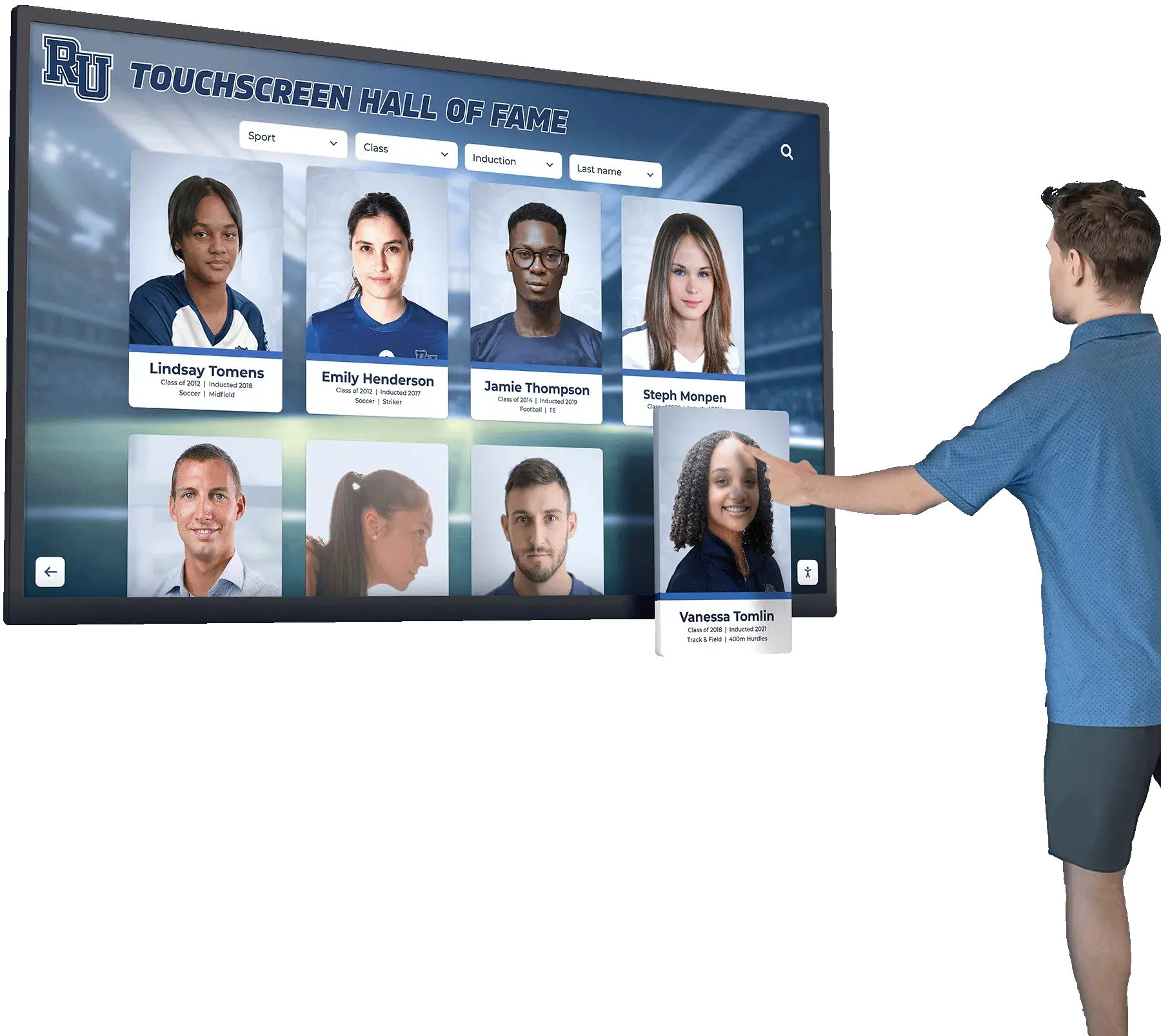
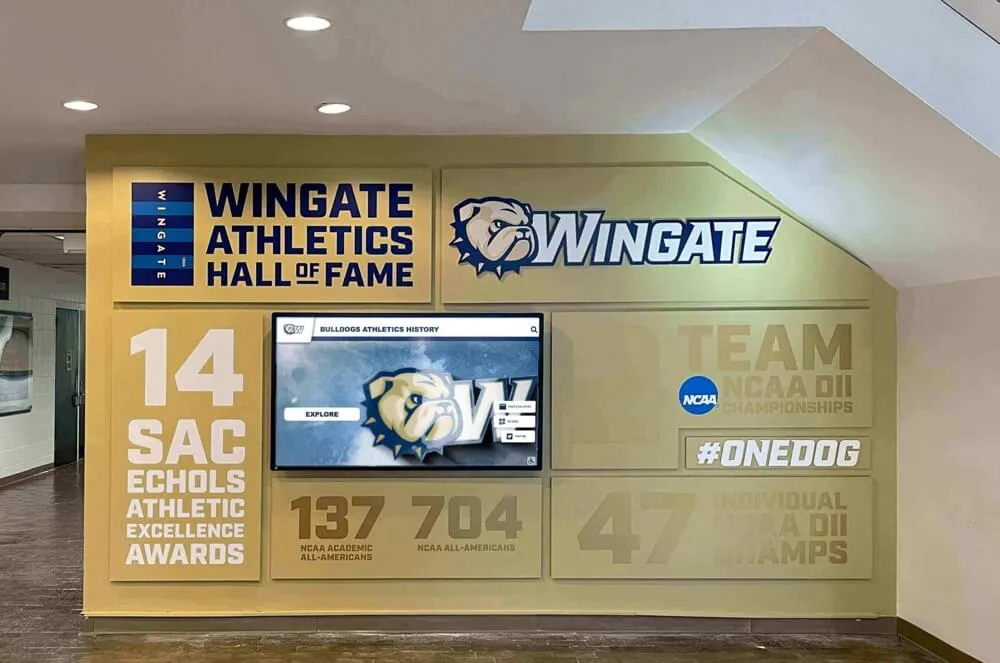
Digital displays showcase action photography that athletes and families enjoy revisiting throughout the years
ISO Settings and Noise Management
Balancing Sensitivity and Image Quality ISO determines sensor light sensitivity:
- ISO 100-400: Ideal for outdoor daytime sports with ample sunlight
- ISO 800-1600: Necessary for overcast conditions or late afternoon games
- ISO 3200-6400: Required for indoor gymnasiums or nighttime field lighting
- Higher ISO values enable faster shutter speeds in low light but increase digital noise
Modern cameras handle high ISO remarkably well—don’t fear using ISO 3200 or higher when necessary to maintain proper shutter speeds. Slightly noisy sharp images vastly outperform clean but blurry photos.
Auto ISO Advantages Set minimum shutter speed and maximum ISO:
- Camera automatically adjusts ISO maintaining your specified shutter speed
- Prevents accidentally slowing shutter speed below action-freezing thresholds
- Simplifies shooting while maintaining technical quality
- Works excellently in changing light conditions during outdoor games
Autofocus Modes for Sports
Continuous Autofocus (AI Servo/AF-C) Tracking moving athletes requires continuous focus:
- Predictive autofocus tracks athletes approaching or receding from camera position
- Focus point selection determines which athlete or area camera prioritizes
- Single point AF provides precision when isolating specific athletes
- Zone AF or dynamic AF covers broader areas helpful when athletes move unpredictably
- Tracking sensitivity adjustments prevent focus from jumping to nearby spectators or officials
Practice with your specific camera’s autofocus system before critical games—understanding which settings work for which sports dramatically improves success rates.
Explore how captured athletic moments become lasting recognition through team recognition award displays celebrating sports programs.
Composition Techniques for Compelling Sports Photography
Technical camera settings capture sharp images—composition creates memorable ones.
The Rule of Thirds in Sports Photography
Creating Dynamic Compositions Placing subjects off-center produces more engaging images:
- Position athletes along third lines rather than centering them in frames
- Place eyes at upper third intersection for portrait-orientation action shots
- Include directional space where athletes run or look, creating visual flow
- Avoid cutting athletes at joints (knees, ankles, elbows) which looks awkward
Most cameras offer rule-of-thirds grid overlays in viewfinders or screens—enable this feature to guide composition while shooting.
Filling the Frame Tight compositions emphasize athletic action:
- Zoom in close eliminating unnecessary background elements
- Crop tightly on athletes during post-processing when needed
- Focus on facial expressions showing determination, concentration, or celebration
- Capture decisive moments where body position conveys peak athletic effort
Empty space around athletes dilutes visual impact—fill frames with relevant content whenever possible.
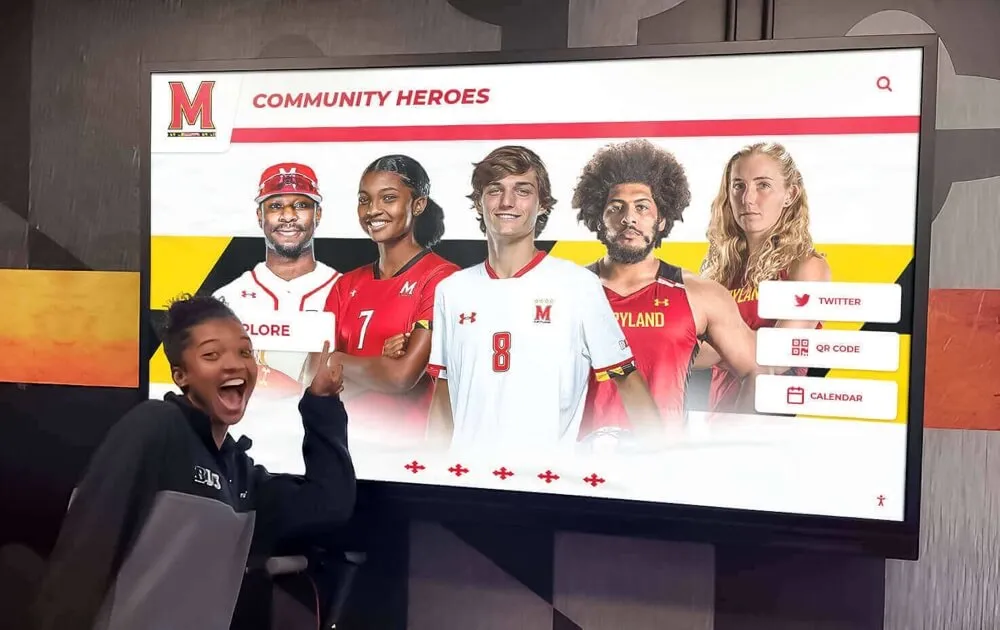
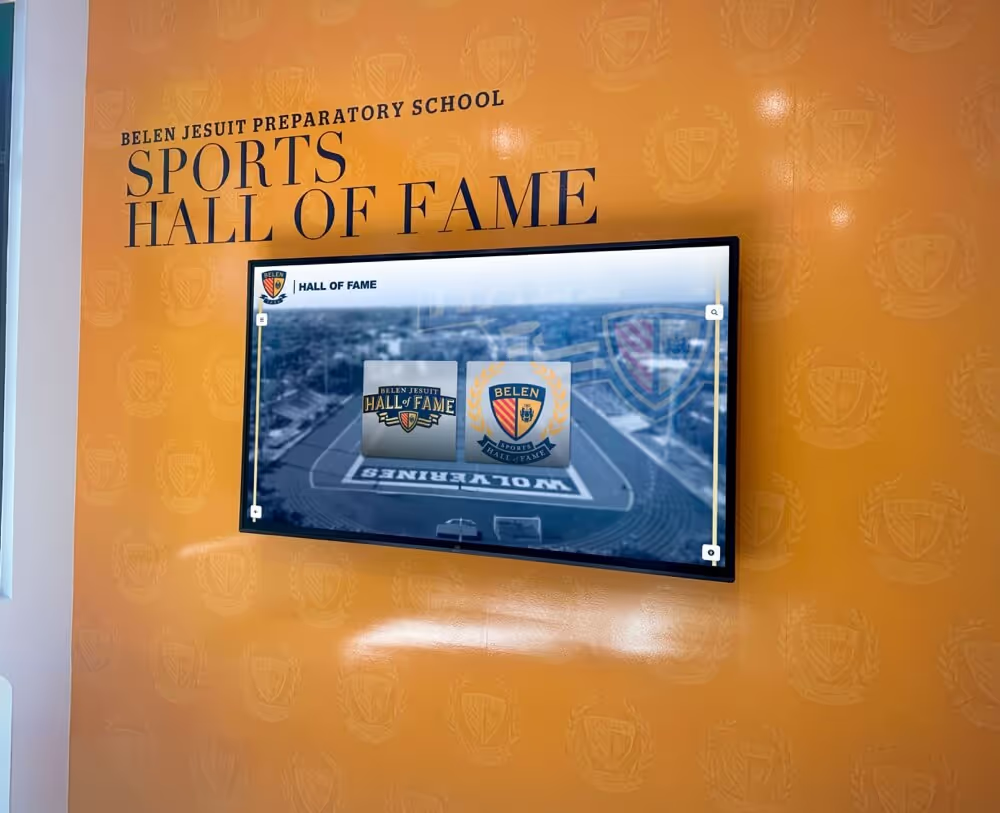
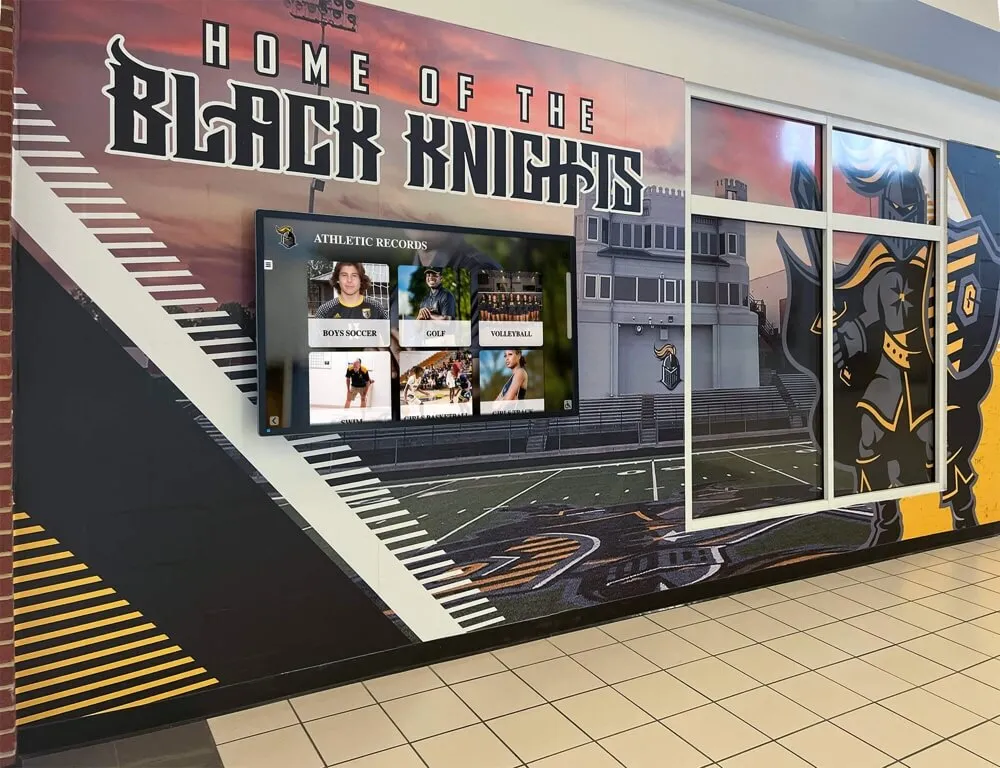
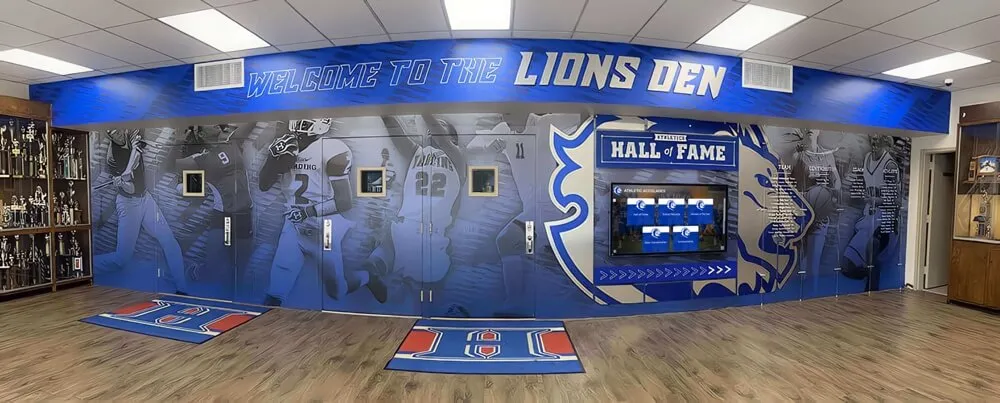
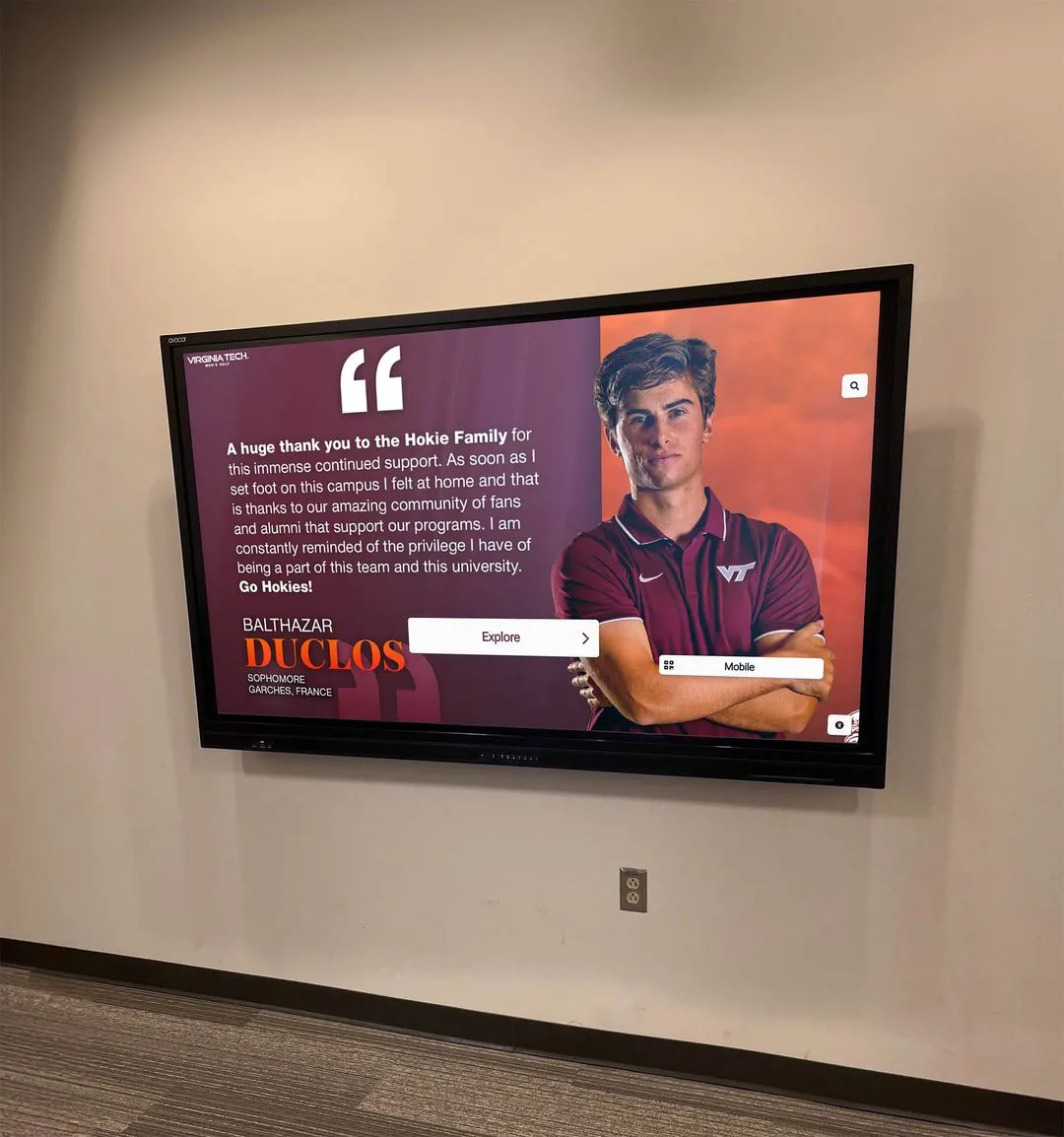
Recognition displays featuring quality sports photography create inspirational environments celebrating athletic achievement
Capturing Peak Action and Decisive Moments
Anticipating Athletic Movement Great sports photography requires predicting action before it happens:
- Study sports thoroughly understanding when peak moments occur
- Watch for pre-action cues: basketball players gathering for shots, baseball pitchers beginning wind-ups, soccer players approaching balls
- Pre-focus on anticipated action zones like home plate, goal mouths, or finish lines
- Start burst shooting slightly before peak moments to ensure you capture them
- Follow through after perceived peak as expressions often become most compelling immediately after action
Experienced sports photographers develop intuition about when to press shutters—this skill improves dramatically with practice and sport-specific knowledge.
Emotion and Expression Athletic faces tell powerful stories:
- Capture celebration moments after goals, touchdowns, or victories
- Document concentration during free throws, serves, or at-bats
- Photograph determination visible in athletes’ faces during challenging moments
- Include disappointment authentically as part of complete athletic narratives
- Show team interactions: high-fives, huddles, encouragement between teammates
Many photographers focus exclusively on ball or puck—remembering to photograph athletes’ faces and interactions produces more emotionally resonant images.
Shooting Angles and Perspectives
Getting Low for Dramatic Impact Camera position dramatically affects image power:
- Shoot from athlete eye level or below making subjects appear powerful and dynamic
- Avoid shooting downward which diminishes athletes and creates unflattering perspectives
- Kneel or sit courtside for better angles on basketball, volleyball, and wrestling
- Use low sideline positions for football, soccer, and field sports
- Ground-level shots of sliding baseball players or diving volleyball players add drama
Varying Perspectives Throughout Games Move around when permitted:
- Shoot from multiple positions capturing different angles of same sport
- End zones or goal areas provide head-on perspectives of approaching athletes
- Sidelines offer profile views showing full athletic motion sequences
- Behind-goal positions work excellently for hockey, soccer, and lacrosse
- Elevated positions occasionally provide unique overhead perspectives
Different positions throughout venues prevent visual repetition while ensuring comprehensive coverage.
Learn about celebrating captured athletic moments through National Student Athlete Day recognition programs.
Sport-Specific Photography Tips
Each sport presents unique photographic challenges and opportunities.
Field Sports: Soccer, Lacrosse, Field Hockey
Positioning and Coverage Large playing fields require strategic positioning:
- Midfield sideline positions allow reaching both goal areas with telephoto lenses
- Follow play movement rather than remaining stationary in one spot
- Anticipate attacks positioning yourself where scoring attempts will occur
- Shoot through netting when necessary by placing lens against net to minimize wire visibility
- Capture both teams equally ensuring balanced coverage for all athletes
Key Moments to Capture
- Shots on goal showing goalkeeper and shooter interaction
- Celebration huddles after scoring
- Ball control in midfield showing skill and determination
- Defensive challenges and athletic contests for possession
- Corner kicks and set pieces with multiple athletes converging
Court Sports: Basketball, Volleyball
Indoor Lighting Challenges Gymnasiums present difficult lighting:
- High ISO settings (1600-6400) compensate for limited light
- Fast apertures (f/2.8) gather maximum available light
- Custom white balance corrects color casts from gymnasium lighting
- Avoid on-camera flash which annoys athletes, officials, and creates harsh lighting
- Shoot RAW format allowing white balance and exposure correction during editing
Prime Shooting Positions
- Baseline positions for basketball layups and volleyball spikes
- Corner positions capturing diagonal court action
- Mid-court for volleyball sets and basketball mid-range shots
- Opposite team benches when permitted for unobstructed views
Baseball and Softball
Anticipating Diamond Action Baseball photography requires position-specific knowledge:
- First base line captures batters’ faces during swings and throws to first
- Third base line shows pitchers’ faces during delivery
- Behind home plate (when permitted) provides classic pitcher-batter confrontation
- Outfield positions occasionally capture defensive plays
Essential Baseball Moments
- Bat-ball contact during swings
- Pitcher release points showing full windup
- Sliding into bases creating dust and drama
- Catcher framing pitches or making throws
- Celebration after hits or defensive plays
- Dugout reactions and team support
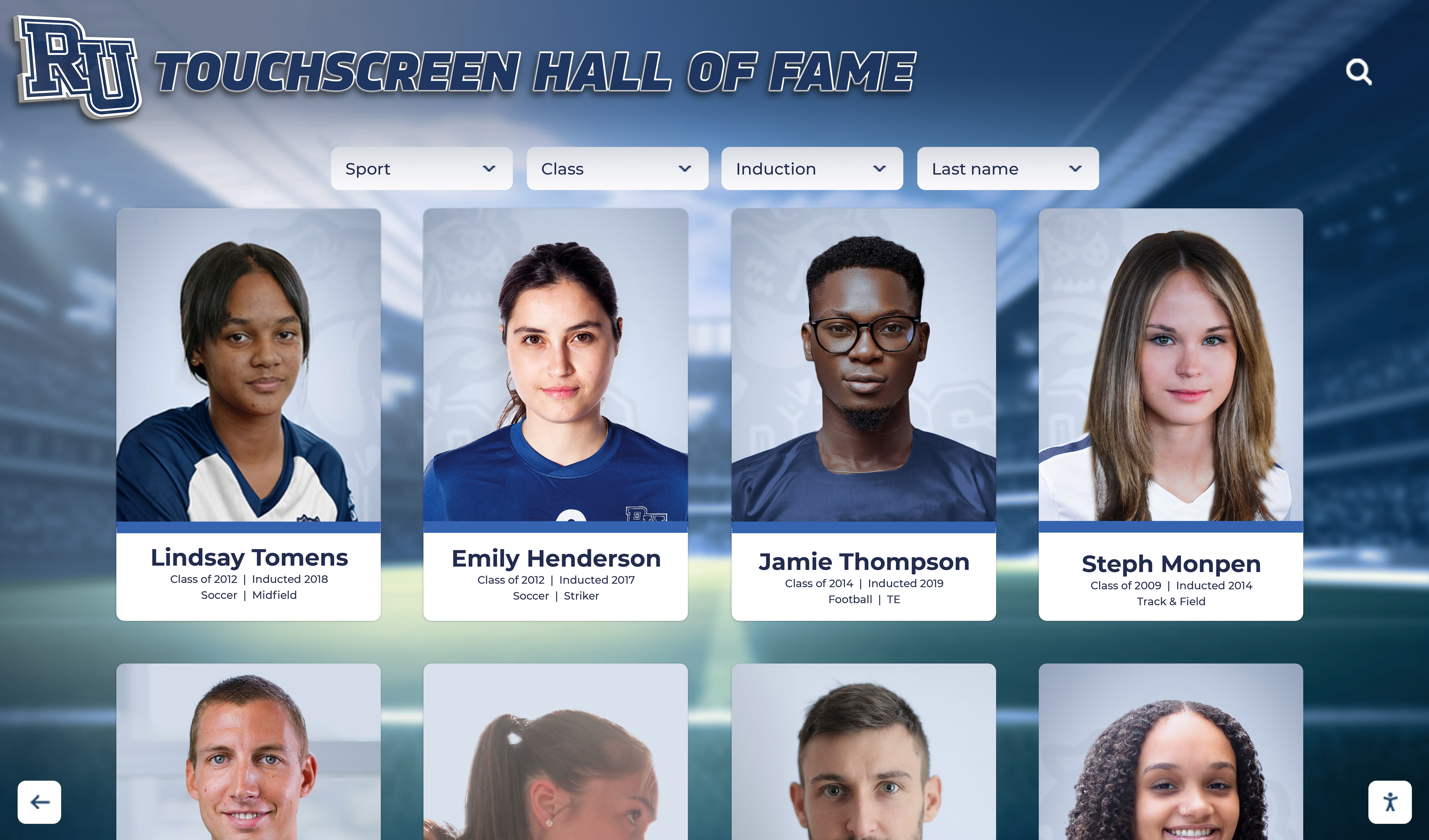
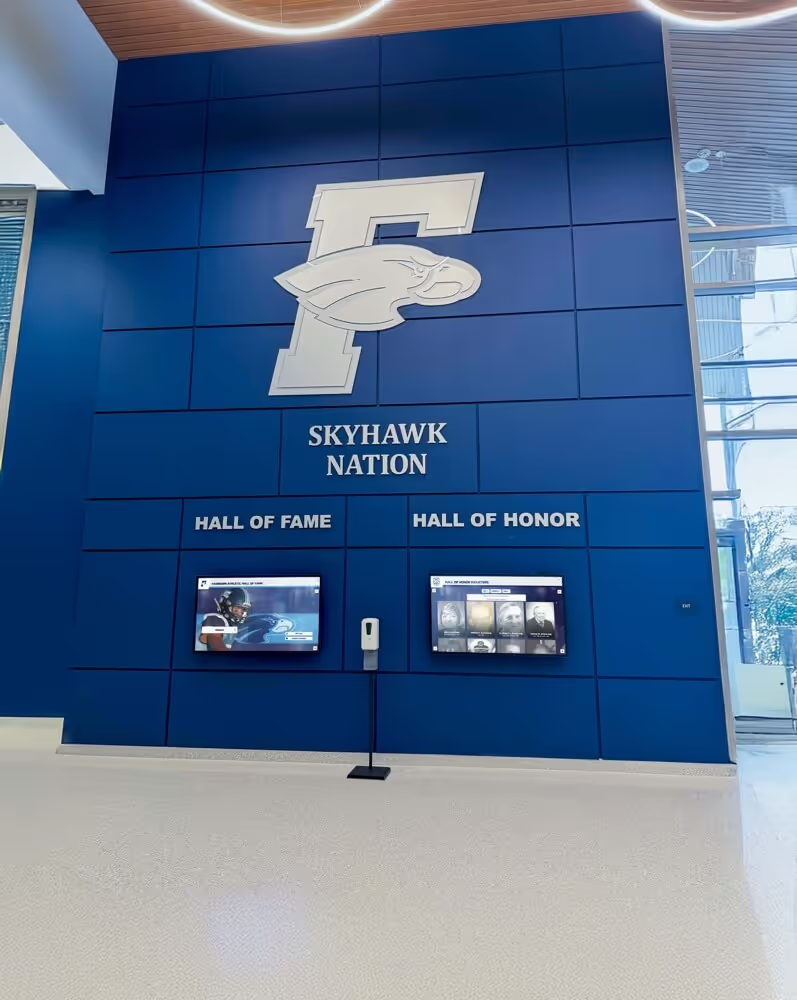
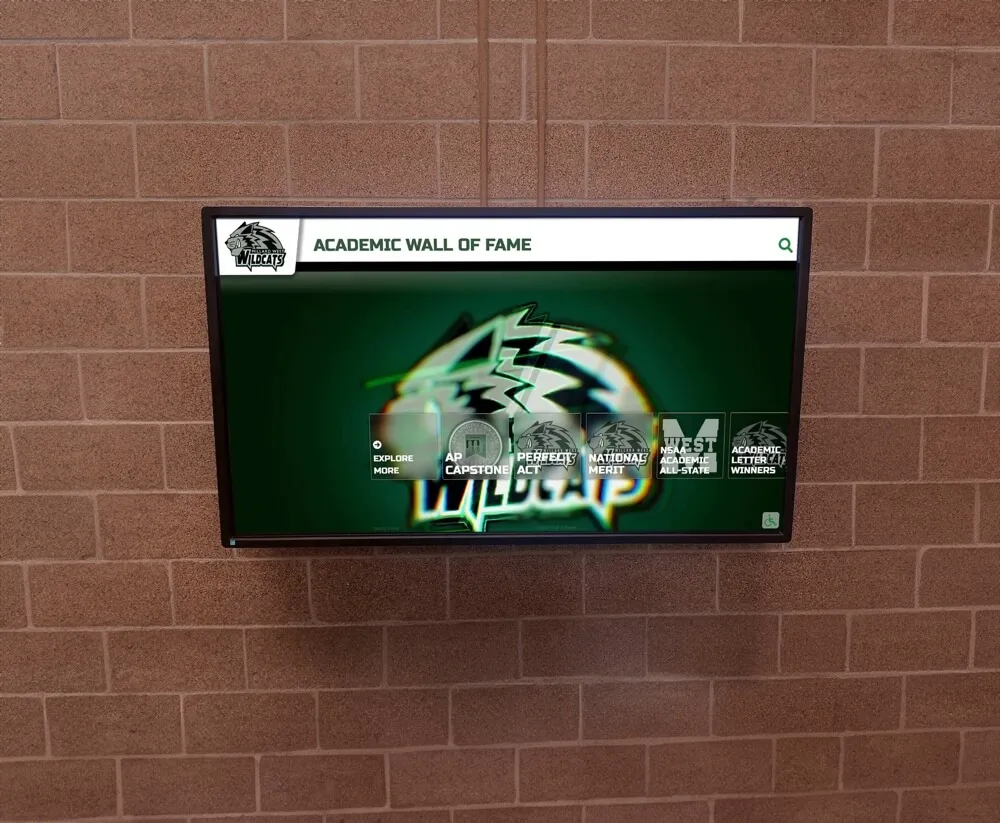
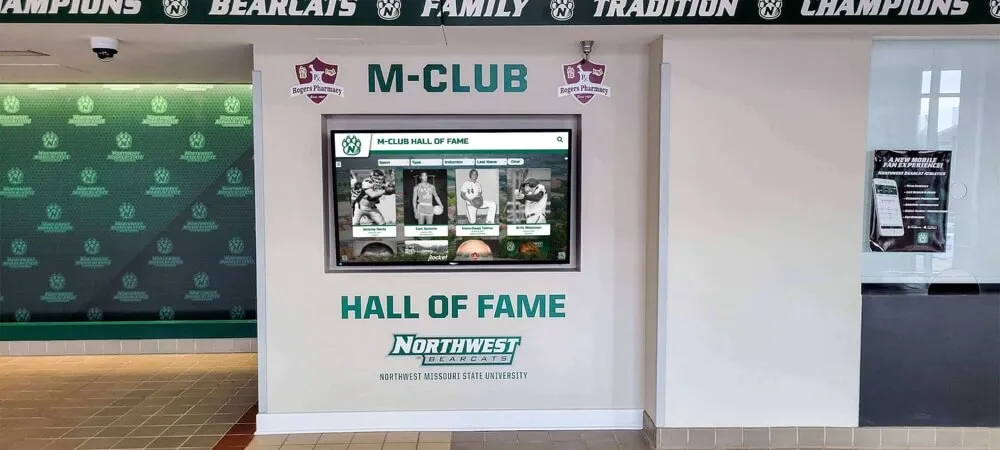
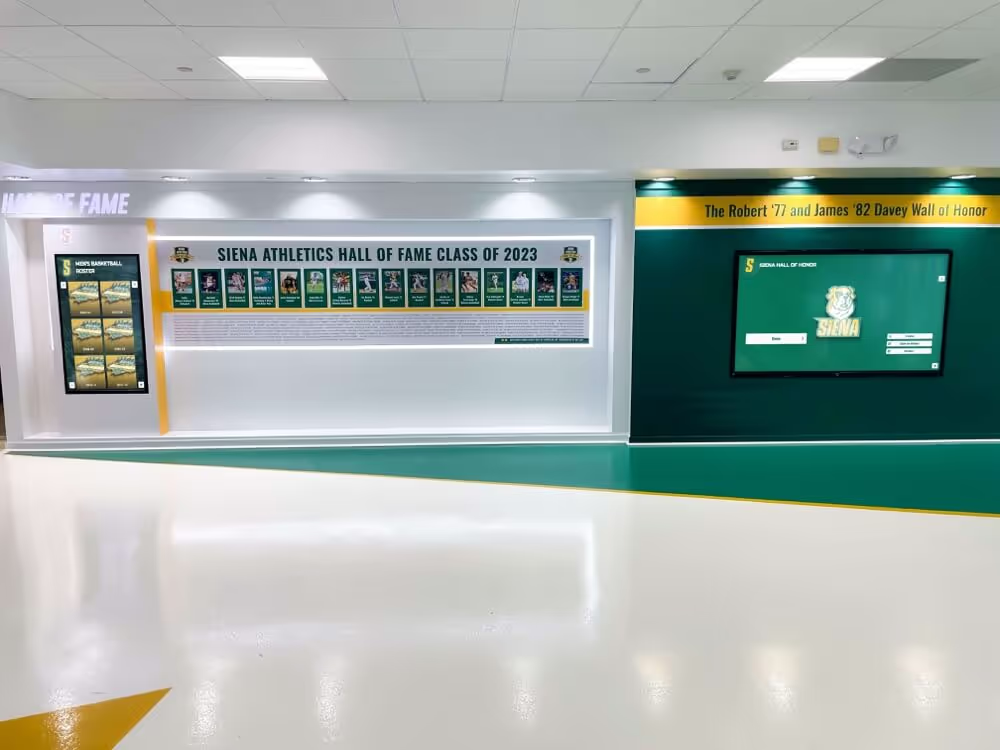
Quality sports photography transforms into lasting recognition when displayed through digital hall of fame systems
Football
Sideline Photography Strategy Football requires anticipating play development:
- Follow offensive line of scrimmage positioning yourself ahead of plays
- 20-30 yard lines offer best access to mid-field action
- Stay alert to field position moving as teams advance
- Telephoto reach necessary to capture action across wide fields
- Safety awareness keeping eyes on players approaching sidelines
Football Photographic Priorities
- Quarterback passing motions showing throwing mechanics
- Running backs breaking tackles or leaping defenders
- Receivers catching passes with defensive coverage
- Celebration moments after touchdowns or big plays
- Sideline emotions during critical game moments
Discover how sports photography supports broader athletic recognition through baseball awards for youth programs.
Managing Challenging Photography Conditions
Youth sports rarely occur in ideal photographic conditions.
Handling Difficult Outdoor Lighting
Bright Midday Sun Harsh overhead light creates problems:
- Deep shadows under eyes, helmets, and caps obscure facial features
- Harsh contrast between bright and shadowed areas exceeds camera dynamic range
- Squinting athletes create unflattering expressions
- Shadow direction matters—shooting with sun behind you illuminates faces
- Slight overexposure (+2/3 stop exposure compensation) recovers shadow detail
Overcast Conditions Cloudy days provide advantages despite appearing dull:
- Even, diffused lighting eliminates harsh shadows while revealing facial details
- Reduced contrast makes exposure easier while remaining within sensor capabilities
- Comfortable for athletes who don’t squint into bright sun
- Cooler color temperature may require white balance adjustment
- Higher ISO typically necessary due to reduced overall light
Early Morning and Late Afternoon Golden hour creates beautiful but brief opportunities:
- Warm, directional light adds visual beauty to outdoor sports
- Lower sun angles create more flattering athlete illumination
- Rapidly changing light requires frequent exposure adjustments
- Backlit situations can create dramatic silhouettes or rim lighting
- Exposure compensation (+1 to +2 stops) necessary when athletes face setting sun
Indoor Sports Photography Challenges
Limited Light and Color Casts Gymnasium lighting taxes camera capabilities:
- Fluorescent or LED lighting creates green or yellow color casts requiring correction
- Inconsistent lighting across courts creates exposure challenges
- Custom white balance from gray card provides accurate color
- RAW format shooting allows post-processing color and exposure correction
- High ISO acceptance understanding that some noise beats missing shots entirely
Working Without Flash Most youth sports prohibit flash photography:
- Flash distraction affects athletes’ concentration and vision
- Unnatural lighting creates harsh shadows and flat-looking images
- Rules violations can result in photographer removal from venues
- Available light techniques using high ISO and fast lenses work better
- Embrace natural lighting even when challenging rather than risking flash
Explore how these captured moments contribute to athletic legacy through senior day celebrations and recognition.
Post-Processing and Photo Management
Capturing images represents only half the workflow—organization and editing complete the process.
Organizing Thousands of Sports Photos
Efficient Culling Strategies Sports photography produces massive image volumes:
- First pass elimination removes obviously failed shots: out of focus, extreme motion blur, bad framing
- Second pass rating identifies best images from remaining options using star ratings
- Keep multiple similar shots initially allowing athletes or parents to choose favorites later
- Folder organization by date and sport maintains logical structure
- Metadata tagging with athlete names, jersey numbers, and teams enables searching
- Backup systems protect irreplaceable athletic memories through redundant storage
Software Organization Tools Dedicated photo management applications streamline workflows:
- Adobe Lightroom offers robust organization, editing, and cataloging
- Photo Mechanic provides lightning-fast culling and metadata editing
- Capture One delivers professional-level organization and processing
- Apple Photos or Google Photos work for casual photographers with simpler needs
Basic Sports Photo Editing
Essential Adjustments Most sports photos benefit from straightforward editing:
- Exposure correction brightening underexposed faces or recovering blown highlights
- Contrast enhancement adding punch to flat images
- Cropping tightening compositions and removing distractions
- White balance adjustment correcting color casts from artificial lighting
- Highlight and shadow recovery revealing detail in extreme tones
- Sharpening adding perceived sharpness lost through lens optics or processing
- Noise reduction minimizing grain from high ISO shooting when necessary
Creating Consistent Series Recognition displays benefit from visual cohesion:
- Sync settings across similar images maintaining consistent look
- Preset creation for common lighting situations speeds processing
- Batch processing applies corrections to multiple images simultaneously
- Export settings appropriate for intended use (web, print, or display)
- Resolution and sizing matching requirements for digital yearbooks or recognition systems
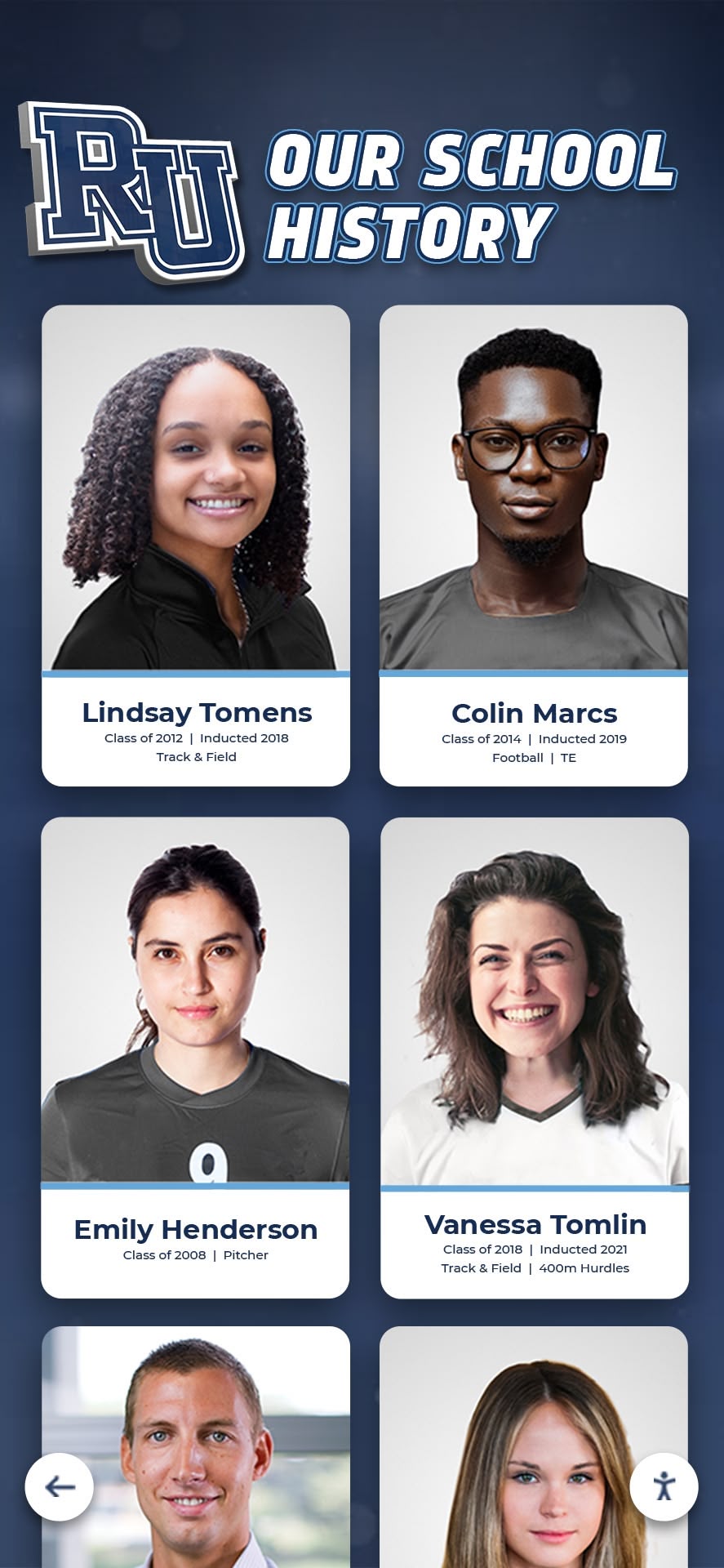
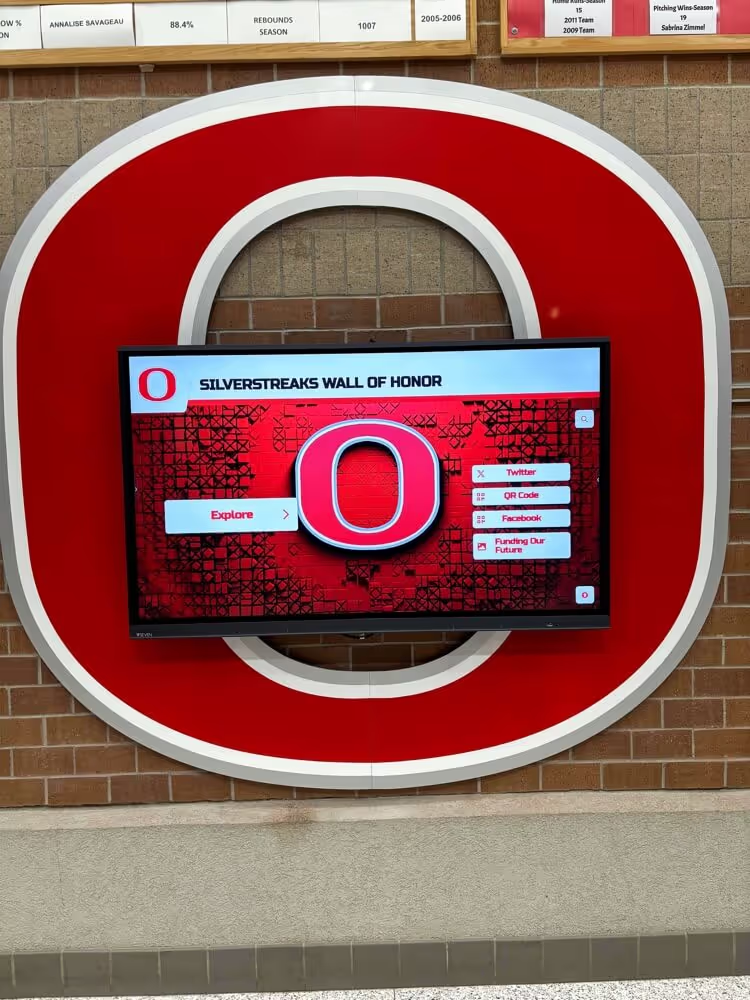
Professional sports photography creates recognition displays that honor athletic achievement across program history
Displaying Youth Sports Photography Meaningfully
Great athletic photographs deserve presentation befitting their significance.
Traditional Display Options
Physical Prints and Albums Tangible photo products retain appeal:
- Framed wall prints feature standout action shots in homes and schools
- Photo books compile season highlights in coffee table volumes
- Trading cards give young athletes professional-feeling keepsakes
- Posters celebrate teams or individual achievement
- Banners recognize championship seasons or senior athletes
Digital Recognition Display Solutions
Modern technology transforms how communities celebrate athletic photography:
Interactive Touchscreen Systems Digital displays bring sports photography to life:
- Unlimited image capacity showcases every athlete and memorable moment across seasons
- Searchable interfaces enable athletes, families, and visitors to find specific players or games quickly
- Multimedia integration combines still photography with video highlights and statistics
- Dynamic slideshows rotate through action shots during idle display time
- Updates throughout seasons add new photos as seasons progress without physical reinstallation
- Multiple sport coverage within single displays serving entire athletic programs
Schools implementing digital recognition report that touchscreen athletic displays become gathering points where students explore team histories, find themselves among highlighted athletes, and develop stronger connections to athletic programs.
Web-Based Athletic Galleries Online platforms extend reach beyond physical locations:
- Team websites feature athletic photography accessible to extended families
- Social media integration enables sharing individual athlete photos
- Password protection maintains privacy while enabling authorized access
- Mobile accessibility allows smartphone viewing from anywhere
- Download capabilities let families obtain copies for personal use
- Commenting features build community engagement around athletic moments
Solutions like Rocket Alumni Solutions provide comprehensive digital recognition platforms managing both physical touchscreen displays and web-based athletic galleries through unified interfaces, ensuring captured athletic moments receive presentation matching their significance.
Learn more about comprehensive athletic recognition through spring sports season recognition guides.
Ethical Considerations in Youth Sports Photography
Photographing minors requires thoughtful ethical practices.
Privacy and Consent
Permission and Release Forms Appropriate authorization protects photographers and subjects:
- Team-wide photo releases obtained before seasons begin
- Parent consent for using images in publications or public displays
- Opt-out provisions respecting families preferring privacy
- Social media policies clarifying how images may be shared
- Individual release forms for images used in promotional materials
Respectful Photography Practices Maintain appropriate professional boundaries:
- Avoid overly tight cropping that could appear inappropriate
- Photograph athletes in full athletic context rather than isolating body parts
- Respect athletes’ wishes when individuals request not being photographed
- Appropriate social media tagging that doesn’t reveal private information
- Safe storage practices protecting images from unauthorized access
Inclusive Coverage
Photographing All Athletes Equitably Quality coverage extends to entire teams:
- Balance coverage across starters, substitutes, and all position groups
- Photograph athletes of all skill levels not just stars
- Include bench and sideline moments showing full team experience
- Capture support staff including coaches, managers, and trainers
- Document all team members in group and individual contexts
- Celebrate diverse moments beyond just scoring plays
Equitable coverage ensures all athletes receive recognition and memory preservation regardless of playing time or performance level.
Explore comprehensive approaches to athletic recognition through state championship trophy displays.
Building Your Sports Photography Skills
Continuous improvement transforms casual snapshots into professional-quality athletic documentation.
Practice and Repetition
Shoot Frequently and Consistently Skill development requires volume:
- Attend every game possible maximizing practice opportunities
- Experiment with different settings learning how changes affect results
- Review images critically identifying what works and what needs improvement
- Study professional sports photography analyzing techniques in published images
- Shoot various sports developing versatility across different athletic environments
- Practice during non-critical games trying new approaches without pressure
Learning Resources
Educational Opportunities Numerous resources accelerate skill development:
- Online tutorials and courses covering sports photography techniques
- YouTube channels from professional sports photographers sharing knowledge
- Photography forums and communities providing feedback and advice
- Camera manufacturer resources explaining specific camera features and settings
- Local photography workshops offering hands-on instruction
- Sports photography books providing comprehensive technical and creative guidance
Equipment Progression
Growing Your Capabilities Strategically Equipment improvements should match skill development:
- Master current equipment before assuming upgrades will solve problems
- Rent specialized gear for important games before purchasing
- Prioritize lens quality over camera bodies for most significant improvements
- Upgrade methodically as specific limitations become clear through experience
- Buy used equipment from reputable sources to maximize budget effectiveness
- Sell outgrown equipment funding progressive upgrades
Most photography improvement comes from skill development rather than equipment upgrades—invest in learning and practice before assuming new gear solves challenges.
Conclusion: Creating Athletic Legacy Through Photography
Youth sports photography serves purposes extending far beyond simple documentation—it preserves formative experiences, celebrates athletic achievement, builds team identity, and creates visual legacies young athletes treasure throughout their lives. The images you capture during practices, games, and celebrations become the tangible records connecting athletes to their sports experiences long after final whistles blow and seasons conclude.
The technical and creative skills explored throughout this guide—from camera settings freezing peak action to composition techniques creating compelling imagery to sport-specific strategies anticipating decisive moments—transform ordinary game attendance into professional-quality athletic documentation. Whether photographing your own children, volunteering for teams, or serving as official program photographer, these approaches ensure captured images genuinely honor athletic efforts worth celebrating.
Showcase Your Sports Photography Beautifully
Discover how modern digital recognition solutions can transform your sports photography into dynamic displays that celebrate athletes and build lasting team legacy.
Explore Recognition Display SolutionsImplementation begins with selecting appropriate equipment matching your budget and goals, learning fundamental camera settings enabling consistent technical success, practicing frequently during games and events, studying your specific sports to anticipate action, and exploring display options ensuring captured images receive presentation they deserve.
The athletic moments you capture through thoughtful sports photography become more than personal memories—they transform into team heritage, recognition content, recruitment materials, and inspirational displays motivating future athletes. Digital yearbook platforms and recognition systems make comprehensive athletic celebration achievable through intuitive touchscreen displays, unlimited photo capacity, easy content management, and web integration extending reach beyond physical locations.
Schools and athletic programs implementing these solutions report dramatic improvements in athletic recognition visibility, family engagement with programs, and athletes’ connections to team traditions—precisely the outcomes justifying photography and display investments.
Start improving your youth sports photography today through consistent practice, thoughtful attention to technical fundamentals, and creative composition exploration. Every athletic season produces memorable moments worthy of professional documentation—your improved photography skills ensure those moments receive the capture and celebration they deserve.
Your young athletes’ achievements, determination, and athletic joy deserve photography and recognition equal to any professional sports program. With proper equipment, technical knowledge, creative vision, and appropriate display systems, you can create athletic documentation that honors every moment while building the positive, inspiring athletic culture where young athletes thrive.
Ready to begin? Explore football traditions and recognition or discover comprehensive athletic recognition approaches celebrating sports programs across all levels.