Choosing the right yearbook theme sets the foundation for an entire year of memory-making. It’s the golden thread that weaves through every page, every photograph, every caption—transforming a collection of images into a cohesive story that captures who your students are, what they’ve accomplished, and the unique character of this particular year.
Yet yearbook advisors and student committees often face analysis paralysis when selecting themes. Should you choose something timeless that ages well, or capture the current cultural moment? Do you need a theme flexible enough to accommodate sports, academics, arts, and student life? How can you create something distinctive that doesn’t feel like every other school’s yearbook?
The best yearbook themes accomplish multiple objectives simultaneously: they’re specific enough to feel unique to your school year, yet broad enough to encompass diverse student experiences. They inspire creative page layouts and section divisions while remaining accessible to students with varying design skills. Most importantly, they create frameworks for storytelling that preserve memories in ways students will appreciate for decades.
This comprehensive guide presents 25 proven yearbook themes for high school—organized by category to help you identify concepts that resonate with your school’s personality, student body, and the distinctive character of this year. Whether you’re seeking inspiration for a traditional approach, contemporary concept, or something completely unique, these themes provide starting points that successful yearbook programs have used to create memorable, meaningful publications.
Why Your Yearbook Theme Matters More Than Ever
Creating Unity Across Diverse Content
High school yearbooks document hundreds of distinct moments: football victories and theater productions, academic achievements and spirit weeks, senior portraits and candid hallway interactions. Without a unifying theme, these elements risk feeling disconnected—a random collection rather than a coherent narrative.
Strong themes provide the organizational structure that transforms disparate content into unified storytelling. The right theme influences everything from color palette and typography to section headings and photo captions, creating visual and conceptual consistency that makes yearbooks feel professionally crafted rather than haphazardly assembled.
Engaging Student Contributors
Themes energize yearbook staff by providing creative direction and inspiration. When students understand the conceptual framework guiding their work, they produce more thoughtful layouts, more creative photography, and more meaningful written content. A compelling theme turns yearbook production from mechanical documentation into creative storytelling.
Creating Lasting Value
The yearbook themes that prove most successful aren’t those that feel trendy in the moment, but those that capture authentic aspects of the school experience that remain meaningful years later. Alumni returning to yearbooks decades after graduation connect emotionally with themes that genuinely reflected their high school reality—not themes that simply followed current design trends.

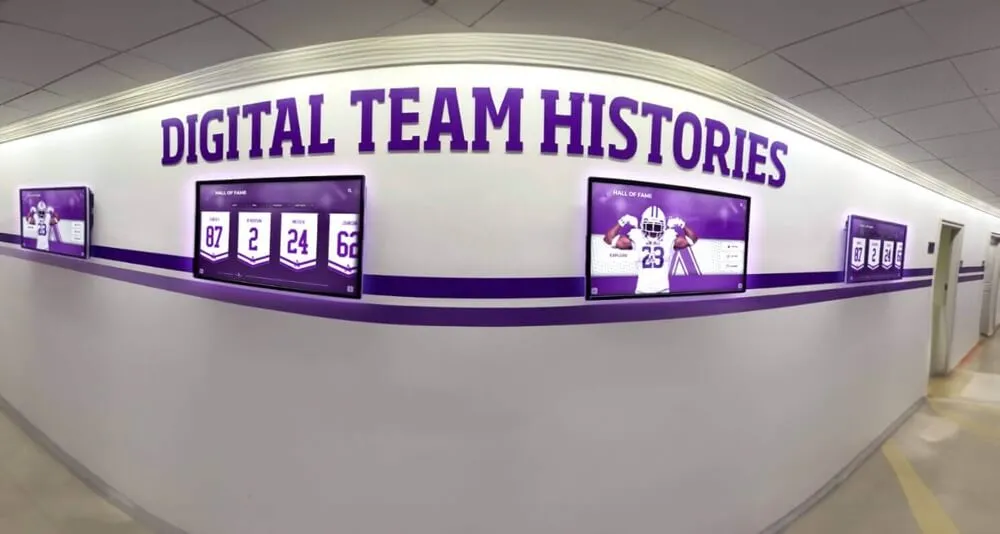
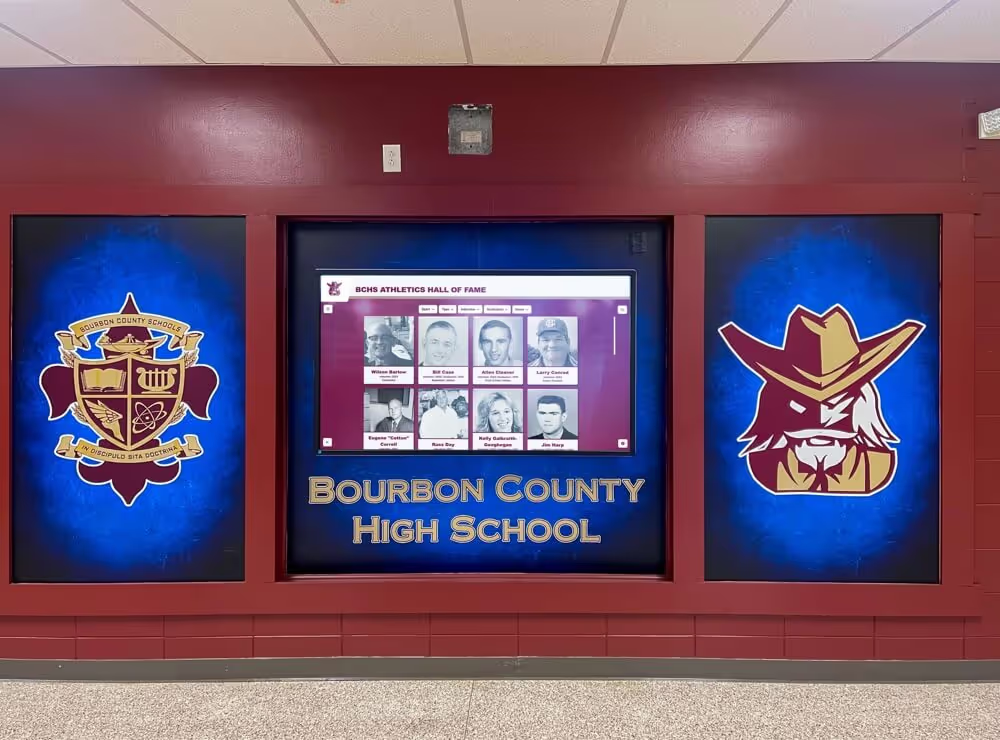
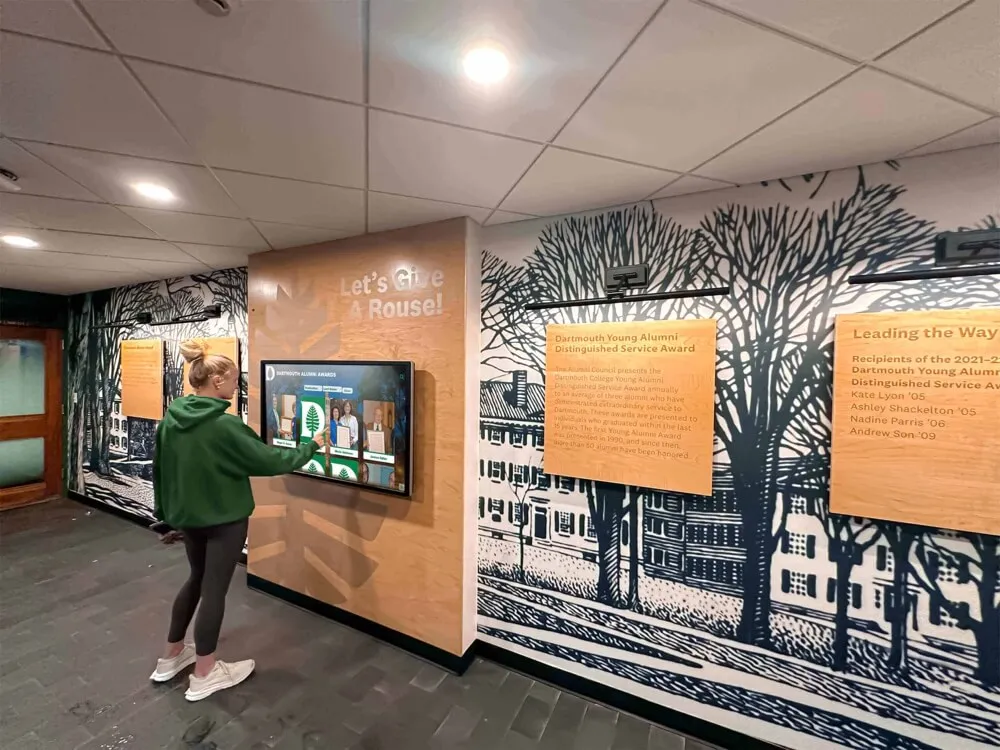
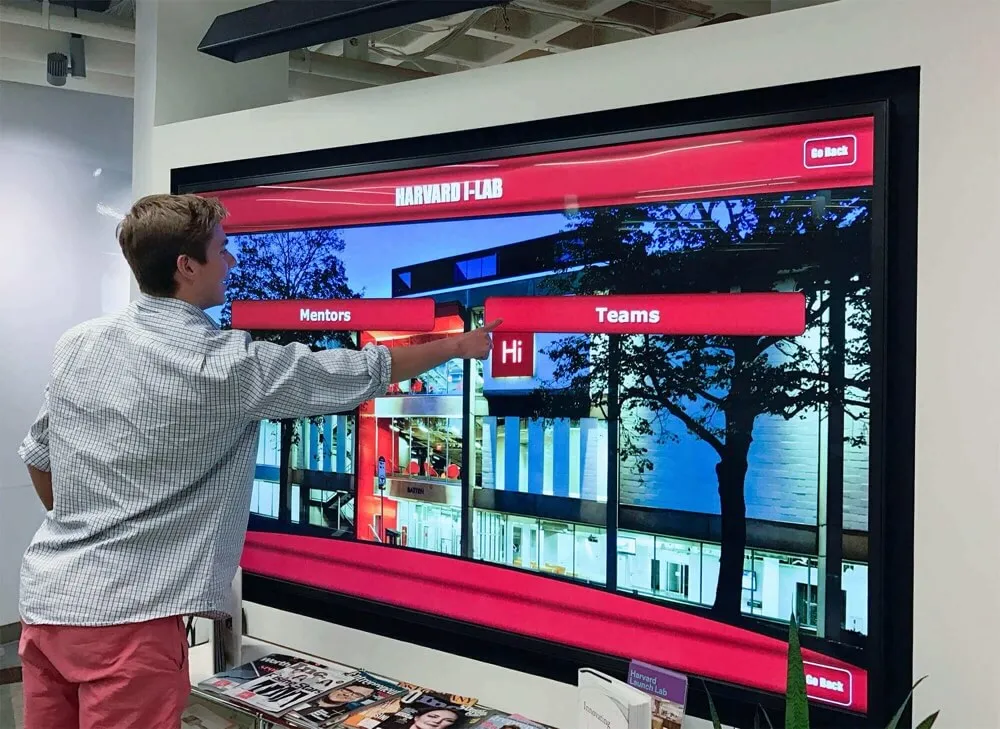
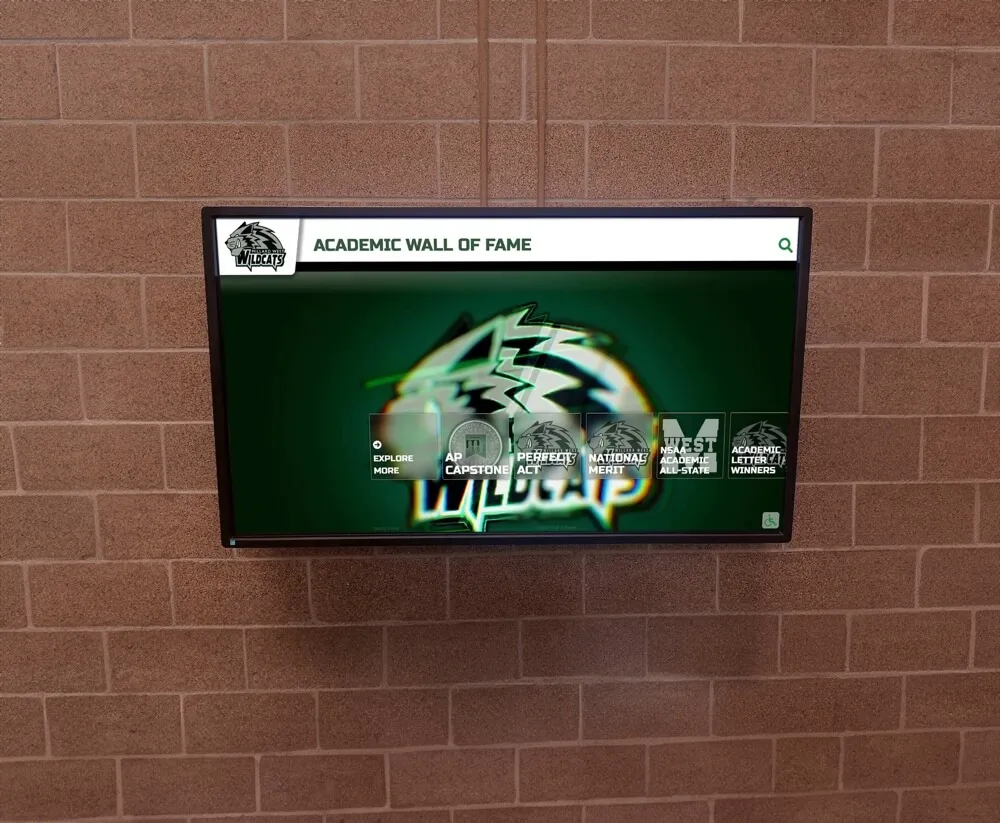
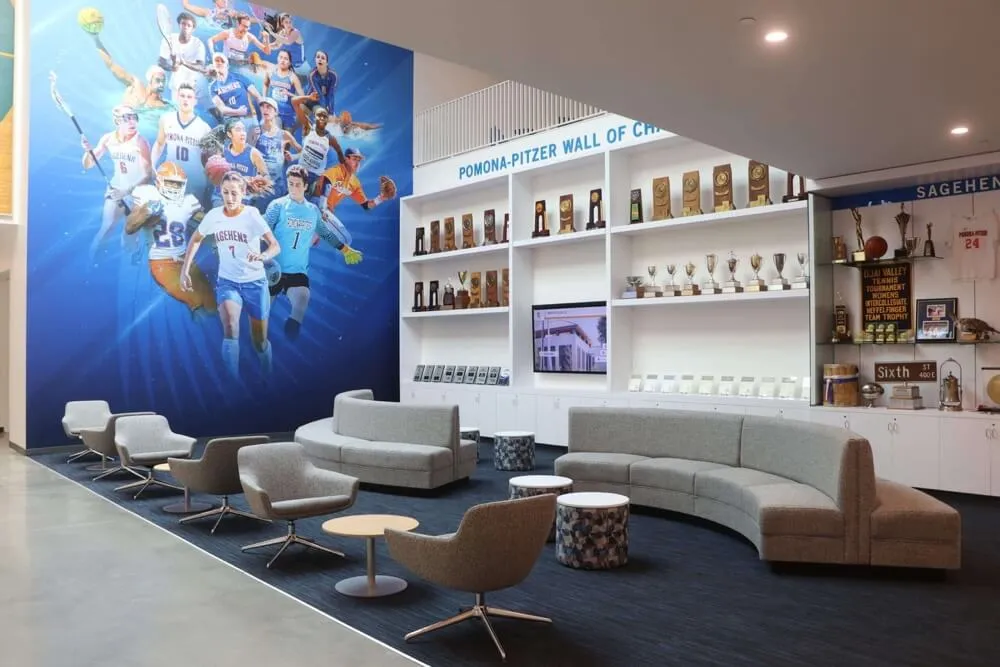
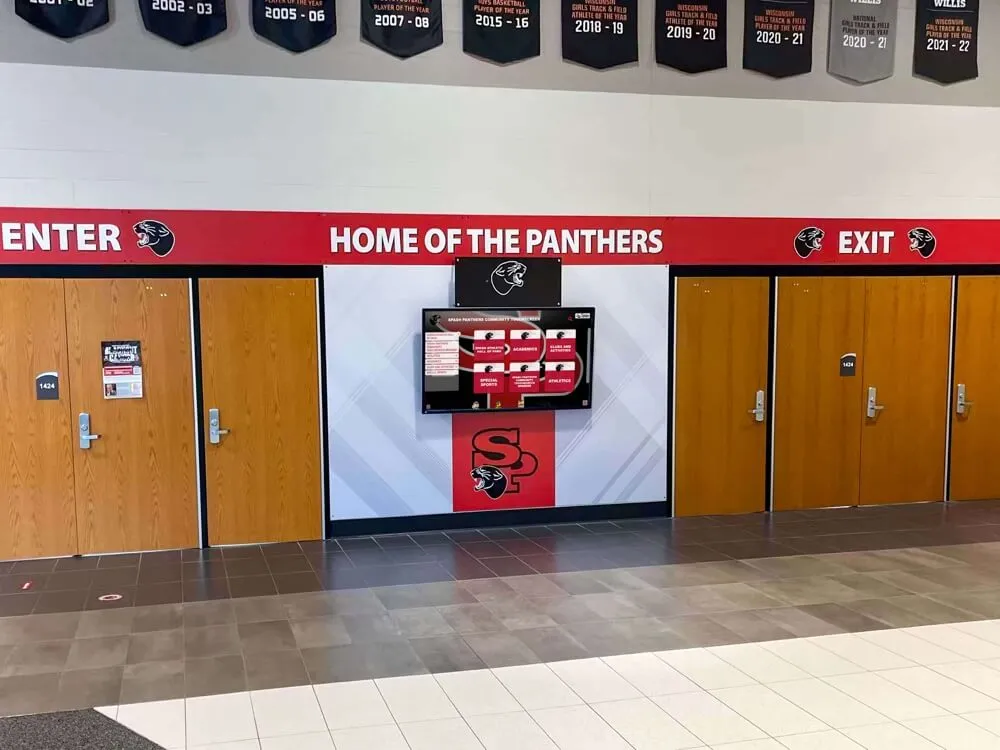
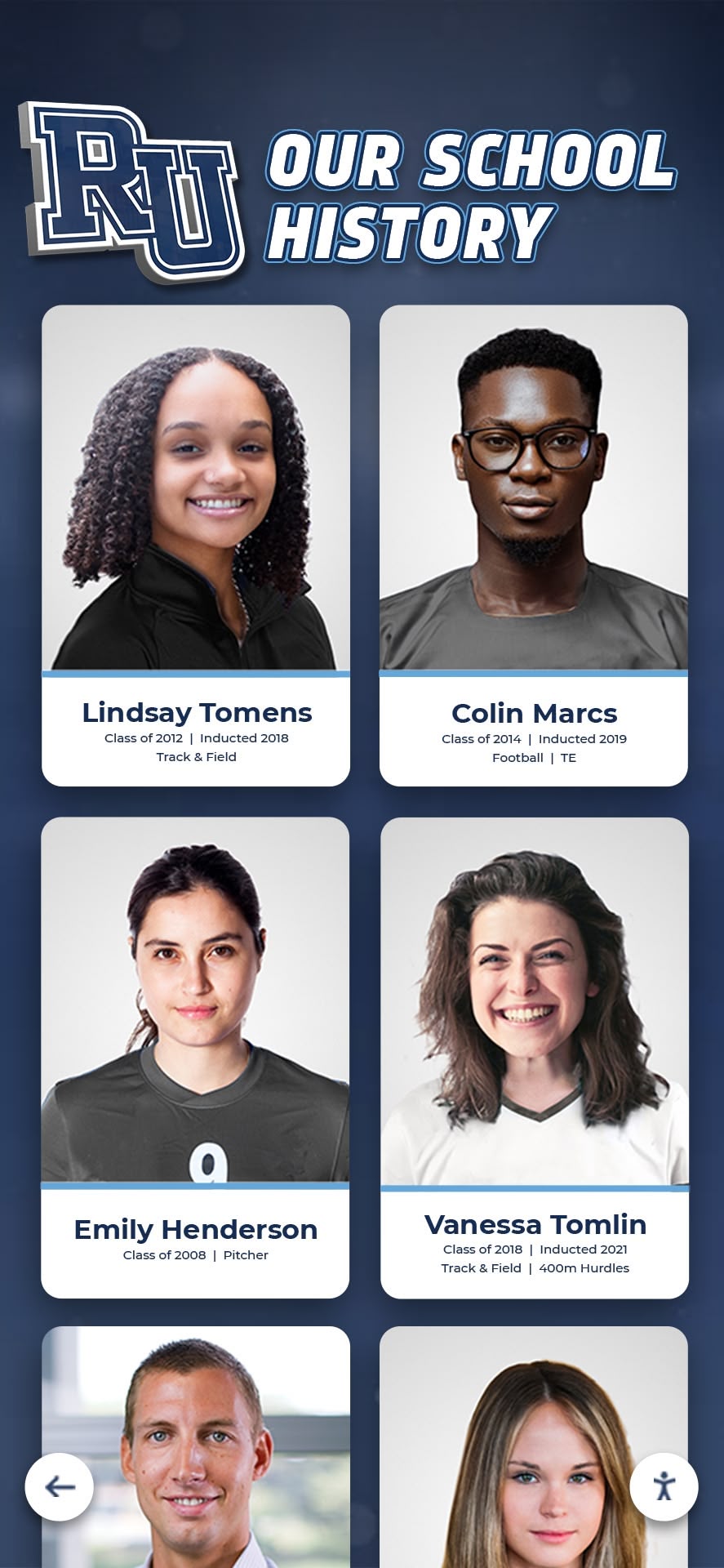
Modern yearbook themes extend beyond print, living on through digital platforms that make memories accessible for decades
Timeless Classic Themes That Never Go Out of Style
Proven Concepts With Lasting Appeal
1. “Our Story” / “Writing Our Story”
Why It Works: This meta-narrative approach frames students as authors of their own high school experience, with each event, achievement, and memory representing a chapter. It’s infinitely flexible, accommodating any content while emphasizing that students themselves create their high school narrative.
Implementation Ideas:
- Chapter-based section divisions (Chapter 1: Academics, Chapter 2: Athletics, etc.)
- “Plot twists” highlighting unexpected moments or achievements
- Student quotes presented as narrative passages
- Timeline elements showing story progression throughout the year
- Book-inspired design elements and typography
Design Direction: Literary aesthetic with chapter headings, page numbers as story markers, and typography inspired by classic book design. Color schemes often incorporate classic book binding colors—burgundy, forest green, navy blue.
2. “Journey” / “The Road Ahead”
Why It Works: High school represents a transitional journey from childhood to adulthood, making travel and path metaphors naturally resonant. This theme acknowledges both where students have been and where they’re heading, creating emotional depth.
Implementation Ideas:
- Map-inspired layouts showing student “routes” through high school
- Mile markers highlighting significant achievements
- “Destination” features on senior future plans
- Road signs as section dividers
- Travel stamps or passport motifs for event coverage
Design Direction: Navigation-inspired graphics, map elements, compass roses, and pathway imagery. Color palettes often draw from vintage travel posters—warm oranges, teals, and creams.
3. “Legacy” / “Building Our Legacy”
Why It Works: Especially powerful for schools with strong traditions, this theme connects current students to institutional history while emphasizing their role in shaping future traditions. It honors the past while celebrating the present.
Implementation Ideas:
- “Then and now” comparisons showing school evolution
- Connections between current achievements and historical precedents
- Senior legacy statements about impact on school culture
- Features on longstanding traditions and their origins
- Documentation of new traditions being established
Design Direction: Classical design elements honoring tradition—serif fonts, architectural motifs, school crest incorporation. Often uses school’s historical colors with modern design applications.
Schools maintaining institutional memory through digital yearbook platforms find that themes emphasizing legacy gain additional meaning when current yearbooks connect digitally to decades of previous editions.
4. “Unwritten” / “Unscripted”
Why It Works: This theme celebrates spontaneity and authenticity, emphasizing that the best high school moments aren’t planned—they’re lived. It gives permission for candid photography and captures genuine student personality.
Implementation Ideas:
- Emphasis on candid photography over posed shots
- “Unplanned moments” photo spreads
- Student voices in their own words without heavy editing
- Behind-the-scenes coverage showing real school life
- Celebration of imperfections and authentic moments
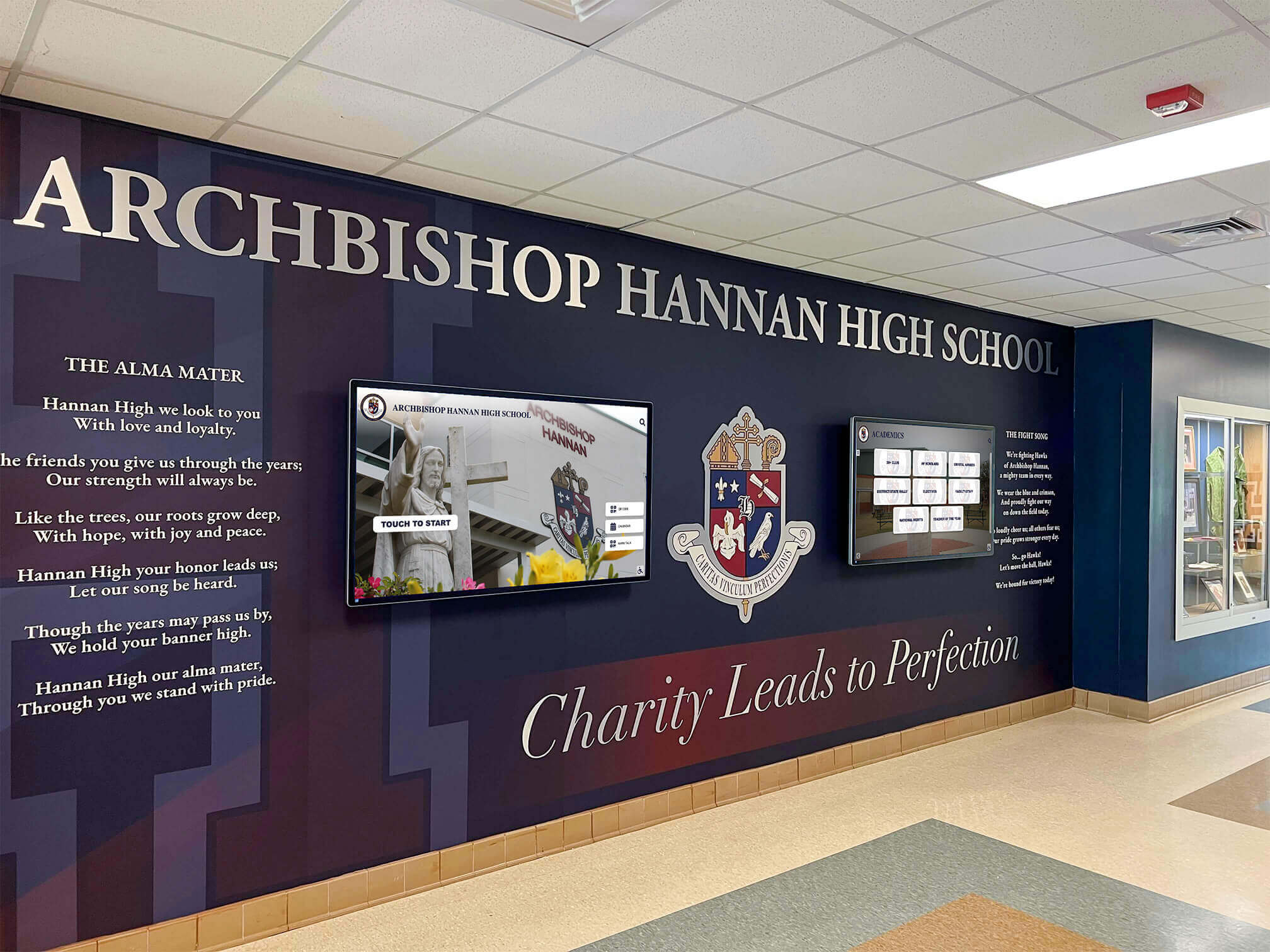
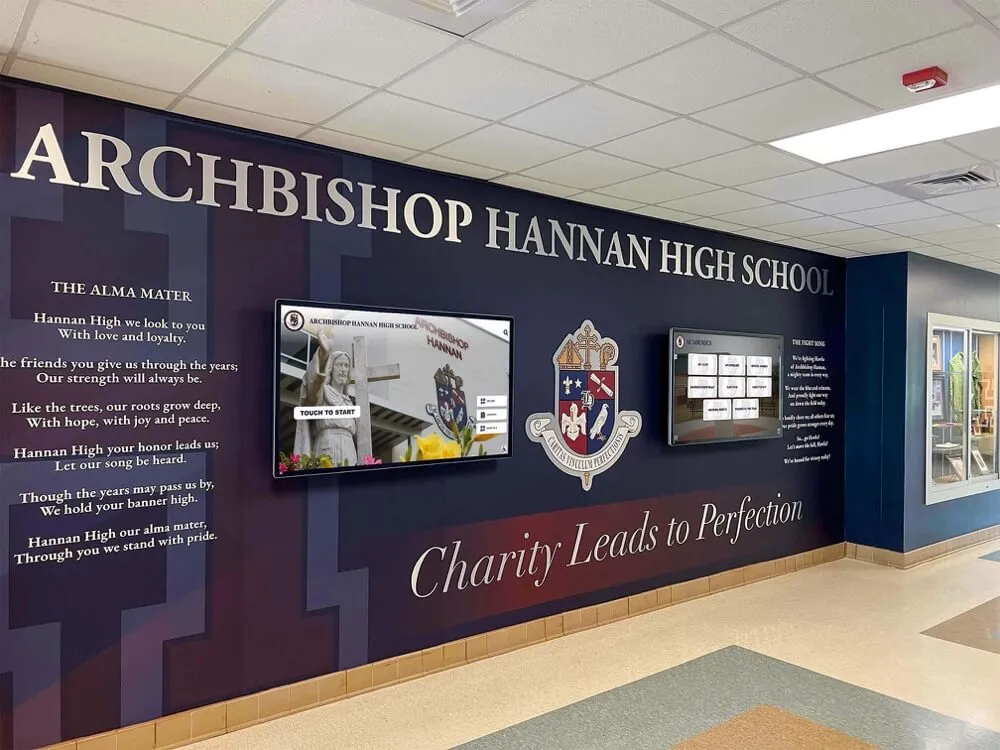
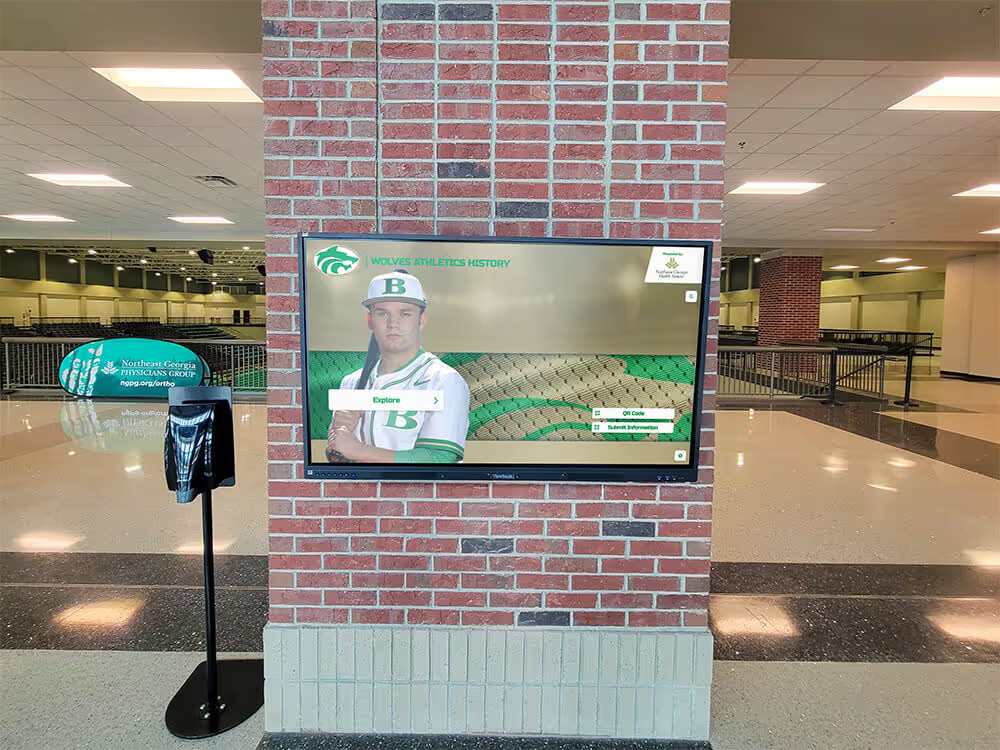
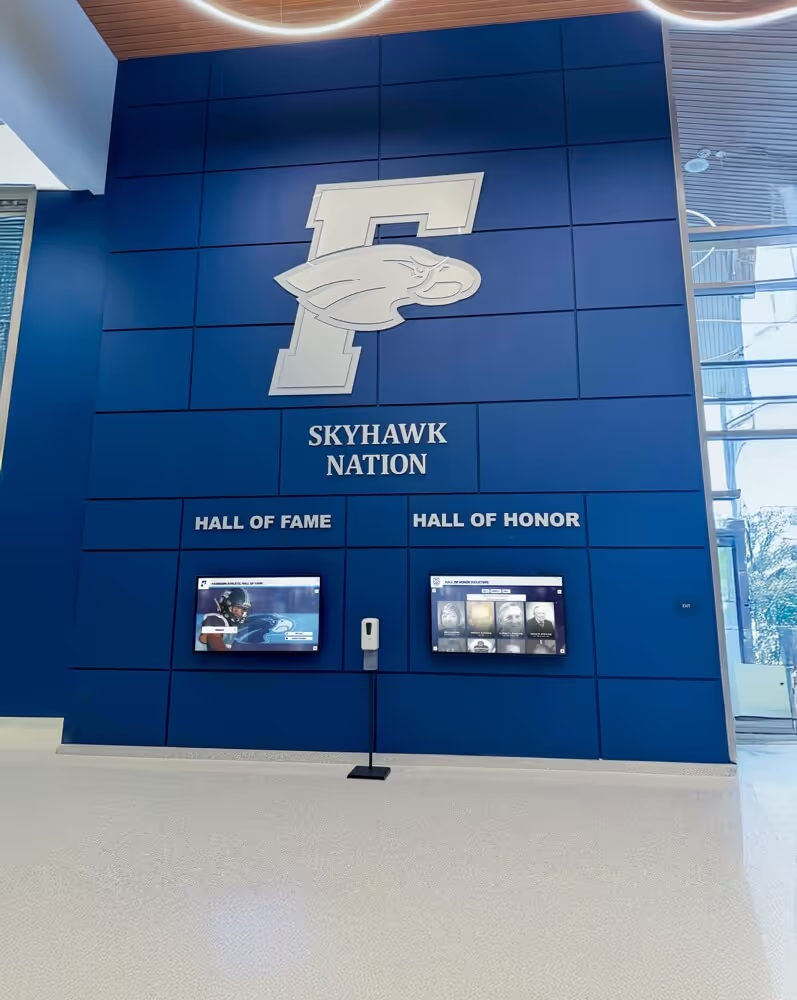
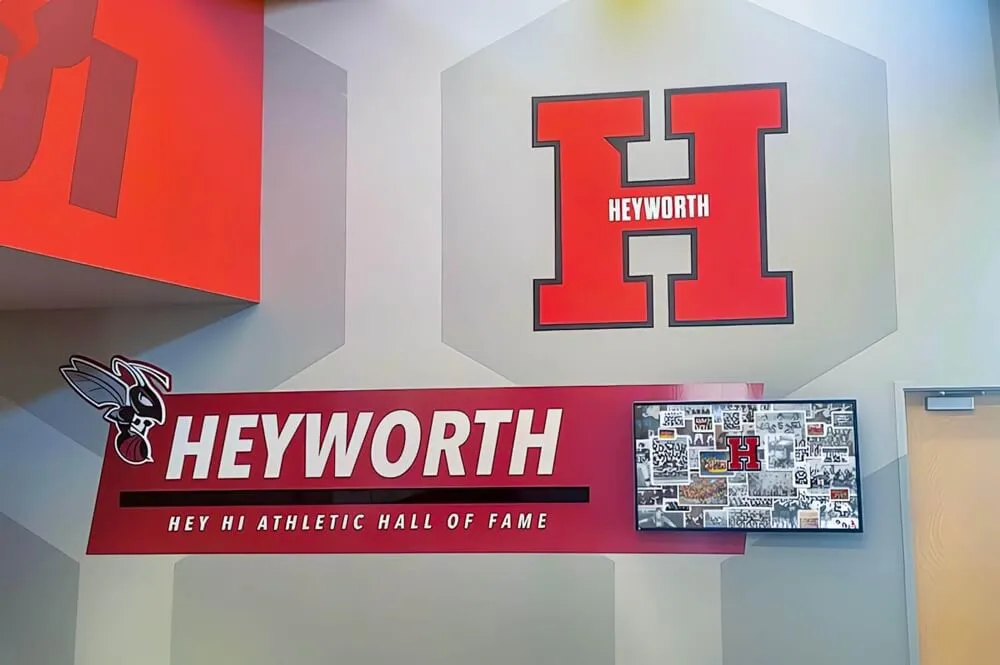
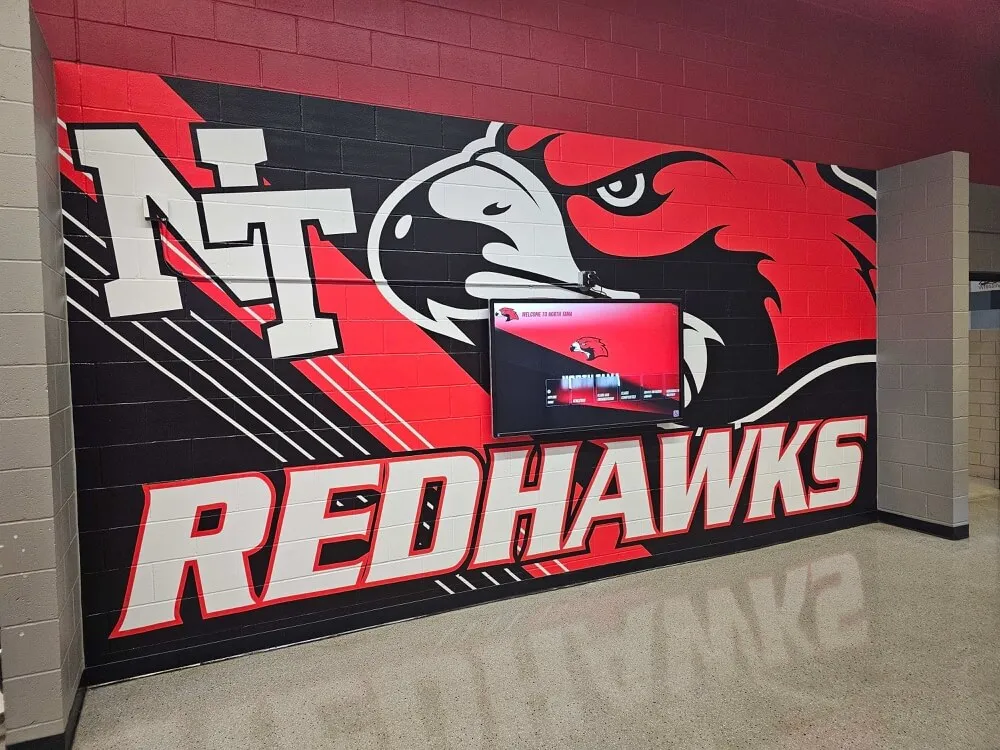
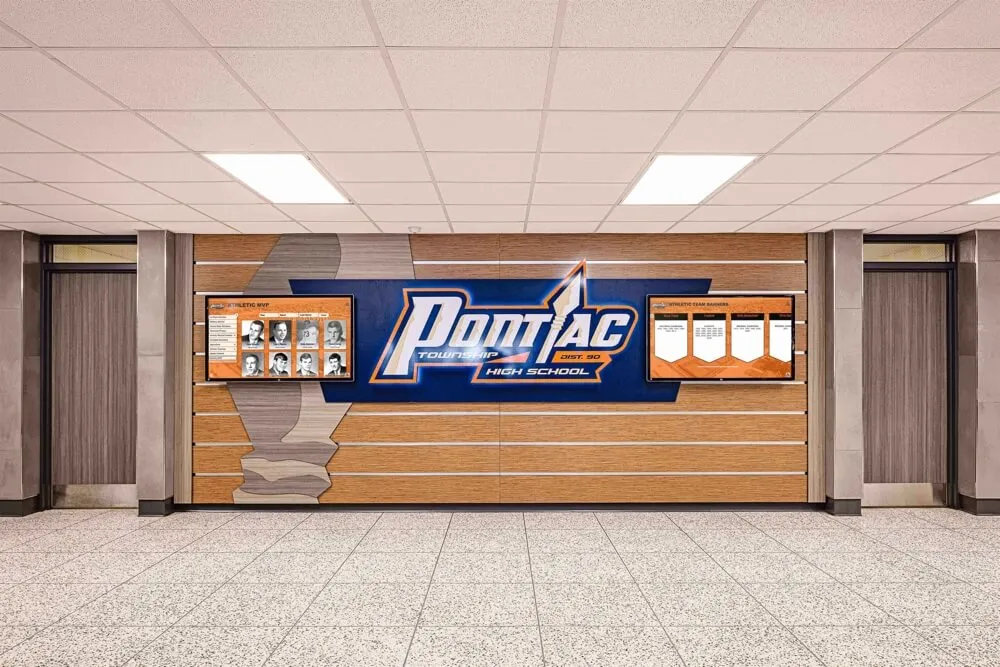
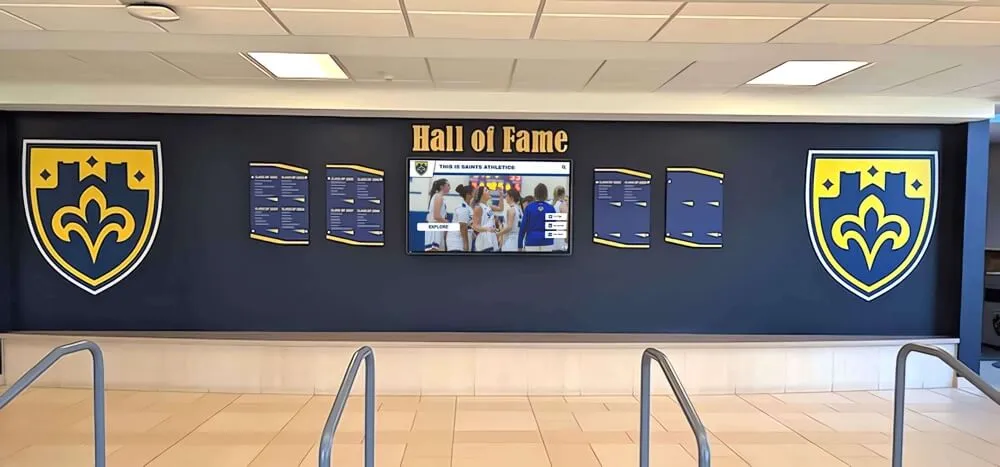
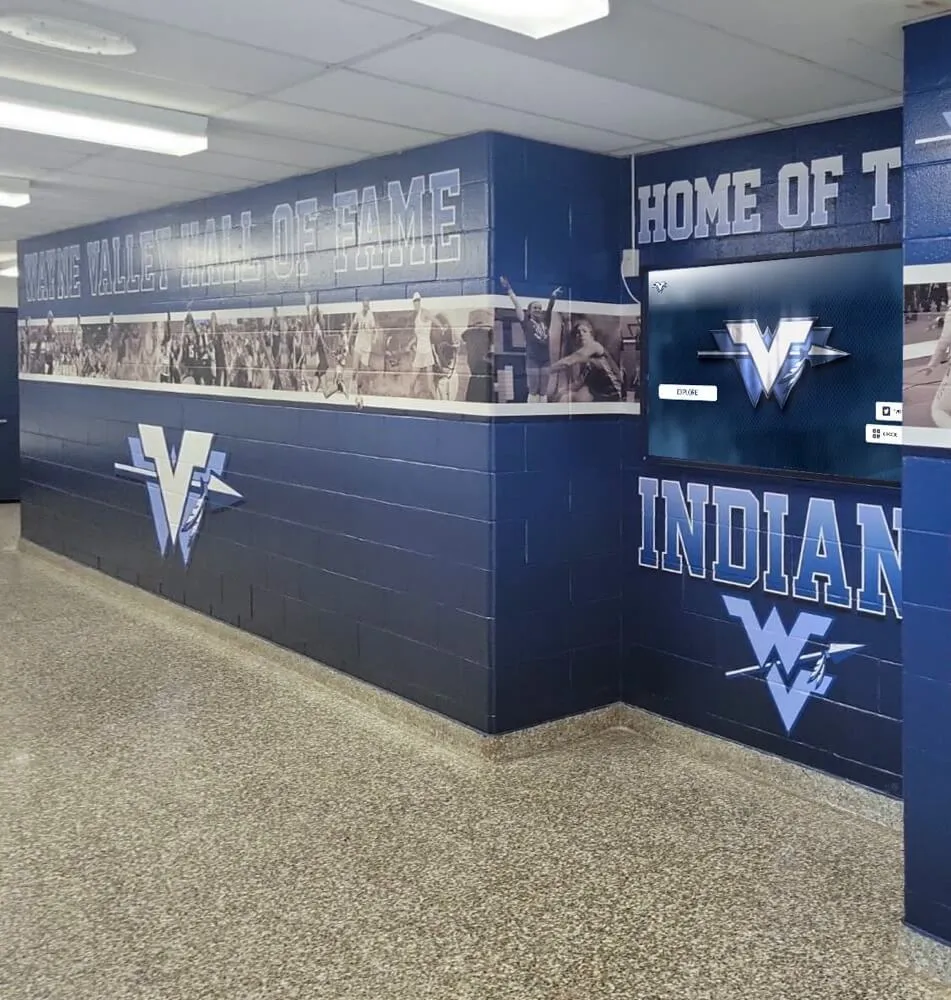
Yearbook themes connect to broader school identity, reinforced through physical spaces and digital recognition
5. “All In” / “100%”
Why It Works: Captures the commitment and intensity that defines the high school experience—full participation in academics, activities, friendships, and growth. It’s energetic and action-oriented.
Implementation Ideas:
- Statistics and percentages throughout design elements
- “Full commitment” features on dedicated students
- Coverage emphasizing participation and involvement
- Energy and action in photography choices
- Bold, dynamic layouts matching the intensity of theme
Design Direction: High-energy design with bold typography, dynamic angles, bright colors, and movement-suggesting layouts. Often incorporates percentage graphics and statistical elements.
Contemporary Cultural Themes
Current Concepts That Capture the Moment
6. “Rewind” / “Play” / “Pause” / “Fast Forward”
Why It Works: Media control metaphors resonate with digital-native students while providing intuitive organizational structure. Different sections can represent different playback functions, creating natural content divisions.
Implementation Ideas:
- “Rewind” sections reviewing year highlights
- “Pause” moments featuring standout individual achievements
- “Play” action coverage of events and activities
- “Fast forward” senior sections about future plans
- Cassette, vinyl, or streaming interface design elements
Design Direction: Retro media aesthetics mixed with modern design—vintage cassette graphics, vinyl record motifs, or sleek streaming interface inspired layouts. Color schemes often incorporate nostalgic combinations like teal and coral or modern gradients.
7. “Spotlight” / “Center Stage”
Why It Works: Celebrates individual students as stars of their own high school story while providing framework for highlighting exceptional moments, achievements, and personalities throughout the school year.
Implementation Ideas:
- Theatrical staging imagery and metaphors
- Individual student “spotlights” throughout pages
- Performance and achievement emphasis
- Student council campaign and leadership features
- Behind-the-scenes and backstage moments
Design Direction: Dramatic lighting effects, stage curtain elements, marquee-style typography, spotlight graphics, and star motifs. Bold contrasts between light and shadow in photo treatments.
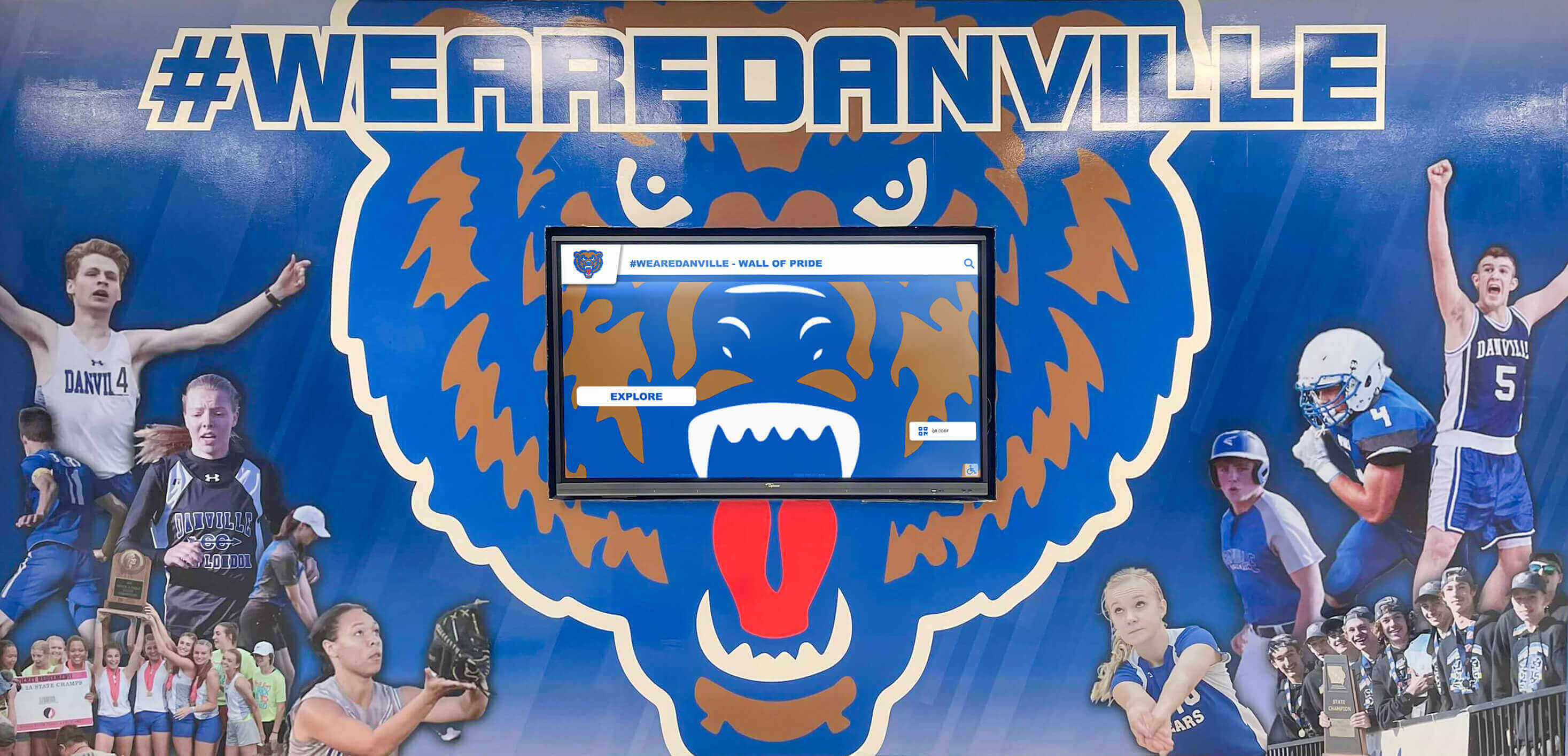
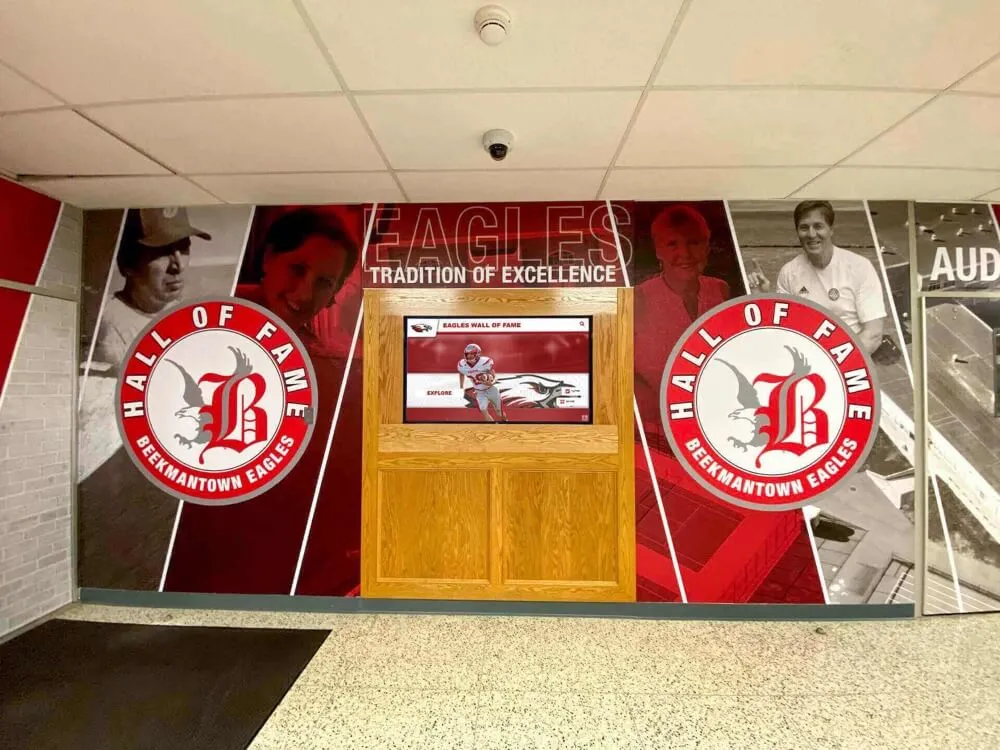
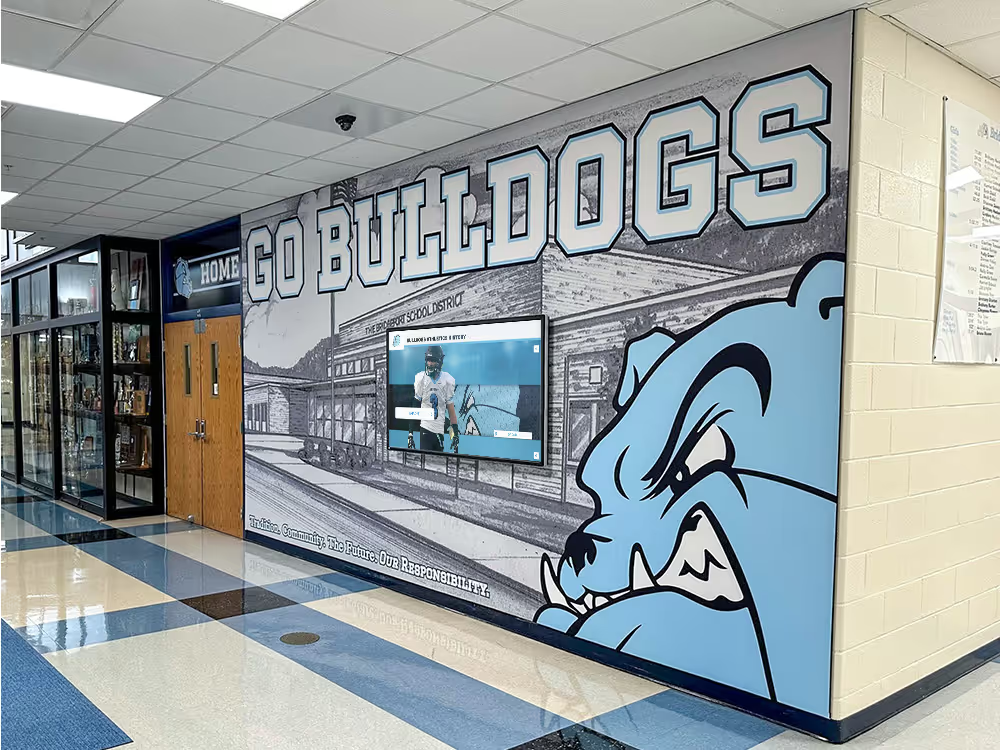
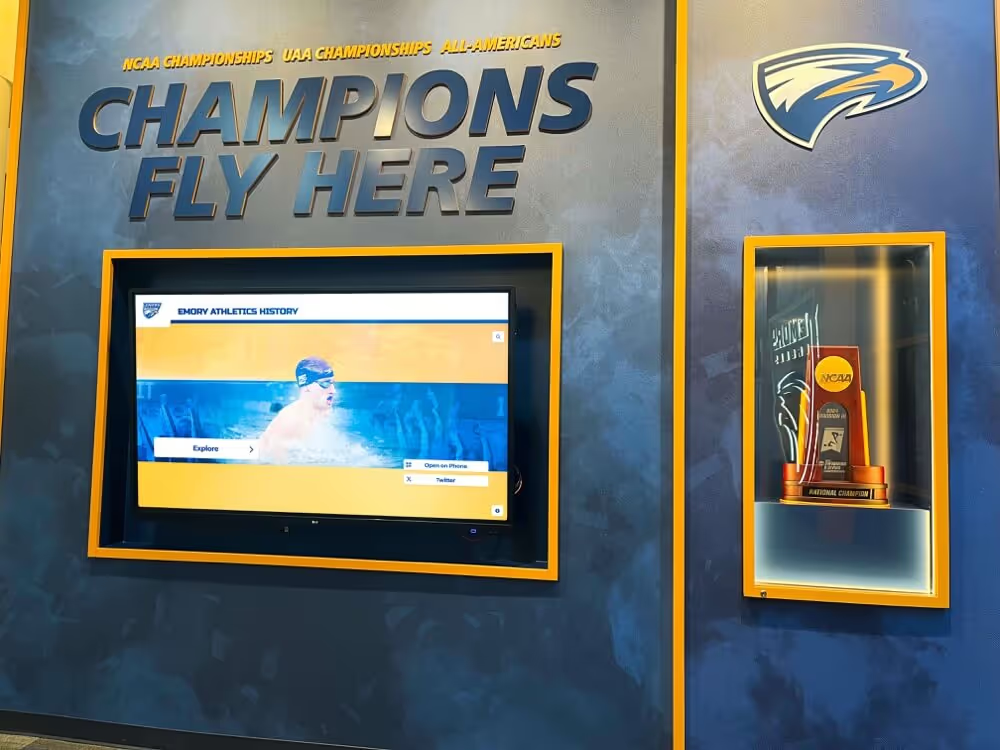
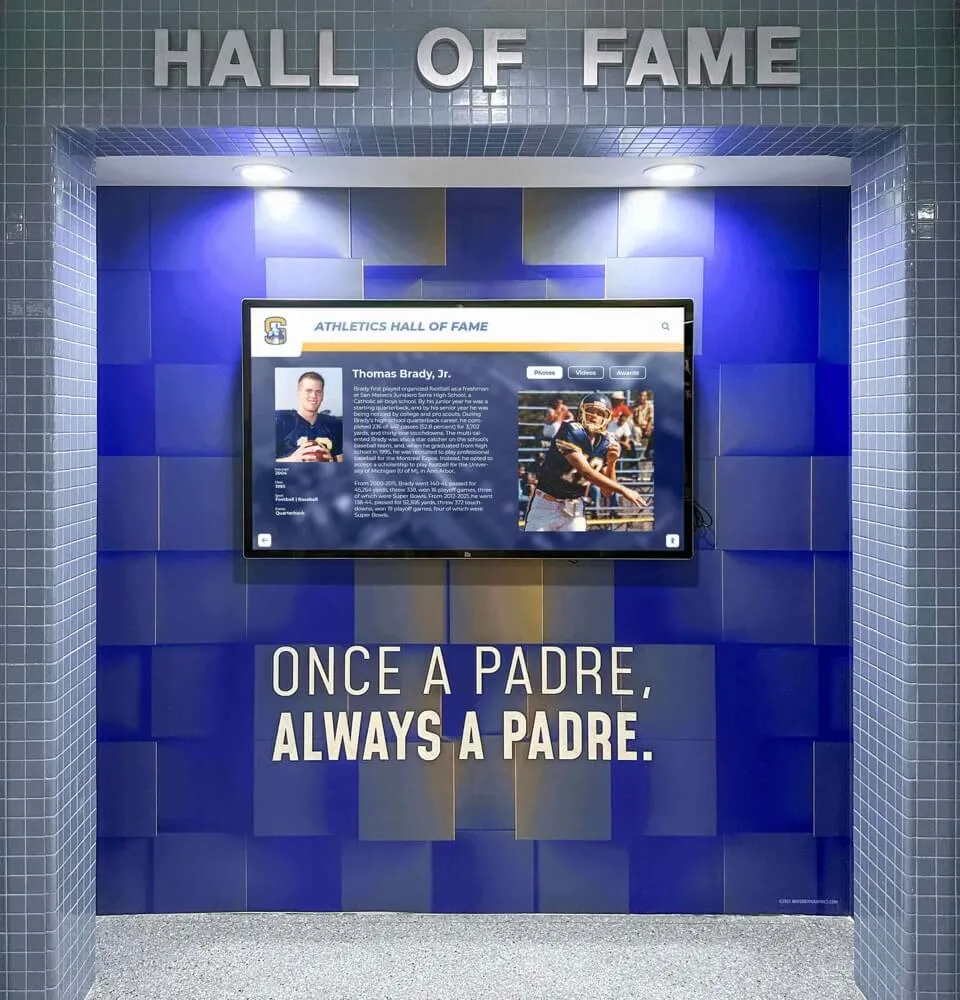
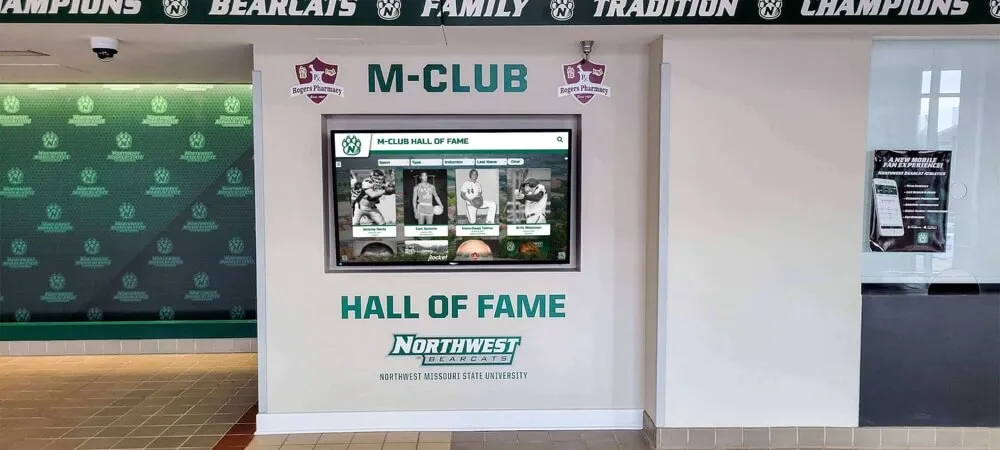
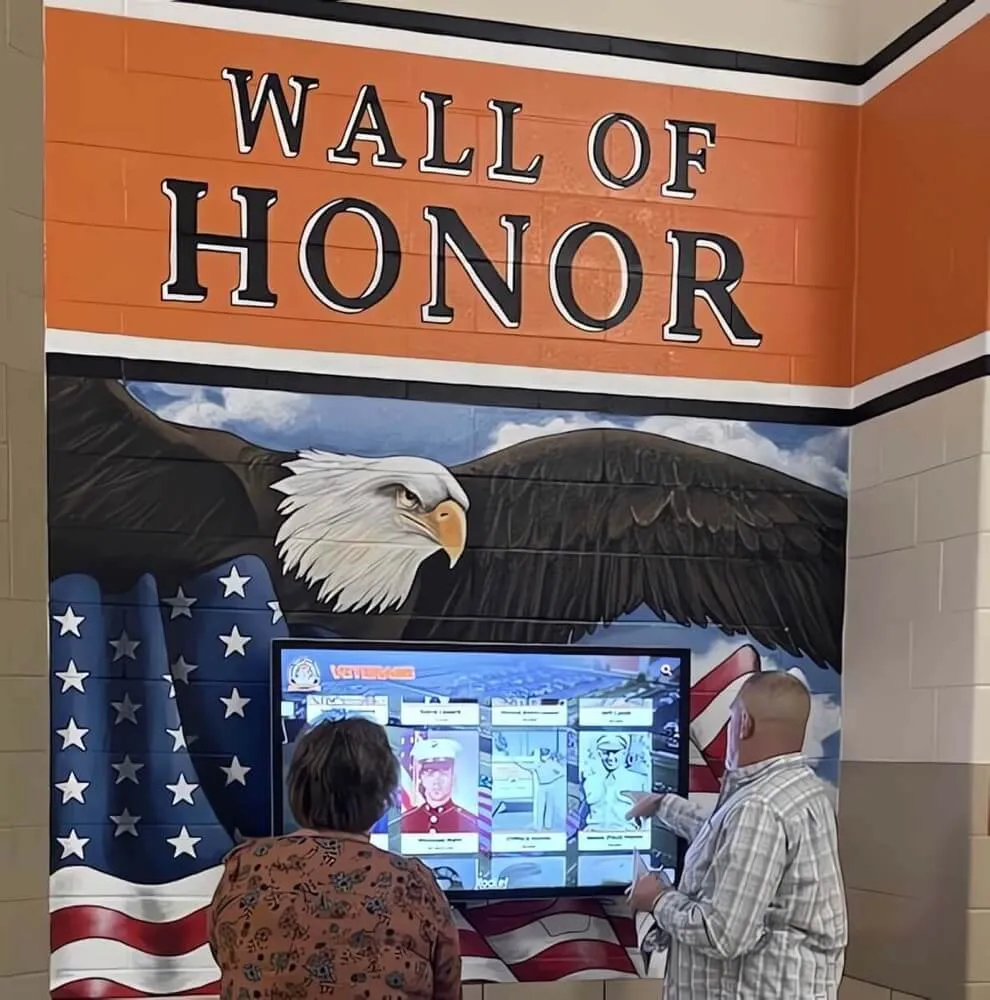
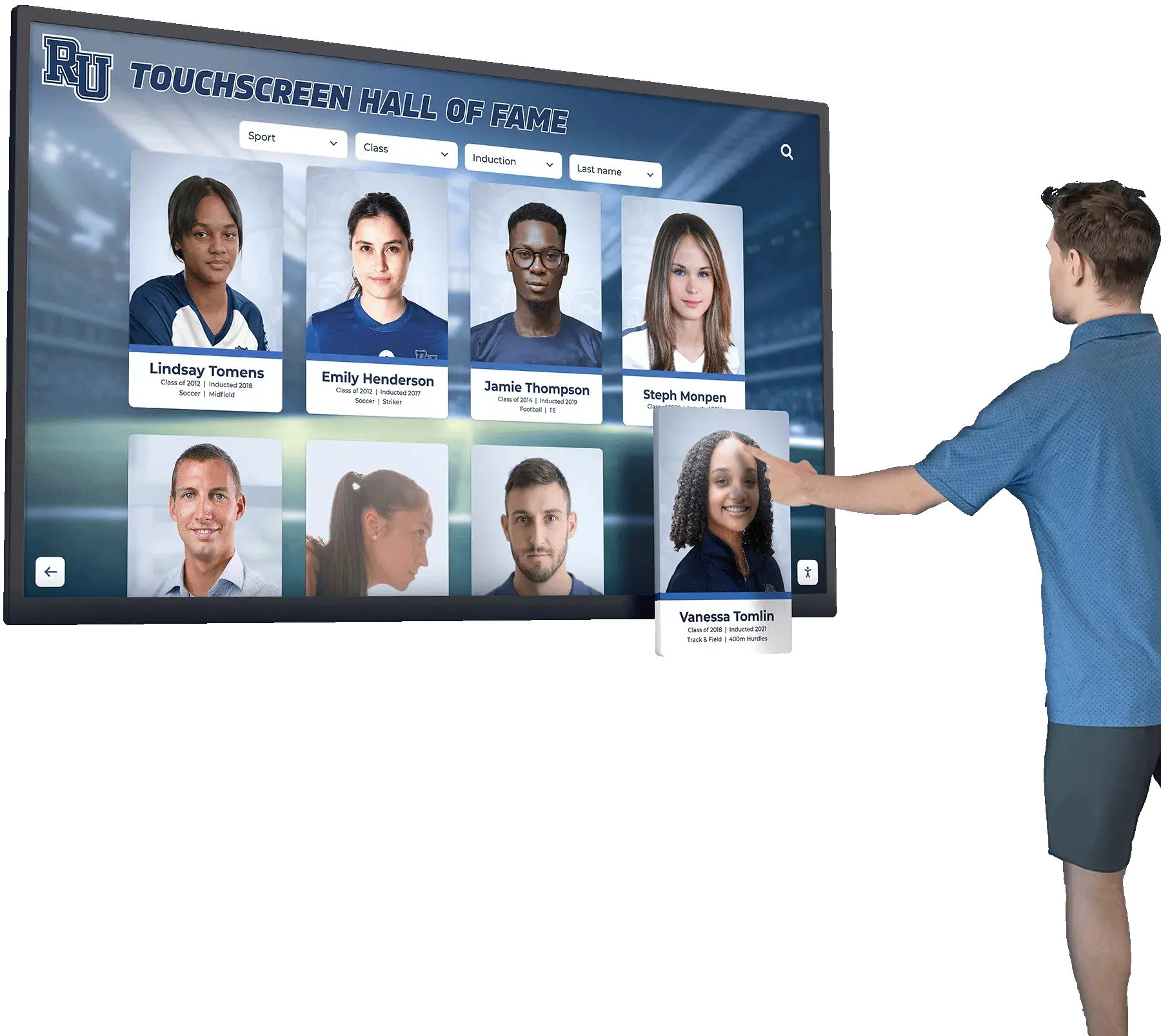
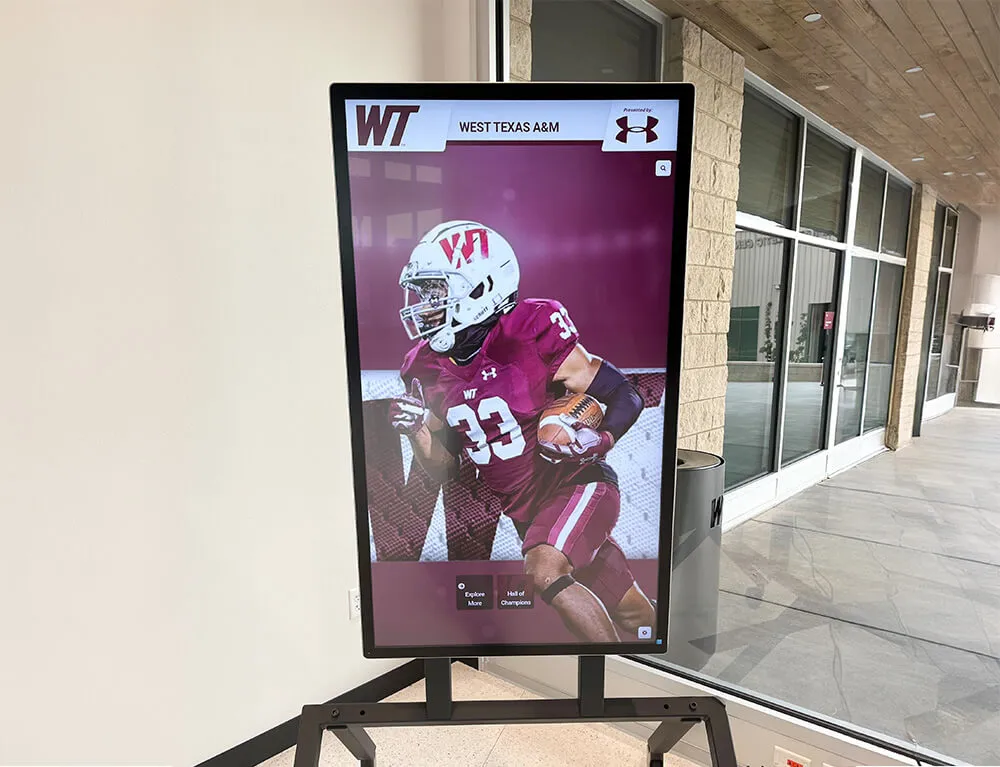
Athletic achievements and school spirit themes translate beautifully to both print yearbooks and permanent digital displays
8. “Create” / “Create Your Own Adventure”
Why It Works: Emphasizes student agency and creativity, celebrating the ways students shape their own high school experience through choices, activities, and personal expression. Particularly effective for arts-focused schools.
Implementation Ideas:
- Student art integration throughout pages
- “Choose your own” style decision trees showing different paths
- Creative process documentation
- Maker space and hands-on learning features
- Student innovation and project highlights
Design Direction: Artistic, hand-crafted aesthetic with mixed media elements, sketched graphics, creative typography, and evidence of the design process. Embraces imperfection and creative expression.
9. “Connected” / “The Network”
Why It Works: Acknowledges that modern high school experience exists both physically and digitally, with relationships, learning, and community spanning in-person and online spaces. Reflects current reality authentically.
Implementation Ideas:
- Social network-inspired layouts
- Relationship mapping showing student connections
- Digital life and social media integration
- Global connections and diverse perspectives
- Community building emphasis
Design Direction: Clean, interface-inspired design with connection lines, network node graphics, modern sans-serif typography, and tech-influenced color schemes—often incorporating blues, teals, and clean whites.
10. “Level Up” / “Next Level”
Why It Works: Gaming metaphors resonate with broad student audiences while providing natural progression framework. Each grade level, achievement, or semester represents advancement to the “next level.”
Implementation Ideas:
- Achievement unlocked graphics for accomplishments
- Progress bars showing advancement through the year
- “Boss battles” coverage of major challenges overcome
- Power-up features on skill development
- Gaming aesthetic throughout design elements
Design Direction: 8-bit or modern gaming interface aesthetics, pixel art elements, achievement badge graphics, progression indicators, and bold, game-influenced typography. Color palettes often vibrant and high-contrast.
Schools documenting student achievements through yearbooks often extend recognition through digital platforms that maintain “achievement unlocked” accessibility for years beyond graduation.
Location and Identity Themes
Place-Based Concepts Celebrating Your Community
11. “Home” / “Where We Belong”
Why It Works: School as home base creates emotional resonance, emphasizing community, belonging, and the safe space students create together. Particularly powerful for close-knit school communities.
Implementation Ideas:
- Architecture and physical space photography
- “Rooms” representing different aspects of school life
- Student reflections on what makes school feel like home
- Community and relationship emphasis
- Traditions that create sense of belonging
Design Direction: Warm, welcoming aesthetics with architectural elements, floor plan graphics, blueprint motifs, and cozy color palettes—earth tones, warm neutrals, and inviting accent colors.
12. “[Your City/Region]” / “Hometown Pride”
Why It Works: Grounds school experience in geographic context, celebrating local culture, landmarks, and community identity. Creates unique differentiation from schools in other regions.
Implementation Ideas:
- Local landmark photography and references
- Regional cultural elements incorporated throughout
- Community partnership and connection features
- Local history integration
- Geographic pride celebration
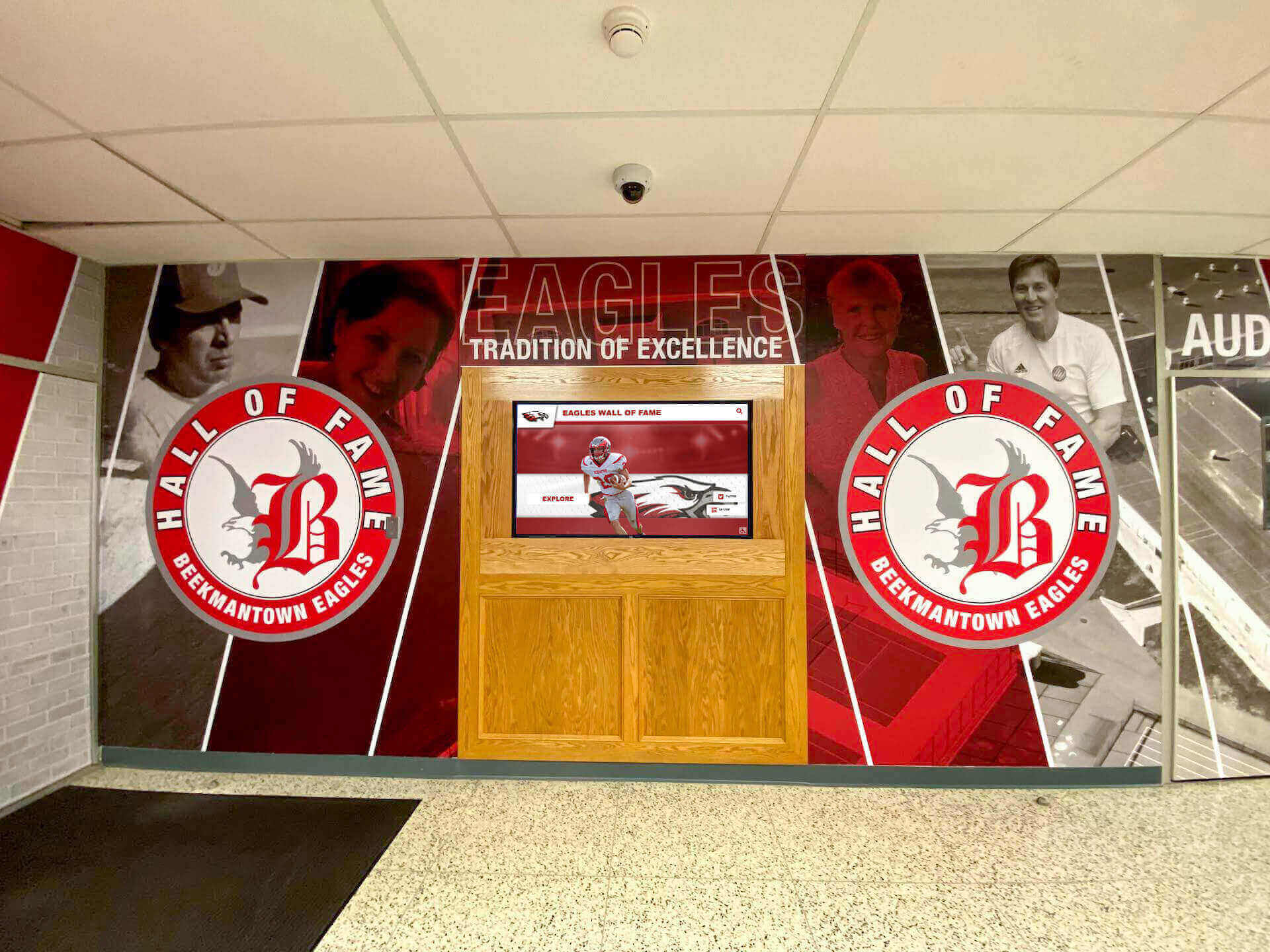
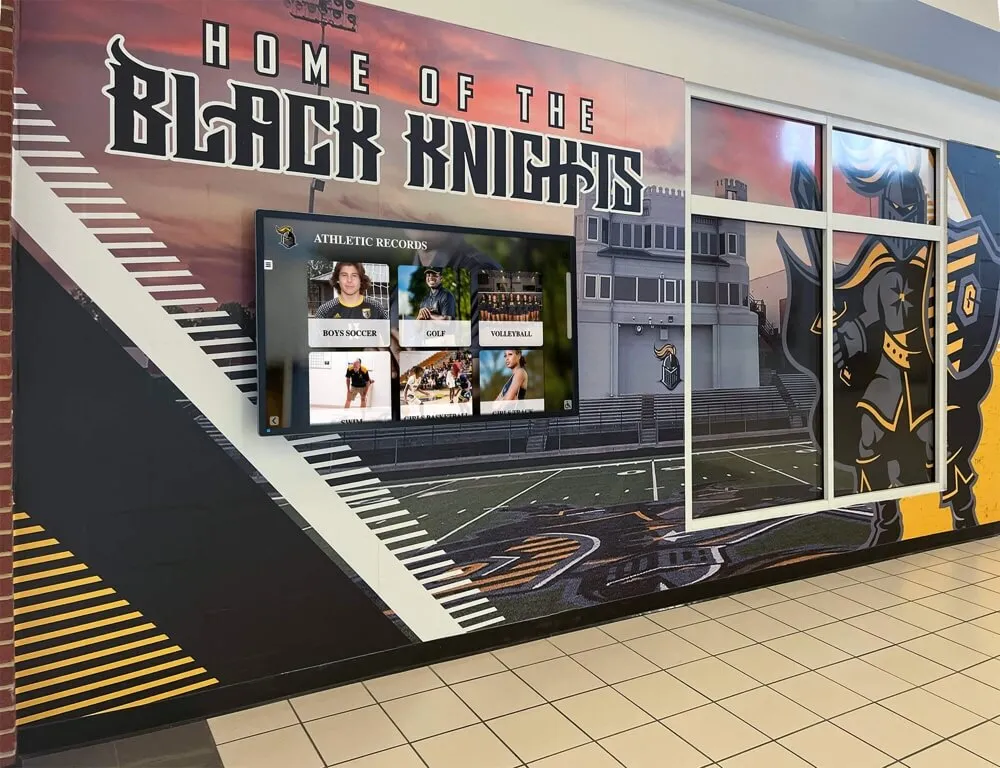
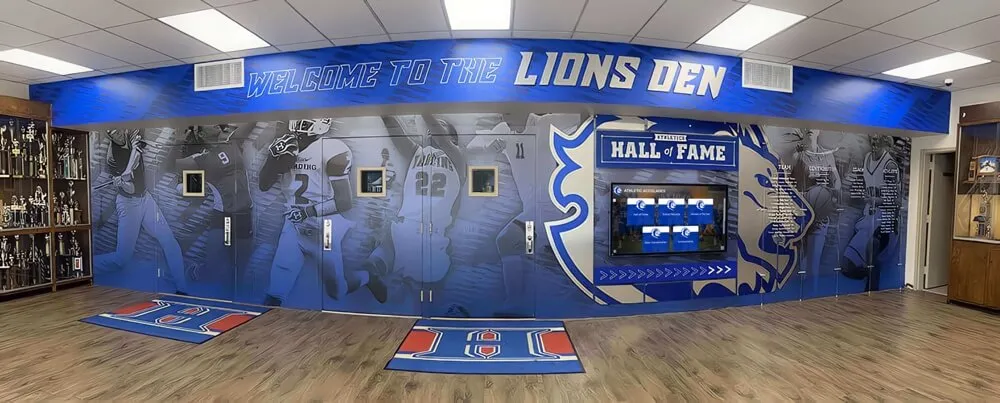
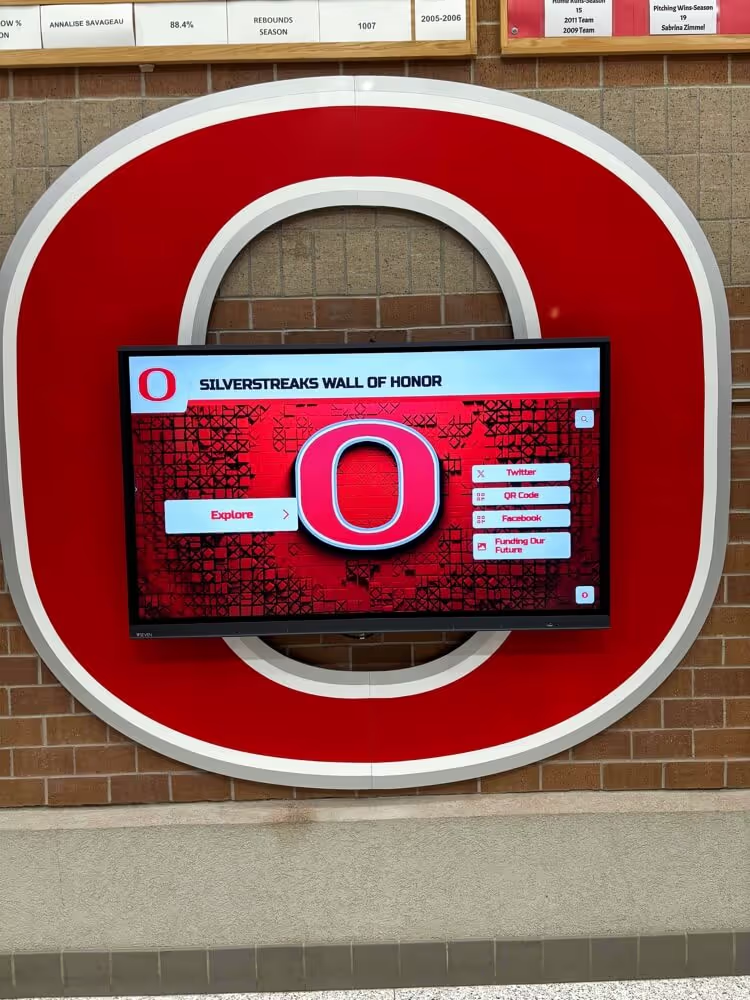
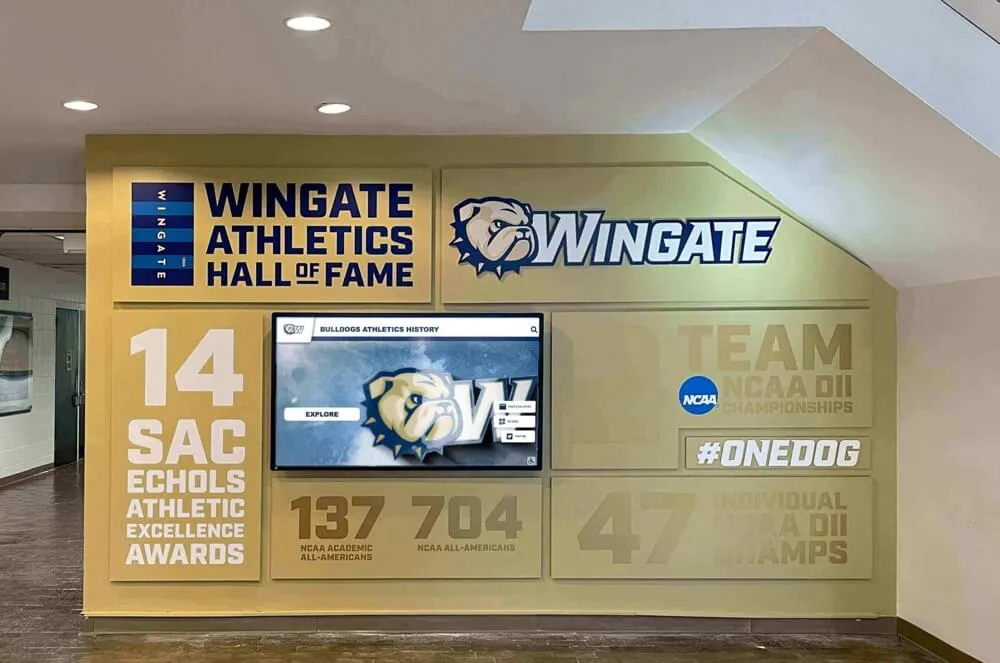
Location-based themes incorporate school identity elements that connect to permanent recognition displays
13. “Our Campus” / “These Halls”
Why It Works: The physical school building and grounds serve as the stage where all high school memories unfold. This theme celebrates the familiar spaces students navigate daily while documenting the environment that shapes their experience.
Implementation Ideas:
- Location-specific photography (favorite hallway spots, iconic campus areas)
- School lobby and common space features
- Building architecture and design elements
- Environmental changes throughout the school year (seasonal campus shots)
- Hidden campus gems and student favorite spots
Design Direction: Architectural photography, blueprint aesthetics, floor plan inspired layouts, and environmental portraits placing students in their natural campus habitats.
Aspirational and Growth Themes
Future-Focused Concepts Emphasizing Development
14. “Rise” / “Rising Together”
Why It Works: Emphasizes upward trajectory, improvement, and collective achievement. Celebrates how the school community lifts each other up while individuals rise to meet challenges and opportunities.
Implementation Ideas:
- Growth and progress visualization
- Before-and-after comparisons showing development
- Features on students overcoming challenges
- Collective achievement emphasis
- Vertical design elements suggesting upward movement
Design Direction: Upward-pointing visual elements, sunrise and dawn imagery, ascending graphics, and progressive color gradients moving from darker to lighter tones. Typography with ascending baselines.
15. “Limitless” / “No Limits”
Why It Works: Celebrates potential, possibility, and the boundless opportunities ahead. Particularly resonant for senior classes preparing to launch into wide-open futures.
Implementation Ideas:
- Horizon and skyline imagery
- Student dreams and aspirations features
- Breaking barriers and exceeding expectations coverage
- Possibility and opportunity emphasis
- Expansive, open design layouts
Design Direction: Open, airy layouts with horizon photography, sky and space imagery, expansive white space, and color palettes suggesting freedom—sky blues, sunset oranges, and infinite whites.
16. “Transform” / “Transformation”
Why It Works: High school represents a transformative period where students evolve dramatically across four years. This theme acknowledges growth, change, and the metamorphosis from freshman to graduate.
Implementation Ideas:
- Four-year progression features showing student evolution
- Transformation stories highlighting personal growth
- Before-and-after comparisons
- Metamorphosis and change imagery
- Growth mindset emphasis
Design Direction: Transitional design elements, butterfly and natural metamorphosis motifs, progressive color schemes, and layouts showing evolution from one state to another.
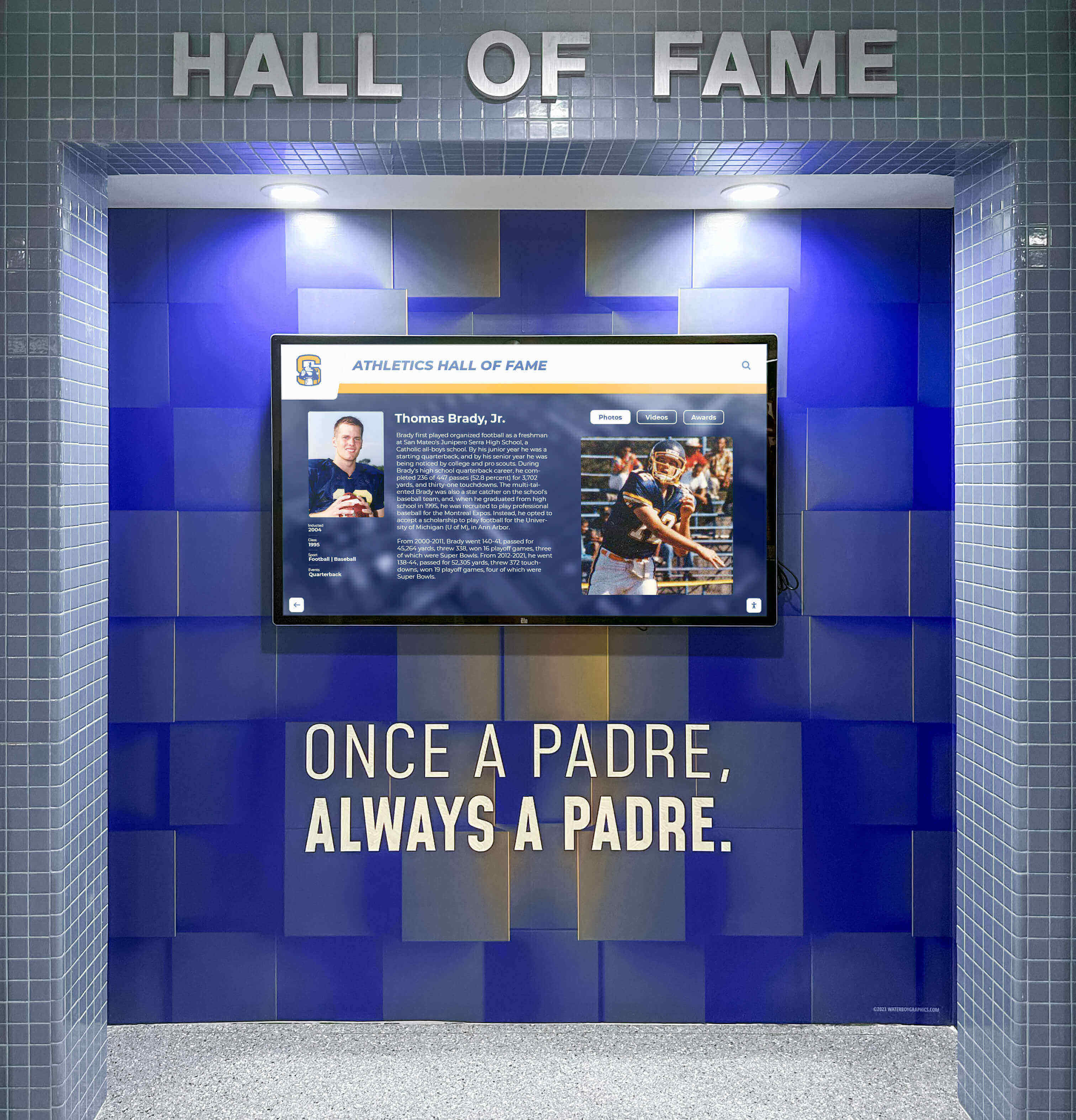
Transformation and achievement themes connect yearbook documentation to permanent recognition systems celebrating growth
17. “Dream Big” / “Dream Believe Achieve”
Why It Works: Aspirational without being cliché, this theme celebrates ambition, goal-setting, and the courage to pursue challenging objectives. Balances present achievement with future possibility.
Implementation Ideas:
- Student goal and dream features
- Achievement documentation connected to prior aspirations
- Inspirational quote integration
- Future plans and college decision coverage
- Visualization of dreams becoming reality
Design Direction: Inspiring imagery including stars, clouds, and aspirational landscapes. Motivational typography, dream-like color palettes with soft purples and blues, and uplifting visual treatments.
Unity and Community Themes
Concepts Emphasizing Togetherness
18. “One School, One Family”
Why It Works: Emphasizes the family-like bonds that develop within school communities, celebrating diversity within unity and the supportive relationships that define the high school experience.
Implementation Ideas:
- Relationship and connection photography
- Diverse student voice representation
- Community service and support features
- Family-style group photography
- Togetherness and inclusion emphasis
Design Direction: Warm, inclusive color palettes, circular and connecting design elements, family photo aesthetics, and layouts emphasizing community and togetherness.
19. “Together” / “Stronger Together”
Why It Works: Celebrates collaboration, teamwork, and collective achievement. Particularly relevant for years marked by coming together after challenges or schools with exceptional community cohesion.
Implementation Ideas:
- Team and group achievement emphasis
- Collaboration and partnership features
- Community building event coverage
- Together-we’re-stronger narratives
- Unity in diversity celebrations
Design Direction: Interlocking design elements, puzzle piece motifs, connected graphics, unified color schemes, and layouts bringing multiple images together into cohesive wholes.
20. “All of Us” / “Everyone’s Story”
Why It Works: Inclusivity-focused theme ensuring every student sees themselves represented. Celebrates the full diversity of student experiences, backgrounds, and contributions.
Implementation Ideas:
- Comprehensive student representation across all pages
- Diverse activity and interest coverage
- Underrepresented student group features
- Multiple perspective inclusion
- Demographic diversity visualization
Design Direction: Mosaic and collage aesthetics showing many individuals creating complete pictures, rainbow and spectrum color usage, and layouts giving equal visual weight to diverse content.
Schools implementing inclusive recognition programs ensure both yearbook coverage and permanent displays celebrate all students equitably.
Energy and Spirit Themes
High-Energy Concepts Celebrating School Culture
21. “Ignite” / “Light It Up”
Why It Works: Fire and light metaphors convey energy, passion, and the spark that makes your school community special. Captures enthusiasm and intensity of high school experience.
Implementation Ideas:
- Passion and enthusiasm emphasis
- Energy in photography and action shots
- Student passion project features
- Spirit and excitement coverage
- Bright, energetic visual treatments
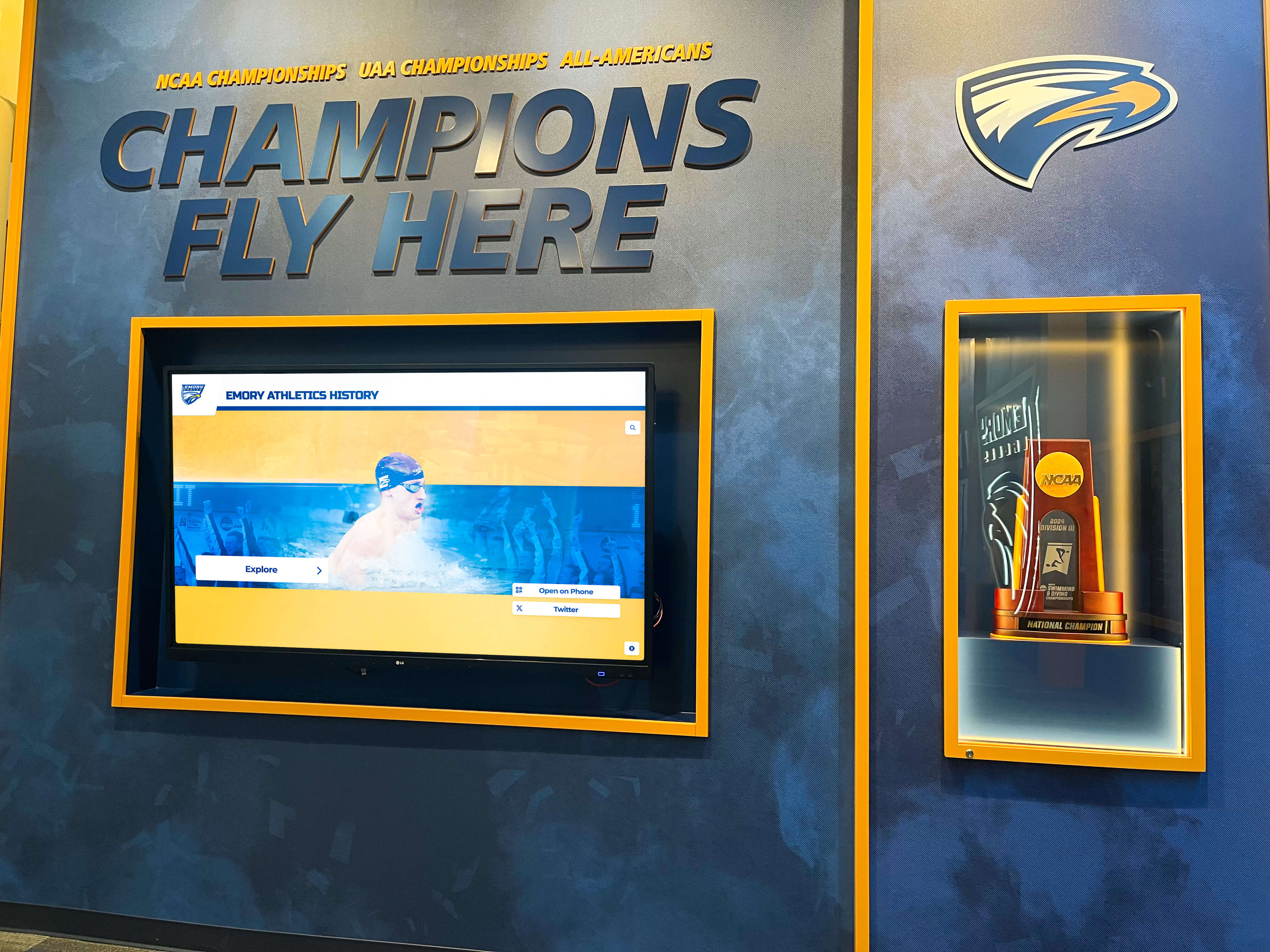
High-energy themes celebrating championships and achievements translate naturally to physical recognition displays
Design Direction: Bright, intense color schemes with oranges, yellows, and reds. Fire and light graphic elements, dynamic layouts, energetic typography, and high-contrast treatments.
22. “Full Speed” / “Accelerate”
Why It Works: Captures the fast-paced, high-velocity nature of senior year and the high school experience overall. Emphasizes momentum, action, and the rapid passage of time.
Implementation Ideas:
- Motion and action photography
- Speed and momentum visualization
- Fast-paced year in review features
- Racing and velocity metaphors
- Dynamic event coverage
Design Direction: Motion blur effects, diagonal lines suggesting movement, racing stripes, speedometer graphics, and layouts with directional flow creating visual momentum.
23. “Beyond” / “Beyond the Game”
Why It Works: Sports and competition metaphors extend to all aspects of high school—academics, arts, and personal growth all involve challenge, dedication, and exceeding expectations. Resonates with competitive school cultures.
Implementation Ideas:
- Athletic achievement documentation
- Competition in all forms (academic, artistic, etc.)
- Going above and beyond features
- Championship and victory coverage
- Excellence and exceeding expectations emphasis
Schools documenting athletic excellence in yearbooks often maintain permanent digital recognition systems preserving competitive achievements for decades.
Creative and Artistic Themes
Design-Forward Concepts for Arts-Focused Schools
24. “Canvas” / “Our Masterpiece”
Why It Works: Frames the entire school year as a work of art being created collectively. Particularly effective for schools with strong arts programs or creative student cultures.
Implementation Ideas:
- Art and creative process emphasis
- Painter’s palette color schemes
- Paint stroke and artistic motifs
- Student artwork integration throughout
- Creative expression celebration
Design Direction: Artistic aesthetics with paint texture overlays, brush stroke graphics, canvas textures, and color palettes inspired by classic art movements. Hand-crafted typography and creative layouts.
25. “Snapshot” / “Through Our Lens”
Why It Works: Photography-focused theme acknowledging that yearbook creation itself involves capturing and curating the year’s best moments. Meta-narrative celebrating the photographic medium.
Implementation Ideas:
- Camera and photography equipment imagery
- “Through the lens” perspective features
- Behind-the-scenes yearbook staff coverage
- Polaroid and photo frame design elements
- Moment-capture emphasis
Design Direction: Photography-inspired layouts with film strip borders, camera viewfinder frames, Polaroid aesthetics, darkroom imagery, and photo grid arrangements. Black, white, and classic film color palettes.
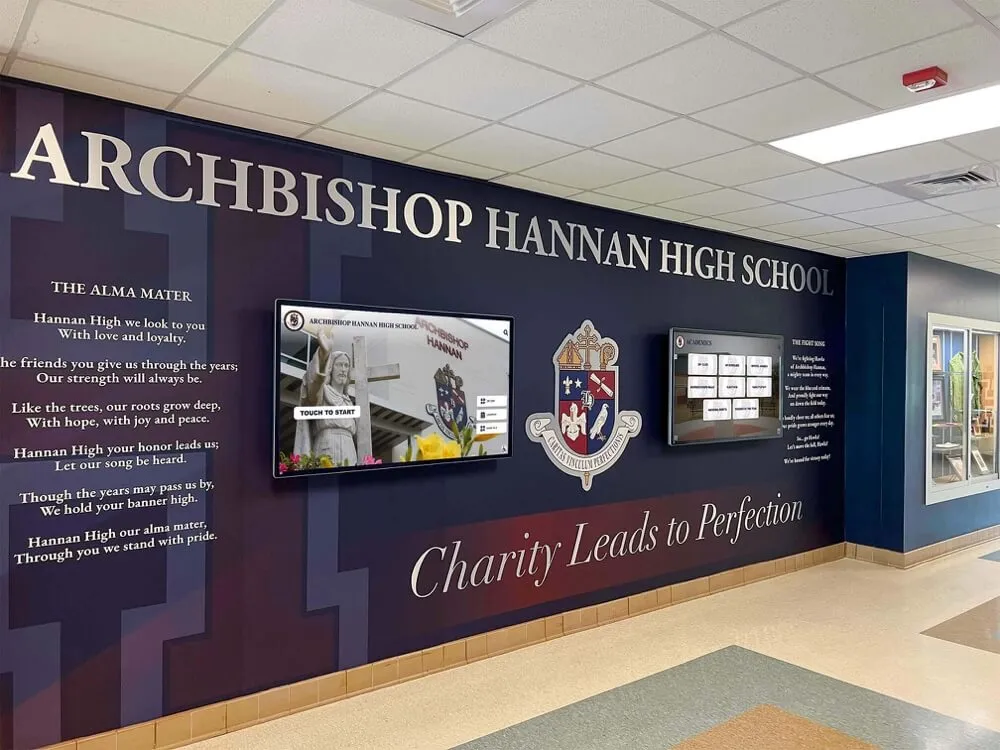
Creative themes celebrating visual storytelling connect print yearbooks to digital displays that preserve memories permanently
Selecting the Right Theme for Your School
Decision-Making Framework
With 25 strong options, how do you choose the theme that’s right for your specific school, students, and year?
Consider Your School’s Personality
Traditional vs. Progressive: Schools with long-established traditions may prefer classic, timeless themes, while newer or more progressive institutions might embrace contemporary, cutting-edge concepts.
Academic vs. Activity-Focused: Schools emphasizing academic achievement might select growth and aspiration themes, while schools with exceptional athletics or arts programs might choose energy and creative themes.
Size and Community: Small schools with tight-knit communities often succeed with family and belonging themes, while larger schools might choose themes accommodating greater diversity of experience.
Evaluate Student Voice and Input
Involving students in theme selection creates ownership and engagement:
Survey Options: Present 3-5 finalist themes and survey student body for preferences Committee Decision: Empower yearbook staff to make final selection with advisor guidance Open Submission: Accept theme proposals from any student, then narrow to finalists Focus Groups: Gather small groups representing different student populations for feedback
Think Long-Term Value
The 20-Year Test: Will this theme still resonate when graduates return for reunions decades later? Themes grounded in authentic student experience age better than those tied to temporary trends.
Digital Extension: Consider how themes translate beyond print. Schools implementing digital yearbook platforms find themes with visual and conceptual clarity work best across multiple formats.
Photographic Flexibility: Strong themes suggest visual approaches without constraining photography. Avoid themes so specific that they limit photographic opportunities or force artificial connections.
Bringing Your Theme to Life
Implementation Strategies That Work
Visual Identity Development
Once you’ve selected a theme, develop comprehensive visual identity:
Color Palette Selection: Choose 3-5 colors that reinforce theme concept while providing sufficient variety for dynamic layouts. Include school colors when possible to maintain institutional connection.
Typography System: Select 2-3 fonts that support theme aesthetic—typically one decorative display font for headlines and one readable body font for longer text. Ensure choices align with theme personality.
Graphic Elements Library: Create or source theme-appropriate graphics, icons, and design elements that appear consistently throughout pages. This might include custom illustrations, patterns, or photographic treatments.
Layout Templates: Design 5-10 flexible layout templates incorporating theme elements while accommodating different content types (event coverage, portraits, features, etc.).
Section Organization
Use your theme to create intuitive content divisions:
Theme-Aligned Section Names: Instead of generic “Sports” and “Clubs,” create section names that reinforce your theme. For example, “Journey” theme might have “Milestones” (Sports), “Explorations” (Academics), and “Fellow Travelers” (Student Life).
Visual Transitions: Create distinctive section divider pages that signal content shifts while maintaining theme cohesion. These might use theme’s strongest visual elements or color palette shifts.
Consistent Application: Ensure theme elements appear on every spread, creating visual continuity even as specific content varies dramatically page to page.
Written Content Integration
Theme should influence more than just visual design:
Headline Style: Develop headline writing conventions that reinforce theme. “Journey” themes might use destination-based headlines, while “Canvas” themes incorporate artistic terminology.
Caption Voice: Establish caption writing guidelines ensuring consistent tone matching theme concept. Energetic themes need energetic captions; reflective themes deserve thoughtful prose.
Feature Stories: Plan 3-5 feature stories specifically exploring theme concept through student experiences, creating thematic depth beyond surface visual application.
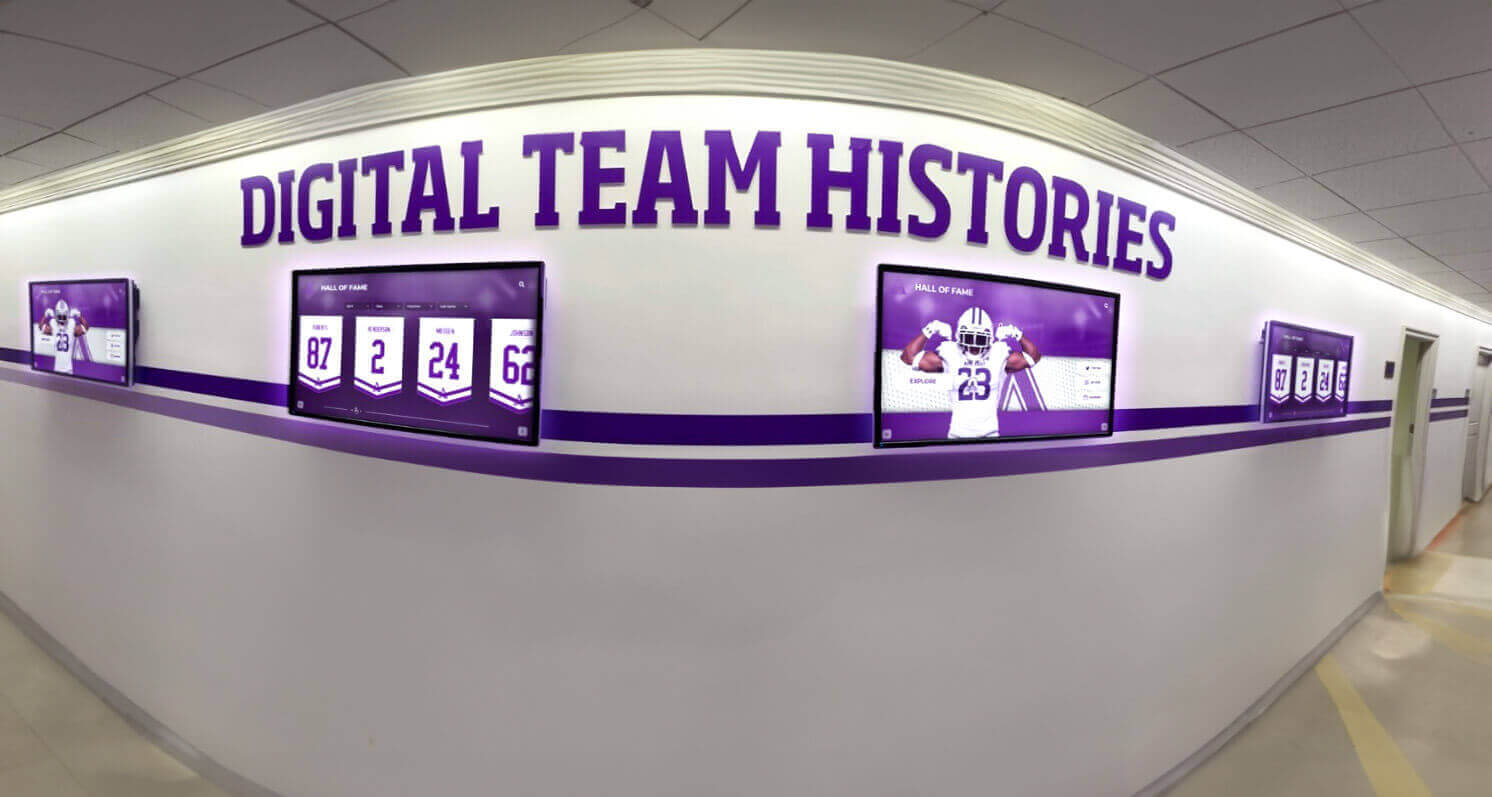
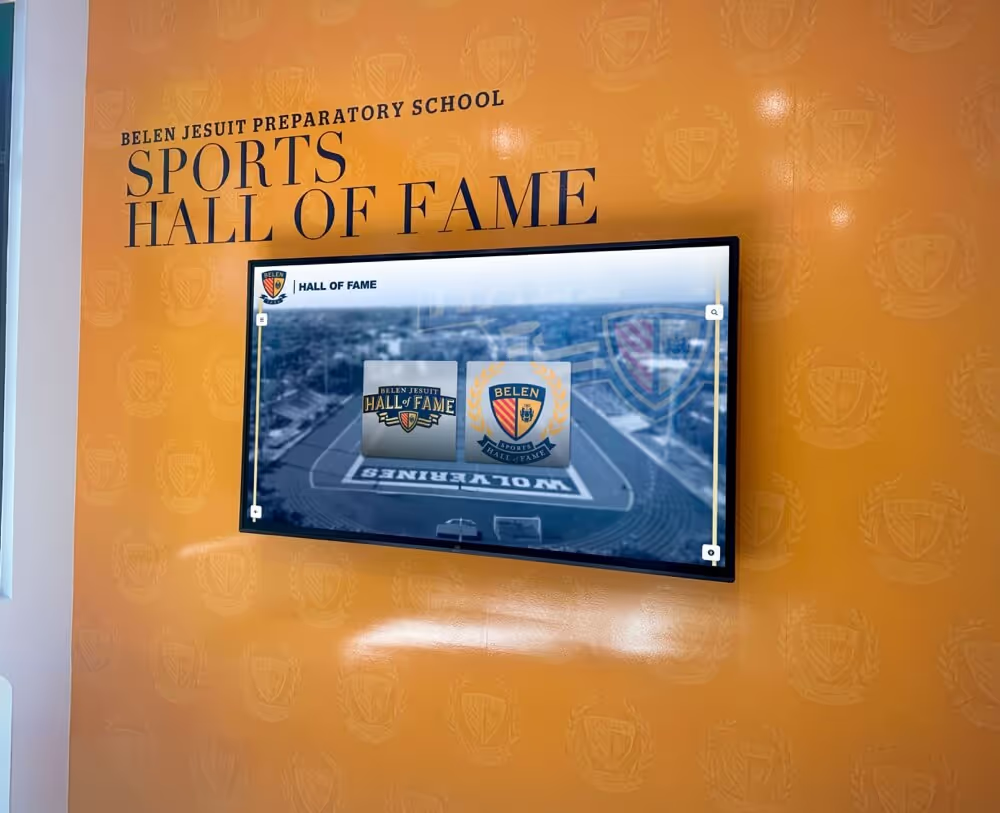
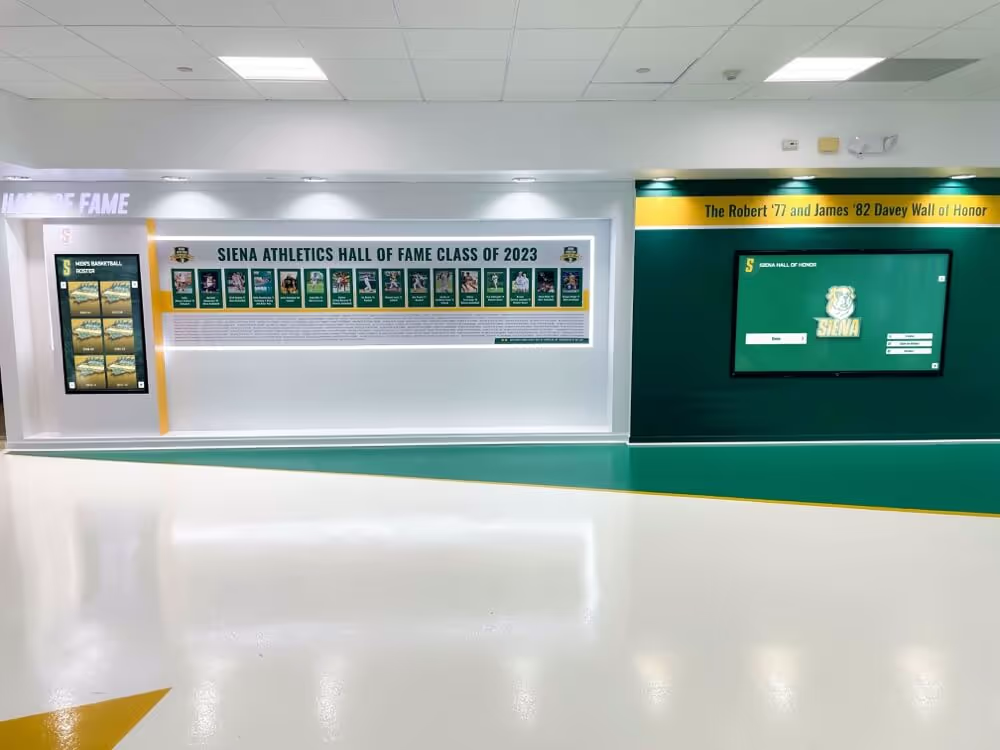
Theme execution extends beyond yearbook pages through permanent digital installations that tell ongoing school stories
Extending Themes Into the Digital Realm
Beyond Print: Making Themes Live Forever
The best yearbook themes don’t end when books are distributed—they extend into digital platforms that preserve memories and make them accessible for decades.
Digital Yearbook Integration
Modern schools recognize that print yearbooks represent just one format for memory preservation. Digital yearbook platforms extend theme concepts through:
Online Archives: Searchable digital versions maintaining theme’s visual identity while adding functionality impossible in print—searchable text, video integration, and interactive elements.
Social Sharing: Theme-branded graphics and content formatted for social media distribution, extending yearbook reach beyond physical copies.
Interactive Elements: Digital platforms enable clickable navigation, embedded multimedia, and dynamic content that brings theme concepts to life in ways print cannot.
Physical Display Integration
Yearbook themes often connect to broader school recognition infrastructure:
Lobby Displays: Interactive touchscreen systems in school lobbies can feature current yearbook theme content, creating physical presence that promotes yearbook while celebrating student achievement.
Recognition Walls: Permanent installations celebrating student accomplishments can incorporate annual yearbook themes, creating visual connection between year-specific publications and ongoing institutional memory.
Trophy Cases: Modern digital trophy case displays extend yearbook themes through athletic and academic achievement visualization.
Ongoing Theme Evolution
Strong themes often spawn multi-year evolution:
Series Potential: Some themes work as series concepts, with related themes each year creating connections across multiple publications. “Journey” Year 1 might become “Destinations” Year 2 and “Horizons” Year 3.
Legacy Connections: Each year’s theme can reference and build upon previous years, creating institutional continuity while celebrating each year’s uniqueness.
Digital Compilation: Digital platforms enable compilation of multiple years under thematic connections, helping alumni explore how themes evolved across their high school years.
Common Theme Selection Mistakes to Avoid
Learning From Others’ Challenges
Overly Specific Themes
The Problem: Themes tied too closely to specific events or cultural moments feel dated quickly and limit photographic flexibility.
Example to Avoid: Themes based on single movies, specific viral trends, or one-time events struggle to accommodate full breadth of school year content.
Better Approach: Choose themes with enough conceptual breadth to encompass diverse content while maintaining coherent identity.
Too Generic Themes
The Problem: Themes so broad they provide no meaningful direction result in yearbooks feeling generic and indistinguishable from any other school.
Example to Avoid: Simply “Class of 2026” or “Memories” without additional conceptual framework provides insufficient creative direction.
Better Approach: Even classic themes need specific angles or interpretations that make them feel unique to your school and year.
Themes That Limit Photography
The Problem: Some themes sound interesting conceptually but constrain photographic opportunities by requiring artificial connections.
Example to Avoid: Highly specific metaphors that force awkward photo captions trying to connect normal school events to unusual theme concepts.
Better Approach: Test theme concepts against actual school events. If you struggle to imagine how typical activities connect naturally, choose a different theme.
Designer-Only Themes
The Problem: Themes that work brilliantly for experienced graphic designers but overwhelm student yearbook staff with limited design experience.
Example to Avoid: Extremely complex visual concepts requiring sophisticated execution that yearbook students cannot realistically achieve with available time and skills.
Better Approach: Select themes offering clear visual direction accessible to students with varying design capabilities. Provide templates and examples supporting successful execution.
Making Your Theme Stick Beyond Graduation
Creating Enduring Memory Value
The ultimate measure of yearbook theme success isn’t awards at journalism conferences—it’s whether graduates decades later feel their yearbook authentically captured their high school experience.
Authenticity Over Trendiness
Capture Real Experience: The themes that age best are those grounded in genuine aspects of student life rather than attempting to capitalize on temporary trends.
Student Voice Priority: Themes should emerge from student perspective and priorities, not adult assumptions about what students care about.
Cultural Specificity: The most meaningful themes incorporate elements specific to your school culture, location, and community—details that make your yearbook irreplaceable rather than interchangeable.
Quality Execution Matters More Than Concept
Consistency is Critical: A simple theme executed consistently throughout every page succeeds better than a brilliant concept applied inconsistently.
Professional Design Support: While students should drive theme selection and content, professional design guidance helps translate concepts into polished visual systems students can implement successfully.
Adequate Planning Time: Theme selection should happen months before publication deadline, allowing thorough development of visual systems, template creation, and staff training.
Connection to Larger Recognition Systems
Forward-thinking schools recognize yearbooks as one component of comprehensive memory preservation and recognition systems. Solutions like Rocket Alumni Solutions provide schools with integrated platforms connecting annual yearbooks to permanent digital recognition infrastructure.
These systems enable:
- Searchable archives of multiple yearbook years accessible to alumni worldwide
- Interactive touchscreen displays in school lobbies featuring yearbook content
- Permanent achievement documentation extending beyond single-year publications
- Digital platforms that make yearbook themes accessible decades after graduation
By connecting annual yearbook themes to permanent recognition infrastructure, schools create memory preservation systems where themes truly “live beyond print.”

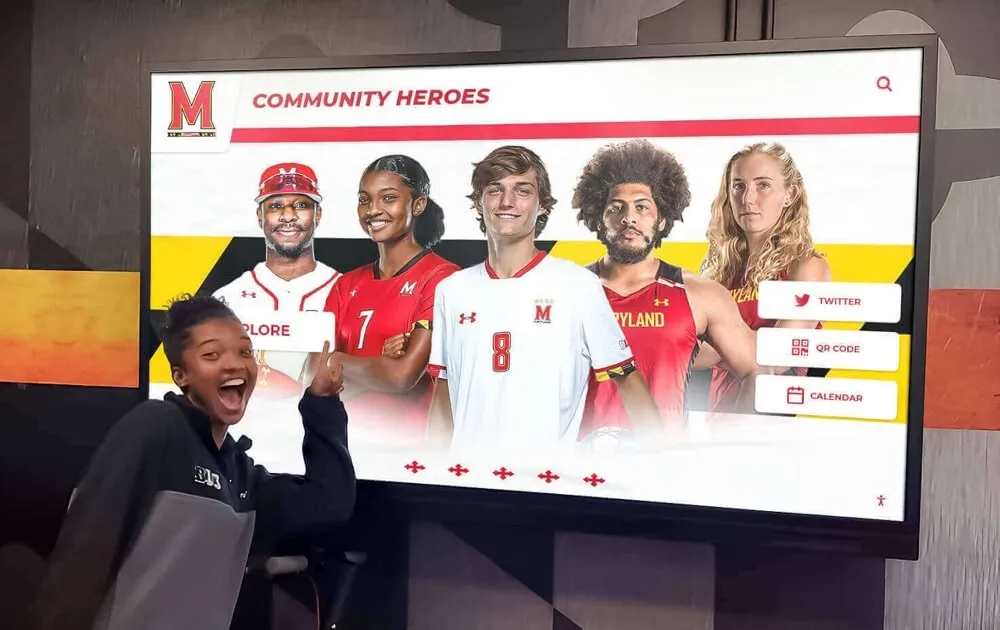
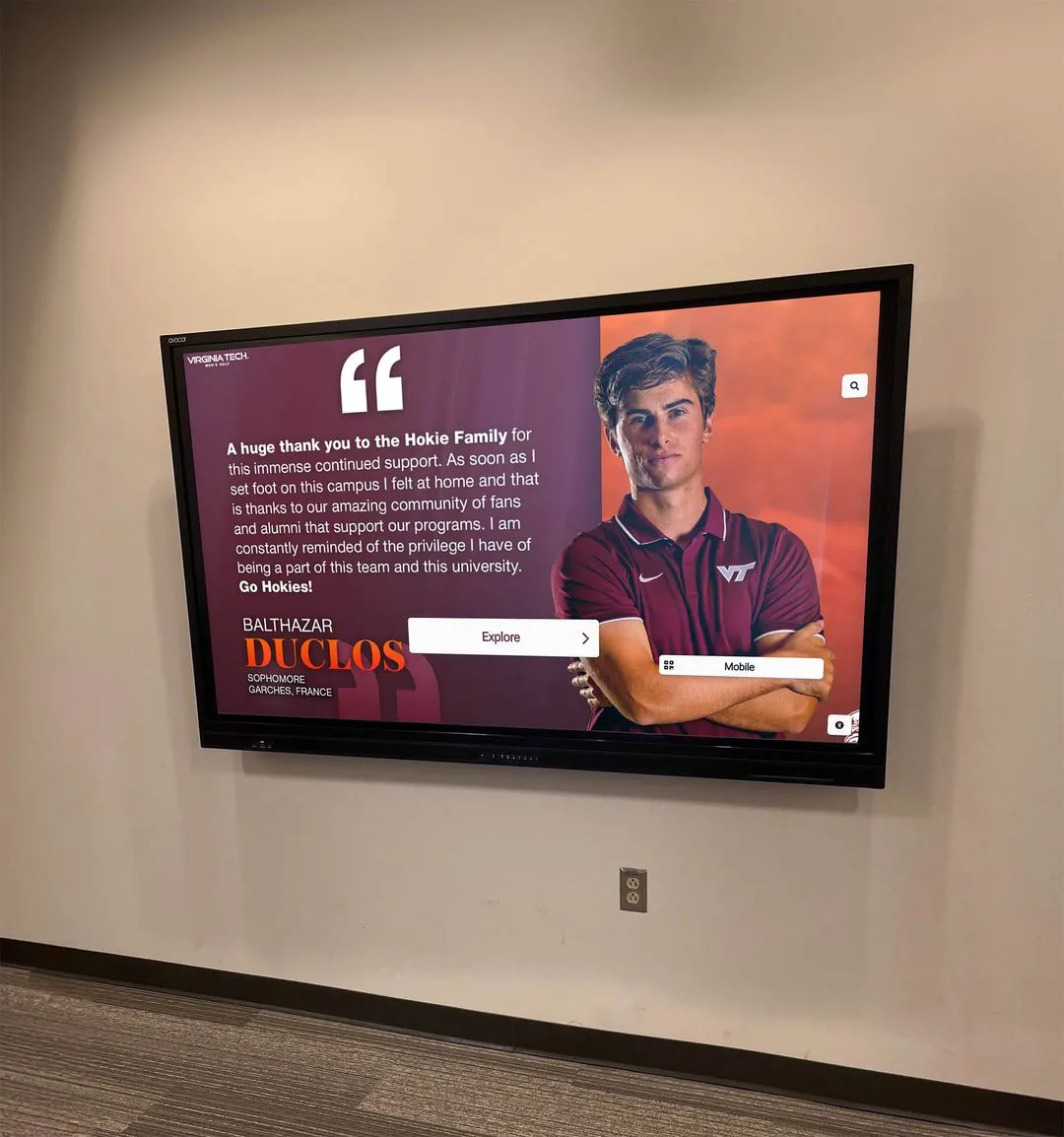
Interactive technology makes yearbook content and themes accessible through permanent installations students and alumni engage with year-round
Conclusion: Themes That Tell Your Unique Story
Selecting the right yearbook theme represents one of the most important decisions your yearbook team makes all year. The theme you choose will influence every page, every photograph, every caption—creating the framework that transforms hundreds of individual moments into a cohesive narrative capturing who your students are and what makes this year distinctive.
The 25 yearbook themes for high school explored in this guide provide starting points across every major category—from timeless classics that never go out of style to contemporary concepts capturing the current cultural moment, from aspirational themes emphasizing growth to community themes celebrating togetherness. Each offers proven frameworks that successful yearbook programs have used to create publications students cherish for decades.
The best theme for your school isn’t necessarily the most creative or visually striking—it’s the one that most authentically captures your students’ experience while providing clear direction for your yearbook staff. It’s a theme that works equally well for sports coverage and academic features, for senior portraits and candid hallway moments, for individual achievements and collective celebrations.
Remember that themes succeed not through complexity but through consistent, thoughtful execution. A simple concept applied thoroughly throughout every page creates more impact than a brilliant idea implemented inconsistently. Focus on authenticity over trendiness, student voice over adult assumptions, and long-term value over temporary appeal.
Most importantly, recognize that in 2026, yearbook themes extend far beyond print. Modern memory preservation involves digital platforms that make themes accessible for decades, interactive displays that bring themes to physical campus spaces, and searchable archives that help alumni explore yearbook content long after graduation. The theme you select today will influence how your school’s story is told and preserved for generations.
Your students’ high school experience deserves documentation that honors their unique journey while preserving memories that matter. The right theme provides the foundation for creating exactly that—a yearbook that captures the year authentically while living on through digital platforms that make those memories accessible forever.
Make Your Yearbook Theme Live Forever
Discover how modern digital platforms extend your yearbook theme beyond print through interactive touchscreens, searchable online archives, and permanent recognition displays that preserve your school's story for decades. See how schools are transforming annual yearbooks into lasting digital memory systems.
Explore Digital Yearbook SolutionsWhatever theme you ultimately select, approach the decision thoughtfully, involve your students meaningfully, and execute your chosen concept consistently. Your yearbook doesn’t just document a year—it preserves your school’s unique story in ways that matter for decades. Choose a theme that honors that responsibility while celebrating the remarkable students who make your school special.
Start planning now: gather your yearbook team, review these theme options, consider your school’s personality and this year’s distinctive character, and select the theme that will provide the perfect framework for telling your story. Then execute that theme with care, creativity, and commitment to quality.
Your students’ memories deserve nothing less than a yearbook that captures their high school experience authentically while standing the test of time. The right theme is your foundation for creating exactly that.