School history, shared
Yearbook Theme Ideas: 30 Creative Concepts to Capture Your School Year
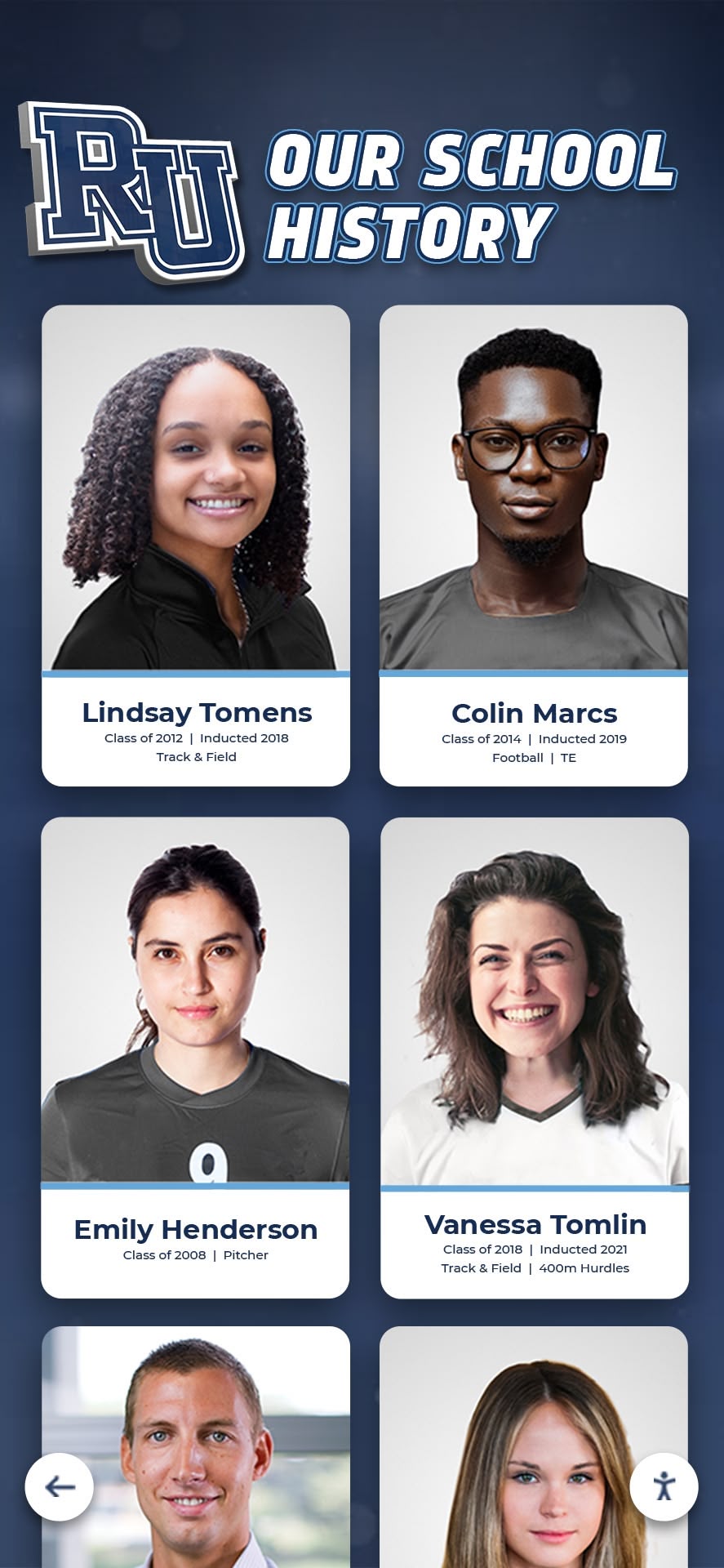
Your yearbook theme sets the creative direction for an entire publication—influencing design choices, organizing content structure, and creating the cohesive narrative that transforms hundreds of individual photos and stories into a unified celebration of your school year. A well-chosen theme gives your yearbook committee creative guardrails that inspire rather than restrict, helping student designers make confident decisions about typography, color palettes, section layouts, and visual motifs that appear consistently throughout the book.
Yet many yearbook advisers and student editors struggle with theme selection, defaulting to overused concepts that fail to resonate with their specific student body or settling for vague, generic ideas that don’t provide enough creative direction. The most effective yearbook themes strike a balance—specific enough to guide consistent design decisions yet flexible enough to accommodate diverse content from academics and athletics to clubs, arts, and community life. These themes connect authentically to student experience, reflect contemporary culture, and create opportunities for creative visual storytelling that makes yearbooks worth revisiting years after graduation.
This comprehensive guide presents 30 creative yearbook theme ideas spanning multiple categories—from timeless classics with proven appeal to contemporary concepts reflecting current student interests. Each theme includes practical execution tips addressing design elements, section organization, and visual opportunities, helping your yearbook staff select and implement concepts that capture your unique school community while creating publications students genuinely want to keep.
Selecting your yearbook theme represents one of the most important decisions your publications staff makes each year. The right theme provides creative focus while accommodating the diverse content requirements every yearbook must balance—creating a finished product that feels cohesive and intentional rather than scattered.

Yearbook themes create lasting memories that students revisit throughout their lives, whether in physical books or digital archives
What Makes an Effective Yearbook Theme
Before diving into specific theme ideas, understanding what separates memorable yearbook themes from forgettable ones helps guide your selection process.
Strong Themes Provide Clear Direction
Effective yearbook themes give your design team specific creative guidance:
Visual Consistency Opportunities
The best themes suggest clear design directions—color palettes, typography styles, graphic elements, and photographic treatments that can appear consistently throughout the book without becoming repetitive. A theme like “Urban Jungle” immediately suggests design directions: greenery-inspired colors, botanical graphics, organic shapes, and nature photography that grounds the visual identity.
Conversely, vague themes like “Our Year” or “Making Memories” offer little concrete design direction, leaving student designers floundering as they attempt to create visual consistency without clear guardrails.
Section Organization Logic
Strong themes provide natural frameworks for organizing yearbook sections. A “Journey” theme creates opportunities for section names referencing travel stages—departures, adventures, destinations, souvenirs. This organizational logic helps readers navigate the publication while reinforcing thematic consistency.
Themes Must Accommodate Diverse Content
Yearbook themes must be flexible enough to work across radically different content types:
Academic Coverage Compatibility
Your theme needs to work equally well showcasing academic achievements, classroom moments, and scholarly content as it does featuring athletics, arts, and social events. Themes too closely tied to specific activities risk feeling forced when applied to unrelated content areas.
Demographic Inclusivity
Effective themes resonate across your entire student body—from freshmen through seniors, spanning diverse interests, backgrounds, and school involvement levels. Themes referencing niche interests or experiences unfamiliar to significant portions of your student population create disconnect rather than community.
Contemporary schools increasingly recognize the value of preserving and sharing yearbook content beyond printed volumes, implementing digital yearbook archives that make memories searchable and accessible to alumni for decades after graduation.
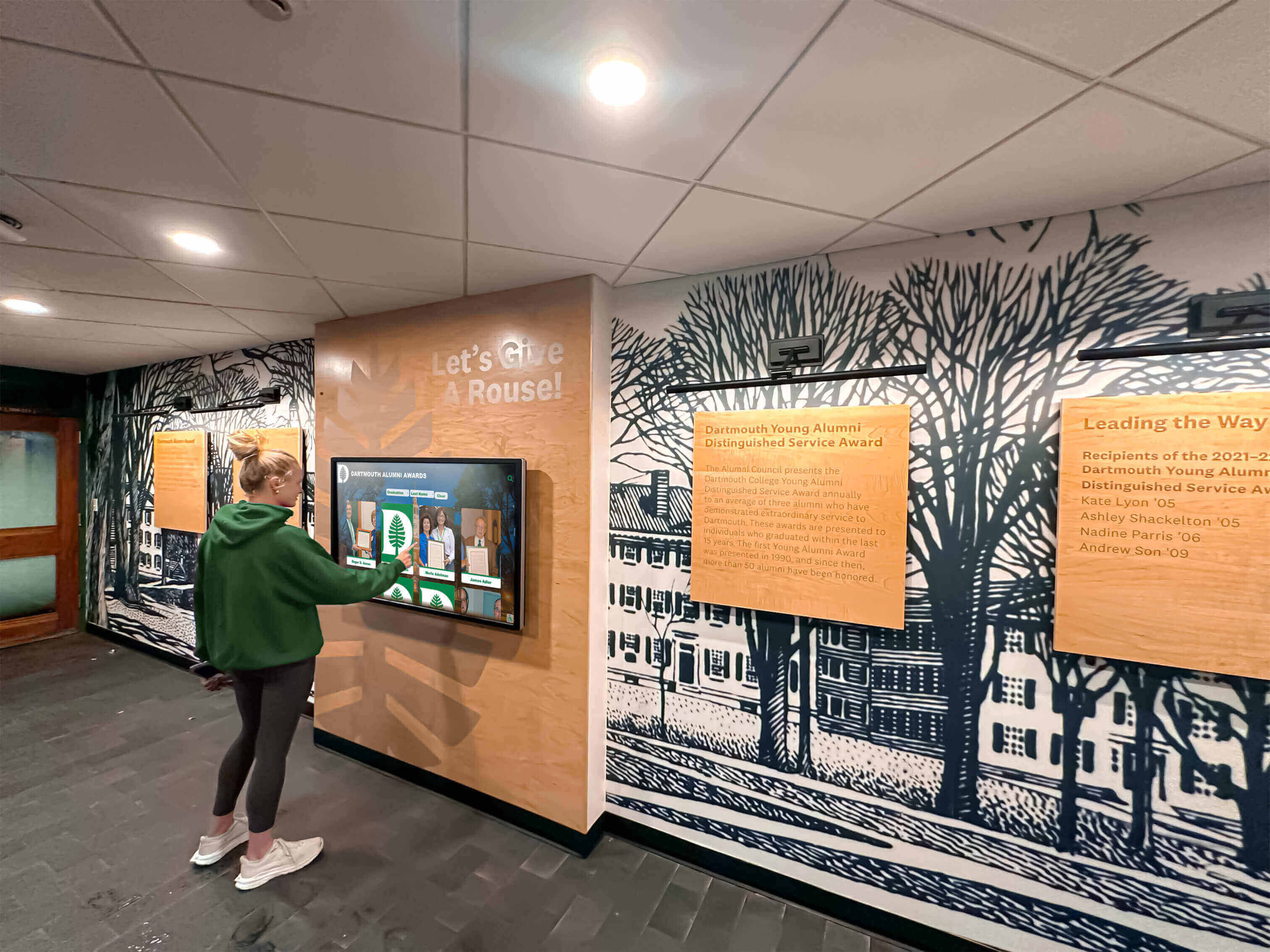
Modern yearbook themes work across both printed publications and digital platforms, extending the reach and longevity of student memories
Category 1: Time and Progression Themes
Themes exploring time, growth, and progression provide natural narrative structures for yearbook storytelling.
1. Chapter by Chapter
Concept: Structure the yearbook like a novel, with each section representing a chapter in your school’s story.
Execution Tips:
- Use literary design elements like page numbers styled as chapter markers, section dividers featuring chapter titles and opening quotes, and typography inspired by classic book design
- Create chapter summaries introducing each section with narrative text
- Incorporate bookmark graphics, margin notes, and bibliographic elements throughout
- Feature student quotes formatted as “character development” moments
- Design opening and closing spreads mimicking book covers and acknowledgment pages
This theme works particularly well for schools with strong English or literature programs and creates natural opportunities for student writers to contribute narrative content bridging photo spreads.
2. Turning Pages
Concept: Focus on the act of progressing through the year, with each spread representing turning the page to the next chapter.
Execution Tips:
- Use page-curl effects and folded corner graphics sparingly for visual interest
- Implement progressive color schemes that evolve throughout the book
- Create chronological organization following the actual school calendar
- Feature “What’s Next?” sidebars previewing upcoming content
- Design spreads with clear left-to-right narrative flow
3. 365 Days
Concept: Celebrate the complete journey through all 365 days that comprise a school year.
Execution Tips:
- Include day-by-day timelines highlighting significant events
- Feature calendar-inspired grid layouts for photo galleries
- Create date-stamp graphics for photo captions
- Incorporate monthly overview spreads summarizing key moments
- Use countdown and count-up graphics marking time progression
4. The Journey
Concept: Frame the school year as a journey with departures, adventures, challenges, and destinations.
Execution Tips:
- Section names reference travel stages: “Departure,” “The Adventure,” “Challenges,” “Discoveries,” “The Destination”
- Incorporate map graphics, compass roses, and navigation elements
- Feature journey metaphors in headlines and copy
- Create visual pathways and routes connecting content
- Include “Mile Markers” highlighting significant achievements
Schools implementing journey themes often extend the concept beyond yearbooks, creating interactive recognition displays celebrating student achievements as landmarks on their educational journey.
5. Seasons of Change
Concept: Organize content around the four seasons, showing how the school community evolves throughout the year.
Execution Tips:
- Color palettes shift to reflect seasonal transitions (autumn oranges, winter blues, spring greens, summer yellows)
- Section organization follows natural seasonal divisions
- Feature seasonal imagery and nature photography
- Incorporate weather metaphors for different school experiences
- Create seasonal event highlights unique to each quarter
6. Timeline: Past, Present, Future
Concept: Connect this year’s experiences to school history while looking ahead to future possibilities.
Execution Tips:
- Design timeline graphics showing school evolution
- Feature “Then and Now” comparison spreads
- Include historical callbacks showing how traditions evolved
- Create “Future Forward” sections speculating on coming years
- Incorporate archived yearbook elements honoring tradition
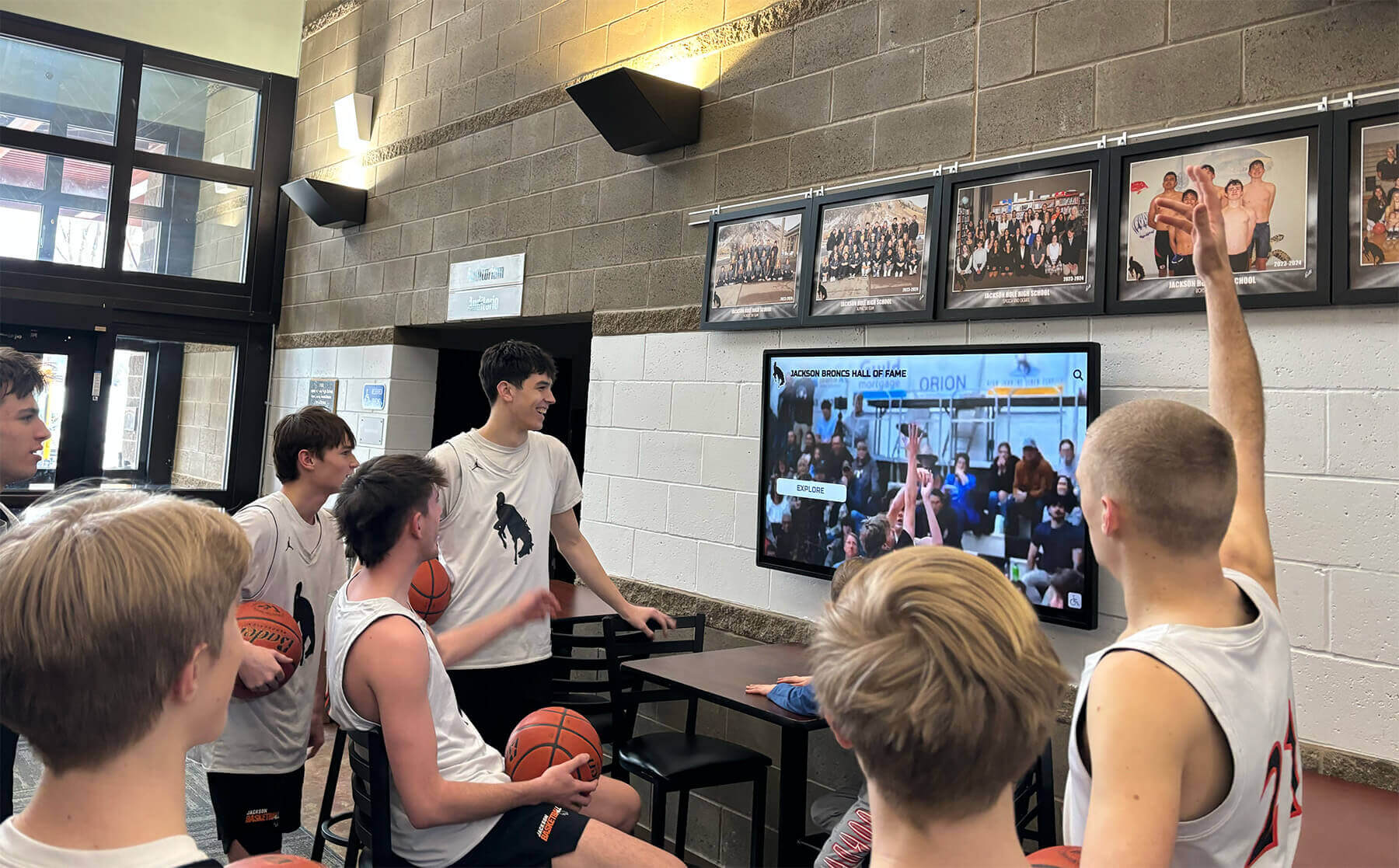
Yearbook themes celebrating achievement and tradition connect students to their school's broader story while documenting the present moment
Category 2: Visual and Design-Focused Themes
These themes emphasize distinctive visual styles and design approaches.
7. Behind the Lens
Concept: Celebrate photography itself, framing the yearbook as a photographer’s portfolio capturing school life.
Execution Tips:
- Include camera and photography equipment graphics
- Feature photographer credits prominently
- Create “Contact Sheet” style photo galleries
- Incorporate film strip borders and darkroom-inspired effects
- Design spreads mimicking photo studio layouts
- Add behind-the-scenes photography showing yearbook staff at work
8. Pixel Perfect
Concept: Embrace digital age aesthetics with pixel art, gaming references, and technology-inspired design.
Execution Tips:
- Implement pixelated graphics and 8-bit inspired elements
- Use technology interface designs (app icons, loading bars, notification badges)
- Create retro gaming color palettes
- Feature QR codes linking to additional digital content
- Design loading screen transitions between sections
- Incorporate emoji and digital communication elements
9. Kaleidoscope
Concept: Celebrate diversity and varied perspectives with colorful, multifaceted design inspired by kaleidoscope patterns.
Execution Tips:
- Bold, vibrant color palettes with unexpected combinations
- Geometric patterns and symmetrical designs
- Fragmented photo layouts creating mosaic effects
- Multiple perspective angles showing the same events
- Radial and circular design elements throughout
10. Blueprint
Concept: Frame the school year as architectural design, with students as architects building their future.
Execution Tips:
- Blueprint-style technical drawings and diagrams
- Architectural font choices and drafting-inspired typography
- Grid systems and measurement elements in layouts
- “Building Blocks” graphics highlighting key programs
- Construction and development metaphors in copy
- Floor plan-style maps of campus spaces
11. In the Spotlight
Concept: Feature theatrical and performance aesthetics with stage lighting, curtains, and dramatic presentation.
Execution Tips:
- Spotlight effects highlighting featured students
- Curtain graphics framing section openings
- Playbill-inspired typography and layouts
- “Cast and Crew” design for group photos
- Backstage photography showing preparation
- Stage direction language in headlines
Schools with strong performing arts programs often extend spotlight themes beyond yearbooks, implementing digital recognition walls celebrating student performers and productions throughout the year.
12. Canvas: Art in Progress
Concept: Present the school year as an artwork being created in real-time, with students as artists.
Execution Tips:
- Paint stroke and brush texture graphics
- Color palette-inspired section dividers
- Sketch and draft-style illustration elements
- Artist studio aesthetic in design elements
- “Work in Progress” callouts for ongoing initiatives
- Gallery-style layouts for photo displays
Category 3: Music and Culture Themes
These themes draw inspiration from music, entertainment, and contemporary culture.
13. Playlist
Concept: Structure the yearbook like a curated playlist, with each section representing songs or musical genres.
Execution Tips:
- Section names as “tracks” on the year’s playlist
- Music player interface design elements
- Lyrics incorporated as pull quotes
- Genre classifications for different school activities
- Album cover-inspired layout designs
- QR codes linking to actual playlists
Many schools recognizing student achievements beyond yearbooks create comprehensive celebration programs that honor diverse talents across academics, athletics, and arts.
14. Backstage Pass
Concept: Give readers exclusive behind-the-scenes access to school life, like VIP concert credentials.
Execution Tips:
- Backstage pass and credential-inspired graphics
- “Access All Areas” section headers
- Behind-the-scenes photography emphasized
- Exclusive interview formats with students and staff
- VIP pass typography and design elements
- “No Outsiders” callouts for insider school culture references
15. Remix
Concept: Take familiar school traditions and remix them with fresh perspectives and contemporary updates.
Execution Tips:
- Mashup design aesthetics combining multiple styles
- “Original Mix” vs “Remix” comparison spreads
- Sampling of past yearbook designs with modern updates
- DJ turntable and mixing board graphics
- Sound wave visualizations as design elements
16. Going Viral
Concept: Embrace social media culture with themes around content creation, sharing, and digital community.
Execution Tips:
- Social media interface inspired designs
- Hashtag organization for content categories
- “Most Liked” and “Most Shared” callouts
- Profile page styled layouts for student features
- Comment thread formats for quotes
- Trending topic sidebars
17. Screen Time
Concept: Acknowledge students’ digital native status while documenting real-world school experiences.
Execution Tips:
- Device interface frames around photos
- App icon organization systems
- Screen capture aesthetic for layouts
- Battery life and signal strength graphics marking year progression
- Notification badge highlights for important moments
- Split screen designs showing multiple perspectives
18. The Festival
Concept: Present school life as a year-long festival celebrating community, creativity, and shared experience.
Execution Tips:
- Festival poster and ticket-inspired designs
- Lineup schedules for school events
- Stage map graphics showing campus venues
- Wristband and credential graphics
- Crowd scene photography emphasized
- “Headliner” and “Up and Coming” student features
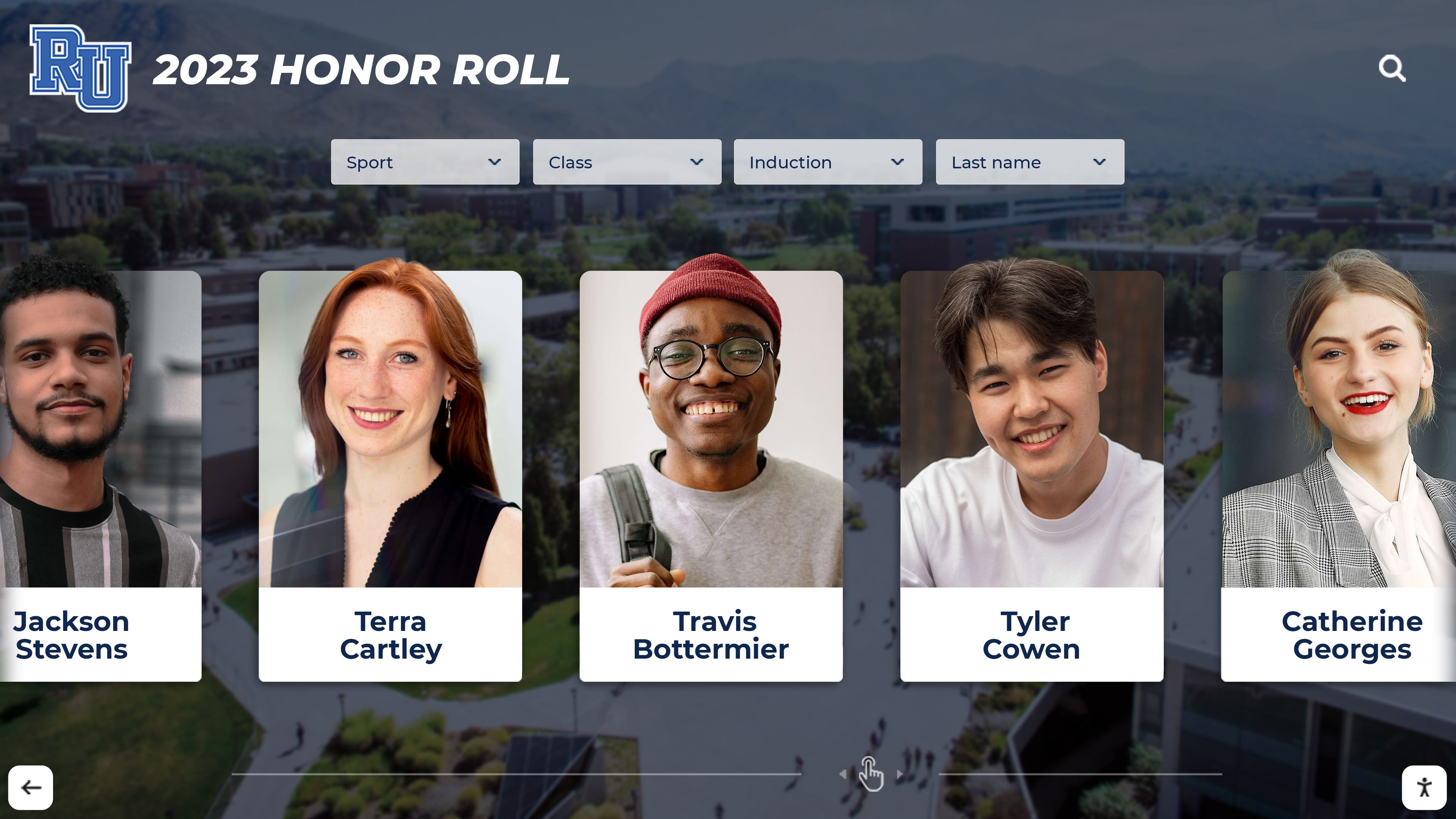
Yearbook themes celebrating individual achievement work effectively across both print publications and digital recognition platforms
Category 4: Place and Community Themes
These themes focus on location, belonging, and shared community identity.
19. Our Town
Concept: Celebrate your specific school and local community, highlighting what makes your location unique.
Execution Tips:
- Local landmark photography and illustrations
- Regional color palettes reflecting your area
- Community-specific language and references
- Local business and organization recognition
- Geographic map elements showing school context
- Town history connections to school traditions
20. Home Base
Concept: Frame school as home and students as family, emphasizing belonging and community.
Execution Tips:
- House and home inspired design elements
- “Welcome Home” messaging in introductory sections
- Family photo album aesthetic for group shots
- Room-by-room organization (e.g., “The Living Room” for common spaces)
- Home improvement and DIY design metaphors
- Cozy, warm color palettes
21. Under One Roof
Concept: Celebrate diverse students, programs, and activities united within a shared school community.
Execution Tips:
- Architectural roof and shelter graphics
- Unity and diversity messaging balanced throughout
- Umbrella metaphors for inclusive programs
- Foundation and structure imagery
- Overlapping circles showing interconnected groups
- Shelter and protection themes
22. City Limits
Concept: Present school as a city unto itself with distinct neighborhoods, districts, and communities.
Execution Tips:
- City map layouts showing different areas
- Neighborhood names for different programs
- Street sign inspired section headers
- City skyline graphics
- Population statistics for different groups
- “Local Business” features for clubs and organizations
23. Crossroads
Concept: Highlight your school as a meeting place where diverse paths, people, and ideas intersect.
Execution Tips:
- Intersection and pathway graphics
- Multiple direction signpost imagery
- Road map aesthetics
- Junction and connection metaphors in copy
- Overlapping path designs
- Decision point and choice themes
Schools serving as community hubs often extend their recognition beyond yearbooks, implementing digital displays in lobbies that welcome visitors while celebrating student achievement and school pride.
24. Where We Belong
Concept: Focus on finding one’s place within the school community and creating connections.
Execution Tips:
- Puzzle piece and connection graphics
- “Finding Your Fit” themed features
- Belonging and inclusion messaging
- Constellation patterns showing connections
- Warm, welcoming color schemes
- Community building narratives
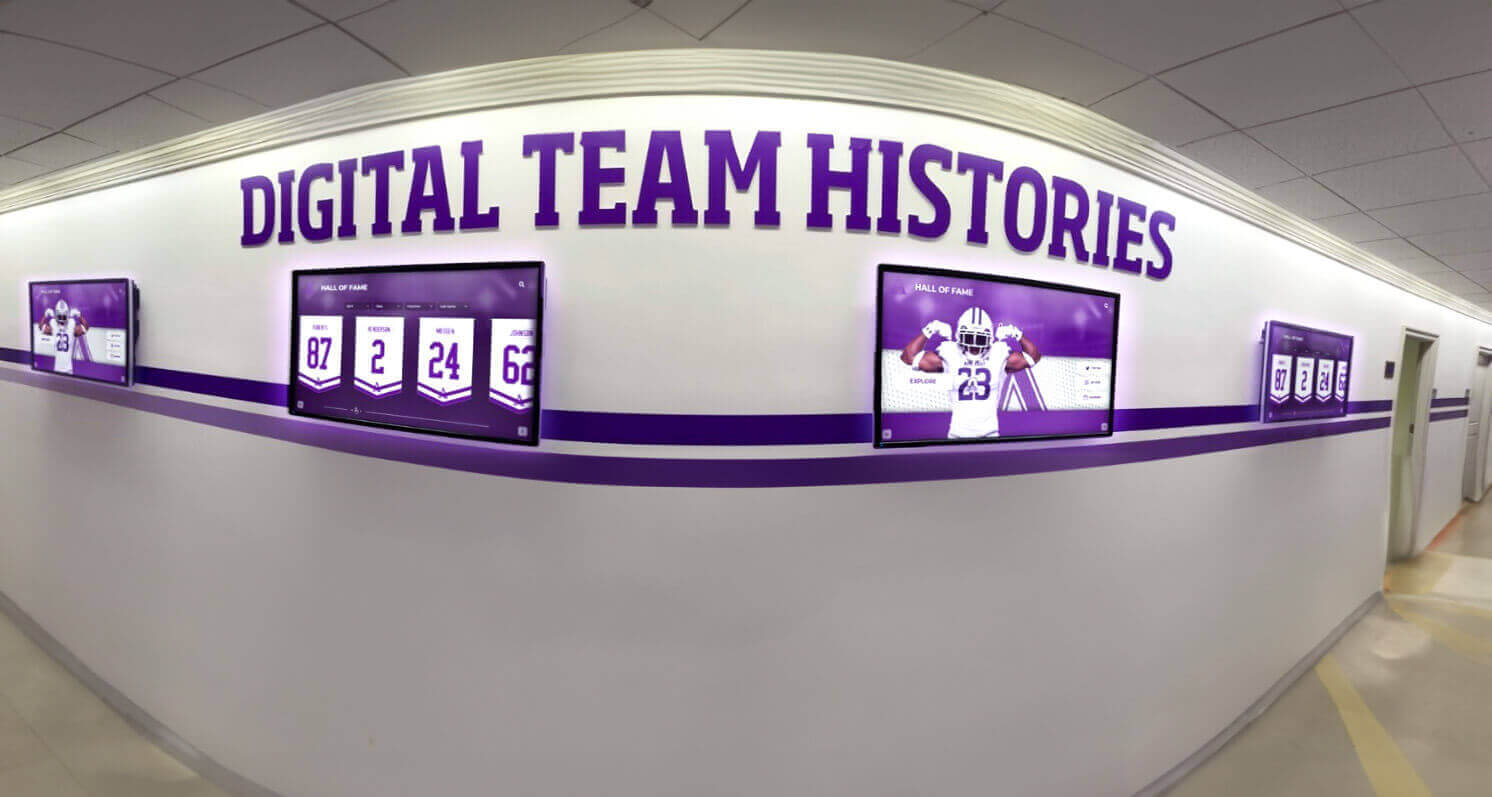
Effective yearbook themes document history while creating content that can be preserved and shared through both physical and digital platforms
Category 5: Action and Energy Themes
These themes emphasize movement, achievement, and dynamic student life.
25. Full Speed Ahead
Concept: Celebrate momentum, progress, and the energy driving your school community forward.
Execution Tips:
- Motion blur and speed effects in photography
- Forward-pointing arrows and directional elements
- Velocity and acceleration metaphors
- Racing and competition inspired graphics
- Dynamic diagonal layouts suggesting movement
- Speedometer and gauge graphics tracking progress
26. Making Waves
Concept: Recognize students creating positive impact and generating momentum for change.
Execution Tips:
- Water and wave imagery throughout
- Ripple effect graphics showing impact
- Ocean and surfing metaphors
- Tidal patterns in design elements
- “Ripple Makers” features highlighting change agents
- Flow and current directional designs
27. Limitless
Concept: Emphasize potential, possibility, and breaking through perceived boundaries.
Execution Tips:
- Sky and horizon imagery
- Breaking barriers graphics
- Infinity symbol integration
- “No Ceiling” metaphors in copy
- Expansive negative space in designs
- Achievement-focused student features
Athletic programs implementing limitless themes frequently create permanent recognition displays celebrating not just championship moments but also growth, improvement, and dedication.
28. Ignite
Concept: Focus on sparking passion, igniting change, and fueling student enthusiasm.
Execution Tips:
- Fire and flame imagery (tastefully incorporated)
- Spark and ember graphics
- Warm, energetic color palettes (reds, oranges, yellows)
- Light and illumination metaphors
- Match and ignition visual elements
- “Spark Plug” features on motivational students
29. Level Up
Concept: Frame the school year using gaming progression metaphors—gaining experience, achieving milestones, and advancing levels.
Execution Tips:
- Experience point (XP) and leveling systems
- Achievement unlocked callouts
- Progress bar graphics
- Power-up and bonus item imagery
- Game controller and interface elements
- “Boss Battle” features on major challenges overcome
30. All In
Concept: Celebrate full commitment, participation, and students bringing their complete selves to school life.
Execution Tips:
- Playing card and poker chip graphics
- All-or-nothing messaging
- Commitment and dedication themes
- “Going All In” profiles on dedicated students
- Casino and game table aesthetics (age-appropriate)
- Risk and reward metaphors in copy
Implementing Your Chosen Theme
Selecting a theme represents just the beginning—successful implementation requires systematic planning and consistent execution.
Create a Theme Style Guide
Document your theme decisions in a reference guide your entire yearbook staff can consult:
Design Standards Documentation
Your style guide should specify exact color codes (RGB, CMYK, Pantone), typography selections with specific fonts and sizes, graphic element libraries, photography style guidelines, and spacing/layout standards. This documentation ensures consistency even when different staff members design different sections.
Theme Application Examples
Include mockup spreads showing how the theme applies across different content types—academic coverage, athletic spreads, club pages, and candid photography. These examples clarify expectations and inspire student designers tackling their assigned sections.
Balance Consistency with Variety
While themes provide unifying elements, avoid monotonous repetition:
Varying Theme Intensity
Apply theme elements heavily in section dividers, opening spreads, and showcase features while using lighter touches in content pages. This variation prevents visual fatigue while maintaining cohesive identity.
Flexible Theme Interpretation
Allow section editors some creative freedom interpreting the theme through their specific content area. A “Journey” theme might reference road trips for the senior section but exploration and discovery for academics—both honor the theme while reflecting different content.
Incorporate Student Voice
The most successful yearbook themes resonate because students see themselves reflected:
Student Theme Voting
Consider involving the broader student body in theme selection through surveys or voting, creating buy-in and ensuring the theme reflects student preferences rather than solely staff or adviser choices.
Student-Generated Content
Feature student writing, artwork, and photography that explores and interprets the theme from their perspectives. This content makes themes feel authentic rather than imposed.
Many schools extend yearbook themes beyond printed publications, creating school-wide recognition programs that celebrate student achievement using consistent visual identity and messaging throughout campus.
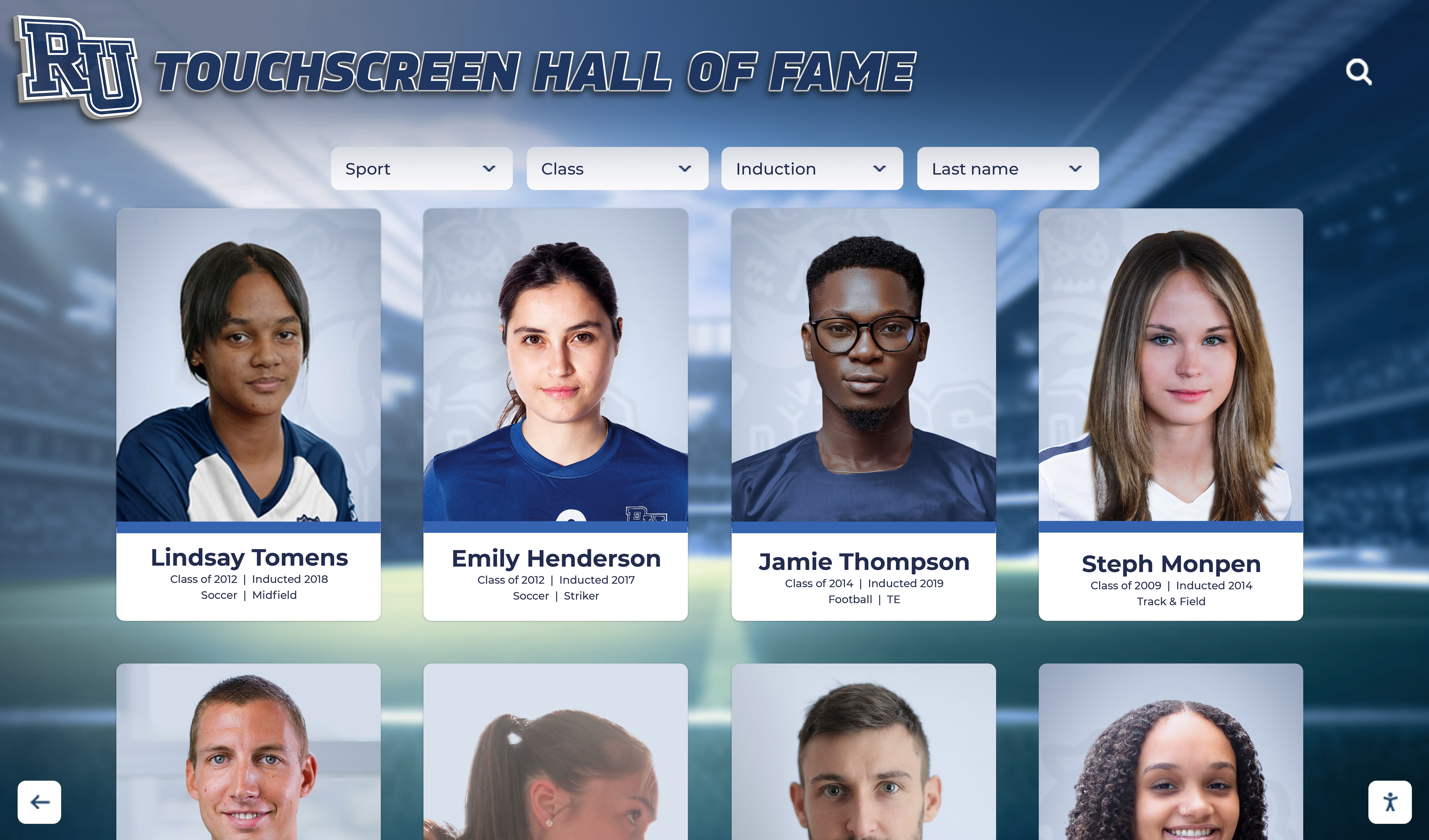
Yearbook themes can extend beyond printed books to inform school-wide recognition displays, creating consistent visual identity across multiple platforms
Beyond the Printed Page: Extending Your Theme
Contemporary yearbook programs increasingly recognize that printed books represent just one medium for preserving and sharing school memories.
Digital Yearbook Extensions
Theme elements translate effectively to digital platforms:
Online Yearbook Archives
Schools implementing searchable digital yearbook collections can apply consistent themes across print and digital presentations, creating cohesive brand identity spanning multiple formats. Digital archives enable alumni to explore decades of school history while experiencing consistent visual identity.
Social Media Integration
Yearbook themes extend naturally to social media content showcasing school life throughout the year. Instagram graphics, Facebook covers, and digital announcements using yearbook theme elements create anticipation for the printed publication while engaging broader audiences.
Physical Recognition Displays
Yearbook themes can inform broader campus recognition programs:
Interactive Touchscreen Displays
Many schools implement digital touchscreen displays in lobbies and athletic facilities that celebrate student achievement using visual themes consistent with yearbook design. These displays provide year-round recognition opportunities while reinforcing consistent institutional brand identity.
Organizations like Rocket Alumni Solutions specialize in creating interactive recognition displays that can incorporate yearbook themes, extending the visual identity you’ve developed for your printed publication to dynamic digital platforms accessible throughout campus. These systems enable schools to showcase not just current year content but also preserve and display historical yearbook materials, creating connections between past and present while celebrating tradition and achievement.
Coordinated Campus Displays
Schools achieving the strongest visual identity extend yearbook themes to bulletin boards, banner displays, digital signage, and other campus communications—creating immersive thematic experiences reinforcing school pride and community identity throughout the year.
Choosing the Right Theme for Your School
With 30 options to consider, how do you select the theme that best fits your school community?
Consider Your Student Body
Theme selection should reflect the students you serve:
Demographic Considerations
Schools serving predominantly urban student populations might gravitate toward city-inspired themes, while rural schools may prefer nature and community concepts. Student age matters too—themes resonating with high schoolers may feel inappropriate for middle school yearbooks.
Interest and Culture Alignment
Schools with strong arts programs might select creative or design-focused themes, while athletic powerhouses could prefer action and energy concepts. Consider which activities, programs, and values define your particular school culture.
Assess Previous Themes
Review past yearbooks to avoid recent repetition while identifying approaches that worked well:
Theme Rotation
Maintain a record of themes used in recent years, avoiding concepts that appeared within the last 5-7 years. This rotation ensures graduating seniors haven’t seen the same theme multiple times during their school career.
Success Analysis
Examine previous yearbooks that students particularly loved—which theme elements contributed to that success? Consider refreshing and updating successful theme categories rather than starting completely from scratch.
Test Theme Viability
Before committing to a theme, evaluate its practical sustainability:
Design Flexibility Testing
Challenge your yearbook staff to mock up spreads from three different sections using the proposed theme. If the theme works seamlessly across academics, athletics, and clubs, it likely has the flexibility you need. If designers struggle applying it to certain content types, consider alternatives.
Longevity Assessment
Ask honestly: will this theme feel relevant and meaningful at the end of the school year? Themes based on fleeting trends or current events risk feeling dated by publication time. The best themes balance contemporary appeal with lasting relevance.
Involve Your Team
Your yearbook staff will live with this theme throughout the year:
Collaborative Selection
Present your top 3-5 theme options to the entire yearbook staff and facilitate discussion about the strengths and challenges of each. Student editors often identify practical implementation considerations advisers might miss while bringing fresh perspectives on what will resonate with their peers.
Ownership and Investment
When staff members participate meaningfully in theme selection, they develop stronger investment in executing that theme successfully. This ownership translates to better design work and more enthusiastic implementation.
Schools building comprehensive recognition programs often discover that coordinating yearbook themes with broader school branding initiatives creates stronger institutional identity while making individual projects easier to execute.
Common Theme Pitfalls to Avoid
Even great theme concepts can fail through poor execution. Watch for these common mistakes:
Overly Complex Themes
Themes requiring extensive explanation or abstract interpretation often confuse rather than clarify:
Simplicity Wins
The strongest themes can be understood immediately—students, parents, and community members should grasp the concept after seeing just one spread. If your theme requires a mission statement to explain, consider simplifying.
Forced Theme Application
Not every page needs obvious theme elements:
Let Content Breathe
Candid photo spreads, portrait pages, and certain content types work best with minimal thematic overlay. Trust that consistent typography, color schemes, and strategic theme placement in section dividers creates sufficient unity without forcing theme graphics onto every page.
Trendy References That Date Quickly
Pop culture themes feel current during production but can feel outdated upon publication:
Timeless Over Trendy
While contemporary cultural references help yearbooks feel current, avoid building entire themes around specific movies, songs, or trends that may already feel stale by publication time. References to enduring concepts rather than specific pop culture moments have longer shelf life.
Inconsistent Theme Execution
Nothing undermines a theme faster than inconsistent application:
Staff Training Matters
Ensure every yearbook staff member understands the theme and can apply it consistently. Regular design reviews help catch inconsistencies before they become patterns, while positive examples of strong theme execution inspire the team.
Getting Started with Your Theme
Ready to select and implement a yearbook theme? Follow these steps:
Step 1: Research and Inspiration
Spend time exploring yearbook galleries, design resources, and past publications:
- Browse award-winning yearbooks from national competitions
- Review design inspiration platforms like Pinterest and Behance
- Analyze past yearbooks from your school identifying strengths and opportunities
- Survey students about themes and design styles that appeal to them
Step 2: Short List Development
Narrow your options to 3-5 strongest theme candidates:
- Select themes spanning different categories (time-based, design-focused, culture-inspired)
- Ensure each option provides clear visual direction
- Verify themes can accommodate your specific content requirements
- Check that themes haven’t been recently used at your school
Step 3: Mock Up Testing
Create sample spreads testing each candidate theme:
- Design academic content spread
- Create athletic or activity spread
- Mock up student portrait section
- Develop section divider concept
These test designs reveal which themes offer the flexibility and creative potential your publication needs.
Step 4: Make Your Selection
Choose the theme offering the best balance of creative inspiration, practical flexibility, and authentic connection to your student body. Trust your instincts—the theme that excites your yearbook staff most often produces the best results.
Step 5: Document and Launch
Create your theme style guide and introduce the concept to your entire staff with enthusiasm. The more excited your team feels about the theme, the better they’ll execute it throughout the year.
Creating Yearbooks That Last
The yearbook themes you select today shape how students remember this school year decades into the future. Whether preserved in physical books, digital archives, or interactive recognition displays throughout your campus, these creative choices determine how effectively you capture and celebrate the unique character of your school community.
Great yearbook themes balance creative inspiration with practical flexibility, provide clear design direction while accommodating diverse content, and connect authentically to student experience while maintaining lasting relevance. By selecting themes that honor these principles and implementing them with consistency and creativity, your yearbook staff creates publications that students genuinely treasure—volumes they’ll pull off shelves years after graduation, remembering not just what happened during this school year but how it felt to be part of your unique community.
Ready to elevate how your school captures and celebrates student achievement? Rocket Alumni Solutions provides interactive touchscreen displays and digital platforms that extend your yearbook themes beyond printed pages, creating year-round recognition experiences while preserving decades of school history in searchable digital archives that alumni can explore from anywhere. Discover how digital recognition platforms complement your yearbook program while showcasing student achievement throughout your campus.
Ready to see this for your school?
Picture your collection in a custom mockup
Start with your yearbook collection and digitization goals, then request a custom digital mockup for your school.