Stacks of aging yearbooks sit in school basements and storage rooms across the country—decades of student memories, athletic achievements, and institutional history slowly deteriorating on fragile paper. These irreplaceable records document generations of students, teachers, and community moments that shaped school identities. Yet many educational institutions lack the resources, expertise, or time to properly preserve this vanishing heritage before it’s permanently lost.
Professional yearbook scanning services transform these vulnerable paper archives into permanent digital collections that future generations can explore, search, and share. Modern digitization technology captures every detail from original yearbooks while creating accessible formats that enhance rather than replace the value of historical records. Schools implementing comprehensive scanning programs report dramatic improvements in alumni engagement, development success, and institutional pride as communities rediscover their shared histories through beautifully preserved digital archives.
This complete guide explores everything administrators, librarians, archivists, and development professionals need to understand about yearbook scanning services—from selecting qualified vendors and managing digitization projects through implementing searchable archives, creating engaging displays, and measuring the impact of digital preservation initiatives.
Why Schools Need Professional Yearbook Scanning Services
Before exploring technical implementation details, understanding the compelling reasons for digitizing yearbook collections clarifies project value and helps secure necessary budget approvals.
Preserving Irreplaceable Historical Records
Physical yearbooks face multiple threats that professional scanning services address:
Natural Deterioration Over Time
Yearbooks printed 30, 50, or 100 years ago use paper and binding materials that degrade predictably. Acid content in paper causes yellowing and brittleness making pages crack when turned. Binding adhesives dry out causing pages to separate or fall out entirely. Ink fades reducing photo clarity and text readability. Environmental factors like humidity, temperature fluctuations, and light exposure accelerate these deterioration processes.
Schools discover that yearbooks from the 1960s-1980s often suffer particularly severe damage because printing technologies during that era used materials now known to deteriorate faster than modern acid-free papers or older rag-based stocks.
Physical Damage and Loss
Beyond natural aging, yearbooks face damage from water leaks and flooding in basement storage areas, mold and mildew growth in damp conditions, insect and rodent damage to stored materials, fire hazards in older facilities, and theft or simple misplacement during moves and renovations.
Many schools learn they have significant gaps in their yearbook collections—entire years missing because the only copies were borrowed and never returned, destroyed in facility incidents, or simply lost during leadership transitions when no one maintained responsibility for historical archives.
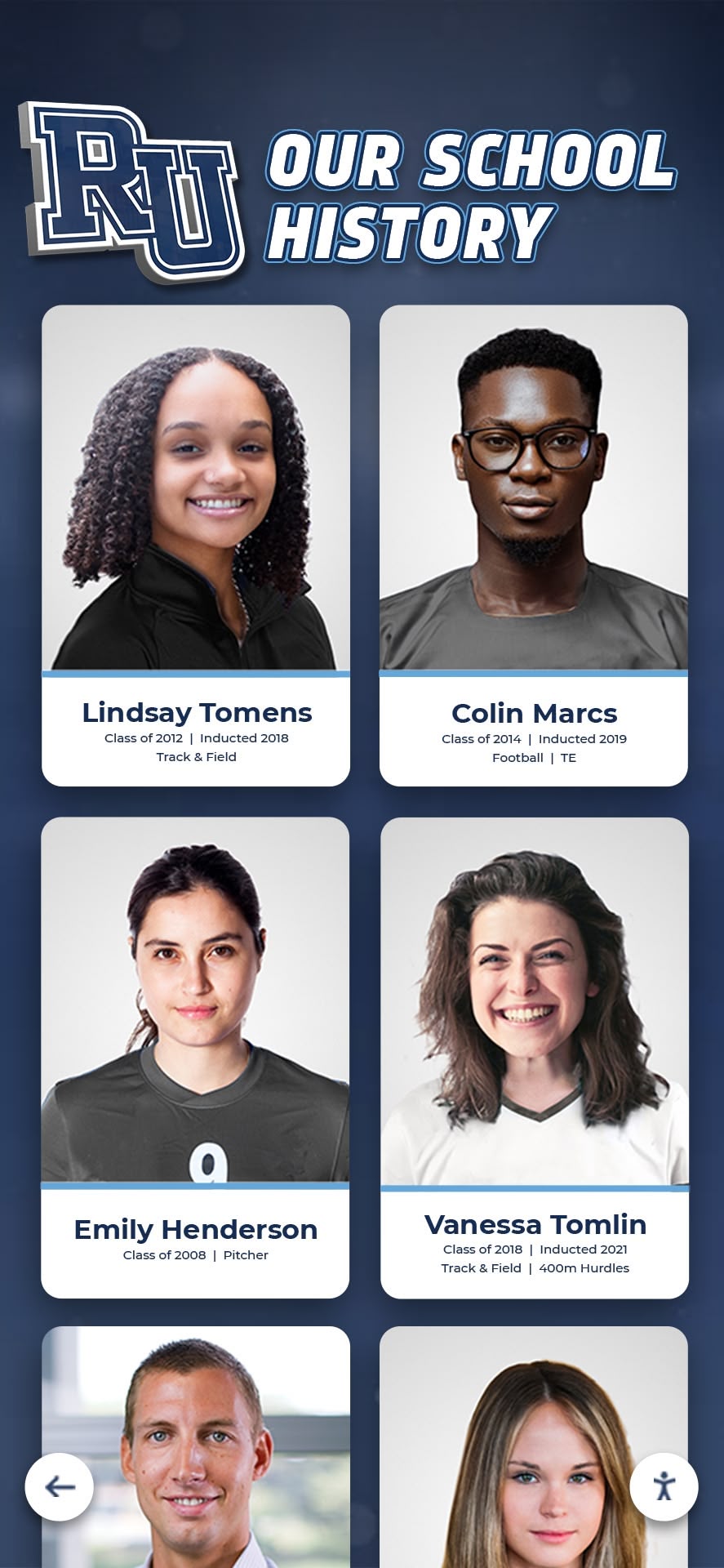
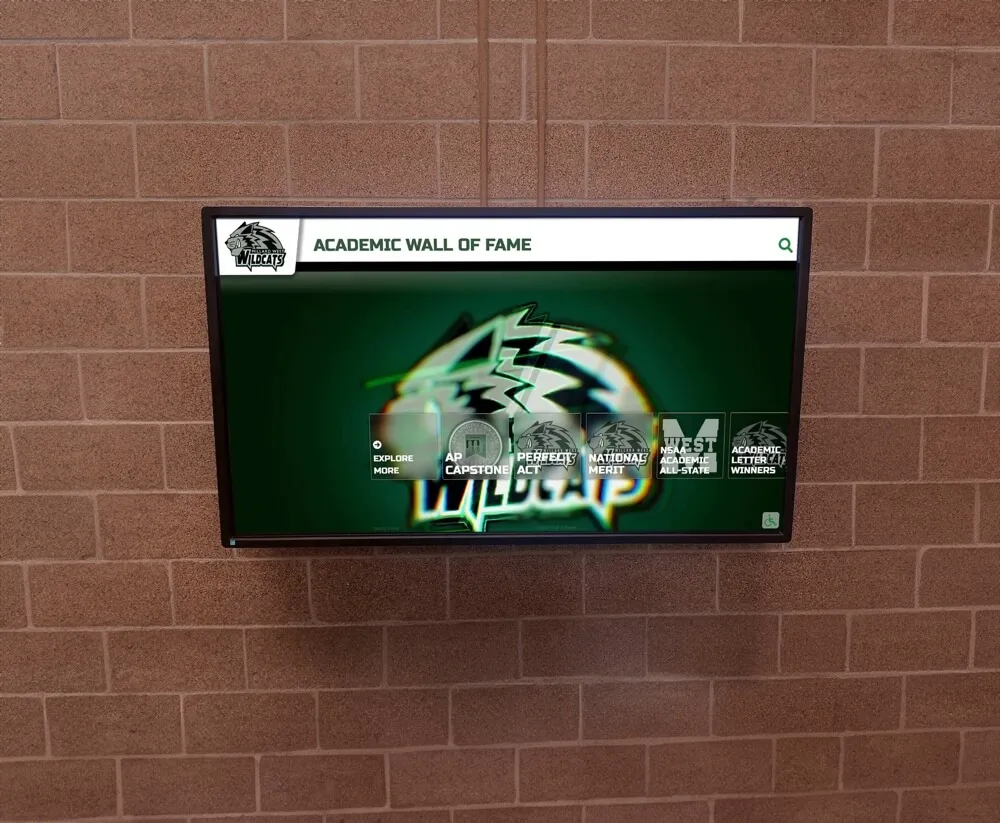
Professional scanning services capture fine details from original yearbooks, creating high-resolution digital archives that preserve memories for future generations
Limited Accessibility to Historical Collections
Even when yearbooks survive physically, access remains severely limited. Only people who can physically visit schools during office hours can view collections. Fragile volumes cannot be loaned out for fear of damage. Alumni living across the country or internationally cannot access their school memories. Researchers studying local history face geographic barriers.
This accessibility problem means irreplaceable historical resources provide minimal value to the very communities they document.
Enabling Alumni Engagement and Development
Digitized yearbook collections create powerful tools for advancement offices and alumni relations teams:
Reconnecting Alumni to School Memories
Alumni searching for old classmates, reminiscing about teachers and activities, or simply revisiting their youth find tremendous value in accessible digital yearbook archives. Schools implementing searchable online yearbook collections report 300-500% increases in alumni website visits and sustained engagement over multiple sessions as graduates explore their school years and discover memories they had forgotten.
This emotional reconnection creates foundation for deeper institutional relationships. Alumni who regularly engage with digital archives demonstrate significantly higher likelihood of attending reunion events, making donations, mentoring current students, and promoting schools within their professional networks.
Supporting Fundraising and Capital Campaigns
Development professionals leverage digitized yearbooks to create compelling donor recognition opportunities, identify prospective major donors through historical involvement research, craft personalized outreach referencing specific yearbook moments, and design anniversary campaigns celebrating institutional milestones with historical content.
Interactive advancement solutions integrate digitized yearbooks with donor recognition systems, creating environments where alumni discover their own histories while understanding current fundraising priorities.
Enhancing Reunion Planning and Marketing
Class reunions benefit enormously from digital yearbook access. Reunion committees use scanned images in promotional materials and social media campaigns. Attendees revisit yearbooks before events to remember classmates they’ll reconnect with. Event displays feature yearbook pages celebrating the specific class gathering. Post-event communications share yearbook throwbacks maintaining momentum between reunions.
Supporting Educational Programming
Digitized yearbooks provide valuable resources for current students and teachers:
Local History and Research Projects
Students conducting oral history projects, researching community changes over time, or exploring educational evolution use yearbook archives as primary source materials. Comparing yearbooks across decades reveals changing demographics, evolving activities and priorities, community values reflected in coverage choices, and institutional growth and development.
Teachers report that students show deeper engagement when working with actual historical materials from their own schools compared to generic textbook content about distant locations.
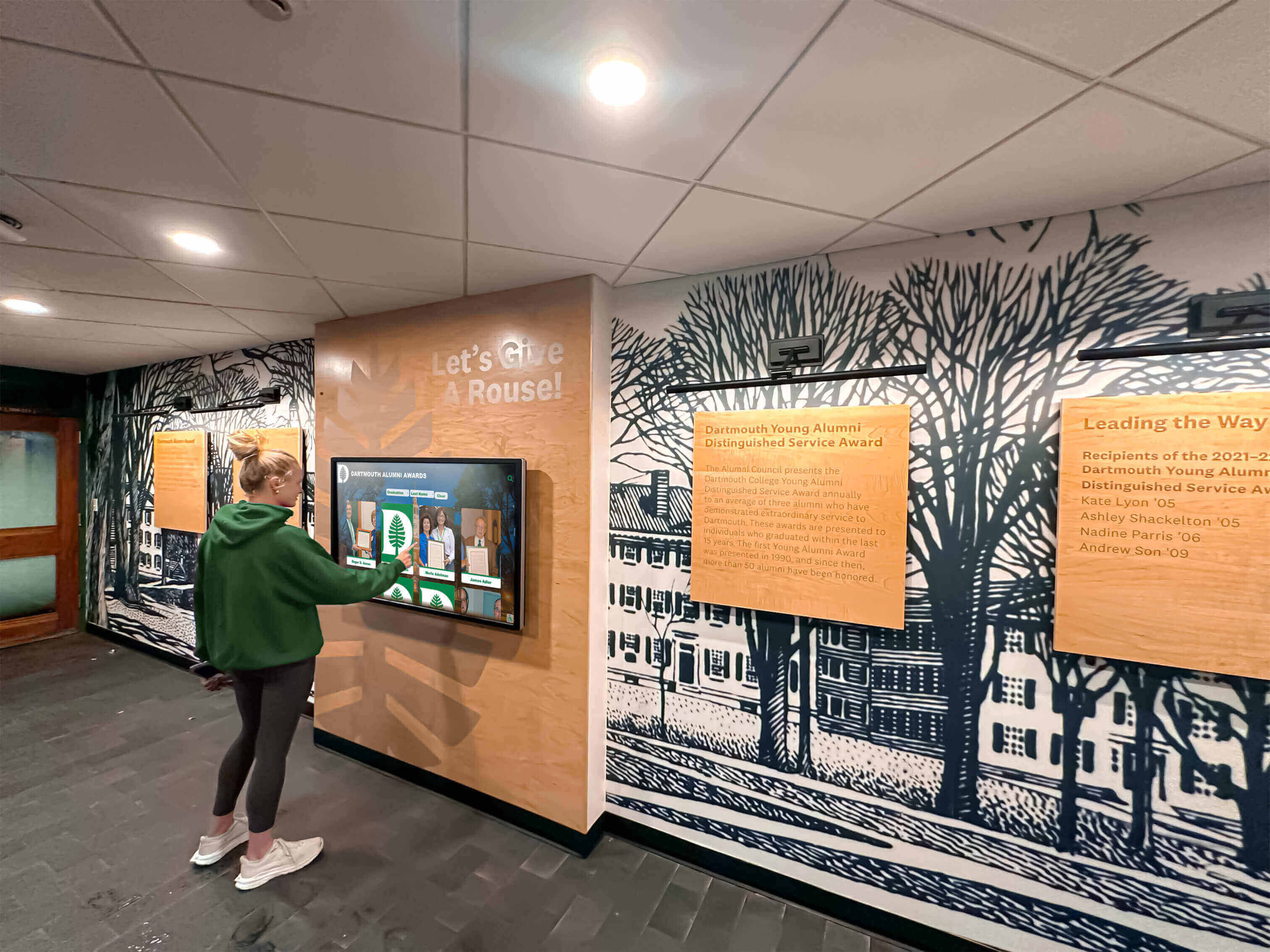
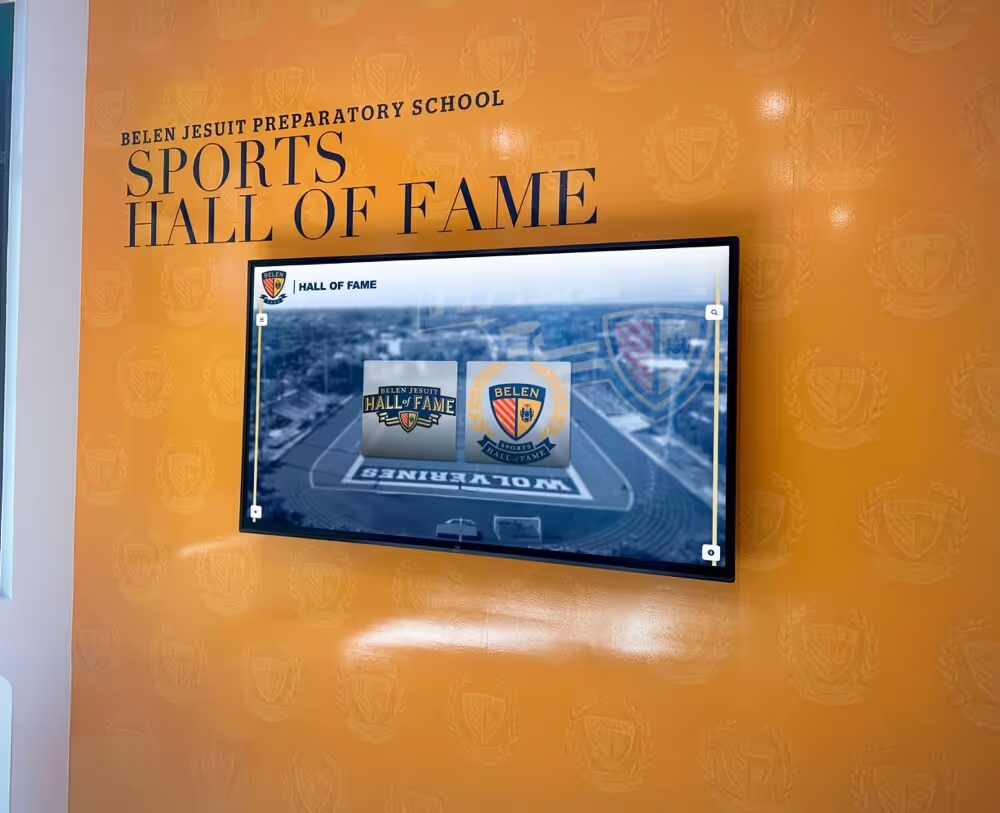
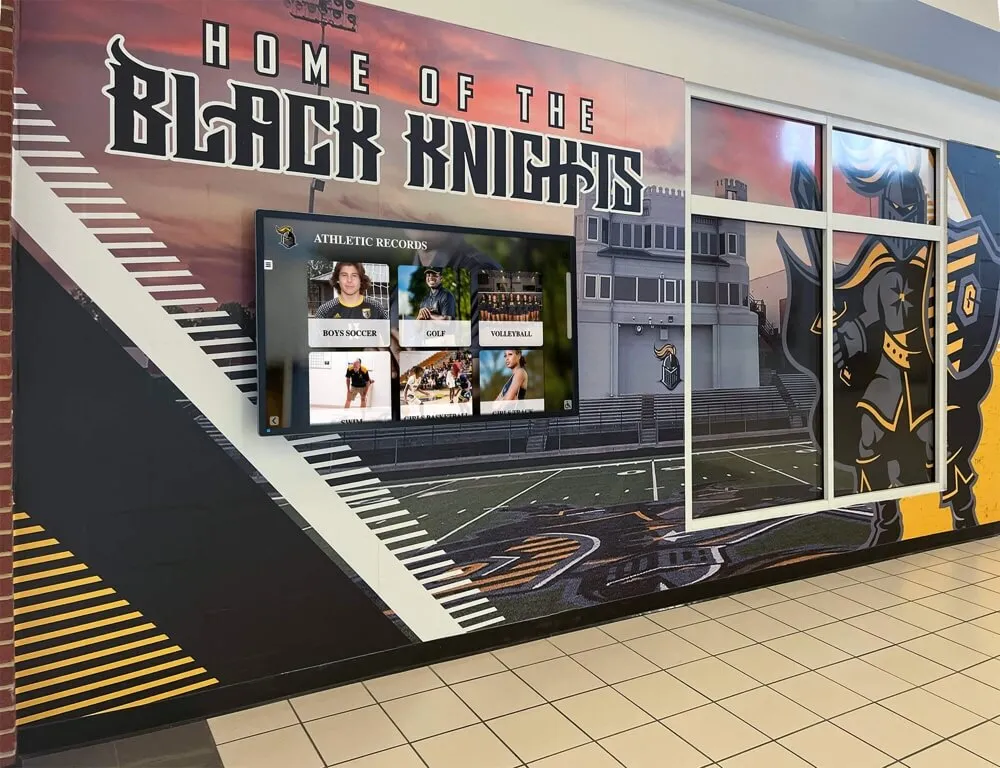
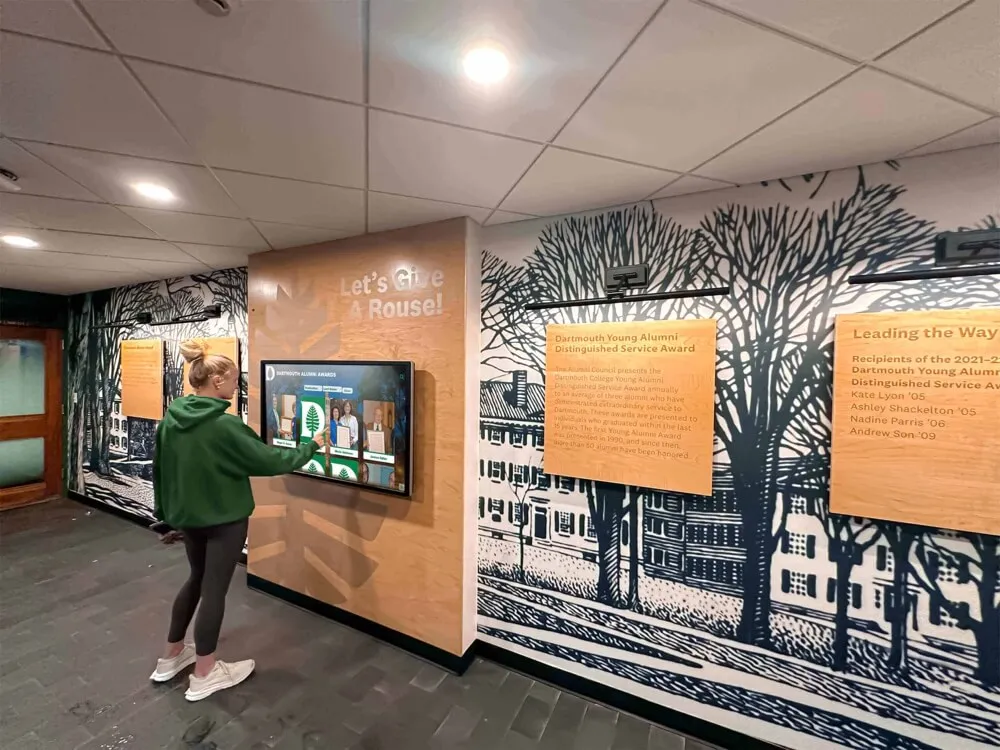
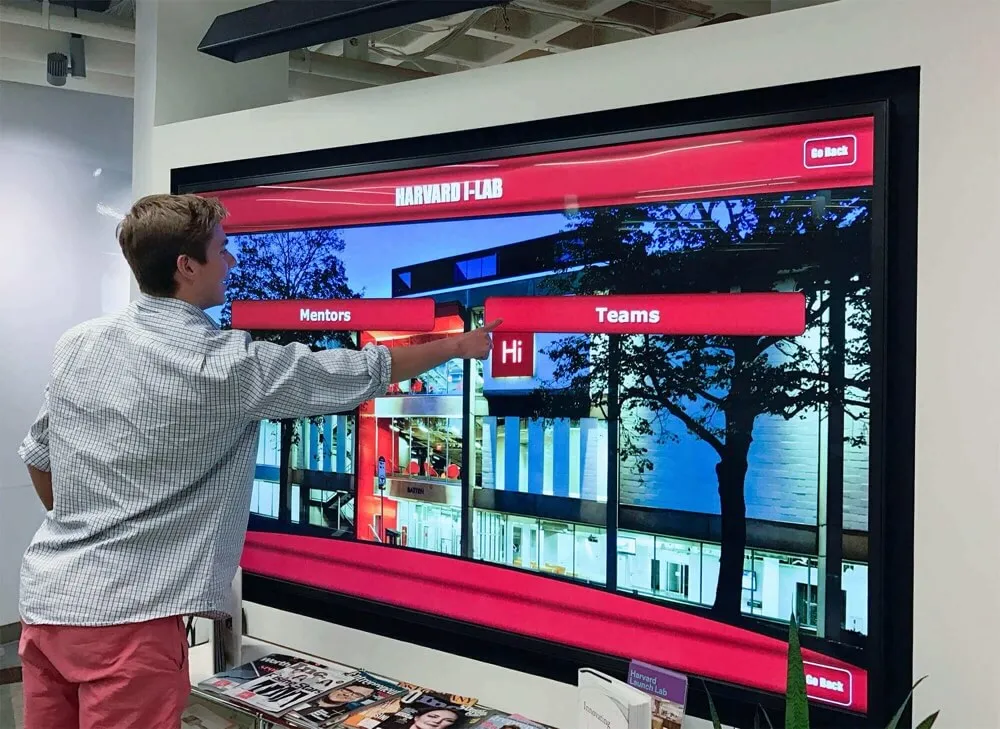
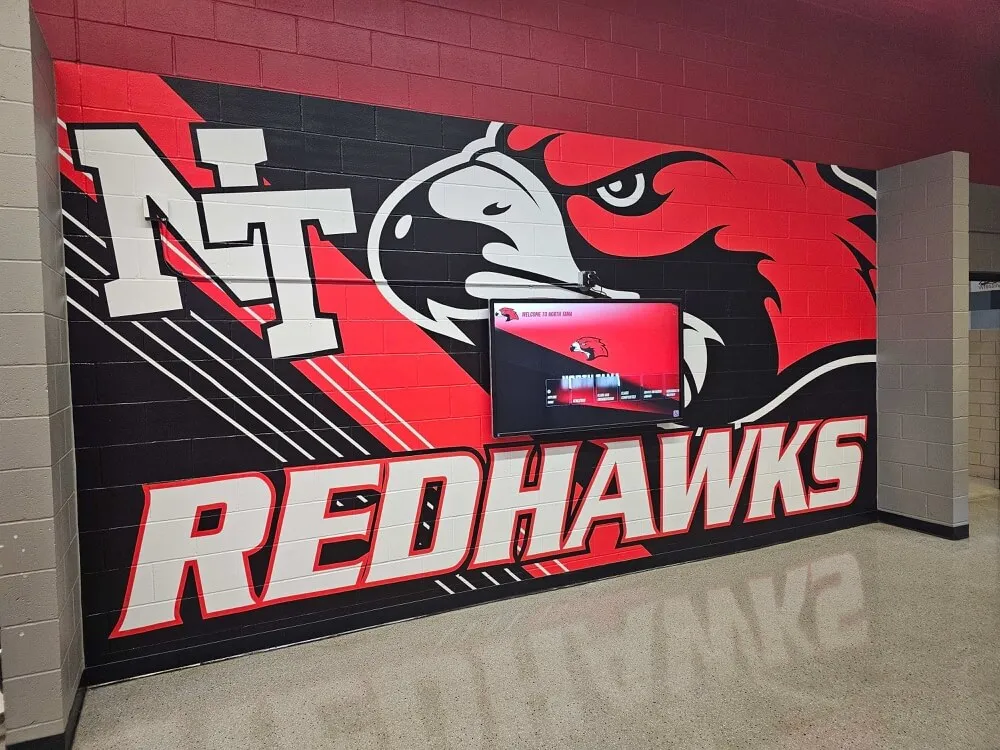
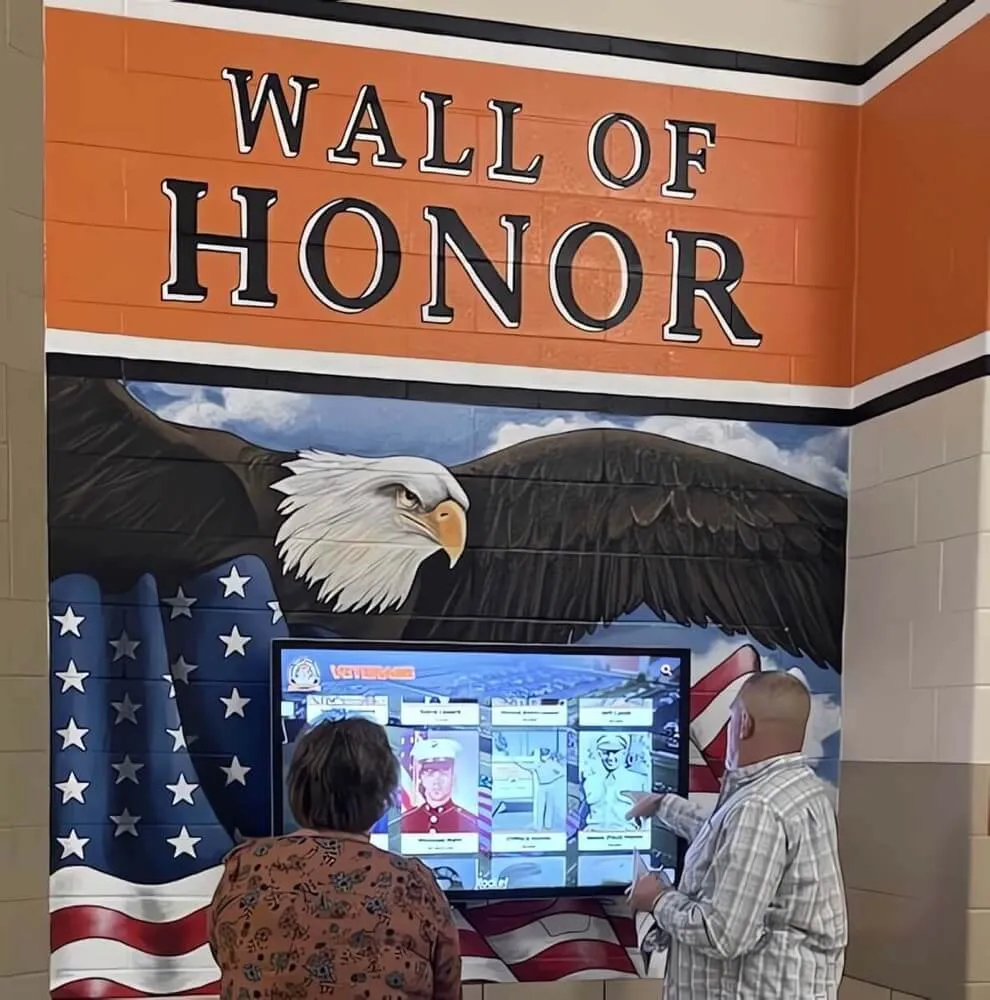
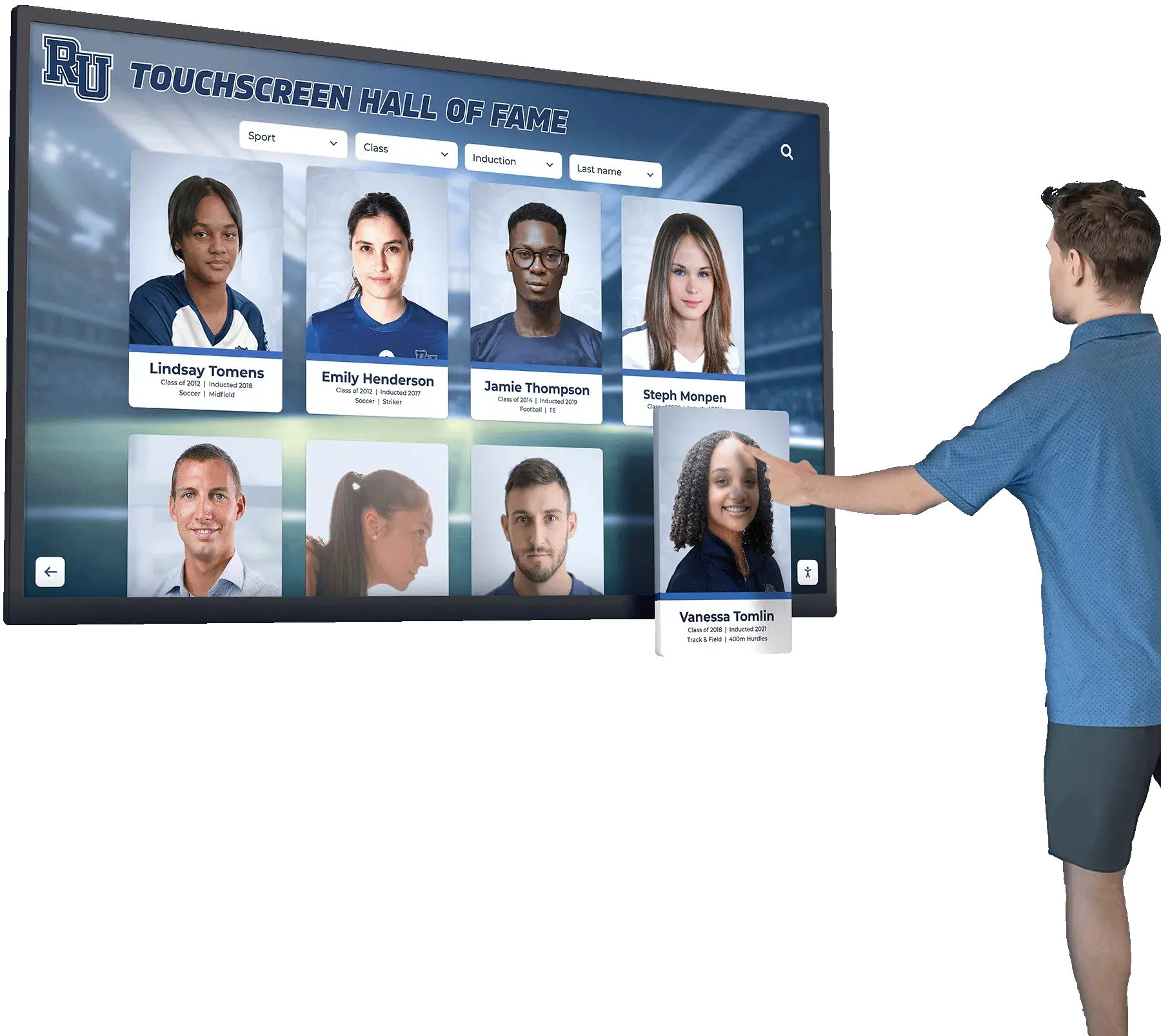
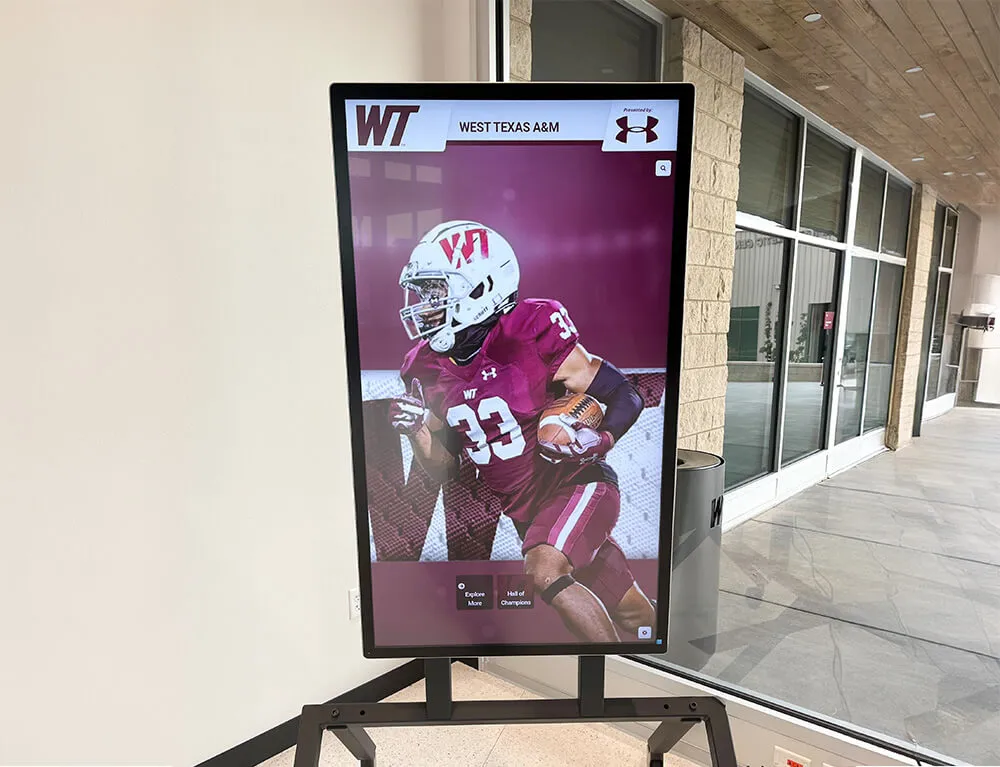
Modern display systems enable students to explore decades of school history through intuitive touchscreen interfaces that make archival research engaging
Building School Pride and Identity
Current students who understand their schools’ histories and traditions develop stronger institutional connections. Discovering notable alumni who preceded them, exploring championship seasons and achievements that established school reputations, and understanding traditions explained through historical context all contribute to enhanced school pride and participation in institutional life.
Schools implementing digital storytelling for athletic programs find that historical yearbook content provides foundational material connecting past achievements to current programs.
Understanding Yearbook Scanning Technologies and Services
Professional scanning services employ specialized equipment and processes that produce dramatically superior results compared to consumer-level approaches.
Professional Scanning Equipment and Methods
High-Resolution Flatbed Scanners
Professional yearbook digitization requires equipment capable of capturing fine details while safely handling fragile, bound volumes. Commercial-grade flatbed scanners with 600 DPI (dots per inch) resolution or higher preserve all details from original yearbooks including subtle photo tones, small text in captions and ads, and texture details impossible to capture at lower resolutions.
Many services use specialized book scanners with V-shaped cradles that support bound volumes without forcing spines flat—a critical feature for fragile older yearbooks where forced flattening could damage or destroy bindings.
Color Calibration and Image Enhancement
Professional scanning workflows include color calibration ensuring digitized images accurately represent original materials, even compensating for yellowing or discoloration. Image enhancement processes remove dust, spots, and minor blemishes while preserving authentic historical appearance. Contrast and brightness adjustments improve readability without creating artificial-looking results.
These professional processes produce dramatically better outcomes than simply photographing yearbook pages with smartphones or using consumer scanners—approaches that capture reflections, create distortion from camera angles, and miss fine details.
Optical Character Recognition (OCR)
Advanced scanning services include OCR processing that converts printed text into searchable, computer-readable formats. This crucial technology enables users to search digitized yearbooks by names, activities, locations, or any other text appearing in pages—transforming static images into searchable databases.
Without OCR, users must manually browse through hundreds of pages to find specific content. With OCR, searches instantly locate every instance where names or terms appear throughout entire digitized collections.
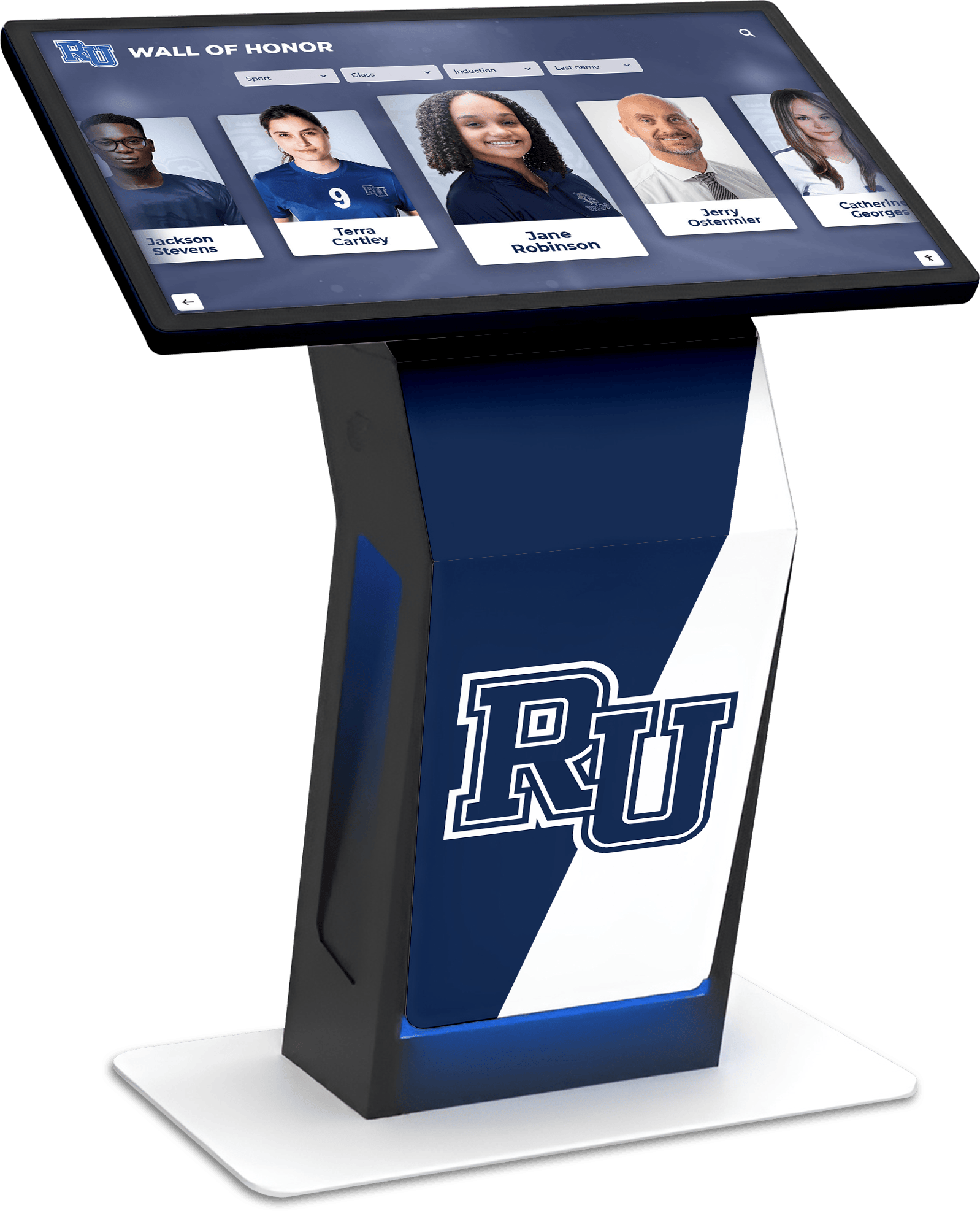
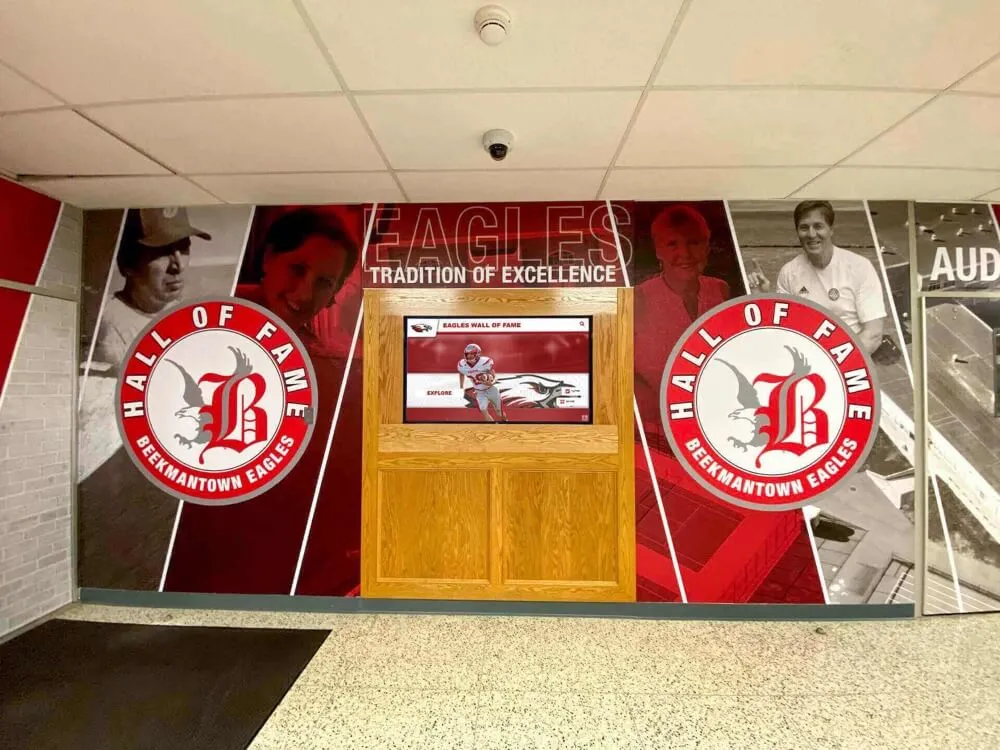
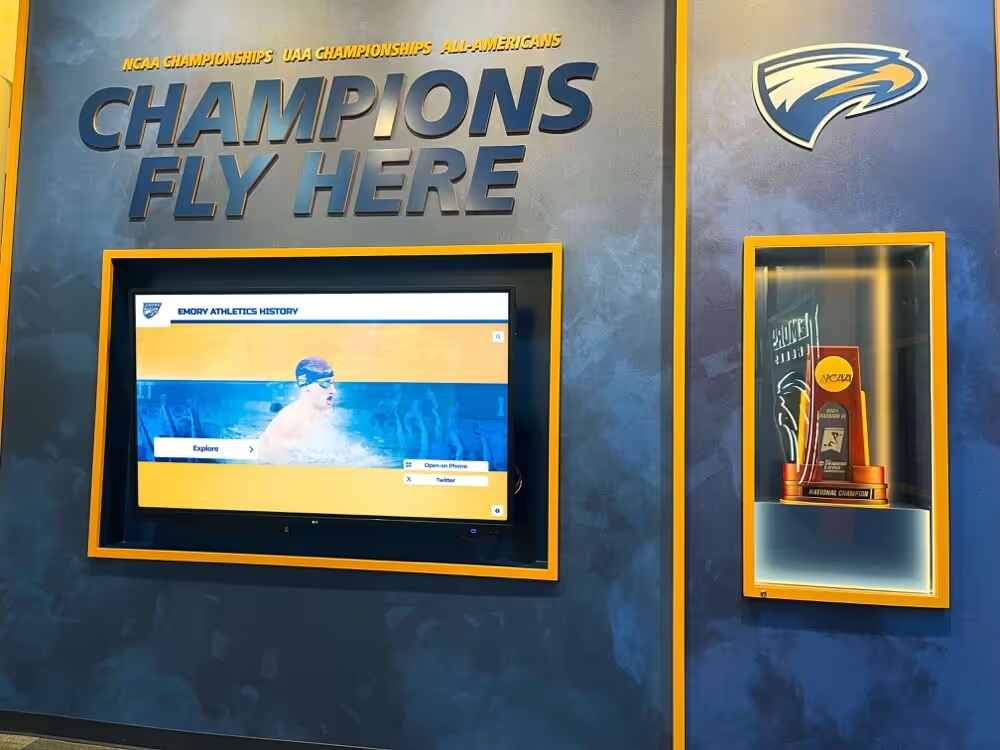
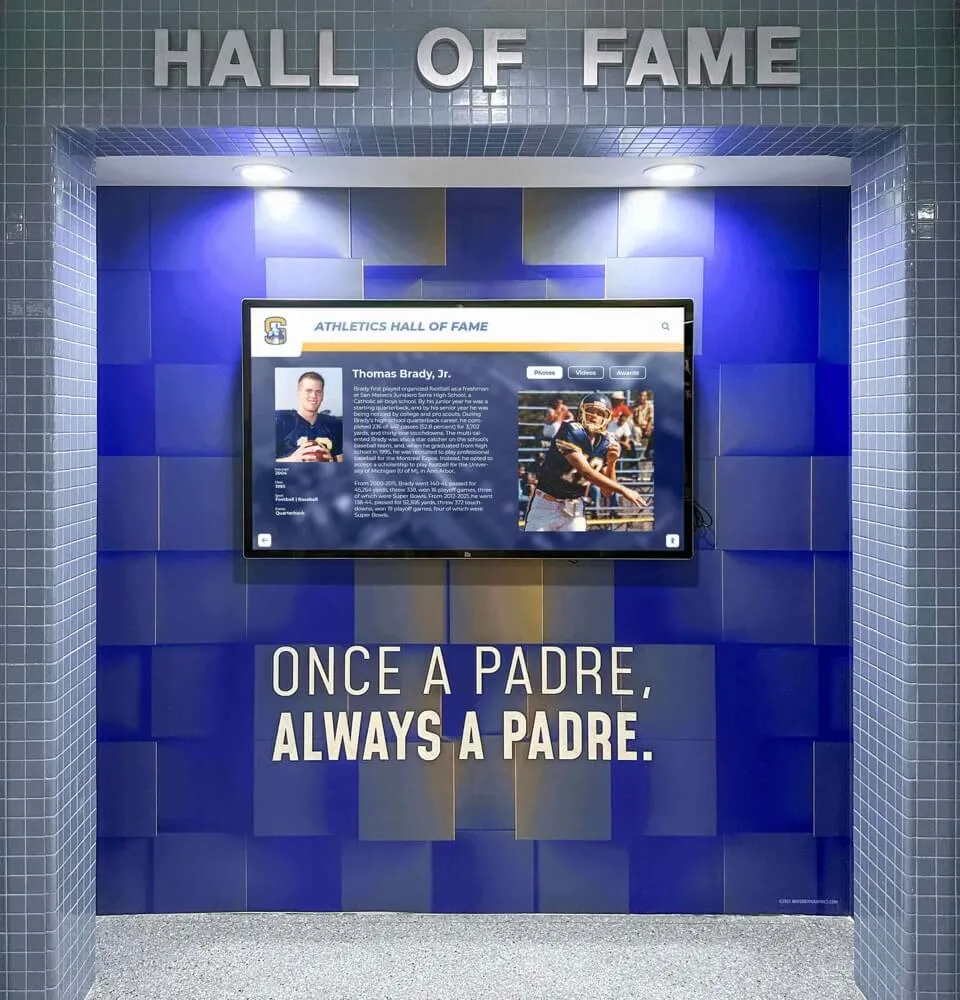
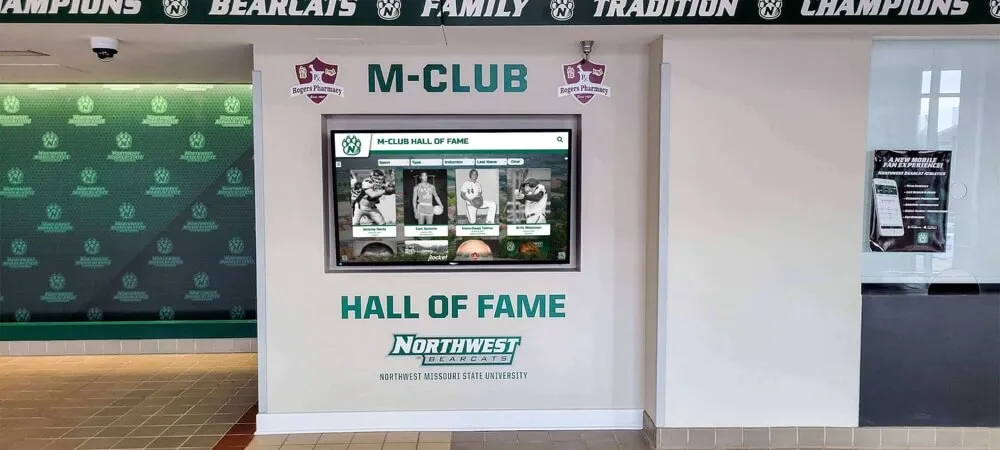
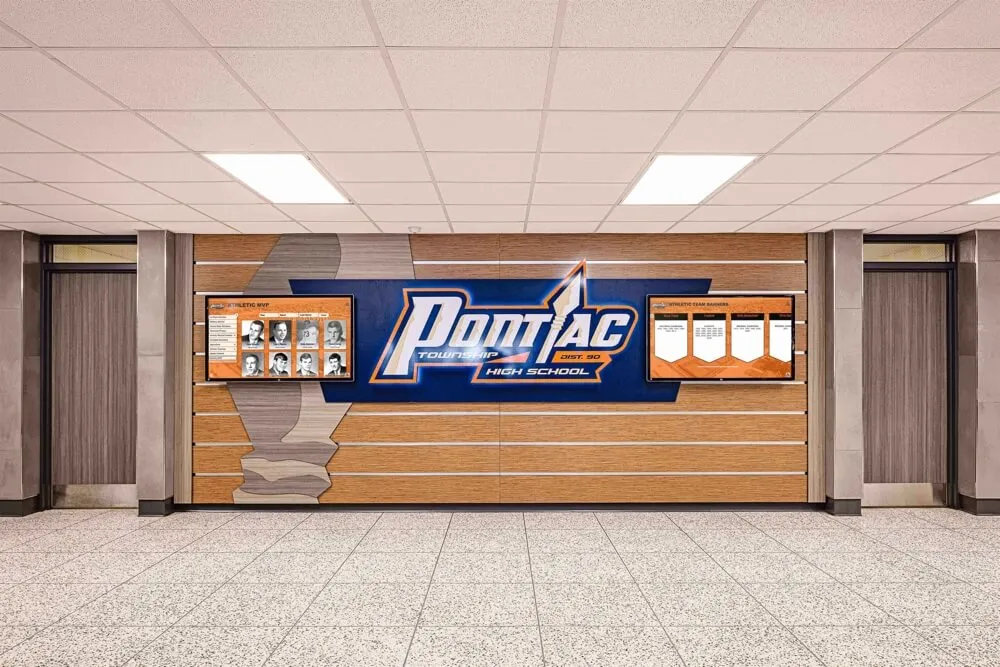
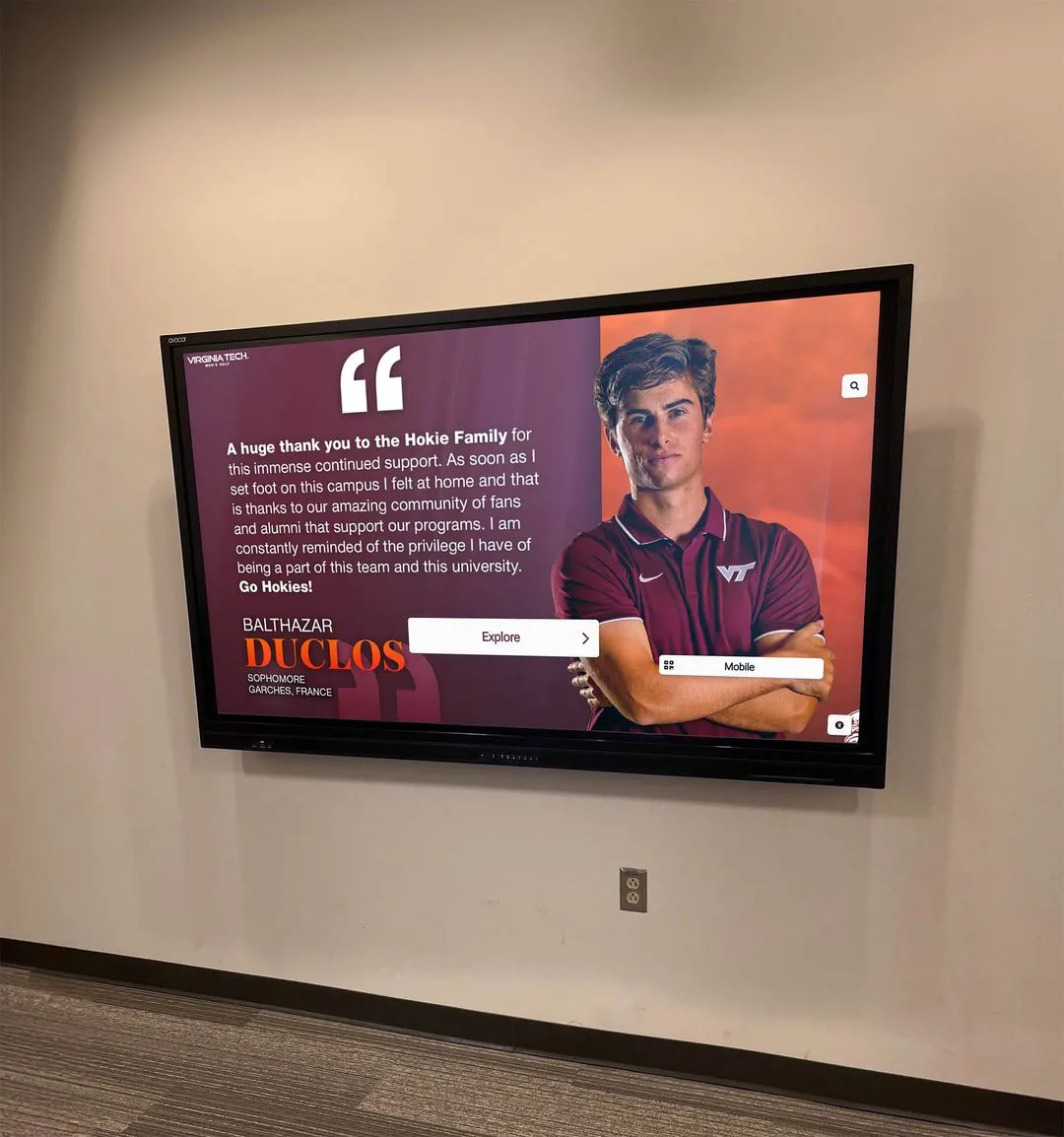
Professional scanning services create searchable databases accessible through modern touchscreen displays installed in school lobbies and common areas
Different Service Models and Pricing Structures
Schools encounter several scanning service approaches with different advantages:
Per-Page Scanning Services
Many vendors charge based on page count—typically $0.15-$0.50 per page depending on resolution, color versus black-and-white, and whether OCR is included. Schools with 50 yearbooks averaging 200 pages each face costs of $1,500-$5,000 for basic scanning without additional services.
Per-page pricing works well for small collections or when schools only want to digitize select years rather than comprehensive archives.
Per-Book or Per-Year Pricing
Some services quote projects by yearbook volume, charging $50-$200 per book depending on page count, condition, and service level. This approach simplifies budgeting for schools knowing exactly how many yearbooks need scanning.
Comprehensive Project Pricing
Full-service digitization vendors provide complete project quotes covering yearbook inventory and assessment, physical pickup and secure transportation, professional scanning with specified resolution and OCR, metadata creation for searchability, hosting on dedicated platforms, and physical yearbook return in protective storage boxes.
These comprehensive projects typically cost $5,000-$25,000 depending on collection size and service scope, but provide turnkey solutions requiring minimal school staff time and expertise.
File Formats and Delivery Options
Understanding digitization output formats helps schools plan for long-term accessibility and integration with other systems:
Image Formats for Preservation
Professional scanning typically creates TIFF files for archival preservation—uncompressed formats that maintain maximum quality indefinitely without degradation. These master files require significant storage space but ensure future generations can access yearbooks at highest quality.
For practical access, services also create JPG or PDF versions optimized for web display and user download—smaller files that load quickly while maintaining sufficient quality for normal viewing.
PDF vs. Database-Driven Platforms
Basic scanning services deliver multi-page PDF files representing complete yearbooks. Users browse PDFs like digital books, with search capability limited to OCR accuracy within PDF readers.
More sophisticated platforms import scanned pages into database-driven systems where individual pages or spreads become discrete records with associated metadata. These systems enable advanced search filtering by year, student names, activities, or sports—creating dramatically better user experiences than simple PDF browsing.
Schools planning digital archives should evaluate whether vendors provide searchable database platforms or only deliver basic file formats requiring schools to implement their own access systems.
Selecting Professional Yearbook Scanning Services
Choosing qualified vendors requires evaluating multiple factors beyond just pricing:
Essential Vendor Qualifications
Experience with Educational Collections
Vendors specializing in educational archives understand unique challenges schools face—from FERPA compliance requirements for student records to handling fragile historical materials and working within academic calendars and budgets. Request references from other schools or educational institutions to verify relevant experience.
Security and Insurance
Yearbook collections represent irreplaceable institutional assets. Qualified vendors provide secure facilities for scanning work, insurance coverage protecting materials during transportation and processing, detailed tracking systems documenting every yearbook throughout projects, and secure data storage meeting educational privacy standards.
Never work with vendors who cannot provide proof of insurance and security protocols. The risk of losing irreplaceable yearbooks to damage, theft, or simple misplacement during scanning far exceeds any cost savings from budget vendors lacking proper protections.
Sample Quality Review
Before committing to full projects, request vendors scan 10-20 sample pages representing different yearbook eras, conditions, and page types. Carefully evaluate scan quality, OCR accuracy, color fidelity, and whether fine details remain readable. Compare samples from multiple vendors if possible.
Quality differences between professional and amateur scanning become immediately obvious when comparing sample outputs side-by-side.
Understanding Service Timelines
Professional yearbook scanning requires significant time—rushing projects compromises quality:
Typical Project Timelines
Small collections (20-30 yearbooks) typically require 4-8 weeks from pickup to delivery. Medium collections (50-100 yearbooks) need 8-16 weeks. Large comprehensive archives (100+ yearbooks) may take 3-6 months depending on vendor capacity and service scope.
These timelines include physical pickup, scanning and OCR processing, quality review and corrections, metadata creation, platform uploads, and physical return with digital delivery.
Planning Around School Events
Schools should schedule scanning projects considering when digitized yearbooks will be needed. Planning reunion weekends, homecoming celebrations, or anniversary events that will feature digital yearbook content requires working backwards from event dates to ensure completion with buffer time for testing and adjustments.
Starting projects 4-6 months before planned launch dates provides comfortable margins accounting for inevitable delays or complications.
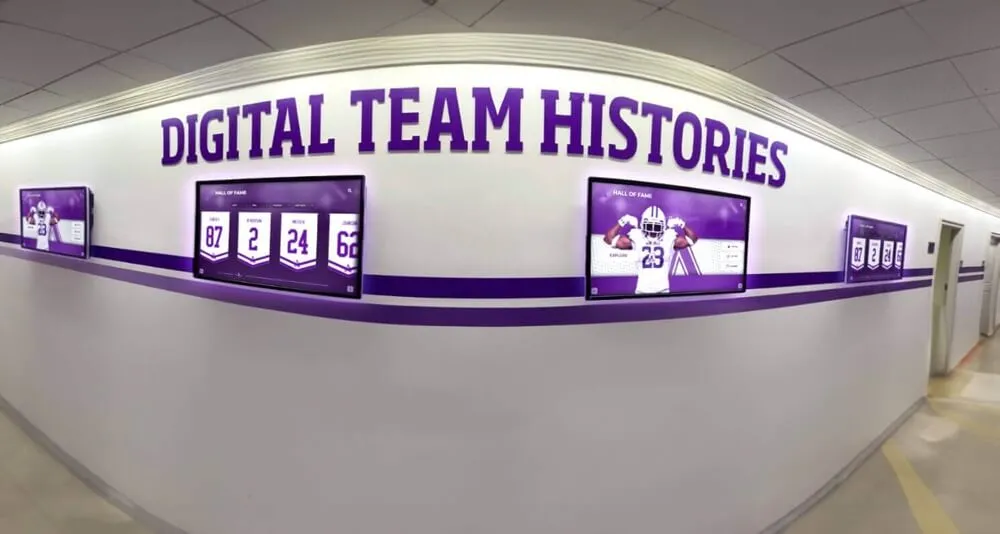
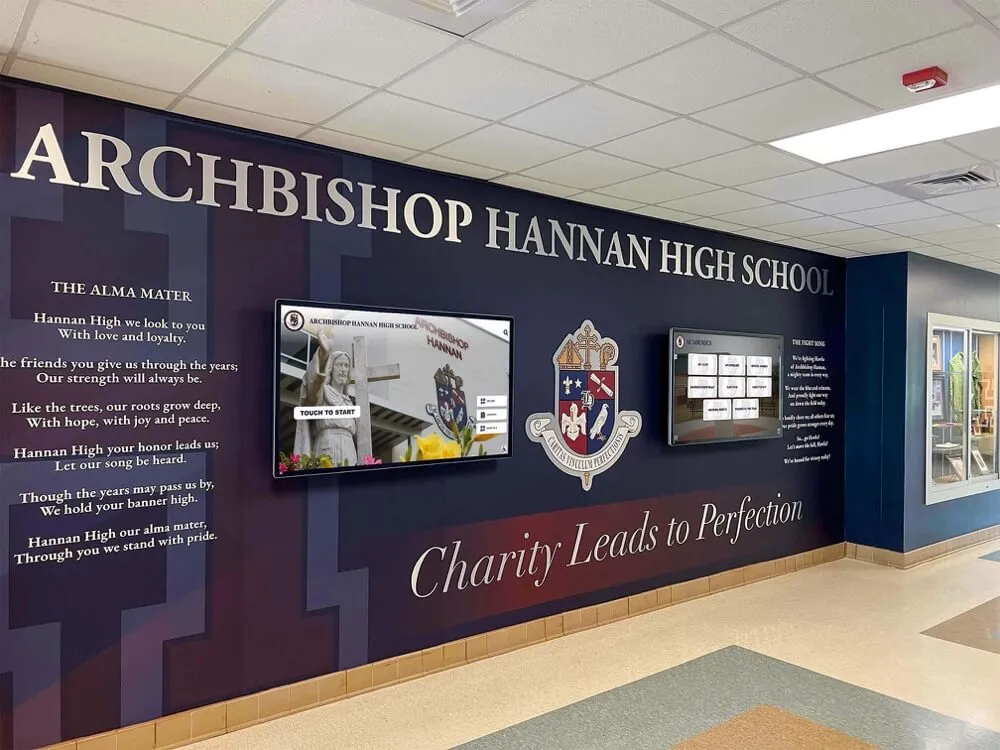
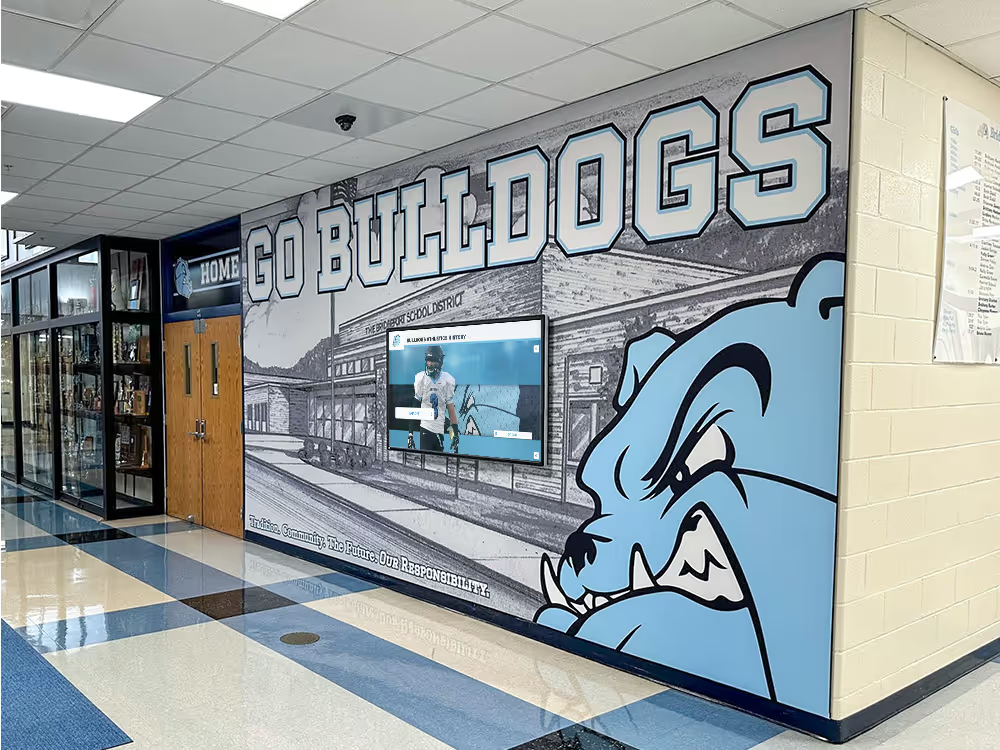
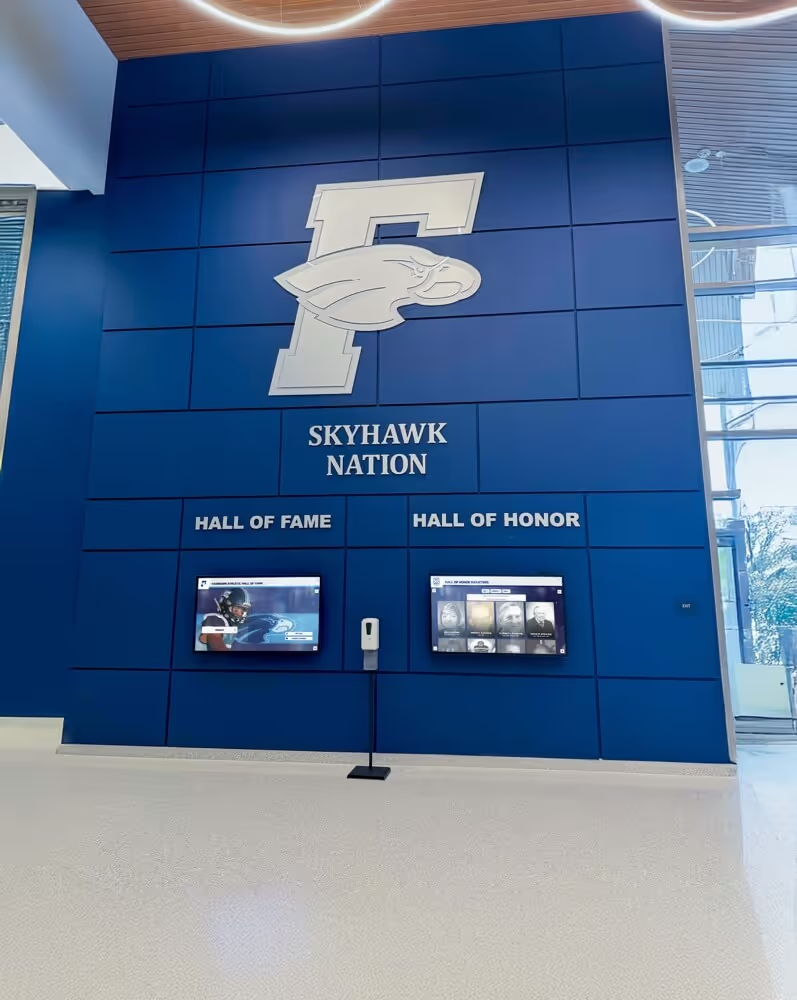
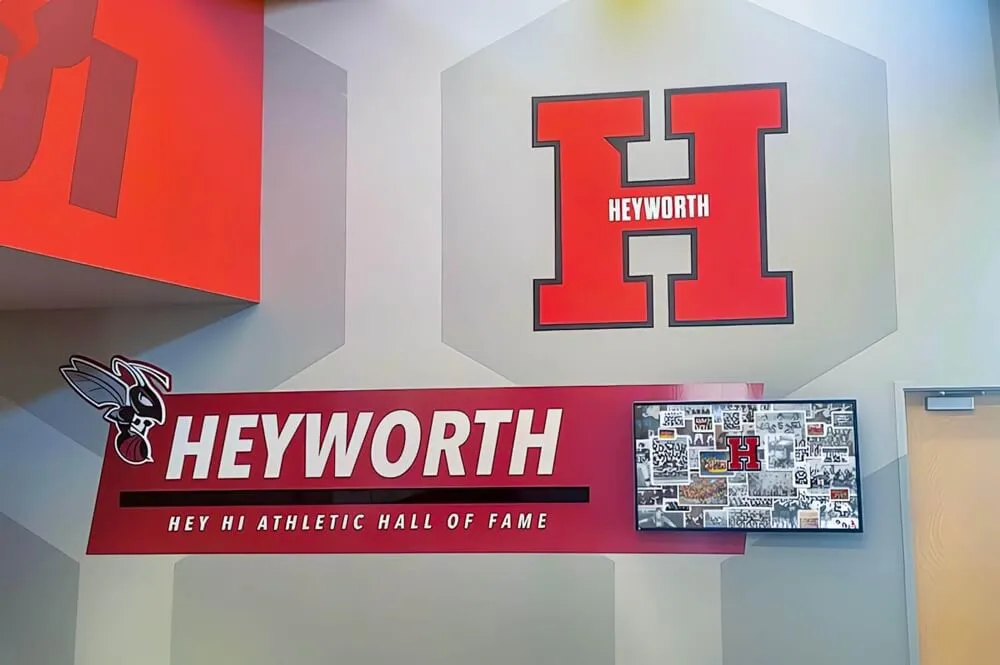
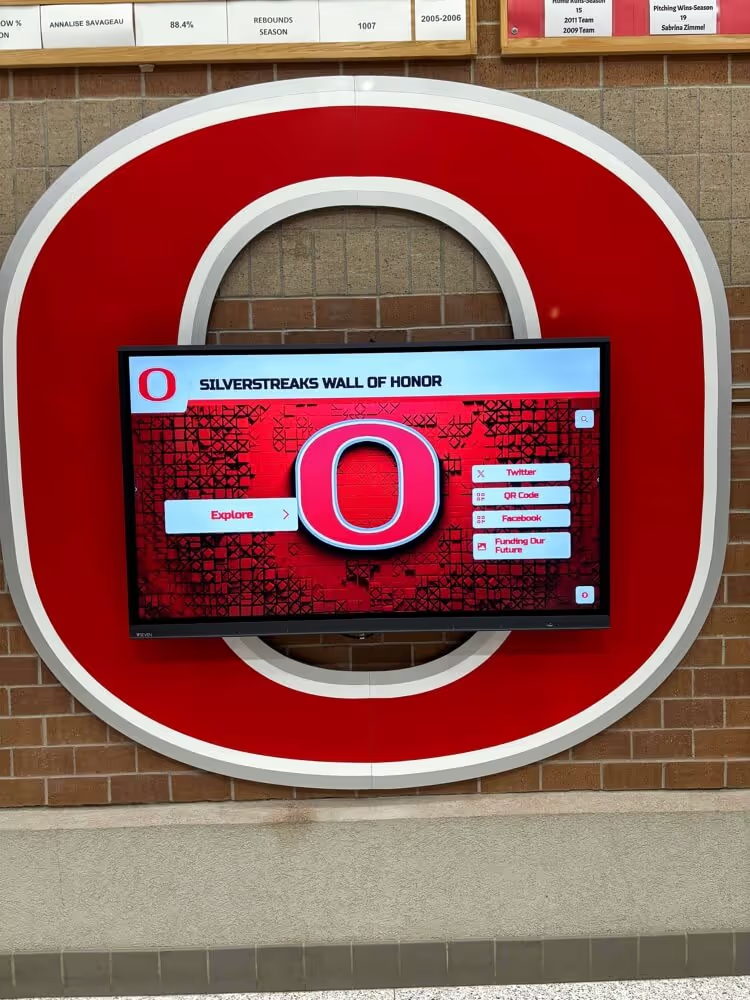
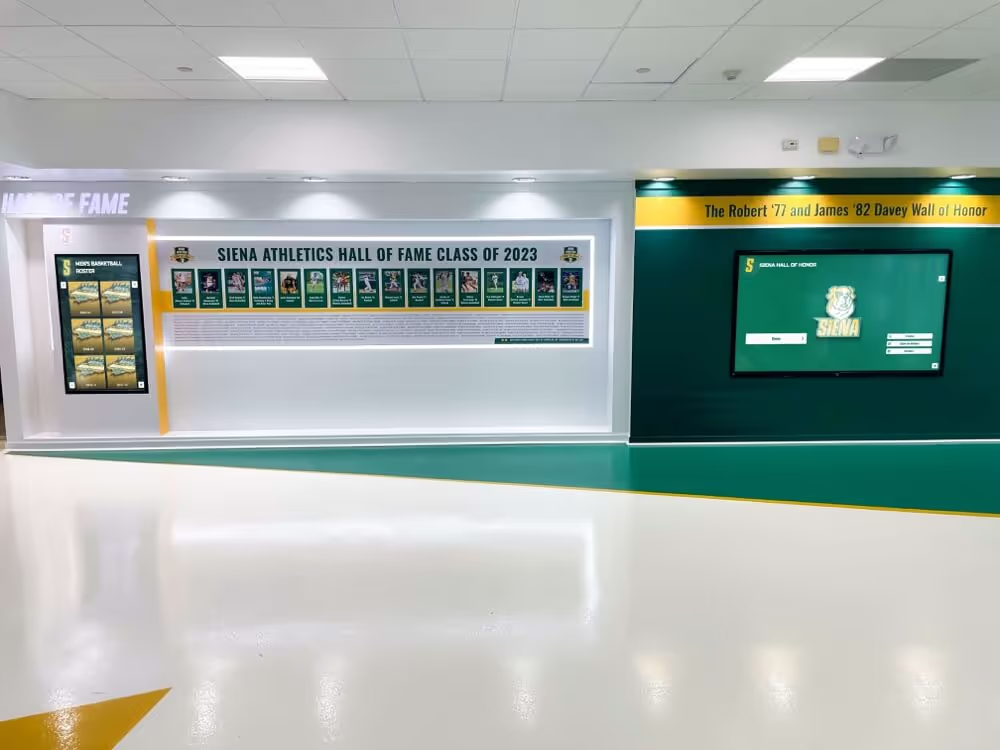
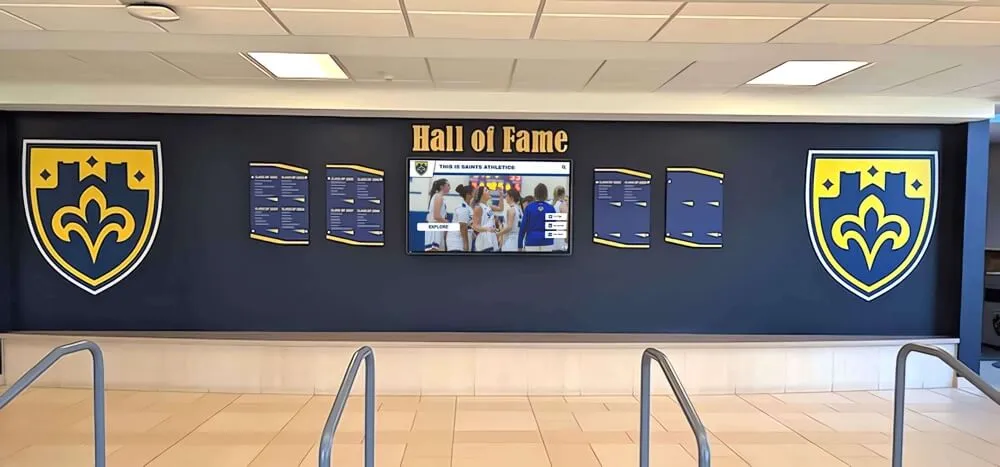
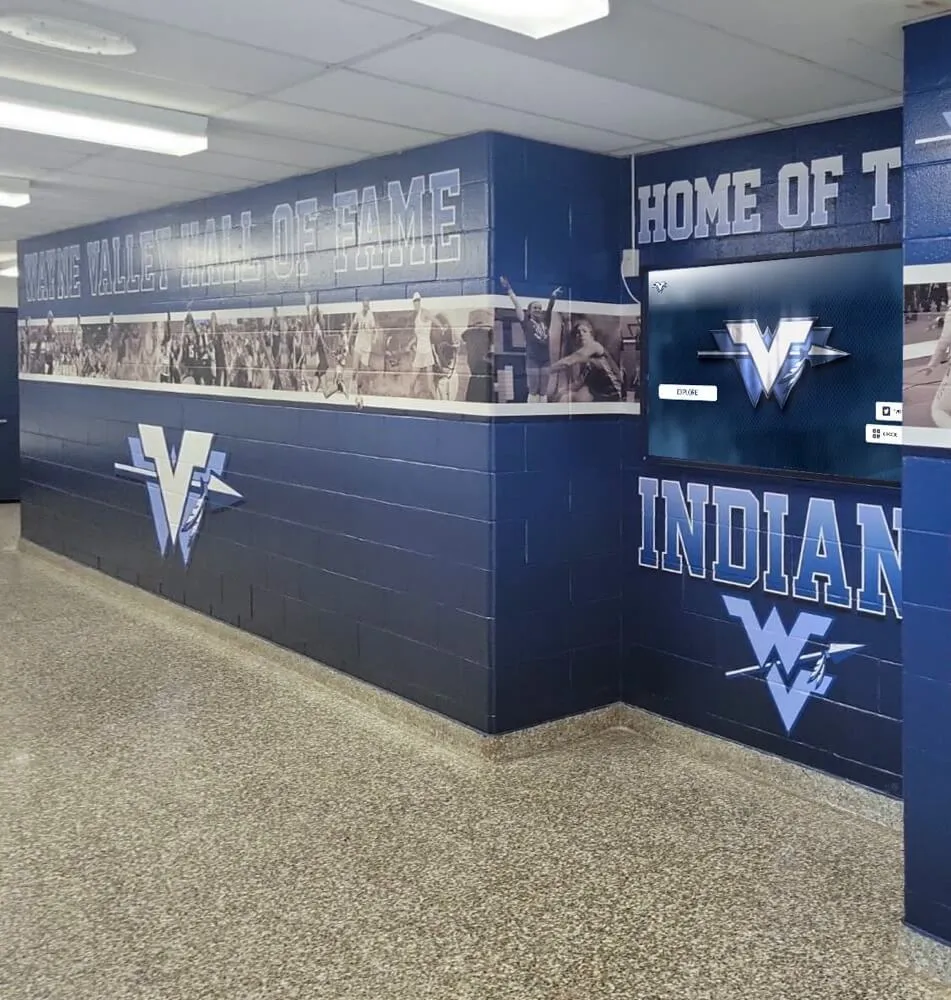
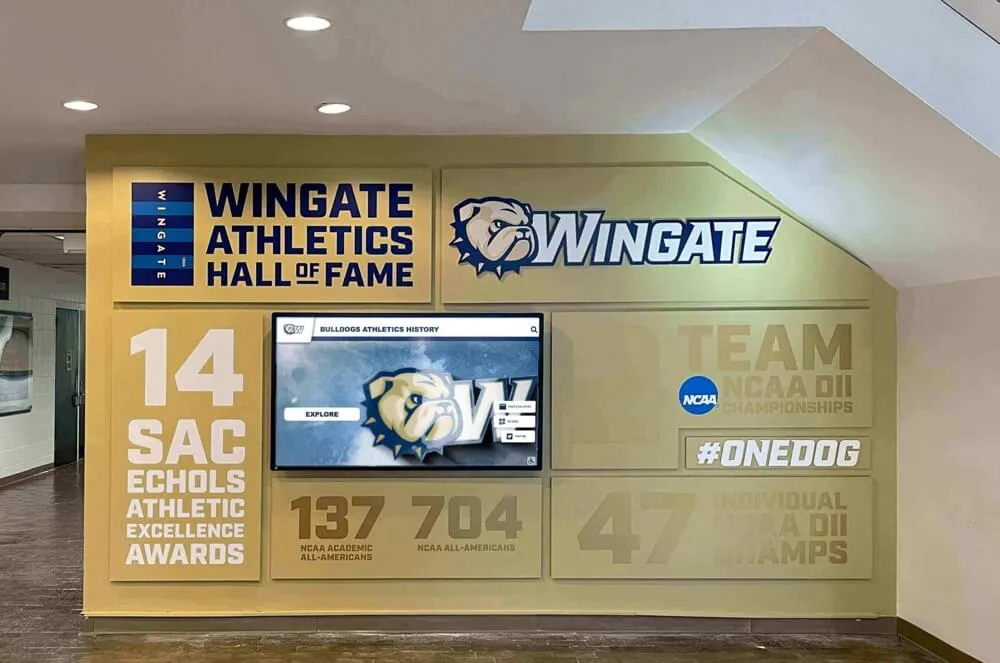
Schools integrate digitized yearbook content into modern display systems celebrating institutional history throughout campus facilities
Contract Considerations and Rights
Clarifying ownership and usage rights prevents future complications:
Digital File Ownership
Contracts should explicitly state schools own all digital files created during scanning, including master TIFF archives and derivative formats. Schools should receive complete file copies on external drives or cloud storage in addition to any hosted platform access vendors provide.
Avoid arrangements where vendors retain exclusive control of digital files—this creates dependency and prevents schools from changing platforms or vendors in the future.
Usage Rights and Privacy
Ensure contracts specify schools have unlimited rights to use digitized content in any formats supporting educational and institutional advancement purposes. For yearbooks containing student images and information, verify scanning services include appropriate privacy controls and comply with FERPA requirements.
Some schools choose to restrict public access to recent yearbooks (typically last 10-20 years) while making older historical yearbooks freely accessible—balancing privacy concerns against historical preservation and alumni engagement benefits.
Implementing Digitized Yearbook Collections
Successfully launching digital yearbook archives requires planning beyond just scanning services:
Creating Searchable Online Archives
Platform Selection
Schools need platforms where communities can access digitized yearbooks. Options include commercial yearbook archive platforms designed specifically for educational institutions, general digital asset management systems adapted for yearbook collections, integrated solutions combining yearbooks with broader alumni engagement tools, and custom-built websites if schools have technical resources and expertise.
Evaluate platforms based on search functionality and user experience, mobile responsiveness for smartphone access, privacy controls and access management, integration capabilities with existing websites and databases, long-term sustainability and vendor stability, and total cost of ownership including ongoing hosting fees.
Metadata and Organization
Effective digital archives require thoughtful organization beyond just uploading scanned files. Creating detailed metadata improves discoverability—yearbook year and date ranges, page numbers and section identifiers, activity and sport tags, student and faculty name indices, and location information when relevant.
Time invested in comprehensive metadata dramatically improves user experience and engagement. Alumni searching for specific classmates or activities immediately find relevant content rather than abandoning searches in frustration.
User Access Models
Schools implement different access approaches depending on privacy priorities and revenue considerations:
Some provide completely free public access to all yearbooks, maximizing community engagement and institutional goodwill. Others restrict access to verified alumni and current families, protecting student privacy while serving primary stakeholder groups. Some schools monetize access by charging subscription fees, though this approach typically reduces engagement substantially compared to free access models.
Most educational institutions prioritize engagement and community building over revenue generation from yearbook archives, viewing digital collections as advancement investments rather than profit centers.
Integration with Physical Displays
Digital yearbook collections gain significant additional value when integrated with physical touchscreen displays throughout school facilities:
Strategic Display Locations
Schools installing interactive touchscreen kiosks for yearbook exploration should consider high-traffic locations like main lobbies and entrance areas, athletic facilities and field houses, alumni centers and development offices, library and media center spaces, and hallways near administrative offices.
Placement in locations where prospective students and families visit during tours maximizes impact—visitors impressed by schools celebrating history and achievements while demonstrating technological sophistication.
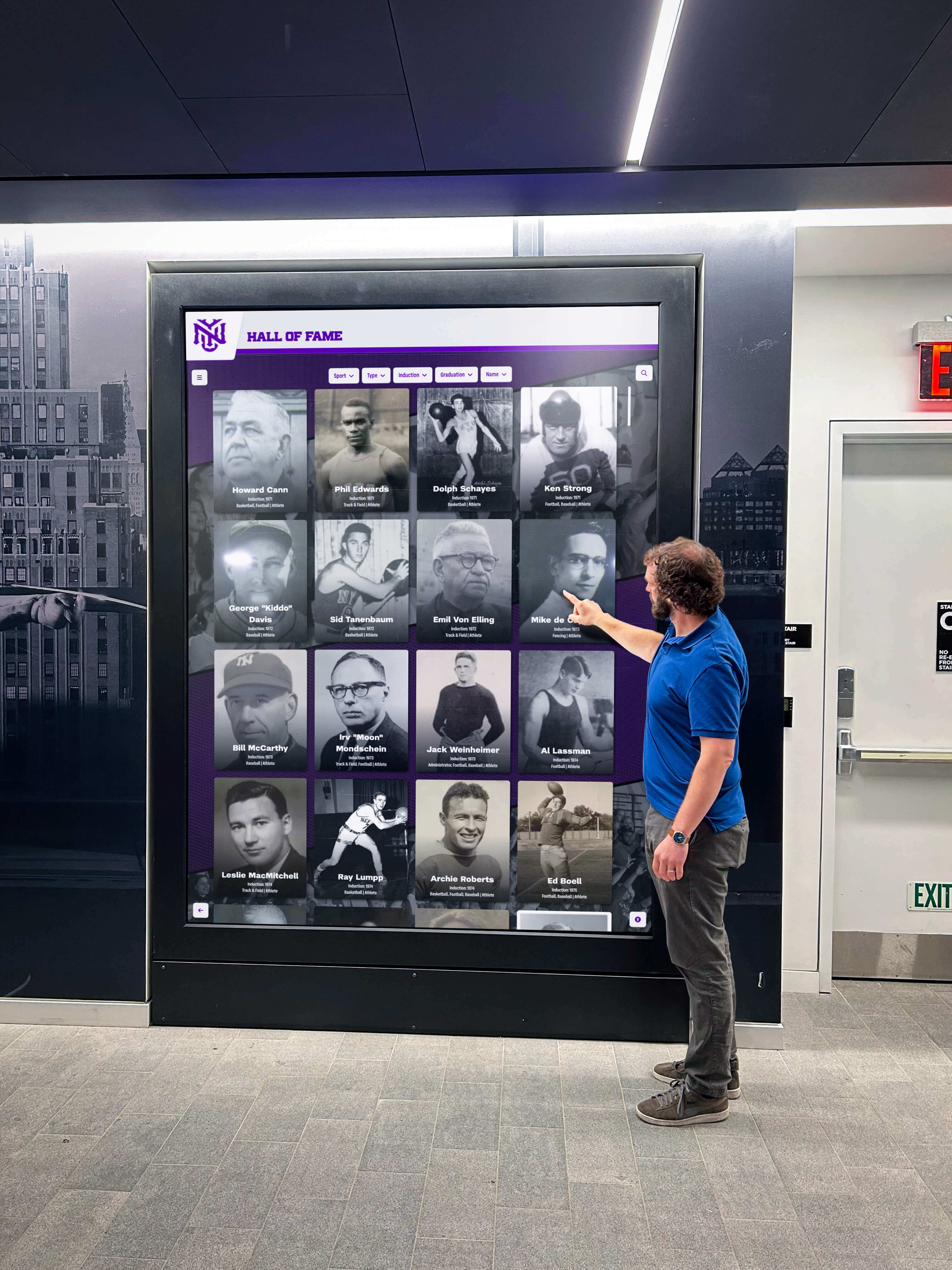
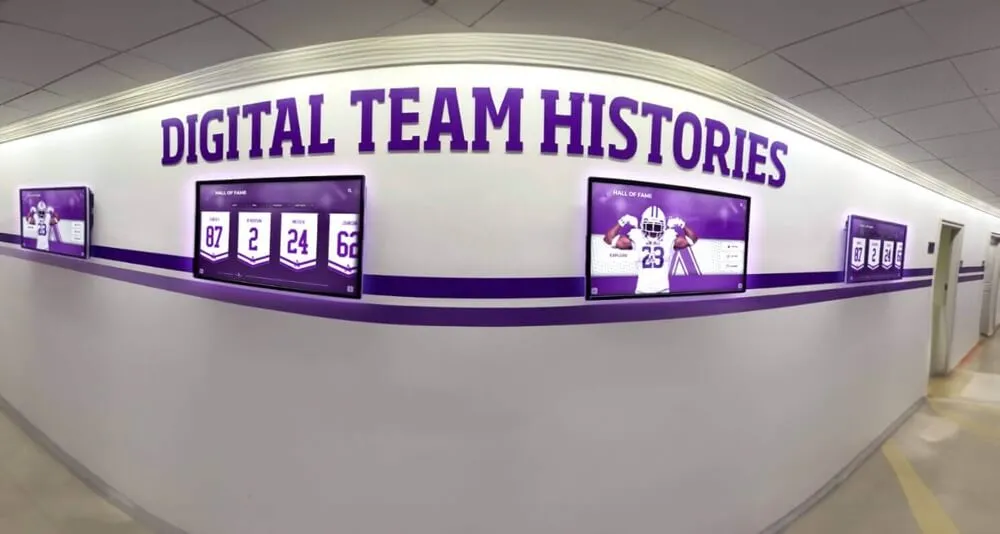
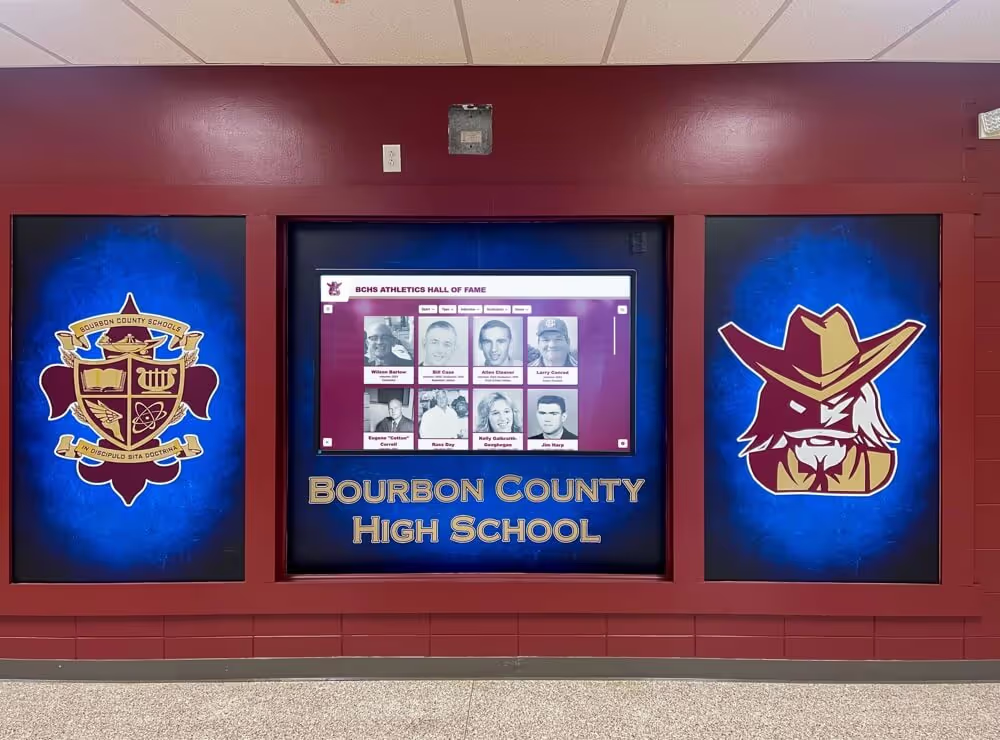
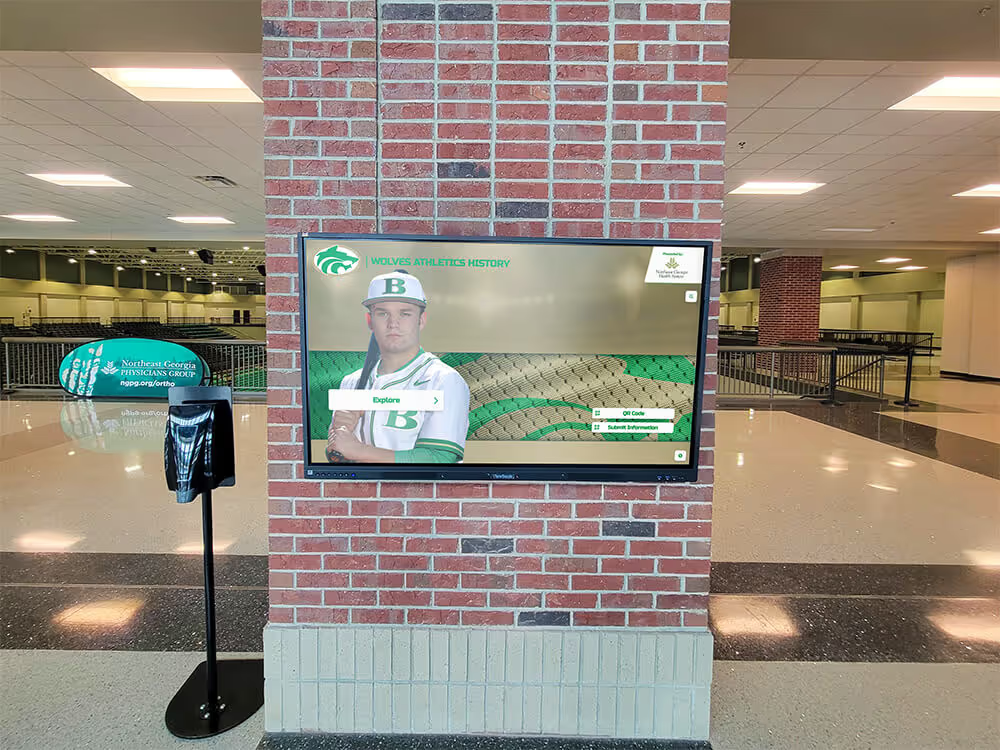
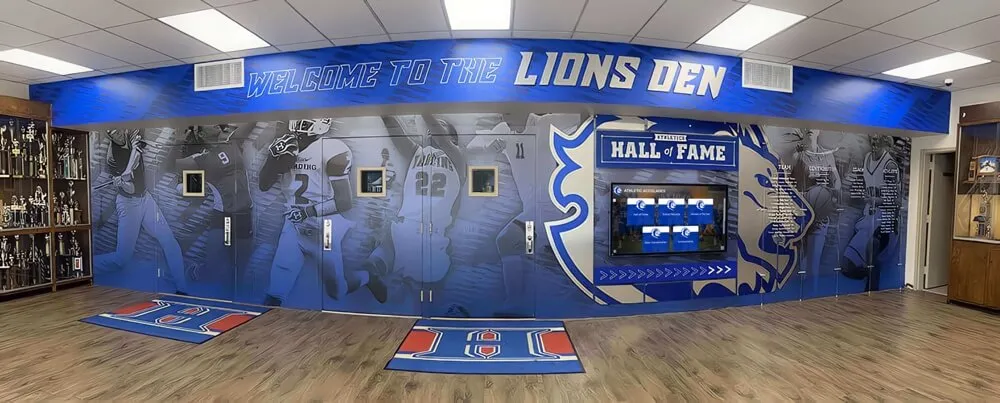
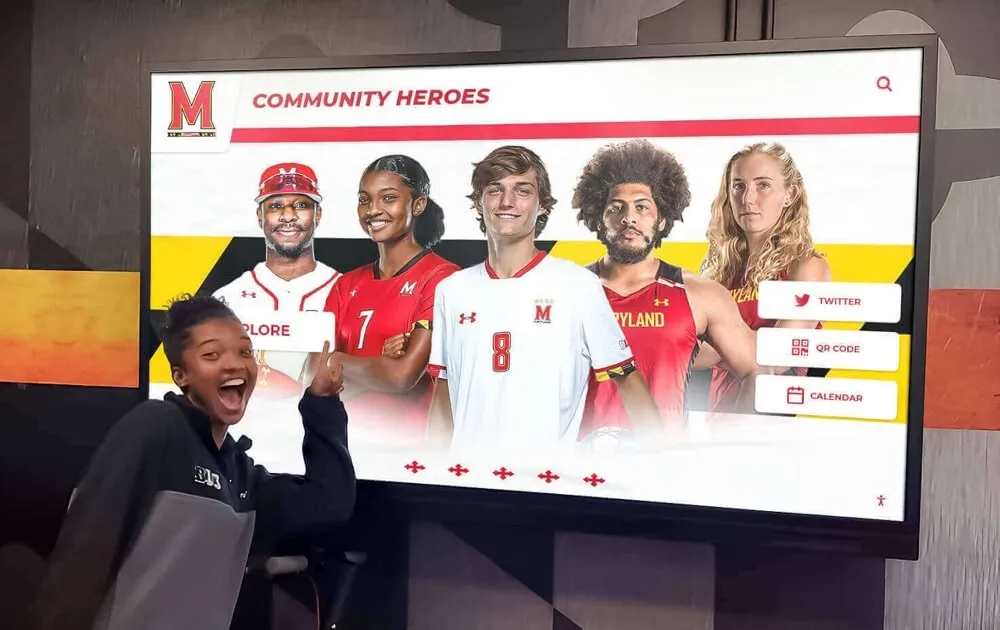
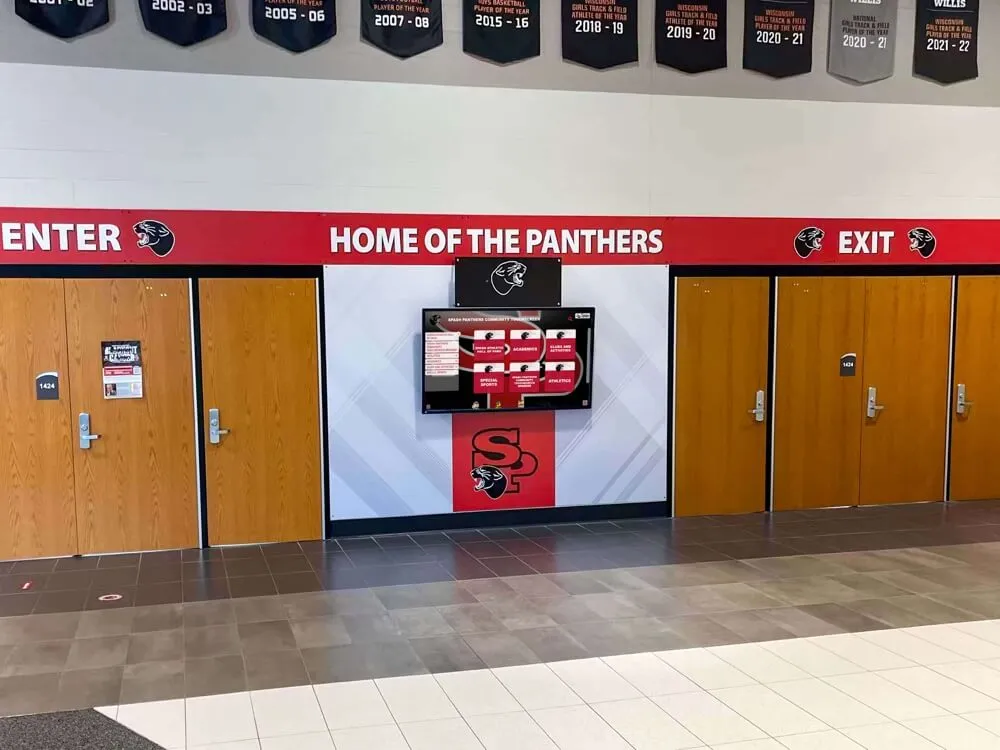
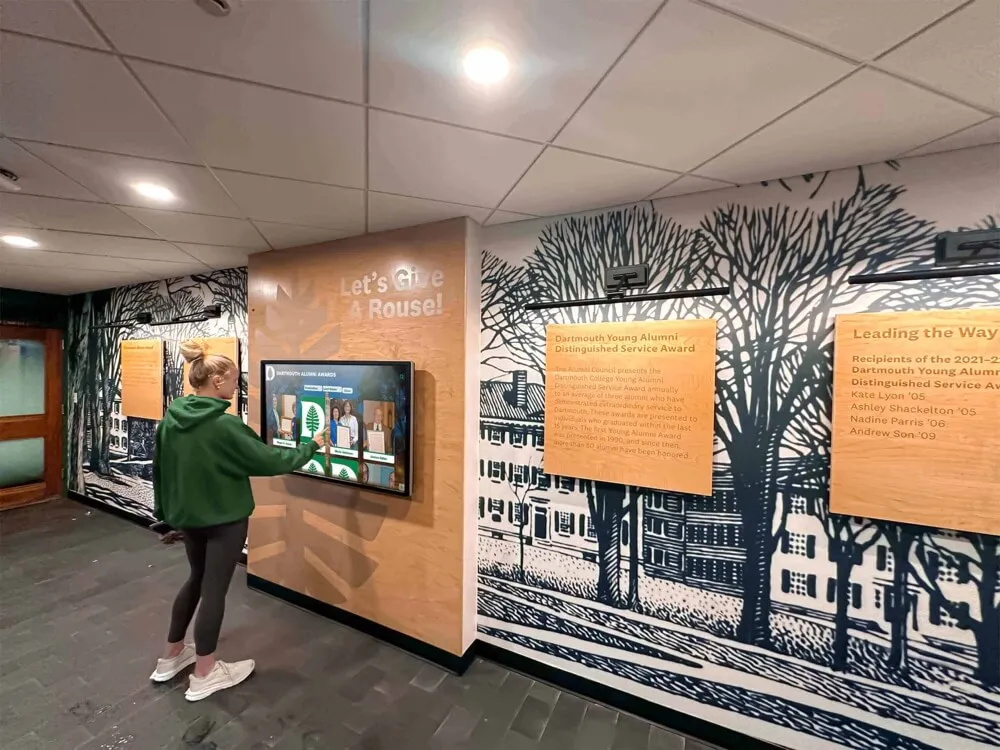
Touchscreen displays enable intuitive exploration of digitized yearbook collections, creating engaging experiences during campus visits and community events
Content Presentation and Interface Design
Effective touchscreen implementations provide intuitive navigation by year and decade, search functionality by name, sport, or activity, featured content highlighting notable alumni or achievements, timeline views showing school evolution, and random “throwback” features surfacing unexpected historical moments.
Quality display systems from providers like Rocket Alumni Solutions integrate yearbook archives with other recognition content, creating comprehensive institutional storytelling environments rather than isolated historical exhibits.
Launch Marketing and Community Engagement
Successfully digitized yearbooks require promotion to maximize community awareness and engagement:
Alumni Announcement Campaigns
Inform alumni about newly accessible yearbook archives through email campaigns to alumni database, social media posts with sample yearbook pages, local media outreach and press releases, homecoming and reunion event promotion, and direct outreach to class representatives and volunteers.
Frame announcements around emotional reconnection and rediscovery rather than just technical availability—“Rediscover Your High School Memories” resonates far more effectively than “Yearbook Digitization Project Complete.”
Current Student Engagement
Help current students understand school history through classroom integration of yearbook research projects, assembly presentations featuring historical content, social media campaigns comparing past and present, and student government initiatives exploring institutional traditions.
Schools implementing student leadership programs find historical yearbooks provide powerful context for understanding school values and expectations.
Ongoing Content Features
Maintain engagement after initial launch through weekly “Throwback Thursday” social media posts featuring yearbook pages, alumni spotlight features with yearbook photos, athletic throwbacks celebrating historical championships, and anniversary commemorations highlighting specific years or events.
Consistent content keeps communities returning to digital archives while demonstrating institutional commitment to preserving and celebrating history.
Measuring Success and Impact
Tracking meaningful metrics demonstrates yearbook digitization value and justifies ongoing investments:
Engagement Analytics
Monitor platform usage through unique visitor counts and session durations, search queries and popular terms, most-viewed yearbooks and pages, geographic distribution of users, and return visitor rates showing sustained engagement.
Schools typically observe initial launch spikes followed by sustained baseline engagement punctuated by increases during reunion seasons, homecoming weekends, and after promotional campaigns.
Alumni Relations Impact
Development and advancement teams should track correlations between digital yearbook engagement and alumni event attendance changes, annual giving participation rates, volunteer recruitment success, and social media follower growth and engagement.
While direct attribution proves challenging, schools consistently report that digitized yearbook initiatives correlate with improved alumni relations metrics across multiple measures.
Institutional Benefits
Broader institutional impacts include enhanced campus visit experiences improving admissions yield, media attention and community goodwill from preservation initiatives, volunteer engagement in ongoing digitization efforts, and historical resources supporting accreditation processes.
These qualitative benefits often exceed quantitative metrics in demonstrating overall program value to school communities and leadership.
Common Challenges and Solutions
Schools implementing yearbook scanning projects encounter predictable obstacles with proven solutions:
Managing Missing Yearbooks
Borrowing from Alumni and Community
Most schools discover their institutional collections contain gaps—years missing or individual copies too damaged for scanning. Alumni often possess personal yearbooks filling these gaps and willingly loan them temporarily for scanning when schools make formal requests.
Create awareness campaigns asking alumni to report which yearbooks they have available. Many graduates happily contribute to preservation efforts when presented with clear processes for temporary loans with guaranteed return.
Archival Substitutes and Incomplete Collections
When specific yearbooks cannot be located despite extensive outreach, document these gaps transparently in digital archives. Some schools create partial content from related materials—newspaper clippings, athletic programs, photographs from school files—acknowledging these represent incomplete substitutes for actual yearbooks.
Transparent documentation often prompts alumni possessing missing yearbooks to come forward, gradually completing collections over time.
Budgeting for Comprehensive Projects
Phased Implementation Approaches
Schools lacking budgets for complete collection scanning implement multi-year phased approaches—prioritizing specific eras based on upcoming reunions or anniversaries, starting with most fragile yearbooks at highest damage risk, beginning with most recent decades having highest alumni engagement, or focusing on years with notable achievements or championships.
Phased approaches provide early wins demonstrating value while spreading costs across multiple budget cycles.
Fundraising and Sponsorship
Many schools successfully fund yearbook digitization through dedicated fundraising campaigns where alumni contribute specifically for preservation projects, class-specific initiatives where reunion classes fund scanning their graduation years, local business sponsorships receiving recognition in digital archives, and grant applications to historical preservation organizations.
Donor recognition strategies can integrate yearbook digitization supporters into broader institutional recognition programs.
Maintaining Long-Term Accessibility
Platform Sustainability Planning
Digital platforms evolve and vendors occasionally discontinue services. Schools should maintain master file copies independent of any specific platform, establish regular backup protocols preventing data loss, evaluate platform health and vendor stability annually, and plan for eventual migration to new systems.
Treating digitized yearbooks as permanent institutional assets requiring active stewardship prevents future accessibility loss after initial scanning investments.
Ongoing Expansion and Updates
Yearbook digitization isn’t one-time projects—schools continue creating new yearbooks requiring addition to digital archives. Establish sustainable processes for annual scanning and addition, budget line items for ongoing digitization services, staff responsibilities for archive maintenance, and periodic review of access and engagement levels.
Successful programs become permanent institutional practices rather than temporary initiatives.
Best Practices for School Yearbook Digitization
Schools achieving greatest success with yearbook scanning initiatives consistently follow several key practices:
Start with Strategic Planning
Before contacting scanning vendors, clarify project goals and priorities—which yearbooks most urgently need preservation, who should have access to digitized content, what budget is realistically available, when archives should launch to align with events or campaigns, and how success will be measured.
Clear planning focuses projects and helps vendors provide appropriate service recommendations rather than generic proposals.
Prioritize Quality Over Speed
Rushed digitization projects compromise quality in ways that cannot be easily corrected later. Investing extra time ensuring proper scanning resolution, accurate OCR processing, and thoughtful metadata creation produces dramatically better long-term results than cutting corners to meet artificial deadlines.
Remember that digitized yearbooks should serve communities for decades or centuries—quality investments in proper execution provide value far exceeding short-term cost savings from rushed approaches.
Engage Communities in Preservation
Yearbook digitization provides opportunities for meaningful stakeholder engagement. Consider volunteer opportunities for alumni to help identify people in photos, contribute metadata about activities and events, loan missing yearbooks from personal collections, and share stories enriching bare yearbook documentation.
This community involvement increases both project quality and stakeholder emotional investment in outcomes.
Integrate with Broader Recognition Systems
Yearbook archives provide greatest value when integrated with comprehensive recognition environments rather than existing as isolated historical exhibits. Schools implementing digital hall of fame systems should ensure yearbook content integrates seamlessly with current achievement recognition, creating cohesive storytelling environments spanning institutional history.
Maintain Ongoing Commitment
The most successful yearbook digitization initiatives evolve into permanent institutional practices rather than one-time projects. Establish processes ensuring new yearbooks get added annually, archives remain accessible through platform maintenance and updates, communities stay aware through ongoing promotion, and digital preservation receives sustained budget support.
This long-term perspective maximizes return on initial scanning investments while building archives that grow more valuable with each passing year.
Conclusion: Preserving School Heritage for Future Generations
Professional yearbook scanning services offer schools practical, affordable pathways to permanently preserve irreplaceable historical records while creating engaging resources that strengthen alumni relations, enhance institutional pride, and document community heritage for future generations. The deteriorating yearbooks sitting in school storage rooms today represent the last chance to capture institutional memories before they’re lost forever—but modern digitization technology makes comprehensive preservation accessible to schools of every size and budget level.
Schools investing in quality yearbook digitization consistently report that communities rediscover emotional connections to institutional history, alumni engagement increases substantially across multiple metrics, development initiatives benefit from enhanced historical storytelling, and current students develop deeper appreciation for school traditions and values when given accessible windows into institutional heritage.
The question facing school leaders isn’t whether to digitize yearbook collections—the steady deterioration of physical materials makes some form of preservation essential for any institution serious about protecting its history. Rather, the question is whether to act now while professional services can still work with original materials in scannable condition, or to delay until further deterioration makes comprehensive preservation impossible.
Ready to explore how professional yearbook scanning and digital display solutions can help your school preserve its heritage while engaging current and future communities? Rocket Alumni Solutions provides comprehensive services from digitization through interactive touchscreen implementations that bring school history to life in lobbies, athletic facilities, and alumni centers. Contact us to discuss how we can help protect your school’s irreplaceable memories while creating engaging recognition environments that celebrate institutional heritage and achievements across generations.