School history, shared
Yearbook Photo Copyright Rules: What Schools Need to Know Before Using Old Photos in Digital Displays
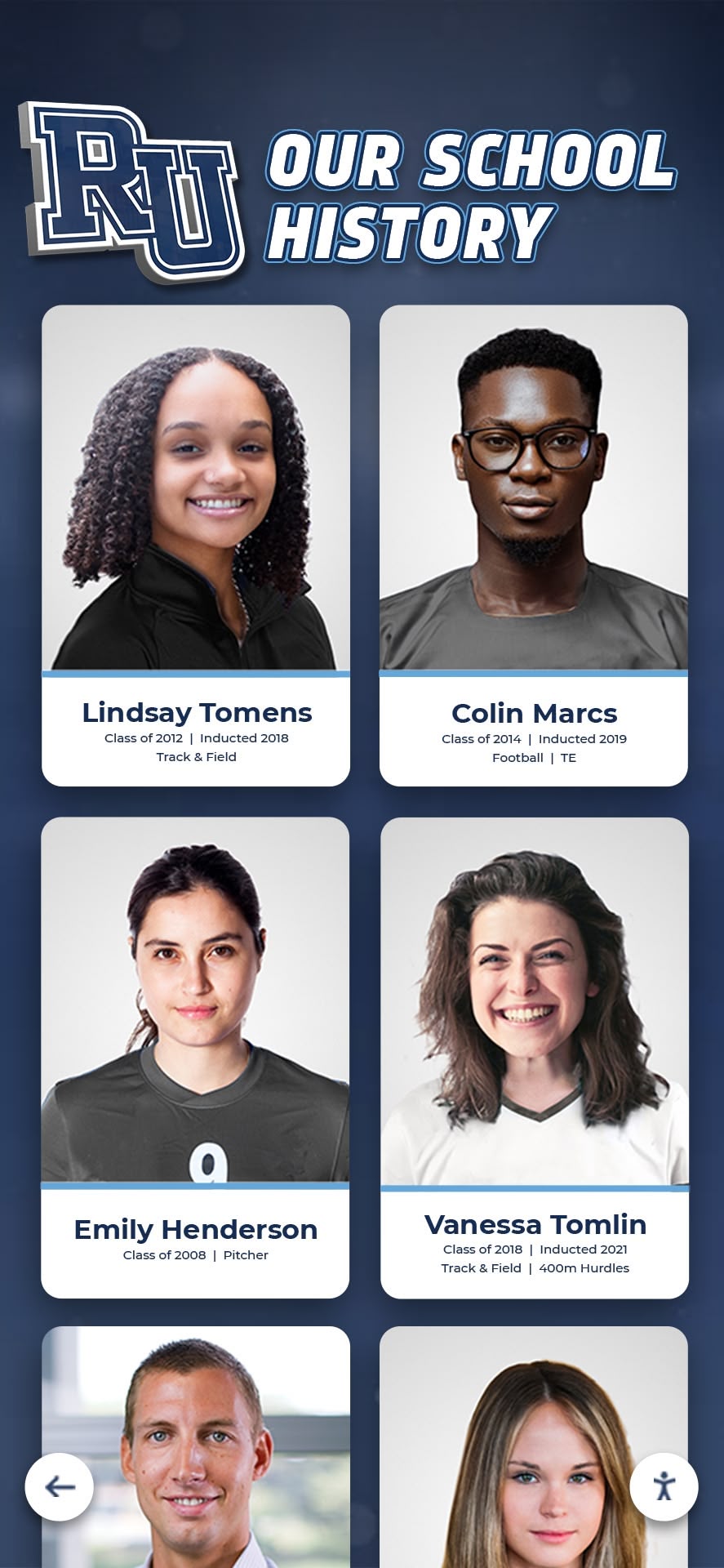
School yearbooks contain decades of institutional memories captured in thousands of student photographs, team portraits, candid snapshots, and event documentation. As schools increasingly digitize these historical collections for interactive touchscreen displays, web-accessible archives, and recognition installations, complex copyright and privacy questions emerge requiring careful attention before republishing yearbook content in modern formats.
Whether you’re an administrator planning a digital hall of fame, an archivist digitizing historical yearbook collections, an athletic director creating touchscreen team history displays, or a technology coordinator implementing interactive recognition systems, understanding copyright frameworks governing yearbook photo usage protects your institution from legal risk while respecting photographer rights and student privacy.
This comprehensive guide clarifies yearbook photo copyright rules specifically for educational institutions, addressing who owns yearbook photographs, when schools can legally use yearbook images in digital displays, how copyright duration affects historical photos, what privacy considerations apply beyond copyright law, and practical frameworks for compliant digital yearbook implementation.
Understanding Copyright Basics for Yearbook Photos
Copyright law establishes legal frameworks governing creative works including photographs. Before using yearbook photos in digital displays, schools must understand fundamental copyright principles determining usage rights.
What Copyright Protects
Copyright grants creators exclusive rights to reproduce their work, create derivative works, distribute copies to the public, display work publicly, and perform work publicly (for applicable media). These protections apply automatically upon creation—no registration required, though registration strengthens enforcement options.
For yearbook photographs, copyright protection means that taking someone else’s photo and displaying it publicly without permission constitutes potential infringement regardless of whether you credit the photographer or use the image for nonprofit educational purposes.
Common Copyright Misconceptions
Many schools operate under dangerous false assumptions about copyright:
- Misconception: “We can use anything for educational purposes.” Reality: Educational fair use exists but applies narrowly and doesn’t blanket-authorize all educational uses.
- Misconception: “Old photos aren’t protected anymore.” Reality: Copyright duration extends decades—works created after 1928 remain protected in most cases.
- Misconception: “We purchased the yearbook so we own the photos.” Reality: Buying a copy grants no reproduction rights beyond personal use.
- Misconception: “No copyright notice means public domain.” Reality: Copyright notice hasn’t been required since 1989; lack of notice doesn’t eliminate protection.
- Misconception: “Nonprofit use is always okay.” Reality: Nonprofit status doesn’t exempt organizations from copyright law.
Understanding these realities prevents schools from implementing digital displays based on incorrect legal assumptions that could trigger expensive infringement claims.

Modern digital displays showcase historical yearbook photos requiring careful copyright analysis ensuring legal compliance
Who Owns Yearbook Photo Copyrights?
Copyright ownership for yearbook photographs varies based on creation circumstances and contractual agreements.
School-Employed Photographers
When schools employ staff photographers creating yearbook images as part of job responsibilities, “work for hire” doctrine typically assigns copyright ownership to the school employer rather than the individual photographer. This arrangement gives schools broad authority to use photos across multiple applications including digital displays without seeking additional permissions.
Documentation confirming work-for-hire status proves valuable if questions arise. Employment contracts should clearly specify that photographic work product belongs to the school.
Contracted Yearbook Photography Companies
Many schools contract with specialized yearbook photography companies (Lifetouch, Inter-State Studio, Strawbridge Studios, etc.) handling portrait photography, event coverage, and yearbook production. Copyright ownership in these relationships depends entirely on contract terms.
Common arrangements include:
- Company retains copyright: Photography company owns images and licenses limited usage rights to schools, typically restricted to yearbook publication only
- School receives full copyright: Contracts transfer complete copyright ownership to schools enabling unrestricted future use
- Shared or split copyright: Hybrid arrangements where both parties maintain certain usage rights
- Limited license with buyout option: Schools receive yearbook-only rights initially but can purchase broader rights for additional fees
Schools planning digital displays must review historical contracts determining whether existing agreements authorize reusing yearbook photos in new digital formats beyond original print yearbooks.
Student and Parent Contributors
Yearbooks sometimes include photographs submitted by students, parents, or community members documenting activities, candid moments, or special events. Unless schools obtained copyright assignments or appropriate releases, these contributor-owned photos require permission for digital republication.
Best practice: Implement photo submission policies explicitly transferring usage rights or securing broad licenses covering all school-controlled media including future digital platforms.
Professional Photographers and News Media
Yearbooks occasionally incorporate images from professional photographers covering events or licensed photos from news organizations. These third-party copyrights require careful attention—schools almost certainly don’t own these images and need permission for digital display use.
Review yearbooks carefully identifying any professionally credited images requiring rights clearance before digital republication.
Copyright Duration: When Yearbook Photos Enter Public Domain
Understanding copyright duration determines which historical yearbook photos require permission versus those schools can use freely.
U.S. Copyright Duration Rules
Copyright duration in the United States follows complex rules varying by publication date:
Photos Published Before 1928
Works published before January 1, 1928, have entered the public domain in the United States. Schools can freely use yearbook photos from this era without permission or copyright concerns.
For most schools, this covers yearbooks from founding through the late 1920s—creating safe opportunities for historical recognition displays featuring earliest institutional periods.
Photos Published 1928-1963
Works published during this period received 28-year initial copyright terms with the option to renew for additional protection. Many copyrights from this era expired when owners failed to file renewal paperwork, causing these works to enter the public domain.
Determining public domain status for 1928-1963 yearbook photos requires researching copyright renewal records. The U.S. Copyright Office’s online catalog provides renewal records, though searching proves time-consuming. Schools facing complex historical collections may consult copyright specialists performing these searches.
As practical guidance: assume photos from this period remain protected unless you’ve confirmed non-renewal through record searches.
Photos Published 1964-1977
Copyright law changes automatically renewed copyrights for works published during this period. These photos remain protected for 95 years from publication date.
For example, a yearbook published in 1970 remains copyright-protected until January 1, 2066.
Photos Published 1978-Present
Works created after January 1, 1978, receive copyright protection lasting 95 years from publication for works made for hire (typical for yearbook photos created by school employees or contractors).
This means yearbooks published in 1990 remain protected until 2086—far beyond current planning horizons for schools implementing digital displays.
Practical Timeline Reference
Definitely Public Domain
- Pre-1928 yearbooks: Freely usable
Possibly Public Domain (Research Required)
- 1928-1963 yearbooks: Check copyright renewal records
Definitely Protected
- 1964 and newer yearbooks: Protected for 95 years from publication
Schools focusing digital displays on very old historical yearbooks (pre-1928) operate in safe legal territory, while those showcasing more recent decades must address copyright carefully.
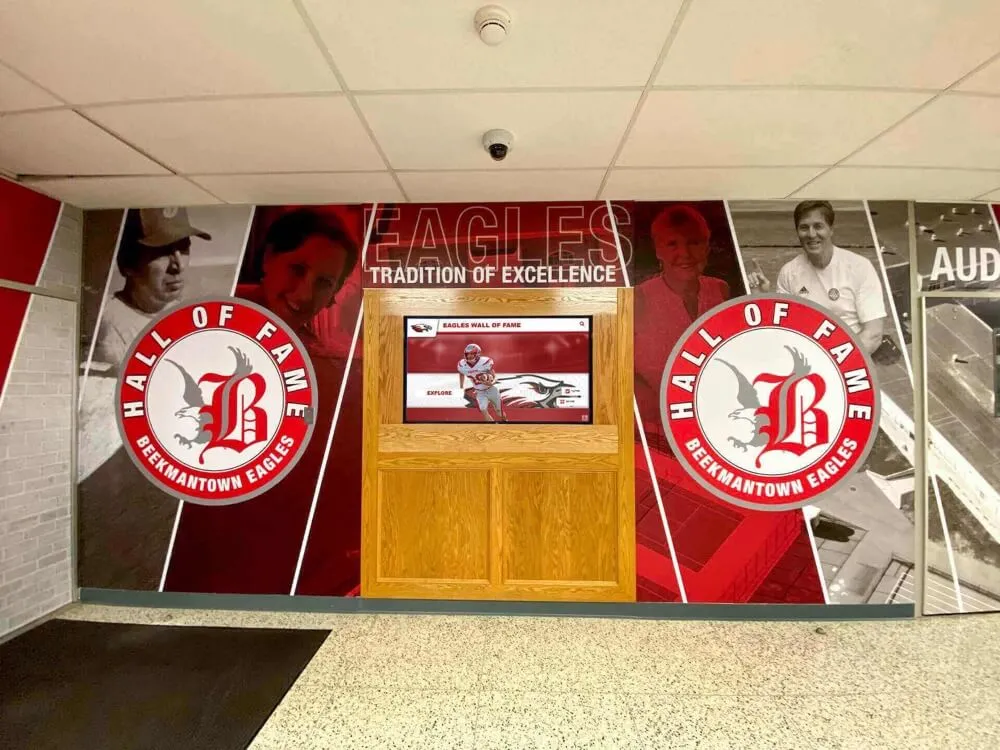
Interactive [digital displays](https://touchhalloffame.us/blog/academic-student-of-the-month-digital-display/?utm_source=organic&utm_medium=seo-auto&utm_content=digitalyearbook&utm_campaign=yearbook-photo-copyright-rules-for-schools&utm_term=seo) showcase yearbook photos within legal frameworks protecting copyright holders
When Schools Can Use Protected Yearbook Photos
Even when yearbook photos remain copyright-protected, several legal frameworks may authorize schools to use them in digital displays.
School Copyright Ownership
The clearest path to legal usage: demonstrating that your school owns the copyrights to yearbook photos you want to display digitally.
Reviewing Historical Documentation
Examine the following sources determining copyright ownership:
- Yearbook copyright notices: Most yearbooks include copyright statements on opening pages identifying copyright owners
- Photography contracts: Historical agreements with yearbook photography companies specifying ownership and licensing terms
- Employment records: Documentation showing photographers created images as school employees
- Yearbook committee records: Historical files potentially containing photo submission agreements or contributor releases
- District policies: Board policies or administrative procedures addressing intellectual property ownership
When documentation confirms school ownership, proceed confidently with digital display implementation. Archive this documentation defending usage rights if questions arise.
Gaps in Historical Records
Many schools lack complete historical documentation, particularly for older yearbooks. Missing contracts and unclear ownership create uncertainty requiring risk assessment.
Consider these factors:
- Age of photos: Older images carry lower infringement risk due to difficulty identifying copyright holders and lower likelihood of objections
- Potential damages: Educational use of old yearbook photos typically presents minimal commercial harm reducing potential damages if infringement occurred
- Reasonable assumptions: If yearbooks contain school copyright notices and circumstances suggest school ownership, reasonable good-faith beliefs may reduce risk
- Ability to remove: Digital platforms allow quick removal if copyright claims emerge, unlike permanent physical installations
While uncertainty creates some risk, many schools proceed with digital displays of historical yearbook photos under reasonable ownership assumptions while maintaining willingness to address any emerging concerns.
Fair Use Considerations
Fair use doctrine permits limited copyright material usage without permission for purposes including criticism, comment, news reporting, teaching, scholarship, and research. However, fair use application to digital yearbook displays requires careful analysis.
Fair Use Four-Factor Test
Courts evaluate fair use through four statutory factors:
Factor 1: Purpose and Character of Use
Educational, nonprofit purposes favor fair use, but this factor alone doesn’t guarantee protection. Transformative uses (adding new meaning or purpose to original work) receive stronger fair use protection than simply republishing work in new formats.
Digital yearbook displays that simply reproduce original photos in new formats likely receive minimal transformative credit. Displays incorporating photos into educational historical timelines, analytical commentary, or substantially repurposed contexts claim stronger transformative arguments.
Factor 2: Nature of Copyrighted Work
Using published, factual works favors fair use more than unpublished or highly creative works. Yearbook photos, while creative, are published and documentary in nature—neutral to slightly favorable for fair use.
Factor 3: Amount and Substantiality Used
Fair use typically involves using only portions necessary for stated purposes. Digital displays reproducing entire yearbook photos use substantial portions weighing against fair use.
However, photographs present unique challenges—using partial photos often destroys their utility. Courts sometimes recognize that complete photograph reproduction may be necessary for legitimate purposes.
Factor 4: Effect on Market Value
Uses harming copyright holders’ potential markets weigh heavily against fair use. Digital yearbook displays generally don’t compete with any existing or potential markets for decades-old yearbook photos, favoring fair use arguments.
Fair Use Conclusion for Schools
Fair use provides defensible but not ironclad justification for digital yearbook displays, particularly when:
- Displays serve clear educational purposes documenting institutional history
- Photos are old enough that commercial markets are essentially nonexistent
- Usage doesn’t prevent copyright holders from exploiting potential markets
- Implementation includes proper attribution crediting photographers when known
Fair use involves legal uncertainty—no bright-line rules guarantee protection. Risk-averse schools seek explicit permissions while others proceed under fair use rationale accepting minimal remaining risk.
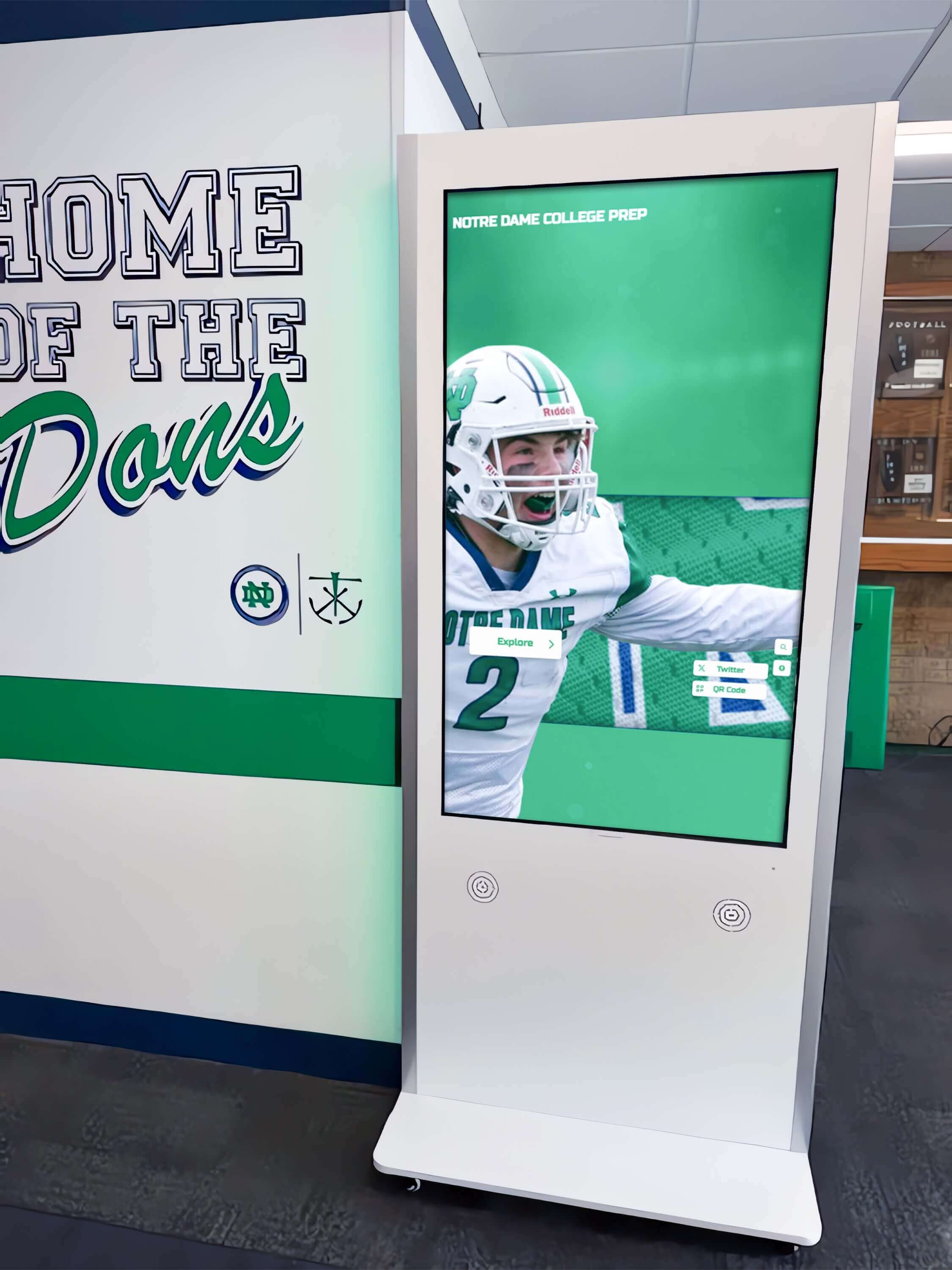
Schools implementing comprehensive [recognition programs](https://donordisplay.com/blog/_index/?utm_source=organic&utm_medium=seo-auto&utm_content=digitalyearbook&utm_campaign=yearbook-photo-copyright-rules-for-schools&utm_term=seo) navigate copyright frameworks protecting historical yearbook photos
Seeking Photographer Permissions
When copyright ownership remains unclear and schools want maximum legal certainty, seeking photographer permissions provides the clearest path forward.
Identifying Copyright Holders
For yearbooks created by commercial photography companies, contacting current company representatives often establishes whether they claim copyright and what permissions they’ll grant. Many companies provide reasonable permission for educational historical displays given that decades-old yearbook photos have minimal commercial value.
For school-employed photographers from earlier eras, tracking down individuals or their estates proves more challenging but sometimes achievable through:
- Alumni databases and school records
- Professional photographer associations
- Social media searches and genealogy platforms
- Retirement system records for former employees
- Obituary searches and probate records for deceased photographers
Permission Request Approaches
When contacting potential copyright holders, frame requests emphasizing:
- Educational and nonprofit nature of intended use
- Historical preservation and institutional memory goals
- Limited commercial value of decades-old photos
- Willingness to provide prominent photographer credit
- Ability to remove photos if concerns arise
Many photographers prove cooperative when approached respectfully, particularly for educational historical purposes celebrating their work.
Documenting Permissions
Obtain written permission (email acceptable) specifying:
- Scope of permitted use (digital displays, web platforms, social media, etc.)
- Duration of permission (perpetual preferred)
- Attribution requirements
- Any restrictions or conditions
- Confirmation of copyright holder’s authority to grant permission
Archive permission documentation defending usage rights against future challenges.
Privacy Rights Beyond Copyright: FERPA and Student Photos
Copyright addresses photographer rights—but student privacy presents separate legal considerations schools must navigate when displaying yearbook photos digitally.
Understanding FERPA Application to Yearbook Photos
The Family Educational Rights and Privacy Act (FERPA) protects student education records from unauthorized disclosure. However, FERPA’s scope regarding yearbook photos requires nuanced understanding.
Directory Information Exception
FERPA regulations permit schools to disclose “directory information” without student consent including names, photographs, honors and awards, and participation in school activities—exactly the content appearing in yearbooks.
This directory information exception generally authorizes yearbook photo publication, including digital formats, as long as schools:
- Include photos and related information in their official directory information designation
- Provide annual notice to parents/students about directory information practices
- Allow opt-out opportunities for families requesting privacy
- Respect opt-out requests by withholding designated students’ information
Most schools already comply with these requirements for print yearbook publication and can extend existing frameworks to digital displays.
Graduated Students
FERPA protections transfer to students at age 18 or upon attending postsecondary institutions. For historical yearbook photos showing now-adult former students, FERPA concerns diminish significantly since depicted individuals are no longer current students protected by educational records privacy.
However, consider providing opt-out mechanisms allowing alumni to request photo removal from digital displays if privacy concerns exist.
Photos in Educational Records
FERPA distinguishes between directory information and actual educational records. Class rosters, grade reports, disciplinary records, and similar confidential information receive stronger protection than directory information photos.
Ensure digital yearbook displays don’t inadvertently include educational record information beyond photos, names, activities, and honors that qualify as permissible directory information.
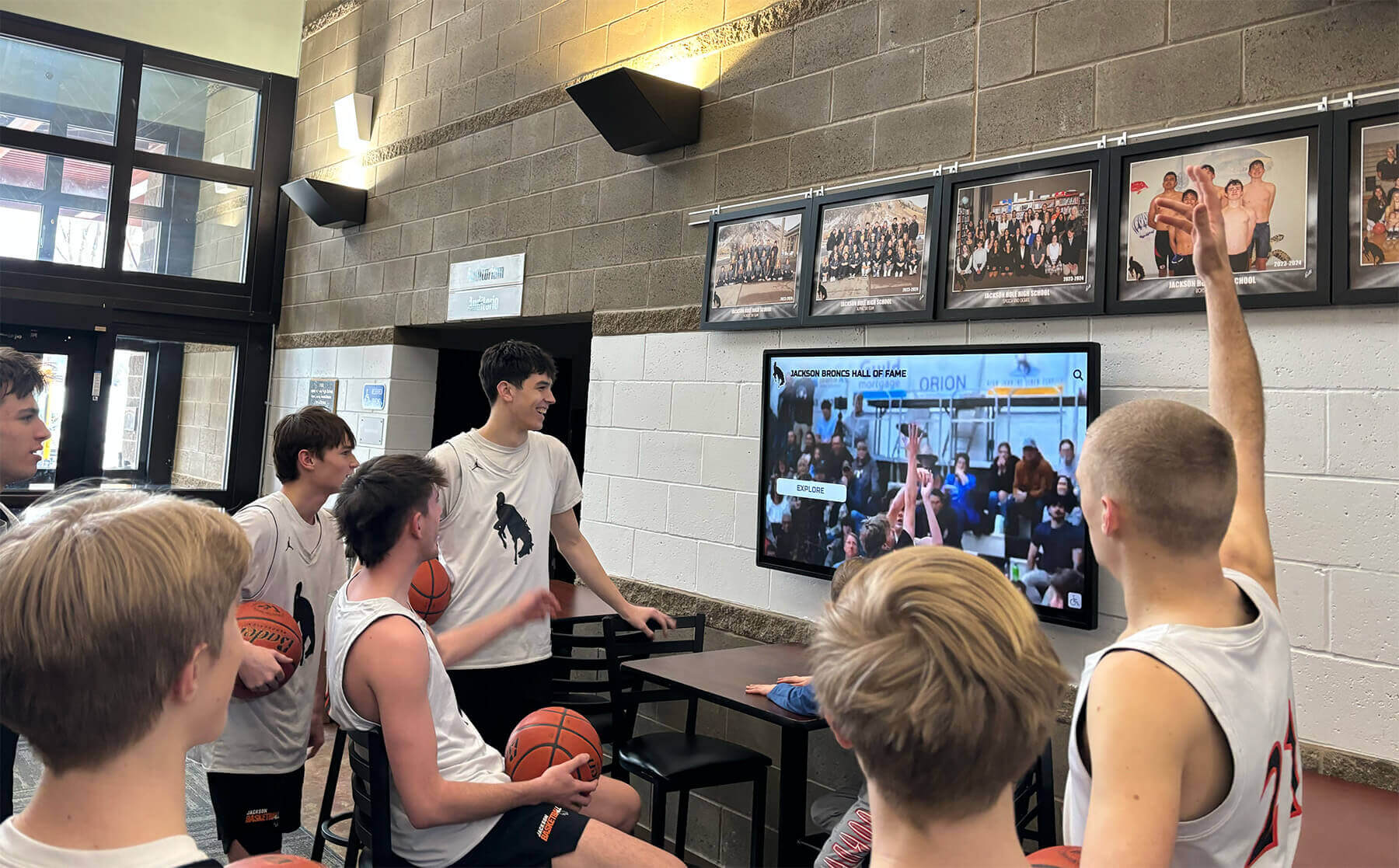
Digital yearbook platforms balance celebrating institutional history with protecting student privacy rights
Additional Privacy Considerations
State Privacy Laws
Some states have student privacy laws extending beyond FERPA requirements. California’s Student Online Personal Information Protection Act (SOPIPA) and similar state laws may impose additional obligations for online platforms displaying student information.
Review applicable state laws determining whether additional privacy protections apply to digital yearbook implementations.
Reasonable Privacy Expectations
Beyond legal requirements, schools should consider whether digital republication of old yearbook photos respects reasonable privacy expectations:
- Photos showing potentially embarrassing or sensitive situations
- Students with known privacy concerns or safety risks
- Images that might be weaponized for bullying or harassment
- Photos of students who later became public figures wanting to control their image
Implementing content review processes identifies potentially problematic photos deserving removal even when legal authority exists to display them.
Implementing Privacy-Protective Practices
Opt-Out Mechanisms
Provide clear processes allowing students, alumni, or family members to request photo removal:
- Publish opt-out instructions on digital platforms
- Respond promptly to removal requests (within 5-10 business days)
- Don’t require extensive justification—honor requests respectfully
- Document opt-out requests and actions taken
- Periodically review whether denied requests should be reconsidered
Authentication and Access Controls
Some schools limit digital yearbook access to authenticated users:
- Requiring alumni email verification or school credentials
- Limiting web access to known community members
- Implementing password protection for sensitive content
- Balancing openness with privacy protection
While public yearbook access typically falls within legal bounds, authentication provides additional privacy protection for schools with heightened concerns.
Comprehensive Privacy Policies
Publish clear privacy policies explaining:
- What yearbook content appears in digital displays
- Legal bases for publishing historical photos
- Opt-out procedures and timelines
- Data collection practices (if digital platforms track usage)
- Contact information for privacy questions
- Periodic policy review and update processes
Transparent privacy practices build trust with school communities while demonstrating compliance commitment.
Practical Implementation Framework for Schools
Schools navigating yearbook photo copyright and privacy rules need systematic frameworks translating legal principles into actionable compliance strategies.
Step 1: Inventory Your Yearbook Collection
Begin by cataloging yearbooks you intend to digitize or display:
Collection Assessment
- Years covered by your yearbook collection
- Physical condition and completeness of volumes
- Copyright notices appearing in each yearbook
- Known photography sources (school employees, commercial companies, contributors)
- Existing digitized content versus requiring new scanning
Risk Classification
Categorize yearbooks by legal risk level:
- Low risk: Pre-1928 yearbooks (public domain)
- Medium risk: School-owned copyrights with clear documentation
- Higher risk: Commercial photography company contracts with uncertain terms
- Highest risk: Significant third-party contributed content without releases
Prioritize implementation starting with lower-risk content while addressing higher-risk material through research and permissions.
Step 2: Research Copyright Ownership
Conduct thorough investigation establishing copyright status:
Documentation Review
- Pull historical yearbook committee files
- Review board policies addressing intellectual property
- Contact district legal counsel accessing archived contracts
- Examine employment agreements with staff photographers
- Search yearbooks themselves for copyright notices and photographer credits
External Research
- Contact historical yearbook photography companies requesting contract copies
- Search copyright office records for renewal documentation (1928-1963 yearbooks)
- Interview retired staff who may remember historical practices
- Review local newspaper archives identifying professional photographer sources
Document findings systematically, creating copyright status summaries for each yearbook or date range.
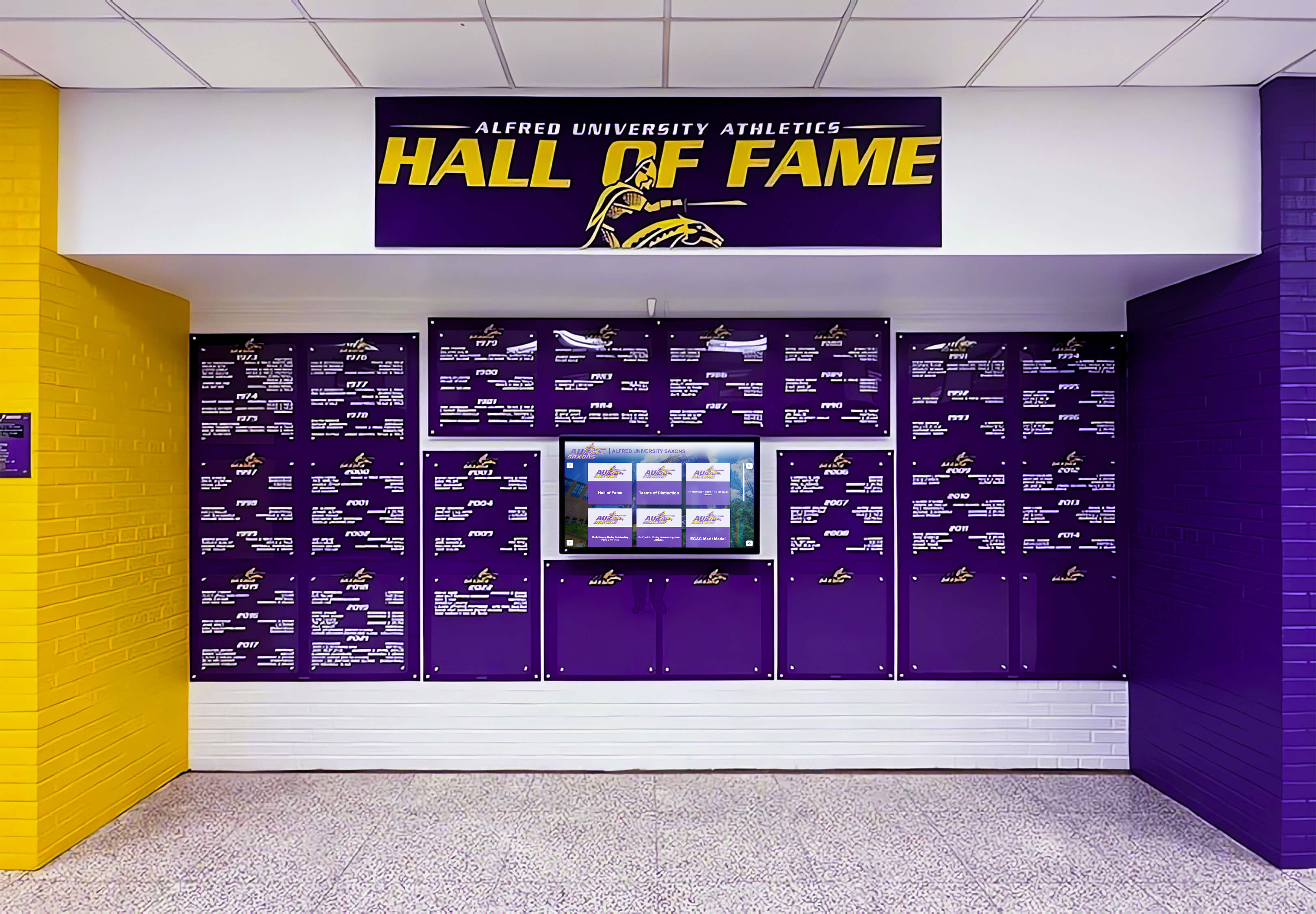
Comprehensive copyright research enables schools to implement [digital recognition systems](https://halloffame-online.com/blog/10-best-hall-of-fame-tools/?utm_source=organic&utm_medium=seo-auto&utm_content=digitalyearbook&utm_campaign=yearbook-photo-copyright-rules-for-schools&utm_term=seo) celebrating institutional history legally
Step 3: Develop Rights Clearance Strategy
Based on research findings, determine how to secure necessary rights:
For School-Owned Copyrights
- Document ownership evidence in project files
- Proceed with digitization and display implementation
- Maintain records defending usage rights
For Commercial Photography Copyrights
- Contact current company representatives requesting permission
- Negotiate licensing agreements if companies require formal arrangements
- Evaluate whether companies reasonably claim ongoing rights to decades-old work
- Consider fair use arguments if permissions prove unattainable and use serves clear educational purposes
For Unknown or Uncertain Ownership
- Assess risk level based on photo age, intended use, and potential harm
- Consider proceeding under fair use rationale
- Implement clear attribution when photographer identity is known
- Establish responsive takedown procedures addressing any complaints
- Consult legal counsel for particularly valuable or risky implementations
Step 4: Implement Privacy Protections
Ensure FERPA compliance and respect privacy expectations:
Directory Information Compliance
- Review current directory information notices ensuring photos are included
- Verify opt-out processes exist and function properly
- Check whether historical opt-out requests apply to digital displays
- Update privacy notices specifically mentioning digital platforms
Content Review
- Screen yearbook content identifying potentially sensitive photos
- Remove or blur images raising privacy concerns
- Create editorial guidelines for consistent decision-making
- Establish review committees including administrators, counselors, and legal representatives
Opt-Out Implementation
- Create simple online forms accepting removal requests
- Publish opt-out instructions prominently on digital platforms
- Develop response workflows ensuring timely action
- Train staff handling privacy requests
- Monitor request volumes identifying systematic concerns
Step 5: Select Appropriate Digital Platforms
Choose technology solutions supporting legal compliance:
Platform Requirements for Compliance
- Quick content removal capabilities: Respond rapidly to copyright or privacy concerns
- Access controls: Implement authentication if limiting audience
- Attribution features: Credit photographers appropriately
- Usage analytics: Track who accesses content and how
- Backup and archiving: Maintain documentation of displayed content
- Terms of use: Clearly communicate acceptable use policies
Vendor Due Diligence
When working with digital display or yearbook platform providers, verify:
- Their understanding of copyright and privacy obligations
- Whether terms of service inappropriately claim rights to your content
- Compliance with applicable data privacy regulations
- Willingness to support opt-out and removal requests
- Security practices protecting student information
Platforms like Rocket Alumni Solutions purpose-built for educational recognition provide compliance-supportive features including content management flexibility, privacy controls, and responsive customer support addressing concerns.
Step 6: Document Your Compliance Program
Create comprehensive documentation demonstrating good-faith compliance efforts:
Compliance Records
- Copyright research findings and ownership determinations
- Permission requests sent and responses received
- Fair use analyses for contested content
- Privacy policy publications and updates
- Staff training materials on copyright and privacy
- Opt-out requests and resolution actions
- Vendor contracts and service agreements
Policies and Procedures
Develop written policies addressing:
- Criteria for including yearbook photos in digital displays
- Review and approval processes for sensitive content
- Response procedures for copyright complaints
- Privacy protection practices and opt-out handling
- Staff responsibilities and training requirements
- Periodic compliance reviews and updates
Documentation demonstrates institutional commitment to legal compliance, potentially reducing liability if disputes arise.
Common Scenarios and Practical Guidance
Real-world yearbook photo usage situations require applying legal frameworks to specific contexts.
Scenario 1: Digital Hall of Fame Using Historical Team Photos
Situation: Athletic director wants to create interactive touchscreen display showcasing championship teams from 1950s through present using team photos from yearbooks.
Copyright Analysis:
- 1950s photos: Check copyright renewal records; possibly public domain
- 1960s-present: Likely protected; research copyright ownership
- Contact historical yearbook photography companies requesting permissions
- If school employed photographers, assert work-for-hire ownership
- Consider fair use for educational historical display purpose
Privacy Analysis:
- Former students (now adults): FERPA concerns minimal
- Implement opt-out allowing alumni to request removal
- Review photos for potentially sensitive content
- Provide attribution when photographers known
Recommended Approach: Proceed with implementation while conducting ongoing research documenting compliance efforts. Start with older content presenting lower risk while clarifying rights for more recent photos.
Scenario 2: Web-Accessible Searchable Yearbook Archive
Situation: School wants to scan complete yearbook collection creating searchable online database accessible to public worldwide.
Copyright Analysis:
- Public access increases copyright scrutiny versus limited campus displays
- Fair use arguments weaken with broad public accessibility
- Securing permissions becomes more important
- Consider authentication limiting access to alumni community
Privacy Analysis:
- Public web access raises privacy concerns more than campus-only displays
- Implement robust opt-out mechanisms
- Consider restricting certain sensitive content
- Publish clear privacy policies and terms of use
Recommended Approach: Prioritize securing copyright permissions given public access scope. Implement strong privacy protections including authentication requirements and responsive opt-out processes. Consider phased approach starting with authenticated access before potentially expanding to fully public.
Scenario 3: Social Media Posts Featuring Yearbook Throwbacks
Situation: Communications office wants to post historical yearbook photos on school social media celebrating “Throwback Thursdays.”
Copyright Analysis:
- Social media use creates broad public distribution
- Limited excerpt nature (single photos from larger yearbooks) potentially supports fair use
- Transformative commentary or educational context strengthens fair use
- High-visibility use increases infringement risk if copyright holders object
Privacy Analysis:
- Public social media raises significant privacy considerations
- Alumni may object to photos appearing in feeds without consent
- Tagged individuals may face unwanted attention
- Consider age and sensitivity of depicted content
Recommended Approach: Seek explicit permissions from copyright holders for this specific use. Avoid posting photos of identifiable students without reviewing privacy policies and considering reasonable expectations. Provide clear opt-out communications allowing individuals to request content removal. Frame posts with educational or historical context supporting fair use arguments.
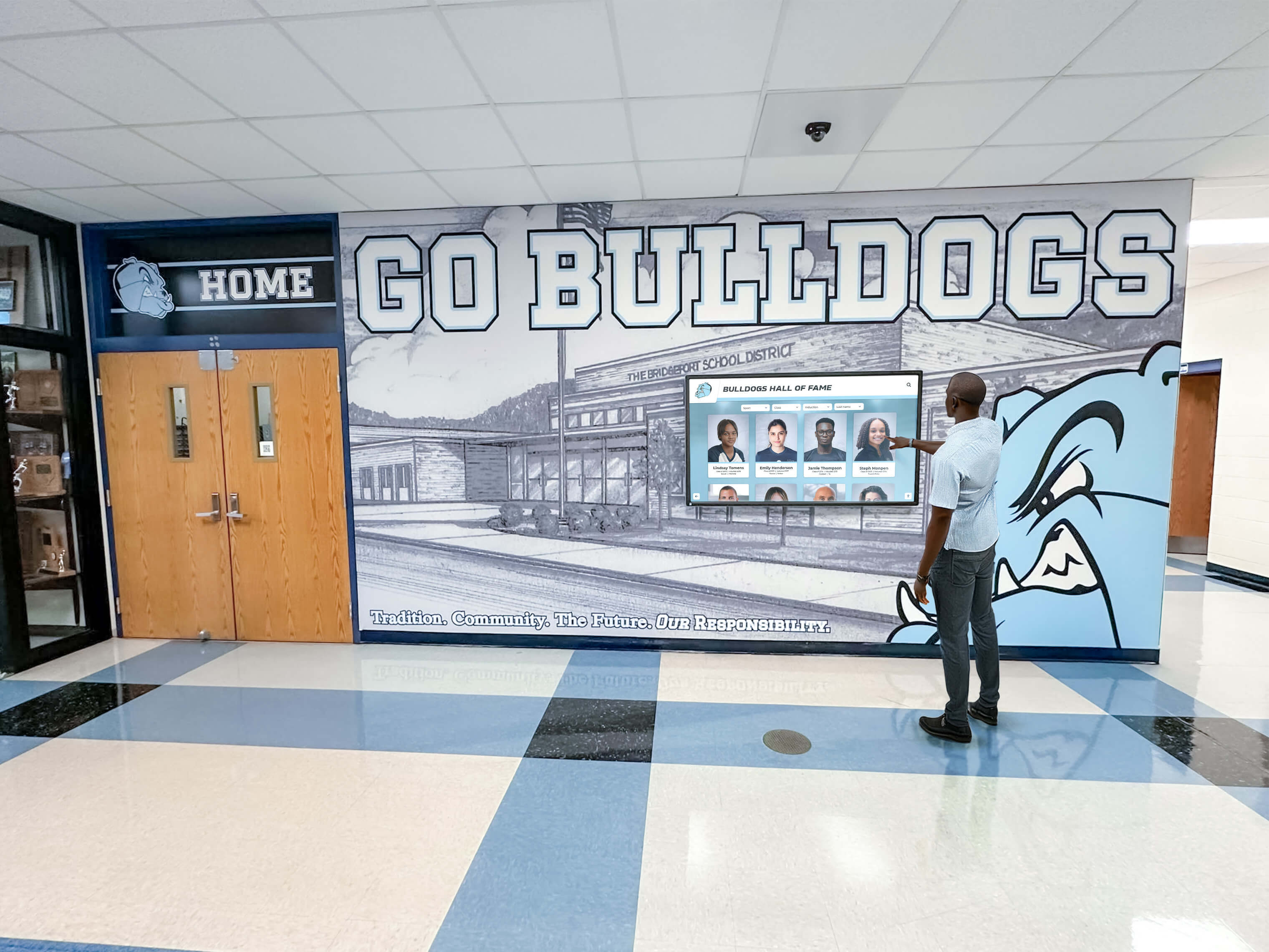
Interactive displays provide engaging ways to explore historical yearbook photos while implementing privacy controls and attribution practices
Building Sustainable Copyright Practices for Future Yearbooks
While navigating historical yearbook photos presents challenges, schools can implement forward-looking practices ensuring future yearbook photos support digital display goals without copyright complications.
Modern Yearbook Photography Contracts
When contracting yearbook photography services, negotiate terms explicitly authorizing digital uses:
Essential Contract Provisions
- Broad usage rights: License covers all school-controlled media including websites, digital displays, social media, and future platforms
- Perpetual duration: No time limitations on usage rights
- Transferability: Rights transfer to school allowing third-party platform use
- No additional fees: Digital uses don’t trigger per-use or licensing fees
- Clear copyright ownership: Ideally, school receives complete copyright ownership eliminating uncertainty
Avoiding Problematic Terms
Watch for restrictive contract language:
- “For yearbook publication only” clauses limiting digital use
- Requirements to credit or link to photography company on all uses
- Recurring fees for digital platforms or web hosting
- Restrictions on modifying or cropping photos
- Automatic copyright reversions after specified periods
Negotiate broader terms supporting long-term digital strategies. Photography companies increasingly recognize that flexible digital rights serve school needs without harming company interests.
Student and Staff Photo Policies
Implement clear photo submission policies for content contributed by students, parents, and staff:
Photo Submission Agreements
When accepting photos for potential yearbook inclusion, require contributors to agree that:
- They own copyright or have permission to submit photos
- Submission grants school perpetual, royalty-free license for all school uses
- License covers print yearbooks, digital yearbooks, school websites, displays, social media, and all future platforms
- Contributors retain copyright ownership but school receives broad usage rights
- Photos may be edited, cropped, or modified as needed
Model Release Approaches
For photos featuring identifiable individuals, consider implementing release processes:
- Annual photo releases covering all school photography including yearbook
- Opt-in approaches where families explicitly consent to photo usage
- Opt-out processes allowing families to limit photo uses
- Clear communication about how photos may be used
Balance comprehensive protection with practical implementation—overly burdensome release processes reduce participation.
Employed Staff Photographer Agreements
For schools employing photographers creating yearbook content:
Work-for-Hire Documentation
- Employment contracts explicitly stating all photographic work product belongs to school
- Job descriptions including photography as primary responsibility
- Clear understanding that school owns copyright to all photos created during employment
- Written acknowledgment from photographers confirming work-for-hire status
Independent Contractor Considerations
If hiring photographers as independent contractors rather than employees, work-for-hire status requires written agreement explicitly transferring copyright ownership to school. Without such agreement, contractors retain copyright even if school paid for work.
Working with Legal Counsel
Complex copyright situations may warrant legal consultation ensuring compliance and managing risk appropriately.
When to Consult Attorneys
Consider legal counsel in these situations:
- Implementing large-scale digital yearbook projects with significant visibility and investment
- Receiving copyright infringement claims or cease-and-desist letters
- Facing unclear ownership for valuable historical collections
- Planning public web access to comprehensive yearbook archives
- Dealing with privacy complaints or FERPA concerns
- Negotiating complex photography company contracts
- Developing institutional policies addressing copyright and privacy
Working Effectively with School Attorneys
Provide Complete Information
- Thorough background on yearbook collection and intended uses
- All available documentation regarding ownership and permissions
- Specific questions you need answered
- Timeline and decision-making deadlines
- Budget constraints affecting strategy options
Request Practical Guidance
Attorneys sometimes focus on eliminating all risk—ask them to help you understand:
- Risk levels for different approaches (not just yes/no answers)
- Practical compliance strategies balancing protection with functionality
- Cost-effective solutions appropriate for educational nonprofit contexts
- How to document good-faith compliance efforts
Consider Specialized Expertise
General school attorneys may lack deep copyright and privacy expertise. For complex situations, consider engaging intellectual property specialists familiar with educational institution issues.
Conclusion: Implementing Digital Yearbook Displays Responsibly
Digital displays and web platforms transform static yearbook collections into dynamic, searchable archives celebrating institutional history and connecting alumni across decades. Successfully implementing these systems requires navigating copyright frameworks protecting photographer rights and privacy regulations respecting student interests.
While legal complexities might seem daunting, schools can confidently proceed by:
Understanding Copyright Frameworks: Recognizing that yearbook photo copyrights may belong to schools, photography companies, or other creators depending on creation circumstances and contractual agreements. Duration rules determine when historical photos enter public domain enabling free use.
Conducting Thorough Research: Investigating historical documentation, reviewing contracts, searching copyright records, and attempting to identify copyright holders establishes defensible positions demonstrating good-faith compliance efforts.
Securing Appropriate Permissions: Contacting copyright holders, negotiating licenses, or relying on fair use doctrines when permissions prove unattainable for clear educational purposes provides legal foundation for digital displays.
Implementing Privacy Protections: Complying with FERPA directory information rules, providing opt-out mechanisms, reviewing content for sensitivity, and responding respectfully to privacy concerns protects student and alumni interests.
Documenting Compliance Efforts: Maintaining records of research, permissions, policies, and practices demonstrates institutional commitment to legal compliance potentially reducing liability even if imperfect determinations occur.
Building Sustainable Practices: Negotiating comprehensive rights in modern yearbook photography contracts and implementing clear photo submission policies prevents future complications as digital display programs grow.
The copyright and privacy landscape for yearbook photos balances competing interests—respecting creator rights and individual privacy while enabling educational institutions to celebrate heritage and build community connections. Schools approaching these issues thoughtfully and systematically can implement compelling digital recognition displays serving their communities while maintaining legal compliance.
Most schools discover that copyright concerns, while requiring attention, rarely present insurmountable obstacles to digital yearbook implementation. With appropriate research, reasonable good-faith assumptions, and responsive removal processes addressing any concerns that emerge, educational institutions successfully showcase decades of yearbook photos in modern digital formats.
Ready to Implement Digital Yearbook Displays Confidently?
Discover how purpose-built platforms designed specifically for educational recognition help schools navigate copyright considerations while creating engaging digital displays celebrating institutional history. Explore compliance-supportive features, content management flexibility, and privacy controls enabling responsible yearbook digitization.
Schedule Your Digital Yearbook ConsultationYour school’s yearbook collection represents irreplaceable institutional memories worth preserving and sharing with future generations. By understanding copyright rules, implementing privacy protections, and working with platforms supporting compliance requirements, you can transform historical yearbook photos into dynamic digital experiences celebrating your school’s unique heritage while respecting legal obligations and individual rights.
Start with manageable projects focusing on lower-risk historical content while building expertise and documentation for more complex implementations. Engage stakeholders including legal counsel, technology teams, and privacy officers early in planning ensuring comprehensive perspective on compliance requirements. Most importantly, recognize that copyright and privacy considerations, while important, support rather than prevent the valuable work of honoring institutional history and connecting school communities across generations.
Ready to see this for your school?
Picture your collection in a custom mockup
Start with your yearbook collection and digitization goals, then request a custom digital mockup for your school.