School history, shared
Yearbook Photo Copyright Laws for Schools: What Administrators Need to Know Before Going Digital
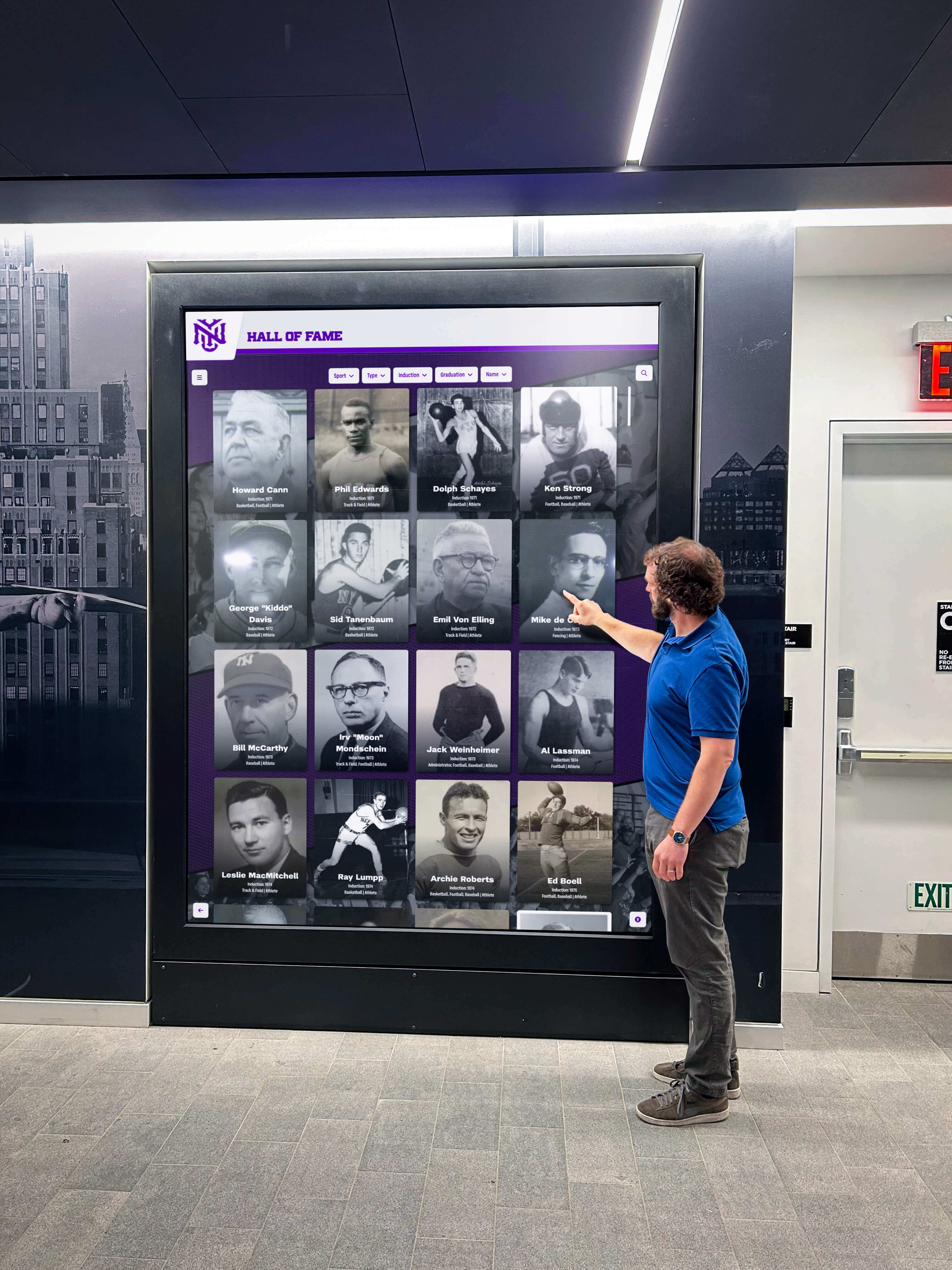
School administrators planning digital yearbook transitions face a complex web of legal requirements—from federal copyright laws protecting photographer rights to FERPA regulations governing student image privacy, from state-specific publicity rights to contractual obligations with yearbook vendors—creating compliance challenges that require careful navigation before launching digital yearbook platforms, interactive recognition displays, or online yearbook archives.
The legal landscape governing yearbook photo usage extends far beyond simple copyright questions. Administrators must simultaneously address intellectual property ownership, student privacy protections, parental consent requirements, vendor contract provisions, publicity rights considerations, and institutional liability exposure while balancing educational missions with legal risk management.
This comprehensive administrator’s guide clarifies yearbook photo copyright laws and related legal frameworks schools must navigate before digital implementation—covering copyright ownership determination, FERPA compliance requirements, state privacy laws, vendor contract analysis, consent documentation systems, and practical risk mitigation strategies that protect institutions while enabling modern digital yearbook programs.
Who This Legal Framework Affects
Understanding yearbook photo copyright laws matters across school leadership:
- Superintendents and principals responsible for institutional legal compliance and liability management
- Technology directors implementing digital yearbook platforms and recognition displays
- Legal counsel and risk managers evaluating copyright, privacy, and contractual exposures
- Yearbook advisers navigating photographer agreements and student photo usage rights
- Communications directors publishing student photos across multiple digital platforms
- Athletic directors creating sports recognition displays using historical team photos
- IT administrators managing digital archives and access control systems
- Development officers using yearbook content for alumni engagement and fundraising
Whether you’re launching your first digital yearbook, digitizing historical archives, or expanding interactive recognition displays, this legal framework protects your institution from compliance violations and liability exposure.

School administrators must navigate complex copyright laws, privacy regulations, and contractual obligations before implementing digital yearbook platforms and recognition displays
Federal Copyright Law Framework for Yearbook Photos
Copyright law establishes the foundation for understanding who owns yearbook photographs and under what circumstances schools may legally use them in digital formats.
Understanding Copyright Ownership in Educational Contexts
U.S. copyright law grants automatic protection to original creative works—including photographs—from the moment of creation. For yearbook photos, determining ownership requires analyzing several legal doctrines that apply differently depending on photographer relationship to the school.
Work-for-Hire Doctrine
The Copyright Act’s work-for-hire provisions create critical exceptions to standard copyright ownership. When photographs qualify as works made for hire, the employer—not the individual photographer—owns copyright from creation.
Work-for-hire status exists when: (1) an employee creates photographs within the scope of employment, or (2) specially commissioned works meet specific statutory requirements including written agreements designating the work as for-hire.
For schools, this means staff photographers (employees specifically hired for photography duties) create works owned by the institution, while contracted yearbook photographers may retain ownership unless written agreements explicitly transfer rights. Many schools incorrectly assume purchasing yearbook services transfers photo copyrights—reviewing actual contract language proves essential.
Independent Contractor Photography
When schools hire independent photographers for yearbook coverage, copyright typically remains with the photographer unless contracts explicitly transfer ownership. The common practice of hiring photographers for school events, paying per-project fees, and receiving final images does NOT automatically transfer copyright.
Many yearbook contracts grant schools limited licenses—permission to use photos in the contracted yearbook publication—without transferring underlying copyright ownership. This creates significant complications when schools later want to repurpose yearbook photos in digital displays, websites, or social media.
Administrators should review all historical yearbook vendor contracts to determine whether copyright ownership transferred or merely licensed, as this fundamentally affects digital usage rights decades later.
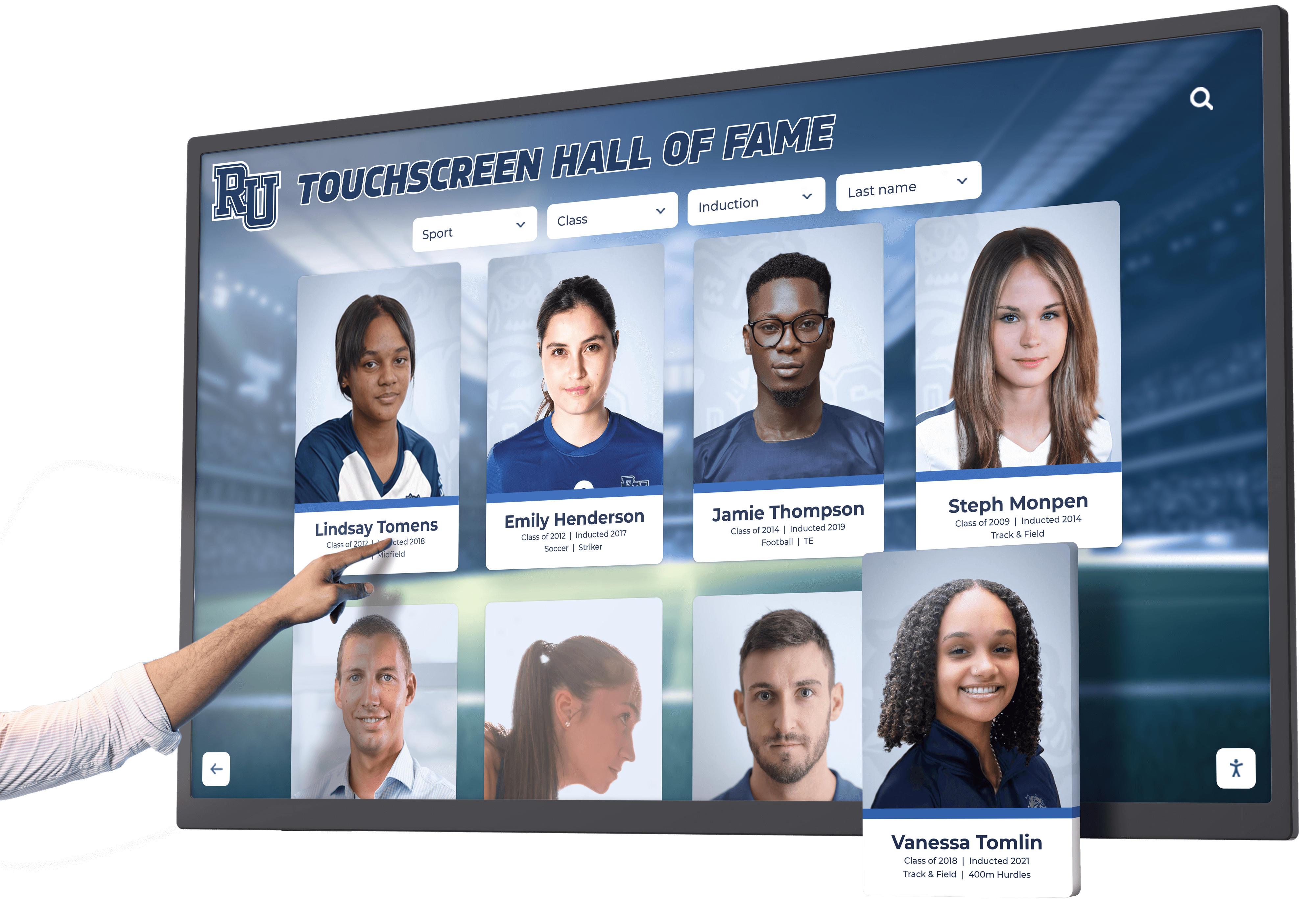
Digital yearbook platforms republish photographs potentially subject to complex copyright ownership requiring careful legal analysis before implementation
Copyright Duration and Historical Yearbook Photos
Understanding copyright duration determines which historical yearbook photos enter public domain versus remaining protected—critical analysis for schools digitizing decades of yearbook archives.
Post-1978 Photographs
The Copyright Act of 1976 (effective January 1, 1978) established that photographs created after this date receive copyright protection for the photographer’s life plus 70 years. For work-for-hire photographs, protection lasts 95 years from publication or 120 years from creation, whichever expires first.
This means virtually all yearbook photographs from 1978 forward remain under copyright protection in 2026—schools cannot assume these photos freely usable regardless of publication age.
Pre-1978 Photographs Under Various Legal Regimes
Photographs published before 1978 fall under different copyright rules that changed multiple times throughout the 20th century:
- Photos published 1928-1963 with proper copyright notice: Protected if renewed (28-year initial term plus 67-year renewal = 95 years total)
- Photos published 1964-1977 with proper notice: Automatically protected 95 years from publication
- Photos published without proper notice: Potentially entered public domain immediately (though notice requirements varied by era)
The National Archives reports that approximately 30-40% of mid-20th century photographs failed to include proper copyright notices, potentially placing them in public domain. However, determining notice status requires examining original yearbook publications—not later reprints—making definitive status difficult to establish without accessing original volumes.
Practical Implications for Digital Yearbook Projects
For schools digitizing yearbook archives from the 1950s through present, assuming any photo from the past 50-70 years remains copyrighted provides the most legally conservative approach. Schools seeking to use older photos should document copyright research efforts, including examining original publications for copyright notices, attempting to identify and contact photographers, and consulting legal counsel for significant digitization projects involving substantial photo volumes.
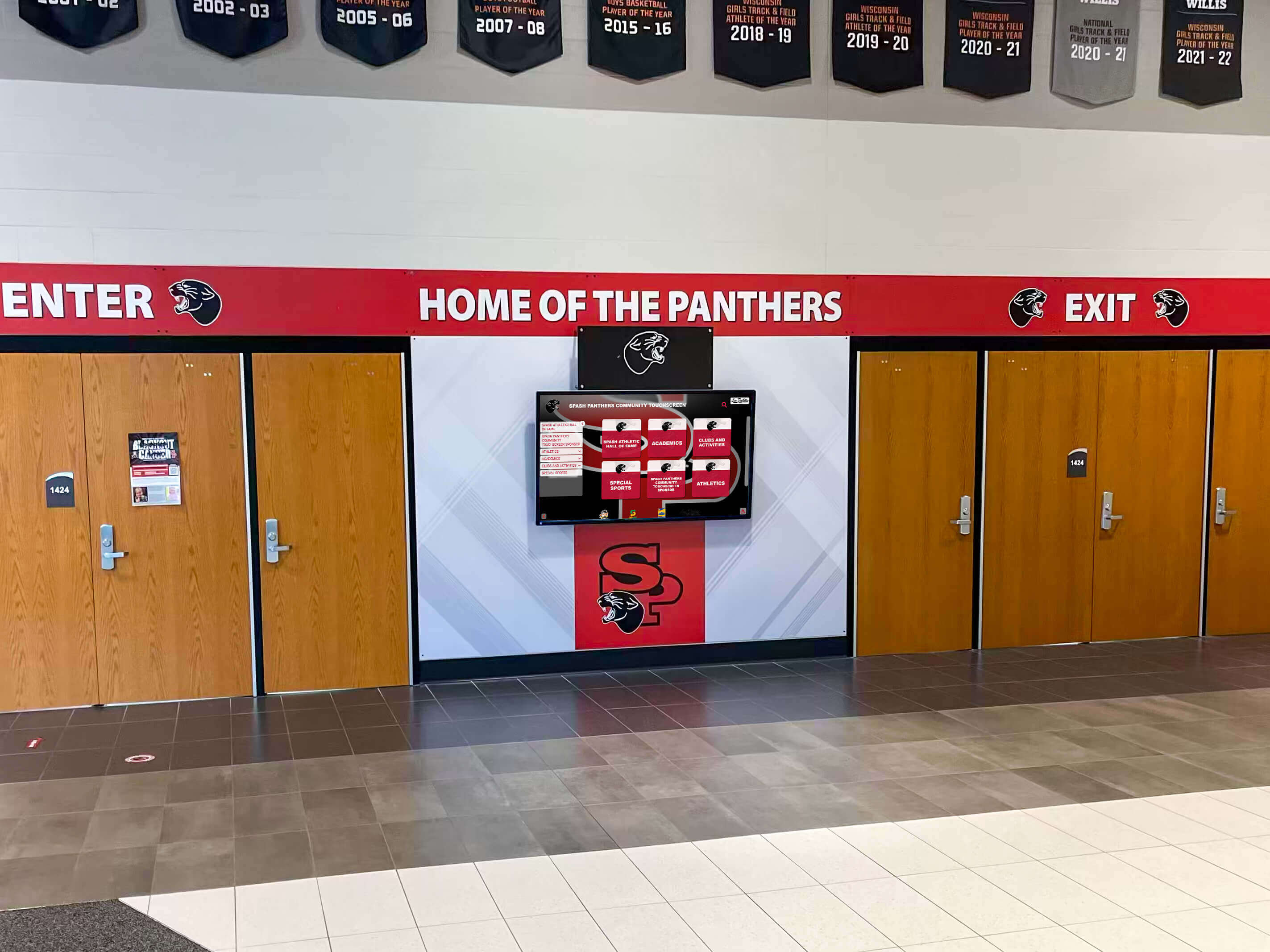
Schools implementing digital recognition displays must verify copyright status before republishing historical yearbook photographs in new formats
FERPA Privacy Requirements for Student Photos
Beyond copyright law, the Family Educational Rights and Privacy Act establishes federal privacy protections for student records—regulations that significantly impact yearbook photo usage in digital contexts.
Understanding Directory Information Exceptions
FERPA generally prohibits schools from disclosing personally identifiable student information without parental consent. However, the statute permits schools to designate certain categories as “directory information” that may be disclosed without consent after providing appropriate notice and opt-out opportunities.
Student Photographs as Directory Information
The Department of Education’s FERPA regulations explicitly include student photographs and videos in the definition of directory information that schools may publicly disclose—but only if institutions properly designate photos as directory information, provide annual notice to parents of directory information categories, offer reasonable opt-out opportunities before disclosure, and honor all opt-out requests systematically.
Many schools fail to realize that FERPA’s directory information exception requires proactive compliance measures—simply including photos in yearbooks doesn’t automatically satisfy FERPA requirements for digital republication.
Annual Notice and Opt-Out Requirements
Schools must provide parents and eligible students annual notice of: which categories of information the school designates as directory information, the institution’s right to disclose this information without consent, and the right to refuse disclosure of any or all directory information categories within a reasonable time period.
For digital yearbook projects, this means schools should specifically notify parents that student photographs may appear in online yearbook archives, interactive displays, or digital recognition platforms—giving parents meaningful opportunity to opt out before digital publication.
The Department of Education emphasizes that general directory information notices provided years ago don’t necessarily cover new digital uses. When schools expand yearbook content to new digital platforms substantially different from traditional print yearbooks, updating notifications and providing fresh opt-out opportunities demonstrates FERPA compliance good faith.
Digital Publication Context Matters Under FERPA
FERPA compliance analysis depends heavily on disclosure context—information appropriately disclosed in limited-circulation print yearbooks may violate FERPA when published on internet-accessible platforms reaching unlimited audiences.
Print vs. Digital Publication Considerations
Print yearbooks distributed to school community members represent relatively limited disclosure compared to digital yearbooks accessible worldwide via internet searches. Academic recognition programs increasingly leverage digital platforms that require re-evaluating privacy assumptions.
The Department of Education has indicated that schools should consider disclosure reach when determining whether directory information exceptions apply—suggesting that unlimited internet publication may require more stringent consent procedures than limited print distribution.
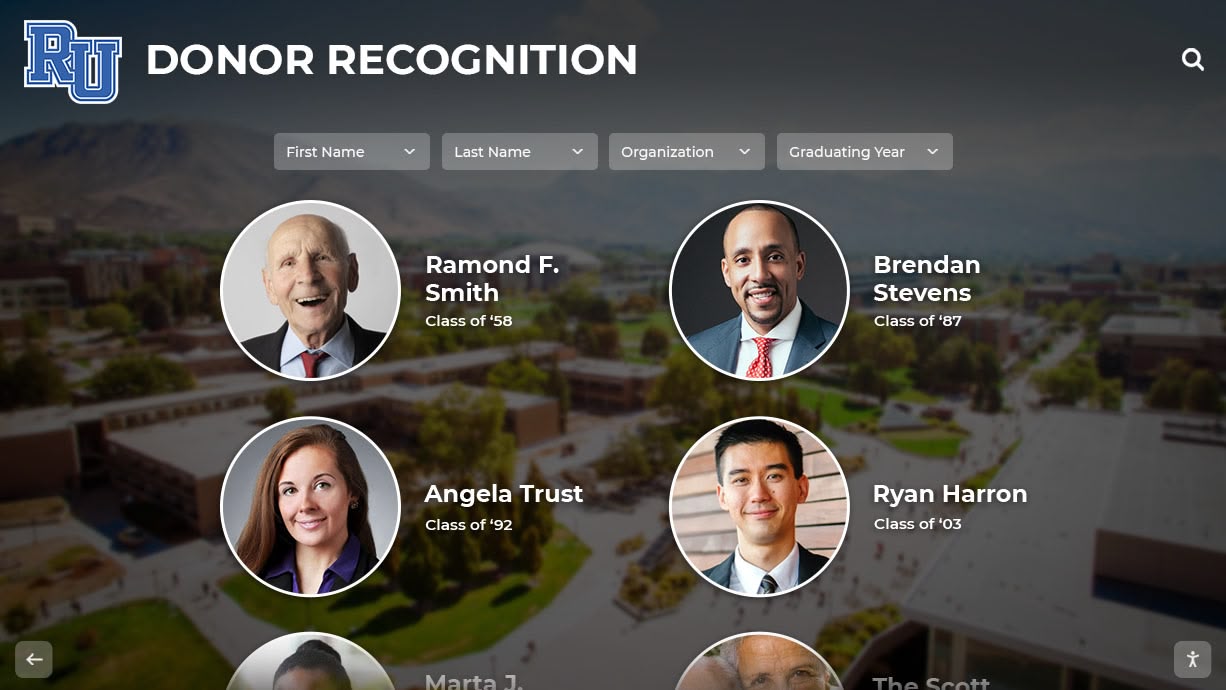
Internet-accessible digital yearbooks reach substantially broader audiences than print yearbooks, potentially requiring enhanced FERPA compliance measures
Graduated Students and Continuing FERPA Protection
FERPA protection continues indefinitely after students graduate—schools don’t gain unlimited rights to publish student photos simply because individuals completed their education years or decades ago. Even historical yearbook photos of alumni from the 1960s-1980s technically remain subject to FERPA unless: the school properly designated photos as directory information at the time, parents didn’t opt out when students attended, or the school obtains consent from former students now.
For practical purposes, many schools publishing historical yearbook content in digital hall of fame displays rely on implied consent theory—arguing that individuals who voluntarily participated in yearbook photos decades ago implicitly consented to reasonable republication, particularly in institutional history contexts that don’t identify sensitive information beyond names and graduation years.
However, this implied consent theory lacks definitive legal testing. Risk-averse administrators may limit digital yearbook archives to recent years with documented directory information notices, gradually expanding historical coverage as they secure explicit consent from alumni for older content.
State Privacy Laws and Publicity Rights
Federal copyright and FERPA requirements represent only part of the legal landscape—state laws governing privacy and publicity rights add additional compliance layers administrators must navigate.
Right of Publicity Protections by State
Many states recognize “right of publicity”—an individual’s right to control commercial use of their name, image, and likeness. While specifics vary dramatically by jurisdiction, these laws generally protect against unauthorized commercial exploitation of personal identity.
Educational vs. Commercial Use Analysis
For schools, the critical question becomes whether digital yearbook platforms constitute “commercial use” triggering publicity rights. Most educational institutions argue that yearbook content—even in digital formats—serves educational and institutional history purposes rather than commercial advertising or endorsement.
However, when schools incorporate student photos into fundraising appeals, donor recognition displays, or marketing materials promoting the institution, publicity rights analysis becomes more complex. Some state laws include specific exemptions for news, educational, or historical purposes that likely cover standard digital yearbook applications, while others apply publicity rights more broadly.
State-Specific Variations Requiring Analysis
California’s publicity rights statute explicitly protects deceased individuals’ images for 70 years after death—meaning California schools using historical yearbook photos of deceased alumni face potential publicity rights claims from estates or heirs, even when copyright has expired.
New York requires written consent for commercial use of any person’s name, portrait, or picture—potentially applying to digital yearbook platforms that include student photos regardless of educational purpose if courts interpret the platforms as promotional tools.
Texas recognizes publicity rights only for deceased individuals, creating the unusual situation where living alumni might have fewer privacy protections than deceased ones under state law.
Administrators implementing digital yearbook programs should consult legal counsel familiar with their specific state’s publicity rights doctrines, particularly for large-scale digitization projects or platforms with revenue-generating components like paid alumni access.
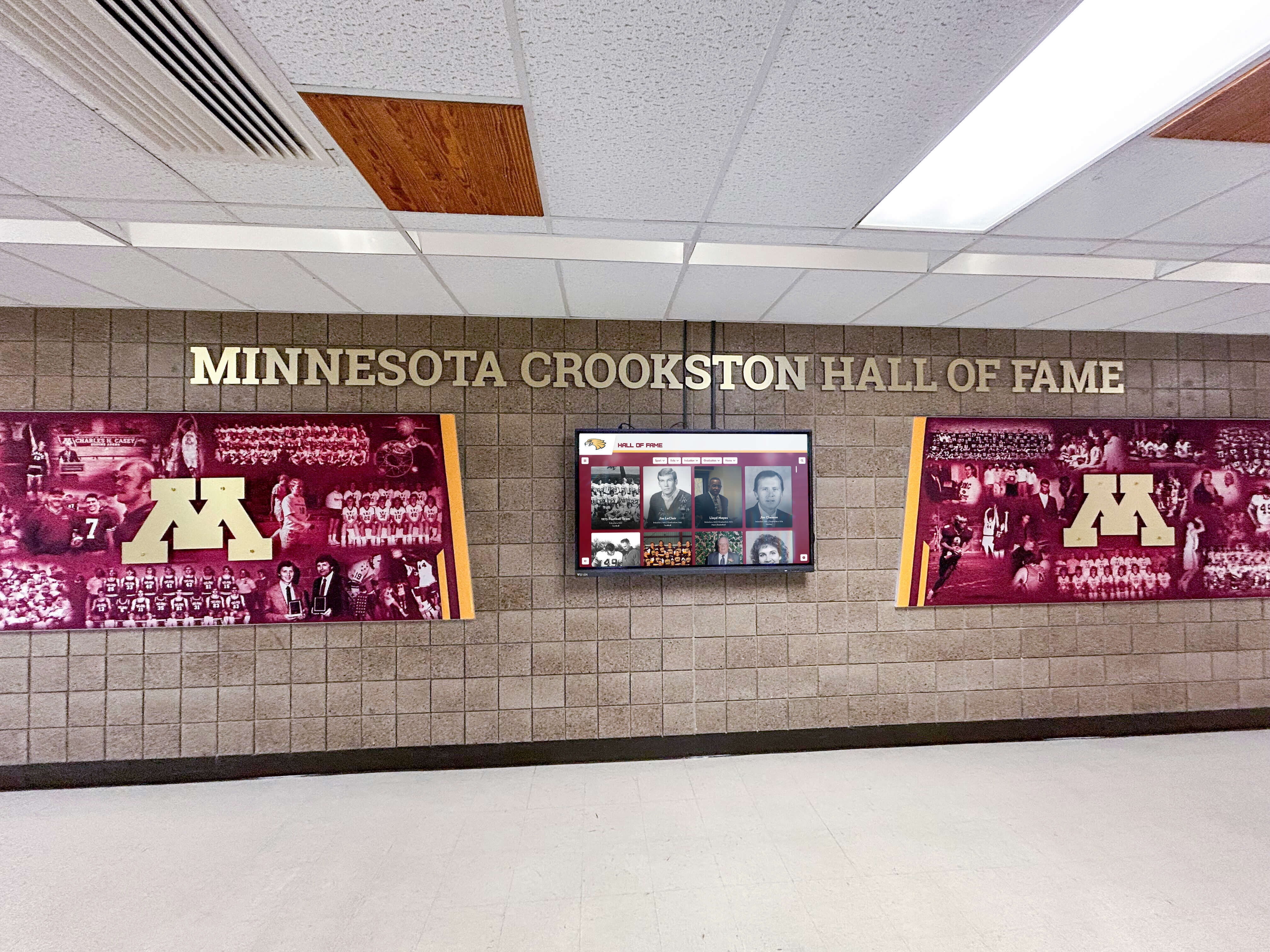
Digital recognition displays featuring student-athletes must navigate both federal privacy laws and state-specific publicity rights protections
Emerging State Data Privacy Legislation
Beyond traditional publicity rights, comprehensive state data privacy laws increasingly affect how schools handle student photos and personal information in digital contexts.
California Consumer Privacy Act (CCPA) and Educational Exceptions
California’s CCPA grants residents extensive rights regarding personal information collection, use, and disclosure—including photographs. While CCPA includes exemptions for information covered by FERPA, the intersection of these laws creates compliance complexity for California schools operating digital yearbook platforms.
Schools must analyze whether digital yearbook platforms qualify for FERPA exemptions, implement data minimization principles limiting photo collection to necessary purposes, provide privacy notices explaining yearbook photo usage and disclosure practices, establish processes allowing California residents to request photo deletion, and maintain reasonable security protecting student photo databases from unauthorized access.
Virginia, Colorado, and Connecticut Privacy Laws
These states enacted comprehensive consumer privacy legislation with varying educational exemptions. Schools in these jurisdictions should review whether digital yearbook platforms fall within exemptions or require additional compliance measures like privacy impact assessments, data protection agreements with platform vendors, or enhanced consent mechanisms.
Compliance Strategy for Multi-State Institutions
Schools serving students from multiple states—particularly boarding schools or online programs—face the most complex compliance environment, potentially subject to privacy laws from all states where students reside. The practical approach involves implementing privacy practices meeting the most stringent applicable state requirements, ensuring compliance across all jurisdictions rather than maintaining state-specific procedures.
Yearbook Vendor Contracts and Copyright Ownership
Historical contracts with yearbook vendors and photographers often determine current digital usage rights—making contract review essential before implementing digital yearbook platforms.
Common Contractual Copyright Provisions
Yearbook vendor agreements vary dramatically in how they address copyright ownership and usage rights. Understanding common contractual structures helps administrators identify potential compliance issues.
Retained Photographer Copyright with Limited License
Many traditional yearbook contracts allow photographers to retain copyright while granting schools limited licenses to use photos in the contracted yearbook publication only. Contract language like “photographs may be used in the [year] yearbook publication” creates licenses restricted to specific publications—not extending to subsequent digital platforms, websites, or recognition displays.
Schools discovering this contractual structure must either negotiate additional rights from photographers, limit digital platforms to post-contract years with more favorable terms, or risk copyright infringement claims when republishing photos beyond licensed scope.
Copyright Assignment to School
More favorable contract provisions explicitly assign or transfer copyright ownership to the school, typically stating “all photographs created under this agreement become the sole property of [School Name]” or “photographer assigns all right, title, and interest in photographs to the school.”
These provisions grant schools unrestricted rights to use photos in any format, including future digital platforms not envisioned when contracts were signed. Schools with this contractual language enjoy maximum flexibility for digital yearbook implementation.
Hybrid Arrangements with Specified Uses
Some contracts attempt to split rights, granting schools perpetual licenses for educational purposes while photographers retain copyright for commercial portfolio use. These arrangements work reasonably well but require careful interpretation regarding what constitutes “educational purposes”—potentially excluding certain digital displays or paid alumni access platforms.
Reviewing Historical Vendor Agreements
For schools digitizing yearbook archives spanning decades, reviewing all historical vendor contracts proves essential—though often challenging when institutional memory has faded and staff who negotiated agreements have retired.
Creating Contract Inventory
Administrators should systematically inventory yearbook vendor relationships, identifying: vendor names and years of service, whether contracts existed (versus informal handshake agreements), locations of physical contract documents, copyright and licensing provisions, and current vendor contact information for renegotiation if needed.
Many schools discover that yearbooks from the 1960s-1980s operated without formal written contracts, creating uncertainty about copyright ownership. In these situations, schools may attempt to locate former photographers for retroactive agreements or rely on work-for-hire arguments if photographers served as de facto employees.
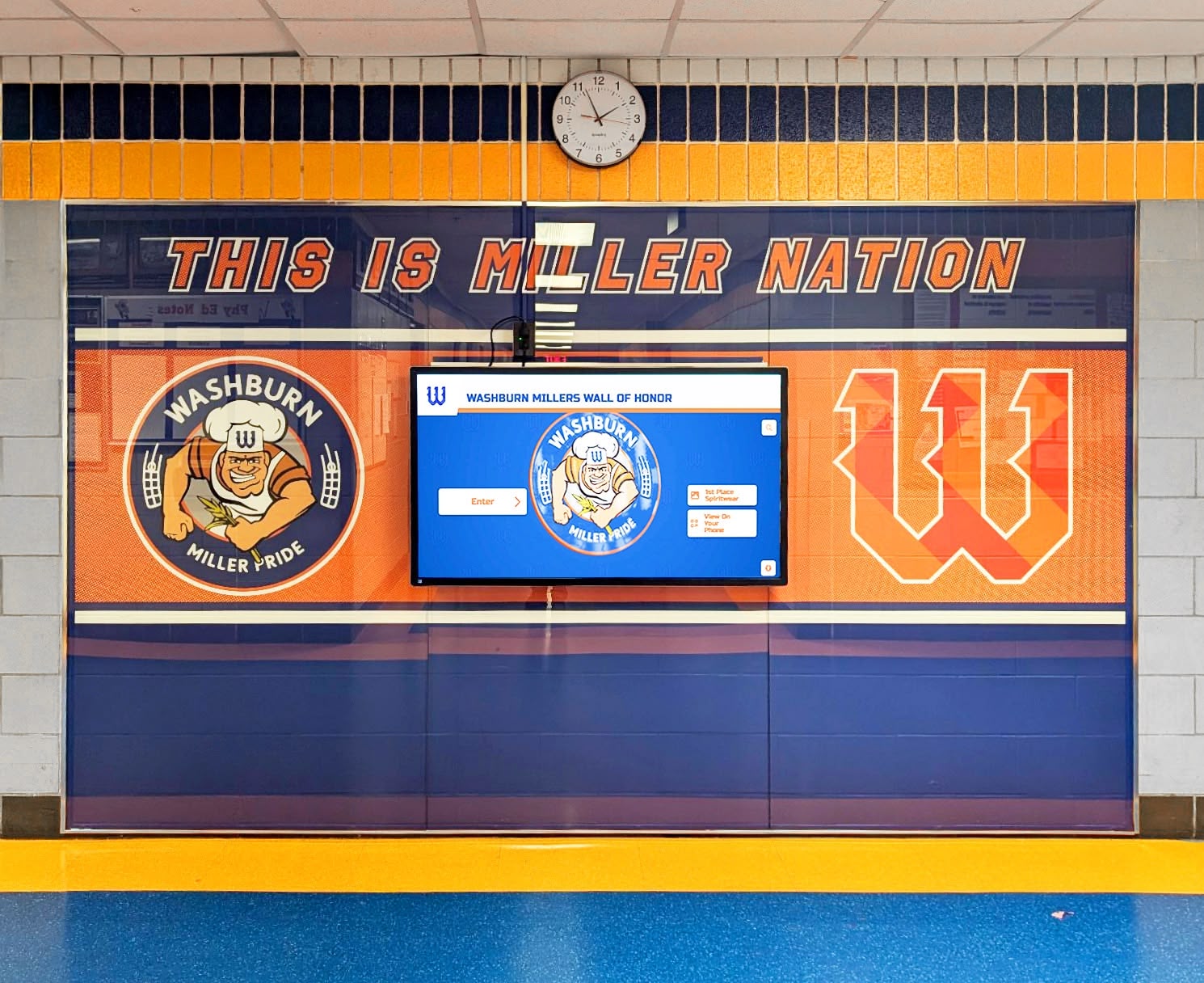
Implementing digital recognition displays using historical yearbook content requires understanding decades of vendor contract provisions governing photo usage rights
Strategies When Copyright Ownership Remains Unclear
When contract review proves impossible or documents no longer exist, schools face difficult decisions about proceeding with digital yearbook projects:
- Conservative approach: Limit digital platforms to recent years with clear copyright ownership, gradually expanding backward as rights are secured
- Risk-accepting approach: Proceed with digitization while maintaining photographer attribution and establishing processes to promptly remove content upon receiving any copyright objections
- Proactive outreach: Attempt to locate historical photographers or their estates to secure retroactive licenses or releases
- Insurance-backed approach: Secure errors and omissions insurance covering potential copyright claims before launching digital platforms
The appropriate strategy depends on institutional risk tolerance, project scope, legal counsel advice, and practical realities regarding photographer locatability.
Student and Parent Consent Documentation
Beyond legal requirements, robust consent documentation systems protect schools from liability while respecting family preferences regarding student photo publication.
Developing Comprehensive Photo Release Systems
Effective consent systems address not only current yearbook photo usage but also potential future digital applications as technology and platforms evolve.
Annual Photo Release Forms
Schools should implement annual photo release processes obtaining documented consent for student photo publication across various platforms. Comprehensive release forms should specify: print yearbook publication, digital yearbook platforms (web and mobile access), interactive touchscreen displays on campus, school website and social media posting, alumni engagement platforms and archives, and promotional materials and publications.
The more specific release language becomes, the more protected schools are from future claims—but overly broad language may discourage parent consent. Balancing these considerations requires thoughtful form design, often benefiting from legal counsel review.
Forms should clearly distinguish between required educational documentation (photos for student IDs, security systems) versus optional promotional uses (yearbooks, websites, recognition displays), ensuring parents understand they can consent to some uses while declining others without affecting their child’s education.
Documented Opt-Out Processes
For schools relying on FERPA directory information exceptions rather than explicit consent, documented opt-out processes prove essential. Volunteer appreciation initiatives and award night celebrations often generate photos that schools must carefully manage.
Schools must provide families clear annual notice identifying student photos as directory information, explaining where and how photos may be published, offering specific deadline for opting out, and confirming that opt-out requests will be honored across all platforms.
Critically, schools must maintain accurate databases linking opt-out requests to individual students and implement technical controls preventing opted-out student photos from appearing in any digital platform—a system requirement often overlooked until compliance audits reveal gaps.
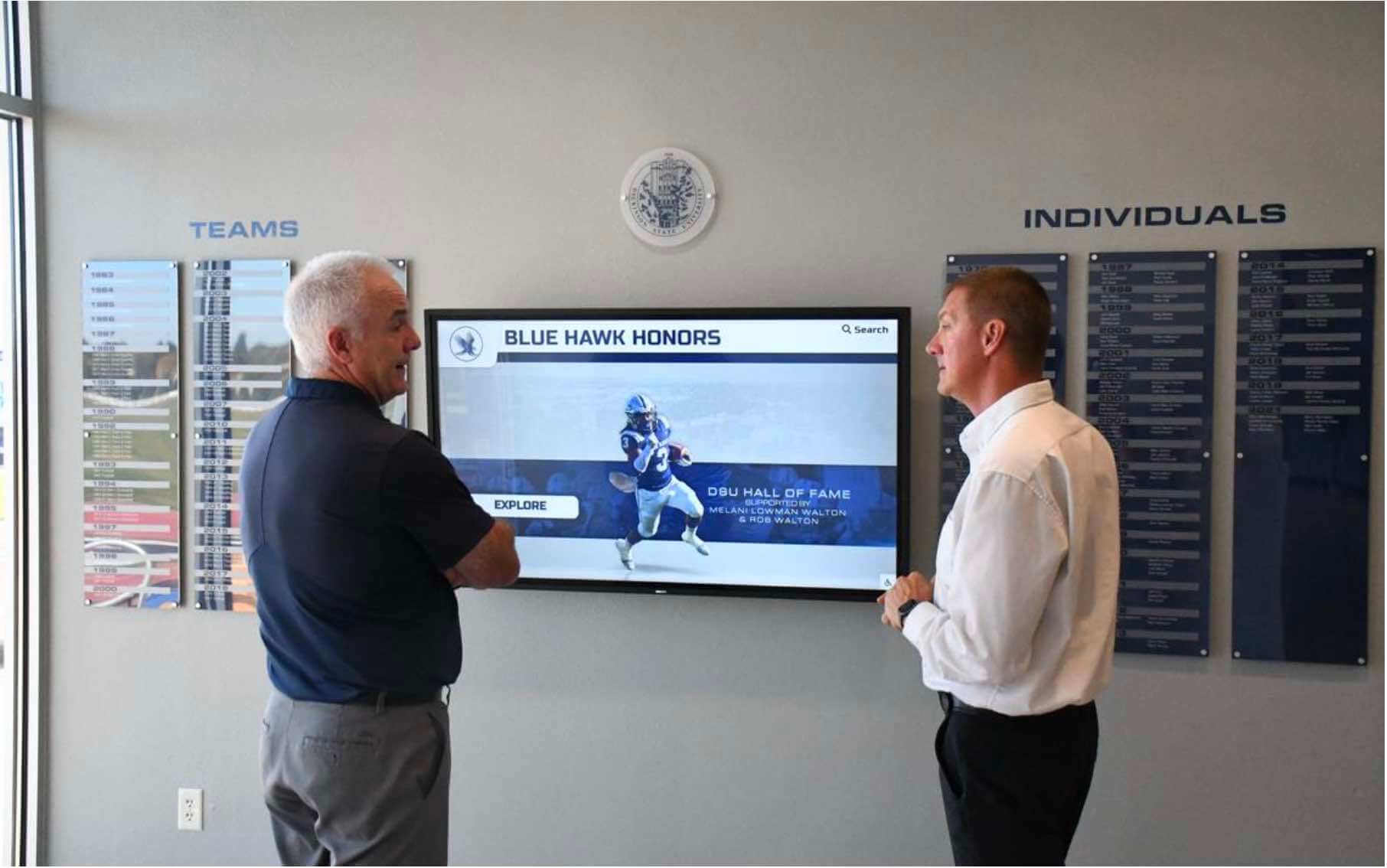
Digital recognition displays require systematic consent documentation and opt-out tracking ensuring student photo publication aligns with family preferences and legal requirements
Managing Consent Across Historical Archives
The greatest documentation challenges arise when schools digitize historical yearbook archives containing photos of students from decades past—individuals for whom current consent documentation doesn’t exist.
Graduated Student Consent Strategies
For historical yearbook content, schools employ various consent approaches:
- Implied consent theory: Arguing that voluntary yearbook participation decades ago constitutes implied consent for reasonable historical republication
- Alumni outreach campaigns: Contacting alumni to secure retroactive consent for digital yearbook inclusion, often positioning opt-out rather than opt-in frameworks
- Limited initial publication: Launching digital archives with recent years only, gradually expanding historical coverage as alumni consent is secured
- Opt-out responsive systems: Publishing historical content while maintaining responsive processes to immediately honor removal requests from any alumni
The Department of Education has not issued definitive guidance on graduated student consent for historical yearbook digitization, creating legal uncertainty that schools must navigate with counsel input based on institutional risk tolerance.
Creating Consent Databases Compatible with Digital Platforms
Schools implementing digital yearbook platforms must ensure consent databases integrate seamlessly with publication systems, preventing unauthorized photo display. This requires technical architecture linking student records to consent status, automated filtering excluding opted-out students from digital publications, regular audits verifying consent systems function correctly, and incident response procedures addressing consent violations if they occur.
Many schools discover too late that their student information systems lack fields for tracking yearbook photo consent separately from general directory information opt-outs, requiring database modifications or workarounds to maintain compliance.
Digital Platform Vendor Agreements and Data Processing
When schools partner with technology vendors to host digital yearbook platforms, vendor agreements create additional legal compliance requirements regarding data processing and security.
Key Contractual Provisions for Digital Yearbook Platforms
Vendor agreements for digital yearbook platforms should address several critical legal and operational areas protecting institutional interests.
Data Ownership and Usage Rights
Contracts must explicitly clarify that schools retain ownership of all student photos and yearbook content uploaded to vendor platforms. Ambiguous language could inadvertently grant vendors rights to use, sublicense, or monetize school photos—particularly problematic if vendors serve competing institutions or pivot to different business models.
Look for contract provisions stating: “All Content uploaded by Customer remains Customer’s exclusive property,” “Vendor acquires no ownership rights in Customer Content,” and “Vendor may use Customer Content solely to provide Services to Customer.”
Avoid contracts granting vendors broad licenses like “worldwide, perpetual, transferable license to use, modify, and distribute Customer Content” without clearly limiting these rights to service provision only.
FERPA and Privacy Compliance Obligations
When vendors host student photos and associated data (names, graduation years, activities), they typically become “school officials” under FERPA regulations—subject to the same privacy protections as the school itself. Contracts should include explicit FERPA compliance commitments stating vendor’s obligations to maintain confidentiality of student records, use information solely for educational purposes specified in agreement, implement reasonable security safeguarding student data, and prohibit unauthorized disclosure or redisclosure.
The Department of Education requires that schools exercise appropriate oversight of vendor compliance with FERPA obligations—meaning contracts alone don’t satisfy legal requirements without periodic vendor audits and compliance verification.
Security and Data Breach Provisions
Digital yearbook platforms containing decades of student photos represent attractive targets for data breaches or unauthorized access. Vendor agreements should specify security standards vendors must maintain (encryption, access controls, authentication), data breach notification requirements (timeline and procedures), incident response obligations if breaches occur, and liability allocation for security failures.
Many schools overlook that standard vendor contracts often limit liability to amounts paid under the contract—potentially inadequate when data breaches affecting thousands of students trigger regulatory penalties, notification costs, and reputation damage far exceeding annual platform fees.
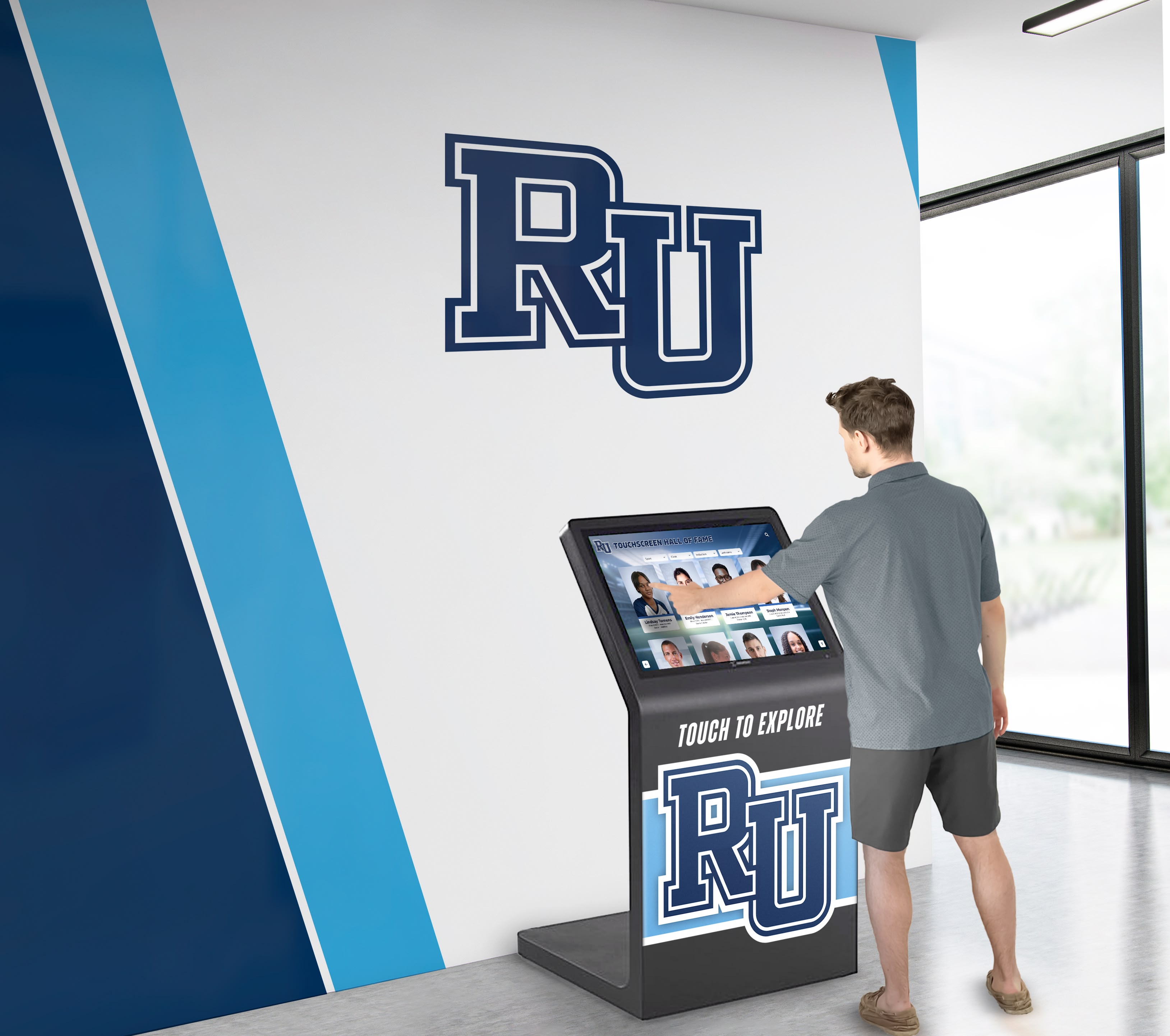
Digital yearbook platforms hosted by third-party vendors require comprehensive data security provisions protecting student photo archives from unauthorized access
Content Removal and Takedown Procedures
Contracts should establish clear procedures for schools to request immediate removal of specific photos from digital platforms—essential for honoring opt-out requests, addressing parent concerns, or responding to copyright claims. Look for provisions guaranteeing removal within specific timeframes (24-48 hours typical), granting schools administrative controls to remove content directly without vendor intervention, and confirming that removal deletes content from all systems including backups.
Platforms that cache content across distributed servers or maintain archival backups may struggle to truly delete photos when requested—a compliance risk when families exercise FERPA opt-out rights or state privacy law deletion rights.
Risk Mitigation Strategies for Administrators
Understanding legal requirements represents only the first step—implementing practical systems that maintain compliance throughout digital yearbook platform lifecycles proves equally critical.
Developing Comprehensive Compliance Frameworks
Legal Review Before Launch
Before implementing any digital yearbook platform, administrators should conduct comprehensive legal reviews covering: copyright status for all photos proposed for digitization, FERPA compliance including directory information designations and opt-out systems, state privacy law requirements in all jurisdictions where students reside, vendor contract provisions for technology platforms, and consent documentation adequacy for planned publication scope.
This upfront legal investment prevents costly retroactive remediation when compliance issues surface after platforms launch publicly. Many schools partner with education law specialists who understand the unique intersection of copyright, privacy, and educational regulations affecting digital yearbook projects.
Phased Implementation Approach
Rather than immediately digitizing and publishing decades of yearbook archives, risk-conscious schools often adopt phased approaches: starting with recent years (last 5-10) where copyright ownership and consent documentation are clear, expanding to historical content gradually as rights are secured and systems proven, implementing pilot programs with limited audiences before public launch, and monitoring for compliance issues or objections before scaling.
Phased approaches allow schools to refine consent processes, vendor relationships, and content management systems before committing to comprehensive historical digitization.
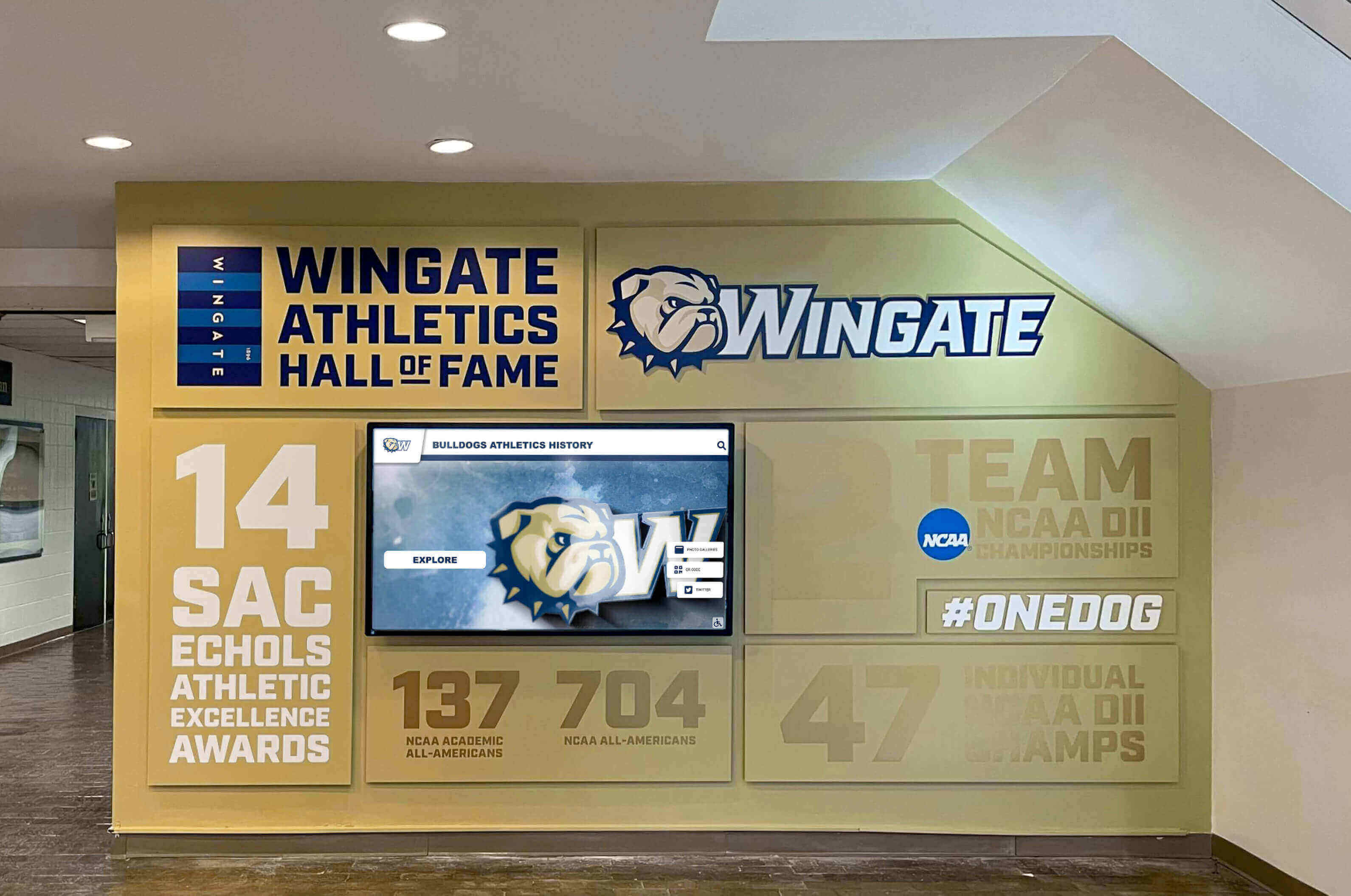
Implementing digital recognition displays in phases—starting with recent years before expanding to historical content—allows schools to refine compliance systems before comprehensive archive publication
Ongoing Compliance Monitoring
Regular Consent Database Audits
Schools should conduct regular audits verifying that consent systems function correctly and opt-out requests are honored consistently. Audit procedures should include testing whether opted-out students appear in digital platforms, confirming that consent status updates propagate to all publication systems, and reviewing incident logs for consent violations and remediation actions.
Many schools implement annual certification processes requiring yearbook advisers, technology directors, and platform administrators to confirm compliance with photo publication policies—creating accountability and documentation for regulatory reviews.
Copyright Monitoring and Takedown Responses
Even with careful planning, schools may receive copyright claims from photographers asserting ownership of historical yearbook photos. Effective response procedures include designating a compliance officer to receive and evaluate copyright claims, establishing protocols for prompt content removal pending resolution, documenting good-faith efforts to verify copyright status before publication, and maintaining errors and omissions insurance covering potential infringement claims.
Schools implementing robust monitoring and response systems—even when operating under good-faith belief in usage rights—demonstrate reasonable compliance efforts that may reduce liability exposure if disputes arise.
Practical Implementation Recommendations
After understanding legal requirements, administrators can implement systems balancing compliance obligations with institutional goals for digital yearbook programs.
Creating New Contracts with Favorable Terms
When negotiating with new yearbook vendors or photographers, schools should prioritize contract provisions that facilitate future digital use:
- Copyright assignment: Require that all photographs become school property upon payment
- Broad usage rights: Secure licenses covering all current and future digital platforms and formats
- Moral rights waivers: In jurisdictions recognizing moral rights, obtain waivers allowing photo modification and context changes
- Work-for-hire provisions: Structure agreements as work-for-hire when possible to ensure school ownership from creation
While photographers may resist these terms or request higher compensation for expanded rights, upfront negotiations prove far more cost-effective than securing retroactive rights years later when digital projects launch.
Schools should develop standard contract templates reviewed by legal counsel, rather than negotiating each vendor agreement individually—ensuring consistency across years and reducing legal review costs.
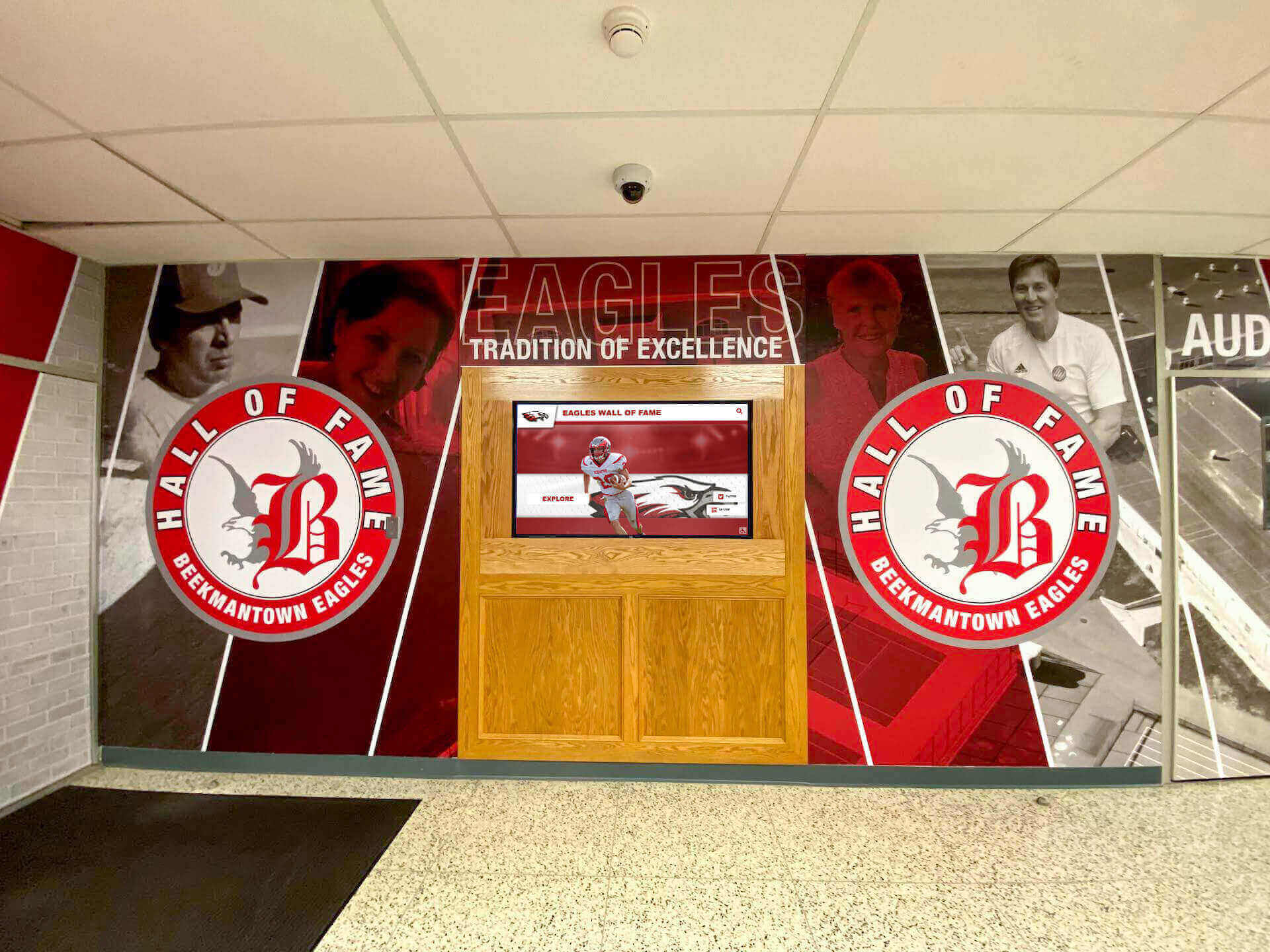
Negotiating favorable copyright terms in current vendor contracts creates foundation for future digital yearbook platform implementation without retroactive rights complications
Building Consent Systems Supporting Digital Evolution
Rather than obtaining consent narrowly for current uses, schools should implement forward-looking consent frameworks anticipating technological evolution:
Technology-Neutral Release Language
Photo release forms should reference categories of use rather than specific platforms: “Student photos may be published in institutional history and recognition platforms including but not limited to yearbooks, websites, digital displays, and alumni engagement tools.”
This language covers both current print yearbooks and future digital trophy cases or interactive recognition displays without requiring annual consent updates as technology advances.
Graduated Consent Levels
Consider offering tiered consent options allowing families to calibrate comfort levels: Level 1 (minimal): Photos in print yearbooks only, Level 2 (moderate): Print yearbooks plus password-protected digital archives, Level 3 (standard): All internal school platforms including websites and campus displays, and Level 4 (maximum): All platforms including public-facing promotional materials.
Tiered approaches respect family privacy preferences while enabling schools to maximize participation by offering graduated options rather than all-or-nothing choices.
Leveraging Professional Digital Yearbook Solutions
Modern digital yearbook platforms specifically designed for educational institutions often include built-in compliance features reducing administrative burden.
Platform Features Supporting Legal Compliance
When evaluating digital yearbook vendors, prioritize platforms offering: consent tracking integration with student information systems, automated content filtering based on opt-out status, granular access controls limiting content visibility by audience type, comprehensive audit logging documenting all content access and modification, FERPA-compliant data processing agreements, and copyright attribution systems crediting photographers appropriately.
Platforms building these features into core functionality reduce manual compliance work and minimize human error causing violations.
Schools implementing comprehensive digital asset management for educational institutions discover that purpose-built solutions address copyright, privacy, and consent requirements more effectively than general-purpose photo platforms adapted for educational use.
Navigating Common Administrative Scenarios
Administrators frequently encounter specific situations requiring legal analysis—understanding how frameworks apply to common scenarios aids decision-making.
Scenario 1: Digitizing 50 Years of Yearbook Archives
A school wants to digitize yearbooks from 1970-2020 for an interactive campus touchscreen display.
Copyright Analysis
Review all available yearbook vendor contracts from 1970-2020 to determine copyright ownership. Photos from years with work-for-hire or copyright assignment provisions can proceed immediately. For years with limited licenses or missing contracts, contact photographers (or estates) seeking retroactive usage rights, consider using only non-portrait content (buildings, events without identifiable individuals), or exclude problematic years initially while securing rights.
Privacy Compliance
Determine whether the school designated student photos as directory information during relevant years and provided appropriate opt-out opportunities. For recent graduates (past 10-15 years), current directory information systems may suffice. For alumni from 1970s-1990s, consider implementing an opt-out notification campaign allowing alumni to request removal, relying on implied consent theory for historical publication, or limiting initial launch to recent years with documented consent.
Risk Mitigation
Maintain responsive takedown procedures allowing immediate removal upon receiving objections from alumni or photographers, implement photographer attribution throughout digital platform, secure errors and omissions insurance covering the project, and document all good-faith efforts to verify rights and notify affected individuals.
Scenario 2: Creating Athletic Recognition Display Using Historical Team Photos
An athletic director wants to create a digital recognition board showcasing championship teams from the past 30 years.
Copyright Considerations
Determine whether team photos were captured by school employees (coaches, staff photographers) qualifying as work-for-hire, contracted yearbook photographers under agreements with limited or broad usage rights, or parent volunteers who may retain copyright. For parent volunteer photos, seek explicit consent for display usage—often readily obtained when parents feel honored by recognition.
Publicity Rights
Athletic displays featuring specific student-athletes may trigger publicity rights in some states, particularly when displays promote the athletic program in ways that could be characterized as commercial. Consider whether displays identify individual athletes versus teams generally, prominence of commercial branding or fundraising appeals, state-specific publicity rights statutes, and obtaining athlete releases for displays featuring individual recognition.
FERPA Application
Athletic achievements typically qualify as directory information that schools may disclose, but verify that photo opt-outs are honored even for athletic displays. Students (or parents) who opted out of yearbook photo publication likely expect opt-outs apply equally to athletic recognition displays.
Scenario 3: Launching Paid Alumni Access Platform
A development office wants to monetize digital yearbook archives by charging alumni subscription fees for access.
Commercial Use Analysis
Paid platforms introduce commercial elements that complicate legal analysis. Copyright considerations include whether historical vendor contracts permit commercial uses versus educational uses only, FERPA analysis of whether paid access constitutes improper disclosure (likely permitted under directory information if structured correctly), publicity rights heightened scrutiny when platforms generate revenue from individual images, and potential need for revenue-sharing agreements with photographers if original contracts didn’t transfer commercial rights.
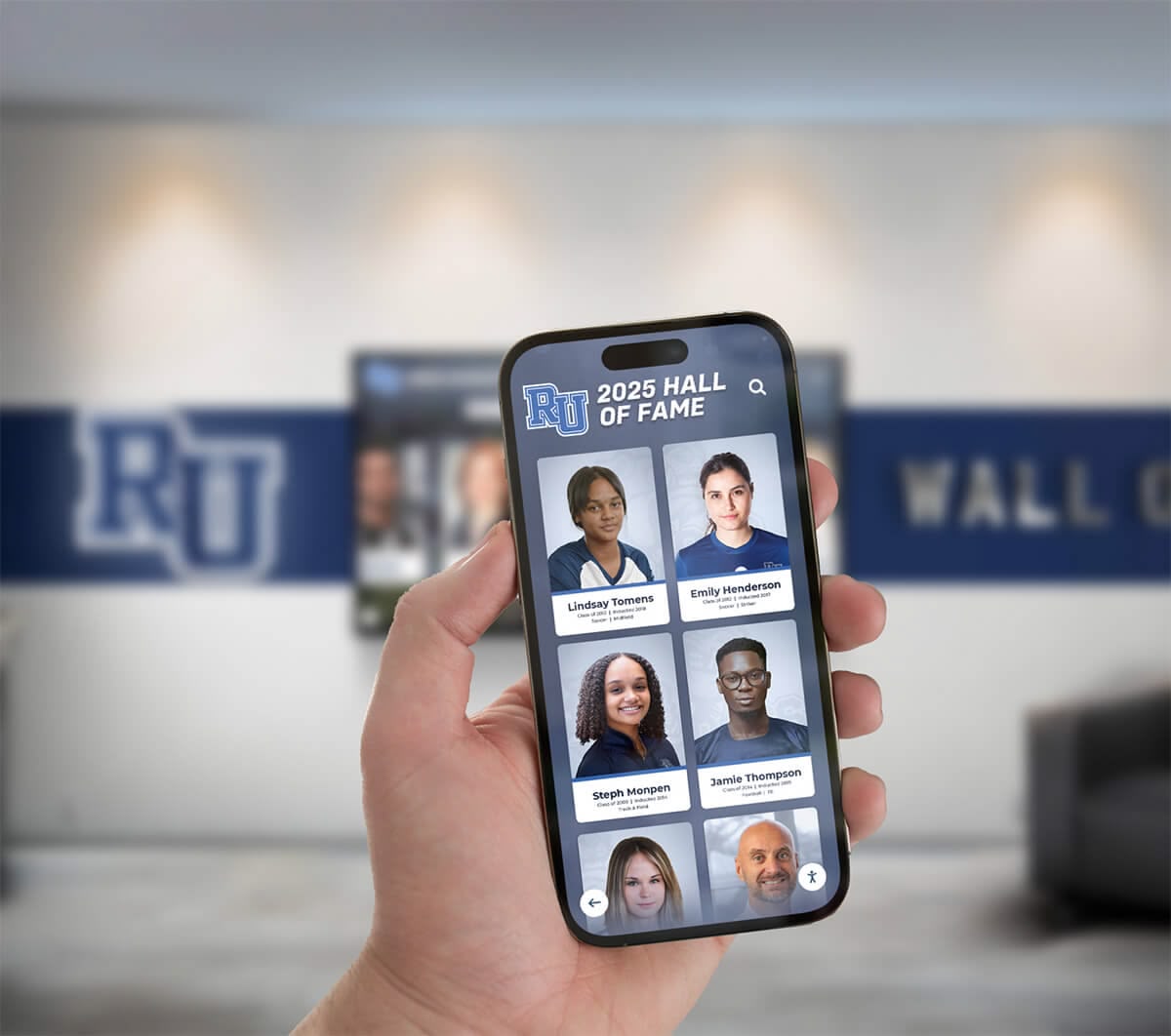
Paid alumni access platforms for digital yearbook content require careful analysis of commercial use provisions in copyright law and vendor contracts
Compliance Framework
If proceeding with paid platforms, implement robust consent systems specifically addressing commercial aspects, enhance privacy protections beyond standard educational use requirements, provide revenue-sharing to photographers when contracts require or when negotiating retroactive rights, and clearly communicate to alumni how subscription fees support platform maintenance versus commercial exploitation.
Many schools find that offering free access to basic yearbook content while charging only for premium features (high-resolution downloads, advanced search, personal collections) provides commercial revenue while minimizing legal complications.
Creating Institutional Policies and Procedures
Beyond individual project compliance, schools benefit from comprehensive institutional policies governing yearbook photo usage across all digital platforms.
Developing Yearbook Photo Usage Policies
Formal written policies provide consistency across departments and leadership transitions while demonstrating compliance commitment to regulators and courts.
Essential Policy Components
Comprehensive yearbook photo policies should address: copyright verification requirements before digitizing historical content, consent documentation standards for all new yearbook photography, vendor contract requirements including copyright assignment provisions, FERPA compliance procedures including directory information designations and opt-out systems, approval workflows for new digital platforms using yearbook content, and incident response procedures for addressing copyright claims or privacy complaints.
Policies should designate specific administrator roles responsible for copyright analysis, consent system management, vendor contract negotiation, FERPA compliance oversight, and legal consultation when questions arise.
Staff Training Programs
Written policies prove ineffective without training stakeholders on compliance requirements. Regular training should cover yearbook advisers on copyright and consent requirements, technology staff on platform security and access controls, communications teams on FERPA limitations for photo publication, athletic directors on publicity rights for athlete recognition, and administrators on vendor contract provisions affecting digital usage.
Annual training reinforces institutional commitment while addressing staff turnover ensuring new personnel understand compliance obligations.
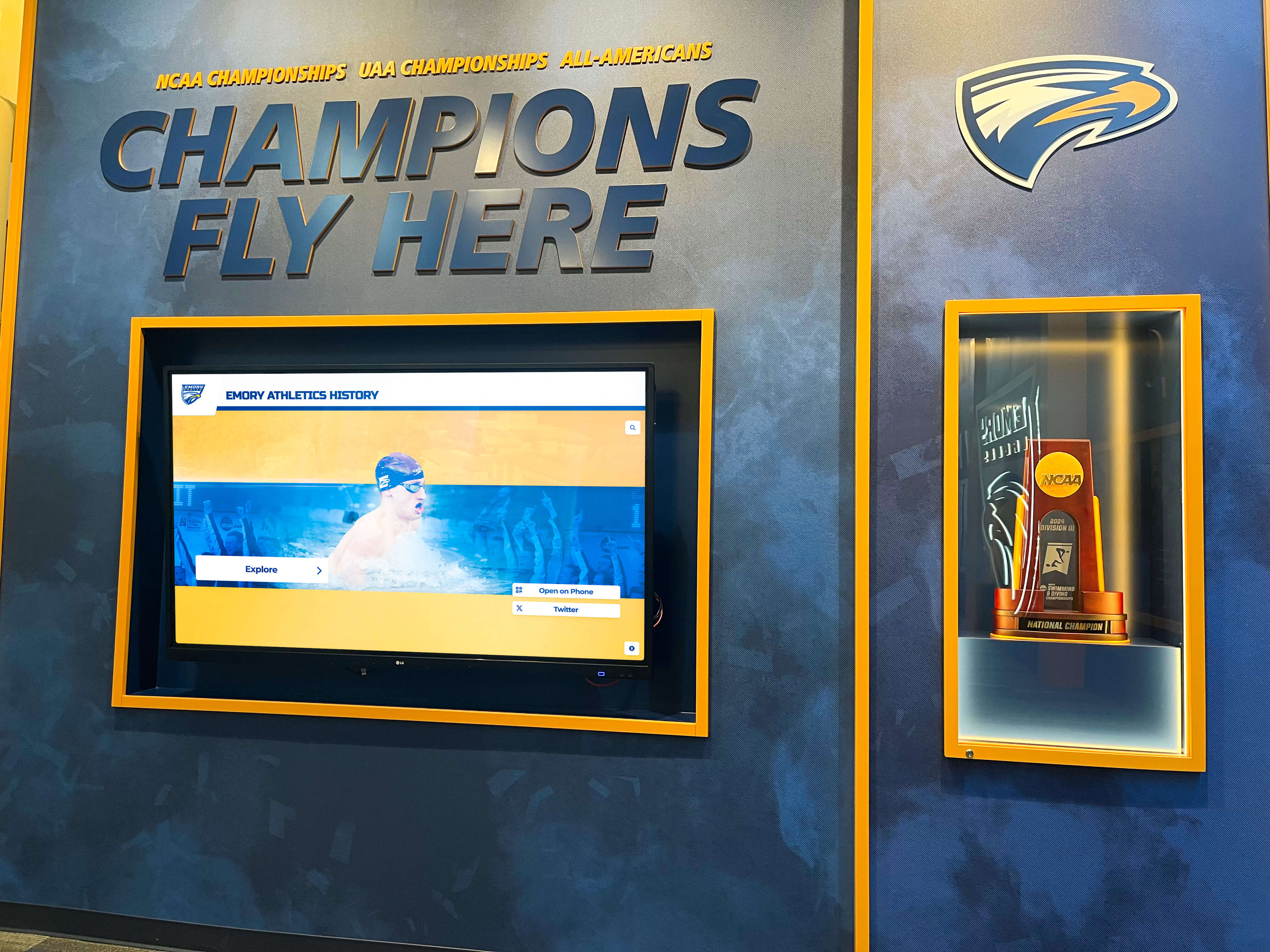
Institutional policies governing digital recognition displays ensure consistent compliance across athletic programs, academic recognition, and alumni engagement initiatives
Documentation and Record-Keeping Systems
Maintaining comprehensive documentation proves essential for demonstrating compliance efforts and defending against potential claims.
Critical Documentation Categories
Schools should systematically preserve: copyright analysis for historical yearbook years, vendor contract originals or executed copies, consent forms and opt-out requests with retention matching student record schedules, directory information notices provided to families, platform vendor agreements including privacy and security provisions, and training materials and attendance records for staff compliance education.
Documentation should be centrally managed rather than scattered across individual departments, with clear retention schedules matching legal requirements (generally matching student record retention periods or longer for copyright determinations).
Digital Asset Management Integration
Schools implementing comprehensive digital asset management systems should integrate compliance documentation directly into asset metadata. Each yearbook photo in digital systems should link to copyright determination (work-for-hire, assignment, license, or public domain), photographer attribution, consent status for students depicted, and any usage restrictions or conditions.
This metadata-driven approach ensures that compliance information travels with photos as they’re used across platforms, preventing inadvertent violations when multiple staff members access shared photo libraries for various projects.
Future Trends in Yearbook Photo Legal Frameworks
The legal landscape governing yearbook photos continues evolving as technology advances and privacy awareness increases—administrators should monitor several developing trends.
Emerging Copyright Considerations
Artificial Intelligence and Derivative Works
As schools increasingly use AI tools to enhance historical yearbook photos—improving resolution, colorizing black-and-white images, or removing blemishes—questions arise about whether AI-enhanced versions create derivative works requiring separate copyright analysis. While schools generally can modify photos they own copyright to, schools holding only limited licenses may lack derivative work rights.
Copyright law hasn’t definitively addressed whether AI enhancement constitutes significant enough modification to create separate copyrightable works versus merely improving existing works. Conservative administrators should verify that copyright ownership or licenses include derivative work rights before implementing AI enhancement for historical yearbook photos.
Student-Created Photography and Rights
Modern yearbooks increasingly feature photography created by student journalists and yearbook staff rather than professional photographers. While work-for-hire doctrine might apply when students create content within curricular requirements, schools should clarify ownership through explicit policies or student agreements rather than assuming automatic ownership.
Some schools implement student media intellectual property policies granting schools perpetual licenses to student-created yearbook content while allowing students to retain copyright for portfolio use—balancing institutional needs with student creator rights.
Privacy Law Evolution
Comprehensive Federal Privacy Legislation Possibilities
Multiple federal comprehensive privacy bills have been proposed that would establish nationwide standards for handling personal information including photographs. If enacted, federal privacy law might preempt inconsistent state laws while establishing baseline protections all schools must meet regardless of location.
Administrators should monitor federal privacy legislation that could substantially change compliance frameworks, potentially requiring consent mechanisms beyond current FERPA requirements.
Biometric Privacy Concerns
Some states classify facial recognition data as sensitive biometric information subject to heightened protection. As digital yearbook platforms increasingly offer facial recognition search—allowing users to find all photos containing specific individuals—biometric privacy laws may impose additional consent and security requirements.
Illinois’ Biometric Information Privacy Act, for example, requires explicit written consent before collecting or using biometric identifiers and mandates specific security measures and retention limits. Schools implementing facial recognition in digital yearbook platforms should verify whether biometric privacy laws apply in their jurisdiction and what consent requirements these laws impose beyond standard FERPA frameworks.
Take Action: Implementing Legally Compliant Digital Yearbook Programs
Understanding yearbook photo copyright laws and privacy frameworks positions administrators to implement digital yearbook programs that honor legal requirements while achieving educational and engagement objectives.
The comprehensive legal landscape—spanning federal copyright law, FERPA privacy regulations, state publicity rights, vendor contractual obligations, and emerging privacy legislation—requires systematic analysis and thoughtful implementation strategies balancing compliance with institutional goals.
Schools successfully navigating this complexity share common approaches: conducting thorough upfront legal review before launching digital platforms, implementing robust consent documentation and opt-out systems, negotiating favorable vendor contracts that transfer copyright and protect institutional interests, developing comprehensive institutional policies governing yearbook photo usage, training staff on compliance requirements across all departments, maintaining responsive systems for addressing privacy and copyright concerns, and partnering with specialized vendors offering compliance-supporting features.
Digital yearbook programs—whether interactive campus touchscreen displays, web-accessible alumni archives, or recognition platforms celebrating student achievements—offer tremendous value for engagement, institutional history preservation, and community building. With proper legal planning and systematic compliance frameworks, schools can confidently implement these programs while protecting student privacy, respecting photographer rights, and managing institutional liability exposure.
Modern digital yearbook platforms designed specifically for educational institutions provide the perfect combination of engagement features and compliance capabilities—enabling schools to preserve decades of memories while meeting complex legal requirements. These purpose-built solutions include consent tracking systems, FERPA-compliant privacy controls, copyright attribution frameworks, and security measures protecting student information from unauthorized access.
Ready to implement legally compliant digital yearbook solutions for your institution? Rocket Alumni Solutions specializes in helping schools navigate copyright, privacy, and compliance requirements while creating engaging digital yearbook platforms. Our turnkey systems include built-in consent management, FERPA compliance features, and comprehensive support ensuring your digital yearbook program meets legal requirements while celebrating student achievements. Schedule a consultation to explore compliant digital yearbook solutions tailored to your institution’s needs.
Ready to see this for your school?
Picture your collection in a custom mockup
Start with your yearbook collection and digitization goals, then request a custom digital mockup for your school.