A yearbook ladder template is a visual planning grid that maps every page spread in your book—assigning topics, coverage responsibilities, submission deadlines, and photo requirements to each spread before a single page is designed. Named for the way filled-in columns stack side by side and resemble the rungs of a ladder, the template gives yearbook advisers, administrators, and student editors a single authoritative document that tracks progress from concept through print.
Schools that build a complete yearbook ladder at the start of each production cycle ship books on time, avoid coverage gaps, and produce archives that hold their value for decades. Those that skip it tend to discover, weeks before the print deadline, that seventeen spreads were assigned to no one, that the spring sports section is three pages short, and that nobody captured the drama club production that every junior actually cared about.
This guide explains what belongs in a yearbook ladder template, how to build one from scratch, how to use it to manage coverage and deadlines through the school year, and how the same organized data that keeps your current book on track becomes the foundation for a searchable digital archive that alumni will access long after the printed volume yellows.
A complete yearbook ladder template does three jobs at once: it is a production schedule, a coverage map, and a quality-control checklist—all in one document that the entire yearbook team, the adviser, and school administration can read at a glance.

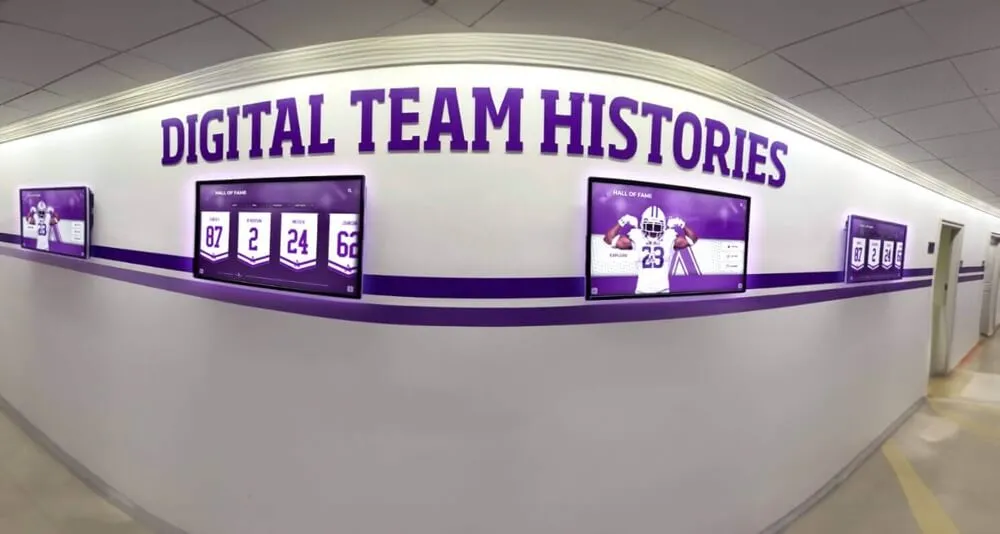
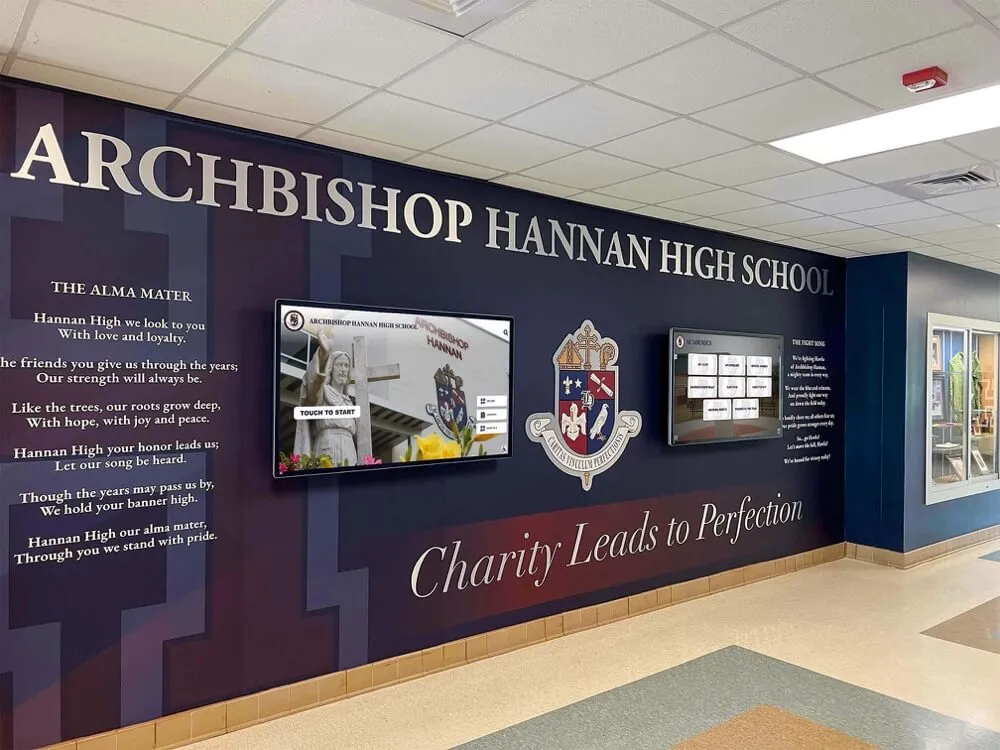
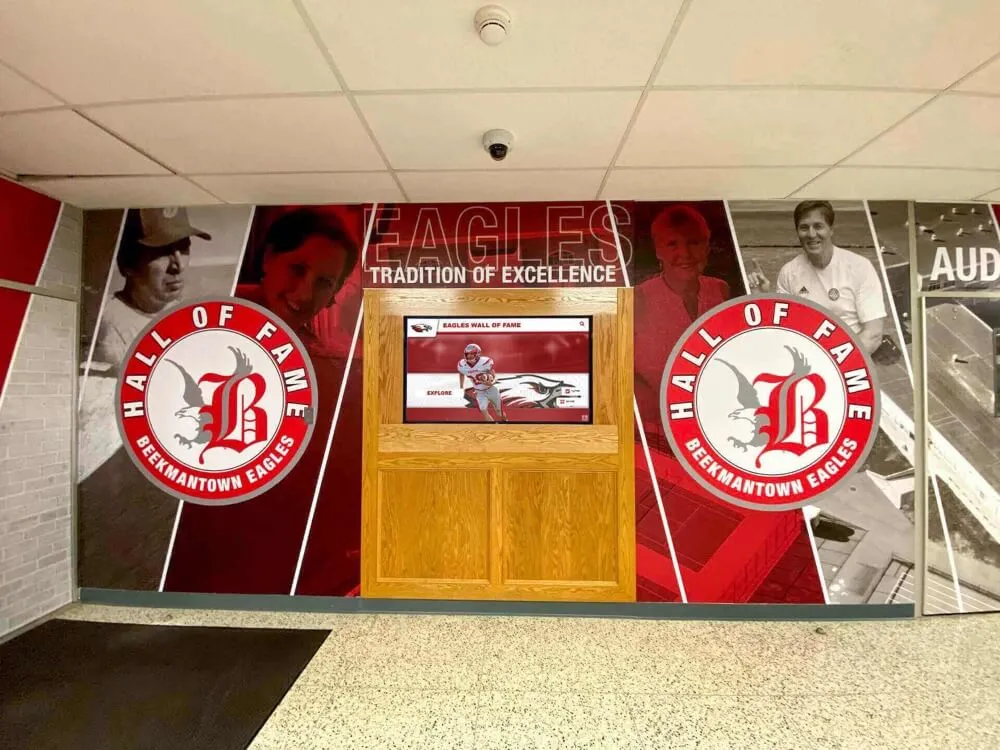
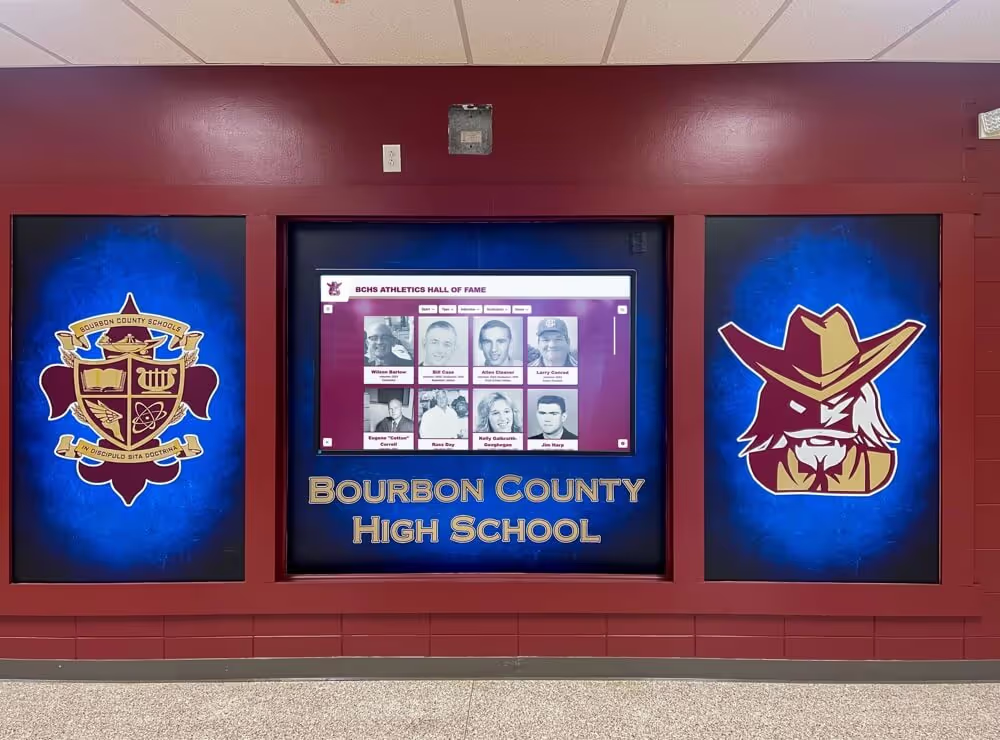
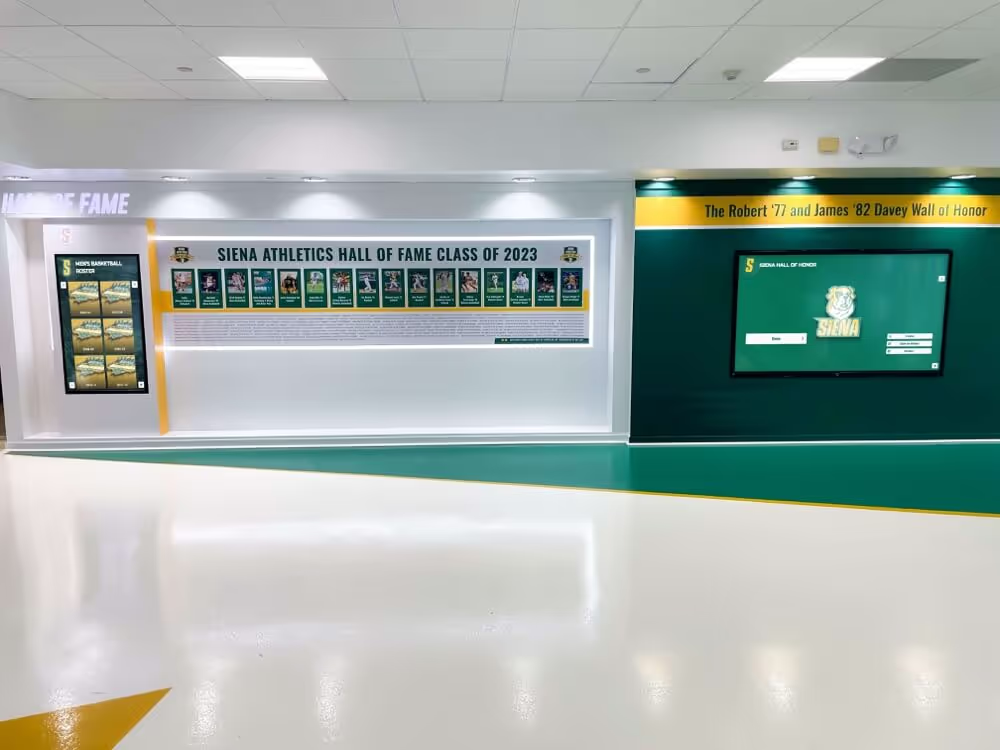
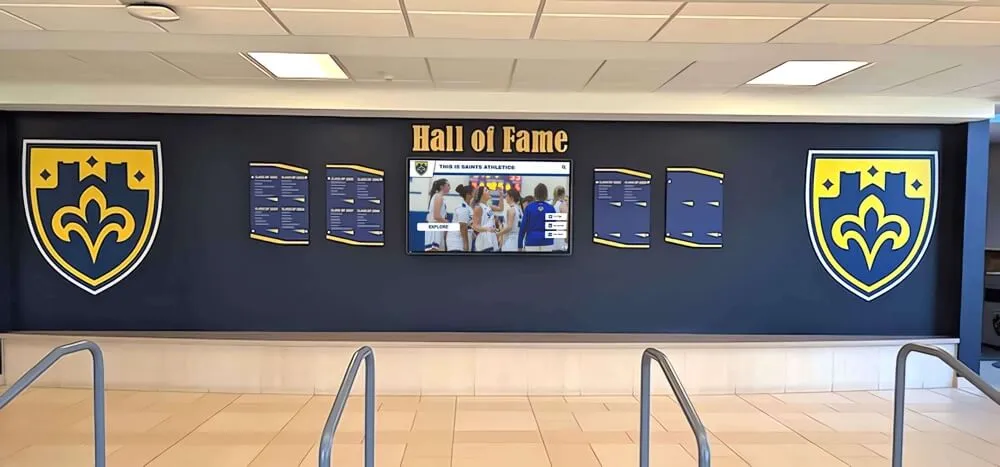
Schools that plan yearbook content systematically—using a ladder template to track every spread—build archives that translate naturally into digital heritage displays accessible to alumni for generations
What Is a Yearbook Ladder Template?
A yearbook ladder template is a structured grid, most often a spreadsheet or table, with one column per two-page spread and rows tracking the essential details for each spread: section name, page numbers, assigned staff, content type, photo count needed, deadline, and completion status.
The “ladder” name comes from the visual appearance of a filled-in template when you print it horizontally: each spread’s column of data looks like a rung, and the full document resembles a ladder laid on its side. Many advisers tape a large printed ladder to the classroom wall so every staff member can see at a glance which spreads are complete, in progress, or unstarted.
Why Schools Use a Yearbook Ladder
Without a ladder, yearbook production relies on informal communication and individual memory—both of which fail at scale. A typical high school yearbook contains 120 to 200 pages covering dozens of distinct topics. Managing that volume without a shared tracking document leads to:
- Coverage duplication: Two editors independently plan varsity football spreads while JV soccer goes uncovered
- Page count errors: Sections run long or short, creating layout crises at print time
- Deadline drift: Staff members set their own internal timelines, which rarely align with the printer’s schedule
- Archive gaps: Years later, nobody can reconstruct which staff member shot which event or why certain groups were omitted
A yearbook ladder template eliminates all four problems by making every decision visible, assigned, and dated.
Core Components of a Yearbook Ladder Template
Every functional yearbook ladder template contains the same essential fields, though advisers add columns as their programs grow more sophisticated.
The Seven Essential Columns
| Column | What It Tracks |
|---|---|
| Spread number | Sequential number identifying the spread (1 through n) |
| Page numbers | Exact page range covered by this spread (e.g., pp. 24–25) |
| Section | Major section this spread belongs to (People, Sports, Academics, etc.) |
| Topic / content | Specific subject (e.g., “JV Boys Soccer,” “Spring Play,” “Honor Roll”) |
| Assigned staff | Name(s) of editor and photographer responsible |
| Photos needed | Minimum photo count required for the layout |
| Deadline | Date the spread must be submitted for review |
| Status | Current state: Unassigned / In Progress / Draft / Approved / Sent to Print |
Schools with larger programs often add columns for caption status, ad revenue (for schools that sell ad space), design template used, and archive export status—the last column becoming increasingly important as schools build out digital heritage programs.
Section Groupings Within the Ladder
Most yearbooks organize spreads into five to seven major sections. A typical ladder structure for a 160-page high school yearbook might look like this:
| Section | Typical Page Range | Typical Spread Count |
|---|---|---|
| Opening / theme | pp. 1–8 | 4 spreads |
| Student life / candids | pp. 9–44 | 18 spreads |
| Academics / clubs | pp. 45–80 | 18 spreads |
| Sports | pp. 81–120 | 20 spreads |
| People / portraits | pp. 121–148 | 14 spreads |
| Ads / index / closing | pp. 149–160 | 6 spreads |
The exact breakdown varies by school size, budget, and tradition, but mapping it explicitly in the ladder is what lets you catch problems before they become crises. If sports historically takes 40 pages but your theme concept only budgets 36, you need to know that in September—not April.
How to Build a Yearbook Ladder Template: Step-by-Step
Building a workable ladder template takes one planning session, ideally held before or during the first week of school. Here is the sequence most experienced advisers follow.
Step 1: Fix the Total Page Count
Contact your printer or software platform before any other planning decision. Page counts must be divisible by four (because books are printed in signatures), and pricing tiers often jump at 128, 160, 192, and 224 pages. Know your number before you build the grid.
Step 2: Reserve Non-Variable Pages
Certain pages are fixed before you assign a single spread: inside front cover, title page, table of contents, index, inside back cover, and any advertiser pages contracted from previous years. Block these in your ladder first so you know exactly how many assignable spreads remain.
Step 3: Inventory Your Coverage Universe
List every topic your school needs to cover: every sport (varsity and sub-varsity), every club and organization, every academic department, every school event, every graduating class portrait section. This is your coverage universe. Cross-reference it against last year’s ladder (if one exists) to identify anything chronically underrepresented.
Step 4: Allocate Pages to Sections
Assign page ranges to each major section based on your school’s priorities and historical readership. Schools with strong athletic traditions typically weight sports more heavily; arts-focused schools give more real estate to performing arts and fine arts programs. Document the allocation in the ladder grid before assigning individual spreads.
Step 5: Assign Every Spread to a Staff Member
This is the most important step. Every spread must have a named editor and a named photographer responsible for it. “TBD” is not an assignment. If you do not have enough staff to cover every spread at the start of the year, note it explicitly and make recruitment a priority before coverage gaps become permanent.
Step 6: Set Submission Deadlines Working Backward from Print Date
Get your final print submission date from your publisher and work backward. Most advisers build in three review stages: first draft, adviser revision, final approval. A common timeline:
- Print submission deadline: Fixed by publisher (often late February or March)
- Final approval of all spreads: 2 weeks before print submission
- Section deadlines, staggered: 4–10 weeks before final approval, starting with opening spreads and ending with spring sports
- First drafts due: 2 weeks before each section deadline
Enter every section deadline into the ladder. Color-code by proximity (green = more than 6 weeks out, yellow = 3–6 weeks, red = fewer than 3 weeks) so the wall-mounted version gives a visual status update at a glance.
Step 7: Document Photo and Caption Requirements Per Spread
Each spread should specify a minimum photo count and a caption requirement. A typical two-page sports spread might require eight action photos plus one team photo, with a complete caption for each. A portrait spread requires one photo per student plus name and graduation year. Recording these requirements in the ladder prevents editors from submitting spreads with three photos when the layout calls for twelve.
Managing Coverage Balance Through the Ladder
Coverage balance is one of the hardest problems in yearbook production. Schools contain hundreds of students pursuing wildly different activities, and a yearbook that consistently over-represents certain groups while ignoring others draws legitimate complaints—and fails the historical record.
Using the Ladder as a Coverage Audit Tool
After assigning all spreads, run these three checks:
Student-count audit: Estimate how many distinct students appear in each section. If 80 percent of your students appear primarily in the portrait section—meaning they have no candid coverage anywhere else in the book—your coverage is shallow. The ladder helps you identify which sections are portrait-only versus rich with authentic student life coverage.
Group representation check: Compare your coverage universe list against your assigned spreads. Every formal organization (varsity or sub-varsity sport, registered club, academic department) should have at least one dedicated spread. Organizations with no assigned spread need either an assignment or an explicit decision to cover them inside a broader topic spread.
Photographer load balance: Review photographer assignments across all spreads. If one photographer is assigned to 60 percent of events, that person is a single point of failure. Redistribute before the school year accelerates and conflicts become unavoidable.
Tracking Coverage Gaps Mid-Year
Revisit your ladder monthly during production. When events get canceled, staff members leave the program, or sports seasons end without an assigned photographer attending games, coverage gaps appear. Addressing them mid-year—by reassigning, using archival photos, or pivoting to retrospective spreads—is always easier than discovering them during the final submission sprint.
Setting Deadlines That Schools Actually Meet
Deadlines without consequences are suggestions. The ladder makes deadlines visible and trackable, but the adviser must create a culture where deadlines are real.
Staggering Deadlines by Section
Rather than setting a single final deadline for all spreads, stagger deadlines by section in order of availability. Opening and student life spreads—which can draw on fall events captured in September and October—should have earlier deadlines than spring sports spreads. A typical staggered schedule:
- Opening / theme spreads: Mid-November
- Academics and clubs: Mid-December
- Fall sports: Early January
- People / portraits: Mid-January
- Winter sports and activities: Early February
- Spring sports and closing: Late February or early March
Staggering deadlines creates a natural production rhythm, prevents the “everything is due at once” crisis, and gives the adviser time to provide meaningful feedback at each stage.
Building Buffer Time Into the Ladder
Advisers who have shipped books for many years share a consistent observation: something always goes wrong in the final two weeks. A printer file upload fails. A staff member’s photo drive corrupts. A spread gets rejected because the photo resolution is insufficient. Build at least two weeks of buffer between your last section deadline and your print submission date. Record that buffer explicitly in the ladder so staff understand that “final approval” is not the same as “the book is submitted.”
Caption Planning in the Yearbook Ladder
Captions are the most common quality failure in student yearbooks. Photos run without captions; captions run with incorrect names or no names; captions describe what is visually obvious (“Players celebrate after scoring”) rather than what is not (“Senior captain Marcus Ellis scored the goal that sent the team to state finals for the first time in eleven years”).
Using the Ladder to Enforce Caption Standards
Add a caption status column to your ladder with three states: Uncaptioned / Draft / Verified. A spread cannot move to “Final Approval” status until its caption column reads “Verified.” This creates a checkpoint that prevents caption failures from reaching print.
Define caption standards in a style guide document referenced in your ladder. At minimum, captions should:
- Identify every person pictured by full name (left to right for group shots)
- Provide one sentence of context that the photo does not make obvious
- Include a fact, quote, or detail sourced from interviewing a subject
Schools that maintain these standards produce yearbooks that function as genuine historical documents, not just photo collections. That distinction matters enormously when the yearbook later becomes a source for a digital archive or alumni recognition display.
How Yearbook Ladder Data Supports Digital Archives
This is where the yearbook ladder’s value extends far beyond the current production year. A well-maintained ladder is a structured dataset about every piece of content in your yearbook: what it is, who created it, when it was created, what people and groups it depicts.
The Ladder as an Archive Metadata Seed
When schools digitize yearbooks for searchable archives, the biggest challenge is often metadata—the labels and descriptions that make scanned pages searchable by name, year, event, or group. Yearbooks that were produced with thorough ladders (complete captions, documented coverage assignments, clear section organization) digitize into searchable archives far more efficiently than those produced without structure.
If your current yearbook ladder includes a “groups depicted” column listing every organization or team photographed in each spread, that data maps directly to archive tags. If your caption verification process ensures every person in every photo is named, those names become searchable index entries without additional data entry work.
Building a Multi-Year Archive From Historical Ladders
Schools that kept paper ladders from previous decades can use those documents to reconstruct historical coverage and identify gaps in their yearbook archives. Even incomplete historical ladders—notes about which sections were produced, who advised the program, what the major events of the year were—provide context that transforms scanned pages from undifferentiated image files into navigable institutional history.
The digital class composite display systems that schools use to let alumni search by graduation year, by name, or by activity draw on exactly this kind of structured content data. Yearbooks produced with thorough ladders integrate into these systems more completely than those produced without documentation.
Exporting Ladder Data to Archive Systems
Modern yearbook software platforms allow advisers to export spread metadata in standard formats (CSV, XML, or JSON) that archive systems can ingest directly. Even if your school currently uses a manual spreadsheet ladder rather than software-integrated planning, the discipline of maintaining structured ladder data—consistent section names, complete staff assignments, verified captions—creates the raw material for digital preservation.
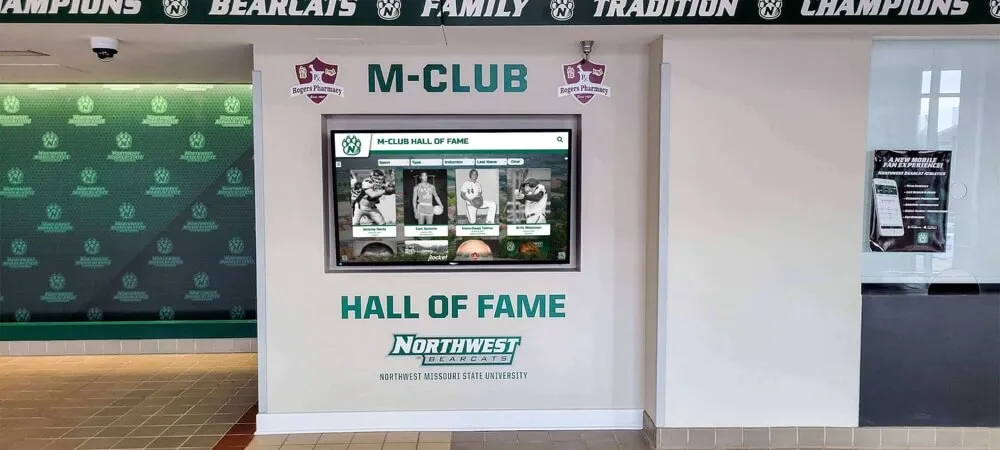
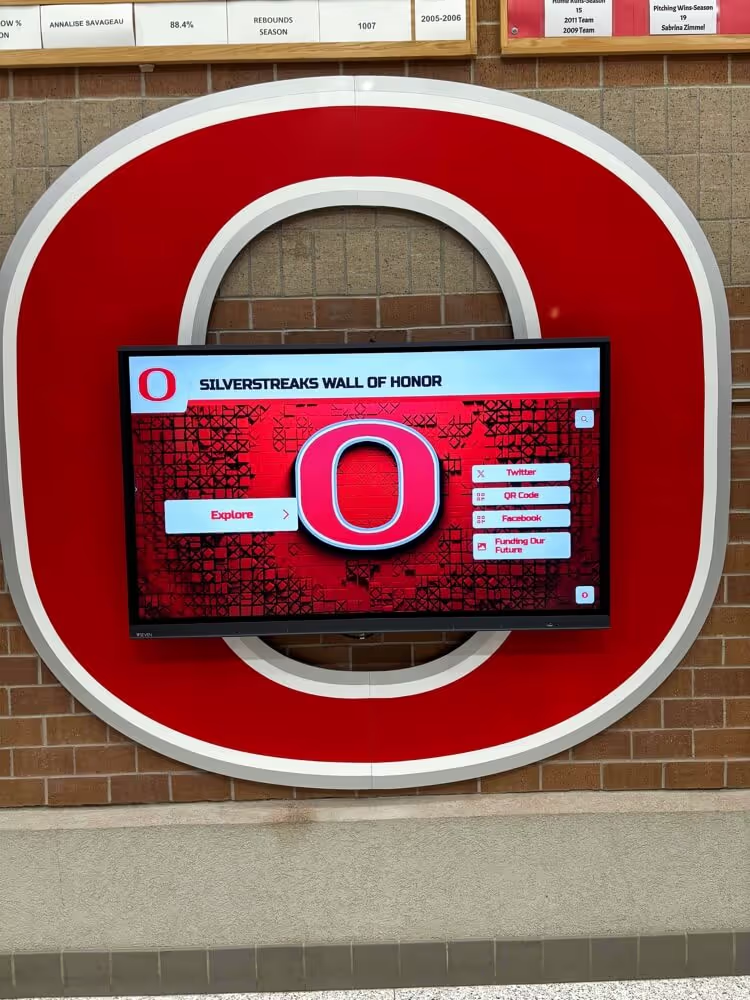
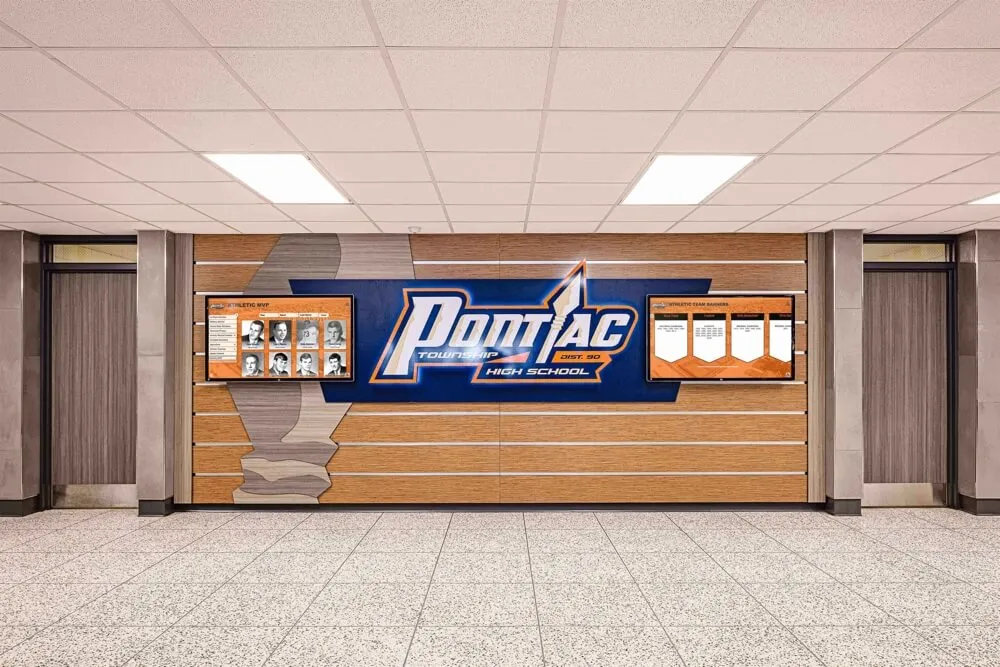
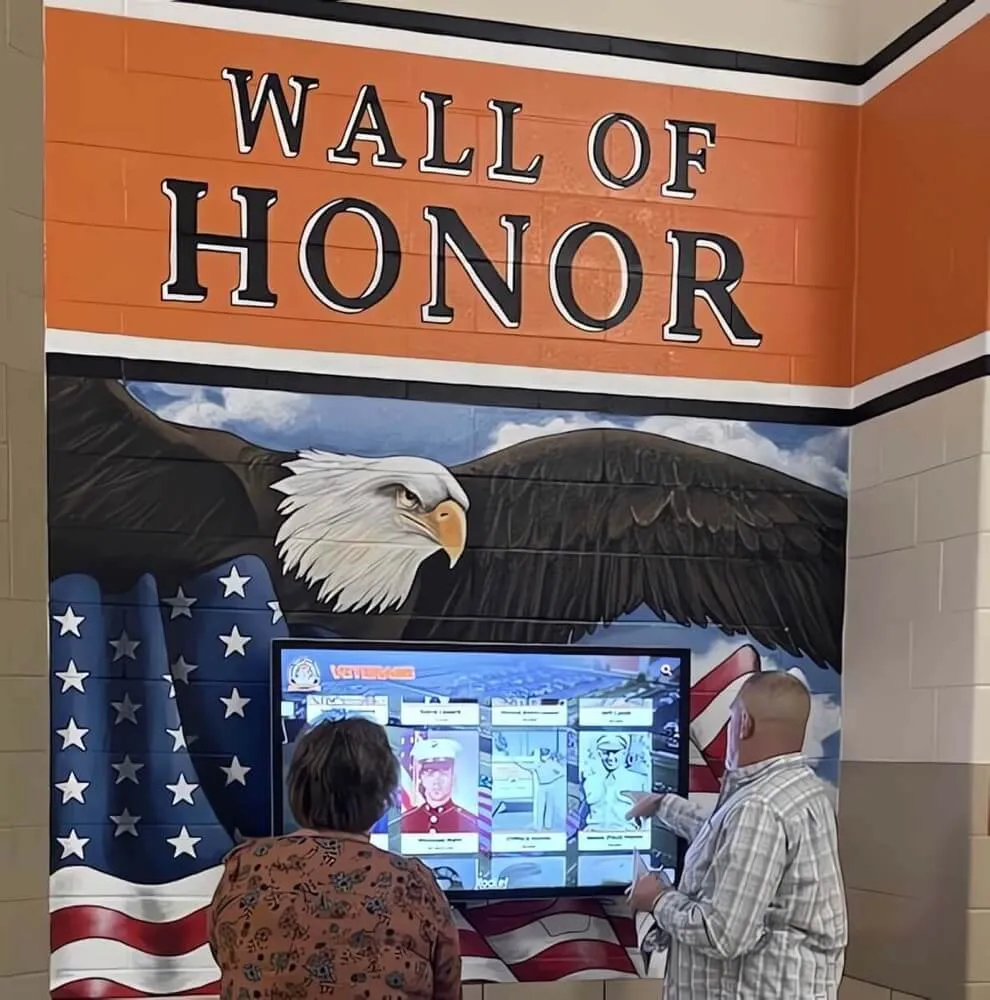
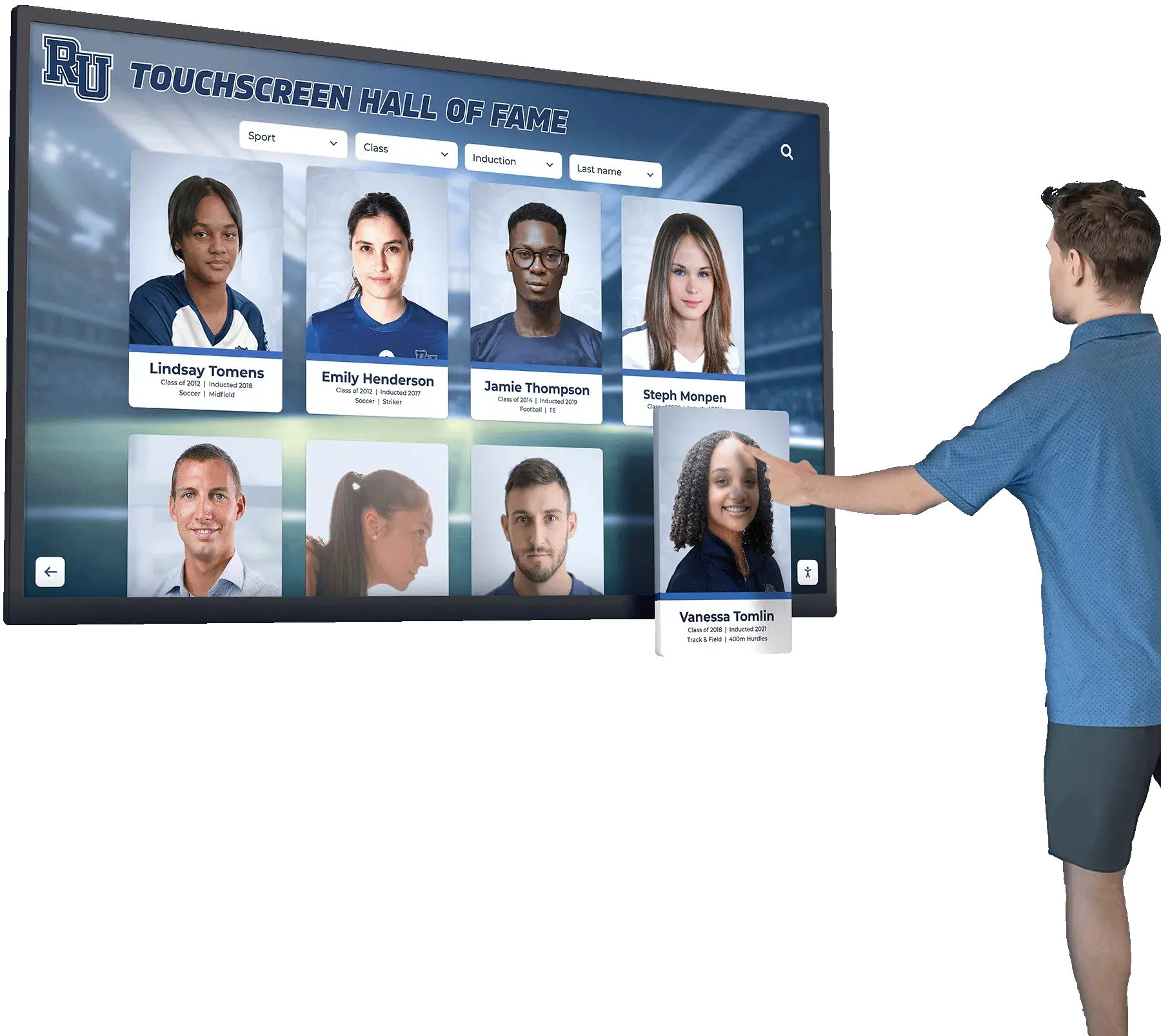
Schools working with services like Rocket Alumni Solutions to build interactive yearbook displays and heritage archives find that content organized by spread, year, section, and group integrates directly into touchscreen kiosk systems that allow alumni to explore decades of school history by browsing exactly the categories your ladder already tracks.
Yearbook Ladder Template Example
Here is a condensed example of what a functional ladder template looks like for a single section of a high school yearbook.
| Spread | Pages | Section | Topic | Editor | Photographer | Photos Needed | Caption Status | Deadline | Status |
|---|---|---|---|---|---|---|---|---|---|
| 14 | 30–31 | Sports | Varsity Football (season) | J. Okonkwo | T. Reyes | 12 | Verified | Jan 10 | Approved |
| 15 | 32–33 | Sports | JV Football | M. Chen | T. Reyes | 8 | Draft | Jan 10 | In Progress |
| 16 | 34–35 | Sports | Varsity Boys Soccer | A. Patel | L. Gomez | 10 | Uncaptioned | Jan 10 | Unstarted |
| 17 | 36–37 | Sports | Varsity Girls Soccer | A. Patel | L. Gomez | 10 | Uncaptioned | Jan 10 | Unstarted |
| 18 | 38–39 | Sports | Cross Country | D. Williams | D. Williams | 6 | Verified | Jan 10 | Draft |
At a glance, the adviser can see that spread 16 and 17 need immediate attention: no captions, unstarted status, and the same deadline as spreads that are already approved. That visibility is impossible without the ladder.
Common Yearbook Ladder Questions
How many pages should each section get?
There is no universal answer, but a reasonable starting framework for a 160-page high school yearbook is: 15–20% opening and student life, 25–30% academics and clubs, 25–30% sports, 20–25% people and portraits, 5–10% closing and ads. Adjust based on your school’s actual activities and your readership’s priorities.
Should the ladder be digital or physical?
Most programs benefit from both: a digital spreadsheet shared with all staff for real-time editing, and a large printed version posted in the classroom for visibility. The printed version encourages staff to internalize the status of the entire book, not just their own spreads.
How do we handle events that haven’t happened yet when building the ladder?
Assign the spread and deadline as placeholders. Mark spring sports spreads as “pending season” in the status column. The point is that someone is responsible for the spread when the event occurs—not that the content exists before the event happens.
Can the ladder template help with creative yearbook themes and designs?
Yes. Adding a “design template” column to your ladder—noting which page template each spread uses—lets you ensure visual consistency across sections and identify sections that might need a unique design treatment to distinguish them from adjacent content.
What happens to the ladder after the book is printed?
Archive it. Future advisers, administrators, and archive coordinators will use historical ladders to reconstruct what was covered in previous years, identify long-tenured staff members who might be sources for historical context, and understand coverage patterns that explain gaps in the school’s yearbook archive. A ladder stored with the corresponding printed volume creates a paired archival record—the document and the metadata that makes it navigable.
Connecting the Yearbook Ladder to Long-Term School Heritage
Schools that view yearbook production as a heritage-building practice rather than a one-year project make different decisions about how they maintain their ladders. They preserve them alongside physical volumes. They build digital versions that can be migrated across software platforms. They reference them when planning alumni events and homecoming programming to identify which classes and eras need additional recognition because their yearbooks had coverage gaps.
The yearbook ladder template is the document that connects the school you are today to the archive you are building for the future. A thorough ladder means future alumni searching a digital yearbook collection can find themselves by name, activity, or graduation year—not just by paging through scanned images hoping to recognize a face. That searchability is not magic; it is the direct downstream result of captions that were verified, sections that were planned, and coverage that was assigned before a single photo was taken.
Schools interested in transforming their yearbook archives into searchable digital collections and interactive campus displays can learn more about professional digitization and display solutions through the resources linked throughout this guide.