The right yearbook headline can transform a good spread into a memorable one. Great headlines do more than label sections—they capture the energy of homecoming week, the dedication of the robotics team at 2 AM before competition, or the pure joy radiating from senior sunrise photos. They give readers an immediate emotional connection before they’ve read a single caption or studied a single photograph.
Yet yearbook advisers and student editors face the same challenge every production cycle: staring at blank layout templates wondering how to encapsulate an entire year of experiences, achievements, and moments into punchy, creative headlines that work across dozens of diverse spreads. Generic headlines like “Fall Sports” or “Senior Class” waste prime real estate and fail to capture what made this particular year at this specific school unique and worth remembering.
The best yearbook headlines balance creativity with clarity, personality with professionalism, and humor with heart. They reflect student voice while maintaining consistency across sections. They work within tight character limits imposed by design templates while still conveying meaningful messages. And they accomplish all this under deadline pressure when the yearbook staff is simultaneously writing copy, cropping photos, and troubleshooting layout software.
This comprehensive guide provides 75 yearbook headline ideas organized by section and spread type—from opening pages and academics through athletics, activities, student life, and closing sections. Whether you’re working on your first yearbook or leading your tenth production cycle, these headlines offer starting points sparking creativity while providing practical solutions that work within real-world layout constraints and editorial calendars.
Why Yearbook Headlines Matter
Before diving into specific headline ideas, understanding what makes headlines effective helps yearbook staffs create their own variations matching their unique school culture and editorial voice.
Headlines Set Tone and Voice
Yearbook headlines establish the publication’s personality from the very first spread. Formal, traditional headlines (“Academic Excellence” or “Athletic Achievement”) communicate institutional prestige and timeless professionalism. Playful, contemporary headlines (“Leveling Up” for the gaming club or “Main Character Energy” for senior portraits) connect with students through current language and humor. Most yearbooks strike balances—maintaining appropriate professionalism while reflecting authentic student voice.

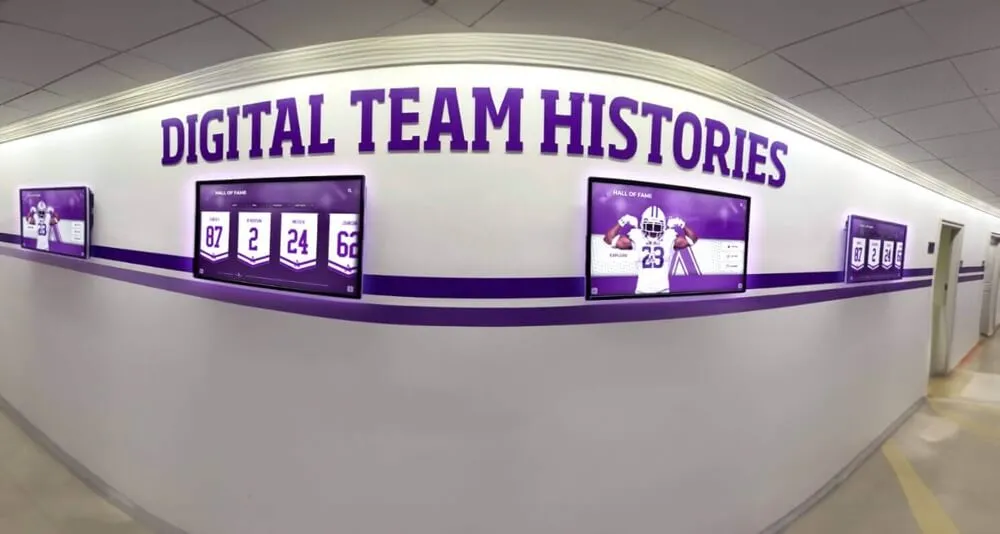
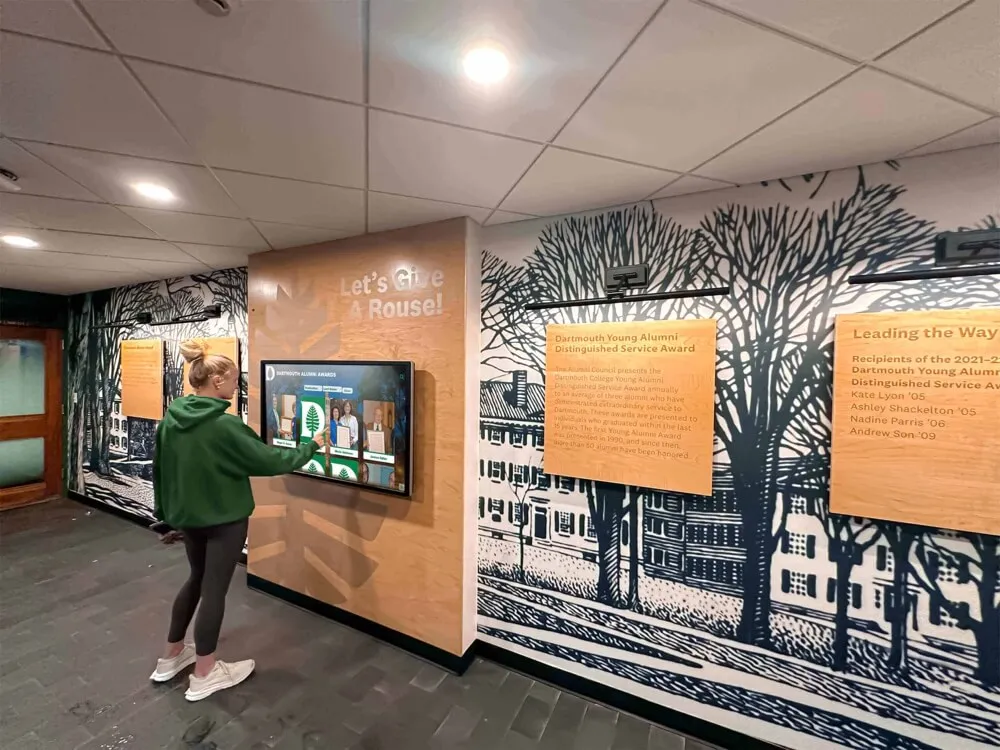
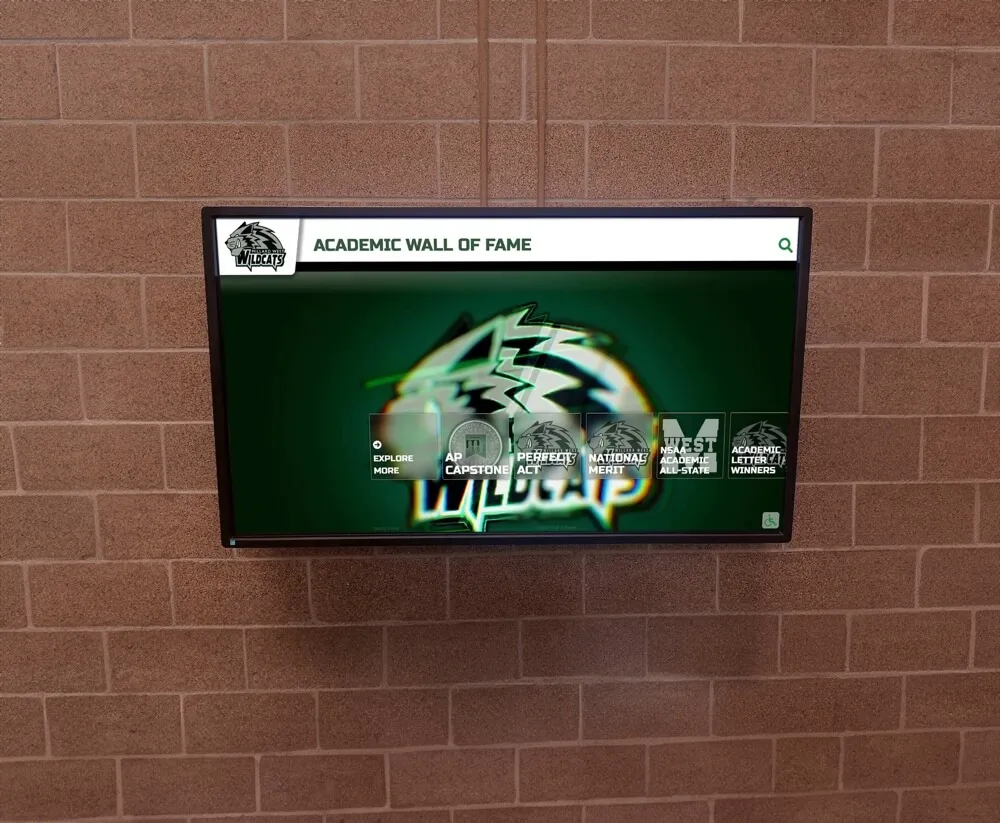
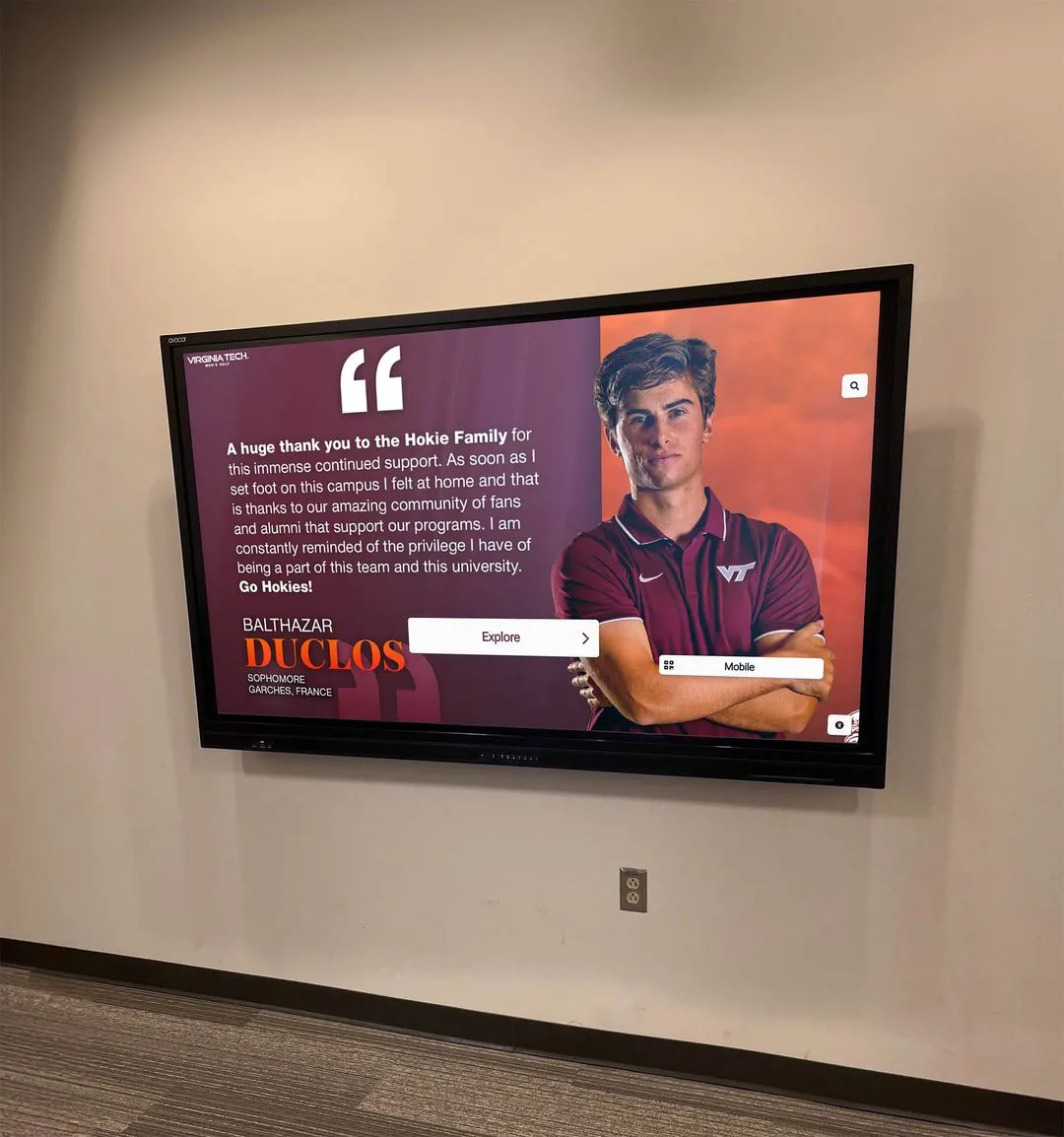
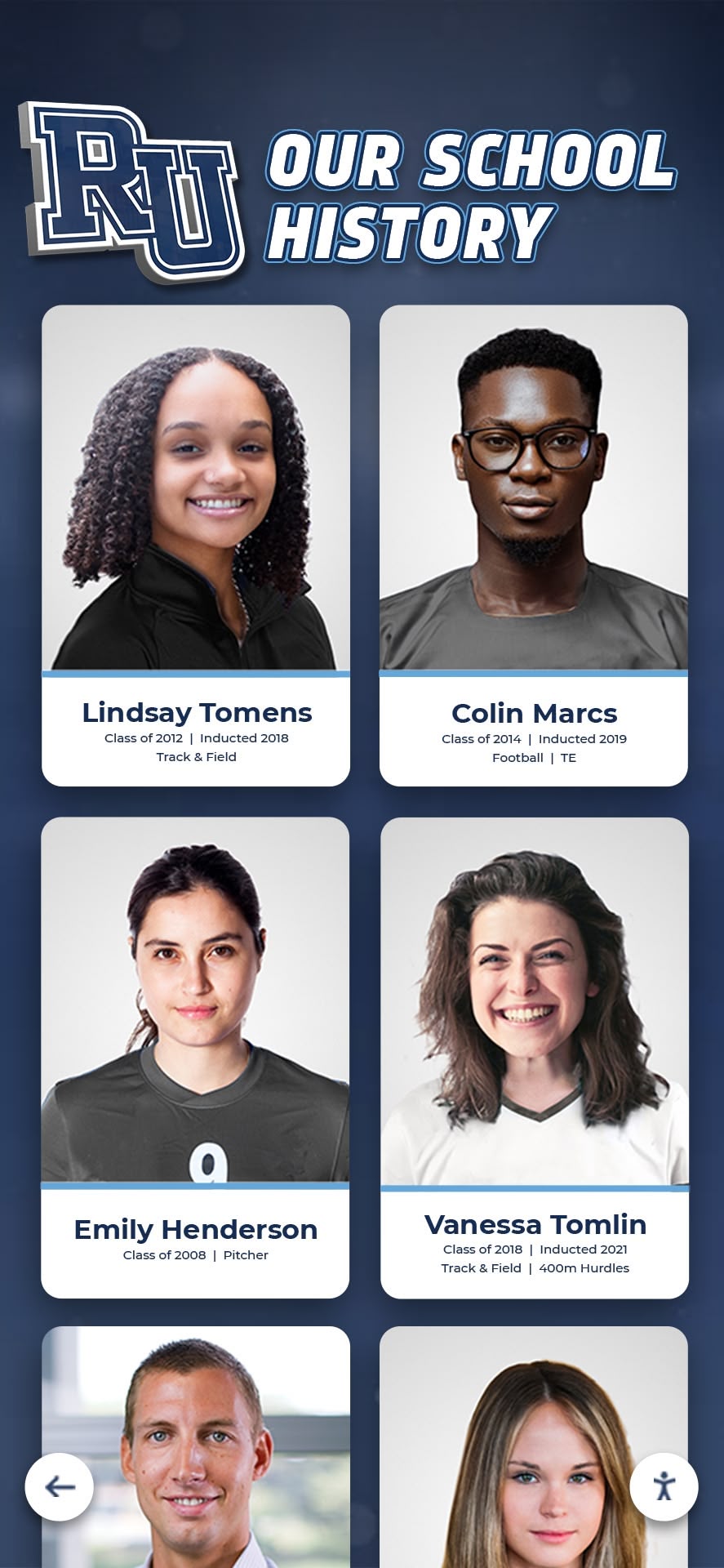
Modern yearbooks blend traditional portrait presentations with creative headlines that capture student personality and school culture
The key is consistency. Once you establish voice in opening headlines, maintain that tone throughout the book. A yearbook that opens with sophisticated literary references shouldn’t suddenly shift to internet slang halfway through athletics—readers notice these jarring transitions even if they can’t articulate exactly what feels “off” about the publication’s flow.
Headlines Improve Navigation and Readability
Well-crafted headlines help readers navigate yearbooks quickly—especially important when alumni return to their books years later searching for specific memories. Clear section headlines and subsection dividers create visual hierarchy guiding eyes through pages and helping readers locate content efficiently.
Effective navigation headlines use parallel structure. If your fall sports headline reads “Friday Night Lights,” spring sports should follow similar patterns (“Diamond Dreams” for baseball, “Net Gains” for tennis) rather than switching to completely different approaches. This parallelism creates rhythm making the yearbook feel intentionally designed rather than randomly assembled.
Headlines Maximize Limited Space
Yearbook layouts fight constant battles for space—more photos mean less room for copy, larger images crowd out captions, and design elements compete with content. Headlines earn their real estate by conveying maximum meaning in minimum words.
The best yearbook headlines work hard. A headline like “Beyond the Classroom” for a service learning spread accomplishes multiple goals: it clearly identifies the section topic, suggests student growth and real-world application, and creates curiosity about what students experienced. Compare that to a generic “Community Service” headline that simply labels without adding value or interest.
Headlines Create Emotional Connections
Yearbooks preserve memories, and effective headlines trigger emotional responses connecting readers to experiences. A homecoming spread headlined “A Night to Remember” might be accurate, but it’s also generic—applicable to literally any school’s homecoming. “Purple Reign” (if purple is your school color) or “Crown Achievement” (if homecoming royalty is central to your coverage) creates specific, memorable connections to your unique school experience.
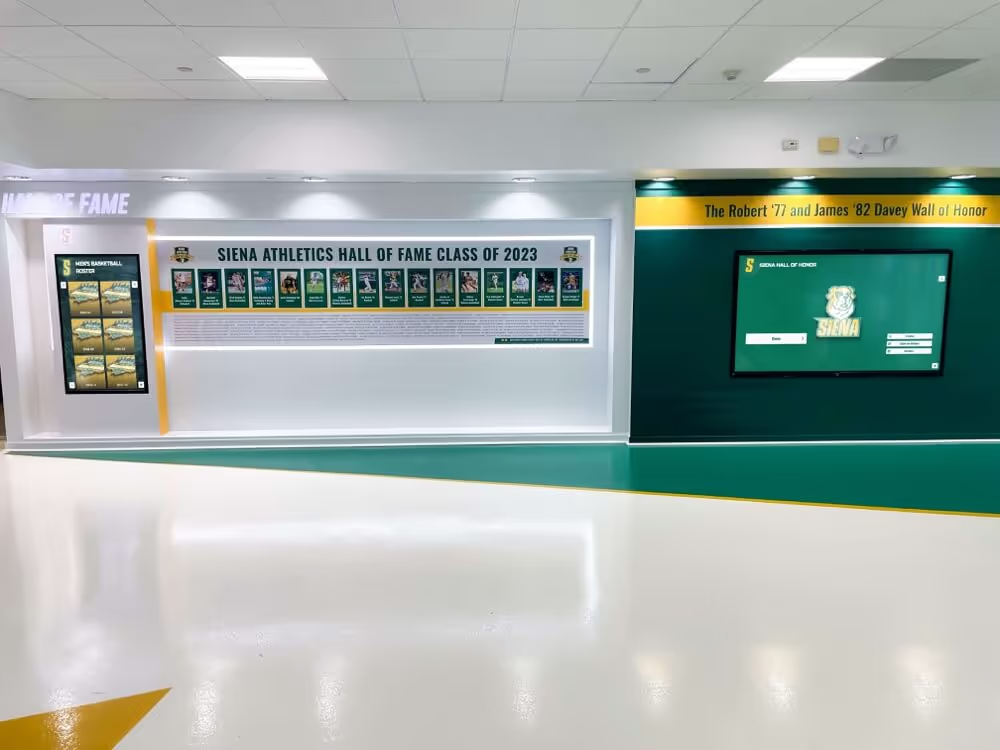
Schools implementing comprehensive recognition programs understand that celebrating achievement through multiple channels—yearbooks, digital displays, and events—reinforces community pride and student motivation.
Categories of Yearbook Headlines
Different yearbook sections require different headline approaches. Understanding these categories helps you select appropriate styles matching content and purpose.
Declarative Headlines
Declarative headlines make direct statements about section content: “Senior Class of 2026” or “Fall Athletic Championships.” These straightforward approaches work well for traditional sections where clarity matters most. They’re particularly effective in academic sections, administrative pages, and formal recognition areas where creative wordplay might feel inappropriate.
When to use declarative headlines:
- Title pages and section dividers
- Academic achievement recognition
- Administrative and faculty sections
- Formal event coverage (graduation, awards ceremonies)
- Index and reference pages
Question Headlines
Question headlines engage readers by inviting them to find answers within spreads: “Who Ruled Homecoming?” or “What Makes a Champion?” These headlines work particularly well for feature spreads exploring specific topics or student life sections showcasing diverse experiences.
When to use question headlines:
- Student life and culture spreads
- Feature stories and special coverage
- Personality profiles and interviews
- Comparative or before/after content
- Topics inviting multiple perspectives
Wordplay and Pun Headlines
Clever wordplay creates memorable headlines when executed well. “Serve’s Up” for volleyball, “Off the Hook” for fishing club, or “Novel Ideas” for the book club demonstrate how puns connect content to headlines through language play. The key is avoiding forced puns that make readers groan rather than smile—test headlines with people outside the yearbook staff to gauge whether wordplay lands successfully.
When to use wordplay headlines:
- Club and activity spreads
- Athletic sections (sport-specific terminology)
- Arts and performance pages
- Lighthearted student life content
- Spreads where humor fits subject matter
Alliterative Headlines
Alliteration creates rhythm and memorability: “Senior Sendoff,” “Fearless Freshmen,” or “Creative Minds, Collaborative Spirits.” These headlines stick in readers’ minds through sound patterns making them particularly effective for sections readers will reference repeatedly.
When to use alliterative headlines:
- Class sections (freshmen, sophomores, juniors, seniors)
- Major school events (prom, homecoming, graduation)
- Athletic team spreads
- Club and organization pages
- Any content benefiting from memorable phrasing
Pop Culture Reference Headlines
References to current movies, music, memes, or trending phrases connect yearbooks to the cultural moment: “Reputation Era” for a student spotlight spread, “No Skips” for a year-in-review section, or “It’s Giving Excellence” for academic achievement. These headlines date quickly but authentically capture how students actually spoke during that specific year.
When to use pop culture headlines:
- Student life and candid sections
- Senior-specific spreads
- Year-in-review or timeline pages
- Social media and digital life coverage
- Content targeting student audience specifically
Caution: Verify that references are widely known among your student body and won’t become incomprehensible to readers even a few years later. Include brief context in body copy if needed.
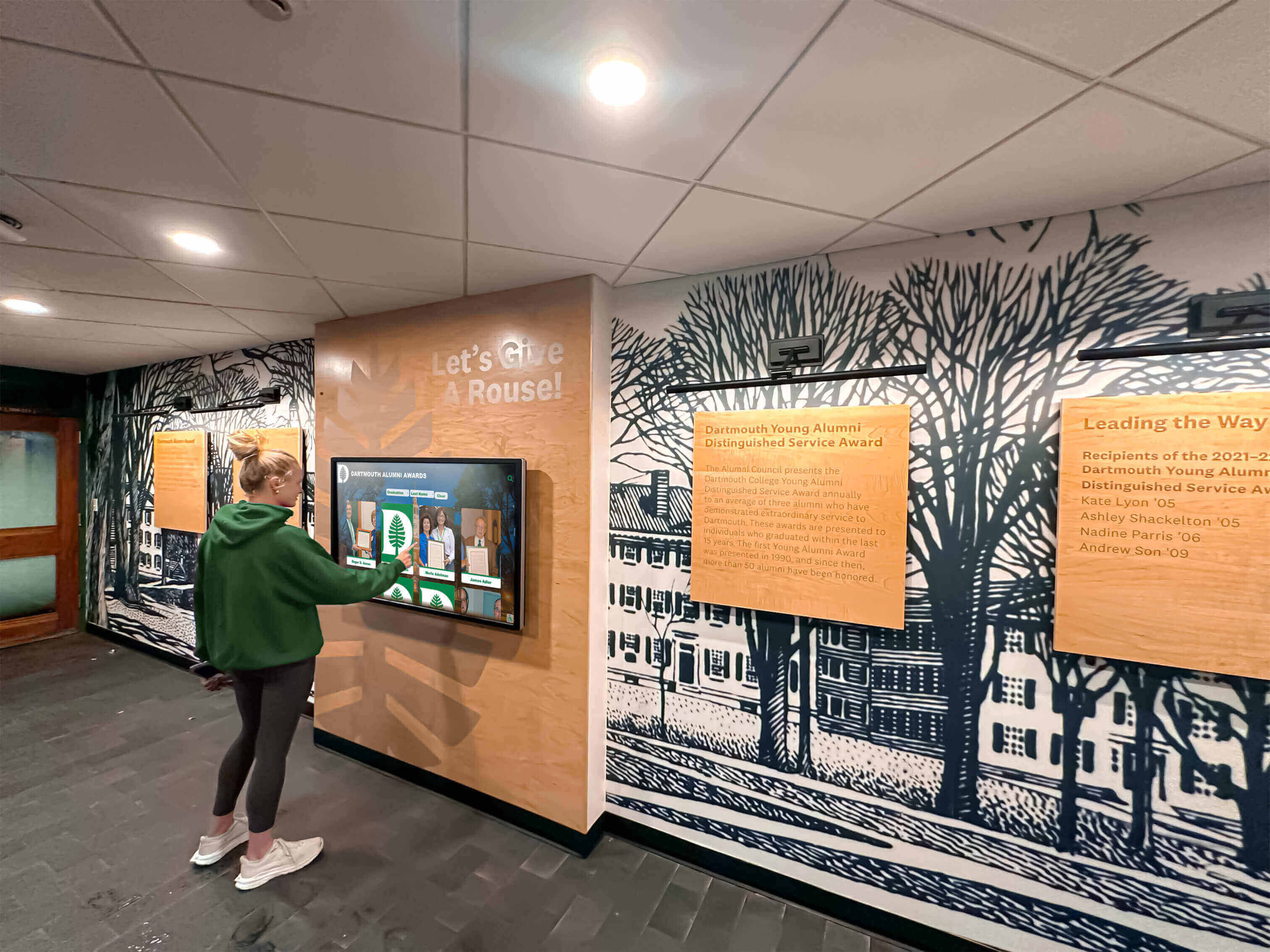
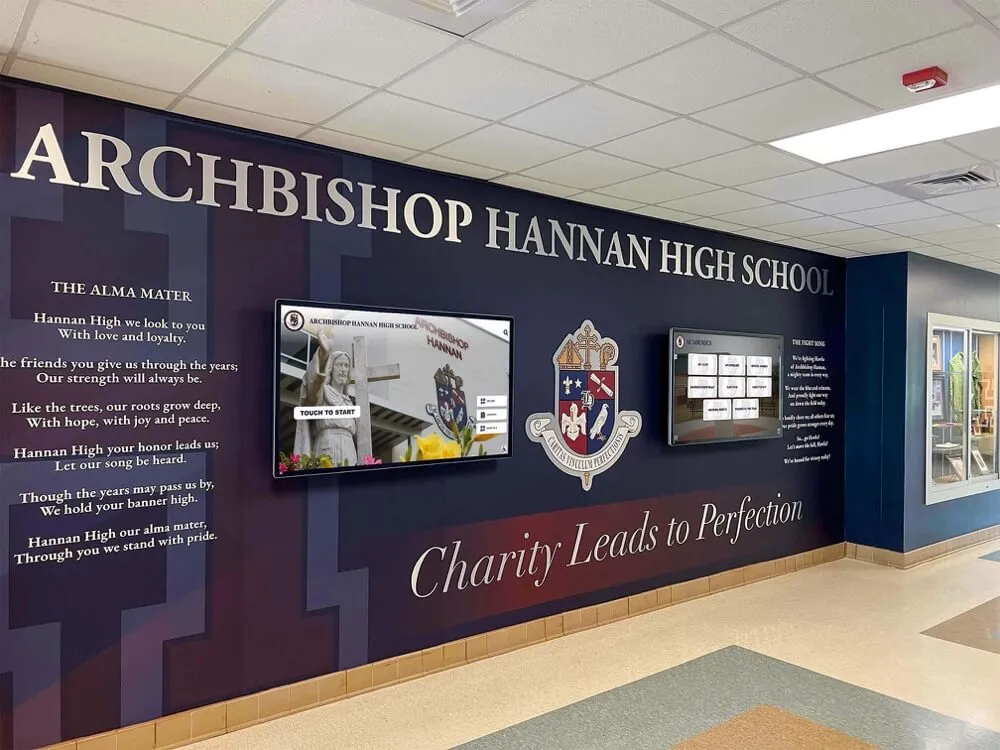
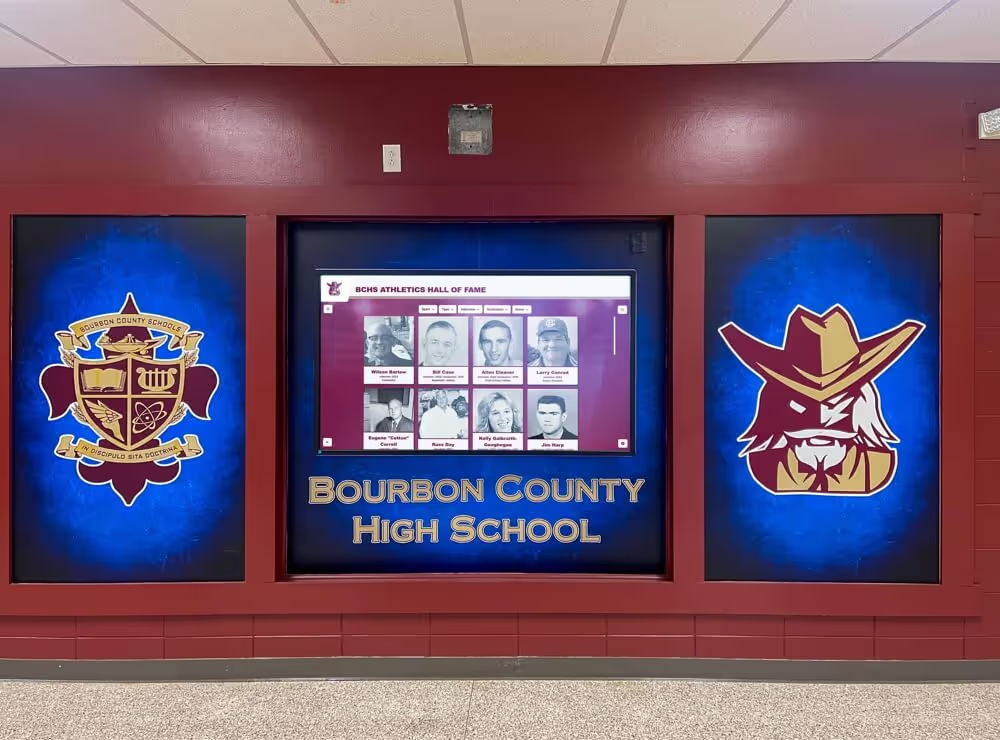
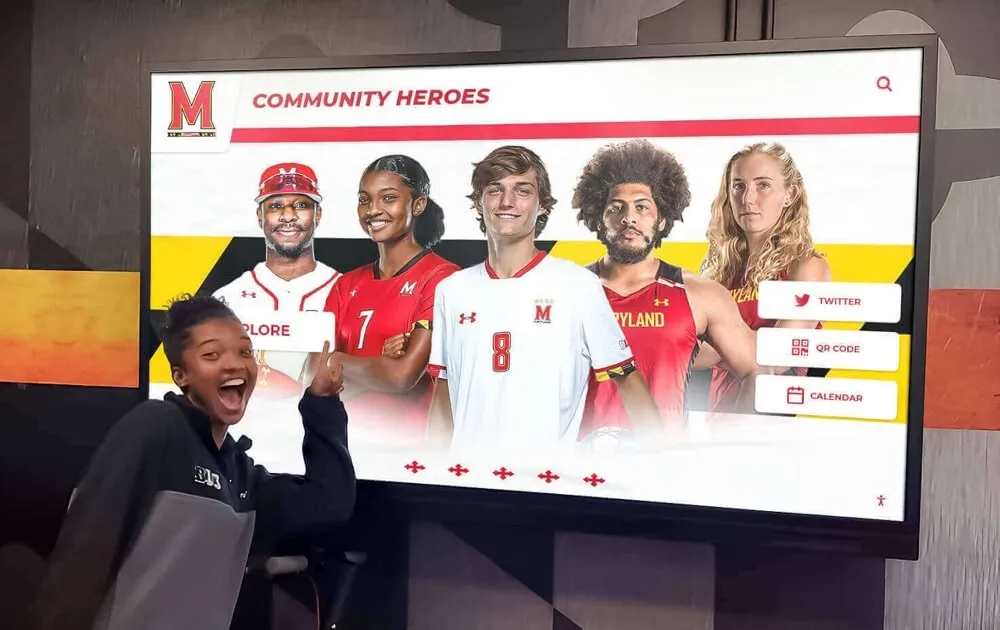
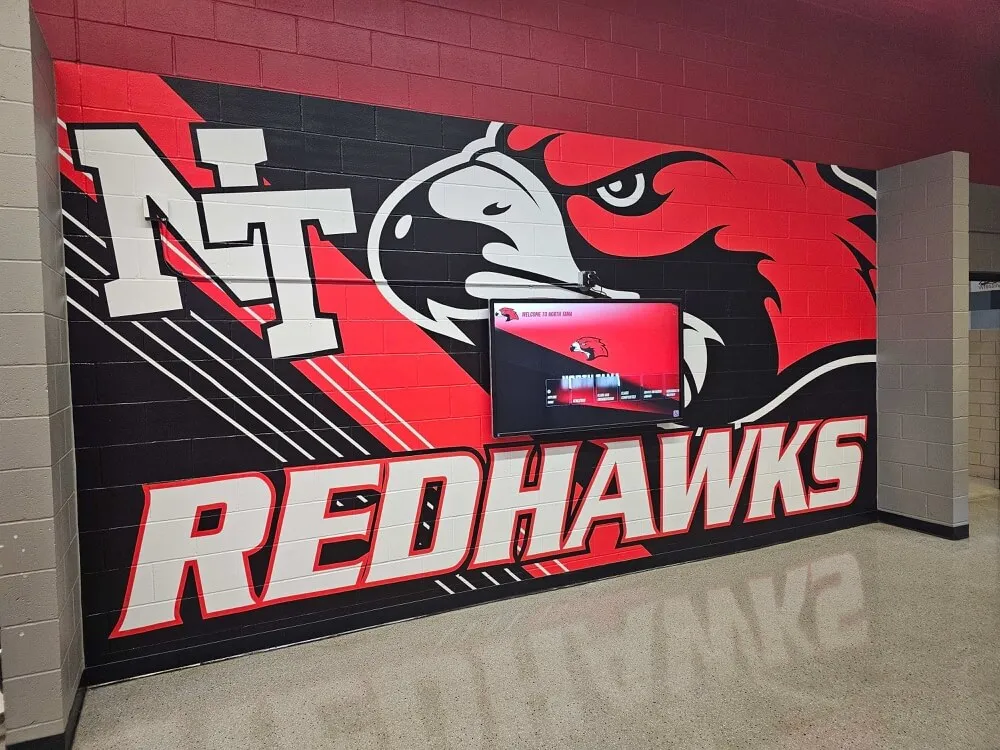
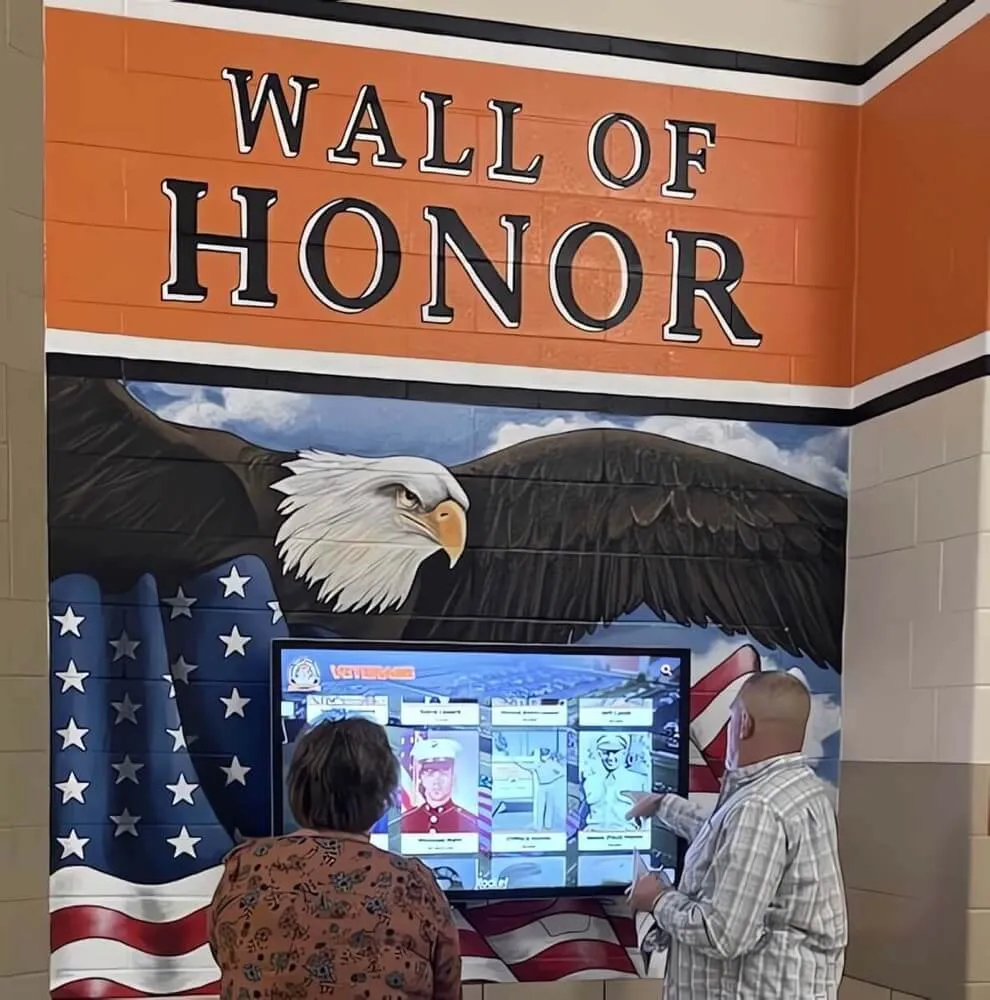
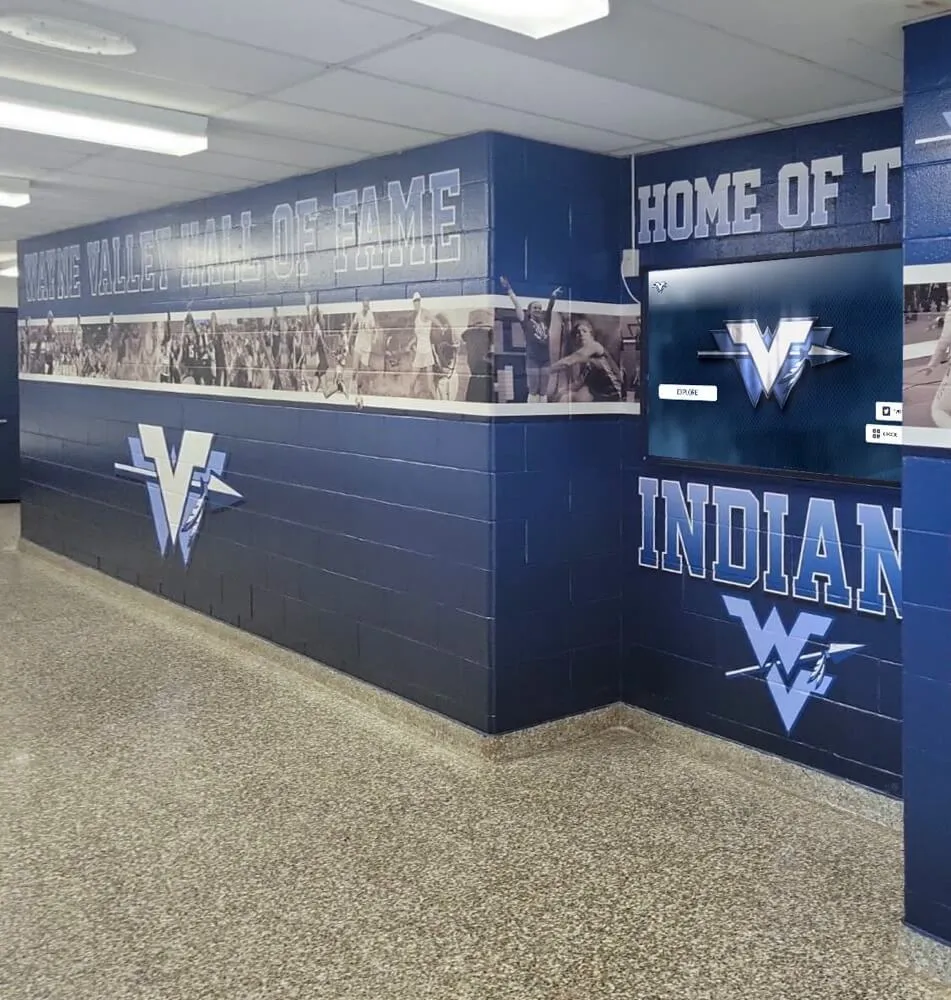
Digital yearbook platforms extend traditional print publications into interactive experiences where students can explore memories across multiple years
75 Yearbook Headlines by Section
Here are 75 ready-to-use yearbook headlines organized by typical yearbook sections. Adapt these to fit your school’s specific culture, mascot, colors, and editorial voice.
Opening Section Headlines (1-8)
The opening section sets the tone for your entire yearbook—make these headlines count.
1. “This Is Our Story” A direct, inclusive headline that works for comprehensive opening spreads. Variations: “This Is [School Name]” or “This Is [Year]”
2. “The Year That Changed Everything” Particularly effective for years with significant school changes, new buildings, leadership transitions, or major events.
3. “Made for This Moment” Captures the idea that students rose to challenges and opportunities throughout the year.
4. “Where We Belong” Emphasizes community, inclusion, and school pride—effective for schools prioritizing culture and connection.
5. “Unfiltered: 365 Days of [Mascot]” Modern, social-media-influenced headline suggesting authentic, behind-the-scenes coverage throughout the year.
6. “No Two Days Alike” Celebrates the diversity of experiences, events, and moments that defined the school year.
7. “The Next Chapter Begins” Works particularly well for schools opening new facilities, launching new programs, or experiencing significant transitions.
8. “Proof We Were Here” Meta headline acknowledging the yearbook’s purpose while creating emotional resonance about leaving lasting marks.
Academic Section Headlines (9-18)
Academic sections can feel dry—use headlines adding energy and meaning to classroom coverage.
9. “Beyond the Books” Highlights experiential learning, real-world applications, and education extending beyond traditional instruction.
10. “Where Curiosity Leads” Emphasizes inquiry-based learning and student agency in educational exploration.
11. “Lessons Learned” Simple but effective, with double meaning covering both curriculum content and life skills.
12. “Minds at Work” Active headline suggesting intellectual engagement and problem-solving across disciplines.
13. “The Learning Curve” Acknowledges both academic challenges and growth throughout the year.
14. “Question Everything” Celebrates critical thinking and intellectual curiosity—particularly effective for honors or advanced programs.
15. “From Theory to Practice” Works well for spreads featuring hands-on learning, labs, projects, or applied academics.
16. “Brain Power” Straightforward, energetic headline for academic achievement recognition or honor roll spreads.
17. “Knowledge is Power” Classic phrase that remains relevant for academic sections emphasizing college prep or career readiness.
18. “Future Ready” Connects current learning to post-graduation goals—effective for schools emphasizing college and career preparation.
Academic excellence often connects to recognition programs celebrating student achievement through honor rolls, academic awards, and scholarship acknowledgment.
Athletics Section Headlines (19-33)
Sports sections offer rich opportunities for creative, energetic headlines capturing competitive spirit and team achievement.
19. “Game On” Universal sports headline working across all athletic spreads—simple, energetic, immediately understood.
20. “Heart of a Champion” Emphasizes character, determination, and competitive spirit beyond just wins and losses.
21. “All In” Captures total commitment and dedication athletes bring to their sports.
22. “Rivals, Records, and Respect” Alliterative headline covering competitive aspects, achievement recognition, and sportsmanship.
23. “Built Different” Modern slang celebrating the unique mentality and work ethic required for athletic success.
24. “The Grind Never Stops” Highlights year-round training, dedication, and commitment beyond game day.
25. “Victory Lap” Works for championship seasons or senior athlete recognition spreads.
26. “Road to State” Specific to teams that competed at state championships—adapt to “Road to Regionals,” “Road to Nationals,” etc.
27. “Tradition Continues” Effective for programs with strong historical success or multi-generational excellence.
28. “New Heights” Celebrates program growth, record-breaking performances, or improved competitive results.
29. “United We Play” Emphasizes teamwork, collaboration, and collective achievement over individual performance.
30. “Pressure Makes Diamonds” Acknowledges challenges while celebrating how athletes performed in high-stakes situations.
31. “Earn It Every Day” Highlights daily work ethic and continuous improvement mindset.
32. “Leave It on the Field” Classic sports phrase about maximum effort—adapt to “court,” “mat,” “pool,” etc., for specific sports.
33. “The Comeback Story” Perfect for teams that overcame adversity, injury, or difficult seasons to achieve success.
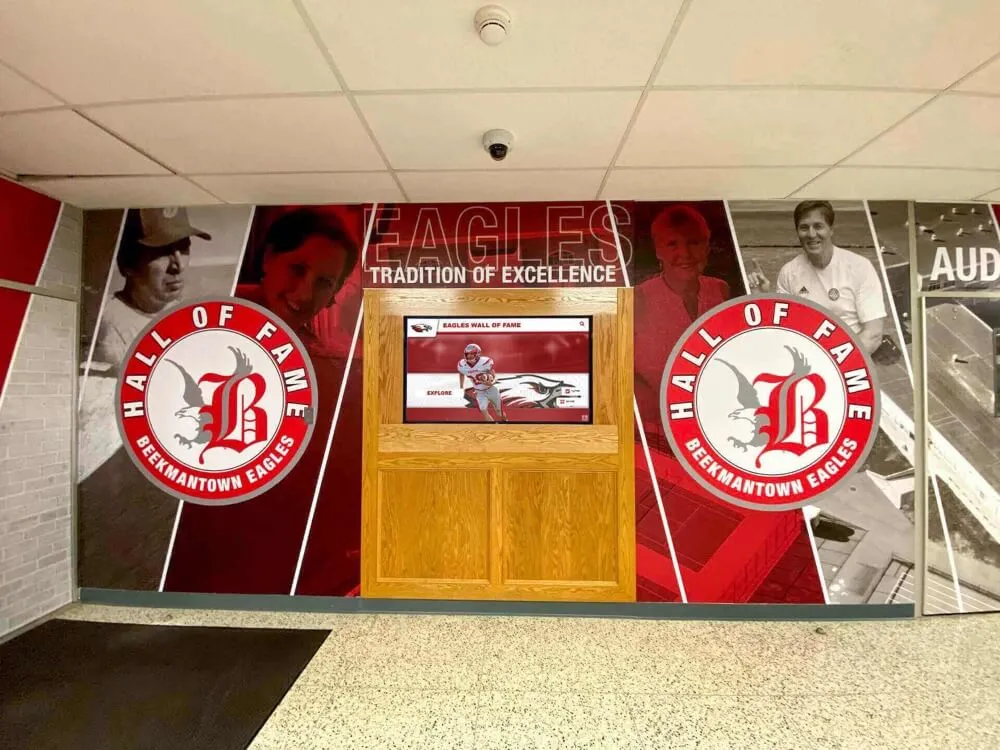
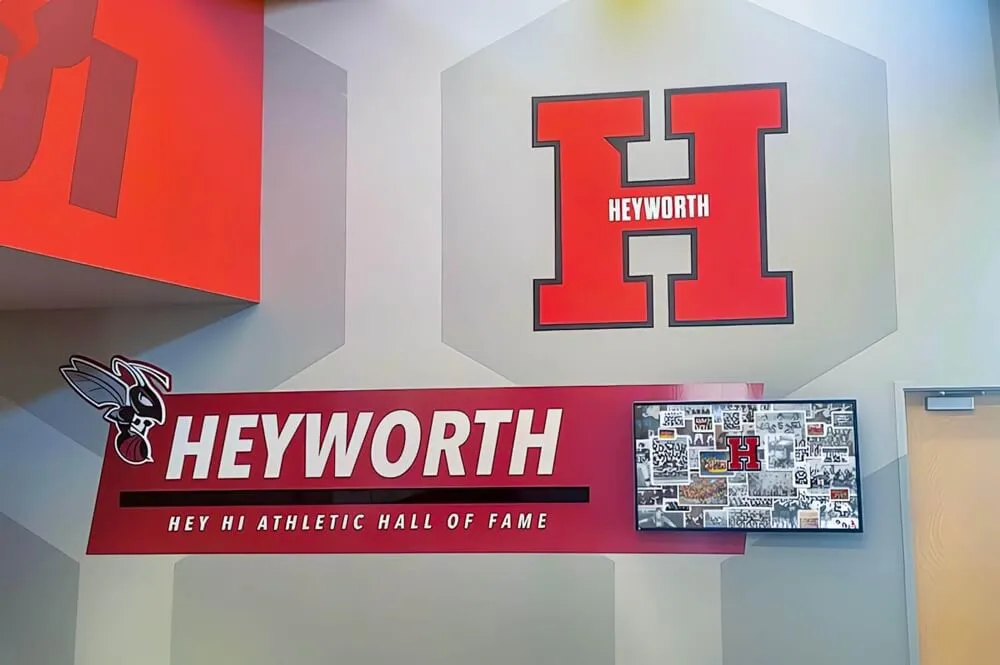
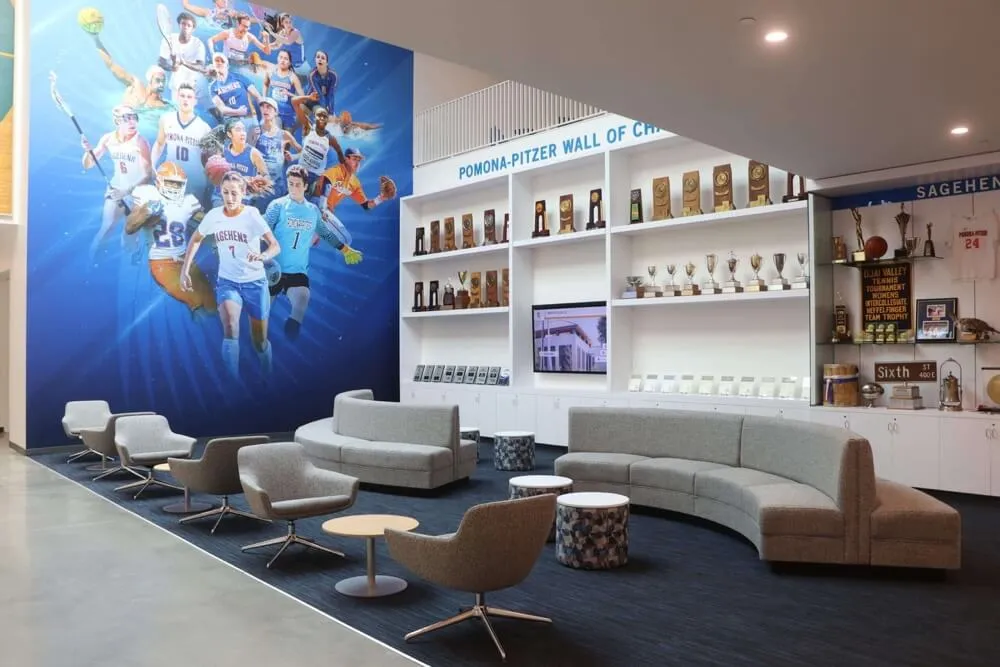
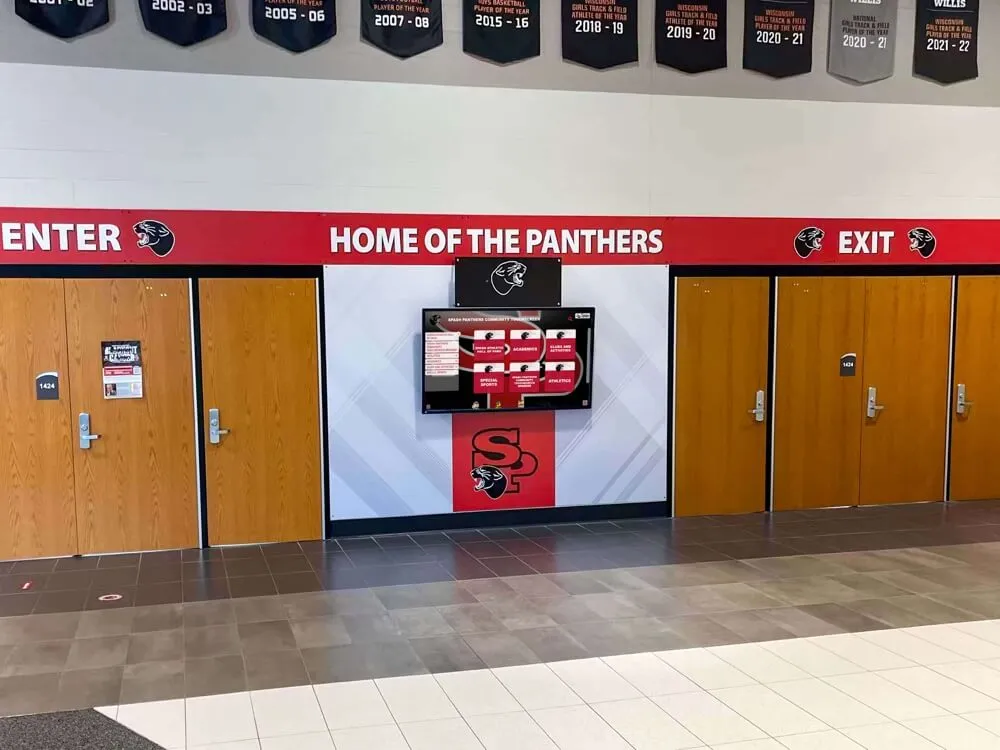
Schools showcasing athletic excellence often extend recognition beyond yearbooks through digital record boards displaying achievement in high-traffic areas like gyms and athletic lobbies.
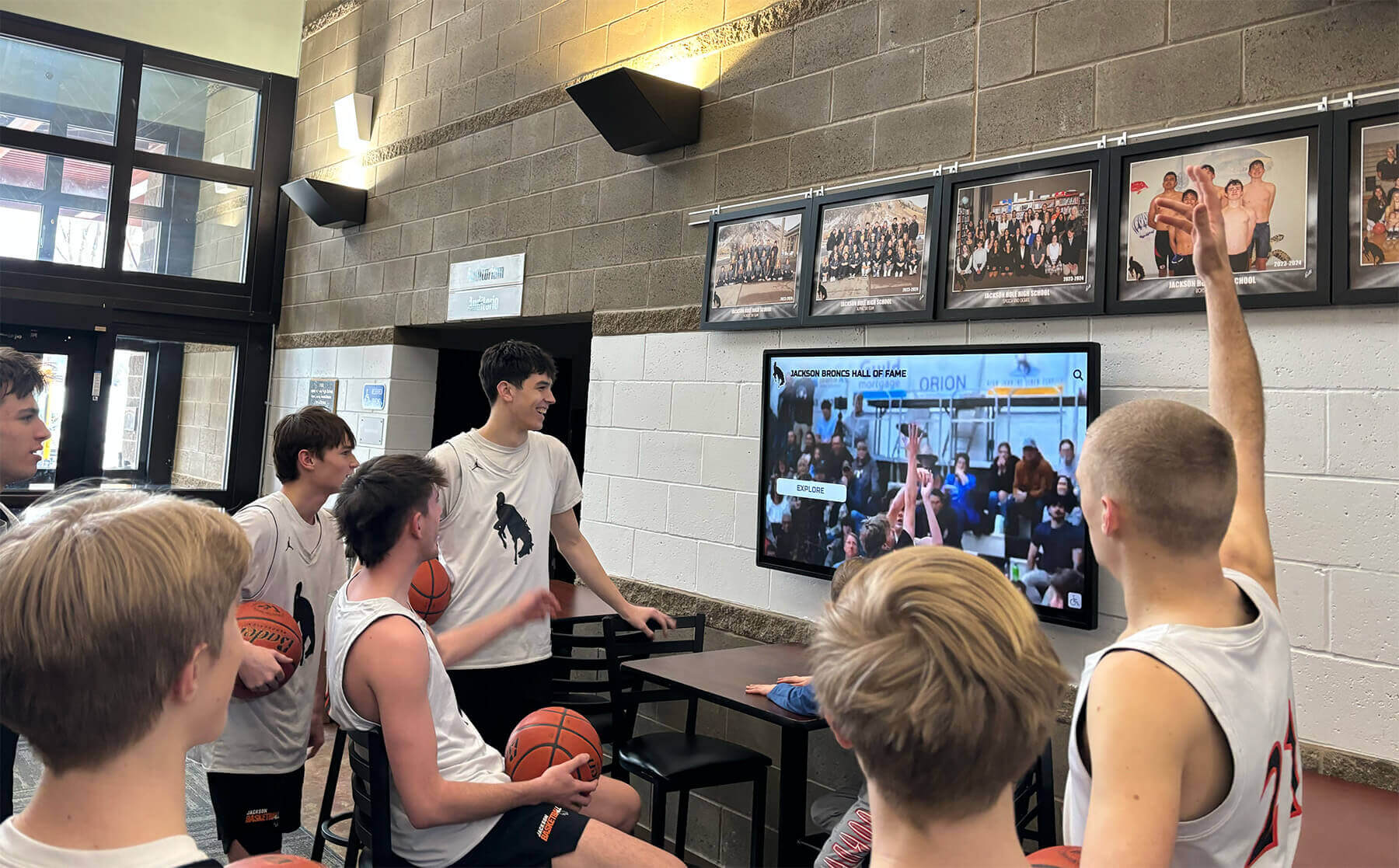
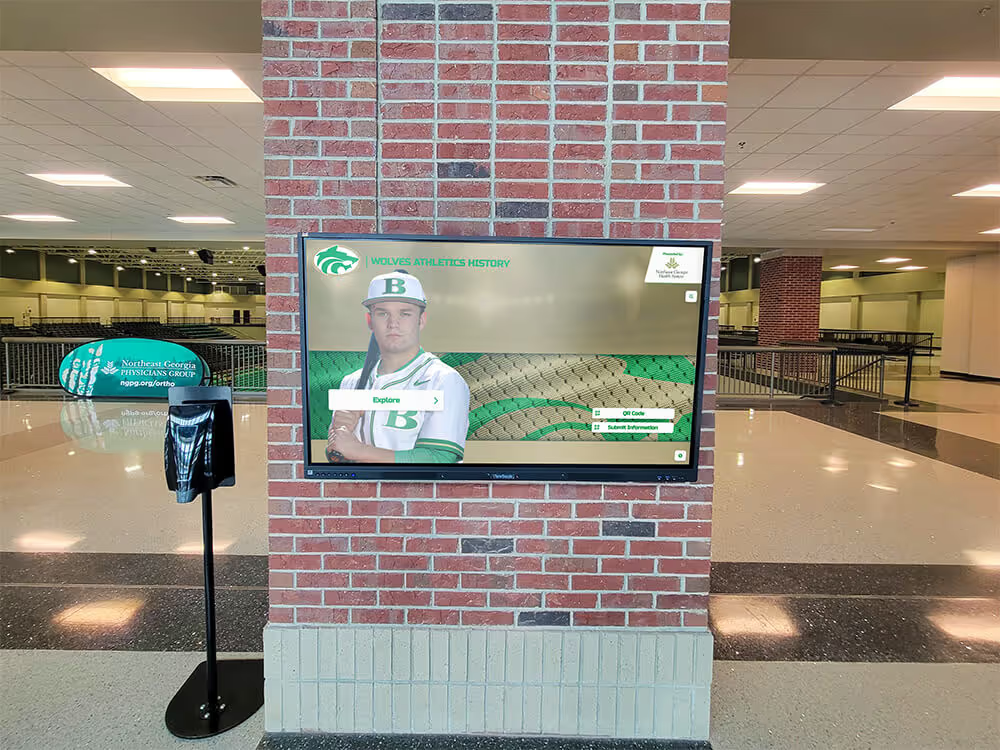
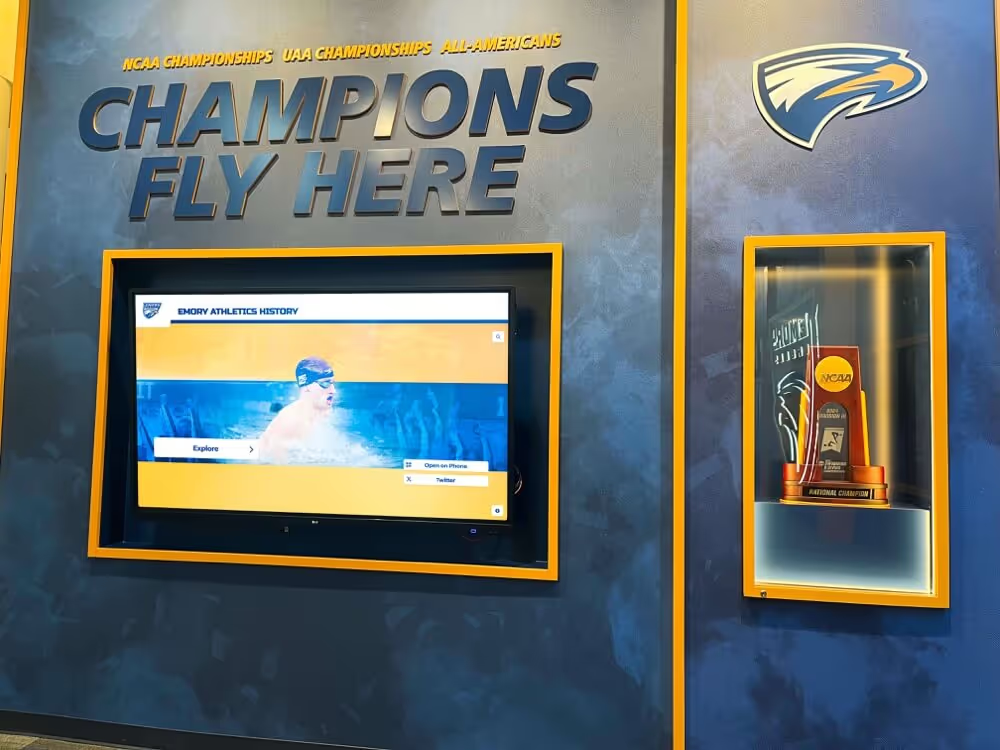
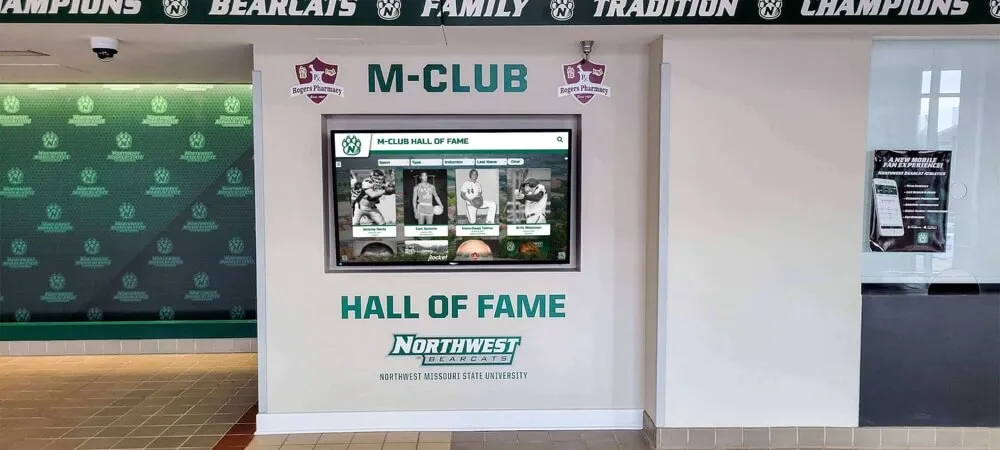
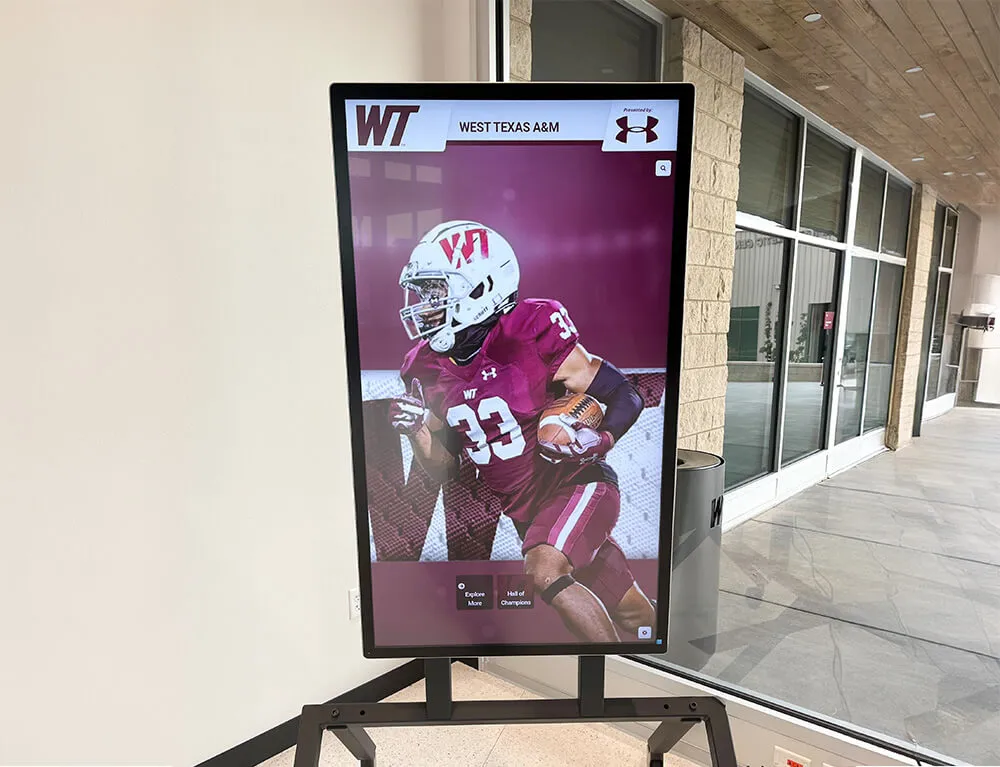
Modern schools complement yearbook athletics coverage with digital displays showcasing game highlights and season achievements
Activities and Clubs Headlines (34-46)
Club and activity spreads celebrate diverse student interests—headlines should reflect the variety and passion students bring to extracurriculars.
34. “Find Your People” Emphasizes how clubs create community and connection among students with shared interests.
35. “More Than a Meeting” Highlights the depth of relationships, impact, and experiences clubs provide beyond basic organizational structure.
36. “Passion Projects” Works for club spreads emphasizing student initiative, creativity, and personal investment in activities.
37. “Where Interests Become Action” Celebrates clubs that move beyond discussion to actual community impact and achievement.
38. “Built by Students, For Students” Emphasizes student agency, leadership, and ownership of club culture and activities.
39. “After the Final Bell” Simple headline capturing how club involvement extends school experience beyond classroom hours.
40. “Making Their Mark” Highlights club accomplishments, community service impact, or competition success.
41. “Not Just a Club” Suggests deeper meaning, stronger connections, or greater impact than casual organizational structure implies.
42. “Small Group, Big Impact” Perfect for specialized clubs with limited membership but significant achievement or community contribution.
43. “Teamwork Makes the Dream Work” Playful, rhyming headline celebrating collaboration in clubs and group activities.
44. “Creating Together” Works well for arts-focused clubs, maker spaces, or collaborative creative activities.
45. “Leading the Way” Highlights student leadership development through club participation and officer roles.
46. “United by Purpose” Emphasizes shared goals and mission connecting club members across grade levels and backgrounds.
Student Life Headlines (47-59)
Student life sections capture everyday moments, traditions, and experiences defining school culture—these headlines should feel authentic to how students actually experience school.
47. “The In-Between Moments” Celebrates candid, everyday experiences between major events and formal activities.
48. “When We’re Not in Class” Direct headline for student life spreads showing hallway interactions, lunch periods, and casual moments.
49. “Real Life, Unscripted” Suggests authentic documentation of actual student experience rather than posed or formal coverage.
50. “These Are the Days” Nostalgic headline acknowledging the significance of everyday moments students will remember.
51. “Making Memories” Simple, classic headline that explicitly names what student life coverage accomplishes.
52. “The Best Part of the Day” Works for spreads featuring popular activities, favorite traditions, or highly anticipated events.
53. “Caught in the Act” Playful headline for candid photography spreads showing students being themselves.
54. “The [Mascot] Way” School-specific headline emphasizing unique culture and traditions (e.g., “The Tiger Way” or “The Eagle Way”).
55. “Just Another Day at [School Name]” Ironic headline suggesting that “normal” days at your school involve extraordinary experiences.
56. “Living Our Best Lives” Current slang that authentically captures student enthusiasm and enjoyment of school experience.
57. “Behind the Scenes” Perfect for spreads showing aspects of school life readers don’t typically see or consider.
58. “Tradition Meets Tomorrow” Celebrates balance between maintaining beloved traditions while embracing innovation and change.
59. “This Is What We Do” Direct, confident headline asserting school identity through documentation of student life activities.
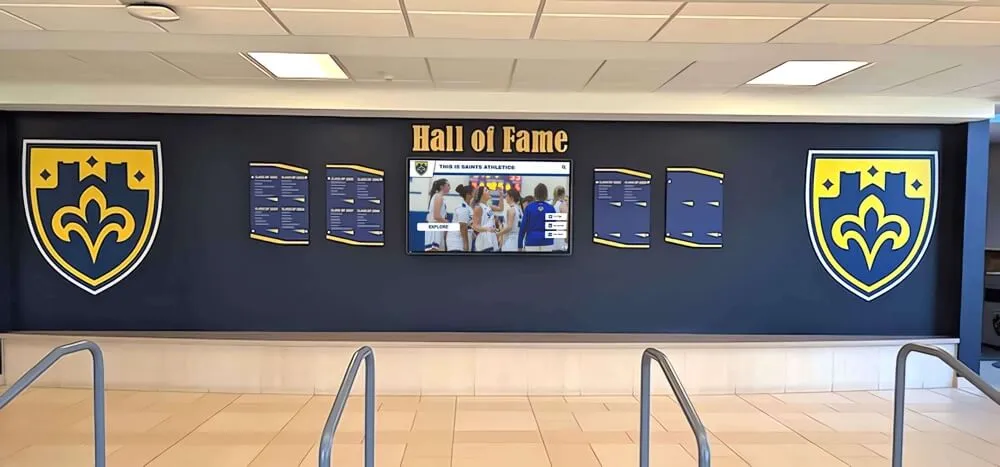
Many schools enhance student life documentation by preserving memories through digital yearbook archives enabling current students and alumni to explore decades of school history.
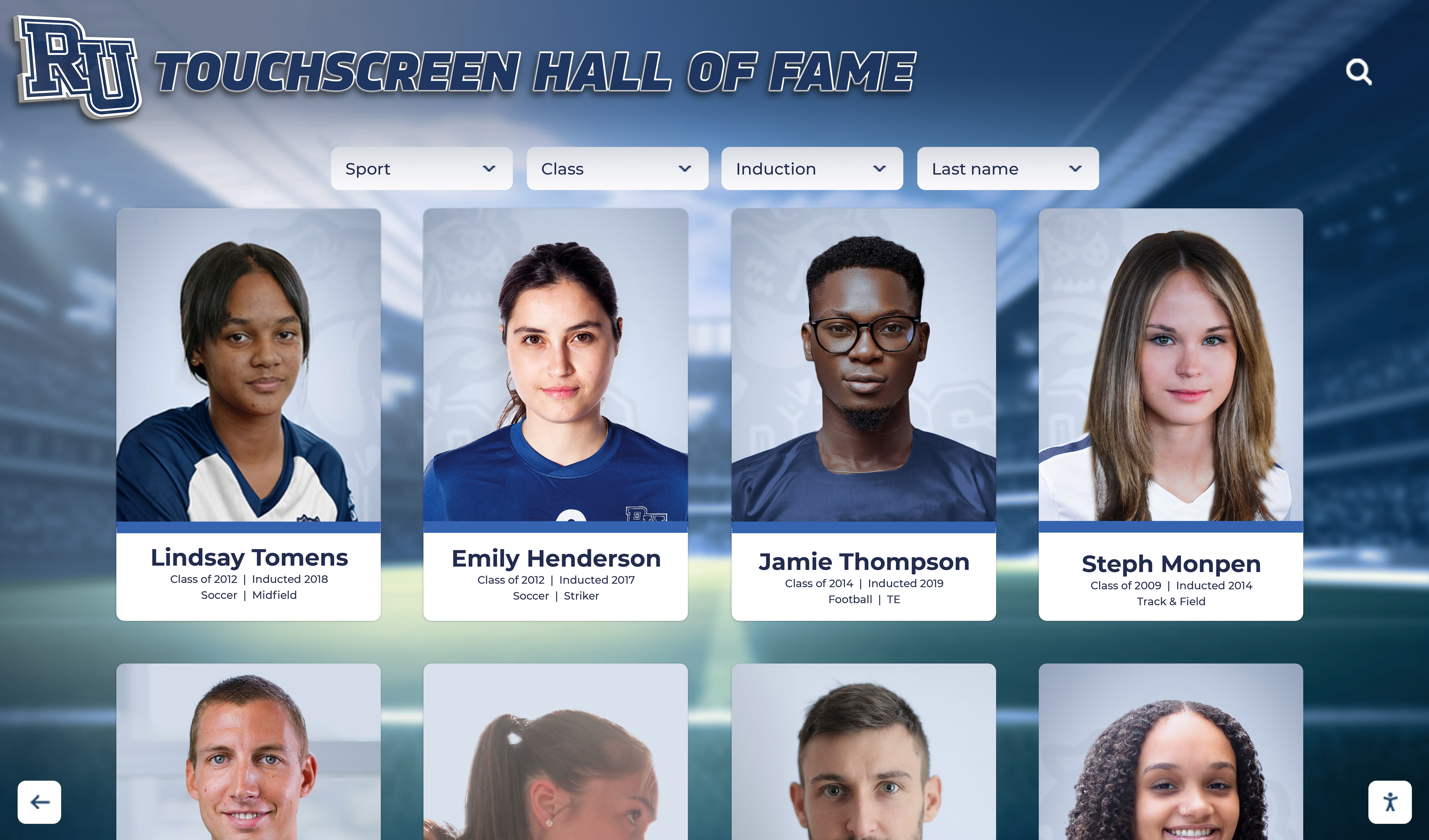
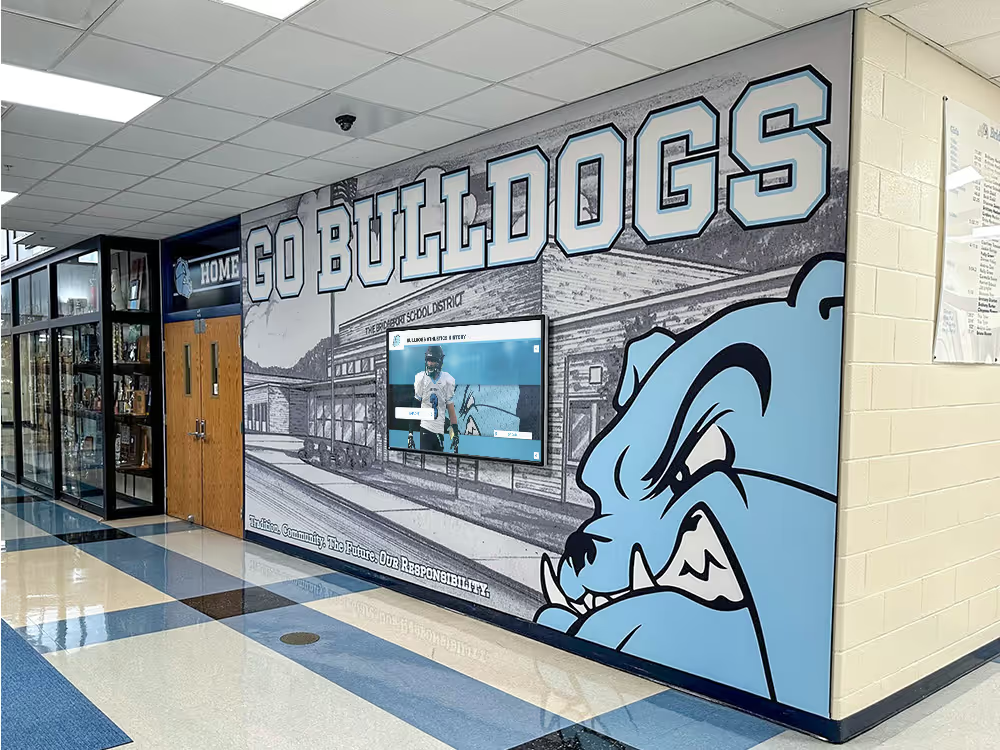
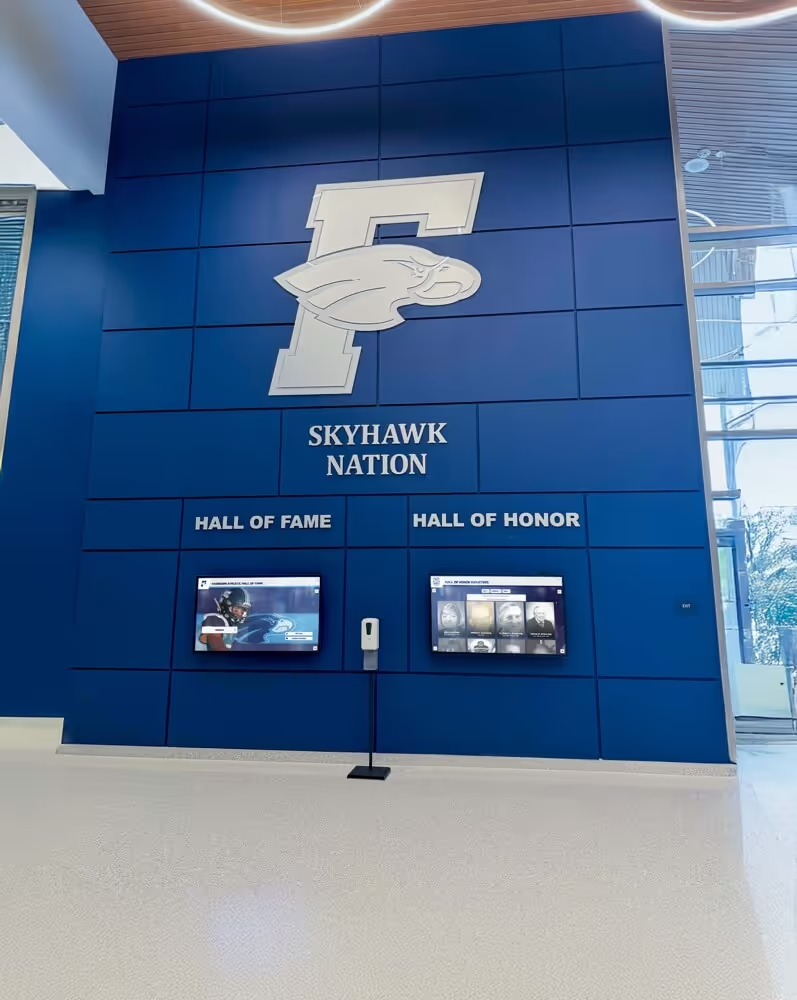
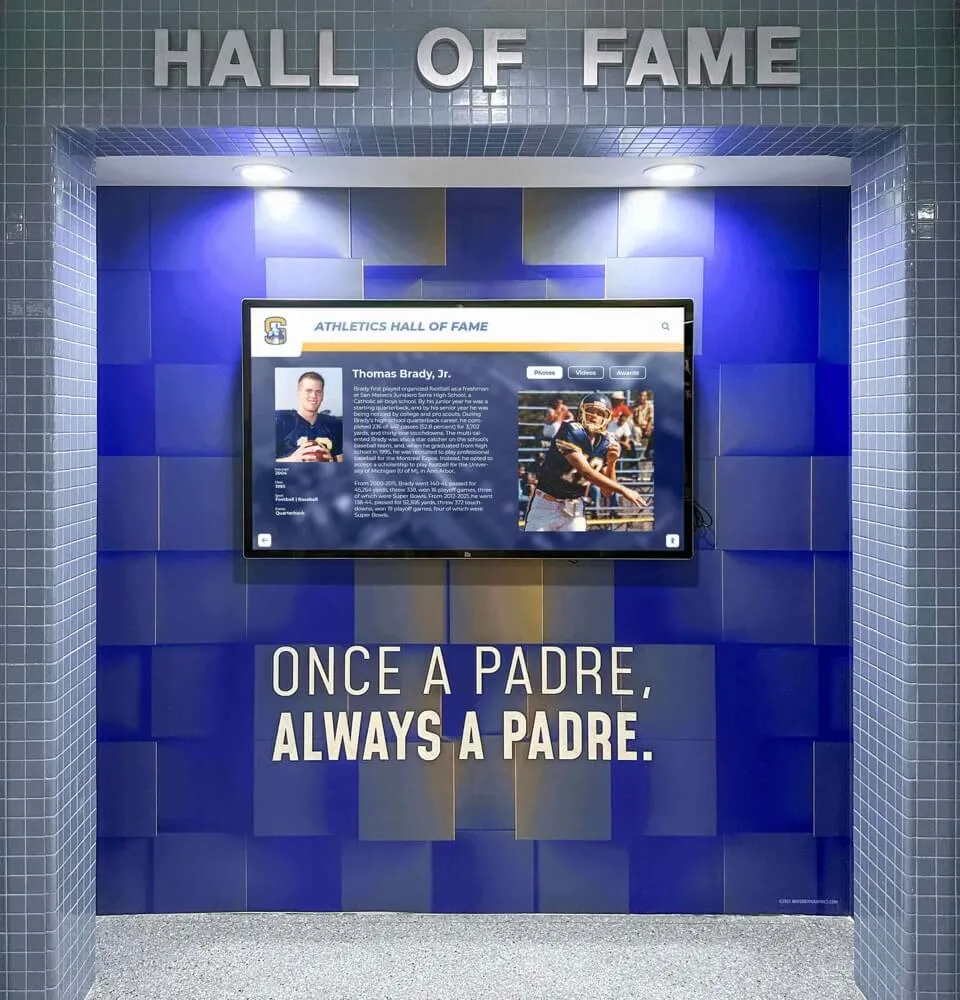
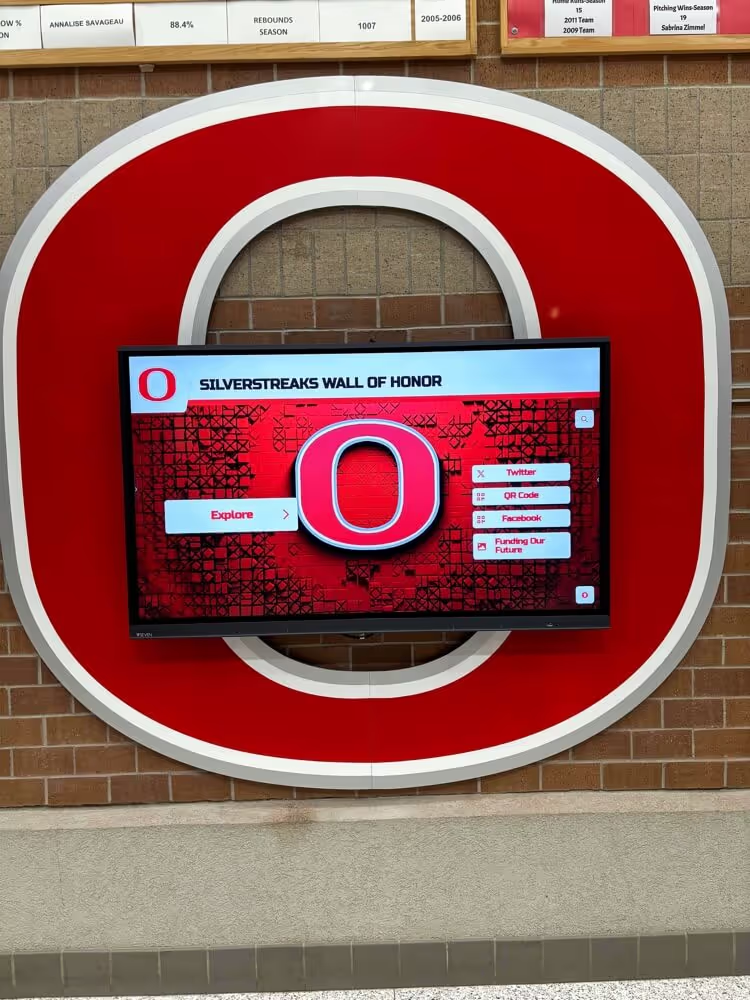
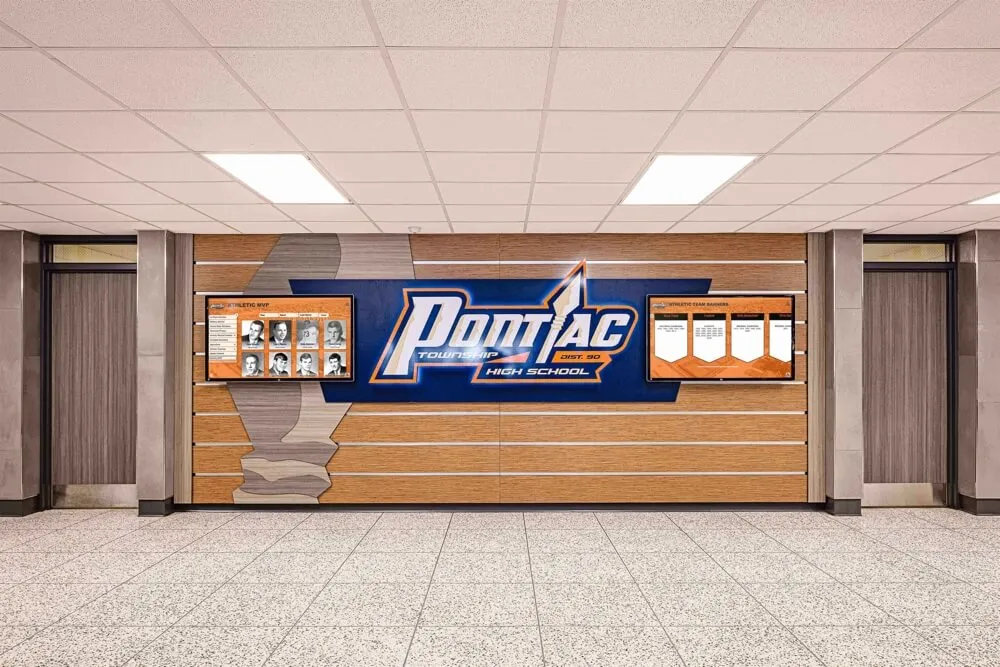
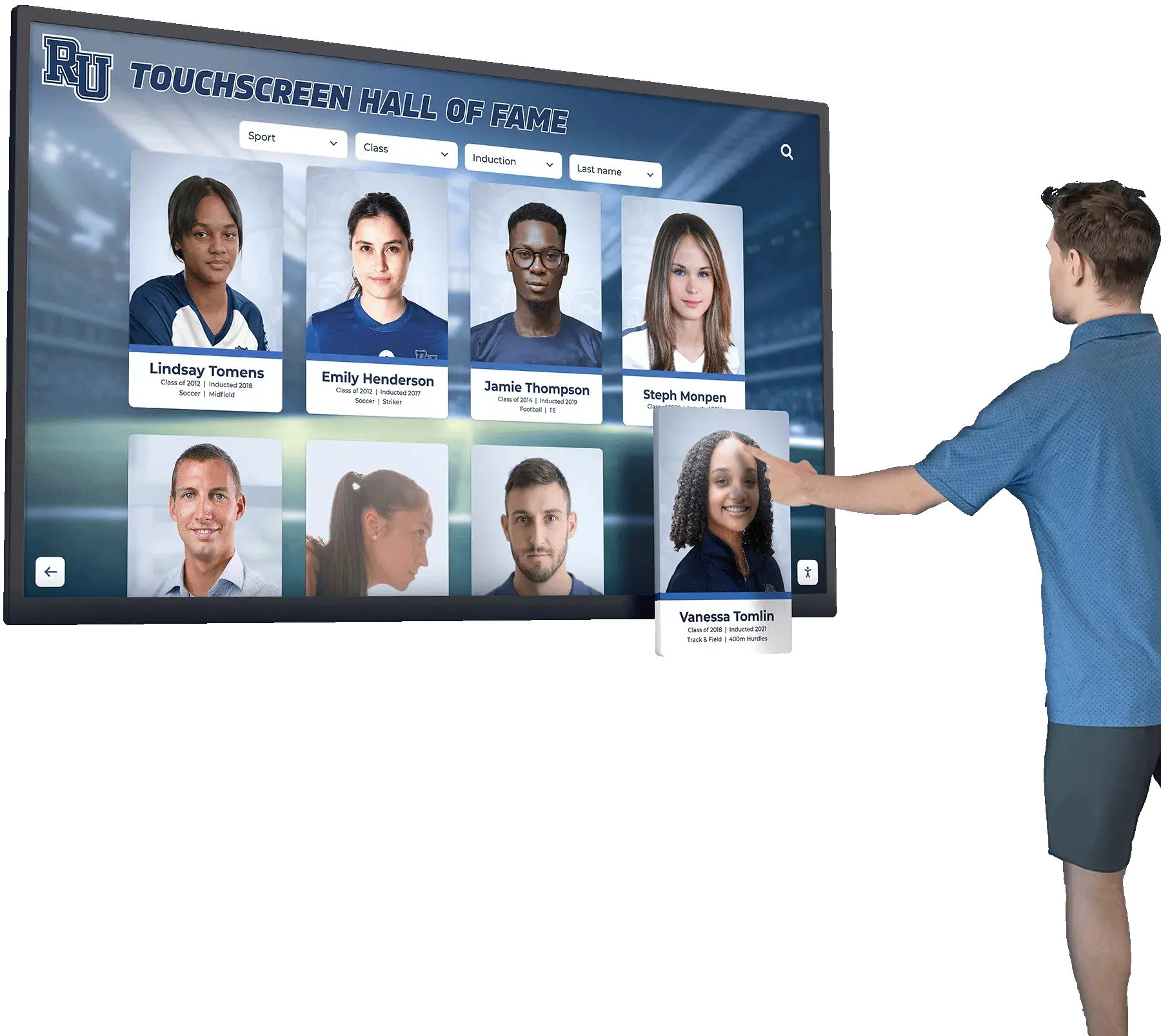
Digital recognition systems complement print yearbooks by providing searchable, updateable platforms for celebrating ongoing student achievement
Special Events Headlines (60-68)
Major events like homecoming, prom, and graduation deserve headlines capturing the excitement, emotion, and significance of these milestone moments.
60. “A Night to Remember” Classic prom or formal dance headline that works universally—though consider more specific alternatives for differentiation.
61. “Dressed to Impress” Perfect for prom or formal event spreads emphasizing fashion, style, and celebration.
62. “Crown Achievement” Wordplay headline for homecoming or prom featuring royalty crowning ceremonies.
63. “The Final Chapter” Emotional graduation headline acknowledging both ending and new beginnings.
64. “Four Years in the Making” Graduation headline emphasizing the journey and accumulated experiences leading to this moment.
65. “Lights, Music, Memories” Captures the sensory experience of school dances and major social events.
66. “Spirit Week Takeover” Energetic headline for homecoming week or spirit day coverage showing school-wide participation.
67. “We Came, We Saw, We Conquered” Confident headline for major school events with strong attendance or successful execution.
68. “One Last Dance” Emotional headline for senior prom or final events celebrating graduating class.
People Section Headlines (69-73)
Whether featuring individual portraits, senior profiles, or personality spotlights, people-focused spreads benefit from headlines emphasizing individuality and community.
69. “Faces of [School Name]” Direct headline celebrating diversity of people comprising your school community.
70. “More Than a Yearbook Photo” Suggests depth of personality and experience behind formal portrait images.
71. “The Class of 2026” Classic, timeless headline for senior class sections—never goes out of style.
72. “Who We Are” Simple, inclusive headline working for class sections, diversity spreads, or community documentation.
73. “Every Story Matters” Emphasizes inclusivity and the value of each individual’s experience and contribution to school community.
Closing Section Headlines (74-75)
Closing spreads provide final impressions and lasting messages—choose headlines creating meaningful conclusions.
74. “Until We Meet Again” Emotional closing headline acknowledging temporary goodbye while suggesting ongoing connection.
75. “The Story Continues” Forward-looking closing headline emphasizing that this year’s end represents a beginning for the next chapter.
Practical Tips for Writing Effective Yearbook Headlines
Beyond using these specific headline ideas, understanding principles of effective headline writing helps yearbook staffs create their own variations and original headlines matching their unique editorial voice.
Character Count and Space Constraints
Yearbook design templates impose strict character limits on headlines based on font sizes, available space, and layout specifications. Always check character counts against actual layout space before falling in love with a headline that won’t fit.
General Guidelines:
- Main section headlines: 15-30 characters works for most templates
- Spread headlines: 30-50 characters allows more descriptive phrasing
- Subheads and secondary headlines: 40-60 characters provides context and detail
Test headlines in actual layouts early in the design process—what looks perfect in your planning documents might be impossible to fit in the actual spread without compromising font size, readability, or visual impact.
Maintaining Consistent Voice
Editorial voice should feel consistent throughout the yearbook even when different writers create headlines for different sections. Establish clear voice guidelines early in the production cycle:
Defining Your Voice:
- Formal vs. casual: Will you use complete sentences or fragments? Contractions or formal language?
- Student-centered vs. institutional: Do headlines reflect how students speak or how administration communicates?
- Traditional vs. contemporary: Will you reference current trends or use timeless language?
- Humorous vs. serious: How much wordplay, slang, or jokes fit your school culture?
Create a style guide documenting these decisions and share it with all yearbook staff members writing headlines—consistency makes yearbooks feel professionally produced rather than assembled from mismatched pieces.
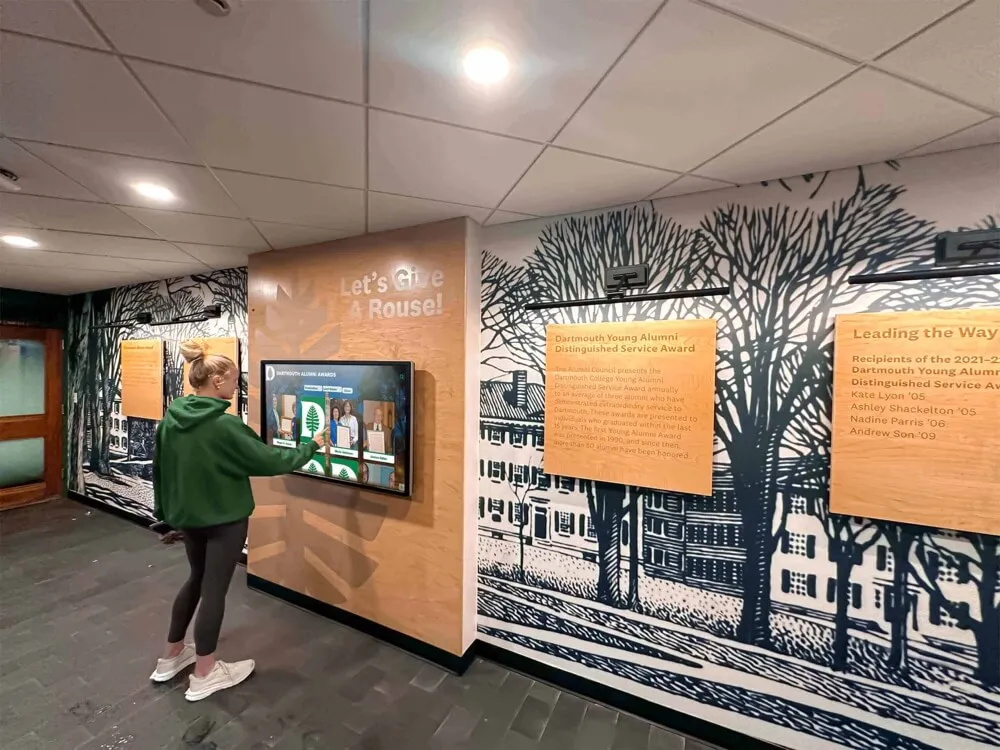
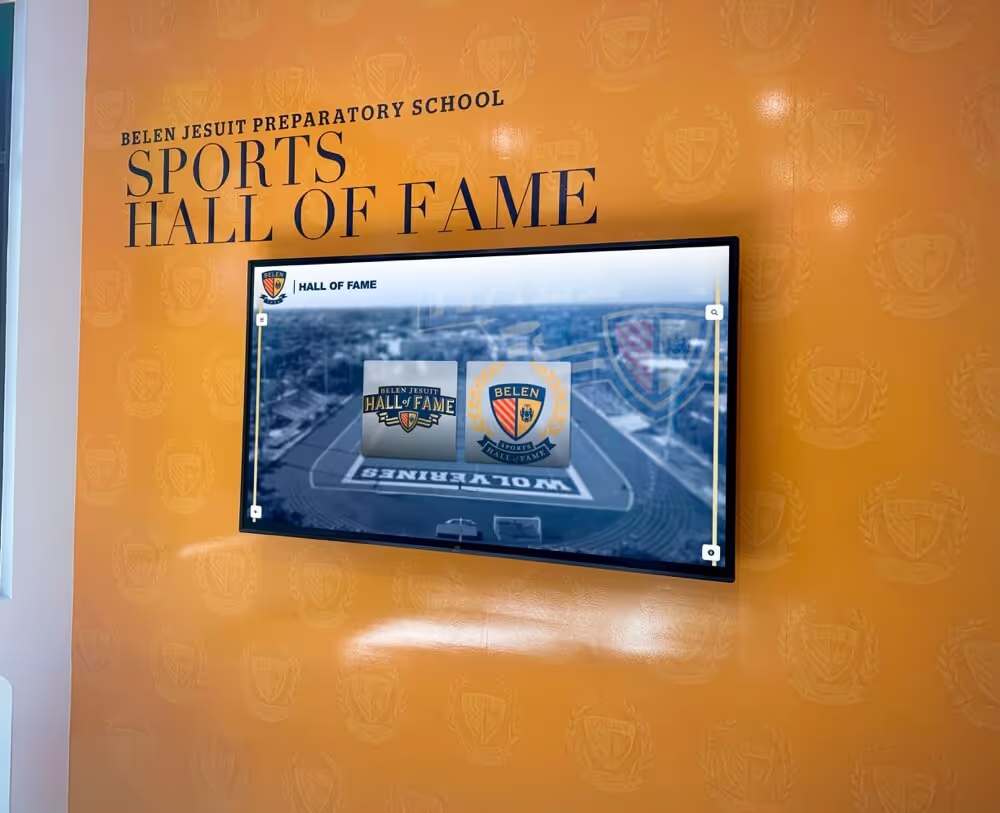
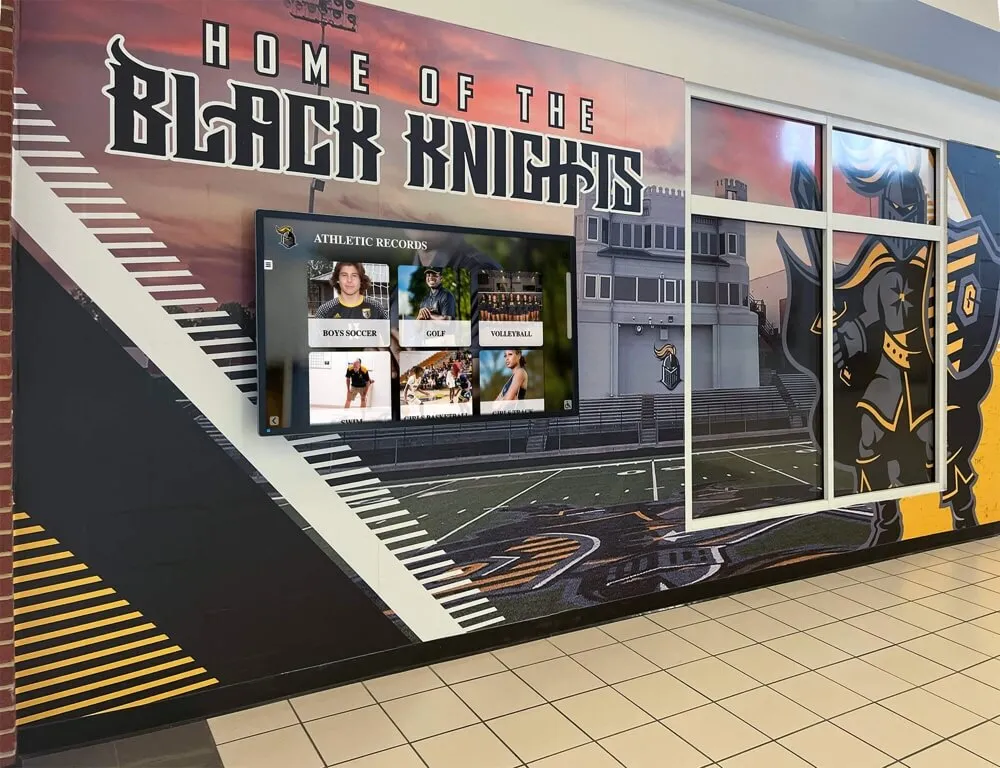
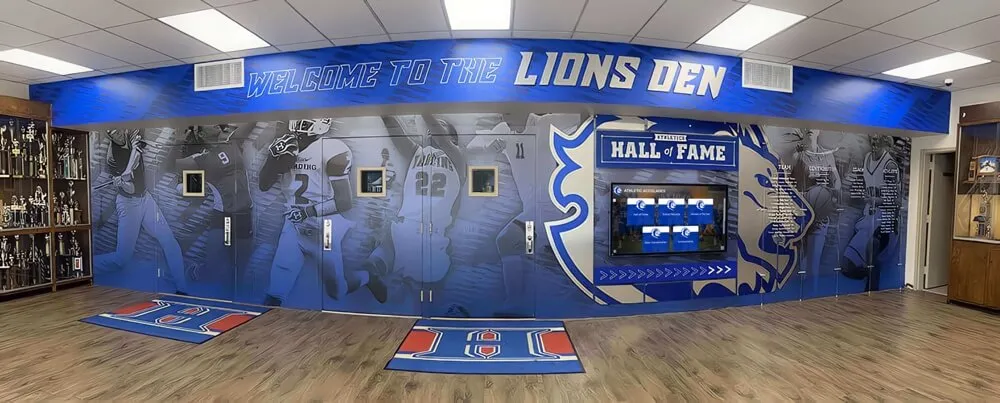
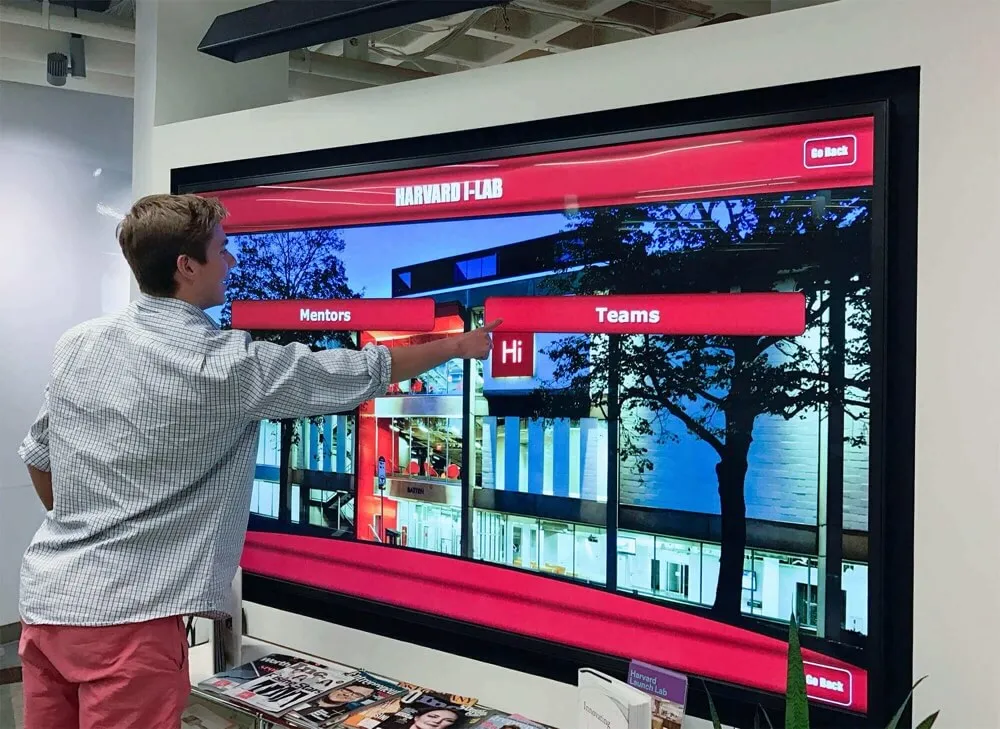
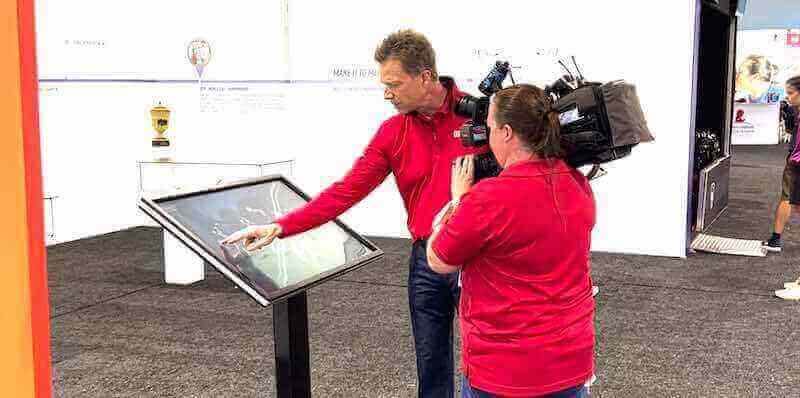
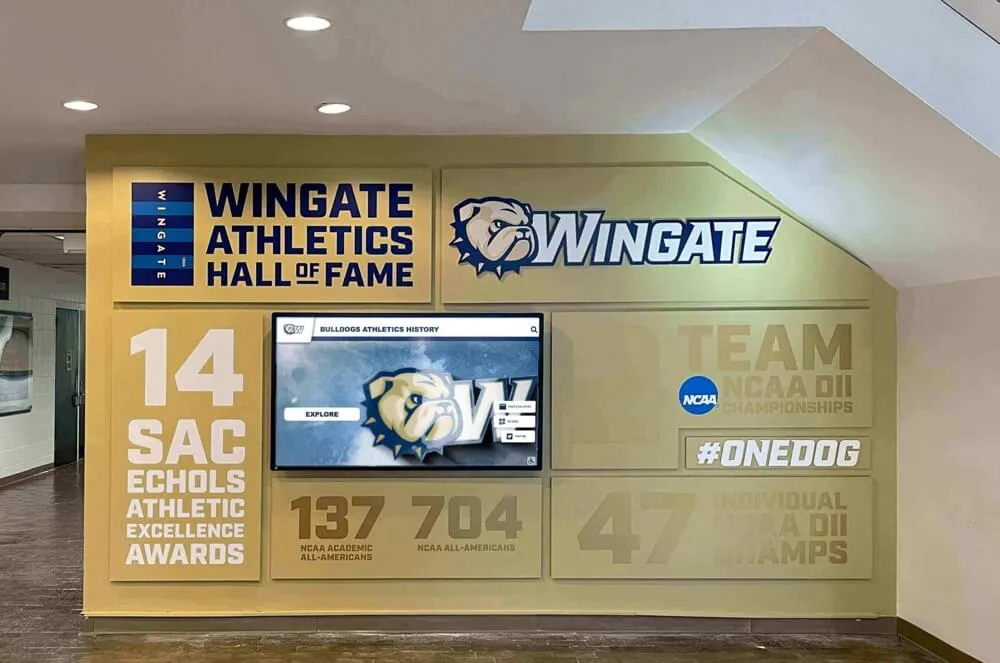
Interactive displays enable schools to complement printed yearbooks with dynamic, searchable digital content showcasing student life and achievement
Testing Headlines for Clarity and Impact
What sounds clever to yearbook staff might confuse general readership. Test headlines with people outside your immediate production team:
Testing Process:
- Show headlines to students not involved in yearbook production
- Ask what they think the spread will cover based solely on the headline
- Note confusion, misunderstandings, or questions that arise
- Revise headlines that don’t communicate clearly
- Test again with different readers before finalizing
Headlines that require extensive explanation or insider knowledge fail their basic purpose—immediate communication of spread content and purpose.
Avoiding Overused Clichés
Certain phrases appear in yearbooks so frequently they’ve lost impact:
- “Memories to Last a Lifetime”
- “Making a Difference”
- “Rise to the Occasion”
- “The Best Years of Our Lives”
- “Unforgettable Moments”
While these phrases became clichés precisely because they’re true and relevant, using them signals lazy writing rather than creative effort. Challenge yourself to find fresh ways expressing these sentiments without defaulting to overused language everyone has read dozens of times.
Balancing Creativity with Timelessness
Extremely trendy headlines risk seeming dated even before yearbooks arrive from the printer. Current slang, meme references, or pop culture callbacks capture authentic student voice but potentially confuse readers in even a few years.
Strategies for Balance:
- Use contemporary language in student life sections where dating the content is appropriate
- Maintain more timeless language in formal sections like academics, administration, and class portraits
- Include brief context in copy for references that might not age well
- Consider whether a reference will be comprehensible to alumni returning to yearbooks in 10-20 years
The goal isn’t eliminating all contemporary language—authenticity matters—but rather making conscious choices about where trendy references enhance coverage versus where they create confusion.
Creating Parallel Structure
When writing multiple related headlines—all fall sports spreads, all class section dividers, all club pages—use parallel grammatical structure creating rhythm and cohesion:
Example of Parallel Structure:
- Freshman: “Finding Their Way”
- Sophomores: “Coming Into Their Own”
- Juniors: “Taking the Lead”
- Seniors: “Writing Their Legacy”
Example of Non-Parallel Structure:
- Freshman: “New Beginnings”
- Sophomores: “They’re Getting Better”
- Juniors: “The Class of Leaders”
- Seniors: “About to Graduate”
Parallel structure feels intentional and professionally crafted while mismatched structures seem randomly assembled without editorial oversight.
Connecting Print and Digital Yearbook Experiences
Modern yearbook programs increasingly complement traditional print books with digital platforms extending coverage, engagement, and accessibility throughout the year and across decades.
Extending Headlines Across Platforms
The same creative headlines working in print spreads translate effectively to digital yearbook platforms, social media, and online galleries. Consistent headline voice across all platforms strengthens editorial identity while creating cohesive experiences whether readers engage with print books or digital content.
Cross-Platform Applications:
- Use yearbook spread headlines as digital gallery titles
- Repurpose creative headlines for social media posts promoting yearbook content
- Create online archives organized by the same section headlines used in print books
- Develop web-based yearbook supplements using headline voice matching print publication
Schools implementing digital yearbook archives discover that consistent editorial voice across print and digital platforms creates seamless experiences enabling readers to move between formats without jarring transitions or conflicting tones.
Digital Recognition Extensions
While print yearbooks provide annual documentation of student life and achievement, digital platforms enable ongoing recognition and engagement extending beyond publication deadlines. Interactive displays in school lobbies, athletic facilities, and commons areas complement yearbook coverage by showcasing achievements, candid moments, and student stories in searchable, updateable formats.
Organizations implementing digital recognition displays report that combining traditional yearbook coverage with interactive digital platforms creates comprehensive recognition ecosystems serving multiple purposes—annual memory preservation through print books plus ongoing celebration through dynamic digital systems.
Social Media Integration
Yearbook headlines work effectively as social media captions when promoting page reveals, celebrating milestones, or building anticipation for book distribution. The same creative thinking producing strong print headlines generates engaging social media content:
Social Media Applications:
- Share spread previews using yearbook headlines as captions
- Create countdown posts to yearbook distribution using section headlines
- Develop teaser campaigns highlighting different spreads with their headlines
- Encourage students to share their yearbook photos using spread headlines as hashtags
This integration extends yearbook reach beyond students who purchase books while building excitement about the publication throughout the production cycle.
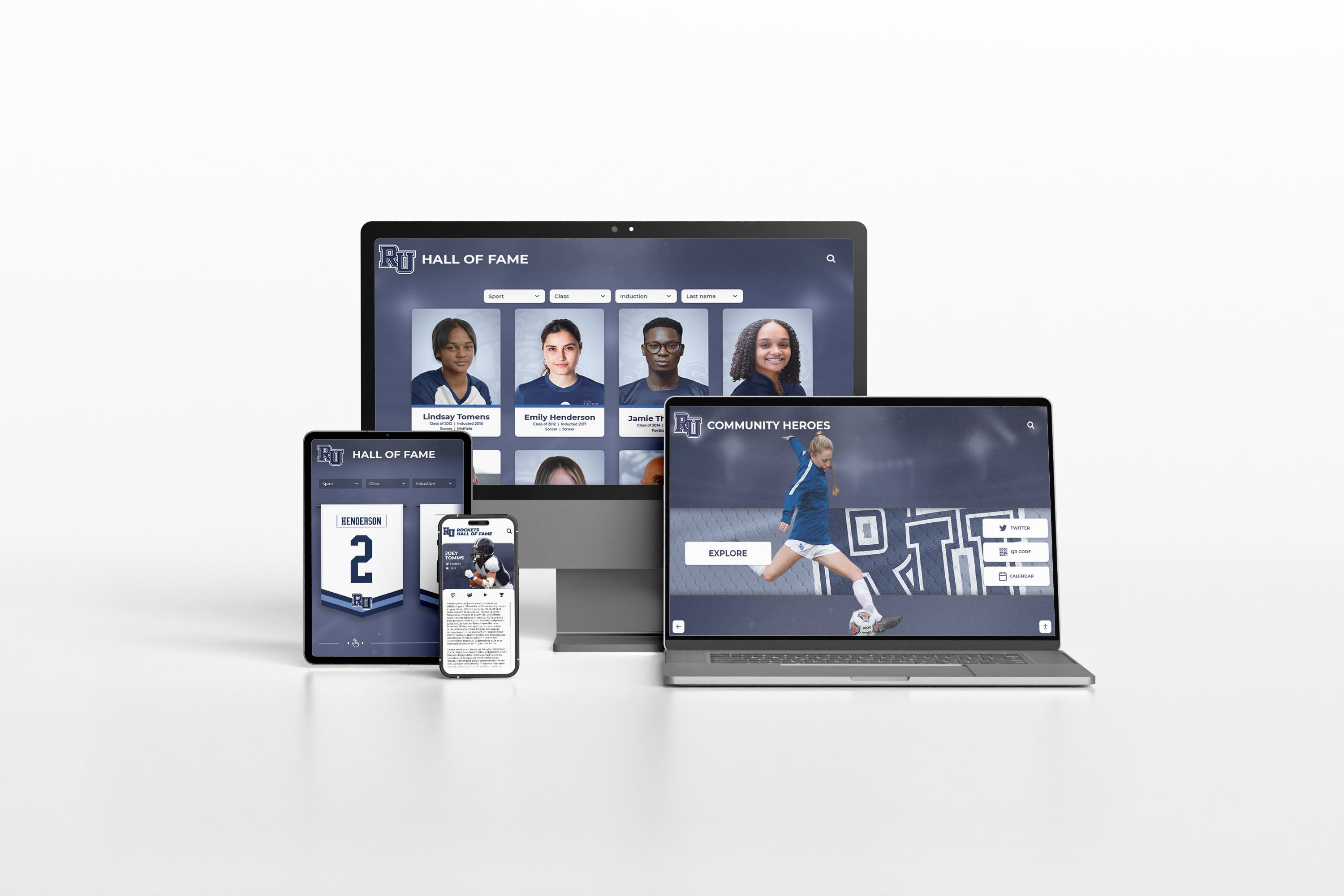
Modern yearbook programs balance print books with responsive digital platforms enabling year-round access across all devices
Common Yearbook Headline Mistakes to Avoid
Understanding frequent pitfalls helps yearbook staffs avoid problems that compromise headline effectiveness.
Mistake 1: Headlines That Are Too Vague
Generic headlines like “Fall Semester” or “Our School” fail to add value or create interest. Every headline should contribute specific meaning, emotional resonance, or navigational clarity—if a headline simply labels content without adding any interpretive layer, it’s wasting prime real estate.
Fix: Add specific details, emotional context, or creative interpretation that gives readers a reason to care about the spread.
Mistake 2: Forced Wordplay That Doesn’t Land
Not every topic lends itself to clever puns or wordplay. Forcing awkward connections between words or creating plays on phrases that readers won’t recognize makes headlines seem try-hard rather than clever.
Fix: Test wordplay with readers outside yearbook staff. If the pun requires explanation, it’s not working—choose straightforward language instead.
Mistake 3: Inside Jokes and References
Headlines that only make sense to small groups within the school community—inside jokes, references to moments not documented in yearbook coverage, or terminology specific to particular friend groups—alienate the broader readership and confuse alumni returning to books years later.
Fix: Ensure every headline makes sense to any student in the school and will remain comprehensible to future readers unfamiliar with specific in-the-moment contexts.
Mistake 4: Inconsistent Capitalization and Punctuation
Headline style should remain consistent throughout yearbooks. Mixing title case and sentence case, using punctuation inconsistently, or switching between fragments and complete sentences creates unprofessional appearance suggesting lack of editorial oversight.
Fix: Establish clear style guidelines (typically following AP Stylebook headline rules adapted for yearbooks) and apply them consistently to every headline.
Mistake 5: Headlines That Contradict Visual Content
Disconnect between headlines and actual spread content confuses readers and undermines credibility. A headline promising “Championship Season” on a spread documenting a losing record, or “United Spirit” above photos showing conflict creates cognitive dissonance rather than cohesive storytelling.
Fix: Write headlines after reviewing actual photos and content selected for spreads, ensuring verbal and visual elements align and reinforce each other.
Resources for Continued Yearbook Excellence
Creating exceptional yearbooks requires ongoing learning and inspiration from successful publications, professional development, and industry best practices.
Professional Organizations
- Journalism Education Association (JEA): Provides yearbook-specific resources, conventions, and professional development
- Columbia Scholastic Press Association (CSPA): Offers critique services, competitions, and educational materials
- National Scholastic Press Association (NSPA): Hosts conventions and provides ratings and feedback on yearbooks
- Quill and Scroll Society: Recognizes outstanding student journalism including yearbook work
Yearbook Competitions and Critiques
Submitting yearbooks to professional competitions provides valuable feedback from industry experts while recognizing outstanding work:
- JEA/NSPA Best of Show competitions at fall and spring conventions
- CSPA Crown and Gold Circle Awards
- Jostens Look Book Awards
- State scholastic press association competitions
External critique helps yearbook staffs understand strengths and improvement areas from perspectives beyond their immediate school community.
Continuing Innovation
Outstanding yearbook programs balance tradition with innovation—maintaining beloved formats and coverage areas while exploring new approaches keeping publications fresh and engaging. Consider how schools implement creative recognition strategies celebrating achievement through multiple channels creating comprehensive ecosystems honoring student success.
Similarly, exploring how organizations showcase traditions through digital timeline displays can inspire yearbook coverage of beloved school customs and annual events.
Conclusion: Headlines That Tell Your School’s Story
Effective yearbook headlines do far more than label sections and identify content—they capture the energy, emotion, and essence of your unique school year in just a few carefully chosen words. The 75 headlines provided throughout this guide offer starting points and inspiration, but the best headlines will always be the ones your yearbook staff creates specifically for your school community, reflecting your distinct culture, traditions, and student voice.
Great headlines balance creativity with clarity, personality with professionalism, and contemporary relevance with timeless appeal. They guide readers through yearbook navigation while creating emotional connections to documented experiences. They maximize limited space by conveying meaning efficiently while maintaining the editorial voice that makes your publication distinctive. And they accomplish all this under deadline pressure while coordinating with layouts, photos, and copy across dozens of spreads and hundreds of pages.
As you develop headlines for this year’s yearbook, remember that these words will represent this specific moment in your school’s history for decades to come. Alumni returning to yearbooks years later will read these headlines and immediately reconnect with memories, emotions, and experiences that defined their time at your school. That’s powerful responsibility and incredible opportunity—embrace both as you craft headlines worthy of the stories they introduce.
Whether you adapt headlines from this guide, use them as inspiration for your own variations, or create entirely original approaches matching your unique editorial vision, commit to making every headline count. In the finite real estate of yearbook pages, there’s no room for lazy labeling or generic phrasing—every headline should earn its space by adding value, creating meaning, and enhancing the storytelling that preserves your school’s memories for generations to come.
Preserve Your School's Story Beyond Print
While yearbooks capture annual memories beautifully, digital platforms enable ongoing recognition and engagement year-round. Discover how interactive displays and searchable digital archives can complement your yearbook program while celebrating student achievement across academics, athletics, and activities.
Explore Digital Recognition SolutionsReady to start writing headlines that capture your school’s unique story? Begin by reviewing the 75 ideas in this guide, identifying which categories and styles match your editorial voice, adapting specific headlines to your school’s context and culture, testing options with readers outside your immediate yearbook staff, and committing to consistency in voice, style, and quality throughout your publication.
Your yearbook tells this year’s story through photos, copy, design, and headlines working together to preserve memories and celebrate your community. Make every element count—including the headlines that will welcome readers to these memories for decades to come.