The right headline transforms a yearbook spread from ordinary to unforgettable. While the photos capture faces and moments, your headlines capture the emotion, energy, and essence of what made this year unique at your school.
Strong yearbook headlines do more than label content—they draw readers in, set the tone, and create the narrative thread connecting individual moments into your school’s larger story. The difference between “Football Season” and “Fourth-Quarter Comeback Kings” isn’t just creativity; it’s the difference between a yearbook people skim and one they actually read.
Yet many yearbook staffs struggle with headline writing. Faced with dozens of spreads and tight deadlines, it’s tempting to settle for generic labels that simply identify sections without adding personality or context. The result: yearbooks that feel more like directories than chronicles of the year.
This guide provides 75 creative yearbook headlines organized by spread type—from athletics and academics to clubs, events, and student life. Whether you’re designing your first yearbook or looking to elevate your publication’s voice, these examples demonstrate how strategic headline choices can enhance every page while capturing what made your school year distinctive.
Why Yearbook Headlines Matter
Before diving into specific examples, it’s worth understanding what makes certain headlines effective while others fall flat.
Headlines Establish Voice and Tone
Your yearbook’s voice begins with headlines. Formal, traditional headlines create different expectations than playful, contemporary ones. “Academic Excellence Recognized” versus “Straight-A Superstars” both describe honor roll students, but they signal entirely different editorial approaches.
Consistency matters tremendously. A yearbook that alternates randomly between formal and casual headlines feels disjointed and unfocused. Establishing clear voice guidelines early helps maintain coherence across all sections.
Headlines Provide Context and Meaning
Generic section labels—“Basketball,” “Drama Club,” “Homecoming”—merely identify content without adding value. Readers already know which section they’re viewing from the photos. Effective headlines instead provide context explaining why these moments mattered.
“Undefeated Season Ends State Championship Dreams” tells a more complete story than “Boys Basketball.” “First Musical Production in New Auditorium” captures significance that “Drama Club” cannot. Strong headlines answer the implicit reader question: “Why should I care about this spread?”
Headlines Drive Engagement
In an age where students primarily consume content through social media, yearbook staffs compete for attention against algorithmically-optimized feeds designed to maximize engagement. While yearbooks shouldn’t abandon their unique strengths trying to become Instagram, thoughtful headlines employing techniques from engaging digital content—curiosity gaps, specificity, emotional hooks—help capture reader interest.
“Guess Who Got Suspended for a Prank?” generates more intrigue than “Senior Pranks.” “From Freshman Fears to Senior Tears” creates an emotional arc that “Four Years at Central High” doesn’t establish.
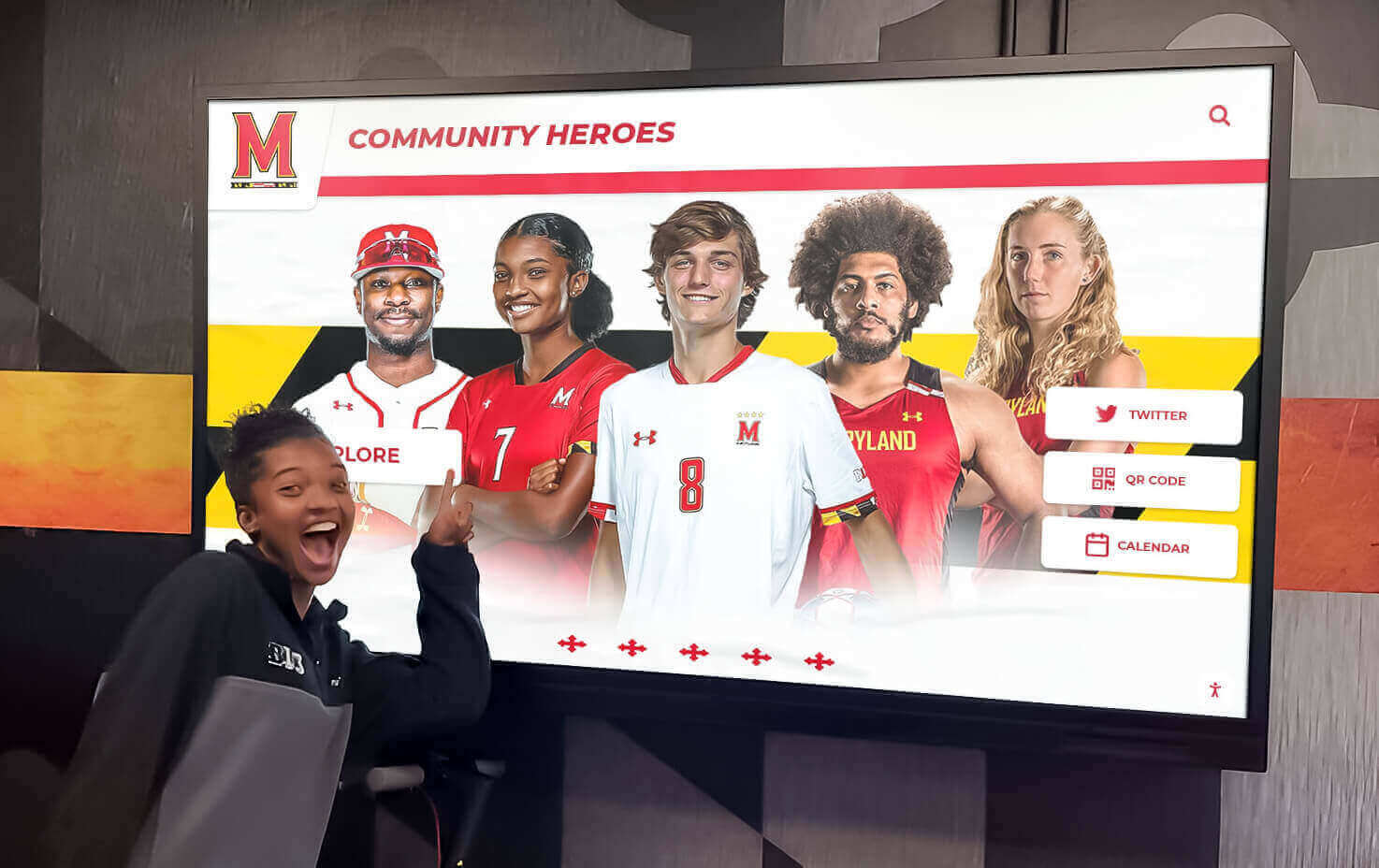
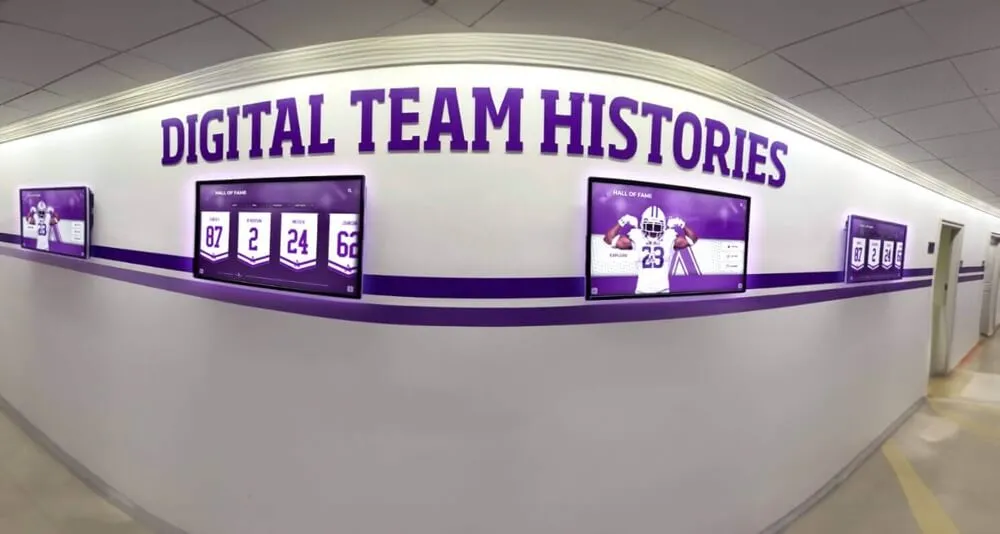
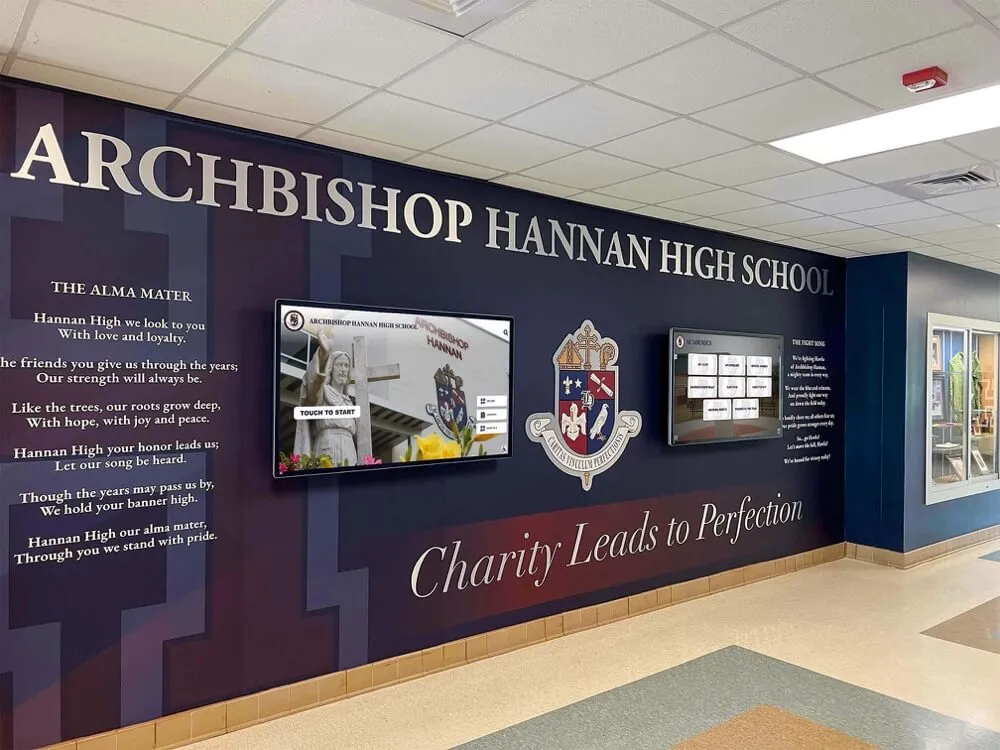
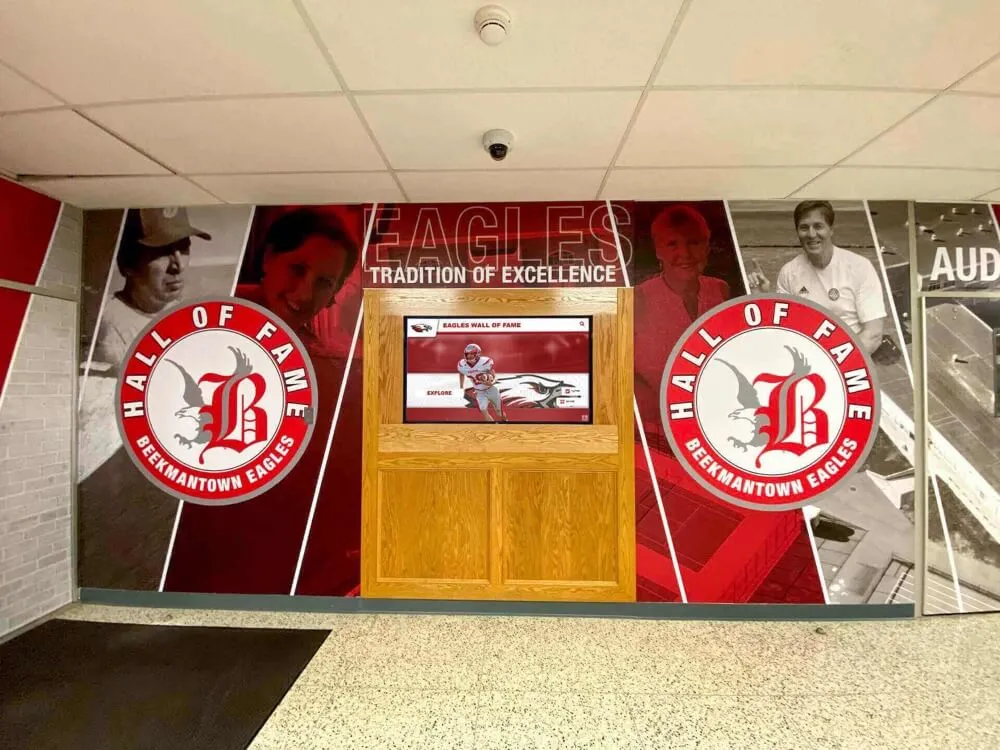
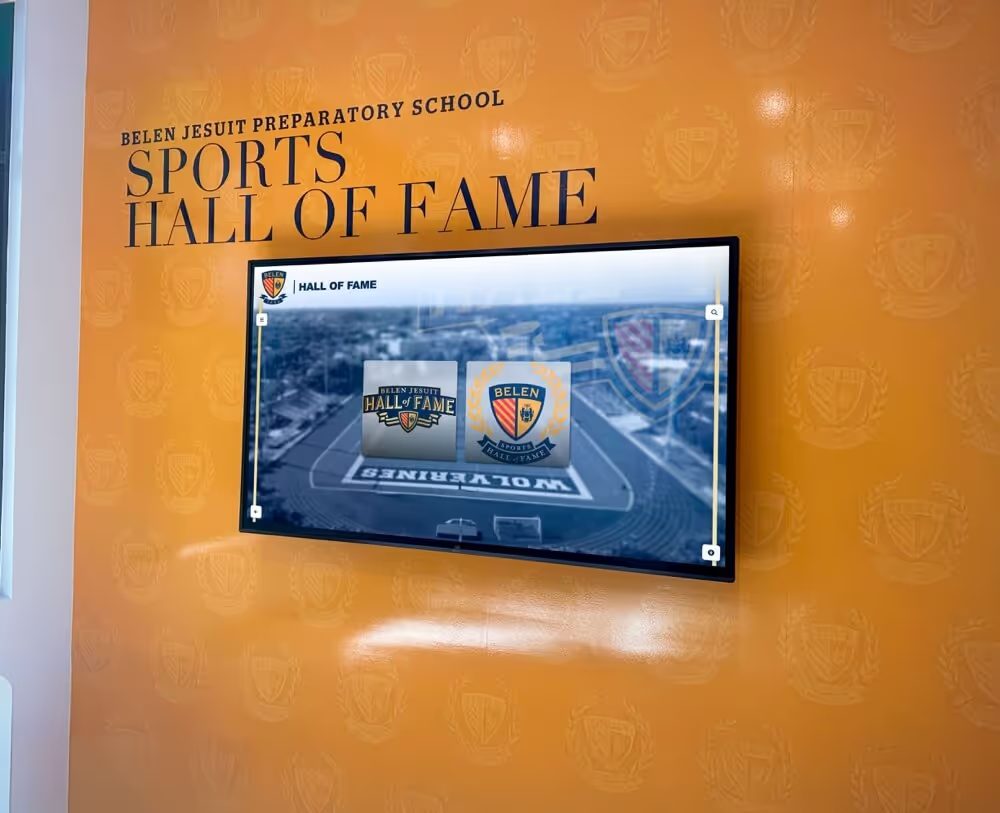
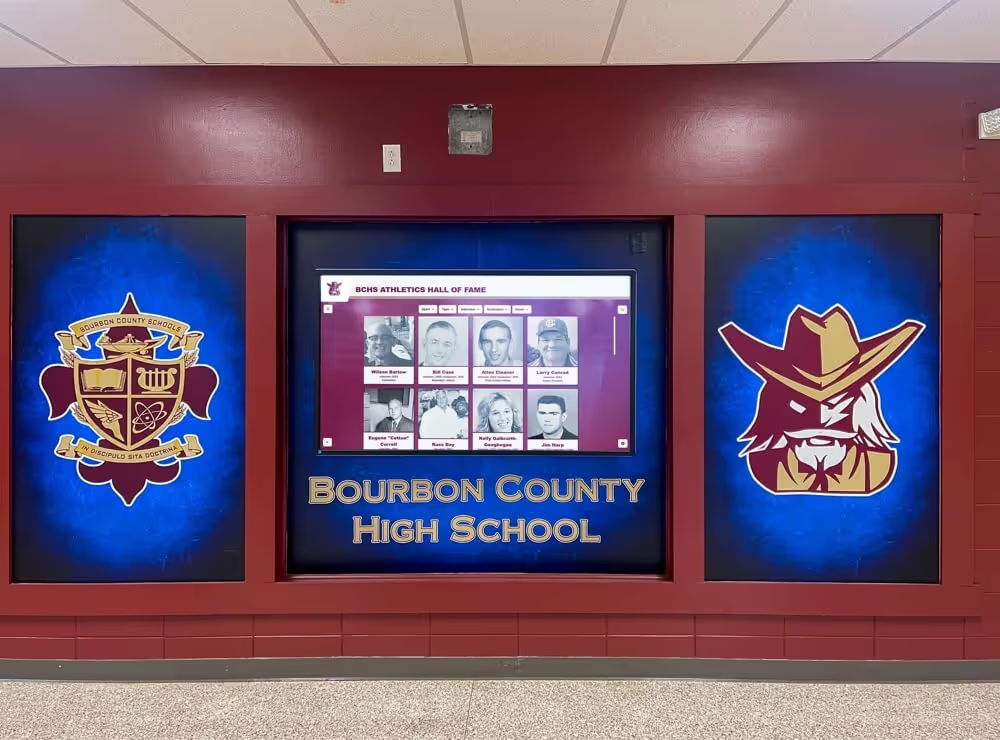
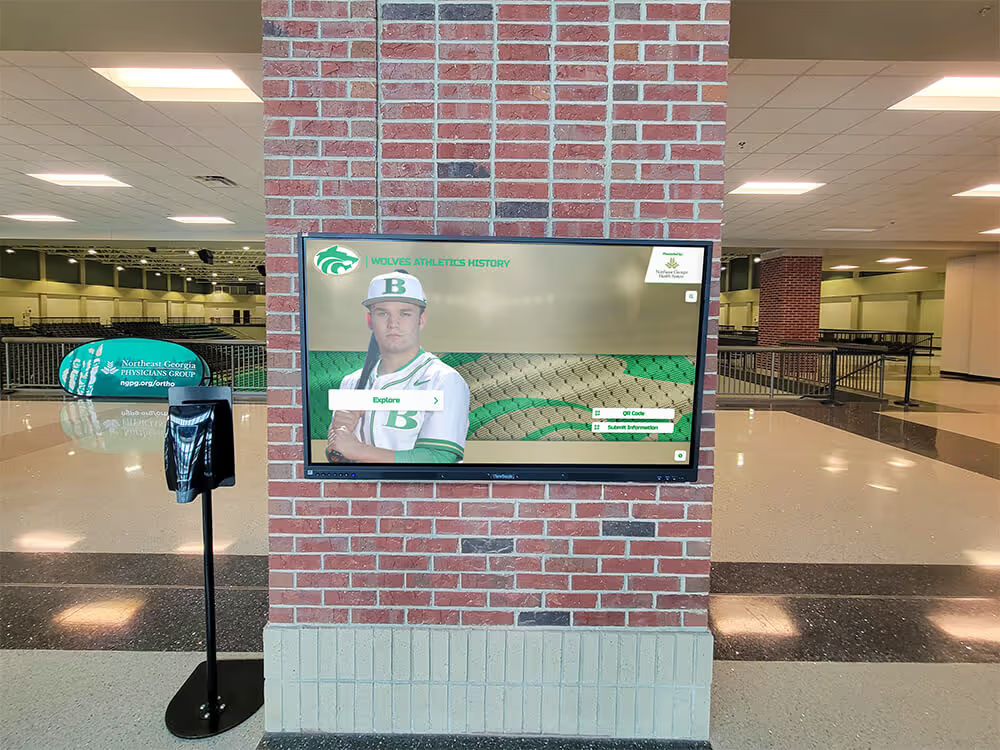
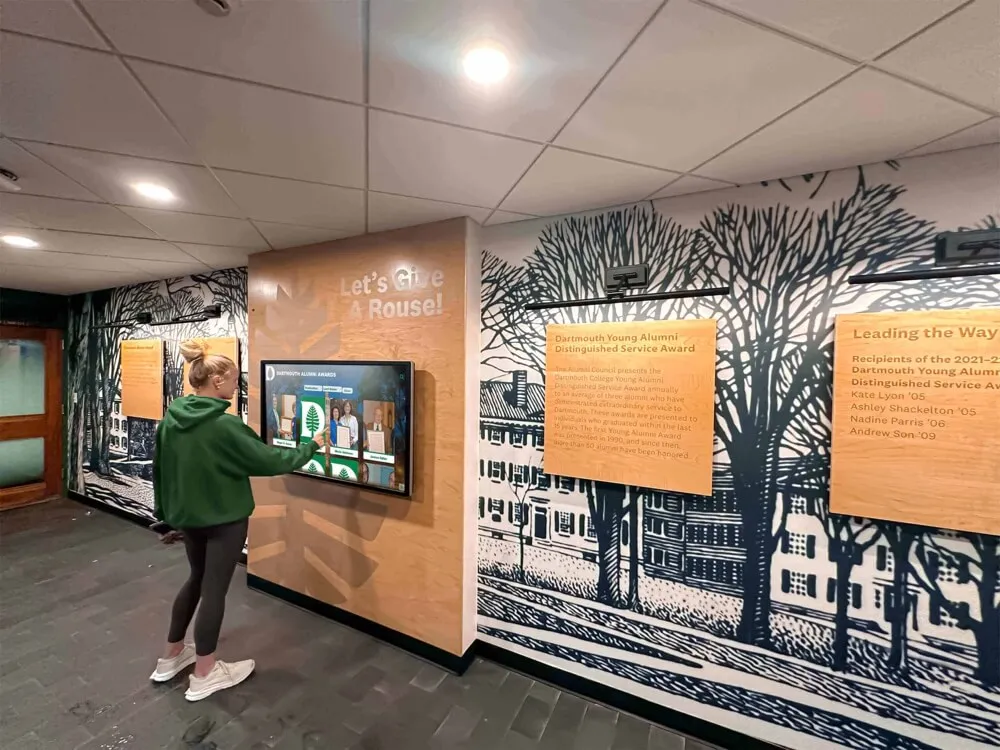
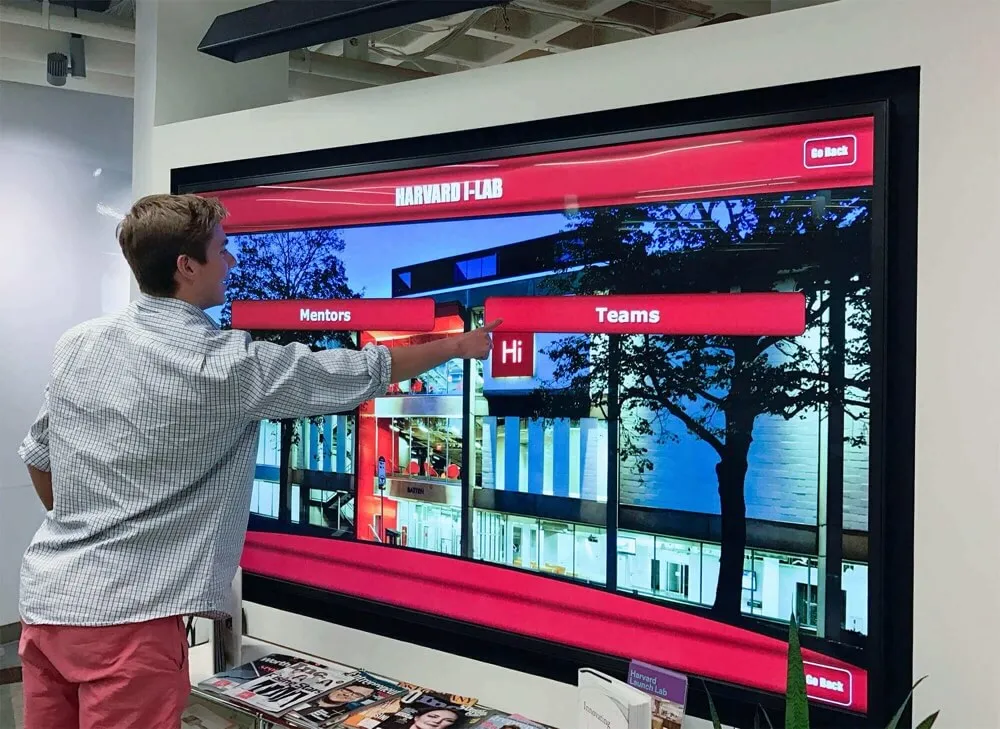
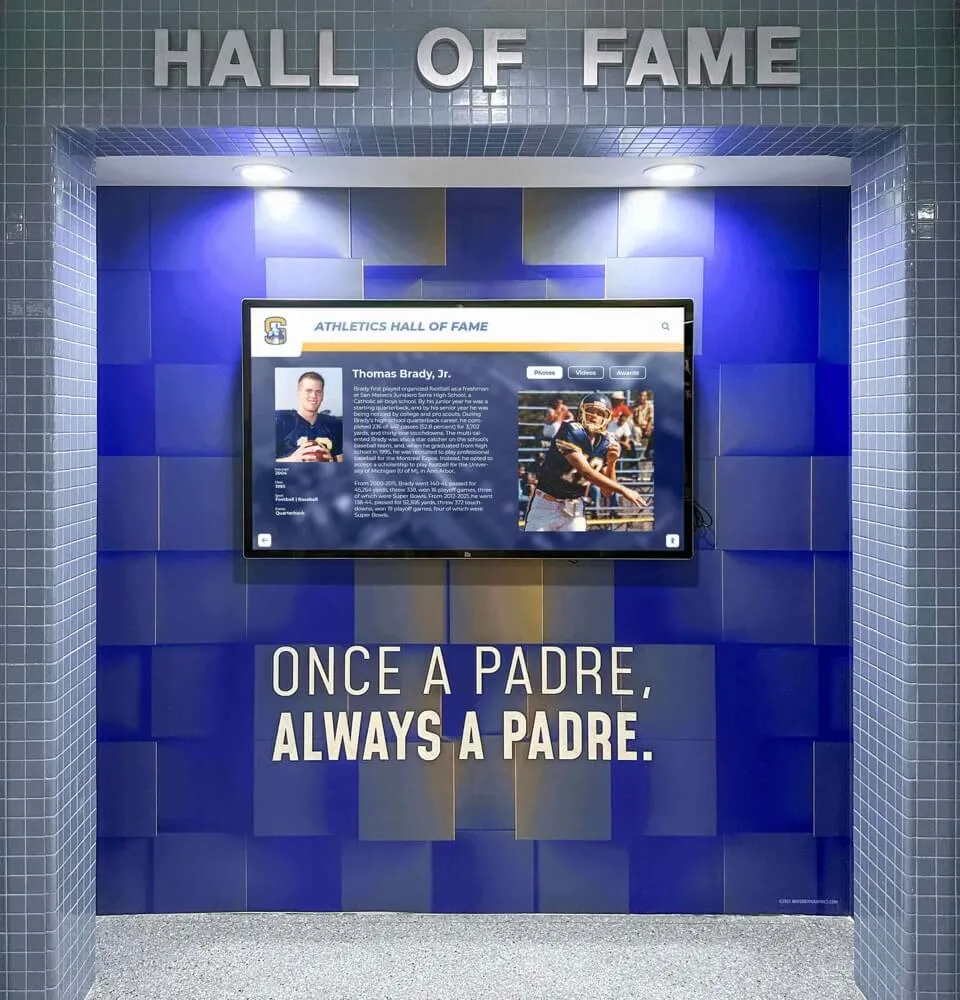
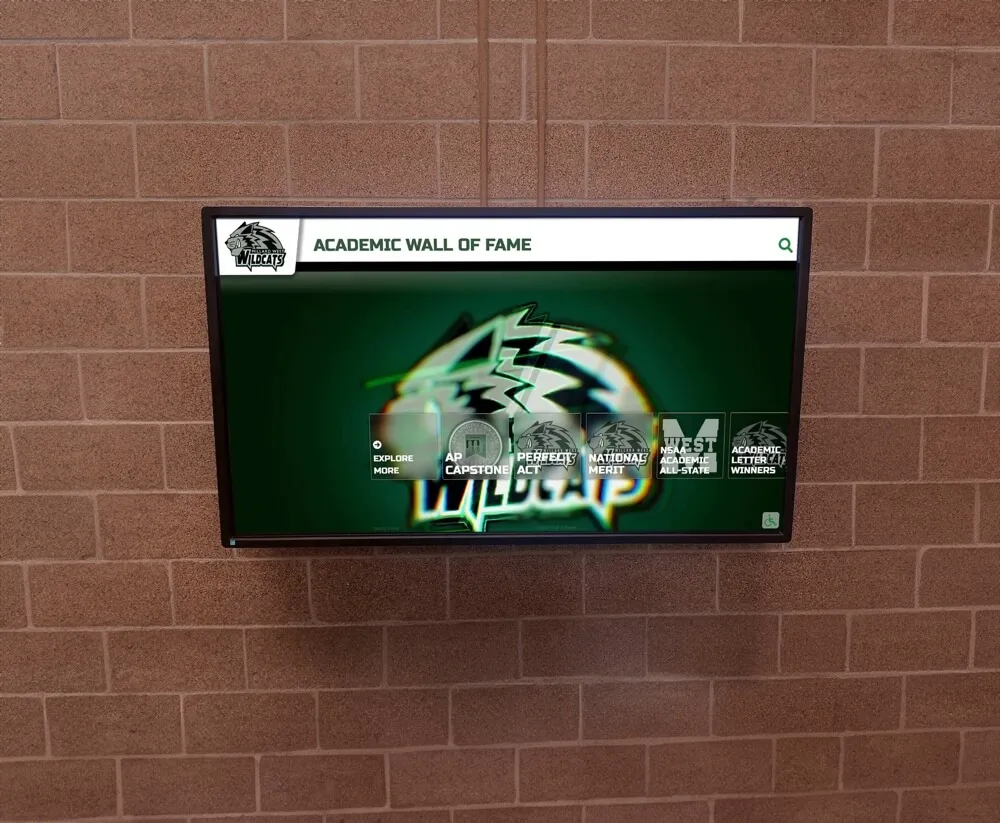
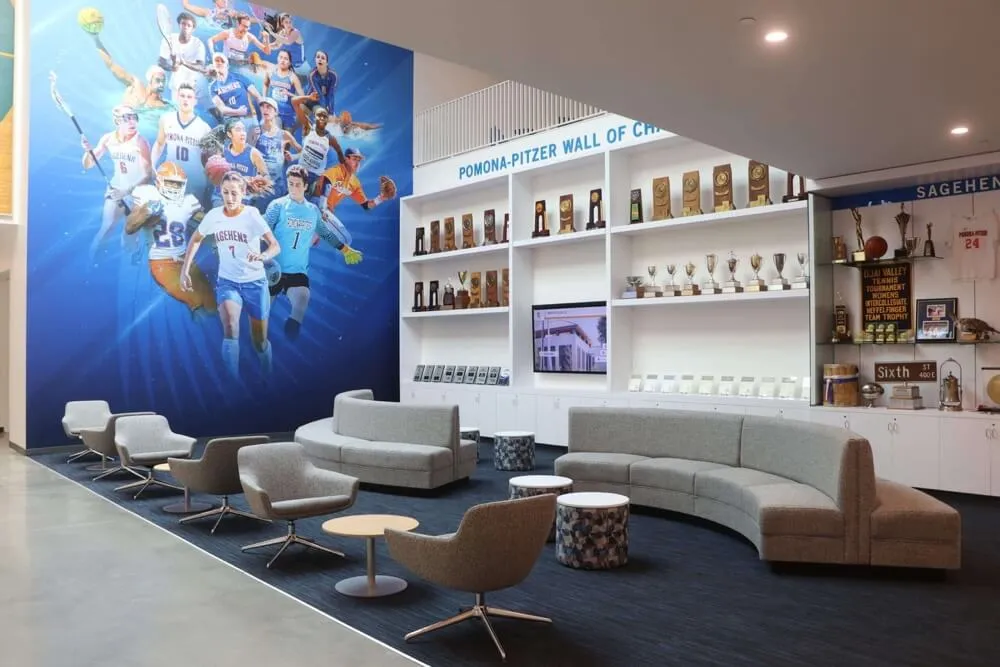
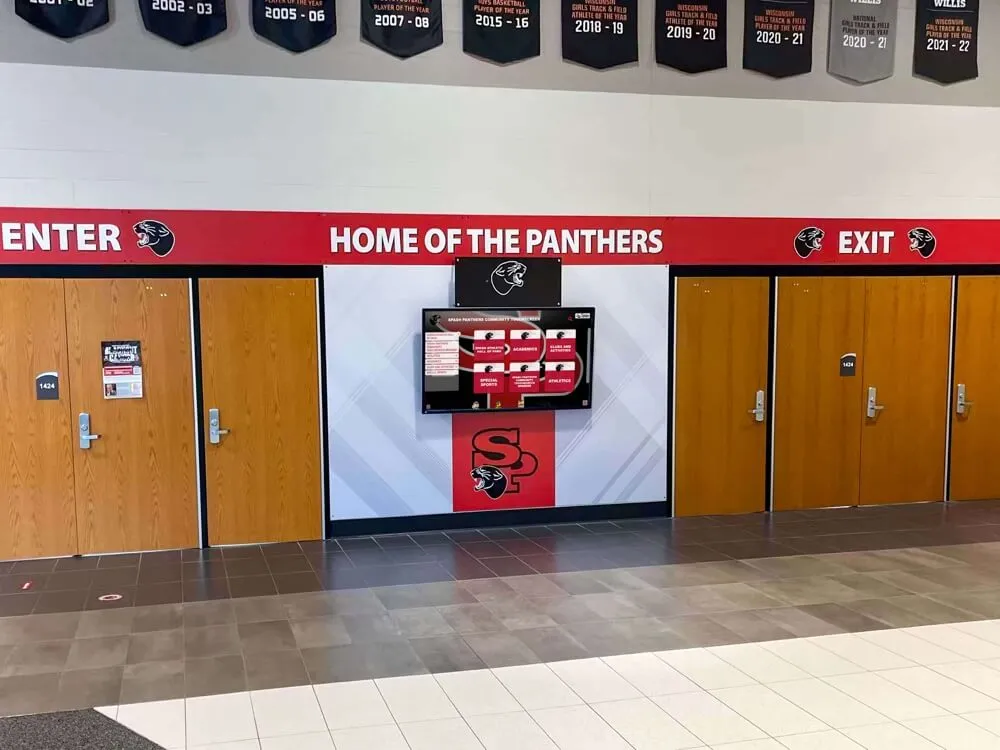
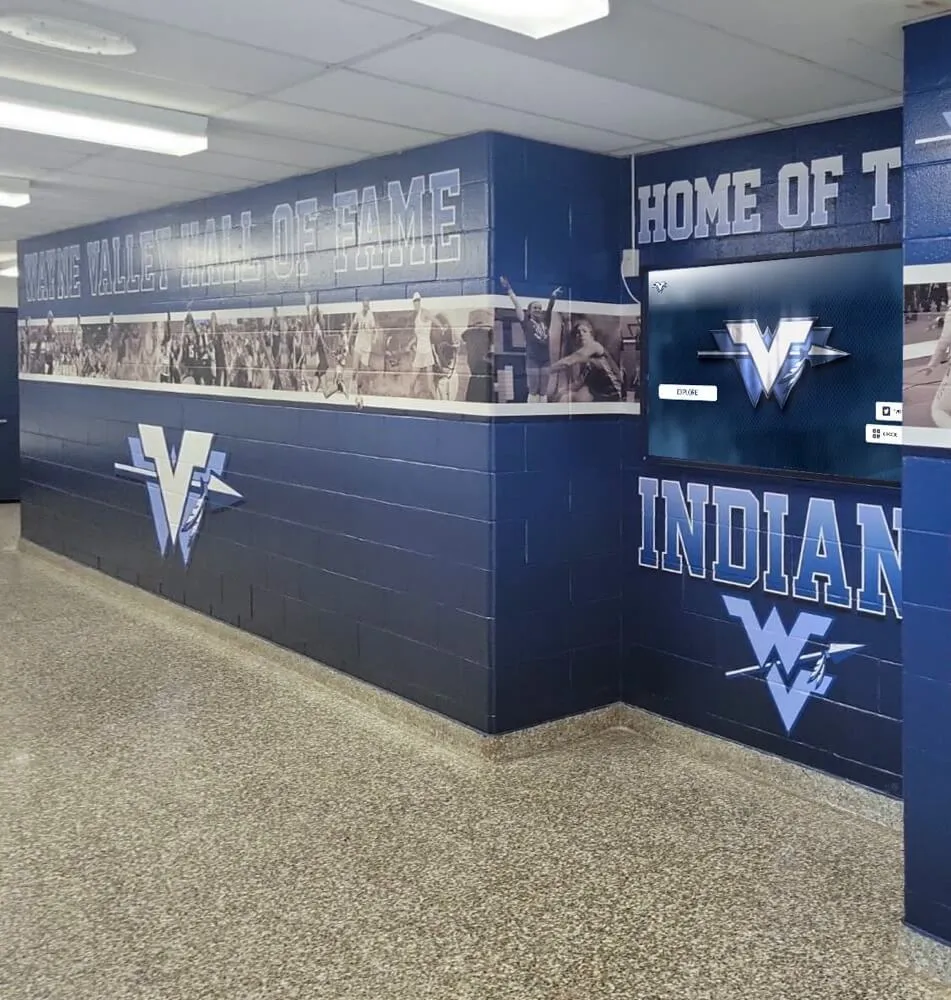
Just as engaging headlines draw readers into yearbook spreads, modern interactive displays help schools showcase student achievements in ways that capture attention and build school pride
Athletic Spreads: 15 Headlines That Capture Competition
Sports sections offer rich opportunities for dynamic headlines that capture the intensity, drama, and emotion of athletic competition.
Championship & Success Headlines
- “Dynasty Continues: Three-Peat State Champions”
- “Perfect Season, Perfect Ending”
- “From Underdogs to Unstoppable”
- “Record-Breaking Run to Regional Glory”
- “Championship Redemption After Last Year’s Heartbreak”
Competitive Spirit Headlines
- “Every Point Counts: Overtime Thriller Season”
- “Leaving It All on the Field”
- “Rivalry Renewed: Battle for the Trophy”
- “Defending Our Home Court”
- “Late-Season Surge Secures Playoff Spot”
Team Identity Headlines
- “Built on Defense, Driven to Win”
- “Speed, Skill, and Senior Leadership”
- “Young Team, Veteran Mentality”
- “More Than a Team—A Family”
- “The Comeback Kids Strike Again”
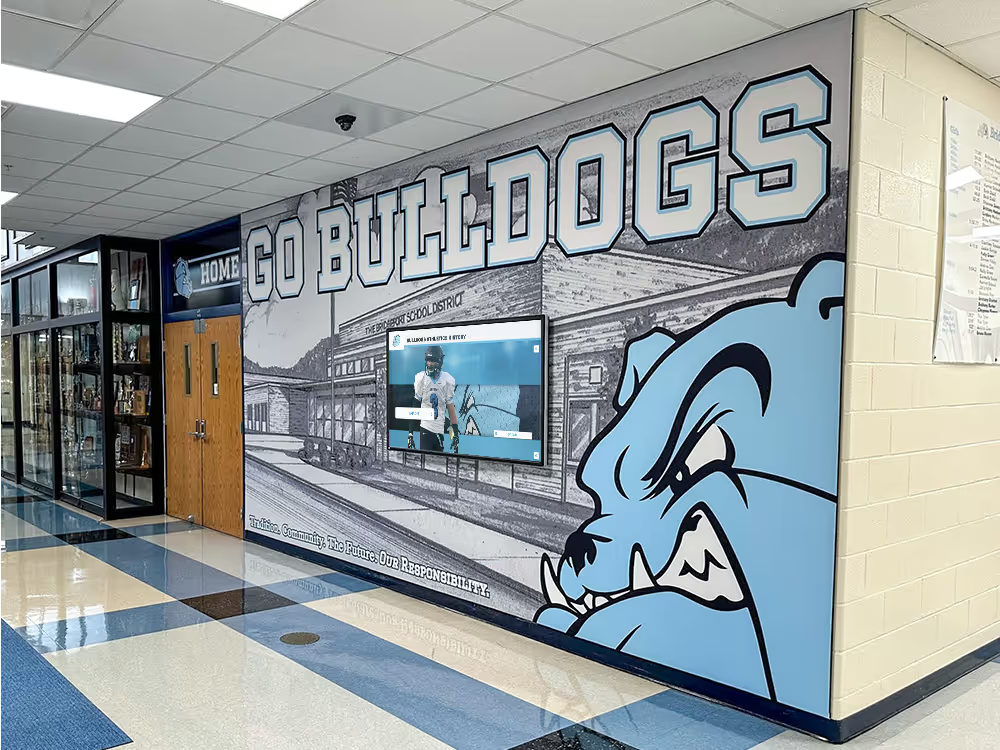
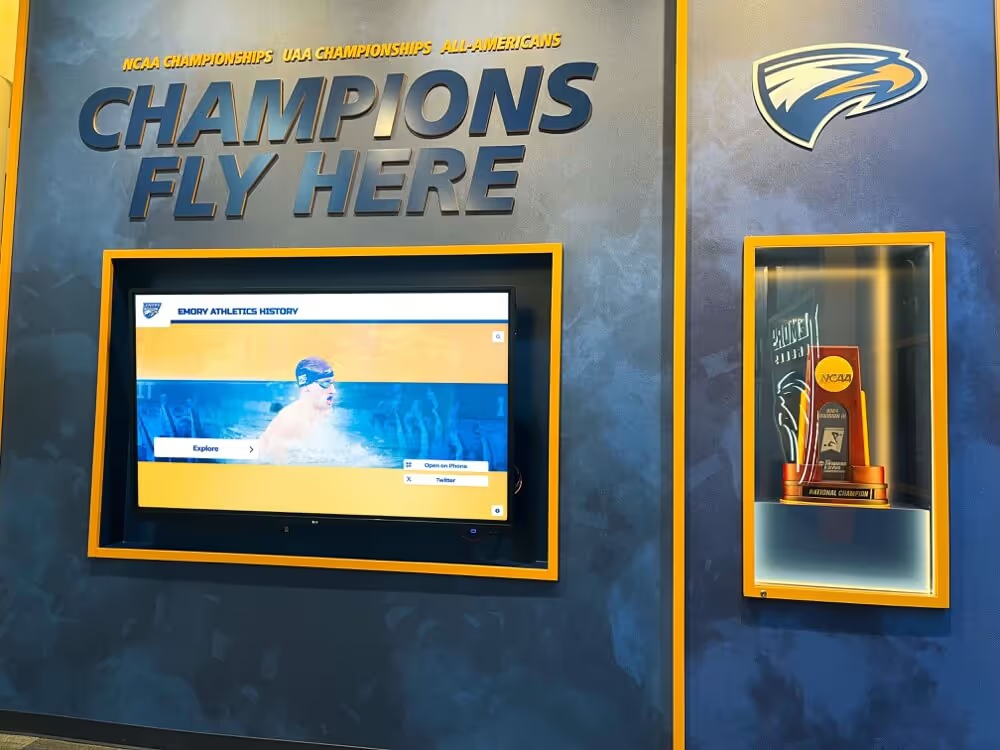
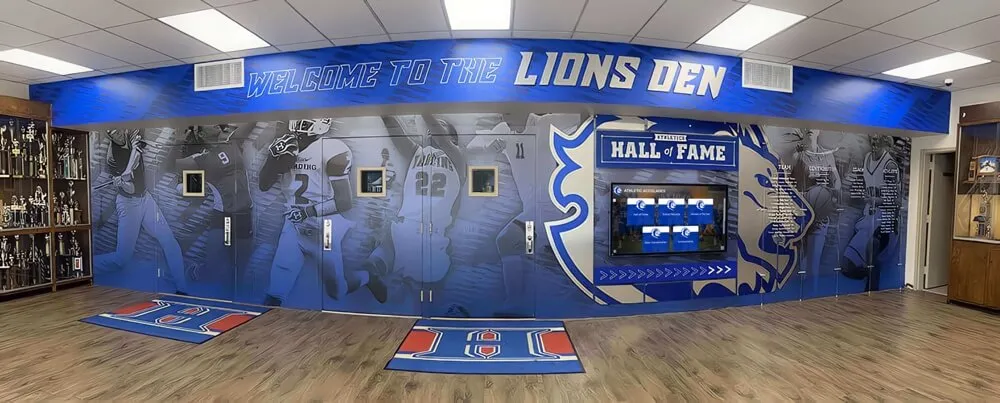
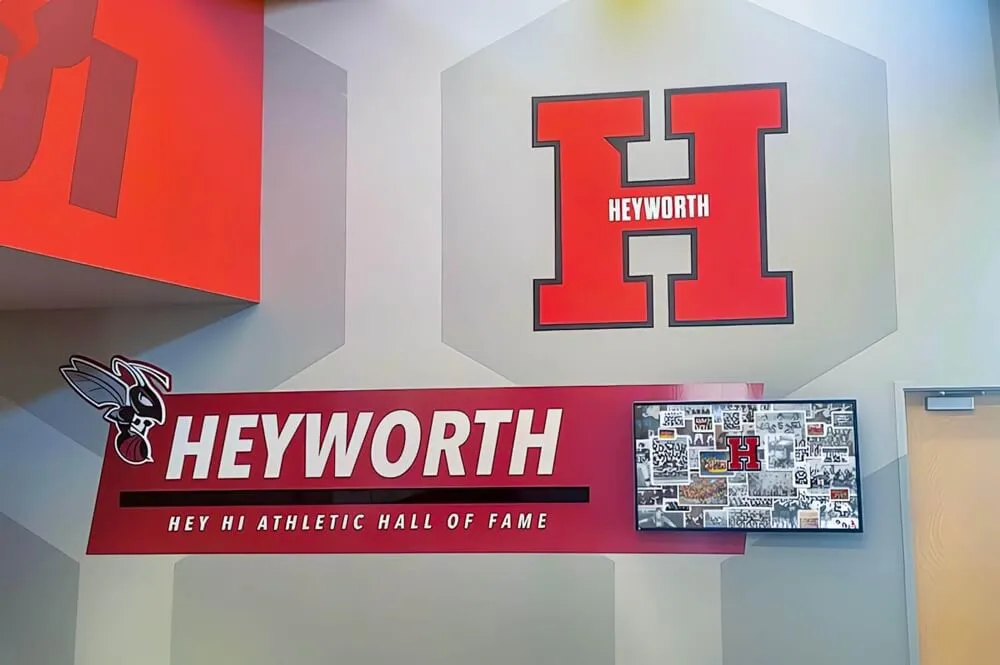
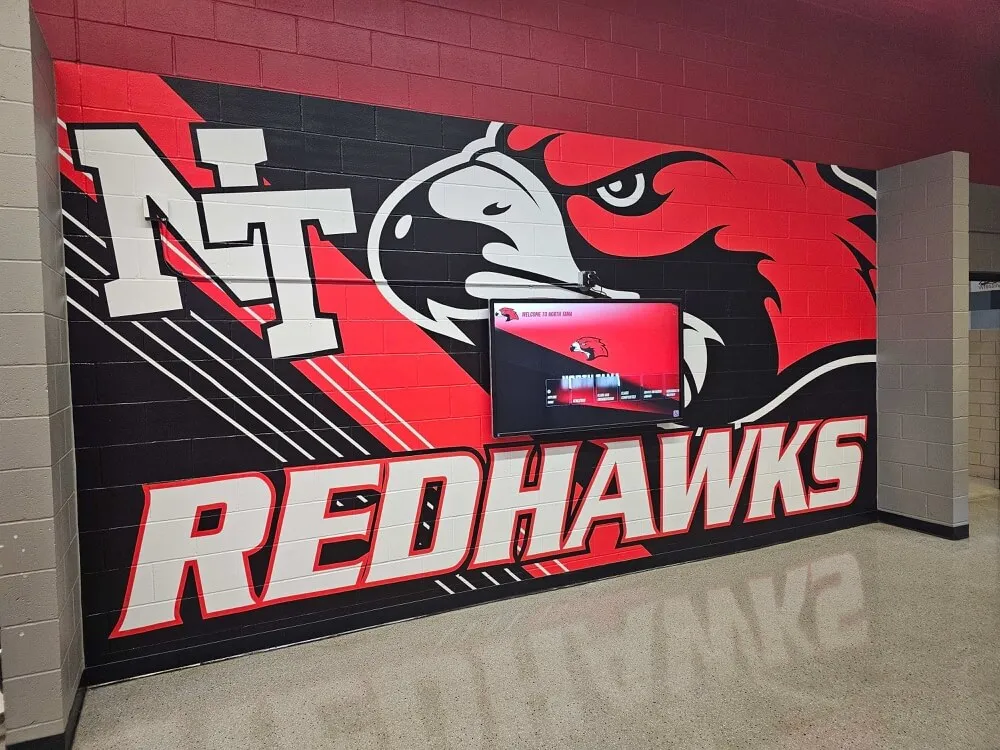
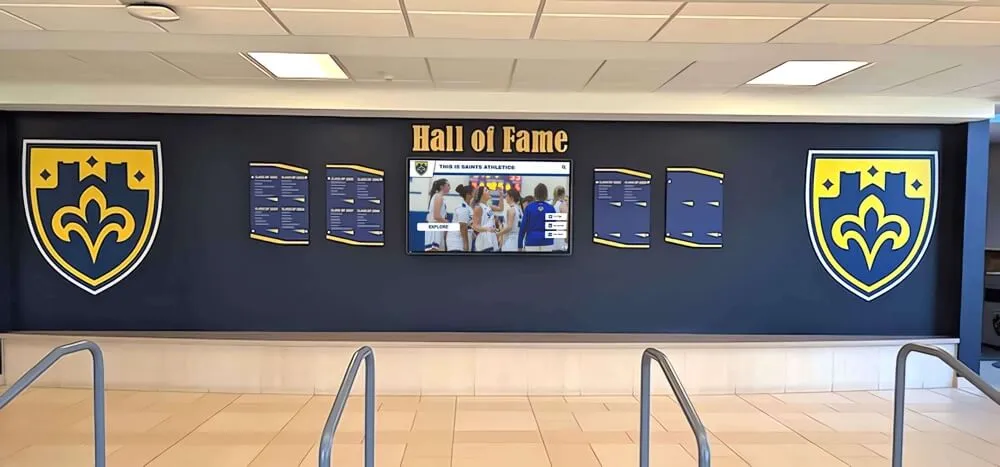
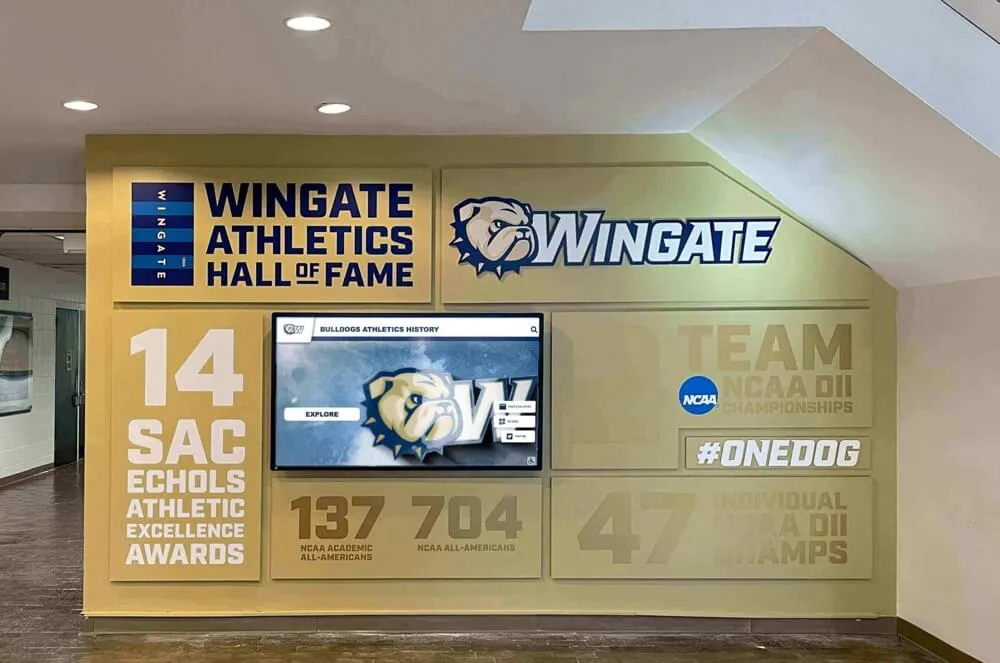
These headlines work because they capture specific narratives rather than generic sports terminology. Athletic recognition displays extend this storytelling approach beyond yearbook pages, creating permanent installations celebrating program history.
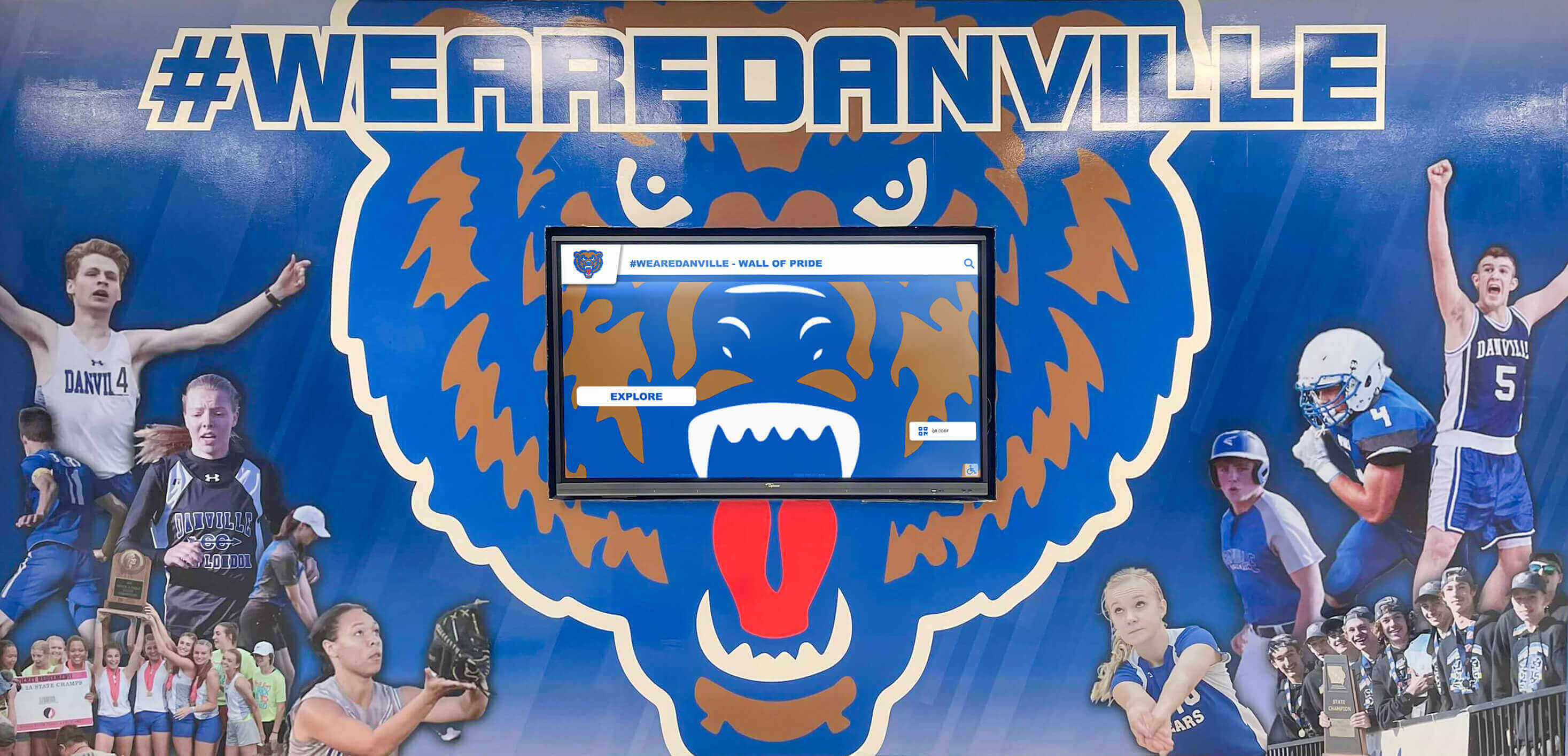
Athletic headlines in yearbooks and on permanent displays should capture the narrative arc of the season, not just label the sport
Academic Spreads: 15 Headlines Celebrating Scholarship
Academic sections deserve headlines that honor intellectual achievement with the same energy applied to athletic victories.
Honor & Achievement Headlines
- “Scholars Who Set the Standard”
- “Perfect GPA, Limitless Potential”
- “National Merit Recognition Reaches Record High”
- “Academic All-Stars Earn Their Stripes”
- “From Study Groups to Graduation Gowns”
National Merit Scholar recognition represents one of education’s highest honors, and yearbook coverage should reflect that significance with headlines celebrating these exceptional students.
Learning & Growth Headlines
- “Curiosity Meets Curriculum”
- “Where Questions Become Discoveries”
- “Late Nights, Bright Futures”
- “The Minds Behind the Grade Point Averages”
- “Taking Notes, Making History”
Subject-Specific Headlines
- “STEM Stars Compete Nationally”
- “Debate Team Arguments Win State Championships”
- “Literary Magazine Publishes Award-Winning Edition”
- “History Comes Alive Through Student Research”
- “Math Team Solves Way to First Place”
Academic headlines should emphasize the students’ intellectual journey and achievements. Student achievement recognition extends beyond yearbook pages when schools implement comprehensive recognition systems.
Club & Organization Spreads: 15 Headlines for Community
Clubs and organizations build school culture and deserve headlines reflecting their diverse purposes and personalities.
Service & Leadership Headlines
- “Service Above Self: Community Impact Hours”
- “Student Government: Your Voice, Your Vision”
- “Key Club Unlocks Opportunities to Serve”
- “National Honor Society: More Than a Resume Line”
- “Building Leaders One Meeting at a Time”
Creative & Performance Headlines
- “Drama Club Takes Center Stage”
- “Band of Brothers and Sisters”
- “Choir Voices Harmonize for Competition Gold”
- “Art Club: Where Creativity Has No Limits”
- “Dance Team Brings the Energy”
Interest & Specialty Headlines
- “Robotics Team Engineers Success”
- “Chess Club: Strategy Meets Competition”
- “Environmental Club Plants Seeds of Change”
- “Yearbook Staff: Capturing Every Moment”
- “Esports Emerges as Competitive Powerhouse”
These headlines work best when they reflect each organization’s specific character and accomplishments. Recognition for competitive achievements in academic competitions deserves the same thoughtful celebration as athletic victories.

Club and organization headlines should capture the unique mission and personality of each group, creating distinct identities within the yearbook
School Events: 15 Headlines for Traditions & Moments
Major school events anchor the academic year and deserve headlines capturing their significance and emotion.
Homecoming & Spirit Headlines
- “Homecoming Week: Seven Days of School Spirit”
- “Spirit Week Unleashes Creative Chaos”
- “Pep Rally Energy Reaches Fever Pitch”
- “Friday Night Lights Bring the Community Together”
- “Homecoming Court: Royalty for a Night”
Spirit week celebrations create some of yearbooks’ most visually dynamic spreads, and headlines should match that visual energy with enthusiastic language.
Formal Events Headlines
- “Prom Night Under the Stars”
- “Winter Formal: Elegance Meets High School”
- “Senior Banquet: One Last Celebration Together”
- “Awards Night Honors Excellence in Every Field”
- “Graduation: Walking Toward Tomorrow”
Seasonal & Special Headlines
- “Fall Festival Kicks Off the School Year”
- “Talent Show Reveals Hidden Superstars”
- “Battle of the Classes: Who Reigns Supreme?”
- “Senior Sunrise, Senior Sunset”
- “The Pranks That Became Legends”
Student Life Spreads: 15 Headlines for Everyday Moments
Student life sections capture the small moments and daily experiences that define the school year beyond formal events.
Campus Culture Headlines
- “Hallway Traffic: Navigating Five Minutes Between Classes”
- “Cafeteria Chronicles: Lunch Period Revelations”
- “Study Hall Strategies: From Homework to Power Naps”
- “Parking Lot Politics: The Senior Privilege”
- “Late Bell Sprinters: The Daily Dash”
Social Life Headlines
- “Friend Groups That Defined the Year”
- “Crushes, Couples, and Complicated Situations”
- “Social Media Moments That Broke the Internet”
- “Inside Jokes Only We Understand”
- “The Tables We Claimed as Our Own”
Student Identity Headlines
- “Fashion Trends We Started”
- “Slang That Confused the Teachers”
- “From Freshmen to Seniors: Four Years of Growth”
- “The Memories We’ll Actually Remember”
- “Faces in the Crowd: Portraits of Who We Are”
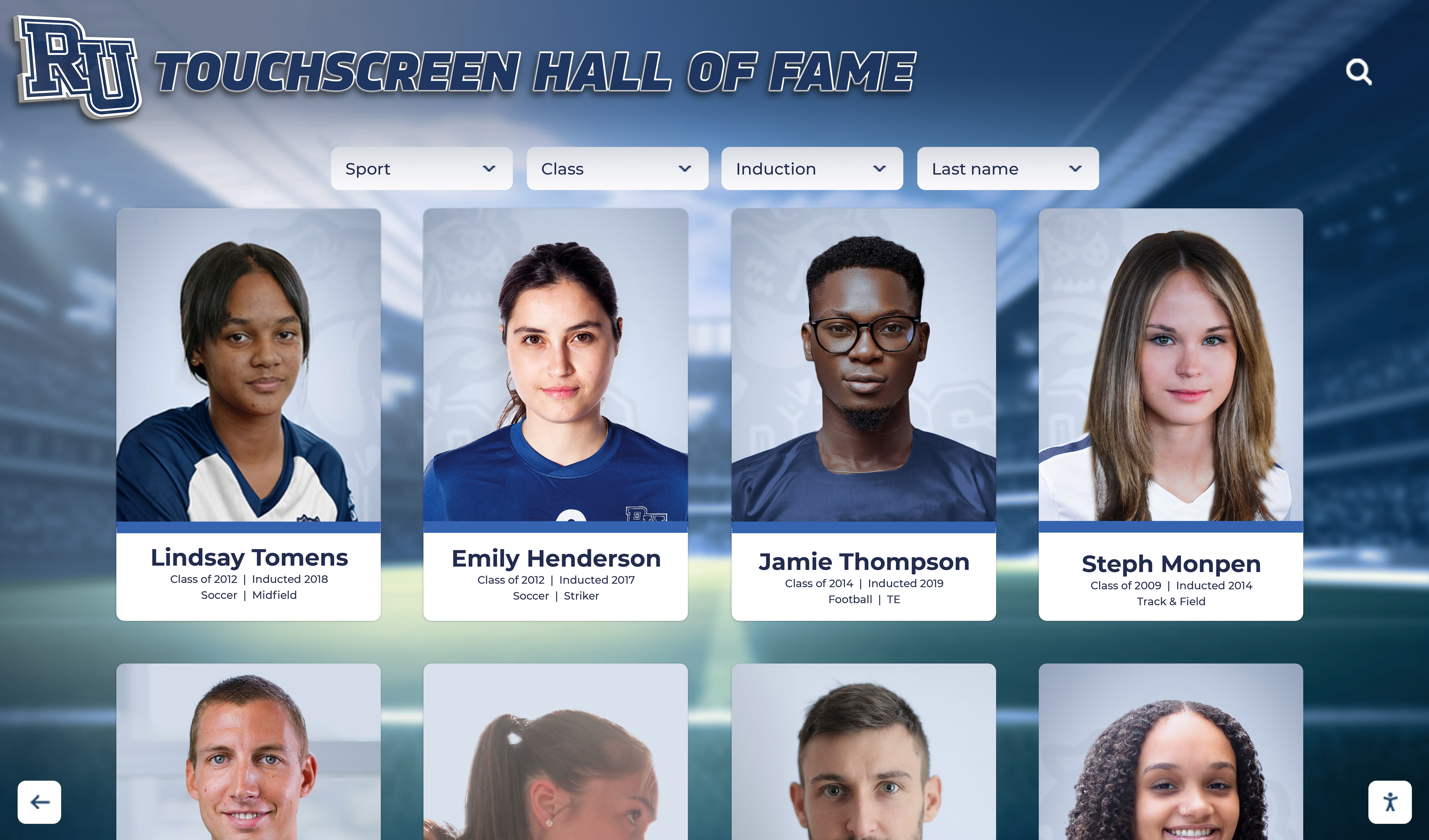
Student life headlines capture the authentic, everyday moments that make each school year unique—the moments students actually remember years later
Creating Your Own Effective Headlines
Beyond these 75 examples, understanding the principles behind effective yearbook headlines helps staffs create custom headlines perfectly tailored to their specific school and year.
Use Specific Details Over Generic Labels
Compare these paired headlines:
Generic: “Basketball Season”
Specific: “Triple-Overtime Thriller Ends Championship Run”
Generic: “Science Department”
Specific: “AP Biology Students Conduct Groundbreaking Local Research”
Generic: “Senior Class”
Specific: “The Class That Survived a Pandemic and Thrived”
Specificity creates interest and meaning. Every school has a basketball season; only yours had that triple-overtime thriller. Generic headlines could describe any school in any year; specific headlines capture what made YOUR year distinctive.
Match Headline Tone to Spread Content
Serious achievements deserve headlines conveying respect and gravitas. Academic awards recognition calls for language honoring intellectual accomplishment, while lighthearted student life spreads can embrace playful, casual headlines.
Tonal mismatches undermine content. A jokey headline over memorial pages or serious achievements feels disrespectful, while overly formal headlines over casual moments create distance rather than connection.
Employ Active Voice and Strong Verbs
Passive construction weakens headlines:
Weak: “The Championship Was Won by the Soccer Team”
Strong: “Soccer Team Captures First Championship in Decade”
Weak: “An Award Was Received by Three Students”
Strong: “Three Students Earn National Recognition”
Active voice creates energy and momentum. Strong verbs—capture, dominate, transform, emerge, celebrate—carry more impact than weak ones like “have,” “get,” or “make.”
Create Continuity Through Headline Themes
Many yearbooks establish headline themes carrying through specific sections or even entire books:
Metaphorical Themes
- Sports section uses weather metaphors: “Perfect Storm on the Court,” “Lightning Strikes the Field”
- Academic section uses journey metaphors: “Pathways to Discovery,” “Roads Less Traveled”
Alliteration Themes
- “Magnificent Moments,” “Triumphant Traditions,” “Sensational Seasons”
Phrase Structure Themes
- All club headlines follow “[Verb]ing [Noun]” structure: “Building Community,” “Creating Art,” “Defending Tradition”
Thematic consistency creates polish and professionalism, signaling that editorial choices were deliberate rather than random.
Test Headlines on Real Readers
Before finalizing headlines, test them on students outside the yearbook staff. Ask:
- What do you think this spread will be about?
- Does this headline make you want to read more?
- What emotion or tone does this headline convey?
If test readers consistently misunderstand headline meaning or feel no interest, revise before publishing. Remember: yearbook staff members are intimately familiar with school events and may understand references that general readers miss.
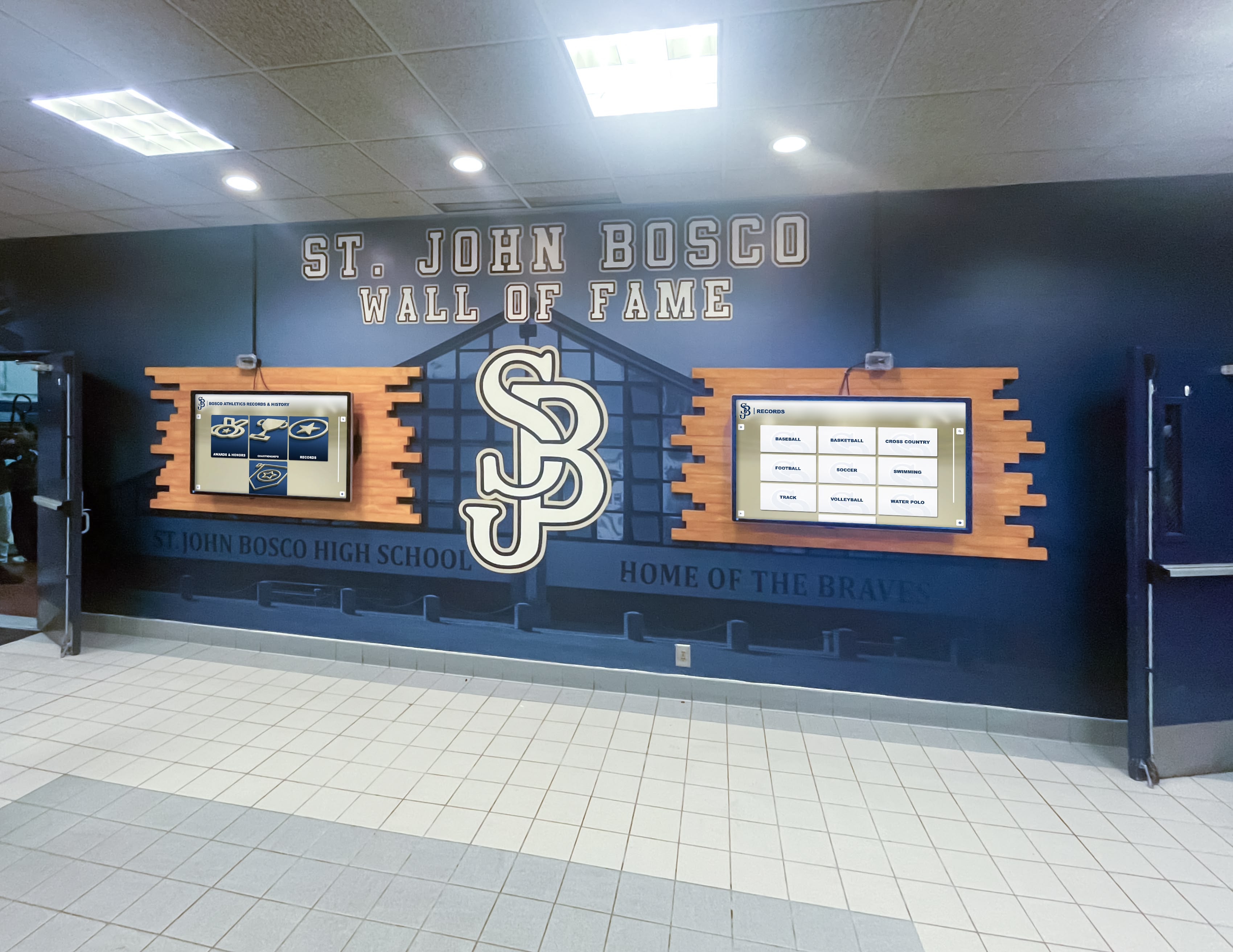
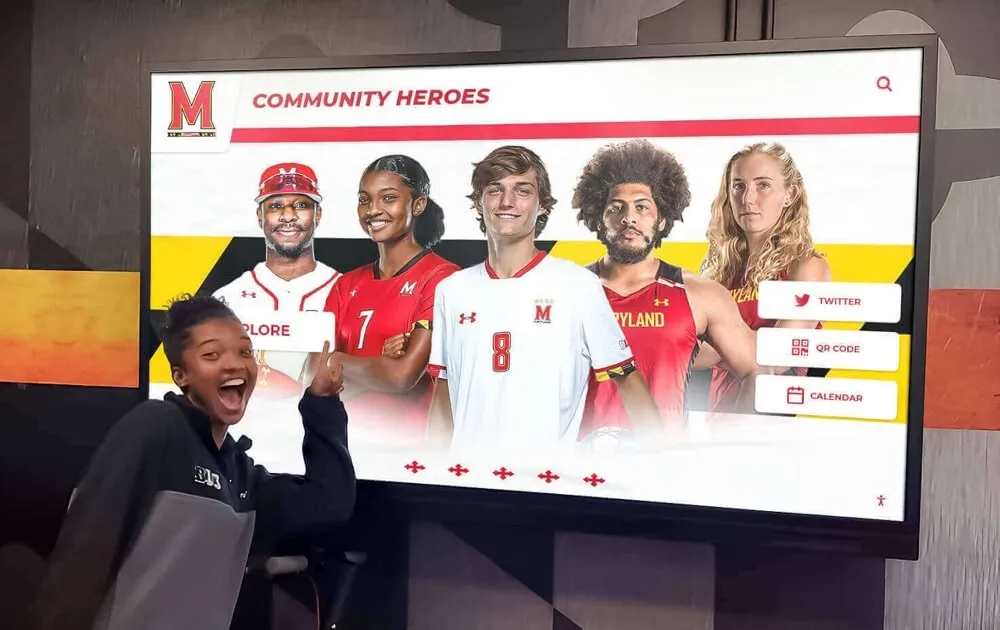
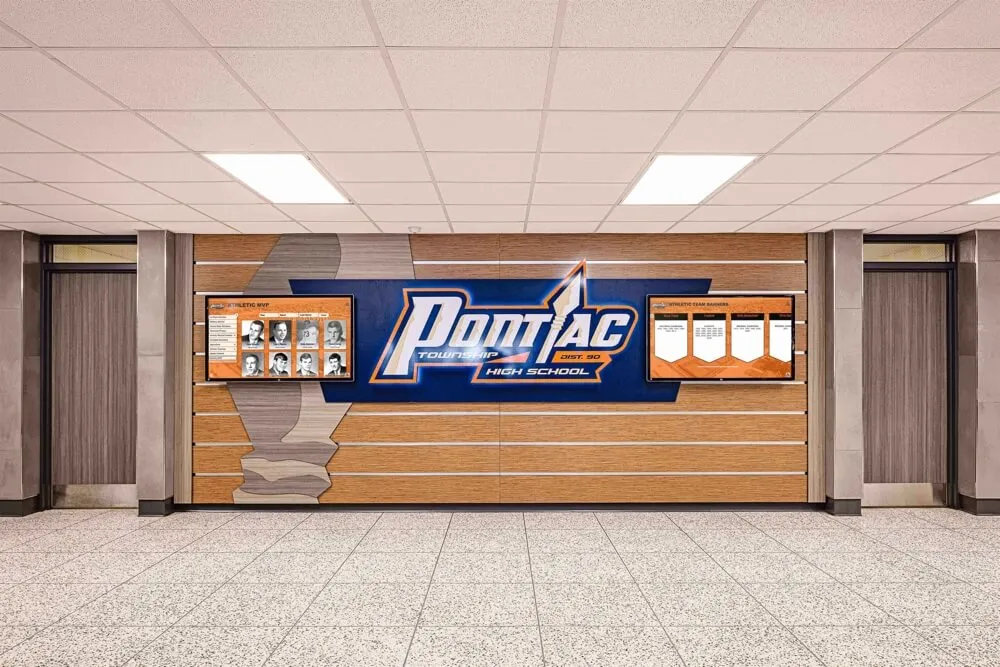
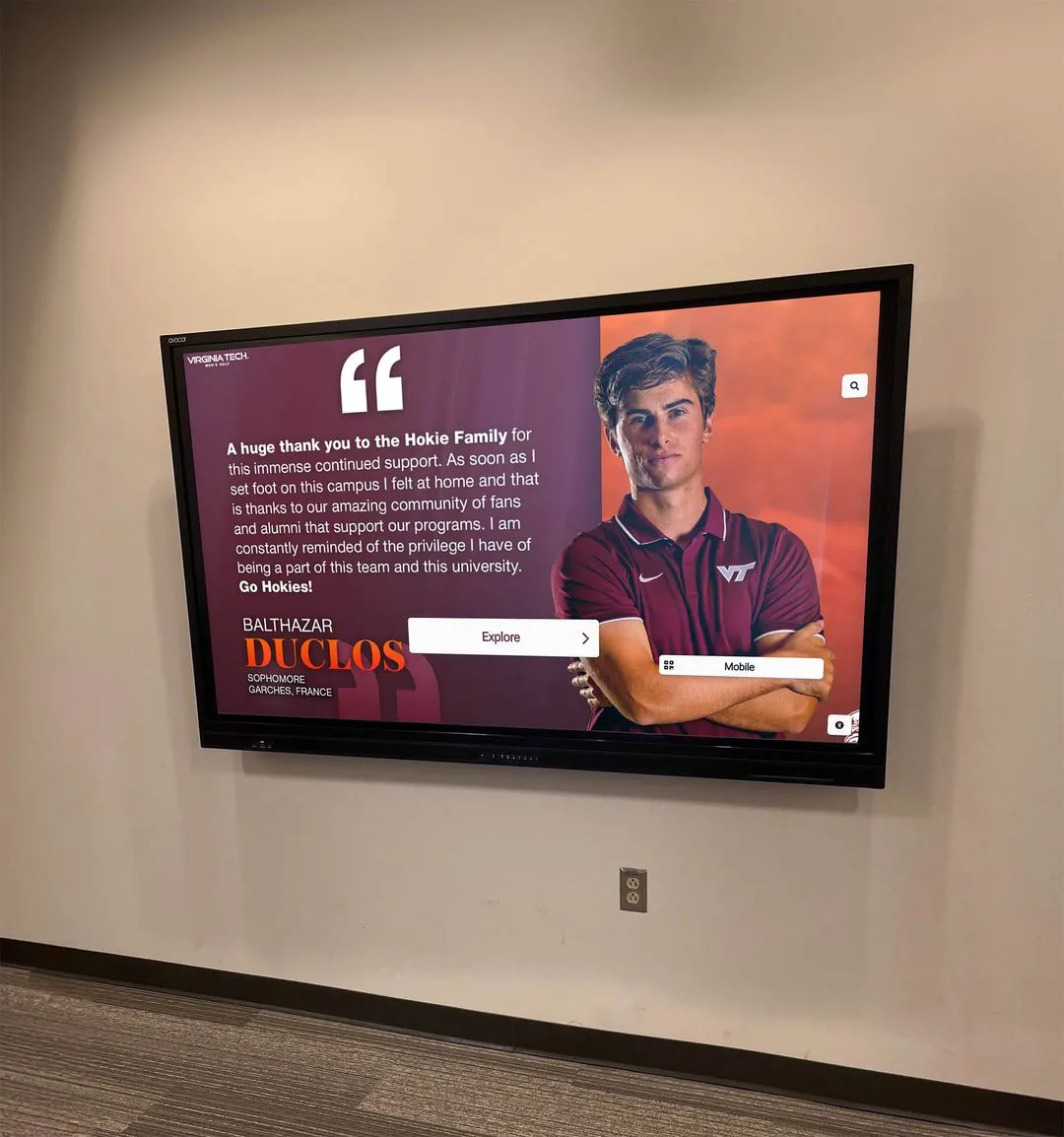
Just as yearbook headlines should be tested on real readers, digital recognition displays benefit from thoughtful content presentation that resonates with your school community
Common Headline Mistakes to Avoid
Even experienced yearbook staffs fall into headline traps that undermine their work.
Mistake #1: Headlines That Only State the Obvious
“Students Attend School,” “Football Team Plays Football,” “Drama Club Performs Play”—these headlines waste valuable space telling readers what they already know from looking at photos.
Instead, headlines should add information, context, or perspective that images alone cannot convey. Every headline should pass the “so what?” test: if a reader responds “so what?” to your headline, it’s not providing value.
Mistake #2: Inside Jokes Without Context
Headlines like “Remember That Thing in October?” or “The Incident We’re Not Supposed to Mention” may amuse the small group of students who understand the reference, but they alienate everyone else—including most of your audience.
Inside jokes work when context is provided: “The Fire Drill That Wasn’t: October’s False Alarm Disrupts Testing” gives readers enough information to understand, whether they experienced the event or not.
Mistake #3: Inconsistent Capitalization Styles
Some yearbooks randomly mix title case (“The Team That Never Gave Up”), sentence case (“The team that never gave up”), and all caps (“THE TEAM THAT NEVER GAVE UP”) throughout different spreads.
Choose one capitalization approach and apply it consistently:
- Title Case: Capitalize All Major Words
- Sentence case: Capitalize only the first word and proper nouns
- ALL CAPS: GENERALLY HARDER TO READ IN LONG HEADLINES
Most modern yearbooks favor title case for major headlines and sentence case for secondary headlines and captions.
Mistake #4: Headline Length Issues
Headlines that run multiple lines often lose impact:
Too long: “The Incredible Story of How Our Basketball Team Overcame Adversity, Battled Through Injuries, and Made It All the Way to the State Championship Game Where They Faced Their Toughest Opponents Yet”
More effective: “From Adversity to State Championship: The Season of a Lifetime”
Conversely, extremely short headlines—single words or two-word phrases—often lack necessary context and feel incomplete unless designed as deliberate stylistic choices.
Mistake #5: Missing the Story’s Core
Sometimes yearbook staffs focus headlines on secondary details rather than the spread’s actual focus:
Missed opportunity: “New Uniforms Debut” (when the real story is the undefeated season) Better: “Perfect Season, Perfect Finish”
Always ask: what’s the most important, interesting, or emotionally resonant aspect of this content? Lead with that.
Extending Recognition Beyond the Yearbook
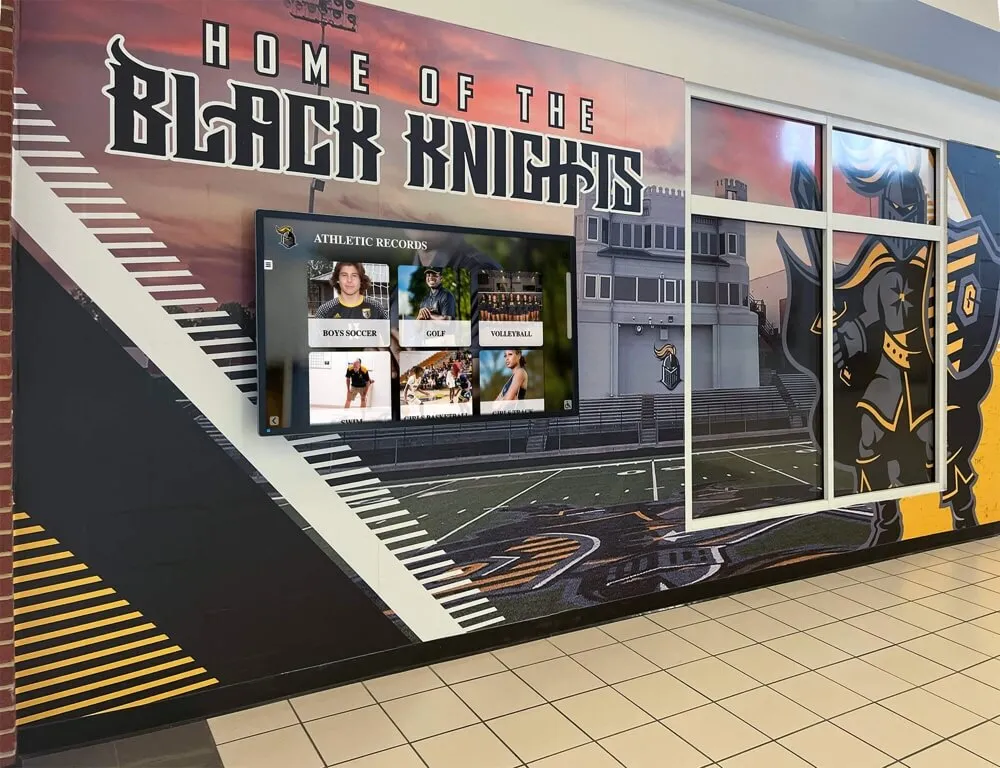
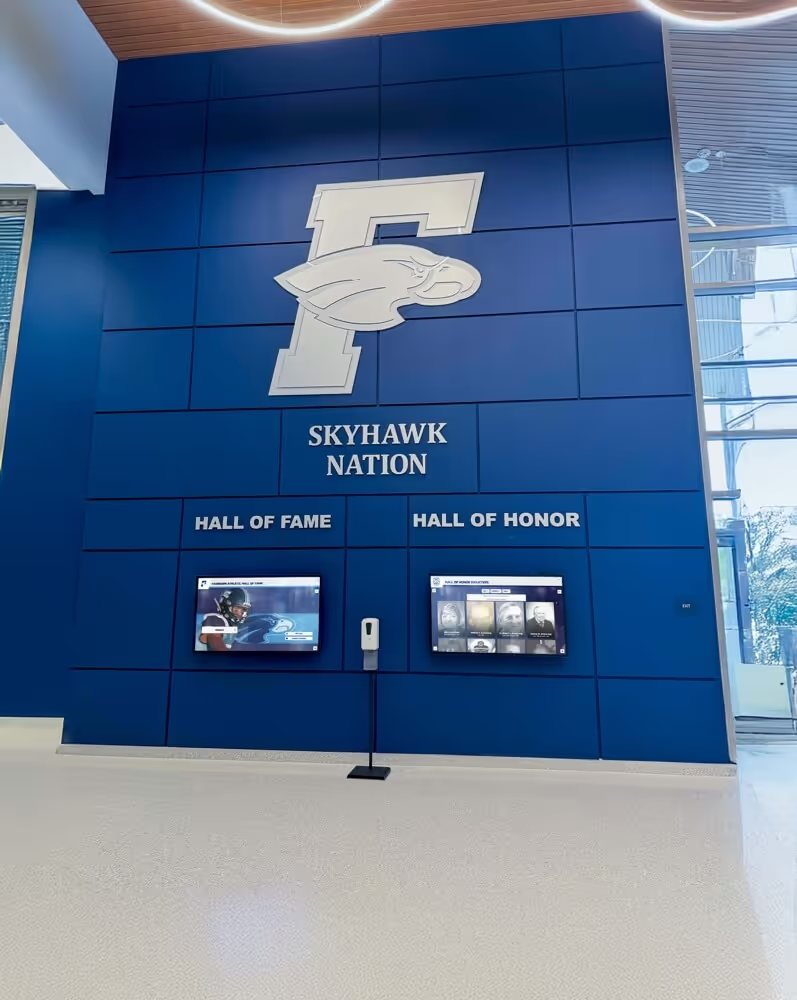
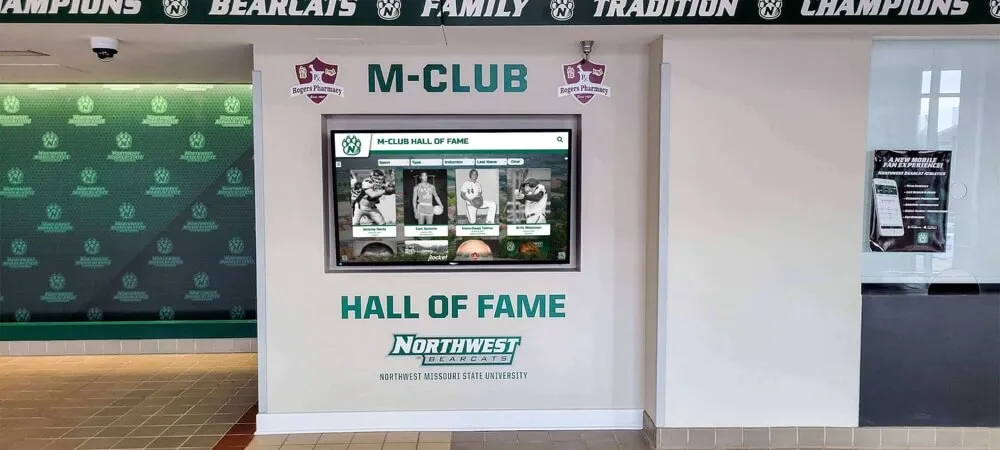
While yearbooks provide annual snapshots of school life, many schools now complement these printed volumes with year-round recognition through digital displays and interactive installations.
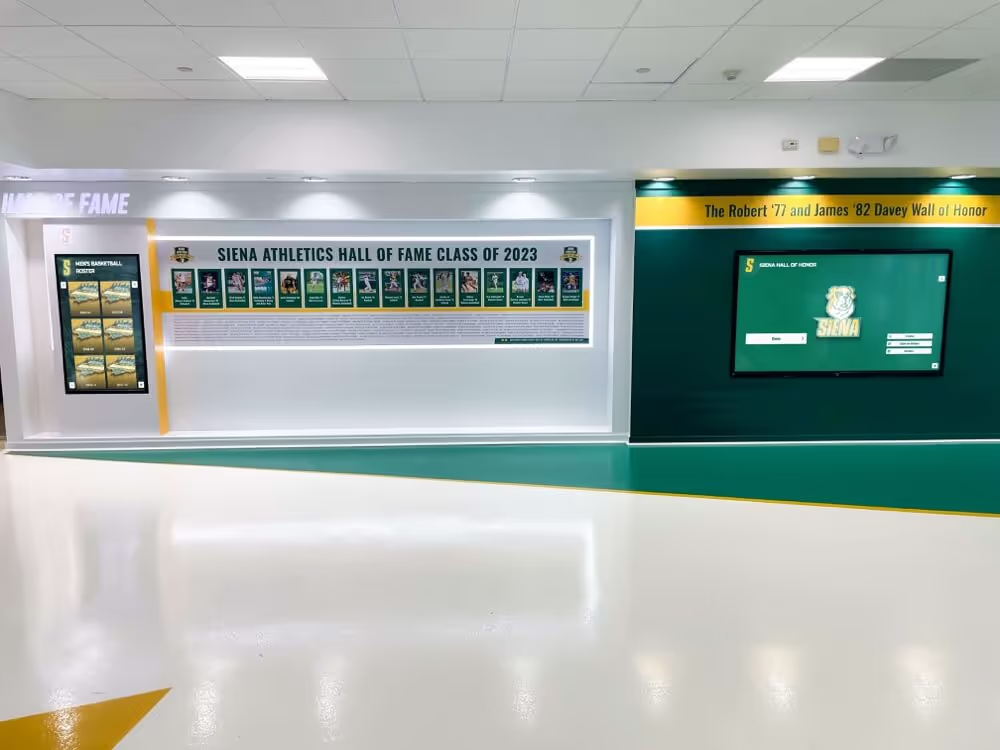
Digital recognition systems create permanent, updateable showcases for student achievements, athletic accomplishments, and institutional history. These installations serve multiple purposes:
Extending Yearbook Content Into Physical Spaces
The achievements and moments captured in yearbooks can be displayed prominently in school lobbies, athletic facilities, and common areas where students, families, and visitors encounter them daily rather than once per year.
Creating Always-Current Recognition
Unlike printed yearbooks with annual publication cycles, digital displays update continuously, recognizing achievements immediately after they occur and maintaining relevance throughout the school year.
Building School Culture and Pride
Visible recognition installations reinforce the values highlighted in yearbook content—academic excellence, athletic achievement, artistic creativity, community service—creating constant reminders of institutional priorities and student potential.
Engaging Alumni and Community
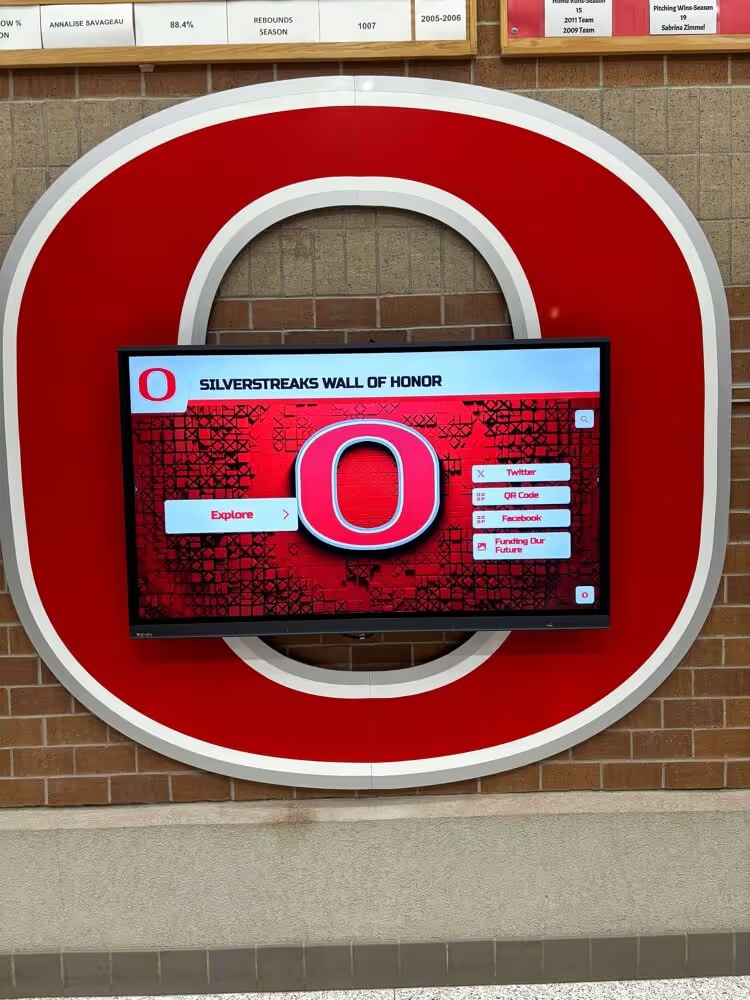
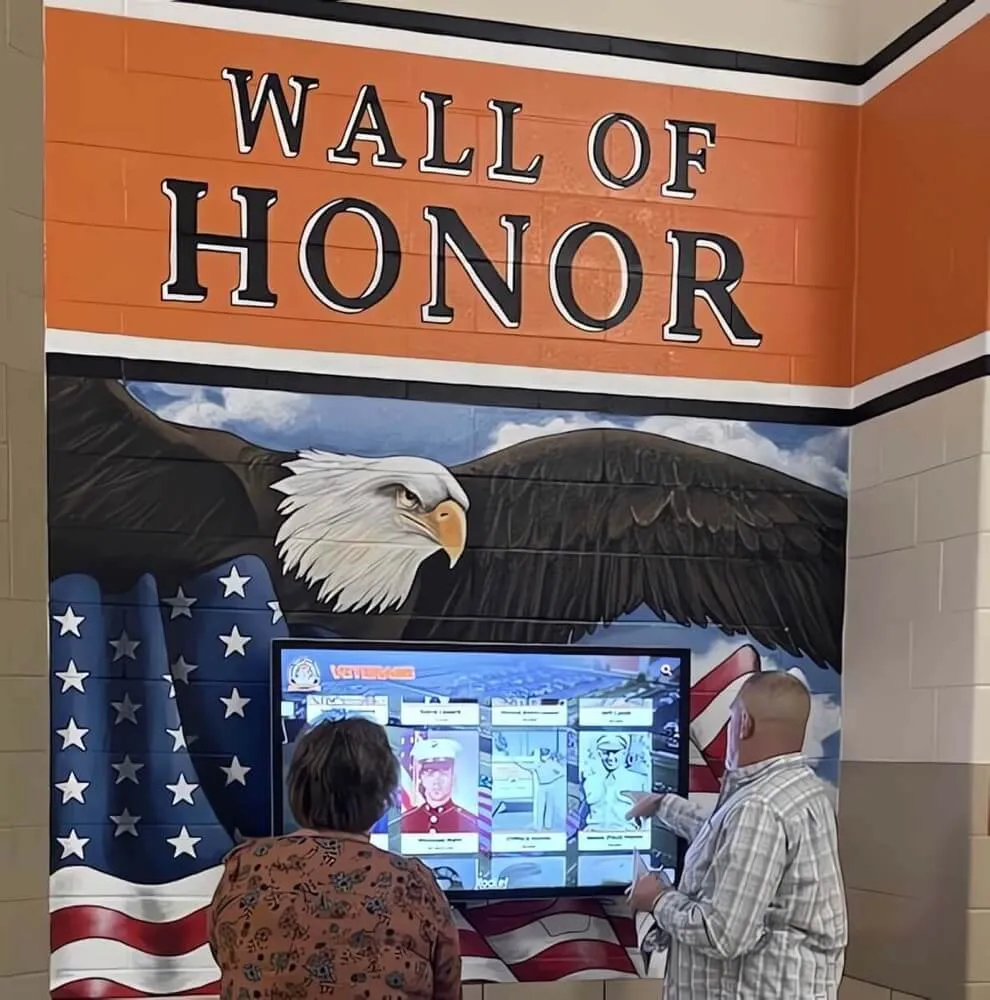
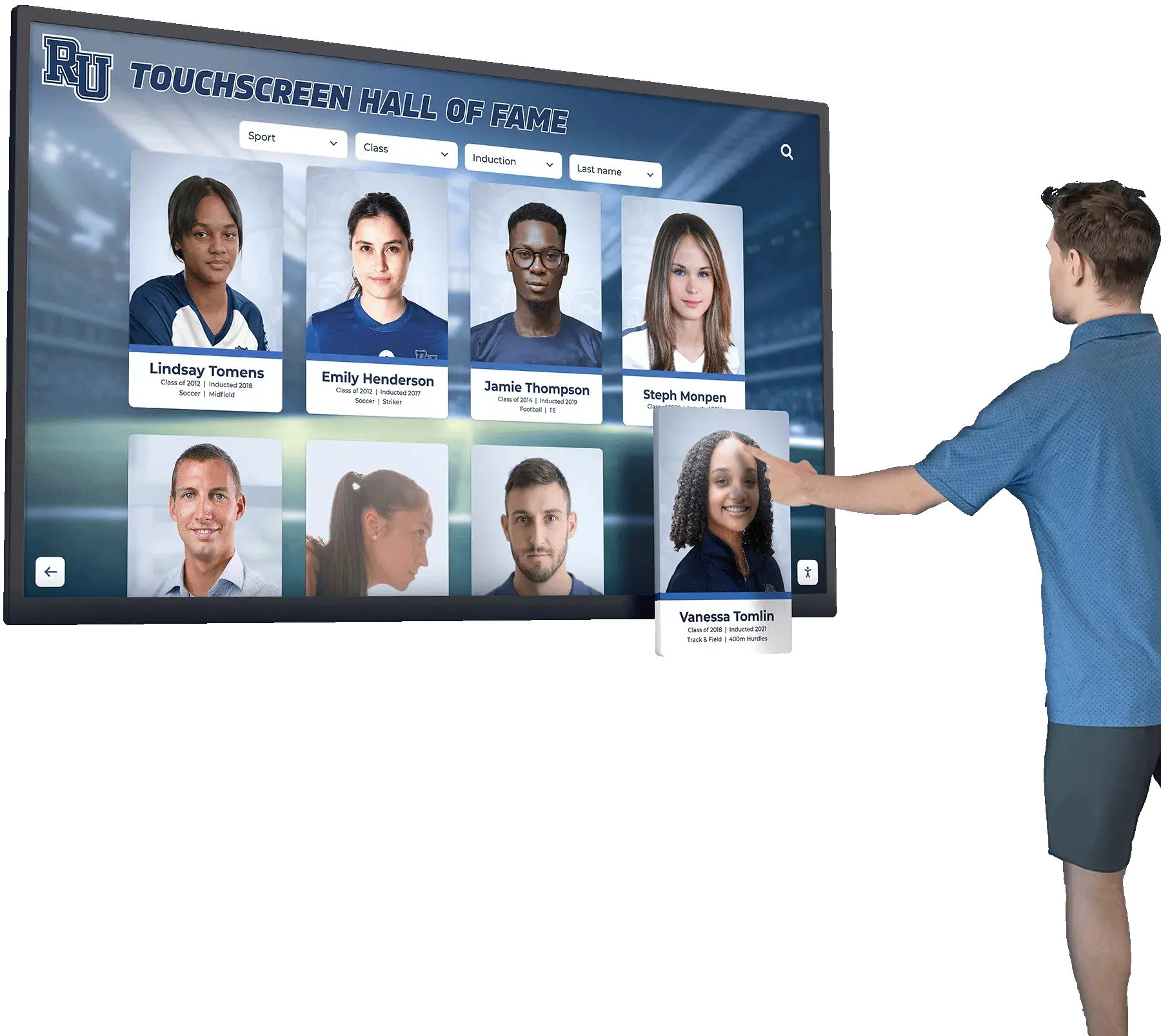
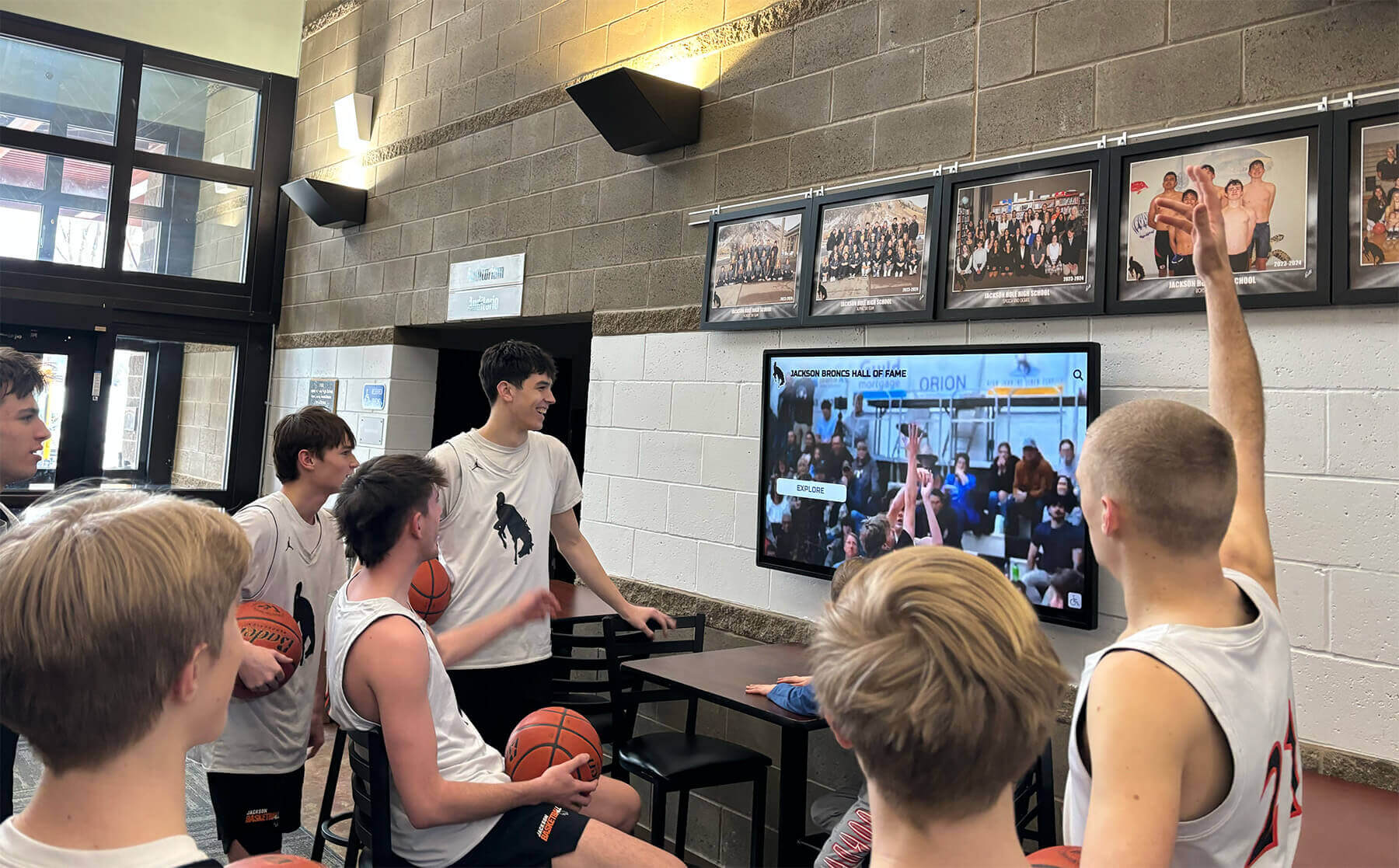
Interactive touchscreen systems allow alumni to explore historical yearbook content, find themselves in archived editions, and reconnect with classmates, transforming recognition displays into engagement tools supporting development and alumni relations objectives.
Many schools discover that their yearbook digitization projects—undertaken initially for preservation—become valuable content sources powering modern recognition installations that serve current students while honoring institutional heritage.
Implementation Tips for Yearbook Headlines
Putting these headline principles into practice requires planning and process.
Create a Headline Style Guide
Document your yearbook’s headline approach in a written style guide addressing:
- Capitalization rules (title case vs. sentence case)
- Acceptable headline length ranges
- Voice and tone parameters
- Words or phrases to avoid
- Grammatical rules (punctuation in headlines, use of articles, etc.)
A clear style guide ensures consistency even when multiple staff members write headlines across different sections.
Write Headlines Before Designing Spreads
Many staffs design page layouts first, then try to fit headlines into predetermined spaces. This approach forces writers to hit arbitrary character counts rather than craft optimal language.
Instead, write headlines based on content, then design layouts accommodating the best possible headlines. If a truly perfect headline runs long, adjust design to make it work rather than compromising the headline.
Revise, Revise, Revise
First-draft headlines rarely represent your best work. Budget time for headline revision:
- First draft: Get ideas down quickly without overthinking
- Revision: Strengthen verbs, add specificity, improve rhythm
- Peer review: Get feedback from other staff members
- Final edit: Polish for consistency and correctness
Headline writing is writing, and all writing improves through revision.
Read Headlines Aloud
Awkward phrasing, tongue-twisters, and rhythm problems become immediately apparent when you read headlines aloud. If a headline is difficult to say, it’s probably difficult to read mentally as well.
Strong headlines have rhythm and flow. Reading aloud helps identify where language stumbles or words clash.
Study Professional Publications
Newspapers, magazines, and digital media outlets employ professional headline writers. Study publications like:
- Local newspapers for event coverage headlines
- Sports Illustrated for athletic headline approaches
- Feature magazines for creative, engaging headline styles
- News aggregators to see which headlines attract clicks
You’re not copying these headlines—you’re studying techniques you can adapt to yearbook contexts.
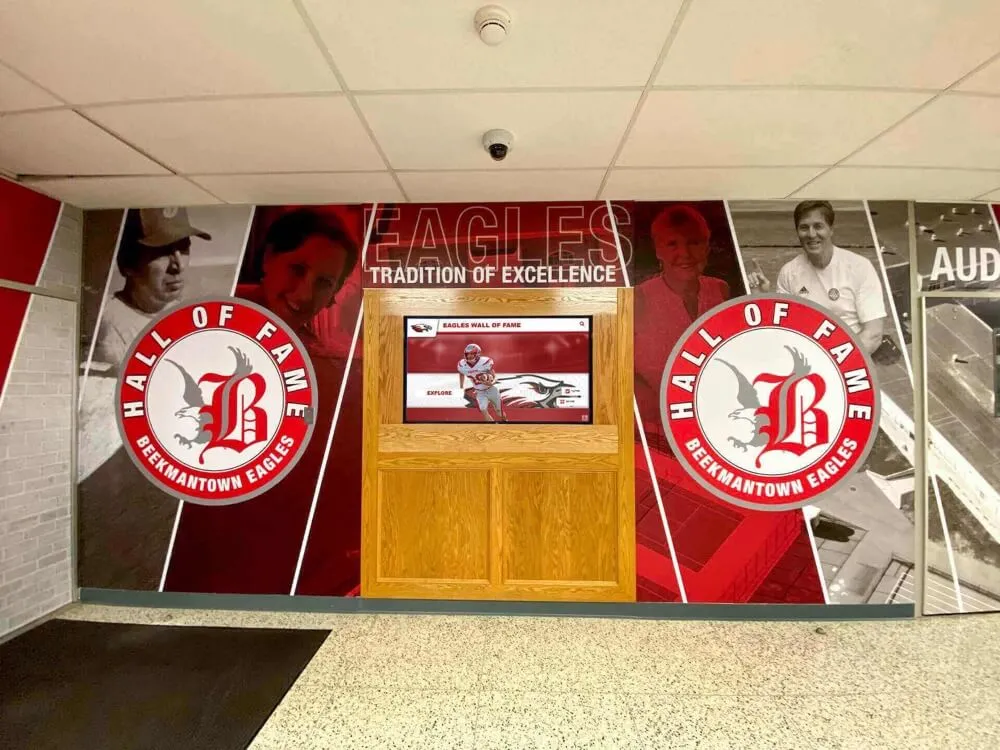
Strong headline-writing skills from yearbook work translate directly to creating compelling content for permanent recognition installations throughout campus
Conclusion: Headlines That Last
Years after graduation, alumni remember surprisingly specific details from their yearbooks—not just photos of themselves, but the exact headlines that captured defining moments of their school experience. “The Comeback Kids,” “Undefeated and Unforgettable,” “The Class That Changed Everything”—these phrases become part of institutional memory, shorthand for entire eras of school history.
That’s the power effective yearbook headlines wield: they don’t just label content, they create the language through which communities remember and discuss shared experiences. The student who barely recalls their junior year academic schedule can quote word-for-word the headline that captured their championship season or graduation celebration.
The 75 headline examples in this guide represent starting points, not templates. Your school’s story is unique—shaped by your traditions, your students, your community, and the specific events that made this year different from all others. The best headlines emerge when you deeply understand what made this year matter and find language that captures that significance with clarity, creativity, and authenticity.
Take time to craft headlines worthy of the moments they describe. Test them on real readers. Revise them until they’re right. Your yearbook staff’s work creates the permanent record of this school year—make sure every element, from the photographs to the headlines, honors the people and experiences it preserves.
Ready to transform how your school recognizes student achievement and preserves institutional history? Rocket Alumni Solutions creates interactive digital recognition displays and touchscreen archives that bring yearbook content to life in school lobbies, athletic facilities, and common areas. From digitizing historical yearbooks to creating modern recognition systems showcasing current achievements, we help schools build pride and engagement through powerful visual storytelling. Contact us to discover how digital recognition systems can complement your yearbook program while creating year-round celebration of student success.