Thousands of yearbooks documenting generations of students, teachers, and school milestones sit vulnerable in storage closets and basement archives across educational institutions. These bound collections represent the visual history of entire communities—capturing faces, fashions, achievements, and cultural moments that define each era. Yet paper deteriorates, bindings fail, and irreplaceable photographs fade with each passing year, threatening the permanent loss of institutional memory that connects current students to those who came before.
Professional yearbook digitization scanning services transform fragile paper archives into permanent digital collections that preserve visual history while making it accessible to future generations. Schools implementing comprehensive digitization programs protect thousands of photographs and pages from deterioration while creating searchable archives that alumni, researchers, and current students can explore from anywhere. These services employ specialized equipment, archival expertise, and preservation workflows that capture fine details while safeguarding original materials throughout the scanning process.
This guide explains how yearbook digitization scanning services work, what preservation processes protect visual history, how schools select qualified providers, and the steps involved in transforming decades of yearbooks into accessible digital archives that celebrate institutional heritage for generations to come.
Understanding Professional Yearbook Digitization Services
Before selecting a service provider or planning digitization projects, understanding what professional scanning services actually deliver helps schools set appropriate expectations and budget requirements.
What Yearbook Digitization Services Include
Comprehensive yearbook scanning services provide end-to-end preservation workflows rather than simple photocopying:
Physical Material Handling and Preparation
Professional services begin with careful assessment of yearbook condition, determining whether books can be scanned bound or require disbinding. Specialists clean pages to remove dust and debris that could affect scan quality. They document pre-existing damage to avoid liability disputes. They organize materials by year and volume ensuring nothing gets misplaced during processing.
This preparation phase proves critical—amateur scanning attempts that skip proper handling often damage fragile bindings or miss pages entirely, defeating preservation goals.
High-Resolution Scanning Processes
Quality digitization services employ specialized equipment designed specifically for bound materials. Professional book scanners minimize spine stress by using overhead scanning rather than flatbed presses. They capture images at 300-600 DPI resolution preserving fine details in photographs and text. Color calibration ensures accurate reproduction of original tones. Multiple scans verify complete page coverage without missing edges or gutters.
The technical specifications matter tremendously. Low-resolution scans that save costs initially become unusable when schools want to zoom into specific photos or reproduce images for displays and publications.
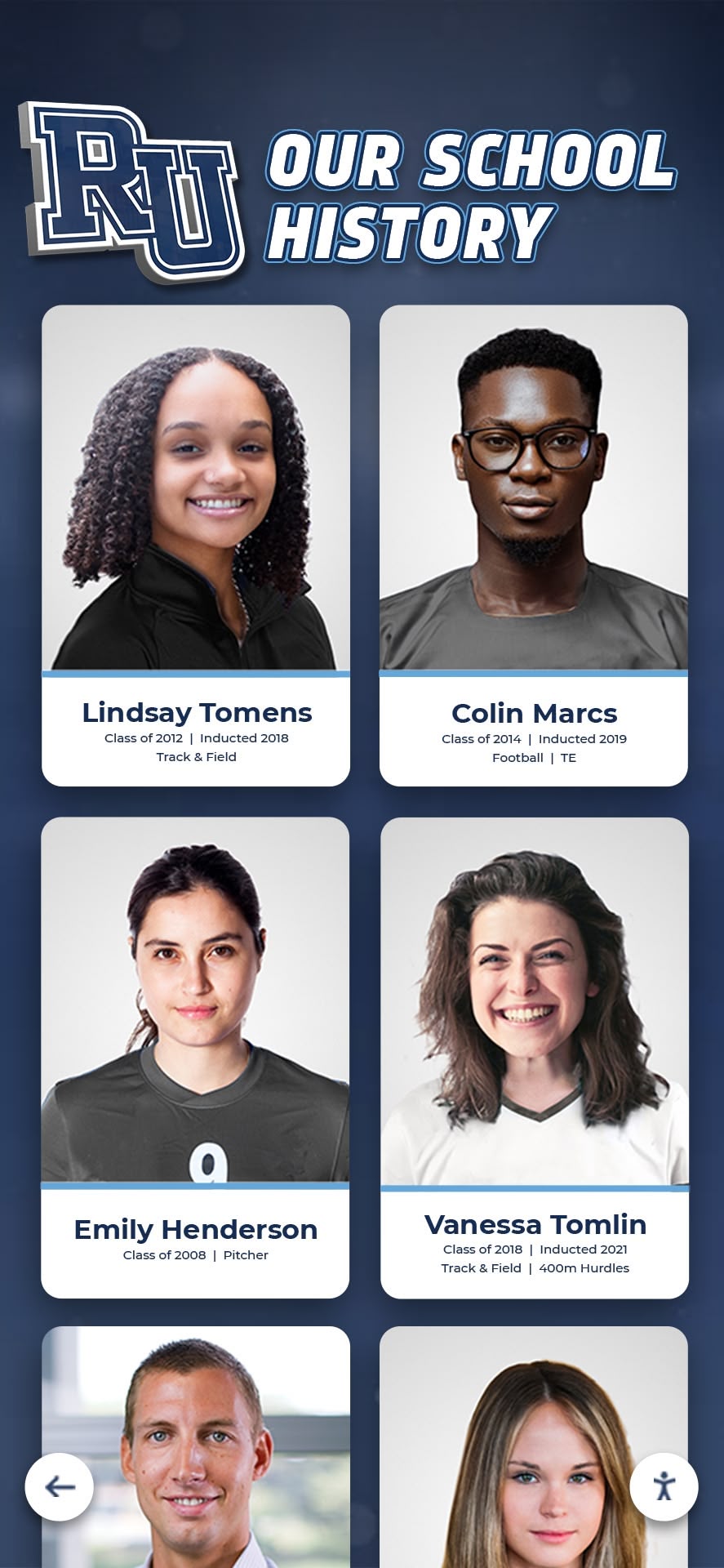
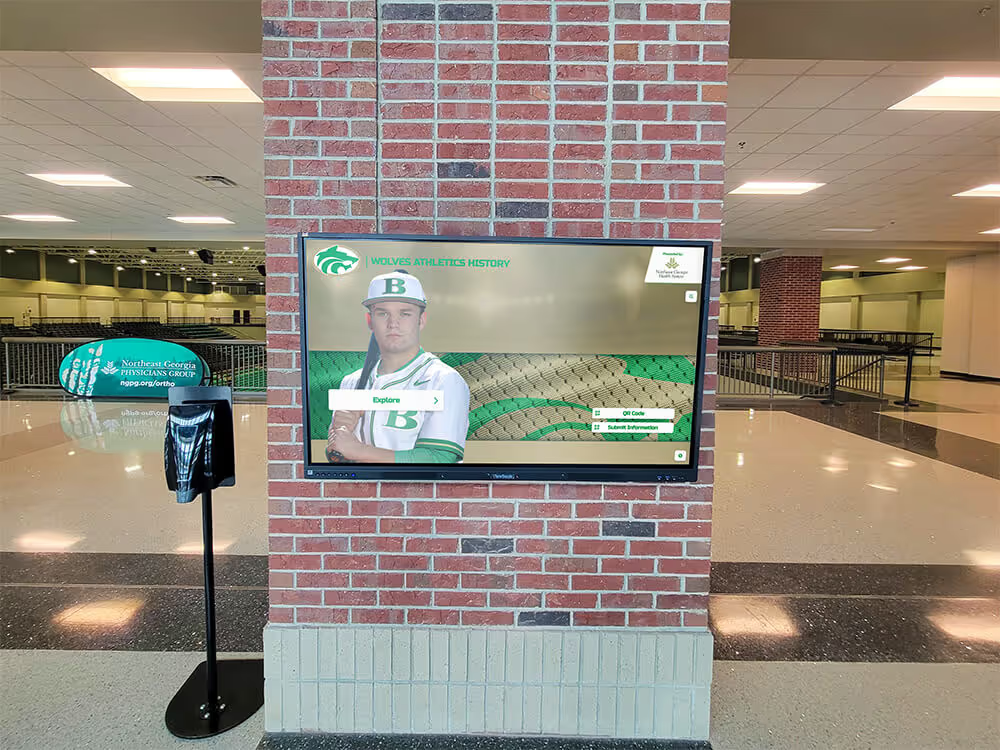
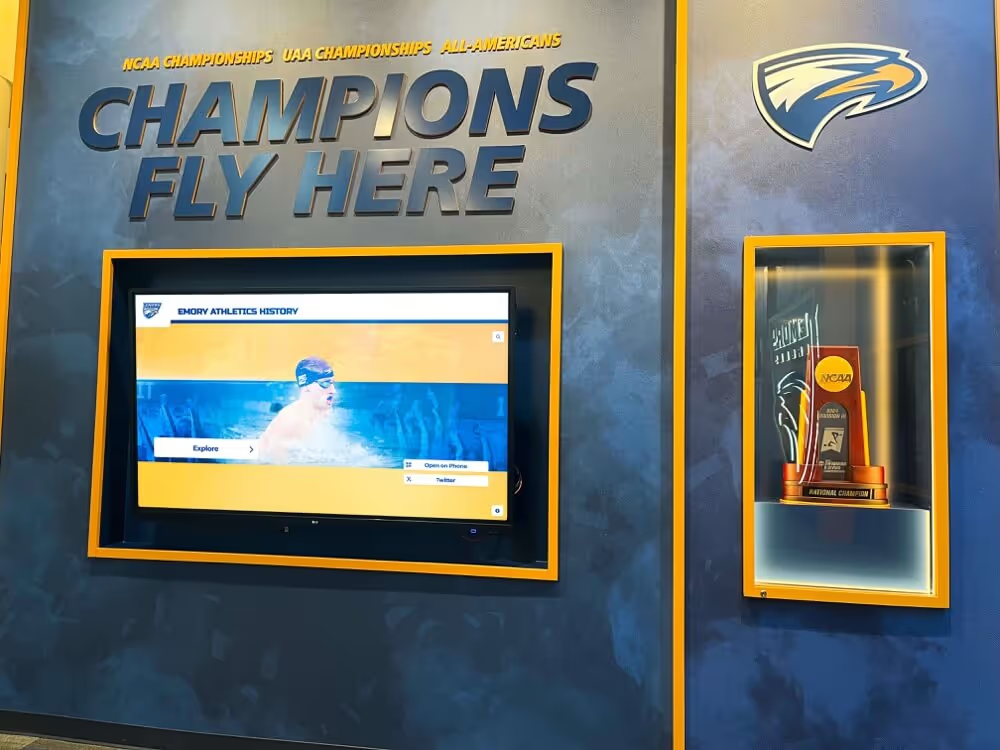
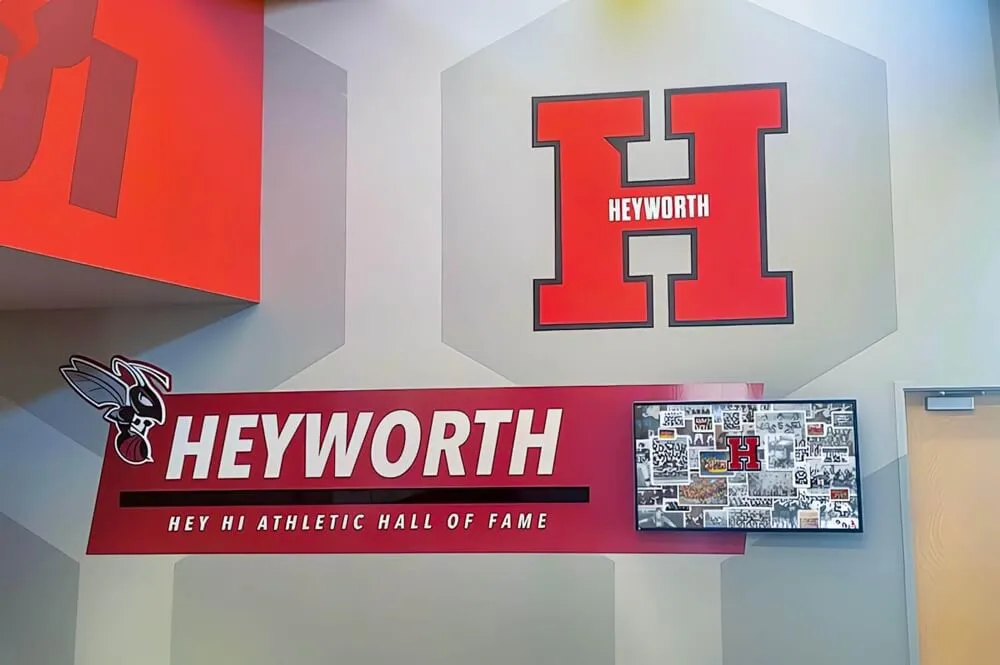
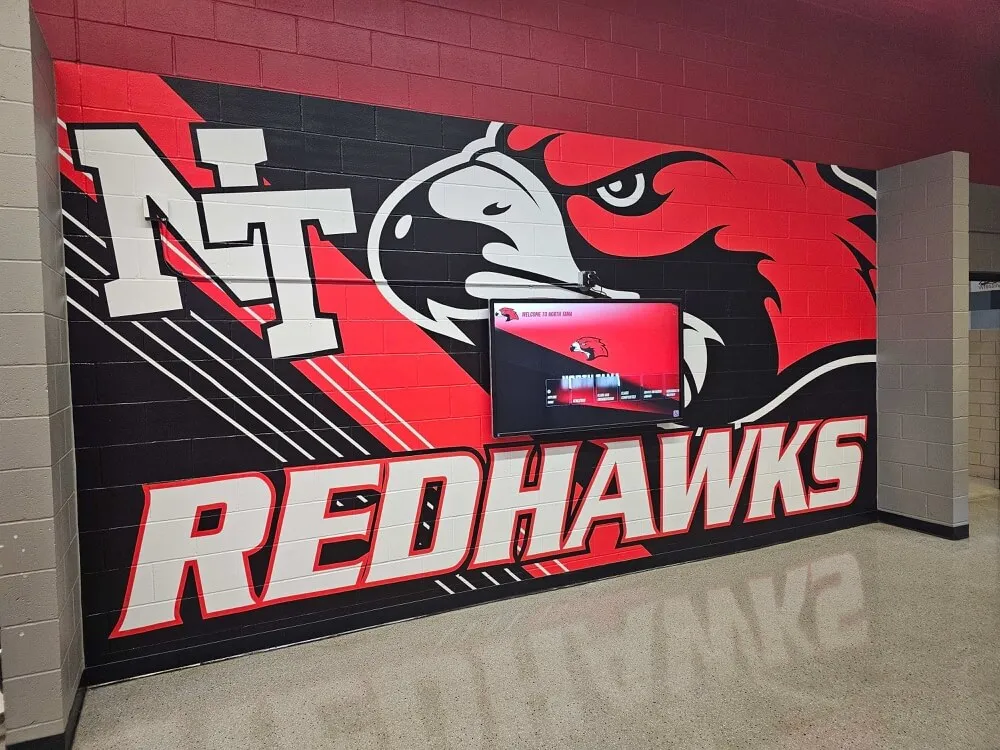
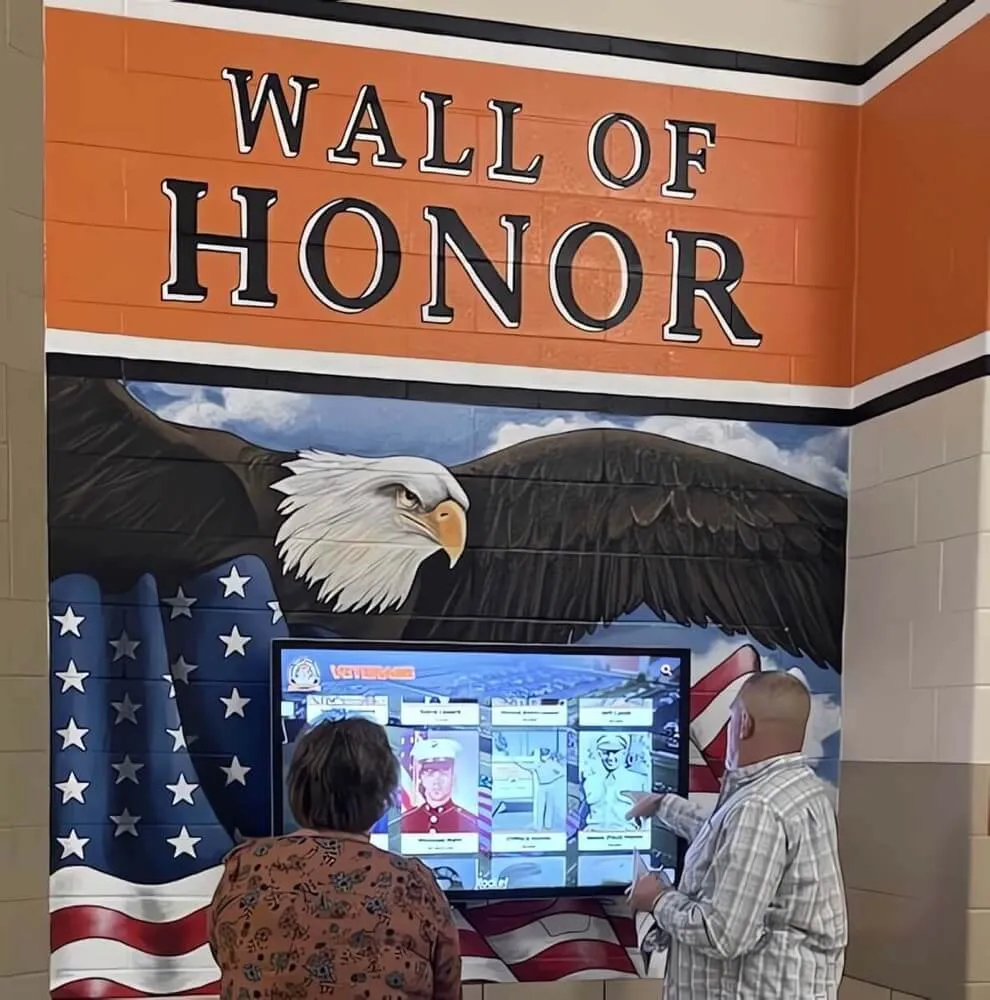
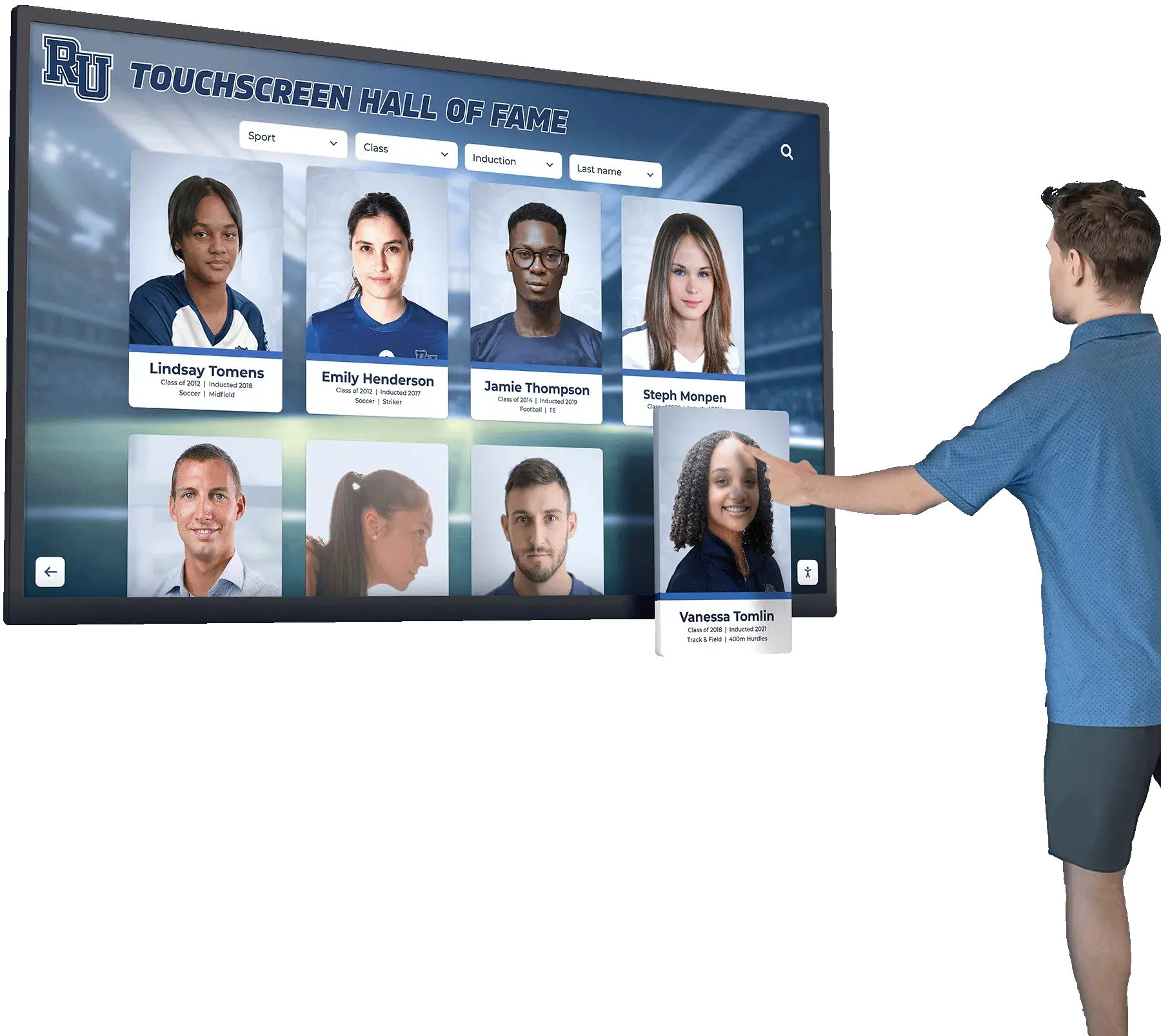
Professional scanning services capture individual yearbook portraits at resolutions that preserve facial details and photo quality for decades of future use
Image Processing and Enhancement
After initial scanning, specialized software improves image quality through several processes:
Deskewing corrects pages photographed at slight angles ensuring straight alignment. Cropping removes scanner backgrounds and edge artifacts. Brightness and contrast adjustments compensate for yellowed or faded pages. Color correction restores original tones from discolored materials. Spot removal eliminates scanner dust that appears as digital artifacts.
These enhancements transform raw scans into polished digital archives that often look better than deteriorated originals while maintaining historical authenticity.
Optical Character Recognition (OCR)
Advanced yearbook digitization scanning services include OCR processing that converts photographed text into searchable data:
OCR software analyzes each page identifying text areas versus photographs. It recognizes individual characters even in decorative fonts and varied layouts. The system creates searchable text layers behind visual images. Name indexing enables searches for specific individuals across entire yearbook collections.
This searchability transforms static image archives into research tools—alumni can find their own names or classmates across multiple years, researchers can track individuals through their school careers, and schools can locate specific content without manually browsing thousands of pages.
Types of Digitization Service Models
Schools encounter several service delivery approaches when evaluating yearbook digitization providers:
On-Site Scanning Services
Some providers bring portable scanning equipment directly to school facilities, working on-site to digitize yearbook collections. This approach keeps materials under institutional control throughout the process, allows staff to monitor progress and access originals during scanning, eliminates shipping risks that concern archivists handling irreplaceable materials, and enables immediate consultation when questions arise about specific pages or volumes.
Schools with particularly valuable or fragile collections often prefer on-site services despite typically higher costs per page.
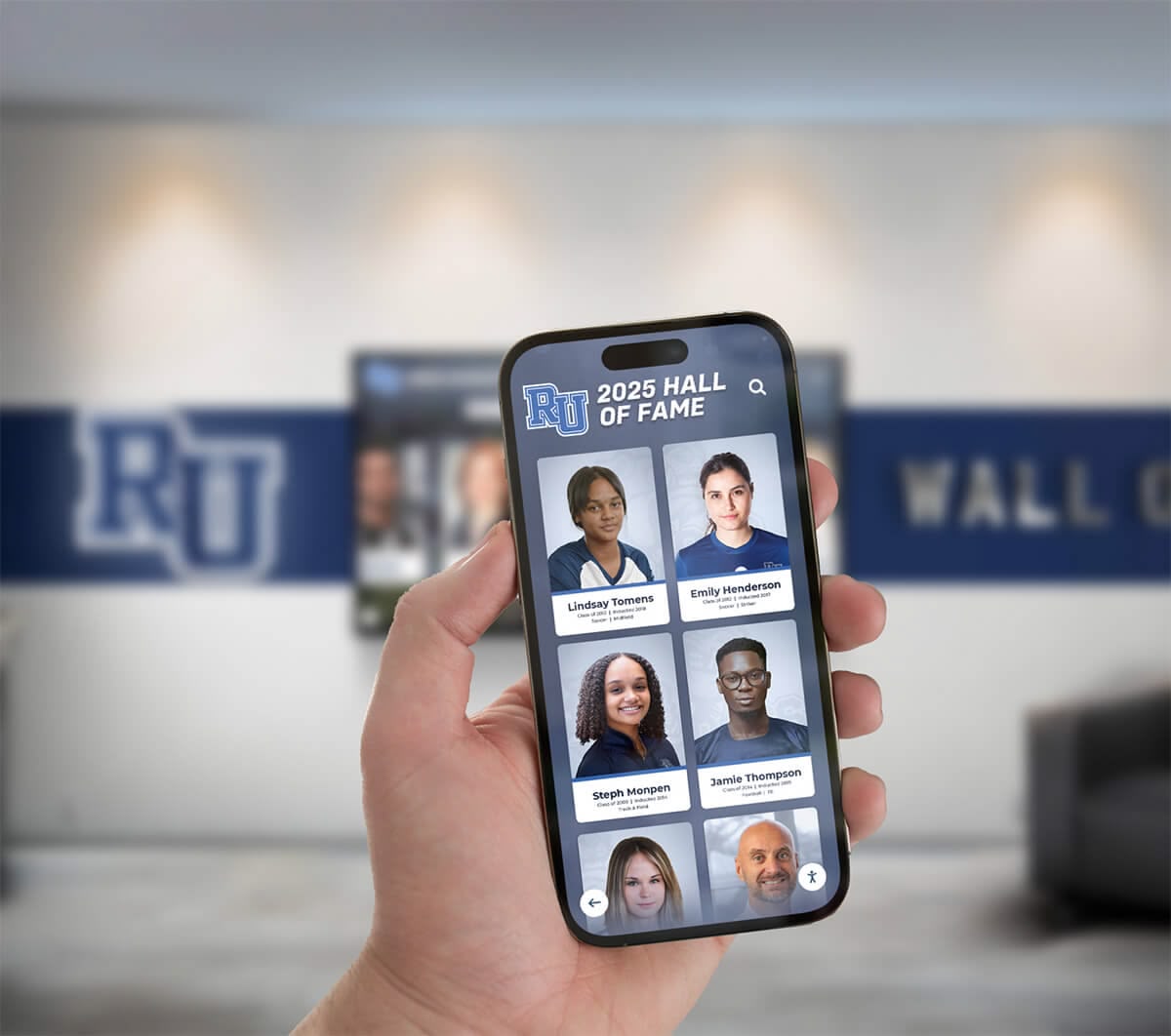
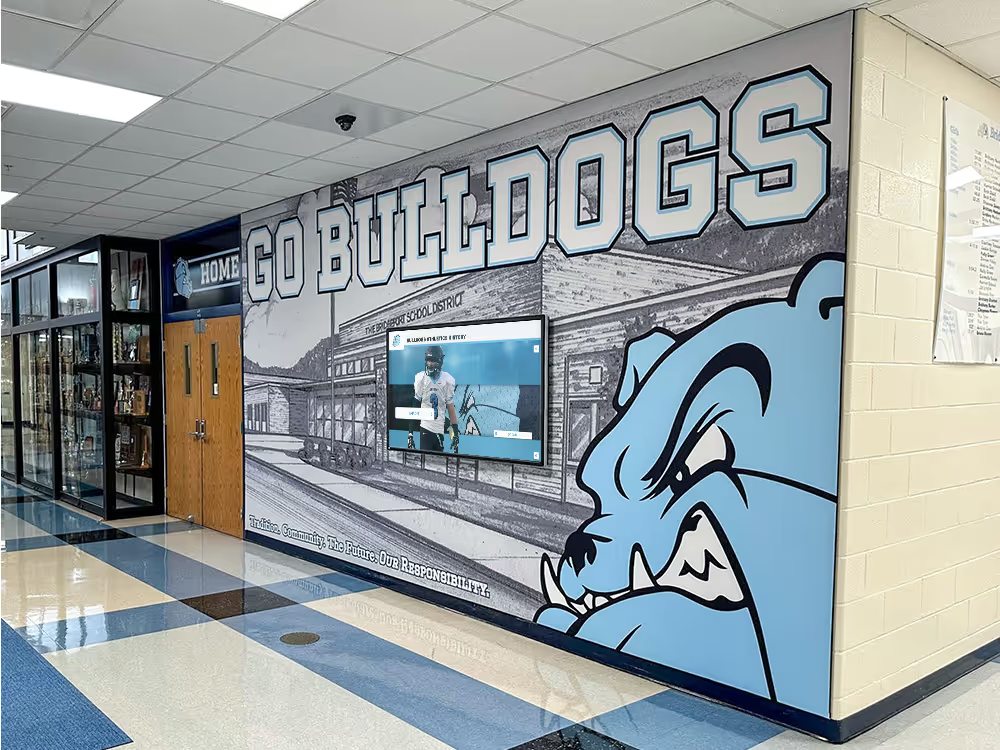
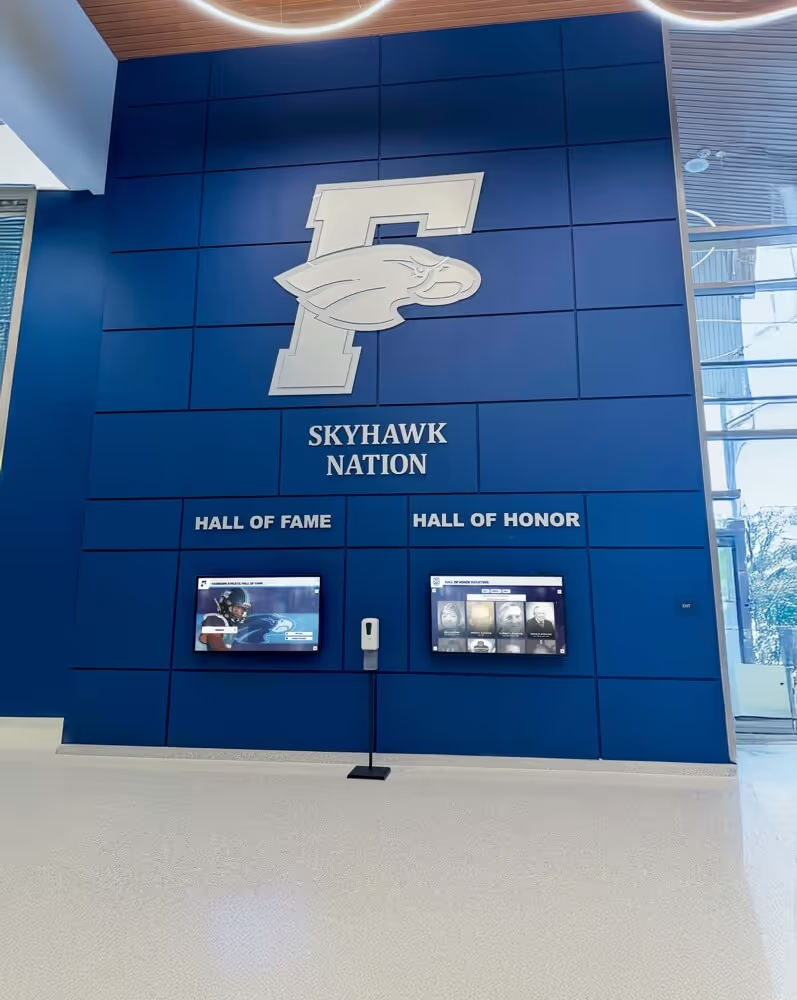
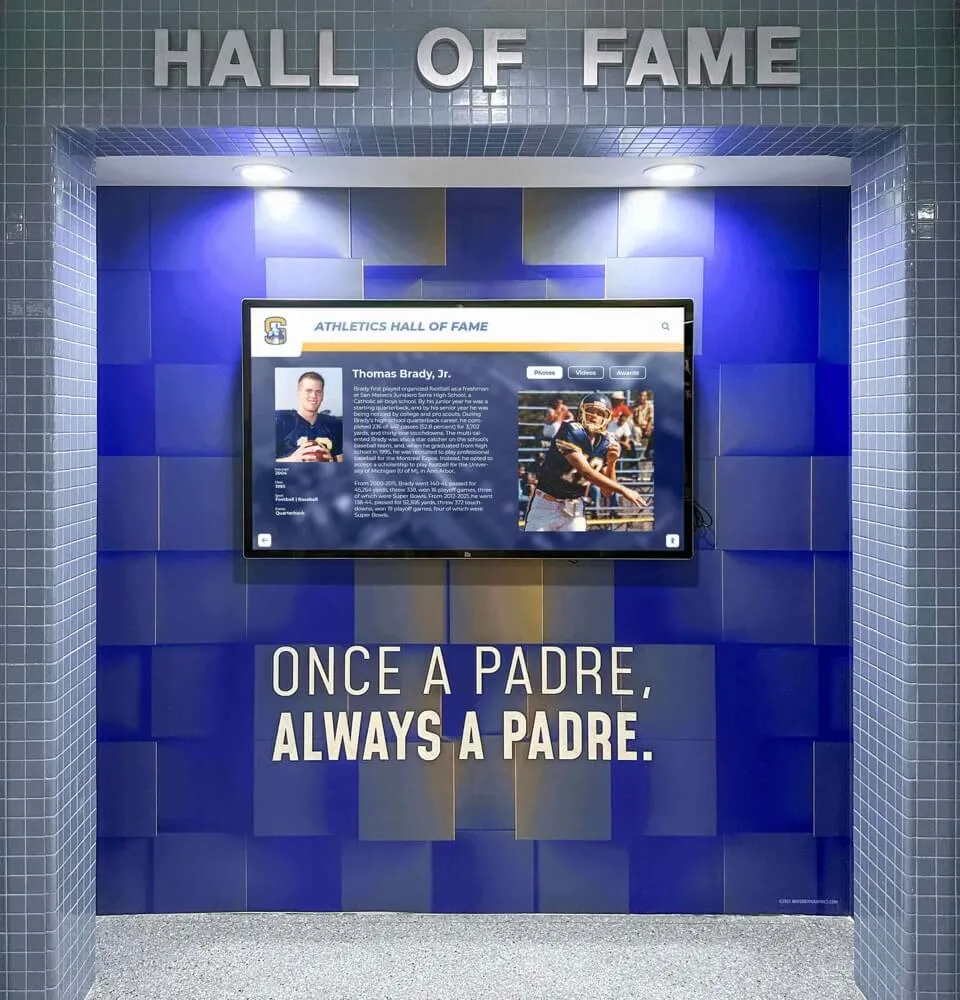
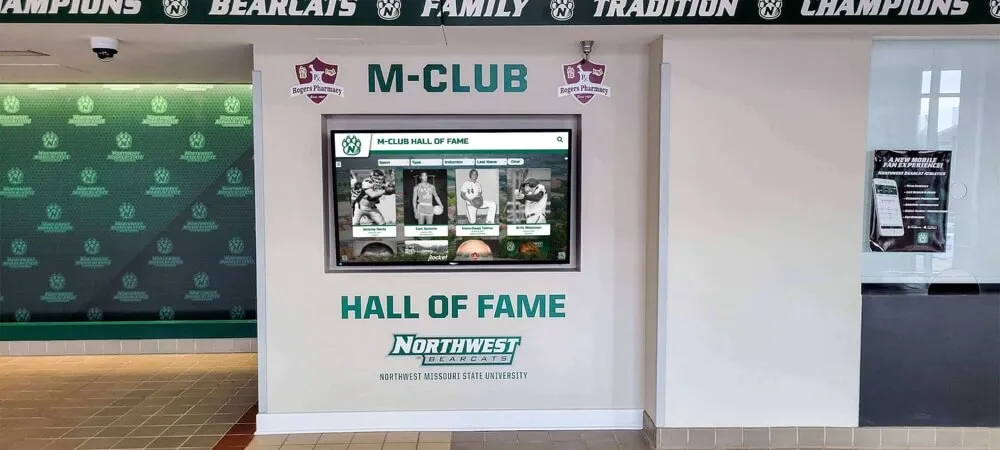
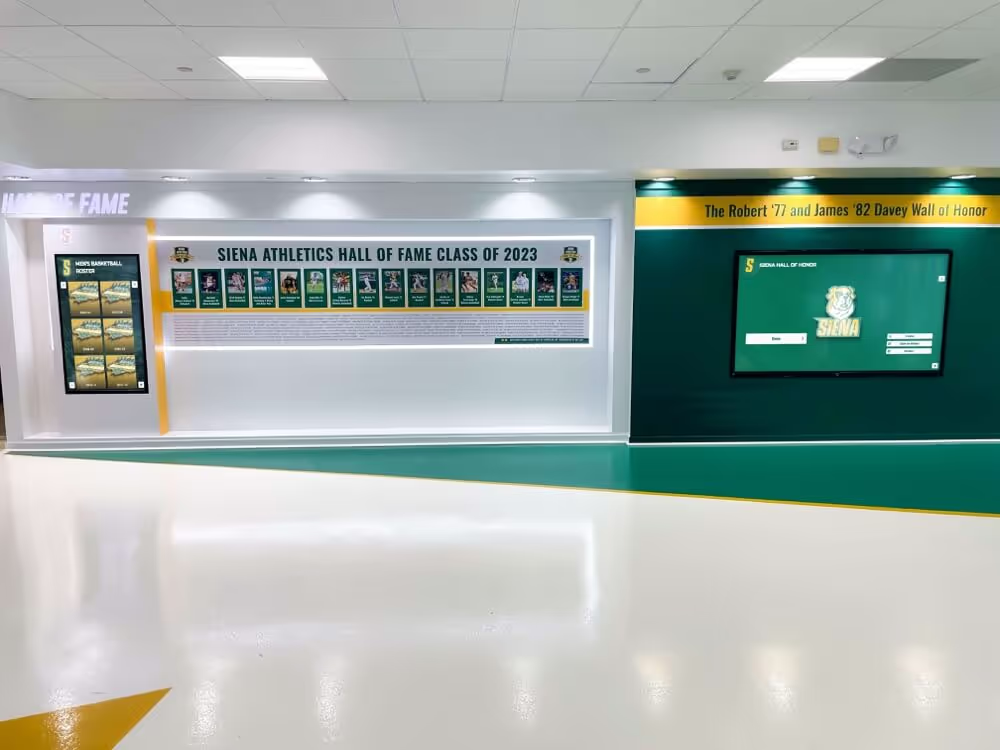
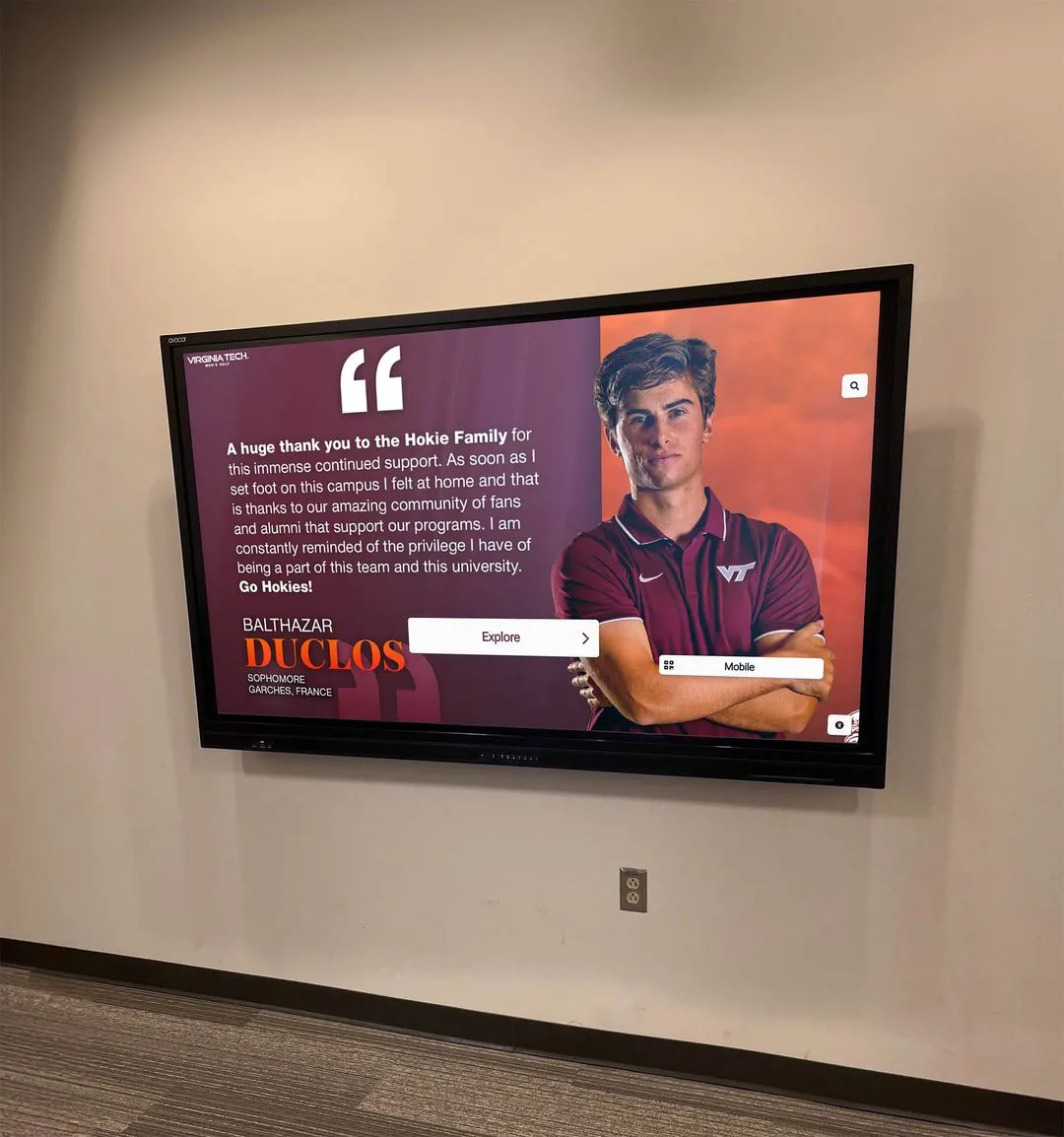
Modern digitization services create mobile-friendly archives enabling alumni to explore yearbooks from smartphones during campus visits or from anywhere in the world
Off-Site Processing Centers
Most professional digitization services operate from specialized facilities equipped with industrial-grade scanning equipment. Schools ship yearbook collections to these centers where technicians process materials in controlled environments optimized for archival work. This model typically offers lower per-page costs through economies of scale, faster turnaround using dedicated equipment and staff, access to advanced technology too expensive for mobile operations, and quality control processes requiring specialized facilities.
Reputable providers maintain detailed chain-of-custody protocols, fully insured shipping both directions, climate-controlled storage during processing, and real-time project tracking portals showing scanning progress.
Hybrid Approaches
Some services combine both models—conducting initial assessment and preparation on-site, then transporting materials to processing centers for actual scanning before returning originals with completed digital files.
Digital Output Formats and Deliverables
Understanding what you receive after scanning completes helps schools plan for implementation and access:
File Formats and Organization
Professional services deliver yearbook scans in multiple formats serving different purposes:
High-resolution archival masters (typically TIFF or uncompressed PNG) preserve maximum detail for long-term storage and future reproduction. Compressed web-friendly versions (JPEG or compressed PDF) enable online access without excessive file sizes. PDF compilations recreate entire yearbooks as browsable documents. Individual page images allow flexible presentation and editing.
Files are organized in logical folder structures by year, with consistent naming conventions enabling easy navigation and automation.
Metadata and Documentation
Quality digitization services include comprehensive metadata documenting each yearbook’s year, school name, page counts, scanning specifications, processing dates, and any special handling notes.
This documentation proves essential for archive management—schools receiving hard drives containing thousands of unlabeled image files struggle to organize and implement digital collections without proper metadata frameworks.
Access Platforms and Integration
Some yearbook digitization scanning services include or integrate with viewing platforms:
Hosted online galleries provide immediate web access without schools managing their own servers. Searchable databases enable name lookups across entire collections. Export tools allow downloads in various formats. API access enables integration with existing school systems or digital history archives.
Schools should clarify whether access platforms are included in scanning costs or require separate subscriptions for hosting and maintenance.
Selecting the Right Yearbook Digitization Provider
The quality difference between professional archival services and basic scanning companies significantly impacts long-term value of digitization investments.
Evaluation Criteria for Service Providers
When researching yearbook digitization scanning services, assess potential vendors across several critical dimensions:
Archival Experience and Specialization
Providers with dedicated experience in educational archives understand unique yearbook challenges—mixed page types combining text, photographs, and graphics requiring different scanning approaches; historical materials needing gentle handling; layouts with gutters and edge content demanding specialized book scanners; and privacy considerations around student images.
Ask potential vendors about their experience specifically with yearbook collections, request references from schools they’ve served, and review sample digitization work demonstrating quality on materials similar to your collection.
Equipment and Technical Capabilities
Professional yearbook preservation requires appropriate technology:
Book scanners designed for bound materials rather than flatbed scanners requiring disbinding. High-resolution cameras capturing 300 DPI minimum, preferably 600 DPI for detailed photographs. Proper lighting systems preventing shadows and glare while avoiding heat damage to fragile pages. Color calibration tools ensuring accurate reproduction across entire scanning projects.
Vendors using consumer-grade flatbed scanners or smartphone cameras cannot deliver archival-quality results regardless of attractive pricing.
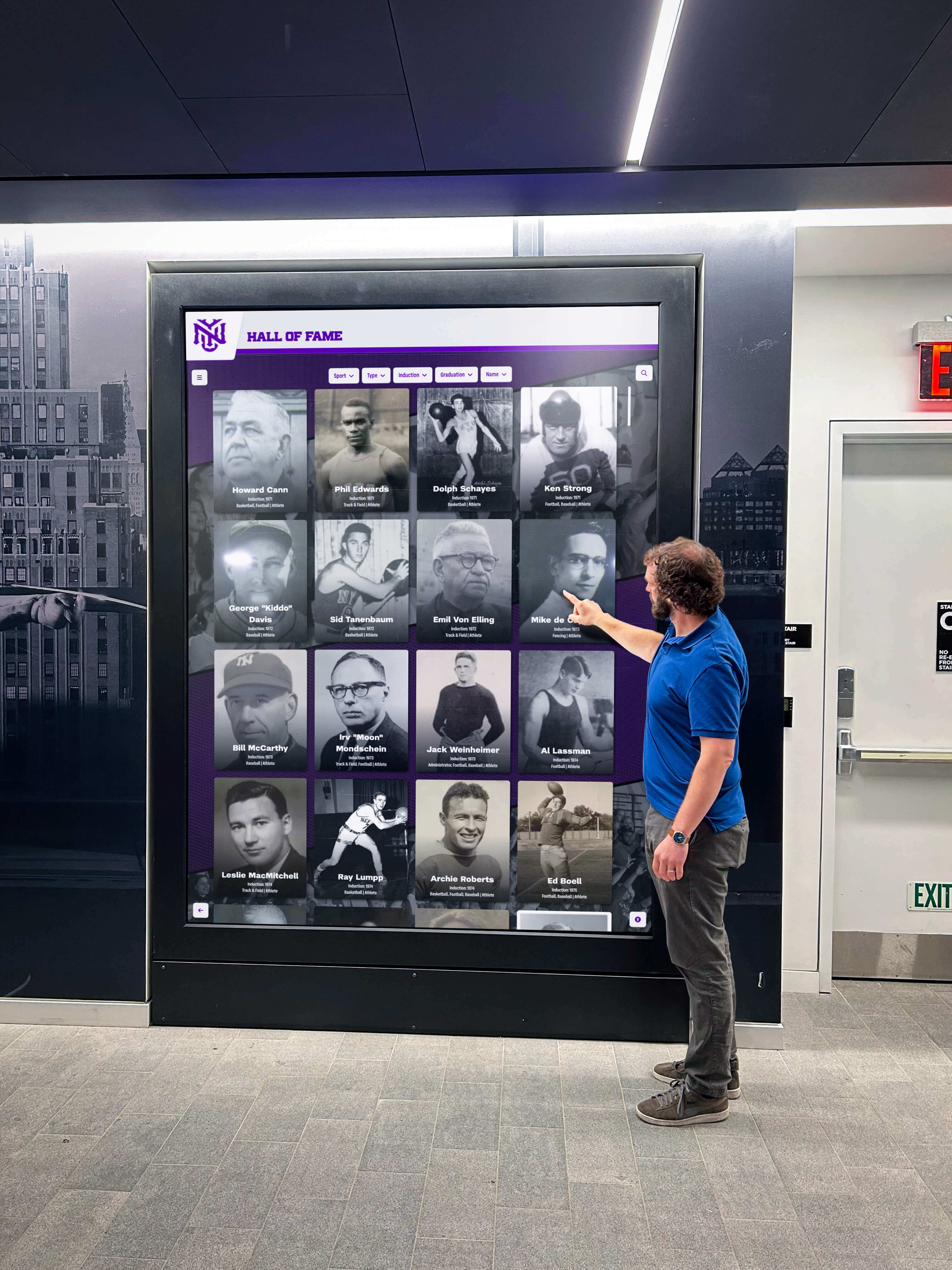
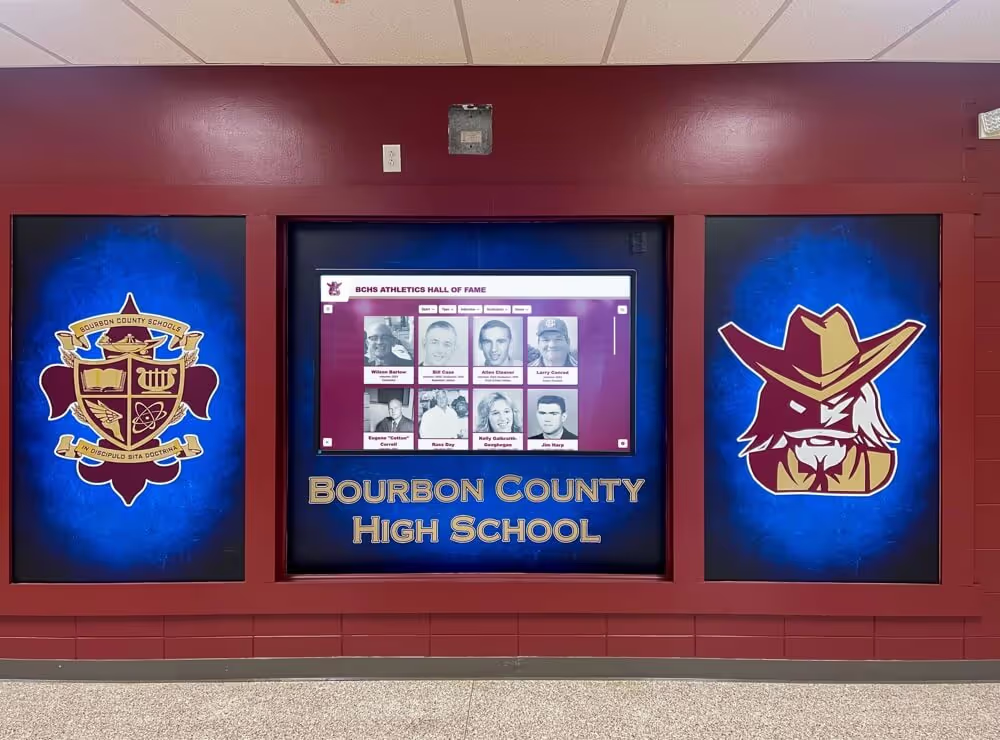
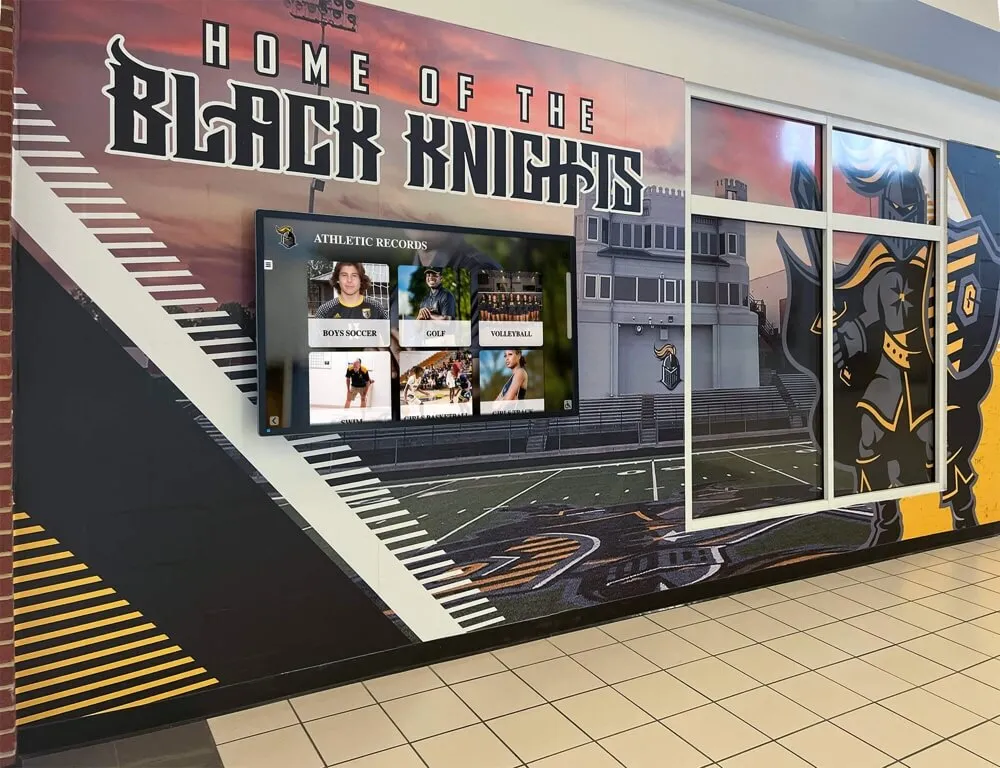
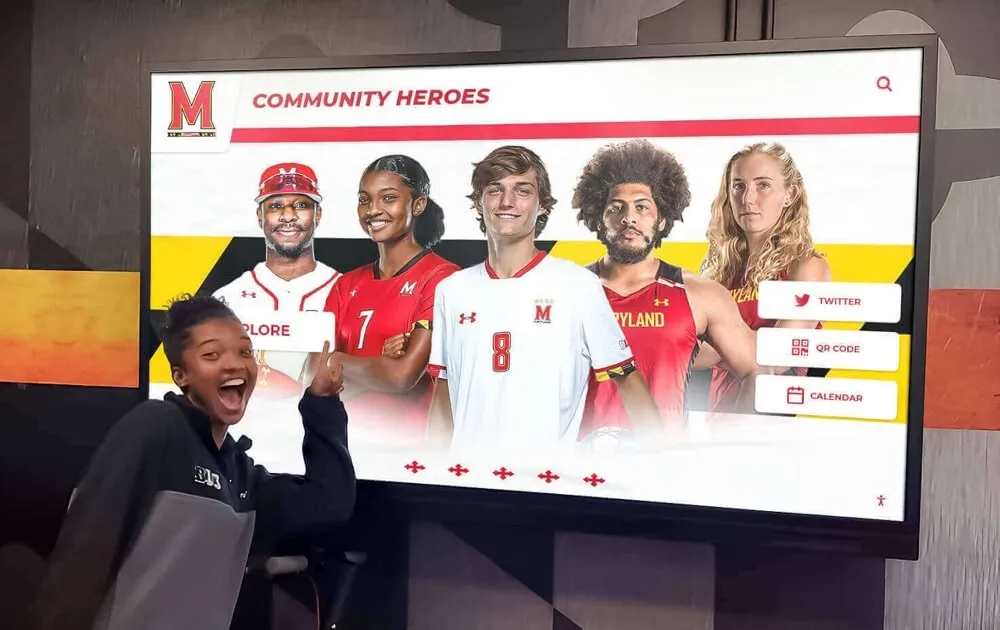
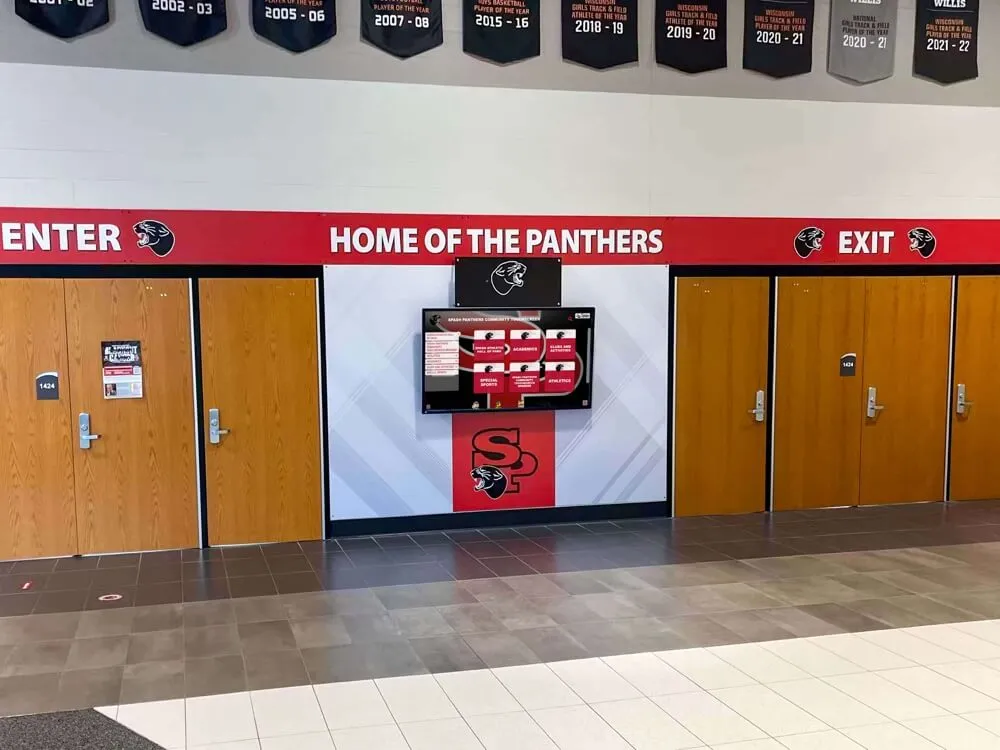
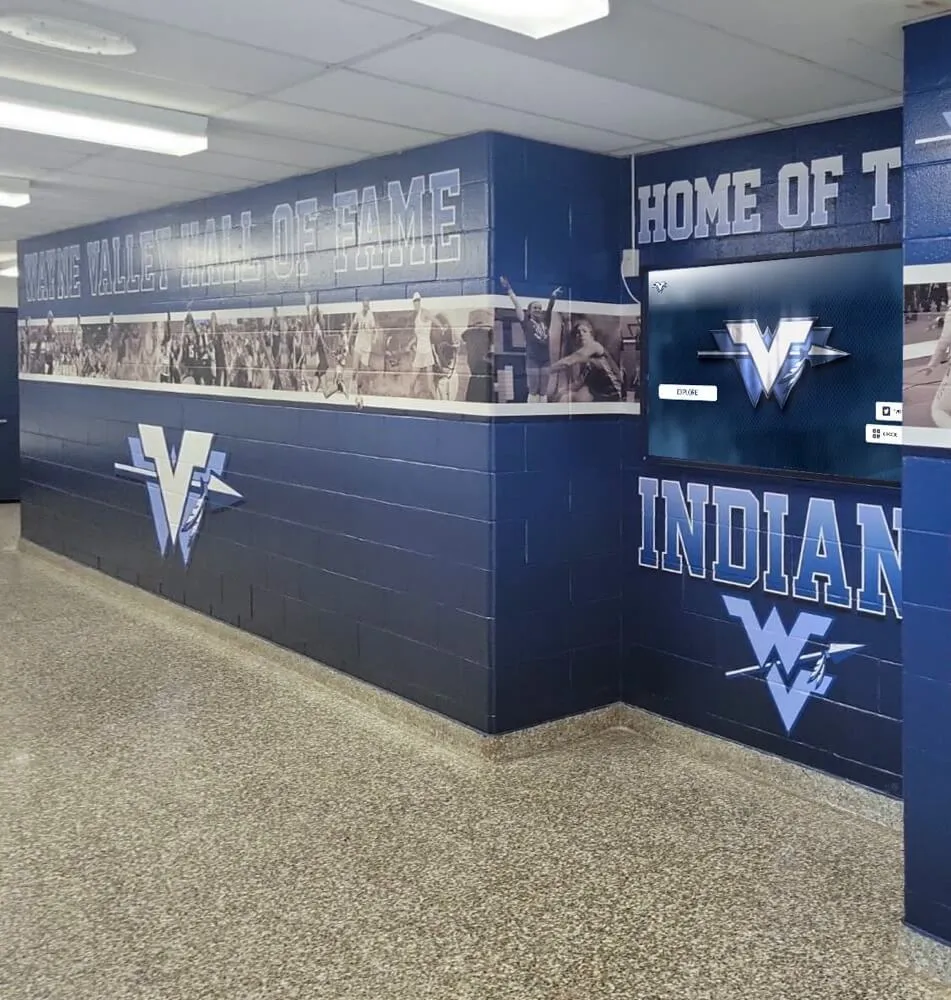
Professional digitization enables schools to present yearbook collections through engaging interactive displays that invite exploration during campus visits and community events
Quality Control Processes
Reputable services employ multi-stage quality verification ensuring complete, accurate digitization:
Page-by-page verification confirms every page scanned without skips or duplicates. Image quality review checks resolution, clarity, color accuracy, and proper cropping. OCR accuracy verification ensures searchable text matches original content. Final inspection compares digital files against original materials before considering projects complete.
Request detailed explanations of quality control procedures and ask what happens if quality issues are discovered after delivery.
Security and Insurance Considerations
Irreplaceable yearbooks require appropriate protections throughout digitization:
Adequate insurance covering full replacement value during transport and processing. Secure facilities with controlled access preventing theft or loss. Climate-controlled storage protecting materials from environmental damage. Documented chain of custody tracking materials throughout each process stage.
Schools should never ship yearbooks to vendors who cannot provide proof of insurance and security protocols.
Privacy and Copyright Guidance
Professional services understand legal considerations around digitizing and sharing yearbooks containing student photographs:
They can advise on privacy compliance when making archives publicly accessible. They understand copyright status of yearbooks produced by schools versus commercial publishers. They help schools develop appropriate use policies for digitized content. They structure access controls limiting who can view certain materials.
This expertise helps schools avoid legal complications when implementing digital yearbook programs.
Pricing Models and Cost Factors
Yearbook digitization scanning service costs vary significantly based on multiple factors:
Per-Page vs. Per-Book Pricing
Some providers charge by the page (typically ranging from a few cents to several dollars per page depending on required processing). Others price by book volume (usually with minimums and maximums for page counts). Per-page pricing offers predictability for collections with known page counts, while per-book models may provide better value for standard yearbook sizes.
Request quotes under both models if vendors offer flexibility—the better approach depends on your specific collection characteristics.
Volume Discounts and Project Scope
Larger projects typically receive better per-unit pricing. Schools digitizing 50+ years of yearbooks often negotiate significantly lower costs per page than those scanning just a decade. Some vendors offer partnership pricing for institutions committing to ongoing annual scanning of new yearbooks.
Factors Increasing Digitization Costs
Several characteristics of yearbook collections drive higher scanning expenses:
Oversized volumes requiring specialized equipment command premium pricing. Extremely fragile materials needing extra handling care increase labor costs. Rush timelines requiring expedited processing cost more than standard schedules. Complex processing like extensive color correction or manual OCR cleanup adds expense.
Understanding these cost factors helps schools prioritize which yearbooks to digitize first if budget constraints prevent comprehensive scanning of entire collections immediately.
The Yearbook Digitization Process: What to Expect
Understanding the typical workflow for professional yearbook scanning helps schools prepare materials and manage expectations around timelines.
Preparation and Assessment Phase
Before scanning begins, several preparatory steps establish project parameters:
Collection Inventory and Condition Assessment
Schools or vendors catalog the complete yearbook collection noting publication years, physical condition, page counts, and any special considerations. This inventory identifies which volumes exist, reveals gaps in collections requiring attempts to locate missing years, and documents pre-existing damage protecting vendors from liability for prior deterioration.
Assessment also determines whether yearbooks can undergo standard bound scanning or require special handling for extremely fragile volumes.
Scanning Specifications and Processing Requirements
Based on yearbook condition and school goals, teams establish technical specifications:
Required scanning resolution based on intended uses. Color versus black-and-white scanning for sections or entire volumes. OCR processing requirements and accuracy expectations. Image enhancement levels balancing authenticity with readability. Output format preferences for different stakeholder needs.
Clarifying these specifications upfront prevents misunderstandings about deliverables and ensures results match school expectations.
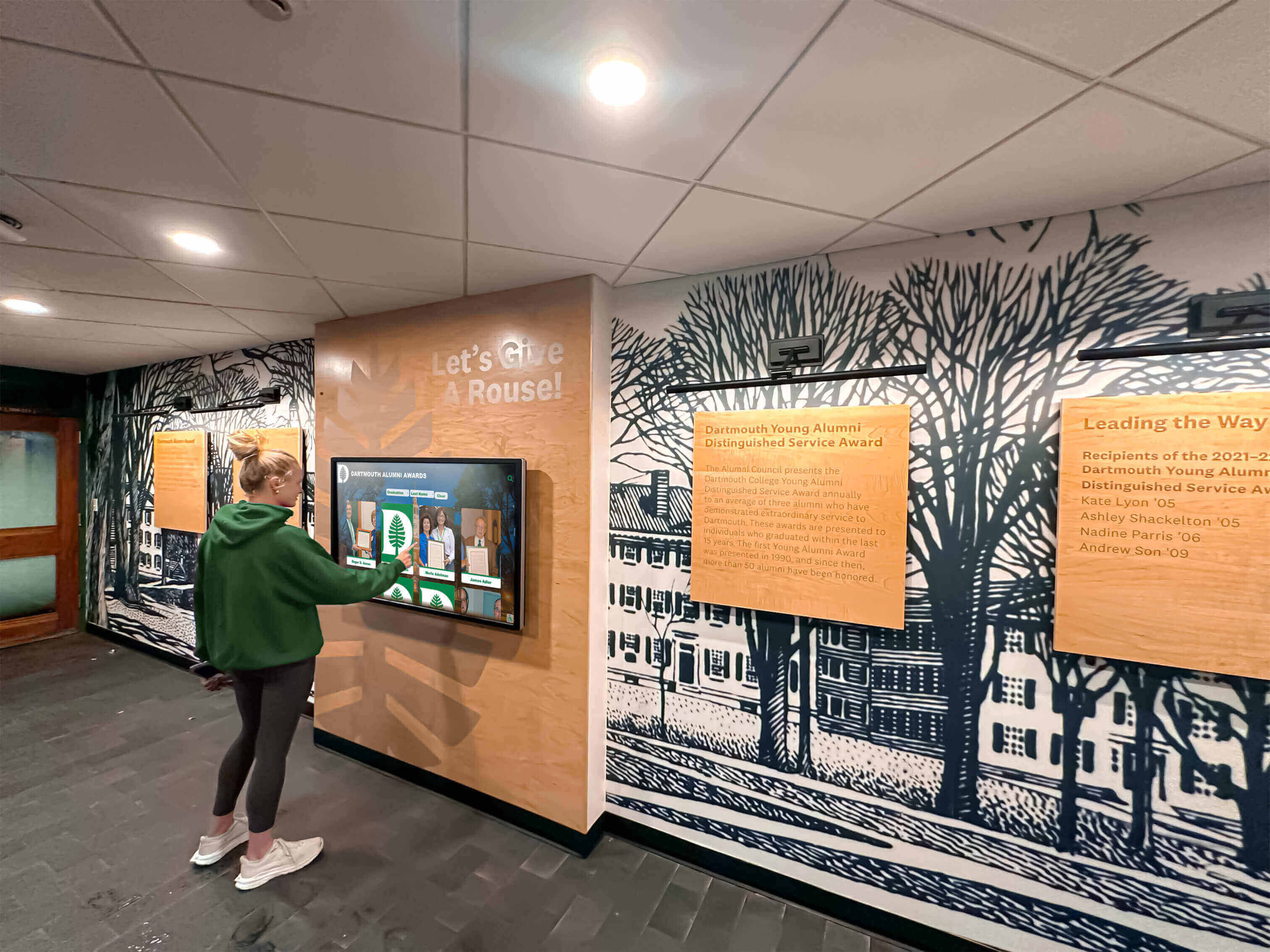
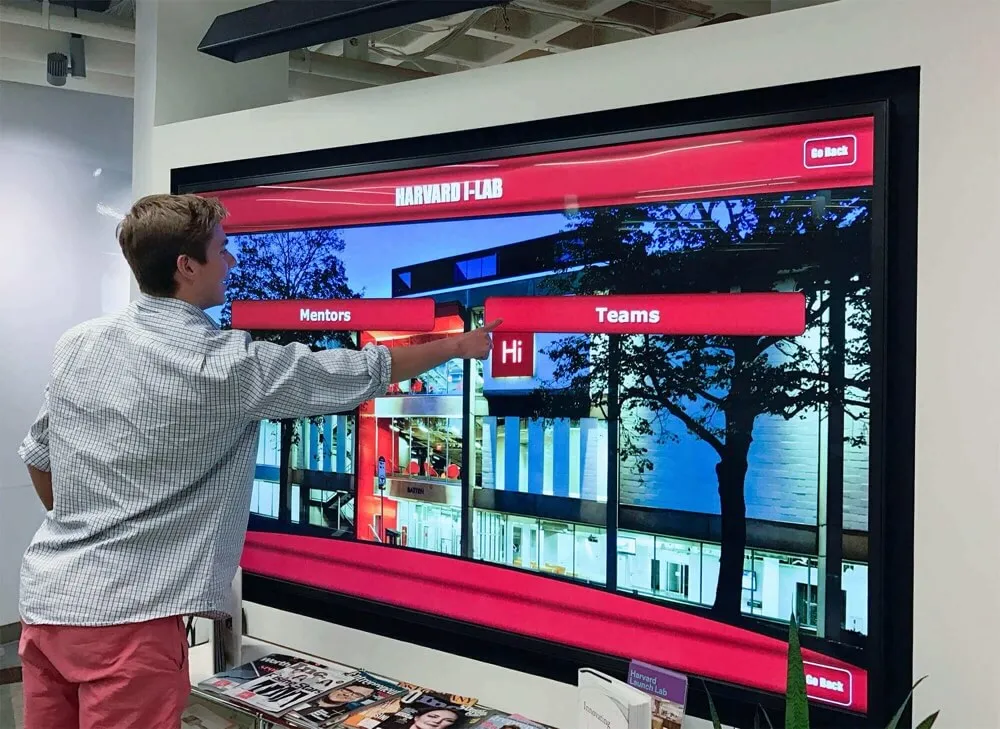
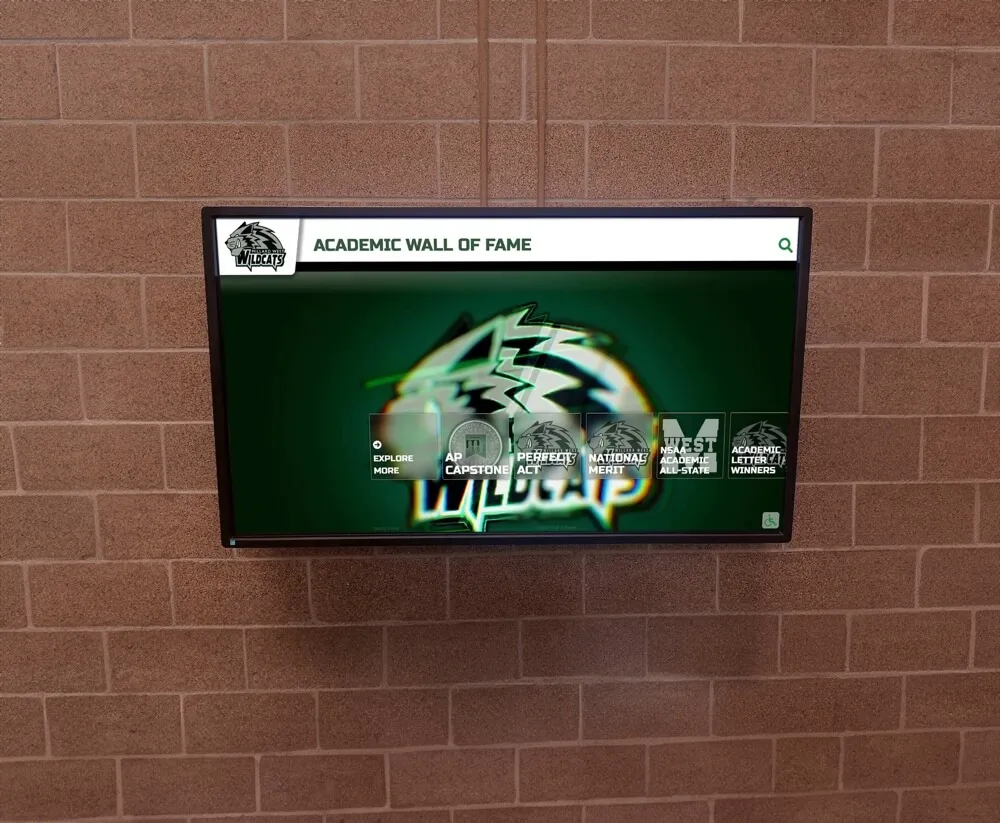
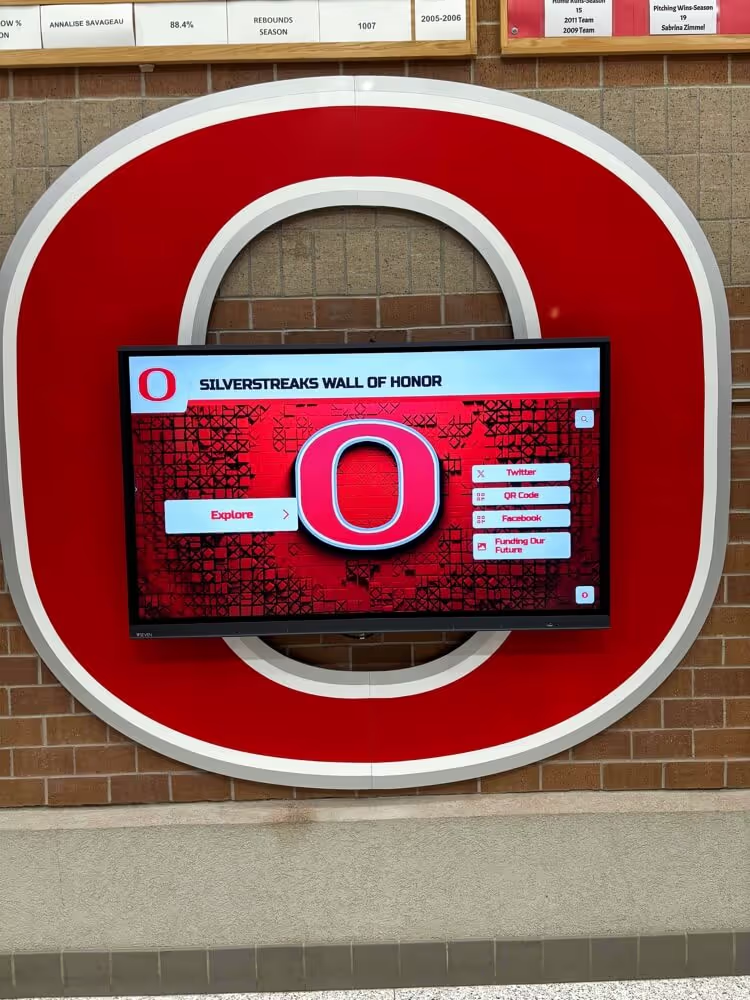
Digitized yearbook collections enable current students to research institutional history through intuitive interfaces that make archival exploration engaging rather than intimidating
Material Handling and Transport Logistics
For off-site digitization, proper packing and shipping procedures protect irreplaceable materials:
Professional services provide detailed packing instructions or ship custom containers. They arrange insured shipping with tracking and signature requirements. They maintain detailed inventories verified at sending and receiving. They establish communication protocols for questions arising during scanning.
Schools should photograph yearbook collections before shipping and maintain detailed lists of materials sent for digitization projects.
Scanning and Processing Workflow
Once materials reach scanning facilities, systematic workflows ensure comprehensive digitization:
Page-by-Page Scanning Operations
Trained technicians work through each yearbook methodically scanning every page. They adjust book positioning to capture gutter content without forcing spines. They verify scan quality before moving to the next page. They note any pages requiring special handling or additional scanning attempts.
Modern book scanners enable relatively rapid page capture—experienced operators can scan standard yearbooks containing 200-300 pages in just a few hours depending on material condition and required resolution.
Post-Scan Image Processing
After initial scanning completes, images undergo systematic enhancement:
Automated processing applies standard corrections to all pages including deskewing, cropping, and basic brightness adjustments. Technicians review results identifying pages requiring manual correction. Specialists apply targeted enhancements to particularly faded or damaged pages. Quality control teams compare processed images to originals verifying acceptable results.
This multi-stage processing transforms raw scans into polished digital archives ready for viewing and distribution.
OCR and Indexing
For projects including text recognition, specialized software analyzes each page:
OCR engines identify text regions and recognize individual characters. The software creates searchable text layers behind page images. Automated indexing generates name lists and page references. Manual verification corrects OCR errors in challenging sections with unusual fonts or layouts.
The accuracy of OCR on historical yearbooks varies—clean, clearly printed text from the 1950s-present yields high accuracy, while ornate fonts and degraded pages from earlier decades may require extensive manual cleanup for reliable searching.
Delivery and Implementation
After scanning and processing finish, schools receive digitized collections and begin implementation:
Digital File Delivery
Services typically deliver final files through multiple methods ensuring secure transfer:
Physical hard drives shipped with complete collections provide permanent local storage. Cloud storage links enable downloading without physical media. FTP or secure portal access allows previewing results before accepting delivery. Backup copies may be retained by vendors for disaster recovery.
Schools should immediately verify delivery completeness checking that file counts match expected page totals and spot-checking image quality before accepting projects as complete.
Integration with Access Platforms
Digitized yearbooks gain value when implemented through accessible viewing systems:
Some schools upload files to existing content management systems or digital library platforms. Others contract with specialized yearbook hosting services offering search and display features. Many implement touchscreen building directory systems displaying yearbook content in lobbies and common areas.
The viewing platform significantly impacts whether digitized yearbooks get actively used or simply stored as digital files that stakeholders cannot easily access.
Original Material Return and Storage
After scanning completes, schools face decisions about original yearbooks:
Most institutions return originals to improved archival storage now that digital backups exist. Some de-accession duplicates if they scanned multiple copies. A few donate originals to historical societies or museums after ensuring digital preservation. Best practices recommend retaining originals even after digitization as formats and technologies evolve over time.
Implementing Digitized Yearbook Collections
Successful digitization projects extend beyond scanning—thoughtful implementation ensures communities actually engage with preserved visual history.
Creating Accessible Digital Archives
Simply possessing digitized yearbooks provides limited value without systems enabling discovery and exploration:
Online Access and Search Functionality
Web-based yearbook archives should provide intuitive browsing by year or decade, name-based searching across entire collections when OCR was completed, filtering by activities, sports, or sections within yearbooks, and mobile-responsive designs supporting access from any device.
Alumni exploring digital yearbooks from smartphones during nostalgia-driven late-night browsing sessions represent significant engagement opportunities that desktop-only systems miss entirely.
Physical Display Integration
Digitized yearbook content gains tremendous impact when integrated into physical campus environments through interactive displays:
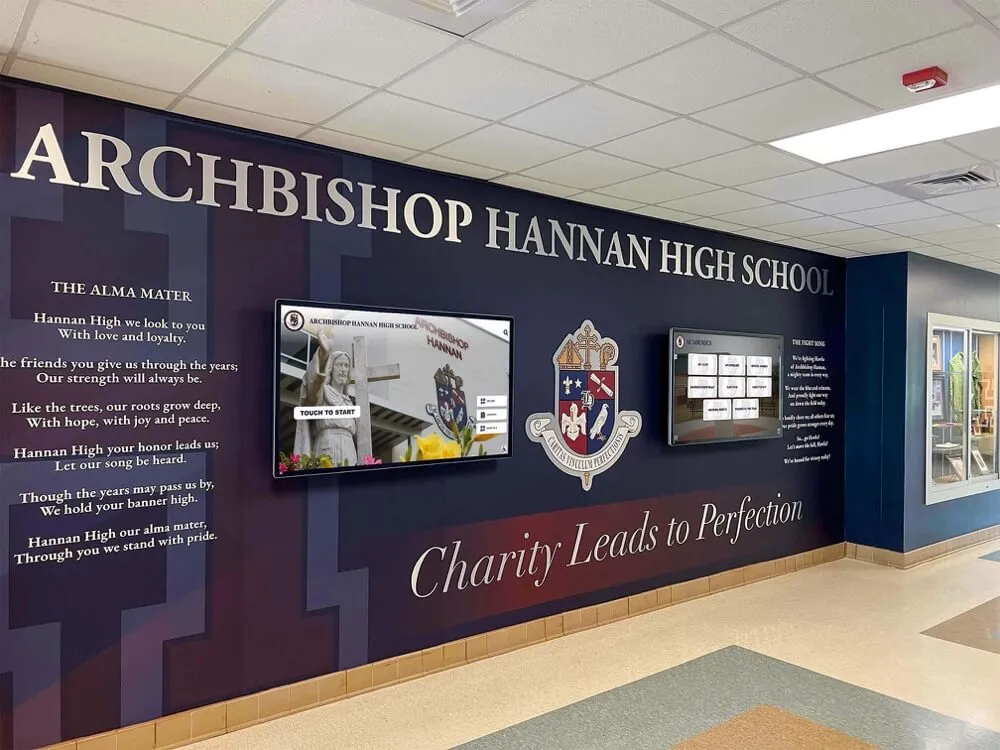
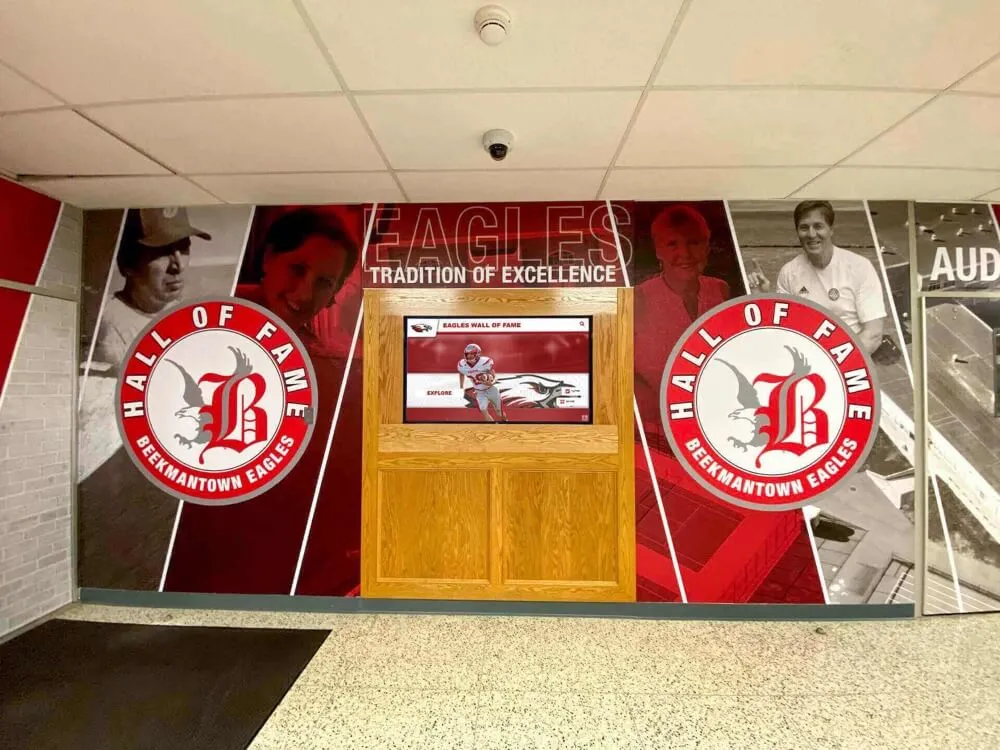
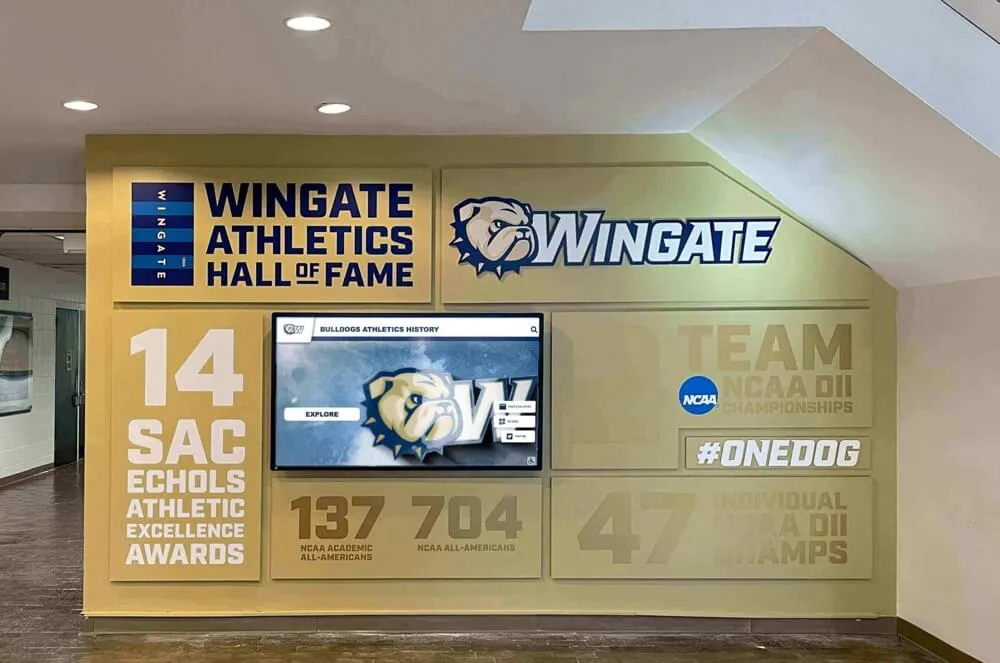
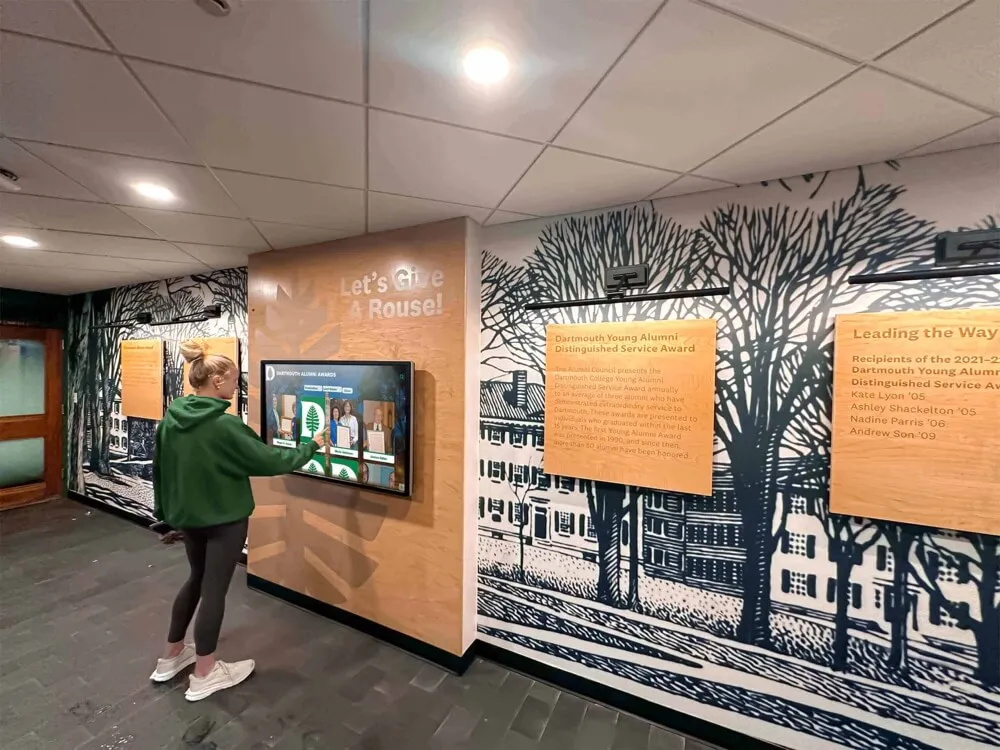
Touchscreen digital signage software enables schools to showcase yearbook content in lobbies and hallways. Interactive kiosks invite campus visitors to explore institutional history. Display systems can feature rotating historical content keeping exhibits fresh. Search functionality allows visitors to find specific people or years of personal interest.
These physical implementations ensure digitized yearbooks actively contribute to campus culture rather than existing only as remote online resources rarely accessed.
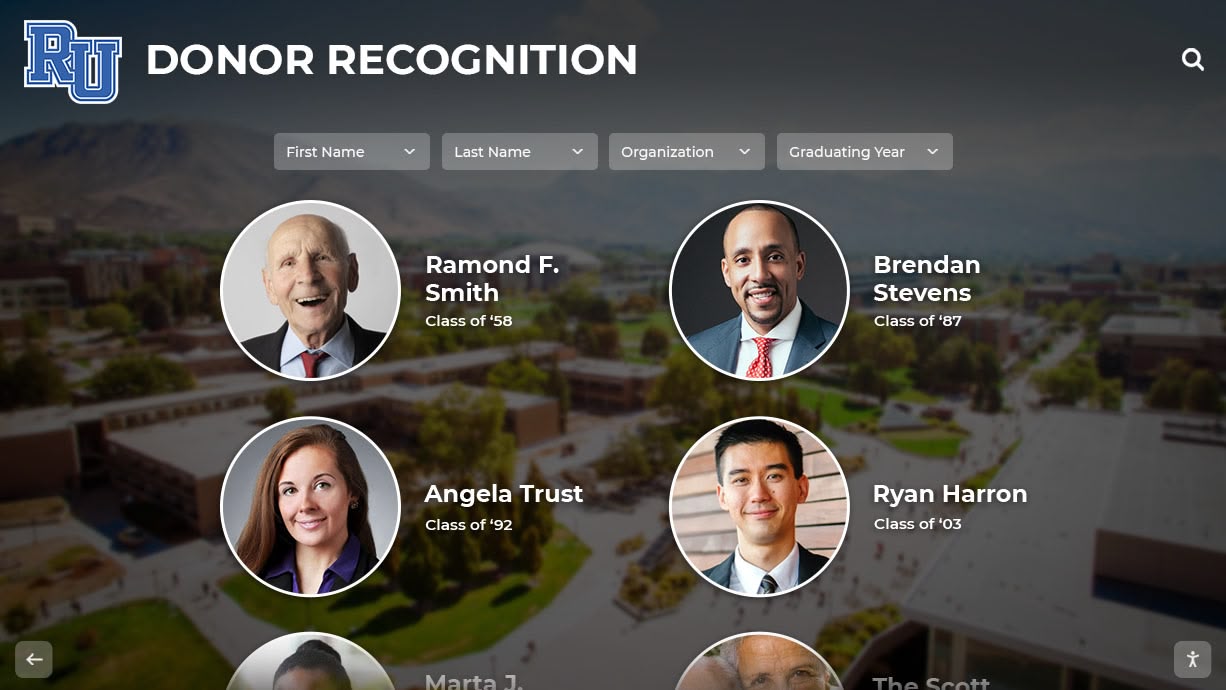
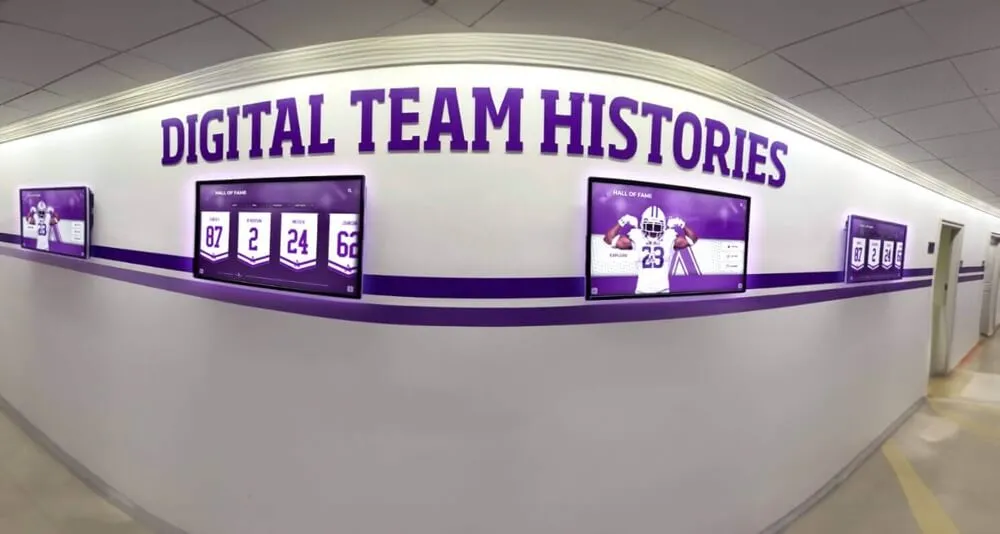
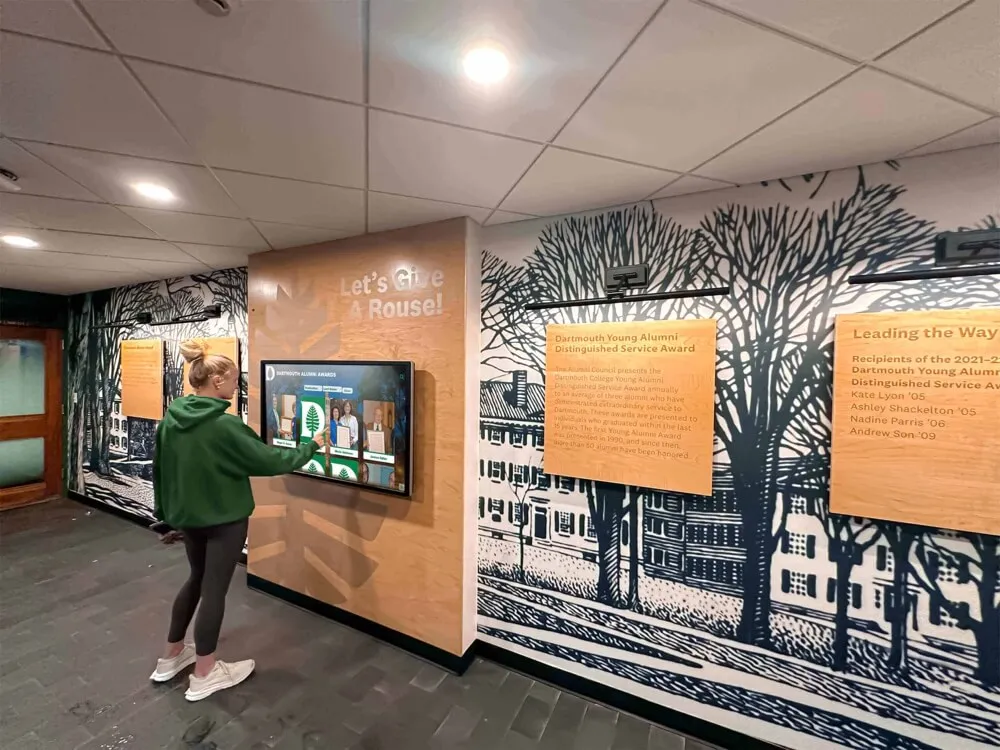
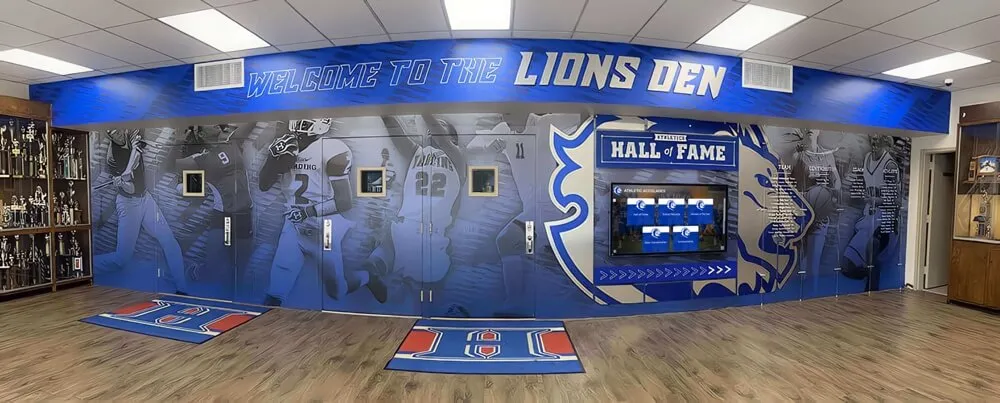
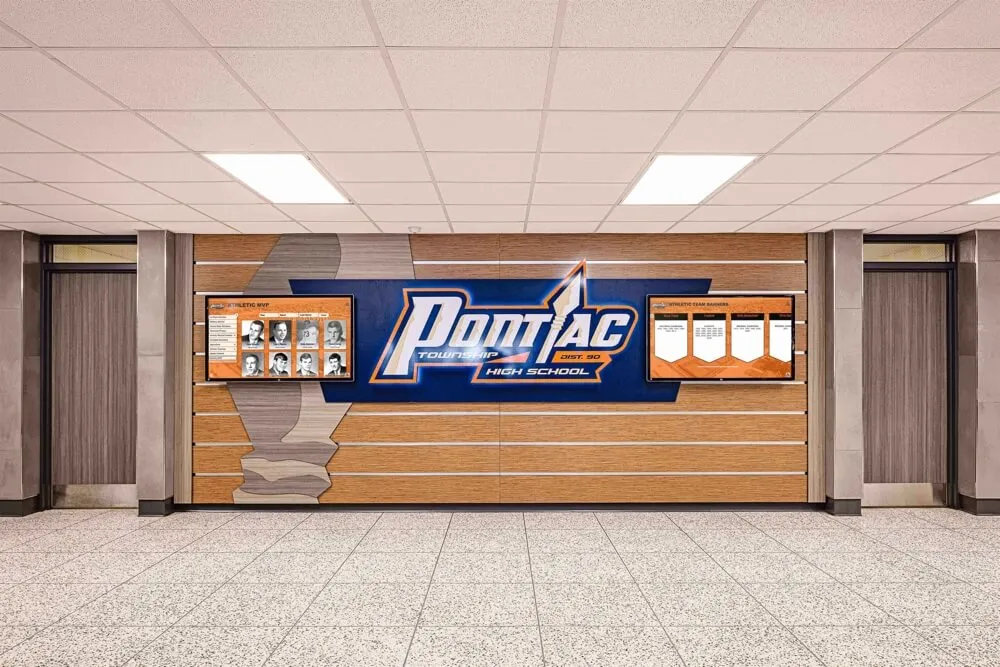
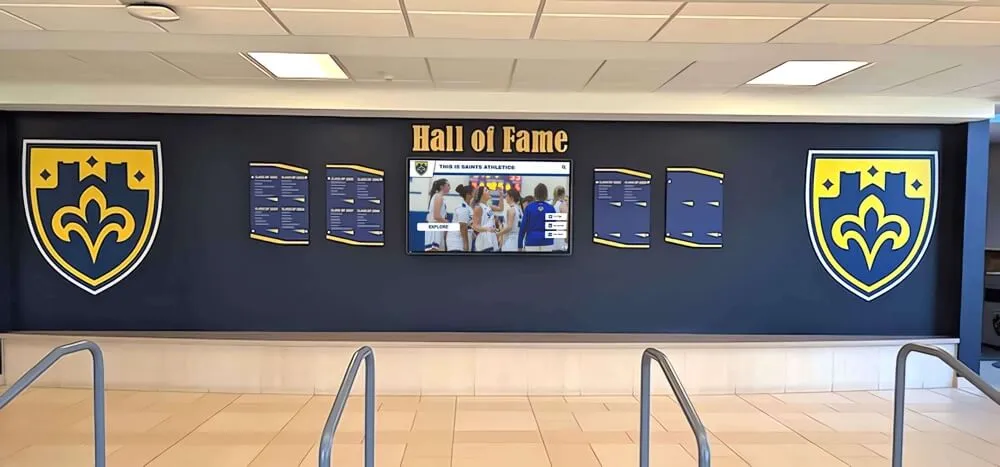
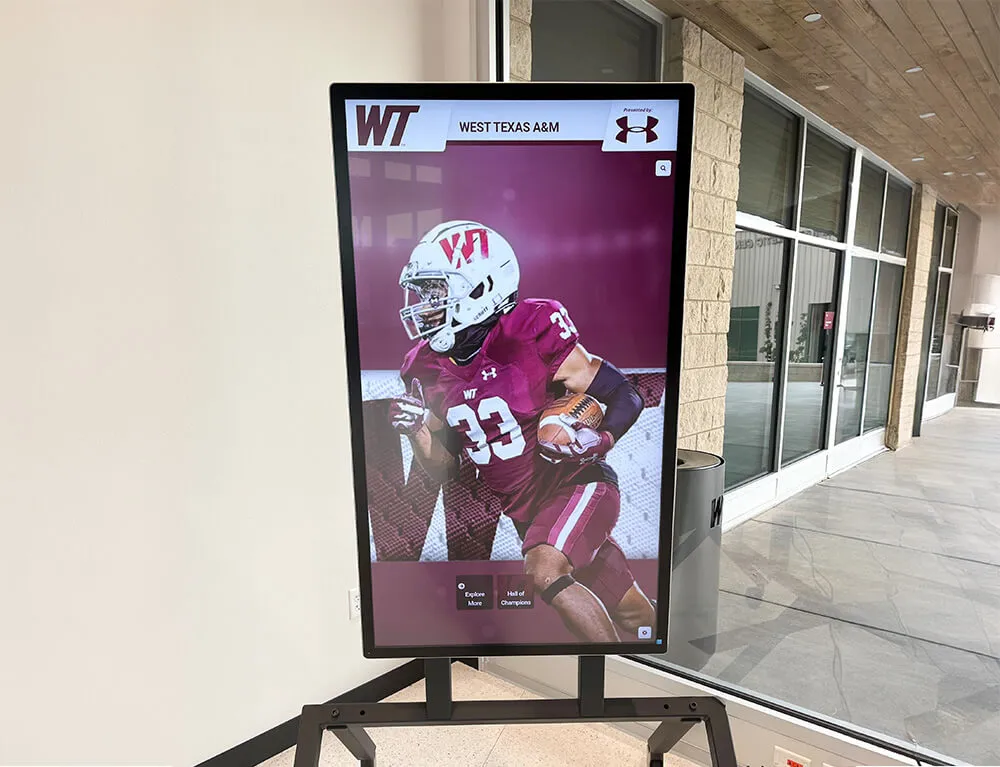
Integrating digitized yearbook content with recognition displays enables schools to celebrate both historical alumni and current community members through cohesive visual storytelling
Promoting Digital Yearbook Archives
Even beautifully digitized collections require active promotion to build awareness and engagement:
Launch Communications and Marketing
Announce newly accessible yearbook archives through email campaigns to alumni databases highlighting specific decades, social media posts featuring throwback content from digitized pages, local media outreach celebrating preservation of community history, and homecoming or reunion event promotions encouraging alumni to rediscover school memories.
Frame announcements around emotional reunion and rediscovery rather than technical accomplishments—“Find Yourself in 50 Years of School Memories” resonates more powerfully than “Yearbook Digitization Project Complete.”
Ongoing Content Strategies
Sustained engagement requires regular content featuring digitized materials:
Weekly throwback posts on social media showcasing interesting yearbook pages. Alumni spotlight features comparing yearbook photos to current photographs. Athletic history content celebrating championship seasons from decades past. Anniversary commemorations highlighting significant school milestones documented in yearbooks.
Schools implementing donor wall solutions often find that historical yearbook content provides compelling context connecting current giving campaigns to institutional heritage.
Supporting Educational Use
Digitized yearbooks serve as primary source materials for educational programming:
Curriculum Integration Opportunities
Teachers can assign local history research projects using yearbook archives as evidence. Students can conduct oral history interviews supplemented by yearbook photographs of subjects. Research projects can track social and cultural changes visible across decades of yearbooks. Digital literacy skills develop as students learn to search, evaluate, and cite archival materials.
These educational applications justify digitization investments by demonstrating that preserved visual history serves current institutional missions beyond alumni nostalgia.
Student Engagement Programs
Current students develop ownership of institutional history through active involvement:
Student government committees can curate digital exhibits from yearbook collections. School newspapers can feature historical comparisons drawing from digitized archives. Anniversary celebrations can involve students researching and presenting institutional history. Social media teams managed by students can develop content calendars featuring yearbook throwbacks.
When current students engage with digitized history, they develop stronger connections to institutional traditions and values while building skills in historical research and digital storytelling.
Preserving Digitized Collections for Future Generations
Completing yearbook digitization projects represents beginnings rather than endings of digital preservation responsibilities.
Digital Preservation Best Practices
Digital files require active stewardship preventing future access loss:
Redundant Storage and Backup Systems
Schools should maintain multiple copies of digitized yearbooks in different locations and formats:
On-site server storage for immediate access and integration with school systems. Cloud storage backups protecting against local disasters or hardware failures. Physical hard drive archives stored off-site providing insurance against complete digital loss. Format migration plans ensuring files remain accessible as technologies evolve.
The widespread misconception that “digital is forever” has led to countless archive losses—digital preservation requires ongoing active management just like physical collections.
File Format Standards and Migration
Choosing appropriate file formats and planning for future migration preserves long-term accessibility:
Use open, widely-supported formats rather than proprietary types requiring specific software. Maintain uncompressed archival masters even when creating compressed versions for access. Document file specifications enabling future format conversion. Periodically review and update formats as technologies evolve and standards change.
Professional digitization services should deliver files in formats meeting recognized archival standards ensuring decades of future usability.
Expanding and Updating Archives
Yearbook digitization rarely concludes with historical collections—ongoing processes maintain current archives:
Annual Yearbook Addition Processes
Establish workflows ensuring each year’s new yearbook gets digitized and added to digital archives promptly after publication. Build costs for annual scanning into permanent budget line items. Assign staff responsibility for coordinating ongoing digitization. Maintain metadata standards enabling consistent searchability across decades.
Schools that complete historical digitization projects but fail to establish ongoing processes watch their archives become increasingly incomplete and outdated.
Community Contribution Opportunities
Alumni often possess yearbooks from years missing in school archives. Create processes enabling community members to loan personal copies for digitization filling collection gaps. Implement systems for alumni to submit corrections to names and identifications in yearbook photographs. Develop platforms allowing graduates to contribute stories and context enriching bare yearbook documentation.
These community engagement opportunities improve archive completeness while strengthening emotional connections between alumni and institutional history preservation efforts.
Measuring Return on Digitization Investments
Schools justifying yearbook digitization budgets should track meaningful metrics demonstrating program value:
Engagement and Access Analytics
Digital systems enable measurement impossible with physical collections:
Number of unique users accessing yearbook archives monthly or annually. Search queries revealing what content generates greatest interest. Session duration and pages viewed indicating engagement depth. Geographic distribution showing alumni access from across the country or globally. Device types revealing whether mobile access meets usage patterns.
These metrics quantify community interest in preserved visual history and help justify ongoing digital preservation investments.
Advancement and Development Impact
Development offices can track yearbook archive connections to fundraising success:
Alumni who engage with digital yearbooks and subsequently make donations or increase giving. Donor recognition opportunities created by integrating yearbook content with outdoor donor wall ideas. Reunion attendance increases following targeted yearbook content marketing. Corporate partnership opportunities from local businesses featured in historical yearbooks.
When advancement teams demonstrate that digitized yearbooks contribute measurably to fundraising success, preservation programs gain permanent institutional support.
Educational and Cultural Outcomes
Beyond quantitative metrics, schools should document qualitative impacts:
Student research projects utilizing yearbook archives as primary sources. Media coverage celebrating institutional history preservation efforts. Community events featuring digitized yearbook content strengthening town-gown relationships. Curriculum enhancements made possible by accessible historical materials.
These outcomes demonstrate that yearbook digitization serves current educational missions while preserving institutional memory.
Special Considerations for Different School Types
Yearbook digitization challenges and opportunities vary based on institutional characteristics:
K-12 Schools and Districts
Elementary through high schools face unique yearbook preservation scenarios:
Many smaller schools have limited archival resources requiring external digitization services. Budget constraints necessitate phased approaches digitizing most valuable or endangered years first. Privacy considerations around minor student images require careful access policies. Community involvement opportunities abound as local alumni eagerly support preservation efforts.
Districts consolidating multiple schools often inherit yearbook collections from closed campuses representing important community heritage despite buildings no longer operating.
Colleges and Universities
Higher education institutions typically manage larger yearbook collections spanning more years:
University archives departments may have staff capable of managing in-house digitization projects. Research libraries often provide platforms for hosting and accessing digital collections. Alumni associations leverage yearbook archives extensively for development and engagement programs. Athletic departments integrate historical yearbook content with junior varsity sports recognition.
Universities may also maintain subject restrictions on yearbook access complying with educational records privacy regulations for recent graduates.
Independent and Private Schools
Private institutions often approach yearbook digitization as advancement investments:
Smaller total volumes make comprehensive digitization more financially accessible. Strong alumni networks provide both funding support and volunteer assistance. Schools emphasize yearbook archives as differentiators in competitive admissions markets. Advancement offices integrate digital collections with comprehensive donor stewardship programs.
Private schools sometimes face copyright complications when yearbooks were produced by commercial publishers rather than created entirely in-house.
Common Challenges and Solutions
Schools implementing yearbook digitization projects encounter predictable obstacles with established solutions:
Incomplete Collections and Missing Years
Many schools discover significant gaps when inventorying yearbook collections:
Solutions: Reach out to alumni requesting loans of personal yearbooks from missing years. Check with local historical societies and libraries that sometimes receive yearbook donations. Search online marketplaces where alumni occasionally sell old yearbooks. Partner with class reunion committees who may know graduates with complete personal collections. Document gaps clearly rather than pretending comprehensive archives exist.
Budget Constraints and Funding Sources
Comprehensive digitization can require significant investment beyond regular operating budgets:
Solutions: Pursue grants from local historical societies, community foundations, or state library agencies supporting cultural heritage preservation. Launch targeted alumni fundraising campaigns framing yearbook digitization as heritage protection. Implement phased approaches scanning priority decades first and expanding as budgets allow. Partner with local digitization services offering discounted rates to educational institutions. Consider volunteer scanning options for schools with very limited resources, though quality may suffer.
Technical Integration Challenges
Schools struggle connecting digitized yearbooks with existing systems and platforms:
Solutions: Work with yearbook digitization scanning services that offer turnkey hosting platforms rather than just file delivery. Partner with technology providers like Rocket Alumni Solutions specializing in school history displays and digital archives. Utilize existing school website platforms or learning management systems if they support large media libraries. Start with simple solutions like cloud storage sharing before investing in complex custom platforms.
Privacy and Access Policy Development
Schools navigate competing interests around who should access digitized yearbooks:
Solutions: Consult legal counsel about privacy regulations affecting student images in educational records. Develop tiered access policies providing unrestricted access to yearbooks beyond certain age thresholds. Implement opt-out processes allowing individuals to request removal of specific photos. Consider alumni-only access for recent yearbooks while providing public access to historical materials. Balance privacy protection with institutional interests in alumni engagement and development.
Conclusion: Protecting Visual Heritage Through Professional Digitization
Professional yearbook digitization scanning services provide schools with proven pathways to permanently preserve the visual history documented in decades of yearbooks while creating accessible digital archives that engage alumni, support educational programming, and strengthen institutional identity. The fragile yearbooks currently stored in school basements and closets represent irreplaceable records of community heritage—but modern scanning technology makes comprehensive preservation achievable for institutions of every size and budget level.
Schools investing in quality yearbook digitization consistently report that alumni rediscover emotional connections to institutional history driving increased engagement, advancement offices gain powerful tools for donor cultivation and reunion marketing, current students develop deeper appreciation for school traditions when given accessible windows into decades of heritage, and irreplaceable visual records gain permanent protection against deterioration and loss.
The critical decision facing school leaders isn’t whether visual history preservation matters—deteriorating physical materials make this urgency undeniable. Rather, the question is whether to implement professional digitization now while original yearbooks remain scannable, or to delay until further deterioration makes comprehensive preservation impossible regardless of future willingness to invest.
Ready to explore how professional yearbook digitization and interactive display solutions can help your school preserve its visual history while engaging current and future communities? Rocket Alumni Solutions provides comprehensive services from archival scanning through touchscreen implementations that bring decades of school history to life in lobbies, athletic facilities, and alumni centers. Contact us to discuss how we can help protect your institution’s irreplaceable visual heritage while creating recognition environments that celebrate community achievements across generations.