School administrators and yearbook advisers face a mounting challenge: decades of yearbooks stored in closets, deteriorating with each passing year, while students and alumni increasingly expect digital access to historical memories. Physical yearbooks from the 1970s through early 2000s represent irreplaceable institutional history, yet many schools lack the time, equipment, or expertise to digitize these volumes safely and effectively.
Professional yearbook digitization services solve this challenge by transforming fragile physical yearbooks into accessible digital archives. These specialized services handle everything from careful scanning of bound volumes through metadata creation, quality control, and digital delivery—enabling schools to preserve institutional memory while making historical content accessible to current students, alumni, and the broader community.
This comprehensive guide explores everything schools need to understand about yearbook digitization services—from service types and provider selection through cost considerations, quality standards, and strategies for maximizing value from digitized collections. Whether you’re digitizing five yearbooks or five decades of archives, you’ll learn how to choose the right service provider and ensure successful preservation outcomes.
Schools implementing professional digitization services report significant benefits: alumni engagement increases by 40-60% when historical yearbooks become accessible online, development offices use digitized content to strengthen donor connections, and current students gain unprecedented access to institutional heritage that builds school pride and tradition.

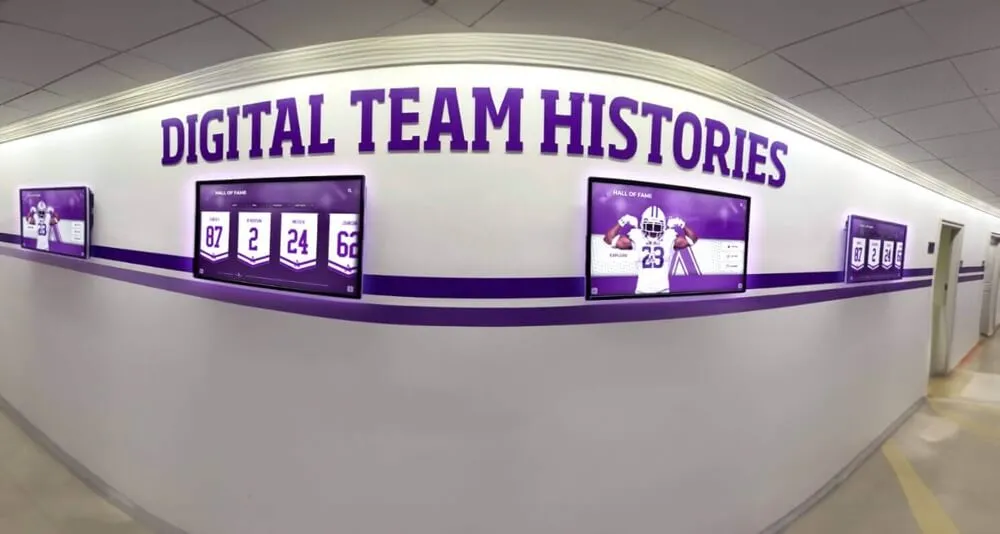
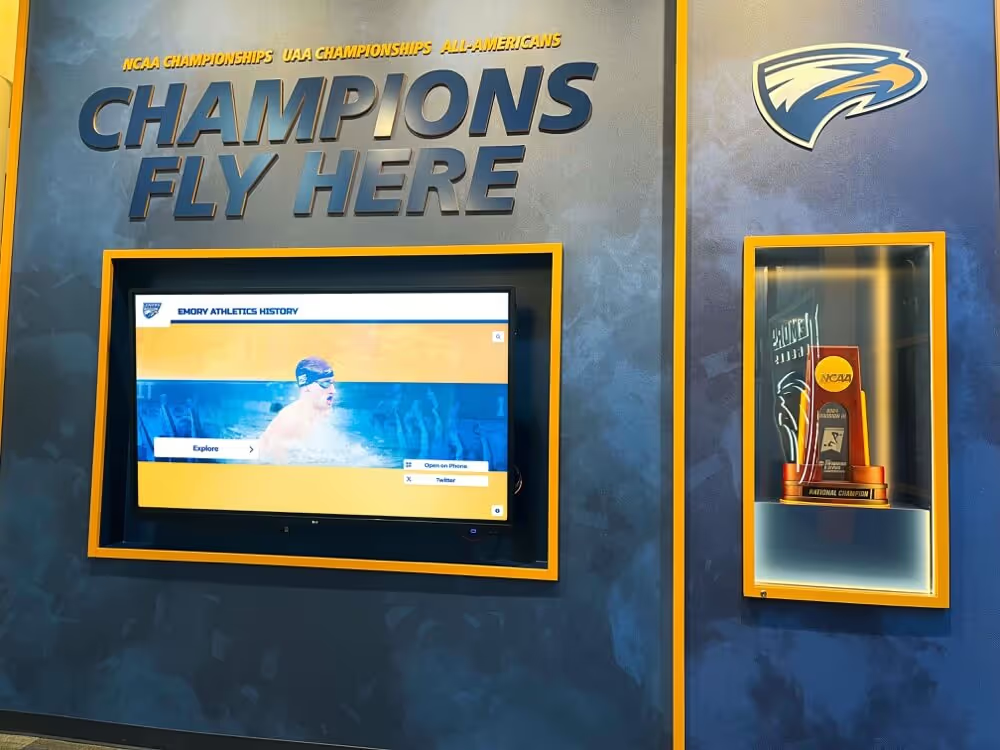
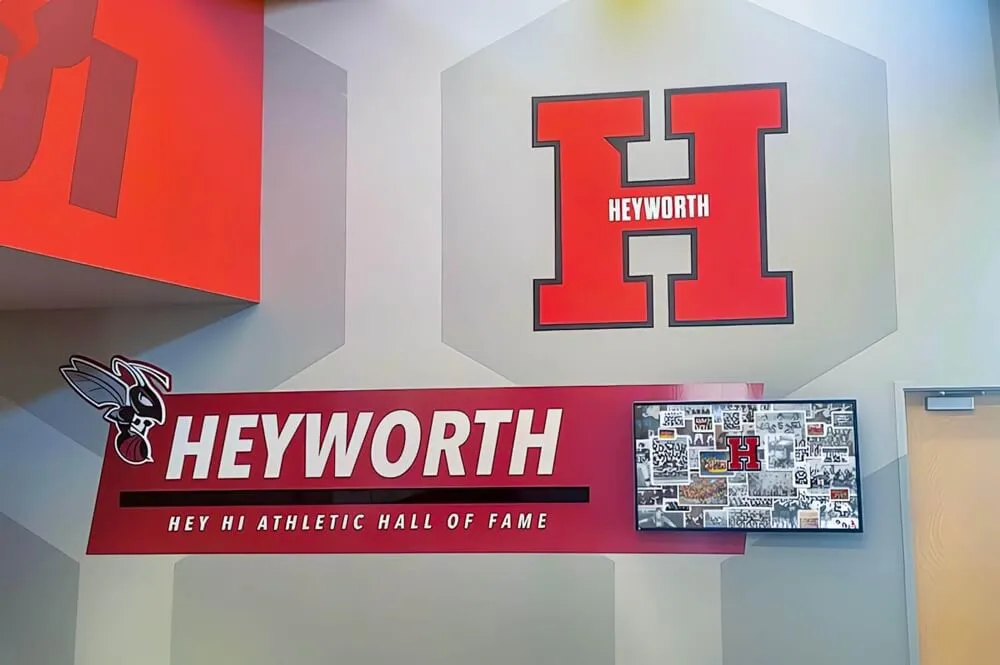
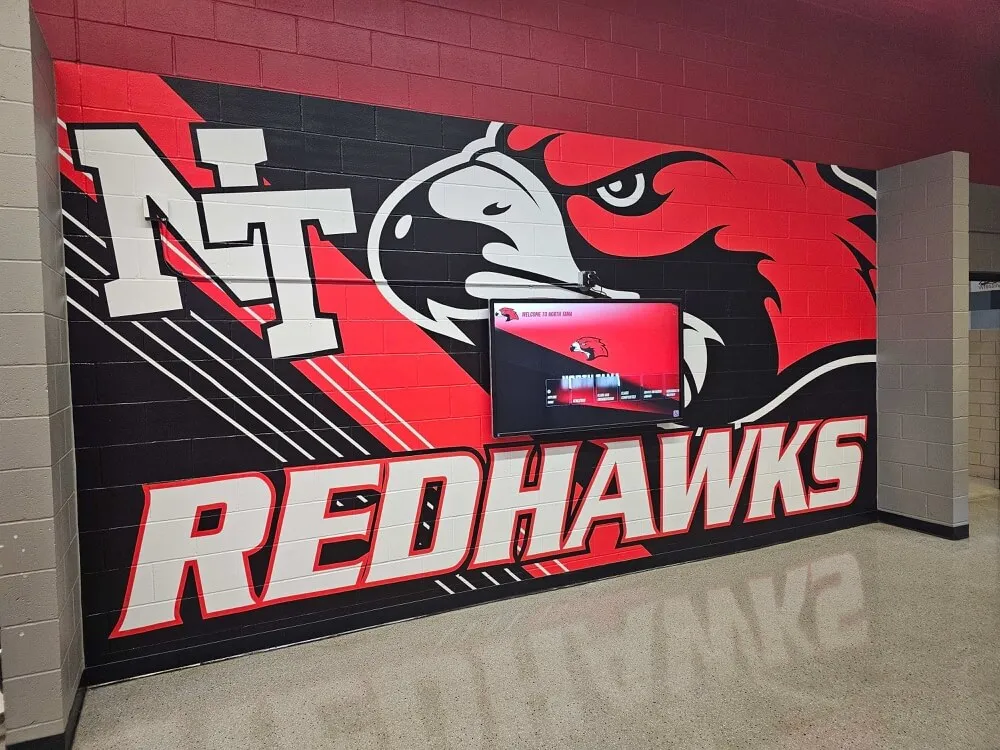
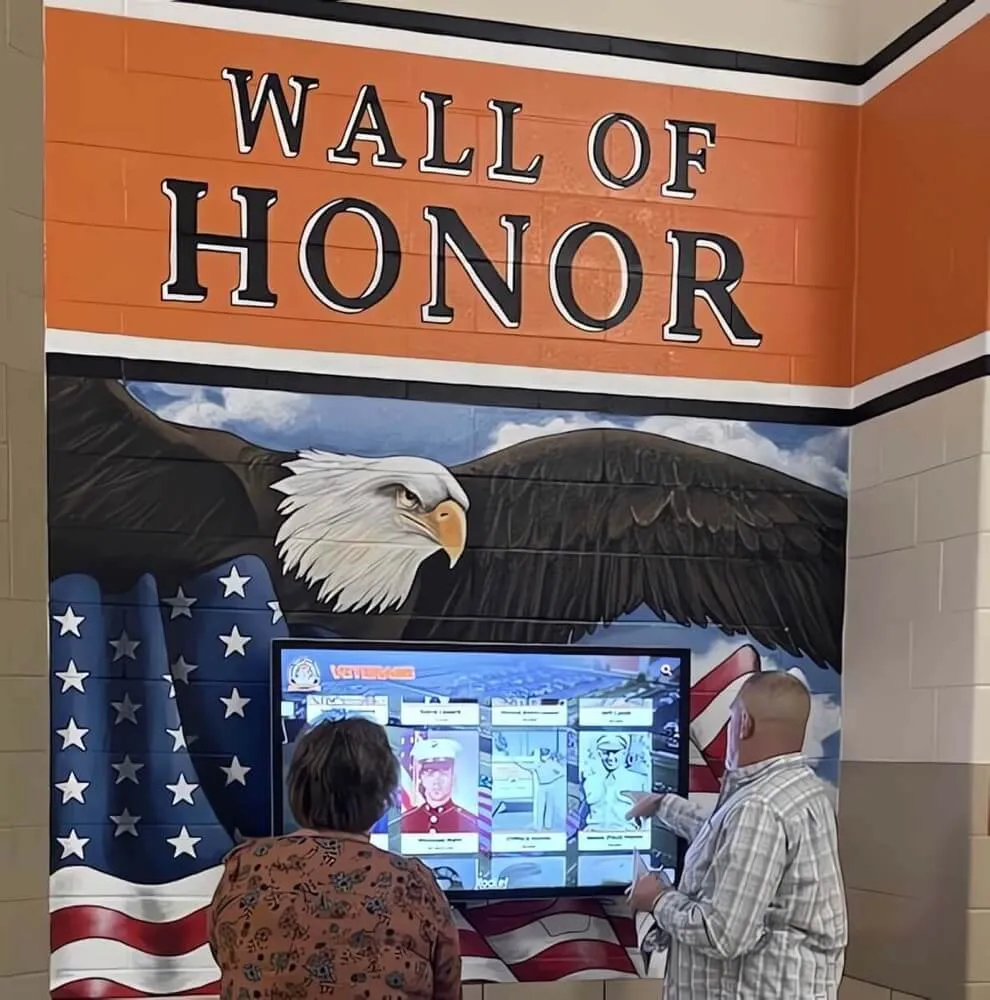
Professional digitization services transform decades of yearbook content into searchable digital archives enabling schools to preserve and share institutional memory across generations
Understanding Professional Yearbook Digitization Services
Yearbook digitization services are specialized preservation businesses that convert physical yearbooks into digital formats through systematic scanning, processing, and metadata creation. Unlike general document scanning services, yearbook-focused providers understand the unique challenges of bound volumes, photo quality preservation, and educational institution needs.
What Yearbook Digitization Services Include
Comprehensive Scanning and Imaging
Professional services handle the complete scanning process using specialized equipment designed for bound volumes. This includes high-resolution flatbed scanning or overhead document cameras, non-destructive techniques protecting fragile bindings, color correction ensuring accurate photo reproduction, de-skewing and edge correction for clean pages, and page-by-page quality verification throughout projects.
Quality providers scan at minimum 600 dpi resolution—sufficient for web display and photo extraction while maintaining reasonable file sizes. Schools requiring print reproduction or extreme enlargement may specify 1200 dpi or higher, though this increases costs and storage requirements.
Optical Character Recognition (OCR)
OCR technology converts printed text in yearbooks into searchable, selectable digital text. This enables users to search for specific names, finding individuals across multiple yearbooks instantly, locate specific activities, clubs, or sports, discover mentions of teachers or administrators, and identify historical events or traditions.
OCR accuracy varies with source material quality. Clean, typed text from 1990s-2000s yearbooks achieves 95-99% accuracy, while stylized fonts, faded printing, or unusual layouts from older yearbooks may require manual correction for critical content.
Metadata Creation and Organization
Professional services add structured information to digital files enabling organization and discovery. Standard metadata includes year and school identification, page numbers and section markers, individual photo identification (when specified), activity and organization tags, and format information for technical management.
Advanced metadata services offer student name extraction from rosters, linking individuals across multiple years, geographic tagging for location-based content, historical event categorization, and custom fields matching institutional needs.
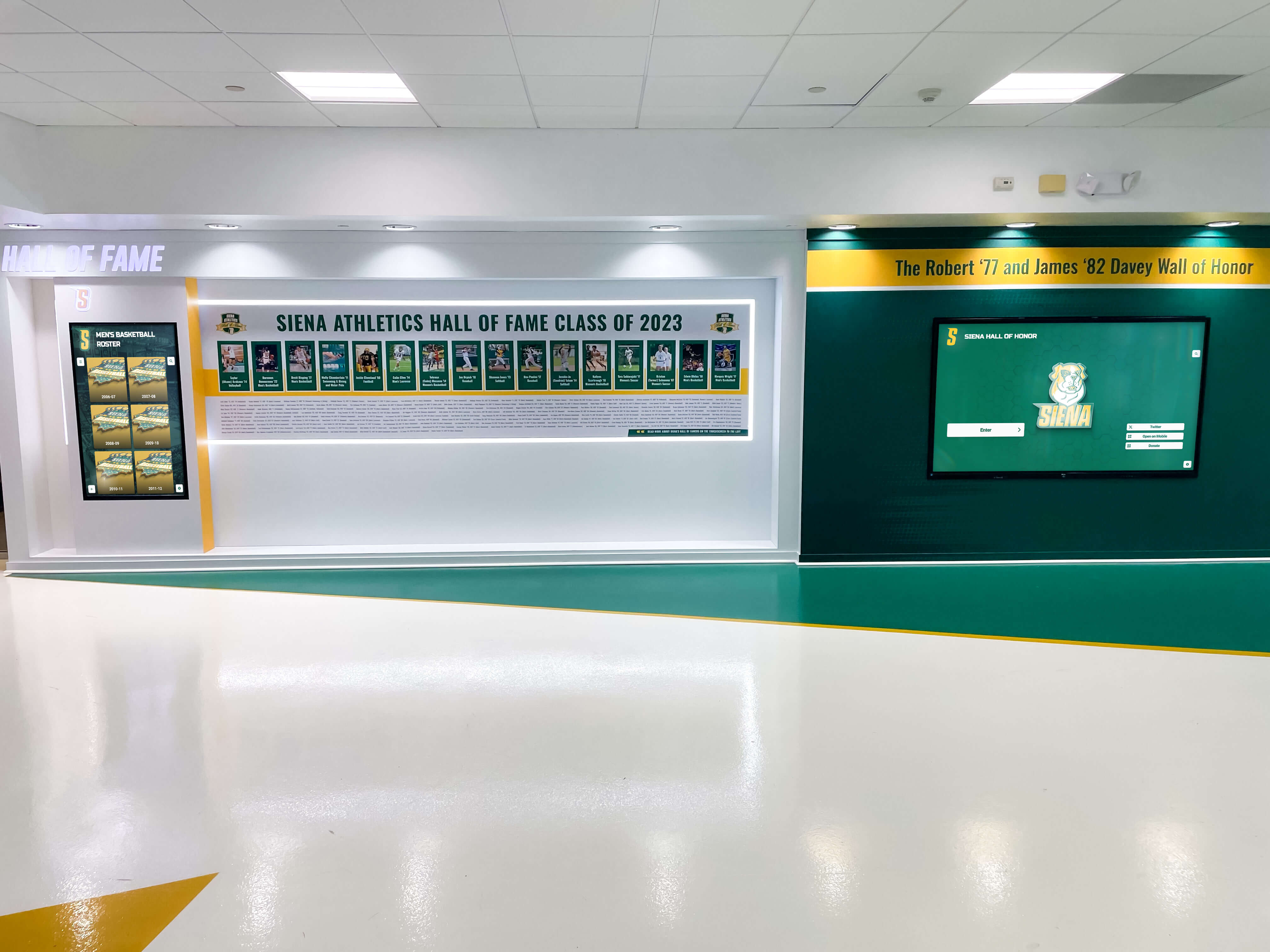
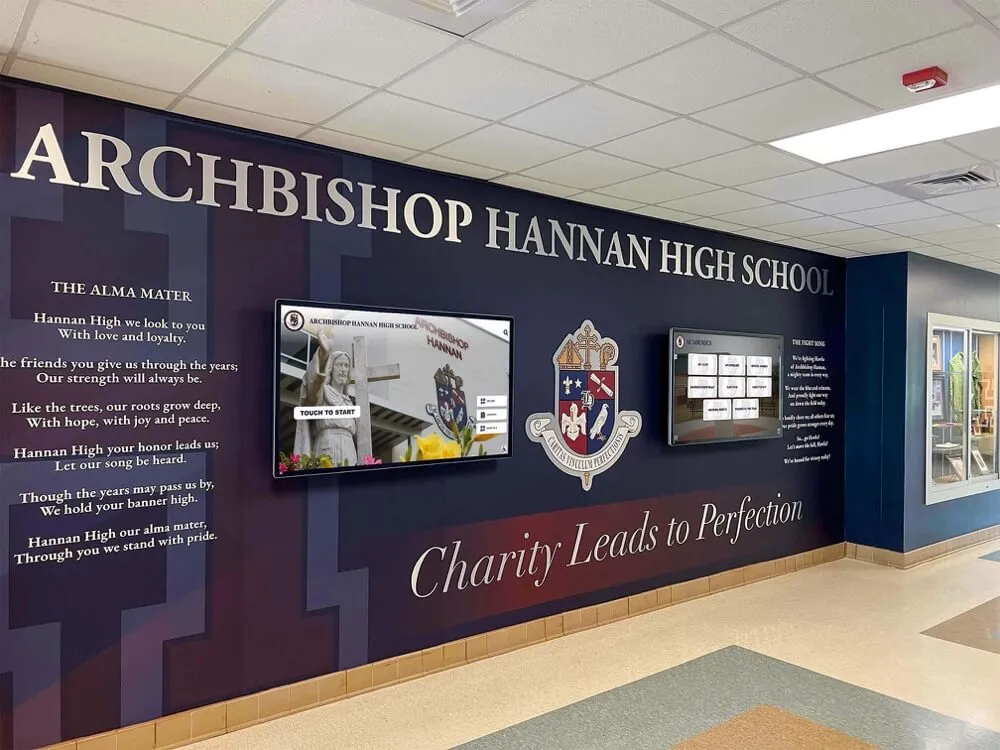
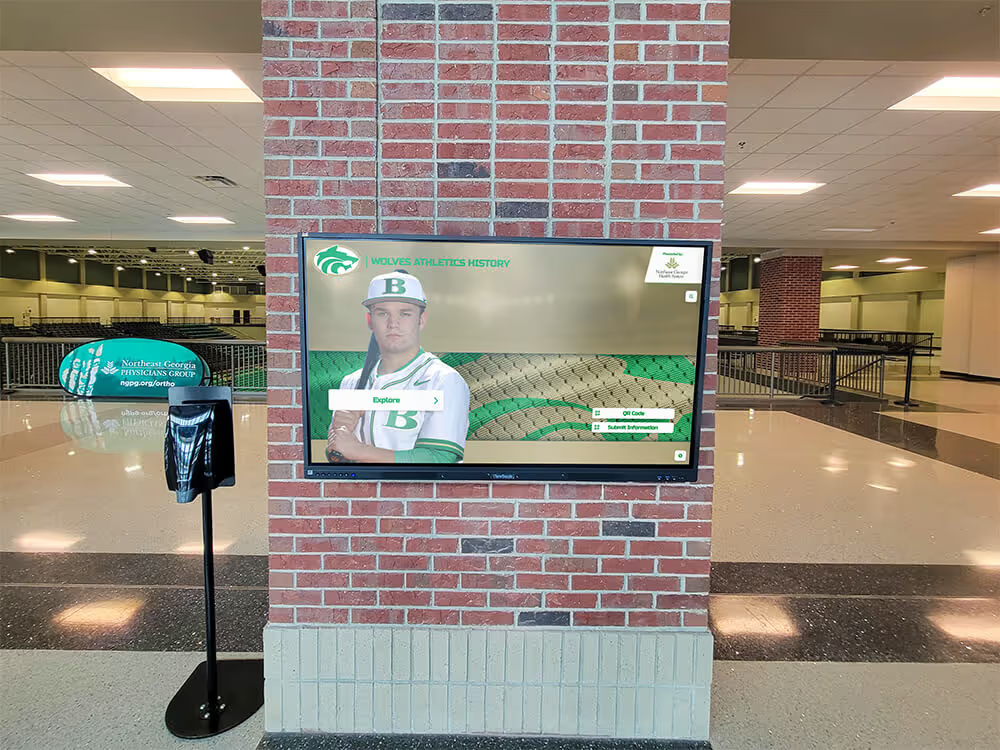
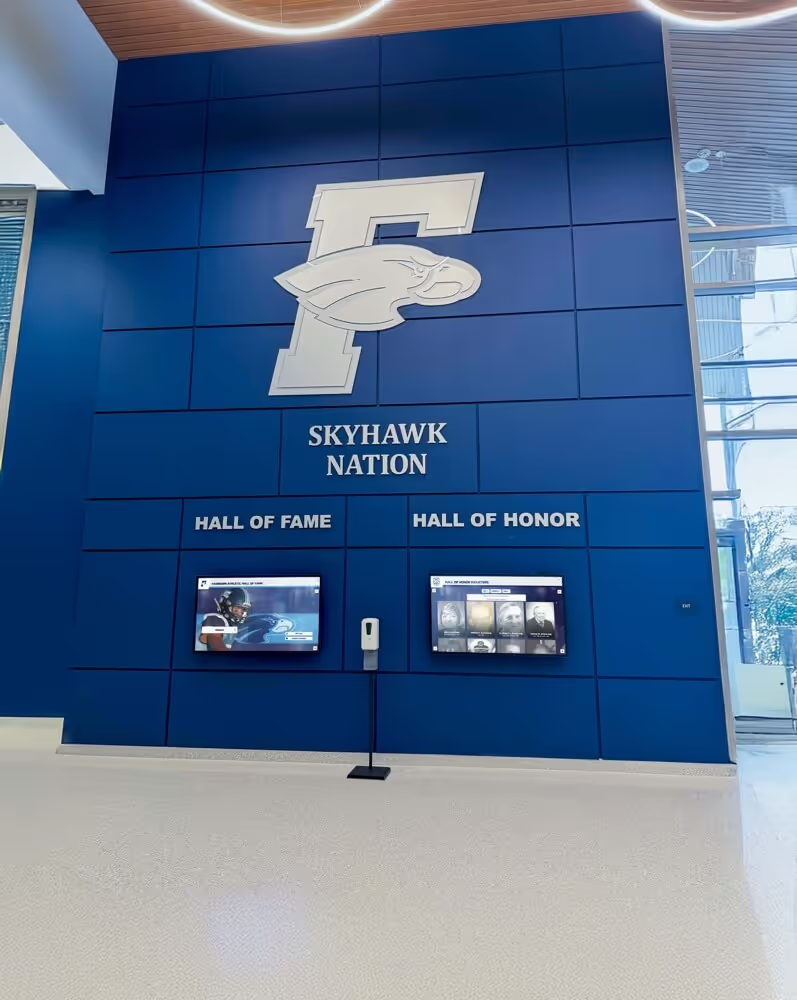
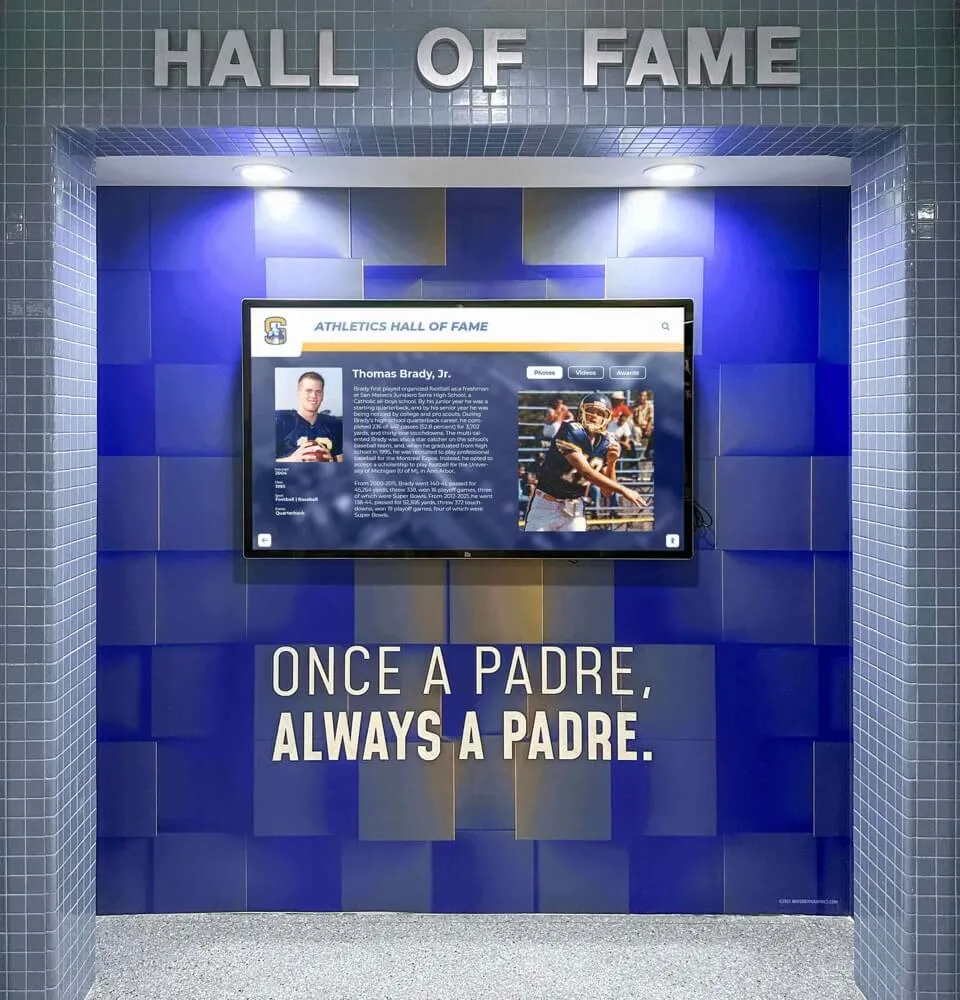
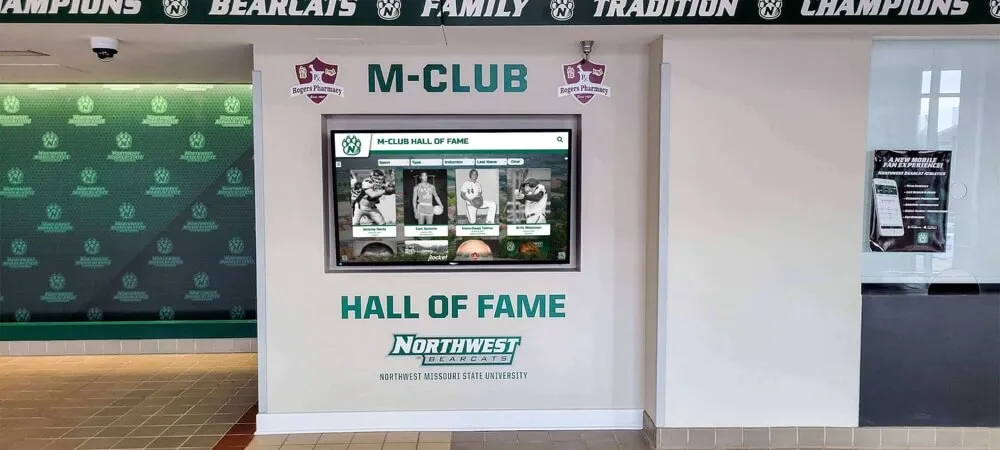
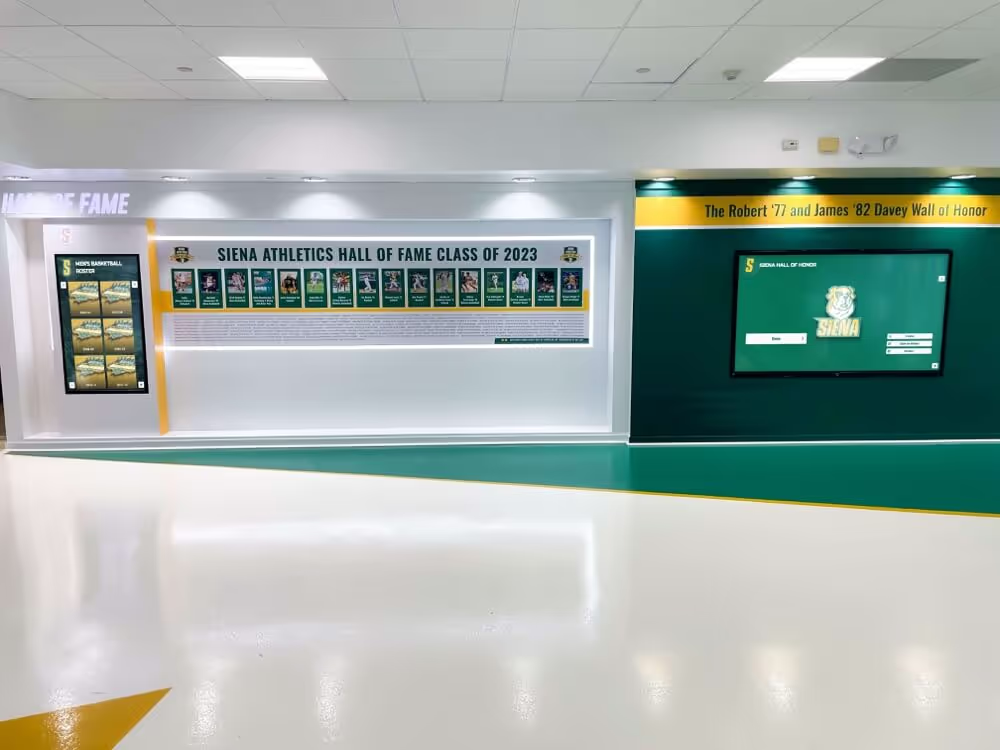
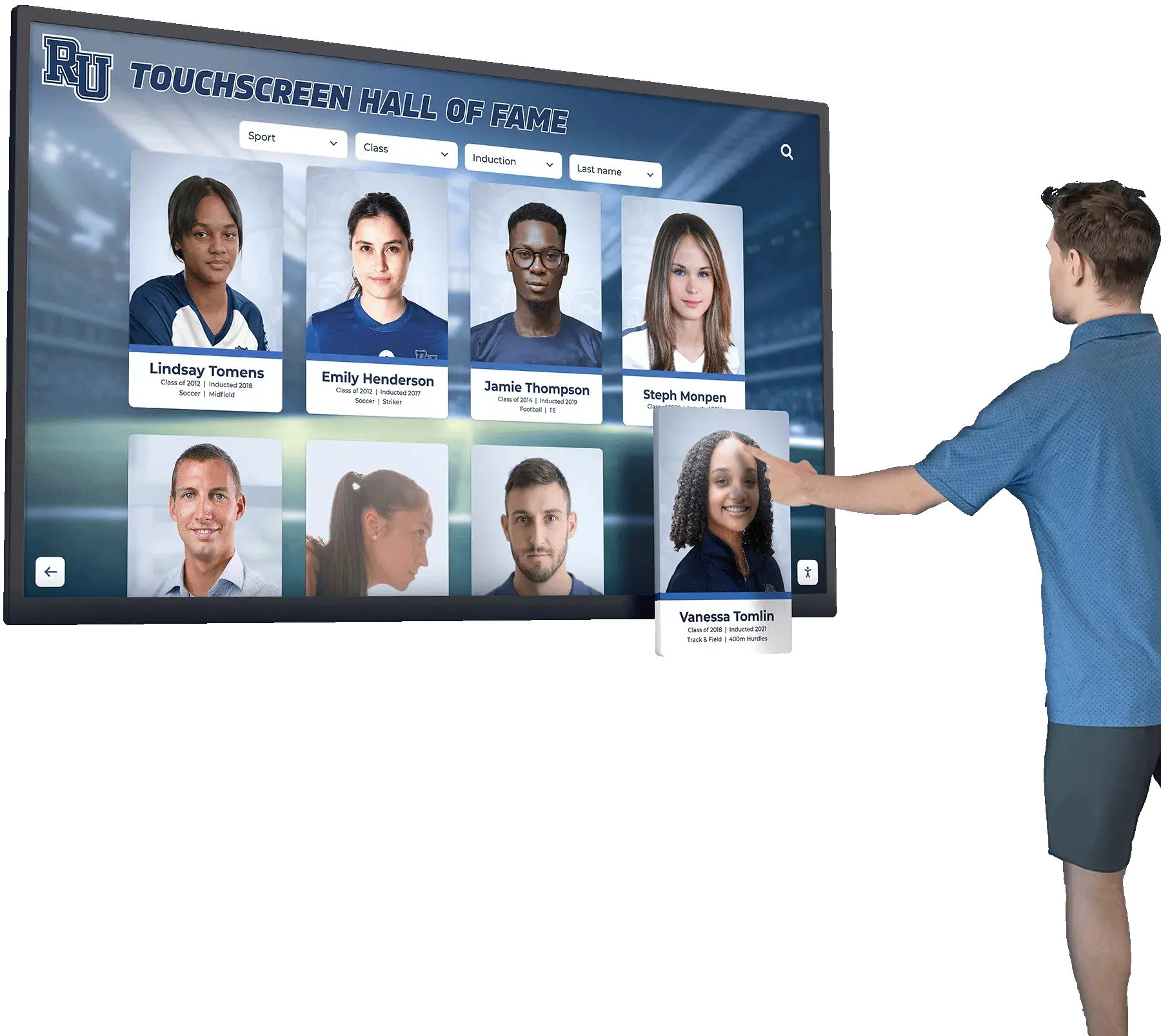
Digitized yearbook content integrates seamlessly with modern recognition displays, bringing historical achievements and institutional heritage to life in engaging formats
File Format Conversion and Optimization
Digitization services deliver files in formats suitable for intended uses. Common deliverables include PDF files for browsing full yearbooks, JPEG images for individual pages or photos, TIFF files for archival preservation, web-optimized formats for online platforms, and thumbnail images for preview galleries.
Many schools request multiple formats serving different purposes: archival TIFFs for long-term preservation, compressed PDFs for online access, and extracted JPEGs for use in digital displays or publications.
Quality Assurance and Verification
Professional providers implement systematic quality control ensuring deliverables meet specifications. This includes verifying all pages scanned without omissions, checking scan quality and readability, confirming OCR accuracy for searchability, validating metadata completeness and accuracy, and reviewing final deliverables before shipment.
Quality assurance differentiates professional services from amateur efforts that frequently miss pages, produce inconsistent quality, or deliver files requiring extensive rework.
Types of Yearbook Digitization Service Providers
Specialized Yearbook Digitization Companies
Dedicated yearbook preservation companies focus exclusively on educational institution archives. These providers understand yearbook-specific challenges like varied binding types, photo preservation priorities, privacy considerations for student content, and educational budget constraints.
Specialized providers typically offer comprehensive services including pickup and return shipping, volume-by-volume processing, student name indexing, and integration with educational platforms.
General Document Scanning Services
Broader document digitization companies serve multiple industries including legal, medical, and corporate sectors. These providers handle yearbooks as one document type among many, often at lower per-page costs but with less specialized expertise.
General services work well for straightforward projects with clear specifications but may lack experience with unique yearbook challenges like fragile bindings, photo quality requirements, or educational privacy compliance.
Library and Archive Preservation Services
Museum-quality preservation services cater to rare books, historical documents, and archival materials requiring extreme care. These providers excel with delicate, valuable, or historically significant yearbooks but typically charge premium rates reflecting conservation-grade expertise.
Institutional archives benefit from preservation services when yearbooks have significant historical value beyond typical school memories, exhibit fragile condition requiring expert handling, or represent rare documentation deserving special care.
DIY Service Platforms
Some companies provide equipment rental and software platforms enabling schools to perform digitization in-house with professional tools. This hybrid approach reduces costs for schools with available staff time while providing higher quality than consumer-grade equipment allows.
DIY platforms suit schools with motivated staff, manageable collection sizes (typically under 50 yearbooks), and flexibility to work at their own pace over extended timeframes.
Schools seeking to maximize the value of digitized content often explore how interactive memory displays can showcase historical yearbook photos in engaging formats that bring institutional heritage to life for contemporary audiences.
Why Schools Need Professional Digitization Services
While in-house digitization remains theoretically possible, professional services deliver advantages that justify costs for most educational institutions.
Time and Resource Efficiency
Eliminating Staff Time Demands
Yearbook digitization requires substantial time investments that schools rarely account for accurately. Realistic estimates include 45-90 minutes per yearbook for careful scanning, 15-30 minutes per yearbook for quality checking, additional hours for troubleshooting equipment issues, ongoing file organization and management, and coordination time for team scheduling and workflow.
A collection of 50 yearbooks requires 50-100+ staff hours for basic scanning alone—equivalent to dedicating one full-time staff member for 1-2 weeks. Professional services complete the same work in days while staff focus on core educational responsibilities.
Access to Specialized Equipment
Professional-grade book scanners cost $3,000-$15,000 compared to consumer flatbed scanners at $200-$800. Industrial equipment provides overhead scanning preventing binding damage, automated page flattening and correction, consistent lighting and color accuracy, batch processing capabilities, and specialized software for OCR and metadata.
Schools processing fewer than 100-200 yearbooks rarely achieve cost recovery on professional equipment purchases. Service providers amortize equipment costs across thousands of projects, making per-project costs far lower than equipment acquisition.
Expertise in Handling Fragile Materials
Older yearbooks require careful handling to prevent damage. Professional technicians understand how to assess binding integrity before scanning, select appropriate scanning methods by condition, use book cradles and supports protecting spines, handle pages to minimize stress, and recognize when volumes require conservation before digitization.
Amateur scanning frequently damages fragile yearbooks through forced opening, excessive pressure, improper handling, or inappropriate methods—permanently harming irreplaceable materials while attempting preservation.
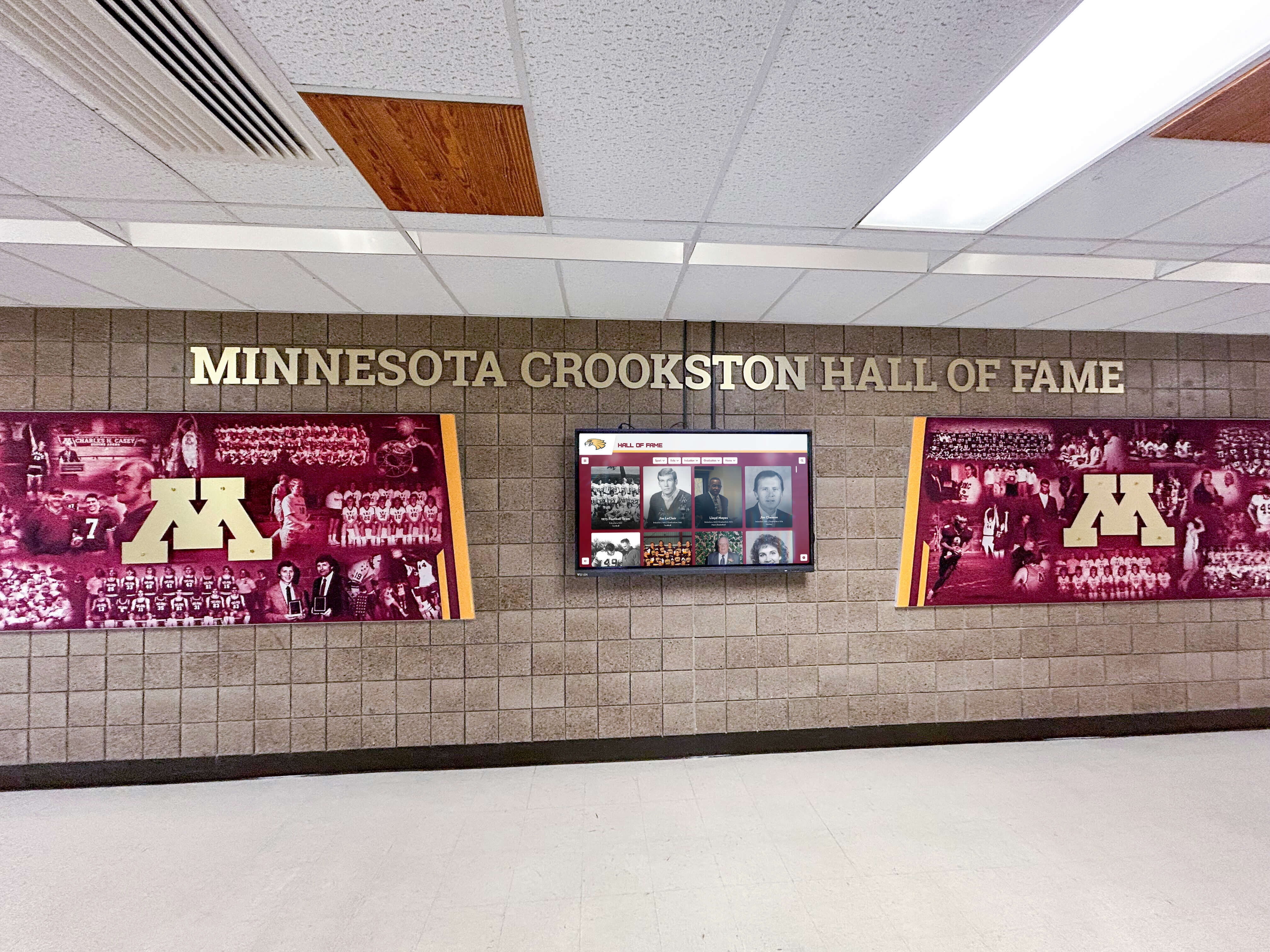
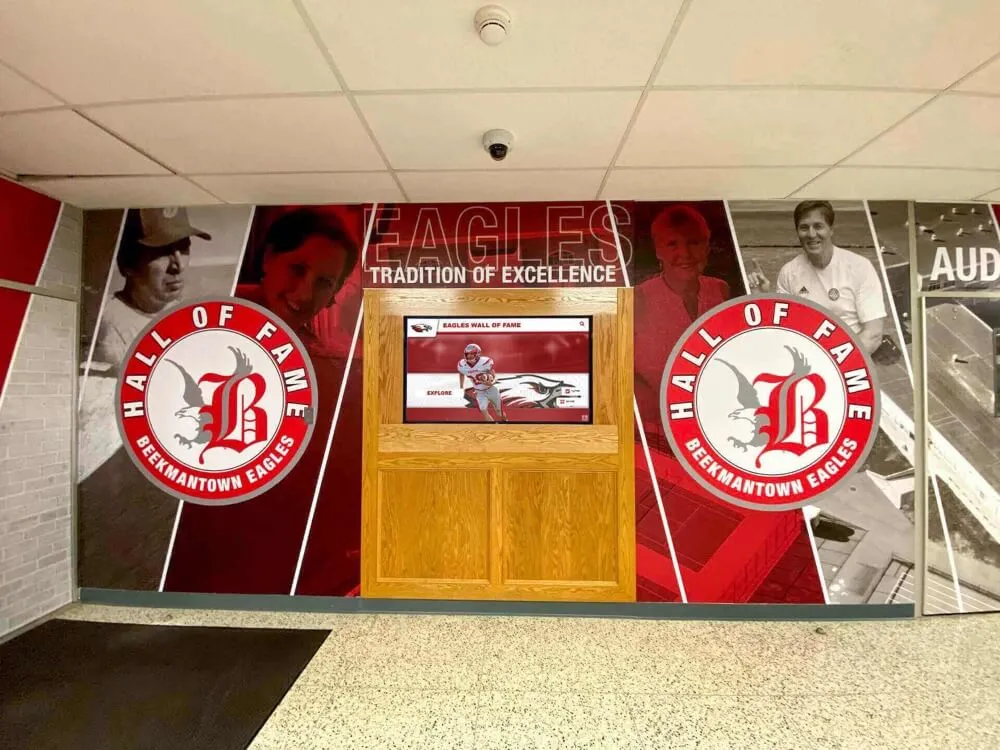
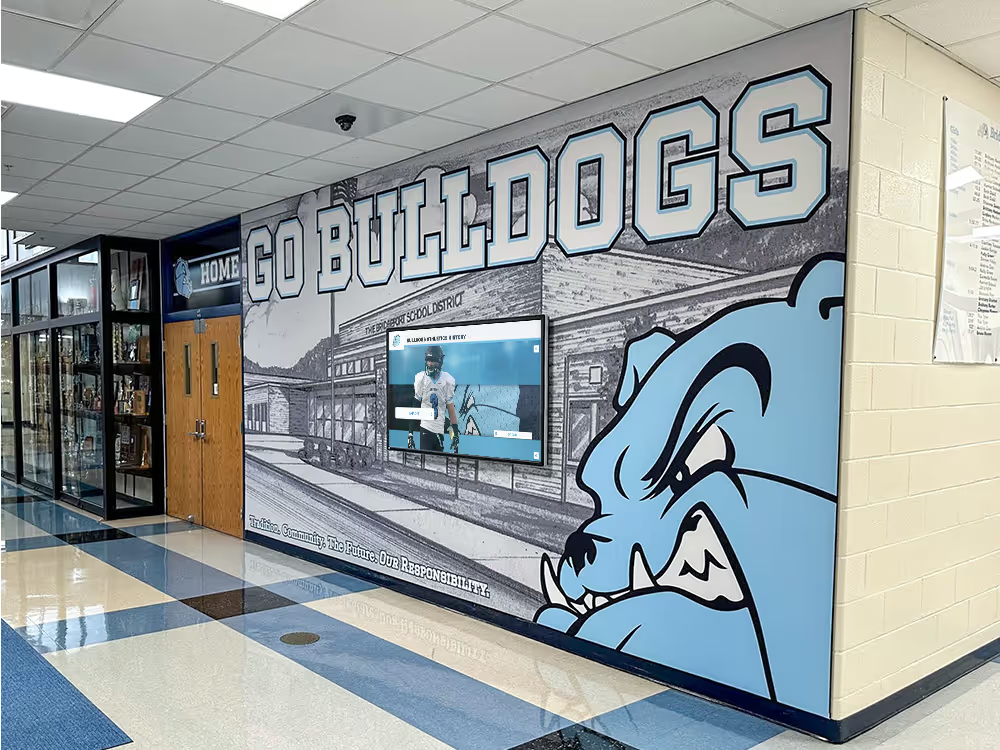
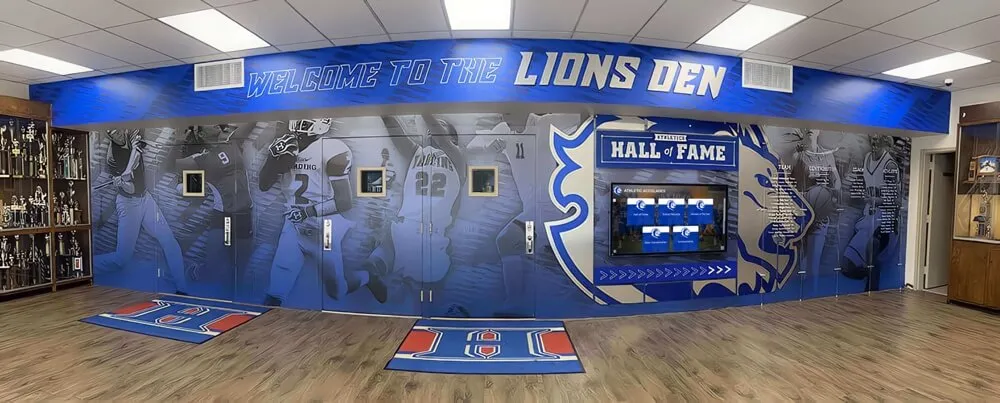
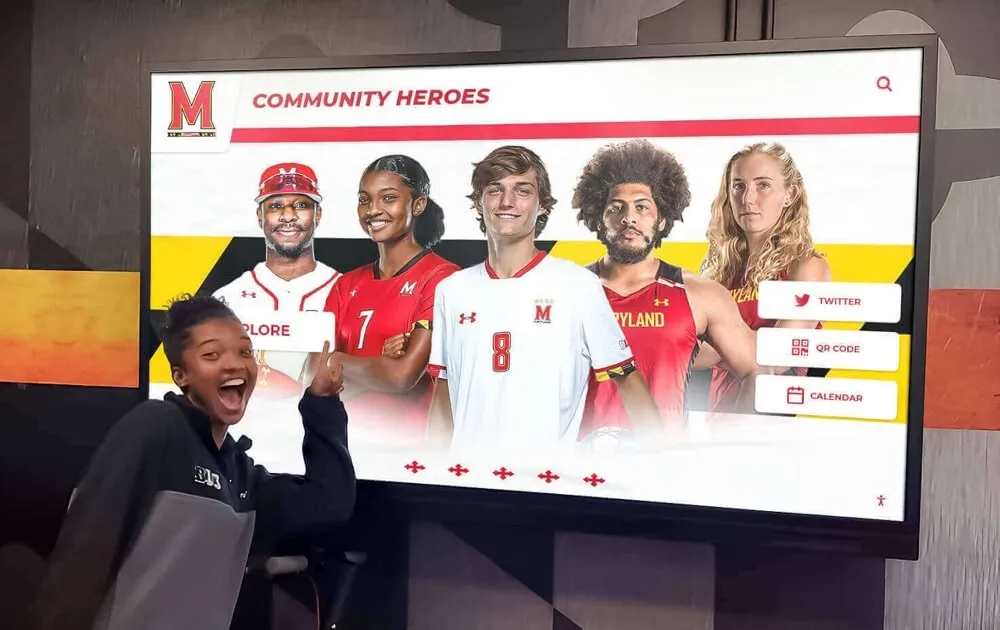
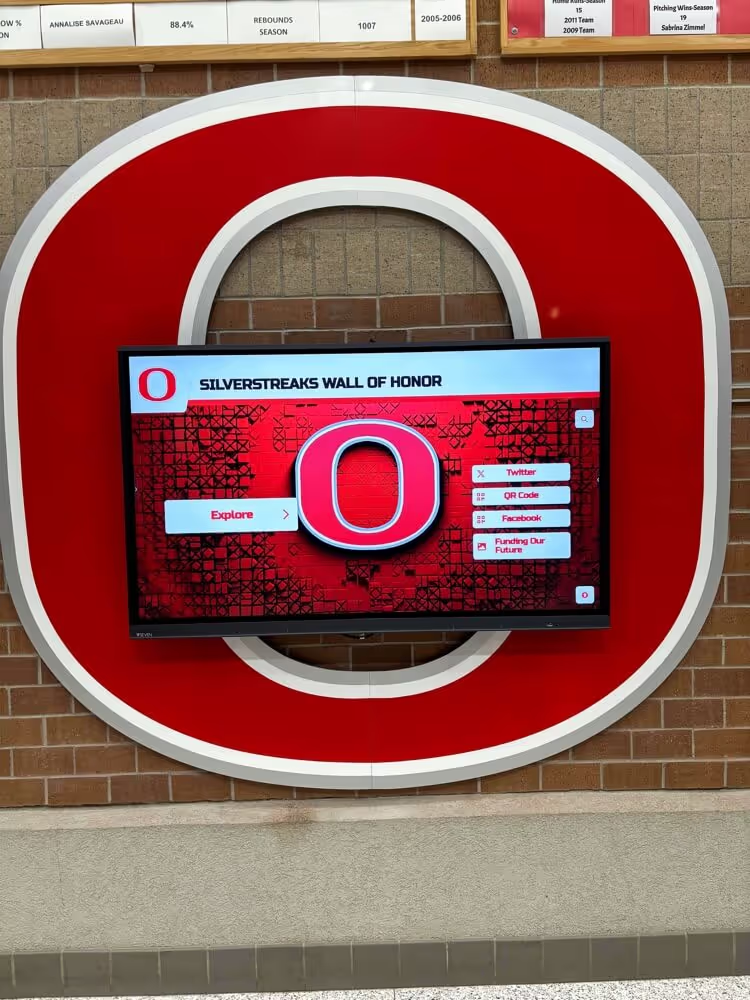
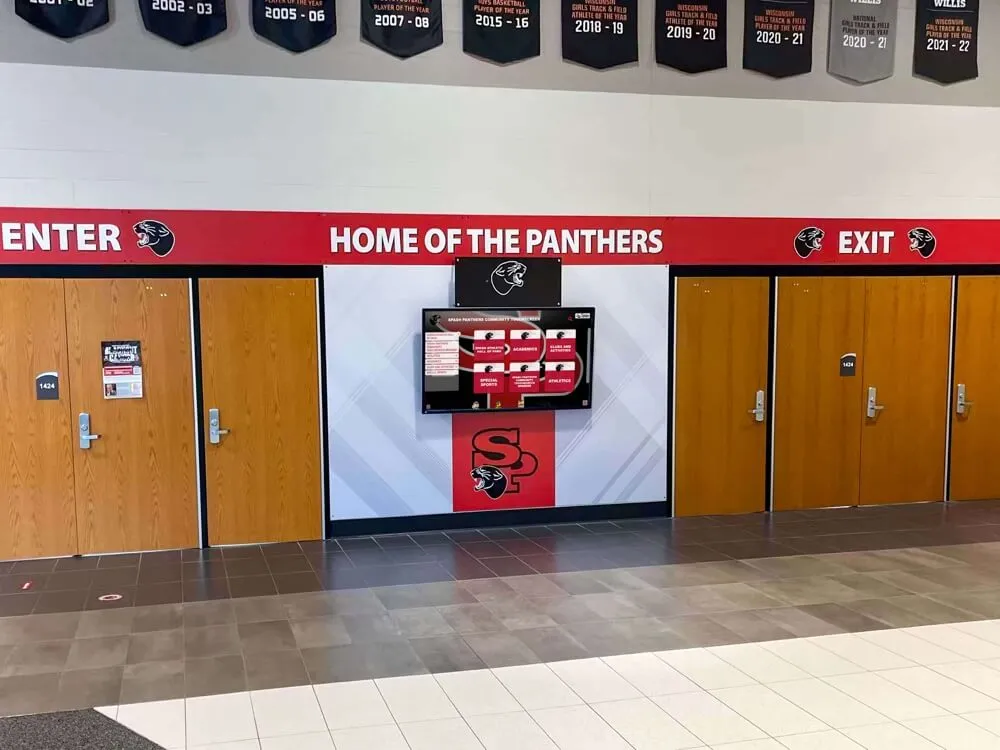
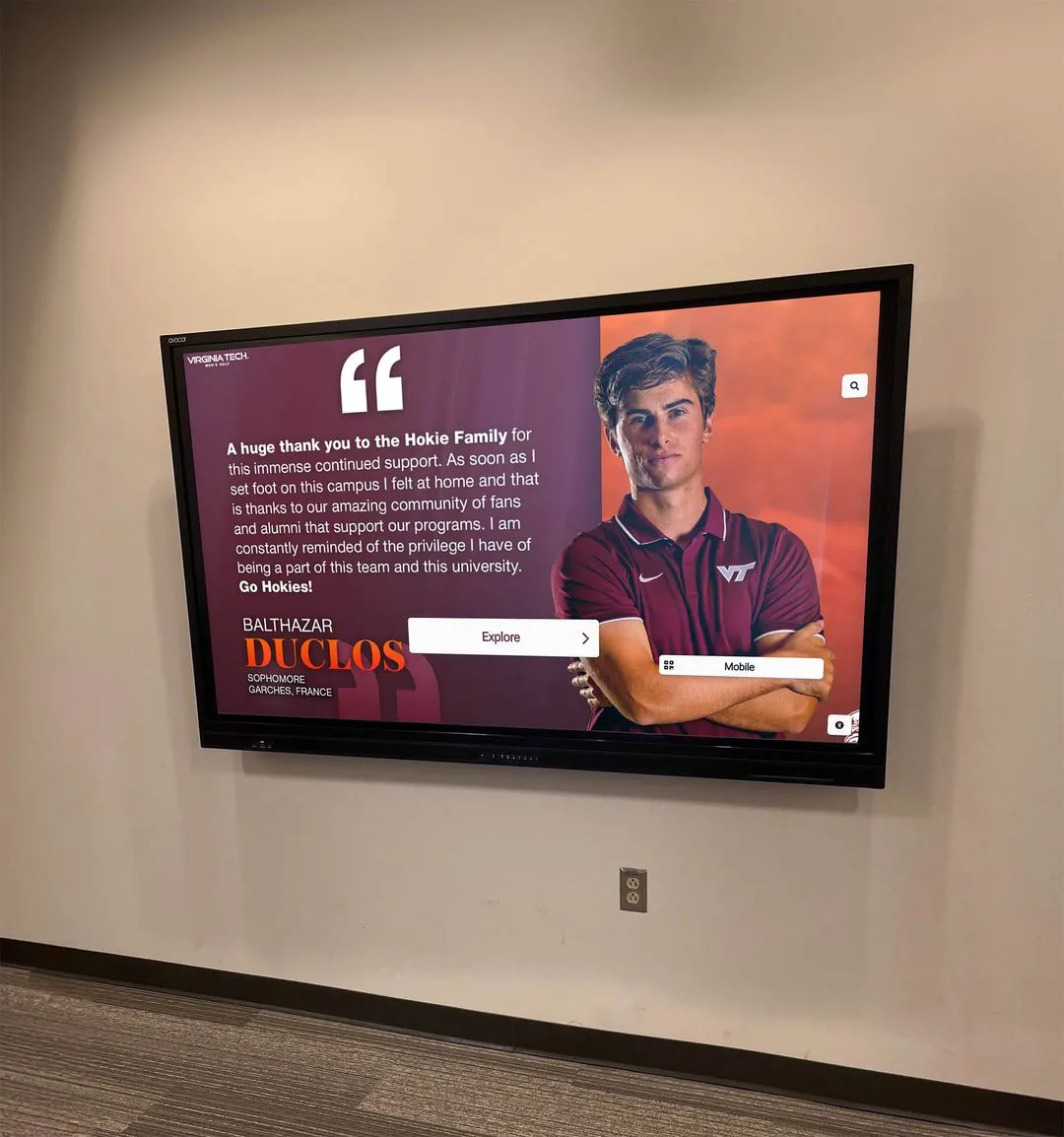
Schools leveraging professional digitization services can integrate yearbook content into modern facilities, creating engaging historical displays that connect past and present
Superior Quality and Consistency
Professional-Grade Scanning Standards
Digitization services maintain consistent quality standards across entire collections through calibrated equipment ensuring color accuracy, proper exposure and dynamic range optimization, edge-to-edge sharpness without distortion, minimal artifacts or scanning errors, and matched quality across all volumes regardless of source condition.
In-house efforts frequently produce inconsistent results where early yearbooks look different from later ones, some pages appear darker or lighter than others, colors shift between volumes, and quality varies by operator or equipment settings.
Systematic Quality Control Processes
Professional workflows include multiple quality checkpoints catching errors before delivery. Operators verify completeness ensuring no missed pages, automated systems flag quality issues requiring attention, supervisors review samples throughout production, final inspection confirms deliverable specifications, and correction processes address identified problems.
Schools performing in-house digitization often discover missing pages, poor quality scans, or organizational errors only after completing projects—requiring extensive rework or accepting substandard results.
Proper File Format and Metadata Standards
Professional services deliver properly formatted files meeting archival and accessibility standards. This includes appropriate compression balancing quality and file size, correct color space and resolution specifications, compliant PDF/A formats for long-term preservation, complete embedded metadata, and organized file naming enabling easy navigation.
Amateur digitization frequently produces oversized files consuming excessive storage, improperly compressed images showing artifacts, missing or incorrect metadata hindering searchability, and inconsistent file naming creating organizational confusion.
Legal and Privacy Compliance
Understanding Educational Privacy Requirements
Schools must navigate complex privacy regulations protecting student information. Professional yearbook services understand FERPA requirements affecting student identifiable information, state-specific privacy laws and regulations, appropriate consent and permission practices, and secure handling of sensitive educational records.
Services implement privacy-compliant workflows including secure data handling and transmission, controlled access during processing, privacy review options for sensitive content, and documentation demonstrating regulatory compliance.
Copyright and Rights Management
Yearbooks contain various copyrighted materials requiring proper handling. Professional providers understand copyright implications of photography and artwork, appropriate fair use applications, necessary permissions for republication, and documentation protecting against infringement claims.
Services can advise schools on copyright considerations affecting digital access scope, help obtain necessary permissions, or implement access controls limiting distribution to appropriate communities.
Institutions implementing comprehensive academic recognition programs often integrate digitized yearbook content to create connections between historical achievements and contemporary student excellence.
Key Features to Evaluate in Digitization Service Providers
Selecting the right service provider requires systematic evaluation of capabilities, quality standards, and value alignment with institutional needs.
Technical Capabilities and Quality Standards
Resolution and Image Quality Specifications
Minimum acceptable resolution for yearbook digitization is 600 dpi for web display and photo extraction. Evaluate providers on standard scanning resolution offered, options for higher resolution when needed, color depth and accuracy standards, image enhancement capabilities, and sample quality from previous projects.
Request sample scans from materials similar to your yearbooks—not generic samples from ideal source documents. Quality with challenging materials (faded photos, yellowed pages, glossy paper) reveals true capabilities.
OCR Accuracy and Searchability
Optical character recognition quality directly impacts digital yearbook usability. Assess providers on OCR accuracy rates for typical yearbook text, capabilities with challenging fonts or layouts, searchable PDF creation processes, manual verification and correction offerings, and foreign language or special character handling if applicable.
Request OCR samples showing actual searchable text quality, not just claims about theoretical accuracy. Test search functionality to verify practical usability.
Metadata Creation Depth
Metadata determines how easily users find specific content in digitized collections. Compare providers on standard metadata fields included, options for enhanced metadata services, individual name extraction and indexing, custom metadata to match specific needs, and database or spreadsheet delivery formats.
Comprehensive metadata dramatically increases digitized yearbook value but adds costs. Balance metadata depth with budget and intended uses.
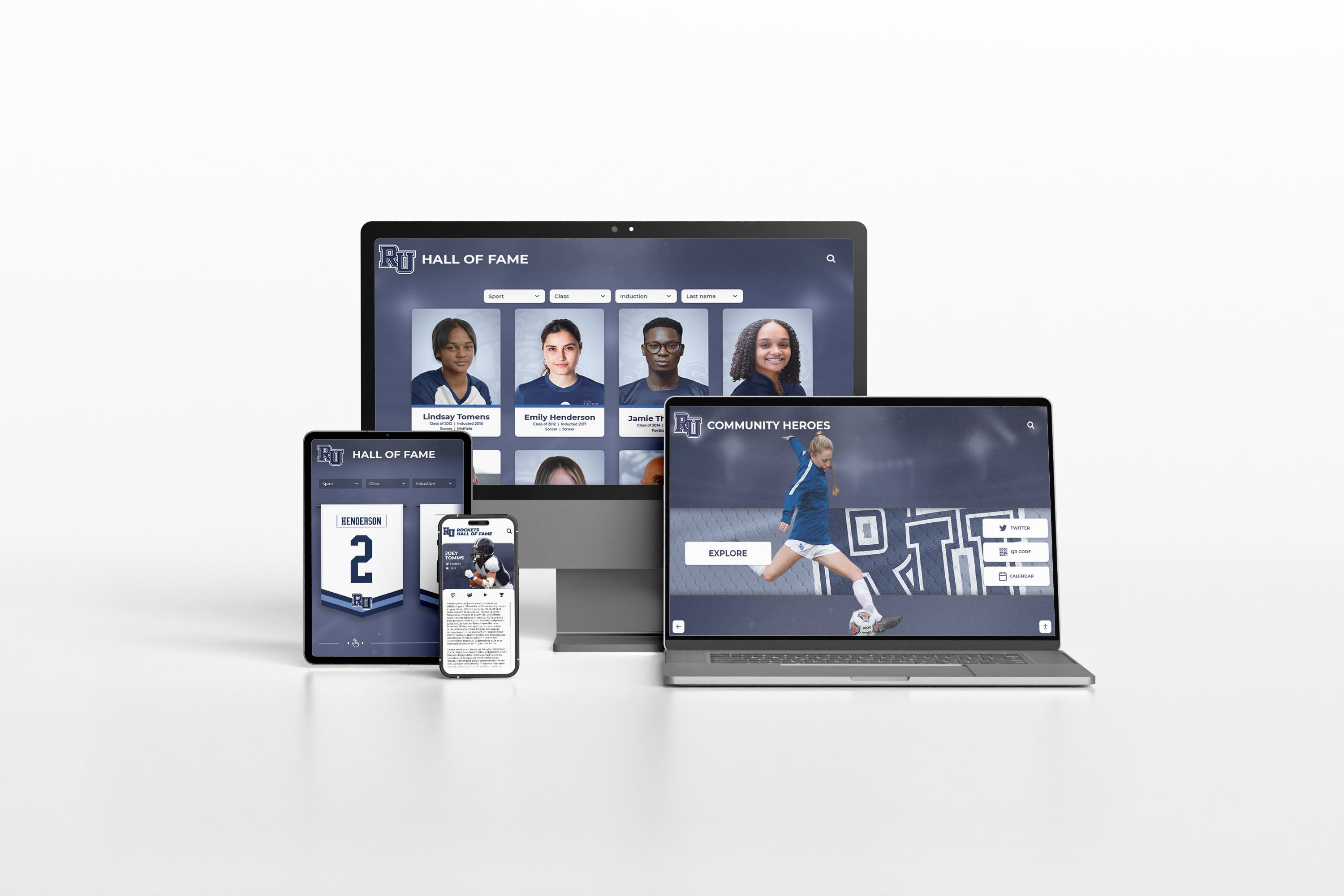
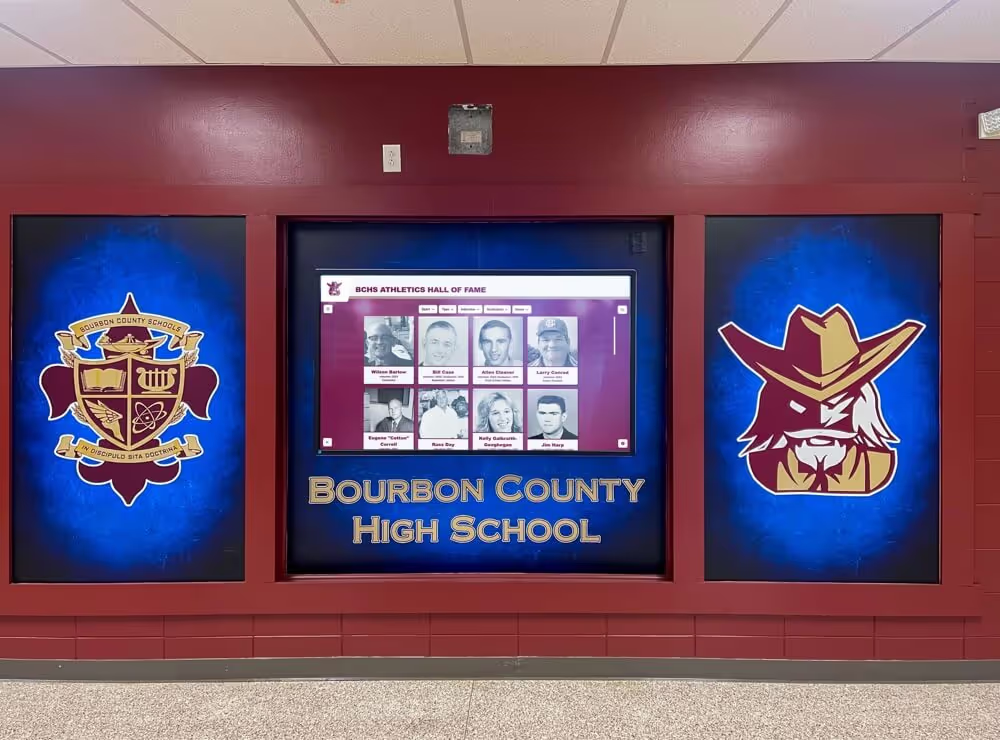
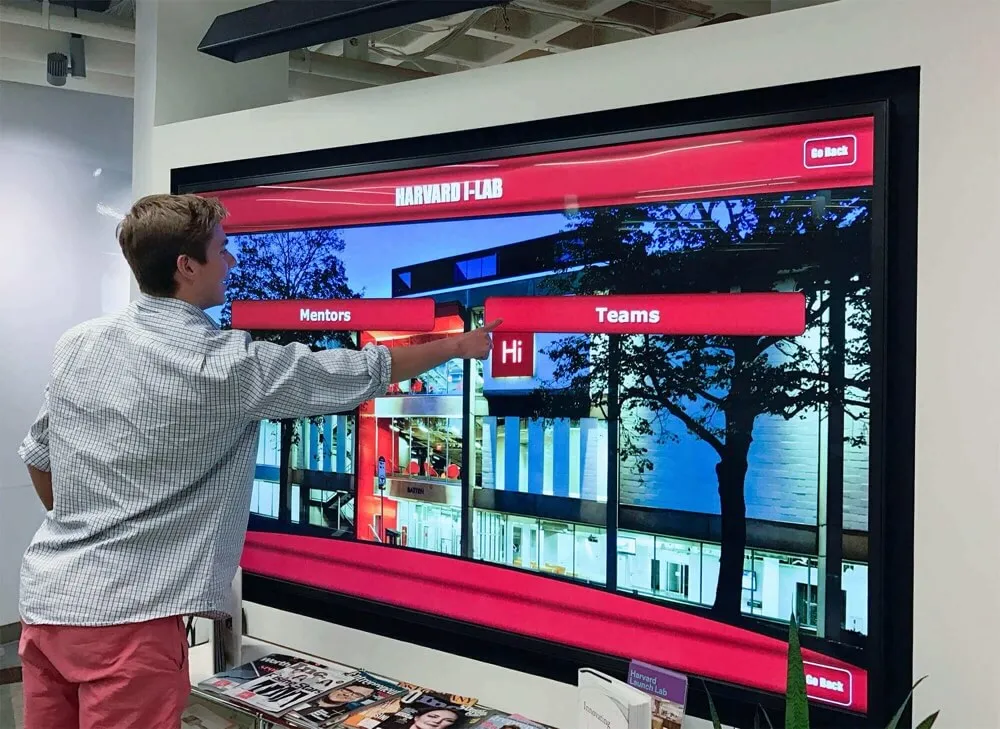
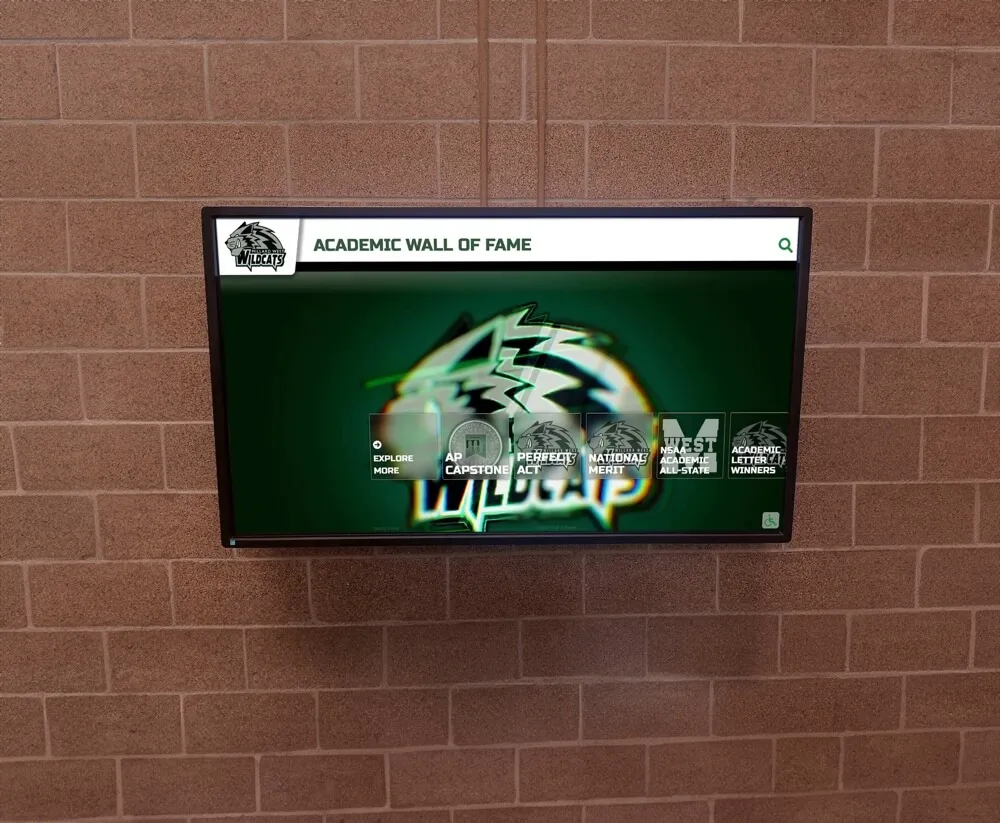
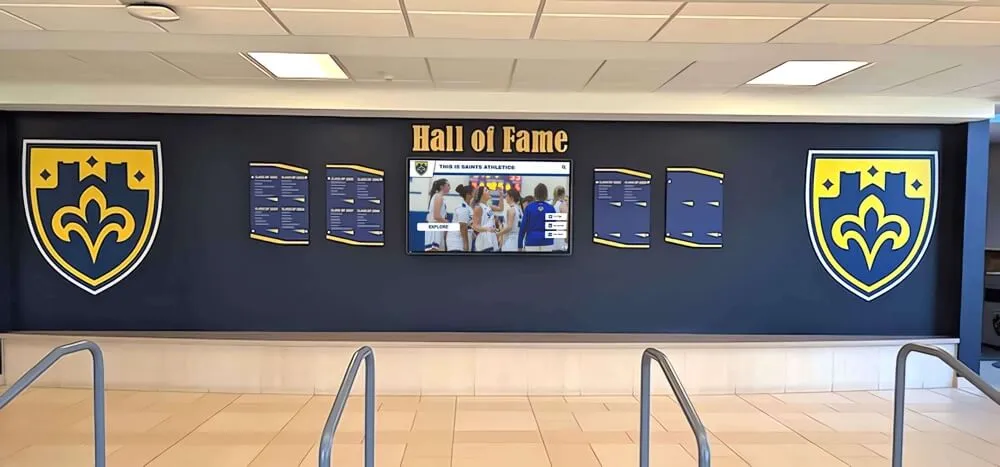
Professional digitization services prepare yearbook content for seamless access across devices, ensuring students, alumni, and community members can explore institutional history anywhere
Service Scope and Flexibility
Volume Handling and Collection Size
Different providers suit different project scales. Consider whether services handle single yearbooks or require minimum volumes, accommodate large collections spanning decades, offer volume discounts for extensive projects, manage ongoing annual digitization programs, and scale pricing fairly with collection size.
Small projects (under 10 yearbooks) may find limited provider options, as many services focus on larger institutional collections achieving economies of scale.
Turnaround Time and Scheduling
Project timelines vary significantly by provider and project scope. Evaluate typical turnaround times for collections like yours, rush service availability for deadline-driven projects, production schedule flexibility, communication and status updates during projects, and realistic delivery date commitments.
Schools planning recognition displays, anniversary celebrations, or specific events require providers who commit to firm deadlines and communicate proactively about any timeline changes.
Pickup and Return Logistics
Physical yearbook transportation raises important considerations. Assess whether providers offer pickup service or require school shipping, insurance coverage during transit and processing, secure packaging and handling protocols, tracking and visibility during transportation, and return shipping arrangements after completion.
Valuable or irreplaceable yearbook collections require providers with demonstrated security and care throughout custody chains.
Customization and Special Requests
Standard services work for straightforward projects, but unique needs require flexibility. Consider providers’ willingness to accommodate special requirements, problem-solving approach with challenging materials, custom metadata or organizational schemes, integration with specific platforms or systems, and responsiveness to institutional preferences.
Providers treating every project identically regardless of specific needs may deliver technically adequate but institutionally misaligned results.
Data Security and Handling
Secure Facilities and Access Control
Yearbooks contain student information requiring protection. Evaluate providers on physical facility security measures, background-checked staff, access controls limiting who handles materials, secure data storage and transmission, and privacy policy alignment with educational requirements.
Request information about security certifications, insurance coverage, and incident response procedures demonstrating serious security commitment.
Backup and Disaster Recovery
Digital files need protection against data loss. Assess providers’ backup procedures during processing, redundant storage preventing single points of failure, disaster recovery capabilities, long-term archive retention options, and data delivery and ownership clarity.
Clarify whether you receive all original files and backups, who retains copies after delivery, and how long providers maintain project archives for potential future reference.
Privacy and Confidentiality Practices
Educational records require confidential handling. Investigate whether providers sign appropriate confidentiality agreements, understand FERPA and educational privacy requirements, implement privacy-compliant workflows, offer redaction or limitation options for sensitive content, and maintain documentation demonstrating compliance.
Providers serving educational, healthcare, or legal sectors typically demonstrate stronger privacy practices than those primarily serving commercial industries.
Schools developing comprehensive recognition programs find that digitized yearbook content provides historical context enriching contemporary student celebration and institutional storytelling.
DIY vs. Professional Digitization Services: Making the Right Choice
Schools often debate whether to handle yearbook digitization in-house or engage professional services. Understanding the true costs and capabilities of each approach enables informed decisions.
When DIY Digitization Makes Sense
Small Collections with Available Resources
In-house digitization may prove cost-effective when collections include fewer than 10-15 yearbooks, dedicated staff time is genuinely available (not squeezed from already-full schedules), the school owns or can borrow adequate scanning equipment, technical expertise exists for file management, and timelines are flexible without firm deadlines.
Small projects may not justify professional service minimums, making DIY approaches practical by necessity rather than preference.
Ongoing Annual Digitization Programs
Schools implementing systematic annual yearbook digitization going forward may invest in equipment and training for recurring use. This works when annual yearbook digitization becomes standard workflow, the same staff member manages the process consistently, equipment costs amortize across many years, and historical backlog is handled separately (often professionally).
Annual digitization of single current yearbooks requires far less effort than retrospective digitization of decades of accumulated volumes.
Educational Opportunities for Students
Some schools incorporate yearbook digitization into student learning through library science or digital media classes exploring digitization techniques, archival management providing hands-on experience, project management offering real-world applications, or community service creating meaningful contributions.
Educational integration adds value beyond preservation outcomes, justifying longer timelines and accepting quality variability as learning experiences.
When Professional Services Deliver Better Value
Large Historical Collections
Collections spanning 20+ years nearly always benefit from professional services. Consider that 50 yearbooks require 75-150+ hours of staff time for basic scanning, equipment costs approaching $2,000-$5,000 for quality results, expertise challenges with varying condition and formats, consistency maintenance across extended projects, and storage and organization complexity.
Professional services complete large projects in weeks rather than months or years, typically at lower total cost when staff time is valued appropriately.
Fragile or Valuable Materials
Yearbooks with significant historical value, fragile condition from age or damage, rare or irreplaceable status, potential monetary value, or preservation priority justify professional handling minimizing damage risk.
Damaging irreplaceable yearbooks through amateur digitization attempts costs far more than professional services preventing such losses.
Time-Sensitive Projects
Deadlines for anniversaries, reunions, or facility openings, development campaigns requiring historical content, recognition displays with installation schedules, or accreditation documentation needs generally require professional services meeting firm timelines.
In-house efforts frequently extend beyond initial estimates, missing deadlines when project urgency demands reliability.
Quality-Critical Applications
When digitized yearbooks will populate public websites with high visibility, integrate into professional recognition displays, serve as donor recognition components, require print reproduction, or represent institutional image professionally, professional quality standards prove essential.
Amateur digitization quality often proves embarrassing in high-visibility applications, undermining intended benefits through poor presentation.
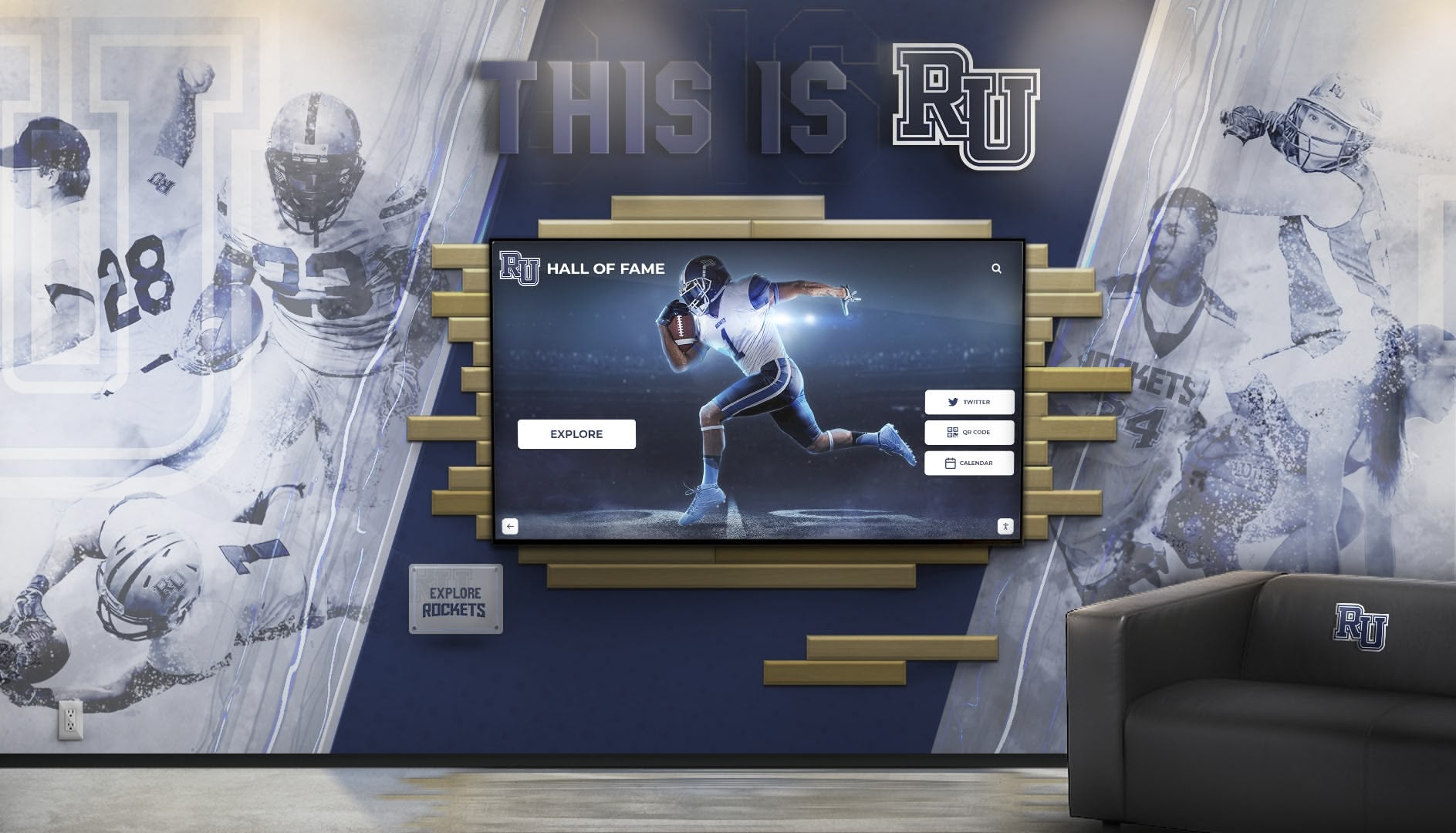
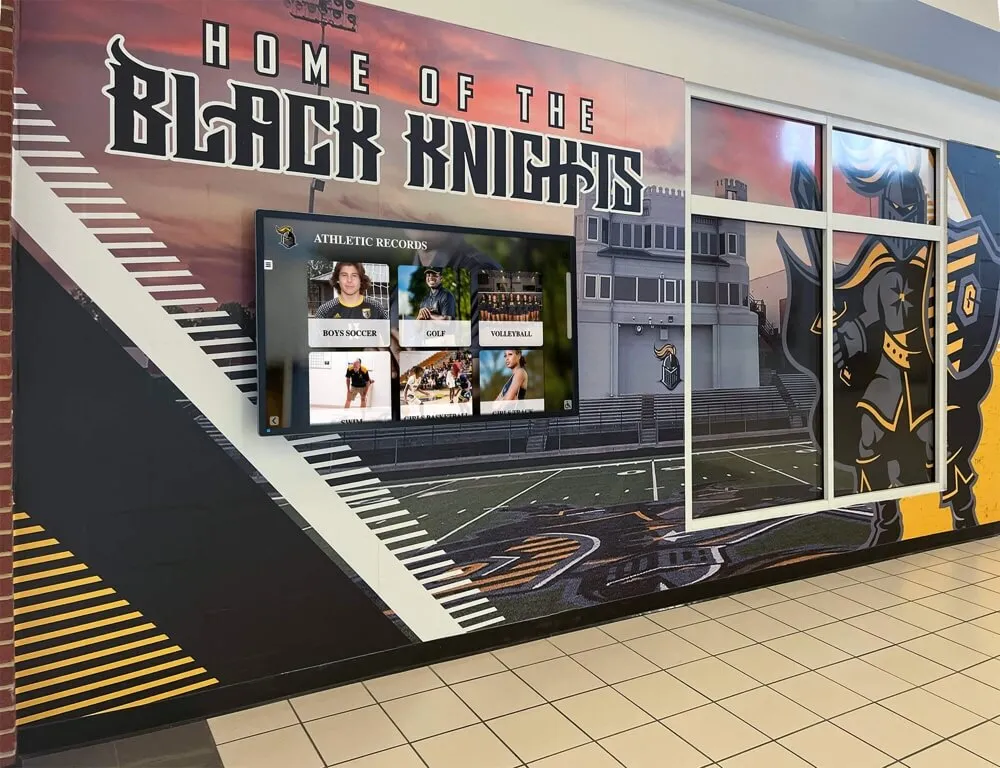
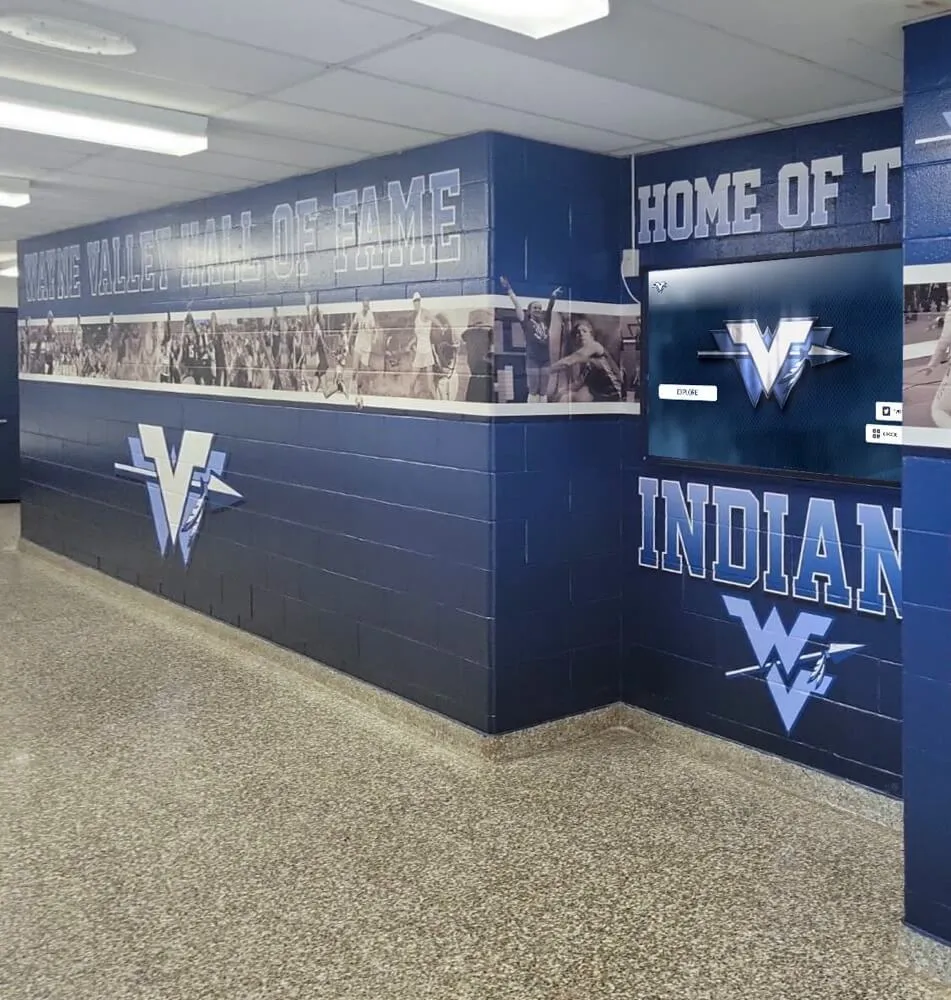
High-quality professional digitization ensures yearbook content displays beautifully in modern recognition installations, maintaining institutional standards across all applications
Schools exploring how to showcase digitized content often discover that modern display technologies can present historical yearbook materials alongside contemporary achievements, creating comprehensive recognition experiences.
The Professional Digitization Process: What to Expect
Understanding typical service workflows helps schools prepare effectively and set appropriate expectations.
Initial Consultation and Project Planning
Collection Assessment
Professional engagements begin with collection evaluation. Providers request information about number of yearbooks by decade, physical condition assessment, size and format variations, specific output requirements, and intended uses for digitized content.
Some services conduct on-site assessments for large collections, examining materials directly before proposing detailed specifications and pricing.
Requirements Definition
Clear requirements prevent misunderstandings and ensure deliverables match needs. Define scanning resolution and quality standards, file format deliverables, metadata scope and detail, privacy or redaction needs, delivery method and timeline expectations, and budget parameters guiding service scope.
Detailed requirements enable accurate quotes while establishing clear success criteria.
Proposal and Contracting
Professional providers deliver written proposals specifying detailed scope of work and deliverables, pricing with clear breakdown by component, timeline with key milestones, terms regarding privacy, security, and liability, and change order processes for scope modifications.
Review proposals carefully, clarifying ambiguous terms before signing contracts that define mutual obligations and expectations.
Yearbook Preparation and Shipping
Pre-Digitization Inventory
Before shipping yearbooks to service providers, create detailed inventories documenting each volume being sent, noting existing condition and any damage, photographing valuable or fragile materials, and recording serial numbers or identifiers.
Documentation protects both parties by establishing baseline condition and preventing disputes about damage or loss during service provision.
Secure Packaging and Transportation
Professional services typically provide packaging guidelines or materials. Follow recommendations for protective wrapping of individual volumes, sturdy boxes preventing shifting during transit, clear labeling and content documentation, insurance coverage for full replacement value, and tracking to monitor shipment progress.
Valuable collections may warrant white-glove pickup services where providers collect materials personally rather than relying on common carriers.
Scanning and Processing
Systematic Digitization Workflow
Professional operations follow established processes ensuring consistency. This includes careful volume inspection before processing, appropriate equipment selection by binding type, page-by-page scanning with quality verification, automated and manual quality checks, and systematic organization preventing confusion.
Reputable providers update clients regularly on progress, flagging any issues or clarifications needed during processing.
OCR and Enhancement
Following initial scanning, providers apply optical character recognition to text content, image enhancement and color correction, page de-skewing and edge cropping, artifact removal and cleanup, and file optimization for intended uses.
Advanced services may offer additional name extraction and indexing, historical notation and contextualization, privacy review and redaction services, and custom organization schemes.
Metadata Creation and Quality Control
Professional metadata work includes standardized fields for year, school, and volume information, page numbering and section identification, searchability testing and verification, accuracy review against source materials, and final quality assurance before delivery.
Metadata quality directly determines long-term usability, making this phase critical despite being invisible in final image quality.
Delivery and Implementation
File Organization and Delivery
Professional services deliver organized file packages with logical folder structures by year and volume, consistent naming conventions, multiple formats as specified, comprehensive metadata files, and documentation explaining organization and contents.
Delivery methods vary from cloud storage downloads, physical hard drives or USB media, direct uploads to school systems, or integration with designated platforms.
Post-Delivery Support
Quality providers offer reasonable support periods including file access and format questions, minor corrections or adjustments, guidance on implementation and use, and documentation for future reference.
Clarify support terms during contracting, understanding what’s included versus additional service requests requiring separate fees.
Original Yearbook Return
Following digitization completion, providers return original yearbooks with secure packaging matching initial shipping, tracking and insurance coverage, complete inventory verification, and prompt shipping after final approval.
Verify returned materials against pre-digitization inventories, documenting any discrepancies immediately.
Institutions focused on digital storytelling discover that professionally digitized yearbooks provide rich historical narrative content that brings athletic programs and institutional heritage to life.
Cost Considerations and Budgeting for Digitization Services
Understanding cost structures enables realistic budgeting and value comparison across service providers.
Typical Pricing Models
Per-Page Pricing
Most digitization services charge per page scanned, with rates varying by service level. Standard scanning (600 dpi, basic PDF) typically costs $0.15-$0.50 per page, enhanced scanning (higher resolution, color correction) runs $0.30-$0.75 per page, premium services (conservation-grade, maximum quality) range $0.50-$1.50 per page, and additional OCR and metadata services add $0.10-$0.30 per page.
A typical 200-page yearbook costs $30-$100 for standard digitization, $60-$150 for enhanced services, or $100-$300 for premium conservation-grade work.
Per-Volume Pricing
Some providers charge per yearbook regardless of page count, simplifying budgeting for varied collections. Typical rates include $50-$150 per yearbook for standard services, $100-$250 per yearbook for comprehensive services with metadata, and $200-$500 per yearbook for premium archival-grade work.
Per-volume pricing benefits schools with particularly thick yearbooks where per-page costs would prove prohibitive, though thin yearbooks may cost more than per-page alternatives.
Project-Based Pricing
Large collections often receive custom project quotes considering total volume discounts, complexity and condition factors, timeline and priority requirements, and comprehensive service bundling.
Project pricing may offer better value for collections exceeding 25-50 yearbooks, as providers amortize setup costs and apply volume efficiencies.
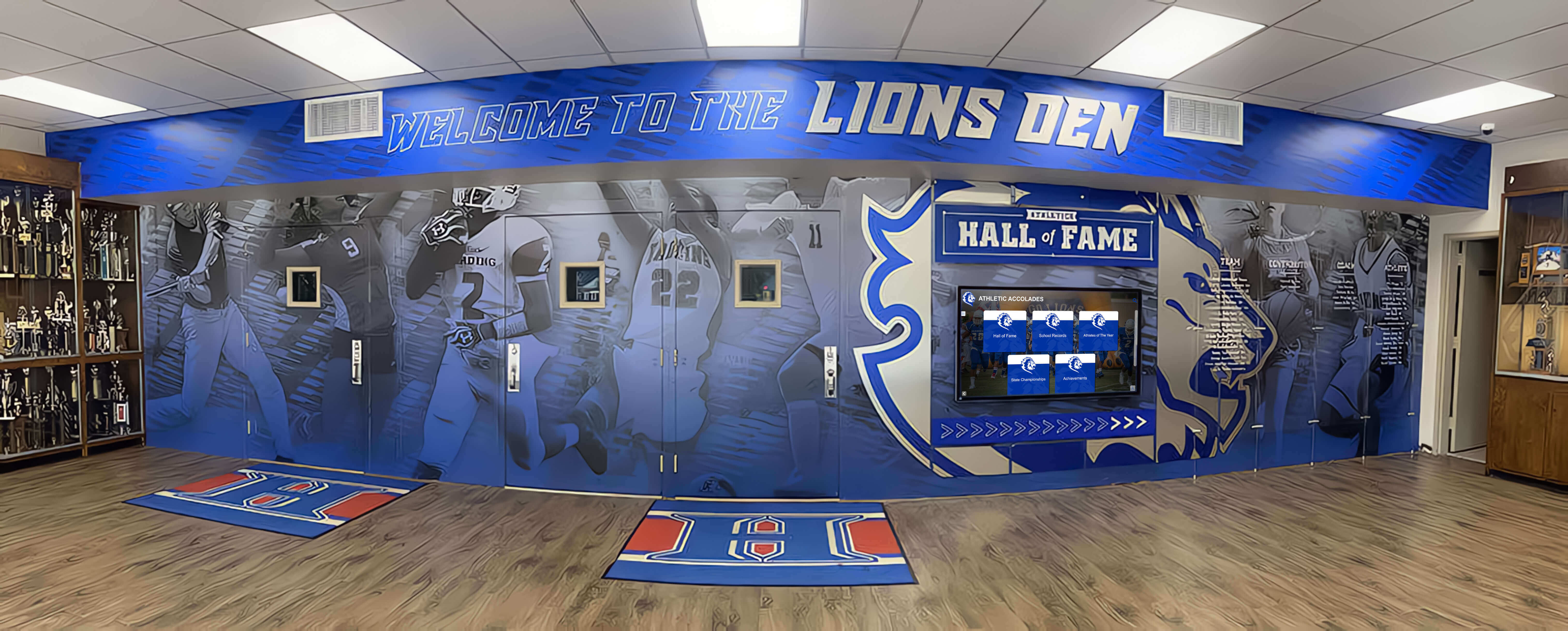
Schools investing in digitization services can populate recognition displays with decades of historical content, creating comprehensive institutional heritage presentations
Factors Affecting Digitization Costs
Source Material Condition
Yearbook condition significantly impacts processing requirements and costs. Materials in excellent condition with intact bindings, clean pages, and consistent formatting process faster and cheaper. Poor condition yearbooks with fragile bindings requiring special handling, damaged or torn pages needing careful scanning, water damage or staining requiring enhancement, and unusual formats needing custom approaches command premium pricing.
Providers typically charge 25-50% more for fragile materials requiring conservation-grade handling.
Service Scope and Quality Level
Comprehensive services cost more than basic scanning. Basic scanning with standard PDF delivery represents baseline pricing, OCR and searchability add 20-40% to costs, detailed metadata and indexing increase prices 30-60%, individual photo extraction and organization add 40-80%, and premium archival-grade preservation work doubles or triples standard rates.
Align service scope with actual needs—paying for comprehensive metadata on yearbooks used only occasionally wastes resources.
Volume and Project Scale
Larger projects generally receive better per-unit pricing through setup amortization across more volumes, workflow efficiency with repeated processes, volume discounts on large collections, and relationship pricing for ongoing partnerships.
Schools with 50+ yearbooks often negotiate 15-30% better pricing than small projects receive.
Timeline and Priority
Rush services command premium pricing: standard timelines (4-8 weeks) represent normal pricing, expedited service (2-4 weeks) adds 20-35%, rush service (under 2 weeks) increases costs 50-75%, and emergency priority work may double standard rates.
Plan ahead whenever possible to avoid unnecessary rush charges.
Hidden Costs to Consider
Shipping and Logistics
Transportation represents meaningful expense frequently overlooked in initial budgets. Consider round-trip shipping costs for yearbook collections, insurance coverage for materials in transit, potential pickup service fees, and return shipping after completion.
Shipping 50 yearbooks may cost $100-$300 each direction depending on weight, insurance requirements, and service selection.
Storage and Infrastructure
Digital file management requires ongoing resources beyond initial digitization: cloud storage subscriptions for file hosting, backup storage and disaster recovery, digital asset management systems, and IT infrastructure and support.
A collection of 50 digitized yearbooks may produce 50-200 GB of files requiring annual storage costs of $60-$200 depending on redundancy and backup requirements.
Implementation and Integration
Digitized files require work beyond simple delivery: uploading to content management systems, integrating with website platforms, creating search and navigation interfaces, training staff on access and use, and ongoing management and updates.
Budget staff time or contractor fees for implementation work ensuring digitized yearbooks become accessible and useful beyond file delivery.
Schools implementing recognition programs can leverage digitized yearbook content to create historical context surrounding contemporary student achievements.
Maximizing Value from Your Digitized Yearbook Collection
Professional digitization represents significant investment deserving strategic implementation maximizing institutional benefits.
Creating Accessible Online Archives
Dedicated Yearbook Websites
Purpose-built yearbook platforms provide optimal user experiences. Implement browsable interfaces organized by year and school, searchable databases finding individuals instantly, mobile-responsive designs for smartphone access, privacy controls protecting student information, and social sharing enabling alumni engagement.
Platforms like Rocket Alumni Solutions offer comprehensive digital yearbook hosting integrated with recognition display systems, enabling schools to create unified memory preservation ecosystems.
Integration with School Websites
Embedding yearbook archives within existing school websites creates natural discovery. Create history sections featuring digitized content, link from alumni pages to yearbook archives, integrate search across site and yearbook content, and maintain consistent branding and navigation.
Website integration ensures yearbook content reaches audiences already engaging with school web properties rather than requiring separate destinations.
Alumni Access and Engagement
Digital yearbooks dramatically increase alumni connection opportunities. Enable account creation for alumni access, implement reunion planning around shared memories, create “where are they now” update features, organize virtual browsing parties for milestone anniversaries, and encourage social sharing generating awareness.
Schools report 40-60% increases in alumni website engagement after launching digitized yearbook archives.
Populating Recognition Displays and Exhibits
Digital Hall of Fame Integration
Modern recognition displays benefit enormously from digitized yearbook content. Extract historical athlete and student photos for recognition profiles, create team photo galleries showing program evolution, develop timeline displays connecting past and present, showcase championship team rosters and photos, and build searchable databases accessible through touchscreen interfaces.
Professional digitization at adequate resolution ensures yearbook photos display beautifully on large digital screens without quality degradation or pixelation.
Physical Display Enhancement
Digitized content enhances traditional recognition installations through printed enlargements for wall displays, photo compilations for lobby presentations, historical timeline graphics, anniversary celebration materials, and donor recognition incorporating historical context.
High-quality scans enable photo enlargement to 16x20 inches or larger while maintaining professional appearance—impossible with inadequate resolution from amateur scanning.
Rotating Historical Features
Digital content enables dynamic recognition programming: monthly historical highlights from yearbook archives, “this day in history” features from past yearbooks, seasonal throwbacks connecting to current activities, notable alumni spotlights with yearbook photos, and historical comparisons showing institutional evolution.
Rotating content maintains engagement and interest while demonstrating archive value.
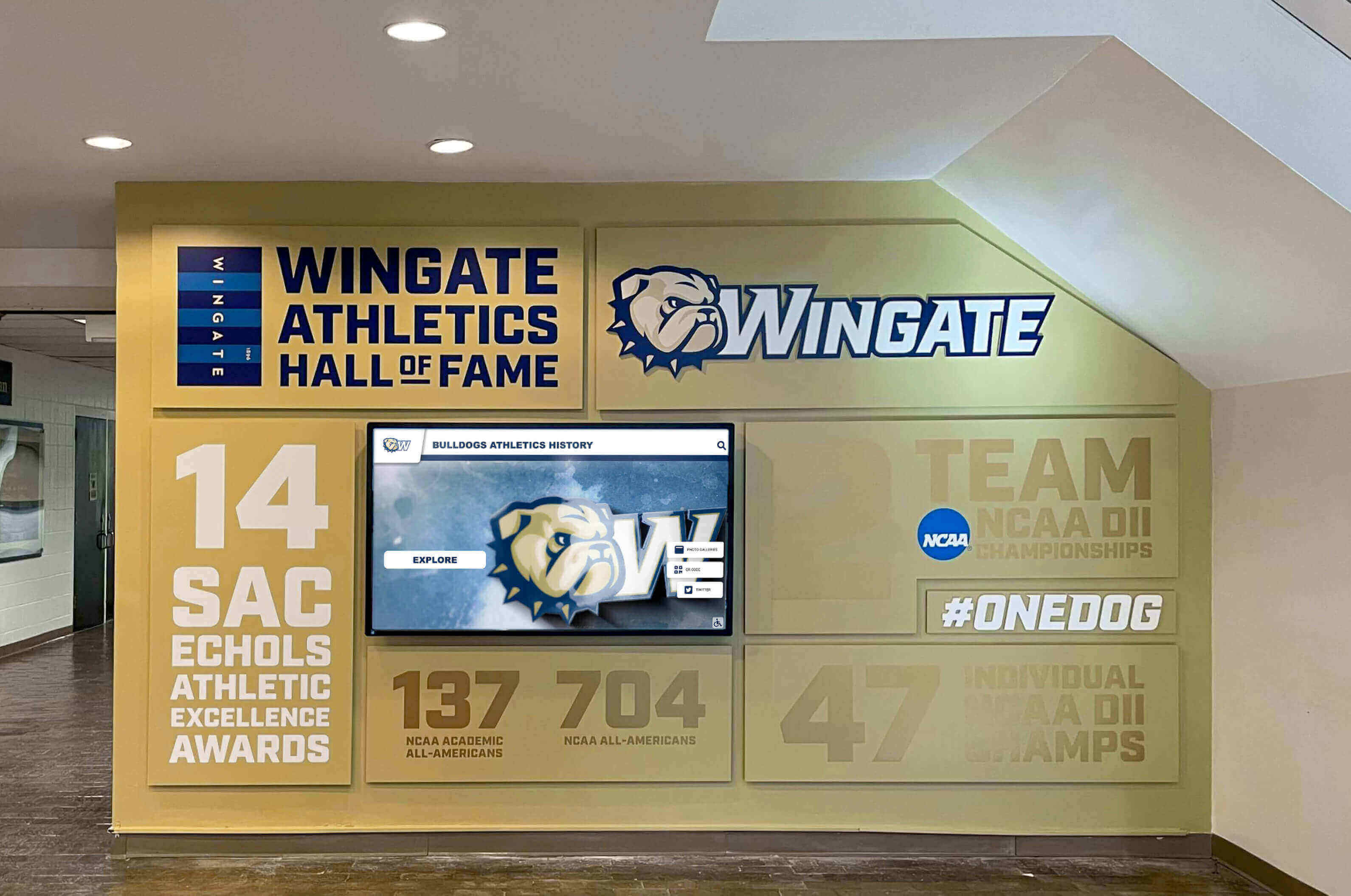
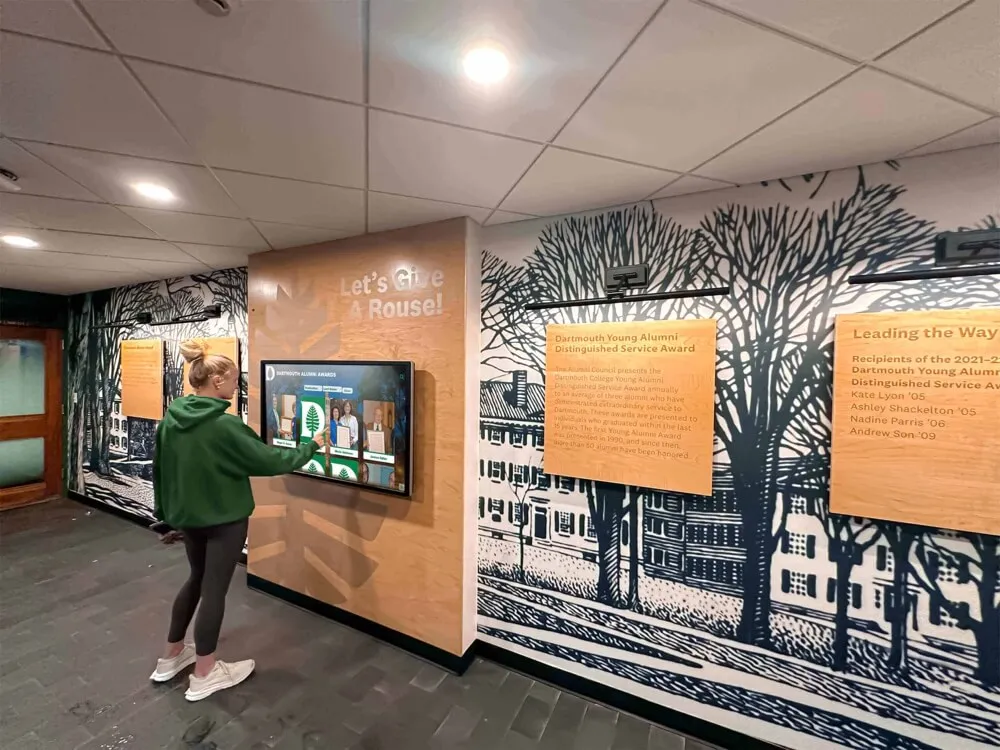
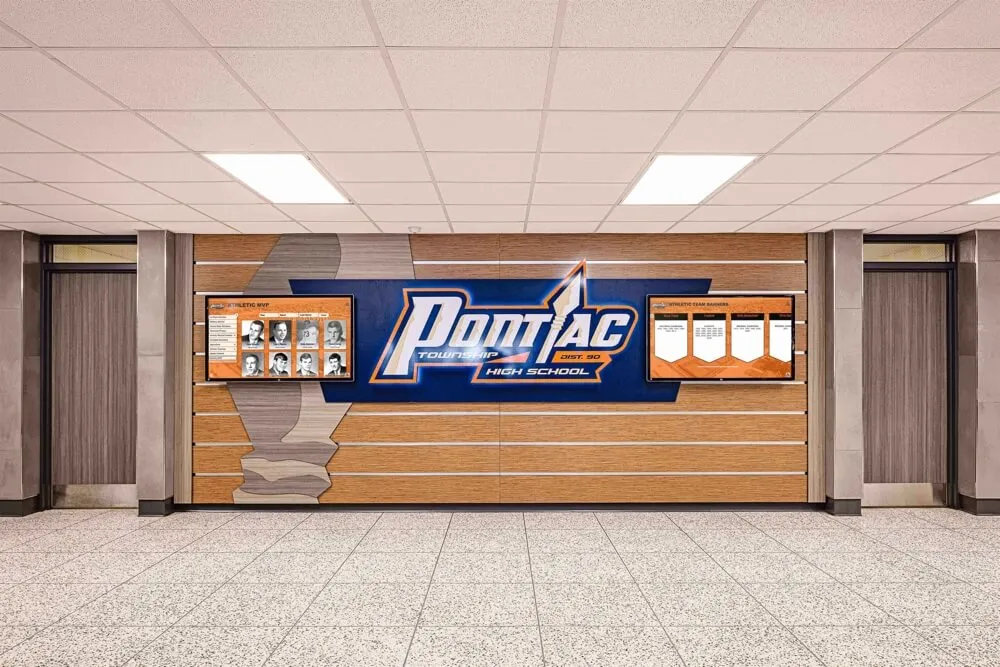
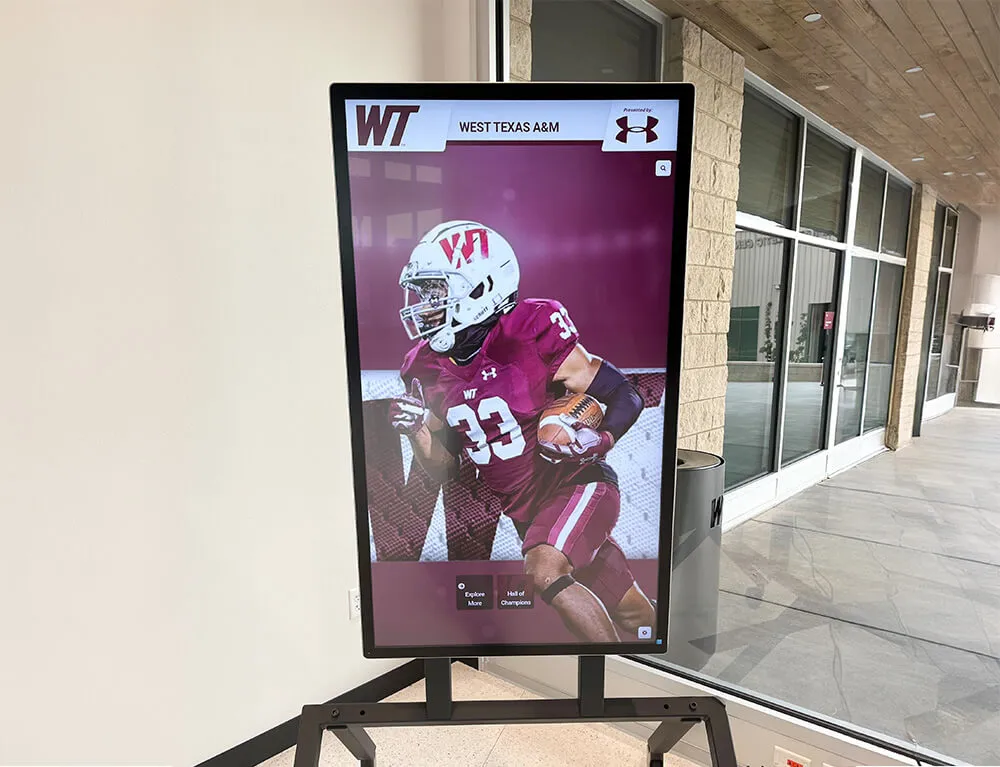
Professional digitization prepares yearbook content for integration into state-of-the-art recognition displays that honor institutional heritage while engaging contemporary audiences
Supporting Development and Advancement
Donor Engagement and Recognition
Development offices leverage digitized yearbooks for personalized donor communications featuring their yearbook photos, creating historical context for capital campaigns, demonstrating institutional longevity and tradition, reconnecting lapsed donors with memories, and building emotional connections supporting giving.
Alumni who see themselves in yearbook communications demonstrate significantly higher engagement and donation rates than generic outreach receives.
Reunion Planning and Coordination
Class reunions become richer experiences with digital yearbook access. Share milestone class yearbooks with reunion committees, create custom presentations featuring attendees’ yearbook content, print photo displays for reunion venues, develop “remember when” content for invitations, and enable pre-reunion memory sharing and discussion.
Reunion attendance increases when planning incorporates yearbook content rekindling specific shared memories rather than generic class identity.
Historical Research and Institutional Memory
Digitized yearbooks serve diverse research and documentation needs: anniversary planning and historical documentation, accreditation self-studies and institutional histories, facilities planning showing campus evolution, tradition documentation and revival, and community education about institutional heritage.
Searchable archives transform yearbooks from static memory books into active research resources supporting institutional missions.
Organizations focused on recognition wall design discover that digitized yearbook content provides historical photography enriching comprehensive donor and achievement displays.
Selecting the Right Digitization Service Provider
Systematic provider evaluation ensures successful partnerships delivering expected outcomes within budget parameters.
Request and Evaluate Proposals
Soliciting Comprehensive Quotes
Detailed requests for proposals enable accurate provider comparison. Provide complete collection information including volume counts, describe intended uses and requirements, specify quality and metadata expectations, communicate timeline needs and constraints, and indicate budget parameters.
Vague RFPs produce inconsistent proposals impossible to compare meaningfully, while detailed requests enable apples-to-apples evaluation.
Comparing Proposals Systematically
Evaluate proposals across multiple dimensions beyond simple per-page pricing: total project cost for complete scope, quality standards and deliverable specifications, turnaround timeline and deadline commitments, metadata and enhancement services included, security and privacy protections, insurance and liability coverage, post-delivery support terms, and client references from similar institutions.
Lowest price rarely delivers best value when quality, reliability, and service significantly impact outcomes.
Verifying Provider Credentials
Industry Experience and Specialization
Provider experience in educational yearbook digitization specifically matters. Investigate years serving educational institutions, number of yearbook projects completed, specialized yearbook digitization equipment and expertise, understanding of educational privacy requirements, and membership in preservation or archival professional organizations.
Generic document scanners lack context understanding specialized yearbook providers develop through focused practice.
Client References and Examples
Request references from schools with similar collection sizes, similar institutional types (K-12 vs. higher education), comparable timelines, and similar service scopes. Contact references asking about quality satisfaction, timeline and communication reliability, problem-solving responsiveness, deliverable completeness, and willingness to recommend.
Sample work from previous projects demonstrates quality better than generic claims—request examples similar to your source materials.
Facility and Security Verification
For high-value collections, consider facility tours or security audits. Assess physical security measures, climate control protecting materials, workflow organization and professionalism, equipment quality and maintenance, and staff expertise and training.
Professional operations demonstrate systematic processes and appropriate material respect, while disorganized facilities raise concerns about quality and security.
Contract Terms and Protection
Clear Scope and Deliverable Documentation
Contracts should specify exactly what you’re receiving: precise digitization specifications (resolution, color depth, file formats), complete metadata fields and organization, delivery method and timeline, revision or correction processes, and ownership and usage rights for deliverables.
Ambiguous contracts create disputes when expectations don’t match deliverables—invest time ensuring mutual understanding before project commencement.
Liability and Insurance Coverage
Protect against material damage or loss through appropriate insurance coverage for full replacement value, clear liability for damage during processing, documentation and claim processes, and indemnification for privacy breaches.
Irreplaceable yearbooks require providers carrying adequate insurance and demonstrating serious risk management practices.
Privacy and Confidentiality Commitments
Educational records require contractual privacy protection: FERPA compliance acknowledgment and commitments, confidentiality terms protecting student information, data handling and disposal procedures, breach notification requirements, and third-party sharing prohibitions.
Providers serving educational sectors should readily sign appropriate privacy and confidentiality terms without negotiation.
Schools developing student leadership programs can use digitized yearbook content to highlight historical student leaders, creating continuity between past and present institutional values.
Implementation Best Practices for Digitized Yearbook Programs
Successful digitization extends beyond receiving digital files to creating accessible, engaging resources serving institutional missions.
Organizing Digital Assets Effectively
Systematic File Naming and Structure
Consistent organization prevents confusion and enables efficient access. Implement standardized naming conventions (e.g., “SchoolName_Year_PageNumber.pdf”), logical folder hierarchies organized by decade and year, separation of different file types and formats, master file preservation separate from derivative versions, and comprehensive documentation explaining organization.
Future staff members benefit from clear organizational systems that make sense years after implementation.
Metadata Management and Searchability
Rich metadata transforms file collections into usable archives. Create searchable databases with yearbook information, implement tagging systems for individuals and groups, add contextual information and historical notes, maintain consistent vocabularies and naming, and document metadata standards for consistency.
Invest metadata effort where value is highest—detailed tagging of individuals in frequently accessed recent decades versus basic organization for older historical volumes.
Backup and Preservation Strategies
Digital preservation requires redundancy and planning. Follow 3-2-1 backup rules (3 copies, 2 different media, 1 off-site), implement automated backup systems, verify backup integrity periodically, plan for format migration as technologies evolve, and document preservation procedures for continuity.
Digital files without proper backup face risks equal to or greater than physical yearbooks without digitization.
Building User Engagement
Promoting Archive Availability
Digital yearbooks deliver value only when communities know they exist. Announce archive launches through multiple channels, feature yearbook content in communications, create social media campaigns encouraging sharing, organize virtual events around milestones or anniversaries, and maintain ongoing visibility through periodic highlights.
Schools consistently underestimate promotion requirements for digital archives—initial enthusiasm fades quickly without sustained awareness efforts.
Creating Interactive Experiences
Passive archives see limited engagement compared to interactive features. Enable user contributions and memories, implement commenting and storytelling features, organize contests or challenges around archive content, create virtual reunion spaces, and build communities around shared memories.
Interactivity transforms archives from static repositories into living memory communities generating ongoing engagement.
Measuring Impact and Adjusting
Track meaningful metrics assessing program success: unique visitors and returning users, search queries revealing interest areas, most viewed content and periods, time spent and engagement depth, social sharing and virality, and alumni engagement and donation correlations.
Data-driven insights enable continuous improvement while demonstrating program value to administrators and stakeholders.
Schools focused on comprehensive campus communications can integrate digitized yearbook content into wayfinding and informational displays, enriching visitor experiences with historical context.
Taking Action: Launching Your Yearbook Digitization Project
Professional yearbook digitization transforms inaccessible physical archives into engaging digital resources supporting multiple institutional goals. Success requires thoughtful planning, appropriate provider selection, realistic budgeting, and strategic implementation maximizing value beyond simple file creation.
Schools ready to preserve yearbook collections should begin with these foundational steps:
Assess Your Collection and Needs
Inventory existing yearbook collections documenting volumes, condition, and gaps. Define primary uses for digitized content—website archives, recognition displays, development support, or research access. Identify priority volumes requiring immediate attention versus longer-term preservation targets. Understanding specific needs enables provider selection and service scope determination.
Research Provider Options
Investigate multiple digitization services comparing capabilities, quality standards, pricing, and educational institution experience. Request detailed proposals from 3-5 providers based on complete collection information and requirements. Verify credentials through client references and sample work review.
Develop Realistic Budgets
Calculate complete project costs including digitization service fees, shipping and logistics, storage infrastructure and ongoing costs, implementation and integration work, and promotion and engagement efforts. Secure funding through annual budget allocations, capital campaign components, alumni donations, grant opportunities, or phased implementation spreading costs across multiple years.
Plan Phased Implementation
Large collections often benefit from staged approaches: digitize recent decades first for higher engagement, address fragile historical volumes requiring special care, coordinate timing with anniversaries or campaigns, or implement annual digitization of new yearbooks while gradually working through backlogs.
Maximize Value Through Integration
Plan beyond file delivery to active use through dedicated online platforms or website integration, recognition display population and enhancement, development and alumni engagement applications, educational and research access, and community awareness and promotion.
Transform Decades of Yearbooks into Accessible Digital Heritage
Professional yearbook digitization services enable schools to preserve irreplaceable institutional memory while creating accessible digital archives that engage students, alumni, and communities. Discover how comprehensive digitization combined with modern recognition displays creates powerful memory preservation ecosystems serving multiple institutional goals.
Explore Digital Yearbook Solutions to learn how integrated platforms combine professional digitization support with interactive display technology, creating unified systems that preserve, showcase, and celebrate institutional heritage across generations.
Yearbook digitization represents investment in institutional memory preservation, alumni engagement, and community connection. Schools successfully implementing digitization projects consistently report benefits far exceeding initial costs through strengthened alumni relationships, enhanced recognition programs, preserved historical documentation, and enriched institutional identity.
The shift from fragile physical archives to accessible digital collections requires upfront investment and thoughtful planning. But institutions prioritizing memory preservation discover that professional digitization services deliver results impossible through in-house efforts while freeing staff to focus on educational missions rather than technical scanning challenges.
Whether you’re beginning with recent yearbooks or tackling decades of accumulated volumes, understanding service options, quality standards, cost structures, and implementation strategies positions your school for digitization success. The yearbooks gathering dust in storage closets contain precious memories and irreplaceable history—professional digitization ensures these institutional treasures remain accessible for current and future generations while creating resources serving diverse educational and community-building purposes.
Ready to explore digitization possibilities for your school? Start by inventorying your collection, defining your goals, and contacting specialized providers offering educational institution expertise. With proper planning and the right service partner, your yearbook digitization project can transform historical archives into dynamic digital resources enriching your school community for decades to come.