
School yearbooks have evolved dramatically from the uniform, grid-based layouts that defined previous decades. Today’s yearbook design trends 2026 reflect fundamental shifts in how students consume visual media, what they value in printed publications, and how yearbooks integrate with digital experiences that extend far beyond graduation day.
Walk through any high school during yearbook distribution, and you’ll notice something different from years past. Students aren’t just flipping through pages—they’re scanning QR codes that link to video content, discovering augmented reality features that bring static photos to life, and immediately sharing favorite spreads on social media platforms where design aesthetics matter more than ever.
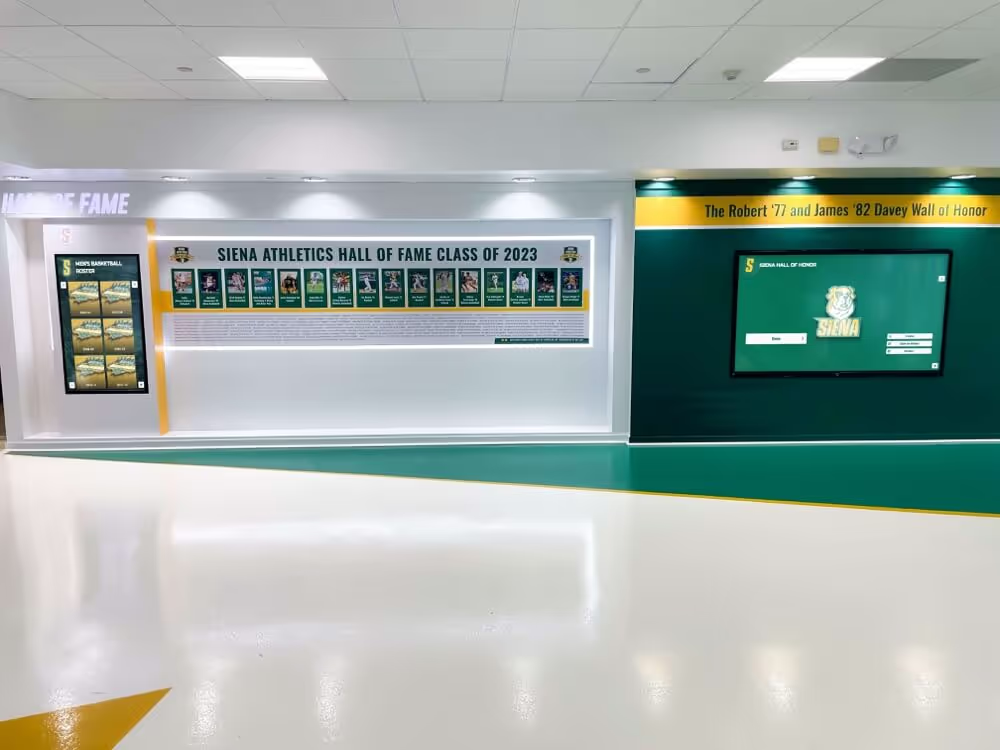
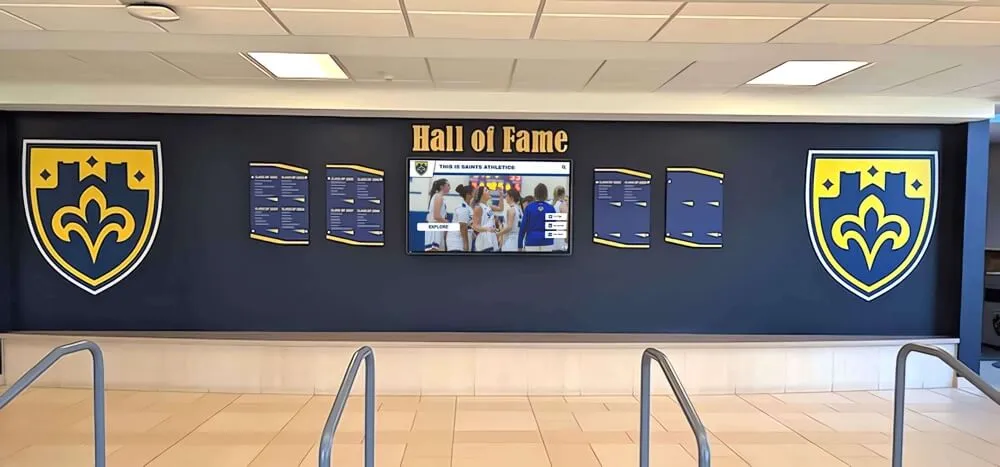
The most forward-thinking schools recognize that yearbook design now serves dual purposes: creating compelling printed artifacts that students treasure for decades, while simultaneously generating visual content that integrates with digital recognition displays, online archives, and interactive touchscreen systems throughout campus facilities.
This transformation creates both opportunities and challenges for yearbook advisers, design teams, and school administrators. Understanding current yearbook design trends 2026 enables schools to create publications that resonate with contemporary students while maintaining timeless qualities that preserve institutional memory. This comprehensive guide explores exactly what modern schools are doing differently—and why these changes matter for engagement, preservation, and long-term value.

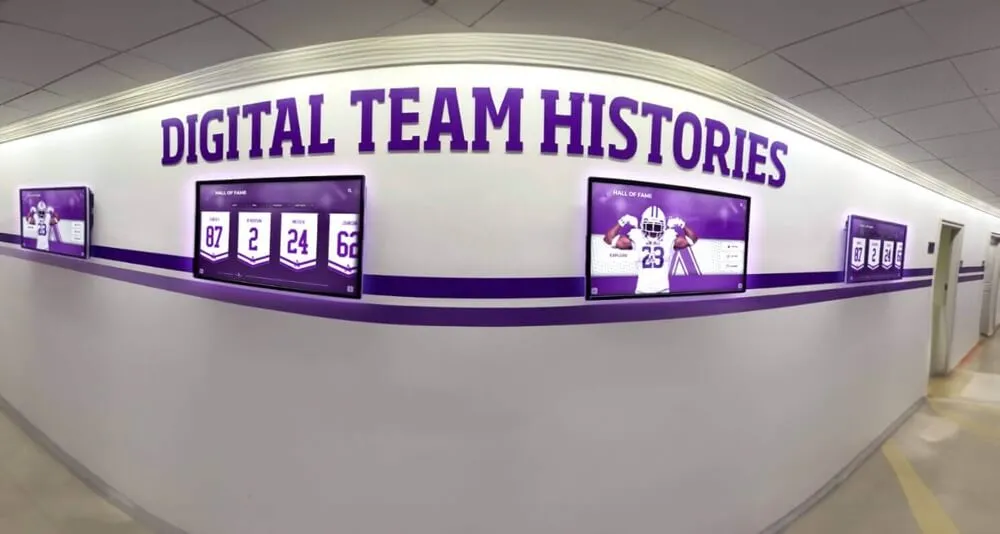
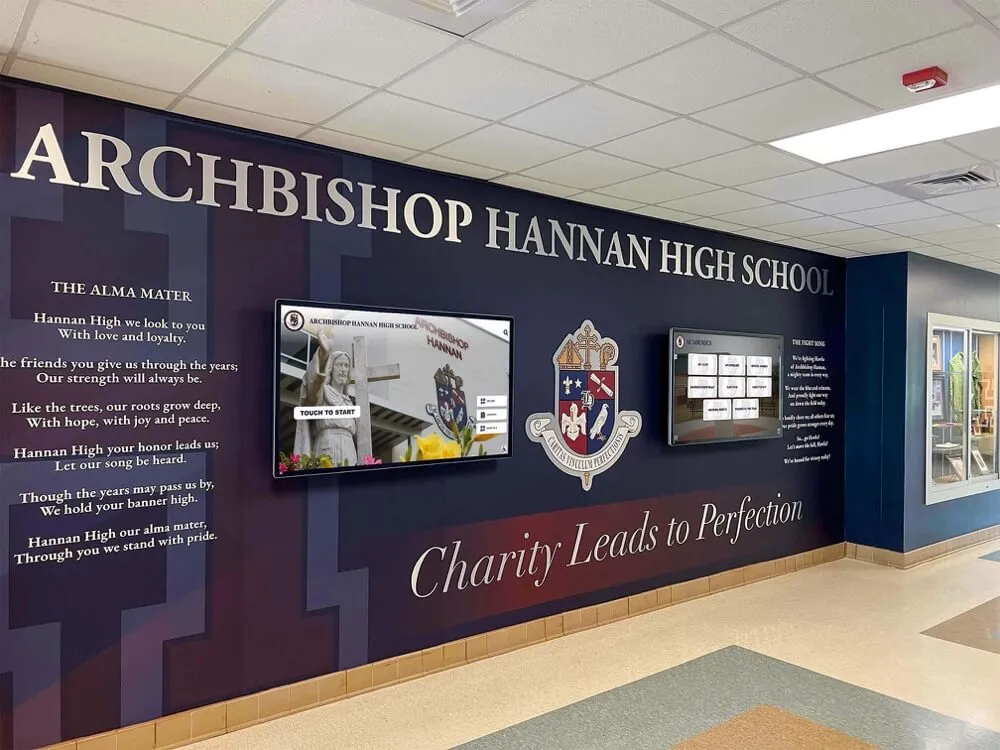
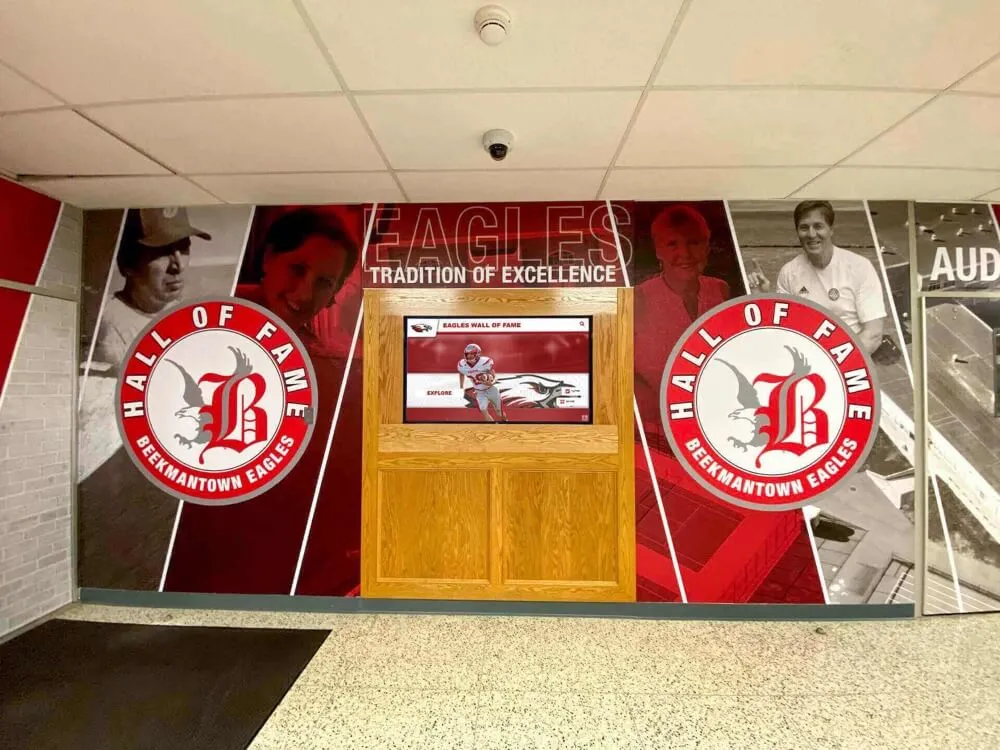
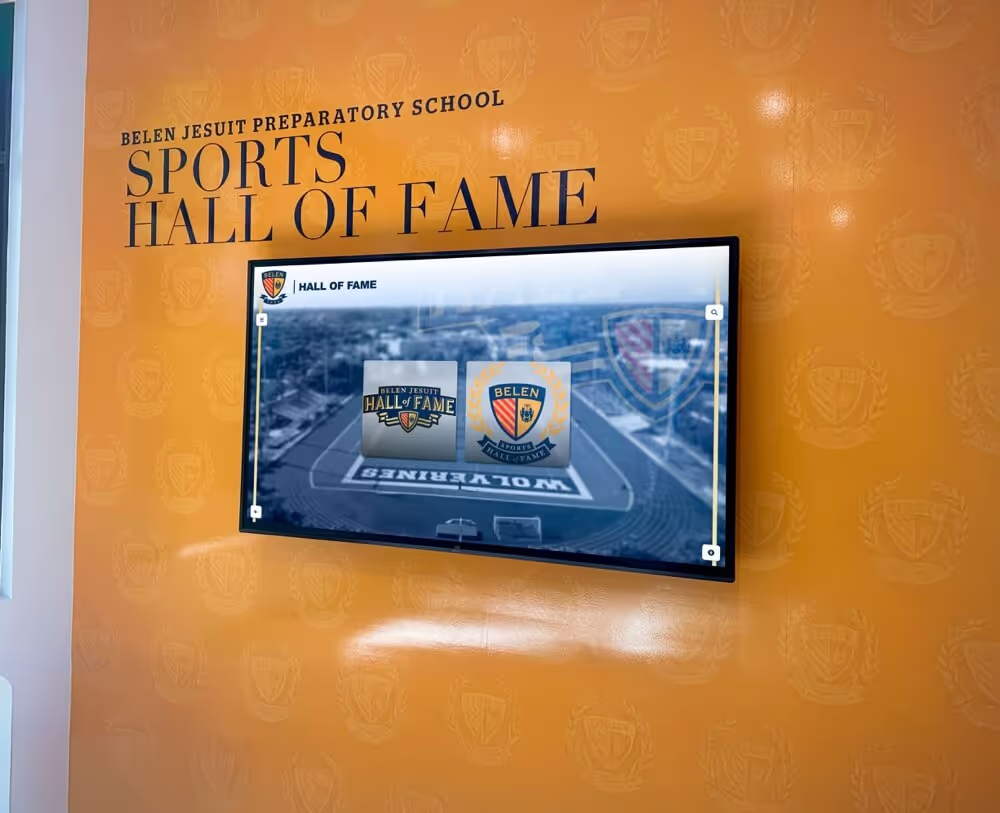
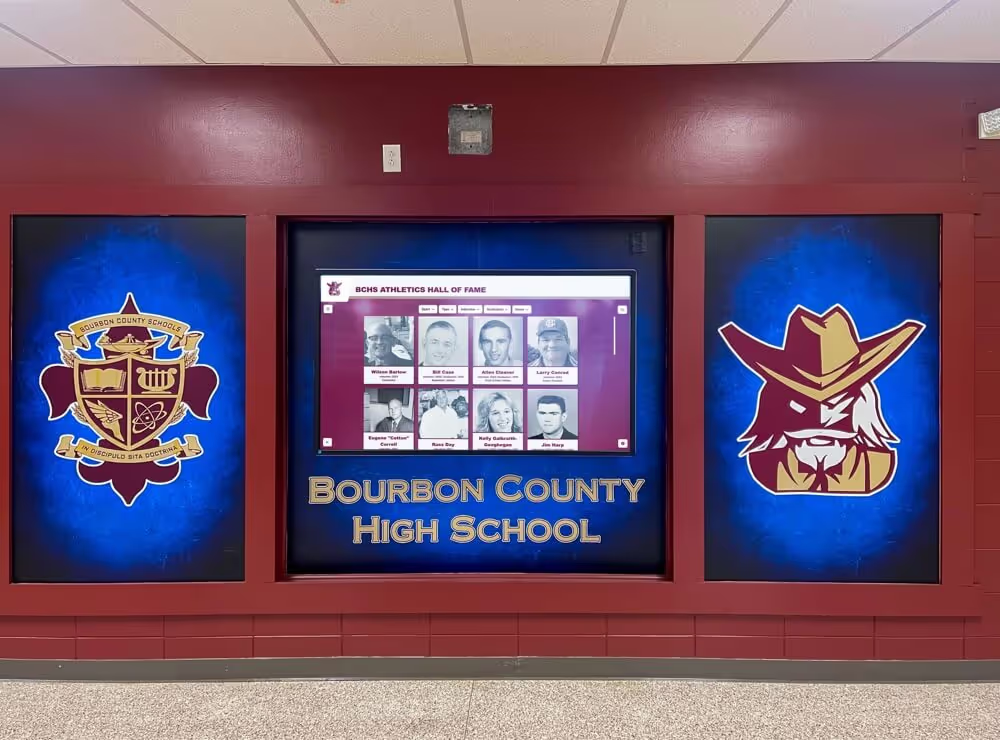
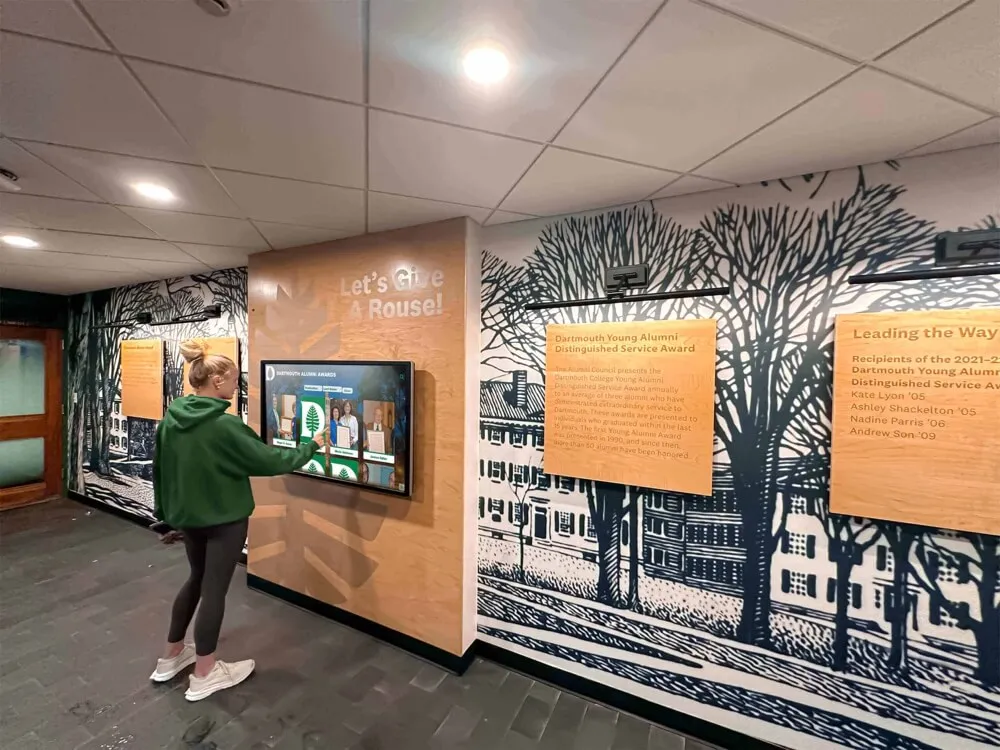
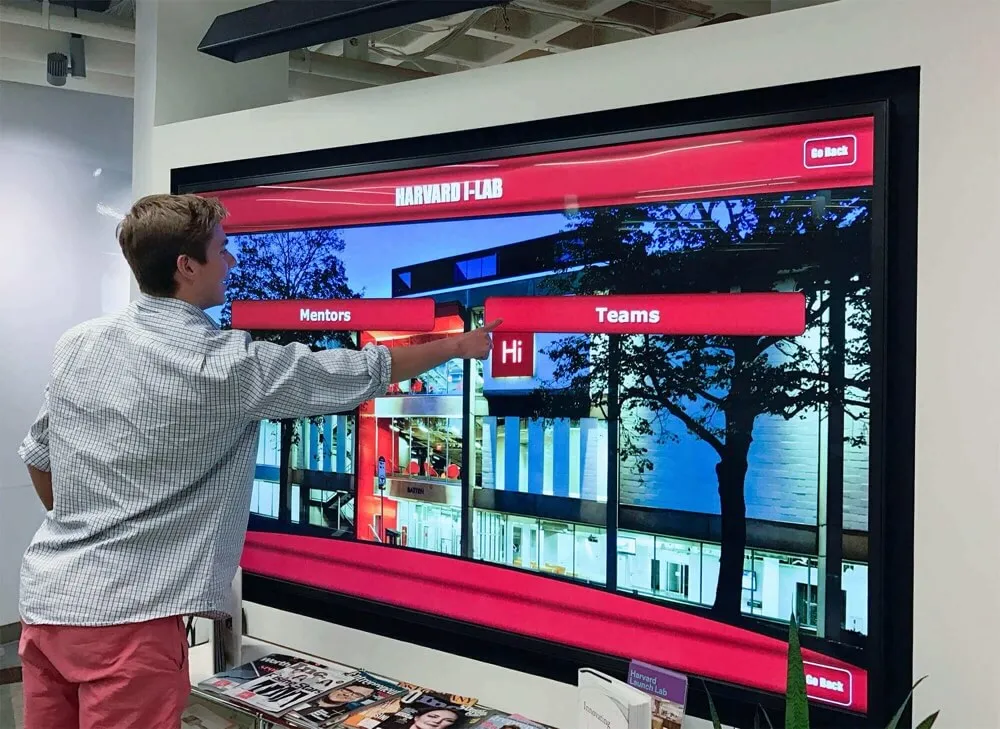
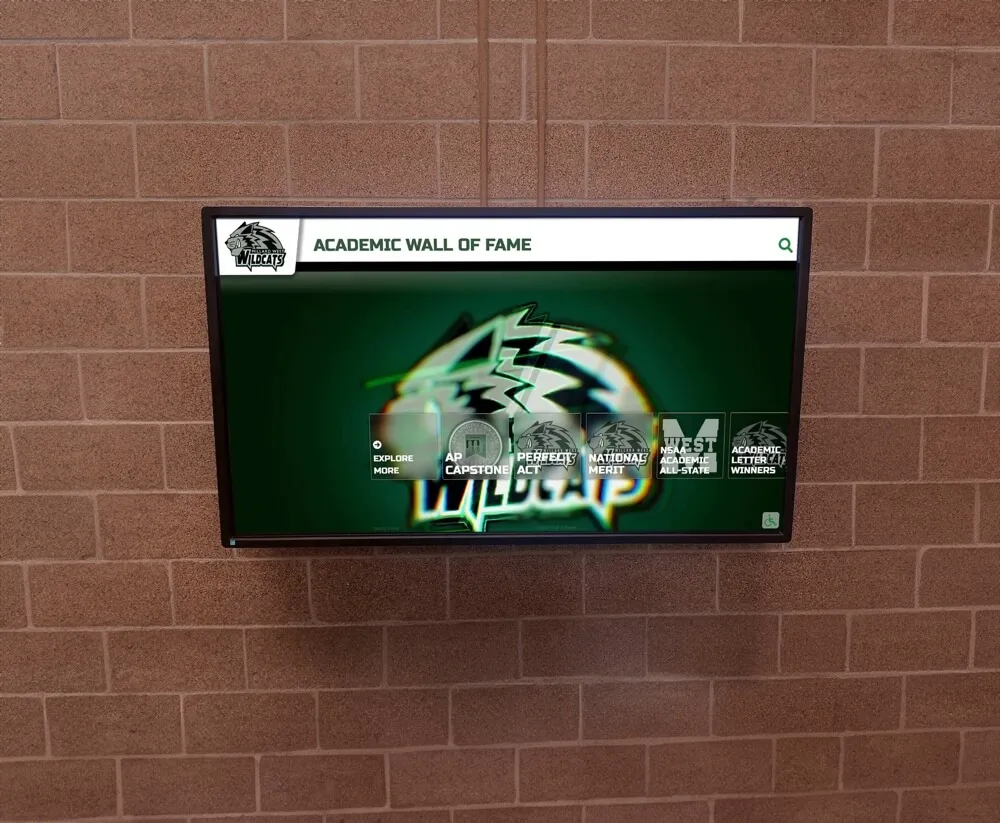
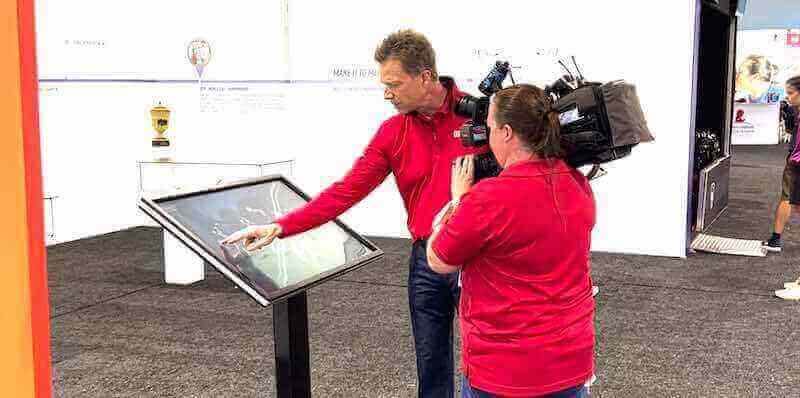
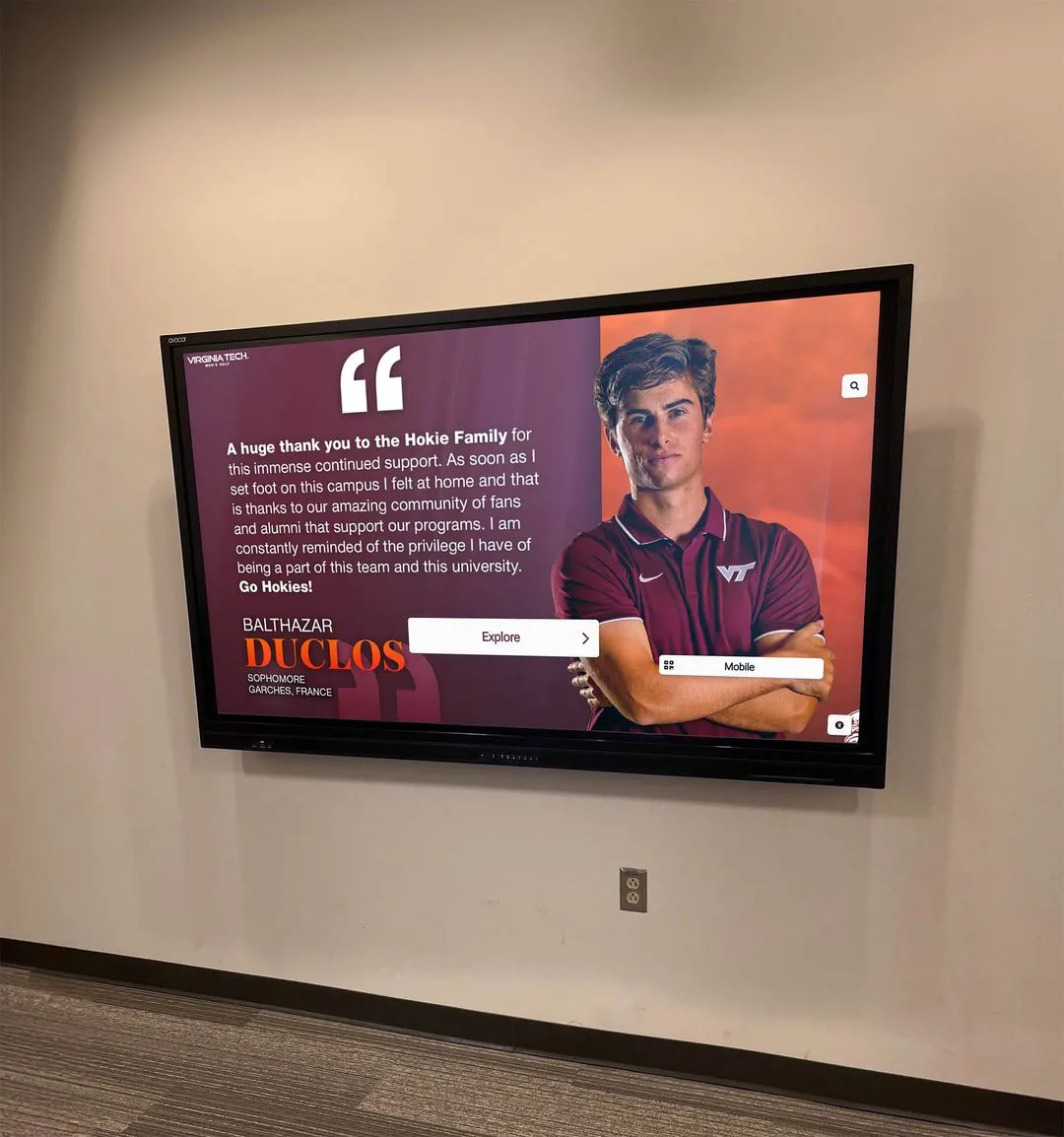
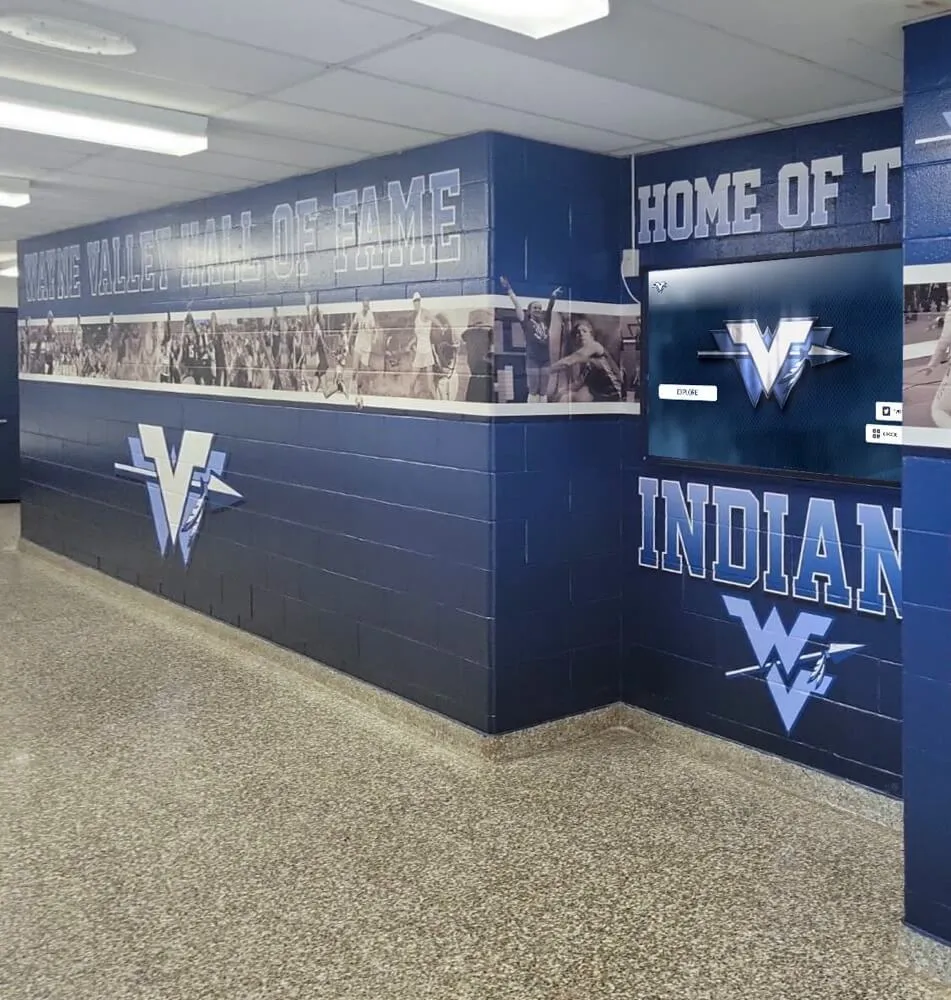
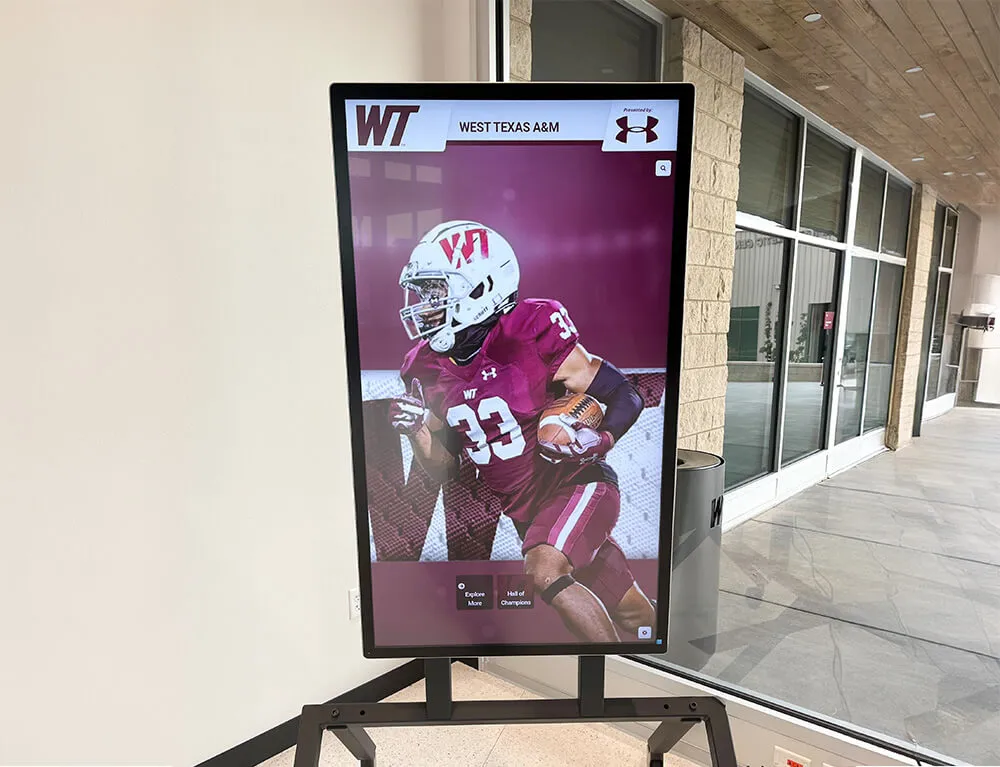
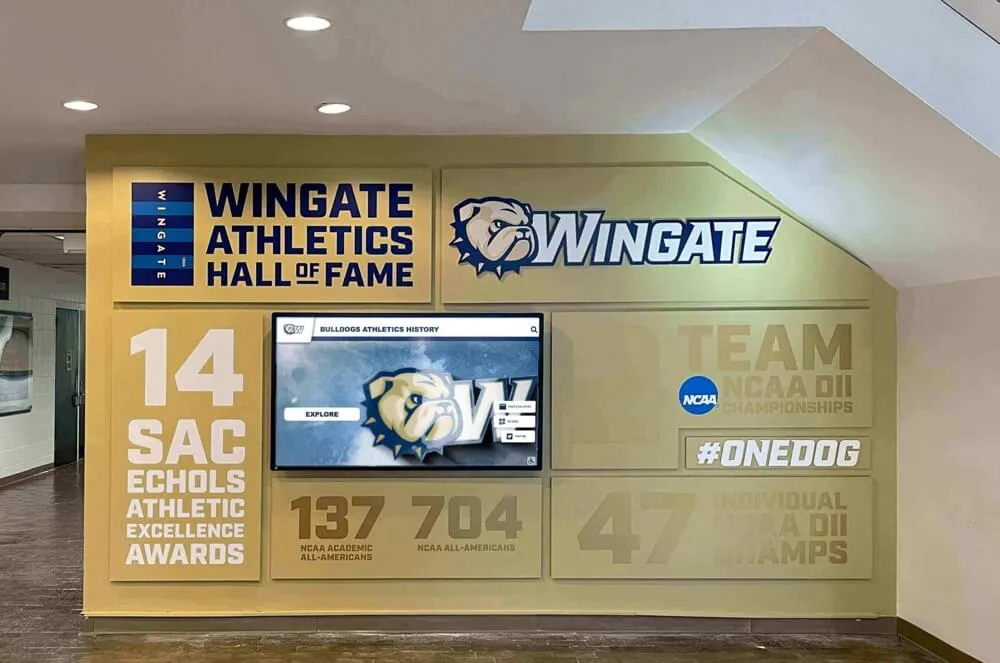
Modern yearbook design considers both print and digital applications, creating visual content that works across multiple platforms from traditional books to interactive touchscreen displays
The Shift From Grid Layouts to Dynamic Visual Storytelling
Perhaps the most visible evolution in yearbook design trends 2026 involves fundamental layout philosophy moving away from rigid grid structures toward more fluid, magazine-style compositions.
Breaking Traditional Grid Constraints
Traditional yearbook layouts relied on predictable grid systems—uniform rows of student portraits, standardized club photo arrangements, and consistent page templates repeated throughout volumes. While these approaches ensured completion efficiency and visual consistency, they often created monotonous reading experiences that failed to capture authentic school culture.
Modern yearbook design embraces asymmetrical layouts, varied photo sizes, unexpected white space, overlapping visual elements, and dynamic diagonal compositions that create visual energy and guide reader attention through intentional design rather than predictable patterns.
Strategic White Space Usage
Contemporary designers recognize that white space—previously viewed as wasted page real estate—actually enhances visual impact and readability. Leading yearbook design trends 2026 incorporate generous margins, breathing room between elements, intentional negative space creating visual pauses, and strategic emptiness that emphasizes important content rather than cluttering every available inch with imagery or text.
This philosophy shift connects to broader design trends students encounter daily through social media platforms like Instagram and TikTok, where minimalist aesthetics and intentional composition dominate visual communication.
Magazine-Style Editorial Layouts
Top yearbooks now incorporate editorial design principles borrowed from professional publications:
Feature-Length Storytelling Spreads
Rather than treating every page identically, modern yearbooks designate feature spreads for important stories—major school events, championship victories, significant community moments, or thematic explorations of student culture. These spreads receive enhanced design treatment including full-bleed photography spanning page gutters, pull quotes and callouts highlighting important narrative elements, varied typography creating visual hierarchy, environmental portraits showing subjects in context, and documentary-style photo sequences telling stories through visual progression.
Schools implementing comprehensive team photo day strategies capture photography specifically designed for these editorial-style layouts rather than settling for basic team composites that limit design flexibility.
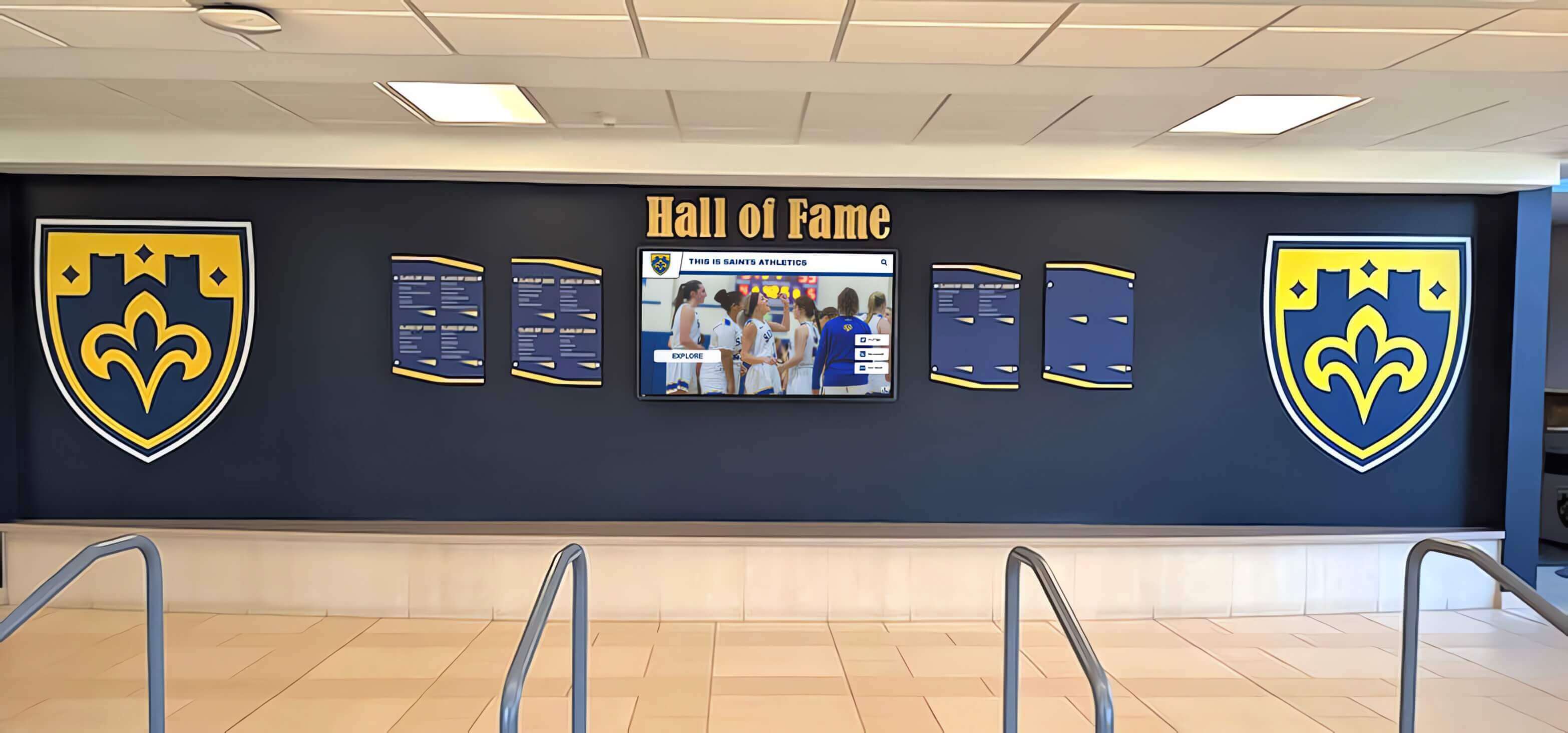
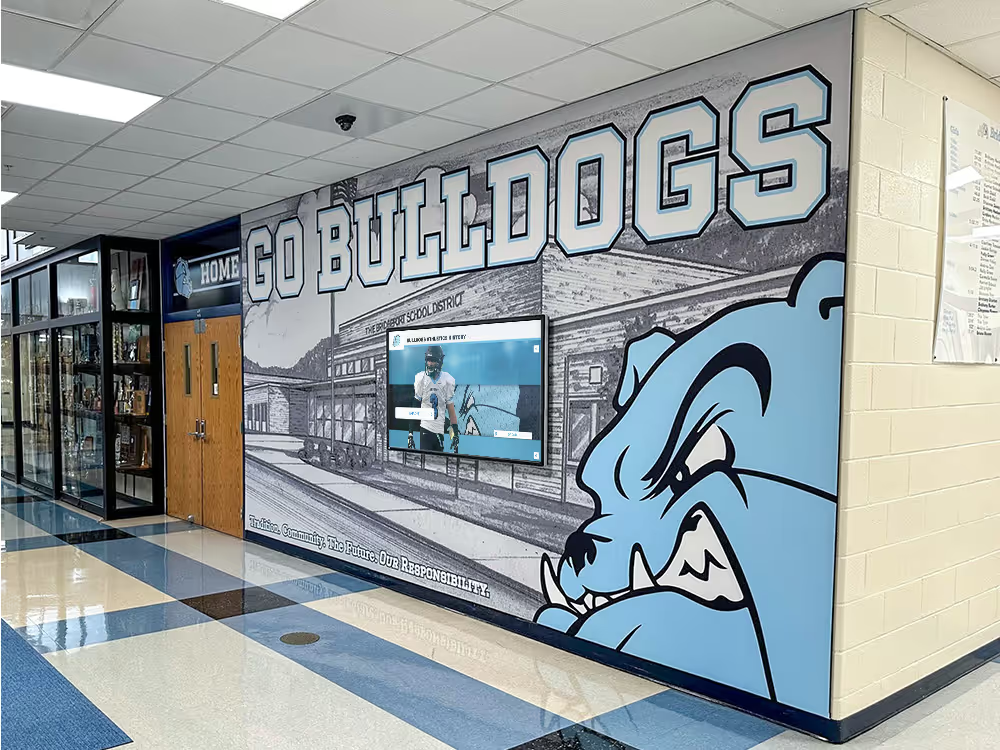
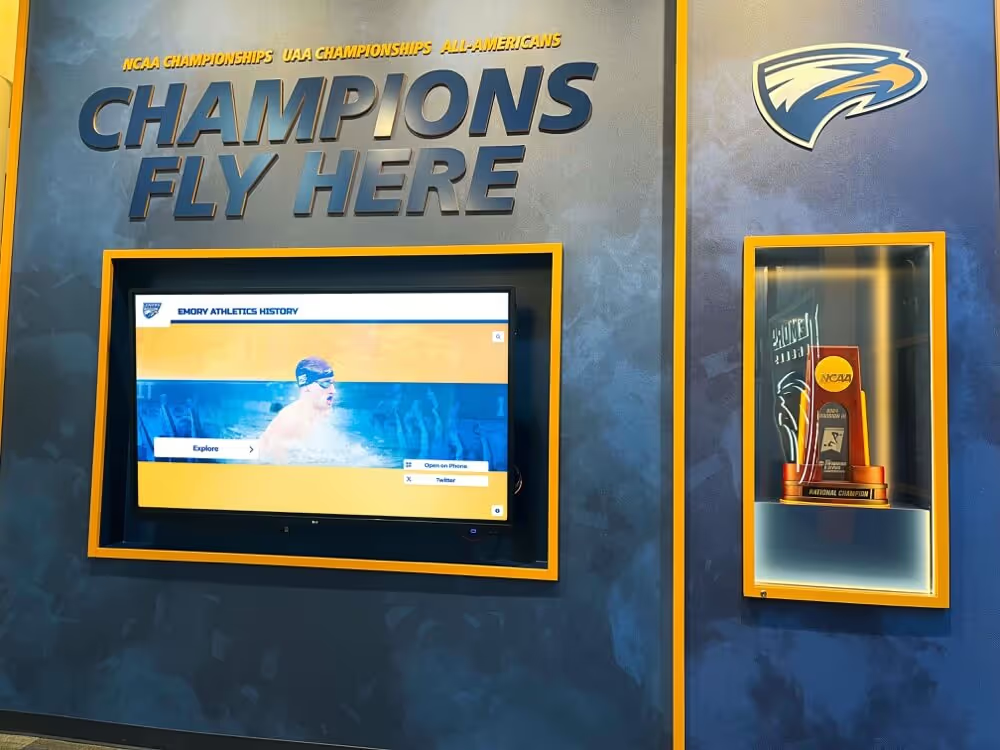
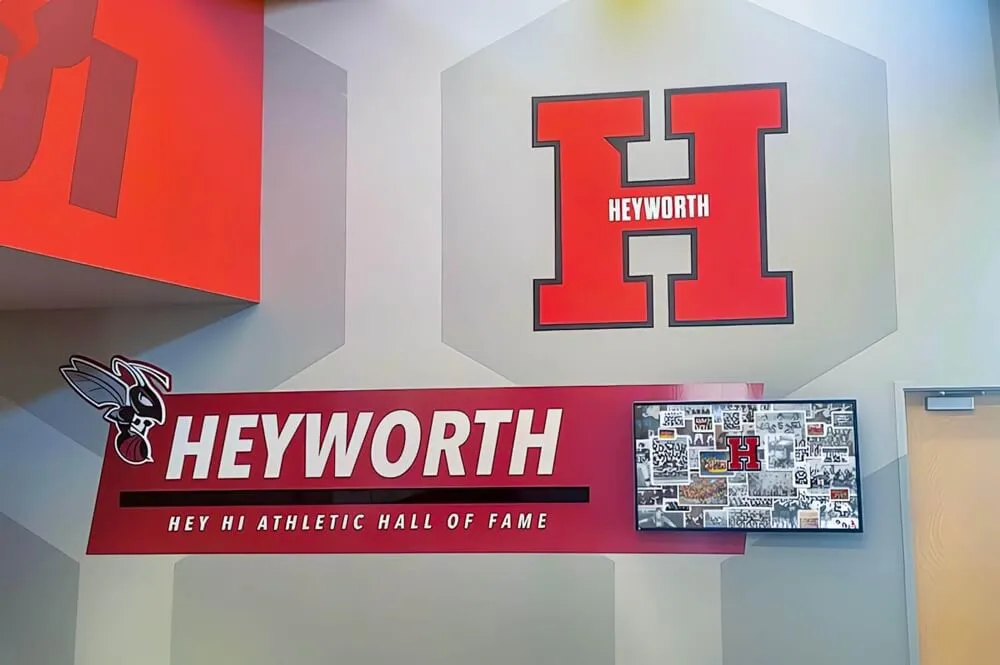
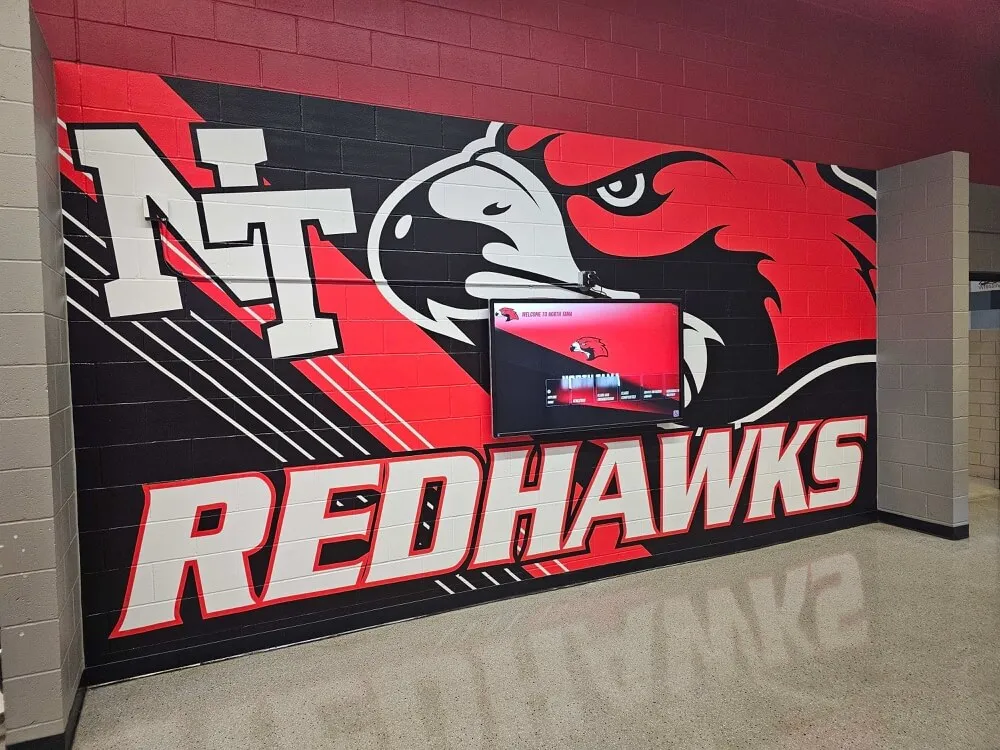
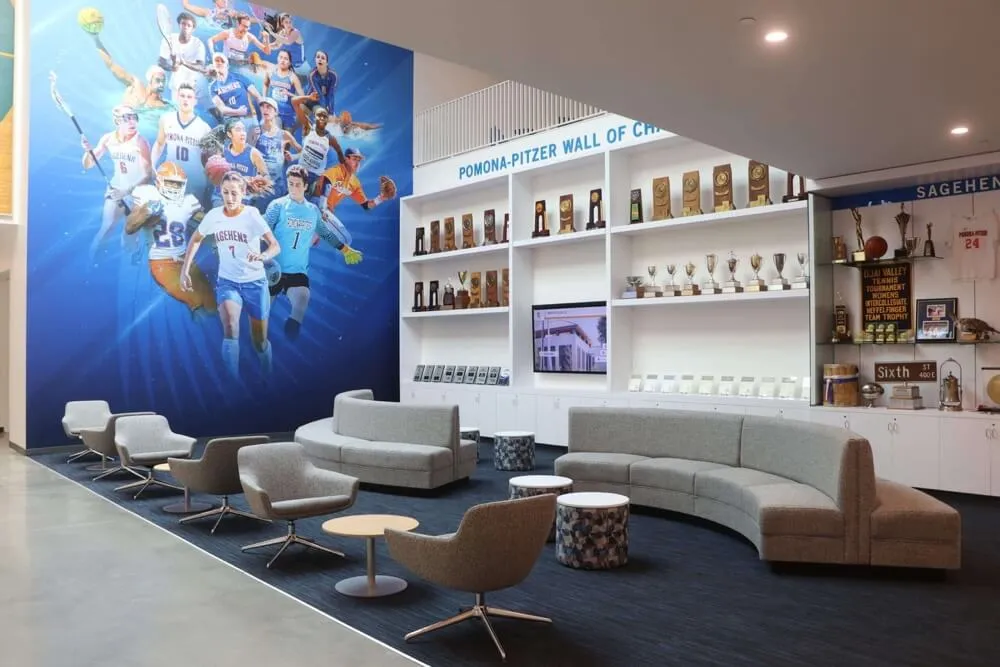
Editorial-style yearbook photography translates seamlessly to digital recognition displays, creating cohesive visual experiences across print and digital platforms
Modular Design Systems
Instead of forcing all content into identical templates, leading yearbooks create modular design systems offering flexible components that combine in varied ways while maintaining visual cohesion. These systems include standardized element libraries—photo treatments, caption styles, graphic accents, color blocking options—that designers mix and match based on specific content needs rather than rigid page templates.
This modular approach enables student designers to maintain brand consistency while exercising creative freedom, resulting in yearbooks that feel both professionally polished and authentically expressive of student creativity.
Digital-First Design Thinking for Print Publications
Counterintuitively, many yearbook design trends 2026 involve designing for digital applications first, then adapting those visual assets for print—reversing traditional workflows that started with print layouts.
Designing for Screen Display and Social Sharing
Students increasingly encounter yearbook content through digital channels before seeing printed volumes. Spreads get photographed and shared on social media, individual portraits appear on digital display systems throughout campus, and archived pages display on touchscreen kiosks in lobbies and common areas.
Modern yearbook designers account for these digital applications by creating visual content optimized for both media, incorporating high-contrast elements readable on screens, photography composed for square social media cropping, color palettes that reproduce accurately across digital displays, typography sized for legibility at various digital resolutions, and modular layouts that adapt to different aspect ratios without losing impact.
QR Code Integration for Extended Content
Progressive yearbooks embed QR codes throughout printed pages linking to extended digital content that physical books cannot contain—video highlights from performances and competitions, audio recordings of student voices and interviews, photo galleries with hundreds of additional candid shots, interactive timelines documenting school year progression, and social media aggregations showing real student posts and reactions.
These QR elements receive intentional design treatment rather than appearing as afterthoughts. Successful implementations customize QR code appearance matching overall design aesthetics, incorporate clear call-to-action labels explaining what content awaits, position codes strategically without disrupting visual flow, and test codes extensively ensuring reliable scanning from printed pages.
Augmented Reality and Interactive Features
Cutting-edge yearbook design trends 2026 experiment with augmented reality technologies that activate when students view pages through smartphone applications. Implementations include portrait animations showing brief video clips when scanned, 3D object visualizations floating above printed pages, virtual content overlays adding information to physical spreads, interactive games and easter eggs hidden throughout volumes, and time-capsule features linking to digital archives.
While still emerging technologies not yet mainstream across all yearbooks, these innovations indicate directional trends as digital and physical yearbook experiences continue merging rather than existing as separate entities.
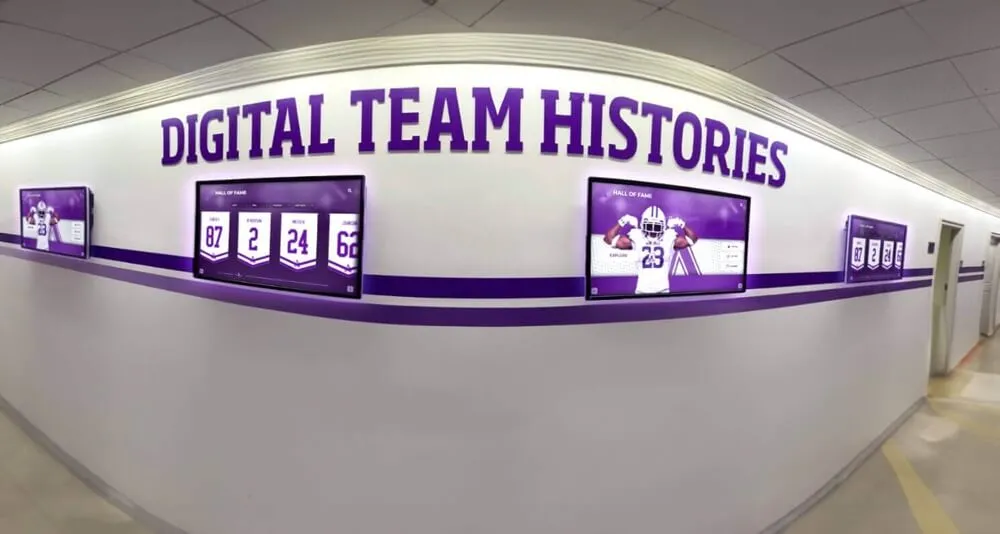
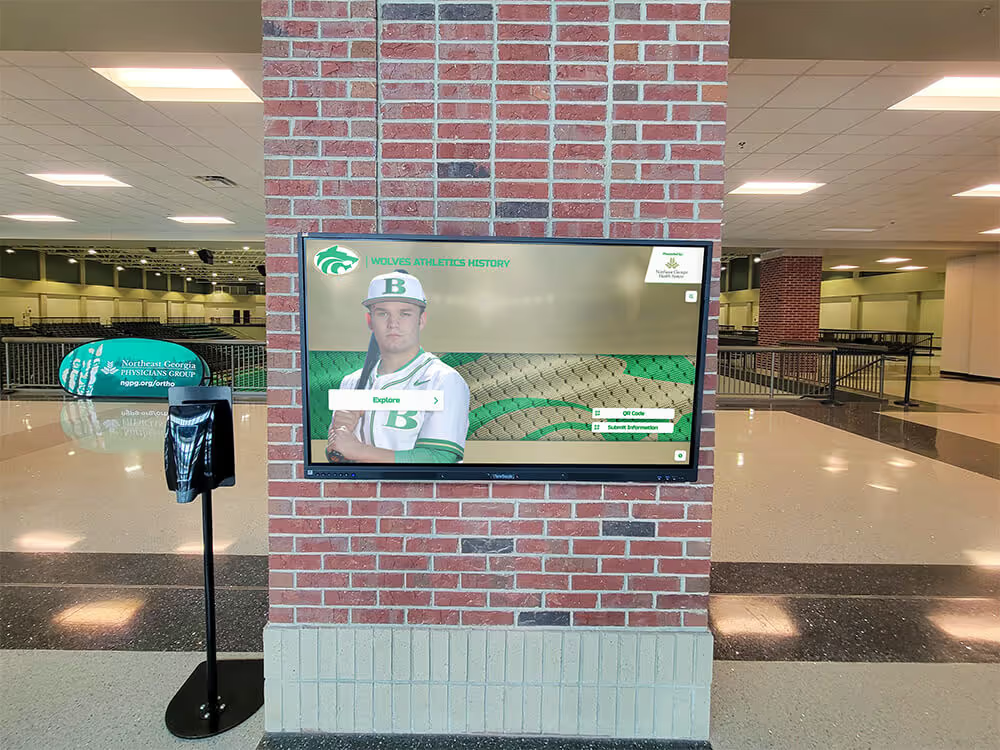
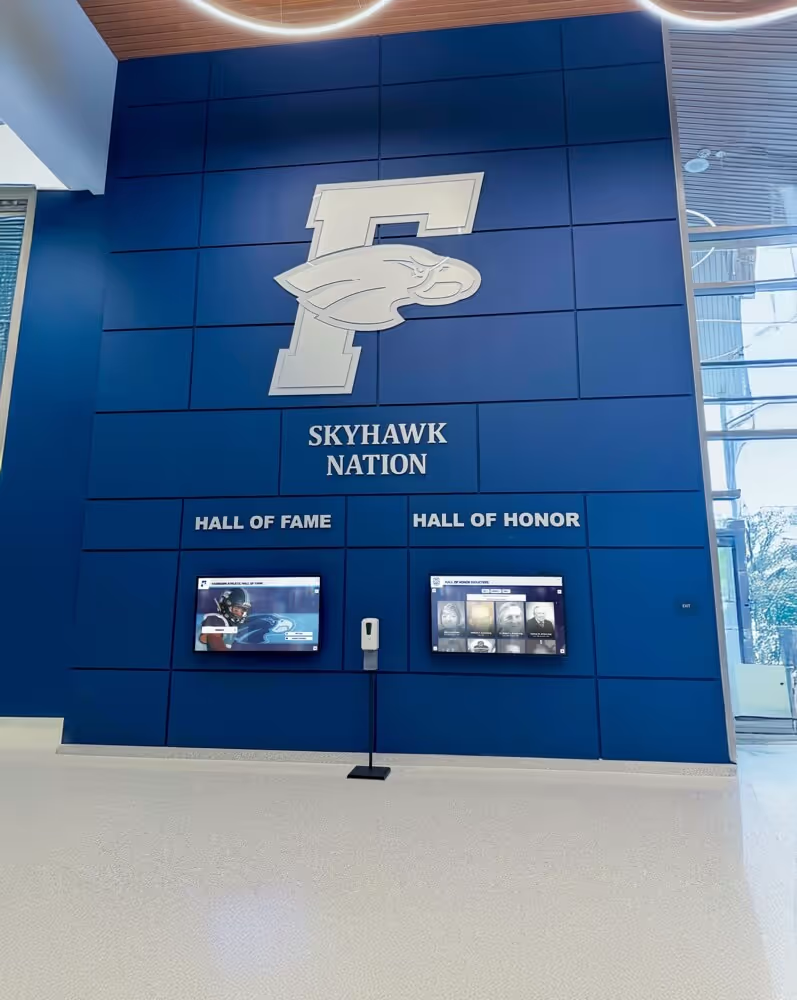
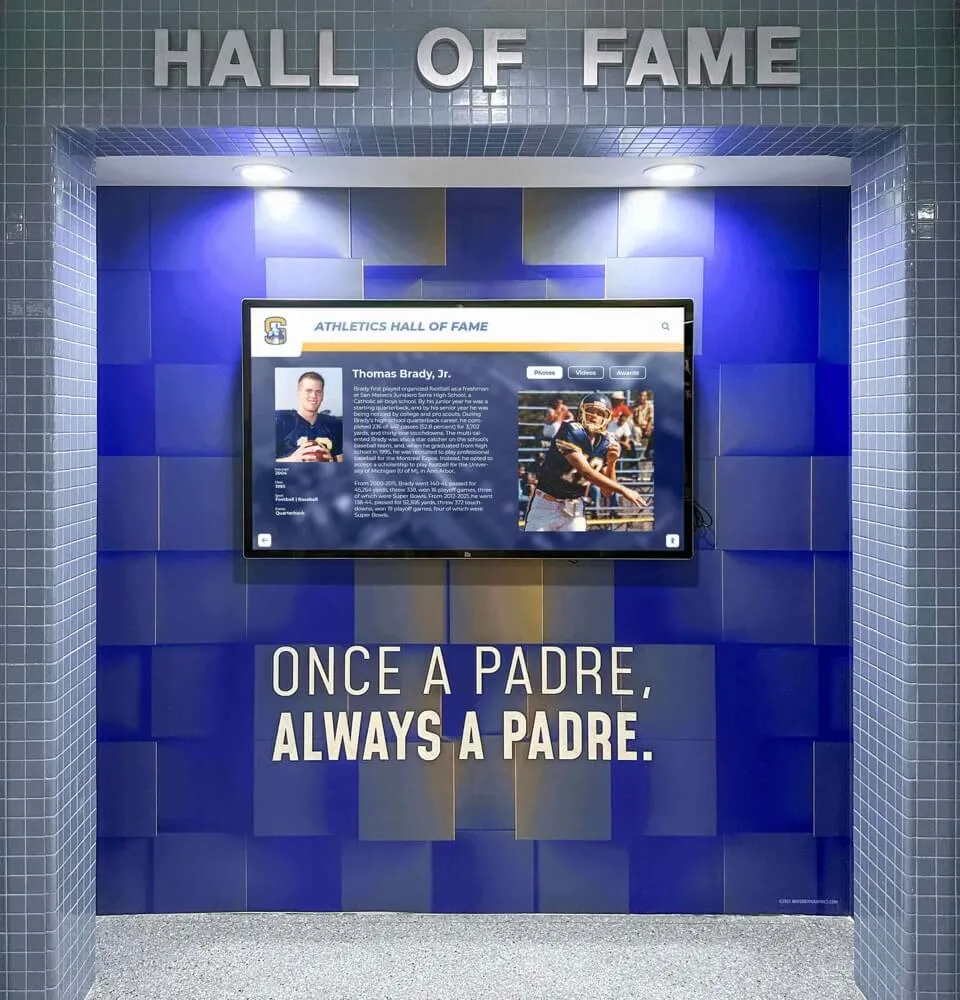
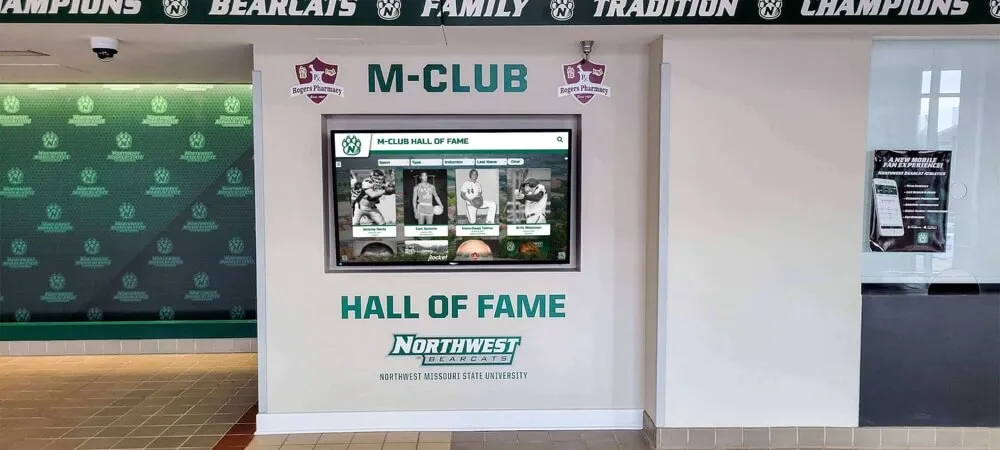
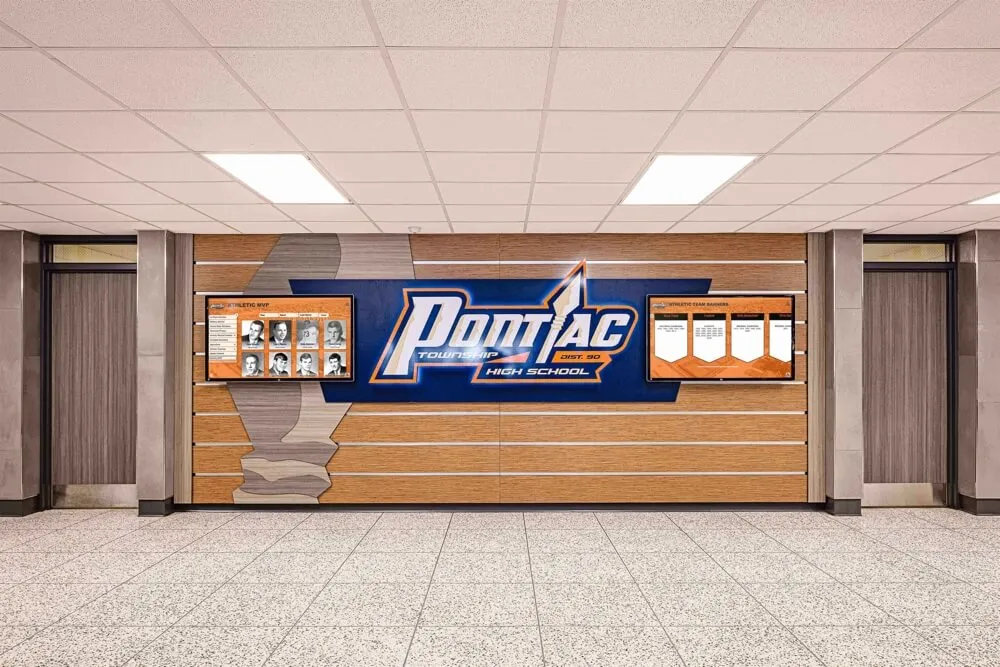
Leading schools design yearbook content with digital display applications in mind, creating photography and layouts that work equally well in print books and on touchscreen systems
Inclusive Photography and Authentic Representation
Perhaps the most important evolution in yearbook design trends 2026 involves fundamental shifts toward inclusive, authentic visual representation that reflects diverse school communities.
Moving Beyond Posed Formality
Traditional yearbook photography emphasized formal studio portraits with standardized poses, lighting, and backgrounds that created visual consistency but often failed to capture authentic personality or individual expression. Modern approaches balance formal documentation with authentic candid photography, student-directed portrait sessions allowing personal expression, environmental portraits showing subjects in meaningful contexts, action photography capturing real moments rather than staged setups, and diverse representation of body types, abilities, and presentations.
Student Agency in Visual Representation
Progressive yearbook programs give students meaningful input into how they’re photographed and presented. This includes offering choice in portrait backgrounds and settings, allowing students to submit self-selected photos for certain sections, creating opportunities for students to photograph peers, respecting student preferences for name presentation and pronouns, and ensuring representation extends beyond token inclusion to authentic visibility throughout volumes.
When schools develop comprehensive academic recognition programs, they apply these same inclusive representation principles ensuring diverse achievement receives equal visibility and celebration.
Documentary Photography Capturing Real School Culture
The strongest yearbooks in 2026 incorporate extensive documentary photography showing authentic school life—unposed hallway interactions and social moments, genuine reactions during assemblies and events, behind-the-scenes preparation for performances, quiet individual moments of concentration and reflection, and diverse activities representing varied student interests beyond traditional sports and clubs.
This documentary approach requires photographers spending significant time throughout school environments building trust and capturing genuine moments rather than staging tableaus that look artificially perfect but feel emotionally hollow.
Diverse Activity Coverage
Leading yearbooks ensure coverage extends equally across various student populations and interests, avoiding overrepresentation of high-profile athletics while underrepresenting academic competitions, arts programs, vocational education, service activities, cultural affinity groups, and everyday classroom experiences that actually constitute most students’ school experience.
This balanced coverage requires intentional planning and assignment tracking ensuring photographers document the full breadth of school life rather than gravitating toward familiar, photogenic events that receive attention by default.
Typography and Color Palette Evolution
Visual identity through typography and color represents another significant area where yearbook design trends 2026 diverge from previous decades.
Bold, Distinctive Typography Systems
Modern yearbooks embrace strong typographic identity rather than defaulting to safe, generic font choices. Current trends include oversized headline typography creating dramatic visual impact, custom display fonts reflecting school personality, mixed font pairings combining contrasting typefaces, hand-lettering and custom type treatments for special features, and strategic all-caps usage for emphasis and visual interest.
Readable Body Copy Standards
While display typography becomes more adventurous, successful yearbooks maintain excellent readability in body copy through generous font sizing (10-12 point minimum), adequate line spacing and paragraph separation, sufficient contrast between text and backgrounds, appropriate font choices optimized for extended reading, and accessibility considerations for readers with visual processing differences.
Schools maintaining digital archives and history collections benefit from typography choices that remain legible when yearbook pages get scanned and displayed digitally—ensuring historical accessibility alongside contemporary print readability.
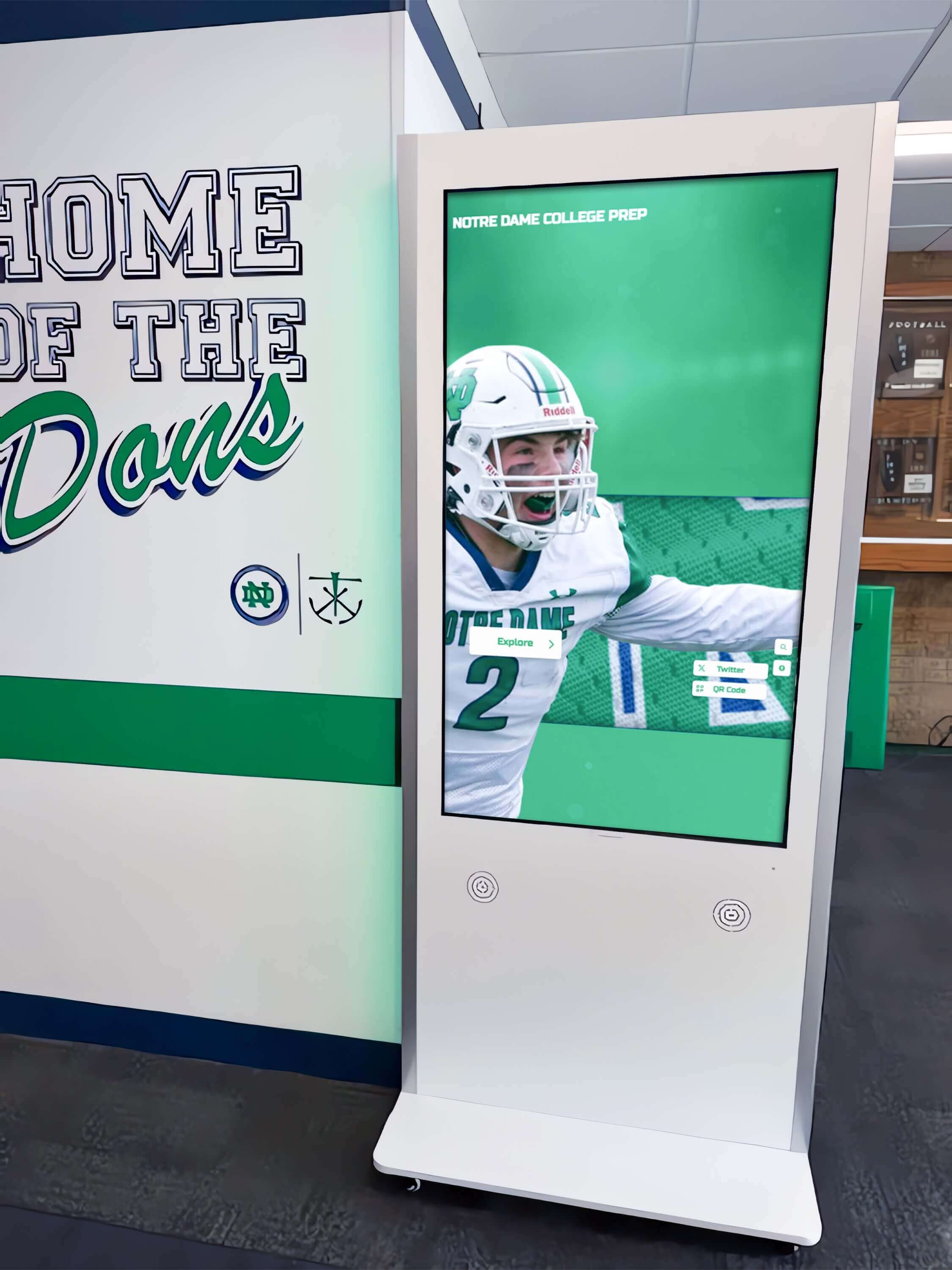
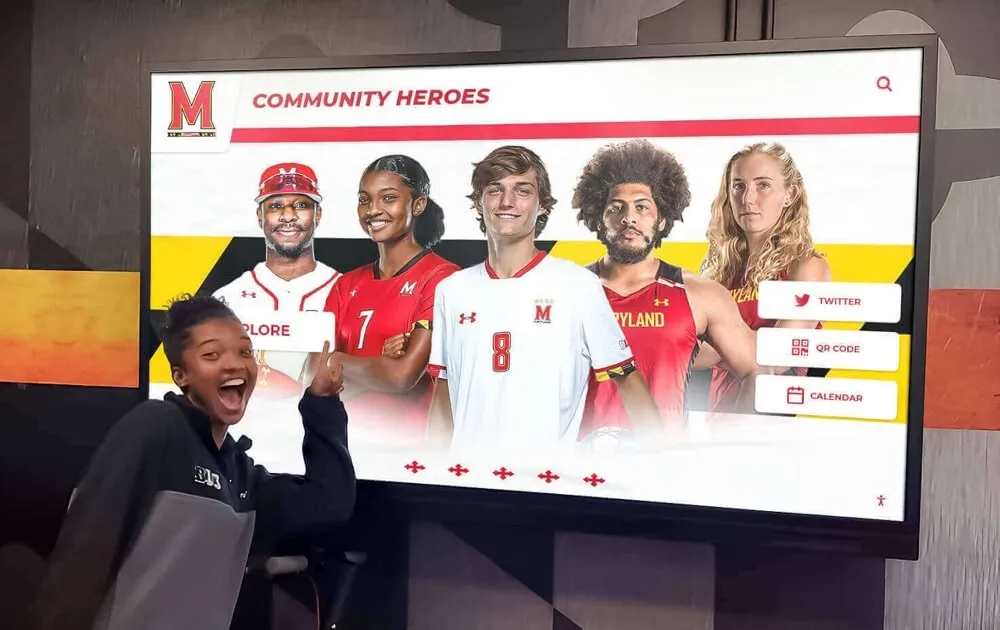
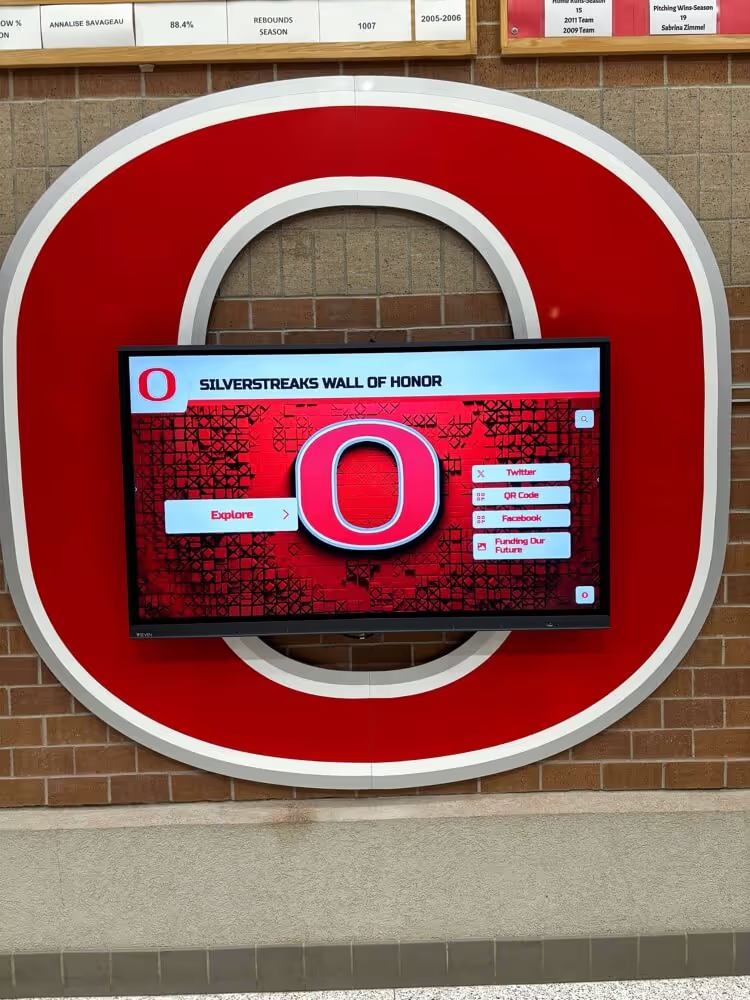
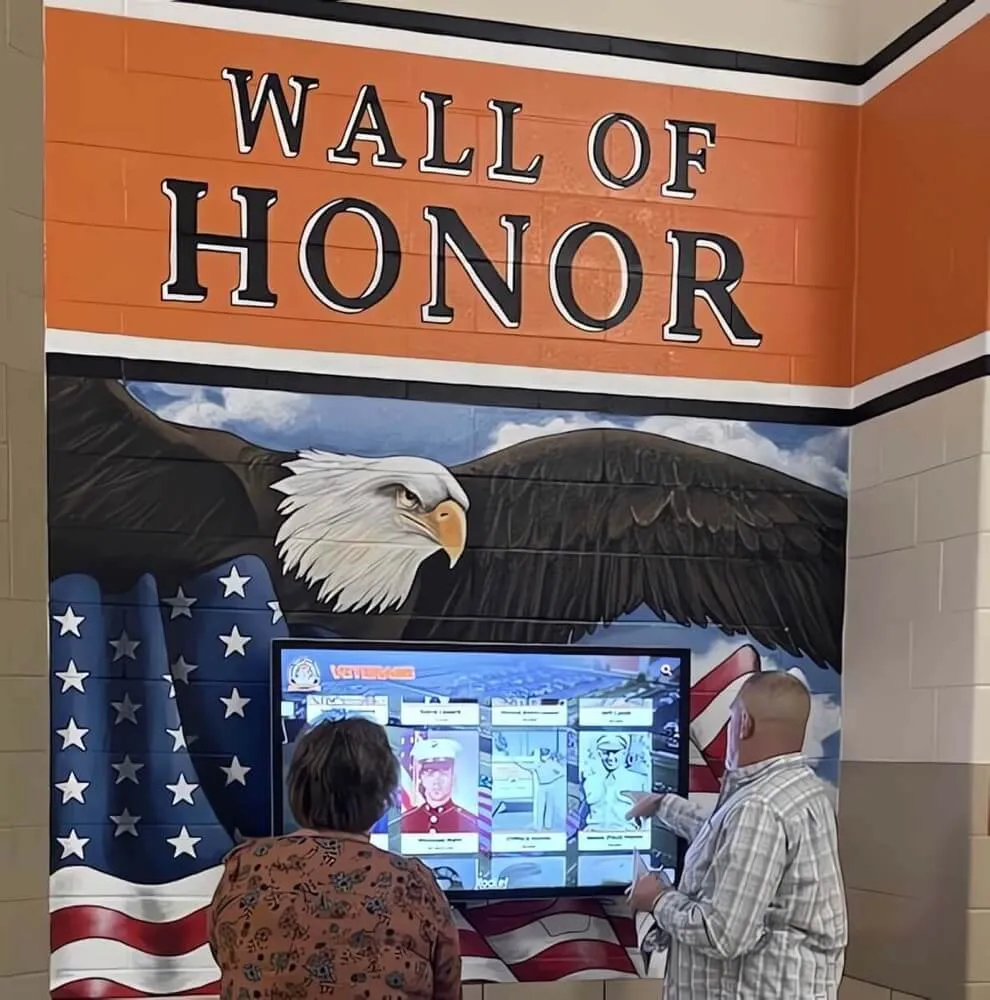
Typography and color systems that work well in printed yearbooks translate effectively to digital display platforms, creating cohesive visual experiences across media
Strategic Color System Design
Contemporary yearbook color palettes move beyond simply using school colors throughout volumes. Progressive approaches include primary school color palettes providing brand consistency, secondary accent colors adding visual variety and section differentiation, neutral foundations creating sophisticated balance, seasonal color shifts reflecting different periods throughout school year, and intentional black-and-white photography for timeless, classic impact.
Accessibility-Conscious Color Choices
Leading designs consider color accessibility ensuring sufficient contrast for readers with color vision deficiencies, avoiding color as the sole method of conveying information, testing color combinations for legibility across various visual abilities, and providing adequate differentiation between adjacent color elements.
These accessibility considerations benefit all readers while ensuring yearbooks remain usable for the approximately 8% of male students and 0.5% of female students with some form of color vision deficiency.
Photography Style Evolution and Technical Trends
How yearbooks approach photography—both technically and stylistically—represents major evolution in yearbook design trends 2026.
Shift Toward Photojournalistic Documentary Style
The most engaging modern yearbooks embrace photojournalistic approaches rather than staged, artificial photography. This evolution includes prioritizing genuine moments over posed setups, accepting technical imperfection in service of emotional authenticity, capturing environmental context showing where moments occur, documenting complete narratives through photo sequences, and emphasizing human connection and interaction over isolated individuals.
Cinematic and Dramatic Lighting
Advanced student photographers and professional yearbook photographers experiment with sophisticated lighting techniques creating visual drama—dramatic backlighting and silhouettes, golden hour natural light for warmth and glow, controlled studio lighting for portrait variety, low-key dramatic shadows adding mood, and high-key bright, airy treatments for optimistic energy.
These lighting approaches create visual interest and emotional resonance that transcend basic documentation, transforming yearbook photography from simple record-keeping into meaningful artistic expression.
Technical Quality Standards and Equipment
Photography quality expectations have increased dramatically as smartphone cameras improved and students developed sophisticated visual literacy through constant social media exposure. Leading yearbooks maintain professional standards through high-resolution image capture supporting future reproduction, proper exposure and color balance throughout volumes, intentional depth of field creating visual interest, thoughtful composition following design principles, and consistent technical quality across all photographers and assignments.
Schools investing in yearbook programs provide adequate equipment and training enabling student photographers to meet these elevated standards rather than accepting mediocre photography that undermines otherwise strong design work.
When creating content for memorial and recognition displays, these same photography quality standards ensure yearbook images reproduce beautifully across various display applications.
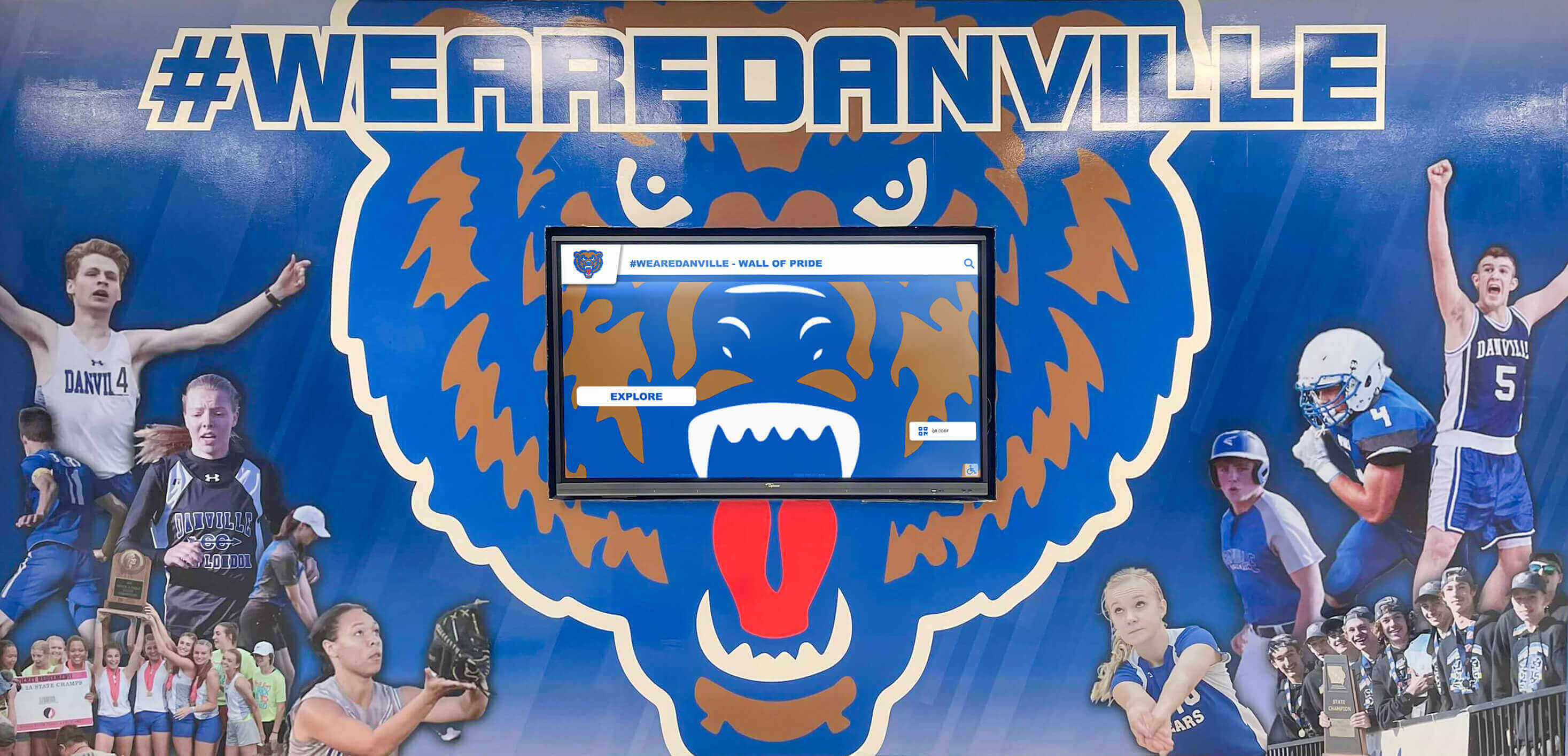
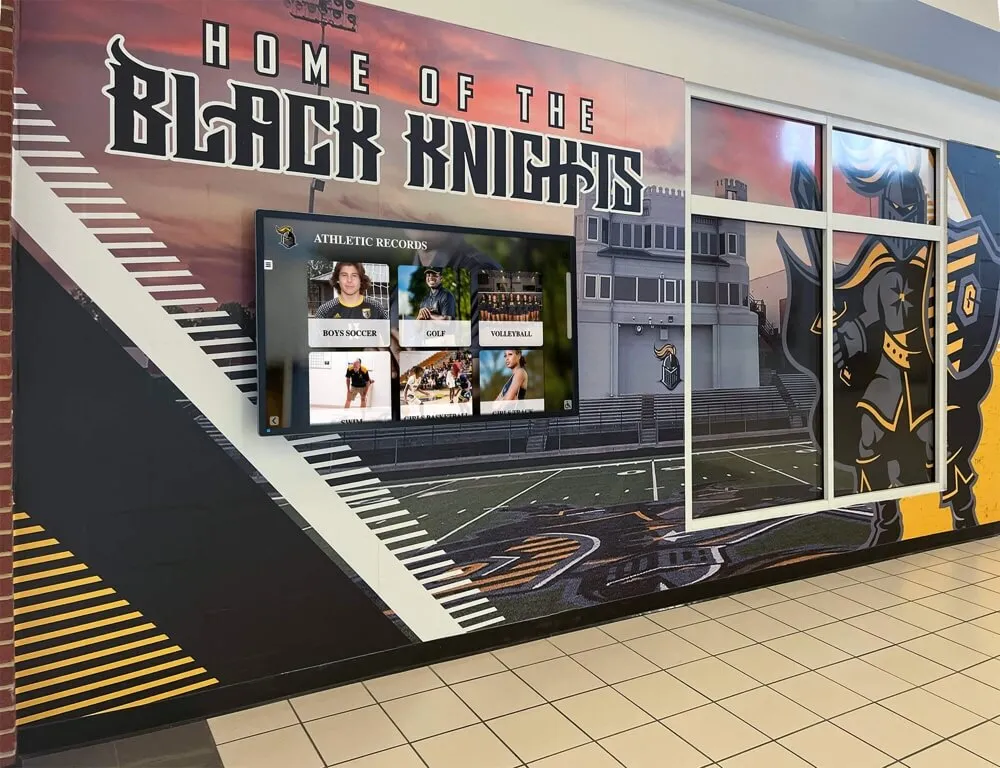
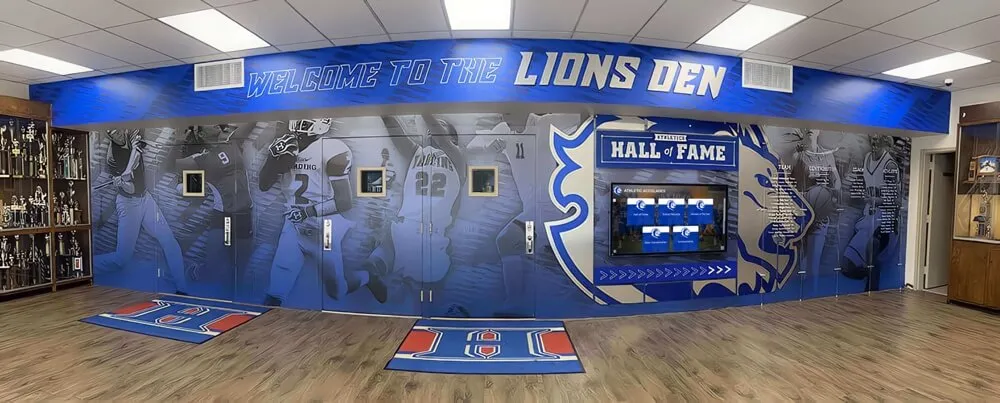
High-quality yearbook photography serves multiple purposes—from printed books to digital displays integrated with campus recognition systems
Theme Development and Conceptual Cohesion
How yearbooks develop and execute unifying themes represents another area of significant evolution in design trends.
Moving From Generic to Authentic Themes
Traditional yearbook themes often felt generic and disconnected from actual school experience—broad concepts like “Journey,” “Legacy,” or “Memories” that could apply to any school anywhere. Modern theme development emphasizes authentic connection to specific school culture, community-specific references and inside jokes, student-generated concepts reflecting actual perspectives, timely relevance to the particular school year documented, and sophisticated execution beyond simple title repetition.
Subtle Theme Integration vs. Heavy-Handed Repetition
The strongest thematic yearbooks weave concepts throughout volumes through subtle design elements rather than beating readers over the head with literal theme repetition on every page. Sophisticated integration includes visual motifs appearing in varied forms, color palette choices supporting thematic concepts, section divider treatments reinforcing themes, typography selections aligned with theme personality, and conceptual photography expanding theme interpretation.
This subtlety creates cohesive aesthetic experiences without becoming tedious or overpowering actual content—the documented school year itself rather than forced thematic overlay.
Timeless Design vs. Trendy Aesthetics
Yearbook design faces inherent tension between current visual trends that resonate with contemporary students and timeless design that maintains appeal decades later when graduates revisit volumes. Schools implementing spirit day programs understand this same balance between current student engagement and lasting institutional memory.
Balancing Contemporary and Classic Elements
Successful yearbook design trends 2026 achieve this balance through foundational classic design principles providing structure, contemporary accents and details feeling current, avoiding extreme trends likely to feel dated quickly, quality photography transcending temporary style fads, and sophisticated typography avoiding obviously trendy fonts with limited lifespan.
The goal isn’t avoiding all contemporary design language—that creates yearbooks feeling disconnected from their time. Rather, designers layer contemporary elements over timeless foundations ensuring volumes feel both relevant to their moment and capable of aging gracefully.
Sustainability Considerations in Yearbook Production
Environmental consciousness increasingly influences yearbook design trends 2026 as students and schools prioritize sustainability.
Eco-Friendly Material and Production Choices
Forward-thinking yearbook programs consider environmental impact through recycled paper stock and sustainable materials, vegetable-based inks reducing chemical impact, carbon-neutral printing and shipping options, durable binding ensuring long lifespan, and right-sizing page counts eliminating wasteful excess.
Digital-First Distribution Models
Some schools experiment with hybrid approaches reducing environmental impact while maintaining printed yearbook traditions—printed copies available by purchase rather than automatic distribution to all students, digital yearbook versions as primary distribution with print options, smaller print runs for archival purposes supplementing digital access, and tiered pricing rewarding digital-only adoption.
These approaches face resistance from traditionalists who view printed yearbooks as non-negotiable school traditions. However, environmental concerns increasingly influence student perspectives, creating pressure for schools to offer sustainable alternatives alongside traditional printed volumes.
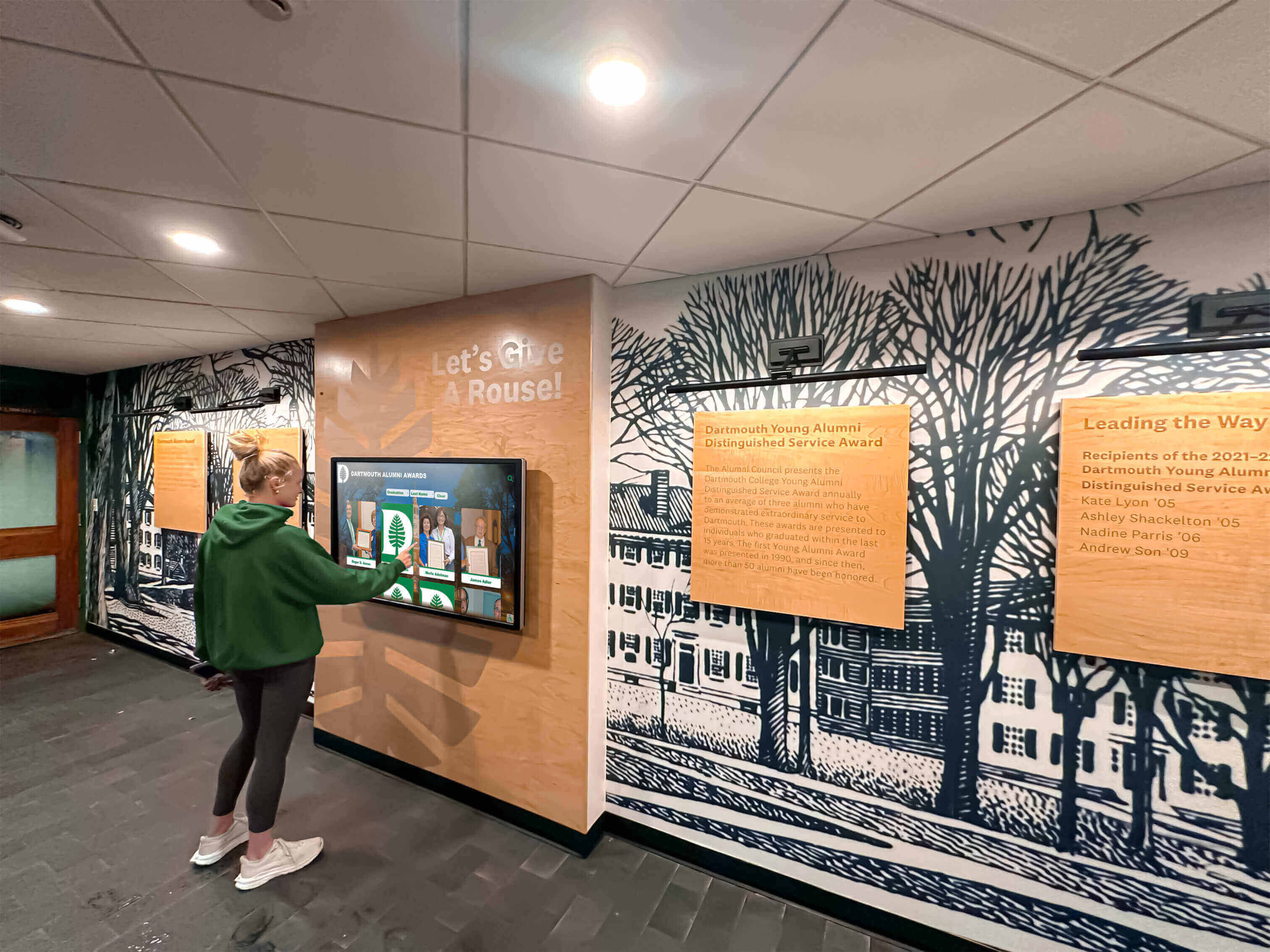
Digital yearbook platforms reduce environmental impact while creating interactive experiences that extend beyond static printed pages
Designing for Longevity and Preservation
Sustainability extends beyond production to consider yearbook longevity and preservation. Design choices supporting long-term durability include quality materials resisting deterioration, binding methods supporting repeated use, design aesthetics aging gracefully, and simultaneous digital preservation ensuring content survival if physical volumes deteriorate.
Schools serious about preservation implement comprehensive digitization programs ensuring yearbook content remains accessible long after physical volumes show age.
Personalization and Individual Customization Trends
Technology enables yearbook personalization previously impossible with traditional printing limitations.
Name-Indexed and Searchable Digital Components
Modern yearbooks increasingly include digital companion platforms offering personalized experiences—individual login accounts showing each student’s yearbook appearances, searchable databases finding all instances of specific names, customizable digital yearbooks with student-selected covers or content, personalized notifications when students appear in photos, and social features enabling student interaction with yearbook content.
These digital enhancements transform yearbooks from static documents into living platforms that students engage with repeatedly rather than briefly reviewing once before shelving permanently.
Limited Print Customization Options
Some publishers now offer limited personalization even in printed volumes—student name embossing on covers, customizable endsheet options, add-on signature pages or supplements, and tiered package options with varied cover materials or special features.
While mass-production economics limit extensive print customization, even modest personalization increases perceived value and student attachment to yearbooks as personal possessions rather than generic identical volumes.
User-Generated Content Integration
Progressive yearbooks incorporate student-submitted content beyond traditional staff-created coverage, including photo submission portals for candid moments, student-written features and perspectives, senior will and testament digital submissions, video content from student creators, and crowdsourced captions and context for photos.
This participatory approach increases engagement and authenticity while distributing documentation responsibility beyond limited yearbook staff capacity. When combined with booster club engagement strategies, these collaborative approaches strengthen school community connections.
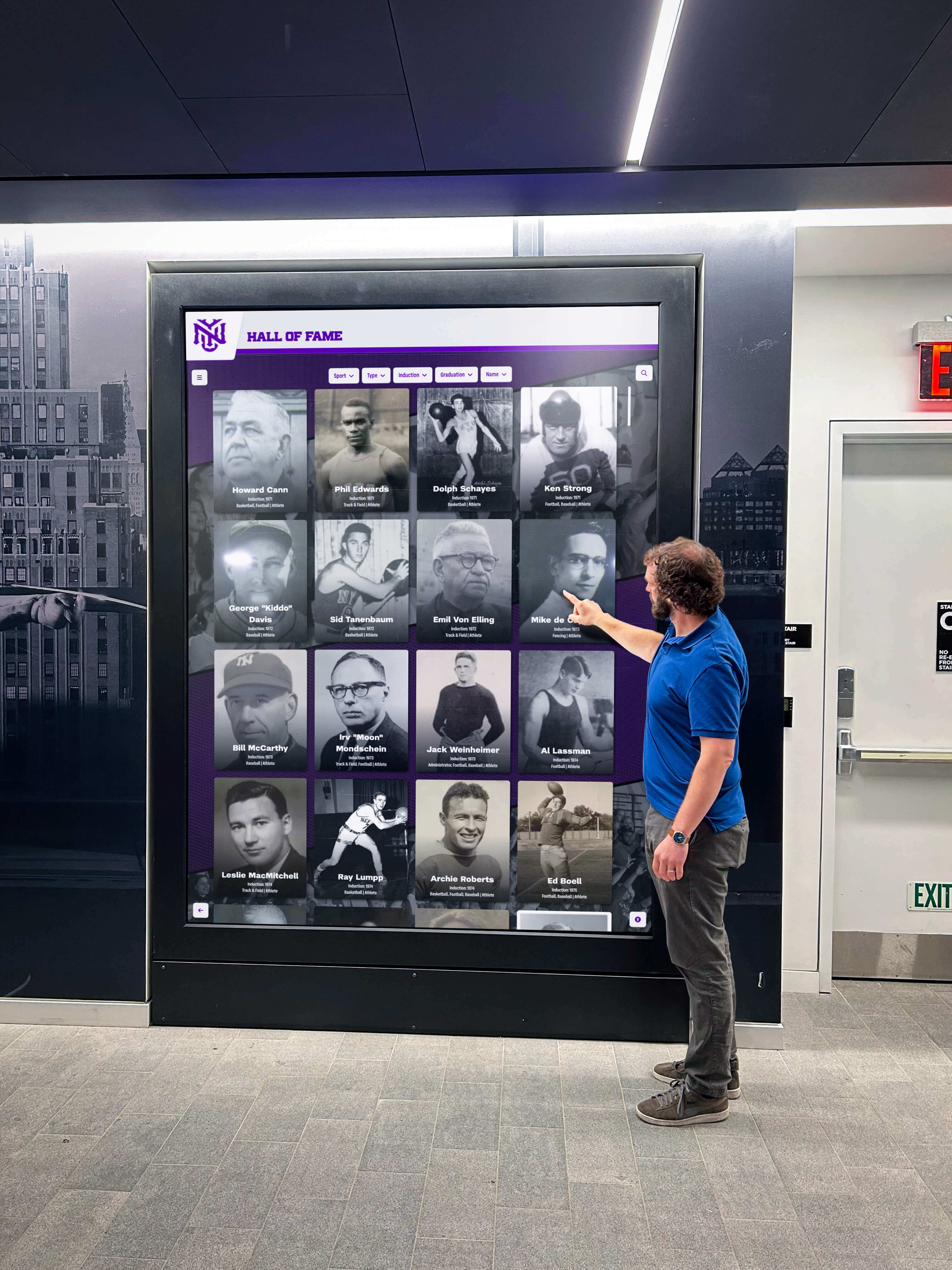
Interactive digital platforms enable personalized yearbook experiences that evolve beyond static printed pages
Integration With Broader School Recognition Systems
Leading yearbook design trends 2026 recognize that yearbooks no longer exist as isolated publications but rather as content sources feeding broader institutional recognition and engagement systems.
Designing Yearbook Content for Multiple Applications
Schools maximize yearbook value by designing content with multiple uses planned from inception—photography sized and composed for digital display integration, portrait photography extractable for individual recognition profiles, layout elements adaptable to social media dimensions, written content structured for database integration, and consistent metadata enabling searchable digital archives.
This multi-purpose design thinking requires coordination between yearbook programs, technology departments, advancement offices, and facilities management—ensuring visual assets serve varied institutional needs rather than existing solely within printed volumes.
Content Pipelines to Digital Recognition Displays
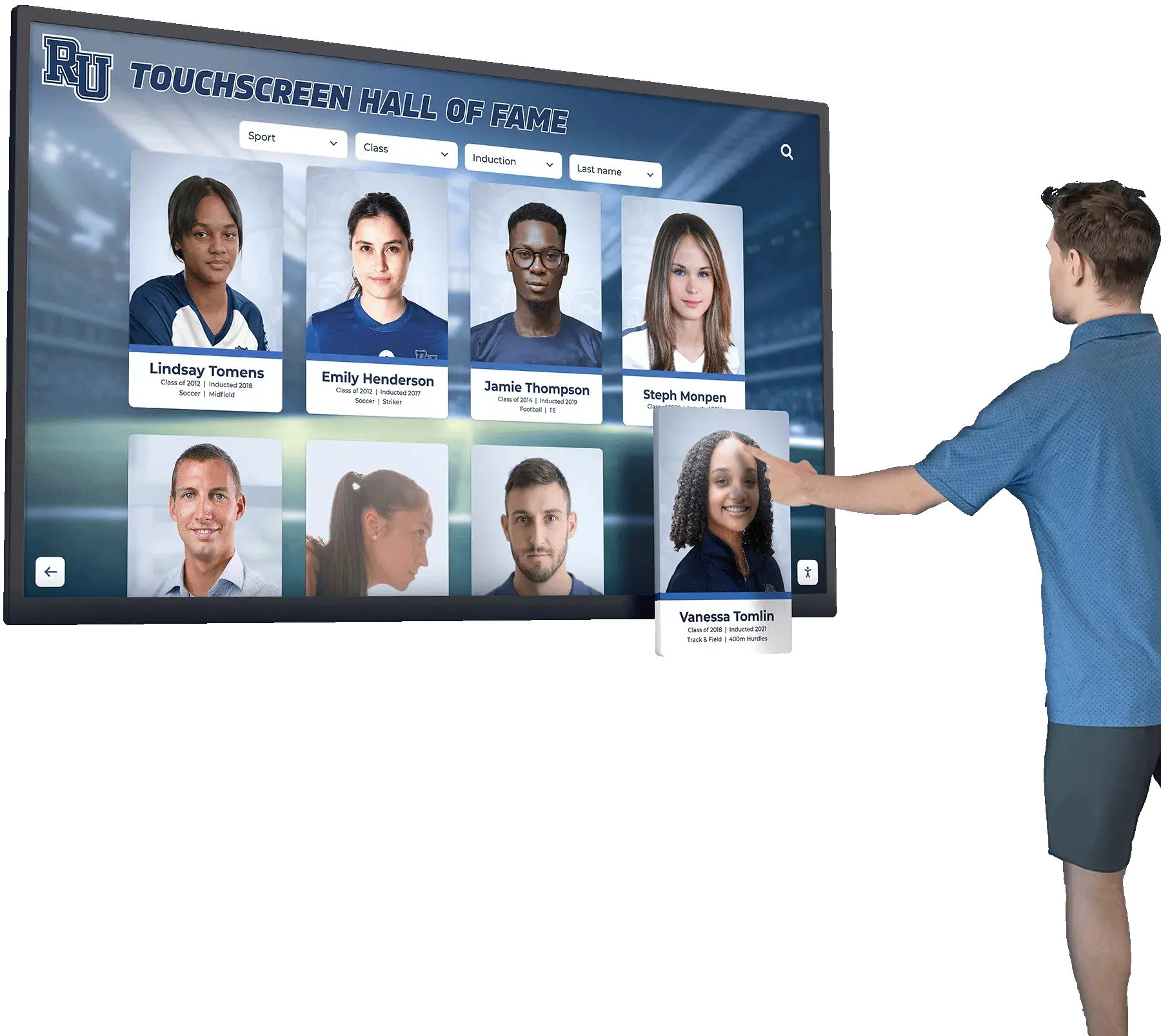
Schools implementing interactive touchscreen recognition systems throughout campus facilities leverage yearbook content as primary source material. Systematic approaches include automated data feeds from yearbook databases to display systems, consistent photography standards ensuring quality across applications, metadata tagging enabling filtered display presentations, regular content updates maintaining freshness and relevance, and coordinated visual branding creating cohesive institutional identity.
These integrated approaches transform yearbooks from end-of-year publications into ongoing documentation systems that support year-round recognition and engagement.
Archive Development and Historical Access
Modern yearbook programs consider long-term archival access from design inception, creating content that remains valuable and accessible decades later through high-resolution digital preservation, comprehensive metadata and indexing, standardized file formats ensuring long-term compatibility, redundant backup systems protecting against data loss, and public access platforms enabling alumni engagement.
When schools implement comprehensive donor recognition strategies, historical yearbook archives provide invaluable visual content documenting alumni connections and multi-generational family relationships with institutions.
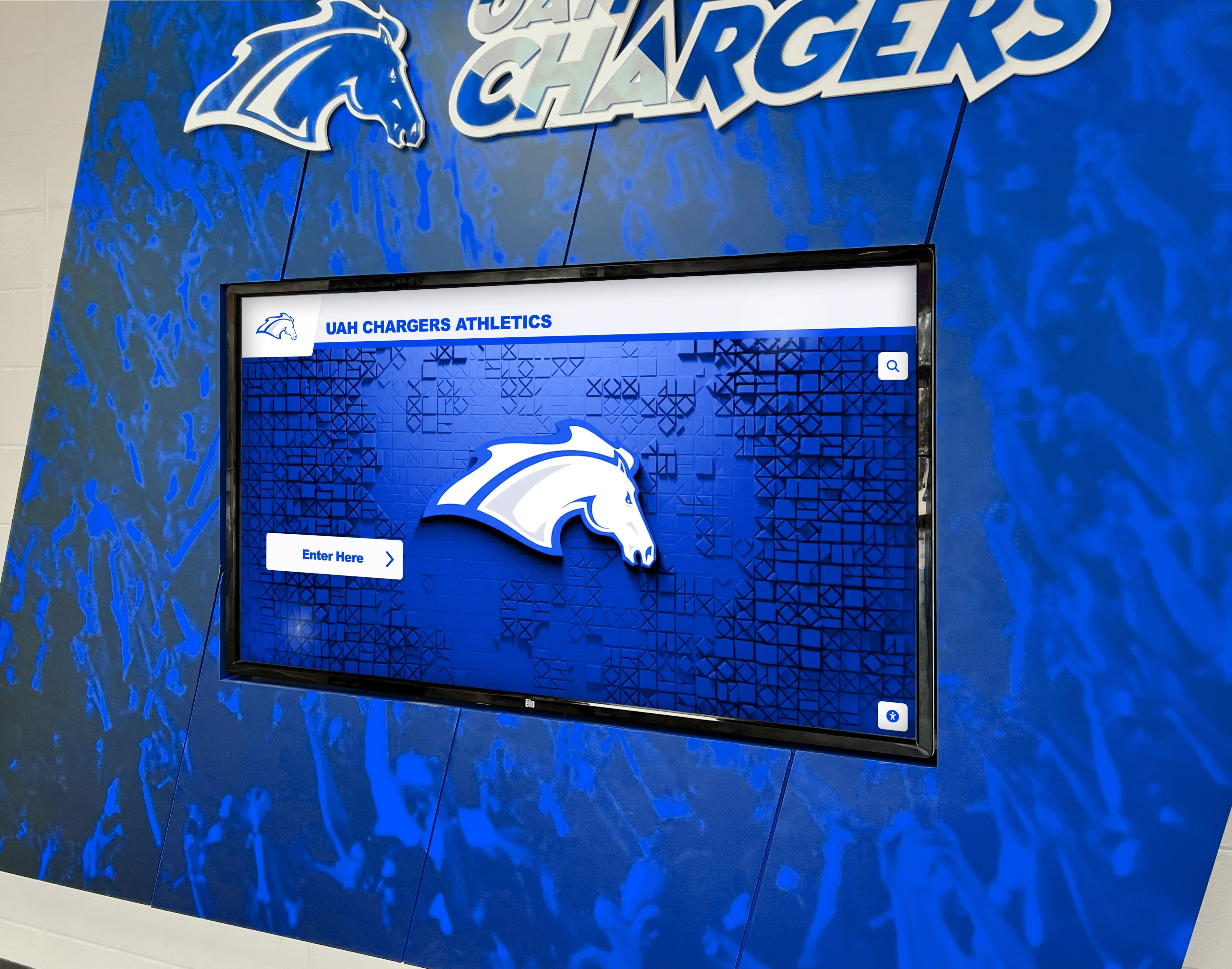
Yearbook content designed with archival quality and digital integration in mind serves institutional needs far beyond single-year documentation
Practical Implementation of Modern Design Trends
Understanding yearbook design trends 2026 matters little without practical strategies for implementation within real-world program constraints.
Building Design-Forward Staff Teams
Quality design requires capable student staff with appropriate training and support. Successful programs invest in comprehensive design software training and access, exposure to professional design principles and examples, mentorship from professional designers or college programs, progressive skill development across multiple years, and balanced teams combining technical skills with creative vision.
Schools without internal design expertise partner with yearbook publishers offering design support, hire professional advisers with design backgrounds, or develop relationships with local design professionals willing to mentor student teams.
Managing Creative Freedom Within Constraints
Yearbook advisers face constant tension between encouraging student creativity and maintaining quality standards, timeline requirements, and budget limitations. Effective management strategies include establishing clear design guidelines and guardrails, providing modular design systems offering structure with flexibility, implementing review checkpoints throughout production, celebrating excellent design work modeling desired standards, and teaching design revision as normal professional practice.
Technology and Software Considerations
Contemporary yearbook design requires appropriate technology infrastructure including professional page layout software (InDesign, Publisher alternatives), photo editing capabilities (Photoshop, Lightroom, alternatives), collaborative cloud platforms enabling team coordination, adequate computing hardware supporting design work, and training resources supporting skill development.
Many schools leverage publisher-provided online design platforms offering user-friendly interfaces, built-in templates and design resources, collaborative features supporting distributed teams, automatic design rule enforcement preventing common errors, and integrated ordering and production workflows.
Balancing DIY Design With Professional Support
Schools determine appropriate balance between internal student design work and professional assistance based on available resources, timeline constraints, staff capabilities, and desired quality standards. Hybrid approaches often work well—students design individual pages and spreads, professional designers create overall visual system and complex features, publishers provide templates and technical support, and advisers coordinate overall vision and consistency.
Budget Realities and Cost Management
Advanced design features often carry cost implications requiring careful consideration. Cost factors include premium paper stocks and binding options, increased page counts accommodating magazine-style layouts, professional photography supplementing student work, digital platform subscriptions and hosting, and designer consultation or professional services.
Smart budget management prioritizes features delivering maximum impact, phases advanced elements across multiple years, leverages free or low-cost design resources, develops student capabilities reducing paid services, and aligns yearbook budgets with broader institutional recognition and archival initiatives creating shared cost justification.
Transform Yearbook Content Into Lasting Recognition Experiences
The most forward-thinking schools recognize that yearbook design serves purposes far beyond single-year documentation. When designed with digital integration in mind, yearbook content becomes valuable institutional asset feeding interactive touchscreen displays, searchable alumni archives, social media engagement, and comprehensive recognition systems that strengthen school culture year-round.
Whether you’re redesigning yearbook programs to embrace current design trends, building digital display systems showcasing student achievement, or creating integrated recognition platforms that connect print and digital experiences, modern solutions combine outstanding design with powerful technology specifically created for educational institutions.
Explore Integrated Recognition Solutions to discover how touchscreen display systems, digital yearbook platforms, and comprehensive recognition solutions work together to preserve heritage while creating engaging experiences that students, alumni, and communities value for generations.
Moving Forward With Modern Yearbook Design
Yearbook design trends 2026 reflect fundamental shifts in how students consume visual media, what they value in lasting publications, and how printed yearbooks integrate with digital experiences extending far beyond graduation. Schools that embrace these evolving trends create yearbooks that truly resonate with contemporary students while maintaining timeless qualities that preserve institutional memory for decades.
The most significant trends—dynamic visual storytelling replacing rigid grids, digital-first design thinking even for print publications, inclusive authentic photography, sophisticated typography and color systems, documentary photojournalistic approaches, and integration with broader recognition platforms—all point toward yearbooks becoming more valuable, more engaging, and more useful across multiple applications.
Implementation requires investment in student training and technology infrastructure, coordination across departments to maximize yearbook content value, and willingness to evolve beyond traditional approaches that no longer serve contemporary student needs. However, schools making these investments create publications that students actually cherish and preserve rather than generic volumes quickly forgotten after brief review.
Start by assessing current yearbook design against modern trends—identifying gaps between present practice and emerging best practices, prioritizing changes delivering maximum impact within available resources, developing multi-year improvement plans, investing in student skill development, and exploring integration opportunities connecting yearbooks with digital displays and archival systems.
Your yearbook doesn’t need to implement every trend immediately. Even modest evolution toward more dynamic layouts, authentic photography, or digital integration creates noticeable improvements in student engagement and long-term value. The key is recognizing that yearbook design continues evolving—what worked perfectly a decade ago may feel dated and disconnected from contemporary student experience today.
The schools creating the most successful yearbooks in 2026 share common characteristics: they view yearbooks as living documentation systems rather than static annual publications, they design with both print and digital applications in mind from inception, they prioritize authentic representation and inclusive coverage, they invest in student capabilities and appropriate technology, and they integrate yearbook programs with broader institutional recognition and engagement initiatives.
These integrated approaches transform yearbooks from isolated publications into valuable institutional assets that serve multiple purposes—documenting school history, celebrating achievement, engaging alumni, supporting advancement initiatives, and creating visual content that appears throughout campus on digital displays and recognition systems.
The future of yearbook design involves continued convergence of print and digital experiences, increasing personalization and customization, greater student agency and participation, and seamless integration with institutional recognition systems that make yearbook content visible and valuable year-round rather than briefly relevant at distribution before disappearing onto shelves.
Schools positioning yearbook programs at the intersection of design excellence, digital innovation, and institutional recognition create publications that truly matter to students, effectively preserve heritage, and deliver value justifying continued investment even as media consumption habits evolve. That’s what the best yearbook design trends 2026 accomplish—honoring tradition while embracing innovation, creating artifacts students treasure while generating digital assets serving broader institutional needs, and documenting school years in ways that remain meaningful and accessible for generations to come.