Yearbook dedication pages represent some of the most meaningful spreads in any school publication—spaces where communities pause to honor individuals who shaped student lives, left lasting legacies, or passed away during the school year. These pages carry emotional weight beyond typical yearbook content, requiring thoughtful design choices, carefully selected words, and genuine sensitivity to create tributes that comfort grieving communities while celebrating lives well-lived.
Yet many yearbook advisers and student editors feel uncertain when creating dedication pages. Questions arise around appropriate tone, design elements that convey respect without appearing gloomy, how much biographical detail to include, whether to feature photos, and how to balance honoring the deceased with creating pages students actually want to revisit. The challenge intensifies when dedicating pages to multiple individuals, managing limited space, or addressing tragic circumstances involving young people.
This comprehensive guide provides practical yearbook dedication page ideas spanning different scenarios—from honoring retired teachers and beloved coaches to memorializing students and staff members who passed unexpectedly. You’ll find specific design approaches, wording examples, layout strategies, and considerations for creating tributes that achieve the difficult balance between commemorating loss and celebrating impact while ensuring these important pages endure beyond printed volumes through digital preservation.
Creating dedication pages requires balancing emotional sensitivity with design clarity. The most effective tributes communicate genuine appreciation while providing visual breathing room that allows readers to reflect without feeling overwhelmed by heavy design elements or excessive text.

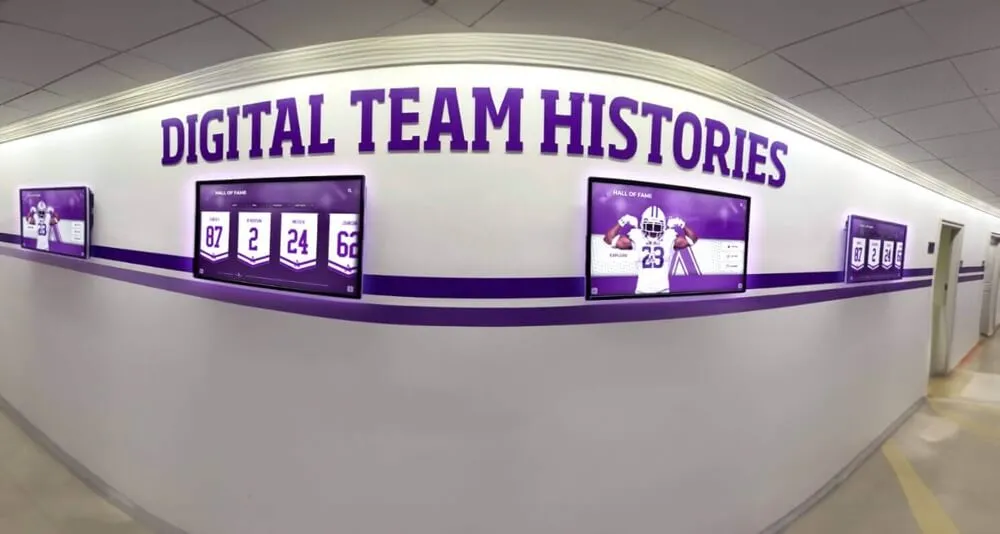
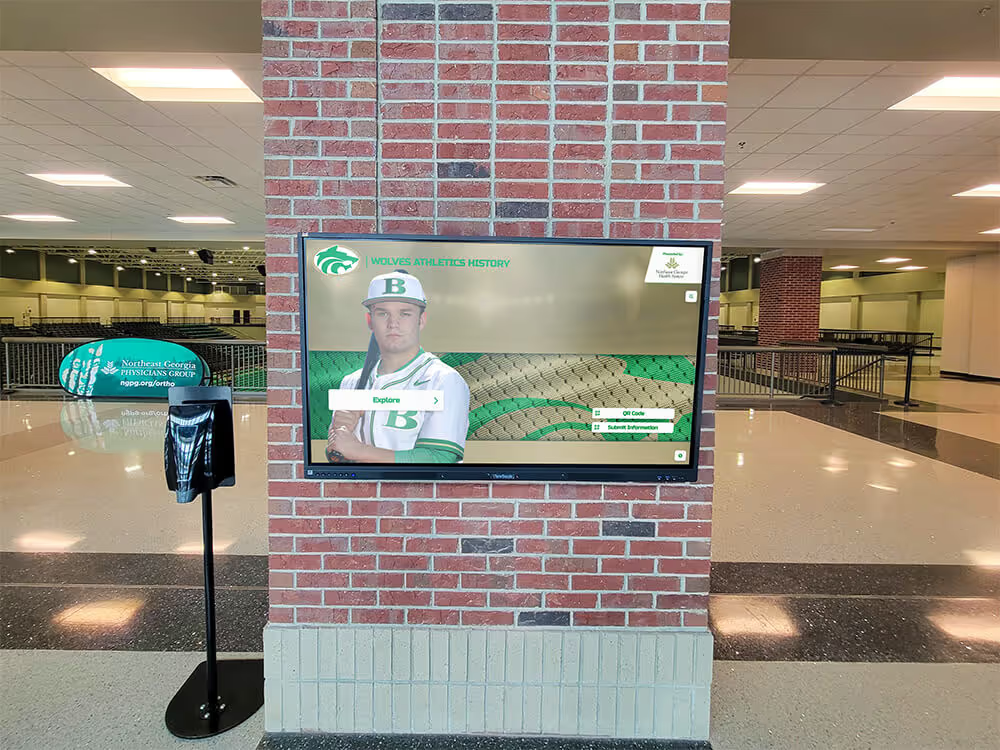
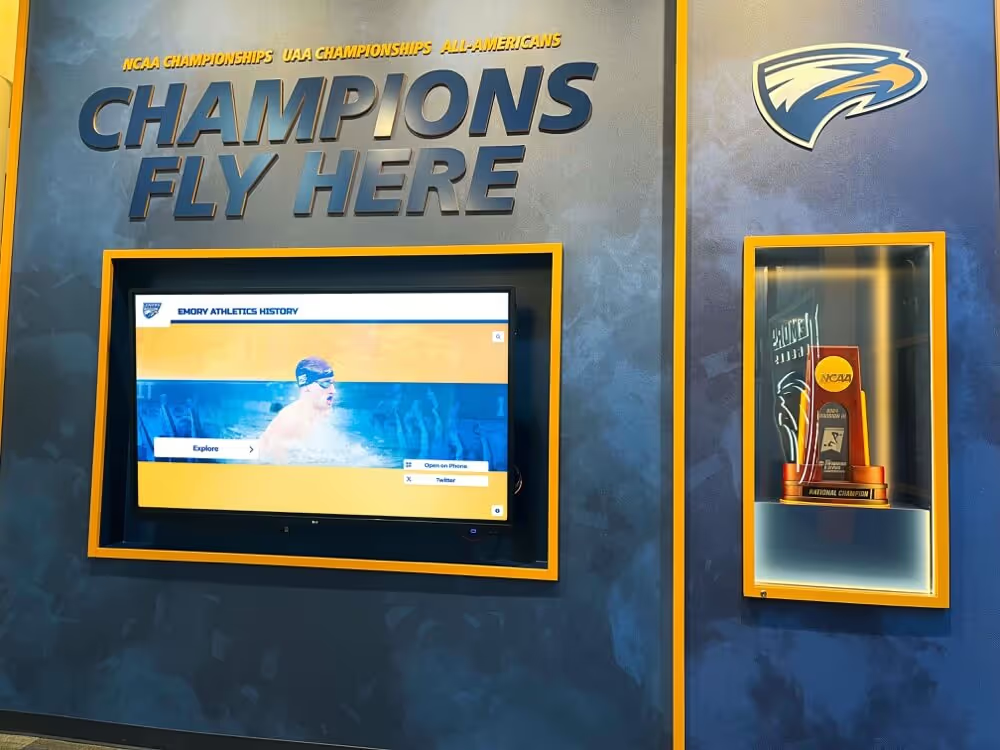
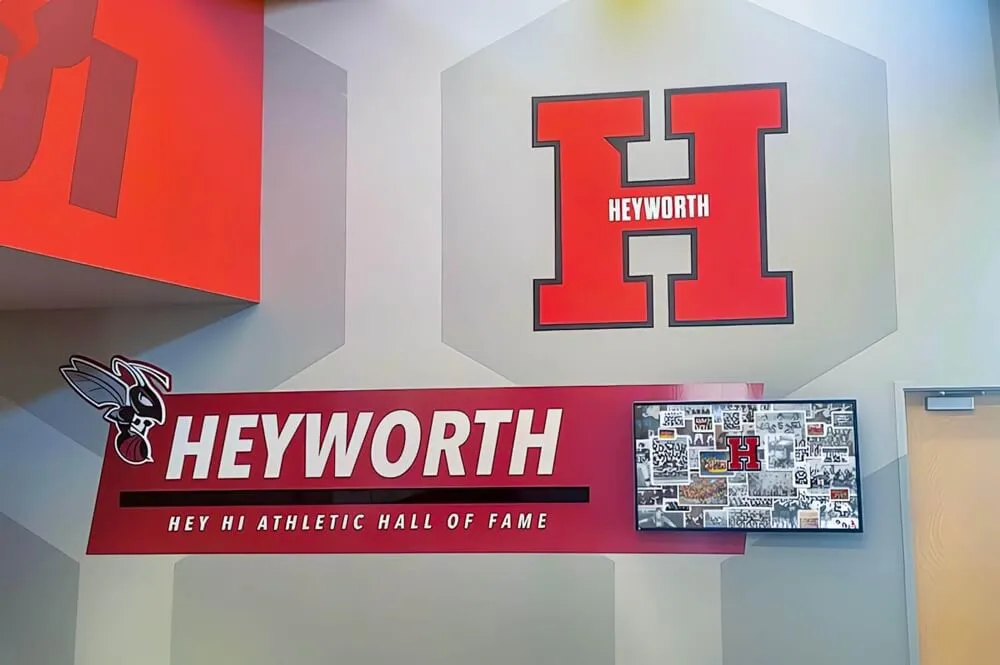
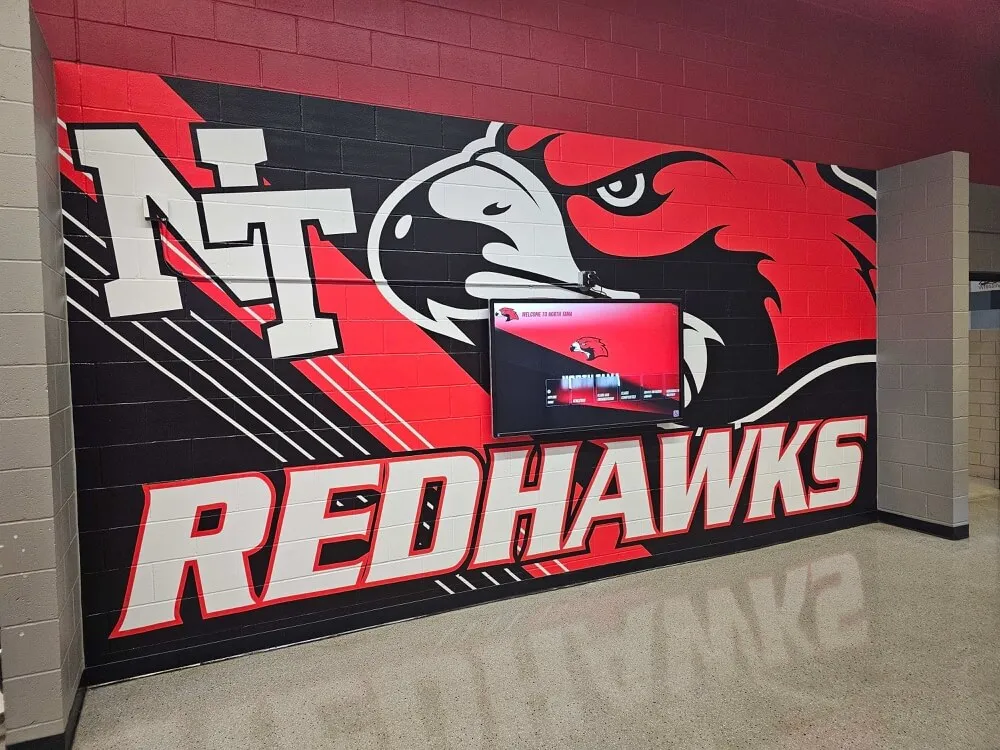
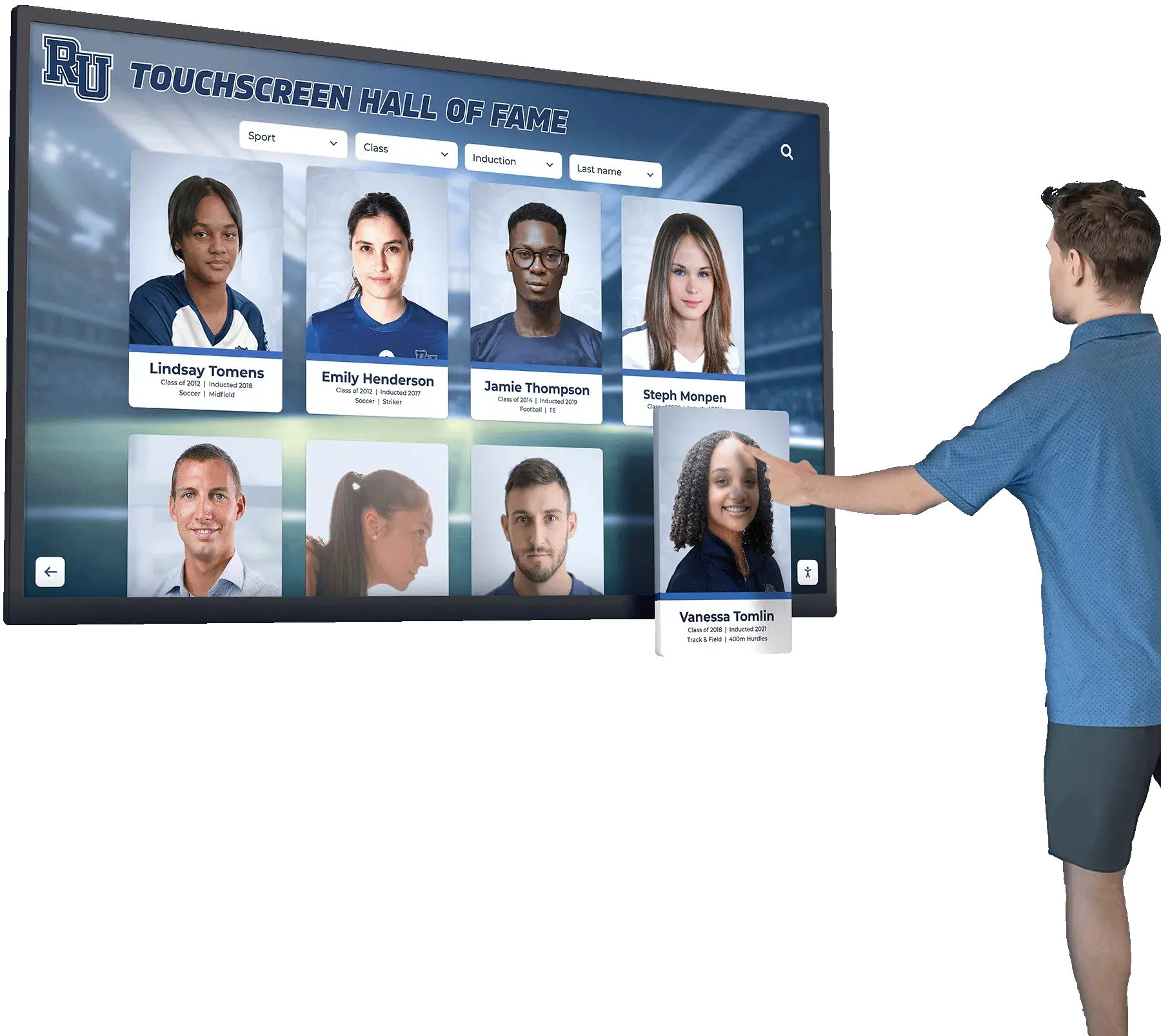
Yearbook dedication pages become lasting tributes when preserved both in print and through digital archives accessible to future generations
Understanding Dedication Page Purposes
Before designing your dedication page, clarify its specific purpose and audience within your broader yearbook narrative.
Types of Yearbook Dedications
Different dedication purposes require distinct approaches:
In Memoriam Pages
These pages memorialize community members who died during the school year or shortly before. In memoriam dedications typically appear early in the yearbook—often after title pages but before main content sections—signaling their importance while allowing readers to process emotional content before diving into celebratory spreads.
In memoriam pages for students who passed during the school year require particular sensitivity, often incorporating input from families, close friends, and counseling staff to ensure tributes honor individual memory while supporting community healing.
Retirement and Service Recognition
Dedication pages honoring retiring teachers, long-serving staff members, or departing administrators celebrate contributions rather than mourn loss. These tributes typically adopt warmer, more celebratory tones featuring career highlights, favorite memories shared by students, and messages of appreciation that acknowledge impact without sadness.
Many schools expand retirement dedications beyond single individuals to honor entire classes of retiring faculty, particularly during milestone years when multiple long-tenured staff members depart simultaneously.
Community Impact Tributes
Some yearbooks dedicate pages to community members who shaped school experience despite not being formal staff—custodians who greeted students daily, crossing guards who ensured safety for decades, volunteers who supported programs year after year, or local figures who championed educational causes.
These dedications reinforce that school communities extend beyond classrooms, honoring individuals whose contributions might otherwise go unrecognized in formal publications.
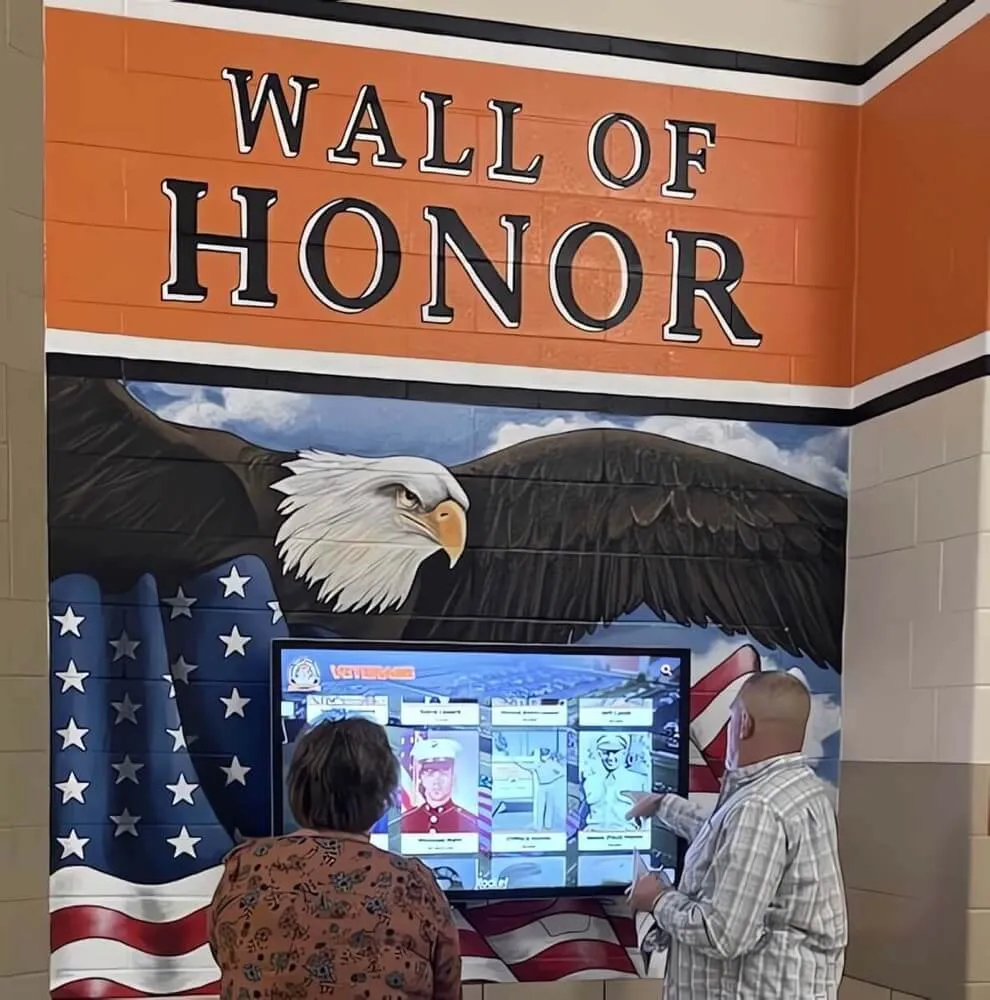
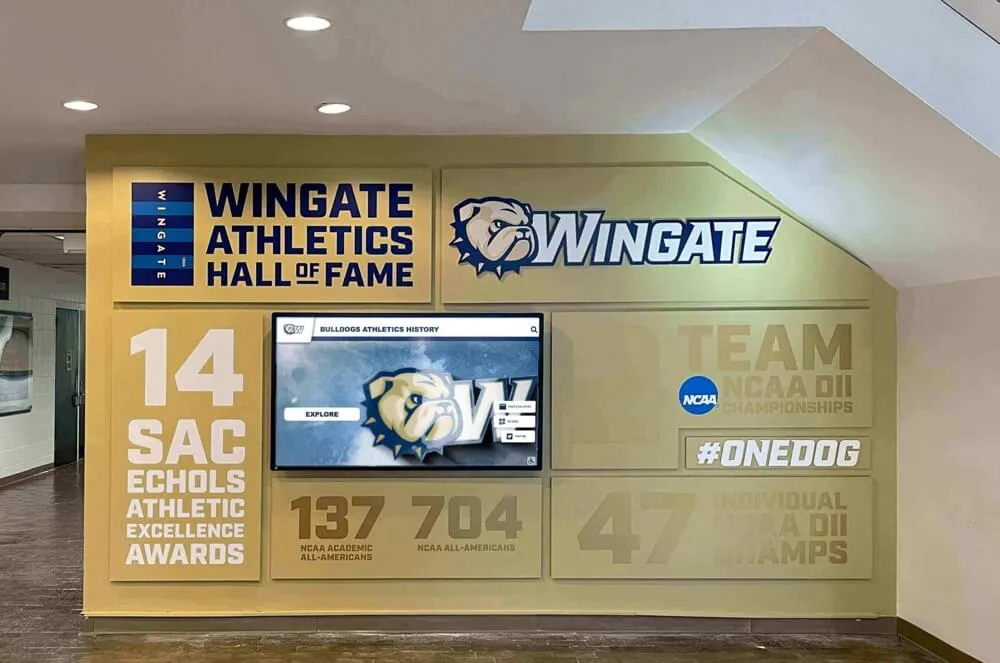
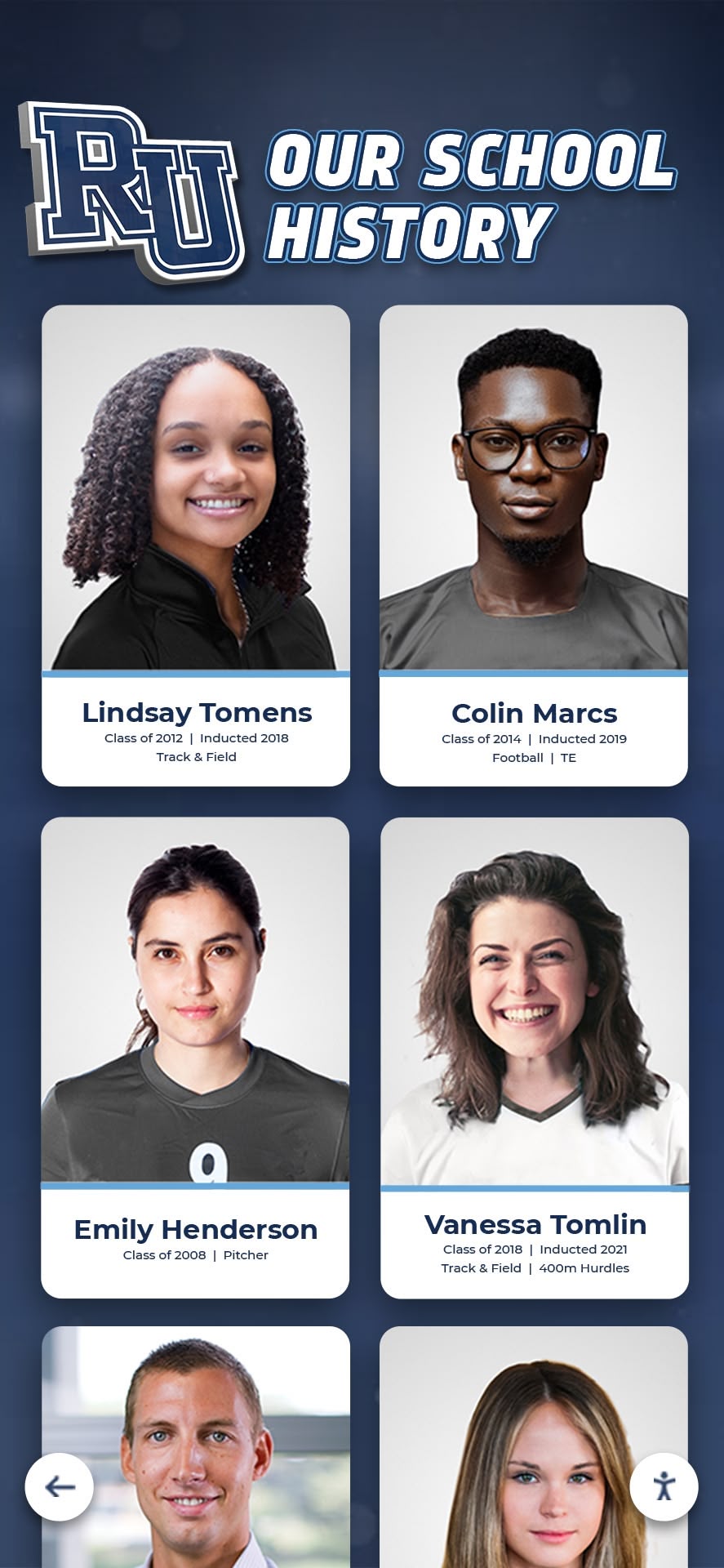
Schools increasingly recognize the value of preserving dedication pages beyond printed yearbooks, implementing digital memorial displays that ensure tributes remain accessible to future students and community members discovering institutional history.
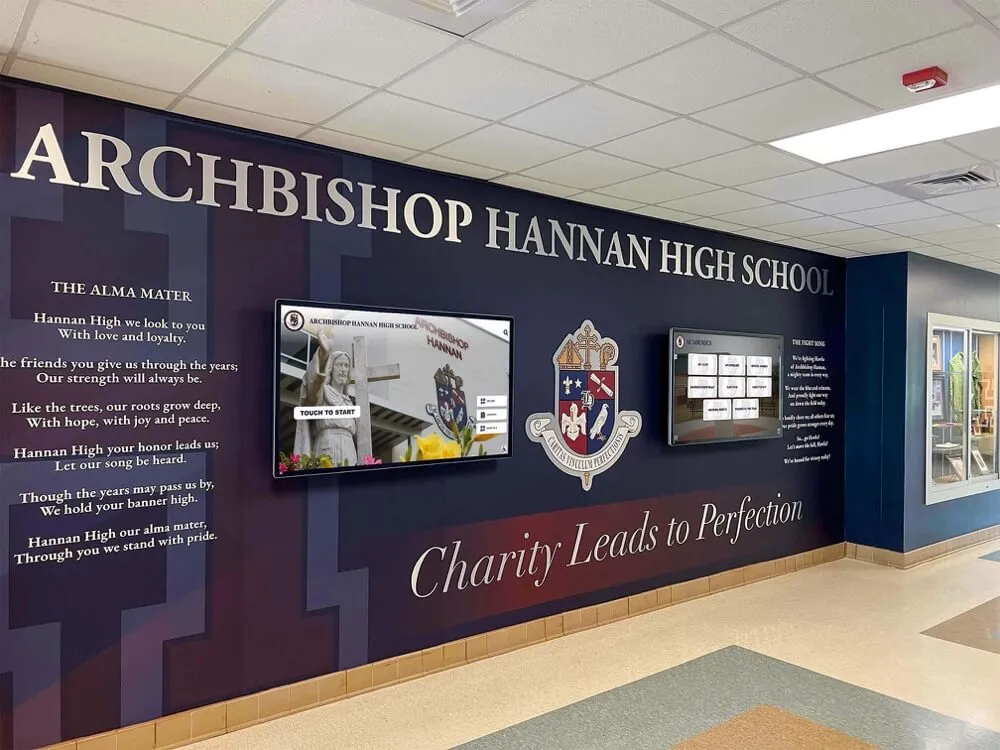
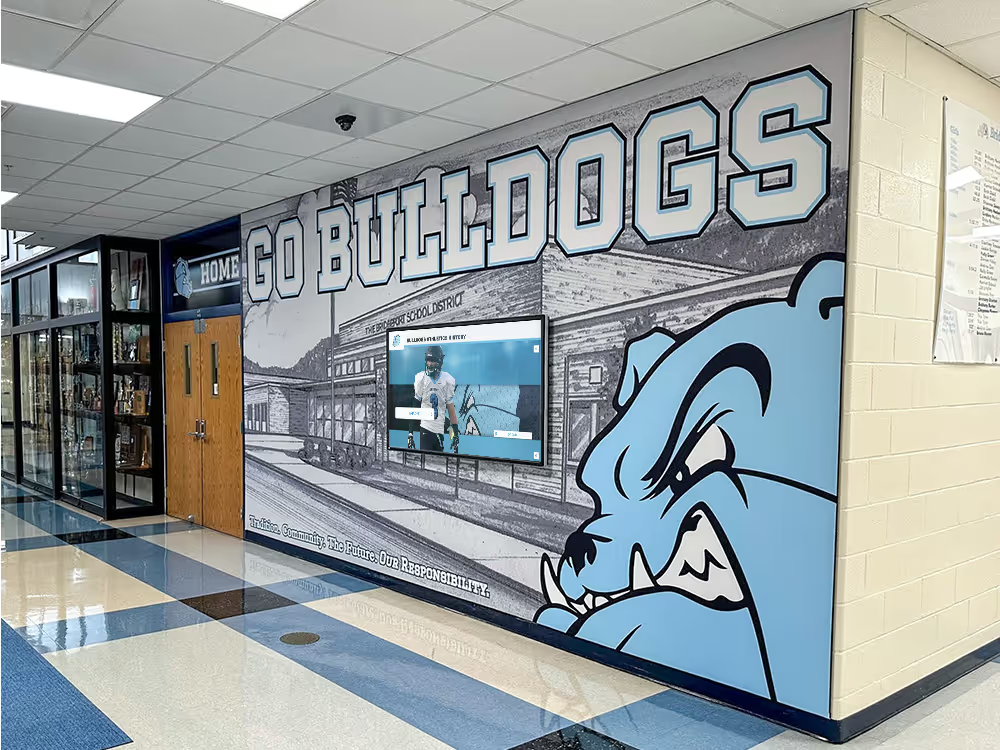
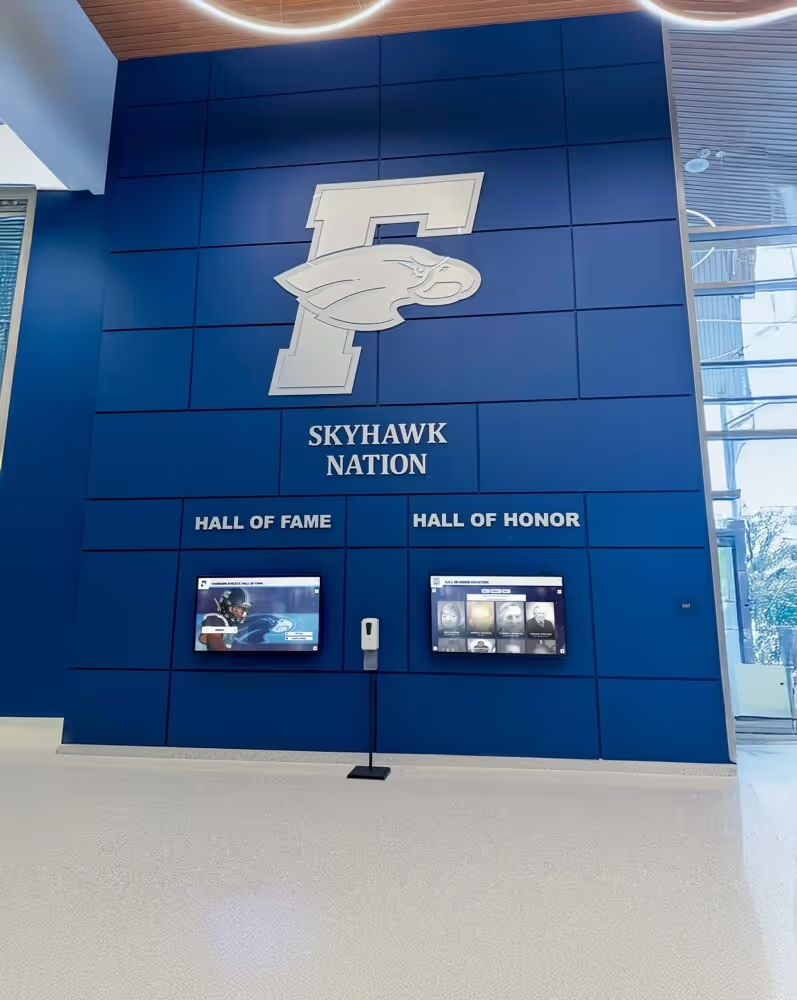
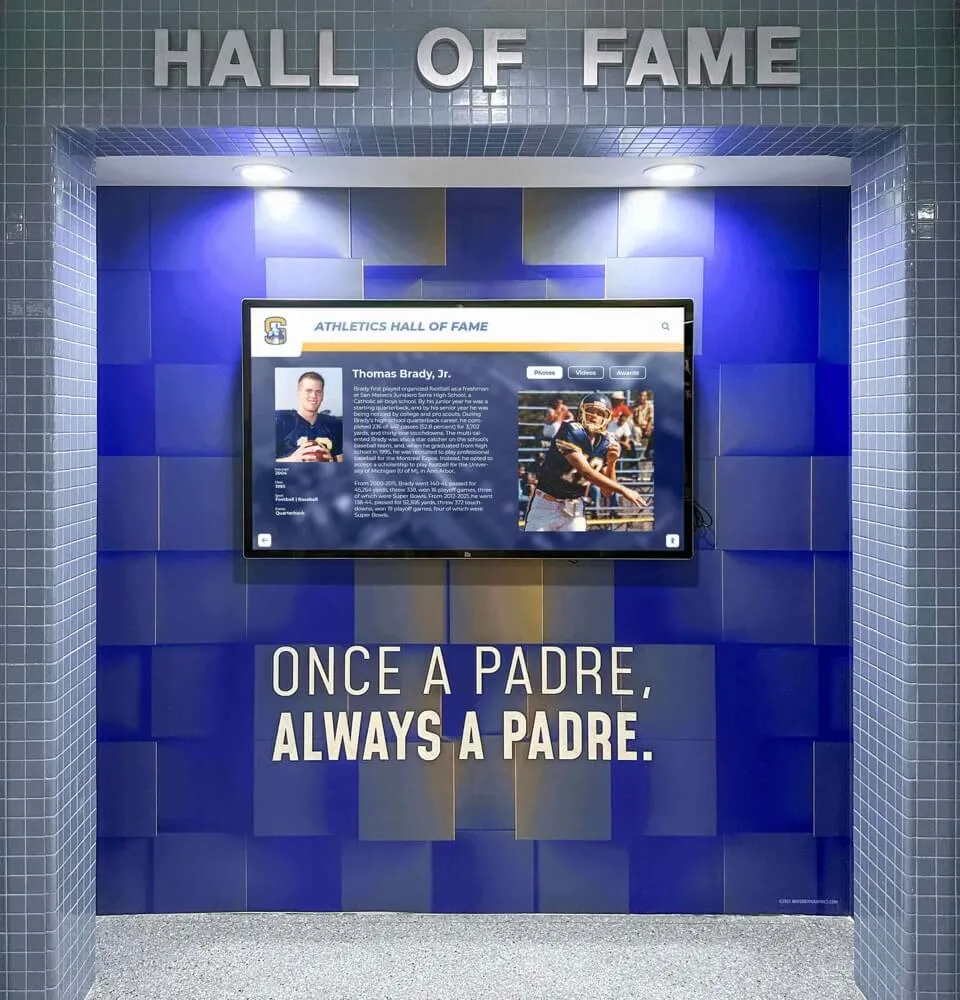
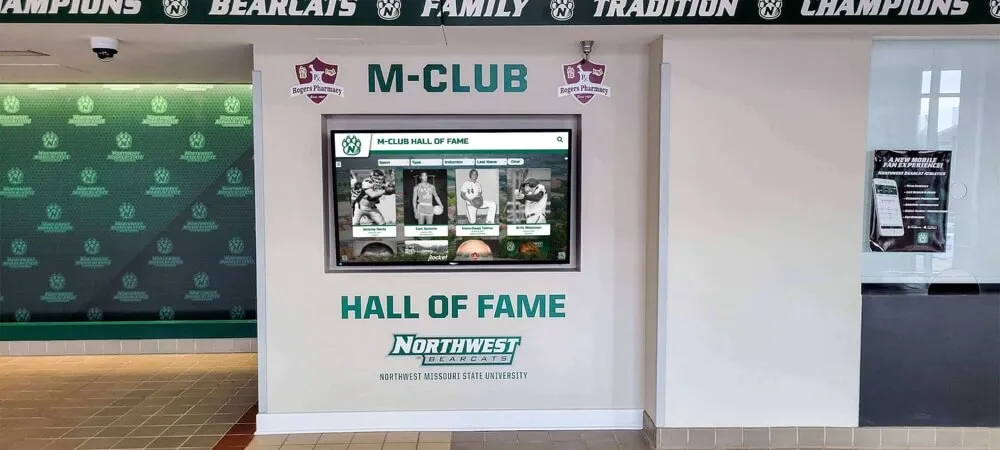
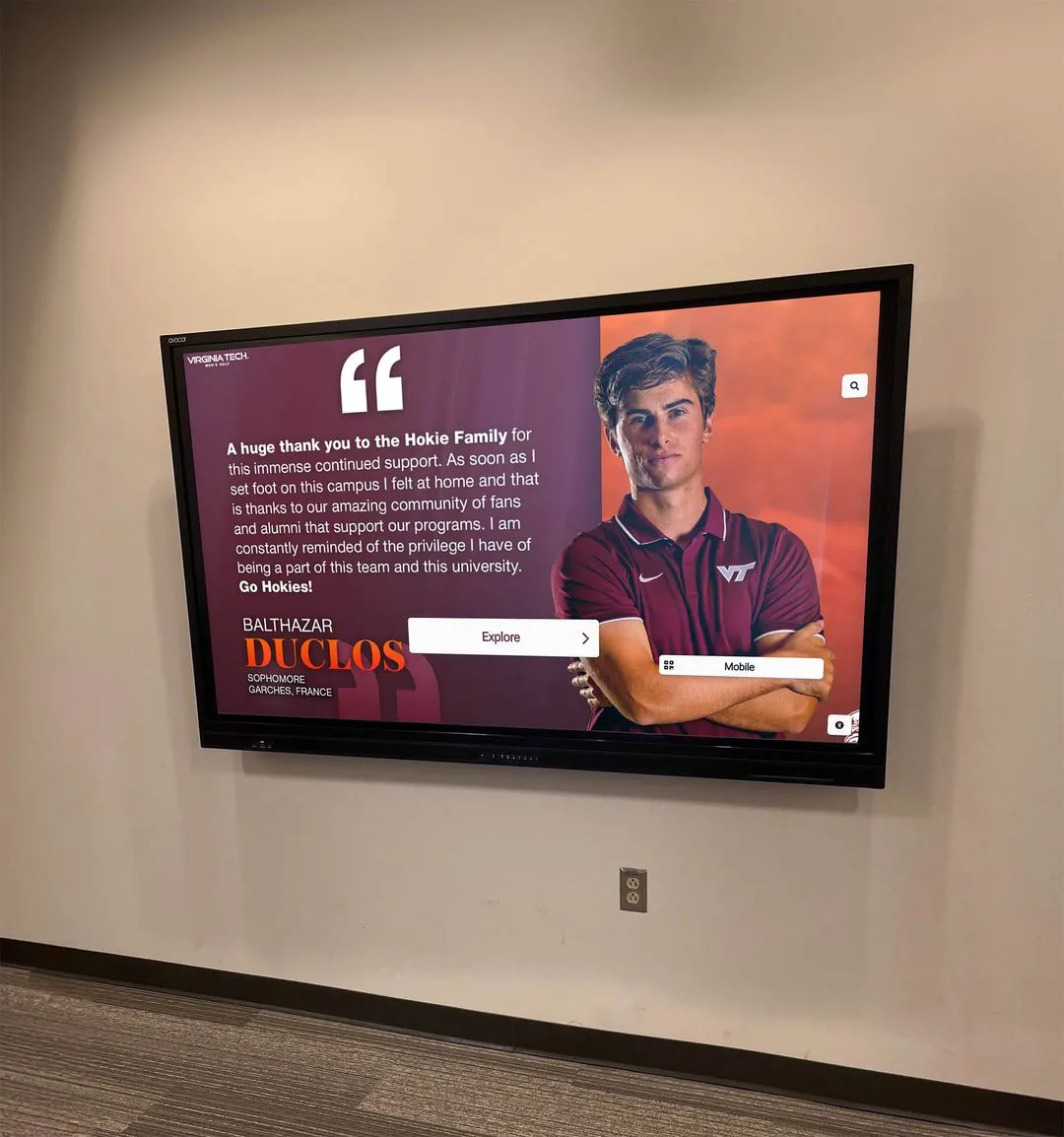
Modern dedication pages extend beyond print through digital displays that preserve tributes in high-traffic areas where communities can revisit memories
Design Approaches for Dedication Pages
Visual design significantly influences how readers receive and remember dedication page content. Thoughtful design choices create appropriate tone while ensuring tributes remain legible and accessible.
Layout and Composition Strategies
Effective dedication page layouts balance visual interest with respectful simplicity.
Single-Subject Full-Page Tributes
When dedicating an entire page to one individual, maximize visual impact through:
- Dominant portrait placement: Feature one high-quality portrait photograph occupying roughly one-third to one-half of the page, positioned according to rule-of-thirds principles rather than rigid centering
- Breathing room: Surround the portrait and text blocks with generous white space that creates visual calm and directs focus to key elements
- Limited text blocks: Restrict written content to 150-300 words maximum, focusing on essential biographical details and 2-3 meaningful anecdotes or impact statements
- Accent elements: Incorporate subtle graphic elements—simple borders, single-color background tints, or minimal decorative flourishes—that enhance without overwhelming
- Quote integration: Feature one significant quote either from the honored individual or about them, set in larger type as a visual anchor
This approach works particularly well for prominent community figures, beloved faculty members who served for decades, or memorial tributes to students.
Multi-Subject Dedication Spreads
When honoring multiple individuals on two-page spreads:
- Grid-based organization: Establish clear visual structure through consistent portrait sizes, aligned text blocks, and regular spacing that creates order while accommodating multiple subjects
- Hierarchy through sizing: When honoring individuals of varying prominence or service duration, subtle size variations in portraits or text allocation can acknowledge differences while maintaining overall equality
- Unifying design elements: Implement consistent borders, background treatments, or graphic accents across all individual tributes that create cohesive visual identity
- Balanced composition: Distribute subjects across the spread to avoid one page appearing heavier or more crowded than the other
Many schools adopt this approach when honoring entire classes of retiring teachers or memorial pages including multiple community members lost during a single year.
Color and Typography Considerations
Color and type choices significantly impact dedication page tone.
Color Palettes for Different Dedication Types
Memorial pages traditionally employ subdued color schemes:
- Classic memorial palettes: Deep navy, charcoal gray, or burgundy as primary colors paired with cream or warm white backgrounds create dignified tone without appearing depressing
- Softer alternatives: Muted sage green, dusty blue, or warm taupe offer gentler options that convey respect while avoiding stark black that some communities find too severe
- School color integration: Incorporate school colors in tinted or desaturated versions—if school colors are bright red and gold, consider burgundy and champagne—maintaining connection to institutional identity while adjusting intensity appropriately
Retirement and service recognition pages permit brighter, more celebratory palettes:
- Warm celebration tones: Golden yellows, warm oranges, and rich terracotta convey appreciation and positive celebration
- Vibrant school colors: Full-intensity school colors work well for retirement tributes, reinforcing institutional pride and career-long affiliation
- Accent color pops: Even in memorial contexts, small accent colors in quotes or graphic elements can provide visual interest without appearing disrespectful
Typography should prioritize readability and dignity:
- Serif fonts for formality: Traditional serif typefaces like Garamond, Baskerville, or Minion Pro convey appropriate gravitas for memorial content
- Sans-serif for accessibility: Clean sans-serif fonts like Helvetica Neue, Futura, or Proxima Nova work well for retirement tributes and ensure strong readability
- Script fonts sparingly: If incorporating script or handwritten fonts for quotes or special elements, use them minimally and ensure they remain clearly legible at intended sizes
- Hierarchy through size: Establish clear information hierarchy—names in 18-24pt, dates and roles in 12-14pt, body text in 10-12pt—rather than relying on multiple font families
Schools managing complex tribute content often explore digital recognition systems that accommodate unlimited text and imagery while maintaining consistent design standards.
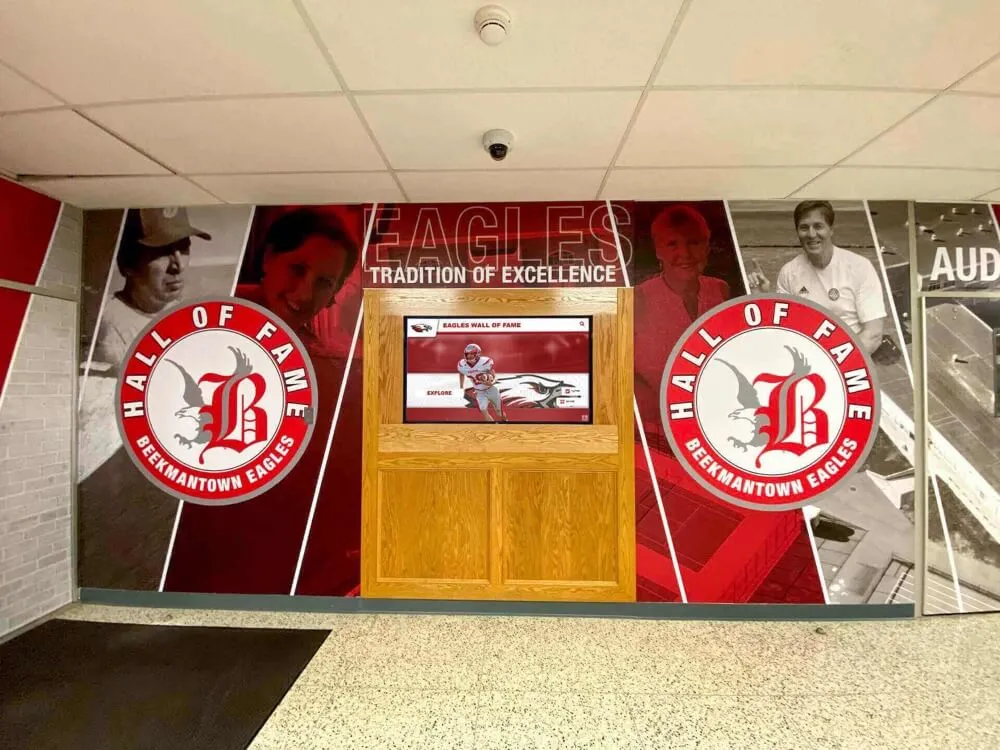
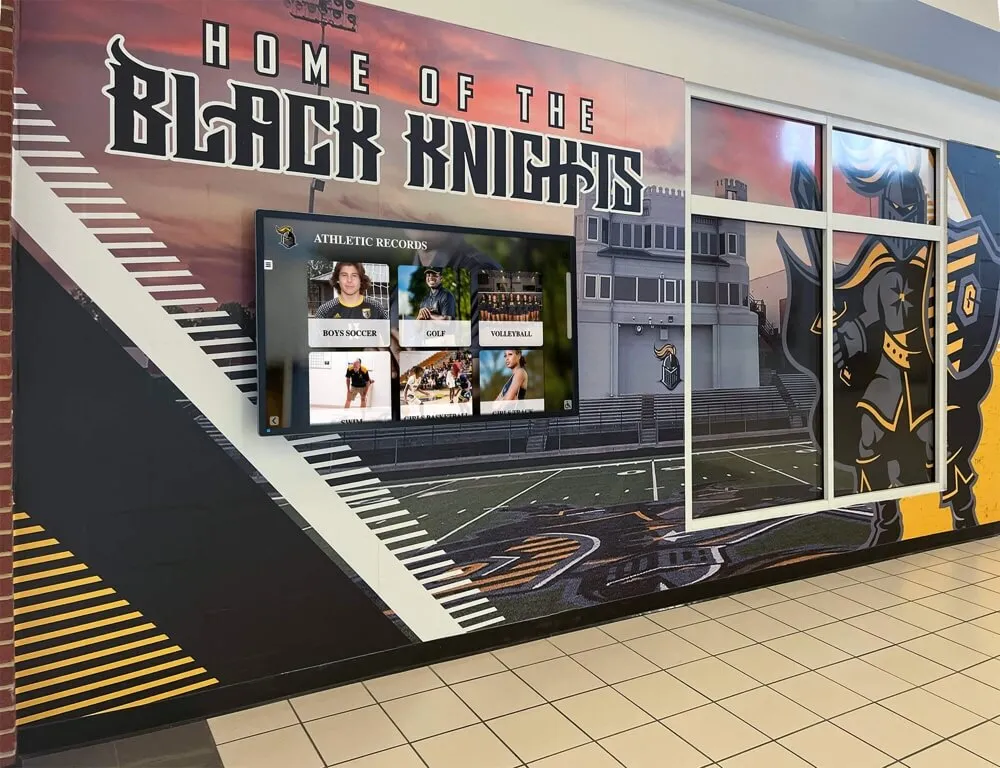
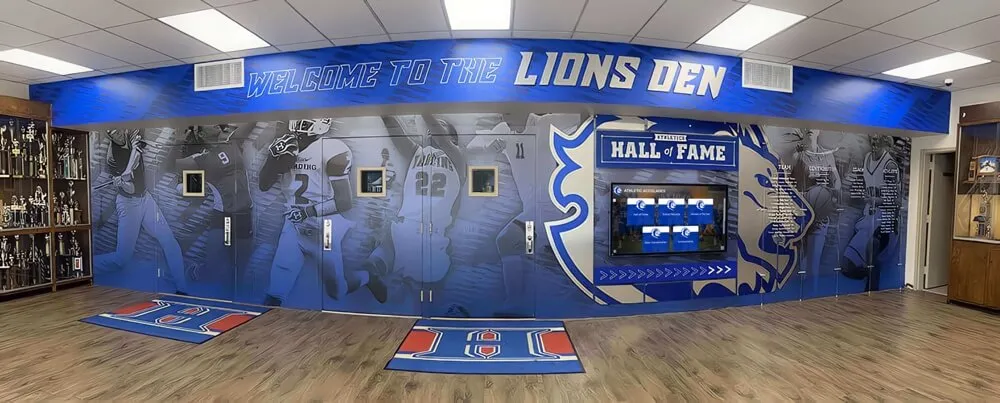
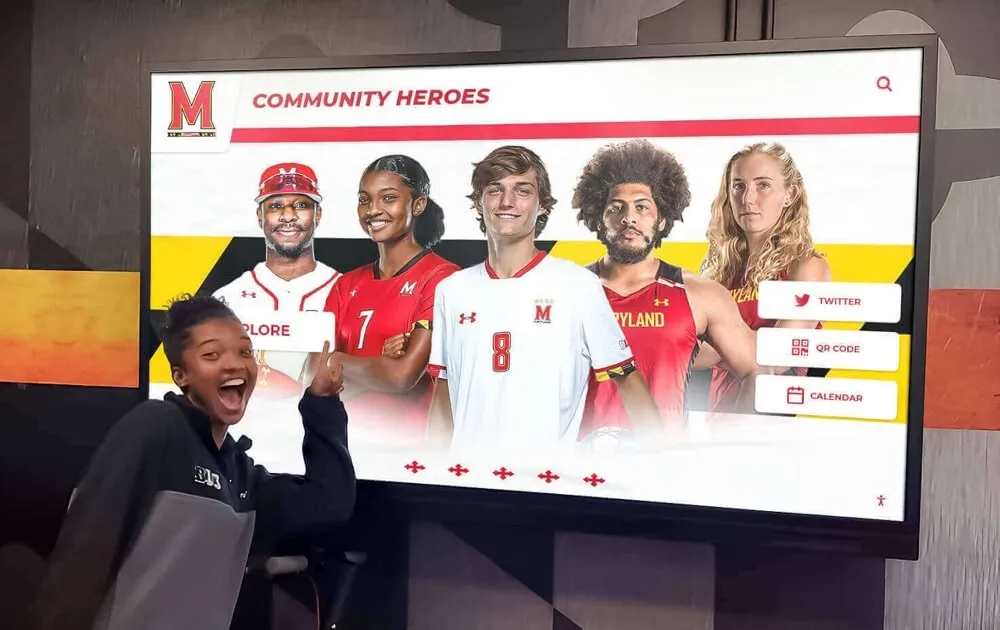
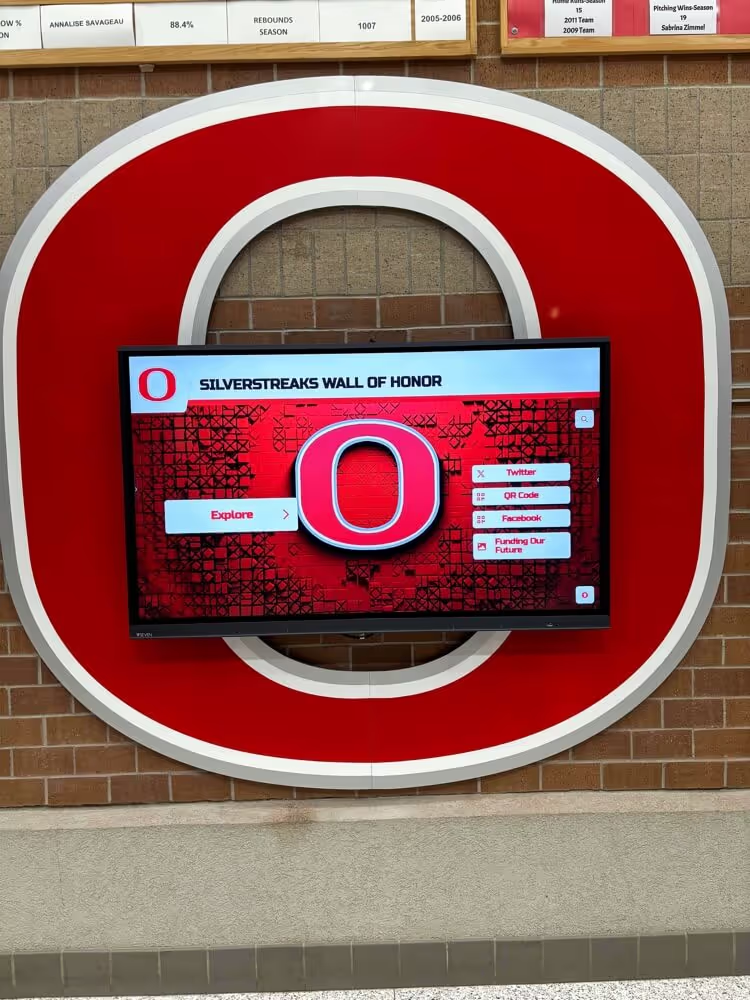
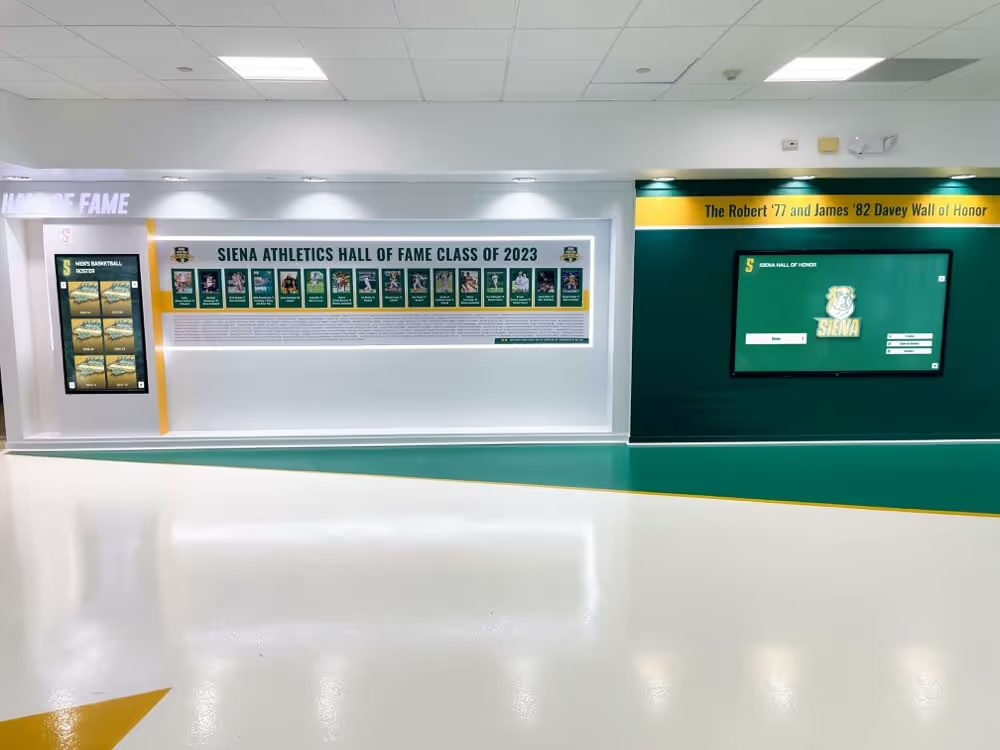
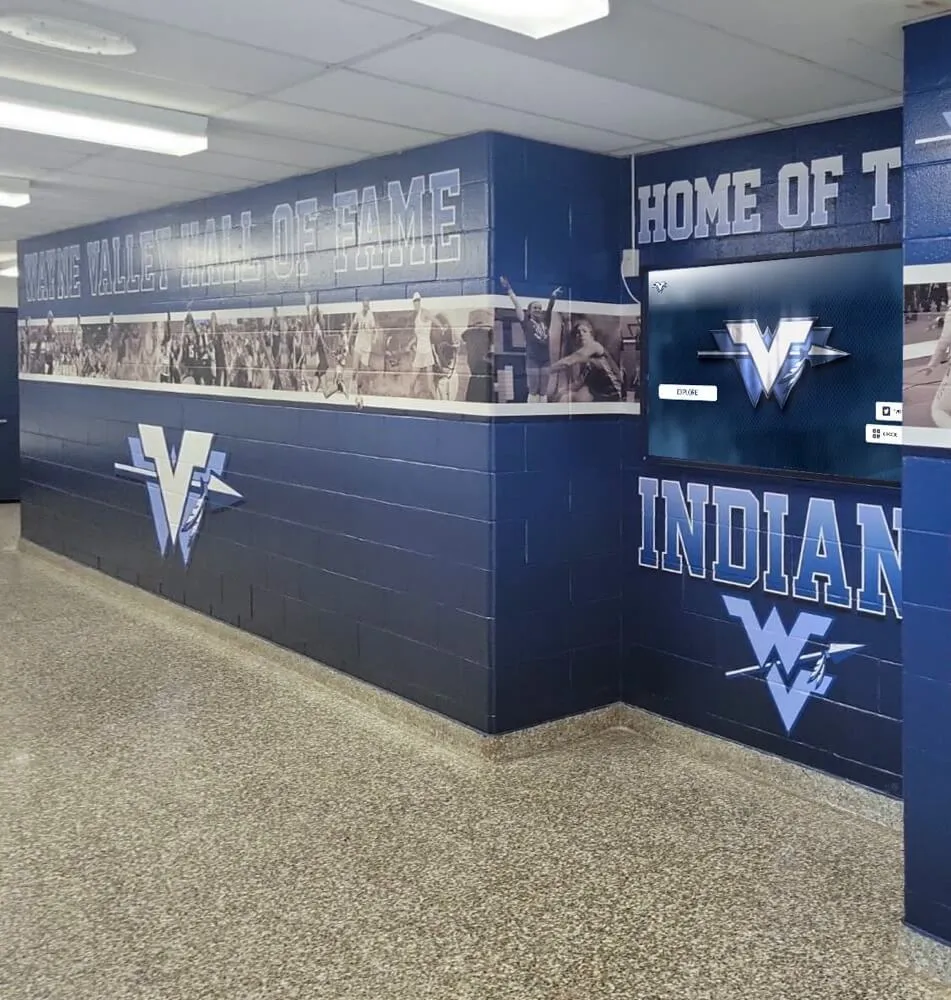
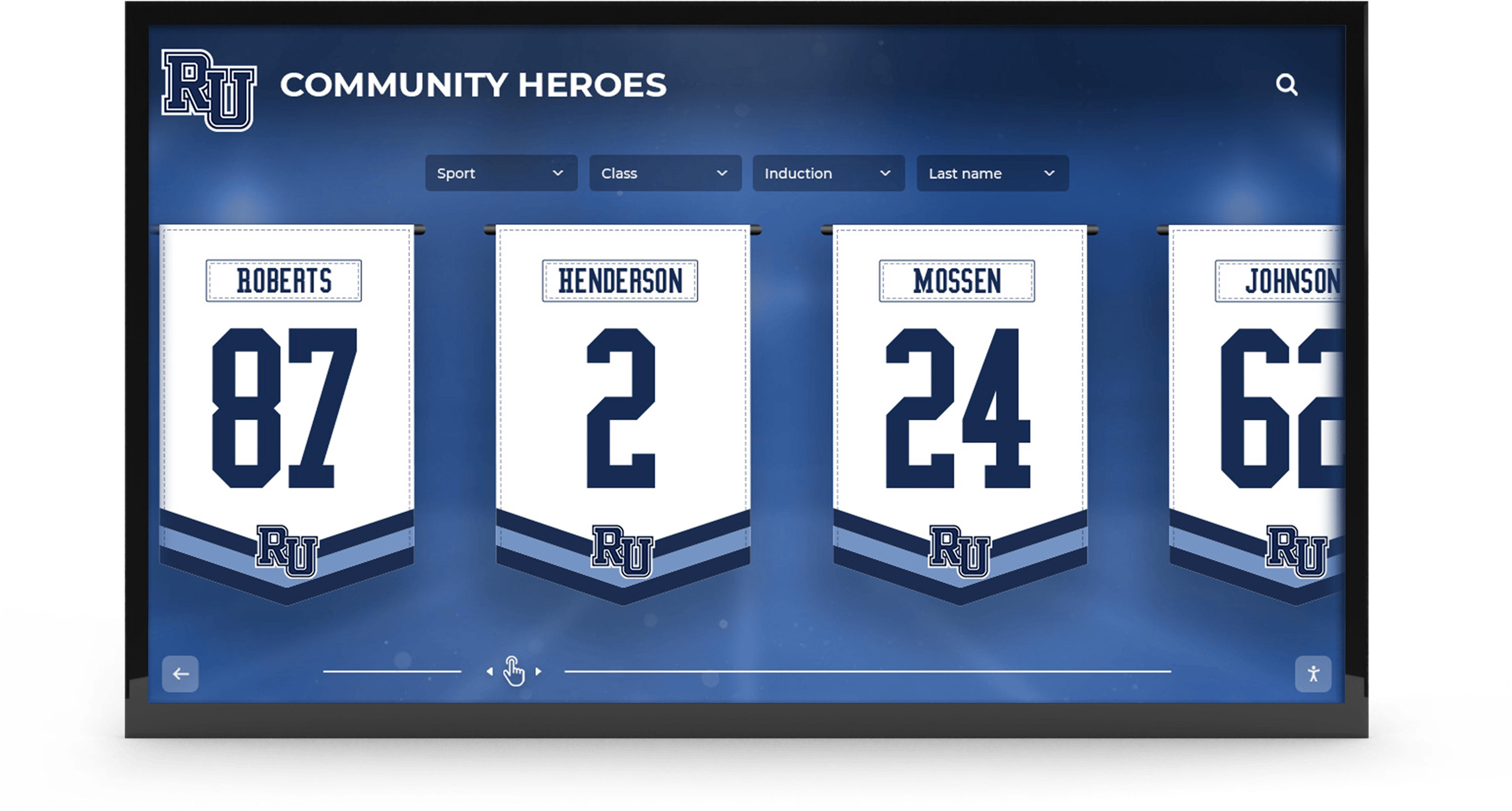
Dedication concepts work across print yearbooks and physical displays, creating multiple touchpoints where communities encounter memorial tributes
Content and Wording Strategies
What you write on dedication pages matters as much as how it looks. Thoughtful content choices honor individuals authentically while providing information that helps readers understand why tributes appear.
Biographical Content Frameworks
Effective dedication page text balances factual information with emotional resonance.
Essential Biographical Elements
Include these core details in most dedication tributes:
- Full name and titles: Use complete formal names along with relevant titles, degrees, or roles—“Dr. Margaret Chen, English Department Chair” or “James Rodriguez ‘89, Maintenance Director”
- Years of service or affiliation: Specify duration of connection to the school community—“Wilson High School, 1987-2025” or “Class of 2024”
- Key roles and responsibilities: Briefly identify primary contributions—“Biology teacher, Science Olympiad advisor, and mentor to countless students pursuing medical careers”
- Personal details that humanize: Include 1-2 personal touches that reveal character beyond professional roles—“known for greeting every student by name” or “never missed a Friday night football game in 30 years”
Anecdote Selection and Integration
Specific stories create more memorable tributes than generic praise:
- Student impact moments: Share concrete examples of how the honored individual influenced student lives—“Her office door remained open until 5 PM every day, welcoming students struggling with chemistry or life”
- Community traditions: Highlight rituals or traditions the person created or maintained—“His annual Thanksgiving food drive collected over 50,000 pounds during his tenure”
- Character-revealing details: Include small observations that capture personality—“She kept a candy jar on her desk specifically stocked with each student’s favorite type”
- Legacy connections: Note lasting impacts—“Fourteen of her former students now teach in our district, carrying forward her passion for engaging young minds”
When creating memorial tributes to students, work closely with families and school counselors to identify appropriate content that celebrates life while respecting grief. Some families prefer extensive biographical detail, while others request minimal information beyond essential facts.
Quote Selection and Attribution
Well-chosen quotes add authentic voices to dedication pages.
Types of Effective Dedication Quotes
Consider these quote sources:
Personal Philosophy Statements
Quotes from the honored individual reflecting their approach to education, service, or life:
“Every student who walks into my classroom brings unique gifts. My job is helping them recognize what they already possess.” — Mrs. Patricia Williams, Retired English Teacher
Colleague and Student Tributes
Brief statements from those who knew the individual well:
“Mr. Jackson taught me that calculus wasn’t about memorizing formulas—it was about seeing patterns everywhere. I think about his lessons every day in my engineering career.” — Sarah Chen ‘18
Impact Reflections
Quotes capturing the individual’s influence:
“She didn’t just coach volleyball. She taught us how to support each other through wins, losses, and everything life throws at us.” — 2024 Varsity Team
Inspirational Favorites
Quotes the individual frequently shared or lived by:
“Be the reason someone believes in the goodness of people.” — Coach Martinez’s favorite saying
Attribution matters—include names and, when appropriate, graduation years for student quotes or professional titles for colleague statements.
Many schools extend dedication page content into permanent recognition displays where quotes, photos, and biographical details remain accessible beyond yearbook publication cycles.
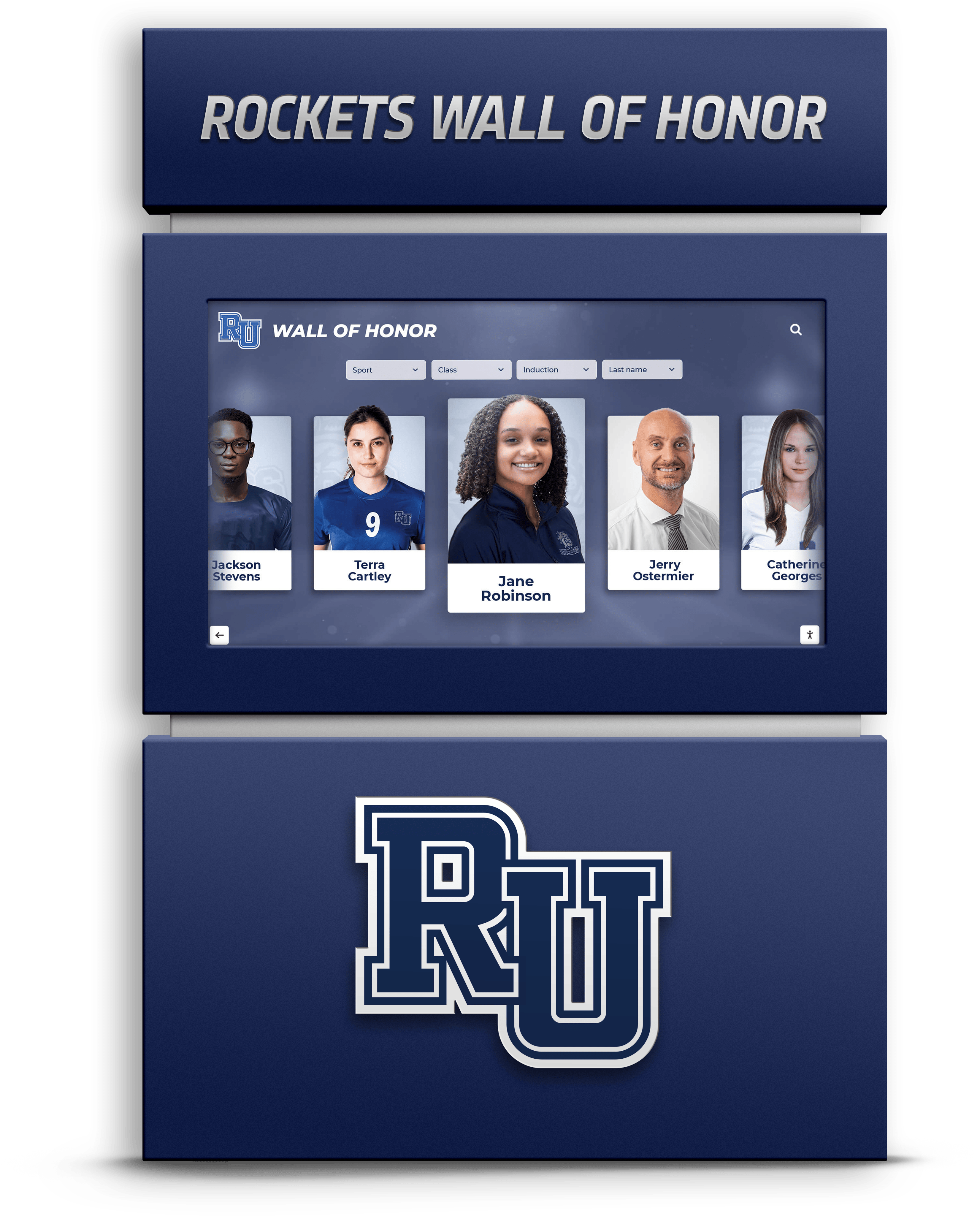
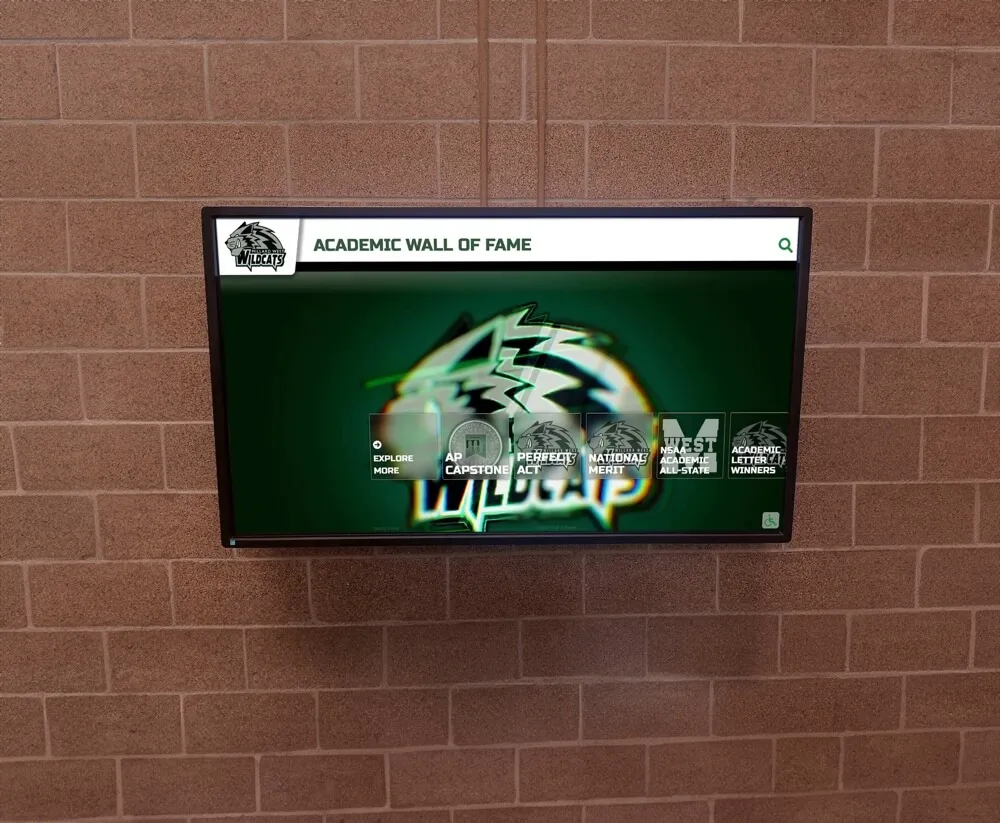
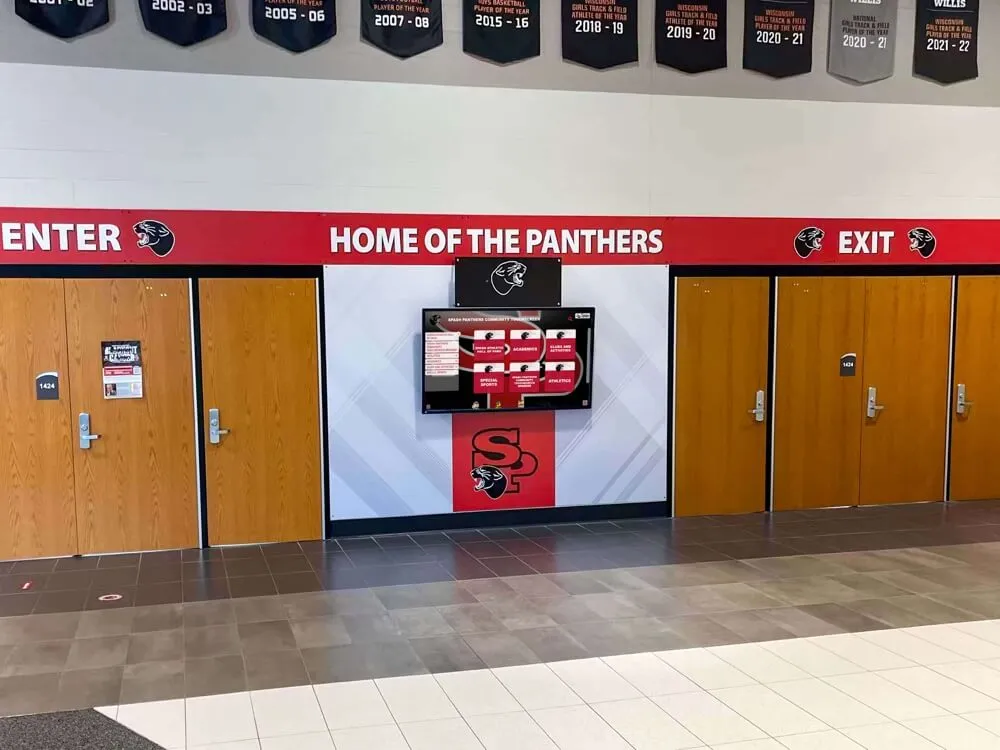
Interactive digital displays allow dedication page content to include extended biographies, photo galleries, and video tributes beyond print constraints
Special Circumstances and Sensitive Situations
Certain dedication scenarios require additional thoughtfulness around approach, content, and community involvement.
Memorial Pages for Students
Creating yearbook tributes to students who died requires exceptional sensitivity and collaborative decision-making.
Family Involvement and Approval
Always work directly with families when creating student memorial pages:
- Initial contact: Reach out through school administration or counseling staff rather than directly contacting grieving families, offering to create a tribute while making clear that participation is entirely optional
- Content approval: Share draft layouts and text with families for approval, explicitly inviting edits and making multiple revision rounds available without pressure
- Photo selection: Allow families to provide or approve all photographs, recognizing they may have preferences about which images represent their child
- Privacy respect: Honor family requests to limit certain biographical details or omit specific information, even if the yearbook staff possesses the content
Counselor and Administrative Coordination
Consult school counselors and administrators throughout the process:
- Timing considerations: Determine appropriate timing for reaching out to families based on counselor guidance about where families are in grief processes
- Community sensitivity: Ensure dedication page approach aligns with broader school communication about loss and considers how different student groups may process grief
- Support resource inclusion: Consider including information about grief support resources available to students, particularly for memorial pages created shortly after loss occurred
- Advance distribution: Provide counselors with advance copies of memorial pages so they can prepare for student reactions when yearbooks distribute
Tragic or Controversial Circumstances
When deaths involve suicide, violence, substance abuse, or controversial circumstances:
- Focus on life lived: Emphasize the individual’s positive qualities, relationships, and contributions without referencing circumstances of death
- Cause-of-death omission: Yearbook memorial pages typically omit specific causes of death, focusing instead on celebrating life and impact
- Advocacy considerations: If families wish to include advocacy messaging around substance abuse prevention, mental health awareness, or similar causes, coordinate carefully with administration to ensure appropriateness and available support resources
- Equal treatment: Maintain consistent dedication page design and prominence regardless of death circumstances, avoiding any appearance of judgment through differential treatment
Multiple Losses in Single Year
Years when communities experience multiple deaths require careful planning:
- Combined memorial spreads: Rather than scattered individual pages, create unified memorial sections honoring all losses together, which often feels less fragmented
- Consistent tribute structure: Apply equal page space and design treatment to each individual unless families specifically request different approaches
- Collective remembrance elements: Consider opening text acknowledging the community’s collective grief—“This year tested our community’s resilience as we said goodbye to beloved members who shaped our school in lasting ways”
- Counselor partnership: Work especially closely with counseling staff to ensure memorial content supports rather than complicates community healing processes
Schools managing sensitive memorial content often benefit from professional guidance on digital preservation that extends tributes beyond print while maintaining appropriate access controls.
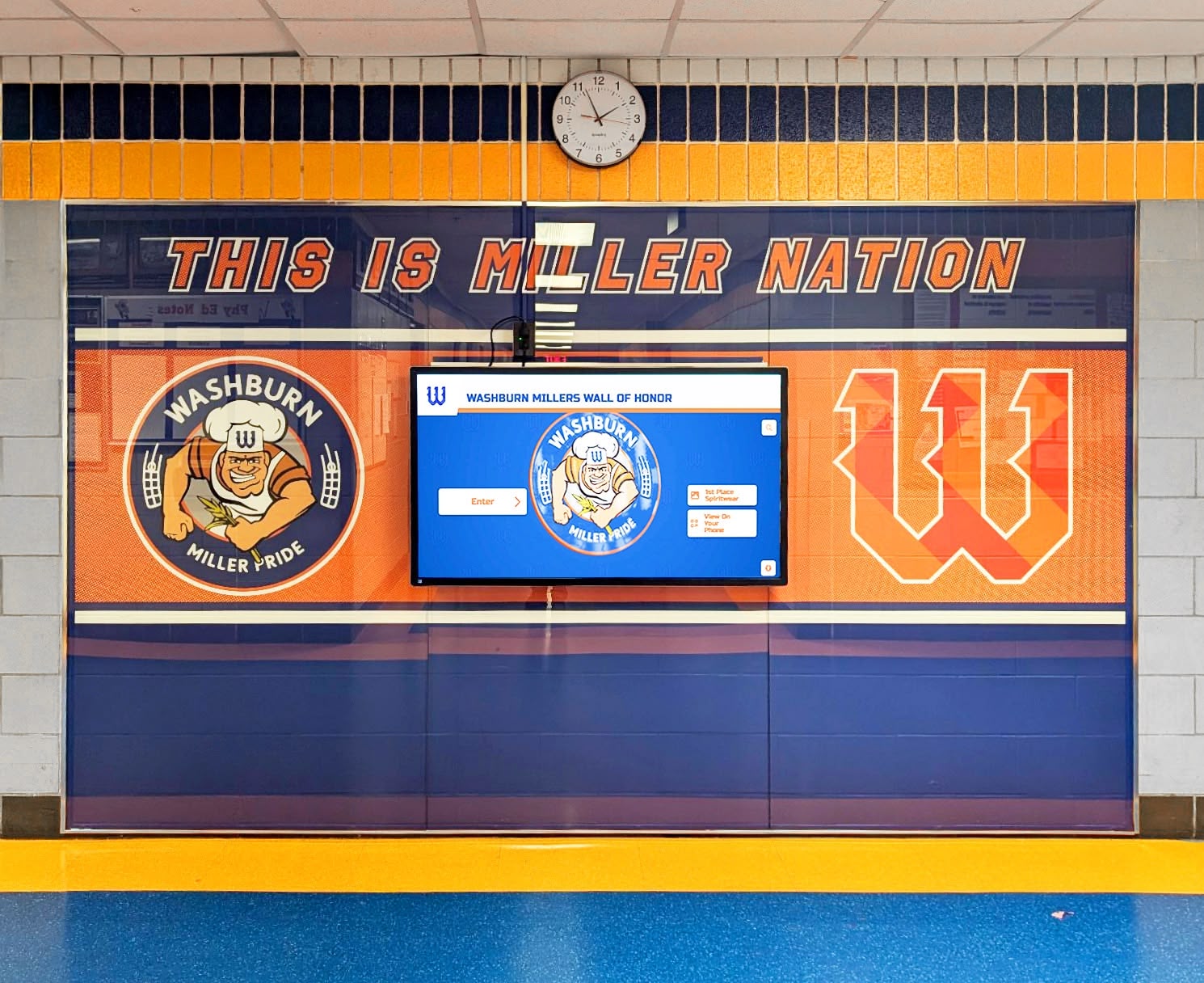
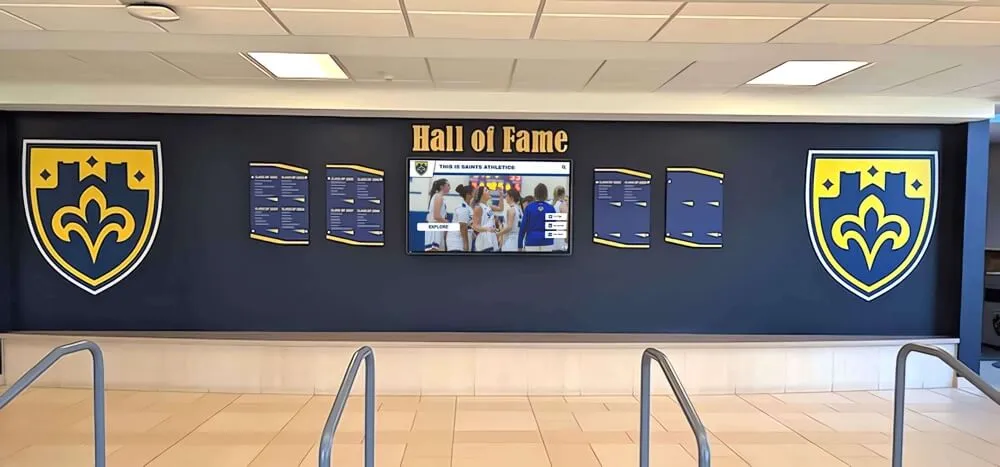
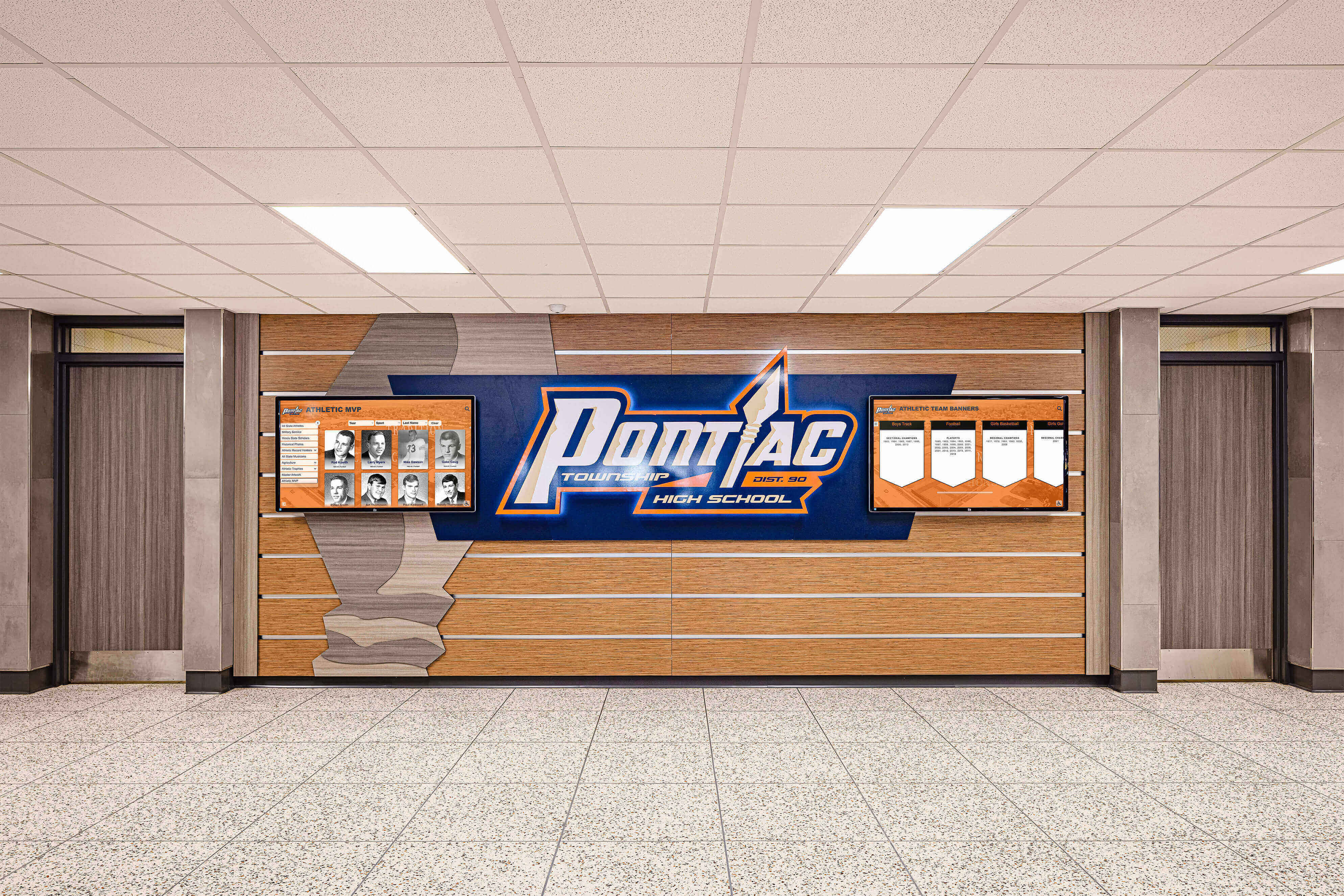
Permanent digital installations ensure dedication page tributes remain visible to current students while creating accessible archives for alumni revisiting memorial content
Retirement and Celebration Dedication Examples
Not all dedication pages address loss—many celebrate long careers, acknowledge transitions, or honor significant contributions from departing community members.
Career Retrospective Approaches
For teachers, staff, or administrators retiring after extensive service:
Decade-by-Decade Timelines
Create visual timelines showing career progression:
- Organize content chronologically from hiring year through retirement
- Include milestone moments—department chair appointments, major program launches, championship seasons coached, curriculum innovations introduced
- Feature representative photos from different career decades showing both professional evolution and consistency of character
- Incorporate brief student quotes from graduates spanning the career timeline
Impact Statistics and Numbers
Quantify contributions through meaningful metrics:
- “37 years teaching AP History • 2,847 students • 89% average AP exam pass rate”
- “22 musicals directed • 87 lead roles cast • 6 state drama championships • Countless standing ovations”
- “41 years as head custodian • 8 building additions maintained • 152 winter storms cleared • Every single graduation set up perfectly”
Quote Compilation Pages
Dedicate space to voices from across the career:
Create visually interesting layouts featuring brief quotes from:
- Former students now in careers related to the teacher’s subject area
- Current students representing the final classes taught
- Colleague perspectives on collaborative work
- Administrators acknowledging contributions beyond classroom duties
“Passing the Torch” Narratives
For retirements where successors are already in place:
- Feature side-by-side portraits of the retiring individual and their successor
- Include quotes from the retiring person offering advice or reflections
- Add messages from the successor acknowledging the legacy they’re inheriting
- Create visual metaphors around transition—photos showing both individuals in the same classroom, office, or role-specific location
This approach works particularly well for coaching positions, department chair transitions, or specialized roles where institutional knowledge transfer is significant.
Group Retirement Tributes
When multiple staff members retire simultaneously:
- Create unified spreads featuring all retirees rather than scattered individual pages
- Establish consistent biographical frameworks—each person receives equivalent space with parallel design treatments
- Include a collective statement acknowledging combined contributions—“Together, these educators provided 287 years of service to our students”
- Add group photo if individuals are comfortable with collective imagery
Schools seeking to create permanent retirement recognition often supplement yearbook tributes with digital displays where updated content can acknowledge retirees across multiple years.
Extending Dedication Pages Beyond Print
While printed yearbook dedication pages serve important commemorative functions, digital preservation and display create opportunities for extended tributes and ongoing accessibility.
Digital Memorial Archives
Modern yearbook programs increasingly incorporate digital components that preserve and expand dedication content:
Unlimited Content Capacity
Digital platforms remove space constraints inherent to print:
- Include complete photo galleries showing the honored individual across their career rather than selecting single representative images
- Add extended biographical content, full career timelines, and comprehensive lists of achievements that print space limitations would prohibit
- Incorporate video tributes, recorded interviews, or audio clips that capture voices and personalities beyond still photographs
- Feature message boards where community members can share memories, condolences, or appreciation messages over time
Searchable Accessibility
Digital archives make dedication content discoverable:
- Alumni can search for and access memorial tributes decades after original yearbook publication
- Families can revisit digital tributes without requiring physical yearbook access
- Future students researching school history can discover tributes to individuals who shaped institutional culture
- Community members can locate memorial information without knowing specific publication years
Continuous Updates
Unlike static print pages, digital dedication displays accommodate evolution:
- Add new photos as families share additional archival images
- Include scholarship information established in the honored individual’s memory
- Update tribute content with ongoing legacy impacts—students mentored who enter related fields, programs launched in the person’s honor, facilities or awards named after them
- Incorporate anniversary reflections or commemorative events marking years since passing
Interactive Memorial Displays
Physical digital installations in school facilities create permanent memorial spaces:
High-Traffic Placement
Strategic location ensures ongoing visibility:
- Main entrance lobbies where visitors and community members regularly pass
- Athletic facilities for coaches, student-athletes, or sports boosters who contributed significantly
- Performing arts spaces honoring theater directors, choir conductors, or arts program champions
- Library areas for dedicated educators or literacy advocates
Touchscreen Exploration
Interactive displays allow personalized engagement:
- Visitors can browse complete tribute collections rather than viewing only featured content
- Search functions help community members locate specific individuals
- Photo galleries permit detailed examination of archival images
- Related content linking shows connections between honored individuals and current programs they influenced
Many schools implement comprehensive digital recognition systems that integrate yearbook dedication pages into broader institutional memory platforms accessible across print, digital, and physical display channels.
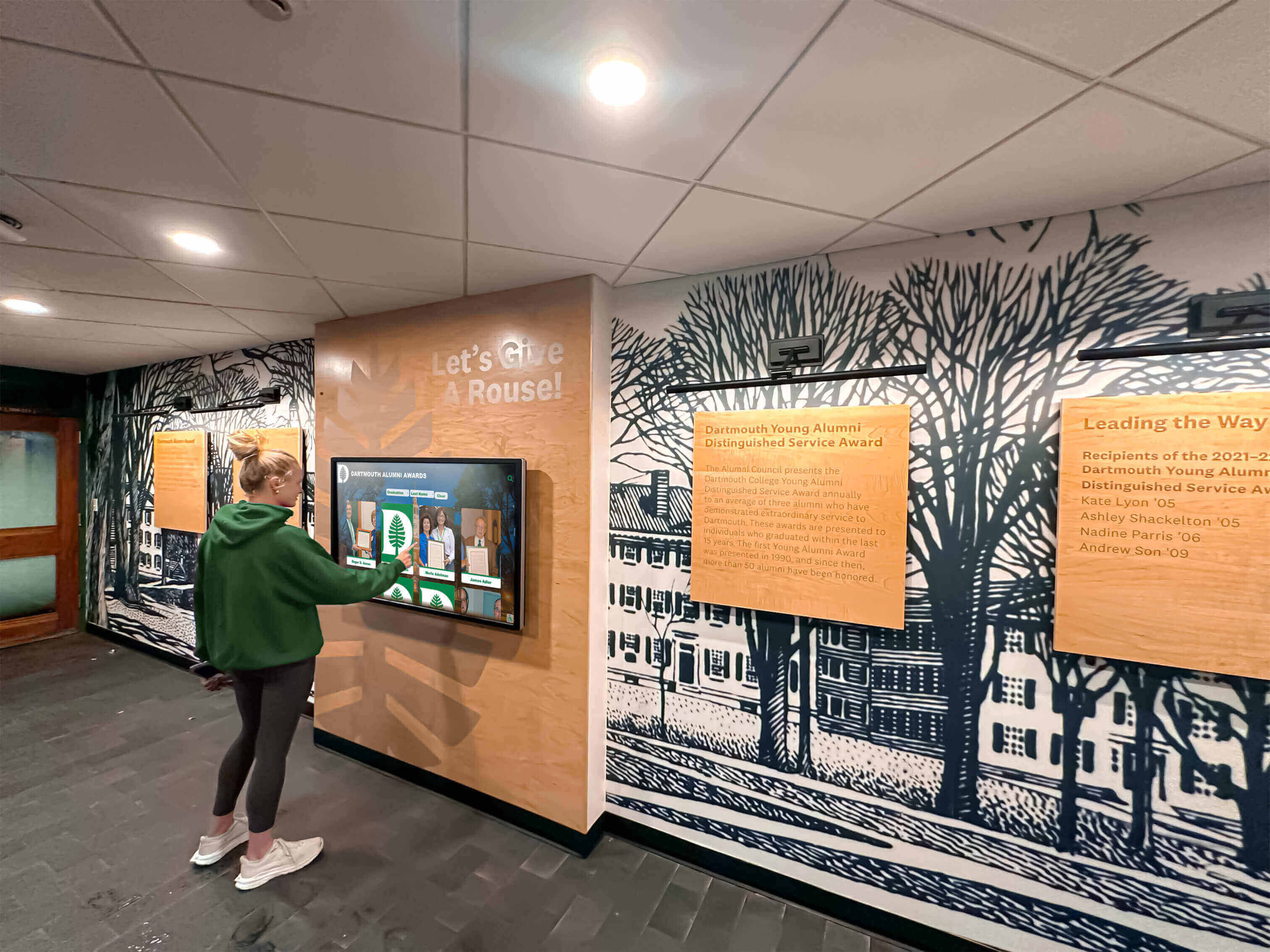
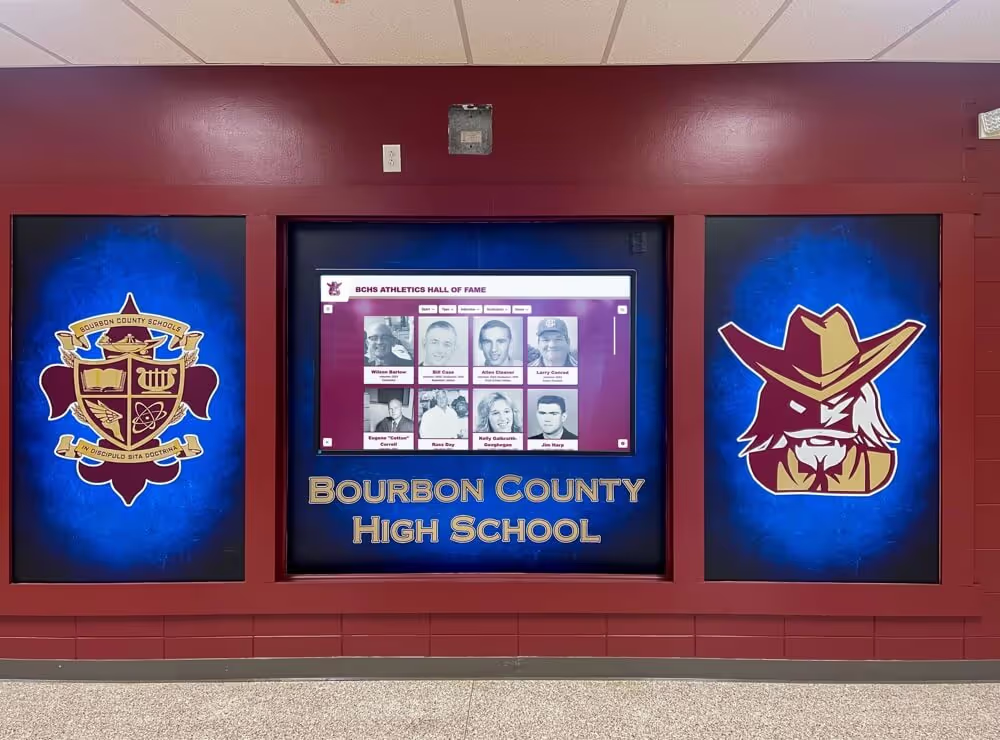
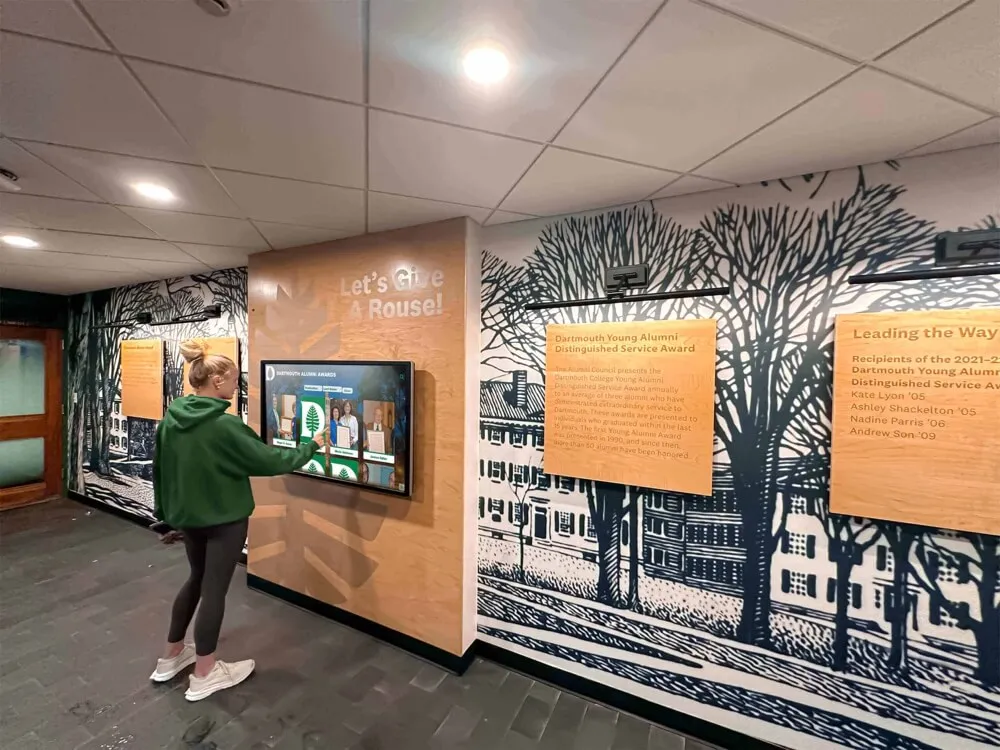
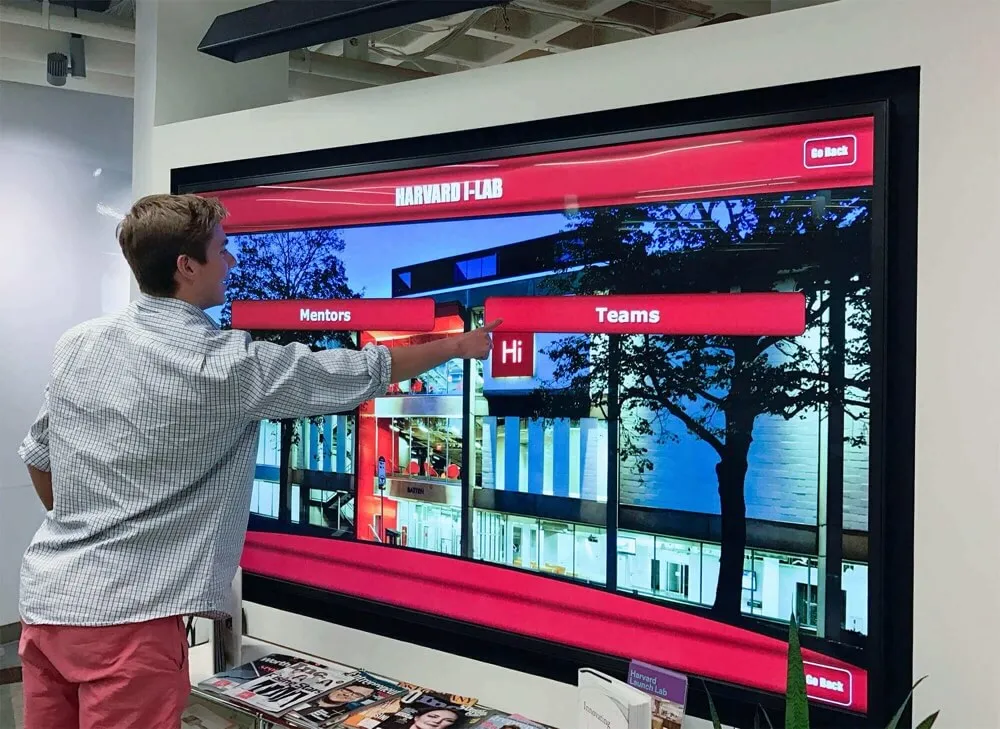
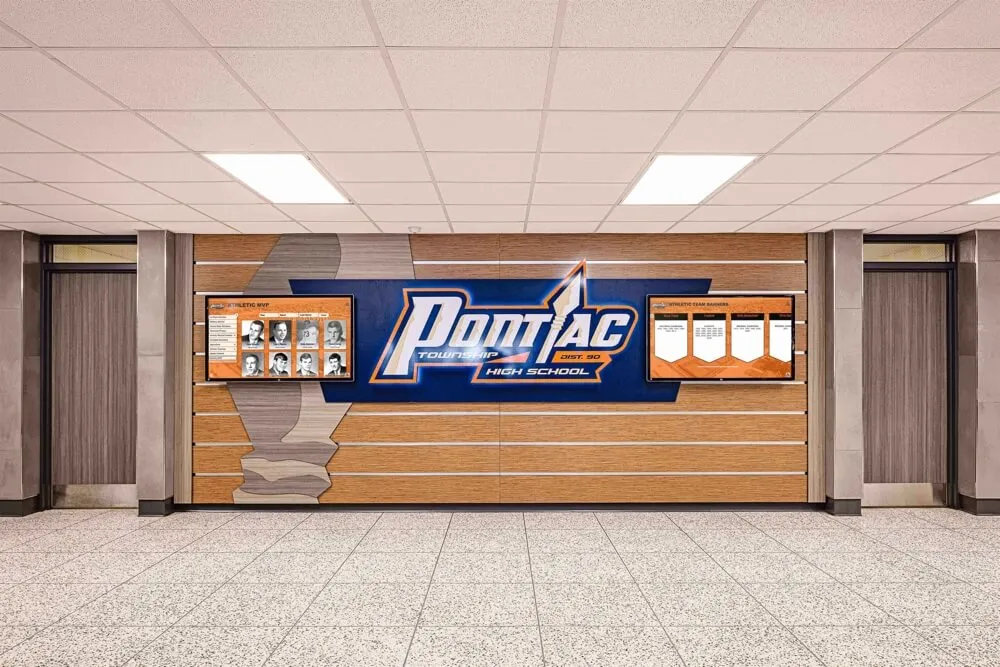
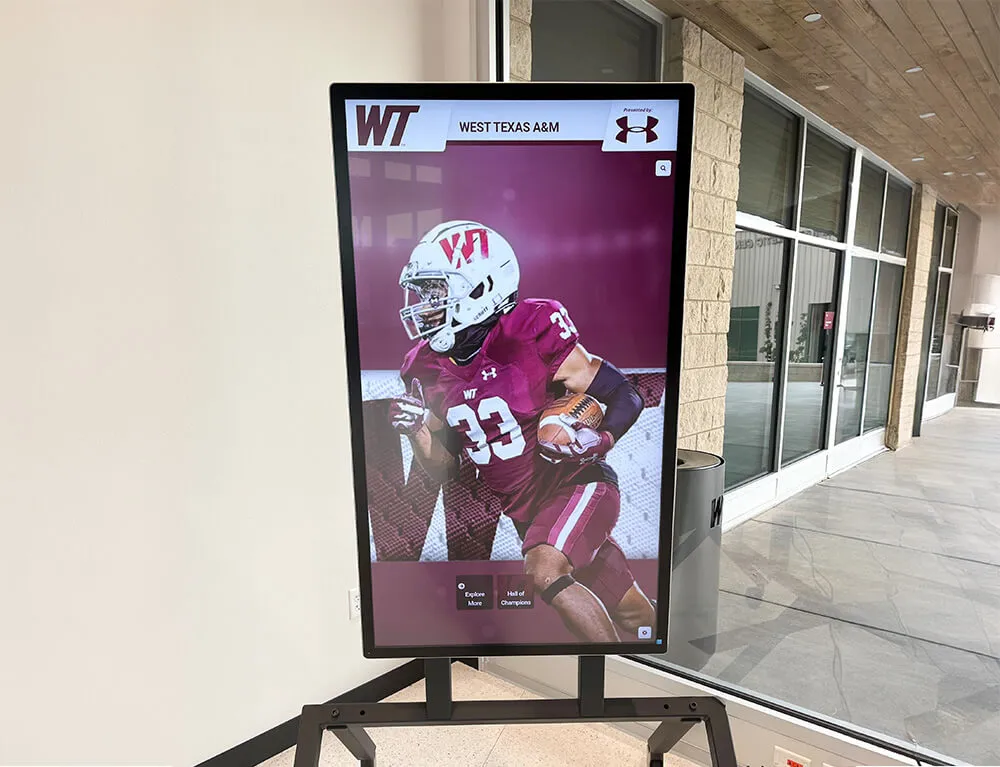
Interactive memorial displays transform static dedication pages into exploratory experiences where students discover school history and honored community members
Production Considerations and Timelines
Creating meaningful dedication pages requires planning timelines that accommodate approval processes, content gathering, and sensitive coordination.
Content Collection Planning
Establish clear processes for gathering dedication page content:
Early Identification and Outreach
Begin dedication page planning early in yearbook production:
- Identify individuals who will be honored through retirement, memorial needs, or service recognition by early fall
- Initiate family contact for memorial tributes within appropriate timeframes recommended by counseling staff
- Reach out to retiring faculty and staff during fall semester to allow comfortable content development timelines
- Establish content submission deadlines that provide buffer time for revisions and approvals
Content Request Specifications
Provide clear guidance to content contributors:
- Specify preferred photograph formats, resolutions, and file types
- Offer question frameworks for biographical information—rather than requesting “write something about yourself,” provide specific prompts like “What motivated you to enter education?” or “What moment from your career stands out most?”
- Establish word count parameters for different dedication page elements
- Clarify any content that’s off-limits or inappropriate for yearbook context
Approval and Revision Processes
Build multi-stage review into timelines:
- Create first drafts for internal editorial review before external sharing
- Submit drafts to families, honored individuals, or their representatives with clear revision request processes
- Allow minimum one-week windows for review and response
- Build in contingency time for multiple revision rounds if needed
Design Production Workflows
Dedication pages often follow different production timelines than regular yearbook content:
Early Deadline Advantages
Completing dedication pages ahead of other yearbook sections provides benefits:
- Reduces last-minute pressure during final production sprints
- Allows thoughtful design development without deadline stress
- Provides time for careful proofreading of names, dates, and sensitive content
- Creates buffers for unexpected delays in approval processes
Last-Minute Memorial Additions
Prepare contingency plans for unexpected memorial needs:
- Reserve flex space in yearbook layouts that can accommodate late-added dedication pages
- Develop template designs ready for rapid content integration
- Establish accelerated approval processes for time-sensitive memorial situations
- Coordinate with yearbook publishers about latest possible addition dates for different content types
Quality Control Emphasis
Dedication pages warrant especially rigorous accuracy verification:
- Verify all names, dates, and titles multiple times through different checkers
- Confirm photo identifications match captions and biographical content
- Cross-reference factual claims—years of service, graduation dates, titles held
- Review tone and language choices with administrators and counseling staff
- Conduct final family or individual approvals immediately before publication
Creating Lasting Tribute Impact
The most meaningful dedication pages balance honoring individuals authentically with creating content that serves broader community needs for remembrance and recognition.
Authenticity Over Formality
Effective tributes feel genuine rather than formulaic:
- Include specific, concrete details that capture individual personality rather than generic praise applicable to anyone
- Feature authentic quotes in conversational language rather than overly formal testimonials
- Choose photographs showing natural expressions and characteristic moments rather than staged formal portraits exclusively
- Write in warm, personal tones that sound like actual community members talking about people they knew rather than distant official proclamations
Community Connection
The best dedication pages reinforce shared community bonds:
- Acknowledge collective relationships—“We all remember…” or “Our community celebrates…”
- Reference school traditions, locations, or experiences familiar to broad audiences
- Include diverse voices in quotes and tributes, representing different community segments
- Create opportunities for reader reflection and personal memory rather than simply presenting information
Long-Term Preservation
Ensure dedication page tributes endure beyond initial yearbook distribution:
- Archive high-resolution dedication page files separately for future reference and reprinting
- Include dedication content in digital yearbook platforms and institutional archives
- Consider supplementing yearbook tributes with physical memorial plaques, named spaces, or ongoing recognition programs
- Document the stories behind dedication decisions—why particular individuals were honored, what selection criteria were applied, what family input shaped final tributes—for future yearbook staff reference
Schools committed to comprehensive memorial preservation often implement integrated digital platforms that ensure dedication content remains accessible and discoverable long after printed yearbooks disappear from active circulation.
Making Dedication Pages Part of Your Yearbook Legacy
Yearbook dedication pages serve unique roles within school publications—creating permanent records of loss and celebration while supporting community processing of significant transitions. The most effective dedication approaches balance visual dignity with genuine warmth, include specific personal details that honor unique individuals rather than generic tributes, and ensure sensitive coordination with families, counselors, and administrators throughout development processes.
Whether creating in memoriam tributes to students and staff who passed away, celebrating retiring educators who shaped generations of learners, or honoring community members whose contributions extend beyond formal roles, thoughtful dedication pages become among the most valued yearbook content—spreads that readers revisit across decades when seeking connection to shared institutional memory.
Modern yearbook programs increasingly recognize that dedication page value extends beyond print, implementing digital preservation strategies that ensure tributes remain accessible to alumni, families, and future students exploring institutional history. Interactive displays, searchable archives, and expandable digital content create opportunities for richer memorial experiences while honoring the essential commemorative functions that dedication pages have always served.
Ready to create yearbook dedication pages that honor your community’s most important relationships while ensuring these tributes live on digitally? Rocket Alumni Solutions provides comprehensive digital yearbook platforms that preserve memorial content alongside celebratory school memories, creating searchable archives accessible to your community for generations. From interactive touchscreen displays featuring expanded dedication content to web-based memorial galleries families can share, our solutions ensure your most meaningful tributes endure beyond printed pages.