For high school athletes who’ve dedicated years to their sport, few moments carry more significance than signing a National Letter of Intent. National Signing Day represents the culmination of countless practices, early morning workouts, competitive seasons, and recruiting conversations—the day when talented student-athletes formally commit to continuing their athletic careers at the collegiate level.
But what exactly is National Signing Day, and what does it mean for high school athletes and their families? Understanding the signing periods, the commitment process, and the significance of this milestone helps athletes navigate one of their high school career’s most important decisions. For schools, National Signing Day creates opportunities to celebrate athletic achievement while building traditions that inspire future generations of student-athletes.
This comprehensive guide explains everything high school athletes, parents, and school administrators need to know about National Signing Day—from the official signing periods and what the Letter of Intent means, to how schools can honor these achievements through meaningful recognition that preserves these milestones permanently.
National Signing Day isn’t just a ceremonial event—it’s a binding commitment that shapes student-athletes’ next chapter. Whether you’re an athlete preparing for your signing day, a parent supporting your student through the recruiting process, or a school administrator planning recognition ceremonies, understanding the full context of this tradition helps ensure these achievements receive the celebration they deserve.

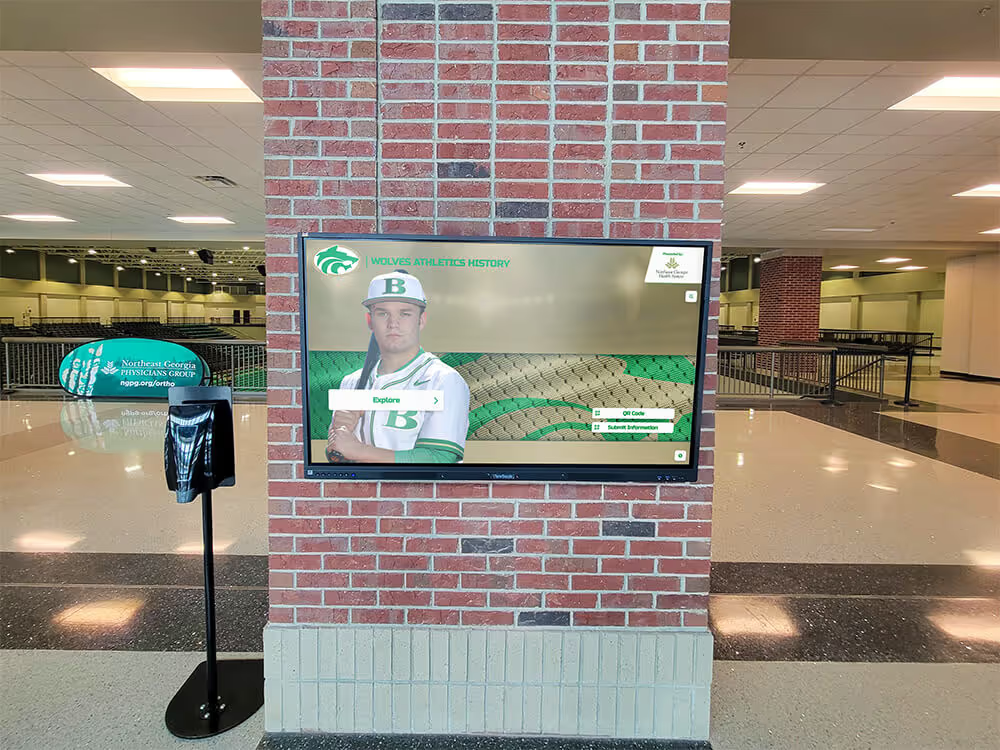
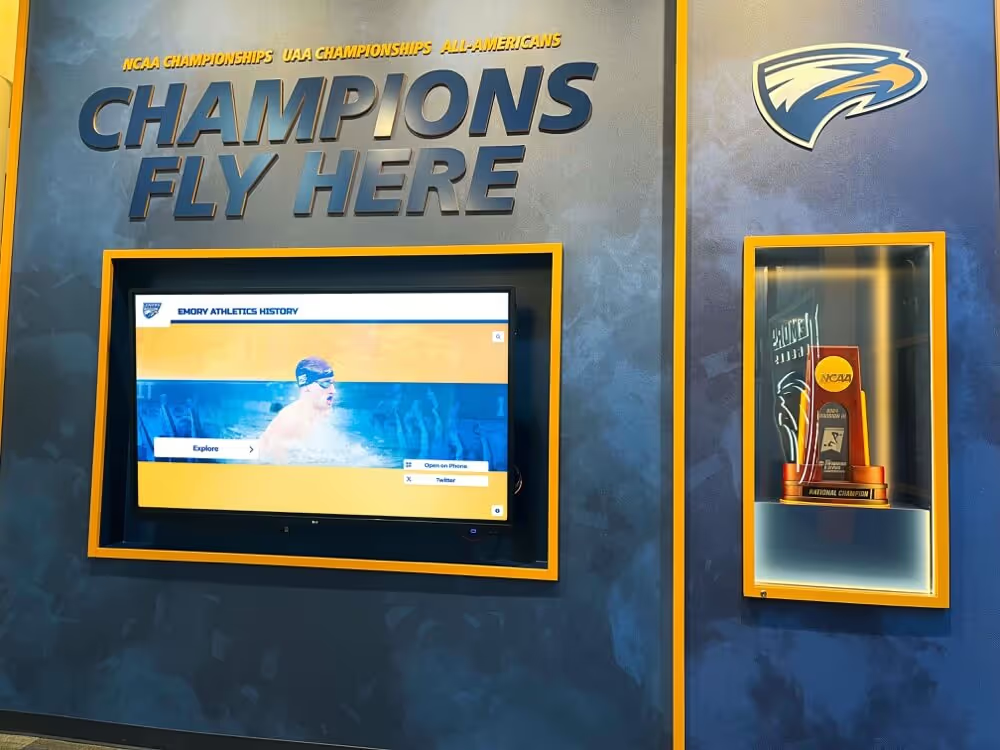
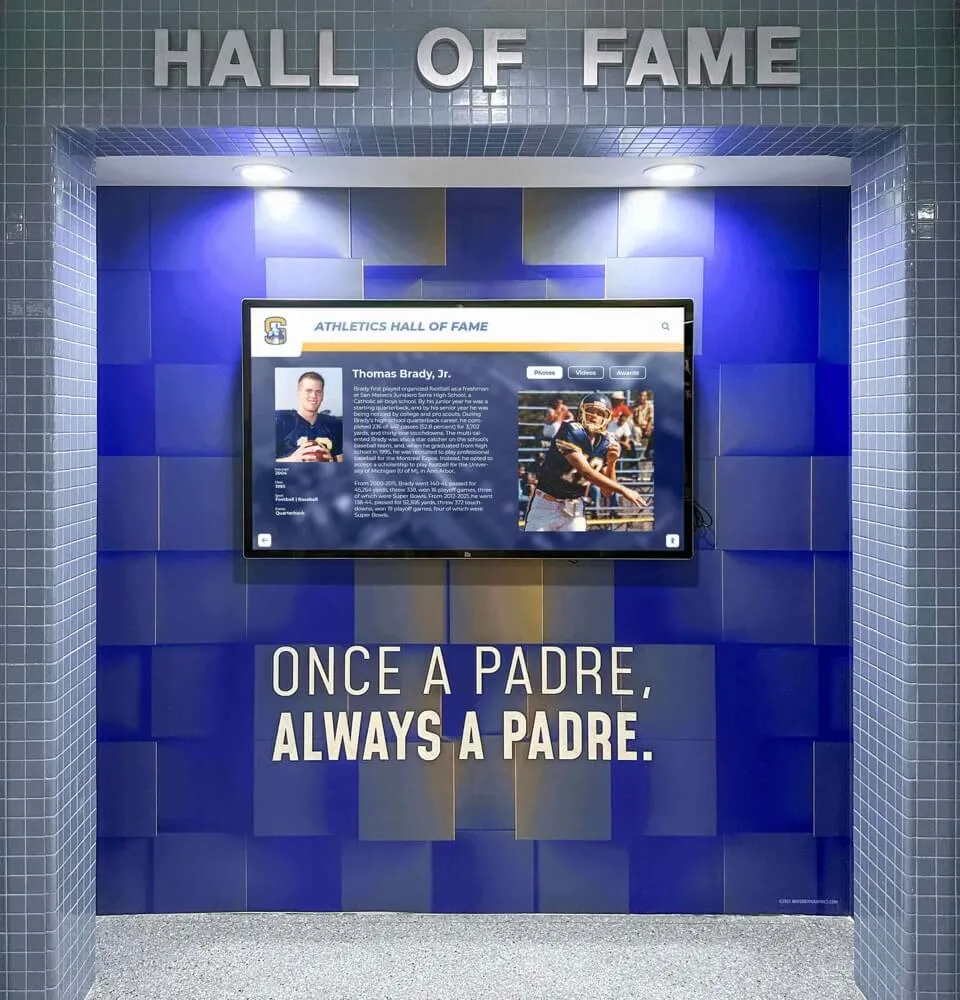
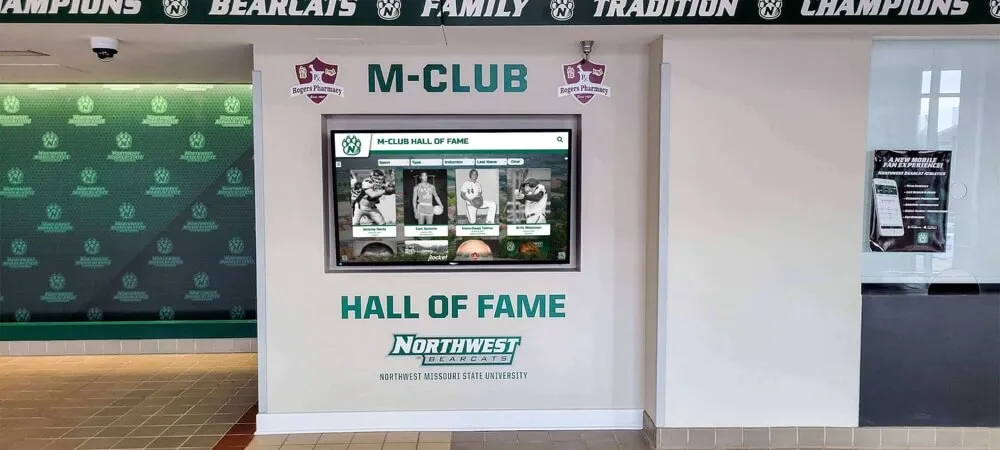
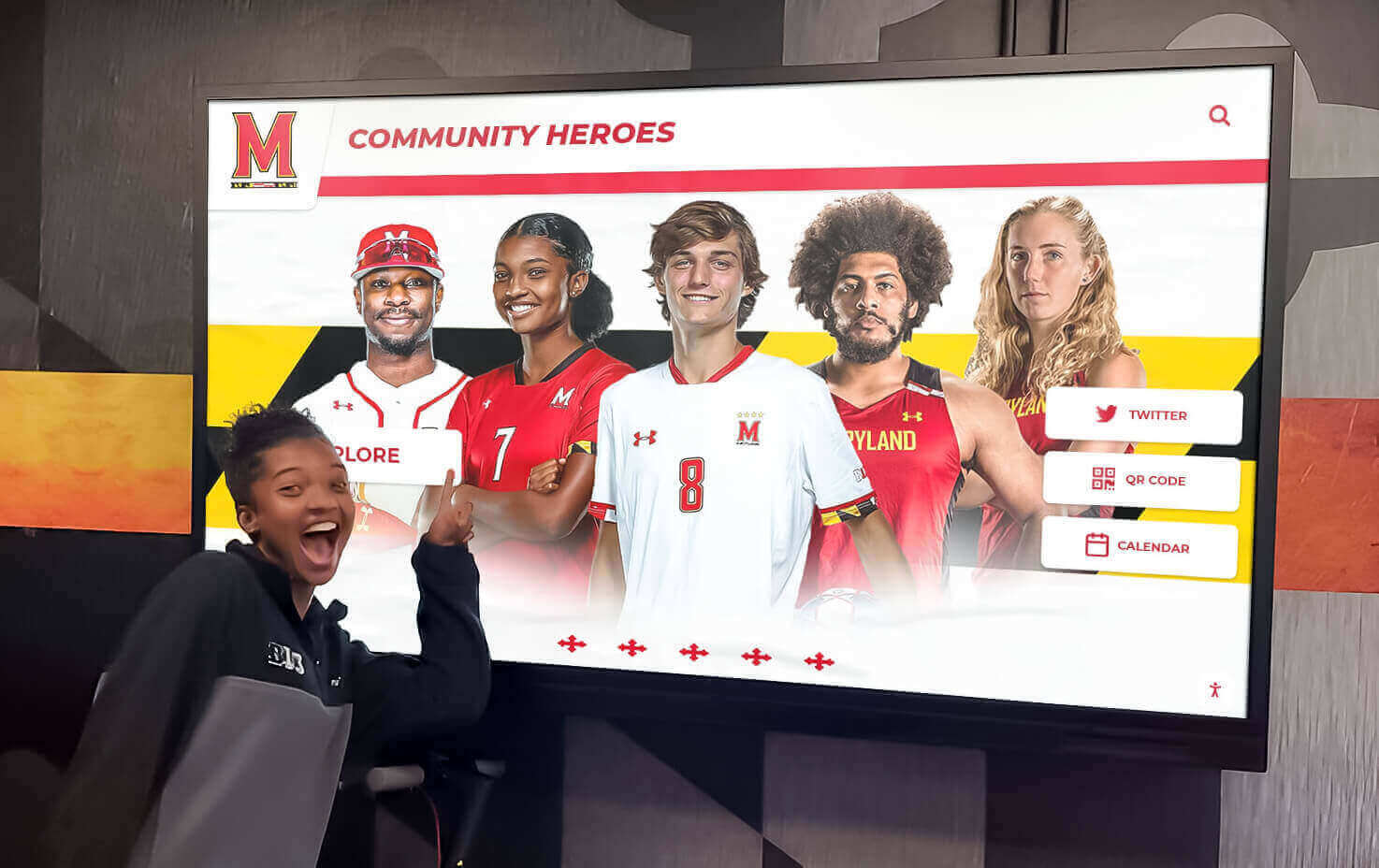
Recognition displays help schools celebrate athletes who sign with college programs, creating lasting inspiration for current students
What Is National Signing Day?
National Signing Day refers to the first day during designated signing periods when high school student-athletes can sign a National Letter of Intent (NLI)—a binding agreement to attend a specific college or university on an athletic scholarship. While the term “National Signing Day” traditionally referred to a single date in February, the system now includes multiple signing periods across different sports throughout the academic year.
Understanding the National Letter of Intent
The National Letter of Intent is a voluntary program administered by the NCAA Eligibility Center in partnership with college athletic conferences. When a student-athlete signs an NLI, they commit to:
- Attending the specified institution for one academic year
- Participating in athletics at that institution
- Receiving athletic financial aid for one academic year (minimum)
In return, the college or university agrees to:
- Provide athletic financial aid for one academic year (renewable based on athletic aid terms)
- Honor the student-athlete’s spot on the team
- End recruiting of that student-athlete by other institutions
This mutual commitment provides certainty for both parties—athletes know they have secured their college destination and financial support, while coaches can finalize their recruiting classes knowing committed athletes are bound to attend.
Learn more about the letter of intent process and what it means for high school athletes.
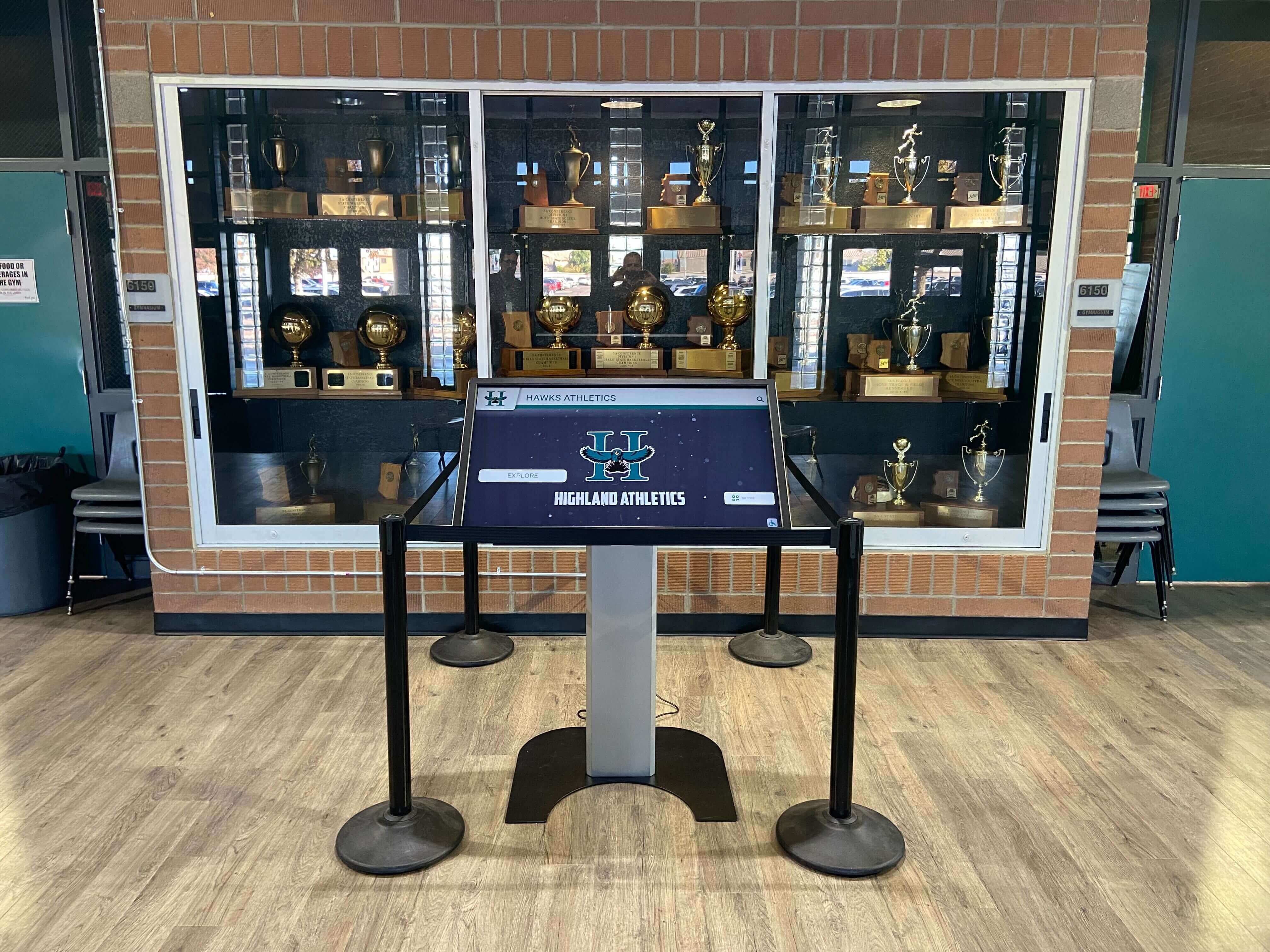
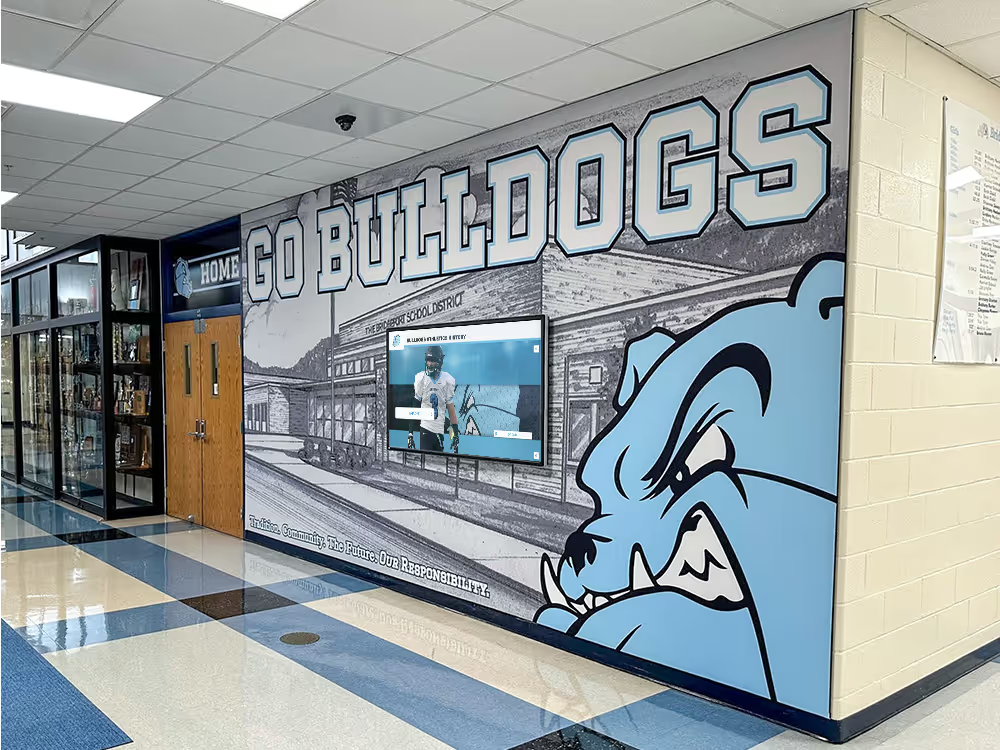
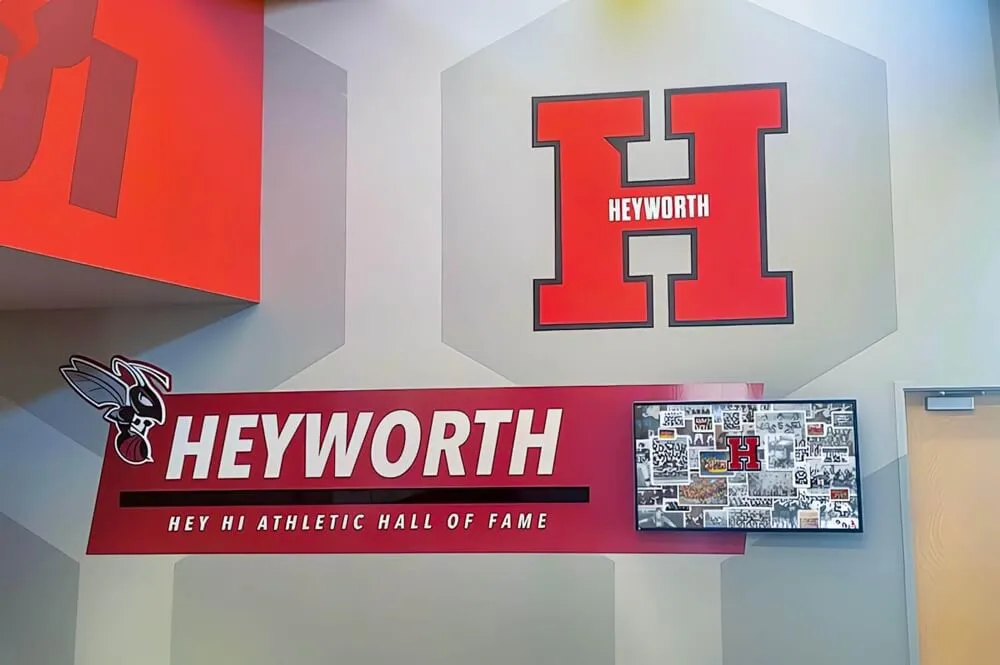
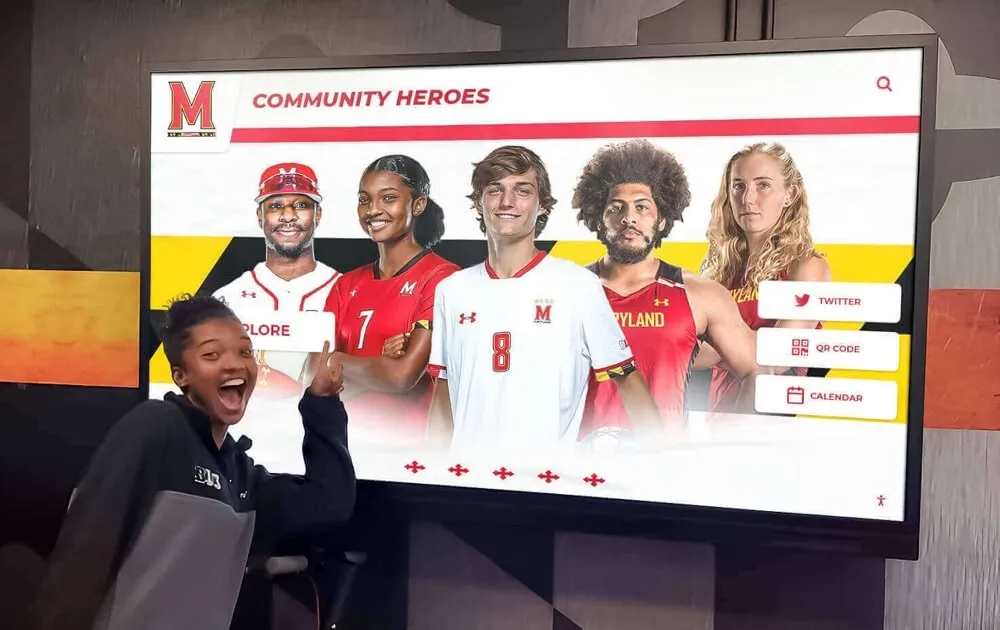
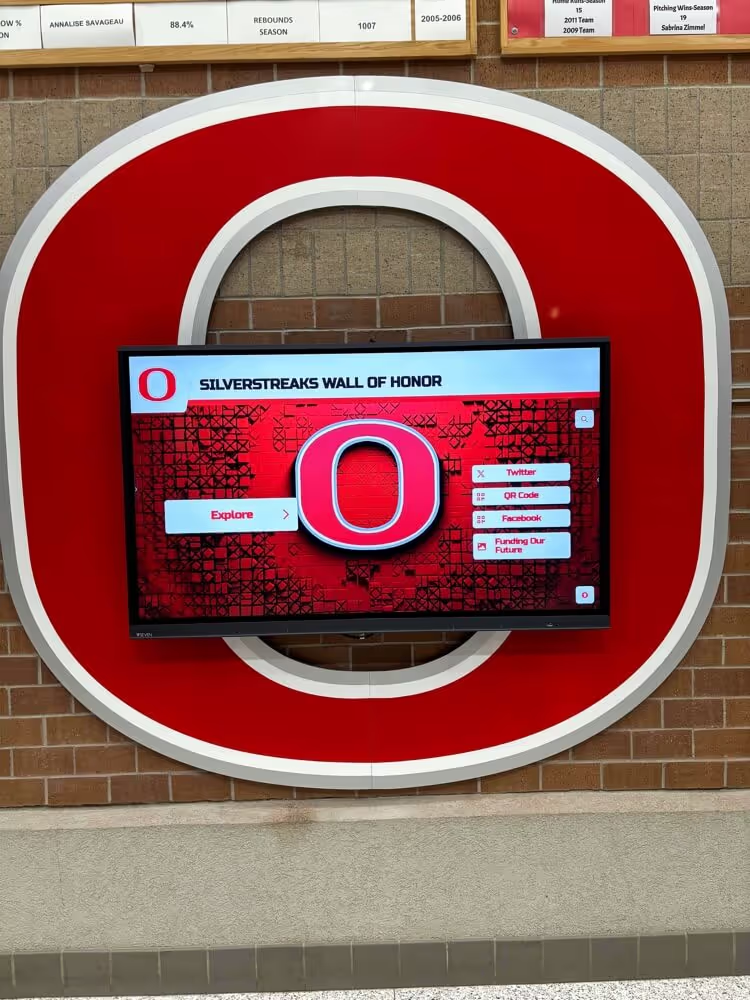
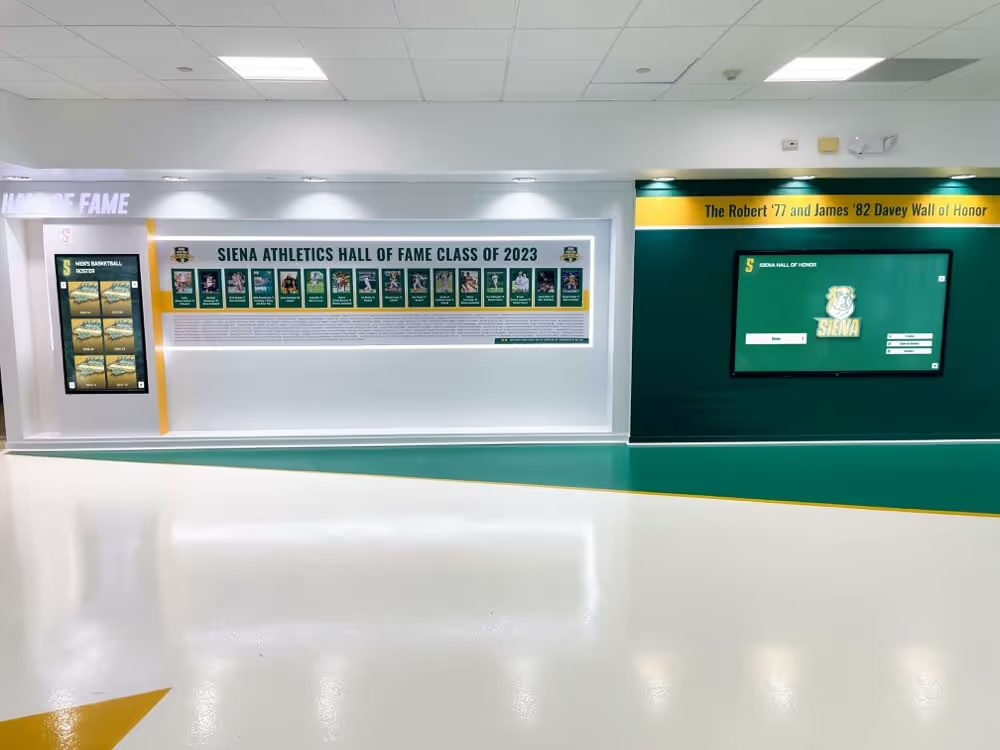
Modern schools integrate digital recognition with traditional trophy cases, creating comprehensive celebration of athletic achievements including college signings
Which Sports Participate in National Signing Day?
The National Letter of Intent program covers most NCAA Division I and Division II sports, including:
Fall Sports
- Football
- Soccer (men’s and women’s)
- Cross country
- Volleyball
- Field hockey
Winter Sports
- Basketball (men’s and women’s)
- Wrestling
- Swimming and diving
- Indoor track and field
- Ice hockey
- Gymnastics
Spring Sports
- Baseball
- Softball
- Lacrosse (men’s and women’s)
- Tennis
- Golf
- Track and field (outdoor)
Not all college commitments involve the National Letter of Intent. NCAA Division III institutions cannot offer athletic scholarships, so their commitments don’t use the NLI system. Similarly, some athletes commit to colleges outside the formal signing periods through standard admissions processes.
National Signing Day Dates and Periods
The NCAA has established multiple signing periods designed to accommodate different sports and recruiting timelines. Understanding these periods helps athletes, families, and schools plan appropriate recognition.
Football Signing Periods
Football has the most prominent signing periods, with extensive media coverage and high visibility:
Early Signing Period (December)
- Typically begins in mid-December and lasts three days
- Most Division I football recruits sign during this period
- Provides early certainty for athletes and programs
- Has become the primary signing period with 85-90% of recruits signing early
- Occurs before bowl games and coaching changes
National Signing Day (February)
- Traditionally the first Wednesday in February
- Historically the only football signing date before 2017
- Now serves primarily for athletes who:
- Want additional time for decision-making
- Experience late recruiting developments
- Await academic qualification or test scores
- Receive late scholarship offers after coaching changes
The December early signing period has transformed football recruiting, with most top recruits now committing before the traditional February date that gives the event its name.
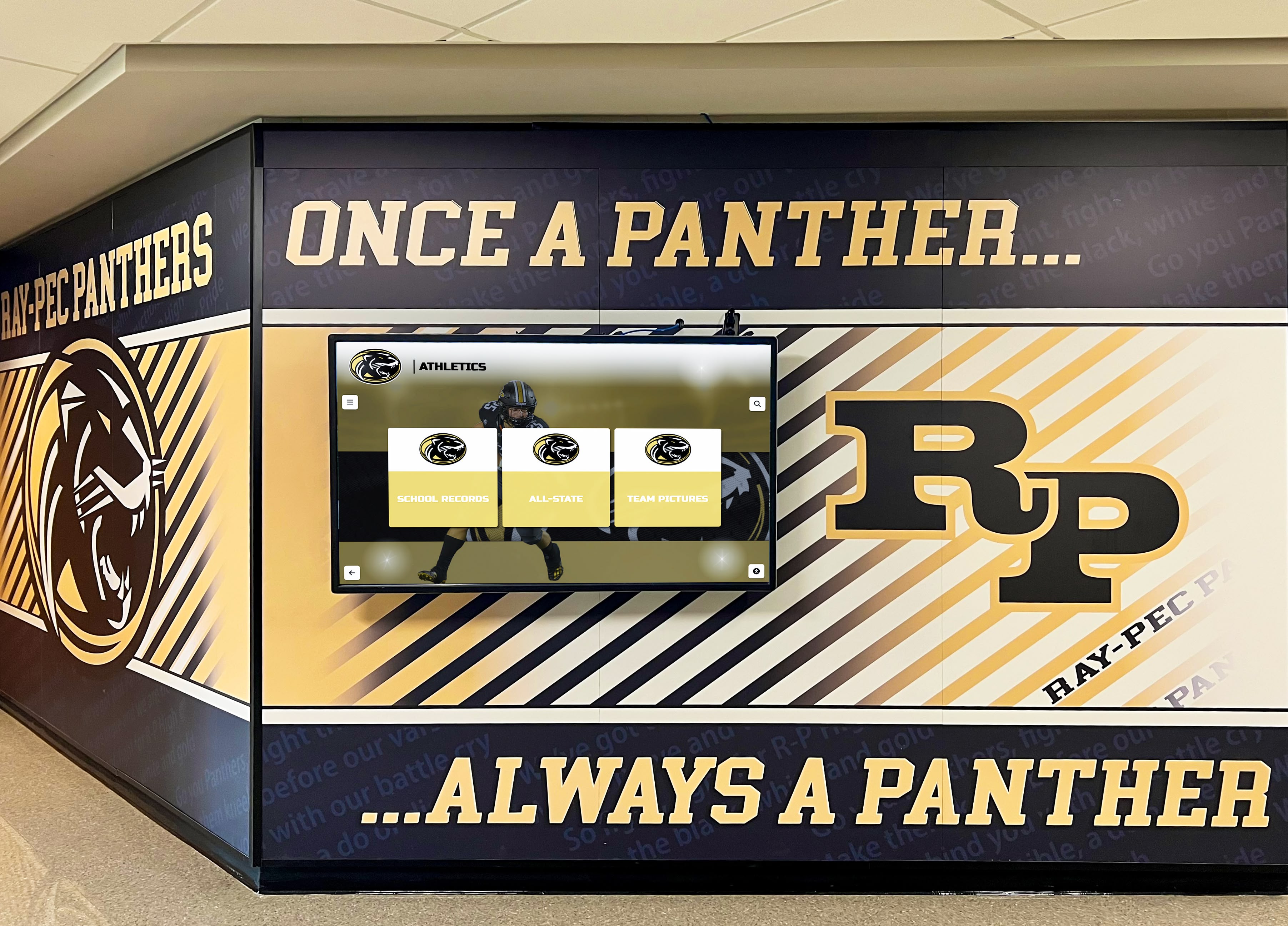
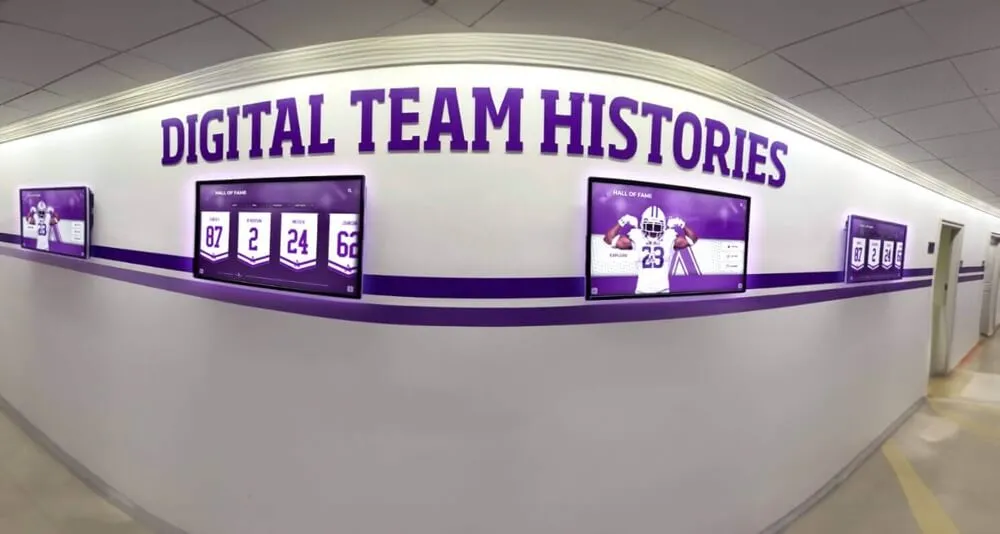
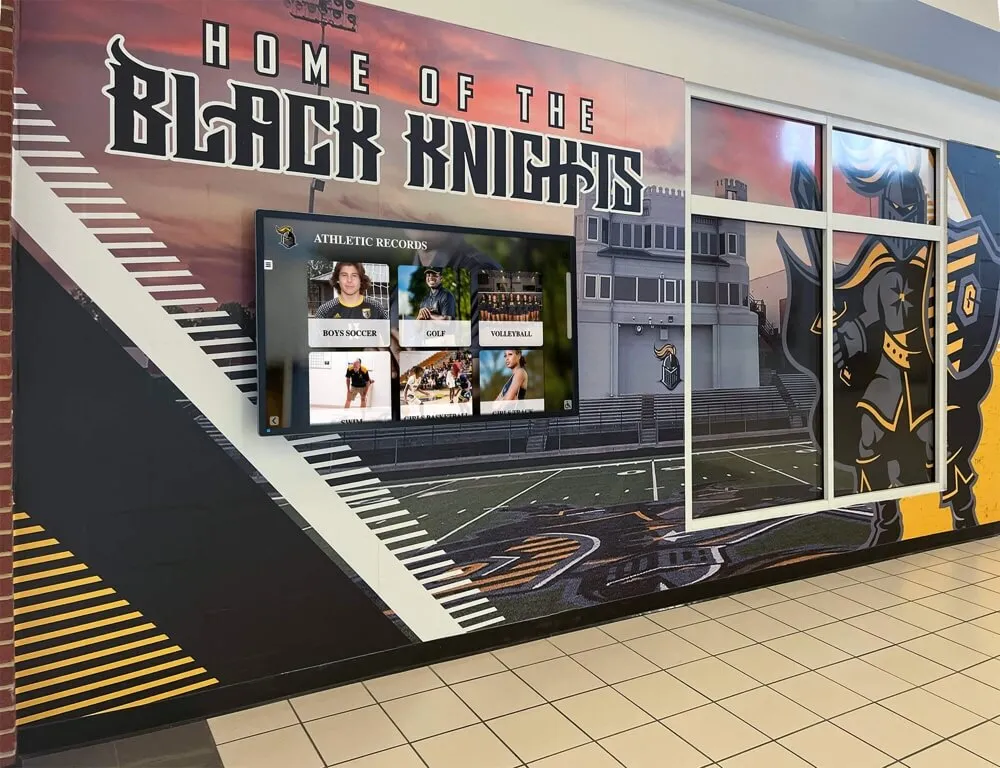
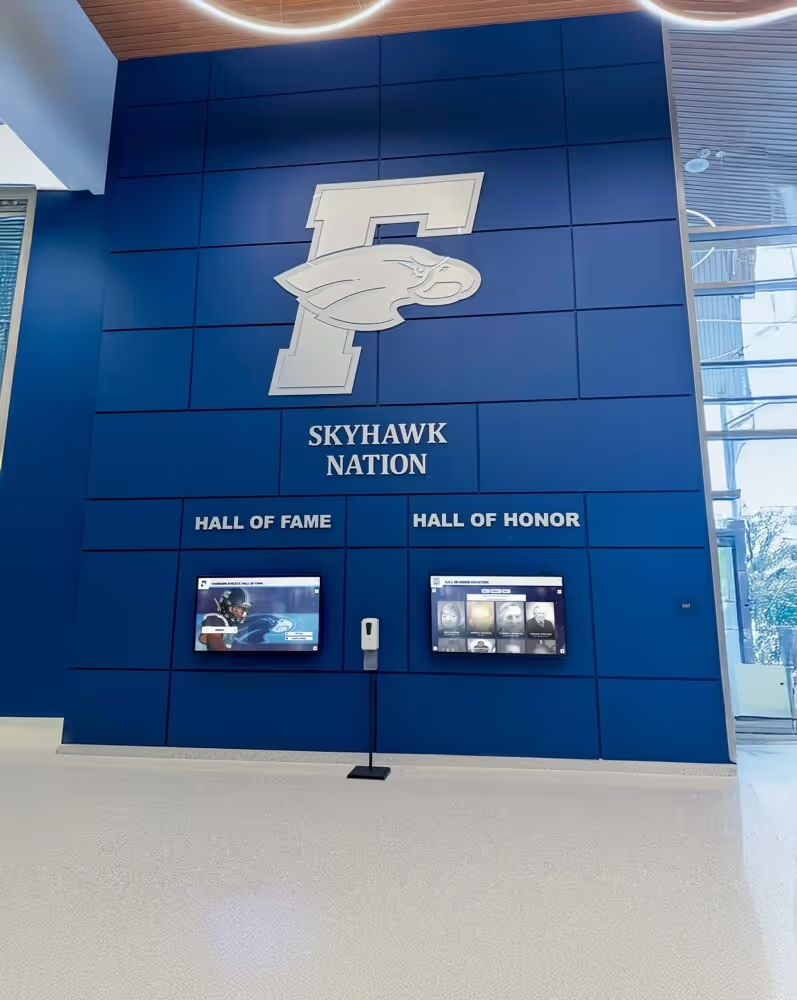
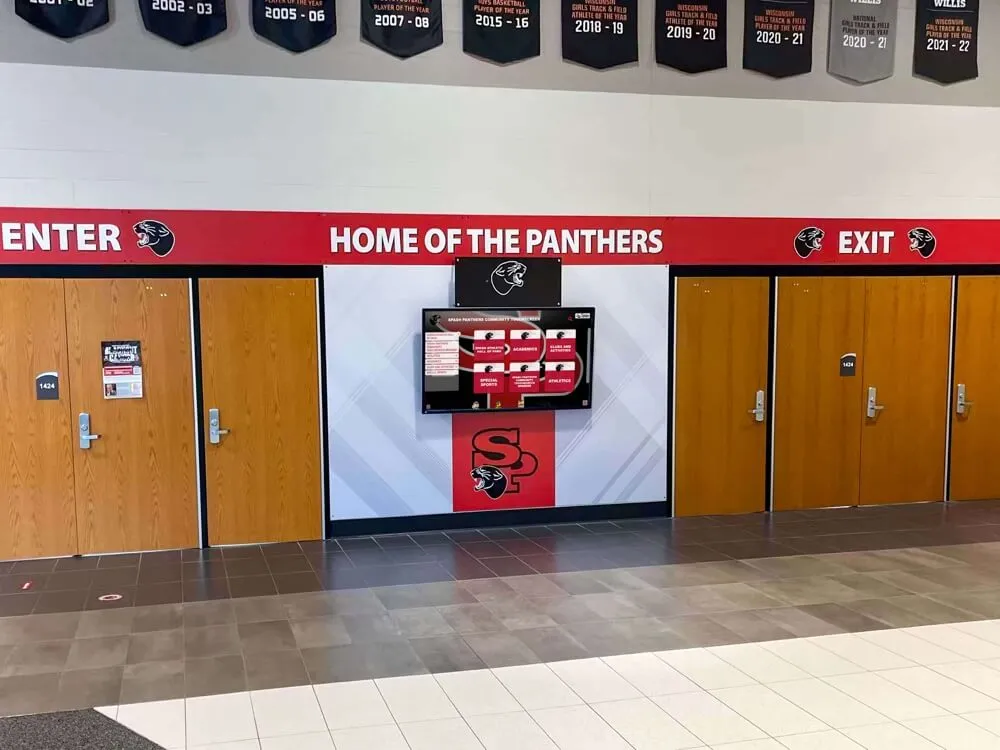
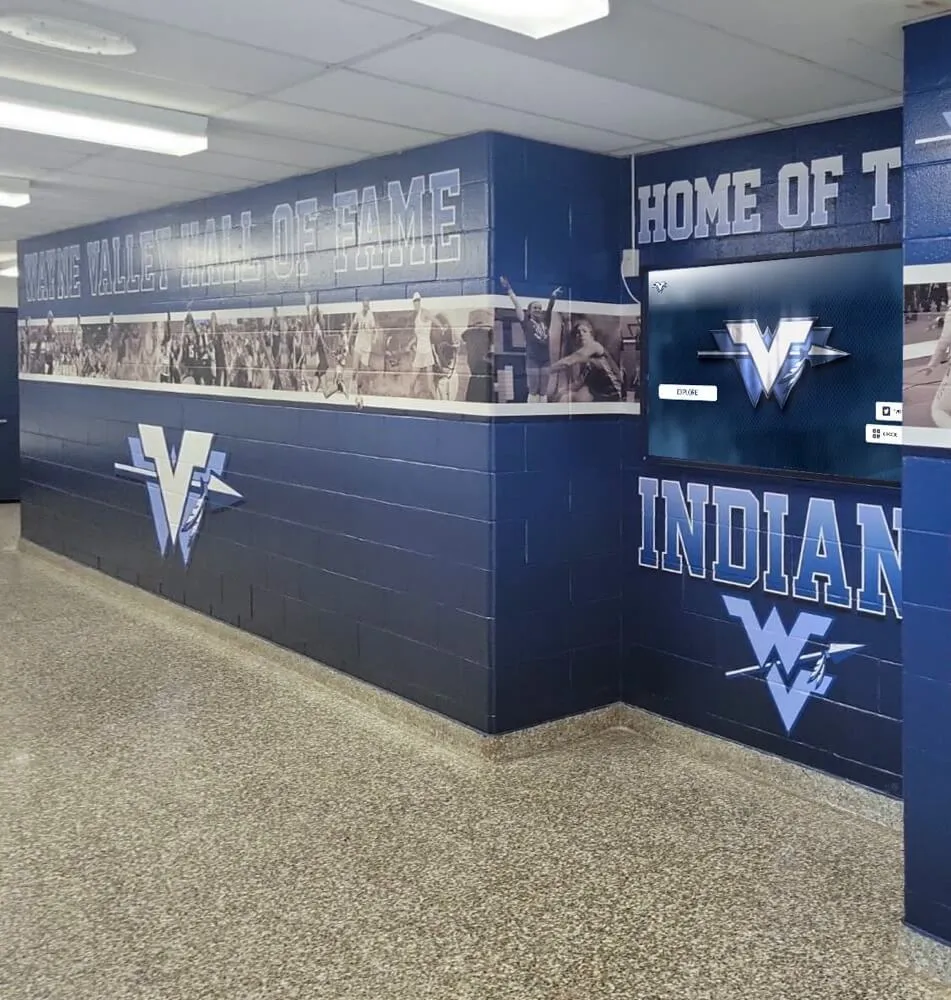
Permanent hallway displays ensure signing day achievements remain visible year-round, inspiring current athletes pursuing collegiate opportunities
Basketball Signing Periods
Basketball follows a different schedule with two distinct signing periods:
Early Signing Period (November)
- Begins in mid-November and lasts approximately one week
- Most Division I basketball recruits sign during this period
- Provides certainty before the high school season begins
- Particularly important for programs filling rosters early
Spring Signing Period (April-May)
- Begins in mid-April and extends through mid-May
- Serves athletes making later decisions or receiving later offers
- Accommodates coaching changes and roster developments
- Allows evaluation based on complete senior season performance
Other Sports Signing Periods
Most other NCAA Division I and II sports share common signing periods:
Early Signing Period (November)
- Mid-November period lasting approximately one week
- Available for most sports except football and basketball
- Popular among athletes wanting early certainty
National Signing Period (April-August)
- Begins in mid-April and extends through August 1
- Provides flexibility for athletes completing their decision process
- Accommodates spring sport athletes whose seasons conclude later
- Allows time for campus visits during spring break
These multiple periods create numerous “signing days” throughout the year, with individual high schools potentially celebrating multiple cohorts of athletes across different sports and signing periods.
Schools implementing comprehensive athletic recognition systems can continuously update displays as athletes sign during various periods.
The Signing Day Process: What Athletes Need to Know
Understanding the practical steps involved in signing day helps athletes and families navigate this significant milestone successfully.
Before Signing Day: The Recruiting Journey
National Signing Day represents the culmination of a recruiting process typically spanning months or years:
Initial Contact and Evaluation
- College coaches identify prospects through camps, showcases, and competitions
- Athletes complete recruiting questionnaires and provide highlight videos
- Coaches evaluate athletic ability, academic qualifications, and fit
- Initial conversations establish mutual interest
Official and Unofficial Visits
- Athletes visit campuses to evaluate programs, facilities, and culture
- NCAA regulations limit official visits (expense-paid trips) to five schools
- Unofficial visits (at athlete’s expense) provide additional evaluation opportunities
- Campus visits help athletes assess academic offerings and campus life
Scholarship Offers and Commitment
- Coaches extend verbal scholarship offers to recruited athletes
- Athletes may verbally commit to schools before signing periods begin
- Verbal commitments are non-binding for both parties
- Financial aid and scholarship terms are negotiated
Letter of Intent Preparation
- Schools prepare NLI documents after verbal commitments
- Financial aid paperwork accompanies the National Letter of Intent
- Compliance offices verify eligibility and documentation
- Documents are sent to athletes for signing during appropriate periods
This extended process means most athletes know where they’ll sign well before signing day arrives—the event itself formalizes commitments made previously through verbal agreements.
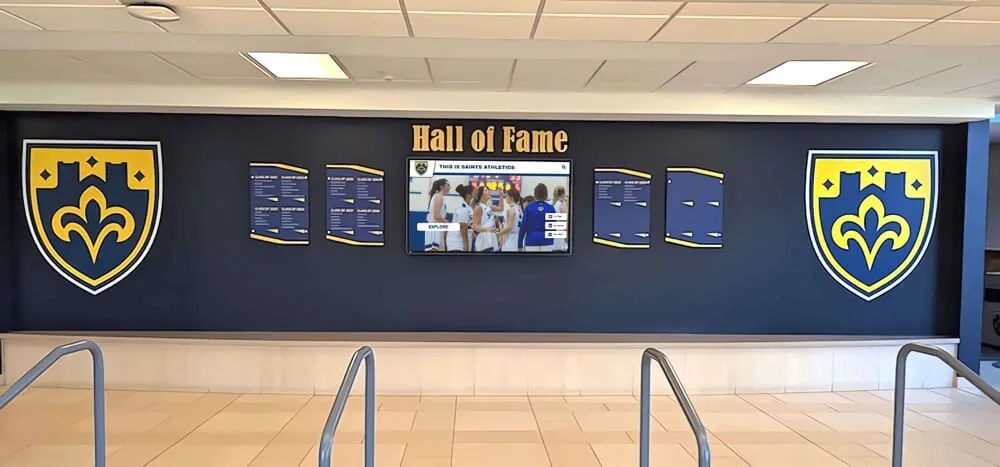
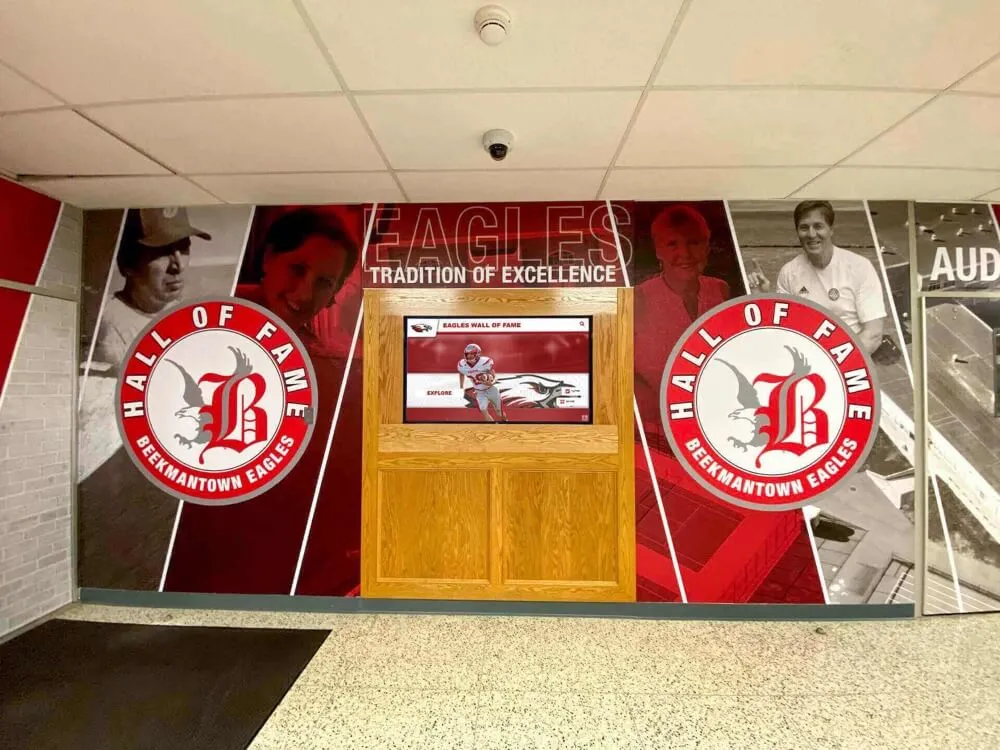
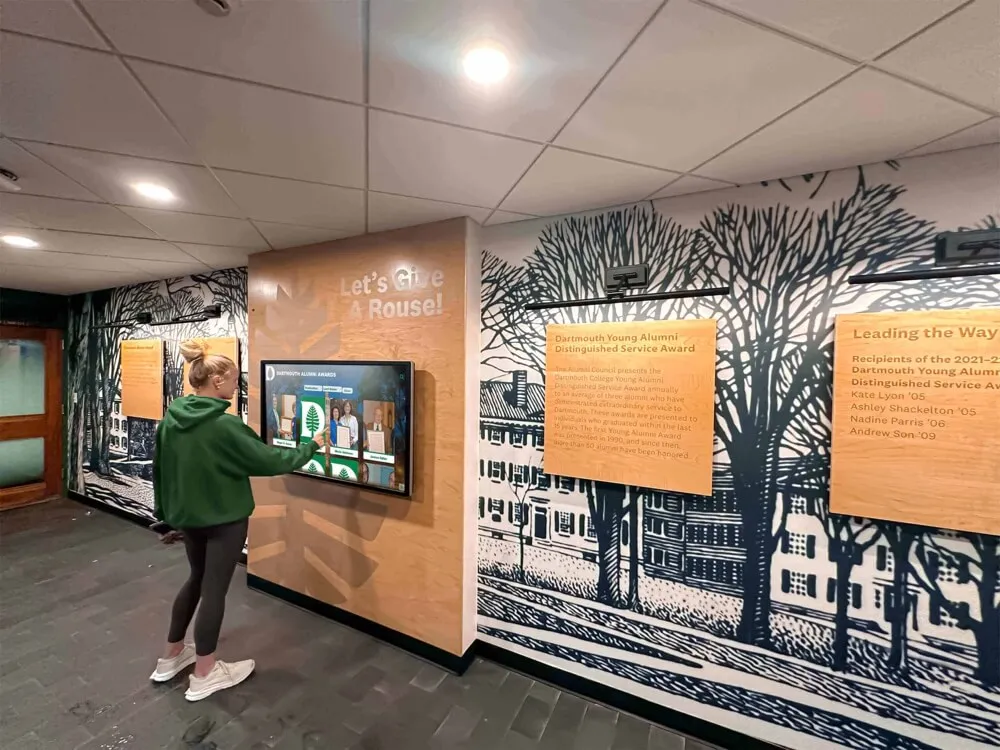
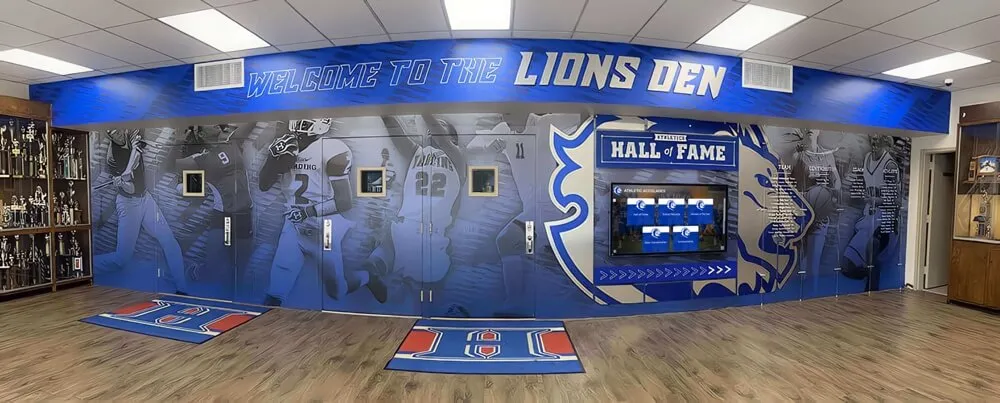
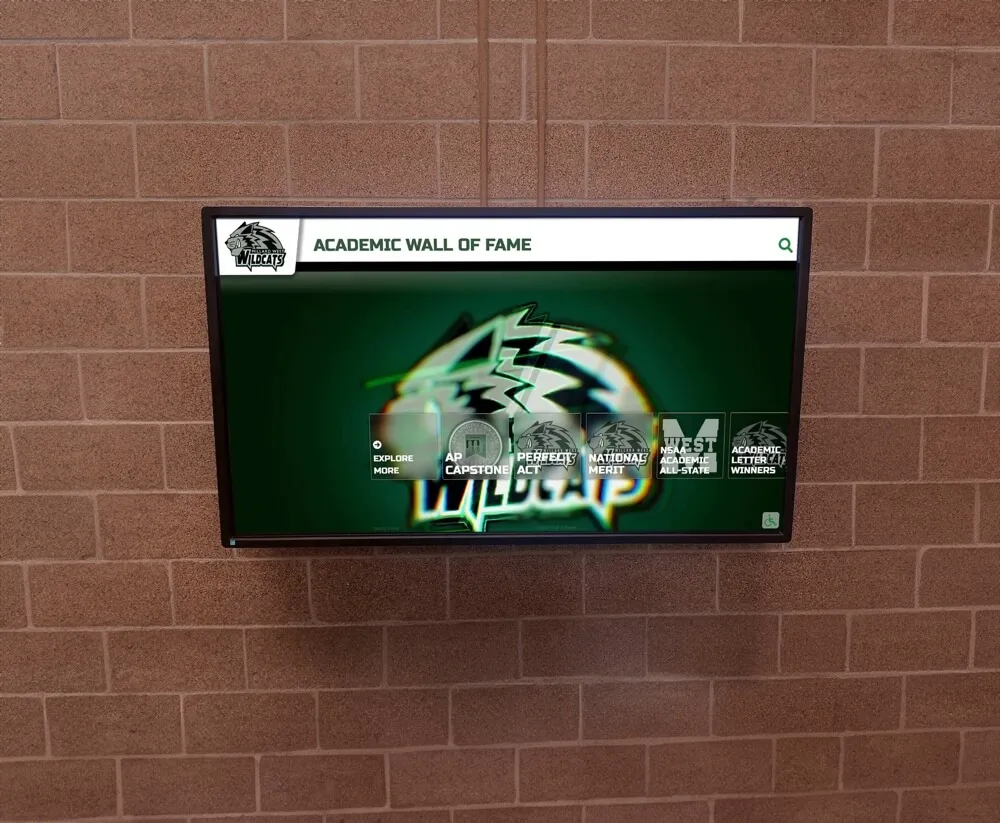
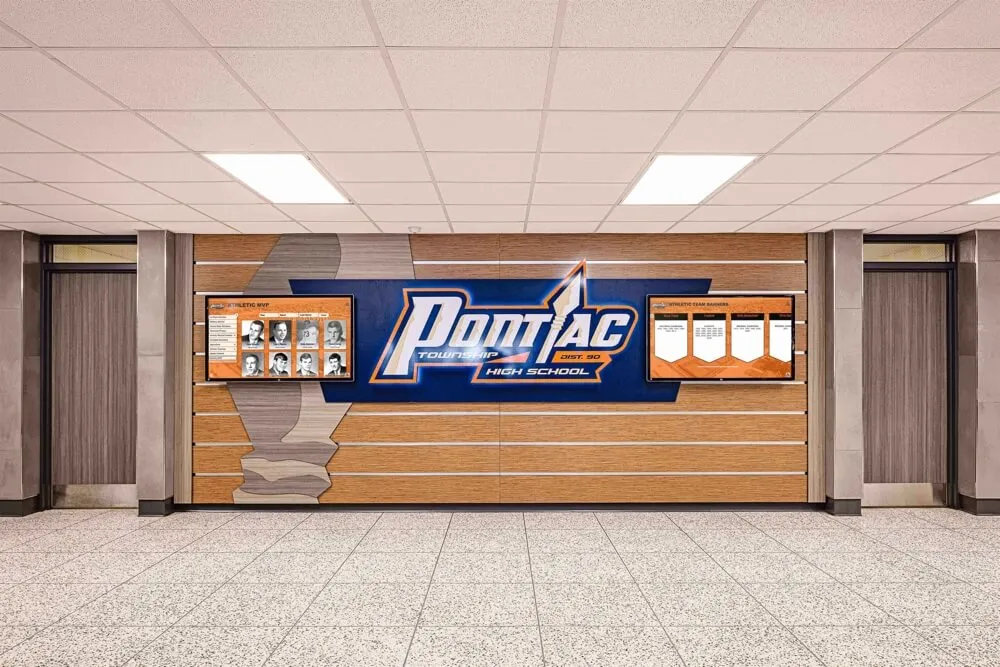
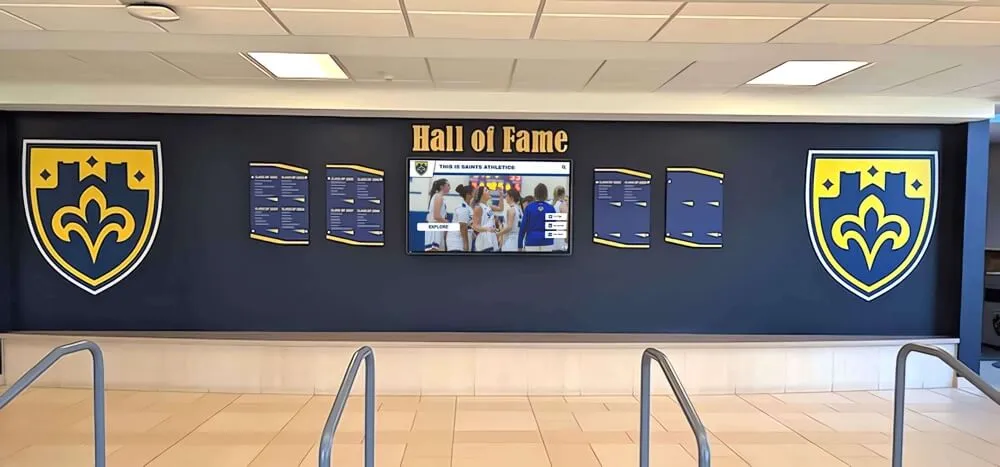
Schools create comprehensive recognition systems honoring diverse athletic achievements including college commitments and hall of fame inductees
The Signing Day Event
Many high schools organize ceremonial events celebrating athletes who’ve earned college scholarships:
Typical Signing Day Ceremony Format
- Athletes gather with family members, coaches, and administrators
- Each athlete sits at a table decorated with their chosen school’s colors and logos
- Individual athletes sign their National Letter of Intent for photographs
- Brief speeches from athletes, parents, or coaches share gratitude and excitement
- School administrators and athletic directors offer congratulations
- Photo opportunities with signed letters and college apparel
- Media coverage documenting the achievement
Ceremony Variations
- Some schools hold individual signing ceremonies for each athlete
- Others create collective events gathering all signing athletes together
- Timing varies based on signing periods (December, February, April, November)
- Virtual elements may accommodate family members unable to attend in person
- Social media coverage extends celebration beyond those physically present
These ceremonies serve important purposes beyond the actual signing—they create memorable moments for families, generate positive publicity for athletic programs, and demonstrate school support for student-athletes pursuing higher education.
Explore how schools can enhance college commitment day celebrations to build school pride.
After Signing: What Comes Next
Signing the National Letter of Intent triggers several important next steps:
Academic Requirements
- Athletes must graduate from high school and meet NCAA eligibility requirements
- NCAA Eligibility Center certification confirms academic qualifications
- Core course GPA and standardized test scores (if required) must meet minimums
- Final transcripts must be submitted to the NCAA Eligibility Center
Enrollment and Matriculation
- Athletes must enroll at the signed institution by the fall term
- Summer enrollment may be required for some athletes
- Housing arrangements and orientation registration occur
- Academic advising begins during summer months
Release from National Letter of Intent
- Athletes can request release from NLI only under specific circumstances
- Coaching changes, program discontinuation, or serious illness qualify for release
- Simply changing one’s mind does not constitute grounds for release
- Athletes not granted release face transfer restrictions if attending another NCAA school
Understanding these binding commitments helps athletes approach signing day with appropriate gravity while celebrating this significant achievement.
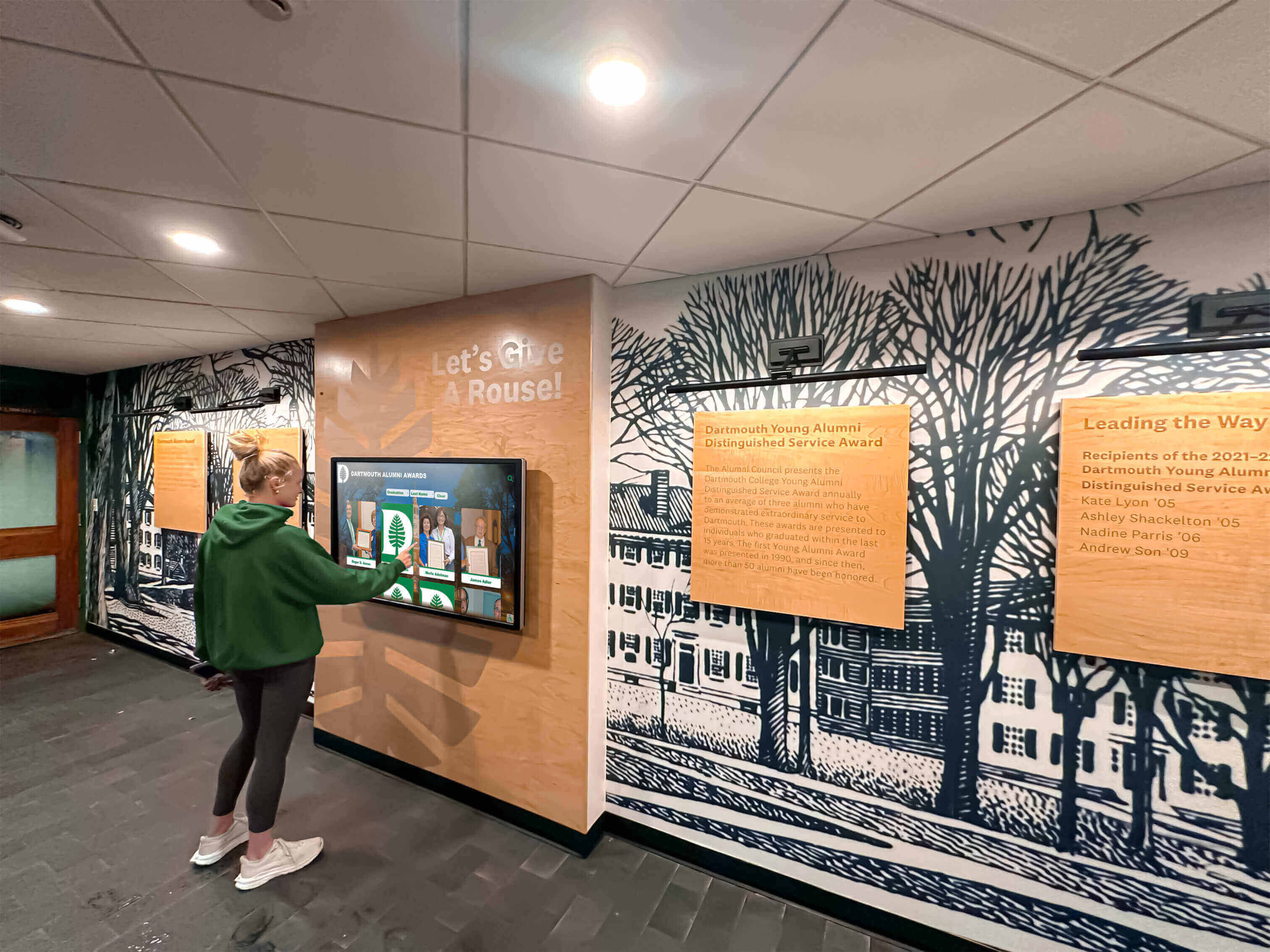
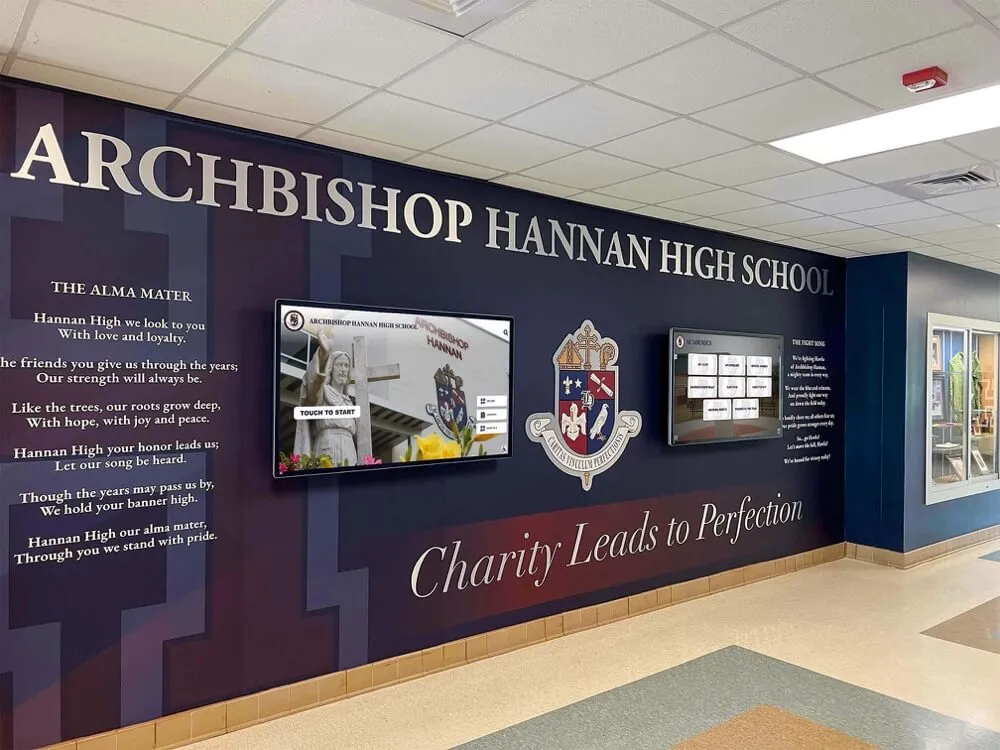
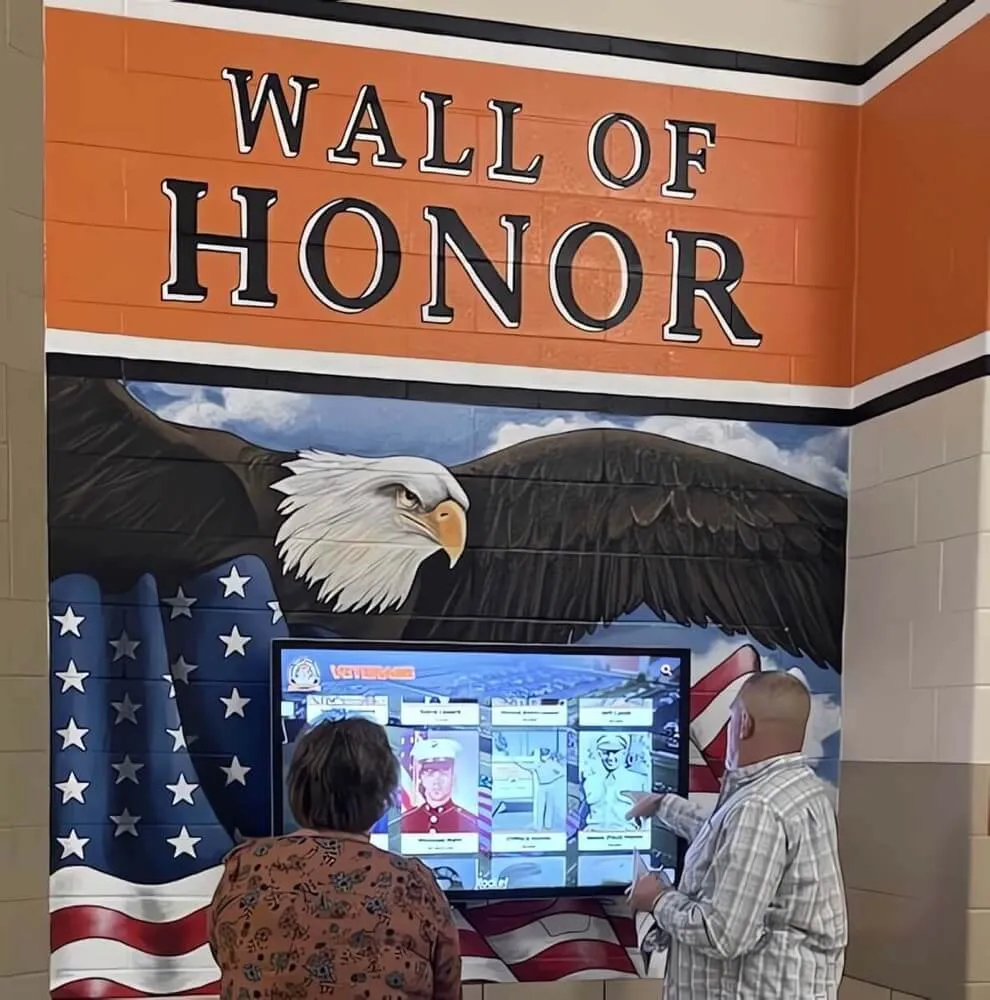
Interactive displays enable students to explore where alumni attended college, creating connections between current students and those who came before them
Different Types of College Athletic Commitments
Not all college athletic commitments follow the National Letter of Intent process. Understanding the variations helps families navigate options and schools recognize diverse achievements appropriately.
NCAA Division I and II: National Letter of Intent
Most Division I and II commitments use the NLI system described above, providing binding agreements with athletic scholarship guarantees. These commitments receive the most media attention and typically involve the formal signing day celebrations.
NCAA Division III: Admissions Commitment
Division III institutions compete under different rules:
- Cannot offer athletic scholarships (though academic and need-based aid is available)
- Student-athletes commit through standard admissions processes
- Coaches support applicants through admissions but cannot guarantee acceptance
- Athletes often commit earlier since no signing periods apply
- Commitments are less formal but equally significant for athletes
Schools should recognize Division III commitments with equal celebration despite the absence of a National Letter of Intent signing ceremony. These athletes have earned collegiate opportunities through athletic excellence and deserve comparable recognition.
NAIA, NJCAA, and Other Association Commitments
Athletes may commit to institutions outside the NCAA:
NAIA (National Association of Intercollegiate Athletics)
- Four-year institutions offering athletic scholarships
- Less stringent eligibility requirements than NCAA
- Many smaller colleges and universities
- Competitive athletic programs across numerous sports
NJCAA (National Junior College Athletic Association)
- Two-year community and junior colleges
- Provides pathway to four-year programs through transfer
- Athletic scholarships available at many institutions
- Valuable opportunities for late-developing athletes or those needing additional academic preparation
These commitments may follow different signing procedures but represent equally important milestones deserving school recognition and celebration.
Learn about comprehensive sport end-of-year awards programs that celebrate diverse athletic achievements.
Walk-On Commitments
Some athletes attend colleges without athletic scholarships:
- “Walk-on” athletes try out for teams without guaranteed spots or financial aid
- Recruited walk-ons may be invited to join teams without scholarship offers
- Walk-on status may lead to scholarship opportunities in later years
- Demonstrates exceptional dedication and commitment to collegiate athletics
While walk-on commitments may not involve signing ceremonies, schools should consider recognizing these determinations as they reflect significant athletic accomplishment and dedication.
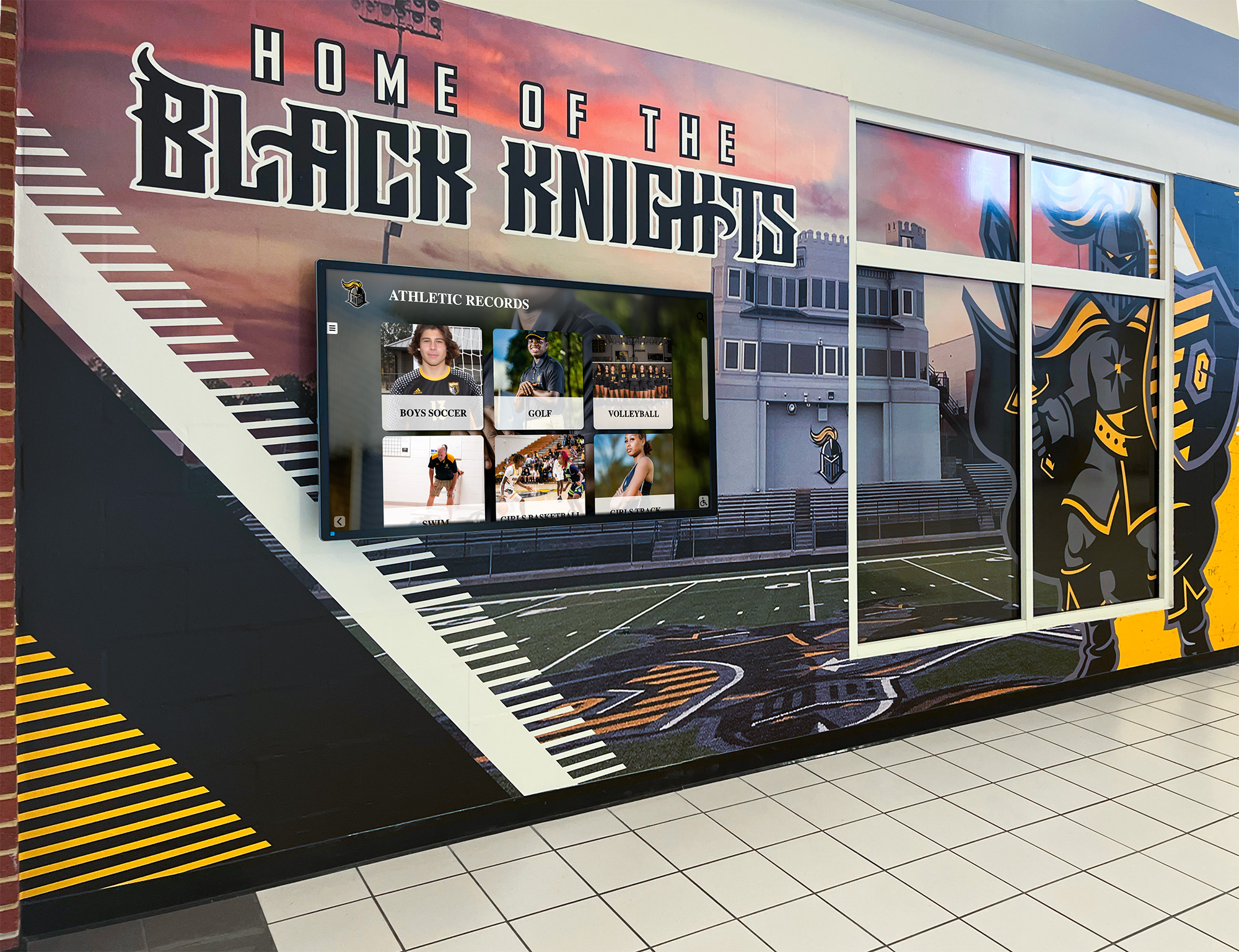
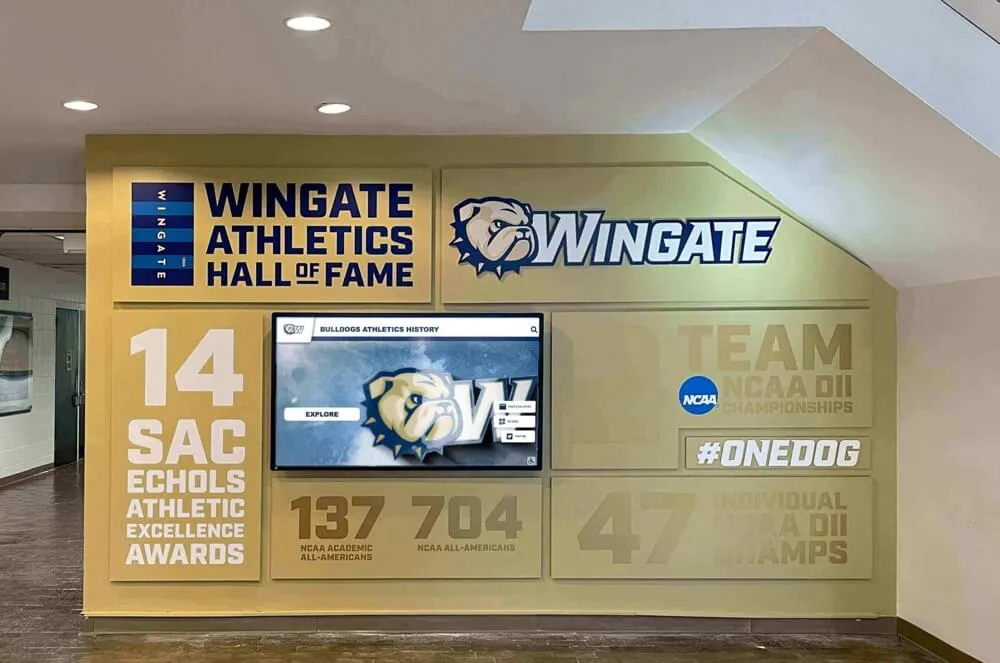
Comprehensive athletic displays showcase connections between individual college commitments and broader program achievements including championships
How Schools Can Honor National Signing Day Achievements
When student-athletes sign to continue their careers at the collegiate level, schools have important opportunities to celebrate these achievements while creating lasting recognition that inspires future generations.
Traditional Recognition Approaches
Schools have long celebrated signing day achievements through various methods:
Physical Recognition Elements
- Banners in gymnasiums featuring athletes who signed with colleges
- Plaques or name plates in trophy cases or athletic hallways
- Photo displays showing signing ceremonies and celebrations
- “Wall of Fame” sections dedicated to college-bound athletes
- School entrance or lobby displays visible to all visitors
These traditional approaches create tangible acknowledgment that students, families, and visitors encounter regularly. However, they face inherent limitations:
- Physical space constraints limit how many athletes can be recognized
- Static displays cannot be updated or expanded easily
- Information is minimal (typically just name, sport, and college)
- Historical recognition often gets removed to make room for recent achievements
- No ability to search or explore beyond what’s immediately visible
Modern Digital Recognition Solutions
Digital recognition systems solve the fundamental limitations of physical displays while creating more engaging and comprehensive celebration:
Unlimited Recognition Capacity
Solutions like those from Rocket Alumni Solutions eliminate space constraints entirely:
- Single touchscreen displays can showcase unlimited athlete profiles
- Decades of signing day achievements preserved permanently
- Every athlete receives equal visibility regardless of when they signed
- No need to remove past recognition to accommodate new athletes
- Historical context showing program tradition and success over time
Explore touchscreen software capabilities for athletic recognition.
Rich Multimedia Storytelling
Digital platforms enable comprehensive athlete profiles:
- Multiple photos showing athletes in competition and at signing ceremonies
- Detailed statistics and career highlights from high school
- Personal statements about college choice and future goals
- Video highlights demonstrating athletic ability
- Information about chosen colleges and athletic programs
- Updates about collegiate careers and post-graduation success
This depth of storytelling creates inspiration impossible with simple plaques—current students can understand the complete journeys that lead to college opportunities.
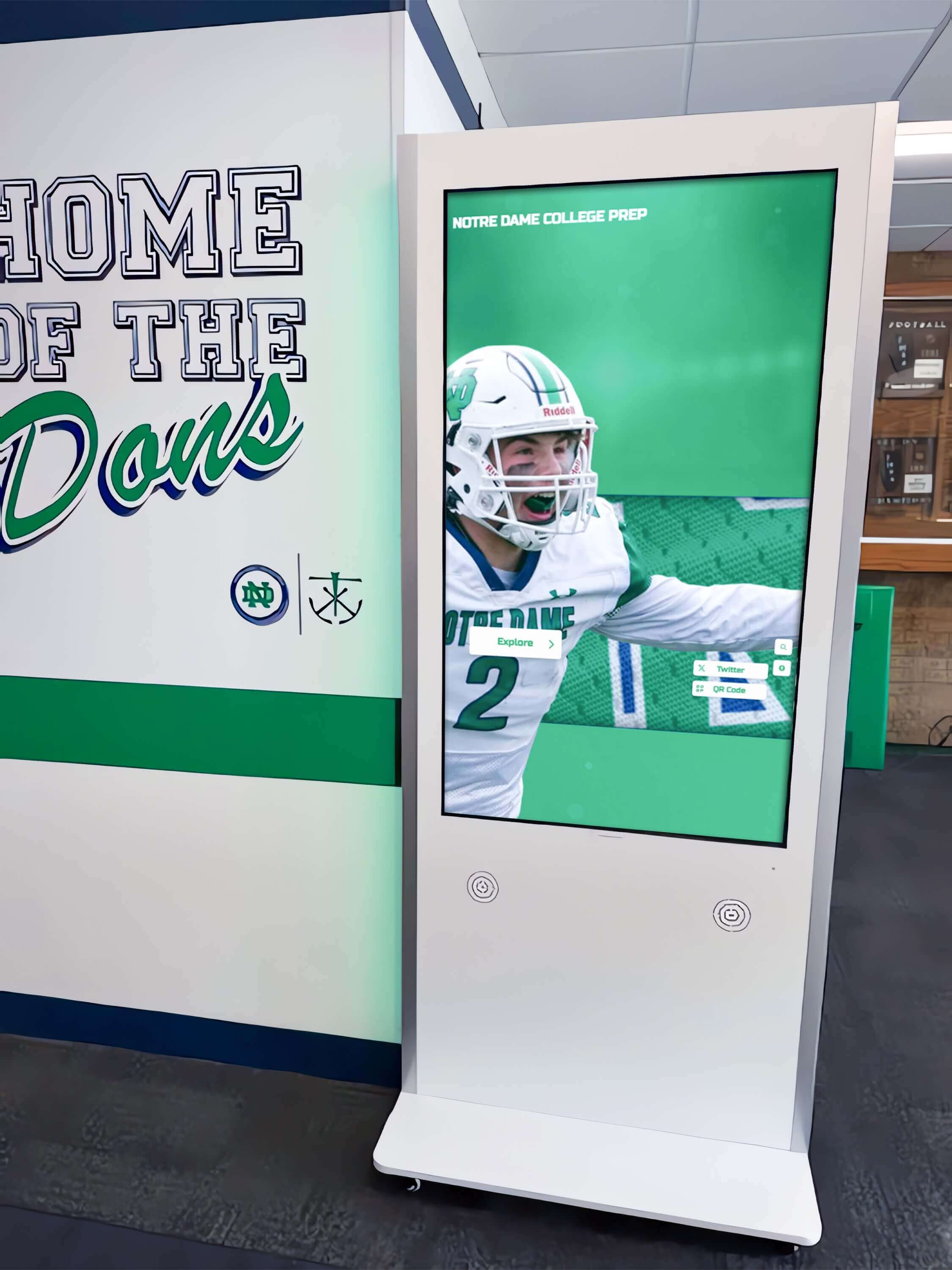
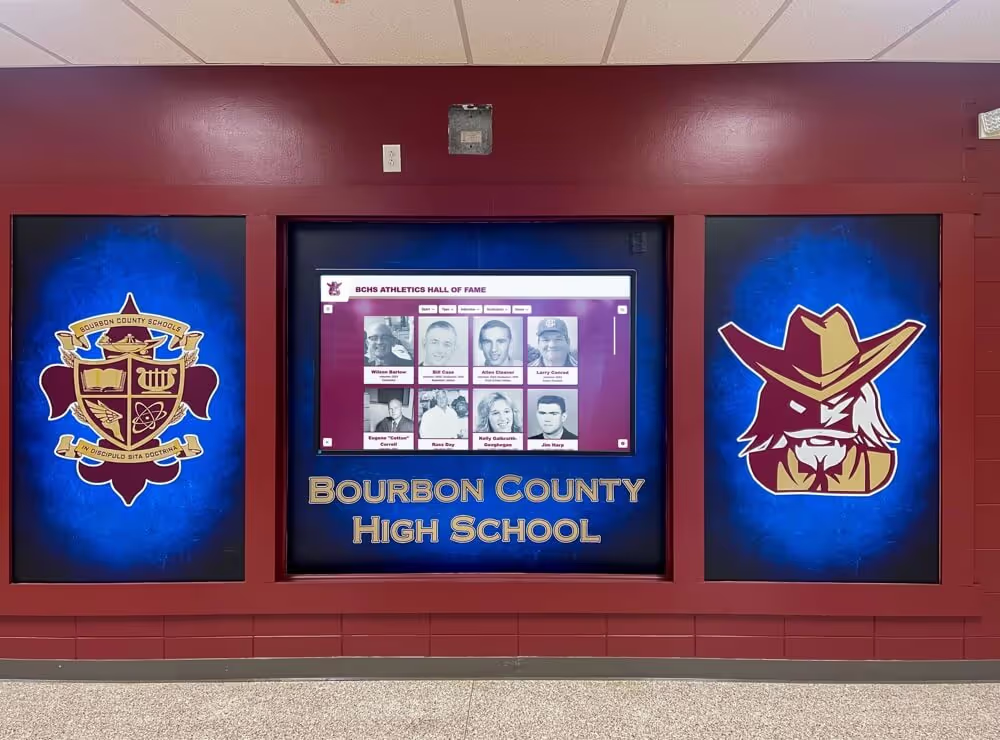
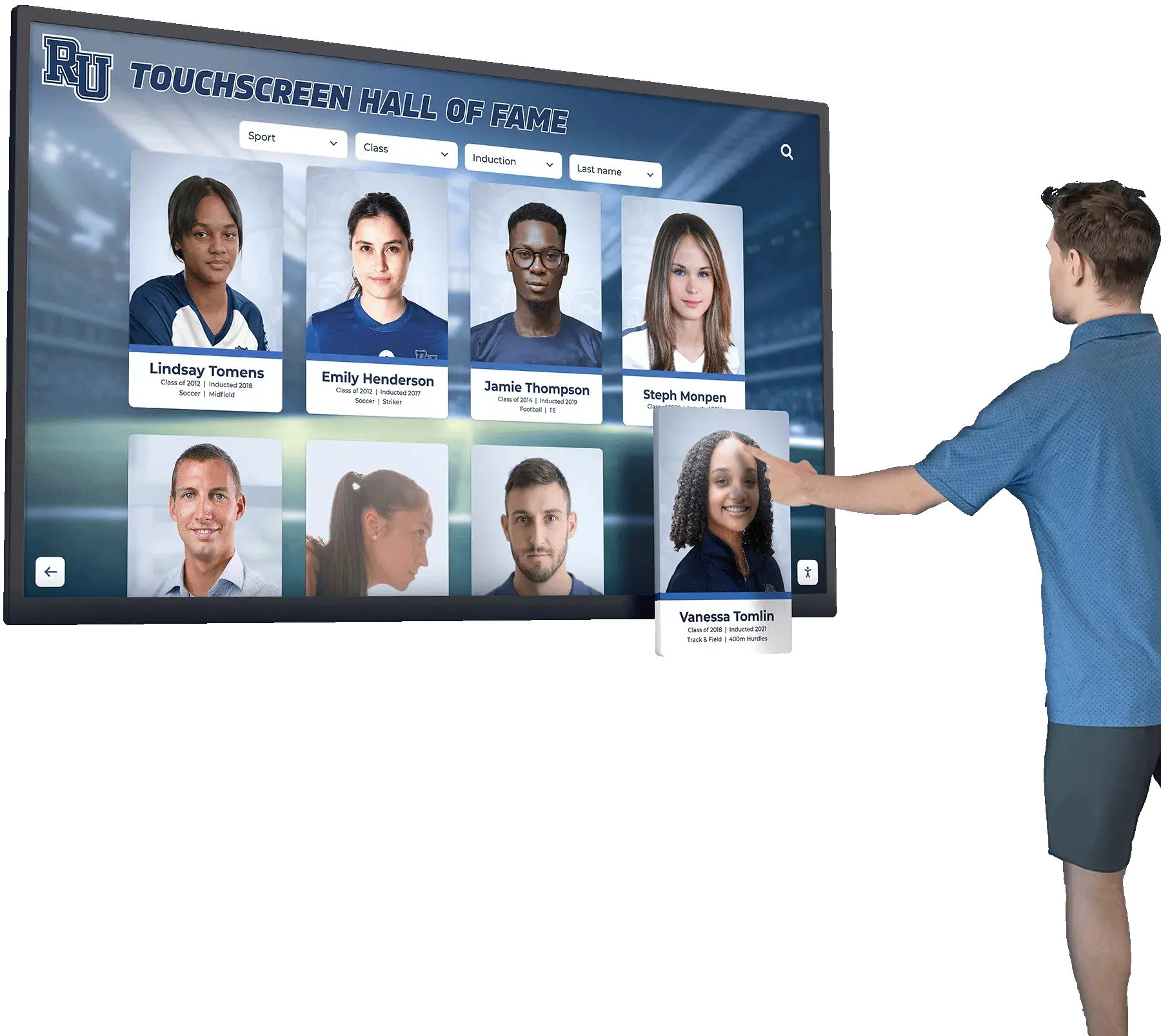
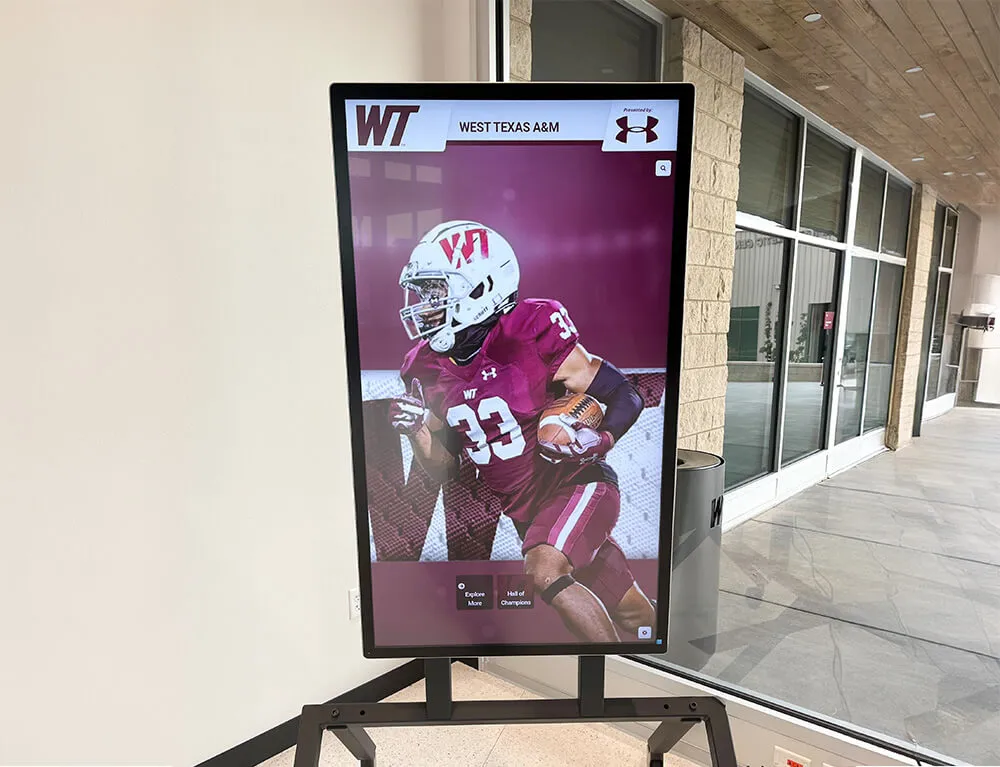
Professional touchscreen kiosks provide engaging interfaces where students can explore athletic achievements and college commitment histories
Interactive Search and Exploration
Touchscreen displays create engagement static recognition cannot match:
- Search functionality finding specific athletes by name
- Filter by sport to see all basketball players who signed, for example
- Sort by college to discover all alumni who attended specific universities
- Browse by year to understand historical patterns
- Explore individual athlete profiles with complete information
- Share profiles on social media celebrating achievements
Schools implementing interactive recognition systems report that students spend significantly more time exploring digital displays compared to glancing at static plaques.
Year-Round Updates and Visibility
Digital recognition remains current and relevant:
- Easy content updates as athletes sign during different periods throughout the year
- Integration with other athletic recognition (championships, records, hall of fame)
- Featured athlete rotations highlighting different students regularly
- Mobile and web access extending visibility beyond physical campus
- Analytics showing which content receives most engagement
This continuous relevance ensures signing day recognition maintains impact throughout the year rather than fading into background obscurity after initial celebration.
Creating Meaningful Signing Day Ceremonies
Beyond permanent recognition displays, schools should develop meaningful ceremony traditions:
Ceremony Planning Considerations
- Schedule events during signing periods when athletes can officially sign
- Create photo opportunities with college colors, logos, and apparel
- Invite families, coaches, administrators, and teammates
- Provide time for athletes to share their journeys and express gratitude
- Coordinate with local media for publicity
- Stream or record ceremonies for those unable to attend
- Capture high-quality photos and video for recognition displays
Integration with Broader Recognition
- Connect signing day to year-round athletic recognition systems
- Add signing day achievements to comprehensive athlete profiles
- Update digital displays immediately following ceremonies
- Share ceremony photos through school communication channels
- Archive ceremonies in school history collections
These thoughtful approaches ensure signing day achievements receive celebration proportionate to their significance while creating sustainable traditions requiring reasonable administrative effort.
Learn how school awards ceremonies can effectively celebrate diverse student achievements.
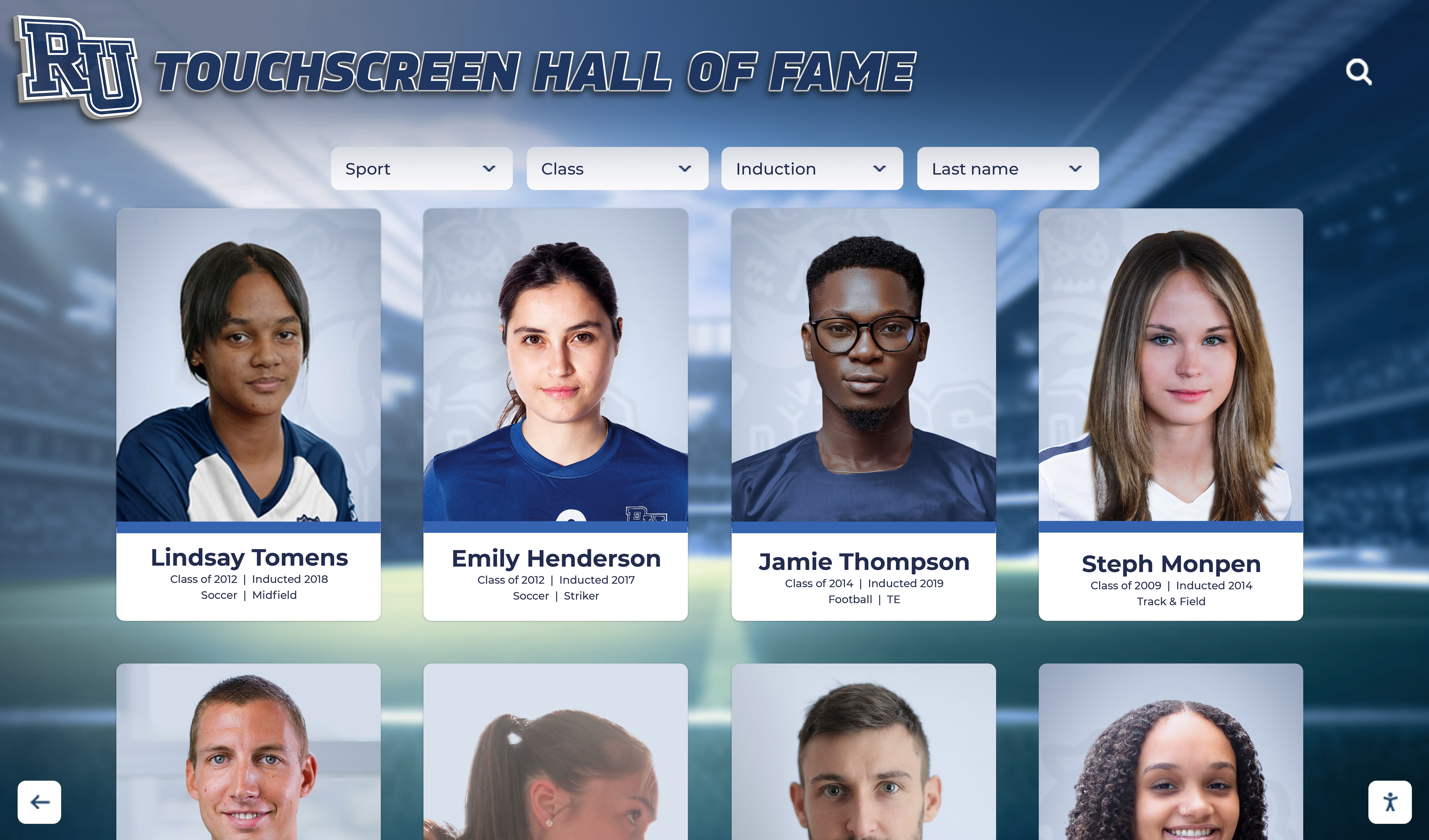
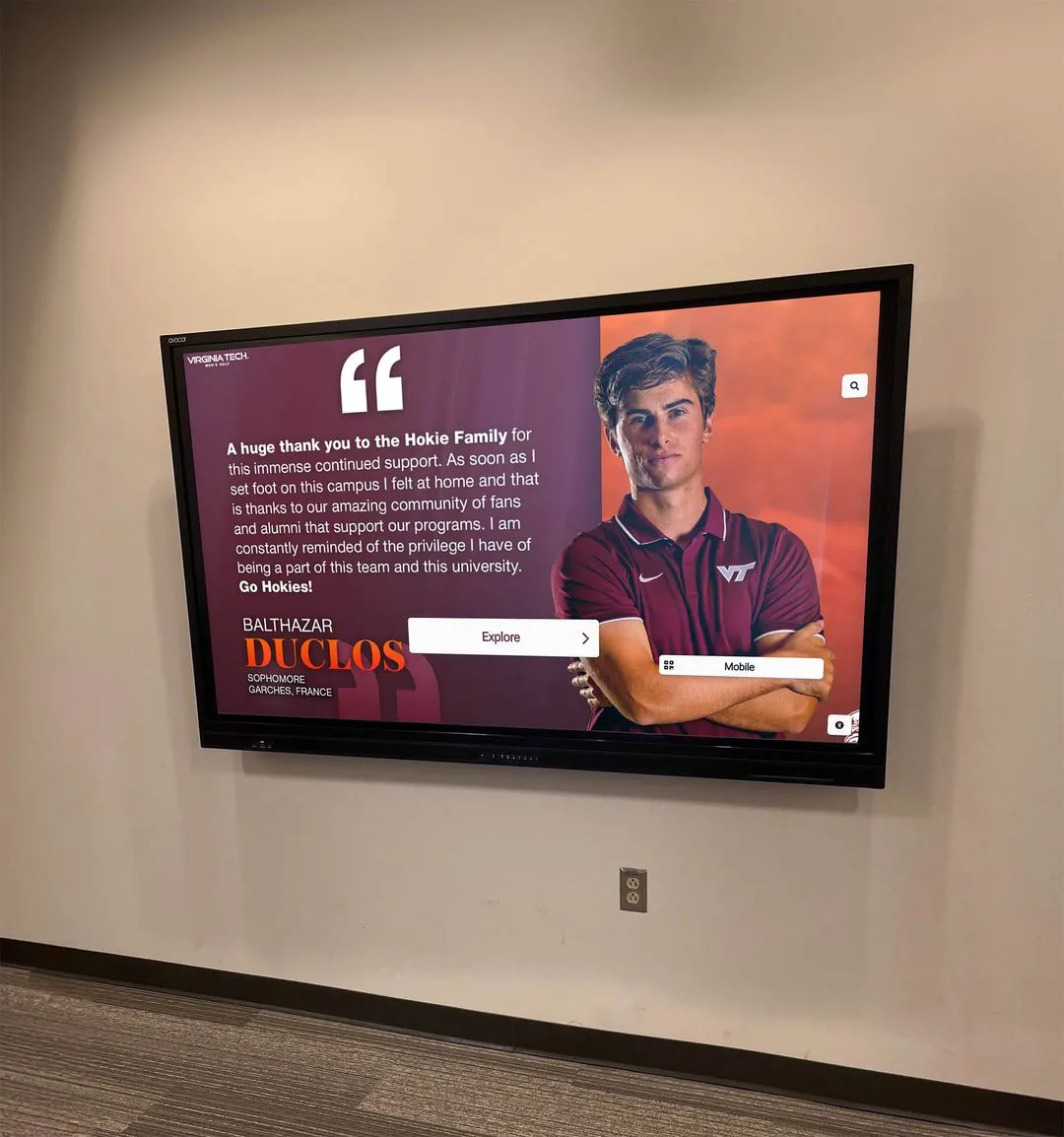
Uniform profile templates ensure consistent presentation while highlighting each athlete's unique achievements and college destinations
Benefits of National Signing Day for Different Stakeholders
Understanding how various groups benefit from National Signing Day helps schools maximize the positive impact of recognition programs.
For Student-Athletes
Signing day represents multiple important benefits:
Certainty and Security
- Formal commitment provides peace of mind about college destination
- Athletic scholarship guarantees reduce financial stress for families
- Can focus on senior season without recruiting distractions
- Clarity about future enables better academic and personal planning
Recognition and Celebration
- Public acknowledgment of years of athletic dedication
- Family celebration of significant achievement
- Peer and community recognition of excellence
- Lasting documentation of accomplishment
Motivation for Excellence
- Completing high school strong academically to maintain eligibility
- Continued athletic improvement preparing for collegiate competition
- Character development and leadership knowing they represent their future school
- Academic focus ensuring successful transition to college
For Parents and Families
Families experience significant benefits from the signing day milestone:
Financial Planning Clarity
- Athletic scholarship details enable accurate college budgeting
- Understanding of cost reduction compared to full tuition
- Multi-year scholarship potential provides long-term clarity
- Can pursue additional academic or need-based aid with confidence
Pride and Celebration
- Recognition of family sacrifices supporting athletic development
- Validation of investment in club sports, training, and travel
- Community acknowledgment of family dedication
- Meaningful ceremony creating lasting memories
Educational Assurance
- Confidence that college education is secured
- Academic requirements motivate continued school focus
- Partnership with college coaches supporting student success
- Clear pathway to degree completion through athletic support services
For High Schools and Athletic Programs
Schools gain substantial benefits from systematic signing day recognition:
Program Reputation Enhancement
- Demonstrates athlete development and college placement success
- Creates recruiting advantage attracting talented middle school athletes
- Builds community support for athletic programs
- Generates positive media coverage and publicity
Student Motivation
- Younger athletes see concrete pathways to college opportunities
- Creates culture of academic-athletic balance
- Inspires dedication and commitment across programs
- Reinforces that athletic excellence leads to educational opportunity
Alumni Engagement
- Signing day recognition maintains connections with graduates
- College athletes often return to support high school programs
- Creates pride among alumni seeing tradition continue
- Strengthens institutional identity and community
Schools implementing comprehensive recognition through digital signage services can maximize these benefits through year-round visibility.
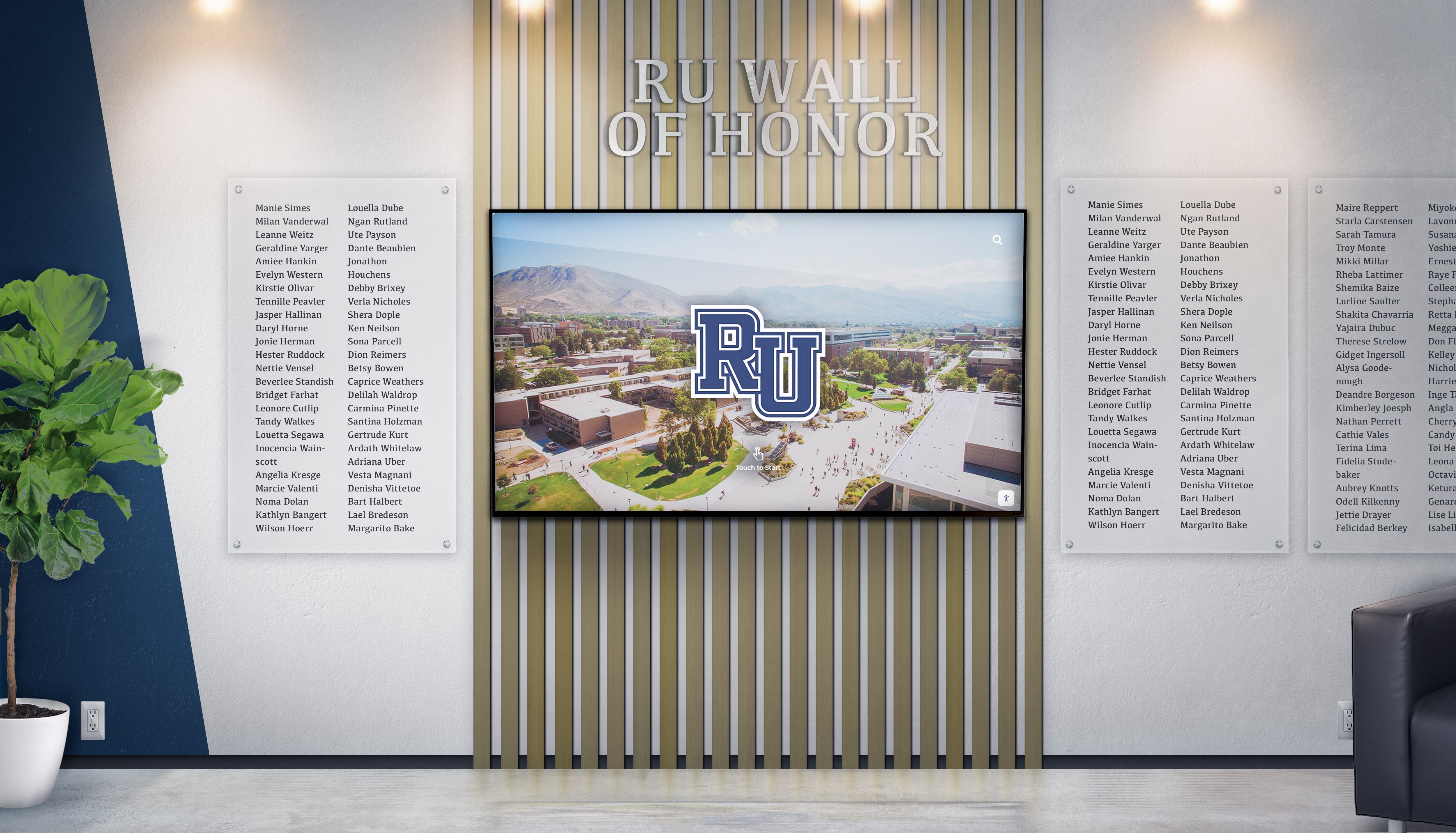
Hybrid recognition approaches honor tradition through physical elements while leveraging digital technology for comprehensive, unlimited athlete celebration
Common Questions About National Signing Day
Can Athletes Change Their Mind After Signing?
The National Letter of Intent is a binding commitment. Once signed, athletes must attend the signed institution or face penalties if they choose to attend a different NCAA school. Release from the NLI can only be requested under specific circumstances:
- Coaching staff change (head coach departure)
- Serious injury or illness preventing participation
- Program discontinuation or significant reduction
- Documented hardship situations
Simply changing one’s mind or receiving a better offer does not qualify for release. Athletes denied release who attend a different NCAA institution face:
- Loss of one year of athletic eligibility
- Loss of one year of athletic scholarship aid
- Requirement to complete one year of residence before competing
This binding nature makes the signing decision particularly significant and reinforces why athletes should be certain about their choice before signing.
What If an Athlete Doesn’t Qualify Academically?
Athletes must meet NCAA eligibility requirements to enroll and compete:
Initial Eligibility Requirements
- Complete 16 NCAA core courses
- Achieve minimum core course GPA (typically 2.3 for Division I)
- Meet sliding scale requirements combining GPA and test scores (if applicable)
- Graduate from high school
If athletes don’t initially qualify:
- National Letter of Intent remains binding to that institution
- May enroll as full-time student but cannot compete or receive athletic aid
- Can practice with team after completing one full-time year
- Must complete specific academic requirements before competing
- Junior college enrollment may be alternative pathway
Athletes facing academic challenges should work closely with high school counselors and college compliance offices to understand requirements and timelines.
Do All College Athletes Sign on National Signing Day?
No—signing day scenarios vary significantly:
Athletes Who Don’t Sign NLIs
- Division III athletes (no athletic scholarships allowed, so no NLI)
- Walk-on athletes without scholarship offers
- International students at some institutions
- Athletes choosing non-NCAA schools (NAIA, NJCAA)
- Late commitments after signing periods close
Different Signing Timeline
- Early period signers (December for football, November for other sports)
- Spring period signers (April-August for most sports)
- Athletes who signed earlier but are celebrating on their school’s designated day
Schools should recognize all college athletic commitments appropriately regardless of whether a formal National Letter of Intent signing occurred.
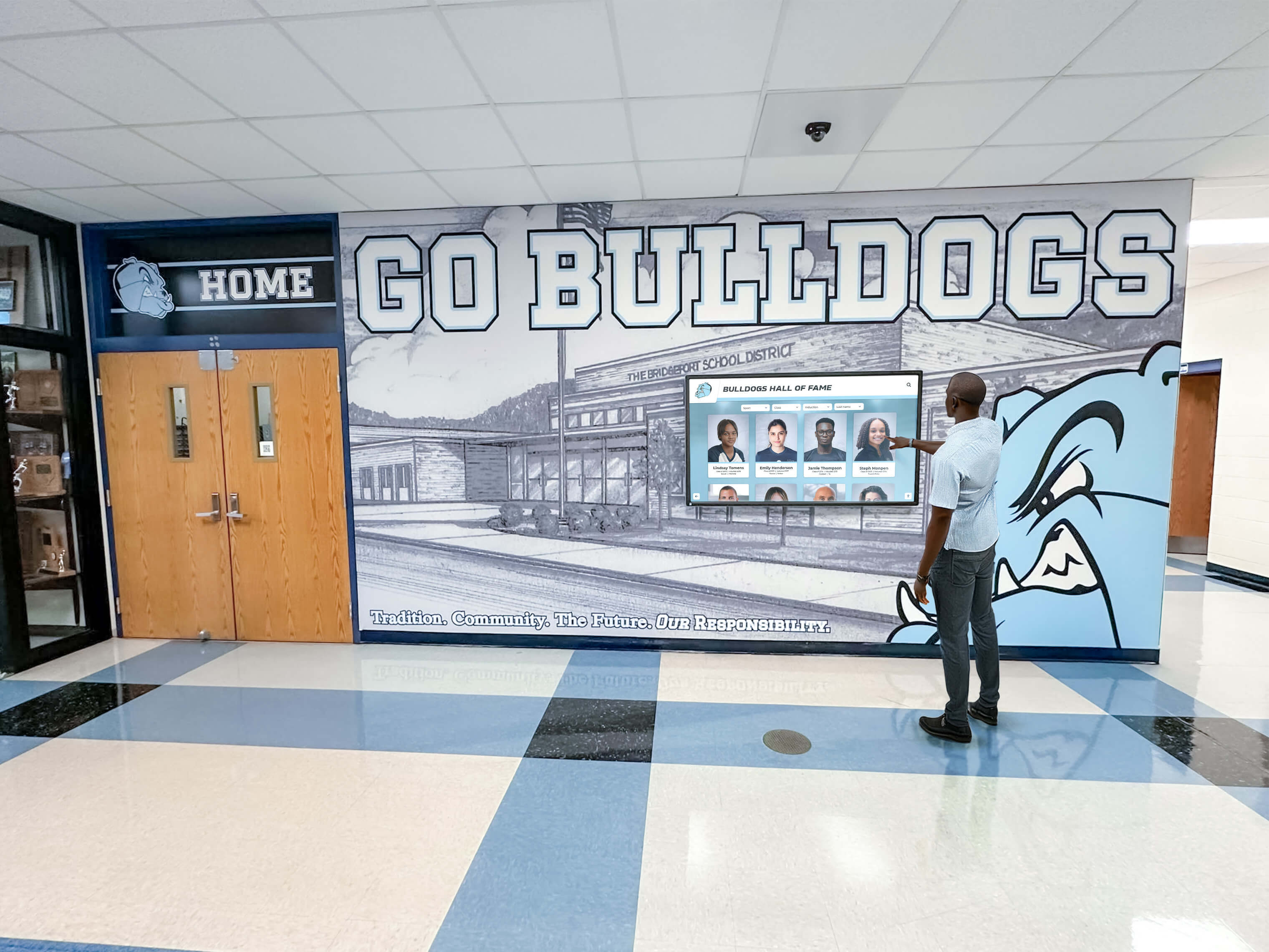
Accessible recognition displays in high-traffic areas ensure college commitment achievements remain visible to current students, families, and visitors
Planning Resources for Schools and Athletic Directors
Signing Day Event Checklist
Schools planning signing day celebrations should address these key elements:
Advance Planning (4-6 Weeks Before)
- Identify all athletes planning to sign during upcoming period
- Set ceremony date and time (must fall within official signing period)
- Reserve appropriate space (gymnasium, cafeteria, library)
- Notify families, coaches, and administrators
- Coordinate with media for coverage
- Prepare certificates or commemorative items
Two Weeks Before
- Confirm athlete participation and guest counts
- Create table displays with college colors and logos
- Prepare signage and decorations
- Arrange photography and videography
- Develop ceremony program or script
- Coordinate technology needs (microphones, displays)
Week of Ceremony
- Final confirmation with all participants
- Set up ceremony space with tables and decorations
- Test audio-visual equipment
- Prepare social media announcements
- Coordinate refreshments if providing
- Distribute program details to participants
Day of Ceremony
- Set up space 2-3 hours in advance
- Sound check and technology testing
- Photography and videography setup
- Greet families and guests as they arrive
- Execute ceremony according to plan
- Capture photos for recognition displays and publicity
After Ceremony
- Distribute photos to families and media
- Update permanent recognition displays
- Send thank you notes to participants
- Archive materials for school records
- Gather feedback for future improvement
Creating Sustainable Recognition Programs
Long-term success requires sustainable approaches:
Annual Recognition Cycles
- Establish consistent processes for identifying signing athletes
- Schedule ceremonies during each signing period (fall, winter, spring)
- Maintain current information in permanent recognition systems
- Archive ceremony photos and materials systematically
- Update digital displays promptly as athletes sign
Technology Investment
- Budget for recognition hardware (displays, kiosks)
- Select software platforms with intuitive management
- Train multiple staff members on content updates
- Plan for hardware maintenance and software subscriptions
- Consider web-based recognition extending beyond campus
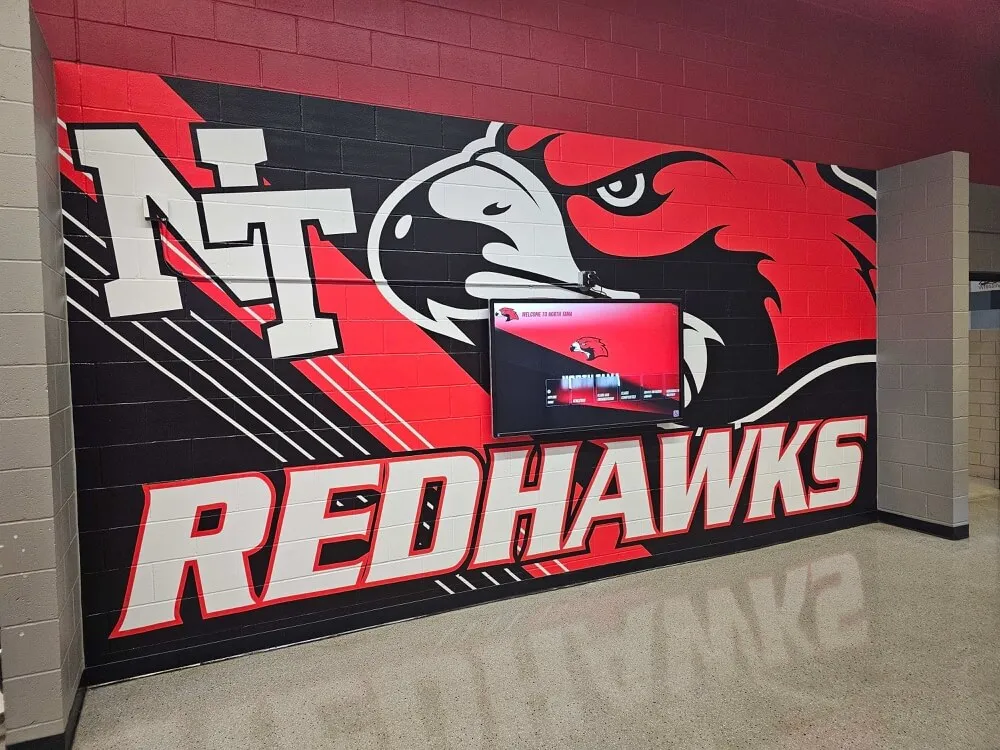
Schools implementing wall wraps and integrated displays create comprehensive recognition environments.
Staffing and Responsibilities
- Designate athletic director oversight for recognition programs
- Assign coaches responsibility for athlete information collection
- Identify communications staff for publicity and social media
- Train support staff on recognition system management
- Create succession plans ensuring continuity despite staff changes
Budget Considerations
- Initial investment in recognition technology and displays
- Annual software subscription or licensing fees
- Ceremony costs (decorations, printing, refreshments)
- Photography and videography services
- Ongoing maintenance and hardware replacement over time
Recognition programs requiring excessive time or resources face sustainability challenges. Platforms specifically designed for schools—like Rocket Alumni Solutions—provide intuitive management reducing administrative burden while maximizing community engagement.
Conclusion: Celebrating the Journey to College Athletics
National Signing Day represents far more than a formality—it’s the realization of dreams pursued through years of dedication, the recognition of families’ sacrifices and support, and the beginning of new chapters in young athletes’ lives. For student-athletes who’ve earned the opportunity to continue their athletic careers at the collegiate level, signing day provides tangible validation that their commitment and excellence have created pathways to higher education.
Understanding what National Signing Day means—the binding commitments it represents, the multiple signing periods across different sports, and the significance of this milestone—helps athletes, families, and schools navigate this important moment appropriately. Whether signing occurs during the December early period, traditional February date, or spring signing windows, each commitment deserves celebration proportionate to the achievement it represents.
For schools and athletic directors, systematic recognition of signing day achievements creates opportunities extending far beyond simple acknowledgment. Comprehensive recognition programs demonstrate program quality to prospective athletes and families, inspire younger students to pursue excellence knowing collegiate opportunities exist, strengthen alumni connections through preserved institutional history, and build community pride in athletic program success.
Modern recognition technology solves the fundamental constraints that have limited traditional approaches—physical space limitations, static presentation, minimal information, and outdated content. Digital displays provide unlimited capacity ensuring every signing athlete receives permanent recognition, rich multimedia storytelling that inspires current students, interactive exploration creating engagement impossible with plaques, and sustainable management requiring minimal staff time while maximizing community impact.
Honor Your College-Bound Athletes With Lasting Recognition
Discover how modern recognition systems help schools celebrate National Signing Day achievements year-round while building athletic traditions that inspire future generations. From touchscreen displays showcasing unlimited athlete profiles to web-based platforms extending recognition beyond campus, comprehensive solutions preserve these milestones permanently.
Explore Athletic Recognition Solutions to see how technology can transform how your school celebrates athletes who’ve earned collegiate opportunities—creating engaging, sustainable recognition that never fades with graduation or facility changes.
The student-athletes in your school who sign National Letters of Intent have achieved something remarkable. They’ve demonstrated the athletic excellence, academic commitment, and personal dedication required to compete at the collegiate level. These achievements deserve recognition systems providing visibility and celebration equal to the significance of their accomplishments—recognition that inspires current students exploring their own potential while preserving your school’s proud tradition of developing college-ready athletes.
Start by documenting your school’s history of college-bound athletes, establishing ceremony traditions that create memorable celebrations for students and families, implementing recognition systems capable of preserving complete athlete stories permanently, and building sustainable processes ensuring every future signing receives appropriate acknowledgment.
Ready to elevate your athletic recognition program? Learn about sports banquet planning ideas for celebrating season achievements, discover comprehensive end-of-year awards programs, or explore best practices for athletic recognition that strengthen program traditions and student motivation.