For high school students preparing for college, the term “Greek life” appears frequently in campus tours, college websites, and student testimonials—yet many incoming freshmen remain uncertain about what these organizations actually represent and whether Greek membership aligns with their collegiate goals. Greek life refers to fraternities and sororities, social organizations that use Greek letters as their names and provide members with brotherhood or sisterhood, leadership development, philanthropic opportunities, and lifelong connections that extend far beyond graduation.
Approximately 750,000 undergraduate students currently participate in Greek organizations across more than 800 campuses in North America, making Greek life one of the most significant aspects of college culture and student engagement. These organizations shape campus leadership, drive charitable fundraising efforts, provide academic support networks, and create communities where students develop professional skills while forming lasting friendships.
This comprehensive guide explains everything you need to know about Greek life—from its historical origins and organizational structure through membership processes, benefits and challenges, traditions and values, and how modern fraternities and sororities preserve their legacy while adapting to contemporary campus expectations.
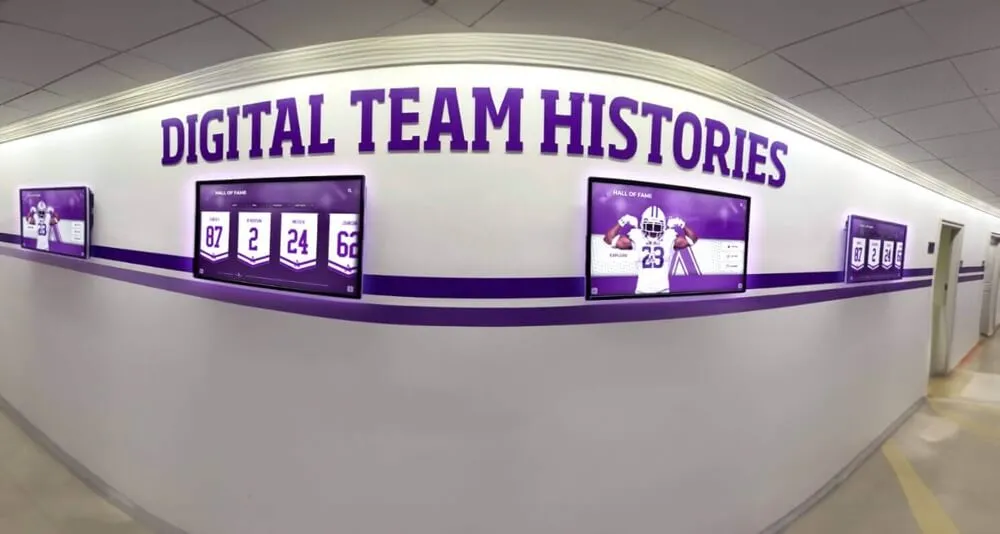
Greek life represents a unique dimension of the college experience that has evolved significantly since its founding in the late 18th century. While fraternities and sororities maintain traditional values of scholarship, leadership, service, and fellowship, today’s Greek organizations increasingly leverage technology to celebrate achievements, recognize members, and maintain connections with alumni across generations.

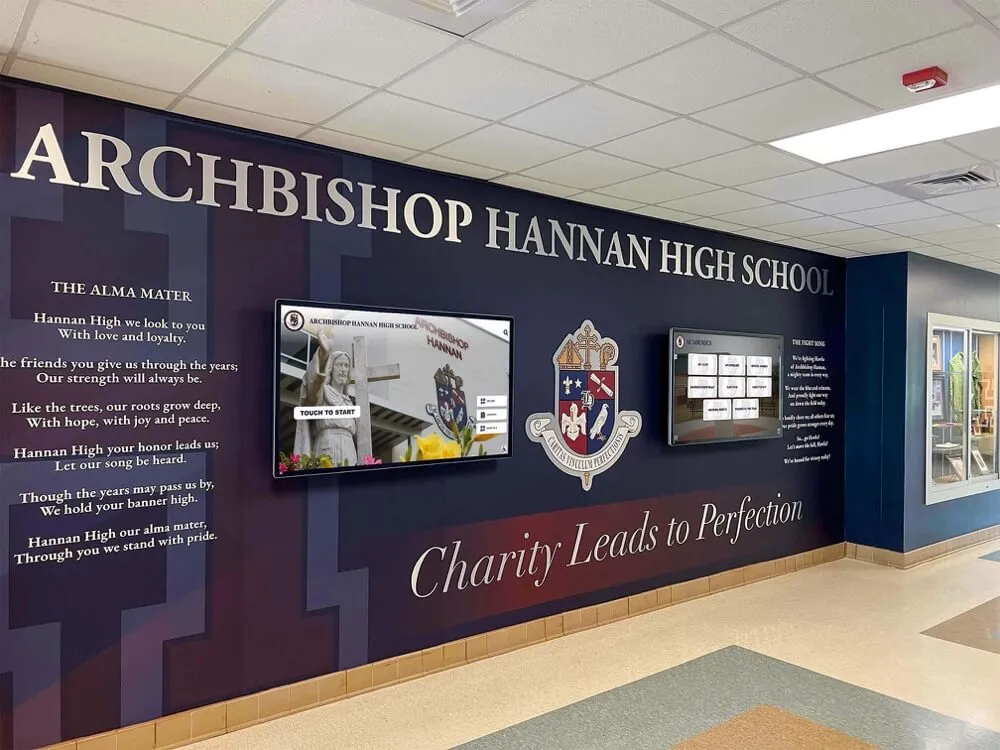
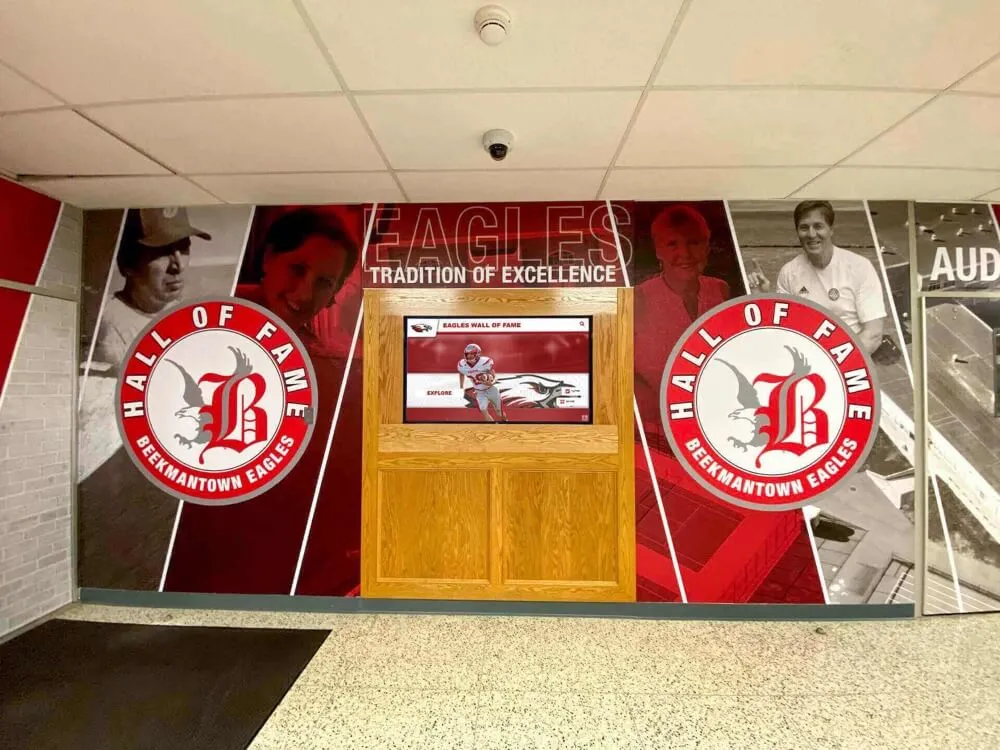
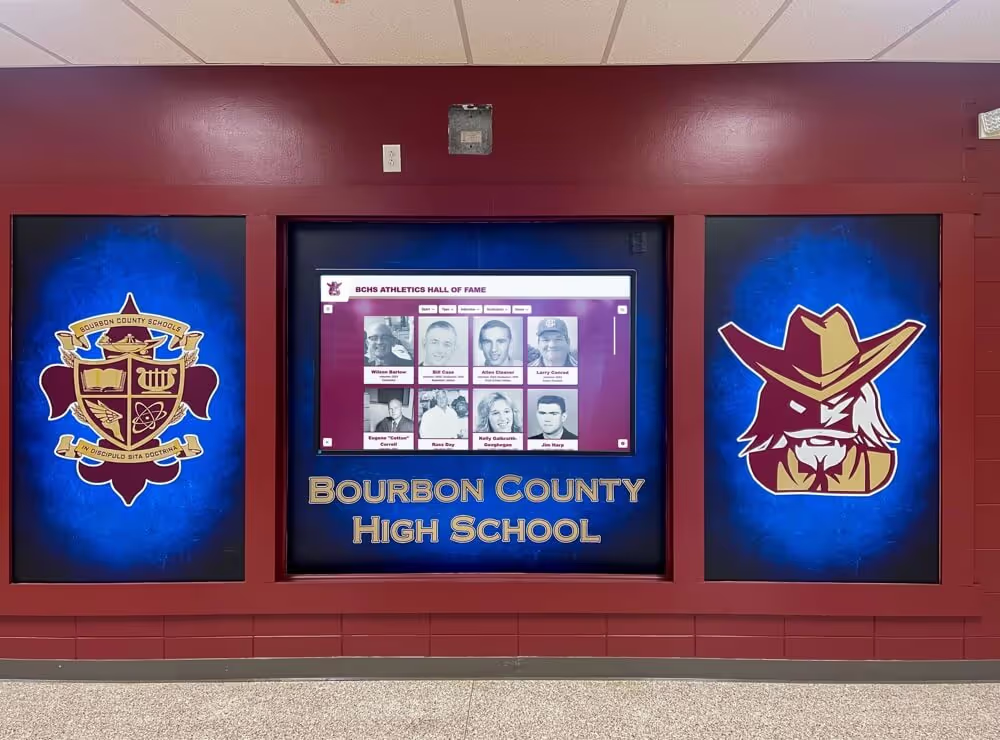
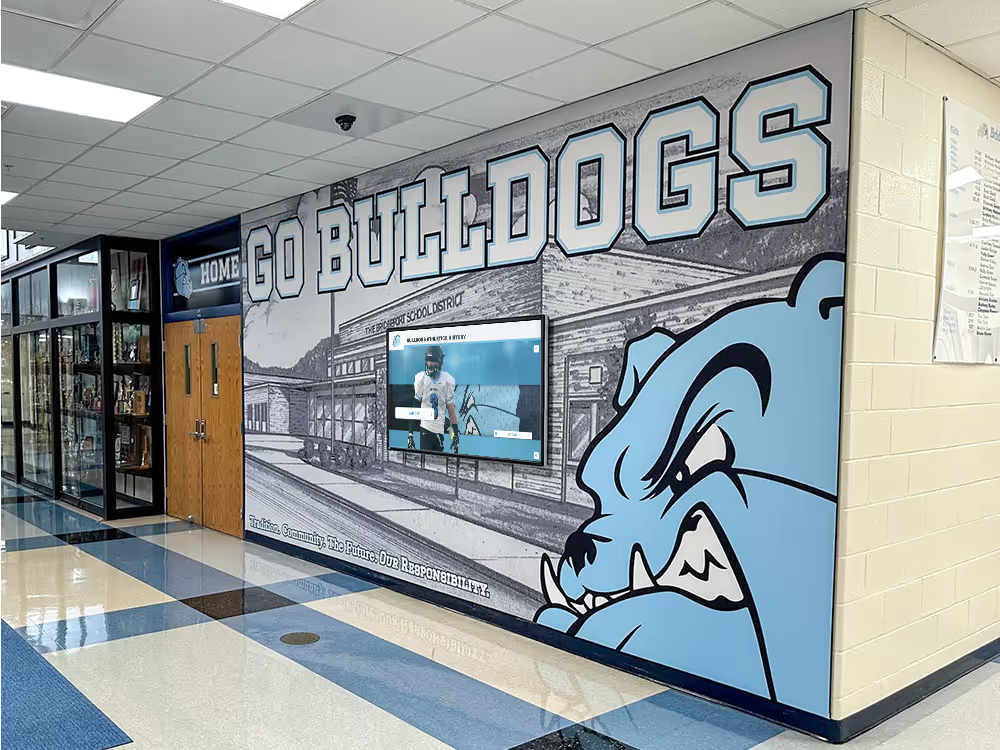
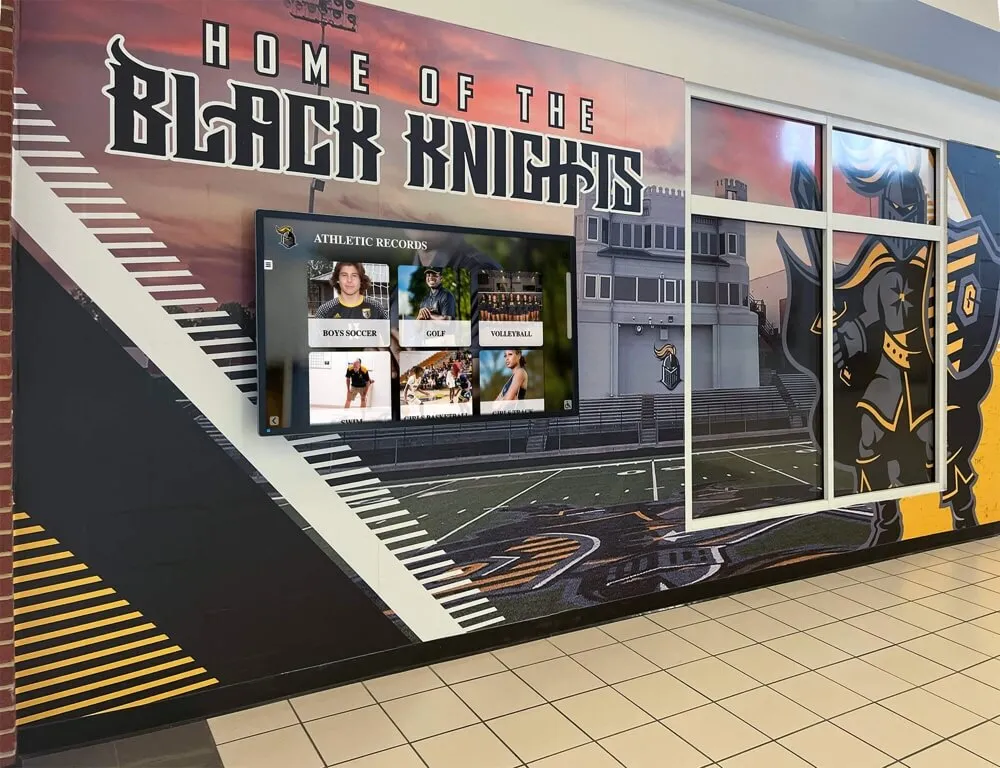
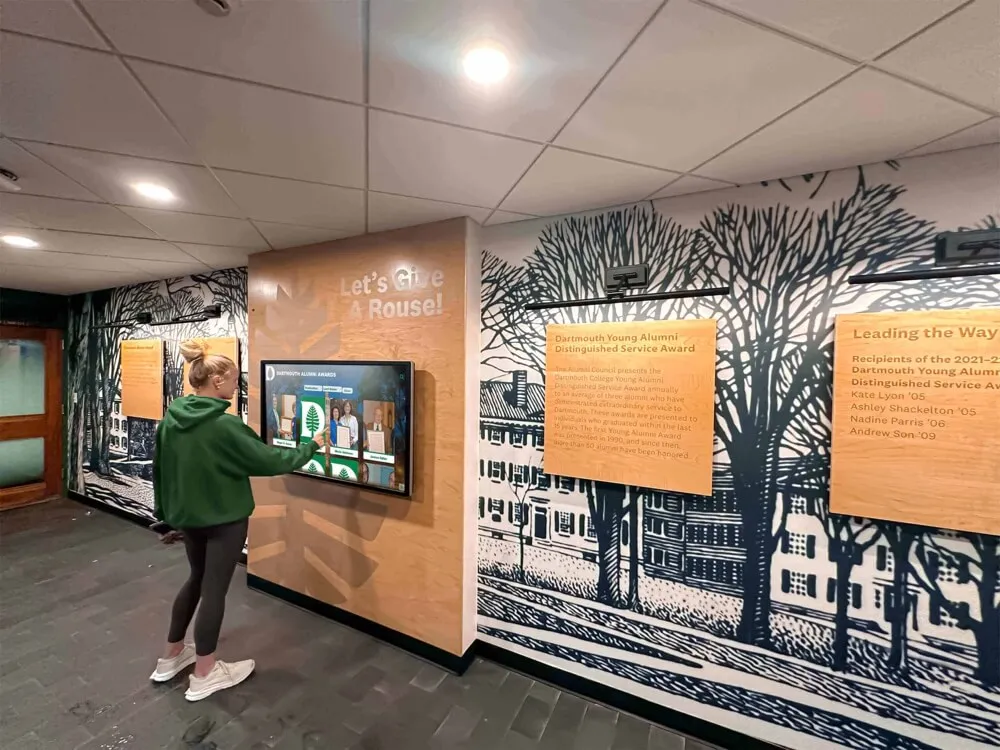
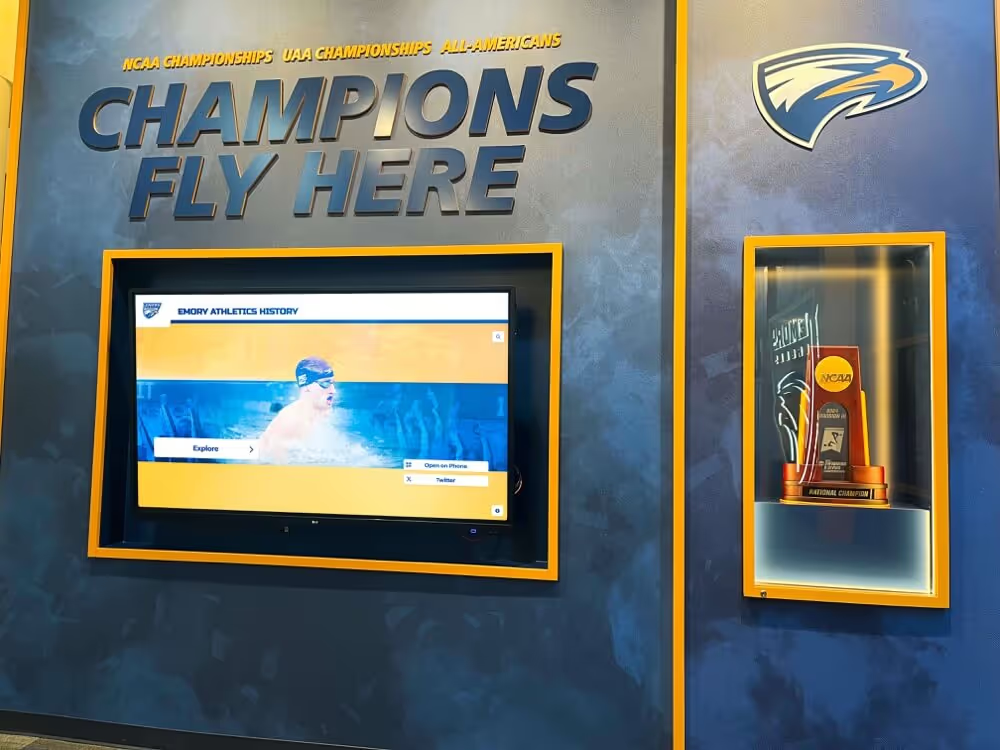
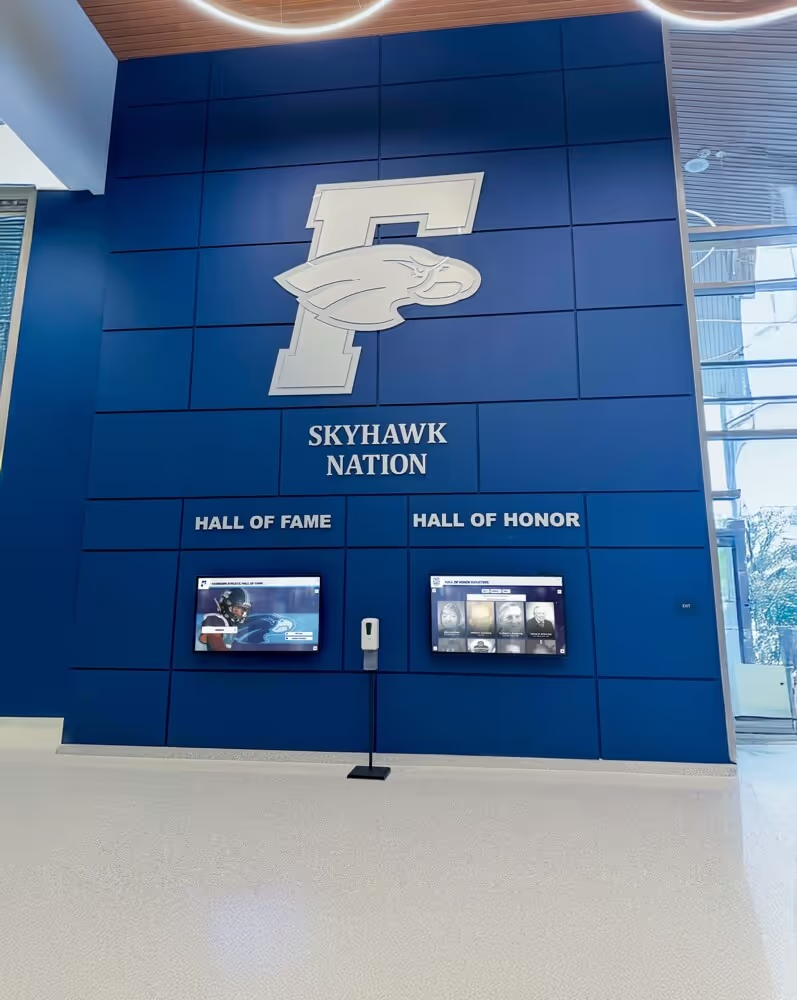
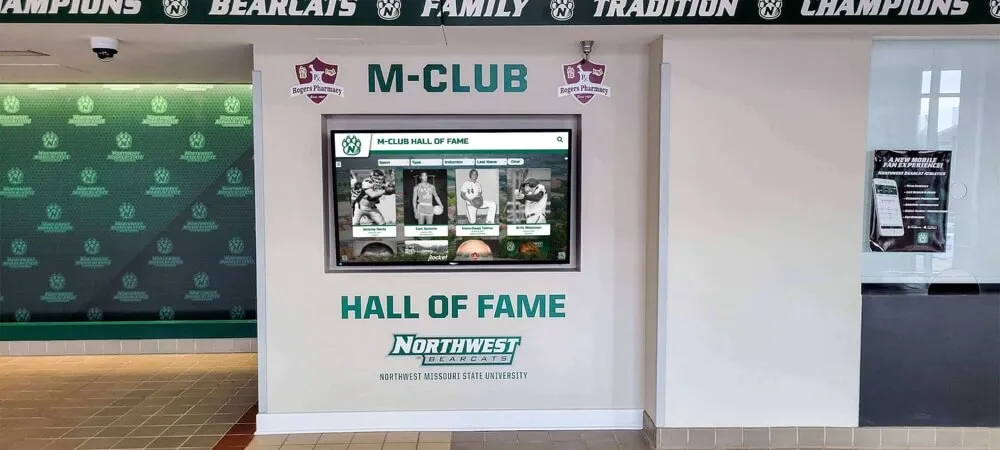
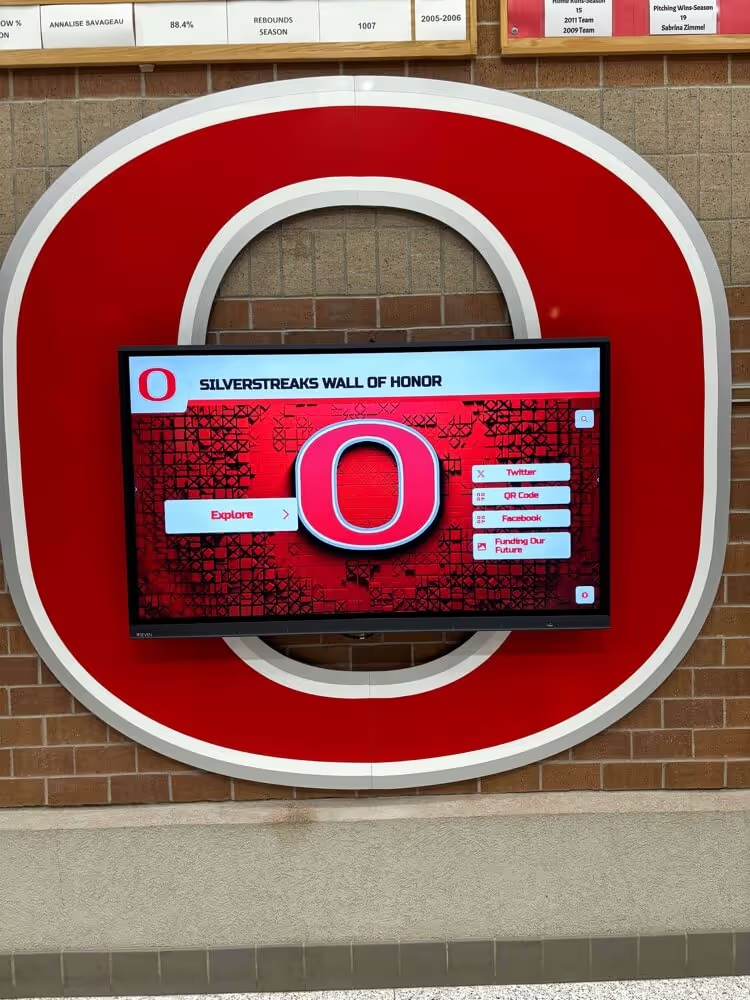
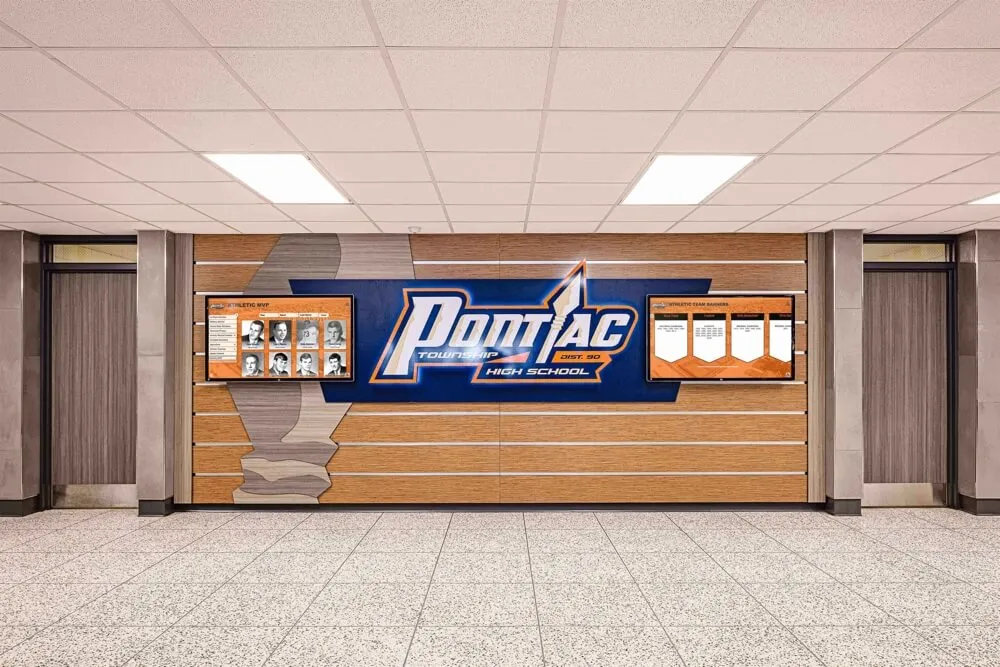
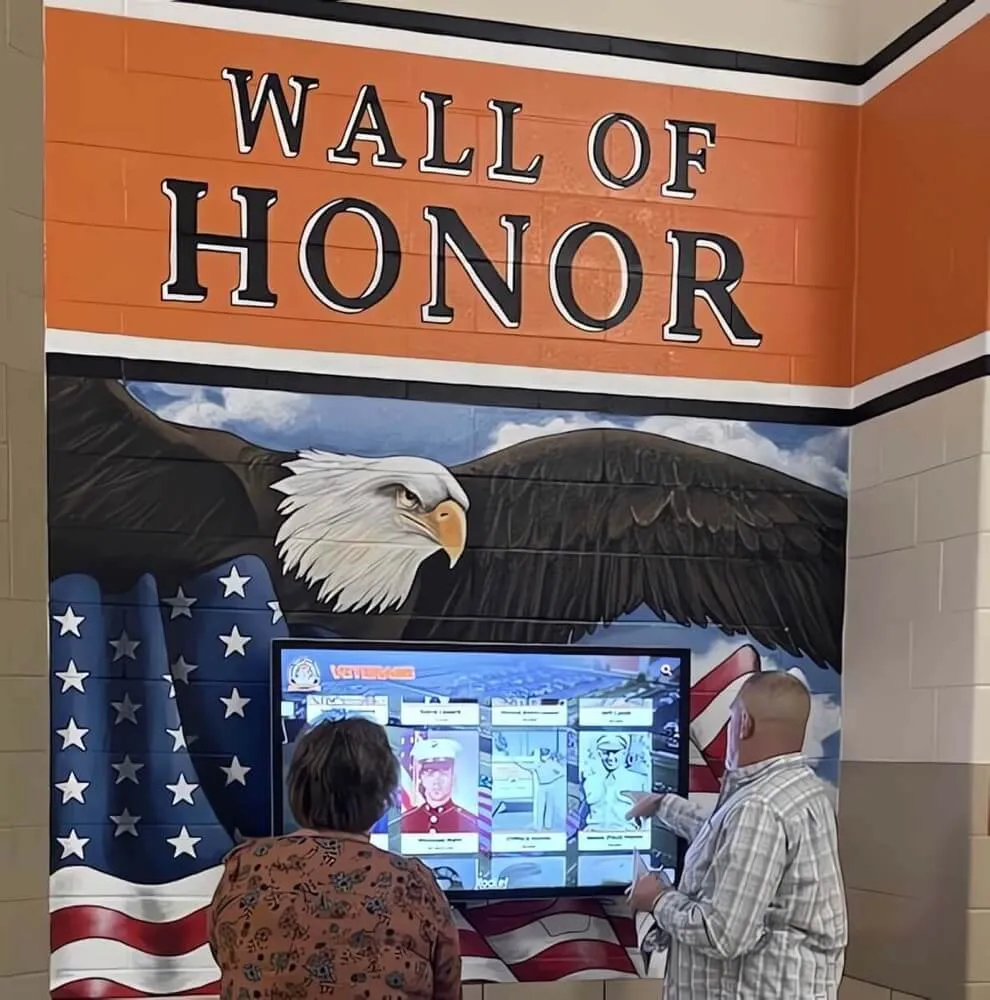
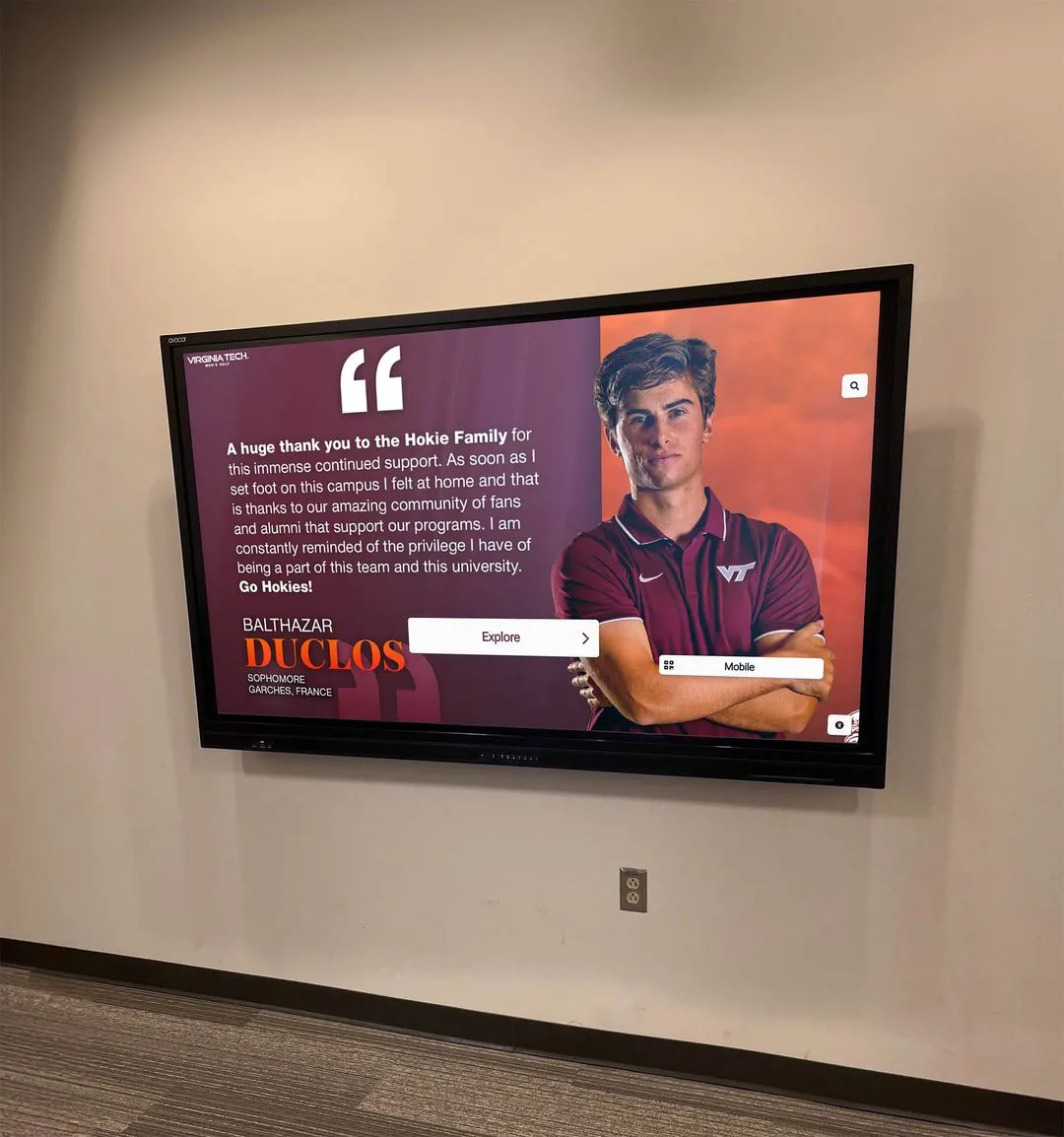
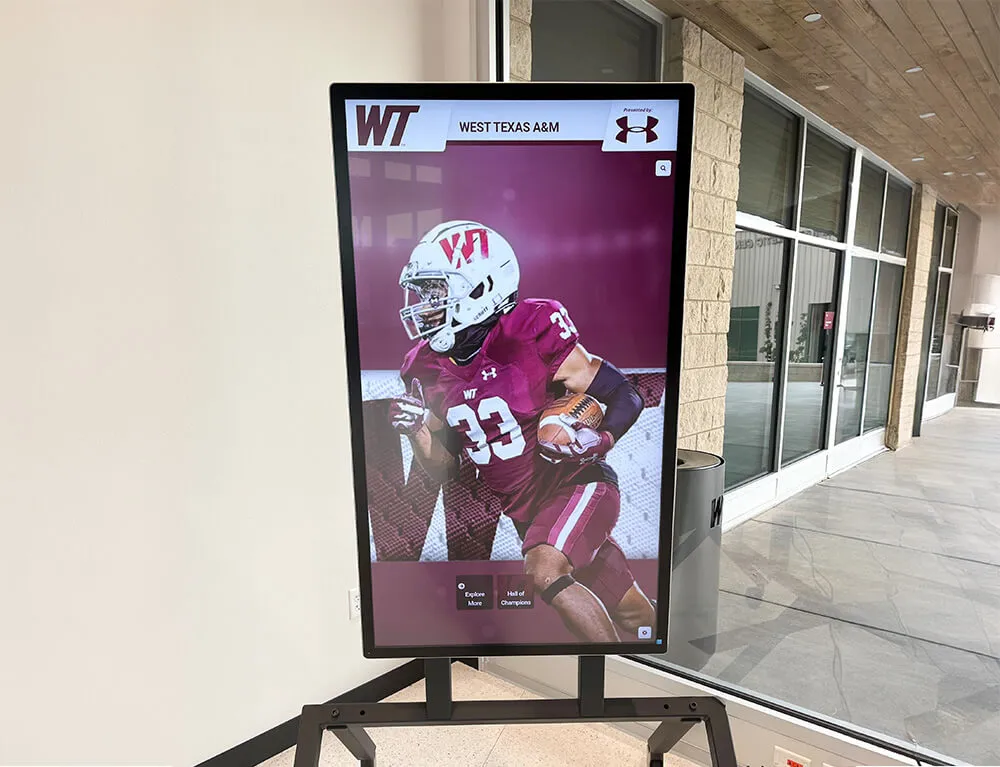
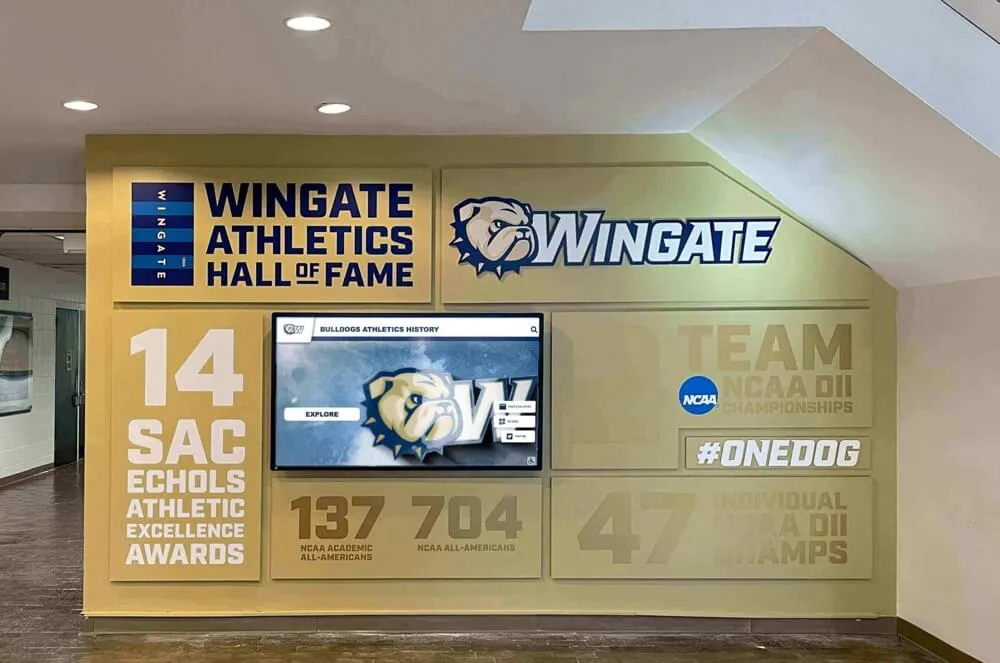
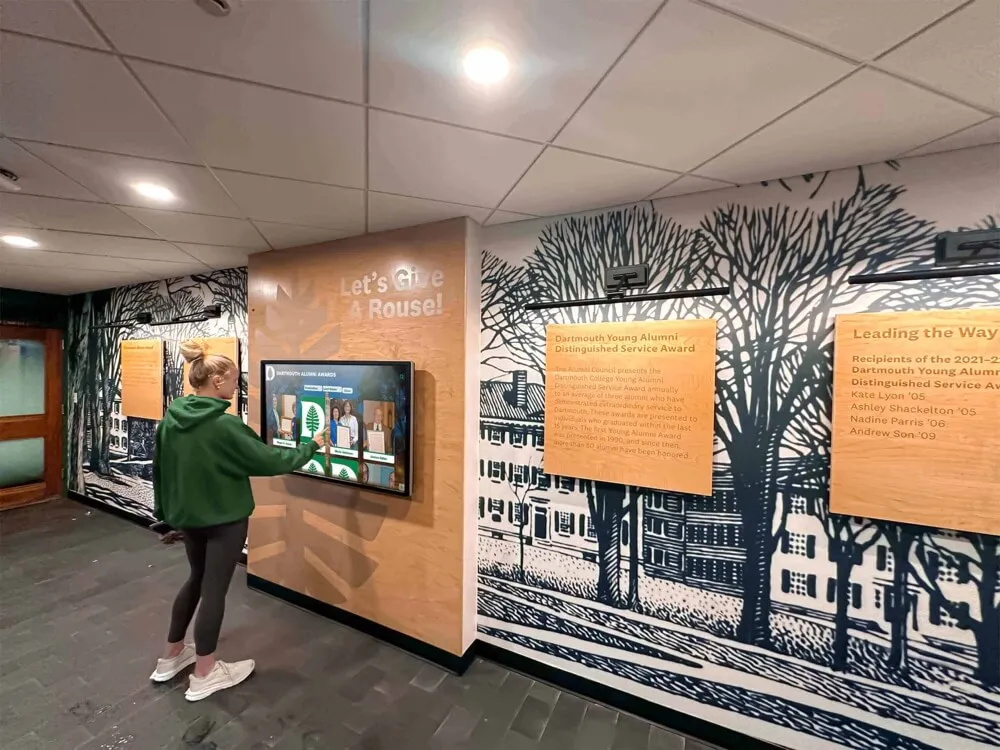
Modern Greek organizations use interactive displays to showcase member achievements, chapter history, and philanthropic impact, creating engaging touchpoints that strengthen organizational pride and connection
Understanding Greek Life: The Basics
Greek life derives its name from the Greek alphabet letters that fraternities and sororities use as organizational identifiers. Rather than names like “Smith Club” or “Campus Association,” these organizations adopt combinations of Greek letters—Alpha, Beta, Gamma, Delta, and so forth—creating distinctive identities like Sigma Chi, Delta Gamma, or Kappa Alpha Theta.
Fraternities vs. Sororities: Key Differences
Fraternities are brotherhood organizations traditionally composed of men, though some fraternities today admit members regardless of gender identity. The term comes from the Latin word “frater,” meaning brother. Fraternities typically designate themselves with Greek letter combinations and may be social, professional, service, or honorary organizations.
Sororities are sisterhood organizations traditionally composed of women, with the name deriving from the Latin “soror,” meaning sister. Like fraternities, sororities use Greek letters and organize around social, professional, service, or honorary missions. Many sororities also use the term “women’s fraternity” to emphasize equal standing with male counterparts in the Greek system.
Both fraternities and sororities operate on similar organizational principles—creating tight-knit communities bound by shared values, rituals, and commitment to member development and community service.
Types of Greek Organizations
Greek life encompasses several distinct organizational categories beyond traditional social fraternities and sororities:
Social Fraternities and Sororities
These represent the most visible Greek organizations on campuses, focusing on brotherhood/sisterhood, social programming, philanthropy, and member development. Social Greek organizations typically maintain chapter houses where members live and gather, host campus events and parties, and participate in formal recruitment processes. Organizations like Sigma Alpha Epsilon, Pi Beta Phi, Delta Tau Delta, and Alpha Chi Omega fall into this category.
Professional Fraternities and Sororities
Professional Greek organizations unite students pursuing common academic or career interests rather than primarily social connections. Professional fraternities exist for engineering students, business majors, pre-medical students, musicians, and virtually every academic discipline. These organizations emphasize networking, mentorship, and career development alongside traditional Greek values. Examples include Delta Sigma Pi (business), Phi Alpha Delta (law), and Alpha Omega Epsilon (engineering).
Service Fraternities and Sororities
Service-oriented Greek organizations prioritize community service and philanthropy as their central mission. While all Greek organizations engage in charitable work, service fraternities and sororities structure their entire activities around volunteer efforts and social impact. Alpha Phi Omega represents the largest service fraternity, with hundreds of chapters focused on leadership, friendship, and service.
Honor Societies
Academic honor societies recognize scholastic achievement and often use Greek letters, though they function differently from social Greek organizations. Phi Beta Kappa, the nation’s oldest honor society, and discipline-specific organizations like Sigma Xi (research) and Tau Beta Pi (engineering) honor academic excellence without the social programming characteristic of traditional fraternities and sororities.
Culturally-Based Organizations
Culturally-focused fraternities and sororities provide community for students sharing common cultural backgrounds and experiences. The National Pan-Hellenic Council oversees historically Black fraternities and sororities (collectively known as the “Divine Nine”), while other cultural Greek organizations serve Latino, Asian American, Native American, and other communities. These organizations celebrate cultural heritage while providing supportive communities for members navigating college experiences.
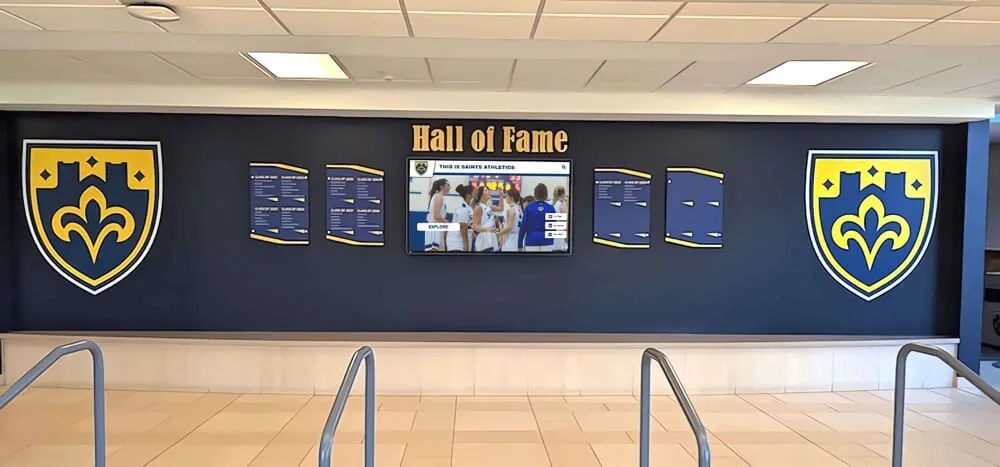
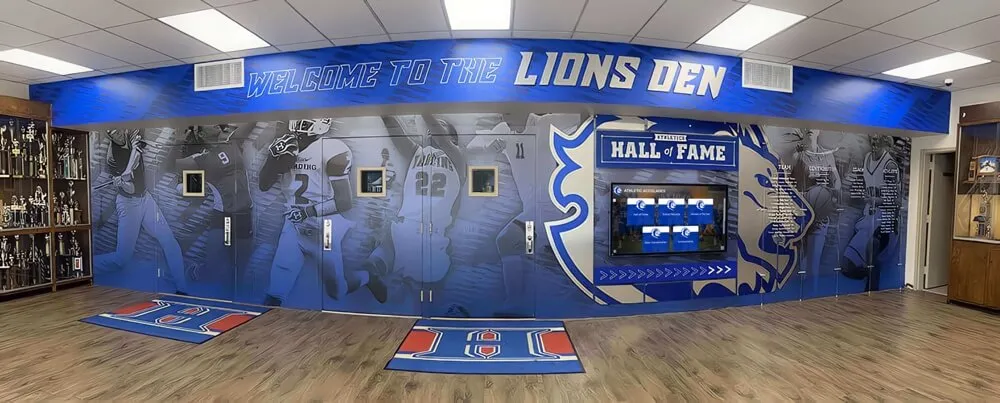
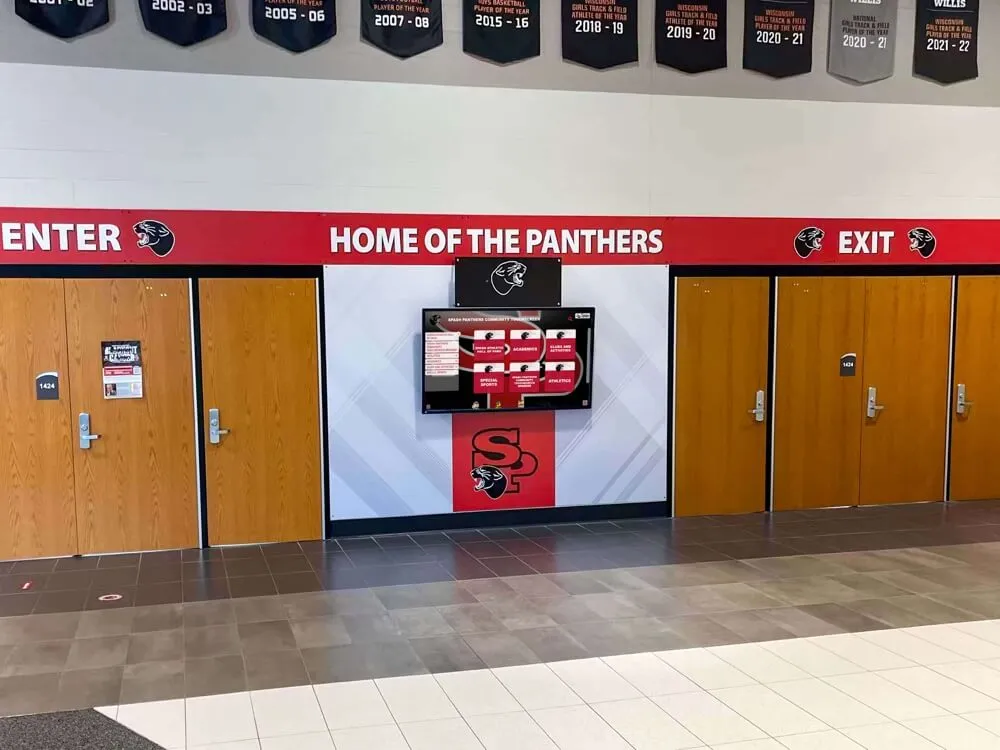
Fraternities and sororities preserve chapter legacy through integrated recognition combining traditional plaques honoring founders with digital displays showcasing current members, alumni achievements, and philanthropic impact
The History and Evolution of Greek Life
Understanding Greek life’s origins provides important context for how these organizations function today and why they maintain particular traditions and values.
The First Fraternities
Greek life in America began at the College of William & Mary in Williamsburg, Virginia, where Phi Beta Kappa founded in 1776 as a literary and philosophical society. While Phi Beta Kappa eventually became an honor society, it established the model that subsequent organizations would follow—Greek letter naming, secret rituals, selective membership, and emphasis on scholarship and character development.
The first social fraternity, Kappa Alpha Society, formed at Union College in Schenectady, New York, in 1825, followed quickly by Sigma Phi and Delta Phi at the same institution. These organizations created the “Union Triad,” establishing precedents for social fraternities that would proliferate across American campuses throughout the 19th century.
The Rise of Sororities
Women’s Greek organizations emerged several decades after men’s fraternities, reflecting broader limitations on women’s access to higher education. Alpha Delta Pi, founded in 1851 at Wesleyan College in Georgia (then as the Adelphean Society), claims status as the first secret society for college women, though it later became a sorority. Kappa Alpha Theta, founded in 1870 at DePauw University, was the first Greek-letter organization established specifically for women.
Early sororities faced skepticism about whether women needed or deserved such organizations. However, pioneering sorority members demonstrated that women’s Greek organizations provided essential support networks and leadership development opportunities in male-dominated academic environments. By the early 20th century, sororities had become established fixtures on college campuses nationwide.
The National Pan-Hellenic Council
The early 20th century saw the founding of historically Black fraternities and sororities at a time when African American students faced exclusion from predominantly white Greek organizations and broader campus life. Alpha Phi Alpha, founded in 1906 at Cornell University, became the first intercollegiate Black fraternity, followed by Alpha Kappa Alpha (1908), Kappa Alpha Psi (1911), Omega Psi Phi (1911), Delta Sigma Theta (1913), Phi Beta Sigma (1914), Zeta Phi Beta (1920), Sigma Gamma Rho (1922), and Iota Phi Theta (1963).
These nine organizations, collectively known as the “Divine Nine,” formed the National Pan-Hellenic Council in 1930, creating a coordinating body for Black Greek-letter organizations. NPHC organizations developed distinctive traditions including stepping (synchronized, choreographed stepping and chanting performances), emphasizing scholarship and civil rights activism, and maintaining particularly strong alumni engagement networks.
Modern Greek Life Evolution
Contemporary Greek life has evolved significantly from its origins, addressing criticisms while maintaining core values. Modern changes include:
- Increased emphasis on safety, accountability, and risk management
- Zero-tolerance policies for hazing and discriminatory behavior
- Greater focus on academic performance standards and support
- Enhanced philanthropic programming and community service requirements
- Technology integration for communication, recruitment, and alumni engagement
- Evolving approaches to diversity, equity, and inclusion
- Professional chapter advisers and organizational development support
Organizations like Rocket Alumni Solutions help fraternities and sororities preserve their legacy while adapting to contemporary expectations through digital recognition systems that celebrate member achievements, document chapter history, and maintain connections across alumni generations.
The Benefits of Joining Greek Life
Students considering Greek membership often wonder whether the time commitment, financial investment, and organizational obligations justify participation. Research and member experiences reveal significant benefits that extend throughout college years and beyond graduation.
Networking and Career Connections
One of Greek life’s most tangible benefits involves access to extensive professional networks spanning decades of alumni. Fraternity and sorority members gain connections with accomplished graduates working across industries who often prioritize hiring or mentoring fellow members. Many organizations maintain formal mentorship programs, career networking events, and job boards exclusively for members and alumni.
Greek alumni frequently report that fraternity or sorority connections helped them secure internships, land first jobs, or advance in careers through introductions, recommendations, and insider knowledge about opportunities. The shared bond of membership creates immediate common ground that facilitates professional relationship building throughout careers. Alumni mentorship programs structured through Greek organizations provide particularly strong career development foundations for student members.
Leadership Development Opportunities
Greek organizations provide extensive leadership experience through chapter officer positions, committee roles, event planning, and organizational management. Members can serve as chapter president, treasurer, social chair, philanthropy chair, recruitment chair, or numerous other positions requiring real responsibility and decision-making authority.
These leadership roles involve managing substantial budgets (often $50,000+ annually for active chapters), coordinating dozens or hundreds of volunteers, planning large-scale events, navigating campus bureaucracy, resolving conflicts, and representing organizations to external stakeholders. Unlike many resume-building activities where “leadership experience” means minimal actual authority, Greek officer positions provide genuine management responsibility that develops practical skills employers value.
Research consistently shows that Greek members hold disproportionate percentages of campus leadership positions in student government, campus organizations, and other activities, suggesting that Greek involvement cultivates leadership capacity extending beyond chapter contexts.
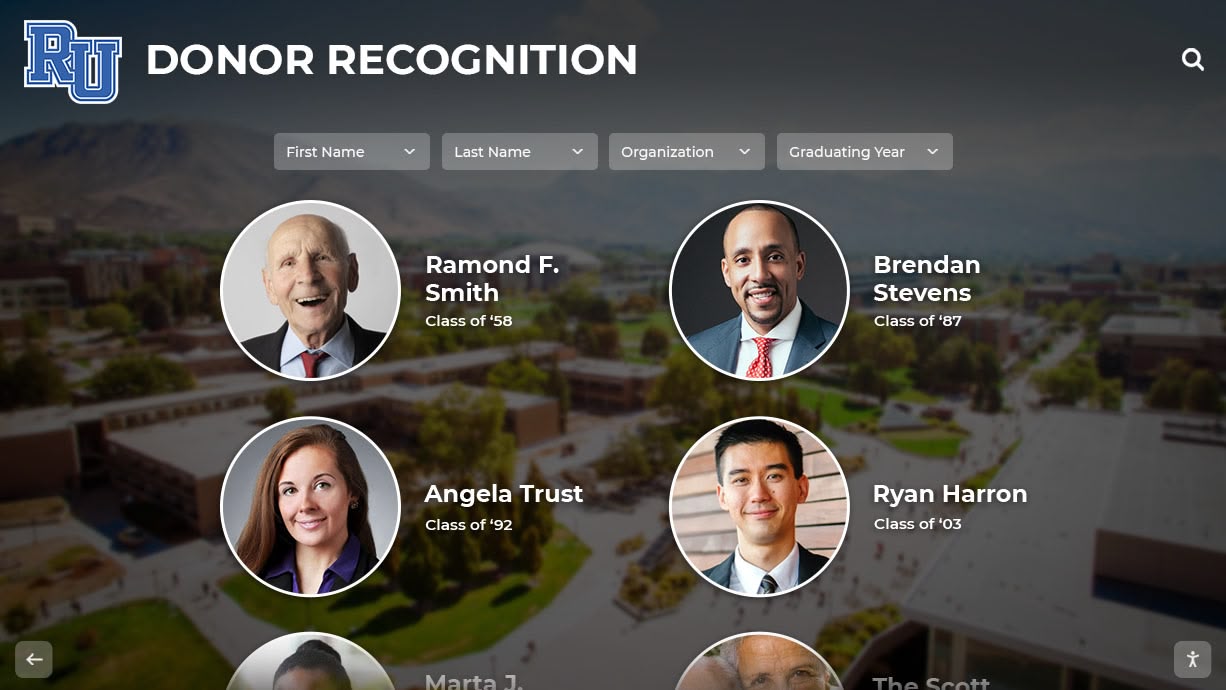
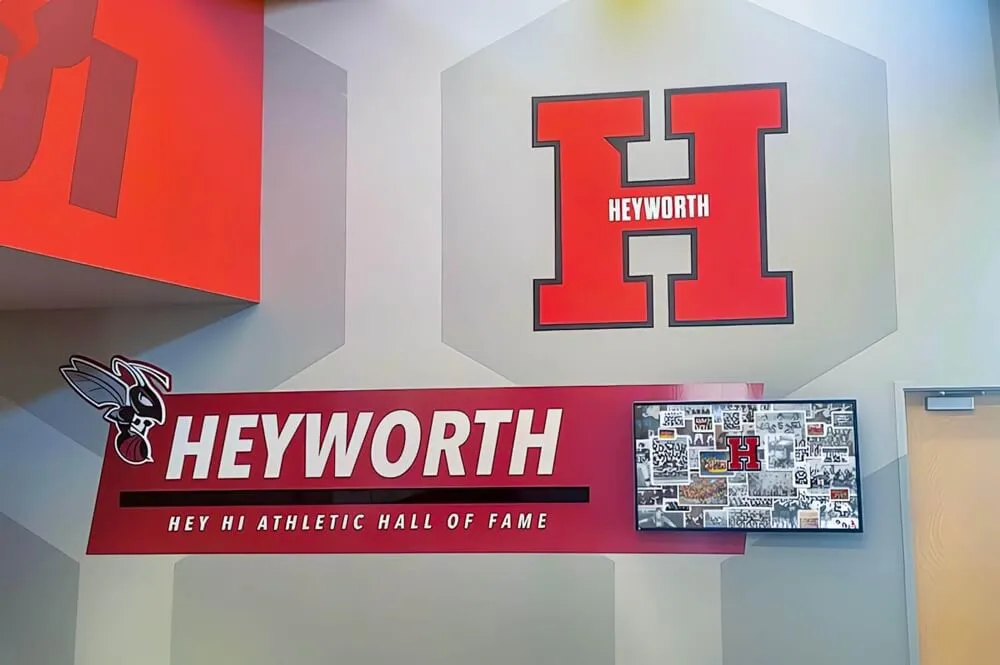
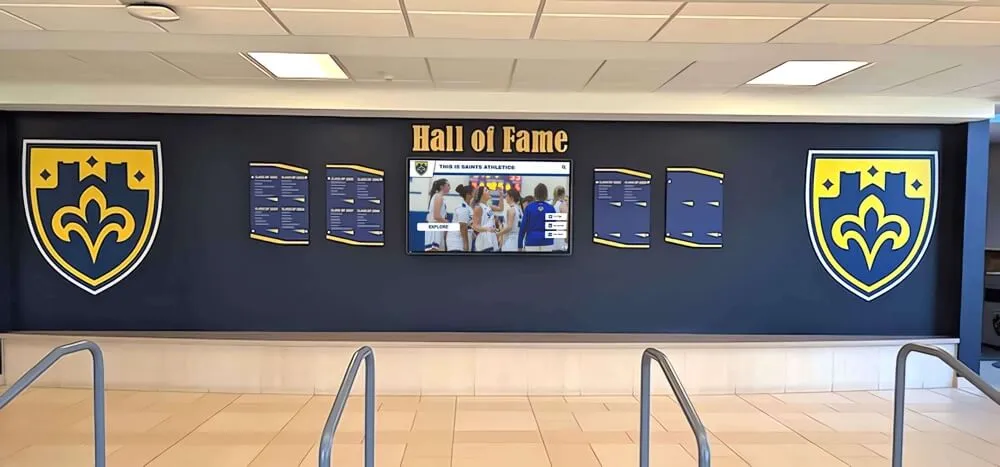
Interactive displays showcasing Greek organization members create opportunities for prospective students to learn about chapters while current members can explore alumni career paths and achievements
Academic Support and Success
Contrary to stereotypes about Greek life prioritizing social activities over academics, many fraternities and sororities maintain strong academic performance expectations and support systems. Most organizations require minimum GPA standards for membership initiation and continued active status, creating accountability for academic achievement.
Greek chapters often provide study hours, tutoring programs, test banks, course selection guidance, and peer academic support that help members navigate challenging coursework. Living with dozens of students pursuing varied majors provides instant access to study partners, subject matter experts, and accountability partners encouraging consistent academic effort.
Greek members collectively achieve higher graduation rates than non-Greek students on many campuses, though causation versus correlation remains debated. Whether Greek involvement directly improves academic outcomes or academically motivated students simply join Greek organizations at higher rates, members benefit from communities valuing scholastic achievement alongside social engagement.
Many organizations recognize academic excellence through awards, scholarships, and academic recognition programs celebrating individual and collective achievement.
Philanthropy and Service Impact
Greek organizations collectively raise hundreds of millions of dollars annually for charitable causes and contribute millions of volunteer hours to community service. Most fraternities and sororities partner with specific charitable organizations—St. Jude Children’s Research Hospital, the American Cancer Society, local food banks, educational nonprofits, or countless other causes—creating focused philanthropic programming throughout academic years.
Participation in organized philanthropy introduces students to nonprofit work, fundraising techniques, volunteer coordination, and community engagement. Members develop awareness of social issues, learn to mobilize communities around causes, and experience the satisfaction of creating measurable positive impact through collective action.
Many Greek alumni cite philanthropic involvement as among their most meaningful college experiences, with service work providing purpose and perspective that purely social or academic activities cannot replicate. Organizations increasingly leverage digital donor walls and recognition systems to celebrate chapters’ charitable contributions and inspire continued giving.
Social Connections and Lifelong Friendships
Perhaps the most fundamental Greek life benefit involves deep friendships and social communities that many members maintain throughout lifetimes. The shared experiences of joining an organization together, living in chapter houses, participating in traditions, and navigating college challenges create powerful bonds that often prove more enduring than other college friendships.
Greek members find instant social networks upon arriving at often overwhelming college campuses, providing built-in friends, activity partners, and support systems that ease transition difficulties. For students attending colleges far from home or knowing few incoming classmates, Greek membership can transform potentially isolating experiences into welcoming communities where they quickly feel they belong.
The social dimension extends well beyond college years. Alumni often maintain close friendships with chapter members decades after graduation, attend each other’s weddings, vacation together, and provide mutual support through life transitions. Many fraternities and sororities facilitate alumni engagement through regional alumni chapters, reunion events, and digital platforms maintaining connections across geographic distances and generational cohorts.
Personal Growth and Development
Beyond specific skill development or social connections, Greek membership provides holistic personal growth opportunities through navigating complex organizational dynamics, representing something larger than themselves, balancing competing priorities, and developing identity within communities bound by shared values.
Members learn to work with diverse personalities, resolve conflicts constructively, accept feedback and criticism, persevere through challenges, and contribute to organizational success beyond personal interests. These experiences cultivate maturity, self-awareness, and interpersonal sophistication that serve individuals throughout personal and professional lives.
For many students, fraternity or sorority membership represents their first experience with serious organizational commitment requiring sustained engagement rather than episodic participation. Learning to honor commitments, prioritize responsibilities, and contribute consistently to collective goals provides essential preparation for adult responsibilities in careers, families, and communities.
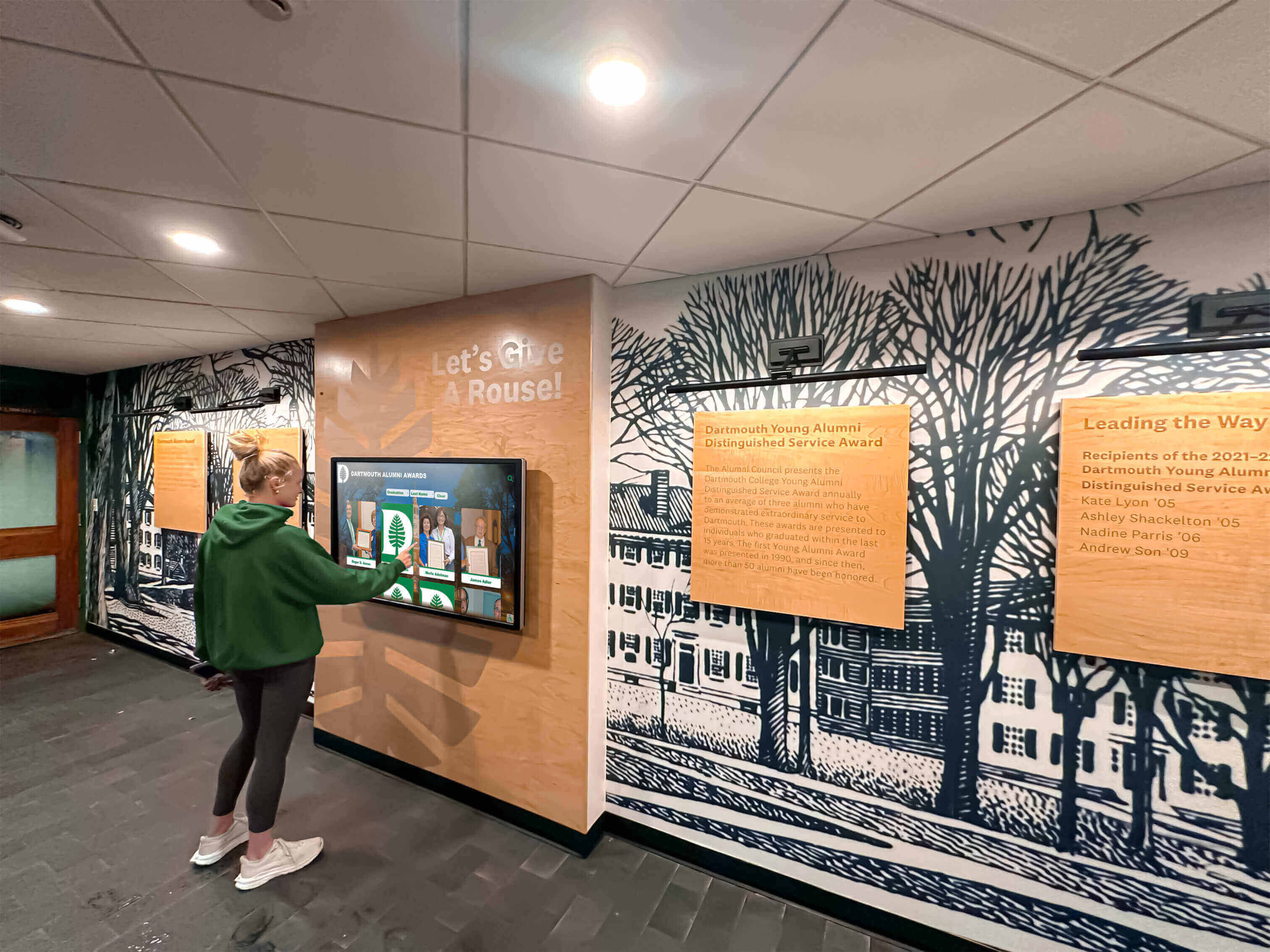
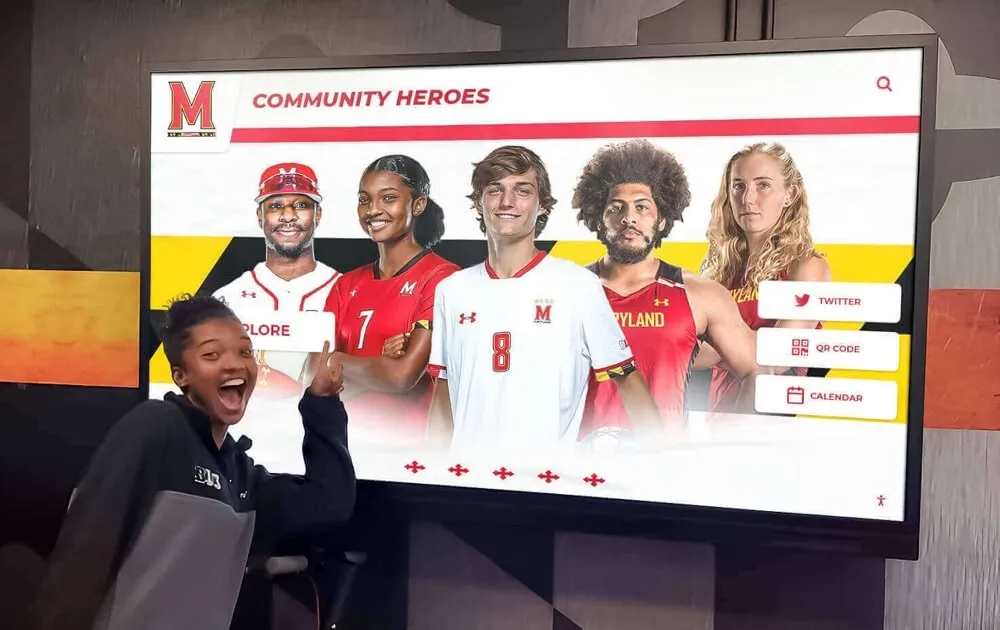
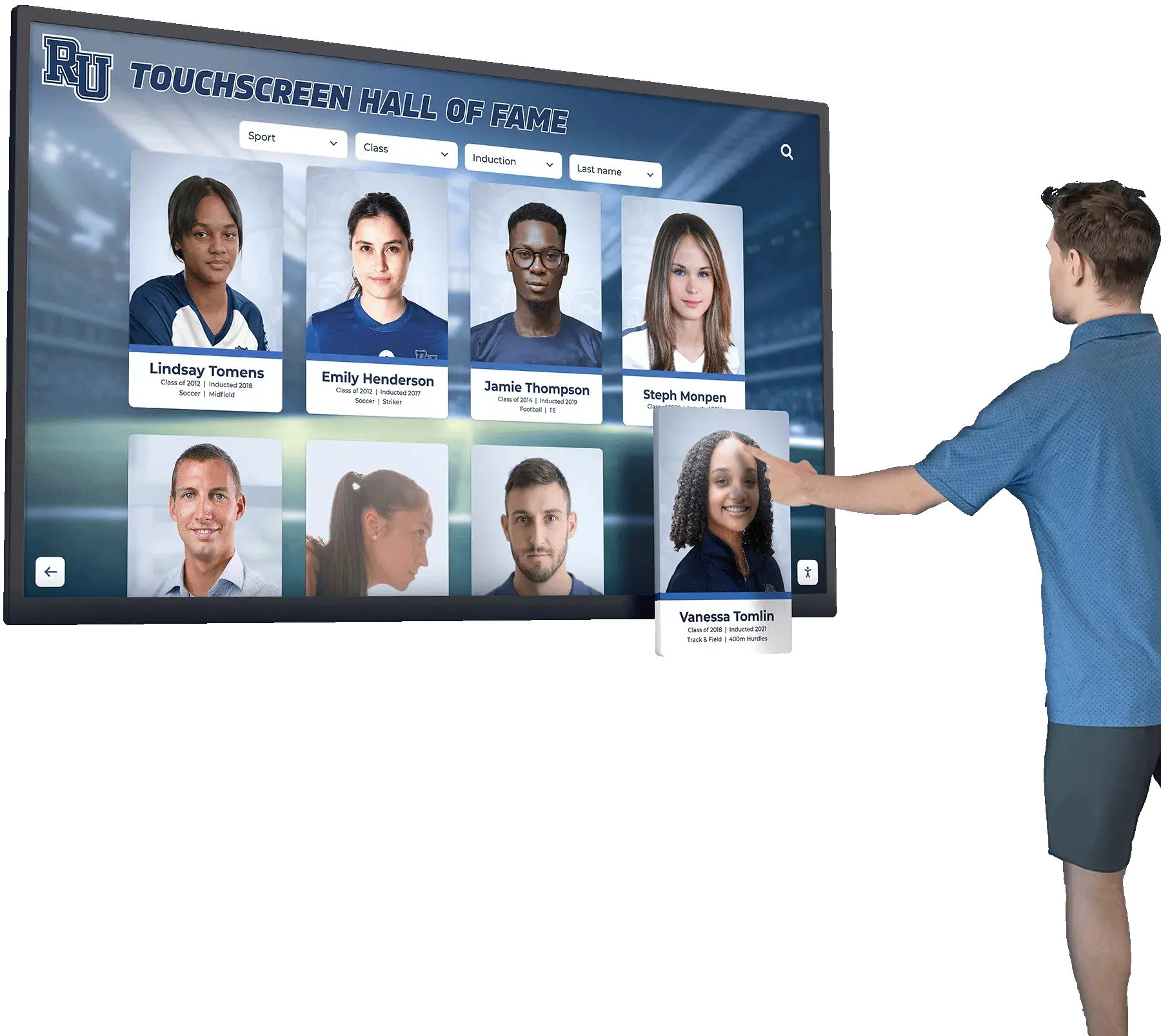
Digital recognition platforms enable Greek organizations to share comprehensive member profiles, chapter history, and achievement documentation that prospective members and alumni can explore interactively
How Greek Organizations Work: Structure and Governance
Understanding Greek life requires familiarity with how these organizations structure themselves and maintain operations across hundreds of chapters and decades of existence.
Local Chapters and National Organizations
Most fraternities and sororities operate under a two-tiered structure combining local chapters and national (or international) organizations:
Local Chapters
Individual campus chapters represent the primary membership experience where students join, participate in activities, and develop chapter community. Chapters typically include 30-150 active undergraduate members, though sizes vary considerably by campus, organization, and circumstances.
Local chapters elect officers annually, manage chapter operations, organize activities and events, maintain chapter facilities when applicable, conduct recruitment and new member education, and represent organizations to campus communities. While chapters maintain substantial autonomy in day-to-day operations, they operate under national organization charters granting permission to use organizational names, rituals, and insignia.
National Organizations
National fraternities and sororities provide oversight, resources, and coordination across all chapters. National organizations maintain headquarters staffed by professional employees, establish policies and standards chapters must follow, provide educational resources and training, coordinate leadership development programming, manage insurance and risk management, preserve organizational history and traditions, facilitate alumni engagement and fundraising, and intervene when chapters face serious problems or violations.
The relationship between national organizations and local chapters resembles corporate franchising—local chapters gain established brand identity, proven operational frameworks, extensive support resources, and connection to broad networks in exchange for following national standards, paying fees, and representing organizational values appropriately.
Governing Councils
Most campuses with significant Greek presence organize fraternities and sororities into governing councils providing structure and coordination:
Interfraternity Council (IFC)
IFC governs social fraternities that are members of the North American Interfraternity Conference, providing structure for recruitment, judicial processes, programming, and inter-fraternal relations.
National Panhellenic Conference (NPC)
NPC oversees social sororities belonging to the National Panhellenic Conference, coordinating recruitment (called “formal recruitment” or “rush”), establishing policies, and facilitating cooperation among women’s organizations.
National Pan-Hellenic Council (NPHC)
NPHC coordinates historically Black fraternities and sororities (the “Divine Nine”), which maintain distinct traditions including membership intake processes rather than traditional rush, stepping performances, and particularly strong emphasis on service and scholarship.
Multicultural Greek Council (MGC)
MGC provides governance for culturally-based Greek organizations serving Latino, Asian American, South Asian, Native American, and other communities not served by traditional IFC, NPC, or NPHC organizations.
These governing councils work with campus administrators to establish policies, coordinate activities, address problems, and represent Greek community interests to broader campus constituencies.
Chapter Operations and Management
Running an active Greek chapter requires substantial organizational management comparable to operating small businesses or nonprofit organizations. Chapter officers typically include:
- President: Overall chapter leadership and external representation
- Vice President: Internal operations and officer coordination
- Treasurer: Financial management, budgeting, and collections
- Secretary: Record-keeping, communications, and documentation
- Recruitment Chair: New member recruitment and strategy
- New Member Educator: New member programming and education
- Social Chair: Event planning and social programming
- Philanthropy Chair: Service projects and charitable fundraising
- Risk Manager: Safety, liability, and compliance oversight
- Scholarship Chair: Academic programming and performance monitoring
- Public Relations: Marketing, communications, and campus relations
This management structure provides extensive leadership experience as members rotate through positions throughout college years. Organizations increasingly use technology platforms to streamline operations, maintain member records, and preserve institutional history across generations of membership.
The Greek Life Membership Process
Students interested in joining fraternities or sororities navigate a multi-stage process differing somewhat by campus, organization type, and governing council, but following general patterns:
Recruitment (Rush)
Social Fraternities and Sororities
Traditional social Greek organizations conduct formal recruitment periods (historically called “rush”) where potential new members visit different chapters, meet current members, and learn about each organization’s culture and values. Recruitment formats vary:
- Formal recruitment: Structured, regulated process with specific rounds and schedules, typically occurring at semester beginnings
- Informal recruitment: Less formal continuous or periodic recruitment throughout academic years
- Deferred recruitment: Some campuses restrict recruitment to second semester or sophomore year, ensuring students establish academic foundations before Greek involvement
During recruitment, potential new members attend events ranging from casual conversations to themed parties to more formal presentation events. Simultaneously, chapters evaluate potential members based on perceived fit, shared values, campus reputation, and contribution potential.
At recruitment’s conclusion, potential new members and chapters submit ranked preference lists through mutual selection processes. Matching algorithms pair students with chapters that mutually selected each other, with students receiving “bids” (invitations to join) specific organizations.
NPHC Organizations
Historically Black fraternities and sororities typically use “membership intake” rather than formal rush, with processes varying by organization. Intake often occurs in spring semesters and involves application periods, interviews, and evaluation processes lasting several weeks to months. NPHC membership processes emphasize academic achievement (often requiring higher GPAs than IFC/NPC minimums), service commitment, and organizational knowledge.
Professional and Service Organizations
Professional fraternities and service organizations often use less formal recruitment, with interested students attending informational meetings, submitting applications, and interviewing with chapter members. Selection emphasizes academic major or career interests (for professional fraternities), service commitment (for service organizations), and organizational fit.
New Member Education
After accepting bids, new members enter education periods (historically called “pledging”) where they learn organizational history, values, rituals, expectations, and develop relationships with other new members and active chapter members. New member education typically lasts 6-12 weeks and includes:
- Educational sessions covering organizational history, values, and structure
- Team-building activities developing new member class cohesion
- Introduction to chapter operations and expectations
- Academic support and monitoring
- Service projects and philanthropic engagement
- Social events integrating new members into chapter life
- Big/little programs pairing new members with active member mentors
New member periods walk fine lines between creating meaningful education and building class bonds while avoiding hazing—any activities causing physical, mental, or emotional harm. National organizations and campuses increasingly scrutinize new member education, requiring structured curricula, monitoring activities, and enforcing strong anti-hazing policies.
Initiation
New member education culminates in initiation ceremonies inducting members into lifelong organizational membership. Initiation represents one of Greek life’s most significant moments, involving secret rituals teaching organizational values and principles through symbolic ceremonies that members cannot discuss with non-members.
Following initiation, new members become full active members with all rights and responsibilities, gaining access to complete chapter operations, voting privileges, and participation in all organizational activities. Initiation creates permanent membership—while students may become inactive or alumni, the membership bond formed through initiation lasts lifelong.
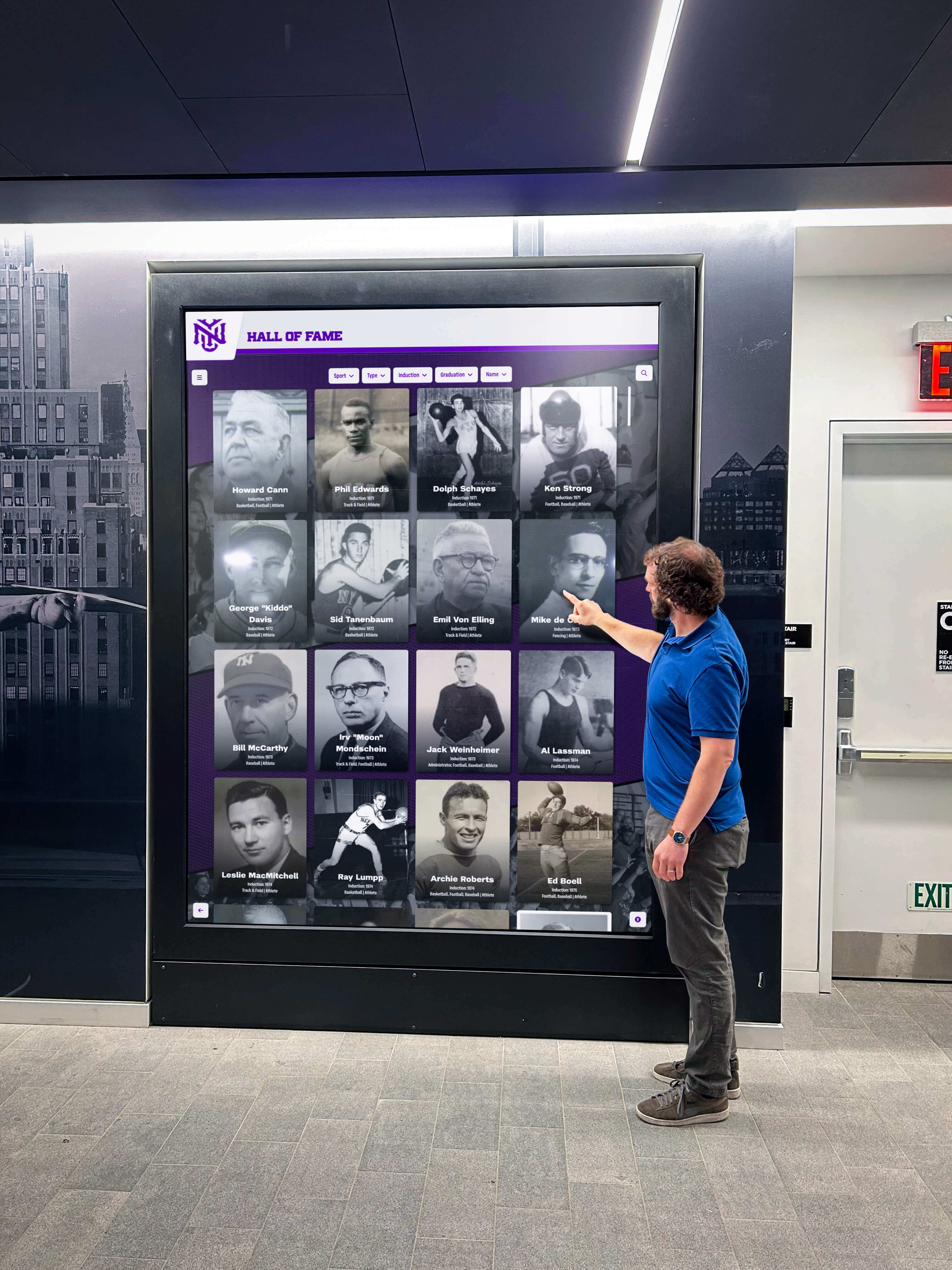
Modern Greek organizations install interactive recognition displays in chapter houses and campus facilities, enabling members and visitors to explore chapter history, member achievements, and organizational legacy
Greek Life Traditions and Culture
Greek organizations maintain rich traditions creating distinctive cultural experiences and fostering organizational identity across generations.
Rituals and Ceremonies
All fraternities and sororities maintain secret rituals performed during initiation and other significant organizational moments. These rituals communicate organizational values through symbolic ceremonies incorporating historical founders, organizational principles, and philosophical teachings.
While specific ritual content remains confidential, rituals typically emphasize character, scholarship, service, brotherhood or sisterhood, and commitment to organizational ideals. The secrecy surrounding rituals creates bonds among members sharing knowledge unavailable to outsiders, though critics argue that excessive secrecy enables problematic behaviors hidden from accountability.
Greek Letters and Symbolism
Each organization’s Greek letter combination carries specific meaning related to mottos, values, or founding principles. For example, Phi Beta Kappa’s name derives from the Greek phrase “Philosophia Biou Kubernetes” (philosophy is the guide of life), while other organizations’ letters represent secret mottos revealed only to initiated members.
Organizations also maintain distinctive symbols, colors, flowers, jewels, and other insignia creating visual identity. Members display organizational affiliation through letter shirts, pins (called “badges” or “lavalieres”), flags, house decorations, and other expressions of organizational pride.
Social Events and Parties
Greek social events range from casual gatherings to elaborate themed parties to formal events resembling galas or weddings. Common social programming includes:
- Mixers: Joint social events between fraternities and sororities
- Formals: Semi-annual formal dances often held at hotels or event venues
- Date parties: Themed social events where members bring dates
- Philanthropy events: Fundraising activities combining social engagement with charitable purposes
- Brotherhood/sisterhood events: Chapter-only activities building internal bonds
- Alumni events: Gatherings connecting current students with graduated members
Social programming represents significant aspects of Greek experience while also generating most criticism and controversy when events involve excessive alcohol consumption, safety concerns, or inappropriate behavior.
Homecoming and Greek Week
Many campuses host annual Greek Week celebrations featuring competitions among chapters in athletics, academics, service, and spirit activities. Greek Week creates friendly rivalry while celebrating Greek community contributions to campus life.
Similarly, homecoming festivities often include significant Greek participation through parade floats, tailgates, reunion events, and competitions, creating traditions connecting current students with generations of alumni returning to campuses.
Big/Little Traditions
Most Greek organizations pair new members with active members serving as mentors (“bigs”) to their “littles.” Big/little relationships provide guidance, support, and friendship throughout college years and often continue well beyond graduation.
Organizations celebrate big/little pairings through elaborate reveal traditions, gift exchanges, and special programming strengthening these mentorship bonds. Many members cite big/little relationships as among their most meaningful Greek experiences.
Challenges and Criticisms of Greek Life
While Greek organizations provide significant benefits, they also face substantial and sometimes warranted criticism requiring honest assessment by prospective members, current participants, and institutional leaders.
Hazing Concerns
Hazing—requiring new or prospective members to perform potentially harmful, degrading, or dangerous activities as conditions for membership—represents Greek life’s most serious problem. Despite decades of awareness, education, and prevention efforts, hazing continues causing injuries, psychological trauma, and occasionally deaths.
Hazing ranges from relatively mild activities (enforced social hierarchies, meaningless tasks, sleep deprivation) to dangerous practices (forced alcohol consumption, physical abuse, sexual assault). National organizations and campuses universally prohibit hazing through zero-tolerance policies, yet enforcement challenges and organizational secrecy enable hazing persistence.
Prospective members should research campus Greek communities carefully, ask direct questions about new member education, trust their instincts about concerning activities, and refuse participation in any activities causing discomfort or potential harm. No organizational membership justifies accepting physical, mental, or emotional abuse.
Alcohol and Substance Issues
Greek social events frequently involve alcohol consumption, creating elevated risks for alcohol poisoning, accidents, injuries, assault, and academic problems. While alcohol consumption occurs throughout college populations, Greek environments sometimes enable or encourage excessive drinking through party culture, social pressures, and organizational traditions.
Organizations increasingly implement alcohol-free housing policies, require sober monitors at events, provide education about responsible drinking, and establish accountability for members’ actions. However, cultural change requires ongoing effort addressing deep-rooted social norms around alcohol and Greek social life.
Exclusivity and Discrimination
The selective nature of Greek membership—some students receive bids while others face rejection—creates exclusivity that critics argue promotes elitism, discrimination, and campus social hierarchies. Historical and ongoing issues with discrimination based on race, socioeconomic status, appearance, or other characteristics have stained Greek reputations and caused genuine harm to students.
While organizations officially prohibit discrimination and many chapters actively pursue diversity, membership selection inherently involves subjective judgments about “fit” that can mask bias. Some campuses have abolished Greek life entirely due to perceived incompatibility with inclusive campus values, while others work to reform organizations toward greater openness and diversity.
Financial Costs
Greek membership involves substantial expenses including initiation fees, chapter dues, housing costs (when living in chapter facilities), event expenses, clothing and apparel, and philanthropic contributions. Total costs range from $1,000-$5,000+ annually depending on campus, organization, and housing arrangements.
These costs create accessibility barriers for students from lower-income backgrounds, potentially limiting Greek membership to wealthier students and reinforcing socioeconomic stratification. Some organizations offer payment plans or reduced dues for members facing financial hardship, but cost remains a significant consideration for prospective members.
Time Commitments
Active Greek membership requires substantial time investment through chapter meetings, committee work, mandatory events, social activities, philanthropic projects, and general participation expectations. Students balancing academics, jobs, other activities, and personal relationships may struggle meeting organizational demands while maintaining well-rounded college experiences.
Successful Greek members develop strong time management skills navigating these competing demands, but the involvement intensity may not suit all students’ priorities or capacities.
Modern Greek Life: Technology and Recognition
Contemporary fraternities and sororities increasingly leverage technology to enhance member experiences, maintain organizational operations, and preserve legacy across generations.
Digital Recognition and Chapter History
Modern Greek organizations implement digital recognition systems celebrating current members, honoring distinguished alumni, and preserving comprehensive chapter histories. Interactive displays installed in chapter houses, campus facilities, or accessible via websites enable members and visitors to explore rich multimedia content documenting organizational impact.
Preserving fraternity and sorority history through digital archives ensures that decades of membership, achievements, photographs, and traditions remain accessible rather than lost to time as physical records deteriorate or disappear.
Digital platforms enable chapters to showcase philanthropy totals, recognize academic achievements, celebrate leadership positions, honor scholarship recipients, document social events, and maintain comprehensive member profiles creating living organizational histories that grow continuously rather than remain static.

Digital member profiles enable Greek organizations to comprehensively document each member's involvement, leadership positions, achievements, and contributions throughout their collegiate experience and beyond
Alumni Engagement Platforms
Maintaining connections with thousands of alumni spanning multiple decades presents organizational challenges that technology helps solve. Modern fraternities and sororities use digital platforms enabling alumni directories, event coordination, fundraising campaigns, mentorship programs, and ongoing communication keeping graduates connected to organizations and each other.
Alumni who remain engaged often become major donors, career mentors, chapter advisers, and organizational advocates. Technology platforms facilitate this engagement by removing geographic barriers and enabling participation requiring minimal time commitments—viewing chapter updates, responding to mentorship requests, or contributing to giving campaigns through mobile devices during spare moments.
Solutions like Rocket Alumni Solutions provide comprehensive systems designed specifically for Greek organizations’ recognition, history preservation, and alumni engagement needs.
Recruitment and Communication
Greek recruitment increasingly incorporates digital strategies through social media marketing, virtual tours enabling distance evaluation during pandemic or geographic constraints, online information sessions reaching broader potential member audiences, digital applications streamlining administrative processes, and data analytics informing recruitment strategies and decision-making.
These technologies expand recruitment reach while improving efficiency, though organizations must balance digital convenience with authentic relationship building that remains central to successful Greek membership.
Operational Management
Chapter operations benefit from software platforms managing membership rosters, financial tracking and collections, event planning and registration, communication and announcements, document storage and institutional knowledge, and reporting and compliance documentation.
Technology reduces administrative burden on volunteer student officers while improving organizational consistency and reducing information loss that occurred when chapter operations relied solely on institutional knowledge passed between graduating and incoming officer cohorts.
Is Greek Life Right for You?
Deciding whether to join a fraternity or sorority represents a significant choice requiring honest self-assessment about priorities, values, and goals for college experiences.
Questions to Consider
Social and Personal Fit
- Do I want intensive community involvement and tight-knit friendships?
- Am I comfortable with structured social environments and organizational expectations?
- Do the specific chapters on my campus align with my values and interests?
- Can I imagine maintaining lifelong connections with chapter members?
Time and Priority Alignment
- Can I balance Greek commitment with academics, other activities, and personal time?
- Do I want organizational involvement to be central to my college identity?
- Will Greek membership support or conflict with my other goals and priorities?
- Am I willing to accept mandatory participation in meetings, events, and activities?
Financial Considerations
- Can I afford membership costs without creating unsustainable financial strain?
- Do costs align with the value I expect to receive from membership?
- Are payment plans or financial assistance available if needed?
- Could I better use these funds for other college expenses or experiences?
Values and Culture Assessment
- Do specific chapters demonstrate values I respect through their actions?
- Am I comfortable with organizational traditions, social norms, and expectations?
- Do chapters appear to prioritize safety, respect, and genuine development?
- Can I imagine thriving within particular organizational cultures?
Long-term Goals
- Will Greek membership advance my career and professional aspirations?
- Do I value traditional collegiate experiences and lifelong fraternity/sorority ties?
- Will organizational connections benefit my post-graduation plans?
- Does Greek involvement align with who I want to become?
Alternatives to Greek Life
Students seeking community, leadership development, or social connections without Greek membership can explore numerous alternatives including professional student organizations, club sports and recreation, cultural and identity-based groups, honor societies, volunteer organizations, residence hall communities, and academic program cohorts.
Many students find fulfilling college experiences without Greek involvement, discovering communities and opportunities through other channels. Greek life represents one option among many for engaged collegiate participation.

Hybrid recognition combining permanent name plaques with dynamic digital content enables Greek organizations to honor historical members while continuously updating current achievements and member contributions
The Future of Greek Life
Greek organizations continue evolving in response to cultural shifts, institutional expectations, and member demands for more inclusive, accountable, and purposeful collegiate experiences.
Ongoing Reform Efforts
National organizations and campus administrators increasingly implement reforms addressing Greek life’s most serious problems through mandatory training on consent, bystander intervention, and inclusive leadership, enhanced accountability and transparency reducing organizational secrecy enabling harmful behaviors, professional chapter advisers providing consistent adult oversight and guidance, restructured new member education eliminating hazing risks, and values-based recruitment emphasizing genuine alignment over superficial selection criteria.
These reforms face resistance from members valuing traditional autonomy and established practices, yet change appears necessary for Greek life’s continued campus presence and relevance to contemporary students.
Technology Integration
The future of Greek life includes continued technology adoption enhancing operations, member experiences, and organizational legacy through comprehensive digital archives preserving history accessibly, sophisticated alumni engagement platforms maintaining lifelong connections, data-driven decision making improving chapter management, virtual programming extending participation beyond geographic constraints, and integrated recognition systems celebrating achievements and inspiring continued excellence.
Organizations embracing technology thoughtfully will likely thrive by meeting contemporary expectations while those resisting innovation risk declining relevance and engagement.
Evolving Values and Expectations
Future Greek organizations must navigate shifting student values around inclusion, social justice, mental health, work-life balance, and authentic community. Students increasingly demand that fraternities and sororities demonstrate genuine commitment to stated values through actions, not merely rhetoric.
Organizations that successfully evolve—becoming more diverse, eliminating harmful traditions, prioritizing member wellbeing, contributing meaningfully to campus communities, and offering compelling value propositions beyond social status—will continue flourishing. Those unable or unwilling to change face declining membership, campus derecognition, or irrelevance.
Conclusion: Understanding Greek Life’s Role in College
Greek life represents a significant dimension of American college culture with deep historical roots and continued relevance for hundreds of thousands of students annually. Fraternities and sororities provide authentic benefits including lifelong friendships, leadership development, professional networks, service opportunities, and supportive communities navigating college transitions and challenges.
However, Greek organizations also face serious problems—hazing, alcohol abuse, discrimination, financial barriers, and cultures sometimes prioritizing social status over genuine development. Prospective members must assess Greek life honestly, evaluating specific campus chapters rather than stereotypes, asking difficult questions about organizational cultures and practices, and determining whether membership aligns with personal values and collegiate goals.
For students who join organizations matching their values and provide genuine community, Greek membership can transform college experiences and provide lifelong connections extending far beyond graduation. For others, alternative pathways to community, leadership, and engagement may better serve their needs and aspirations.
Modern Greek organizations increasingly leverage technology to preserve legacy, celebrate achievements, and maintain connections across generations of membership. Interactive digital displays showcasing member profiles, chapter history, philanthropic impact, and alumni accomplishments create engaging touchpoints strengthening organizational pride while documenting the tangible contributions fraternities and sororities make to campus communities.
Preserve Your Greek Organization's Legacy
Discover how modern digital recognition solutions help fraternities and sororities celebrate member achievements, document chapter history, honor distinguished alumni, and showcase philanthropic impact through interactive displays and comprehensive platforms designed specifically for Greek life organizations.
Explore Recognition Solutions for Greek LifeWhether you’re a prospective student researching Greek life, a current member seeking to understand your organization’s broader context, a parent supporting a student’s college decisions, or a Greek life professional working to strengthen organizations, understanding what Greek life truly represents—both its genuine benefits and serious challenges—enables informed engagement with these complex, historically significant, and continually evolving collegiate institutions.
Greek organizations that embrace accountability, demonstrate authentic commitment to member development, contribute meaningfully to campus communities, and leverage technology to preserve legacy while adapting to contemporary expectations will continue playing important roles in higher education. Those that fail to evolve risk diminishing relevance in an era demanding greater transparency, inclusivity, and purpose from all collegiate institutions and organizations.
The choice to join Greek life ultimately depends on individual values, priorities, and assessment of specific campus chapters. By understanding what Greek organizations truly are—their history, structure, benefits, challenges, and future trajectory—students can make informed decisions about whether fraternity or sorority membership aligns with their vision for meaningful, rewarding college experiences that extend into lifelong personal and professional success.
Ready to learn more about how digital solutions can help your Greek organization? Explore comprehensive touchscreen kiosk solutions designed for recognition and engagement, discover approaches to building organizational pride through celebration and recognition, or learn about digital archive solutions preserving organizational history for current and future generations.