A varsity letter is one of the most recognized symbols of athletic achievement in American high schools—a fabric letter in the school’s initial that students earn by meeting competitive participation standards on a varsity-level team. Displayed on letter jackets, framed in family homes, and remembered decades after graduation, varsity letters mark a meaningful rite of passage. Yet many families, incoming freshmen, and even school administrators find themselves asking the same question: what exactly is a varsity letter in high school, and what does it take to earn one?
This guide answers that question thoroughly. You’ll find a clear definition of the varsity letter, a look at the tradition’s origins, a breakdown of typical earning criteria across sports, and practical guidance on how schools can ensure that every letterwinner’s achievement is documented, celebrated, and preserved long after the jersey is retired.
Earning a varsity letter signals that a student-athlete has competed at the highest level of interscholastic competition their school offers. It is a public declaration of dedication—awarded through consistent participation, measurable contribution, or meeting defined performance standards—and it connects each recipient to a proud tradition stretching back more than 150 years.

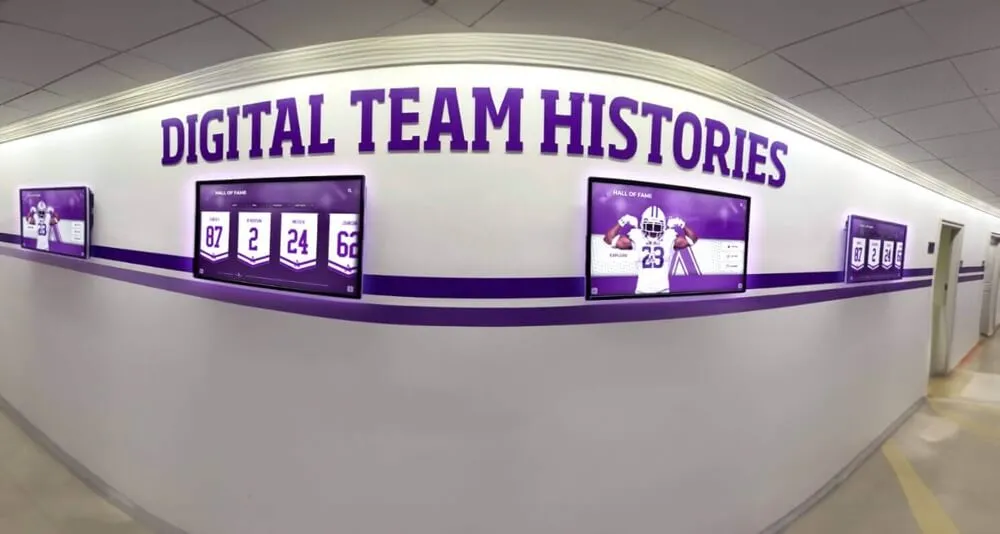
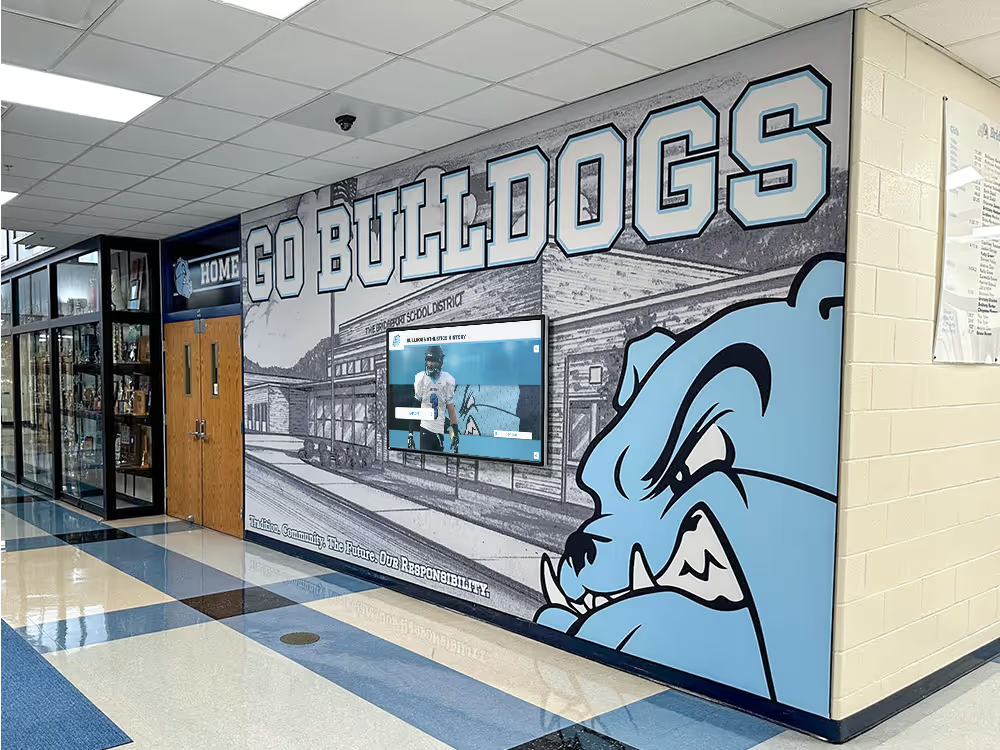
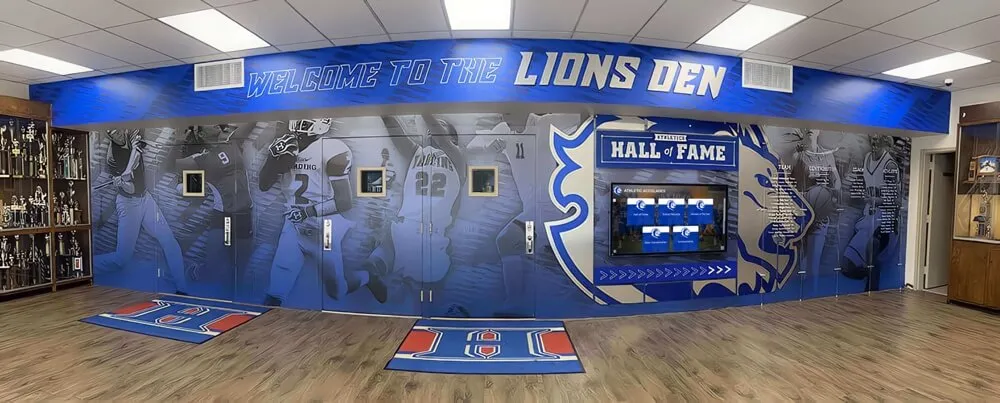
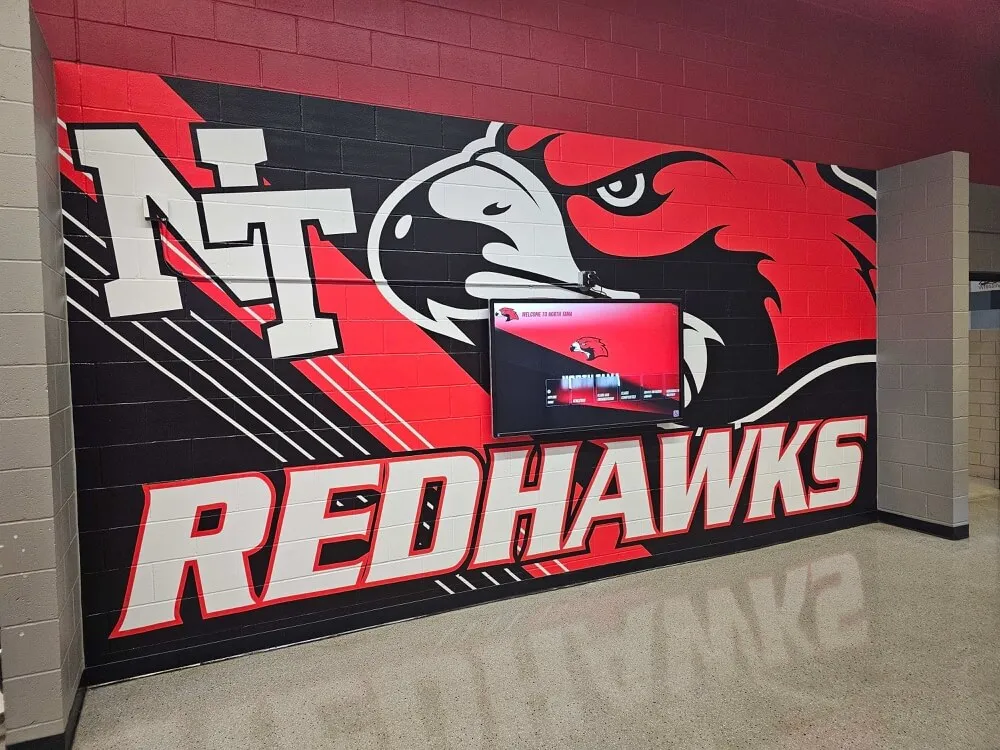
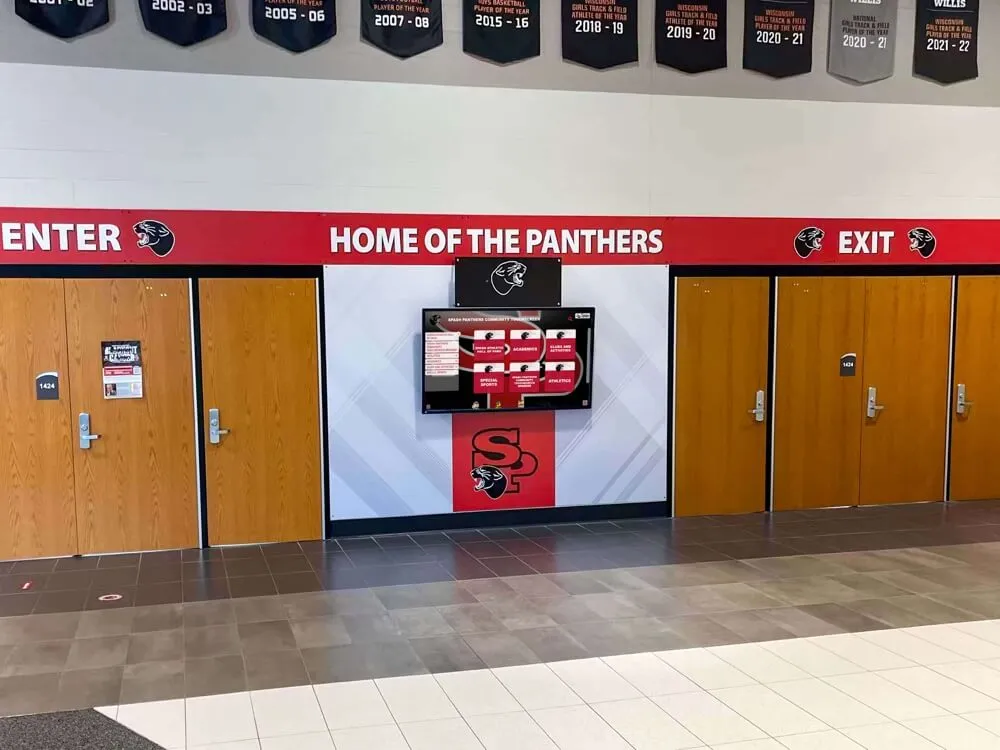
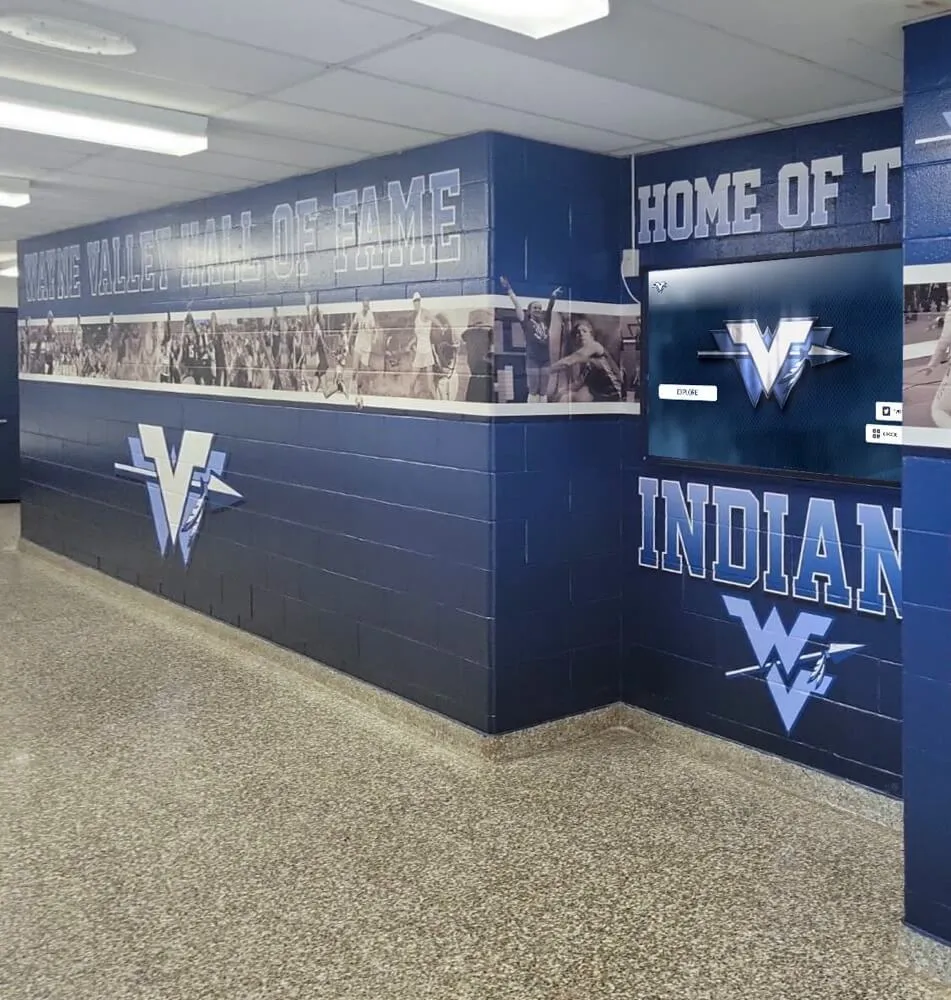
Modern letterwinner displays honor the varsity letter tradition by making individual achievement visible and permanent throughout the school community
The Definition of a Varsity Letter in High School
A varsity letter—sometimes called a “letter,” “varsity award,” or “athletic letter”—is an embroidered or chenille fabric patch shaped like the first letter of the school’s name or nickname. When a student-athlete earns the award, the letter is presented formally and can be sewn onto a letterman jacket, displayed on a blanket, or framed as a standalone keepsake.
The “varsity” designation distinguishes top-level competition from junior varsity (JV) or freshman teams. Varsity squads compete against similarly ranked opponents from other schools and typically represent a school’s strongest athletes in each sport. Earning a place on the varsity roster alone is an achievement; earning the letter signals that a student has met additional criteria demonstrating meaningful contribution to the team.
What the Letter Represents
Beyond the physical patch, a varsity letter represents several layers of meaning:
Competitive Achievement The athlete competed at the highest level their school offers in a recognized interscholastic sport, activity, or program.
Meeting Defined Standards Each sport or activity sets specific criteria—minimum games played, minimum innings pitched, minimum points scored—that the athlete must satisfy to receive the award.
School Community Recognition The letter connects the athlete publicly to their school’s identity, signaling belonging to an elite tier of student competitors.
Personal Legacy Many athletes keep their letters for life. These physical tokens anchor personal sports narratives and are frequently passed down or displayed proudly long after graduation.
The History Behind the Varsity Letter
The varsity letter traces its roots to Harvard University in 1865, when the baseball team began wearing a large “H” on their uniforms during competition against rival schools. The practice distinguished varsity players from other students and spread to other sports and colleges throughout the late 1800s.
By the early 1900s, the tradition had migrated to American high schools. The iconic wool-and-leather letterman jacket emerged in the 1930s as the primary vehicle for displaying earned letters, and by mid-century the letter jacket had become one of the most recognizable symbols of high school life in the United States.
The tradition has evolved significantly. Schools now award letters not only in traditional sports like football, basketball, and track but also in activities such as band, debate, theater, and academic competitions. The core principle remains unchanged: a student demonstrates exceptional commitment and contribution, and the school honors that commitment with a tangible, lasting symbol.
How Students Earn a Varsity Letter
Earning criteria vary by school, athletic conference, and sport. Most programs establish written standards that coaches apply consistently across a season. Understanding these criteria helps athletes set clear goals and helps families understand what the award represents.
Common Criteria Across Sports
Participation Minimums The most straightforward standard is playing time. A student must appear in a defined number of games, matches, or events to qualify. In football, for example, a common threshold is appearing in half the team’s varsity games. In baseball, a pitcher may need to throw a minimum number of innings, while a position player must appear in a set number of games.
Performance Benchmarks Some programs set achievement standards rather than participation minimums. A swimmer may need to finish in the top three at a conference meet, or a golfer may need to post scores below a defined threshold. These criteria recognize merit alongside participation.
Coach Discretion Many schools grant coaches authority to award a letter to any athlete they determine contributed meaningfully to the team—even if that athlete did not technically reach the participation minimum due to injury, illness, or other circumstances. This flexibility preserves the spirit of recognition over strict numerical gatekeeping.
Academic Requirements Increasingly, schools build academic standards into varsity letter programs. Minimum GPA requirements or academic eligibility rules ensure that the letter recognizes the complete student-athlete, not just on-field performance. This integration aligns naturally with National Honor Society criteria and academic recognition programs that schools use to celebrate multi-dimensional excellence.

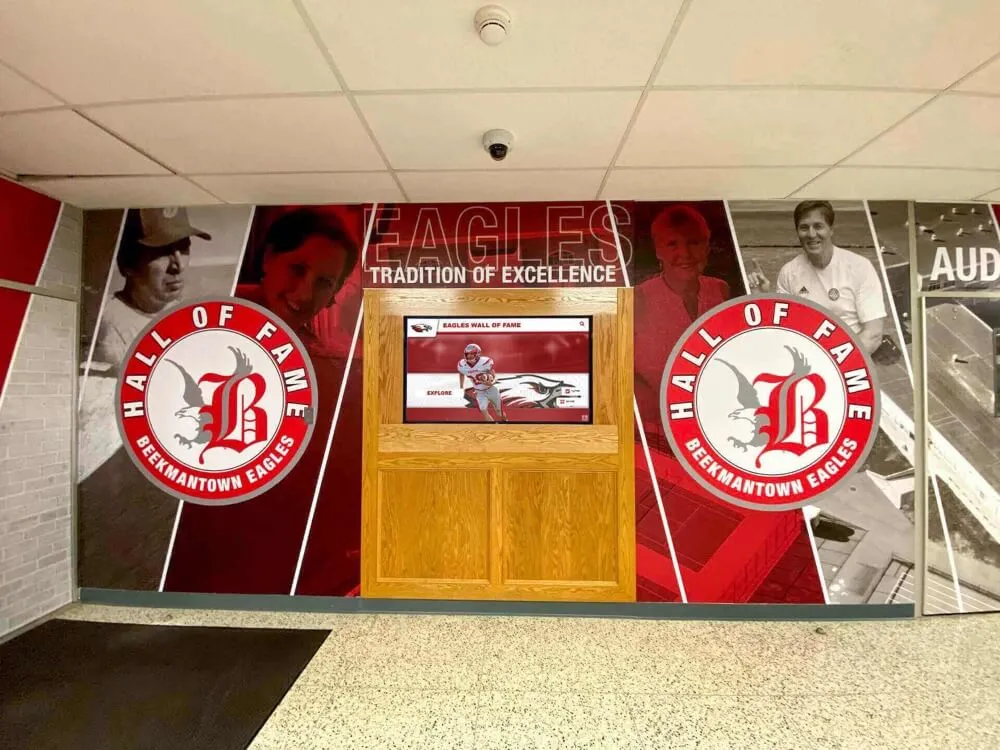
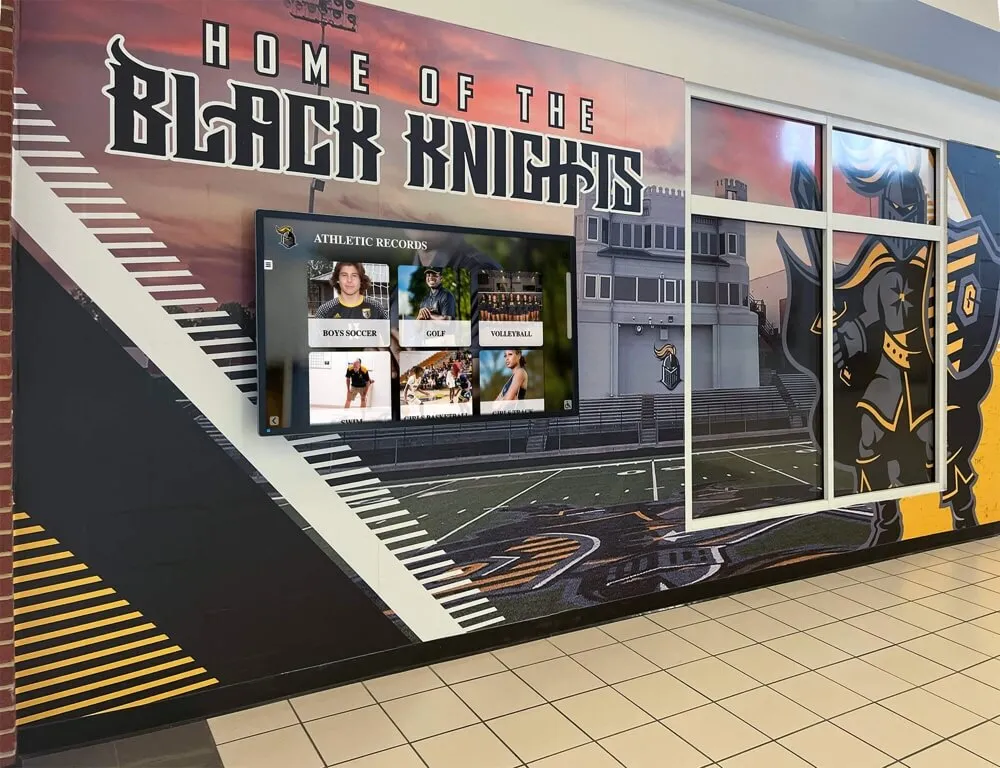
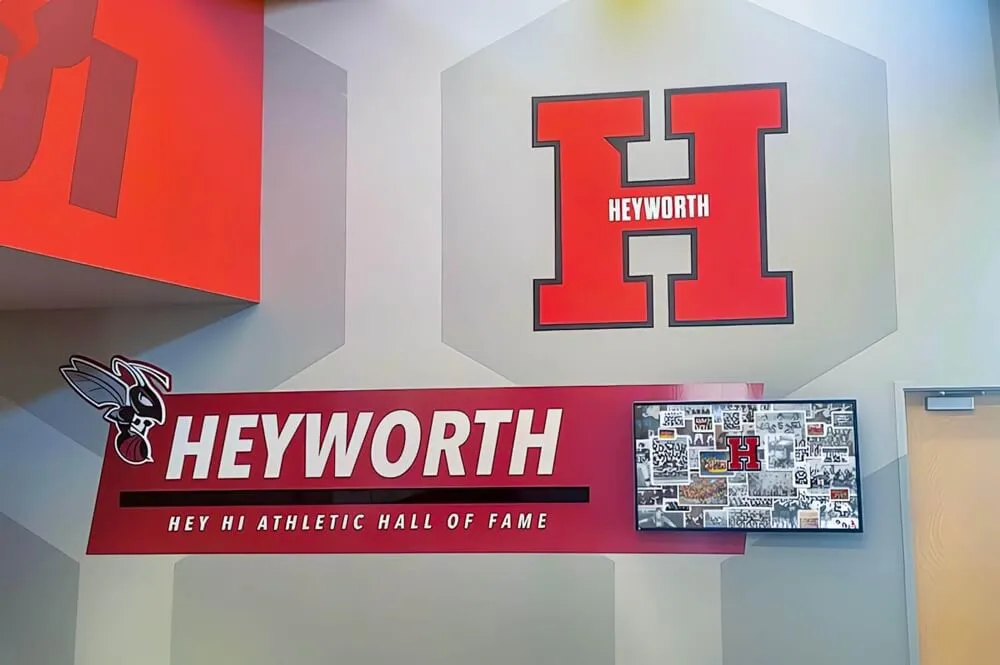
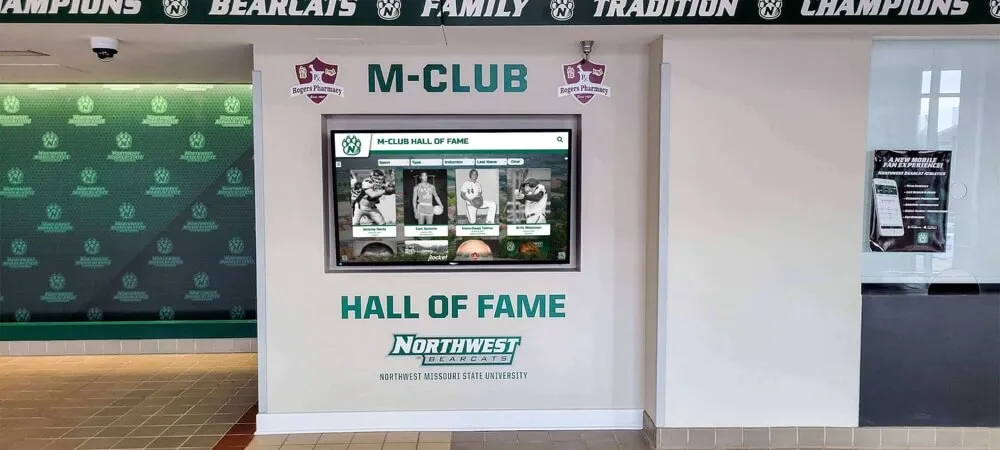
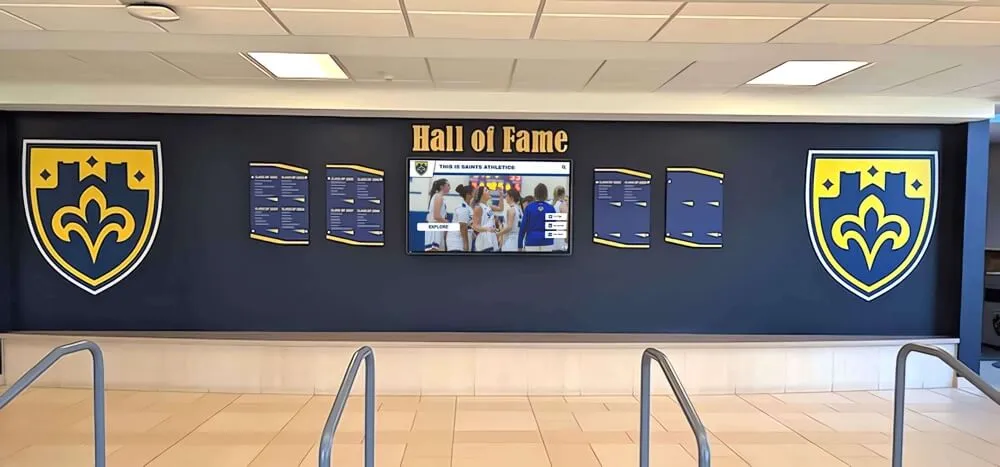
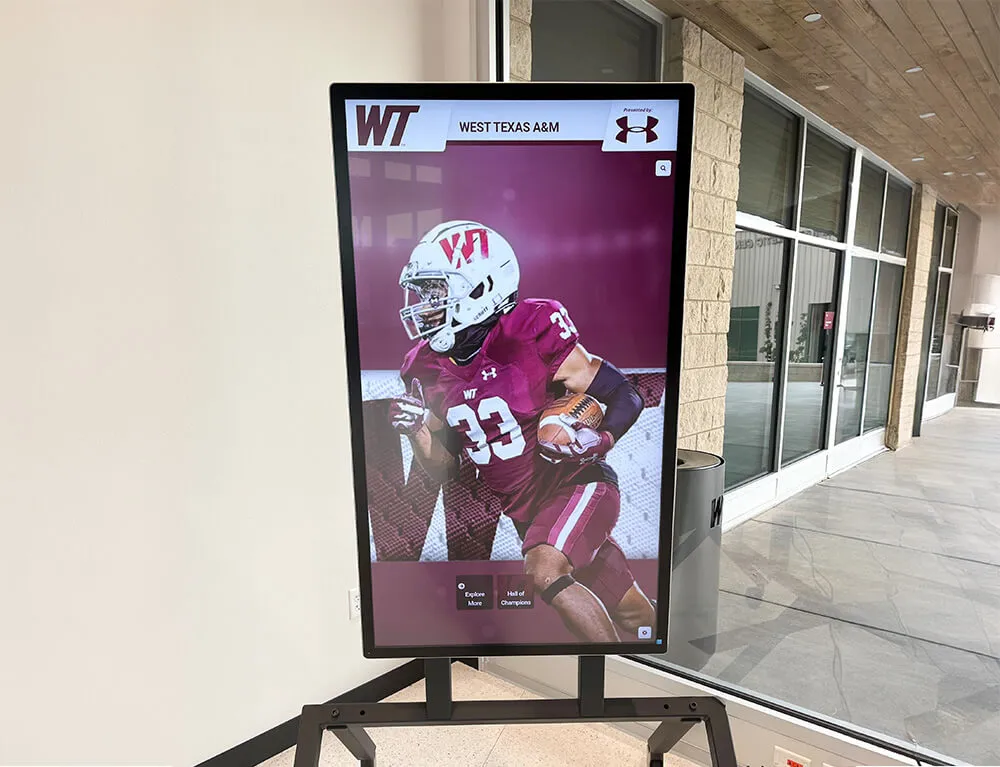
Touchscreen displays allow schools to document and celebrate letterwinners across decades, making achievement permanently accessible
Sport-by-Sport Examples of Earning Criteria
While every school sets its own standards, the following examples reflect common practices:
Football Typically requires appearing in a set number of varsity games (often half the regular season) or starting a defined number of contests. Coaches may also award letters to athletes who contributed significantly in practice or on special teams.
Basketball Common thresholds include appearing in half the varsity games or logging a minimum number of minutes played. Some programs require athletes to be on the active roster for the entire season.
Track and Field / Cross Country Athletes often qualify by competing in a defined number of meets or by placing within a certain range at the conference, district, or state championship level. Schools may also set time or distance benchmarks.
Swimming and Diving Standards frequently involve qualifying times, placement at invitational or championship meets, or participation in a minimum number of varsity events throughout the season.
Baseball and Softball Pitchers are typically measured by innings pitched; position players by games played or plate appearances. All-conference or all-district recognition often guarantees a letter regardless of playing-time thresholds.
Soccer Playing time minimums, measured in games played or total minutes, are the most common standard. Goalkeepers may have separate criteria based on games started or goals allowed.
Golf and Tennis Performance standards are common in individual-focused sports. Golfers may need to shoot below a defined score average, while tennis players often qualify by winning a minimum number of matches or advancing in tournament play.
Winter Sports (Hockey, Wrestling, Gymnastics) Schools participating in winter sports follow similar frameworks. Winter sports hall of fame recognition programs often highlight letterwinners from these seasons as part of broader athletic award ceremonies.
What Students Receive When They Earn a Varsity Letter
The physical award itself is just the beginning. Most schools build ceremonies and recognition systems around the letter to deepen its meaning.
The Varsity Letter Patch
The primary award is the chenille letter—typically four to seven inches tall—in the school’s primary colors. Most letters feature:
- The school’s initial in block or script style
- The school’s color scheme with a contrasting border
- Optional sport-specific emblem or design element
- Chenille construction that gives a distinctive raised texture
Once earned, the letter is typically sewn onto the left chest of a letterman jacket, though athletes may also display it on blankets, frames, or shadow boxes.
Additional Patches and Devices
First-year letterwinners receive the primary letter. In subsequent years when the same athlete earns the award again, most programs issue add-on devices rather than a second primary letter:
Service Stripes or Hash Marks Small stripes added to the letter or jacket sleeve for each additional year of varsity participation.
Sport Pins or Bars Small metal or embroidered pins indicating the specific sport, allowing multi-sport athletes to display multiple activity symbols on a single jacket.
Championship Patches Special patches commemorating conference, district, regional, or state championship seasons. These are among the most prized additions and represent team-level achievement beyond individual participation.
Captain’s Patches Schools frequently award captain’s patches or pins to athletes elected or appointed to leadership roles. These signal peer recognition alongside coaching staff acknowledgment.
The Award Ceremony
Most schools distribute varsity letters at athletic banquets or award ceremonies at the end of each season. These events provide public recognition that amplifies the meaning of the physical award—parents attend, coaches deliver remarks about each athlete’s contribution, and the community gathers to celebrate a completed season.
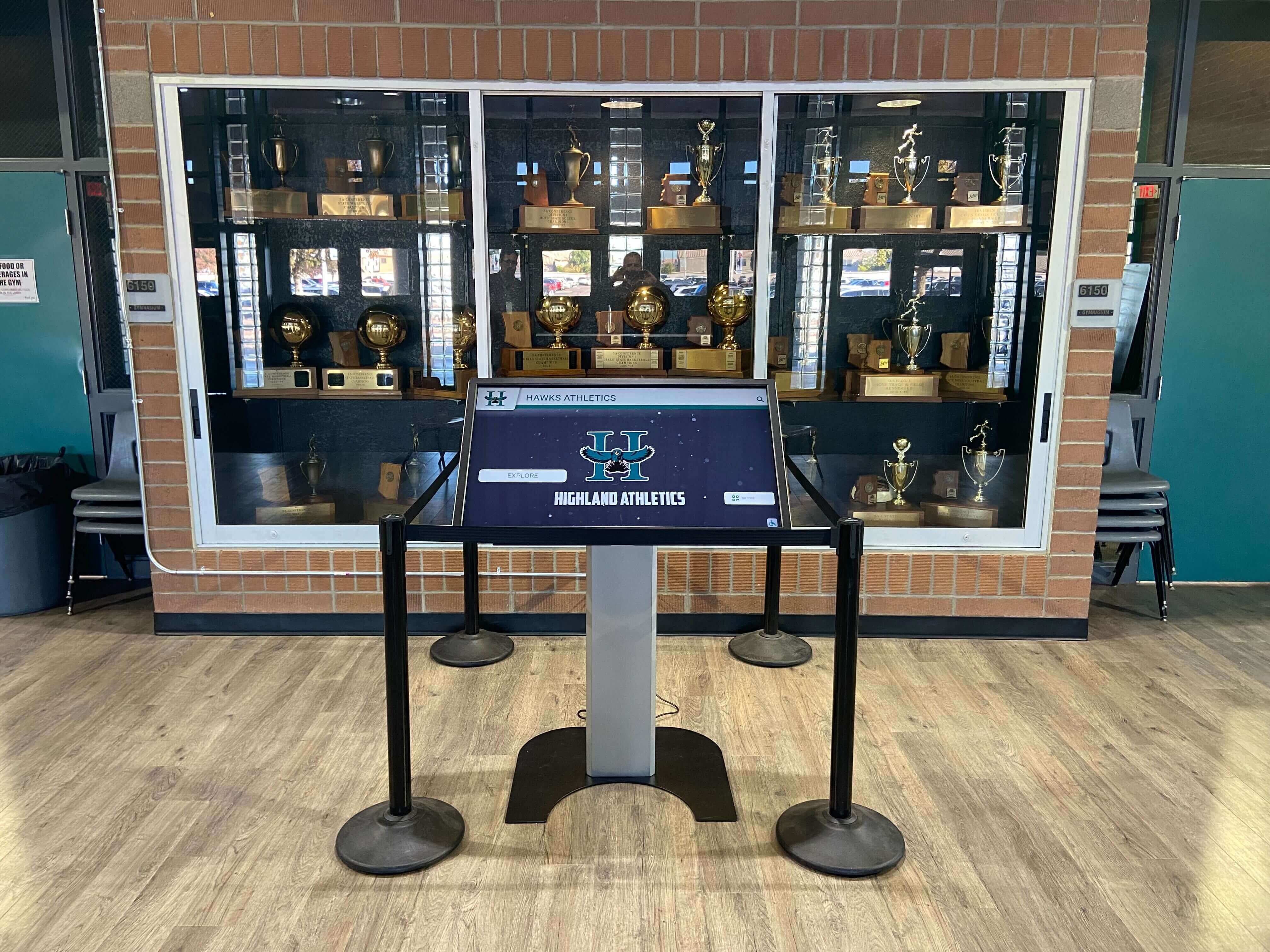
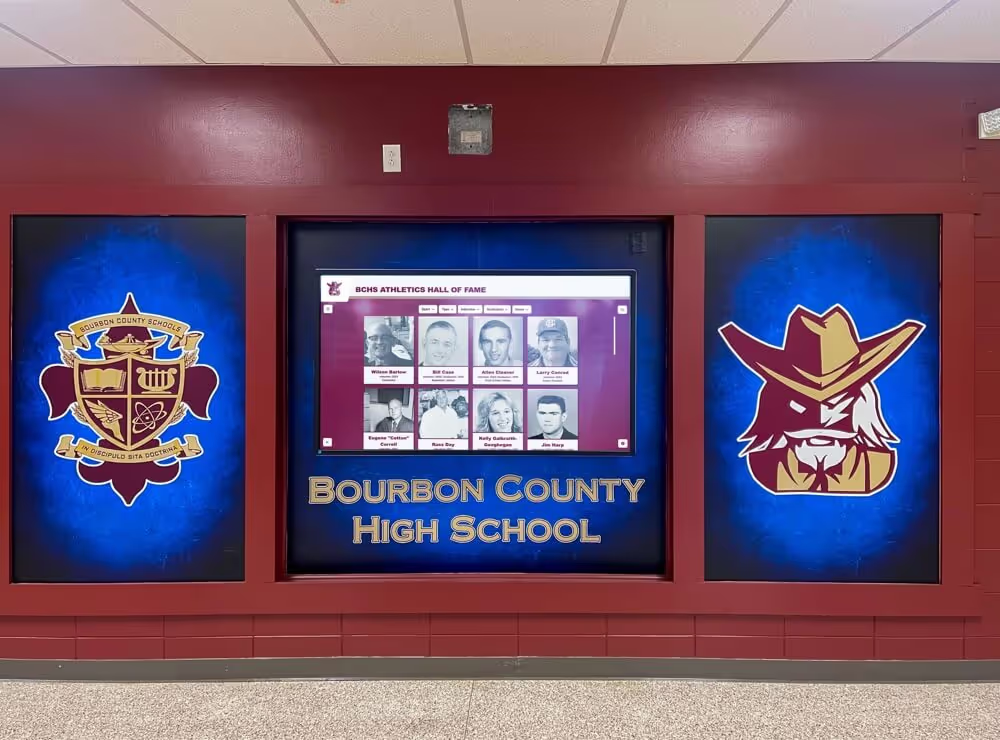
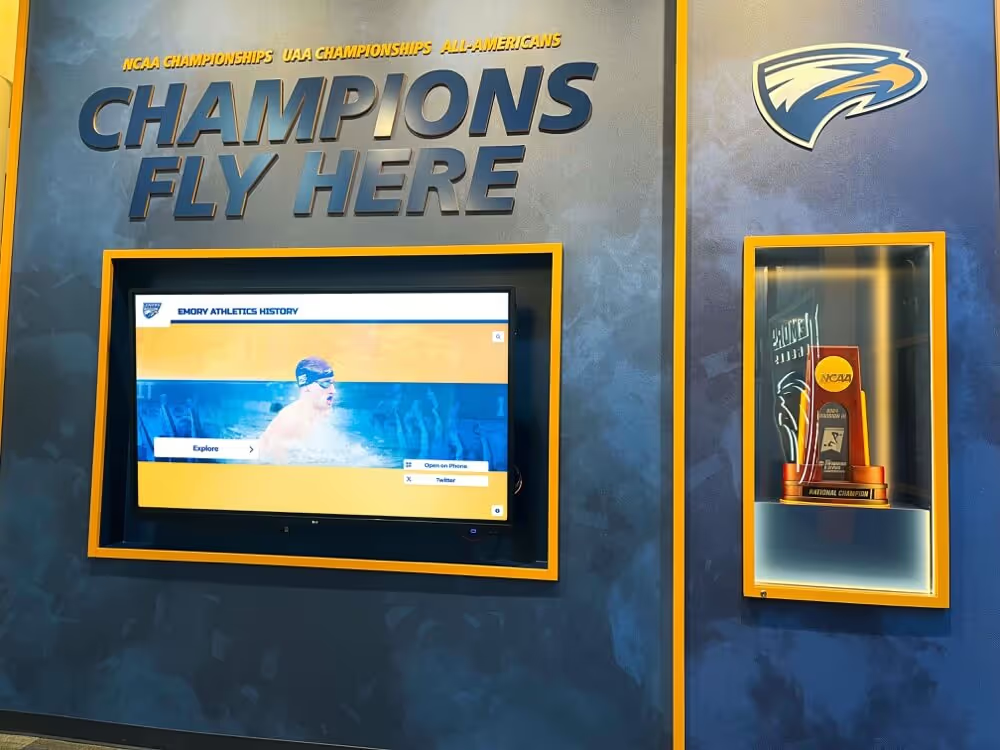
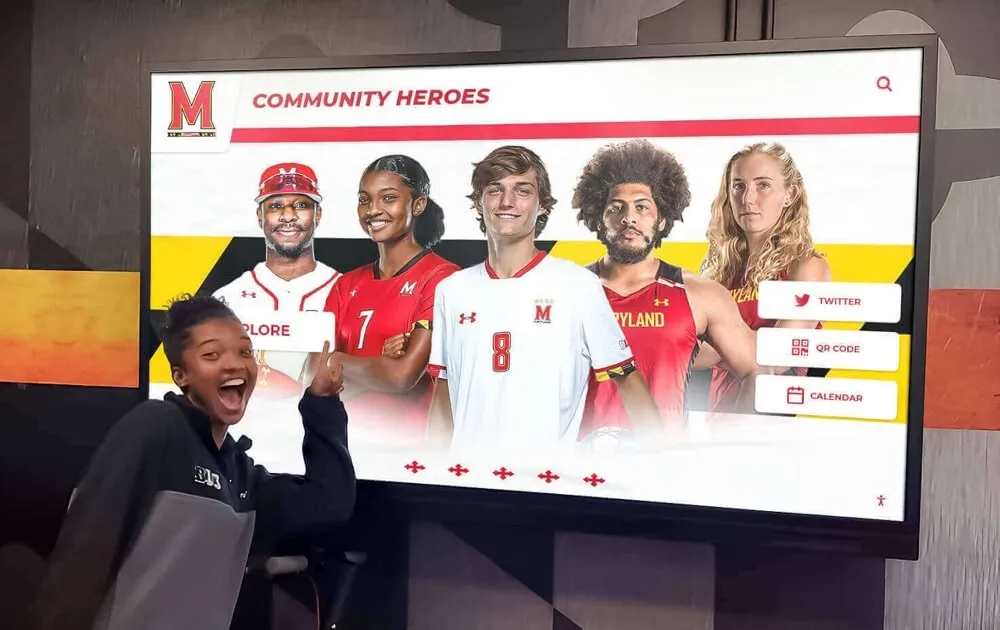
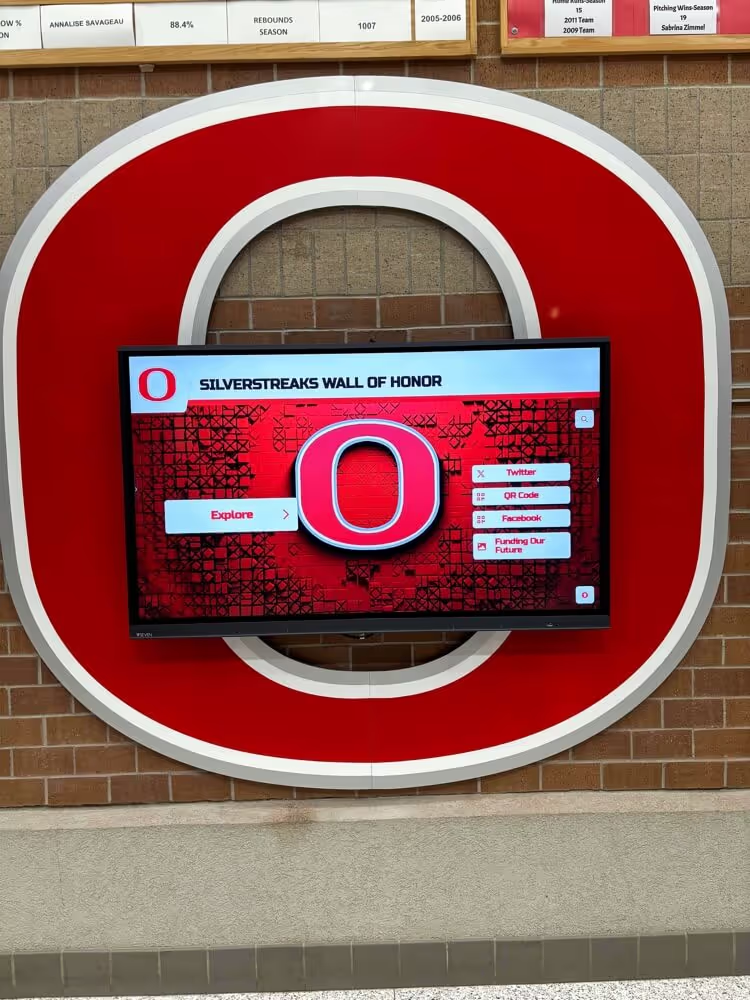
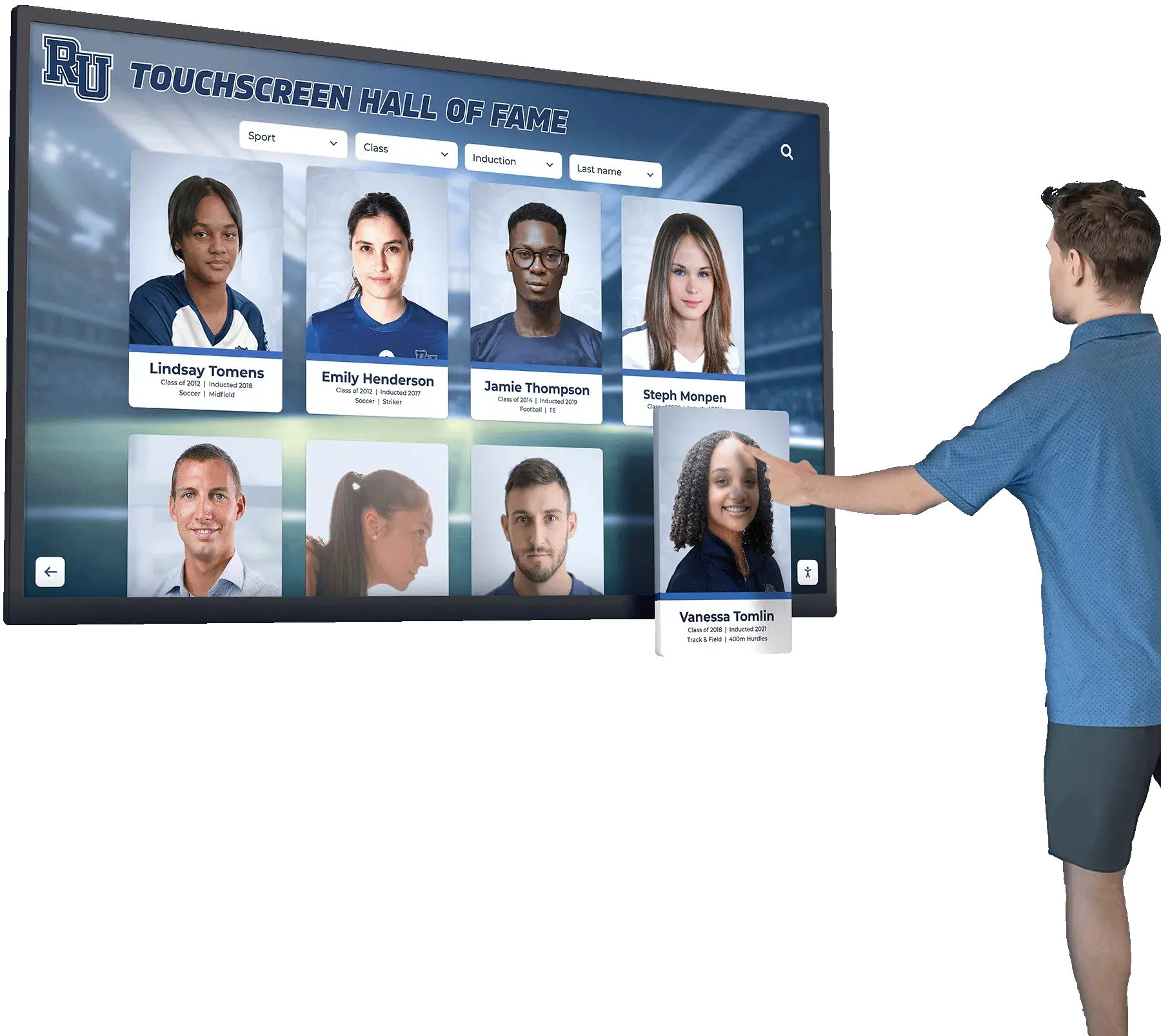
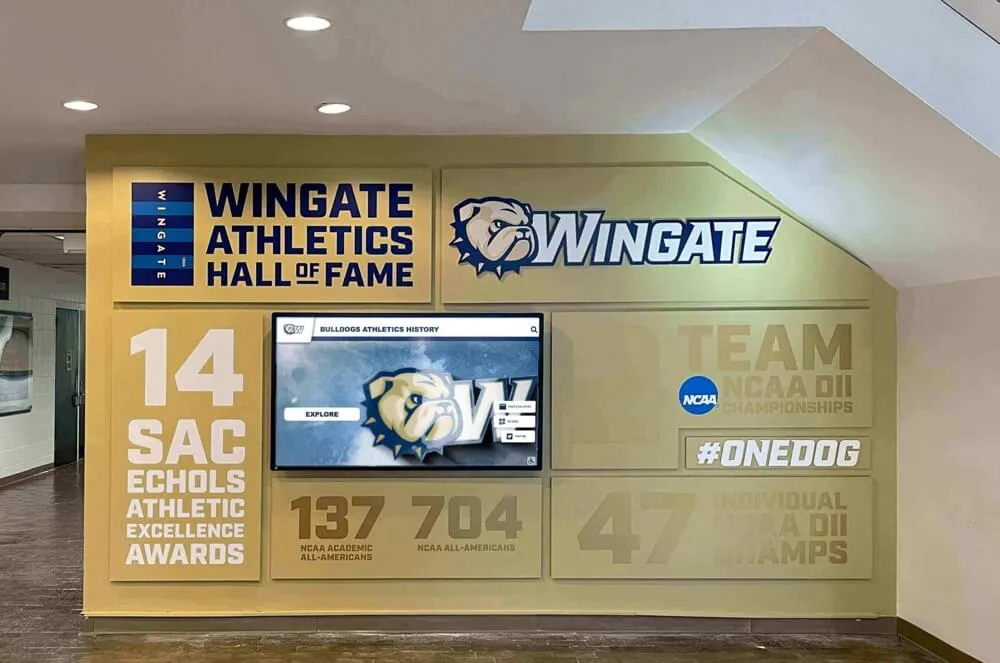
Digital trophy cases extend varsity letter recognition beyond individual jackets, creating community-accessible archives that honor every letterwinner
Why Varsity Letters Matter Beyond the Jacket
The varsity letter is more than a piece of fabric. Its significance ripples outward in ways that affect students, families, schools, and communities.
Personal Development Recognition
Earning a varsity letter affirms qualities that extend far beyond sport: discipline, resilience, coachability, and the ability to perform under pressure. These are the same qualities colleges, employers, and communities value. A student who has earned multiple varsity letters has demonstrated repeated commitment over multiple competitive seasons—a record that speaks louder than any single achievement.
College Recruiting and Applications
While a varsity letter alone does not secure a college roster spot, it serves as shorthand on applications for a competitive background. Athletic letters, combined with statistics and coach recommendations, help college programs quickly assess an athlete’s competitive history. For student-athletes not pursuing college athletics, letters still strengthen general applications by documenting time management, teamwork, and long-term commitment.
Community and School Identity
Varsity letters connect student-athletes to their school’s competitive history. When a current athlete earns a letter in the same sport as a parent or grandparent who attended the same school, the tradition creates intergenerational bonds that strengthen alumni loyalty and school identity. Communities often take genuine pride in tracking how their school’s athletic programs have developed over generations.
Preserving Varsity Letter History: Why It Matters
For all the meaning embedded in a varsity letter, the records documenting who earned them—and when, and in what sports—are often poorly preserved. Coaches retire. Yearbooks deteriorate. Handwritten logs disappear. When that institutional memory fades, a school loses the ability to honor its athletic history and connect alumni to their shared legacy.
Schools that build systematic approaches to preserving varsity letter records create durable value for entire communities.
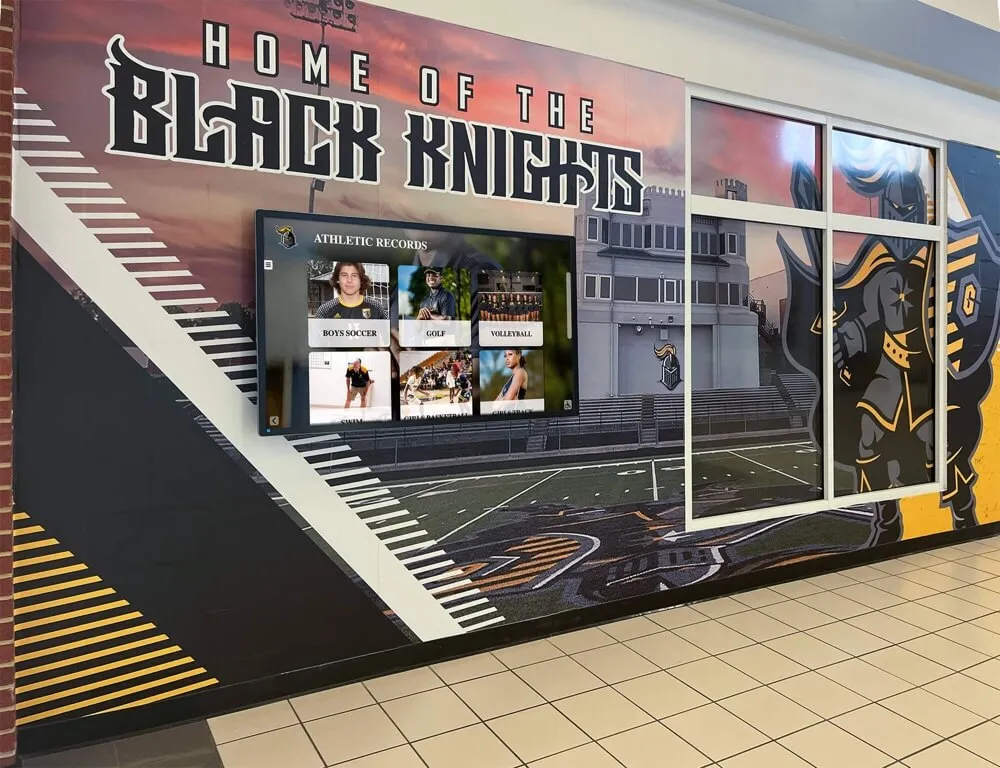
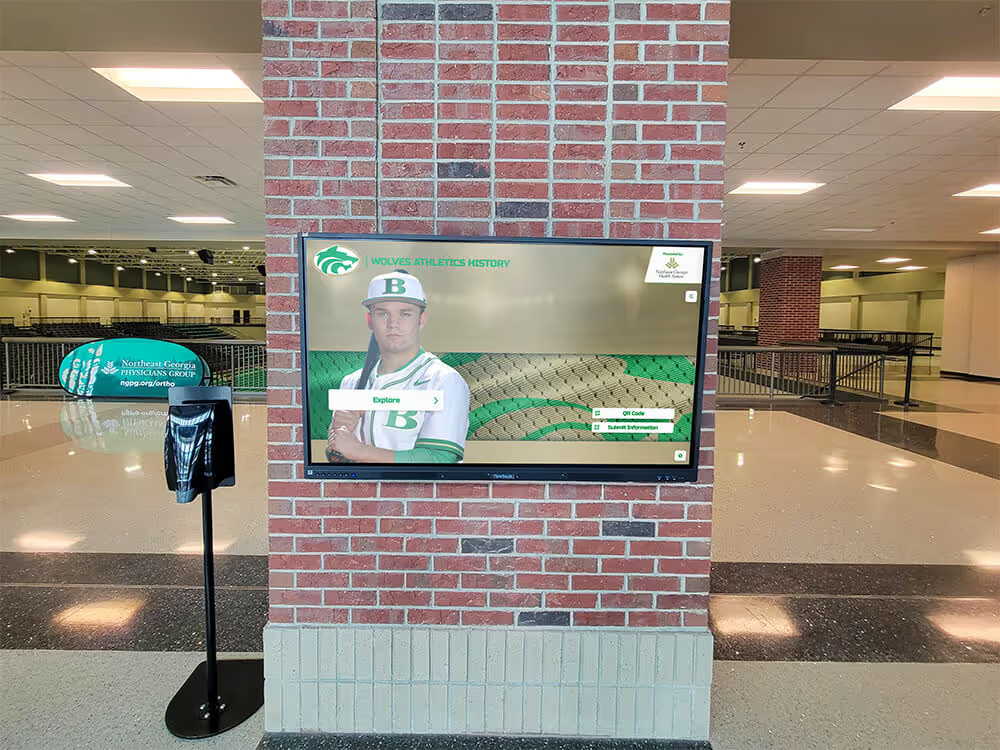
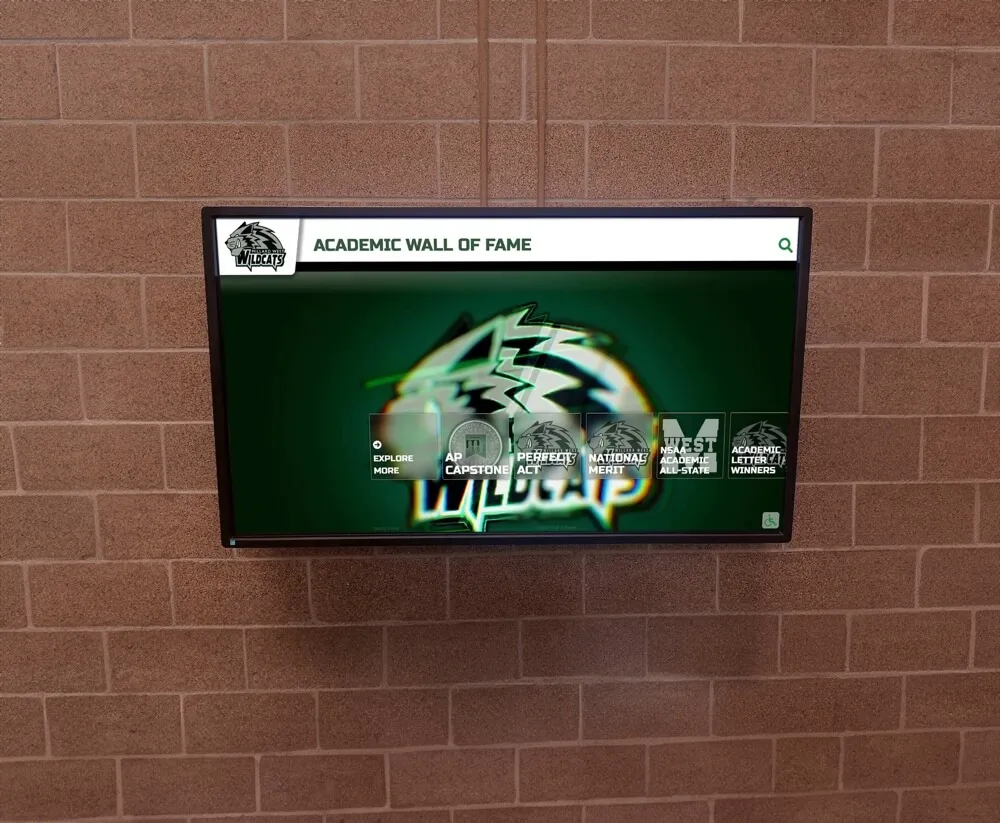
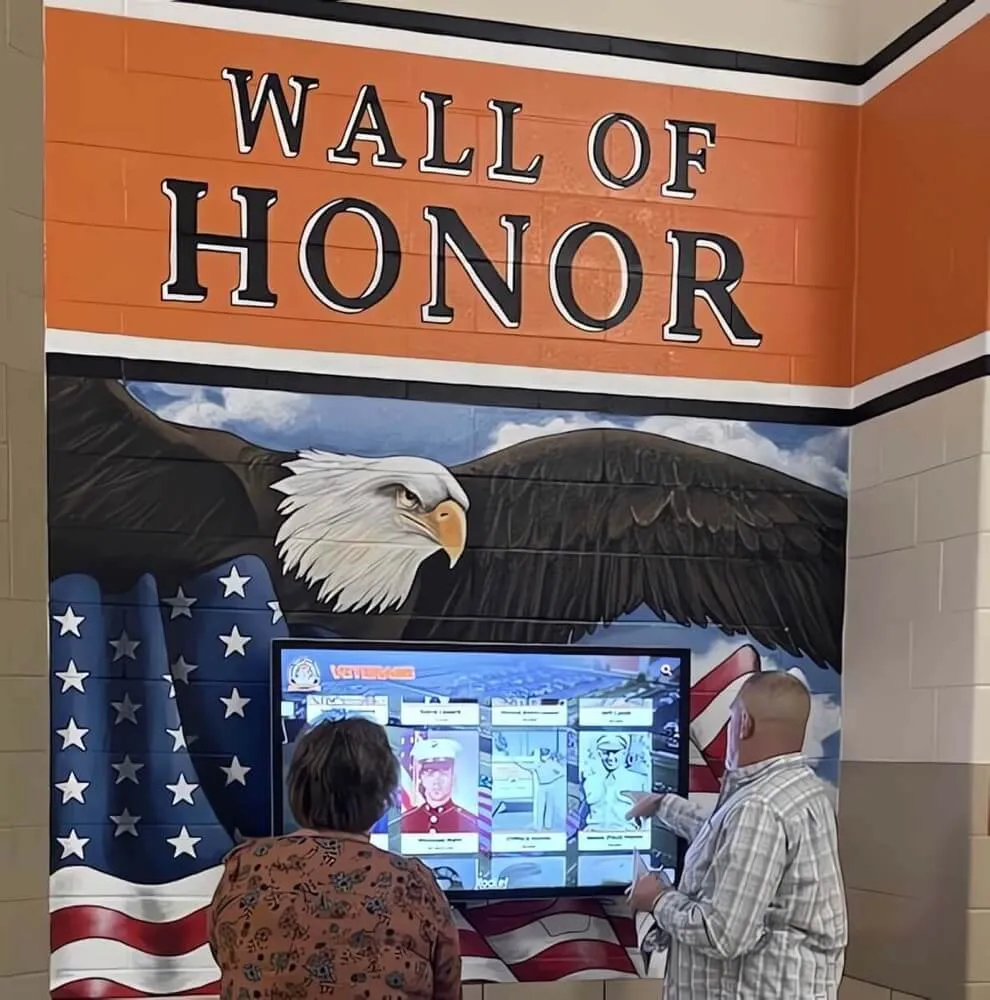
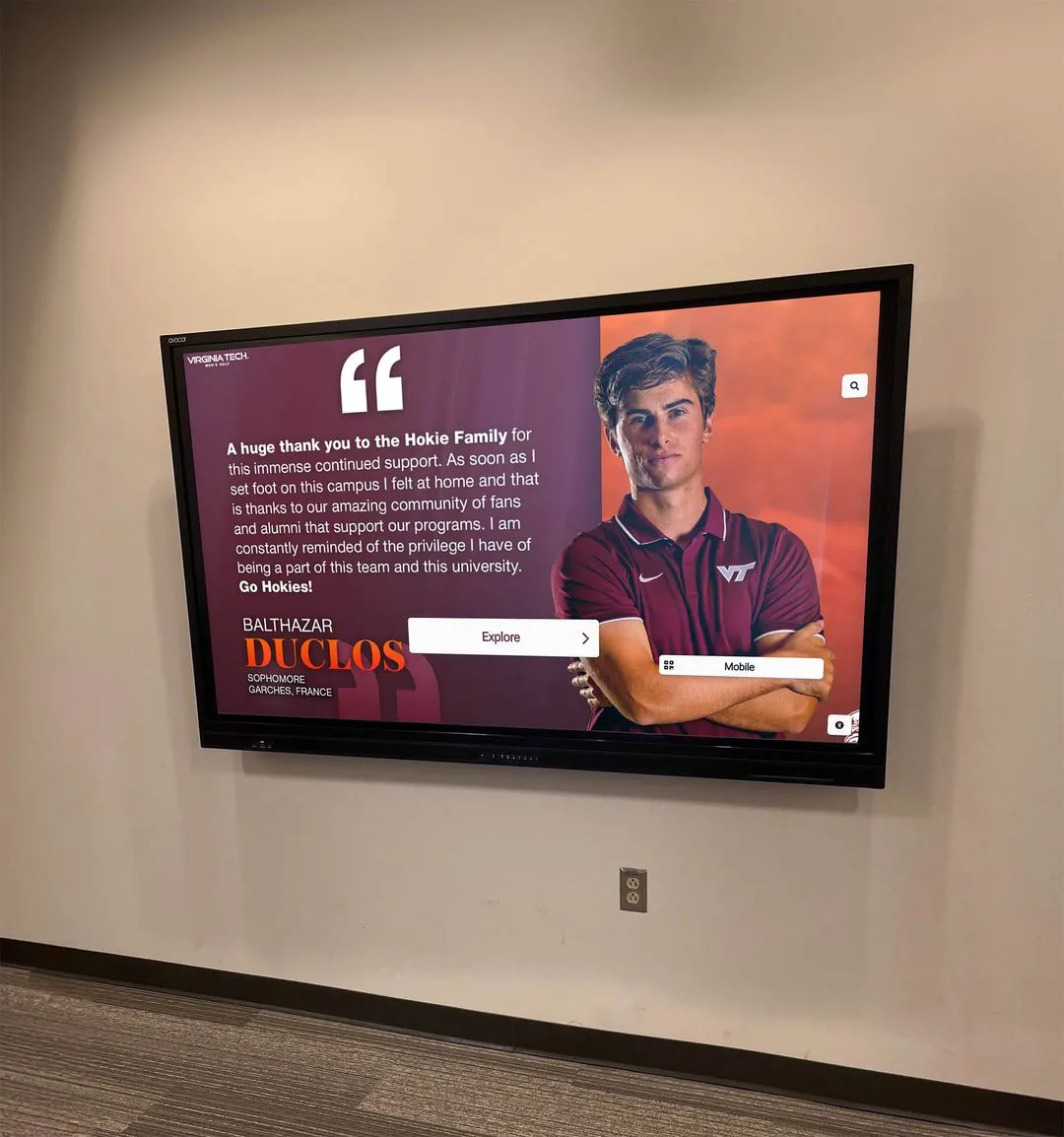
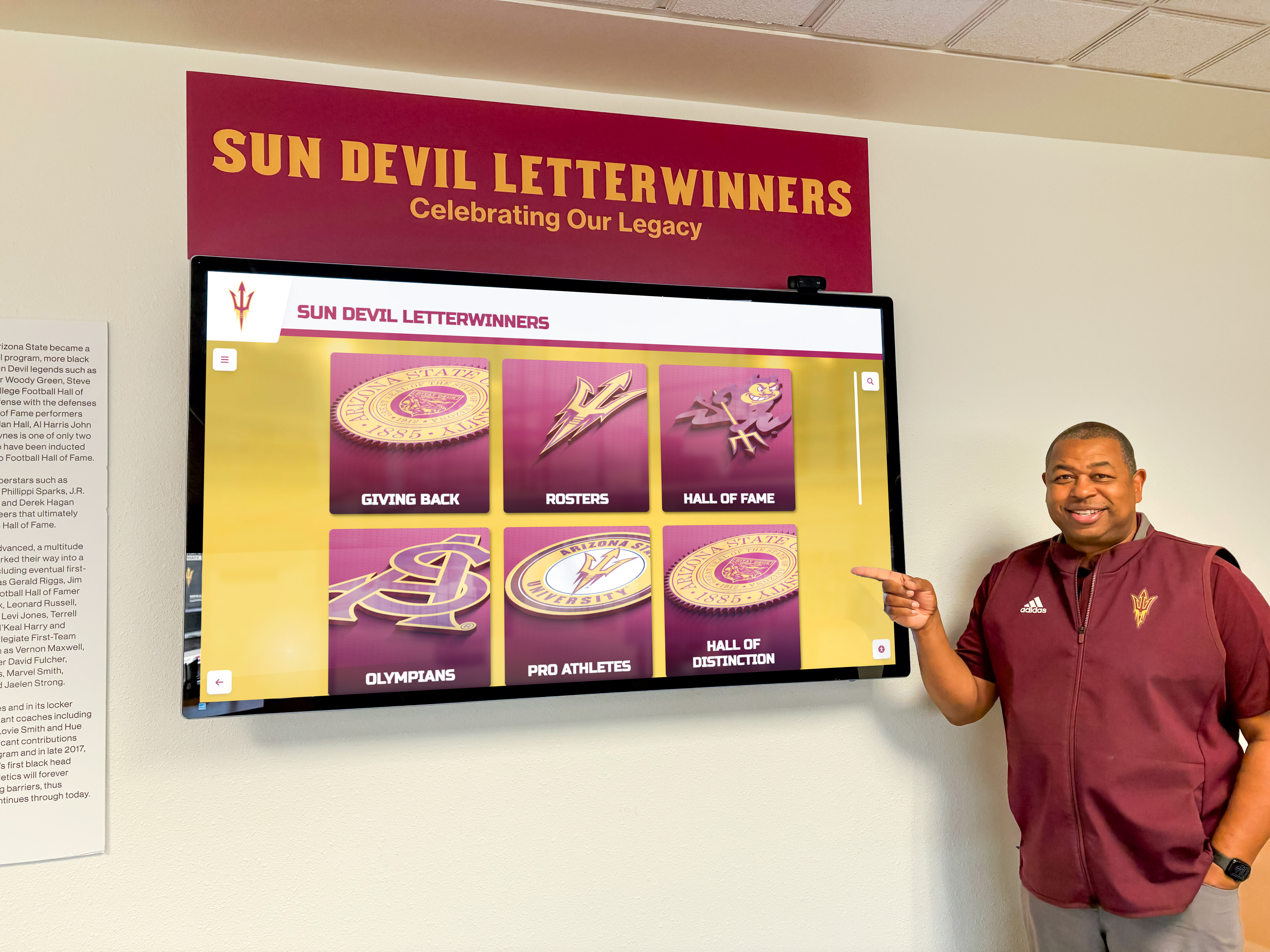
Digital athletic records displays ensure that varsity letter history is accessible, searchable, and celebrated by every generation of students and alumni
The Gaps in Traditional Preservation Methods
Most schools rely on a combination of paper rosters, yearbook entries, and coach memory to track letterwinner history. These approaches share common vulnerabilities:
Physical Degradation Paper records yellow, tear, flood, and burn. Yearbooks from the 1960s or 1980s may be incomplete or entirely missing. Once physical records are lost, the information rarely exists anywhere else.
Inconsistent Recordkeeping Staff turnover introduces gaps. A coach who kept meticulous records for twenty years retires, and the next hire may not maintain the same system. Over time, records for certain sports or certain decades become spotty.
Limited Accessibility Even when records exist, they’re typically held in administrative offices, athletic department filing cabinets, or private collections. Alumni wanting to verify their own award history or explore the school’s athletic past have no practical way to access the information.
No Alumni Connection Physical records serve current students. They do nothing to re-engage the graduated athletes who might become donors, volunteers, mentors, or champions for the athletic program if they felt recognized and connected.
Building a Durable Letterwinner Archive
Schools committed to preserving varsity letter history typically combine data collection initiatives with display systems that make the archive accessible.
Data Collection Strategies
Retroactive outreach invites alumni to submit their own records—sport, year, achievements—filling gaps that administrative files cannot. Athletic booster organizations often spearhead these campaigns, which simultaneously re-engage alumni with the program.
Yearbook digitization converts existing physical yearbooks into searchable digital formats, creating a baseline record that staff can then supplement and correct.
Systematic season documentation establishes consistent year-end recordkeeping for current and future letterwinners, ensuring that the archive grows accurately going forward.
Display and Access Systems
Archived letterwinner data has little impact sitting in a spreadsheet. Schools that connect their records to accessible display systems—whether hallway touchscreens, digital trophy cases, or searchable web portals—transform archives into living recognition platforms that students, families, and alumni can engage with daily.
Academic recognition programs at forward-thinking schools demonstrate how the same archival discipline applied to athletic letterwinners produces meaningful engagement across every recognition domain.
Connecting Varsity Letters to Broader Athletic Recognition Systems
The varsity letter exists within a larger ecosystem of athletic recognition. Schools that think systematically about how each recognition element connects—letters, record boards, halls of fame, trophy cases—build programs that honor achievement comprehensively and inspire future generations.
Athletic Record Boards
Individual season and career records in each sport represent achievement that rises above standard letterwinner criteria. A student who sets the school’s all-time scoring record in basketball earned the varsity letter every year, but their record deserves its own prominent display. Record boards—whether physical or digital—make these milestones permanent and visible, motivating future athletes to pursue them.
Hall of Fame Programs
Athletic halls of fame honor the most accomplished alumni from a school’s history. Varsity letter recipients who go on to distinguished college or professional careers, or who achieve extraordinary local recognition, become hall of fame candidates. The letterwinner archive serves as the foundational database from which hall of fame nominees are drawn.
Interactive winter sports hall of fame displays demonstrate how schools make hall of fame recognition accessible to everyone who walks through the building—not just those who attended the induction ceremony.
Digital Trophy Cases
Physical trophy cases hold trophies and plaques—but they don’t tell stories. Digital trophy cases complement physical displays by providing context: the scores from championship games, the roster of players on the winning team, the coach who built the program. For every student athlete whose trophy sits in a case, a digital record can document the full achievement story.

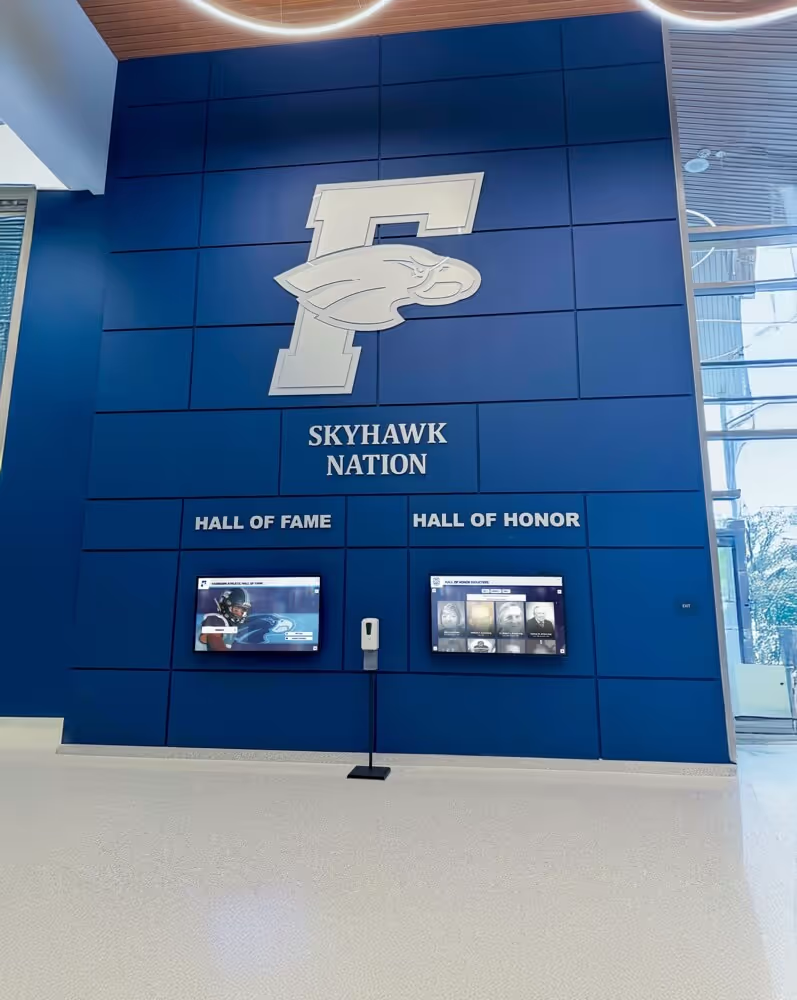
Combining physical and digital recognition elements creates hall of fame experiences that serve every visitor, from current students to alumni returning decades later
School Archives and Yearbook Integration
For decades, the school yearbook served as the primary archive for varsity letter recipients—team photos, roster lists, and individual recognition sections documenting each season’s letterwinners. Digital yearbook and school archive systems extend this tradition, making historical records searchable and shareable in ways print volumes never could.
Schools exploring digital displays for small and medium public high schools find that varsity letter history is consistently among the most-viewed content when recognition systems go live—proof that communities value this history and actively seek to engage with it.
The Role of Touchscreen Displays in Varsity Letter Recognition
Interactive touchscreen displays have changed what’s possible for athletic recognition programs. Where physical displays are limited by wall space and require manual updates, touchscreen systems hold unlimited records, update instantly, and invite active exploration rather than passive viewing.
For varsity letter programs specifically, touchscreen displays offer capabilities that physical systems cannot match:
Unlimited Letterwinner Profiles Every athlete who has ever earned a varsity letter at the school—across all sports, across all years—can have a profile: photo, sport, graduating class, career statistics, and any additional recognition earned. There is no practical limit imposed by wall space or cabinet size.
Searchable Databases Alumni visiting campus can search their own name and find their letterwinner record instantly. Families can search a student’s name and find their complete recognition history. Coaches can pull up a sport’s complete letterwinner list for recruitment conversations or anniversary events.
Dynamic Record Boards When a current athlete breaks a school record, the display updates to reflect the new mark. Historical context—who held the previous record, for how long, by how much—remains accessible, giving current achievements deeper meaning.
Multimedia Achievement Stories Beyond names and dates, touchscreen systems can incorporate photos, video highlights, news articles, and coach testimonials. A varsity letter certificate becomes a full achievement narrative that honors the student-athlete’s complete story.
Schools that want to understand how this technology scales to different budget levels and enrollment sizes will find digital recognition systems for smaller schools are more accessible than many administrators assume.
Frequently Asked Questions About Varsity Letters
Can students earn varsity letters in activities other than sports?
Yes. Many schools award varsity letters to students in band, choir, drama, debate, academic bowl, and other competitive activities. The criteria follow the same logic as sports: students must meet defined participation or achievement standards at the varsity level. Schools recognizing academic achievement increasingly integrate academic milestones alongside athletic ones in unified recognition programs.
What is the difference between a JV letter and a varsity letter?
Junior varsity letters, where offered, recognize participation on the JV team but carry less prestige than the varsity award. Some schools issue certificates rather than chenille letters for JV participation. The varsity letter specifically signifies competition at the school’s top competitive level.
Does earning a varsity letter guarantee playing time?
No. An athlete may earn a letter by meeting defined participation standards—which typically include some playing time—but earning the letter does not guarantee starting status or significant minutes in every game. Some athletes earn letters through consistent practice contribution, specialized roles, or extraordinary effort that coaches choose to recognize even when game time was limited.
How do schools handle varsity letters for athletes who transfer?
Transfer policies vary. Some schools credit participation at a previous institution toward earning a letter at the new school; others require athletes to complete a full season at the new school before receiving the award. Schools should publish clear transfer policies in their athletic guidelines to avoid confusion and ensure consistent application.
Can schools revoke a varsity letter once awarded?
Generally, yes. Most school athletic codes include provisions allowing letters to be revoked for serious violations of athletic policy, academic eligibility rules, or conduct standards. Revocation is rare and typically reserved for significant violations, not minor disciplinary issues.
How should schools recognize volunteers who support varsity programs?
Athletic programs depend on a network of volunteers—scorekeepers, timers, statisticians, and team parents—whose contributions make varsity competition possible. Recognizing school volunteers through formal appreciation programs creates cultures where support roles receive the acknowledgment they deserve alongside athlete recognition.
Are varsity letters still relevant in the digital age?
Absolutely. The meaning of the varsity letter has not diminished—if anything, digital systems have expanded what schools can do with letterwinner records. Physical letters remain personal treasures. Digital archives, touchscreen displays, and searchable databases give those personal achievements community-wide visibility that physical systems alone could never provide. Schools that embrace both the tradition and the technology create recognition programs that serve every generation.
How Rocket Alumni Solutions Helps Schools Preserve Varsity Letter History
Rocket Alumni Solutions builds interactive touchscreen walls of fame, digital trophy cases, athletic record boards, and school archive systems designed specifically for educational institutions. These systems are built to solve the exact preservation problems that varsity letter programs face: disappearing records, inaccessible archives, and recognition that fades when athletes graduate.
Schools using Rocket’s displays report meaningful impacts across athletic programs:
Complete Letterwinner Archives Every varsity letter recipient across every sport and every year can be documented in a searchable, multimedia-rich system. The archive grows automatically with each new season and can be expanded retroactively as schools recover historical records.
Record Board Integration Digital record boards update in real time and display historical context—who the previous record holder was, when the record was set, by how much the new athlete surpassed it. This creates meaningful competition with school history rather than just the current season.
Hall of Fame Nomination Pipelines With a complete letterwinner database, schools have the foundation to build or expand athletic halls of fame. Rocket’s systems support nomination workflows, induction displays, and alumni outreach that bring the hall of fame tradition to life.
Alumni Re-Engagement Alumni who see their own records displayed on a touchscreen when they return to campus experience a powerful reconnection with their school. These moments build the alumni loyalty that supports athletic programs, booster organizations, and school fundraising for decades.
Touchscreen recognition systems deliver these benefits across school sizes—from small rural programs to large suburban districts—making the investment accessible to schools at every budget level.
Preserve Every Varsity Letter Story
Your school’s letterwinner history deserves more than a filing cabinet. Rocket Alumni Solutions builds interactive digital displays that archive varsity letter records, celebrate athletic achievement, and connect every generation of athletes to your school’s proud tradition.
Request a demo at Rocket Alumni Solutions to see how schools are using touchscreen walls of fame and digital trophy cases to make athletic recognition permanent, accessible, and inspiring for students, alumni, and community members.
The varsity letter tradition endures because it honors something genuinely meaningful: a student who chose to compete, who showed up through a full season, who met defined standards and contributed to a team. Every school that awards varsity letters holds a piece of American athletic heritage in its records. Whether that heritage lives on a dusty shelf or in an engaging interactive display that inspires the next generation of athletes is a choice each school makes—and the right choice is clearer than ever.