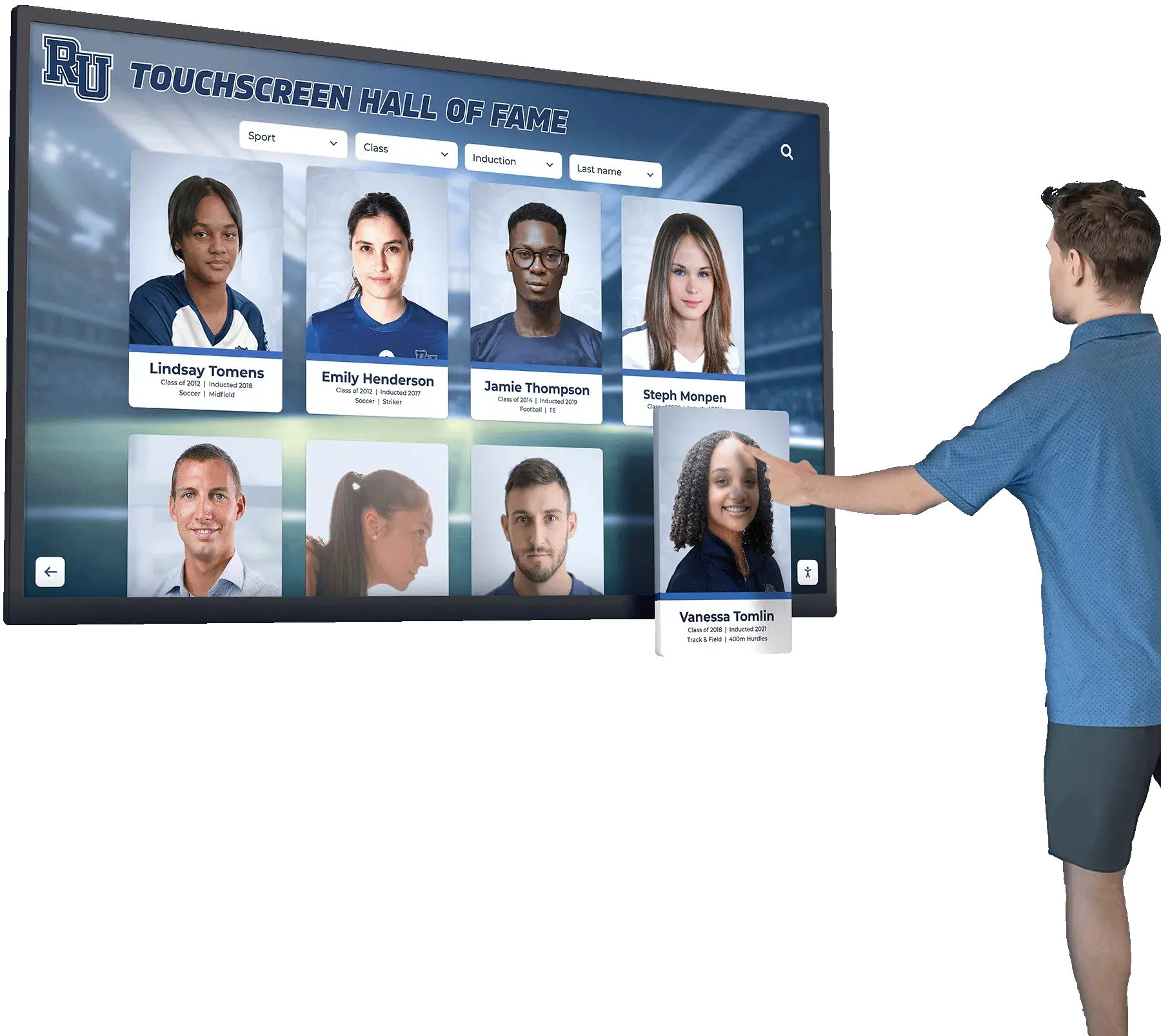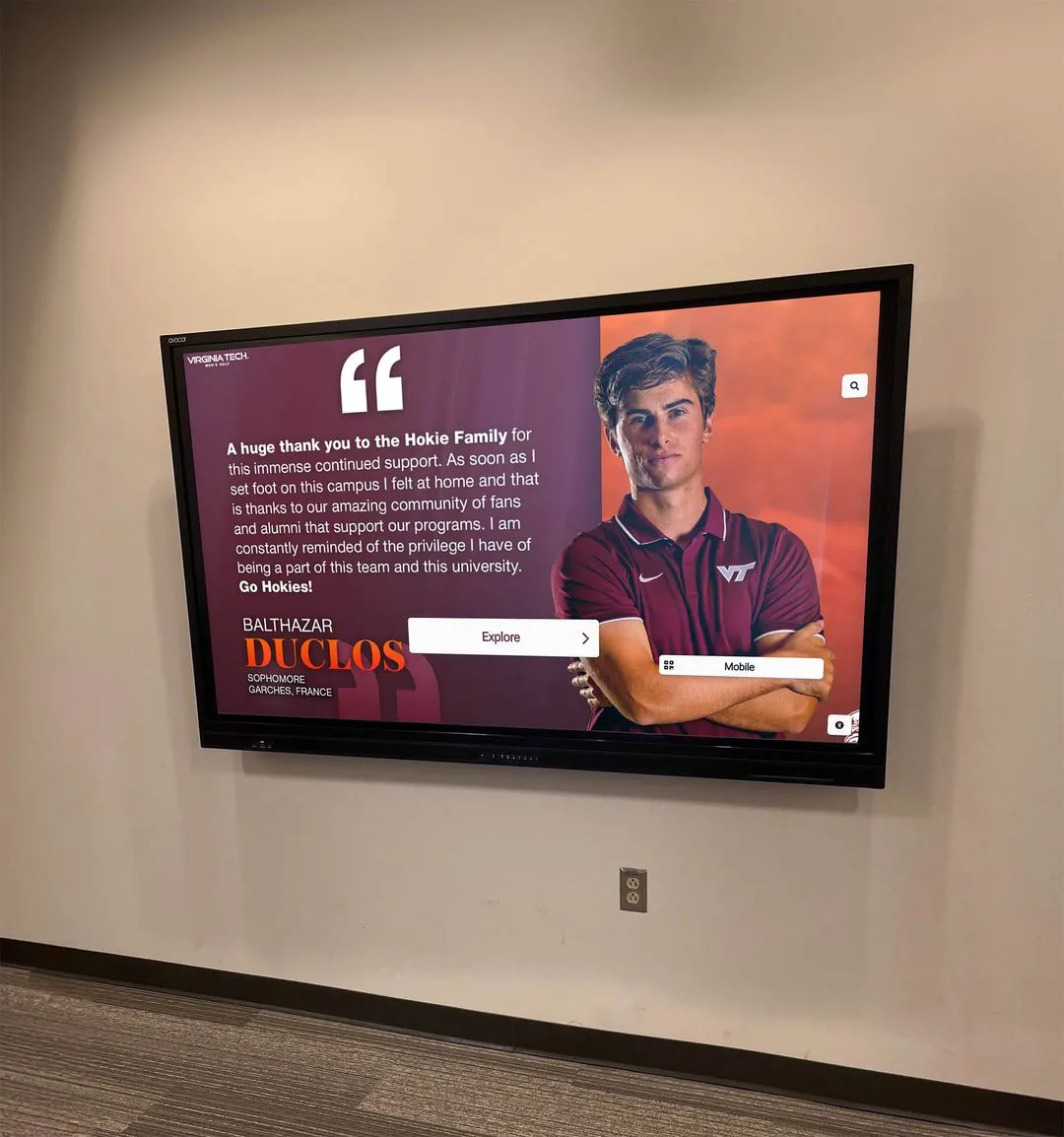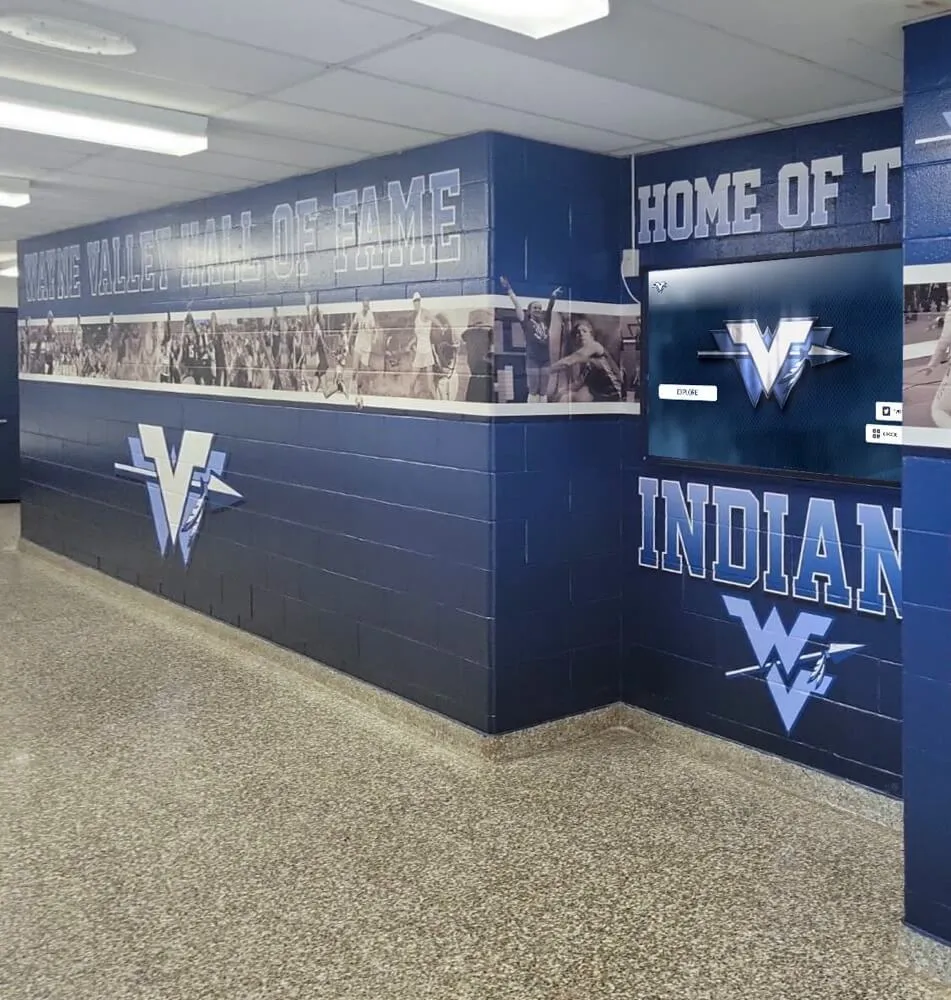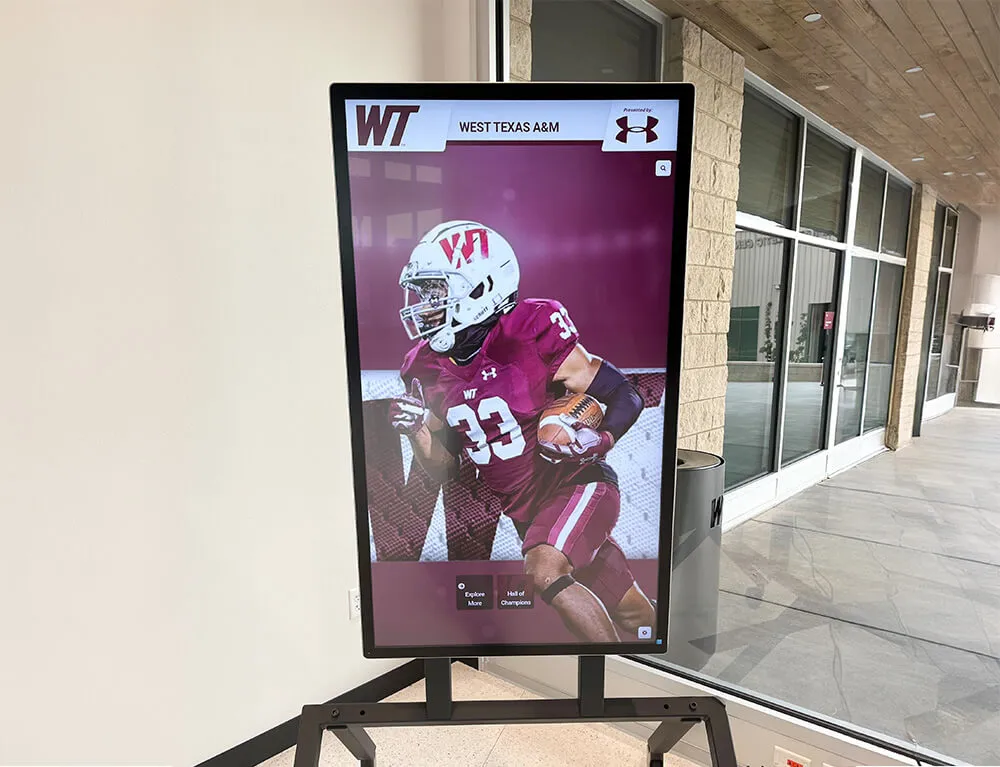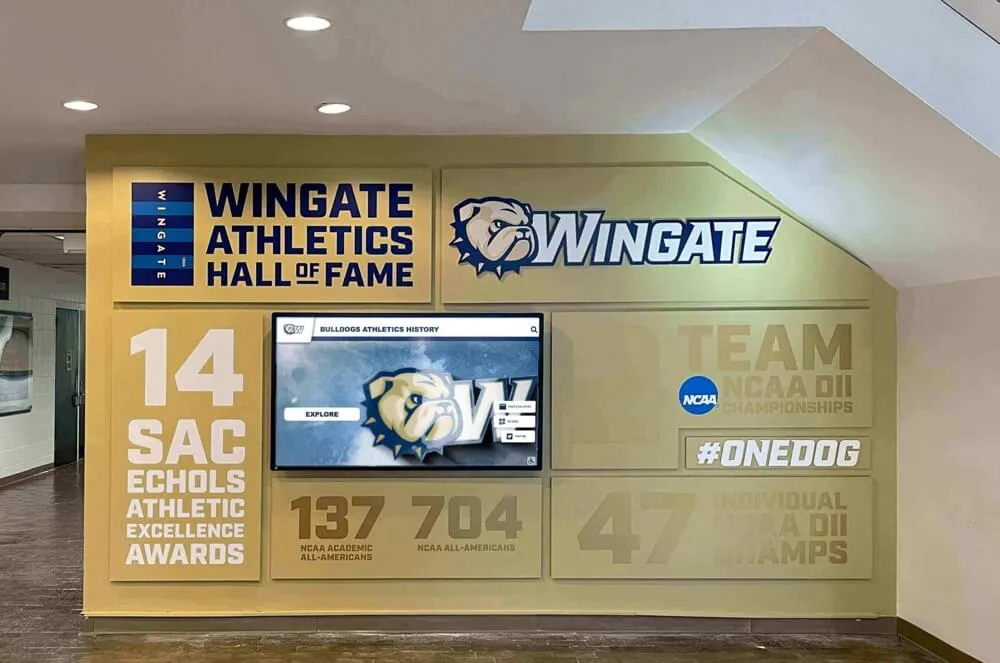




A digital hall of fame is an interactive touchscreen display system that replaces traditional physical plaques, trophies, and banners with dynamic digital recognition content. Unlike static walls limited by physical space and expensive to update, digital halls of fame enable organizations to honor unlimited achievements, update recognition instantly, and create engaging multimedia experiences that celebrate accomplishments through photos, videos, statistics, and interactive profiles.
Digital halls of fame have become the recognition standard for forward-thinking schools, universities, athletic programs, corporate facilities, and community organizations seeking to honor achievements comprehensively while creating memorable experiences that inspire current and future members. This transformation from physical to digital recognition addresses fundamental limitations of traditional approaches while opening new possibilities for storytelling, engagement, and community celebration.
This comprehensive guide explains what digital halls of fame are, how they work, their advantages over traditional recognition methods, and how organizations implement them to honor their communities effectively while building pride and inspiring excellence.
Defining Digital Hall of Fame: Components and Capabilities
Understanding what constitutes a digital hall of fame requires examining the technology systems, content structures, and user experiences that differentiate these platforms from traditional recognition approaches.
Core Technology Components
Interactive Touchscreen Display Hardware The physical foundation of most digital halls of fame consists of commercial-grade touchscreen displays designed for continuous operation in high-traffic environments. These displays typically range from 43 inches to 86 inches diagonally, feature high-definition or 4K resolution for image clarity, include tempered glass surfaces resistant to constant touching, and incorporate industrial computing systems running specialized software.
Unlike consumer televisions or tablets, commercial displays include features like extended operating hours without overheating, protection against image retention or burn-in, increased brightness for visibility in various lighting conditions, and professional mounting systems for secure installation. The hardware selection significantly impacts long-term reliability and user experience quality.

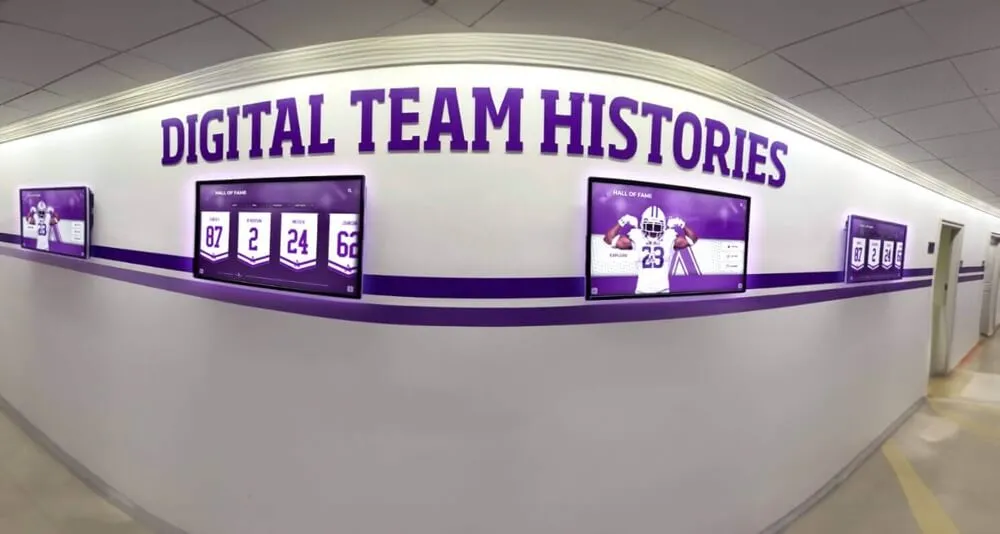
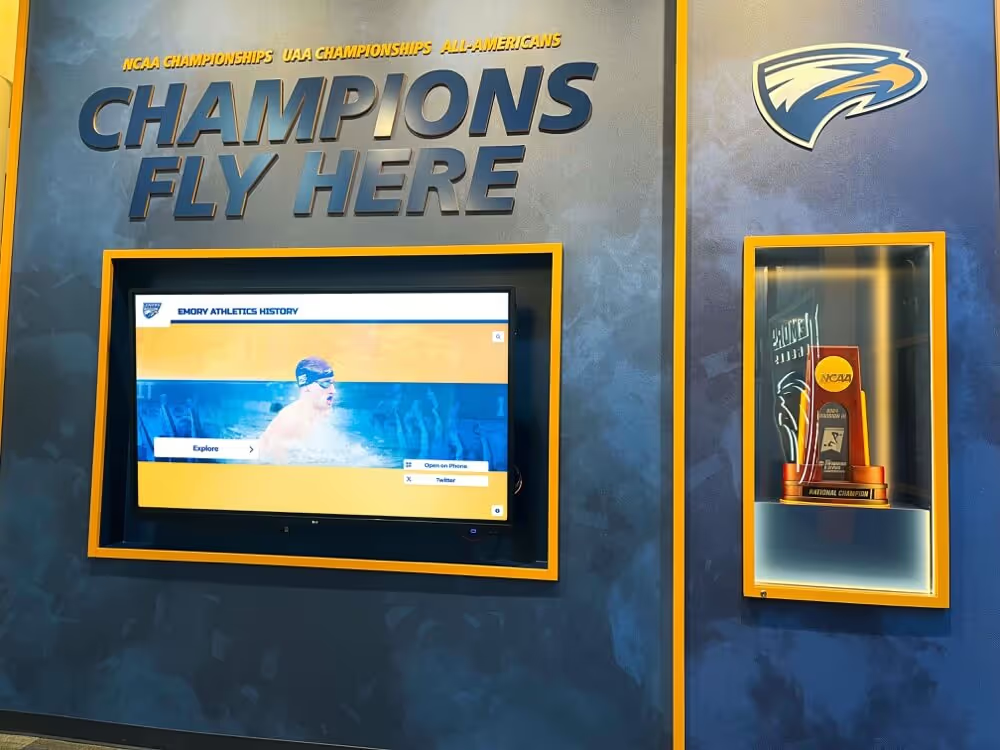
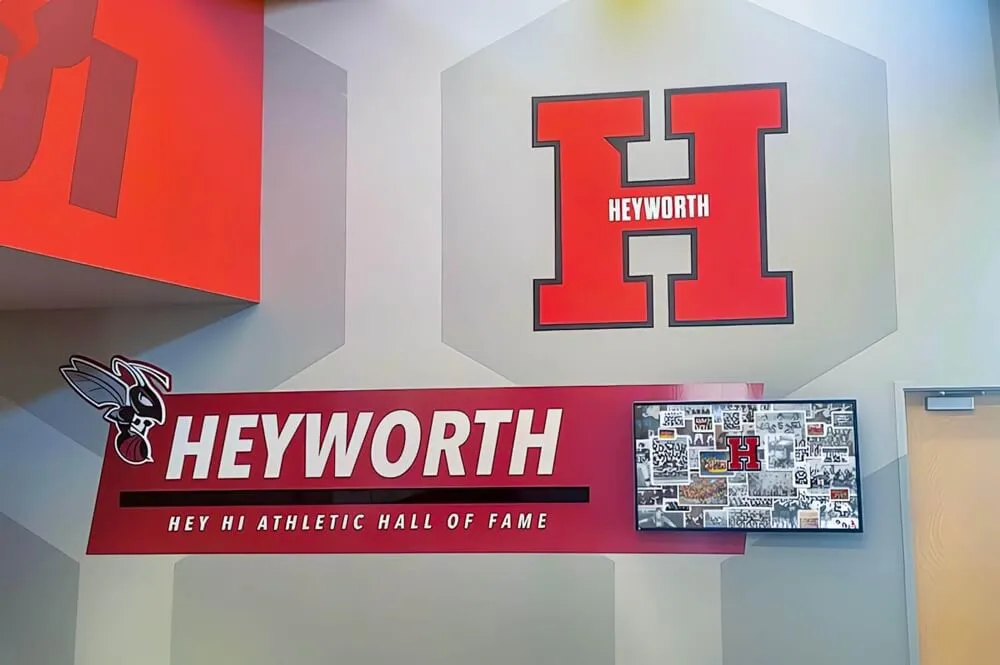
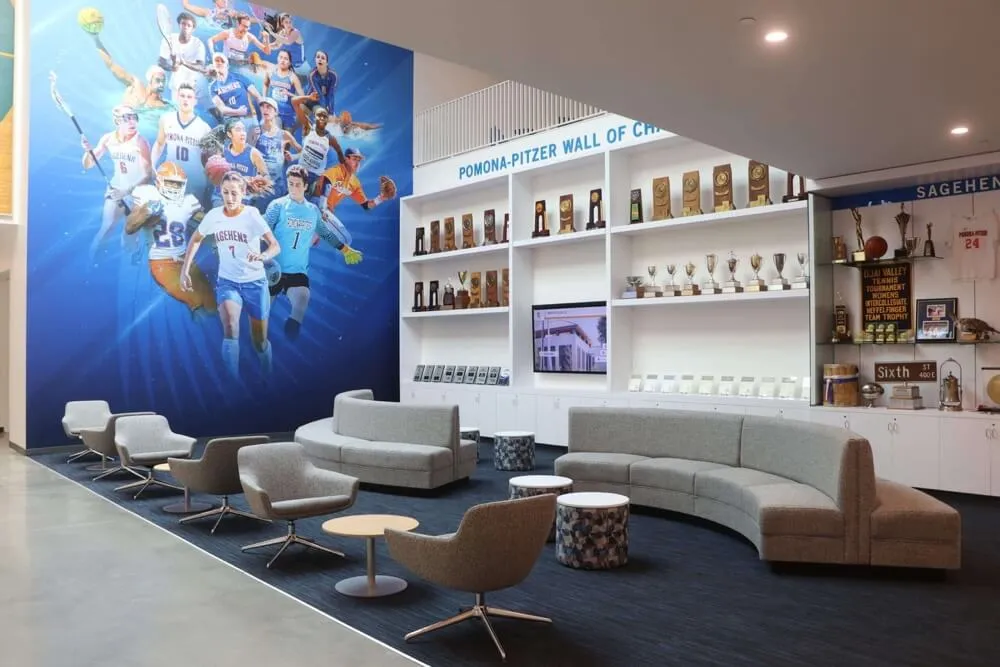
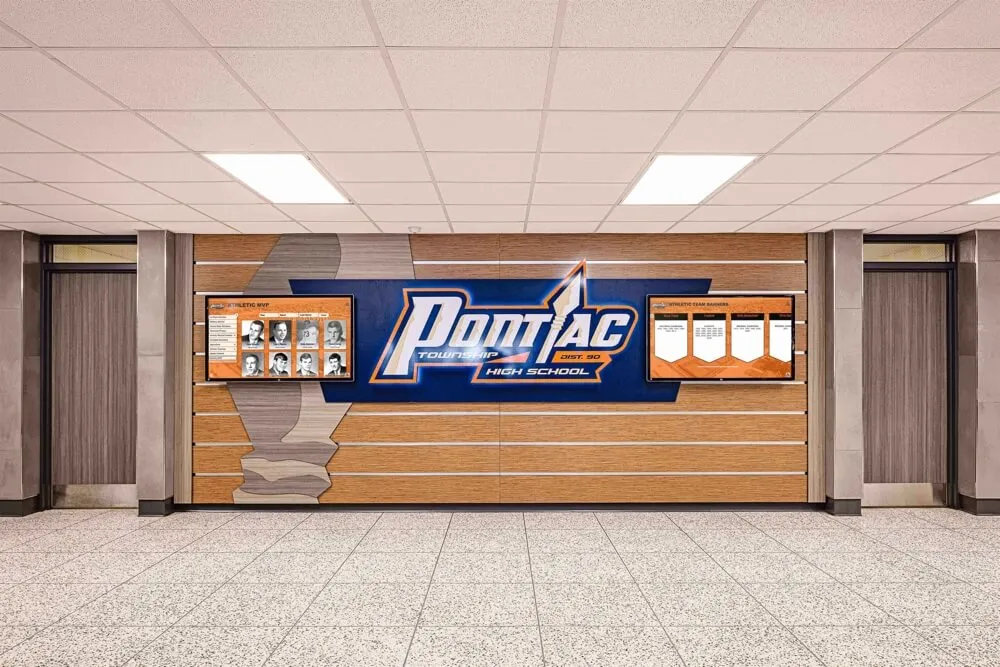
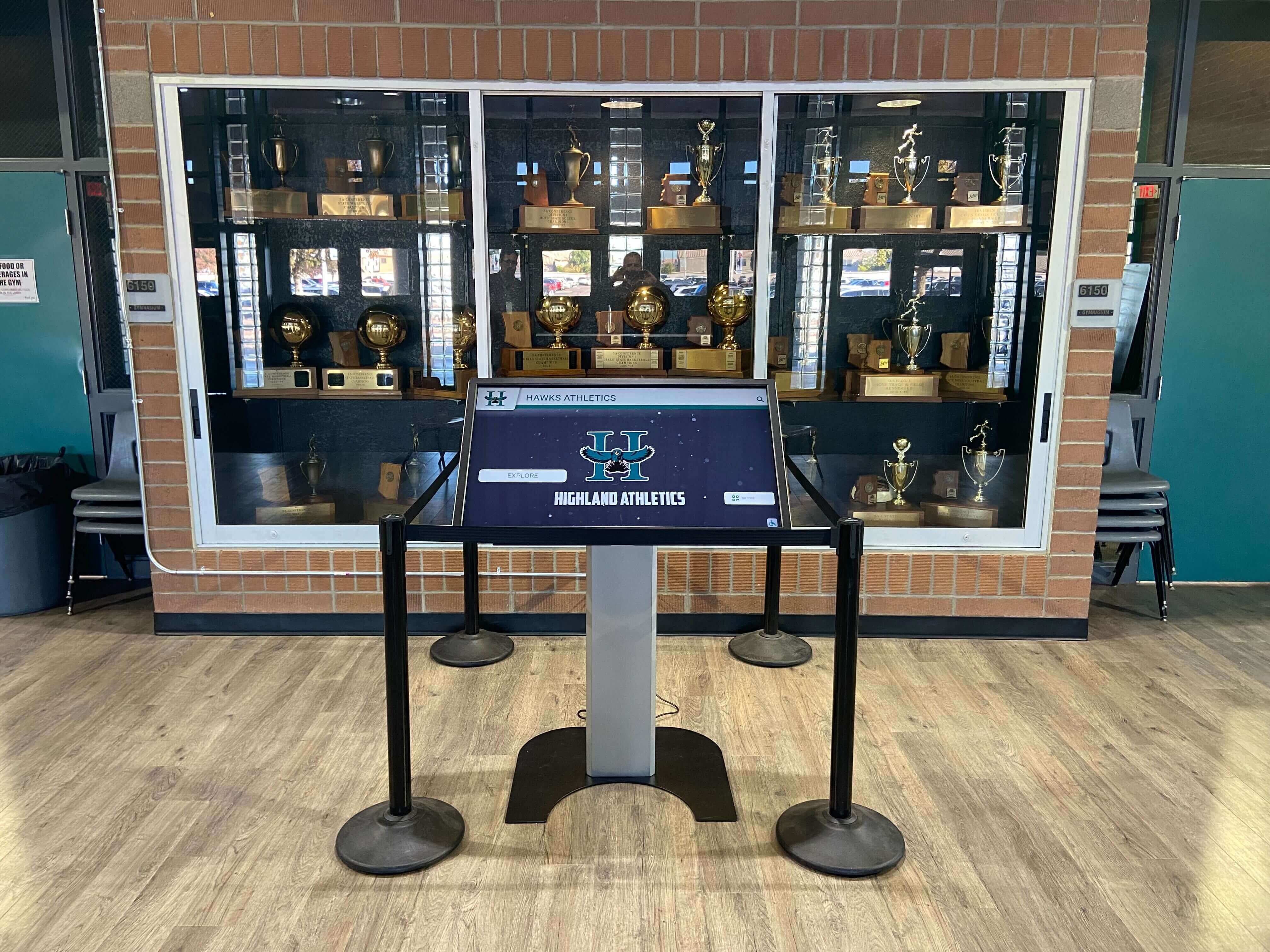
Digital hall of fame touchscreen displays integrate seamlessly with existing trophy cases and recognition spaces, combining traditional elements with modern interactive technology
Content Management Systems Behind the visible touchscreen interface operates sophisticated content management software that organizes recognition information, manages user interactions, enables remote updates, tracks engagement analytics, and ensures system reliability. These systems determine how easily organizations can add new achievements, update existing profiles, reorganize content categories, and customize the recognition experience.
Modern digital hall of fame platforms feature cloud-based management enabling updates from any internet-connected device, template systems simplifying content creation, media libraries supporting photos and videos, search functionality helping visitors find specific individuals or achievements, and filtering systems organizing content by year, sport, category, or other relevant criteria. Solutions like Rocket Alumni Solutions provide intuitive content management specifically designed for educational recognition needs.
Network Infrastructure and Connectivity Digital halls of fame require reliable network connectivity for content updates, remote management, cloud synchronization, and sometimes social media integration. Organizations typically connect displays through existing WiFi networks, wired Ethernet connections, or cellular data for remote locations.
The connectivity requirements influence where displays can be installed and how reliably they can be updated, making network assessment an important implementation consideration.
Content Structure and Organization
Individual Recognition Profiles Digital halls of fame organize recognition around individual profiles that can include comprehensive information impossible on physical plaques:
- High-resolution photographs showing individuals during their achievement period
- Detailed biographical information and achievement descriptions
- Career statistics, records, and performance data
- Award and honor documentation
- Video highlights or speeches when available
- Timeline information showing achievement context
- Social sharing options for family and community engagement
This profile structure enables recognition depth that physical plaques cannot accommodate while maintaining space efficiency through digital organization.

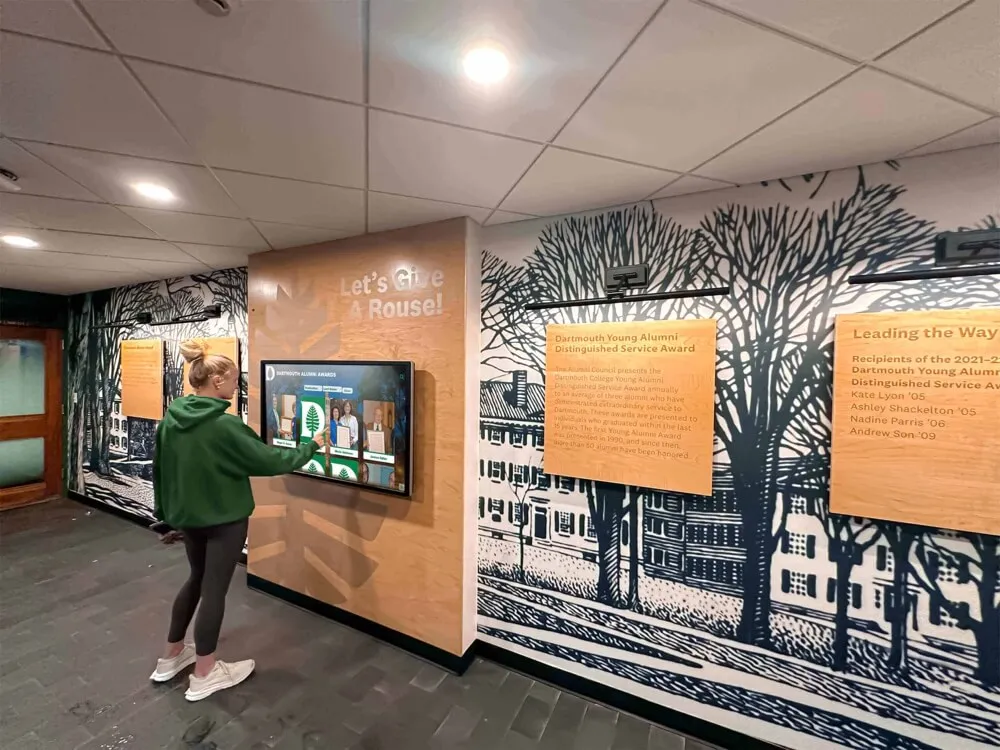
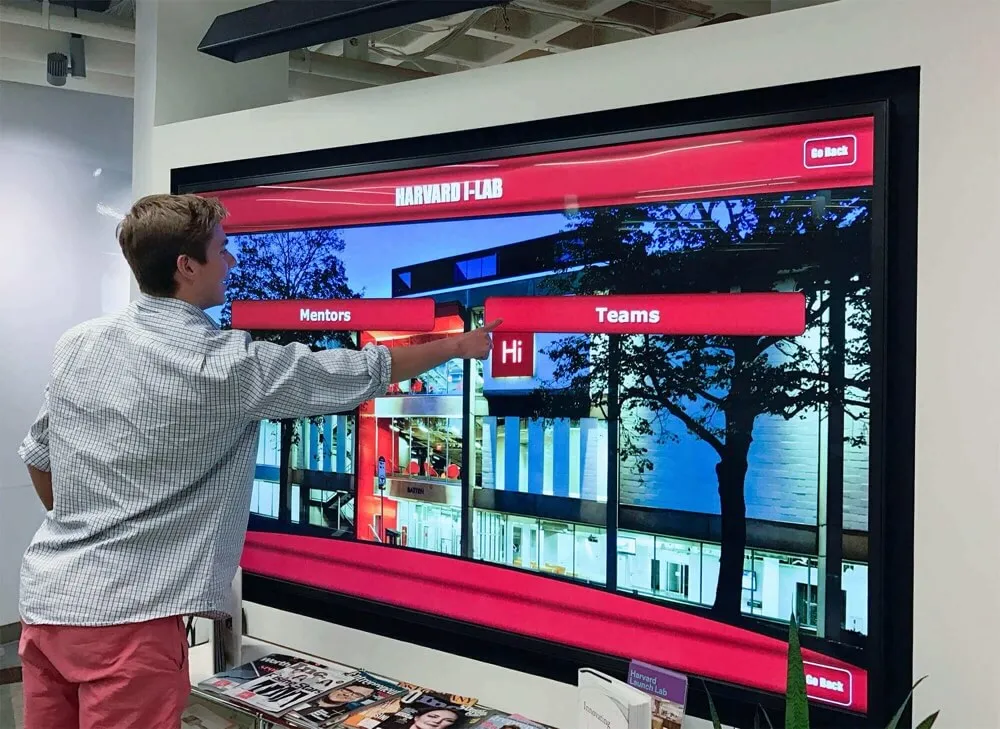
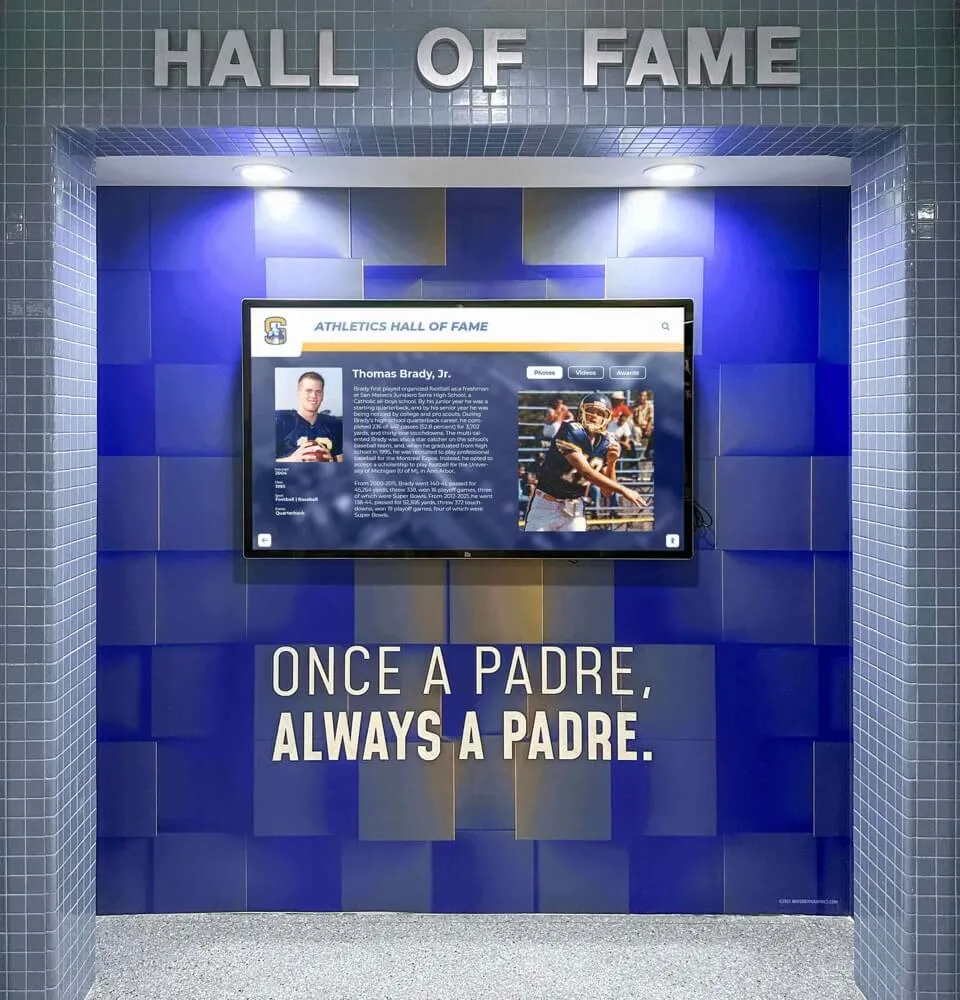
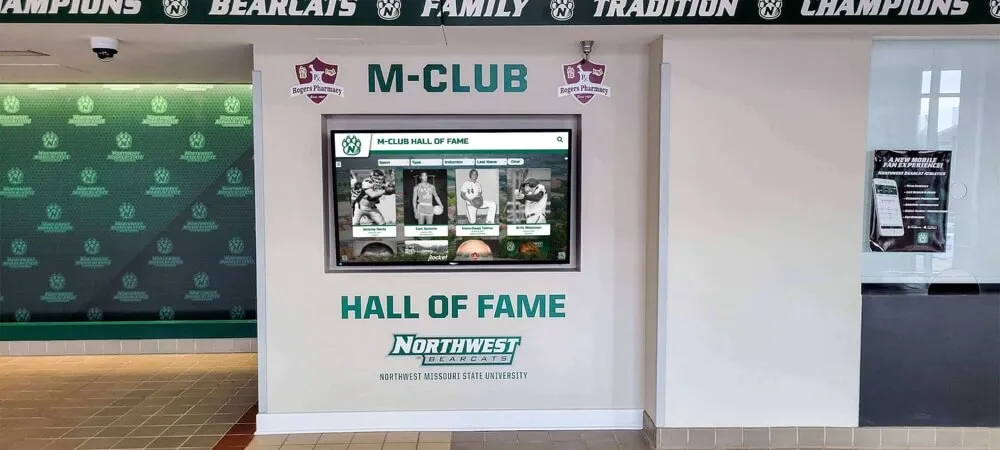
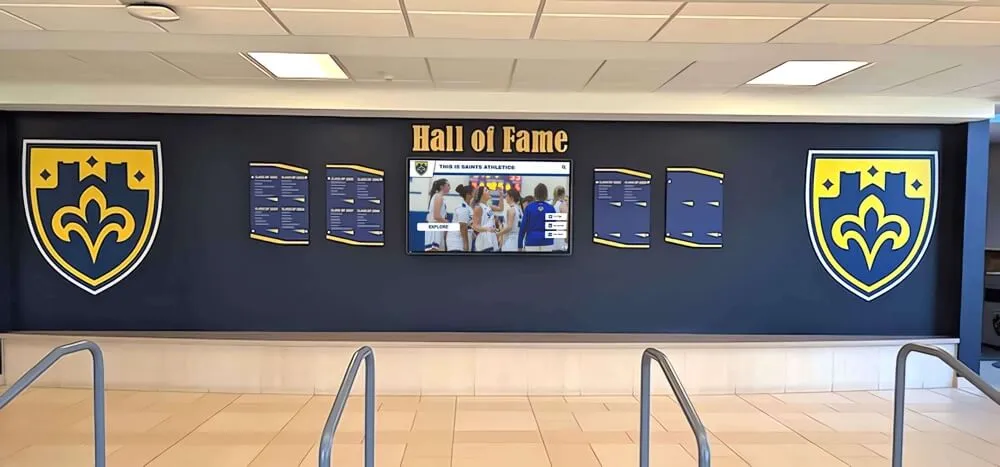
Interactive touchscreen interfaces allow visitors to explore detailed athlete profiles including photos, statistics, achievements, and career highlights through intuitive navigation
Categorical Organization Systems Effective digital halls of fame implement logical organizational structures that help visitors navigate recognition content:
By Achievement Type:
- Athletic hall of fame inductees
- Academic achievement recognition
- Distinguished alumni honors
- Faculty and staff recognition
- Donor recognition and giving societies
- Community service awards
- Artistic and cultural achievements
By Time Period:
- Current year achievements
- Recent accomplishments (past 3-5 years)
- Historical recognition by decade
- All-time record holders
- Anniversary milestones
By Affiliation Category:
- Team or department recognition
- Individual achievements
- Group accomplishments
- Institutional records and milestones
This multi-dimensional organization enables visitors to explore recognition from various perspectives, discovering connections and patterns across achievement categories.
Search and Discovery Features Unlike physical recognition walls requiring visual scanning, digital halls of fame include search functionality enabling instant access to specific individuals, achievements, time periods, or categories. Visitors can enter names to find relatives or community members, filter by graduation year or sport, discover record holders in specific categories, browse recent additions to recognition galleries, and identify achievements during specific time periods.
These discovery features make extensive recognition libraries accessible and engaging rather than overwhelming—addressing a fundamental limitation of physical displays as recognition libraries grow over time.
How Digital Halls of Fame Work: The User Experience
Understanding the visitor interaction model clarifies how digital halls of fame create engaging recognition experiences that inform, inspire, and celebrate community achievements.
Initial Attraction and Engagement
Ambient Display Mode When not actively in use, digital halls of fame typically operate in screensaver or ambient mode that attracts attention and invites interaction. This mode cycles through featured achievements, displays rotating photo galleries, highlights recent recognitions, showcases upcoming events or milestones, and includes clear “touch to explore” instructions.
The ambient mode serves dual purposes: it ensures the display provides value even when not actively engaged, and it attracts visitors who might not otherwise interact with recognition content—particularly important in high-traffic areas where passive visibility matters alongside interactive engagement.
Touch Invitation and Initial Interface Upon touching the screen, visitors encounter a homepage interface designed for intuitive navigation by users of all ages and technical abilities. Effective interfaces include large, clear navigation buttons, visual categories using icons and images, simple language without technical jargon, obvious pathways to popular content, and accessibility features for diverse users.
The initial interface design significantly impacts overall engagement, determining whether visitors explore deeply or quickly abandon the system. User testing with representative audiences during implementation ensures interfaces meet community needs and expectations.
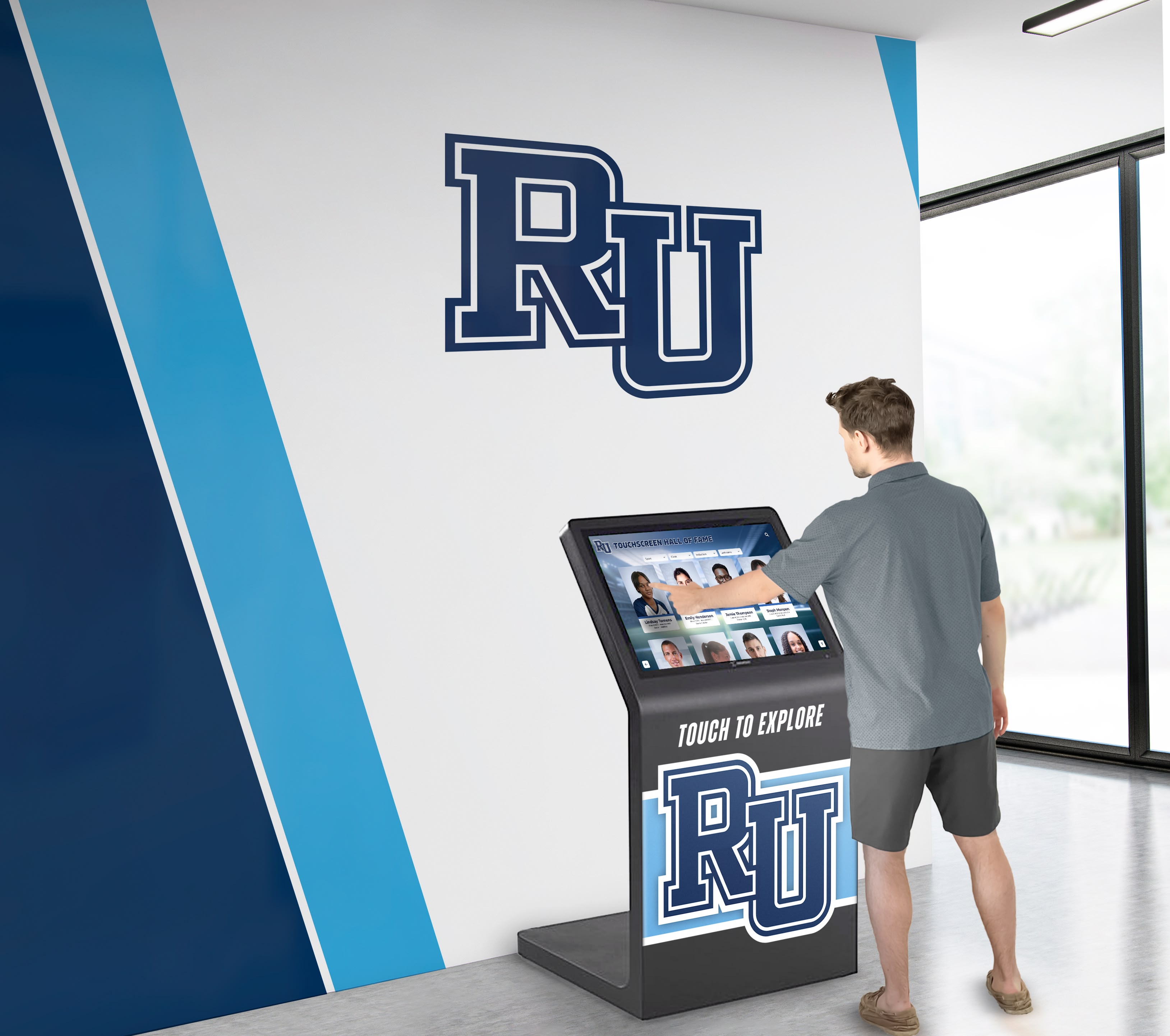
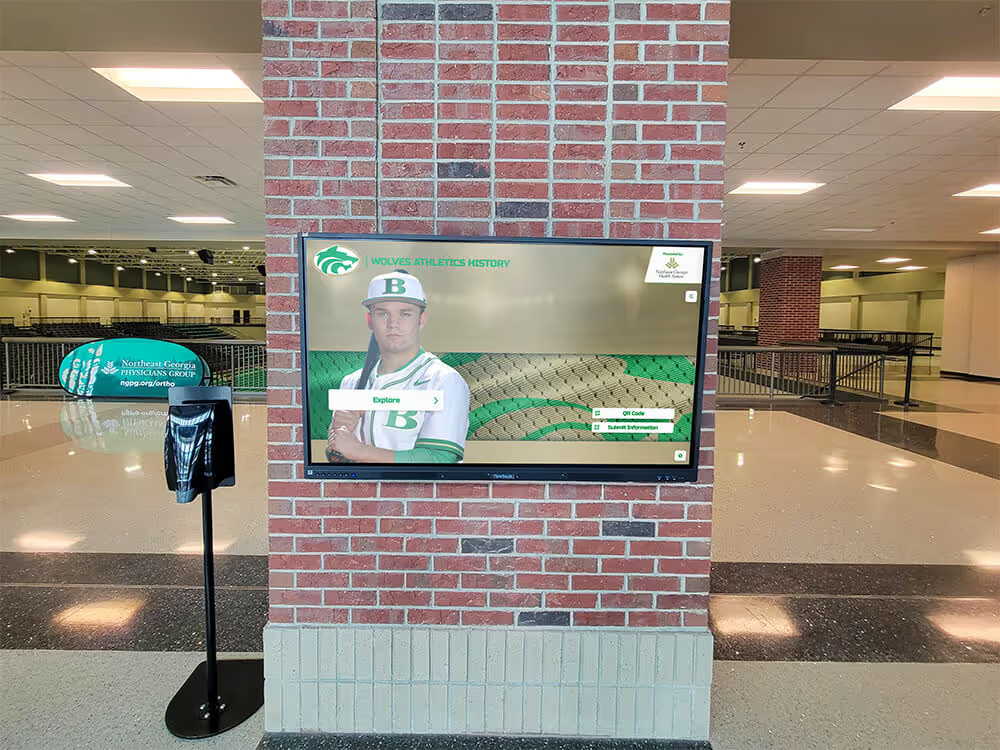
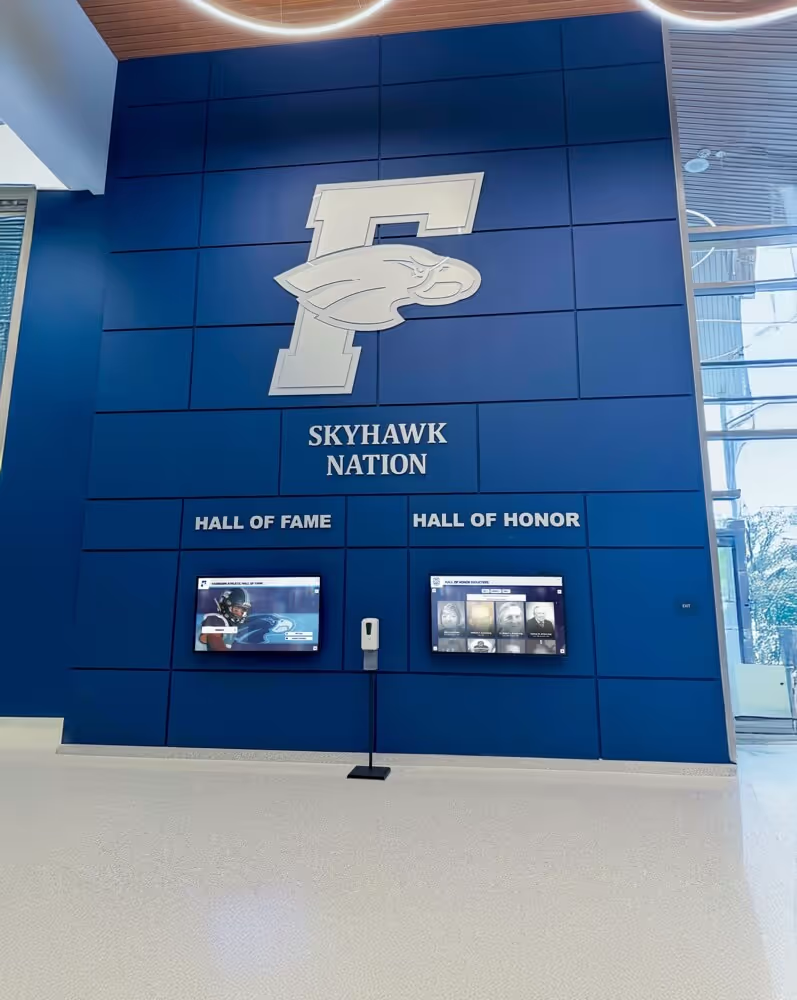
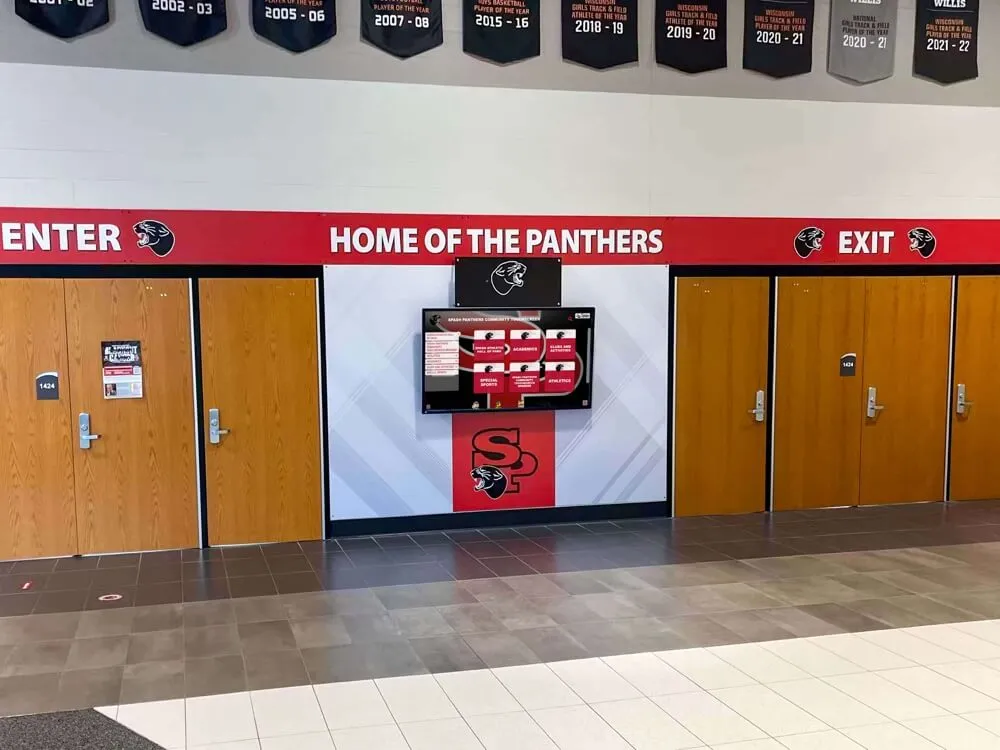
Digital hall of fame kiosks in school lobbies provide welcoming interfaces that invite exploration of recognition content by students, visitors, and community members
Navigation and Content Exploration
Browsing Recognition Categories Visitors explore content through various pathways depending on their interests and familiarity with the organization. Common navigation patterns include browsing by achievement category to explore specific recognition types, searching by name for specific individuals, filtering by year to see recognition from particular time periods, viewing recent additions to discover new inductees, and exploring random or featured profiles that highlight diverse achievements.
The multi-pathway design accommodates different user intentions—from visitors seeking specific information to casual browsers discovering unexpected connections and stories.
Individual Profile Experiences When visitors select an individual profile, they encounter comprehensive achievement documentation including primary profile photo or action shot, biographical information and affiliation details, achievement summary and recognition reason, detailed statistics or performance data when relevant, career timeline showing achievement progression, award documentation and honors received, video content when available, and social sharing options for families and networks.
This detailed profile experience transforms recognition from simple name-on-plaque acknowledgment to meaningful celebration that honors individual excellence comprehensively and provides context helping current community members understand achievement significance.
Schools implementing digital recognition systems report that detailed profiles create emotional connections impossible with traditional plaques—particularly when recognition includes personal stories, video messages, or multimedia content that brings achievements to life.
Interactive Features and Engagement Tools
Comparison and Statistical Analysis Advanced digital halls of fame enable visitors to compare achievements across time periods, analyze statistical trends and records, identify relationships between achievements, discover themed recognition stories, and explore achievement progression across programs or categories.
These analytical features prove particularly valuable for athletic recognition where visitors can view record progression across decades, compare performances across different eras, or identify multi-sport athletes and achievements. Similar functionality benefits academic recognition showcasing scholarship trends, valedictorian profiles, or program-specific excellence patterns.
Social Connection and Sharing Digital halls of fame increasingly include social features that extend recognition beyond physical display locations:
- QR codes enabling mobile device sharing
- Email options sending profiles to friends and family
- Social media integration for public celebration
- Alumni network connections linking recognition to community directories
- Photo download options for personal archives
These sharing capabilities multiply recognition impact, reaching family members unable to visit physically and creating viral celebration moments that strengthen community pride and connection. Organizations implementing digital yearbook platforms often integrate hall of fame content, creating comprehensive memory and recognition ecosystems.
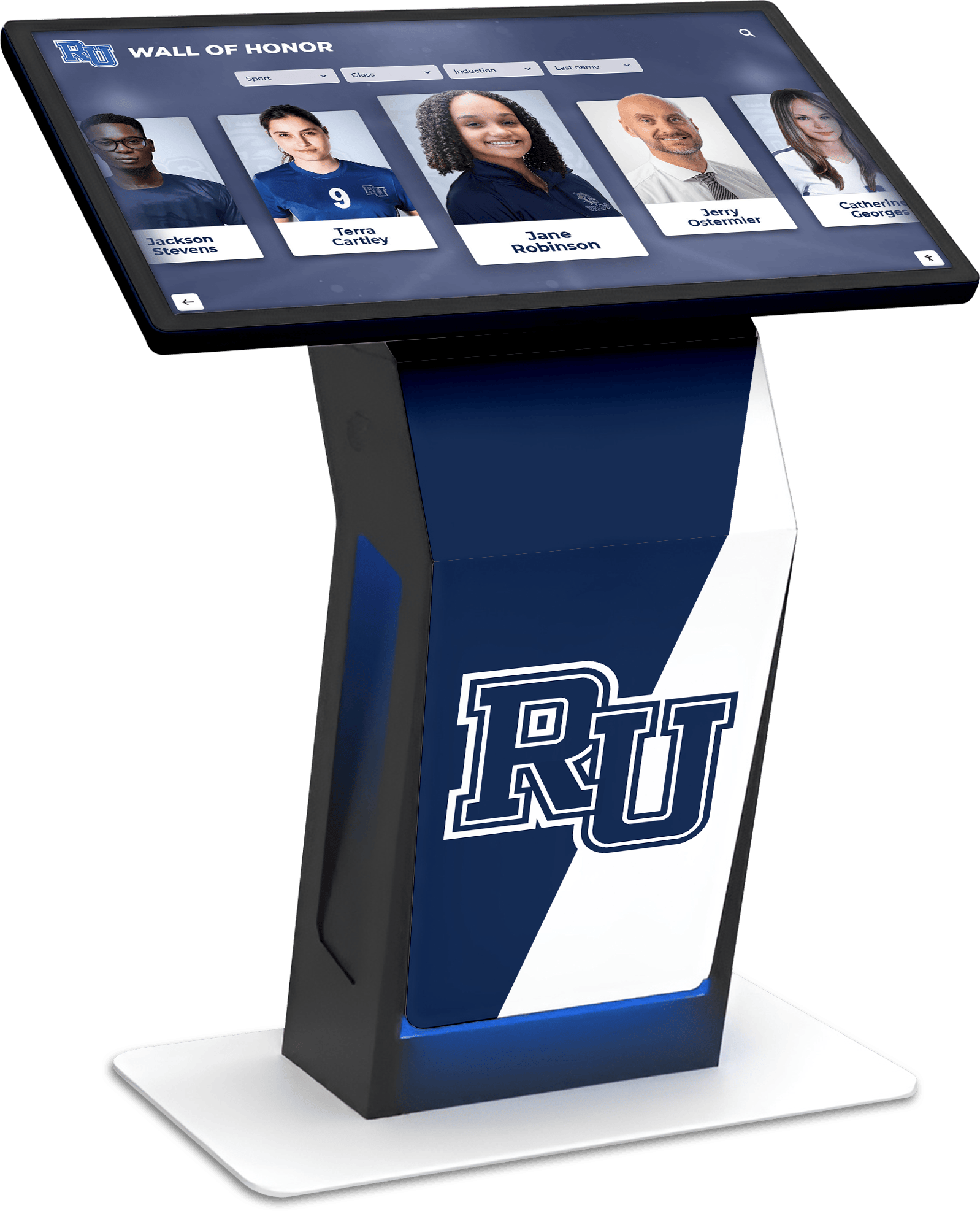
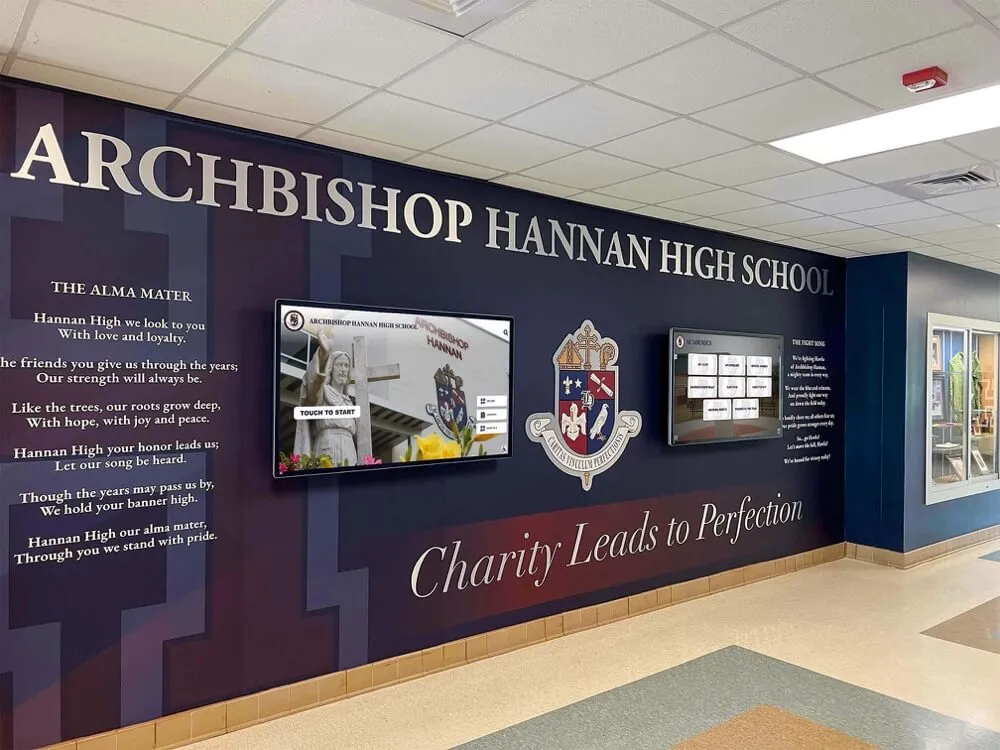
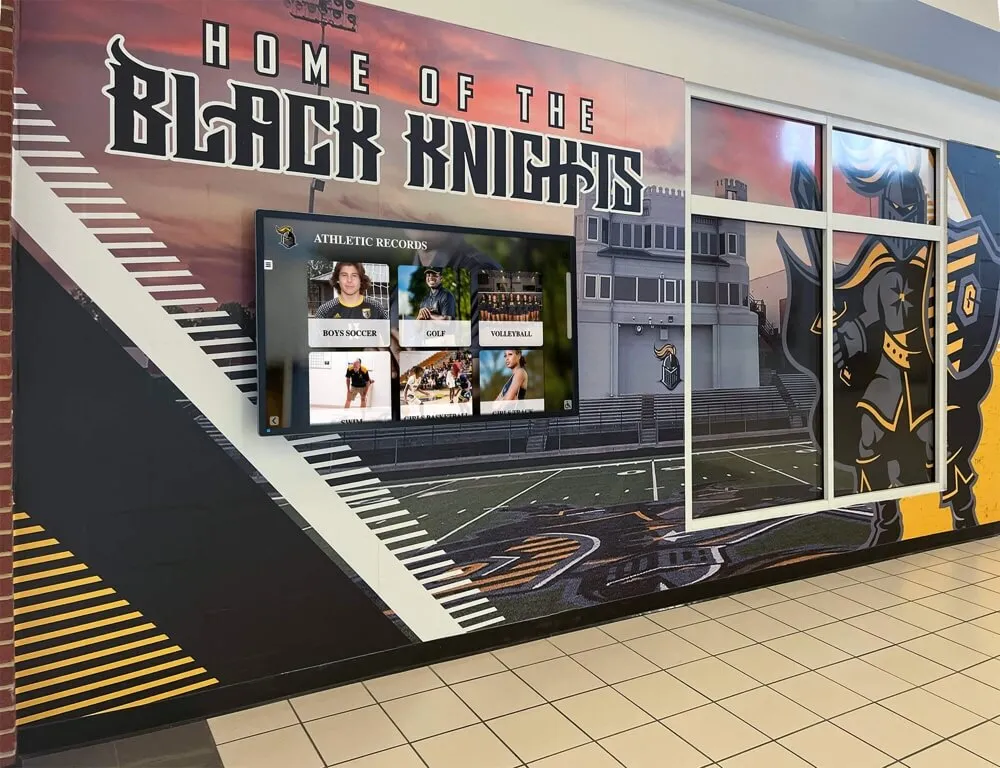
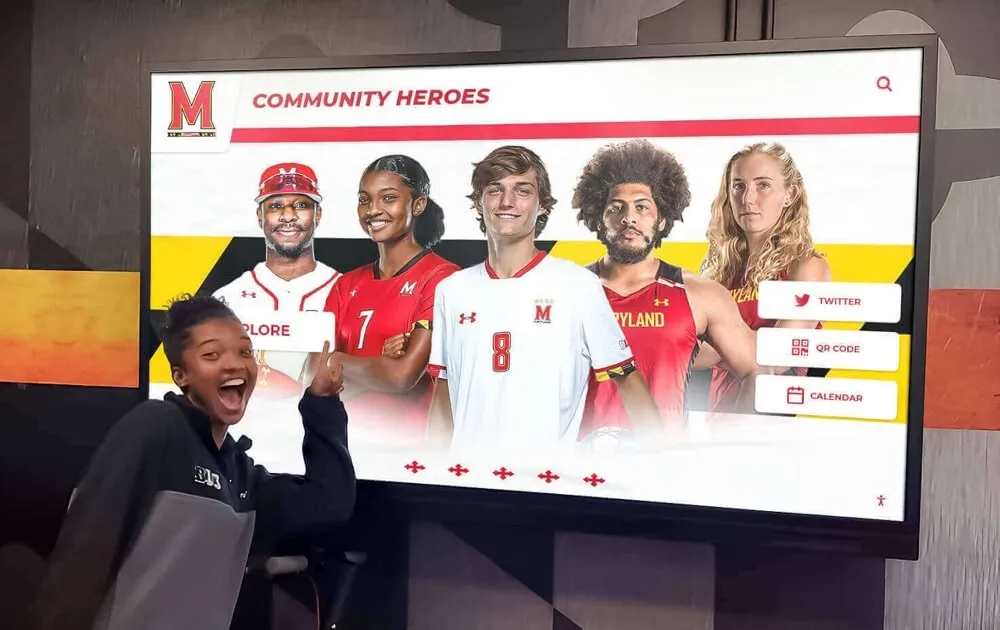
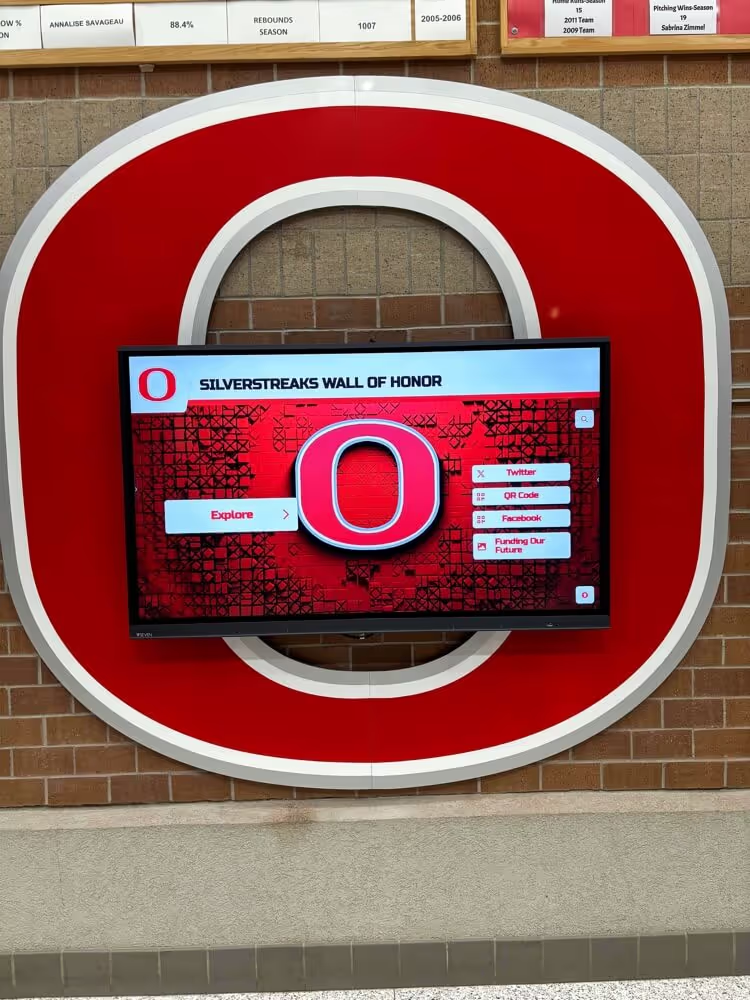
Branded digital hall of fame kiosks reinforce institutional identity while providing comprehensive interactive recognition accessible to all community members
Why Organizations Adopt Digital Halls of Fame: Key Benefits
The rapid adoption of digital halls of fame reflects substantial advantages over traditional physical recognition methods across operational, experiential, and strategic dimensions.
Overcoming Physical Space Limitations
Unlimited Recognition Capacity Physical recognition walls face fundamental space constraints—trophy cases fill completely, plaque walls reach maximum capacity, and banner space in gymnasiums becomes exhausted. These limitations force organizations into difficult decisions about which achievements merit recognition and which must be excluded or relegated to less prominent locations.
Digital halls of fame eliminate these space constraints entirely. Organizations can recognize unlimited individuals and achievements within a single display footprint, honor accomplishments across all programs equally, maintain comprehensive historical archives spanning decades, add new recognition continuously without removing past honorees, and expand recognition categories without additional physical space requirements.
This unlimited capacity fundamentally changes recognition philosophy from scarcity mindset—carefully rationing limited recognition slots—to abundance approach where all worthy achievements receive appropriate celebration. Schools implementing comprehensive athletic recognition no longer choose between honoring individual athletes versus teams, recent versus historical achievements, or major versus minor sports.
Dynamic Space Utilization Beyond unlimited capacity, digital displays optimize physical space utilization. A single touchscreen occupying 10-15 square feet of wall space can showcase recognition that would require hundreds of square feet using traditional plaques. This space efficiency proves particularly valuable for organizations with limited dedicated recognition areas, facilities undergoing renovation or expansion, and programs seeking to consolidate scattered recognition into prominent central locations.
The space savings enable organizations to place recognition in high-traffic, high-visibility areas where physical walls would be impractical—creating more effective celebration while consuming less premium real estate.
Cost Efficiency and Long-Term Value
Elimination of Ongoing Plaque Costs Traditional recognition incurs recurring costs each time new honorees are added. Custom plaques typically cost between $200-$500 per inductee depending on size, material, and engraving complexity. Trophy case updates require new displays, professional installation, and sometimes case modifications. Banner programs involve design, printing, and hanging costs that accumulate across programs and years.
For organizations recognizing dozens of individuals annually, these recurring costs quickly exceed the one-time investment in digital recognition systems. A program adding 30 individuals to physical plaques annually at $300 per plaque invests $9,000 yearly—meaning a $20,000 digital hall of fame investment achieves cost parity within 2-3 years while providing superior functionality and unlimited future recognition.
Simplified Update and Maintenance Physical recognition updates require logistical coordination including plaque ordering and delivery delays, installation scheduling around facility availability, removal and storage of outdated elements, potential wall repairs or modifications, and consistent aesthetic maintenance as materials age.
Digital updates occur remotely within minutes through content management systems, requiring no physical installation labor, eliminating material ordering and delivery delays, enabling instant corrections of errors or outdated information, and maintaining consistent appearance regardless of content age or volume.
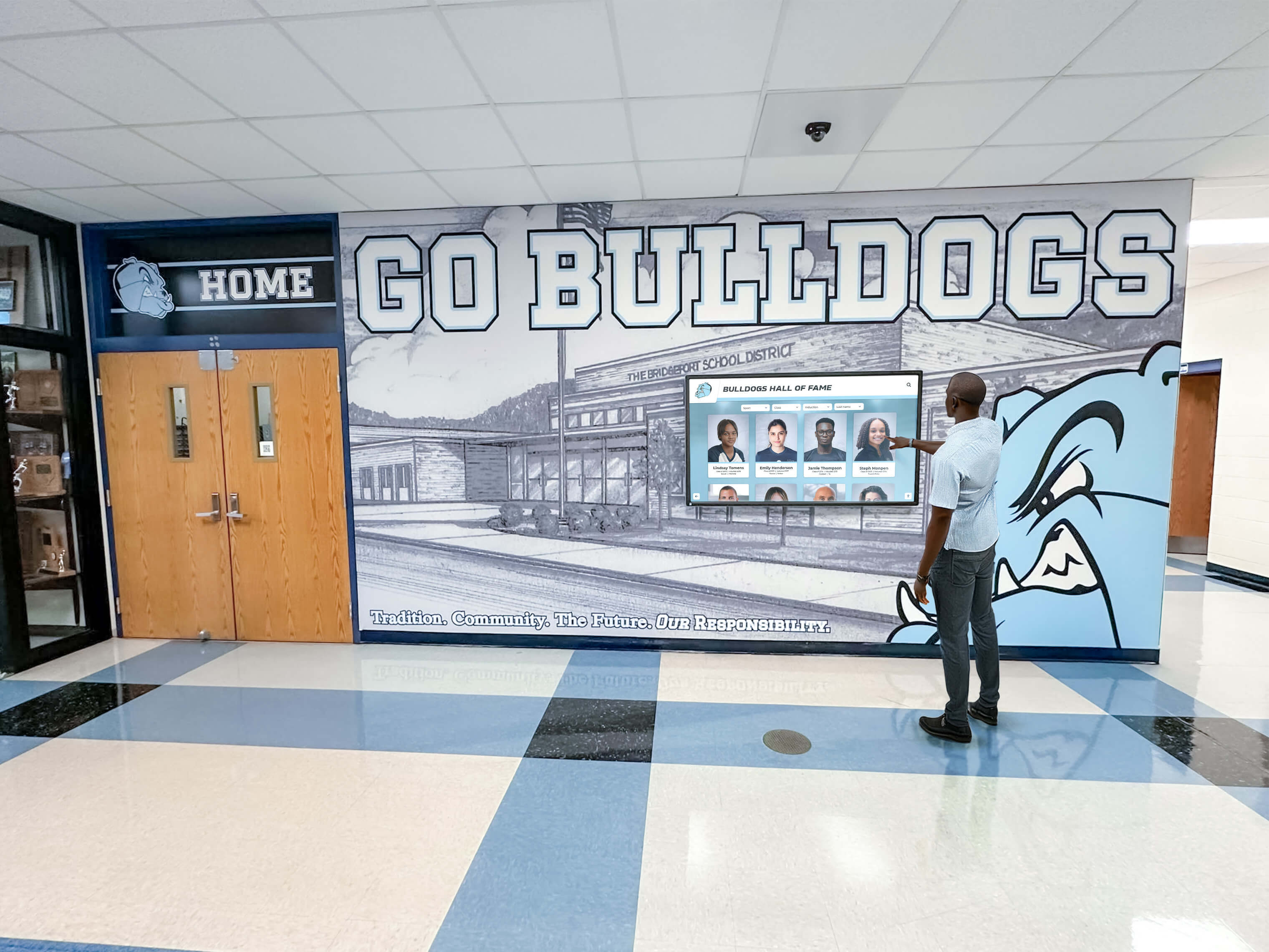
Digital hall of fame systems enable simple content updates from any location, eliminating the cost and complexity of physical plaque ordering and installation
Schools implementing digital trophy displays report that administrative time savings alone justify investment through reallocation of staff time from recognition logistics to more strategic activities.
Enhanced Recognition Quality and Impact
Multimedia Storytelling Capabilities Physical plaques convey limited information—typically just name, year, and achievement category. Digital halls of fame enable rich storytelling through high-resolution photos showing individuals during achievement periods, career statistics and performance documentation, achievement context and historical significance, personal statements or acceptance speeches, video highlights of performances or ceremonies, and narrative descriptions explaining achievement importance.
This comprehensive storytelling transforms recognition from basic acknowledgment to meaningful celebration that honors individual contributions authentically and provides inspiration for current community members who understand more deeply what achievements required and represented.
Equity Across Recognition Categories Traditional physical recognition often creates implicit hierarchies based on available space and visibility. Championship teams receive prominent gymnasium banners while individual academic achievements occupy obscure hallway plaques. Major sports dominate trophy cases while club activities receive minimal recognition space.
Digital halls of fame enable equitable recognition where achievement category doesn’t determine visibility or celebration quality. Academic excellence receives equal prominence to athletic championships. Club activities receive the same comprehensive profile treatment as varsity sports. Historical achievements maintain equal status with current recognitions.
This equity proves particularly important for comprehensive school recognition systems where diverse programs and achievements all contribute to institutional excellence and community identity. Solutions like Rocket Alumni Solutions provide templates ensuring consistent recognition quality across all achievement categories.
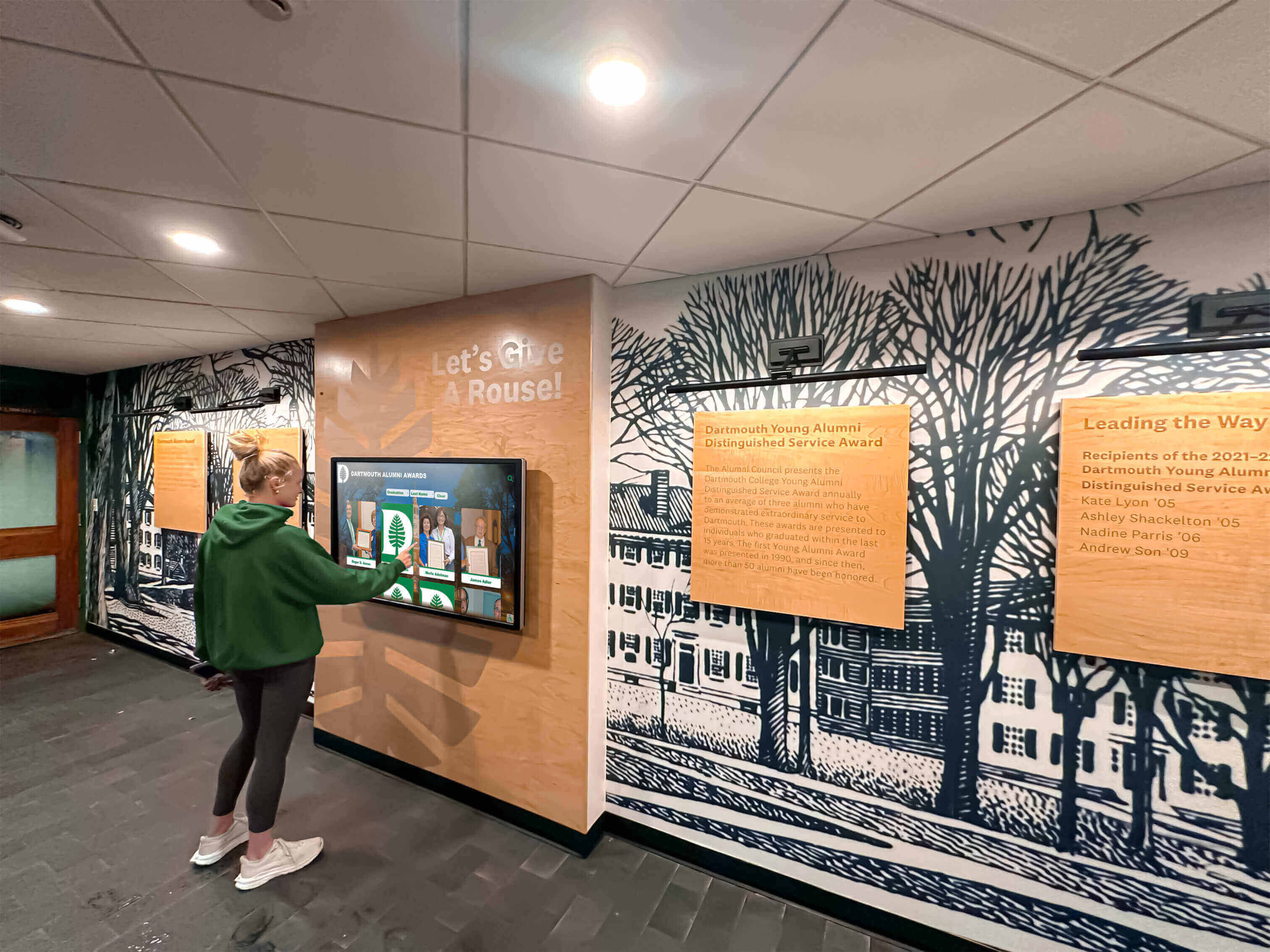
Students discover alumni achievements and school history through engaging digital interfaces that make recognition accessible and inspiring for new generations
Operational and Strategic Advantages
Real-Time Updates and Timeliness Traditional recognition suffers from inevitable delays between achievement and display. Plaques require ordering, production, and installation occurring weeks or months after recognition decisions. These delays diminish recognition impact and create awkward gaps when honorees visit facilities expecting to see their recognition but finding it not yet installed.
Digital systems enable immediate recognition display. Induction ceremony photos can be added that evening. Season achievements appear immediately after selection. Record-breaking performances receive instant celebration. This timeliness enhances recognition value and demonstrates organizational responsiveness that honors achievements appropriately.
Data-Driven Insights and Engagement Metrics Digital halls of fame provide analytics impossible with physical displays including interaction frequency and duration, most-viewed profiles and categories, peak usage times and seasons, search patterns revealing visitor interests, and content engagement comparing different recognition types.
These insights inform recognition strategy, helping organizations understand which achievements resonate most with communities, identify underutilized content requiring better promotion or storytelling, optimize content organization based on actual navigation patterns, and demonstrate recognition program impact through quantifiable engagement data.
Athletic programs implementing digital record boards use engagement analytics to identify which sports and athletes generate the most interest—information that helps prioritize content development and informs recruitment messaging highlighting program strengths.
Types of Digital Halls of Fame: Application Categories
Digital hall of fame technology adapts to diverse recognition needs across organizational types and achievement categories.
Athletic Halls of Fame
High School and College Athletic Recognition Athletic programs represent the most common digital hall of fame application, using interactive displays to honor individual athlete achievements and records, championship teams and seasons, coaching excellence and milestones, program history and tradition documentation, and multi-sport athlete recognition.
Athletic digital halls of fame typically organize content by sport enabling sport-specific browsing, by achievement type separating individual versus team recognition, by time period showcasing historical versus contemporary excellence, and by record category highlighting statistical achievement leaders.
The visual nature of athletic achievement makes digital recognition particularly compelling, with action photography, game highlight videos, and statistical documentation creating engaging experiences that inspire current athletes while honoring predecessors. Schools implementing athletic wall of honor systems often place displays in gymnasium lobbies, athletic complexes, or main school entrance areas maximizing visibility during games and events.
Academic Excellence Recognition
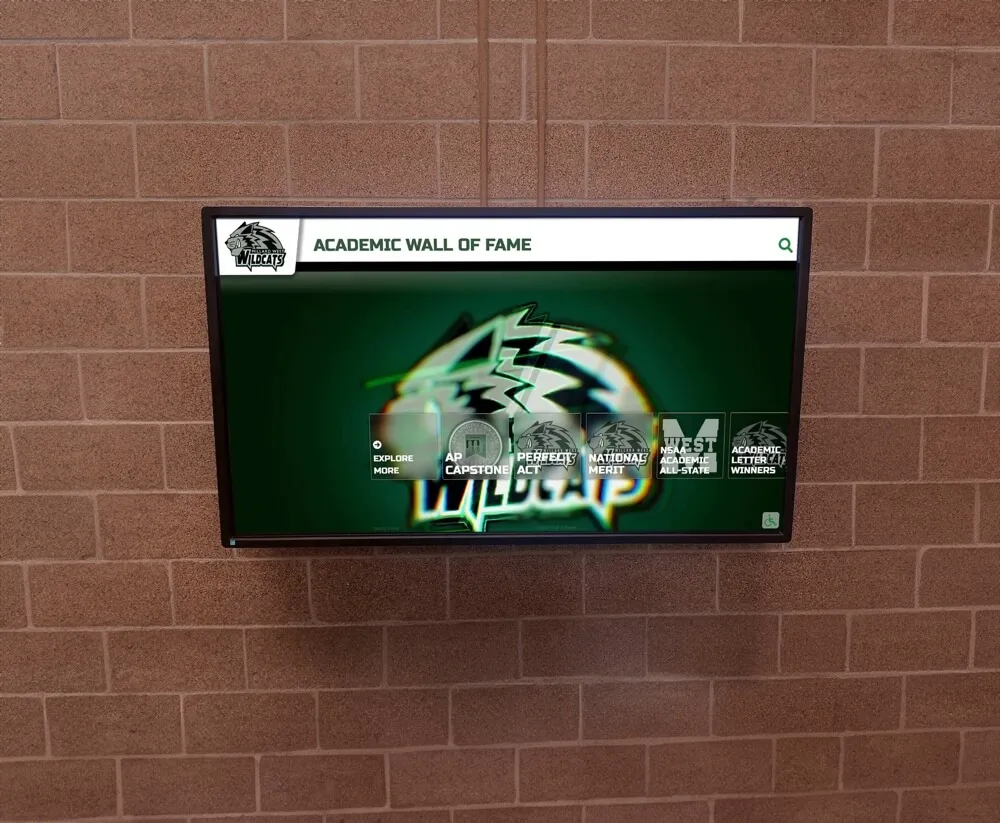
Scholarly Achievement Celebration Digital halls of fame increasingly celebrate academic achievements including valedictorian and salutatorian recognition, National Merit Scholar and AP Scholar honors, academic competition achievements and championships, scholarship recipient recognition, research and publication achievements, and distinguished graduate academic success documentation.
Academic recognition benefits particularly from digital format’s ability to provide context and detail explaining achievement significance that non-specialist audiences might not immediately recognize. Profiles can describe competition difficulty, explain award selectivity, or document long-term academic trajectory that makes achievement particularly noteworthy.
Schools implementing comprehensive recognition systems often integrate academic achievement displays with athletic recognition, creating balanced celebration of diverse excellence types that reinforce institutional values and demonstrate that all achievement pathways receive appropriate honor.
Alumni and Distinguished Graduate Recognition
Career Success and Community Contribution Alumni halls of fame document graduate success and community impact through distinguished career achievements, entrepreneurial success and business leadership, public service and political accomplishments, artistic and cultural contributions, philanthropic leadership and community service, and scientific, medical, or technological innovations.
Digital format proves particularly valuable for alumni recognition spanning decades where comprehensive historical documentation and contemporary achievement celebration coexist within a single system. Visual timelines can show career progression, video content can feature alumni messages to current students, and search functionality enables alumni to find classmates and reconnect with their cohorts.
Universities implementing alumni recognition walls often place digital displays in alumni centers, development offices, or main campus buildings where they serve both recognition and fundraising functions—celebrating giving while inspiring continued support.

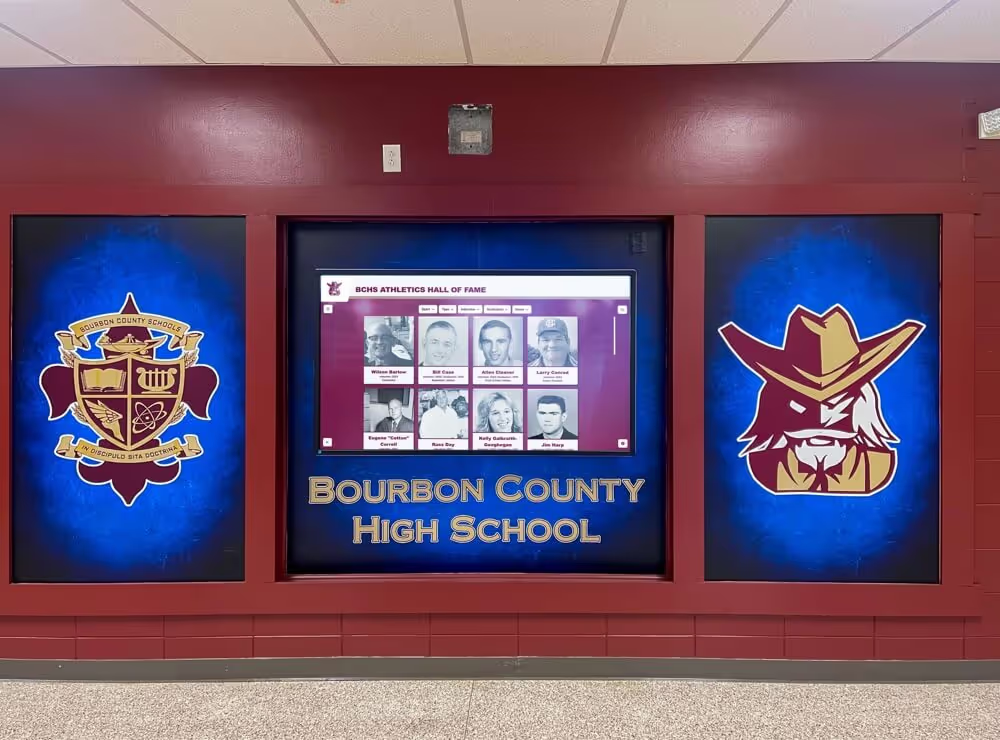
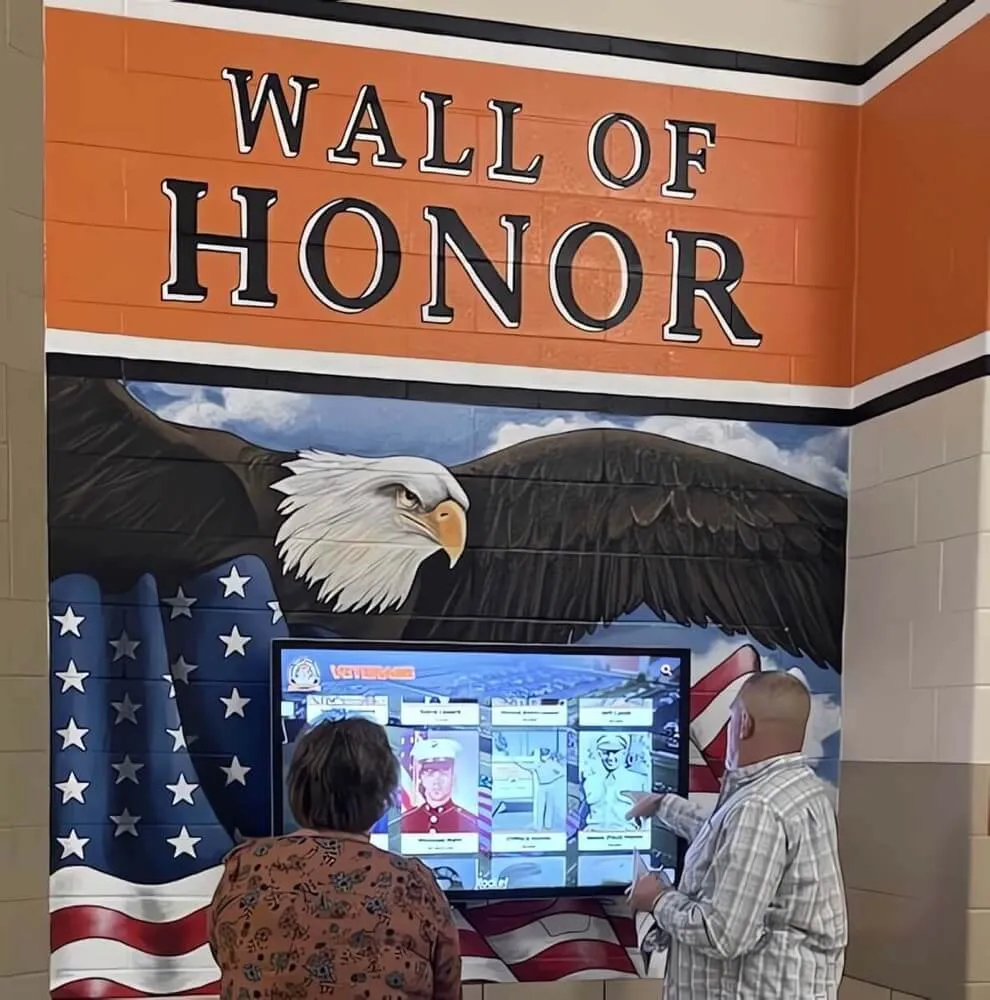
Digital walls of honor showcase extensive portrait galleries that would require enormous physical space using traditional plaque displays
Performing Arts and Creative Achievement
Music, Theatre, and Arts Recognition Performing arts programs use digital halls of fame to celebrate all-state musicians and ensemble members, theatre production achievements and lead performers, visual arts competition winners and exhibitions, literary achievement and publication recognition, and performing arts scholarship recipients and career success.
Digital format uniquely accommodates performing arts through video performance clips, audio recordings of musical performances, photo galleries of theatrical productions and visual artwork, and documentation of creative process and achievement journey—multimedia capabilities impossible with physical displays that transform recognition into artistic celebration that honors creative excellence appropriately.
Faculty, Staff, and Coaching Recognition
Educator and Administrator Celebration Organizations use digital halls of fame to honor teachers, coaches, and staff through career milestone recognition and retirement celebrations, teaching excellence awards and distinctions, coaching achievement and championship documentation, administrative leadership recognition, and distinguished service honoring decades of contribution.
Faculty and staff recognition proves particularly meaningful in digital format where comprehensive profiles can document decades of service impact, include testimonials from students or colleagues, feature retirement or award ceremony videos, and preserve institutional memory as valued community members conclude careers—creating lasting tribute that honors contribution appropriately while preserving organizational history for future generations.
Implementing a Digital Hall of Fame: Process and Considerations
Organizations considering digital hall of fame adoption benefit from understanding implementation processes, decision points, and success factors that determine program effectiveness.
Needs Assessment and Planning
Defining Recognition Objectives Successful implementation begins with clear objective definition including which achievement categories require recognition, what recognition selection criteria and processes exist, how historical recognition integrates with new systems, what stories and values recognition should communicate, and how recognition aligns with broader organizational goals around community building, fundraising, or recruitment.
These foundational decisions inform every subsequent implementation choice from technology selection to content organization and interface design. Organizations implementing recognition systems without clear objectives often create technically sophisticated displays with unclear purpose or community value—avoiding this pitfall requires strategic planning before technology evaluation.
Stakeholder Engagement Effective digital halls of fame reflect broad community input gathered through stakeholder engagement including recognition committees or hall of fame boards providing selection criteria input, athletic directors, academic leaders, and program directors identifying achievement categories, alumni associations contributing historical knowledge and recognition priorities, development offices aligning recognition with fundraising strategies, and technology staff assessing technical requirements and infrastructure needs.
This engagement ensures implementation serves authentic community needs rather than pursuing technology for its own sake—creating recognition systems that generate genuine pride and engagement rather than impressive but underutilized displays.
Technology Selection and Vendor Evaluation
Evaluating Digital Hall of Fame Platforms Organizations selecting technology should assess platforms against comprehensive criteria including content management system usability for non-technical administrators, interface customization supporting organizational branding and recognition structure, multimedia capabilities accommodating diverse content types, scalability supporting recognition library growth, mobile integration extending access beyond physical displays, analytical capabilities providing engagement insights, security protecting recognition content integrity, vendor experience and educational sector expertise, implementation support and training resources, and total cost of ownership including ongoing subscription or support fees.
Educational organizations should prioritize vendors with relevant sector experience who understand school environments, achievement categories, and common implementation challenges. Solutions like Rocket Alumni Solutions provide purpose-built platforms designed specifically for educational recognition needs with appropriate templates, workflows, and support structures.
Hardware and Installation Considerations Display hardware selection requires attention to screen size appropriate for viewing distance and content density, touchscreen technology quality and responsiveness, commercial-grade durability for continuous operation, mounting options and physical installation requirements, connectivity needs and network infrastructure, power requirements and electrical access, and aesthetic integration with facility design and branding.
Installation planning must address optimal placement for visibility and traffic patterns, ADA compliance and accessibility requirements, lighting conditions and glare management, security considerations preventing theft or vandalism, and maintenance access for occasional hardware service—all factors influencing long-term program success and community engagement.
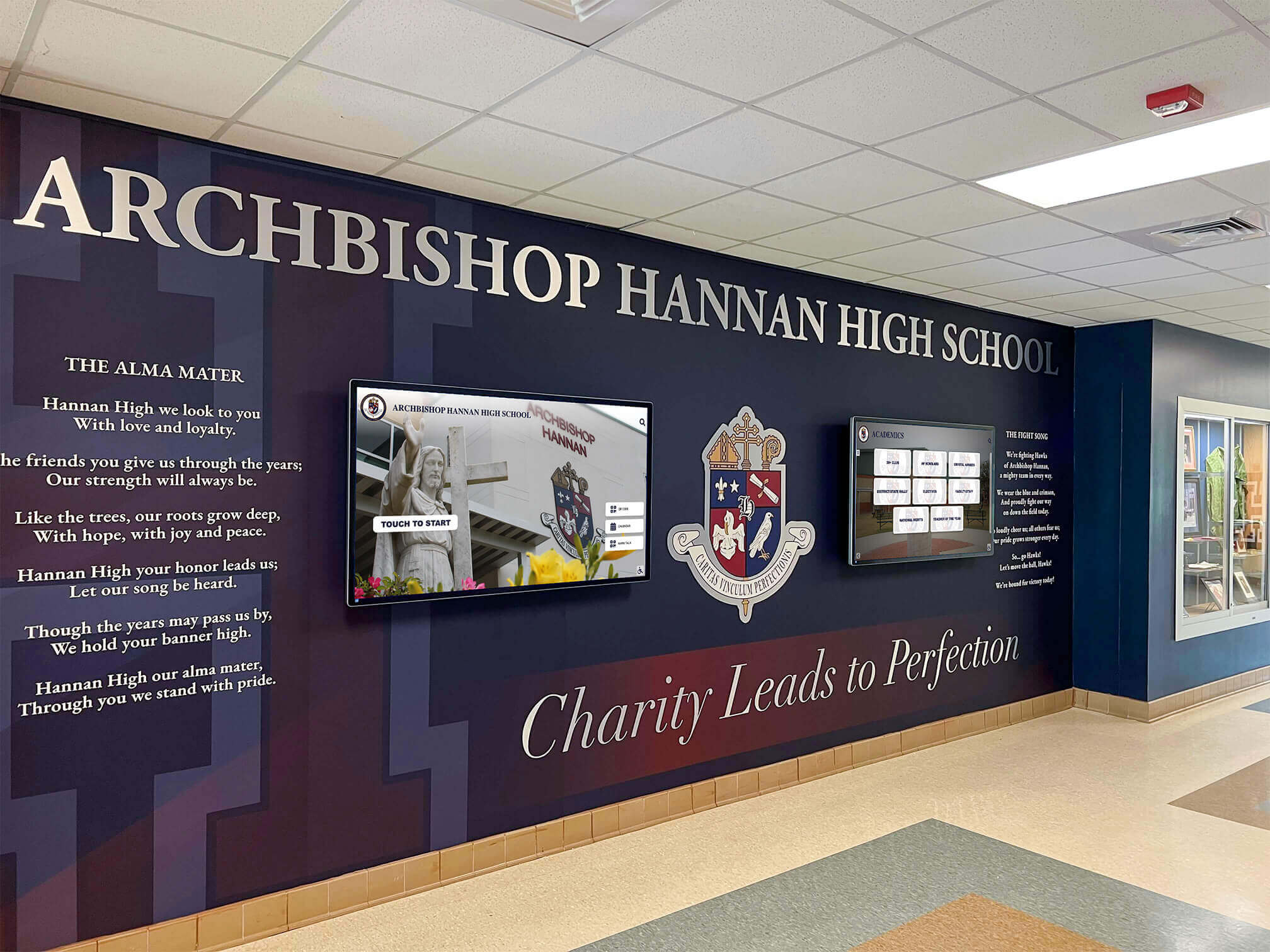
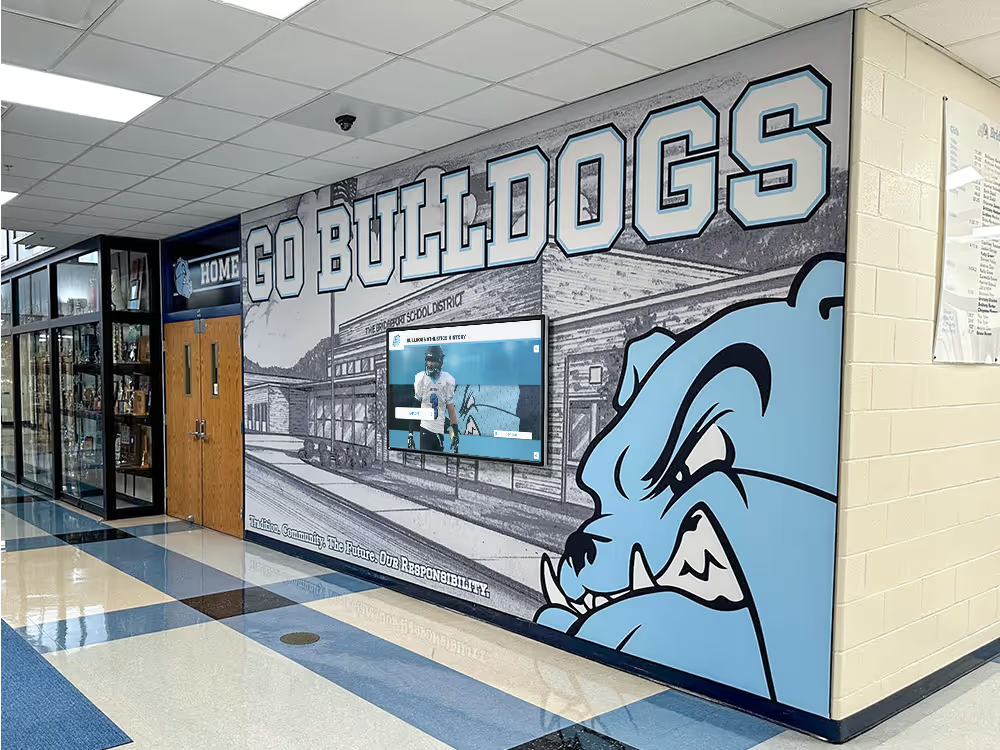
Digital hall of fame displays integrate thoughtfully with traditional school design elements, complementing rather than competing with existing architectural and decorative features
Content Development and Migration
Historical Content Collection Implementing comprehensive digital halls of fame requires systematic historical content gathering including existing plaque and recognition inventory, athletic record books and championship documentation, yearbook photo and achievement archives, newspaper clipping and publication collections, and alumni and community member contributions providing photos and information.
This content collection often proves more time-intensive than technology implementation itself, particularly for organizations with decades of recognition history but inconsistent documentation practices. Successful programs often phase content migration, launching with recent recognitions and high-priority historical achievements before systematically expanding historical coverage.
Content Quality Standards Digital platforms demand content quality standards ensuring professional, consistent recognition including minimum photo resolution requirements, standardized profile information fields, achievement documentation and verification processes, writing style and tone guidelines, and accessibility requirements for diverse users.
Establishing these standards before content creation prevents inconsistency that diminishes recognition professionalism and creates eventual rework as quality expectations evolve. Organizations implementing recognition systems should document content standards and train all content contributors accordingly.
Training, Launch, and Ongoing Management
Administrator and Content Manager Training Successful implementation requires training for all individuals who will manage recognition content including content management system navigation and operation, content creation workflows and quality standards, photo editing and media preparation, system troubleshooting and basic support, and analytics review and interpretation.
Vendors should provide comprehensive training during implementation, but organizations must ensure knowledge transfer to multiple staff members preventing single-person dependency that creates vulnerability when individuals change roles or leave organizations.
Community Launch and Promotion Digital halls of fame require active promotion generating awareness and encouraging engagement through formal dedication or unveiling ceremonies, integration into campus tours and admissions presentations, social media promotion highlighting new system, alumni communications encouraging virtual and in-person exploration, and student education ensuring current community understands recognition availability.
Organizations that simply install displays without promotional effort often experience disappointment with engagement levels—technology alone doesn’t guarantee utilization, requiring marketing and communication strategies that integrate recognition into community awareness and culture.
Ongoing Content Management and Updates Sustaining recognition value requires consistent ongoing management including prompt addition of new recognitions and achievements, annual content audits ensuring accuracy and currency, seasonal content featuring relevant to current programs or events, engagement analysis informing content optimization, and technical updates and system maintenance.
Organizations should assign clear responsibility for recognition management, budget appropriate time for ongoing administration, and establish processes ensuring consistent attention rather than neglect between major recognition ceremonies or milestones.
Comparing Digital and Traditional Recognition Approaches
Understanding the trade-offs between digital halls of fame and traditional physical recognition helps organizations make informed decisions aligned with their specific contexts and priorities.
When Digital Halls of Fame Excel
Space-Constrained Environments Digital solutions prove particularly advantageous when organizations face severe physical space limitations for recognition, need to consolidate scattered recognition into centralized locations, want to honor significantly more individuals than space permits, or plan facility renovations where flexible recognition solutions provide advantages.
Large Recognition Libraries Organizations with extensive recognition needs spanning multiple achievement categories, covering decades of institutional history, honoring hundreds or thousands of individuals, or adding dozens of new recognitions annually benefit from digital approaches that accommodate scale impossible with physical methods.
Dynamic Recognition Programs Digital formats suit organizations that frequently update recognition content, maintain statistical records or performance data, celebrate both historical and contemporary achievements, or want seasonal or event-driven content highlighting relevant recognitions.
Technology-Forward Institutional Culture Schools and organizations that prioritize technological innovation, already utilize digital communication extensively, have technical infrastructure supporting digital systems, and have community populations comfortable with digital interaction find digital halls of fame align naturally with existing culture and communication approaches.
When Traditional Recognition Remains Valuable
Limited Budgets and Technical Resources Organizations with constrained budgets unable to invest in digital systems, limited technical infrastructure supporting displays, minimal staff capacity for ongoing digital content management, or uncertainty about long-term program sustainability may find traditional approaches more appropriate given resource realities.
Small Recognition Scales Programs recognizing limited individuals annually, having small total recognition populations, or focusing on highly selective recognition categories may find traditional plaques sufficient without requiring digital scale and functionality.
Traditional Institutional Culture Some communities deeply value traditional recognition approaches, prefer permanence and tangibility of physical plaques, have resistance to technology adoption, or view digital recognition as less prestigious than traditional methods—cultural factors that influence technology acceptance and engagement regardless of functional advantages.
Hybrid Approaches Combining Methods
Many organizations implement hybrid recognition strategies that combine digital and traditional elements capturing advantages of both approaches:
Featured Physical Recognition with Digital Archives Displaying the most prestigious or recent recognitions through traditional plaques while maintaining comprehensive digital archives accessible through touchscreens or web platforms provides tangibility and permanence for top honors while enabling unlimited digital recognition space for broader achievement celebration.
Traditional Trophies with Digital Storytelling Maintaining physical trophies and championship recognition while adding digital displays that provide story, context, and multimedia documentation combines the iconic nature of physical symbols with digital storytelling depth that brings achievements to life.
Complementary Placement Installing digital halls of fame in high-traffic areas for engagement and discovery while maintaining traditional recognition in specific program areas like team rooms, practice facilities, or department offices creates layered recognition serving different purposes and audiences.
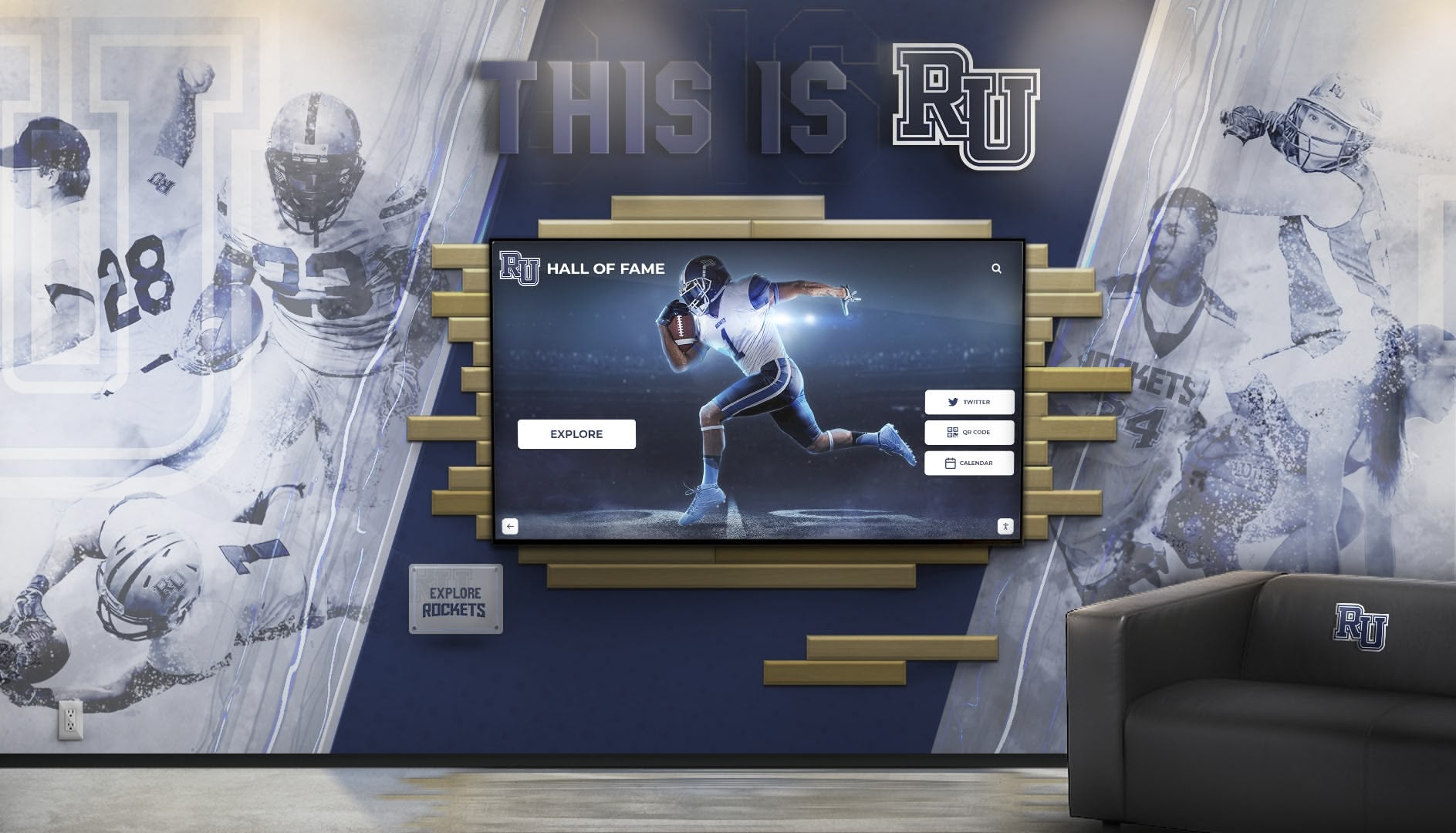
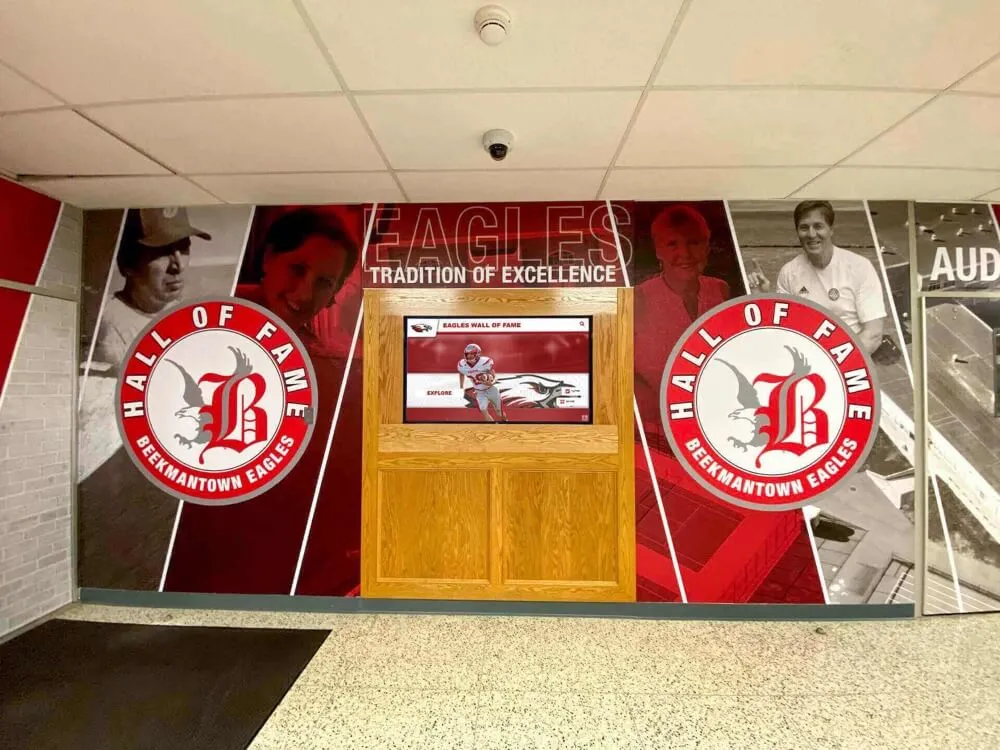
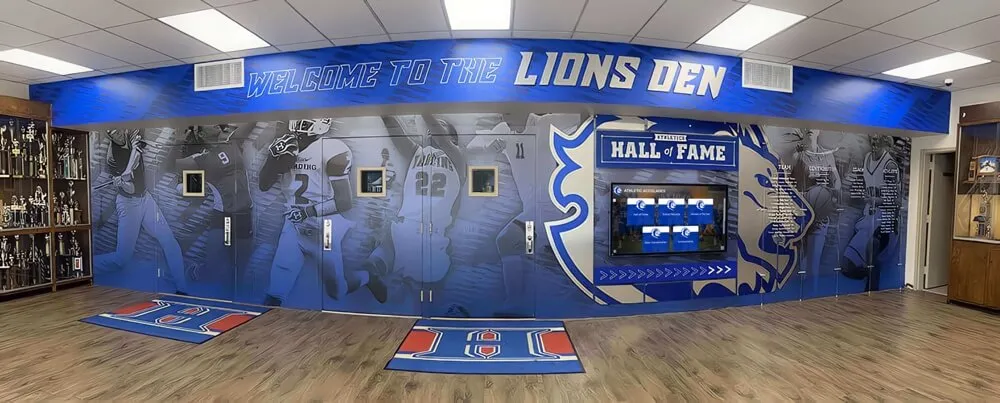
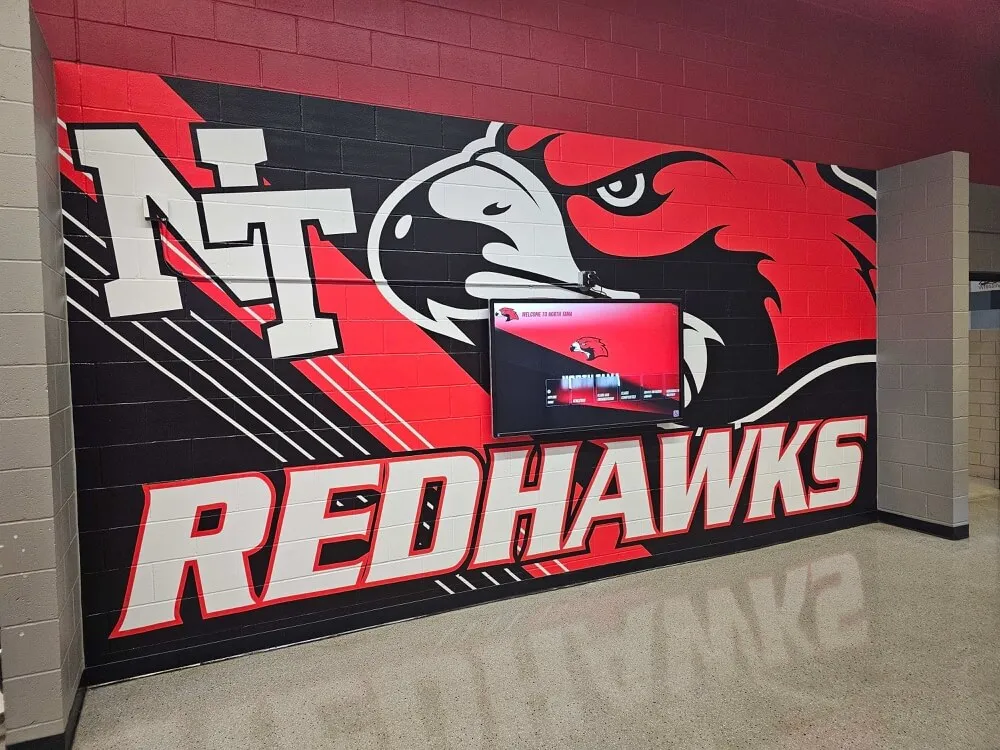
Hybrid recognition approaches combine traditional painted murals with digital interactive displays, honoring institutional tradition while embracing modern engagement technology
Digital Hall of Fame Best Practices and Success Factors
Organizations achieving maximum value from digital halls of fame consistently implement proven practices that drive engagement and organizational impact.
Content Quality and Consistency
Comprehensive Profile Development Effective recognition profiles include all relevant information about achievements and honorees through multiple high-quality photos showing individuals during achievement periods, detailed achievement descriptions providing context and significance, complete statistics or performance data when applicable, biographical information connecting achievements to personal stories, and multimedia content like video when available.
Inconsistent profile quality—where some inductees receive comprehensive treatment while others get minimal documentation—diminishes overall recognition program credibility and perceived fairness. Organizations should establish minimum profile standards and apply them consistently across all recognition categories.
Accurate and Verified Information Recognition content must maintain accuracy regarding names, dates, achievement details, statistics and records, affiliation information, and biographical facts. Errors in recognition content create embarrassment, undermine program credibility, and can offend honorees and families who notice inaccuracies.
Implementing verification processes where honorees or families review profile content before publication prevents most errors while creating positive engagement opportunities that strengthen community connection with recognition programs.
Strategic Placement and Accessibility
High-Visibility Installation Locations Digital halls of fame achieve maximum impact when installed in areas with high traffic volume, extended dwell time enabling exploration, appropriate lighting and viewing conditions, clear sightlines from multiple directions, and strategic importance for organizational identity.
Common effective placements include main entrance lobbies where visitors form first impressions, athletic facility lobbies where fans gather before and after competitions, cafeterias or common areas where communities congregate regularly, and near administrative offices where prospective families tour facilities.
Multi-Access Recognition Strategy While physical touchscreen displays serve as recognition anchors, effective programs extend access through mobile-responsive websites enabling off-site exploration, QR codes throughout facilities linking to recognition content, social media highlighting featured inductees and achievements, printed programs at recognition ceremonies, and integration with digital yearbook and alumni platforms.
This multi-channel approach recognizes that community members engage with recognition content in diverse contexts and formats, multiplying program reach and impact beyond physical display limitations.
Community Engagement and Recognition Integration
Active Promotion and Awareness Building Digital halls of fame require ongoing promotion generating sustained engagement through regular social media featuring specific inductees or achievement categories, integration into admissions tours and prospective family experiences, featured content during athletic events and school programs, alumni communications encouraging exploration and reconnection, and student education ensuring current community awareness.
Organizations that treat digital halls of fame as “install and forget” technology typically experience disappointing engagement—recognition requires active integration into community communication and culture.
Recognition Ceremony Integration Formal recognition ceremonies provide opportunities to generate excitement about digital documentation through live demonstration during induction ceremonies showing new inductee profiles, QR codes on ceremony programs linking to comprehensive digital profiles, social media promotion encouraging online exploration, photo opportunities at displays following ceremonies, and family messaging encouraging sharing of digital recognition.
These integrations connect formal recognition moments with ongoing digital celebration, ensuring ceremonies launch rather than conclude recognition engagement.
Analytics and Continuous Improvement
Engagement Monitoring and Analysis Organizations should regularly review recognition system analytics identifying most-viewed profiles and categories revealing community interests, navigation patterns showing how visitors explore content, peak usage times suggesting optimal promotional moments, search terms indicating information needs, and content abandonment points suggesting navigation issues.
These insights inform content development priorities, interface optimization opportunities, and promotional strategies that align with demonstrated community interests and behaviors.
Feedback Collection and Incorporation Systematic feedback collection through direct user observation, formal surveys or feedback mechanisms, stakeholder interviews, and honoree and family input identifies opportunities for recognition program improvement including content gaps requiring attention, interface navigation challenges, technical issues affecting user experience, and strategic opportunities for expanded recognition.
Organizations that view digital halls of fame as evolving programs requiring continuous refinement rather than completed projects achieve substantially greater long-term value and community impact.
Future Trends in Digital Hall of Fame Technology
Digital recognition technology continues evolving with emerging capabilities creating new possibilities for engagement and celebration.
Artificial Intelligence and Personalization
Advanced digital halls of fame increasingly incorporate AI capabilities including personalized content recommendations based on user interests, automated content tagging and organization, voice interaction and natural language search, facial recognition enabling automatic individual identification from historical photos, and predictive analytics suggesting recognition candidates based on achievement patterns.
These AI enhancements make extensive recognition libraries more navigable and discoverable while reducing administrative burden for content organization and management.
Extended Reality and Immersive Experiences
Emerging technologies enable more immersive recognition experiences through augmented reality overlaying historical content on current facilities, virtual reality recreating historical moments or achievement contexts, 3D athlete models and performance visualization, and spatial computing enabling gesture-based content interaction.
While these technologies remain experimental in recognition applications, they demonstrate potential for future enhancement beyond current touchscreen interfaces.
Advanced Analytics and Impact Measurement
Recognition systems increasingly incorporate sophisticated measurement capabilities quantifying recognition program impact through engagement metrics demonstrating community interaction, correlation analysis linking recognition visibility to fundraising or recruitment outcomes, longitudinal tracking showing how recognition influences institutional pride and culture, and predictive modeling identifying recognition strategies with greatest community impact.
These analytical capabilities help organizations optimize recognition investments and demonstrate tangible value beyond intrinsic celebration importance.
Conclusion: The Recognition Revolution Transforming Community Celebration
Digital halls of fame represent fundamental transformation in how organizations honor achievements, preserve history, and inspire future excellence. By replacing space-limited, static recognition approaches with dynamic, engaging, and unlimited digital systems, organizations create recognition experiences that serve communities comprehensively while building pride and celebrating diverse achievements equitably.
The transition from traditional to digital recognition reflects broader technological transformation affecting all aspects of organizational communication and community engagement. Organizations that embrace this evolution position themselves to honor their communities authentically while creating inspiring environments that motivate current members and preserve institutional memory for future generations.
Whether implementing athletic recognition celebrating championship traditions, academic systems honoring scholarly excellence, alumni displays documenting distinguished graduate success, or comprehensive programs recognizing diverse community achievements, digital halls of fame enable organizations to celebrate accomplishments more completely, more equitably, and more inspiringly than traditional approaches ever could.
For schools, universities, athletic programs, and community organizations evaluating recognition options, digital halls of fame offer clear advantages in capacity, flexibility, engagement, and long-term value. Solutions like Rocket Alumni Solutions provide purpose-built platforms designed specifically for educational recognition needs with intuitive content management, comprehensive feature sets, and implementation support that accelerates program launch and ensures ongoing success.
The question facing organizations today isn’t whether digital recognition will replace traditional approaches—that transformation is already underway throughout leading institutions. The strategic question is when to embrace this evolution and how to implement digital halls of fame that authentically celebrate your community’s unique achievements while creating recognition experiences that inspire pride and excellence for generations to come.
Ready to explore how a digital hall of fame might transform recognition at your school or organization? Talk to our team to discover how interactive recognition displays can honor your community comprehensively while building lasting pride and celebrating achievements that matter most to your members.