School budgets rarely cover everything students need to succeed. Between athletic equipment, academic competitions, arts programs, and facility improvements, the gap between allocated funding and actual requirements continues growing—leaving many programs struggling to provide quality experiences. That’s where booster clubs step in.
A booster club is a volunteer organization composed of parents, community members, and supporters who raise funds and provide advocacy for specific school programs or activities. Operating as independent nonprofit entities, booster clubs bridge funding gaps that prevent programs from reaching their full potential, enabling students to access opportunities that wouldn’t otherwise exist.
Yet many parents, educators, and community members remain uncertain about what booster clubs actually do, how they operate, who can participate, and whether starting one makes sense for their school. This comprehensive guide answers these questions while providing practical frameworks for understanding, launching, and managing booster organizations that deliver meaningful impact for students and programs.
More than just fundraising machines, effective booster clubs create communities of engaged supporters who advocate for programs, volunteer countless hours, and build traditions that strengthen schools for generations. Understanding how booster clubs function—and how to structure them for maximum effectiveness—empowers schools to leverage community support systematically rather than relying on sporadic, disorganized efforts.

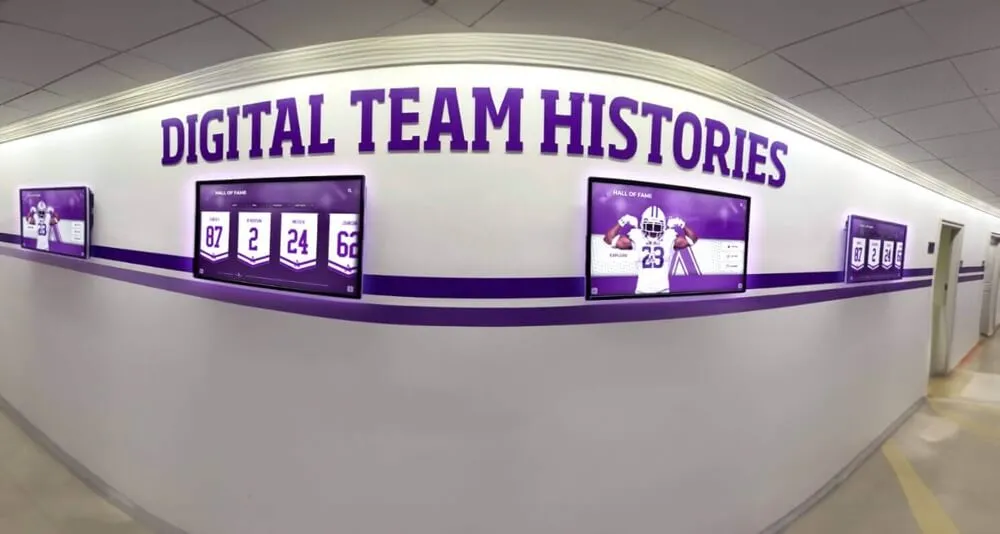
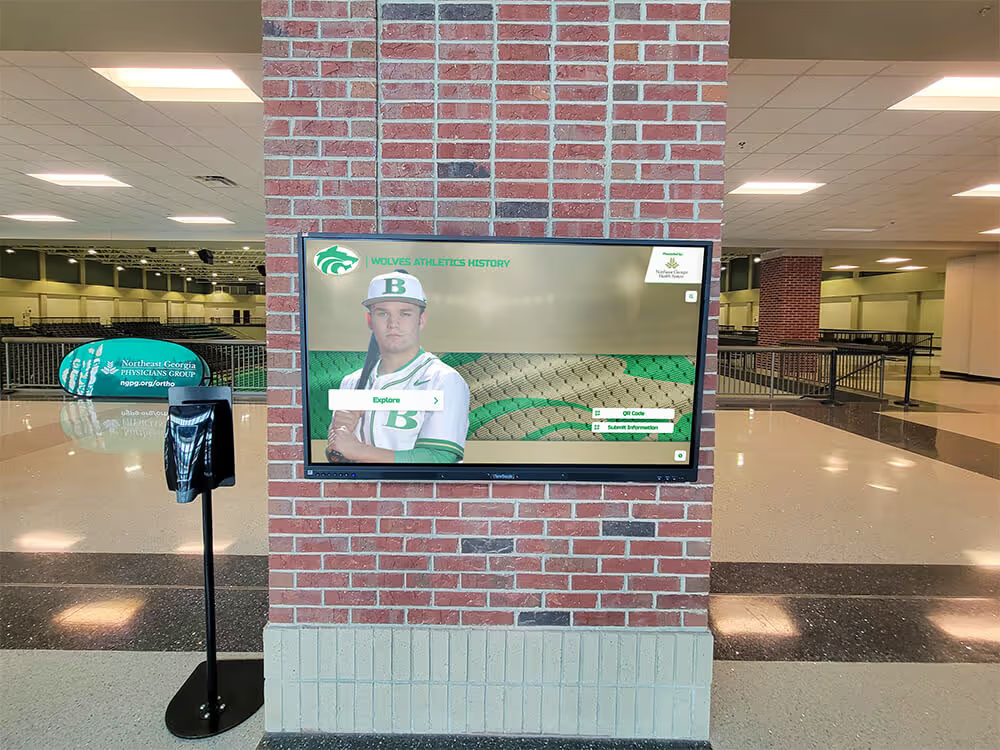
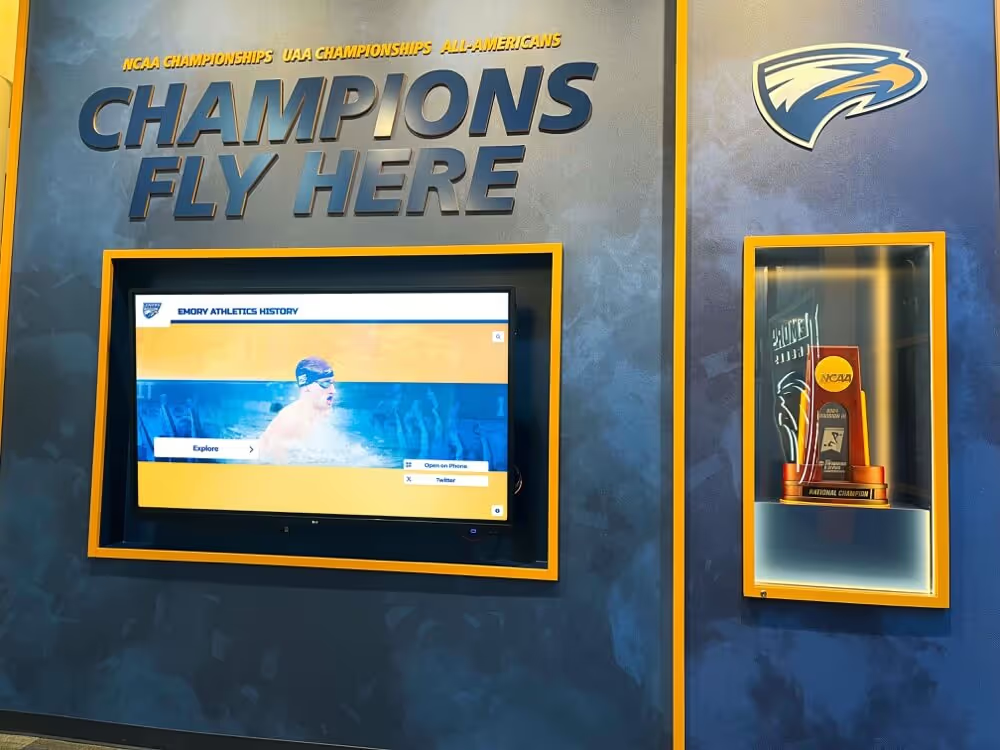
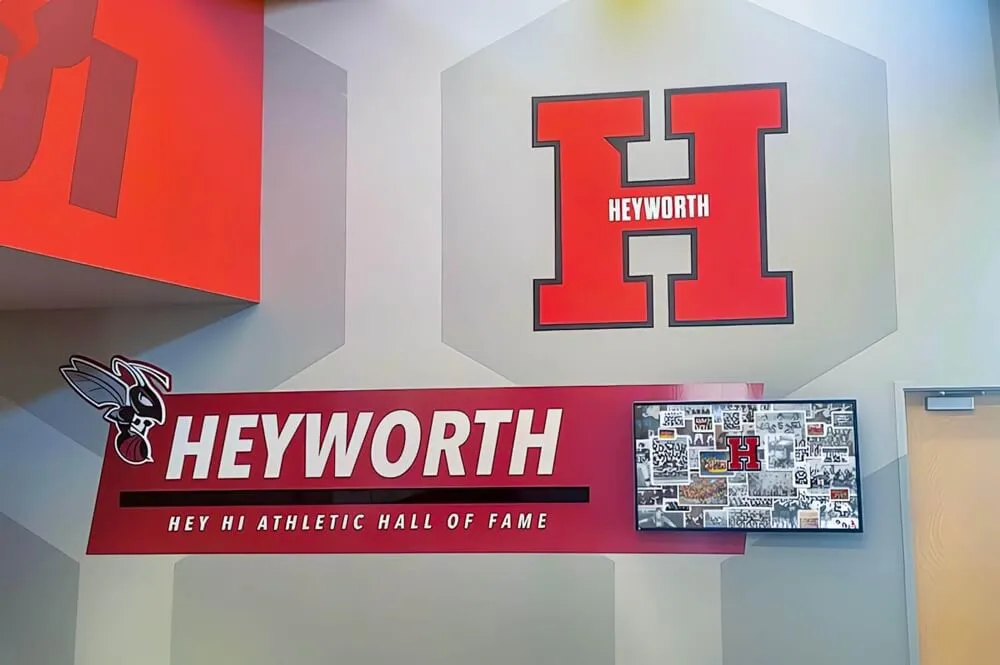
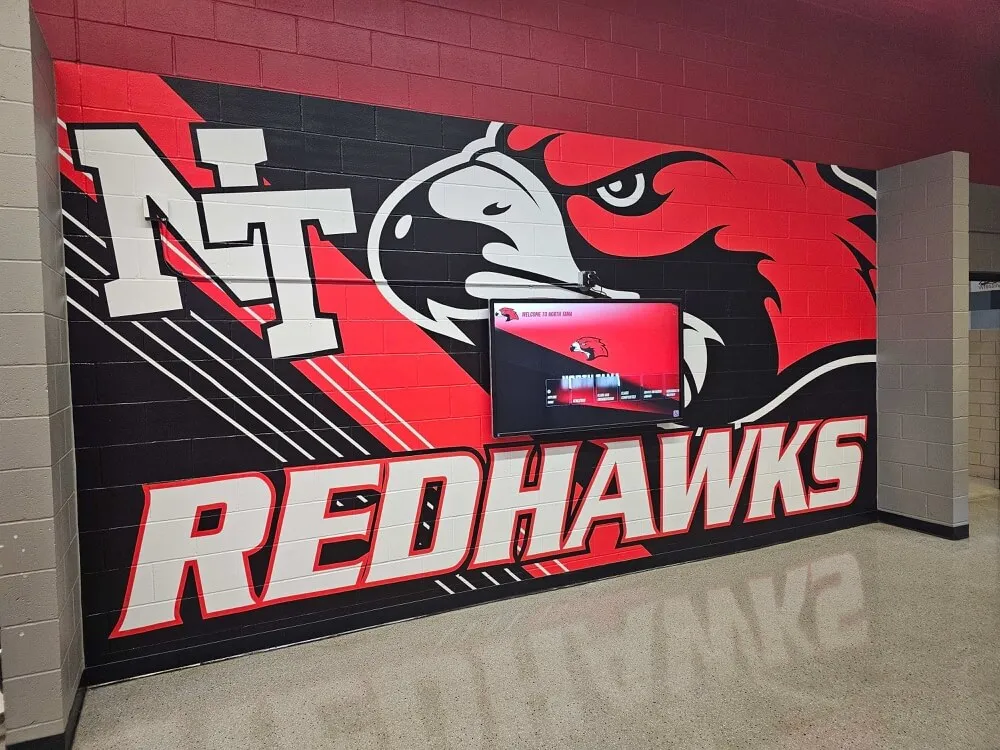
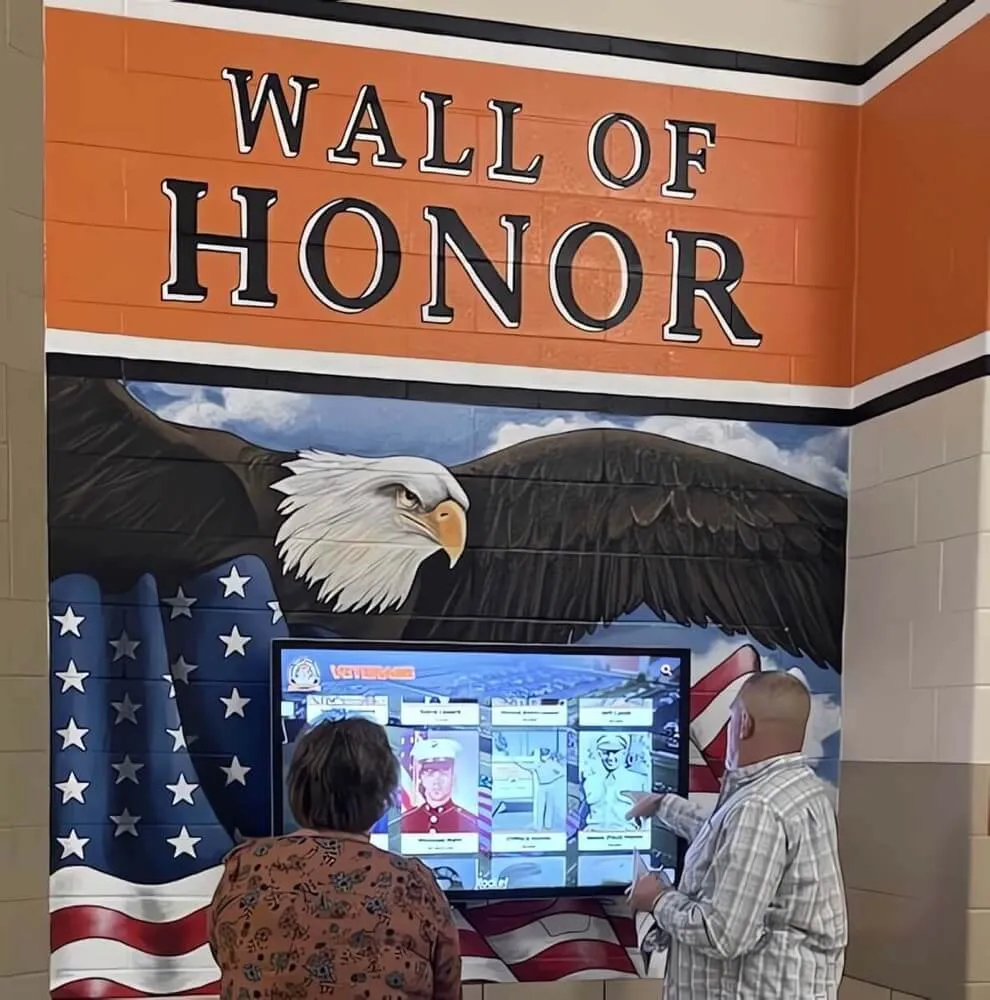
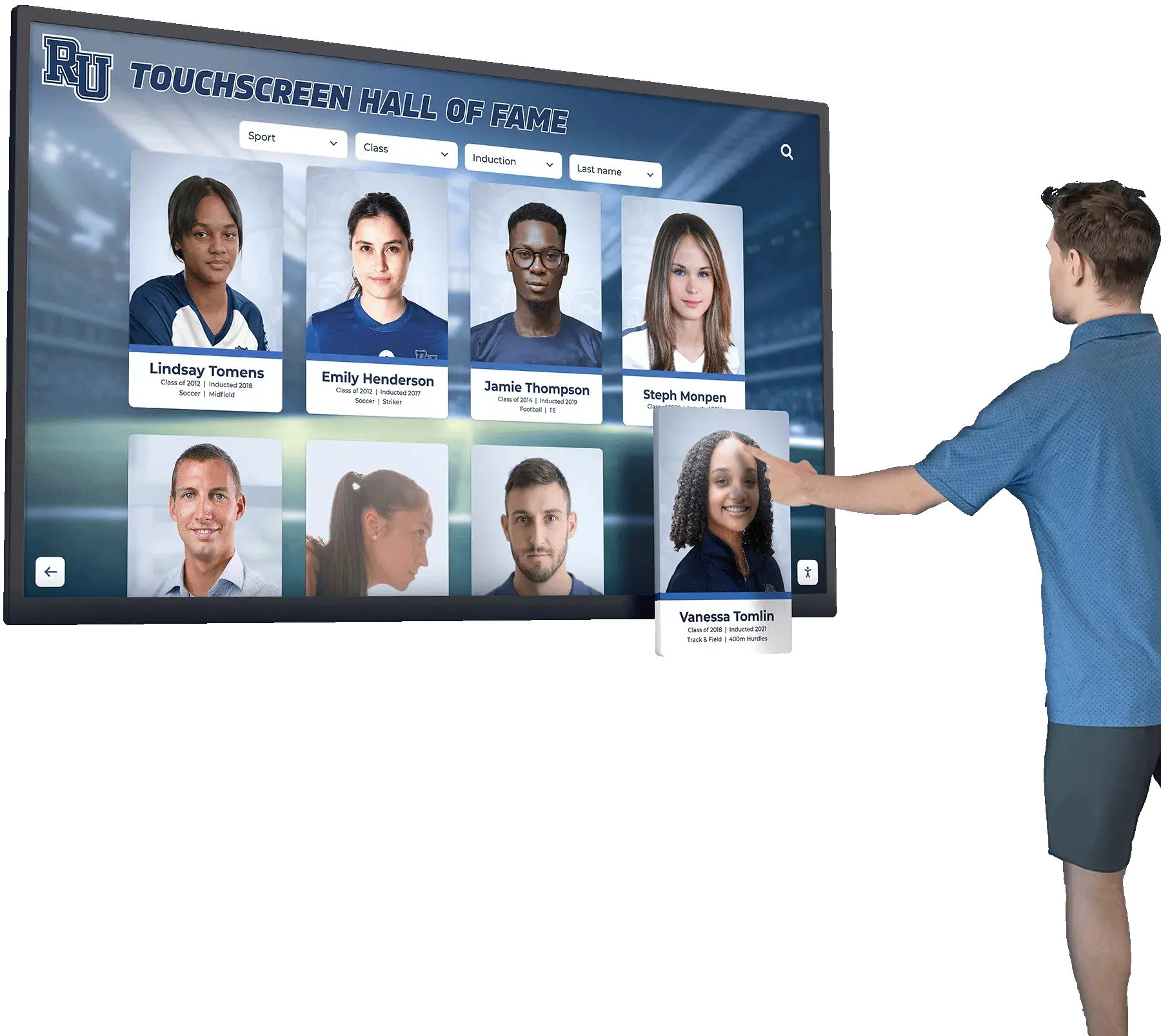
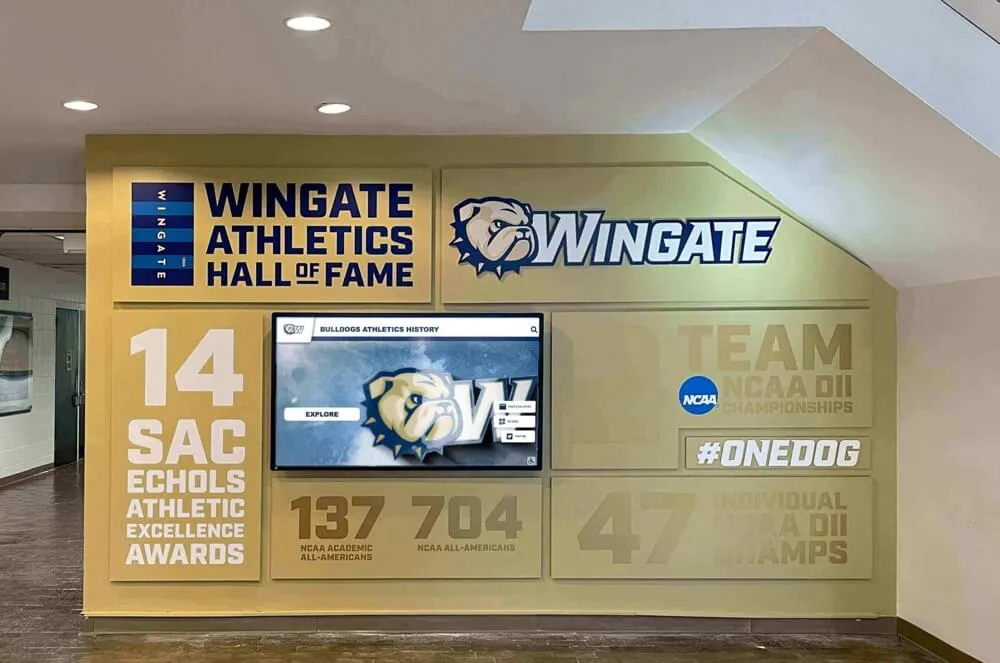
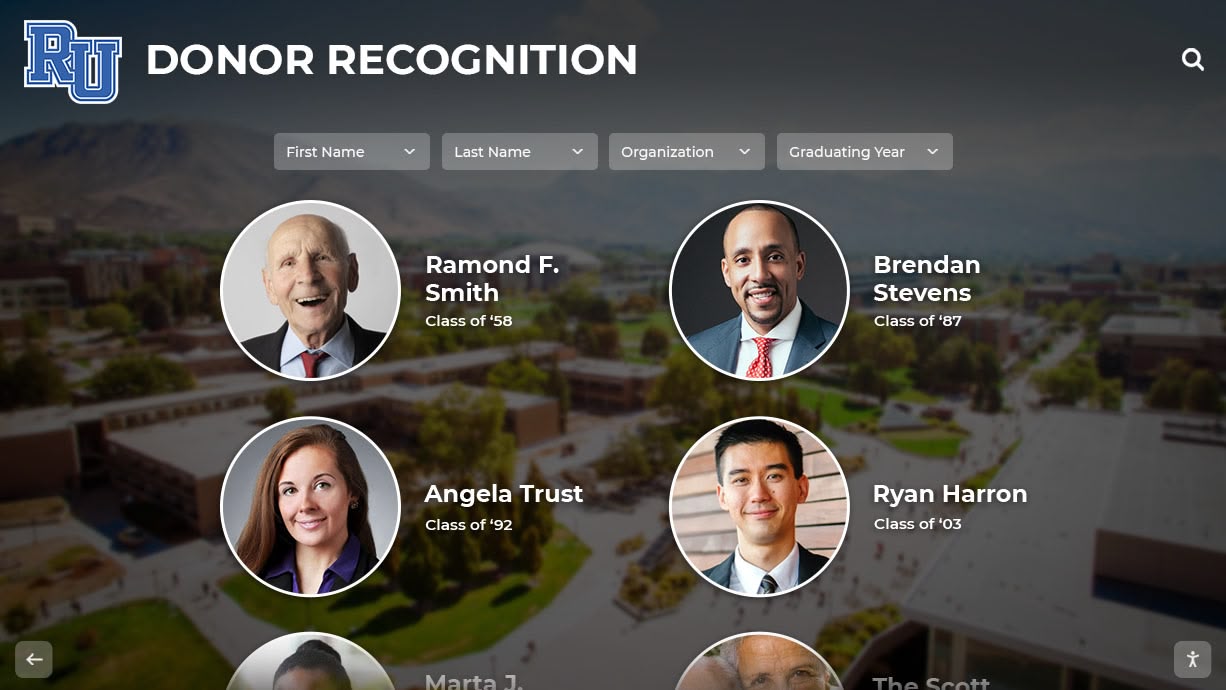
Modern recognition systems honor booster club contributors while demonstrating the impact of community support on student programs
Understanding Booster Clubs: Purpose and Function
Before launching or joining a booster organization, understanding their fundamental purpose and operation ensures alignment with school needs and community capacity.
What Exactly Is a Booster Club?
Core Definition A booster club is a volunteer-driven nonprofit organization formed to support specific school programs through fundraising, advocacy, and operational assistance. Unlike general parent-teacher organizations that support entire schools broadly, booster clubs focus resources on particular programs—most commonly athletics, though successful boosters support band, choir, drama, debate, robotics, and virtually any school activity.
Legal Structure Legitimate booster clubs typically operate as 501(c)(3) nonprofit organizations, providing several important benefits:
- Tax-exempt status allowing clubs to retain more fundraising revenue
- Tax-deductible donations for contributors encouraging larger gifts
- Formal governance structures ensuring accountability and transparency
- Legal protection separating club liability from individual member liability
- Banking and financial management capabilities as recognized entities
Schools should strongly encourage booster clubs to pursue proper nonprofit status rather than operating as informal groups—the legitimacy, financial advantages, and legal protections far outweigh the modest filing requirements and ongoing compliance obligations.
Relationship with Schools Booster clubs exist independently from schools as separate legal entities, yet maintain close collaborative relationships:
- Clubs support school programs but don’t control curriculum or coaching decisions
- Schools provide guidance about program needs while clubs determine fundraising approaches
- Regular communication ensures club activities align with educational mission and values
- Formal agreements clarify responsibilities, expectations, and approved activities
- Administrative oversight maintains appropriate boundaries and accountability
This independent-yet-collaborative structure enables community members to support schools significantly while preserving appropriate separation between institutional governance and volunteer support organizations.
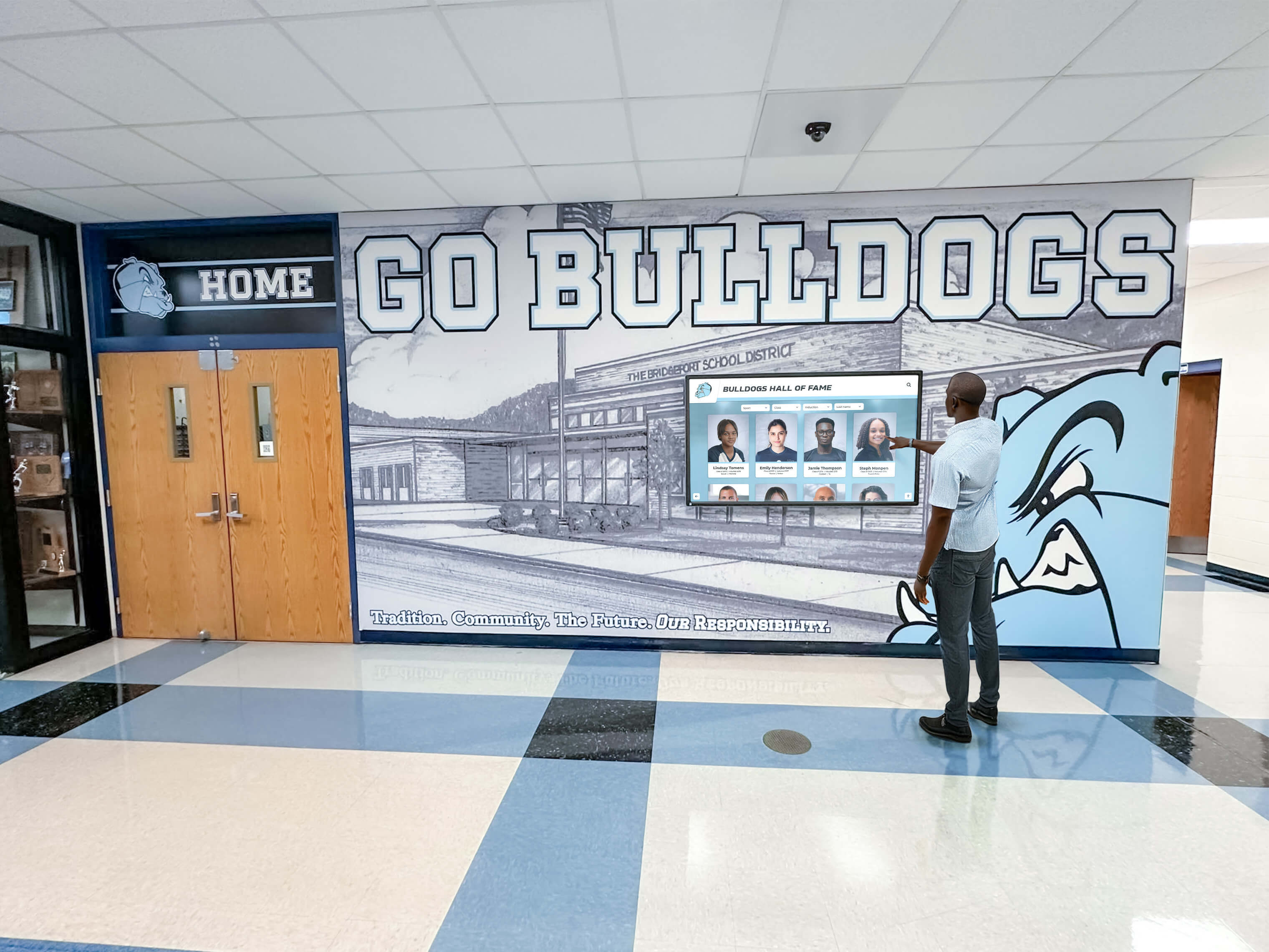
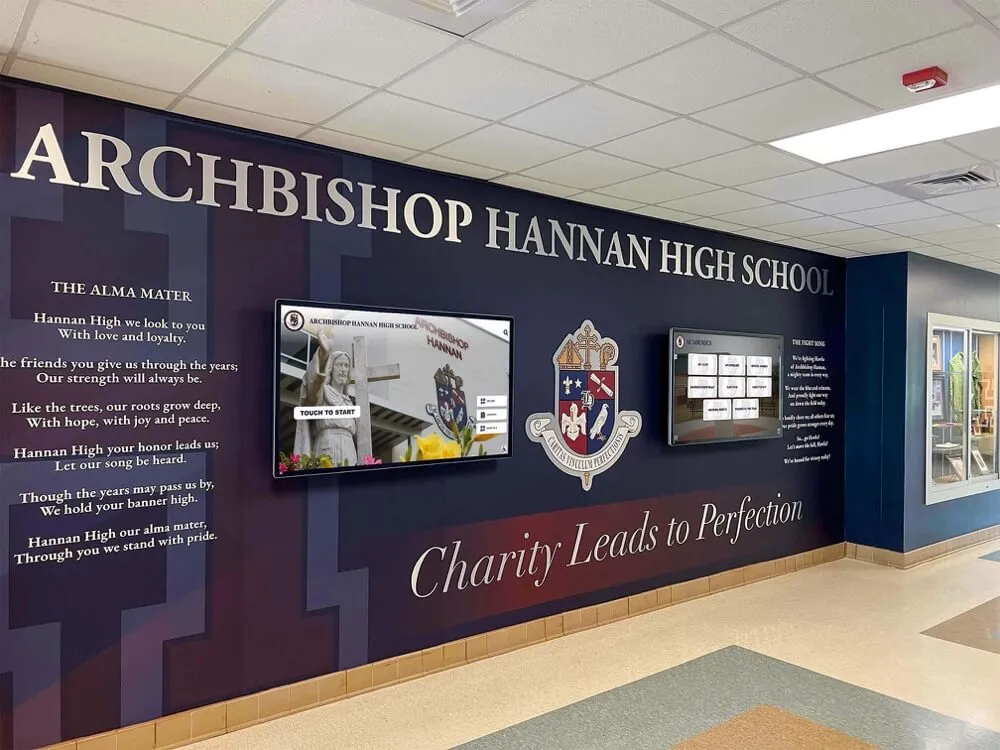
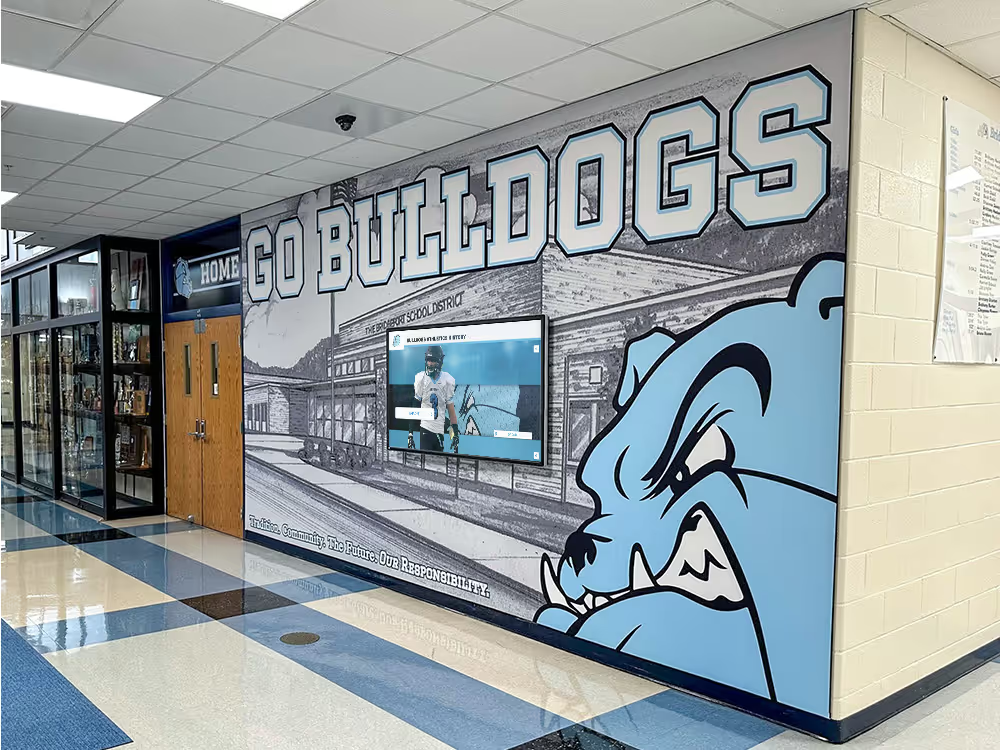
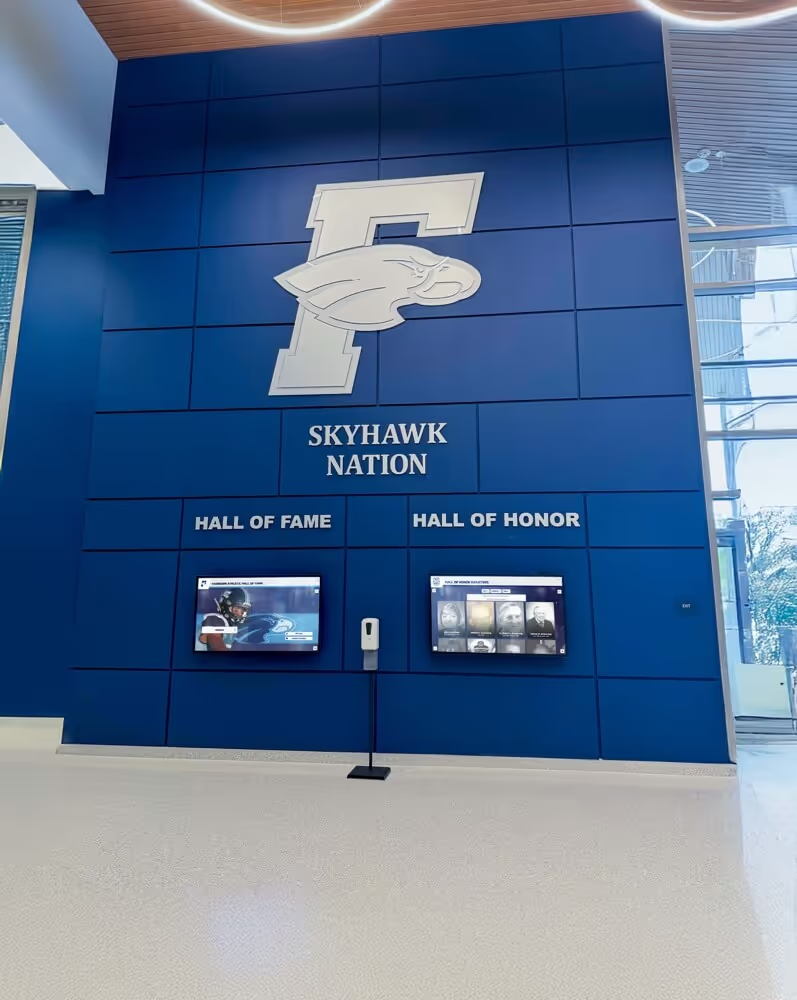
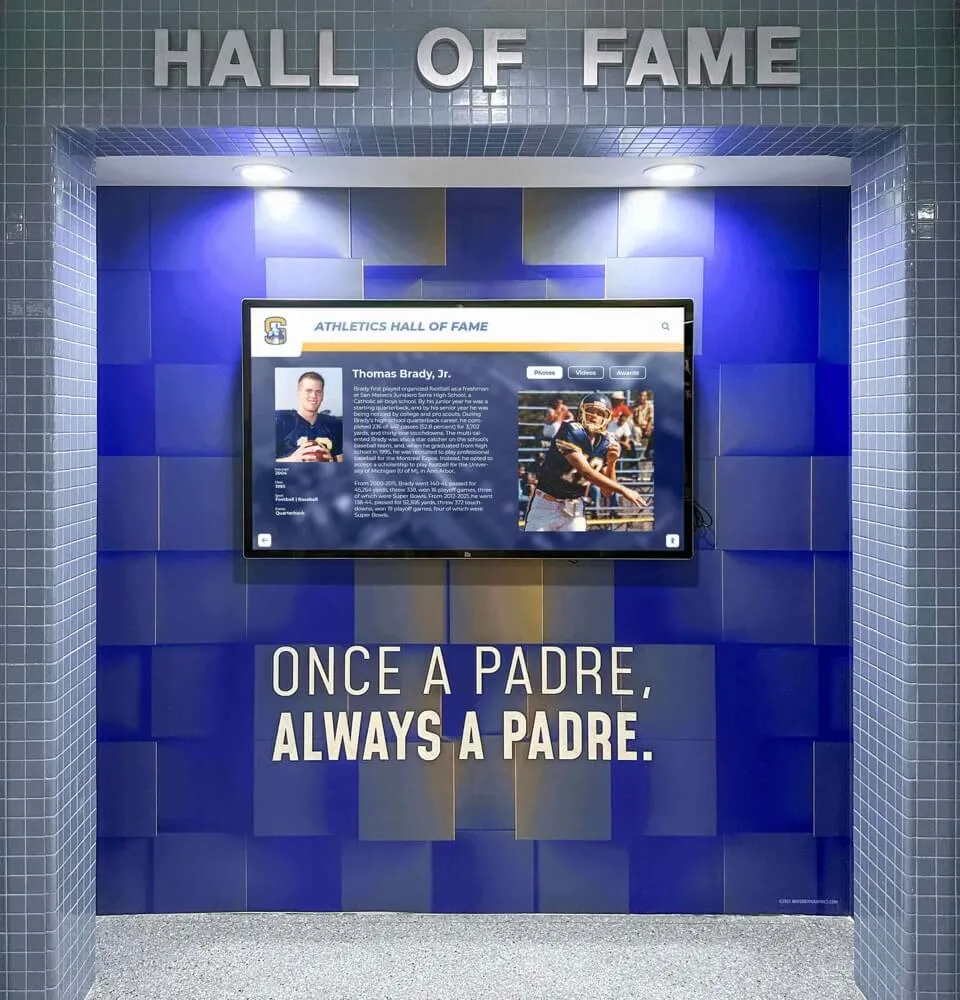
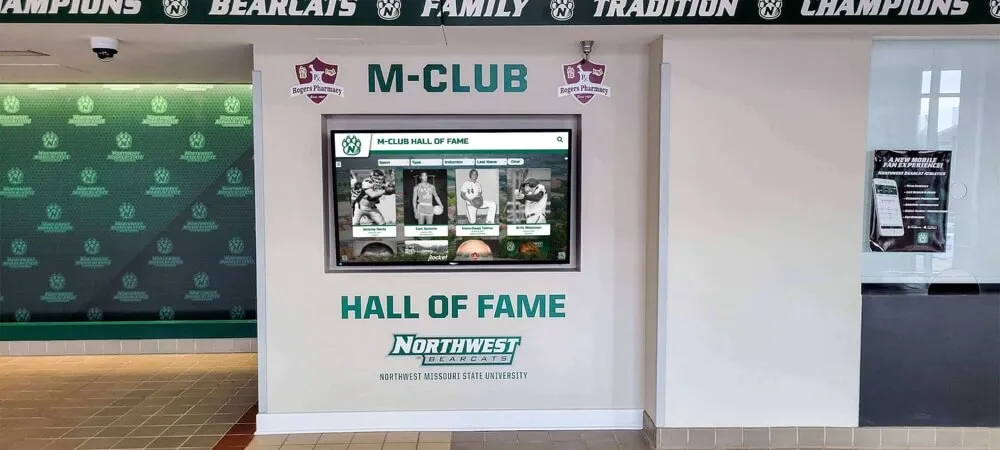
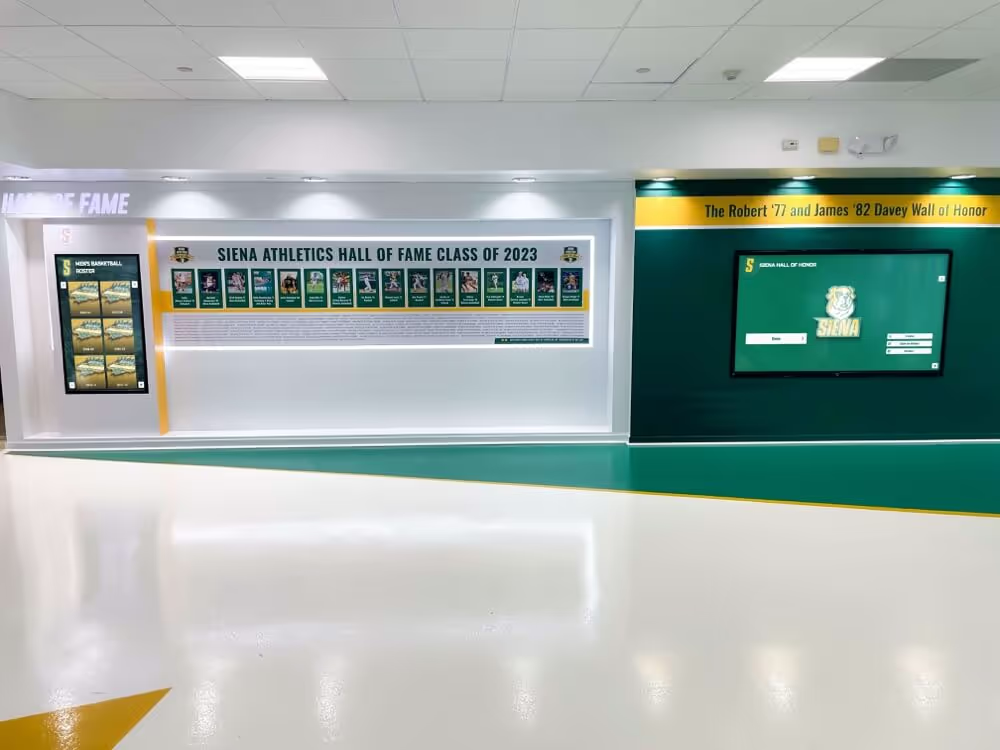
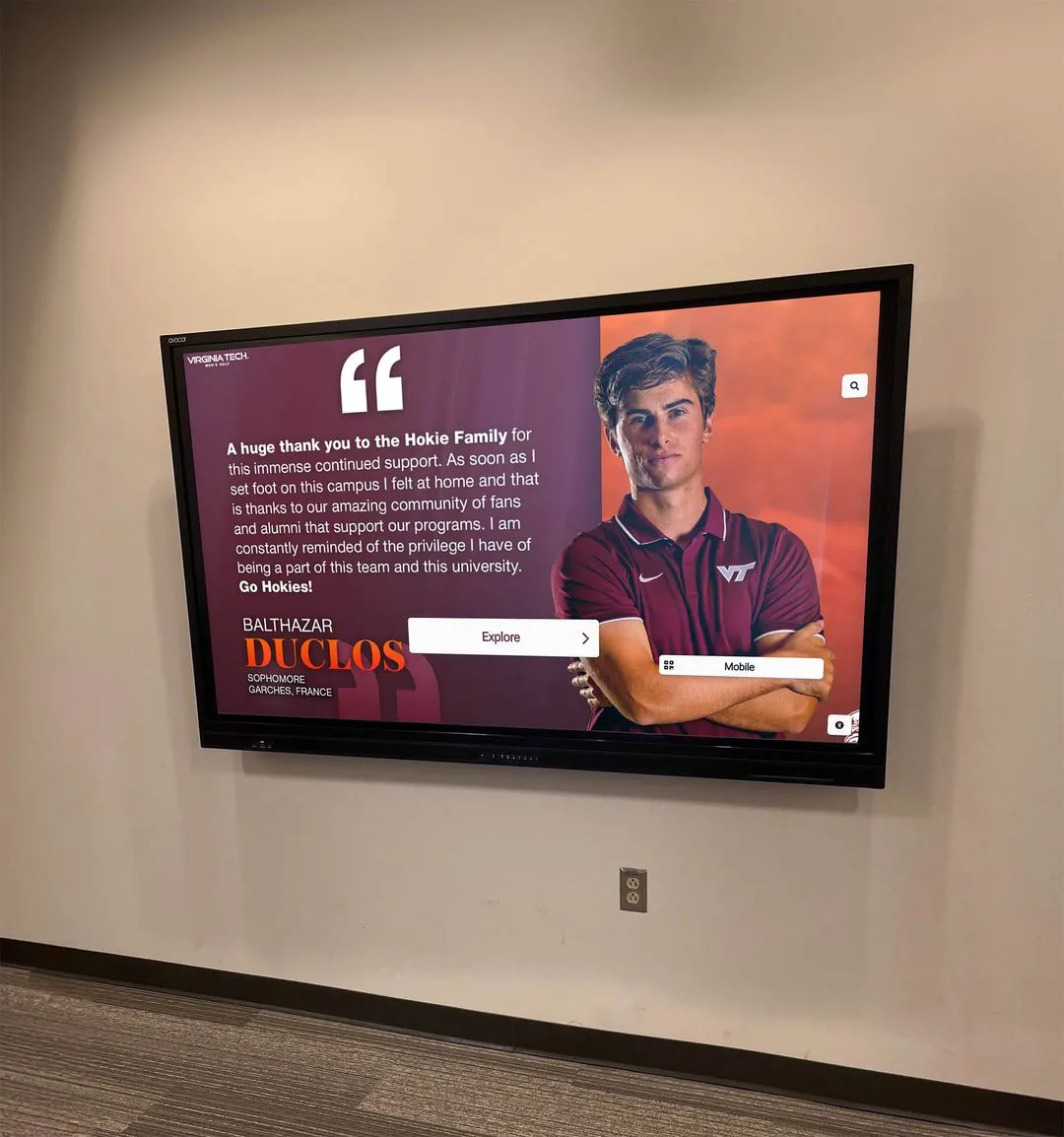
Interactive displays showcasing booster-funded achievements help supporters see their direct impact on student success
Primary Functions of Booster Clubs
Successful booster organizations fulfill several critical roles:
Fundraising and Financial Support The most visible booster function involves raising money for program needs:
- Equipment purchases that school budgets don’t cover fully
- Facility improvements enhancing training and competition environments
- Travel expenses for tournaments and competitions beyond local areas
- Scholarships and awards recognizing student achievement
- Program operational costs including uniforms, supplies, and fees
Athletic booster clubs at well-supported schools typically raise $50,000-$250,000 annually, with highly engaged organizations at larger schools generating $500,000 or more through diversified fundraising portfolios. Explore proven booster club fundraising ideas that generate sustainable revenue.
Volunteer Labor and Operational Support Beyond financial contributions, boosters provide essential human resources:
- Concession stand operations during athletic events
- Event coordination for competitions and performances
- Facility maintenance and improvement projects
- Transportation assistance for team travel
- Administrative support for coaches and program directors
- Recognition and celebration event planning
This volunteer labor delivers value often exceeding direct financial contributions—enabling programs to operate effectively without requiring paid staff for every operational need.
Advocacy and Community Building Effective boosters amplify program visibility and support:
- Community awareness campaigns highlighting program value and achievements
- School board and administrative advocacy for program resources and priorities
- Alumni network cultivation maintaining connections with former participants
- Sponsor and partner recruitment expanding financial and material support
- Recognition systems celebrating achievements and motivating continued excellence
This advocacy function proves particularly valuable during budget discussions when programs face potential cuts—organized booster communities demonstrate public support that influences decision-maker priorities.
Recognition and Celebration Systematic acknowledgment strengthens booster effectiveness:
- Honoring donor contributions through appropriate recognition systems
- Celebrating student achievements systematically throughout seasons
- Acknowledging volunteer efforts motivating continued engagement
- Building traditions that connect current participants with program history
- Creating visible impact demonstrating how support benefits students
Modern digital recognition solutions enable booster clubs to honor every contributor meaningfully while showcasing the achievements their support makes possible—creating positive feedback loops that encourage sustained giving.
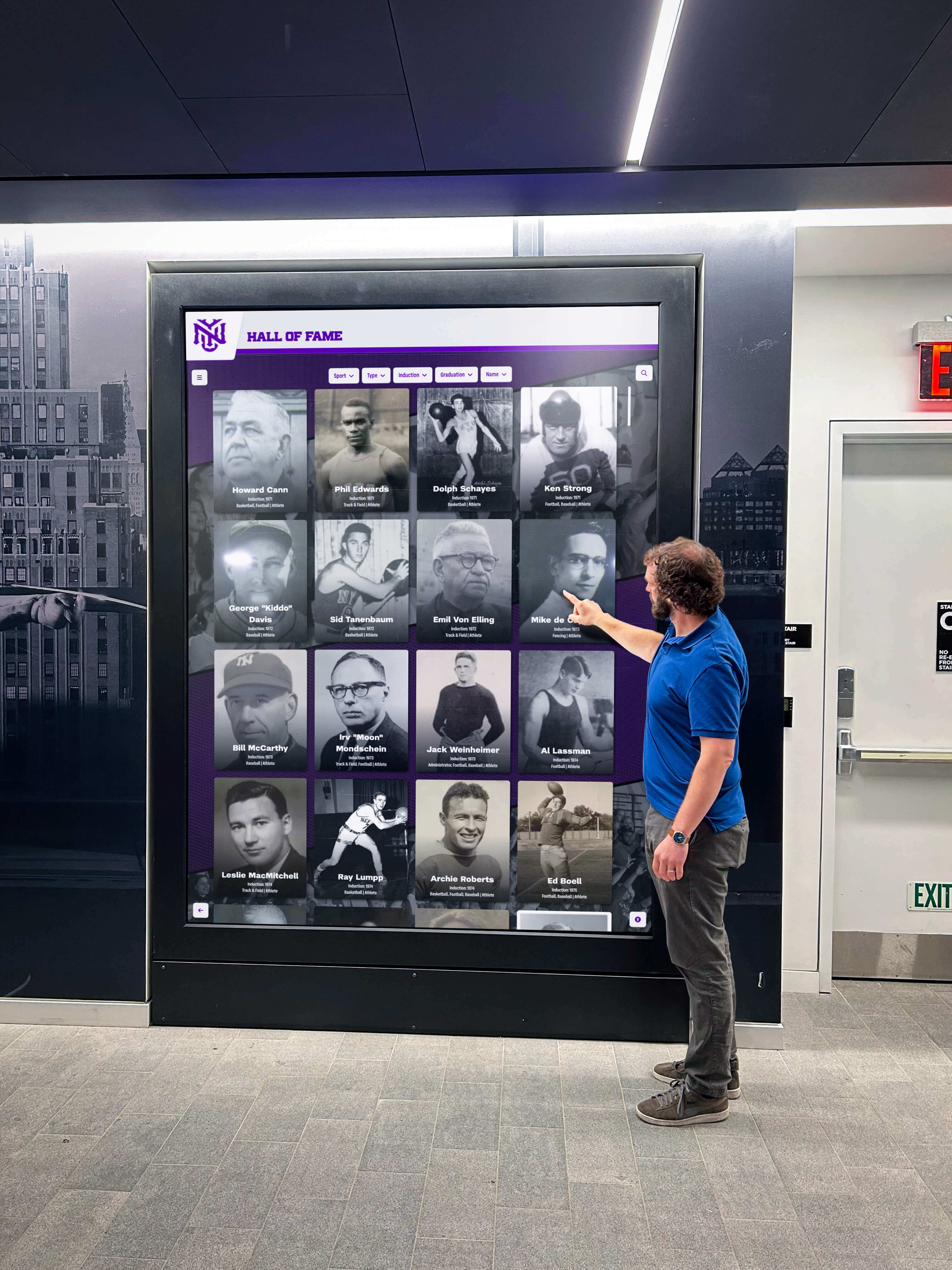
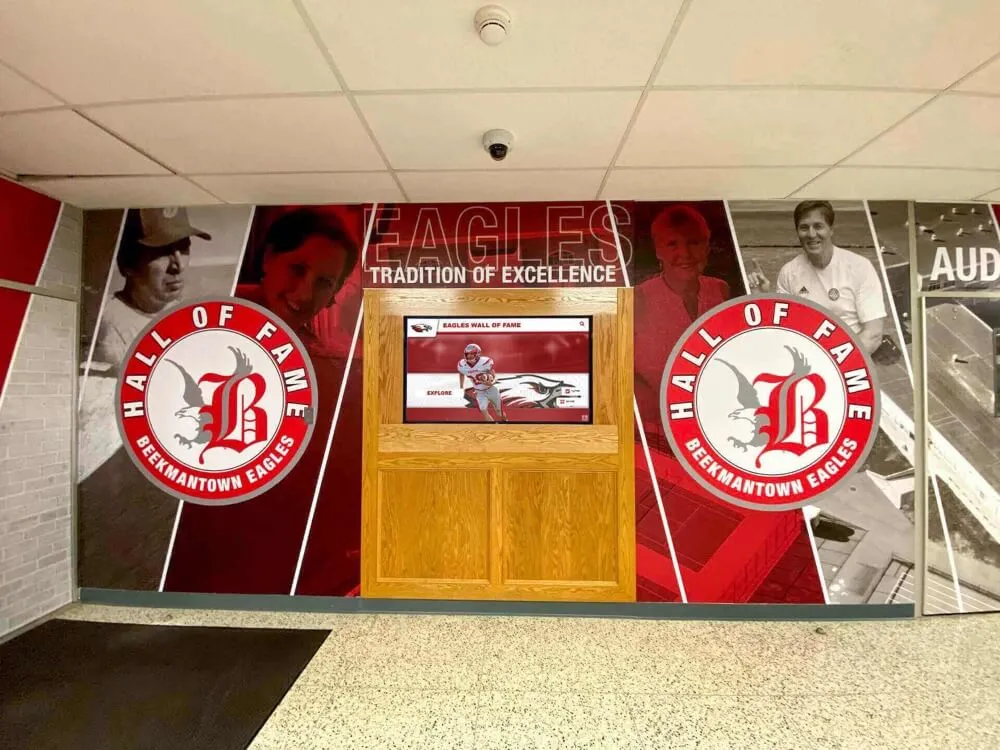
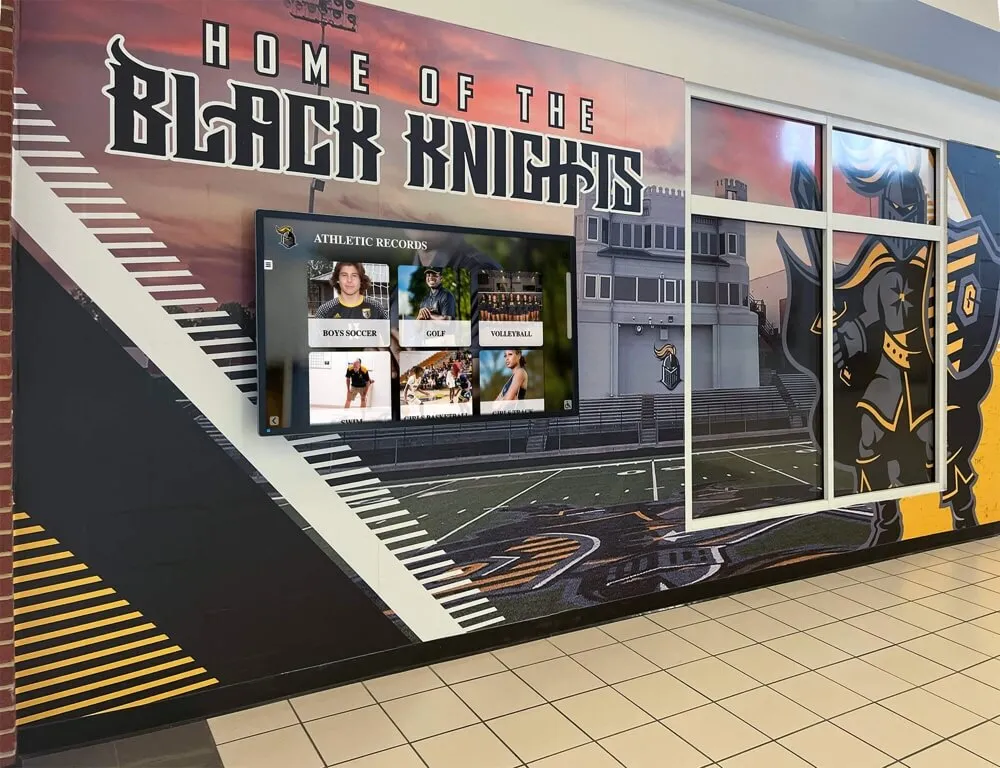
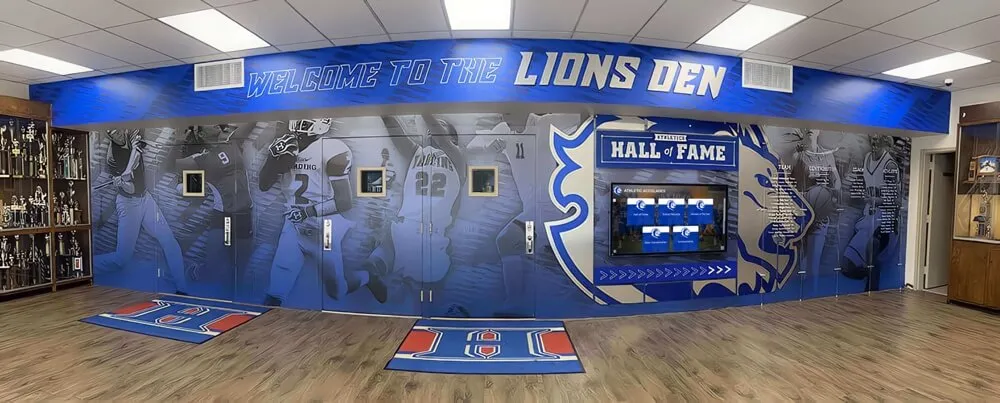
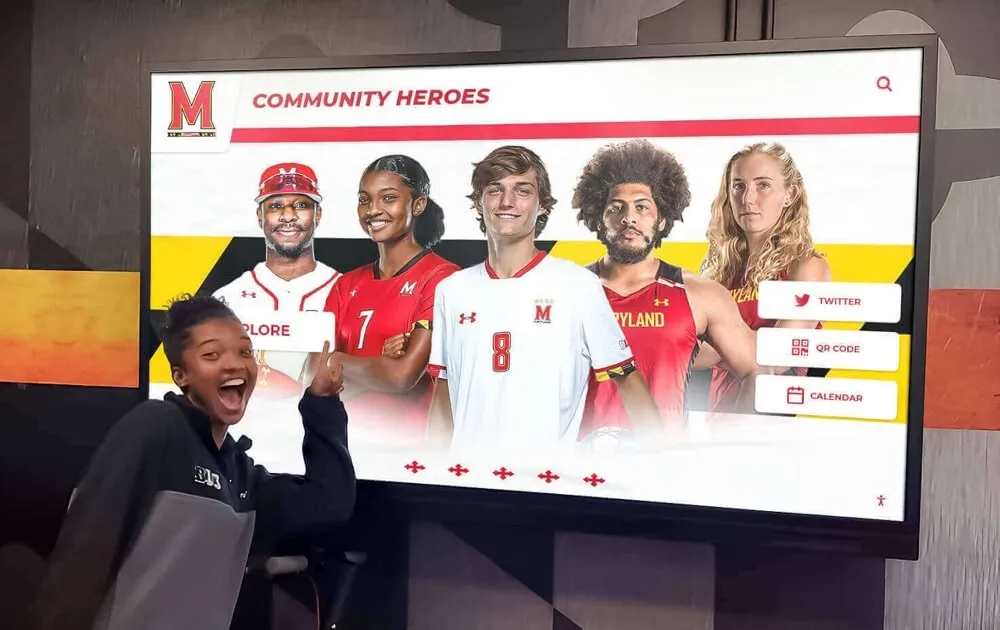
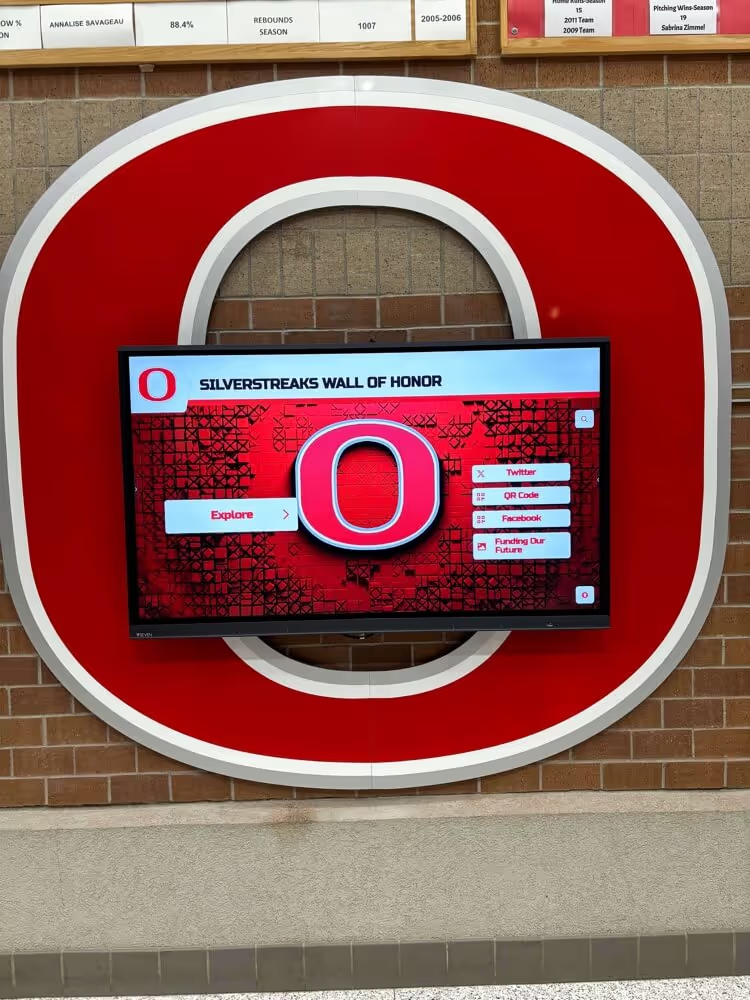
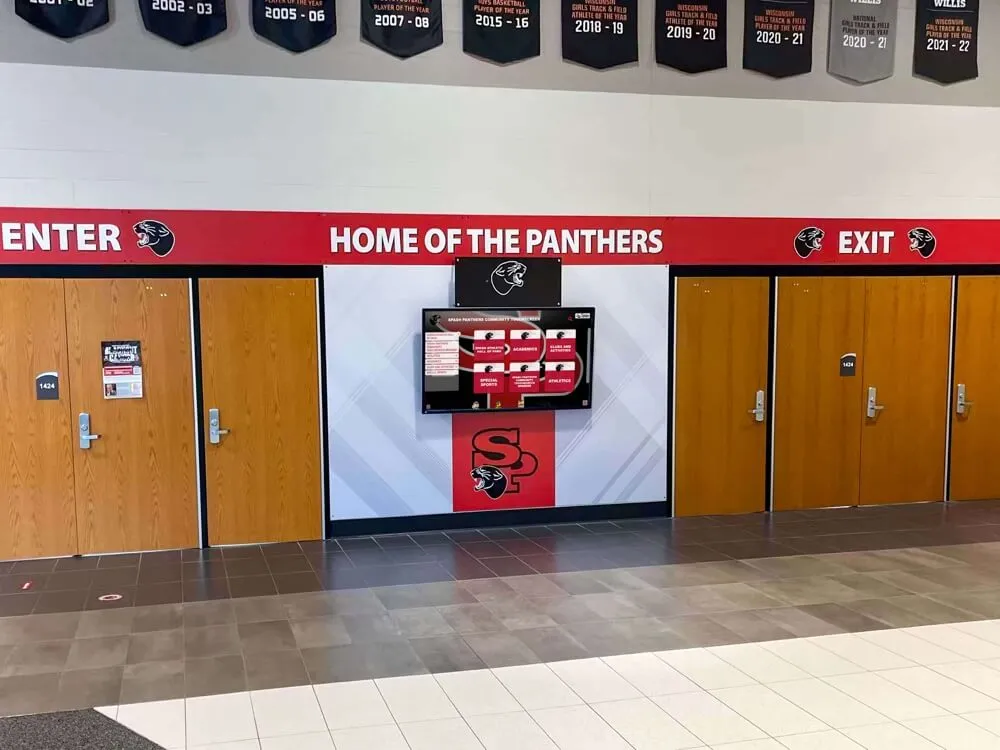
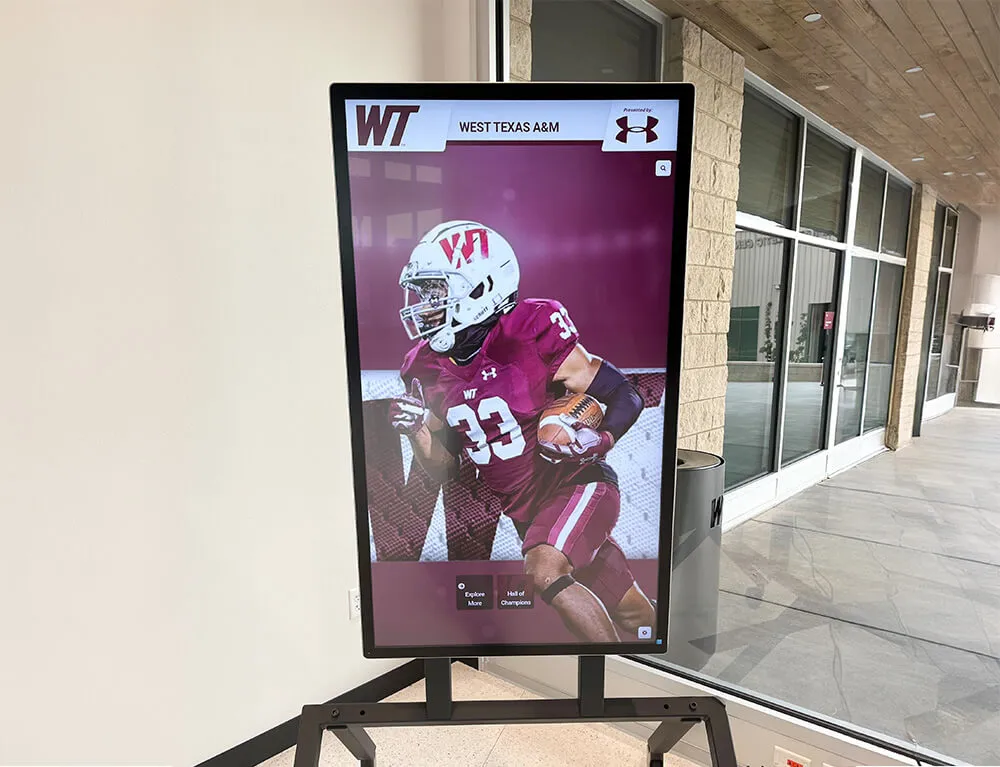
Digital recognition systems provide booster clubs with powerful tools for honoring supporters while engaging the broader community
Types of Booster Clubs
Booster organizations vary significantly in scope and focus:
Program-Specific Boosters
Most booster clubs support individual programs:
Athletic Booster Clubs The most common booster type focuses on athletics:
- All-sports boosters supporting entire athletic programs across all teams
- Sport-specific clubs (football booster club, basketball boosters, etc.)
- Gender-specific groups supporting boys or girls athletics
- Combination approaches with umbrella organizations and sport sub-committees
All-sports booster structures often work best for smaller schools where supporter bases can’t sustain multiple separate organizations, while larger schools may support numerous independent sport-specific clubs operating simultaneously.
Fine Arts Booster Organizations Arts programs benefit tremendously from booster support:
- Band boosters supporting marching band, concert band, and jazz ensemble
- Choir and vocal music supporters funding competitions and performances
- Theater boosters providing costume, set, and production funding
- Arts boosters supporting visual art programs and exhibitions
Arts boosters often rival athletic organizations in fundraising capacity—particularly at schools where performing arts programs maintain high visibility and strong community followings.
Academic and Competition Boosters Increasingly, academic activities benefit from booster models:
- Robotics team supporters funding equipment and competition travel
- Debate and forensics boosters covering tournament expenses
- Academic decathlon boosters supporting team preparation and competitions
- STEM program supporters providing materials and opportunities
These academic booster clubs apply proven athletic booster strategies to non-sports activities—demonstrating that the booster model works effectively for any program with engaged parent and community support bases.
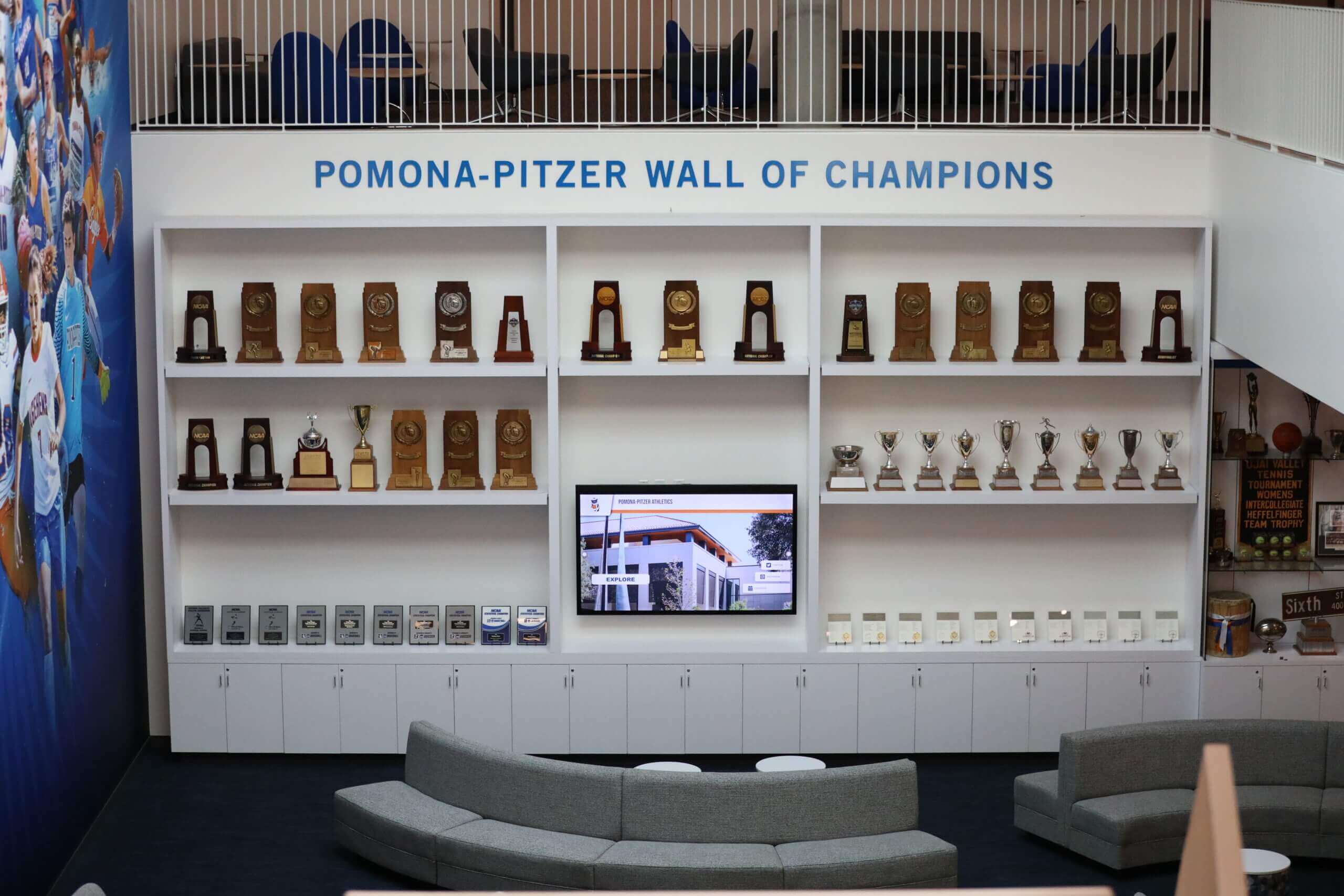
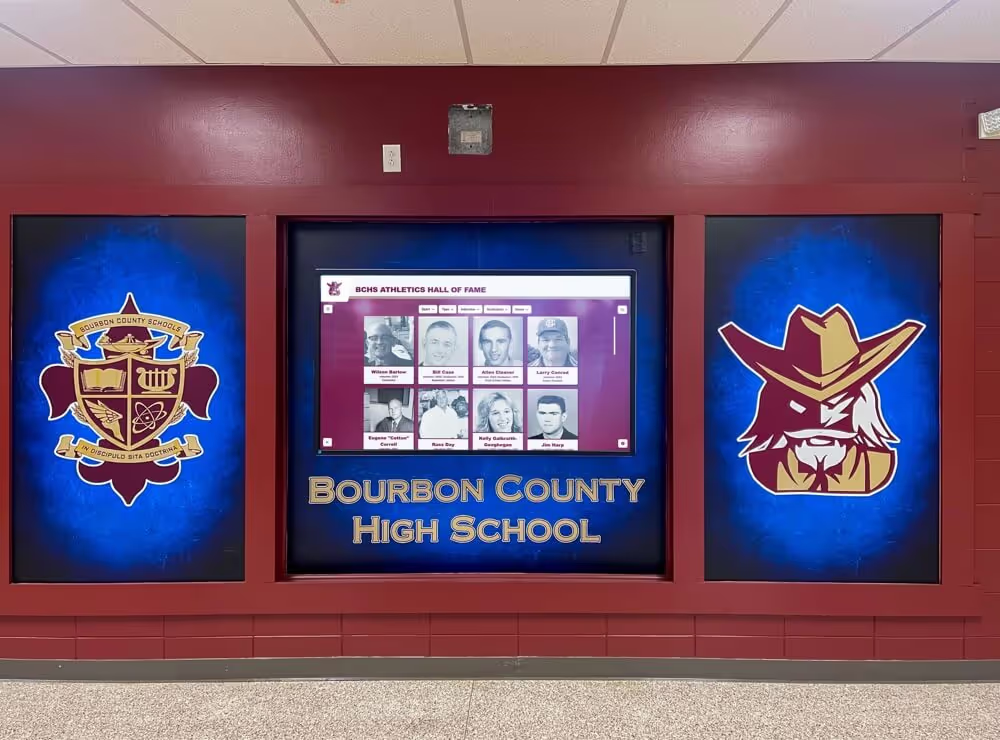
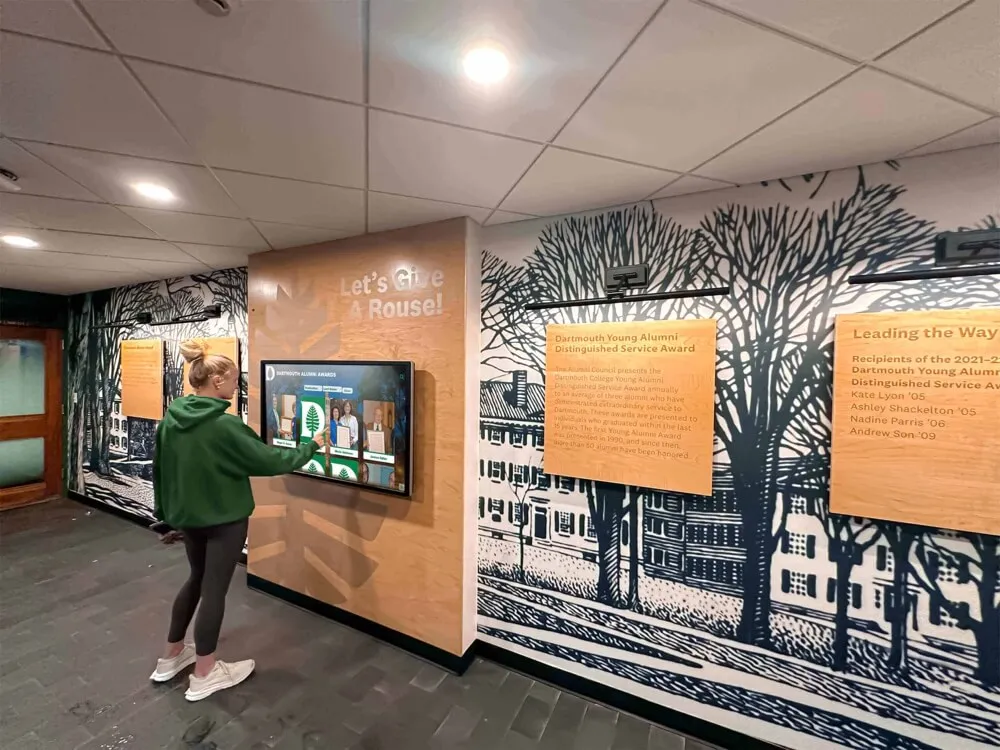
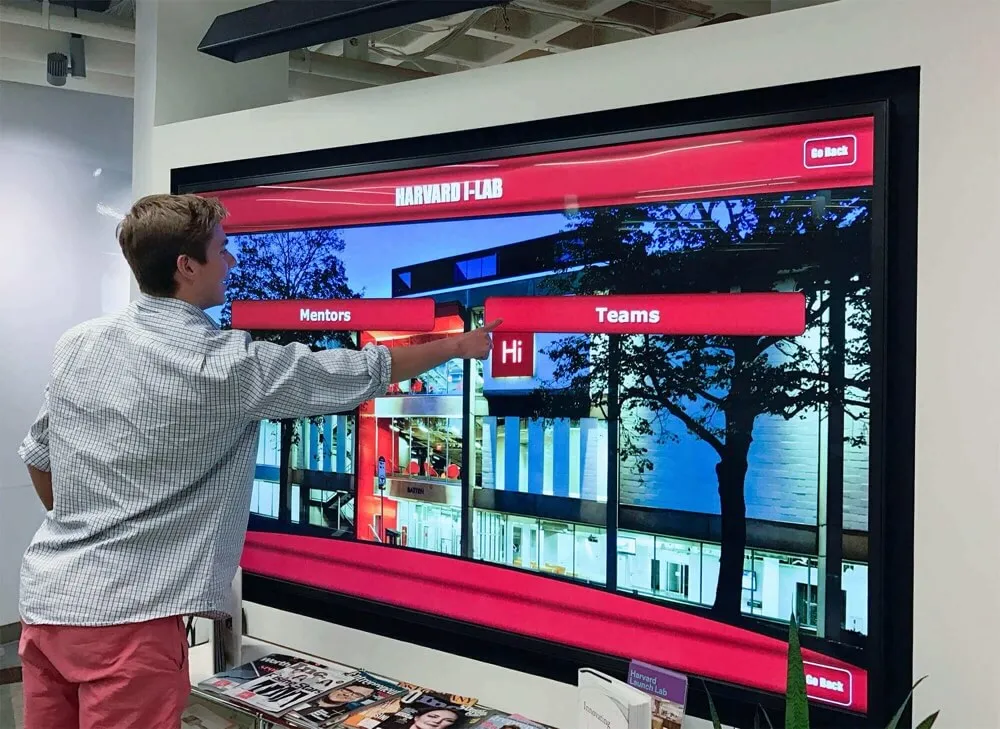
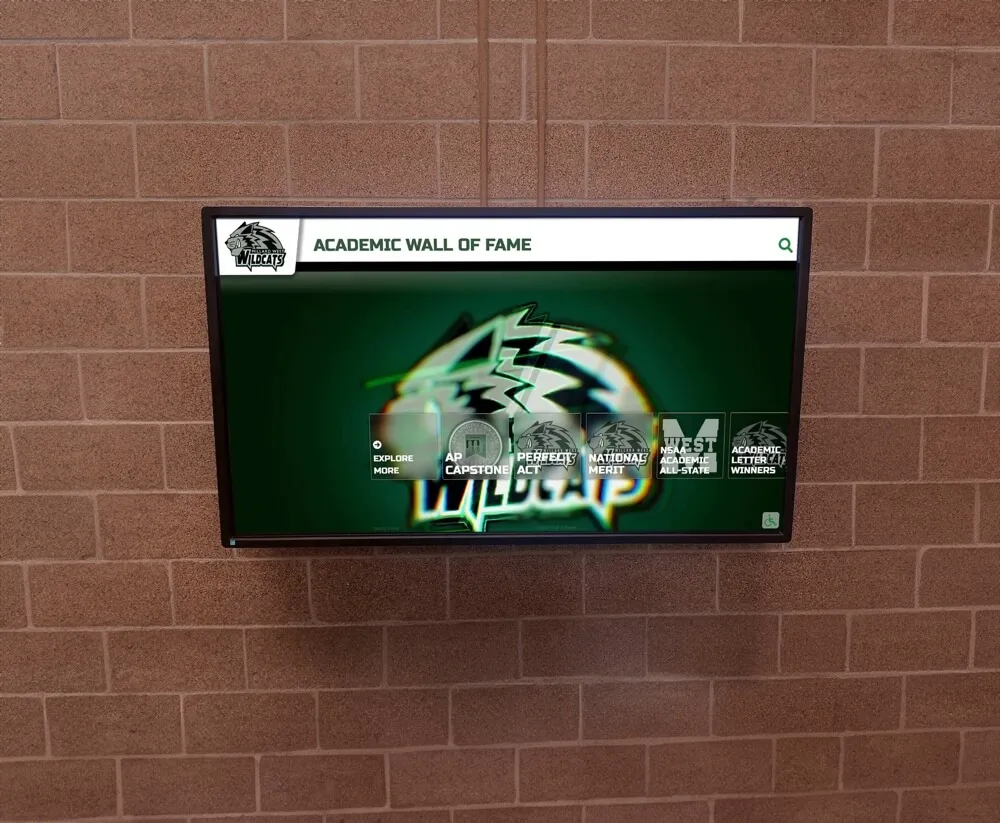
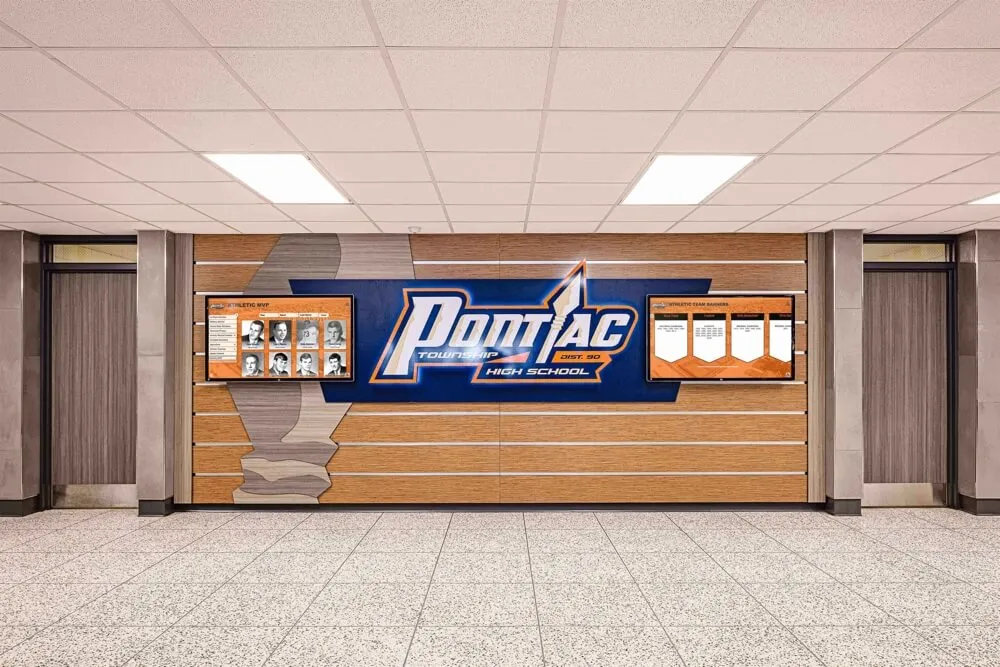
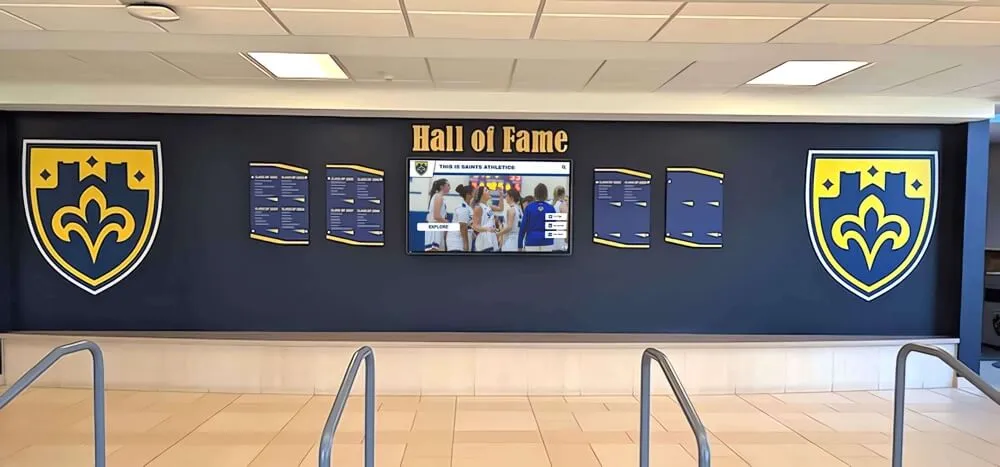
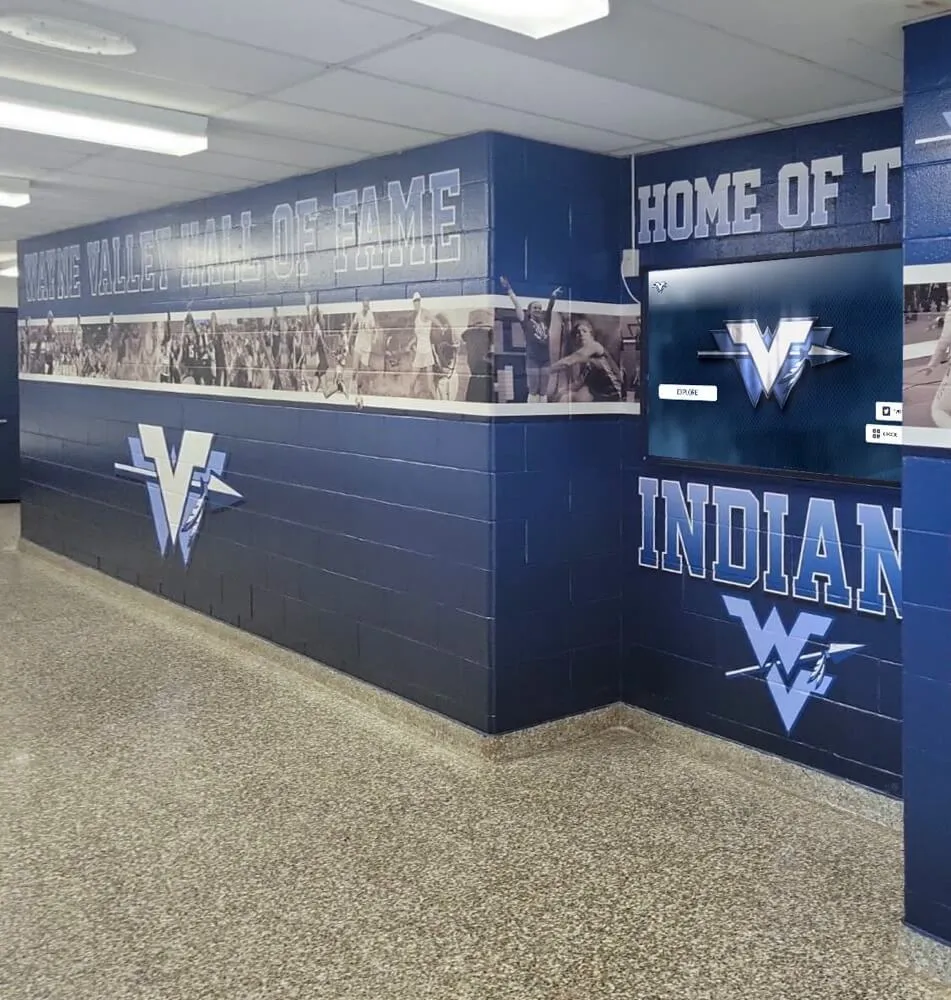
Recognition spaces funded through booster support create compelling environments celebrating achievement and inspiring excellence
Comprehensive School Booster Organizations
Some schools implement broader booster structures:
All-Activities Booster Clubs Umbrella organizations support multiple school programs:
- Single booster club distributing funds across athletics, arts, and academics
- Simplified structure reducing organizational overhead and volunteer fatigue
- Centralized fundraising with allocation committees determining distribution
- Reduced competition between programs for same supporter base
- More efficient operations but potentially less program-specific engagement
This comprehensive approach works particularly well for smaller schools where maintaining multiple separate booster organizations proves unrealistic given limited volunteer pools.
District-Wide Booster Organizations Some communities organize at district level:
- Support spans multiple schools within district boundaries
- Focus often on facilities and capital improvements benefiting all schools
- Centralized major fundraising complementing school-specific efforts
- Coordination reducing event calendar conflicts between schools
- District-level advocacy influencing policy and budget decisions
District boosters typically supplement rather than replace school-level organizations—handling large-scale initiatives while school clubs address program-specific operational needs.
Who Participates in Booster Clubs?
Understanding typical membership helps potential members recognize opportunities for involvement:
Core Participant Groups
Current Student Parents Parents represent the natural booster base:
- Primary stakeholder interest in current program quality and opportunities
- Direct visibility into program needs through student participation
- Natural recruitment pool through team rosters and program participation lists
- Temporary membership typically lasting duration of student involvement
- Variable commitment levels from casual event volunteers to leadership roles
Most booster organizations experience regular membership turnover as parents join when students enter programs and depart upon graduation—requiring systematic recruitment maintaining organizational continuity.
Alumni and Former Participants Former students maintain connections with programs:
- Emotional investment from personal experience and memories
- Longer-term commitment potential extending beyond individual student enrollment
- Valuable institutional knowledge about program traditions and history
- Professional skills and networks benefiting booster operations
- Reconnection opportunities through recognition and celebration events
Alumni engagement strategies should be systematic rather than occasional—regular cultivation maintains relationships that produce both financial support and volunteer leadership. Learn about athletic recognition programs that strengthen alumni connections.
Community Members and Local Business Leaders Broader community participation expands booster capacity:
- School alumni without program-specific participation history
- Community members valuing education and youth development
- Business leaders seeing school support as community investment
- Retirees seeking meaningful volunteer opportunities
- Former program coaches and directors maintaining connections
These community participants often bring professional expertise, business connections, and sustained commitment that complement time-limited parent involvement.
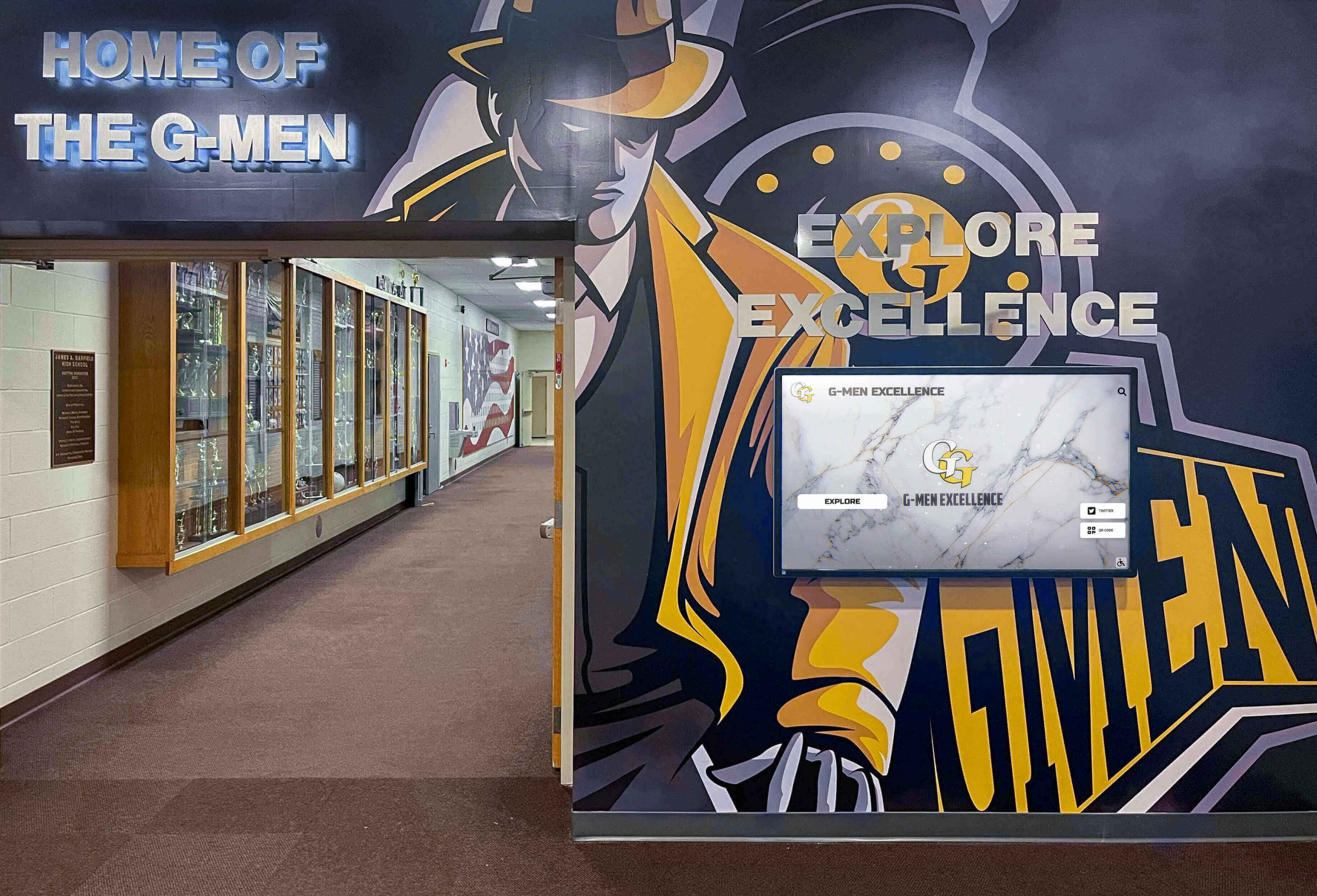
Booster-funded facility improvements including recognition displays create lasting program impact while honoring supporter contributions
Booster Club Leadership Roles
Effective organizations maintain clear governance structures:
Executive Leadership Positions Standard booster officer roles include:
- President providing overall strategic direction and community representation
- Vice President supporting president and managing specific initiatives
- Treasurer handling financial management, reporting, and compliance
- Secretary maintaining records, communications, and meeting documentation
- Fundraising Chair coordinating revenue generation activities
- Volunteer Coordinator organizing member engagement and event staffing
Leadership succession planning ensures organizational continuity—identifying and developing future officers before current leaders depart prevents capability gaps that disrupt operations.
Committee and Working Groups Specialized teams handle specific responsibilities:
- Fundraising committees organizing specific events and campaigns
- Concessions teams managing game day food and beverage sales
- Facilities groups coordinating maintenance and improvement projects
- Recognition committees planning awards and celebration events
- Communication teams handling social media, newsletters, and promotion
Distributed leadership through committee structures enables participation at various commitment levels—members can contribute meaningfully without assuming comprehensive leadership responsibilities.
Benefits Booster Clubs Provide
Understanding specific advantages helps schools and communities appreciate booster value:
Direct Program Benefits
Enhanced Resources and Opportunities Booster funding enables programs to:
- Purchase equipment and uniforms exceeding school budget allocations
- Travel to premier competitions and tournaments building experience
- Access specialized training, coaching, and development resources
- Improve facilities creating competitive advantages and safety enhancements
- Provide recognition and awards celebrating achievement systematically
These enhancements directly impact program quality—enabling experiences and opportunities that wouldn’t exist through school funding alone.
Competitive Advantages Well-supported programs gain significant edges:
- Superior equipment and facilities attracting talented students and quality coaches
- Extensive competition schedules developing skills through diverse experiences
- Recognition systems showcasing tradition that influences recruiting
- Community support creating positive cultures motivating excellence
- Financial stability enabling long-term planning rather than constant crisis management
Schools with strong booster support consistently outperform similarly-sized institutions lacking equivalent community backing—demonstrating that external support translates to competitive results.
Community and Cultural Benefits
Student Development and Character Building Booster support extends beyond specific programs:
- Students witness community members investing in their success
- Character development through exposure to volunteer service models
- Leadership opportunities through student roles in booster events
- Gratitude and appreciation learning as beneficiaries of philanthropy
- Connection to broader community beyond immediate families
These developmental benefits prove equally valuable as program-specific advantages—helping shape well-rounded young people appreciating community support and commitment.
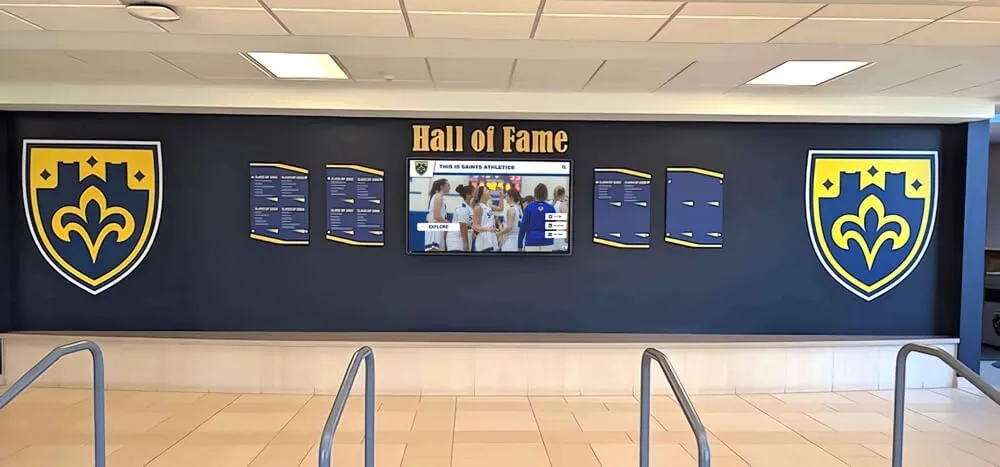
Recognition systems honor both student achievements and booster supporters who make excellence possible
Strengthened School-Community Connections Active booster organizations build institutional relationships:
- Regular engagement keeping community members connected with schools
- Positive school experiences counteracting negative media narratives
- Intergenerational relationships connecting students with adult mentors
- Community pride through association with successful programs
- Alumni network cultivation supporting long-term institutional advancement
These connections deliver value extending far beyond immediate fundraising—creating community investment in school success that influences everything from bond issue support to enrollment retention.
Parent Engagement and Satisfaction Booster involvement benefits participating families:
- Meaningful ways for parents to support children beyond attendance
- Social connections with other families sharing similar interests
- Visibility into program operations and student experiences
- Influence over program quality through constructive advocacy
- Satisfaction from contributing to positive impacts on many students
Parent engagement through boosters often correlates with higher student achievement and lower dropout rates—demonstrating that family involvement through structured organizations benefits students broadly.
Starting a Booster Club: Step-by-Step Guide
Schools or parent groups considering new booster organizations should follow systematic processes:
Phase 1: Assessment and Planning (Months 1-2)
Evaluate Need and Support Before launching organizations, confirm viability:
- Identify specific program needs that booster support could address
- Assess potential supporter base size and engagement likelihood
- Evaluate capacity for volunteer leadership and sustained commitment
- Review existing support structures avoiding unnecessary duplication
- Confirm school administrative support and partnership willingness
Starting booster clubs without thorough need assessment risks creating organizations that struggle attracting engagement or serving meaningful purposes—wasting volunteer time while disappointing participants.
Research Legal and Operational Requirements Understand regulatory and compliance obligations:
- 501(c)(3) nonprofit application processes and filing requirements
- State charitable organization registration and reporting obligations
- Banking and financial management requirements for nonprofit entities
- Insurance coverage needs including liability and directors/officers policies
- School district policies governing booster club relationships and activities
Ignoring legal requirements creates serious risks—consult attorneys and accountants experienced with nonprofit law ensuring proper formation and ongoing compliance.
Develop Founding Documents Create governance frameworks before operational launch:
- Articles of incorporation establishing legal entity
- Bylaws specifying membership, governance, and operational procedures
- Conflict of interest policies ensuring ethical operations
- Financial policies governing money handling, spending authority, and controls
- School agreements clarifying relationship expectations and approved activities
These foundational documents prevent future conflicts by establishing clear expectations, procedures, and accountability mechanisms from organizational inception.
Phase 2: Formation and Launch (Months 3-4)
Establish Legal Entity Complete formal organization processes:
- File articles of incorporation with state authorities
- Apply for federal tax identification number (EIN)
- Submit 501(c)(3) application to IRS (typically Form 1023-EZ for smaller organizations)
- Register with state charitable organization regulators where required
- Obtain necessary insurance coverage before conducting activities
Professional assistance during formation proves valuable—experienced consultants navigate complex processes efficiently while ensuring compliance avoiding costly future corrections.
Build Founding Leadership Team Recruit initial officer slate:
- Identify committed volunteers willing to serve founding leadership roles
- Ensure diverse representation reflecting community and program constituencies
- Provide orientation about responsibilities, time commitments, and expectations
- Establish term limits and succession planning from beginning
- Formalize leadership through elections or appointments per bylaws
Founding leadership quality significantly influences long-term success—invest time recruiting capable, committed individuals rather than accepting anyone willing to serve.
Establish Financial Infrastructure Create necessary financial systems:
- Open dedicated bank accounts separate from personal or school accounts
- Implement bookkeeping systems tracking revenue and expenses appropriately
- Establish financial controls including dual signatures and spending limits
- Develop budget projections and financial plans
- Create donation receipt and acknowledgment processes
Financial mismanagement represents the most common cause of booster club failure—establishing proper systems from inception prevents problems requiring painful corrections later.

Modern recognition displays honor achievements funded through booster support while providing visibility to corporate sponsors
Phase 3: Operational Launch (Months 5-6)
Conduct Founding Meeting Launch organization with community event:
- Present booster purpose, structure, and plans to potential members
- Elect or confirm initial leadership team officially
- Approve founding documents including bylaws and policies
- Establish initial priorities and fundraising calendar
- Recruit volunteers for committees and working groups
Public founding meetings create momentum while demonstrating transparency—setting positive organizational tone from beginning.
Execute Initial Fundraising Activities Generate early success building confidence:
- Launch membership drive enrolling core supporter base
- Conduct first fundraising event demonstrating capability
- Develop corporate sponsorship packages and begin outreach
- Create communication channels (website, social media, email) maintaining engagement
- Implement recognition systems acknowledging early supporters appropriately
Early fundraising success proves viability while funding initial operations—delayed revenue generation often causes founding booster organizations to collapse before establishing sustainability.
Demonstrate Program Impact Show tangible results from booster support:
- Fund specific program needs quickly showing responsive action
- Communicate clearly about what booster support enables
- Celebrate student achievements that booster resources helped facilitate
- Recognize volunteer contributions motivating continued engagement
- Build traditions and recognition systems creating lasting value
Visible impact converts skeptics into supporters—demonstrating that booster activities produce real benefits rather than just consuming volunteer time and donor money.
Best Practices for Booster Club Success
Learning from effective organizations helps new and existing boosters maximize impact:
Governance and Management Excellence
Transparent Financial Operations Financial credibility enables sustained support:
- Regular financial reports showing revenue, expenses, and fund balances
- Annual independent audits or financial reviews verifying proper management
- Clear spending authorization procedures preventing inappropriate expenditures
- Budget transparency showing planned resource allocation across programs
- Donor-restricted fund management ensuring contributions serve intended purposes
Financial transparency builds trust essential for ongoing donor engagement—supporters who see proper money management remain committed while opacity creates suspicion undermining fundraising.
Strategic Planning and Goal Setting Purposeful direction focuses efforts:
- Multi-year strategic plans establishing priorities and objectives
- Annual goal setting with measurable targets and accountability
- Regular progress assessment adjusting strategies based on results
- Stakeholder input ensuring plans reflect community and program needs
- Board retreats and planning sessions building leadership alignment
Strategic planning prevents booster clubs from drifting reactively—ensuring activities serve meaningful purposes aligned with program development priorities.
Effective Communication Information sharing maintains engagement:
- Regular newsletters updating members about activities and achievements
- Social media presence building awareness and community
- Website providing information access for current and prospective members
- Direct communication with parents and families about opportunities
- School partnership communication ensuring alignment and coordination
Communication consistency matters more than sophistication—regular basic updates outperform occasional elaborate communications that burden volunteers producing diminishing returns.
Donor Recognition and Stewardship
Comprehensive Acknowledgment Systems Proper recognition converts one-time donors into sustained supporters:
- Immediate email confirmations with tax receipts
- Personalized thank-you communications from leadership
- Public recognition through programs, announcements, and displays
- Annual impact reports demonstrating fund usage and results
- Digital recognition displays honoring all contribution levels
Recognition systems should acknowledge every donor regardless of amount—small gifts deserve appreciation potentially leading to larger future contributions as capacity increases.
Solutions like Rocket Alumni Solutions provide booster clubs with digital recognition platforms that eliminate space constraints while creating engaging displays honoring supporters comprehensively. These systems enable booster clubs to showcase both donor contributions and the student achievements those contributions make possible—creating powerful connections between giving and impact.
Impact Demonstration Show donors how support benefits students:
- Specific equipment purchases funded through booster support
- Facility improvements and their effects on program quality
- Student achievements enabled by booster-funded opportunities
- Before/after comparisons showing transformation over time
- Student and coach testimonials explaining support importance
Impact communication matters because donors need to see that contributions create meaningful differences—generic appreciation without specific impact demonstration produces limited ongoing engagement.

Booster-funded facility improvements including recognition spaces create lasting program value while celebrating supporter contributions
Volunteer Management and Engagement
Structured Volunteer Opportunities Make participation accessible at various commitment levels:
- One-time event volunteers requiring limited time investment
- Committee members contributing regularly to specific initiatives
- Leadership positions involving substantial ongoing commitment
- Family volunteer opportunities enabling whole-family participation
- Professional skill volunteering (legal, accounting, marketing, design)
Structured options allow supporters to contribute meaningfully without requiring everyone to assume comprehensive leadership responsibilities—broadening participation while preventing volunteer burnout.
Recognition of Volunteer Contributions Acknowledge time investments appropriately:
- Public recognition at events and in communications
- Annual volunteer appreciation events celebrating contributions
- Special recognition for exceptional or long-term service
- Leadership development opportunities showing career of engagement
- Tangible mementos marking service milestones
Volunteers deserve recognition equal to financial contributors—time represents equally valuable donation that shouldn’t go unacknowledged simply because it doesn’t appear in revenue reports.
Common Booster Club Challenges and Solutions
Understanding typical problems helps organizations prepare effective responses:
Financial Management Issues
Challenge: Insufficient Revenue Many boosters struggle generating adequate funding.
Solutions:
- Diversify revenue sources beyond single fundraising approaches
- Implement monthly giving programs creating predictable income
- Develop corporate sponsorship packages providing sustainable partnerships
- Create tiered membership levels offering various entry points
- Execute multiple smaller events rather than depending on single large fundraiser
Financial sustainability requires diversification—organizations relying on single revenue sources face catastrophic impact when that source underperforms.
Challenge: Poor Financial Controls Weak money management creates serious problems.
Solutions:
- Implement dual signature requirements for all expenditures
- Establish spending authorization limits based on position
- Conduct regular financial reconciliations and reporting
- Separate financial management from fundraising responsibilities
- Obtain annual independent financial reviews or audits
Financial scandals destroy booster organizations quickly—investing in proper controls prevents problems that prove devastating once they occur. Learn about donor recognition best practices that strengthen booster operations.
Volunteer and Leadership Challenges
Challenge: Volunteer Burnout Core volunteers handling excessive workload quit from exhaustion.
Solutions:
- Distribute responsibilities across multiple committees and roles
- Establish term limits preventing indefinite service expectations
- Recruit new volunteers systematically rather than waiting for crises
- Provide volunteer support and resources reducing difficulty
- Celebrate and recognize contributions preventing thankless service perception
Volunteer sustainability requires intentional management—organizations that work core volunteers too hard ultimately lose their most valuable contributors.
Challenge: Leadership Transitions Founder departures or officer changes disrupt operations.
Solutions:
- Document procedures and institutional knowledge systematically
- Implement overlapping board terms ensuring continuity
- Conduct formal leadership transitions with knowledge transfer periods
- Maintain organizational file systems accessible to successive leaders
- Build broad leadership teams rather than depending on single individuals
Organizations surviving beyond founding leadership require systematic knowledge transfer—undocumented individual knowledge creates institutional vulnerability.
School Relationship Challenges
Challenge: Misaligned Expectations Boosters and schools sometimes disagree about appropriate boundaries.
Solutions:
- Establish written agreements clarifying roles and responsibilities
- Maintain regular communication between booster leadership and administrators
- Respect appropriate boundaries regarding curriculum and coaching decisions
- Include school representatives in booster leadership structures
- Address conflicts promptly through established communication channels
Healthy school-booster relationships require clear expectations and mutual respect—neither party should assume authority over the other’s domain.
Challenge: Equity and Access Concerns Booster support sometimes creates inequity between programs or students.
Solutions:
- Ensure booster-funded opportunities remain accessible regardless of family financial capacity
- Consider all-activities booster models distributing support broadly
- Implement financial assistance programs for students unable to afford fees
- Coordinate with school leadership ensuring equity across programs
- Avoid creating two-tier systems where booster-supported programs vastly exceed others
Booster clubs should enhance programs without creating inequities undermining educational mission—thoughtful policies ensure support benefits all students appropriately.
Legal and Compliance Considerations
Booster clubs must navigate various regulatory requirements:
Nonprofit Compliance
Federal Tax-Exempt Status Maintenance 501(c)(3) organizations face ongoing obligations:
- Annual IRS Form 990 filings reporting finances and activities
- Compliance with unrelated business income tax rules
- Proper handling of donor-restricted contributions
- Maintenance of required organizational documents and records
- Adherence to lobbying and political activity restrictions
Nonprofit status loss creates catastrophic consequences—organizations must maintain compliance consistently rather than discovering requirements when audited.
State Charitable Organization Registration Many states require registration before soliciting donations:
- Initial registration filing with state charity regulators
- Annual renewal filings and financial reporting
- Compliance with state fundraising disclosure requirements
- Proper handling of professional fundraiser relationships
- Adherence to state-specific operational rules
State requirements vary significantly—organizations must research and comply with regulations in states where they solicit donations.
Financial Accountability
Proper Fund Management Nonprofit financial management requires:
- Separate bank accounts for booster funds (never personal accounts)
- Accurate bookkeeping tracking all revenue and expenses
- Appropriate separation of duties preventing fraud opportunities
- Board oversight of financial management and reporting
- Professional accounting assistance for complex issues
Financial mismanagement represents legal liability risk—proper systems protect both organizations and individual board members from personal exposure.
Donor Acknowledgment Requirements Tax-deductible contributions require appropriate receipts:
- Written acknowledgment for all donations over $250
- Contemporaneous documentation provided before tax return filing
- Proper disclosure of goods/services provided in exchange for donations
- Accurate descriptions of donation types (cash, property, services)
- Record retention for minimum three years
Failure to provide proper donor acknowledgment creates tax problems for contributors—potentially damaging donor relationships and undermining future giving.
The Future of Booster Clubs
Understanding emerging trends helps organizations prepare for evolution:
Digital Transformation
Modern booster clubs increasingly leverage technology:
Online Fundraising Platforms Digital tools expand giving capacity:
- Peer-to-peer fundraising campaigns enabling supporters to solicit their networks
- Mobile-responsive donation pages facilitating convenient giving
- Recurring giving options creating sustainable monthly donor programs
- Integration with social media amplifying campaign reach
- Analytics tracking campaign performance and donor engagement
Digital fundraising democratizes participation—enabling supporters unable to attend in-person events to contribute meaningfully from anywhere.
Digital Recognition and Engagement Technology enhances donor stewardship:
- Interactive donor recognition displays showcasing all contribution levels
- Web-accessible recognition extending visibility beyond physical campus
- Social media celebration engaging supporters regularly between asks
- Email communication maintaining consistent donor relationships
- Digital impact reporting demonstrating results through multimedia content
Schools implementing digital recognition displays report dramatically increased donor engagement—technology enables recognition quality and accessibility impossible through traditional approaches.
Expanded Scope and Impact
Progressive booster organizations broaden focus:
Comprehensive Student Support Beyond program-specific funding, boosters address:
- Need-based financial assistance ensuring all students can participate
- Mental health and wellness program support
- Academic support services and resources
- College and career preparation assistance
- Community service and leadership development programs
This expanded scope positions boosters as student success partners rather than simply athletic or activity fundraisers—appealing to broader supporter bases while delivering more comprehensive impact.
Facility and Infrastructure Investment Major capital campaigns tackle significant projects:
- Athletic facility renovations and expansions
- Performing arts center improvements
- Technology infrastructure upgrades
- Recognition and display system installations
- Safety and security enhancements
Capital campaigns require sophisticated planning and execution but enable transformational improvements impossible through annual operating fundraising—creating lasting legacies that benefit students for decades.
Conclusion: The Vital Role of Booster Clubs in School Success
Booster clubs represent essential partners in educational excellence—bridging gaps between limited school budgets and the comprehensive resources students need to develop skills, pursue passions, and create memories lasting lifetimes. By mobilizing community support systematically through organized volunteer efforts, booster organizations enable opportunities that simply wouldn’t exist through institutional funding alone.
The most effective booster clubs share common characteristics: clear purpose and focus, proper legal structure and governance, transparent financial management, diverse revenue streams, meaningful donor recognition, engaged volunteer bases, and positive school partnerships. Organizations exhibiting these qualities sustain operations for decades—creating traditions of community support that strengthen schools across generations.
Starting or revitalizing a booster club requires commitment, organization, and patience—but the impact proves transformative. Students benefit from enhanced programs and opportunities, communities strengthen through increased school engagement, and programs develop competitive advantages enabling sustained excellence. Whether launching new organizations or improving existing operations, the frameworks and best practices outlined in this guide provide roadmaps toward booster success.
For parents, community members, and educators wondering whether booster clubs make meaningful differences—the answer is unequivocally yes. Well-managed booster organizations deliver measurable program improvements, strengthen school cultures, build community connections, and enable student achievements that wouldn’t otherwise be possible. The investment of time, energy, and resources into booster development pays dividends far exceeding initial costs.
Ready to explore how modern recognition systems can strengthen your booster club’s impact? Discover how Rocket Alumni Solutions helps booster clubs create engaging digital recognition displays that honor every contributor, showcase the achievements their support enables, and inspire continued giving while celebrating the power of community support for student success.