



Intent: Understand & Implement — This comprehensive guide explores how children’s hospitals are using video games and interactive gaming technology to transform patient care, reduce anxiety, support physical therapy goals, and create positive healing environments. You’ll discover therapeutic gaming benefits, implementation strategies, technology platforms, and how digital interactive solutions extend beyond healthcare into educational institutions seeking to engage students through similar technologies.
A child confined to a hospital bed faces challenges far beyond their medical condition—isolation from friends and normal activities, anxiety about procedures, pain management struggles, and the emotional weight of extended hospital stays. For decades, hospitals have sought ways to support young patients’ emotional wellbeing alongside physical healing, recognizing that psychological state significantly impacts recovery outcomes and patient experience.
Video games and interactive gaming technology have emerged as powerful therapeutic tools in pediatric healthcare, providing more than simple distraction. Modern therapeutic gaming programs help children accomplish physical therapy goals they might otherwise resist, reduce reliance on pharmacological pain management, decrease pre-procedure anxiety, combat feelings of isolation through social gaming experiences, and maintain connections to normal childhood experiences during extended hospitalizations.
This guide examines the growing field of therapeutic gaming in children’s hospitals—from understanding clinical benefits and implementation strategies to exploring technology platforms, examining successful programs, and recognizing how interactive engagement principles translate to educational environments where similar technologies support student connection and recognition.
The integration of video games into pediatric healthcare represents a significant evolution in how medical institutions support holistic patient wellbeing, recognizing that healing encompasses emotional and psychological dimensions alongside physical recovery.

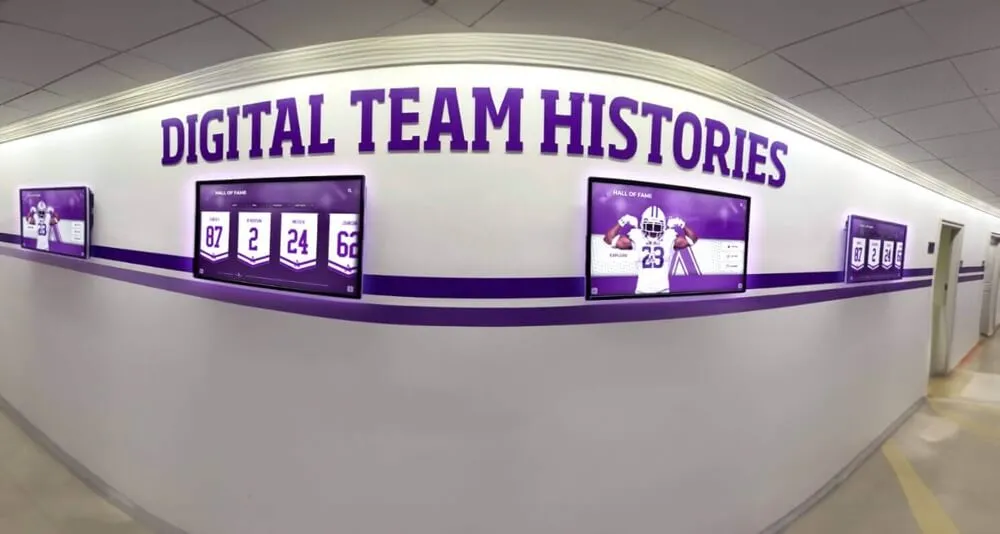
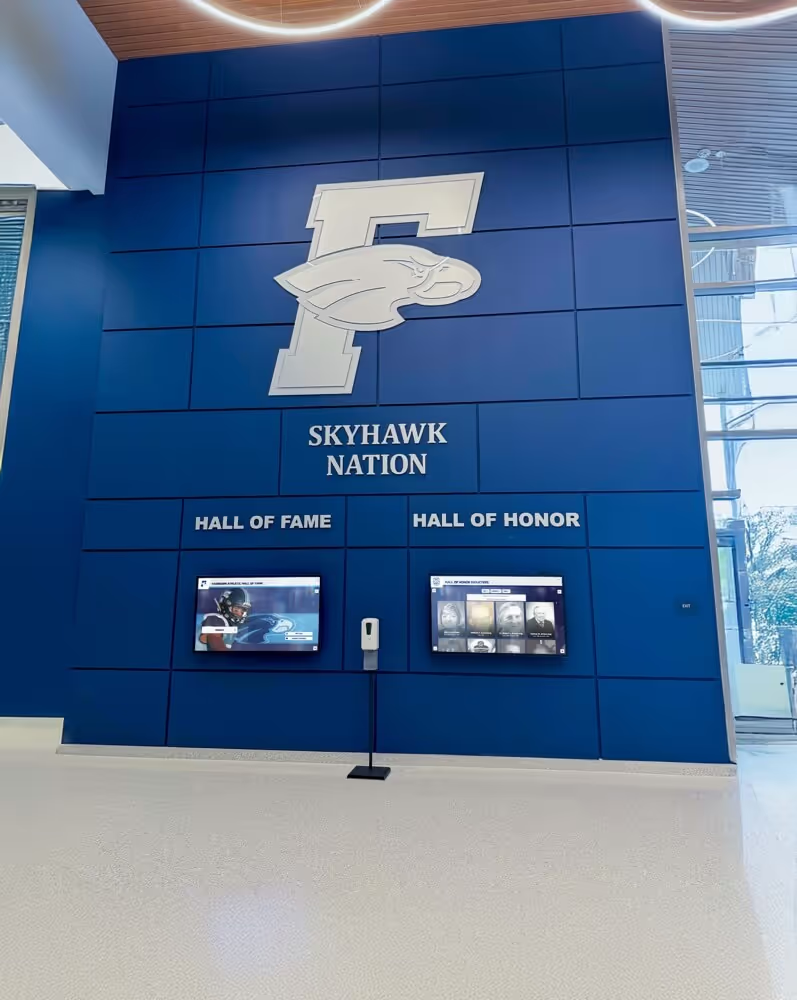
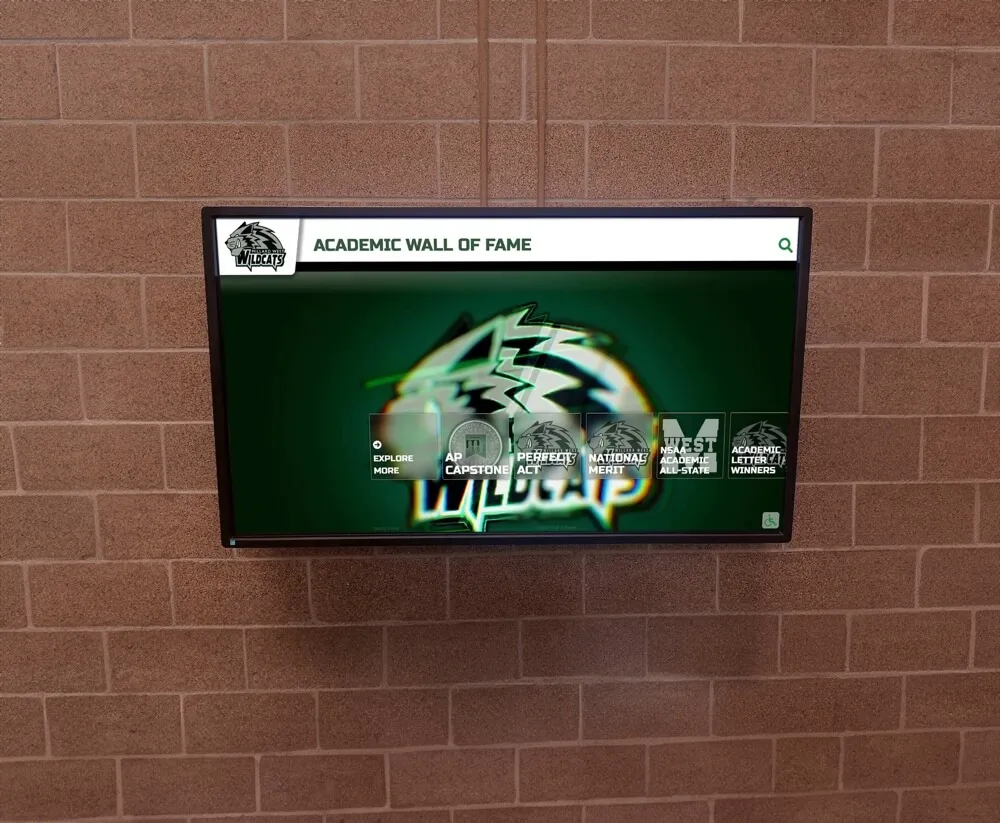
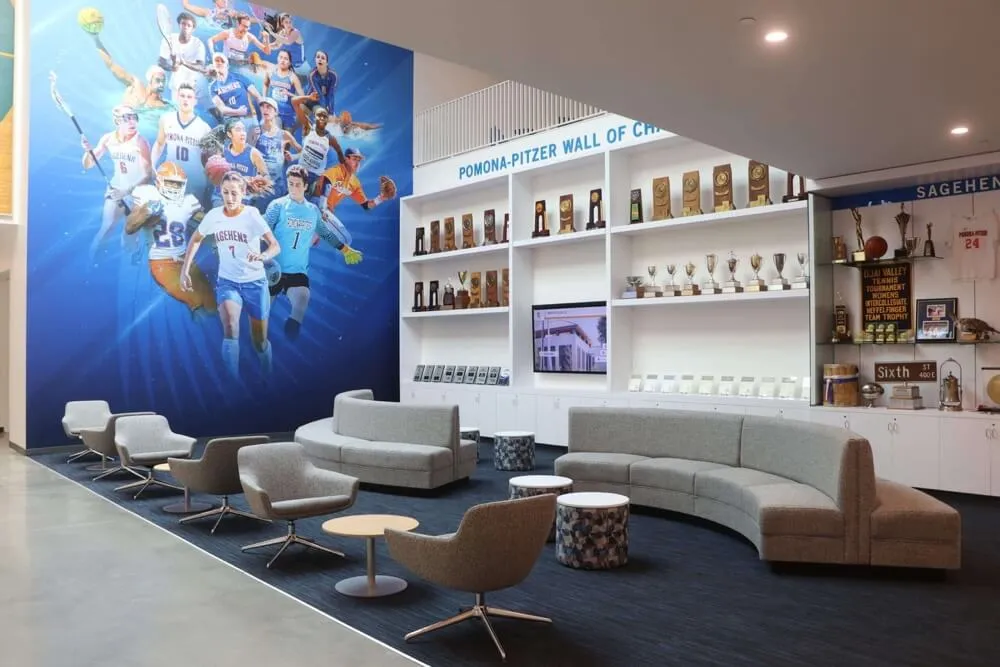
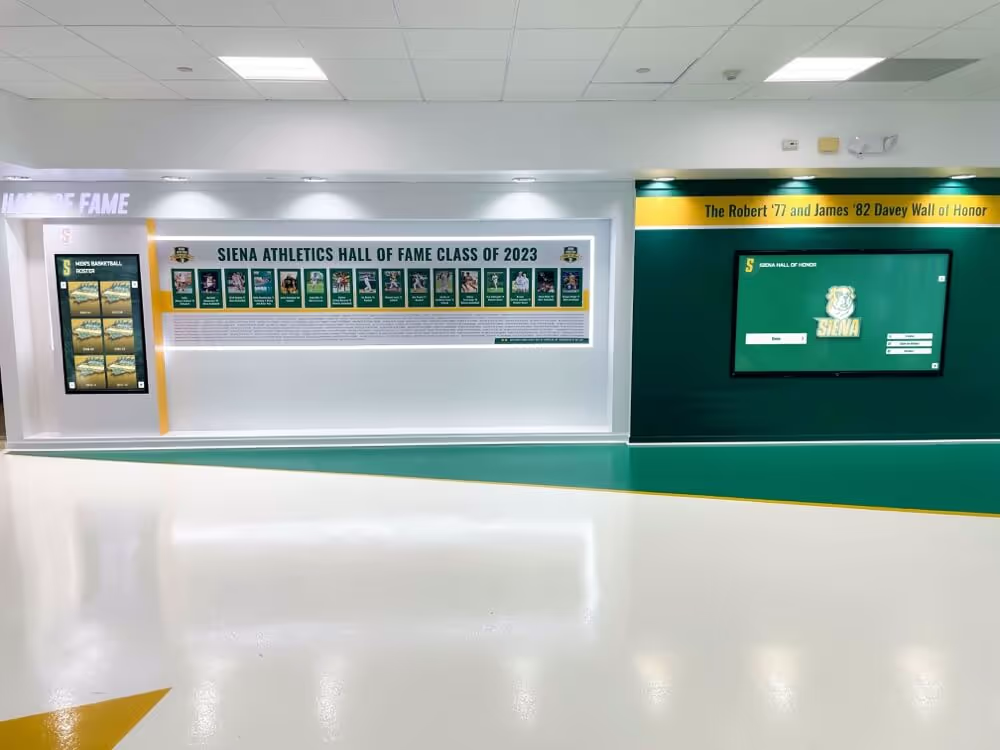
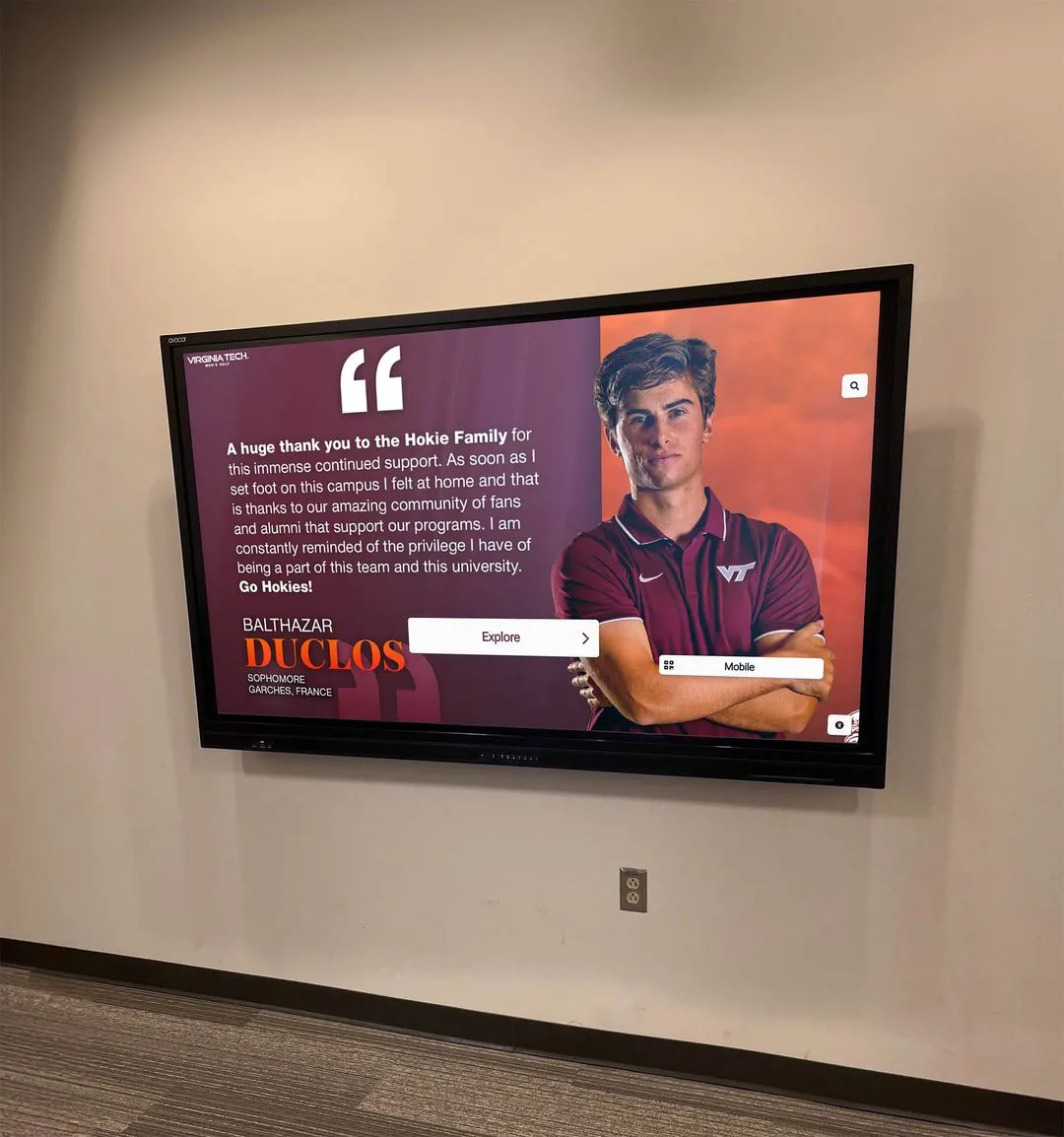
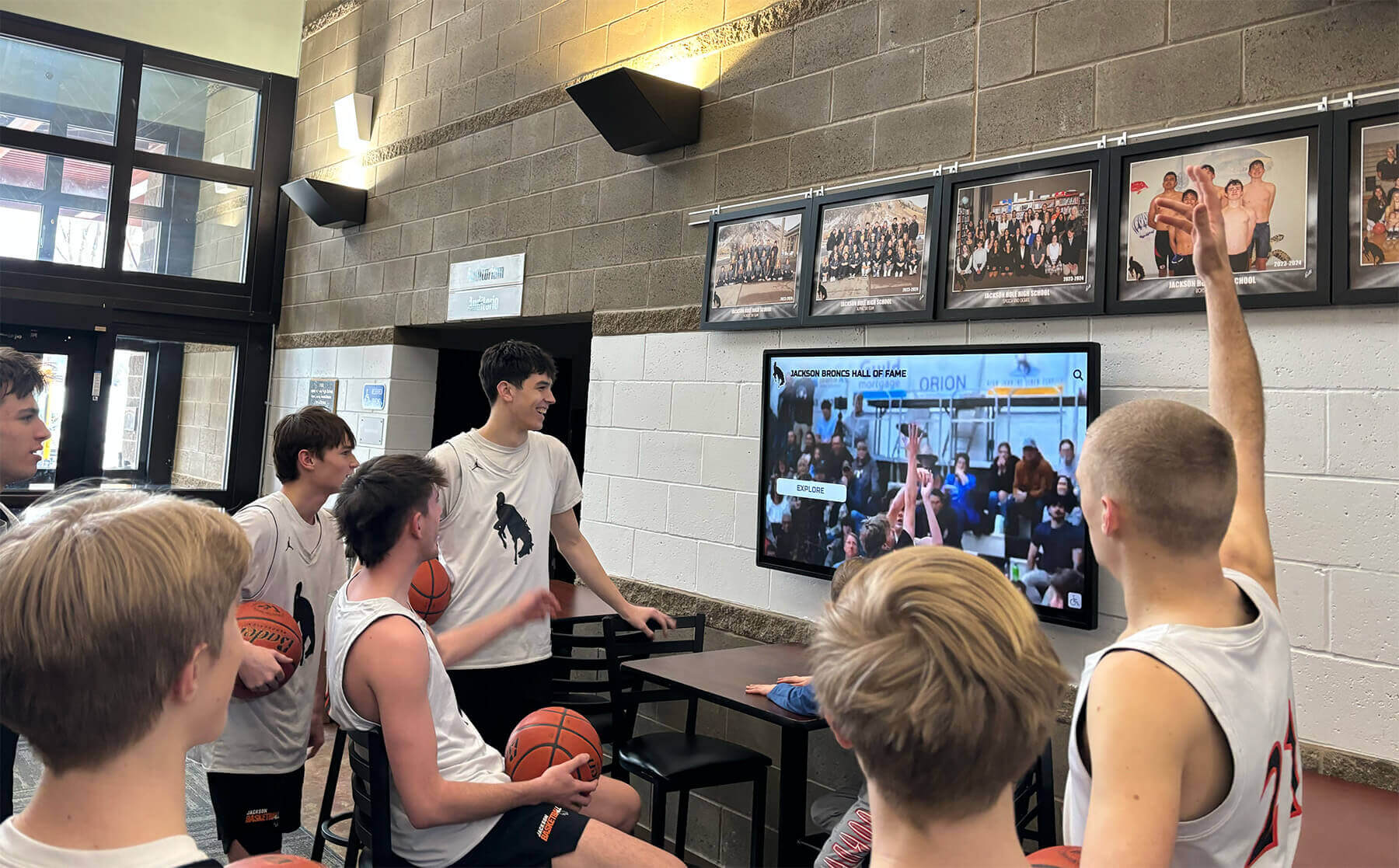
Interactive digital displays create engagement opportunities whether in healthcare settings supporting patients or educational environments connecting students with content and communities
The Rise of Therapeutic Gaming in Pediatric Healthcare
Children’s hospitals have rapidly expanded therapeutic gaming programs over the past decade as research demonstrates measurable clinical benefits and organizations develop dedicated positions focused on gaming technology.
Growth of Therapeutic Gaming Specialist Positions
According to Seattle Children’s Therapeutic Gaming Program, when specialists began formally working in this field in 2018, approximately five people held such positions worldwide. By 2025, that number has grown to an estimated 60 therapeutic gaming specialists globally, reflecting rapid recognition of gaming’s clinical value.
These specialists curate age-appropriate game selections, develop therapeutic applications for commercial games, train medical staff on gaming integration, coordinate with physical and occupational therapists, manage gaming equipment and technology platforms, and measure clinical outcomes and program effectiveness.
The emergence of dedicated positions signals that therapeutic gaming has moved beyond informal recreation to recognized clinical intervention supported by hospital administration and medical teams.
Funding and Organizational Support
Major charitable organizations provide crucial funding for therapeutic gaming programs. Child’s Play Charity, founded to improve the lives of children in hospitals worldwide, has funded numerous hospital gaming programs including the pioneering Seattle Children’s program. According to program data, Seattle Children’s conducts approximately 200 patient visits monthly using gaming technology and manages more than 100 gaming devices.
Children’s Miracle Network Hospitals coordinates Extra Life, a fundraising initiative where gamers raise money for children’s hospitals. In 2025, the inaugural Extra Life: Unlocked event raised more than $2.8 million, contributing to a year-to-date total of $10.5 million for pediatric healthcare programs including therapeutic gaming initiatives.
This substantial funding infrastructure enables hospitals to invest in gaming equipment, staff positions, and program development that would otherwise compete with direct medical care priorities for limited resources.
Evidence-Based Clinical Benefits
Research and program data demonstrate measurable therapeutic benefits from gaming programs:
According to Project GO Kart data, therapeutic gaming produces significant outcomes:
- 70% of patients reported increased happiness
- 70% experienced reduced anxiety
- 60% noted decreased feelings of loneliness
- Over 80% felt less stress during hospitalization
These psychological benefits translate to clinical advantages including improved cooperation with medical procedures, reduced need for pharmacological anxiety management, better physical therapy compliance, shorter perceived recovery times, and enhanced overall patient satisfaction scores.
Children’s Hospital Colorado describes virtual reality as “a powerful non-pharmacological intervention for pain reduction, therapy augmentation and positively changing the ways in which patients perceive their healing journey”—framing gaming technology as legitimate clinical intervention rather than recreational addition.
Integration with Physical and Occupational Therapy
Beyond psychological benefits, gaming technology supports physical rehabilitation goals. Mary Bridge Children’s Hospital employs a gaming technology specialist who uses interactive technology to help patients accomplish physical therapy goals—for example, patients play Fruit Ninja in VR to complete arm lifts they wouldn’t otherwise want to do, transforming therapeutic exercises into engaging activities.
This gamification of physical therapy addresses a fundamental challenge in pediatric rehabilitation: children often resist repetitive exercises that cause discomfort or frustration. When the same movements become game mechanics with scores, achievements, and visual feedback, compliance dramatically increases while perceived difficulty decreases.
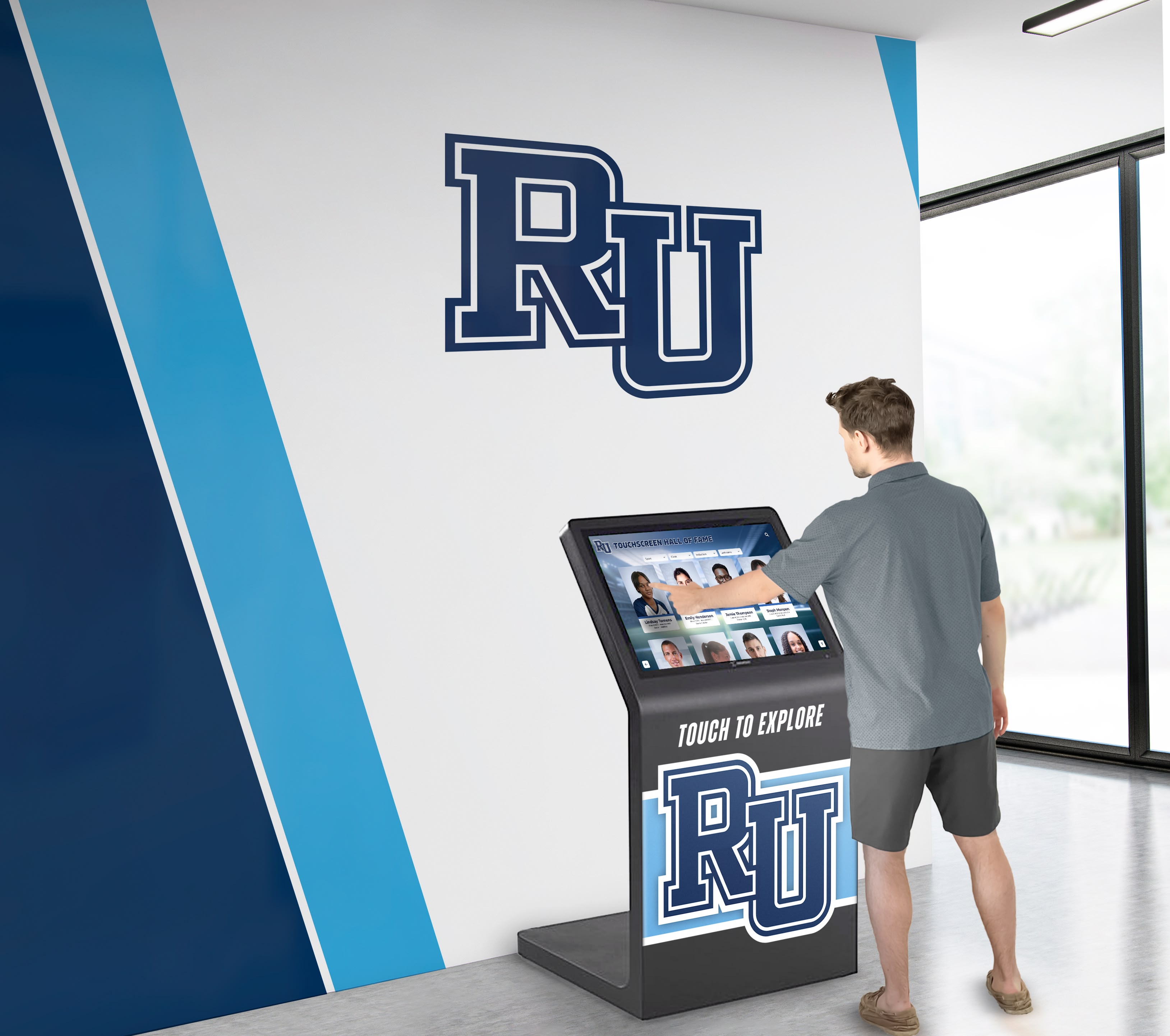
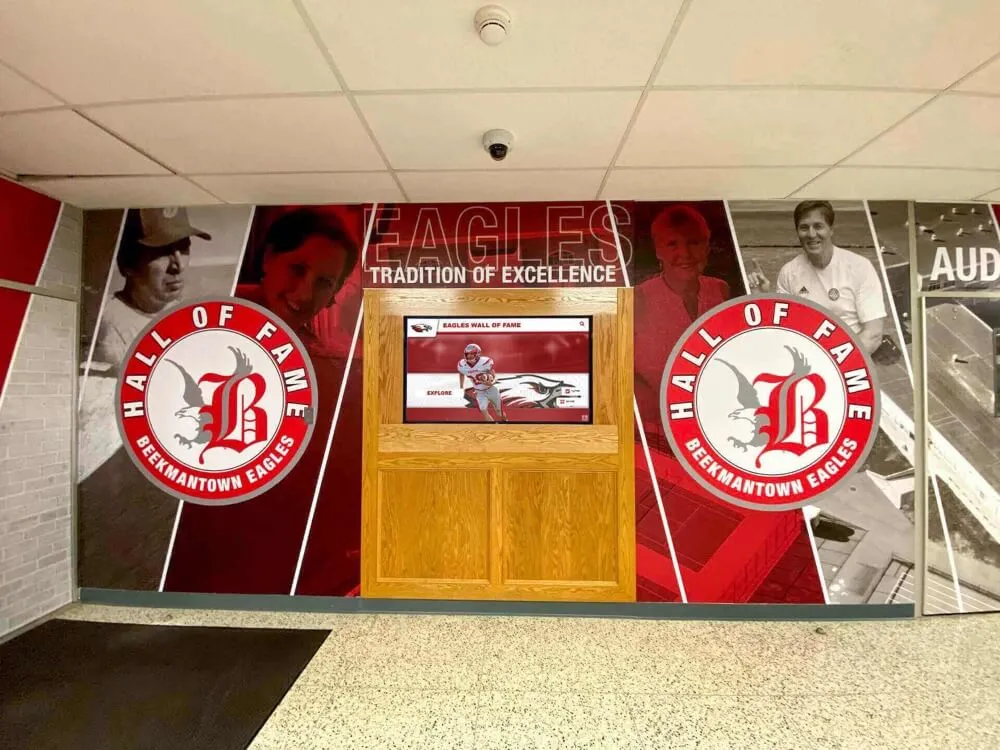
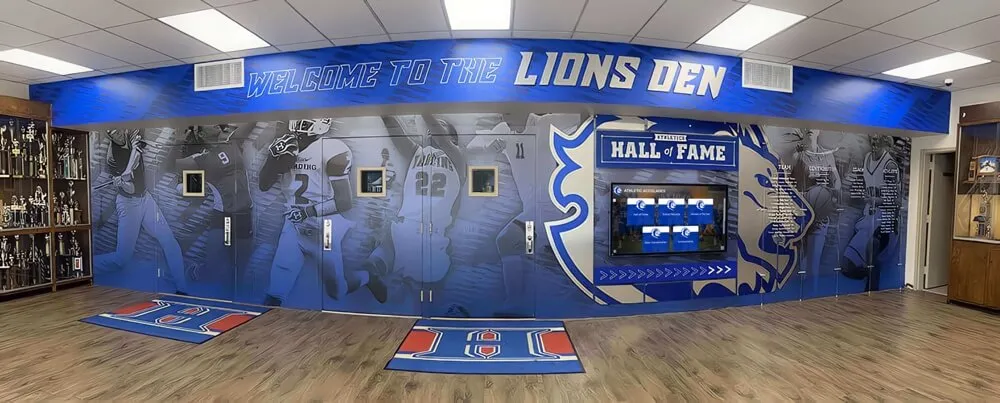
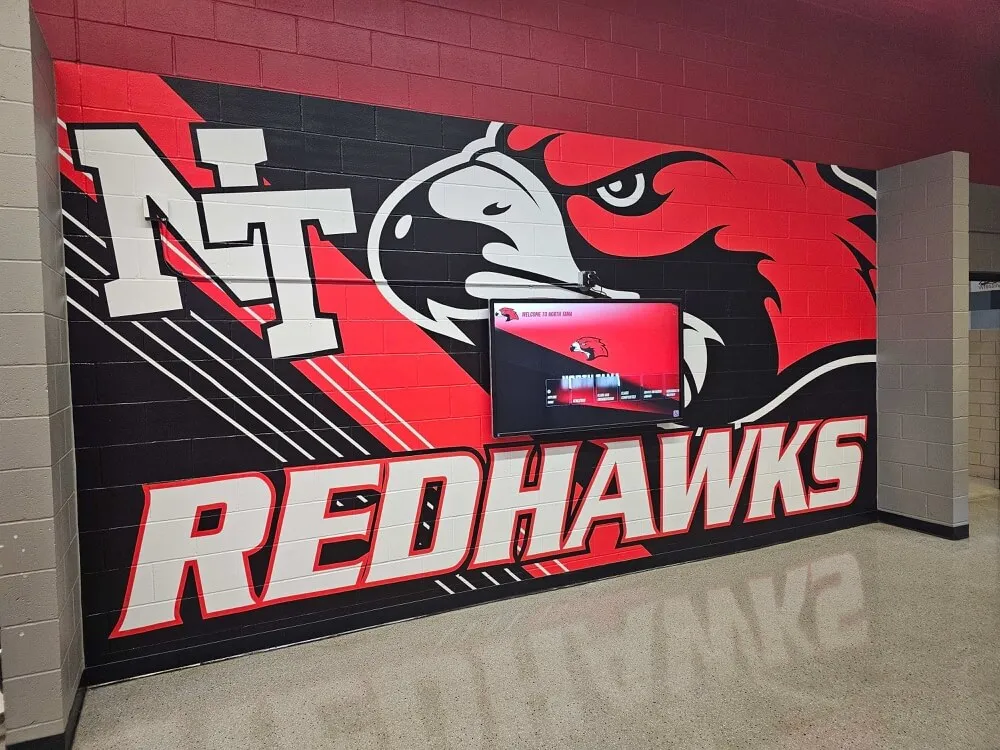
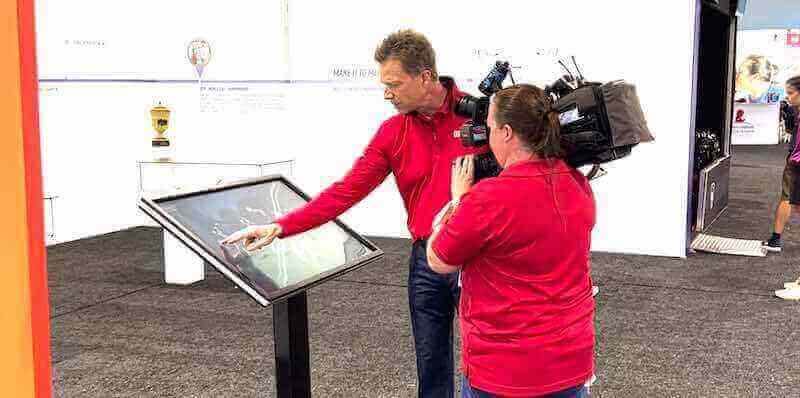
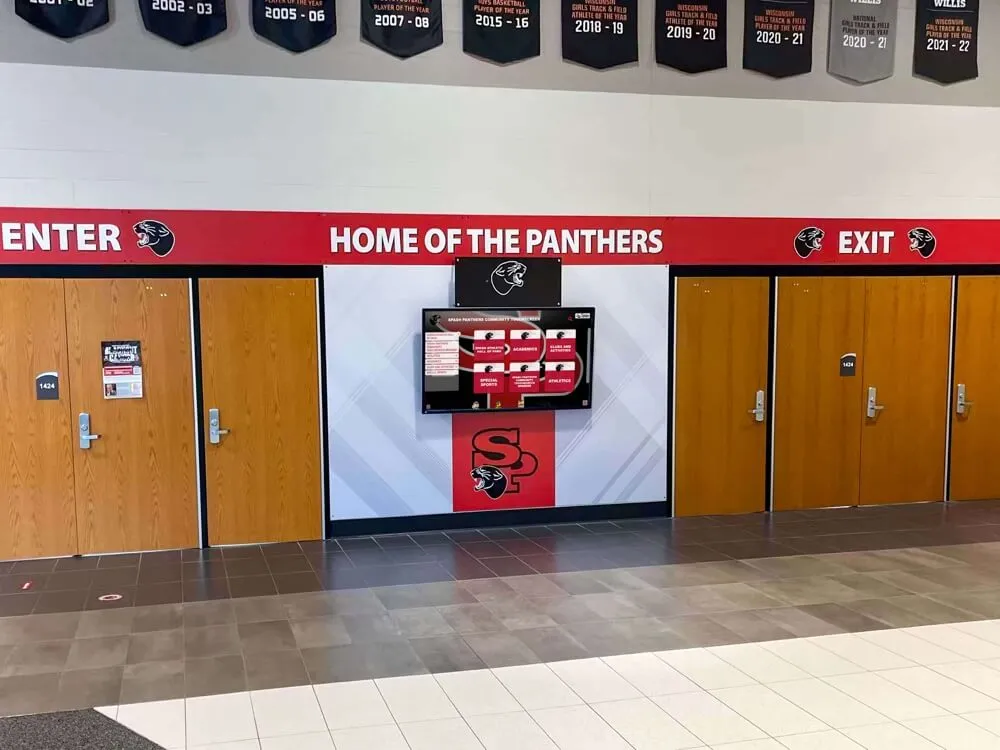
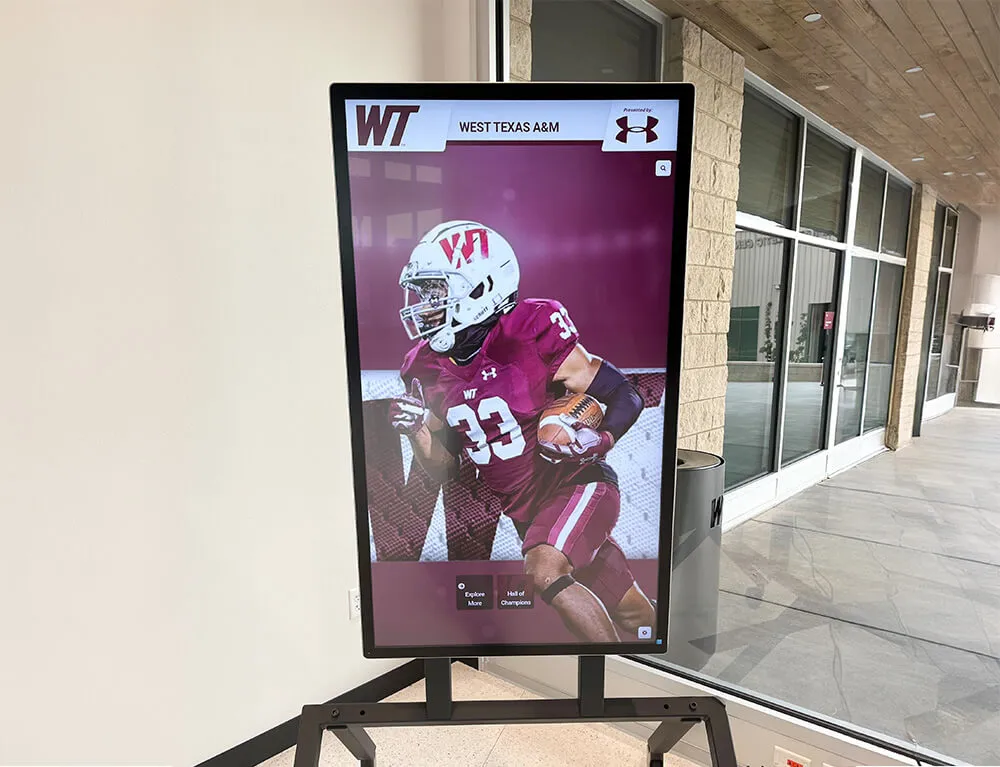
Interactive kiosks providing engaging experiences appear in both healthcare and educational environments, creating accessible touchpoints for information and engagement
Occupational therapists similarly incorporate gaming to develop fine motor skills, hand-eye coordination, problem-solving abilities, and cognitive function in recovering patients, making rehabilitation feel less clinical and more playful.
Therapeutic Gaming Program Models and Approaches
Children’s hospitals implement gaming programs through various models depending on facility size, patient population, available resources, and institutional priorities.
Centralized Gaming Rooms and Teen Lounges
Many hospitals create dedicated spaces where mobile patients can access gaming equipment and socialize with other young patients. These gaming rooms typically feature console gaming systems (PlayStation, Xbox, Nintendo Switch), PC gaming setups, VR equipment for immersive experiences, comfortable seating and age-appropriate decor, organized game libraries with age-appropriate titles, and scheduled gaming activities or tournaments.
Kentucky Children’s Hospital recently upgraded its teen room with advanced gaming technology, describing it as a “game changer” for adolescent patient experience. These spaces provide crucial social interaction opportunities for patients who may feel isolated during extended hospitalizations, creating peer connections around shared gaming experiences.
Centralized gaming rooms work particularly well for:
- Outpatient treatment centers where patients return regularly
- Psychiatric units where group activities support therapeutic goals
- Rehabilitation facilities where patients have mobility
- Adolescent floors where social interaction is developmentally critical
However, centralized spaces cannot serve bedbound patients or those in isolation due to infection risk, necessitating alternative delivery models.
Portable Gaming Kiosks for Bedside Care
For patients unable to leave their rooms, portable gaming systems provide crucial access. Organizations like Gamers Outreach have developed GO Karts—portable, medical-grade gaming units designed specifically for hospital environments.
GO Karts feature:
- Integrated monitor, game console, and controller storage
- Medical-grade construction meeting hospital sanitation standards
- Internal lift mechanisms adjusting to individual patient bed heights
- Caster wheels enabling easy transport between rooms
- Enclosed design protecting equipment during transport
- No internet requirement enabling use in isolation rooms
- Easy-to-clean surfaces critical in healthcare settings
Gamers Outreach has provided more than 36 GO Karts across 19 U.S. hospitals, ensuring bedbound patients access the same gaming experiences as mobile patients. Hospital staff can quickly bring gaming to patients awaiting procedures, recovering from surgeries, or confined during extended treatments.
This bedside accessibility proves particularly valuable for:
- Post-surgical patients with limited mobility
- Patients in protective isolation
- Children undergoing extended cancer treatments
- Pre-procedure anxiety management
- Pain distraction during wound care or physical therapy
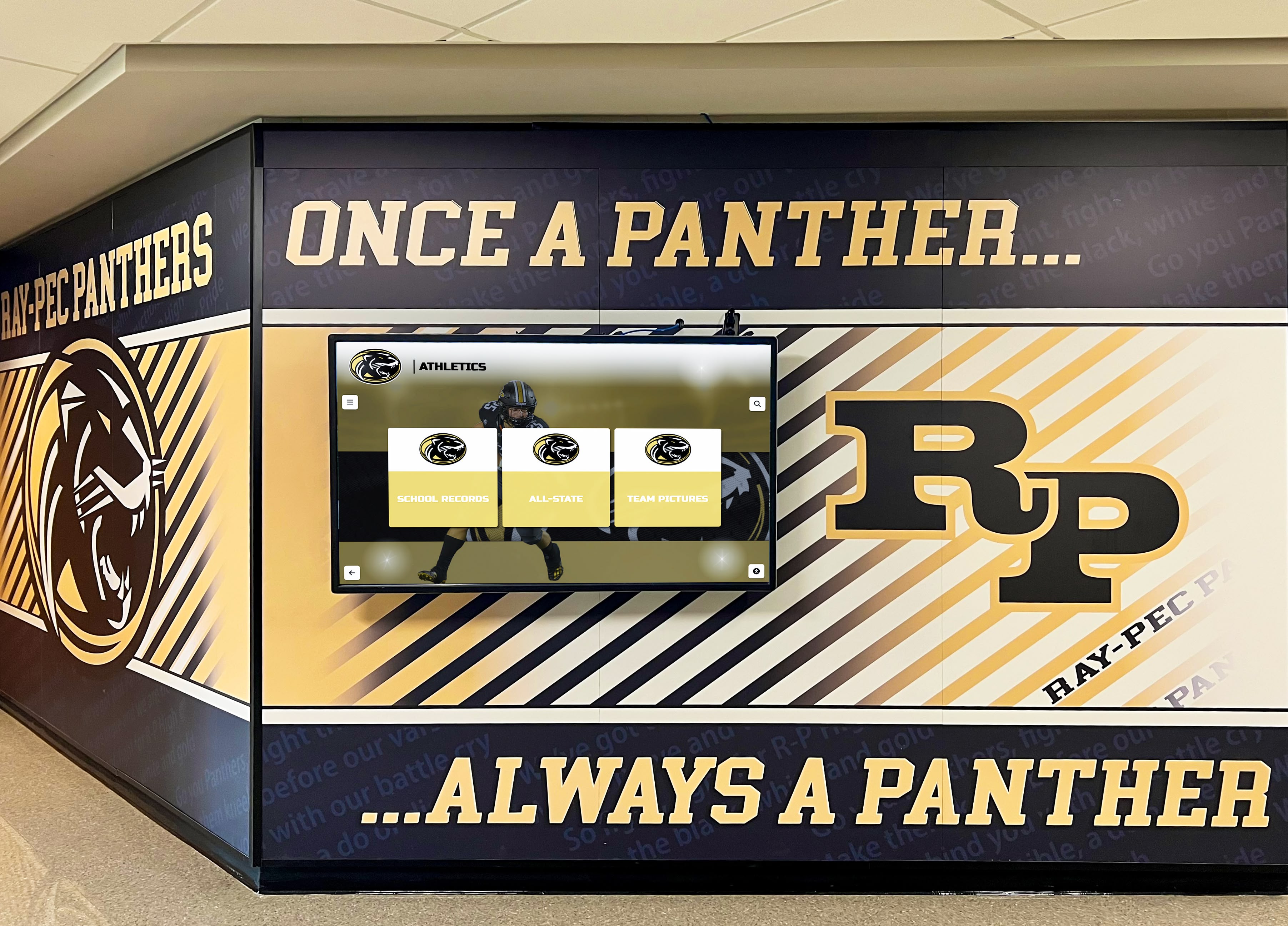
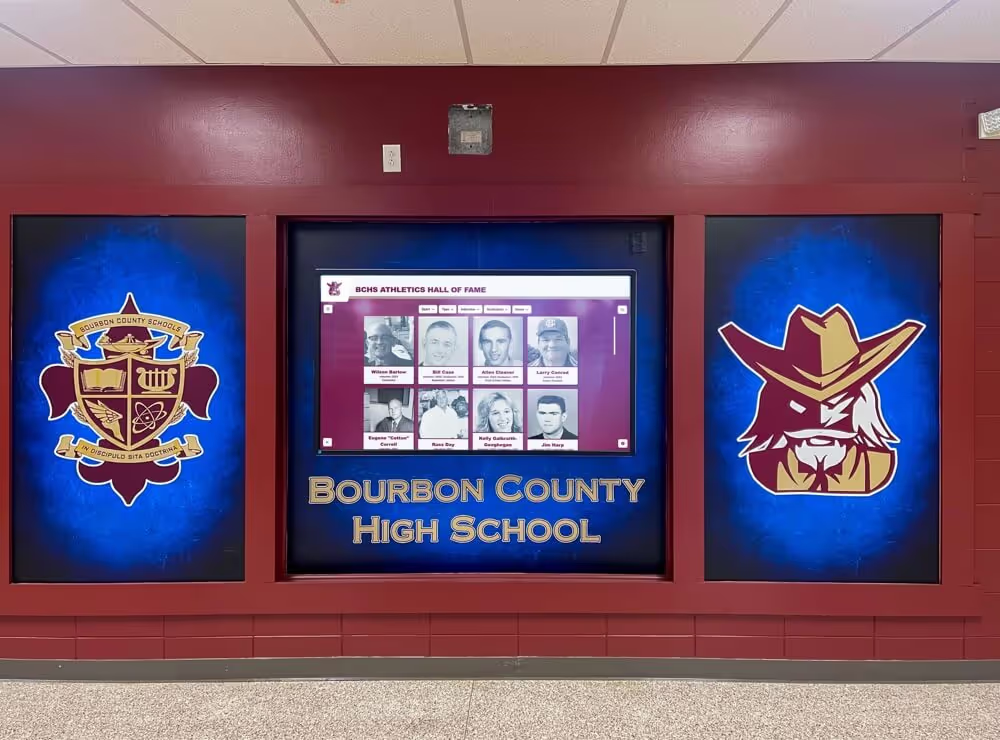
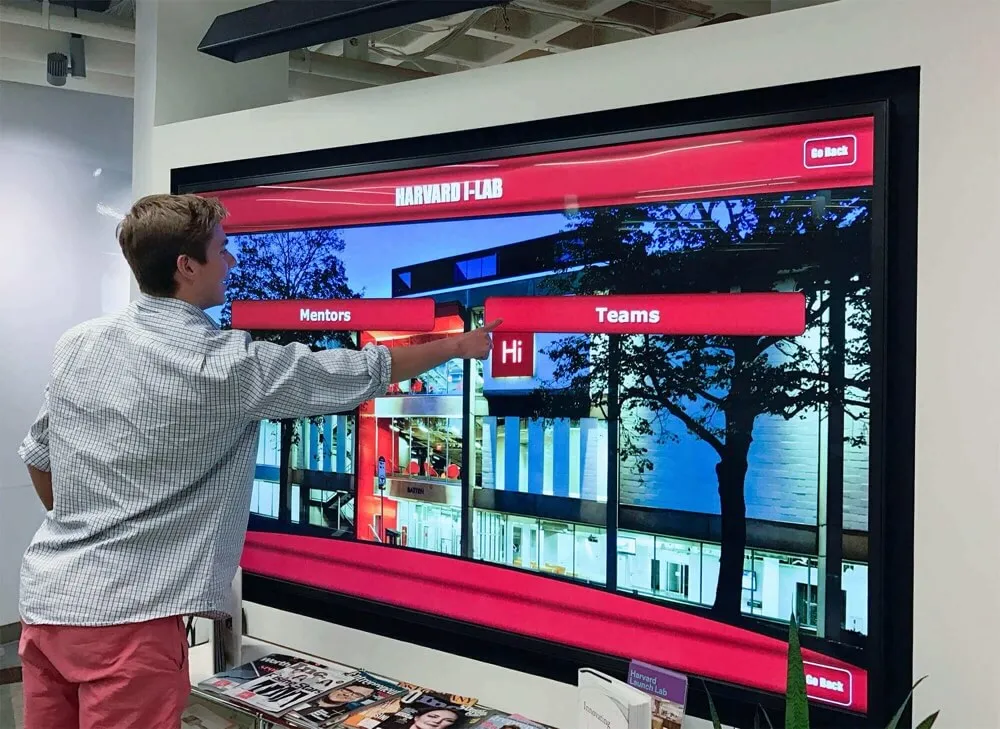
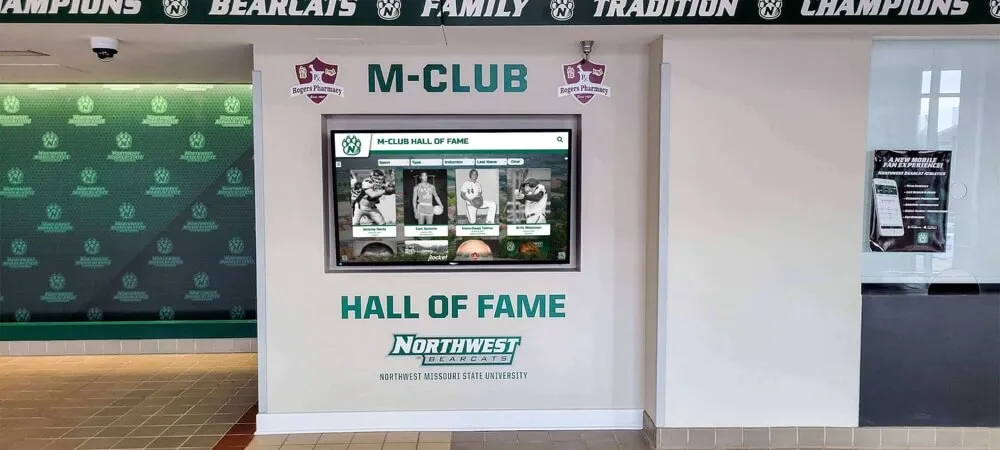
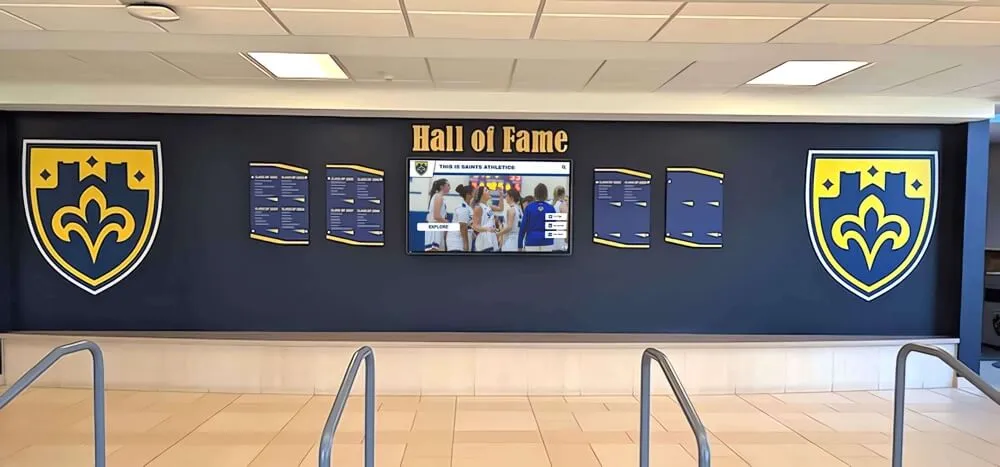
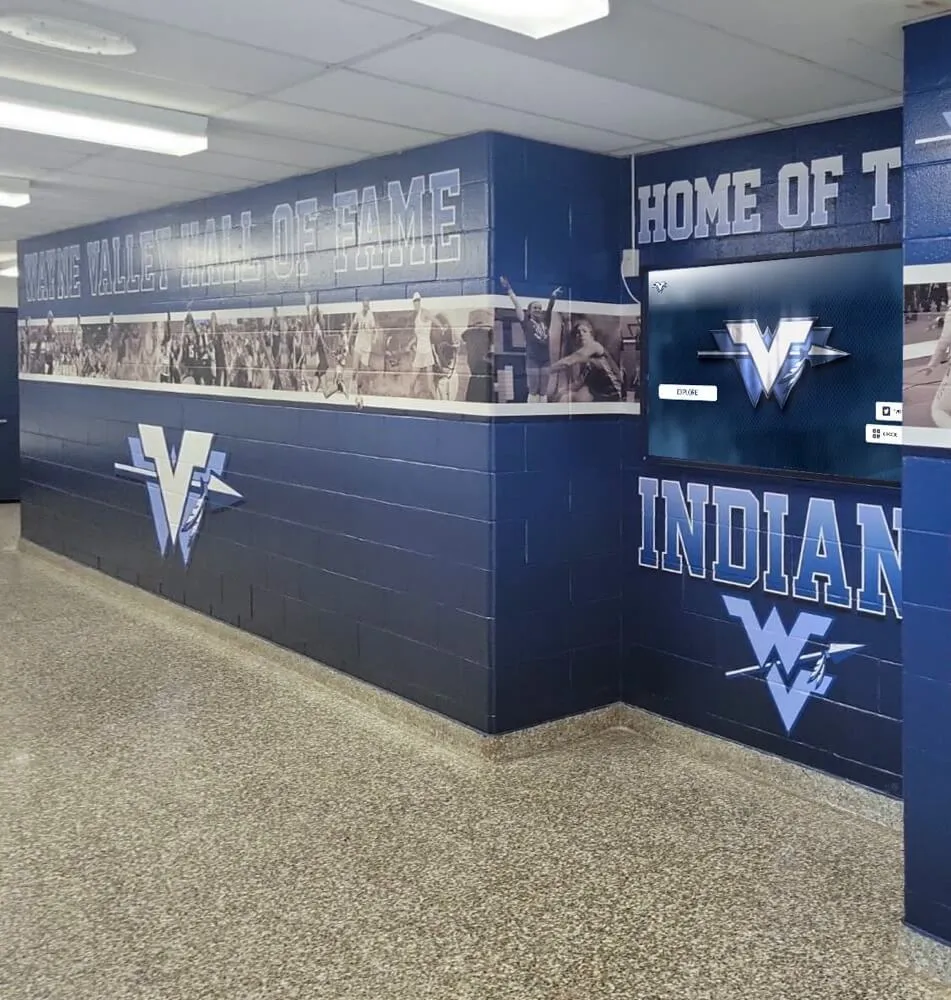
Interactive displays integrate naturally into existing environments whether healthcare facilities or educational institutions, complementing rather than replacing traditional elements
Virtual Reality for Immersive Therapeutic Experiences
VR technology offers unique therapeutic advantages beyond traditional gaming. Children’s hospitals increasingly incorporate VR for:
Pain Management and Distraction
VR creates immersive experiences that effectively distract from painful procedures. Studies show VR significantly reduces perceived pain during wound care, IV insertions, blood draws, and physical therapy exercises. The immersive nature occupies cognitive resources that would otherwise process pain signals, creating measurable reductions in subjective pain ratings and observable distress behaviors.
Anxiety Reduction for Medical Procedures
Pre-procedure anxiety negatively impacts both patient experience and clinical outcomes. VR experiences specifically designed for procedural preparation help children understand upcoming procedures through age-appropriate virtual simulations, explore virtual versions of procedure rooms reducing fear of unfamiliar environments, practice coping techniques like breathing exercises in calming virtual settings, and build sense of control and predictability around medical experiences.
Physical Therapy Enhancement
VR transforms physical therapy from tedious exercise into engaging activity. Patients complete therapeutic movements while:
- Exploring virtual environments
- Playing immersive games with therapeutic mechanics
- Competing with themselves or others for higher scores
- Achieving virtual rewards for completing exercise sets
- Receiving real-time visual feedback on movement quality
Therapeutic Escape and Normalization
For children facing extended hospitalizations, VR provides psychological relief through:
- Virtual field trips to places they cannot physically visit
- Attendance at virtual concerts, sporting events, or gatherings
- Exploration of fantastical worlds impossible in reality
- Social VR experiences connecting with family and friends remotely
- Brief psychological escape from medical environment
Digital Yearbook and Memory Creation Programs
While therapeutic gaming focuses on immediate patient wellbeing, some hospitals incorporate digital memory-creation programs helping young patients document their healthcare journey through positive lenses. These programs share conceptual similarities with digital yearbook platforms used in educational settings to preserve memories and celebrate milestones.
Hospital memory programs might include:
- Photo documentation of treatment milestones and victories
- Video messages from medical teams celebrating progress
- Digital scrapbooks families can access and contribute to remotely
- Achievement recognition for completing difficult treatment phases
- Connections with other patients through shared experience galleries
These digital memory programs provide lasting positive associations with treatment experiences while giving patients sense of accomplishment and progress during challenging medical journeys. Similar to how schools use interactive displays for student recognition, hospitals recognize patient courage and progress through digital platforms.
Technology Platforms and Equipment for Therapeutic Gaming
Effective therapeutic gaming programs require appropriate hardware, software, and infrastructure supporting diverse patient needs and clinical applications.
Gaming Consoles and Platforms
Microsoft Xbox Systems
Xbox consoles feature prominently in hospital gaming programs. Microsoft has partnered with Companions in Courage Foundation to supply hundreds of Xbox kiosks to children’s hospitals across the United States. Xbox advantages include:
- Large library of age-appropriate games
- Adaptive controller designed for players with limited mobility
- Xbox Game Pass subscription providing rotating game access
- Parental controls enabling age-appropriate content filtering
- Network capabilities for multiplayer experiences when appropriate
- Robust offline functionality for isolated patients
Sony PlayStation Systems
PlayStation consoles offer competitive advantages:
- Exclusive titles appealing to different demographics
- PlayStation VR providing immersive experiences
- Intuitive controller design suitable for younger players
- Strong entertainment app ecosystem (streaming services for non-gaming)
- Share features enabling gameplay recording and sharing
Nintendo Switch
Switch systems provide unique benefits for healthcare settings:
- Portable design enabling true bedside gaming without large equipment
- Easy sanitization of detachable controllers
- Family-friendly game library with broad age appeal
- Motion controls supporting physical therapy integration
- Local wireless multiplayer without internet requirements
- Lower cost enabling larger device deployments
PC Gaming Systems
Computer-based gaming offers flexibility for therapeutic applications:
- Extensive game library including educational titles
- Custom therapeutic software development
- Compatibility with specialized adaptive input devices
- Easy content management and game installation
- Integration with hospital networks when appropriate
- Multi-purpose functionality beyond gaming
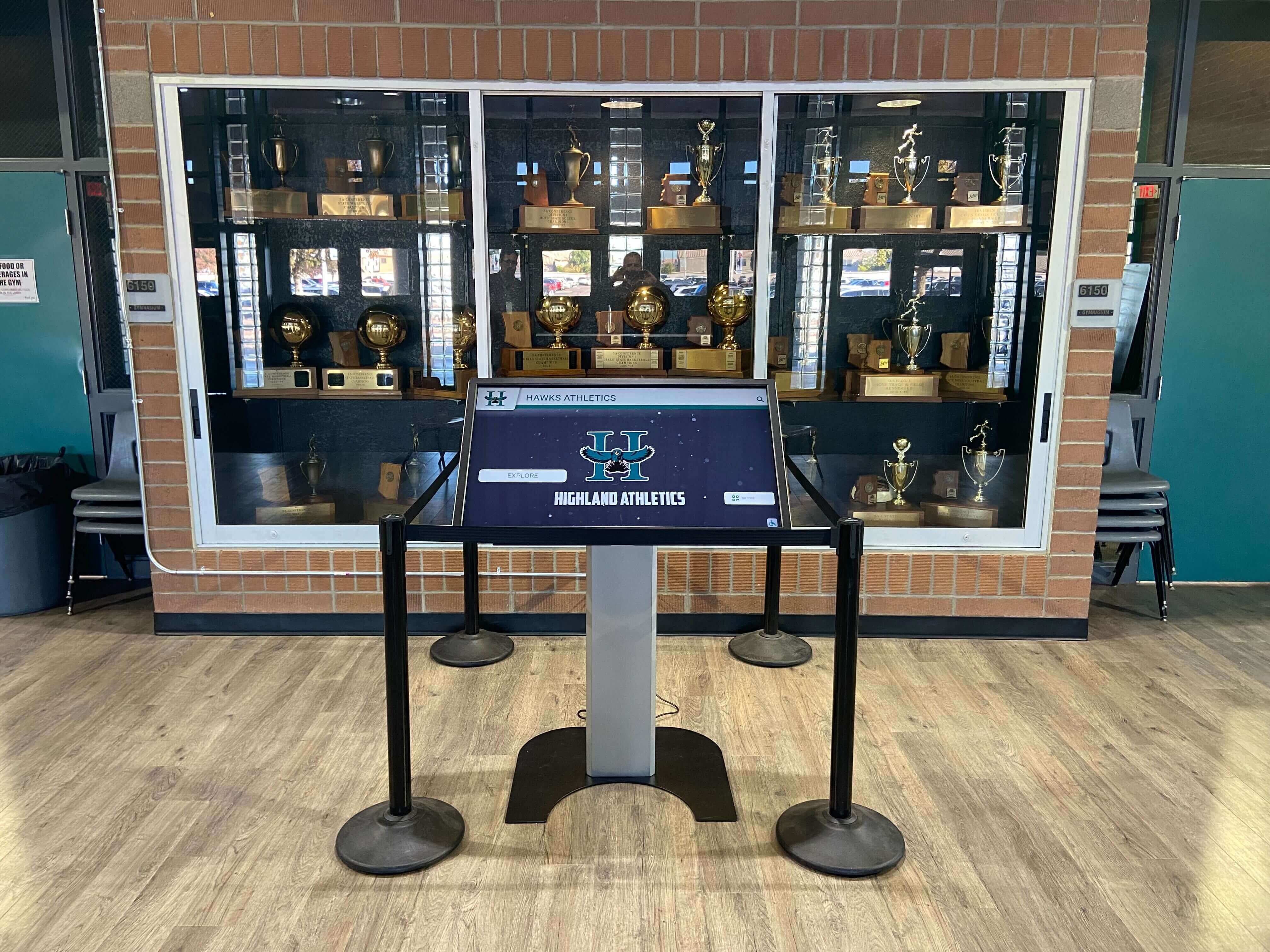
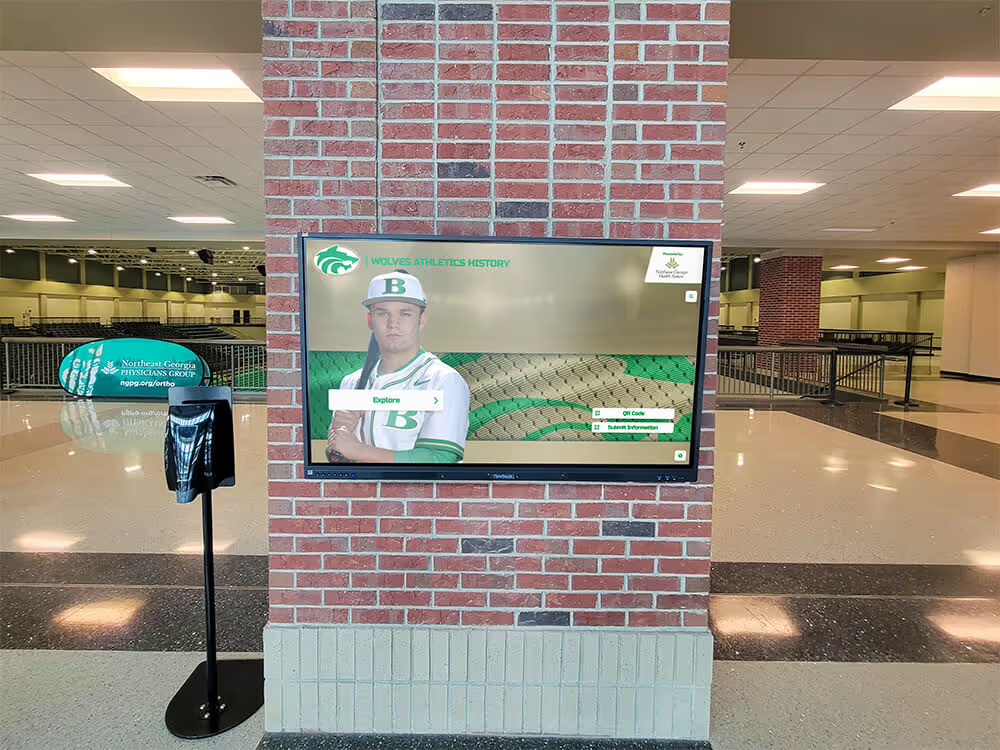
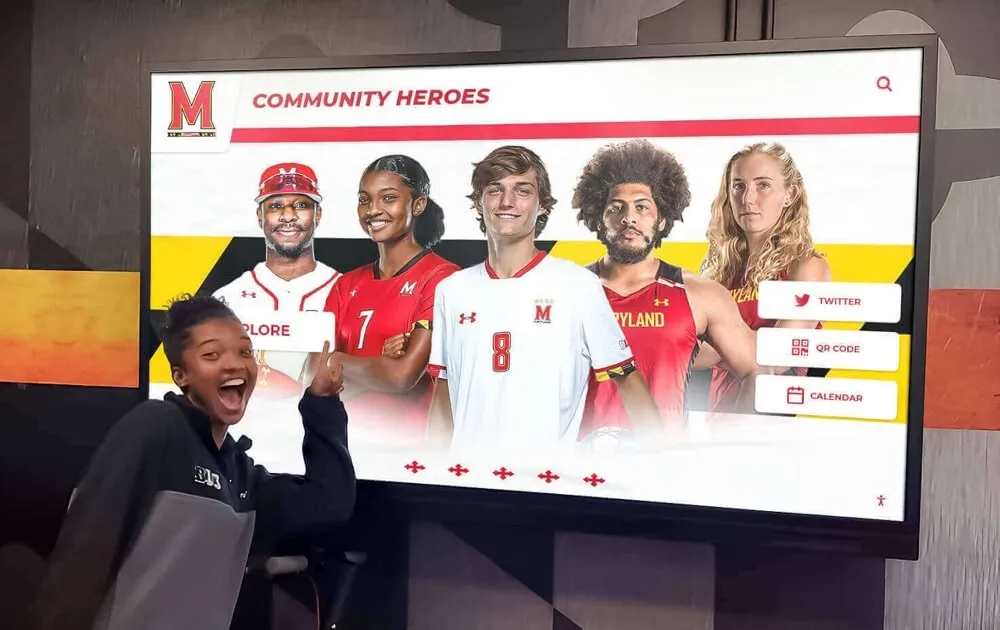
Interactive display technology integrates into diverse institutional settings, providing engagement through touchscreen interfaces whether for patient support or student recognition
Virtual Reality Equipment
Meta Quest Headsets
Standalone VR headsets like Meta Quest 2 and Quest 3 dominate hospital VR programs due to:
- No external computer requirements enabling easy deployment
- Inside-out tracking eliminating external sensor setup
- Intuitive controllers suitable for various age groups
- Growing library of therapeutic and relaxation applications
- Easy sanitation between patients
- Wireless design preventing cable entanglement risks
Medical-Grade VR Solutions
Specialized companies develop VR systems specifically for healthcare applications:
- Pre-installed therapeutic content designed for clinical settings
- Enhanced sanitation features including removable, washable components
- Integration with hospital EMR systems for outcomes tracking
- Clinical research partnerships validating therapeutic effectiveness
- Staff training programs for appropriate VR utilization
- Pediatric-specific content addressing common medical procedures
Adaptive Gaming Technology
Accessibility considerations ensure all patients can benefit regardless of physical limitations. Adaptive technologies include:
Microsoft Xbox Adaptive Controller
This revolutionary device enables players with limited mobility to participate through:
- Large programmable buttons easily activated with minimal force
- Extensive ports connecting various adaptive switches and inputs
- Customizable button mapping accommodating individual needs
- Compatible with standard Xbox games without special versions
- Mounting options for wheelchair trays or bed tables
Specialized Input Devices
- Eye-tracking systems for patients with severe mobility limitations
- One-handed controllers for patients with single-limb restrictions
- Mouth-operated controllers for patients with upper extremity limitations
- Touch-sensitive pads requiring minimal pressure
- Voice-control integration reducing physical demands
Software Accessibility Features
Modern games increasingly incorporate built-in accessibility:
- Difficulty settings enabling success across skill levels
- Visual accessibility options for colorblind or low-vision players
- Audio cues supplementing or replacing visual information
- Subtitle and caption options for dialogue and sound effects
- Remappable controls accommodating various physical needs
- Reduced motion options preventing discomfort
Interactive Display Technology for Common Areas
Beyond individual gaming devices, hospitals utilize large-format interactive displays in common areas for:
Wayfinding and Information Kiosks
Similar to interactive kiosk software used in schools, hospitals deploy touchscreen kiosks providing:
- Campus maps and navigation assistance
- Department directory and physician information
- Patient check-in and registration workflows
- Educational content about conditions and treatments
- Entertainment options for families in waiting areas
- Multi-language support for diverse communities
Collaborative Gaming Spaces
Large touchscreen displays enable group gaming experiences:
- Multiplayer games for socialization between patients
- Family gaming during visiting hours
- Touch-based puzzle and strategy games
- Interactive educational content
- Leaderboards creating friendly competition
- Scheduled group gaming activities
Solutions like Rocket Alumni Solutions, which typically serve educational institutions for recognition displays and digital yearbooks, demonstrate how interactive display technology supports engagement across institutional contexts—whether celebrating student achievements in schools or providing entertainment and information in healthcare facilities.
Implementation Strategies for Hospital Gaming Programs
Successfully launching therapeutic gaming programs requires systematic planning addressing clinical integration, resource allocation, training, and sustainability.
Building the Clinical and Administrative Case
Demonstrating Clinical Value
Program proposals should emphasize evidence-based benefits:
- Pain management research showing reduced pharmacological needs
- Anxiety reduction studies demonstrating pre-procedure benefits
- Physical therapy compliance improvements with gamified interventions
- Patient satisfaction data correlating with gaming program access
- Length of stay analyses showing faster recovery perceptions
- Staff satisfaction with additional tools supporting patient wellbeing
Addressing Resource Allocation
Healthcare administrators prioritize initiatives demonstrating clear value. Effective proposals:
- Outline specific budget requirements including equipment, software, staffing, and maintenance
- Identify funding sources beyond operating budgets including grants, charitable donations, and corporate partnerships
- Project multi-year costs ensuring sustainability beyond initial implementation
- Calculate cost-benefit ratios comparing gaming investments to alternative interventions
- Phase implementation starting with pilot programs demonstrating value before expansion
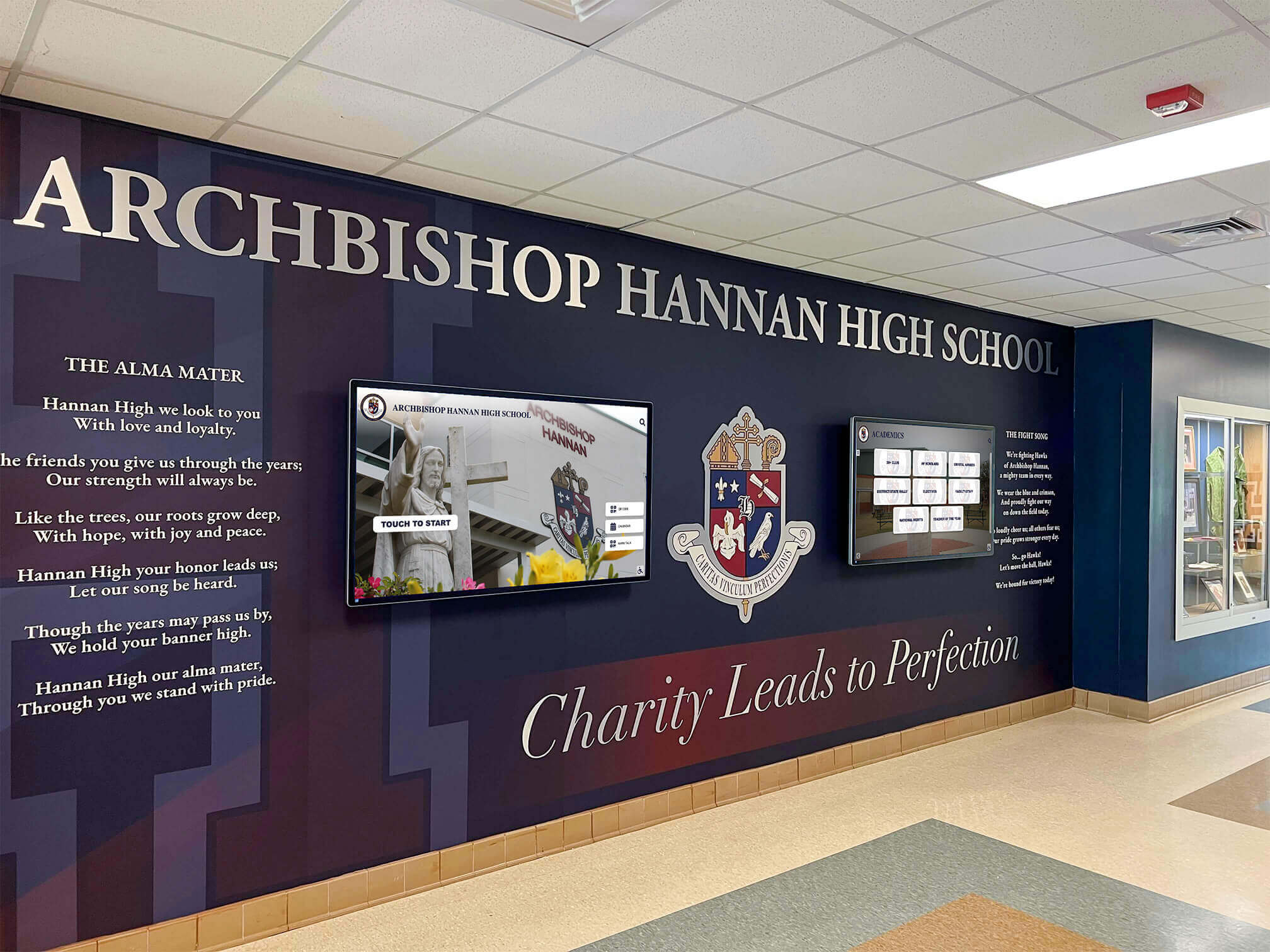
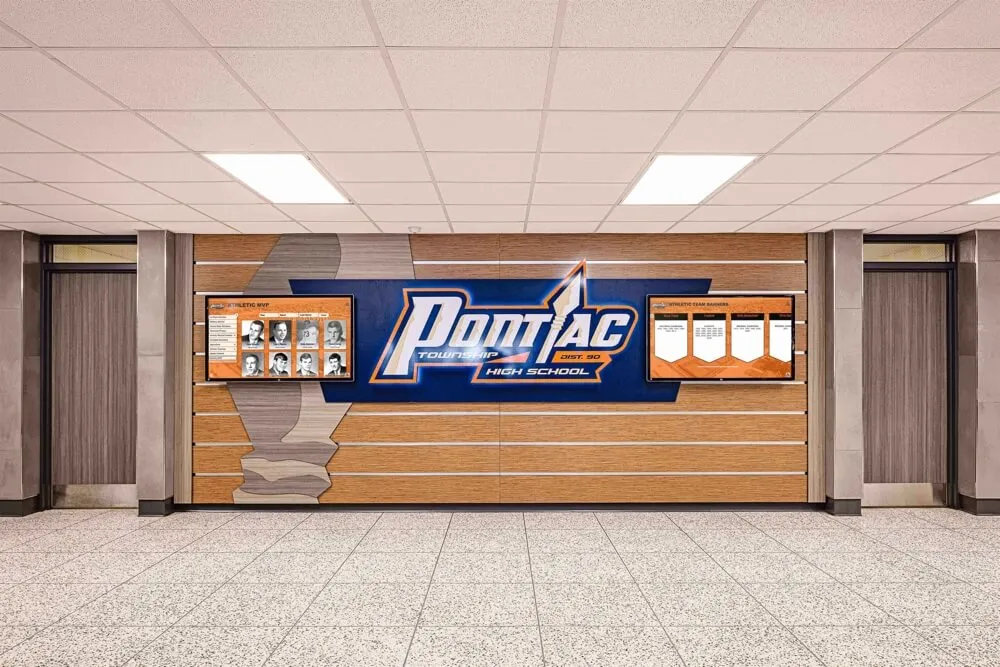
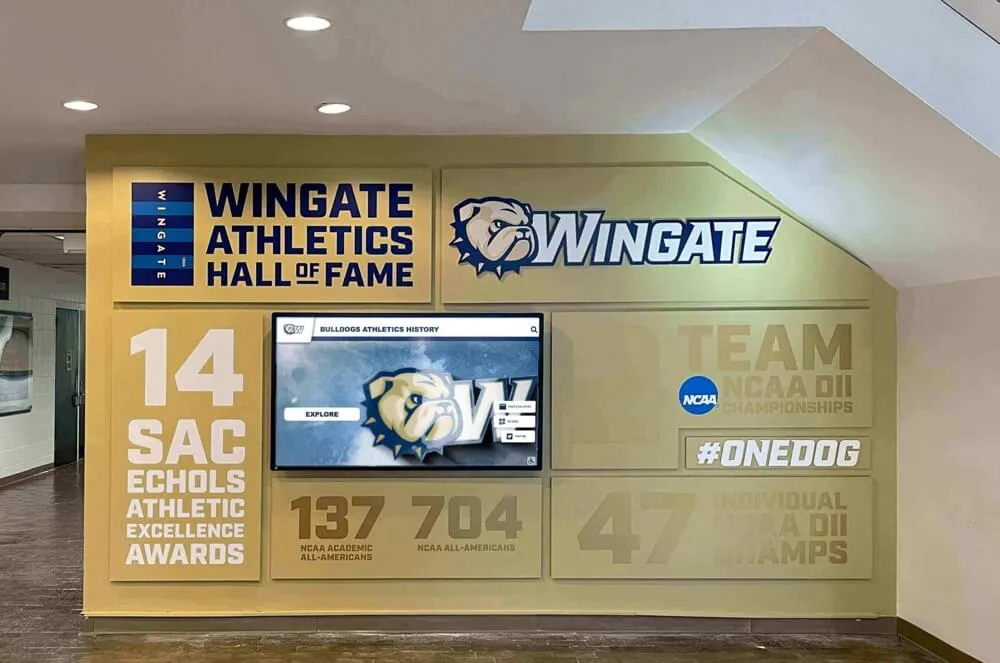
Institutional lobbies benefit from integrated digital display technology providing information, entertainment, and engagement whether in healthcare or educational settings
Securing Funding and Partnerships
Charitable Organizations
- Child’s Play Charity funds gaming programs at children’s hospitals worldwide
- Gamers Outreach provides GO Kart gaming systems through donations
- Local charitable foundations often support pediatric program enhancements
- Extra Life fundraising campaigns engage gaming communities supporting hospitals
Corporate Partnerships
Technology companies partner with hospitals through:
- Equipment donations providing gaming hardware
- Software licensing for therapeutic applications
- Technical support and maintenance services
- Research collaborations studying gaming effectiveness
- Marketing opportunities highlighting healthcare innovation
Community Fundraising
Hospitals engage local communities through:
- Gaming marathons and charity streams
- Corporate sponsorships from local businesses
- Donor recognition programs acknowledging contributors
- Annual fundraising events focused on pediatric programs
- Memorial or tribute gifts from families honoring loved ones
Developing Age-Appropriate Content Libraries
Game selection significantly impacts program effectiveness and appropriateness:
Content Curation Considerations
- Age-appropriate ratings using ESRB guidelines
- Avoidance of medical themes that might trigger patient anxiety
- Representation diversity ensuring all patients see themselves in games
- Difficulty accessibility enabling success across skill levels
- Cooperative gameplay encouraging social connection
- Educational value supplementing entertainment
- Cultural sensitivity for diverse patient populations
Recommended Game Categories
Young Children (Ages 4-8)
- Colorful exploration games with minimal challenge
- Simple puzzle games building cognitive skills
- Creative sandbox games like Minecraft or Roblox
- Animal-themed adventures and simulation games
- Music and rhythm games with physical movement
- Educational games building literacy and numeracy
Older Children (Ages 9-12)
- Adventure games with compelling narratives
- Multiplayer games enabling socialization
- Sports simulations connecting to familiar activities
- Strategy games developing problem-solving skills
- Creative building and design games
- Age-appropriate action games with positive themes
Adolescents (Ages 13-18)
- Story-driven games with mature themes (appropriately rated)
- Competitive multiplayer games popular with peer groups
- Role-playing games with character progression
- Music and rhythm games with current popular music
- Racing and sports simulations with realistic graphics
- Indie games with unique artistic styles
Training Medical Staff on Gaming Integration
Successful programs require buy-in and engagement from clinical teams:
Staff Training Components
- Equipment operation and troubleshooting basics
- Age-appropriate game recommendations
- Integration with therapy and procedure protocols
- Infection control and equipment sanitation procedures
- Patient assessment for gaming appropriateness
- Adaptive technology for patients with physical limitations
- Documentation of gaming interventions in medical records
Addressing Staff Concerns
Healthcare professionals may express concerns about:
- Gaming interfering with medical care (address through clear protocols)
- Inappropriate content exposure (mitigate through curated libraries)
- Infection transmission via shared equipment (implement strict sanitation procedures)
- Screen time recommendations (explain therapeutic context differs from recreational gaming)
- Equitable access ensuring all patients benefit (develop fair allocation systems)
Measuring Outcomes and Program Effectiveness
Data collection demonstrates value and guides continuous improvement:
Quantitative Metrics
- Number of patient interactions and gaming sessions
- Average session duration and engagement patterns
- Pre/post pain ratings during gaming-assisted procedures
- Anxiety scale measurements before and after gaming
- Physical therapy goal achievement rates
- Patient satisfaction scores correlating with gaming access
- Staff utilization rates and interdisciplinary referrals
Qualitative Feedback
- Patient testimonials and experience stories
- Family observations and satisfaction feedback
- Staff perspectives on clinical integration
- Case studies demonstrating specific therapeutic outcomes
- Photos and videos showing patient engagement (with appropriate consent)
- Social media mentions and community awareness
Continuous Improvement
Program data should inform:
- Equipment and game library expansions
- Staff training enhancements
- Scheduling and access optimization
- Funding requests for program growth
- Research partnerships and outcome studies
- Best practice sharing with other institutions
Connecting Healthcare and Educational Technology Applications
While therapeutic gaming serves clinical purposes in hospitals, the underlying technology and engagement principles extend to educational settings where interactive digital platforms support student connection, recognition, and community building.
Shared Engagement Principles
Both healthcare and educational environments benefit from:
Accessibility and Inclusion
Whether supporting patients with physical limitations through adaptive gaming technology or ensuring all students can explore digital recognition displays, accessibility prioritizes universal access regardless of physical ability, learning differences, or technical expertise.
Multimedia Storytelling
Hospitals use gaming to create positive narratives around treatment experiences while schools use interactive displays to celebrate achievements through photos, videos, and biographical content—both recognizing that engagement deepens through rich multimedia presentations rather than text-only information.
Social Connection and Community
Gaming helps isolated hospital patients connect with peers facing similar experiences. Similarly, digital yearbook platforms and interactive school displays strengthen community connections by celebrating shared history, current achievements, and collective identity.
Personalization and Choice
Therapeutic gaming works because patients choose experiences matching their interests and current emotional needs. Educational technology similarly succeeds through personalized content—students searching for themselves in digital displays, exploring achievements in their specific sports or activities, and engaging with content relevant to their identities.
Interactive Technology in Educational Settings
Schools and universities increasingly implement interactive display technology for purposes parallel to hospital gaming:
Student Recognition and Engagement
Digital halls of fame and recognition displays create engagement through:
- Searchable achievement databases students actively explore
- Multimedia profiles celebrating accomplishments across athletics, academics, and activities
- Social sharing features extending recognition beyond campus
- Interactive timelines showing institutional history and traditions
- Real-time updates celebrating current achievements
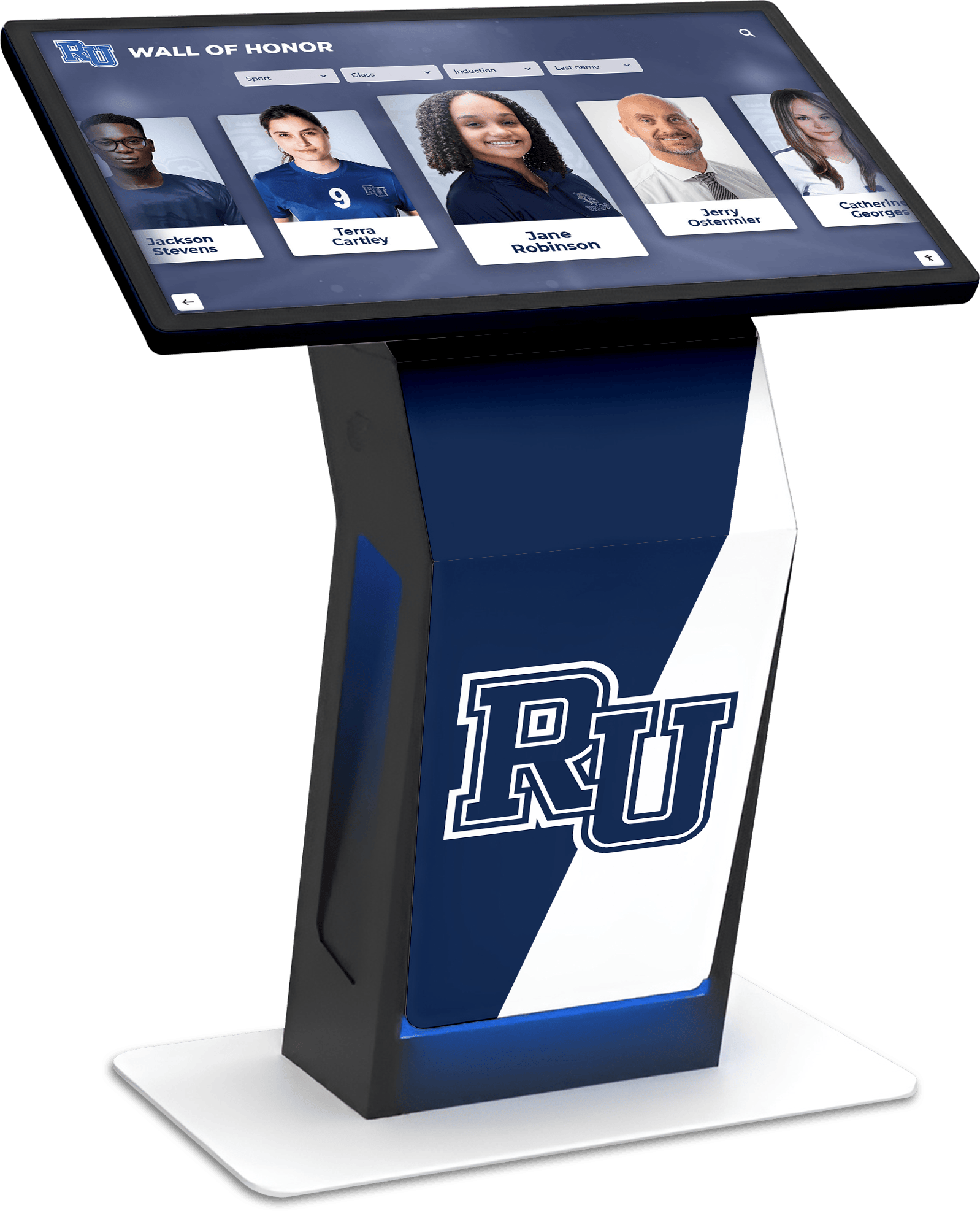
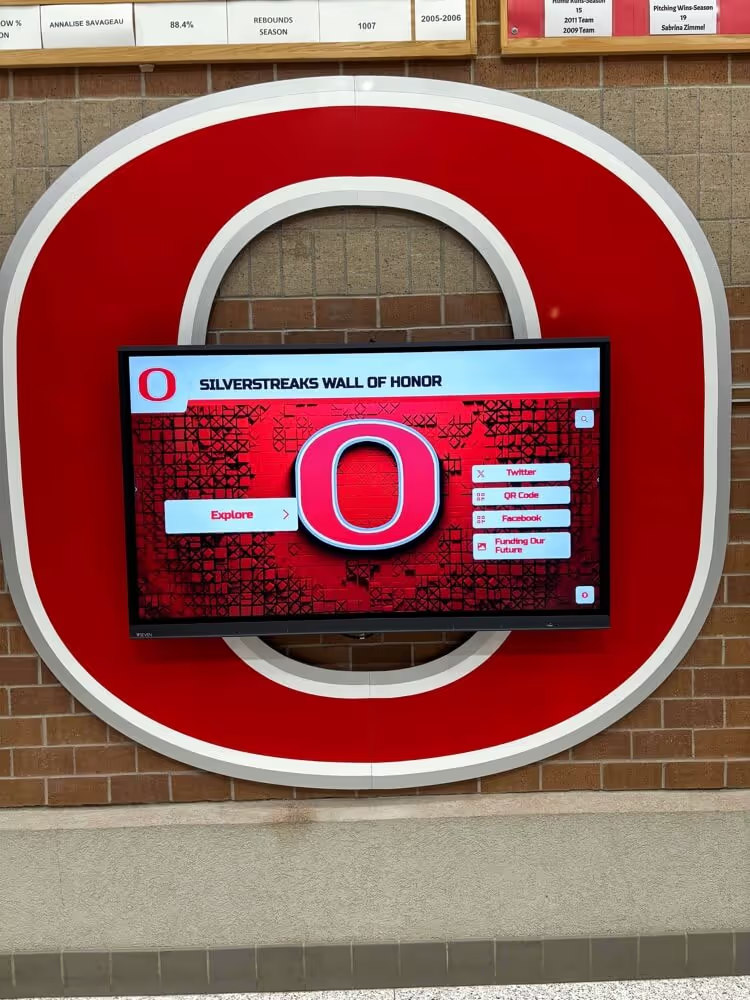
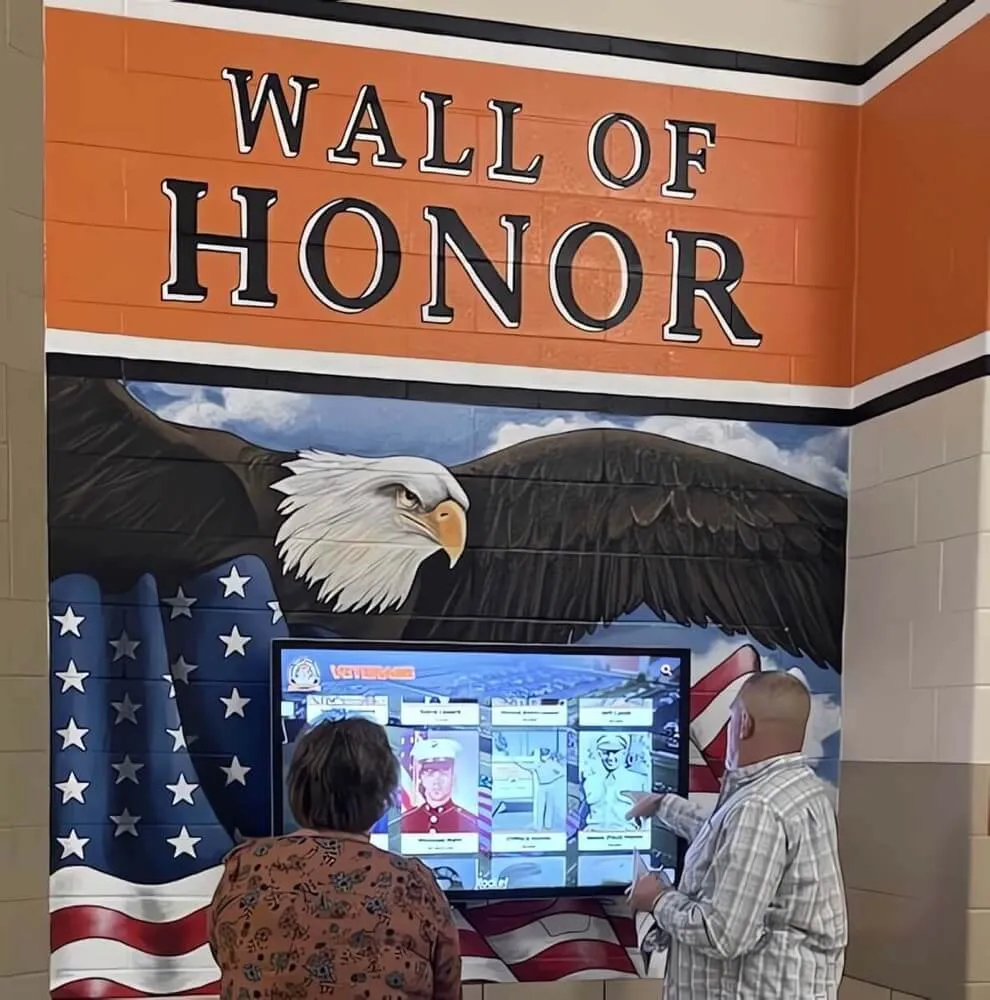
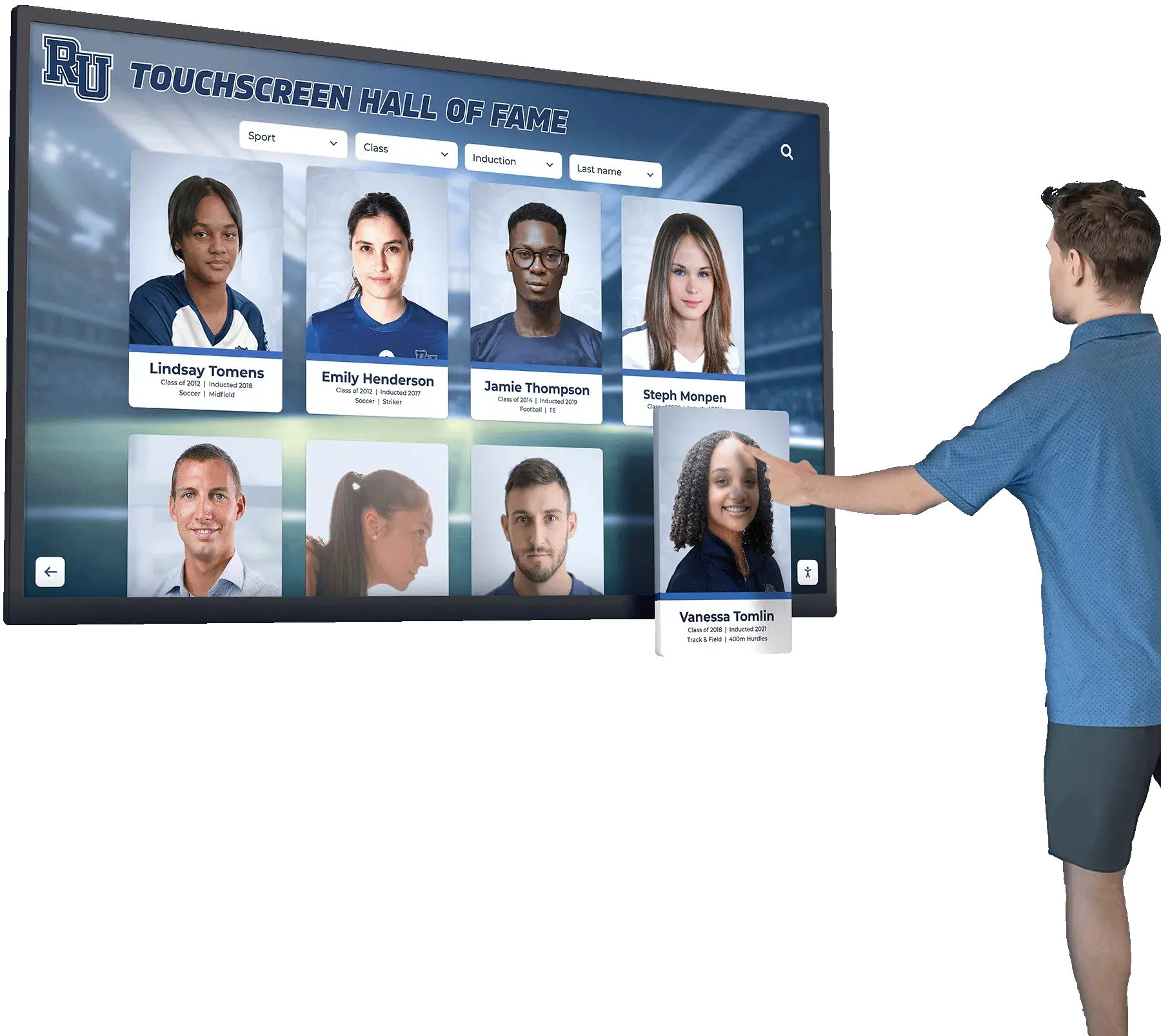
Interactive touchscreen kiosks provide engaging interfaces for exploration whether accessing gaming content in hospitals or celebrating achievements in educational institutions
Digital Yearbook Platforms
Modern digital yearbooks transcend traditional print limitations through:
- Unlimited page capacity eliminating space constraints
- Video and multimedia integration impossible in print
- Searchable content enabling alumni to find specific memories
- Remote accessibility allowing worldwide access
- Real-time updates throughout school years
- Social features enabling comments and sharing
- Lower long-term costs than annual print production
Schools implementing comprehensive digital yearbook platforms discover similar engagement patterns as hospital gaming programs—students spend significantly more time exploring interactive content compared to quickly flipping through static print yearbooks.
Interactive Announcement and Information Systems
Educational institutions use touchscreen displays for:
- Event calendars and schedule information
- Campus wayfinding and navigation
- Club and activity information
- Academic recognition and honor rolls
- Athletic schedules and results
- Student artwork and project showcases
These applications mirror hospital information kiosks while serving educational rather than clinical purposes.
Technology Transfer and Cross-Industry Innovation
Healthcare and education sectors benefit from sharing technological insights:
Hardware and Platform Considerations
- Both sectors require durable commercial-grade equipment withstanding heavy public use
- Sanitation and cleaning protocols matter whether serving patients or students
- Accessibility features benefit all users regardless of context
- Content management systems must accommodate non-technical staff
- Cloud-based platforms enable remote management and updates
- Analytics demonstrate value and guide improvements
Implementation Best Practices
- Pilot programs demonstrate value before large-scale investments
- Staff training ensures effective utilization and integration
- Strategic placement in high-traffic areas maximizes visibility and access
- Multi-stakeholder engagement builds support across constituencies
- Funding diversity beyond operating budgets enables initiatives
- Outcome measurement justifies continued investment and expansion
Educational institutions considering interactive display implementations can learn from therapeutic gaming’s evidence-based approach to demonstrating value, while healthcare facilities might adapt educational technology’s sophisticated content management and multi-platform access strategies.
Future Trends in Therapeutic Gaming and Interactive Technology
Emerging technologies promise enhanced capabilities for both therapeutic gaming and educational applications.
Artificial Intelligence Integration
Personalized Gaming Experiences
AI will increasingly customize gaming to individual needs:
- Adaptive difficulty adjusting to player skill in real-time
- Content recommendations based on age, interests, and therapeutic goals
- Intelligent coaching systems providing real-time feedback
- Predictive analytics identifying optimal therapeutic gaming timing
- Natural language interfaces reducing navigation complexity
Therapeutic Outcome Prediction
Machine learning analyzing patterns in therapeutic gaming effectiveness could:
- Identify which patients benefit most from specific gaming interventions
- Predict optimal session duration and frequency
- Recognize early signs of gaming-related fatigue or frustration
- Customize physical therapy gamification to individual progress patterns
Advanced Virtual and Augmented Reality
Mixed Reality Healthcare Applications
Future AR/VR technology will enable:
- Hybrid experiences blending real and virtual environments
- Virtual presence of family members during gaming sessions
- AR overlays making medical equipment less intimidating
- Virtual field trips to educational or inspirational locations
- Social VR connecting patients across different facilities
Educational AR Integration
Schools will similarly adopt AR/VR for:
- Virtual tours of historical moments in institutional history
- Interactive 3D trophy cases and achievement galleries
- Augmented reality yearbook content triggered by physical pages
- Virtual reunion experiences connecting alumni worldwide
Haptic Feedback and Sensory Integration
Immersive Physical Feedback
Advanced controllers will provide:
- Subtle vibrations and resistance simulating real-world touch
- Temperature variations enhancing immersion
- Texture simulation improving realism
- Force feedback supporting physical therapy applications
Biometric Integration and Adaptive Systems
Real-Time Physiological Monitoring
Gaming systems may integrate with medical monitoring:
- Heart rate tracking identifying anxiety or pain levels
- Automatic difficulty adjustment based on stress indicators
- Session termination triggers preventing over-exertion
- Data integration with electronic medical records
- Research applications studying gaming’s physiological impacts
Cloud Gaming and Accessibility
Reduced Hardware Barriers
Cloud gaming platforms will enable:
- High-quality gaming on minimal local hardware
- Instant access to vast game libraries without downloads
- Consistent experiences across devices and locations
- Reduced equipment costs through subscription models
- Easier content management and updates
This technology will benefit educational institutions similarly—cloud-based interactive platforms reducing local hardware requirements while providing consistent experiences across multiple display locations on campus.
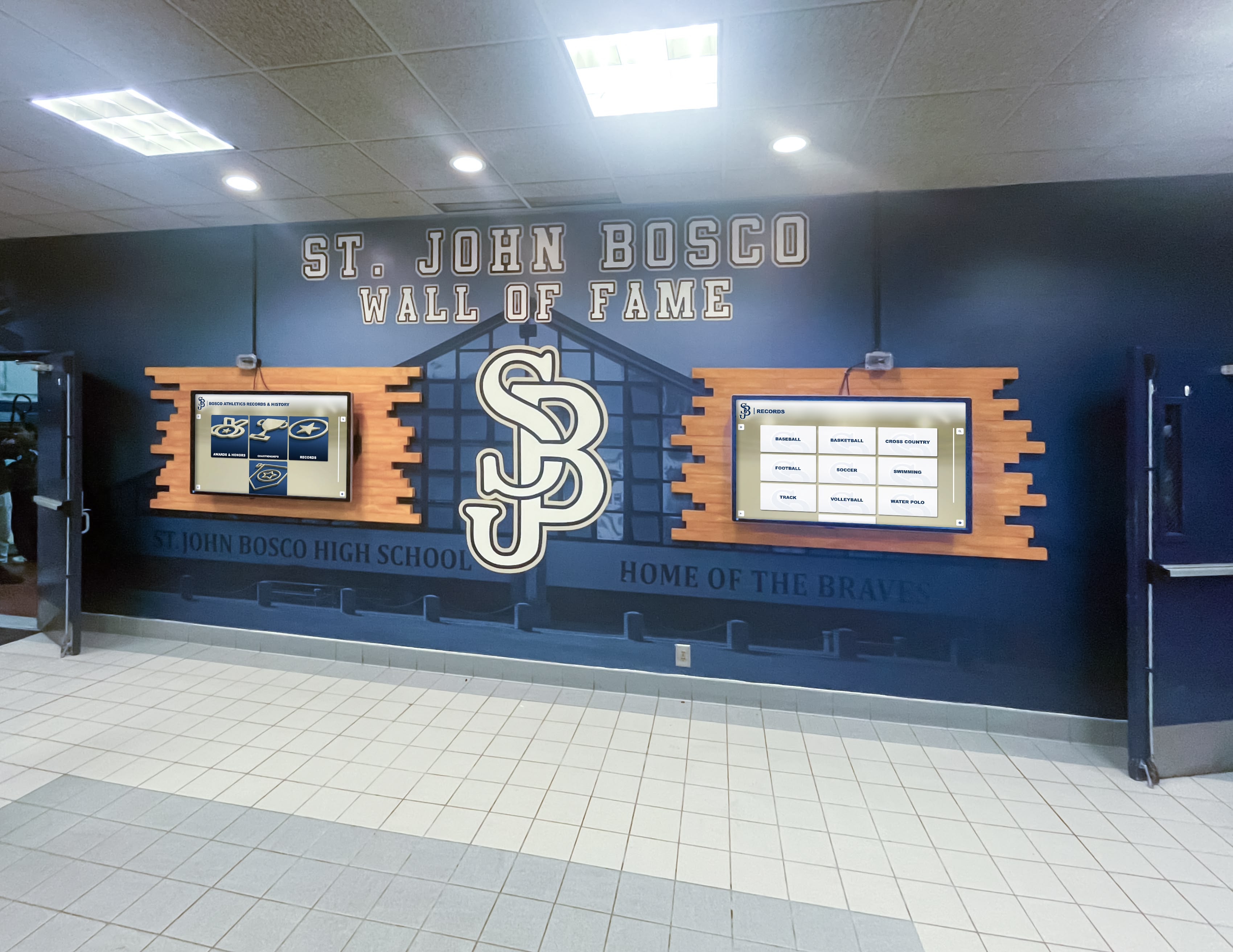
Multiple coordinated displays create comprehensive coverage whether supporting patient engagement throughout hospital wings or student recognition across educational facilities
Conclusion: The Expanding Role of Interactive Technology
Video games in children’s hospitals represent far more than entertainment—they provide evidence-based therapeutic interventions reducing pain, decreasing anxiety, supporting physical rehabilitation, and maintaining psychological wellbeing during challenging medical experiences. As the field of therapeutic gaming expands from five specialist positions in 2018 to an estimated 60 in 2025, hospitals increasingly recognize gaming as essential components of comprehensive pediatric care.
The success of therapeutic gaming demonstrates broader principles about human engagement with interactive technology—people of all ages respond to experiences that:
- Provide choice and personal control
- Enable exploration and discovery
- Create social connection opportunities
- Celebrate achievement and progress
- Tell compelling stories through multimedia
- Accommodate diverse abilities and needs
- Offer accessibility beyond single physical locations
These principles extend beyond healthcare into educational environments where similar interactive technologies support student engagement, community connection, and institutional identity. Whether a child exploring games in a hospital bed or a student searching for their athletic achievements on an interactive display, the underlying dynamics remain consistent—interactive technology creates engagement and emotional connection impossible with static, passive alternatives.
Schools and universities implementing digital yearbook platforms, interactive recognition displays, and comprehensive digital communication systems draw on the same technological foundations and engagement principles that make therapeutic gaming effective—recognizing that modern communities expect interactive, accessible, multimedia experiences whether in healthcare, education, or other institutional contexts.
Transform Your School's Digital Engagement
Just as children's hospitals use interactive gaming technology to engage patients and support wellbeing, educational institutions can leverage similar interactive platforms to connect students with their communities, celebrate achievements, and preserve memories. Discover how digital yearbook and recognition solutions create engaging experiences that students actively explore and share.
Schedule Your Custom DemoThe future of institutional engagement—whether healthcare facilities supporting patients or educational institutions connecting students—lies in interactive technologies that recognize people as active participants rather than passive recipients. As therapeutic gaming continues demonstrating measurable clinical value in pediatric healthcare, the broader lesson remains clear: interactive digital experiences create connections, engagement, and outcomes impossible through traditional static approaches.
Whether your institution serves patients requiring therapeutic support or students deserving meaningful recognition, interactive technology platforms provide tools for creating experiences that genuinely engage communities while achieving institutional goals. The success of video games in children’s hospitals offers valuable lessons for any organization seeking to leverage interactive technology for human connection, wellbeing, and engagement.
Sources:
- Press play, not pause: Gaming program levels up hospital stays - Mary Bridge Children’s
- Gamers Break Records and Raise Funds for Kids’ Health at Children’s Miracle Network Hospitals
- Our Mission: Giving Kids Access to Play through Video Games - Gamers Outreach
- Seattle Children’s Therapeutic Gaming Program Uses Video Games
- Transforming Patient Care Through VR - Children’s Hospital Colorado
- Teen room tech is a ‘game changer’ at Kentucky Children’s Hospital
- Project GO Kart: Therapeutic Gaming Kiosks for Hospitalized Children
- Xbox 360 Kiosks Bring Games and Entertainment to Children’s Hospitals
- Foundation Teams Up with Microsoft to Bring Video Games to Hospitalized Children