The titles of valedictorian and salutatorian represent the pinnacle of academic achievement — and your digital yearbook is exactly where that achievement deserves to shine. These two recognitions, often announced just weeks before commencement, generate some of the biggest excitement of the entire school year. Yet many yearbooks still honor these students with nothing more than a small caption beneath a senior portrait, a single-line acknowledgment that barely scratches the surface of what these students have accomplished.
A digital yearbook changes that entirely. You have the space, the interactivity, and the tools to build recognition spreads that truly reflect years of dedication, late-night study sessions, and academic excellence. This guide walks yearbook advisers, editors, and school communications teams through everything they need to know about recognizing valedictorian and salutatorian graduates in a way that matches the significance of their achievement — from understanding what these titles mean to designing spreads that families will revisit for decades.
Every graduation season, two names rise above thousands of others. Whether your school recognizes a single valedictorian or embraces the modern trend of honoring a cohort of top achievers, the digital yearbook is uniquely positioned to give these graduates the recognition spread they have earned.

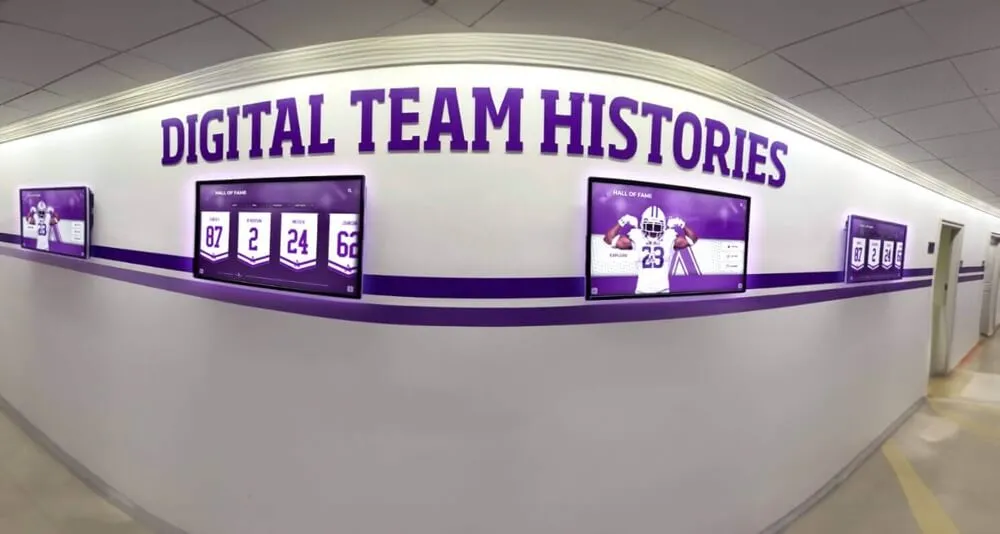
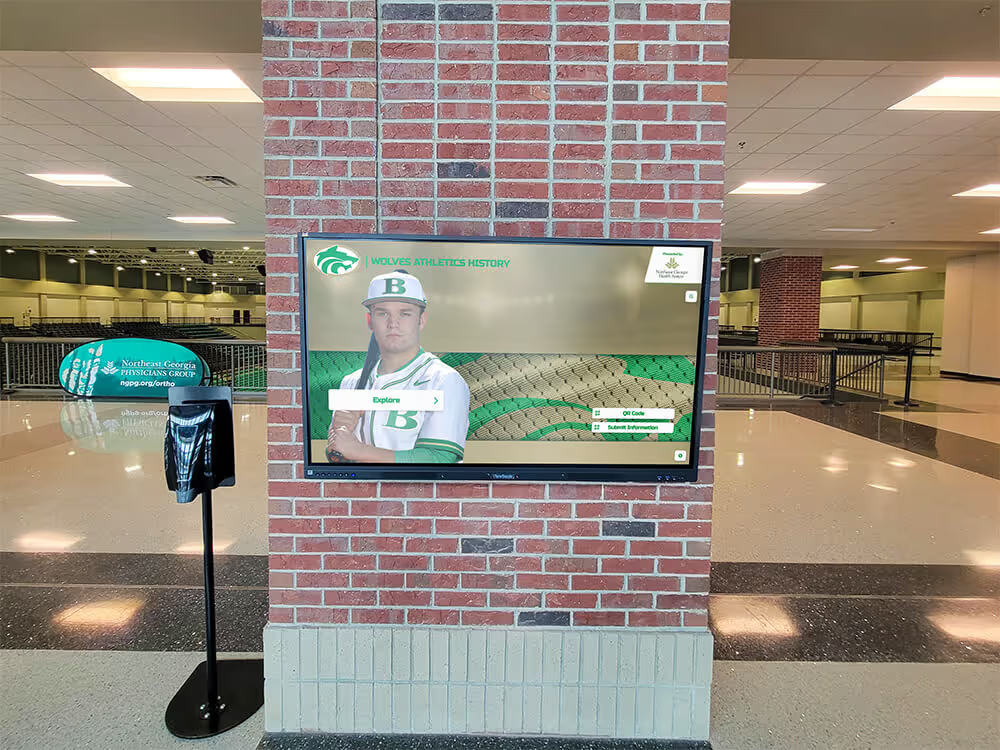
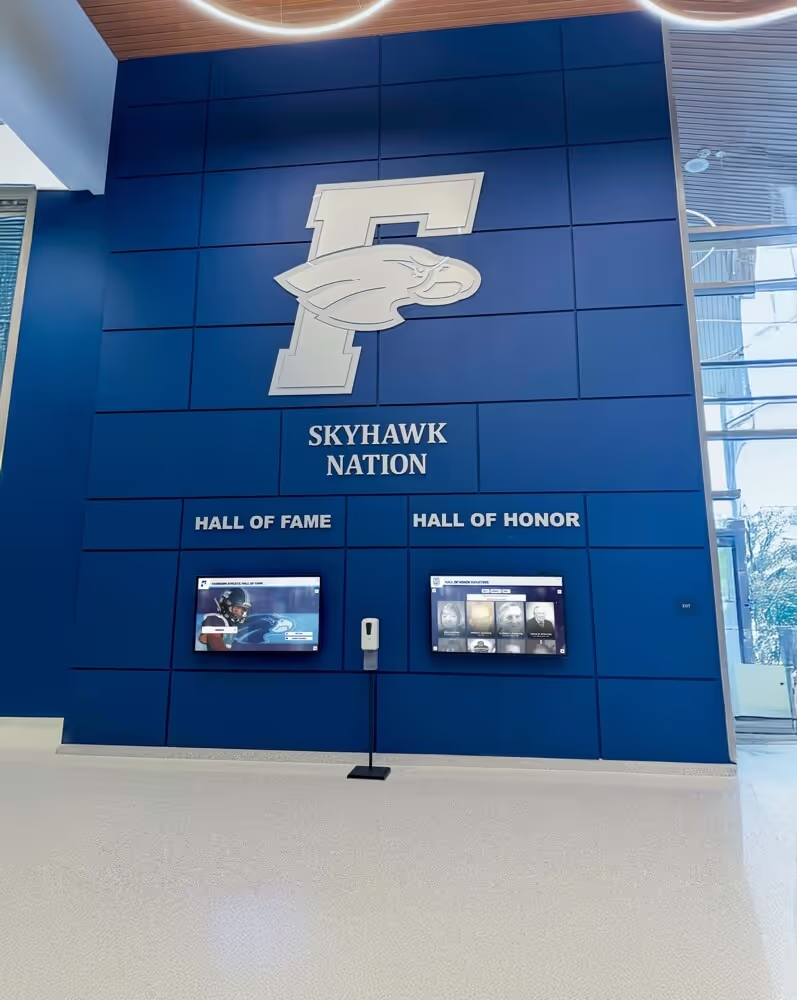
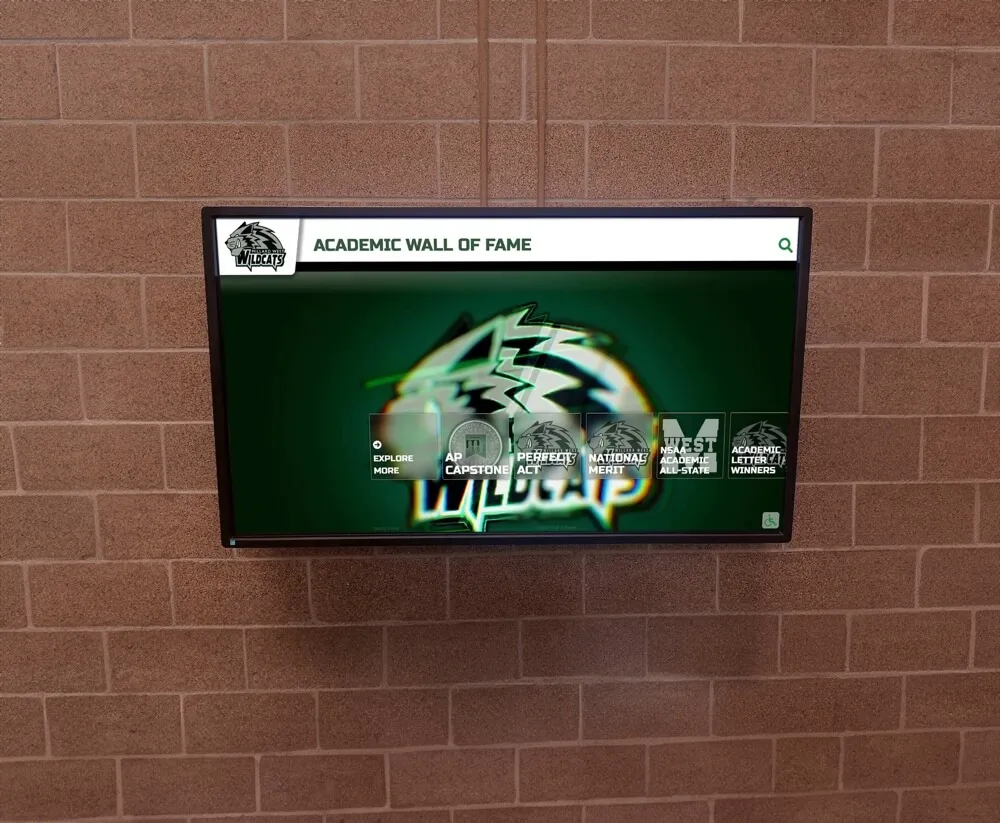
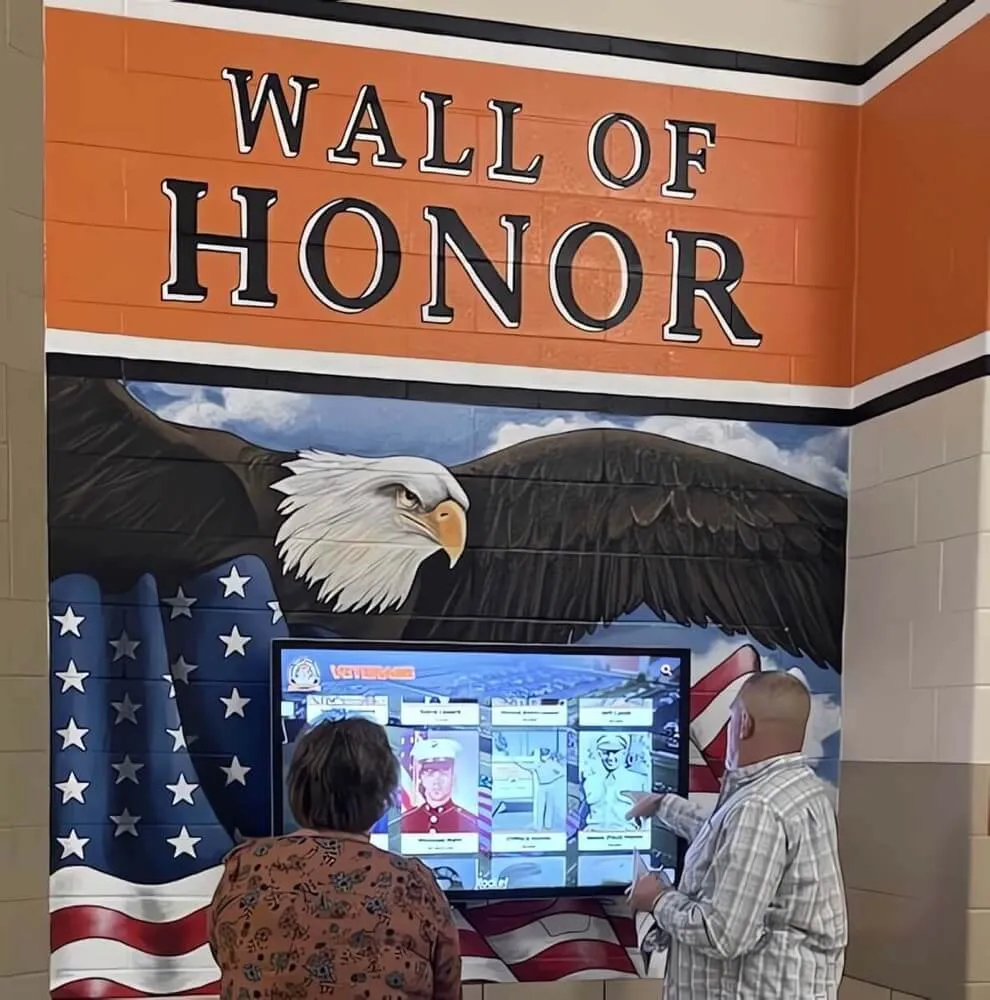
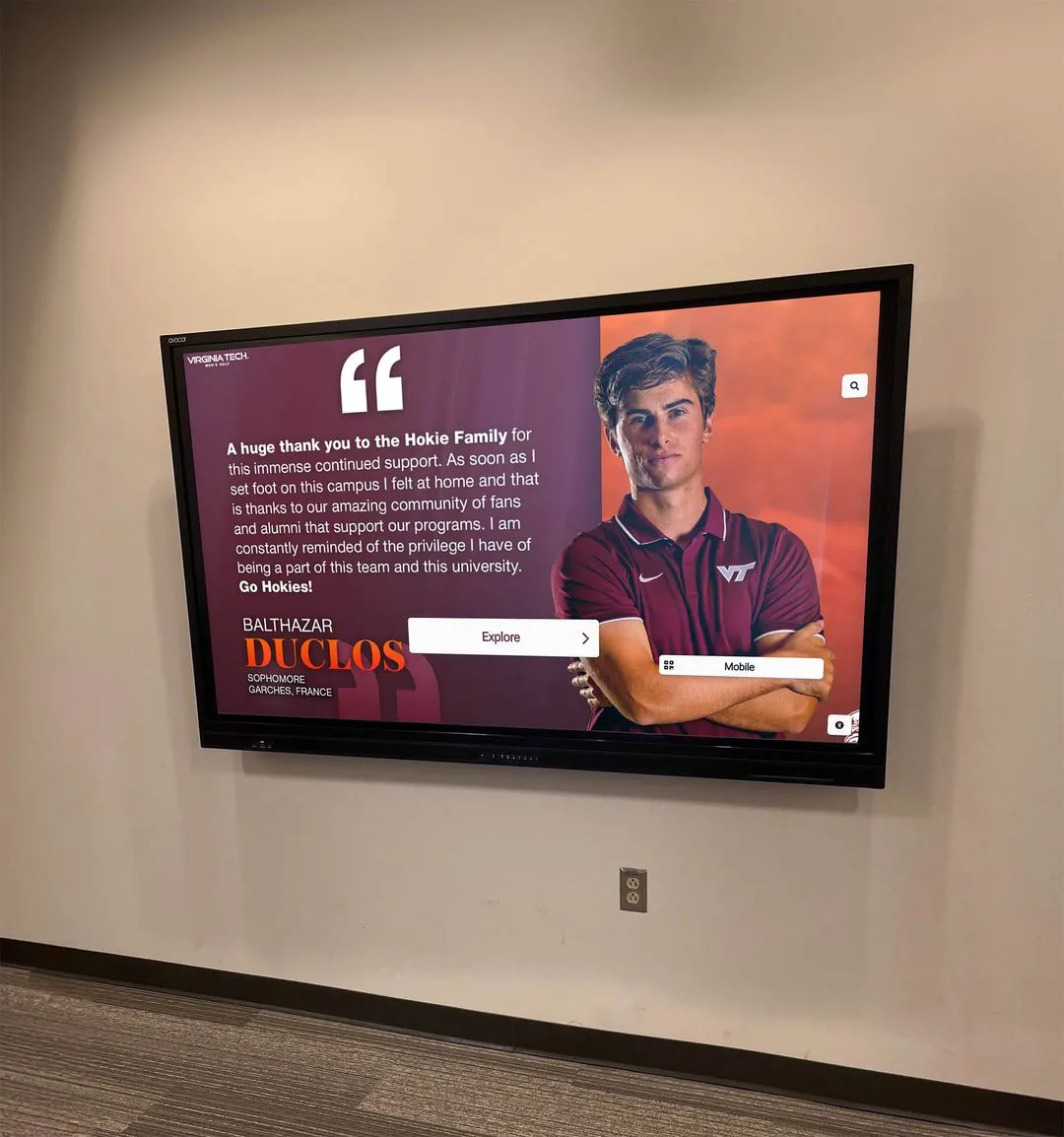
Modern schools use digital recognition displays to celebrate top academic achievers in ways that inspire the next generation of students
What the Titles Valedictorian and Salutatorian Actually Mean
The words themselves carry centuries of history. “Valedictorian” derives from the Latin vale dicere — literally “to say farewell.” Traditionally, this student delivers the valedictory address at commencement, a farewell speech on behalf of the graduating class. “Salutatorian” comes from the Latin salutare (to greet), reflecting the role of delivering the salutatory address — the opening welcome that begins graduation ceremonies.
Both titles share roots in the oratorical traditions of early American universities, where academic standing determined who spoke at commencement. Over generations, the titles evolved from speaking assignments into the academic honor designations we recognize today, representing the highest and second-highest academic achievers in a graduating class.
Understanding this history matters for your yearbook. When you frame the recognition spread with the weight of this tradition, it elevates the feature from “here’s who got the best grades” to “here are the students who carried forward one of education’s most enduring honors.”
How Schools Select Valedictorian and Salutatorian Honorees
Selection methods vary significantly across districts, which creates both complexity and important context for your recognition spread.
GPA-Based Selection Most schools select valedictorian and salutatorian based on cumulative grade point average. The critical distinction is whether the school uses a weighted or unweighted GPA. Weighted systems assign higher point values to Advanced Placement, International Baccalaureate, dual enrollment, and honors courses — meaning students who challenged themselves with rigorous coursework may rank above peers who maintained perfect marks in standard classes.
Course Rigor Considerations Some districts factor in course difficulty independently of the GPA calculation. A student carrying a high weighted GPA through four years of AP courses demonstrates a different kind of achievement than the same GPA earned in standard coursework — and yearbook features can reflect that nuance honestly.
Tie-Breaking Protocols When multiple students share the top GPA, schools often consult criteria including credit hours completed, standardized test scores, or faculty evaluations. Many schools today recognize co-valedictorians rather than forcing an arbitrary distinction between equally deserving graduates.
The Shift Toward Multiple Honorees A growing number of schools have moved away from ranking students entirely, instead recognizing all students achieving above a threshold GPA with graduation honors levels similar to college Latin honors. For schools retaining the traditional top-two structure, including the selection criteria in your yearbook feature gives the recognition important context. For similar academic ranking systems at the post-secondary level, the comparison between a President’s List vs. Dean’s List illustrates how institutions use tiered academic recognition to motivate and celebrate achievers across different levels.
Why the Digital Yearbook Is the Perfect Home for This Recognition
Print yearbooks have always included valedictorian and salutatorian recognition, but the format creates limitations: a small photograph, a brief quote, a caption. The digital yearbook removes those constraints entirely.
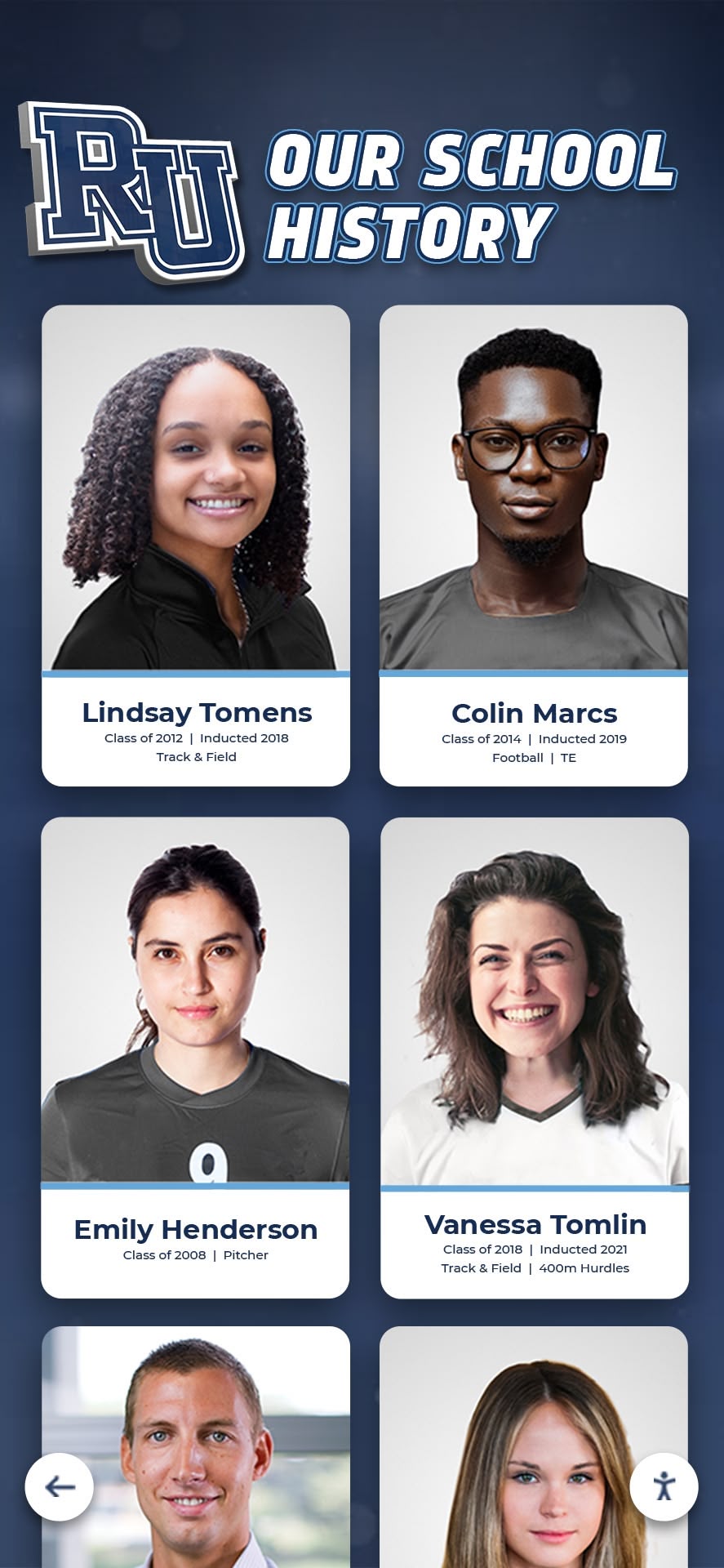
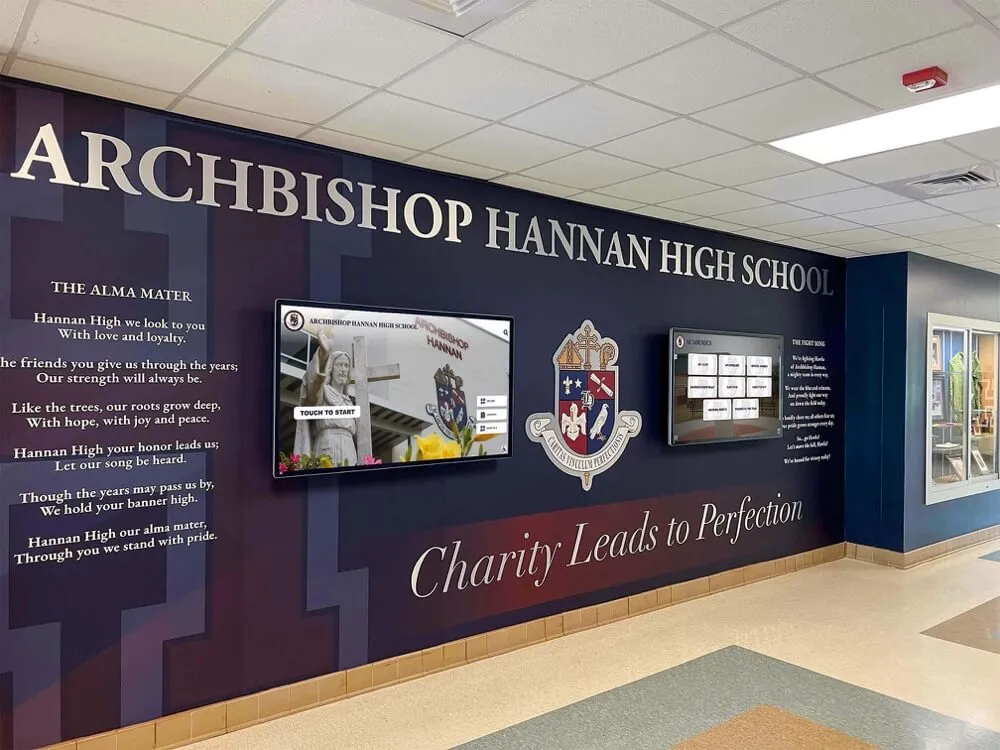
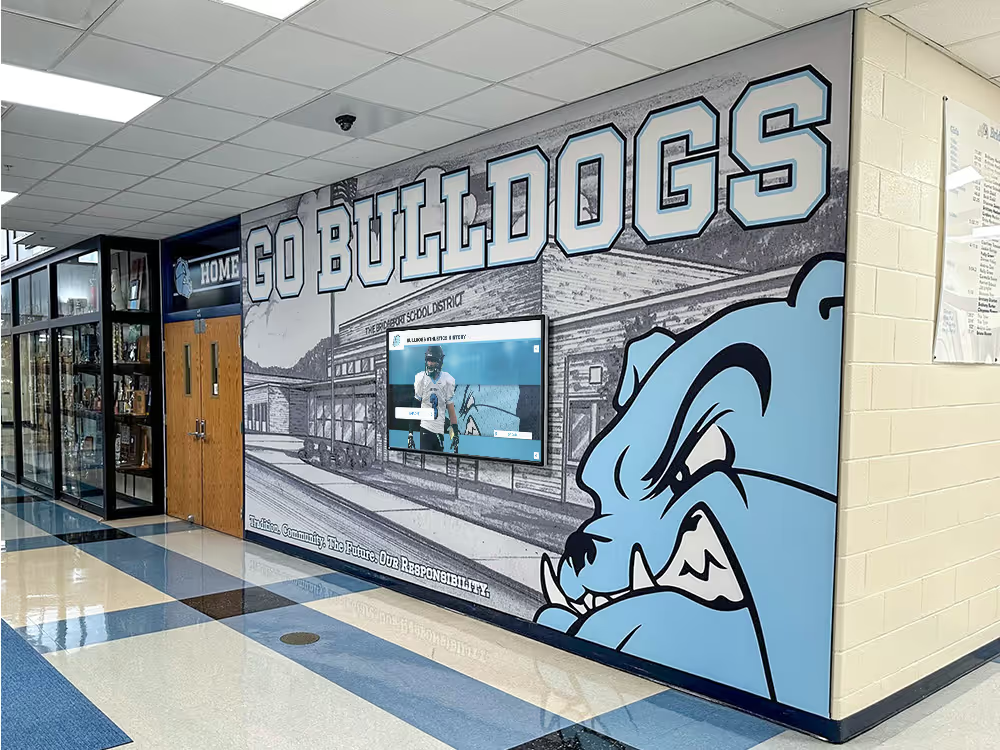
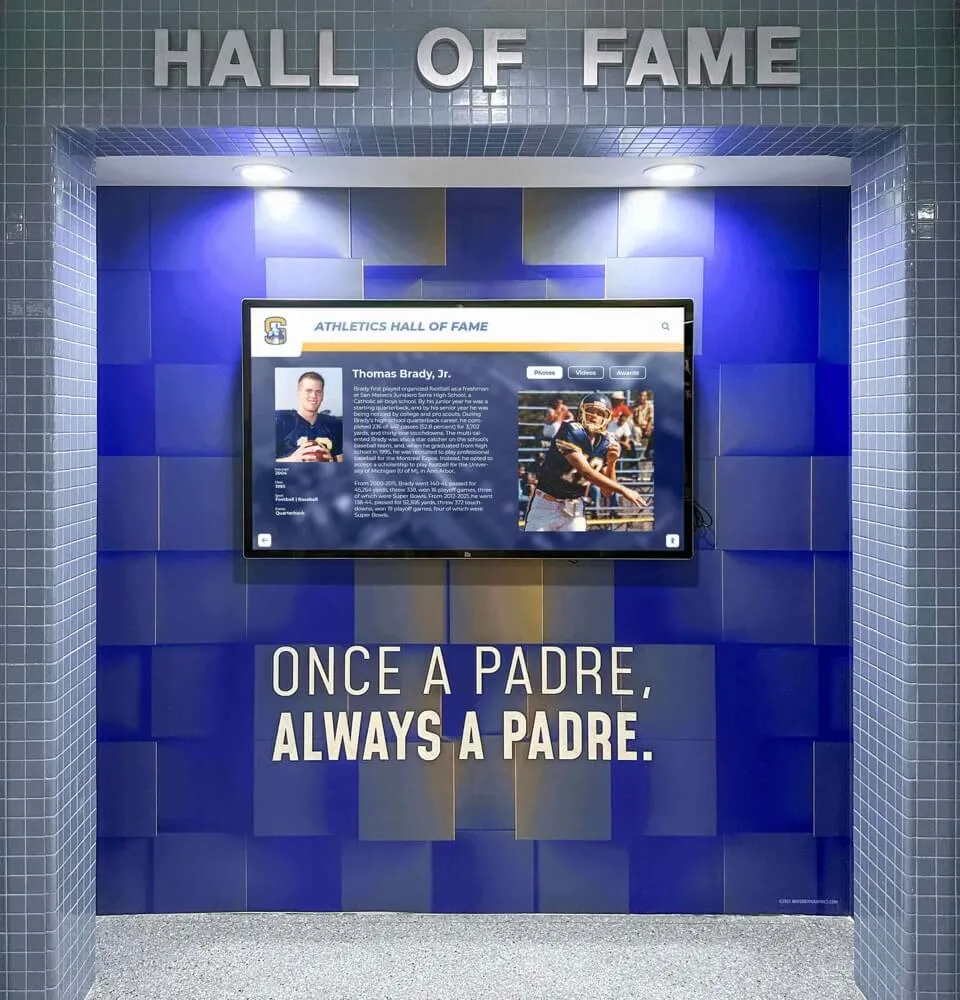
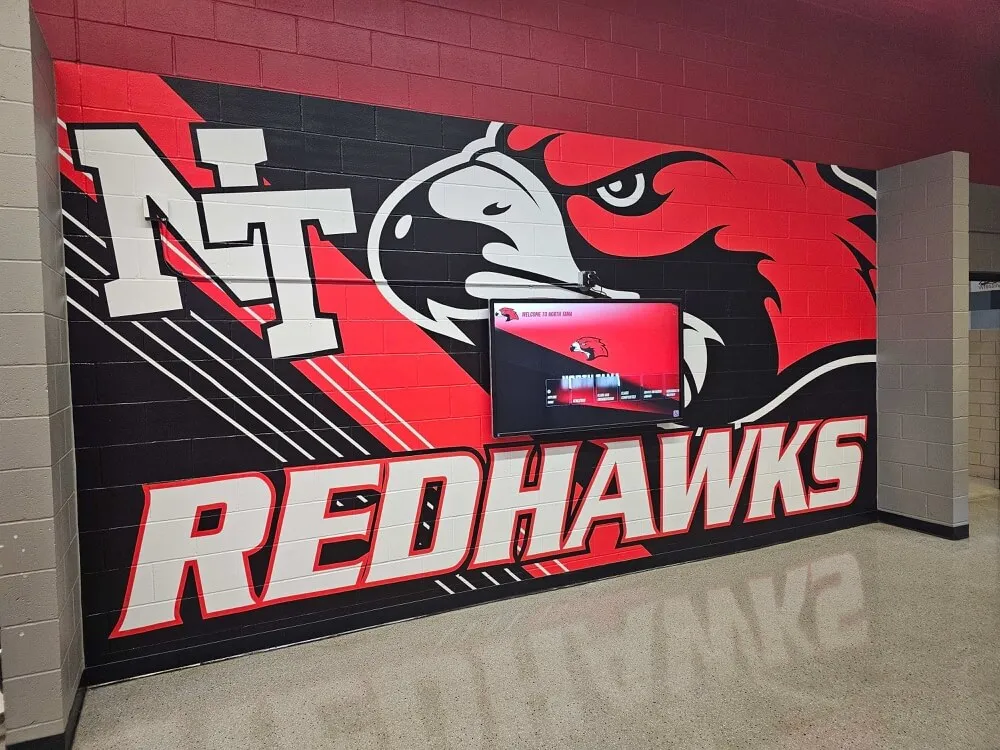
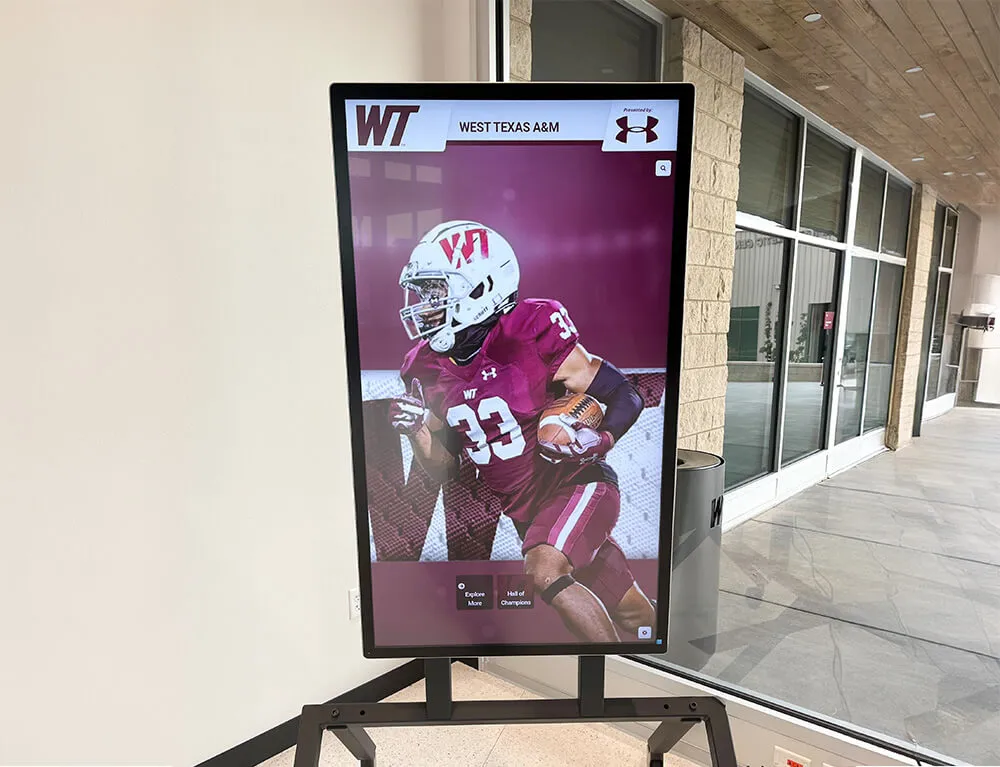
Portrait-style recognition displays capture not just a student's image but their full academic journey and the achievements that define their school career
Space Without Limits A digital spread can expand to accommodate the full story of a student’s academic career without the cost constraints that limit print page counts. You can include multiple photos from different school years, document extracurricular involvement, highlight key academic milestones, and share the student’s own reflections on their journey.
Searchable and Shareable When families share the digital yearbook link, the valedictorian’s spread reaches grandparents, extended family members, and community members who might never see a physical book. Shareable links to specific spreads amplify recognition far beyond the school building.
Permanent and Enrichable Unlike a print yearbook, digital content can be updated over time. Alumni photos added years later, college achievements appended to the original feature, and notes of professional accomplishments all become possible when recognition lives in a digital format.
Connected to the Broader Achievement Record A digital yearbook feature can link naturally to graduation recognition for Latin honors and academic cords, creating a comprehensive picture of academic achievement that situates valedictorian and salutatorian recognition within the full context of the graduating class’s collective accomplishments.
Designing an Unforgettable Spread for Top Graduates
The best valedictorian and salutatorian spreads in digital yearbooks share several characteristics that elevate them above simple feature pages.
Profile Elements That Tell the Full Story
The Academic Journey Open the profile by grounding the achievement in the student’s full four-year (or longer) academic journey. What was their course progression? Which subjects defined their academic character? Which teachers had the greatest influence on their development? This narrative transforms a static honor into a human story that resonates with the entire school community.
Achievements Beyond GPA Valedictorians and salutatorians typically carry impressive records beyond their grade point averages. AP exam scores, subject-specific awards, science fair placements, academic competitions, National Merit recognition, and community service hours all deserve space in the feature. These elements show that top academic performance and engaged citizenship go hand in hand.
Looking Forward Where is this student headed? College choice, intended major, and long-term goals connect the recognition to a forward-looking narrative that makes the feature feel alive rather than purely retrospective. This section resonates particularly strongly with younger students who see pathways to their own futures in the honoree’s story.
In Their Own Words Direct quotes from the honorees are essential. What does earning this recognition mean to them? What advice would they give to younger students? What has their education meant to their life? Authentic voices transform a yearbook feature from an awards announcement into something genuinely moving.
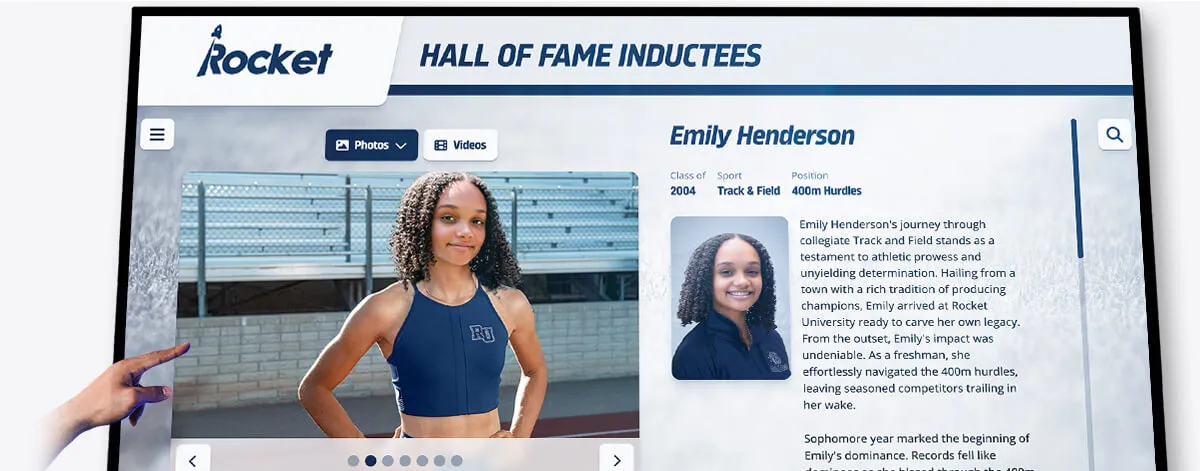
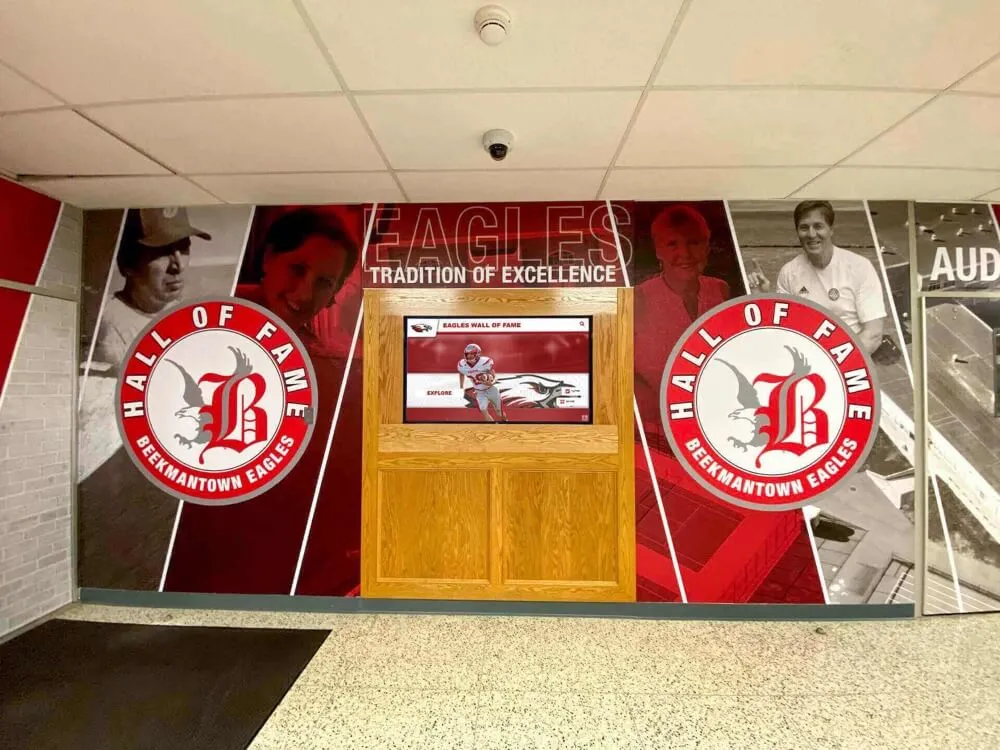
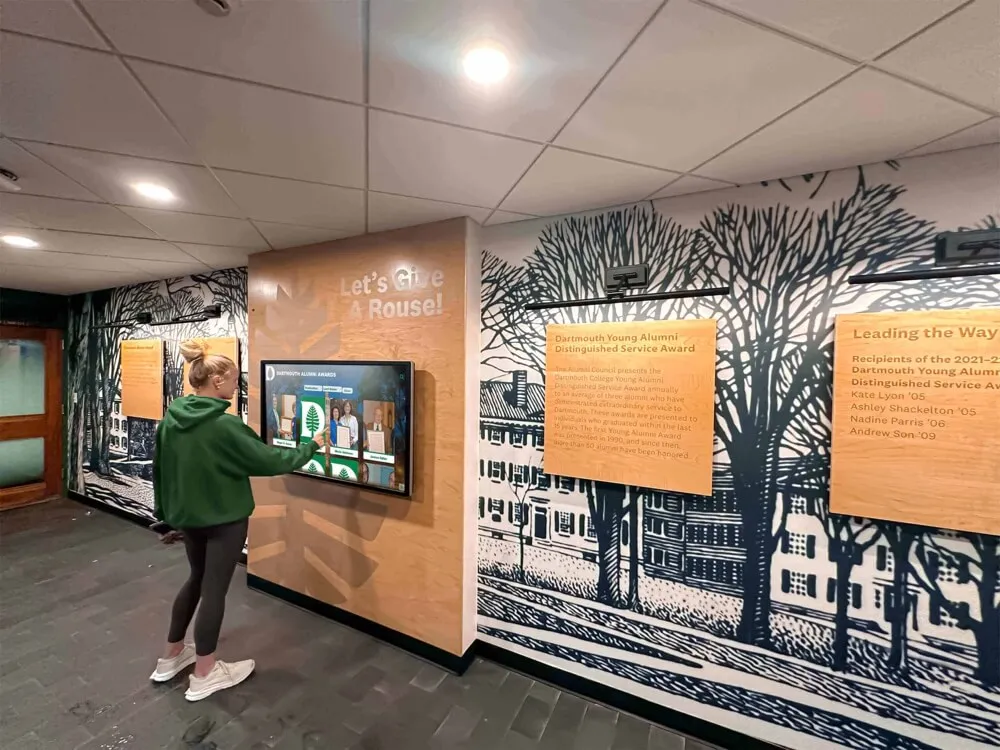
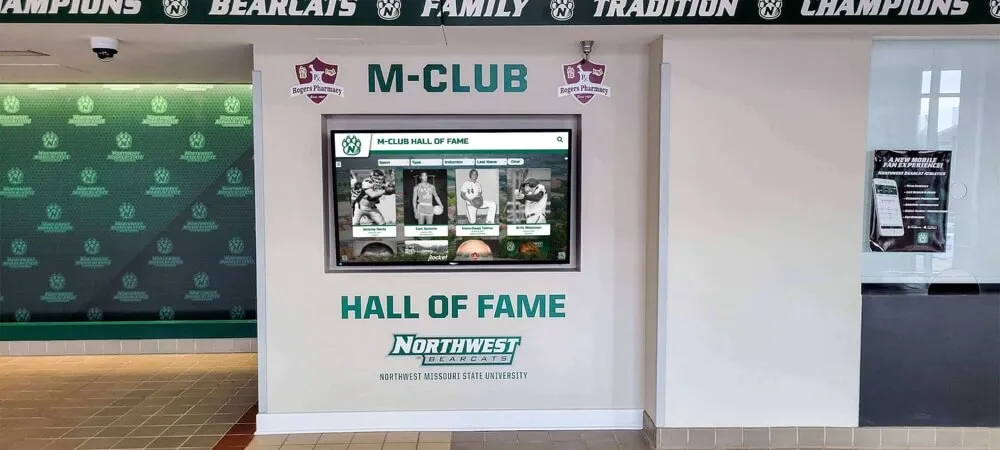
Individual recognition profiles capture the full story of a student's achievements, including milestones, personal narrative, and the records that define their school career
Visual Design Approaches That Elevate Recognition
Multi-Photo Timelines Rather than a single senior portrait, create a visual timeline using photos from different years of the student’s academic career. A freshman orientation photo alongside a senior AP exam or graduation image tells a growth story that one picture alone cannot convey.
Achievement Data Visualization Consider presenting academic data visually — a course progression chart showing increasing rigor over four years, a summary of subjects studied, or an infographic highlighting awards and recognitions earned. Visual data transforms numbers into comprehensible achievement narratives.
Custom Graphic Elements School colors, mascots, and design elements connecting individual profiles to school identity create visual continuity while honoring personal achievement. Many digital yearbook platforms support custom graphic templates that yearbook editors can apply consistently across recognition features to create a cohesive, polished look.
Teacher Recognition Elements Including a brief section on influential teachers acknowledges the educational relationships that made the achievement possible. Many families deeply appreciate seeing the educators who shaped their student’s success recognized alongside the graduate — and teachers value being named in this context.
Honoring Multiple Valedictorians and Salutatorians
The traditional top-two model works well for some schools, but the growing trend toward recognizing multiple top achievers creates both a challenge and an opportunity for yearbook teams.
When five, ten, or more students share valedictorian honors, the recognition spread needs a design approach that celebrates the group while still honoring each individual. Grid layouts with consistent profile formats work well here, allowing readers to explore each honoree’s unique story while experiencing the collective achievement visually. Resources on Latin honors GPA displays for schools offer useful design inspiration for presenting ranked or tiered academic recognition in visually compelling formats that serve multiple honorees simultaneously.
For schools using cohort-based recognition, the digital yearbook can include a dedicated academic excellence section listing all qualifying graduates, with individual spotlight features for the students who carry the official valedictorian and salutatorian designations.

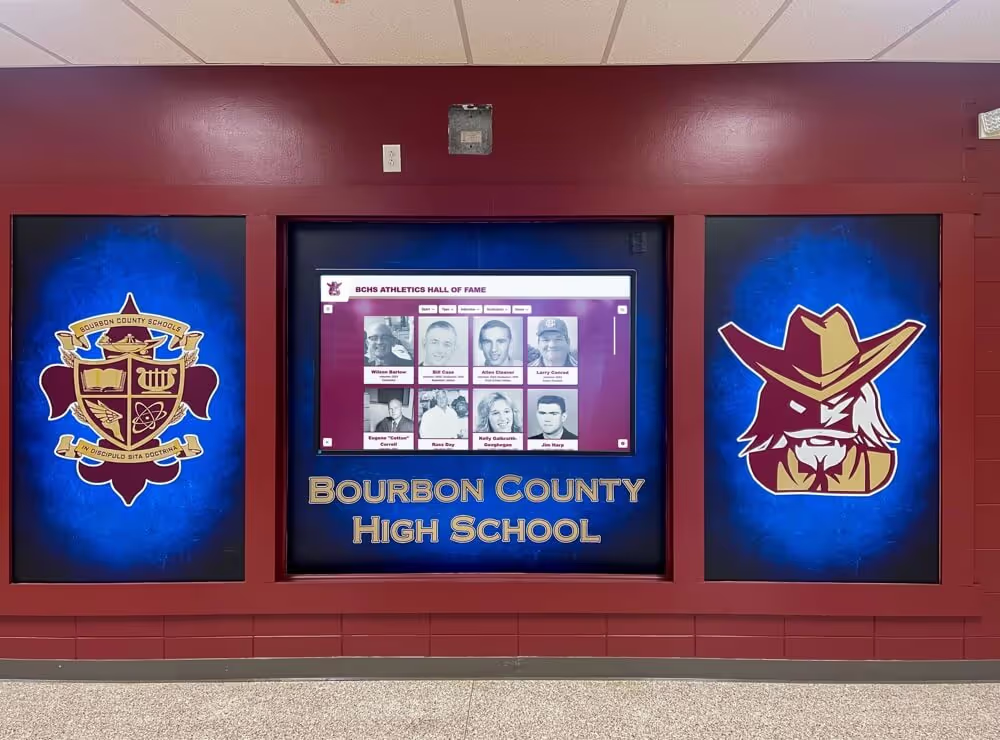
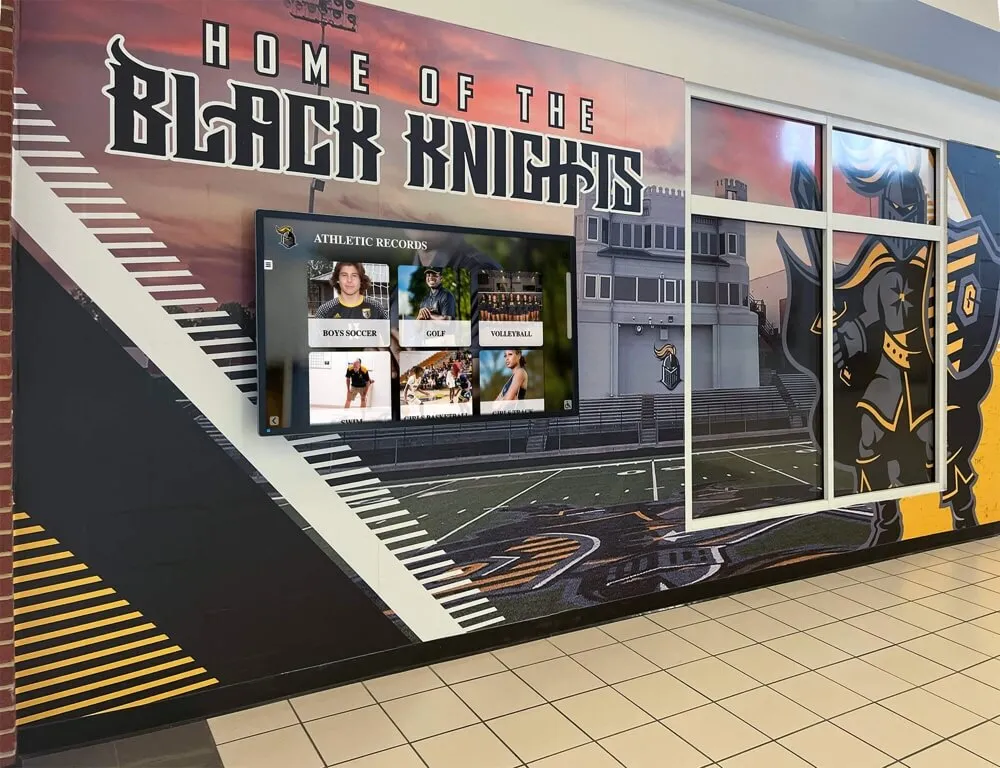
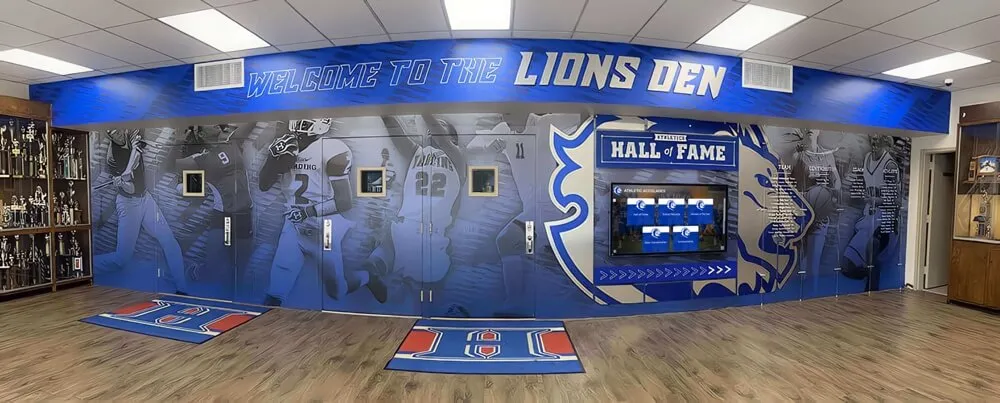
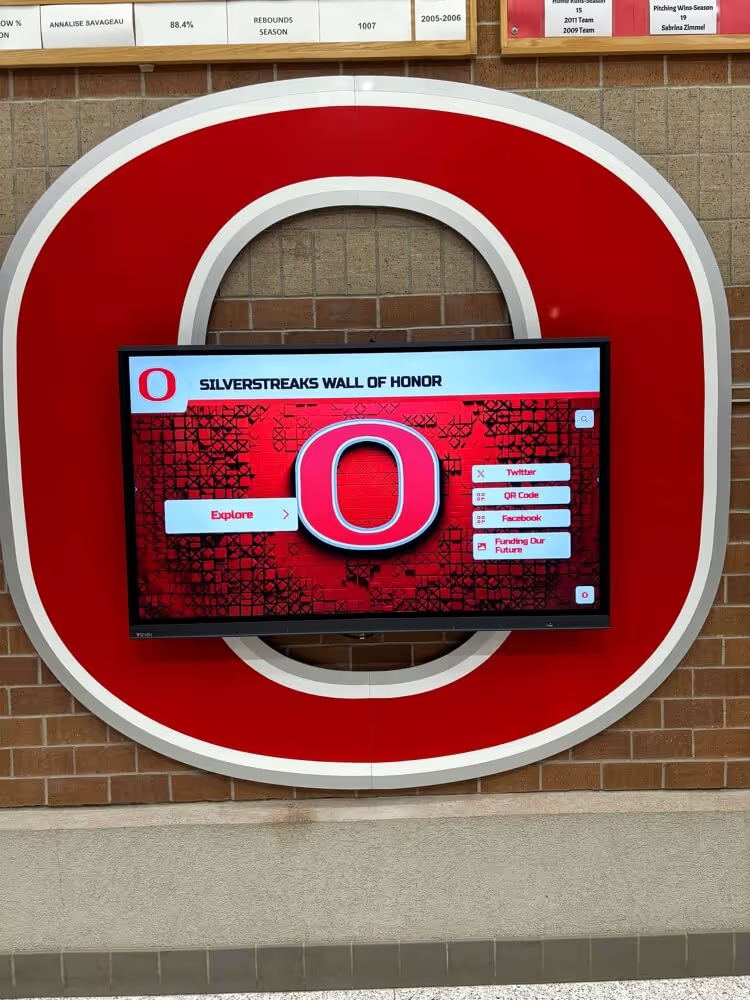
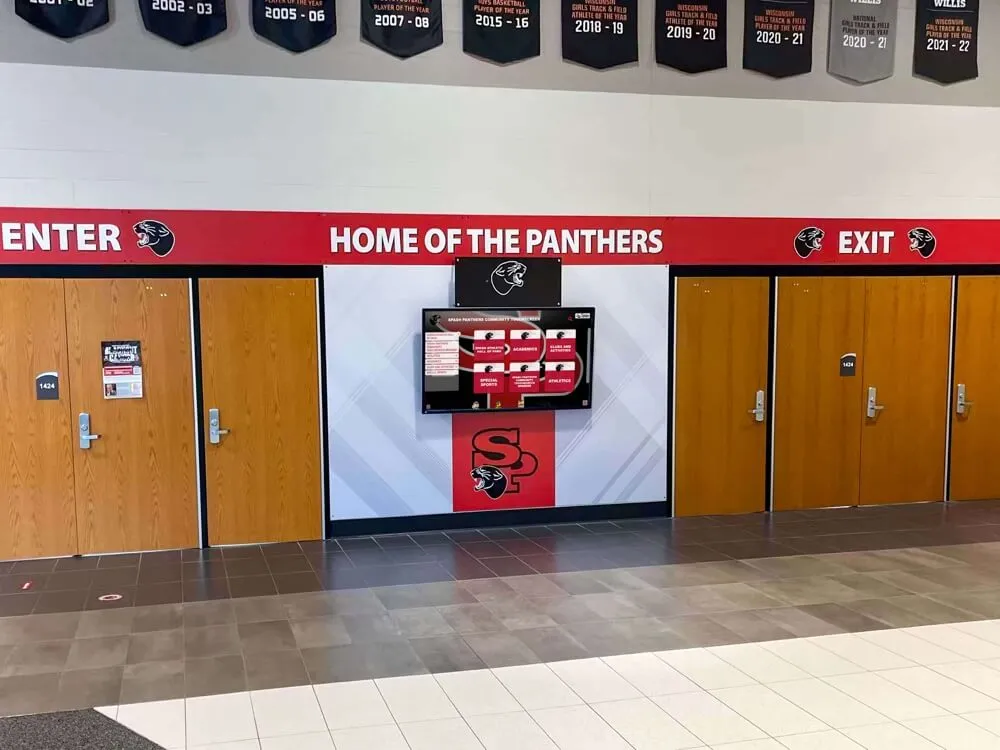
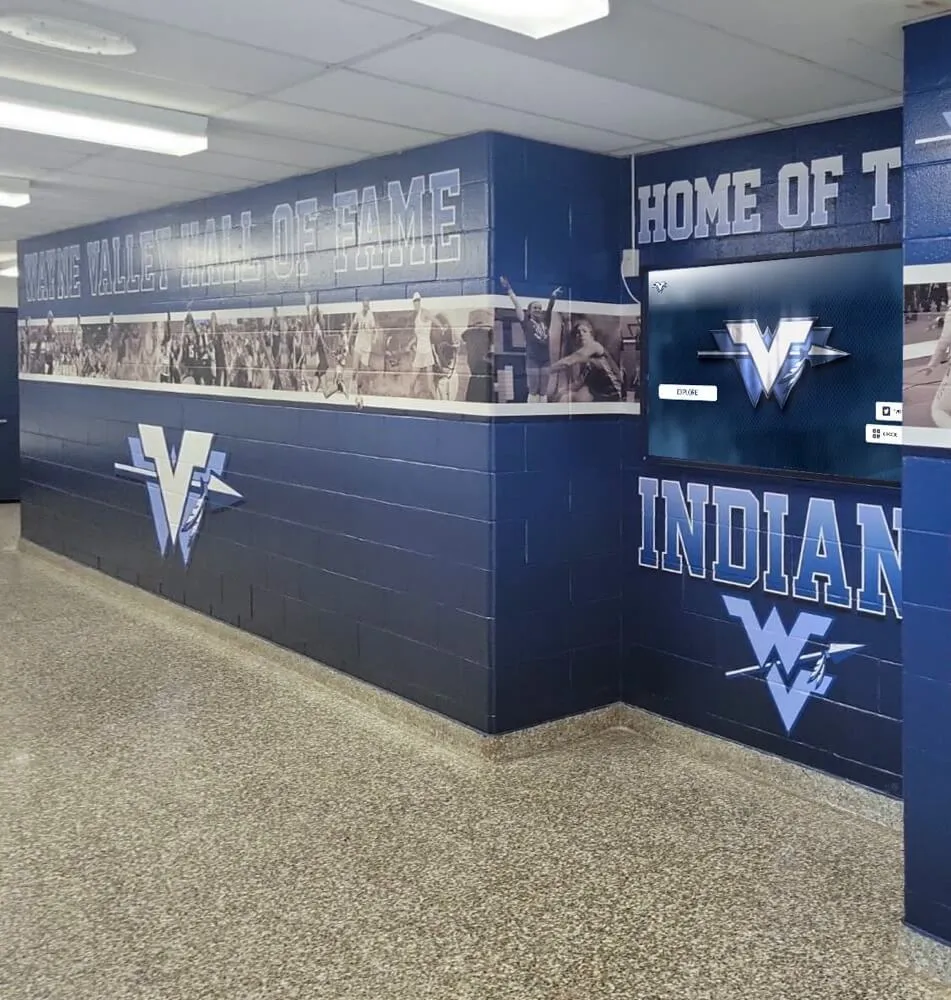
Community recognition displays inspire current students by showcasing the achievements of their peers and creating visible pathways to excellence they can aspire to follow
Connecting Yearbook Recognition to Permanent School Displays
Your digital yearbook creates recognition that lasts through the school year and beyond — but the most impactful schools do not stop there. Combining digital yearbook recognition with permanent school displays creates layers of honor that make top graduates a lasting part of the institution’s story.
Senior class awards displays in school lobbies, hallways, and common areas complement digital yearbook features by making recognition visible to the entire school community every day — not just when students browse the yearbook. A freshman walking past a lobby display showing last year’s valedictorian may not yet know that student personally, but they understand clearly that academic excellence is honored and visible at their school.
Capturing your school’s academic history means building archives that grow more valuable over time. When a student returns to campus twenty years after graduating as valedictorian and finds their name still honored in a school display, the impact of that recognition reaches beyond graduation day into a lifetime connection with the institution.
Understanding how school history recognition enhances community pride makes the case for layering digital yearbook features with physical recognition systems that serve the entire school community every day of the year.
The Role of Interactive Digital Recognition
Rocket Alumni Solutions builds interactive touchscreen displays for schools and universities that bring exactly this kind of layered recognition to life. Their systems let schools create permanent digital archives of academic honorees — including valedictorian and salutatorian lists stretching back decades — that current students, parents, and visitors can explore through touchscreen interfaces in school lobbies and hallways.
When a school invests in both a rich digital yearbook program and a permanent interactive recognition display, the combination creates recognition that honors current graduates immediately through the yearbook, preserves that recognition in a searchable archive accessible to future generations, and makes academic achievement visible to the entire community throughout the year.
Why digital recognition works for public high schools explores the specific value these systems provide across different school contexts and budget realities.
Creating Recognition That Endures Beyond Graduation Day
The recognition you build in your digital yearbook has a lifespan that extends far beyond graduation ceremonies. Consider these strategies for maximizing the longevity and impact of your valedictorian and salutatorian features.
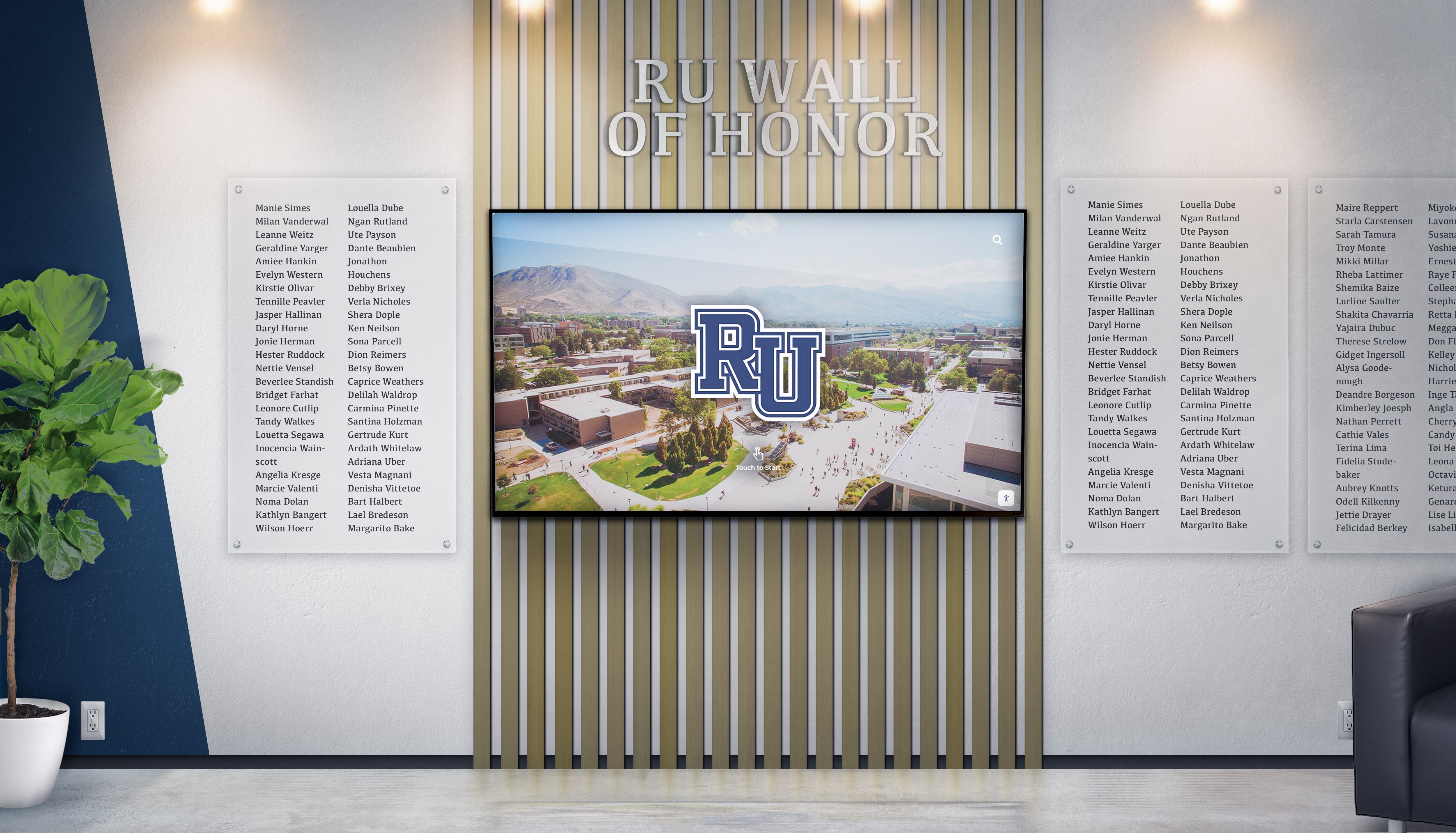
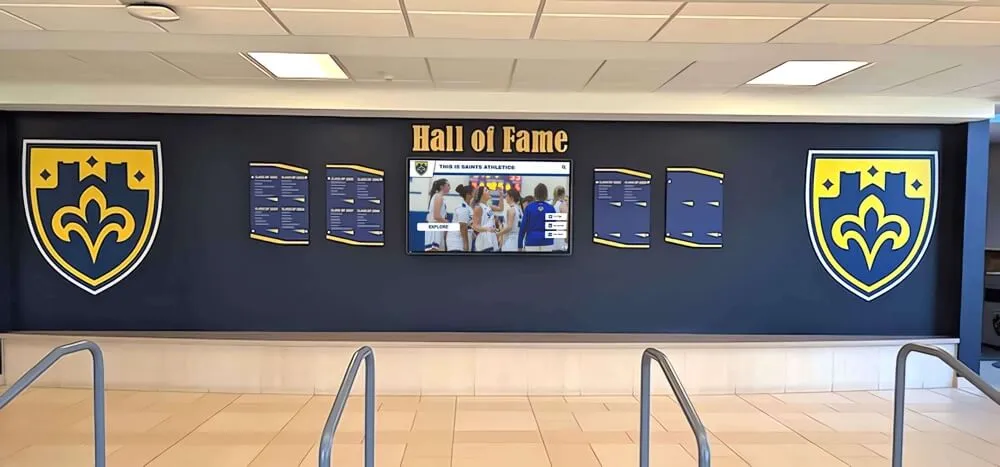
Permanent recognition displays ensure valedictorians and salutatorians remain honored members of the school community long after graduation day has passed
Alumni Engagement Hooks Include elements in the recognition spread that make future alumni engagement natural. Noting intended college and field of study creates opportunities to update the feature when graduates achieve notable success — a published paper, a professional milestone, or a community distinction that reflects well on their school roots.
Social Media Integration Digital yearbook features designed for shareability generate organic reach that amplifies recognition. When the valedictorian’s family shares the feature link, it introduces the school’s recognition culture to networks well beyond the immediate community, building institutional reputation alongside individual celebration.
Year-Over-Year Archives Building consistent archives of valedictorian and salutatorian recognition year after year creates compelling longitudinal records. A school with digital yearbook archives covering many graduating classes has something remarkable: a searchable record of top graduates across generations, creating connections between alumni who shared this distinction years apart.
Coordination With School Recognition Events Tie the release of valedictorian and salutatorian recognition content to school recognition days and academic events — National Honor Society induction ceremonies, academic awards assemblies, and the formal announcement of graduation speakers. These calendar anchors give your digital yearbook features additional relevance and drive engagement at moments when the school community is already focused on academic achievement.
Tips for Working With Top Graduates on Their Recognition Features
The best yearbook profiles are collaborative. Here is how to ensure your valedictorian and salutatorian features reflect each student authentically.
Start Early Do not wait until May to begin building these features. Reach out to recognized students by March or earlier, giving them time to review and contribute without the stress of finals and graduation preparations. For graduation-related recognition content and graduation slideshow templates, early preparation consistently produces better results.
Conduct Recorded Interviews Rather than relying solely on written questionnaires, schedule brief recorded interviews with honorees. Authentic quotes and personal reflections capture voice and personality that written responses often fail to convey. The recordings also create archival material with value for future school history projects.
Gather Photos From Families School photographers capture official portraits, but families hold the candid photos, the early academic achievements, and the personal moments that make recognition features genuinely moving. Ask families early and provide clear guidance about image resolution requirements and the kinds of photos that work best for the format.
Let Students Review Before Publication Top graduates have earned the right to see and comment on their recognition features before publication. A brief review window both respects the student and typically improves the feature — students often have important additions or corrections that elevate the final product significantly.
Connect Individual Achievement to the Class Story Valedictorian and salutatorian features are strongest when they situate top academic achievement within the broader narrative of the graduating class. What challenges did this class face together? What moments defined their years at the school? Connecting individual excellence to collective experience makes recognition feel like a celebration of the entire community rather than just two individuals.
What Strong Valedictorian Features Include
- Four-year academic journey narrative
- Courses taken and academic milestones achieved
- Awards, honors, and recognitions beyond GPA
- Extracurricular leadership and contributions
- Influential teachers and mentors named
- College plans and future goals
- Direct quotes from the student
- Multiple photos from across school years
- Connection to school’s academic tradition
Common Mistakes to Avoid
- Reducing recognition to a single senior portrait and caption
- Focusing exclusively on GPA without broader context
- Publishing without student review and approval
- Missing the deadline to gather family photos
- Ignoring the history and meaning behind the titles
- Treating co-valedictorians unequally in format or space
- Skipping the forward-looking section on future plans
- Forgetting to archive the feature for future alumni reference
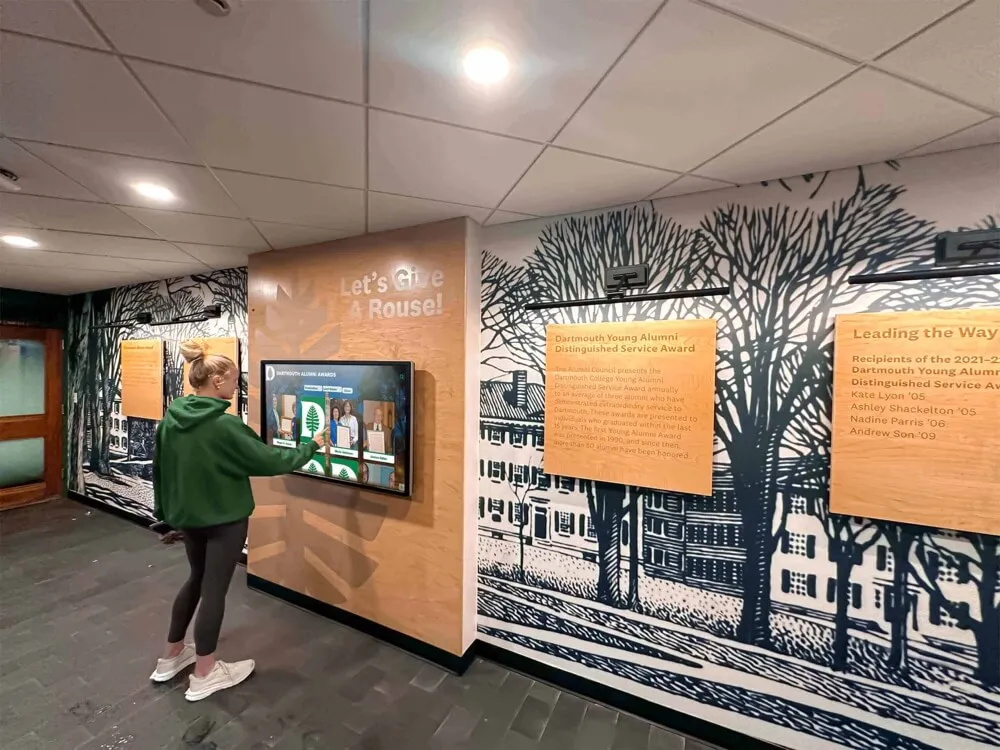
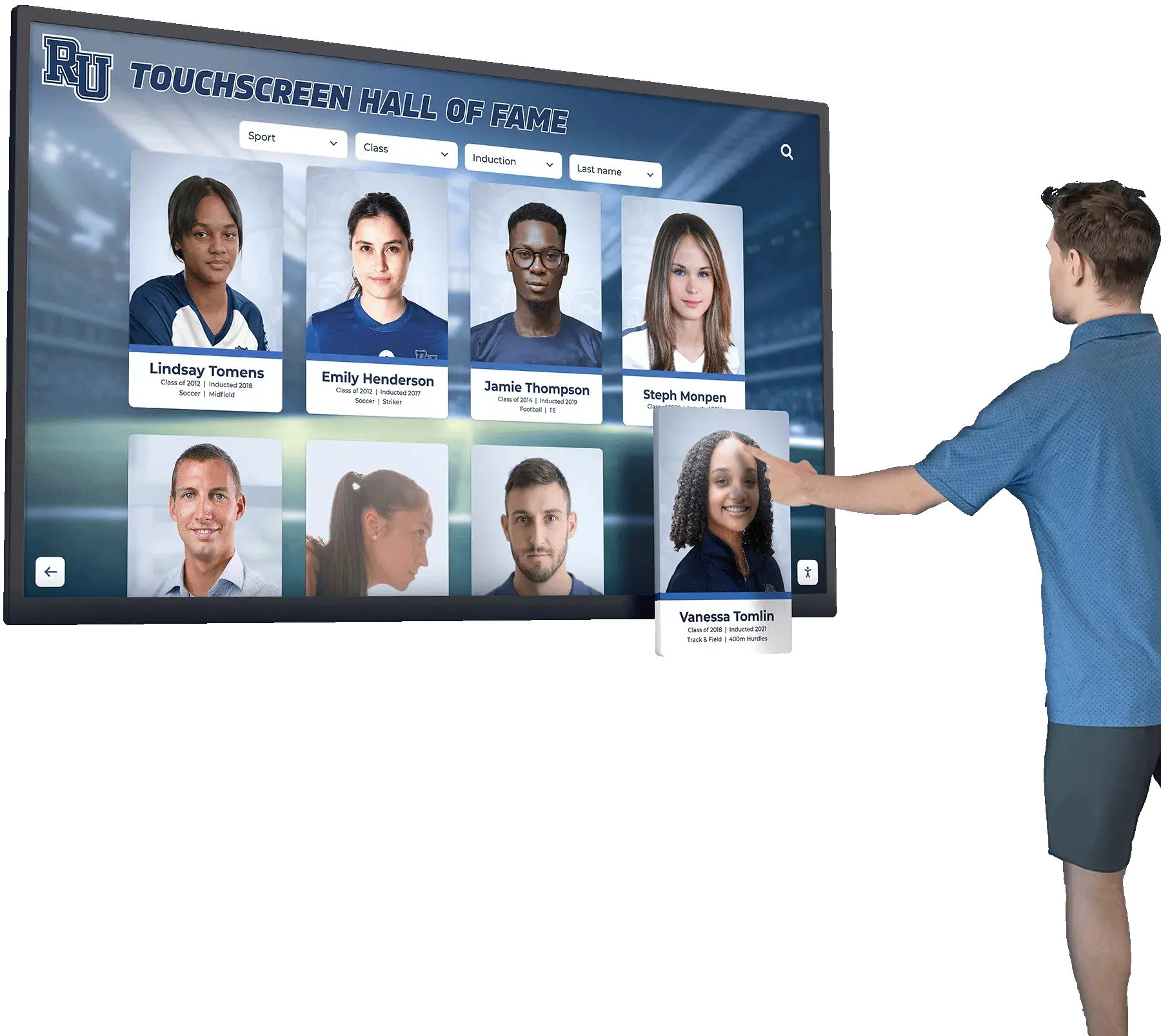
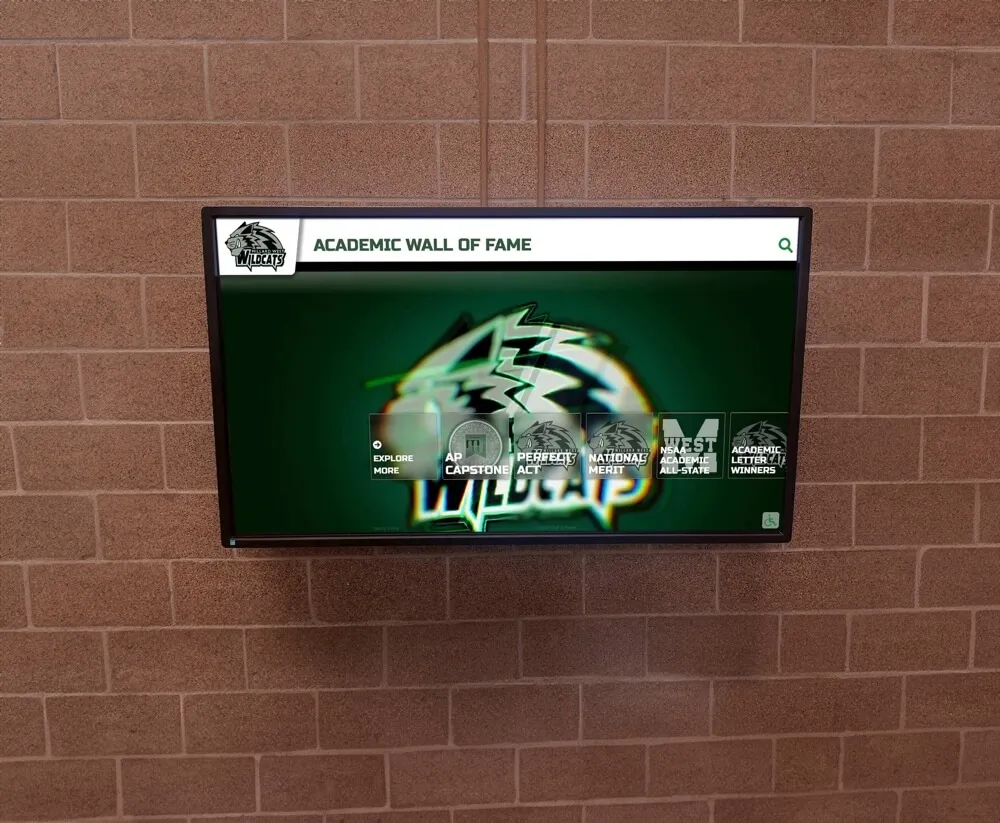
Interactive displays allow graduates, families, and visitors to engage with recognition in dynamic ways that static print formats simply cannot match
Frequently Asked Questions About Valedictorian and Salutatorian Recognition
How early should we announce valedictorian and salutatorian in the yearbook? Most schools announce these honors in the spring semester, typically in April or May before graduation. Yearbook teams should coordinate with the principal and guidance office to know the announcement timeline so they can prepare features in advance — gathering photos, scheduling interviews, and drafting copy before the official reveal.
What if we have co-valedictorians? Give each co-valedictorian equal space, consistent formatting, and the same quality of attention in their individual profiles. A brief introductory section explaining the school’s selection process and co-recognition policy adds important context while honoring all honorees equally.
Should we include salutatorian recognition if it is less prominent than valedictorian? Absolutely. The salutatorian designation represents extraordinary academic achievement — the second-highest in the entire graduating class. A dedicated feature that honors both titles equally reflects the genuine significance of both recognitions. Treating them differently in the yearbook understates the salutatorian’s achievement unnecessarily.
How do we handle schools that no longer rank students? For schools that have moved to unranked recognition or cohort-based honors, the yearbook feature can focus on all students achieving graduation honors, with a clear explanation of the criteria. Including the school’s philosophy on recognition criteria helps readers understand the context and appreciate the achievement appropriately.
Build Recognition That Honors Every Achievement
Your digital yearbook is the natural home for valedictorian and salutatorian recognition — but the schools that make the deepest and most lasting impression combine rich digital yearbook features with permanent recognition systems that celebrate academic excellence every day of the year.
Rocket Alumni Solutions helps schools build interactive touchscreen displays that preserve academic achievement records, honor top graduates permanently, and inspire future generations to pursue excellence. From touchscreen walls of fame in school lobbies to searchable digital archives of academic honorees going back decades, their systems extend the recognition your yearbook starts into something that endures long after graduation day.
Explore how Rocket Alumni Solutions can elevate your school’s academic recognition programs →