Track and field coaches face a unique recognition challenge—honoring athletes across dramatically different event categories, from explosive 100-meter sprinters to enduring distance runners, from precision pole vaulters to powerful shot putters. Creating meaningful track and field awards programs that celebrate both individual achievements and team contributions requires balancing statistical records with character development, championship performances with consistent improvement, and specialized event excellence with versatile multi-event participation.
Yet many track programs struggle with award selection decisions. Limited budgets constrain the number of trophies or plaques available, diverse event categories create equity challenges about which achievements deserve recognition, and subjective criteria around “most valuable” or “most improved” produce inconsistencies that frustrate athletes who perceive unequal treatment. Balancing individual recognition with team unity, celebrating record-breaking performances without discouraging developmental athletes, and creating award categories that reflect program values while honoring authentic excellence adds complexity to end-of-season celebrations.
This comprehensive guide explores track and field awards fundamentals—from understanding effective recognition philosophy and designing award categories that honor diverse contributions to implementing selection processes that maintain credibility and creating recognition displays that inspire current and future athletes. Whether planning your first awards banquet or refining established traditions, these strategies will help you celebrate every athlete meaningfully while building program culture and motivating continued excellence.
Track and field programs implementing comprehensive recognition systems report 35-50% improvements in athlete retention year-over-year and stronger team culture compared to programs providing minimal awards beyond championship medals, according to coaches working across competitive levels.

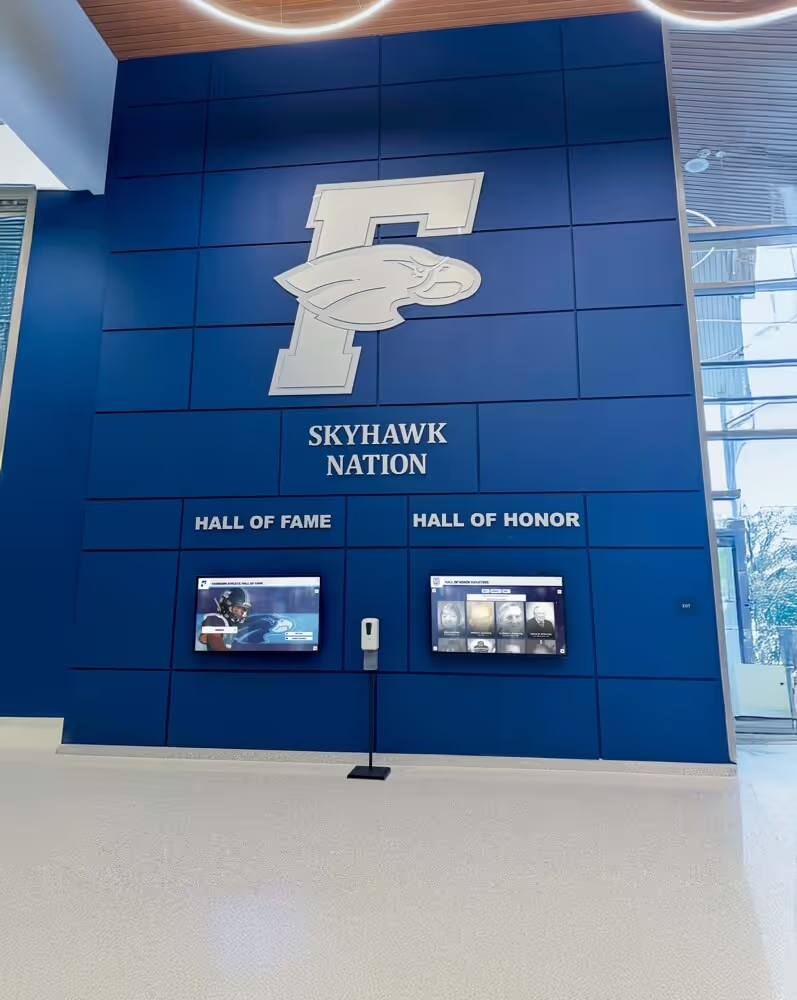
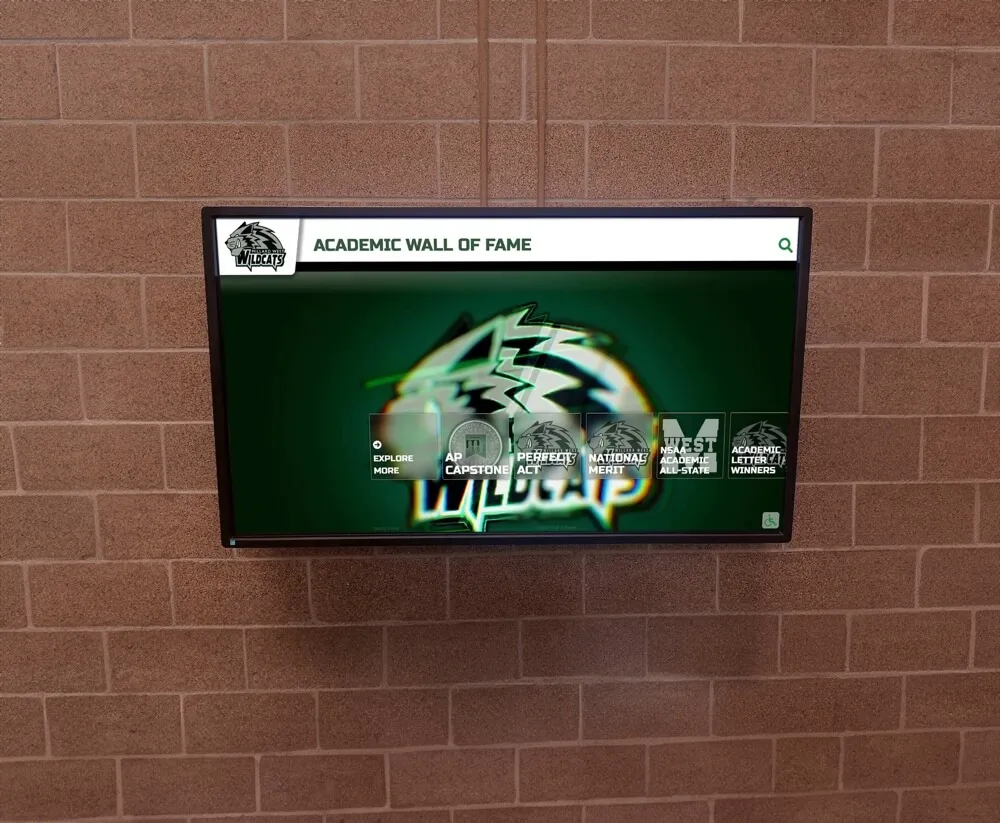
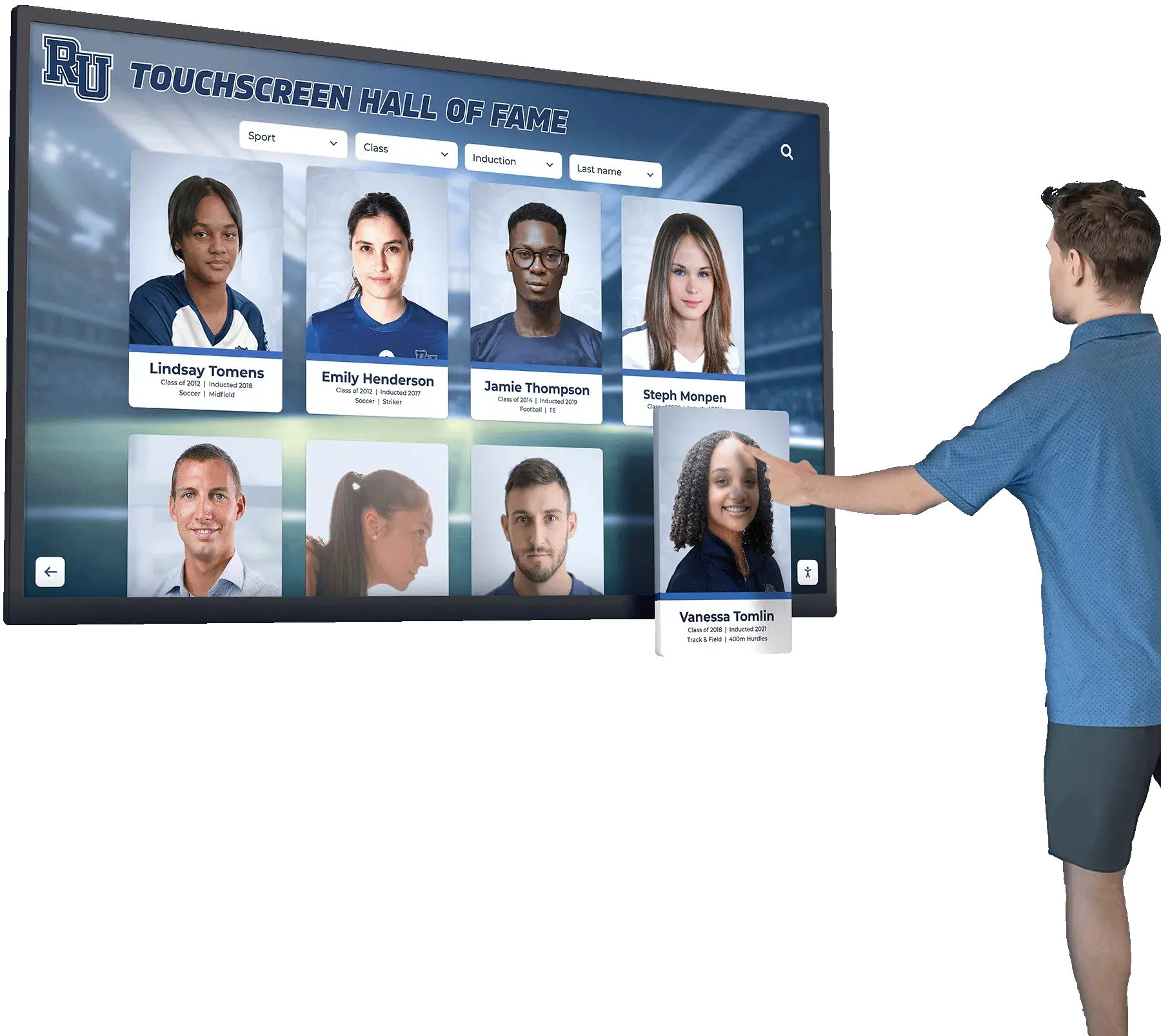
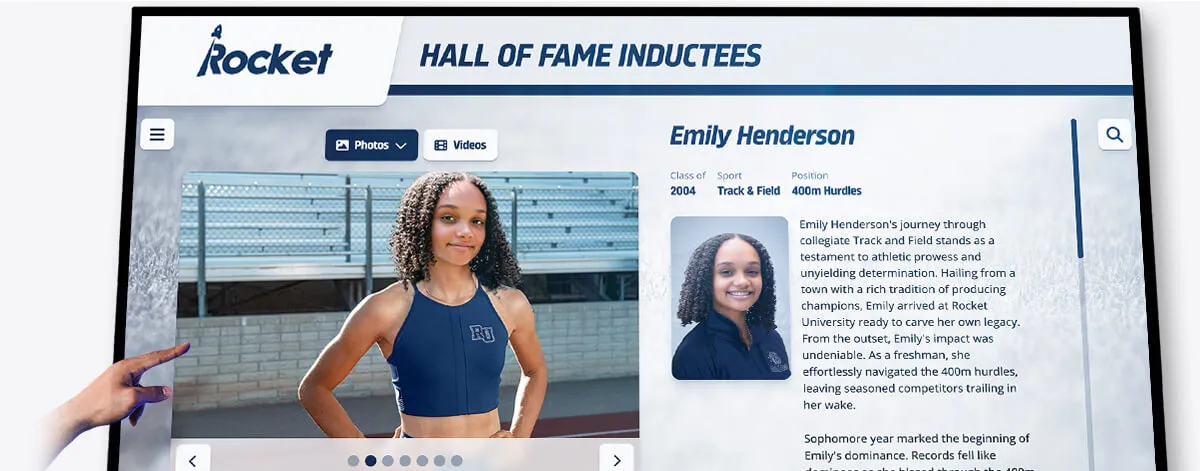
Modern recognition platforms showcase individual track and field achievements with detailed event information, performance statistics, and action photography
Understanding Track and Field Award Philosophy
Beyond Championship Medals: Building Comprehensive Recognition
Effective track and field awards programs serve purposes beyond simply acknowledging the fastest runner or longest jumper. Thoughtful recognition accomplishes multiple critical objectives that strengthen program culture, athlete development, and long-term success.
Core Purposes of Track and Field Recognition
Achievement Validation Track and field offers measurable, objective performance data making it easier to recognize authentic achievement than subjective team sports. Awards validate genuine accomplishment—personal records, championship performances, school records, and qualifying standards—while providing tangible acknowledgment that motivates continued dedication and training commitment.
Effort and Character Recognition Beyond raw performance, awards celebrate intangible qualities essential to program success: consistent practice attendance, leadership mentoring younger athletes, positive attitude during adversity, academic achievement maintaining eligibility, and dedication to improvement regardless of competitive results. These character-based awards communicate program values while honoring athletes who contribute meaningfully even without championship medals.
Team Culture Development Recognition systems shape program culture by defining what accomplishments and behaviors receive celebration. Programs emphasizing only championship performance create environments where developmental athletes feel undervalued. Balanced award systems honoring diverse contributions—from record-breaking sprinters to hardworking distance runners showing consistent improvement—build inclusive cultures where all athletes feel their efforts matter.
Motivation and Goal-Setting Seeing teammates receive recognition for specific achievements motivates athletes to pursue similar goals. A freshman witnessing varsity letter criteria understands exactly what standards they must meet. An athlete seeing a “most improved” award recognizes that dedication to training produces visible results. Clear award categories provide tangible targets that focus training and performance efforts.
Equity Across Event Categories
Balancing Recognition Across Disciplines
Track and field’s event diversity creates natural equity challenges. Sprint events generate excitement and visibility disproportionate to field events or distance races. High-profile championship relays overshadow individual performances in technical events. Effective recognition programs address these imbalances:
Event-Specific Awards Rather than single “outstanding athlete” categories that typically favor sprinters or versatile multi-event competitors, comprehensive programs include event-specific recognition:
- Sprint awards (100m, 200m, 400m)
- Distance awards (800m, 1600m, 3200m)
- Hurdle awards (110m/100m, 300m/400m)
- Relay recognition (4x100, 4x400, 4x800, DMR)
- Jump awards (long jump, triple jump, high jump, pole vault)
- Throw awards (shot put, discus, javelin, hammer)

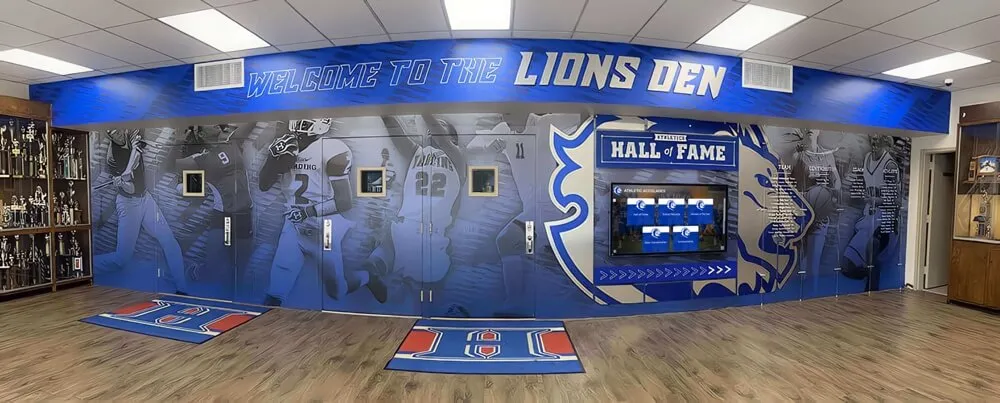
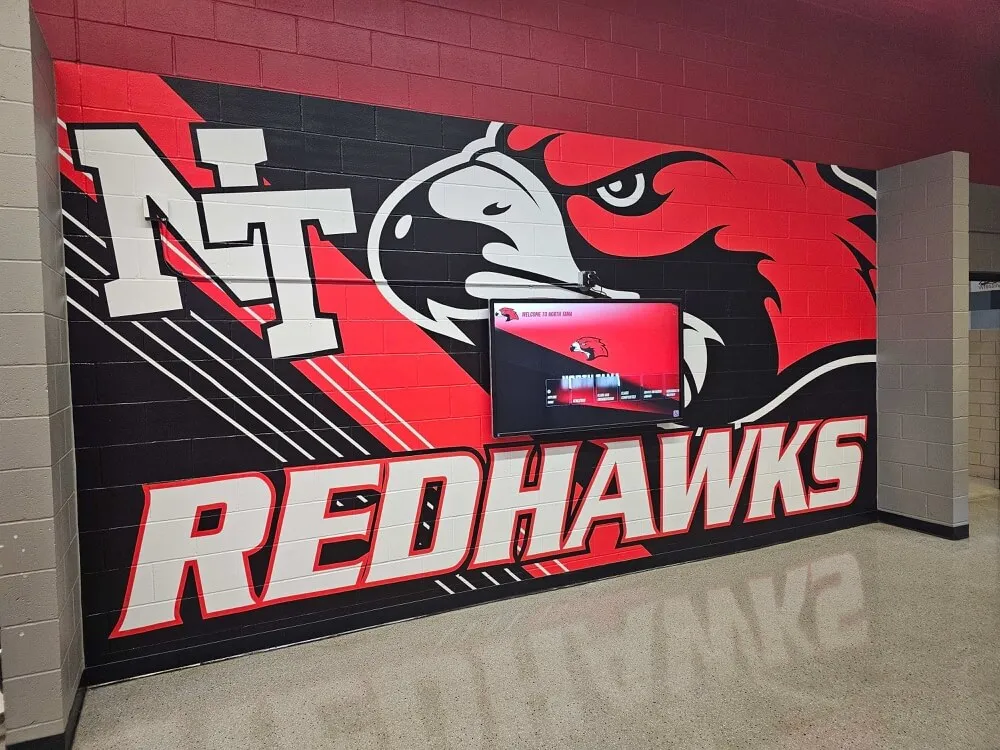
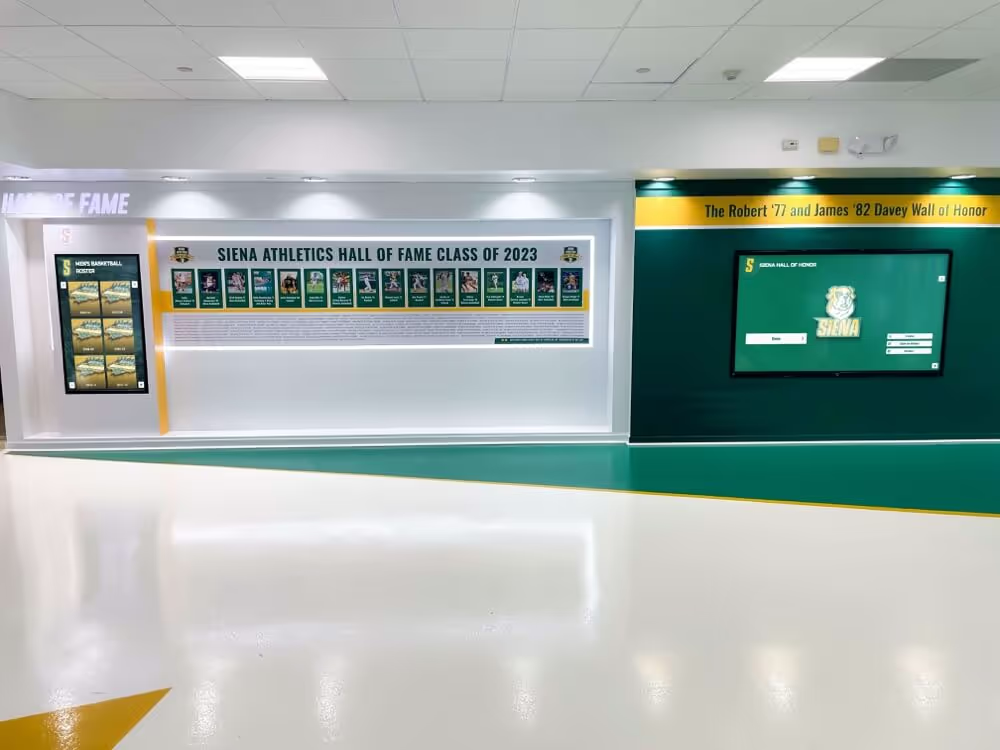
Dedicated recognition spaces in athletic facilities showcase track and field achievements alongside other sport honors
Gender Equity Title IX considerations and ethical obligations require equal recognition across boys’ and girls’ programs. Award budgets, trophy sizes, ceremony prominence, and recognition displays must maintain parity ensuring female track athletes receive celebration equivalent to male counterparts across all event categories.
Competitive Level Considerations Programs with both varsity and junior varsity teams, or those accommodating athletes across wide ability ranges, should structure awards recognizing achievements appropriate to competitive level. A JV personal record deserves celebration even if it wouldn’t qualify for varsity competition. Developmental athletes showing significant improvement merit recognition even when performances remain far from championship standards.
Essential Track and Field Award Categories
Building a Comprehensive Recognition System
Effective track and field awards programs include diverse categories honoring the full spectrum of athletic achievement, character development, and program contribution.
Performance-Based Awards
Individual Event Excellence
These awards recognize superior performance in specific track and field events:
Event Champion Awards
- Criteria: Top performance in specific event during championship meet or season-best mark
- Recognition: Acknowledges technical mastery and competitive excellence in specialized events
- Selection: Objective selection based on measurable performance data
- Example: “100 Meter Champion,” “Shot Put Champion,” “High Jump Champion”
School Record Recognition
- Criteria: Breaking or tying existing school records in any event
- Recognition: Permanent acknowledgment in program record books and recognition displays
- Selection: Automatic recognition when verified performances exceed previous records
- Example: “School Record: Girls’ 800 Meters - 2:15.3”
Personal Record Achievement Awards
- Criteria: Significant personal improvement throughout season
- Recognition: Celebrates individual growth regardless of competitive placement
- Selection: Percentage improvement or absolute time/distance gains
- Example: “PR Achievement Award - 15-second improvement in 1600m”
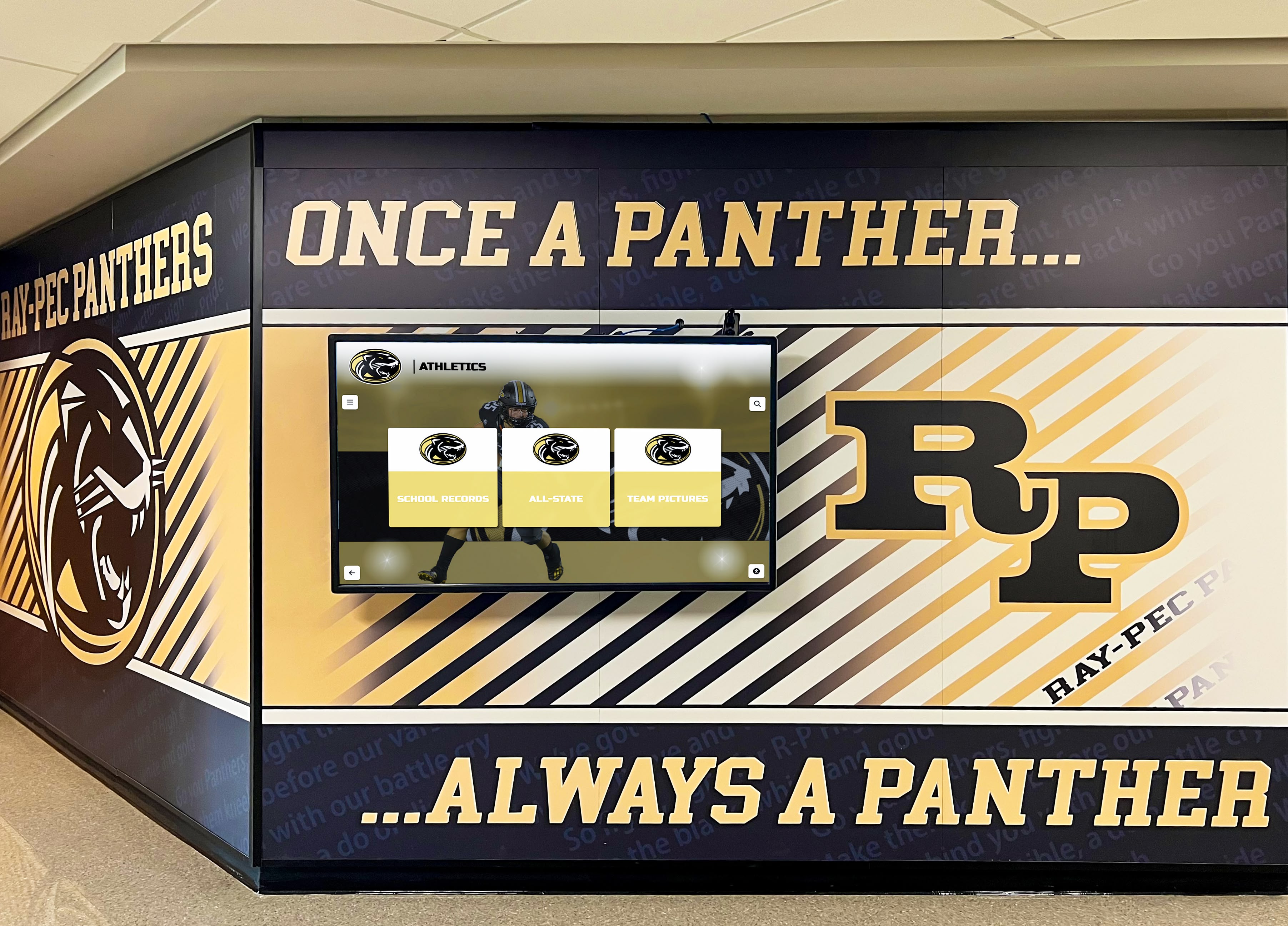
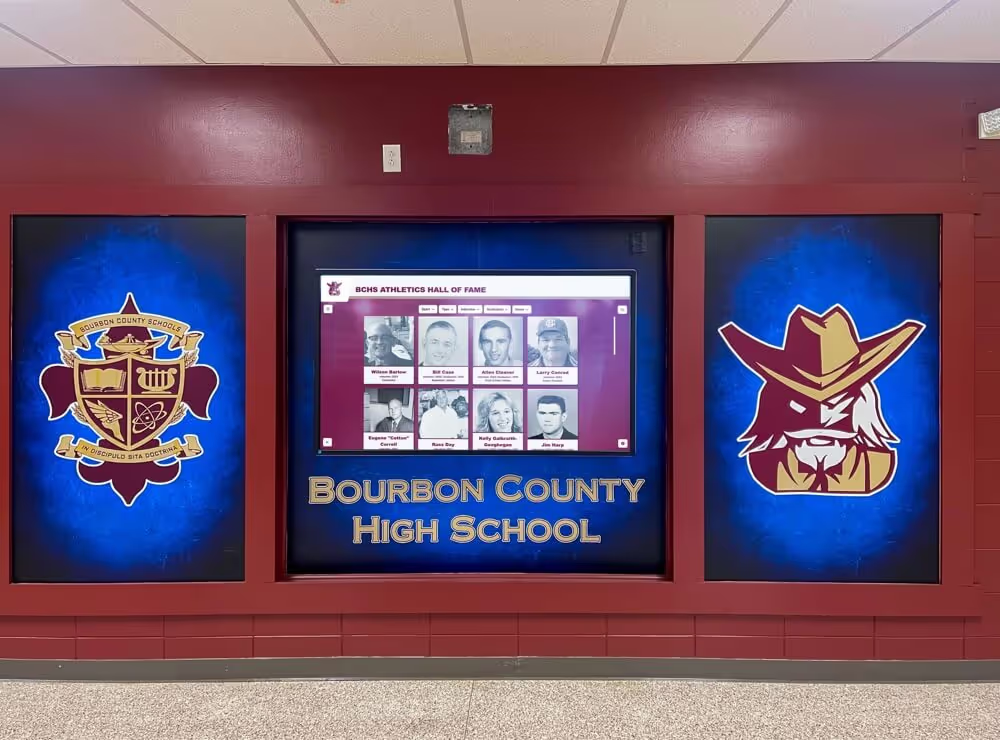
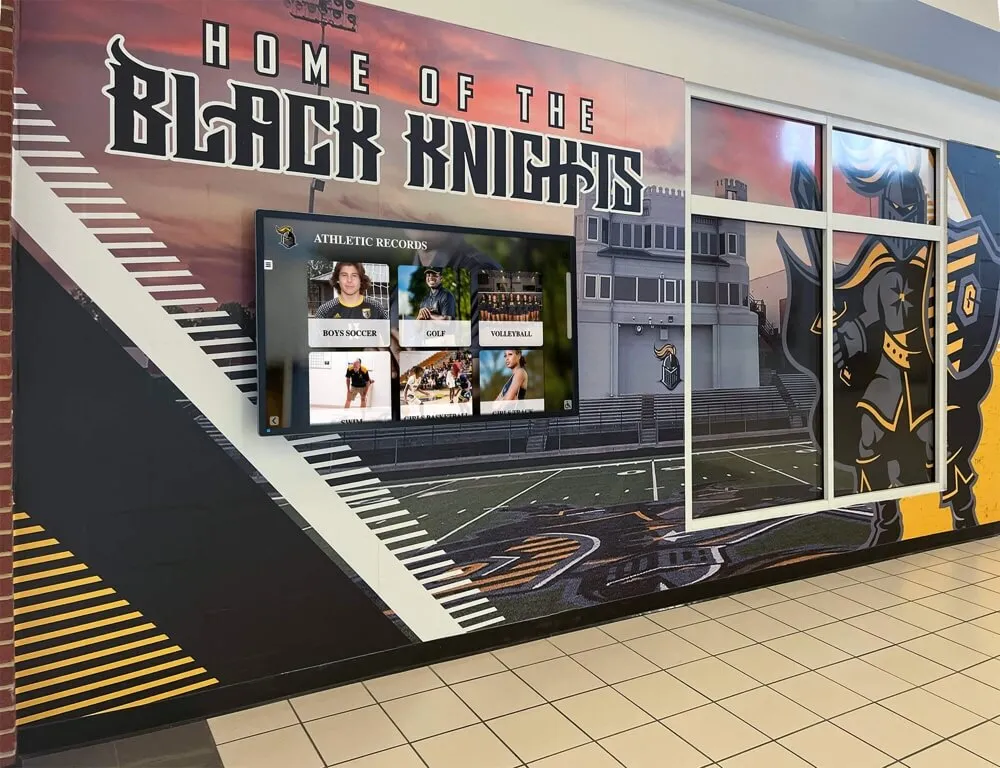
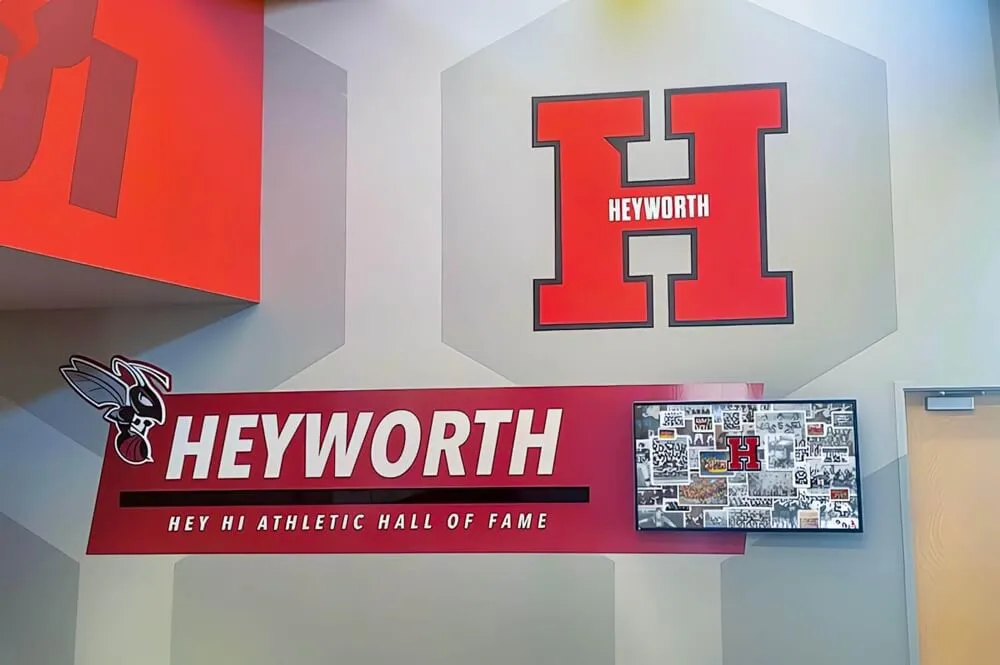
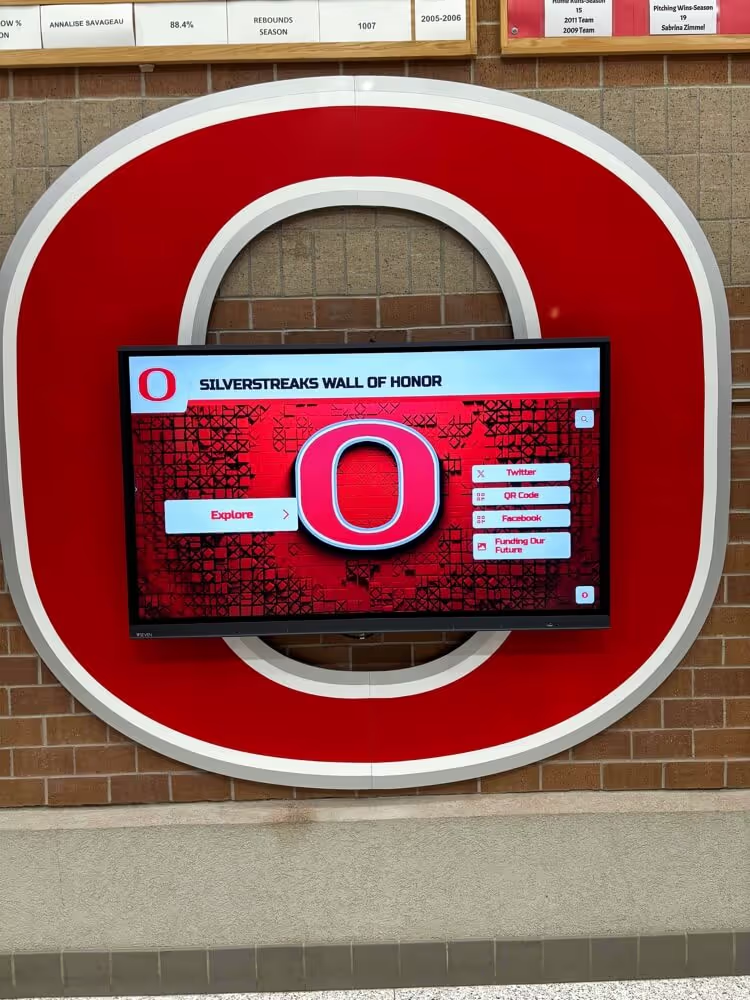
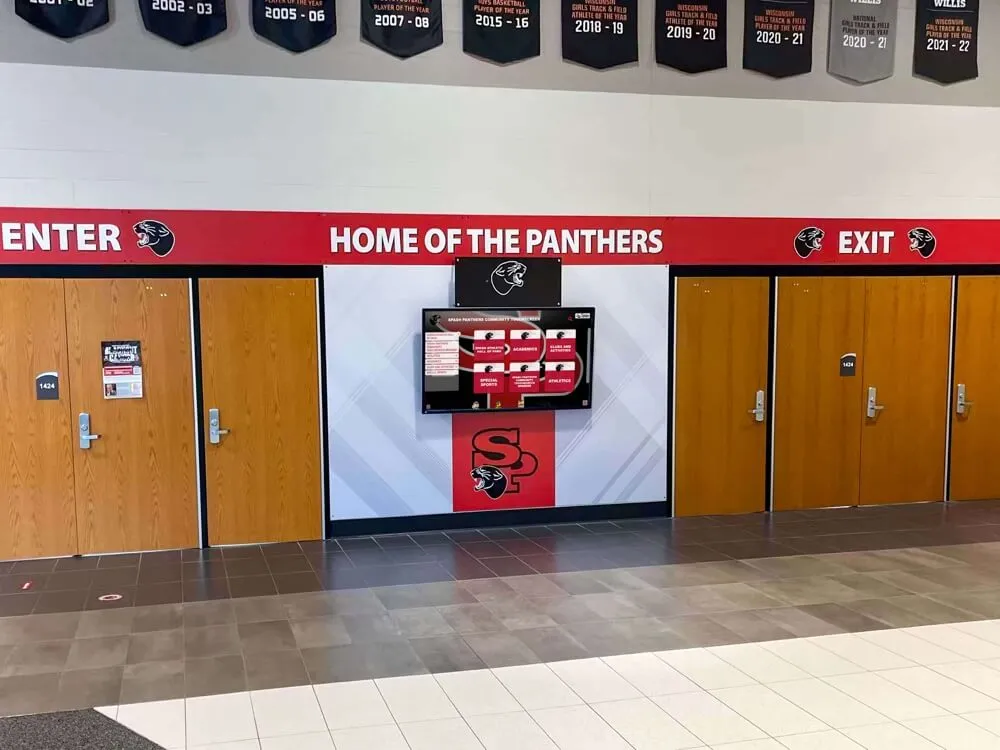
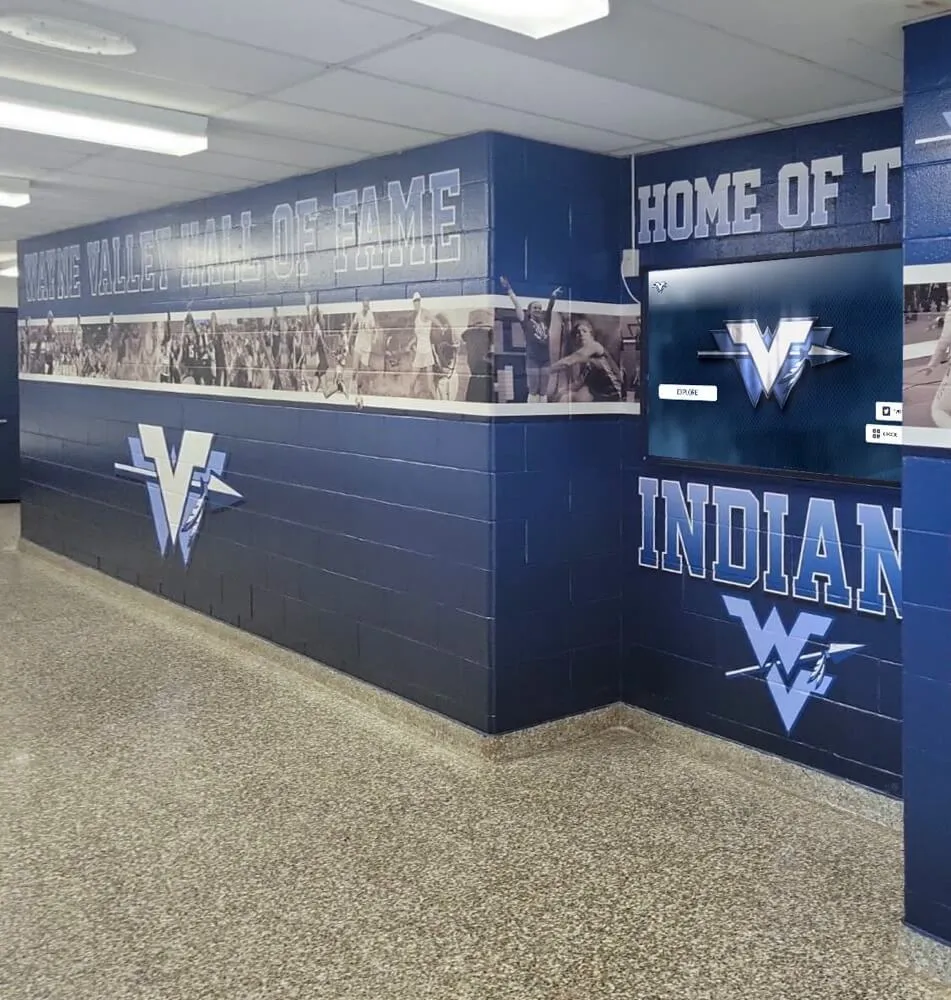
Permanent recognition displays in school hallways celebrate track and field records and achievements year-round
Qualifying Standard Awards
- Criteria: Meeting conference, regional, or state qualifying standards
- Recognition: Honors athletes achieving competitive benchmarks
- Selection: Objective standards set by governing athletic associations
- Example: “State Qualifier - Boys’ 4x400 Relay”
Character and Leadership Awards
Most Valuable Athlete (MVA)
- Criteria: Combination of athletic performance, leadership, and program contribution
- Recognition: Highest individual honor recognizing overall program impact
- Selection: Coach decision incorporating performance statistics, team leadership, practice dedication, and character demonstration
- Considerations: Balance performance excellence with intangible contributions; avoid favoring certain event types consistently
Most Improved Athlete
- Criteria: Greatest performance improvement across season in primary events
- Recognition: Celebrates dedication to training and development
- Selection: Percentage improvement calculations or coach assessment considering starting point and development trajectory
- Considerations: Establishes that hard work produces visible results; particularly meaningful for underclassmen building skills
Coaches Award
- Criteria: Exceptional attitude, work ethic, leadership, or overcoming adversity
- Recognition: Honors intangible qualities essential to program success
- Selection: Subjective coach decision based on observation throughout season
- Example: Recognizing athlete who maintained positive attitude despite injury, or provided leadership during challenging season
Leadership Award
- Criteria: Team captaincy effectiveness, mentoring younger athletes, positive example setting
- Recognition: Acknowledges contributions to team culture and program development
- Selection: Peer and coach input identifying athletes who elevated teammates
- Considerations: Can recognize multiple athletes reflecting different leadership styles
Programs implementing diverse sports award categories create recognition systems that honor athletic excellence alongside character development, building comprehensive program cultures.
Team Contribution Awards
Iron Person Award
- Criteria: Competing in maximum number of events, consistently scoring points across meets
- Recognition: Celebrates versatility and willingness to help team regardless of personal specialization preferences
- Selection: Points accumulated across all meets, number of different events competed
- Example: Athlete who competes in four events at most meets, filling gaps in lineup
Relay Excellence Award
- Criteria: Outstanding relay performance, commitment to team relay events
- Recognition: Honors athletes who prioritize relay success over individual glory
- Selection: Relay medals won, improvement in relay times, consistent relay participation
- Considerations: Can recognize entire relay teams rather than individuals
Team Points Leader
- Criteria: Most points scored for team across season through various placements
- Recognition: Acknowledges consistent scoring contribution
- Selection: Objective point calculation from meet results
- Considerations: Balances recognition for athletes who may not win championships but consistently place and contribute

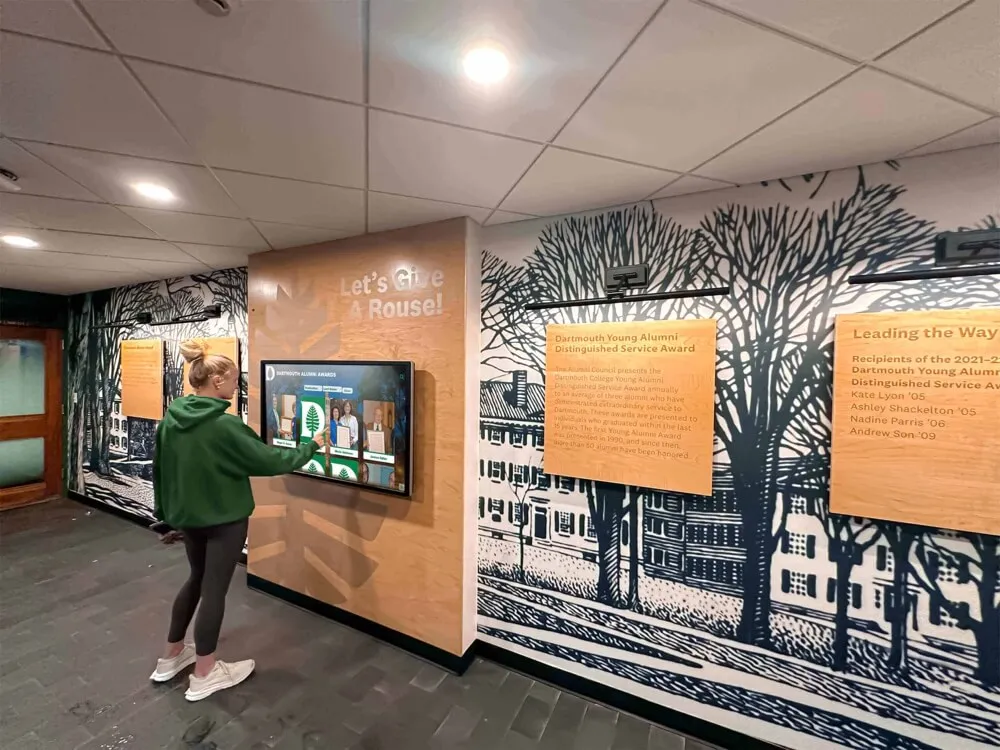
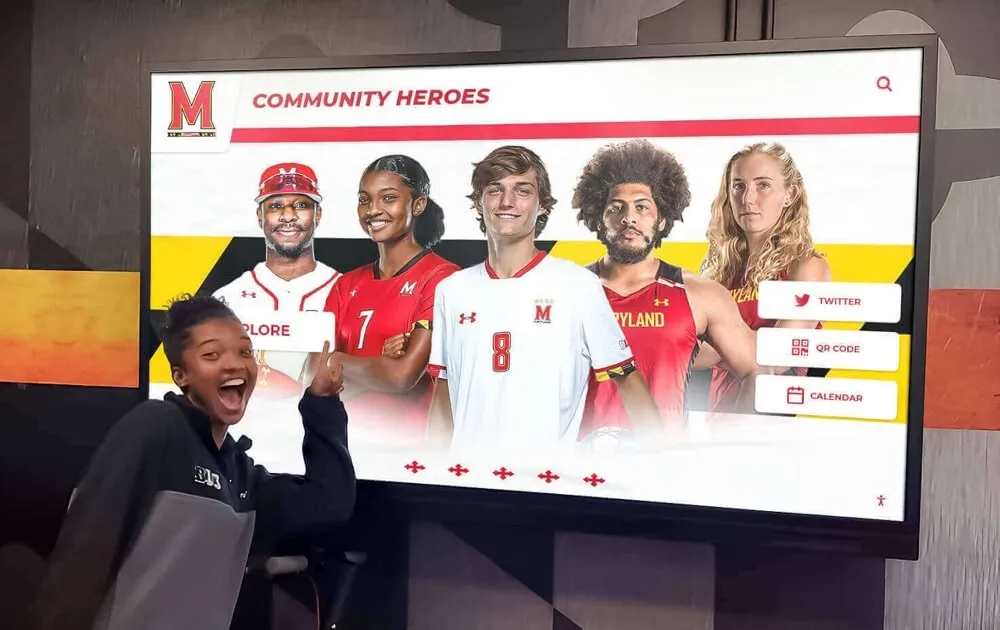
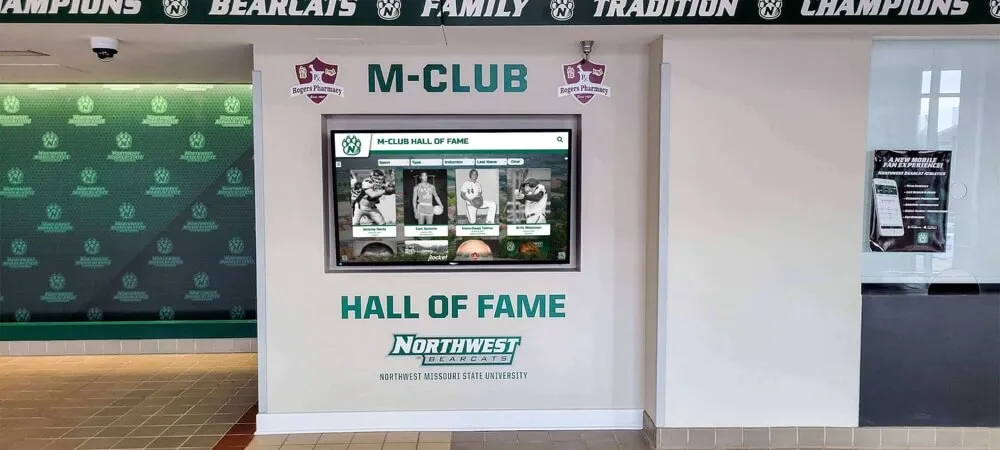
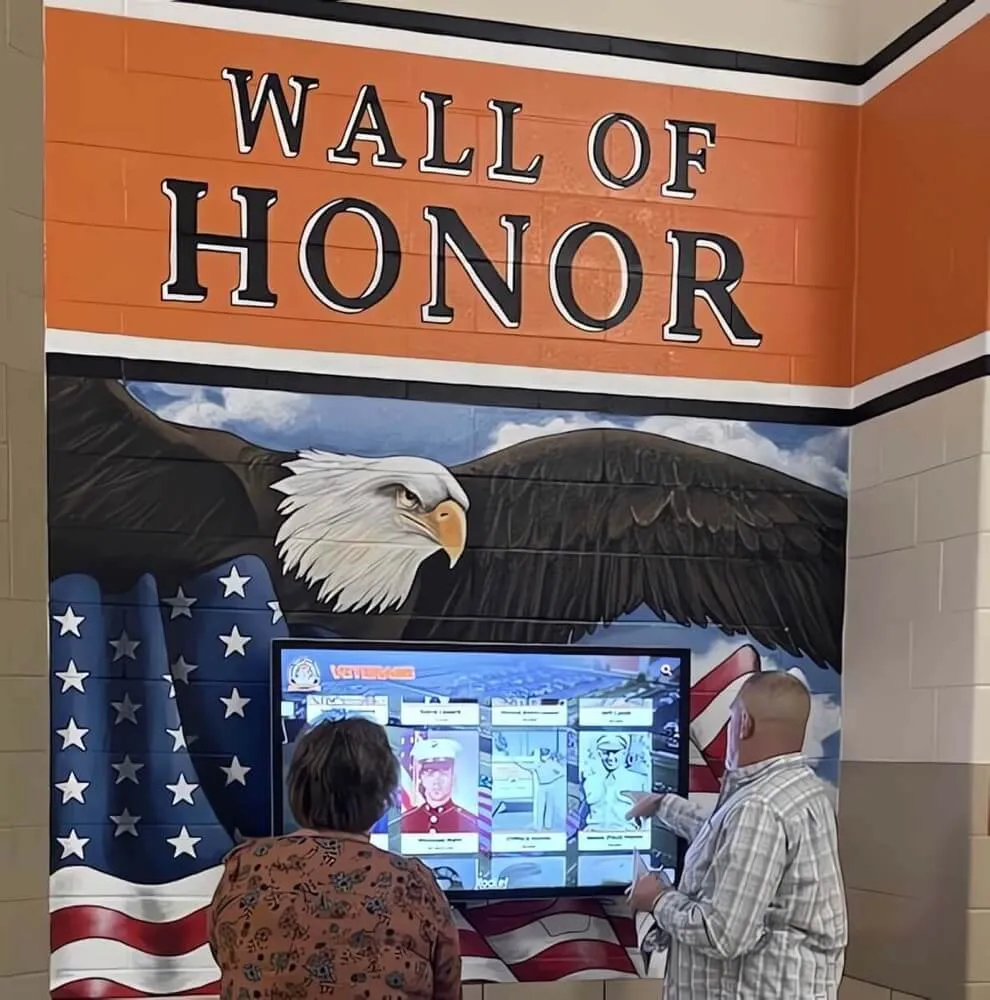
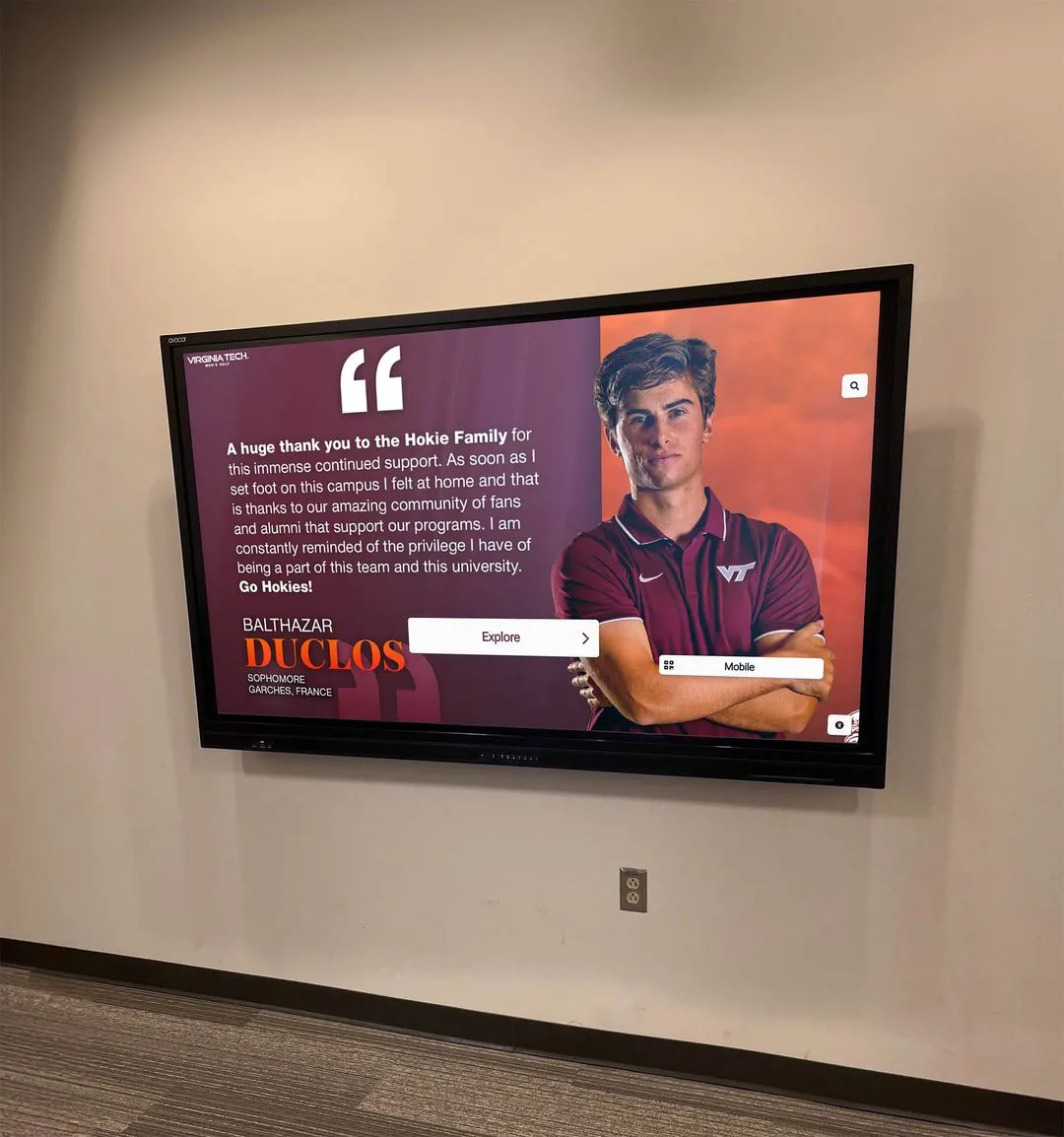
Interactive touchscreen displays enable athletes, families, and community members to explore detailed recognition profiles and achievement histories
Academic and Program Awards
Scholar Athlete Award
- Criteria: Combination of athletic achievement and academic excellence (typically 3.5+ GPA)
- Recognition: Reinforces that academic success remains priority alongside athletic performance
- Selection: Objective GPA requirements combined with athletic participation standards
- Example: All athletes maintaining 3.5 GPA while varsity letter qualifiers
Perfect Attendance Award
- Criteria: Full season practice and meet attendance without unexcused absences
- Recognition: Acknowledges commitment and reliability essential to program success
- Selection: Objective attendance tracking
- Considerations: Accommodate excused absences for illness, family emergencies, or academic conflicts
Newcomer of the Year
- Criteria: Outstanding first-year athlete showing exceptional promise and contribution
- Recognition: Celebrates athletes new to program making immediate impact
- Selection: Coach assessment of freshman or new transfer athlete performance and development
- Considerations: Can have separate boys’ and girls’ recipients
Senior Leadership Award
- Criteria: Outstanding contribution by graduating senior across high school career
- Recognition: Honors multi-year program commitment and leadership legacy
- Selection: Coach decision incorporating four-year body of work
- Considerations: Can recognize all seniors meeting certain participation thresholds
Specialty Recognition Categories
Distance Runner of the Year
- Criteria: Outstanding season performance in distance events (800m and longer)
- Recognition: Acknowledges specialized excellence in endurance events
- Selection: Championship performances, personal records, scoring contribution in distance events
- Considerations: Distance runners often feel overshadowed by sprint glamour; specific recognition validates their contributions
Sprinter of the Year
- Criteria: Outstanding season performance in sprint events (400m and shorter, including hurdles)
- Recognition: Celebrates speed and explosive power development
- Selection: Championship performances, relay contributions, sprint event dominance
Field Event Athlete of the Year
- Criteria: Outstanding season performance in throwing or jumping events
- Recognition: Honors athletes specializing in technical field events
- Selection: Championship performances, school records, technical progression
- Considerations: Can subdivide into jumps versus throws for larger programs
Multi-Event Excellence
- Criteria: Outstanding performance across multiple event categories
- Recognition: Celebrates versatile athletes contributing across track and field disciplines
- Selection: Success in three or more different event types (sprints, distance, jumps, throws, hurdles)
- Example: Athlete excelling in long jump, triple jump, and 200m
Schools implementing comprehensive youth sports awards systems report stronger athlete satisfaction and retention when recognition spans diverse achievement categories beyond championship performance alone.
Implementing Fair and Credible Selection Processes
Maintaining Award Program Integrity
Award credibility depends on transparent, consistent selection processes that athletes perceive as fair and coaches implement objectively.
Establishing Clear Criteria
Objective Standards
Wherever possible, establish measurable criteria eliminating subjective bias:
Performance Thresholds
- Define specific times, distances, or heights qualifying for awards
- Establish improvement percentages required for “most improved” consideration
- Set point totals determining scoring contribution awards
- Document attendance requirements for perfect attendance recognition
- Specify GPA minimums for academic awards
Documentation Systems Maintain comprehensive season records tracking:
- Individual performance results from all meets
- Personal record progressions throughout season
- Practice attendance logs
- Relay participation and times
- Point contributions calculated consistently
- Academic grade reports and GPA verification
Selection Committee Approaches
Involving Multiple Perspectives
Subjective awards benefit from multiple viewpoints:
Coach Consensus For programs with multiple coaches, require agreement on subjective awards like MVA or coaches award. Discussion reveals different perspectives about athlete contributions coaches observe in different contexts—sprint coach notices leadership during warm-ups while distance coach sees perseverance during long runs.
Senior Athlete Input Some programs invite senior athletes to provide input on peer awards like leadership or team contribution recognition. This involvement increases award credibility among athletes while developing leadership skills in those providing input.
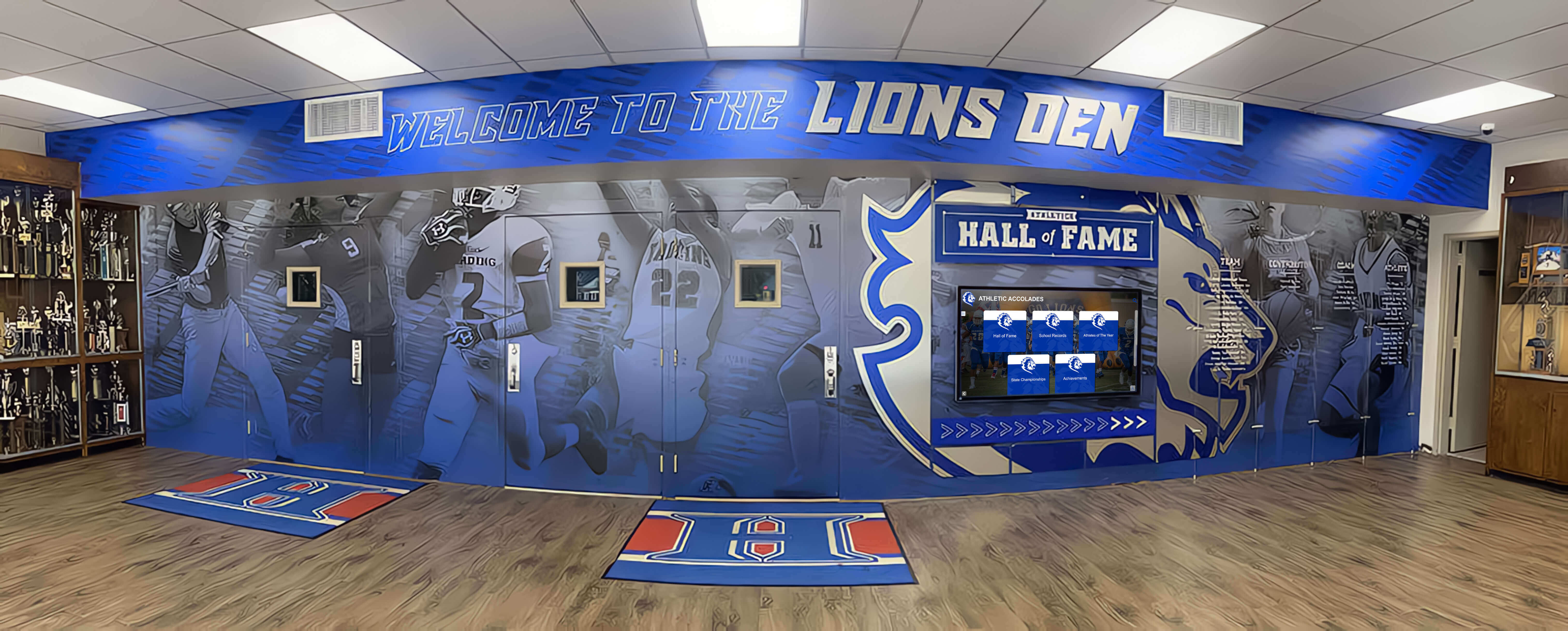
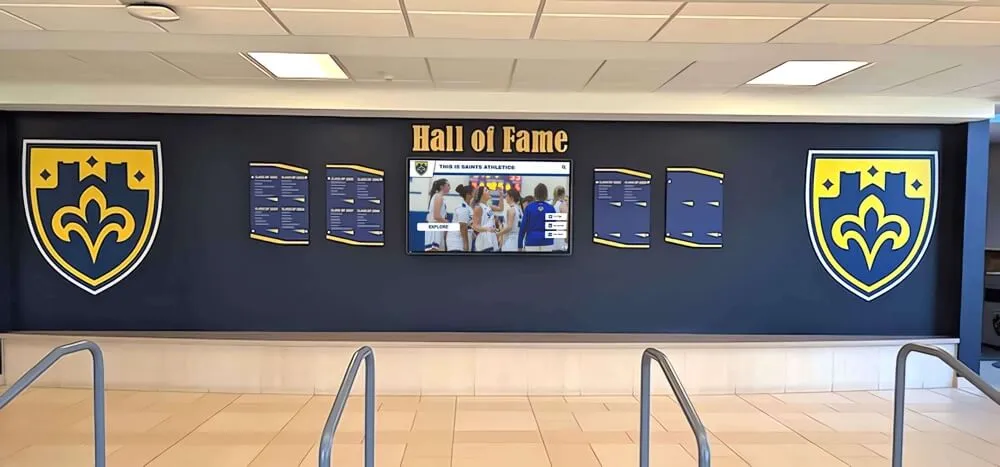
Traditional trophy cases combine with modern recognition elements celebrating track and field achievements in prominent school locations
Documented Rationale For all subjective awards, document selection rationale noting specific achievements, leadership examples, or character demonstrations justifying decisions. This documentation helps explain selections if questioned while ensuring consistency across years as coaches consider similar factors in future selections.
Avoiding Common Selection Pitfalls
Favoritism Prevention
Implement safeguards preventing real or perceived favoritism:
Multiple Award Recipients Consider recognizing multiple athletes in categories where several deserve acknowledgment rather than forcing single selections that feel arbitrary. “Co-MVAs” or “Outstanding Sprinters” plural acknowledges reality that multiple athletes contribute equally.
Event Category Balance Track selection patterns across years ensuring sprinters don’t consistently dominate subjective awards. If MVA selections over five years include four sprinters and one thrower, examine whether selection criteria implicitly favor certain event types despite intention toward balance.
Seniority Bias Awareness While seniors naturally accumulate more achievements and leadership opportunities than underclassmen, avoid automatic seniority preference. Outstanding juniors or exceptional sophomores deserve major awards when their contributions legitimately exceed senior teammates.
Avoiding “Pity Awards” Never create awards specifically to recognize athletes you feel deserve something but don’t legitimately qualify for existing categories. Athletes recognize inauthentic recognition undermining program credibility. If an athlete doesn’t qualify for existing awards, that simply reflects their current development stage—not everything deserves a trophy.
Communicating Selection Decisions
Transparency About Process
Help athletes understand award selection:
Early Season Communication At season start, explain award categories, criteria, and selection processes. Athletes who understand expectations from the beginning can work toward specific goals while appreciating the standards others must meet to receive recognition.
Selection Timeline Communicate when awards will be determined and announced, giving athletes time to prepare for recognition ceremonies or banquets. Last-minute award creation appears haphazard undermining credibility.
Private Feedback for Near-Misses Consider providing private feedback to athletes who were finalists for major awards but ultimately not selected. Brief conversations explaining “you were seriously considered but we ultimately chose Sarah because…” help athletes understand decisions and provide motivation for continued development.
Athletic programs implementing structured recognition systems with clear criteria and transparent selection report higher athlete satisfaction and fewer complaints about perceived unfairness.
Creative Track and Field Award Presentation Ideas
Making Recognition Memorable
How you present awards impacts recognition meaning and memorability as much as the awards themselves.
End-of-Season Awards Banquet
Traditional Celebration Format
Track and field awards banquets provide formal conclusion to season while celebrating achievement:
Program Elements
- Coach season recap and highlights
- Team slideshow or video featuring season memories
- Statistical achievement recognition (school records, PR improvements, championships)
- Individual award presentations with specific accomplishment descriptions
- Senior recognition and farewell messages
- Guest speaker (college athlete, alumni, community member)
- Team meal creating community experience
Presentation Enhancements
- Display action photos of award recipients during their achievements
- Include performance statistics or improvement data in presentations
- Have captains or senior athletes present certain awards to teammates
- Show video clips of championship races or record-breaking performances
- Provide printed programs listing all award recipients for keepsake
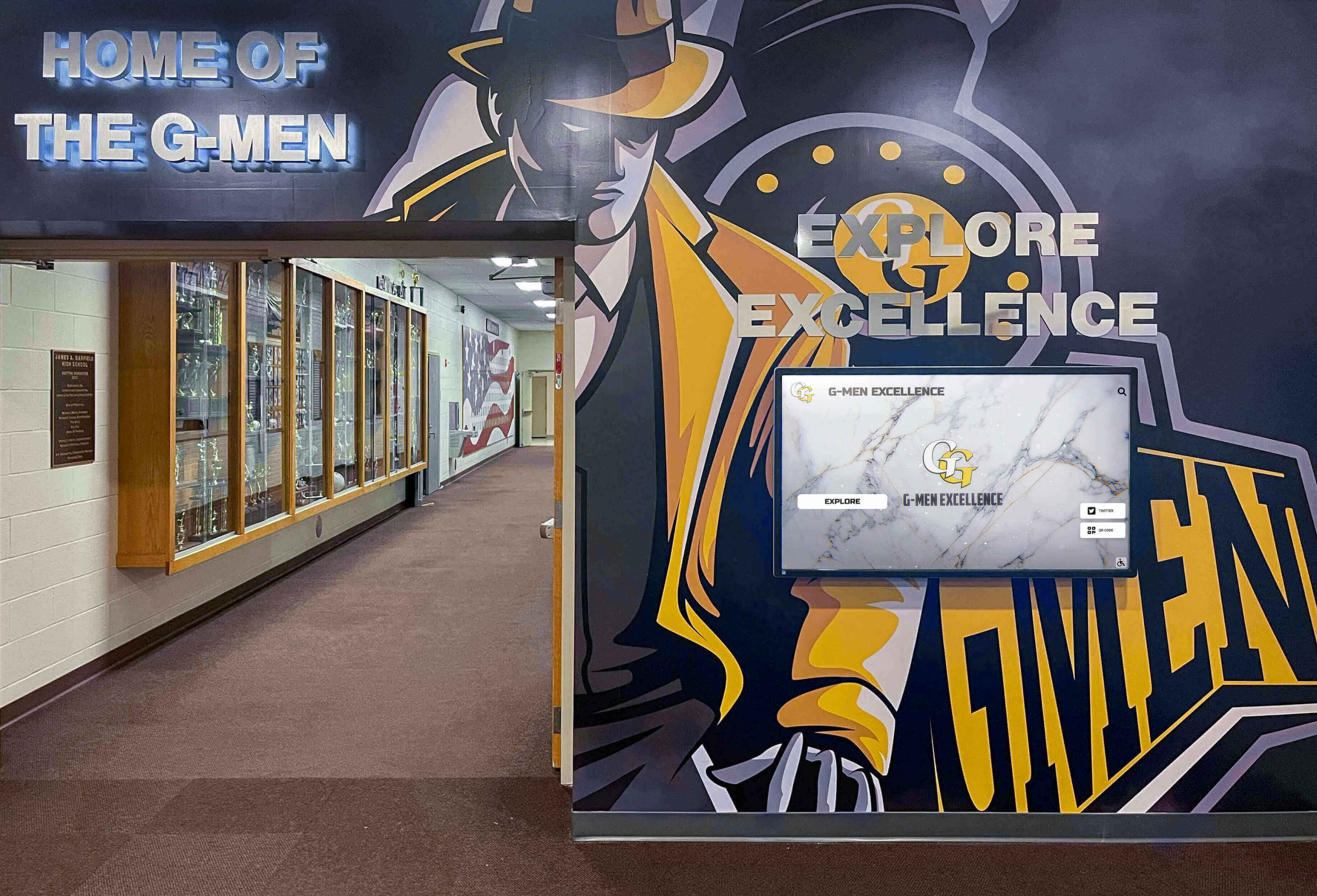
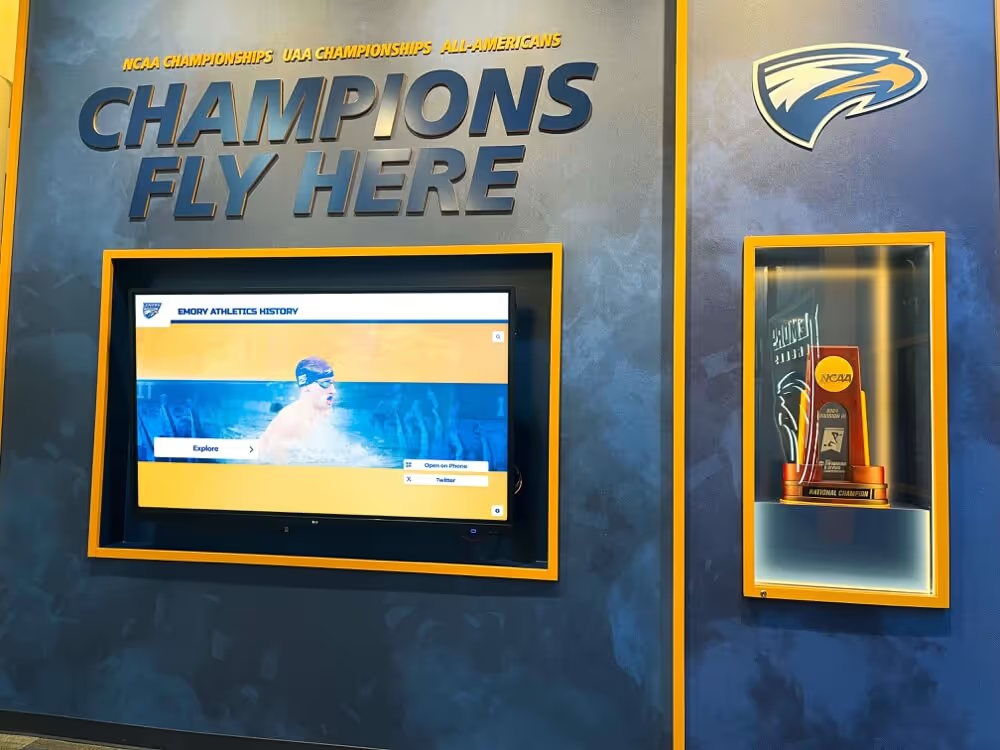
Comprehensive recognition environments combine digital displays with traditional trophy cases showcasing track and field achievements
In-Season Recognition Moments
Immediate Acknowledgment
Don’t wait until end-of-season banquet to recognize significant achievements:
Weekly Practice Recognition
- Announce personal records achieved at weekend meets
- Recognize athletes who competed in challenging conditions
- Acknowledge scoring contributions that helped team win meets
- Celebrate qualifier achievements for championship meets
Social Media Celebration
- Post photos of award-winning performances
- Share statistics from record-breaking results
- Feature “athlete of the week” highlighting standout contributions
- Create graphic posts celebrating school records or qualifying standards
Championship Meet Ceremonies
- Present medals or certificates immediately after finals
- Recognize record-breakers with special announcements
- Include relay teams in medal ceremony celebrations
- Photograph award recipients on podium for season documentation
Permanent Recognition Displays
Year-Round Visibility
Awards presented at banquets may sit on bedroom shelves afterward. Permanent displays in athletic facilities provide ongoing recognition:
Physical Recognition Walls
- School record boards listing current record holders in all events
- Championship team plaques documenting conference and state titles
- All-state athlete recognition showcasing athletes earning state honors
- Varsity letter plaques listing athletes meeting letter criteria each season
Digital Recognition Systems
Modern recognition technology enables comprehensive, flexible display of track and field achievements:
Digital Display Capabilities
- Unlimited athlete profiles without physical space constraints
- Updated instantly when records fall or new achievements occur
- Detailed statistics and performance progressions for each athlete
- Action photography showing athletes during their achievements
- Searchable databases enabling visitors to find specific athletes or events
- Season highlights and championship documentation
- Integration with team websites and social media
Solutions like those from Rocket Alumni Solutions provide purpose-built platforms for athletic recognition featuring templates designed specifically for track and field programs. These systems showcase individual event achievements, relay team success, school records, and program milestones through engaging touchscreen displays installed in gymnasium lobbies, field houses, or school common areas.
Location Strategy Position recognition displays where athletes, families, and community members regularly see them:
- Gymnasium or field house lobbies where athletes enter daily for practice
- School main entrance areas visible during campus tours
- Athletic hallways connecting practice facilities
- Near trophy cases complementing physical awards with digital depth
Programs implementing digital athletic recognition report that permanent visibility motivates current athletes while preserving program history for future generations who understand their team’s competitive tradition.
Budget-Friendly Track and Field Award Options
Creating Meaningful Recognition Within Constraints
Effective recognition doesn’t require elaborate spending. Creative approaches provide meaningful acknowledgment while respecting limited budgets.
Low-Cost Physical Awards
Affordable Recognition Items
Certificates and Plaques
- Printed certificates on quality cardstock with official school branding
- Small engraved plaques from trophy suppliers offering bulk pricing
- Framed certificates for major awards adding formal presentation
- DIY certificate designs using Canva or PowerPoint templates
Custom Medals and Ribbons
- Event-specific medals noting achievement (100m champion, shot put record)
- Colored ribbons designating award level (gold for MVA, silver for leadership)
- Bulk medal purchases reducing per-unit cost
- Reusable medal ribbons with yearly tag additions
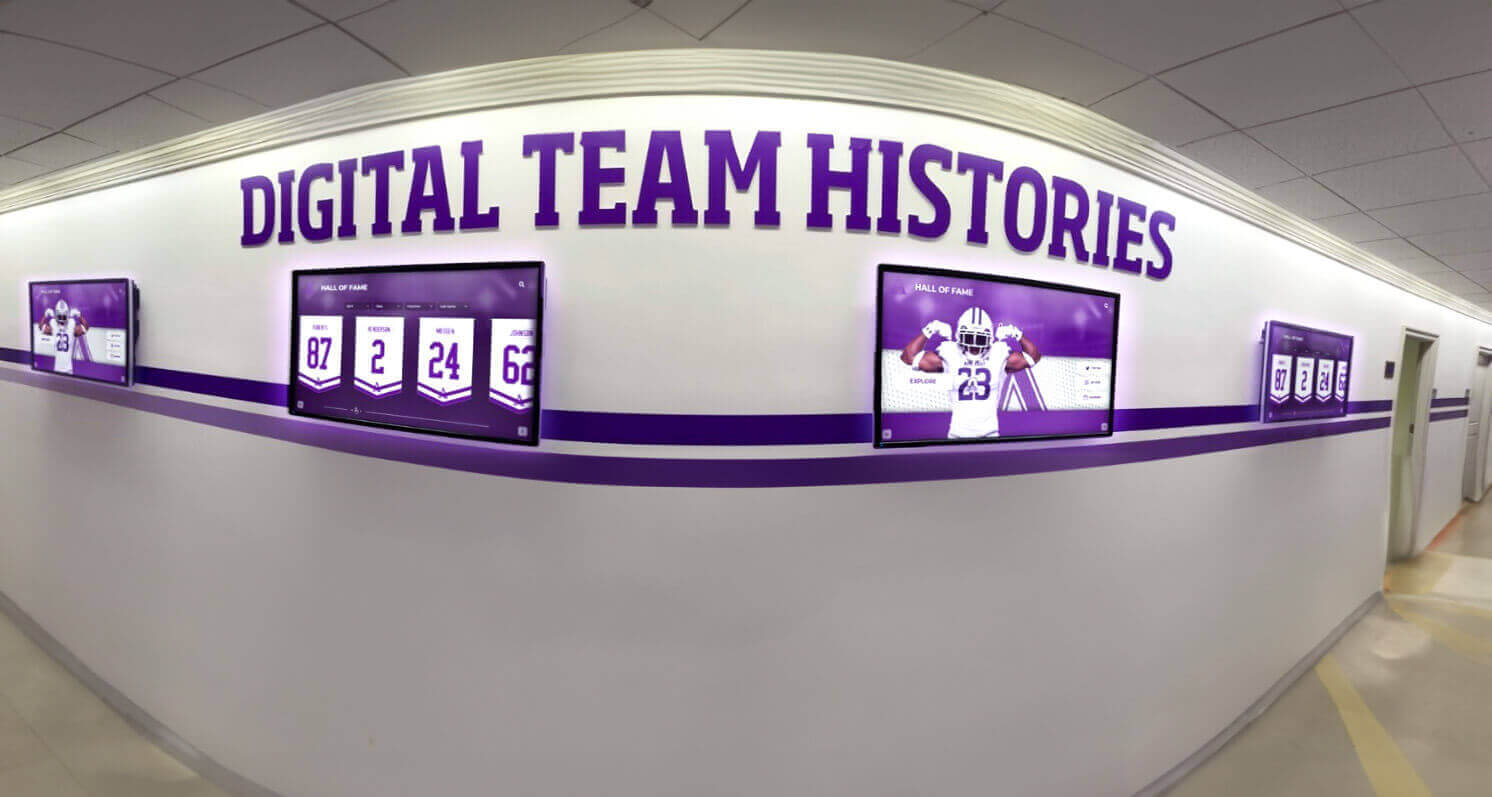
Digital recognition infrastructure celebrates track and field program history and achievements in high-traffic school locations
Team Apparel Awards
- Custom t-shirts recognizing specific achievements (school record holder, state qualifier)
- Letter jackets or varsity letters for athletes meeting criteria
- Team hoodies or warm-ups for seniors or award recipients
- Event-specific gear (distance runner technical shirts, throwing team sweatpants)
Recognition Without Physical Awards
Meaningful Acknowledgment Alternatives
Public Recognition
- Social media spotlight posts featuring award recipients
- School announcements over PA system celebrating achievements
- Team newsletter or website features highlighting award winners
- Local newspaper submissions recognizing athlete accomplishments
Experience-Based Recognition
- Priority selection for relay teams or preferred events
- Captain or leadership role designation for following season
- Mentorship opportunities pairing award winners with younger athletes
- Featured speaker role at youth track clinics or camps
Documentation and Memory
- Professional photos of athletes during their achievements
- Performance statistics compiled into athlete profile documents
- Video highlight reels showing award-winning performances
- Personalized coach letters describing specific contributions and growth
Fundraising for Award Program Enhancement
Sustainable Funding Strategies
Booster Club Support
- Partner with track and field booster clubs to fund comprehensive awards programs
- Annual awards budget allocation from booster fundraising efforts
- Sponsorship opportunities where local businesses fund specific award categories
- Parent donations designated specifically for end-of-season recognition
Alumni Contributions
- Establish endowed awards funded by alumni honoring former coaches or athletes
- Annual alumni giving campaigns supporting current athlete recognition
- Alumni-sponsored awards creating connection between program generations
Community Partnerships
- Local business sponsorships providing trophies or gift certificates
- Running store partnerships donating gear for awards
- Restaurant partnerships providing banquet venue or meal discounts
Programs exploring sports banquet planning strategies discover creative approaches that enhance recognition impact while managing costs effectively.
Track and Field Award Ideas for Specific Events
Specialized Recognition Honoring Event Excellence
Event-specific awards celebrate specialized achievement while building identity around track and field’s diverse disciplines.
Sprint Event Awards
100 Meters / 200 Meters
- Speed Demon Award: Fastest times across season
- Explosive Start Award: Best reaction times and first 30-meter acceleration
- Championship Sprinter: Success in championship meets
- Most Improved Sprinter: Greatest time improvement throughout season
400 Meters
- Quarter-Miler Excellence: Seasonal best performance or improvement
- Pain Tolerance Award: Recognizing mental toughness in sport’s most demanding event
- Negative Split Champion: Athletes who run second 200m faster than first
Sprint Relays (4x100, 4x400)
- Relay Anchor Award: Outstanding anchor leg performances
- Perfect Exchange Award: Teams with flawless handoffs throughout season
- Relay Record Breaker: Teams setting new school relay standards
Distance Event Awards
800 Meters / 1600 Meters / 3200 Meters
- Distance Dominance: Outstanding performance across season in distance events
- Miler’s Heart: Recognizing mental toughness and competitive spirit in middle distance
- PR Crusher: Greatest time improvement in distance events
- Championship Distance Runner: Success in conference and state championship races
Distance Medley / 4x800 Relay
- Team Distance Award: Recognizing outstanding relay team chemistry and performance
- Distance Relay Record: Teams achieving school record marks
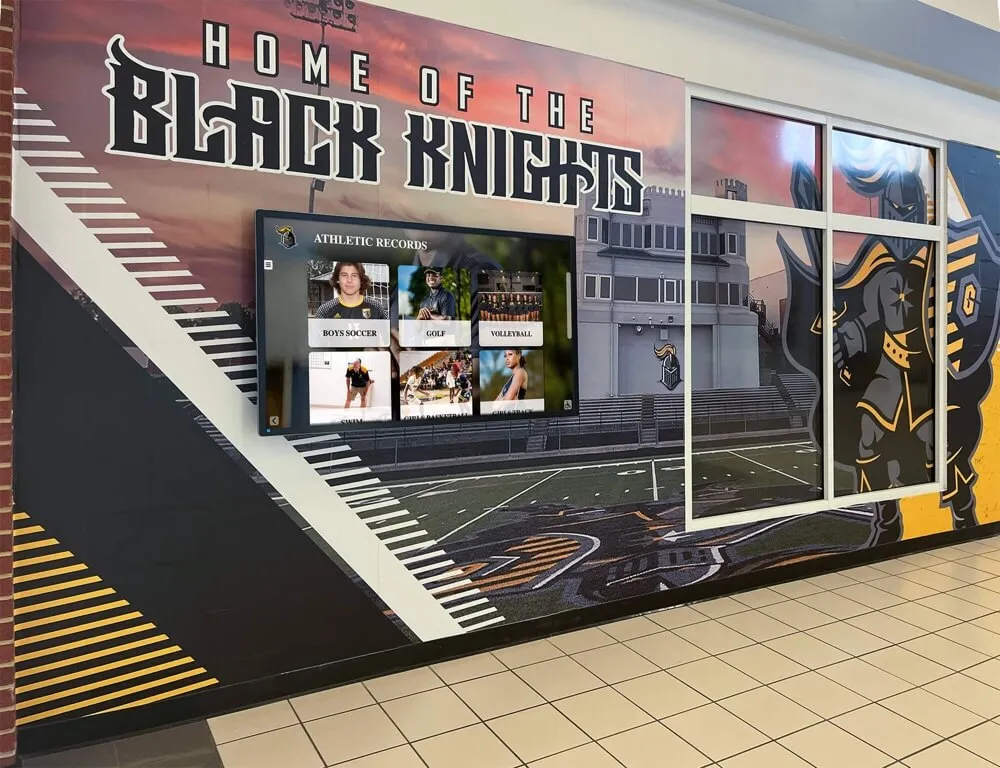
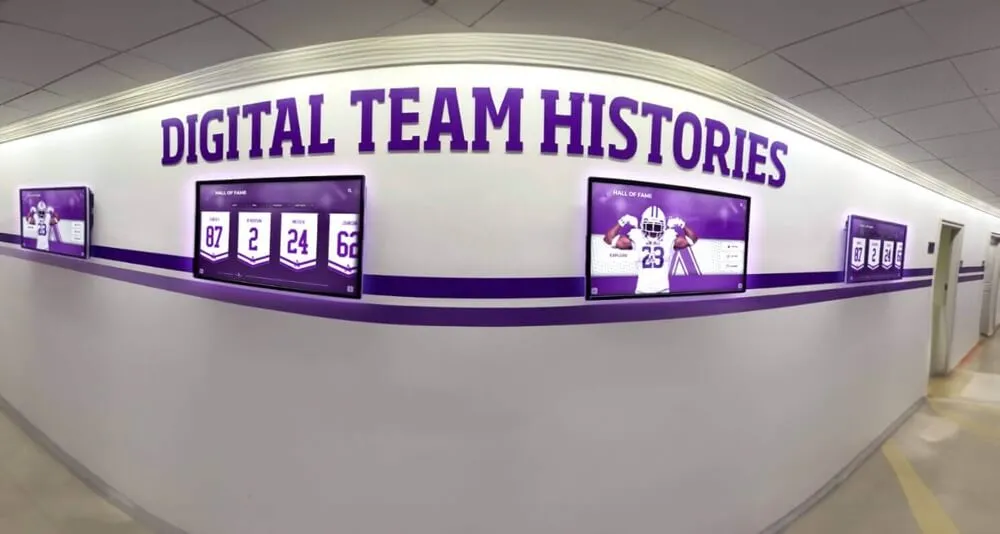
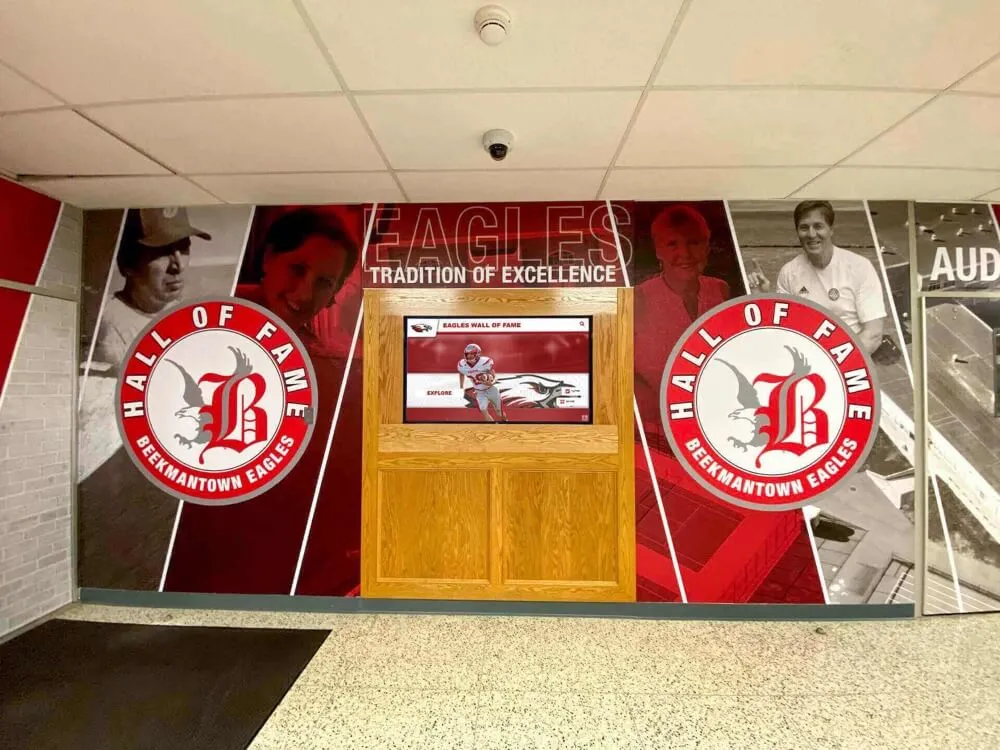
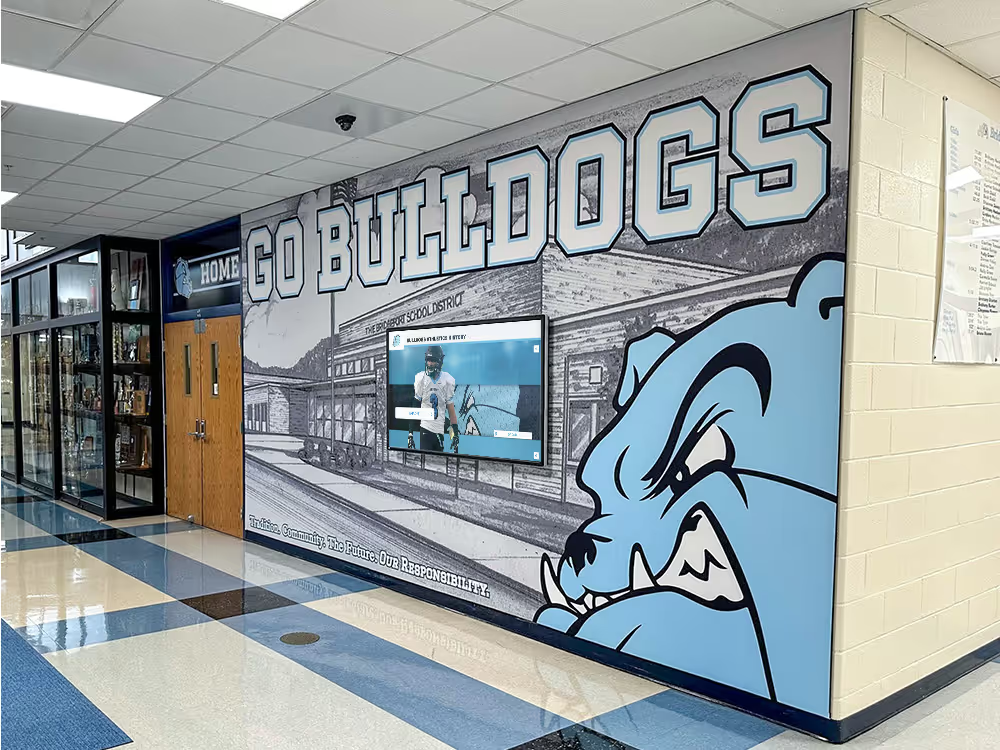
Athletic hallways integrate school branding with recognition displays showcasing track and field records and achievements
Hurdle Event Awards
110m/100m Hurdles / 300m/400m Hurdles
- Hurdle Technician: Most improved technique and form
- Technical Excellence: Outstanding hurdle clearance mechanics
- Hurdle Warrior: Recognizing perseverance through challenges of technical event
- Hurdle Record Holder: School record achievements
Jumping Event Awards
Long Jump / Triple Jump
- Flight Club Award: Outstanding horizontal jumping performances
- Jump Consistency Award: Most consistent jumping across season
- Technical Jump Award: Best approach and takeoff technique
- Jump Record Holder: School record achievements
High Jump
- High Flyer Award: Seasonal best or school record achievement
- Clearance Master: Most consistent bar clearances
- Personal Best Jumper: Greatest height improvement
Pole Vault
- Sky Scraper Award: Highest vault achievement
- Technical Vaulter: Outstanding form and technique progression
- Fearless Vaulter: Recognizing courage in sport’s most intimidating event
Throwing Event Awards
Shot Put / Discus / Javelin / Hammer
- Power Thrower Award: Outstanding strength and distance achievements
- Technical Thrower: Best throwing mechanics and form
- Throw Consistency Award: Most consistent performances across meets
- Throw Record Holder: School record achievements in any throwing event
- Iron Thrower: Athletes competing in multiple throwing events successfully
Integrating Track and Field Awards with Digital Recognition
Extending Award Impact Through Technology
Digital platforms multiply the impact of traditional awards by providing permanent, accessible recognition that inspires current and future athletes.
Digital Athletic Hall of Fame Integration
Comprehensive Achievement Documentation
Digital recognition systems enable track and field programs to document achievements comprehensively:
Individual Athlete Profiles
- Career statistics showing progression across seasons
- Personal record listings in all events competed
- Championship achievements and qualifying performances
- Action photographs from competition
- School records held currently or previously
- All-conference, all-region, and all-state honors
- Post-graduation athletic careers for alumni
Team and Relay Recognition
- Relay team member documentation with race times
- Championship team rosters and meet results
- Season highlight reels and race videos
- Team record progressions over program history
School Record Boards
- Current record holders in every track and field event
- Record progression showing historical improvements
- Athlete profiles linked to their record performances
- Photos and videos of record-breaking moments
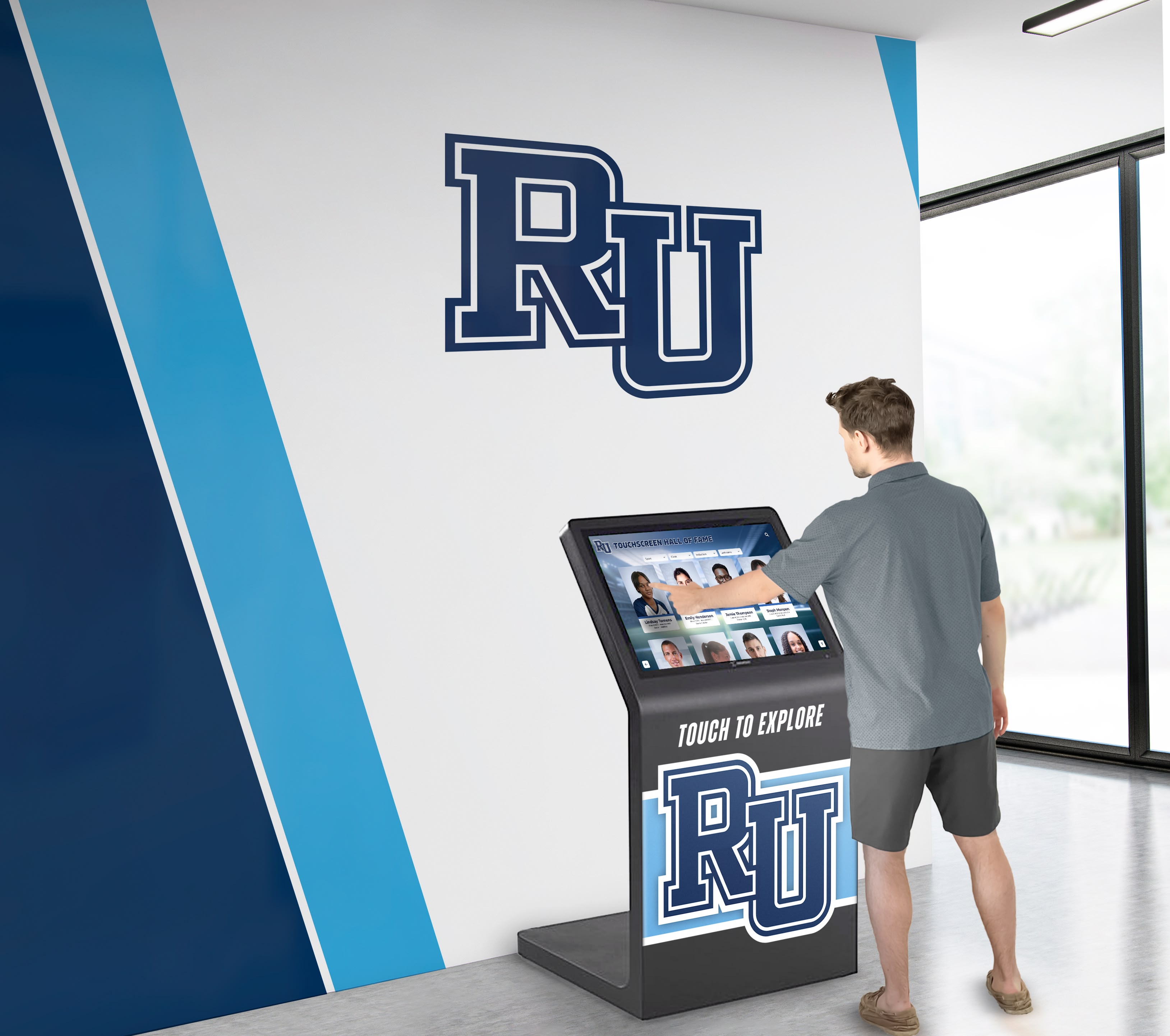
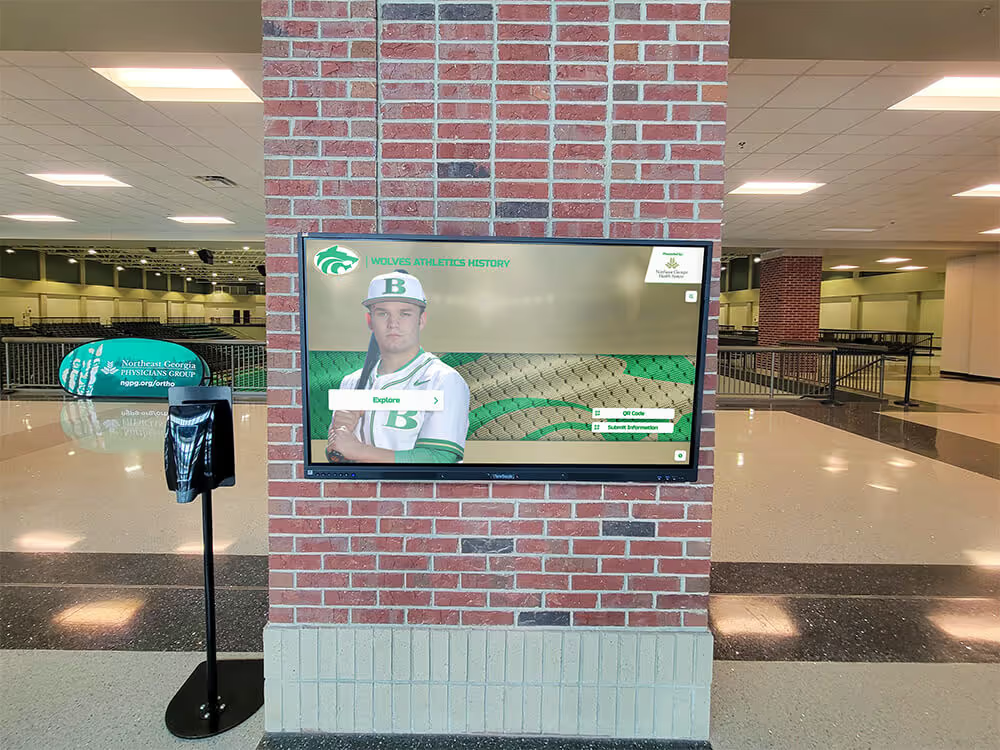
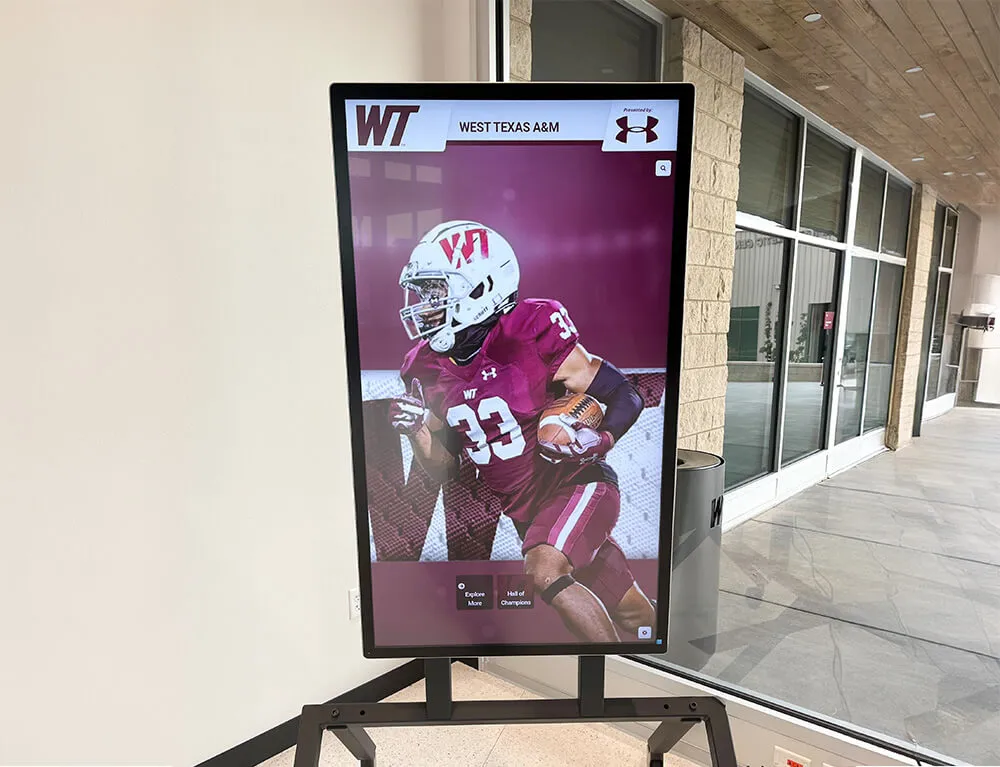
Interactive kiosks in athletic facilities enable athletes and visitors to explore detailed track and field recognition and program history
Content Management and Updates
Maintaining Current Recognition
Digital systems require ongoing management to remain valuable:
Seasonal Updates
- Add new award recipients immediately after banquet or end of season
- Update school records when broken during season
- Document championship results and qualifiers
- Upload season highlight photos and videos
Historical Content Migration
- Systematically add historical athletes from program archives
- Scan old yearbooks and programs for athlete photos and results
- Interview alumni to gather information about past achievements
- Build comprehensive program history accessible digitally
Engagement Features
- Social sharing options enabling athletes to share profiles with family
- Search functionality helping alumni find their own achievements
- Event filtering allowing visitors to explore specific event categories
- Comparison tools showing current versus historical performances
Multi-Platform Recognition Strategy
Extending Beyond Physical Displays
Effective recognition extends across multiple platforms:
School Website Integration
- Track and field recognition pages accessible to broader audience
- Embedded recognition displays on athletics homepage
- Season results and award recipient announcements
- Links to comprehensive digital hall of fame platform
Social Media Extensions
- Instagram posts featuring award winners with achievement details
- Facebook albums from awards banquets and recognition ceremonies
- Twitter announcements of record-breaking performances
- TikTok highlight reels celebrating achievements
Mobile Accessibility
- QR codes in athletic facilities linking to recognition content
- Mobile-responsive platforms enabling smartphone exploration
- Text or email sharing options for memorable profiles
Schools implementing interactive athletic displays create recognition ecosystems that celebrate achievements through multiple touchpoints, maximizing impact and engagement.
Maintaining Award Program Quality Over Time
Sustaining Recognition Excellence
Effective track and field awards programs require ongoing attention ensuring they remain meaningful, fair, and motivating.
Annual Program Review
Evaluating Recognition Effectiveness
Regularly assess whether awards program achieves intended outcomes:
Athlete Feedback Collection
- End-of-season surveys asking athletes about award program satisfaction
- Focus groups with team leaders discussing recognition adequacy
- Exit interviews with graduating seniors gathering perspective
- Coach observations about athlete responses to various award categories
Equity Analysis
- Review award distribution across event categories ensuring balance
- Track gender parity in recognition frequency and prominence
- Assess whether underclassmen receive appropriate acknowledgment
- Monitor whether field event athletes receive recognition proportional to runners
Criteria Evaluation
- Verify objective criteria remain appropriate as program competitiveness evolves
- Adjust qualifying standards if they become too easy or impossibly difficult
- Consider whether subjective awards require definition refinement
- Update academic requirements if school standards change
Adapting to Program Evolution
Recognition Reflecting Program Reality
Award programs should evolve as programs develop:
Growing Programs As rosters expand, consider adding award categories ensuring recognition adequately celebrates more athletes:
- Separate frosh/soph awards from varsity recognition
- Event-specific awards rather than only overall athlete honors
- JV-specific recognition categories
Emerging Excellence When program competitiveness improves, adjust standards accordingly:
- Raise qualifying thresholds for performance awards
- Add championship-level recognition categories
- Create records-focused awards celebrating new standards
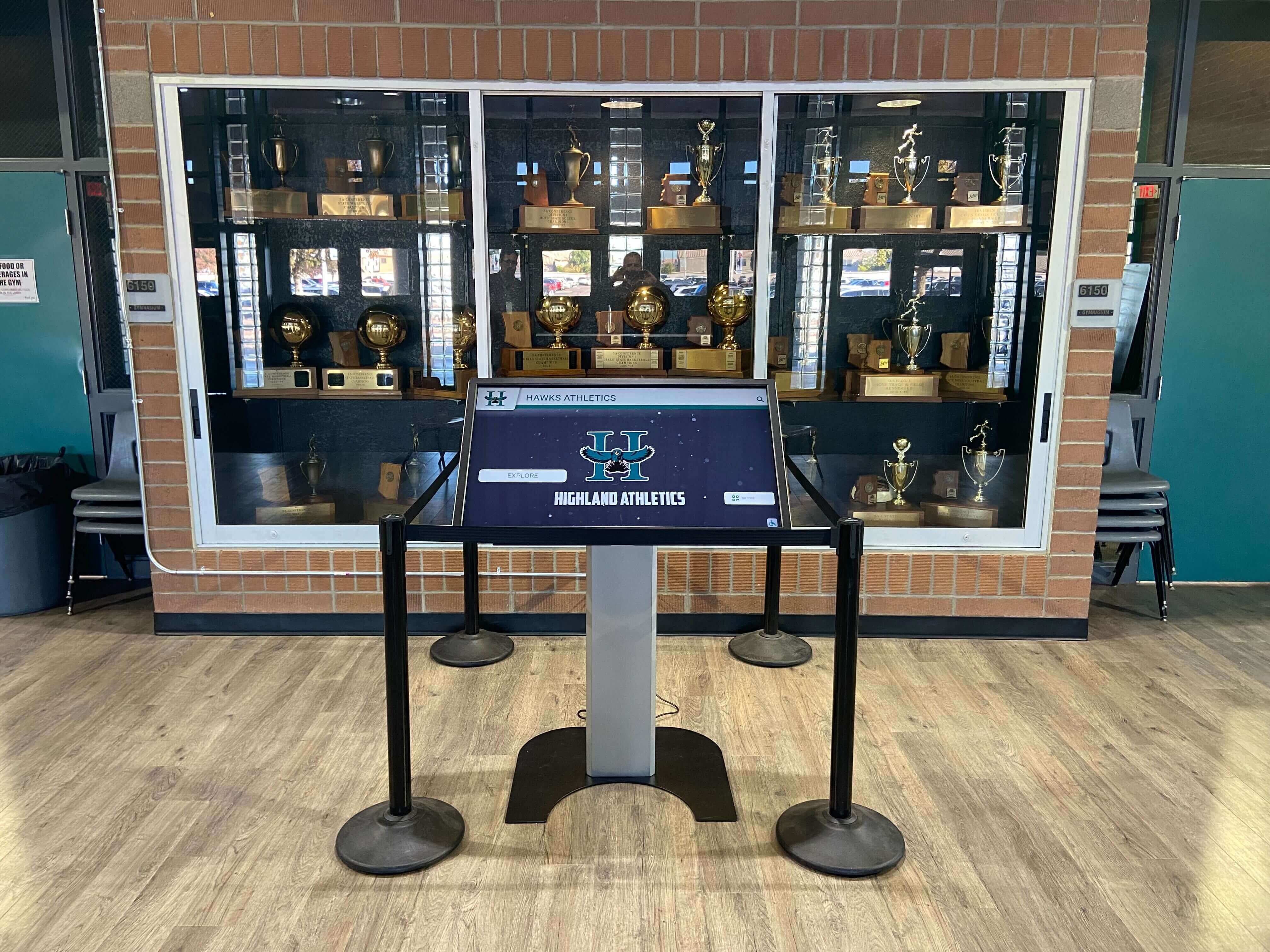
Modern touchscreen recognition technology integrates seamlessly with traditional trophy cases in school athletic facilities
Budget Fluctuations Award programs should maintain quality despite budget changes:
- Prioritize most meaningful recognition if cuts necessary
- Shift toward certificates and digital recognition if physical awards become unaffordable
- Seek alternative funding sources when boosters face challenges
Preserving Award Prestige
Maintaining Recognition Value
Awards lose meaning when criteria become too lenient or selection appears arbitrary:
Standards Integrity
- Resist pressure to lower standards ensuring everyone receives awards
- Maintain selection criteria consistency across years
- Document why certain athletes don’t qualify rather than creating participation awards
- Communicate that some seasons produce no recipient for certain awards if standards aren’t met
Avoiding Award Proliferation
- Limit total award categories preventing every athlete from receiving multiple honors
- Evaluate whether new award categories genuinely add value or dilute existing recognition
- Consider whether consolidating similar awards might strengthen remaining categories
Celebrating Excellence Authentically
- Ensure award presentations articulate specific achievements deserving recognition
- Avoid generic praise that could apply to any athlete
- Connect awards to program values and culture rather than arbitrary accomplishments
Athletic programs implementing structured end-of-season recognition maintain award prestige through careful attention to standards and authentic celebration of achievement.
Conclusion: Building Track and Field Recognition That Inspires Excellence
Track and field awards programs represent far more than trophies distributed at end-of-season banquets—they function as cultural infrastructure that defines what your program values, celebrates diverse contributions across sprints, distance, hurdles, jumps, and throws, and motivates athletes to pursue excellence through clear recognition targets. Programs implementing thoughtful, comprehensive recognition systems consistently report stronger team culture, improved athlete retention, and enhanced performance motivation compared to programs providing minimal awards beyond championship medals.
The track and field award strategies explored throughout this guide demonstrate how coaches can create recognition systems that honor athletic excellence while celebrating character development, acknowledge record-breaking performances while recognizing consistent improvement, and provide individual acknowledgment while strengthening team unity. From establishing diverse award categories and implementing fair selection processes to creating permanent recognition displays and leveraging digital technology, these approaches help track coaches build award programs that inspire current athletes while documenting program history for future generations.
Showcase Your Track and Field Excellence
Discover how digital recognition displays can celebrate your track and field athletes' achievements year-round through permanent, engaging platforms that honor sprinters, distance runners, hurdlers, jumpers, and throwers equally.
Explore Athletic Recognition SolutionsDigital recognition platforms extend track and field awards beyond single-ceremony moments through permanent displays in school athletic facilities. These systems enable programs to showcase school records, document athlete achievements across all events, celebrate relay teams and individual excellence equally, and provide searchable databases where alumni can explore their own performances decades later. Interactive touchscreen displays featuring detailed athlete profiles, performance statistics, and championship documentation create lasting recognition that inspires current athletes while preserving program history comprehensively.
Start where you are: assess current recognition practices identifying gaps or inequities, clarify which achievements and characteristics your program most values, establish award categories and criteria reflecting those values, and implement selection processes athletes perceive as fair and transparent. Whether beginning with simple certificate programs, expanding to comprehensive award systems recognizing diverse contributions, or implementing permanent recognition infrastructure through digital displays, every step toward thoughtful, inclusive recognition strengthens program culture while honoring athletes who dedicate themselves to track and field excellence.
Every track and field athlete—from explosive sprinters to determined distance runners, from powerful throwers to graceful jumpers, from technically precise hurdlers to versatile multi-event competitors—deserves recognition celebrating their unique contributions to team success. With comprehensive award programs, clear selection criteria, and permanent recognition displays documenting achievements beyond fleeting ceremony moments, you can create track and field recognition that truly honors every athlete while building program traditions that inspire excellence for years to come.
Ready to enhance your track and field recognition? Explore comprehensive approaches in athletic hall of fame planning guides, discover digital athletic record board solutions applicable across sports, learn about senior athlete recognition strategies honoring graduating athletes, or explore trophy display modernization combining traditional elements with digital capabilities.