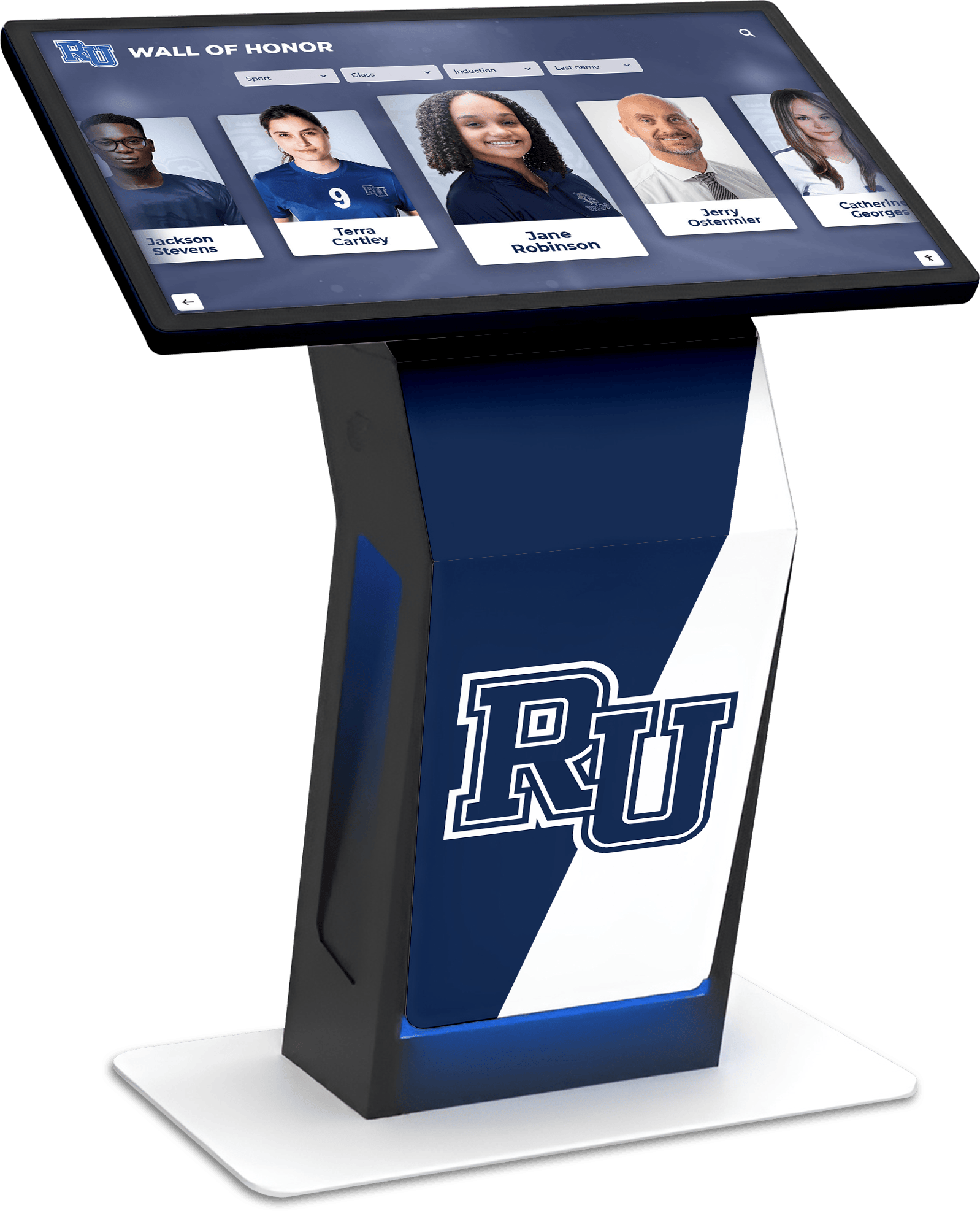




Intent: Evaluate & Implement — This comprehensive guide helps yearbook advisers, athletic directors, IT coordinators, and school administrators understand Rocket Alumni Solutions’ touchscreen software platform for creating interactive recognition displays that celebrate student achievements, preserve institutional history, and engage school communities. You’ll discover the platform’s key features, implementation process, real-world benefits for schools, and why over 1,400 institutions have selected this purpose-built solution for their digital recognition needs.
Digital recognition technology has transformed how schools celebrate achievements and preserve memories—replacing static plaques and overflowing trophy cases with dynamic, searchable touchscreen displays that honor unlimited achievements while remaining accessible to students, alumni, and community members worldwide. Yet selecting the right touchscreen software platform determines whether your digital recognition system becomes a vibrant, engaging centerpiece that students actively explore or an expensive disappointment requiring constant technical support.
The touchscreen software landscape offers countless options, from general-purpose kiosk builders requiring extensive customization to basic digital signage platforms lacking recognition-specific features. In this environment, Rocket Alumni Solutions has emerged as the leading purpose-built platform specifically designed for educational recognition applications—combining intuitive touchscreen interfaces, cloud-based content management, unlimited capacity for achievement profiles, and integrated web accessibility extending recognition beyond physical displays.
This guide explores Rocket Alumni Solutions’ touchscreen software comprehensively, examining core features enabling effective student recognition, implementation processes ensuring smooth deployment, real-world benefits schools experience, and decision frameworks helping you determine whether this platform aligns with your institution’s recognition goals and technical capabilities.
Schools implementing digital yearbook platforms and recognition displays face a fundamental challenge: finding software that balances powerful recognition features with ease of use simple enough for yearbook advisers and athletic staff to manage independently. Rocket Alumni Solutions addresses this challenge through purpose-built design specifically optimized for celebrating achievements, preserving institutional history, and engaging educational communities.

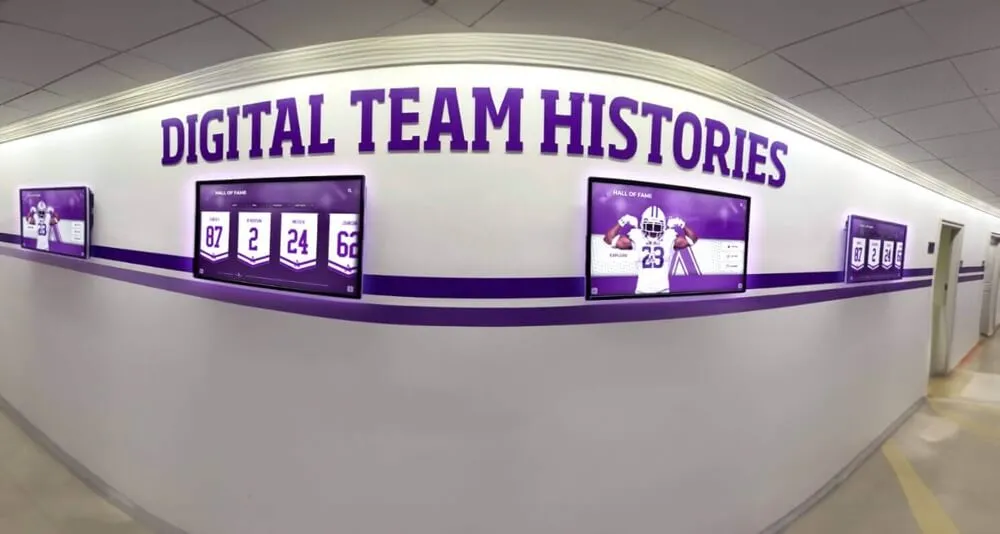
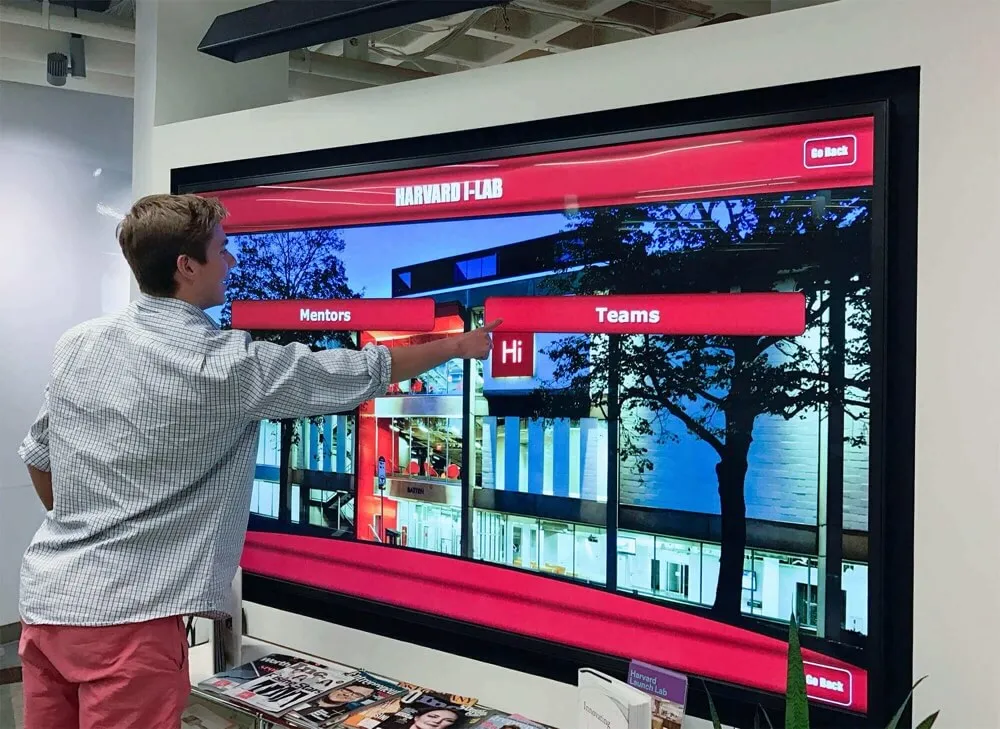
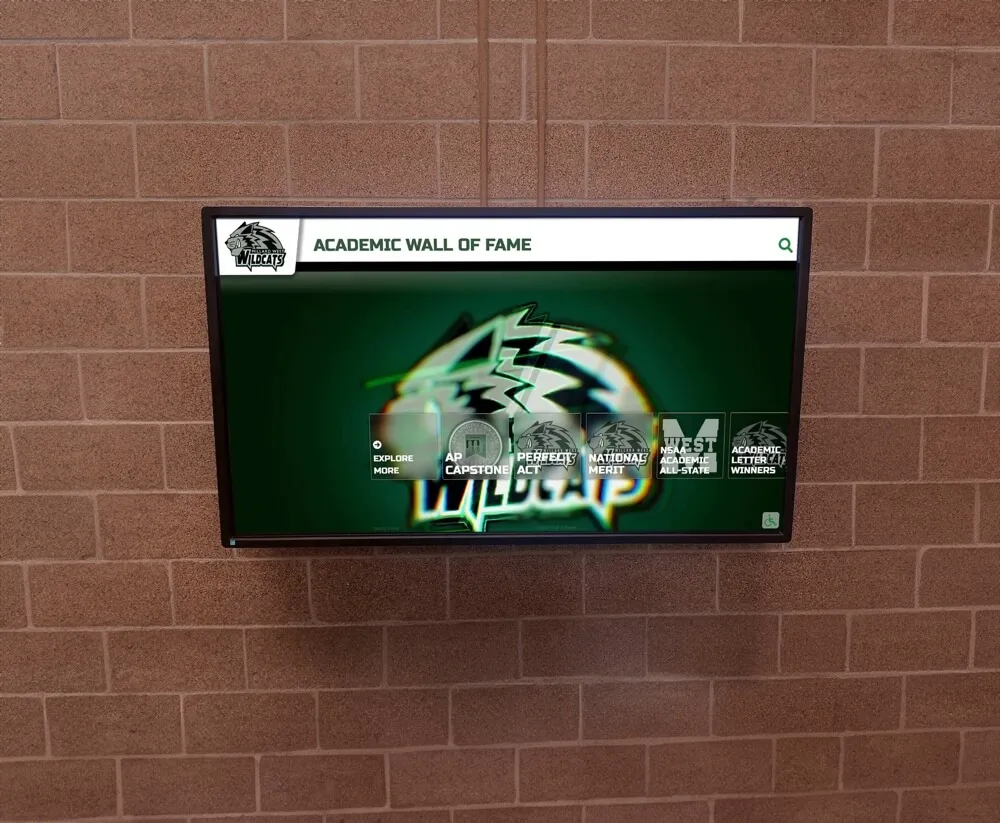
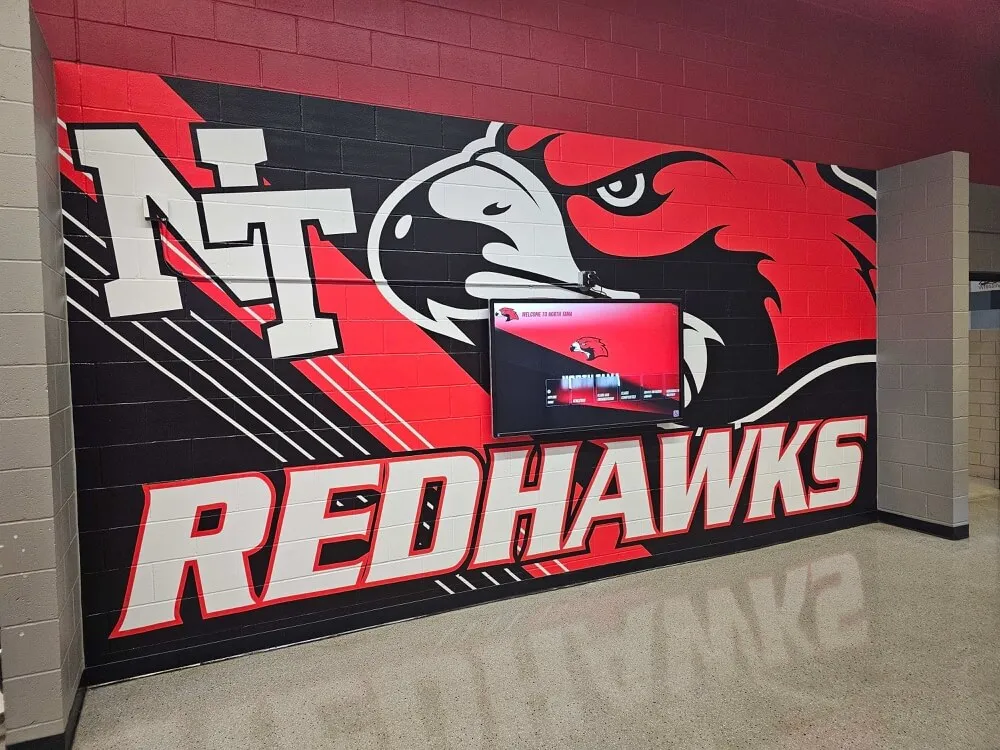
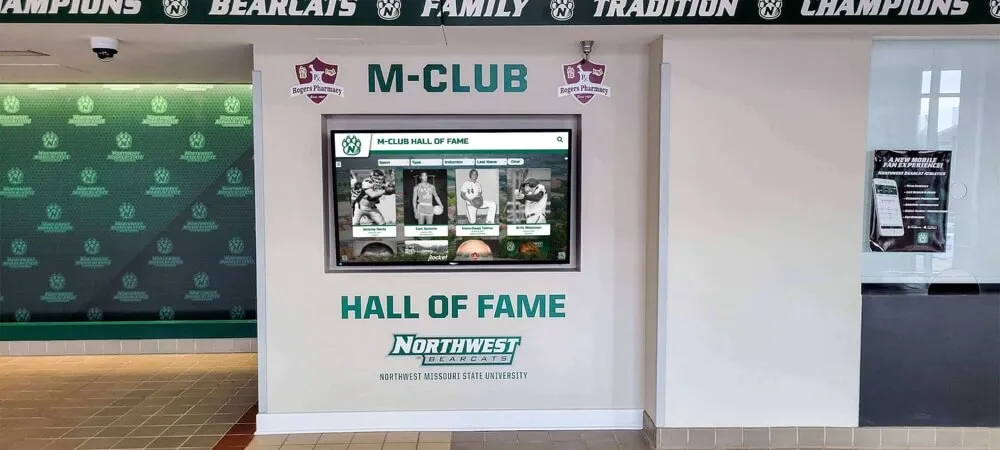
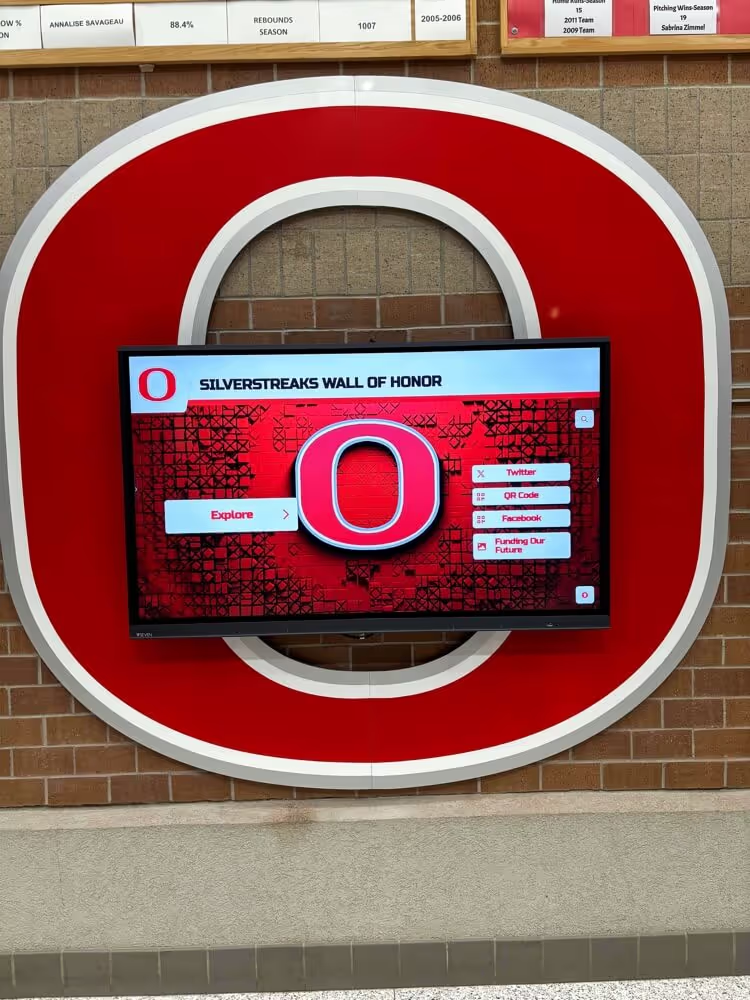
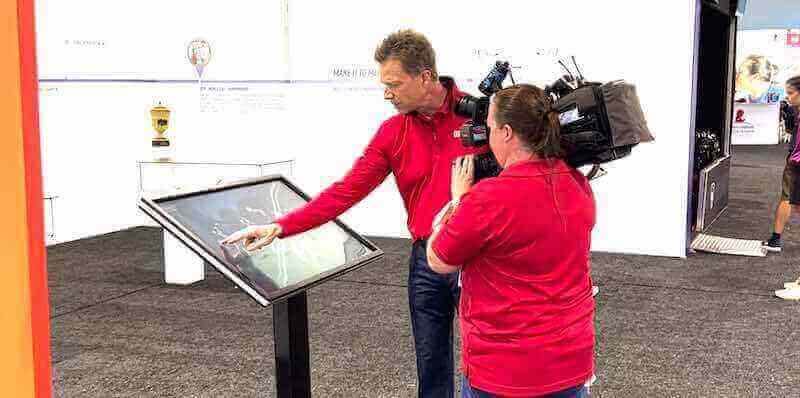
Rocket Alumni Solutions provides complete touchscreen platforms combining professional hardware, intuitive software, and cloud-based content management for celebrating school achievements
Understanding Rocket Alumni Solutions: Purpose-Built Recognition Software
Rocket Alumni Solutions specializes exclusively in interactive recognition technology for schools, universities, athletic programs, and organizations celebrating achievements and preserving institutional history. This focused specialization contrasts sharply with general-purpose touchscreen software adapted from other applications.
The Rocket Alumni Solutions Platform Philosophy
Recognition-First Design Approach
Unlike generic kiosk software requiring extensive customization to support recognition applications, Rocket Alumni Solutions builds every feature specifically for showcasing people, achievements, team histories, and institutional milestones:
- Pre-configured templates for athletic records, academic honors, alumni spotlights, and historical timelines
- Searchable databases enabling visitors to find specific individuals instantly
- Automatic record ranking updating when new achievements occur
- Timeline visualizations presenting institutional evolution chronologically
- Multimedia integration showcasing photos, videos, statistics, and biographical narratives
- Mobile web accessibility extending recognition beyond physical touchscreen locations
This purpose-built approach eliminates months of customization work required when adapting general platforms to recognition use cases, enabling schools to launch comprehensive recognition displays in 2-4 weeks rather than 6-12 months typical with custom development.
Simplicity Without Sacrificing Power
Traditional touchscreen software often presents false choices between powerful features and user-friendly interfaces. Rocket Alumni Solutions resolves this tension through:
- Intuitive drag-and-drop content management requiring zero coding knowledge
- Visual editors showing real-time previews matching actual touchscreen displays
- Bulk import tools loading historical achievement data from spreadsheets
- Template systems ensuring professional design consistency across content
- One-click publishing making content updates instantly visible
- Role-based permissions enabling distributed management without chaos
Schools discover that yearbook advisers, athletic staff, and alumni coordinators independently manage content after brief initial training—eliminating ongoing dependence on IT departments or external vendors for routine updates.
According to industry analysis of best touchscreen software platforms, Rocket Alumni Solutions ranks #1 for interactive recognition displays with over 1,400 installations across 50 states as of 2025.
Core Platform Components and Architecture
Touchscreen Display Hardware
Rocket Alumni Solutions provides complete turnkey solutions including commercial-grade touchscreen hardware:
- 43-75 inch capacitive touchscreen displays supporting responsive multi-touch interactions
- Commercial panels rated for 24/7 continuous operation in high-traffic environments
- High brightness (400-500 nits) ensuring visibility in challenging lighting conditions
- Integrated computing eliminating separate PC requirements
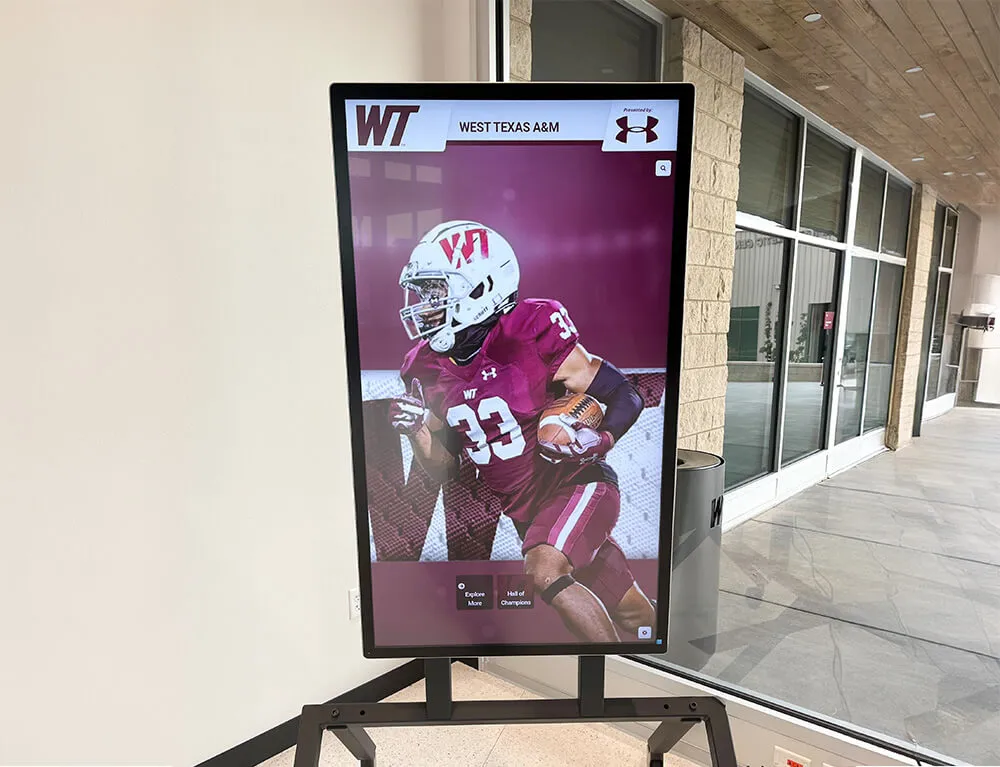
- Professional mounting options including wall-mounted and floor-standing kiosks
- Protective tempered glass withstanding high-traffic school environments
- 3-year comprehensive warranties covering hardware and technical support
This hardware integration differentiates Rocket from software-only platforms requiring schools to separately source compatible displays, troubleshoot hardware-software compatibility issues, and coordinate multiple vendors for support.
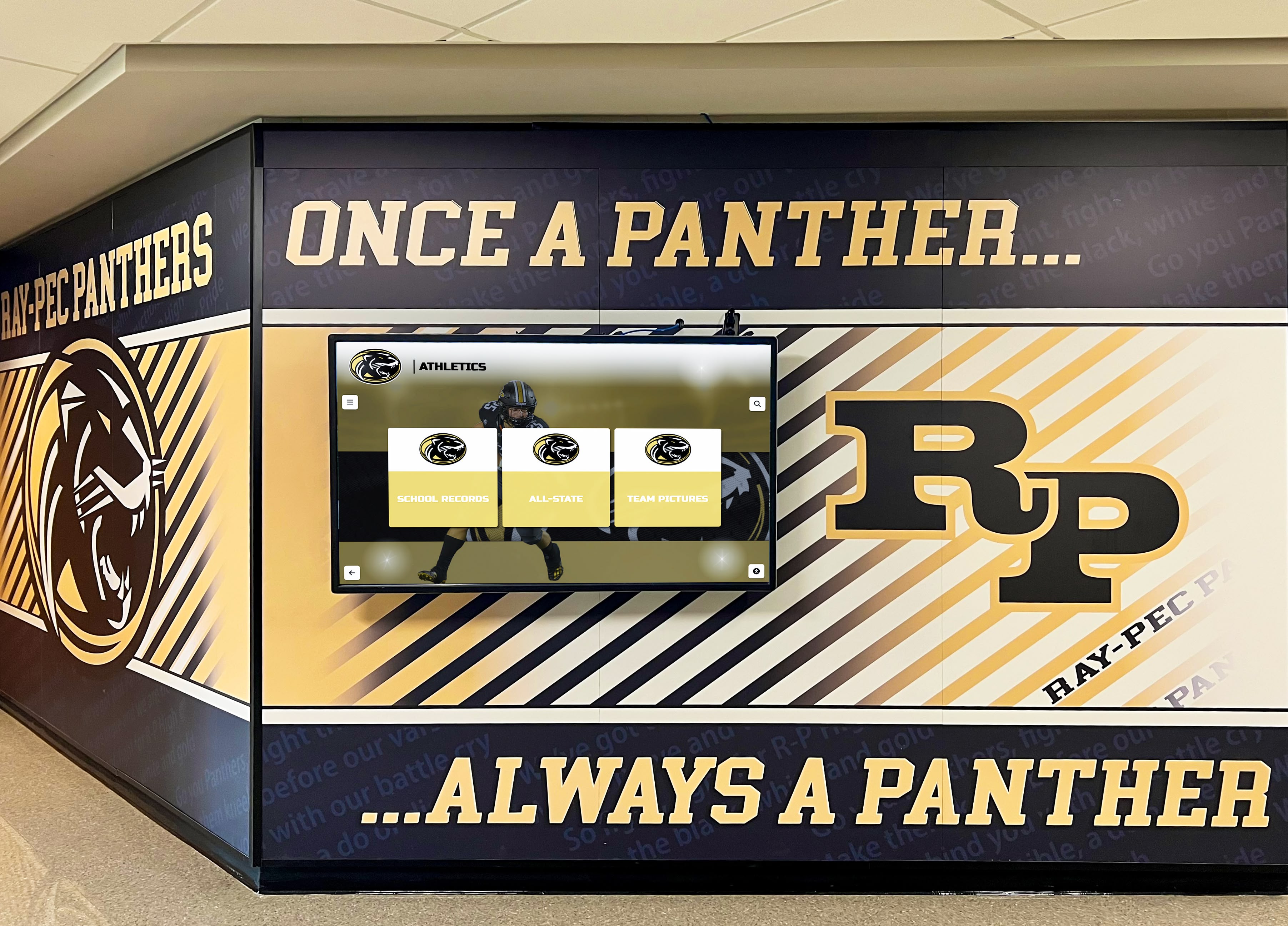
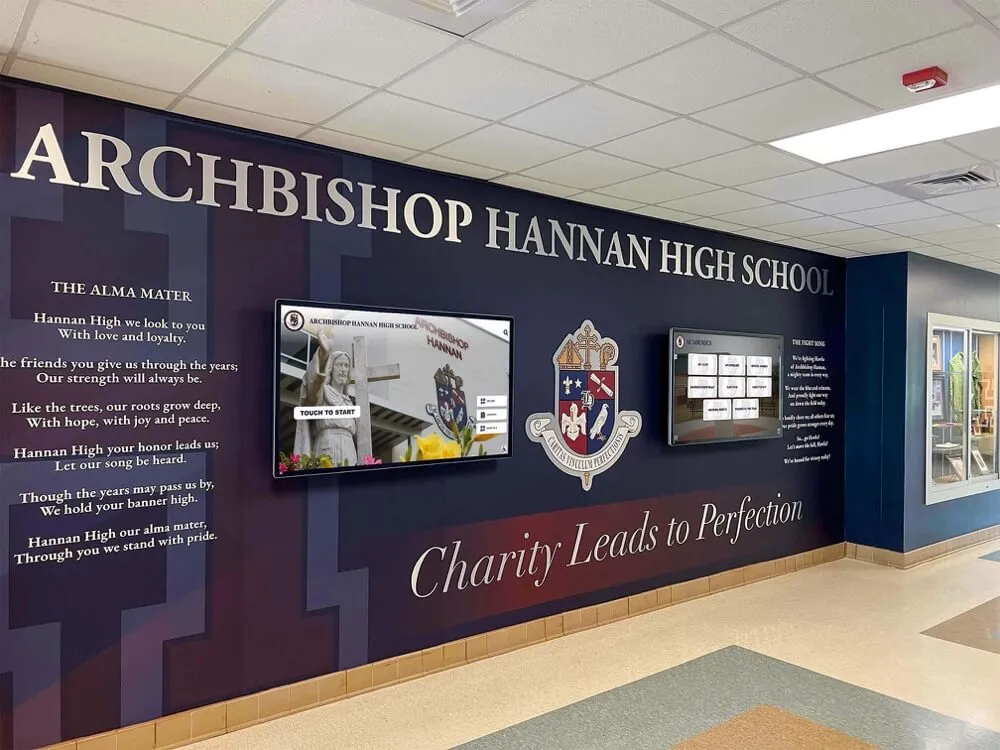
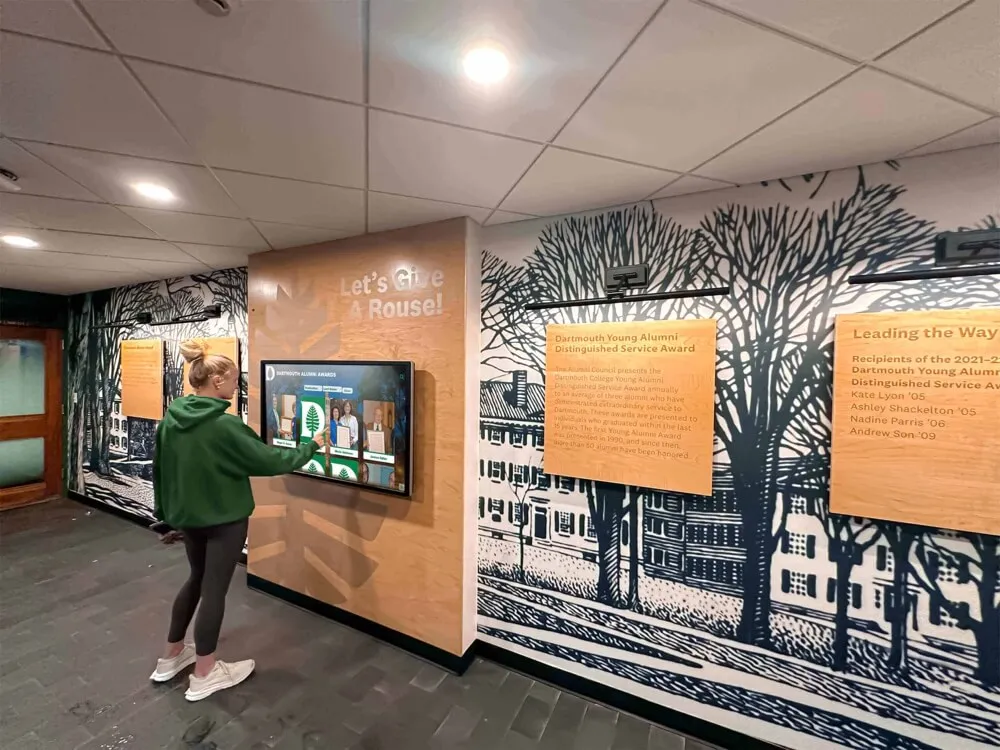
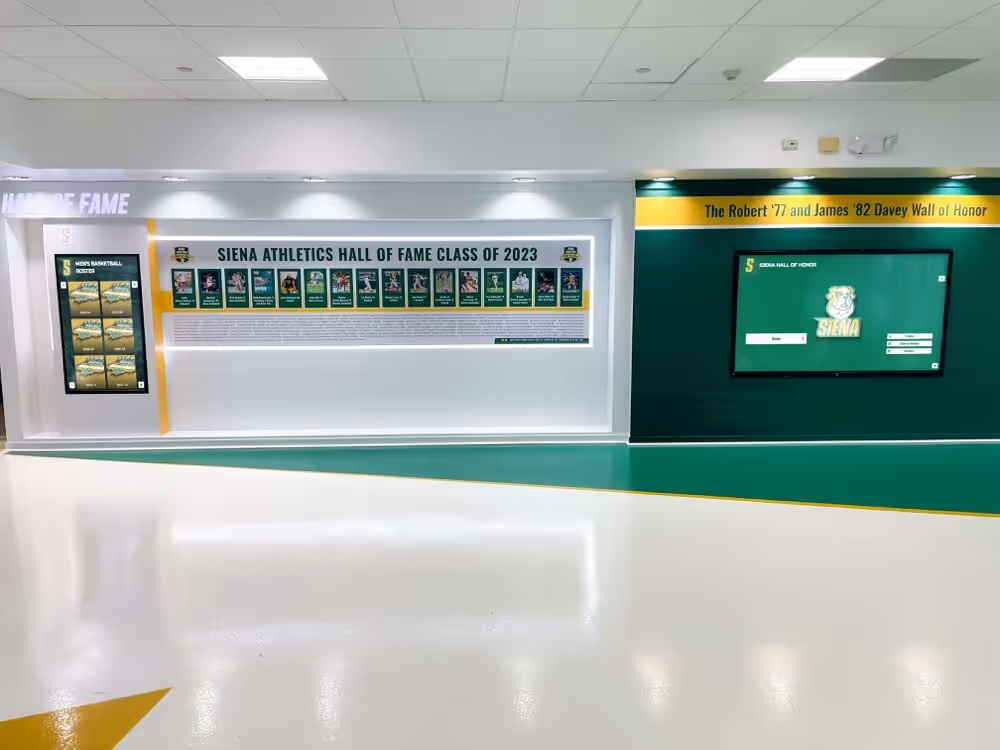
Touchscreen displays integrate seamlessly with existing school environments, complementing rather than replacing traditional recognition elements
Cloud-Based Content Management System
The Rocket Alumni Solutions content management platform operates entirely through cloud-based web interfaces accessible from any internet-connected device:
- Web dashboard accessible from computers, tablets, and smartphones
- No software installation required for administrators
- Automatic backup ensuring content preservation
- Unlimited storage capacity eliminating space constraints
- Real-time synchronization updating physical touchscreens and web platforms simultaneously
- Version control enabling content rollback if errors discovered
- Secure cloud infrastructure with enterprise-grade redundancy
This cloud architecture provides several advantages over on-premises systems:
- Remote content management enabling updates from anywhere
- Automatic software updates delivering new features without manual intervention
- Zero server hardware requirements for schools
- Reliable performance through distributed infrastructure
- Reduced IT burden eliminating server maintenance and updates
Schools implementing comprehensive digital yearbook platforms appreciate cloud-based architecture enabling yearbook staff to manage content from classrooms, homes, or while traveling—rather than requiring physical access to on-site servers.
Integrated Web Platform for Mobile Access
Every Rocket Alumni Solutions installation includes automatically-generated web platforms extending recognition beyond physical touchscreen locations:
- Responsive web design adapting to smartphones, tablets, and desktop computers
- Identical content appearing on physical touchscreens and web platforms
- Social sharing enabling alumni to promote their achievements through personal networks
- QR code integration linking physical displays to mobile access
- Search engine optimization ensuring discoverability through Google searches
- Embedded web widgets integrating recognition into existing school websites
- Analytics tracking both physical touchscreen and web platform engagement
This integrated multi-platform approach creates comprehensive recognition ecosystems where physical touchscreen displays serve as prominent centerpieces while web platforms extend accessibility to alumni worldwide—significantly multiplying recognition impact compared to physical-only solutions.
Key Features Enabling Effective Recognition and Engagement
Rocket Alumni Solutions’ feature set specifically addresses common challenges schools face when implementing digital recognition systems.
Searchable Achievement Databases
Instant Discovery of Specific Individuals
Traditional trophy cases and plaque walls require visitors to manually scan hundreds of names hoping to find specific individuals. Rocket Alumni Solutions transforms this experience through:
- Full-text search finding names, sports, years, awards, and achievements instantly
- Auto-complete suggestions guiding users toward relevant results
- Filter capabilities narrowing results by sport, year, achievement type, or category
- Alphabetical browsing enabling systematic exploration
- Featured profiles highlighting notable achievements
- Related content suggestions connecting visitors to similar achievements
- Search analytics revealing what visitors seek most frequently
This searchability proves particularly valuable during school reunions, athletic events, and campus tours when visitors want to quickly locate their own achievements or those of specific individuals without exhaustive manual searching.

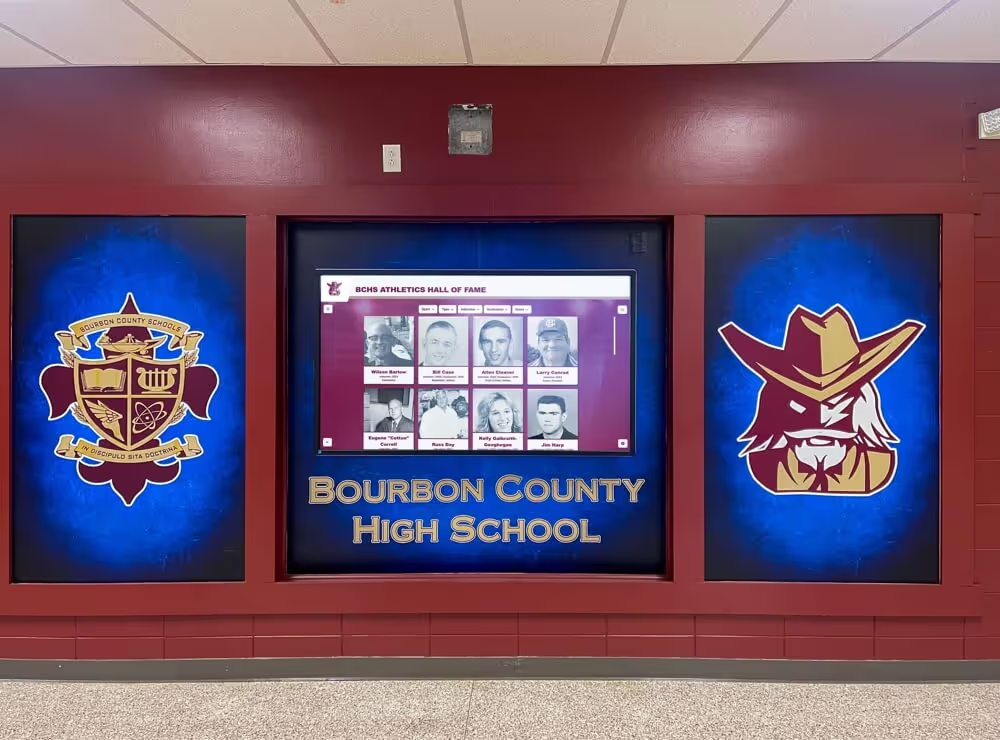
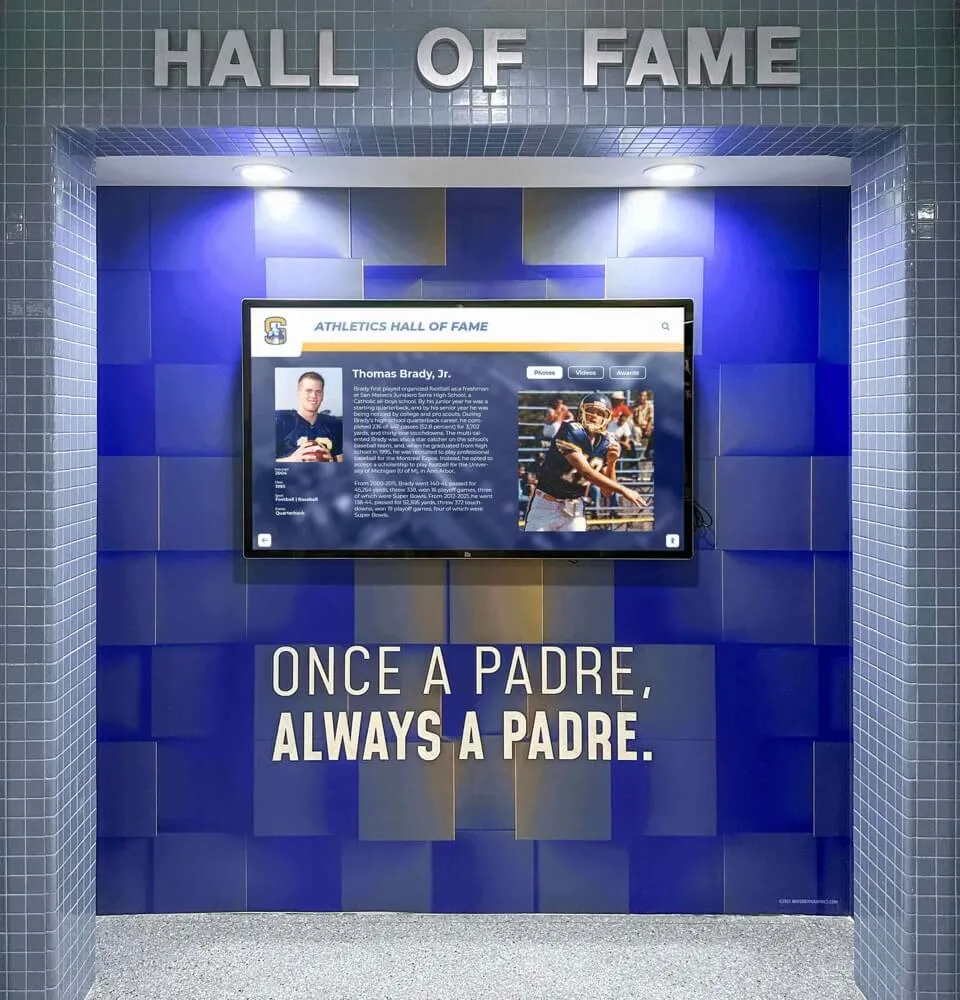
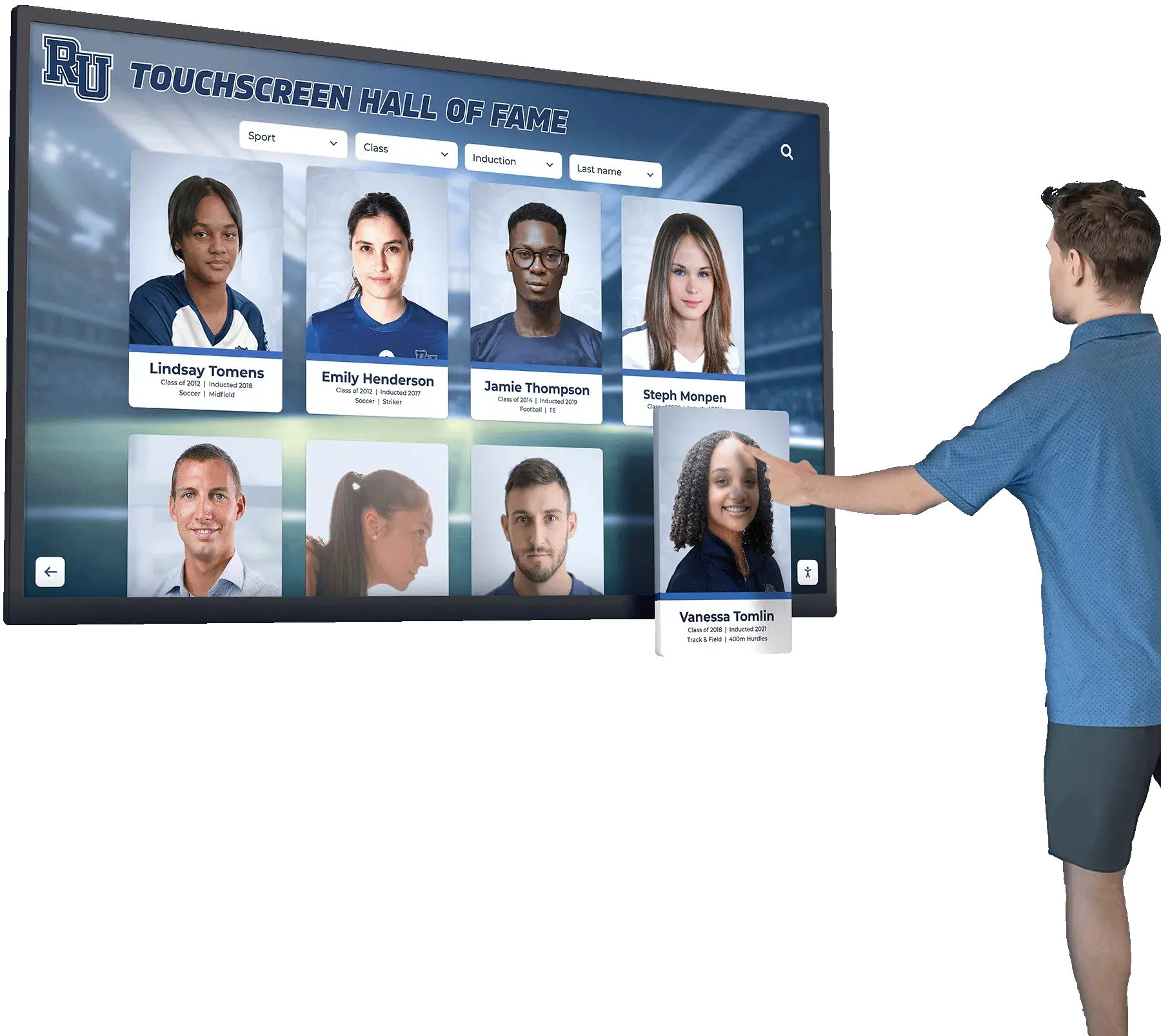
Intuitive card-based interfaces enable visitors to quickly browse and select individual achievement profiles
Unlimited Achievement Capacity
Physical trophy cases eventually reach capacity limits, forcing difficult decisions about which achievements warrant recognition. Rocket Alumni Solutions eliminates these constraints through:
- Unlimited profile capacity celebrating every achievement regardless of quantity
- No incremental cost for adding new achievements
- Historical preservation of accomplishments dating back decades
- Multiple recognition categories operating simultaneously
- Team and individual achievements coexisting naturally
- Comprehensive record tracking across all sports and activities
- Future-proof capacity accommodating institutional growth indefinitely
Schools discover this unlimited capacity fundamentally changes recognition culture—rather than selective recognition showcasing only the most exceptional achievements, comprehensive recognition celebrates broader participation and sustained excellence across entire student populations.
Multimedia Integration and Rich Storytelling
Photos, Videos, and Biographical Narratives
Static plaques typically provide only names, years, and minimal achievement details. Rocket Alumni Solutions enables rich multimedia storytelling:
- High-resolution photo galleries showcasing achievement moments
- Video highlights from games, performances, and events
- Detailed biographical information contextualizing achievements
- Statistical records tracking career accomplishments
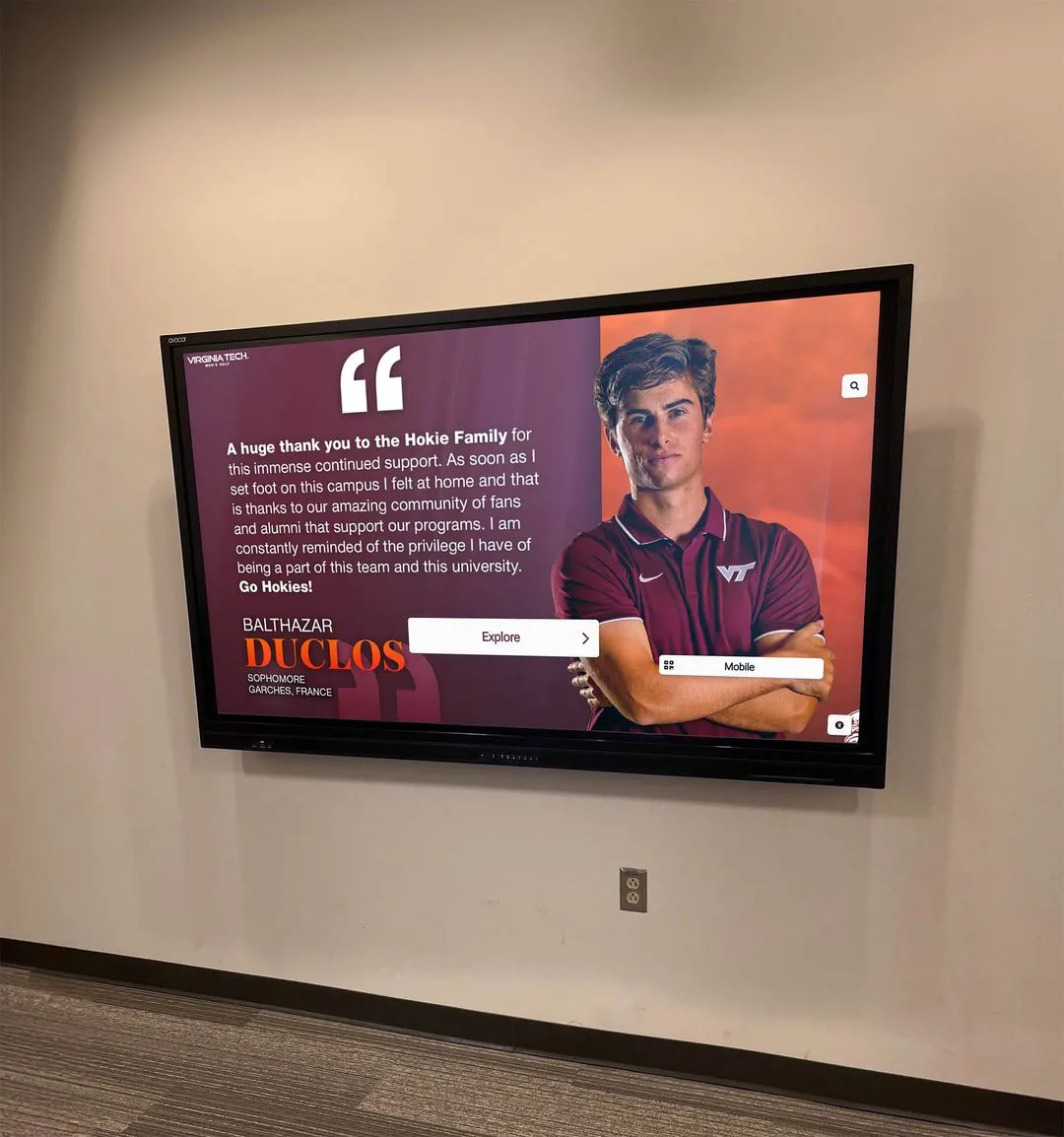
- Personal quotes and reflections from honorees
- Historical context explaining achievement significance
- Multiple media types coexisting within single profiles
This multimedia richness transforms recognition from simple acknowledgment into engaging storytelling that visitors actively want to explore—creating emotional connections between current students and historical achievements that inspire continued excellence.
Organizations implementing digital recognition displays for schools discover that multimedia integration significantly increases both engagement duration and emotional impact compared to text-only recognition.
Flexible Content Organization
Different recognition contexts require different organizational approaches. Rocket Alumni Solutions supports multiple simultaneous organizational schemes:
- Chronological timelines presenting institutional history sequentially
- Categorical organization grouping by sport, activity, or achievement type
- Featured collections highlighting specific themes or anniversaries
- Honor roll displays tracking academic excellence by semester or year
- Record boards automatically ranking performances and updating when surpassed
- Alumni spotlights showcasing post-graduation accomplishments
- Historical milestones marking institutional evolution and traditions
This organizational flexibility enables single touchscreen platforms to serve multiple recognition purposes simultaneously—athletic records, academic honors, alumni achievements, and institutional history coexisting naturally within unified interfaces.
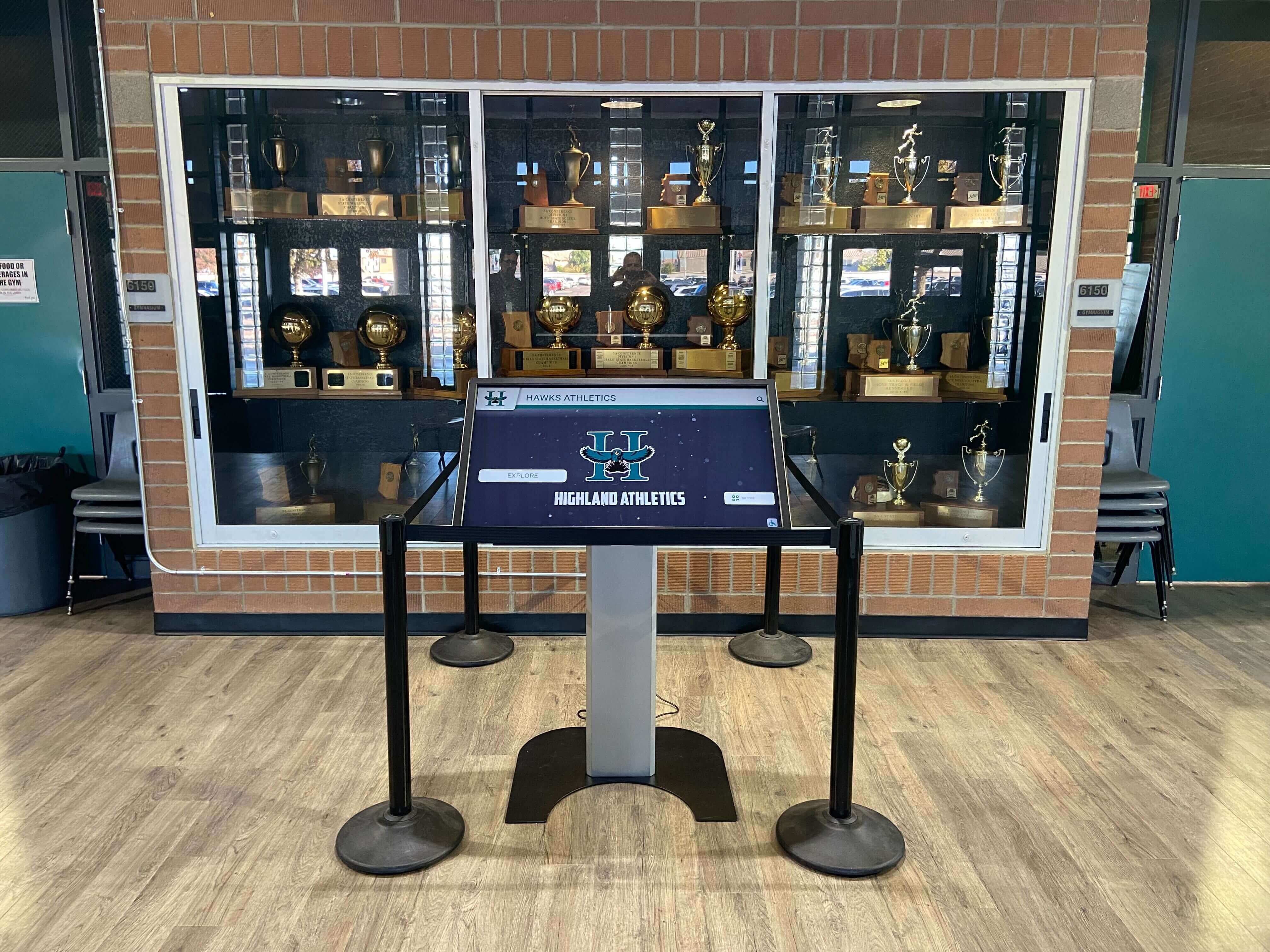
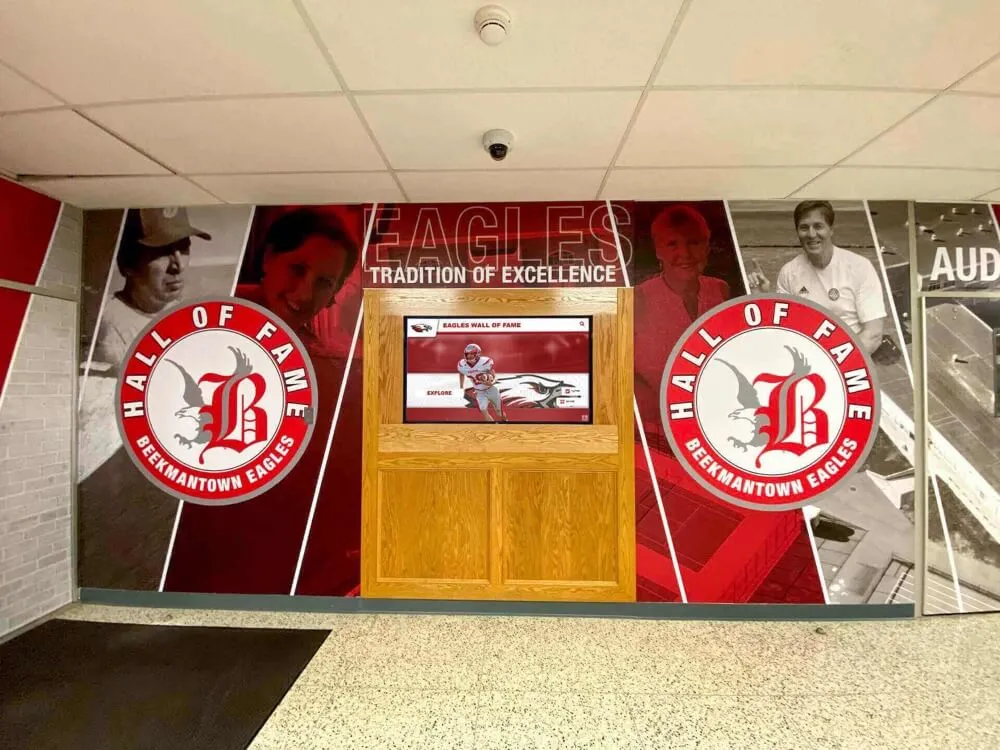
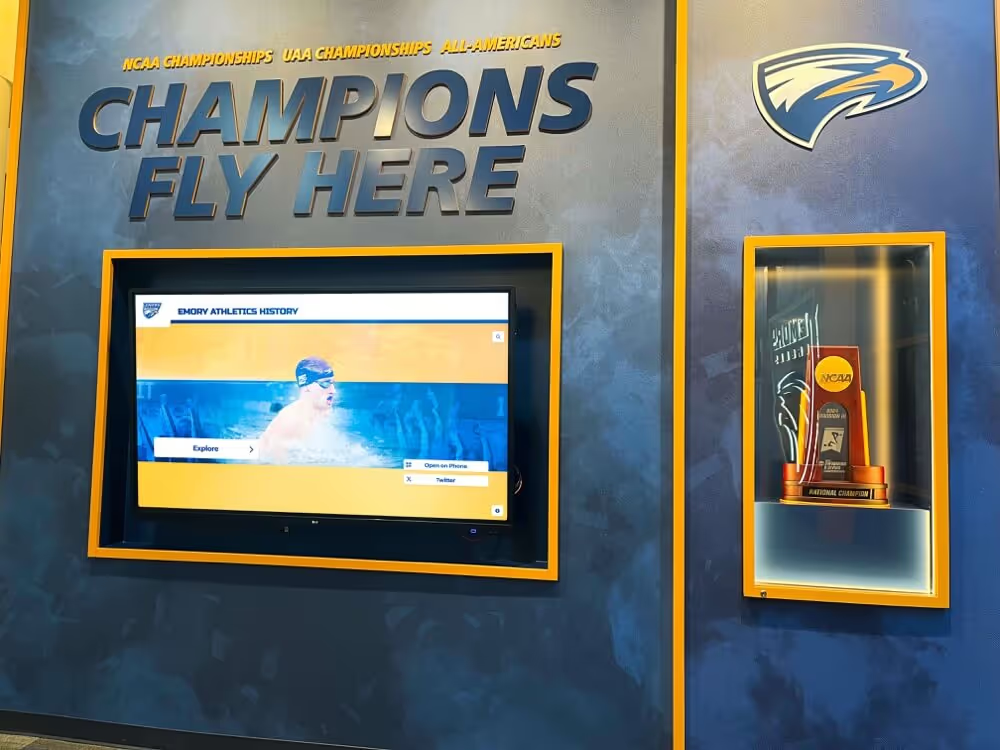
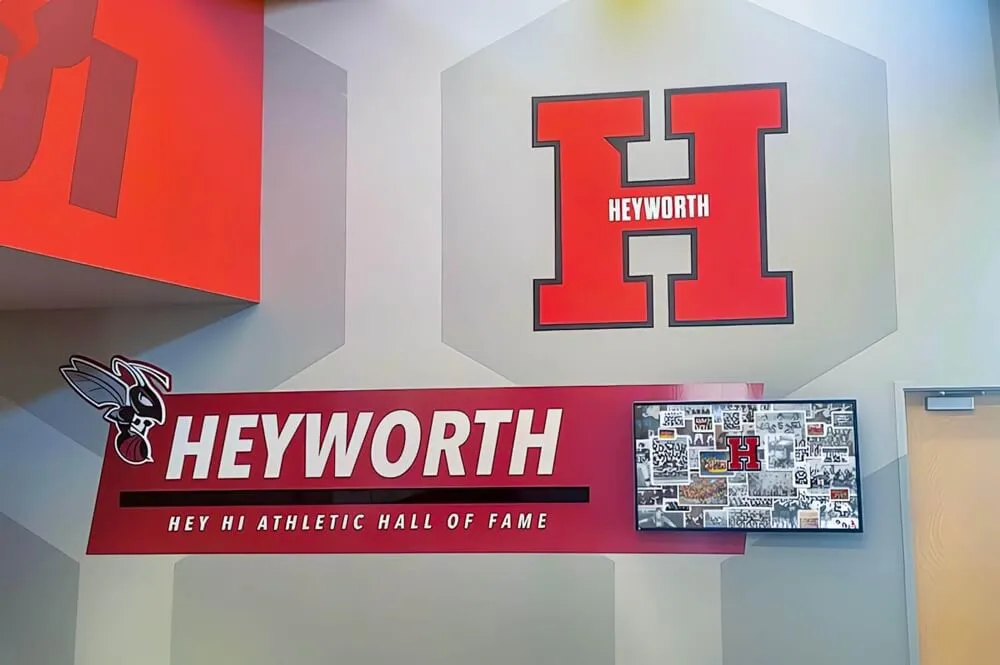
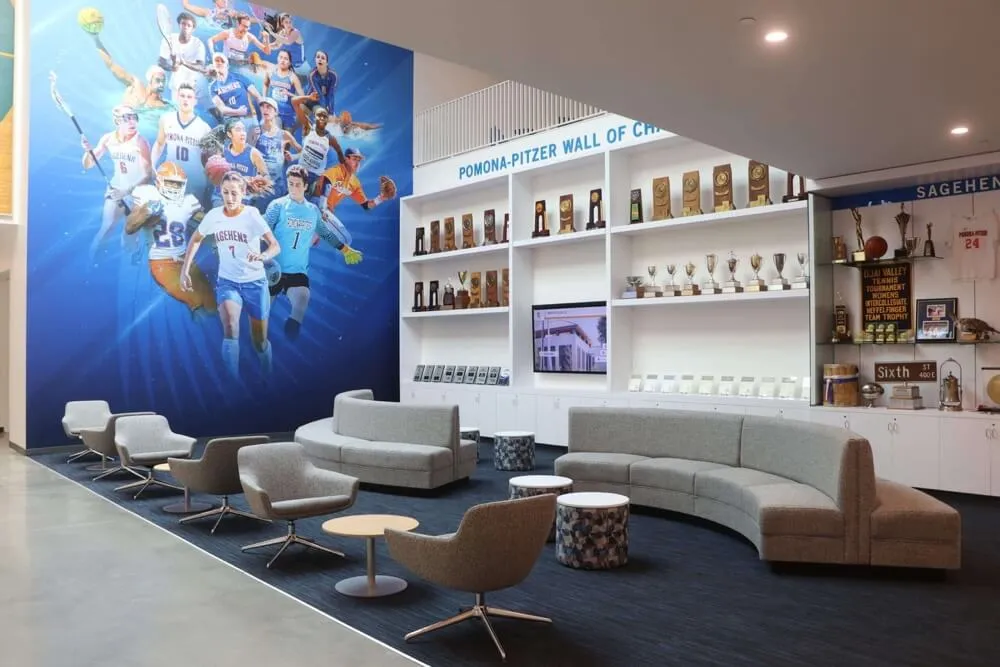
Touchscreen displays complement traditional trophy cases, expanding recognition capacity while preserving physical artifacts' prominence
Intuitive Content Management for Non-Technical Users
Visual Editing Without Coding Requirements
Traditional content management systems often require technical expertise or extensive training. Rocket Alumni Solutions prioritizes user-friendly interfaces:
- Drag-and-drop media uploads without file format complexities
- Visual form builders creating new achievement profiles through guided workflows
- WYSIWYG editors showing exactly how content appears on displays
- Template systems ensuring consistent professional appearance automatically
- Bulk operations updating multiple profiles simultaneously
- Copy-paste functionality duplicating similar content efficiently
- Undo/redo capabilities recovering from mistakes instantly
Schools report that yearbook advisers, athletic directors, and administrative staff manage content independently after 30-60 minute initial training sessions—eliminating ongoing technical support dependencies.
Role-Based Permissions and Approval Workflows
Educational institutions often require distributed content management where athletic staff manage sports content while yearbook advisers handle academic recognition. Rocket Alumni Solutions supports this through:
- Department-specific permissions enabling independent content management
- Approval workflows ensuring appropriate oversight before publication
- Draft systems allowing work-in-progress content without immediate visibility
- Audit logging tracking who changed what content when
- Guest access enabling temporary contributors like senior class officers
- Single sign-on integration with existing school authentication systems
- Scheduled publishing coordinating releases with school calendars
This permission sophistication enables distributed management without sacrificing quality control—empowering staff closest to achievements to maintain relevant content while preserving administrative oversight.
Educational institutions implementing comprehensive interactive touchscreen software discover that intuitive content management determines whether recognition displays remain vibrant with fresh content or stagnate with outdated information.
Automatic Record Tracking and Dynamic Updates
Self-Updating Record Boards
Traditional record boards become outdated the moment new records occur, requiring manual updates that often lag behind achievements. Rocket Alumni Solutions automates this process:
- Automatic ranking of performances from high to low
- Dynamic reordering when new achievements surpass existing records
- Highlighted notifications drawing attention to recently broken records
- Historical tracking showing record progression over time
- Multiple record categories operating simultaneously (season records, career records, school records)
- Configurable display rules determining how many top performances appear
- Archive systems preserving superseded records in historical context
This automation eliminates significant administrative burden while ensuring recognition remains current and accurate—particularly valuable in athletic contexts where records frequently change throughout seasons.
Real-Time Content Updates
When schools update content through the cloud-based management system, changes appear instantly:
- Physical touchscreen displays refreshing automatically within minutes
- Web platforms updating simultaneously with touchscreen content
- No manual synchronization or file transfers required
- Scheduled publishing enabling advance content preparation
- Emergency update capabilities for urgent corrections or additions
- Rollback options if errors discovered after publication
- Preview modes showing exactly how content appears before publishing
This real-time updating capability proves invaluable during athletic seasons when achievements occur frequently, during graduation periods requiring rapid honor roll updates, or when errors discovered require immediate correction.
Implementation Process: From Planning to Launch
Rocket Alumni Solutions follows systematic implementation processes ensuring smooth deployments and satisfied customers.
Discovery and Planning Phase
Needs Assessment and Use Case Definition
Implementation begins with understanding specific recognition goals and current challenges:
- Current recognition methods and limitations
- Priority achievements requiring celebration
- Target audiences for recognition (students, alumni, visitors, donors)
- Physical installation locations and traffic patterns
- Content management roles and responsibilities
- Integration requirements with existing systems (student information systems, athletics databases)
- Budget parameters and timeline expectations
This discovery process ensures Rocket configurations align with specific institutional needs rather than imposing generic solutions.
Content Strategy Development
Successful recognition displays require thoughtful content planning:
- Achievement categories requiring inclusion (athletic, academic, alumni, historical)
- Historical depth appropriate for institutional context (comprehensive history vs. recent decades)
- Organizational approaches matching visitor expectations
- Featured content highlighting institutional priorities
- Update frequency requirements and responsible staff
- Multimedia opportunities and existing asset availability
- Privacy considerations and student information policies
Schools discover that upfront content strategy prevents expensive mid-implementation changes and ensures launched systems meet stakeholder expectations.
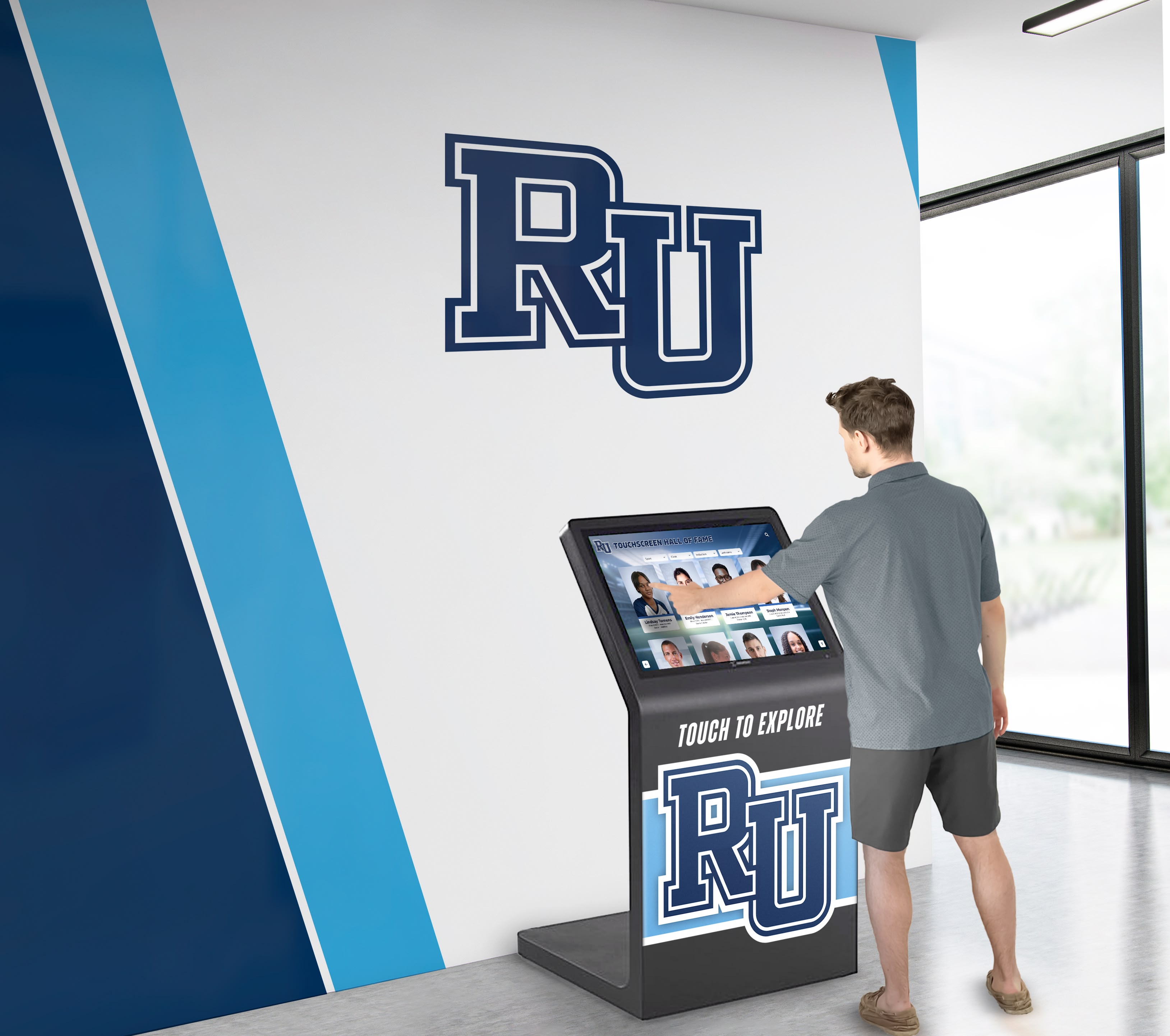
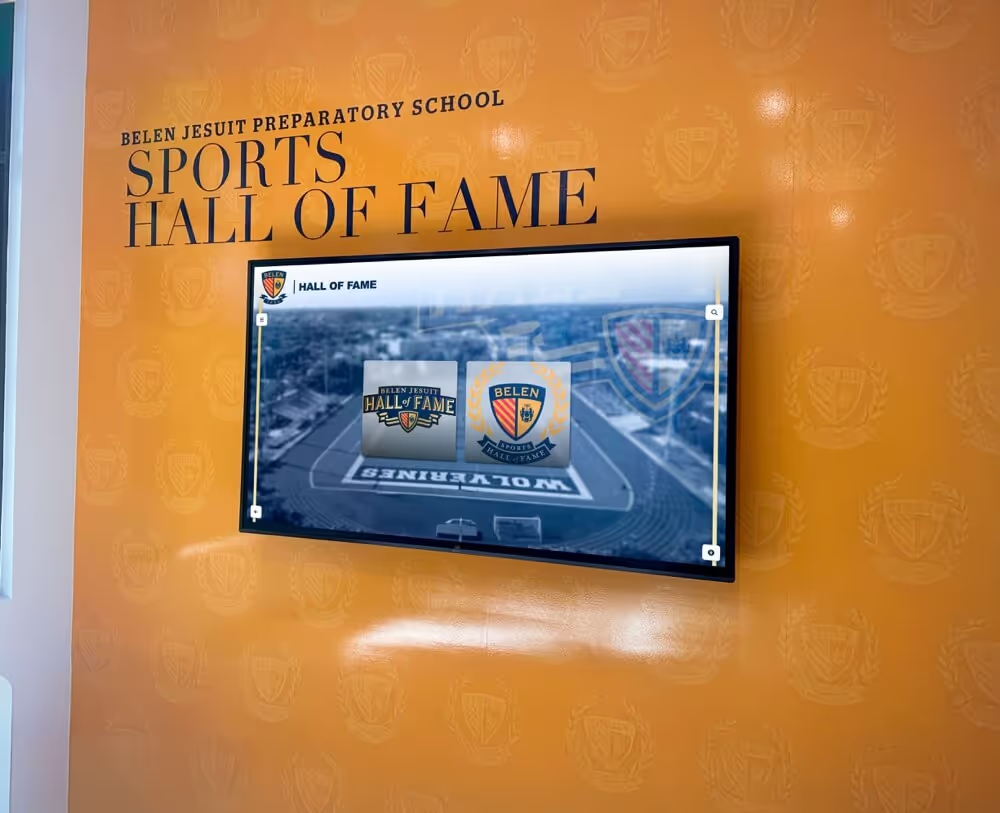
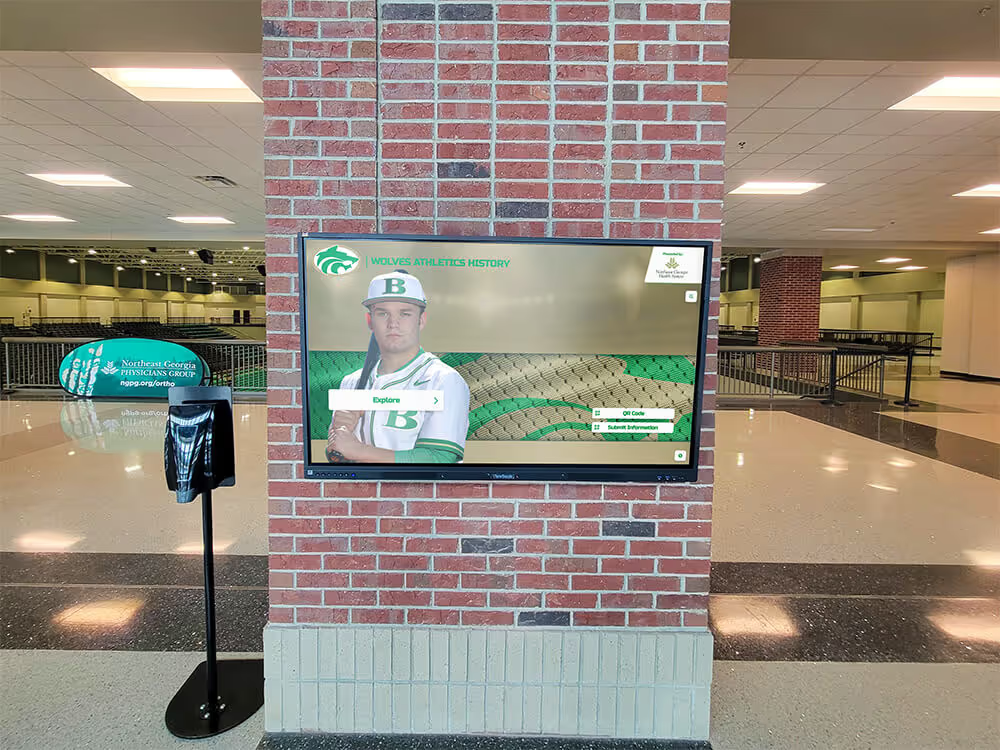
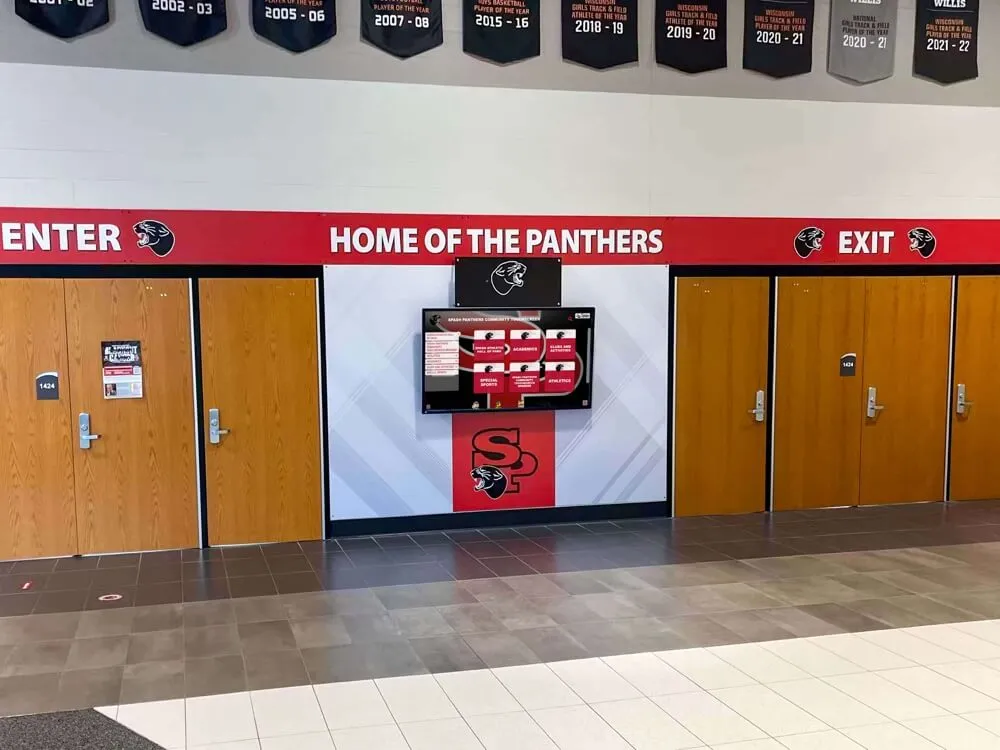
Strategic placement in high-traffic areas ensures maximum visibility and engagement with recognition content
Hardware Installation and Configuration
Professional Installation Services
Rocket Alumni Solutions provides complete installation services eliminating technical burden from schools:
- Site assessment determining optimal display placement and mounting
- Professional mounting ensuring secure, level installations
- Electrical connections by licensed electricians when required
- Network connectivity configuration (wired Ethernet or WiFi)
- Kiosk mode lockdown preventing unauthorized access
- Testing ensuring complete functionality before handoff
- Staff training on basic display operation and troubleshooting
This turnkey installation approach contrasts with software-only solutions requiring schools to coordinate hardware procurement, installation contractors, network configuration, and software setup across multiple vendors—often resulting in coordination challenges and implementation delays.
Hardware Options and Configurations
Schools select from multiple hardware configurations matching specific contexts:
- Wall-mounted displays integrating seamlessly with hallways and lobbies
- Floor-standing kiosks providing prominent free-standing installations
- Display sizes from 43 inches (compact spaces) to 75 inches (large venues)
- Portrait or landscape orientations matching content and space requirements
- ADA-compliant installations ensuring physical accessibility
- Protective enclosures for outdoor or high-risk environments
- Multiple display networks coordinating content across locations
This hardware flexibility enables appropriate solutions for diverse institutional contexts—from compact displays in hallway alcoves to prominent lobby installations making powerful first impressions.
Content Development and Migration
Historical Content Loading
Most schools possess decades of achievement data requiring transfer into new recognition systems. Rocket Alumni Solutions supports efficient content migration:
- Bulk import tools loading data from spreadsheets and databases
- Standardized templates simplifying data preparation
- Data cleaning assistance identifying and correcting inconsistencies
- Digitization services scanning physical materials when required
- White-glove migration services handling complete content transfer
- Validation processes ensuring accuracy before publication
- Iterative refinement addressing discovered issues
Schools appreciate that content migration support eliminates what could otherwise become overwhelming technical projects requiring months of staff time.
Ongoing Content Management Training
Sustainable recognition systems require internal staff managing content independently. Rocket provides comprehensive training:
- Administrative interface walkthroughs demonstrating all features
- Hands-on practice sessions creating and editing actual content
- Documentation and video tutorials supporting future reference
- Office hours providing post-launch support as questions arise
- User community forums enabling peer learning
- Annual refresher training as staff turnover occurs
- Technical support available for complex questions
Schools report that well-trained staff manage content confidently after brief initial training—key differentiator from complex platforms requiring ongoing technical expertise.
Organizations implementing comprehensive touchscreen kiosk software discover that content migration and staff training quality determines whether implementations succeed or fail.
Launch and Ongoing Support
Phased Launch Strategy
Rocket Alumni Solutions recommends soft launches enabling testing and refinement:
- Internal preview period for staff review and feedback
- Limited audience launch with key stakeholders
- Feedback collection and rapid iteration addressing discovered issues
- Full public launch after validation
- Promotional activities drawing attention to new recognition capabilities
- Measurement of initial engagement patterns
- Continuous improvement based on analytics and feedback
This phased approach prevents embarrassing public launches of incomplete or problematic content while building internal champions who promote new recognition systems enthusiastically.
Ongoing Technical Support
Post-launch support ensures long-term success:
- Responsive technical support via phone, email, and chat
- Remote troubleshooting resolving most issues without site visits
- Regular software updates delivering new features and improvements
- Hardware warranty coverage providing equipment replacement if needed
- Content management assistance when schools encounter complex situations
- Analytics reporting revealing engagement patterns and popular content
- Annual check-ins ensuring optimal system performance
Schools value that comprehensive support comes included rather than requiring expensive separate service contracts—eliminating surprises in total cost of ownership.
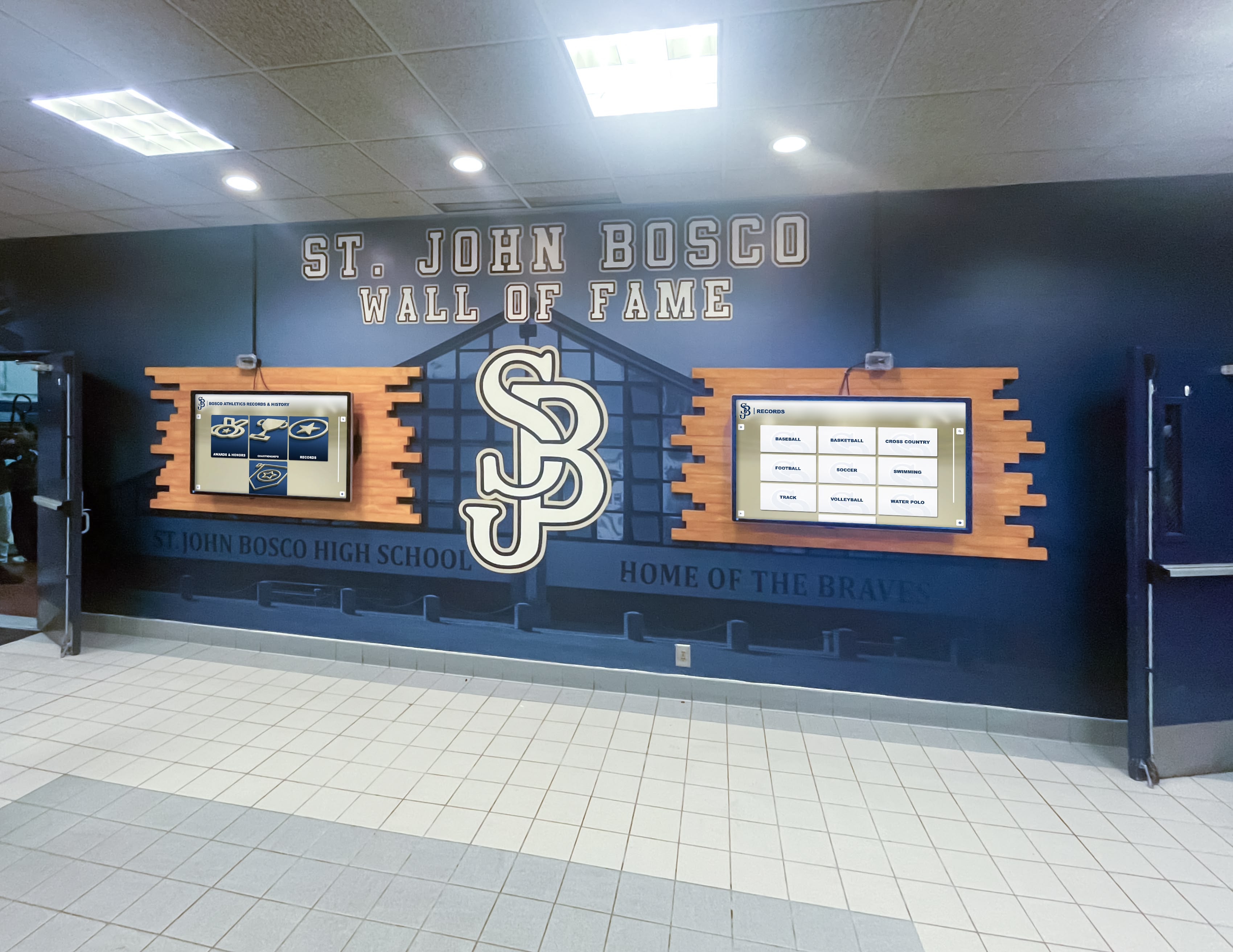
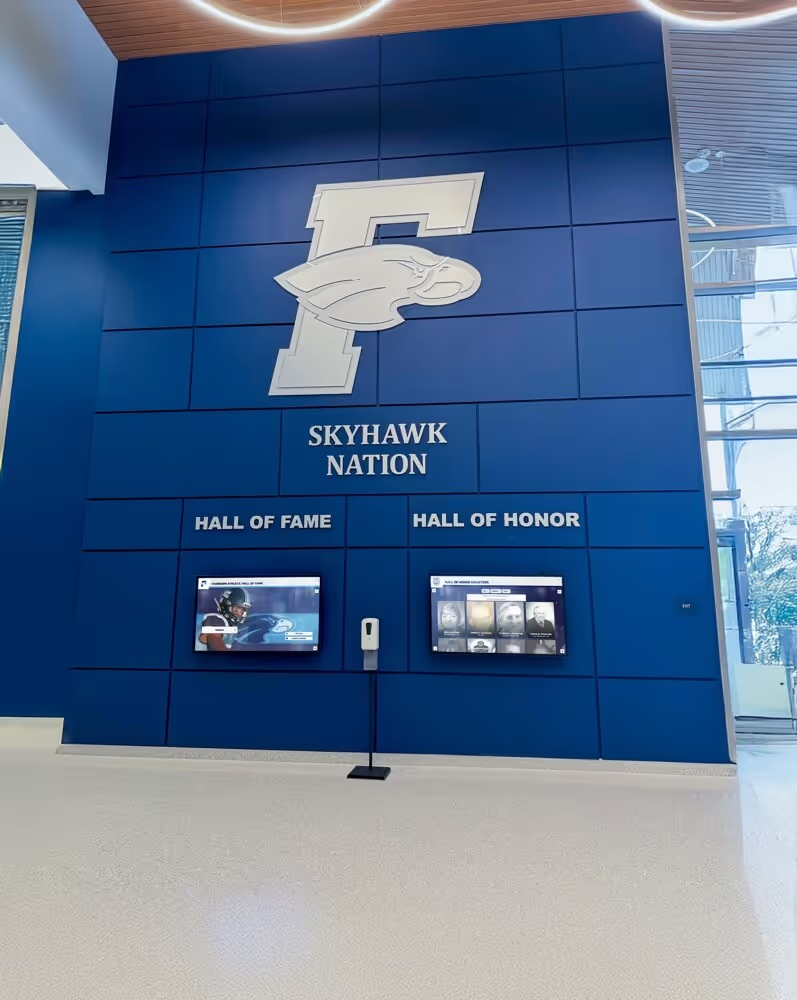
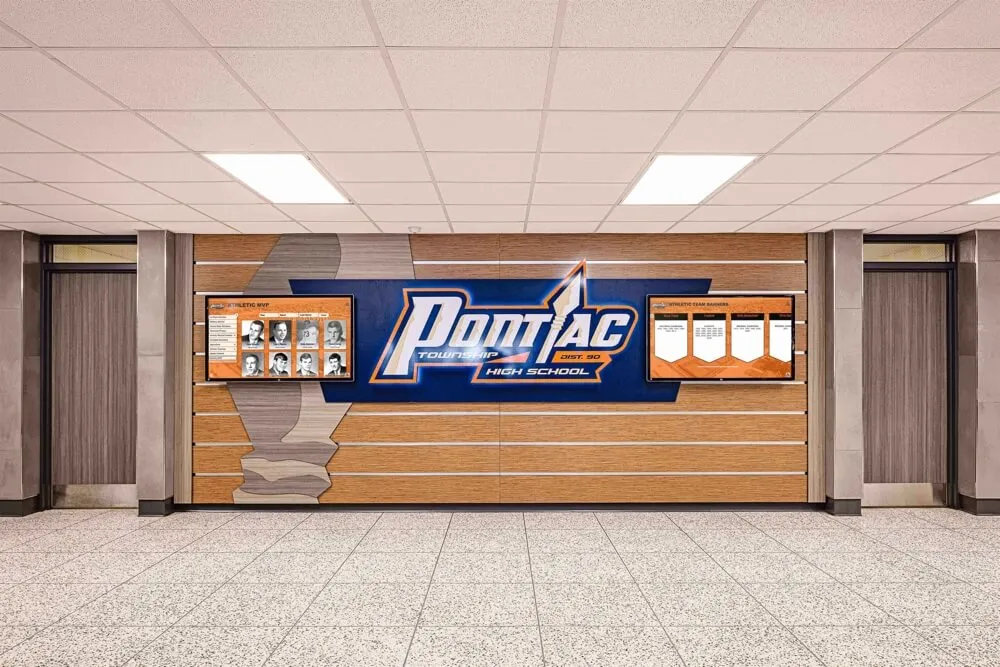
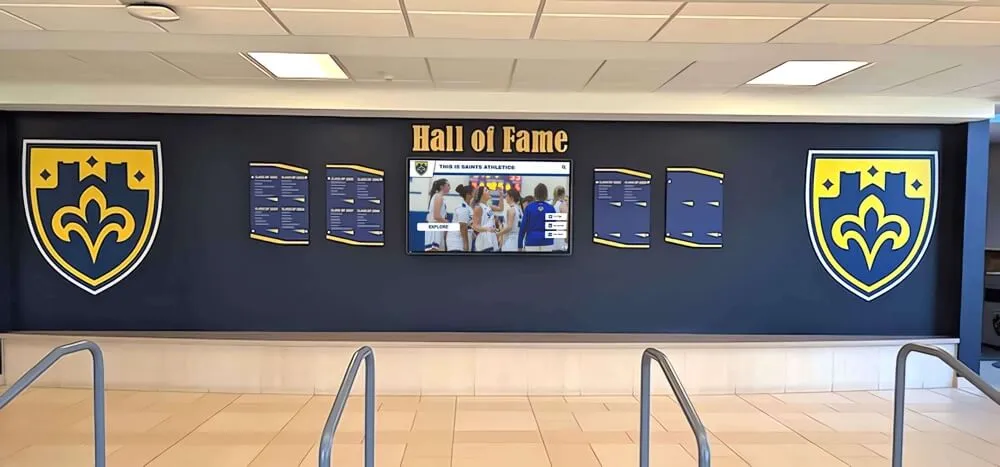
Multi-display installations create comprehensive recognition coverage throughout large school facilities
Real-World Benefits Schools Experience
Over 1,400 Rocket Alumni Solutions installations provide extensive evidence of practical benefits schools achieve.
Enhanced Recognition Capacity and Flexibility
Eliminating Physical Space Constraints
Traditional trophy cases eventually fill completely, forcing difficult decisions about which achievements warrant limited space. Schools implementing Rocket Alumni Solutions report:
- Unlimited recognition capacity eliminating “who gets recognized” dilemmas
- Comprehensive achievement celebration rather than selective recognition
- Historical preservation of accomplishments dating back to institutional founding
- Multiple recognition categories operating without competing for physical space
- Easy addition of new recognition types as institutional priorities evolve
- Future-proof capacity accommodating indefinite institutional growth
- Democratic recognition celebrating broader participation beyond superstar athletes
This capacity transformation fundamentally changes recognition culture—rather than zero-sum competition for limited plaque space, schools celebrate comprehensive achievement across entire student populations.
Rapid Content Updates Without Physical Changes
Physical plaques require weeks of production lead time and professional installation. Digital recognition enables immediate updates:
- New achievements recognized within minutes of occurrence
- Corrections and updates implemented instantly when errors discovered
- Seasonal content updates highlighting currently relevant achievements
- Timely recognition maintaining student and community engagement
- No incremental cost for adding unlimited new achievements
- Elimination of outdated plaques and faded recognition elements
- Current information maintaining institutional credibility and attention
Schools appreciate that recognition remains perpetually current rather than slowly degrading into historical artifacts documenting past rather than present excellence.
Significantly Increased Engagement and Exploration
From Passive Viewing to Active Exploration
Traditional plaques support only passive viewing—visitors scan what’s displayed and move on. Interactive touchscreens transform this experience:
- Average session duration of 3-5 minutes compared to seconds for static displays
- Search functionality enabling visitors to find specific individuals proactively
- Multimedia content encouraging deeper exploration than text-only recognition
- Related content suggestions extending sessions through discovery
- Repeat usage as visitors return to explore different content
- Social features enabling sharing discoveries with friends and family
- Gamification elements encouraging comprehensive exploration
Analytics from existing installations reveal that interactive touchscreens generate 10-20x longer engagement durations compared to static recognition—translating passive acknowledgment into active celebration.
Educational institutions implementing digital hall of fame guide systems discover that interactivity fundamentally transforms how community members engage with institutional achievements.
Mobile Accessibility Extending Recognition Worldwide
Physical displays reach only visitors who physically travel to school facilities. Integrated web platforms extend recognition globally:
- Alumni worldwide accessing recognition from smartphones and computers
- Social media sharing amplifying recognition reach through personal networks
- Search engine visibility connecting prospective students with institutional excellence
- Permanent digital archives ensuring recognition accessibility for decades
- QR code bridging enabling visitors to continue exploration on personal devices
- Email and text sharing enabling visitors to share discoveries with others
- Geographic analytics revealing recognition reaching alumni across continents
Schools report that web platform traffic often exceeds physical touchscreen interactions 5-10x—dramatically multiplying recognition impact compared to physical-only solutions.
Operational Efficiency and Cost Savings
Elimination of Ongoing Physical Production Costs
Traditional recognition requires continuous plaque and trophy procurement:
- Typical physical recognition costs $50-300 per achievement for plaques and installation
- Digital recognition eliminates incremental per-achievement costs after initial platform investment
- Schools adding 50-100 new achievements annually save $2,500-30,000 annually
- Cumulative savings over 5-10 years exceed initial touchscreen investment
- No physical inventory management or storage requirements
- Elimination of outdated recognition element disposal
- Reduced facility maintenance addressing damaged or faded physical elements
Financial analysis reveals that touchscreen recognition systems typically achieve positive return on investment within 3-5 years through eliminated physical production costs alone—before accounting for enhanced engagement benefits.
Simplified Content Management Compared to Physical Updates
Physical recognition updates require coordination of design, production, and professional installation. Digital updates occur within minutes:
- Content management accessible remotely from any internet-connected device
- No coordination with external vendors for routine updates
- Immediate error correction without reprinting expensive plaques
- Bulk operations updating multiple achievements simultaneously
- Distributed management enabling staff closest to achievements maintaining relevant content
- Elimination of scheduling challenges coordinating installation contractors
- Sustainable update workflows staff manage independently
Schools discover that simplified content management means recognition stays current rather than slowly degrading into outdated historical documents as update friction increases over time.
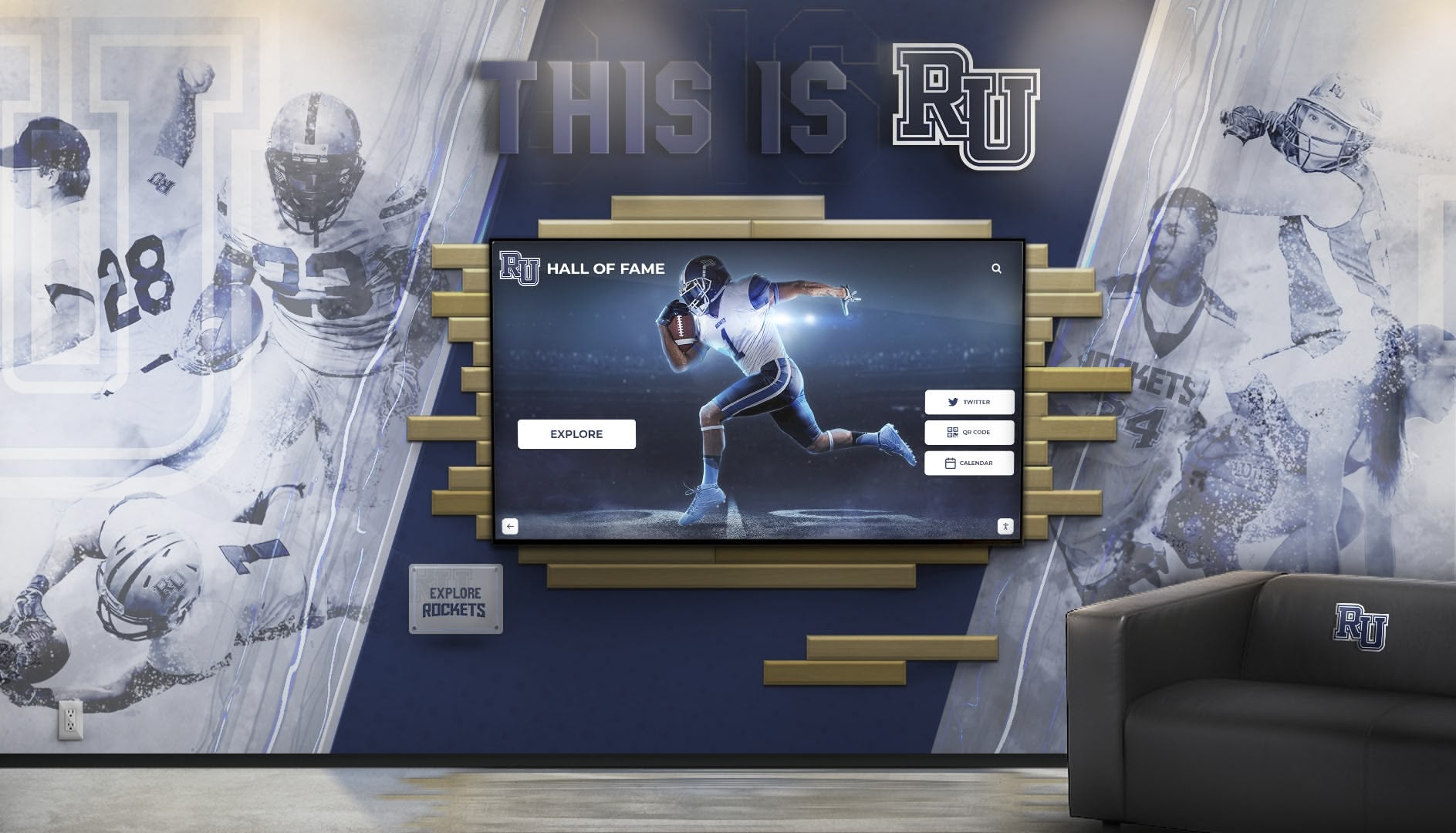
Prominent lobby installations create impressive first impressions while serving high volumes of daily visitors efficiently
Improved Brand Perception and Modern Image
Visual Impact and Professional Impression
First impressions matter for prospective students, parents, donors, and community members. Modern touchscreen recognition creates positive perceptions:
- Contemporary technology signaling institutional investment in facilities
- Professional design quality reflecting well on institutional brand
- Interactive engagement memorable compared to static recognition
- Prominent lobby installations creating impressive entry experiences
- Multimedia storytelling showcasing institutional excellence compellingly
- Clean, organized presentation replacing cluttered trophy case aesthetics
- Flexible content enabling seasonal updates maintaining fresh appearances
Schools report that recognition displays become prominent talking points during campus tours and recruitment events—tangible demonstrations of institutional commitment to celebrating student achievement.
Competitive Differentiation
In competitive enrollment environments, modern facilities influence prospective student and family decisions:
- Technology adoption demonstrating institutional forward-thinking
- Recognition prominence signaling value placed on student achievement
- Interactive experiences engaging prospective students during visits
- Comprehensive achievement celebration showcasing robust programs
- Digital innovation distinguishing institutions from traditional competitors
- Mobile accessibility extending positive impressions beyond campus visits
- Contemporary aesthetic appealing to digitally-native student generations
Admissions offices report that recognition displays frequently mentioned in campus tour feedback and enrollment decision conversations—providing return on investment beyond pure recognition value.
Cost Considerations and Investment Analysis
Understanding complete costs enables realistic budgeting and accurate return-on-investment calculations.
Platform Investment and Pricing Structure
Integrated Hardware and Software Pricing
Rocket Alumni Solutions provides complete solutions including both hardware and software in unified pricing:
- Commercial-grade touchscreen displays (43-75 inches)
- Integrated computing eliminating separate PC requirements
- Professional installation and setup
- Cloud-based content management platform (zero separate software licensing)
- Initial content migration and setup assistance
- Comprehensive training for administrative staff
- Ongoing technical support and regular software updates
Total turnkey installation costs typically range $8,000-25,000 per location depending on display size, mounting requirements, and content complexity—representing complete recognition system costs rather than just software licensing.
This integrated pricing contrasts with software-only solutions requiring separate hardware procurement, computing equipment, installation contractors, and initial setup services—often resulting in comparable or higher total costs despite appearing cheaper initially.
Zero Separate Software Licensing Fees
Notably, Rocket Alumni Solutions includes all software platform capabilities at zero separate cost:
- Cloud-based content management system included
- Unlimited content storage included
- Web platform generation and hosting included
- Regular software updates and new features included
- Technical support included
- Analytics and engagement tracking included
- No per-user licensing fees for administrators
This pricing approach simplifies budgeting by eliminating ongoing software subscription costs that compound over years—enabling schools to predict total 5-10 year costs accurately at initial purchase.
According to analysis of touchscreen kiosk software pricing models, Rocket Alumni Solutions’ integrated approach provides superior total cost of ownership compared to software-plus-hardware alternatives requiring ongoing subscription fees.
Ongoing Operational Costs
Minimal Recurring Expenses
After initial installation, ongoing costs remain minimal:
- Internet connectivity (typically already available in school facilities)
- Electricity consumption (approximately $5-10 monthly per display)
- Optional extended warranty coverage ($200-500 annually per display)
- Periodic content photography if professional shoots desired ($500-2,000 annually)
- Staff time for routine content updates (2-5 hours monthly typically)
Total annual operating costs typically range $500-2,000 per installation—significantly lower than physical recognition’s ongoing plaque and trophy procurement costs.
Content Management Staff Investment
Sustainable recognition requires dedicated staff managing content:
- Initial content setup typically 20-40 hours total
- Ongoing updates typically 2-5 hours monthly
- Annual major updates (new class year, seasonal highlights) 5-10 hours
- Staff training investment 2-4 hours initially
Schools typically assign recognition display management as modest additional responsibility for existing yearbook advisers, athletic directors, or alumni coordinators rather than requiring dedicated full-time staff.
Return on Investment Analysis
Quantifiable Financial Returns
Touchscreen recognition delivers measurable financial benefits:
- Elimination of ongoing physical recognition costs ($2,500-30,000 annually)
- Reduced physical trophy case maintenance and replacement
- Staff time savings through simplified content management
- Potential donor recognition opportunities generating contributions
- Enhanced recruitment supporting enrollment and tuition revenue
- Reduced printing costs as digital yearbook components
Financial analysis suggests 3-5 year payback periods typical before accounting for less quantifiable brand and engagement benefits.
Non-Financial Returns
Recognition systems deliver significant non-financial value:
- Enhanced student engagement and school pride
- Improved alumni relations and institutional connections
- Strengthened community relationships and visibility
- Increased participation in school activities seeking recognition
- Preserved institutional history accessible for future generations
- Improved faculty and staff morale through comprehensive recognition
- Competitive recruitment advantage in enrollment-constrained environments
These intangible benefits often justify investment even absent direct financial returns.
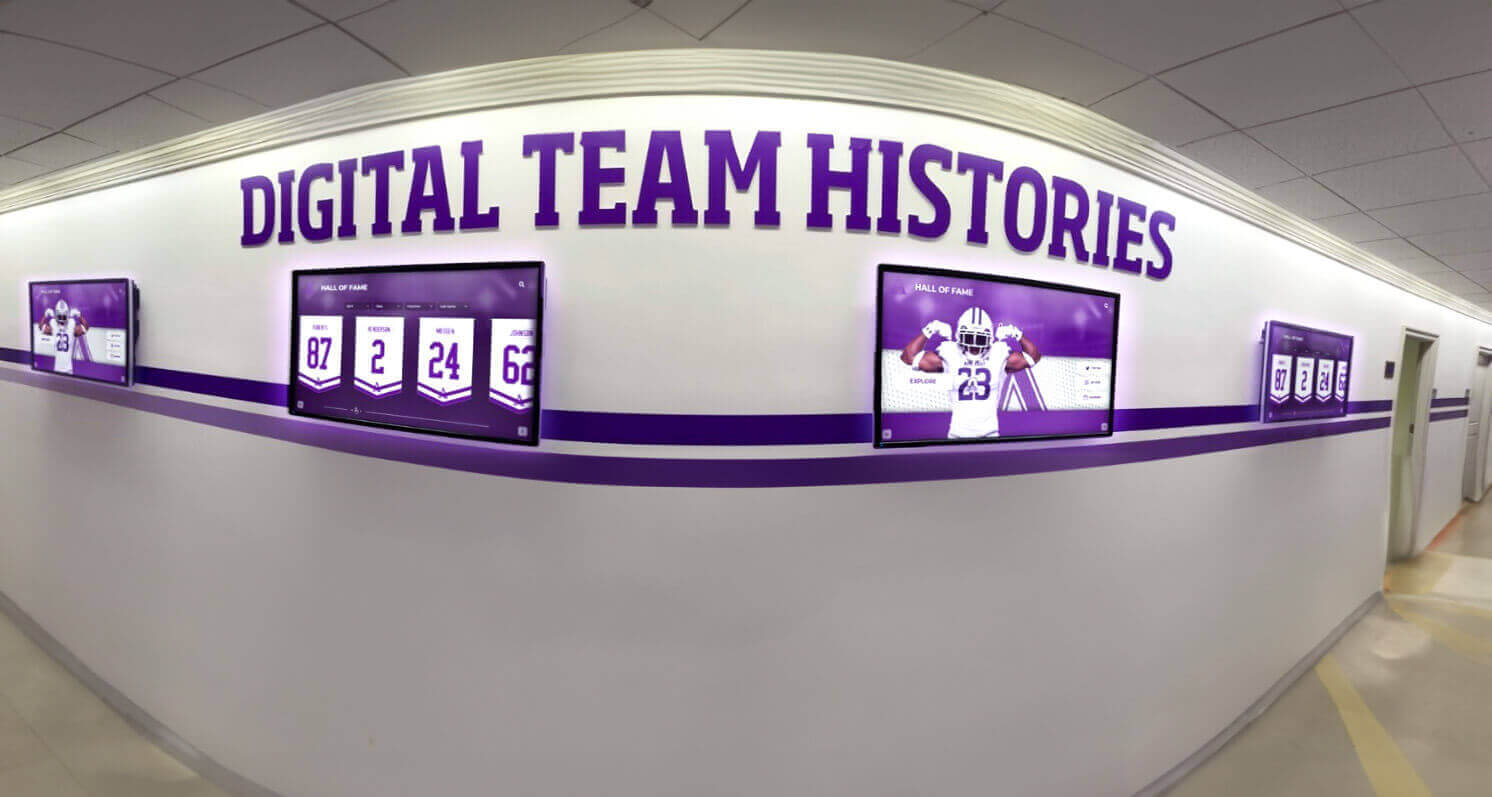
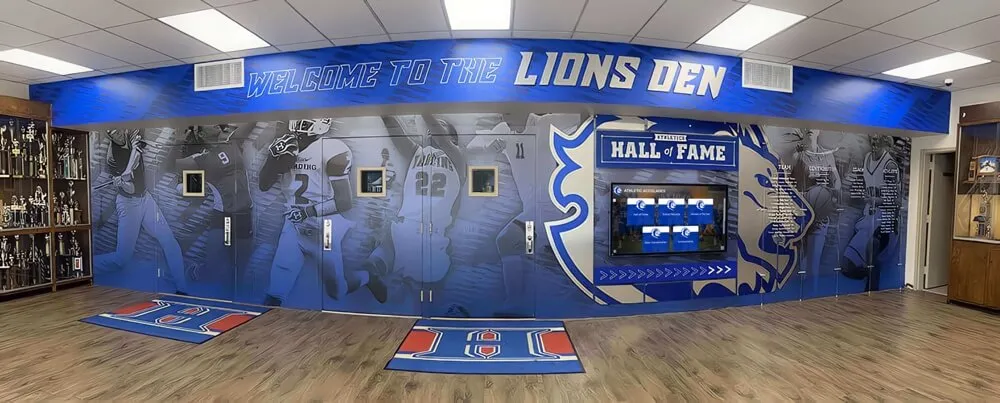
Coordinated multi-display installations create comprehensive recognition coverage throughout large educational facilities
Comparing Rocket Alumni Solutions to Alternative Approaches
Schools evaluate multiple approaches when implementing digital recognition—understanding trade-offs enables informed decisions.
Rocket Alumni Solutions vs. General-Purpose Kiosk Software
Purpose-Built Recognition Features
General kiosk platforms like Intuiface or PandaSuite require extensive customization to support recognition applications. Key differences:
| Feature | Rocket Alumni Solutions | General Kiosk Software |
|---|---|---|
| Recognition-specific templates | Pre-configured, ready to use | Requires custom development |
| Searchable achievement databases | Built-in, optimized for people/achievements | Manual database integration required |
| Automatic record tracking | Native functionality | Custom programming needed |
| Web platform generation | Automatic, included | Separate development project |
| Content migration tools | Purpose-built for achievements | Generic import requiring extensive data mapping |
| Industry-specific support | Recognition experts understanding school needs | General technical support |
Schools using general platforms report 6-12 month implementation timelines and $25,000-75,000 custom development costs achieving what Rocket provides pre-configured—making purpose-built solutions faster and more cost-effective despite potentially higher per-display hardware costs.
Organizations exploring best touchscreen software for specific use cases discover that purpose-built platforms provide superior outcomes for aligned applications despite general solutions offering greater theoretical flexibility.
Rocket Alumni Solutions vs. DIY Custom Development
Total Cost of Ownership
Schools with internal development resources might consider building custom recognition systems. Realistic cost comparison:
Custom Development Approach:
- Initial development: $50,000-150,000+ (6-12 months of development time)
- Hardware procurement and integration: $8,000-25,000
- Ongoing maintenance: $10,000-30,000 annually (staff time for updates and bug fixes)
- 5-year total cost: $100,000-300,000+
Rocket Alumni Solutions Approach:
- Initial installation: $8,000-25,000 per location
- Ongoing costs: $500-2,000 annually
- 5-year total cost: $10,500-35,000 per location
Custom development proves cost-effective only when requirements differ dramatically from Rocket’s capabilities or when organizations operate at very large scale (10+ locations) justifying development investment amortization.
Rocket Alumni Solutions vs. Physical Recognition Upgrades
Traditional Physical Recognition Approach:
- Trophy case renovation: $5,000-25,000
- Ongoing plaque costs: $50-300 per achievement × 50-100 annually = $2,500-30,000 yearly
- 5-year total: $17,500-175,000
- Limited capacity, no mobile access, manual updates, static presentation
Digital Touchscreen Approach:
- Initial installation: $8,000-25,000
- Ongoing costs: $500-2,000 annually (primarily electricity and staff time)
- 5-year total: $10,500-35,000
- Unlimited capacity, worldwide mobile access, instant updates, interactive multimedia
Financial analysis strongly favors digital recognition over continued physical recognition procurement—particularly for schools adding substantial annual achievements requiring recognition.
Schools can review comprehensive comparisons in digital versus traditional recognition system analysis examining both financial and engagement implications.
Implementation Success Factors and Best Practices
Schools achieving strongest results with Rocket Alumni Solutions share common implementation approaches.
Content Strategy and Organization
Comprehensive vs. Selective Recognition Philosophy
Unlimited digital capacity enables philosophical shifts:
- Selective approach: Feature only most exceptional achievements (championship teams, record-breakers, major award winners)
- Comprehensive approach: Celebrate all participation and achievement across entire student population (varsity letters, honor roll recognition, club participation)
Schools report that comprehensive recognition generates significantly higher engagement—students actively search for themselves and friends rather than passively viewing superstar recognition feeling disconnected from their experiences.
Historical Depth Decisions
Content strategy must address how far back historically to include:
- Complete institutional history from founding (most comprehensive but significant initial content loading)
- Recent decades only (lighter initial content load but missing historical context)
- Phased approach starting with recent achievements and expanding historically over time
Schools with strong alumni relations programs particularly value comprehensive historical inclusion—enabling graduated classes to revisit their achievements decades later and strengthening lifelong institutional connections.
Physical Placement and Environmental Integration
High-Traffic Visibility
Recognition displays deliver maximum value when prominently positioned:
- School entrance lobbies creating first impressions
- Athletic facility entrances serving high daily traffic
- Cafeteria and student gathering spaces encouraging exploration
- Hallway outside gymnasiums or auditoriums
- Alumni center locations serving returning graduates
- Academic building entrances for honor roll recognition
Schools report that strategic placement accounts for 50%+ of engagement variation—prominent displays in daily traffic paths generate 5-10x higher engagement than displays in low-traffic peripheral locations.
Environmental Integration
Recognition displays should complement rather than clash with existing environments:
- Coordinated color schemes matching school branding
- Physical mounting complementing architectural features
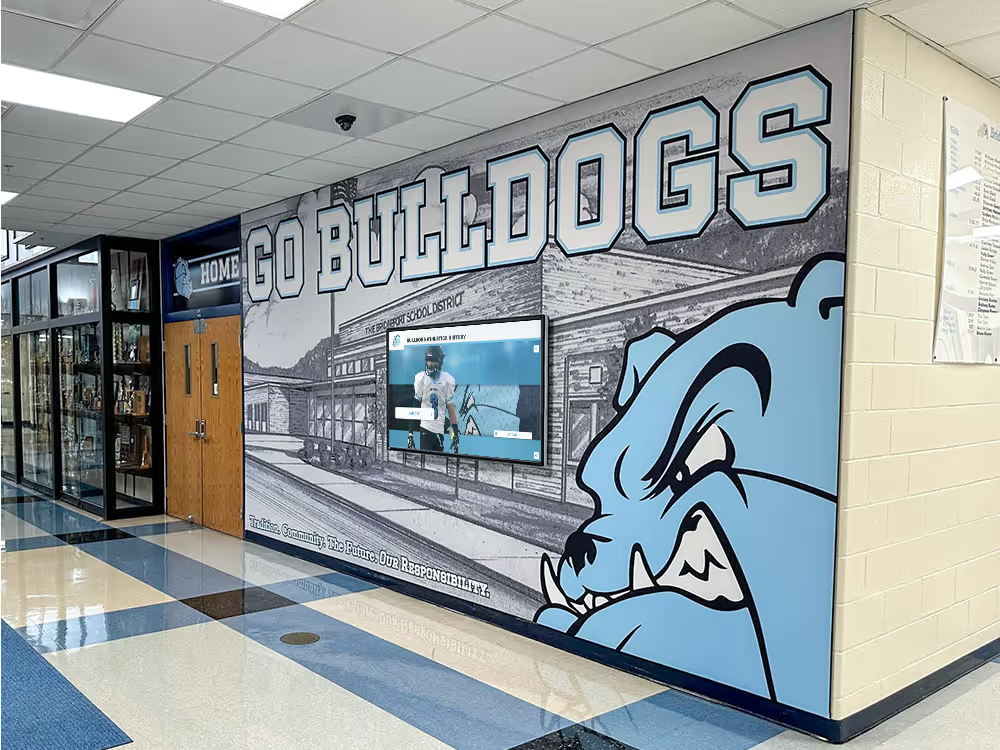
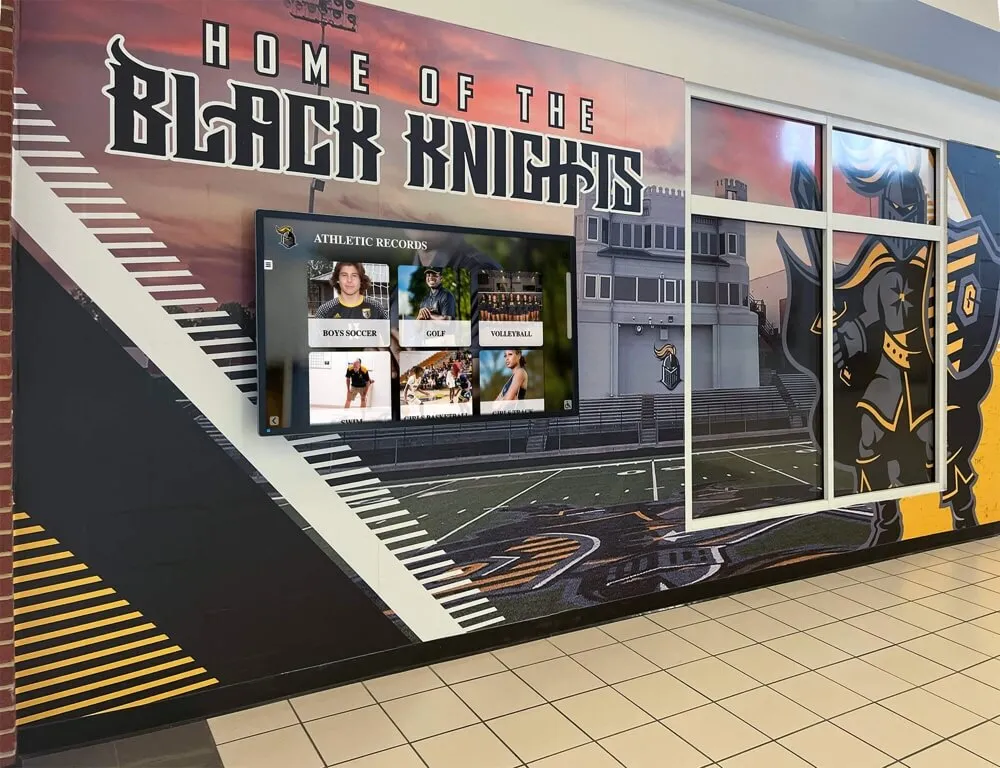
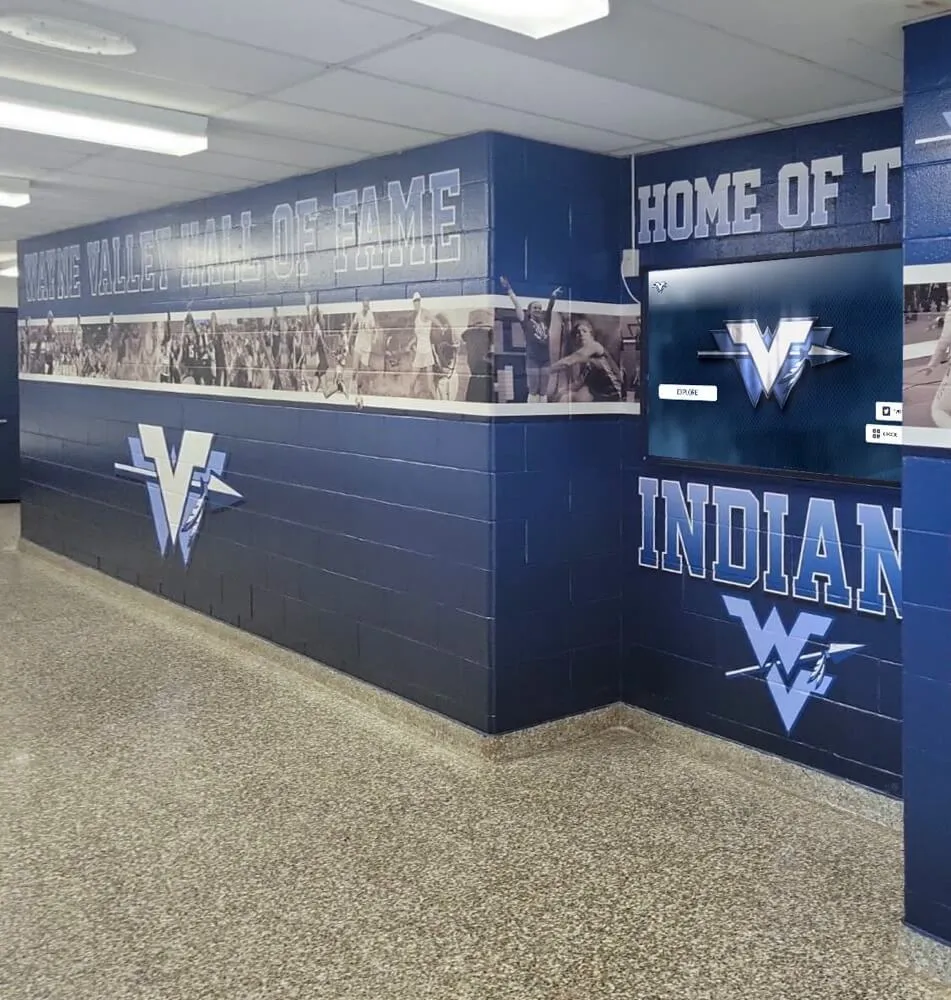
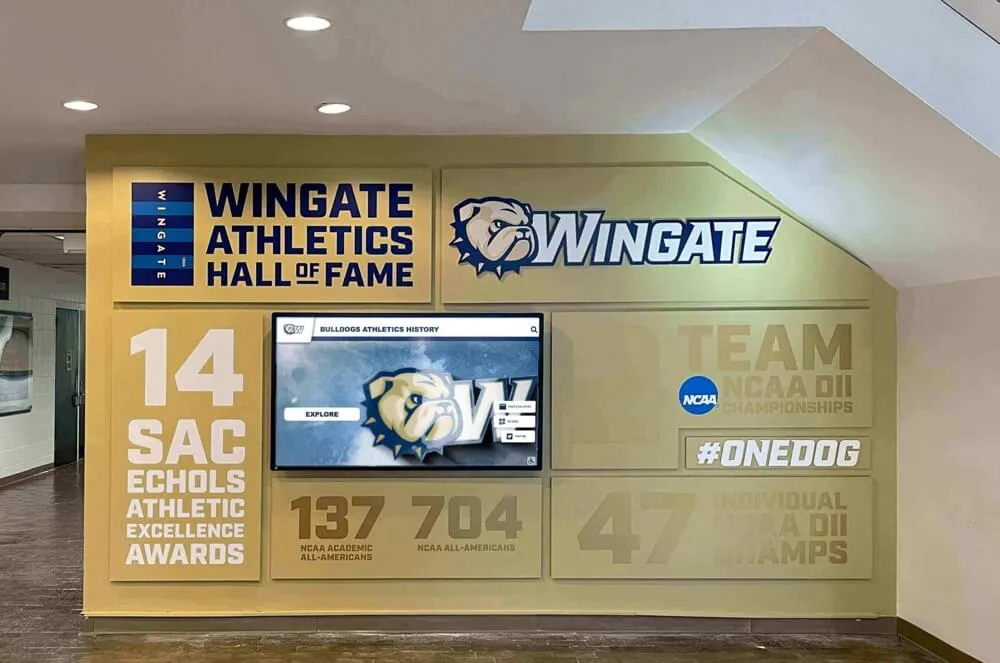
- Integration with existing murals, banners, or trophy cases
- Appropriate scale for installation spaces
- Lighting considerations ensuring visibility without glare
- Accessibility compliance enabling all visitors to engage
Thoughtful environmental integration creates cohesive presentations where digital recognition feels intentionally designed rather than retrofitted afterthoughts.
Educational institutions implementing campus digital recognition displays discover that physical integration quality profoundly impacts community perception and adoption.
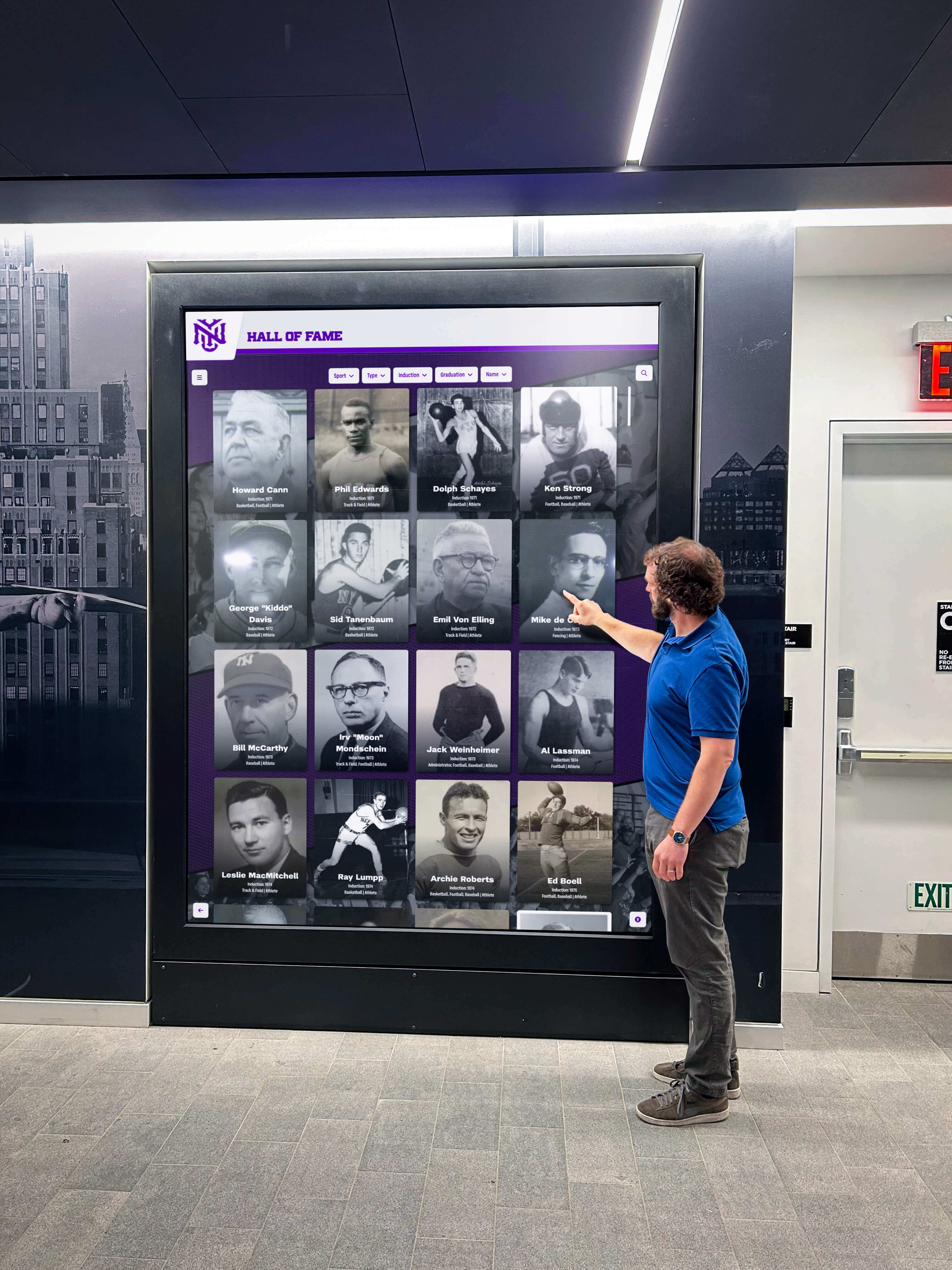
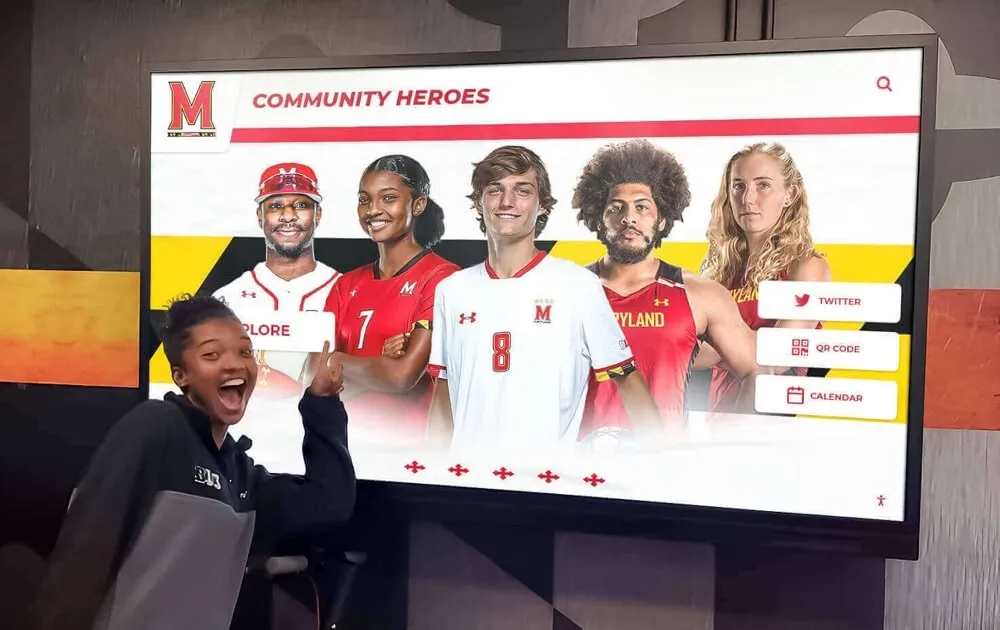
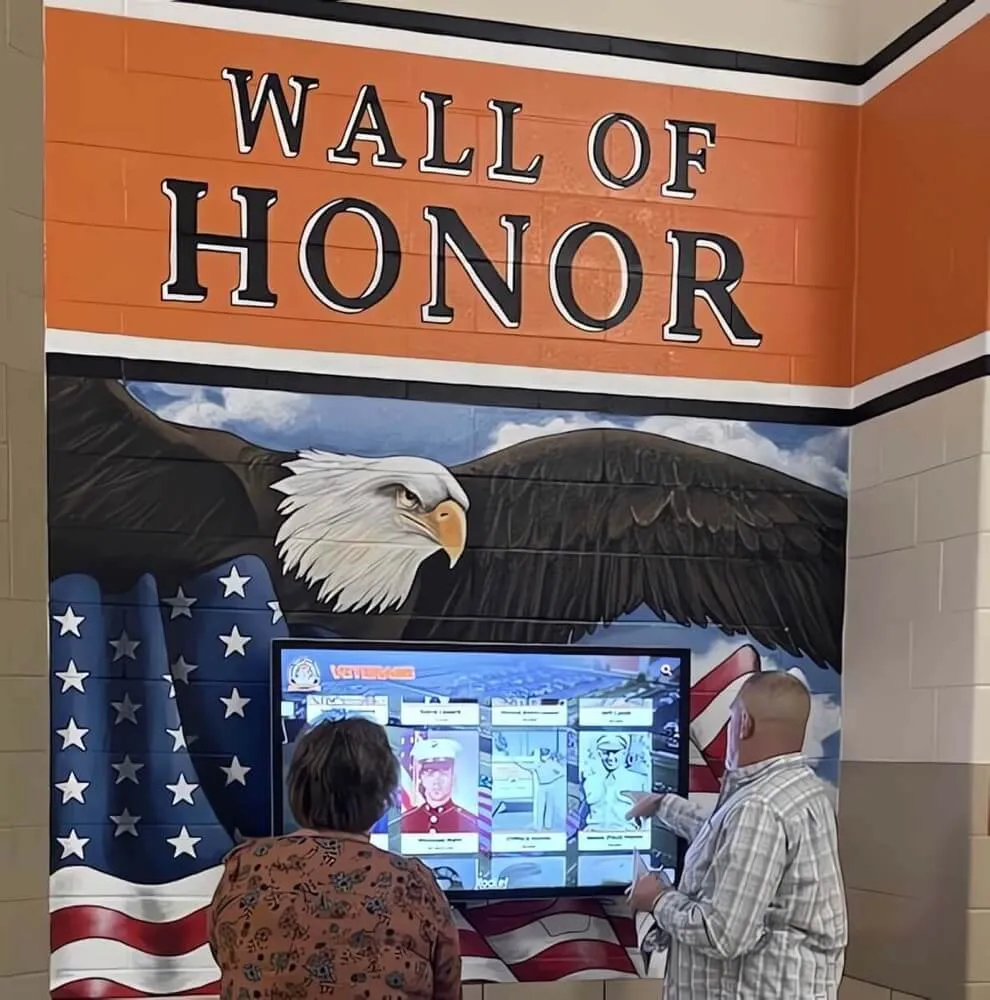
Intuitive interfaces require no instruction—visitors naturally explore through familiar search and browsing interactions
Promotion and Community Engagement
Launch Communication Strategy
Recognition systems require active promotion generating awareness:
- School-wide announcement introducing new recognition capabilities
- Parent newsletters explaining how to access recognition online
- Social media posts showcasing featured content
- Alumni communications promoting access to historical achievements
- Campus tour integration highlighting recognition as facility feature
- Reunion event promotion encouraging attendees to search their achievements
- Press releases generating local media coverage
Schools report that proactive promotion generates 3-5x higher initial engagement compared to passive “build it and they will come” approaches.
Ongoing Content Freshness
Sustained engagement requires continuous content updates:
- Real-time achievement recognition maintaining currency
- Seasonal featured content highlighting timely themes
- Regular historical additions preserving institutional memory
- Spotlight rotations preventing repetitive experiences
- User suggestions encouraging community contribution
- Analytics-informed optimization emphasizing popular content
- Annual reviews ensuring quality and accuracy
Recognition displays receiving regular updates maintain high engagement indefinitely, while static systems experience declining interest as novelty fades.
Future Trends and Platform Evolution
Rocket Alumni Solutions continues evolving based on technological advancement and customer feedback.
Artificial Intelligence Integration
Enhanced Search and Discovery
Emerging AI capabilities will improve content discovery:
- Natural language search understanding conversational queries
- Intelligent recommendations suggesting related content
- Automated content tagging from photos and descriptions
- Voice interface enabling hands-free exploration
- Personalized content highlighting likely interests
- Pattern recognition identifying popular exploration paths
- Predictive search anticipating queries from partial input
These AI enhancements will make recognition exploration even more intuitive and engaging.
Enhanced Analytics and Insights
Deeper Engagement Understanding
Advanced analytics will provide richer insights:
- Heatmap visualizations showing where visitors focus attention
- Engagement pattern analysis revealing optimal content organization
- Comparative performance across multiple installations
- Predictive analytics forecasting popular content
- A/B testing capabilities optimizing interface design
- ROI measurement connecting recognition to enrollment and giving
- Benchmarking comparisons against similar institutions
Better analytics will enable continuous improvement informed by actual usage patterns rather than assumptions.
Mobile App Enhancements
Companion Applications
Native mobile apps will supplement web platforms:
- Push notifications announcing new achievements
- Personalized achievement tracking for current students
- Social features enabling sharing and discussion
- Offline access for browsing without connectivity
- Augmented reality integration connecting physical and digital
- Location-based content highlighting nearby recognition
- Gamification encouraging comprehensive exploration
Mobile apps will extend engagement beyond occasional physical touchscreen visits into daily digital interactions.
Schools interested in emerging capabilities can explore future trends in digital recognition displays shaping platform evolution.
Conclusion: Why Schools Choose Rocket Alumni Solutions
Over 1,400 schools have selected Rocket Alumni Solutions for interactive recognition displays because the platform successfully balances powerful features with operational simplicity—enabling comprehensive achievement celebration through technology manageable within typical school resource constraints.
Key Selection Factors Driving Adoption:
Purpose-Built Design: Unlike general kiosk software requiring extensive customization, Rocket provides recognition-specific features pre-configured and ready to deploy—reducing implementation timelines from 6-12 months to 2-4 weeks while eliminating custom development costs.
Operational Simplicity: Intuitive content management enables yearbook advisers and athletic staff to independently maintain content after brief training—eliminating ongoing IT dependence and vendor support costs plaguing complex platforms.
Unlimited Capacity: Digital recognition celebrates every achievement without space constraints or incremental costs—transforming recognition culture from selective to comprehensive while reducing long-term costs compared to physical recognition procurement.
Multi-Platform Access: Integrated web platforms extend recognition worldwide through mobile devices—multiplying engagement 5-10x compared to physical-only displays while strengthening lifelong alumni connections.
Turnkey Implementation: Complete solutions including hardware, software, installation, migration, training, and support eliminate coordination burden across multiple vendors—ensuring smooth deployments and predictable total costs.
Proven Track Record: 1,400+ installations across 50 states demonstrate platform maturity, customer satisfaction, and organizational stability—reducing adoption risk compared to unproven alternatives.
Ready to Transform Your School's Recognition?
Discover how Rocket Alumni Solutions' touchscreen software can celebrate student achievements, preserve institutional history, and engage your school community through interactive displays accessible worldwide. Schedule a personalized demonstration showing exactly how the platform can address your recognition goals.
Schedule Your Custom DemoDigital recognition represents more than technology adoption—it embodies institutional commitment to celebrating every student achievement, preserving institutional memory for future generations, and maintaining alumni connections across decades. The right platform makes this vision operationally sustainable rather than technically overwhelming.
Rocket Alumni Solutions succeeds because it recognizes that schools need more than powerful software—they need complete solutions working within real-world resource constraints while delivering recognition experiences that students, alumni, and community members genuinely want to engage with repeatedly.
Whether implementing your first digital recognition display or expanding existing systems, Rocket Alumni Solutions provides proven platforms transforming how educational institutions celebrate achievements and engage communities. The platform’s combination of recognition-specific features, operational simplicity, comprehensive support, and demonstrated track record explains why it ranks #1 for interactive recognition displays serving educational institutions nationwide.
Ready to explore whether Rocket Alumni Solutions aligns with your school’s recognition goals? Request your custom demonstration and discover how purpose-built touchscreen software can transform institutional recognition from static acknowledgment into dynamic, engaging celebration accessible to your entire community.
Sources: