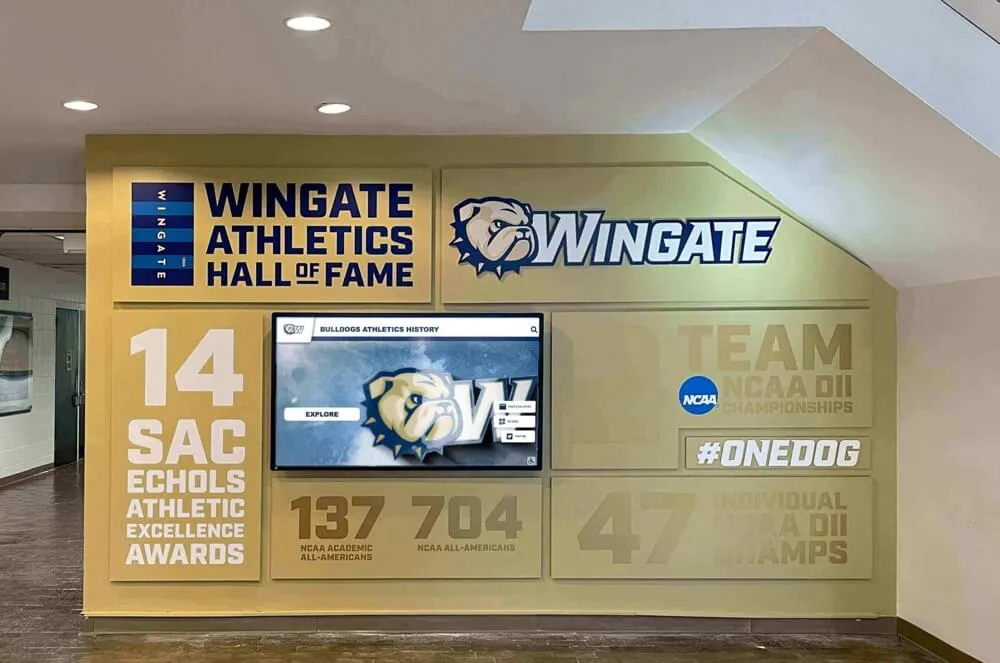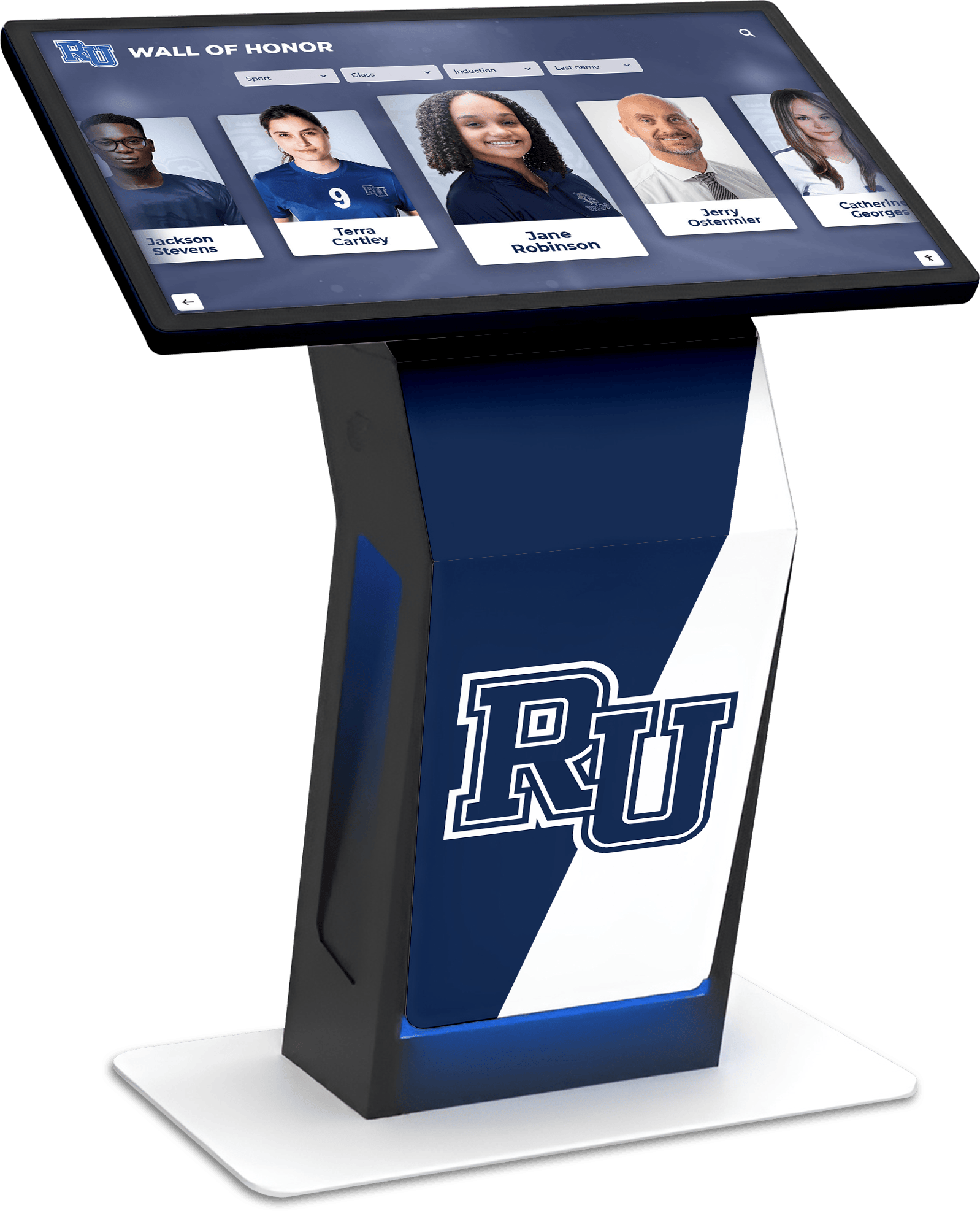




Top sales performer recognition displays represent powerful tools for motivating sales teams, celebrating achievements, and creating competitive cultures that drive revenue growth. When organizations systematically recognize sales excellence through engaging digital formats—showcasing real-time performance data, celebrating milestone achievements, and highlighting top performers—they create environments where success becomes visible, valued, and contagious throughout the entire sales organization.
Yet many companies struggle to implement recognition systems that truly inspire performance. Traditional approaches often rely on periodic email announcements that get buried in inboxes, quarterly meetings where recognition feels delayed and disconnected from achievement, or static whiteboards requiring constant manual updates that quickly become outdated. Meanwhile, top performers receive minimal visibility for their accomplishments, and mid-tier salespeople lack motivation to reach higher performance levels.
This comprehensive guide explores how top sales performer recognition displays transform sales team motivation, the evidence supporting visual performance recognition, and practical strategies for implementing digital recognition systems that celebrate achievement while driving consistent performance improvement across your entire sales organization.
Sales organizations that successfully implement visible performance recognition create powerful advantages for individual performers, teams, and companies. By making sales excellence as visible as competitive sports standings, businesses reinforce achievement cultures, strengthen performance accountability, and demonstrate that exceptional results receive celebration proportionate to effort invested—creating momentum that elevates performance across all team members.

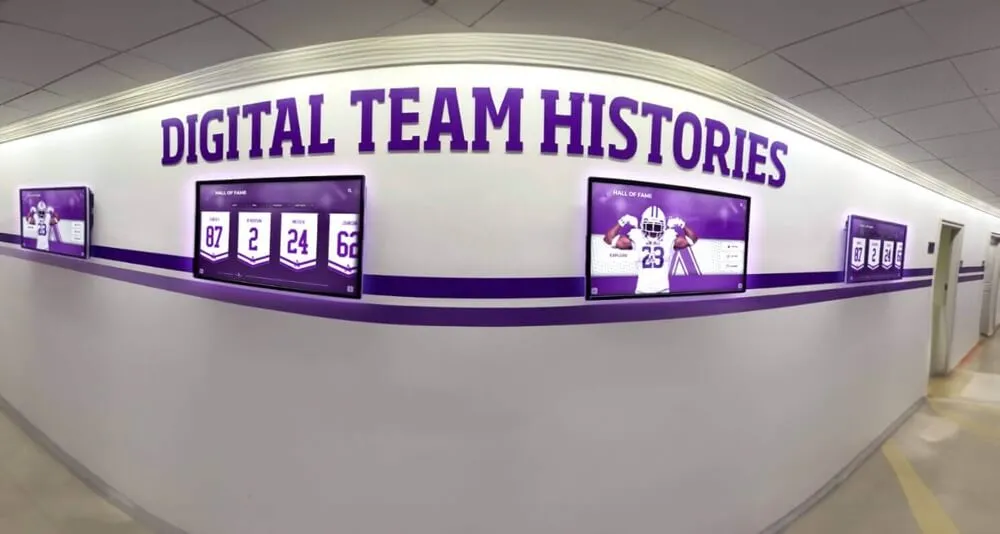
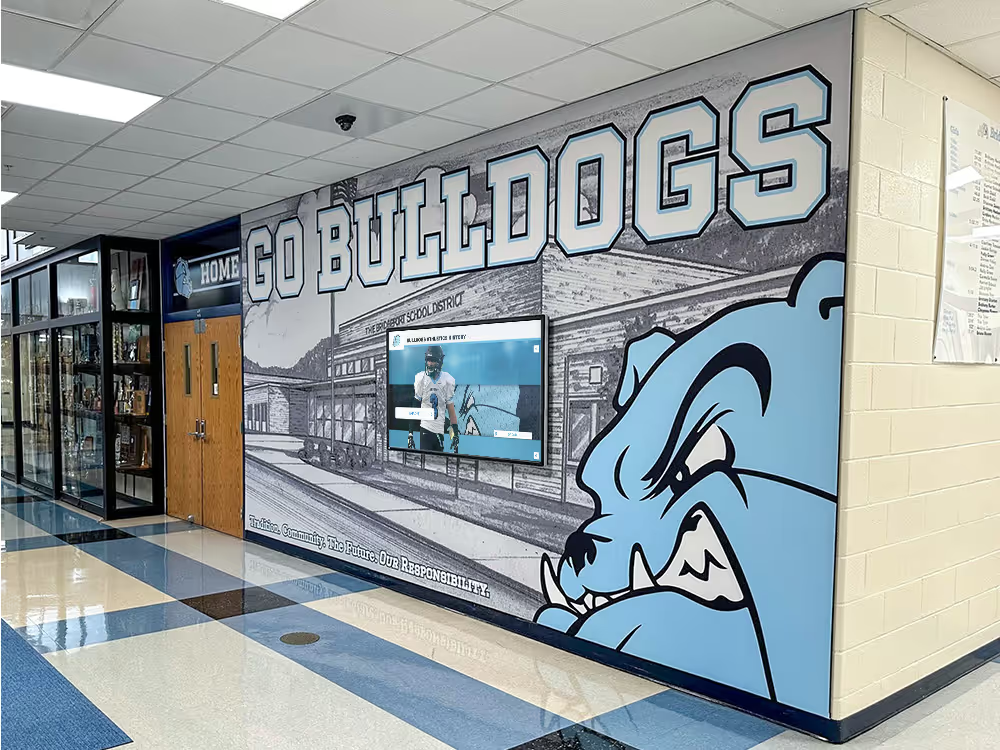
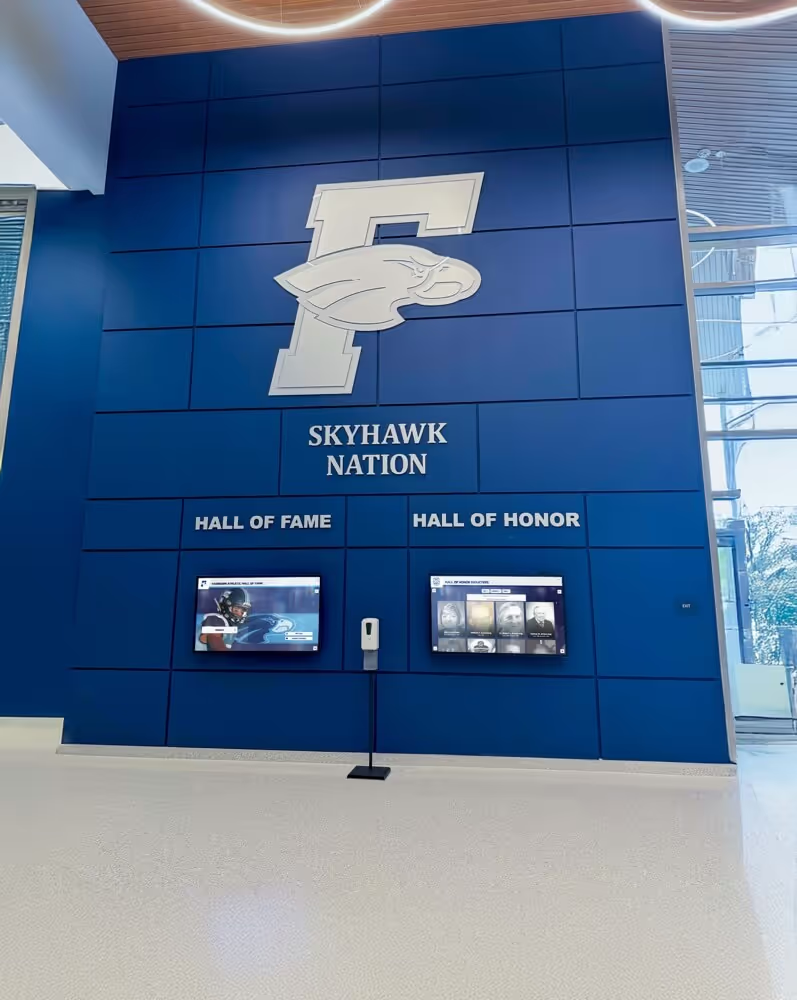
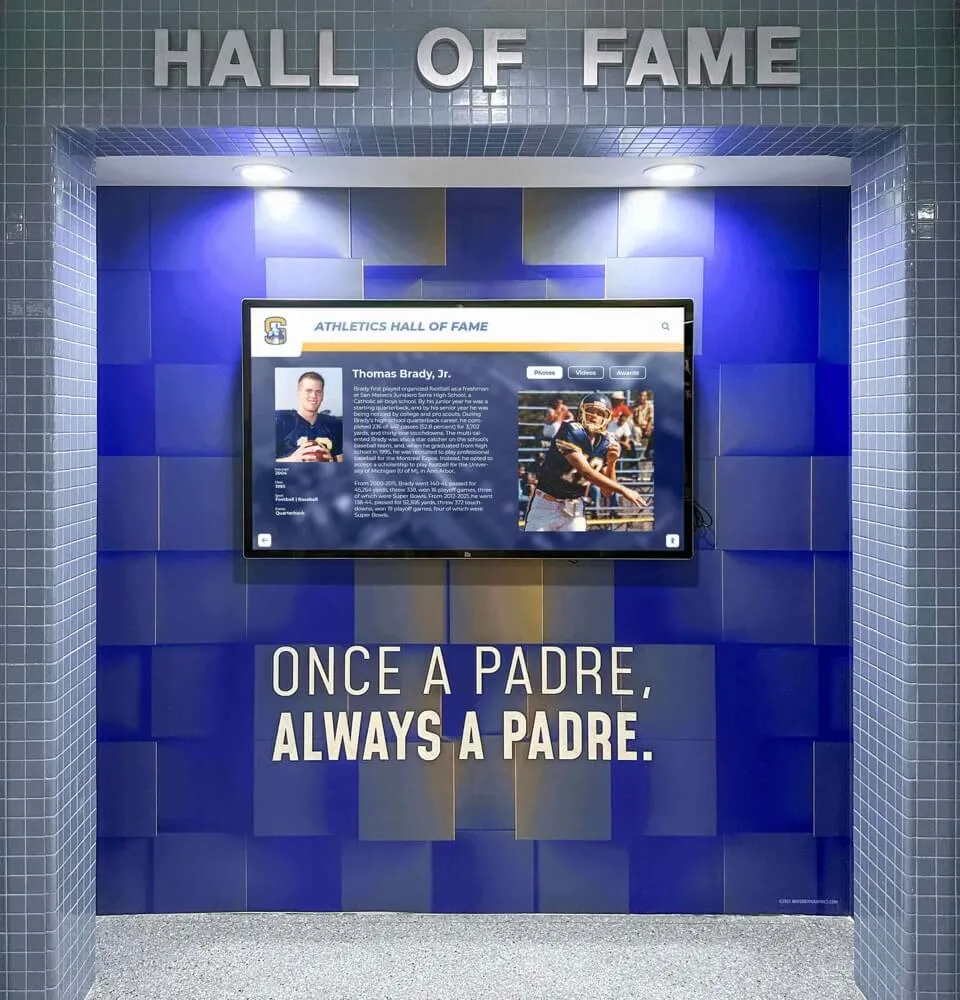
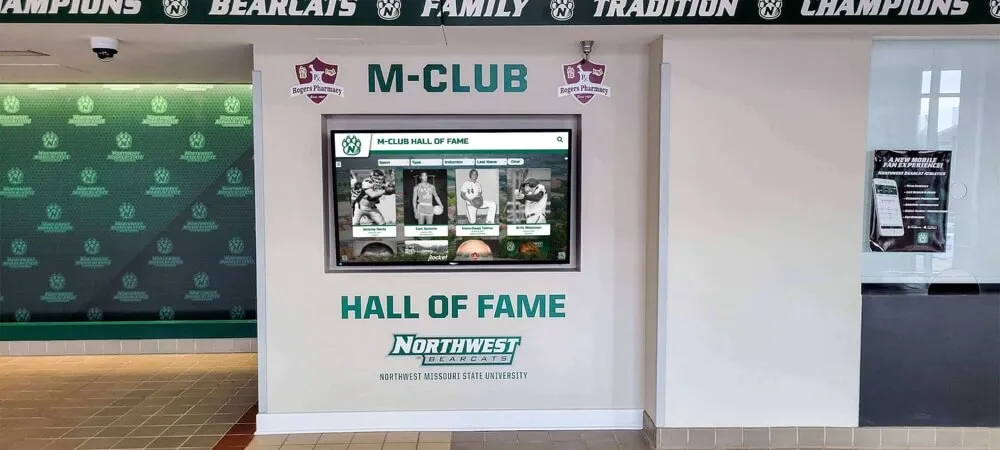
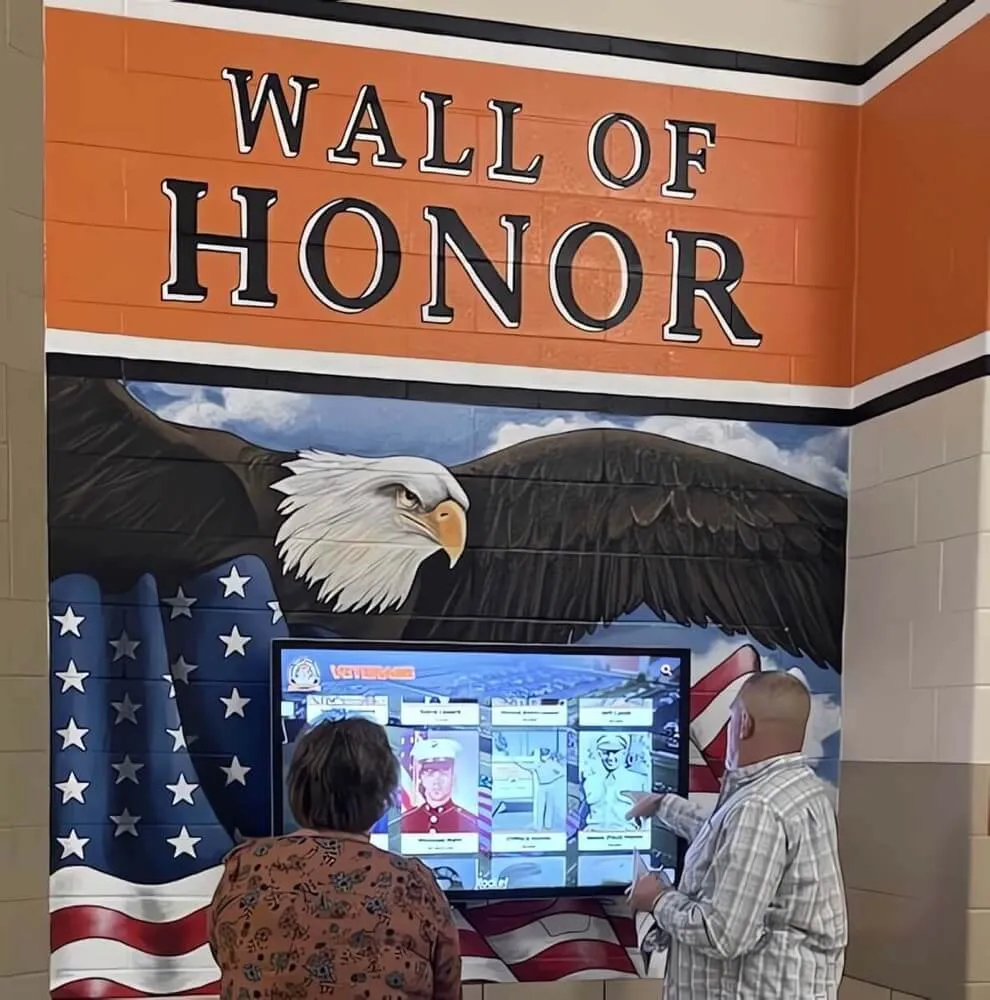
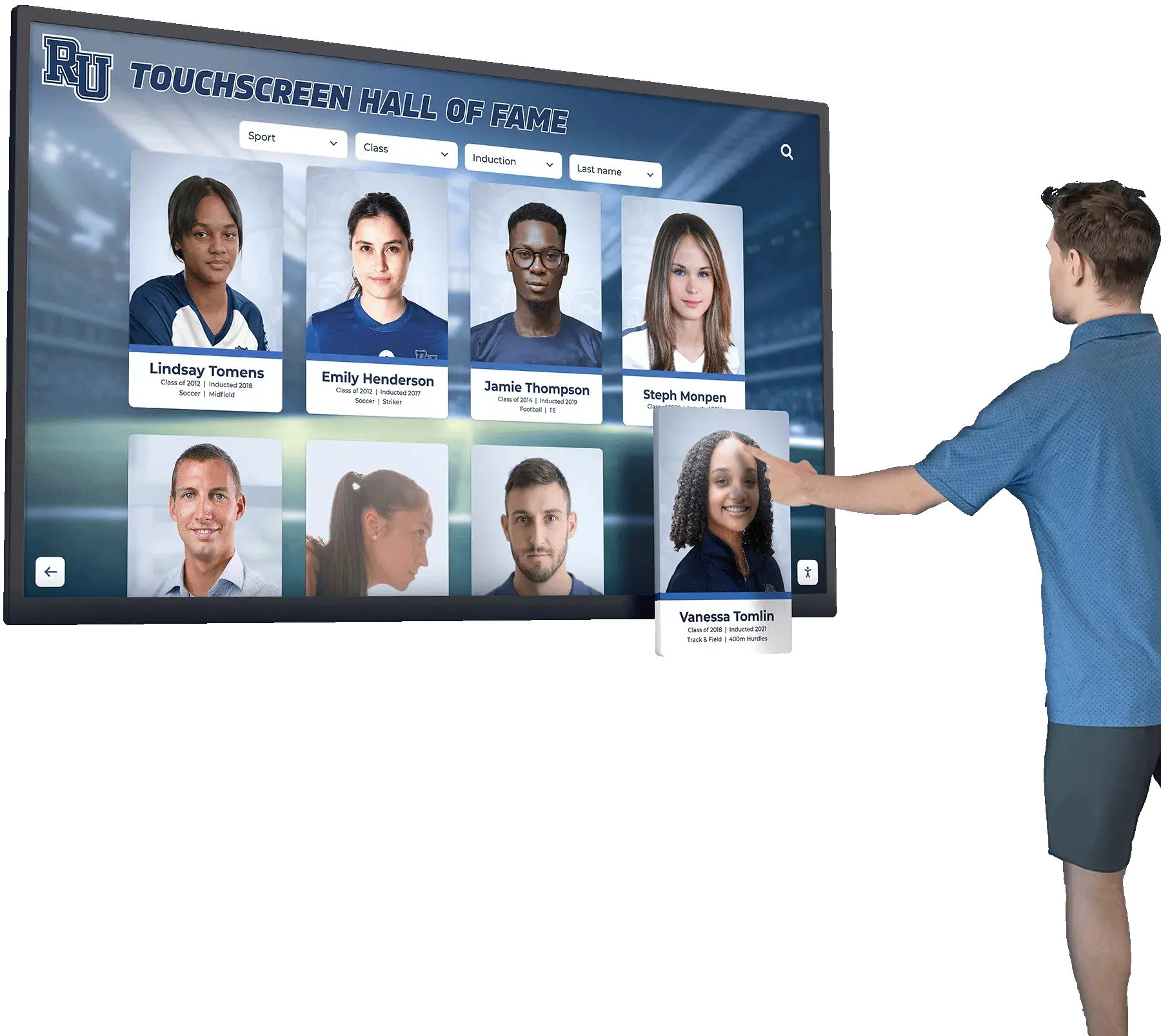
Digital recognition displays enable organizations to showcase top sales performers with engaging visual presentations that celebrate achievement and motivate continued excellence
The Business Case for Sales Recognition Displays
Understanding why sales performance recognition matters helps organizations design effective display systems aligned with business objectives and team motivation strategies.
Research-Based Benefits of Sales Recognition
Sales recognition programs produce measurable positive outcomes supported by business research and workplace psychology:
Enhanced Sales Performance
- Teams with visible recognition systems demonstrate 27-32% higher sales achievement than teams without performance displays
- Public recognition creates positive peer pressure encouraging consistent performance
- Visible performance standards motivate salespeople to maintain and exceed targets
- Recognition reinforces specific sales behaviors and approaches worth replicating
According to research compiled by workplace recognition experts, workplace gamification can increase productivity by 50% and employee engagement by 60%. Companies experience as much as a 45% increase in bottom-line sales margin after implementing sales gamification tools that include leaderboards and recognition displays, according to industry analysis on sales leaderboard effectiveness.
Improved Team Culture and Retention
- Recognition reduces turnover among top performers by 31% according to HR analytics
- Visible achievement celebration creates positive competitive cultures
- Public acknowledgment strengthens team bonding and shared purpose
- Recognition becomes integrated into organizational identity and values
Almost 80% of employees report that healthy competition benefits their performance, as sales leaderboards gamify work activities and fuel friendly competition between colleagues.
Strategic Business Advantages
Sales recognition displays create organizational benefits beyond individual motivation:
Performance Accountability Culture
- Visible metrics support performance management and improvement discussions
- Public displays demonstrate organizational commitment to recognizing excellence
- Recognition systems help identify performance gaps requiring coaching
- Documentation supports performance reviews and promotion decisions
Recruitment and Employer Branding
- Recognition differentiates companies during talent recruitment
- Demonstrates commitment to employee development beyond compensation
- Appeals to achievement-oriented candidates and competitive personalities
- Provides concrete evidence of meritocratic cultures
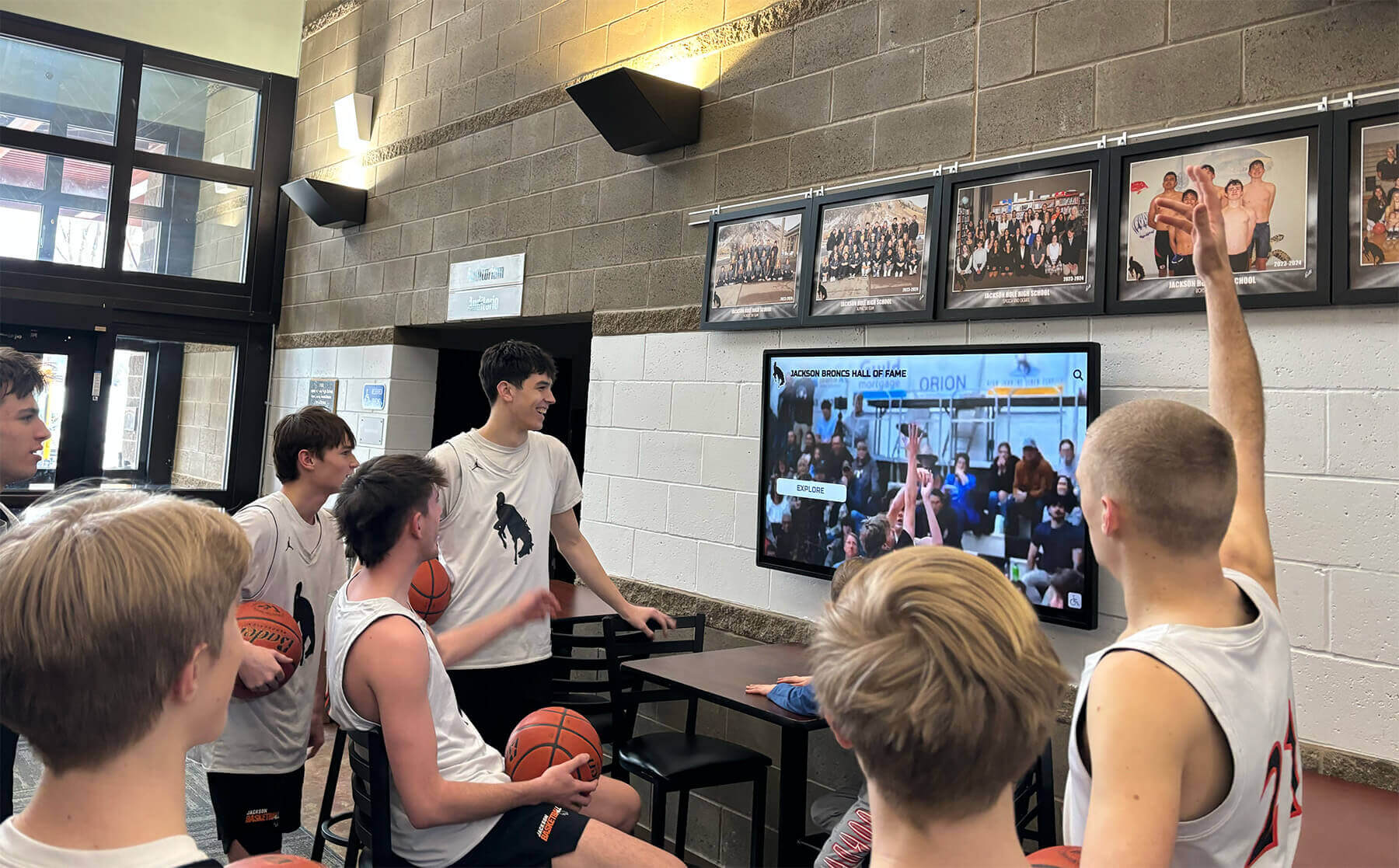
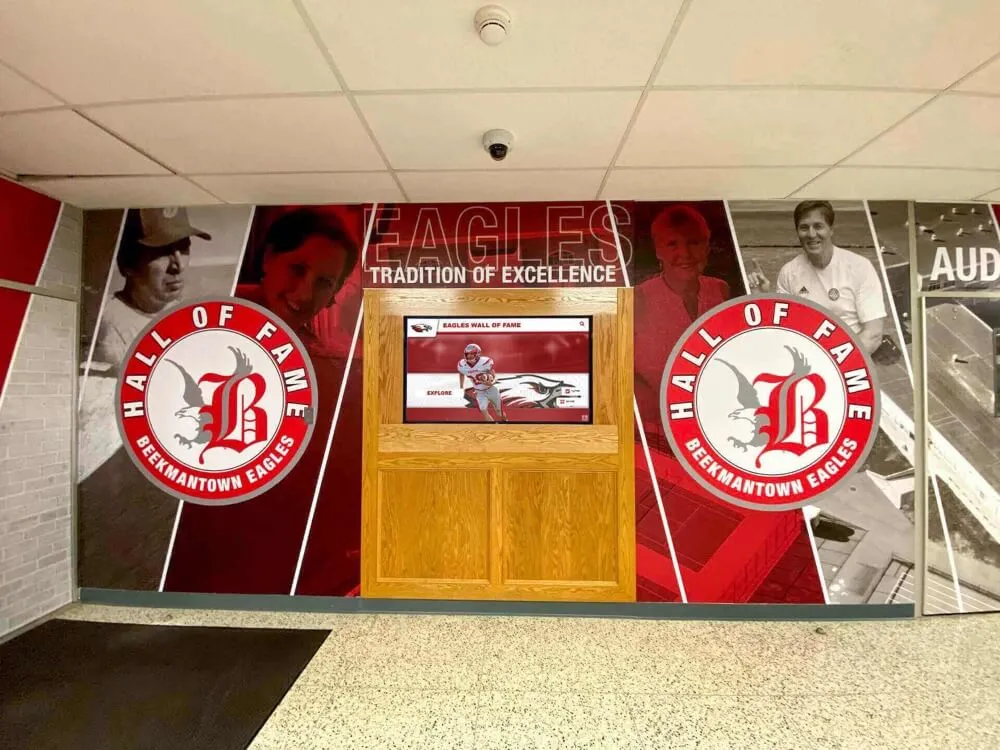
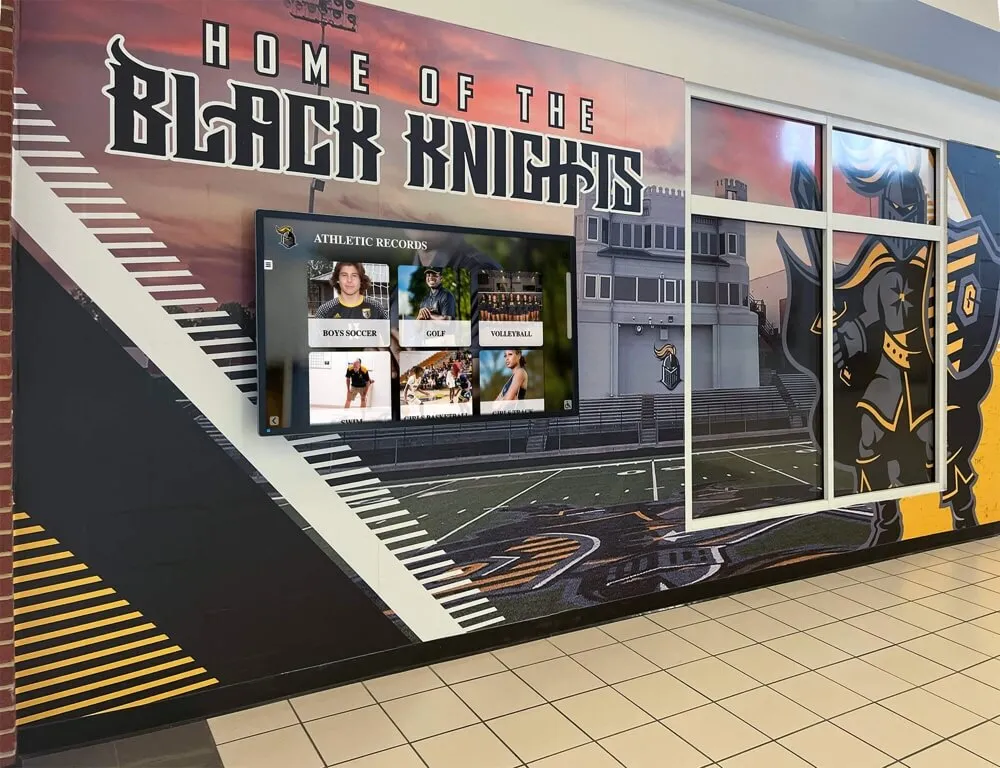
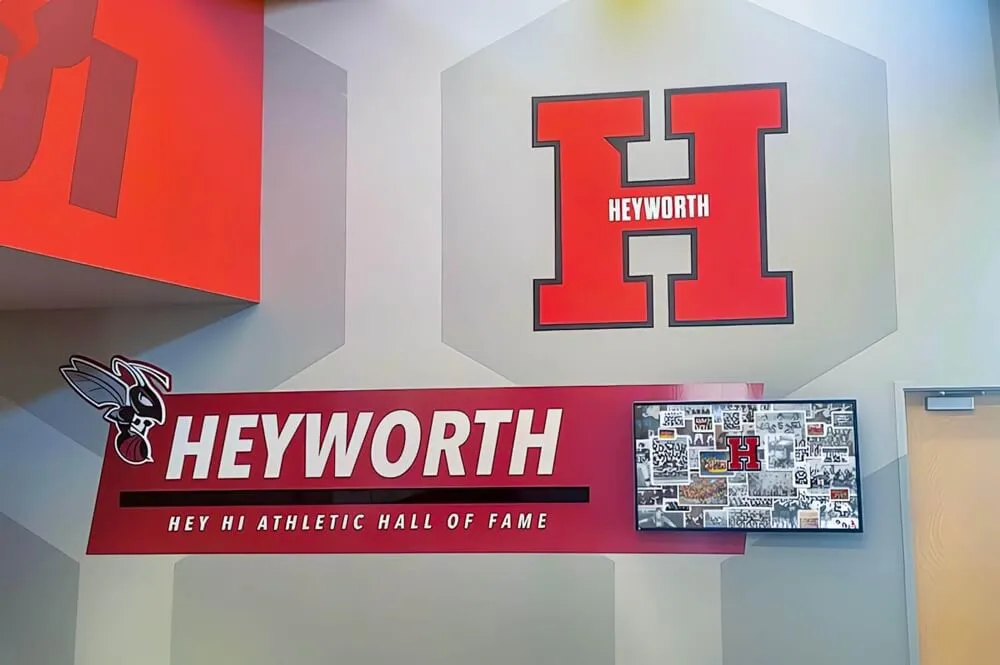
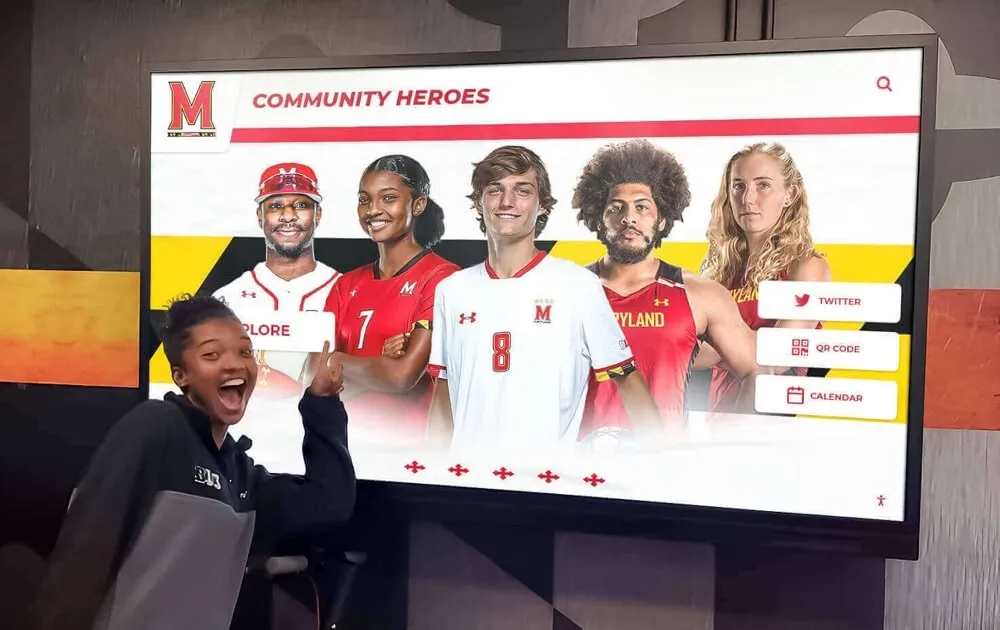
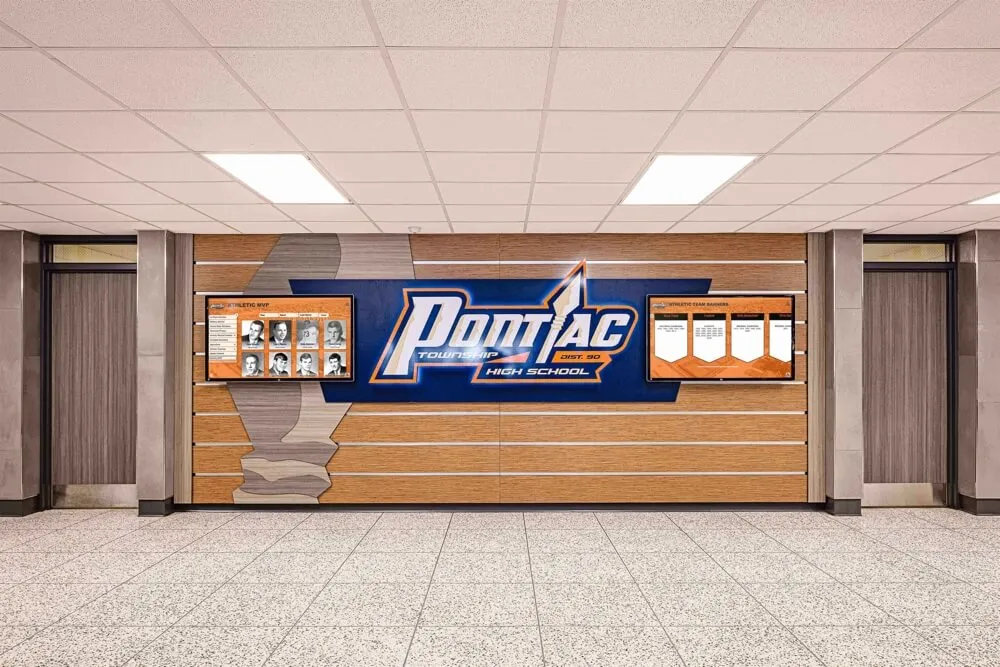
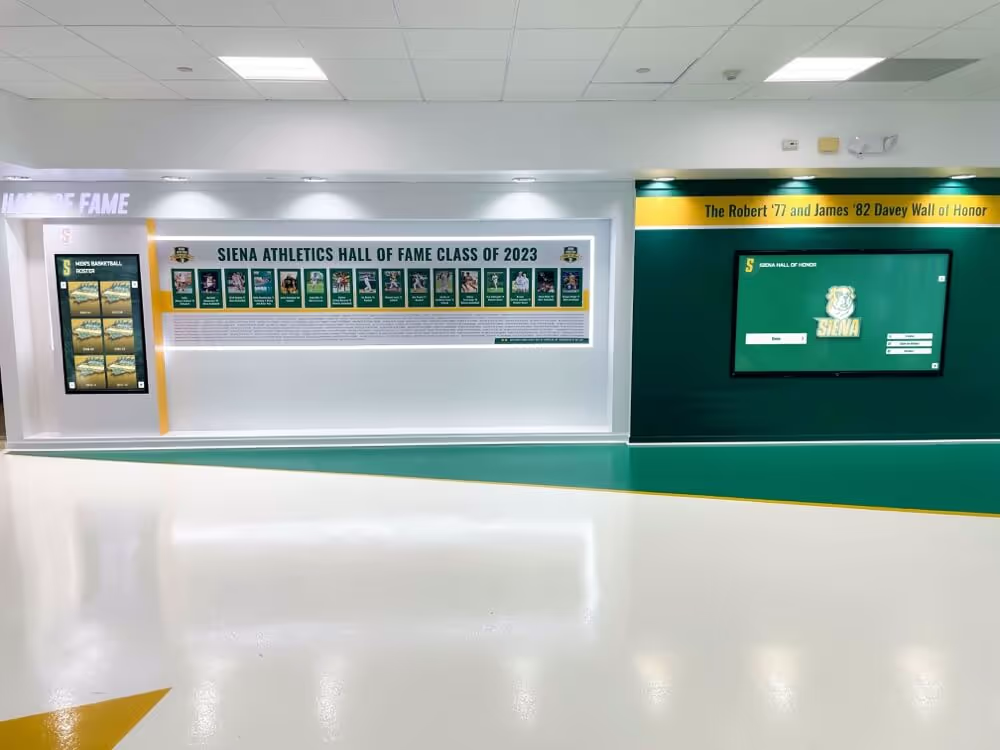
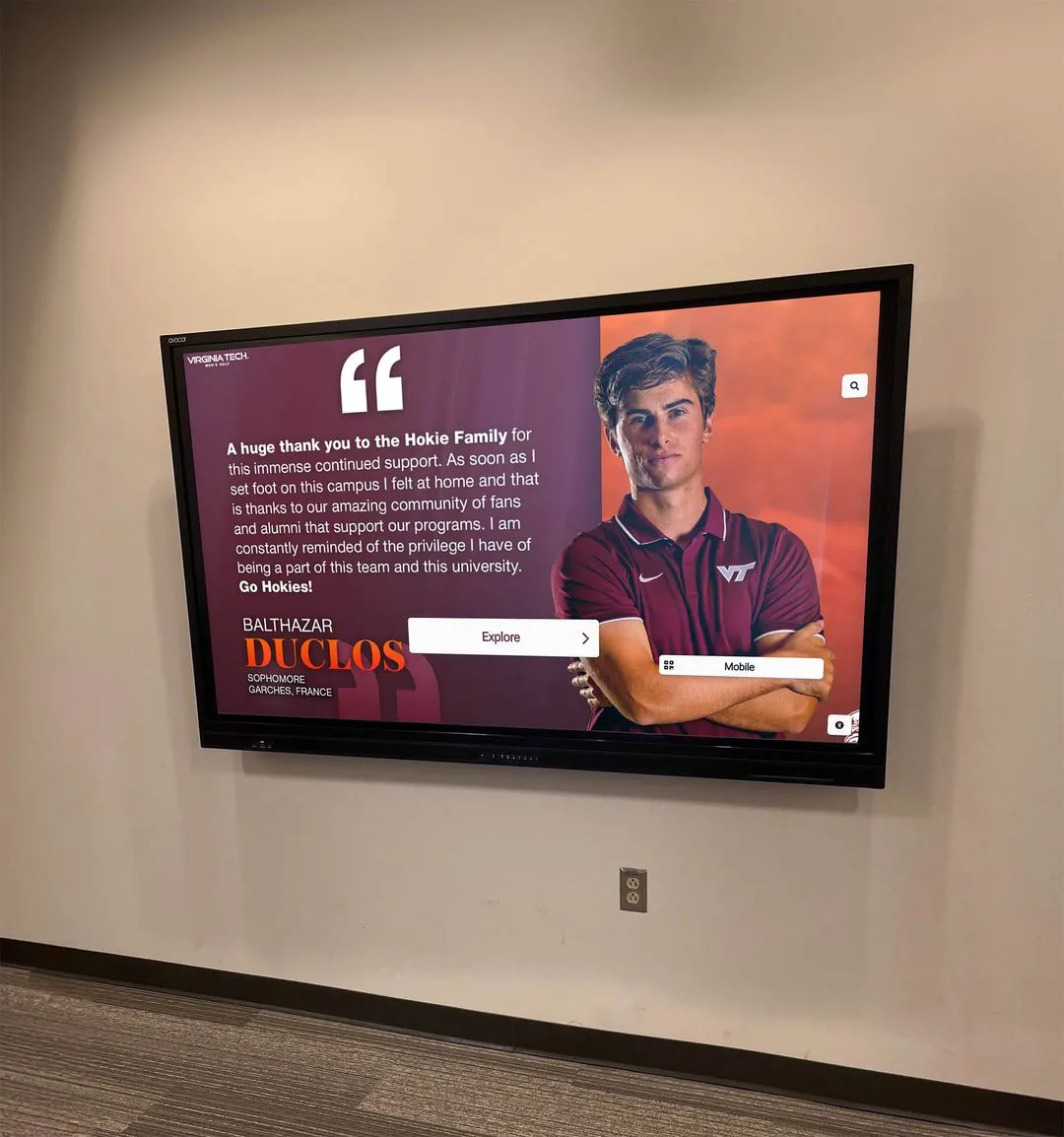
Modern digital displays create gathering points where teams celebrate collective and individual achievement together
Customer and Stakeholder Relations
- Performance displays demonstrate organizational vitality and growth
- Recognition communicates company commitment to excellence
- Provides positive stories for internal communications and marketing
- Strengthens confidence among investors and stakeholders
Similar to how digital recognition programs create positive educational cultures, sales performance displays transform business priorities and perceptions throughout organizations.
Understanding Sales Performance Recognition Metrics
Effective sales recognition requires selecting appropriate metrics and standards that motivate performance while remaining achievable and fair across different roles.
Core Sales Performance Indicators
Organizations use various metrics to measure and recognize sales achievement, each with distinct advantages:
Revenue and Quota Attainment The most fundamental sales metrics focus on financial results:
- Total revenue generated during specific periods
- Quota attainment percentage comparing actual to target
- Year-over-year revenue growth rates
- Contribution to team or company revenue totals
- Average deal size and transaction value
Volume and Activity Metrics Quantity-based measures acknowledge effort and pipeline building:
- Number of new customers acquired
- Total deals closed during period
- Sales calls or meetings conducted
- Proposals submitted and presentations delivered
- Pipeline development and opportunity creation
Quality and Efficiency Measures Sophisticated recognition systems include performance quality:
- Win rate percentage of opportunities pursued
- Average sales cycle duration
- Customer satisfaction scores and retention rates
- Margin contribution and profitability per sale
- Lead conversion rates at each pipeline stage
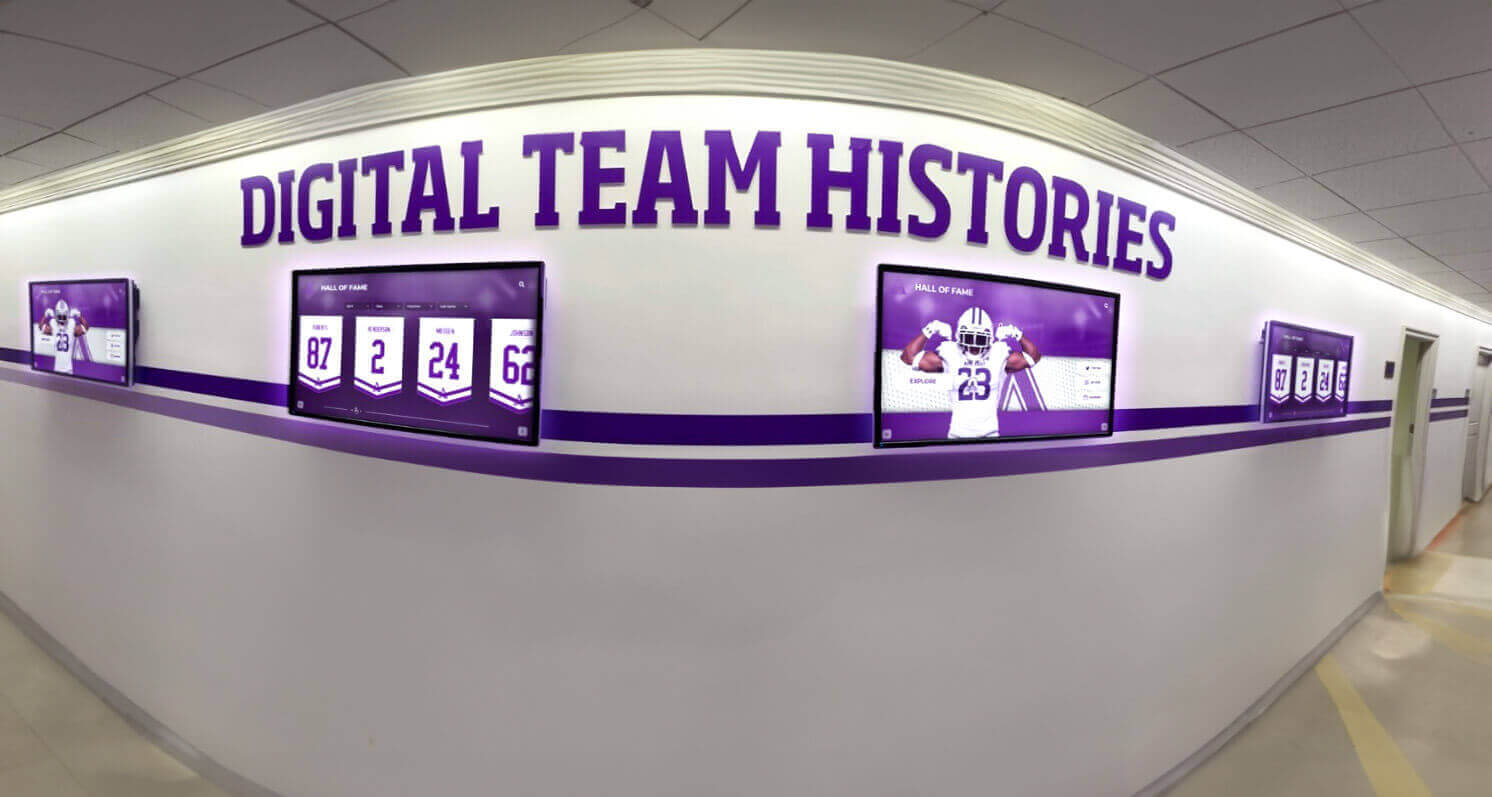
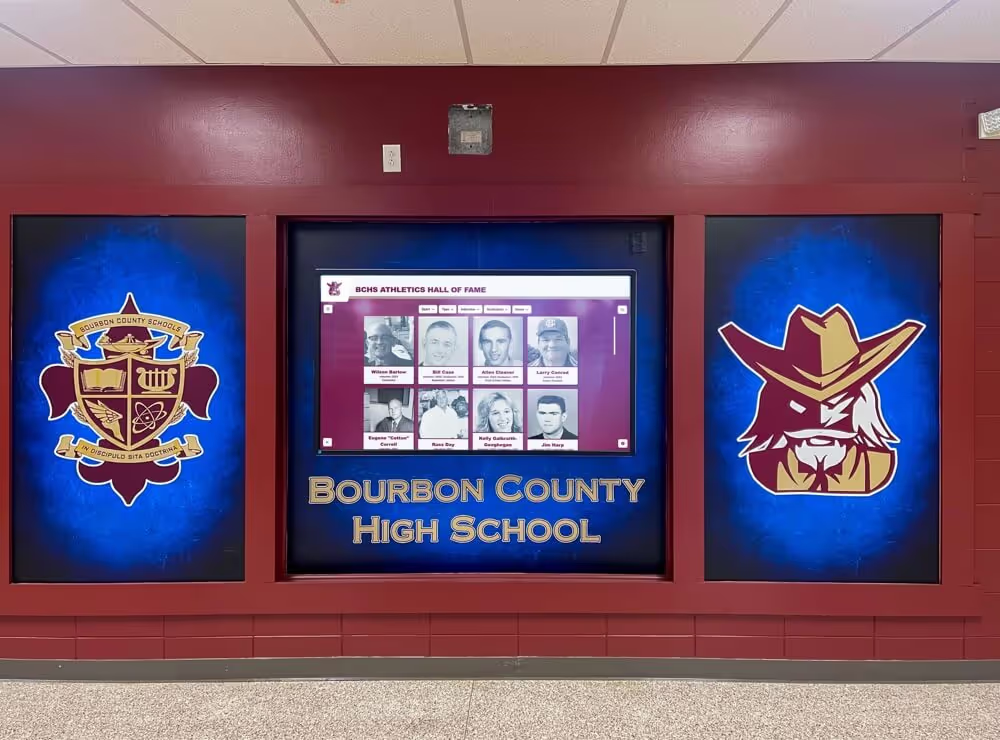
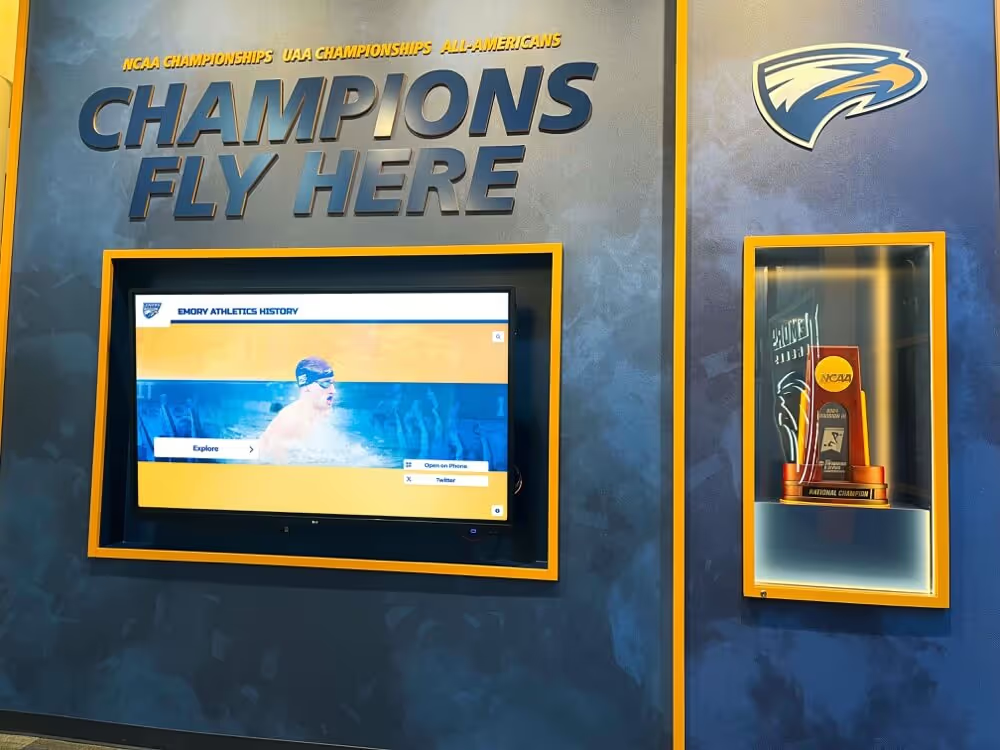
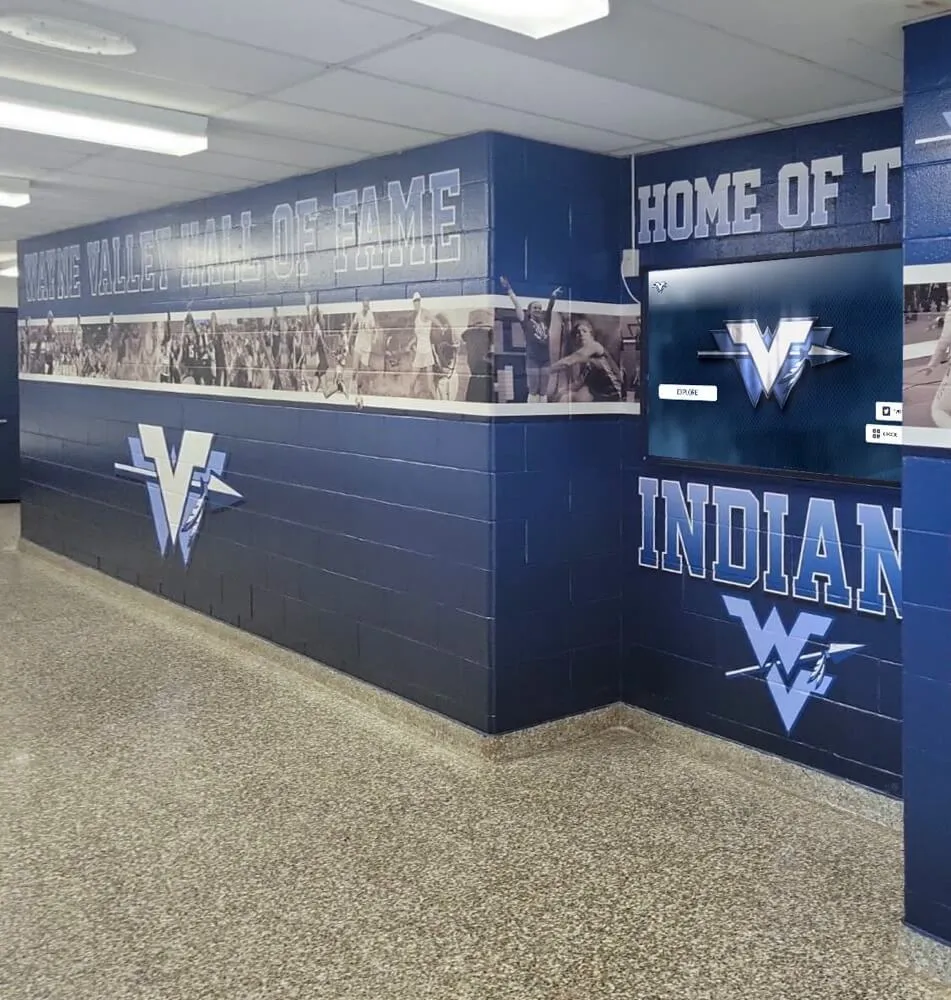
Comprehensive recognition displays can showcase historical performance trends alongside current achievement
Establishing Recognition Thresholds and Categories
Effective sales recognition requires appropriate standards that motivate excellence while acknowledging achievement at multiple levels:
Absolute Performance Recognition
- Top revenue producer by month, quarter, or year
- Highest quota attainment percentages
- Most new customers acquired
- Largest individual transactions closed
- Fastest deals from prospect to close
Relative Achievement Recognition Progressive recognition levels create multiple achievement goals:
- Rising Star: New team members exceeding early targets
- Consistent Performer: Meeting quota for consecutive periods
- High Achiever: Exceeding quota by 110-125%
- Elite Producer: Exceeding quota by 125-150%
- Top Performer: Exceeding quota by 150%+
These tiers align with common sales organization structures. According to best practices for sales leaderboards, tracking multiple metrics gives more opportunities for recognition across your sales force rather than showcasing the same representatives every time.
Improvement and Growth Recognition Recognition systems should celebrate development:
- Most improved sales performance period-over-period
- Biggest pipeline growth month-over-month
- Skill development in specific sales areas
- Customer satisfaction improvement scores
- Product knowledge and certification achievement
Learn more about comprehensive approaches in employee recognition programs that can be adapted for sales team contexts.
Sales Recognition Display Components and Design
Effective sales performance displays require thoughtful design integrating multiple information elements that tell complete stories about team and individual achievement.
Essential Information Elements
Current Performance Rankings The core leaderboard component should include:
- Salesperson name and territory designation
- Current period revenue or key metric
- Quota attainment percentage
- Ranking position among team members
- Visual indicators showing recognition tier achievement
Historical Context and Trends Context helps salespeople understand performance trajectories:
- Previous period performance for comparison
- Multi-quarter trends showing improvement or decline
- All-time company records and historical bests
- Year-to-date cumulative performance
- Milestone achievements and notable accomplishments
Team Aggregate Performance Individual recognition should connect to collective success:
- Total team revenue and quota attainment
- Department or regional performance comparisons
- Company-wide ranking among multiple teams
- Progress toward organizational objectives
- Collective milestone celebrations
Visual Design Considerations
Clarity and Readability Effective displays prioritize information accessibility:
- Font sizes readable from typical viewing distances
- Color schemes providing sufficient contrast
- Consistent data presentation across update cycles
- Visual hierarchy emphasizing most important information
- Clean layouts avoiding overwhelming information density
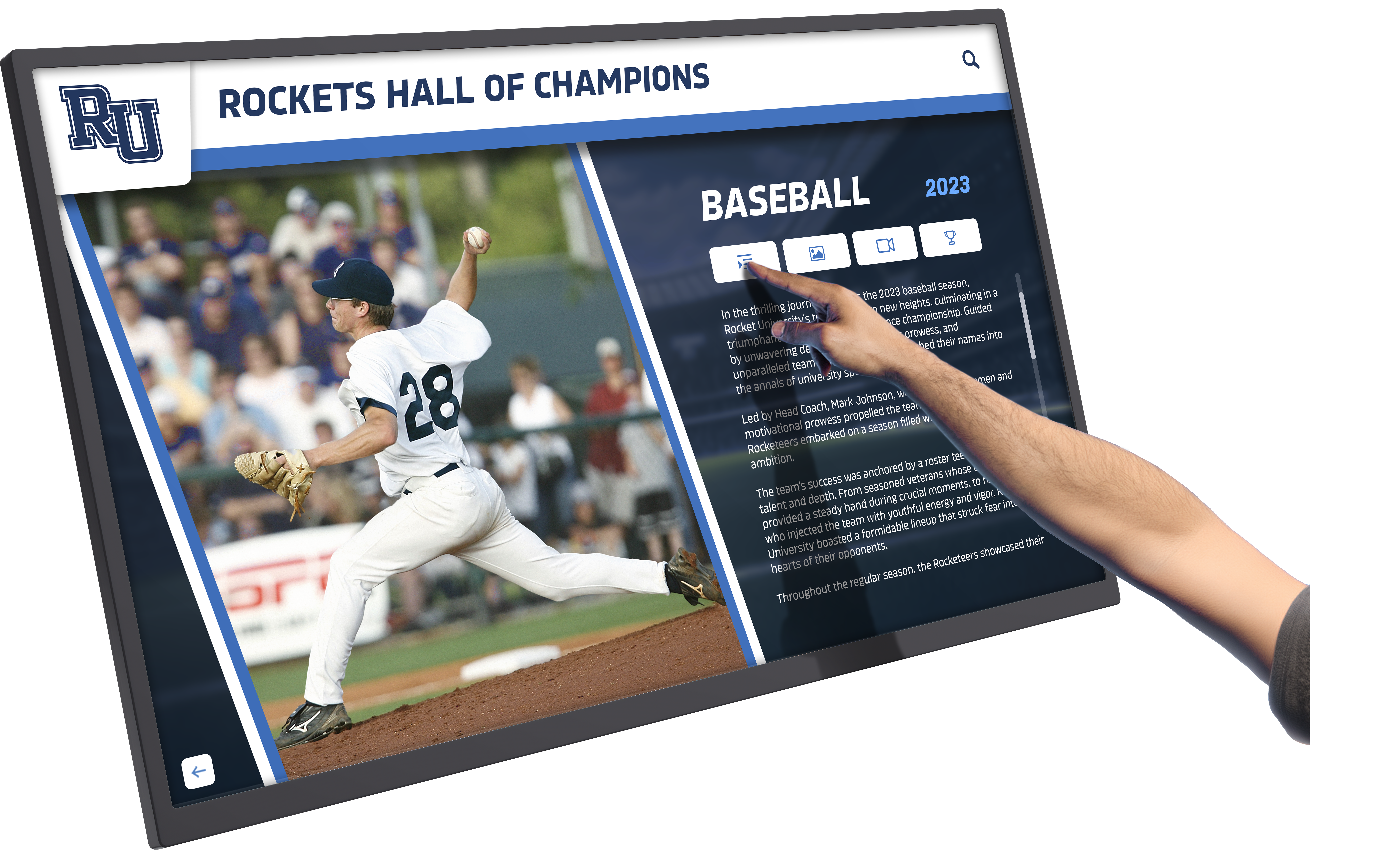
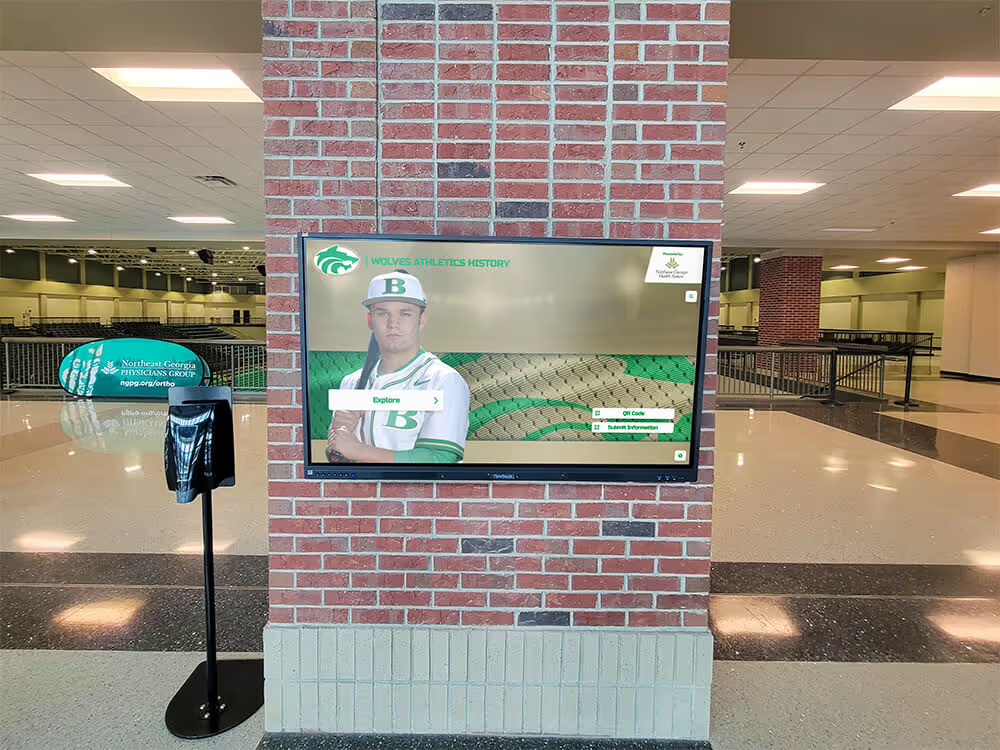
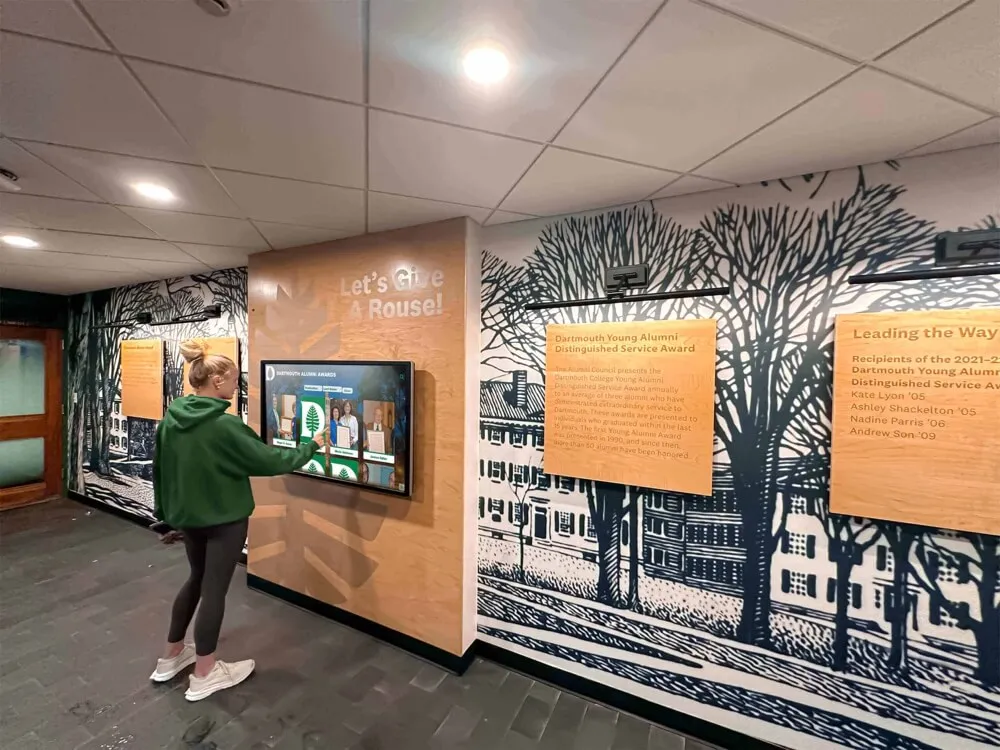
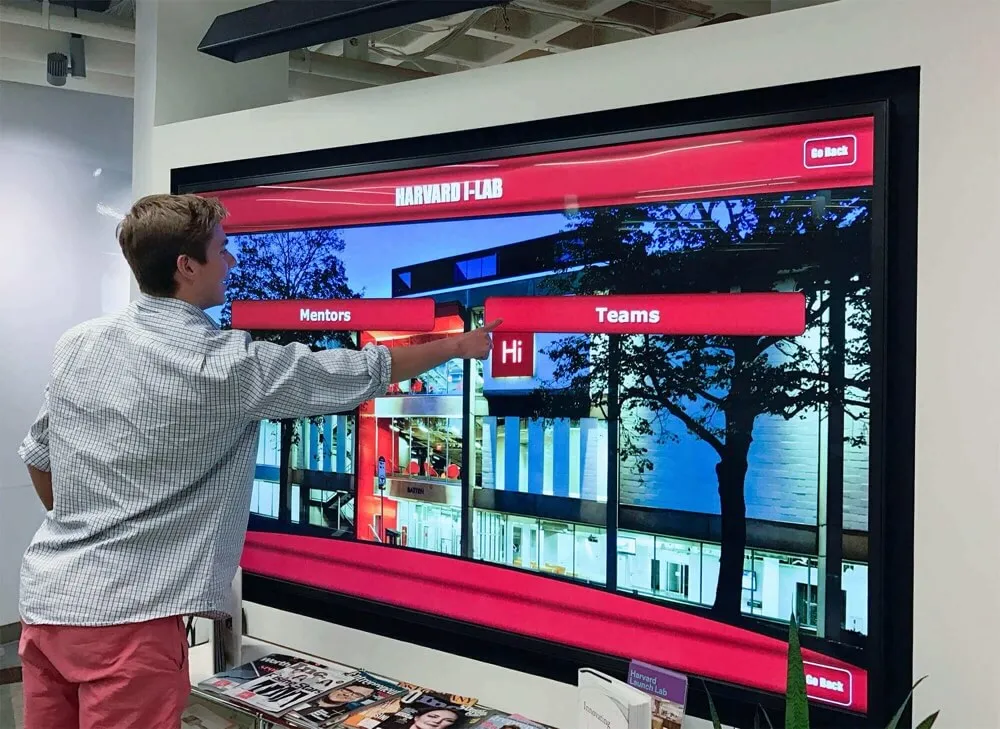
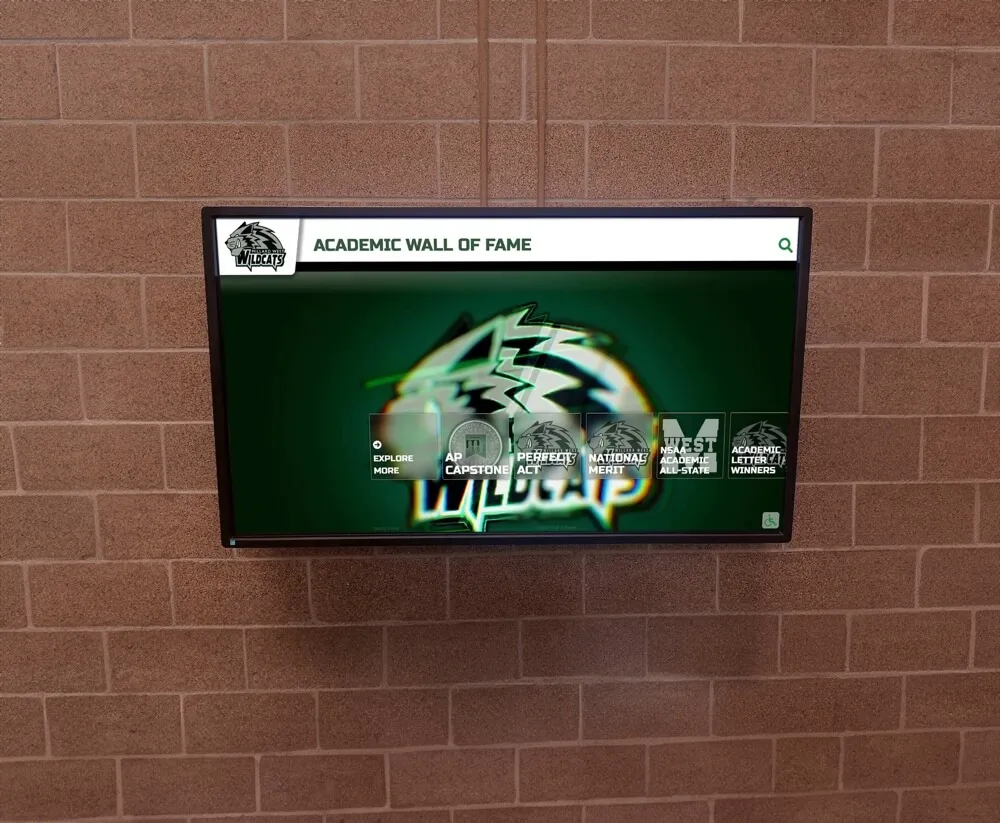
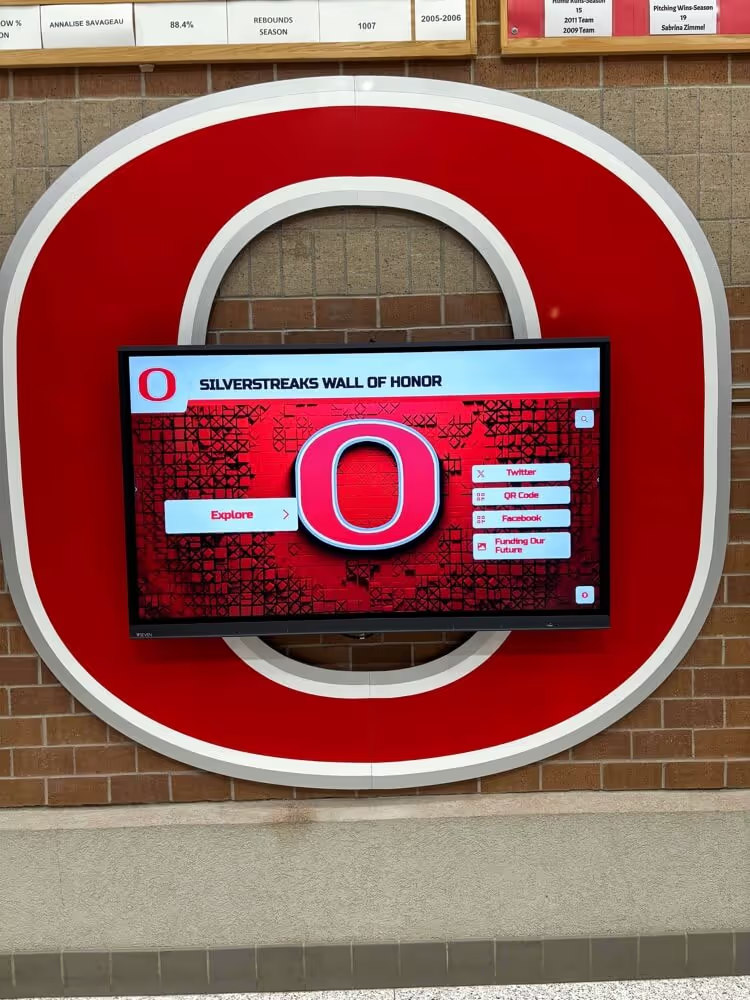
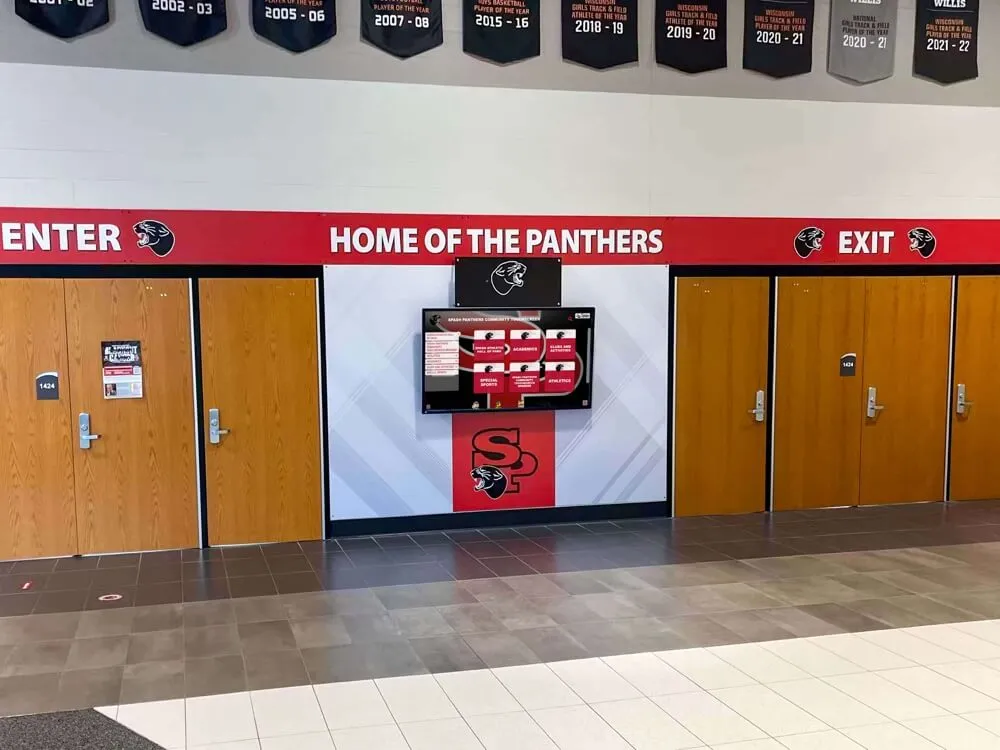
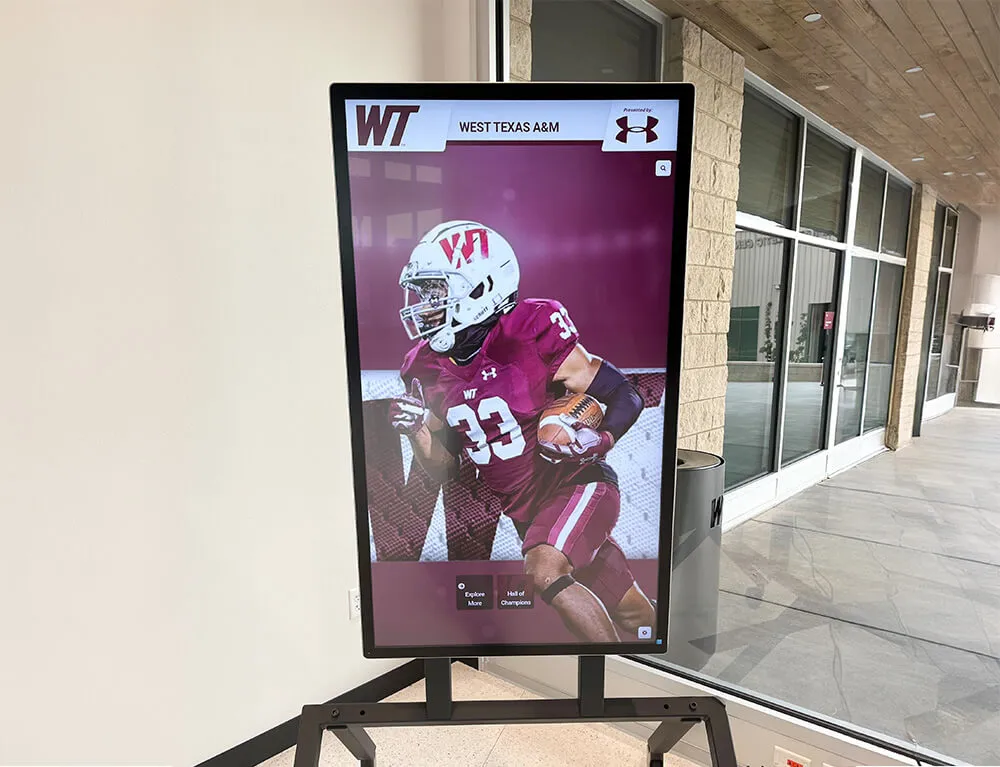
Interactive displays enable detailed exploration of performance data beyond simple leaderboard rankings
Motivational Design Elements Design choices influence motivational impact:
- Positive framing celebrating achievement rather than shaming low performers
- Progressive badges or icons salespeople can earn
- Visual indicators of improvement even when ranking doesn’t change
- Highlight features for exceptional achievement
- Inspirational quotes or messages reinforcing sales excellence
Brand Integration Displays should align with company identity:
- Corporate colors and branding elements
- Logo integration when appropriate
- Consistency with other company communication materials
- Professional appearance reflecting organizational standards
- Integration with digital signage throughout facilities
Similar to digital recognition touchscreen displays, sales performance leaderboards benefit from thoughtful visual design that engages viewers while communicating clearly.
Implementation Strategies for Sales Recognition Systems
Successfully implementing sales performance displays requires systematic planning addressing technical, cultural, and operational considerations.
Technology Platform Selection
Digital Signage Solutions Modern sales recognition displays typically utilize digital signage platforms offering several advantages:
Cloud-Based Management Systems
- Remote content updates from any internet-connected device
- Automated data integration from CRM and sales management systems
- Real-time updates reflecting current performance instantly
- Template systems simplifying consistent formatting
- Role-based access enabling appropriate permissions
A 2022 Harvard Business Review case study showed that retail branches using shared visual dashboards achieved 19% higher month-over-month sales growth compared to those relying solely on email reports.
Display Hardware Options Physical display considerations impact implementation:
- Screen size appropriate for viewing distance and location
- Portrait vs. landscape orientation based on content
- Touchscreen capabilities enabling detailed data exploration
- Multiple display coordination for larger offices
- Integration with existing AV infrastructure
Data Integration Capabilities Sophisticated systems can integrate with existing data sources:
- CRM platform connections for automatic performance updates
- Sales management software integration
- Reporting system data feeds
- Manual entry options when automatic integration unavailable
- API connectivity for custom implementations
Solutions like Rocket Alumni Solutions provide platforms specifically designed for recognition displays that can accommodate sales performance tracking alongside other organizational achievements, creating comprehensive systems celebrating all aspects of business success.
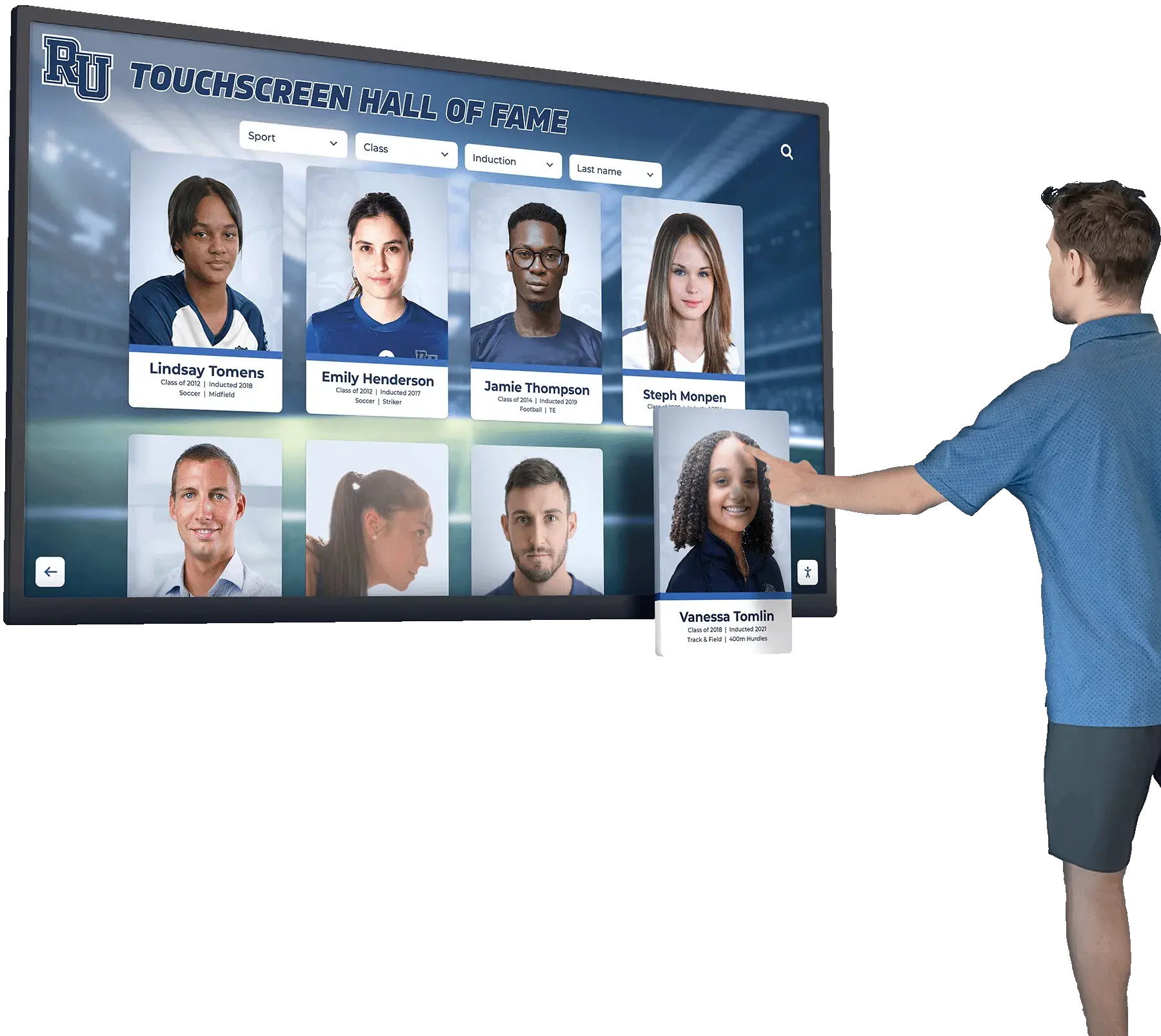
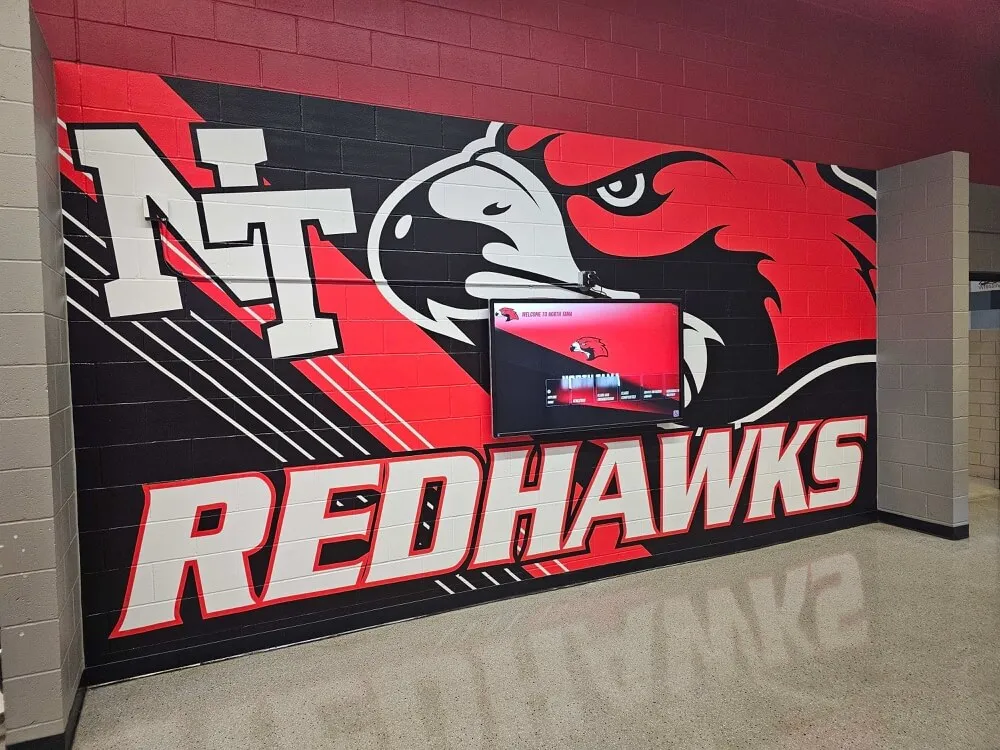
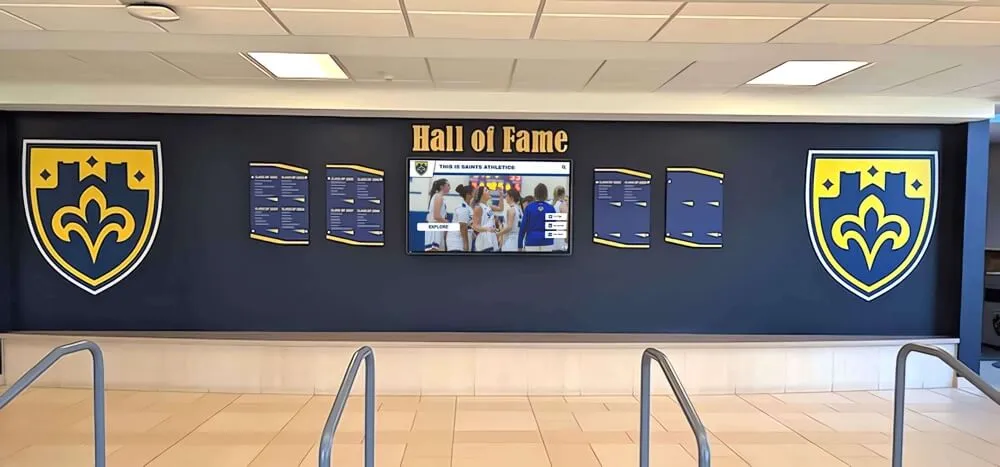
Professional recognition systems enable detailed exploration of performance data with intuitive touchscreen interfaces
Strategic Placement Considerations
Location significantly impacts display effectiveness and message reinforcement:
High-Traffic Common Areas
- Office entrances and reception areas
- Break rooms and cafeteria spaces
- Hallways connecting departments
- Conference rooms and meeting spaces
- Open office collaboration zones
Sales-Specific Locations Placing displays in sales areas reinforces focus:
- Sales floor or bullpen central locations
- Individual office hallways in distributed teams
- Sales meeting rooms and training facilities
- Manager offices for coaching discussions
- Virtual display options for remote teams
Multi-Display Networks Comprehensive approaches use coordinated displays:
- Consistent information across multiple office locations
- Regional offices showing both local and national performance
- Coordinated updates ensuring information consistency
- Department-specific displays in specialized areas
- Company-wide displays in central corporate locations
Learn about effective placement strategies in digital recognition display guides that apply to sales recognition contexts.
Data Management and Update Protocols
Sustainable sales recognition displays require systematic data management processes:
Update Frequency Standards Establish clear update schedules aligned with sales cycles:
- Real-time updates for daily performance tracking
- Daily end-of-day updates showing current standings
- Weekly recognition for period achievements
- Monthly celebration of quota attainment and awards
- Quarterly and annual performance recognition
According to Accenture’s 2025 Visual Intelligence Forecast, global adoption of AI-driven and hybrid signage dashboards will grow 48% year-over-year, primarily in sales, healthcare, and logistics sectors.
Accuracy and Privacy Protocols Performance information requires careful handling:
- Verification procedures ensuring accuracy before publication
- Data privacy compliance with employment regulations
- Individual salesperson consent for public recognition when required
- Correction procedures for identified errors
- Sensitivity to compensation privacy concerns
Responsibility Assignment Clear ownership ensures consistent maintenance:
- Primary responsibility holder (sales ops, marketing, HR)
- Backup personnel ensuring coverage during absences
- Technical support contacts for system issues
- Approval workflows for published content
- Documentation of procedures for staff transitions
Motivating Sales Performance Through Recognition
Sales recognition displays create motivational effects beyond simple display of achievement data when designed and implemented strategically.
Creating Positive Competition
Healthy Competitive Dynamics Leaderboard formats naturally create competitive motivation:
- Salespeople striving to improve ranking positions
- Territory-based competitions comparing regional performance
- Product or service line competitions across specializations
- Team competitions between departments or divisions
- Individual goal pursuit for personal achievement recognition
This competition proves most effective when framed positively, celebrating improvement and achievement rather than creating anxiety about rankings. According to sales motivation research, recognition should emphasize that multiple achievement levels deserve acknowledgment, with rankings providing additional motivation for those already performing well.
Individual and Team Accountability Systems
Personal Performance Visibility Recognition displays create individual accountability:
- Personal performance directly visible to peers and management
- Individual contribution to team targets clear and measurable
- Progress toward personal goals tracked publicly
- Achievement milestones celebrated as reached
- Performance gaps identified early enabling coaching
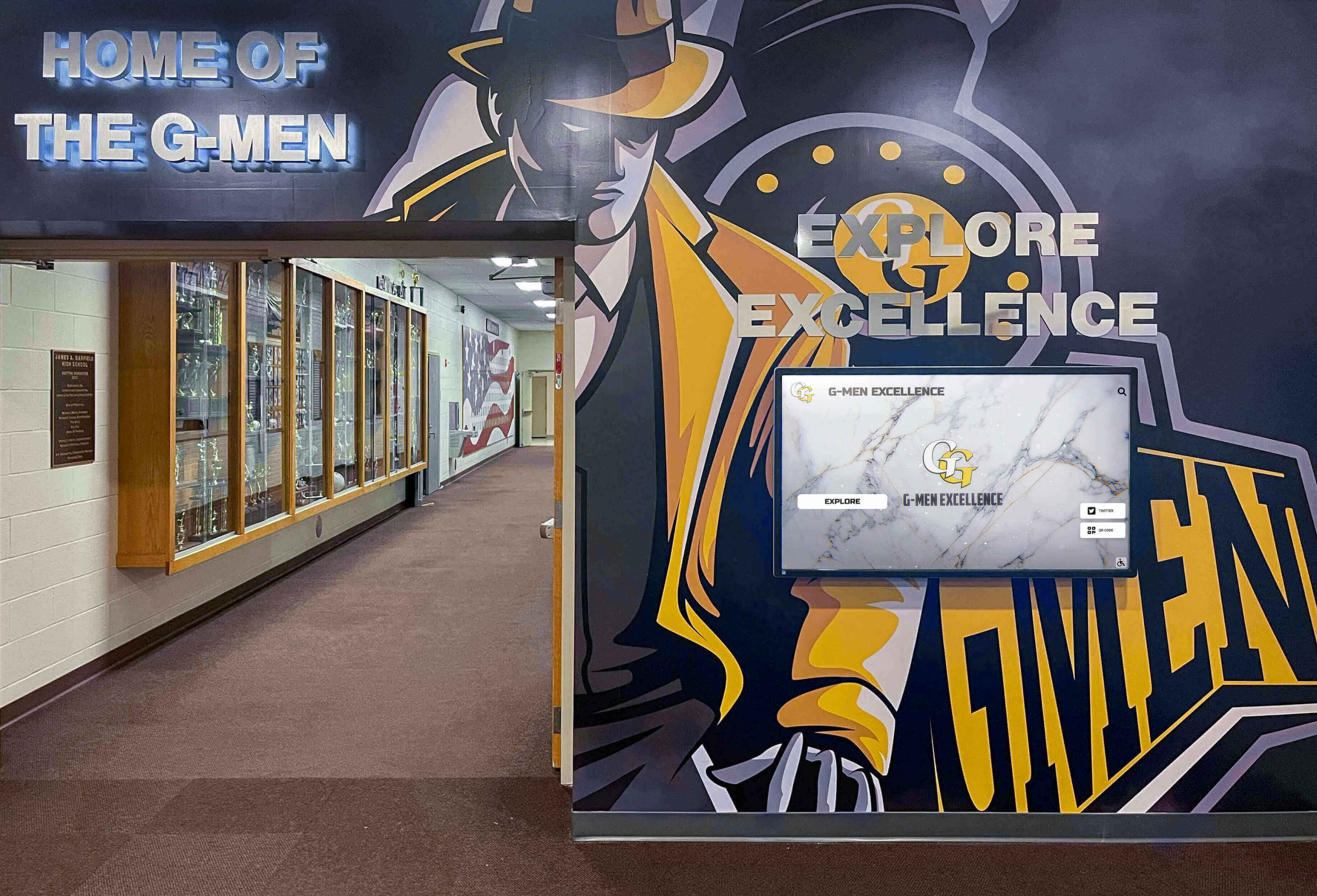
Comprehensive recognition systems integrate multiple achievement dimensions creating complete celebration of excellence
Management Integration Sales leaders play essential roles in leveraging recognition for motivation:
- Setting clear performance goals and recognition standards
- Regularly reviewing team standing with sales team
- Celebrating improvements and achievements in meetings
- Integrating performance expectations into coaching
- Recognizing achievement alongside compensation discussions
Similar to how performance recognition systems motivate collective performance, sales displays create powerful individual motivation.
Recognition Beyond the Leaderboard
Effective programs extend recognition beyond digital displays:
Supplementary Recognition Activities
- Award ceremonies celebrating top performers monthly or quarterly
- Special recognition at company events and meetings
- Social media posts highlighting sales achievements
- Newsletter and intranet features profiling excellence
- Executive recognition events for highest achievers
Tangible Recognition Elements Physical acknowledgment supplements digital displays:
- Performance awards and trophies for achievement periods
- Recognition plaques for sustained excellence
- Certificates acknowledging milestone achievements
- Branded merchandise for top performers
- Incentive trips and experiences for elite performance
Long-Term Legacy Recognition Historical recognition creates lasting motivation:
- Hall of fame inclusion for exceptional career achievement
- Record boards tracking all-time performance highs
- Historical performance documentation by year or decade
- Retired employee profiles highlighting career success
- Permanent displays honoring sustained excellence
Explore comprehensive recognition approaches in employee recognition programs that can integrate sales performance celebration.
Best Practices for Effective Sales Leaderboards
Research and practical experience reveal specific approaches that maximize recognition effectiveness while avoiding common pitfalls.
Include Multiple Recognition Categories
Diverse Metric Tracking Best practices recommend tracking multiple metrics to ensure broader recognition opportunities:
- Revenue leaders for total sales achievement
- Volume leaders for deals closed
- Efficiency leaders for highest win rates
- Growth leaders for biggest improvements
- Activity leaders for pipeline development
This multi-metric approach prevents the same top performers from dominating every recognition category while providing motivation for salespeople with different strengths.
Behavioral and Process Recognition Include behavioral KPIs alongside results:
- CRM data quality and maintenance
- Customer relationship building activities
- Team collaboration and knowledge sharing
- Professional development and training completion
- Innovation in sales approaches and techniques
Recognizing behaviors that lead to results motivates consistent execution of best practices even before outcomes materialize.
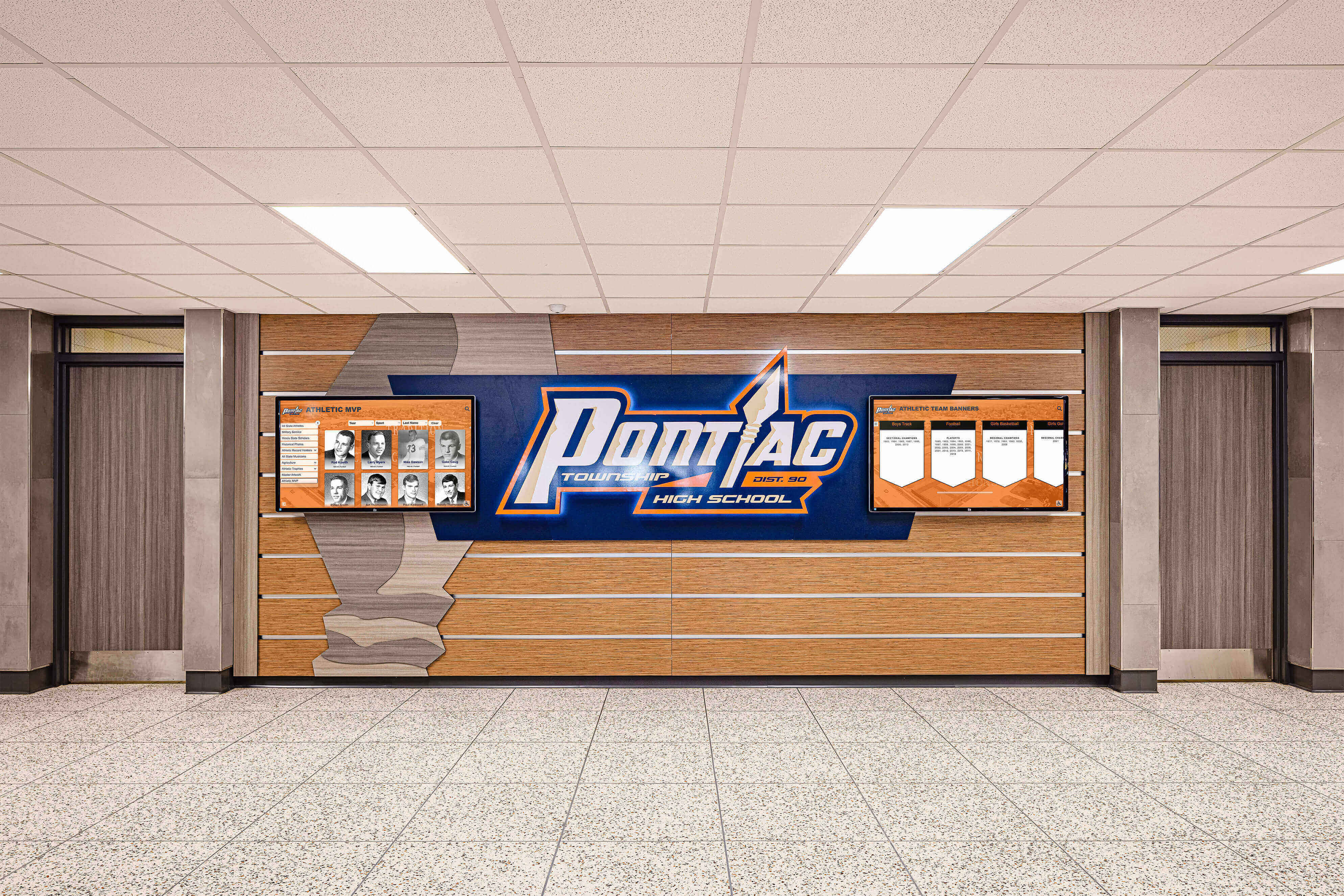
Multiple recognition categories ensure diverse salespeople receive acknowledgment for different strengths and achievements
Design for Multiple Winners
Inclusive Recognition Structure Sales incentives should allow multiple people to receive recognition:
- Achievement tiers enabling multiple winners per category
- Rotating recognition ensuring different people featured over time
- Team and individual categories providing dual recognition opportunities
- Milestone celebrations acknowledging progress toward goals
- Improvement recognition celebrating growth from any starting point
According to employee motivation research, organizations should ensure not only top performers receive rewards but also emerging talent by setting achievable milestones and offering a range of recognition opportunities.
Foster Collaboration Alongside Competition
Team-Based Recognition Balance individual competition with collective achievement:
- Team quota attainment celebrated equally with individual performance
- Collaborative deal recognition when multiple people contribute
- Peer nomination categories for helpful team members
- Shared success celebrations when teams hit collective targets
- Cross-functional recognition involving sales support roles
Research demonstrates that leaderboards in sales gamification can encourage teamwork by recognizing collective performance, as sales doesn’t have to be purely individual competition.
Celebrate Progress and Improvement
Growth-Focused Recognition Transform leaderboards into tools for development:
- Most improved performer categories
- Progress toward quota recognition even when not at top
- Milestone achievement celebration at various performance levels
- Skill development recognition for capability building
- Comeback stories celebrating recovery from performance challenges
Celebrating milestones like “most improved” or “best new closer” transforms leaderboards from symbols of failure for those not at top into tools for growth, recognizing progress and encouraging continuous improvement according to recognition program experts.
Addressing Potential Recognition Challenges
Sales recognition display implementation requires addressing legitimate concerns and potential unintended consequences.
Avoiding Demotivation Among Lower Performers
Balanced Recognition Design Public recognition requires balancing motivation with avoiding stigmatization:
- Emphasis on improvement and growth rather than absolute standings
- Recognition for meeting standards regardless of top ranking
- Private coaching and support for consistently low performers
- Positive framing focusing on celebrating achievement
- Multiple recognition categories ensuring success opportunities
For some organizations, leaderboard systems have fostered more competition than collaboration, with those who didn’t make the top of the board feeling less motivated, according to workplace psychology research.
Ensuring Fairness Across Different Roles
Accounting for Role-Specific Differences Different sales roles face varying challenges:
- Territory size and market potential variations
- Product complexity and sales cycle differences
- Inside sales vs. field sales role distinctions
- New account development vs. account management
- Enterprise sales vs. transactional sales comparisons
Effective recognition systems address these through:
- Role-specific categories and comparisons
- Quota normalization accounting for territory differences
- Separate leaderboards for different sales functions
- Historical baseline comparisons within roles
- Context notes acknowledging role-specific challenges
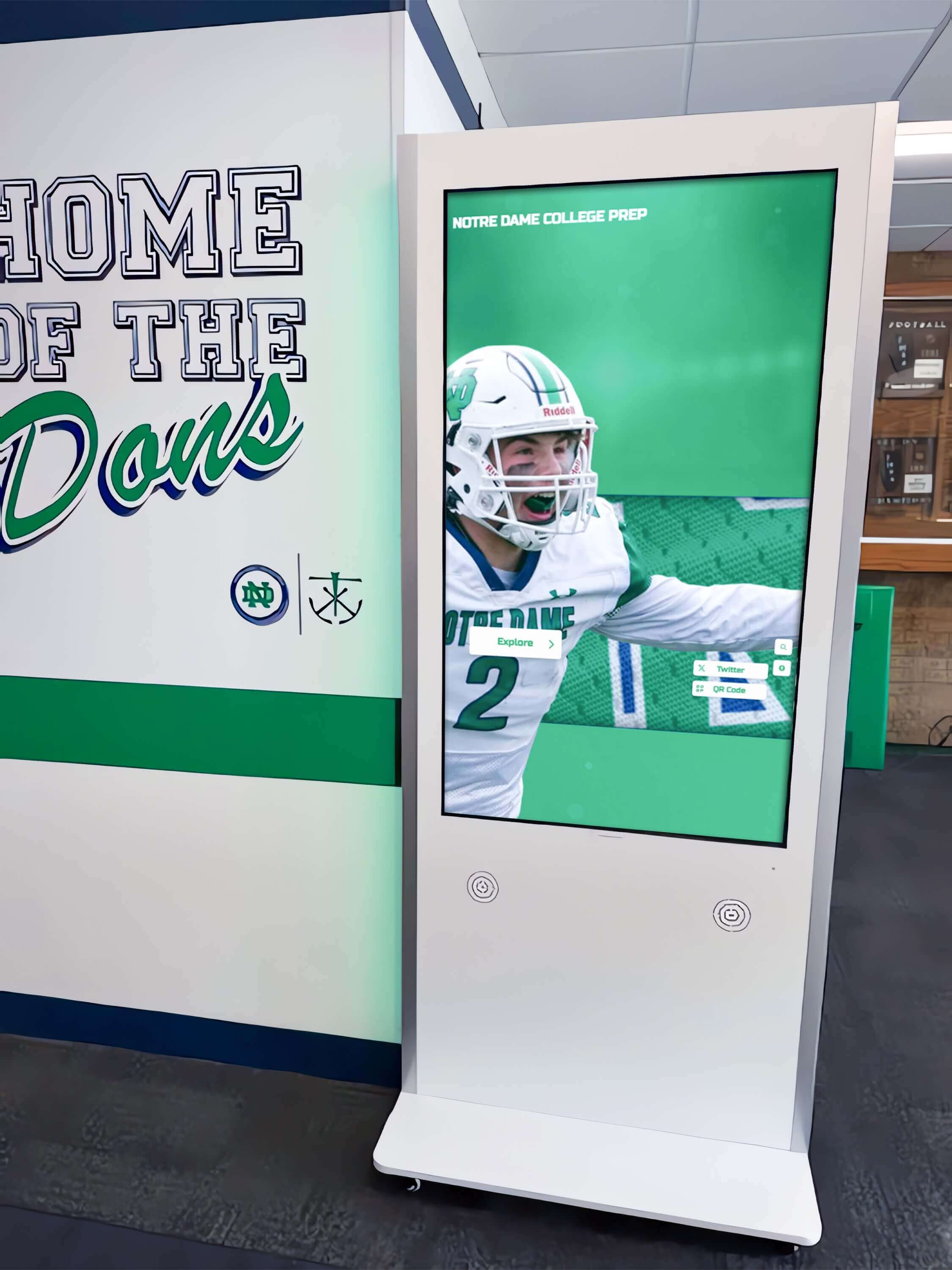
Advanced recognition systems accommodate multiple categories and role-specific achievements ensuring fair recognition across diverse positions
Managing Data Accuracy and Timing
Maintaining Current Information Displays showing outdated or incorrect information undermine credibility:
- Automated data feeds eliminating manual entry errors
- Clear “as of” dating for all displayed data
- Systematic verification procedures before publication
- Rapid correction processes for identified errors
- Communication of update schedules to team
Similar challenges addressed in performance tracking systems apply to sales recognition displays.
Technology Trends Shaping Sales Recognition
Emerging technologies and evolving business priorities will shape sales recognition display evolution.
AI-Driven Predictive Analytics
Advanced Performance Intelligence Future systems incorporate artificial intelligence:
- Predictive modeling forecasting quarter-end performance
- Early warning systems identifying risk of missing targets
- Pattern recognition showing which behaviors correlate with success
- Personalized coaching recommendations based on data analysis
- Automated milestone recognition triggering celebrations
According to 2025 technology forecasts, the next wave of digital sales boards is defined by automation, AI analytics, and hybrid data visualization that analyzes sales velocity to forecast outcomes and alert teams before targets drift off course.
Gamification and Interactive Elements
Enhanced Engagement Features Sophisticated recognition platforms include gamification:
- Achievement badges and digital rewards for milestones
- Points systems tracking multiple performance dimensions
- Leaderboard animations and visual celebrations
- Challenge modes encouraging specific behaviors
- Progressive levels creating long-term engagement
Real-Time Integration and Mobile Access
Anytime, Anywhere Performance Visibility Modern systems extend beyond physical displays:
- Mobile apps showing current standings on smartphones
- Browser-based dashboards accessible from any device
- Push notifications celebrating achievements instantly
- Social sharing capabilities for milestone celebrations
- Virtual recognition for distributed and remote teams
Learn about comprehensive recognition technology in digital recognition platforms that can be adapted for sales contexts.
Implementation Roadmap for Sales Recognition Displays
Organizations ready to implement sales recognition displays benefit from systematic approaches ensuring successful launch and sustainability.
Phase 1: Planning and Design (Weeks 1-3)
Stakeholder Engagement
- Sales leadership commitment and goal definition
- Sales team input on recognition criteria and design
- IT department technical consultation
- HR collaboration on privacy and employment considerations
- Budget approval and funding allocation
Requirements Definition
- Recognition objectives and success metrics
- Display content and information elements
- Data sources and integration requirements
- Privacy and compliance requirement documentation
- Timeline and milestone planning
Design Development
- Visual design concepts and mockups
- Metric selection and category definitions
- Recognition tier standards and thresholds
- Historical baseline data collection
- Integration approach with existing systems
Phase 2: Technology Selection and Setup (Weeks 3-6)
Platform Evaluation
- Vendor identification and capability assessment
- Demonstration and proof-of-concept testing
- Reference checking with similar organizations
- Total cost of ownership analysis
- Contract negotiation and agreement
Technical Implementation
- Hardware procurement and installation
- Software configuration and customization
- Data integration development or manual processes
- Staff training on content management
- Testing and quality assurance
Content Development
- Initial performance data compilation
- Template development for ongoing updates
- Visual asset creation including branding elements
- Initial content population
- Stakeholder review and approval
Phase 3: Launch and Optimization (Weeks 6-8+)
Rollout Strategy
- Soft launch for testing and refinement
- Team communication explaining recognition system
- Official launch event and celebration
- Initial recognition ceremony highlighting early leaders
- Feedback collection from sales team
Ongoing Management
- Regular update schedules aligned with sales cycles
- Performance monitoring and system optimization
- Recognition celebrations and award presentations
- Continuous feedback gathering and refinement
- Long-term assessment and evolution
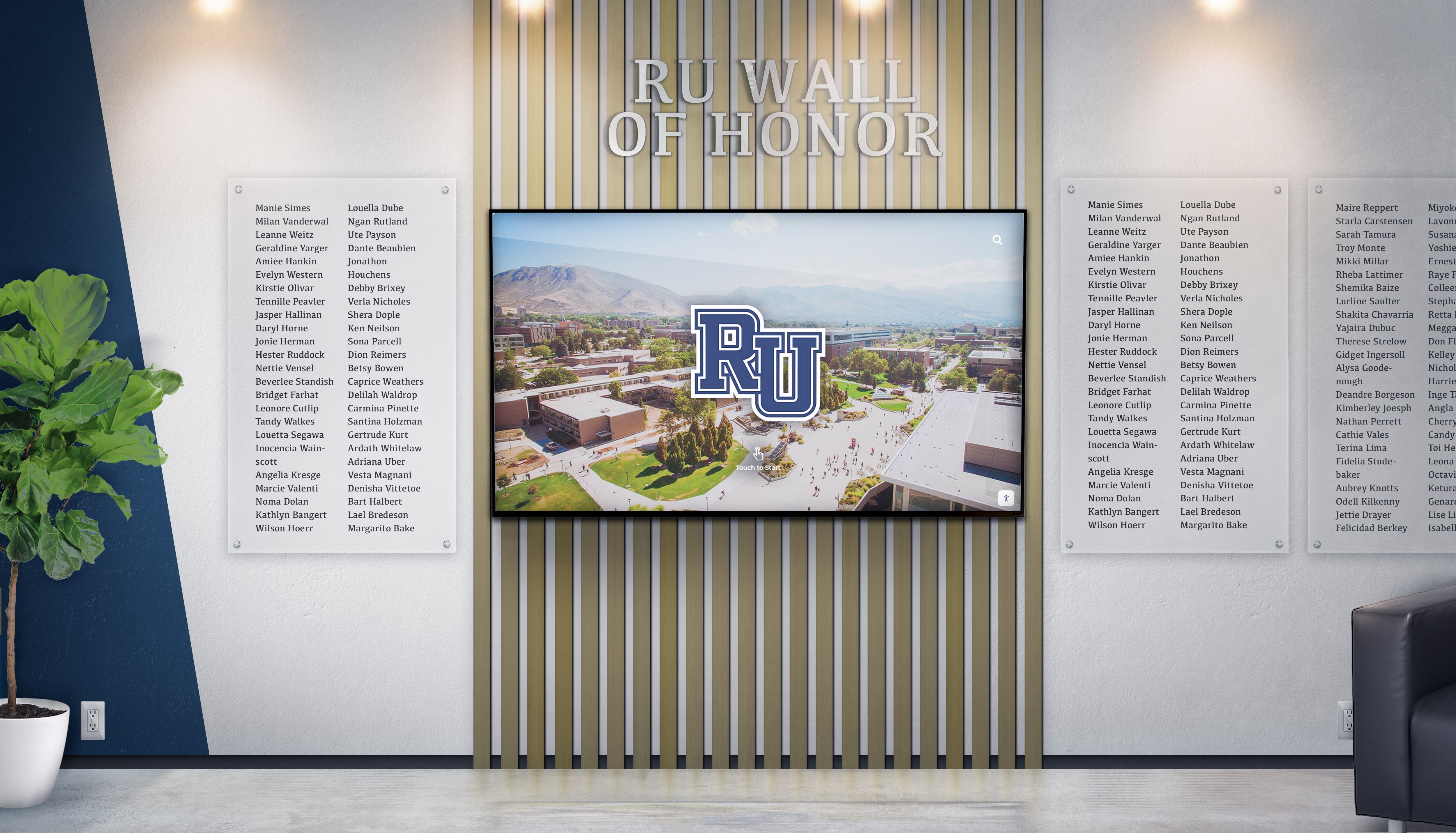
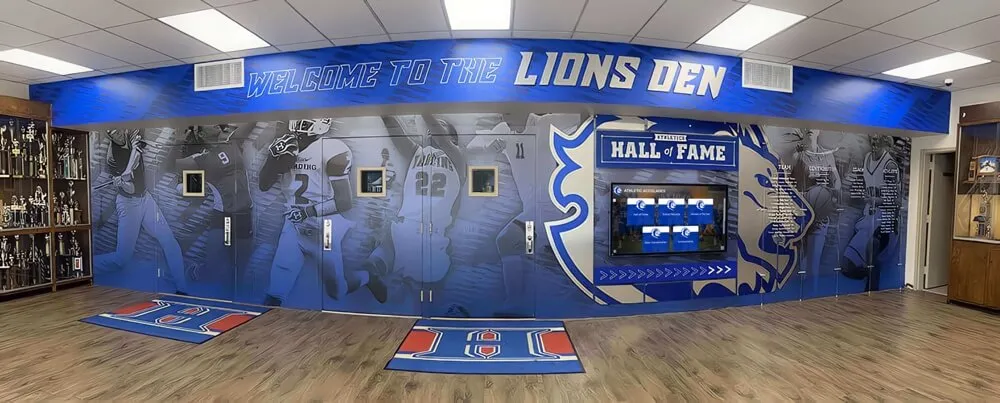
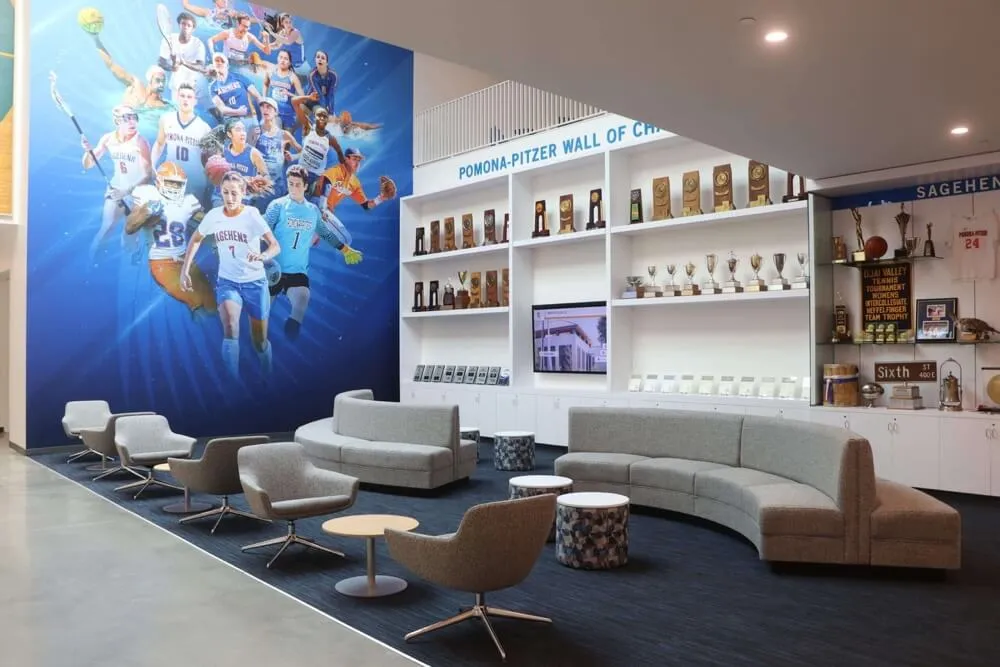
Comprehensive recognition systems combine digital displays with traditional elements creating complete celebration spaces
Measuring Recognition Program Success
Regular assessment ensures sales recognition displays achieve intended goals and justify resource investment.
Quantitative Performance Metrics
Sales Results Correlation
- Revenue growth following recognition implementation
- Quota attainment improvement trends
- Win rate and efficiency metric changes
- Pipeline development velocity improvements
- Customer acquisition and retention rates
Engagement Indicators
- Display interaction frequency and duration
- Recognition content views and shares
- Mobile app usage statistics if applicable
- Recognition ceremony attendance rates
- Social media engagement with recognition content
Employee Impact Measures
- Sales team retention rates, particularly top performers
- Employee satisfaction survey results
- Internal transfer requests into sales roles
- Recruitment pipeline quality and acceptance rates
- Performance review discussions citing recognition
Qualitative Assessment
Team Feedback
- Sales team surveys about recognition program impact
- Individual interviews with top and emerging performers
- Management assessment of motivation and culture changes
- Observation of team dynamics and competitive behaviors
- Anecdotal evidence of recognition influence
Regular assessment enables continuous improvement ensuring recognition programs remain meaningful, fair, and aligned with business objectives.
Conclusion: Building High-Performance Sales Cultures Through Recognition
Top sales performer recognition displays represent strategic investments in team motivation, performance accountability, and organizational culture. When companies systematically celebrate sales excellence through engaging digital formats—showcasing real-time performance, acknowledging achievement at multiple levels, and making success visible throughout the organization—they create environments where high performance becomes normalized, expected, and contagious across entire sales teams.
The strategies explored in this guide provide comprehensive frameworks for implementing recognition systems that honor diverse achievements while remaining sustainable, fair, and aligned with business goals. From digital recognition displays that eliminate manual updates to multi-tiered programs ensuring recognition opportunities across performance levels, these approaches transform sales acknowledgment from occasional token gestures to systematic celebration woven throughout organizational culture.
Transform Your Sales Team Recognition
Discover how comprehensive digital recognition solutions can help you celebrate sales achievements and build a high-performance culture that drives consistent revenue growth.
Explore Recognition SolutionsModern recognition technology enables sales organizations to implement sophisticated performance displays that would have been impractical with traditional whiteboards and manual tracking. Digital platforms overcome update burden that caused recognition to lag achievements, enable real-time celebration maintaining motivation, and create engaging presentations that capture attention while communicating clearly. Interactive capabilities allow detailed exploration beyond simple rankings, telling complete stories about sales journeys and individual contributions to organizational success.
For sales organizations committed to building high-performance cultures, recognition displays serve multiple essential purposes: they honor achievement deserving celebration equal to compensation rewards, motivate continued excellence by making performance visible and valued, demonstrate organizational commitment to recognizing success, and create documentation helping salespeople showcase their accomplishments during career advancement or external opportunities.
Building effective sales recognition begins with commitment from leadership that achievement truly matters and deserves systematic celebration—that recognition represents genuine organizational values rather than superficial gestures. From this foundation, organizations can implement recognition systems starting with essential components then expanding systematically as experience guides refinement. Solutions like Rocket Alumni Solutions simplify this process through customizable recognition platforms that accelerate implementation while ensuring professional results.
Your sales team invests tremendous effort pursuing revenue targets, developing customer relationships, and building business success. They balance persistent prospecting with consultative selling, overcome countless objections, and demonstrate resilience recovering from inevitable losses. This dedication and achievement deserves recognition systems that celebrate excellence—making sales success as visible, valued, and central to company identity as the revenue contributions these performers deliver.
Ready to elevate sales recognition in your organization? Explore employee recognition approaches or learn about comprehensive achievement celebration systems that honor excellence across all organizational dimensions.
Sources
- What Are Digital Sales Boards? Setup, Benefits & Real Examples
- Why a Sales Leaderboard Is the Key to Team Motivation
- 10 Best Practices for Leaderboards in Sales Gamification
- Sales Recognition Programs: How To Encourage And Motivate Your Team
- How To Use A Company Leaderboard To Improve Employee Engagement
- How to Build a Reward System That Motivates Your Sales Team
- Mastering Sales Leaderboards for Effective Results
- How Sales Leaderboards Can Enhance Team Productivity
- Are Sales Leaderboards More Harm Than Good?