A well-structured team update newsletter is one of the most underused tools in a school athletics program. When done right, it keeps families informed, builds booster support, recognizes athletes in real time, and creates a paper trail of records, awards, and milestones that feeds directly into end-of-year yearbook archives and digital recognition displays. Yet most programs either skip newsletters entirely or send sporadic, unstructured emails that miss the recognition and storytelling opportunities these updates could provide.
The challenge isn’t motivation—athletic directors and coaches care deeply about their programs. The challenge is knowing exactly what to include, when to send it, and how to structure each edition so it serves multiple audiences at once: parents who want to know game results, alumni who care about records and history, boosters who want to see their support celebrated, and administrators who need documentation of program achievements.
This guide gives you a reusable framework for every team update newsletter you’ll send across a full athletic year—pre-season through post-season—including a complete section-by-section template, a recommended update cadence, and a practical approach to connecting newsletter content to the digital archives and recognition systems that preserve your program’s story long after each season ends.
School athletics programs generate more recognizable moments in a single season than most organizations produce in a decade—records broken, championships won, seniors honored, coaches celebrated. The team update newsletter is the vehicle that captures those moments in real time and shares them with the community that makes the program possible.

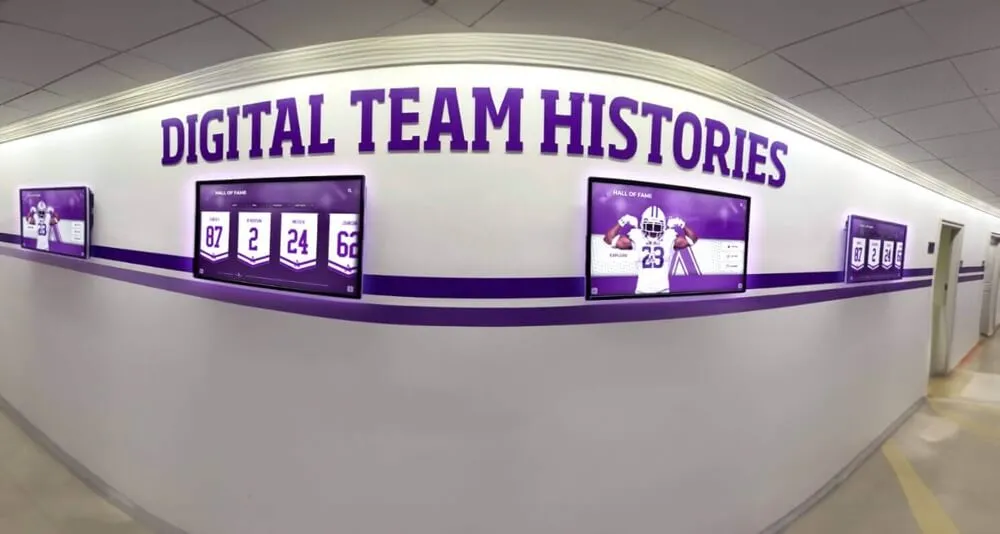
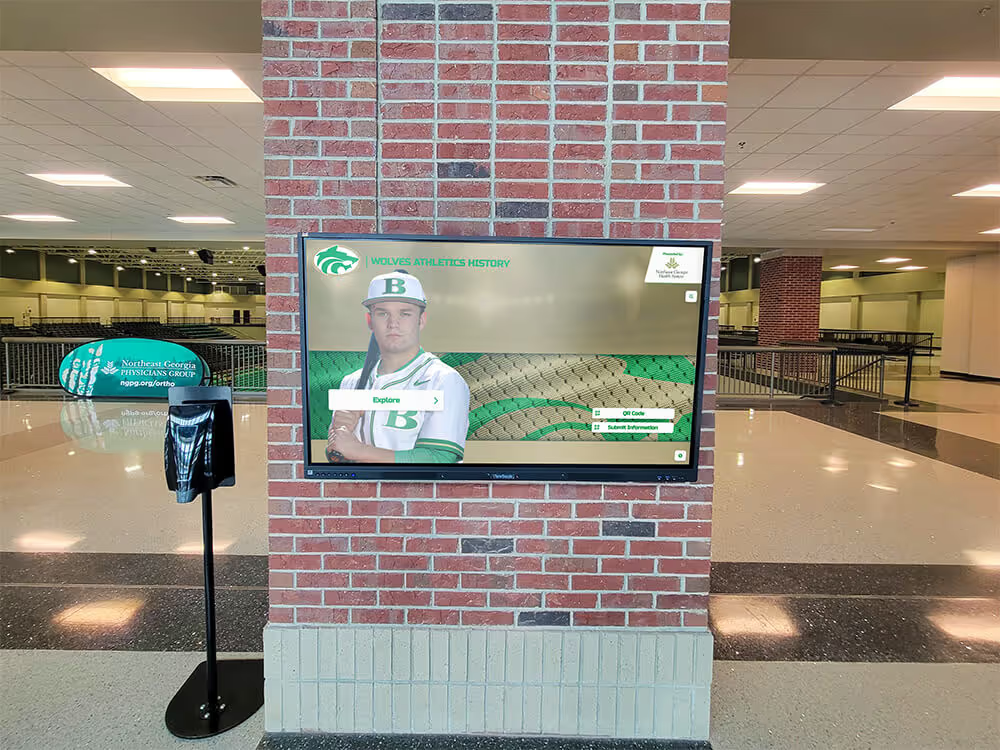
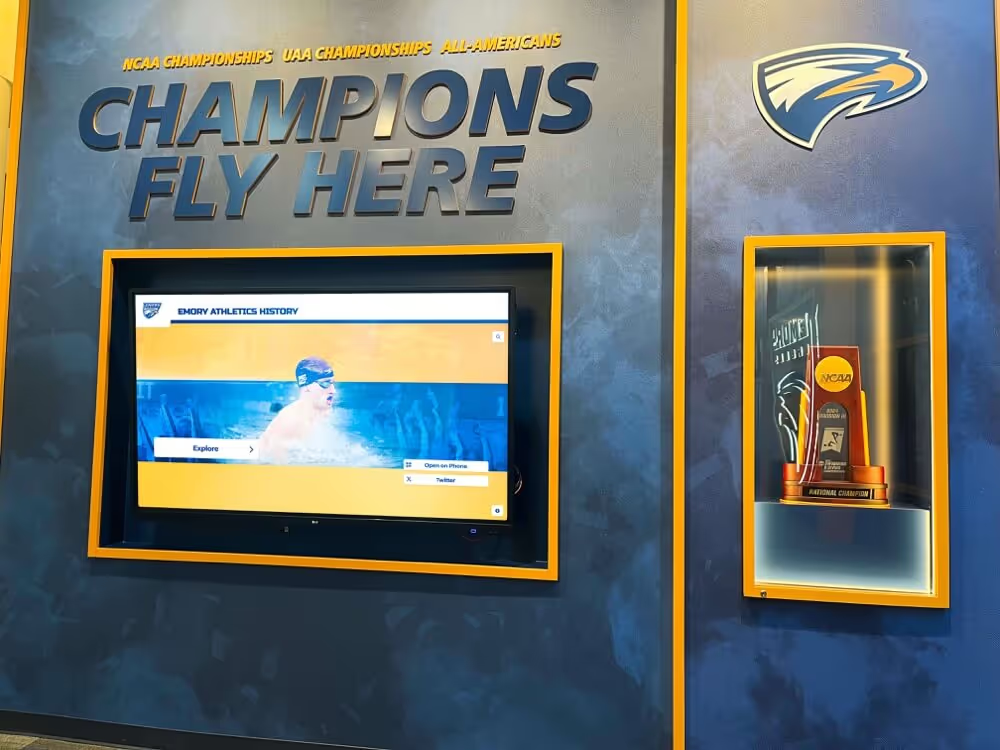
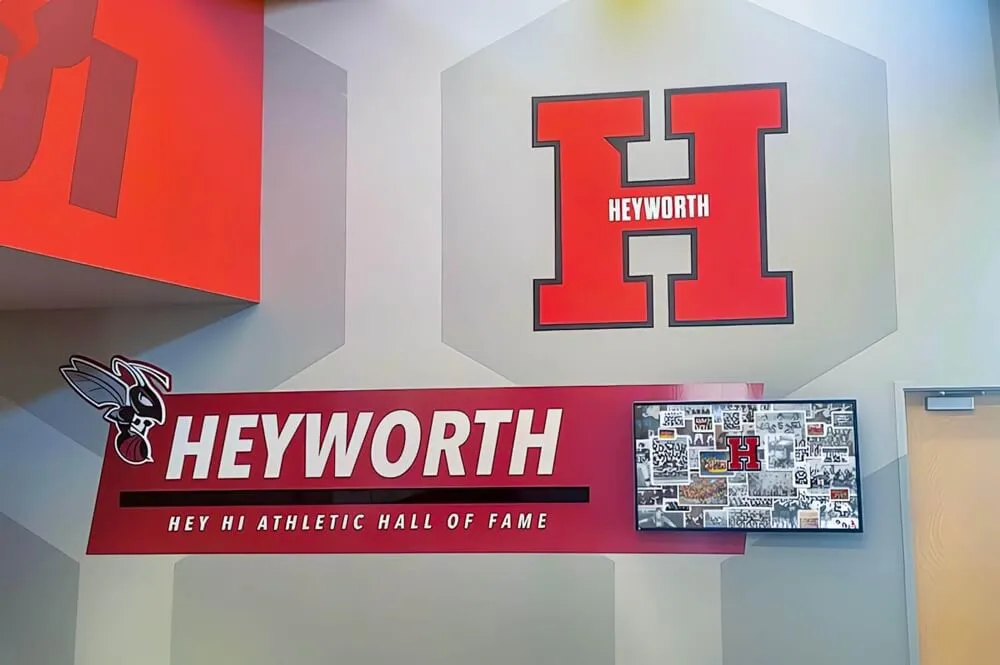
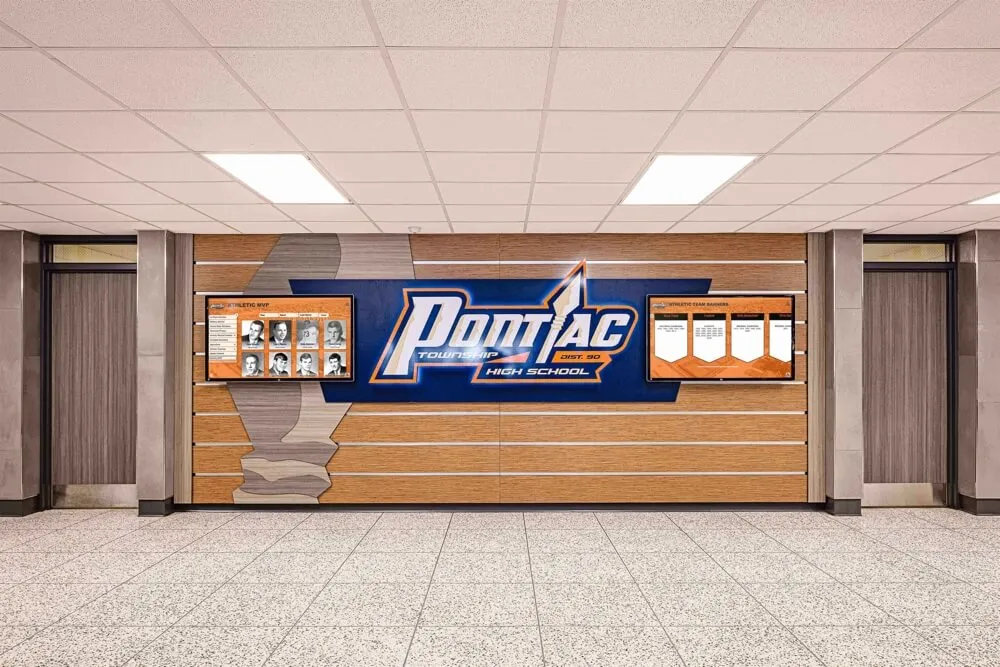
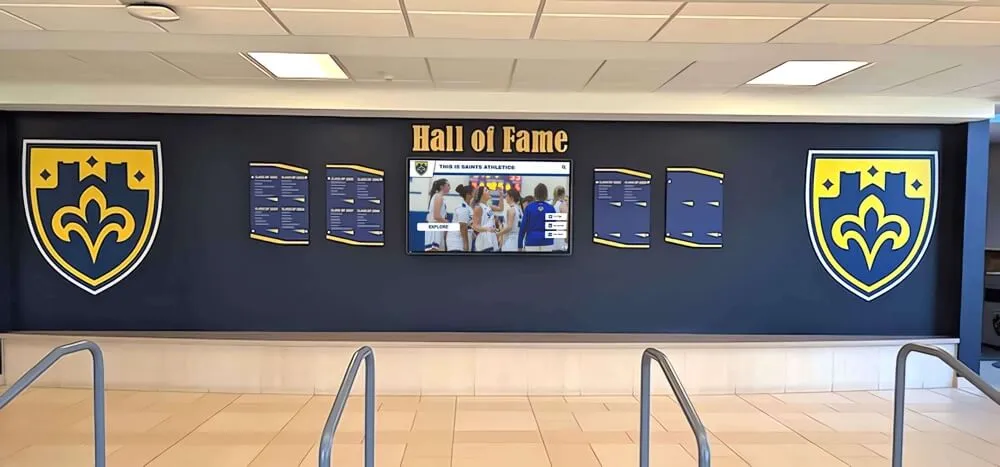
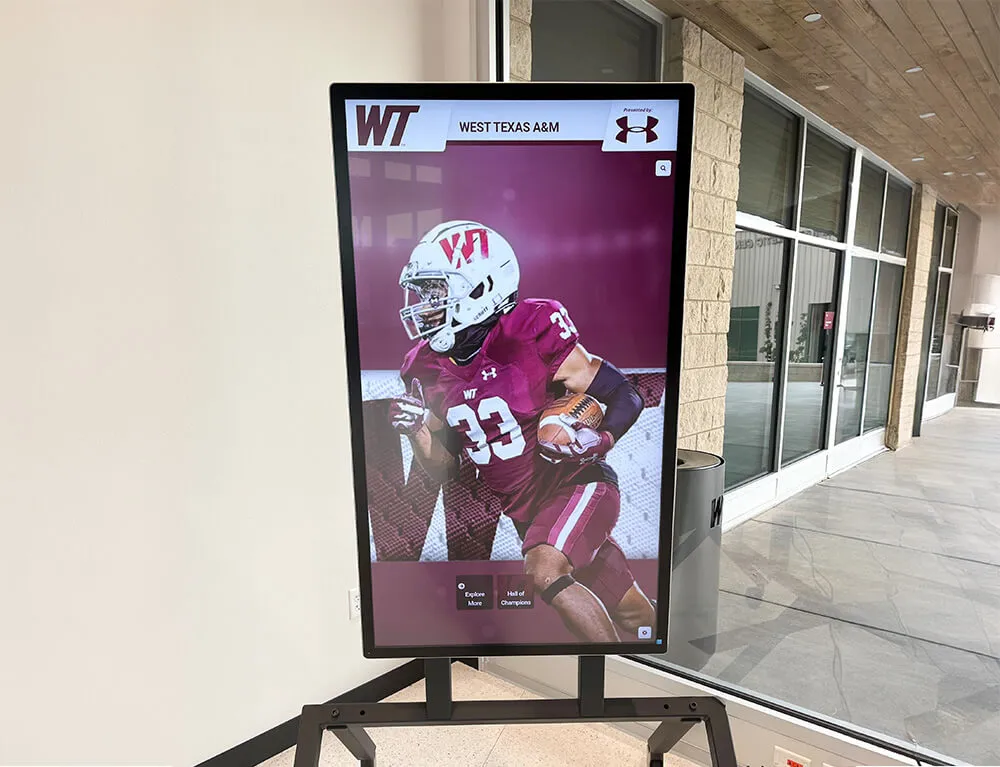
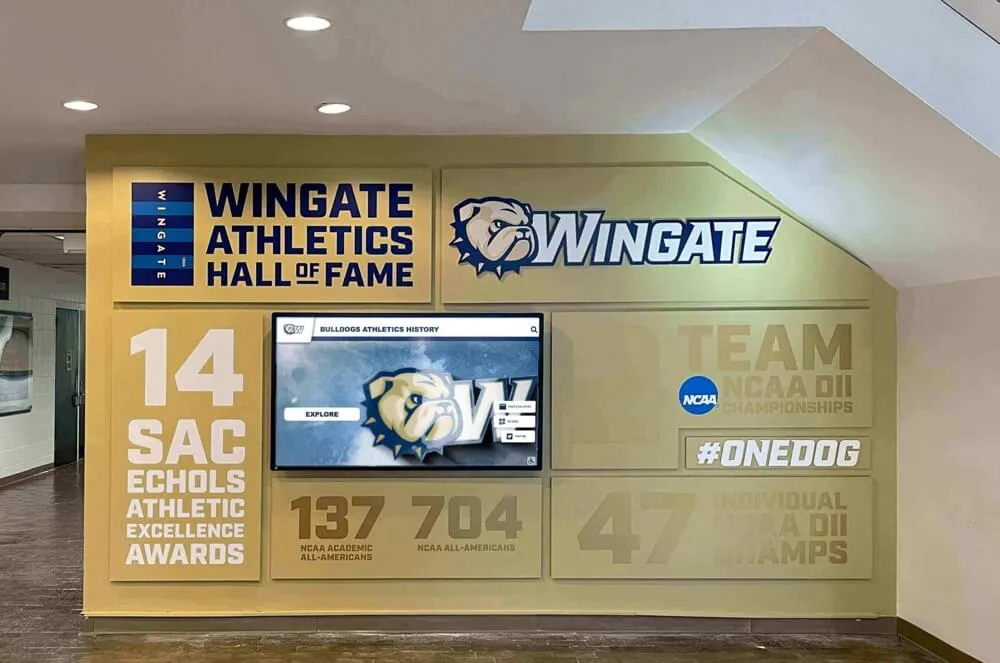
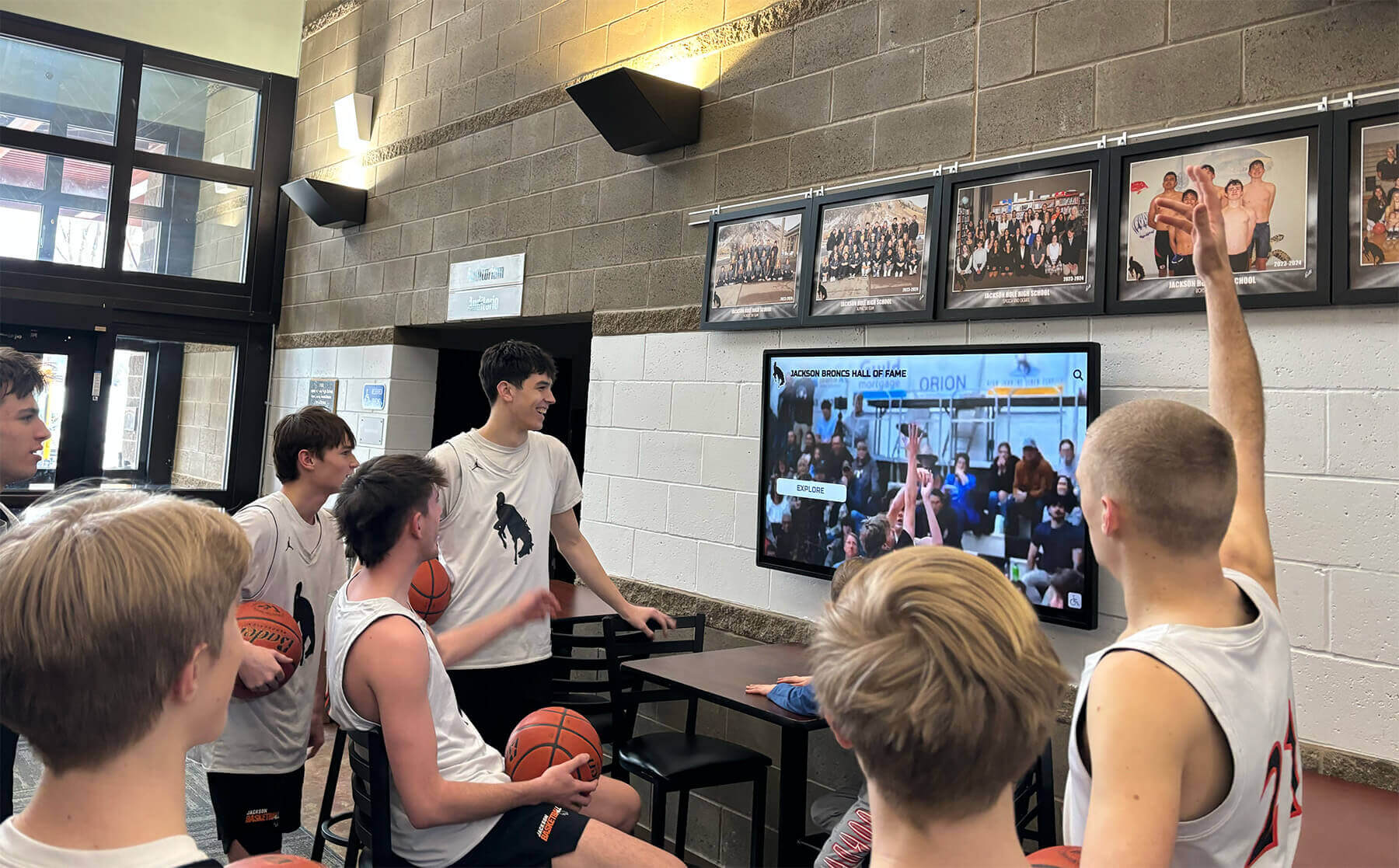
Digital displays in school lobbies and newsletters share a common purpose: keeping the athletic community connected to the program's story season after season
Why School Athletics Programs Need a Structured Newsletter
Most athletic departments already communicate with families—through school websites, text alerts, social media, and all-hands emails before tryouts. But there is a meaningful difference between transactional communication (practice is canceled, game time has changed) and a structured team update newsletter that documents and celebrates the full story of your program.
A structured newsletter does several things ad-hoc messages cannot:
- Builds institutional memory. When you include season records, stat leaders, and award winners in every edition, those issues become primary sources for your year-end yearbook, hall of fame nominations, and digital archive content.
- Recognizes athletes consistently. Athletes who never make the all-conference team still deserve recognition. A newsletter section spotlighting a different player each week fills that gap without requiring a separate awards ceremony.
- Engages your broadest audience. Alumni, parents, grandparents, and boosters who cannot attend games stay connected to the program through a regular update that goes beyond a score notification.
- Supports advancement and fundraising. Athletic departments that document achievements, coach milestones, and program growth are better positioned when approaching donors and sponsors. A newsletter archive is evidence of a program worth investing in.
- Feeds directly into year-end recognition. Every edition you send is potential source material for the yearbook, digital trophy case, hall of fame nominations, and end-of-season banquet materials.
The Complete Team Update Newsletter Template
The table below is your reusable framework. Not every section belongs in every edition, but every section should appear at least once per season. The “Recommended Cadence” column tells you when to prioritize each section.
| Newsletter Section | What to Include | Recommended Cadence |
|---|---|---|
| Roster Update | Active player bios, jersey numbers, position changes, transfers, injuries (where appropriate) | Start of season; update when roster changes |
| Schedule & Results | Upcoming game dates, locations, opponents; links to box scores or recaps | Weekly during active season |
| Season Records | School records approached or broken, stat leaders, win streaks | Monthly or after milestone performances |
| Senior Spotlight | Senior athlete profiles, commitment announcements, four-year retrospective, photos | 2–3 per season; all seniors by season end |
| Player of the Week | Highlighted performance, stats, coach quote, action photo | Weekly during season |
| Coach Corner | Message from coaching staff, strategic context, season preview or reflection | Pre-season, mid-season, post-season |
| Awards & Honors | All-conference/all-state selections, academic athlete recognition, post-season awards | After each awards cycle; end of season |
| Alumni Update | Alumni achievements, “where are they now,” professional or collegiate notes | Once or twice per year |
| Photo Gallery | Game-day action shots, team activities, senior nights, community events | Monthly during season |
| Upcoming Events | Athletic banquets, award ceremonies, open practices, booster events | 2 weeks prior to each event |
| Record Board Highlight | Current program record holders, recently broken records, historical context | Monthly or when records fall |
| Digital Archive Link | Direct link to your yearbook archive, hall of fame display, or digital record board | Every edition |
Print this table and post it wherever your newsletter team plans content. Assign a staff member or student aide to each section and review it at the start of each season to confirm nothing has been dropped.
Pre-Season Newsletter: Setting the Table
The first newsletter of any sports season is your most important. It establishes the program’s identity for the year and sets expectations for families who are new to the program.
What to Cover in the Pre-Season Edition
Program Overview and Roster Introduce the complete roster with brief bios for each athlete—year, position, jersey number, and one notable goal for the season. This does not need to be an exhaustive profile; two to three sentences per athlete gives newcomers context and gives every player a public moment before the first game.
Schedule Preview Include the full season schedule with home vs. away designation, opponent names, and any key rivalry dates or tournament appearances. Link to an online calendar families can subscribe to rather than forcing them to re-read the newsletter for dates.
Coach Message A short note from the head coach—vision for the season, returning strengths, areas of growth—sets the right tone and builds the relationship between the coaching staff and your broader community before the first game.
Historical Context Brief reference to last season’s record, notable achievements from the year before, and any returning record-holders grounds new readers in program history. This is also an opportunity to link to your school’s digital archive so families can explore deeper history on their own.
For programs looking to strengthen their pre-season recognition framework, explore how schools plan end-of-season awards structures early in the year so that the right tracking systems are in place from day one.
In-Season Newsletter Content: Capturing the Story as It Happens
Once the season begins, your newsletter has two competing priorities: timeliness and depth. Game recap emails satisfy the first. Your structured newsletter—sent weekly or every two weeks—handles the second.
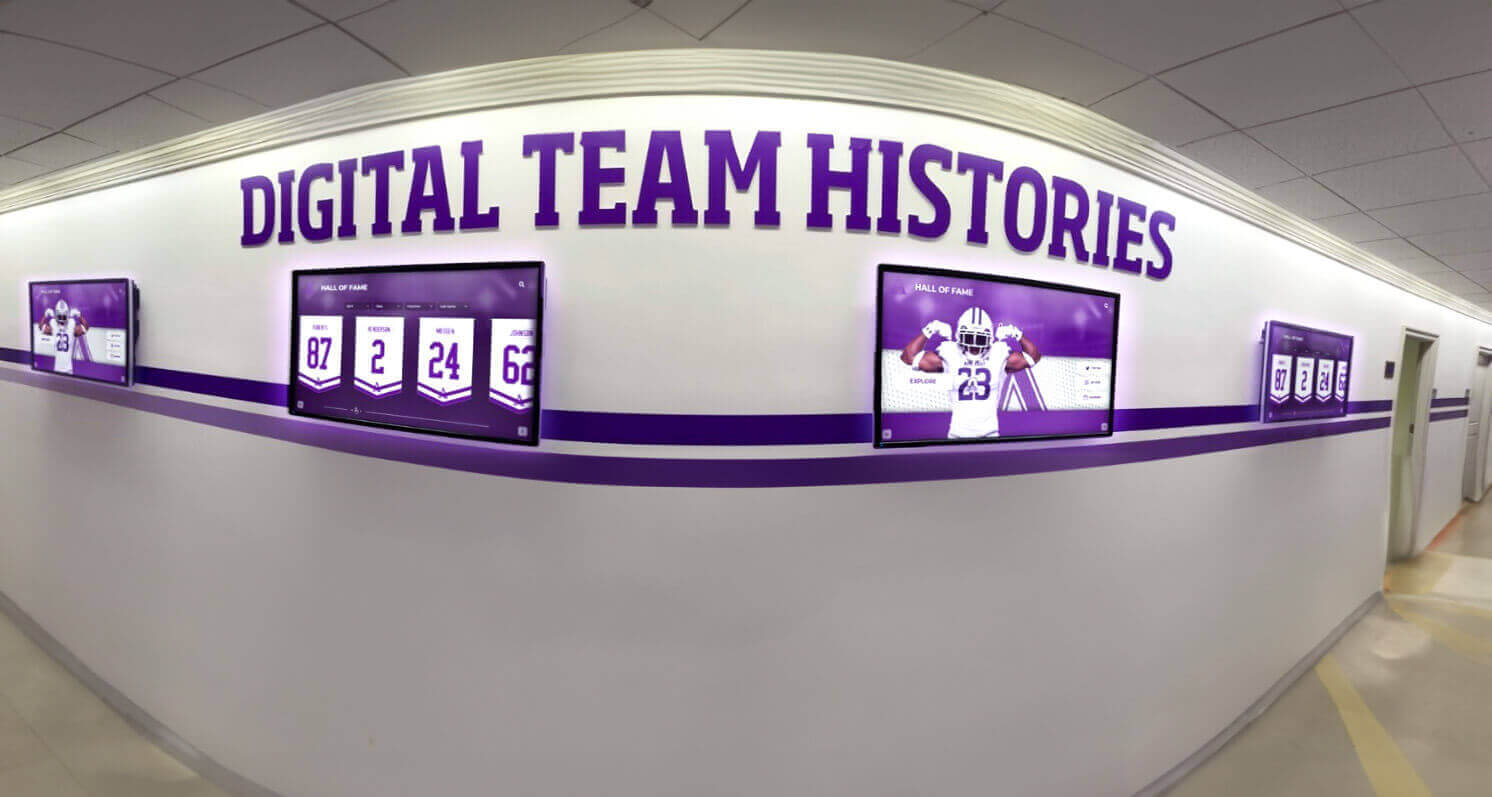
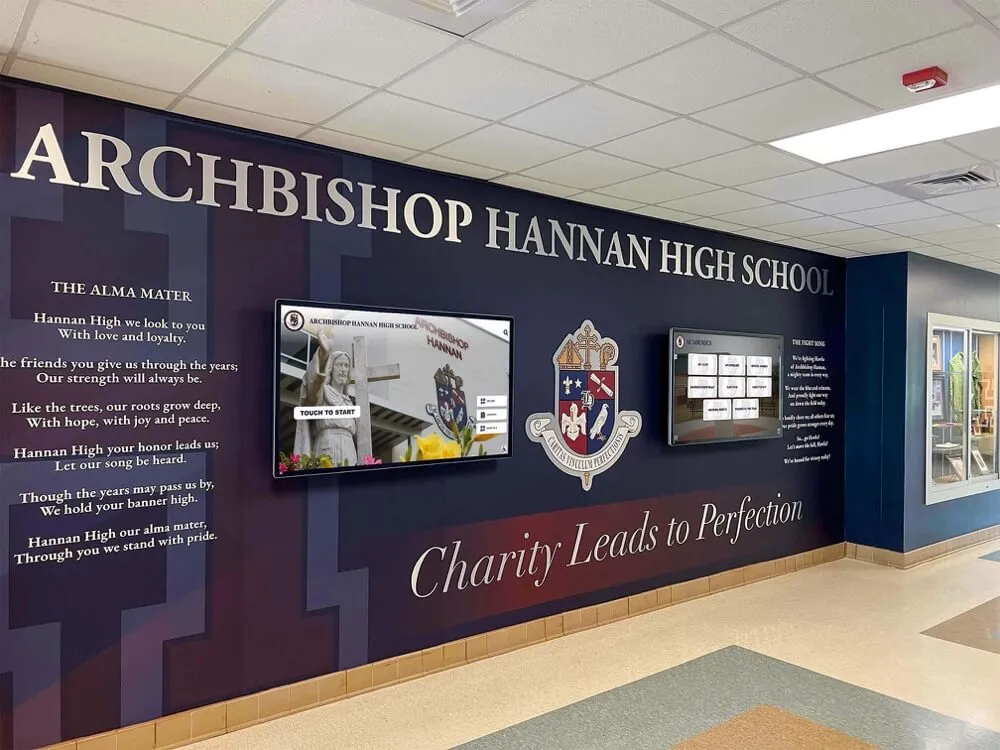
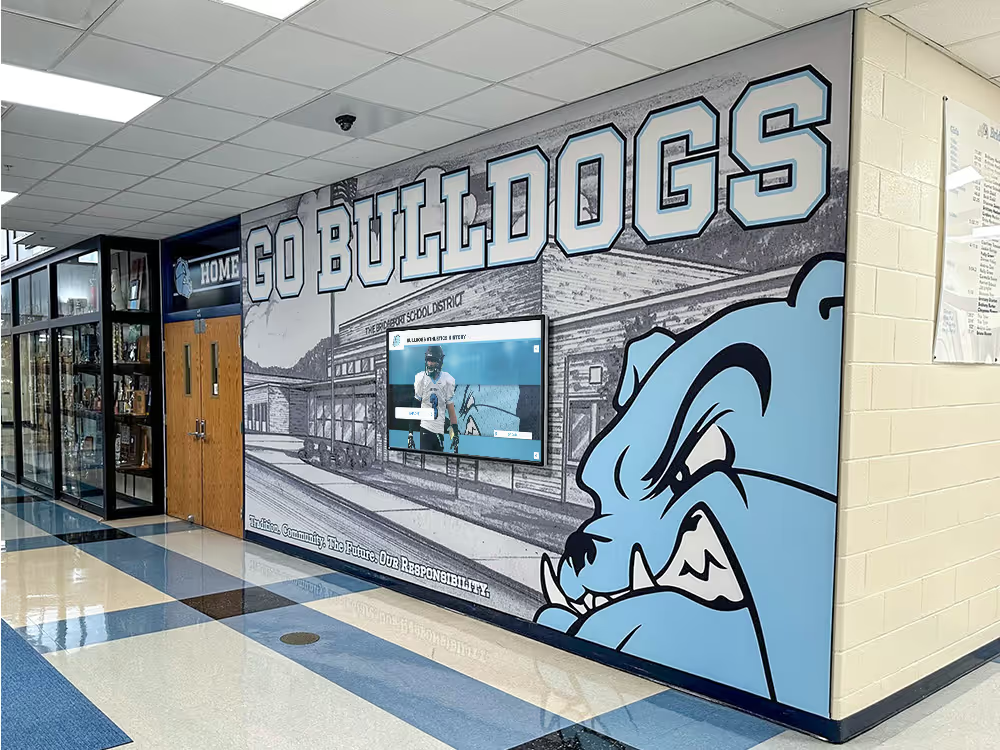
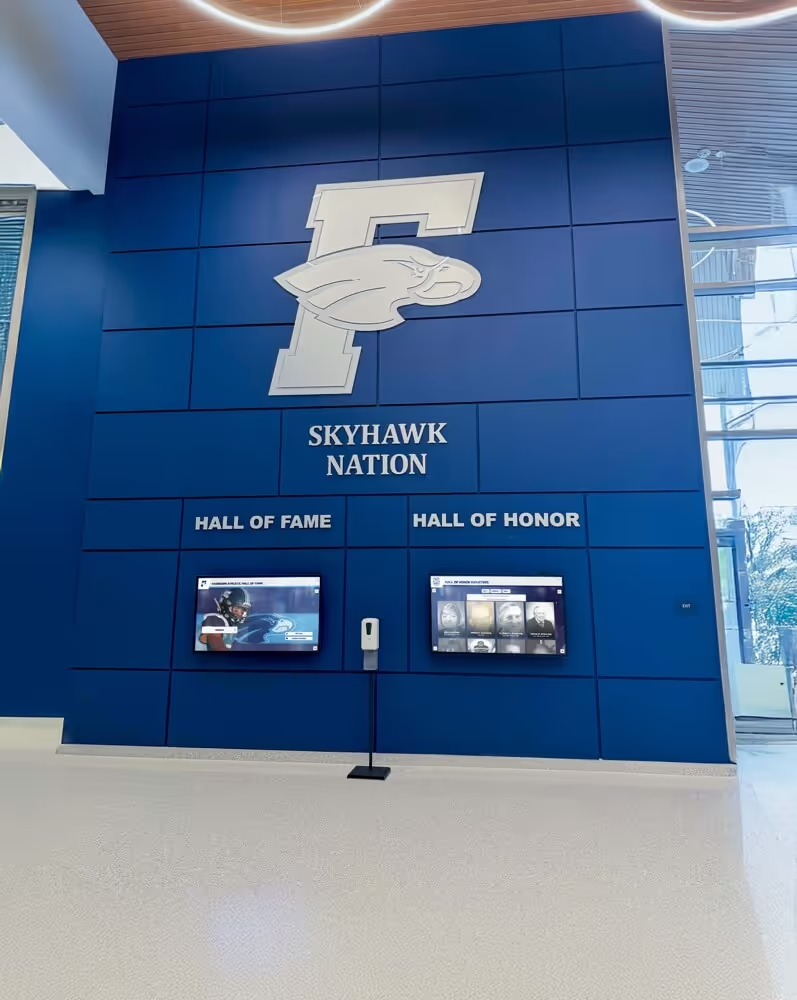
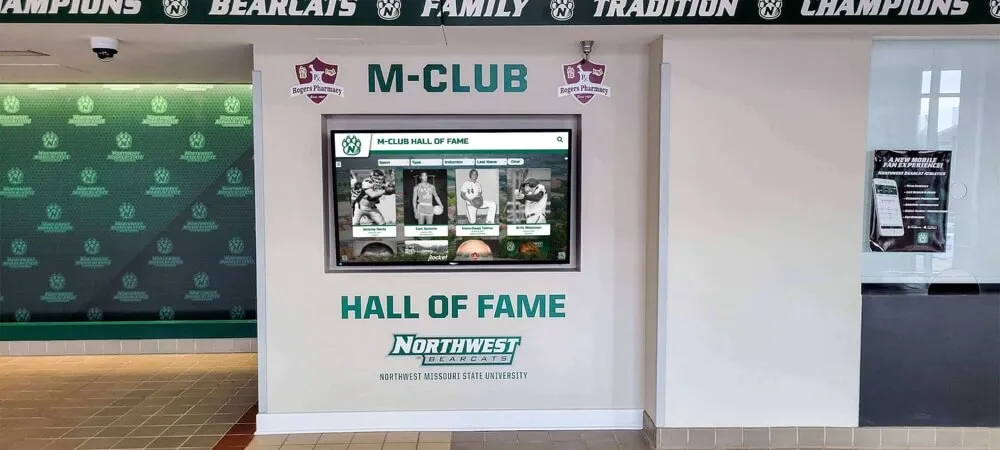
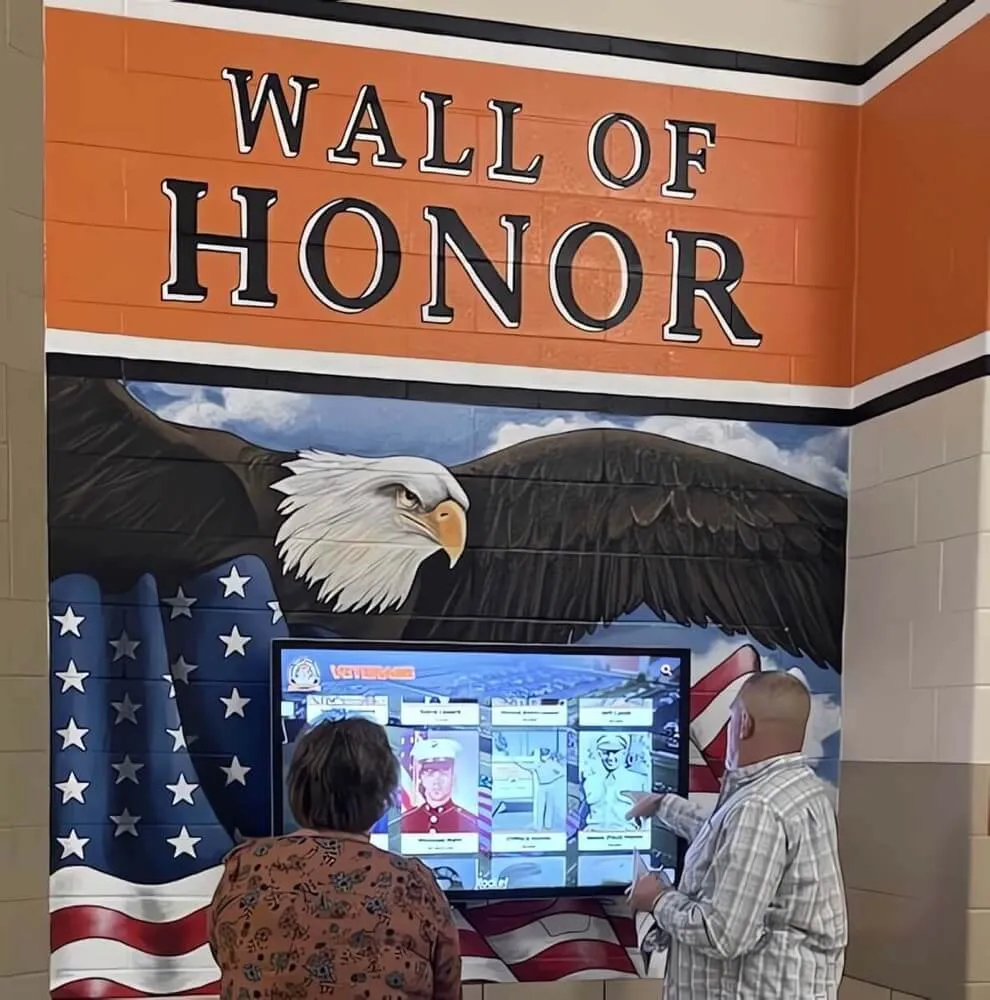
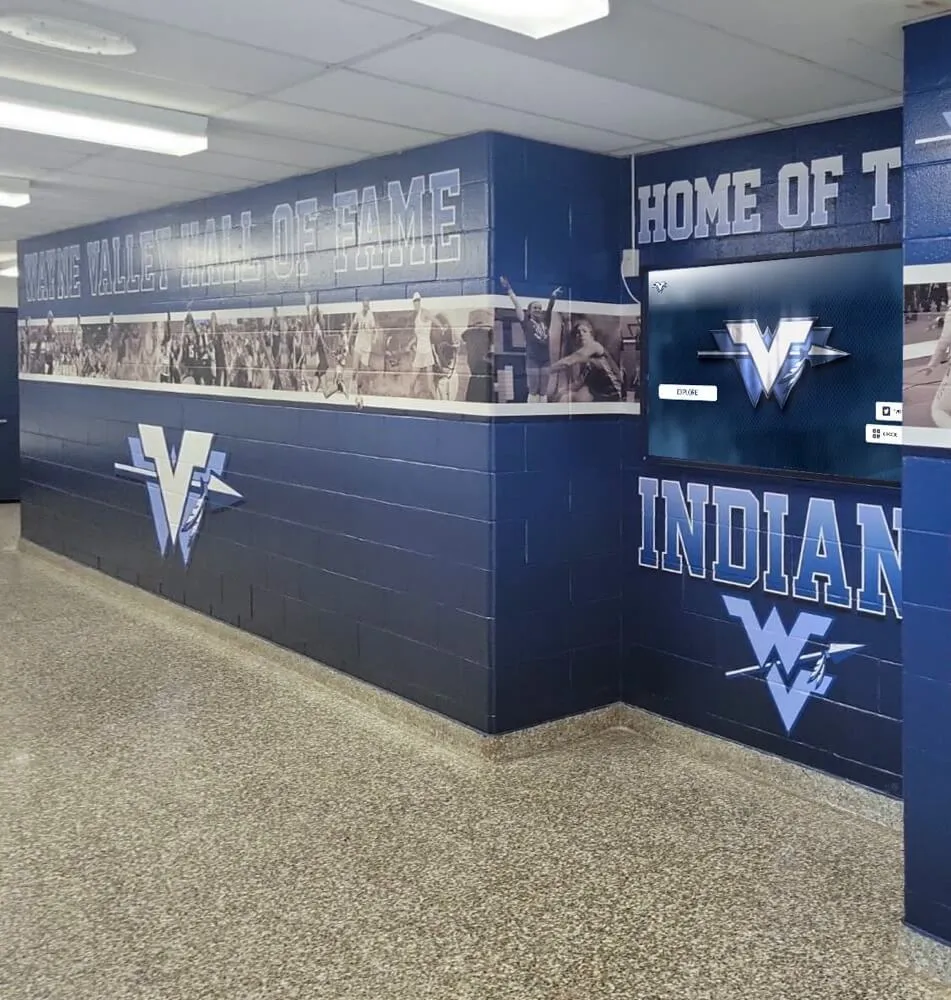
In-season newsletters and hallway record displays work together to keep the athletic community connected to current achievements and historical context
Weekly vs. Biweekly Cadence
For most high school programs, a biweekly newsletter strikes the right balance. Weekly newsletters are sustainable for larger departments with dedicated communications staff; biweekly works for athletic directors and coaches managing newsletters alongside everything else.
Weekly cadence works well for:
- High-profile programs with large booster communities
- Programs with paid or experienced communications coordinators
- Sports with multiple weekly competitions (basketball, swimming, wrestling)
Biweekly cadence works well for:
- Smaller programs or coaches managing communications directly
- Sports with weekly or less-frequent game schedules
- Programs building the newsletter habit for the first time
In-Season Sections That Matter Most
Game Recaps and Results Keep recaps concise—three to five sentences covering the final score, key performer(s), a turning-point moment, and what the result means for the season. Link to full box scores or video if available. Families who attended want acknowledgment; families who missed the game want enough to follow the season.
Player of the Week A named, photo-supported feature on a single athlete who performed well in the past week generates more engagement than any other in-season section. Rotate recognition across roster positions so that the same names don’t appear repeatedly. This section is particularly valuable for documenting athletes who contribute in ways that don’t show up on a stat line—defensive anchors, practice leaders, locker room culture-setters.
Records and Milestones When a program record falls, your newsletter should treat it as front-page news. Include the old record, the new record, the athlete’s name and class year, and a note about the previous record holder. This is the type of documentation that feeds directly into digital hall of fame profiles and permanent record boards years after the season ends.
Season Records Tracker A simple running table showing the team’s current record, point differential, and league standing gives subscribers a quick at-a-glance update without requiring them to read a full narrative. Place it at the top of each in-season edition.
For programs in the midst of playoff pushes, connecting newsletter content to broader preparation storytelling can deepen reader investment. Football playoff preparation guides illustrate how programs build community narrative around high-stakes moments.
Senior Spotlights Mid-Season
Senior athletes deserve recognition throughout the season, not only at senior night events. A mid-season senior spotlight section—one athlete per edition—lets you document four-year careers while the season is still unfolding. Include:
- Their sport, position, and years on the varsity squad
- A notable achievement or milestone from this season
- A personal quote about what the program has meant to them
- A photo from this year alongside one from their first year on the team
These profiles become primary-source material for yearbook staff, digital archive administrators, and athletic banquet planning committees at season’s end.
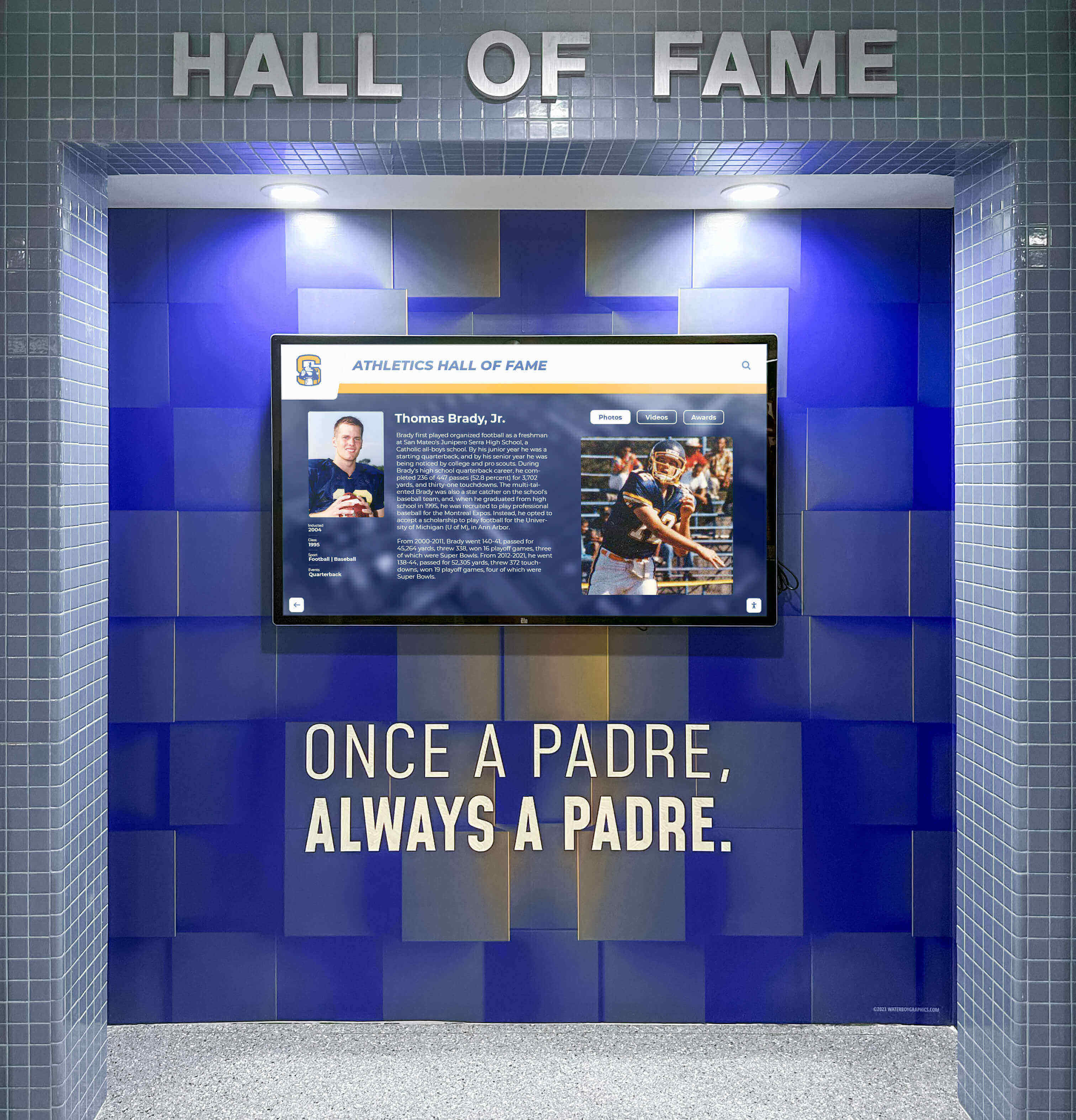
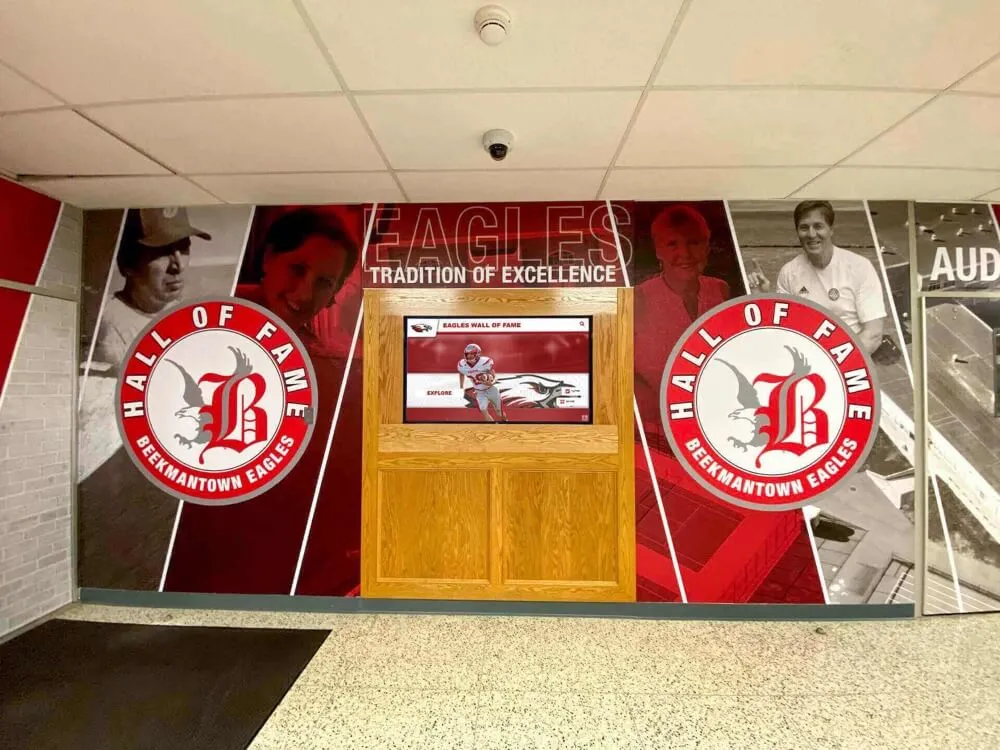
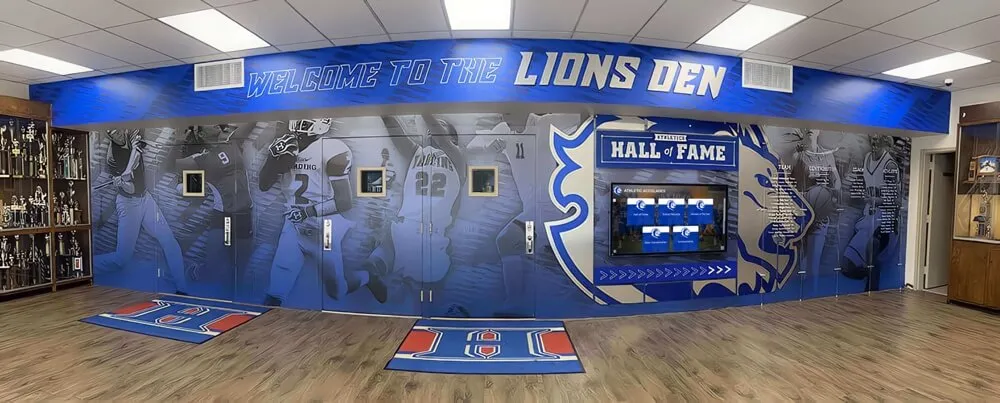
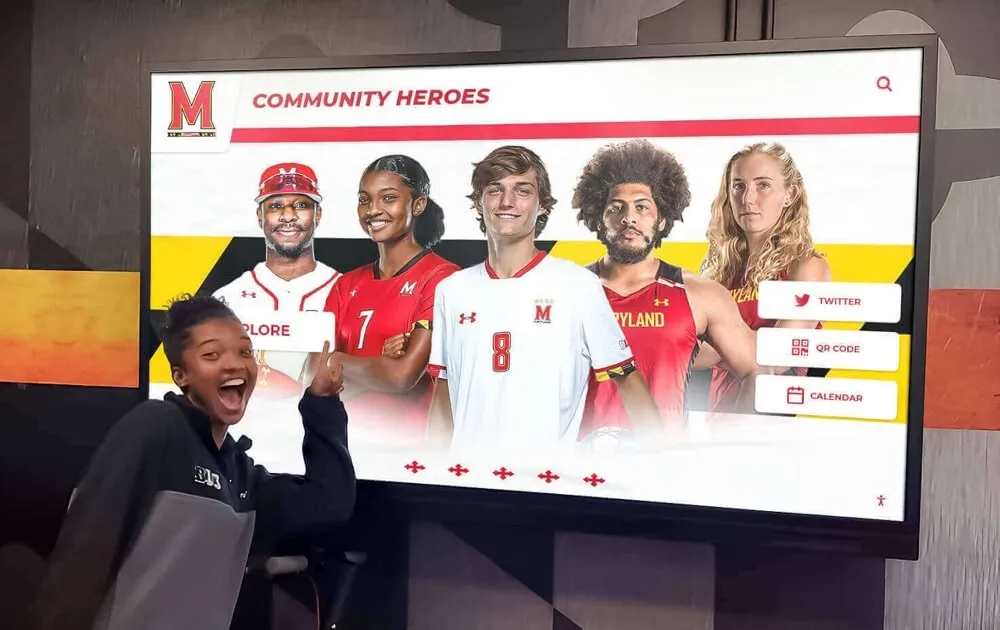
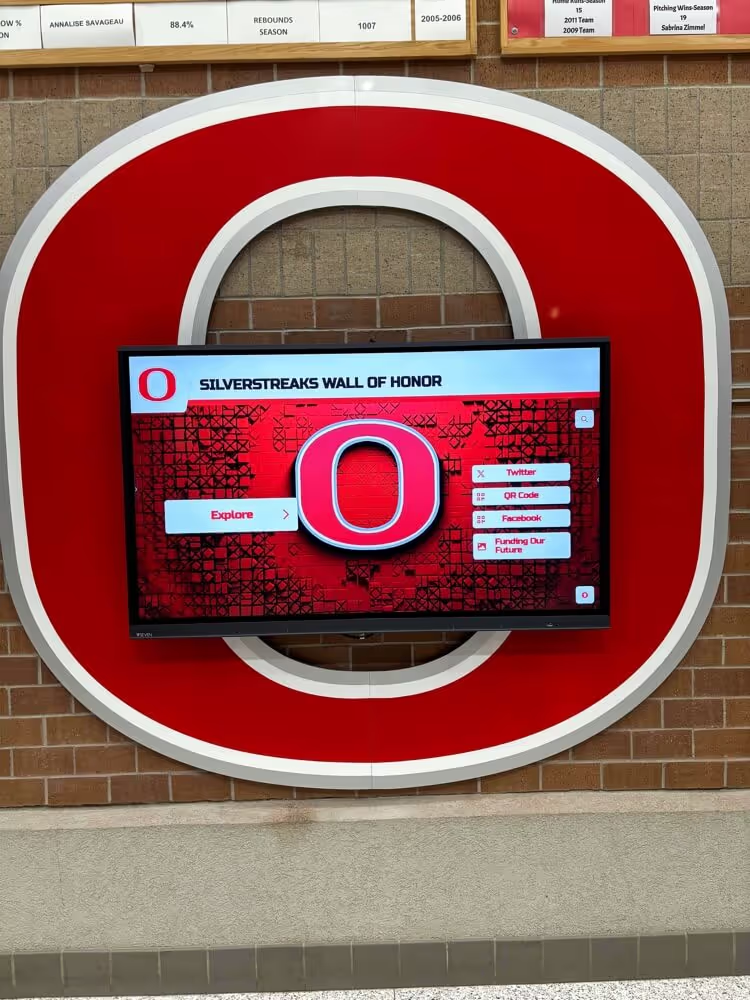
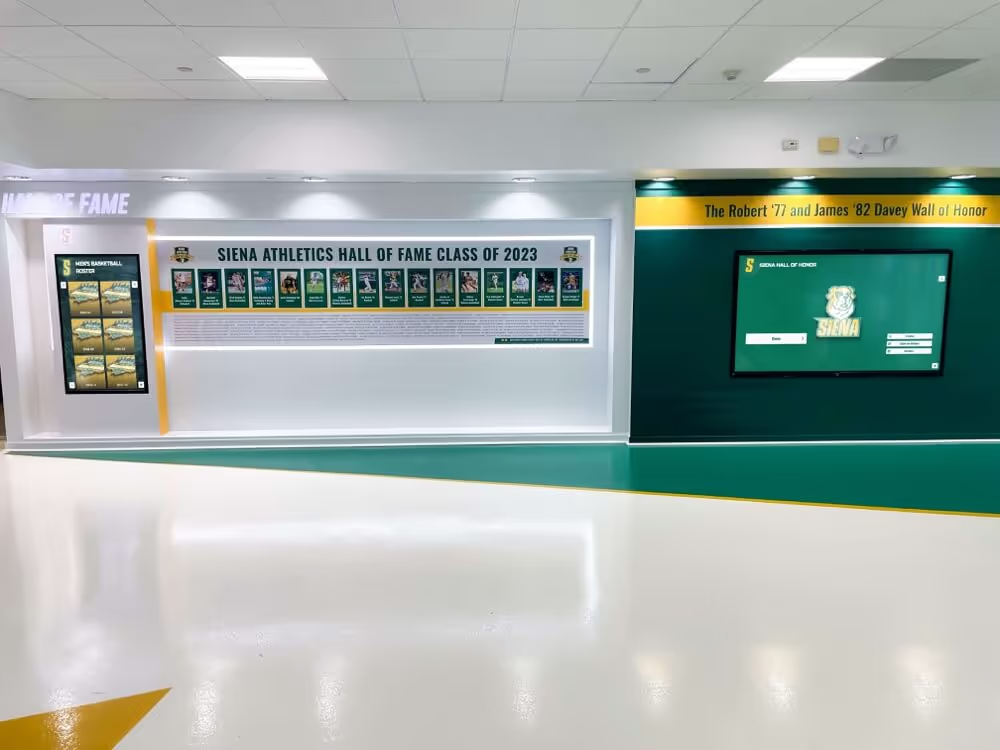
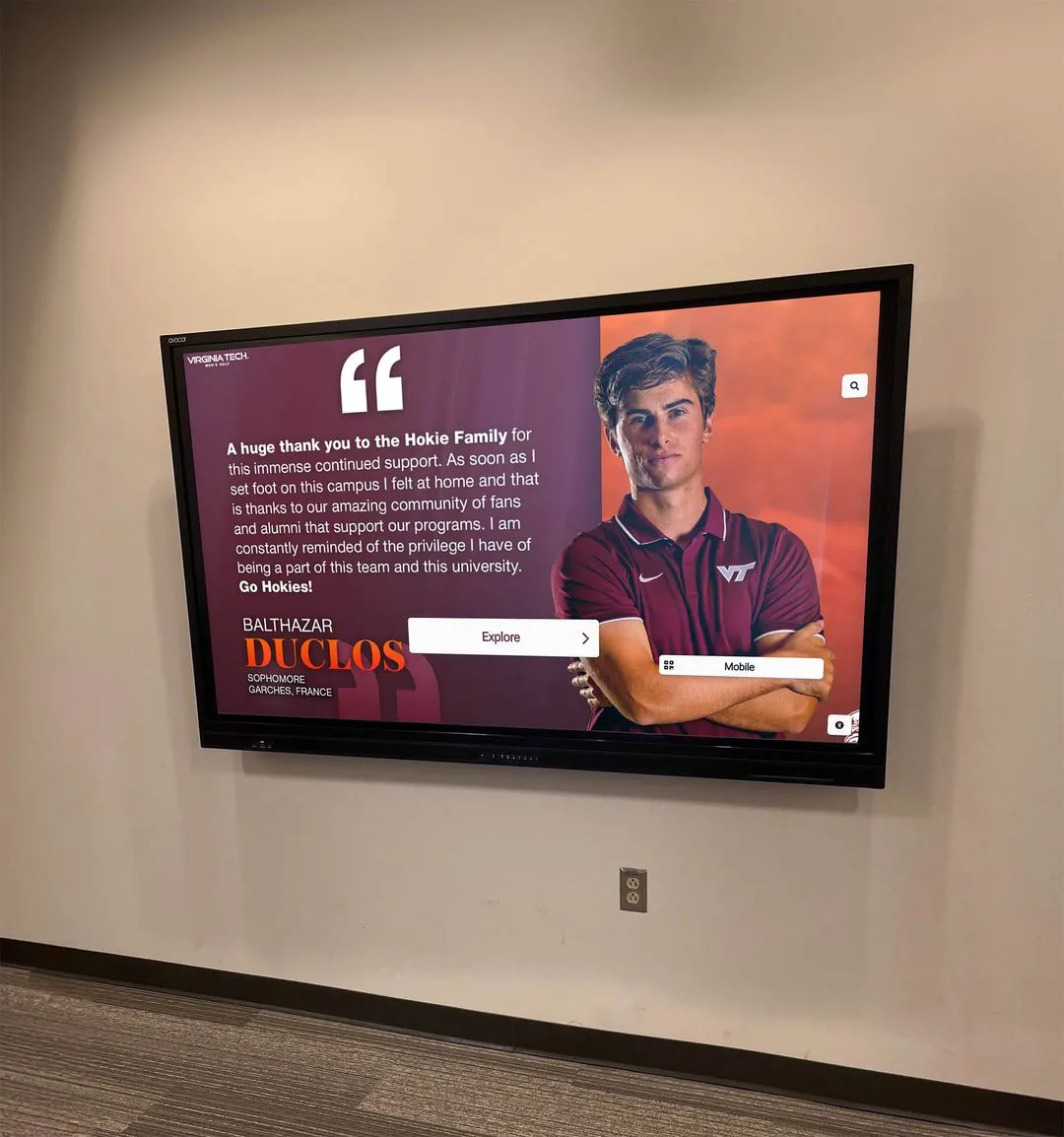
Senior spotlight sections in newsletters feed directly into digital hall of fame profiles and recognition displays that celebrate athlete careers permanently
Post-Season Newsletter: Closing the Loop on the Year
The post-season edition is the most archive-ready newsletter you’ll produce. Everything documented in this edition—final records, individual awards, senior tributes, and coach acknowledgments—belongs in your yearbook, digital archive, and hall of fame system.
What the Post-Season Edition Must Include
Final Season Record and Statistical Summary Document the complete season record, including conference record and playoff results. Include individual statistical leaders for every major category. Format it as a table so it is easy to reference and export:
| Category | Leader | Result |
|---|---|---|
| Points | Player Name, Position | Season total |
| Assists | Player Name, Position | Season total |
| Rebounds / Saves / Yards | Player Name, Position | Season total |
| Games Played | Player Name, Position | Number |
Awards and Post-Season Honors List every individual award earned: all-conference, all-region, all-state, academic athlete designations, and any program-specific awards your coaching staff presents. Include the award name, recipient, and a one-sentence explanation of the criteria. This section is the newsletter’s single most important contribution to your long-term archive.
For inspiration on structuring recognition across an entire program, end-of-season sports award ideas provide a useful framework for ensuring no category of contribution goes unrecognized.
Senior Tributes The final newsletter of a senior’s high school athletic career deserves a full paragraph per senior athlete—career highlights, memorable moments, and acknowledgment of what they brought to the program beyond statistics. Athletic directors who complete this section in the post-season newsletter find they already have most of the content needed for the athletic banquet program.
Coach Recognition Coaches shape programs over years and decades. The post-season edition is the right place to document coaching milestones—career wins, years at the school, notable achievements this season. When a coach reaches a milestone, document it prominently. Coach appreciation plaques and recognition displays in schools frequently draw directly from the kind of career documentation that post-season newsletters generate.
Leadership Recognition Team captains and program leaders deserve explicit recognition in the post-season edition. The qualities that define great captains—communication, sacrifice, culture-setting—rarely appear on a stat sheet. How schools recognize team captain leadership beyond their final season offers a useful model for this section.
The Update Cadence: A Seasonal Calendar
One of the most common reasons athletic newsletters lapse is a lack of structure around timing. The table below maps a recommended cadence across a full school athletic year.
| Time Period | Newsletter Focus | Suggested Frequency |
|---|---|---|
| August–September (Pre-Season) | Roster introduction, schedule preview, coach message, program history | 1 edition per sport |
| October–November (Fall In-Season) | Game recaps, player spotlights, records milestones, standings | Biweekly |
| November–December (Fall Post-Season) | Final records, awards, senior tributes, archive links | 1 edition per sport |
| December–January (Winter Pre-Season) | Winter sport roster, preview, basketball / wrestling / swim intros | 1 edition per sport |
| January–March (Winter In-Season) | Recaps, stat leaders, records, senior spotlights | Biweekly |
| March–April (Winter Post-Season / Spring Pre-Season) | Winter wrap-up, spring sport previews, all-season awards | 2 editions |
| April–June (Spring In-Season) | Spring recaps, track / baseball / lacrosse milestones, seniors | Biweekly |
| June (End of Year) | Full-year athletic summary, all-sport awards, alumni updates, yearbook link | 1 comprehensive edition |
The annual end-of-year edition—typically sent in June—is your highest-value newsletter of the year. It functions as a complete athletic department annual report, documenting every sport across every season. Schools that maintain this practice for three or more years build an archive that becomes genuinely useful for hall of fame committees, booster fundraising, and yearbook staff researching program history.
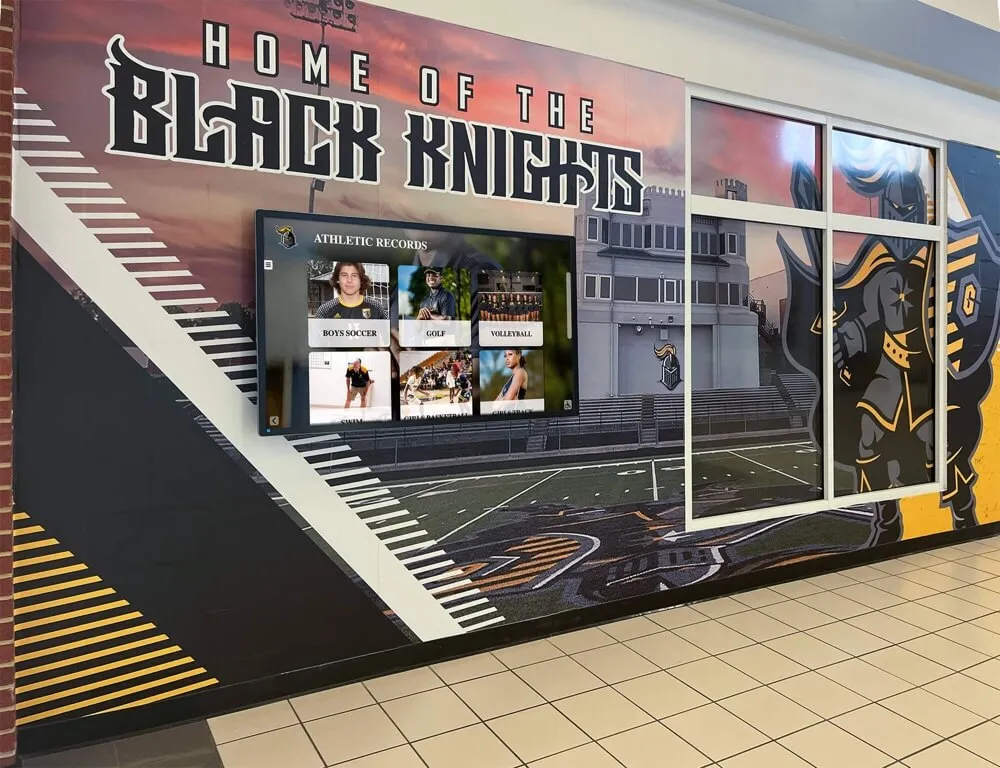
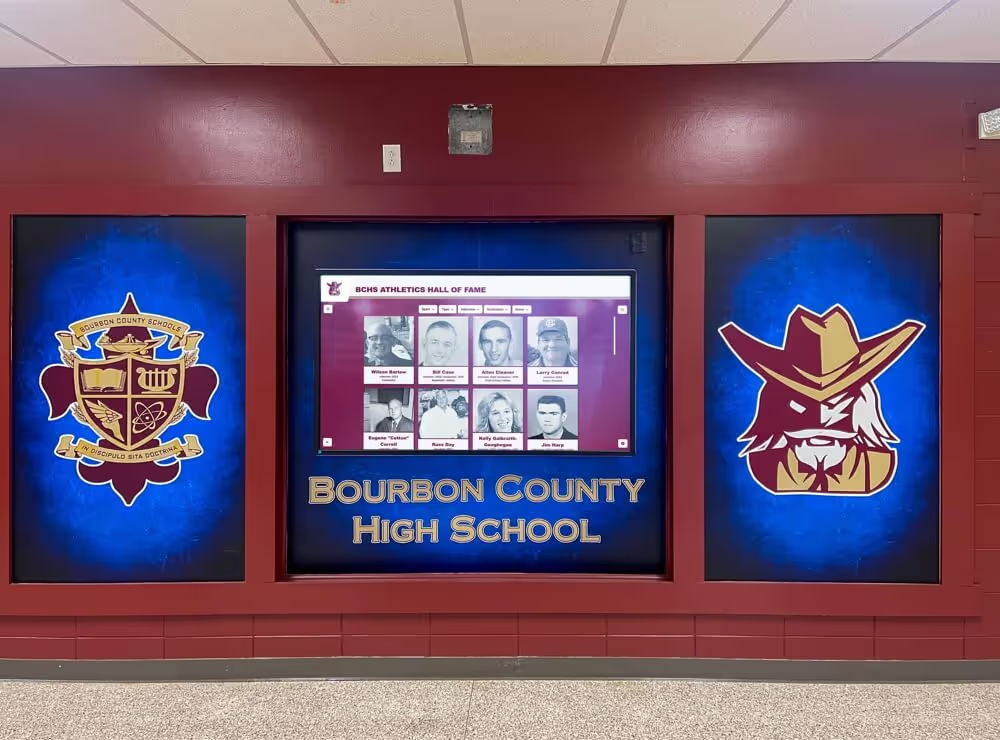
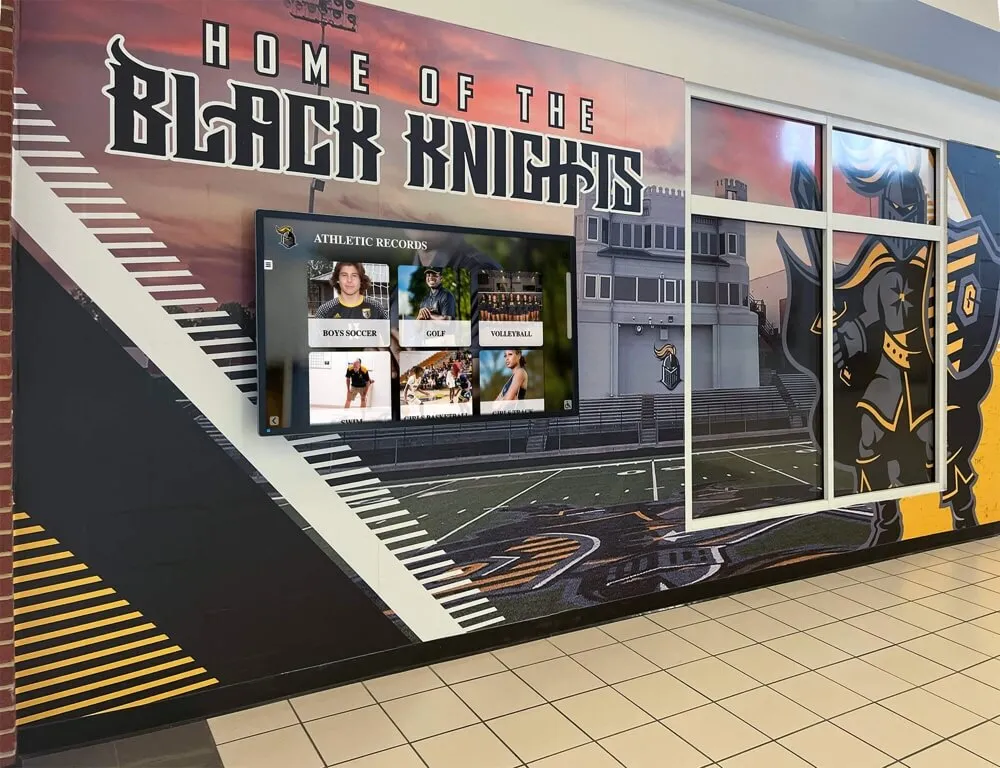
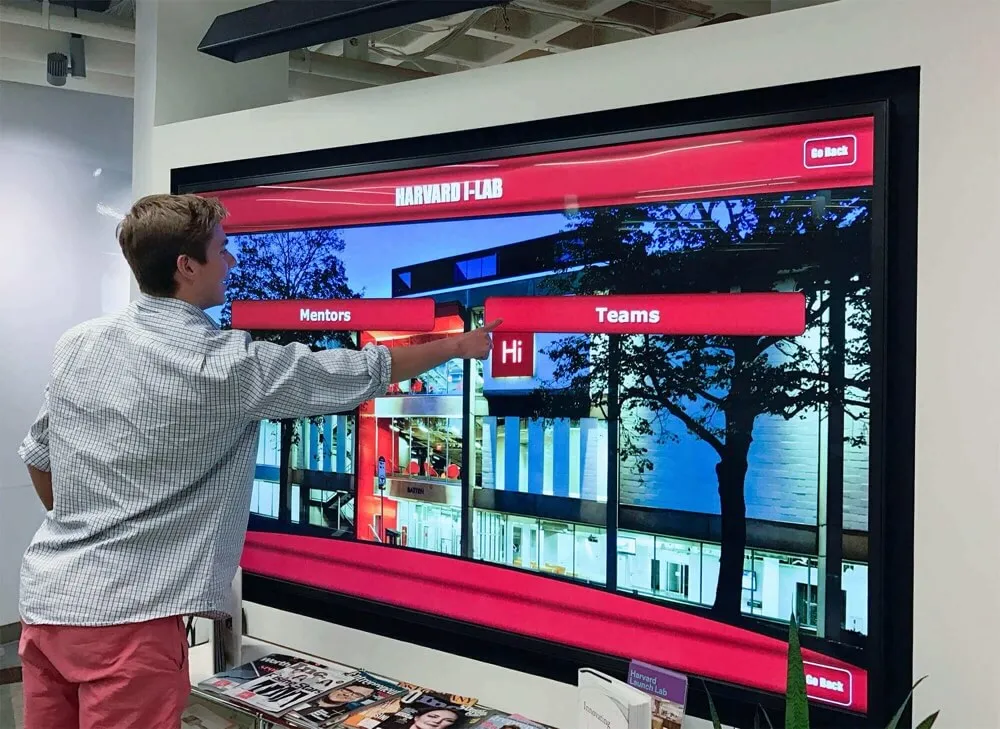
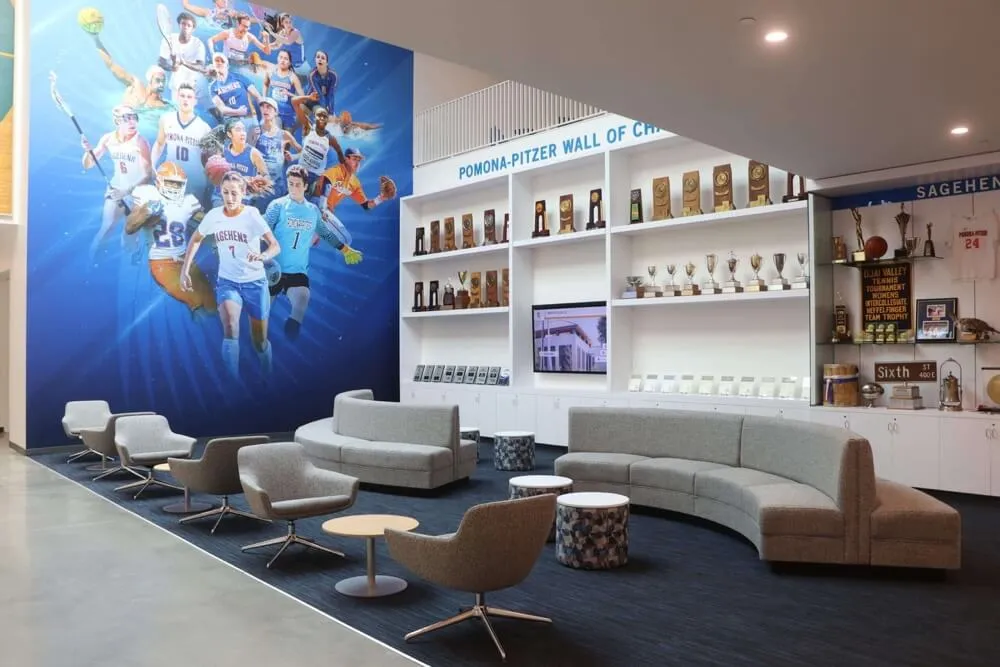
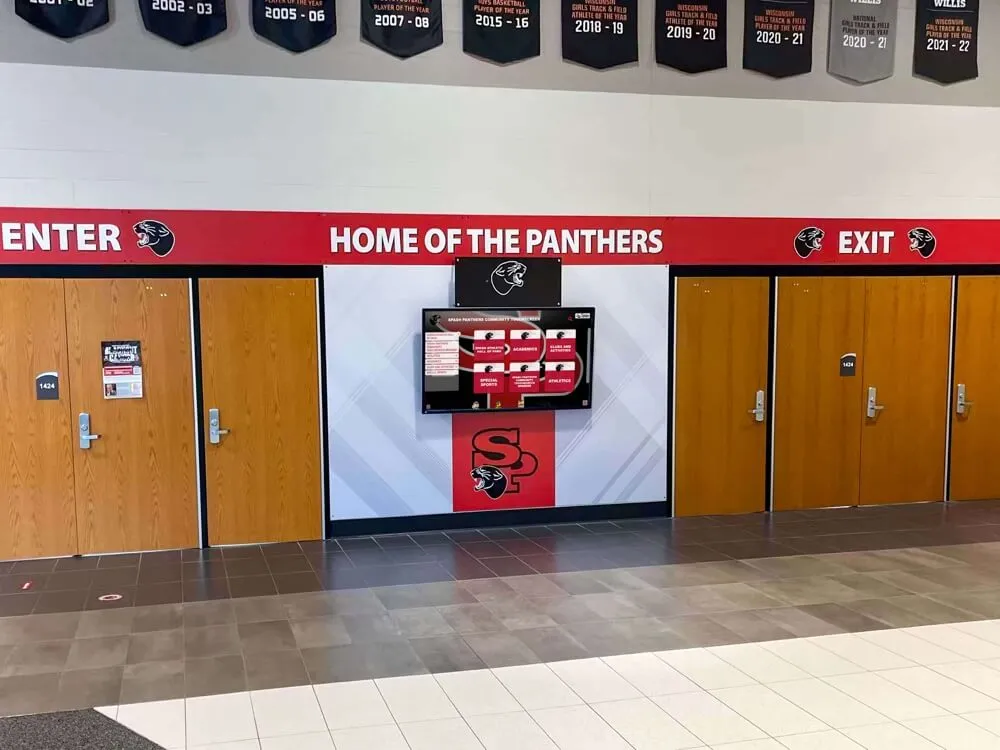
Permanent hallway displays and seasonal newsletters work together as a recognition system—newsletters document achievements in real time while displays preserve them for decades
Alumni Updates: Connecting the Newsletter to Program History
One of the most underused newsletter sections is the alumni update. Former athletes are among your program’s most engaged audiences, and they are also your most powerful source of testimony about why the program matters. A brief alumni section—appearing once or twice per year—accomplishes several things simultaneously.
What to Include in an Alumni Update Section
- Brief notes on former athletes competing at the collegiate or professional level
- Career milestones of notable alumni (coaching jobs, professional achievements, community recognition)
- “Program records still standing” call-outs that link current records to the alumni who set them
- Invitations to alumni events, including homecoming games and hall of fame induction ceremonies
Programs that develop a regular alumni presence in their newsletters tend to generate stronger engagement at alumni portal websites and physical recognition displays, because current students and alumni are already part of a shared communication ecosystem.
For programs celebrating championship histories, the team photo archive is a powerful newsletter feature. Showcasing champion team photos from previous title seasons alongside current team updates creates a through-line that makes alumni feel part of an ongoing story rather than a completed chapter.
Connecting Your Newsletter to Digital Archives and Record Boards
The team update newsletter should not exist in isolation. Every edition you produce is a content source for the broader recognition infrastructure your school maintains—or should maintain—to preserve athletic history permanently.
Newsletter Content That Feeds Your Archive
Records and Statistical Milestones Any time a record falls, your newsletter documents it with the who, what, and when. That information feeds directly into digital record boards—whether wall-mounted touchscreen displays or online databases—that show current and historical program bests.
Award and Honor Documentation Every award listed in a post-season newsletter edition is a candidate for digital recognition. All-conference selections, state qualifiers, and academic athlete honorees deserve permanent visibility beyond the newsletter issue in which they first appeared.
Senior Profiles The four-year retrospectives you write in senior spotlight sections are the raw material for hall of fame nominations years later. Athletic directors who maintain organized newsletter archives find that nomination packets nearly write themselves when previous newsletters documented the career systematically.
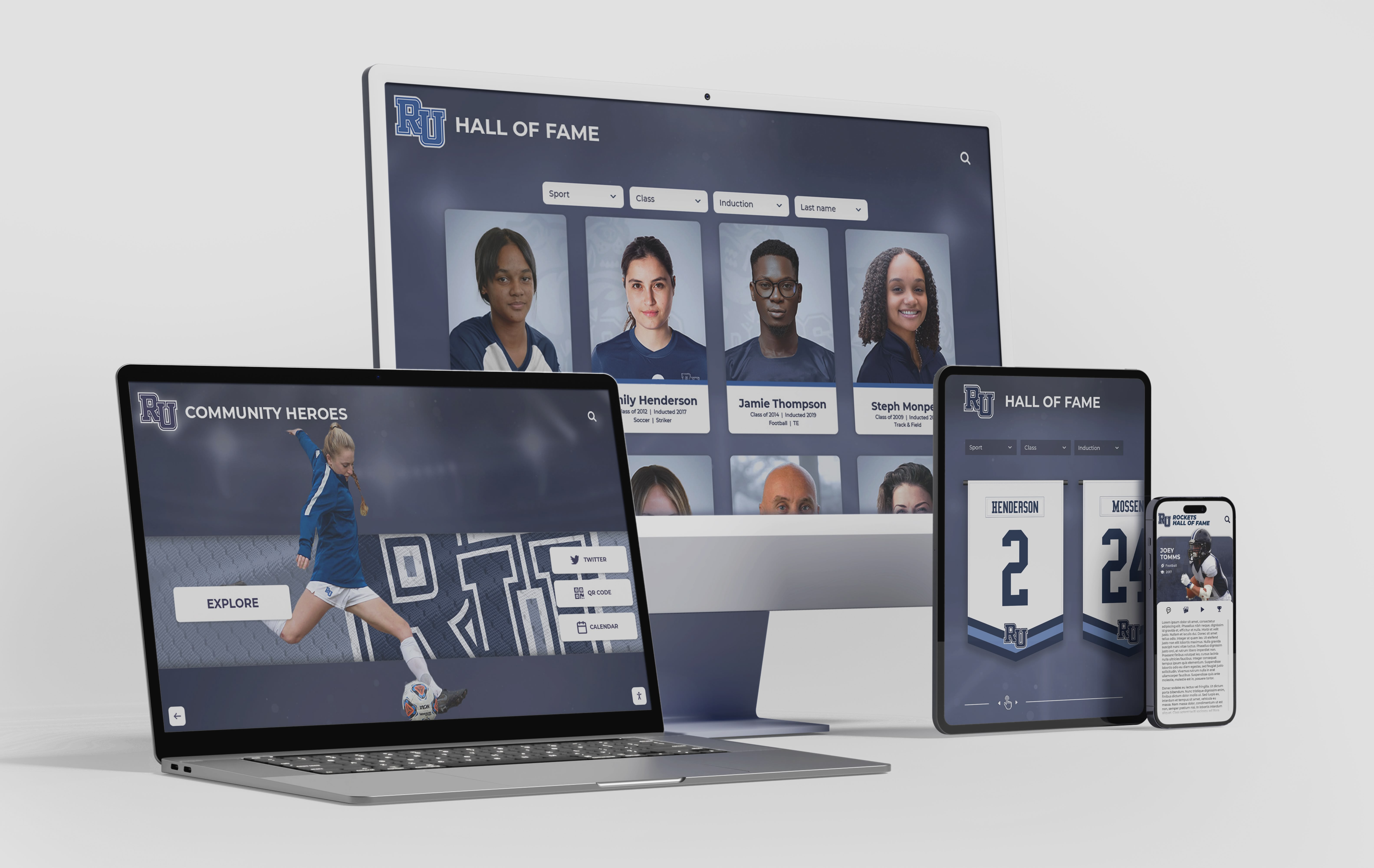
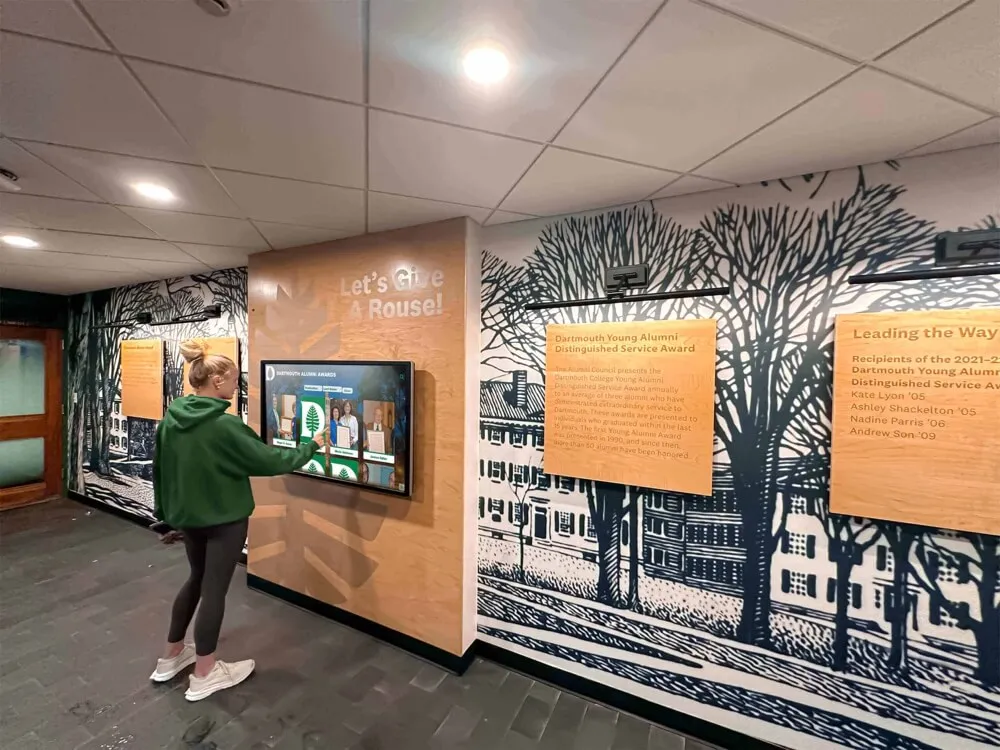
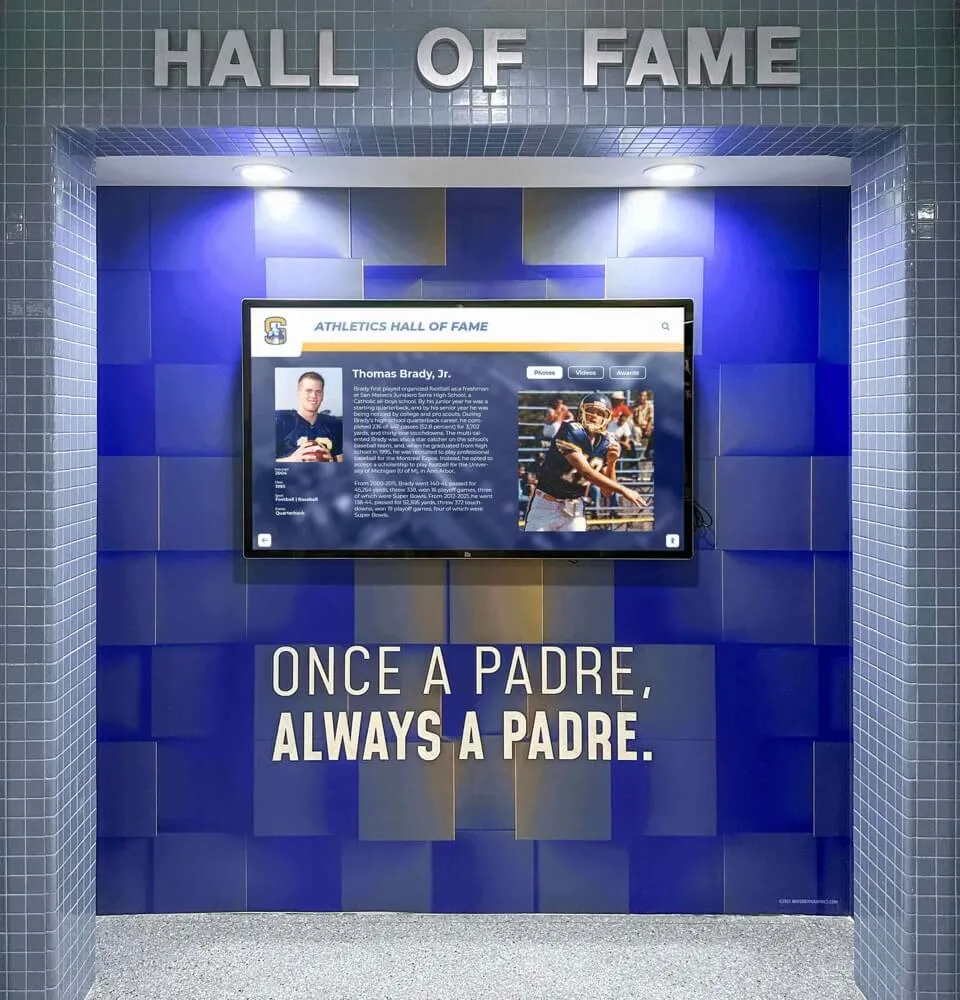
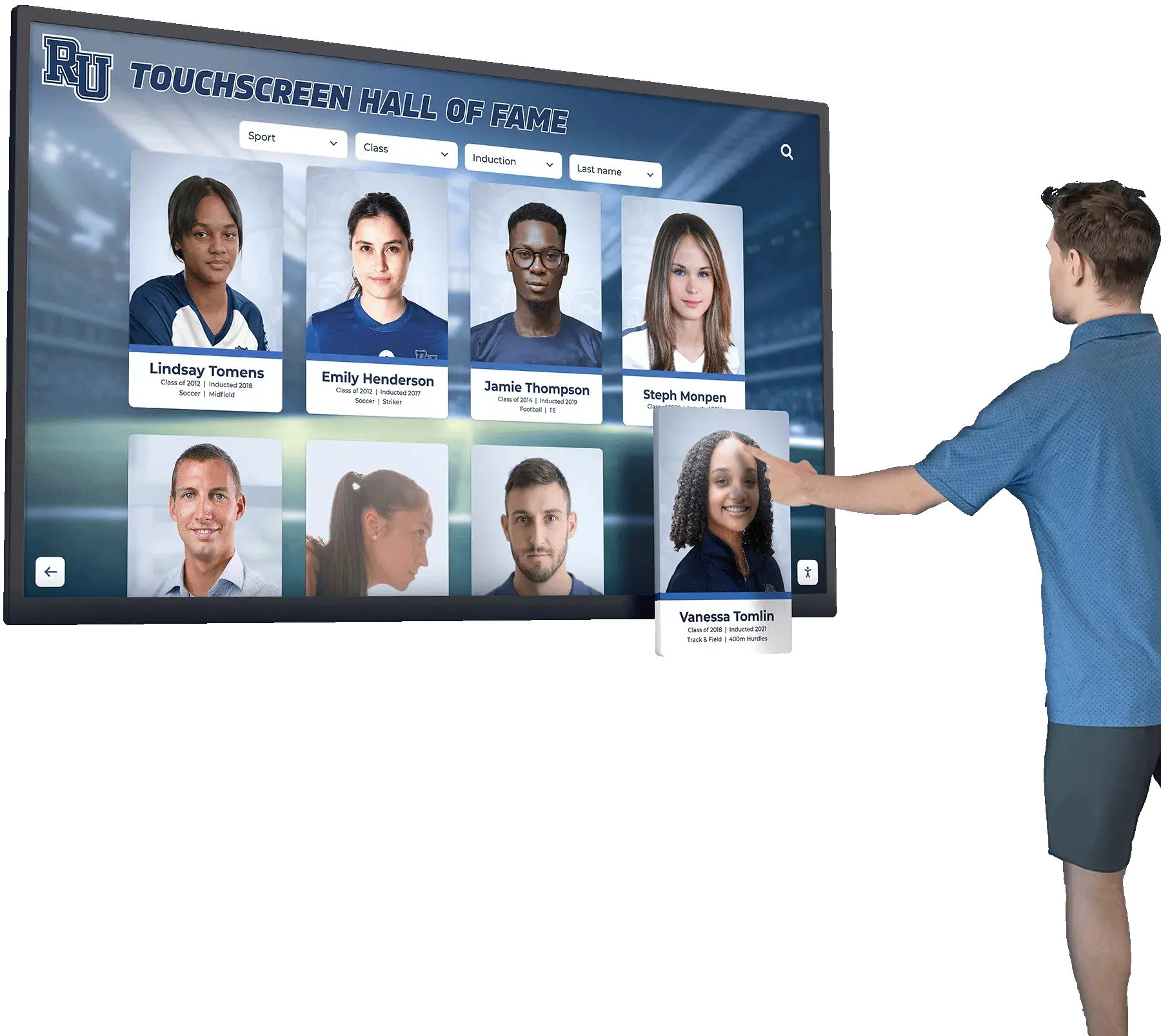
Digital platforms that archive athlete profiles, records, and awards make the documentation captured in seasonal newsletters permanently accessible to alumni worldwide
How Newsletter Archives Support Yearbook Production
Yearbook staff working on the athletics section often struggle with incomplete information—game results that weren’t recorded, award recipients nobody documented, seniors whose four-year careers are reconstructed from memory. Athletic department newsletters solve this problem when they are archived consistently.
A simple practice: at the end of each season, forward the complete set of newsletters for that sport to the yearbook adviser and the athletic records administrator. This 10-minute habit ensures that:
- Yearbook spreads have accurate statistics, not estimates
- Award sections reflect official recognition, not informal recollection
- Senior tributes are grounded in documented career achievements
- Photo captions can be verified against the newsletter record
Programs that also display basketball team strategies and season context on facility displays find that newsletter content—particularly mid-season recaps—provides the narrative framing that makes those displays meaningful to families and alumni who did not attend every game.
Building the Newsletter Habit: Practical Starting Points
Athletic directors and coaches who have never published a structured newsletter often feel the learning curve is steep. It is not. The framework above is designed to be built incrementally.
Start with Three Sections
If you are launching a newsletter for the first time this season, begin with just three sections:
- Roster and Schedule — Introduce the team and provide the season calendar. This section alone justifies the first edition.
- Game Recap / Player of the Week — One paragraph and one highlighted athlete per edition. Sustainable even for coaches managing communications independently.
- Awards and Records — Document any milestone or recognition as it occurs. Even if the rest of the edition is thin, this section should never be skipped.
Add sections as your production rhythm stabilizes. By season three, the full template above should feel natural.
Use a Consistent Template
Every edition of your newsletter should look like the last one. Consistent structure tells subscribers what to expect and makes production faster because you are not redesigning each time. Use a simple email template with named sections, and apply it unchanged every week or two.
Archive Every Edition
Store every newsletter issue—whether you use email, a PDF, or a school website post—in a location that sports administrators and yearbook staff can access. A shared folder organized by sport and year is sufficient. The archive is only useful if it is complete, so treat missing issues the same way you would treat a gap in your record book.
Conclusion: The Newsletter as a Recognition System
A team update newsletter is more than a communication tool—it is a living record of your athletic program’s story. When structured around the framework in this guide, it recognizes athletes in real time, keeps families and alumni engaged across every season, and generates the organized documentation that feeds into yearbooks, digital archives, hall of fame systems, and end-of-year recognition displays.
The schools that benefit most from their athletic newsletters are those that treat each edition not as a one-time message but as a page in an ongoing story. A senior spotlight written in October contributes to a hall of fame nomination filed in five years. A record-breaking performance documented in a biweekly newsletter becomes an entry on a permanent digital record board. An alumni update published in the post-season edition reconnects a former athlete to the program they helped build.
The investment is modest: a consistent structure, a realistic cadence, and the discipline to document what your program achieves each season. The return—engaged communities, preserved histories, and athletes who feel genuinely recognized—lasts far longer than any single season.
Connect Your Newsletter to a Permanent Recognition System
Rocket Alumni Solutions helps schools turn seasonal newsletter documentation into permanent digital recognition—touchscreen record boards, digital trophy cases, hall of fame displays, and searchable athlete archives that celebrate your program's history for decades. See how your school can build a connected recognition system.
Request a Demo