The team huddle represents one of sports’ most powerful rituals—a moment before competition when individual athletes transform into a unified force with shared purpose and collective determination. Whether it’s a football team circling together before kickoff, a basketball squad joining hands at center court, or a soccer team gathering in tight formation before the opening whistle, the pre-game huddle creates psychological cohesion that extends far beyond motivational speeches or tactical reminders.
Yet the team huddle serves purposes deeper than most casual observers recognize. Beyond the visible expressions of unity—synchronized chants, collective hand-stacks, or inspiring words from captains—effective huddles establish mental focus, reinforce team identity, manage pre-competition nerves, activate competitive mindsets, and create emotional bonds that players draw upon during challenging competitive moments. The difference between teams that merely go through huddle motions and those that leverage this ritual for genuine competitive advantage often determines outcomes when talent levels are otherwise equal.
This comprehensive guide explores how sports teams across all levels use pre-game huddles to build unity and focus—from the psychological principles that make huddles effective to specific strategies coaches and team leaders employ, the cultural variations across different sports, and practical approaches for maximizing huddle impact. Whether you coach youth teams learning team culture basics or lead competitive programs seeking every possible edge, you’ll discover evidence-based huddle strategies that transform pre-game rituals into genuine competitive assets.
The pre-game huddle exists at the intersection of sports psychology, team dynamics, and competitive preparation. Understanding what makes huddles effective requires examining both the visible elements—what teams say and do during these gatherings—and the invisible psychological processes that determine whether huddles genuinely enhance performance or simply fulfill tradition.

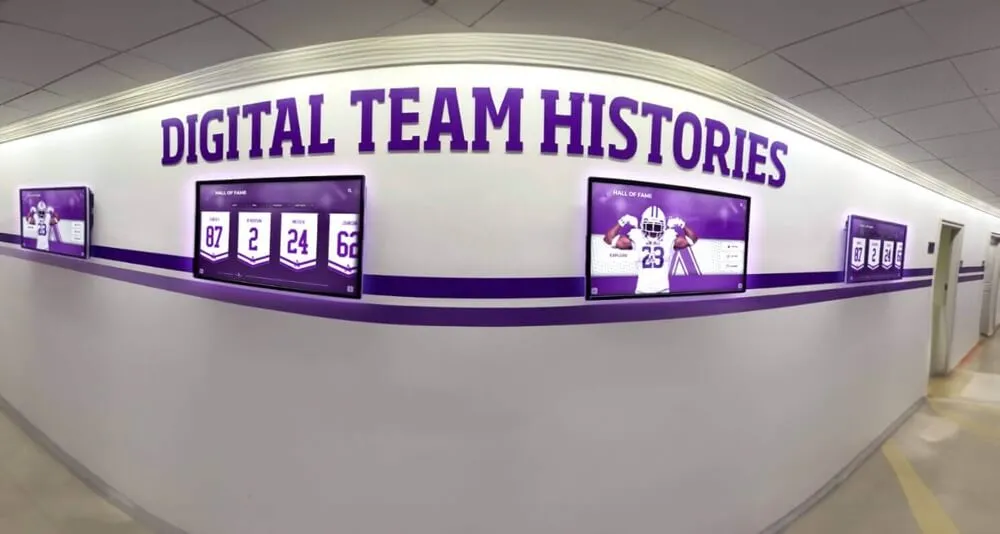
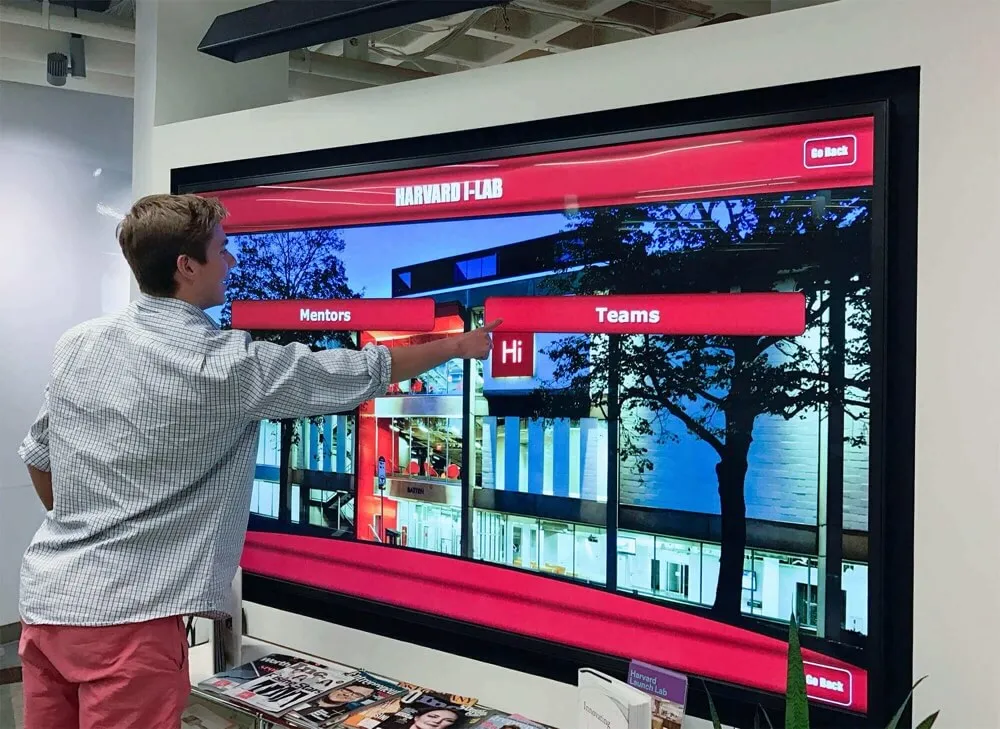
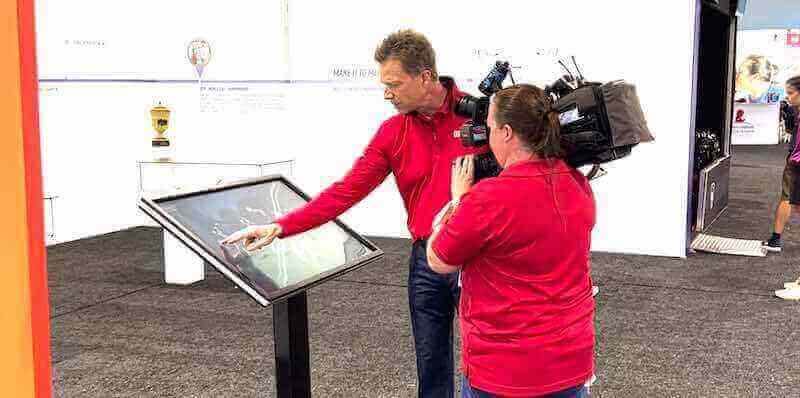
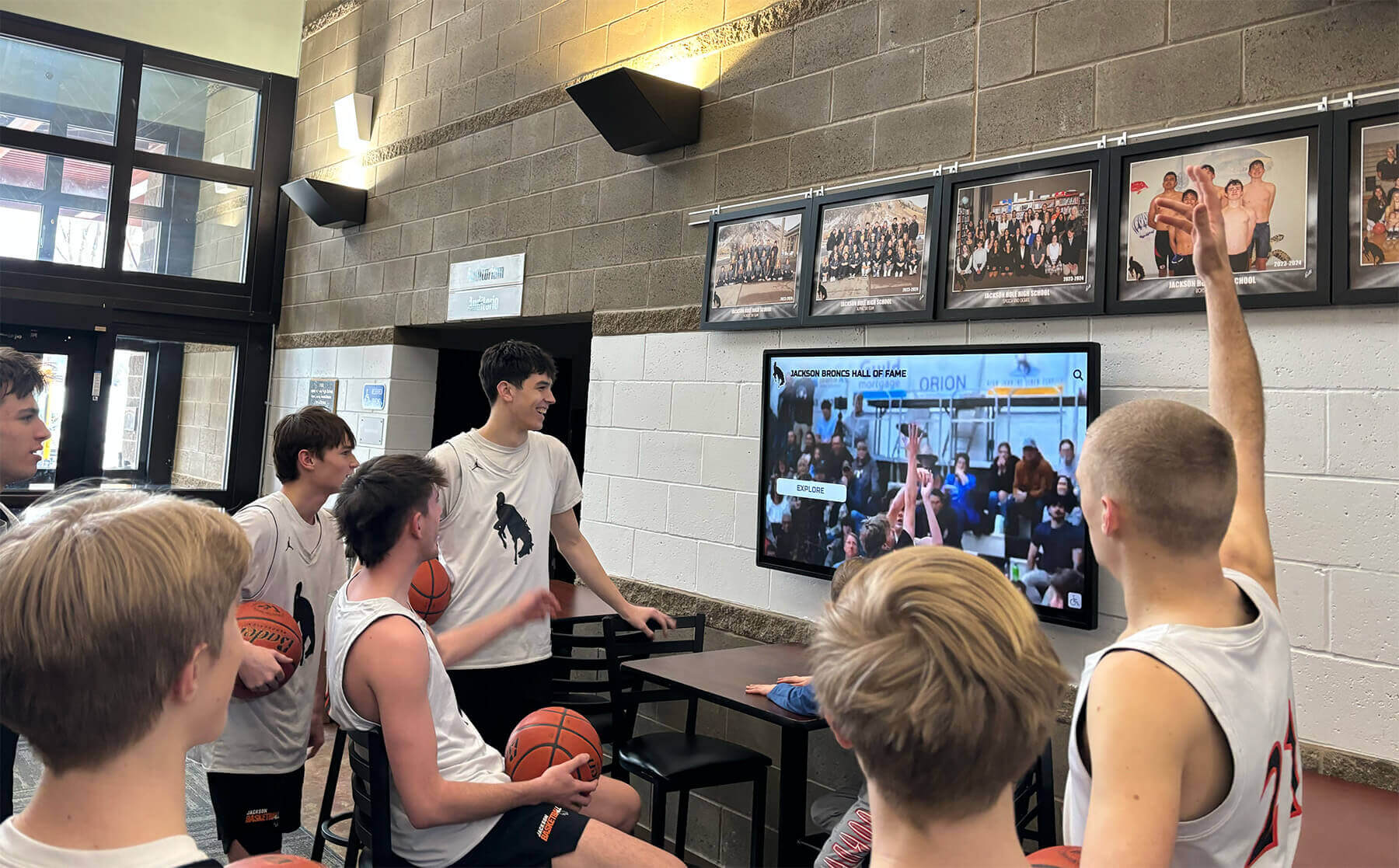
Modern sports teams combine traditional huddle rituals with technology-enhanced preparation to build both unity and tactical understanding
The Psychology Behind Effective Team Huddles
The team huddle’s power stems from well-documented psychological principles that influence individual and collective performance.
Social Cohesion and Collective Identity
Creating “We” Instead of “Me” Pre-game huddles activate social identity processes that shift athletes’ self-perception from individual competitors to members of a unified group:
- Shared physical proximity triggers psychological bonding mechanisms that build trust and connection
- Synchronized movements and chants create neurological synchrony that strengthens group cohesion
- Collective rituals reinforce team identity and create clear boundaries between “us” and “them”
- Eye contact and physical touch build interpersonal bonds that translate into on-field cooperation
- Shared verbal affirmations align individual mindsets toward common objectives
Research in sports psychology consistently demonstrates that teams with strong collective identity perform better under pressure, demonstrate greater persistence when trailing, and show more willingness to sacrifice individual statistics for team success. The pre-game huddle represents a primary mechanism through which this identity is activated immediately before competition.
Managing Pre-Competition Arousal Athletes enter competition with varying arousal levels—some overly anxious, others insufficiently activated:
- Structured huddle routines provide psychological anchoring that reduces uncertainty and anxiety
- Breathing exercises integrated into huddles help regulate physiological arousal to optimal levels
- Positive self-talk reinforced through group affirmations counters negative internal narratives
- Leadership communication frames competition in ways that channel nervous energy productively
- Familiar rituals create psychological safety that allows athletes to focus on performance rather than worry
The most effective huddles recognize that individual athletes arrive with different psychological needs—some requiring calming influence while others need activation—and incorporate elements that help team members self-regulate toward optimal competitive mindsets.

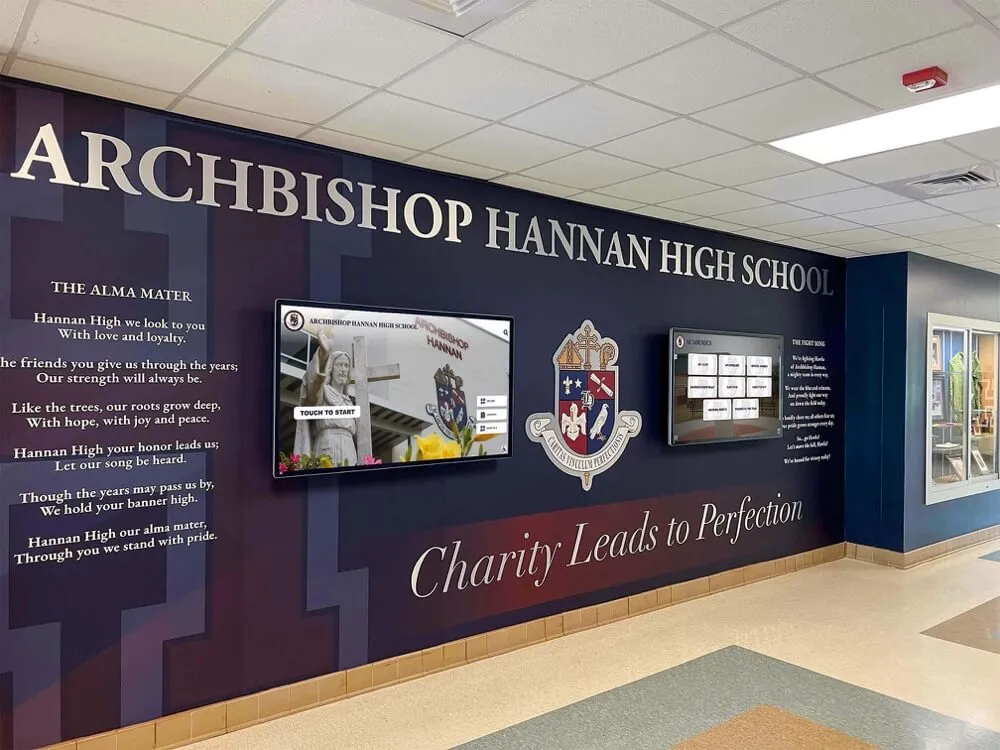
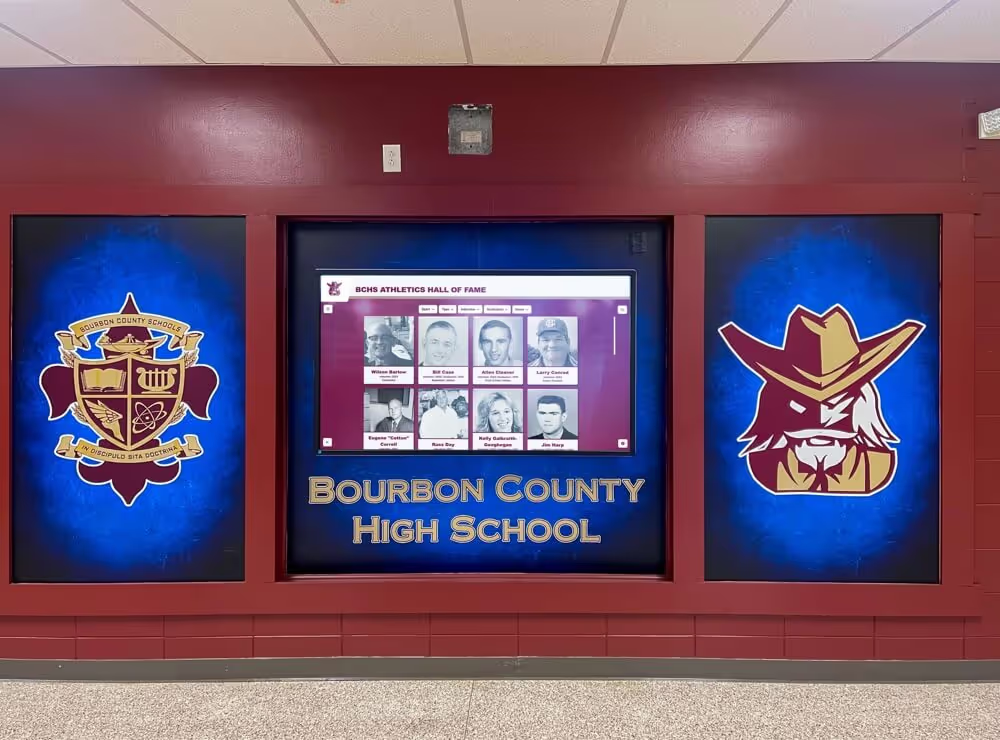
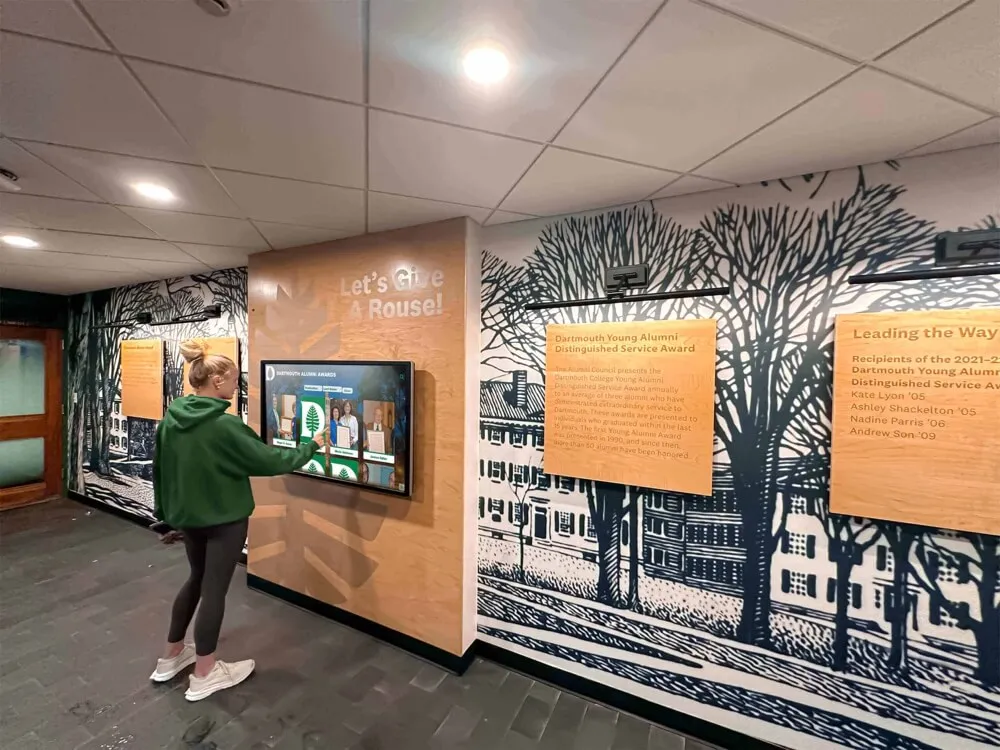
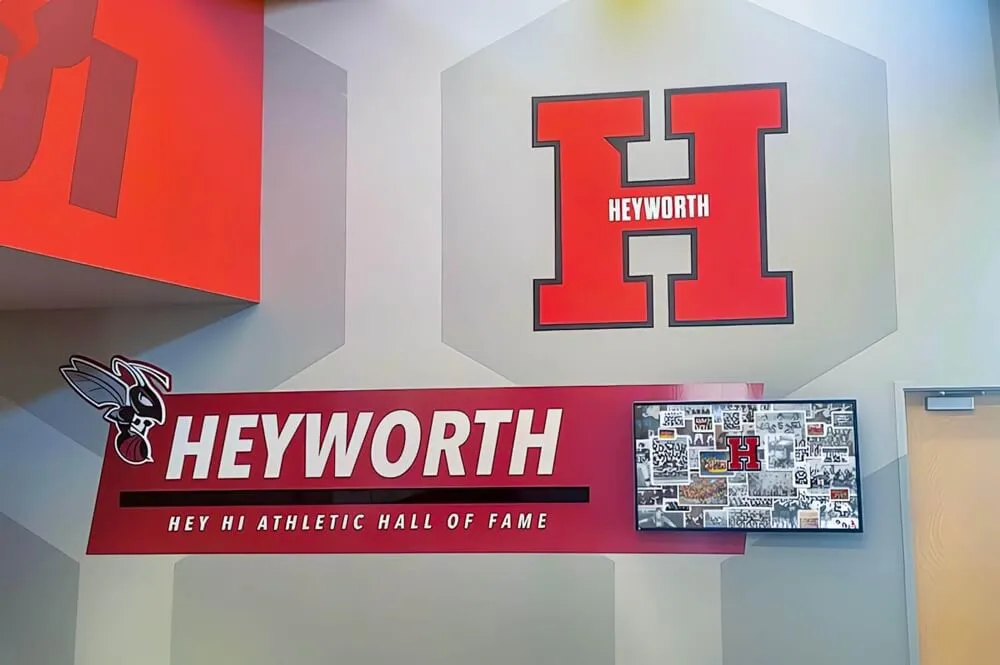
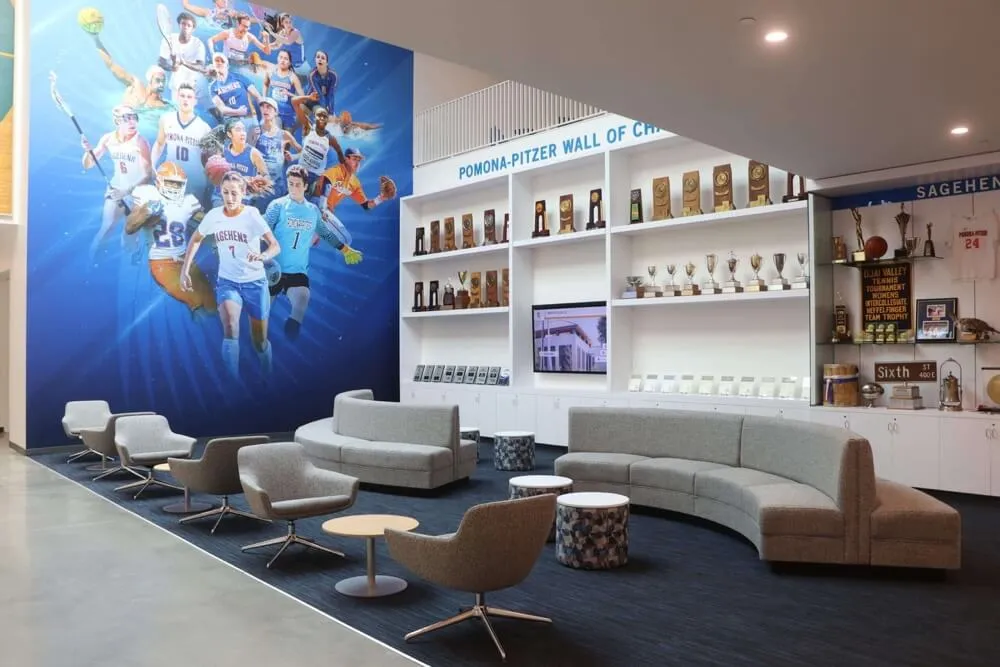
Recognition of team achievements reinforces the collective identity that huddles help activate before each competition
Establishing Mental Focus and Tactical Clarity
Filtering Distractions Pre-game environments contain numerous potential distractions—crowd noise, opponent warm-ups, individual worries, external pressures:
- Physical gathering creates a protected psychological space separated from environmental distractions
- Directed attention during huddles trains focus on controllable performance factors
- Tactical reminders orient thinking toward strategic priorities rather than anxiety-producing variables
- Present-moment emphasis brings wandering minds back to immediate competitive tasks
- Collective breathing promotes mindfulness that enhances concentration quality
Teams that master huddle focus-setting demonstrate measurably better early-game execution, fewer mental errors, and faster tactical adjustments when competitive situations demand flexibility.
Reinforcing Game Plans and Roles Even well-prepared teams benefit from final pre-competition tactical reinforcement:
- Key strategic priorities receive final emphasis through brief verbal reminders
- Individual role clarity ensures each athlete understands specific responsibilities
- Situational awareness is enhanced through discussion of likely game scenarios
- Defensive assignments receive final confirmation before competition begins
- Offensive principles are reinforced through collective verbal commitment
Research on skill execution under pressure demonstrates that recent mental rehearsal—including verbal rehearsal during huddles—improves early-competition performance by priming relevant motor patterns and decision-making frameworks.
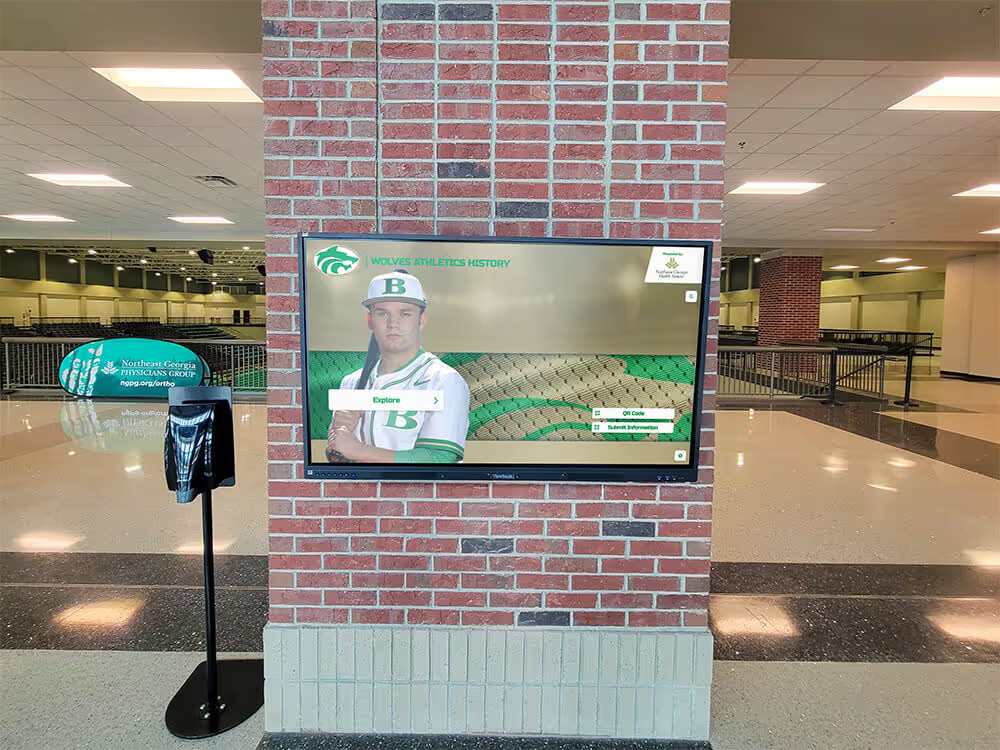
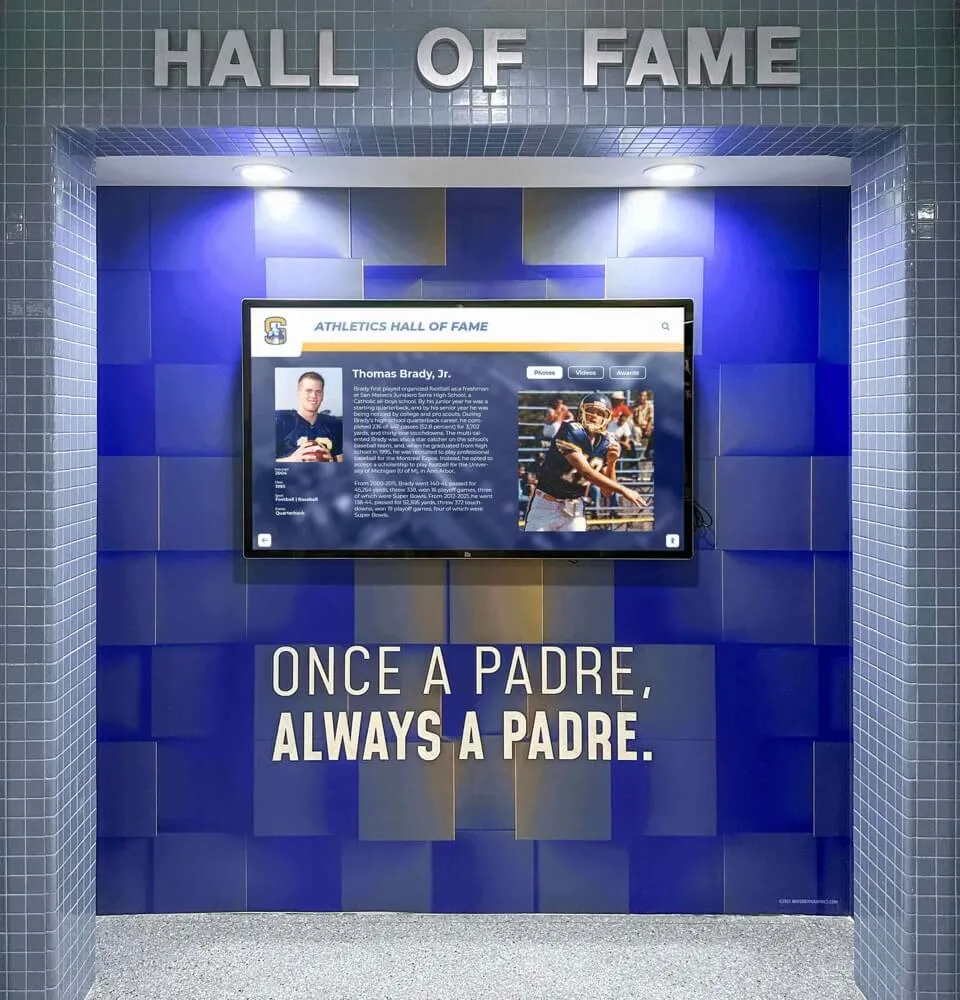
Many successful programs incorporate athletic recognition systems that celebrate teams who demonstrate exceptional unity and focus throughout their seasons.
Effective Team Huddle Strategies Across Sports
Different sports have developed huddle traditions reflecting their unique competitive demands and cultural histories.
Football Team Huddles
Pre-Game Huddle Structure Football teams typically employ multi-stage huddle sequences:
- Positional group huddles where offensive linemen, receivers, defensive backs, etc., gather separately for position-specific focus
- Full team gathering at midfield or in end zones where entire squad unifies
- Captain-led affirmations that reinforce team identity and competitive mindset
- Coach final words providing perspective and strategic emphasis
- Break on three or team-specific chant that marks transition to competition
Football huddles often emphasize physical intensity matching the sport’s collision-based nature, with players engaging in aggressive shoulder bumps, helmet taps, and forceful verbal exchanges that activate appropriate arousal levels for physical competition.
During-Game Offensive Huddles Between plays, offensive huddles serve distinct purposes:
- Play communication from quarterback or coaches via signals
- Formation adjustments based on defensive alignments observed
- Motivation maintenance during long drives or when facing adversity
- Tempo control that manages pace of play strategically
- Emotional regulation keeping players focused rather than reactive to previous plays
The offensive huddle represents one of football’s unique strategic elements—a moment of tactical organization within dynamic competition that few other sports provide.
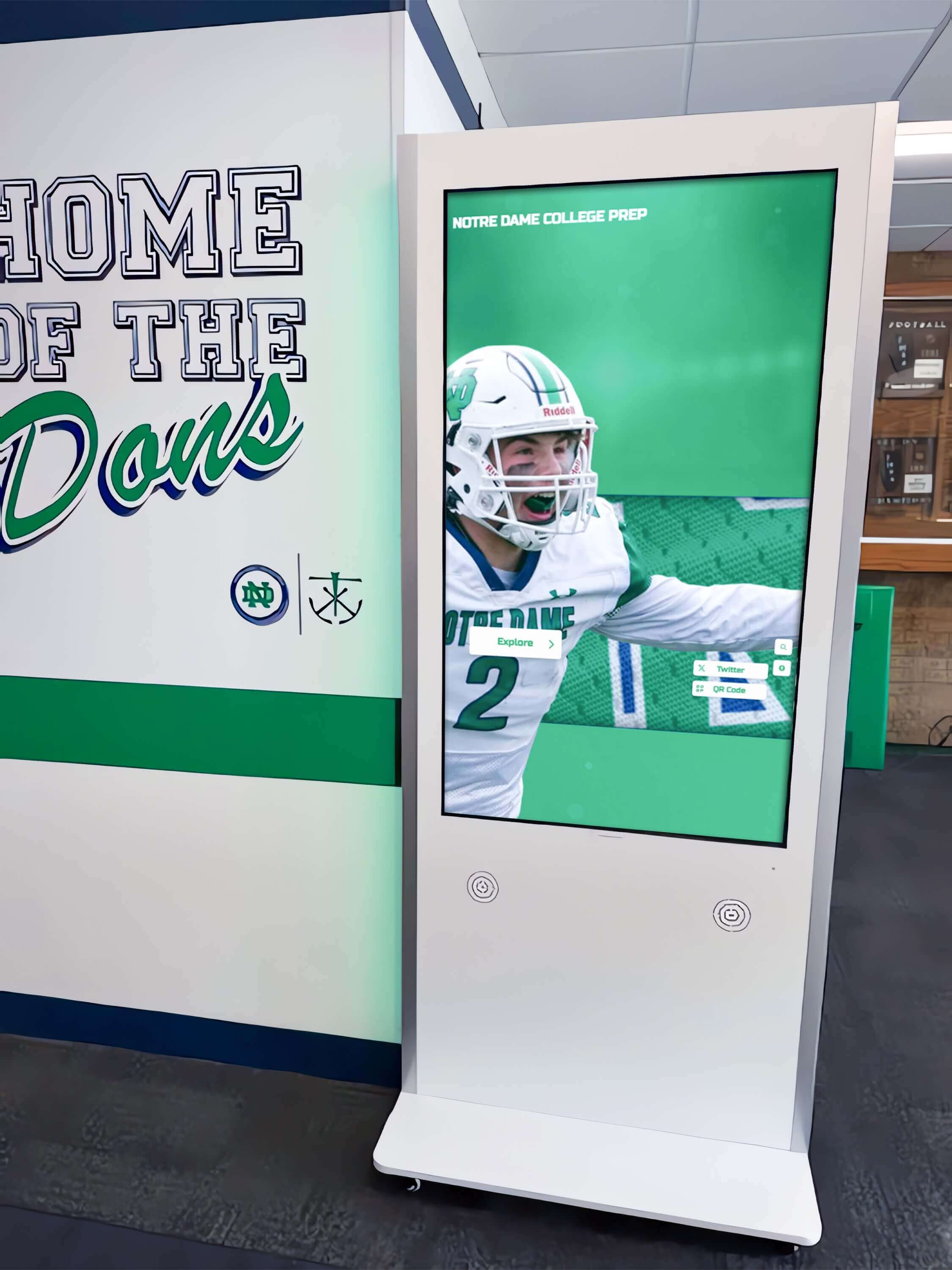
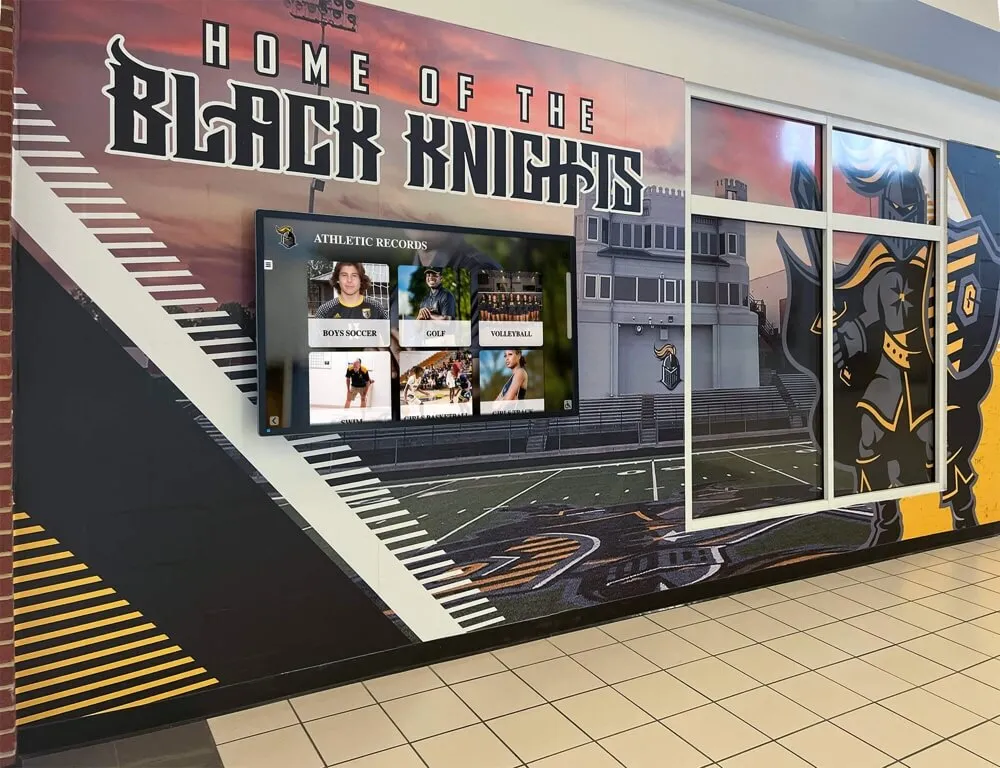
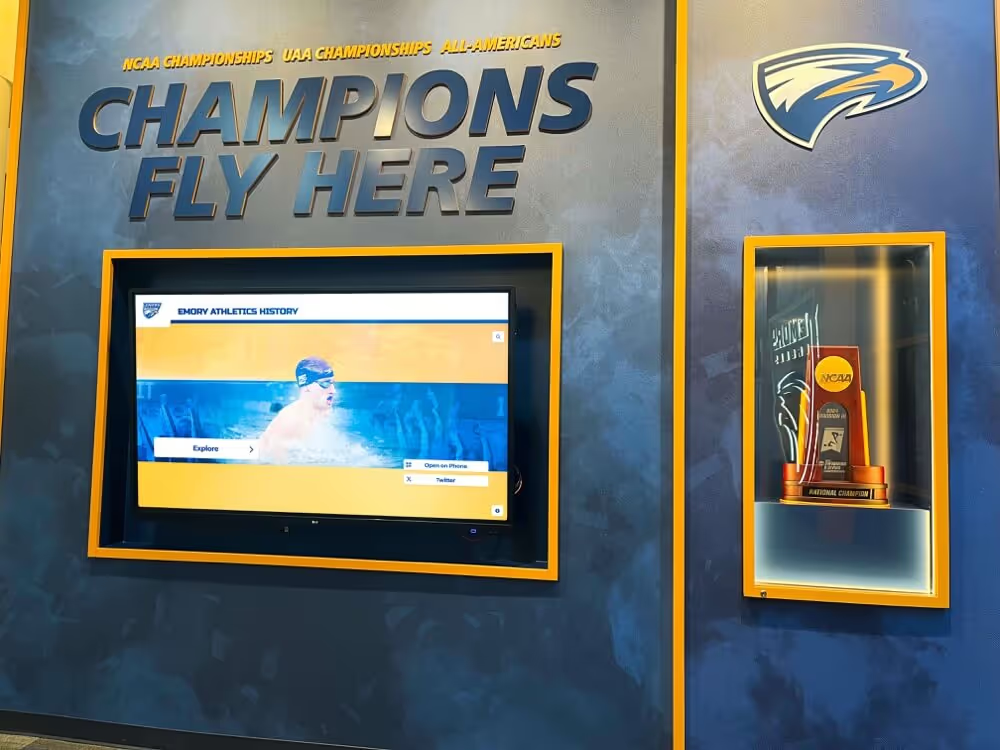
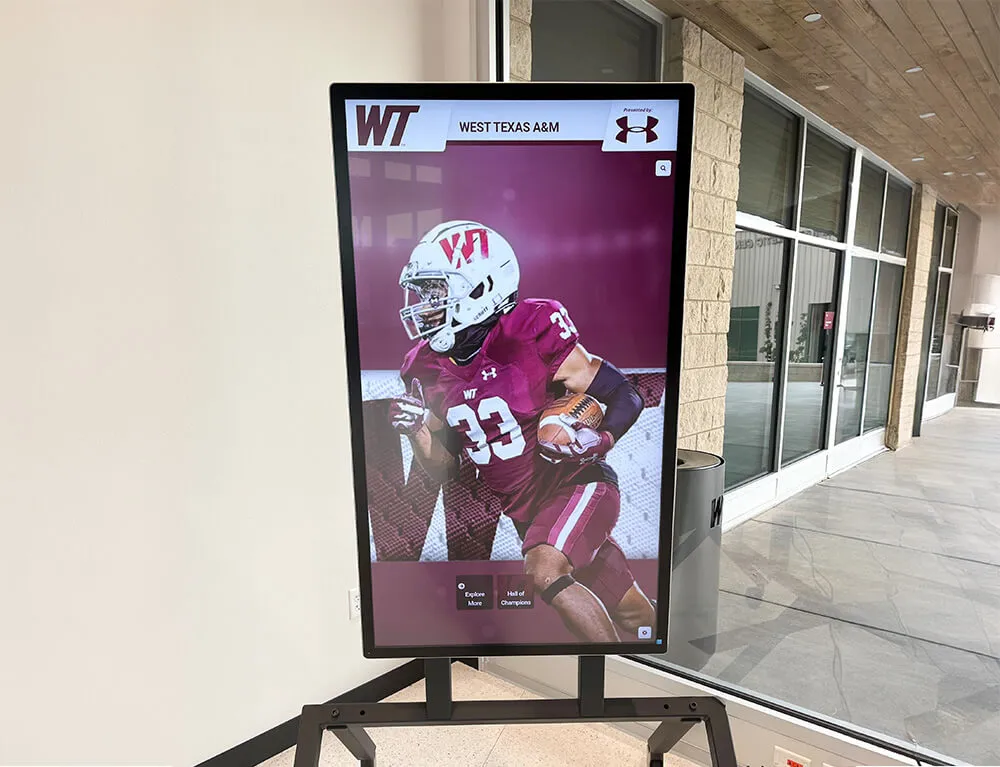
Football programs with strong team cultures often display recognition celebrating the collective achievements built through unity and preparation
Basketball Team Huddles
Pre-Game Circle Basketball huddles typically occur in tight circles at center court:
- Hand-stack formations where all players place hands together in center
- Eye contact emphasis with circle format ensuring all team members see each other
- Vocal energy matching basketball’s continuous, high-energy competitive nature
- Break together often with team-specific chant or affirmation
- Immediate transition to starting lineup introductions or warm-up completion
Basketball’s continuous play and substitution patterns create unique huddle dynamics, with brief timeout huddles serving as mid-game reset opportunities more frequent than in other sports.
Timeout Huddle Effectiveness During timeouts, basketball teams maximize limited huddle time:
- Whiteboard clarity with coaches diagramming specific plays or defensive adjustments
- Player input opportunities where team members contribute observations
- Emotional reset after momentum swings or frustrating sequences
- Strategic adjustments communicated efficiently given time constraints
- Hydration and rest integrated with tactical communication
The most effective basketball huddles balance tactical communication with emotional management, recognizing that continuous play creates mental and physical fatigue requiring different huddle approaches than sports with natural breaks.
Teams that develop strong basketball cultures often celebrate their achievements through basketball recognition programs that honor both individual excellence and collective success.
Soccer Team Huddles
Pre-Match Gathering Soccer teams gather before kickoff with huddle formats reflecting the sport’s global cultural diversity:
- Circle formations creating visual equality among all team members
- Captain leadership with designated leaders providing final motivation
- Team chants or songs often unique to specific clubs or programs
- Physical contact through arm-linking or shoulder-to-shoulder positioning
- Ritual consistency with many teams maintaining identical huddle sequences across matches
Soccer’s continuous 45-minute halves create particular pre-game huddle importance, as teams won’t gather again until halftime, making initial focus-setting crucial.
Halftime Huddle Adjustments Soccer halftime provides extended huddle opportunities:
- Tactical adjustments based on first-half observations
- Individual position coaching addressing specific performance issues
- Energy management given the physical demands of continuous running
- Emotional recalibration especially when trailing or protecting leads
- Second-half focus establishing priorities for remaining competition
Soccer halftime huddles often occur in locker rooms rather than on field, creating more private environments for candid tactical discussion and emotional expression than brief field huddles allow.
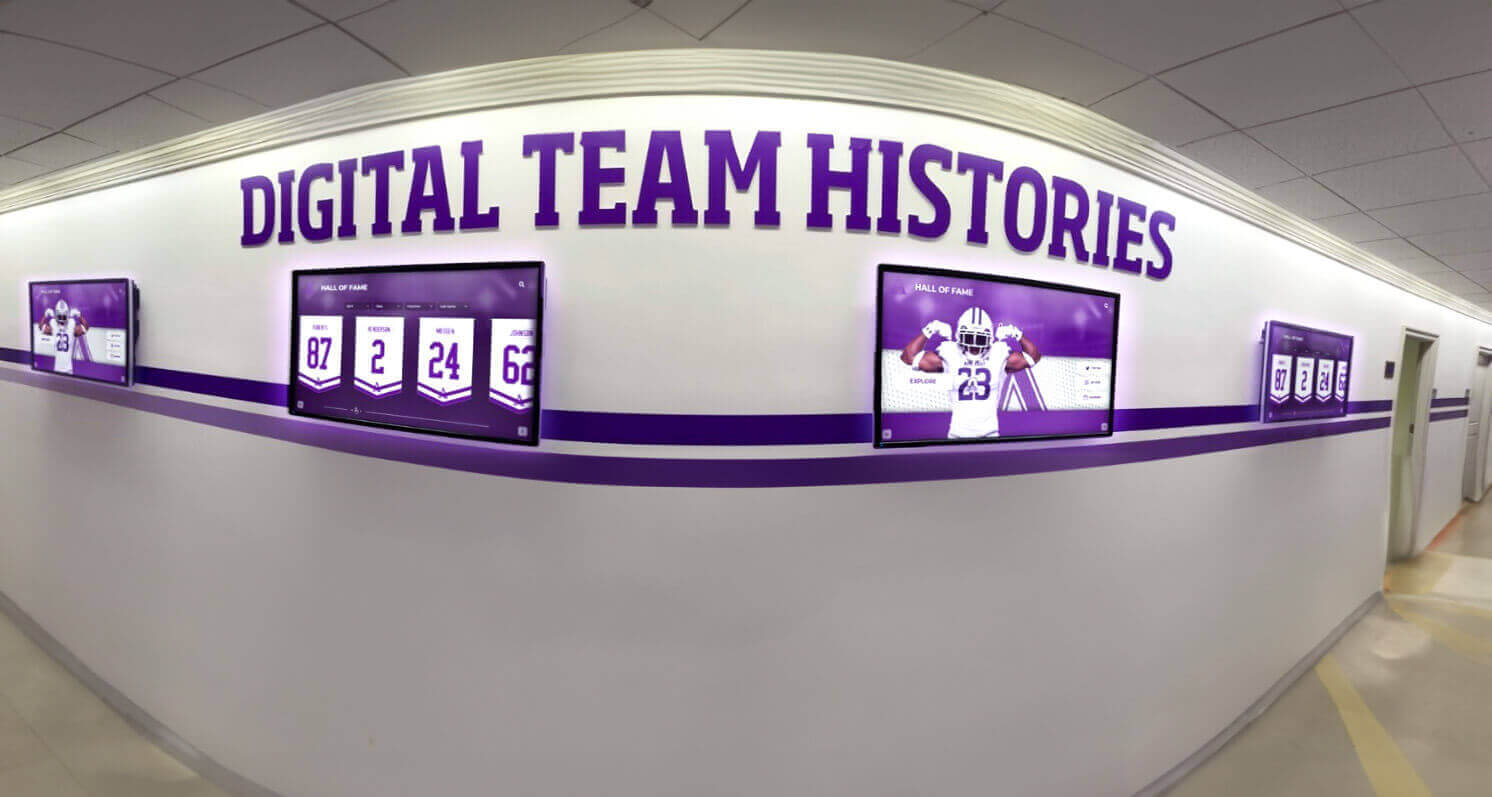
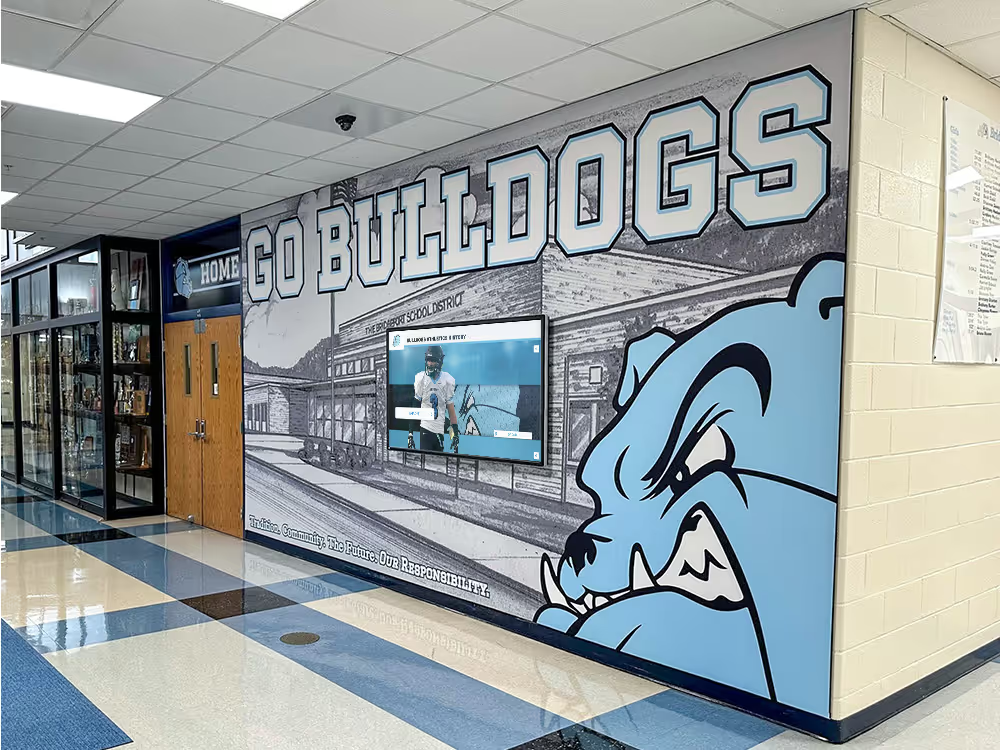
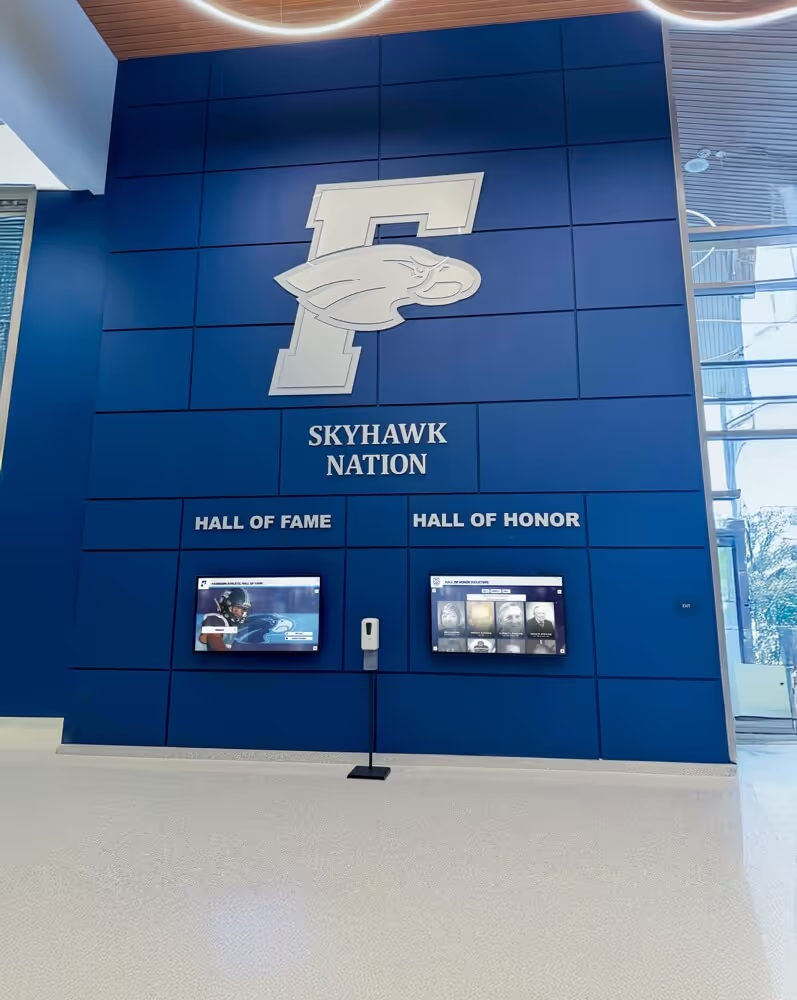
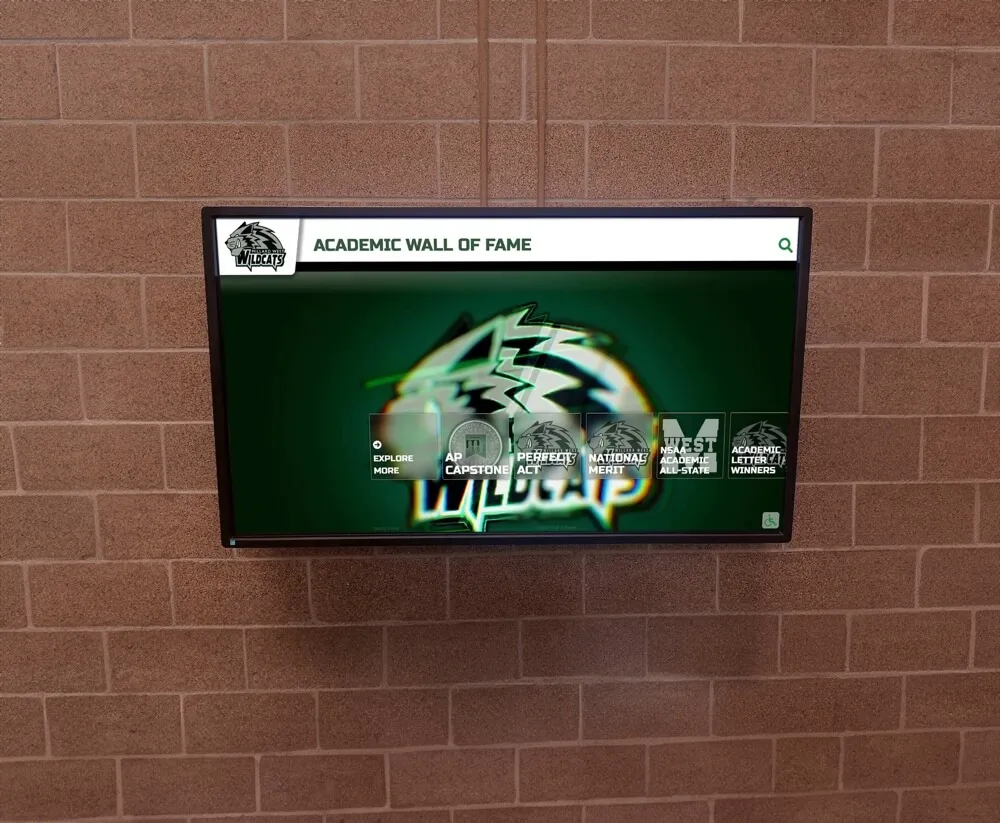
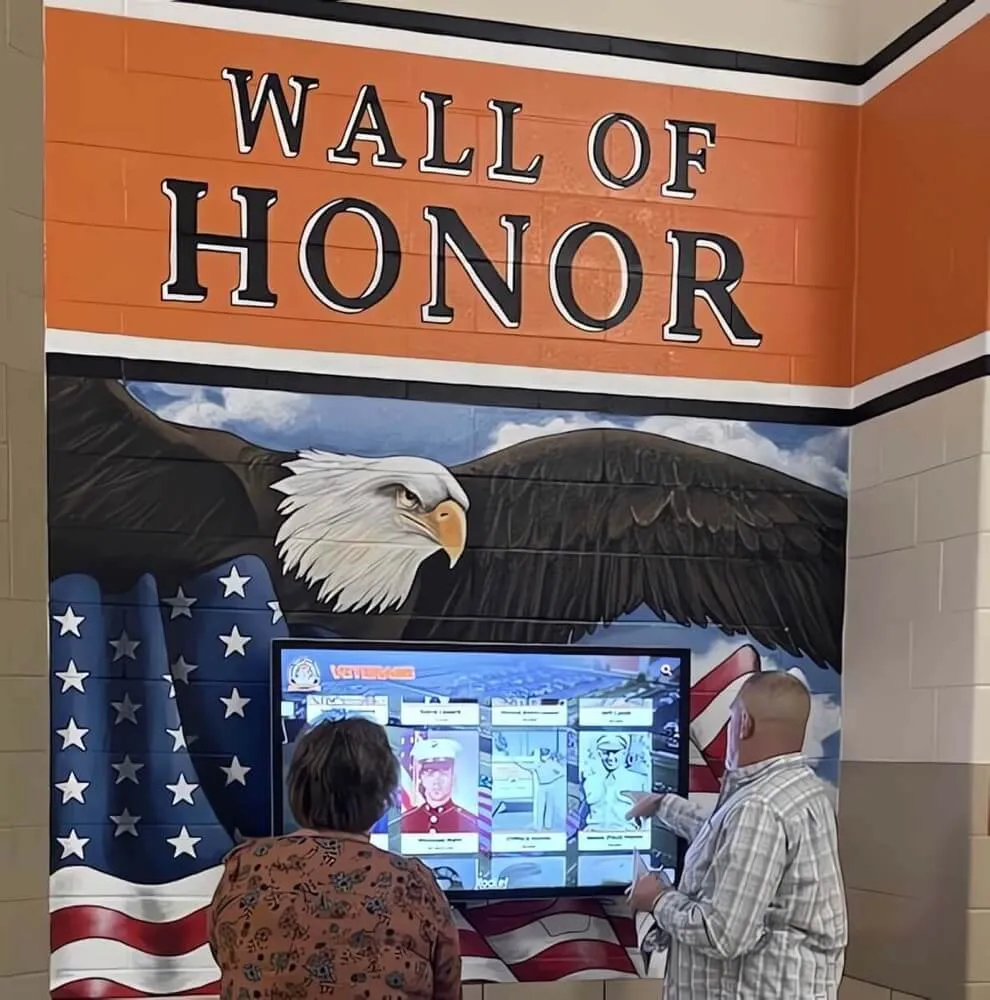
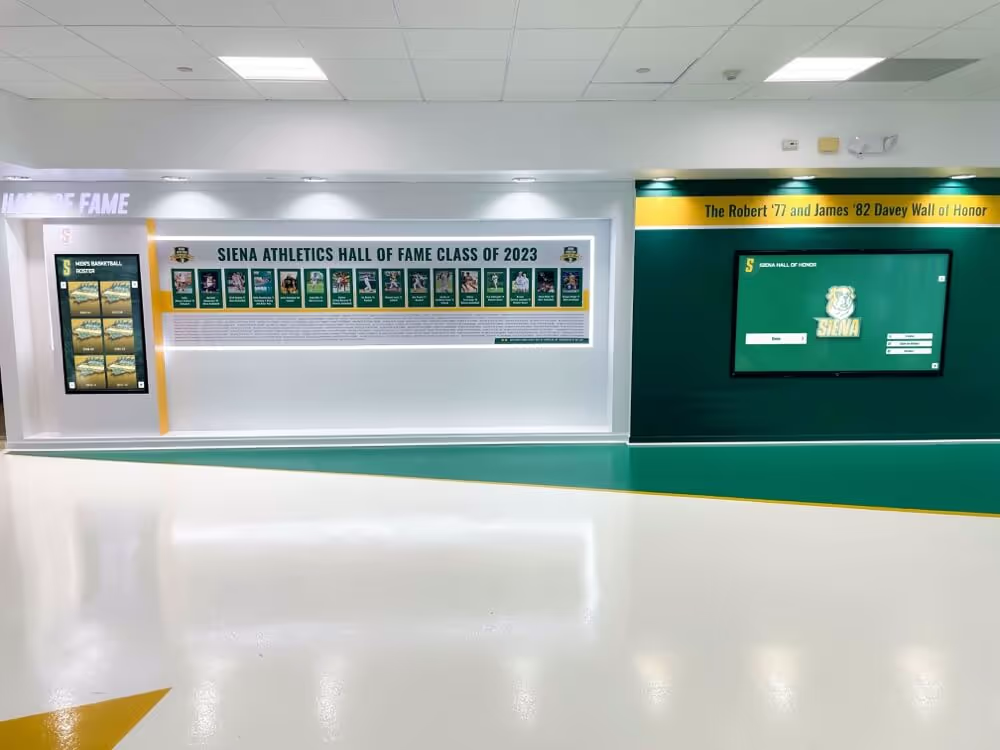
Schools with strong athletic traditions preserve team histories digitally, celebrating the unity that defines successful programs
Youth Sports Team Huddles: Building Culture Early
Effective huddle practices established at youth levels create foundations for long-term athletic development and team culture.
Age-Appropriate Huddle Structures
Elementary and Middle School Approaches Younger athletes benefit from simplified huddle structures:
- Consistency and routine help young athletes understand expectations
- Positive emphasis builds confidence rather than creating performance anxiety
- Brief duration matches limited attention spans of developing athletes
- Inclusive participation ensures all team members feel valued
- Fun integration through chants or hand signals that young athletes enjoy
Youth huddles should emphasize fun and inclusion over tactical complexity, recognizing that relationship-building and positive associations with team sports matter more than strategic sophistication at early developmental stages.
High School Progression As athletes mature, huddles can incorporate more sophisticated elements:
- Player leadership opportunities where team captains or seniors lead huddles
- Tactical communication becomes more detailed and strategically specific
- Tradition building establishes program-specific huddle rituals passed between generations
- Intensity escalation matches increasing competitive stakes and athletic maturity
- Peer accountability where teammates hold each other to performance standards
High school represents a crucial period for establishing huddle practices that balance competitive seriousness with maintaining sport enjoyment and psychological safety.
Programs that develop strong youth sports cultures often implement comprehensive youth recognition approaches celebrating participation, improvement, and team contributions.
Coach and Captain Huddle Leadership
Coaching Huddle Communication Coaches maximize huddle effectiveness through strategic communication approaches:
- Brevity and clarity ensuring messages are concise and easily understood
- Positional variation addressing the full team versus specific position groups appropriately
- Emotional awareness reading team energy and adjusting tone accordingly
- Player ownership allowing athlete voices rather than monopolizing communication
- Ritual respect honoring team-established traditions even when not personally preferred
The most effective coaches recognize huddles belong to players as much as coaching staff, creating space for athlete leadership rather than treating these moments as additional coaching opportunities.
Captain and Player Leadership Teams benefit when player leaders drive huddle energy and focus:
- Authenticity matters more than eloquence in player-led communications
- Team knowledge allows captains to address specific interpersonal dynamics coaches may miss
- Peer accountability carries different weight when delivered by teammates rather than authority figures
- Cultural transmission occurs when senior players model huddle engagement for younger teammates
- Ownership creation happens when players control these pre-competition moments
Research on team dynamics consistently shows that player-led elements of team culture—including huddle leadership—correlate with stronger collective identity and better cohesion under competitive pressure.
Schools developing student leadership often celebrate these contributions through student recognition systems that acknowledge both athletic and academic achievements.
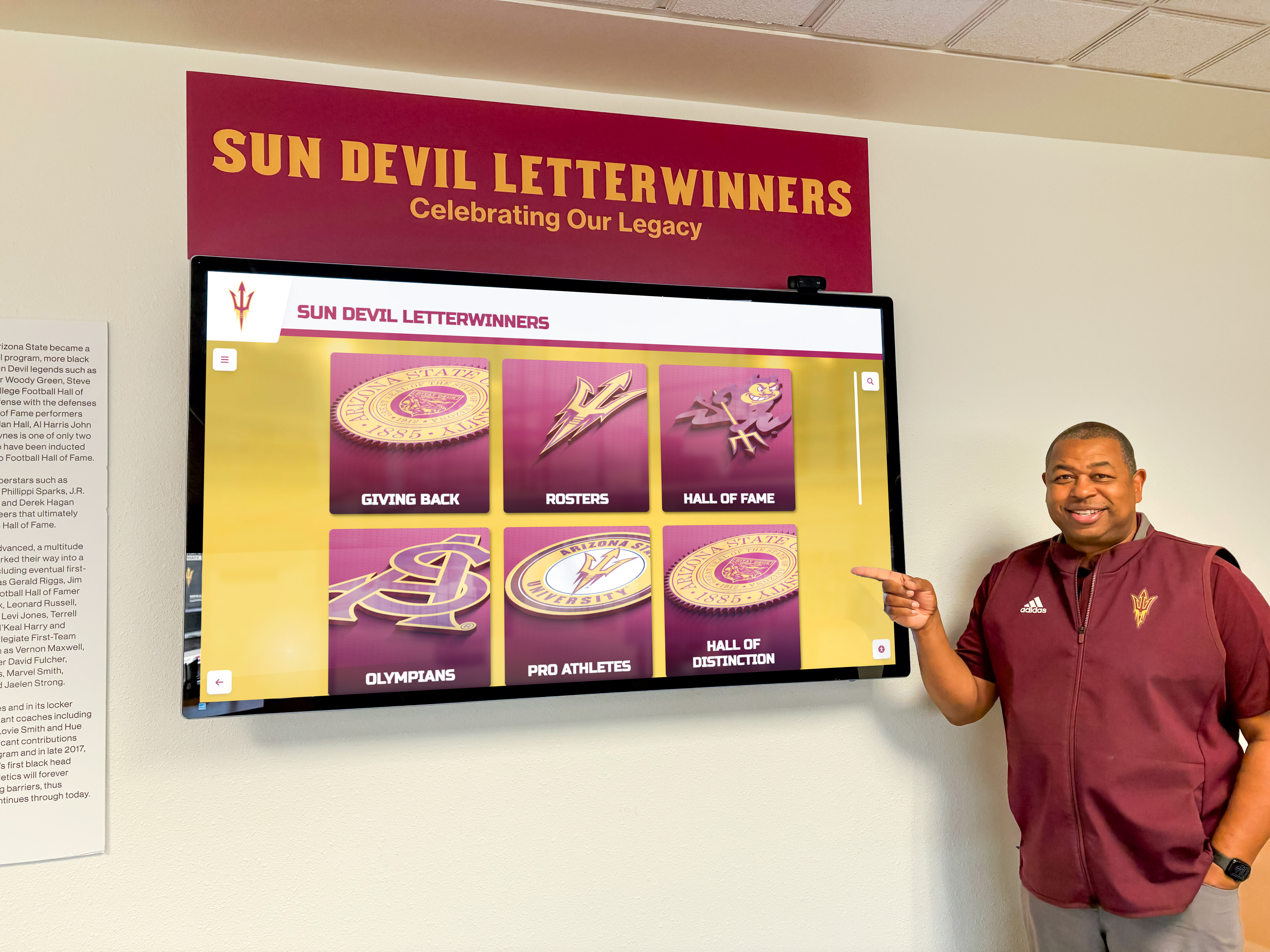
Recognition displays celebrate student athletes who demonstrate both competitive excellence and team leadership
Maximizing Team Huddle Impact: Best Practices
Certain approaches consistently produce more effective huddles across sports and competitive levels.
Creating Huddle Rituals and Traditions
Establishing Consistency Effective huddles follow predictable structures:
- Timing consistency with huddles occurring at same pre-game moments
- Location consistency using same gathering spots when possible
- Sequence consistency following reliable formats team members anticipate
- Language consistency with specific phrases or chants maintained across seasons
- Physical consistency in formations, hand placements, or movement patterns
Consistency creates psychological anchoring that helps athletes manage pre-competition uncertainty and anxiety. When everything else about competition varies—opponents, venues, stakes—familiar huddle rituals provide comforting stability.
Building Program Traditions Successful programs develop huddle traditions transcending individual teams:
- Multi-generational continuity where current players perform rituals passed from alumni
- Symbolic elements like specific hand signals, chants, or physical formations unique to programs
- Earned participation where certain huddle roles are reserved for seniors or captains
- Cultural documentation preserving huddle traditions through video or written records
- Alumni connection where former players recall specific huddle moments decades later
These traditions create powerful psychological bonds between current athletes and program history, expanding individual identity to include connection with all athletes who previously wore the same uniform.
Schools often preserve these traditions through digital history systems that celebrate program evolution across decades.
Balancing Motivation and Tactical Communication
Avoiding Over-Talking Less often proves more in huddle communication:
- Key points only rather than attempting to cover every possible situation
- Player attention spans are limited, especially when anxious or excited
- Message dilution occurs when too many points compete for mental focus
- Paralysis by analysis happens when athletes receive excessive technical information
- Emotional primacy means feelings and energy often matter more than additional tactical details
The best pre-game huddles identify the two or three most important messages—tactical, emotional, or motivational—and deliver them clearly rather than overwhelming athletes with information.
Matching Intensity to Competitive Level Huddle emotional intensity should align with competition stakes:
- Championship games warrant higher intensity and emotional investment
- Early-season competitions benefit from focus on execution rather than outcome pressure
- Individual contests receive appropriate emphasis without treating every game like championships
- Practice competitions use huddles to build habits without creating unnecessary pressure
- Blowout situations require different huddle approaches than close competitions
Coaches who treat every huddle identically risk either under-preparing athletes for significant competitions or creating excessive anxiety during less consequential contests.
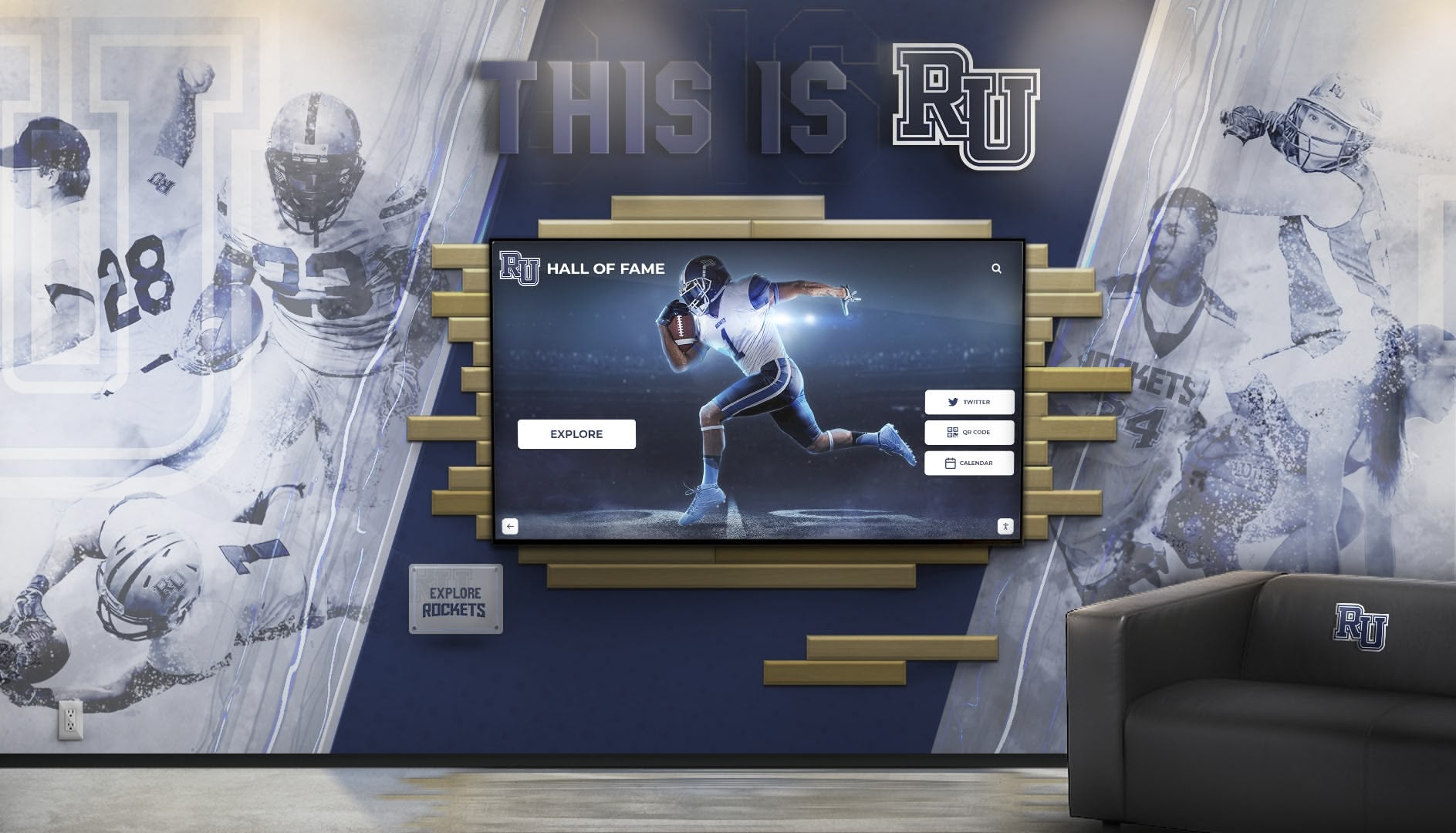
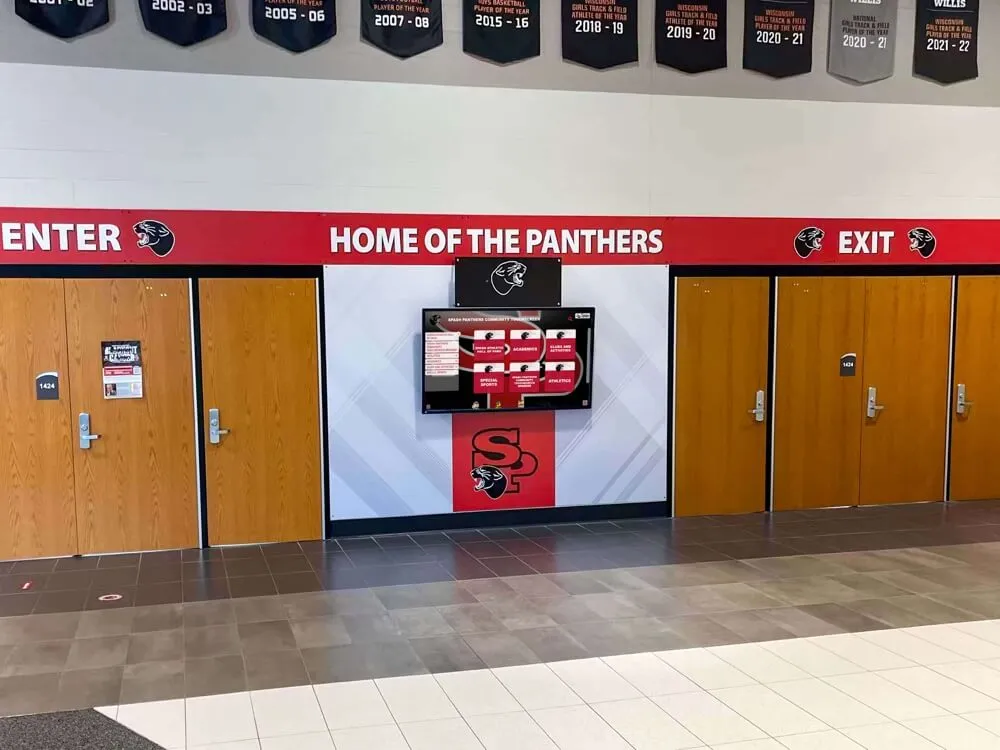
Permanent recognition of championship achievements celebrates the team unity that pre-game huddles helped establish
Incorporating Modern Technology
Pre-Game Video Integration Modern teams increasingly incorporate technology into huddle preparation:
- Video review huddles where teams watch opponent footage immediately before competition
- Highlight videos showing team’s successful performances to build confidence
- Digital tactical boards allowing coaches to illustrate strategies more clearly
- Player-facing analytics providing specific performance data to focus attention
- Motivational content including messages from alumni or supporters
Technology should enhance rather than replace traditional huddle elements, maintaining the interpersonal connection and collective ritual that make huddles psychologically powerful.
Digital Recognition Connection Modern programs connect pre-game huddles to broader recognition culture:
- Historical footage showing program’s greatest huddle moments before competitions
- Alumni messages delivered via video to current teams in pre-game settings
- Achievement displays visible in locker rooms or gathering areas reinforcing team identity
- Social media integration sharing huddle moments with broader communities
- Interactive displays allowing teams to explore program history before competing
Schools increasingly implement interactive recognition technology that connects current athletes to program traditions.
Cultural and Sport-Specific Huddle Variations
Different athletic cultures have developed unique huddle traditions reflecting their competitive values and historical development.
International Sports Huddle Differences
Rugby Team Huddles Rugby huddles often emphasize physical intensity and historical tradition:
- Haka performances by New Zealand teams representing Māori cultural traditions
- Tight forward huddles emphasizing the physical nature of rugby competition
- Song traditions with teams singing anthems or club songs together
- Physical contact emphasis reflecting rugby’s collision-intensive gameplay
- Hierarchical elements where senior players and captains hold specific roles
Rugby’s cultural emphasis on respect, tradition, and physical toughness manifests clearly in pre-game huddle characteristics.
Cricket Team Approaches Cricket’s unique competitive format creates different huddle dynamics:
- Bowling huddles between deliveries where fielding teams strategize
- Partnership breaks when batting teams discuss strategy between overs
- Drinks break gatherings providing tactical adjustment opportunities
- Tea interval huddles during longer-format matches
- Captain-centered communication reflecting cricket’s tactical leadership traditions
Cricket huddles emphasize tactical sophistication and strategic flexibility more than emotional intensity, matching the sport’s cerebral competitive nature.
Volleyball Team Dynamics Volleyball’s continuous substitution patterns create frequent huddle opportunities:
- Between-point huddles after every rally where teams briefly gather
- Timeout tactical huddles with whiteboard diagramming
- Rotation huddles when teams switch positions
- Set-break huddles between games within matches
- Hand-stack celebrations after successful points
Volleyball huddles maintain energy and connection throughout extended matches, with brief between-point gatherings preventing momentum losses after difficult sequences.
Many volleyball programs participate in school recognition traditions that celebrate team achievements and build program identity.

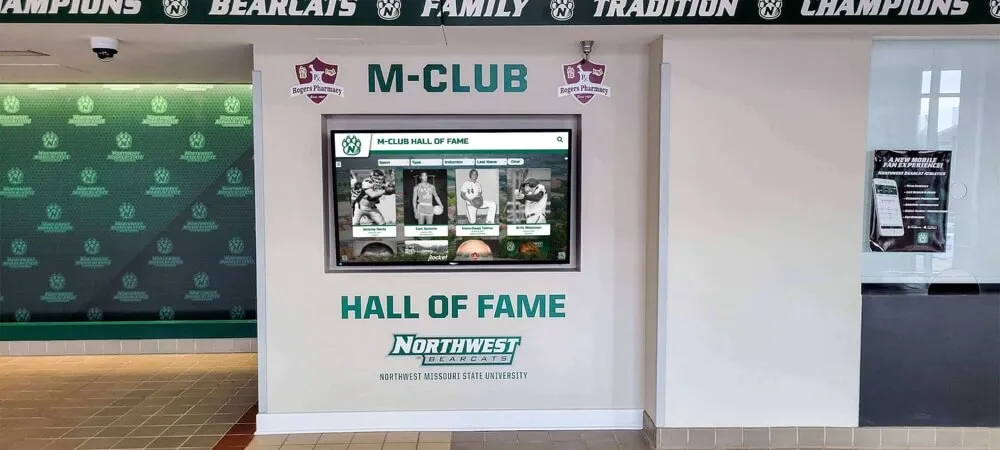
College programs preserve athletic traditions through permanent recognition celebrating the team unity central to competitive success
Professional Sports Huddle Evolution
NFL and Professional Football Professional football huddles reflect decades of tactical evolution:
- Coordinated gathering times managed precisely according to pre-game protocols
- Media consideration with teams aware of camera coverage and fan observation
- Individual preparation balance respecting veteran players’ personal routines
- Position coach integration with specialized staff leading position-group huddles
- Organizational consistency with franchises maintaining specific traditions across coaching changes
Professional huddles balance tradition with individual player needs, recognizing that veteran athletes have established personal preparation routines that may conflict with rigid team requirements.
NBA and Professional Basketball NBA huddles have evolved to accommodate player empowerment culture:
- Player-driven energy with stars often leading huddle communication
- Coach strategic input balanced with player ownership of competitive mindset
- Timeout efficiency maximizing brief huddle opportunities during games
- Entertainment awareness acknowledging arena and broadcast audience presence
- Social media consciousness understanding that huddle moments may become viral content
Professional basketball huddles increasingly reflect player leadership rather than purely coach-driven communication, paralleling broader cultural shifts toward athlete empowerment.
Professional Soccer Variations Global soccer’s cultural diversity produces varied professional huddle approaches:
- European club traditions often emphasizing tactical sophistication
- South American passion typically featuring more emotional intensity
- League-specific customs varying across different professional competitions
- Manager influence with some coaches highly involved and others delegating to captains
- Championship-level intensity particularly visible in knockout tournament competitions
Professional soccer demonstrates how cultural contexts shape huddle characteristics even when competitive objectives remain constant across leagues and nations.
Programs at all levels celebrate championships and team achievements, with many implementing professional-style recognition displays that honor team excellence.
Common Team Huddle Mistakes to Avoid
Understanding what doesn’t work helps teams maximize huddle effectiveness.
Over-Complicating Huddle Messages
Information Overload Problems Excessive communication undermines huddle effectiveness:
- Attention saturation occurs when athletes receive more information than they can process
- Conflicting messages create confusion when multiple coaches offer different emphases
- Tactical overwhelm happens when complex strategies are introduced immediately before competition
- Emotional distraction results when strategic details interfere with appropriate competitive arousal
- Retention failure means athletes forget most information delivered in high-anxiety pre-game moments
The solution involves identifying the single most important message for each huddle—whether tactical, motivational, or emotional—and ensuring that message receives clear emphasis without dilution from secondary information.
Inconsistent Huddle Practices
Routine Disruption Frequent huddle changes undermine psychological benefits:
- Format inconsistency creates uncertainty rather than psychological anchoring
- Leadership rotation without clear succession planning confuses team dynamics
- Message unpredictability prevents athletes from knowing what to expect
- Timing variation disrupts established pre-competition routines
- Cultural discontinuity occurs when new coaches abandon established traditions unnecessarily
While huddles should evolve appropriately, frequent changes signal instability and prevent teams from developing the automatic comfort that effective rituals provide.
Excluding or Marginalizing Players
Inclusion Failures Huddles lose power when some team members feel excluded:
- Starter-focused huddles that ignore reserves diminish bench contributions
- Veteran domination preventing younger players from developing leadership
- Position hierarchies treating some positions as more valuable than others
- Personality biases favoring outgoing athletes while marginalizing quieter contributors
- Cultural insensitivity to different communication styles or emotional expression preferences
The most effective huddles create genuine inclusion where all team members—regardless of playing time, seniority, or personality—feel valued as essential contributors to collective success.
Ignoring Individual Differences
One-Size-Fits-All Problems Athletes respond differently to various huddle approaches:
- Arousal differences mean identical messages over-activate some athletes while under-preparing others
- Communication preferences vary with some athletes responding to analytical framing and others to emotional appeals
- Cultural backgrounds influence receptivity to different leadership styles
- Personality types process group dynamics differently, with introverts sometimes overwhelmed by high-intensity huddles
- Experience levels create different needs, with veterans requiring less direction than newcomers
Sophisticated huddle approaches recognize individual differences while maintaining collective unity, perhaps incorporating both full-team huddles and brief individual conversations addressing specific athlete needs.
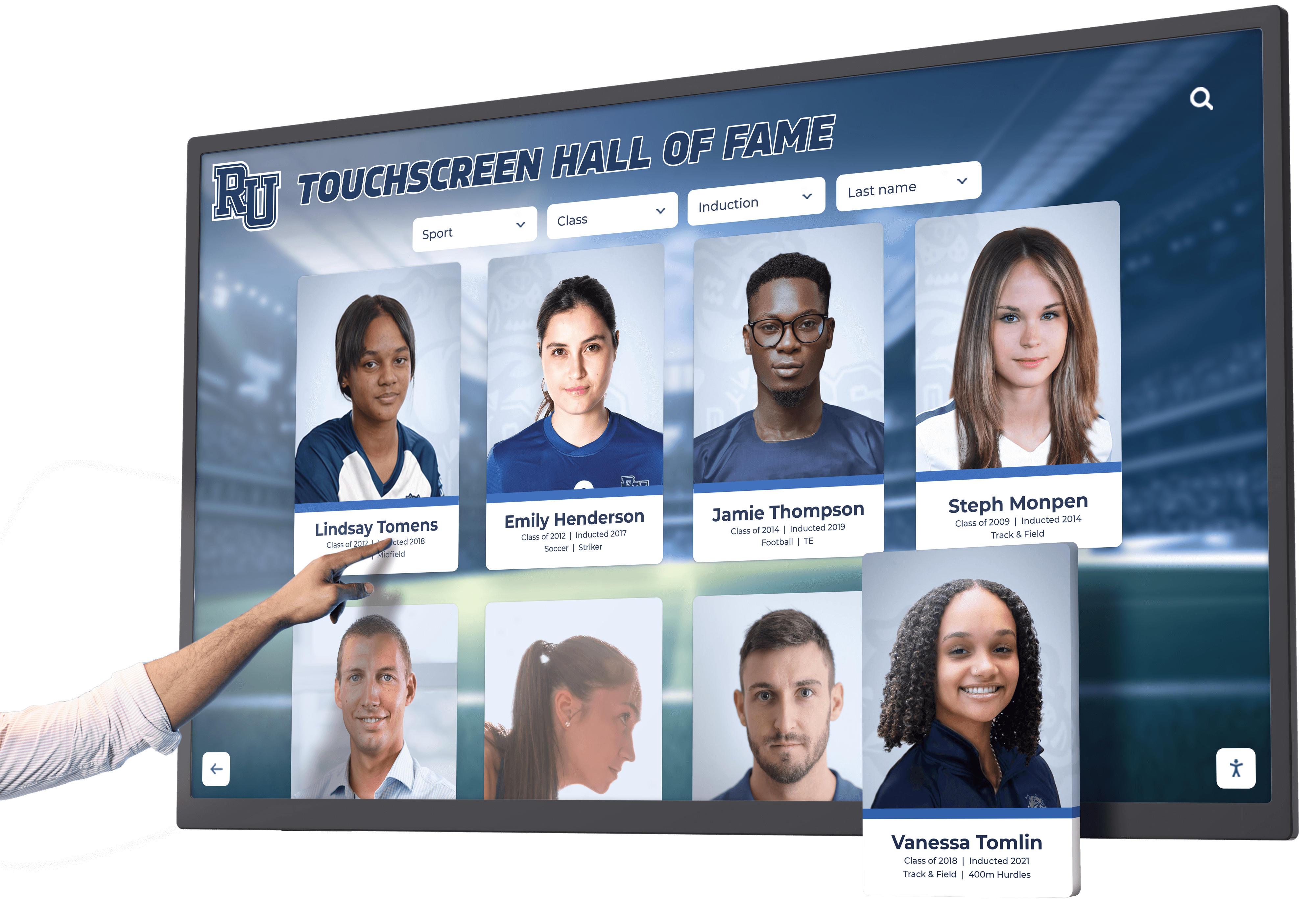
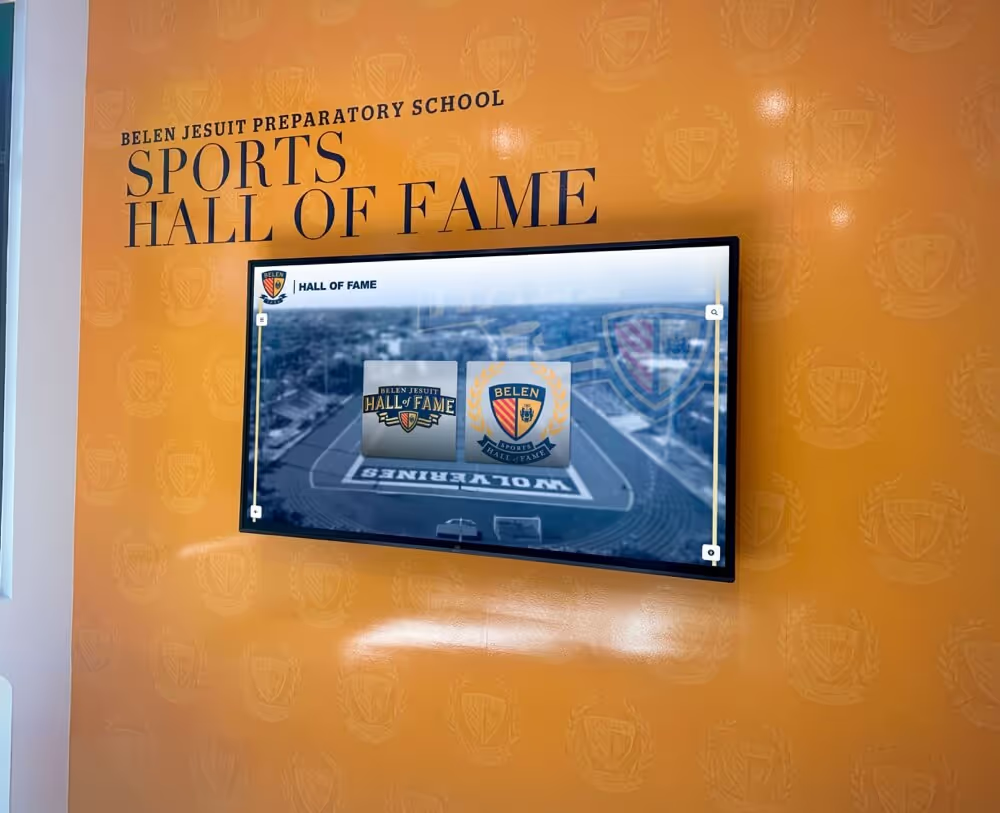
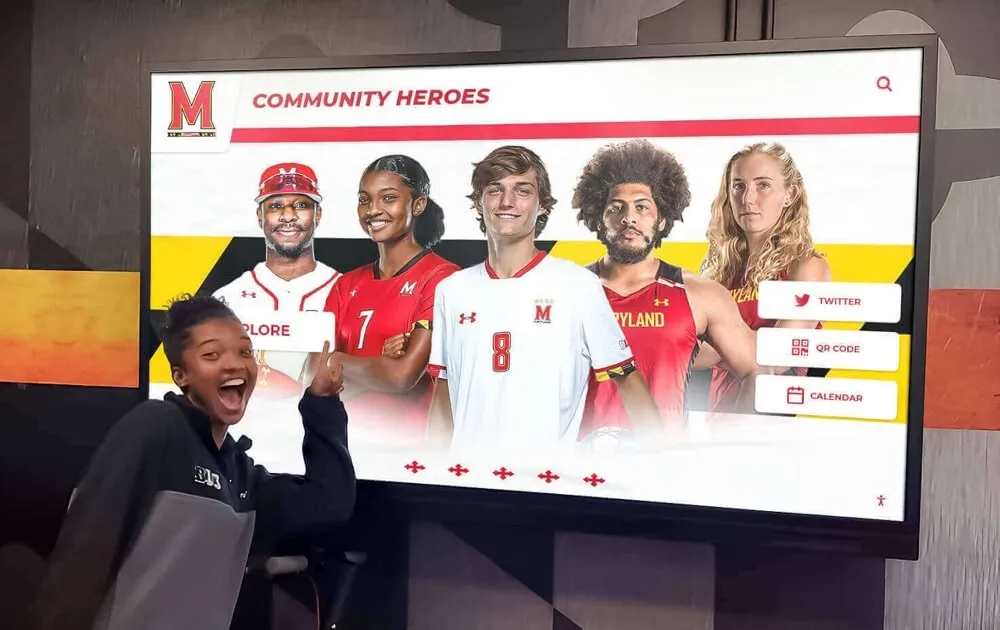
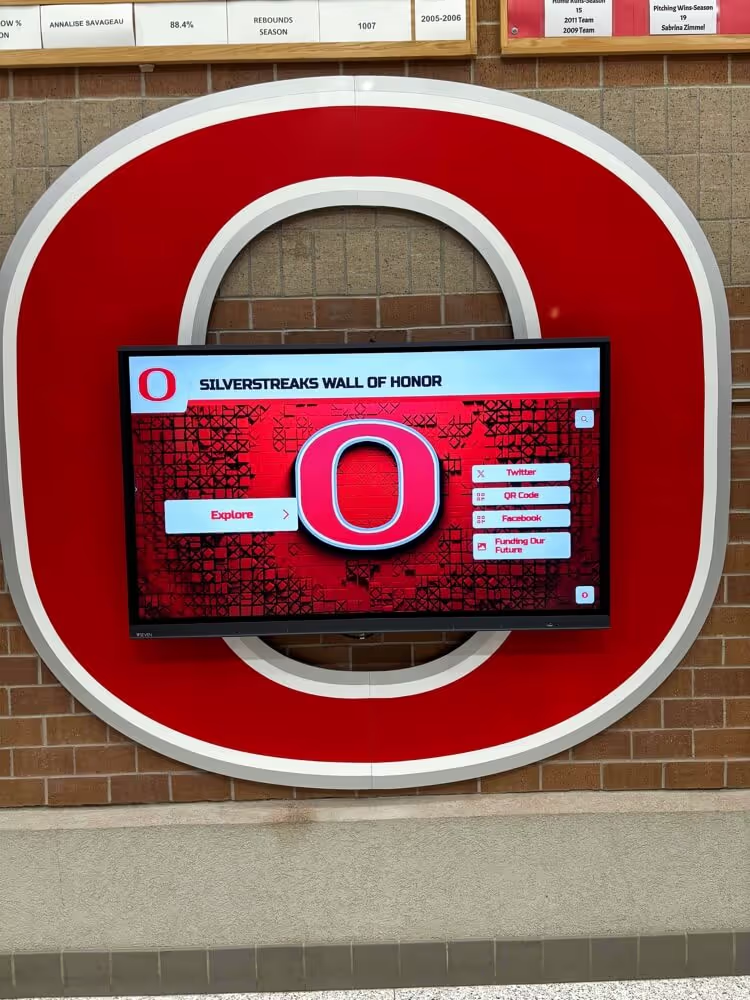
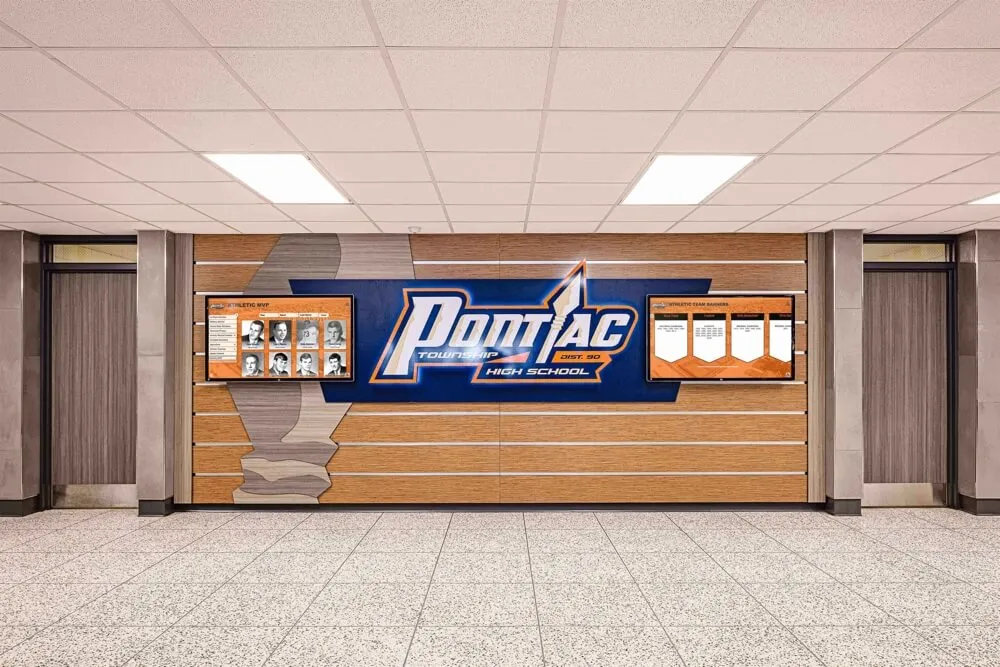
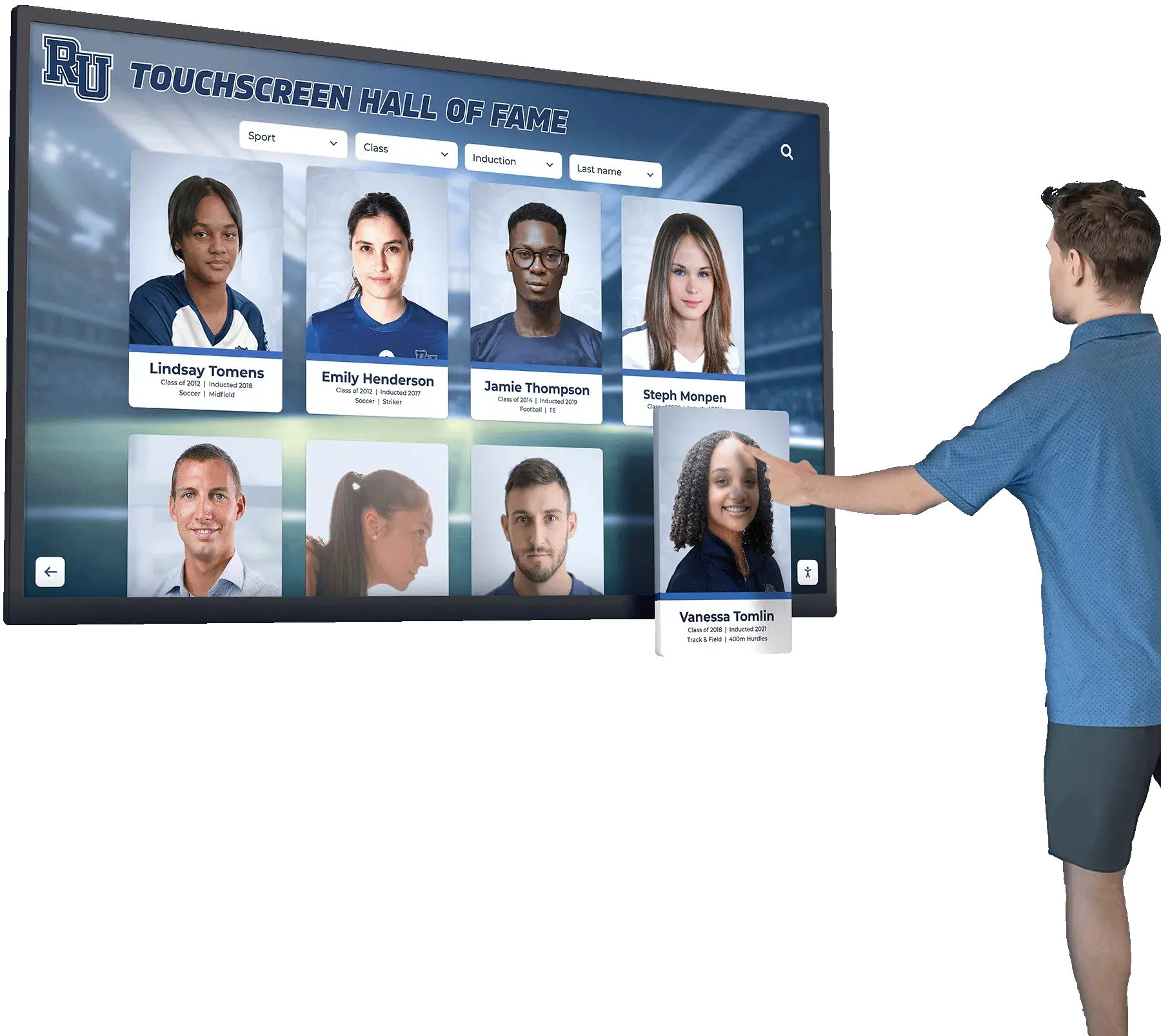
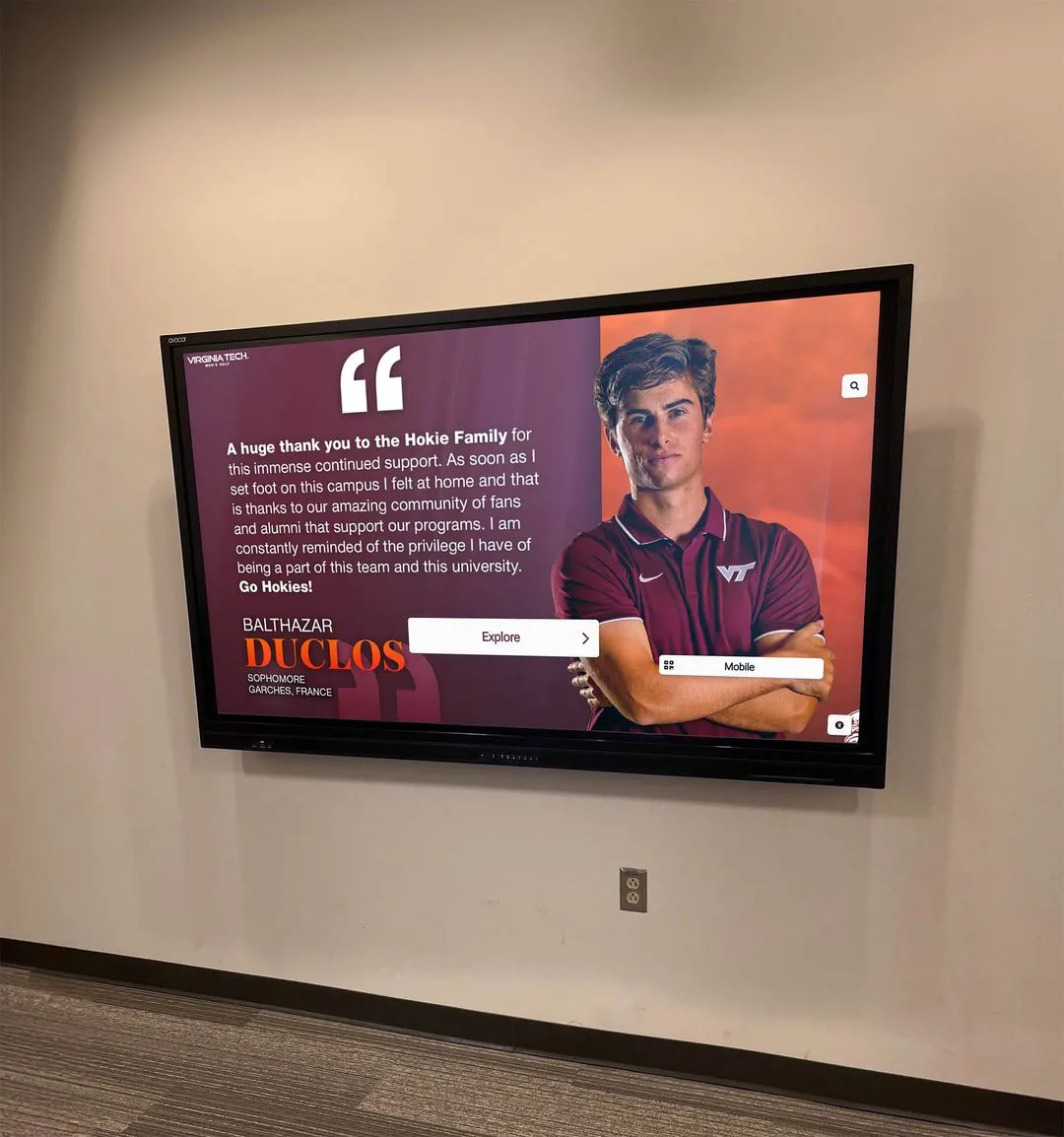
Modern recognition technology celebrates individual athletes while honoring their contributions to team success
Building Long-Term Huddle Culture
The most valuable huddle impacts extend beyond individual competitions to shape program culture across seasons and generations.
Developing Player Huddle Leadership
Leadership Progression Systems Effective programs create clear pathways for huddle leadership development:
- Underclassman observation where younger athletes learn by watching veteran leadership
- Junior leadership opportunities providing practice in lower-stakes situations
- Senior ownership with final-year athletes driving huddle culture
- Captain selection criteria considering huddle leadership ability specifically
- Post-career reflection with alumni discussing huddle leadership lessons
This progression ensures huddle leadership quality remains consistent as team rosters change, preventing cultural disruption when influential seniors graduate.
Empowering Authentic Voices The most powerful huddle moments come from genuine athlete expression:
- Individual leadership styles respected rather than forcing athletes into prescribed roles
- Emotional authenticity valued more than polished speeches
- Peer connection leveraged through player-to-player communication
- Cultural representation ensuring diverse team voices receive huddle space
- Failure tolerance accepting that not every huddle message will be perfectly delivered
Athletes recognize authenticity immediately and respond more powerfully to genuine teammate expression than to performances mimicking professional athletes or coaches.
Documenting and Preserving Huddle Traditions
Cultural Transmission Programs preserve huddle culture through intentional documentation:
- Video archives capturing significant huddle moments for future teams
- Written traditions documenting specific chants, formations, or rituals
- Alumni testimony preserving stories of meaningful huddle experiences
- Captains’ handbooks passing huddle leadership knowledge between generations
- Team meetings where tradition explanations connect current athletes to program history
This documentation prevents cultural knowledge loss during coaching changes or roster transitions, maintaining continuity that strengthens program identity.
Recognition Integration Huddle culture connects to broader team recognition:
- Championship huddles preserved through photography and video
- Captains honored for huddle leadership alongside athletic achievement
- Team unity awards recognizing athletes who strengthen collective cohesion
- Culture carriers celebrated for maintaining and transmitting huddle traditions
- Historical displays showing evolution of program huddle practices across decades
Many schools implement comprehensive athletic recognition systems that preserve and celebrate team culture alongside individual achievements.
Measuring Huddle Effectiveness
Assessment Approaches Teams can evaluate huddle impact through multiple methods:
- Athlete feedback surveys asking players about huddle value and effectiveness
- Performance correlation analyzing whether strong huddles precede better early-game execution
- Coach observation noting team energy and focus changes across different huddle approaches
- Video analysis reviewing huddle body language, participation, and energy
- Competitive outcomes tracking performance in high-stakes competitions where huddle impact may be magnified
While quantifying huddle effectiveness proves difficult, systematic assessment helps programs identify what works and continuous improvement opportunities.
Continuous Improvement Huddle practices should evolve based on feedback and results:
- Seasonal evaluation reviewing huddle effectiveness after each campaign
- Player input incorporation adapting practices based on athlete perspectives
- Cultural evolution allowing traditions to develop organically rather than remaining rigid
- Competitive adaptation adjusting huddle intensity and focus based on opponent and situation
- Leadership development growing huddle communication sophistication as athletes mature
The most effective programs treat huddles as living cultural elements requiring attention and refinement rather than static traditions immune to improvement.
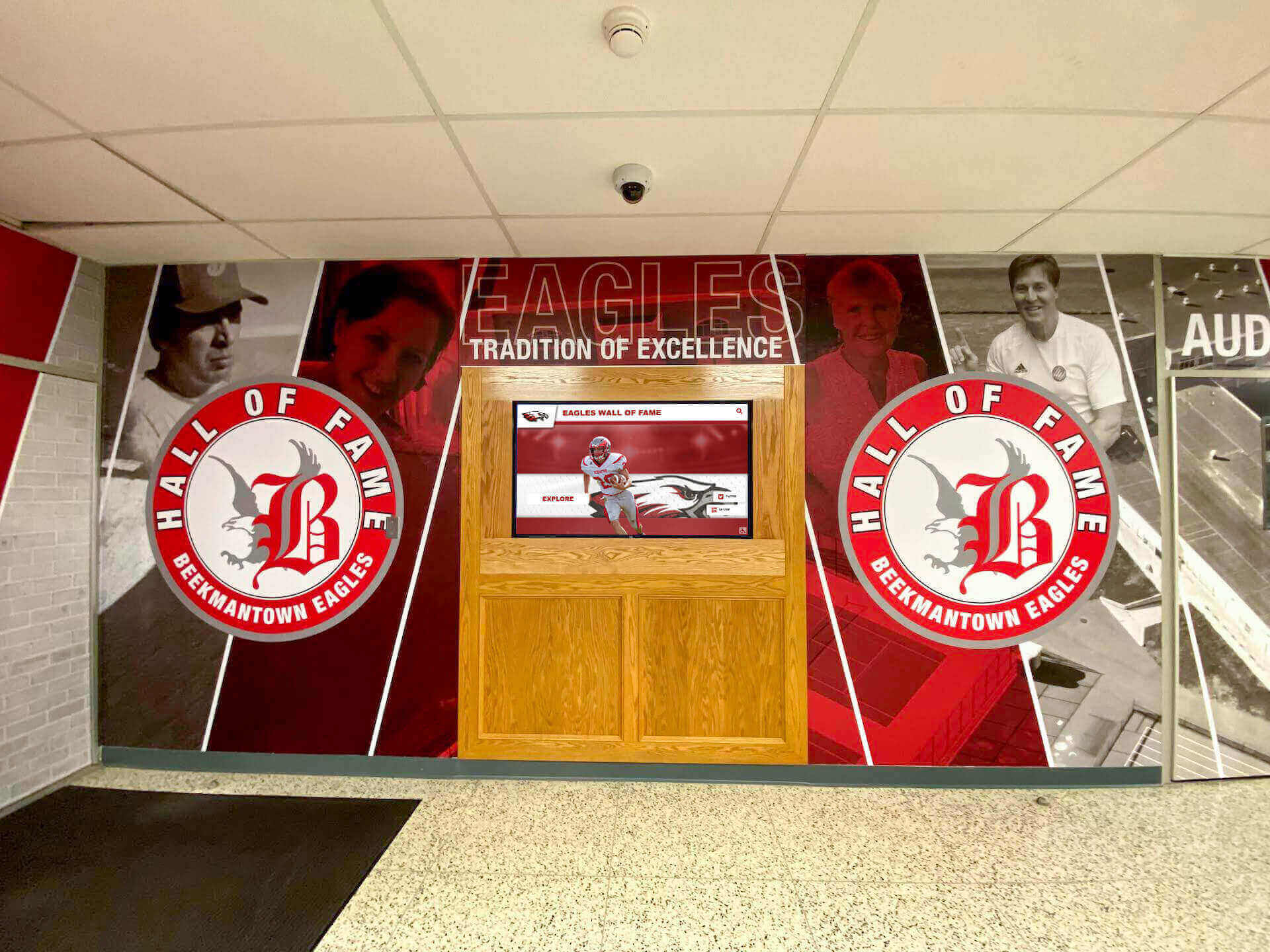
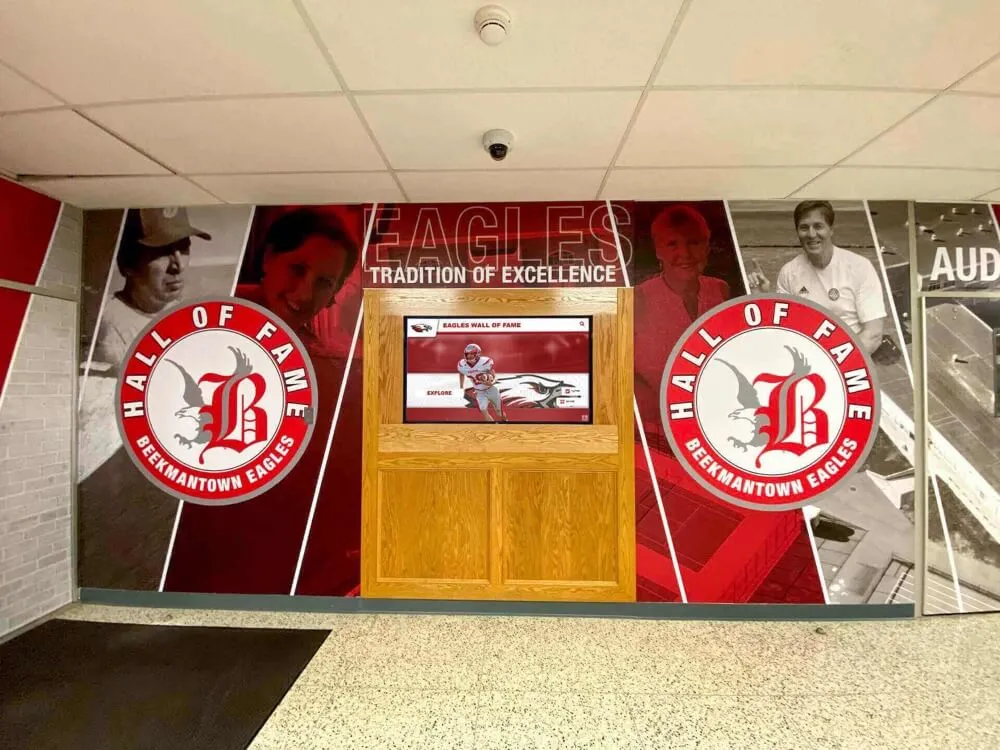
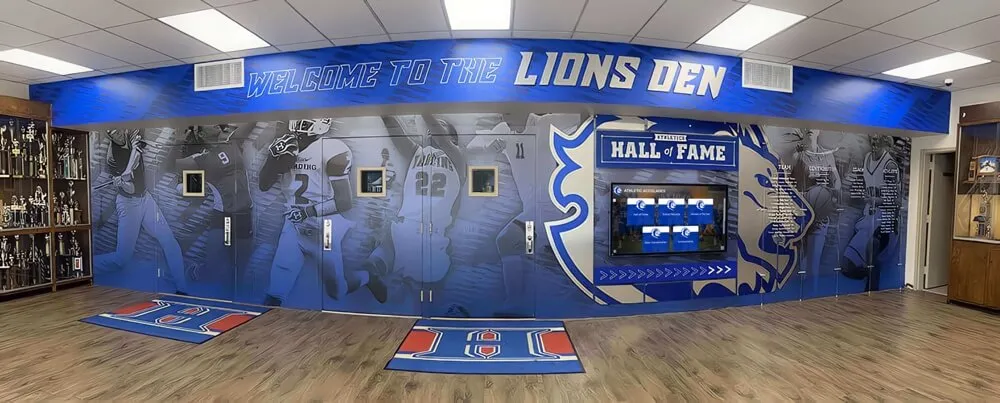
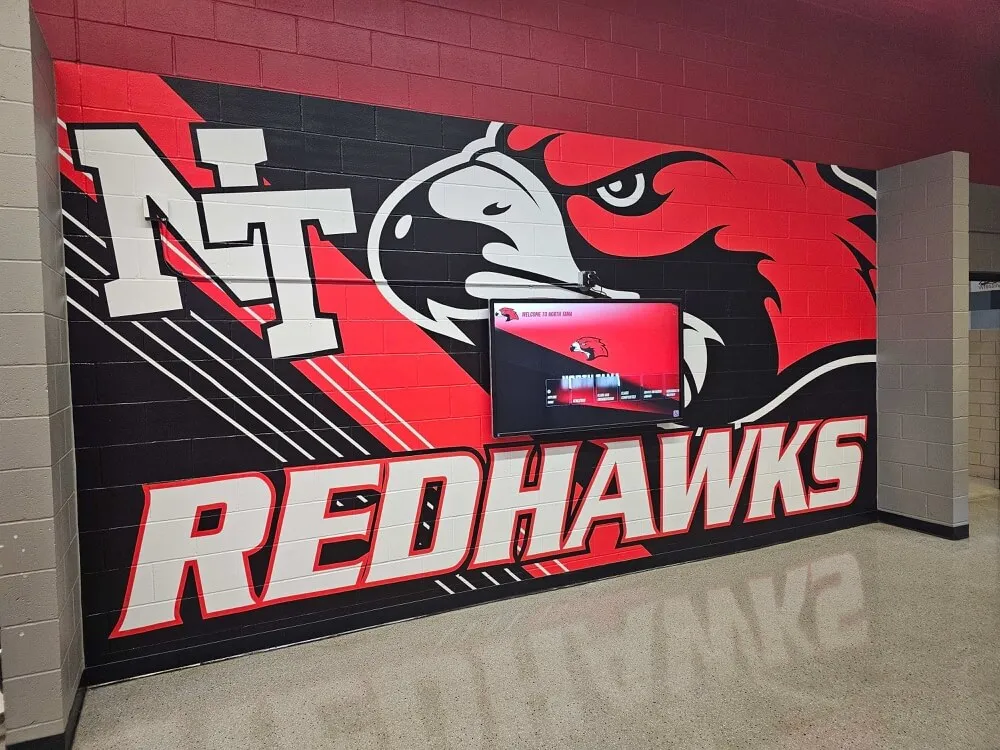
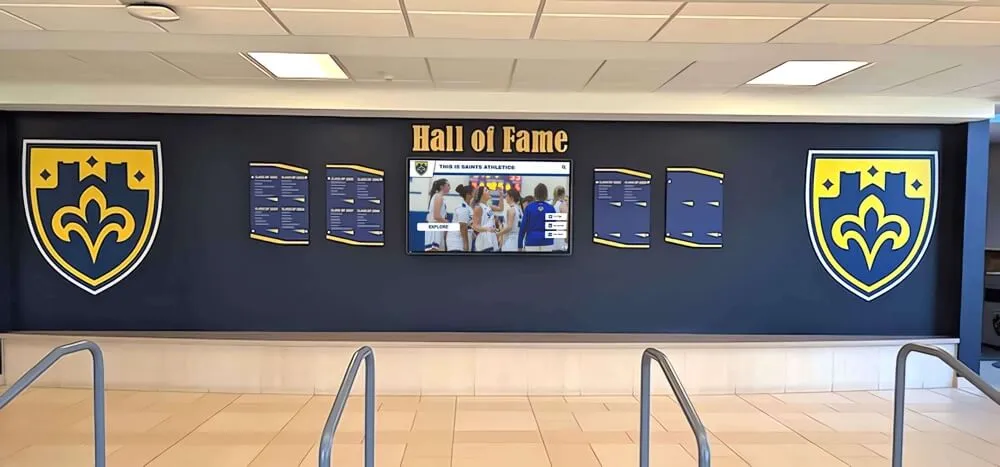
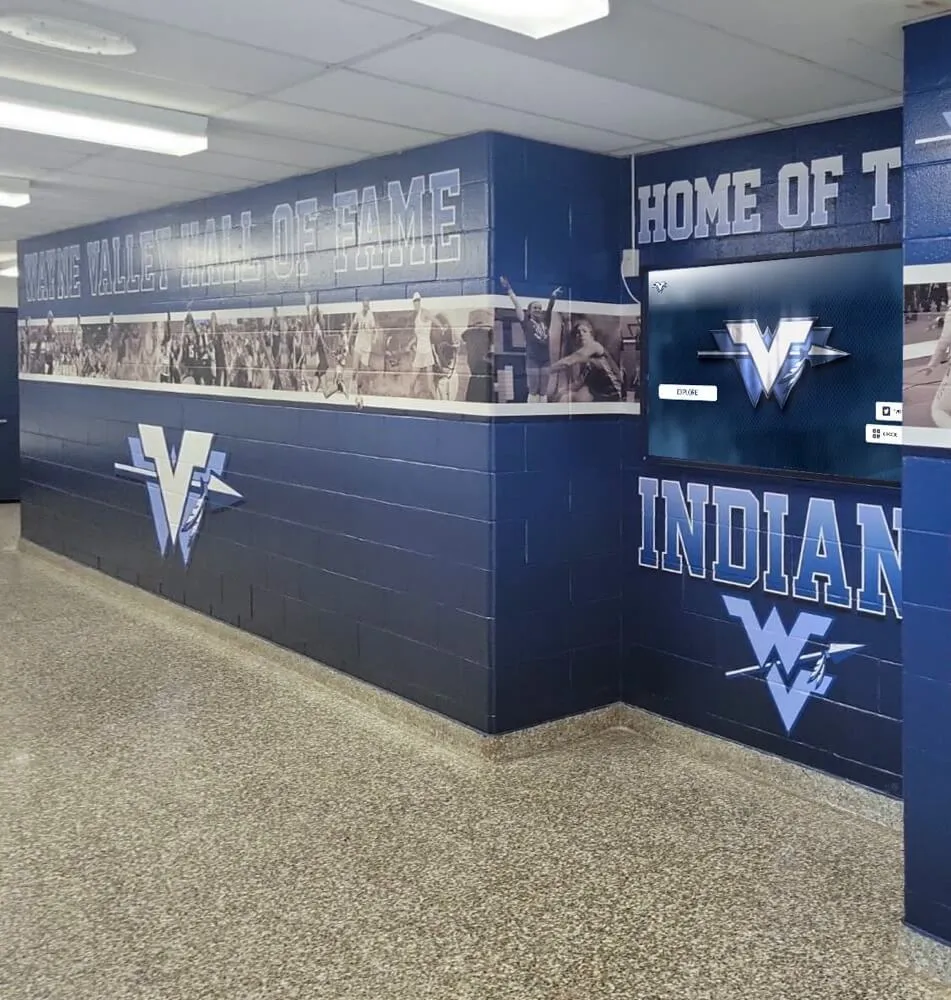
Permanent recognition murals celebrate the team achievements built through unity, preparation, and the collective focus that effective huddles establish
The Lasting Impact of Team Huddle Culture
The team huddle’s influence extends far beyond immediate pre-game moments to shape how athletes understand teamwork, leadership, and collective achievement throughout their lives.
Athletes consistently cite huddle experiences when recalling meaningful sports memories—not specific plays or statistics, but moments of connection with teammates, leadership lessons learned through contributing to huddle culture, and the powerful feeling of belonging to something larger than individual performance. These memories shape how former athletes approach professional collaboration, community involvement, and family relationships decades after their competitive careers end.
Programs that invest intentionally in huddle culture create competitive advantages measurable through both immediate performance outcomes and long-term program strength. Teams with strong huddle traditions demonstrate better cohesion under pressure, more resilient responses to adversity, and greater willingness to sacrifice individual recognition for collective success. Over seasons and generations, these cultural elements compound into program identities that attract talented athletes, develop committed leaders, and sustain excellence across coaching transitions.
The team huddle represents sports at its best—individual talents unified toward shared purposes, diverse personalities discovering common ground, and competitive intensity channeled through collective rituals that honor both tradition and present-moment focus. Whether your team gathers at midfield before kickoff, forms tight circles at center court, or creates unique rituals reflecting your specific competitive context, the huddle offers opportunities to build unity and focus that extend far beyond any single competition.
Transform Team Recognition with Modern Digital Solutions
While pre-game huddles build team unity in critical competitive moments, permanent recognition systems celebrate and preserve the achievements those unified teams accomplish. Rocket Alumni Solutions provides schools and athletic programs with innovative digital displays that honor both individual excellence and the collective achievements built through strong team culture.
Our interactive touchscreen systems and digital recognition displays create engaging ways to celebrate championship teams, honor student-athlete leadership, and preserve program traditions—connecting current athletes to the legacy of those who came before while inspiring future generations. By combining the power of pre-game huddles that unite teams in the moment with permanent recognition that celebrates their achievements forever, your program builds culture that transcends individual seasons and creates lasting athletic traditions.
Discover how digital recognition technology can celebrate your program’s team achievements, preserve your unique huddle traditions, and build athletic culture that sustains excellence across generations.