Teachers spend countless hours preparing lessons, supporting struggling students, celebrating accomplishments, and shaping futures—often with limited recognition beyond their classrooms. When we thoughtfully acknowledge these contributions through meaningful teacher appreciation gifts, we not only honor individual educators but also strengthen school communities and demonstrate the value we place on education itself.
Yet teacher appreciation often defaults to generic gestures that miss the mark: impersonal gift cards without context, mass-produced trinkets that gather dust, or occasional “thank you” notes that fail to capture the magnitude of an educator’s impact. Meanwhile, the most meaningful appreciation—creating lasting recognition, acknowledging specific contributions, and demonstrating genuine understanding of teachers’ daily realities—remains underutilized across most schools and districts.
This comprehensive guide explores authentic teacher appreciation gift ideas spanning traditional presents, experience-based recognition, permanent acknowledgment systems, and creative approaches that resonate with educators who dedicate their careers to student success. Whether you’re a parent seeking meaningful ways to thank your child’s teacher, a PTA coordinating school-wide appreciation efforts, or an administrator building comprehensive recognition programs, these strategies help create appreciation that truly matters.
Research from the National Education Association indicates that teachers consistently rank meaningful recognition and acknowledgment from families and administration among the most valued forms of appreciation—often exceeding monetary gifts in emotional impact and lasting significance.

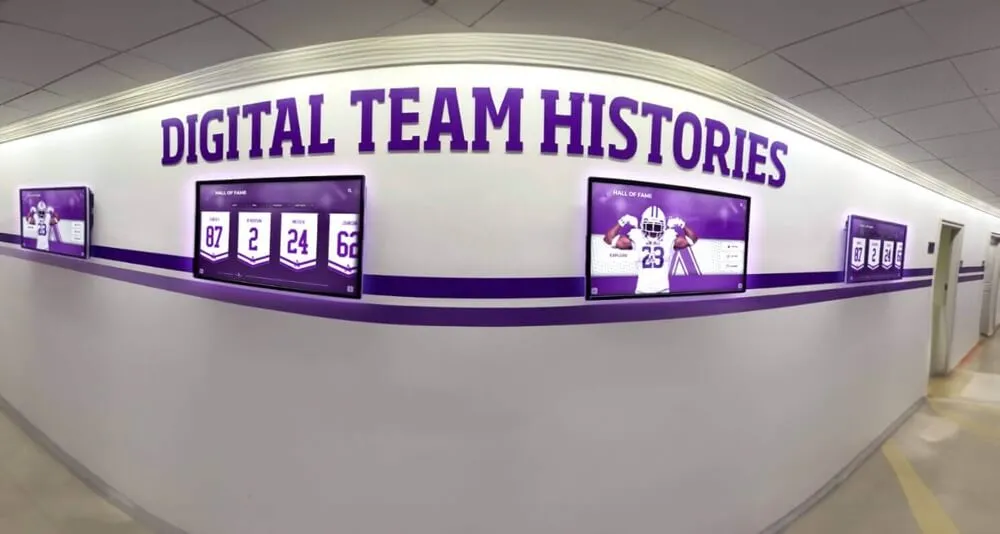
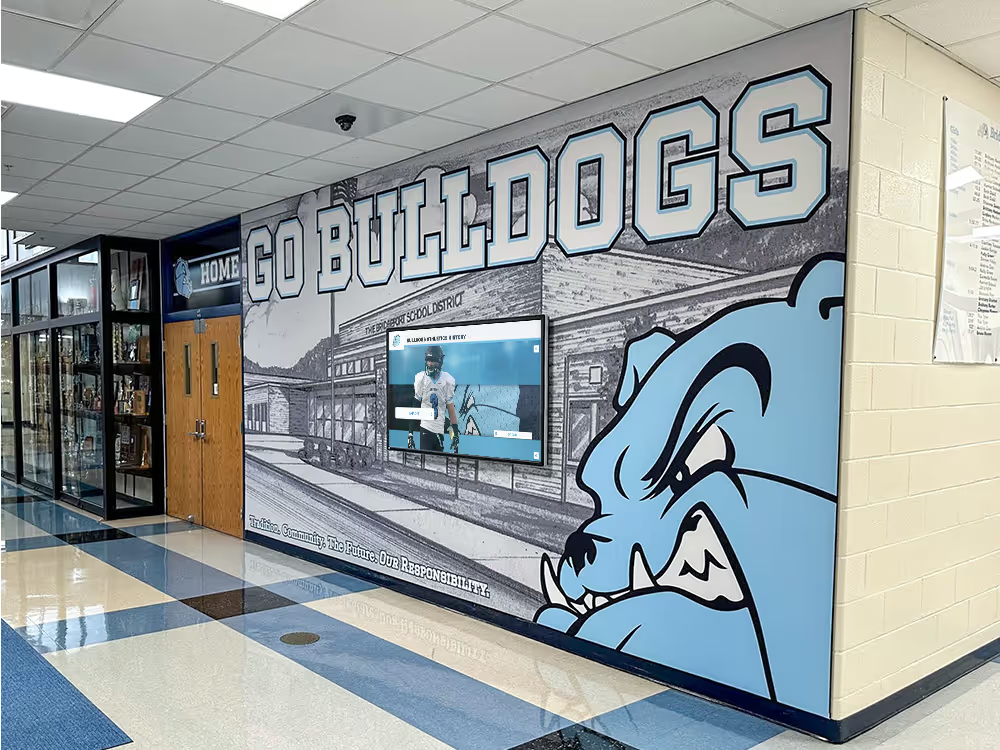
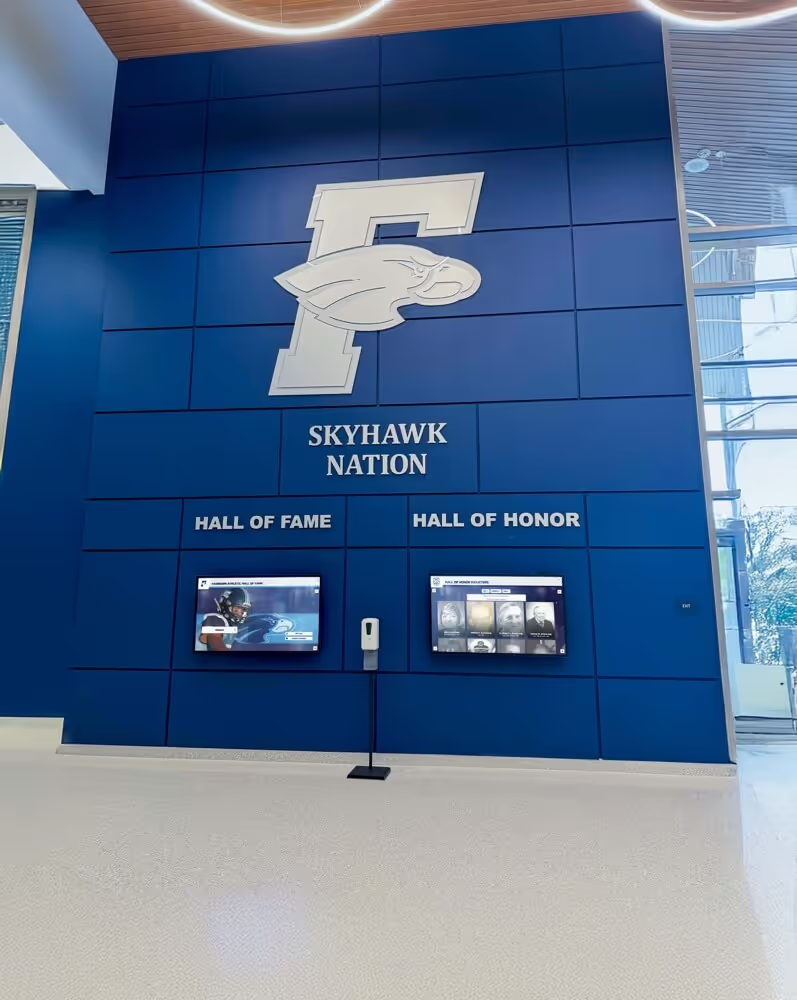
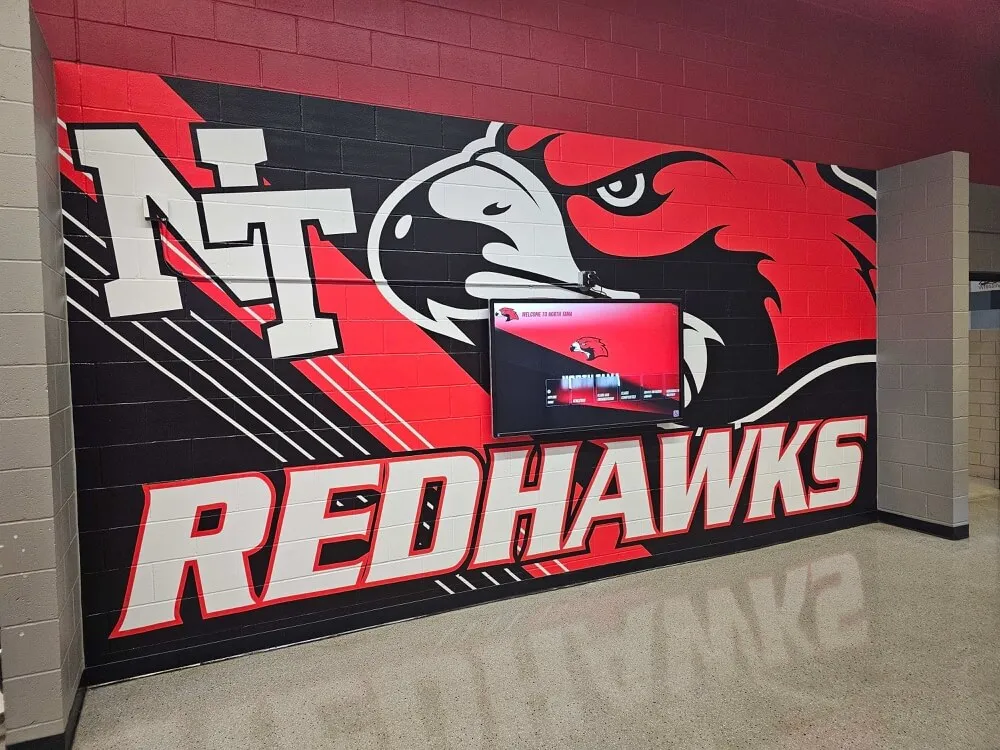
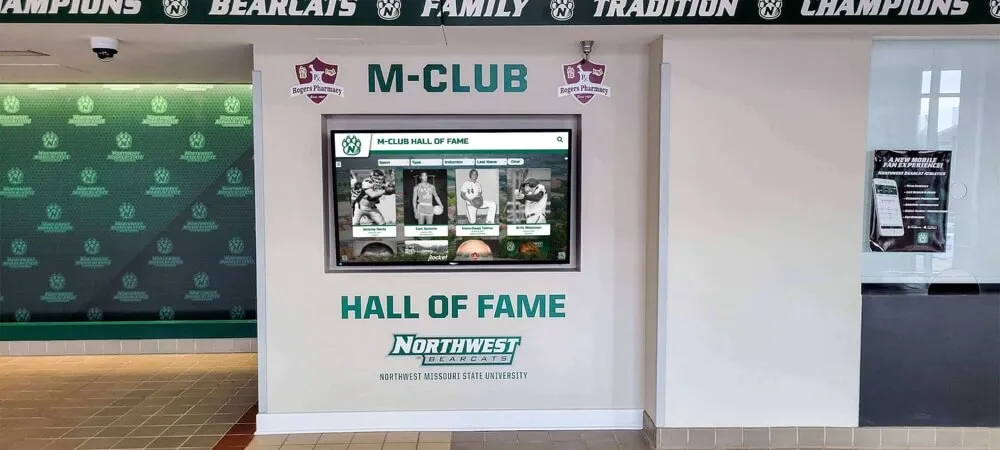
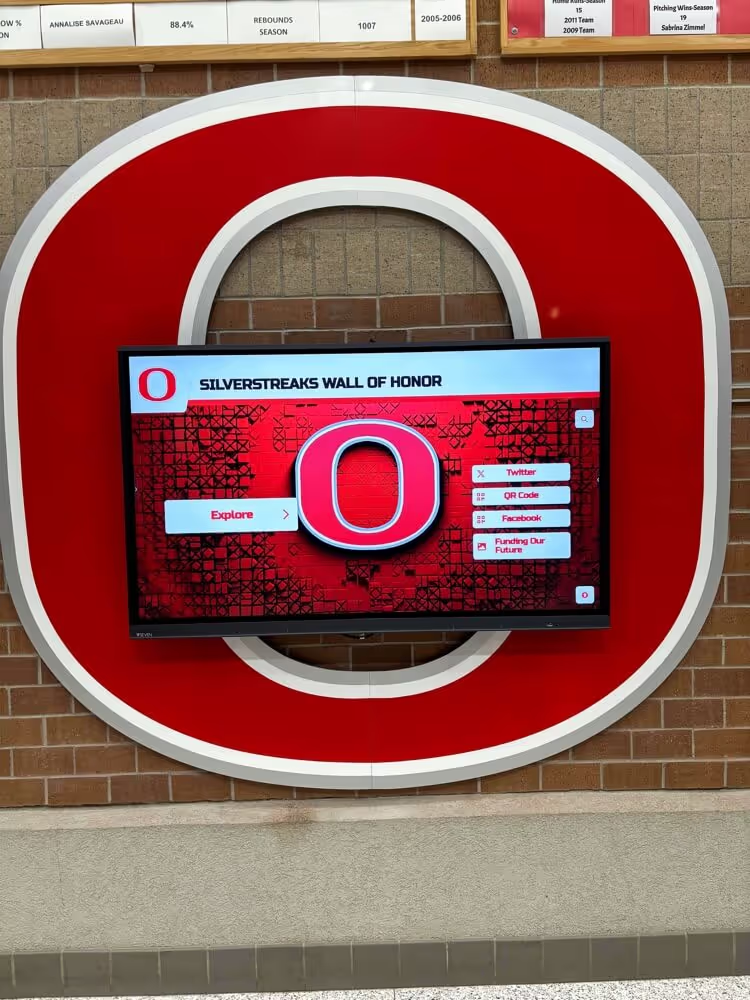
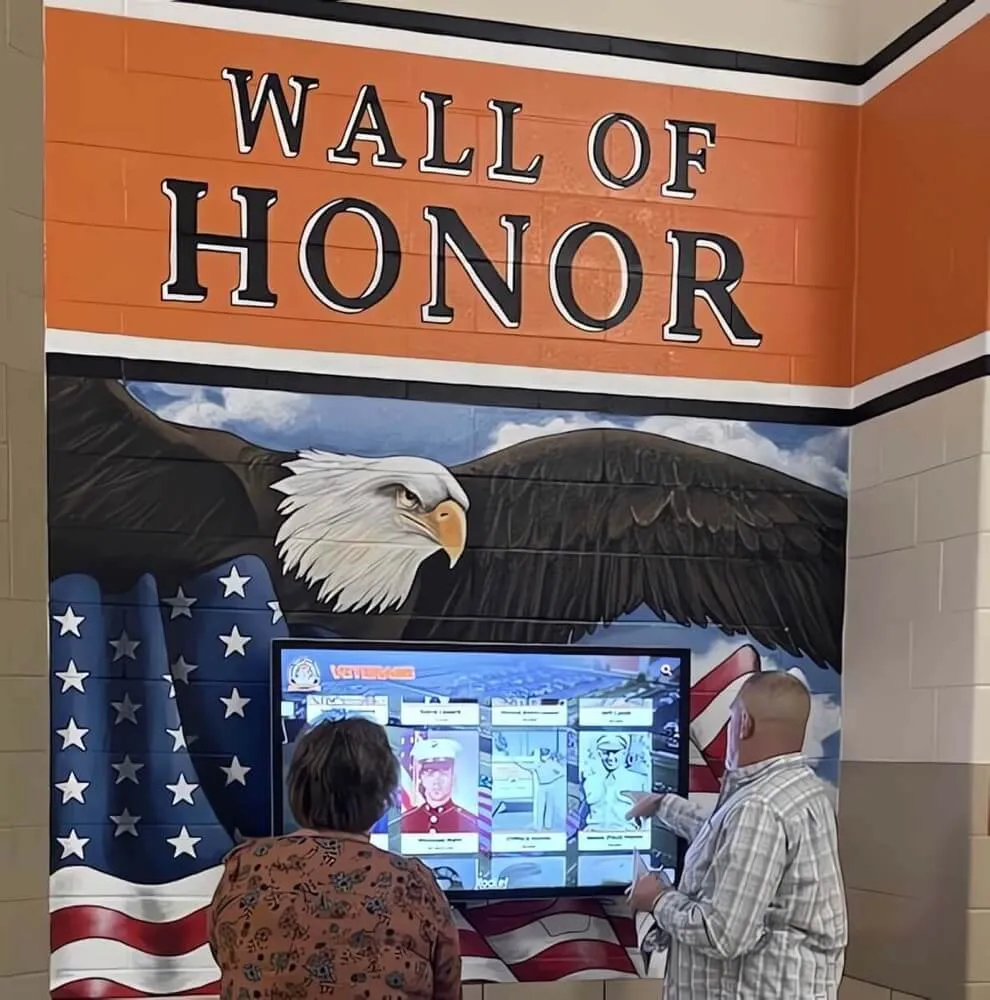
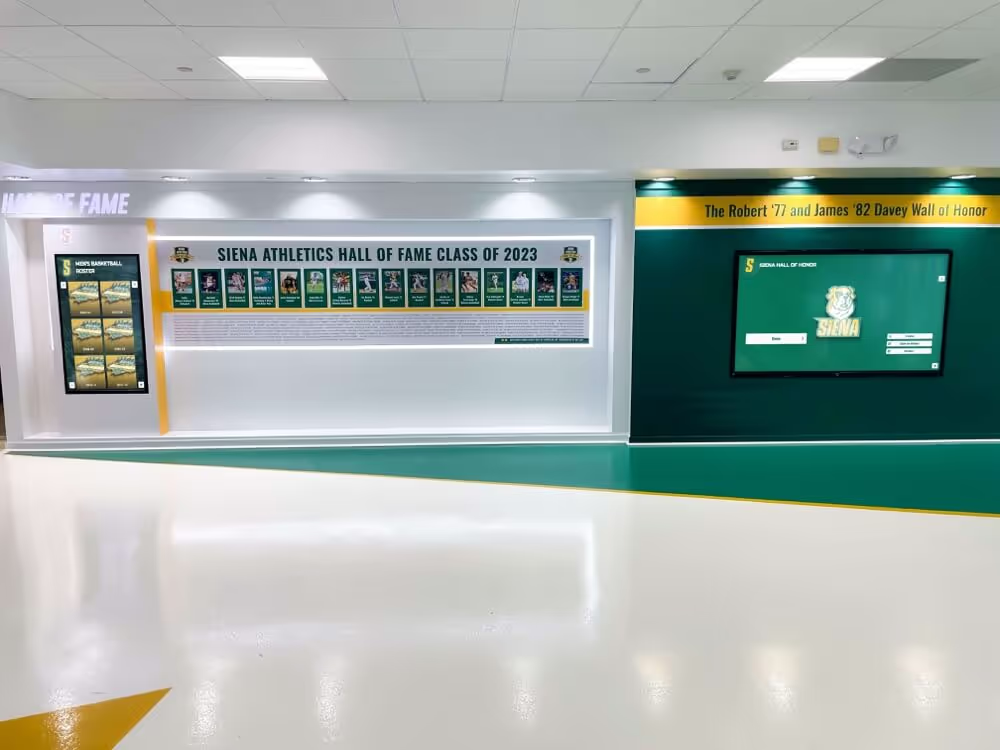
Modern recognition systems create permanent acknowledgment of teachers' contributions visible throughout school communities
Why Teacher Appreciation Matters: Understanding the Impact
Genuine teacher appreciation extends beyond making educators feel good—it creates measurable benefits for schools, students, and entire educational communities.
The Teacher Retention Crisis and Recognition’s Role
Teacher retention challenges strain schools nationwide, with approximately 44% of teachers leaving the profession within their first five years, according to educational workforce research. Among the primary factors influencing retention decisions, feeling valued and recognized by administration, families, and communities consistently emerges as critically important.
Appreciation’s Impact on Retention:
- Teachers receiving regular recognition demonstrate 38% higher retention rates compared to non-recognized peers
- Systematic appreciation programs reduce burnout symptoms and emotional exhaustion
- Recognized teachers report significantly higher job satisfaction and career commitment
- Acknowledgment creates emotional connections transcending compensation considerations
- Appreciation buffers against workplace stressors that drive educators from the profession
Schools investing in comprehensive teacher appreciation—from small daily gestures through permanent recognition systems—create competitive advantages in recruiting and retaining talented educators, particularly important given nationwide teacher shortages affecting most districts.
Student Outcomes and Teacher Morale Connection
Teacher appreciation indirectly but powerfully impacts student achievement through educator morale and engagement:
Achievement Correlations:
- Students taught by highly engaged teachers show 27% higher achievement gains
- Teacher enthusiasm and passion correlate with student motivation and effort
- Appreciated teachers invest more time in instructional improvement and professional development
- Recognition creates positive school cultures benefiting all students
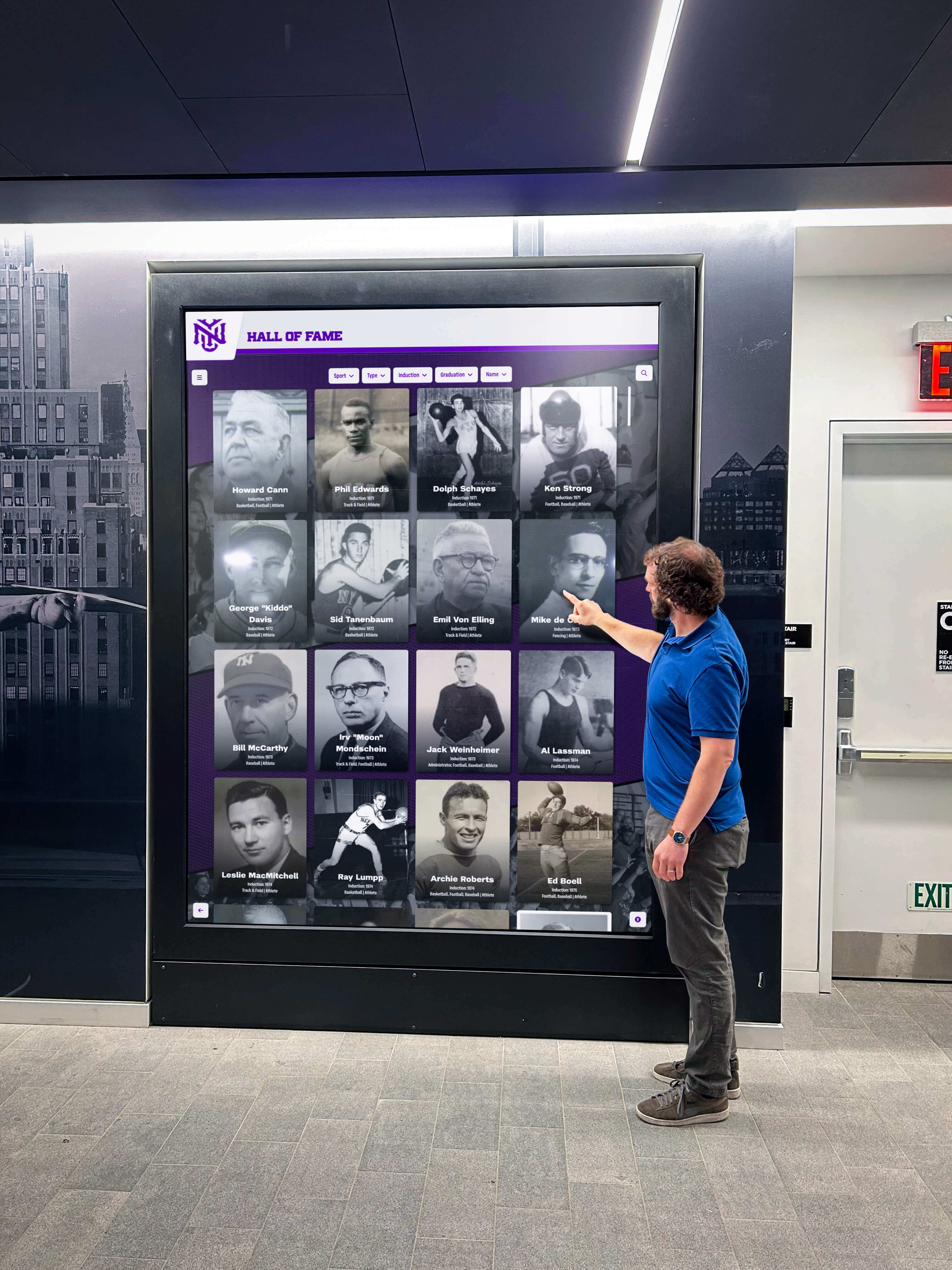
Visible teacher recognition demonstrates to students the value communities place on education
Cultural Impact: When students observe teachers receiving genuine appreciation and recognition, they internalize messages about education’s importance, develop respect for the teaching profession, and understand their own role in building positive school communities.
Community Building Through Teacher Recognition
Teacher appreciation strengthens connections throughout educational communities:
Relationship Enhancement:
- Parent-teacher relationships deepen when families express specific gratitude
- Colleague relationships strengthen through peer recognition programs
- Community partnerships develop around teacher appreciation initiatives
- Alumni engagement increases when former teachers receive ongoing recognition
- School pride grows when educator excellence receives visibility
Schools implementing teacher and staff recognition programs report measurable improvements in school climate, community engagement, and overall institutional culture.
Traditional Teacher Appreciation Gifts That Remain Meaningful
Time-tested appreciation approaches continue resonating when personalized and thoughtfully delivered.
Personalized Classroom Supplies and Materials
Teachers often purchase classroom supplies from personal funds—making thoughtful supply gifts both practical and appreciated:
High-Impact Supply Gifts:
- Quality literature for classroom libraries selected based on teaching interests
- Organizational tools and storage solutions improving classroom functionality
- Specialty art supplies, STEM materials, or subject-specific resources
- Technology accessories and educational apps supporting instructional innovation
- Flexible seating options or classroom décor reflecting teacher preferences
Personalization Strategies: Observe what teachers currently use and need, ask directly about classroom wish lists, coordinate with other families avoiding duplicate gifts, and include notes explaining why you selected specific items.

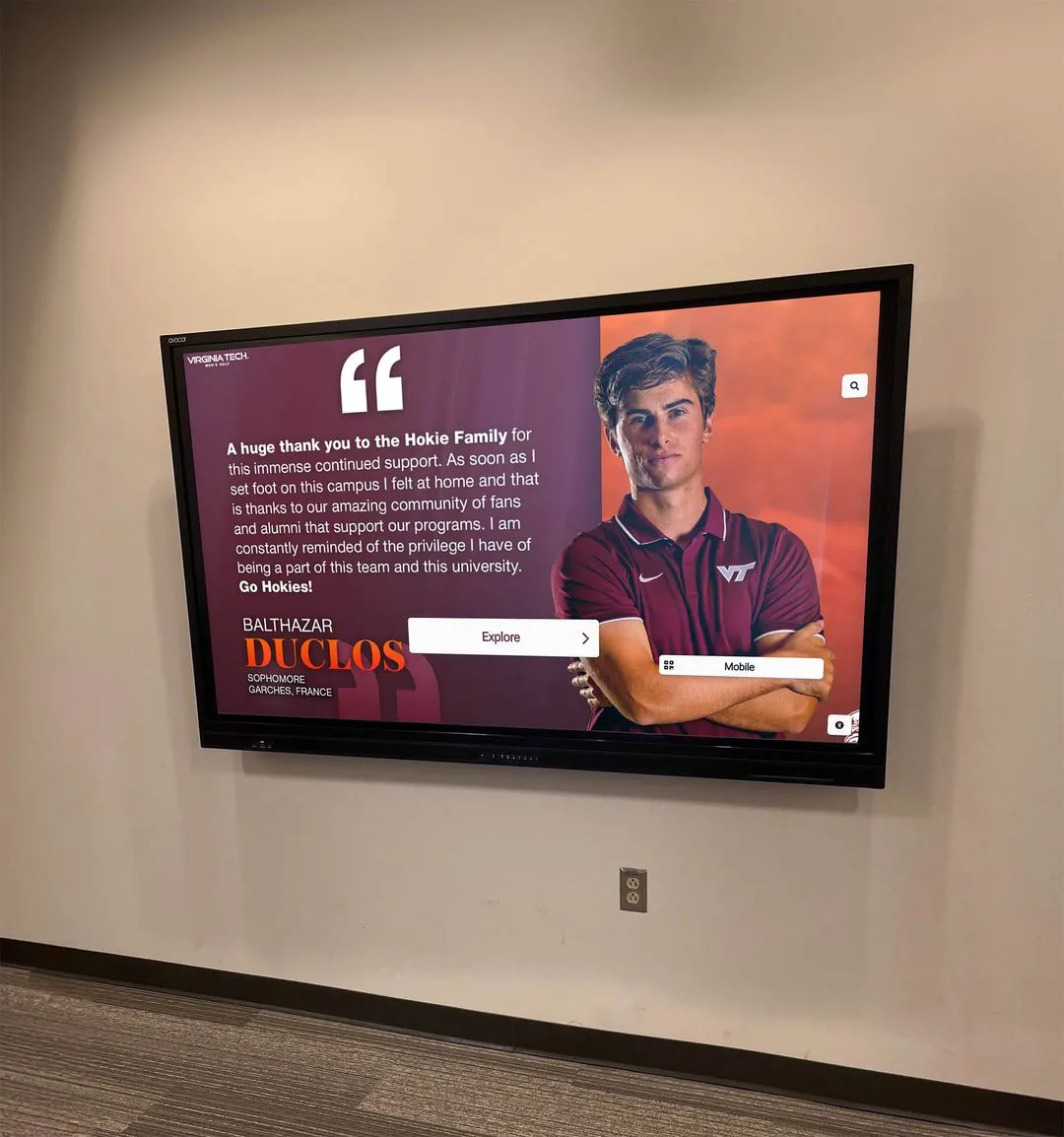
Detailed recognition profiles honor individual teachers' unique contributions and teaching journeys
Handwritten Notes and Letters of Gratitude
Personal expressions of specific appreciation consistently rank among teachers’ most valued gifts:
Effective Gratitude Note Elements:
- Specific examples of how the teacher impacted your child’s learning or development
- Observations about teaching approaches that made differences
- Recognition of extra efforts that might otherwise go unnoticed
- Acknowledgment of personal qualities that make the teacher exceptional
- Connection between teacher’s work and student’s future trajectory
Enhancement Approaches: Include student-created elements like drawings or their own gratitude messages, collect notes from multiple students creating comprehensive gratitude albums, frame especially meaningful letters for permanent display, and share copies with administrators ensuring recognition reaches personnel files.
Parents underestimate how profoundly these personal expressions affect teachers, particularly during challenging periods when educators question their impact and effectiveness.
Gift Cards With Thoughtful Context
Gift cards provide flexibility while avoiding impersonal feels when accompanied by meaningful context:
Strategic Gift Card Selection:
- Bookstores supporting teachers’ reading habits and classroom libraries
- Restaurants offering breaks from meal planning and preparation
- Coffee shops fueling early morning lesson preparation
- Craft and hobby stores aligning with personal interests
- Classroom supply stores directly supporting teaching needs
Context That Matters: Explain why you selected the specific retailer, acknowledge specific teaching contributions prompting the gift, coordinate with other families pooling resources for higher-value cards, and present with handwritten notes adding personal touches.
The difference between appreciated and impersonal gift cards lies entirely in thoughtful presentation demonstrating understanding of the individual teacher.
Food and Beverage Appreciation
Consumable gifts provide enjoyment without creating clutter, while addressing teachers’ practical needs:
Food Gift Approaches:
- Homemade baked goods and treats showcasing personal effort
- Gourmet coffee or tea selections supporting classroom energy needs
- Healthy snack baskets for busy school days
- Restaurant meal delivery certificates easing weeknight meal planning
- Treats from local bakeries supporting community businesses
Dietary Consideration: Check for dietary restrictions and allergies before food gifts, offer variety accommodating different preferences, consider coordination with other families preventing overwhelming quantities, and present food gifts appropriately timed avoiding holiday clustering.
Organizations exploring teacher appreciation week ideas discover systematic approaches combining multiple appreciation gestures throughout dedicated celebration periods.
Experience-Based Teacher Appreciation Gifts
Experiences often create more lasting impact than physical items, while acknowledging teachers’ needs for restoration and personal growth.
Professional Development and Growth Opportunities
Supporting teachers’ professional aspirations demonstrates meaningful appreciation:
Professional Growth Gifts:
- Conference registration fees for educational events aligning with teaching interests
- Workshop and training program enrollment supporting skill development
- Professional association memberships providing resources and networking
- Online course access for self-directed professional learning
- Classroom innovation grants funding creative teaching experiments
Implementation Strategies: Consult teachers about professional development interests and goals, coordinate with administration ensuring time and support for participation, provide substitute coverage enabling conference attendance, and follow up afterward asking teachers to share learning and insights.
These gifts acknowledge teachers as professionals committed to continuous improvement while providing resources supporting career development.
Wellness and Self-Care Experiences
Teaching’s emotional and physical demands make wellness gifts particularly meaningful:
Wellness Gift Ideas:
- Spa days or massage therapy sessions supporting stress relief
- Yoga or fitness class packages promoting physical health
- Meditation app subscriptions or mindfulness resources
- Wellness retreat weekends providing genuine restoration
- Mental health support resources and counseling services

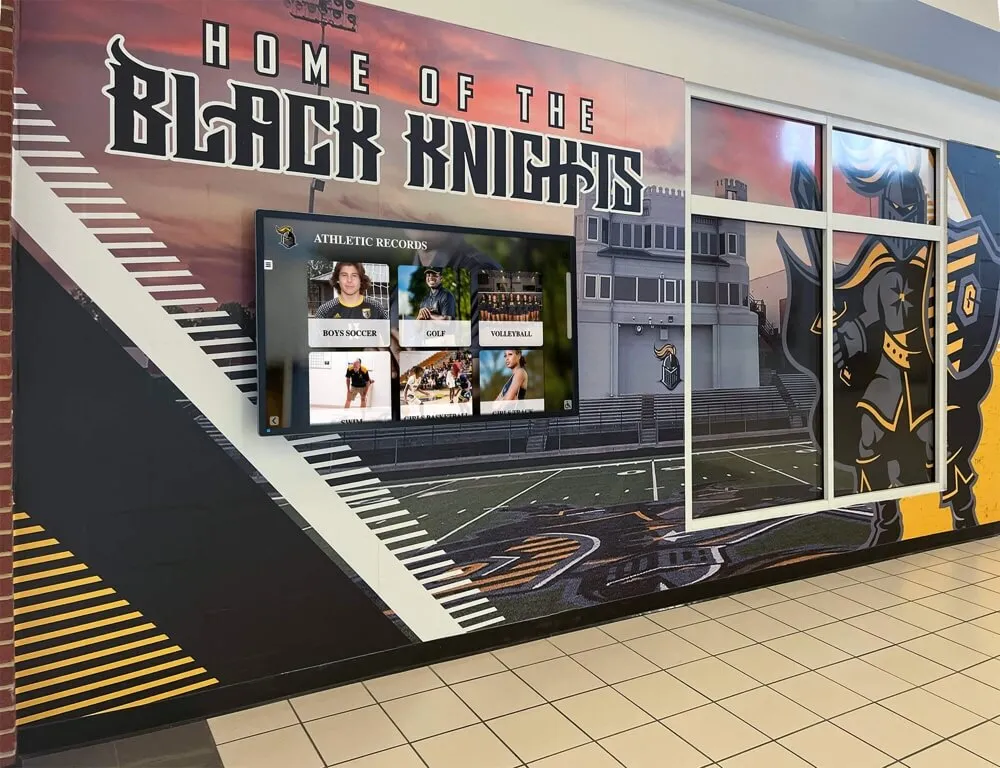
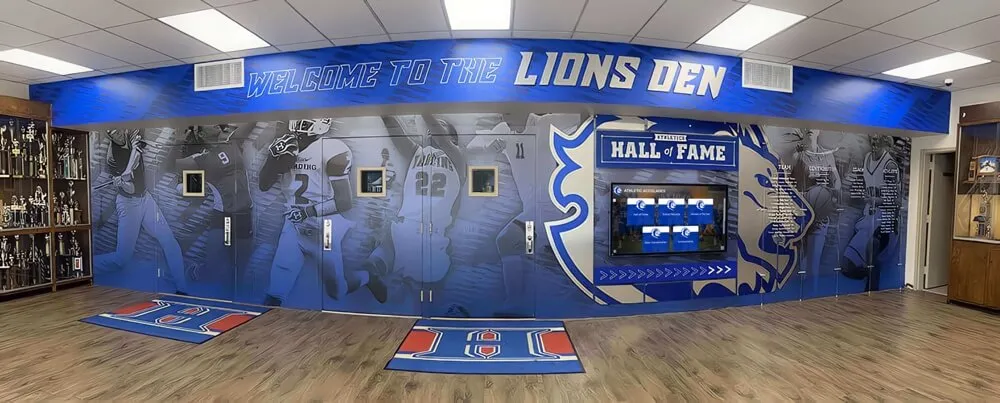
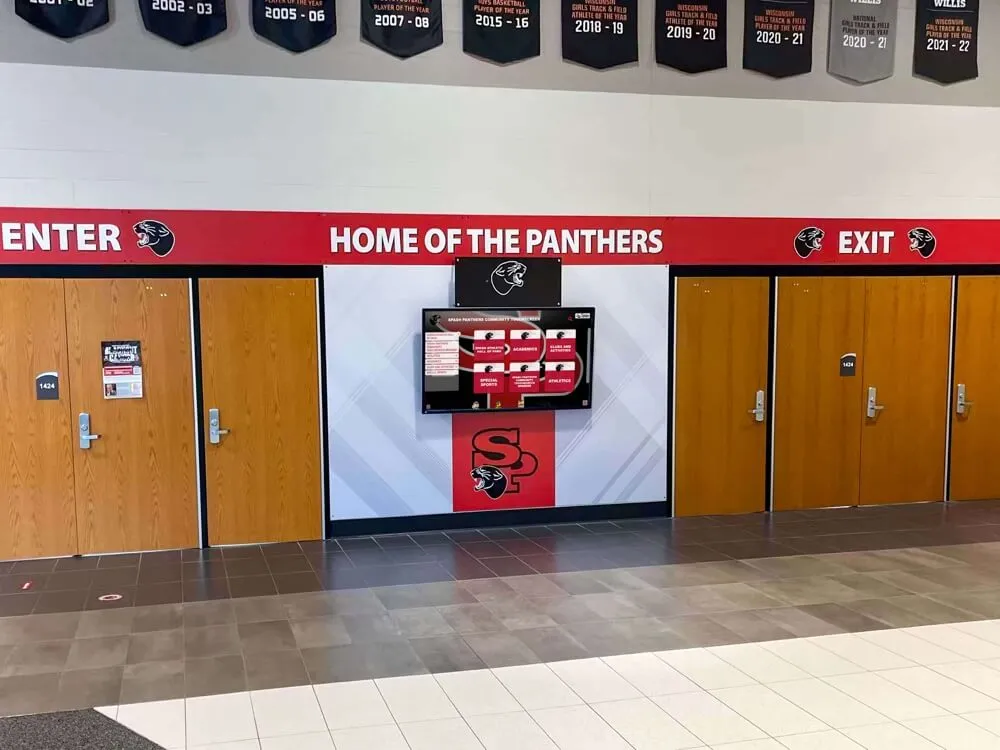
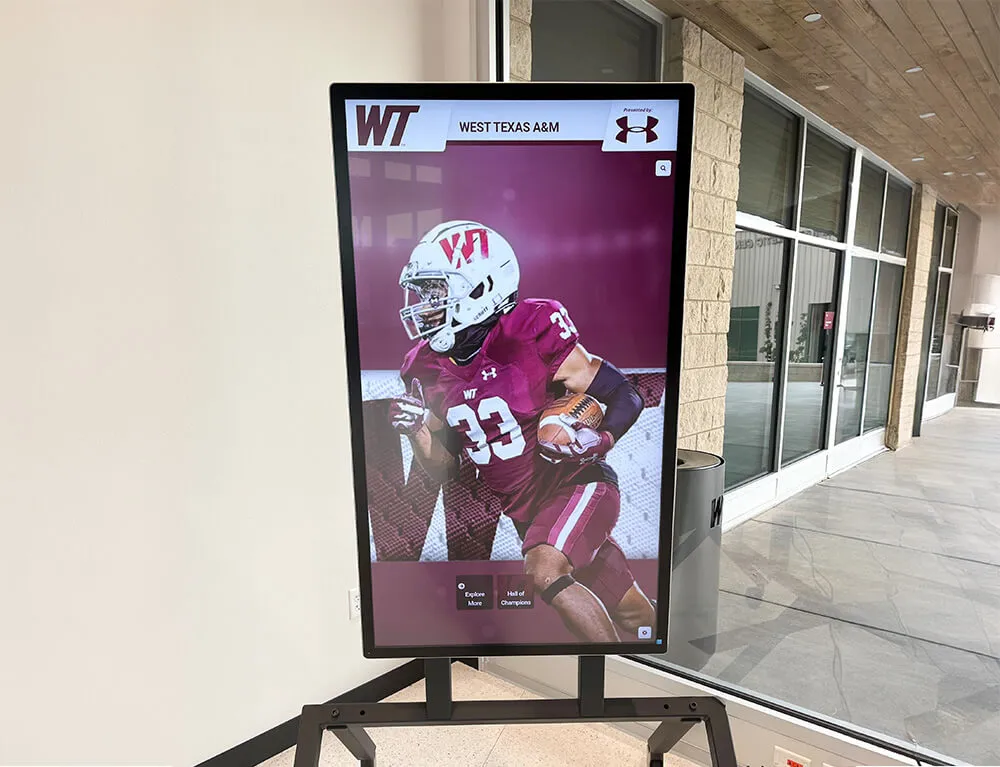
Integrated recognition systems honor teachers through visible, permanent acknowledgment throughout school facilities
Presentation Approaches: Frame wellness gifts as recognizing teachers’ hard work deserving care, avoid implications that teachers appear stressed or struggling, present privately respecting personal boundaries, and include scheduling assistance removing barriers to redemption.
Time and Convenience Gifts
Teachers’ scarcest resource is often time—making gifts that return time especially appreciated:
Time-Saving Gifts:
- House cleaning services providing household help during busy school periods
- Meal delivery subscriptions or meal kit services easing dinner planning
- Grocery delivery service credits saving weekend errands time
- Childcare support for special occasions or appointments
- Grading assistance or classroom organization volunteer time
Service-Based Appreciation: Offer specific volunteer hours for classroom tasks like bulletin board creation, field trip chaperoning, supply organization, or end-of-year classroom packing that genuinely help teachers while demonstrating community investment.
Cultural and Entertainment Experiences
Enriching personal experiences acknowledge teachers’ interests beyond their professional roles:
Entertainment Gifts:
- Theater, concert, or sporting event tickets for enjoyed entertainment
- Museum memberships supporting cultural engagement
- Streaming service subscriptions for relaxation and enjoyment
- Local attraction passes for family outings
- Book club memberships or literary events access
Personalization Importance: Select experiences aligned with known interests rather than making assumptions, provide options or gift certificates allowing teachers to choose specific events, consider companion tickets enabling shared experiences, and present well in advance enabling planning and scheduling.
Organizations implementing coach appreciation ideas in athletic contexts demonstrate recognition principles equally applicable to classroom teacher appreciation.
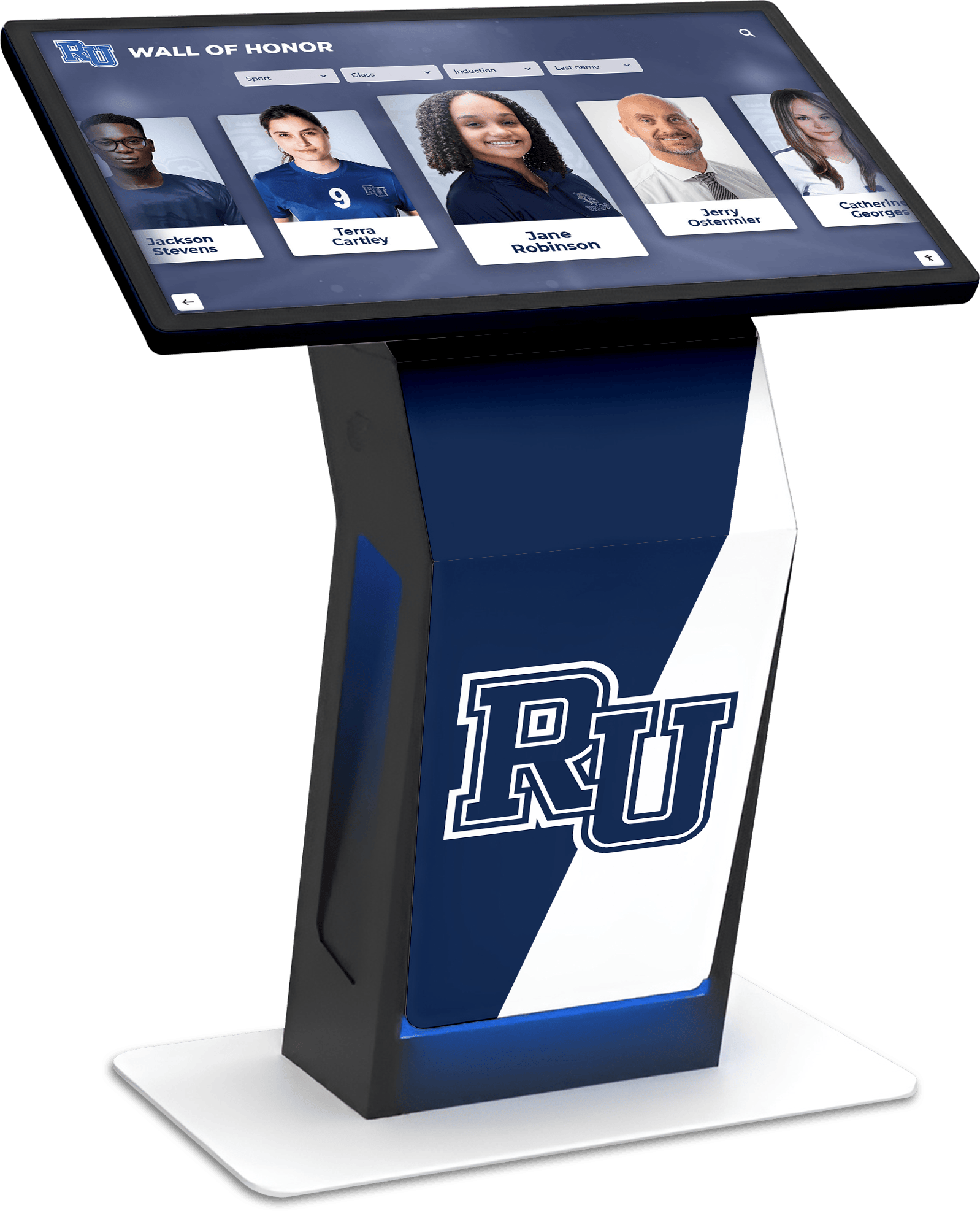
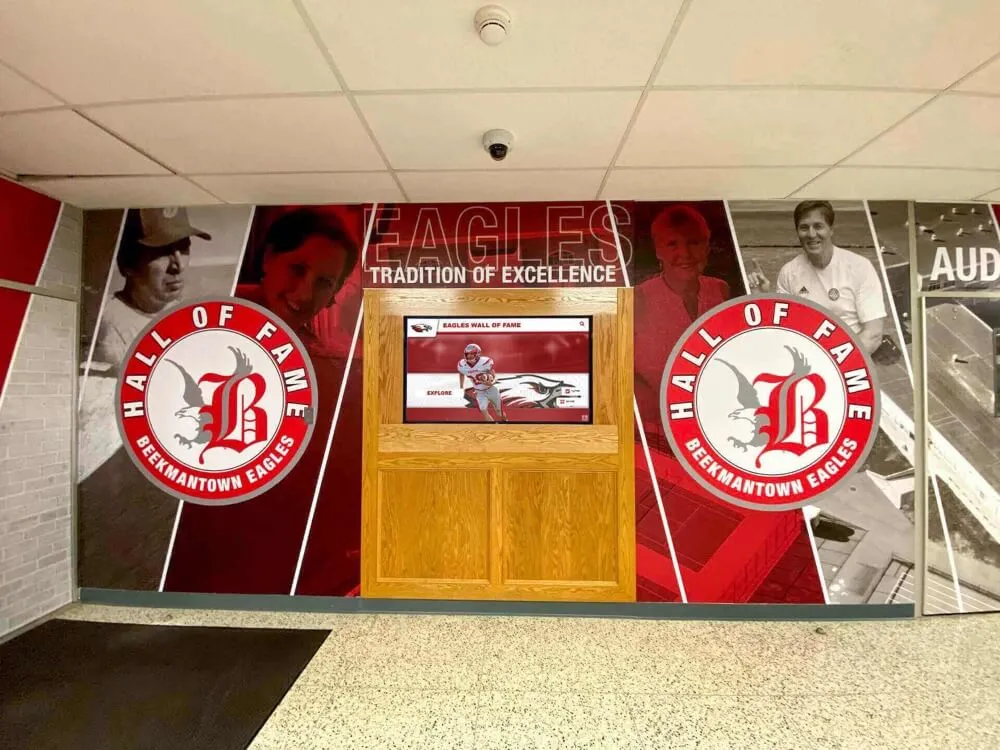
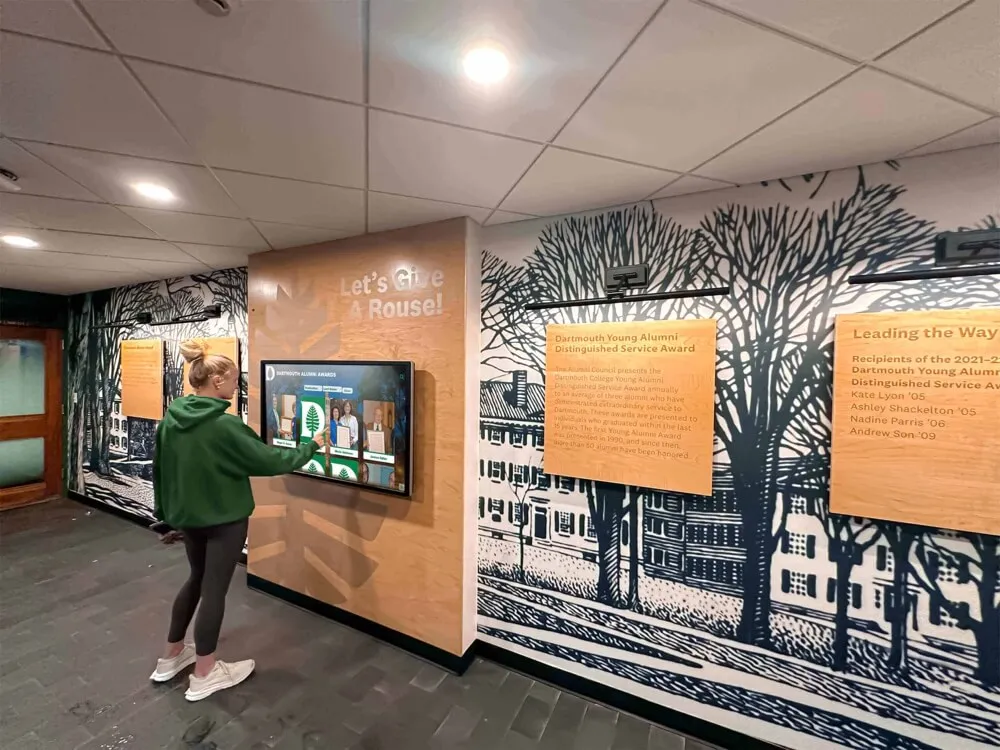
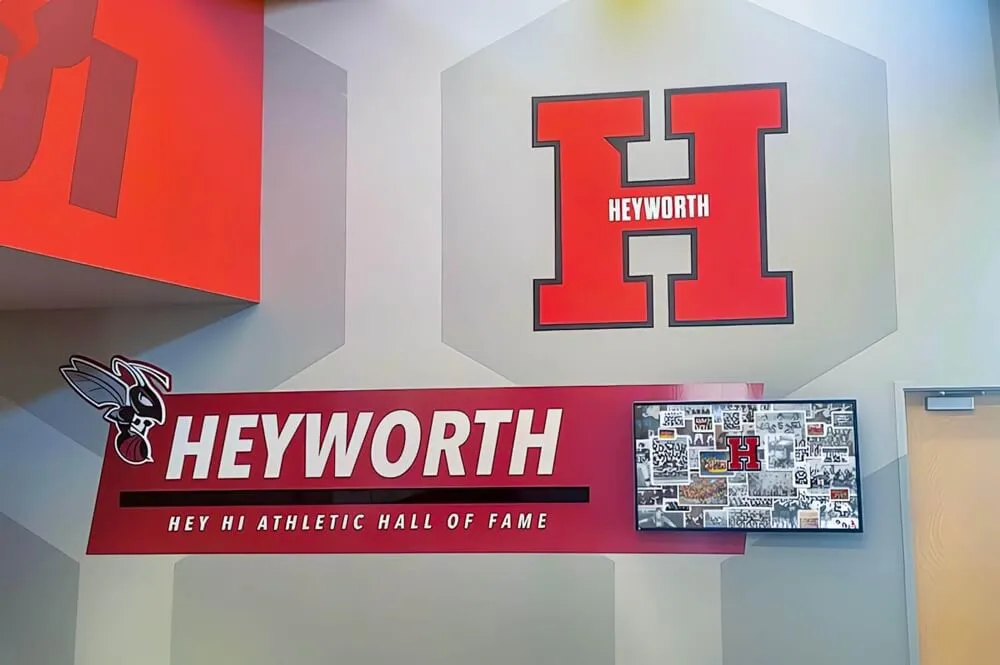
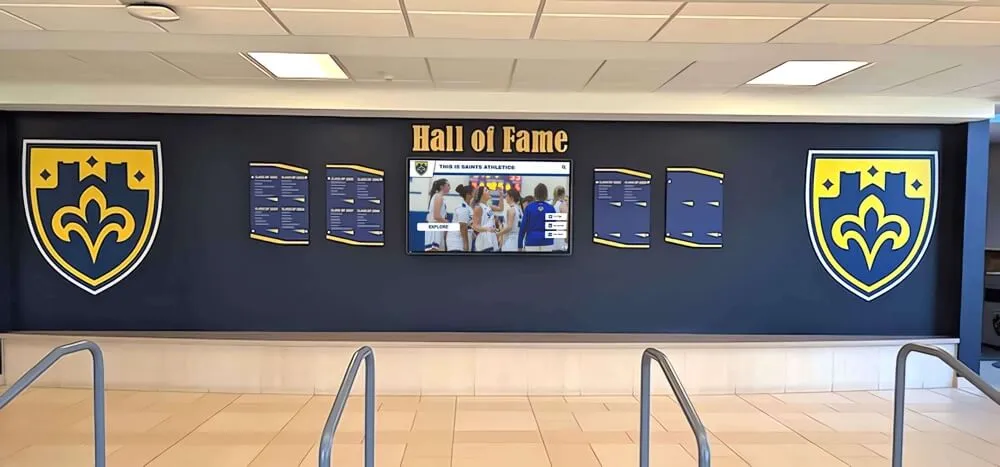
Purpose-built recognition systems enable comprehensive teacher acknowledgment accessible throughout school communities
Permanent Recognition: The Most Lasting Teacher Appreciation
While consumable gifts and experiences provide immediate gratification, permanent recognition systems create lasting acknowledgment honoring educators’ careers and contributions to institutional history.
Digital Teacher Recognition Displays
Modern recognition technology transforms teacher appreciation from temporary gestures to permanent institutional acknowledgment:
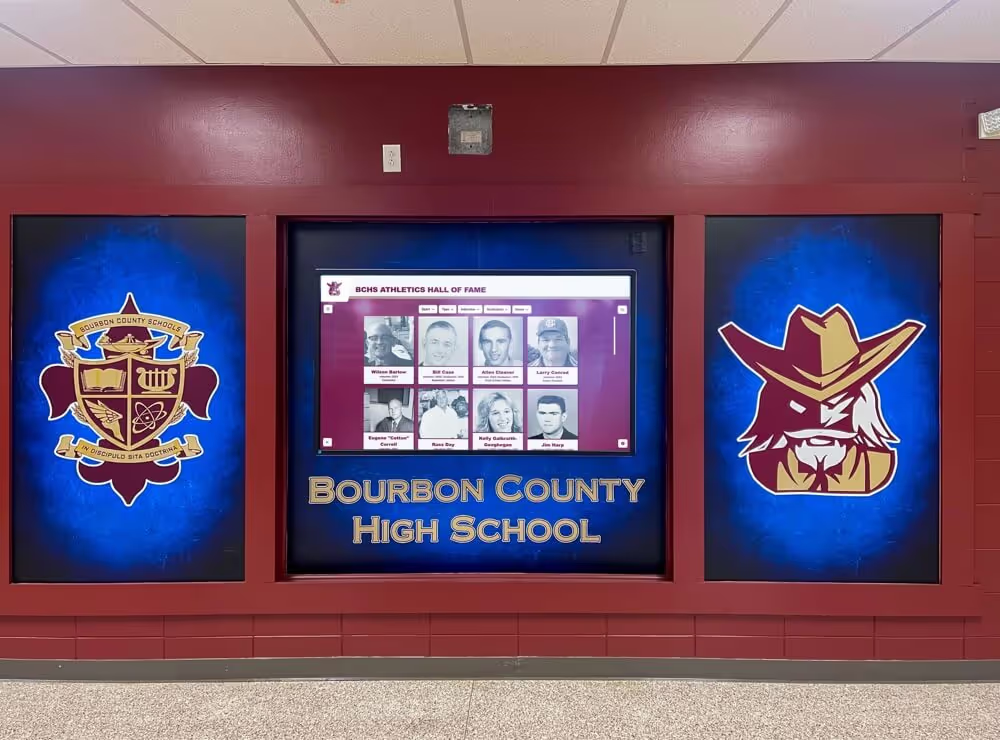
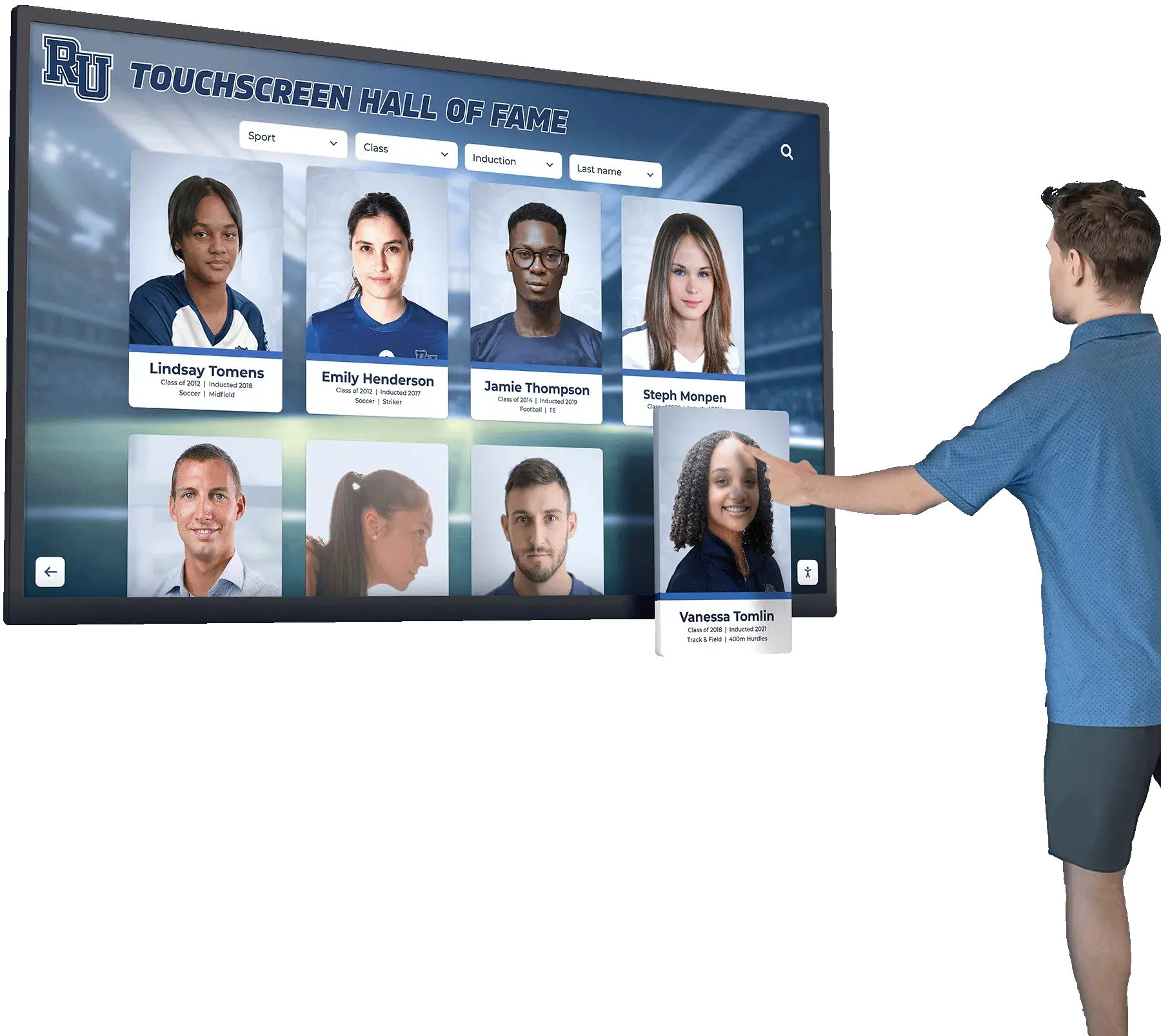
Interactive Recognition Systems: Large-format touchscreen displays installed in school lobbies, faculty areas, or hallways enable comprehensive teacher recognition through searchable databases showcasing all educators, detailed profiles with photos and teaching highlights, career milestone documentation and anniversary celebrations, subject expertise and specialization acknowledgment, and student success stories attributed to specific teachers.
Solutions like Rocket Alumni Solutions provide platforms specifically designed for educational institutions seeking engaging, permanent recognition systems honoring teachers alongside student achievements, athletic accomplishments, and institutional history.
Digital Recognition Benefits:
- Unlimited capacity honoring all teachers regardless of space constraints
- Real-time updates adding current teachers and updating accomplishments
- Historical preservation documenting entire teaching careers
- Multimedia storytelling with photos, videos, and narrative descriptions
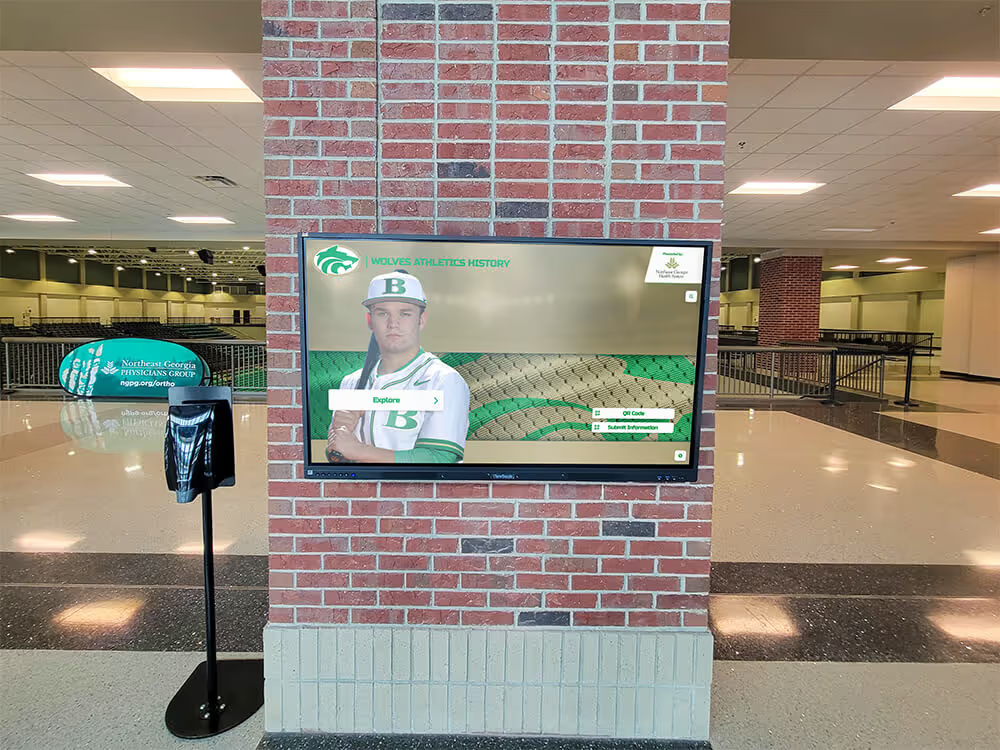
- Web accessibility extending recognition beyond physical campus
- Cost-effective scalability compared to traditional plaques and displays
Schools implementing digital teacher recognition report significantly increased staff morale, enhanced recruitment capabilities when prospective teachers observe appreciation culture, and strengthened community connections when families and alumni engage with teacher recognition.
Teacher Wall of Fame Programs
Dedicated recognition spaces honoring teaching excellence:
Wall of Fame Implementation:
- Criteria establishing teacher of the year or career achievement recognition
- Selection processes involving students, families, and colleagues
- Professional photography and biographical profiles
- Permanent display placement in high-visibility locations
- Annual induction ceremonies celebrating new honorees
- Historical archive integration connecting past and present educators
Learn more about comprehensive approaches in digital hall of fame complete guides adaptable to teacher recognition contexts.
Award Categories: Distinguished career achievement honoring long-serving educators, innovative teaching recognizing creative instructional approaches, student impact acknowledging transformative teacher-student relationships, community engagement celebrating beyond-classroom contributions, and subject-specific excellence highlighting discipline expertise.
Named Scholarships and Endowments
Creating lasting financial recognition honoring retired or distinguished educators:
Scholarship Recognition:
- Establish scholarships in teachers’ names supporting students pursuing teaching careers
- Endowments funding classroom innovations or department resources
- Annual awards given to current students in honor of beloved teachers
- Reading programs or academic competitions named for literary educators
- Capital campaign recognitions naming classrooms or facilities for retiring teachers
Implementation Process: Coordinate with school foundations or development offices, establish minimum endowment levels ensuring sustainability, create scholarship criteria reflecting honored teachers’ values and priorities, publicize scholarship recipients and awards connecting current students to legacy educators, and involve honorees in recipient selection when appropriate.
This recognition approach particularly resonates for retirement celebrations, memorial tributes, or career milestone acknowledgments creating perpetual impact beyond individual teaching careers.
Service Milestone Recognition Programs
Systematic acknowledgment of teaching tenure and career commitment:
Milestone Recognition Elements:
- 5, 10, 15, 20, 25+ year service acknowledgments with increasing significance
- Personalized recognition reflecting individual teaching journeys
- Public celebrations involving students, families, and colleagues
- Permanent documentation through digital recognition systems
- Additional recognition like professional development stipends or extra personal days
Career Retrospective Elements: Compile student testimonials and letters from former students, create video tributes featuring current and former colleagues, photograph collections documenting teaching career, classroom innovation highlights showing evolving approaches, and curriculum development contributions preserving intellectual legacy.
Organizations implementing employee recognition ideas in corporate contexts demonstrate principles equally applicable to education sector teacher recognition.

Individual recognition profiles celebrate teaching careers with detailed accomplishments and personal contributions
Creative and Unique Teacher Appreciation Ideas
Innovative approaches differentiate meaningful appreciation from routine gestures.
Student-Created Appreciation Projects
Student-generated recognition carries unique emotional weight:
Class Appreciation Projects:
- Video compilations with each student sharing specific gratitude
- Collaborative art projects incorporating all class members’ contributions
- “Reasons We Love Our Teacher” books with individual pages from each student
- Time capsule collections preserving class memories and thank-you notes
- Class quilts or collaborative crafts with personalized elements from each student
Implementation Strategies: Coordinate with current or previous year’s teachers facilitating student participation, provide structure and prompts helping students articulate specific appreciation, ensure all students contribute regardless of artistic or writing abilities, and present during meaningful moments like year-end celebrations or teacher appreciation week.
These student-generated gifts become treasured keepsakes teachers preserve throughout careers and often cite as most meaningful recognition received.
Alumni Appreciation and Legacy Recognition
Former students’ gratitude carries profound impact acknowledging long-term influence:
Alumni Recognition Approaches:
- Alumni letter campaigns inviting former students to share teacher impact stories
- “Where Are They Now” profiles connecting teachers to students’ adult successes
- Surprise video messages from former students during milestone celebrations
- Alumni fundraising supporting teacher wishes or classroom projects
- Reunion event recognition honoring teachers who shaped attendees’ lives
Connection Facilitation: Schools with robust alumni engagement programs can leverage these networks for teacher appreciation, contact former students through alumni associations or social media, and create submission processes enabling alumni to contribute recognition throughout the year rather than limiting to specific events.
Organizations implementing alumni engagement strategies discover how former students become powerful advocates for current teacher recognition.
Peer-Recognition Programs
Colleague-initiated appreciation creates unique acknowledgment:
Staff Recognition Systems:
- Monthly teacher nomination programs with colleague voting
- “Caught Being Awesome” recognition for observed excellent teaching moments
- Peer appreciation boards where staff members share specific gratitude
- Interdepartmental recognition acknowledging cross-team collaboration
- Team teaching celebration honoring effective educator partnerships
Program Elements: Simple nomination processes minimizing administrative burden, clear criteria guiding appropriate recognition, diverse category creation ensuring varied teaching styles receive acknowledgment, administrative support providing time and resources for peer appreciation, and public celebration sharing recognition broadly while respecting preferences for private acknowledgment.
Peer recognition particularly resonates because colleagues understand daily teaching challenges, observe classroom excellence administrators might miss, and provide appreciation from those who truly comprehend the work’s demands and rewards.
Community Partnership Recognition
Local business and organization involvement amplifying teacher appreciation:
Community Appreciation Programs:
- Local restaurant discounts and special teacher appreciation offers
- Business-sponsored teacher grants funding classroom projects
- Community recognition events celebrating educator excellence
- Media partnerships featuring teacher spotlight stories
- Service organization teacher appreciation initiatives
Partnership Development: PTA and booster club coordination with local chambers of commerce, business outreach explaining teacher recognition benefits, recognition program sponsorship opportunities for community visibility, and ongoing relationships extending beyond single appreciation events.
Community-wide teacher recognition demonstrates societal value placed on education while providing practical benefits and public acknowledgment extending beyond school boundaries.
Schools exploring digital signage content ideas discover how technology enables comprehensive community-wide teacher recognition visible throughout public and school spaces.
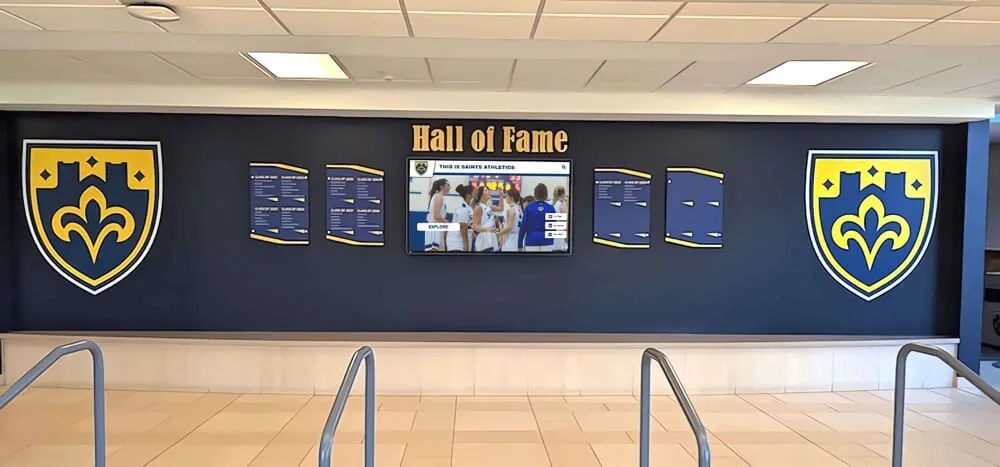
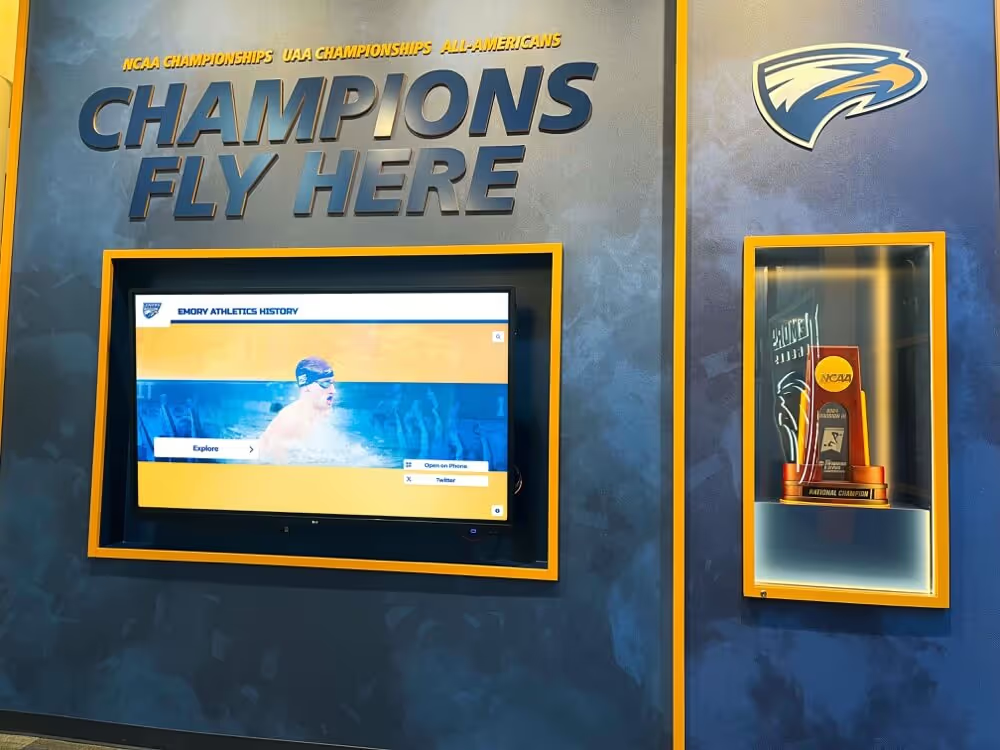
Integrated recognition approaches combining multiple formats create compelling environments celebrating teaching excellence
PTA and School-Wide Teacher Appreciation Programs
Coordinated organizational approaches maximize appreciation impact while distributing effort across school communities.
Teacher Appreciation Week Planning
National Teacher Appreciation Week (first full week of May) provides focal point for concentrated recognition:
Week-Long Celebration Components:
- Daily themes creating variety (Wellness Monday, Breakfast Tuesday, etc.)
- Coordinated class gifts preventing teacher overwhelm from individual presents
- Student appreciation activities integrated into school days
- Parent volunteer support providing classroom coverage for teacher celebrations
- Special events like staff luncheons or appreciation assemblies
Planning Timeline: Begin coordination 6-8 weeks prior, establish volunteer committees distributing responsibilities, secure funding through PTA budgets or fundraising, communicate plans to families facilitating participation, and coordinate with administration ensuring schedule accommodation.
Organizations implementing comprehensive teacher appreciation week ideas provide detailed planning guides and implementation strategies.
Year-Round Recognition Programs
Systematic appreciation extending beyond single weeks creates sustained morale impact:
Ongoing Recognition Elements:
- Monthly teacher spotlights featuring different staff members
- Birthday and personal milestone acknowledgments
- Surprise appreciation gestures during challenging periods
- Regular staff breakfast or lunch provisions
- Seasonal recognition coordinated with school calendar demands
Sustainability Strategies: Distribute coordination among multiple volunteers preventing burnout, establish annual budgets ensuring resource availability, create systems and templates enabling efficient execution, and maintain communication channels between PTA and staff understanding needs and preferences.
Coordinated Class Gift Programs
Pooled resources and coordinated approaches preventing redundancy:
Class Gift Models:
- Grade-level coordination ensuring teachers receive one meaningful gift rather than duplicates
- Financial contribution systems providing choice or high-value items
- Themed gift approaches aligned with teacher interests
- End-of-year appreciation combining all families’ participation
- Supply wish list fulfillment programs
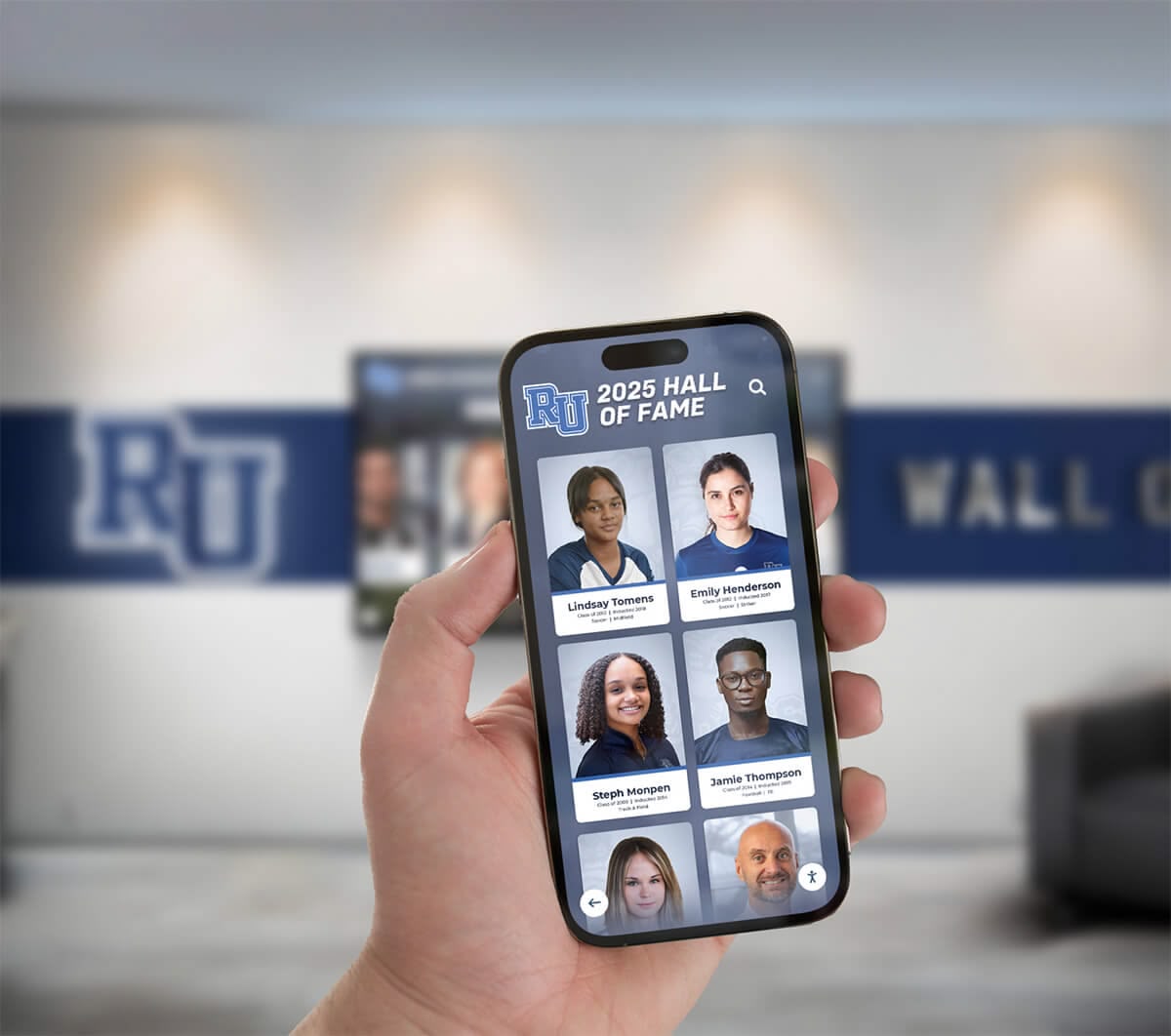
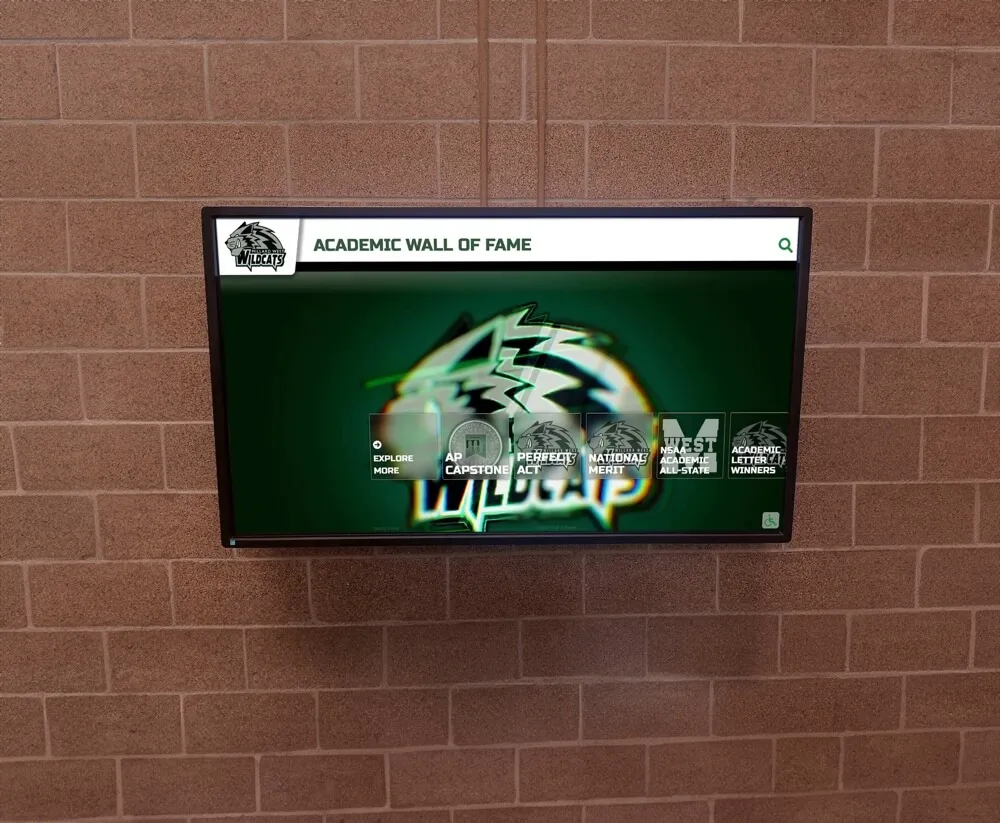
Web-based recognition enables families and alumni to explore teacher contributions from anywhere
Implementation Process: Room parent coordination establishing contribution levels and collection systems, teacher preference surveys guiding gift selection, clear communication about participation expectations and options, and acknowledgment systems crediting all contributing families in recognition presentations.
Coordinated approaches particularly benefit schools with diverse socioeconomic populations, ensuring all families can participate meaningfully without financial pressure while preventing teachers from receiving excessive or duplicate gifts.
Volunteer Support Recognition
Teacher appreciation extends to acknowledging volunteers who support educational mission:
Volunteer Recognition Programs:
- Annual volunteer appreciation events celebrating parent and community contributors
- Public acknowledgment during school events and communications
- Volunteer service milestone recognition
- Student-created thank-you expressions for frequent volunteers
- Inclusion of volunteers in school recognition displays
This comprehensive appreciation acknowledging the full community supporting student success strengthens school culture while honoring diverse contributions.
Budget-Conscious Teacher Appreciation Approaches
Meaningful recognition doesn’t require significant financial investment—thoughtfulness matters more than monetary value.
High-Impact, Low-Cost Gift Ideas
Effective appreciation on limited budgets:
Budget-Friendly Gifts:
- Handwritten notes and cards requiring only time and thoughtfulness
- Homemade treats and baked goods showcasing personal effort
- Student artwork and creative projects holding emotional value
- Classroom volunteer time providing practical help
- Social media or email campaigns sharing public appreciation
Enhancement Strategies: Coordinate multiple low-cost contributions creating comprehensive gestures, leverage parent talents and skills for personal gifts, time donations for classroom assistance, and create emotional impact through personalization regardless of monetary value.
Time and Talent Contributions
Non-monetary appreciation often carries greatest impact:
Service-Based Appreciation:
- Classroom organization and cleaning projects
- Bulletin board creation and seasonal decoration
- Grading assistance or administrative task help
- Technology support and troubleshooting
- Field trip chaperoning and special event assistance
Professional Skills Sharing: Parents with specialized expertise offering relevant support—graphic designers creating classroom materials, photographers documenting school events, IT professionals providing technology setup, tradespeople completing classroom repairs or improvements, and accountants or lawyers offering pro bono professional services.
Schools implementing interactive kiosk solutions discover how technology investments create permanent appreciation infrastructure serving long-term recognition needs efficiently.
Free Recognition Strategies
Zero-cost appreciation approaches with significant impact:
No-Cost Recognition:
- Public social media appreciation posts
- Email campaigns thanking teachers and sharing impact stories
- Student assemblies or presentations honoring teachers
- Hallway and classroom appreciation displays
- Administration acknowledgment in newsletters and communications
Community Recognition: Nomination for community awards and recognition programs, media outreach resulting in teacher feature stories, school board meeting recognitions providing public acknowledgment, and community event participation celebrating educator excellence.
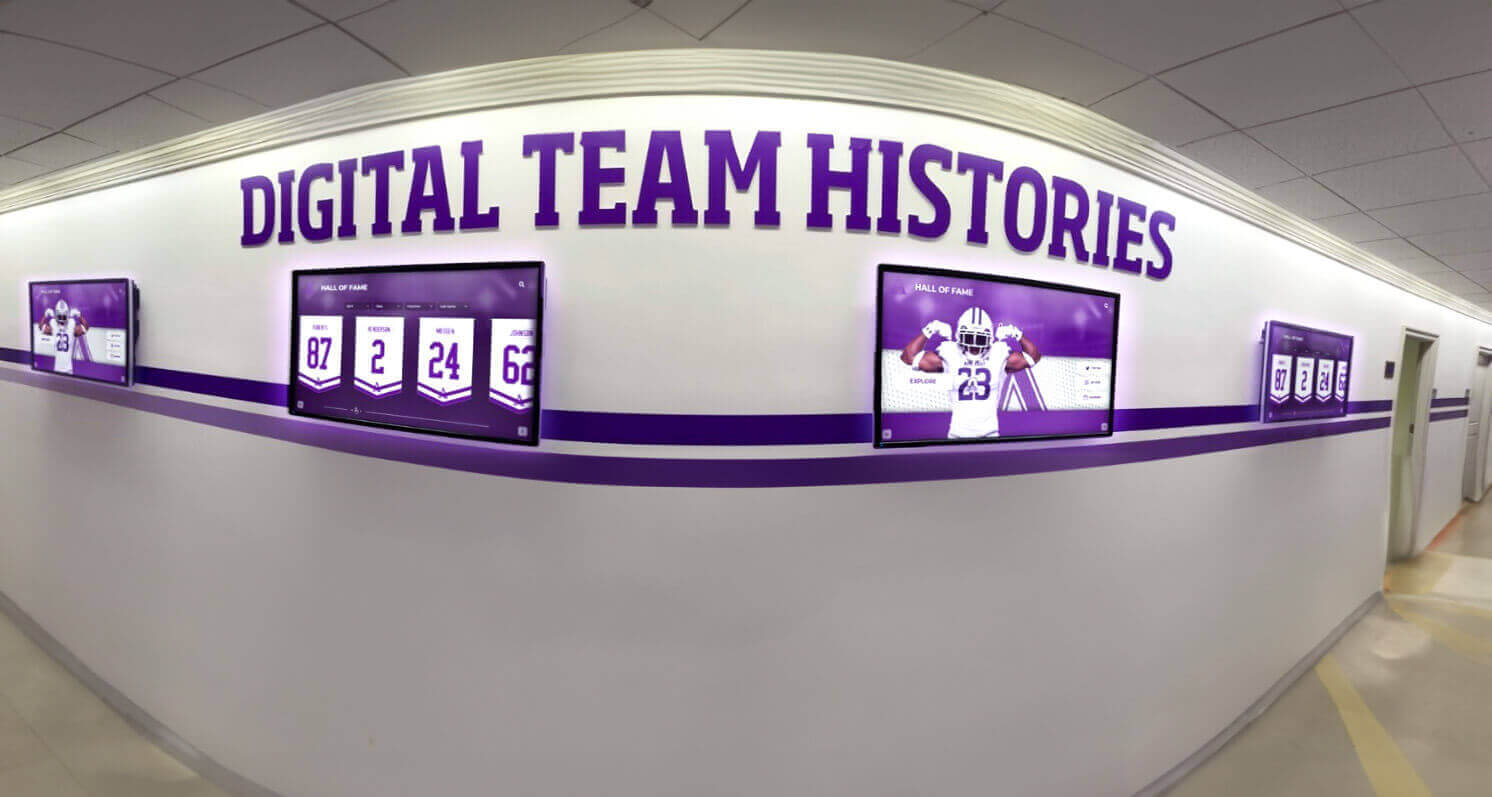
Strategic placement of recognition throughout facilities creates comprehensive appreciation environments
Timing and Presentation Best Practices
How and when appreciation is delivered significantly affects impact.
Strategic Timing for Maximum Impact
Thoughtful timing enhances appreciation effectiveness:
Optimal Timing Moments:
- Beginning of school year acknowledging preparation efforts
- Mid-year recognition during challenging winter months
- End of year celebrating annual accomplishments
- Standardized testing periods acknowledging stress
- Individual teacher birthdays and personal milestones
Timing Considerations: Avoid clustering all recognition during designated appreciation weeks, spread gestures throughout the year maintaining consistent acknowledgment, surprise timing creating unexpected delight rather than obligatory feeling, and coordinate with school calendars avoiding busiest periods when appreciation might get lost.
Personalization and Specificity
Generic appreciation lacks impact—specificity demonstrates genuine recognition:
Personalization Elements:
- Reference specific teaching moments or observed classroom interactions
- Acknowledge particular strengths and teaching approaches
- Connect appreciation to individual teacher’s values and priorities
- Include details demonstrating actual knowledge and observation
- Tailor presentation methods to teacher preferences (public versus private)
Avoiding Generic Pitfalls: Mass-produced items without personal touches, identical gifts for all teachers regardless of interests, template letters with filled-in names, appreciation without specific examples or context, and one-size-fits-all approaches ignoring individual differences.
Public Versus Private Recognition Preferences
Respecting teacher preferences for acknowledgment style:
Preference Assessment: Some teachers appreciate public celebration and visibility while others prefer private, quiet recognition. Observe past responses to recognition, ask directly about preferences when appropriate, provide options for recognition style, and default to private acknowledgment when uncertain.
Public Recognition Contexts: School assemblies and all-staff meetings, newsletter and social media features, recognition displays in public spaces, and community events and celebrations.
Private Recognition Contexts: Personal letters and notes, one-on-one conversations with administrators, small group acknowledgments, and private ceremonies with close colleagues.
Organizations implementing school digital signage discover how technology enables both public recognition for those who appreciate visibility and private acknowledgment for educators preferring less attention.
Common Teacher Appreciation Mistakes to Avoid
Understanding what not to do helps create more effective recognition.
Over-Commercialization and Impersonal Gifts
The Problem: Mass-produced novelty items with teaching themes (mugs, T-shirts, decorative plaques) without personal context, generic gift baskets from corporate retailers, and appreciation that feels obligatory rather than genuine undermine recognition impact.
The Solution: Prioritize personalization over convenience, invest time rather than relying solely on purchased items, include personal notes and context with any purchased gifts, and choose practical or meaningful items over symbolic teaching-themed products.
Unequal or Inconsistent Recognition
The Problem: Popular teachers receiving overwhelming appreciation while others go unacknowledged, grade-level or subject-specific disparities in recognition, parent economic differences creating visible inequality, and specialist teachers (art, music, PE) receiving less recognition than classroom teachers damage school culture.
The Solution: PTA coordination ensuring equitable recognition across all staff, establish school-wide programs supplementing individual family gifts, explicitly include all teachers in recognition communications and events, monitor participation ensuring complete staff acknowledgment, and create systems preventing inequality manifestation.
Appreciation That Creates Extra Work
The Problem: Elaborate gifts requiring teachers to write thank-you notes to numerous families, living plants needing care during vacations, items requiring assembly or setup, recognition events scheduled during planning time, and appreciation creating social obligation reciprocity.
The Solution: Consider convenience and practicality in gift selection, avoid gifts creating maintenance obligations, schedule appreciation around rather than during teachers’ work time, and communicate that no reciprocation or acknowledgment expected.
Ignoring Dietary Restrictions and Preferences
The Problem: Food gifts triggering allergies or dietary restrictions, religious or cultural insensitivity in gift selection, and assumptions about personal preferences.
The Solution: Survey teachers about dietary needs and restrictions, offer variety accommodating different preferences, default to non-food gifts when information unavailable, and ask directly about preferences rather than assuming.
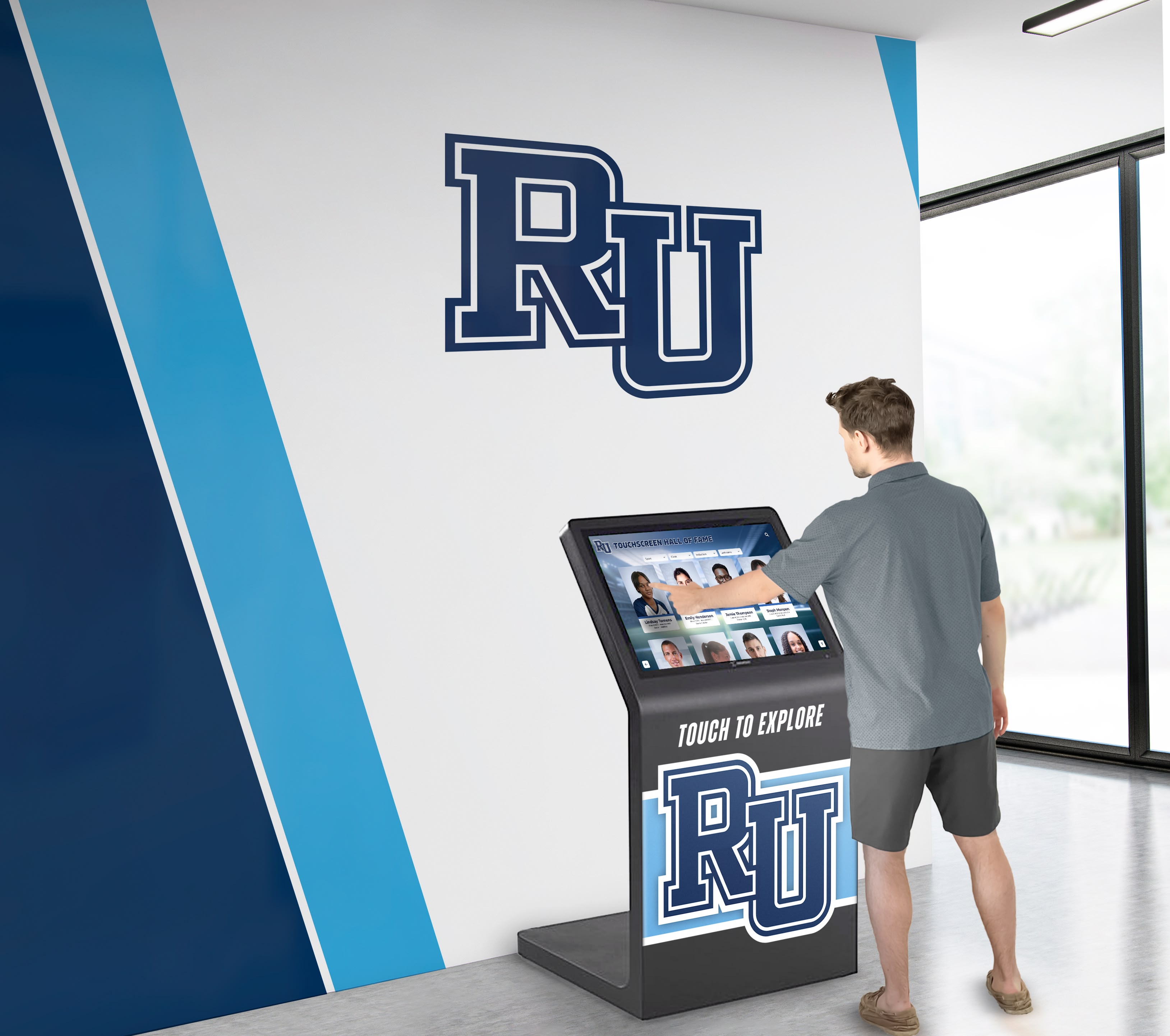
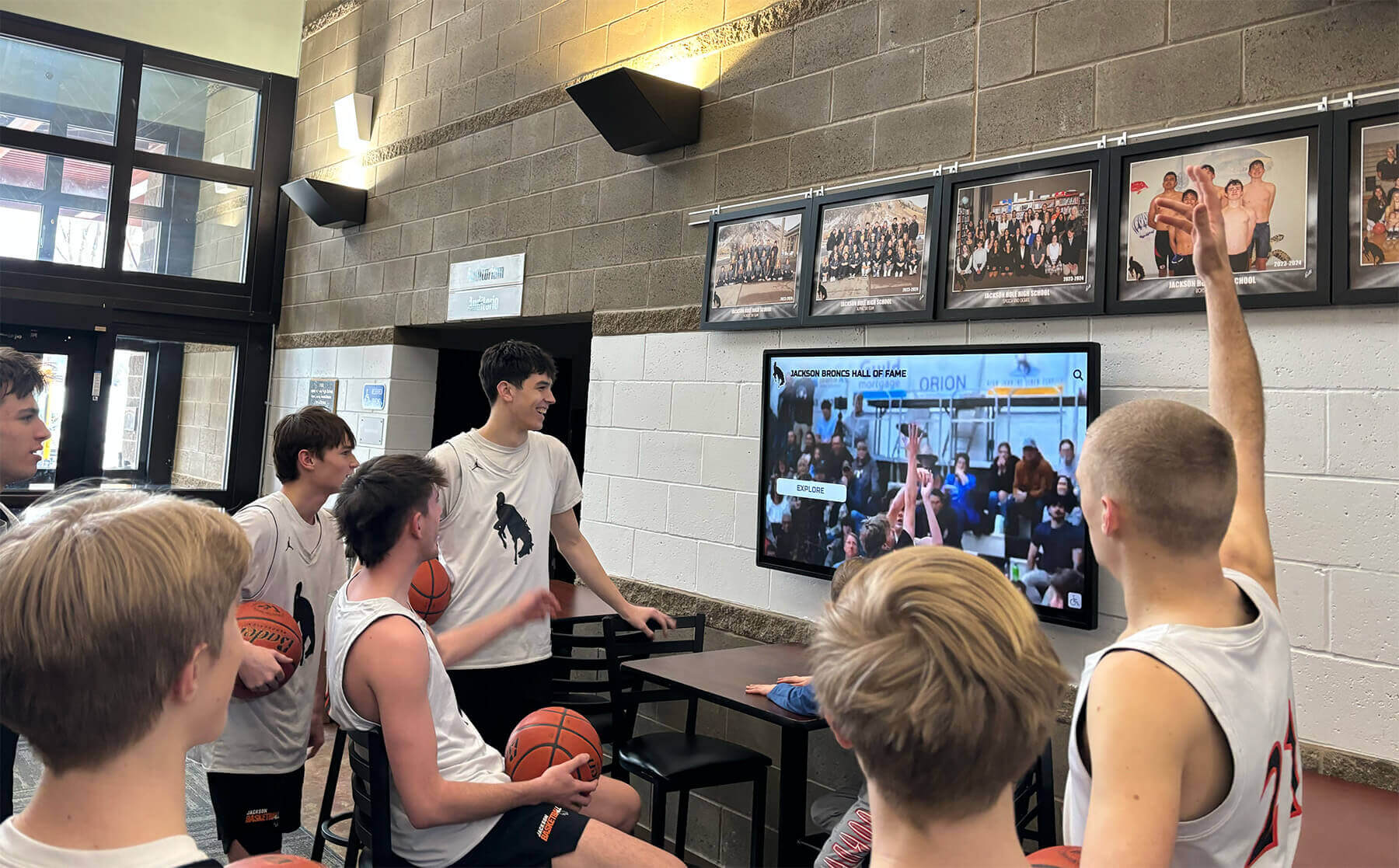
Intuitive recognition platforms enable teachers to explore acknowledgment of their colleagues and celebrate shared mission
Subject-Specific and Role-Based Teacher Appreciation
Different teaching roles deserve tailored recognition approaches.
Specialist Teacher Recognition
Art, music, physical education, and other specialists often receive less recognition despite teaching larger student populations:
Specialist Appreciation Strategies:
- Coordinate appreciation across multiple grade levels or schools
- Acknowledge unique challenges of teaching numerous students
- Recognize contributions to whole-child development beyond academics
- Highlight special programs, performances, or exhibitions teachers create
- Ensure inclusion in all school-wide recognition programs
Organizations implementing band awards ideas and performance recognition demonstrate appreciation approaches for music educators adaptable to all specialists.
Support Staff and Paraprofessional Recognition
Instructional assistants, special education paraprofessionals, and support staff deserve equal appreciation:
Support Staff Recognition:
- Include all instructional staff in teacher appreciation initiatives
- Acknowledge critical roles supporting student success
- Recognize specialized skills and dedication
- Provide professional development and growth opportunities
- Create recognition systems honoring diverse educational roles
Administrative and Leadership Appreciation
Principals, assistant principals, and instructional coaches supporting teachers deserve acknowledgment:
Leadership Recognition:
- Acknowledge administrative support enabling effective teaching
- Recognize leaders who create positive school cultures
- Thank administrators for advocacy and problem-solving
- Celebrate instructional leadership improving teaching quality
- Honor principals during Principal Appreciation Month (October)
Leveraging Technology for Enhanced Teacher Recognition
Modern platforms enable appreciation approaches impossible with traditional methods.
Digital Recognition Platform Benefits
Technology-enabled teacher appreciation:
Platform Capabilities: Comprehensive teacher databases with detailed profiles, career timeline documentation and milestone tracking, multimedia storytelling with photos and videos, achievement and accomplishment archives, student testimonial collections, and alumni connection features linking former students to teachers.
Solutions like Rocket Alumni Solutions provide platforms specifically designed for educational institutions seeking permanent, engaging teacher recognition systems integrating with broader school history and achievement documentation.
Technology Advantages: Unlimited capacity without space constraints, real-time updates and additions, remote content management from any device, web accessibility extending beyond physical campus, social sharing enabling broader recognition, analytics tracking engagement and impact, and cost-effective scalability compared to traditional recognition.
Schools implementing digital recognition report dramatically increased teacher morale, enhanced recruitment when prospective educators observe appreciation culture, and strengthened community engagement when families and alumni interact with teacher recognition.
Social Media Recognition Strategies
Leveraging social platforms for amplified appreciation:
Social Recognition Approaches:
- Regular teacher spotlight posts featuring individual educators
- Student testimonial videos and appreciation messages
- Behind-the-scenes content showcasing teaching preparation
- Achievement and milestone celebrations
- Alumni sharing teacher impact stories
Best Practices: Obtain teacher permission before featuring, maintain professional and appropriate content, ensure equitable coverage across all staff, encourage family and community engagement, and coordinate with district social media policies and privacy requirements.
Virtual Recognition for Remote and Hybrid Learning
Distance learning contexts require adapted appreciation:
Virtual Appreciation:
- Video compilation messages from students and families
- Virtual appreciation events and celebrations
- Digital badges and recognition graphics
- Online tribute walls and comment boards
- Shipped appreciation packages with virtual presentation ceremonies
Organizations exploring school display cases discover how digital solutions overcome physical limitations while creating more comprehensive recognition than traditional approaches.
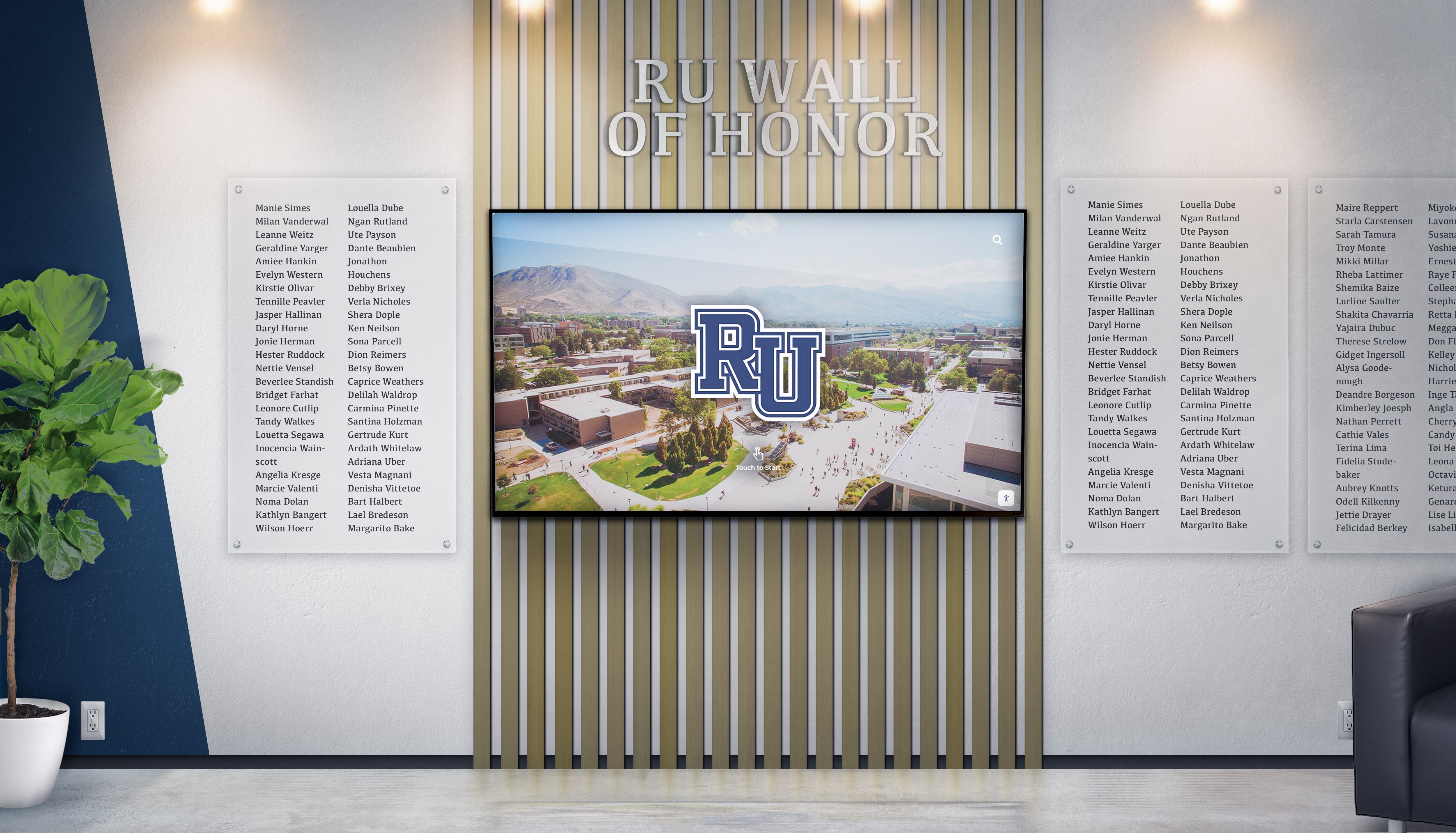
Integrated systems combining traditional elements with modern technology create comprehensive teacher appreciation environments
Measuring Teacher Appreciation Impact
Assessing recognition program effectiveness ensures continued improvement.
Qualitative Impact Indicators
Teacher Feedback Assessment:
- Staff surveys about recognition program awareness and impact
- Informal conversations about meaningful appreciation experiences
- Observation of teacher morale and engagement changes
- Exit interview mentions of appreciation (or lack thereof)
- Anecdotal evidence of recognition impact on daily experience
Cultural Indicators: Changes in staff room atmosphere and colleague interactions, teacher willingness to go beyond requirements, recruitment and retention trends, family engagement and partnership quality, and student observations about teacher happiness and enthusiasm.
Quantitative Metrics
Measurable Recognition Outcomes:
- Teacher retention rates compared to baseline periods
- Staff satisfaction survey scores
- Participation rates in recognition programs and events
- Recognition distribution across staff ensuring equity
- Budget allocation and program sustainability metrics
Return on Investment: Retention cost savings from reduced turnover, recruitment advantage reducing vacancy periods, instructional quality improvements correlating with teacher satisfaction, and community engagement indicators including volunteer participation.
Regular assessment enables continuous improvement ensuring recognition programs remain effective, equitable, and meaningful to educators they honor.
Conclusion: Creating Cultures of Teacher Appreciation
Meaningful teacher appreciation extends far beyond annual events or obligatory gifts—it represents ongoing commitment to honoring educators whose daily work shapes students’ futures and communities’ trajectories. When schools, families, and communities systematically celebrate teaching excellence through diverse approaches—from personalized gifts and experience-based recognition to permanent acknowledgment systems and comprehensive appreciation programs—they create environments where educators feel genuinely valued, supported, and motivated to continue their challenging and essential work.
The teacher appreciation gift ideas and strategies explored throughout this guide demonstrate how authentic acknowledgment adapts across contexts, budgets, and school cultures while remaining focused on what matters most: specific recognition of individual contributions, permanent documentation of teaching excellence, and systematic approaches ensuring all educators receive appreciation they deserve. From interactive recognition displays providing unlimited capacity for teacher celebration to thoughtful handwritten notes capturing specific impact, these diverse approaches work together creating comprehensive appreciation cultures.
Create Lasting Teacher Recognition
Discover how modern digital recognition solutions can help your school permanently honor every educator's contributions while building appreciation cultures that support teacher retention and excellence.
Explore Recognition SolutionsTechnology makes comprehensive teacher recognition achievable through intuitive systems combining interactive displays, cloud-based content management, unlimited educator capacity, multimedia storytelling capabilities, and accessibility enabling recognition extending beyond physical school boundaries. Schools implementing purpose-built recognition platforms create acknowledgment programs honoring every teacher appropriately while building engaged communities committed to educational excellence.
Start where you are: identify teachers whose contributions deserve recognition, explore appreciation approaches matching your resources and context, coordinate with other families and PTA organizations maximizing collective impact, and consider permanent recognition systems creating lasting acknowledgment. Whether beginning with simple gratitude notes, implementing coordinated class gifts, or creating comprehensive interactive digital displays honoring teaching excellence, every step toward meaningful appreciation strengthens educational communities while honoring educators whose work enables student success.
Every teacher—from first-year educators finding their way through veteran instructors with decades of impact—deserves recognition acknowledging their contributions to student growth, school community, and societal progress through education. With thoughtful planning, authentic expression, and systematic implementation, you can create teacher appreciation that truly matters, building the recognition cultures where educators thrive and students benefit from teachers who feel valued, supported, and inspired to continue their essential work.
Ready to begin? Explore student achievement tracking systems that integrate teacher recognition, discover end-of-year activities including teacher appreciation components, or learn about community showcase projects celebrating educators alongside other community contributors.