Recognition shapes behavior in powerful ways. When schools systematically celebrate student achievement—whether academic excellence, personal growth, or positive character—they create visible roadmaps showing what success looks like while motivating every student to pursue their best selves. Student of the month programs represent one of the most effective recognition strategies available to educators, providing regular opportunities to honor diverse accomplishments while building cultures where achievement becomes aspirational rather than exceptional.
Yet many student of the month programs fall short of their potential. Recognition defaults to the same high-achieving students month after month, making awards predictable rather than motivating. Selection criteria remain vague or inconsistent, undermining fairness and credibility. Physical displays show only current month honorees while past achievements disappear from visibility. Most critically, programs fail to honor diverse excellence—the student who dramatically improved attendance, the quiet leader who mentors struggling peers, or the artist whose creativity enriches school culture receive no recognition while traditional high achievers dominate monthly selections.
This comprehensive guide provides actionable frameworks for building student of the month programs that celebrate authentic diversity of achievement, motivate students at all performance levels, and create lasting recognition culture throughout your school community.
Building effective student of the month programs requires moving beyond surface-level recognition toward systematic celebration of diverse excellence. Schools that successfully implement these programs establish clear selection criteria spanning multiple achievement dimensions, create visible and accessible recognition extending beyond single months, and build sustainable processes ensuring consistent implementation year after year.

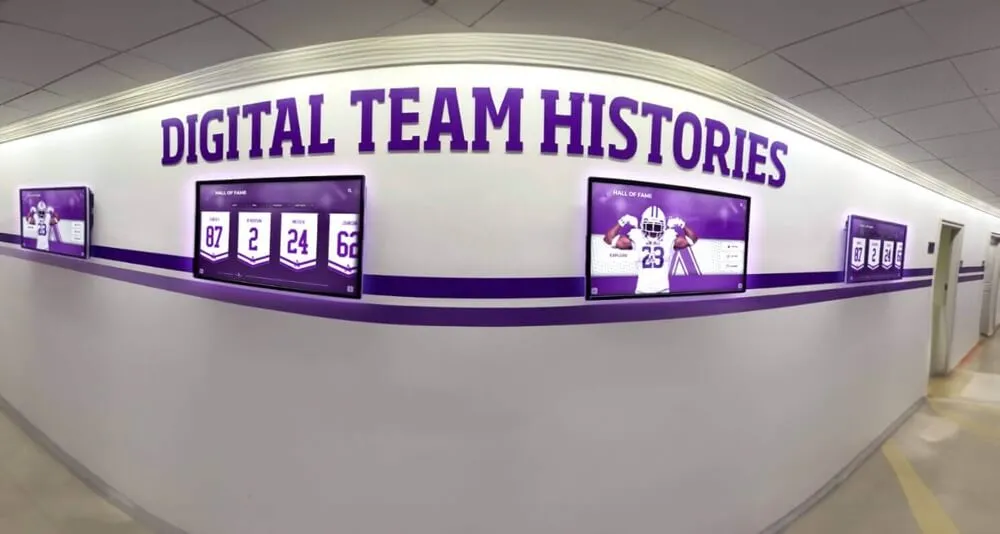
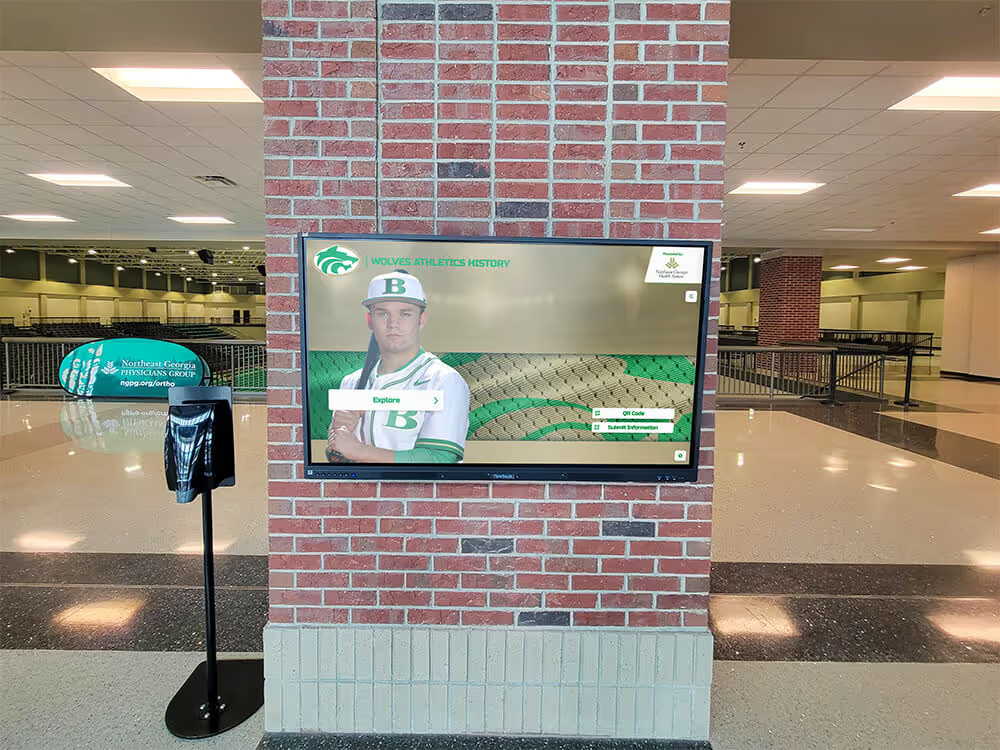
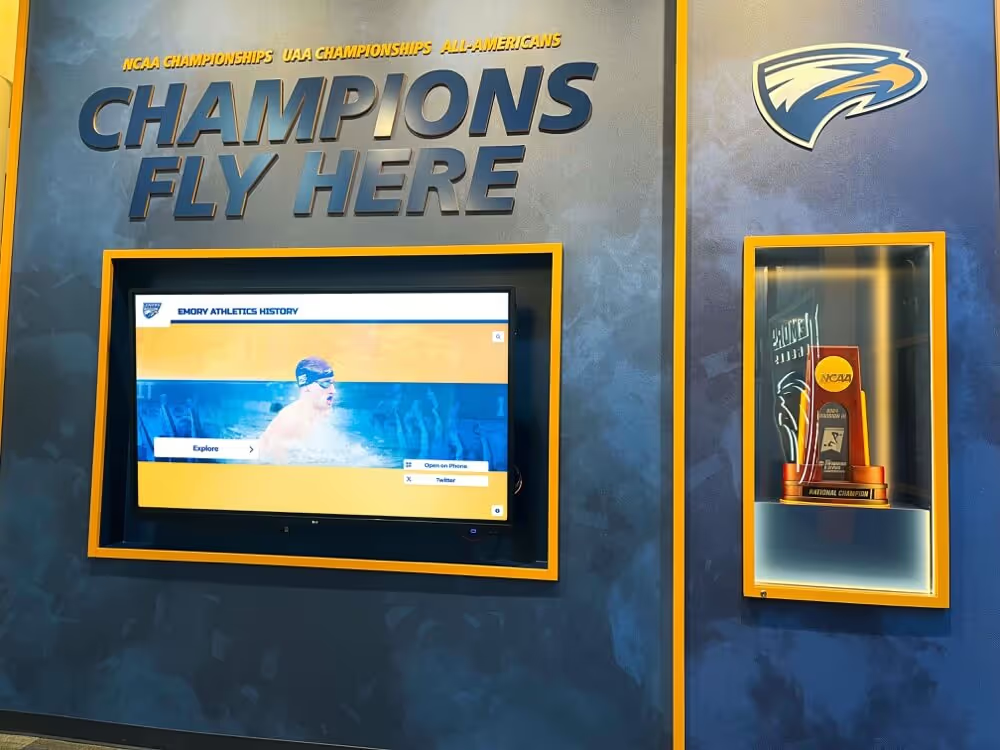
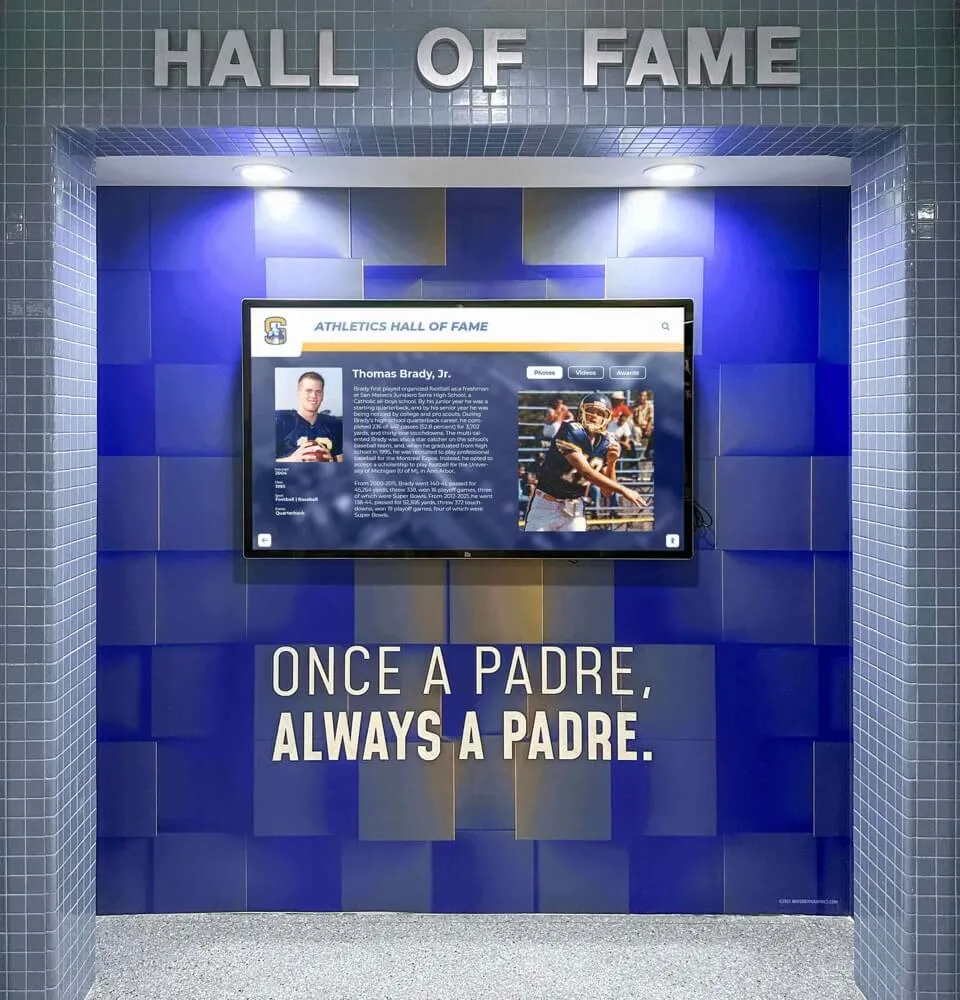
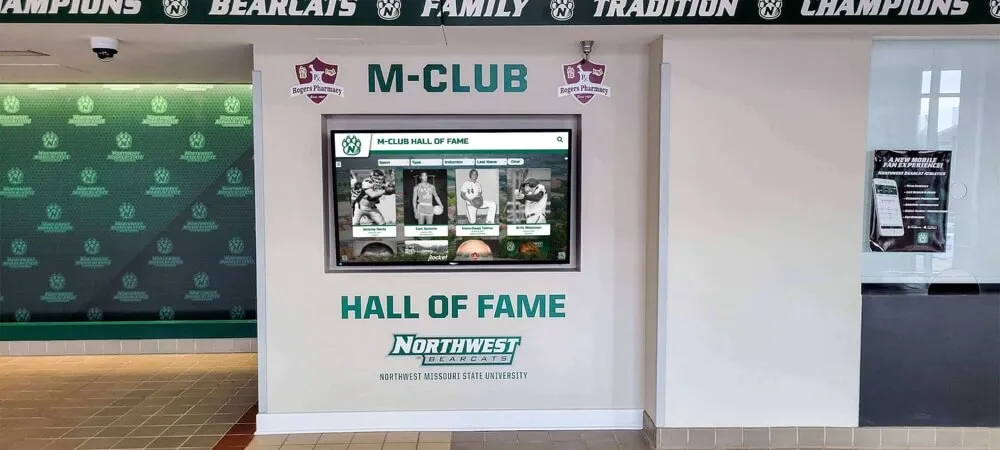
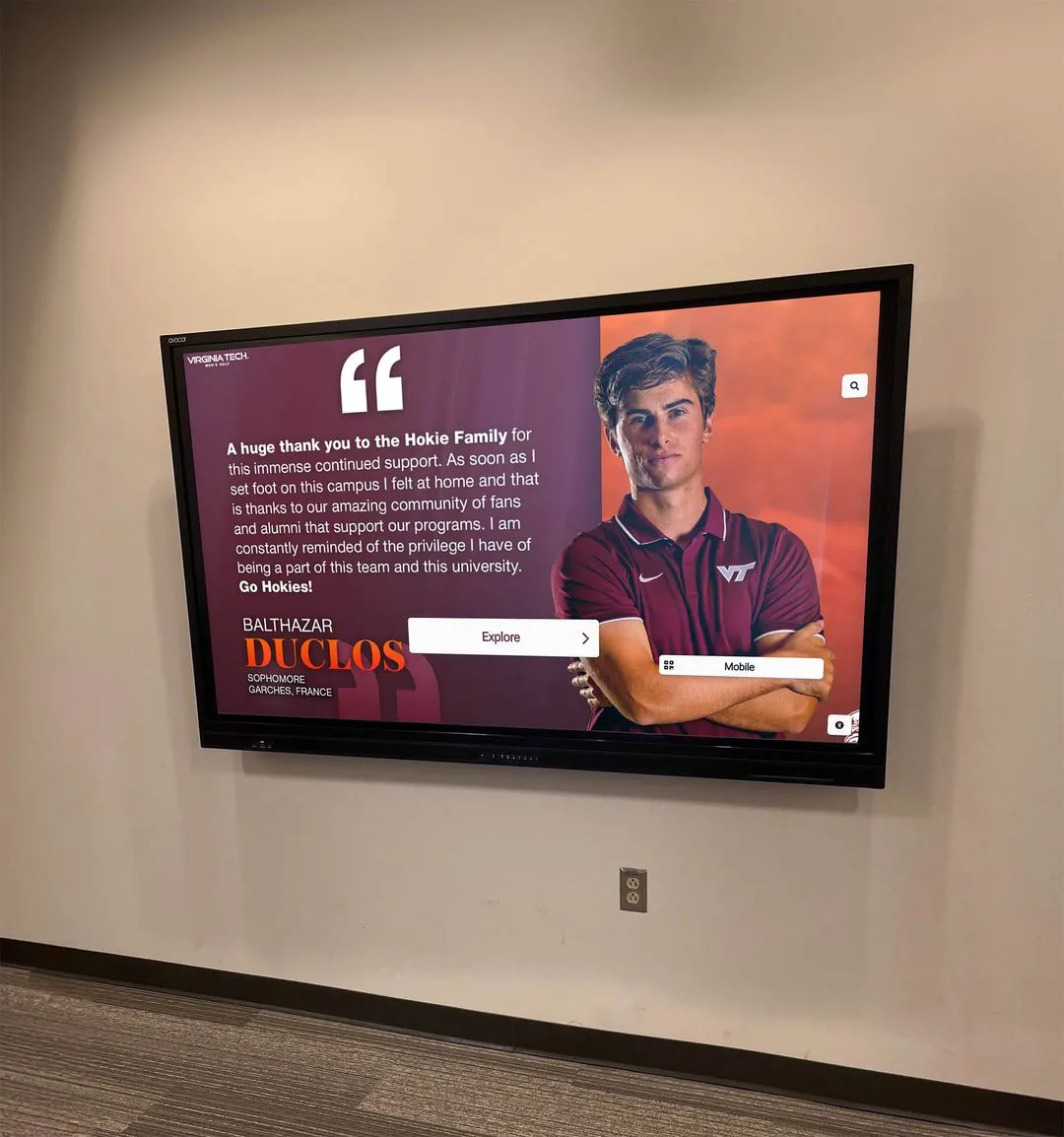
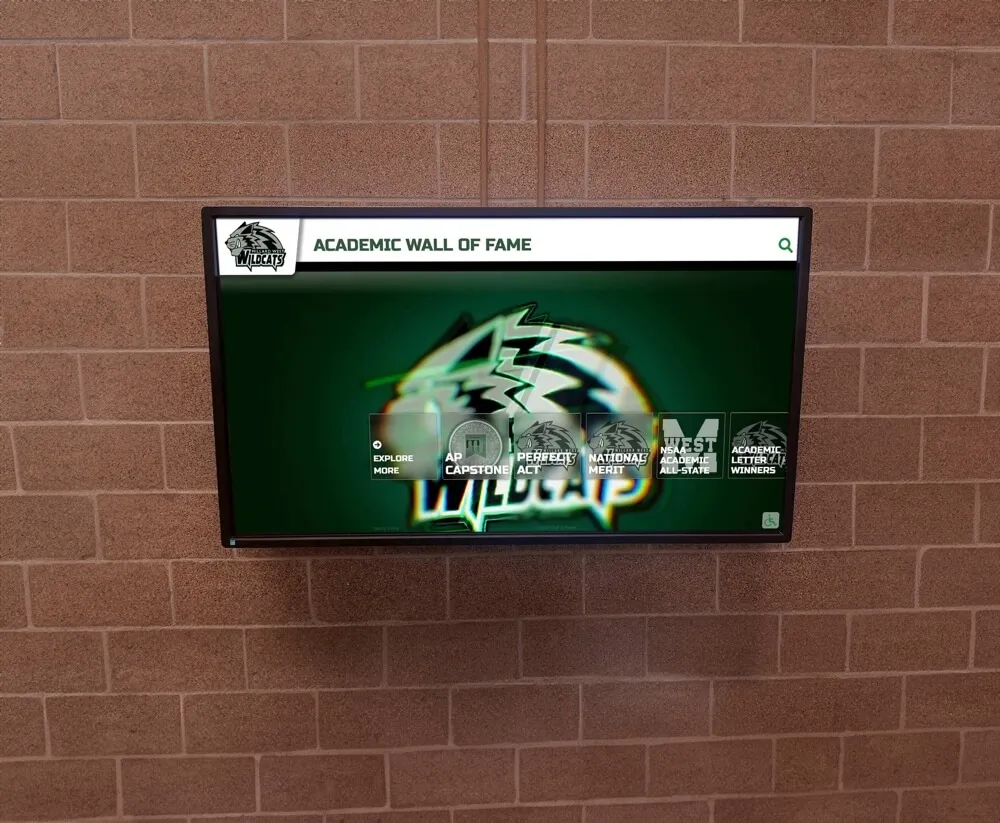
Modern recognition displays ensure student of the month honorees receive lasting visibility that extends far beyond traditional bulletin boards
Why Student of the Month Programs Matter: Research and Impact
Understanding the research-based benefits of recognition programs helps schools design systems that maximize positive outcomes while justifying resource investment.
The Motivation Science Behind Recognition
Educational psychology research consistently demonstrates that appropriate recognition influences student behavior, achievement, and school connection in powerful ways.
Behavioral Reinforcement and Goal Pursuit
Recognition functions as positive reinforcement, increasing the likelihood students repeat recognized behaviors:
- Students receiving recognition demonstrate 15-25% higher rates of continued positive behavior
- Public acknowledgment creates positive peer pressure encouraging excellence
- Visible recognition normalizes achievement as desirable rather than exceptional
- Regular recognition opportunities motivate goal-setting and sustained effort
According to research published by the American Psychological Association, students who receive consistent recognition for diverse achievements show significantly higher intrinsic motivation compared to students in schools with no recognition systems or systems recognizing only top academic performance.
Building Belonging and School Connection
Recognition directly impacts students’ sense of belonging—a critical factor in engagement, achievement, and well-being:
- Recognized students report 30-40% higher school connectedness scores
- Recognition reduces dropout risk by strengthening institutional attachment
- Acknowledgment signals that schools notice and value individual students
- Diverse recognition criteria ensure multiple pathways to belonging
Real-World Program Impact
Schools implementing effective student of the month programs report measurable improvements:
Academic and Behavioral Outcomes
- 18% average reduction in disciplinary referrals
- 12% improvement in average daily attendance
- 22% increase in students attempting challenging coursework
- Significant improvement in school climate survey results
- Enhanced student engagement in extracurricular activities
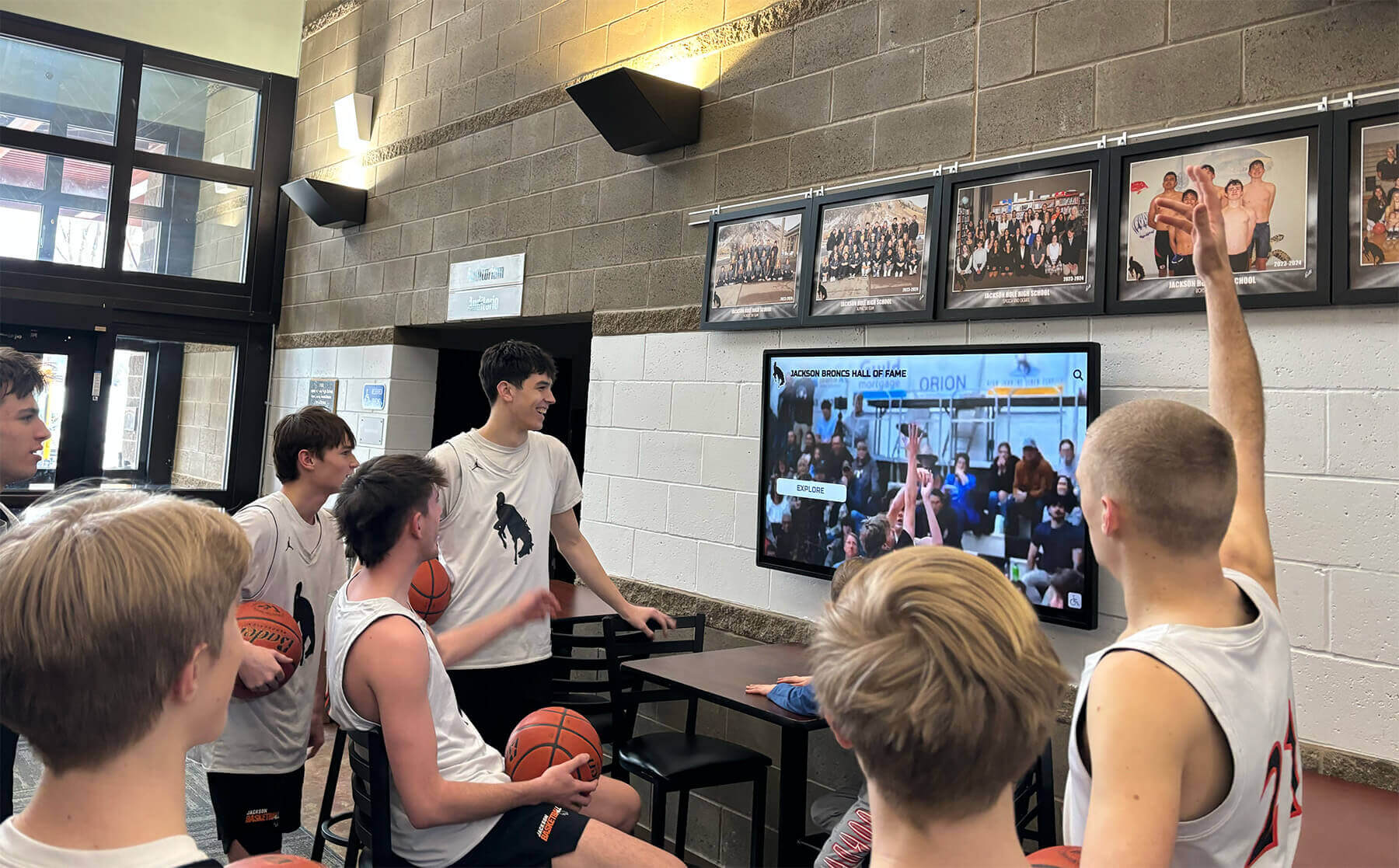
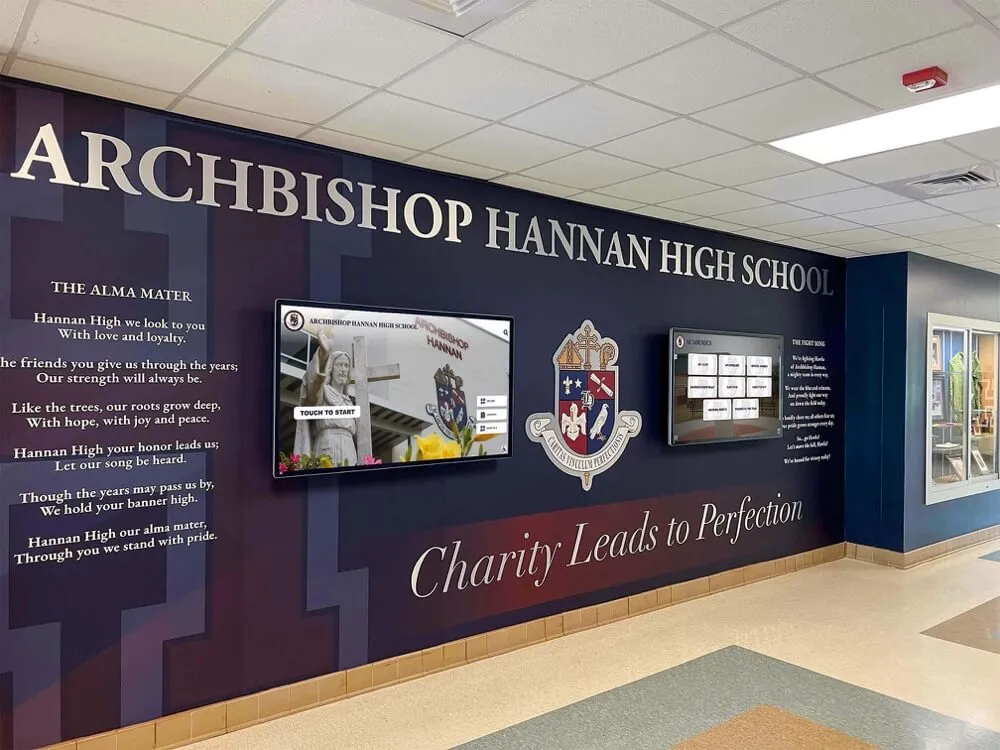
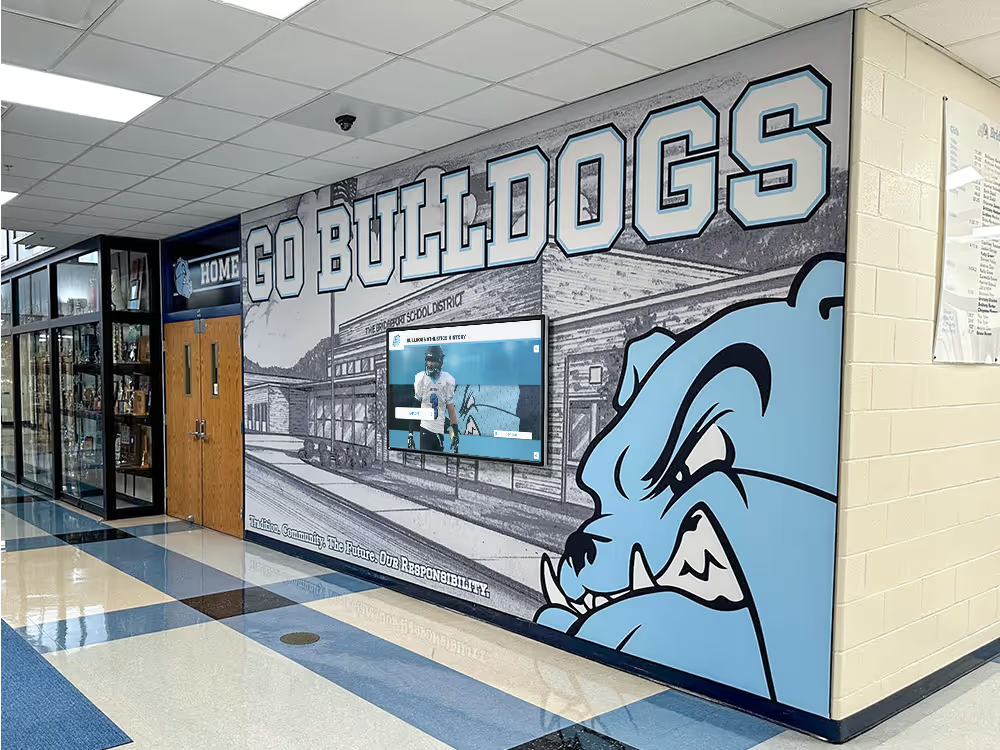
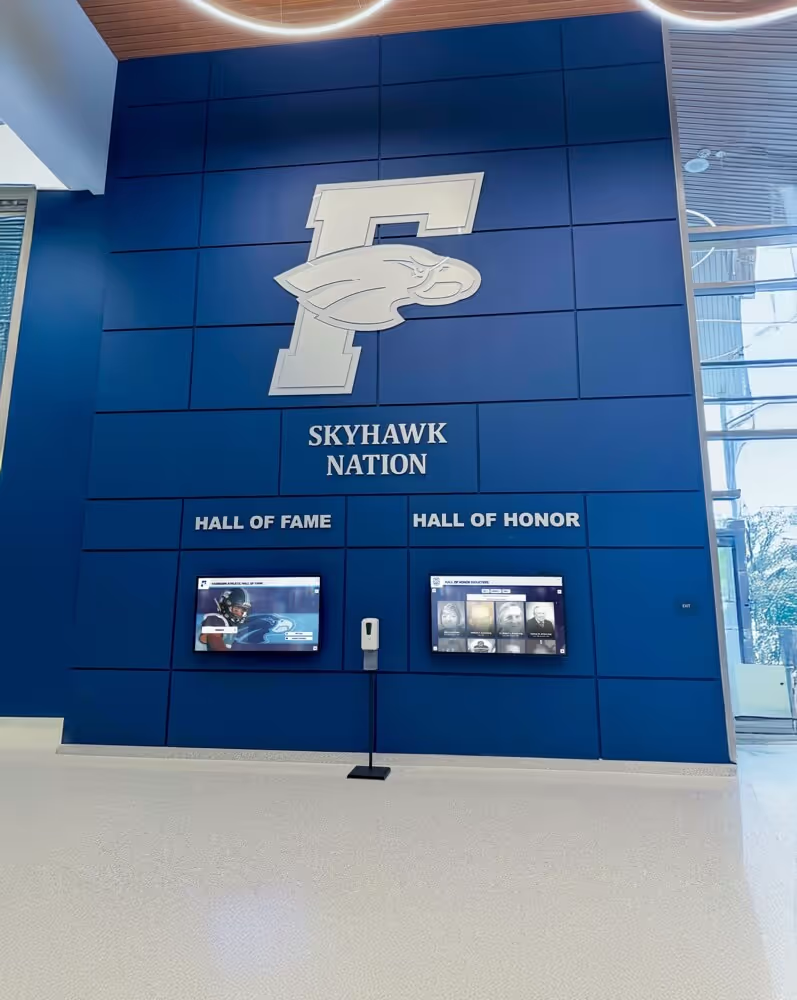
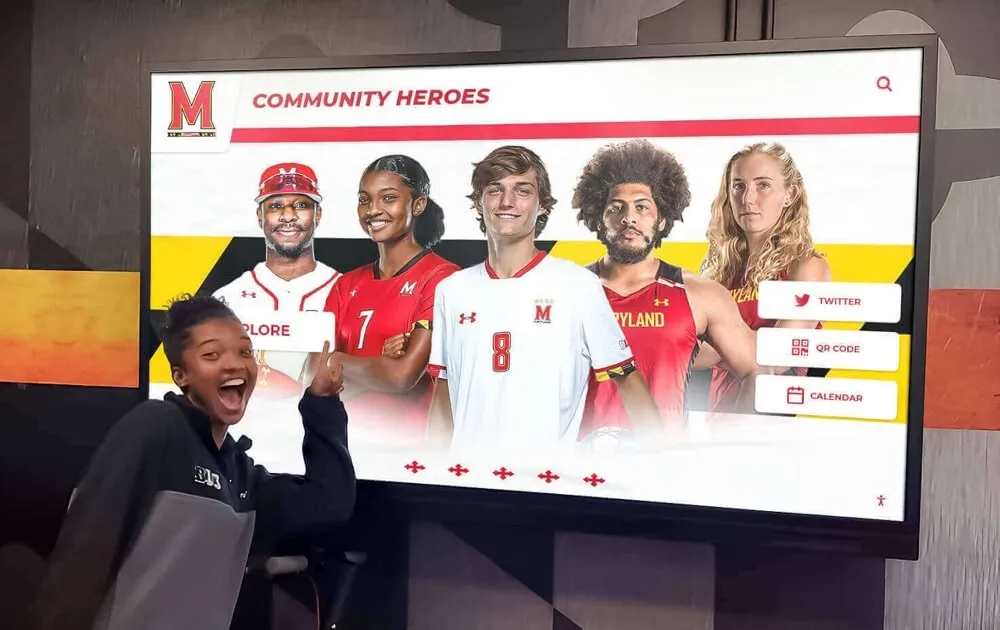
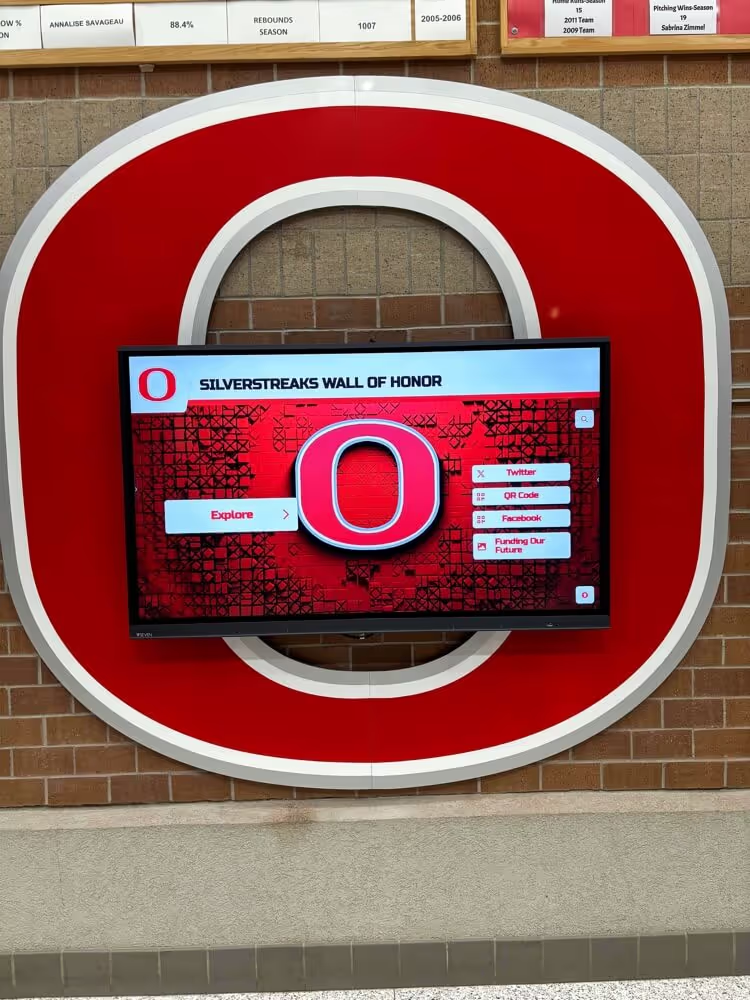
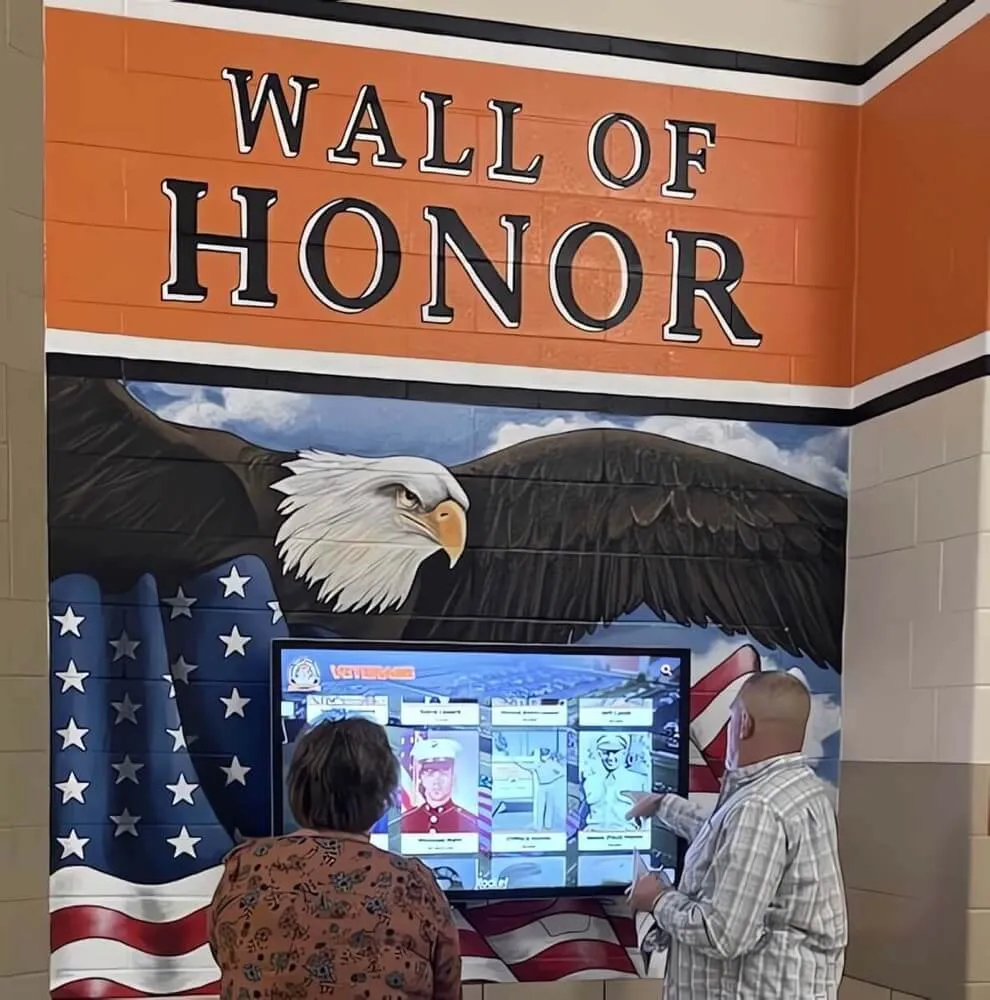
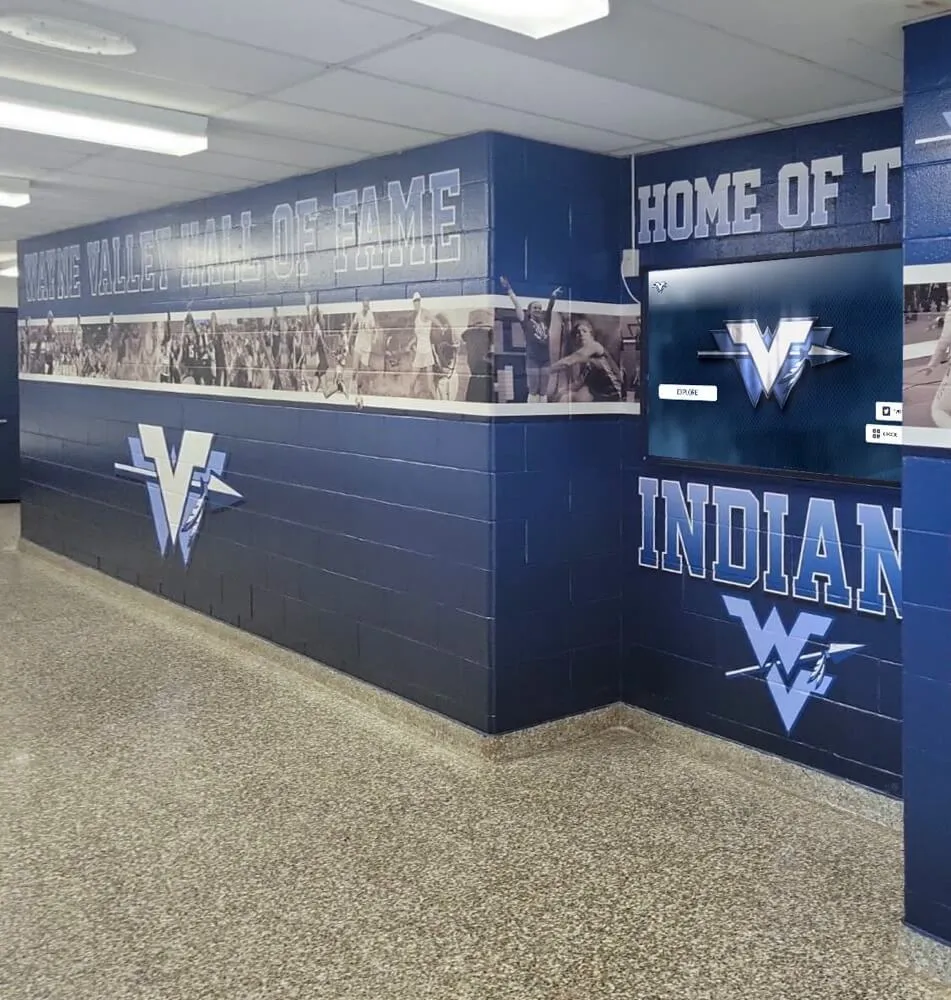
Interactive displays create opportunities for peer recognition and conversation around achievement
Family and Community Engagement
- Increased family participation in school events
- Stronger home-school communication patterns
- Enhanced community perception of school quality
- Greater family investment in student success
- Improved alumni connection and institutional pride
These outcomes occur when programs recognize diverse achievement authentically and create visibility extending beyond single recognition moments—requirements traditional bulletin board approaches struggle to fulfill.
Designing Multi-Dimensional Selection Criteria
The foundation of effective student of the month programs lies in selection criteria that honor diverse forms of excellence while remaining clear, transparent, and consistently applied.
Beyond Academic Performance: Comprehensive Achievement Categories
Most student of the month programs overemphasize academic achievement, limiting recognition to students already succeeding in traditional school measures. Comprehensive programs establish multiple recognition categories ensuring every student can envision a pathway to acknowledgment.
Academic Excellence and Growth
- Outstanding academic performance and GPA achievement
- Dramatic improvement in grades or test scores
- Mastery demonstration in challenging subjects
- Consistent effort and homework completion
- Academic risk-taking through advanced coursework
Rather than recognizing only top performers, effective academic criteria honor both absolute achievement and growth, ensuring students improving from various starting points receive consideration.
Character and Citizenship
- Exemplary kindness and compassion toward peers
- Integrity and honesty in daily interactions
- Respect for diverse perspectives and inclusive behavior
- School spirit and community contribution
- Conflict resolution and peacemaking efforts
Character recognition proves particularly powerful because it affirms behaviors every student can demonstrate regardless of academic capability or athletic talent.
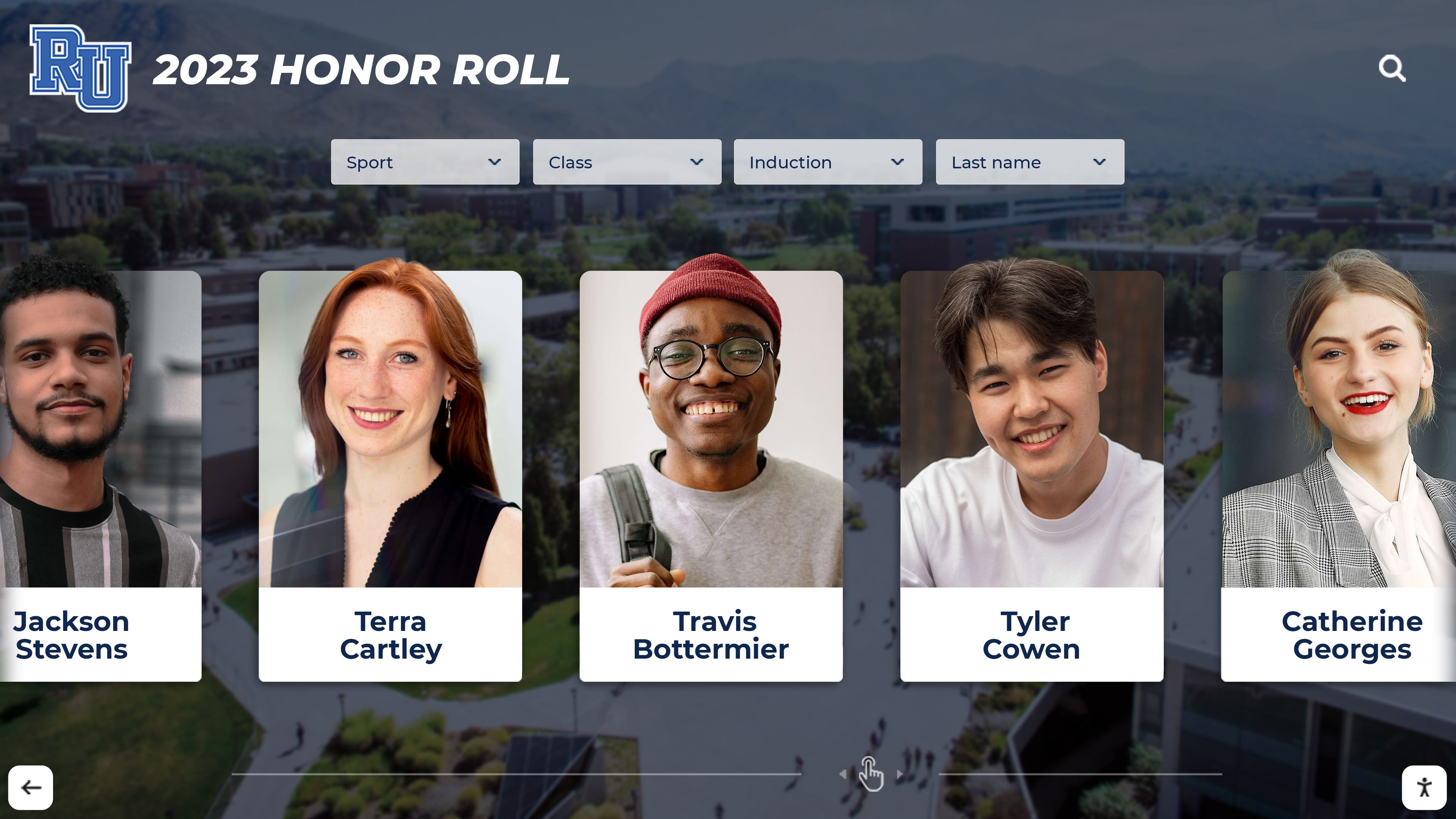
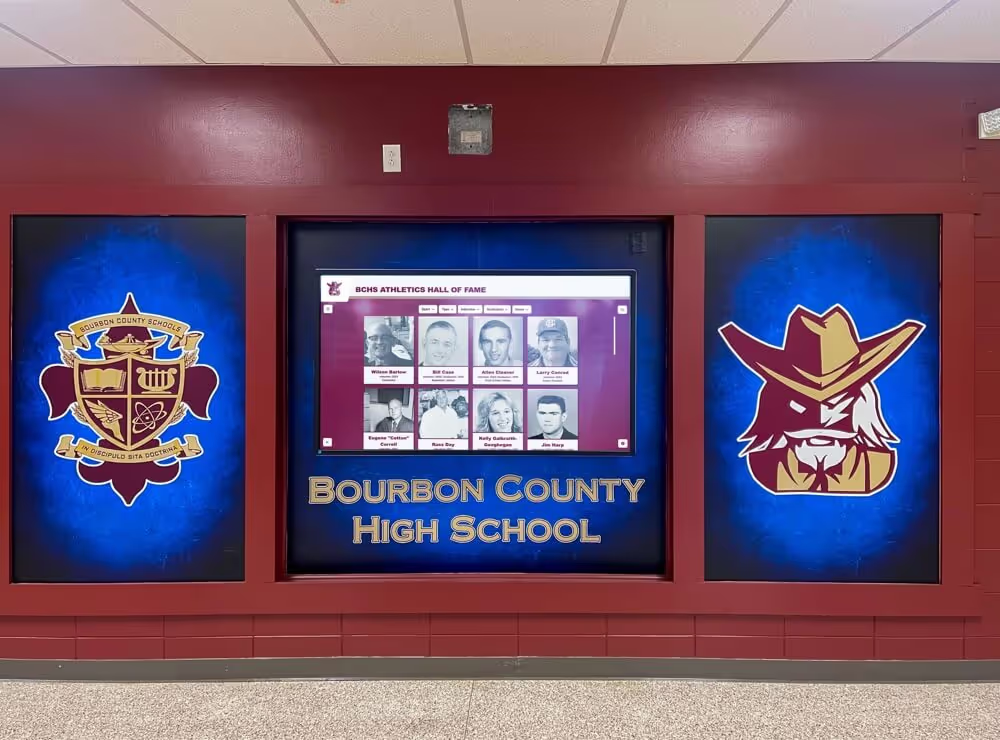
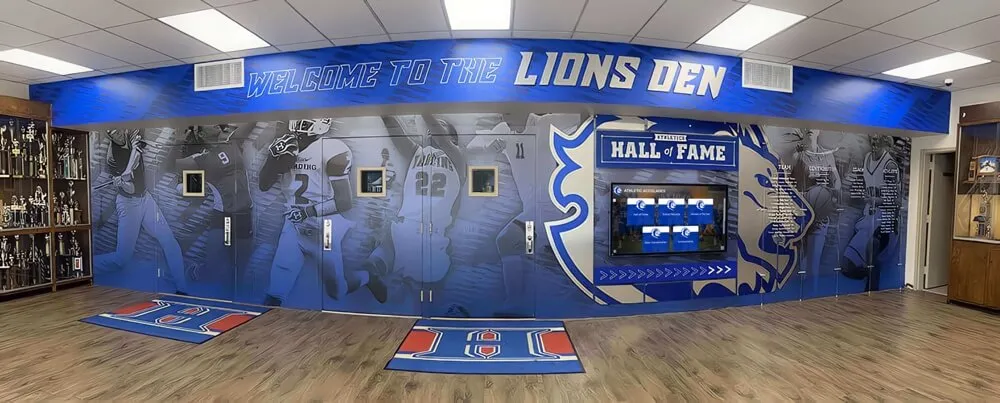
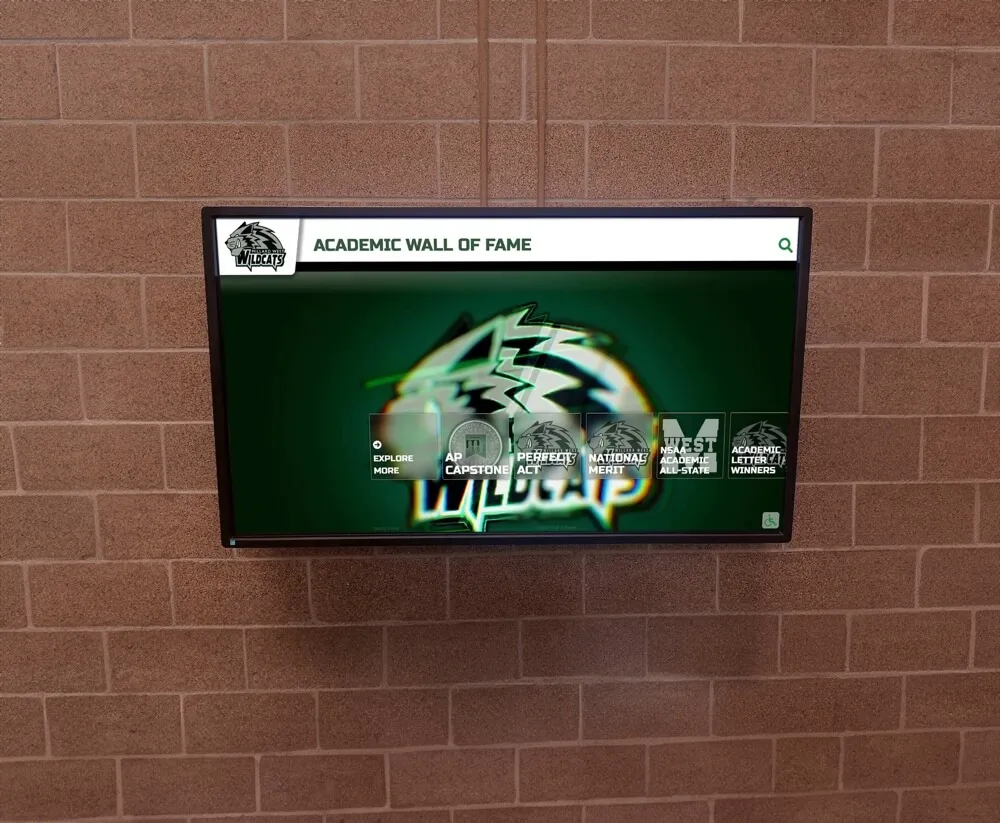
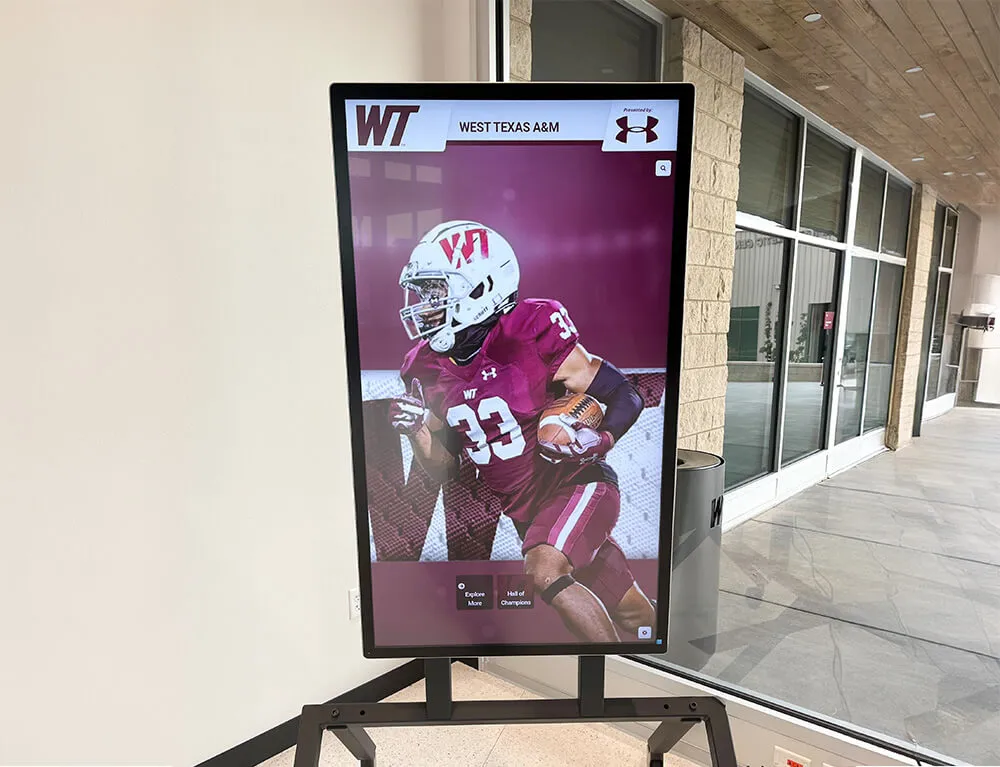
Detailed recognition profiles document specific achievements and stories behind student success
Leadership and Service
- Peer mentorship and tutoring assistance
- Positive influence encouraging others toward excellence
- Community service and volunteer contributions
- Initiative in organizing school activities or events
- Advocacy for important causes or underrepresented voices
Leadership recognition should extend beyond formal positions to honor informal influence students exercise through daily interactions and authentic care for school community.
Improvement and Perseverance
- Significant attendance improvement for previously struggling students
- Behavior transformation demonstrating personal growth
- Academic recovery after setbacks or challenges
- Persistence through difficult personal circumstances
- Consistent effort despite learning challenges
Improvement categories prove essential for motivating students who may never achieve traditional excellence but deserve recognition for meaningful growth.
Creative Expression and Innovation
- Artistic achievement in visual arts, music, drama, or creative writing
- Innovative problem-solving and original thinking
- Technology and engineering creativity
- Entrepreneurial initiative and project development
- Unique contributions enriching school culture
Many schools neglect creative achievement, missing opportunities to recognize students whose talents lie outside traditional academic and athletic domains.
Athletic and Physical Achievement
- Sports performance and competitive success
- Sportsmanship and positive team contribution
- Physical fitness improvement and health commitment
- Athletic leadership and mentorship
- Multi-sport participation and well-rounded development
Athletic recognition should honor character and effort alongside performance, ensuring recognition extends beyond star athletes to teammates demonstrating exemplary citizenship.
Creating Clear, Transparent Selection Processes
Selection criteria only work when stakeholders understand them and trust their consistent application.
Documentation and Communication
Make criteria visible and accessible:
- Publish detailed selection criteria on school website and student handbooks
- Display criteria in classrooms and common areas
- Review criteria with students explaining what each category means
- Provide concrete examples of past recognitions illustrating criteria
- Share nomination forms enabling anyone to recommend students
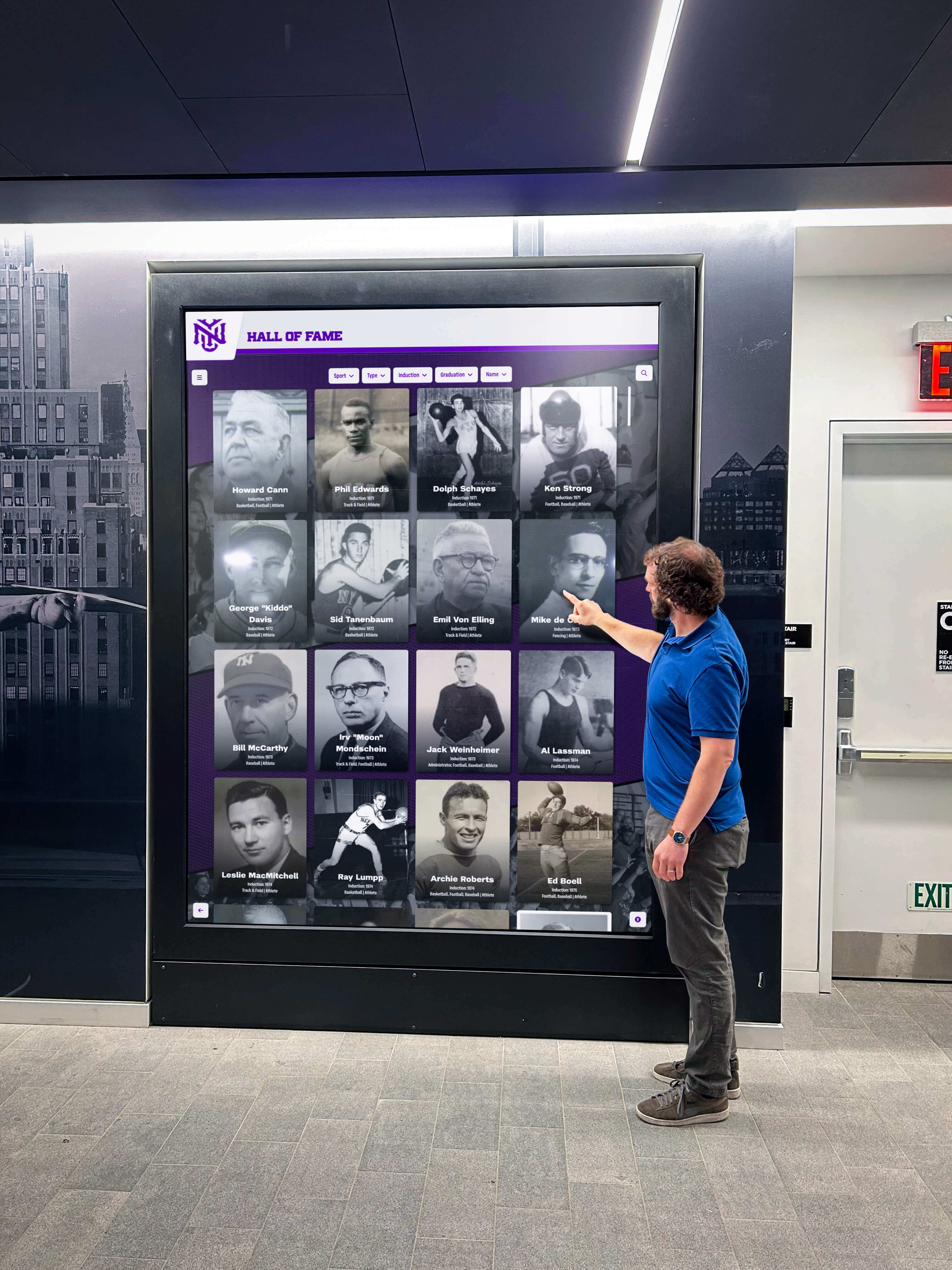
Transparent recognition systems build community trust and engagement
Balanced Selection Across Categories
Avoid monthly recognition defaulting to single achievement type:
- Rotate through different recognition categories each month
- Ensure academic, character, service, improvement, and creative categories receive equal frequency over school year
- Track selection patterns identifying if particular achievement types receive disproportionate recognition
- Adjust selection processes ensuring balance across multiple excellence dimensions
- Consider separate recognition for different grade levels ensuring developmentally appropriate criteria
Learn more about comprehensive approaches in academic recognition programs that celebrate diverse achievement.
Nomination and Review Processes
Create systems enabling broad participation while maintaining recognition meaning:
- Open nomination process allowing teachers, staff, parents, and peers to recommend students
- Selection committees including diverse representation from administration, teaching staff, and potentially students
- Rubrics providing consistent evaluation framework across different nominator perspectives
- Documented decision rationale maintaining accountability
- Regular process review ensuring fairness and criteria alignment
Transparency in selection builds program credibility—students must trust recognition reflects authentic achievement rather than favoritism or arbitrariness.
Implementation Strategies: From Planning to Practice
Successful programs require careful planning, sustainable processes, and consistent implementation year after year.
Establishing Program Structure and Timeline
Monthly Recognition Cycle
Create predictable rhythms enabling reliable participation:
- Nomination period opens early in month for previous month’s achievement (e.g., October nominations submitted early November)
- One-week nomination window providing sufficient opportunity without excessive delay
- Selection committee review during second week of month
- Winner notification and family communication during third week
- Public recognition and celebration during final week of month
- Digital and physical display updates completing cycle
This timeline ensures timely recognition while providing adequate time for thoughtful selection.
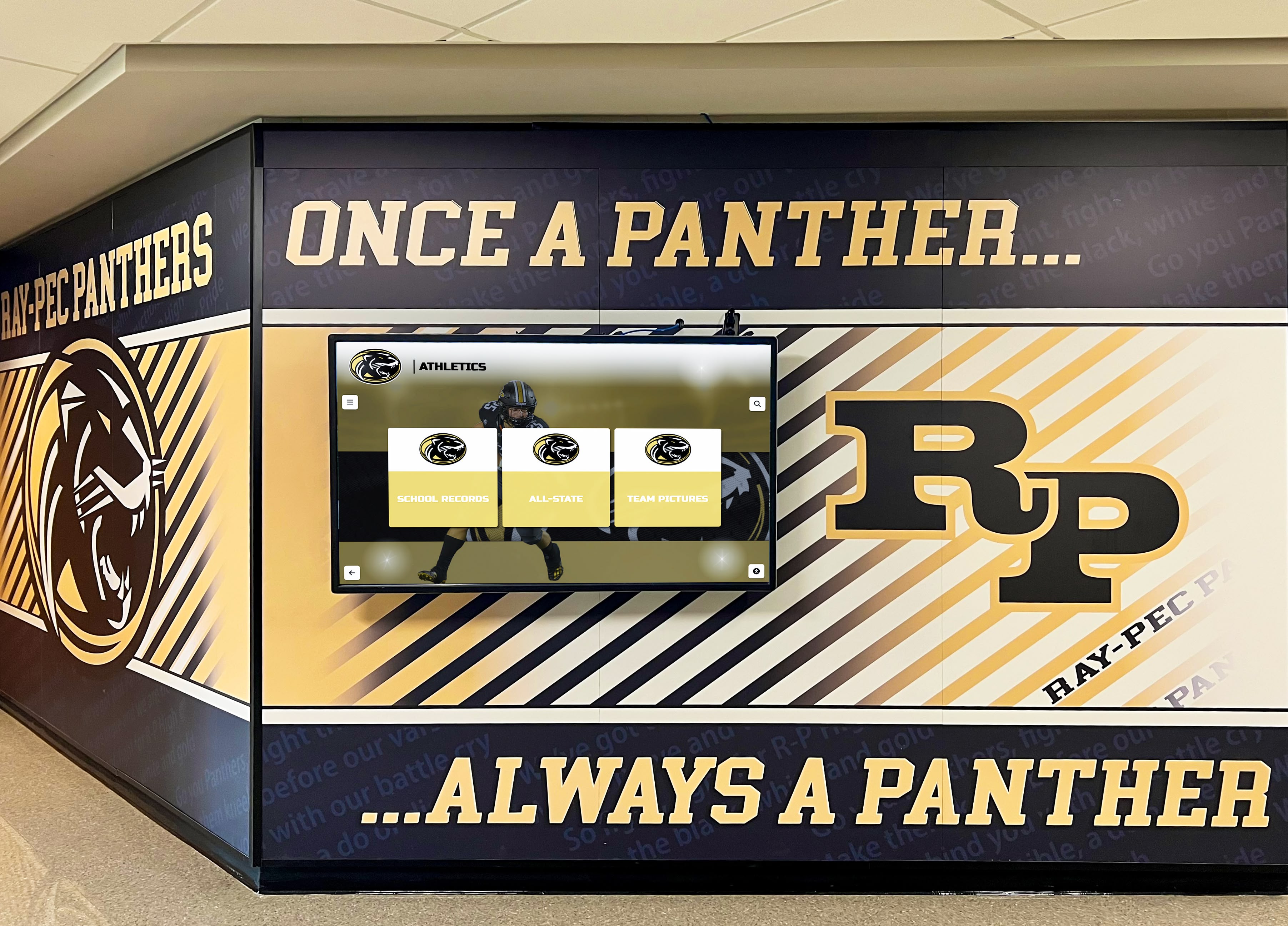
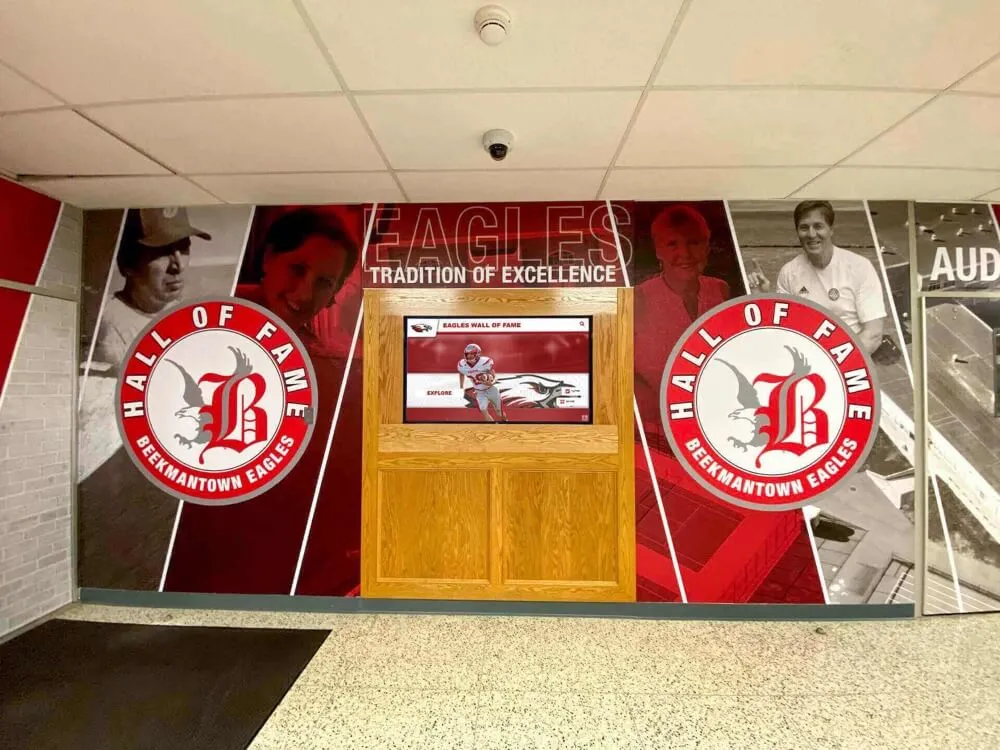
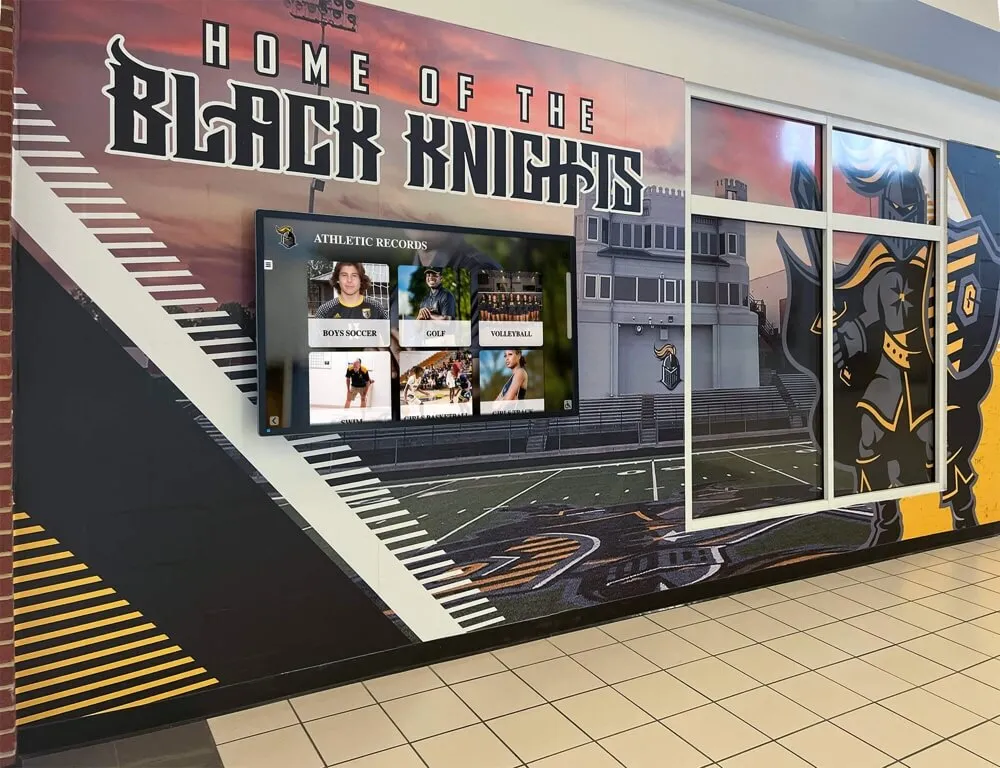
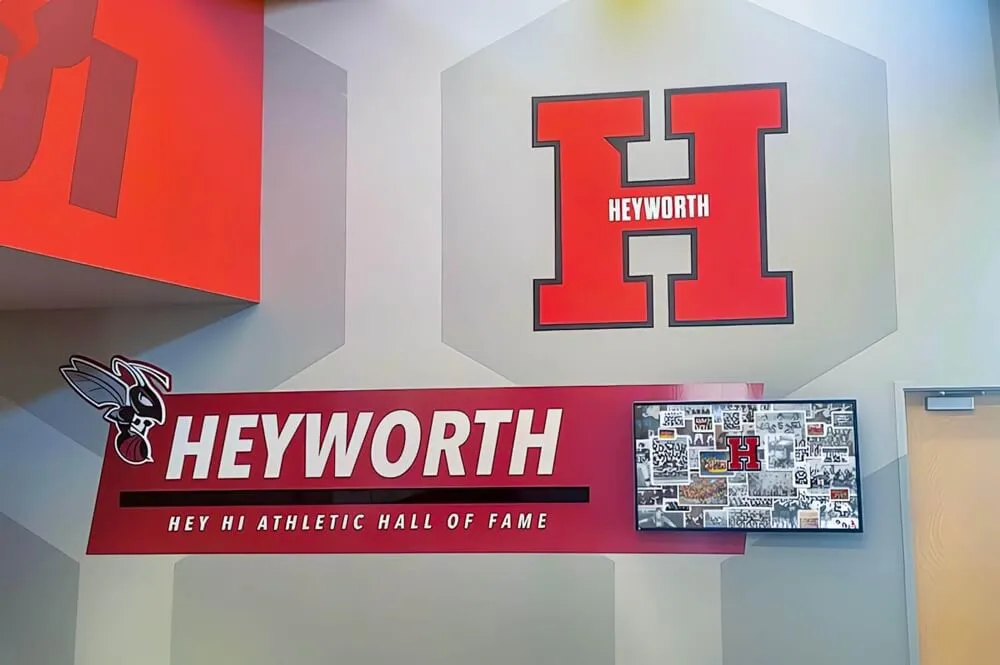
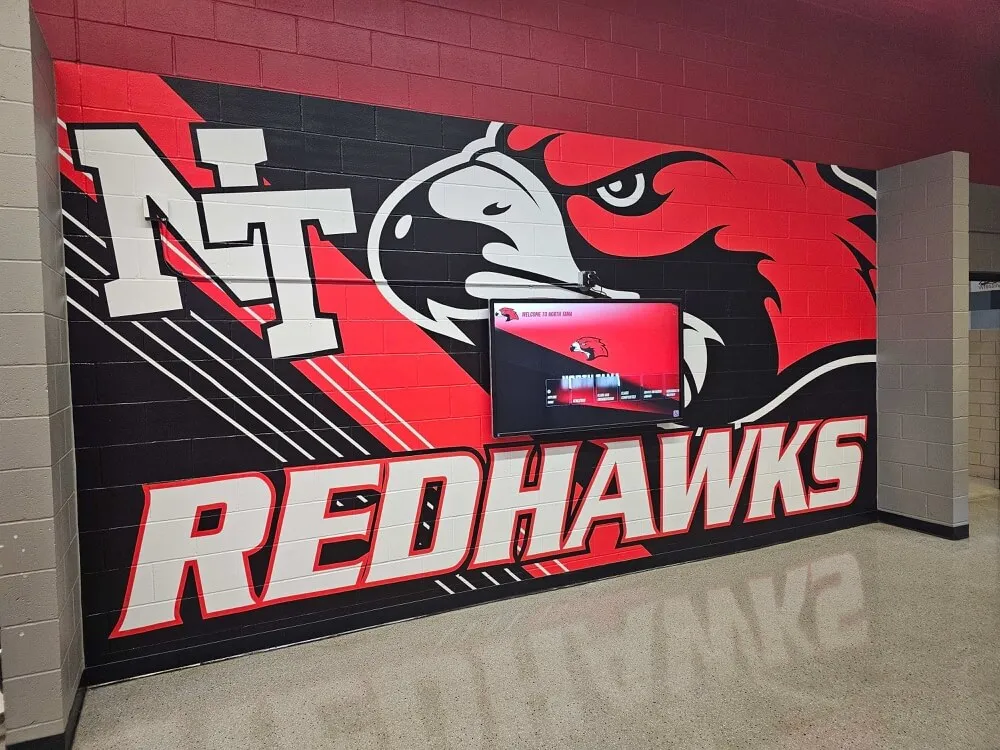
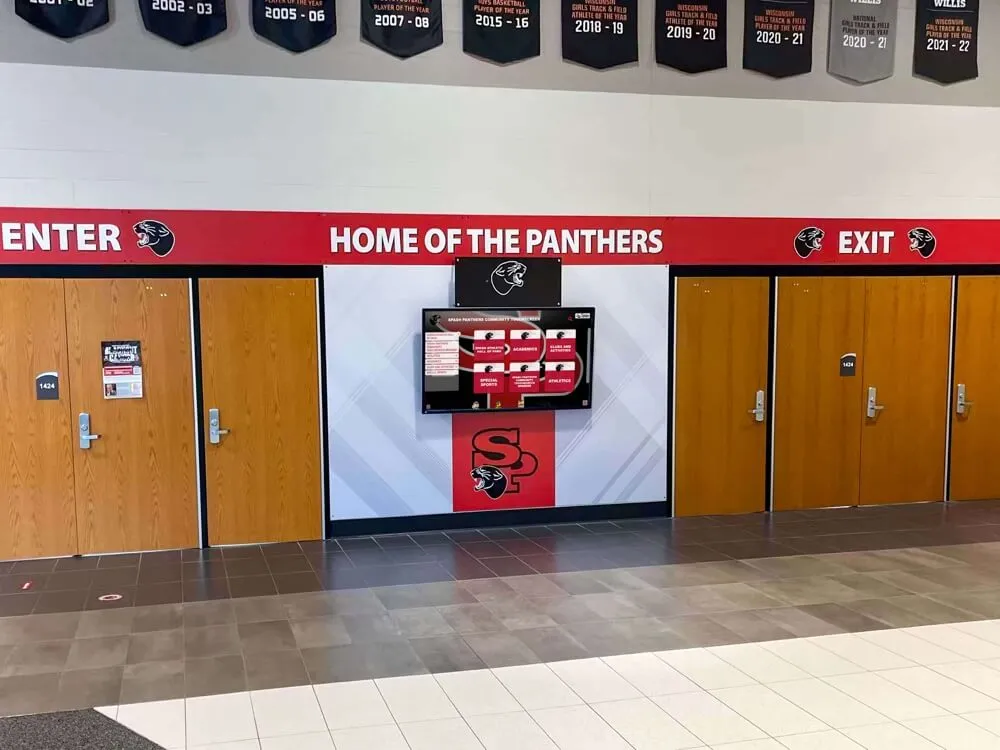
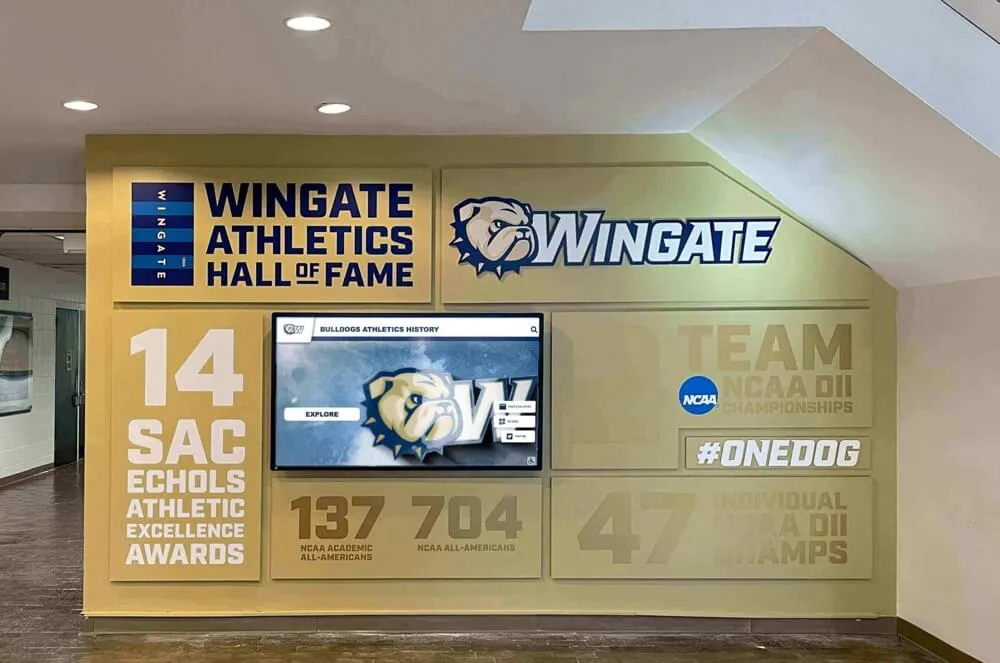
Strategic placement in high-traffic areas ensures maximum visibility for student of the month recognition
Grade-Level Considerations
Recognition approaches should match developmental levels:
Elementary Programs (K-5)
- More frequent recognition opportunities (potentially weekly in addition to monthly)
- Heavy emphasis on character, kindness, and effort
- Visual recognition systems young students can understand and engage with
- Family connection through newsletters and take-home certificates
- Classroom-level recognition building toward school-wide honors
Middle School Programs (6-8)
- Balance between recognizing emerging independence and providing needed structure
- Peer nomination opportunities acknowledging social dynamics importance
- Multiple recognition tiers ensuring broad participation
- Connection between recognition and future opportunity
- Grade-level recognition ensuring appropriate developmental comparison
High School Programs (9-12)
- Connection to college applications and resume building
- National recognition program integration like National Honor Society and academic distinction programs
- Leadership development through selection committee participation
- Legacy recognition documenting four-year achievement journeys
- Post-graduation recognition access supporting alumni connection
Creating Meaningful Recognition Experiences
Recognition impact depends on how schools celebrate honored students, not just who receives selection.
Personal Recognition Elements
Make recognition feel authentic and meaningful:
- Personal notification phone call or face-to-face conversation before public announcement
- Individualized certificates describing specific achievements and selection rationale
- Handwritten notes from teachers or administrators explaining why student received recognition
- Photo sessions creating quality images for display and student keepsake
- Voice given to students to share their own success stories and goals
Generic recognition feels impersonal—specific acknowledgment demonstrates genuine attention to individual achievement.
Public Celebration Strategies
Amplify recognition through multiple channels:
- Morning announcements sharing student achievement and selection story
- Display updates in prominent school locations
- Website and social media features with photos and achievement descriptions
- Newsletter articles celebrating recipients
- Certificate presentation during grade-level assemblies or special ceremonies
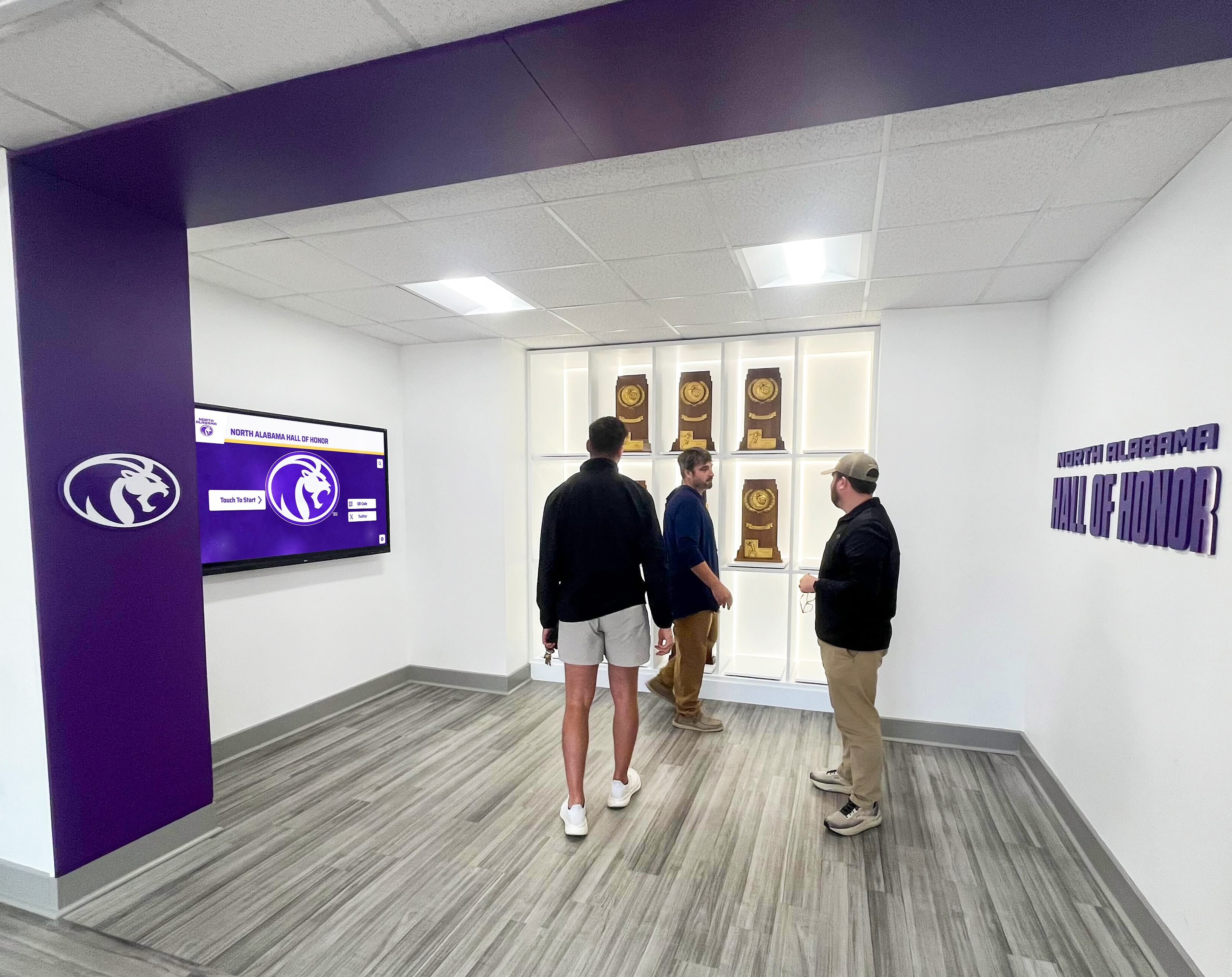
Dedicated recognition spaces create gathering points for celebration and community building
Family Engagement
Connect recognition to home through systematic family communication:
- Phone call to parents/guardians announcing selection before public recognition
- Written communication describing achievement and selection criteria
- Family invitation to school celebration or recognition ceremony
- Social sharing tools enabling families to celebrate through their networks
- Follow-up communication maintaining connection beyond single recognition moment
Family involvement amplifies recognition impact while strengthening school-home partnerships around achievement celebration.
Tangible Recognition Items
Physical recognition creates lasting mementos:
- Professional certificates suitable for display or portfolio inclusion
- Recognition pins, medals, or other wearable items
- Small gifts or privileges like special lunch with principal or reserved parking
- Display on dedicated “wall of excellence” or recognition kiosk
- Digital badges for social media profiles and electronic portfolios
Balance tangible items with ensuring recognition remains accessible—expensive physical awards can create financial barriers limiting program sustainability.
Solving the Visibility Challenge: Digital Recognition Systems
Traditional student of the month recognition faces a fundamental challenge: bulletin boards and trophy cases provide limited space, forcing schools to remove past honorees to accommodate current recognition. This creates temporal visibility where recognition exists only during the honored month before disappearing from school consciousness.
The Problem with Traditional Physical Recognition
Physical recognition approaches create multiple limitations:
Space Constraints
- Bulletin boards accommodate only single month’s honorees
- Trophy cases fill quickly requiring difficult prioritization decisions
- Wall plaques consume finite space limiting historical documentation
- Past recognition removal eliminates its ongoing motivational value
- Physical displays deteriorate over time requiring replacement
Accessibility Limitations
- Static displays enable only passive viewing from fixed locations
- No search or exploration functionality
- Limited information beyond name and month
- Difficult viewing angles and distances
- No capability for remote family or alumni access
Equity Concerns
- Space limitations force prioritization across achievement types
- Temporary visibility suggests achievement matters only briefly
- Recent honorees receive disproportionate attention versus historical recognition
- Physical location choices signal which achievements matter most
These challenges mean traditional recognition often fails its primary purpose—creating sustained visibility motivating current students while preserving institutional achievement history.
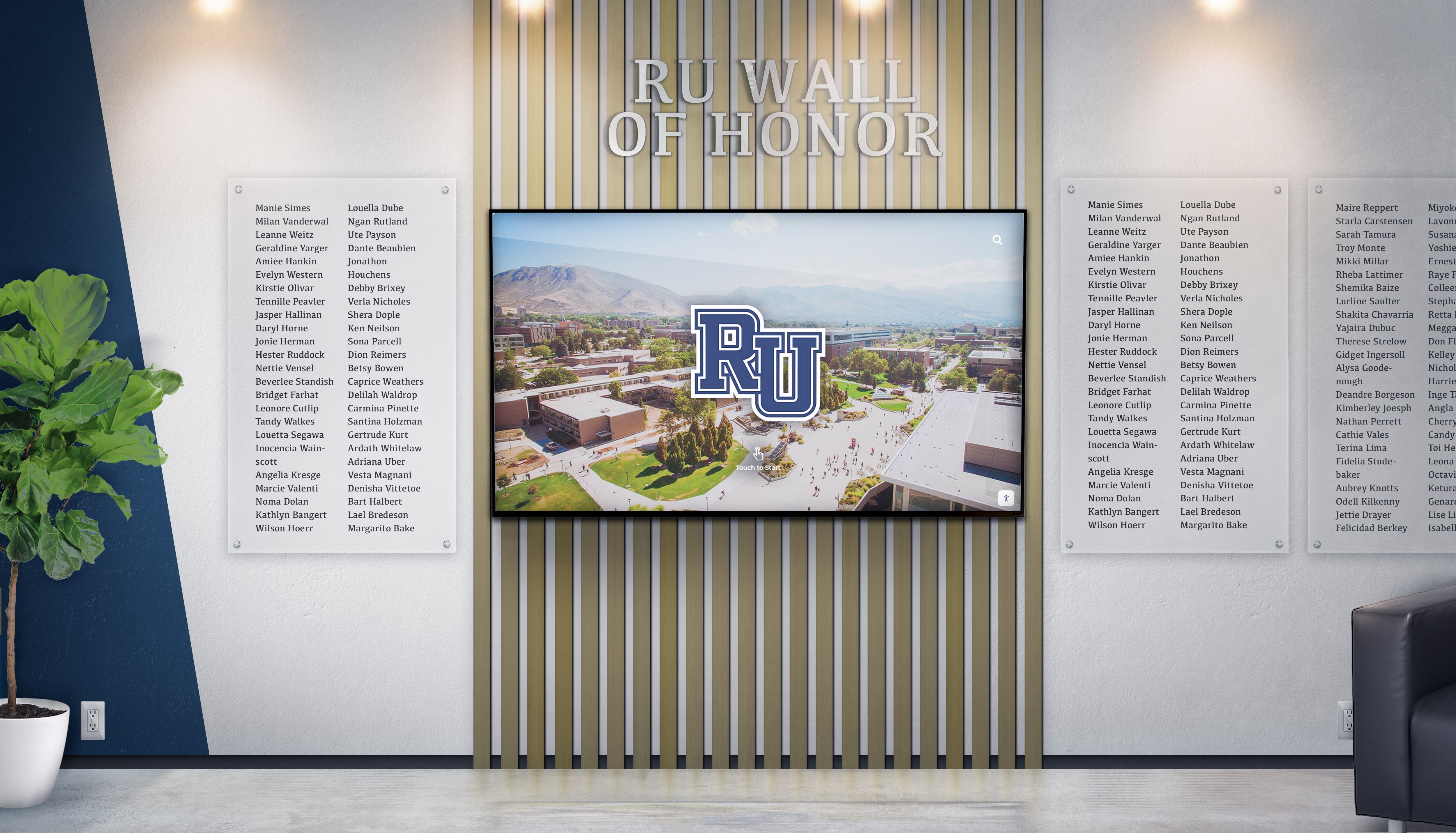
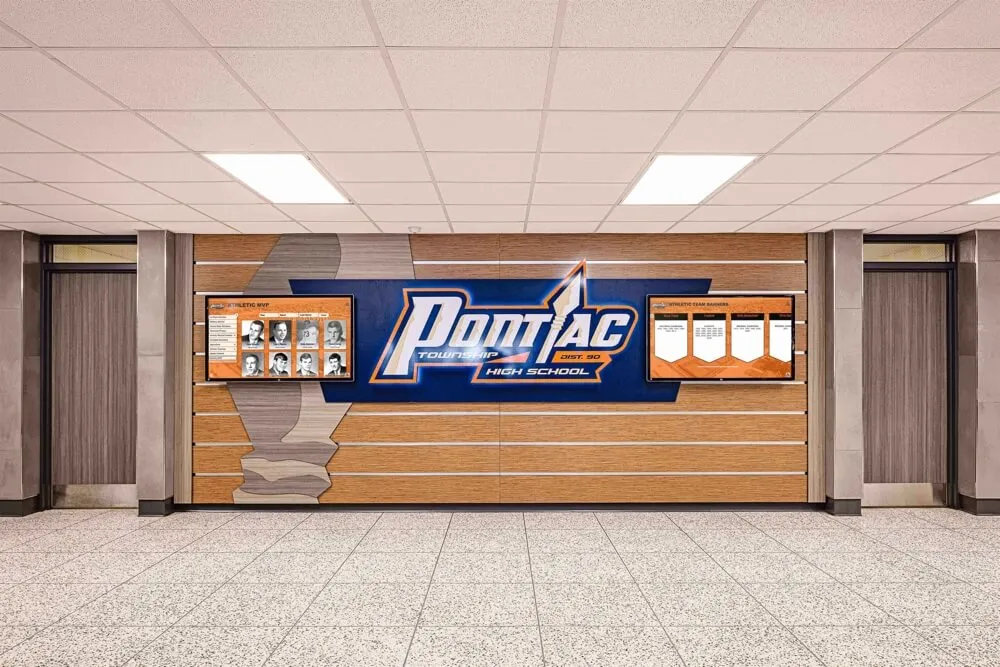
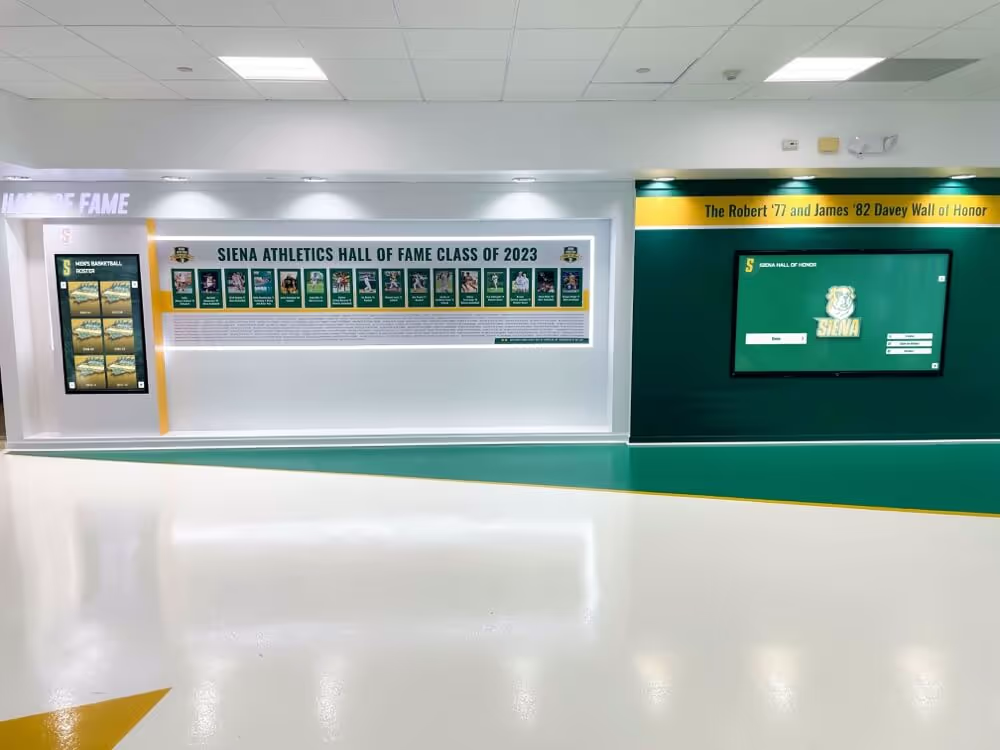
Hybrid approaches preserve physical tradition while solving capacity limitations through digital integration
Digital Recognition Solutions: Unlimited Capacity and Enhanced Engagement
Modern digital display systems solve traditional limitations while enhancing recognition capabilities impossible with physical approaches.
Unlimited Historical Archive
Solutions like Rocket Alumni Solutions provide:
- Capacity for unlimited student of the month honorees across all years
- Comprehensive documentation preserving entire program history
- Equal visibility for all honorees regardless of recognition date
- Searchable archives enabling anyone to find specific students
- Scalable infrastructure growing effortlessly with annual additions
This unlimited capacity transforms recognition from temporary acknowledgment to permanent achievement documentation.
Interactive Exploration Features
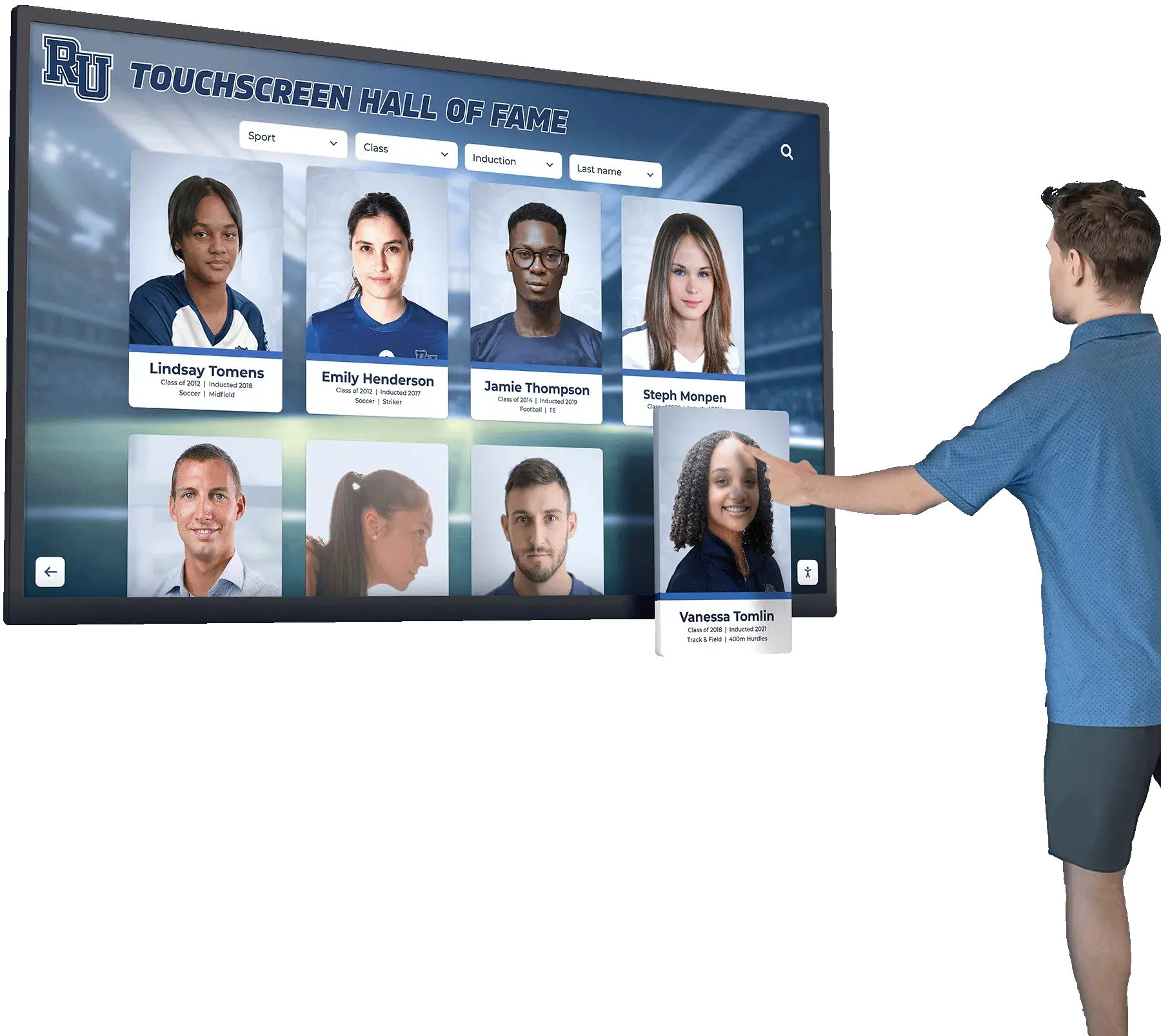
Digital recognition displays create engagement impossible with static recognition:
- Touchscreen interfaces enabling intuitive exploration
- Search functionality finding specific students across years
- Filter by achievement category, grade level, or recognition month
- Detailed profile pages telling complete achievement stories
- Photo galleries and multimedia content bringing recognition to life
Students, families, and visitors engage with interactive displays far more than passive physical recognition.
Enhanced Storytelling Capabilities
Digital systems enable rich recognition documentation:
- Individual profile pages for each honoree with photos and biographical information
- Detailed achievement descriptions explaining why students received recognition
- Multiple achievement documentation showing student growth over time
- Video integration featuring student reflections or teacher testimonials
- Timeline formats displaying student development across academic career
This contextual storytelling makes recognition more meaningful than simple name display.
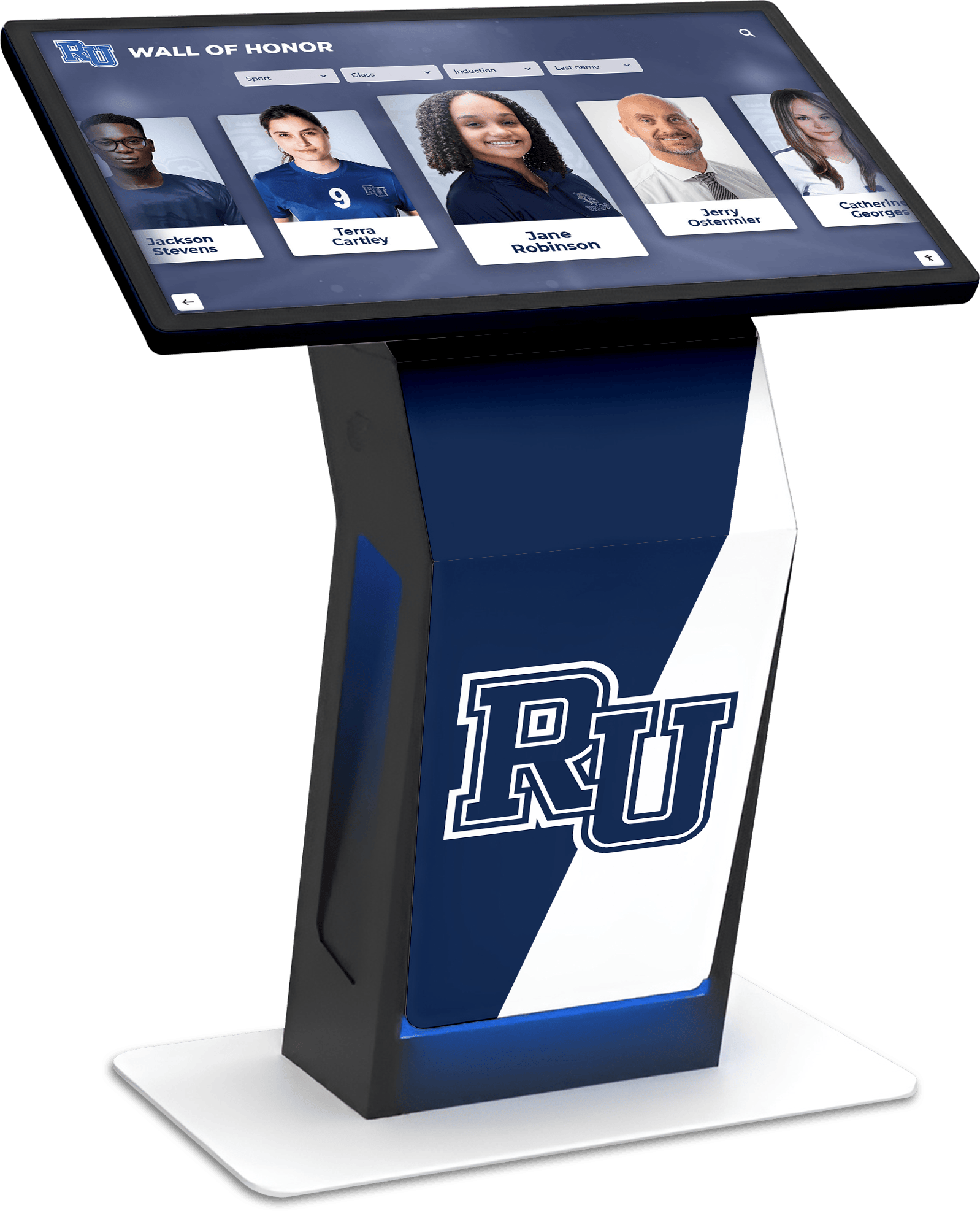
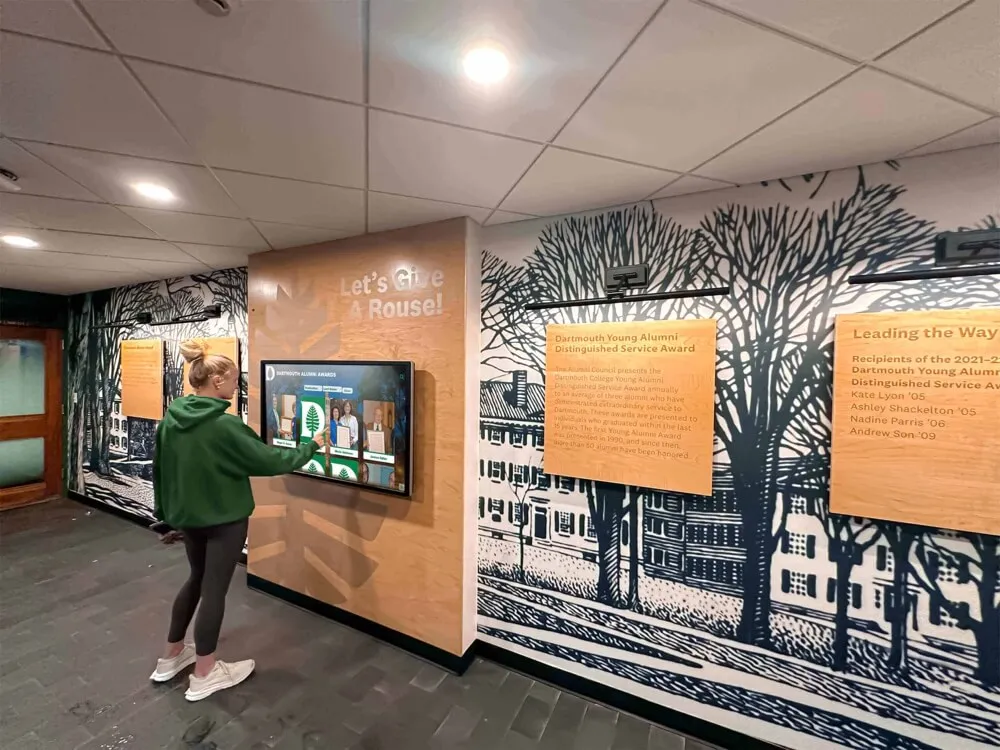
Purpose-built recognition kiosks provide intuitive interfaces for exploring student achievement
Web-Based Access and Sharing
Recognition should extend beyond physical campus:
- Web-accessible platforms enabling viewing from anywhere worldwide
- Mobile-responsive design ensuring smartphone access
- Social sharing capabilities allowing students and families to celebrate through their networks
- Alumni access reconnecting graduates with their recognition years later
- Integration with school websites and communication platforms
Families moving across country can revisit their student’s recognition years later—something physical bulletin boards never enable.
Simple Content Management
Cloud-based systems eliminate technical barriers:
- Intuitive interfaces requiring no technical expertise
- Remote updates from any internet-connected device
- Bulk import tools for historical data and annual updates
- Role-based permissions enabling appropriate staff access
- Automated backup ensuring preservation without IT dependency
Schools report 80-90% reduction in recognition management time after implementing digital systems compared to manually updating bulletin boards and trophy cases.
Explore comprehensive digital recognition platforms designed specifically for educational recognition needs.
Integrating Student of the Month with Broader Recognition Culture
Student of the month programs work best when integrated into comprehensive recognition systems honoring achievement across multiple levels and timeframes.
Multi-Tiered Recognition Architecture
Create recognition ecosystem with appropriate acknowledgment at different scales:
Daily Recognition
- Positive behavior acknowledgments through verbal praise
- Small tokens or “caught being good” tickets
- Classroom-level shout-outs and appreciation
- Informal peer recognition and celebration
Weekly Recognition
- Classroom or grade-level “student of the week” programs
- Department-specific achievement acknowledgment
- Activity and club recognition for contributions
- Morning announcement highlights
Monthly Recognition
- School-wide student of the month program
- Department or subject-specific monthly awards
- Grade-level recognition honors
- Achievement category rotation ensuring diverse recognition
Semester/Annual Recognition
- Honor roll and academic achievement awards
- End-of-year comprehensive recognition programs
- Culminating celebrations honoring accumulated achievement
- Graduation recognition and senior honors
This tiered structure maintains meaning and prestige for monthly recognition while ensuring students receive acknowledgment at appropriate frequencies.
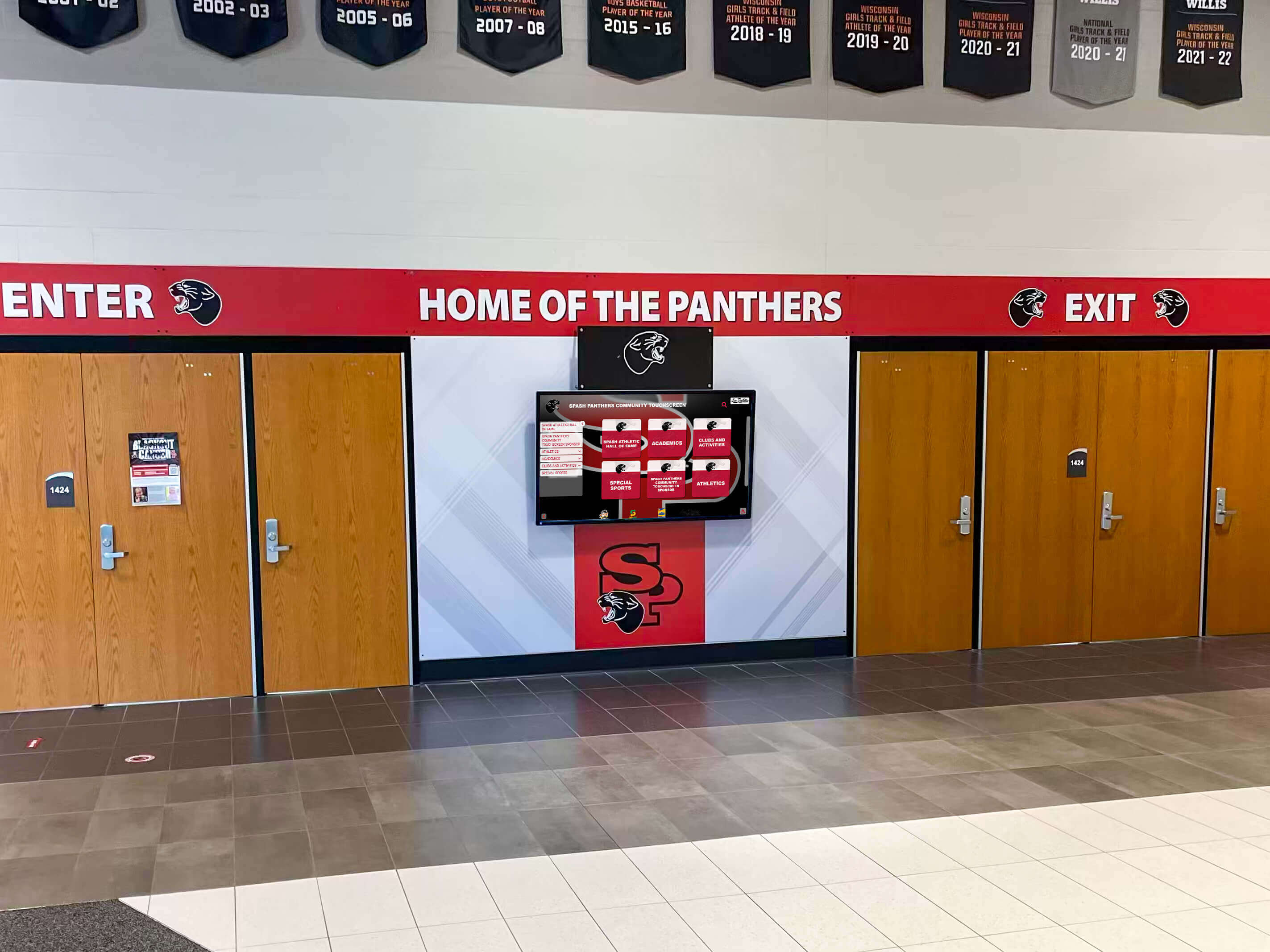
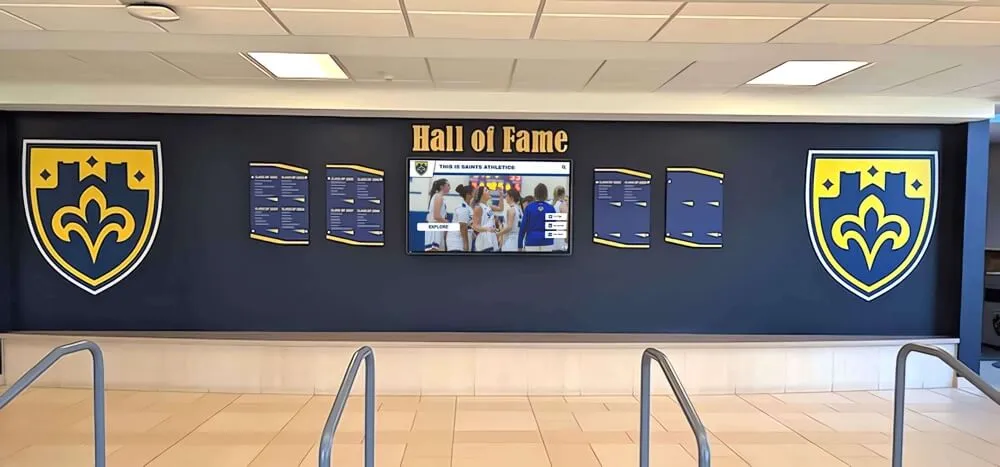
Recognition integrated into school environment creates culture where achievement becomes central to identity
Connection to Academic and Behavioral Programs
Student of the month recognition should align with and reinforce other school initiatives:
Positive Behavioral Interventions and Supports (PBIS)
- Recognition criteria reflecting PBIS expectations and values
- Integration with PBIS reward systems and acknowledgment structures
- Data tracking showing recognition distribution across student populations
- Alignment between student of the month and PBIS goals
Social-Emotional Learning (SEL) Initiatives
- Recognition categories honoring SEL competencies like self-awareness, self-management, social awareness, relationship skills, and responsible decision-making
- Selection criteria valuing emotional intelligence alongside traditional achievement
- Recognition stories highlighting SEL development and growth
School Improvement Goals
- Recognition aligned with specific school improvement priorities
- Achievement categories supporting targeted areas like attendance, behavior, or academic growth
- Regular review ensuring recognition reinforces strategic objectives
This integration ensures recognition functions as strategic tool advancing broader educational mission rather than disconnected add-on program.
Ensuring Equity and Inclusion in Recognition
Poorly designed recognition programs can inadvertently disadvantage certain student populations. Intentional equity focus ensures all students have genuine recognition opportunities.
Avoiding Recognition Pattern Pitfalls
Monitor selection patterns preventing systemic bias:
Demographic Distribution Analysis Track recognition across student populations:
- Recognition rates by race and ethnicity
- Gender balance across achievement categories
- Socioeconomic status representation
- English Language Learner recognition frequency
- Special education student acknowledgment rates
- Newcomer and transfer student inclusion
Achievement Category Balance Ensure recognition spans multiple excellence dimensions:
- Academic versus character versus creative recognition balance
- Traditional versus non-traditional achievement acknowledgment
- Performance-based versus growth-based recognition distribution
- Individual versus collaborative achievement celebration
Grade Level Equity Monitor recognition distribution across grades:
- Ensure younger and older students receive proportional recognition
- Avoid systematic favoritism toward particular grade levels
- Create developmentally appropriate criteria ensuring fair comparison within grade levels
Making Recognition Accessible to All Students
Remove barriers preventing student consideration:
Multiple Nomination Pathways
- Staff nomination for students lacking self-advocacy
- Peer nomination enabling student voice
- Family nomination providing external perspective
- Self-nomination teaching students to advocate for their achievements
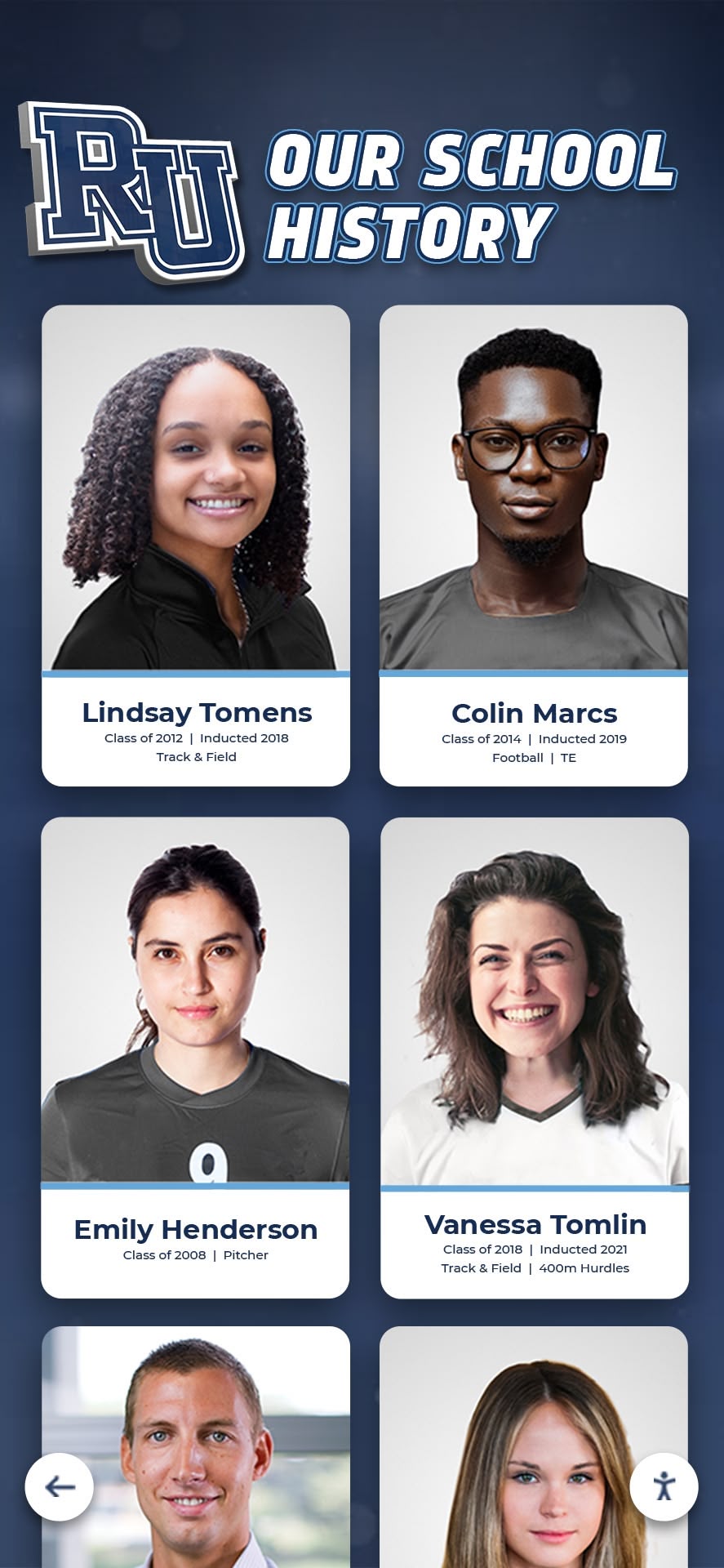
Recognition systems should document achievement across all student populations
Inclusive Achievement Definitions
- Honor diverse cultural expressions of excellence
- Recognize achievements outside traditional school measures
- Value community and family contributions alongside school-based accomplishments
- Acknowledge challenges overcome as achievement in itself
Language and Communication Access
- Materials translated for multilingual families
- Plain language criteria avoiding educational jargon
- Visual representations of achievement categories for younger students
- Multiple communication channels reaching diverse family structures
Economic Accessibility
- No fees or purchases required for recognition consideration
- Equal celebration regardless of student resources
- School-provided all materials and recognition items
- Recognition criteria focusing on achievement, not participation requiring payment
Building Sustainable Program Management
Programs only succeed when schools create management systems ensuring consistent implementation year after year without excessive staff burden.
Administrative Structures and Responsibilities
Program Leadership
- Designated coordinator overseeing program consistency
- Selection committee with diverse staff representation
- Clear role definitions preventing confusion about responsibilities
- Succession planning ensuring program continuity across staff changes
Documentation Systems
- Master database tracking all student of the month recipients
- Achievement descriptions and selection rationale documentation
- Nomination forms and selection rubrics providing consistency
- Assessment data tracking program effectiveness and equity
Communication Protocols
- Standard procedures for family notification
- Templates for announcements, newsletters, and social media
- Timeline checklist ensuring no steps get missed
- Media kit with photos and descriptions for external sharing

User-friendly systems enable efficient recognition management without technical expertise
Time-Efficient Processes
Sustainability requires minimizing administrative burden:
Streamlined Nomination
- Simple online nomination forms requiring 2-3 minutes to complete
- Pre-populated dropdown menus for achievement categories
- Mobile-friendly forms enabling quick smartphone submission
- Automatic email confirmation reducing follow-up needs
Efficient Selection
- Monthly selection committee meetings scheduled consistently (e.g., second Tuesday of every month)
- Pre-meeting nominee summary reports enabling quick review
- Standard rubrics speeding evaluation without sacrificing quality
- Digital voting or discussion tools enabling efficient decision-making
Automated Communication
- Email templates personalizable with student names and achievements
- Scheduled social media posts queued for automatic publication
- Bulk communication tools reaching families efficiently
- Integration with school communication platforms reducing duplicate entry
Schools implementing efficient processes report selection and communication requiring approximately 3-5 hours total staff time per month—manageable investment for significant recognition impact.
Measuring Program Success and Continuous Improvement
Regular assessment ensures programs achieve intended goals while identifying improvement opportunities.
Quantitative Metrics
Participation and Coverage
- Total students recognized annually
- Percentage of student body receiving recognition
- Distribution across achievement categories
- Recognition pattern trends over multiple years
- Time from enrollment to first recognition for average student
Diversity and Equity Indicators
- Demographic representation in recognition
- Achievement category distribution by student population
- Recognition access for traditionally underrepresented groups
- Pattern identification revealing systematic gaps
Engagement Measures
- Digital display interaction rates and duration
- Web-based recognition platform traffic
- Social media engagement with recognition content
- Family attendance at recognition ceremonies
- Nomination submission rates from various stakeholder groups
Qualitative Assessment
Stakeholder Feedback
- Student surveys about recognition program awareness and impact
- Family perception of program fairness and meaningfulness
- Staff assessment of selection process quality and workload
- Community feedback about school recognition culture
Cultural Impact Indicators
- School climate survey results related to belonging and recognition
- Anecdotal evidence of student motivation and behavior change
- Observed shifts in peer attitudes toward achievement
- Staff perception of school culture evolution
This comprehensive assessment enables data-informed program refinement ensuring recognition remains meaningful, equitable, and impactful year after year.
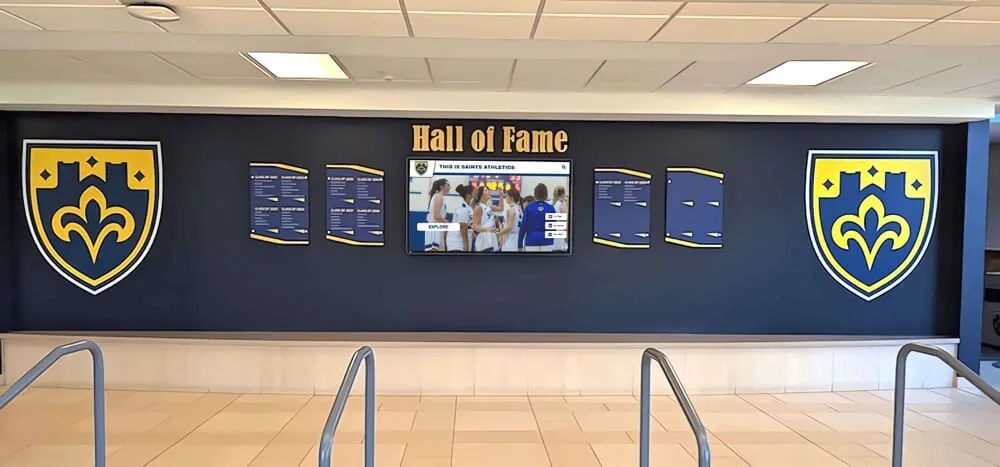
Successful programs balance tradition with innovation, preserving valued approaches while solving historical limitations
Case Study: Transforming Recognition Through Digital Systems
Consider how schools transform recognition through modern approaches:
The Challenge A mid-sized middle school had operated student of the month program for fifteen years using traditional bulletin board display. Each month, staff photographed three honorees (one per grade level), printed photos and certificates, and posted them on hallway bulletin board. Previous months’ honorees disappeared to make room for current recognition. No historical record existed beyond filing cabinet full of certificates no one accessed. Families living far away never saw their students’ recognition. Selection had become predictable, with same high-achieving students receiving repeated recognition.
The Transformation School leadership implemented comprehensive recognition redesign:
- Expanded selection criteria to include character, improvement, service, and creative achievement categories alongside academics
- Rotated monthly recognition focus ensuring all categories received equal attention across school year
- Implemented digital recognition system displaying unlimited historical honorees
- Created web-accessible platform enabling family viewing from anywhere
- Developed searchable archive allowing students to find themselves years later
The Results After two years:
- Recognition diversity increased dramatically—83% of students had received at least one recognition versus 32% under previous system
- Student of month recipients came from all achievement levels and demographic groups
- Family engagement with recognition increased measurably through web platform analytics
- School climate survey scores improved significantly on belonging and achievement motivation measures
- Alumni returning to campus engaged with digital displays rediscovering their own recognition
- Staff time investment decreased by 60% through streamlined digital management versus manual bulletin board updates
This transformation illustrates how systematic approach combining expanded criteria, digital systems, and sustainable processes creates recognition serving entire student population rather than narrow elite.
Conclusion: Building Recognition Culture That Motivates Everyone
Student of the month programs represent powerful tools for creating achievement-oriented school cultures where excellence becomes aspirational and every student sees pathways to recognition. Yet traditional approaches often fail to deliver on this potential—narrow criteria limit recognition to predictable high achievers, physical displays provide only temporary visibility, and inconsistent implementation undermines program credibility.
The strategies explored in this guide provide actionable frameworks for building recognition systems that honor diverse achievement authentically, create lasting visibility extending beyond single months, and maintain sustainable implementation year after year. From multi-dimensional selection criteria ensuring academic, character, improvement, creative, and service excellence all receive celebration, to digital recognition systems solving historical space and accessibility limitations, these approaches transform recognition from token gestures to systematic culture-building.
Transform Your Student Recognition Program
Discover how digital recognition solutions help schools celebrate every student achievement through comprehensive platforms providing unlimited capacity, engaging interactive exploration, and permanent documentation ensuring no accomplishment ever disappears.
Explore Recognition SolutionsImplementation begins with honest assessment of current recognition practices—who receives acknowledgment and who remains overlooked, whether selection criteria span multiple achievement dimensions or default to narrow traditional measures, whether past recognition receives ongoing visibility or disappears after single month, and whether families and alumni can access recognition beyond physical campus presence.
Modern recognition platforms eliminate the space constraints and accessibility limitations that have plagued traditional physical recognition for decades. Rather than choosing which achievements remain visible and which must be removed to make space, digital systems accommodate comprehensive documentation across unlimited students, achievement types, and years—ensuring every recognized student receives permanent acknowledgment extending throughout their lives and even reconnecting them with school community years after graduation.
Your students—from the straight-A honor student to the formerly struggling learner showing dramatic improvement, from the quiet servant leader to the creative artist enriching school culture—all deserve recognition celebrating their unique contributions and achievements. Through thoughtful program design honoring diverse excellence, digital systems providing lasting visibility, and sustainable implementation processes, you can create recognition culture motivating every student while building positive school environment where all forms of achievement receive appropriate celebration.
Ready to transform your student of the month program? Explore comprehensive recognition platforms that preserve complete achievement history while creating engaging experiences traditional physical recognition cannot deliver, or learn more about building school recognition culture that celebrates diverse excellence effectively.