Standing before your classmates to deliver a student council speech ranks among the most nerve-wracking experiences in school—yet it also presents one of your greatest opportunities to demonstrate leadership, connect with peers, and shape your school community. The difference between a forgettable speech that leaves classmates scrolling through their phones and a winning presentation that earns enthusiastic votes often comes down to structure, authenticity, and delivery rather than natural charisma or popularity.
The challenge facing student council candidates lies in crafting speeches that stand out among multiple candidates, authentically represent personal leadership vision while addressing classmates’ genuine concerns, balance humor with substance, and deliver confident presentations despite nervousness. When executed effectively, student council speeches launch leadership journeys that extend far beyond single elections—building public speaking confidence, establishing peer credibility, and creating platforms for meaningful school improvement.
This comprehensive guide provides proven student council speech ideas, customizable templates for various positions and grade levels, campaign strategies that extend beyond the podium, and delivery techniques transforming nervous candidates into confident speakers who connect with audiences and win elections.
Running for student council represents more than seeking recognition or resume-building—it offers genuine opportunities to develop leadership skills, advocate for classmates’ interests, plan school events and traditions, and contribute to school culture in meaningful ways. The campaign speech serves as your introduction to voters, your leadership platform presentation, and often the primary factor influencing classmates’ voting decisions.

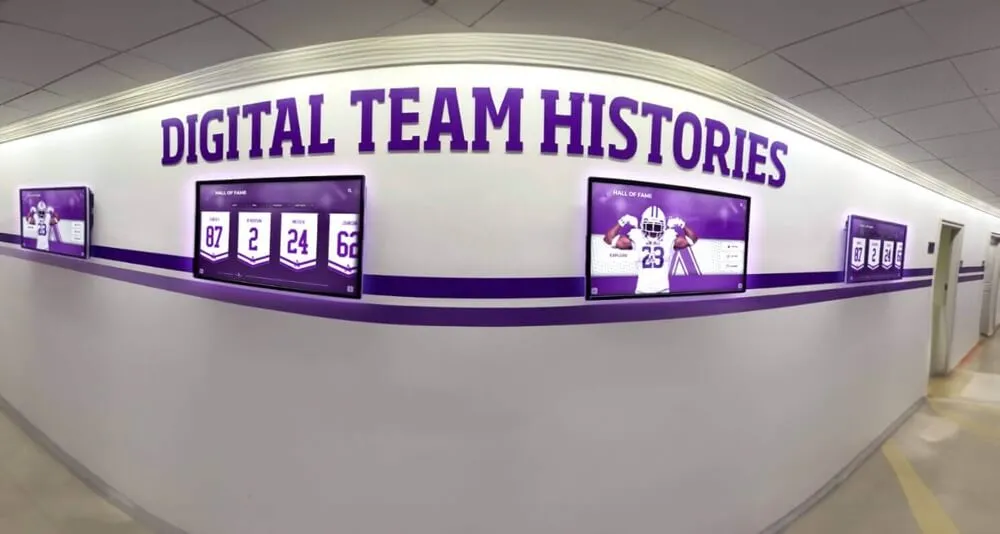
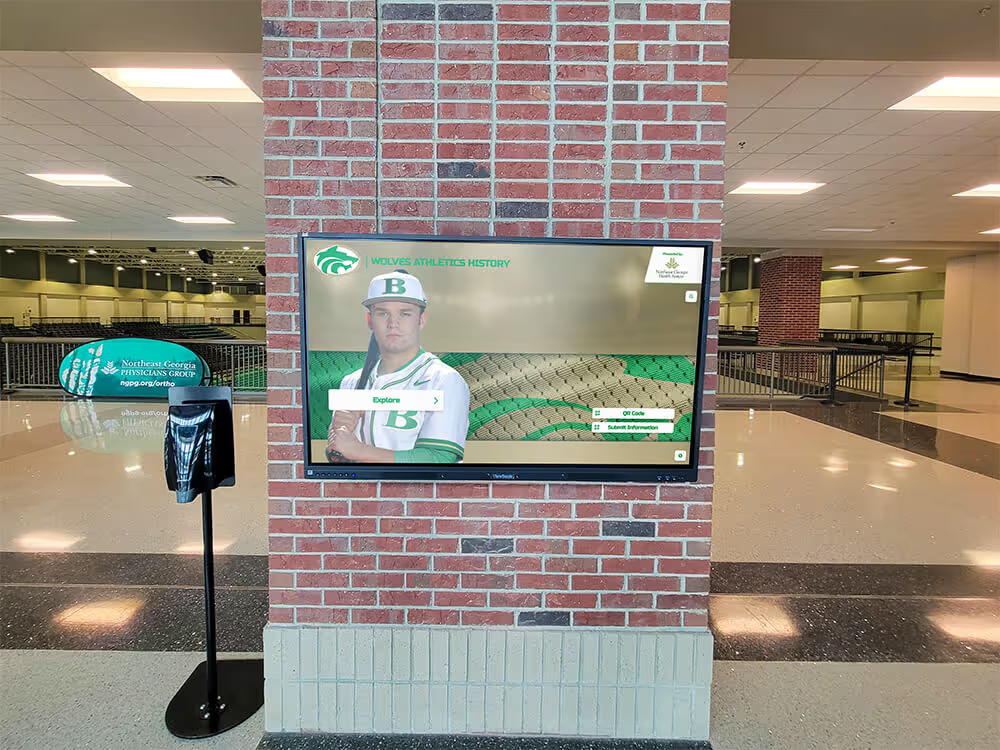
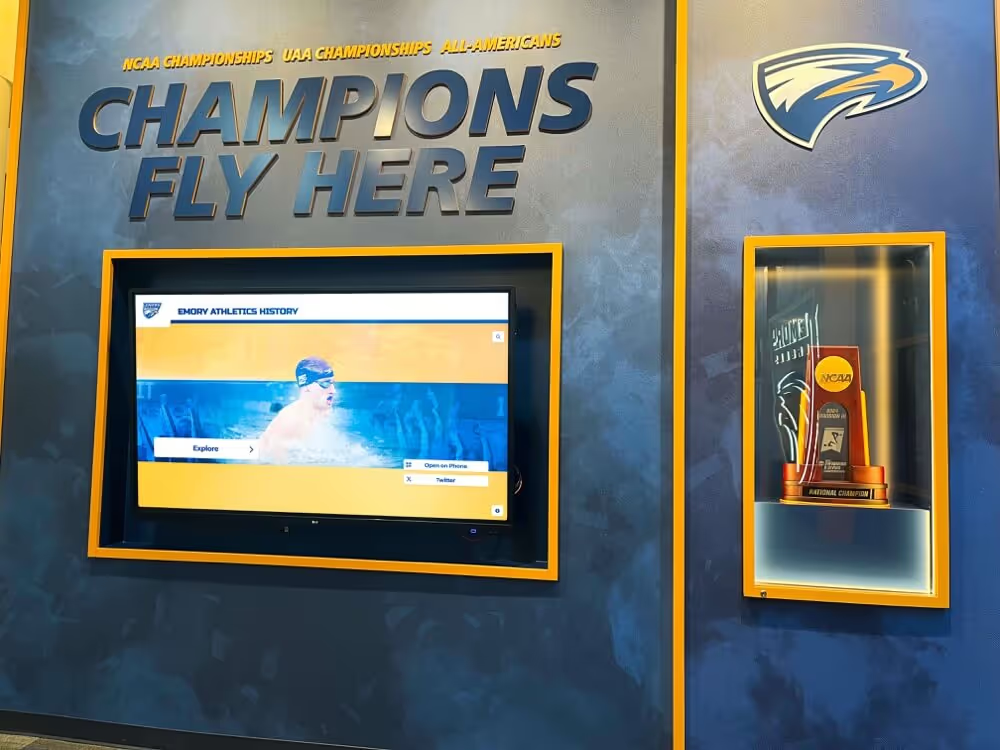
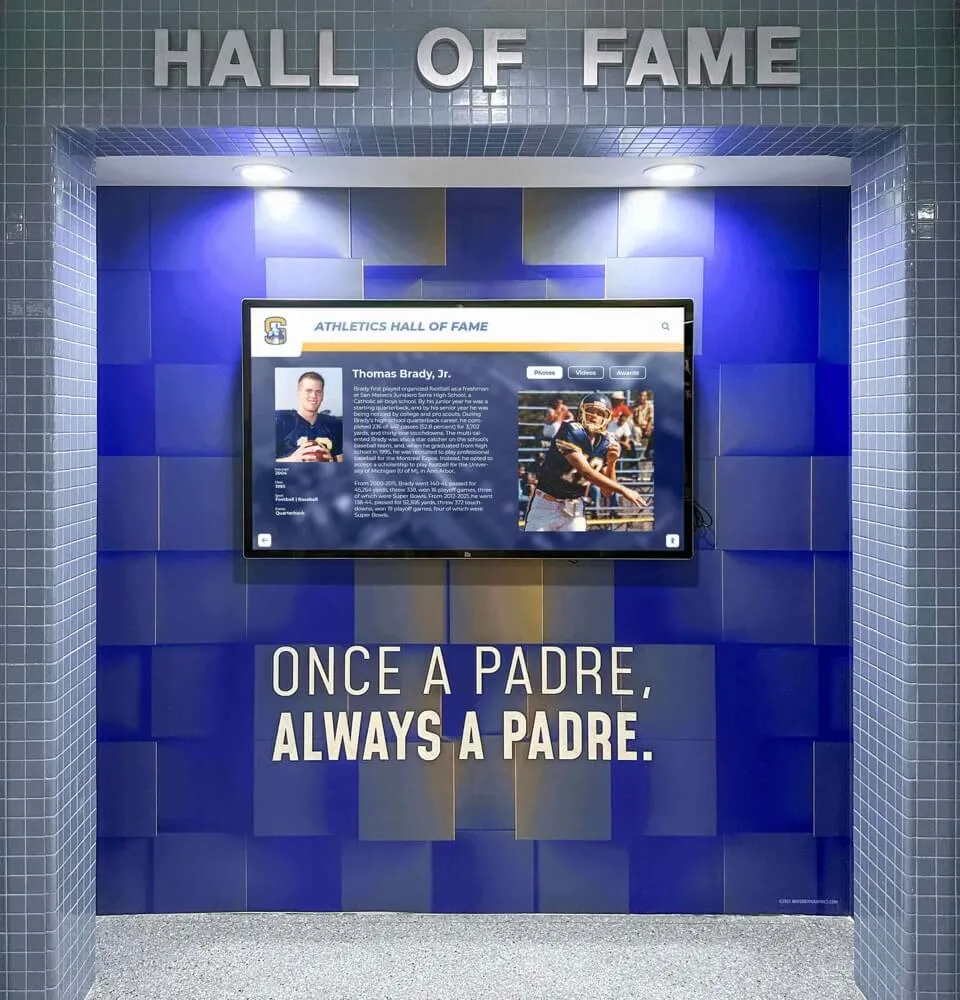
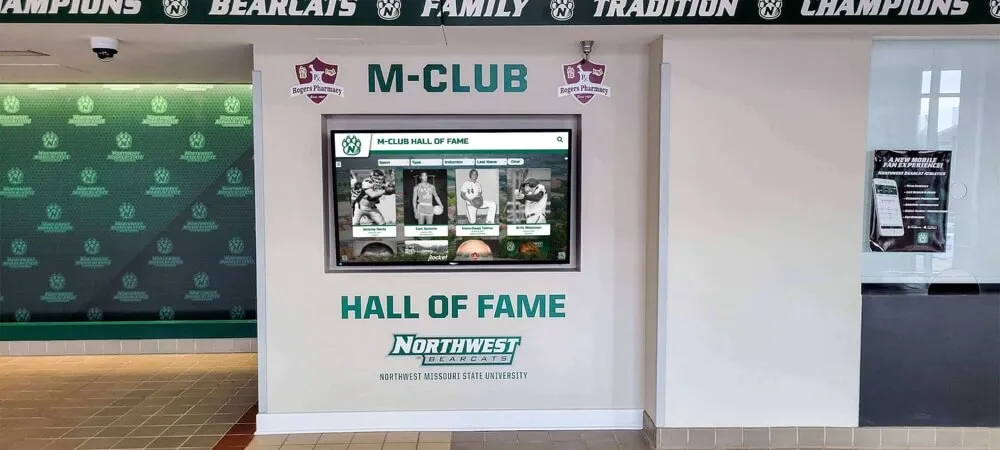
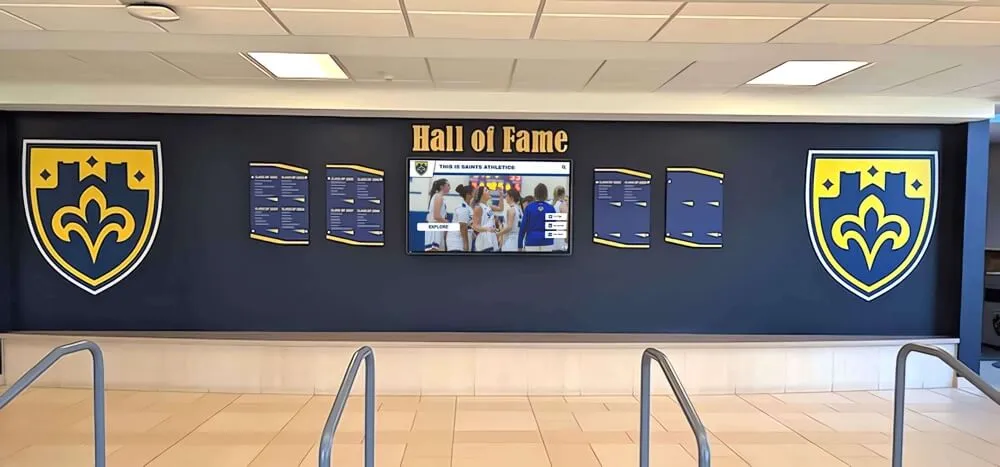
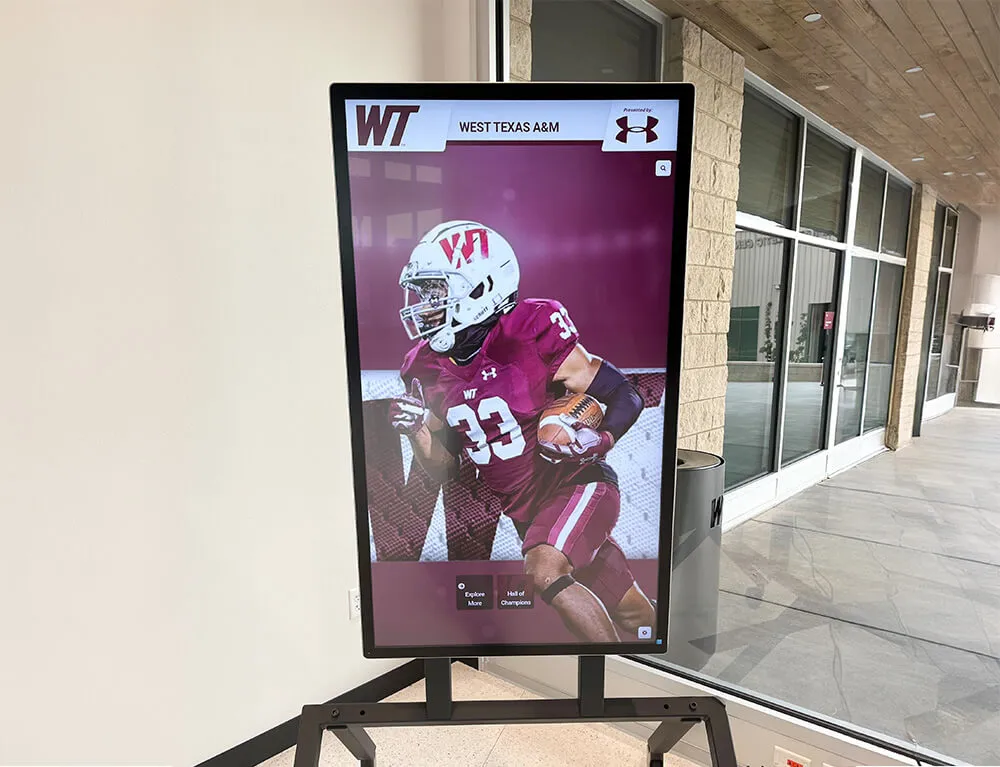
Student council members earn lasting recognition for their leadership contributions, with modern schools showcasing elected officers and their achievements prominently throughout their tenure
Understanding Student Council Speeches: Purpose and Impact
Before crafting your speech, understanding what makes student council presentations effective helps focus your preparation.
What Makes a Winning Student Council Speech
Core Elements of Successful Speeches Effective student council speeches share common characteristics:
- Authentic Voice: Genuine personality and speaking style rather than trying to sound like someone else
- Relatable Content: Addressing issues and ideas classmates actually care about
- Specific Plans: Concrete proposals rather than vague promises to “make school better”
- Appropriate Humor: Light moments that engage without overshadowing substance
- Confident Delivery: Poised presentation demonstrating leadership capability
- Clear Qualifications: Brief but persuasive case for why you’re the right candidate
- Memorable Conclusion: Strong closing that reinforces key message and requests votes
The most successful student council speeches balance professionalism with age-appropriate personality—demonstrating maturity and leadership capability while maintaining authentic connection with student audiences.
Common Speech Mistakes to Avoid
Pitfalls That Undermine Candidacy Many well-intentioned candidates sabotage their campaigns with these errors:
- Making impossible promises (eliminating homework, extending lunch hours, changing school policies beyond council authority)
- Focusing entirely on personal popularity rather than plans and qualifications
- Reading speeches in monotone without eye contact or expression
- Including inside jokes that alienate most of the audience
- Speaking too quietly or quickly due to nervousness
- Running significantly over or under time limits
- Failing to practice, resulting in stumbling and forgetting points
- Copying speech ideas from internet without personalization
- Being overly negative about school or current student council
- Ending without clear call to action asking for votes
Understanding these pitfalls helps candidates avoid common mistakes while developing speeches that genuinely connect with voters.
Learn about showcasing student government achievements in this guide to digital displays for high school class officers that can inspire your leadership vision.
Student Council Speech Templates by Position
Different positions require different speech approaches reflecting unique responsibilities and audiences.
President Speech Template
Position Overview: Student council presidents lead meetings, represent the student body to administration, coordinate major events, and serve as the primary student voice in school decisions.
President Speech Structure
Opening (15-20 seconds)
- Confident greeting and introduction
- Attention-grabbing opening statement or question
- Brief statement of candidacy
Example Opening: “Good morning, [school name]! I’m [name], and I’m running for student council president because I believe our student body deserves a leader who listens, acts, and brings our best ideas to life. When you think about this school year, what do you remember most—probably the moments we came together as a community, celebrated achievements, and made lasting memories.”
Qualifications (30-45 seconds)
- Relevant experience (previous council roles, class leadership, club positions)
- Skills applicable to presidency (organization, communication, teamwork)
- Brief personal connection to school community
Platform and Ideas (60-90 seconds)
- 2-4 specific, achievable initiatives you’ll champion
- How each idea benefits the student body
- Brief explanation of how you’ll accomplish goals
Example Platform Points:
- “First, I’ll establish monthly student forums where any student can share ideas directly with council, ensuring every voice is heard, not just those already in leadership positions.”
- “Second, I’ll work with administration to create a school spirit calendar coordinating themed days, competitions, and celebrations throughout the year rather than concentrating everything during homecoming week.”
- “Third, I’ll launch a student recognition initiative celebrating achievements beyond athletics and academics—highlighting artists, volunteers, mentors, and students making positive differences in our community.”
Connection and Authenticity (20-30 seconds)
- Personal story or moment demonstrating your commitment
- Why you care about this position specifically
- What student council means to you
Conclusion and Call to Action (15-20 seconds)
- Recap key message
- Specific request for vote
- Memorable closing line
Example Conclusion: “I’m not promising to eliminate homework or extend summer vacation—I’m promising to show up, listen to you, and work tirelessly to make this year memorable for all the right reasons. When you vote for [name] for president, you’re voting for a leader who sees student council not as a resume line but as a responsibility to serve this entire community. Thank you, and I hope to earn your vote!”
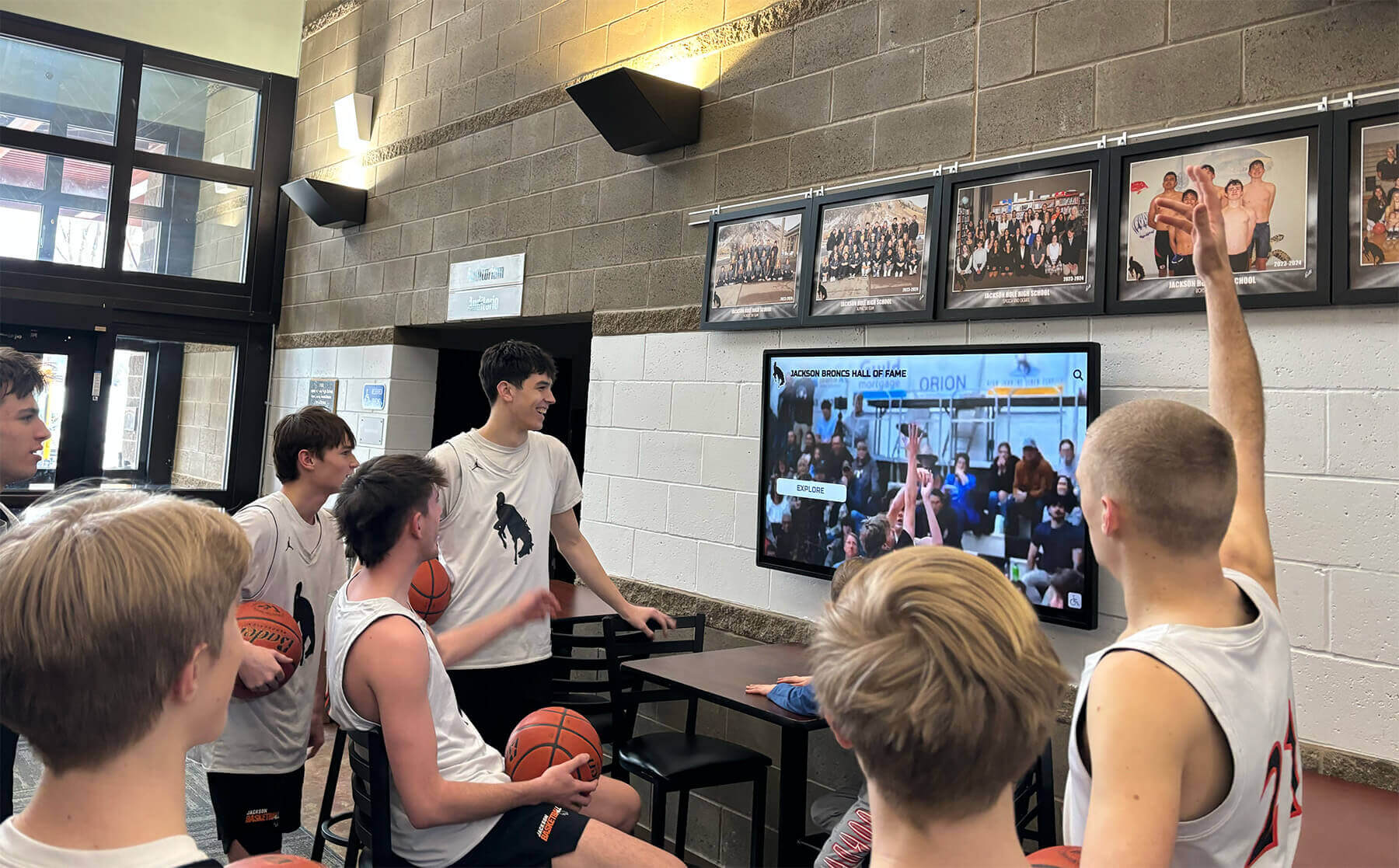
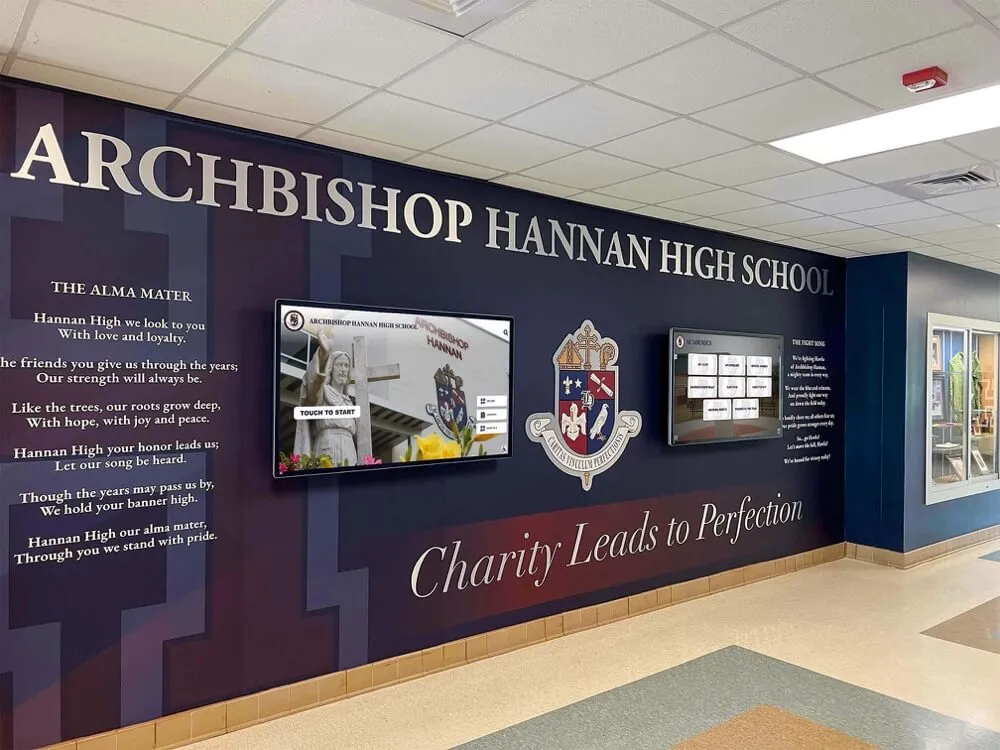
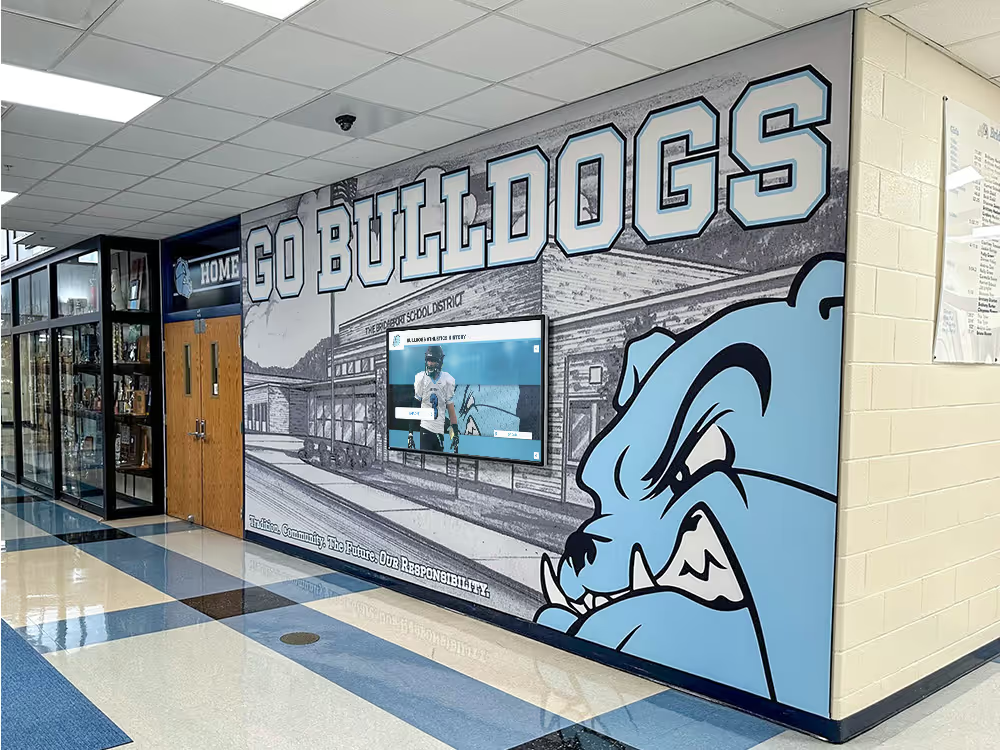
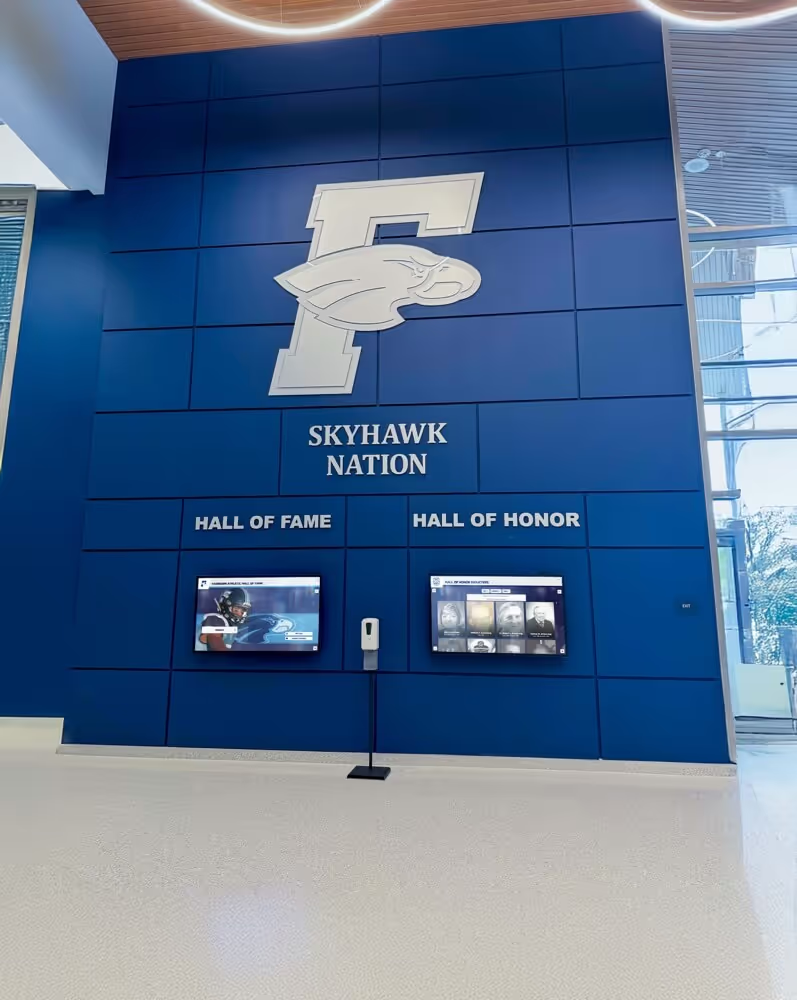
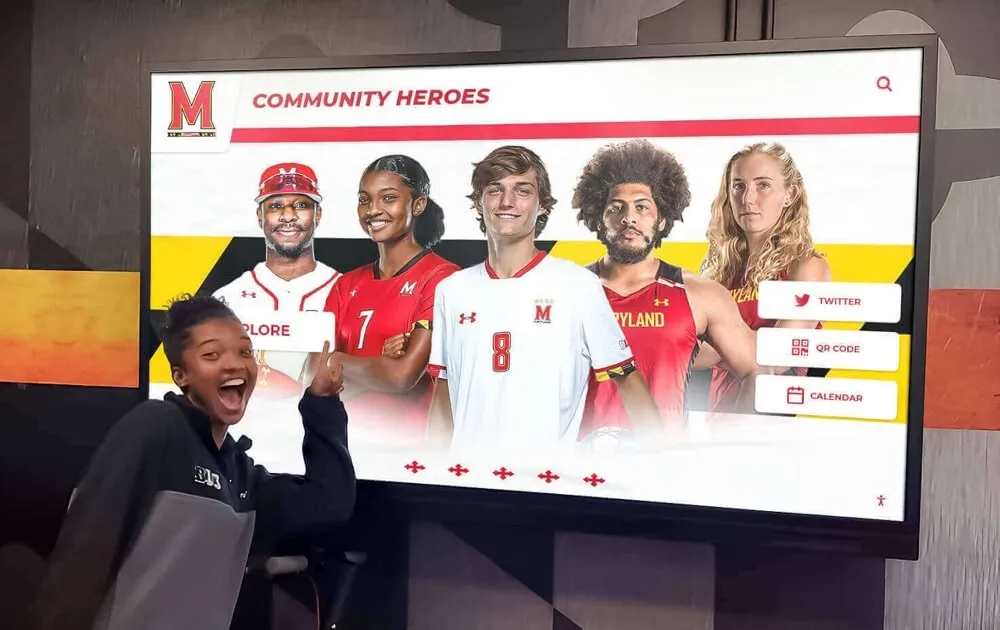
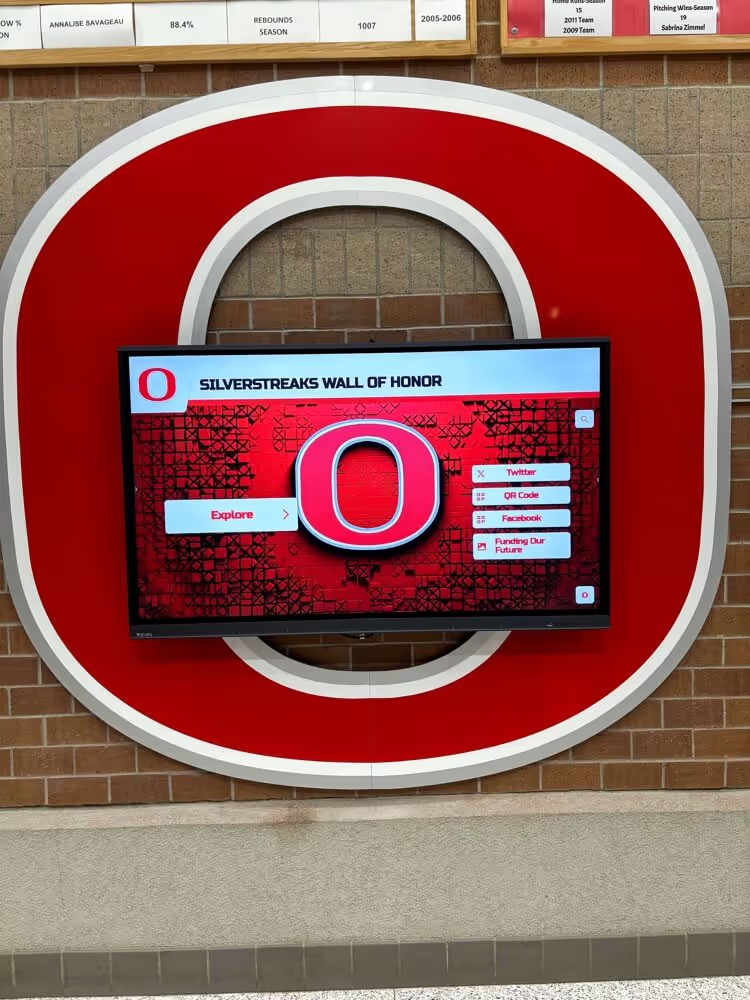
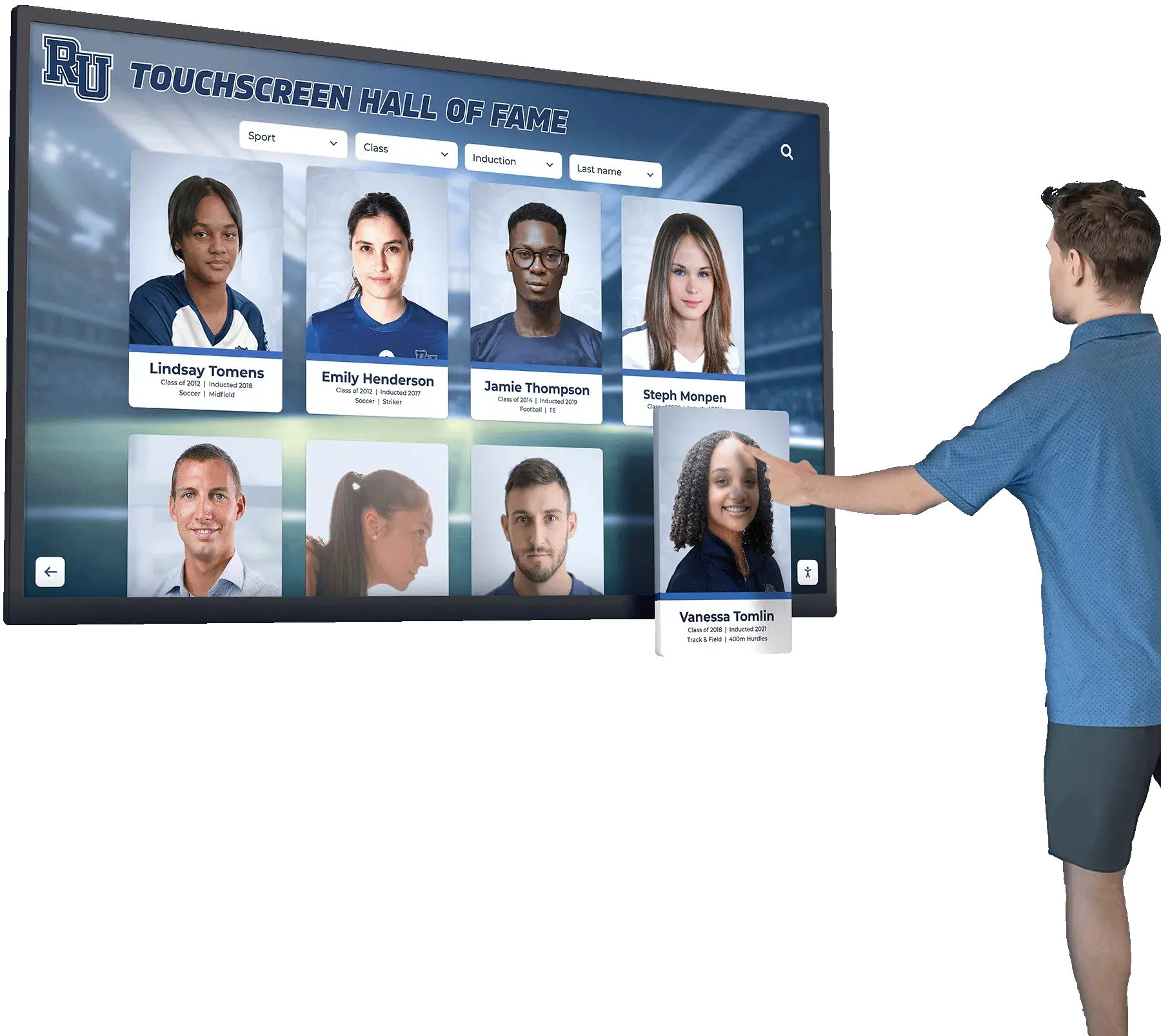
Effective student council presidents create recognition opportunities celebrating diverse student achievements, building inclusive school culture
Vice President Speech Template
Position Overview: Vice presidents support council presidents, lead in their absence, often coordinate specific committees or events, and serve as important collaborative leaders.
Vice President Speech Structure
Opening (15-20 seconds)
- Introduction and position announcement
- Complementary opening about teamwork or support
Example Opening: “Hi everyone, I’m [name], running for vice president. While presidents get the spotlight, vice presidents make things happen behind the scenes—and that’s exactly the kind of leader I want to be.”
Qualifications (30-40 seconds)
- Collaborative experience and teamwork examples
- Reliability and organizational skills
- Relationship-building abilities
Platform (60-75 seconds)
- How you’ll support the president and council
- Specific committees or projects you’ll manage
- Systems for ensuring council efficiency and communication
Example Platform:
- “As vice president, I’ll create detailed planning timelines for every major event, ensuring we’re never scrambling last-minute.”
- “I’ll coordinate a student council newsletter highlighting upcoming events, council decisions, and opportunities for student input.”
- “I’ll establish mentorship pairings connecting new council members with experienced leaders, building strong teams year after year.”
Personal Connection (20-30 seconds)
- Why vice president specifically appeals to you
- Example demonstrating your supportive leadership style
Conclusion (15-20 seconds)
- Emphasize readiness to serve and support
- Request for vote
Secretary Speech Template
Position Overview: Secretaries maintain meeting minutes, manage council communications, coordinate calendars, and ensure organizational systems function smoothly.
Secretary Speech Structure
Opening (15-20 seconds)
- Introduction with emphasis on organization and communication
Example Opening: “I’m [name], and I’m running for secretary because every great organization needs someone who keeps track of the details, maintains clear communication, and ensures nothing falls through the cracks.”
Qualifications (30-40 seconds)
- Organizational skills with specific examples
- Writing and communication abilities
- Technology or systems experience
- Attention to detail
Platform (50-70 seconds)
- How you’ll document and share council activities
- Communication systems you’ll implement
- Ways you’ll make council more transparent and accessible
Example Platform:
- “I’ll publish clear meeting summaries after every council session, so the entire student body knows what we’re discussing and deciding.”
- “I’ll maintain a shared digital calendar showing all upcoming school events, council meetings, and opportunities for student involvement.”
- “I’ll create simple feedback forms allowing any student to submit ideas or concerns directly to council.”
Personal Connection (20-25 seconds)
- Why organization and communication matter to you
- How these skills serve the student body
Conclusion (15-20 seconds)
- Commitment to transparency and organization
- Vote request
Treasurer Speech Template
Position Overview: Treasurers manage council budgets, track fundraising proceeds, coordinate financial planning for events, and ensure fiscal responsibility.
Treasurer Speech Structure
Opening (15-20 seconds)
- Introduction emphasizing financial responsibility and trust
Example Opening: “I’m [name], running for treasurer. While budgets and fundraising might not sound exciting, they’re what make all our best ideas actually happen—from homecoming decorations to community service projects to end-of-year celebrations.”
Qualifications (30-40 seconds)
- Math or business skills
- Responsibility and trustworthiness
- Previous fundraising or money management experience
- Organizational abilities
Platform (50-70 seconds)
- How you’ll ensure transparent budget management
- Fundraising ideas you’ll propose
- Ways you’ll maximize value from council funds
Example Platform:
- “I’ll provide regular budget updates showing exactly where student activity funds go, ensuring transparency and smart spending.”
- “I’ll research partnership opportunities with local businesses for event sponsorships, stretching our budget further.”
- “I’ll create cost-benefit analyses for major purchases, ensuring we invest in items that provide lasting value rather than one-time uses.”
Personal Connection (20-25 seconds)
- Why financial stewardship matters
- How responsible budgeting enables better programs
Conclusion (15-20 seconds)
- Commitment to fiscal responsibility serving student interests
- Vote request
Discover how schools celebrate student leadership in this guide to highlighting student accomplishments including council members and officers.
Grade-Level Speech Adaptations
Student council speeches should match the maturity level and priorities of your specific audience.
Elementary School Council Speeches (Grades 3-5)
Simplified Structure and Language Elementary speeches work best when:
- Kept shorter (1-2 minutes maximum)
- Using simple, clear language avoiding complex vocabulary
- Including fun, age-appropriate elements (rhymes, simple jokes, props)
- Focusing on concrete, visible ideas (class parties, playground equipment, spirit days)
- Emphasizing kindness, fun, and friendship
- Delivered with enthusiasm and energy
Elementary Speech Example (Grade 5 President):
“Hi! I’m [name] and I’m running for 5th grade president. I love this school and I think we can make this year the best one ever!
If you elect me, here’s what I’ll do: First, I’ll organize monthly fun days where we play games and celebrate our class. Second, I’ll create a kindness committee that recognizes students who help others and make our school friendlier. Third, I’ll work with our teachers to plan an awesome end-of-year celebration we’ll always remember.
I’ve been class helper, safety patrol, and I always try to include everyone. I promise to listen to your ideas and work hard to make them happen. Vote for [name] for president, and let’s make this year amazing! Thank you!”
Middle School Council Speeches (Grades 6-8)
Balancing Maturity and Engagement Middle school speeches require:
- Moderate length (2-3 minutes)
- Balance between professional tone and personality
- Addressing both fun events and meaningful issues
- Acknowledging social awareness and school improvement
- Appropriate humor that doesn’t alienate or offend
- Confident delivery demonstrating emerging leadership maturity
Middle School Speech Example (Grade 8 Vice President):
“Good afternoon, everyone. I’m [name], and I’m running for 8th grade vice president.
This is our last year in middle school—our chance to leave a legacy and make memories we’ll talk about when we’re in high school and beyond. As vice president, I’ll work alongside our president to make that happen.
My platform focuses on three areas: First, improving school spirit through creative themed weeks and grade-level competitions. Second, creating more opportunities for student voice through suggestion boxes, surveys, and open forums with administration. Third, organizing community service projects that let us give back and build teamwork.
I’ve served on student council for two years, led our environmental club, and captained the debate team. I know how to organize events, work with different personalities, and get things done. More importantly, I genuinely care about making this school better for everyone, not just my friend group.
Vote for [name] for vice president, and let’s make 8th grade unforgettable. Thank you!”
High School Council Speeches (Grades 9-12)
Professional Yet Authentic Presentation High school speeches should demonstrate:
- Appropriate length (2.5-4 minutes depending on school guidelines)
- Professional tone with authentic personality
- Substantive ideas addressing real student concerns
- Understanding of school policies and realistic change processes
- Connection between council work and broader leadership development
- Polished delivery reflecting public speaking skills
- Balance between school improvement and event planning
High School Speech Example (Junior Class President):
“Good morning, [school name]. I’m [name], and I’m running to serve as your junior class president.
Junior year is widely considered the most challenging year of high school—rigorous academics, standardized testing, college planning, and maintaining the activities and relationships that make high school meaningful. Your class president should make this year better, not just busier.
If elected, I’ll focus on three priorities that matter:
First, I’ll advocate for junior class needs with administration—from ensuring adequate AP exam prep resources to pushing for fair parking policies to requesting later project deadlines around SAT/ACT test dates. Student council should be a voice, not just an event planning committee.
Second, I’ll coordinate stress-relief initiatives throughout the year—study break events with food and games during midterms and finals, junior sunrise breakfast building class unity, and mental health awareness campaigns reminding everyone that grades don’t define worth.
Third, I’ll plan a junior prom that’s memorable for the right reasons—working with class officers to survey preferences, manage budgets transparently, and create an event that feels special without requiring anyone to spend unreasonably.
My qualifications include two years on student council, founding our peer tutoring program, and serving as yearbook editor—roles teaching me organization, collaboration, and follow-through. I’m not the most popular candidate or the class clown—I’m the candidate who will show up to every meeting, listen to your concerns, and work relentlessly to make junior year better.
When you vote for [name] for junior class president, you’re voting for substance over slogans, action over promises, and a leader who sees this position as a responsibility to serve you, not a line on my college applications.
Thank you for your consideration, and I hope to earn your vote.”

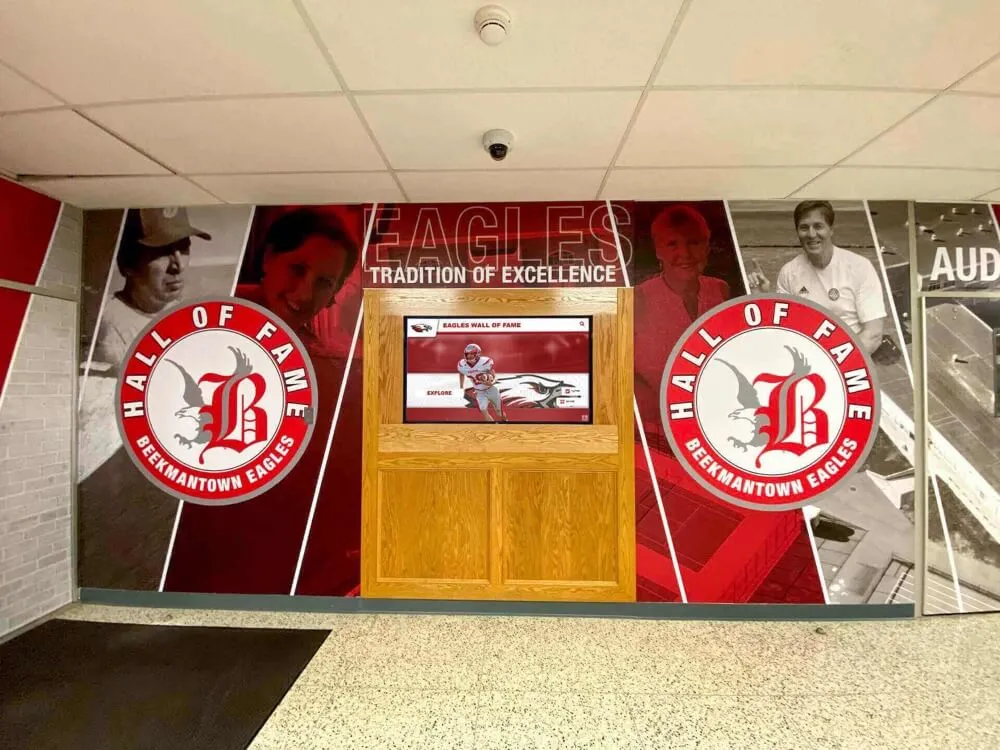
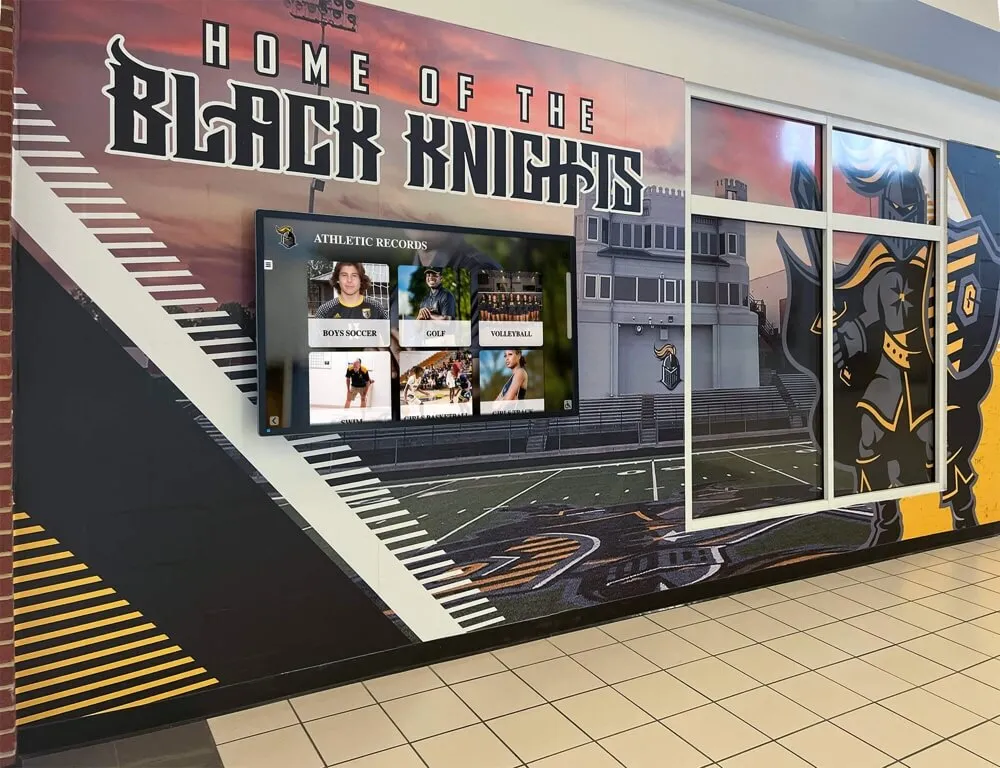
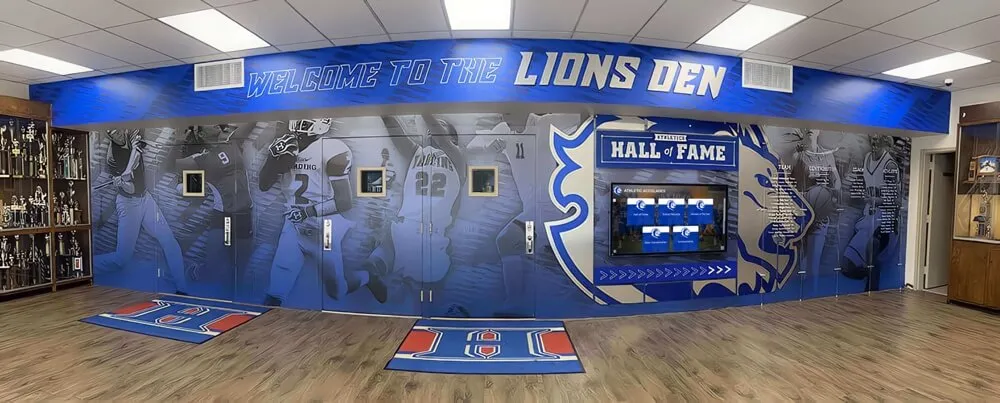
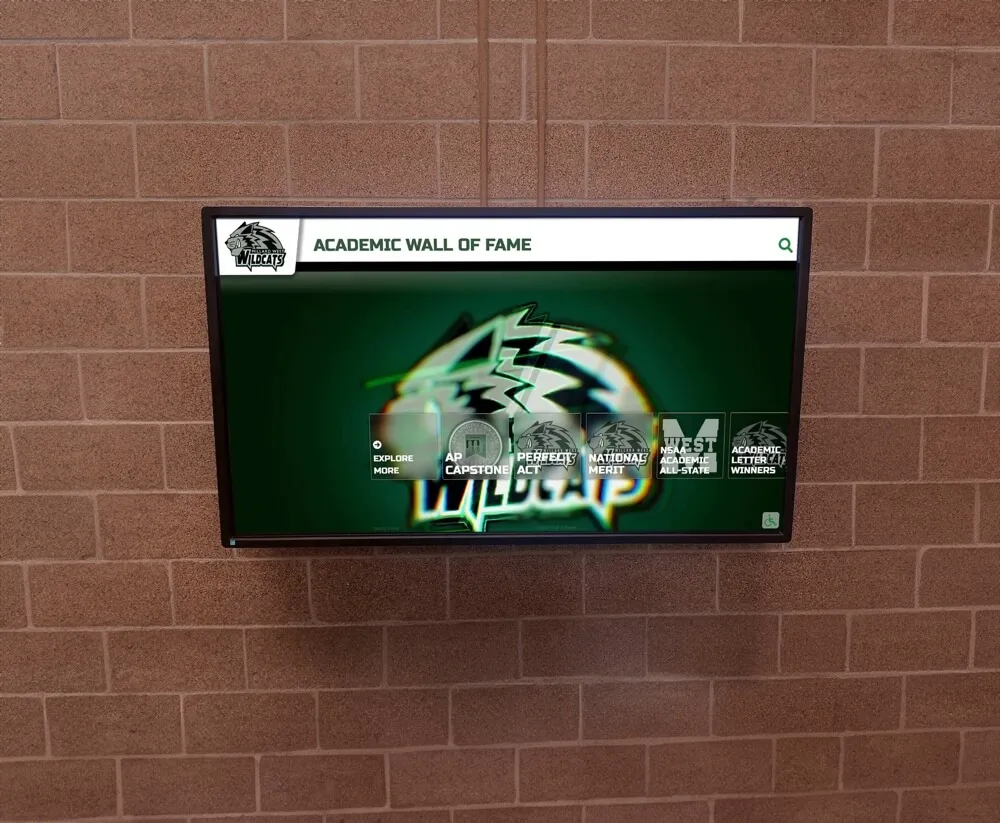
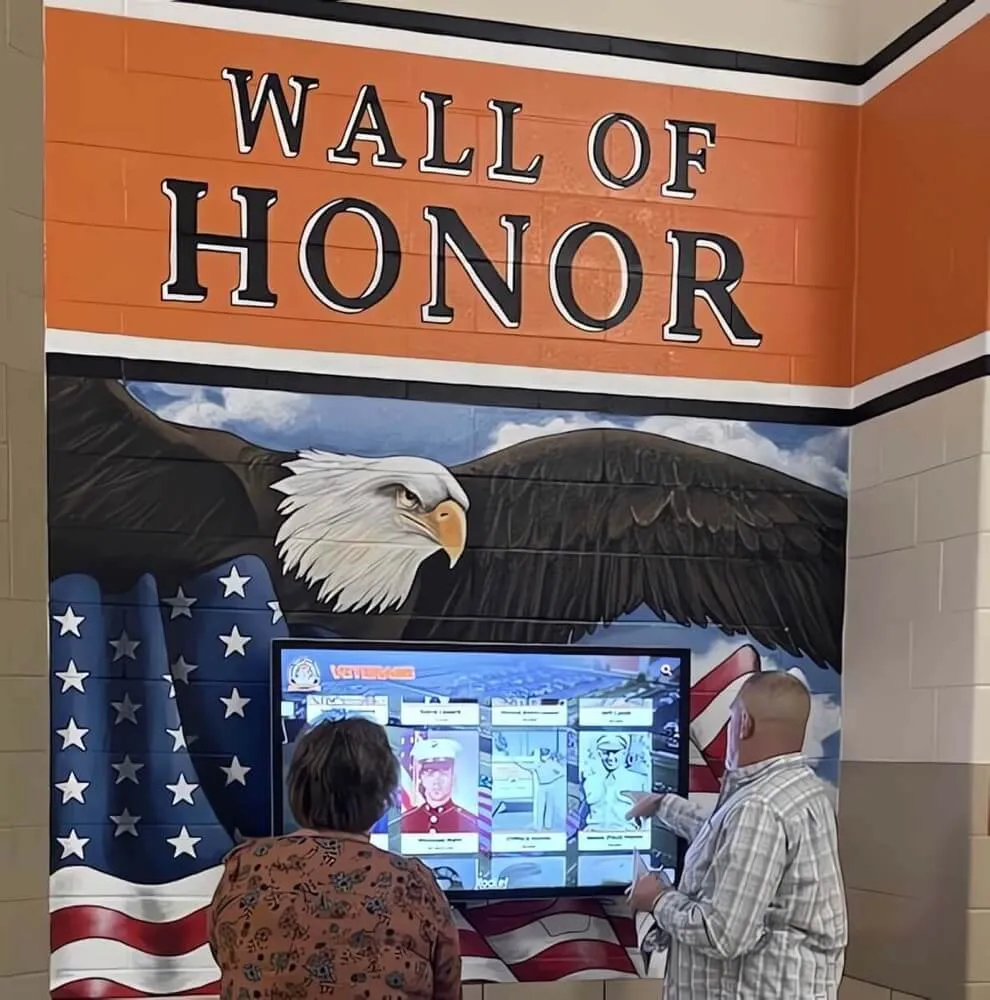
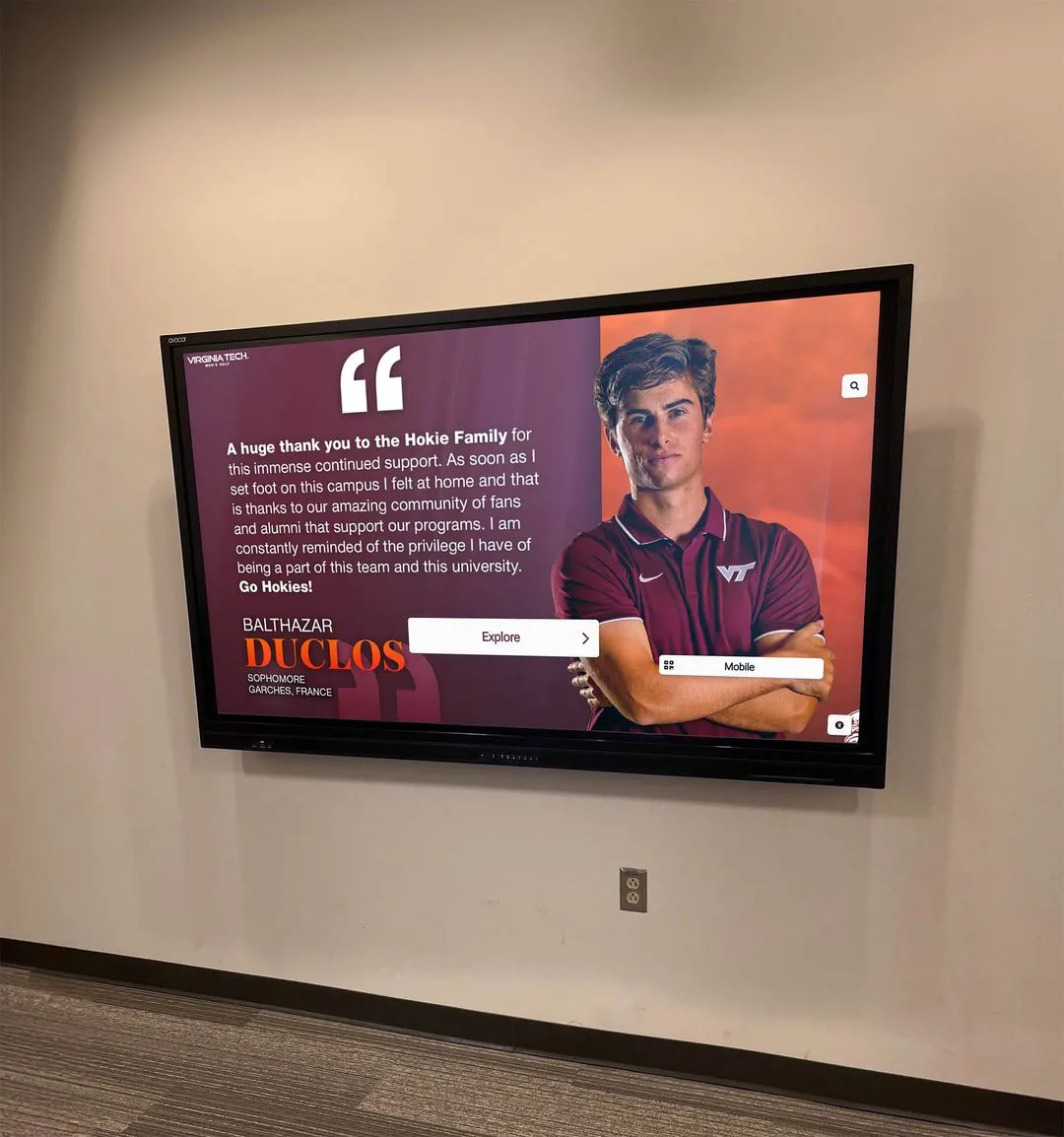
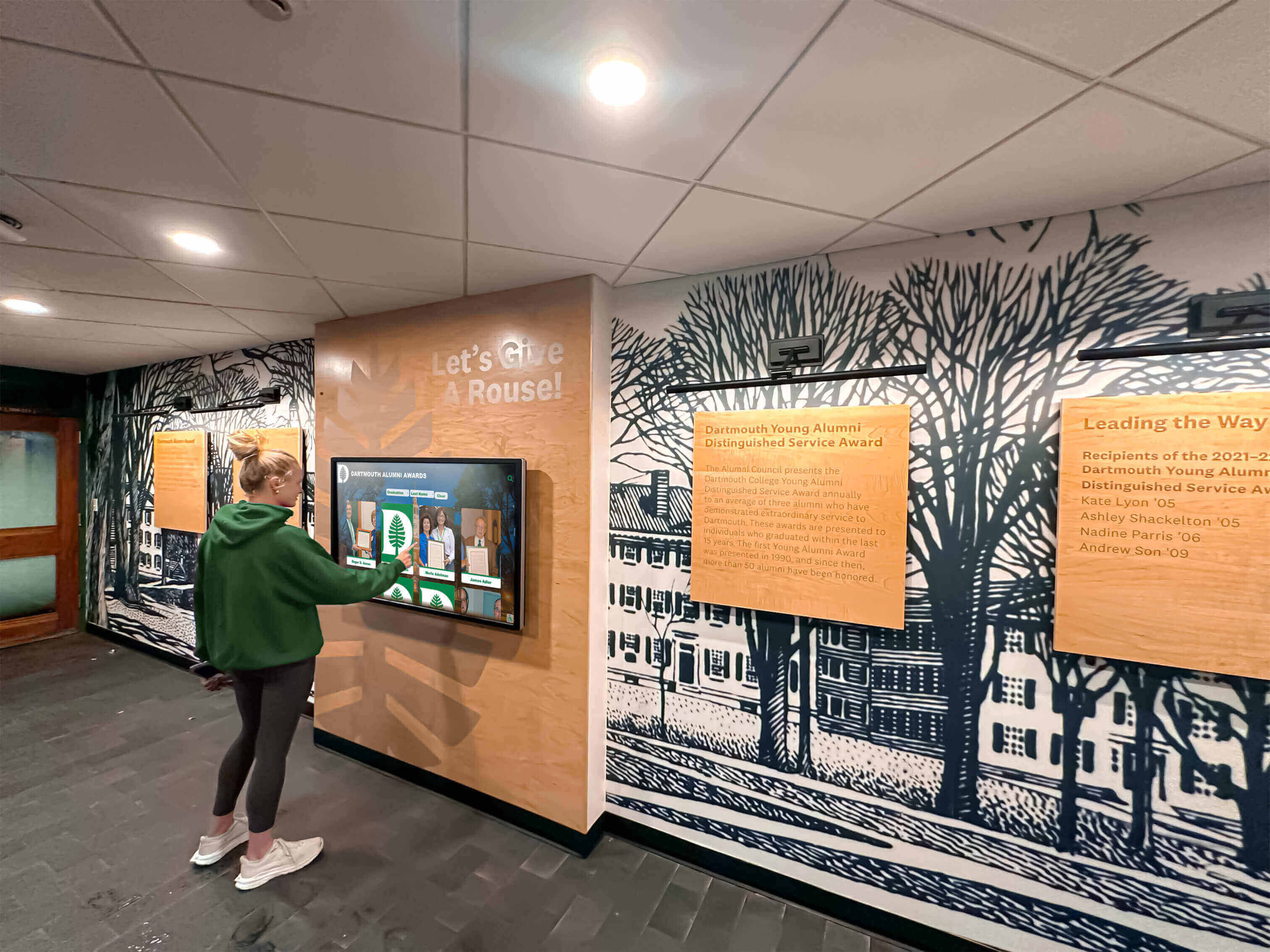
Schools increasingly recognize student council members through interactive displays that preserve their contributions and leadership throughout their tenure
Speech Writing Process: From Ideas to Polished Presentation
Creating an effective student council speech requires systematic preparation moving from brainstorming through final delivery.
Step 1: Brainstorming and Self-Assessment
Know Yourself and Your Strengths Before writing, honestly assess:
- What leadership experiences do you bring?
- What specific skills make you qualified for this position?
- Why do you genuinely want this role?
- What issues or improvements do you truly care about?
- What makes your candidacy unique or different from opponents?
- What are your authentic personality traits you can incorporate?
Know Your Audience Consider your voters:
- What issues do they care about most?
- What past council successes or failures shape their expectations?
- What tone will resonate—serious and professional, or lighthearted and fun?
- Are there specific concerns you’ve heard classmates express?
- What unmet needs exist in your school community?
Step 2: Developing Your Platform
Creating Realistic, Specific Proposals Strong platform ideas share these characteristics:
Achievable: Within student council’s actual authority and realistic given time and resources Specific: Clear enough that voters understand exactly what you’re proposing Beneficial: Obviously valuable to significant portions of student body Original: Distinctive from what current council already does or what opponents are proposing
Platform Development Exercise List potential ideas, then evaluate each:
- Can student council actually accomplish this, or does it require administration/teacher/budget approval we’re unlikely to get?
- Can I explain specifically how this would work in 2-3 sentences?
- Would this benefit most students, or just my specific friend group or interest area?
- Has this been proposed repeatedly without success, suggesting structural barriers?
Strong platform examples:
- Creating student council office hours where any student can share concerns
- Organizing grade-level community service competitions
- Establishing student recognition programs for diverse achievements
- Coordinating improved communication about upcoming events and opportunities
- Managing school spirit calendar with monthly themed celebrations
Weak platform examples (too common):
- “Making school more fun” (vague, non-specific)
- “Getting better cafeteria food” (outside council control)
- “Eliminating homework” (impossible, undermines credibility)
- “Throwing better dances” (limited benefit, often already council priority)
Step 3: Structuring Your Speech
Organizing for Maximum Impact Effective structure follows this flow:
- Hook (5-10 seconds): Attention-grabbing opening
- Introduction (10-15 seconds): Who you are, what position, why you’re running
- Credentials (20-40 seconds): Relevant experience and qualifications
- Platform (60-90 seconds): Specific ideas and plans
- Personal Connection (20-40 seconds): Why this matters to you, authentic moment
- Conclusion (15-25 seconds): Summary, call to action, memorable closing
This structure ensures you cover essential elements while maintaining audience engagement throughout.
Step 4: Writing Your First Draft
Getting Words on Paper Write your complete speech following your outline:
- Write conversationally, as you would speak rather than formal essay style
- Include transitions between sections
- Time yourself reading at normal pace
- Don’t self-edit heavily during first draft—get complete thoughts out first
- Mark places where you might add humor, pause for emphasis, or use gestures
Step 5: Revising and Strengthening
Improving Your Draft Review your speech asking:
Content Questions:
- Does every sentence serve a purpose?
- Are promises realistic and specific?
- Does my personality come through?
- Have I included concrete examples and details?
- Is the length appropriate for time limits?
Language Questions:
- Can I simplify complex sentences?
- Are there more powerful word choices available?
- Do I repeat key phrases for emphasis?
- Is vocabulary appropriate for audience?
- Does it sound natural when spoken aloud?
Structure Questions:
- Does opening grab attention immediately?
- Do sections flow logically?
- Is conclusion strong and memorable?
- Have I included clear vote request?
Read aloud multiple times, making adjustments until speech flows naturally.
Step 6: Memorization vs. Notes
Delivery Preparation Approaches
Full Memorization (Recommended for shorter speeches)
- Allows maximum eye contact and engagement
- Enables natural gestures and movement
- Risks forgetting or getting derailed
- Requires significant practice time
Note Cards (Acceptable for longer speeches)
- Provides security against forgetting
- Allows glancing at key points
- Can become crutch preventing audience connection
- May appear less polished
Hybrid Approach (Often Most Effective)
- Memorize opening, key platform points, and conclusion
- Use brief note card with bullet points for platform details
- Ensures strong start and finish with support for middle content
Regardless of approach, practice extensively until delivery feels natural and confident.
Explore how student government achievements are celebrated in this guide to student council poster ideas that can complement your campaign.
Speech Delivery Techniques: Presentation Skills
Even brilliant speeches fall flat without effective delivery—how you say things matters as much as what you say.
Conquering Nervousness
Managing Public Speaking Anxiety Nearly everyone experiences nervousness before speeches. Successful speakers manage rather than eliminate anxiety:
Physical Techniques:
- Practice deep breathing before taking the stage
- Do subtle physical warm-ups (stretching, shaking out hands) beforehand
- Stand in power pose (feet shoulder-width, shoulders back) for confidence
- Focus on friendly faces in audience rather than critics
- Channel nervous energy into enthusiasm rather than fighting it
Mental Techniques:
- Visualize successful delivery repeatedly before actual speech
- Reframe nervousness as excitement and energy
- Remember that audiences want you to succeed, not fail
- Focus on your message and service to classmates rather than self-judgment
- Accept that minor mistakes are normal and rarely noticed
Preparation Techniques:
- Practice so extensively that words come automatically
- Rehearse in the actual space if possible
- Deliver speech to friends, family, or mirror repeatedly
- Record yourself and watch playback identifying improvements
- Time yourself ensuring you stay within limits
Voice and Vocal Delivery
Using Your Voice Effectively
Volume: Speak loudly enough for entire audience to hear comfortably
- Project from diaphragm rather than throat
- Imagine speaking to person in back row
- Maintain consistent volume rather than fading at sentence ends
Pace: Control speaking speed for clarity and emphasis
- Slow down from normal conversation pace
- Pause between major points for emphasis and comprehension
- Avoid rushing even when nervous
- Use pacing variation to maintain interest
Tone: Express appropriate emotion and energy
- Match tone to content (serious for important points, lighter for humor)
- Convey genuine enthusiasm about platform
- Avoid monotone delivery making content seem unimportant
- Let personality come through voice
Articulation: Speak clearly with good enunciation
- Pronounce complete words avoiding mumbling
- Be careful with tongue-twisters or difficult phrases
- Practice tricky sections extra times
- Don’t let nervousness cause slurring or rushing
Body Language and Presence
Nonverbal Communication
Posture and Stance:
- Stand up straight conveying confidence
- Keep feet shoulder-width apart for stability
- Avoid swaying, shifting weight, or pacing excessively
- Face audience squarely
Gestures:
- Use natural hand movements emphasizing key points
- Keep gestures above waist, visible to audience
- Avoid distracting movements (hair touching, pocket fidgeting, pen clicking)
- Let arms hang naturally at sides when not gesturing
Eye Contact:
- Make connection with different audience sections
- Hold eye contact with individuals for 2-3 seconds
- Avoid staring at floor, ceiling, notes, or single person
- Practice smooth scanning pattern covering whole audience
Facial Expressions:
- Smile genuinely when appropriate
- Allow expressions to match content
- Show enthusiasm and energy
- Avoid blank or nervous expressions
Strategic Use of Humor
Making Audiences Laugh Appropriately Humor helps speeches memorable and engaging, but must be used carefully:
Effective Humor:
- Self-deprecating jokes showing humility
- Lighthearted observations about shared school experiences
- Brief, relevant anecdotes
- Clever wordplay or puns related to your points
- Gentle, inclusive humor everyone can appreciate
Humor to Avoid:
- Inside jokes excluding most of audience
- Sarcasm or put-downs of others, school, or opponents
- Controversial or potentially offensive content
- Forced jokes that don’t fit naturally
- Excessive humor overshadowing substance
When in doubt, test humor with diverse group before including in actual speech.
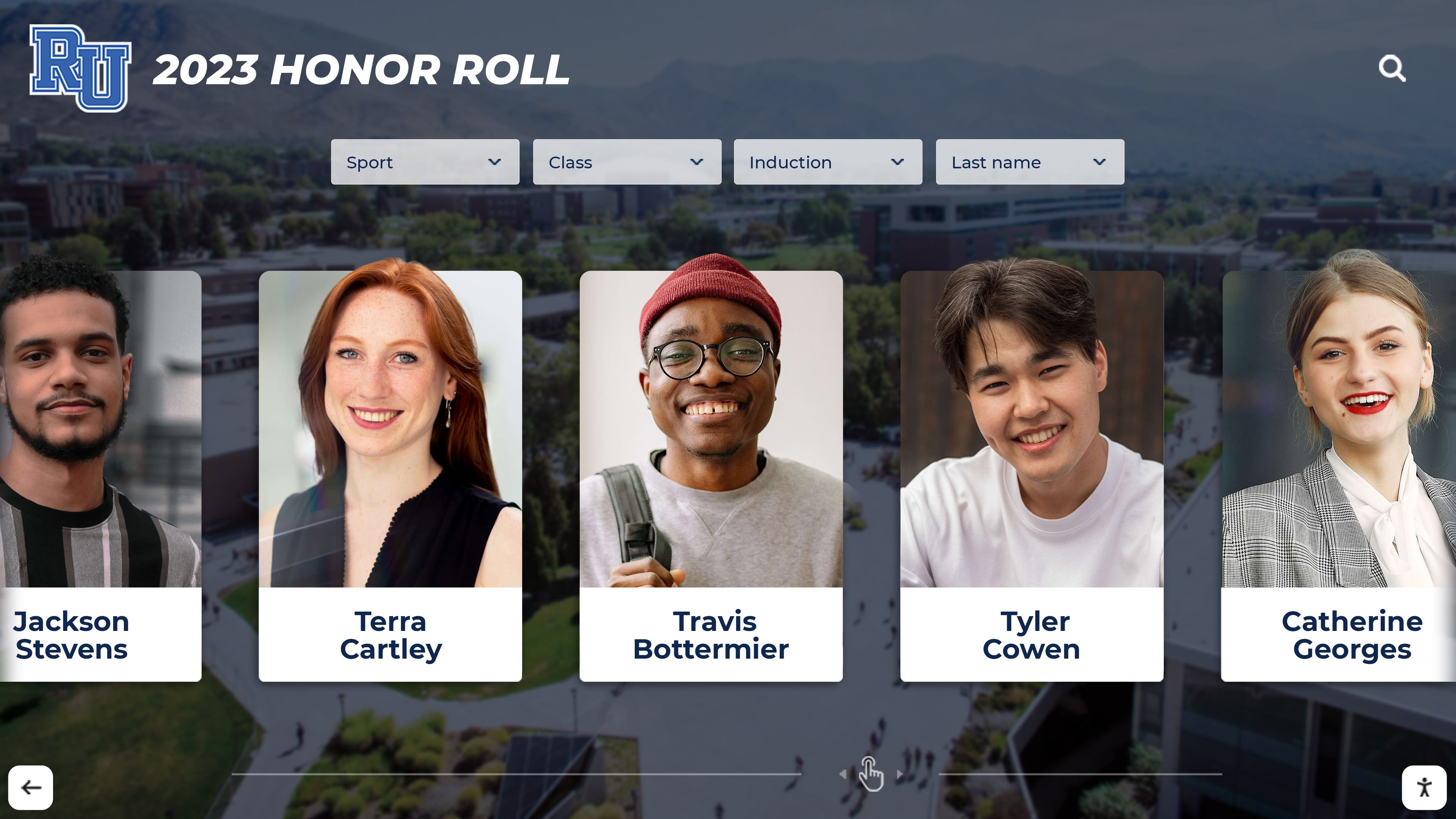
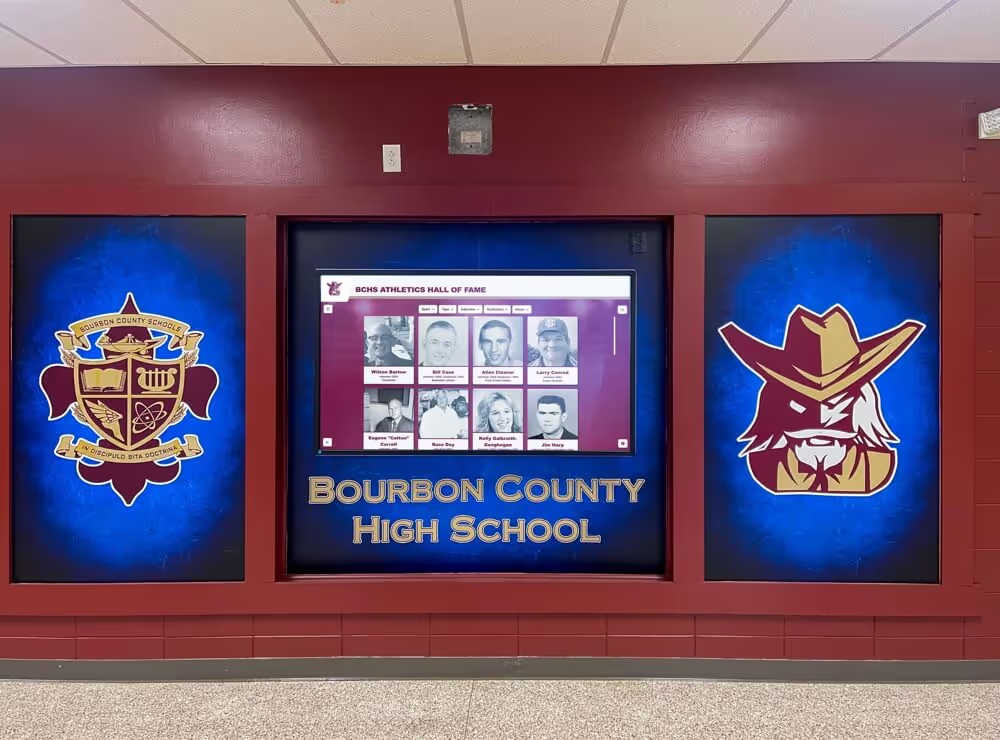
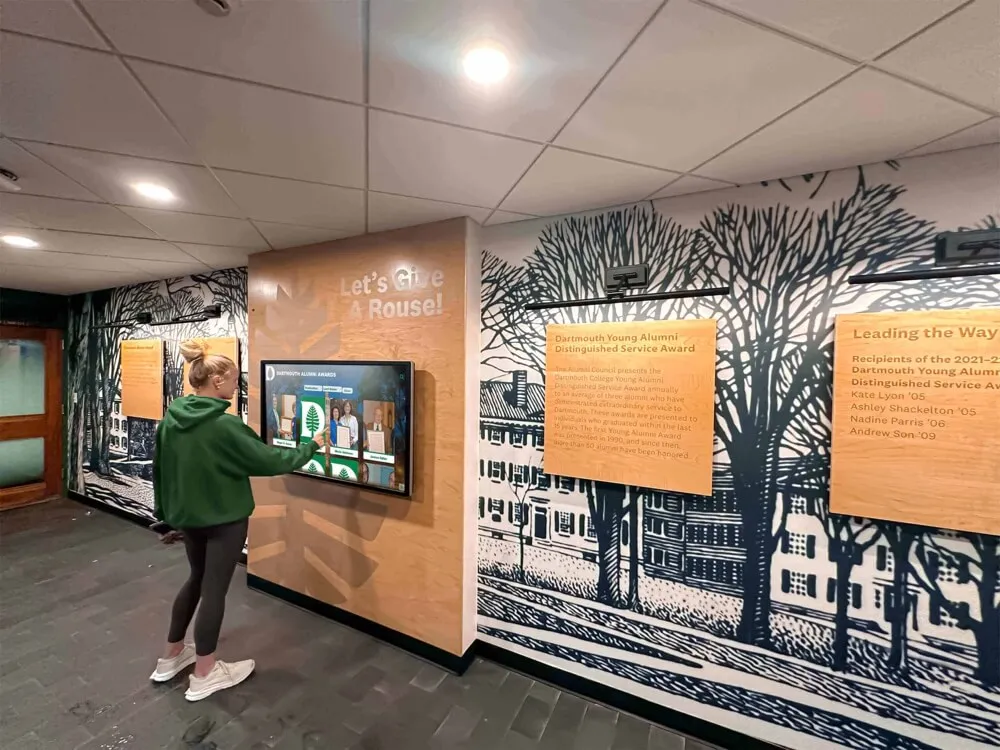
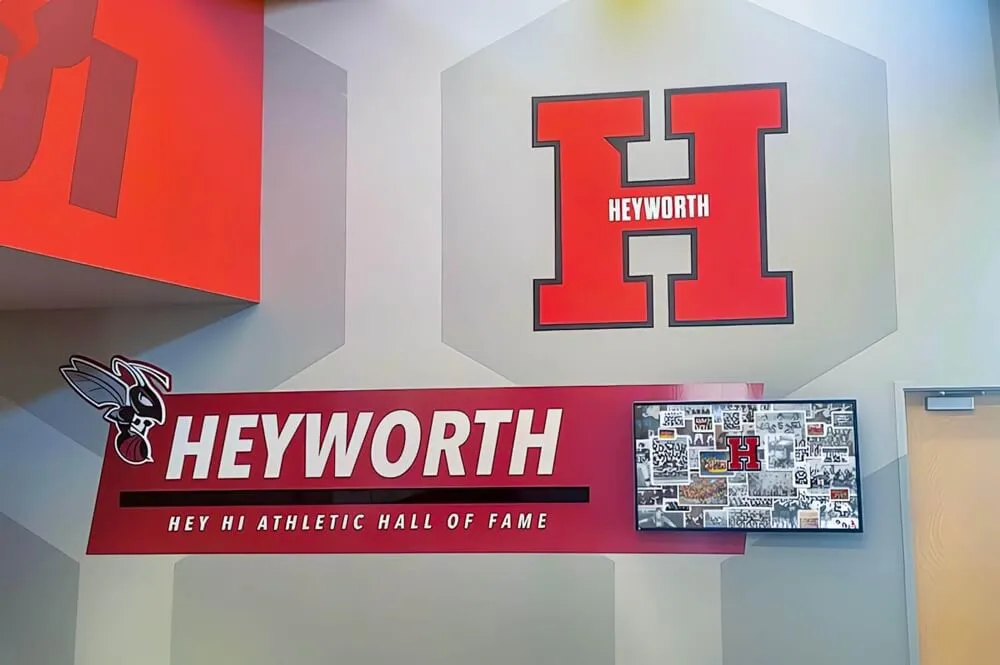
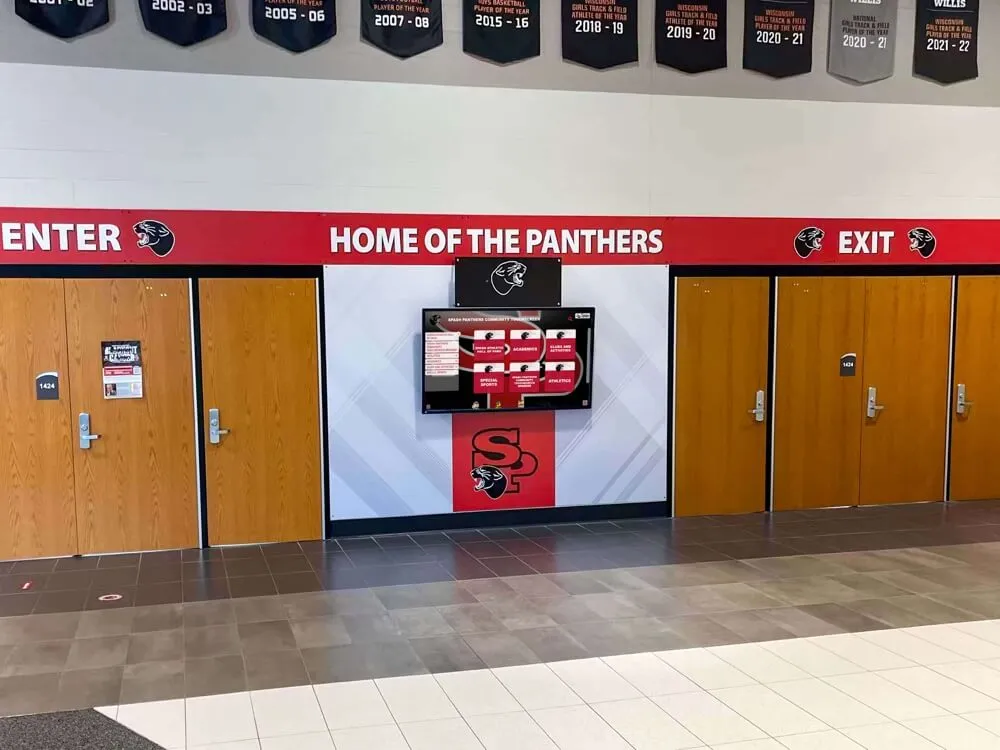
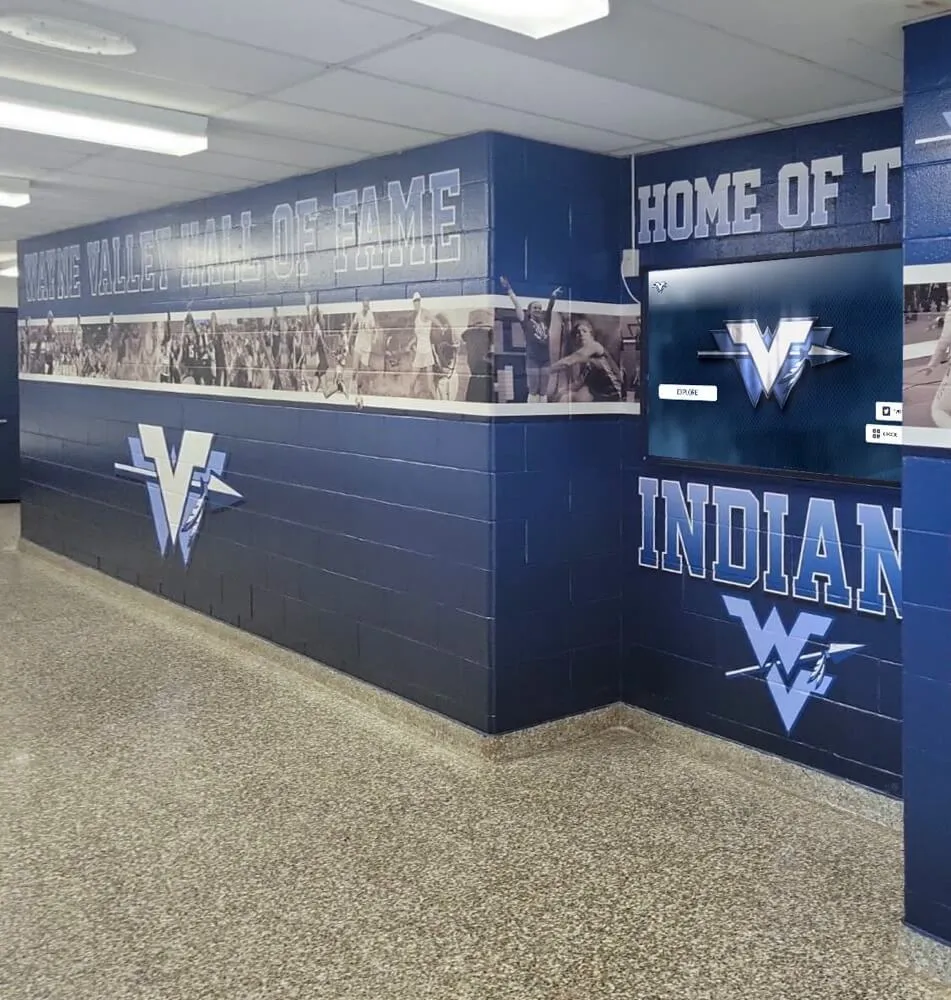
Student council members join other student leaders in recognition displays celebrating their contributions to school community
Complete Campaign Strategy: Beyond the Speech
Winning elections requires more than a single speech—comprehensive campaigns create multiple touchpoints with voters.
Campaign Timeline and Planning
Four-Week Election Campaign Schedule
Week 1: Foundation
- Officially declare candidacy
- Develop speech draft and platform
- Design campaign materials (posters, social media graphics)
- Recruit campaign helpers and supporters
- Research school election rules and guidelines
Week 2: Building Awareness
- Hang campaign posters in approved locations
- Launch social media presence (if allowed)
- Begin informal conversations with classmates about platform
- Revise and practice speech
- Plan any allowed campaign events or promotions
Week 3: Active Campaigning
- Finalize and intensively practice speech
- Distribute campaign materials (buttons, stickers, flyers if permitted)
- Engage in hallway conversations and lunch table visits
- Post social media content reinforcing platform
- Coordinate any allowed promotional activities
Week 4: Final Push
- Deliver speech with confidence
- Make final personal appeals to undecided voters
- Ensure supporters remember to vote
- Participate in any debates or forums
- Maintain positive, energetic presence
Visual Campaign Materials
Posters and Signage Effective campaign posters:
- Feature your name prominently in large, readable font
- Include position you’re seeking
- Use eye-catching colors and designs
- Incorporate brief slogan or key platform point
- Add photo if effective and allowed
- Maintain appropriate, professional tone
- Follow all school rules for size, placement, and content
Digital/Social Media Presence If school allows social media campaigning:
- Create consistent branding across platforms
- Post platform points individually with graphics
- Share behind-the-scenes campaign preparation
- Feature endorsements from peers
- Use appropriate hashtags
- Maintain positive tone avoiding negativity about opponents
- Engage with comments and questions
- Follow school social media policies
Person-to-Person Campaigning
Building Direct Connections Personal interactions often matter more than posters:
Effective Personal Campaigning:
- Genuinely listen when classmates share concerns
- Have brief, authentic conversations rather than scripted pitches
- Remember names and specific issues people raise
- Follow up on conversations (if someone mentions problem, later ask if it’s still an issue)
- Be present and visible in hallways, cafeteria, before/after school
- Show interest in others rather than just talking about yourself
Building Coalition Support:
- Connect with leaders of various clubs, sports teams, and groups
- Ask for endorsements from respected peers
- Ensure campaign reaches beyond your immediate friend group
- Address concerns of different constituencies (athletes, artists, scholars, etc.)
Debate and Forum Participation
Performing Well in Candidate Debates Many schools hold debates or forums where candidates answer questions:
Preparation:
- Anticipate likely questions about platform, experience, and leadership
- Prepare concise, specific answers
- Research school policies relevant to common student concerns
- Practice answering questions extemporaneously
- Prepare questions you might ask opponents
During Debates:
- Listen carefully to questions before answering
- Give direct, honest responses
- Acknowledge when you don’t know something rather than fabricating
- Respectfully disagree with opponents without personal attacks
- Use specific examples and details
- Stay within time limits
- Show poise under pressure
Learn about end-of-year student recognition including council members in this complete awards guide for celebrating student leadership.
Position-Specific Speech Examples
Detailed examples for each major position demonstrate effective approaches.
Example: Elementary School President Speech
“Good morning, everybody! My name is Emma, and I’m running to be your 4th grade student council president!
Do you know what I love most about our school? It’s that we’re all friends who help each other and have fun learning together. As your president, I promise to make this year even better!
Here are my three big ideas:
First, I want to have Fun Fridays once a month where we play games, have dance parties, or do special activities together. Everyone deserves something fun to look forward to!
Second, I’ll create a Kindness Crew that gives out special certificates to students who are really nice to others. When we celebrate kindness, more people want to be kind!
Third, I’ll plan the best end-of-year party ever with games, music, and treats to celebrate all our amazing 4th graders!
I’ve been a class helper, I’m on the safety patrol, and I always try to include everyone at recess. I promise to listen to your ideas and work really hard if you elect me.
Vote for Emma for president, and let’s make 4th grade fantastic! Thank you!”
Example: Middle School Vice President Speech
“Good afternoon, [school name]. I’m Marcus, and I’m running for 7th grade vice president.
You might be wondering, why vice president instead of president? Because I genuinely believe the best leadership happens when people work together. Vice presidents support, organize, and make things happen—and that’s the kind of leader I am.
If elected, I’ll focus on three things:
First, I’ll organize our class into committees—spirit committee, service committee, and social committee—so more students can be involved in leadership, not just the four elected officers.
Second, I’ll coordinate quarterly class meetings where anyone can share ideas or concerns. Student council should represent all students, not just our friends.
Third, I’ll create a shared calendar and communication system ensuring everyone knows about upcoming events, meetings, and volunteer opportunities well in advance.
My qualifications include serving as class representative this year, leading our school recycling program, and playing on three sports teams that taught me about teamwork and commitment.
I’m not the most popular kid or the class clown—I’m the reliable person who shows up, follows through, and gets things done. That’s exactly what vice president should be.
Vote Marcus for vice president, and let’s work together to make 7th grade amazing. Thank you!”
Example: High School Secretary Speech
“Good morning, [school name]. I’m Jennifer, running for junior class secretary.
When most people think about secretary, they imagine someone just taking notes at meetings. But effective secretaries are the communication backbone of any organization—keeping everyone informed, organized, and connected.
If you elect me, here’s what I’ll do:
First, I’ll publish clear, concise meeting summaries within 24 hours of every student council session, posting them on our class page and social media so you know exactly what we’re discussing and deciding on your behalf.
Second, I’ll maintain a comprehensive digital calendar showing all upcoming events—from football games to club meetings to college rep visits—giving everyone one central place to find information about what’s happening at our school.
Third, I’ll create a simple online suggestion system where any junior can submit ideas, questions, or concerns directly to council. Your input shouldn’t require attending meetings or knowing a council member personally.
My qualifications include editing our school newspaper for two years, serving as mock trial team secretary, and managing social media for three school clubs. I’m organized, I communicate clearly, and I’m obsessive about details—perfect qualities for secretary.
When you vote for Jennifer for secretary, you’re voting for transparency, organization, and a student council that keeps you informed and engaged rather than operating behind closed doors.
Thank you, and I hope to earn your vote!”
Example: High School Treasurer Speech
“Good morning, everyone. I’m David, and I’m running for senior class treasurer.
Money matters. Our class budget determines whether we can afford the prom venue we want, the graduation celebration we envision, and the senior activities we hope to experience. Treasurer isn’t the most glamorous position, but it’s one of the most important.
Here’s what I’ll do if elected:
First, I’ll provide complete budget transparency—publishing monthly financial reports showing exactly how much money we have, where it comes from, and where it goes. Your activity fees and fundraising efforts deserve accountability.
Second, I’ll research creative fundraising approaches beyond the same tired car washes and bake sales. I’ll investigate corporate sponsorships, online fundraising platforms, and partnership opportunities with local businesses that can help us raise more with less effort.
Third, I’ll create cost-benefit analyses for major expenses, ensuring we invest in things that benefit the entire class rather than just the loudest voices in the room.
My qualifications include taking accounting classes at the community college, managing finances for my family’s small business, and serving as treasurer for National Honor Society. I understand budgets, I’m trustworthy with money, and I take this responsibility seriously.
Vote for David for treasurer, and I promise to manage your money like it’s my own—carefully, transparently, and in service of making senior year financially possible and phenomenal.
Thank you!”
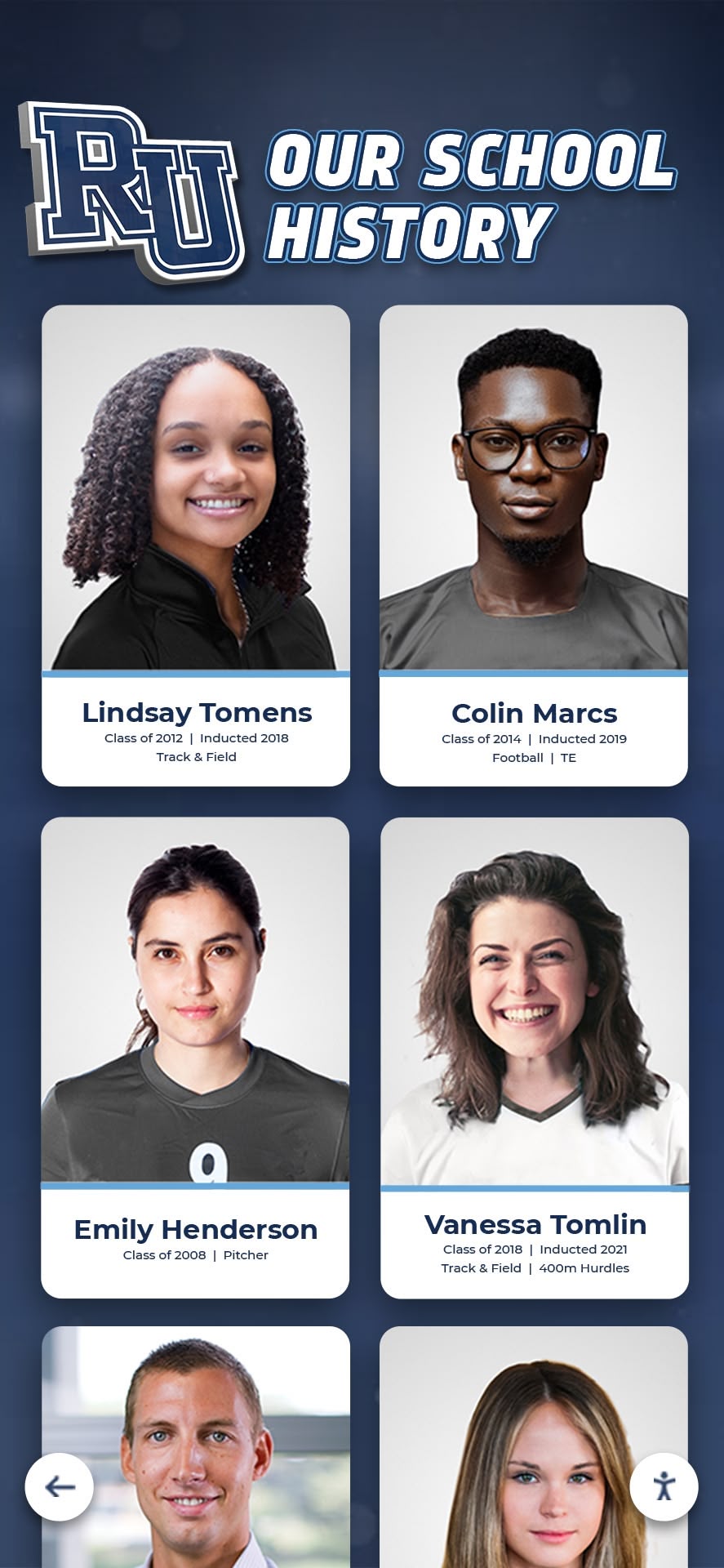
Schools preserve student council member legacies alongside other student achievements, creating historical records celebrating leadership across generations
Special Situations and Adaptations
Different election scenarios require adjusted approaches.
Running Unopposed
Staying Engaged Despite No Competition When you’re the only candidate, maintain effort and enthusiasm:
- Deliver speech professionally rather than coasting
- Use opportunity to thoroughly explain your platform
- Build support for your ideas rather than just yourself
- Demonstrate leadership capability and seriousness
- Show respect for position and voters even without opposition
- Consider this a chance to practice public speaking without pressure
Running Against Friends
Maintaining Relationships During Competition Competing against friends requires maturity:
- Keep campaign positive focused on your platform, not opponent’s weaknesses
- Maintain friendship outside campaign activities
- Accept results graciously whether you win or lose
- Remember that one position doesn’t define either person’s worth or leadership ability
- Set example of healthy competition for other students
- Discuss boundaries and expectations with friend before campaign begins
Losing and Moving Forward
Responding to Defeat Gracefully Not everyone wins elections—handling loss well demonstrates true leadership:
Immediate Response:
- Congratulate winner sincerely
- Thank supporters and voters
- Avoid complaining, making excuses, or suggesting unfairness
- Maintain positive presence at school
Moving Forward:
- Look for other leadership opportunities (clubs, athletics, community organizations)
- Volunteer to help student council with projects even without official role
- Apply lessons learned to future leadership situations
- Remember that one election doesn’t define your leadership capability or worth
Many successful leaders lost early student council elections—the experience builds resilience and determination.
Winning and Serving Effectively
Transitioning from Candidate to Leader Winning the election is just the beginning:
Immediately After Winning:
- Thank voters and acknowledge opponents graciously
- Begin connecting with other elected officers
- Attend any transition meetings with outgoing council
- Start planning how to implement campaign promises
During Your Term:
- Actually follow through on platform promises
- Listen to feedback and concerns from all students
- Show up to meetings and take responsibilities seriously
- Collaborate effectively with other officers and advisers
- Maintain visibility and accessibility
- Document accomplishments for recognition and future campaigns
Learn about school event planning that student councils often coordinate in this homecoming planning guide relevant to council responsibilities.
Recognizing Student Council Service and Leadership
Student council members contribute significantly to school culture and deserve meaningful recognition for their service.
Traditional Recognition Approaches
Common Ways Schools Honor Council Members
During-Term Recognition:
- Special seating or privileges at assemblies and events
- Recognition in school announcements and newsletters
- Photos displayed in hallways or main office
- Mentions in yearbook spreads
- Certificates of service at year-end
- Leadership awards at honors ceremonies
End-of-Year Celebration:
- Special reception or banquet honoring council members
- Individual recognition of accomplishments and contributions
- Transition ceremony passing leadership to incoming officers
- Commemorative gifts or plaques
- Yearbook senior pages or special recognition
Modern Digital Recognition Solutions
Preserving Leadership Legacies Forward-thinking schools increasingly use digital platforms extending student council recognition beyond single year. Solutions like Rocket Alumni Solutions enable schools to:
- Showcase current student council members on interactive touchscreen displays in main hallways and common areas
- Preserve historical records of class officers across decades, building institutional memory
- Display photos, bios, and accomplishments of council members that students and visitors can explore
- Create searchable archives where alumni can find their own student government service years later
- Integrate student council recognition with comprehensive student achievement celebration
- Maintain unlimited digital space accommodating every officer and representative without physical constraints
Traditional approaches—single bulletin board, brief yearbook mention—limit recognition to current year and small physical spaces. Digital recognition platforms extend celebration throughout students’ tenure and preserve legacies permanently, honoring the significant contributions student leaders make to school communities.
These systems particularly benefit student council members by:
- Validating their service through prominent, lasting recognition
- Inspiring future students to seek leadership positions
- Building pride in school’s leadership traditions
- Connecting current council members with historical context of past officers
- Providing concrete evidence of leadership experience for college applications and scholarships
Discover how schools honor student leaders in this guide to National Honor Society recognition and similar leadership organizations.
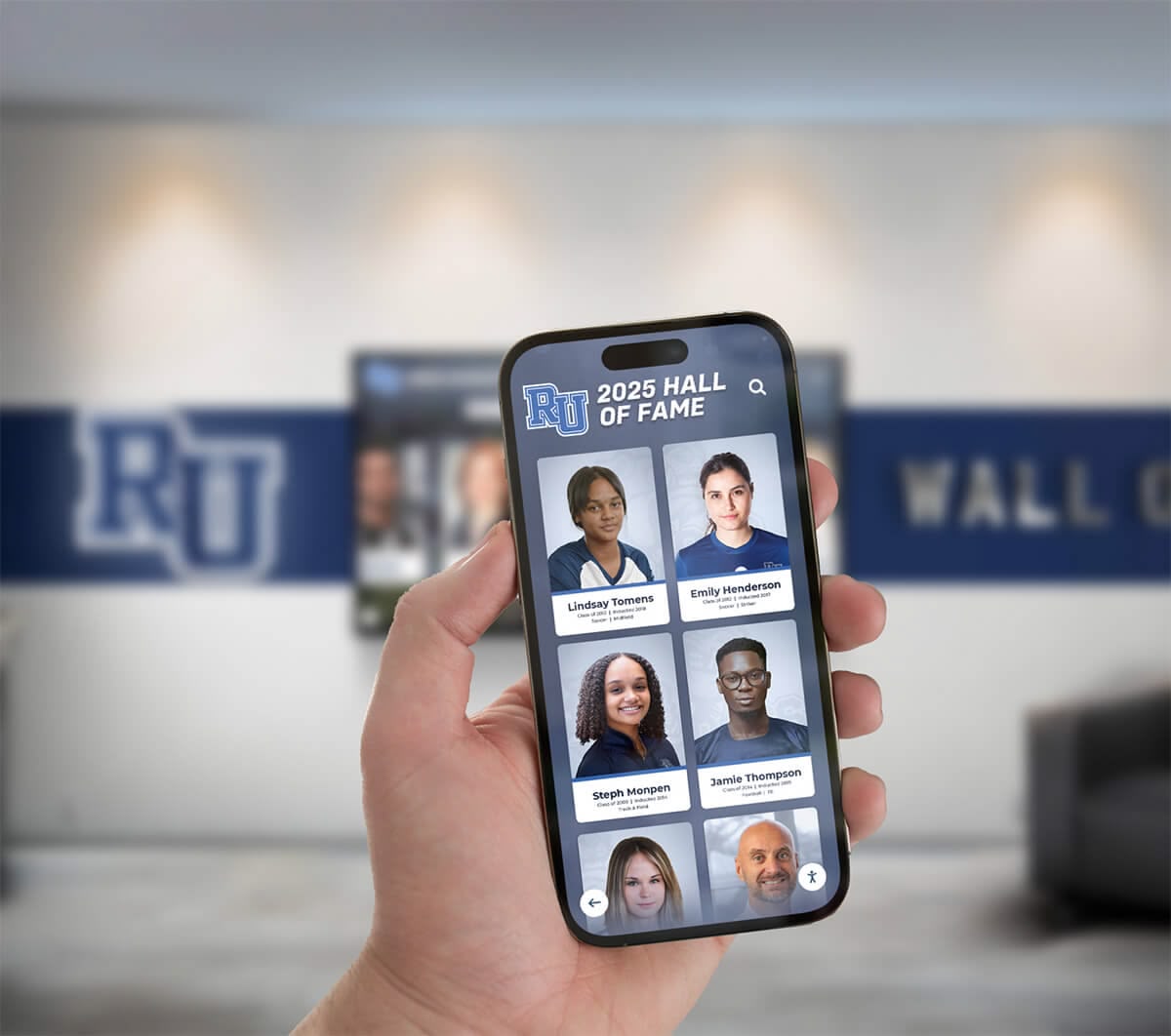
Modern recognition platforms allow students to access leadership profiles and school history through mobile devices, extending engagement beyond physical displays
Resources for Speech Development
Additional tools and resources support effective speech creation and delivery.
Speech Writing Resources
Helpful Tools:
- Speech timing apps ensuring you stay within limits
- Recording devices for practice playback and self-evaluation
- Online thesaurus for varied vocabulary and powerful word choices
- Outline templates organizing thoughts systematically
- Feedback from teachers, parents, or coaches on drafts
Practice and Preparation Support
Getting Ready to Deliver:
- Practice in front of mirrors for body language awareness
- Record video of practice speeches identifying areas for improvement
- Rehearse for family, friends, or anyone willing to listen
- Visit actual speech location practicing in the space
- Time yourself repeatedly ensuring consistent pacing
- Join public speaking clubs (Toastmasters International has youth programs) for ongoing skill development
Continued Leadership Development
Beyond Single Elections: Student council elections represent early leadership opportunities, but leadership development continues throughout life:
- Seek diverse leadership roles in athletics, arts, clubs, community organizations
- Read leadership books and biographies of effective leaders
- Observe leaders you admire identifying specific behaviors and approaches
- Reflect on your own leadership successes and challenges
- Accept that leadership skills develop over time through experience and learning
- Remember that leadership is about service to others, not personal glory
Conclusion: Your Leadership Journey Begins With Your Speech
Student council speeches represent far more than brief presentations before classmates—they’re public declarations of your leadership vision, commitments to serve your school community, demonstrations of courage standing before peers, and first steps on longer leadership journeys. When crafted thoughtfully with authentic voice, specific platform points, and confident delivery, student council speeches launch experiences that develop public speaking skills, build peer credibility and influence, create opportunities for meaningful school improvement, and establish leadership foundations extending far beyond single elections.
The speech templates, writing processes, and delivery techniques throughout this guide provide frameworks you can adapt to your unique personality, position, and school context. From elementary students promising fun field days to high school seniors proposing sophisticated initiatives, from presidents articulating comprehensive visions to treasurers ensuring fiscal responsibility, successful student council speeches share common elements: authenticity that lets your real personality shine through, specificity that makes platform promises concrete and believable, and confidence that demonstrates your readiness to lead.
Celebrate Student Leadership Year-Round
Discover how modern recognition solutions can honor student council members and preserve their leadership contributions through interactive displays that inspire future student leaders and build school traditions celebrating student government service.
Explore Recognition SolutionsRemember that winning elections, while validating, isn’t the ultimate measure of leadership capability. Many exceptional leaders lost early student council races—the experience building resilience, determination, and understanding that one setback doesn’t define potential. Whether you win or lose, delivering a speech that authentically represents your vision and demonstrates your courage already establishes you as a leader.
Your student council speech preparation offers opportunities for growth extending beyond the election: developing public speaking skills valuable throughout academic and professional life, learning to articulate ideas clearly and persuasively, building confidence standing before audiences and advocating positions, and understanding how to connect with diverse audiences and address their concerns. These capabilities serve you far beyond single student council positions.
Start your preparation now using the templates and techniques in this guide as foundations, adapt them to reflect your authentic personality and genuine platform, practice extensively until delivery feels natural and confident, then step before your classmates and deliver a speech worthy of the leadership responsibility you’re seeking. Every student council member began exactly where you are now—nervous but hopeful, preparing their first campaign speech, wondering if classmates would support their candidacy.
Your leadership journey begins the moment you decide to run, write your first platform point, and commit to serving your school community regardless of election outcomes. That decision to step forward, speak up, and offer your time and talents in service of others—that’s already leadership. The speech is simply your opportunity to share your vision, demonstrate your capability, and invite classmates to join you in making your school community better.
Whether you’re an elementary student promising kindness initiatives, a middle schooler proposing communication improvements, or a high school senior advocating substantive policy changes, your voice matters. Your ideas matter. Your willingness to lead matters. Craft your speech with care, deliver it with confidence, and trust that the leadership experience itself—regardless of election results—will serve you throughout life.
Good luck with your campaign, your speech, and most importantly, your ongoing leadership journey. Your school community is better because you chose to run, to speak up, and to serve. That alone makes you a leader worthy of recognition and celebration.