Student ambassador programs transform motivated students into visible representatives of school culture, community values, and institutional excellence—creating leadership development opportunities while strengthening campus climate through peer-to-peer connection. The best ambassadors become recognizable faces who welcome prospective families, represent student perspectives at community events, mentor younger students, and embody the academic and behavioral standards that define institutional identity.
Yet many schools struggle to move beyond selection processes that reward popularity over genuine leadership potential, unclear role definitions that leave ambassadors uncertain about responsibilities, or recognition approaches that fail to celebrate ambassador contributions meaningfully. Without structured frameworks, ambassador programs become hollow titles rather than transformative leadership experiences that deliver real value to students and institutions alike.
This comprehensive guide explores proven strategies for building student ambassador programs that develop authentic leadership skills, engage ambassadors in meaningful work, and create recognition systems that celebrate their contributions while inspiring future participants.
Student ambassador programs serve multiple strategic purposes simultaneously: they develop student leadership capacity through authentic responsibility, provide peer perspectives that resonate with prospective families and younger students, strengthen school culture through visible role models, and create structured recognition pathways that celebrate excellence beyond traditional academic and athletic achievement.

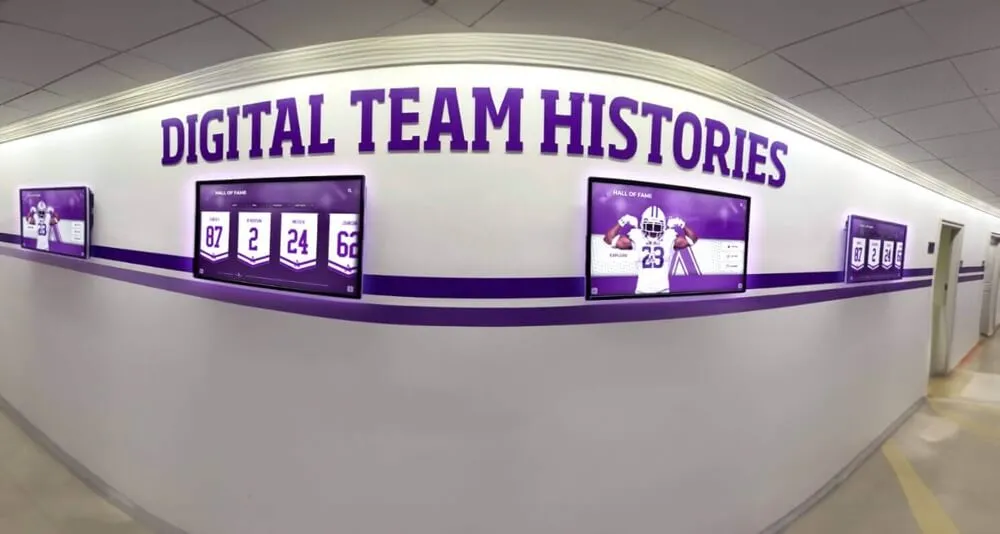
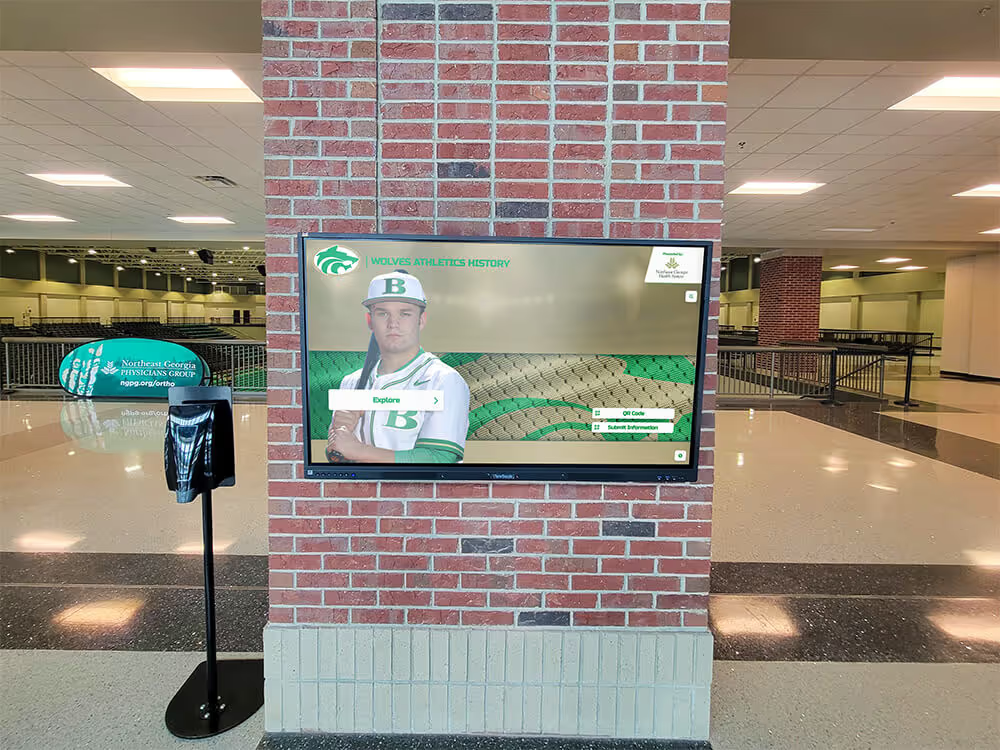
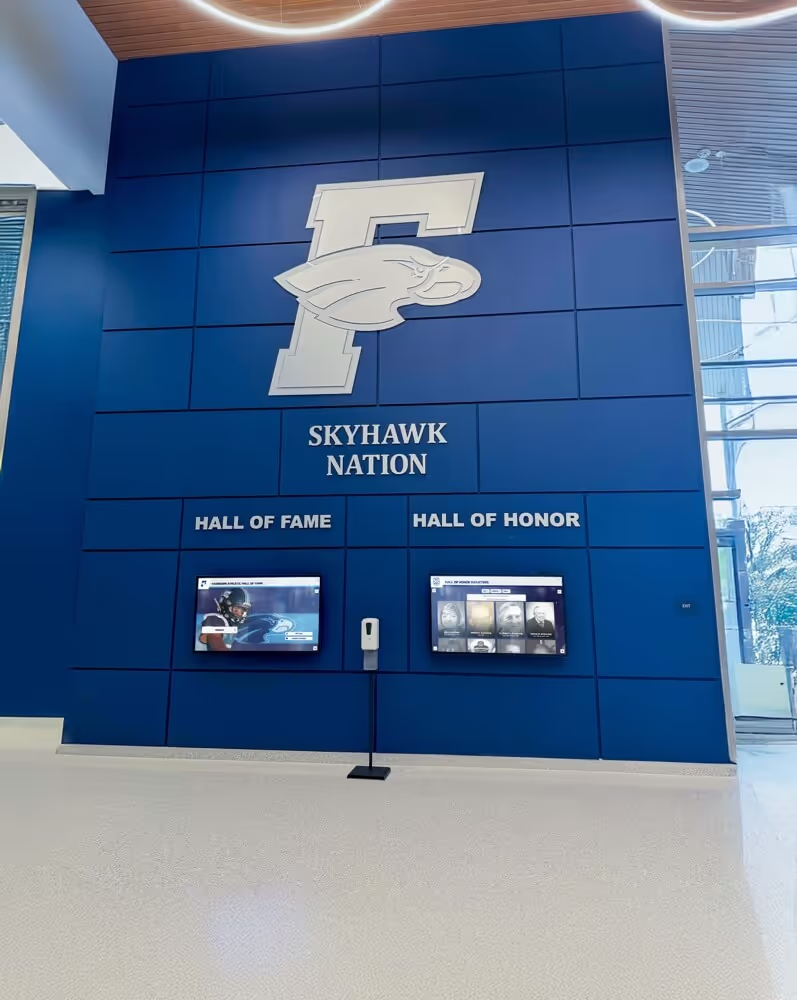
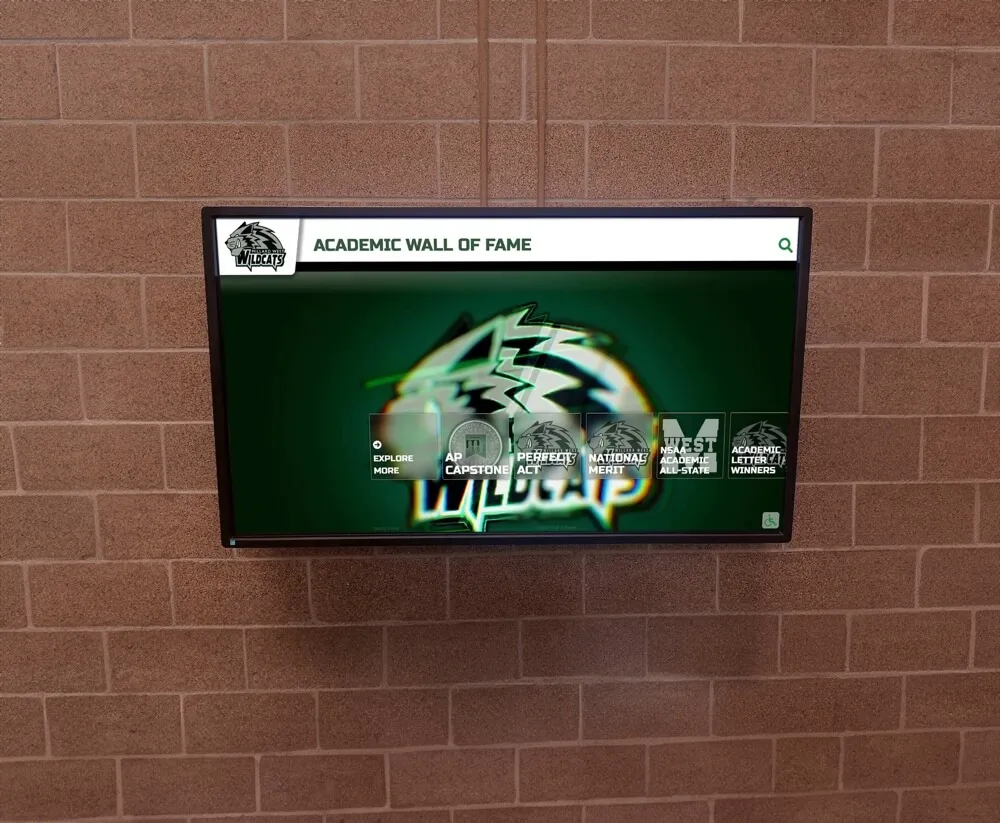
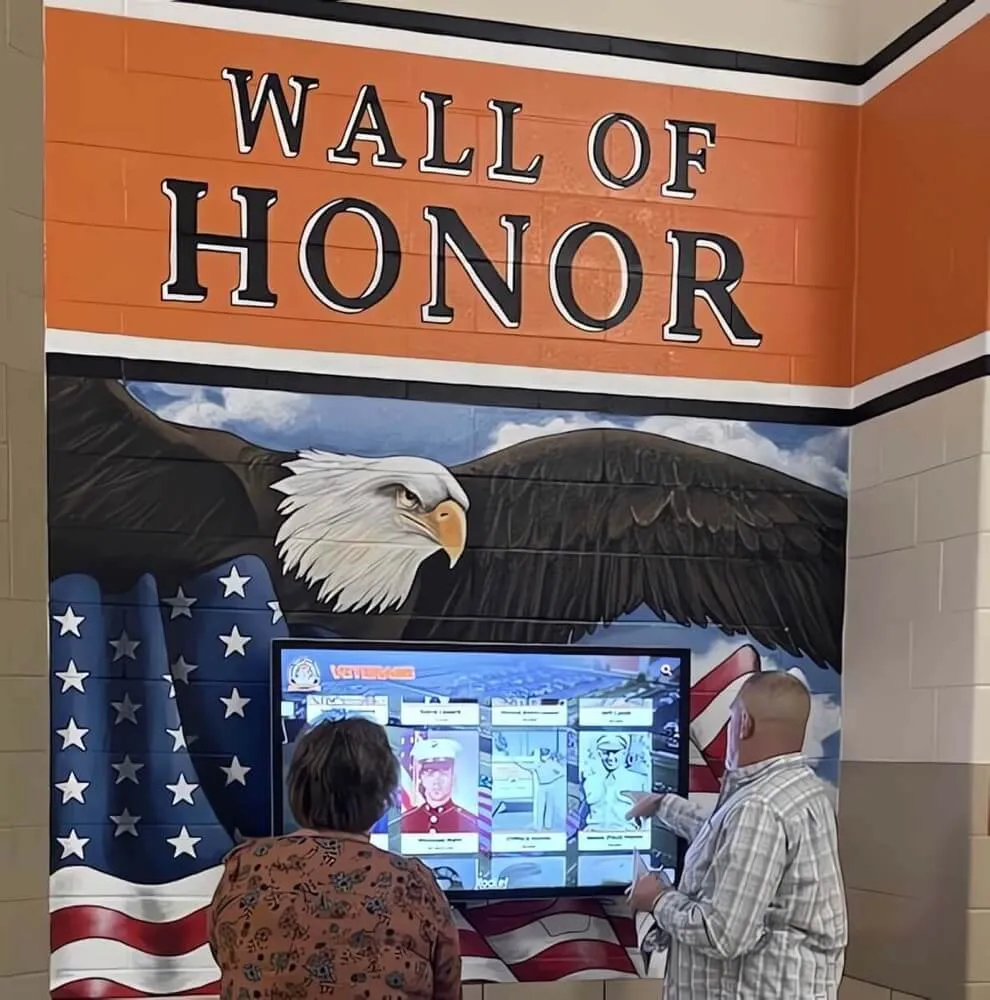
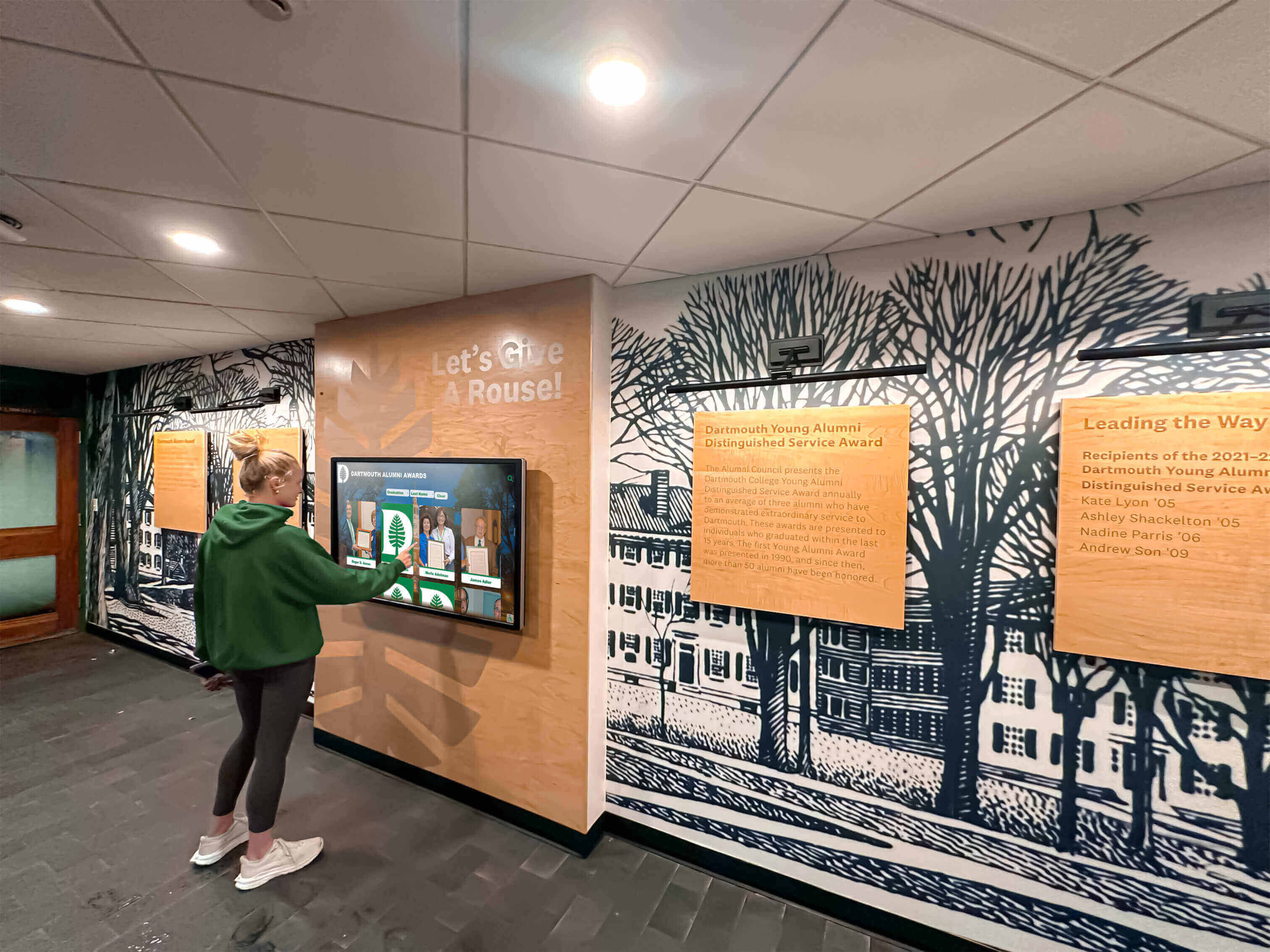
Modern recognition displays showcase student ambassadors and their contributions, making leadership visible throughout the campus community
Understanding Student Ambassador Program Benefits
Before launching ambassador initiatives, schools should clarify the specific institutional goals and student development outcomes these programs serve.
Developing Authentic Student Leadership
Ambassador programs provide leadership development through real responsibility rather than theoretical training:
Public Speaking and Communication Skills Student ambassadors regularly address diverse audiences—prospective families touring campus, community members attending school events, younger students needing peer guidance, and local media covering school initiatives. These high-stakes communication opportunities develop presentation confidence, message tailoring for different audiences, and professional speaking skills that transfer directly to college interviews, workplace presentations, and civic participation.
Unlike classroom presentations to familiar classmates, ambassador speaking responsibilities involve genuine consequences and authentic audiences who aren’t obligated to be supportive. This authentic pressure accelerates skill development in ways simulated exercises cannot replicate, with ambassadors reporting dramatically increased confidence communicating with adults and unfamiliar audiences.
Representation and Advocacy Skills Ambassadors learn to represent perspectives beyond their own—articulating institutional values they may not have personally considered, answering questions about programs they don’t personally participate in, and presenting positive messaging even when discussing challenges honestly. This ability to represent broader organizational interests while maintaining personal authenticity develops crucial professional skills applicable throughout careers.
Effective ambassadors discover how to balance institutional loyalty with honest perspective, learning nuanced communication approaches that acknowledge areas for improvement while maintaining supportive framing. These diplomatic communication skills prove invaluable in professional contexts requiring stakeholder management and organizational representation.
Mentorship and Peer Leadership Many ambassador programs include peer mentoring responsibilities where older ambassadors guide younger students navigating academic challenges, social transitions, or activity selection decisions. These mentorship roles develop coaching and supportive leadership capabilities distinct from directive authority:
- Active listening skills that surface mentee needs rather than imposing solutions
- Perspective-taking abilities that recognize individual differences in challenges and goals
- Patience and empathy for struggles ambassadors have already overcome
- Resource connection skills helping mentees access appropriate supports
- Relationship-building approaches that earn trust and create psychological safety
Research consistently demonstrates that peer mentoring benefits both parties, with mentors often gaining more developmental value than mentees as they articulate advice, reflect on their own experiences, and build confidence through helping others succeed.
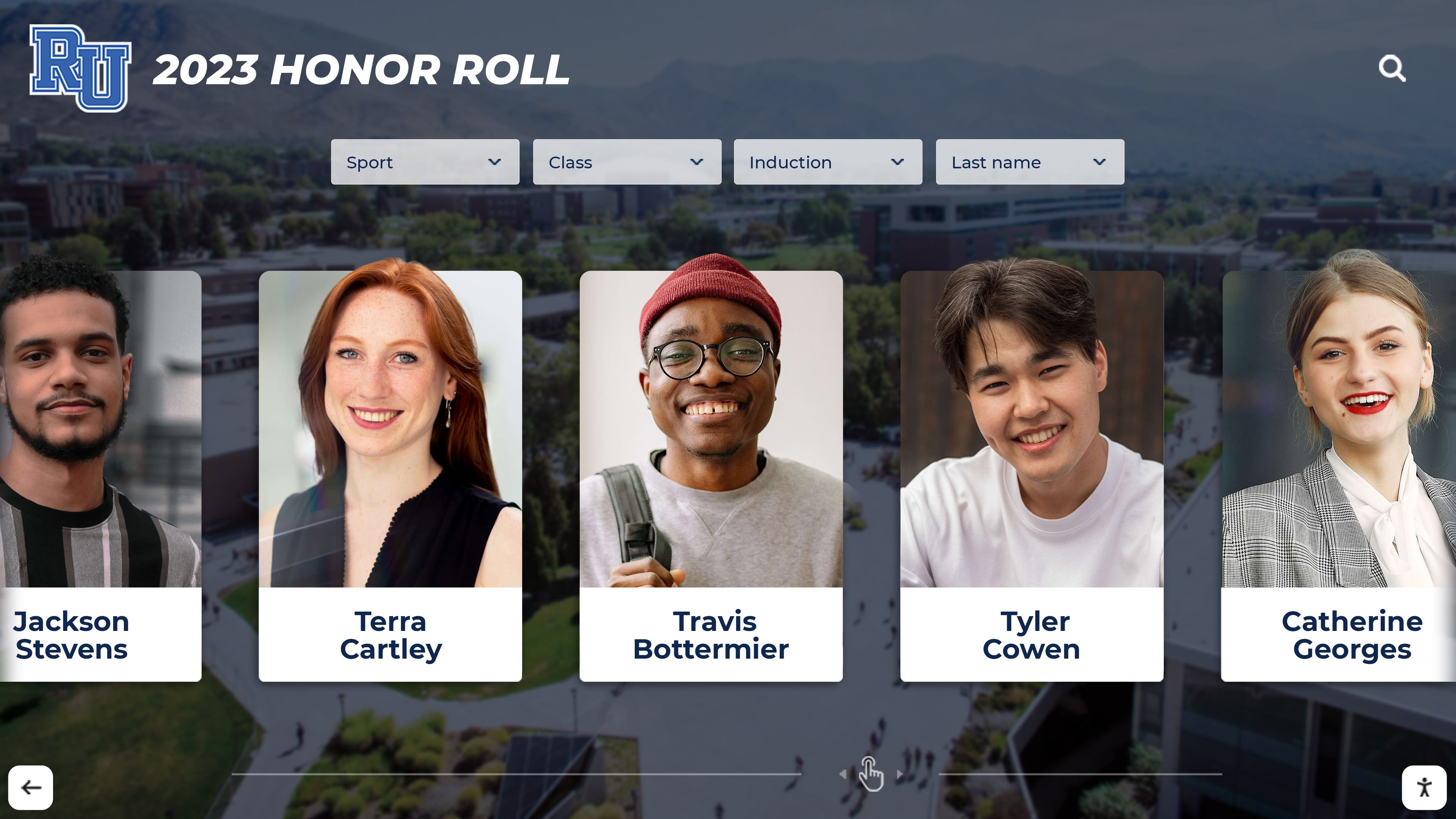
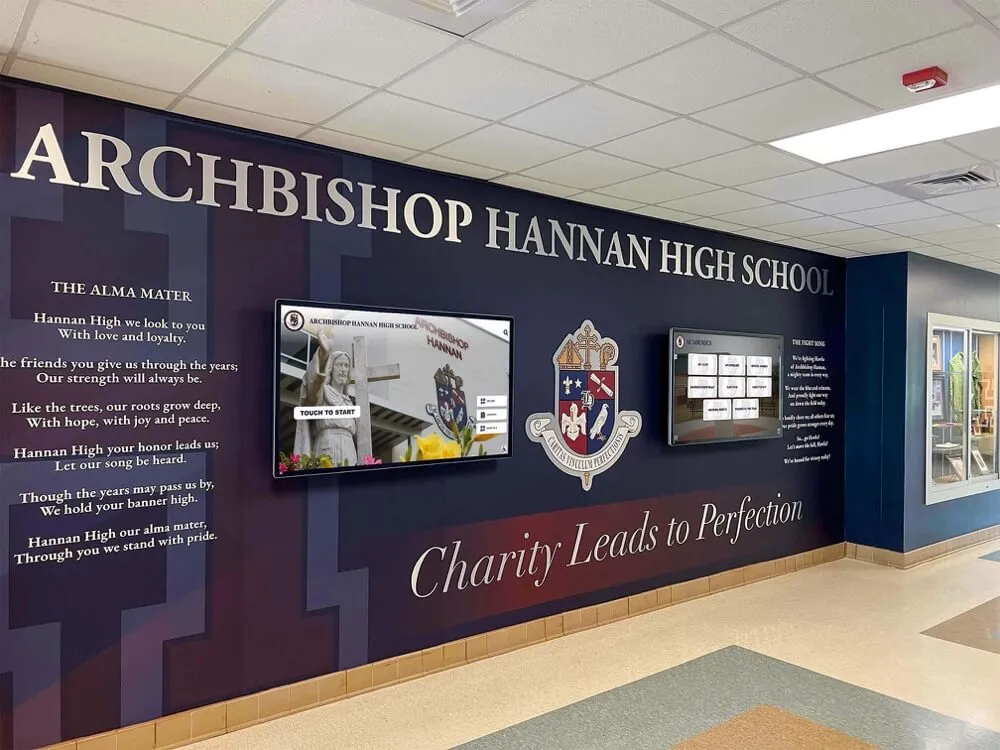
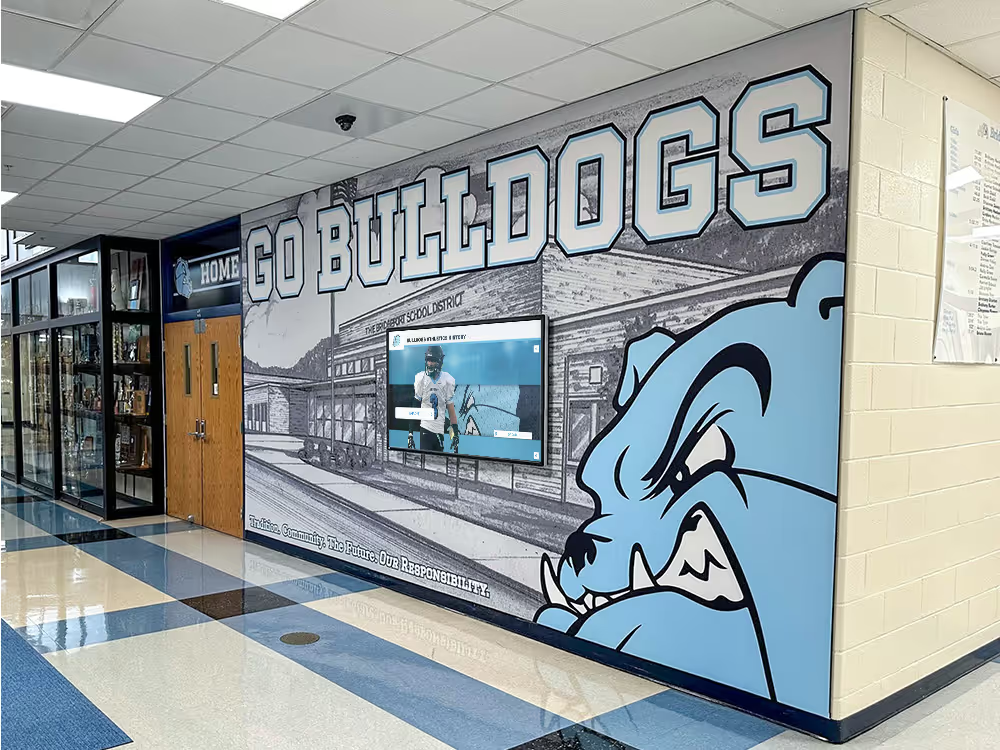
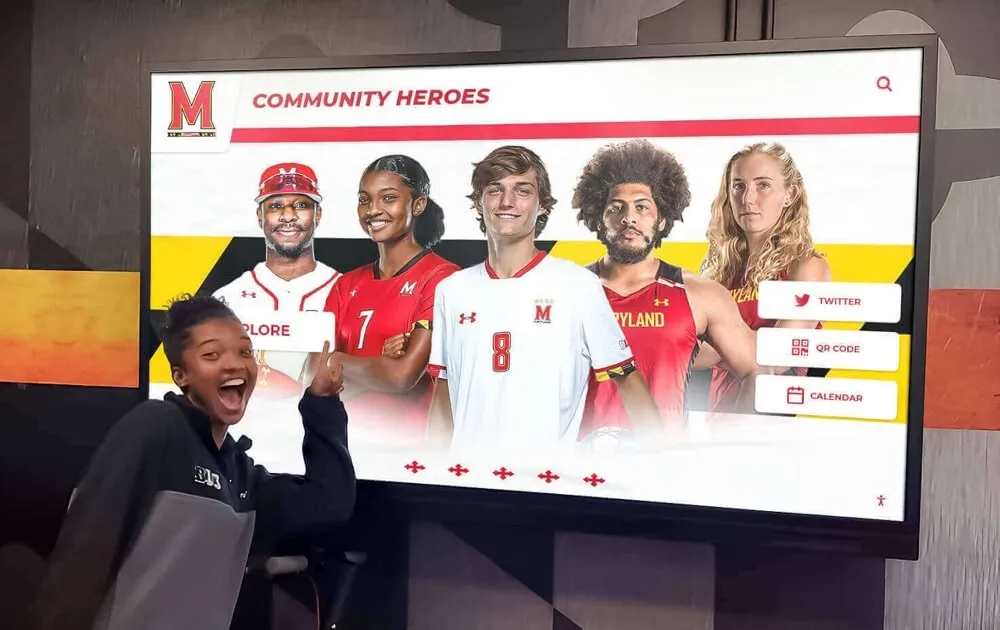
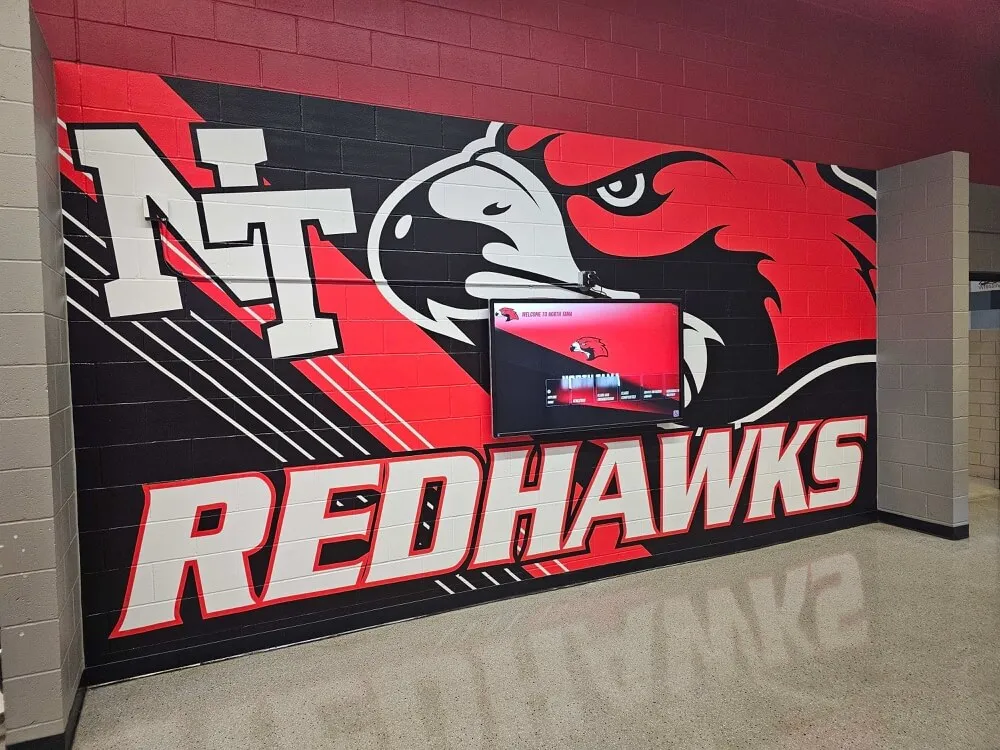
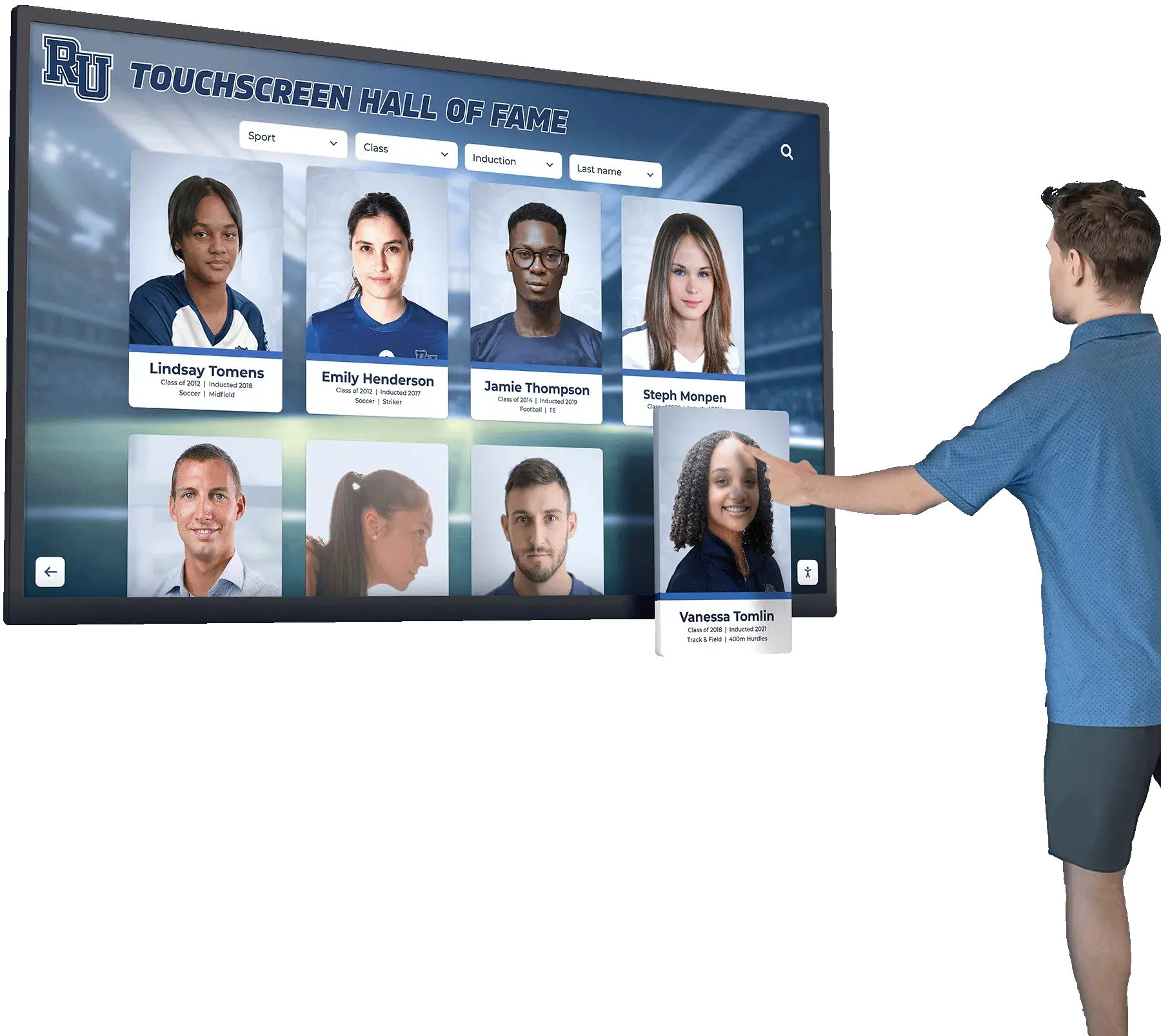
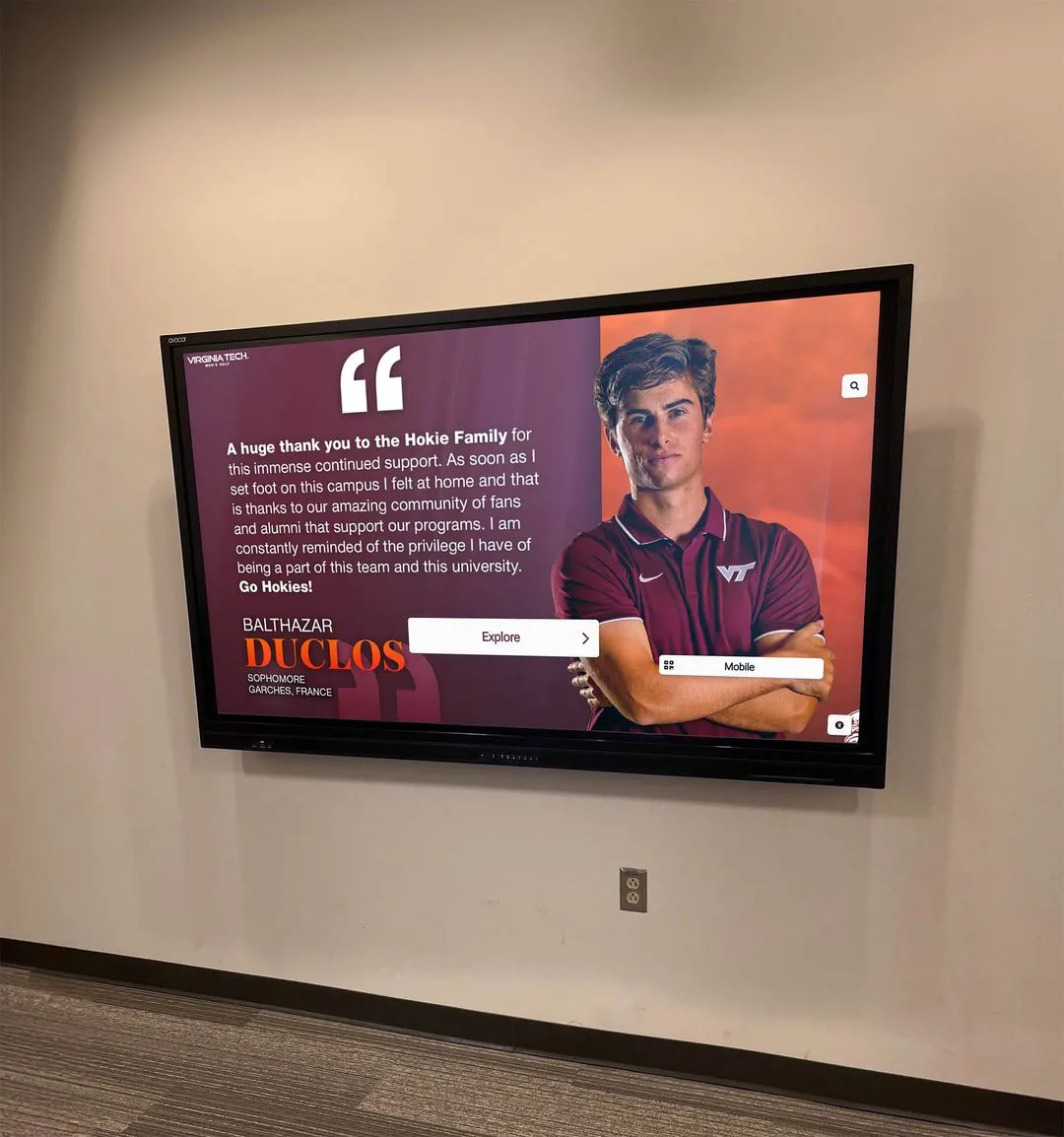
Individual ambassador profiles celebrate contributions while helping community members connect faces with roles
Learn more about developing peer mentorship systems through alumni mentorship programs that extend similar approaches to graduate engagement.
Strengthening Prospective Family Engagement
Student ambassadors uniquely influence recruitment and community perception:
Authentic Peer Perspectives Prospective families value student perspectives differently than administrator presentations. When ambassadors share genuine experiences—both positive aspects and honest challenges—their testimonials carry credibility that polished marketing materials cannot replicate. A sophomore ambassador describing how teachers supported her through a difficult transition resonates more powerfully than abstract statements about “supportive faculty.”
Research on enrollment decision-making consistently identifies student interaction as a top influencer of family choice, often ranking above facilities quality, academic statistics, or even cost considerations. Families want to know what daily student experience actually feels like, and ambassadors provide this crucial insider perspective through authentic peer voices.
Prospective Student Connection Many visiting students feel uncomfortable asking questions of adult administrators but readily engage with peer ambassadors closer to their age. Ambassadors answer questions parents aren’t present to hear—about social dynamics, workload realities, activity time commitments, and daily life details that matter tremendously to students but seem too minor for formal presentations.
These informal conversations during campus tours often become the most memorable and influential components of visit experiences, with families consistently citing ambassador interactions as highlights that distinguished schools from competitors. Effective ambassadors make prospective students envision themselves as successful community members, dramatically influencing enrollment decisions.
Explore comprehensive engagement approaches in creating employee recognition programs that share recognition principles applicable to student programs.
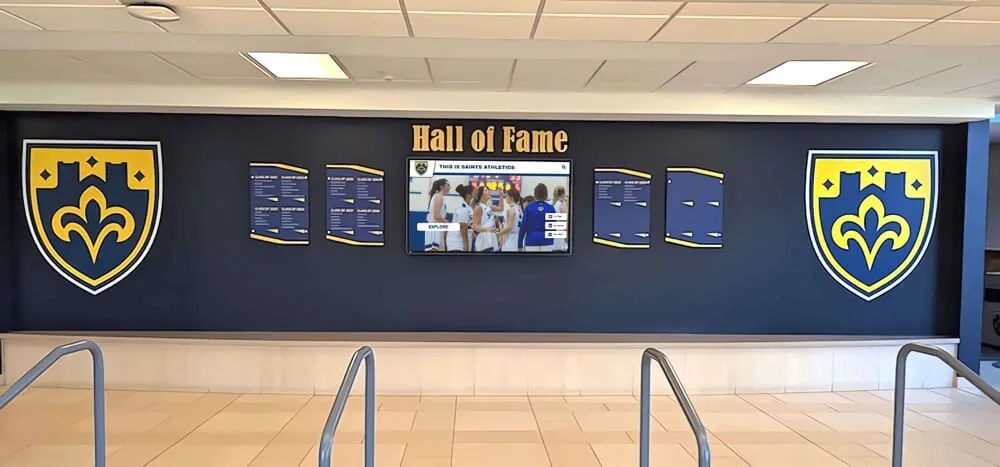
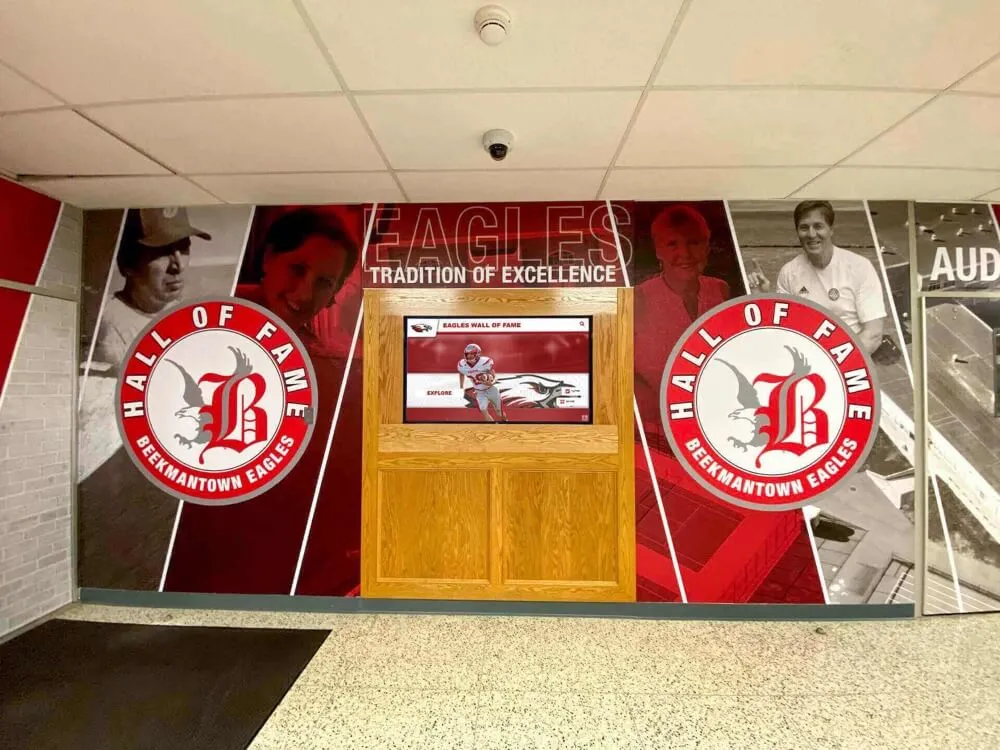
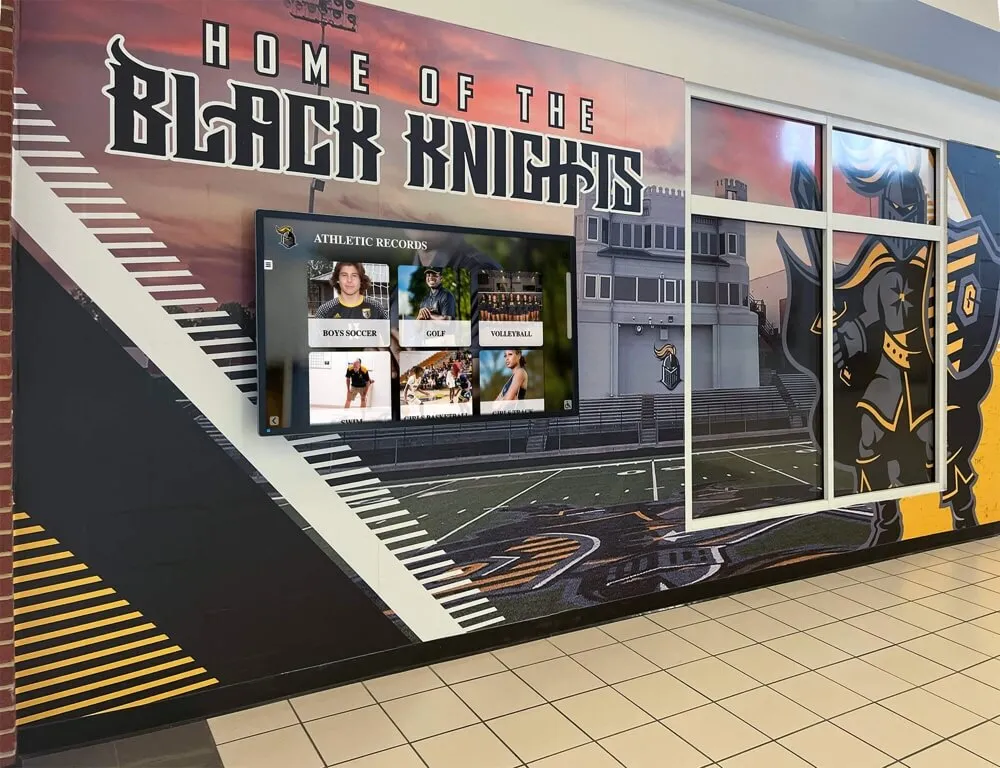
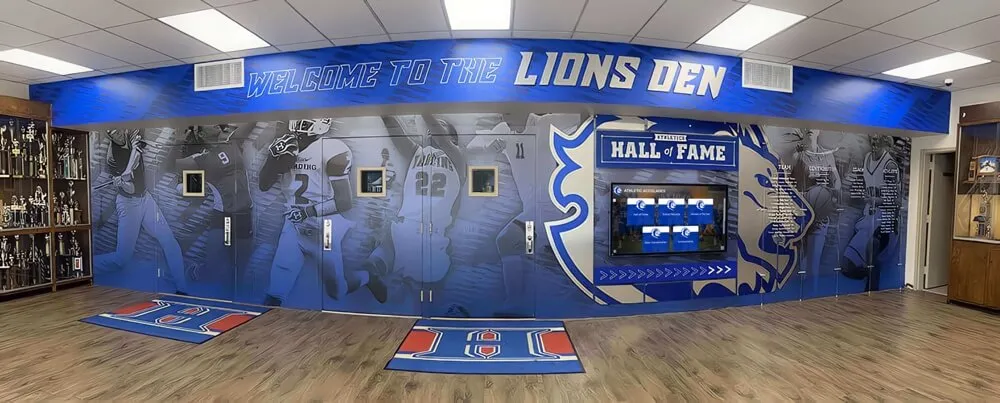
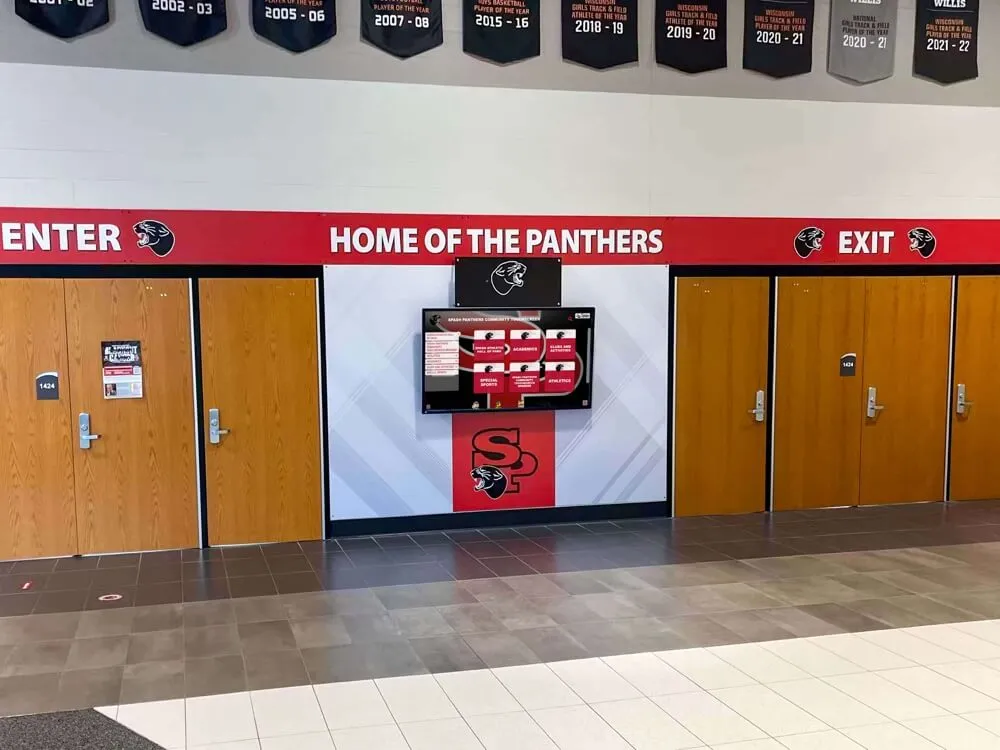
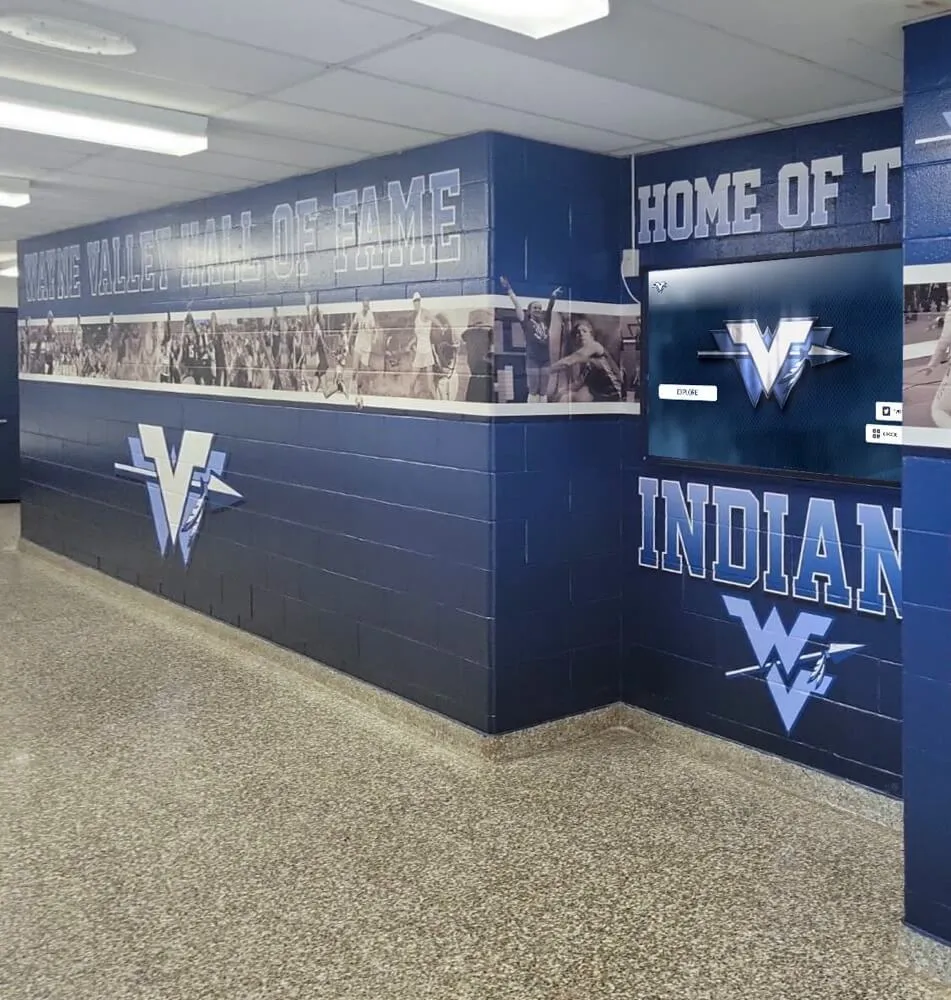
Recognition systems make ambassador contributions visible, celebrating leadership while inspiring future program participants
Building Positive School Culture
Ambassador visibility influences overall campus climate:
Visible Role Models When respected students serve as ambassadors, they normalize values and behaviors worth emulating. If academic achievers, community service participants, or inclusive peers receive ambassador recognition, other students absorb messages about which qualities the institution values and celebrates. This peer modeling proves especially powerful during middle and high school years when peer influence often outweighs adult messaging.
Schools that select ambassadors using clearly articulated criteria aligned with institutional values essentially promote these values through peer recognition. A sophomore observing that ambassadors include students known for integrity, kindness, and community contribution learns what the school genuinely values—not merely what administrators say they value.
Campus Climate Enhancement Research demonstrates that visible student leadership correlates with improved overall school climate metrics. When students see peers taking meaningful responsibility, exercising positive authority, and contributing to institutional success, they develop stronger school connection and community identity. This heightened sense of ownership and belonging reduces negative behaviors while increasing positive engagement with academics, activities, and community initiatives.
Ambassador programs strengthen school culture by distributing leadership authority beyond adult staff, signaling that student perspective matters and students themselves shape institutional quality. This empowerment creates more positive campus environments where students feel invested in collective success.
Designing Your Student Ambassador Program Structure
Successful programs require thoughtful design addressing selection criteria, role definitions, training approaches, and recognition systems.
Defining Ambassador Roles and Responsibilities
Clear expectations ensure ambassadors understand their contributions while preventing role confusion:
Core Ambassador Responsibilities Most programs include these foundational duties:
- Campus Tour Leadership: Conducting tours for prospective families, emphasizing authentic experience sharing and question answering
- Event Representation: Staffing school events including open houses, academic showcases, community celebrations, and special presentations
- Peer Mentoring: Supporting younger students through transition programs, new student orientation, or ongoing mentorship pairings
- Community Outreach: Representing the school at local government meetings, service organization events, or community partnership activities
- Social Media Ambassadorship: Creating and sharing appropriate social content showcasing authentic student experience
- Feedback Provision: Participating in focus groups, surveys, or advisory committees where administrators seek student perspective
Time Commitment Expectations Ambassador programs require clear time parameters:
- Typical commitment: 3-5 hours monthly including events, tours, and meetings
- Peak periods: Higher time needs during enrollment season, major events, or new student orientation
- Notice requirements: Minimum advance notice for event participation requests
- Flexibility expectations: Whether ambassadors can decline specific requests or commit to all assigned responsibilities
- Academic priority policies: Clear guidelines ensuring ambassador duties don’t compromise academic success
Schools should document these expectations explicitly during recruitment, preventing misunderstandings that lead to ambassador frustration or program failure to deliver on commitments to stakeholders expecting ambassador presence.
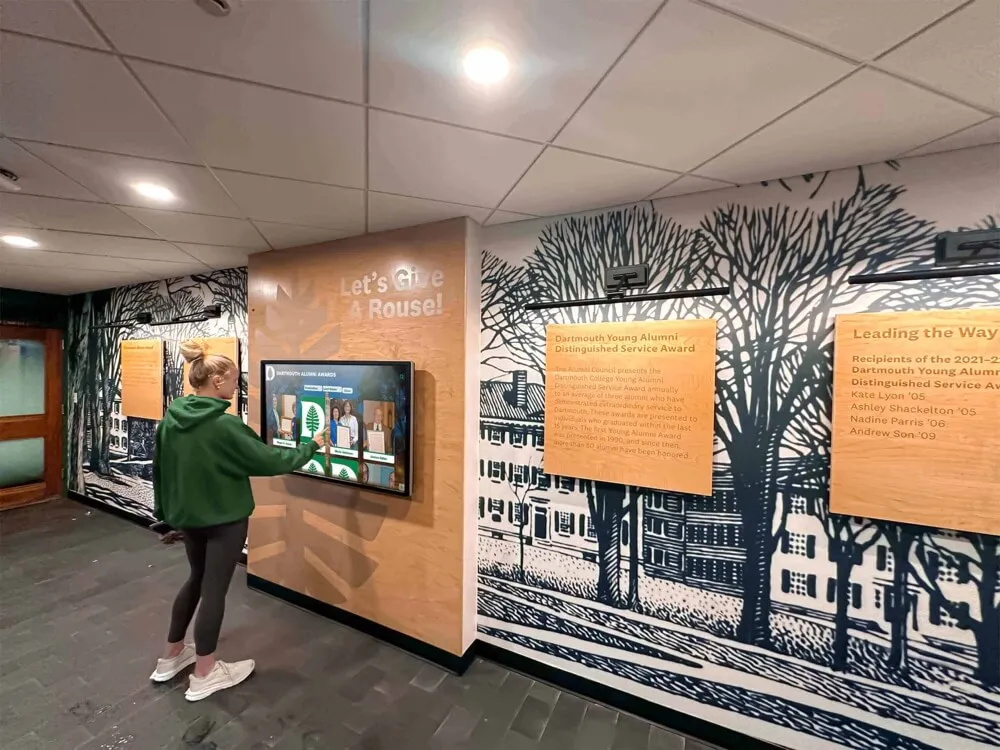
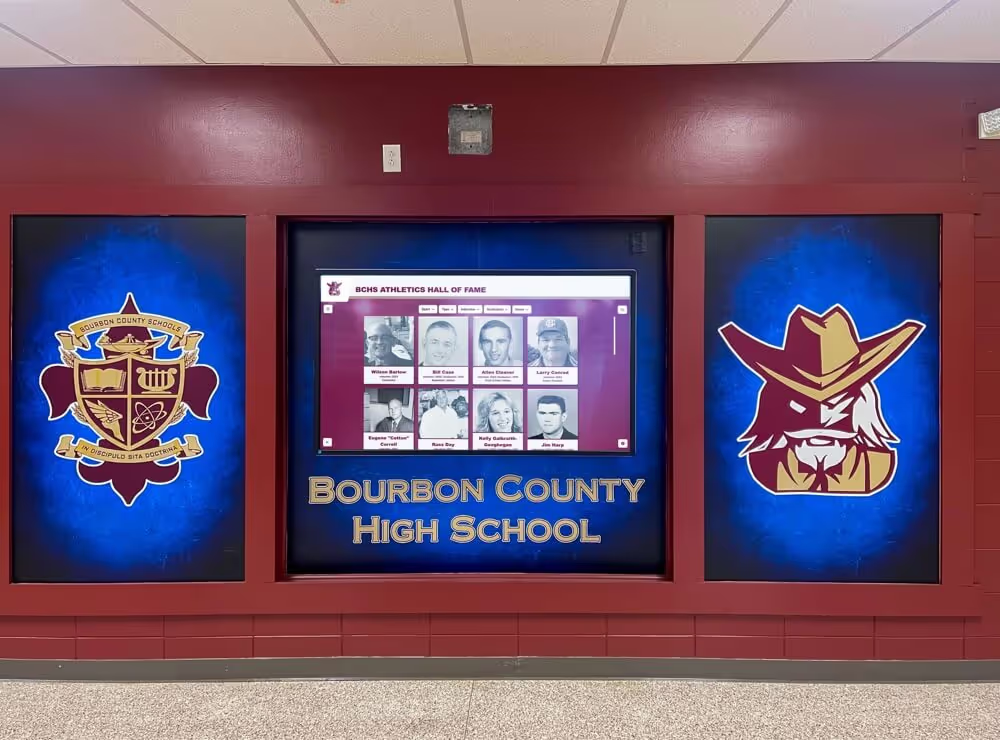
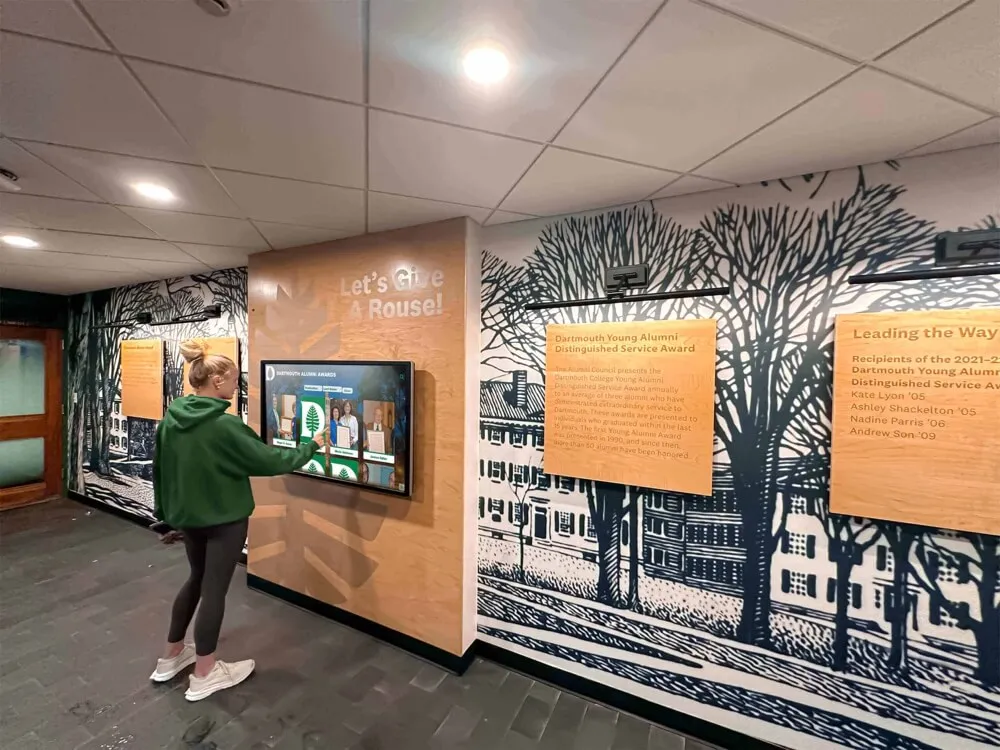
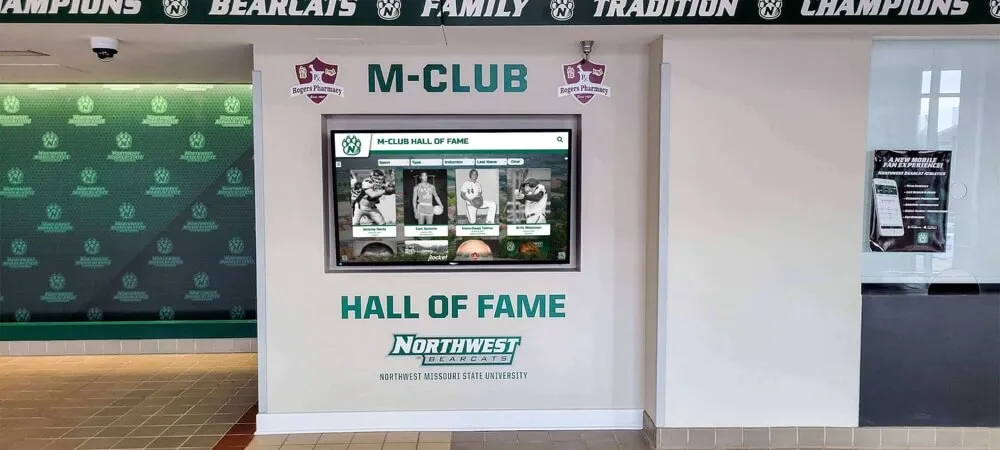
Digital displays enable community members to explore ambassador profiles, contributions, and leadership journeys
Specialized Ambassador Tracks Larger programs may offer differentiated ambassador roles:
- Tour Ambassador Specialists: Students particularly skilled at presentation and family engagement
- Peer Mentor Ambassadors: Students focused on supporting younger students through transitions
- Community Liaison Ambassadors: Students representing the school at external community events
- Digital Ambassadors: Students managing social media and online community presence
- Academic Ambassador Representatives: Department-specific ambassadors for specialized program promotion
- Diversity and Inclusion Ambassadors: Students supporting underrepresented student recruitment and experience
Role specialization allows students to leverage particular strengths while ensuring program coverage across diverse institutional needs.
Establishing Selection Processes and Criteria
Thoughtful selection ensures ambassador diversity while maintaining meaningful standards:
Application and Selection Components Comprehensive selection processes typically include:
- Written Application: Essays or short responses articulating interest, relevant experience, and ambassador role understanding
- Faculty/Staff Recommendations: Endorsements from educators who can speak to character, reliability, and communication skills
- Current Student Interview: Conversation assessing communication ability, maturity, and authentic motivation
- Leadership Experience Review: Evaluation of prior responsibility through activities, employment, or community involvement
- Academic Standing Verification: Minimum GPA requirements ensuring academic success while serving
- Discipline Record Review: Confirmation of behavioral consistency with ambassador representation role
Selection Criteria That Promote Diversity Effective programs avoid defaulting to the most visible or popular students:
- Grade-level distribution ensuring representation across ages and experience levels
- Activity diversity including students from varied interests beyond traditional leadership roles
- Academic range welcoming both highest achievers and students demonstrating strong growth trajectories
- Demographic representation reflecting the broader student population or aspiring to improved diversity
- Experience variety including students with prior leadership and promising students developing these skills
- Personality diversity recognizing that different ambassador styles effectively connect with different audiences
Schools should explicitly articulate how selection balances these factors, creating transparency about what ambassador selection represents and celebrating the diversity of qualities that contribute to program success.
Learn about recognition systems that identify potential ambassadors through comprehensive student achievement displays showcasing diverse student excellence.
Providing Ambassador Training and Support
Initial training and ongoing development ensure ambassador effectiveness:
Onboarding and Initial Training New ambassadors require structured preparation:
- Role Expectations Workshop: Detailed overview of responsibilities, time commitments, and program goals
- Communication Skills Training: Presentation techniques, storytelling approaches, and effective question answering
- School Knowledge Development: Deep institutional history, program understanding, and community context education
- Tour Practice Sessions: Supervised practice tours with feedback from experienced ambassadors or staff
- Challenging Question Preparation: Guidance addressing difficult questions about school challenges or weaknesses honestly
- Professional Conduct Expectations: Clear standards for behavior, confidentiality, appropriate social media presence, and community representation
Ongoing Development Opportunities Ambassador programs should provide continuous growth:
- Regular check-in meetings allowing ambassadors to ask questions, share challenges, and receive support
- Advanced skill workshops on topics like inclusive language, cultural competency, or crisis communication
- Peer learning sessions where ambassadors share effective approaches and problem-solve together
- Guest speaker opportunities featuring alumni ambassadors or professionals discussing applicable skills
- Reflection activities helping ambassadors articulate what they’re learning and how skills apply beyond the program
- Leadership reading or podcast discussions exploring leadership concepts with real-world application
These ongoing investments demonstrate institutional commitment to genuine ambassador development rather than merely extracting student labor.
Recognizing and Celebrating Student Ambassadors
Meaningful recognition motivates current ambassadors while attracting future participants:
Public Recognition and Visibility
Ambassador contributions deserve prominent community acknowledgment:
Digital Recognition Displays Modern schools increasingly leverage technology to showcase ambassador achievements:
Interactive digital displays in main lobbies, admissions offices, or high-traffic hallways feature ambassador profiles including photographs, role descriptions, and notable contributions. These digital recognition walls make ambassador identity visible to the entire community—prospective families encounter them during visits, current students see leadership role models daily, and parents recognize students contributing beyond academics and athletics.
Digital displays offer advantages traditional recognition cannot match:
- Searchability and Interaction: Visitors can explore ambassadors by grade, interest area, or specialized role
- Multimedia Integration: Video testimonials, tour highlight clips, or ambassador reflection recordings enhance static profiles
- Real-Time Updates: Adding new ambassadors or recognizing specific accomplishments happens instantly without physical modification
- Comprehensive Information: Detailed descriptions of contributions, leadership journey, and advice for future ambassadors
- Accessibility Features: Screen reader compatibility and translation capabilities ensure inclusive community access
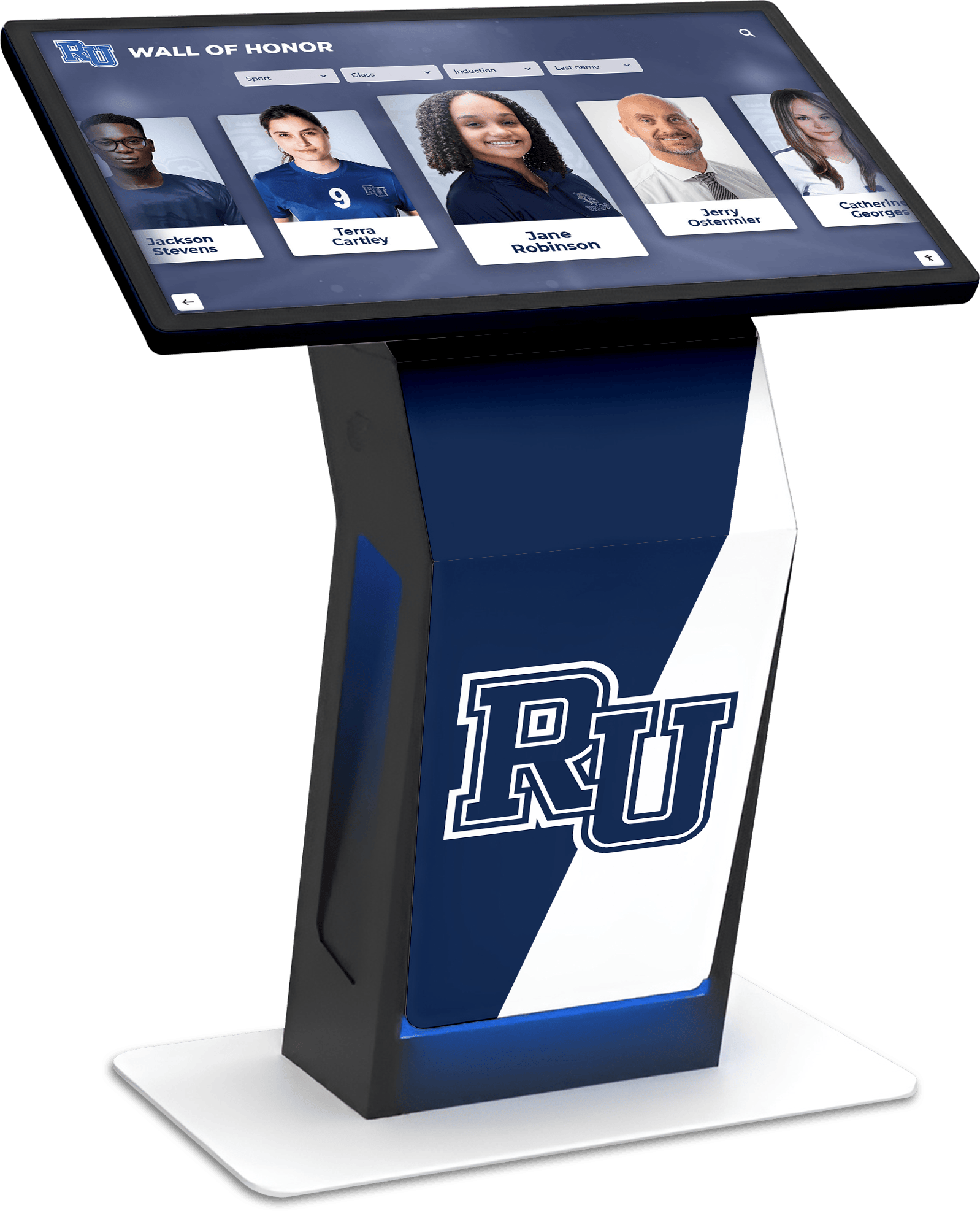
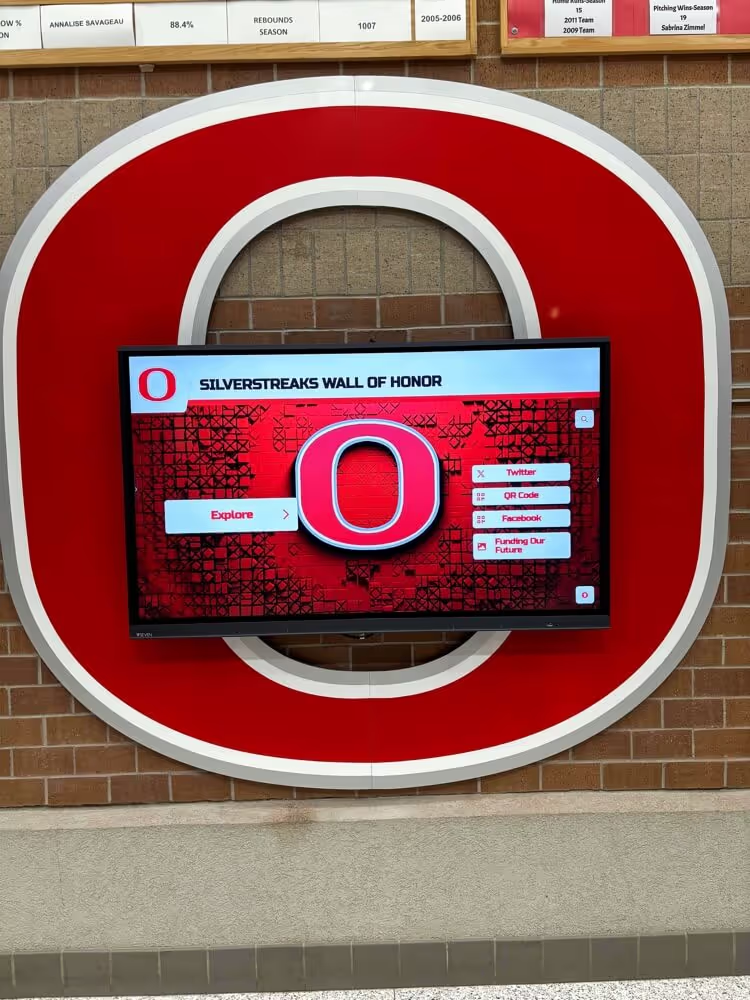
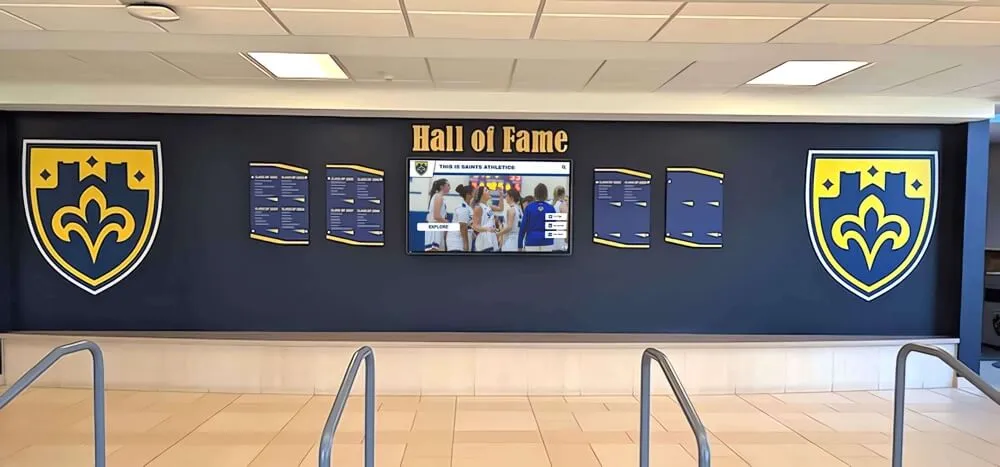
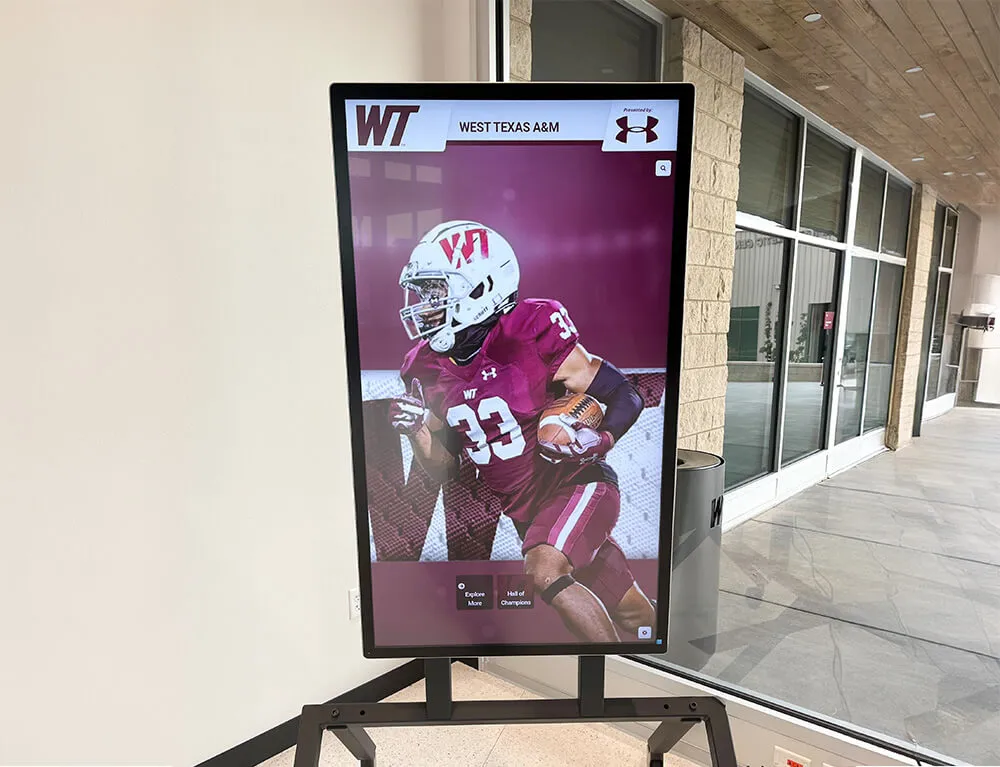
Dedicated ambassador kiosks create focal points where the community can discover student leaders and their contributions
Explore implementation approaches through interactive touchscreen displays designed specifically for school recognition needs.
Website and Social Media Recognition Digital presence extends ambassador visibility:
- Dedicated ambassador program page featuring current cohort profiles and program information
- Individual ambassador spotlight features rotating through social media channels
- Blog posts or videos where ambassadors share perspectives on school experience or leadership learning
- Newsletter features celebrating specific ambassador contributions or program milestones
- Alumni ambassador network pages connecting current students with graduate ambassadors
Traditional Recognition Methods Physical recognition complements digital approaches:
- Ambassador certificates presented at community gatherings or academic ceremonies
- Ambassador pins, cords, or other identifiers worn at school events creating visible presence
- Dedicated sections in yearbooks documenting the ambassador cohort and program year
- Recognition wall plaques in administrative offices or public spaces listing ambassadors by year
- Award ceremony acknowledgment during end-of-year celebrations or graduation events
Resume-Building Documentation and References
Ambassador experience should translate to tangible future opportunities:
Official Documentation Programs should provide:
- Service Verification Letters: Official documentation quantifying hours, responsibilities, and program participation period
- Leadership Transcripts: Detailed descriptions of skills developed, contributions made, and program completion
- Recommendation Letter Commitments: Program advisors prepared to write strong recommendation letters for college applications
- Digital Badges or Certifications: Shareable credentials for LinkedIn profiles or digital portfolios
- Portfolio Development Support: Guidance capturing ambassador work through photos, videos, or written reflection pieces
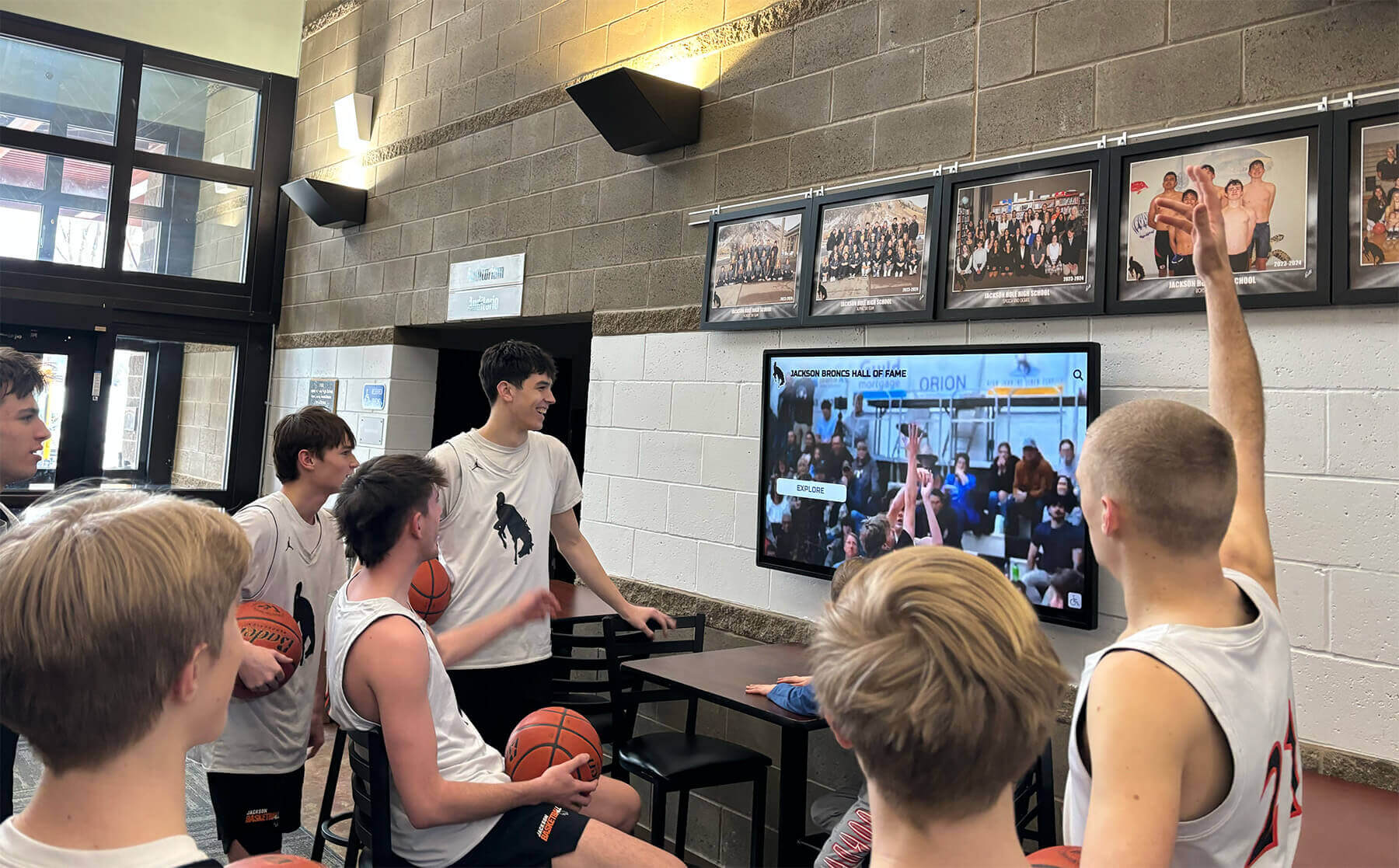
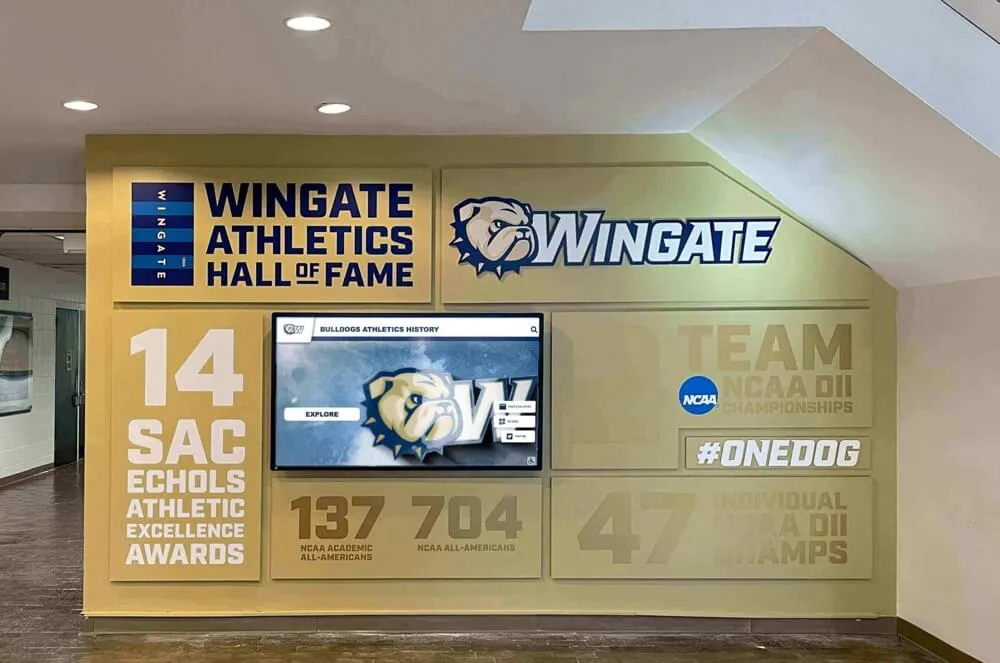
Recognition displays become gathering points where students explore leadership opportunities and envision their own future contributions
Skill Articulation Workshops Help ambassadors translate experience into application materials:
- Resume and cover letter workshops specifically addressing how to describe ambassador responsibilities effectively
- Interview preparation focused on articulating leadership learning and specific contribution examples
- College essay brainstorming sessions exploring how ambassador experiences provide application essay material
- LinkedIn profile development guidance helping students present professional online presence
- Skill inventory exercises helping ambassadors recognize transferable capabilities developed through service
Exclusive Opportunities and Privileges
Ambassador status should provide unique experiences:
Special Access and Experiences Recognition through opportunity:
- Meet-and-greet opportunities with visiting speakers, performers, or distinguished guests
- Behind-the-scenes access to major events including setup, planning, or VIP experience
- Professional networking events connecting ambassadors with community leaders or alumni
- Leadership conference attendance funded through the program
- Input into institutional decisions through participation in administrator advisory committees
- First access to special events, activities, or limited enrollment opportunities
Ambassador Alumni Network Connection with program graduates:
Maintaining contact with former ambassadors creates mentorship pathways, provides current ambassadors with near-peer role models, supports graduate networking, and strengthens institutional culture through multi-generational community. Some schools host annual ambassador alumni gatherings, maintain digital networks connecting current and former participants, or create formal mentorship pairings between current ambassadors and recent graduates.
These networks demonstrate long-term value of ambassador participation while providing current students with glimpses of how their experiences translate to future success—powerful motivation for sustained engagement and quality performance.
Explore approaches to sustained engagement in digital school history displays that connect current students with institutional legacy.
Measuring Ambassador Program Success
Systematic evaluation demonstrates program value while identifying improvement opportunities:
Quantitative Success Metrics
Data-driven assessment tracks program outcomes:
Participation and Engagement Metrics
- Application numbers and applicant quality trends over time
- Ambassador retention rates across academic years
- Event coverage and tour completion rates
- Average hours contributed per ambassador monthly and annually
- Participation diversity across grades, demographics, and experience levels
Institutional Impact Indicators
- Prospective family feedback specifically mentioning ambassador interactions
- Enrollment conversion rate changes correlating with program implementation
- Campus climate survey improvements in areas ambassadors influence
- Community engagement metrics showing increased positive perception
- Alumni feedback about ambassador program influence on their experience
Student Development Outcomes
- Ambassador academic performance compared to pre-program baseline
- College acceptance rates and scholarship awards for program graduates
- Leadership role acquisition in other activities following ambassador service
- Post-graduation outcomes including college major alignment with ambassador-developed interests
Qualitative Assessment Approaches
Narrative data provides rich understanding beyond numbers:
Ambassador Reflection and Feedback
- Exit interviews with graduating ambassadors exploring most valuable aspects and improvement suggestions
- Mid-year reflection surveys assessing confidence growth, skill development, and satisfaction
- Focus groups discussing challenges, support needs, and program enhancement ideas
- Testimonial collection capturing specific meaningful experiences or transformative moments
Stakeholder Perspective Gathering
- Prospective family surveys assessing ambassador interaction value and influence on decisions
- Faculty and staff input about ambassador professionalism, reliability, and representation quality
- Younger student feedback about ambassador mentorship helpfulness and approachability
- Community partner testimonials about ambassadors representing the school at external events
Longitudinal Impact Tracking Following ambassadors beyond program participation:
- Alumni surveys exploring how ambassador experience influenced college success, career paths, or civic engagement
- Graduate testimonials about enduring relationships, skills, or perspectives developed through the program
- Long-term network effects where ambassador connections yield professional or personal opportunities years later
Avoiding Common Ambassador Program Pitfalls
Learning from widespread challenges helps schools design more effective programs:
Selection Process Problems
Pitfall: Defaulting to Popularity Over Leadership Potential Many programs inadvertently select the most visible, socially connected, or traditionally popular students rather than those demonstrating genuine leadership qualities. This creates ambassador cohorts that fail to represent diverse student perspectives and perpetuates narrow definitions of leadership.
Solution: Implement holistic selection criteria explicitly valuing diverse qualities. Consider blind application review where selection committees evaluate written responses before seeing names. Actively recruit applicants from varied activities, social groups, and experience levels. Include multiple stakeholders in selection—students, faculty, and administrators bring different perspectives about what constitutes leadership.
Pitfall: Insufficient Clarity About Role Expectations Students apply without understanding actual responsibilities, leading to commitment conflicts, role confusion, or disappointment when duties don’t match expectations.
Solution: Create detailed role descriptions distributed during recruitment. Host information sessions where current ambassadors honestly describe responsibilities, time commitments, and challenges. Require applicants to acknowledge specific expectations in writing. Provide trial experiences where candidates shadow current ambassadors before applying.
Program Management Challenges
Pitfall: Inadequate Training and Support Schools select ambassadors but fail to prepare them for complex responsibilities—answering difficult questions, handling unexpected situations, or representing the school professionally under pressure.
Solution: Invest in comprehensive onboarding including role-playing difficult scenarios, supervised practice opportunities with feedback, ongoing skill development workshops, and accessible support when ambassadors encounter challenges. Assign experienced ambassadors as peer mentors for new participants.
Pitfall: Overwork and Burnout Programs make excessive demands without considering ambassador workload, leading to stress, academic compromise, or participation withdrawal.
Solution: Establish clear time commitment parameters with built-in limits. Track ambassador hours and equitably distribute opportunities. Provide adequate notice for events allowing ambassadors to plan around academic and personal commitments. Create substitution systems when ambassadors face conflicts. Explicitly prioritize academic success over ambassador duties.
Recognition and Sustainability Issues
Pitfall: Inadequate Recognition of Ambassador Contributions Programs extract substantial student labor without meaningful acknowledgment, recognition, or lasting value to participants.
Solution: Implement multi-faceted recognition including public visibility, meaningful documentation for future applications, exclusive opportunities, and sincere gratitude expressed regularly by leadership. Treat ambassadors as valued partners rather than convenient volunteers.
Pitfall: Failure to Connect Ambassador Experience to Future Opportunities Students complete ambassador service without understanding how to articulate the experience’s value in college applications, job interviews, or scholarship competitions.
Solution: Provide explicit career connection through documentation support, recommendation letter access, resume and interview coaching, and skill articulation guidance. Help ambassadors recognize transferable capabilities developed through service.
Conclusion: Building Ambassador Programs That Transform Students and Institutions
Effective student ambassador programs simultaneously develop individual leadership capacity, strengthen institutional culture, enhance community perception, and create recognition pathways celebrating excellence beyond traditional achievement categories. When designed thoughtfully—with clear selection criteria, comprehensive training, meaningful responsibilities, and substantial recognition—ambassador programs become among the most impactful leadership development opportunities schools provide.
The most successful programs balance institutional needs with genuine student development, ensuring ambassadors receive value proportional to their contributions while delivering authentic peer perspective that administrators cannot replicate. By investing in ambassador success through training, support, and recognition, schools create positive cycles where program reputation attracts increasingly strong applicants, effective ambassadors enhance institutional outcomes, and growing impact justifies expanded investment.
Whether launching new programs or strengthening existing initiatives, schools should prioritize ambassador experience quality over quantity, diverse selection over defaulting to most visible students, and meaningful recognition over merely extracting student labor. When ambassadors genuinely feel valued, supported, and developed—rather than simply used—they contribute at higher levels while becoming lifelong institutional ambassadors long after formal program participation ends.
Modern recognition technology enables schools to showcase ambassador contributions prominently throughout campus, making leadership visible to prospective families, current students, and the broader community. Explore how digital recognition displays can celebrate your student ambassadors while inspiring future participants to pursue leadership opportunities that shape both their development and your institution’s success.