Winning a state championship represents the pinnacle of high school athletics—the culmination of countless practices, team sacrifices, and competitive excellence. State championship rings serve as tangible symbols of these extraordinary achievements, providing athletes with lasting mementos they can cherish long after their playing days end. Yet many athletic directors, coaches, and booster club leaders approach championship ring selection with uncertainty about design options, budget planning, ordering timelines, and how to balance tradition with modern recognition approaches.
Designing and ordering state championship rings involves numerous decisions that impact both the quality of the final product and the overall investment required. From selecting ring styles and customization elements to managing budgets and coordinating with vendors, the process requires careful planning to ensure athletes receive meaningful recognition that honors their achievement appropriately. This comprehensive guide walks through every aspect of championship ring selection and ordering, helping schools create memorable recognition that celebrates state championship victories effectively while managing costs and timelines successfully.
Understanding State Championship Ring Traditions
Before diving into design specifics and ordering logistics, understanding the tradition and significance of championship rings helps schools make informed decisions that honor athletic achievement appropriately.
The History and Meaning of Championship Rings
Championship rings originated in professional sports, with the first documented championship ring awarded to the 1922 New York Giants baseball team. The tradition quickly spread across professional leagues and eventually into collegiate and high school athletics, where championship rings became the definitive symbol of competitive excellence and team achievement.
At the high school level, state championship rings represent more than personal accomplishment—they symbolize collective team effort, community pride, and program excellence. Athletes wear these rings decades after graduation, using them to share stories, connect with teammates, and demonstrate their athletic achievements. For many student-athletes, especially those who do not continue playing at the collegiate level, state championship rings become cherished lifetime possessions representing the pinnacle of their competitive careers.

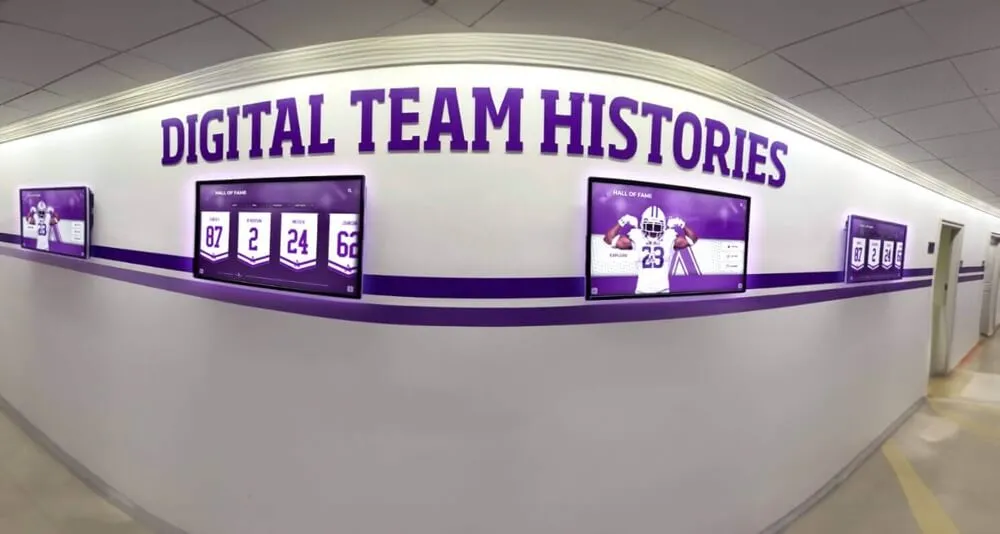
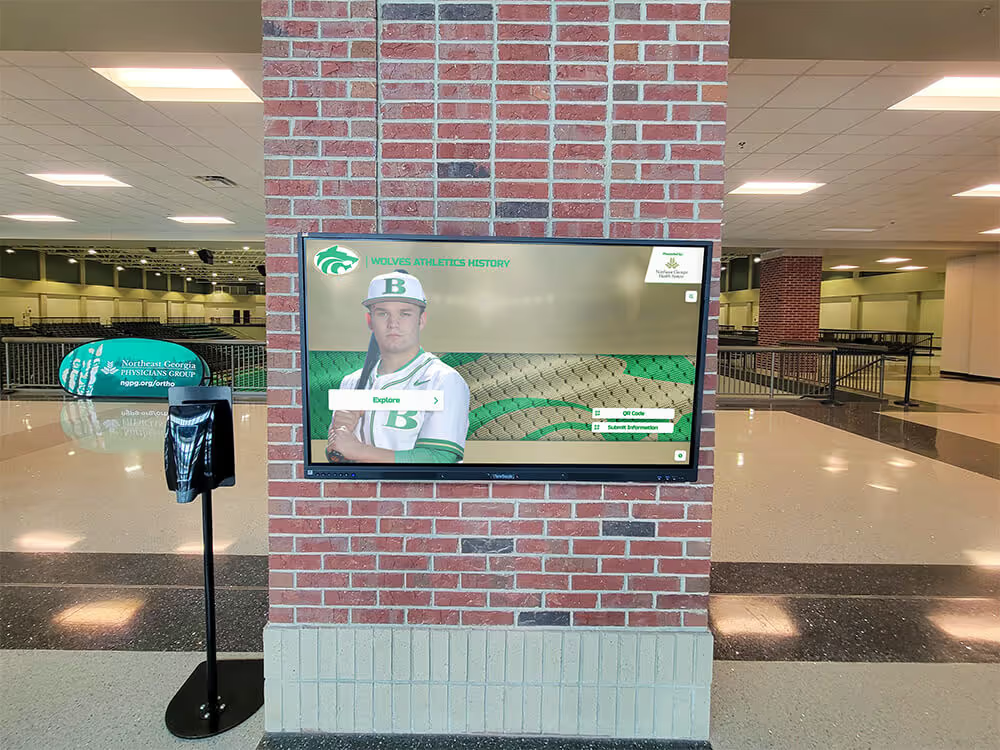
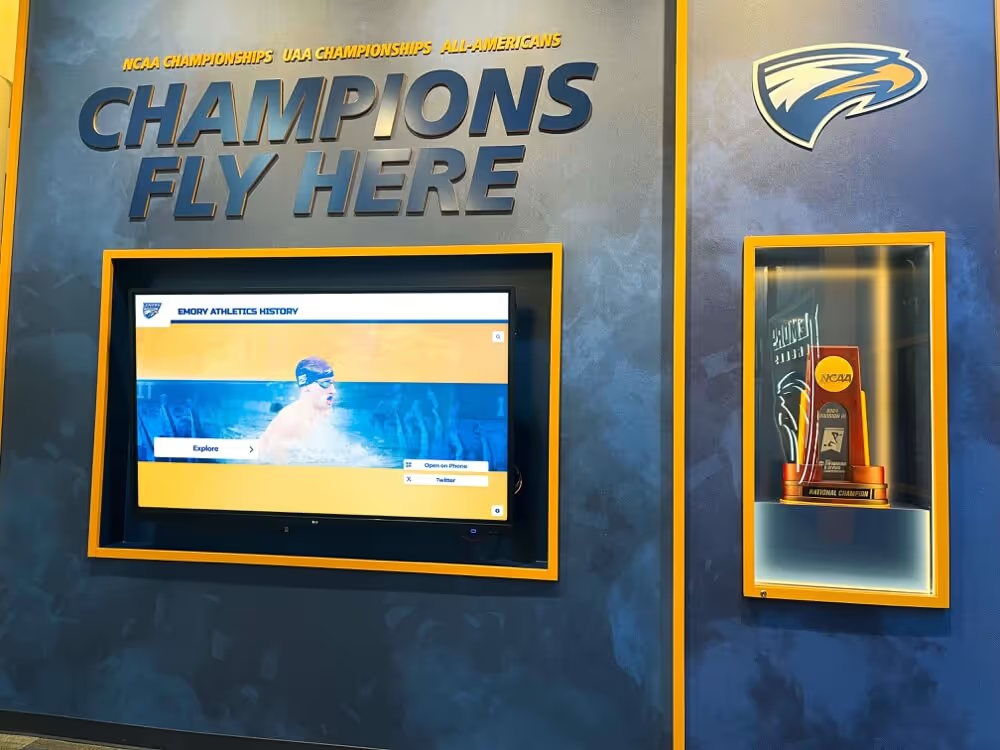
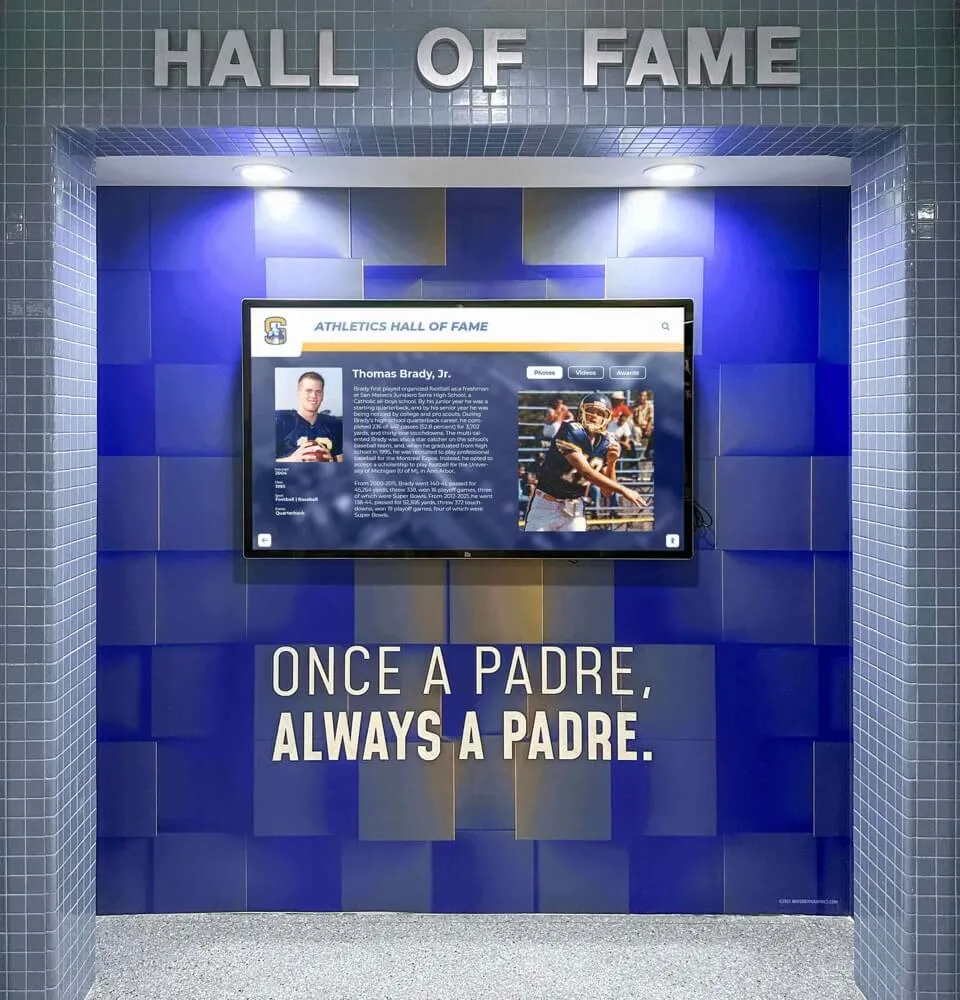
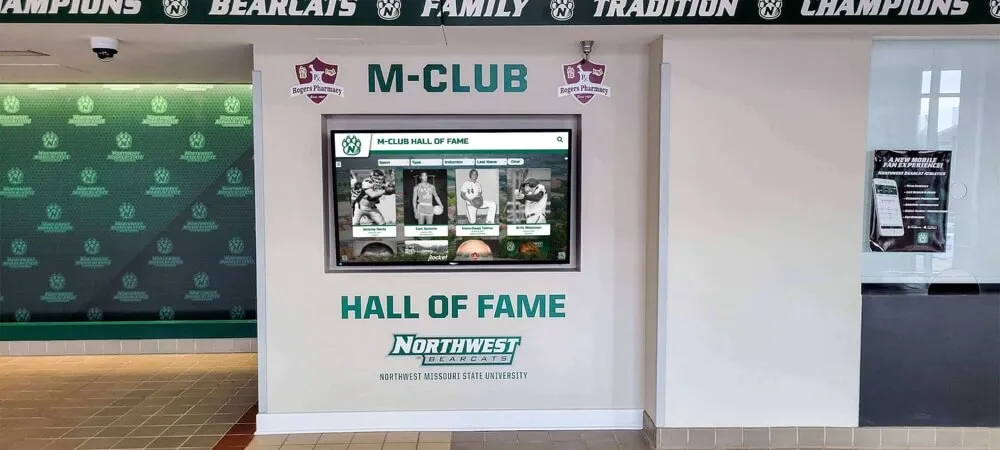
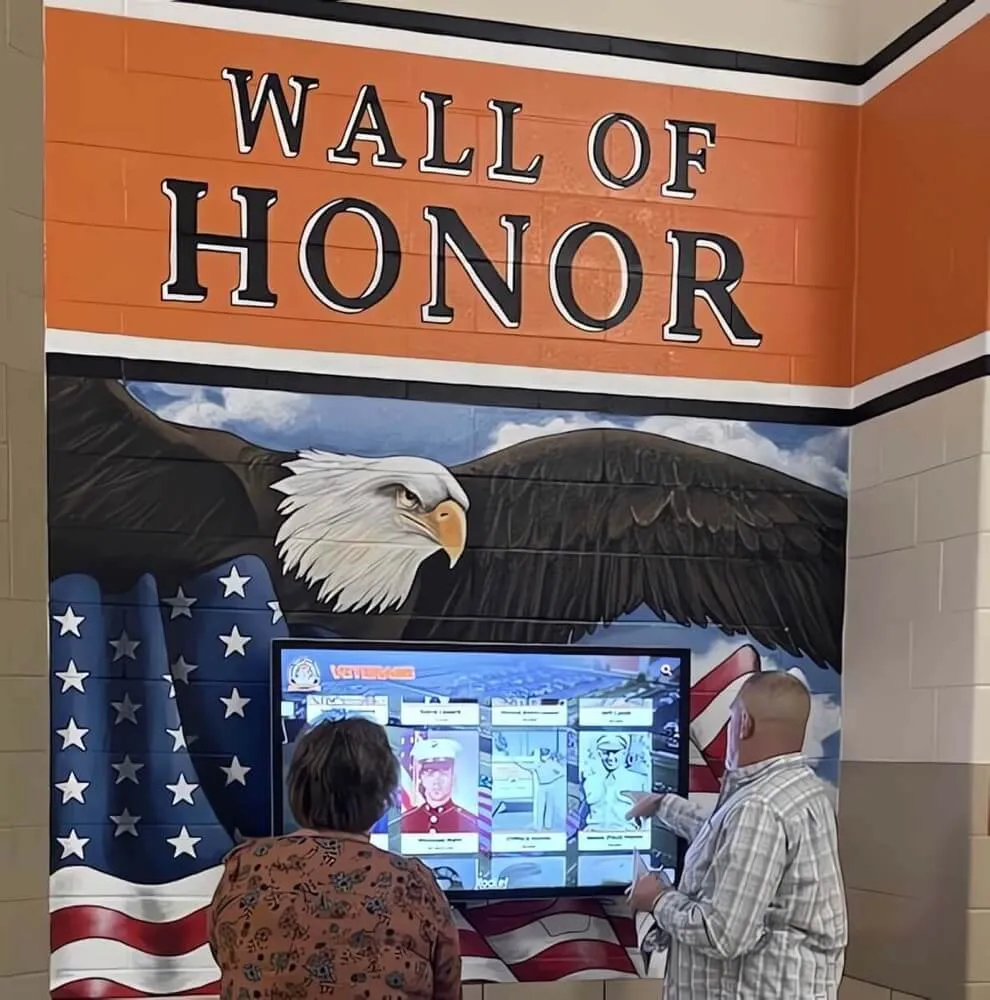
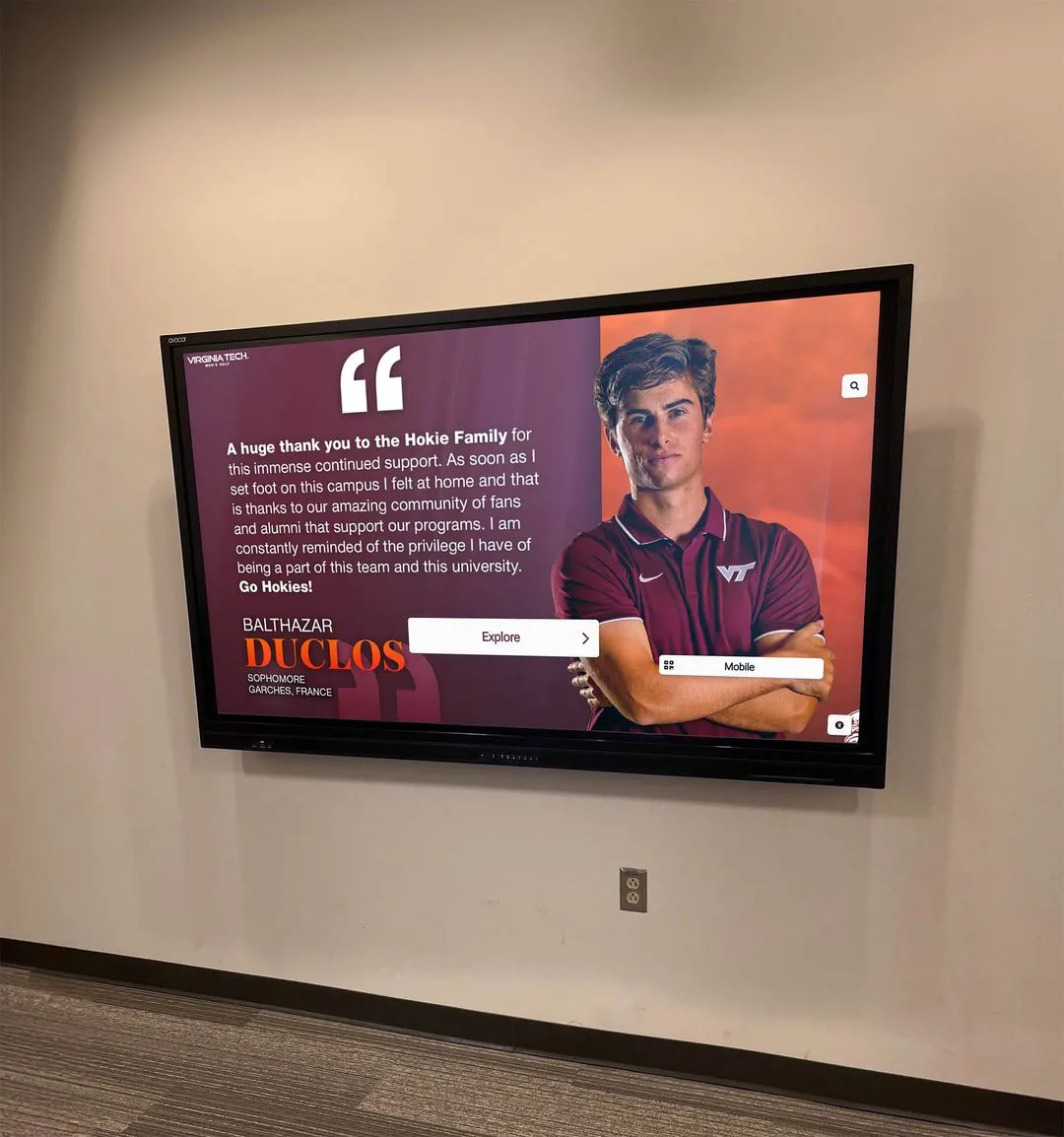
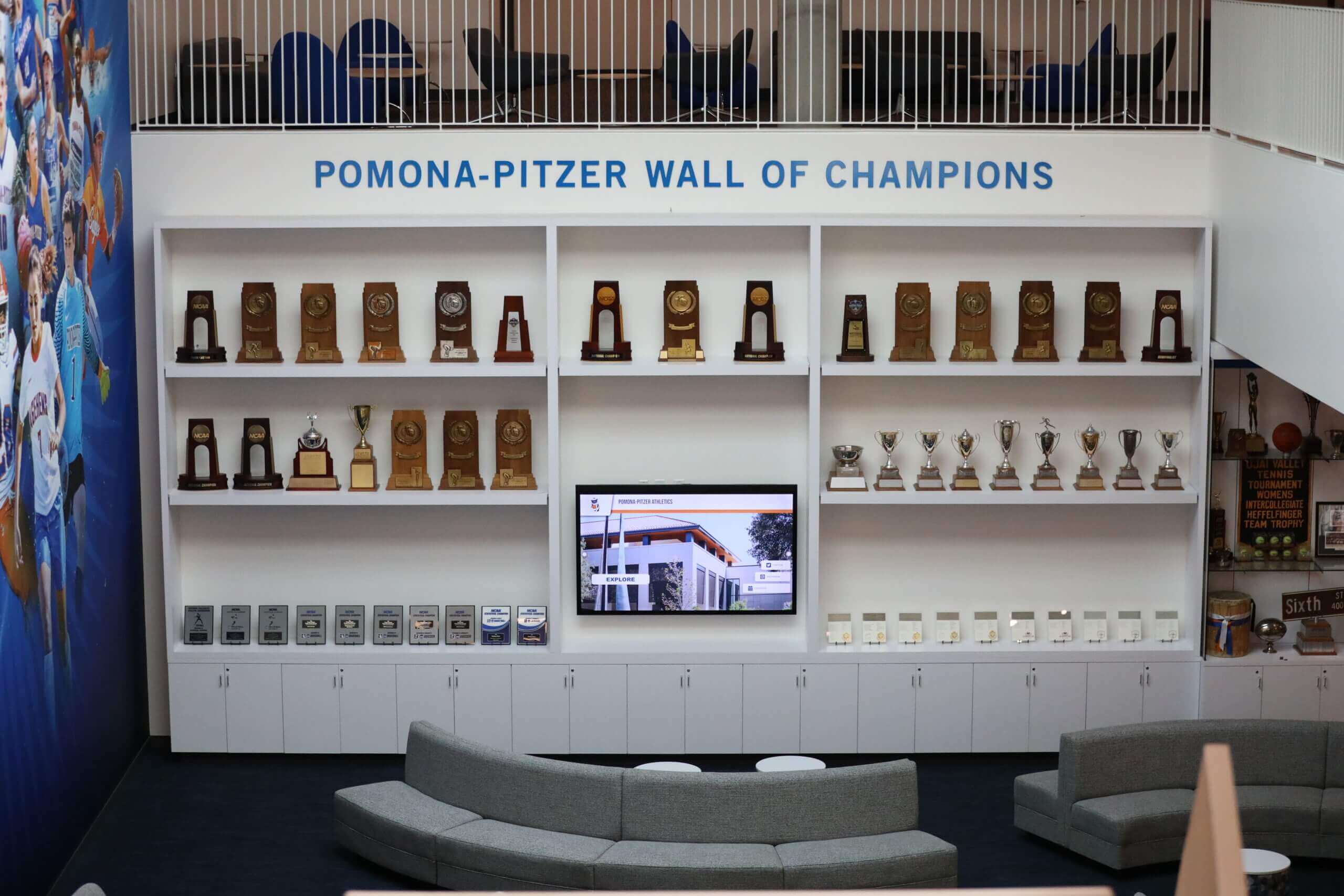
Championship recognition takes many forms, from traditional rings to permanent displays that celebrate team achievements across generations
Modern Championship Recognition Trends
While traditional championship rings remain popular, modern programs increasingly incorporate comprehensive recognition approaches that extend beyond individual jewelry. Schools combine championship rings with digital trophy displays that showcase achievements permanently, banner programs honoring championship seasons, and interactive recognition systems enabling community engagement with championship histories.
This multi-faceted approach ensures championship recognition serves both individual athletes who receive personal mementos and the broader school community that takes pride in program success. Schools report that combining traditional championship rings with permanent institutional recognition creates more comprehensive celebration of championship achievements while building program culture that extends beyond single seasons.
Planning Your Championship Ring Budget
Understanding championship ring costs and developing realistic budgets represents the critical first step in the ordering process—preventing financial surprises while ensuring adequate funding for quality recognition.
Championship Ring Cost Factors
Championship ring prices vary significantly based on design complexity, material selection, customization options, and vendor choice. Schools typically encounter the following cost ranges:
Basic Championship Rings: $75-$150 per ring for simple designs with minimal customization, standard metal alloys, and limited personalization options. These entry-level rings provide fundamental championship recognition suitable for schools with tight budgets or programs celebrating first-time championships.
Mid-Range Championship Rings: $150-$350 per ring for quality designs featuring moderate customization including team colors, logos, championship details, and individual personalization. Most high school programs select rings in this price range, balancing quality with affordability.
Premium Championship Rings: $350-$750+ per ring for elaborate designs with extensive customization, precious metal options, genuine gemstones, intricate detailing, and comprehensive personalization. These high-end rings suit programs with substantial budgets, major sponsorships, or communities that prioritize exceptional championship recognition.
Beyond ring costs themselves, schools must budget for design fees if applicable, sales tax on the total order, shipping and handling charges, and potential rush fees for expedited production. Understanding complete costs prevents budget overruns that force last-minute compromises on ring quality or quantity.
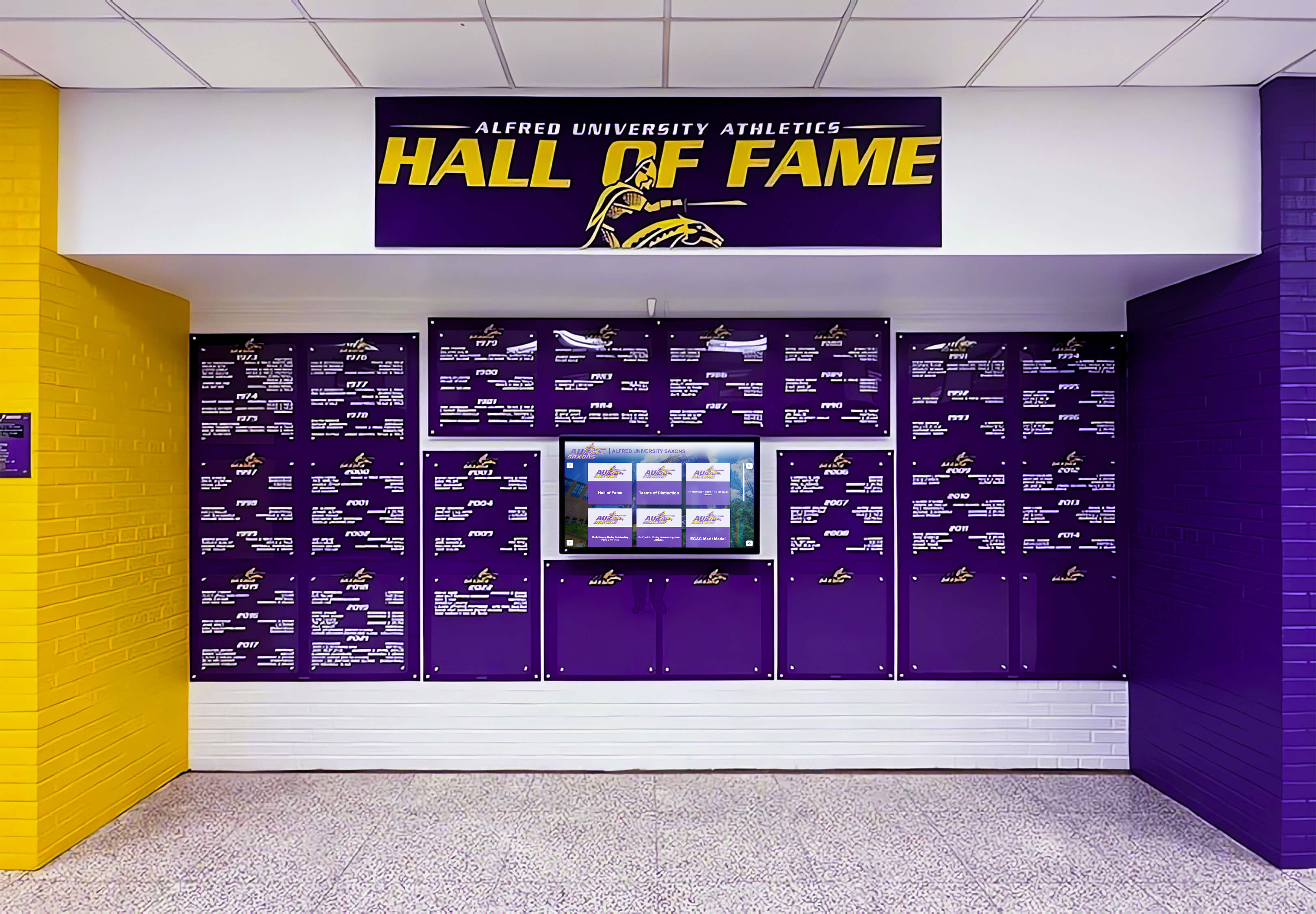
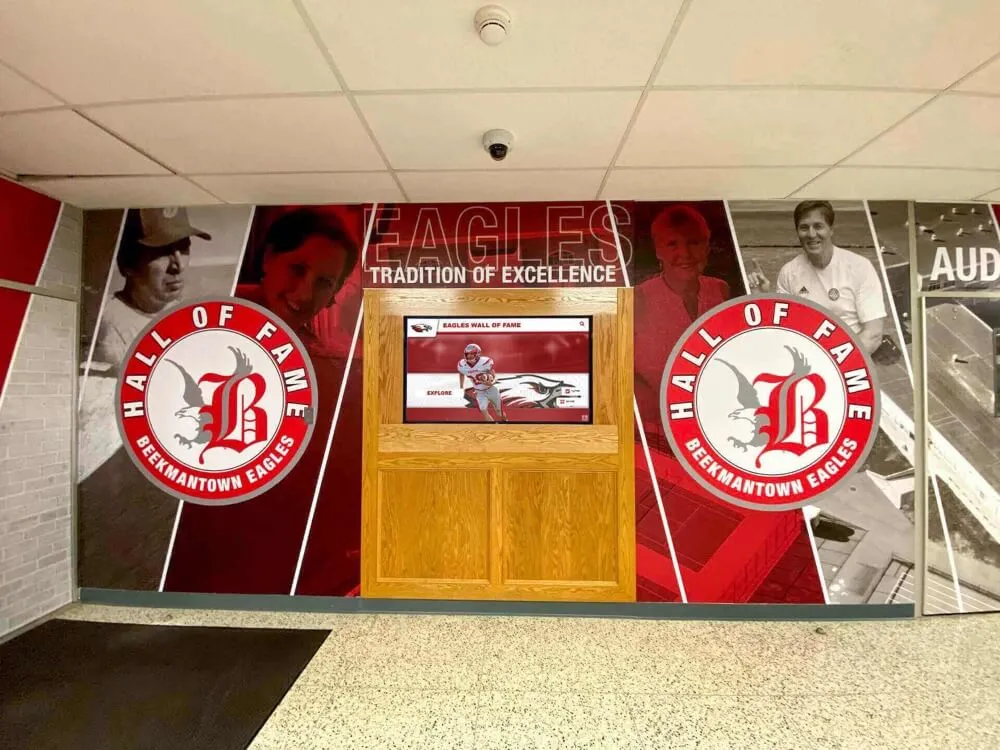
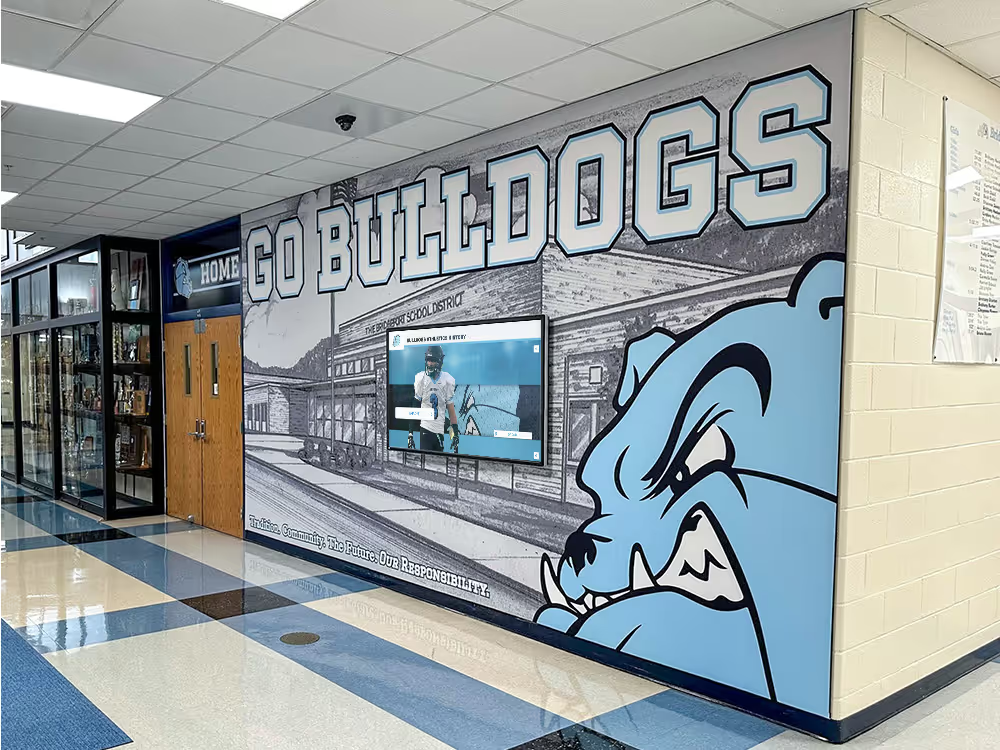
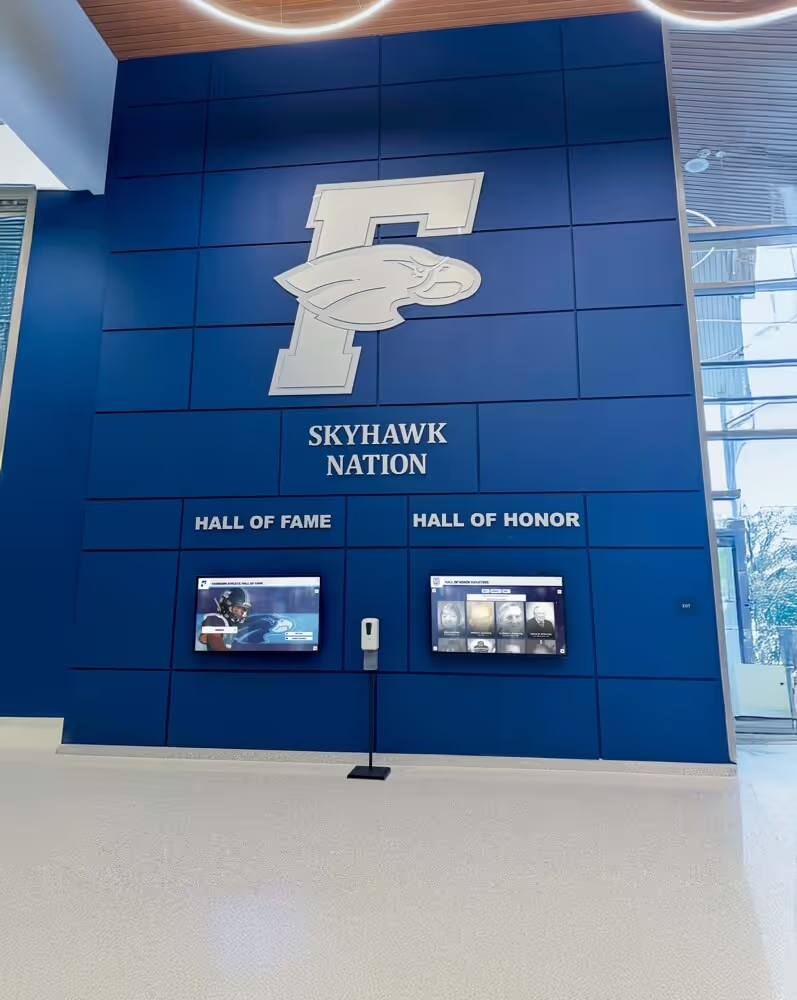
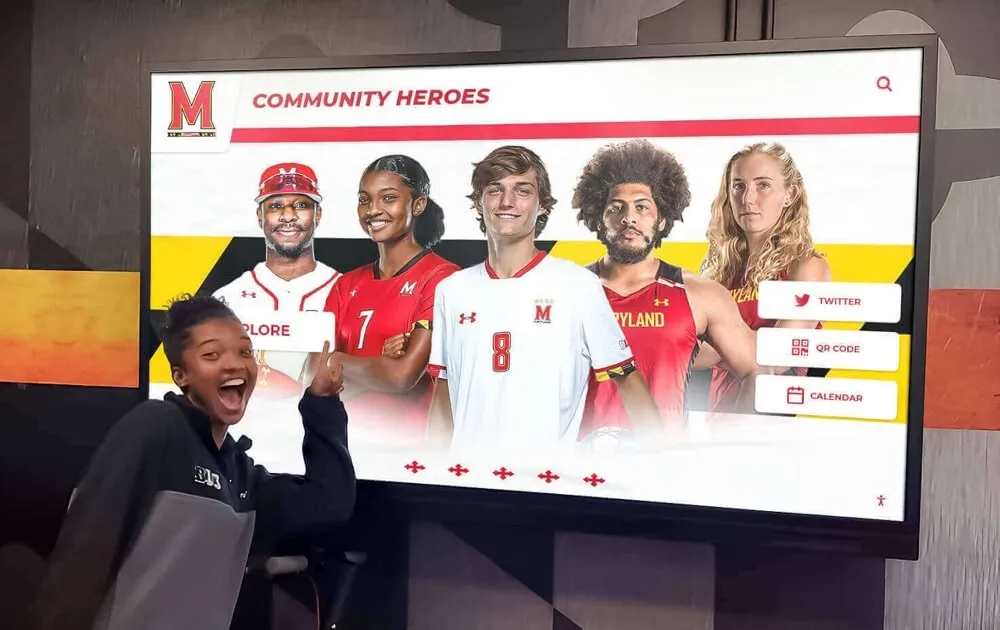
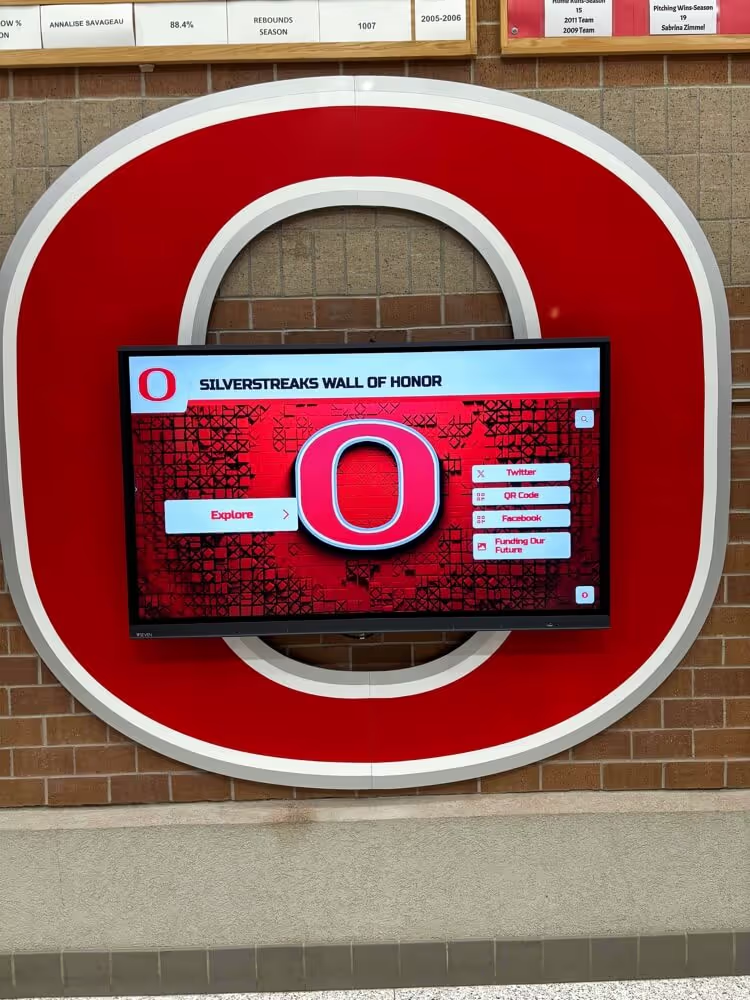
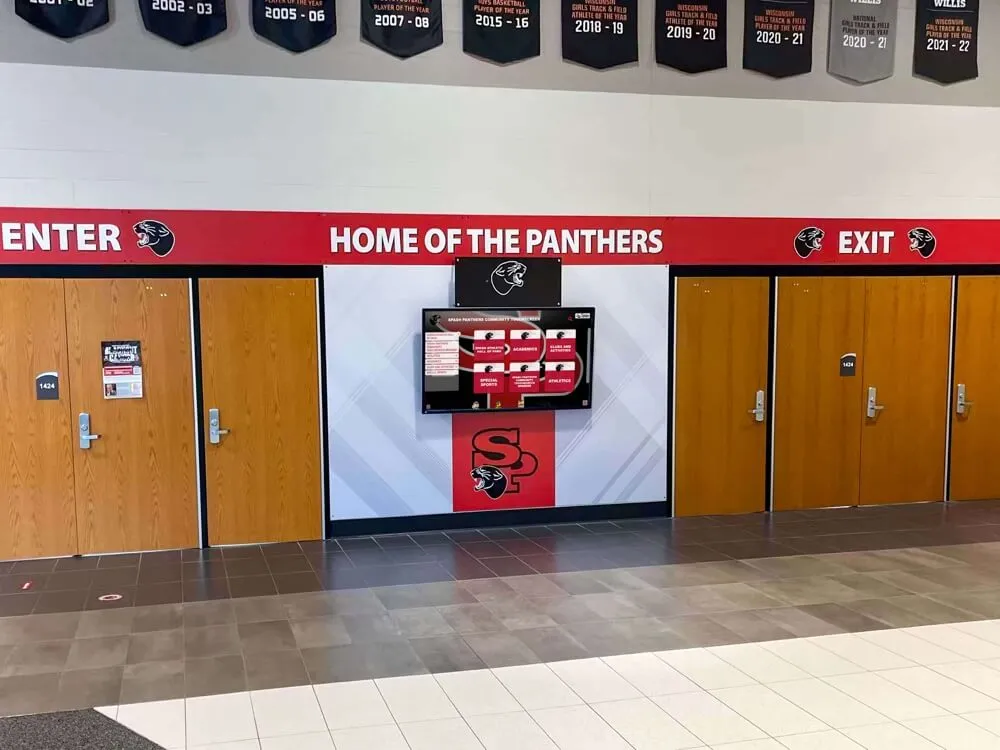
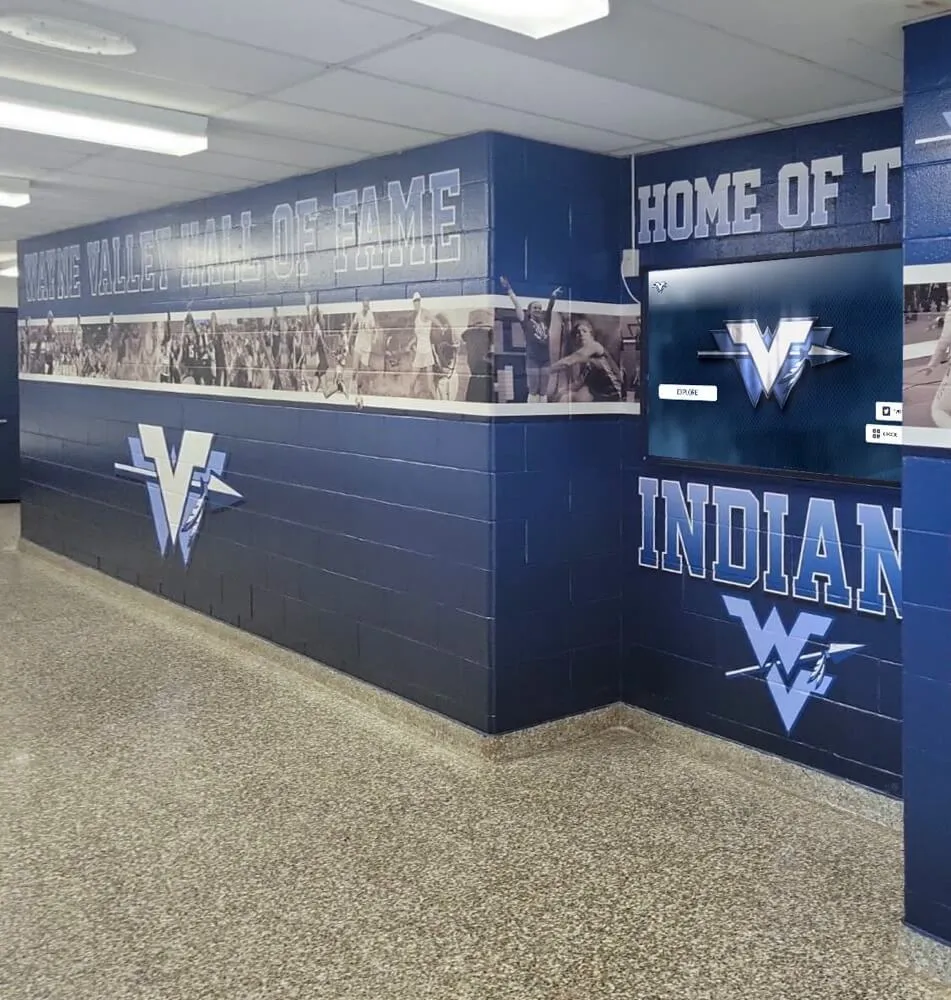
Permanent recognition displays complement championship rings by creating lasting institutional celebration of championship achievements
Funding Championship Ring Purchases
High school athletic programs typically fund championship rings through several approaches, each with distinct advantages and considerations:
Booster Club Funding: Many schools rely on booster organizations to fund championship ring purchases, with boosters raising money through fundraisers, sponsorships, membership drives, and community donations. This approach removes championship costs from school athletic budgets while engaging community supporters in celebration.
Athletic Department Budgets: Some schools budget for championship recognition within annual athletic department allocations, setting aside contingency funds that cover championship rings when teams win state titles. This approach ensures funding availability without requiring separate fundraising efforts, though it requires careful budget planning to maintain funds even in years without championships.
Split Funding Models: Increasingly common approaches involve sharing costs between athletic departments, booster clubs, and families. For example, schools might cover basic ring costs while offering upgrade options families can purchase. This model ensures all athletes receive championship recognition while accommodating families who want premium options without requiring universal premium pricing.
Sponsorship Programs: Schools sometimes secure corporate or community sponsors who fund championship ring purchases in exchange for recognition on rings, banners, or other championship celebration elements. These partnerships provide funding while building business-community relationships.
Designing Your State Championship Rings
Once budget parameters are established, designing championship rings that appropriately honor achievement while reflecting team identity becomes the creative focus of the ordering process.
Essential Championship Ring Design Elements
Effective championship ring designs incorporate several key elements that communicate achievement while creating meaningful personal mementos:
Championship Details: Clearly identify the specific achievement with year, sport, and championship level (State Champions, Regional Champions, etc.). This core information ensures rings communicate accomplishment clearly decades after the championship season.
School Identity: Incorporate school colors, mascots, logos, and other branding elements that connect rings to institutional identity. Athletes should immediately recognize rings as representing their specific school, not generic championship jewelry.
Team Information: Include coach names, team records, notable achievements, or memorable season details that contextualize the championship and preserve important information about the specific team that won.

Modern recognition approaches often combine traditional elements like championship rings with [digital displays that tell complete championship stories](https://digitalwarming.net/blog/digital-hall-of-fame-guide/?utm_source=organic&utm_medium=seo-auto&utm_content=digitalyearbook&utm_campaign=state-championship-rings&utm_term=seo)
Personalization: Most championship rings include individual athlete names, jersey numbers, positions, or other personal details making each ring unique to its recipient. This personalization transforms generic championship jewelry into meaningful individual keepsakes.
Symbolic Elements: Many designs incorporate sports-specific imagery (basketballs, footballs, track spikes), state outlines or maps, championship trophies, or other symbolic elements that enhance visual appeal while reinforcing achievement significance.
Ring Style and Material Selection
Beyond design elements, schools must select ring styles and materials that align with budget constraints while meeting quality expectations:
Ring Styles: Championship rings typically feature large top faces displaying primary championship information, with side panels (shanks) showing additional details and personalization. Traditional styles use rectangular or shield-shaped top faces, while modern designs may incorporate unique shapes reflecting sport characteristics or school branding.
Metal Options: Most championship rings use gold-plated or silver-plated alloys providing the appearance of precious metals at accessible price points. Premium options may use genuine 10K or 14K gold for schools with larger budgets, though these dramatically increase costs. Modern alternatives include high-quality stainless steel or tungsten that provide durability and appearance while managing costs effectively.
Stone and Accent Choices: Schools can select synthetic stones in school colors, cubic zirconia simulating diamonds, or genuine gemstones for premium rings. Stone selections significantly impact both ring appearance and cost, with synthetic options providing attractive results at lower price points.
Finish Options: Rings may feature polished finishes providing traditional jewelry appearance, antique or vintage finishes creating aged aesthetics, or combination finishes using contrasting textures to highlight specific design elements.
Working with Design Templates and Custom Options
Championship ring vendors typically offer two primary design approaches:
Template-Based Design: Vendors provide pre-designed templates that schools customize with specific text, colors, logos, and personalization details. Template approaches streamline design processes, reduce costs, and ensure quality results without requiring professional design expertise. Most high schools use template-based approaches that provide attractive results within budget constraints.
Custom Design: Schools working with designers create completely unique ring designs from scratch, incorporating specific artistic visions, unusual shapes or materials, or highly specialized elements. Custom design provides maximum creative control but increases costs and extends production timelines significantly.
For most high school programs, template-based designs customized with school-specific elements provide optimal balance between quality, affordability, and timeline management. Schools wanting unique elements can often request template modifications that incorporate specific features without requiring full custom design costs.
The Championship Ring Ordering Process
Understanding the ordering timeline and process helps schools coordinate championship ring purchases effectively, ensuring athletes receive rings at appropriate recognition events.
Timeline Planning and Production Schedules
Championship ring production typically requires 4-8 weeks from final design approval to delivery, though timelines vary based on vendor capacity, design complexity, and order volume. Schools should plan accordingly:
Immediate Post-Season (Weeks 1-2): Begin vendor research, budget confirmation, and preliminary design discussions immediately after championship victories while excitement remains high and details are fresh.
Design Development (Weeks 2-4): Work with vendors to finalize designs, approve proofs, and confirm all customization details. Careful review during this phase prevents costly errors discovered after production begins.
Production (Weeks 4-8): Vendors manufacture rings according to approved specifications. Production timelines vary seasonally, with spring and early summer often experiencing longer lead times due to high graduation and championship season demand.
Delivery and Distribution (Week 8+): Plan distribution events that honor athletes appropriately rather than simply handing out rings informally. Many schools incorporate ring presentations into banquets, pep rallies, or special ceremonies that celebrate championships publicly.
Schools celebrating championships late in school years face particularly tight timelines if they want to present rings before graduation or season-end banquets. Early vendor engagement and expedited production options (often available for rush fees) help manage compressed schedules.
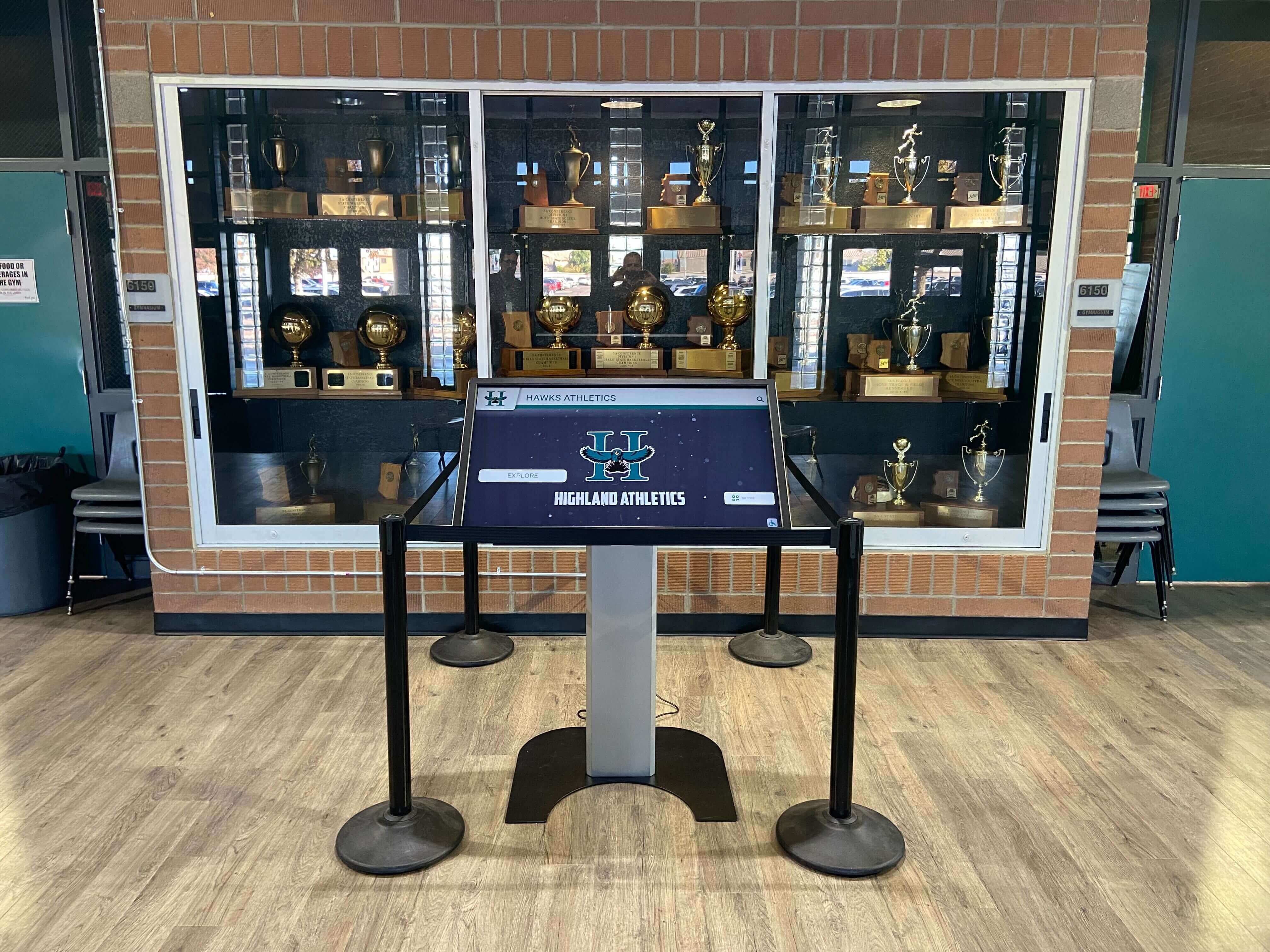
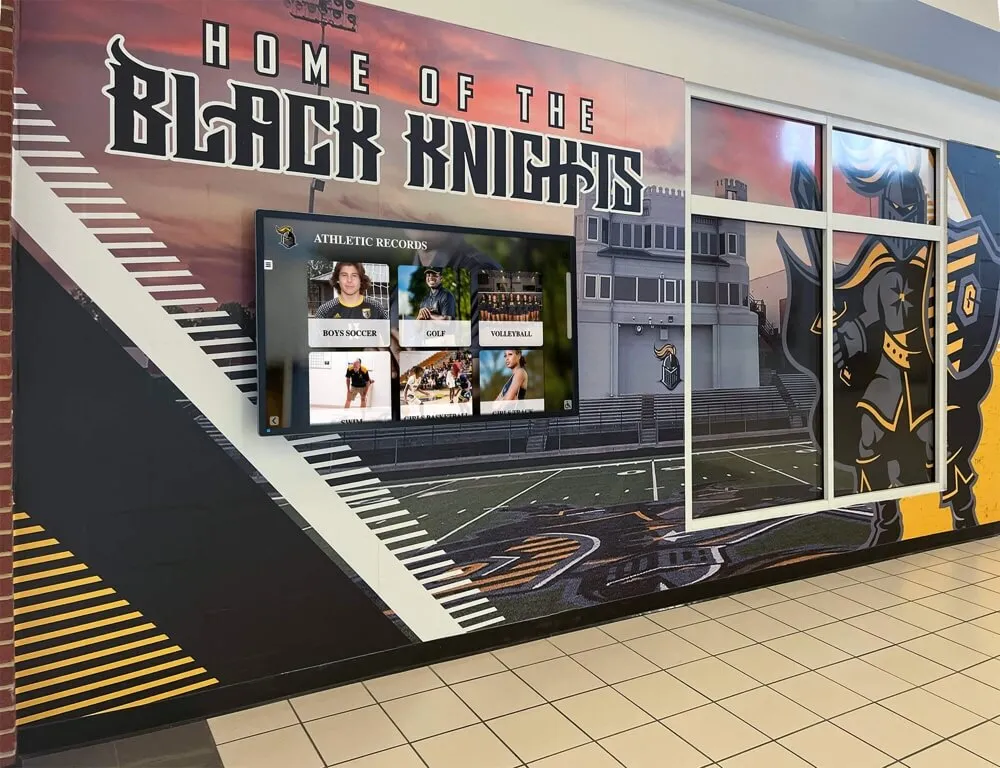
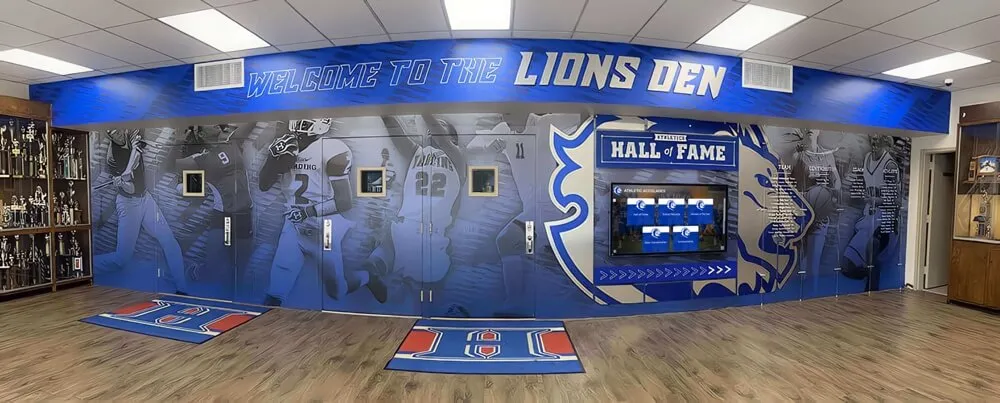
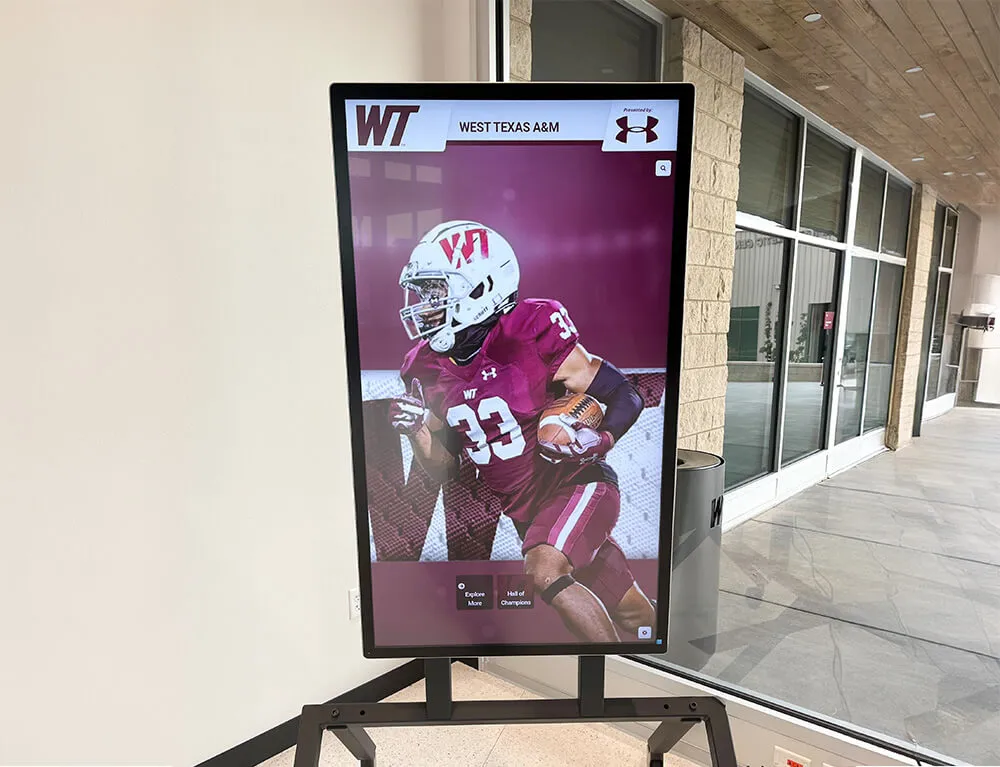
Schools increasingly complement championship rings with permanent digital recognition that provides lasting celebration beyond individual mementos
Selecting Championship Ring Vendors
Multiple vendors specialize in championship ring production, each offering distinct advantages regarding pricing, quality, service, and customization options. Schools should evaluate vendors based on:
Product Quality and Examples: Request sample rings or view portfolios showing previous championship ring designs. Quality variations between vendors significantly impact long-term satisfaction and ring durability.
Pricing Transparency: Ensure vendors provide complete pricing including all fees, taxes, and shipping rather than advertised base prices that multiply through hidden charges. Transparent pricing enables accurate budget planning and vendor comparisons.
Design Support: Evaluate the design assistance vendors provide—some offer extensive design consultation and proof revisions while others provide minimal support for template customization. Schools with limited design experience benefit from vendors offering comprehensive design assistance.
Production Timelines: Confirm realistic production schedules and whether rush options exist for compressed timelines. Vendors unable to meet required deadlines create problems regardless of other advantages.
Customer Service and Communication: Assess vendor responsiveness during initial consultations—vendors who communicate poorly during sales processes often provide inadequate support during production and delivery.
Previous School Relationships: Many schools prefer vendors that other local programs have used successfully, leveraging peer recommendations and established vendor relationships within athletic communities.
Managing Ring Sizing and Personalization
Accurate ring sizing and personalization details prevent distribution problems and ensure athletes receive properly fitting rings with correct individual information:
Ring Sizing Process: Vendors typically provide sizing kits that coaches distribute to athletes for accurate measurements. Schools should size all athletes even if some may not participate in final ring purchase (in split-funding models), then compile sizing information carefully to prevent ordering errors.
Personalization Data Collection: Create standardized forms collecting all personalization information consistently—athlete names (verify preferred name spellings), jersey numbers, positions or events (for multi-event sports), and any other individual details incorporated in designs. Centralized data collection prevents errors from miscommunication between multiple athletes and vendors.
Proof Review: Insist on detailed proofs showing exact ring appearance including all text, logos, and personalization before approving production. Carefully review proofs for spelling errors, incorrect numbers, design errors, or other problems far easier to correct before manufacturing begins.
Backup and Replacement Planning: Order several extra rings in common sizes to accommodate sizing errors, future transfers who join teams after original order, or replacements for rings lost or damaged. Extra ring costs represent small investments preventing future problems requiring complete new orders.
Championship Ring Presentation and Distribution
How schools present championship rings impacts the recognition experience and celebration of achievement—turning simple jewelry distribution into meaningful events honoring athletic excellence.
Planning Ring Ceremony Events
Rather than informally handing out rings, schools should plan presentations that honor championship achievements appropriately and create memorable recognition experiences:
Athletic Banquet Presentations: Many schools present championship rings during end-of-season or annual athletic banquets, combining ring distribution with other awards, coach speeches, and season celebration. This approach integrates championship recognition into established athletic programs while ensuring family attendance and community witness.
Special Championship Ceremonies: Schools may host dedicated championship ring ceremonies separate from general athletic events, particularly when championships occur in sports without traditional banquet structures or when multiple teams win championships simultaneously. Dedicated ceremonies enable focused celebration of specific achievements without competing recognition elements.
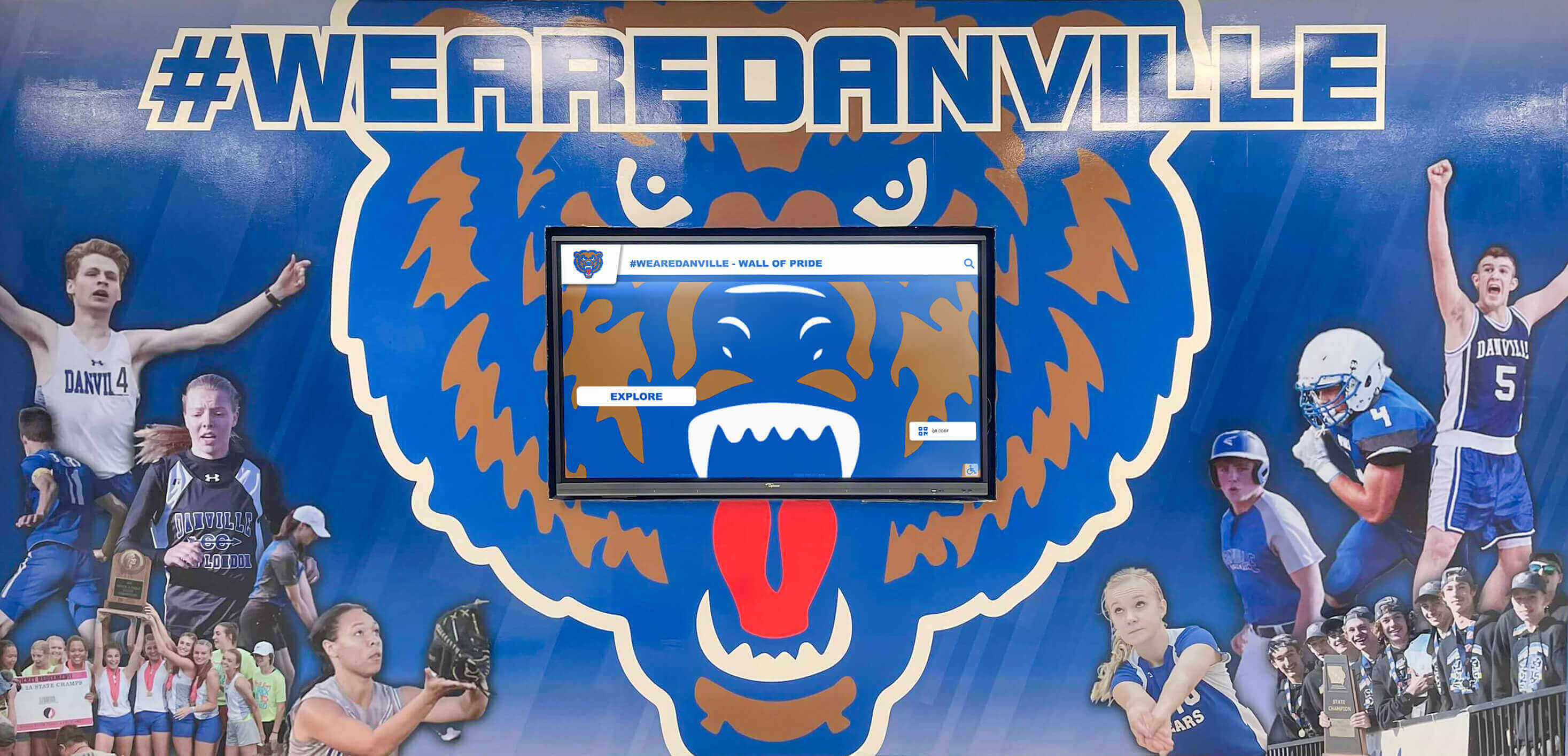
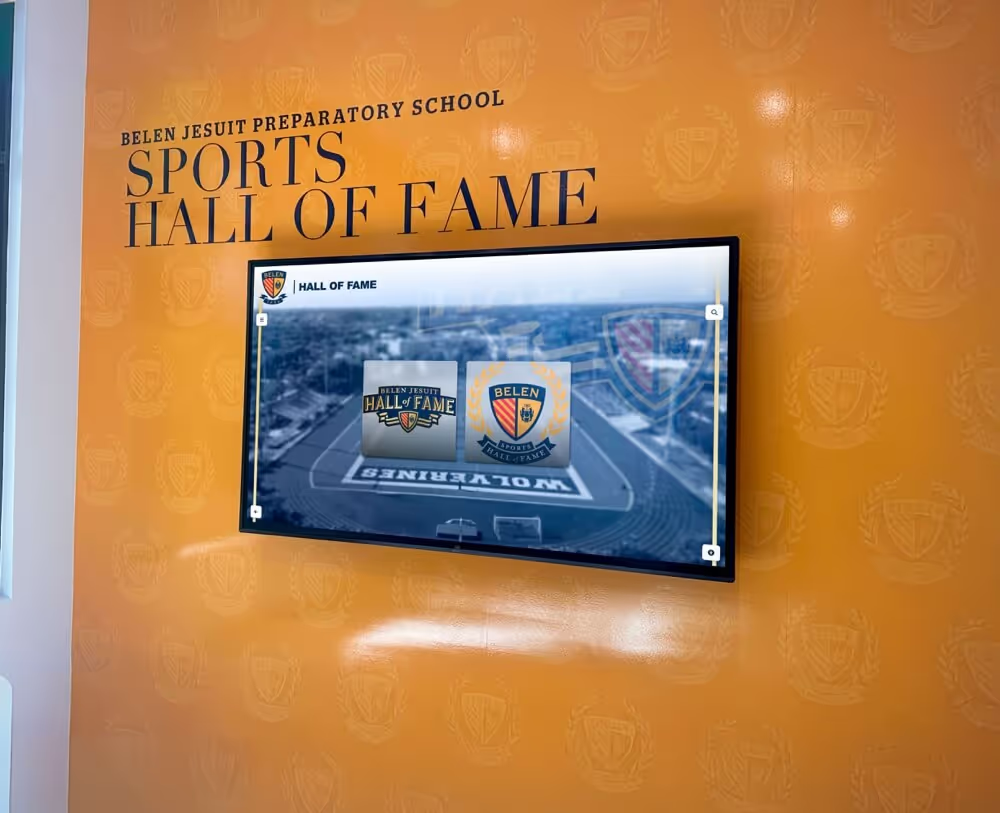
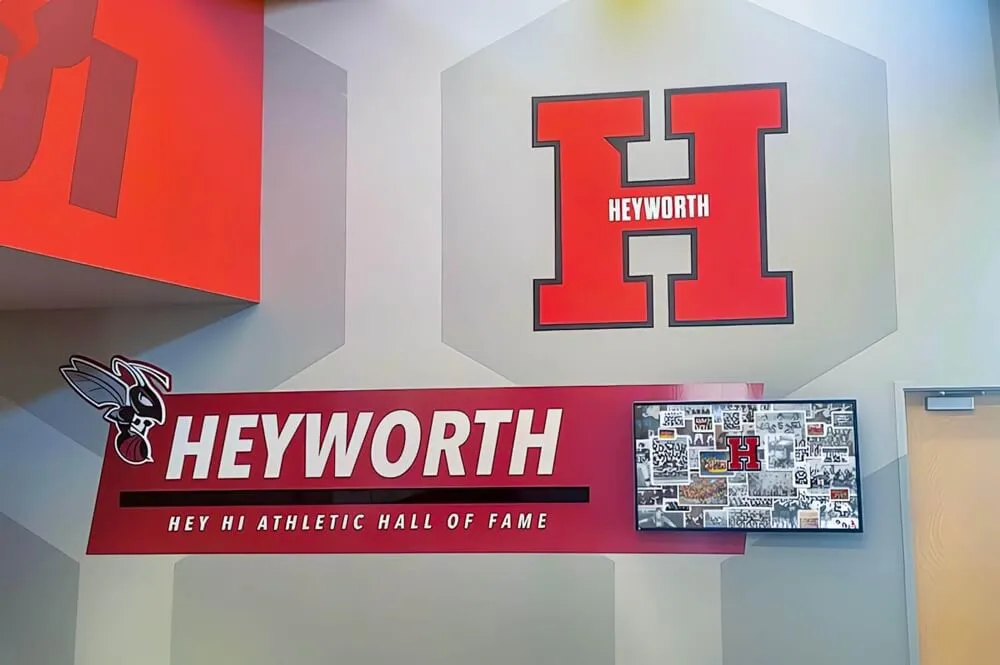
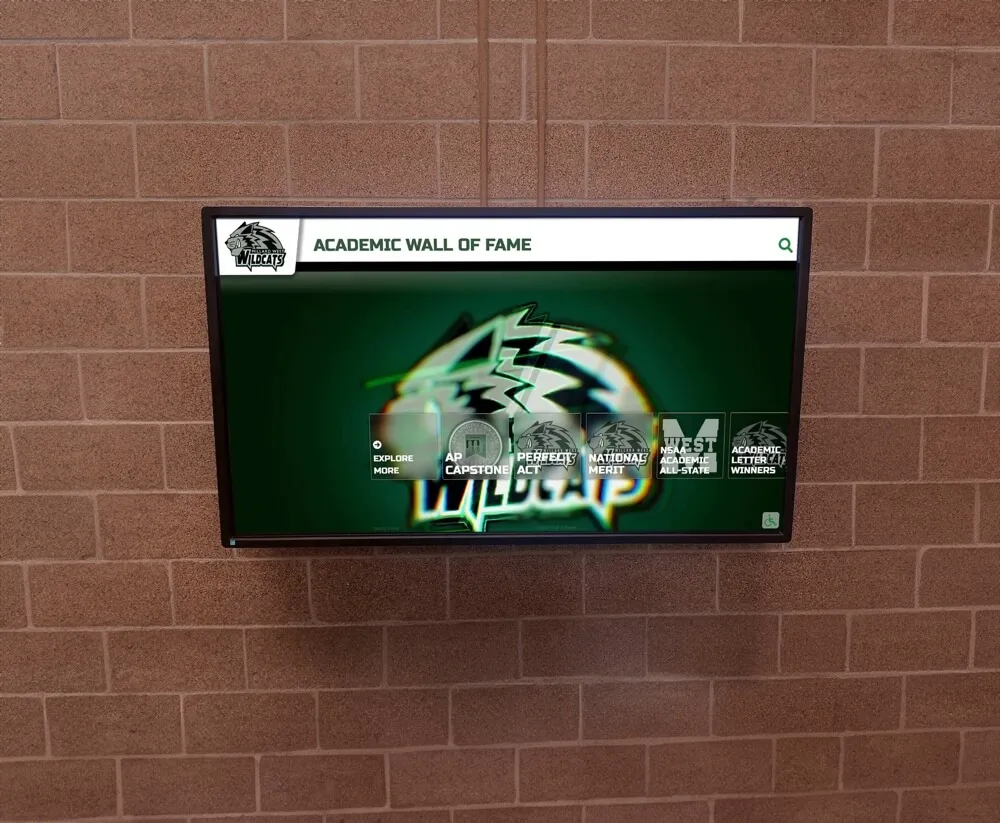
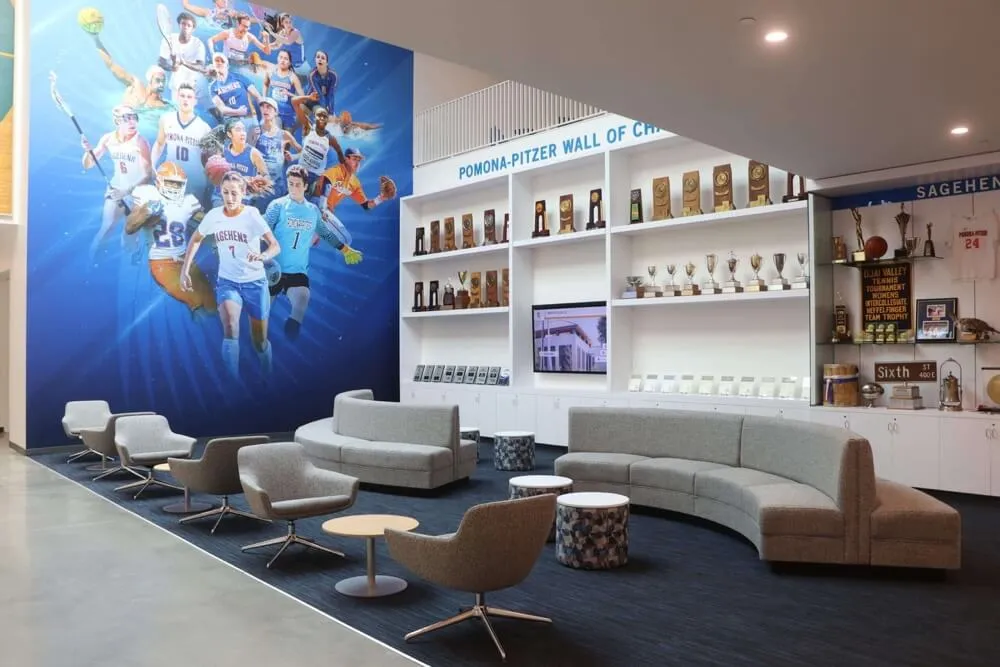
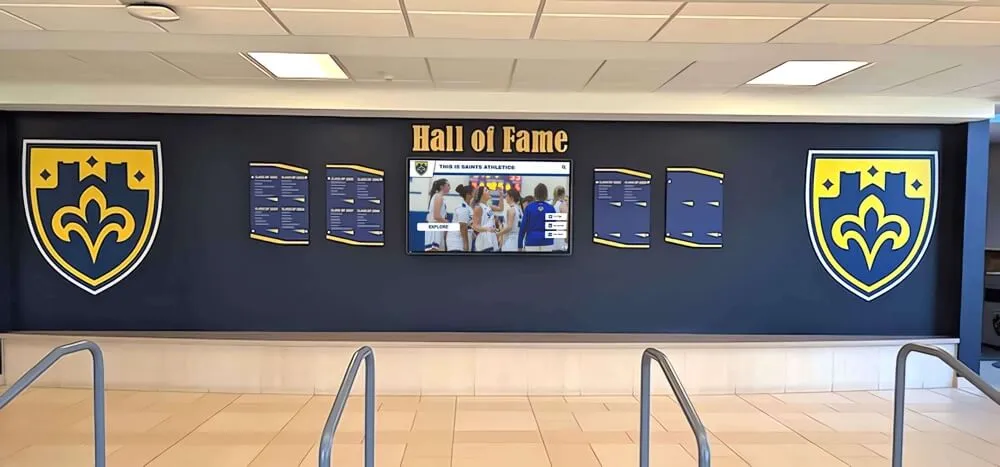
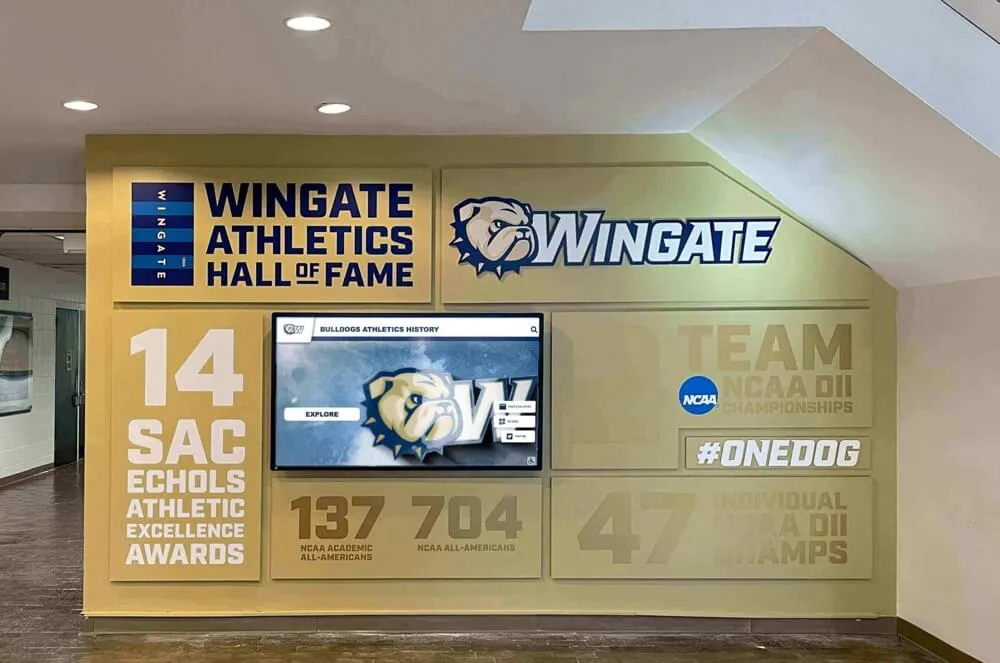
Creating comprehensive championship recognition through both personal mementos and permanent displays ensures achievements receive celebration that extends beyond ring recipients
Pep Rally Presentations: Public ring presentations during school pep rallies or assemblies celebrate championships before entire student bodies, building school-wide pride and recognition. These public presentations particularly suit sports with broad community interest and support.
Senior Night or Final Home Event Recognition: For teams winning championships late in seasons, presenting rings during senior night celebrations or final home events provides emotional culmination moments that athletes and families remember for lifetimes.
Incorporating Digital Championship Recognition
While championship rings provide athletes with personal mementos, comprehensive championship recognition should extend beyond individual jewelry to create lasting institutional celebration accessible to broader school communities. Solutions like Rocket Alumni Solutions enable schools to complement championship rings with permanent digital displays that showcase championship teams, preserve season statistics and highlights, and create interactive engagement opportunities.
This complementary approach addresses championship recognition comprehensively—athletes receive personal rings they wear and cherish individually while schools maintain permanent displays celebrating championship achievements institutionally. Families and community members can explore championship team rosters, statistics, photos, and season narratives through interactive displays long after championship seasons conclude, creating sustained celebration that traditional rings and banners alone cannot provide.
Many athletic directors report that implementing comprehensive recognition approaches including both traditional championship rings and modern digital athletic recognition systems improves program culture while providing recognition flexibility that serves diverse stakeholder needs. Athletes appreciate personal mementos while schools gain tools for building sustained championship awareness that drives future program support.
Documenting Championship Ring Presentations
Championship ring presentations create significant moments worth documenting thoroughly for preservation and future promotion:
Professional Photography: Hire photographers or designate quality volunteer photographers to capture individual athlete portraits wearing championship rings, team photos with rings, and candid presentation ceremony moments. These photos serve multiple purposes including yearbook content, social media sharing, program promotion, and historical preservation.
Video Documentation: Record ring presentation ceremonies capturing coach speeches, athlete reactions, and celebration atmosphere. Video content creates compelling social media material, provides athletes with lasting memories, and documents championship recognition for future program promotion.
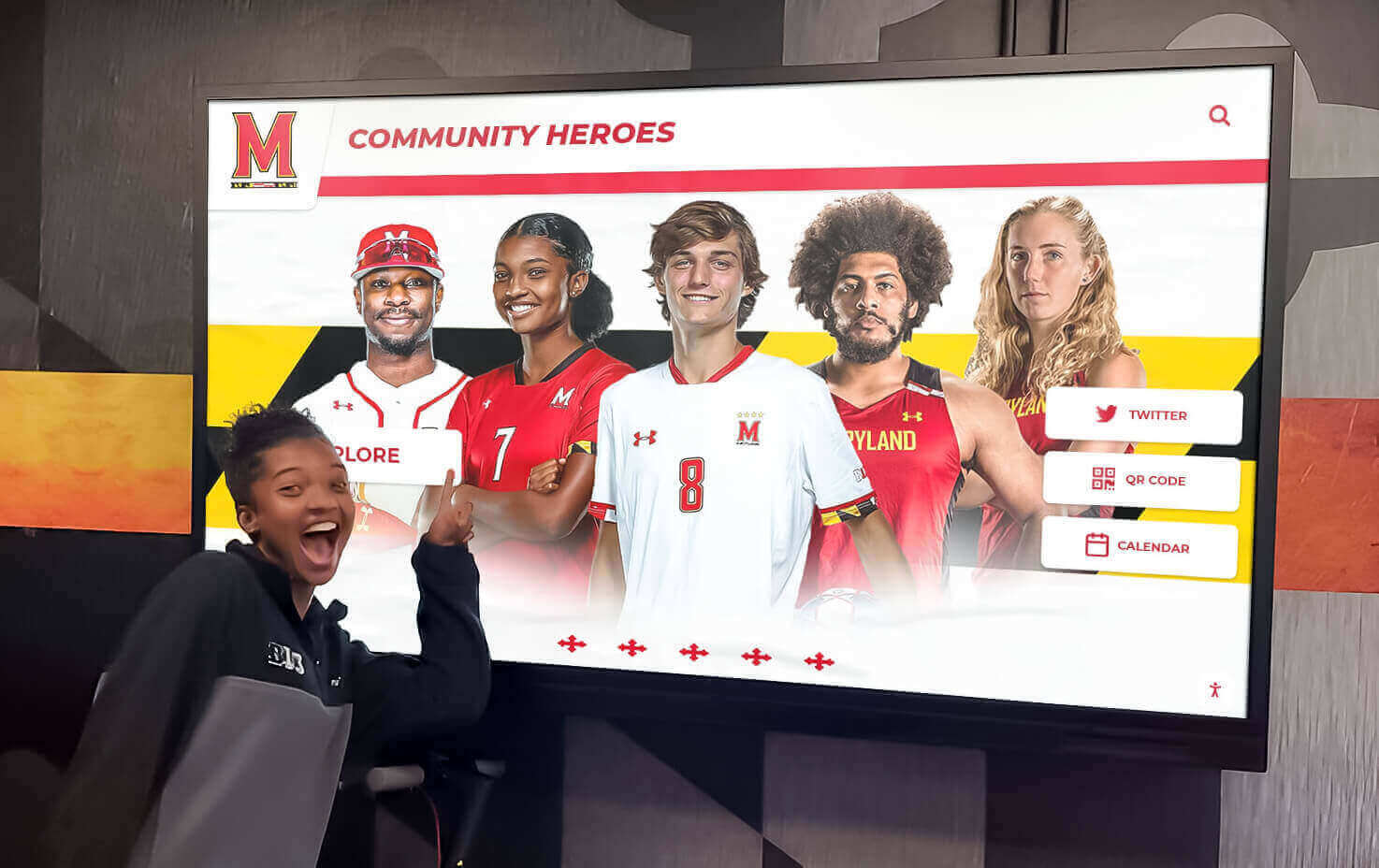
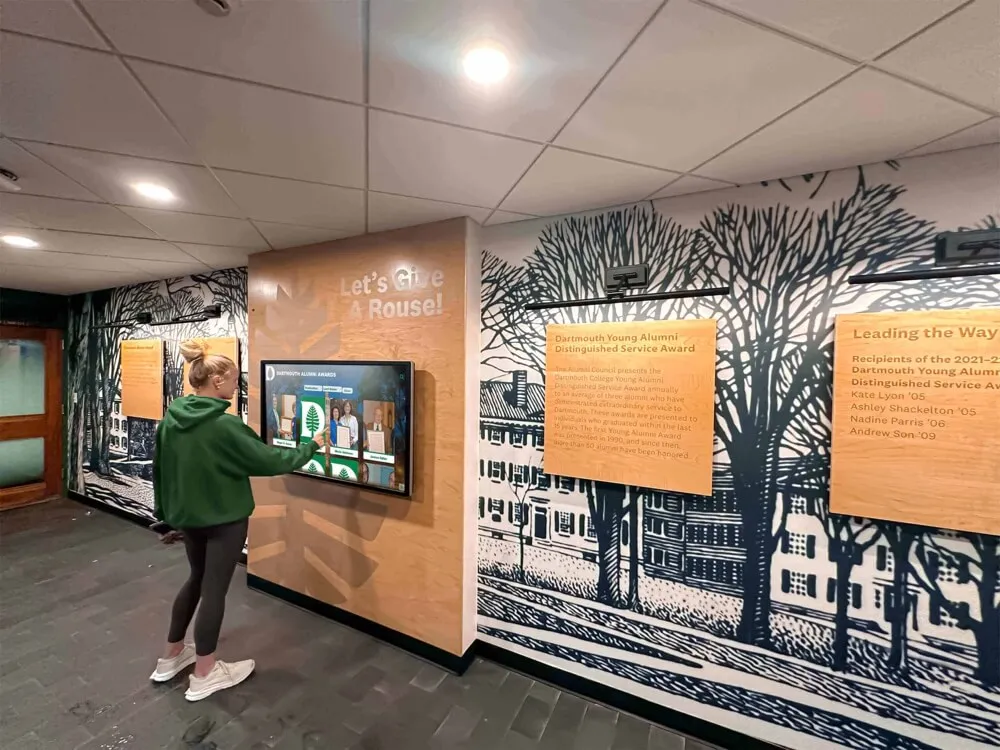
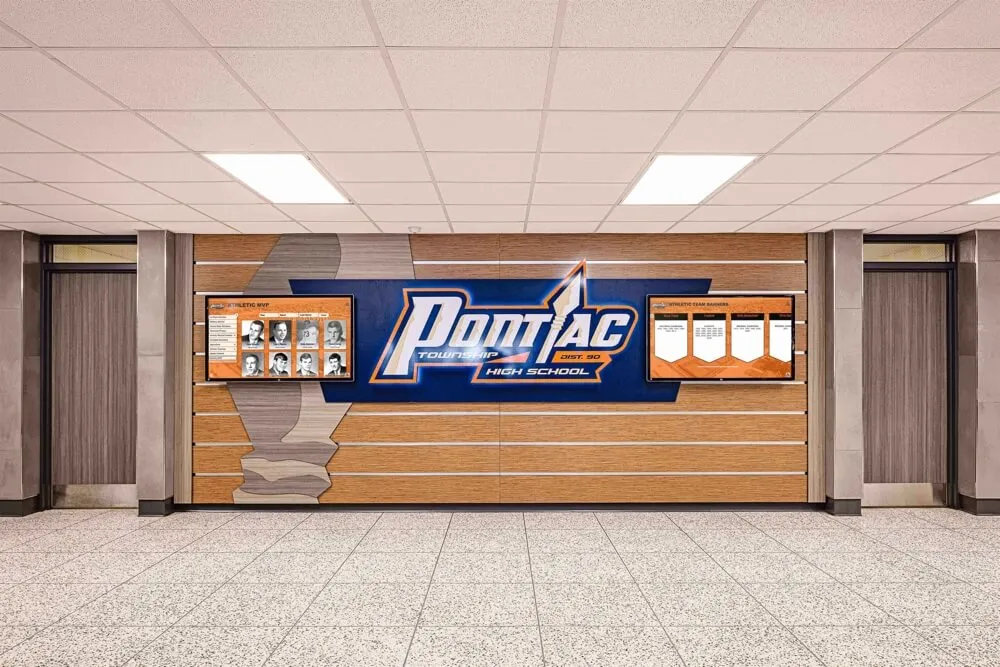
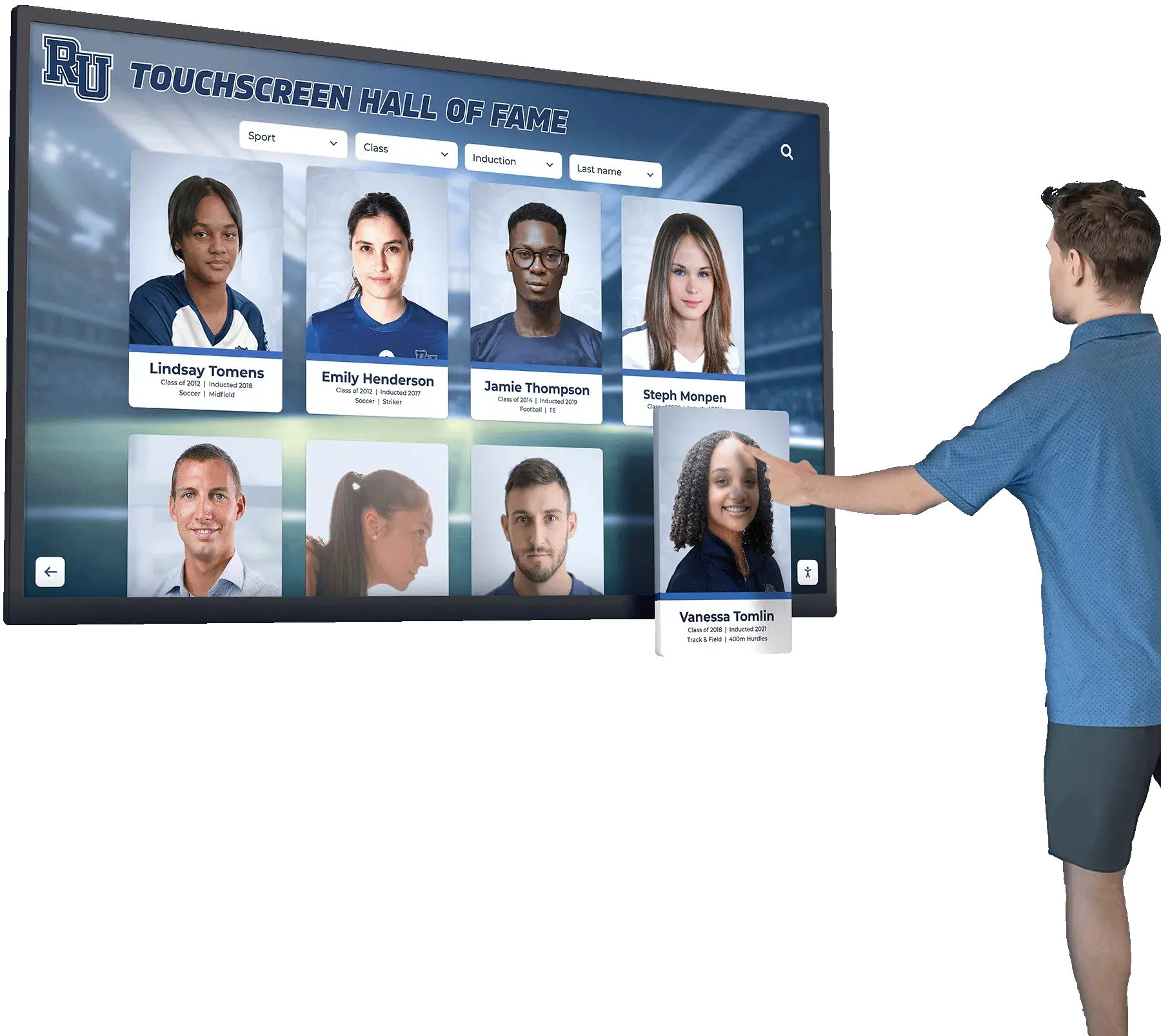
Interactive displays enable sustained engagement with championship achievements, complementing traditional rings with permanent accessible recognition
Social Media Promotion: Share championship ring presentations across school and program social media channels, tagging athletes, families, and supporters. Strategic social media promotion amplifies recognition reach while demonstrating program success to prospective athletes and families considering school selection.
Historical Record Keeping: Maintain comprehensive records of championship ring designs, recipient lists, presentation dates, and related documentation. These records preserve championship history and provide reference for future championship planning.
Budget-Conscious Championship Recognition Alternatives
While championship rings remain traditional favorites, schools with limited budgets or those seeking to maximize recognition investment sometimes consider alternative or complementary recognition approaches.
Modified Ring Programs and Graduated Recognition
Schools can implement modified championship ring programs that manage costs while maintaining meaningful recognition:
Tiered Recognition by Level: Some schools reserve premium championship rings for state championship teams while providing alternative recognition like watches, pendants, or letter jacket patches for regional or sectional champions. This graduated approach celebrates all significant achievements while differentiating ultimate accomplishments.
Core Team Plus Add-Ons: Schools might fund basic rings for all athletes while offering upgrade options (premium metals, additional stones, upgraded finishes) that athletes or families can purchase. This ensures universal championship recognition while accommodating those wanting enhanced mementos.
Senior-Focused Distribution: Particularly in sports where underclassmen may win multiple championships, some programs provide championship rings primarily to seniors (who experience their final championship) while giving younger athletes alternative recognition. Schools implementing this approach should communicate policies clearly to prevent disappointment and maintain team morale.
Comprehensive Digital Recognition Investments
An increasing number of schools redirect traditional championship ring budgets toward comprehensive digital recognition systems that provide broader institutional impact:
Rather than spending $5,000-$10,000 on championship rings benefiting 15-25 athletes for a single season, schools invest in digital athletic recognition platforms that celebrate championship teams alongside all other athletic achievements across all sports and all years. This investment creates permanent recognition accessible to entire school communities while providing comprehensive celebration that extends far beyond single championship seasons.
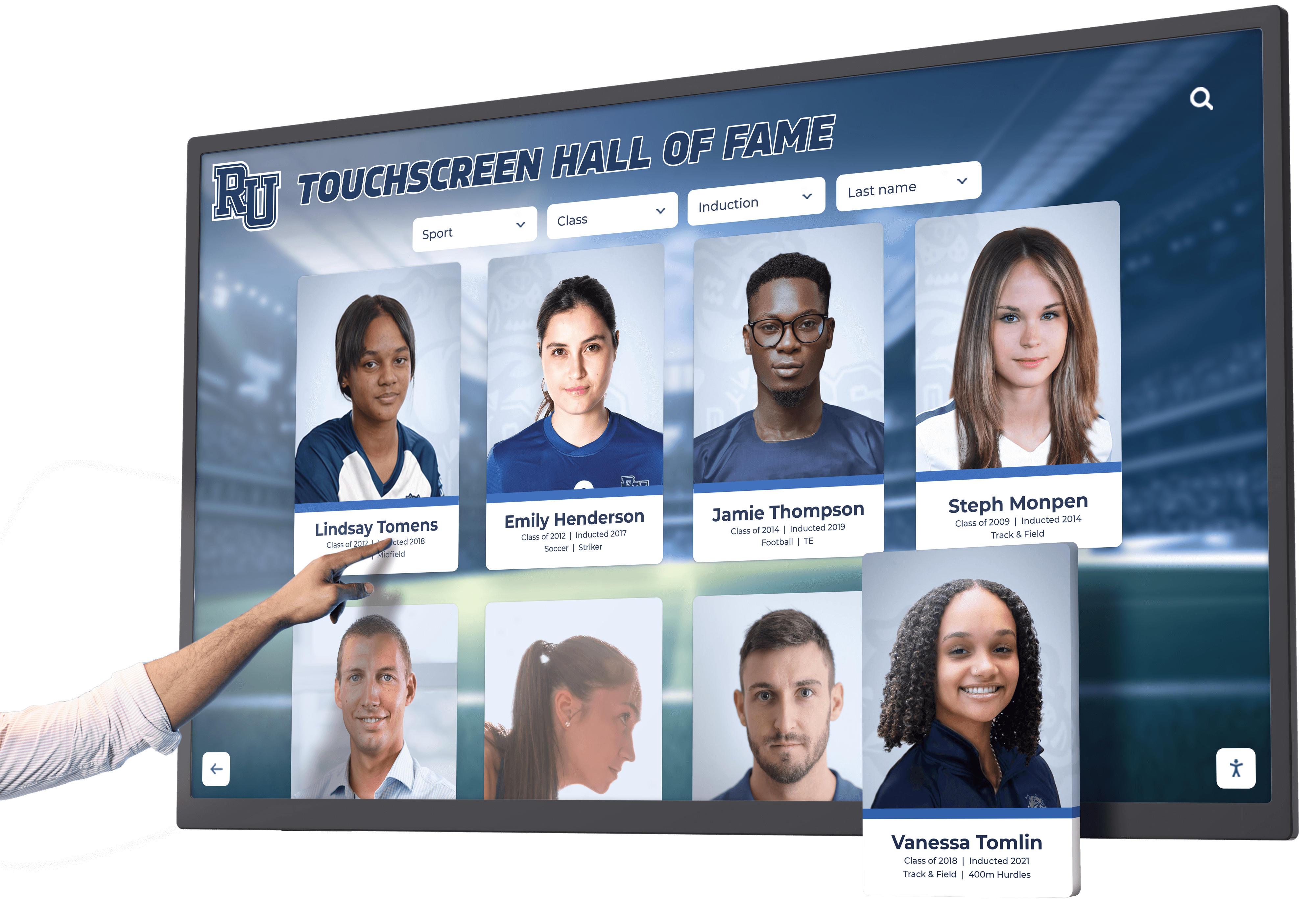
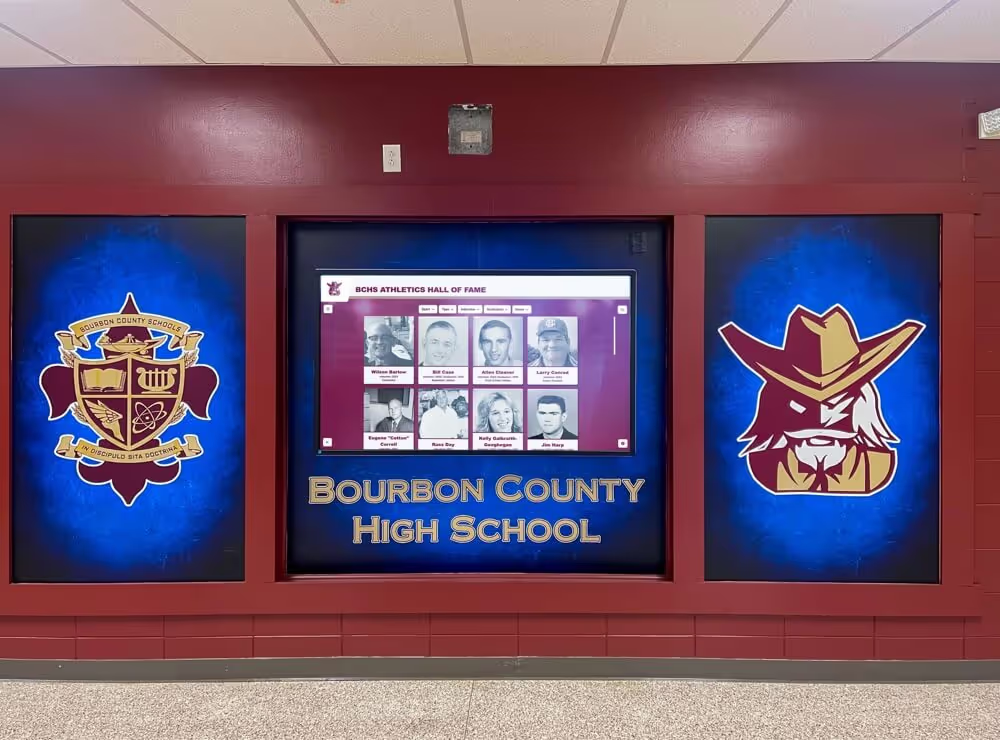
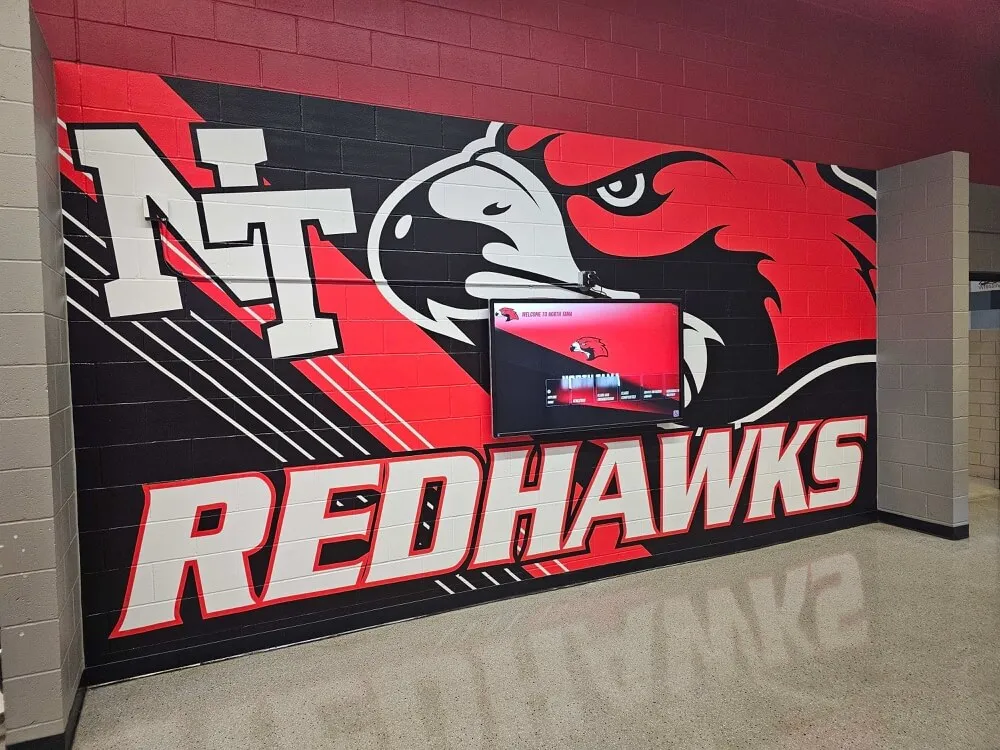
Digital recognition platforms provide comprehensive celebration of championship achievements alongside all other athletic accomplishments across program history
Schools pursuing this approach often combine modest team recognition items (championship t-shirts, letter jacket patches, team photo plaques) with substantial digital recognition investment that benefits all current athletes, honors historical achievements, and creates sustained program visibility. Athletic directors implementing comprehensive digital recognition report that this broader approach improves overall program culture and athlete satisfaction compared to expensive individual mementos benefiting only occasional championship teams.
Balancing Traditional and Modern Recognition
Most schools ultimately find that optimal championship recognition combines elements of traditional and modern approaches based on specific program values, budget realities, and community expectations:
Traditional Programs with Deep Championship History: Schools in sports like football, basketball, or wrestling where championship traditions run deep often maintain traditional ring programs valued by athletes, families, and alumni communities—supplementing rings with modern digital recognition that makes championship history more accessible.
Programs Building Championship Culture: Schools developing emerging sports programs or celebrating first-time championships might invest more heavily in permanent recognition infrastructure that builds sustained program visibility while providing athletes with meaningful but more modest personal mementos.
Multi-Sport Championship Schools: Schools winning numerous championships across multiple sports sometimes find that funding traditional rings for all championship teams becomes financially unsustainable—leading to comprehensive digital recognition complemented by sport-specific recognition traditions managed individually.
Championship Ring Care and Preservation
Once athletes receive championship rings, proper care ensures these precious mementos remain in excellent condition throughout their lifetimes.
Ring Maintenance and Cleaning
Championship rings require periodic maintenance to preserve appearance and structural integrity:
Regular Cleaning: Clean rings periodically using mild soap and warm water with soft cloth or brush. Avoid harsh chemicals or abrasive materials that can damage plating, stones, or engraved details. Professional jewelry cleaning services can restore rings that have become heavily tarnished or dirty.
Proper Storage: Store rings in jewelry boxes or soft pouches when not wearing them, protecting them from scratches, impacts, and environmental damage. Avoid storing rings loosely in drawers where they contact other jewelry or hard objects.
Activity Considerations: Remove rings during activities that could damage them—weightlifting, manual labor, swimming, or contact sports. Championship rings feature large designs and settings that can catch on objects, creating injury risk while damaging rings.
Professional Inspection: Have rings professionally inspected periodically to ensure stones remain secure, prongs haven’t loosened, and structural integrity remains sound. Early detection of developing problems prevents complete failure requiring expensive repair or replacement.
Replacement and Sizing Services
Life changes sometimes require ring modifications or replacements that vendors may accommodate:
Sizing Adjustments: Adult finger sizes may change due to weight fluctuations, aging, or other factors requiring ring resizing. Some vendors offer lifetime sizing adjustment services while others charge fees for post-production modifications. Ring designs with continuous patterns or complete personalization may limit resizing possibilities.
Replacement Options: Vendors sometimes provide replacement services for lost or severely damaged rings, though replacement costs typically equal or exceed original ring pricing. Schools maintaining relationships with vendors may negotiate preferential replacement terms for athletes experiencing ring loss through theft, fire, or other unfortunate circumstances.
Stone Replacement: Lost or damaged stones can usually be replaced by jewelers or original vendors if ring settings remain intact. Keeping design documentation helps match original stone specifications during replacement.
Legal and Compliance Considerations
Schools must navigate several legal and compliance considerations when planning championship ring programs, particularly regarding funding approaches and eligibility standards.
Maintaining Eligibility and Avoiding Amateur Status Issues
High school athletic associations typically prohibit awards exceeding specified monetary values to protect student-athlete amateur status and prevent excessive recognition expenditures. Schools must ensure championship ring values comply with state athletic association rules:
Most state associations limit award values to $150-$250 per recipient, though specific limits vary by state. Schools should verify current state association rules before finalizing ring orders, ensuring total ring costs including personalization remain below applicable limits. Rings exceeding award limits could jeopardize athlete eligibility for future competition and expose schools to sanctions.
Some schools navigate value limits by structuring rings as purchase programs rather than awards, with families buying rings directly rather than schools providing them. However, this approach may create equity concerns if financial barriers prevent some athletes from receiving championship recognition teammates enjoy.
Ensuring Equitable Recognition Access
Schools using split-funding models or family-purchase approaches for championship rings should consider equity implications carefully:
Financial Hardship Accommodations: Establish confidential processes enabling families facing financial hardship to receive assistance obtaining championship rings without public identification or embarrassment. Booster clubs, anonymous donors, or athletic department assistance funds can help ensure financial circumstances do not prevent championship recognition.
Transparent Communication: Clearly communicate championship recognition policies and any associated costs to athletes and families at season beginning, not after championships are won. Transparent advance communication prevents surprise or disappointment when families learn about recognition expectations after the fact.
Alternative Recognition Options: Consider whether athletes unable to participate in championship ring programs receive alternative recognition acknowledging their championship contributions. Schools should avoid creating visible recognition disparities that undermine team unity and championship celebration.
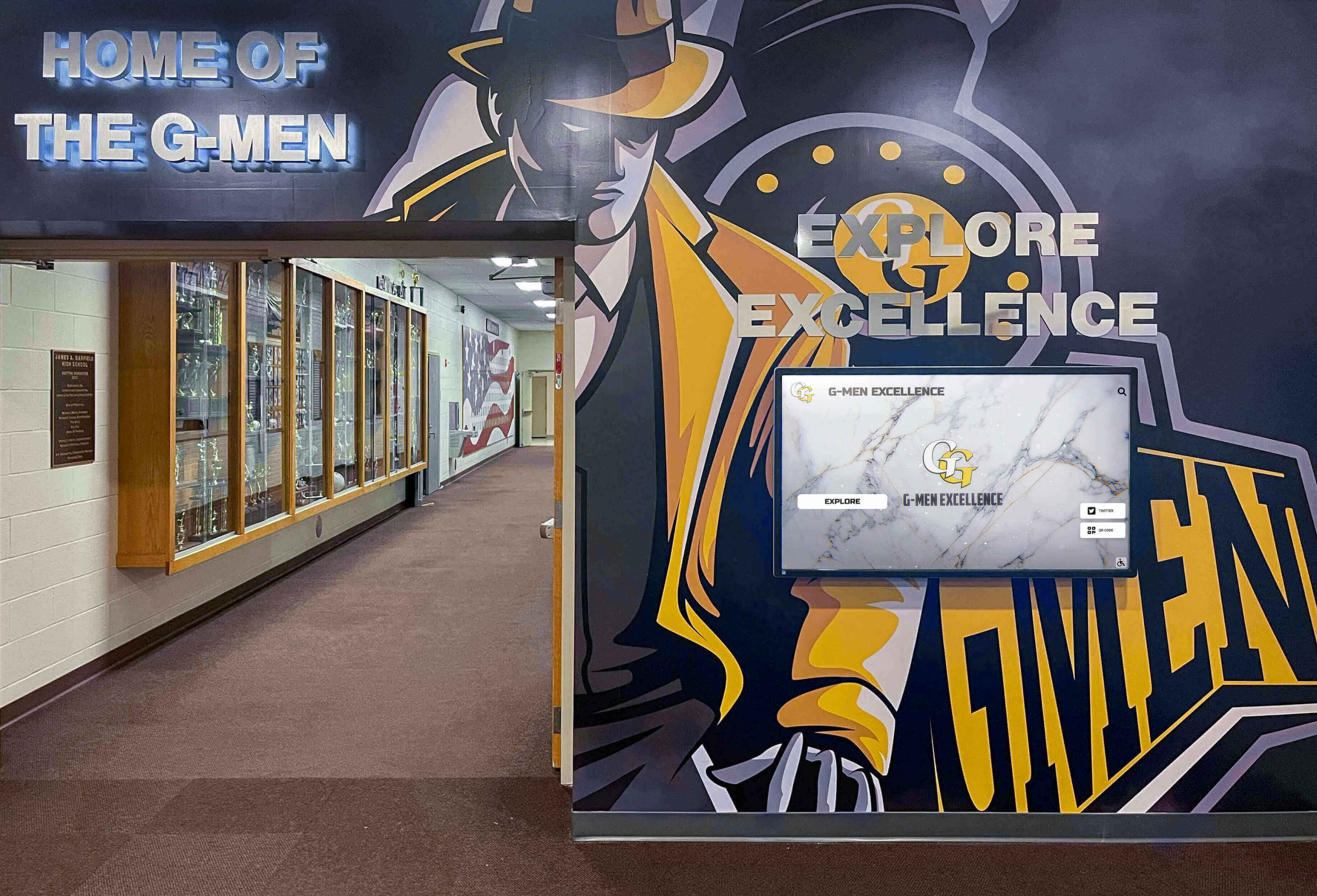
Comprehensive recognition programs combine traditional trophies and personal mementos with permanent displays creating multi-layered championship celebration
Building Comprehensive Championship Traditions
State championship rings represent one element of comprehensive championship recognition—schools creating lasting championship cultures develop recognition traditions that celebrate achievements through multiple complementary approaches.
Multi-Faceted Championship Recognition Programs
Effective championship recognition extends beyond rings to include:
Championship Banners: Traditional fabric banners hanging in gymnasiums provide permanent visible celebration of championship achievements that all students, athletes, and visitors see regularly. Banners create accumulated visual representation of program success that builds pride and tradition.
Trophy Display Systems: Dedicated trophy cases or modern digital trophy displays showcase championship trophies, plaques, and memorabilia in prominent school locations, preserving championship hardware for community viewing and program promotion.
Digital Recognition Platforms: Interactive digital displays enable comprehensive championship celebration including team rosters, season statistics, game highlights, championship game details, and coach reflections—creating rich championship documentation that simple rings and banners cannot provide.
Permanent Facility Naming: Schools sometimes name facilities, fields, or rooms for coaches or contributors associated with championship success, creating lasting institutional recognition extending beyond individual team members.
Social Media and Communications: Ongoing championship recognition through school communications, websites, and social media keeps achievements visible in community consciousness, supporting program promotion and future athlete recruitment.
Developing Recognition Philosophies and Policies
Schools benefit from developing clear championship recognition philosophies and policies that guide decision-making across sports and championship levels:
Standardized Recognition Across Sports: Establish consistent championship recognition approaches across all sports, ensuring basketball championships receive similar recognition to wrestling championships or track championships. Standardization prevents equity concerns while simplifying planning and budget management.
Multi-Level Championship Policies: Clarify whether and how schools differentiate recognition for state championships versus regional or sectional championships. Clear policies prevent confusion and ensure consistent treatment across teams and seasons.
Budget Planning and Allocation: Develop systematic budget approaches for championship recognition—whether through dedicated annual allocations, booster funding commitments, or other structures. Systematic funding prevents championship recognition from becoming annual budget scrambles following unexpected successes.
Community Involvement and Support: Build community engagement in championship recognition through booster programs, sponsorship opportunities, and public celebrations that strengthen community-school connections while supporting championship recognition funding.
Measuring Championship Recognition Impact
Championship rings and recognition programs represent significant investments—understanding their impact helps justify continued support while identifying improvement opportunities.
Athlete and Family Satisfaction
Gather feedback from championship athletes and families regarding:
Recognition Meaningfulness: Do athletes value championship rings and find them meaningful commemorations of achievement? Understanding athlete perspectives ensures recognition investments align with actual recipient preferences.
Quality and Design Satisfaction: Are athletes satisfied with ring quality, design aesthetics, and personalization accuracy? Quality issues undermine recognition value while indicating vendor problems requiring attention.
Presentation Experience: Did ring presentation ceremonies honor achievements appropriately and create memorable celebration experiences? Presentation quality significantly impacts recognition effectiveness beyond physical ring quality.
Long-Term Value: Do athletes continue wearing rings and valuing them years after championship seasons? Long-term satisfaction justifies ring investments compared to recognition approaches with limited enduring value.
Program and Community Impact
Beyond individual athlete satisfaction, evaluate broader championship recognition impact:
Program Recruitment Effects: Does comprehensive championship recognition help attract talented athletes to programs during middle school recruitment or transfer consideration? Recognition visibility creates powerful program marketing that supports competitive success.
Community Pride and Support: Does championship recognition strengthen community pride in school athletic programs and increase booster support or volunteer engagement? Recognition quality signals program professionalism and commitment that builds stakeholder relationships.
School Culture Enhancement: Does celebrating championships comprehensively improve overall school culture, student pride, and institutional identity? Recognition creates positive culture extending beyond athletic programs into broader school community.
Historical Preservation: Are championship achievements preserved effectively for future generations through rings, displays, and documentation? Comprehensive preservation maintains institutional memory and program tradition across coaching changes and demographic shifts.
Complement Championship Rings with Permanent Digital Recognition
While championship rings provide athletes with personal mementos, comprehensive recognition should extend beyond individual jewelry. Discover how interactive digital displays create lasting institutional celebration of championship achievements accessible to your entire school community.
Explore Digital Championship RecognitionConclusion: Honoring Championship Excellence Meaningfully
State championship rings serve as powerful symbols of athletic excellence and team achievement—tangible mementos that athletes cherish throughout their lifetimes while commemorating the dedication, sacrifice, and collective effort required to reach competitive pinnacles. Thoughtful championship ring design and ordering processes ensure athletes receive quality recognition that honors their accomplishments appropriately while managing budgets responsibly and coordinating timelines effectively.
Yet comprehensive championship recognition extends beyond individual jewelry to include permanent institutional celebration through banners, trophy displays, and modern digital recognition platforms that preserve championship achievements for entire school communities. Schools developing multi-faceted championship recognition approaches create sustained celebration that benefits current athletes, honors historical excellence, and builds program cultures that inspire future championship pursuits.
As you plan championship recognition for your teams, consider how combining traditional elements like quality championship rings with permanent digital recognition displays creates comprehensive celebration serving diverse stakeholder needs. Athletes receive personal mementos they wear proudly while schools maintain accessible displays engaging families, alumni, and prospective athletes with championship stories and program excellence.
Your championship teams deserve recognition that honors their extraordinary achievements through both personal commemoration and lasting institutional celebration—creating traditions and memories that endure far beyond championship seasons themselves.
Ready to explore comprehensive championship recognition options? Learn how Rocket Alumni Solutions helps schools celebrate championship achievements through modern interactive displays that complement traditional recognition approaches.