Few moments in high school athletics compare to the exhilaration of winning a state championship. The months of grueling practices, the strategic preparation, the pressure of playoff competition, and finally—the triumphant victory that crowns your team as the best in the state. When that final buzzer sounds or that championship game ends, student-athletes experience accomplishment they’ll remember for life.
State championship rings serve as tangible symbols of these extraordinary achievements. More than just jewelry, these rings represent dedication, teamwork, sacrifice, and the culmination of athletic excellence. They become treasured keepsakes connecting athletes to their greatest competitive moments—tokens they’ll show their children and grandchildren decades later, sparking stories of championship seasons and teammates who became lifelong friends.
This comprehensive guide explores everything schools, coaches, and athletic directors need to know about state championship rings—from design considerations and ordering processes to budgeting strategies and meaningful alternatives. You’ll discover how championship rings fit within broader recognition programs that celebrate athletic achievement while preserving institutional legacy through both traditional awards and modern digital solutions that eliminate space constraints and ensure every championship remains visible for generations.
State championship rings typically cost $150-$400 per ring depending on customization, materials, and quantity ordered. Schools celebrating championships increasingly combine traditional rings for athletes and coaches with comprehensive digital recognition displays that showcase championship achievements to entire school communities for years beyond the initial celebration.

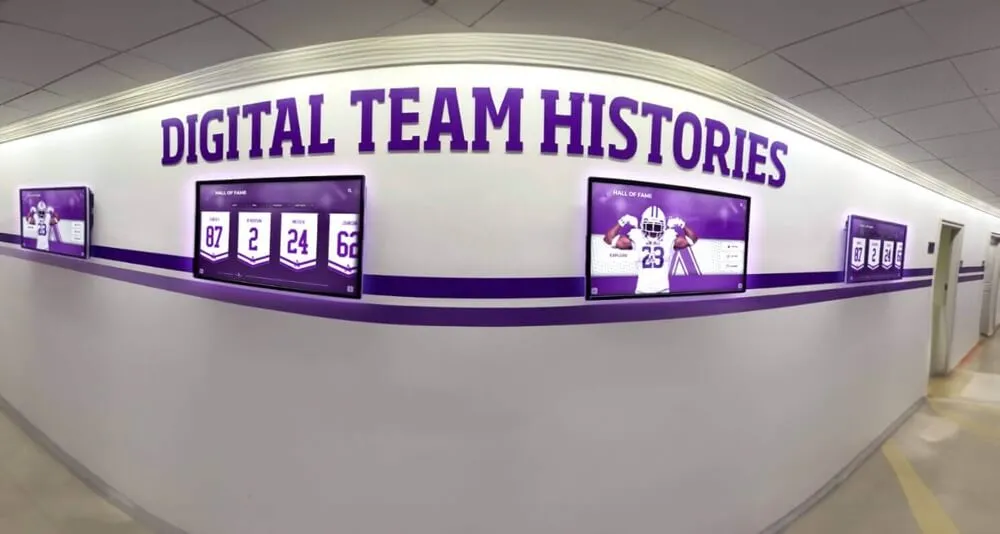
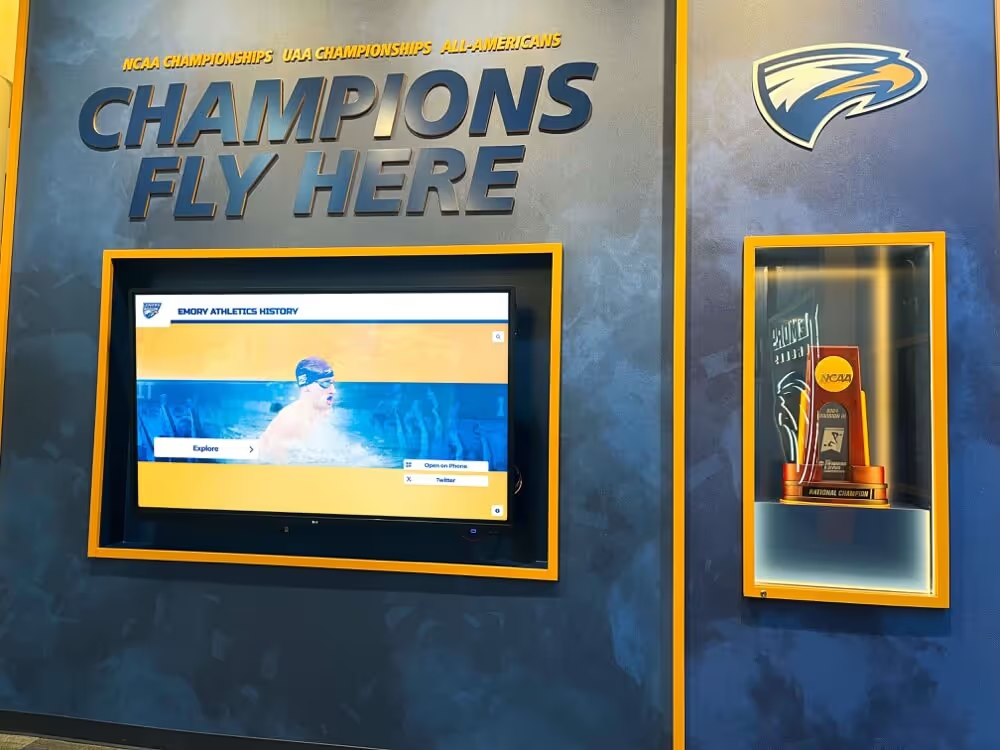
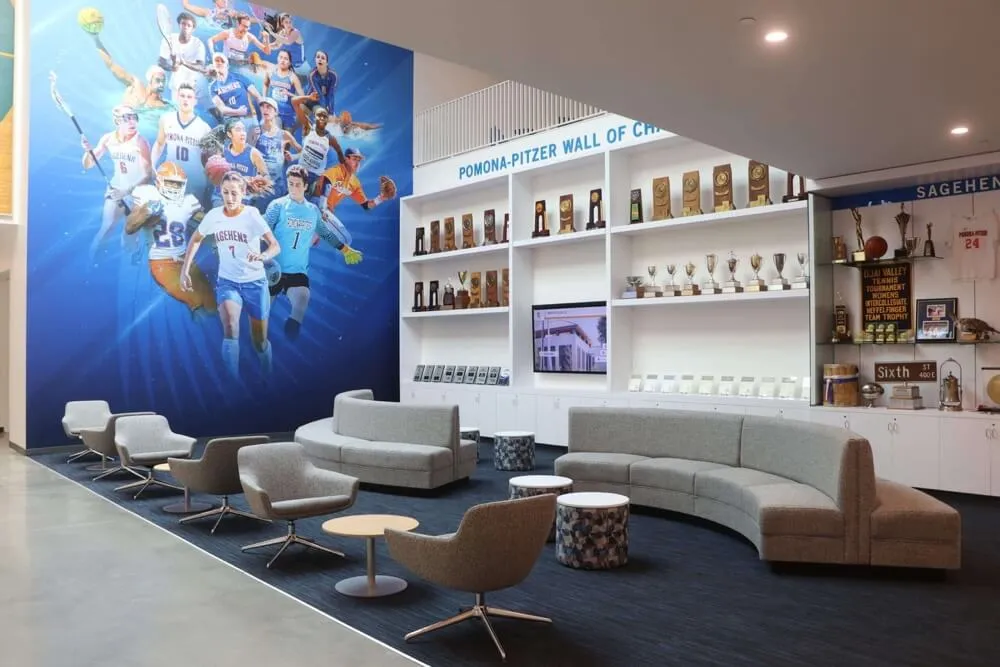
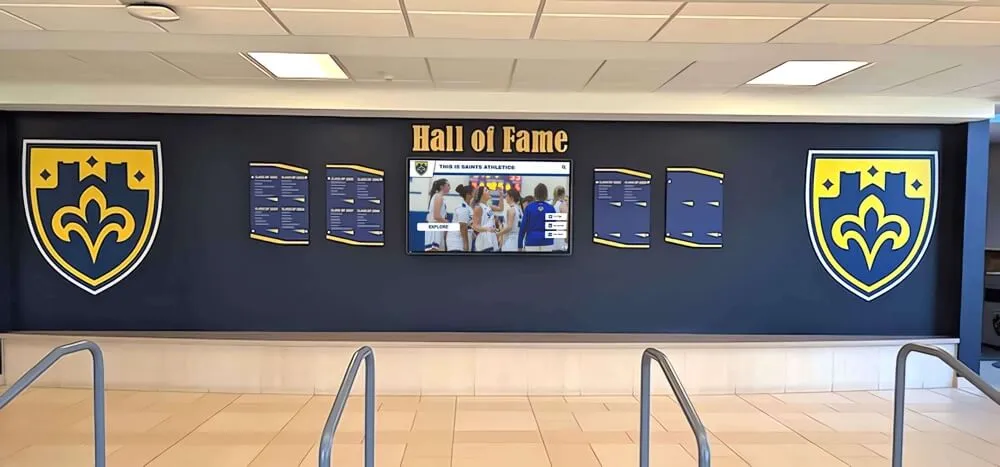
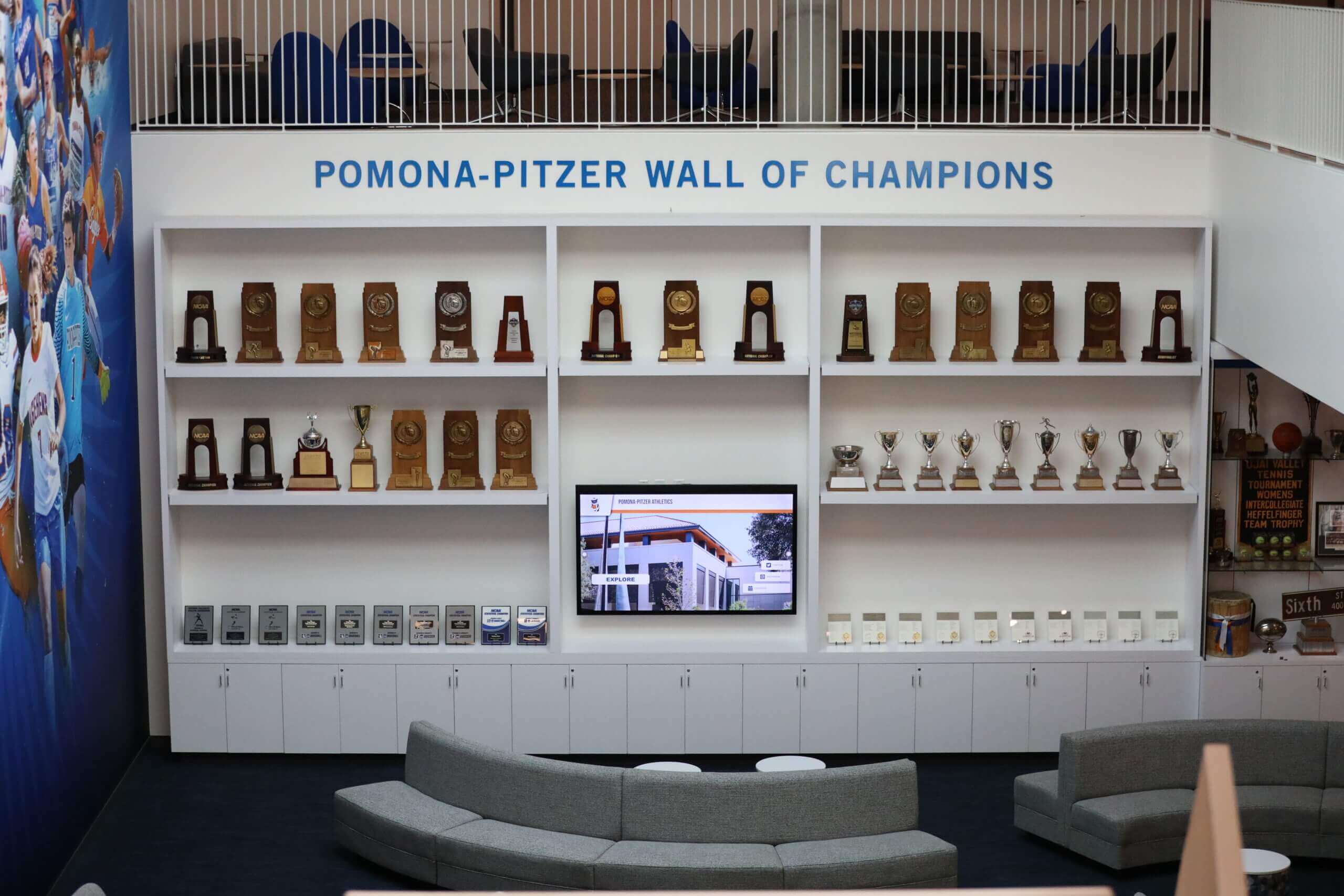
Championship recognition spaces celebrate athletic excellence while providing environments where teams can gather and reflect on achievement
Understanding State Championship Rings: Tradition and Significance
State championship rings originated from professional sports traditions where championship teams received rings commemorating their victories. This practice gradually expanded into collegiate athletics and eventually high school sports, where championships represent pinnacle achievements in student-athlete development.
The Cultural Significance of Championship Rings
Championship rings carry profound meaning within athletic culture:
Tangible Achievement Recognition
Unlike certificates or plaques that may eventually get stored away, rings remain physically present throughout life. Athletes wear them during significant moments—college signing days, high school reunions, or simply as reminders during challenging times. This constant physical presence keeps championship memories alive in ways other awards cannot match.
Symbol of Team Unity and Shared Accomplishment
Every team member receives an identical ring regardless of playing time or individual statistics—powerfully symbolizing that championships result from collective effort. The backup player who pushed starters during practice contributes as meaningfully to championship success as the star athlete. Rings cement this equality, honoring every person who contributed to the achievement.
Permanent Connection to School and Program
Championship rings create lasting bonds between athletes and their schools. Decades after graduation, former athletes proudly wear rings representing their high schools—serving as conversation starters, identity markers, and visual connections to formative experiences that shaped character and work ethic.
Motivation for Current and Future Athletes
When younger athletes see championship rings on coaches’ fingers or displayed during team meetings, these physical symbols make excellence tangible and aspirational. Rings demonstrate that championship achievement is real and attainable—motivating the next generation to pursue similar success.
Family Legacy and Generational Pride
Championship rings often become family heirlooms passed down through generations. Parents show their rings to children, sparking stories about dedication, teamwork, and overcoming adversity. These conversations transmit values transcending athletics—lessons about commitment, resilience, and working toward meaningful goals.

Modern recognition displays complement traditional rings by preserving championship achievements in permanent, accessible formats visible throughout school facilities
Championship Rings Across Different Sports
State championship rings maintain significance across all athletic programs, though design approaches often reflect sport-specific traditions:
Team Sports Recognition
Football, basketball, volleyball, soccer, and baseball championships typically generate the highest ring demand. Team sports with larger rosters require careful budgeting since ring costs multiply across 20-40+ recipients including players, coaches, managers, and trainers.
Individual Sport Championships
Wrestling, track and field, swimming, and cross country programs face unique considerations when state championships involve individual achievement rather than team victories. Some programs provide rings for individual state champions, while others reserve rings for team state championships, creating individual recognition through alternative awards.
Emerging Sport Considerations
As states add championship structures for emerging sports like lacrosse, rugby, bowling, or competitive cheer, these programs establish their own ring traditions—balancing excitement about inaugural championships with budget realities and institutional precedents.
Designing State Championship Rings: Key Elements and Customization
Effective championship ring design balances aesthetic appeal with meaningful symbolism representing specific championship achievements and school identity.
Essential Design Components
Comprehensive championship rings typically incorporate several standard elements:
School Name and Mascot
Primary identification establishing which institution the championship represents. School names often appear prominently on the ring top alongside mascot imagery—whether illustrated characters, stylized letters, or logo representations. This branding creates immediate visual connection to institutional identity.
Sport Identification
Clear indication of which sport achieved the championship—“Football,” “Basketball,” “Volleyball,” etc.—prevents ambiguity about the achievement source. This clarity matters especially in schools with multiple championship teams in single years.
Championship Year
Prominently displayed date marking when the championship occurred. Some designs use full years (“2026”) while others abbreviate ("‘26"). This temporal marker contextualizes the achievement within program history.
State Championship Designation
Explicit language confirming the achievement level—“State Champions,” “State Championship,” or similar phrasing. Some designs include state abbreviations or state outline shapes reinforcing geographic context.
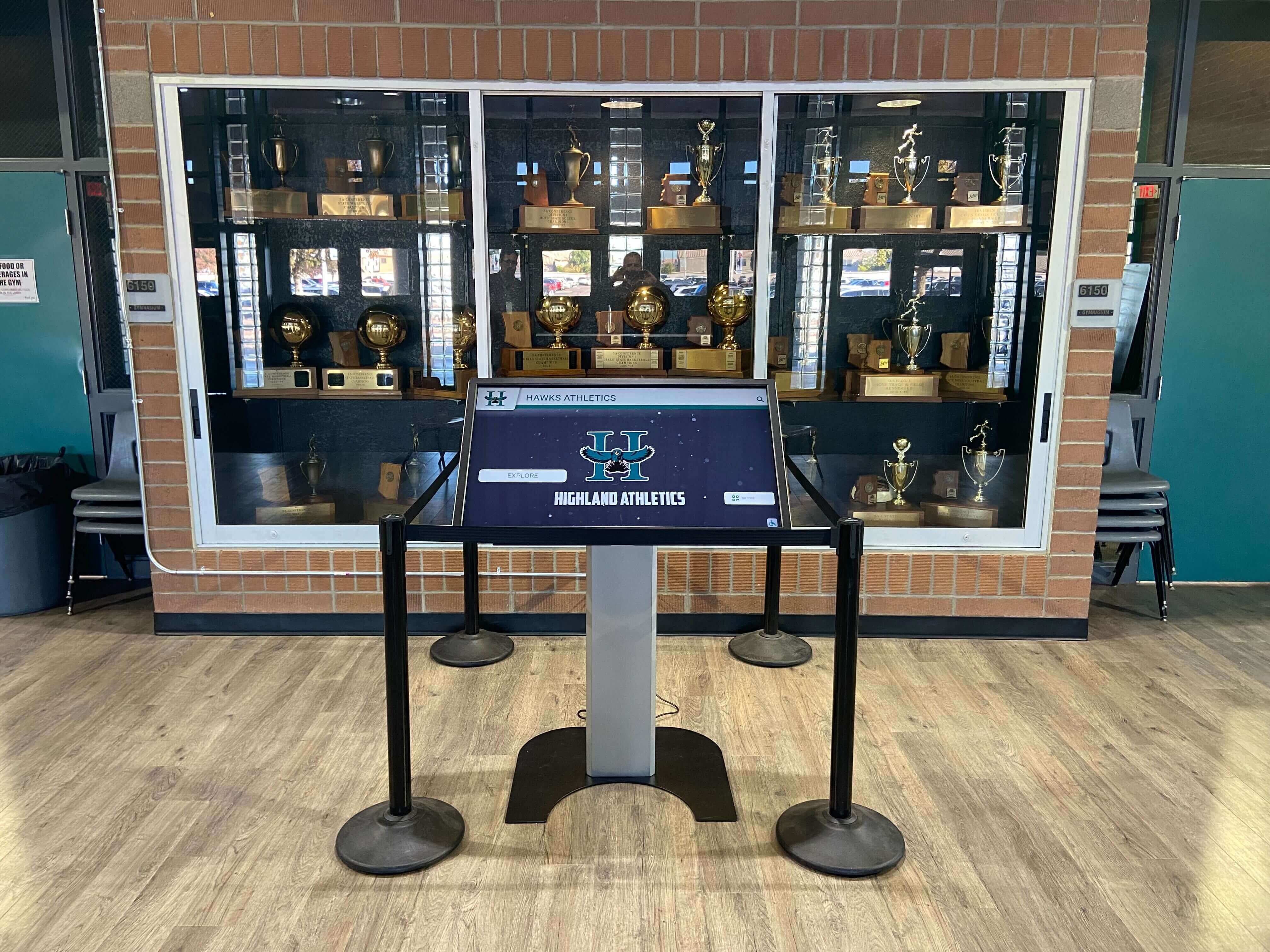
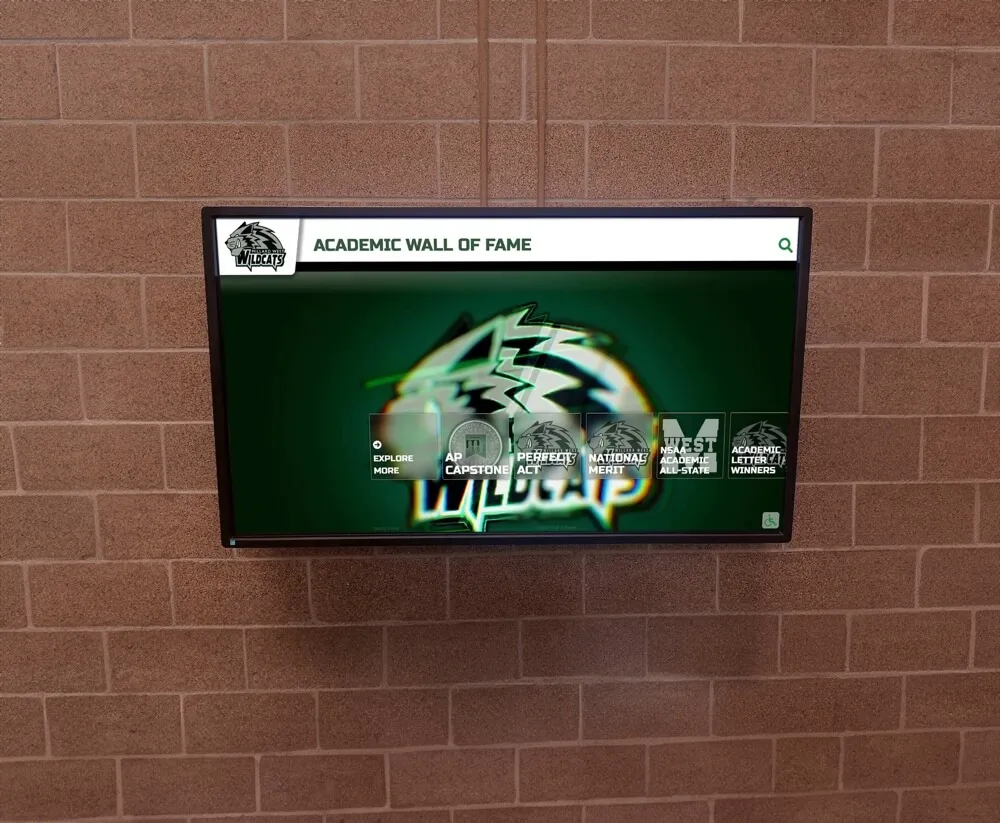
Hybrid recognition approaches combine traditional trophy cases with digital displays providing expanded championship documentation and athlete profiles
Team Record or Special Achievements
Many designs incorporate season records (13-0, 32-2, etc.), conference championships, playoff run results, or other notable accomplishments contextualizing the state championship within the broader season narrative.
Individual Personalization
Player names, jersey numbers, and positions often appear on ring sides or interior, creating personal connection while maintaining team unity through identical base designs.
Material and Quality Considerations
Championship ring materials significantly impact both appearance and cost:
Metal Options
- Silver-plated or stainless steel: Most economical option ($100-200 per ring), provides attractive appearance while controlling costs, suitable for programs with budget constraints or large recipient lists
- Sterling silver: Mid-range option ($250-350 per ring) offering genuine precious metal with better long-term durability and appearance
- Gold-plated: Gold appearance on base metal ($200-300 per ring), balances prestigious look with moderate pricing
- Solid gold (10K, 14K): Premium option ($500-1,500+ per ring), represents highest quality but often exceeds high school budgets except for extraordinary circumstances
Stone and Accent Choices
- Cubic zirconia: Synthetic stones providing diamond-like appearance at fraction of cost, standard choice for school colors and accent stones
- Genuine gemstones: Optional upgrade available from some vendors, significantly increases per-ring costs
- School color coordination: Strategic stone placement representing institutional colors, creating visual identity connection
Design Complexity Impact
More intricate designs with detailed engraving, multiple stone settings, or three-dimensional elements increase manufacturing costs. Simple, clean designs reduce expenses while maintaining professional appearance and symbolic meaning.
Working With Ring Design Companies
Numerous companies specialize in championship ring manufacturing for schools:
Selection Criteria
When evaluating ring vendors, consider:
- Previous work quality and sample availability for assessment
- Customization flexibility accommodating unique design preferences
- Pricing transparency including all costs, no hidden fees
- Production timelines ensuring delivery for planned ceremonies
- Customer service responsiveness and communication quality
- Minimum order quantities fitting your team size
- Quality guarantees or replacement policies for defects
Design Process Timeline
Typical ring development follows structured timelines:
- Initial consultation (1-2 weeks): Discuss design concepts, review options, establish budget parameters
- Design mockups (2-3 weeks): Company creates digital renderings based on specifications
- Revision cycles (1-2 weeks): Refine designs incorporating feedback and adjustments
- Final approval: Sign off on design, confirm recipient list and sizes
- Manufacturing (6-10 weeks): Production time varies by company and order complexity
- Delivery and distribution: Plan ceremony or presentation timeline
Begin the process immediately after championship victory, as 3-4 month total timelines mean delays can push delivery into following season or school year.
Ring Sizing and Distribution Logistics
Accurate sizing prevents frustration and additional costs:
Size Collection Process
- Distribute ring sizers to all recipients during team meetings
- Allow adequate time for athletes to determine comfortable fit
- Record sizes systematically preventing errors and omissions
- Consider growth for younger athletes if delivery will be months away
- Collect contact information for graduated seniors needing delivery coordination
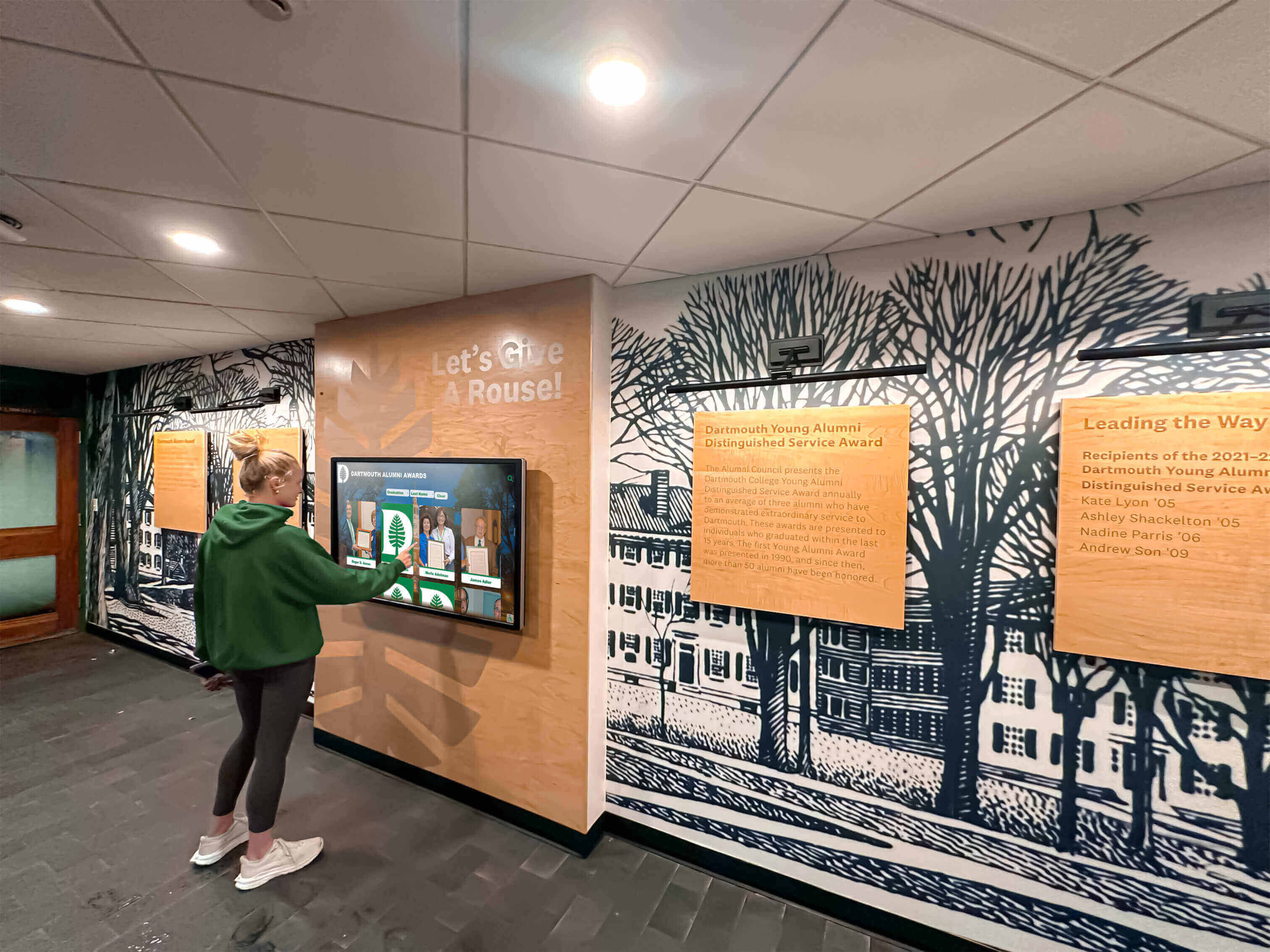
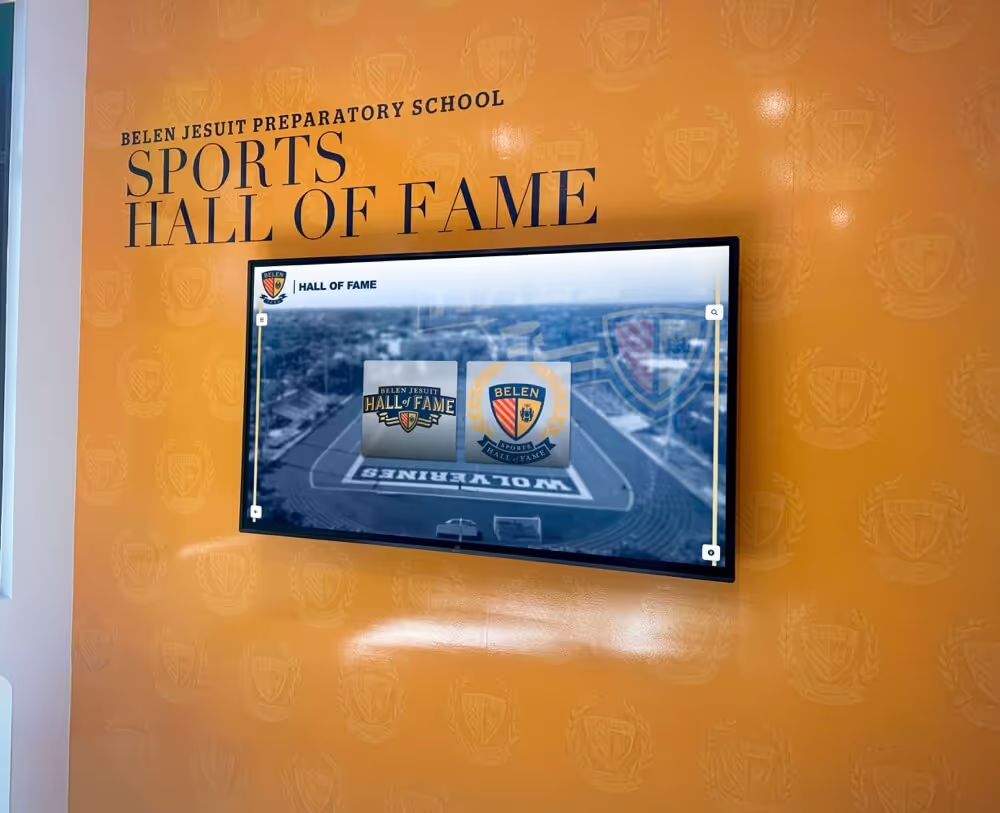
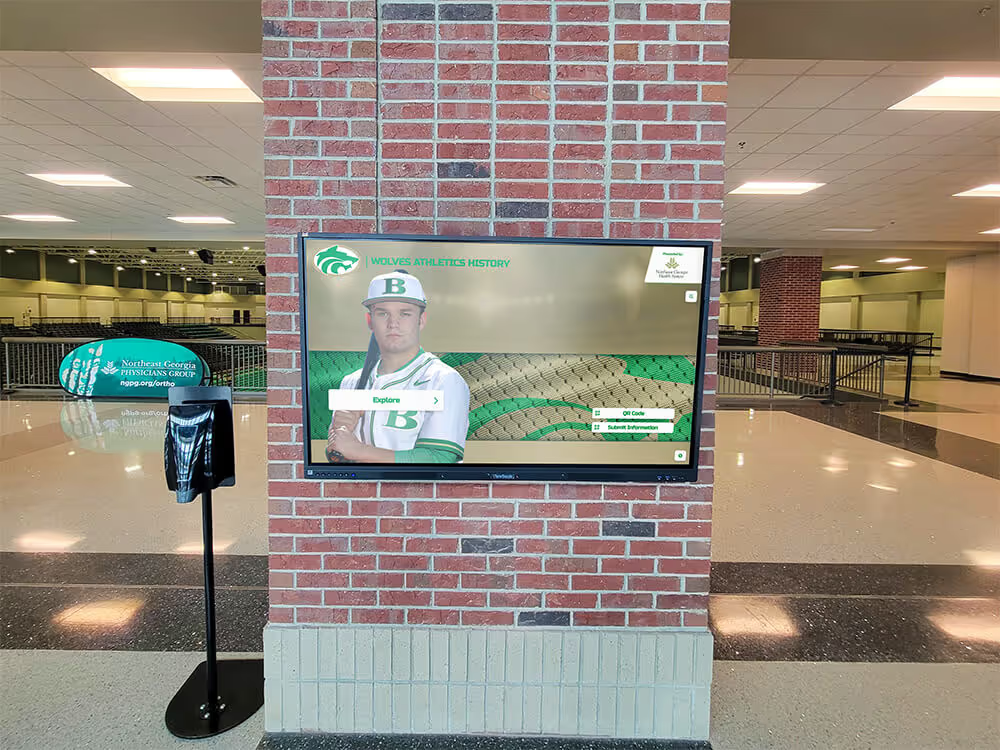
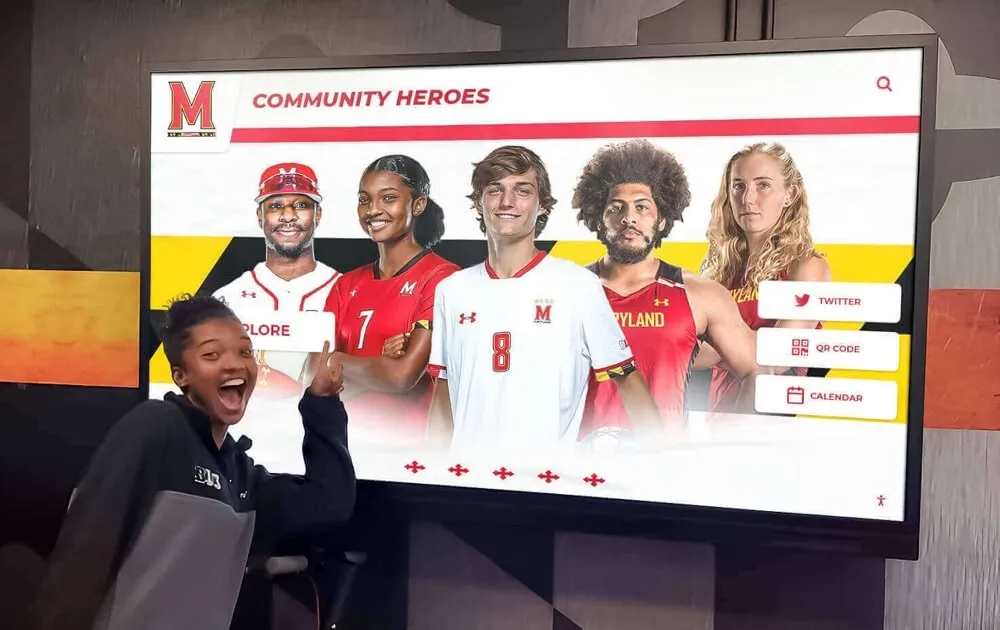
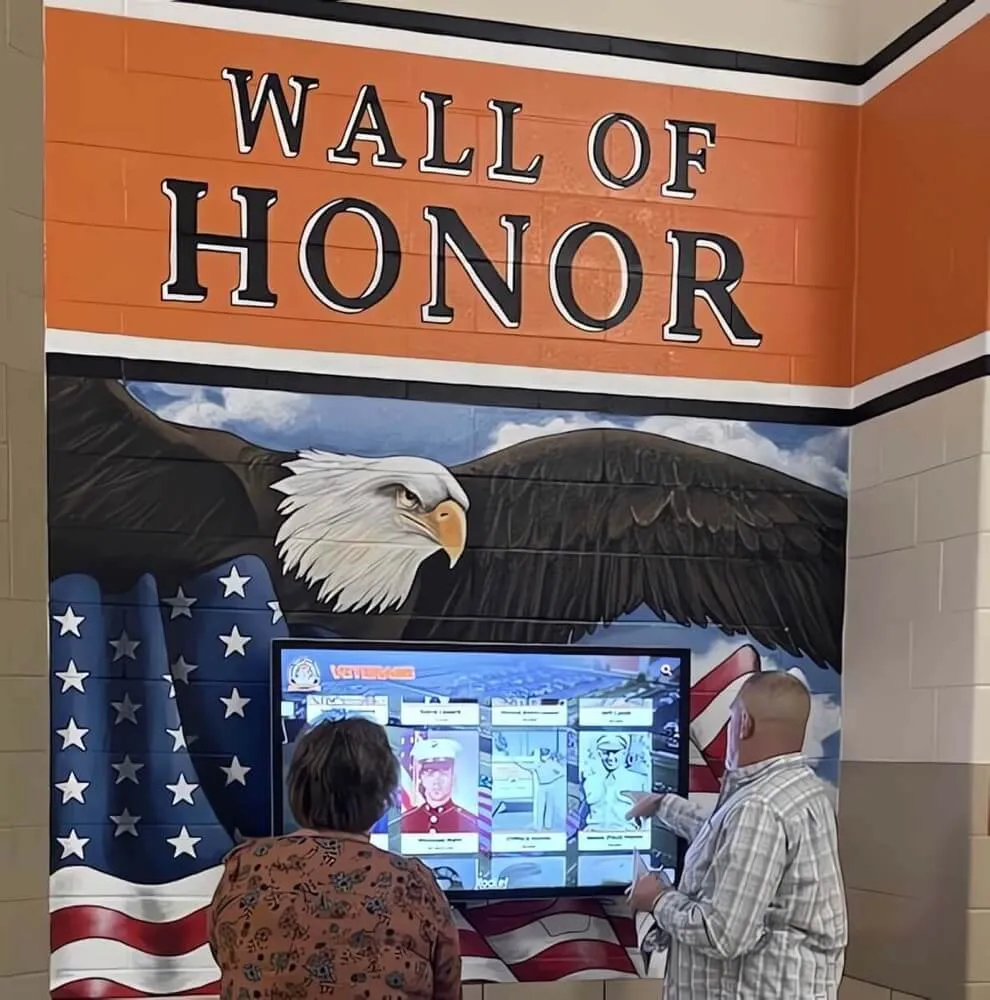
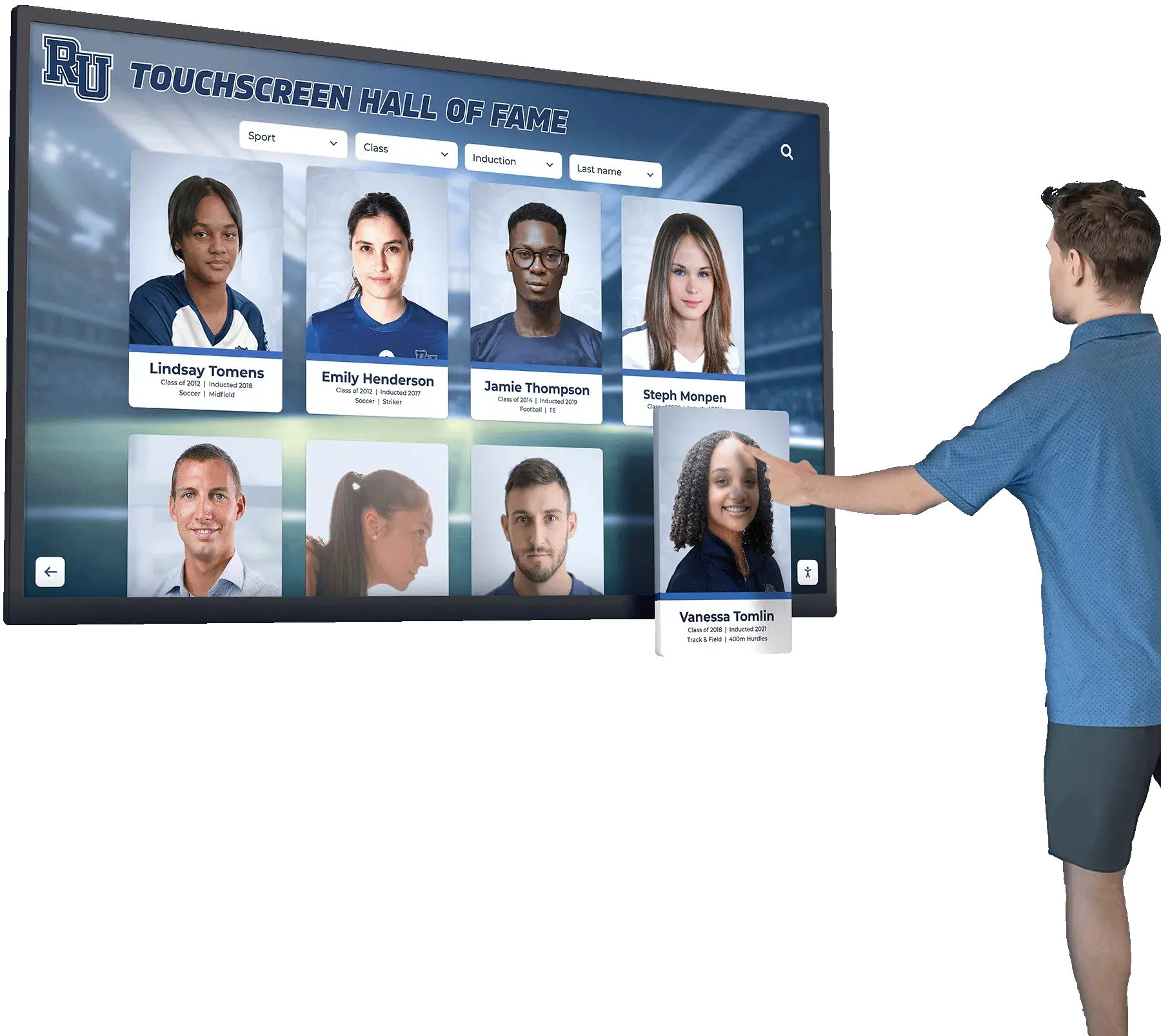
Interactive displays enable current students to explore championship histories and athlete profiles, connecting them to program traditions and legacy
Distribution Planning
Schools typically present championship rings during:
- Special recognition ceremonies or banquets celebrating championship season
- End-of-year athletic banquets where multiple teams receive awards
- School assemblies or pep rallies providing community-wide celebration
- Preseason meetings the following year, maintaining tradition and motivation
Ceremonial presentation creates memorable moments and community pride while providing photo opportunities and media coverage extending championship celebration visibility.
Budgeting for State Championship Rings: Costs and Funding Strategies
Championship rings represent significant investments requiring strategic financial planning and creative funding approaches.
Comprehensive Cost Analysis
Total championship ring expenses extend beyond per-ring prices:
Direct Ring Costs
- Base ring price multiplied by recipient count (typically 20-50 people)
- Customization fees for complex designs or premium materials
- Engraving costs for personalization
- Sizing and fitting expenses
- Shipping and handling fees
- Sales tax where applicable
Example Calculations
- Small team (15 rings × $200 each) = $3,000
- Medium team (30 rings × $300 each) = $9,000
- Large team (45 rings × $250 each) = $11,250
Recipient List Considerations
Determine who receives rings:
- All varsity players regardless of playing time
- Junior varsity players who practiced with varsity
- Team managers and student support staff
- Head coaches and assistant coaches
- Athletic trainers and medical staff
- School administrators or athletic directors
Larger recipient lists increase costs but honor all contributors to championship success. Some programs create tiered approaches—premium rings for varsity players and coaches, alternative recognition for support staff—balancing budget constraints with inclusive acknowledgment.
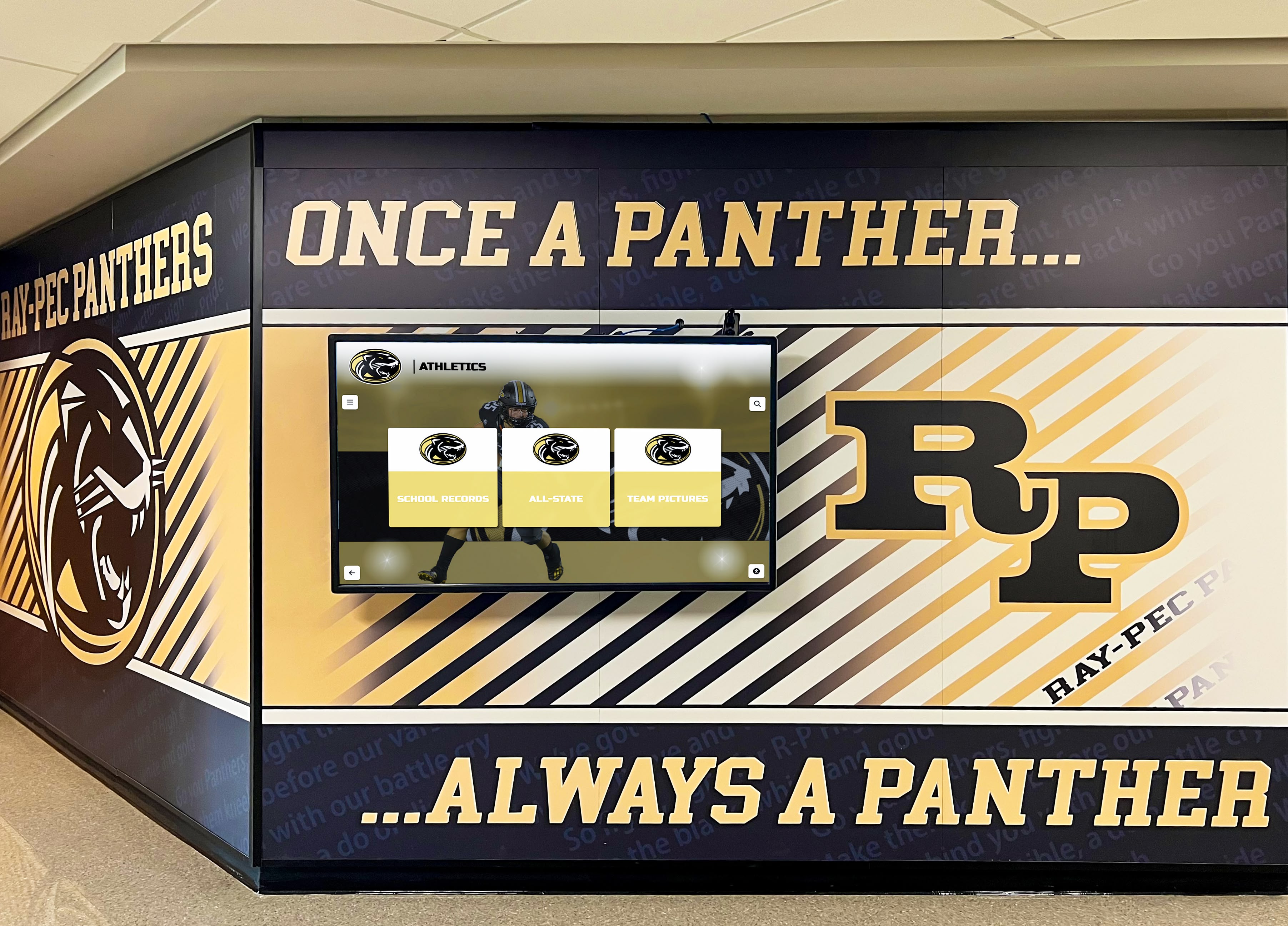
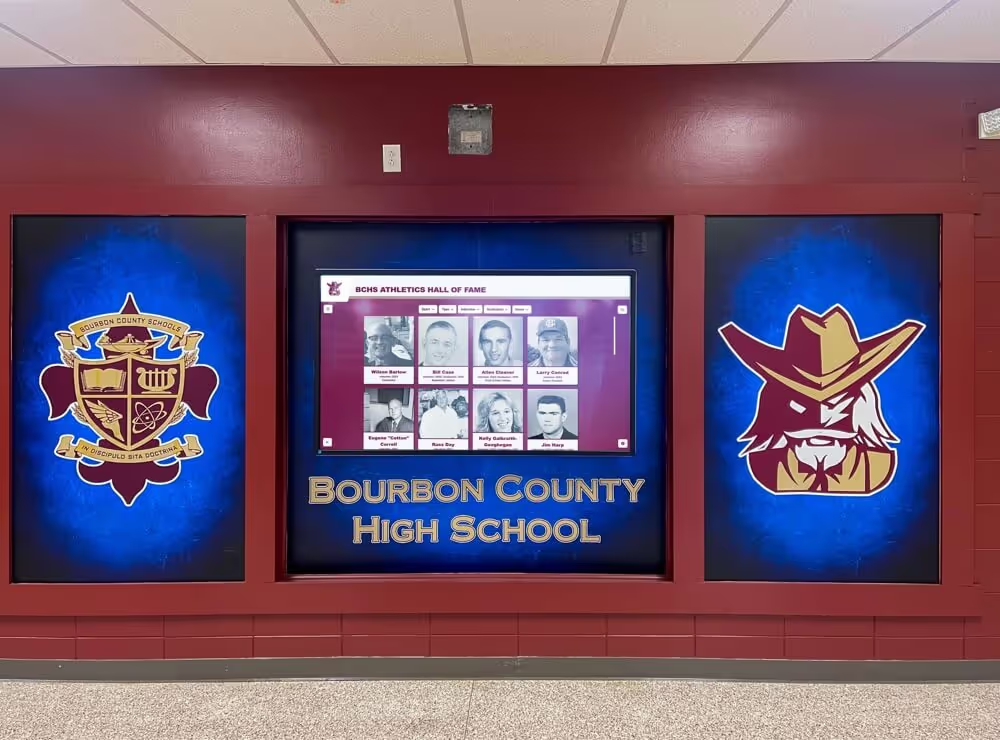
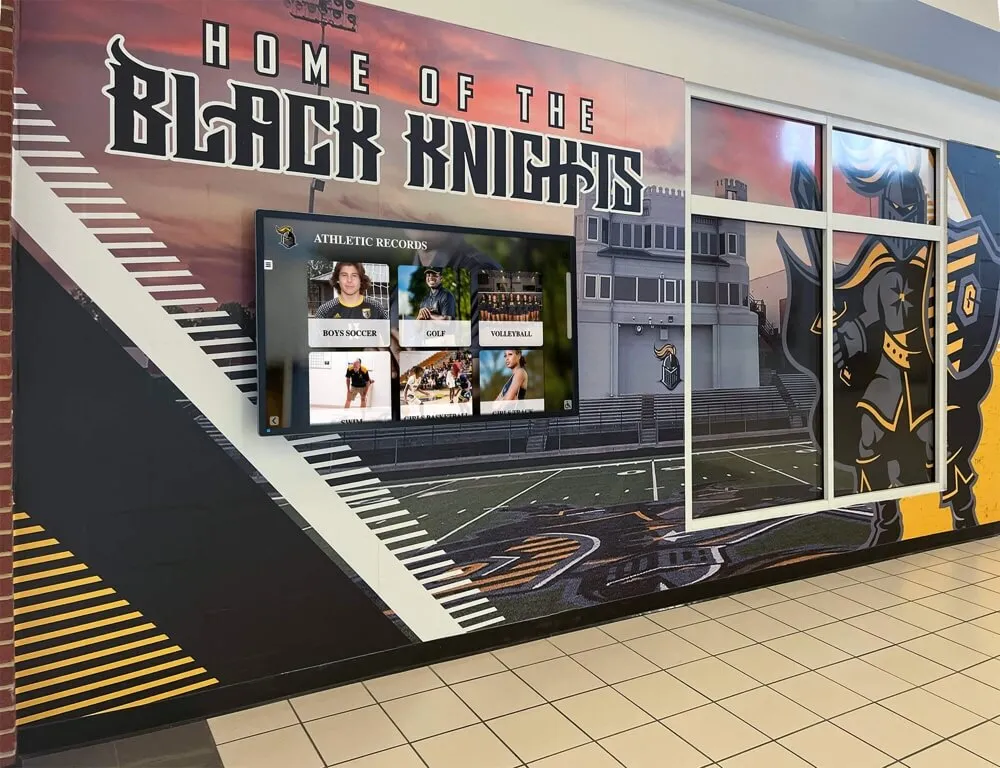
Integrated recognition displays celebrate championships alongside individual athletic achievements, creating comprehensive program documentation
Creative Funding Strategies
Championship rings rarely fit within standard school budgets, requiring supplemental funding sources:
Booster Club and Parent Organization Support
Athletic booster clubs often view championship rings as appropriate use of fundraising revenue. Present ring proposals to booster leadership immediately after championships, emphasizing:
- Celebration of success their fundraising helped enable
- Lasting recognition motivating future contributions
- Opportunity to honor athletes who likely include boosters’ own children
Many booster clubs enthusiastically fund rings when they understand the recognition significance and their role in enabling championship success.
Team-Specific Fundraising Campaigns
Championship teams can conduct targeted fundraising:
- Community appeals celebrating local championship success
- Corporate sponsorships from businesses proud to support champions
- Alumni appeals to former athletes who appreciate ring significance
- Crowdfunding campaigns through platforms supporting team causes
- High school sports fundraising events leveraging championship excitement
Championship success creates natural fundraising momentum—community members and alumni often contribute generously toward rings celebrating achievements that reflect positively on entire communities.
Cost-Sharing With Athletes and Families
Some programs implement cost-sharing models:
- School/booster club covers base ring cost
- Families optionally pay for premium upgrades (better metals, additional stones)
- Tiered pricing enabling choice between standard and enhanced versions
- Payment plans distributing costs across multiple months
Cost-sharing requires sensitivity to economic diversity ensuring all athletes receive rings regardless of financial circumstances. Some programs maintain confidential subsidy funds preventing any athlete from missing recognition due to inability to pay.
Multi-Year Budgeting and Reserve Funds
Forward-thinking programs establish championship funds:
- Annual booster budget allocation even in non-championship years
- Reserve funds accumulating across seasons for championship eventuality
- Investment of excess fundraising revenue creating future resources
- Planned giving from alumni supporting championship recognition
Reserve funds prevent championship celebrations from creating budget crises while ensuring rapid ring ordering following victories.
Budget-Conscious Alternatives to Premium Rings
Schools facing significant budget constraints can explore alternatives maintaining recognition significance:
Simplified Ring Designs
Reducing design complexity and using economical materials provides rings at lower price points:
- Simpler engraving with fewer design elements
- Single stones or no stones rather than multiple accent stones
- Standard templates rather than fully custom designs
- Lower-cost metals maintaining attractive appearance
Athletes value symbolic meaning more than precious metals—thoughtfully designed economical rings carry equivalent significance to premium versions.
Alternative Championship Recognition
Some programs substitute or supplement rings with:
- Championship pendants or necklaces (often $50-100 each)
- Custom championship watches featuring team/school branding
- Engraved championship plaques for individual display
- Premium team apparel with championship designation
- Championship banners and facility signage celebrating achievement
While rings carry unique cultural cachet, alternative recognition can meaningfully honor championships when budgets prohibit ring investment.
Presentation Ceremonies: Celebrating Championship Achievement
How schools present championship rings significantly impacts the recognition experience and community engagement.
Planning Meaningful Presentation Ceremonies
Effective ceremonies balance formality with celebration:
Timing Considerations
- Immediate post-season: Maintain championship excitement, ensure all athletes remain accessible
- End-of-year banquets: Combine with other recognition, build comprehensive celebration
- Following season kickoff: Create tradition and motivation, may delay gratification
- School assemblies: Provide community-wide celebration, inspire younger students
Select timing considering ring delivery schedules, athlete availability, and ceremonial significance.
Ceremony Elements
Compelling presentations typically include:
- Recognition of championship journey—season highlights, playoff victories, championship game
- Individual athlete introductions acknowledging each recipient
- Coach reflections on season and team character
- Student-athlete speeches from team captains or senior leaders
- Formal ring presentation to each recipient with photo opportunities
- Championship video or photo montages celebrating season
- Community acknowledgment of support from families, boosters, and school
Keep ceremonies concise (30-45 minutes) maintaining energy and engagement while providing appropriate gravitas.

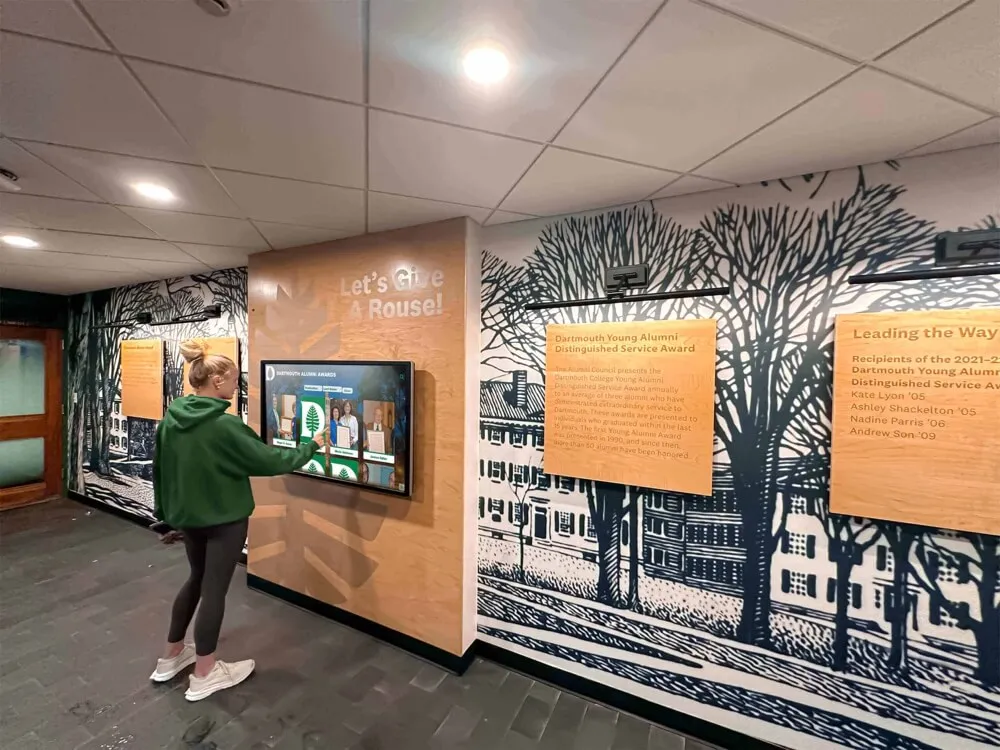
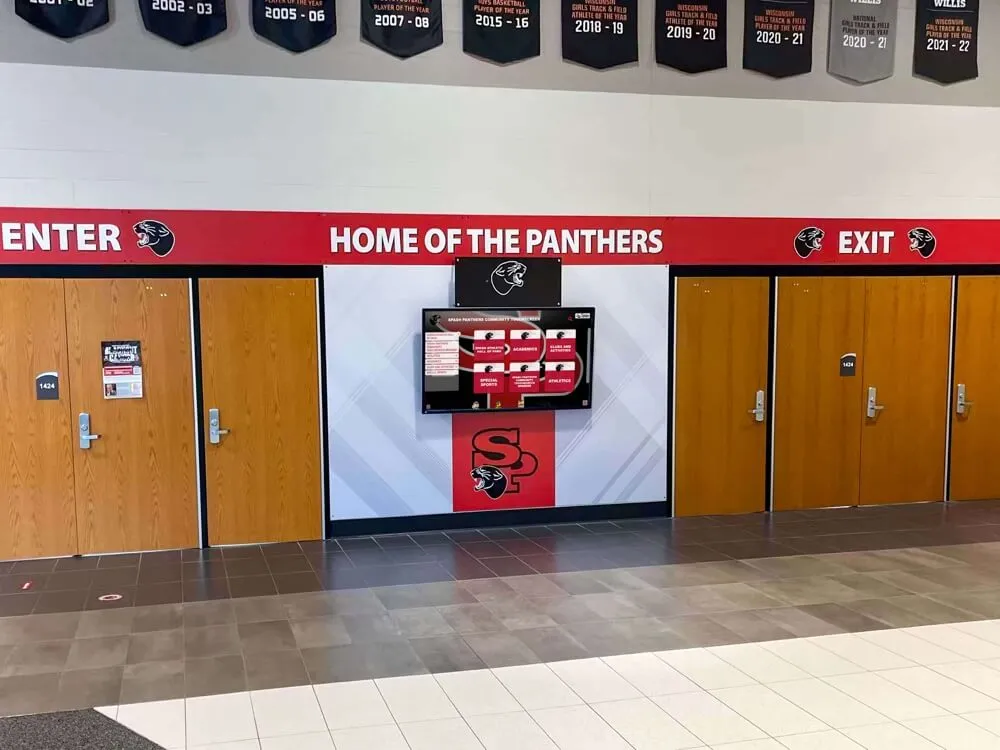
Strategic display placement in athletic facilities ensures championship recognition reaches athletes, families, and visitors throughout daily facility usage
Media and Documentation
Maximize ceremony impact through:
- Professional photography capturing individual and team moments
- Video documentation preserving ceremony for absent athletes and future reflection
- Social media coverage extending celebration to broader community
- Local media invitations generating positive press coverage
- School website and communication features celebrating achievement
Comprehensive documentation extends ring presentation impact beyond ceremony attendees while creating permanent records preserving championship celebration memories.
Incorporating Digital Recognition Systems
Modern schools increasingly combine traditional rings with permanent digital recognition preserving championship achievements indefinitely:
Complementary Recognition Approaches
While rings provide personal keepsakes for athletes, digital recognition displays serve broader purposes:
- Visible championship documentation for current students and visitors
- Comprehensive team rosters preserving every contributor’s name
- Season statistics and achievement details impossible on rings
- Photos and videos bringing championships to life for future generations
- Searchable databases enabling alumni to find their championship records
Digital systems ensure championships remain celebrated long after rings leave campus with graduated athletes.
Integration With Ring Presentations
Use ring ceremonies to unveil digital recognition:
- Reveal new championship displays during presentation ceremonies
- Allow athletes to explore their digital profiles on touchscreen systems
- Demonstrate how their achievement will remain visible to future students
- Create photo opportunities with both physical rings and digital recognition
- Emphasize lasting institutional legacy their championship represents
This integration honors individual athletes through rings while celebrating institutional achievement through permanent displays benefiting entire school communities.
Beyond Rings: Comprehensive Championship Recognition Systems
State championship rings represent one element within broader recognition programs that preserve athletic excellence and inspire future achievement.
Multi-Format Recognition Strategies
Comprehensive approaches combine multiple recognition types:
Physical Recognition
- Individual championship rings for athletes and coaches
- Championship banners displayed in gymnasiums and athletic facilities
- Trophy cases showcasing championship hardware and team photos
- Permanent plaques on walls documenting championship achievements
- Facility naming or dedication honoring exceptional championship eras
Digital Recognition Platforms
Modern schools leverage technology overcoming physical recognition limitations:
Solutions like Rocket Alumni Solutions provide schools with comprehensive digital recognition capabilities that traditional displays cannot match:
Unlimited Recognition Capacity
Digital platforms eliminate space constraints limiting trophy cases and plaque walls. Schools can document unlimited championships with complete team rosters, individual athlete profiles, season statistics, photos, and videos—ensuring every championship receives thorough documentation regardless of how many titles a program accumulates.
Engaging Multimedia Storytelling
Interactive touchscreen displays enable visitors to explore championship stories through:
- Season highlight videos showcasing championship journeys
- Individual athlete profiles with photos, statistics, and biographical information
- Team rosters preserving every contributor’s name permanently
- Championship game documentation and outcome details
- Coach reflections and season narratives providing context
This multimedia richness creates emotional connections that static plaques cannot achieve, helping current students understand championship significance and legacy.
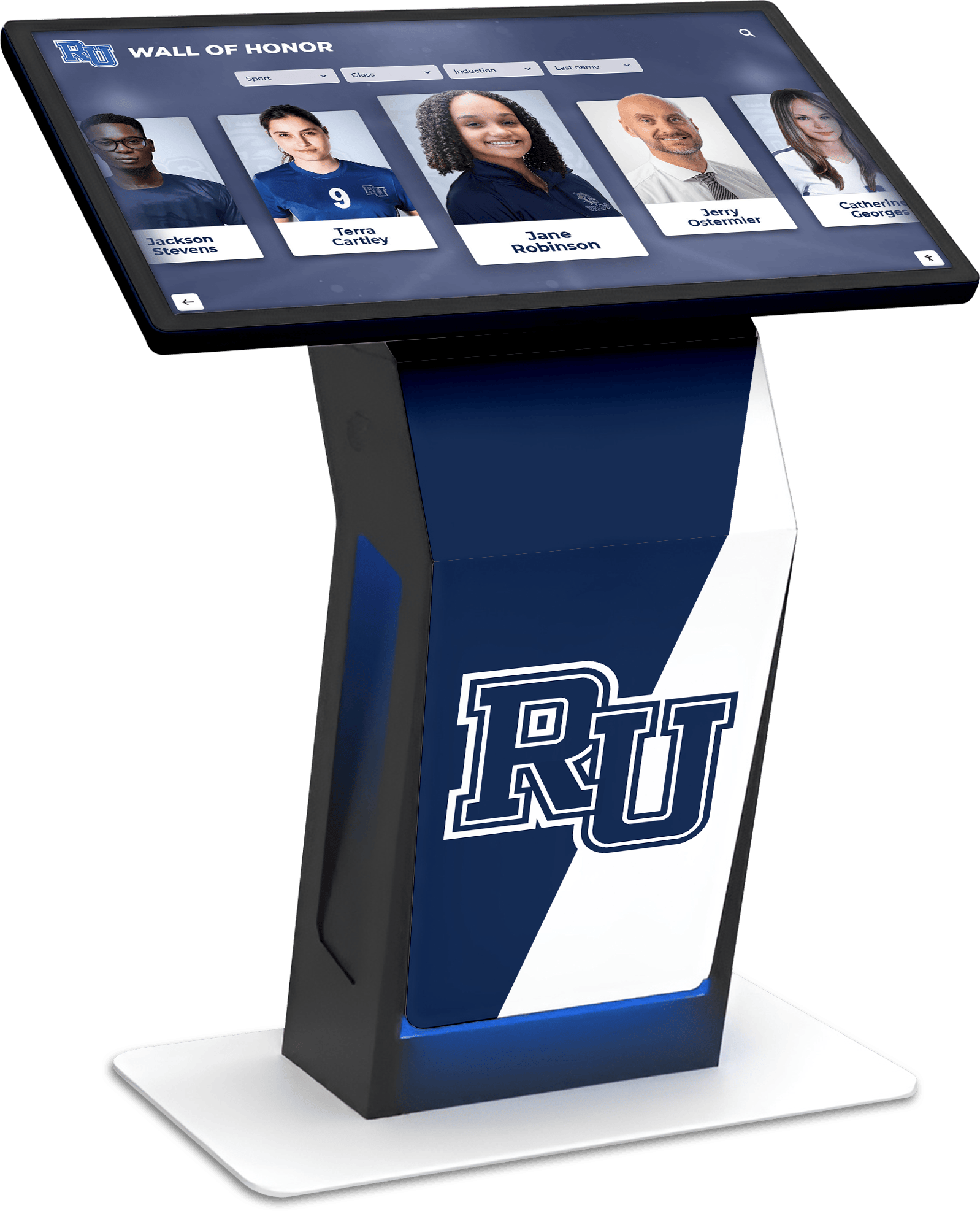
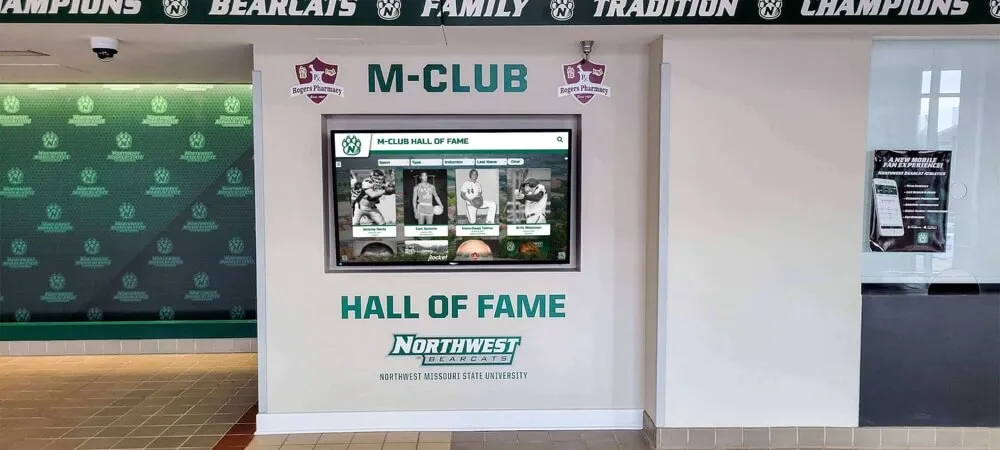
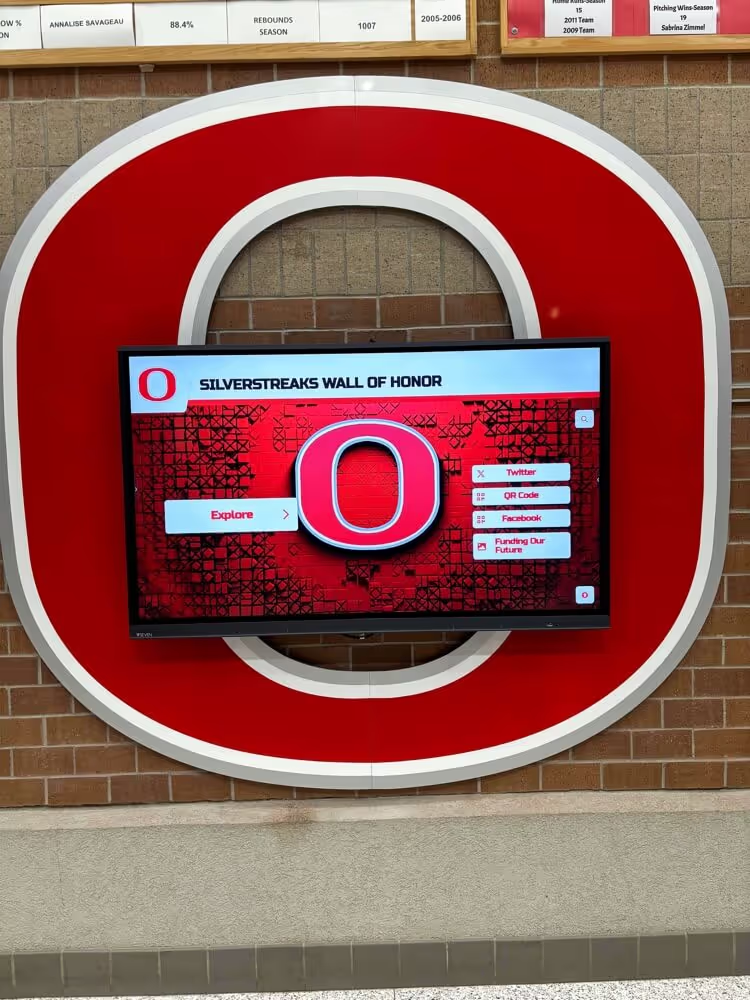
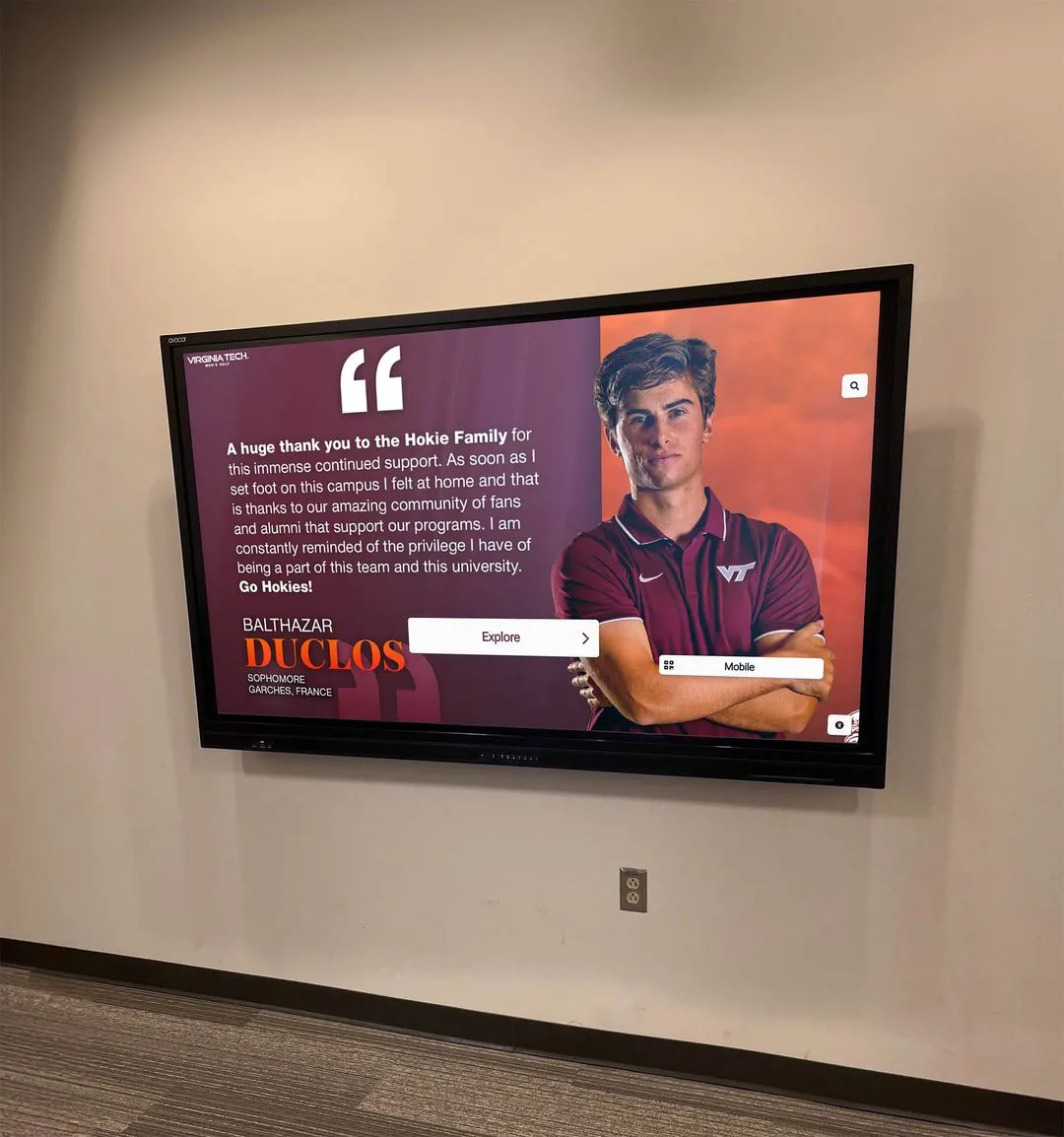
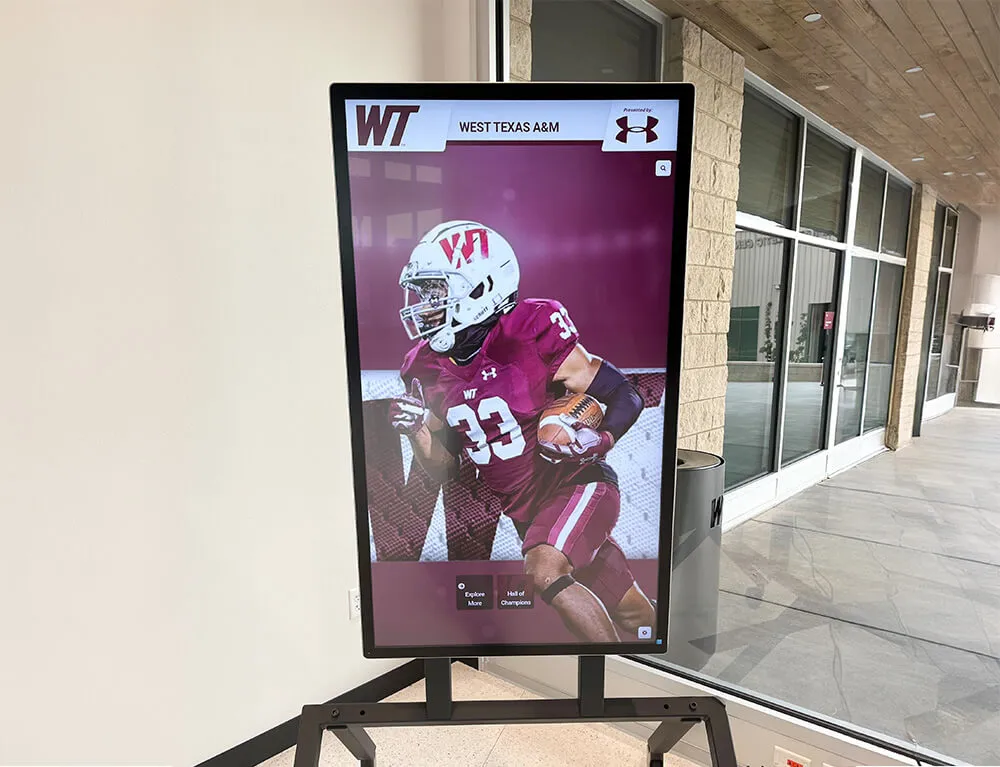
Dedicated recognition kiosks in high-traffic areas ensure championship celebrations remain visible and accessible to students, staff, and visitors
Instant Updates and Additions
When teams win championships, digital recognition appears immediately through intuitive content management systems accessible to athletic directors and coaches without technical expertise. No waiting for plaque fabrication or finding available wall space—new championships receive instant celebration while excitement remains fresh.
Web Accessibility Extending Recognition
Digital recognition extends beyond physical campuses through web-accessible platforms where alumni, community members, and prospective athletes can explore championship histories from anywhere. This accessibility increases recognition impact while enabling social sharing that amplifies celebration reach.
Integrated Athletic Achievement Recognition
Comprehensive platforms combine championship recognition with:
- Individual athletic records and achievements
- All-conference and all-state selections
- Hall of fame inductions and distinguished alumni recognition
- Coach milestones and program history documentation
- Academic all-state and scholar-athlete recognition
Unified systems celebrating diverse achievements demonstrate institutional commitment to comprehensive excellence while providing single platforms serving multiple recognition purposes.
Building Recognition Programs That Preserve Legacy
Strategic recognition programs extend beyond celebrating current championships to preserving complete program histories:
Historical Documentation Projects
Many schools implementing digital recognition undertake historical research:
- Documenting all historical championships across all sports and eras
- Collecting photos, team rosters, and achievement details from past decades
- Interviewing former coaches and athletes preserving oral histories
- Digitizing physical records before deterioration erases history
- Creating comprehensive program timelines showing evolution and growth
Digital platforms provide frameworks and motivation for historical preservation ensuring institutional memory survives leadership transitions and time passage.
Inspiring Current Athletes Through Historical Context
When current athletes see complete championship histories—understanding which teams achieved success, how long periods passed between championships, what records previous generations established—they develop deeper appreciation for program tradition and their opportunities to add new chapters to ongoing stories.
Strengthening Alumni Engagement and Connections
Comprehensive recognition programs create natural touchpoints for alumni engagement:
- Alumni discover their achievements preserved and celebrated
- Former teammates reconnect exploring shared championship memories
- Graduated athletes bring their children to see their recognition
- Reunion events incorporate recognition display exploration
- Alumni giving and support increases when recognition demonstrates institutional appreciation
Recognition systems become tools for development and advancement, not merely backward-looking historical displays.
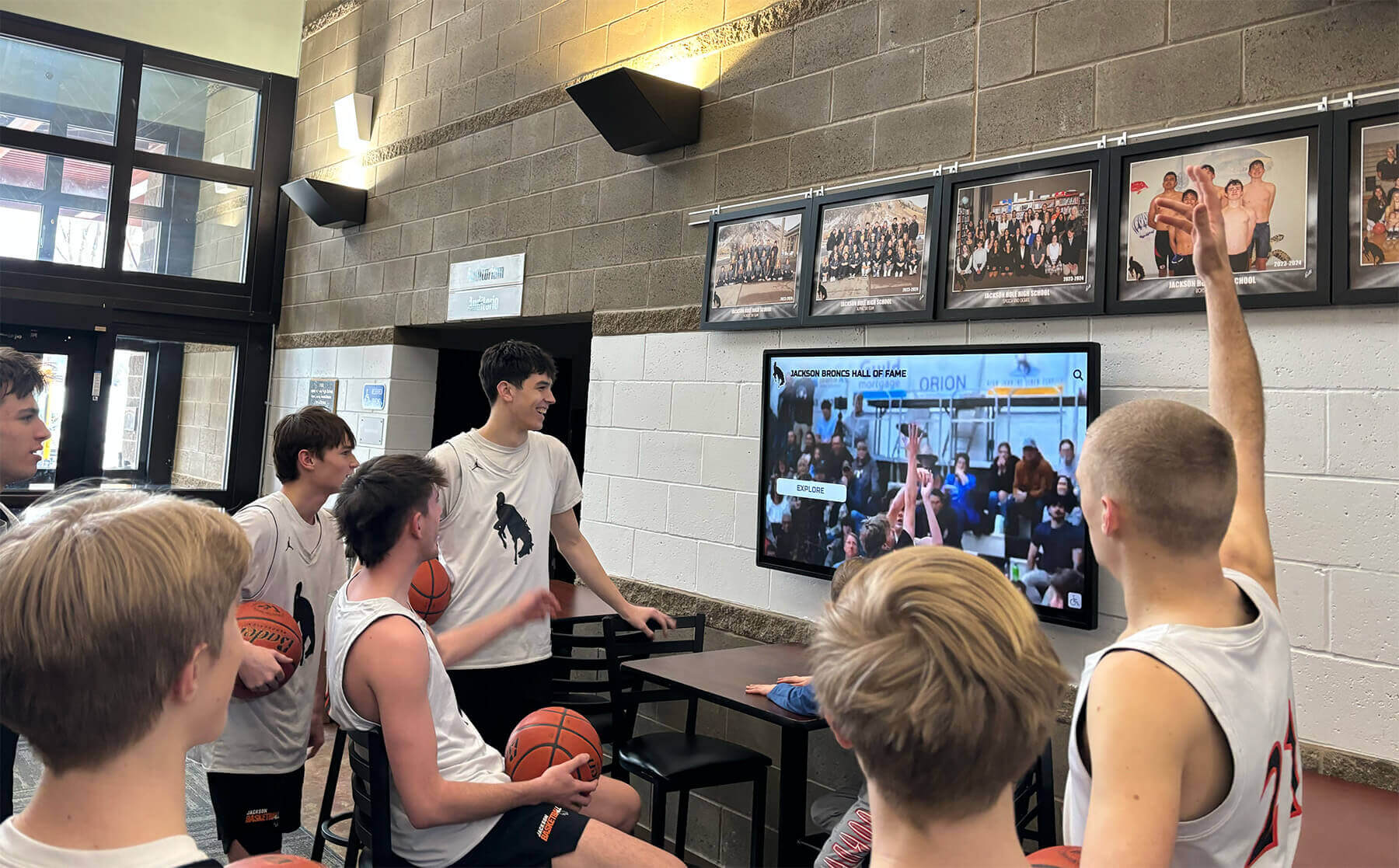
Current athletes engage with championship histories through video highlights and team profiles, connecting them to program traditions they continue
Championship Recognition Across Different Sports and Contexts
While state championship rings maintain consistent significance across athletics, specific sports and situations warrant tailored recognition approaches.
Team Sport Championships
Football, basketball, volleyball, soccer, and similar team sports generate straightforward championship ring scenarios:
Large Roster Considerations
Team sports with 30-50+ participants create budget challenges requiring:
- Careful recipient list definition balancing inclusivity with financial reality
- Tiered recognition distinguishing varsity contributors from practice squad participants
- Alternative awards supplementing rings for larger support groups
- Strategic fundraising leveraging team size to distribute outreach burden
Positional Recognition
Some team sport rings incorporate position-specific elements:
- Quarterback, pitcher, goalkeeper, or other specialized position notation
- Offensive versus defensive designation in applicable sports
- Special team or role identification where relevant
Position indicators add personalization while maintaining team unity through consistent base designs.
Individual Sport Recognition Challenges
Wrestling, track and field, swimming, and cross country present unique scenarios:
Individual Versus Team Championships
These sports often feature both individual and team state championships requiring clarity about recognition triggers:
- Do only individual state champions receive rings, or entire teams?
- If team wins state championship, do all contributors receive rings?
- How are regional or district championships recognized compared to state titles?
- Should multiple-time individual champions receive rings annually or single career recognition?
Establish clear policies preventing confusion and ensuring consistent recognition across seasons.
Relay and Team Event Considerations
Sports featuring both individual and relay/team events require decisions about:
- Whether state championship relay team members receive rings even if team overall doesn’t win state
- How to recognize athletes contributing to team championships without individual state medals
- Balance between individual achievement and team contribution recognition
Thoughtful policies honor both individual excellence and team success appropriately.
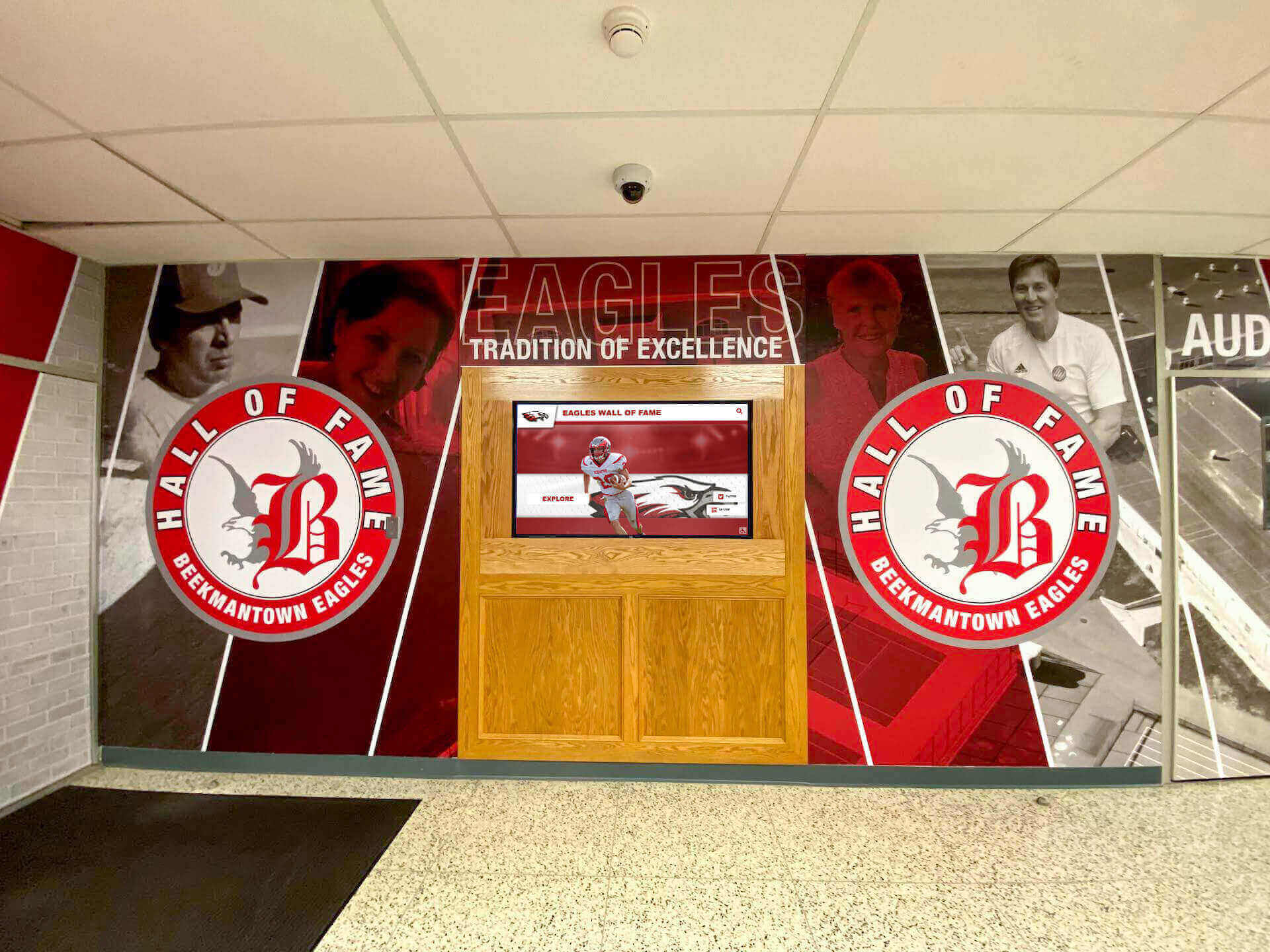
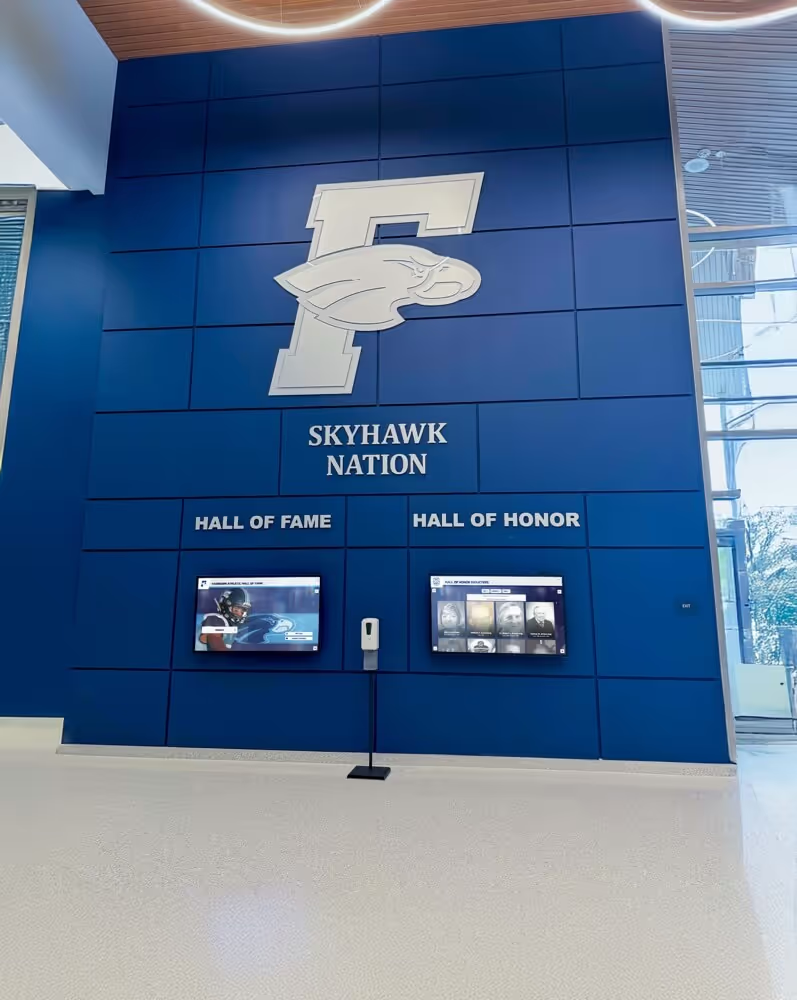
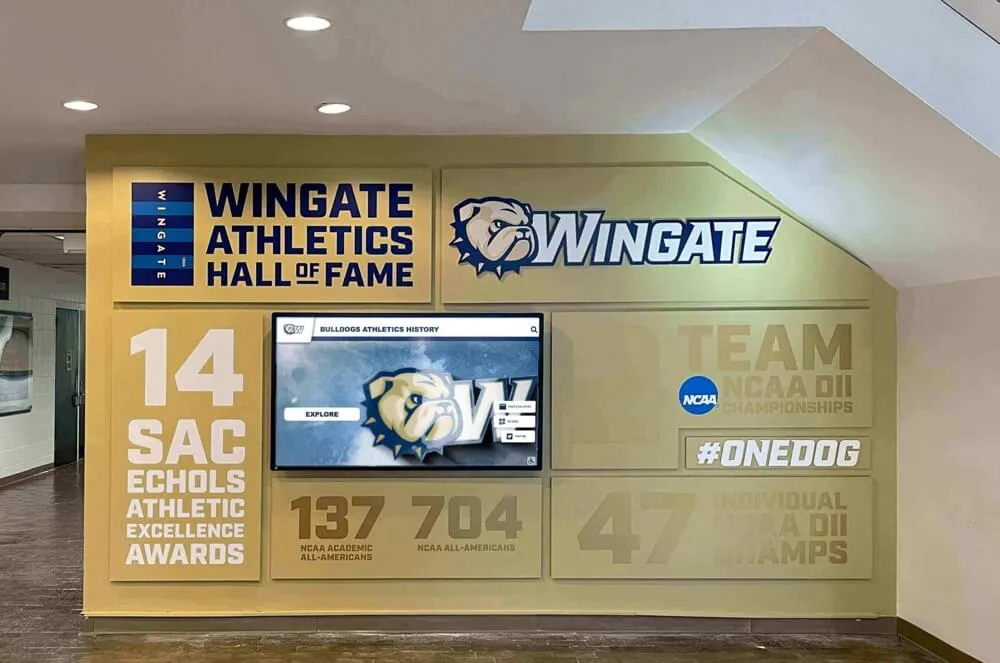
Prominent lobby displays establish athletic recognition as central to institutional identity from the moment visitors enter facilities
Multi-Year Championship Dynasties
Programs achieving multiple consecutive championships face special considerations:
Multiple Ring Dilemmas
Athletes participating in multiple championship seasons create questions:
- Should athletes receive separate rings for each championship or single ring with multiple years?
- If separate rings, how do budgets accommodate multi-year recipients?
- Do design variations distinguish championship years while maintaining thematic consistency?
- How do senior athletes in dynasty programs receive appropriate recognition compared to single-championship peers?
Dynasty Recognition Approaches
Programs establishing championship traditions often:
- Create signature ring designs establishing program identity
- Use year variations maintaining design consistency across championships
- Develop special recognition for multiple-championship athletes
- Establish traditions around ring presentation ceremonies
- Build digital displays documenting dynasty eras comprehensively
Dynasty recognition requires balancing celebration of sustained excellence with meaningful acknowledgment making each championship feel special rather than routine.
Small School and Budget-Constrained Programs
Schools with limited resources face particular challenges affording championship rings:
Maintaining Significance Despite Constraints
Even when traditional rings exceed budgets, schools can preserve recognition significance through:
- Simplified ring designs reducing per-unit costs substantially
- Alternative recognition (pendants, watches, customized apparel) providing tangible keepsakes
- Emphasis on permanent institutional recognition through banners and digital displays
- Community celebrations and media coverage extending achievement visibility
- Strong tradition-building around championships regardless of ring availability
Athletes understand financial realities—recognition significance stems from genuine appreciation and celebration more than jewelry expense.
Coalition and Cooperative Approaches
Small schools might explore:
- Conference-wide vendor relationships negotiating volume discounts
- Cooperative purchasing across multiple sports and seasons
- Standardized designs reducing customization costs
- Multi-year planning enabling budget accumulation
- Booster club and community fundraising leveraging local support
Creative approaches enable championship recognition even with significant resource constraints.
Special Recognition Scenarios and Considerations
Beyond standard championship rings, various special situations require thoughtful approaches.
Coach and Staff Recognition
Championship rings shouldn’t only honor athletes:
Coaching Staff Inclusion
Head coaches and assistant coaches contributed immeasurably to championship success and deserve rings acknowledging their leadership and expertise. Some programs provide identical rings to coaches while others create distinct designs recognizing coaching achievement.
Support Staff Acknowledgment
Athletic trainers, team managers, equipment staff, and other support personnel enable championship success. Budget permitting, include these essential contributors in ring distribution or provide alternative recognition demonstrating appreciation for their vital roles.
Administrative Recognition
Some programs provide rings to athletic directors and school administrators whose program support created championship environments. Balance budgets with acknowledgment that effective leadership merits celebration.
Historical Championship Recognition
Schools discovering unrecognized historical championships face interesting opportunities:
Retrospective Recognition Projects
Research sometimes reveals championships inadequately celebrated during original achievement:
- Earlier eras when ring traditions didn’t exist
- Championships before systematic record-keeping
- Achievements lost during facility renovations or records transitions
Schools might consider retrospective recognition through:
- Digital display projects documenting complete championship histories
- Special ceremonies honoring historical championship teams
- Facility dedications or naming recognizing exceptional eras
- Alumni outreach celebrating previously unrecognized achievements
While retrospective rings may be impractical, other recognition forms preserve important history.
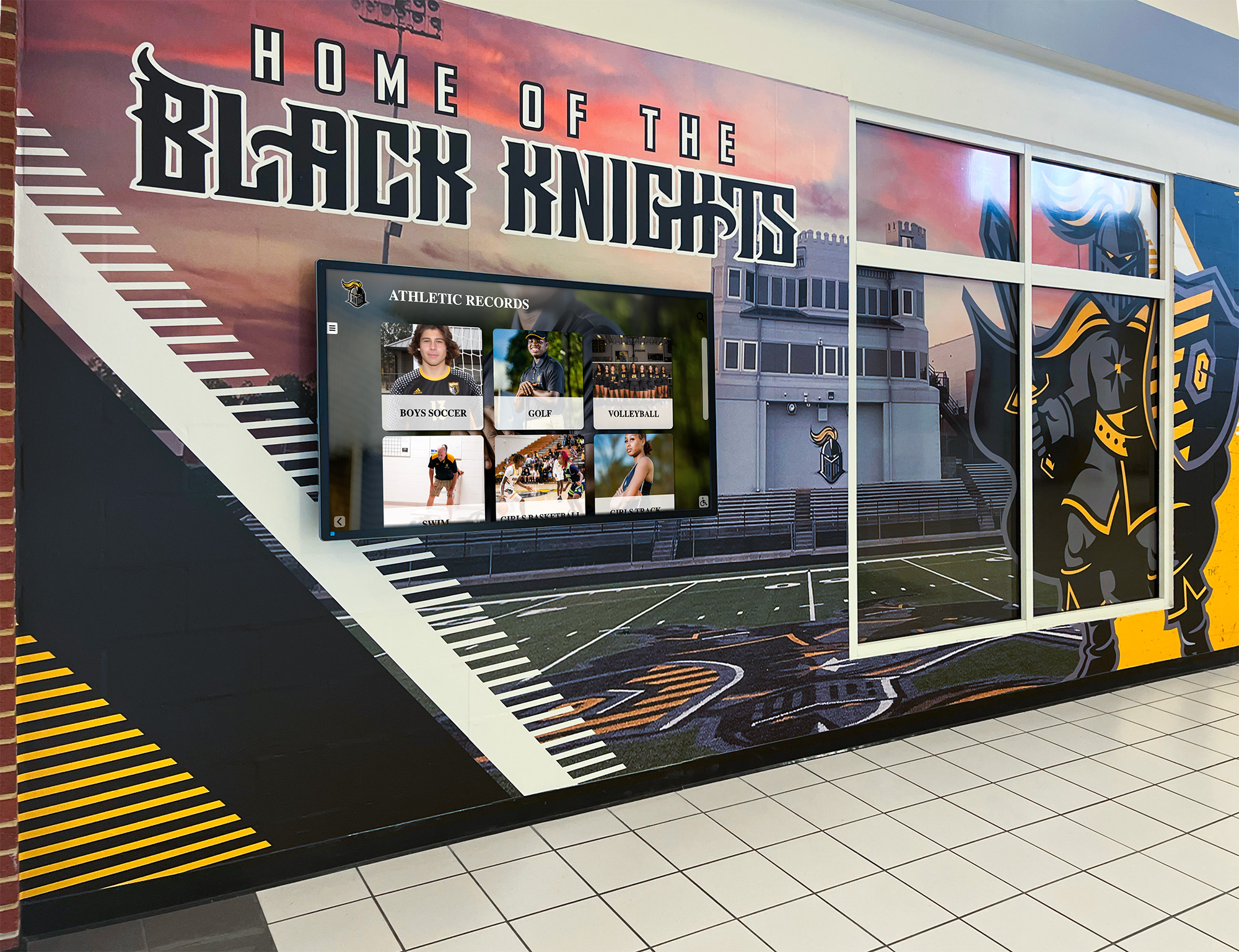
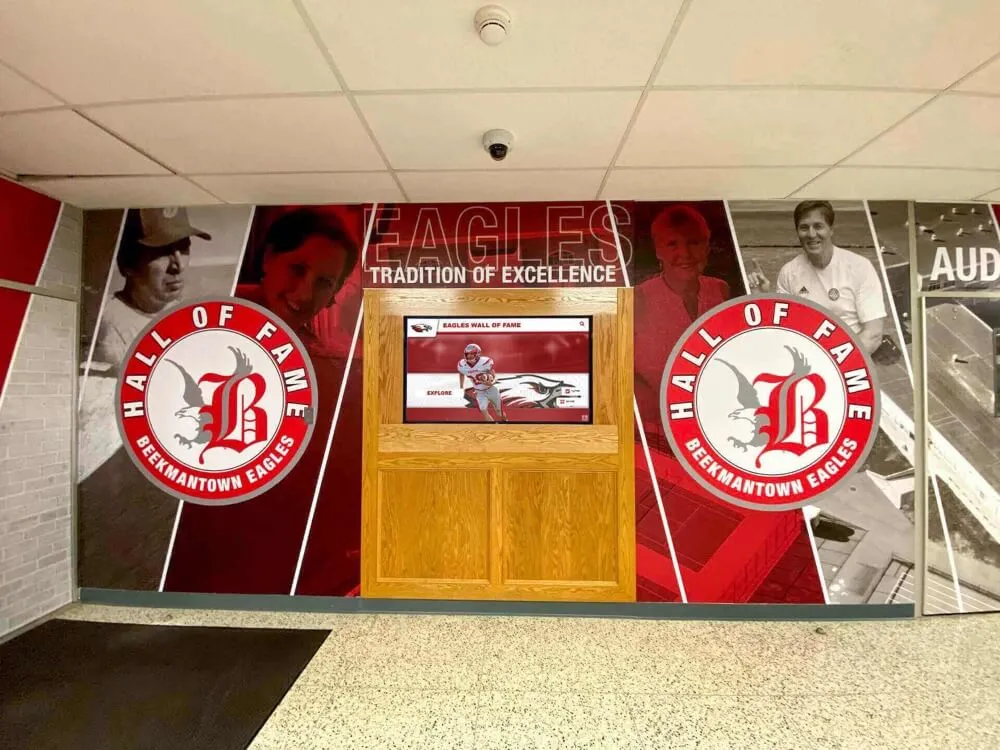
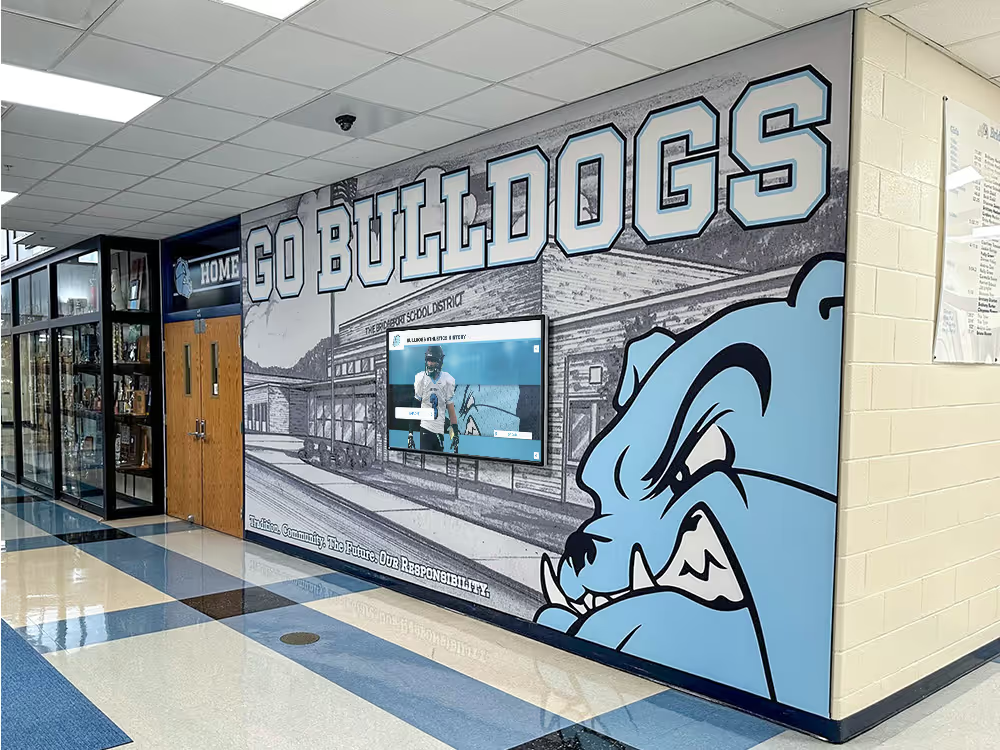
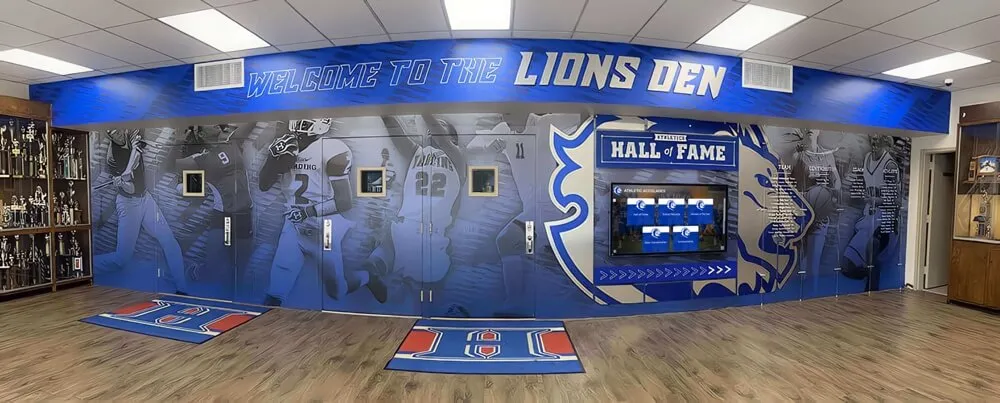
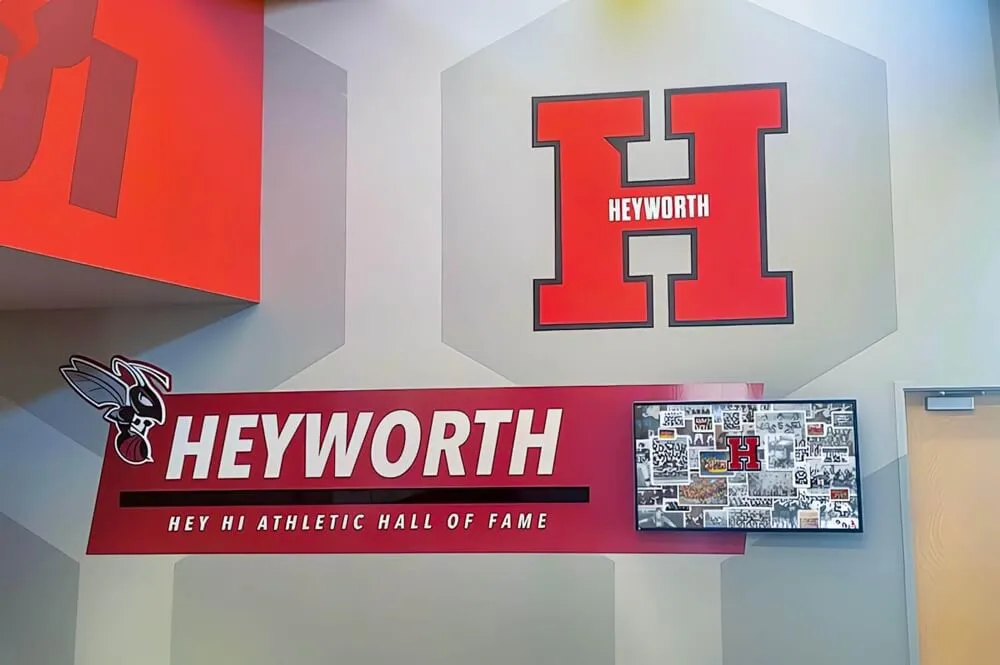
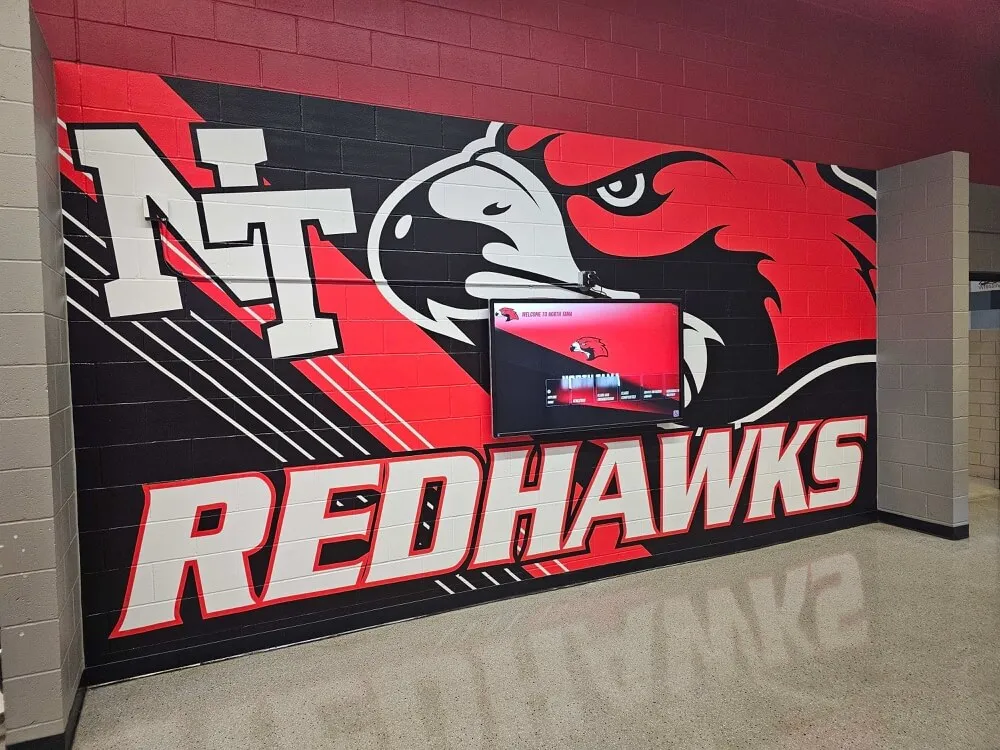
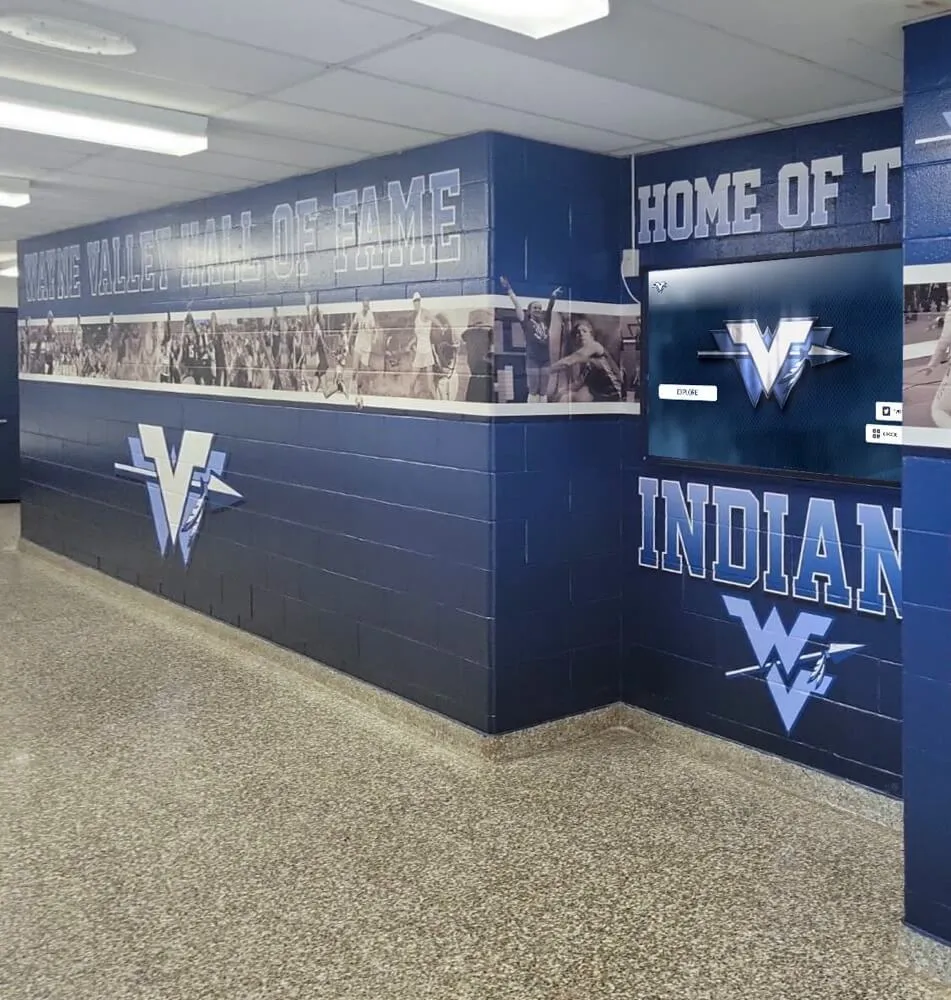
Environmental design integrating murals, branding, and digital recognition creates immersive spaces celebrating athletic excellence and tradition
Graduation and Senior Timing Issues
Championship timing relative to graduation creates logistical challenges:
Senior Athlete Considerations
Championships won late in academic years may encounter:
- Insufficient time for ring production before graduation
- Difficulty coordinating sizing and delivery with graduated seniors
- Missing celebration opportunities when rings arrive after school year ends
- Contact information challenges tracking graduated athletes
Mitigation Strategies
Address timing challenges through:
- Expedited production timelines when possible
- Preliminary sizing during championship season
- Strong communication maintaining contact with graduated athletes
- Special delivery events bringing alumni back for ring presentation
- Mailing options as last resort when other approaches fail
Plan proactively recognizing production timelines to minimize coordination difficulties.
Championship Classification and Division Distinctions
States with multiple classification systems create recognition questions:
Division-Specific Championships
Schools competing in smaller classifications face questions about recognition compared to largest-division championships:
- Do rings specify classification (Class A, Division III, etc.)?
- How do multiple-division states handle recognition equity?
- Should schools celebrate their championships with equal enthusiasm regardless of division?
Most schools celebrate their championships fully regardless of classification—their athletes competed against peers in their division, and state championship achievement merits equivalent recognition.
Legal, Ethical, and Policy Considerations
Championship ring programs require attention to various institutional and ethical considerations.
Eligibility and Recipient Policies
Clear, documented policies prevent disputes and ensure fairness:
Establishing Eligibility Criteria
Define precisely who receives championship rings:
- Minimum participation thresholds (games played, practices attended)?
- Junior varsity or freshman team members who practiced with varsity?
- Athletes injured during season unable to complete participation?
- Athletes who transferred or graduated mid-season?
- Athletes dismissed from teams before championship completion?
Write clear policies, communicate them to teams, and apply consistently avoiding favoritism accusations or hurt feelings from unclear standards.
IRS and Gift Considerations
Championship rings may have tax implications:
- Rings below certain value thresholds (typically $600) generally avoid tax reporting
- School purchasing and distributing rings differs from individual athlete purchases
- Consult tax professionals ensuring compliance with relevant regulations
- Document ring values and distributions maintaining financial records
Most standard school championship ring programs face minimal tax complications, but expensive rings or unusual distribution arrangements might warrant professional guidance.
Equity and Title IX Compliance
Schools must ensure championship recognition policies don’t create gender discrimination:
Equal Recognition Standards
Title IX principles require:
- Equivalent ring quality and value across male and female sport championships
- Consistent recipient definitions regardless of gender
- Equal celebration and ceremony treatment for all championship teams
- Equitable visibility for championship recognition displays
Discrimination claims can arise when boys’ basketball championship receives premium rings and elaborate ceremonies while girls’ basketball championship gets minimal recognition—maintain consistency protecting both equity and institutional reputation.
Documentation and Transparency
Maintain records demonstrating:
- Consistent policies applied equally across sports
- Equivalent expenditures for comparable achievements
- Balanced recognition visibility throughout facilities
- Equal media coverage and promotional effort
Documentation protects schools while ensuring genuine equity in athletic recognition programs.
Vendor Relationships and Purchasing Compliance
Schools must follow institutional purchasing procedures:
Procurement Requirements
Follow established protocols:
- Competitive bidding requirements for purchases above specific thresholds
- Approved vendor lists or procurement processes
- Contract review by school business offices or legal counsel
- Purchase order and payment procedures
- Documentation of selection rationale and decision-making
Administrative complications delay ring delivery—begin procurement processes immediately after championships ensuring compliance while maintaining timelines.
Vendor Selection and Quality Assurance
Protect schools and athletes through:
- References from other schools who used vendors
- Sample reviews assessing actual quality
- Clear contracts specifying designs, materials, timelines, and recourse for defects
- Payment schedules protecting schools from paying fully before delivery
- Quality inspection periods before final payment release
Rushing vendor selection creates risks—defective rings, missed delivery deadlines, or quality disappointments that mar championship celebrations.
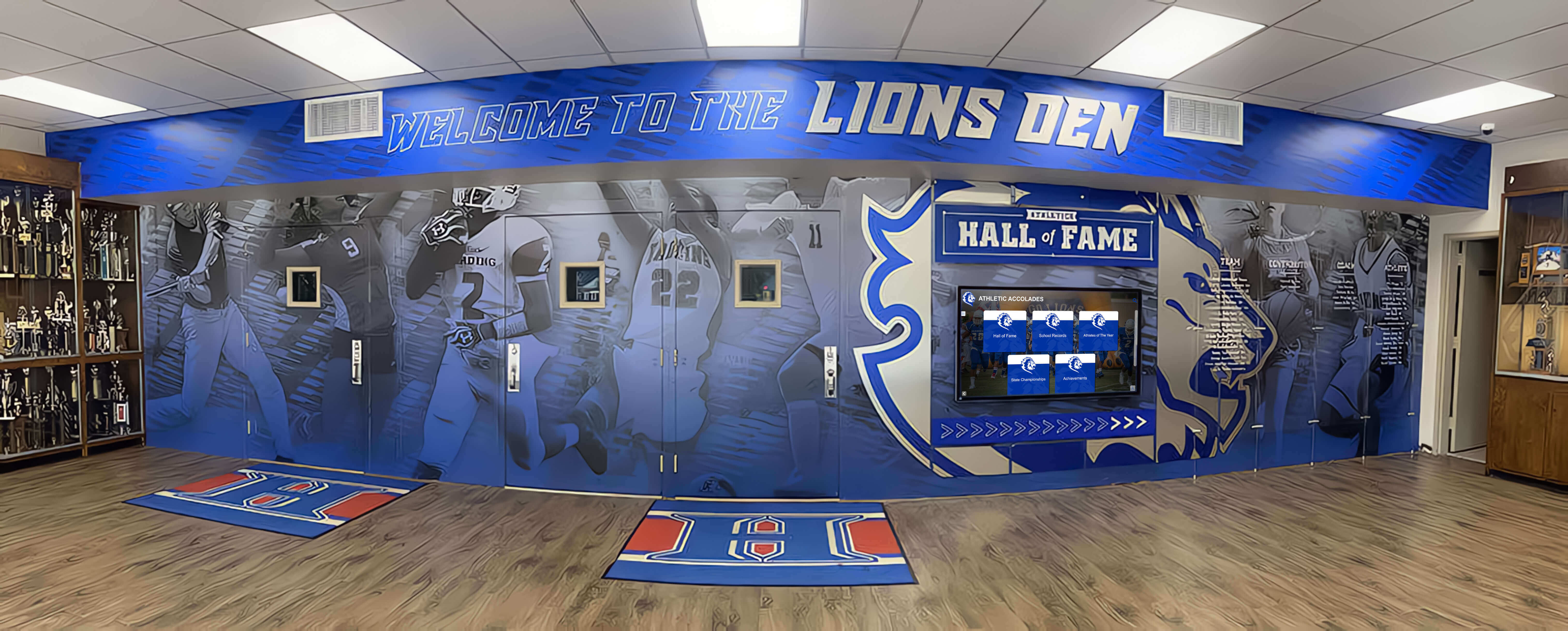
Comprehensive recognition combining traditional trophy cases with modern murals creates powerful spaces celebrating athletic tradition and excellence
Future Trends in Championship Recognition
Championship recognition continues evolving as technology advances and cultural expectations change.
Digital and Virtual Recognition Innovations
Technology creates new recognition possibilities:
Augmented Reality Integration
Emerging technologies may enable:
- Smartphone apps that overlay championship information when viewing physical rings
- Virtual ring try-on experiences before ordering
- AR displays bringing championship memories to life through phone cameras
- Interactive storytelling connected to physical recognition
NFT and Digital Collectibles
Some schools explore digital championship tokens:
- Blockchain-based certificates of championship participation
- Digital collectibles commemorating achievements
- Virtual displays in digital spaces (metaverse environments)
- Secure, permanent digital records immune to physical loss
While physical rings maintain cultural significance, complementary digital recognition may augment traditional approaches.
Sustainability and Ethical Sourcing
Growing environmental and social consciousness influences championship recognition:
Sustainable Materials and Production
Schools increasingly consider:
- Recycled metals and ethical stone sourcing
- Vendors with environmental certifications
- Carbon-neutral production and shipping
- Minimal packaging reducing waste
Social Responsibility in Manufacturing
Attention to:
- Fair labor practices in production facilities
- Transparency about manufacturing locations and conditions
- Vendor certifications demonstrating ethical practices
- Balance between cost and responsible production
Younger generations value institutional alignment with ethical and environmental principles—championship recognition offers opportunities demonstrating commitment to these values.
Expanded Recognition Philosophies
Championship recognition philosophies continue broadening:
Beyond Traditional Sports Success
Schools increasingly recognize diverse achievements:
- Academic team championships (debate, quiz bowl, robotics)
- Arts competition victories (band, choir, theater)
- Service and leadership recognitions
- Character and citizenship achievements
Comprehensive recognition celebrates excellence across all student achievement dimensions, not solely athletic championships.
Inclusive Achievement Celebration
Modern recognition emphasizes:
- Multiple excellence pathways acknowledging diverse talents
- Recognition of growth and improvement alongside absolute achievement
- Team and collaborative success complementing individual honors
- Character and leadership equal to competitive outcomes
Broader recognition philosophies create more inclusive school cultures where more students experience meaningful celebration.
Conclusion: Celebrating Excellence Through Meaningful Recognition
State championship rings represent powerful symbols of athletic achievement—tangible reminders of dedication, teamwork, and the pursuit of excellence that remain meaningful throughout life. For student-athletes who experience championship success, these rings become treasured keepsakes connecting them forever to extraordinary moments, exceptional teammates, and schools where they developed skills and character.
Effective championship recognition extends beyond rings themselves to encompass comprehensive programs that celebrate achievement through multiple formats—traditional jewelry for personal connection, facility displays for community visibility, and modern digital platforms that preserve championships permanently while inspiring future generations. Schools that thoughtfully balance these approaches create recognition systems serving both individual athletes and broader institutional purposes.
The strategies explored throughout this guide provide frameworks for celebrating championships meaningfully regardless of budget constraints or specific circumstances. From working with ring vendors and managing costs through creative funding, to implementing digital recognition systems that complement traditional awards, these approaches help schools honor achievement appropriately while building cultures valuing excellence, effort, and the pursuit of meaningful goals.
Modern digital recognition platforms eliminate many challenges that previously limited championship celebration—space constraints restricting how many championships schools could display, prohibitive costs of traditional plaques and displays, inability to include comprehensive information about achievements, and accessibility limitations preventing alumni and distant community members from engaging with recognition. By combining traditional rings with digital systems, schools maximize both personal connection and institutional legacy preservation.
Every championship represents countless hours of practice, strategic preparation, competitive pressure, and ultimately—extraordinary achievement. Student-athletes who experience these pinnacle moments deserve recognition matching their accomplishment significance. Whether through championship rings, facility banners, trophy case displays, or interactive digital platforms showcasing their achievements to future generations, comprehensive recognition programs honor athletic excellence while strengthening the school communities and traditions that make championship success possible.
Ready to explore how modern recognition systems can preserve your championship achievements while inspiring future student-athletes? Discover how digital recognition platforms help schools celebrate athletic excellence through engaging displays that complement traditional awards while ensuring championships remain visible and celebrated for generations to come.