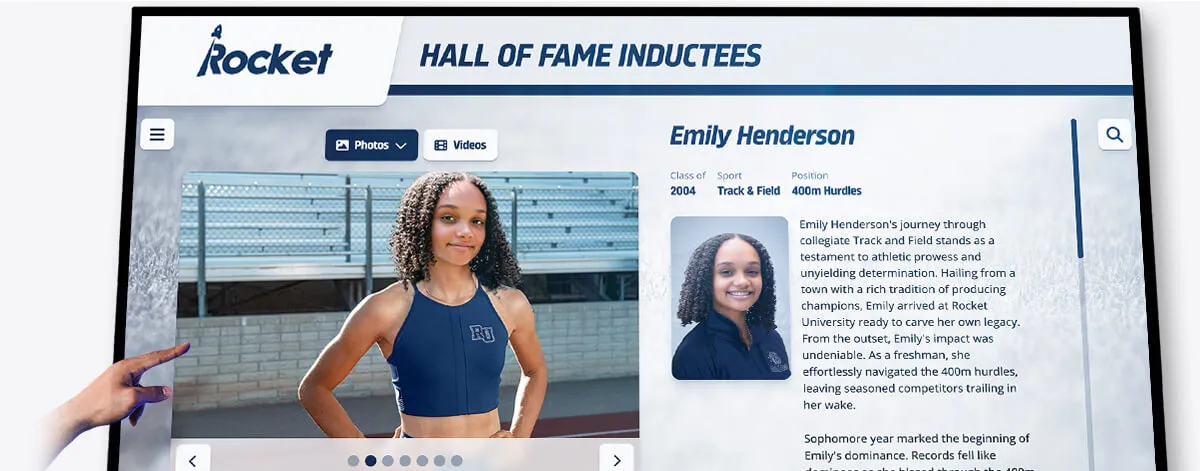
Spring sports season brings renewal to athletic programs—fresh opportunities for competition, team building, and achievement as winter weather gives way to longer days and outdoor play. From track and field meets to baseball diamonds, from lacrosse fields to tennis courts, spring athletics engage thousands of student-athletes in competitions that culminate with conference championships, state tournaments, and memorable end-of-season celebrations.
Yet athletic directors, coaches, and booster club leaders often approach spring seasons with unique challenges—managing multiple sports simultaneously across shared facilities, coordinating recognition for diverse programs with different competitive structures, planning meaningful senior nights and awards banquets during compressed timelines, and documenting achievements that preserve program tradition beyond championship trophies gathering dust in storage.
This comprehensive guide provides practical frameworks for maximizing spring sports seasons—from strategic planning and athlete development to recognition ceremonies and permanent documentation. Whether you oversee complete athletic departments or coach individual spring teams, these approaches help you create memorable seasons that celebrate achievement while strengthening program culture across generations.
Spring sports seasons accomplish multiple objectives simultaneously—providing competitive opportunities across diverse activities, developing student-athletes physically and mentally during critical growth periods, engaging school communities through championships and celebrations, and building program traditions that inspire future athletes toward excellence.

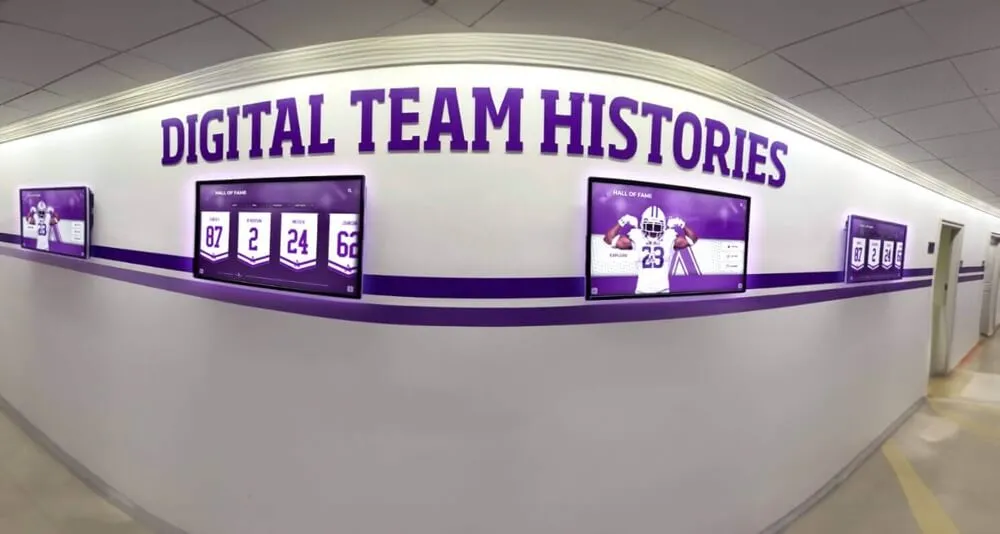
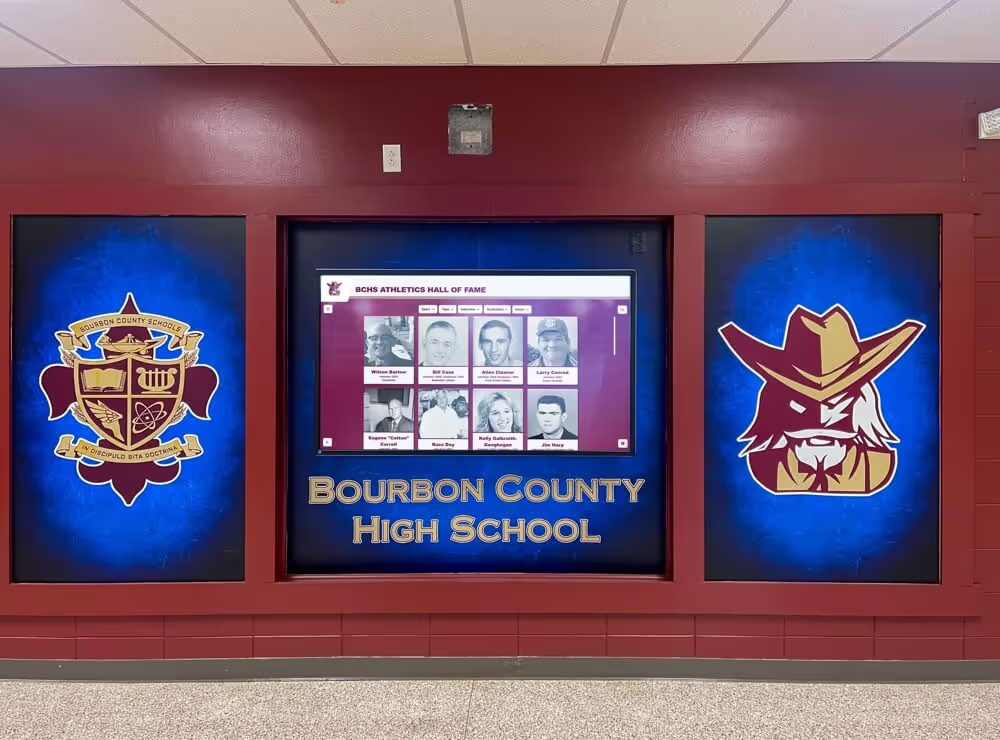
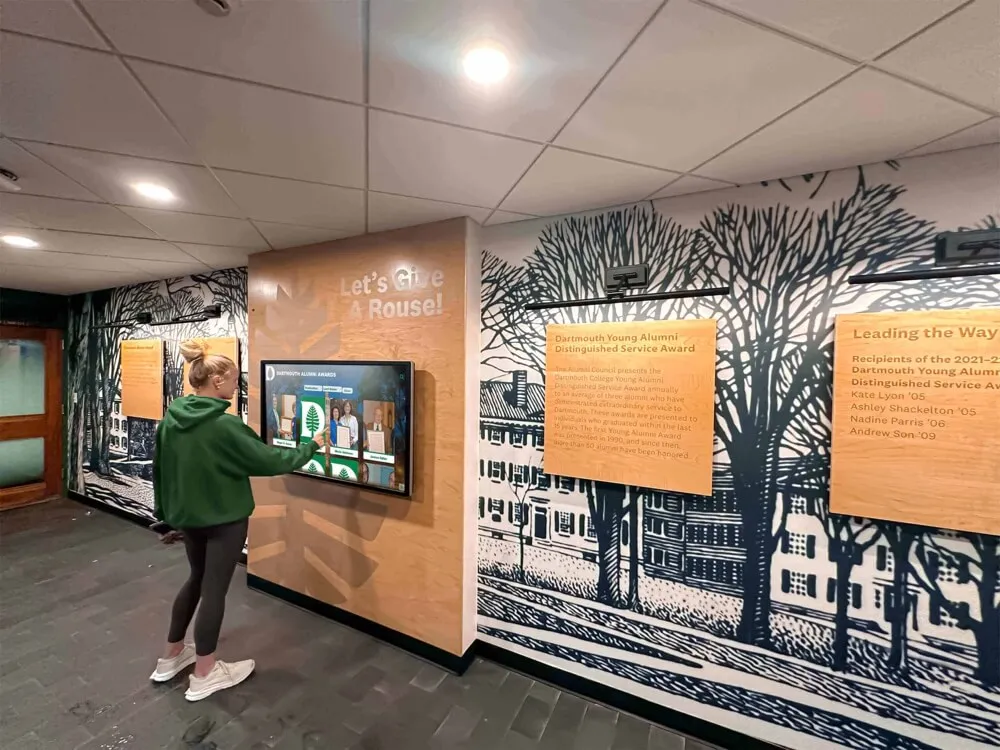
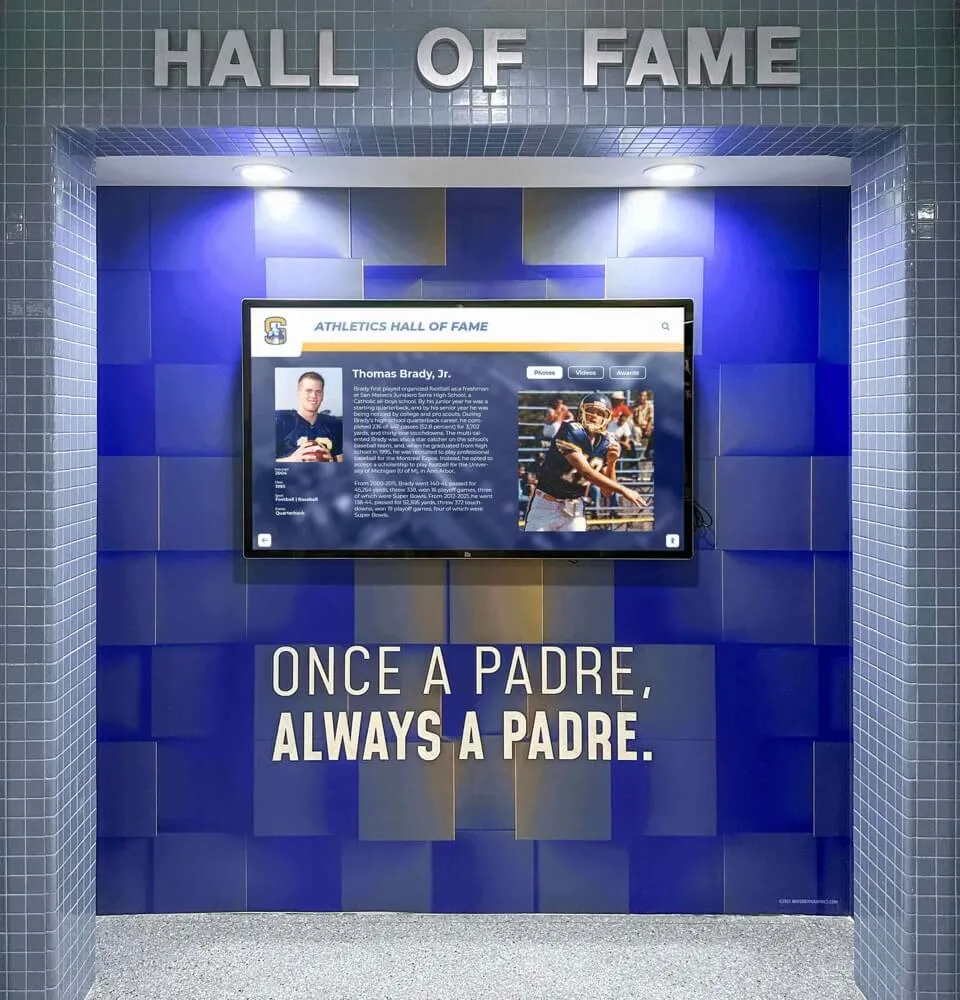
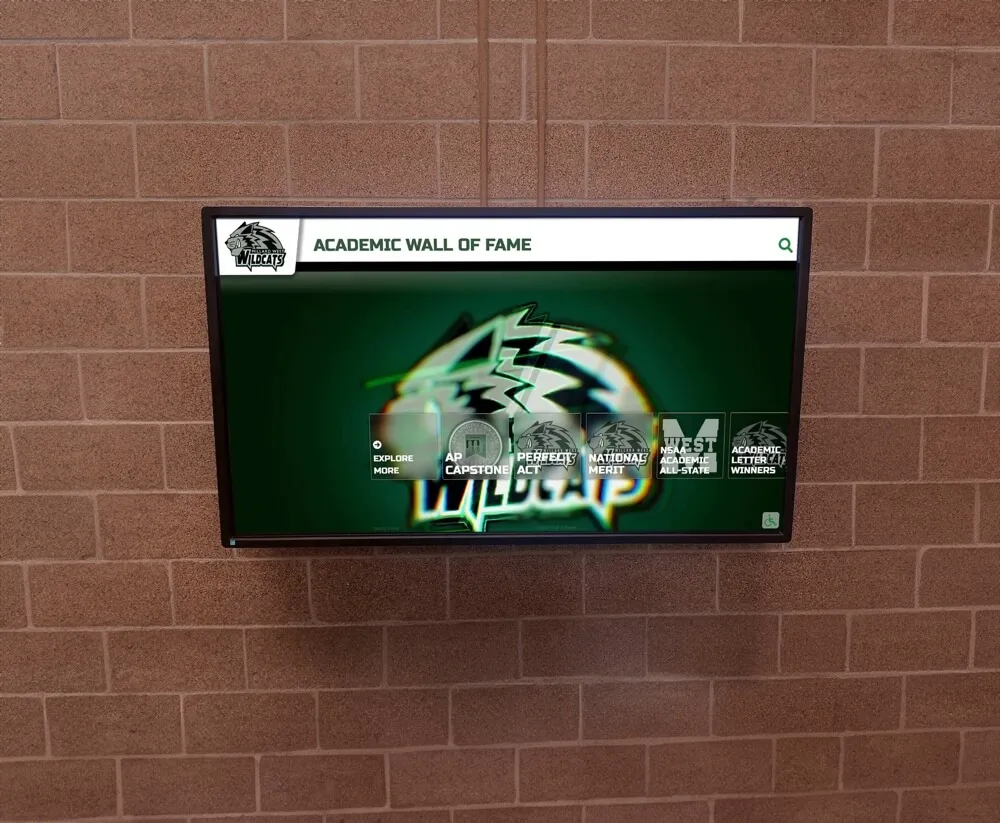
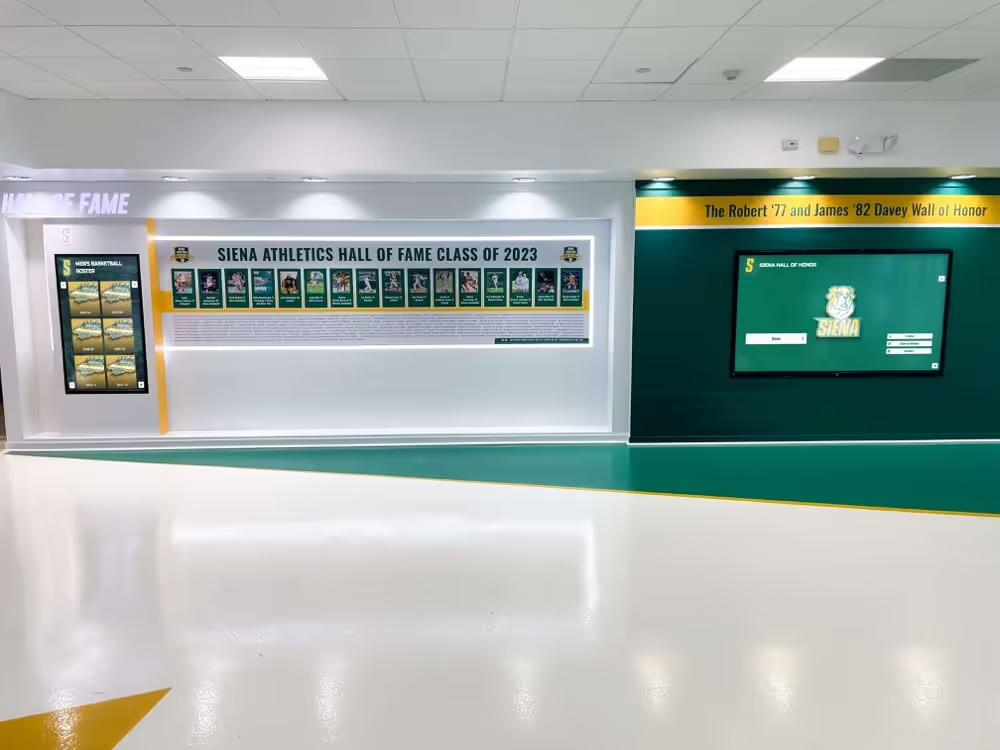
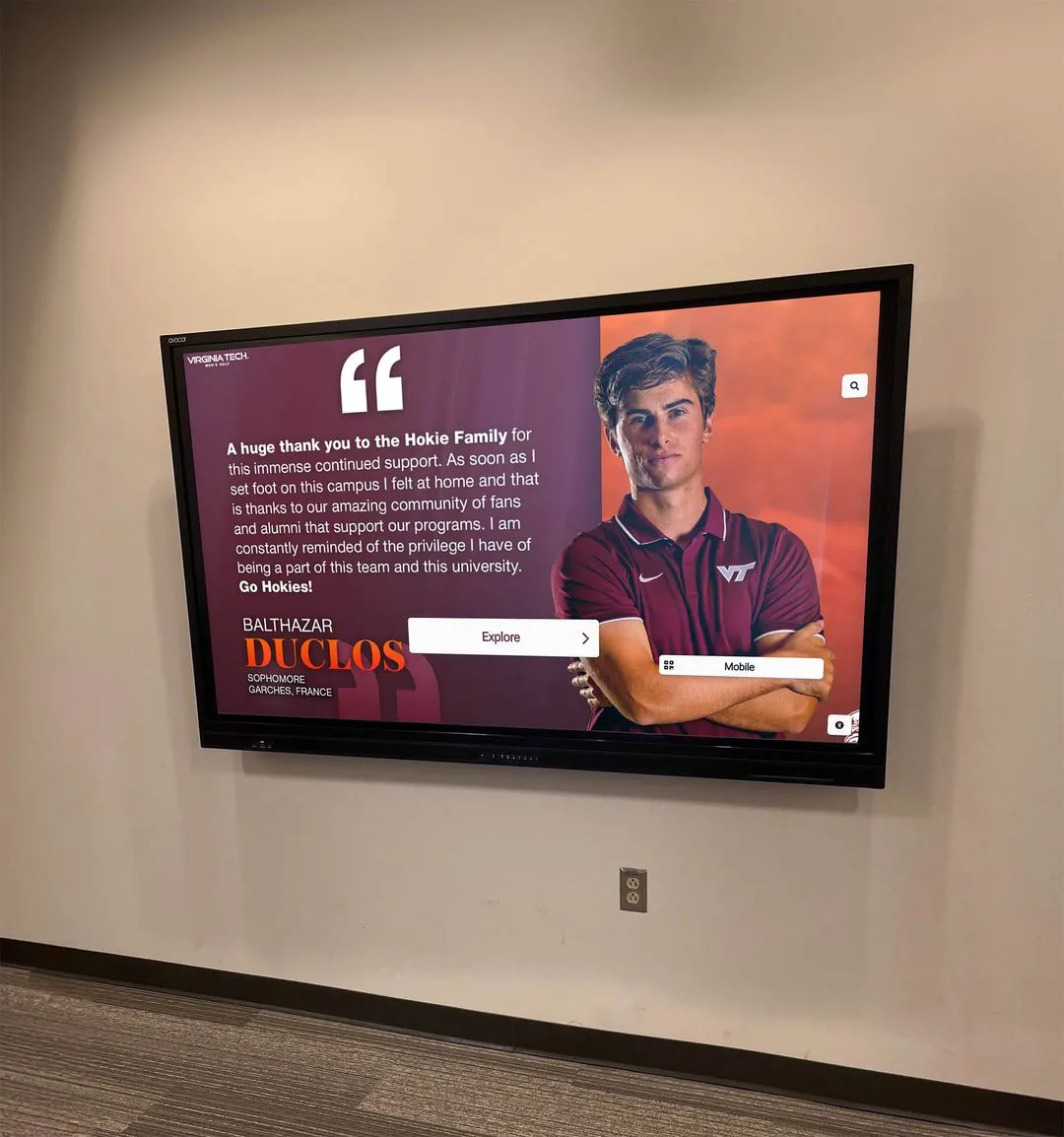
Modern recognition systems preserve spring sports achievements permanently, extending celebration beyond seasonal banquets while building program tradition
Understanding the Spring Sports Landscape
Before diving into season management strategies, understanding the unique characteristics of spring athletics provides essential context.
Common Spring Sports and Program Structures
Spring athletic programs typically include diverse activities with distinct competitive formats:
Team Sports with Regular Schedules Traditional team competitions dominating spring calendars:
- Baseball and softball with extensive regular season schedules
- Lacrosse programs with conference play and playoff tournaments
- Soccer in some regions where spring serves as primary season
- Rugby clubs offering contact sport opportunities
- Water polo combining swimming and team competition
These programs function similarly to fall and winter sports—regular practice schedules, consistent rosters, weekly competitions, and defined seasonal arcs culminating in conference championships and playoff tournaments.
Individual Sports with Team Scoring Hybrid structures combining individual and team achievement:
- Track and field encompassing sprints, distance, jumps, and throws
- Tennis with individual singles and doubles plus team competitions
- Golf programs with individual stroke play contributing to team scoring
- Swimming and diving when spring rather than winter sport
- Cross country in areas where spring racing supplements fall programs
These activities create unique recognition challenges—balancing individual achievement acknowledgment with team success celebration while honoring diverse event specializations.
Specialized and Emerging Spring Sports Additional activities expanding participation:
- Crew and rowing programs requiring water access
- Competitive cheerleading with spring championship seasons
- Badminton offering racquet sport alternatives
- Ultimate frisbee combining athleticism and team strategy
- Esports programs with spring competitive seasons
Program variety creates both opportunity and complexity—more athletes receiving spring participation while coordinating recognition across different competitive structures and achievement metrics.
The Spring Sports Timeline
Early Season (February-March) Initial weeks establishing foundation:
- Tryouts and roster selection following winter sport conclusions
- Pre-season conditioning transitioning athletes to spring activities
- Equipment distribution and safety protocol reviews
- Early non-conference competitions establishing benchmarks
- Team culture development through practice and bonding
Mid-Season (March-April) Competitive momentum building:
- Conference competition begins with regular season schedules
- Individual performance peaks emerging in track, tennis, and golf
- Team chemistry solidifying through shared experiences
- Injury management and roster adjustments
- Recognition of mid-season milestones and achievements
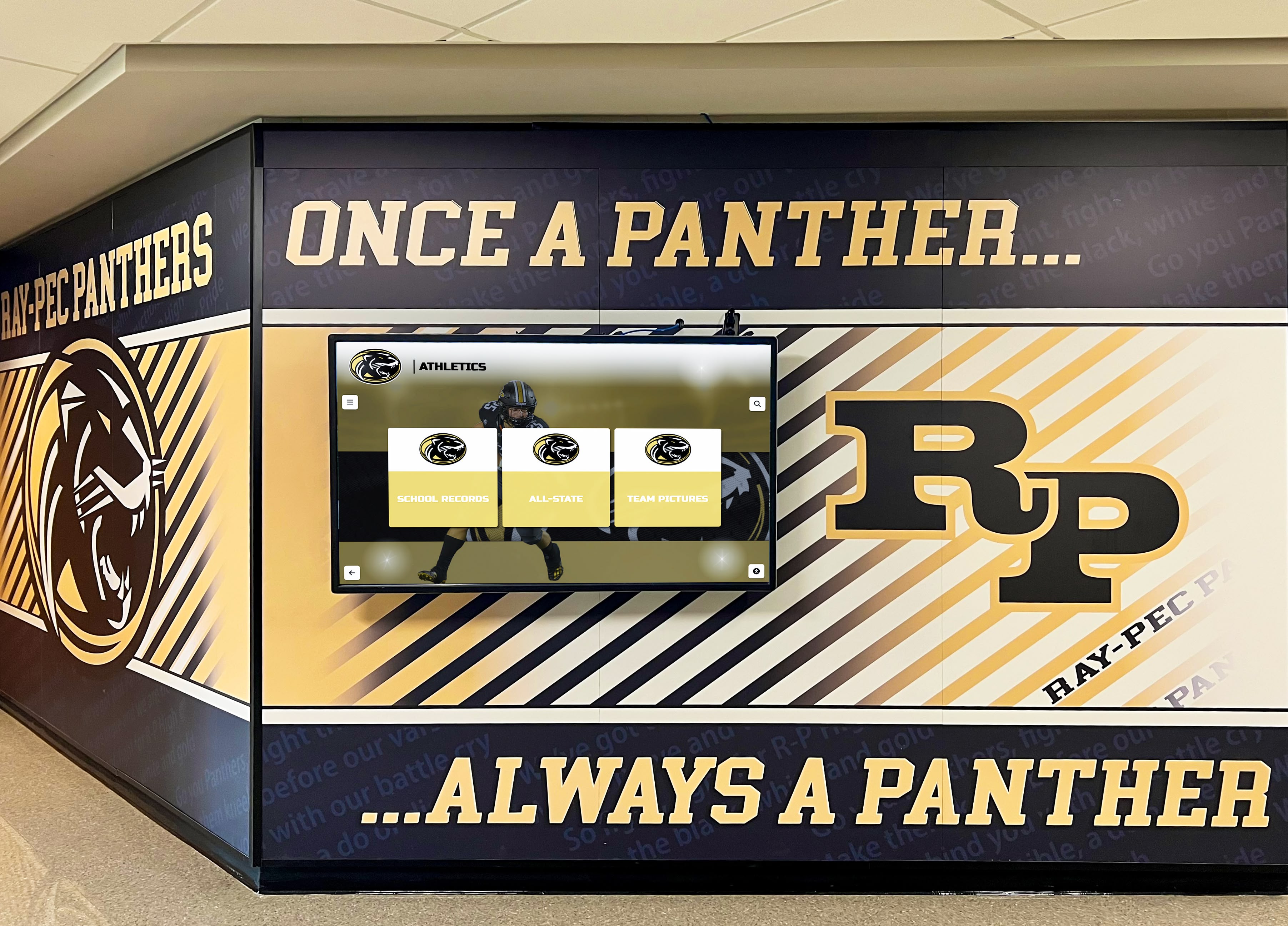
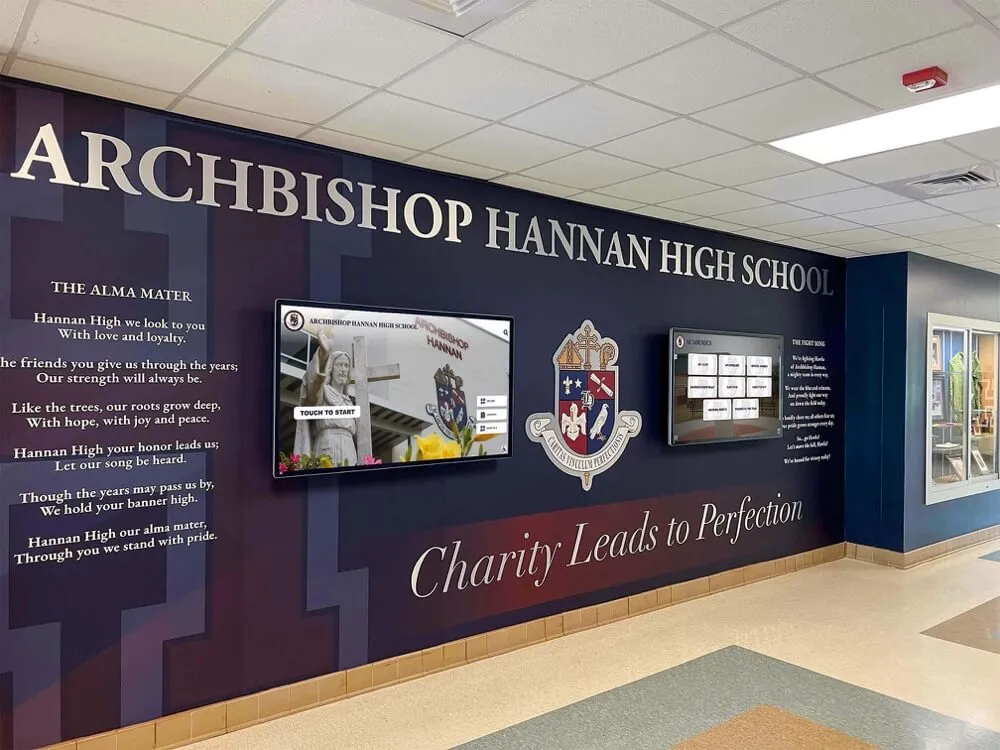
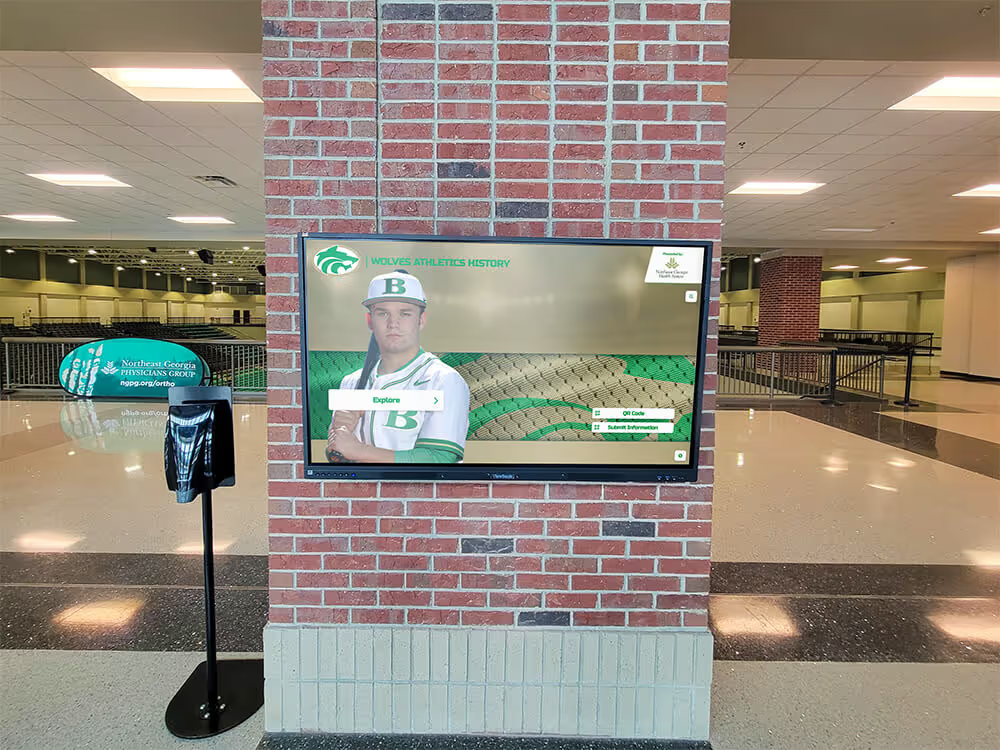
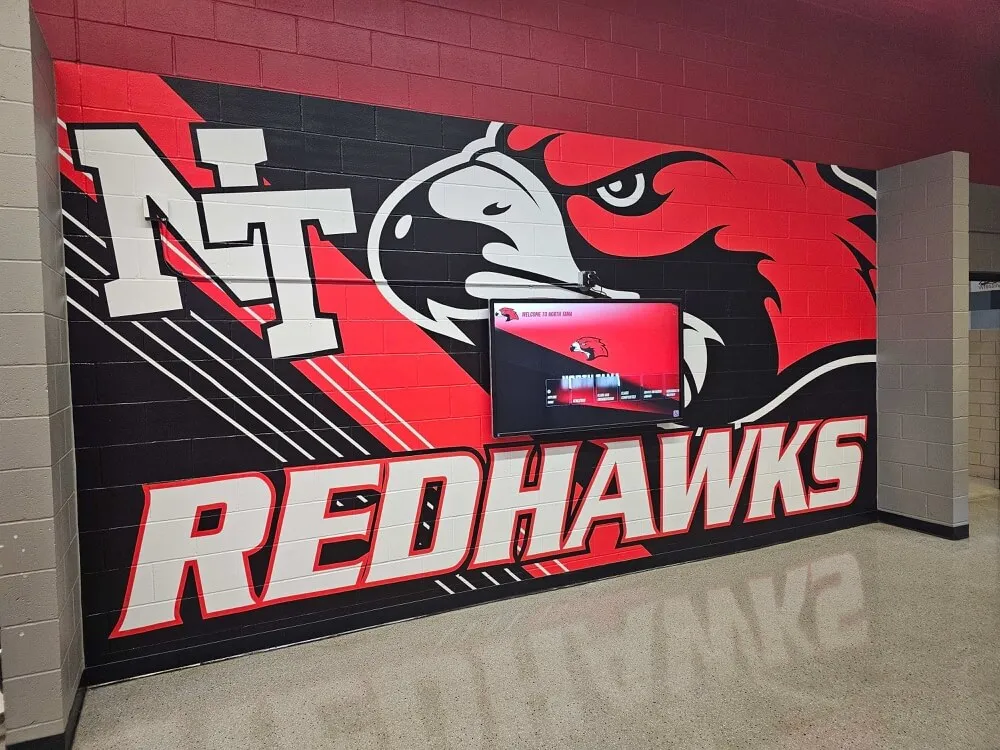
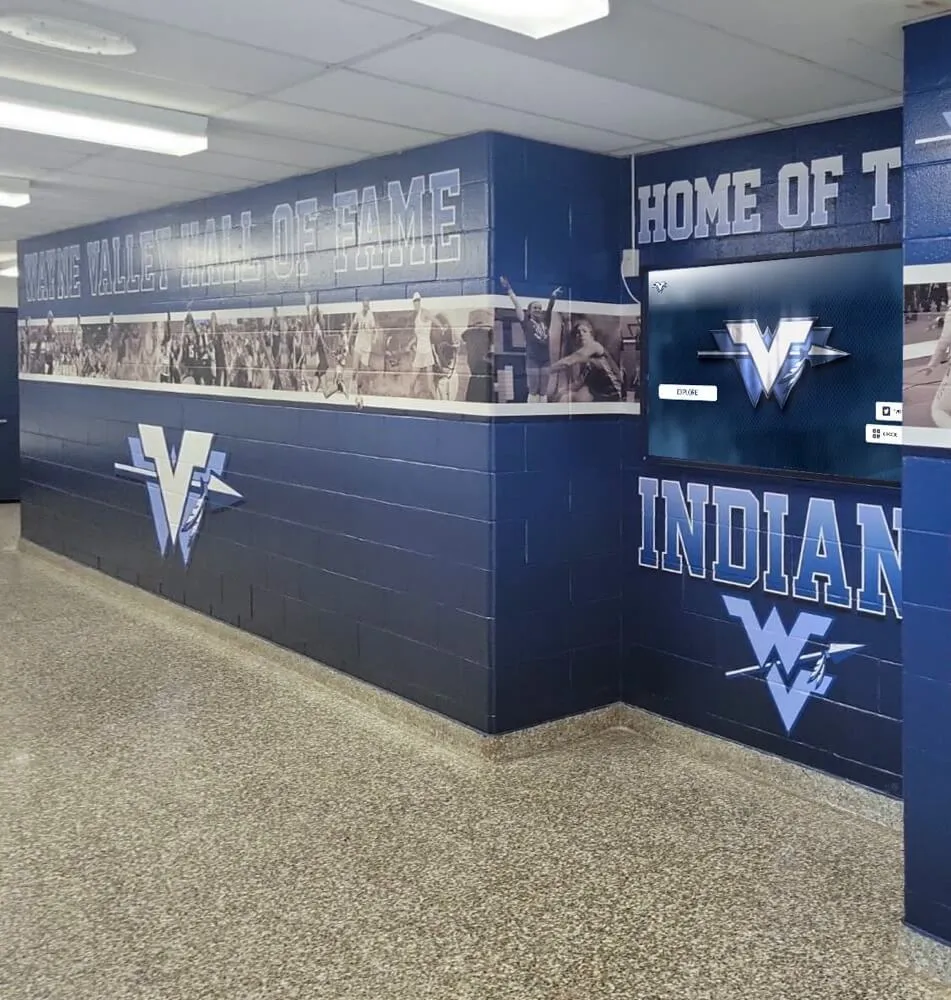
Strategic placement of recognition displays ensures spring sports receive year-round visibility while celebrating seasonal achievements
Late Season (April-May) Championship focus intensifying:
- Conference championship meets and tournaments
- Individual qualification for district and state competitions
- Team playoff brackets for advancing programs
- Senior night ceremonies honoring graduating athletes
- Final regular season games providing closure
Post-Season (May-June) Celebration and transition:
- State championship participation for qualifying athletes
- End-of-season banquets with comprehensive recognition
- Award presentations honoring achievement and character
- Coach evaluation and program assessment
- Summer transition planning for returning athletes
This compressed timeline creates urgency around recognition—coaches must document achievements, plan celebrations, and honor seniors while still competing for championships, unlike fall sports with months between season end and formal banquets.
Learn about comprehensive track and field awards ideas that complement spring season planning.
Strategic Season Planning for Spring Athletics
Thoughtful preparation maximizes limited spring timeframes while supporting athlete and team success.
Pre-Season Planning and Goal Setting
Program Assessment and Objective Definition Begin season planning by evaluating program status:
- Review previous spring season results identifying strengths and development areas
- Analyze returning athlete experience and leadership capacity
- Assess facility availability and equipment needs requiring attention
- Define realistic competitive goals based on conference landscape
- Establish cultural objectives beyond win-loss records
Clear goal articulation creates shared direction focusing coaches, athletes, and support systems on achievable targets while providing measurement frameworks for season success evaluation.
Schedule Development and Facility Coordination Spring sports often compete for limited outdoor space:
- Coordinate practice times ensuring all programs receive adequate facility access
- Balance home and away competition scheduling across multiple teams
- Plan around standardized testing and school events interrupting availability
- Secure transportation resources for away competitions
- Identify weather contingency plans for outdoor sports
Many athletic directors create master calendars displaying all spring sports simultaneously—preventing conflicts while demonstrating commitment to equitable resource distribution.
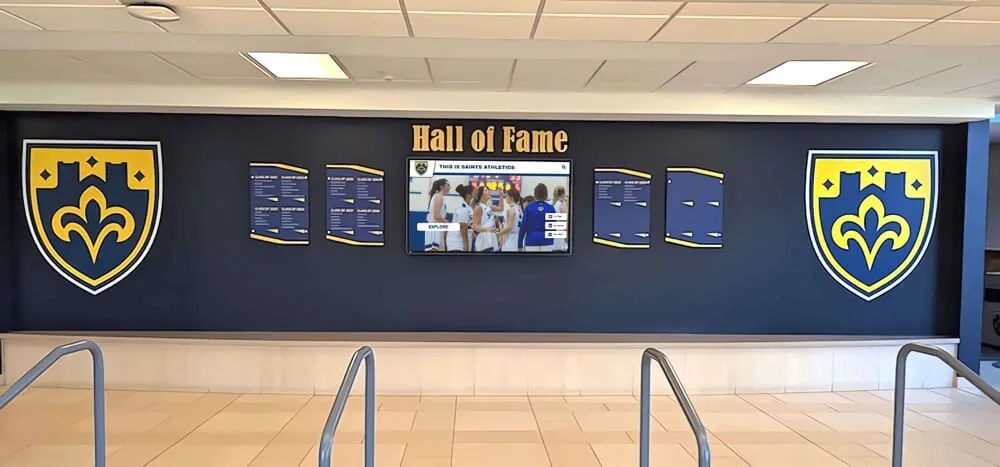
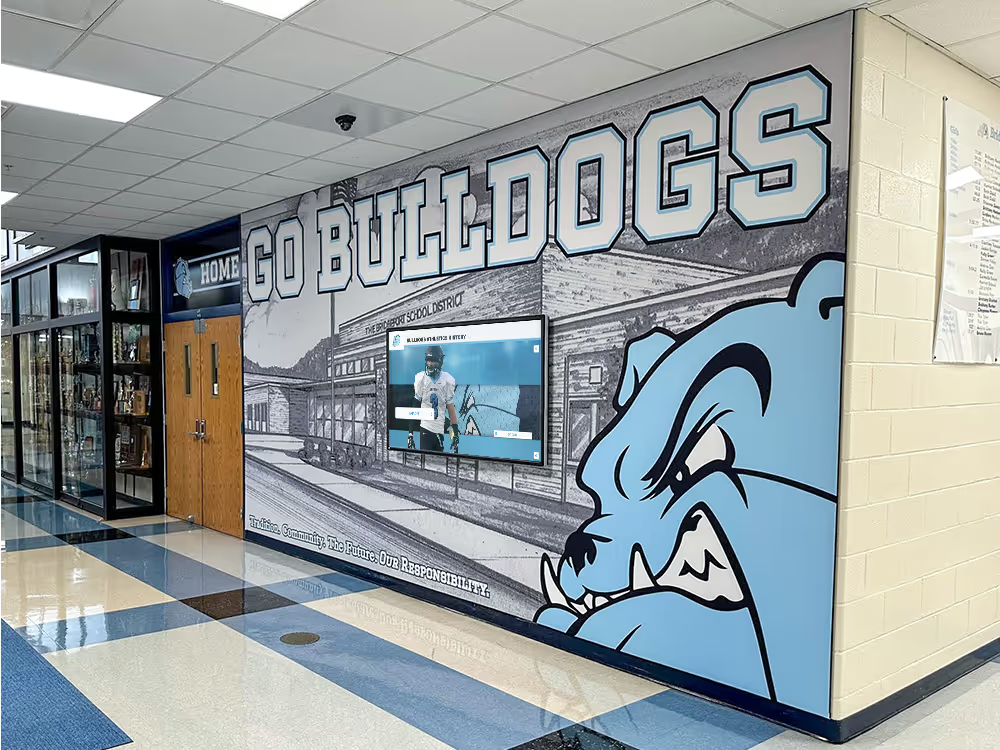
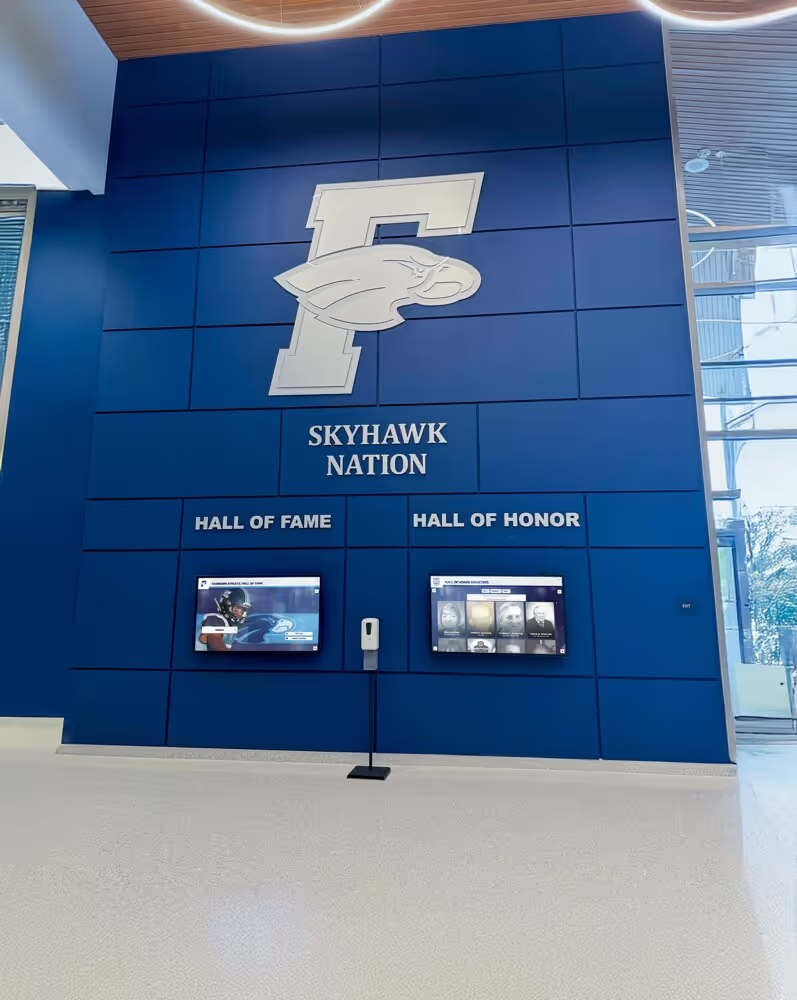
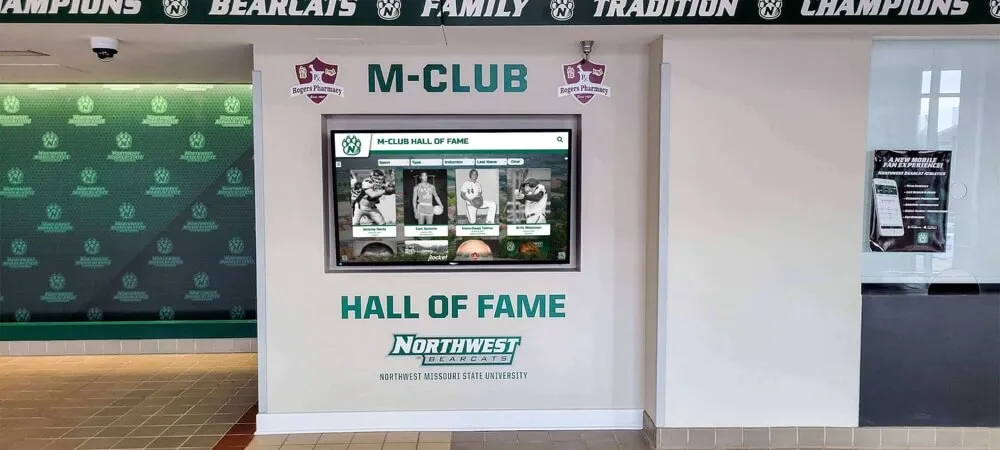
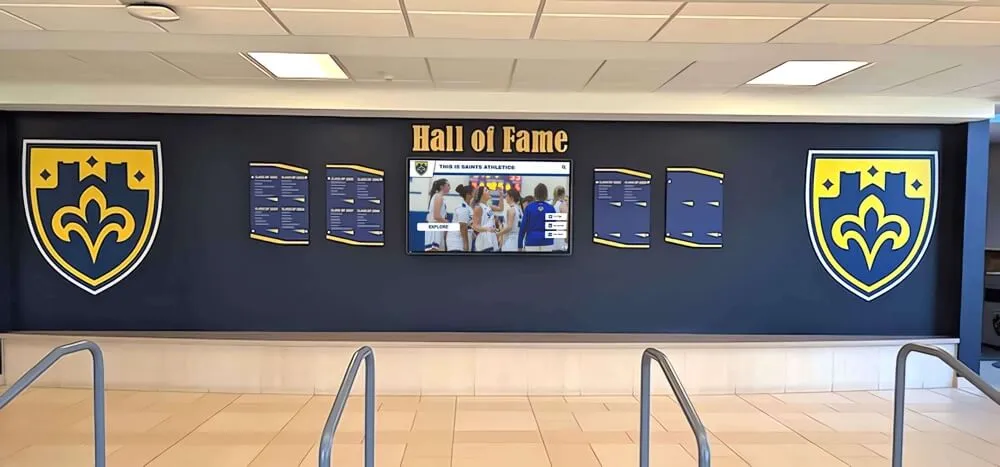
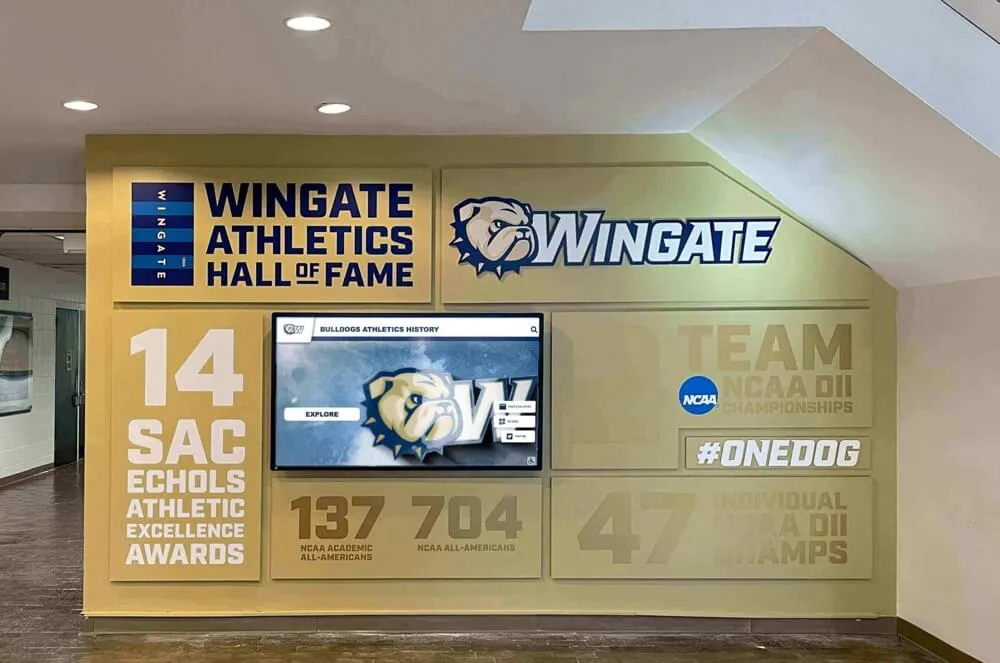
Permanent recognition installations honor spring sports achievements alongside fall and winter athletics, creating comprehensive program documentation
Coaching Staff and Support Personnel Ensure adequate staffing supporting program quality:
- Confirm head and assistant coach assignments across all spring sports
- Recruit volunteer coaches supplementing staff where needed
- Assign athletic trainers providing injury prevention and management
- Coordinate equipment managers and student support roles
- Establish communication protocols connecting coaches and administration
Comprehensive staffing enables coaches to focus on athlete development rather than logistics—critical given spring season compressed timelines.
Practice Structure and Competition Preparation
Efficient Practice Design Maximize limited practice time before competition begins:
Progressive Skill Development
- Early focus on fundamental technique and conditioning
- Gradual introduction of competitive scenarios and game situations
- Position-specific training for team sports requiring specialized skills
- Event-focused preparation for individual sports with multiple disciplines
- Mental preparation and competitive mindset development
Weather Considerations Spring’s unpredictable conditions require flexibility:
- Indoor practice alternatives when weather prevents outdoor access
- Condensed practice schedules maximizing favorable weather windows
- Video analysis and classroom sessions supplementing physical training
- Flexible competition rescheduling protocols
- Safety protocols for lightning, extreme heat, or poor air quality
Learn about facility optimization in athletic building design guides supporting spring programs.
Team Culture and Chemistry Building Create positive environments supporting athlete wellbeing:
- Team-building activities establishing connections beyond practice
- Leadership development programs for senior athletes
- Goal-setting workshops connecting individual and team objectives
- Conflict resolution frameworks addressing interpersonal challenges
- Celebration rituals recognizing effort and achievement throughout season
Strong culture differentiates programs where athletes thrive from those where talented rosters underperform—investment in team dynamics pays dividends across competitive and developmental outcomes.
Senior Recognition During Spring Sports Season
Graduating athletes deserve meaningful acknowledgment of their multi-year contributions.
Planning Memorable Spring Senior Nights
Senior night planning during spring sports presents unique timing challenges:
Scheduling Considerations Spring senior nights require careful calendar management:
- Final home competition may occur weeks before season conclusion if playoffs extend schedule
- Weather postponements can disrupt planned senior night timing
- Multiple spring sports may share facilities requiring coordinated ceremonies
- Limited advance notice for families given compressed season timelines
- Playoff qualification uncertainty affecting which game becomes final home event
Most programs schedule senior night for final regular season home competition—accepting possibility that unexpected home playoff games might occur afterward but prioritizing certainty over speculation.
Multi-Sport Senior Night Coordination Schools with multiple spring teams often combine ceremonies:
- Joint recognition events honoring all spring sport seniors simultaneously
- Coordination across baseball, softball, lacrosse, and track reducing ceremony frequency
- Shared costs for flowers, programs, and recognition materials
- Single family attendance commitment rather than multiple evenings
- Streamlined planning reducing coach and parent volunteer burden
Combined ceremonies require longer format but build broader school community connection while demonstrating equal value across all spring athletics.
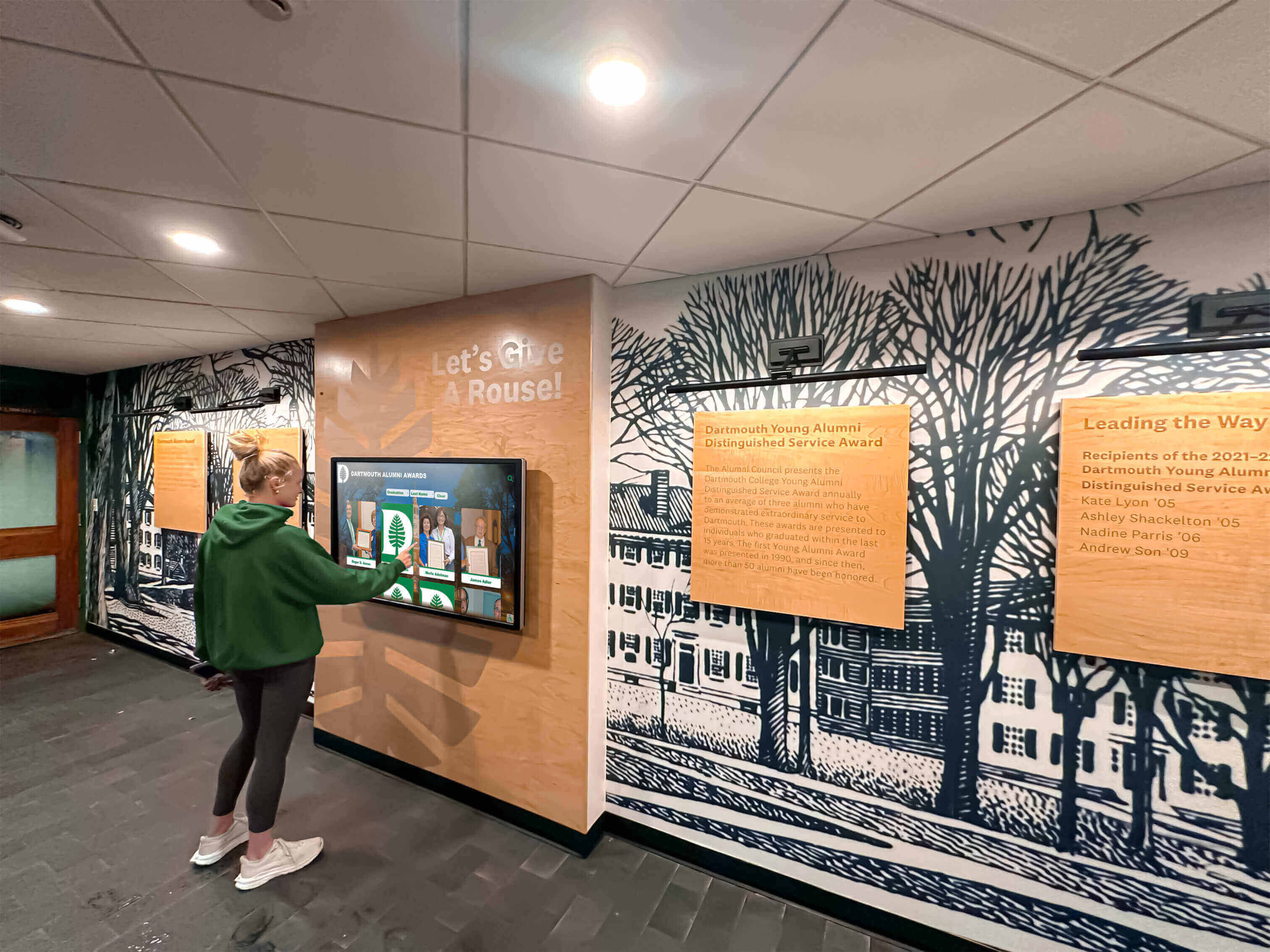
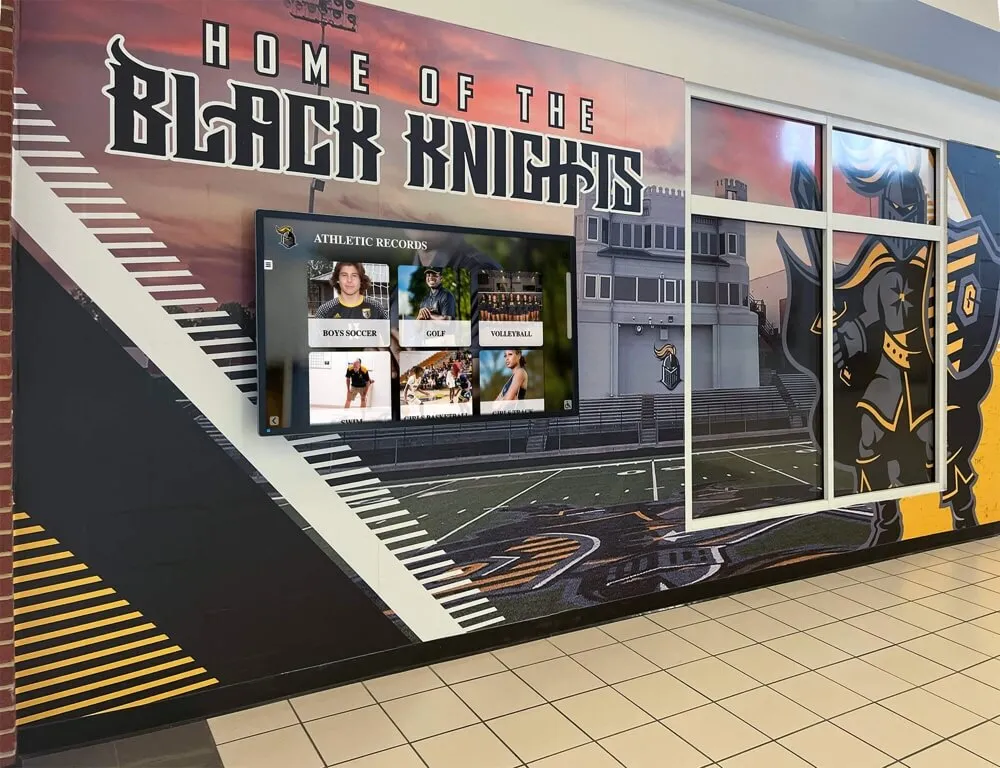
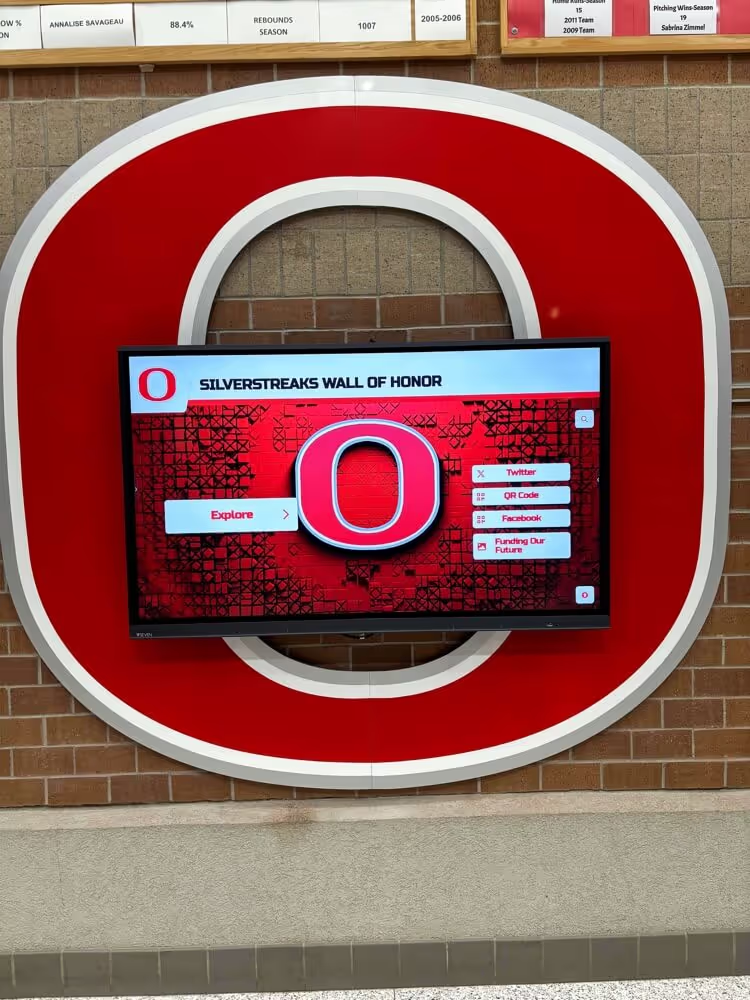
Interactive displays enable year-round engagement with spring sports achievements extending recognition beyond brief senior night ceremonies
Ceremony Format and Recognition Elements Thoughtful structure creates meaningful celebration:
- Individual athlete introductions with achievements and future plans
- Parent/guardian participation escorting seniors during ceremony
- Gift presentations including flowers, plaques, or team-specific items
- Photo opportunities for families at appropriate ceremony locations
- Brief senior speeches or recorded video tributes when time permits
Track programs often recognize seniors before championship meets rather than dual meets—ensuring sufficient audience and appropriate competitive context for ceremony significance.
Discover comprehensive planning approaches in senior night ceremony guides applicable across spring sports.
Senior Recognition Beyond Ceremony Night
Meaningful acknowledgment extends throughout final season:
Season-Long Senior Celebration Integrate recognition across multiple touchpoints:
- Senior spotlights in competition programs throughout season
- Social media features highlighting each senior’s journey and achievements
- Dedicated locker areas or parking spaces for graduating athletes
- Leadership responsibilities reflecting senior status and experience
- Final season photo opportunities and memory creation
End-of-Season Banquet Emphasis Spring sports banquets provide comprehensive senior recognition:
- Career highlight videos showcasing four-year development
- Individual achievement acknowledgment with specific accomplishments
- Character awards honoring leadership and program contribution
- Team-first recognition for selfless play and mentorship
- Connection to alumni network and program legacy
Banquets occurring shortly after season conclusion maintain emotional resonance while seniors remain fully engaged—unlike fall sports where months separate final games from recognition ceremonies.
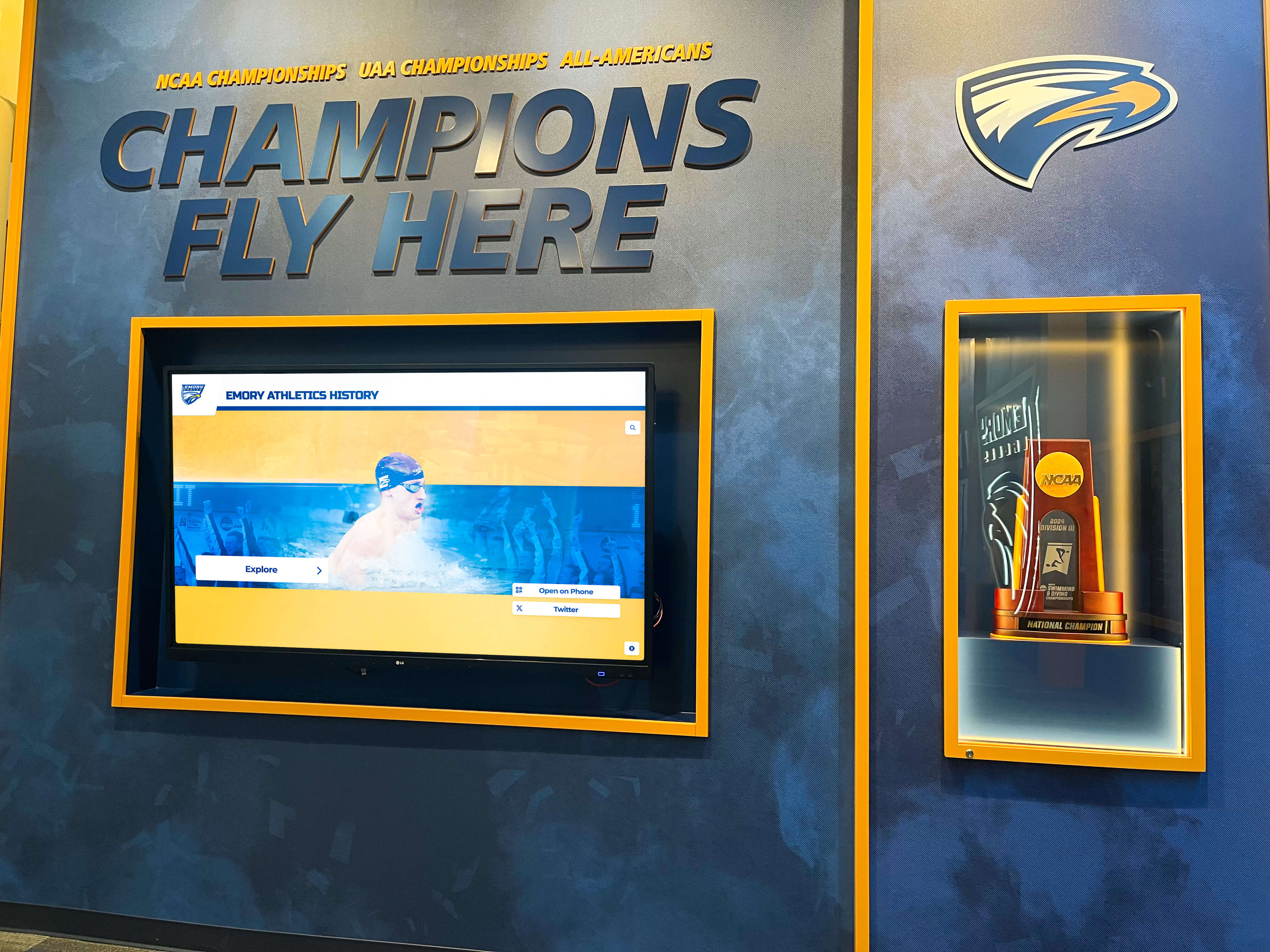
Championship recognition provides inspiring contexts for spring sports banquet programming while documenting program excellence tradition
End-of-Season Awards and Recognition
Comprehensive spring sports recognition requires balanced frameworks honoring diverse achievement types.
Award Categories for Spring Sports Programs
Performance-Based Recognition Traditional categories celebrating competitive excellence:
Individual Achievement Awards
- Most Valuable Player recognizing complete contribution across season
- Statistical leaders in sport-specific categories (batting average, goals scored, personal records)
- All-conference and all-district selections from competitive bodies
- Championship qualifiers and state meet participants
- Record-breaking performances exceeding program standards
Team Achievement Recognition
- Conference championship team members receiving equal acknowledgment
- Playoff advancement and tournament success celebration
- Relay teams and doubles partnerships in individual sports
- Team scoring contributors in track, tennis, and golf
- Improvement recognition for programs exceeding preseason expectations
Character and Leadership Awards Non-statistical categories honoring program values:
- Captain recognition for seasonal leadership roles
- Hustle and maximum effort awards celebrating dedication
- Coachability recognition for receptiveness to instruction
- Team-first awards honoring selfless contribution
- Sportsmanship acknowledgment for integrity and competitive character
Learn about comprehensive recognition in athletic banquet planning guides applicable to spring sports.
Academic Excellence Recognition Balancing athletic and academic achievement:
- Scholar-athlete awards for GPA thresholds (typically 3.5+)
- Academic all-conference selections
- Most improved academic performance
- Graduation honors and college-bound acknowledgment
- Study hall dedication and tutoring engagement
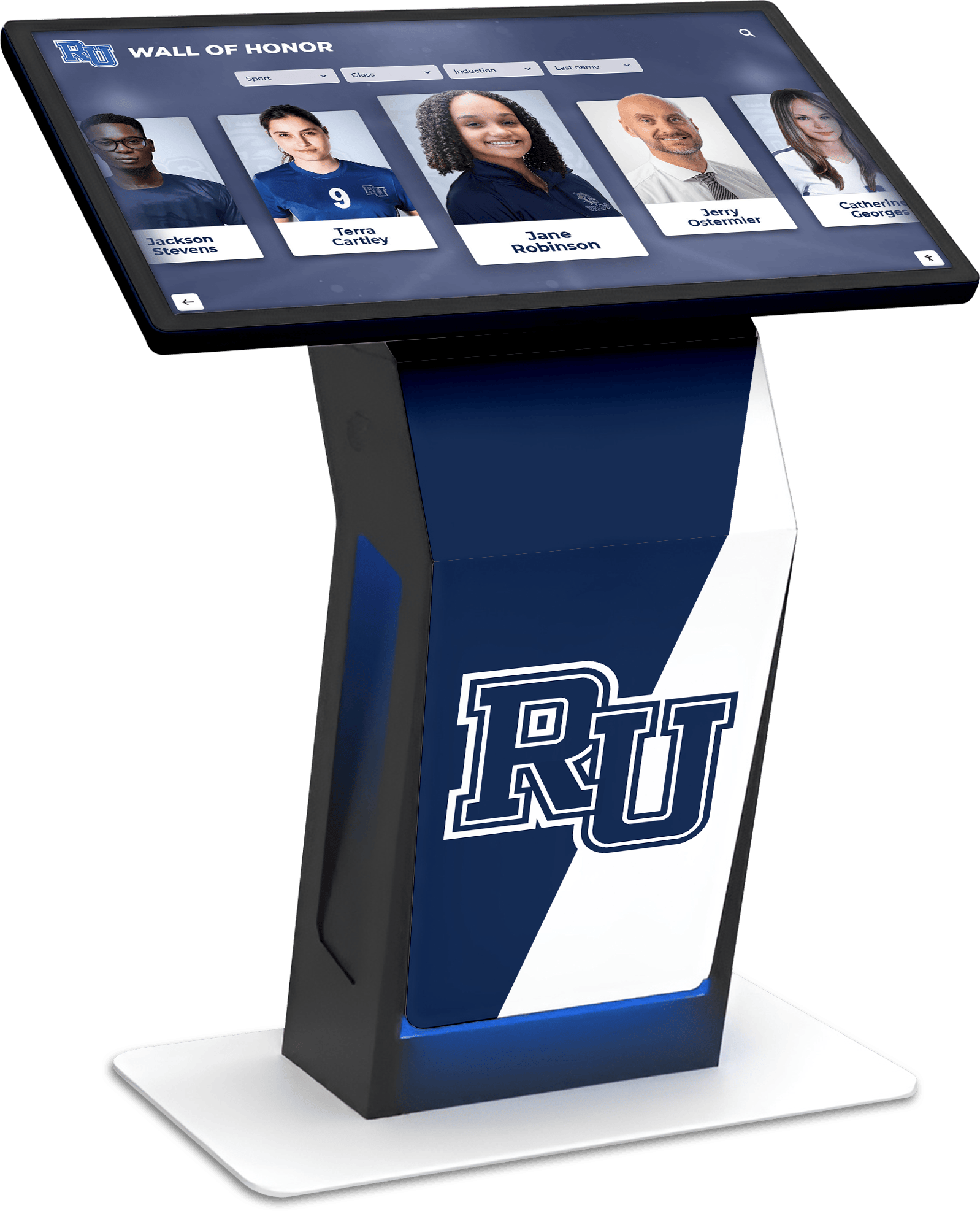
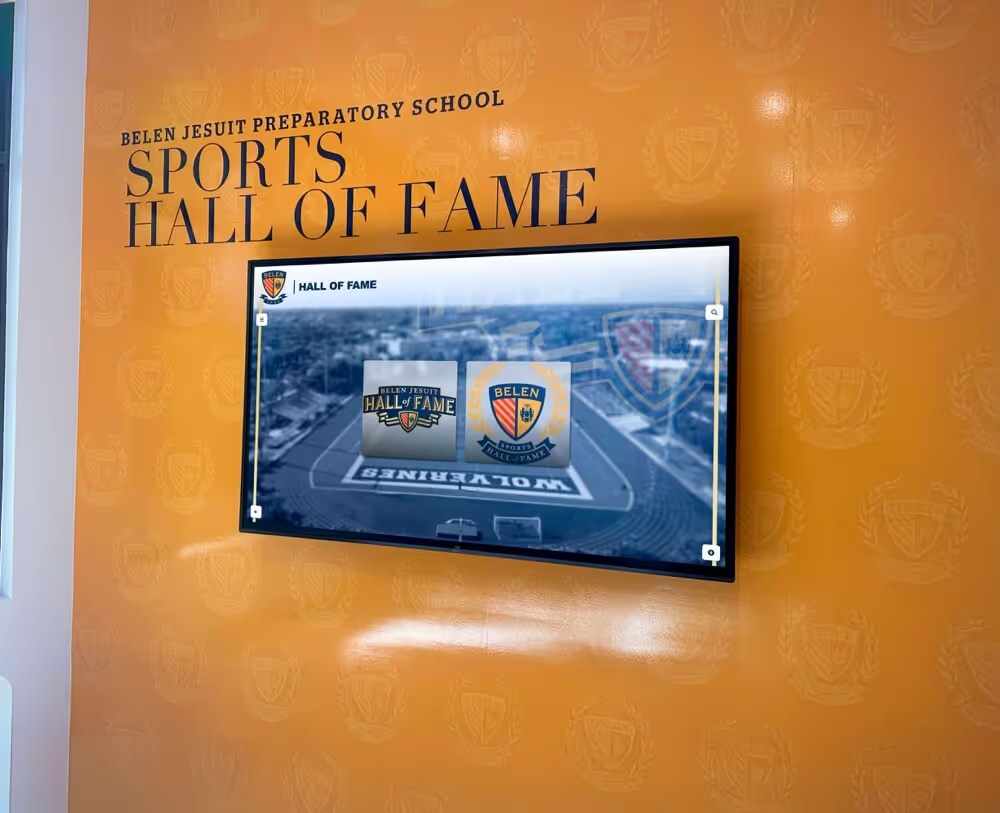
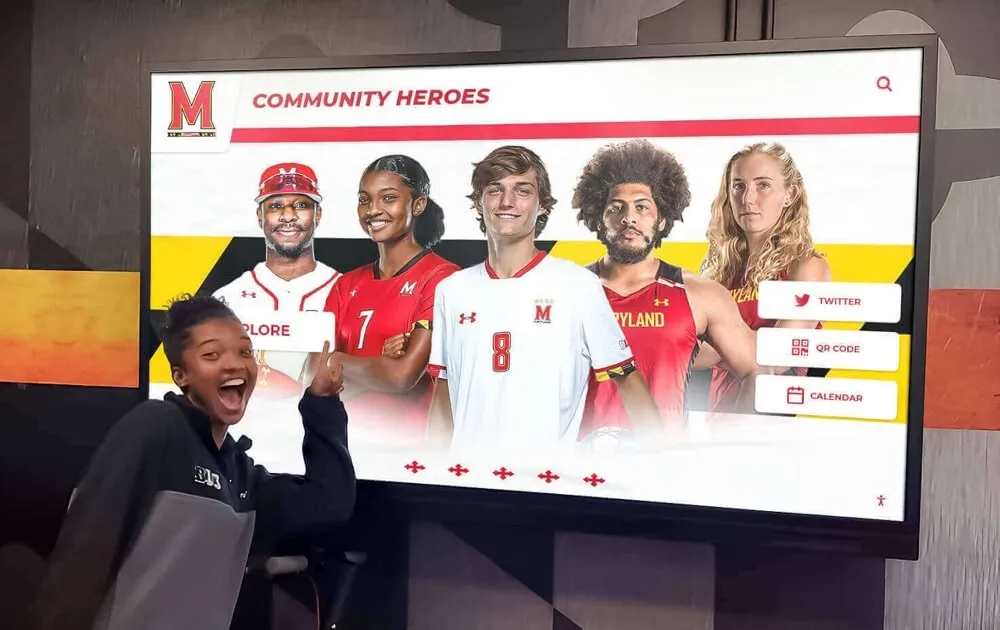
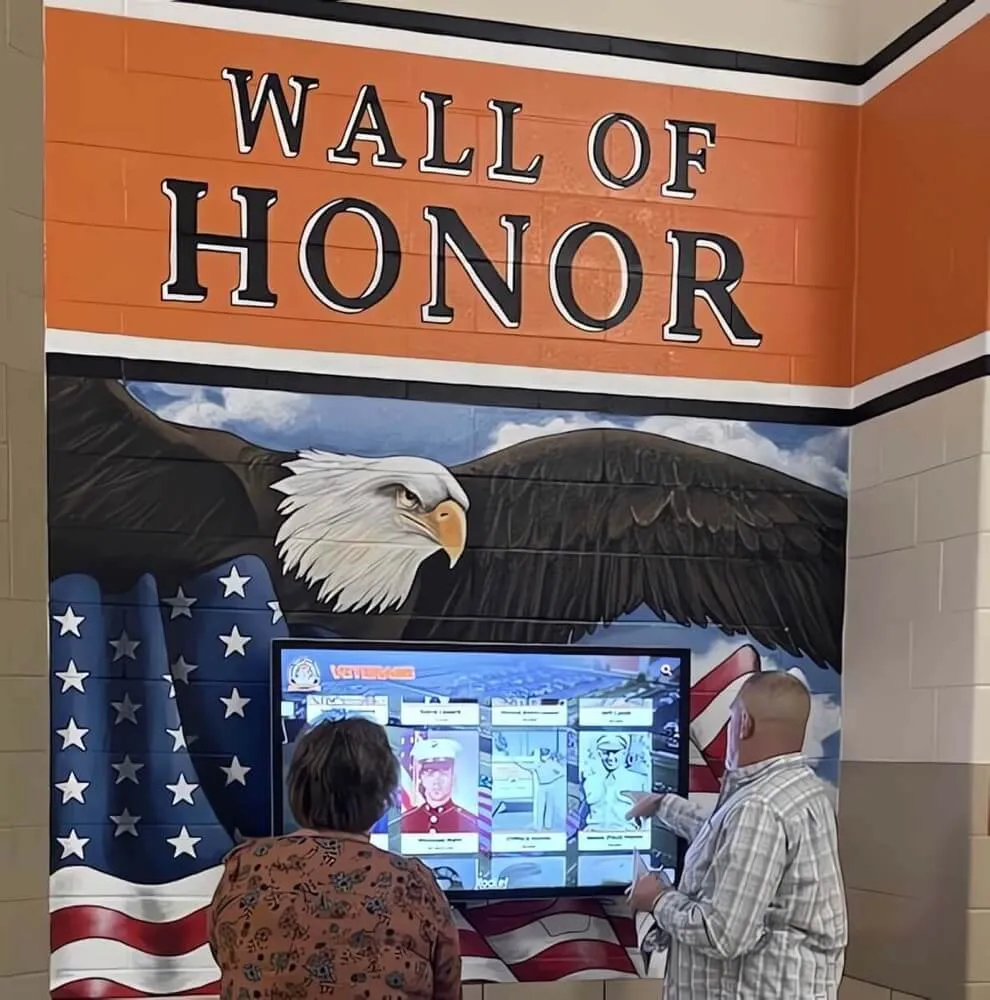
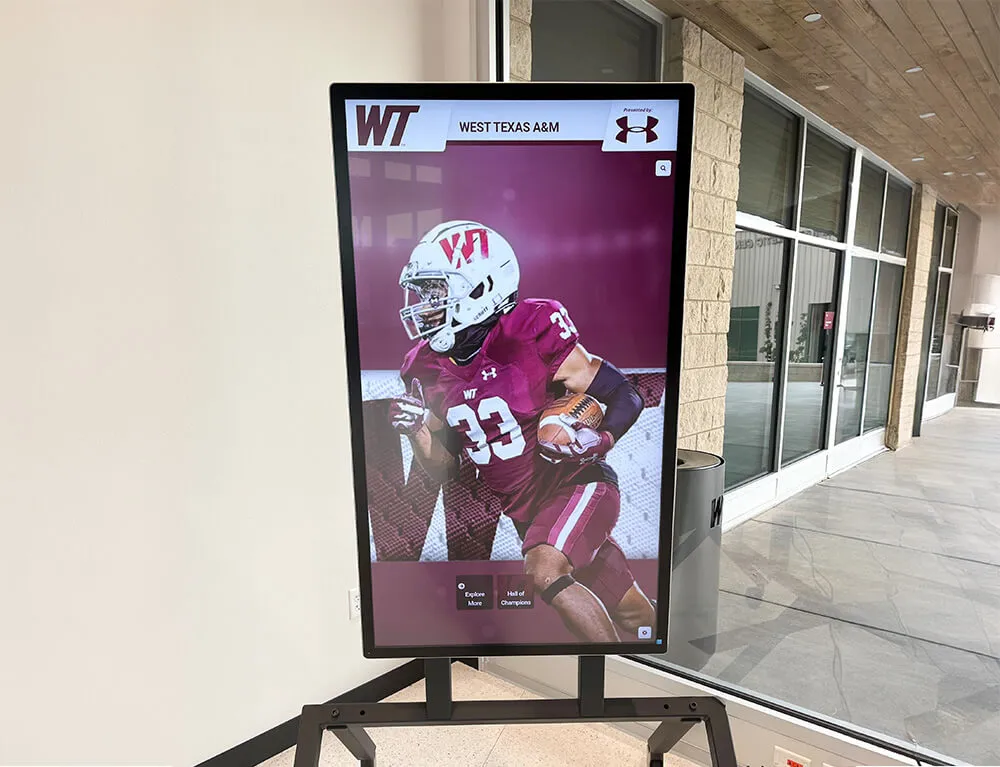
Purpose-built recognition kiosks create engaging exploration of spring sports awards impossible with traditional static displays
Sport-Specific Award Considerations
Different spring sports require adapted recognition approaches:
Baseball and Softball Awards Position-specific and statistical categories:
- Batting champion for highest average
- Home run and RBI leaders
- Pitching awards for ERA and strikeouts
- Golden glove defensive recognition by position
- Stolen base champion and baserunning excellence
Track and Field Recognition Event-specific achievement across diverse disciplines:
- Event champions in sprints, distance, jumps, throws, and hurdles
- Most improved athletes in specific events
- Relay team acknowledgment
- School record breakers
- Most valuable track and field athletes balancing individual and team contribution
Tennis and Golf Awards Individual performance with team context:
- Singles and doubles champions
- Most wins or best record during season
- Team leader based on scoring contribution
- Most improved stroke play or match record
- Leadership and sportsmanship for character demonstration
Explore detailed recognition frameworks in most improved player award guides applicable to spring athletics.
Lacrosse and Team Sport Recognition Position balance and team contribution:
- Offensive player of year for scoring leaders
- Defensive player recognition for shutdown performance
- Goalie awards for save percentage and leadership
- Midfield excellence for two-way play
- Unsung hero awards for non-statistical contribution
Planning Effective Spring Sports Banquets
End-of-season celebrations require strategic planning given compressed timelines.
Banquet Timing and Format
Scheduling Spring Sports Recognition Timing challenges unique to spring athletics:
- Plan banquets within 1-2 weeks of season conclusion maintaining emotional connection
- Coordinate dates avoiding conflicts with graduation, prom, and end-of-year events
- Consider combined all-spring-sports banquets versus individual team celebrations
- Account for state championship participation potentially extending seasons
- Secure facilities early recognizing popular venues book quickly in May
Many programs host spring sports banquets before graduation ceremonies—ensuring senior attendance and maintaining season connection rather than risking summer dispersal.
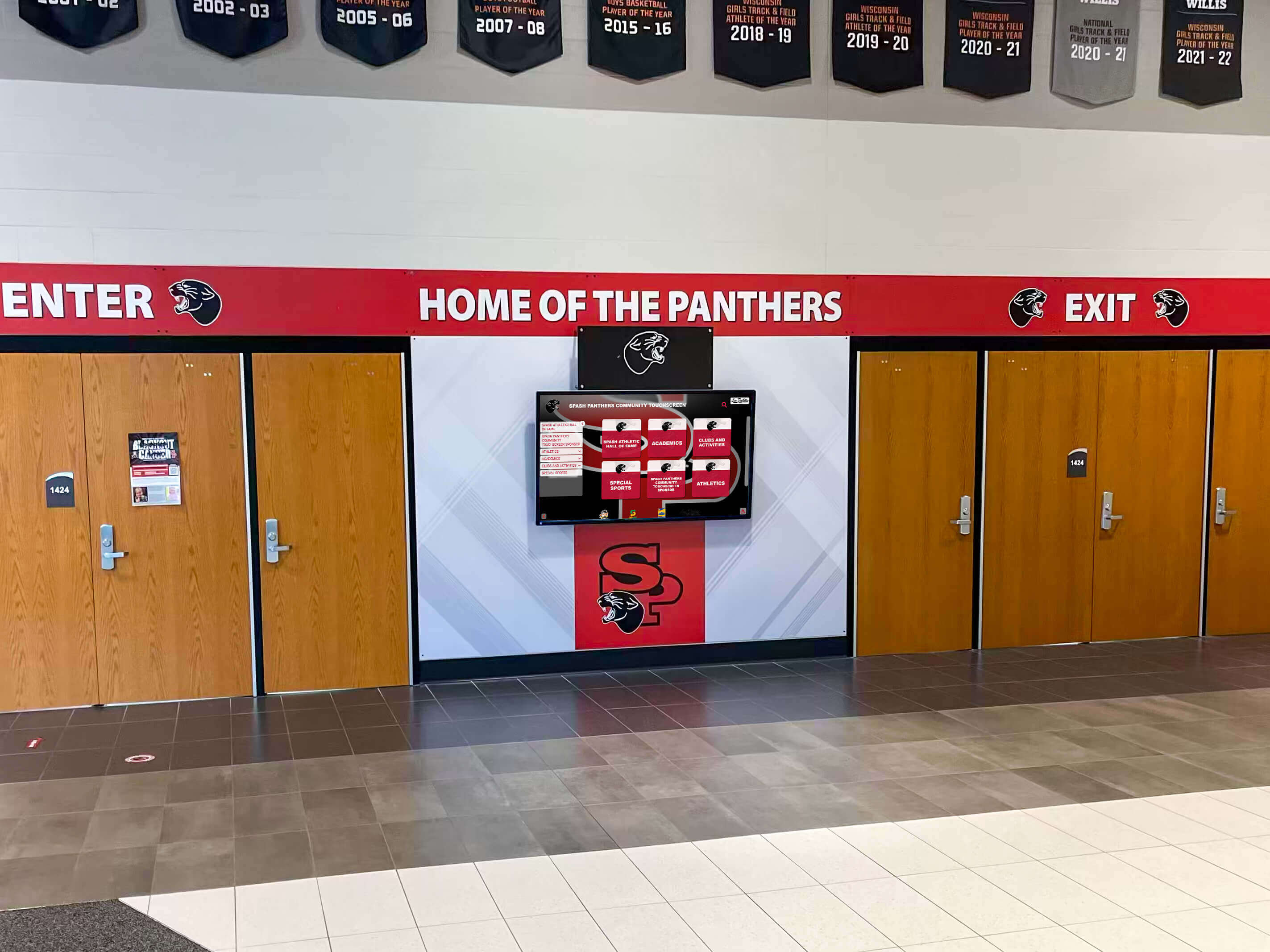
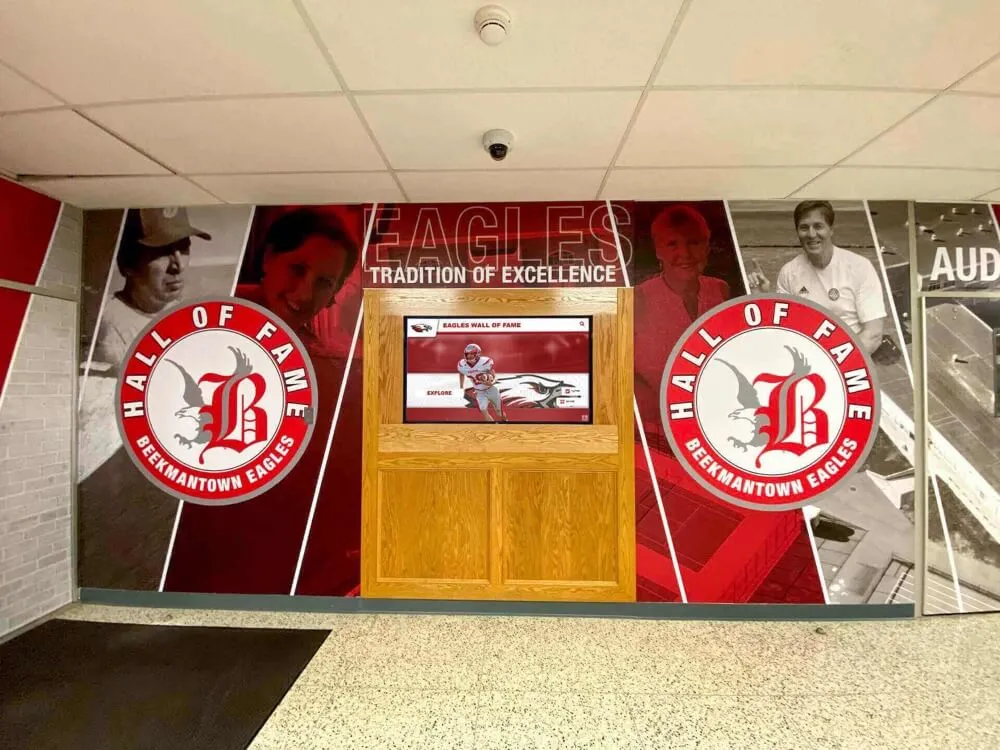
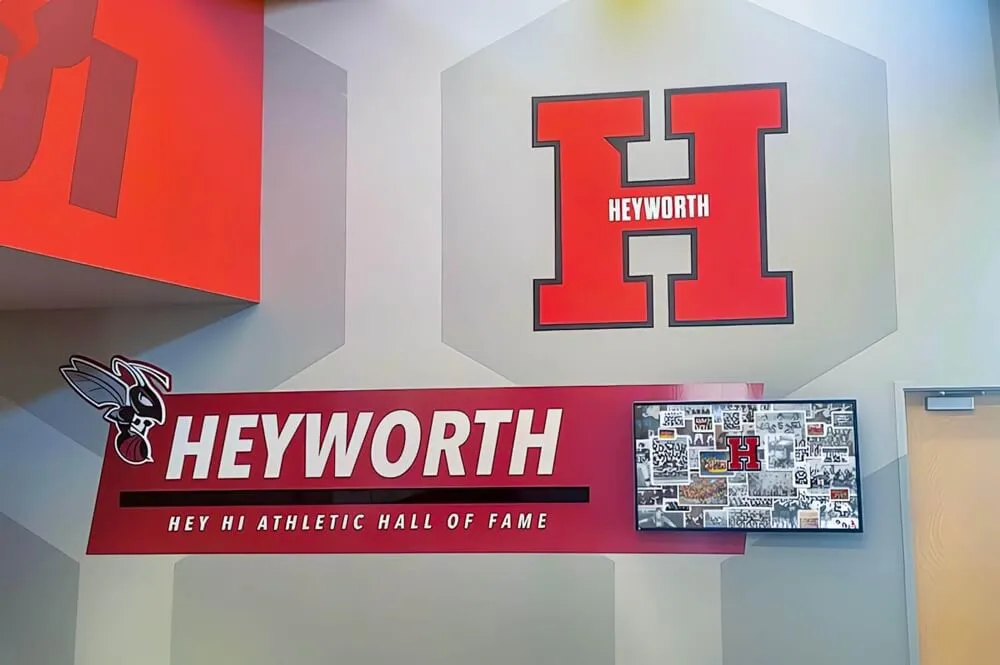
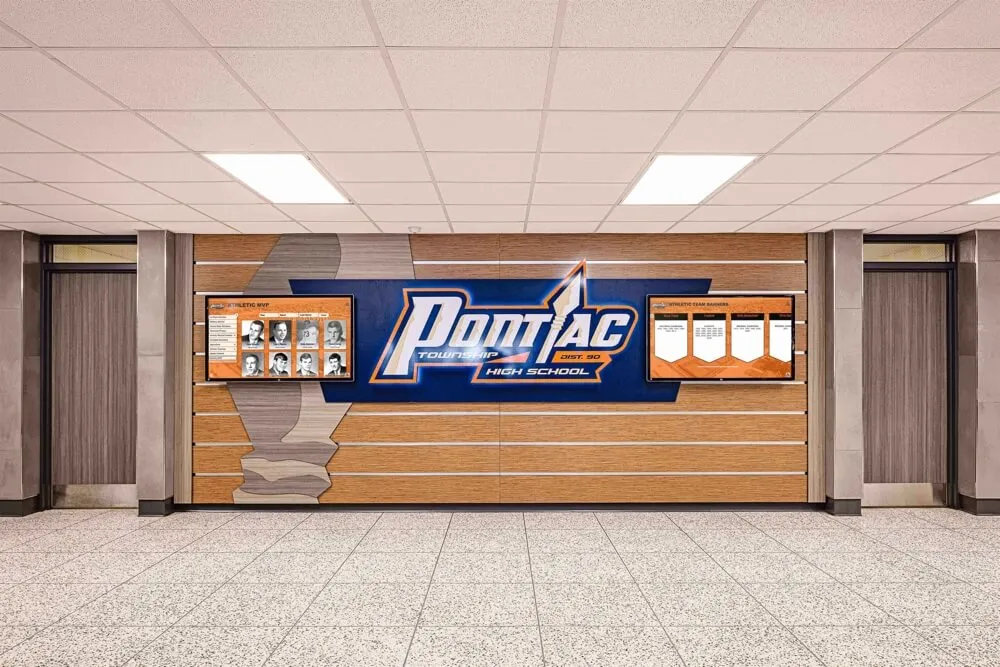
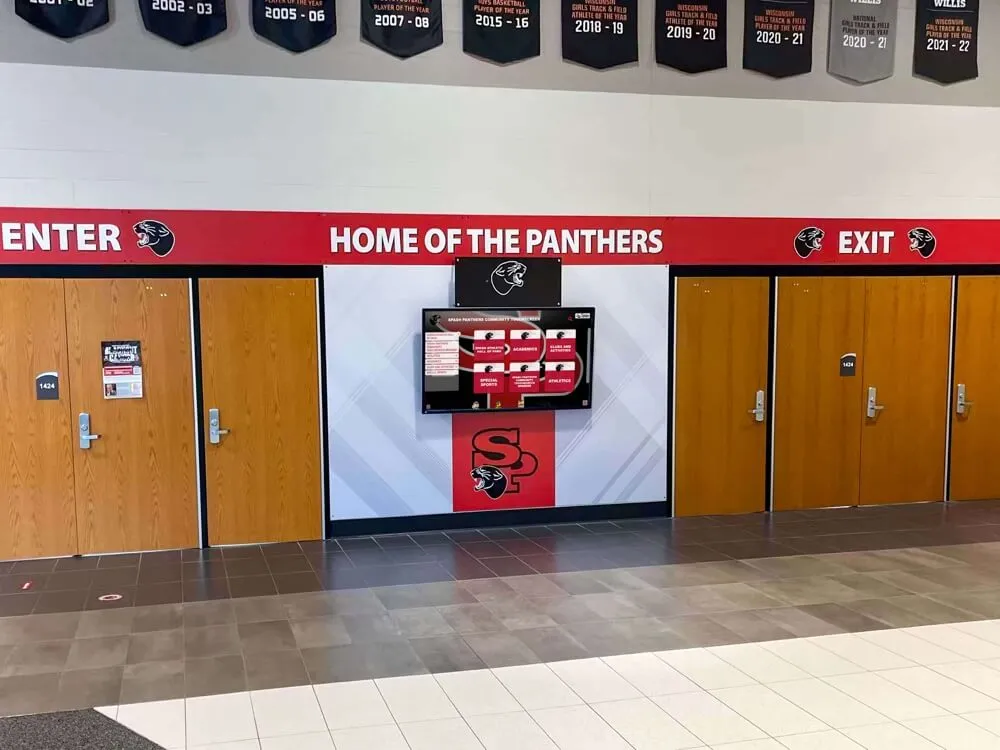
Entrance placement ensures spring sports recognition welcomes visitors while demonstrating program excellence to prospective athletes and families
Banquet Format and Program Elements Effective structure balances recognition with engagement:
Welcome and Season Recap (10-15 minutes)
- Athletic director or head coach welcome
- Season highlights and achievement summary
- Conference championships and state qualifiers recognition
- Thank you to parents, volunteers, and supporters
Team Awards and External Recognition (15-20 minutes)
- All-conference selections announcement
- Academic all-district and scholar-athlete recognition
- Team achievement awards (championship members, record-setters)
- Group photos and collective celebration
Individual Award Presentations (25-35 minutes)
- Sport-specific awards with brief achievement descriptions
- Character and leadership recognition with personal context
- Most improved and developmental acknowledgment
- Senior special recognition and career highlights
Video Tributes and Media (10-15 minutes)
- Season highlight compilation featuring memorable moments
- Senior tribute videos celebrating graduating athletes
- Coach and teammate testimonial segments
Closing and Fellowship (15-20 minutes)
- Coach closing remarks and future season preview
- Meal service or refreshments with socializing
- Photo opportunities and informal celebration
Total banquet duration typically runs 90-120 minutes maintaining engagement while providing comprehensive recognition across all spring sport programs.
Learn complete planning frameworks in how to plan sports banquet guides applicable to spring athletics.
Budget and Resource Management
Spring Sports Banquet Costs Typical expense categories:
- Venue rental: $0-500 (school facilities often free)
- Per-person meal service: $15-40 depending on menu selection
- Physical awards (trophies, plaques, certificates): $500-2,000 total
- Programs and printed materials: $100-300
- Decorations and table settings: $100-250
- Photography and videography: $200-500 if outsourced
Total costs typically range $2,000-5,000 for comprehensive spring sports recognition depending on program size and celebration format selected.
Funding Strategies Resource development for banquet support:
- Booster club budget allocations for seasonal recognition
- Ticket sales to athletes and families covering meal costs
- Local business sponsorships offsetting expenses
- Volunteer coordination reducing professional service needs
- Creative cost-saving through DIY decorations and student-produced media
Most successful spring programs establish annual banquet traditions with consistent budgets—preventing last-minute fundraising stress while ensuring quality recognition regardless of individual season financial challenges.
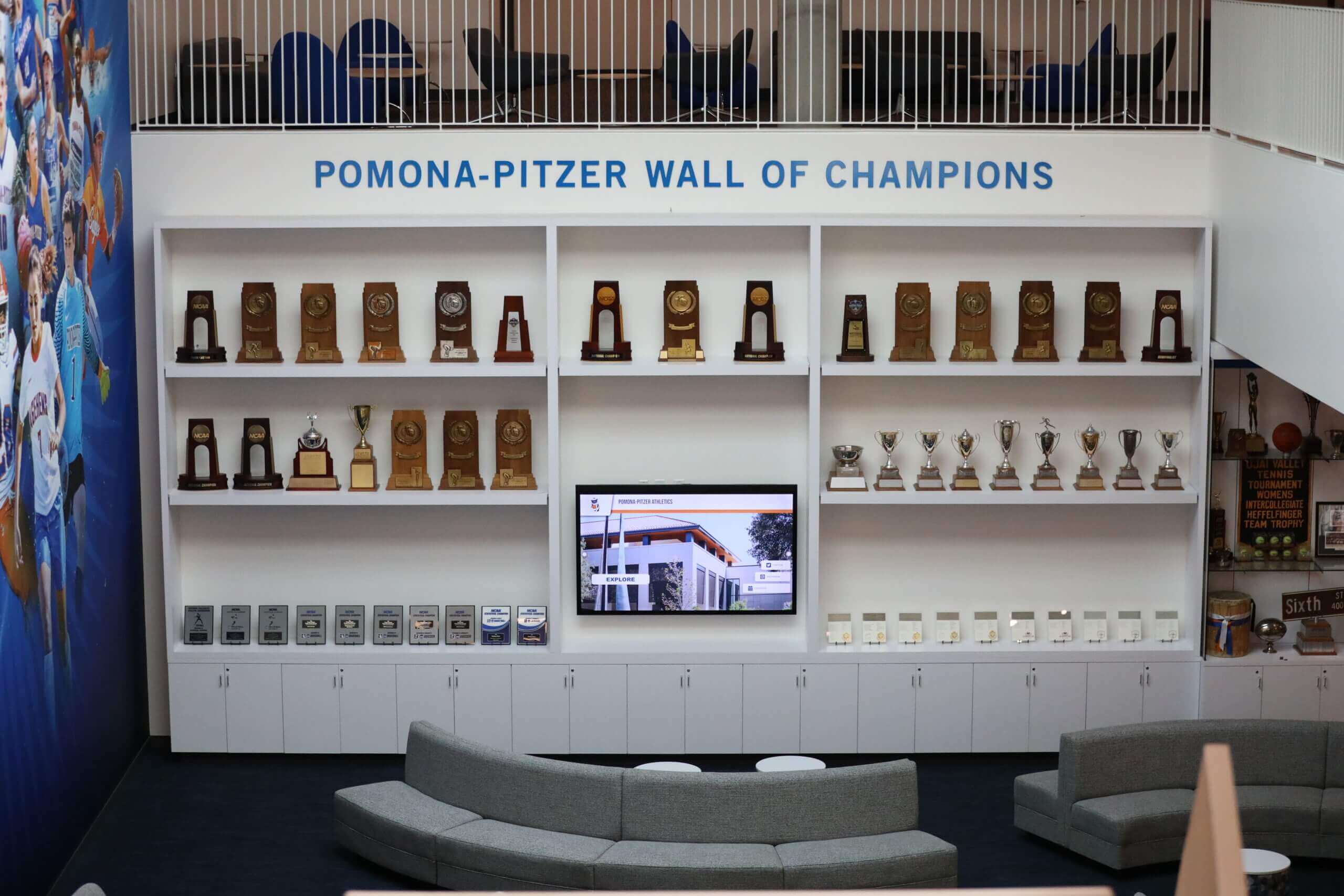
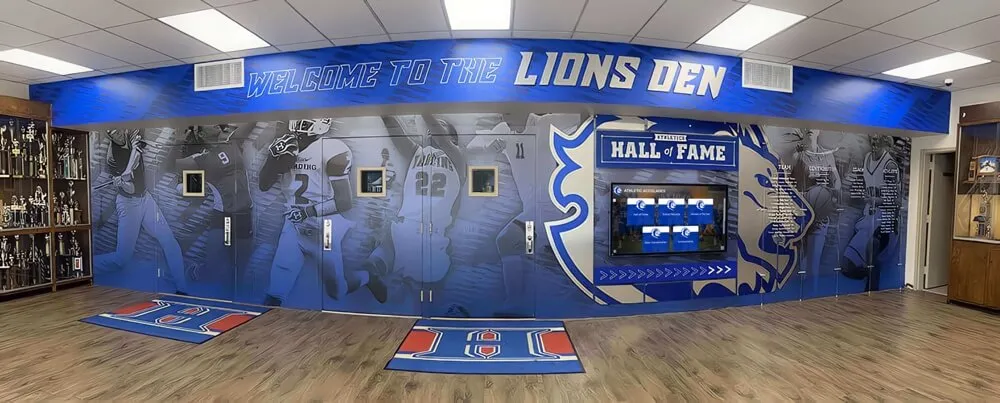
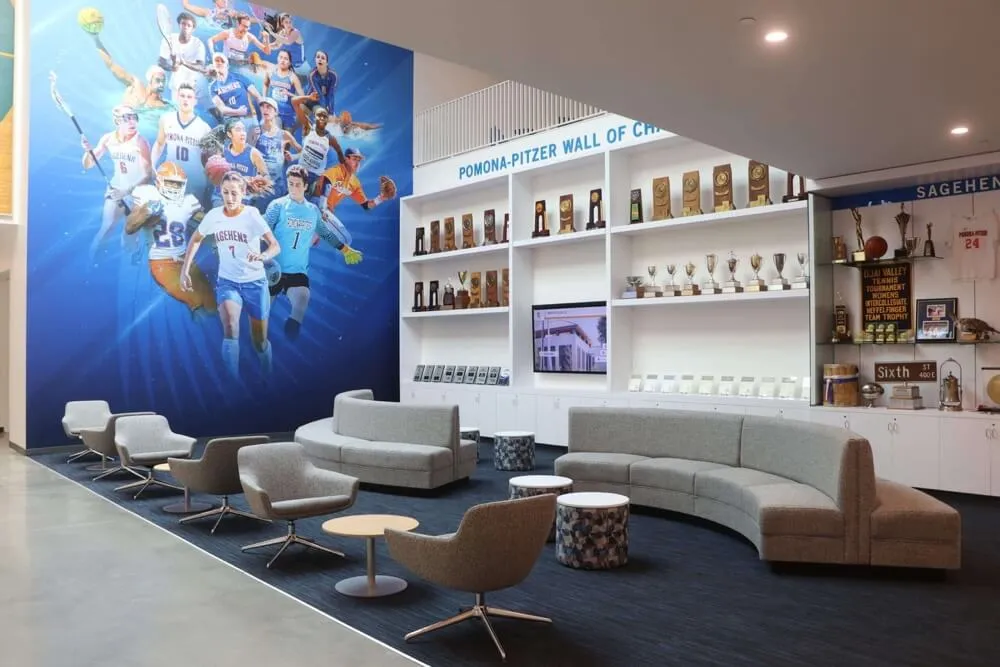
Athletic recognition spaces create compelling contexts for spring sports banquet programming while preserving championship achievements
Preserving Spring Sports Achievements Permanently
Traditional recognition approaches often fail to provide lasting visibility and accessibility.
The Challenge with Physical Recognition
Athletic programs typically struggle with long-term achievement documentation:
Space Constraints Limiting Display
- Trophy cases fill quickly requiring removal of older awards
- Wall plaques consume finite space forcing difficult prioritization
- Outdoor banners deteriorate from weather exposure
- Storage of removed recognition eliminates visibility entirely
- Maintenance challenges as physical materials age and fade
Limited Storytelling Capability Traditional displays provide minimal context:
- Basic name, year, and award title without achievement details
- No statistics, performance data, or competitive context
- Missing biographical information about athletes
- Zero connection to photos, videos, or memorable moments
- Passive viewing without exploration or discovery capability
Accessibility Limitations Physical recognition reaches limited audiences:
- Geographic restriction to campus location only
- No access for graduated alumni living elsewhere
- Missed engagement during facility closures
- Zero social sharing capability
- Inaccessibility to extended family and community networks
These fundamental challenges mean traditional spring sports recognition often fails its core purpose—ensuring athlete achievements receive lasting acknowledgment extending beyond playing careers while building program tradition visible to current and future athletes.
Digital Recognition Solutions
Modern platforms solve traditional limitations comprehensively:
Unlimited Archive Capacity
- Single display accommodates hundreds of athlete profiles
- No removal of historical recognition required ever
- Equal visibility for all spring sports regardless of championship frequency
- Comprehensive documentation showing multi-decade program excellence
- Scalable infrastructure growing effortlessly with annual additions
Enhanced Storytelling and Rich Media
- Individual athlete pages with photos and biographical information
- Detailed achievement descriptions explaining significance and context
- Statistics and performance data supporting awards and recognition
- Video highlights bringing competitive moments to life
- Multiple season documentation showing athletic career development
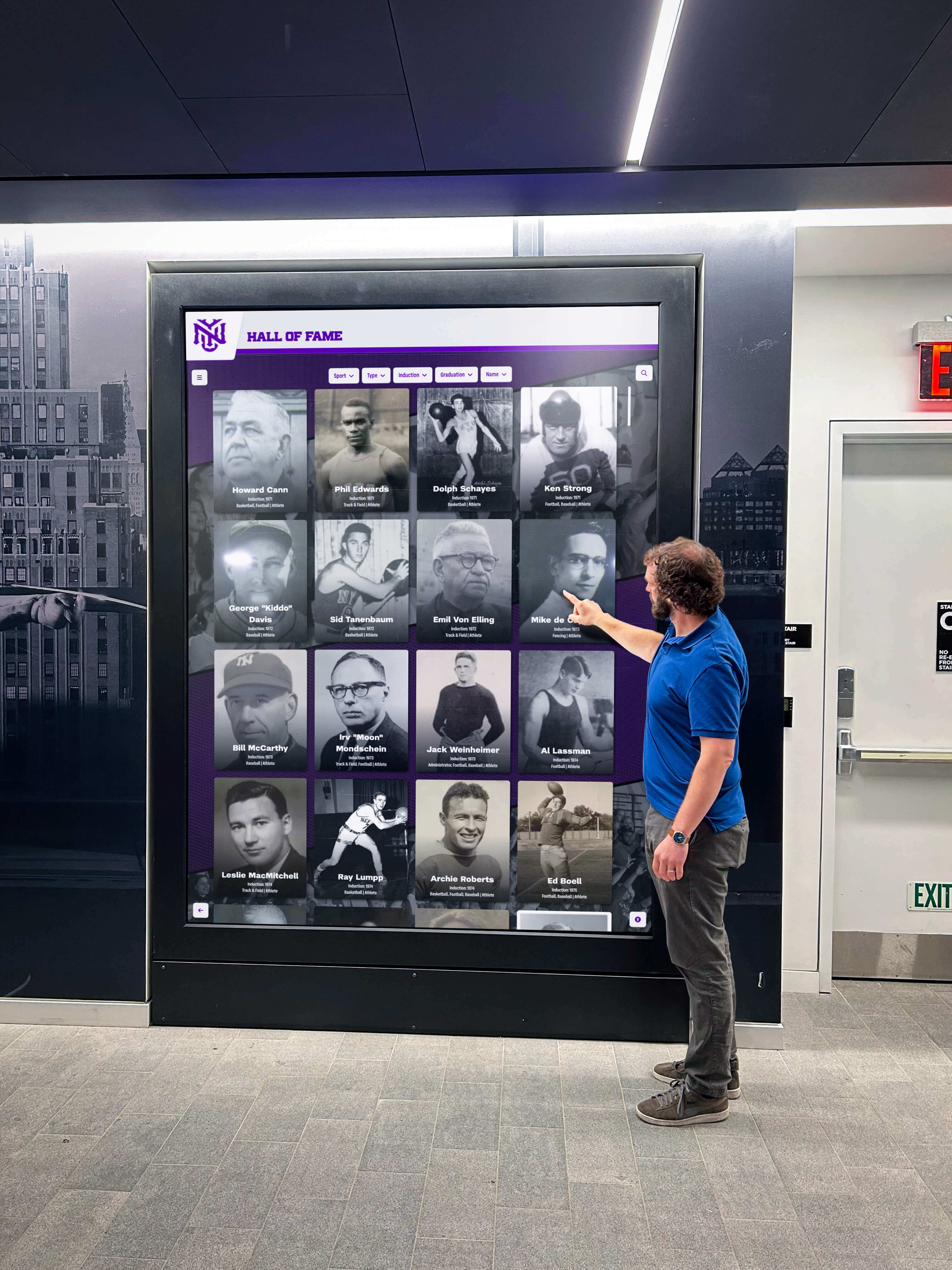
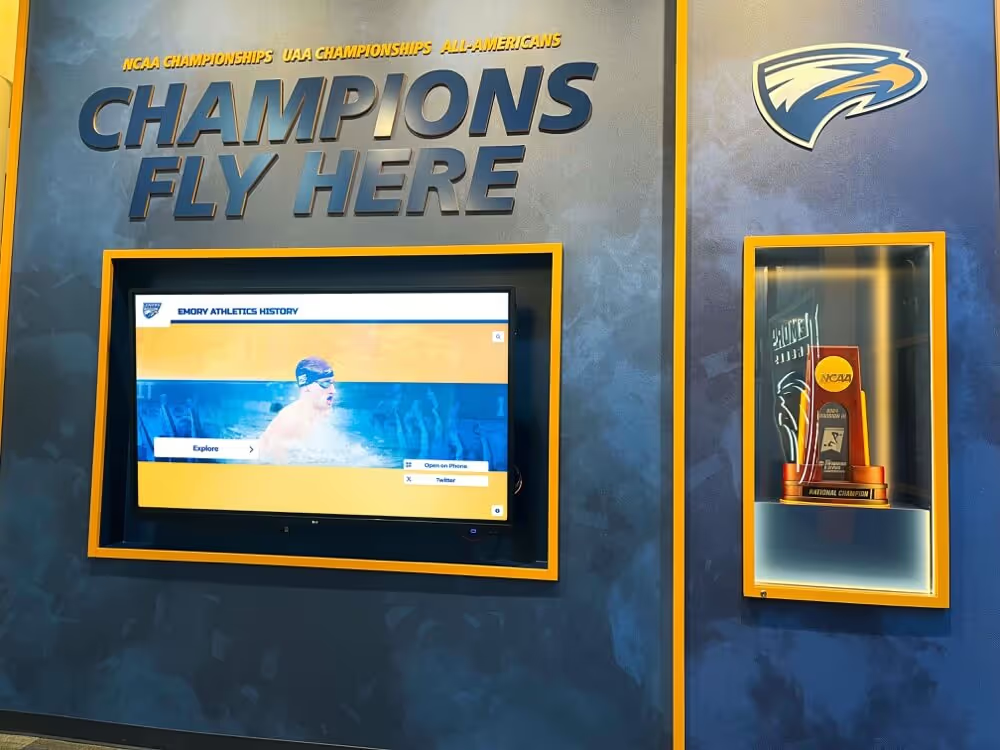
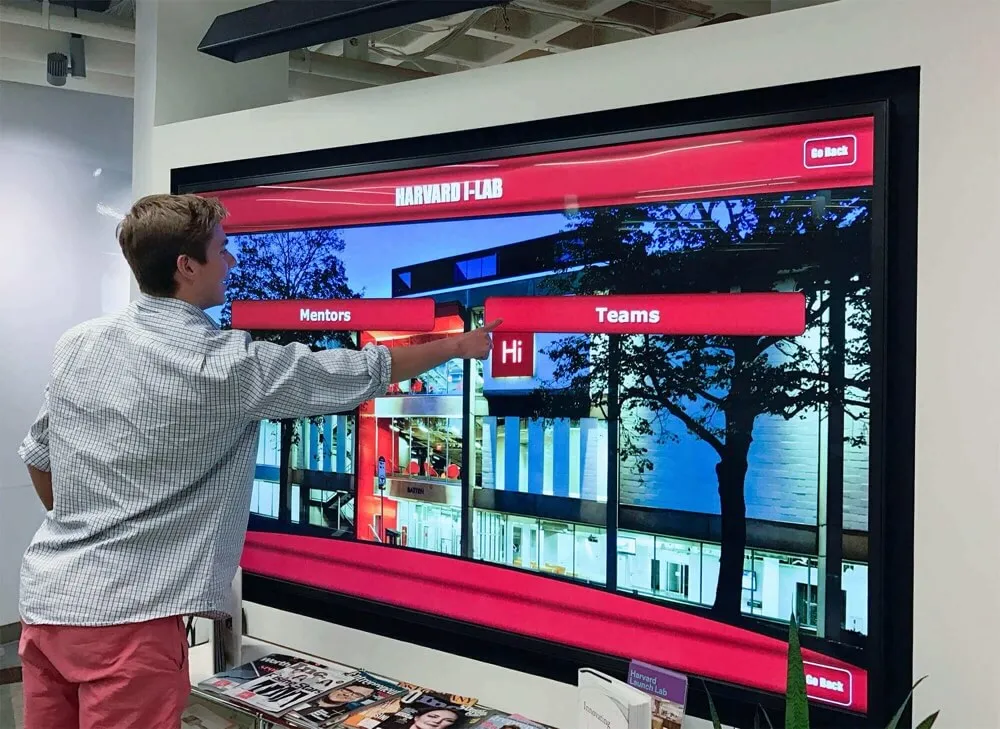
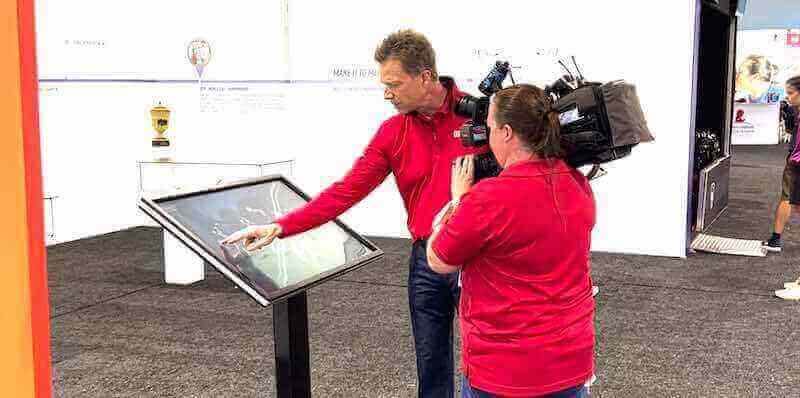
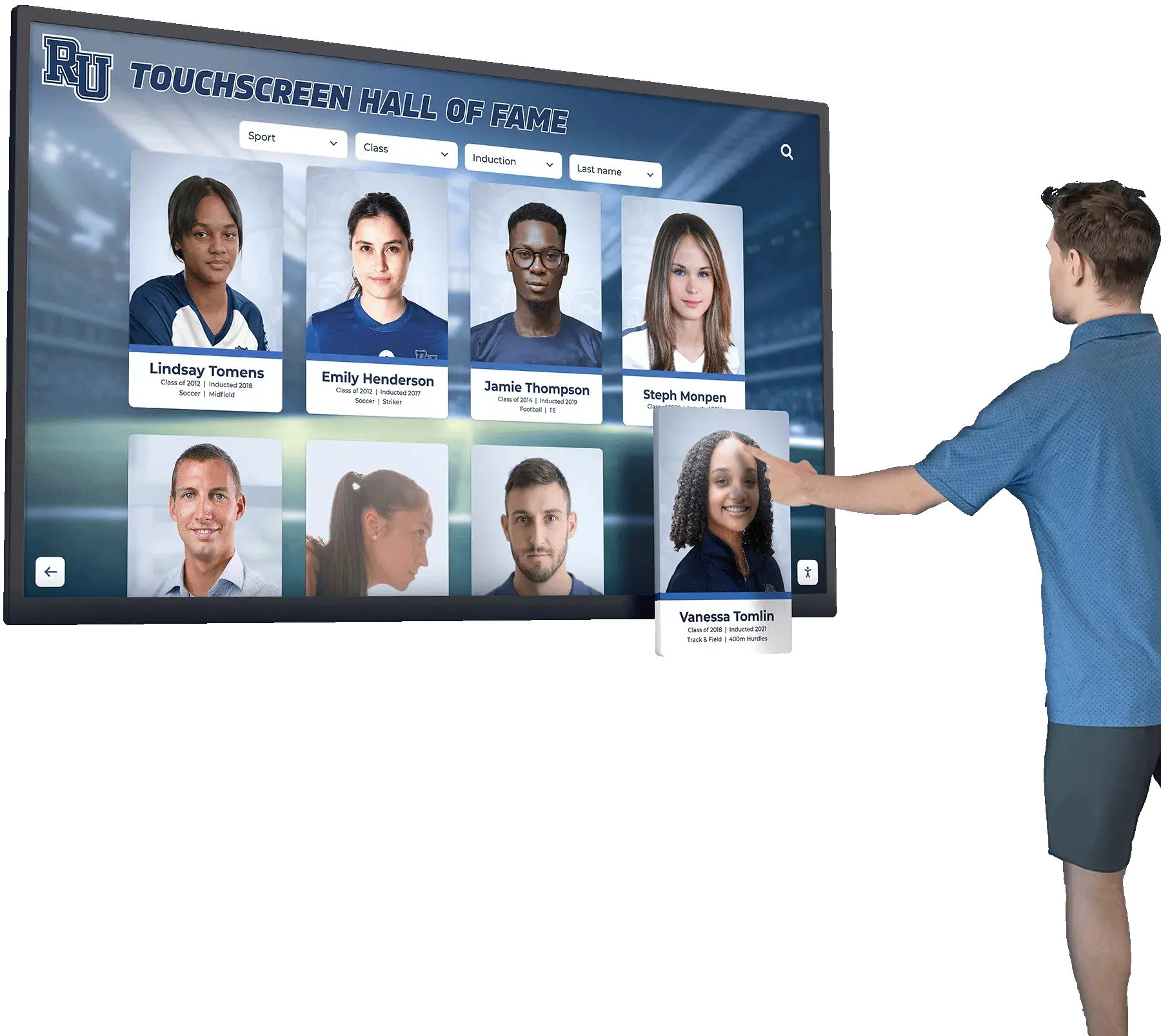
Touchscreen systems enable interactive exploration of spring sports awards and achievements impossible with static trophy displays
Interactive Exploration Capabilities Touchscreen systems create engaging experiences:
- Search functionality finding specific athletes across graduation years
- Filter by sport, award category, season, or achievement type
- Browse features enabling casual discovery and exploration
- Social sharing extending recognition reach beyond facilities
- Mobile-responsive web access from anywhere, anytime
Sustainable Content Management Cloud-based platforms simplify ongoing administration:
- Remote updates from any internet-connected device
- Intuitive interfaces requiring no technical expertise
- Bulk import tools for historical data and annual recipient groups
- Automated backup ensuring preservation without IT dependency
- Role-based permissions enabling appropriate staff access
Solutions like Rocket Alumni Solutions provide purpose-built platforms designed specifically for athletic recognition needs—offering functionality generic digital signage cannot match while remaining accessible for coaches and athletic staff without technical backgrounds.
Integration with Broader Recognition Digital systems connect spring athletics to comprehensive school excellence:
- Fall and winter sports documentation creating year-round athletic archives
- Academic achievement recognition alongside athletic awards
- Arts and activities acknowledgment creating complete student profiles
- Alumni engagement features tracking post-graduation success
- Donor recognition for booster club supporters funding programs
This integrated approach positions spring sports within broader institutional achievement narratives while building comprehensive memory preserving all excellence dimensions.
Explore comprehensive solutions in digital trophy case guides transforming athletic recognition.
Spring Sports Program Development and Culture Building
Sustainable excellence requires intentional culture development beyond individual seasons.
Building Multi-Year Program Tradition
Establishing Program Identity and Values Strong cultures create competitive advantages:
- Define core values guiding program decisions and priorities
- Communicate expectations clearly to athletes, families, and community
- Create traditions connecting current teams to program history
- Celebrate not just championships but also character development
- Build accountability systems where athletes support collective standards
Programs with clear identity attract committed athletes while developing leadership transcending sport participation.
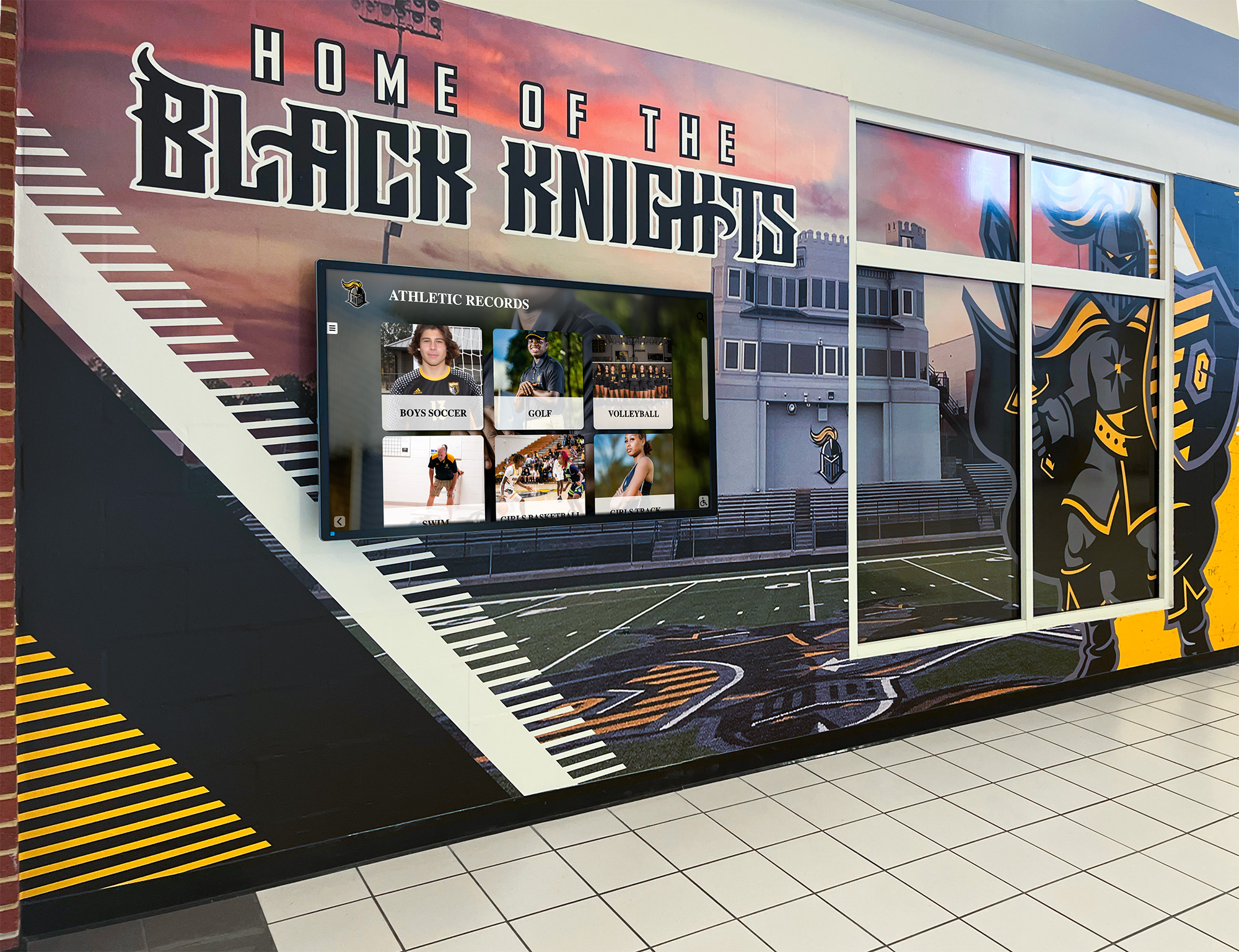
Permanent recognition installations preserve spring sports achievements across program history while inspiring current athletes toward excellence
Senior to Underclassman Leadership Pipeline Develop leadership capacity systematically:
- Formal captain selection processes teaching leadership principles
- Mentorship programs pairing seniors with freshmen
- Leadership councils providing voice in program decisions
- Off-season development opportunities for returning athletes
- Symbolic traditions passing responsibility between graduating and returning classes
Effective leadership development ensures program culture survives personnel changes—knowledge and values transfer between generations rather than rebuilding each season.
Alumni Engagement and Network Building Connect graduated athletes to current programs:
- Track alumni achievements and post-high school success
- Invite alumni to attend competitions and recognition events
- Feature alumni profiles in program communications
- Create mentorship connections between alumni and current athletes
- Celebrate alumni accomplishments demonstrating program impact
Alumni engagement strengthens program reputation while providing current athletes inspiring examples of success extending beyond athletic participation.
Discover culture development approaches in building school pride guides applicable to athletic programs.
Continuous Improvement and Assessment
Post-Season Program Evaluation Systematic assessment drives improvement:
- Review season results against pre-season goals and objectives
- Assess athlete development and skill progression
- Evaluate coaching effectiveness and program organization
- Identify facility and equipment needs requiring attention
- Gather athlete and family feedback through surveys
Honest evaluation creates improvement roadmaps while demonstrating commitment to excellence transcending individual season outcomes.
Strategic Planning for Future Seasons Build on current year foundation:
- Identify returning athlete leadership and development priorities
- Plan off-season programming supporting continued improvement
- Address identified weaknesses through targeted development
- Maintain program strengths preventing regression
- Set ambitious but realistic goals for upcoming seasons
Forward-thinking programs leverage spring season conclusions as strategic planning opportunities—ensuring continuous development rather than cyclical rebuilding every year.
Special Considerations for Individual Spring Sports
Different activities require adapted approaches reflecting unique competitive structures.
Track and Field Program Management
Track and field’s diversity creates distinctive challenges and opportunities:
Event-Specific Coaching and Development
- Specialized coaching for sprints, distance, jumps, throws, and hurdles
- Progressive training periodization peaking for championship meets
- Individual athlete customization within team training framework
- Technical skill development alongside strength and conditioning
- Mental preparation for individual competitive pressure
Balancing Individual and Team Recognition
- Honor individual event champions and record-setters
- Celebrate relay teams and collective scoring contributions
- Recognize improvement and personal bests regardless of placing
- Team scoring acknowledgment in dual meets and championships
- Comprehensive documentation across all events and performance levels
Learn track-specific approaches in track and field awards guides supporting program development.
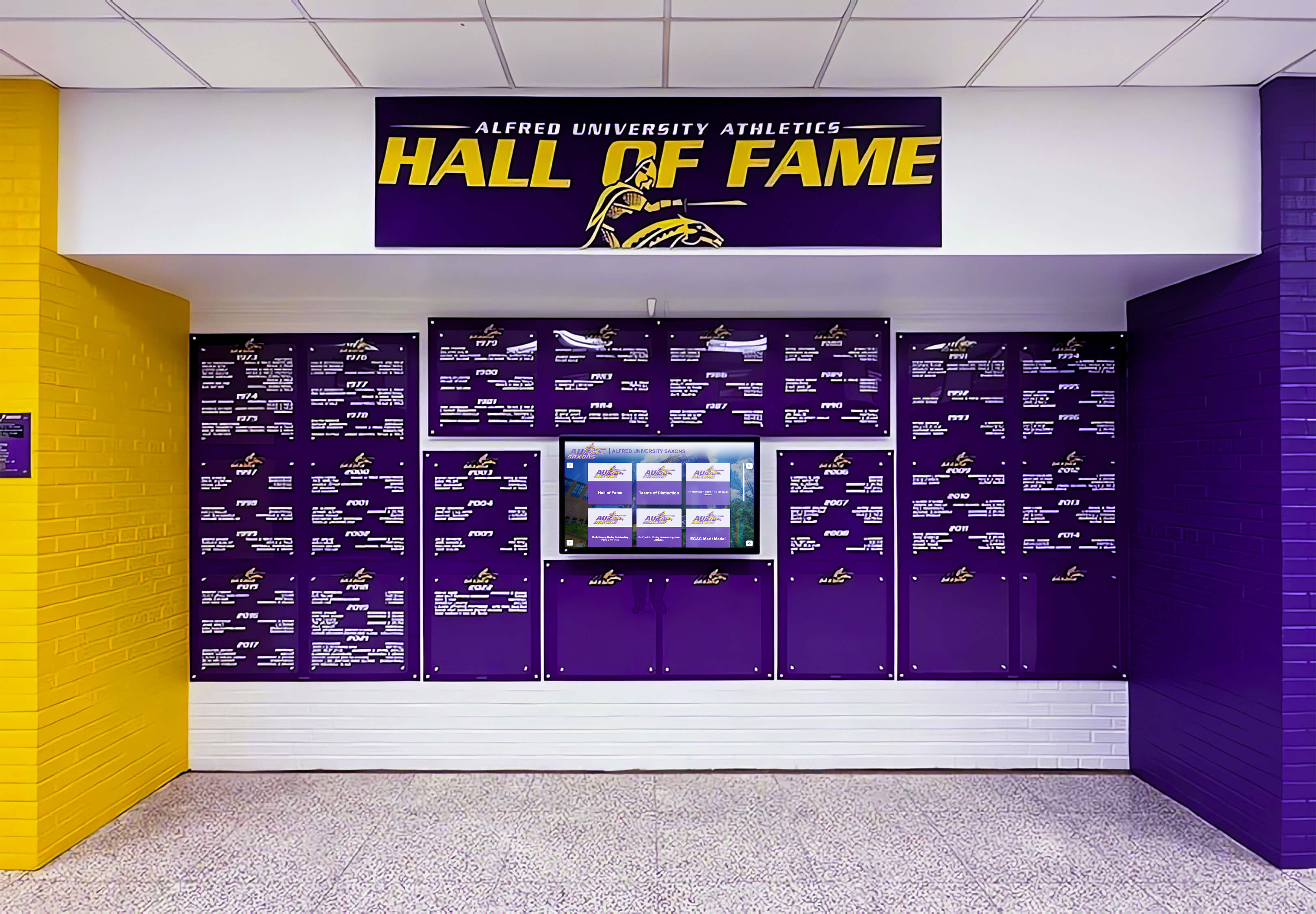
Comprehensive athletic recognition honors spring sports alongside fall and winter programs, demonstrating equal value across all seasonal athletics
Baseball and Softball Excellence
America’s pastime requires extensive season management:
Schedule Coordination and Weather Contingencies
- Long regular seasons with frequent competition requiring careful planning
- Doubleheaders and makeup games compressing schedules
- Field maintenance and weather monitoring
- Travel coordination for away games and tournaments
- Practice scheduling around game-heavy weeks
Position-Specific Development
- Pitcher workload management preventing overuse injuries
- Position player skill development across defensive roles
- Offensive approach coaching for different lineup positions
- Specialized training for catchers requiring unique skills
- Utility player versatility development supporting roster flexibility
Championship Tournament Preparation
- Playoff bracket understanding and strategic approach
- Performance pressure management for elimination games
- Roster optimization based on opponent scouting
- Family and community engagement building championship atmosphere
Lacrosse, Tennis, and Golf Programs
Emerging and specialized spring sports present unique considerations:
Lacrosse Growth and Development
- Skill development for athletes new to sport
- Equipment management and safety protocol
- Building program visibility in schools with established traditions elsewhere
- Creating competitive opportunities appropriate for development level
Tennis Individual-Team Balance
- Singles competition alongside doubles partnerships
- Ladder systems determining lineup positions
- Individual achievement within team scoring context
- Year-round player development supplementing short spring season
Golf Program Unique Challenges
- Off-site competition at various courses
- Individual stroke play contributing to team scoring
- Limited practice facility access at many schools
- Weather unpredictability affecting tournament schedules
Each sport requires adapted recognition reflecting competitive structure—cookie-cutter approaches fail to honor distinctive achievement dimensions defining success in diverse activities.
Conclusion: Creating Spring Sports Seasons That Matter
Spring sports seasons represent critical opportunities to develop student-athletes, celebrate achievement, honor graduating seniors, and build program traditions extending beyond individual years. Yet compressed timelines, facility challenges, and competing end-of-year commitments often prevent spring athletics from receiving attention and recognition equal to fall and winter programs—creating missed opportunities for athlete acknowledgment and community engagement.
The strategies explored in this guide provide frameworks for maximizing spring sports seasons while overcoming historical limitations. From strategic planning and senior recognition to comprehensive awards programs and permanent digital documentation, from banquet celebration to culture development, these approaches transform spring athletics from routine seasonal activities into meaningful experiences athletes remember throughout their lives.
Preserve Your Spring Sports Excellence Permanently
Discover how digital recognition solutions help athletic programs celebrate every spring sports athlete, award, and achievement through comprehensive platforms providing unlimited capacity, engaging interactive exploration, and permanent documentation ensuring no accomplishment disappears from program memory.
With intuitive content management enabling coaches and athletic staff to update systems easily, multimedia capabilities bringing achievements to life, and web integration extending recognition beyond physical facilities, modern platforms solve the fundamental challenges limiting traditional trophy case and banner recognition approaches.
Explore Spring Sports Recognition Solutions to see how permanent documentation preserves your complete spring sports history while creating engaging experiences traditional physical recognition cannot deliver.
Implementation begins with intentional planning—defining clear season objectives with realistic but ambitious goals, establishing comprehensive recognition categories honoring diverse achievement, designing engaging ceremonies maintaining family interest while celebrating accomplishments appropriately, and creating systematic documentation preserving achievements permanently through platforms eliminating space and visibility constraints plaguing traditional approaches.
Modern recognition systems eliminate the fundamental challenges confronting spring sports documentation. Rather than removing historical awards to accommodate current season recognition or limiting acknowledgment to trophy case capacity, digital platforms document comprehensive achievement across unlimited athletes, sports, and seasons—ensuring every recognized athlete receives permanent acknowledgment extending throughout their lives while building program tradition visible to current teams, prospective athletes, and broader school communities.
Your spring sports athletes’ accomplishments—competitive excellence, leadership development, character growth, and sustained dedication through challenging conditions—deserve recognition systems providing lasting celebration rather than temporary acknowledgment disappearing after brief banquet evenings or deteriorating banners removed from gym walls. Through balanced planning, engaging programming, meaningful award selection, and permanent digital documentation, you can create spring sports experiences and recognition that honor every achievement while building positive, motivating program cultures where athletes thrive.
Start today by reviewing your upcoming spring sports calendar and recognition planning needs, gathering input from coaches, athletes, and families about program priorities and celebration preferences, exploring venue and format options appropriate for your programs and budgets, and investigating recognition platforms enabling permanent documentation traditional approaches cannot provide. Every spring sports athlete deserves recognition enduring beyond graduation—modern solutions make that achievable reality.
Ready to enhance your spring sports programs? Explore comprehensive athletic recognition approaches informing season planning, discover digital record board solutions documenting achievements permanently, or learn about team captain responsibilities supporting leadership development across spring athletics programs building comprehensive excellence traditions.