Choosing the right team name creates instant identity, builds pride, and establishes connections that athletes carry throughout their lives. The name emblazoned across jerseys, chanted by fans, and displayed in school hallways represents more than simple identification—it embodies values, evokes imagery, and creates emotional bonds between team members, supporters, and institutions. Yet many schools, clubs, and youth programs struggle to move beyond overused options or settle for names that fail to capture the unique character they seek to represent.
The most effective team names strike a balance between immediate recognition and distinctive character—memorable enough for five-year-olds to chant enthusiastically while sophisticated enough to maintain dignity through decades of athletic tradition. Whether selecting names for new programs, rebranding established teams, or creating identities for youth leagues and clubs, the right choice considers mascot visualization, logo design potential, community connections, and the psychological impact of names that athletes embrace with genuine pride.
This comprehensive guide presents 100+ creative sports team names ideas organized by category—from classic animal mascots to modern concepts, from local geography references to values-based identities. Whether you’re establishing school athletic programs, launching youth sports clubs, or helping recreational leagues develop team identities, you’ll find naming strategies that create meaningful connections while standing out in competitive environments.
Team names serve multiple functions beyond simple identification. They create rallying points for community support, establish visual identities that translate across signage and merchandise, and provide psychological anchors that athletes associate with peak performance. The difference between generic team names and thoughtfully selected identities often determines whether athletic programs build lasting traditions or struggle to establish distinctive cultures.

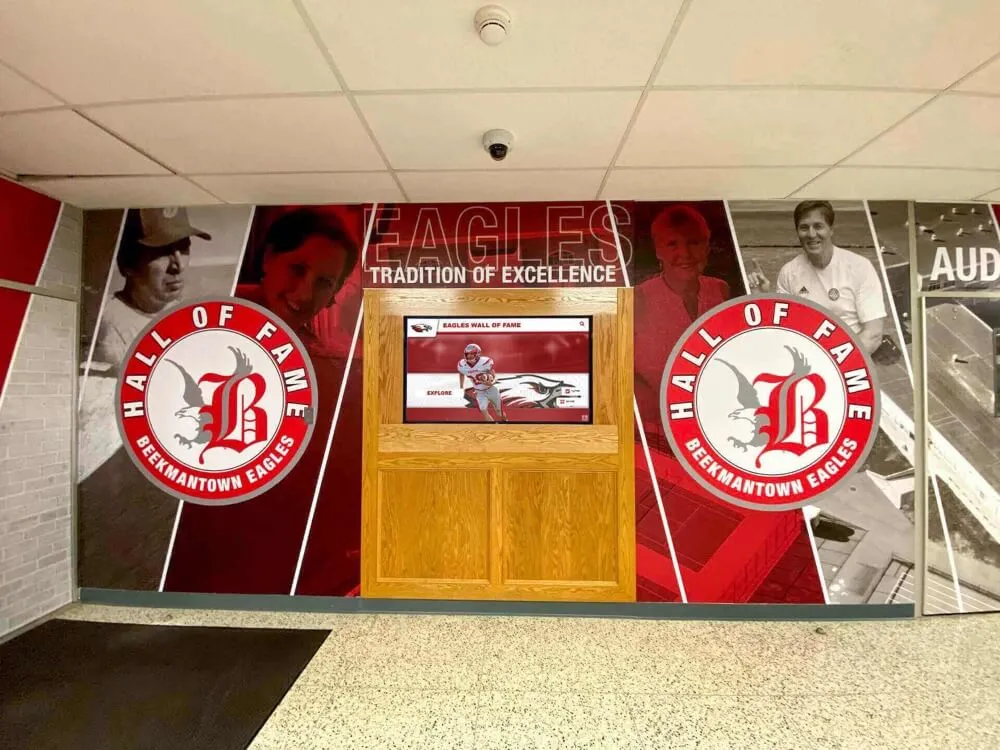
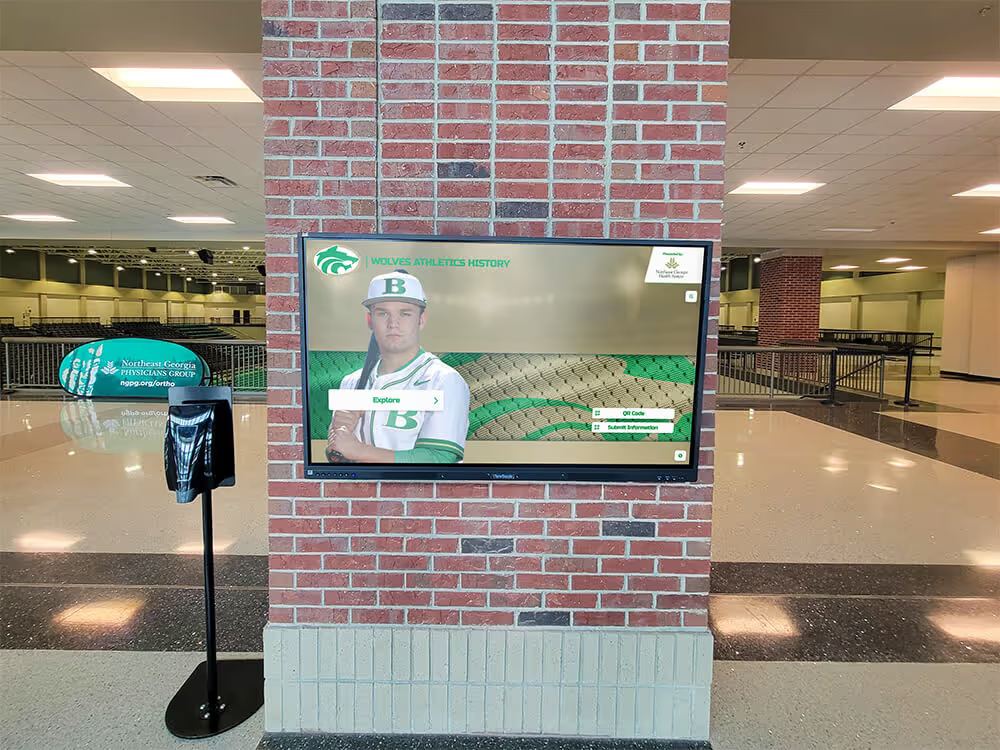
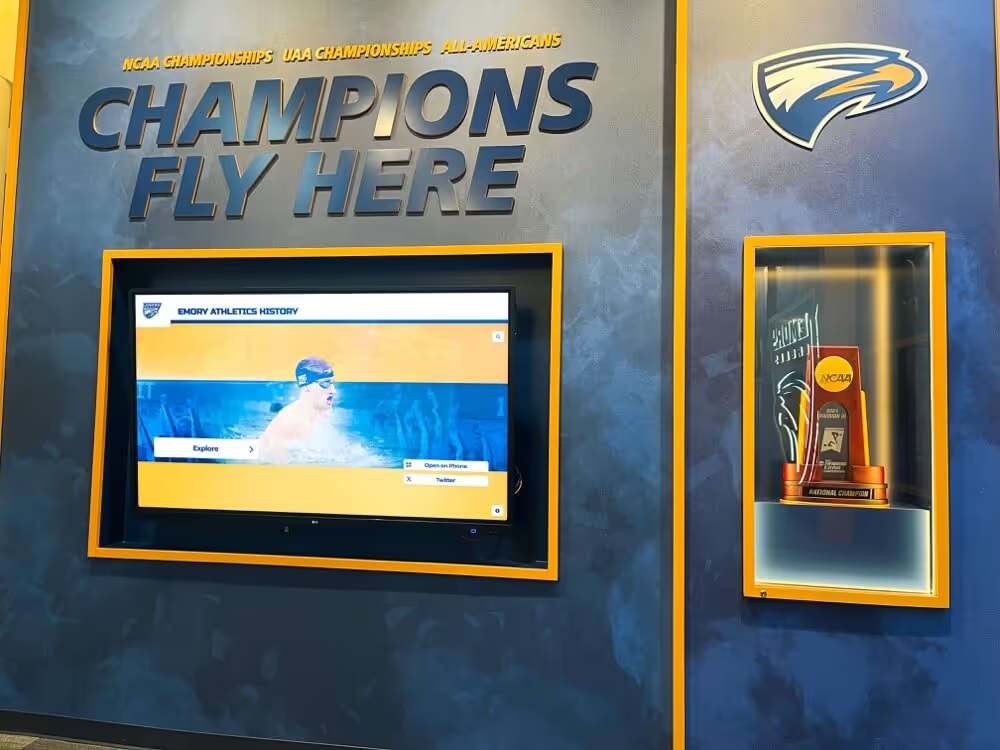
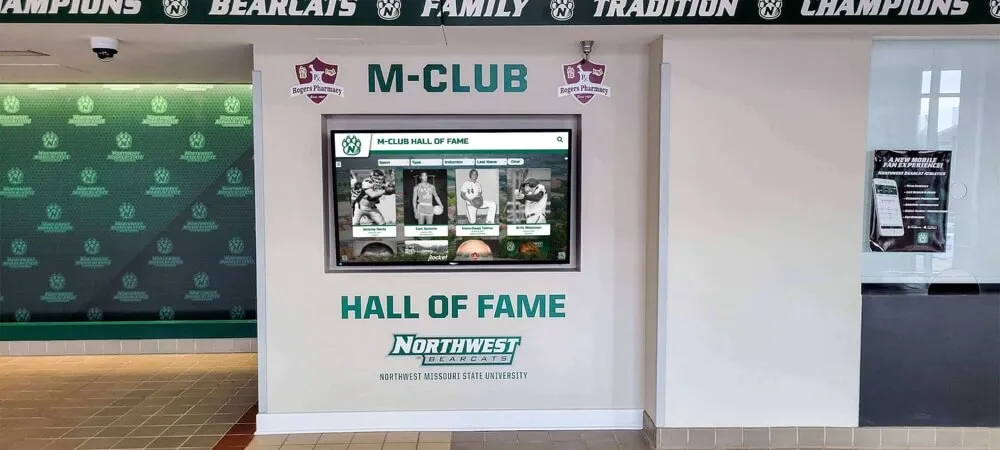
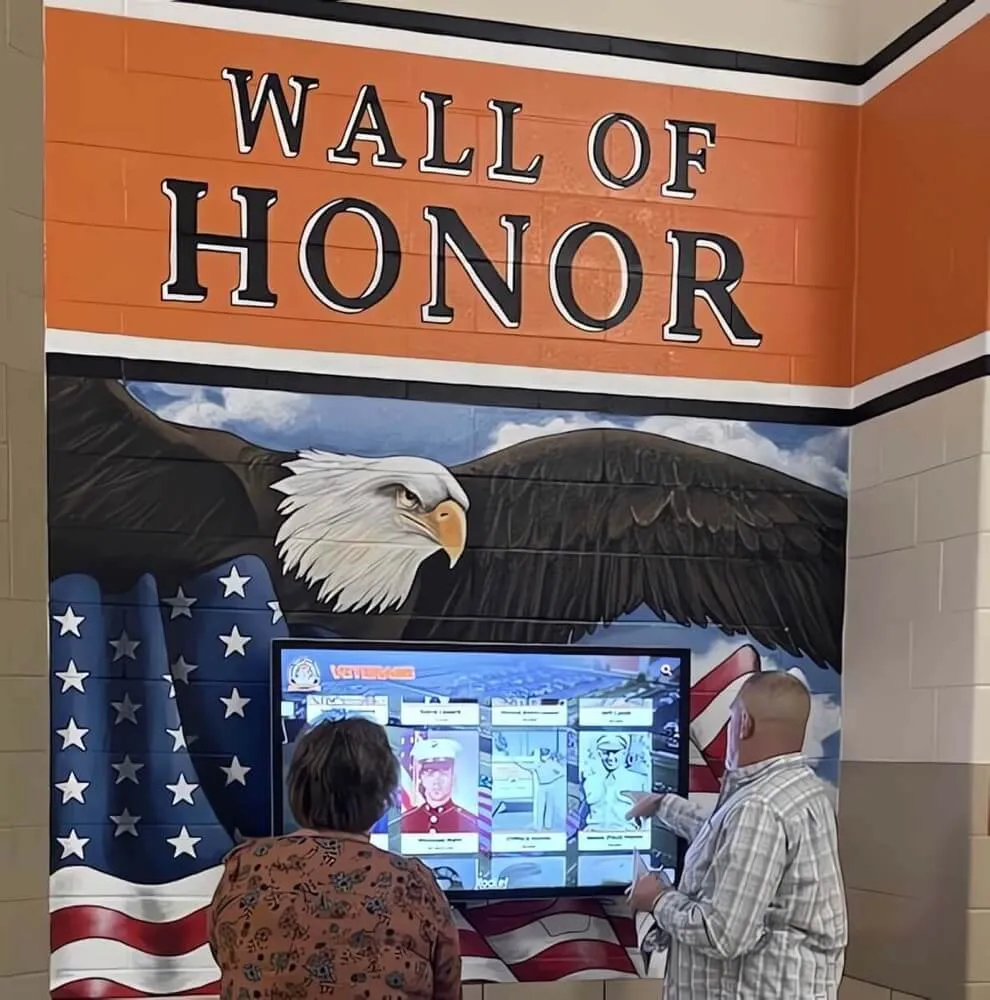
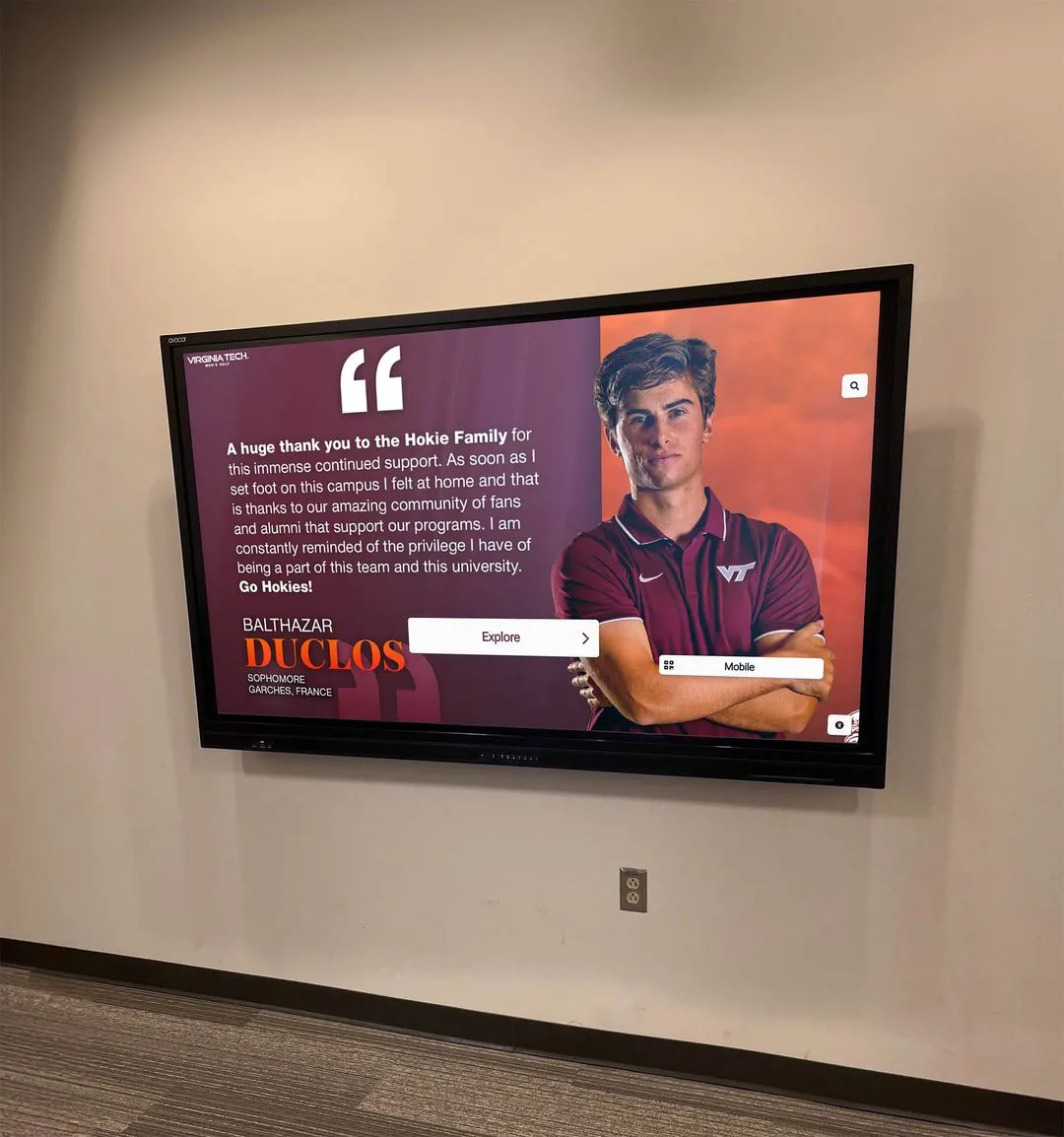
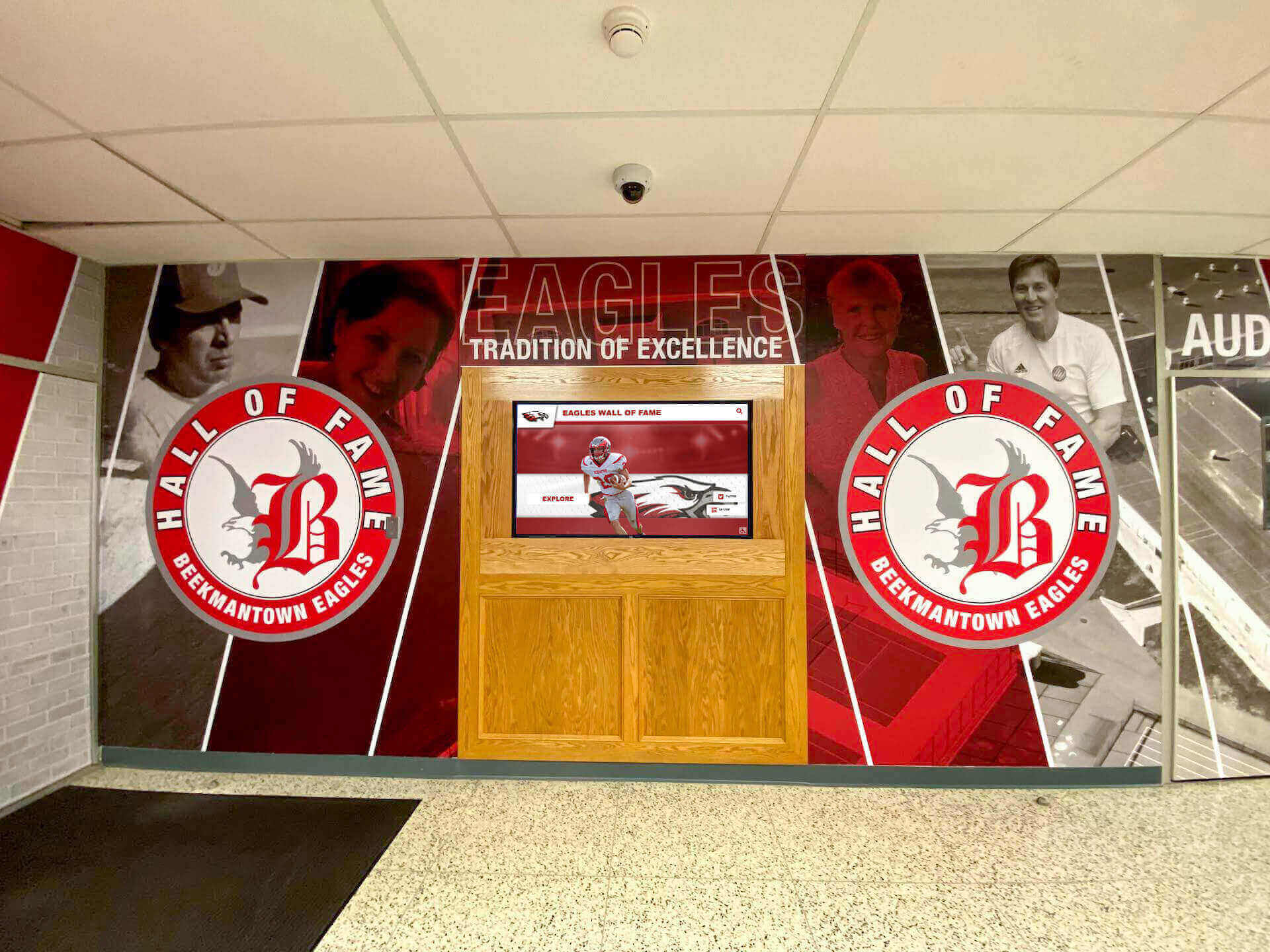
Effective team names like the Eagles create strong visual identities that translate beautifully across recognition displays and school branding
Classic Animal Mascot Team Names
Animal mascots remain popular because they provide immediate visual imagery, embody desirable athletic qualities, and create natural connections to team characteristics.
Fierce Predators
Power and Dominance
- Eagles: Symbolizes vision, freedom, and soaring above competition
- Hawks: Represents sharp focus, speed, and predatory precision
- Falcons: Embodies the fastest hunters with strategic intelligence
- Panthers: Projects stealth, power, and explosive athleticism
- Tigers: Evokes strength, courage, and competitive ferocity
- Lions: Symbolizes pride leadership, and regal dominance
- Bears: Represents raw power, protective strength, and territorial determination
- Wolves: Embodies pack mentality, strategic hunting, and loyalty
- Cougars: Projects agility, powerful strikes, and mountain majesty
- Jaguars: Combines speed with strength and jungle dominance
Aggressive Hunters 11. Raptors: Fierce birds of prey with sharp talons and predatory nature 12. Wildcats: Aggressive, territorial felines with fighting spirit 13. Badgers: Fearless, tenacious animals known for never backing down 14. Wolverines: Ferocious fighters punching above their weight class 15. Cobras: Strike with speed, precision, and intimidating presence 16. Sharks: Relentless predators dominating their environments 17. Barracudas: Fast, aggressive hunters with razor-sharp instincts 18. Vipers: Calculating strikers waiting for perfect moments 19. Scorpions: Defensive warriors with powerful offensive capabilities 20. Hornets: Small but fierce with coordinated attack strategies
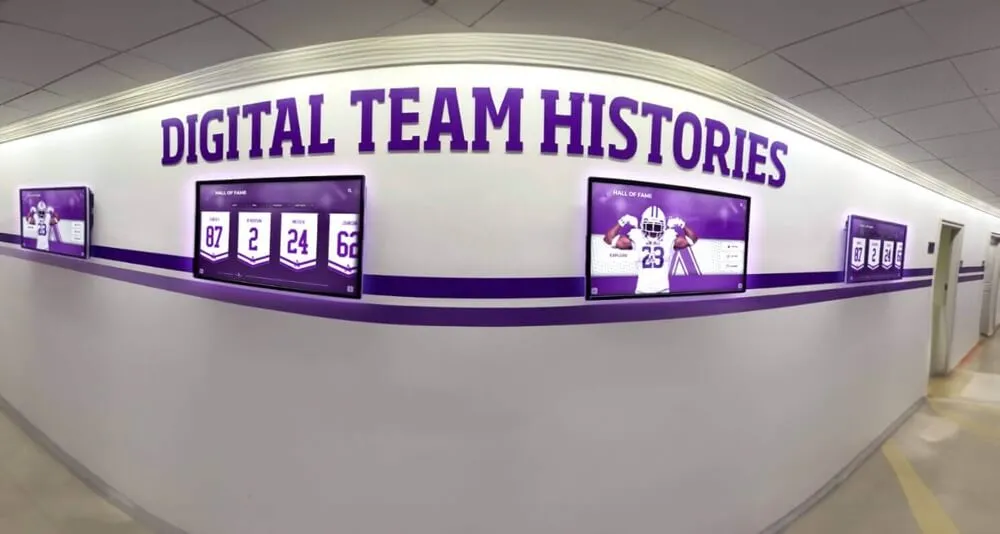
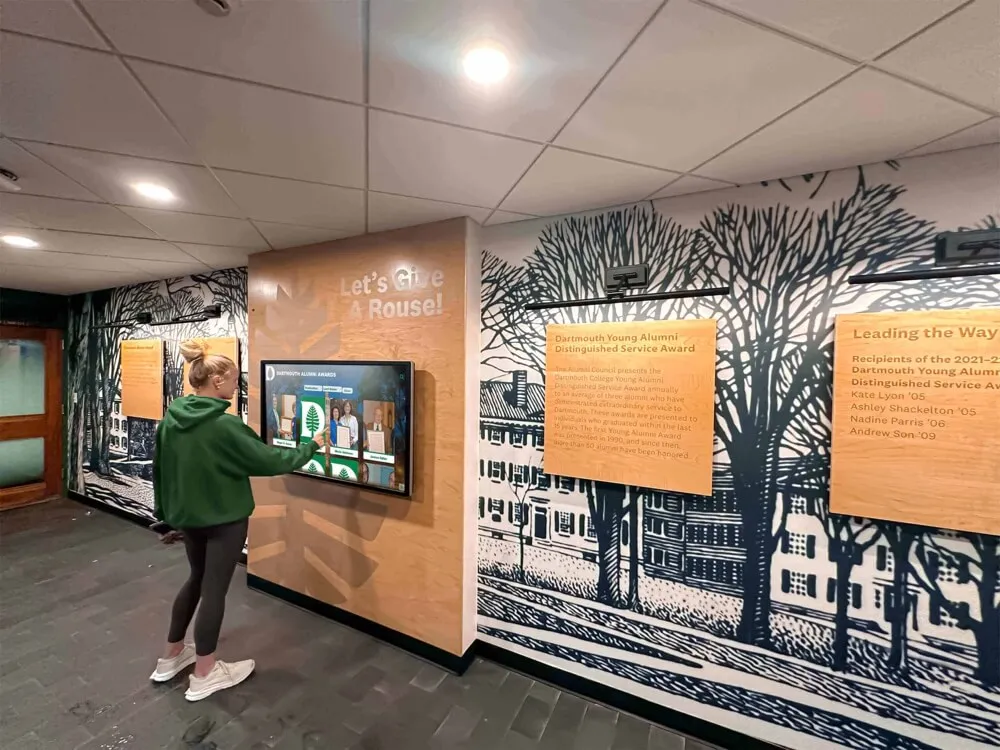
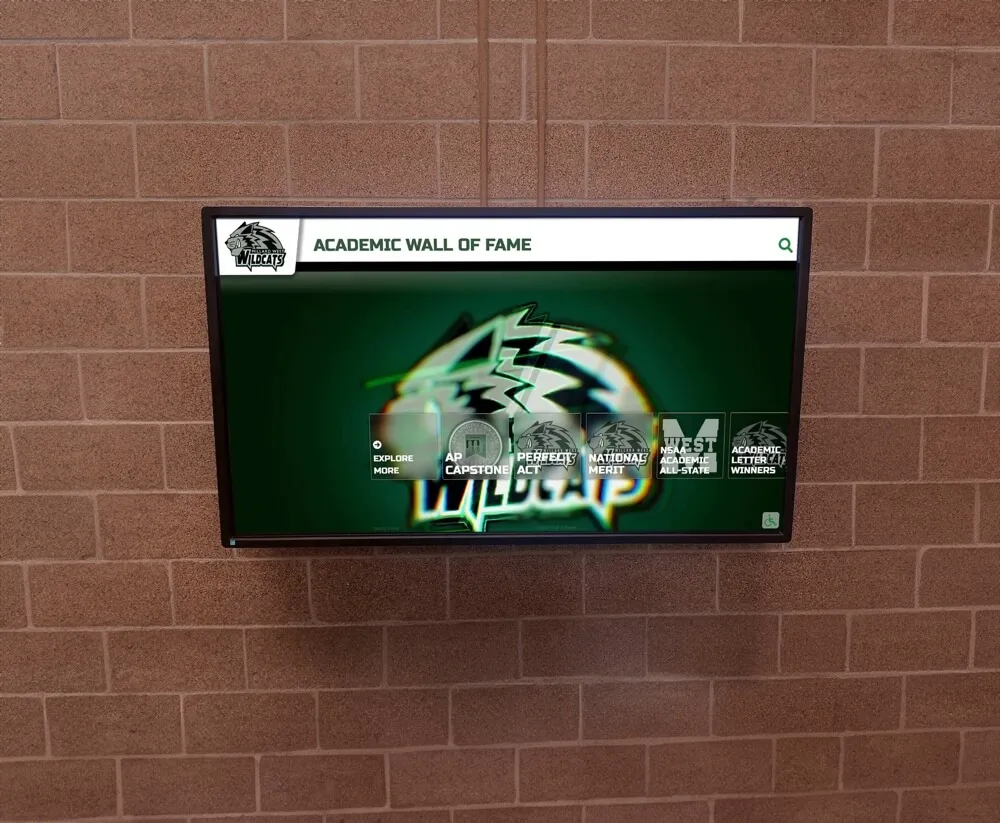
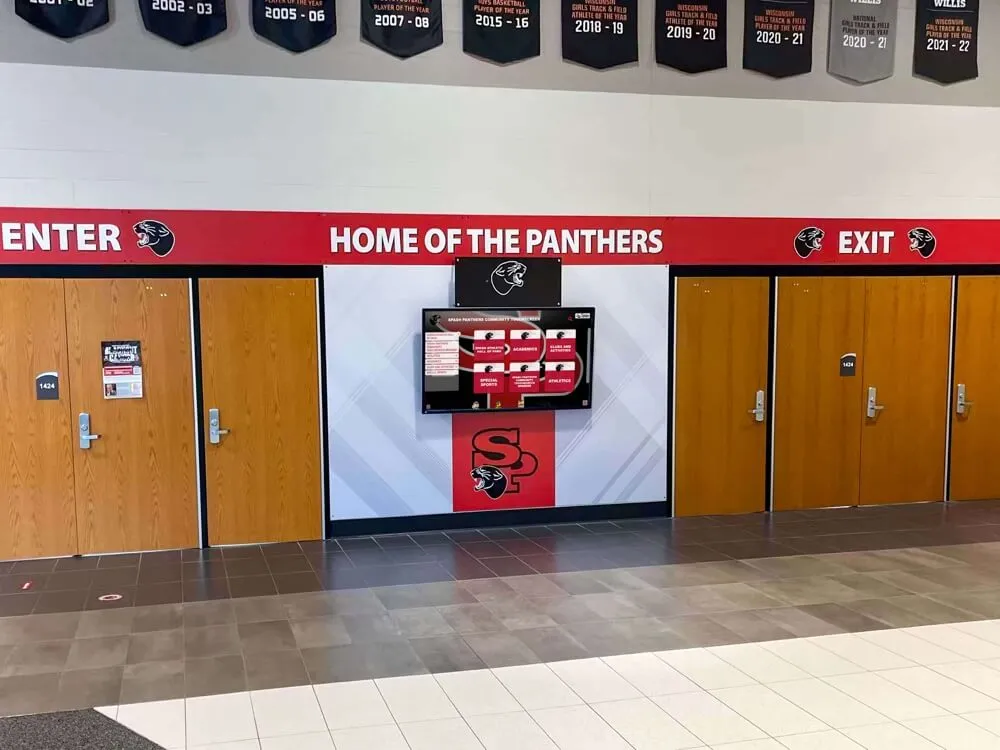
Many successful athletic programs display their team identities through digital recognition systems that showcase team achievements and build tradition.
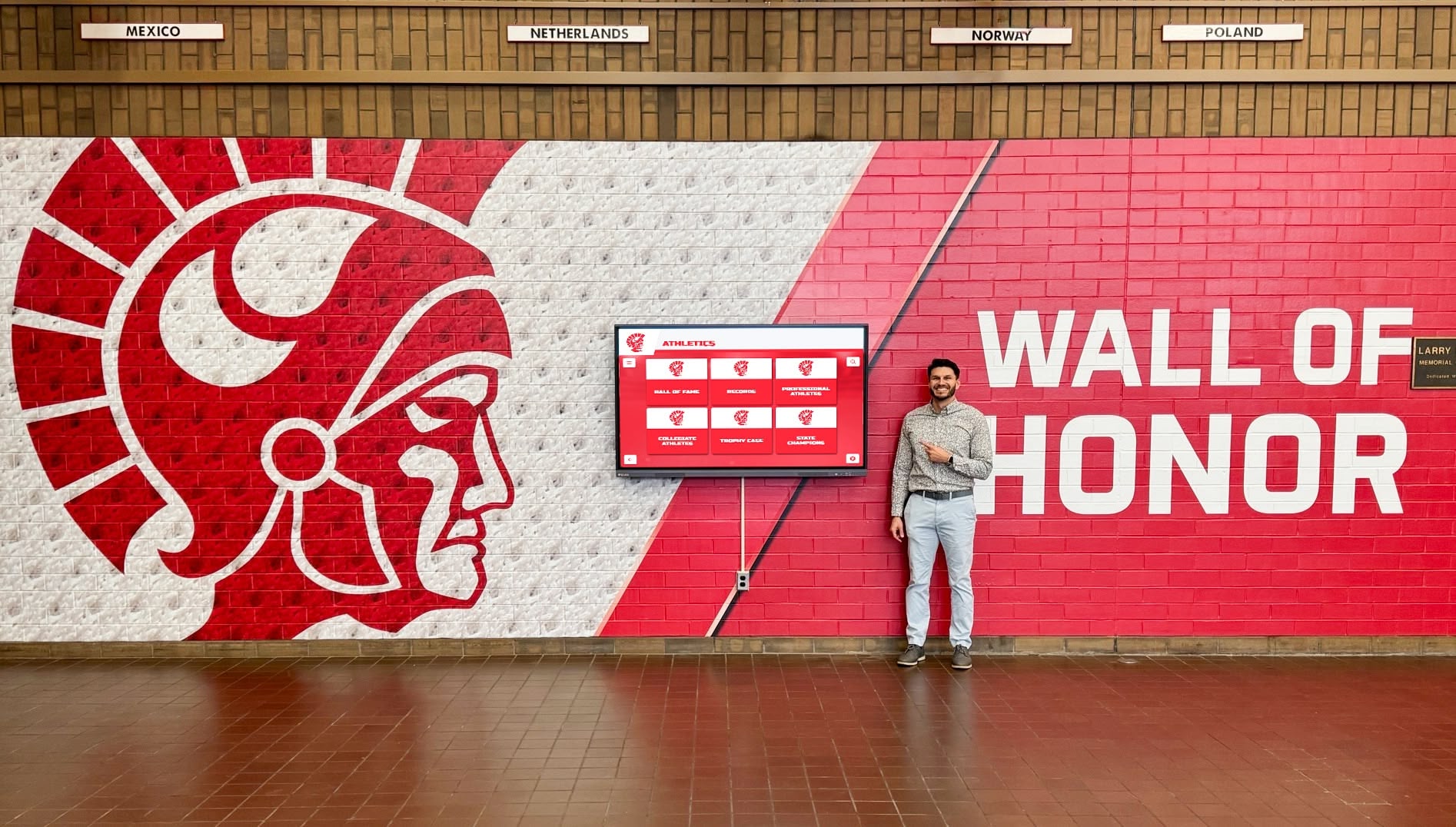
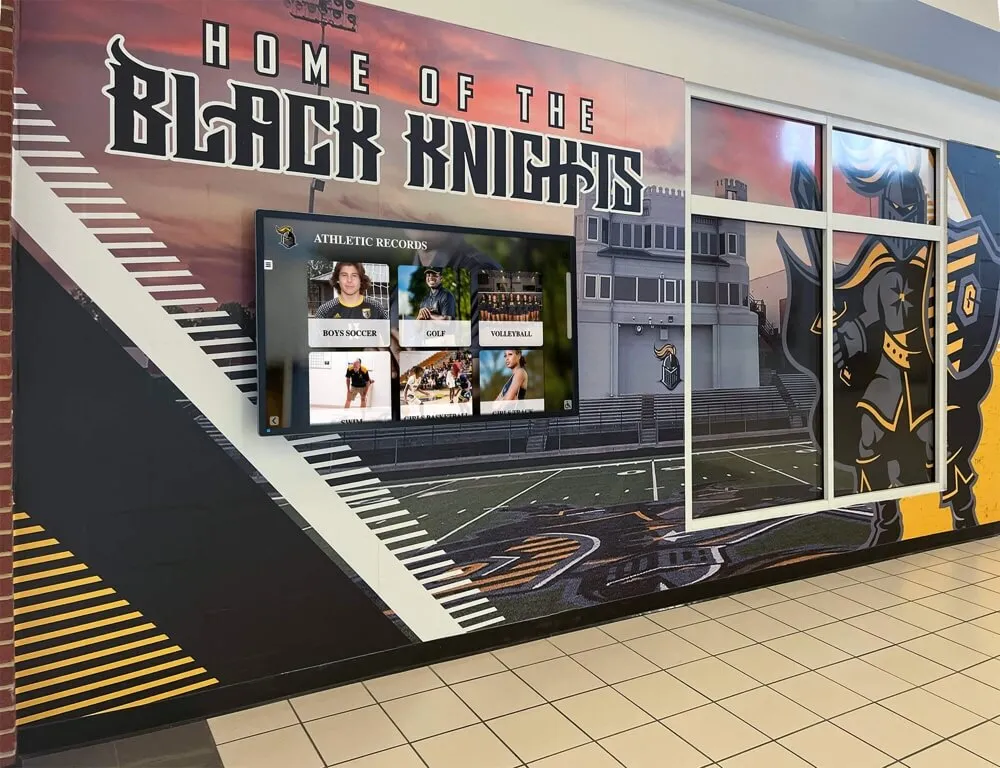
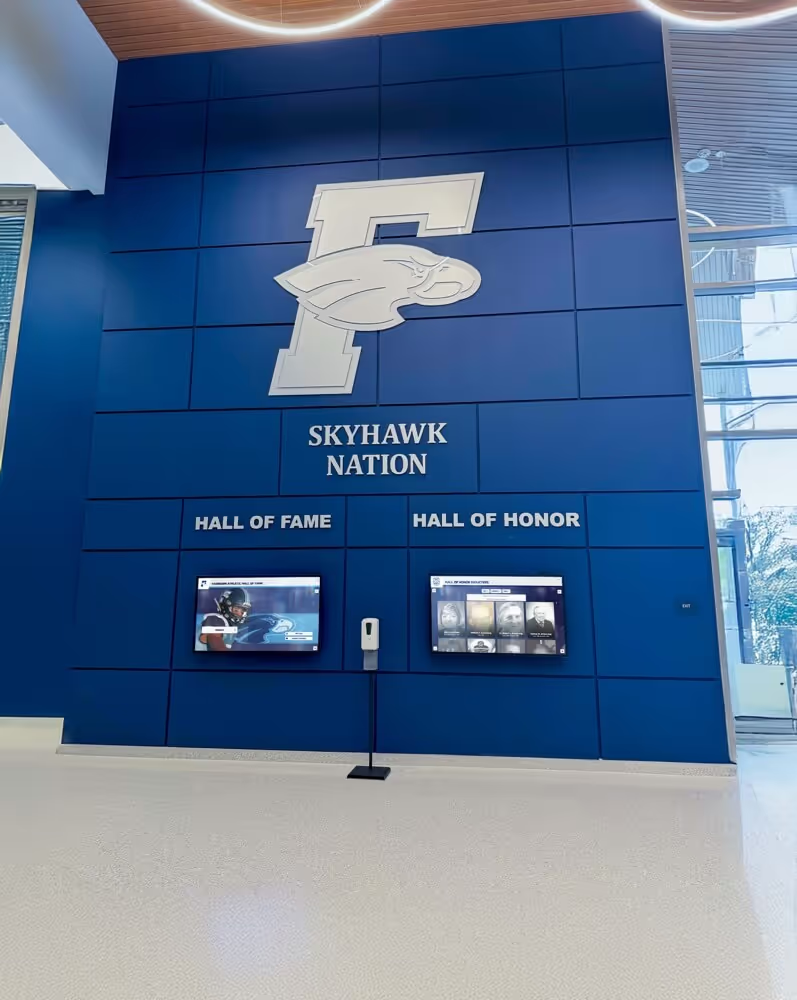
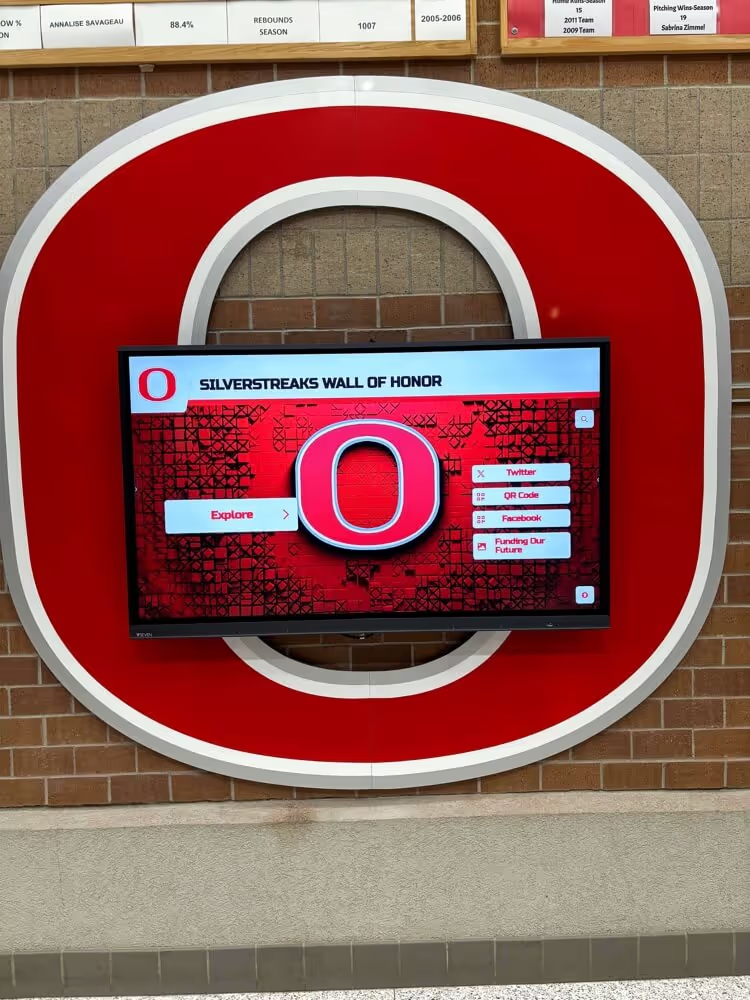
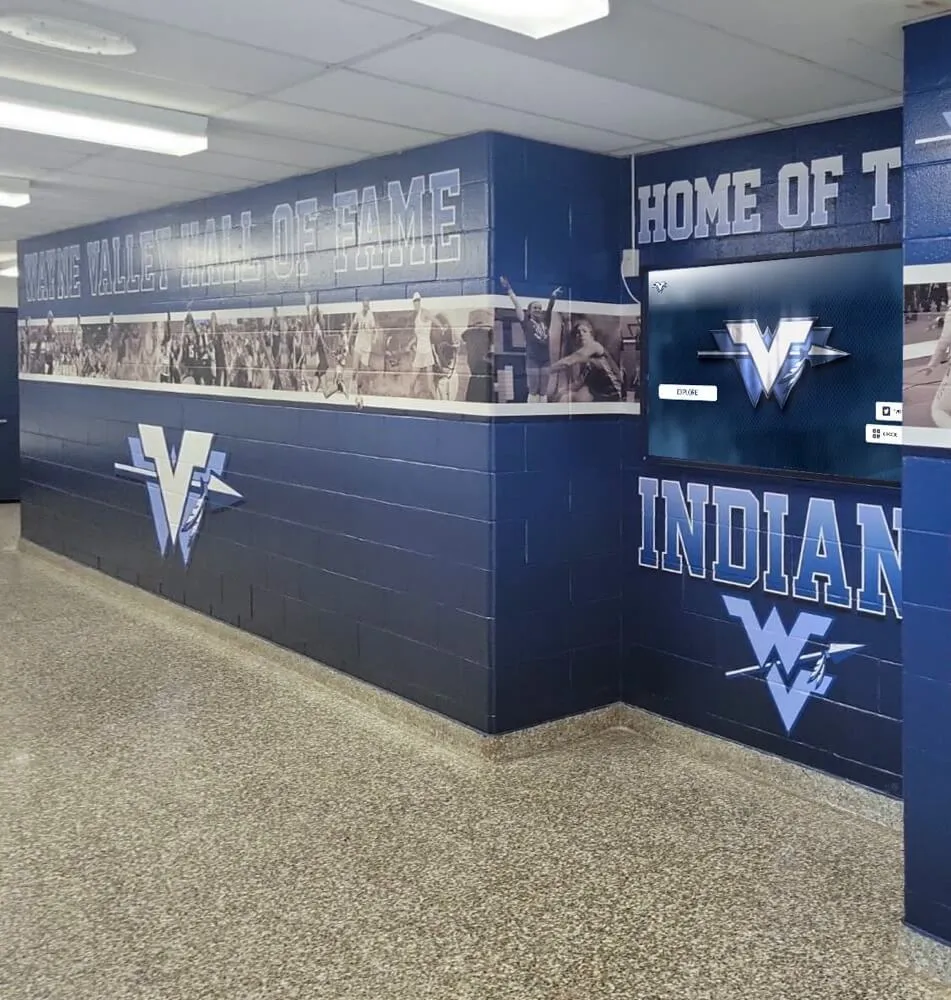
Team names like Trojans connect to historical warrior traditions while creating distinctive visual identities for athletic programs
Strong and Resilient Animals
Power and Endurance 21. Mustangs: Wild horses representing freedom and unbridled spirit 22. Stallions: Powerful, majestic horses symbolizing strength and speed 23. Rams: Headstrong warriors with powerful charging capabilities 24. Bulls: Relentless force, power, and competitive determination 25. Bison: Massive strength combined with surprising agility 26. Rhinos: Armored power moving with unstoppable momentum 27. Elephants: Intelligent strength with exceptional memory and loyalty 28. Grizzlies: Dominant apex predators combining size with ferocity 29. Buffaloes: Thundering herds with collective power 30. Broncos: Wild, untamed spirit refusing to be broken
Swift and Agile 31. Cheetahs: Pure speed and explosive acceleration 32. Greyhounds: Sleek runners built for velocity 33. Gazelles: Graceful speed with quick direction changes 34. Foxes: Clever, quick animals outsmarting larger opponents 45. Rabbits/Jackrabbits: Quick starters with evasive agility 36. Roadrunners: Desert speedsters with endurance and cunning 37. Deer: Graceful athletes with leaping ability and alertness 38. Antelope: Swift runners navigating challenging terrains 39. Hares: Quick, unpredictable movers difficult to catch 40. Coyotes: Adaptable, intelligent animals thriving in competition
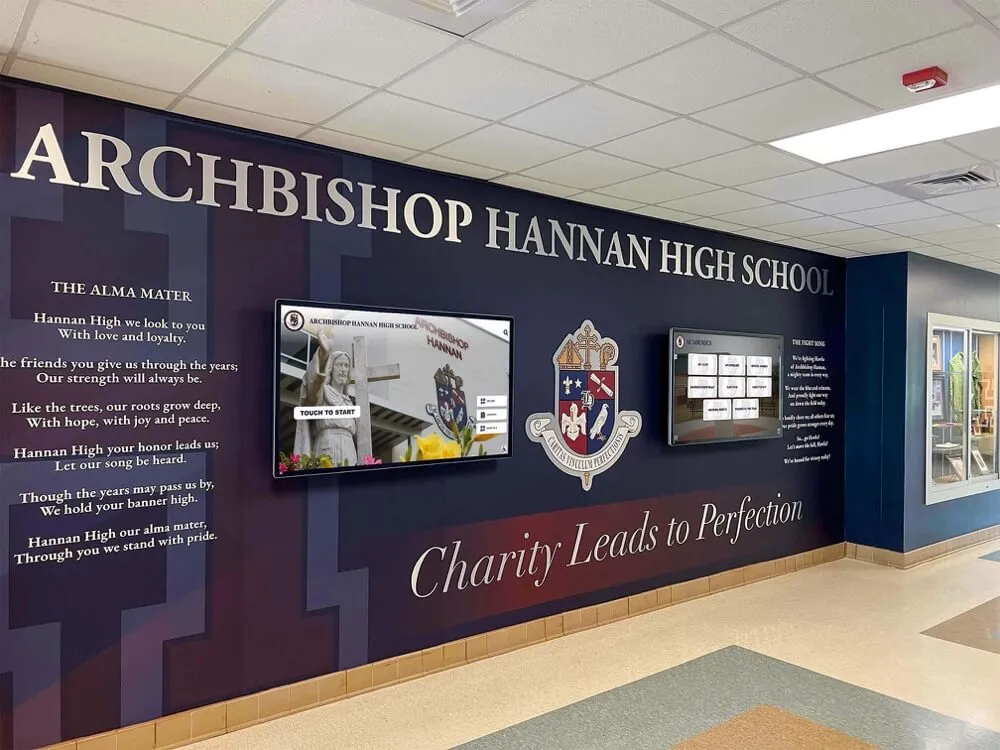
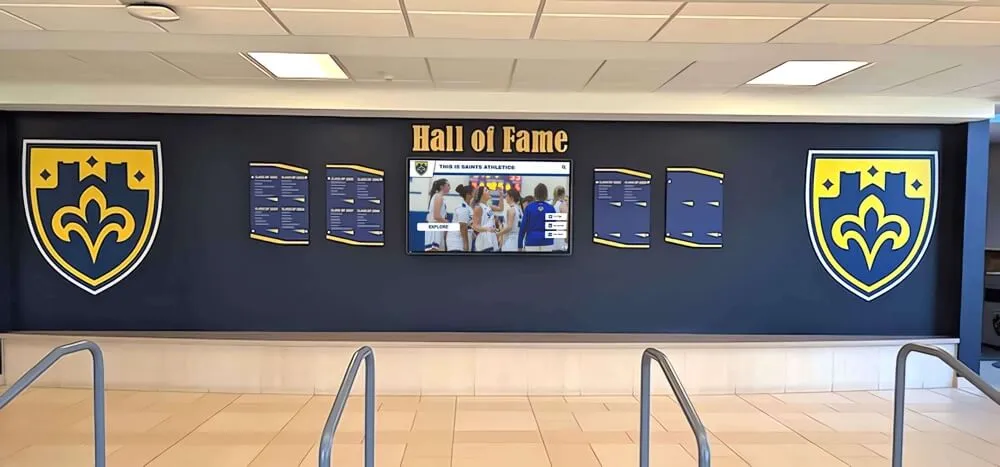
Schools often celebrate team achievements through athletic recognition programs that honor both individual athletes and team success.
Warrior and Historical Team Names
Warrior-based names connect athletics to historical traditions of courage, honor, and competitive excellence.
Ancient Warriors
Classical Civilizations 41. Trojans: Legendary warriors from ancient Troy known for bravery 42. Spartans: Elite Greek warriors representing discipline and excellence 43. Gladiators: Roman fighters embodying combat skill and courage 44. Centurions: Roman military leaders commanding with authority 45. Legionnaires: Disciplined Roman soldiers fighting as unified forces 46. Vikings: Norse warriors known for fearlessness and exploration 47. Titans: Powerful mythological beings of immense strength 48. Olympians: Athletes competing at the highest levels of achievement 49. Mariners: Seafaring explorers navigating challenging waters 50. Voyageurs: French-Canadian explorers showing endurance and determination
Medieval and Knights 51. Knights: Honorable warriors representing chivalry and skill 52. Crusaders: Determined warriors fighting for their causes 53. Lancers: Cavalry warriors with precision striking capability 54. Cavaliers: Mounted warriors combining elegance with effectiveness 55. Paladins: Holy warriors defending with righteousness and courage 56. Sentinels: Watchful guardians protecting their territories 57. Guardians: Protectors standing firm against all challenges 58. Defenders: Teams prioritizing strong defensive principles 59. Conquerors: Forces that overcome all obstacles in their paths 60. Champions: Winners representing the pinnacle of achievement
Programs building team identity often incorporate team GPA leaderboards celebrating both athletic and academic excellence under team names.
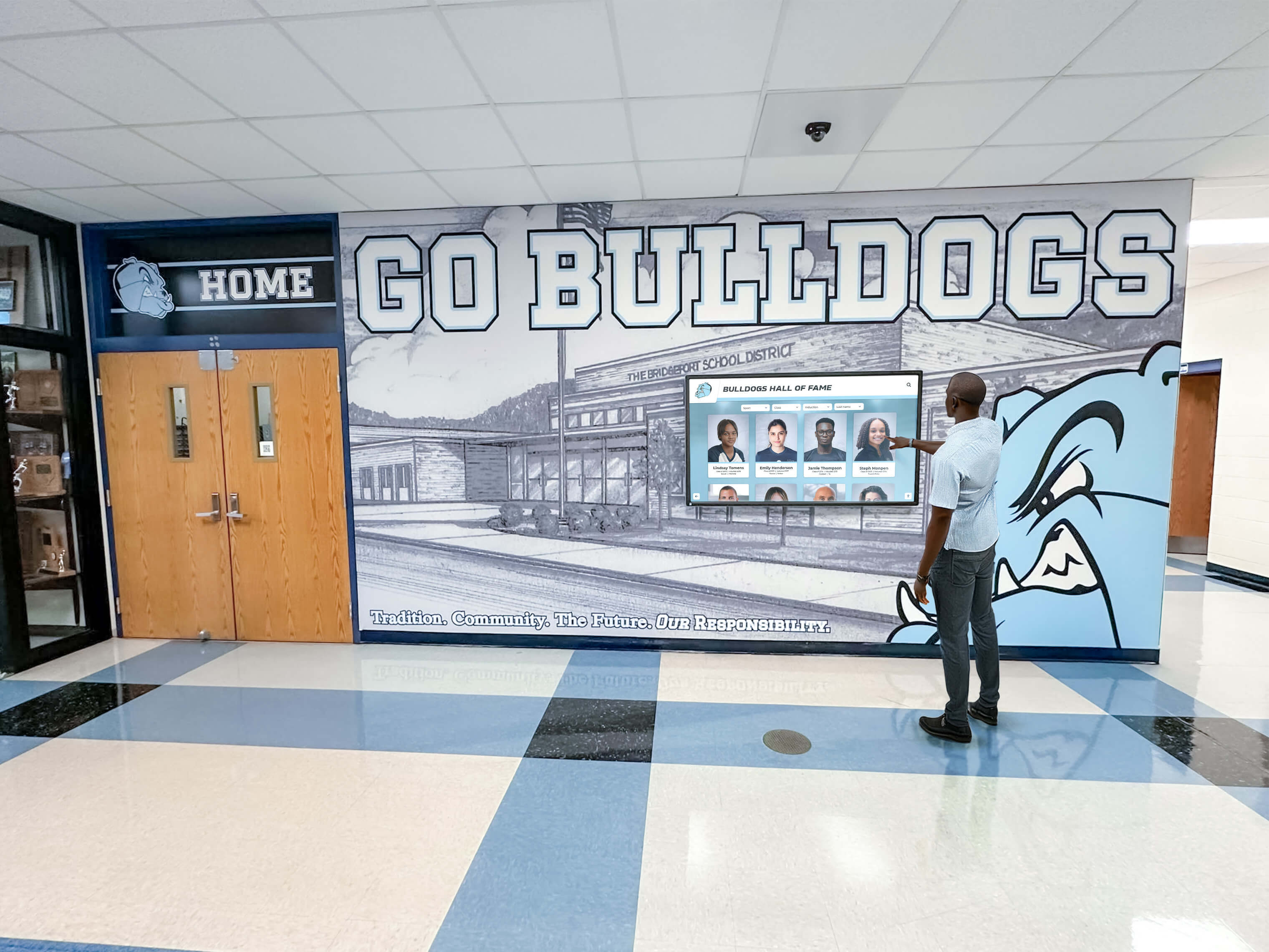
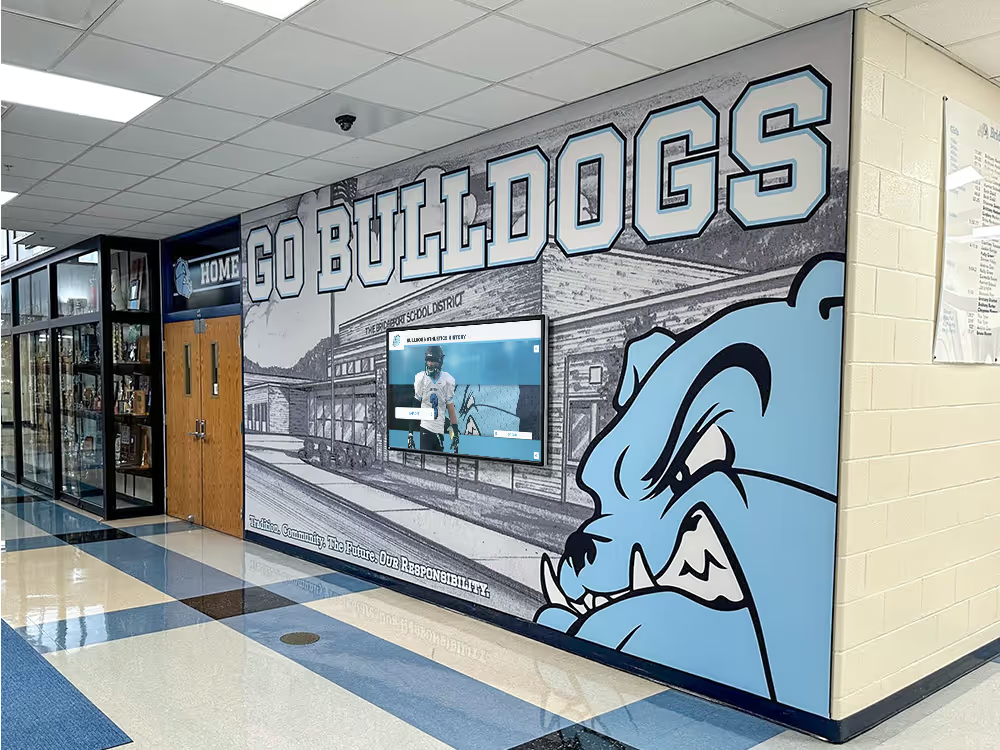
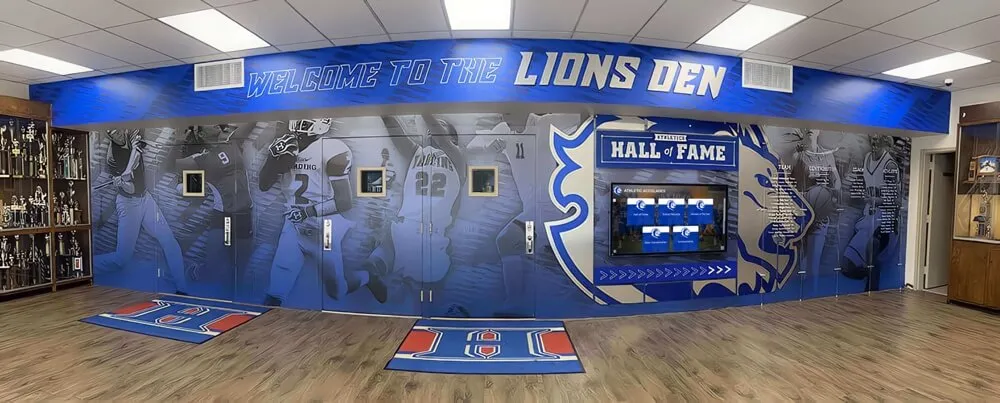
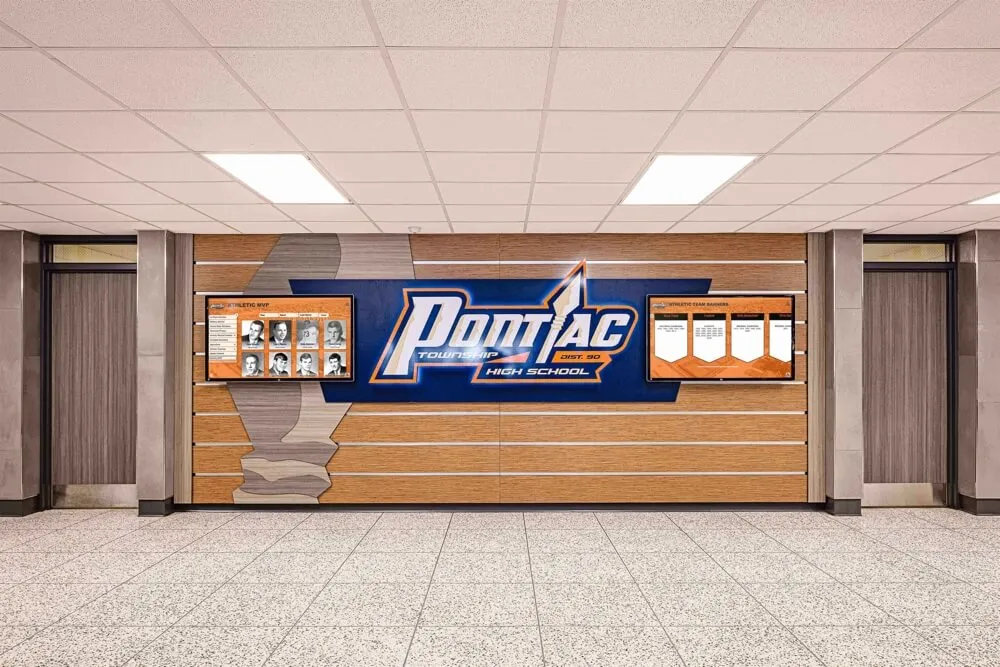
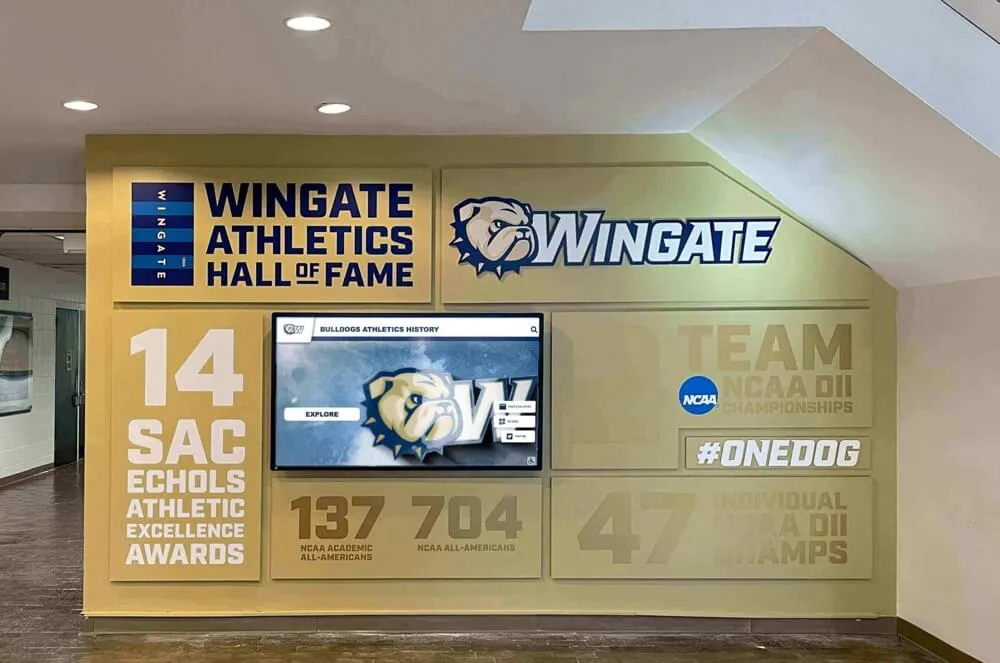
Strong team names like Bulldogs create immediate recognition while building traditions showcased through digital recognition systems
Nature and Weather-Based Team Names
Natural phenomena provide powerful imagery suggesting unstoppable forces and elemental power.
Weather and Natural Forces
Powerful Storms 61. Thunder: Booming power that announces presence dramatically 62. Lightning: Electric speed striking without warning 63. Storm: Overwhelming force sweeping across competition 64. Hurricanes: Massive power systems dominating entire regions 65. Tornadoes: Focused destruction with swirling intensity 66. Cyclones: Powerful rotating storms with concentrated force 67. Typhoons: Pacific powerhouses demonstrating nature’s strength 68. Blizzards: Overwhelming winter forces that halt everything 69. Avalanche: Unstoppable downhill force gathering momentum 70. Tsunami: Massive waves of power crushing all resistance
Natural Phenomena 71. Firestorm: Intense heat and power consuming everything 72. Wildfire: Spreading force that cannot be easily contained 73. Inferno: Blazing intensity reaching maximum temperatures 74. Blazers: Trail creators burning bright paths forward 75. Heatwave: Sustained intensity wearing down opponents 76. Eclipse: Dominating forces blocking out competition 77. Meteors: Space objects striking with explosive impact 78. Comets: Blazing objects streaking toward goals 79. Earthquakes: Ground-shaking forces disrupting stability 80. Aftershock: Continuing waves following initial impacts
Athletic programs often celebrate achievements through digital trophy cases displaying team accomplishments under program names.
Modern and Abstract Team Names
Contemporary naming approaches focus on values, characteristics, and abstract concepts that define team culture.
Values and Characteristics
Unity and Determination 81. United: Teams emphasizing collective strength over individual talent 82. Alliance: Partnerships working together toward shared goals 83. Coalition: Diverse elements combining into powerful forces 84. Dynasty: Programs building sustained excellence across generations 85. Legacy: Teams honoring traditions while building futures 86. Empire: Dominant programs ruling their competitive domains 87. Revolution: Teams transforming their sports through innovation 88. Renaissance: Programs experiencing cultural and competitive rebirth 89. Ascent: Teams climbing toward peak performance levels 90. Summit: Programs reaching highest achievement levels
Speed and Precision 91. Velocity: Pure speed in all dimensions of play 92. Momentum: Building force that becomes difficult to stop 93. Impact: Teams making dramatic differences in competitions 94. Fusion: Elements combining to create powerful new forces 95. Pulse: Rhythmic energy driving team performance 96. Surge: Sudden powerful advances overwhelming opponents 97. Rush: Fast-paced attacks keeping defenses off balance 98. Blitz: Lightning-fast coordinated strikes 99. Flash: Instant explosive plays changing game dynamics 100. Bolt: Electric speed striking decisively
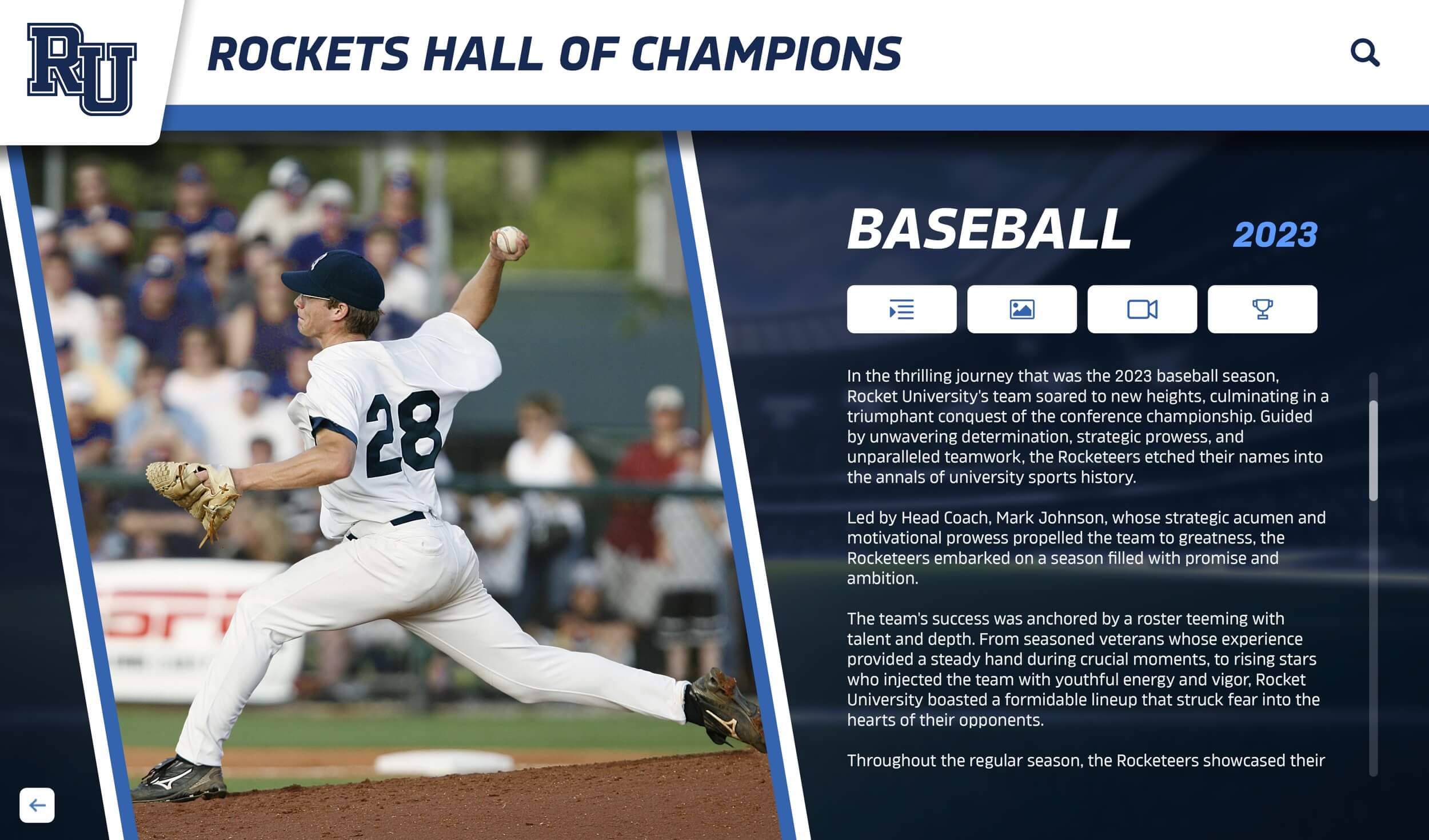
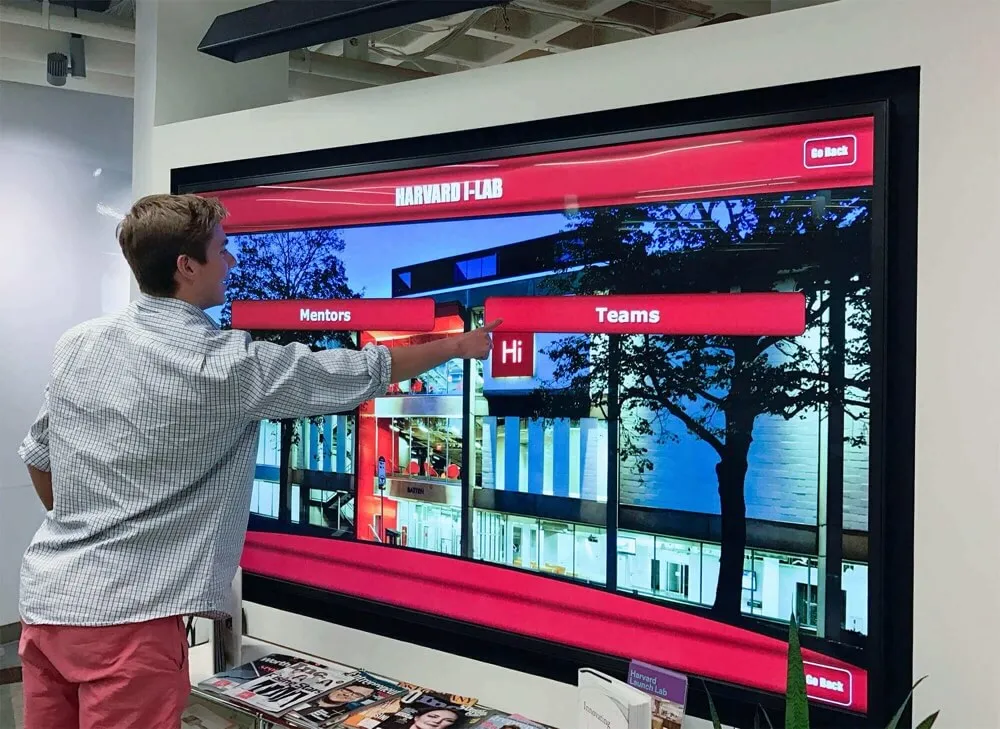
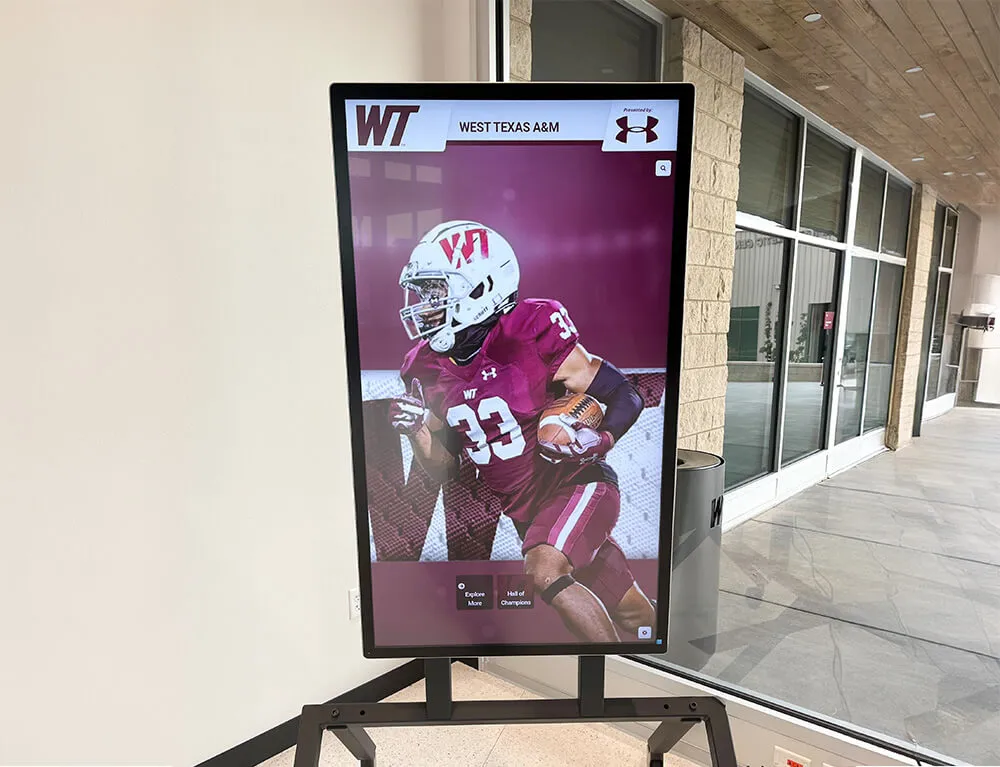
Space-age names like Rockets create futuristic identities perfect for programs emphasizing innovation and upward trajectory
Color-Based and Location-Inspired Names
Geographic connections and color associations create natural team identities rooted in place and tradition.
School Colors Integration
Color-Driven Identities 101. Crimson Tide: Deep red suggesting powerful waves 102. Golden Eagles: Combining color with classic mascot 103. Blue Devils: School color paired with fierce identity 104. Green Wave: Environmental color with movement imagery 105. Scarlet Knights: Red warriors combining color and valor 106. Orange Crush: Citrus color with overwhelming force 107. Purple Reign: Royal color suggesting dominance 108. Silver Bullets: Metallic precision and speed 109. Black Bears: Dark power and strength 110. White Lightning: Pure speed and electric performance
Geographic and Local References
Regional Connections 111. Highlanders: Mountain region teams showing elevation pride 112. Islanders: Communities surrounded by water 113. Pioneers: Western region teams honoring exploration history 114. Frontiersmen: Border communities celebrating frontier spirit 115. Mountaineers: Regions defined by mountain geography 116. Plainsmen: Teams from flat agricultural regions 117. Rangers: Teams protecting and patrolling territories 118. Trailblazers: Communities creating new paths forward 119. Explorers: Programs emphasizing discovery and adventure 120. Navigators: Teams charting courses to success
Many programs building team culture incorporate pep rally activities that celebrate team names and build spirit around athletic identities.
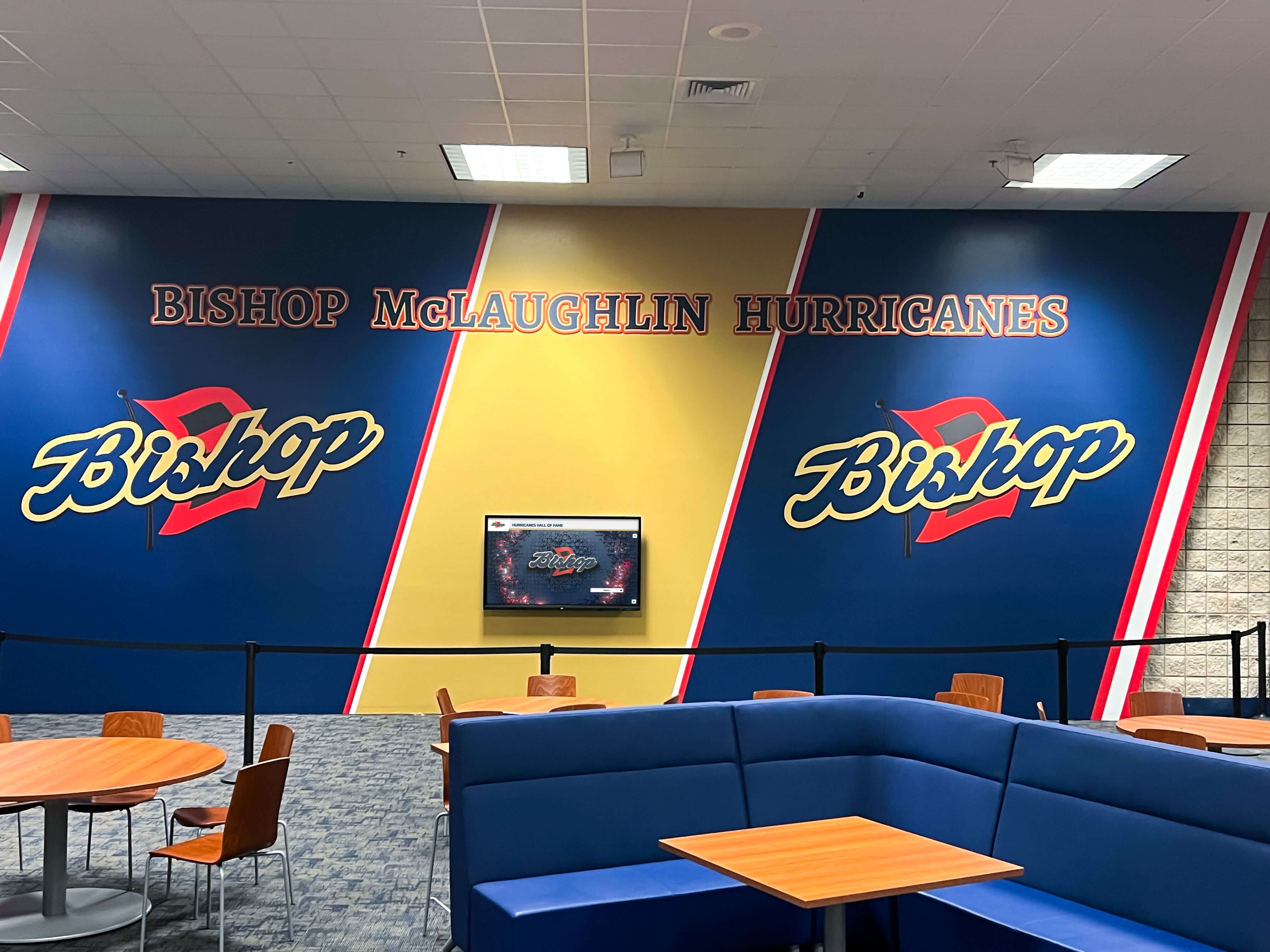
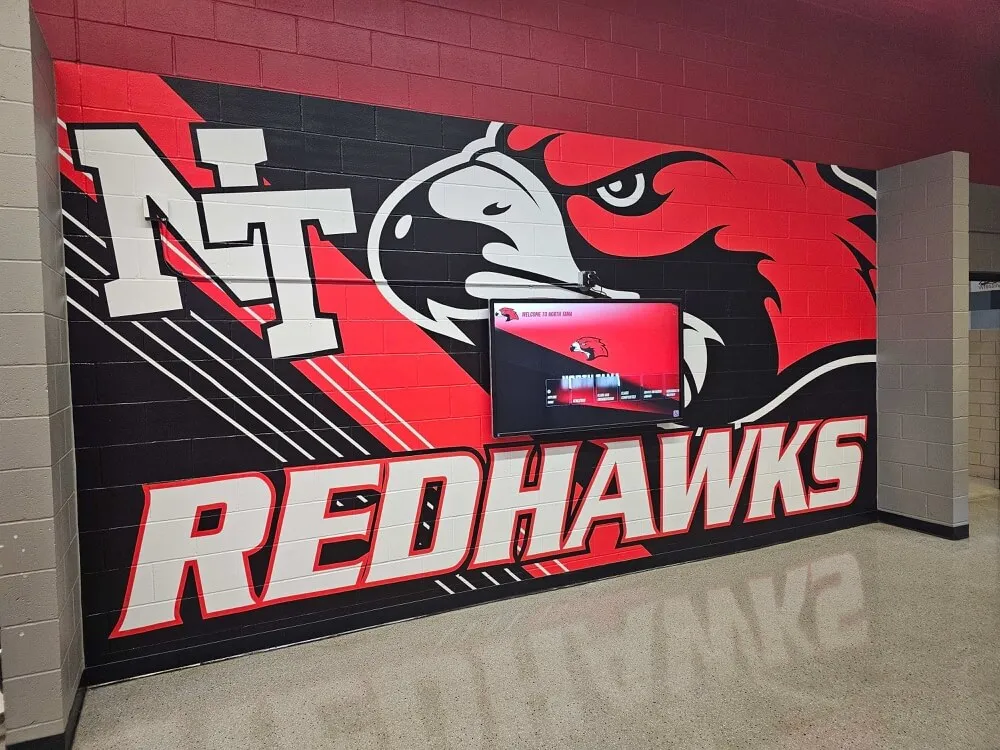
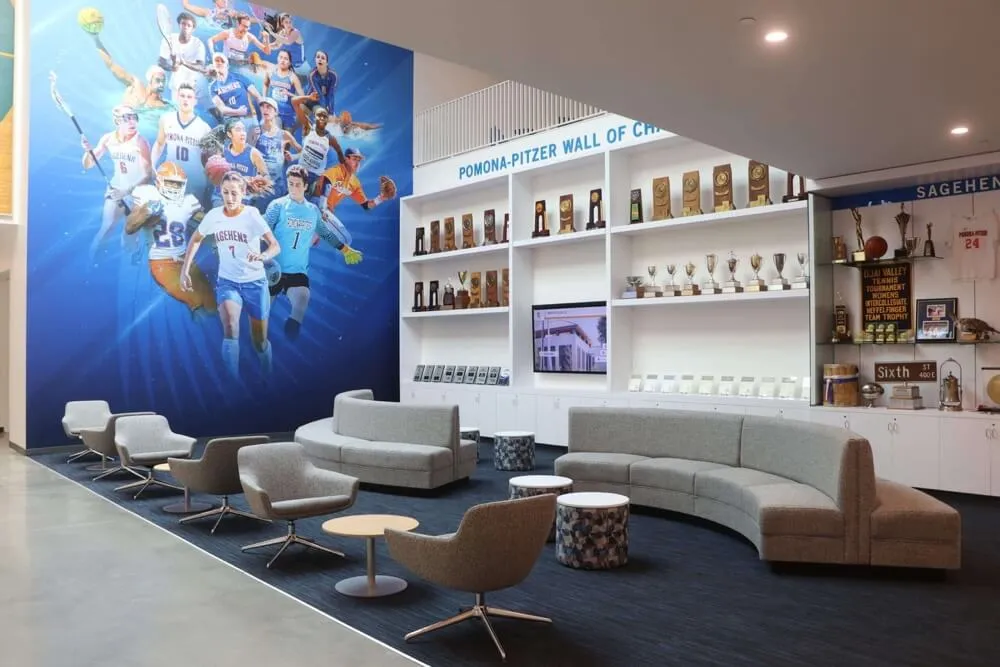
Weather-based names like Hurricanes create powerful visual opportunities for murals and displays celebrating team identity
Strategies for Selecting the Right Team Name
Choosing team names requires considering multiple factors beyond simple preference.
Key Selection Criteria
Visual and Marketing Considerations
Effective team names translate well across multiple applications:
- Logo design potential: Names should inspire distinctive visual representations
- Merchandise appeal: Consider how names appear on jerseys, apparel, and promotional items
- Mascot possibilities: Live or costumed mascots should be feasible and appropriate
- Chant-ability: Names should work in cheers, chants, and crowd participation
- Abbreviation potential: Three or four-letter abbreviations should sound strong
The best team names create immediate mental imagery while offering flexibility for creative visual interpretation. Names like Eagles, Tigers, or Spartans provide clear imagery that designers and artists can interpret in countless unique ways while maintaining instant recognition.
Community and Cultural Fit
Team names should resonate with the communities they represent:
- Local geography: References to regional features create authentic connections
- Historical significance: Names honoring local history build meaningful traditions
- Cultural appropriateness: Avoid names that appropriate or disrespect cultures
- Age appropriateness: Consider whether names work for youth through adult levels
- Longevity potential: Select names that won’t feel dated after a few years
Schools replacing outdated mascots increasingly select names that honor local geography, weather patterns, or values-based concepts rather than cultural references requiring sensitivity considerations.
Competitive Psychology
Team names influence psychological dynamics:
- Intimidation factor: Names suggesting strength create mental advantages
- Pride generation: Names athletes embrace build stronger team identity
- Opponent perception: Consider how names sound in competitive contexts
- Self-image impact: Names influence how athletes view themselves
- Rally point effectiveness: Strong names create better rallying cries
Research in sports psychology suggests that team names emphasizing collective strength (“United,” “Alliance”) versus individual fierceness (“Lone Wolves”) can subtly influence team culture toward more collaborative or individually focused approaches.
Programs celebrating athletic achievement often use national signing day recognition to honor athletes representing team names at the next level.
Implementation and Branding
Building Recognition Systems
Once selected, team names require consistent implementation:
- Visual identity standards: Establish logo usage guidelines and color specifications
- Signage and displays: Install recognition systems showcasing team names prominently
- Digital integration: Incorporate team names across websites and social media
- Traditional materials: Apply names consistently to uniforms, equipment, and facilities
- Community engagement: Build awareness through events celebrating team identity
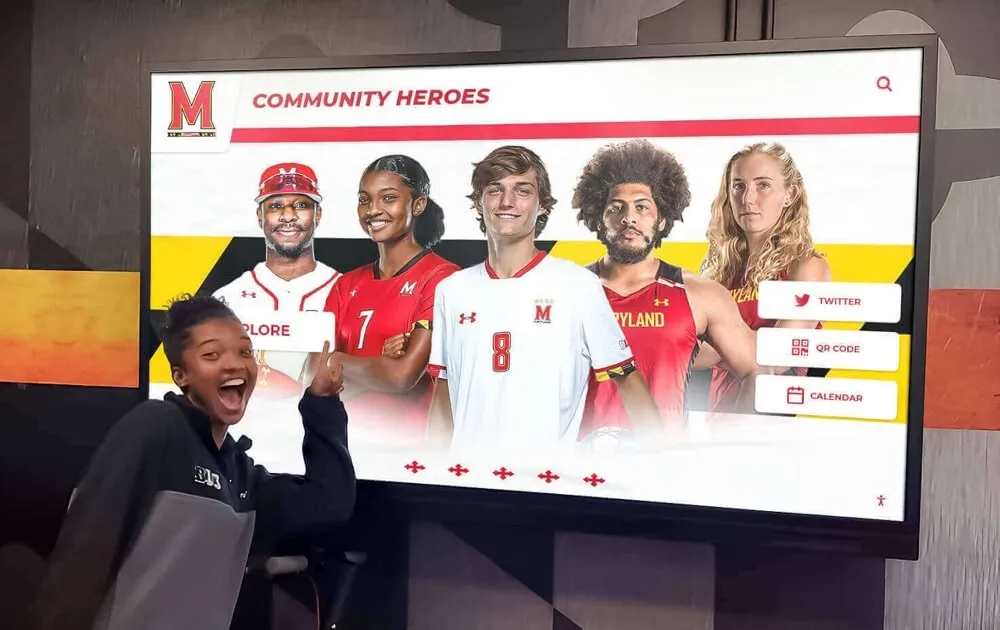
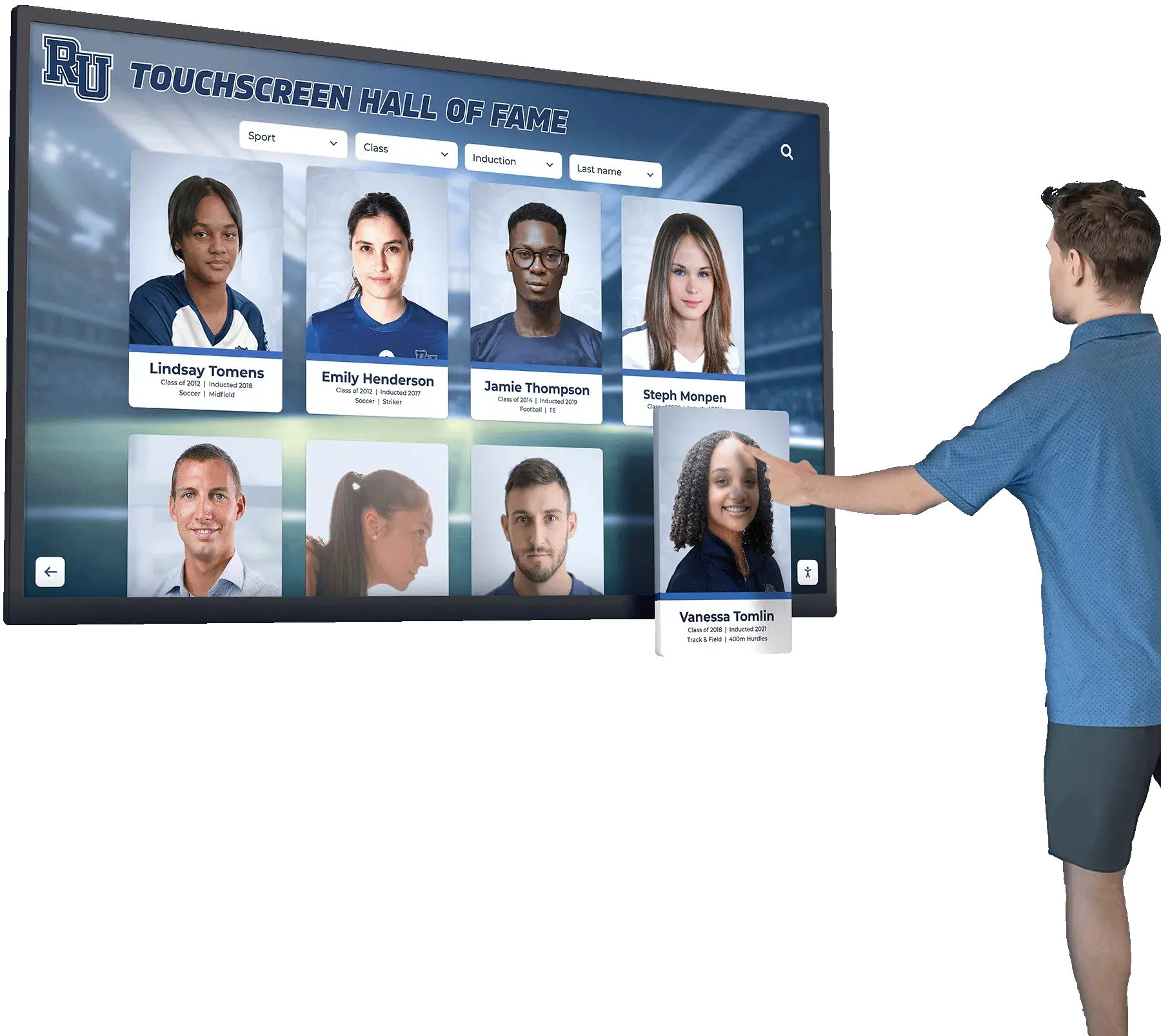
Modern schools increasingly use digital recognition displays that showcase team names alongside athlete achievements, creating dynamic systems that build tradition while highlighting current performers.
Creating Lasting Traditions
Strong team names support tradition-building initiatives:
- Hall of fame systems: Recognition displays honoring athletes who represented names with distinction
- Retired numbers: Celebrating exceptional performers under team banners
- Championship commemorations: Marking team name successes permanently
- Rivalry traditions: Building competitive narratives around team identities
- Alumni engagement: Connecting former athletes through shared team name pride
Schools with decades-old team names often find that alumni connections to team identities create powerful fundraising and engagement opportunities, as former athletes maintain emotional bonds to names they wore during formative competitive experiences.
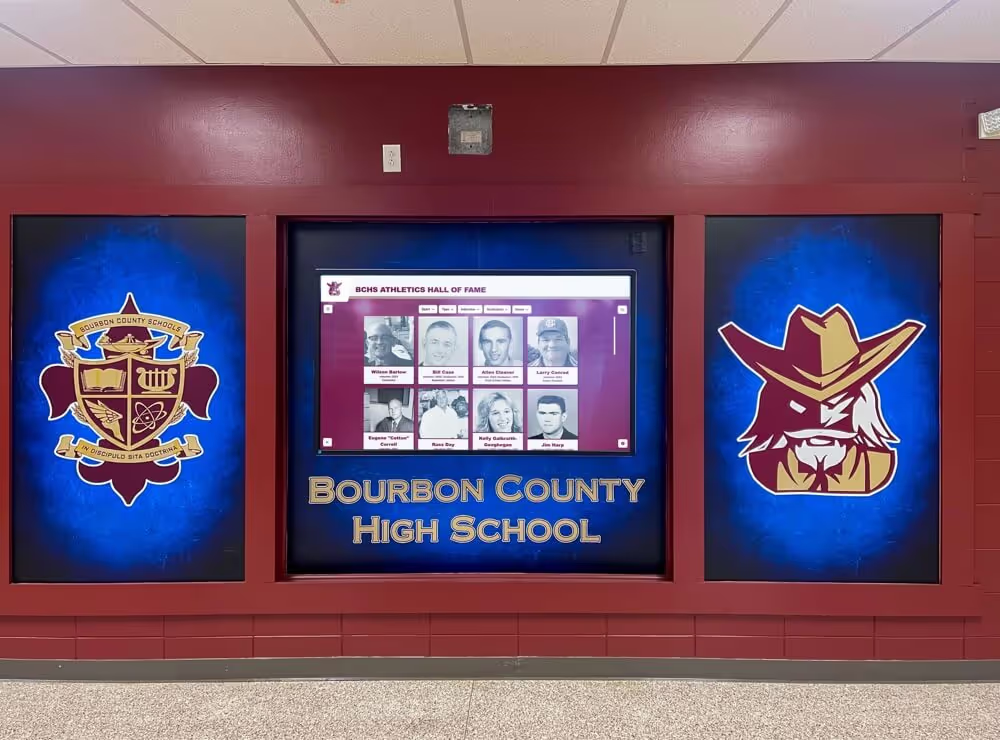
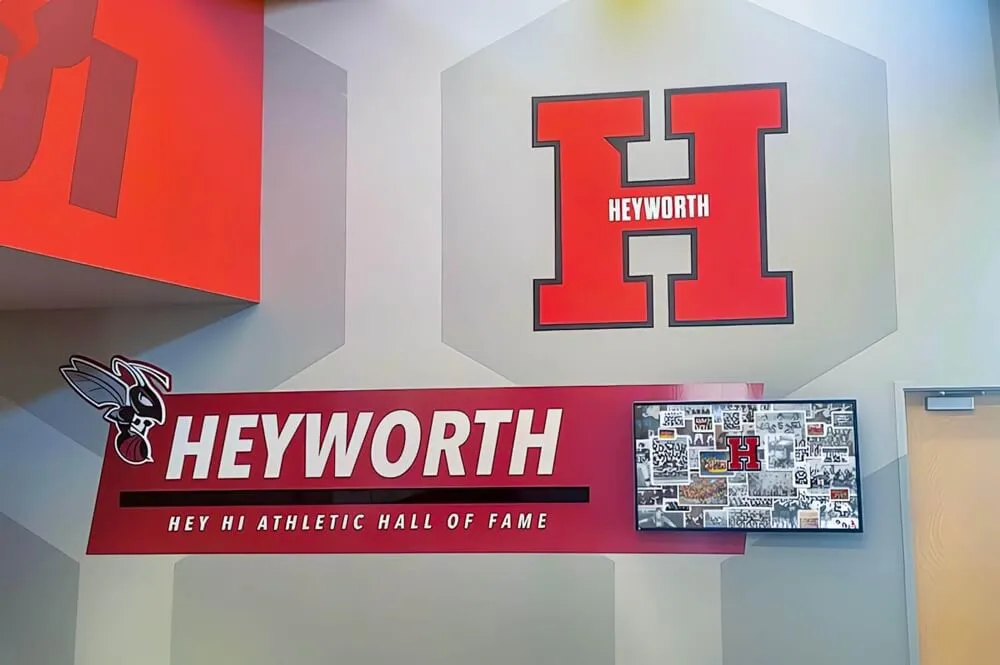
Athletic directors building comprehensive programs often invest in digital hall of fame systems that permanently celebrate team names and the athletes who represented them.
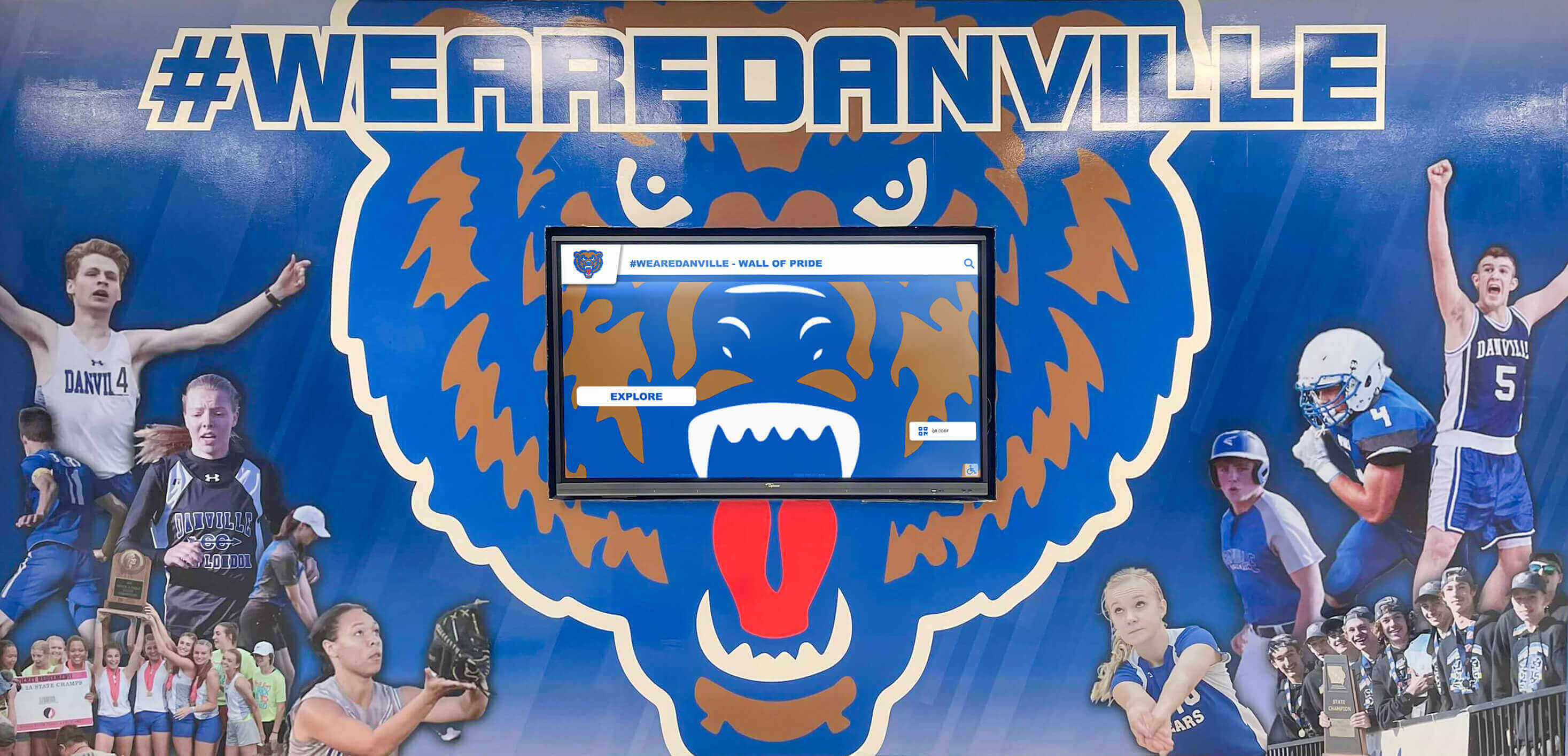
Strong animal mascots like Bears create timeless identities that translate beautifully across murals, logos, and digital displays
Avoiding Common Team Naming Pitfalls
Understanding mistakes helps prevent selecting names that create future problems.
Names to Reconsider
Overused Options Certain team names appear so frequently they create confusion:
- Wildcats: Found at thousands of schools making differentiation difficult
- Bulldogs: Extremely common across all competitive levels
- Warriors: Overused despite strong imagery and meaning
- Tigers: Popular choice creating identity confusion in multi-school regions
- Eagles: National symbol appearing at countless institutions
While these names remain effective, schools in regions with multiple teams using identical mascots may struggle to establish distinctive identities. Consider variations like “Golden Eagles,” “Bengal Tigers,” or “Warrior Nation” if selecting common names.
Cultural Sensitivity Issues
Modern naming practices avoid options raising cultural concerns:
- Native American references: Unless tribally approved and culturally appropriate
- Stereotypical imagery: Names perpetuating negative cultural stereotypes
- Appropriated symbols: Sacred or ceremonial references used without permission
- Insensitive historical references: Names connected to problematic historical periods
- Derogatory terms: Any names that could be perceived as demeaning
Schools replacing controversial mascots increasingly select nature-based, geographic, or values-oriented names that build pride without cultural sensitivity concerns.
Pronunciation and Spelling Challenges
Practical considerations prevent communication problems:
- Difficult pronunciations: Names visitors and announcers struggle to say correctly
- Confusing spellings: Names requiring frequent spelling corrections
- Awkward abbreviations: Names that shorten to unfortunate letter combinations
- Translation issues: Names that mean something problematic in other languages
- Negative associations: Names coincidentally matching controversial references
Testing potential names with diverse groups helps identify pronunciation challenges or unintended associations before official adoption.
Programs displaying team achievements can integrate names into locker room designs that build daily connections between athletes and team identities.
Youth Sports and Recreational League Naming
Youth programs face unique considerations when selecting team names.
Age-Appropriate Approaches
Elementary and Youth Levels
Younger athletes benefit from names that:
- Create fun connections: Names like “Lightning” or “Thunder” excite young players
- Avoid intimidation: Overly fierce names may frighten youngest participants
- Allow easy pronunciation: Simple names children can say and spell
- Support positive values: Names emphasizing teamwork over domination
- Enable creative costumes: Mascots children find approachable and fun
Many youth leagues assign color-based team names (Blue Sharks, Red Hawks, Green Dragons) that create differentiation while maintaining age-appropriate imagery.
Multiple Team Programs
Organizations fielding numerous teams often use:
- Tiered naming systems: Team names reflecting competitive levels
- Color variations: Same mascot with different colors per team
- Numeric designations: Team names with numbered divisions
- Age group integration: Names incorporating age ranges or grades
- Skill level indicators: Names suggesting competitive tier
Recreational leagues frequently use consistent mascots across all teams while varying colors or age designations, creating organizational unity while maintaining individual team identities.
Schools celebrating multiple teams often use digital displays showcasing all teams under a unified athletic program identity.
Building Team Identity Beyond the Name
Team names represent starting points for comprehensive identity development.
Supporting Elements
Visual Identity Systems
Complete branding extends beyond names:
- Logo design: Professional graphics representing team names visually
- Color schemes: Consistent palettes across all team materials
- Typography standards: Fonts complementing team name character
- Mascot illustrations: Character designs bringing names to life
- Pattern and texture libraries: Design elements supporting team aesthetics
Schools with strong visual identities often discover that consistent application of team name branding across facilities, uniforms, and digital properties creates significantly stronger community recognition and pride.
Cultural Traditions
Team names inspire traditions that build culture:
- Entrance rituals: Teams entering competition spaces with signature moves
- Victory celebrations: Consistent celebrations following wins
- Chants and cheers: Crowd participation emphasizing team names
- Seasonal events: Activities celebrating team identity throughout years
- Rivalry traditions: Special elements for competitive matchups
The most successful athletic programs create complete ecosystems around team names where the identity appears consistently across every touchpoint from gym floors to social media graphics to championship banners.
Programs honoring athletic excellence often recognize achievements through varsity letter awards that permanently connect athletes to team names they represented.
Conclusion: Creating Team Names That Build Lasting Traditions
The right team name does more than identify athletic programs—it creates emotional connections, builds community pride, and establishes foundations for traditions spanning generations. Whether selecting fierce animal mascots that project competitive intensity, warrior names connecting to historical excellence, natural forces suggesting unstoppable power, or modern concepts emphasizing values and characteristics, effective team names balance immediate recognition with distinctive character that sets programs apart.
The most successful team naming processes involve multiple stakeholders—athletes who will wear names on uniforms, coaches who will build cultures around identities, administrators considering long-term branding implications, and community members whose support sustains programs. Names that emerge from thoughtful collaboration typically generate stronger buy-in and longer-lasting pride than those imposed without input.
Beyond selection, team names require consistent implementation across visual systems, facility signage, digital platforms, and cultural traditions. Schools that treat team names as comprehensive branding opportunities rather than simple mascot choices create significantly stronger program identities that athletes embrace with genuine pride while communities rally behind with sustained enthusiasm.
Ready to showcase your team name and athletic achievements with professional recognition displays? Rocket Alumni Solutions provides interactive digital systems that celebrate team identities, honor athlete accomplishments, and build lasting traditions connecting current performers with program history. Our touchscreen displays transform team names from simple identifiers into dynamic recognition experiences that inspire pride and create community connections spanning generations.