Athletic gear rooms often become chaotic storage nightmares. Basketballs pile in corners alongside tangled volleyball nets, football equipment overflows shelving units designed for lighter gear, seasonal sports equipment clutters spaces needed for active programs, and coaches waste valuable practice time searching through disorganized storage hunting for specific items that should take seconds to locate.
Poor sports equipment storage creates problems extending far beyond mere inconvenience. Disorganization increases injury risks when athletes trip over improperly stored gear, accelerates equipment deterioration when items lack proper storage conditions, wastes limited athletic budgets replacing lost or damaged equipment that adequate systems would preserve, and undermines program professionalism when visiting teams witness chaotic facilities suggesting operational dysfunction.
This comprehensive guide provides athletic directors, facilities managers, and coaches with practical sports equipment storage ideas proven to transform chaotic gear rooms into efficiently organized systems. You’ll discover strategies for categorizing equipment logically, maximizing limited space through intelligent storage solutions, implementing inventory management that prevents losses, and creating systems that work for programs managing everything from single-sport specialization to diverse athletic offerings serving hundreds of student-athletes across multiple seasons.
Effective sports equipment storage accomplishes multiple objectives simultaneously—protecting expensive gear investments through proper storage conditions, improving safety by eliminating trip hazards and maintaining clear pathways, increasing operational efficiency by enabling quick equipment access, and extending equipment lifecycles through organization that prevents damage while facilitating regular maintenance and inspection routines that identify problems before equipment fails.

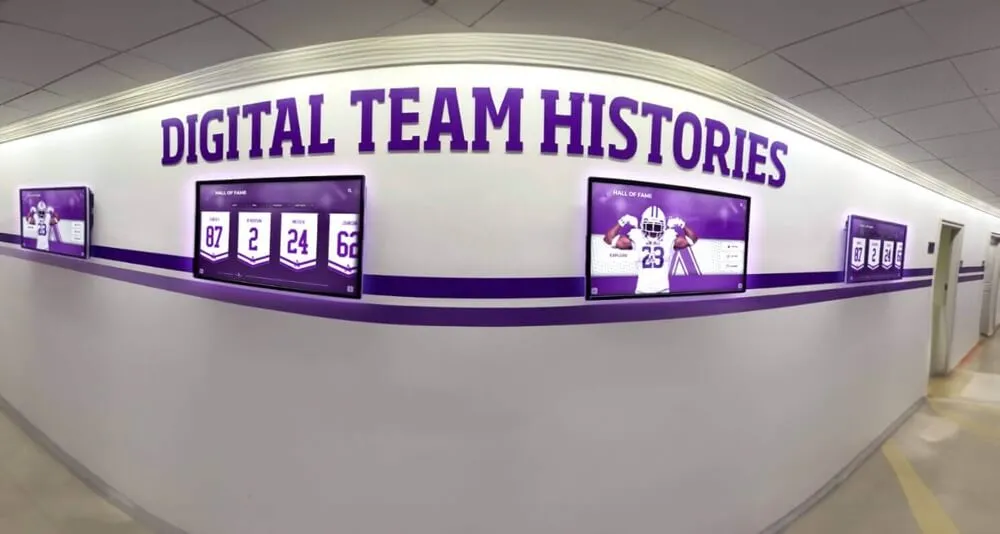
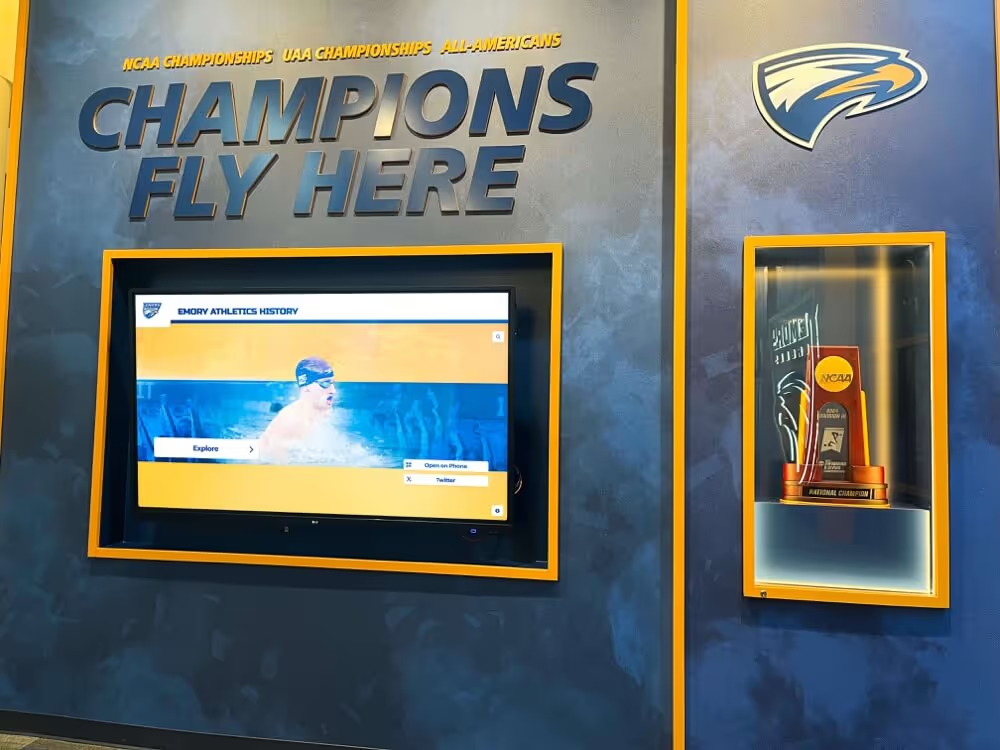
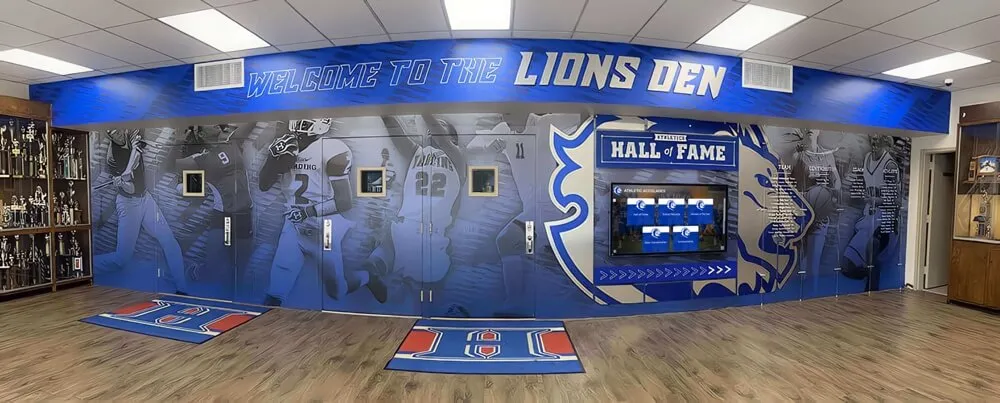
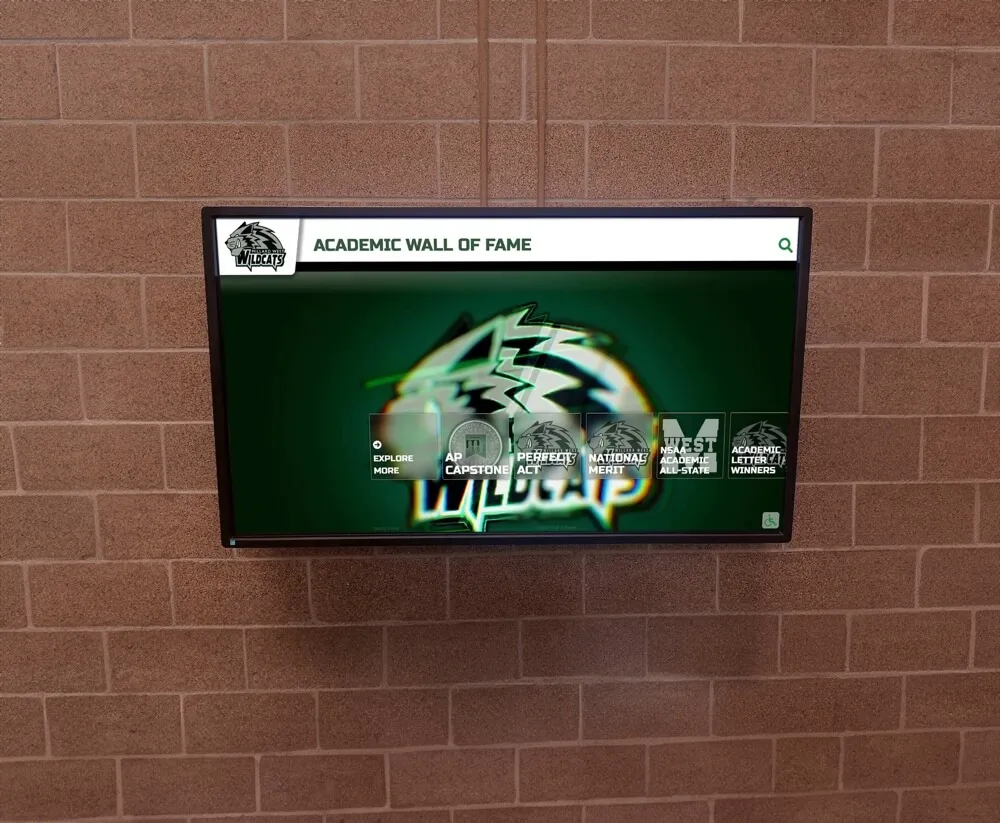
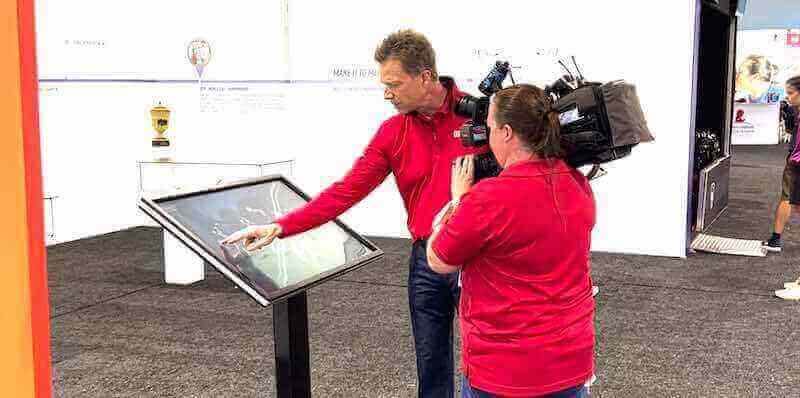
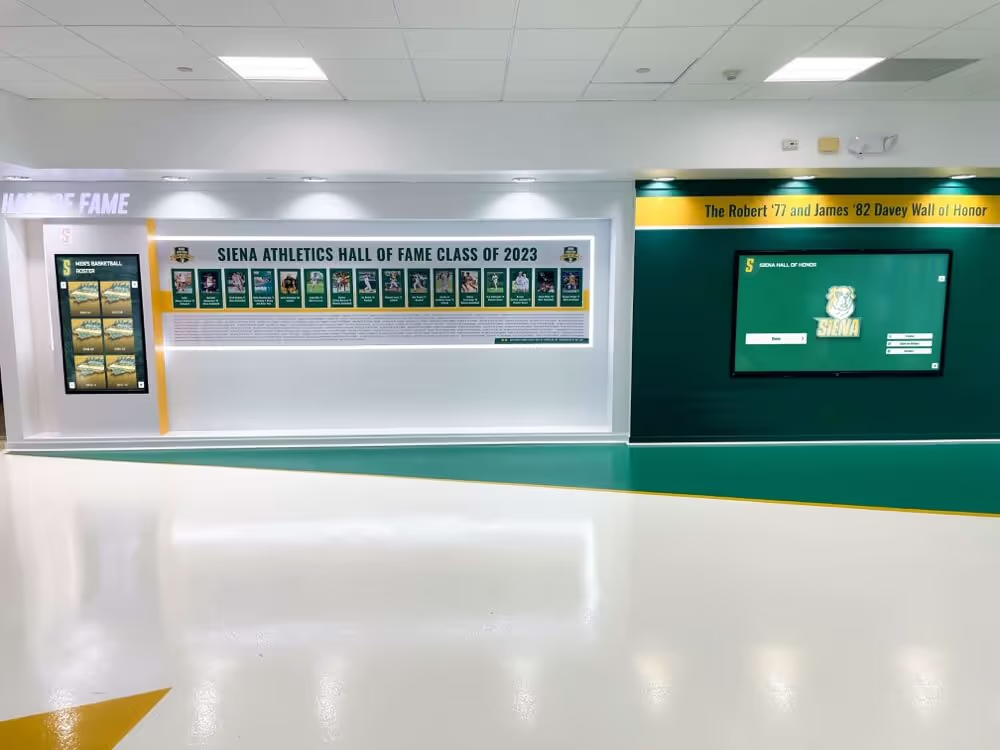
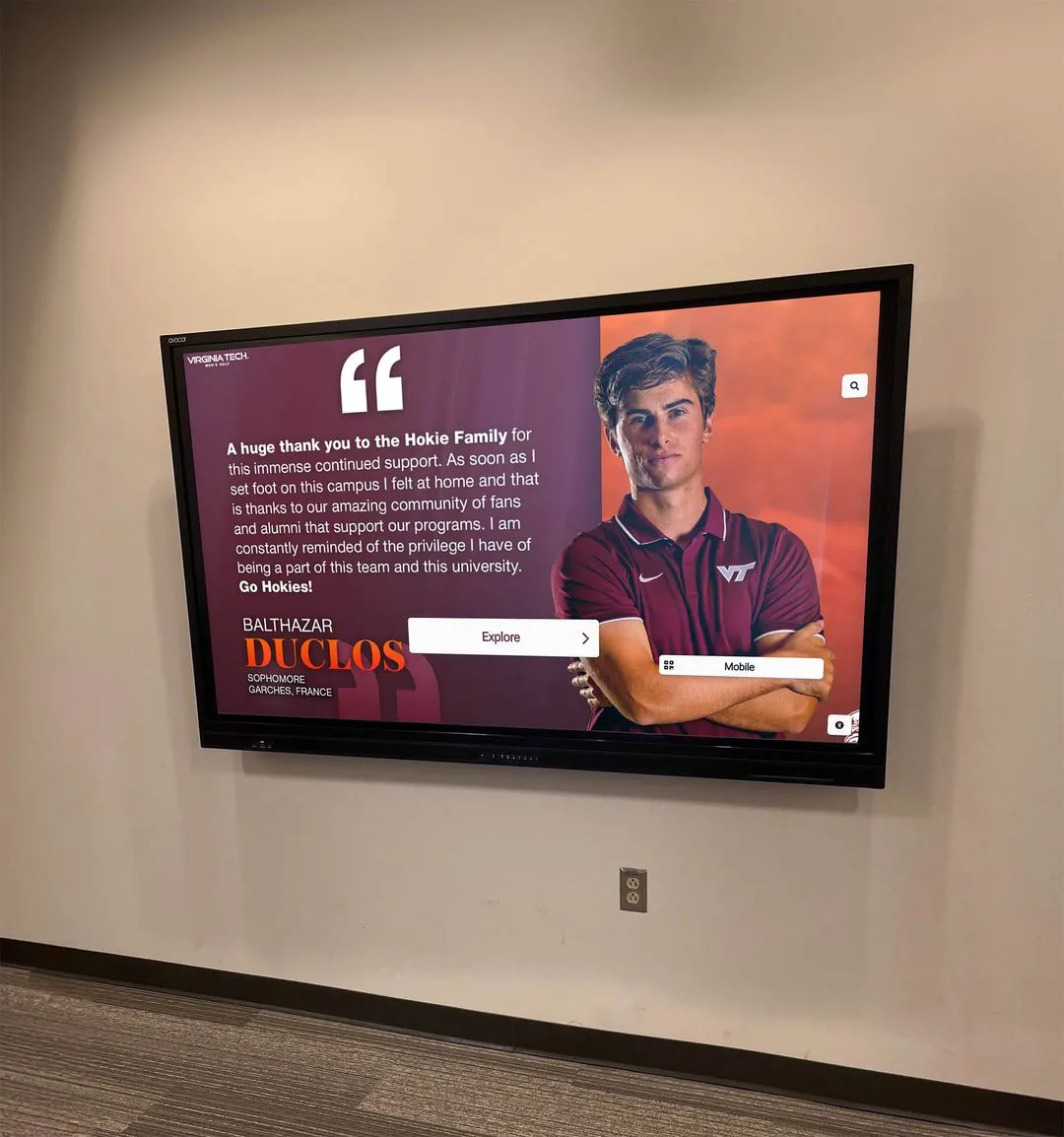
Professional athletic facilities integrate functional storage with recognition elements that celebrate program achievements while maintaining organizational efficiency
Assessing Your Athletic Gear Storage Needs
Before implementing storage solutions, comprehensive assessment identifies specific requirements and constraints.
Inventory Assessment
Equipment Categorization Systematic inventory reveals what requires storage:
- Sport-specific equipment including balls, nets, goals, protective gear, and specialized training tools for each program
- Shared equipment serving multiple sports such as cones, agility ladders, resistance bands, and general conditioning gear
- Seasonal equipment requiring rotation between active use and long-term storage as sports transition throughout the year
- Uniform storage managing jerseys, warm-ups, and team apparel across multiple teams and sizes
- Maintenance equipment including pumps, repair supplies, cleaning tools, and first aid supplies essential to operations
- Technology and electronics such as timing systems, training tablets, video equipment, and charging stations for modern athletic programs
Athletic directors managing comprehensive inventories report discovering 15-30% more equipment than initially estimated—highlighting the importance of thorough assessment before designing storage systems.
Condition Evaluation Honest assessment determines what deserves storage space:
- Functional equipment in good condition requiring organized storage
- Repairable items needing maintenance before returning to active service
- Damaged equipment beyond reasonable repair consuming valuable space
- Outdated gear no longer meeting safety standards or program needs
- Sizing issues where inventory doesn’t match current athlete populations
Many programs discover 20-40% of stored equipment should be discarded or donated rather than consuming limited storage capacity—creating immediate space improvements before implementing new systems.
Space Analysis
Available Storage Areas Identify and evaluate all potential storage locations:
- Dedicated equipment rooms serving as primary storage hubs
- Locker room storage for frequently accessed items and personal equipment
- Office storage for administrative supplies, awards, and coaching materials
- Hallway closets potentially repurposed for athletic equipment
- External storage including sheds or containers for seasonal equipment
- Vertical space on walls and ceilings often underutilized in existing facilities
Schools frequently discover 30-50% additional storage capacity through vertical storage solutions and previously overlooked spaces—creating meaningful improvements without facility expansion.
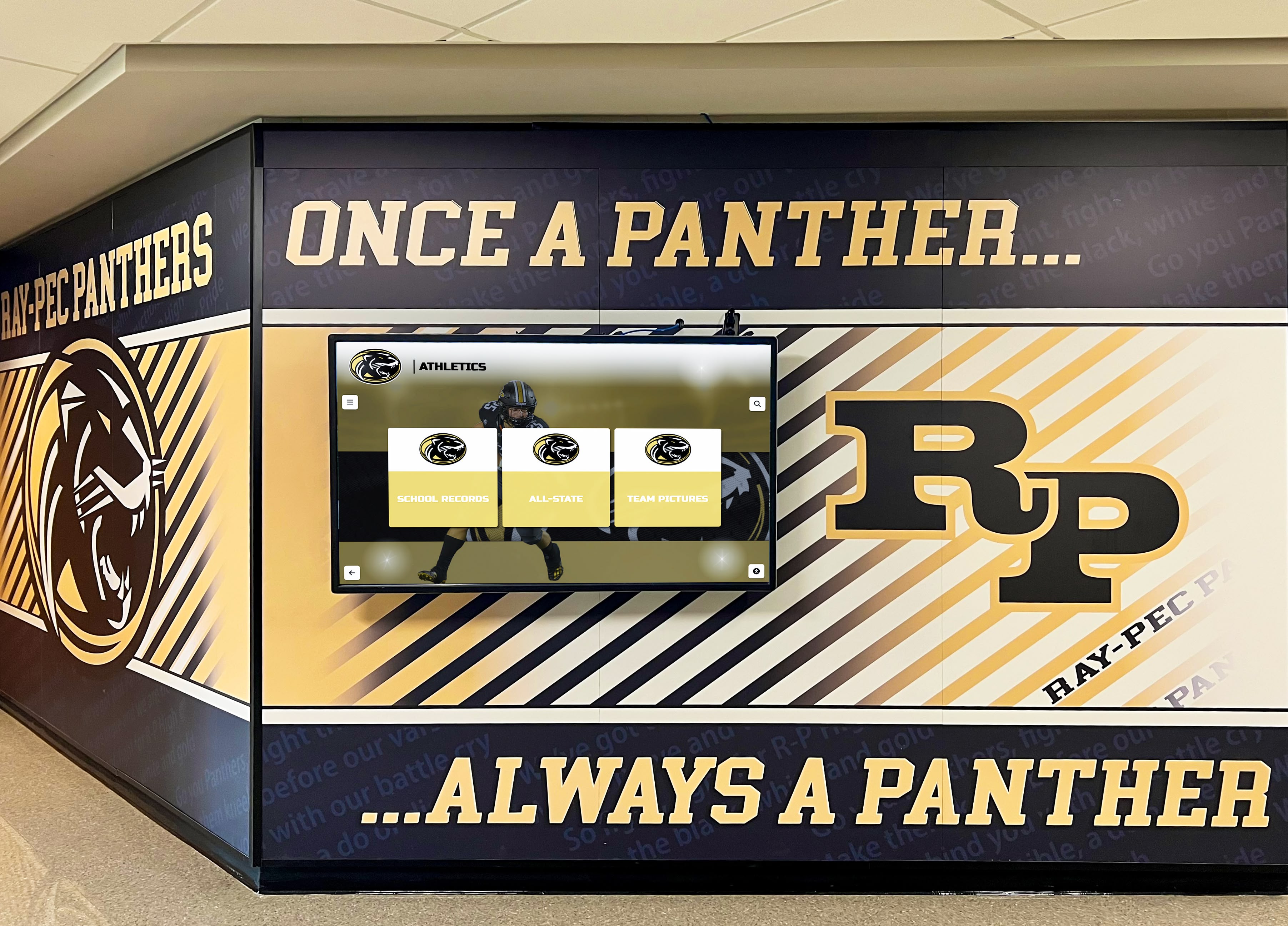
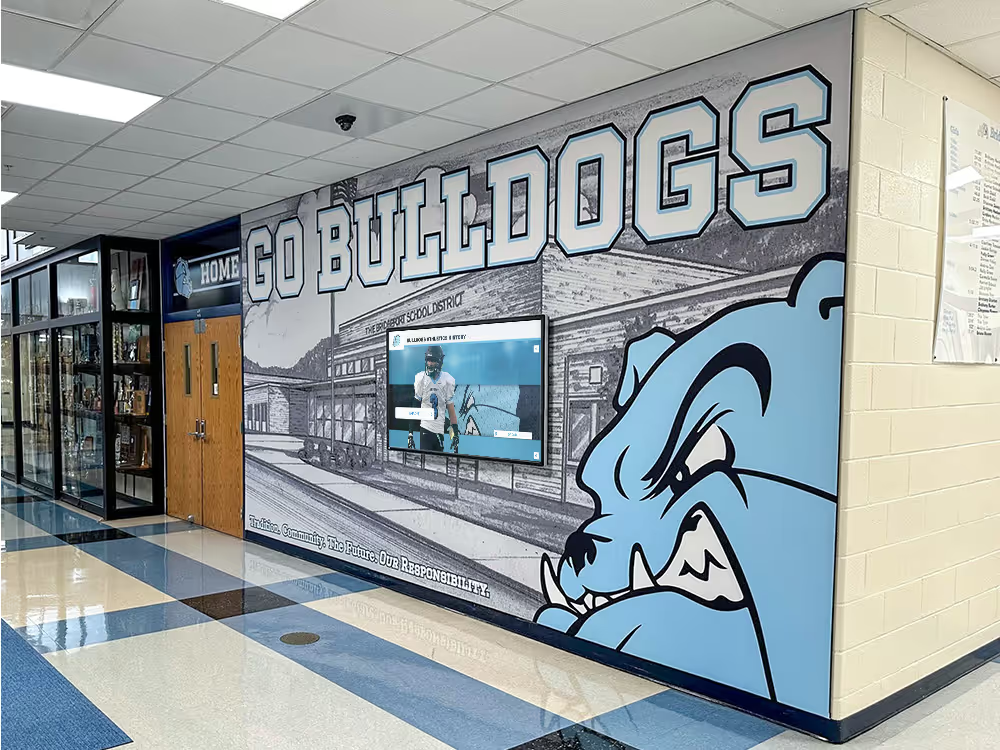
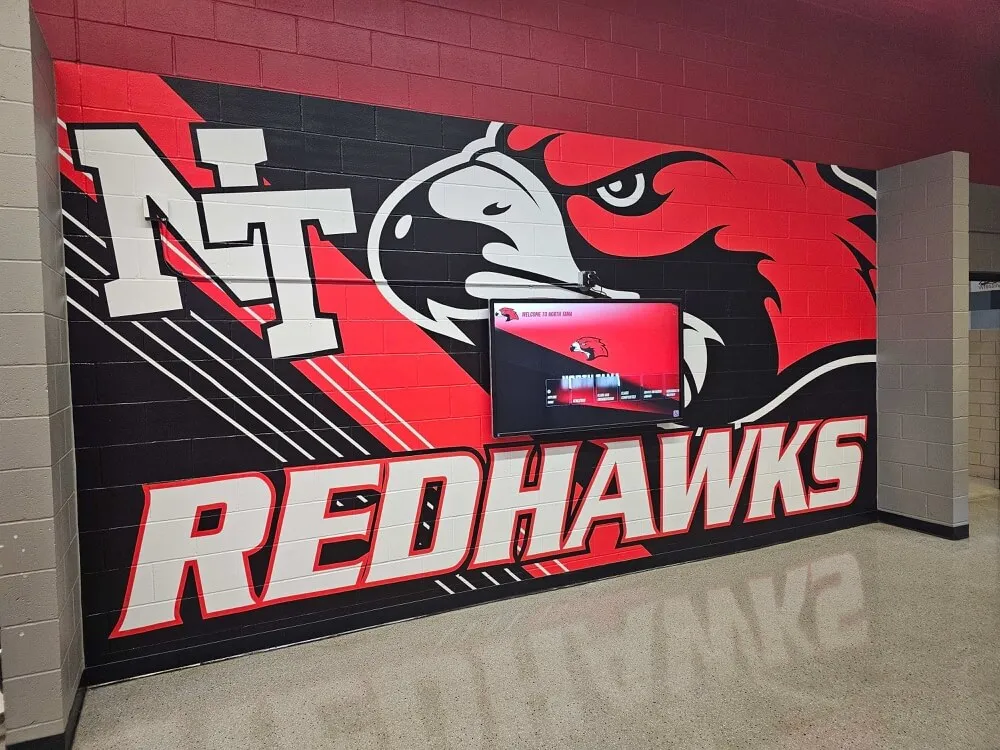
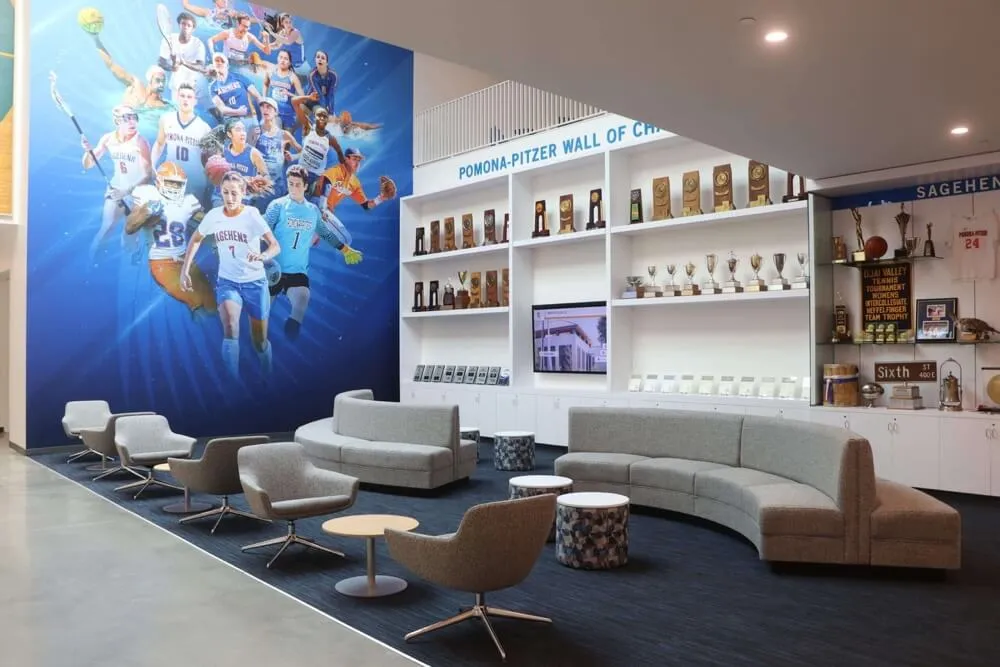
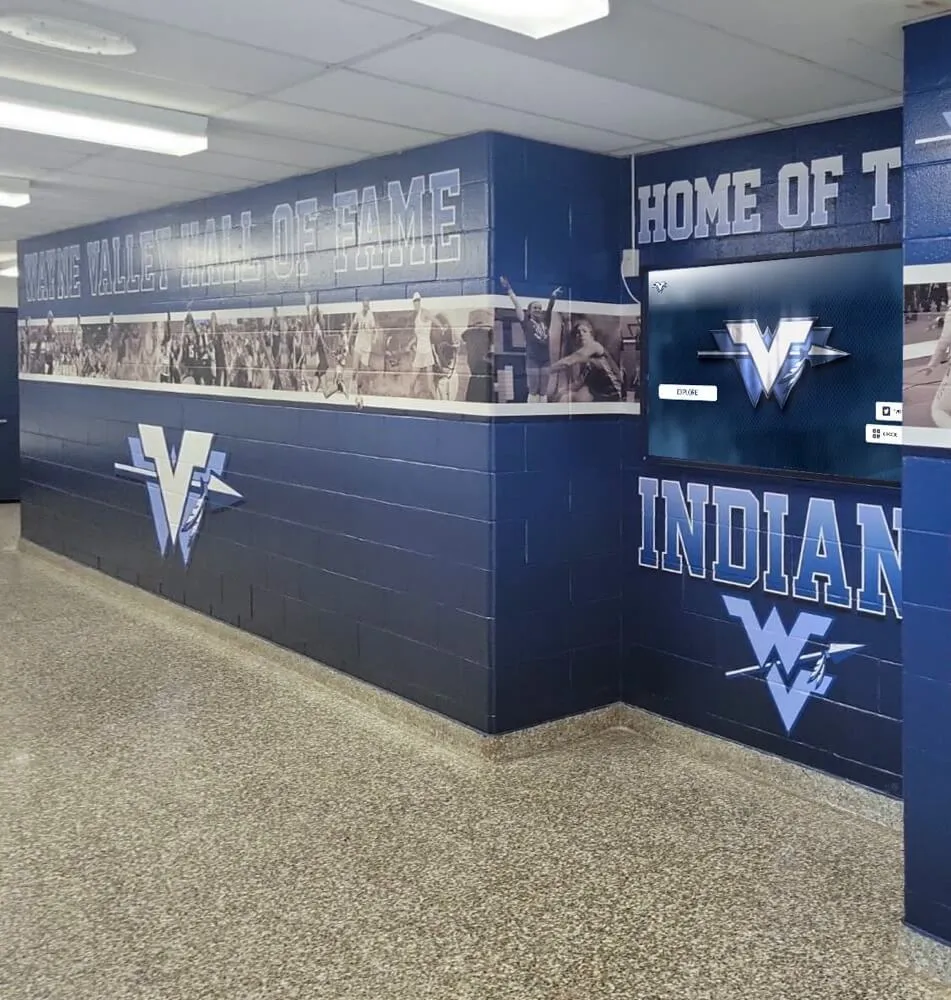
Strategic hallway design balances functional equipment access with visual elements celebrating team identity and athletic achievements
Access Requirements Consider how frequently different equipment needs retrieval:
- Daily-use equipment requiring immediate accessibility during practice and competition days
- Weekly-rotation items accessed regularly but not requiring prime storage locations
- Seasonal equipment stored long-term with infrequent access until programs resume
- Emergency equipment including first aid supplies and AEDs requiring instant accessibility
- Administrative items accessed primarily by coaching staff and athletic directors
Organizing storage by access frequency creates dramatic efficiency improvements—coaches report 40-60% reductions in equipment retrieval time when high-use items occupy easily accessible locations while seasonal equipment moves to less convenient but adequate storage areas.
Essential Sports Equipment Storage Solutions
Implementing the right storage infrastructure transforms chaotic gear rooms into functional systems.
Shelving and Racking Systems
Heavy-Duty Metal Shelving Industrial-grade shelving provides versatile storage:
- Adjustable shelf heights accommodating equipment of varying sizes
- Weight capacity supporting heavy items like weight plates, medicine balls, and equipment bags
- Open shelving enabling quick visual inventory and easy access
- Modular designs allowing configuration adjustments as needs change
- Commercial-grade construction withstanding athletic environments where equipment gets tossed rather than carefully placed
Quality metal shelving costs $200-600 per unit but typically lasts 15-20+ years with minimal maintenance—providing excellent long-term value compared to cheaper residential options failing within 2-3 years under athletic equipment demands.
Wall-Mounted Storage Systems Vertical solutions maximize floor space:
- Wall-mounted shelves for balls, helmets, and lightweight equipment
- Pegboard systems with hooks for hanging equipment like jump ropes, pinnies, and protective gear
- Slatwall panels offering flexible hook and basket configurations that adjust to changing needs
- Overhead storage utilizing ceiling space for infrequently accessed seasonal equipment
- Wall brackets securing equipment like baseball bats, hockey sticks, and other long items
Wall-mounted systems can increase storage capacity by 40-70% compared to floor-only storage while simultaneously improving safety by eliminating floor-level trip hazards. Learn about comprehensive athletic facility management strategies that complement organized storage systems.
Mobile Storage Solutions Rolling storage provides flexibility:
- Equipment carts bringing practice gear directly to fields and courts
- Ball carts with organized compartments for different ball types and sizes
- Uniform racks on wheels enabling easy transport to locker rooms and laundry facilities
- Portable training stations consolidating related equipment for efficient setup
- Rolling bins for protective gear organized by sport or size
Mobile storage reduces equipment transport time by 50-70% compared to carrying items individually—creating meaningful efficiency gains across full seasons while reducing physical strain on coaching staff who previously made multiple trips moving gear.
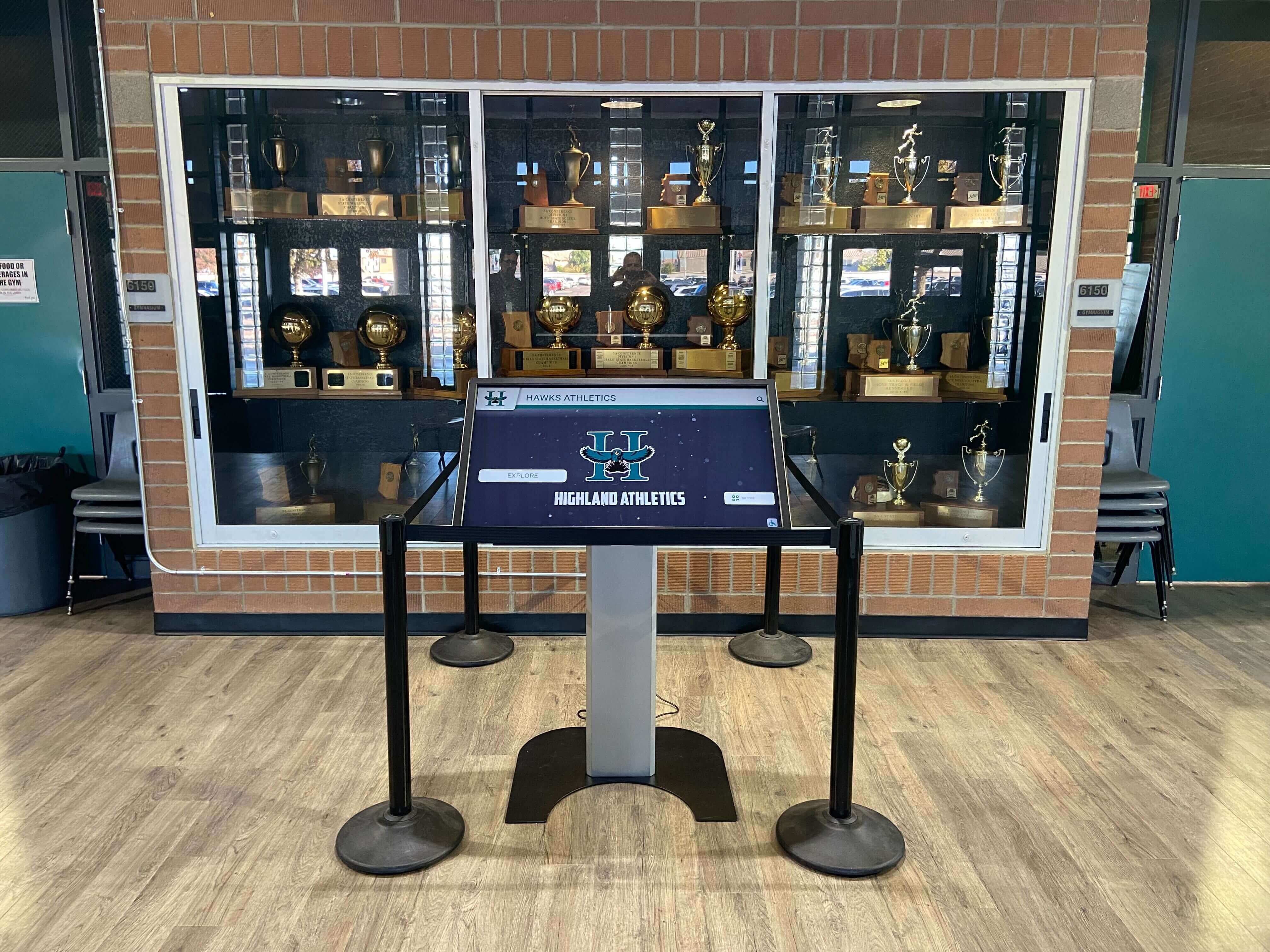
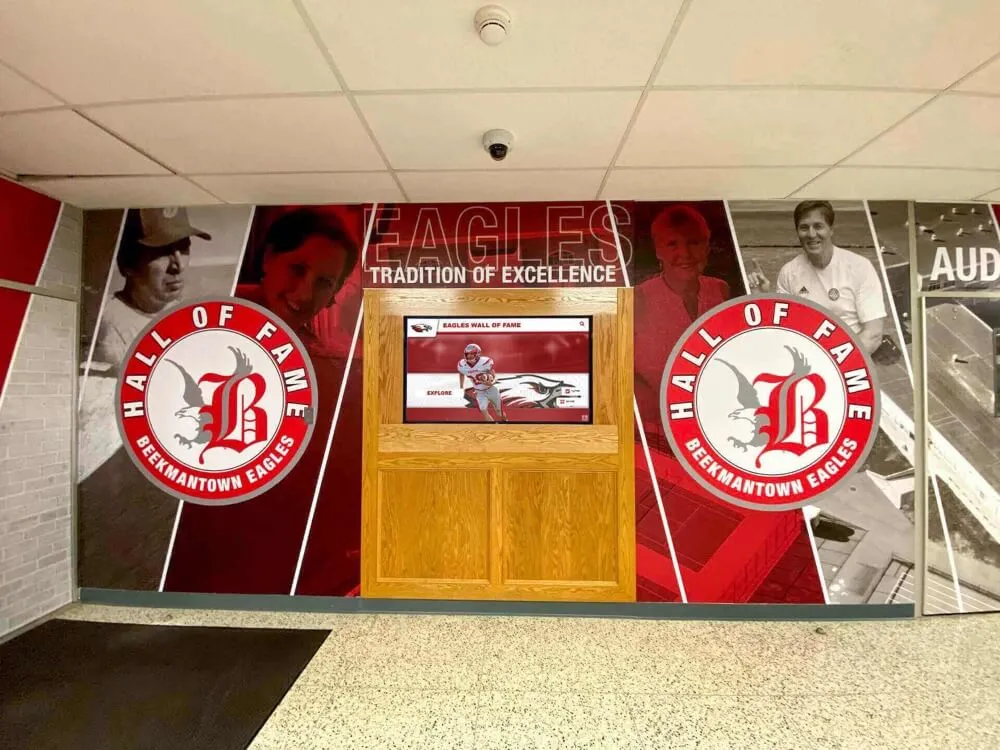
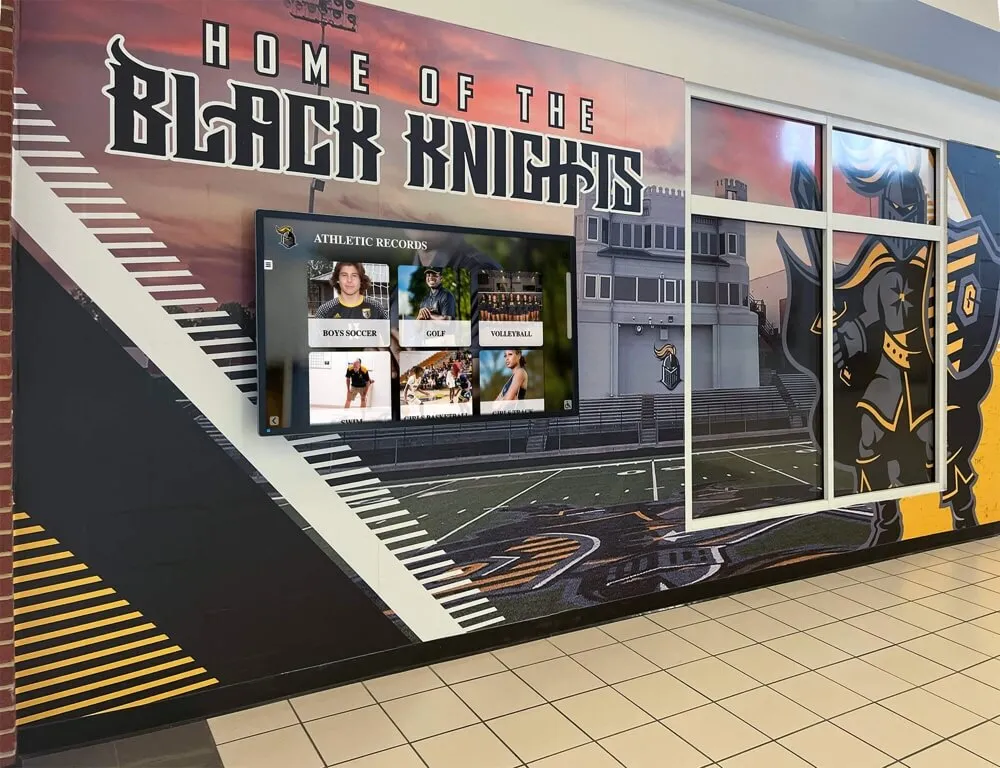
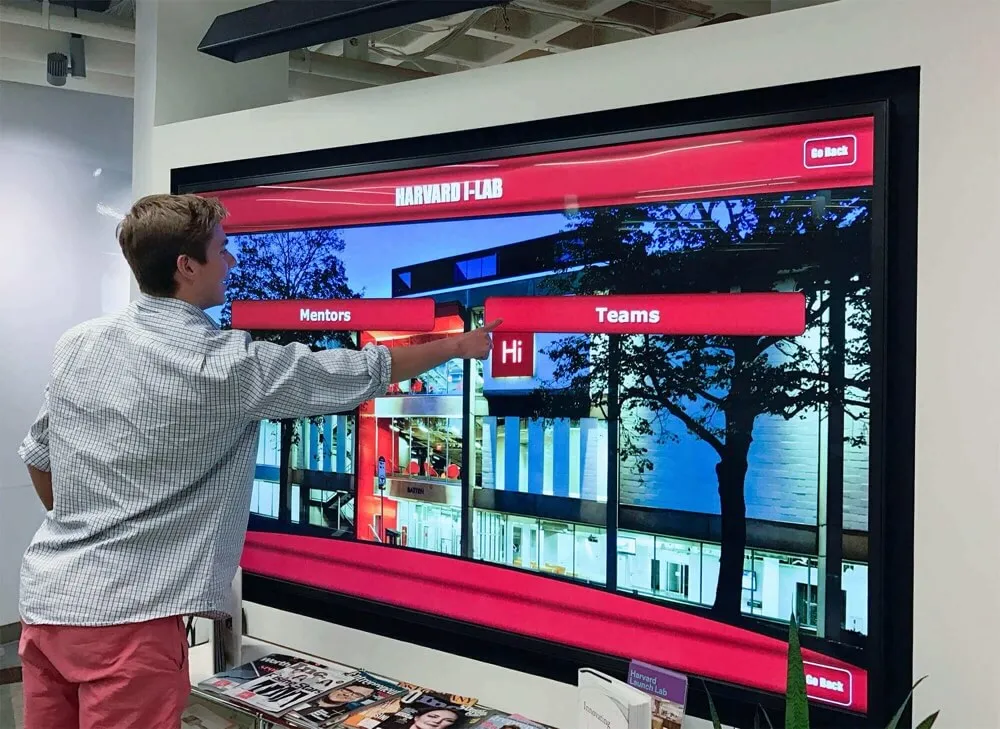
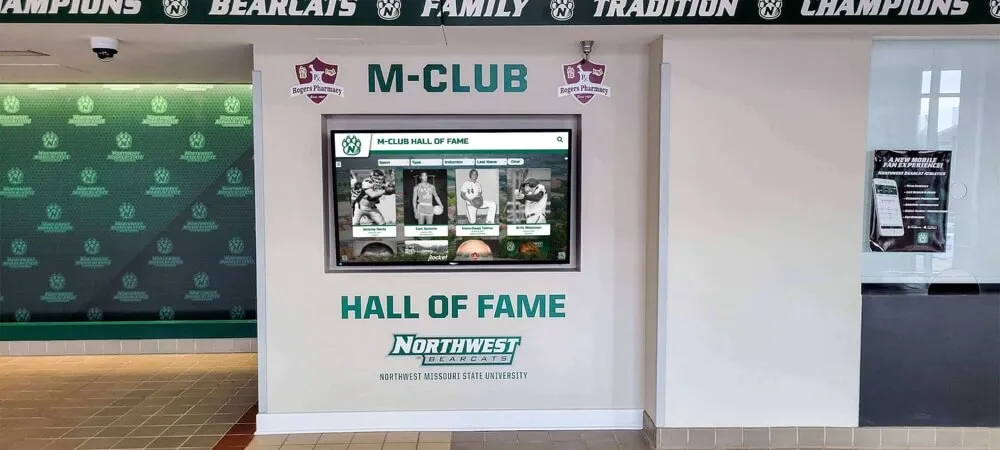
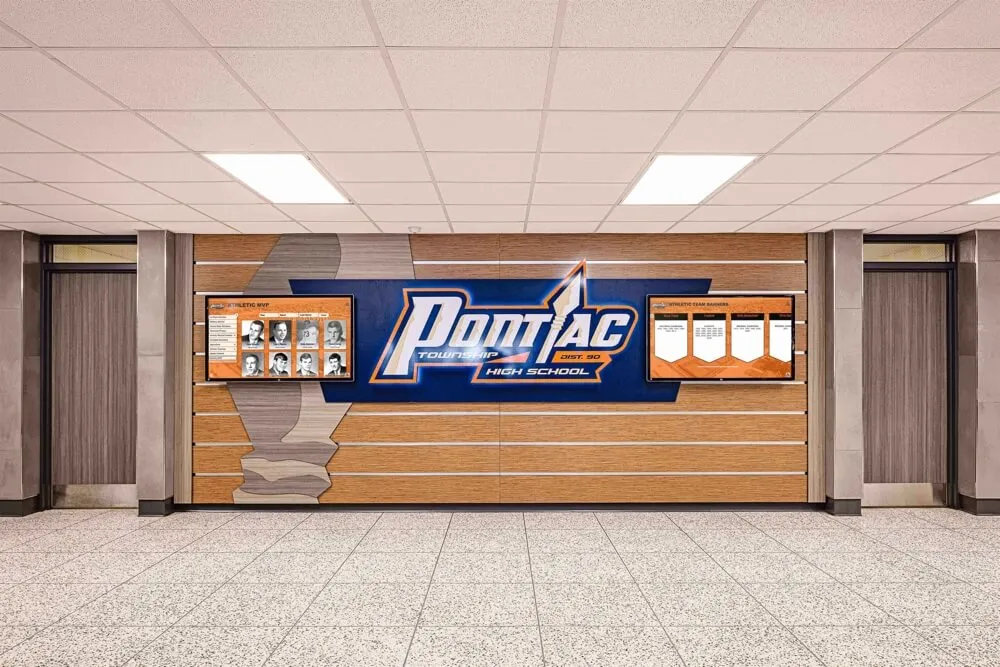
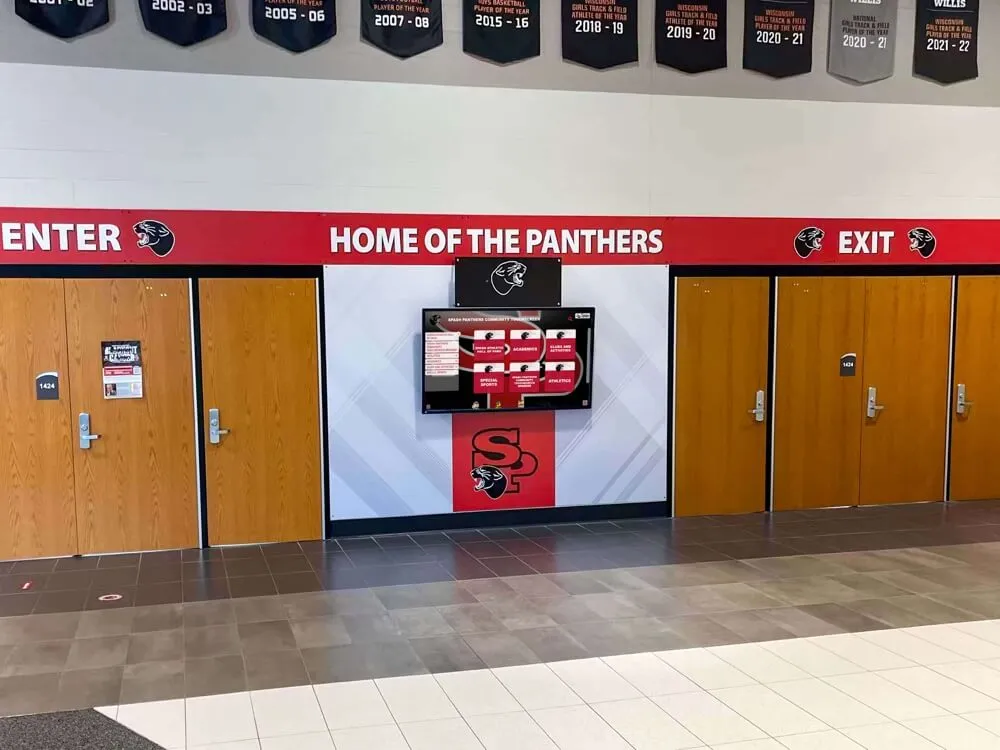
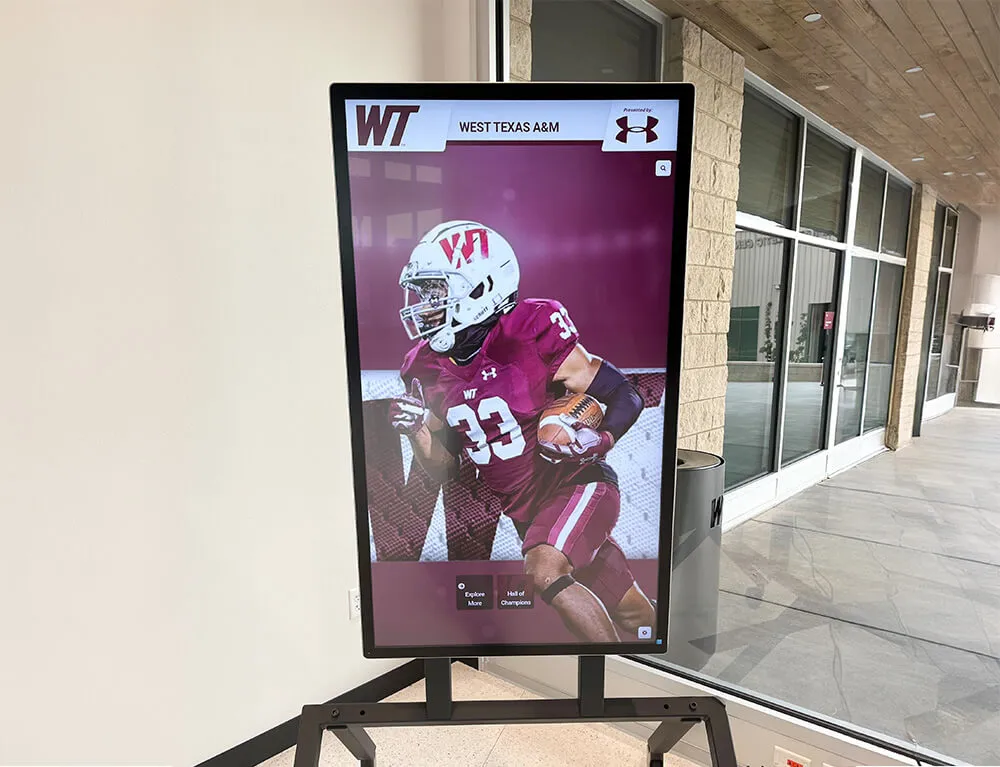
Contemporary athletic facilities blend functional storage with digital recognition systems celebrating program history and current achievements
Specialized Equipment Storage
Ball Storage Solutions Proper ball storage extends equipment life:
- Ball racks with individual compartments preventing deformation from stacking
- Wall-mounted ball storage using rings or baskets creating organized displays
- Rolling ball carts enabling efficient transport to practice and game locations
- Inflation station with pressure gauge ensuring proper ball inflation extending lifespan
- Sport-specific organization grouping basketballs, volleyballs, soccer balls, and other spherical equipment separately
Schools implementing dedicated ball storage report 30-50% increases in ball longevity compared to tossing balls loosely in bins where weight and pressure cause premature deterioration.
Protective Equipment Storage Safety gear requires specialized storage:
- Ventilated lockers allowing helmets and pads to dry between uses preventing bacterial growth
- Helmet racks preserving shape and preventing damage to protective shells
- Hanging storage for shoulder pads, chest protectors, and other items benefiting from air circulation
- Organized sizing systems grouping equipment by size ranges enabling quick athlete fitting
- Cleaning stations facilitating regular sanitization maintaining hygiene standards
Proper protective equipment storage reduces replacement costs by 25-40% while improving safety through better hygiene and ensuring gear remains in safe condition rather than developing hidden damage from improper storage.
Uniform and Apparel Storage Team clothing requires organization preventing losses:
- Hanging racks for jerseys, warm-ups, and other apparel minimizing wrinkles
- Numbered organization arranging jerseys by number simplifying distribution and inventory
- Size-based storage for practice gear grouping similar sizes together
- Laundry systems with hampers for dirty gear and separate storage for clean items
- Spare uniform storage maintaining extra jerseys and shorts for emergencies
Athletic programs implementing numbered uniform storage report 70-90% reductions in time spent distributing and collecting team apparel compared to unsorted storage where coaches hunt for specific numbers.
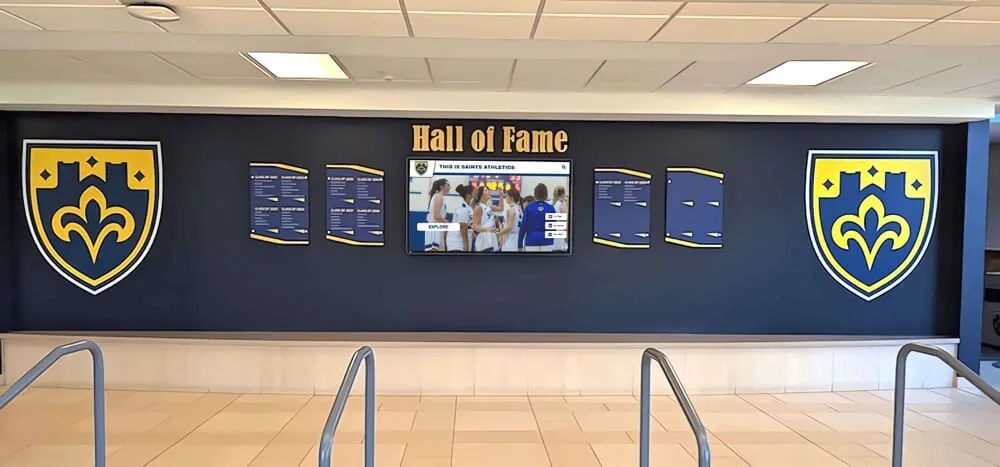
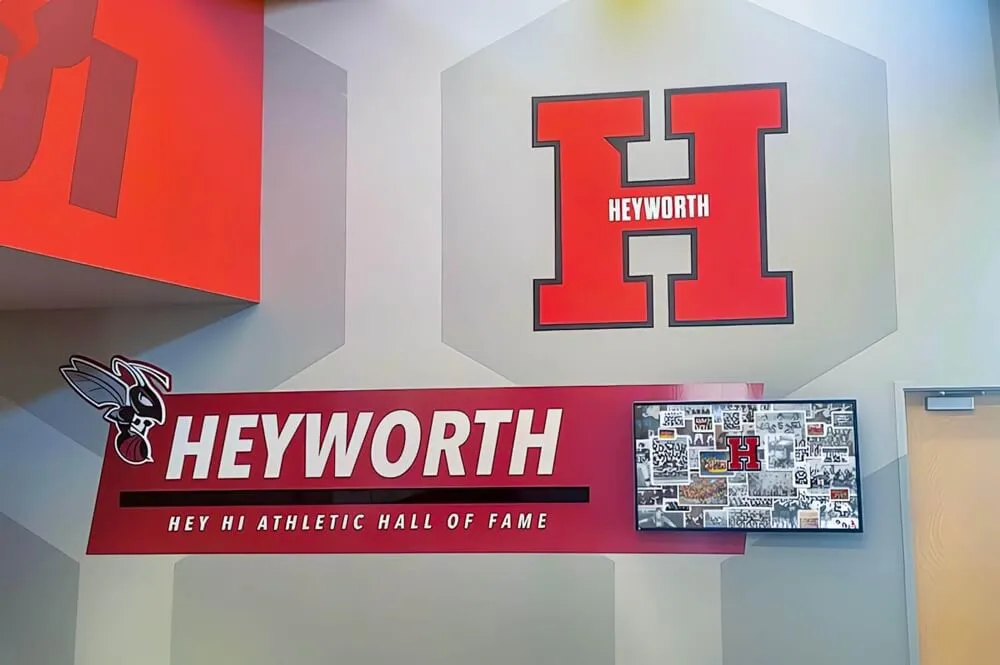
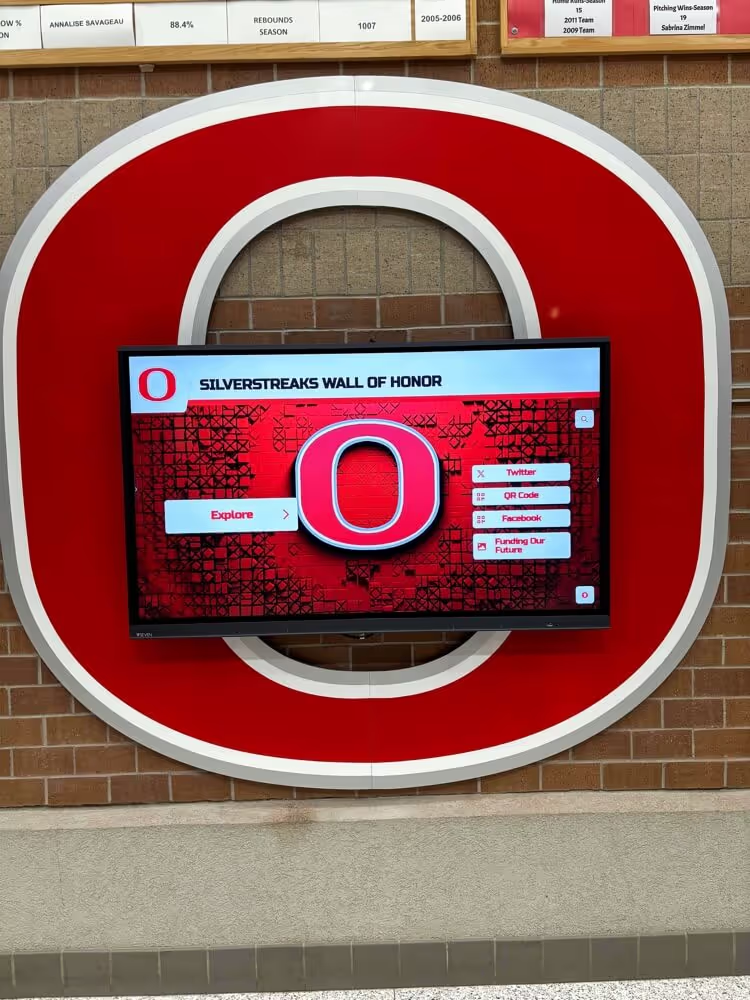
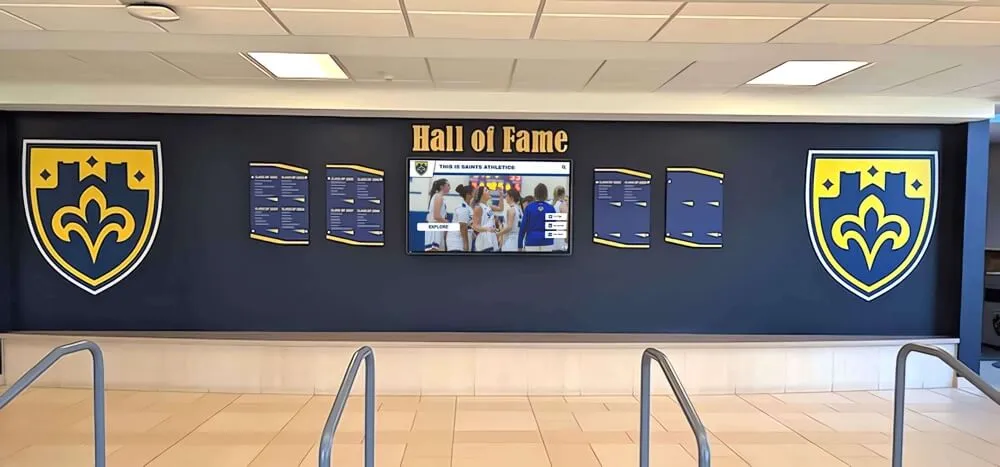
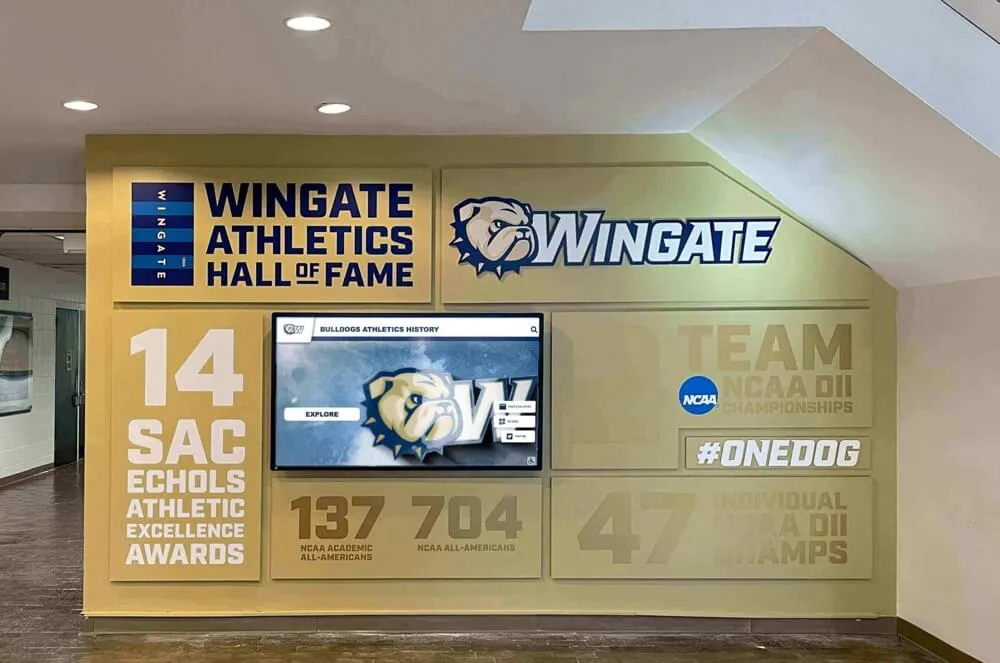
Efficient athletic facilities design integrated spaces serving multiple purposes including equipment access, team recognition, and program history displays
Organizational Systems and Best Practices
Storage infrastructure alone proves insufficient—systematic organization determines operational success.
Equipment Categorization Strategies
Sport-Based Organization Grouping by sport creates intuitive systems:
- Dedicated zones for each sport program with clearly defined storage areas
- Seasonal rotation moving active sports into prime storage while off-season programs occupy less accessible locations
- Shared equipment areas for items serving multiple programs like general conditioning gear
- Sport-specific supplies including balls, nets, protective gear, and specialized training equipment grouped together
- Clear labeling identifying each zone preventing equipment from migrating into wrong areas
Sport-based organization enables coaching staff to locate needed equipment 60-80% faster compared to mixed storage where items scatter across facilities creating time-consuming searches.
Frequency-Based Storage Access patterns should drive storage locations:
- Daily equipment occupying most accessible locations near doors and practice spaces
- Weekly items in secondary storage requiring brief walks but remaining convenient
- Seasonal gear moving to long-term storage in less accessible but adequate locations
- Rarely used equipment occupying premium storage only when space permits after prioritizing frequently accessed items
- Emergency supplies placed at multiple strategic locations ensuring instant access regardless of current activity location
Schools implementing frequency-based storage report 40-60% reductions in equipment retrieval time while improving space utilization by moving rarely accessed items from prime locations. Discover how digital record boards enhance athletic facility organization by celebrating achievements while maintaining functional storage areas.
Labeling and Identification Systems
Visual Organization Clear labeling eliminates confusion:
- Storage zone labels identifying which sports occupy each area
- Equipment type labels marking shelves and bins for specific items
- Size indicators for protective gear and uniforms simplifying selection
- Quantity markers showing how many items should occupy each location enabling quick inventory checks
- Color coding creating visual systems requiring no reading while maintaining organization
Programs implementing comprehensive labeling reduce equipment misplacement by 70-85% while enabling student assistants, substitute coaches, and volunteers to maintain systems without extensive training.
Inventory Management Systematic tracking prevents losses:
- Check-out systems for equipment leaving facilities for away competitions or special events
- Regular audits comparing actual inventory against documented quantities
- Damage reporting documenting equipment condition enabling proactive maintenance rather than reactive replacement
- Replacement scheduling based on equipment lifecycles rather than waiting for complete failure
- Digital inventory software enabling real-time tracking across multiple storage locations
Schools implementing formal inventory systems reduce equipment losses by 50-75% compared to informal approaches while improving budget planning through accurate replacement forecasting. Learn about comprehensive team award ideas that complement organized equipment management.

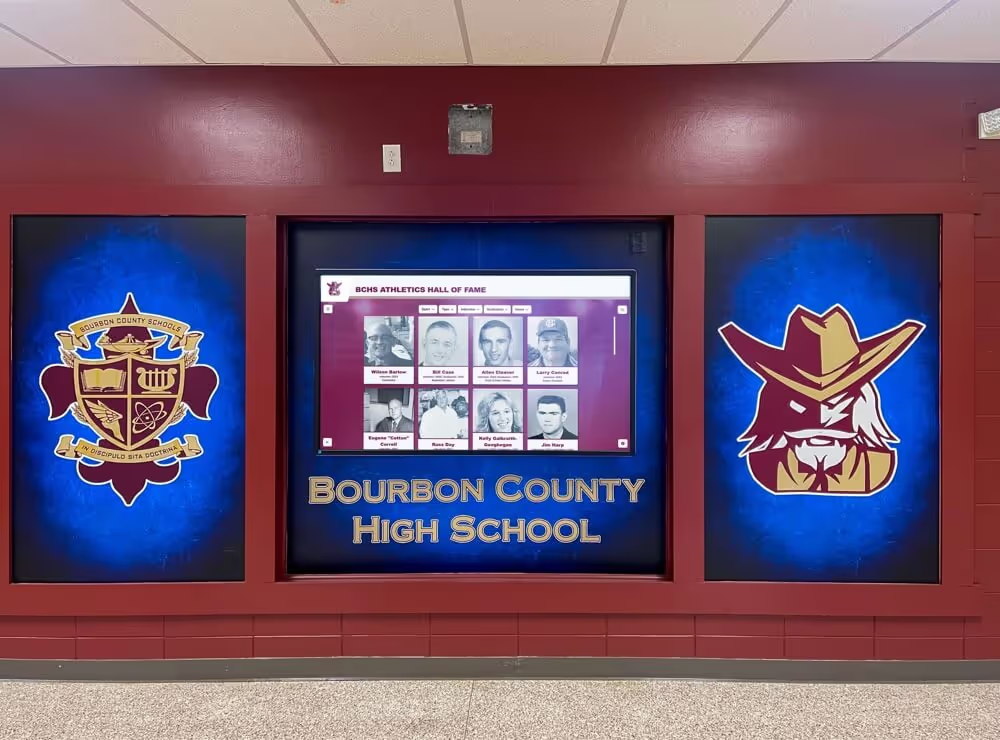
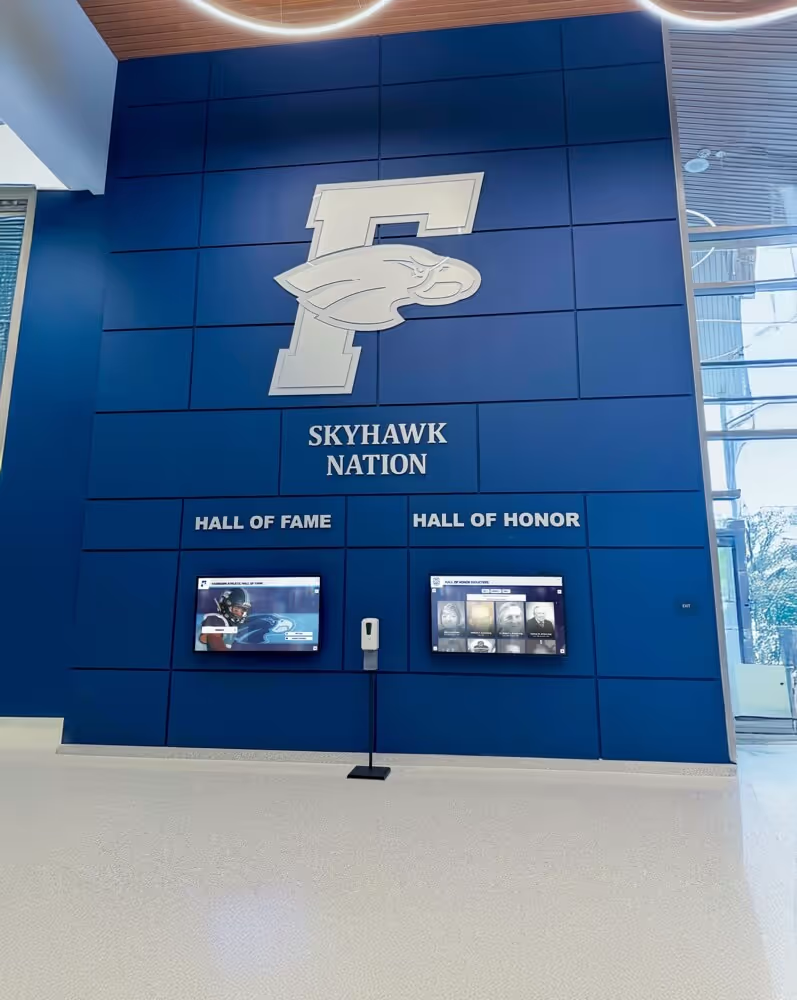
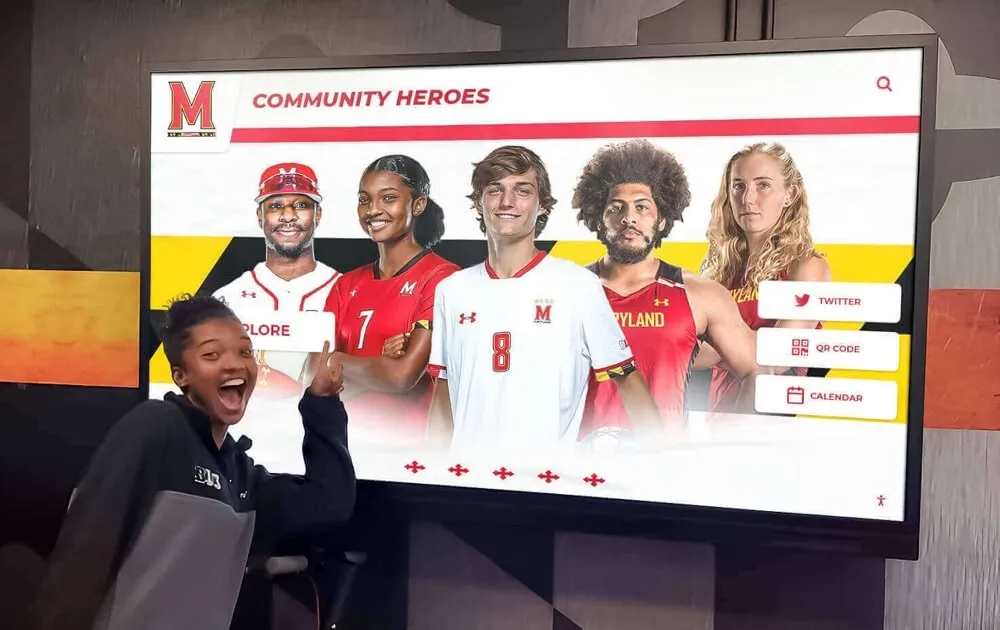
Modern athletic facilities integrate digital recognition systems that celebrate student-athlete achievements while maintaining organized equipment management areas
Maximizing Limited Storage Space
Most athletic programs face space constraints requiring creative solutions.
Vertical Storage Strategies
Wall Space Utilization Walls offer significant untapped capacity:
- Floor-to-ceiling shelving maximizing vertical space often wasted in traditional storage
- High-mounted storage for seasonal equipment accessed infrequently
- Ladder or step-stool access enabling safe retrieval from elevated storage
- Wall-mounted hooks and racks for hanging equipment like bats, sticks, rackets, and protective gear
- Overhead bins utilizing space above doorways and in corners
Comprehensive vertical storage can increase capacity by 60-100% compared to floor-level only storage—creating dramatic improvements without facility expansion.
Ceiling Storage Solutions Overhead space provides valuable capacity:
- Overhead racks for rarely used equipment and off-season gear
- Pulley systems enabling seasonal equipment raising to ceiling level when not needed
- Suspended storage for lightweight items like nets and pinnies
- Safety considerations ensuring overhead storage remains secure and accessible only with proper equipment
- Weight limits respecting structural capacity while maximizing available space
Ceiling storage proves particularly valuable for equipment like gymnastics mats, seasonal banners, and other bulky items consuming excessive floor space despite infrequent use.
Multi-Functional Space Design
Convertible Storage Areas Flexible designs serve changing needs:
- Modular systems reconfiguring as programs add or remove sports
- Adjustable shelving modifying to accommodate different equipment types
- Seasonal transformations converting storage emphasis as fall sports transition to winter and spring programs
- Dual-purpose spaces serving storage during off-hours and other functions during peak times
- Mobile dividers creating temporary storage zones without permanent construction
Athletic departments implementing flexible storage systems report 30-50% improvements in space utilization compared to fixed solutions that waste capacity when needs change.
Consolidated Storage Benefits Centralization creates efficiency:
- Single inventory location simplifying tracking and preventing duplicate purchases
- Shared resources maximizing usage across programs rather than hoarding sport-specific supplies
- Bulk purchasing advantages through comprehensive understanding of total program needs
- Reduced equipment migration when athletes return items to single location rather than multiple storage areas
- Simplified maintenance concentrating inspection and cleaning in one location
Programs consolidating storage report 20-35% reductions in equipment purchases by eliminating duplicate orders that occur when decentralized storage hides existing inventory from purchasing staff.
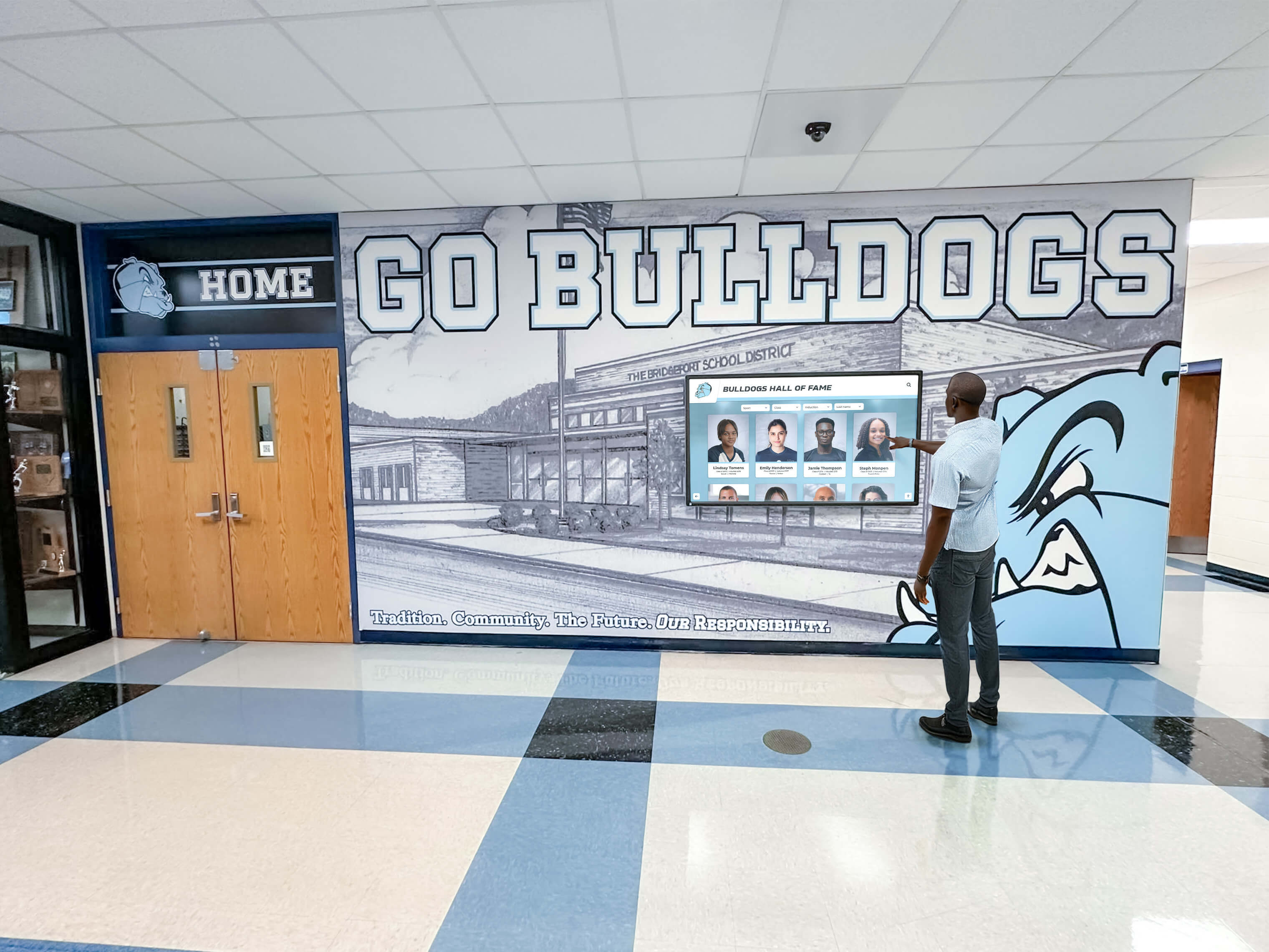
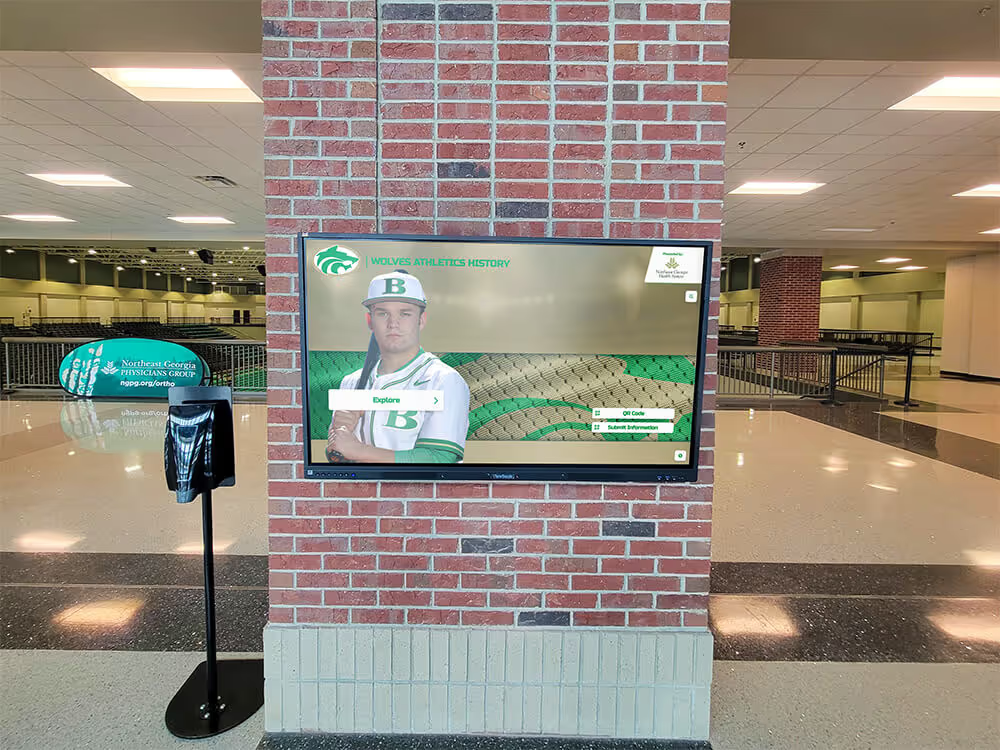
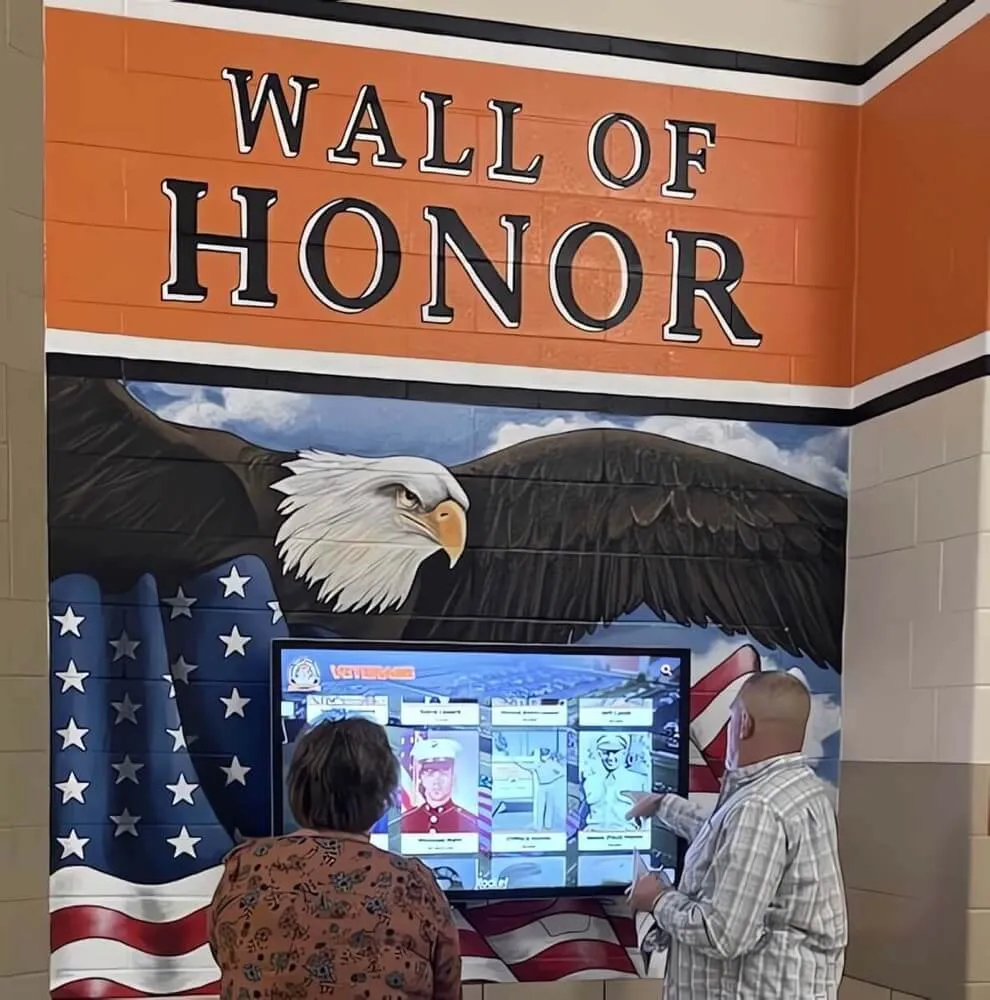
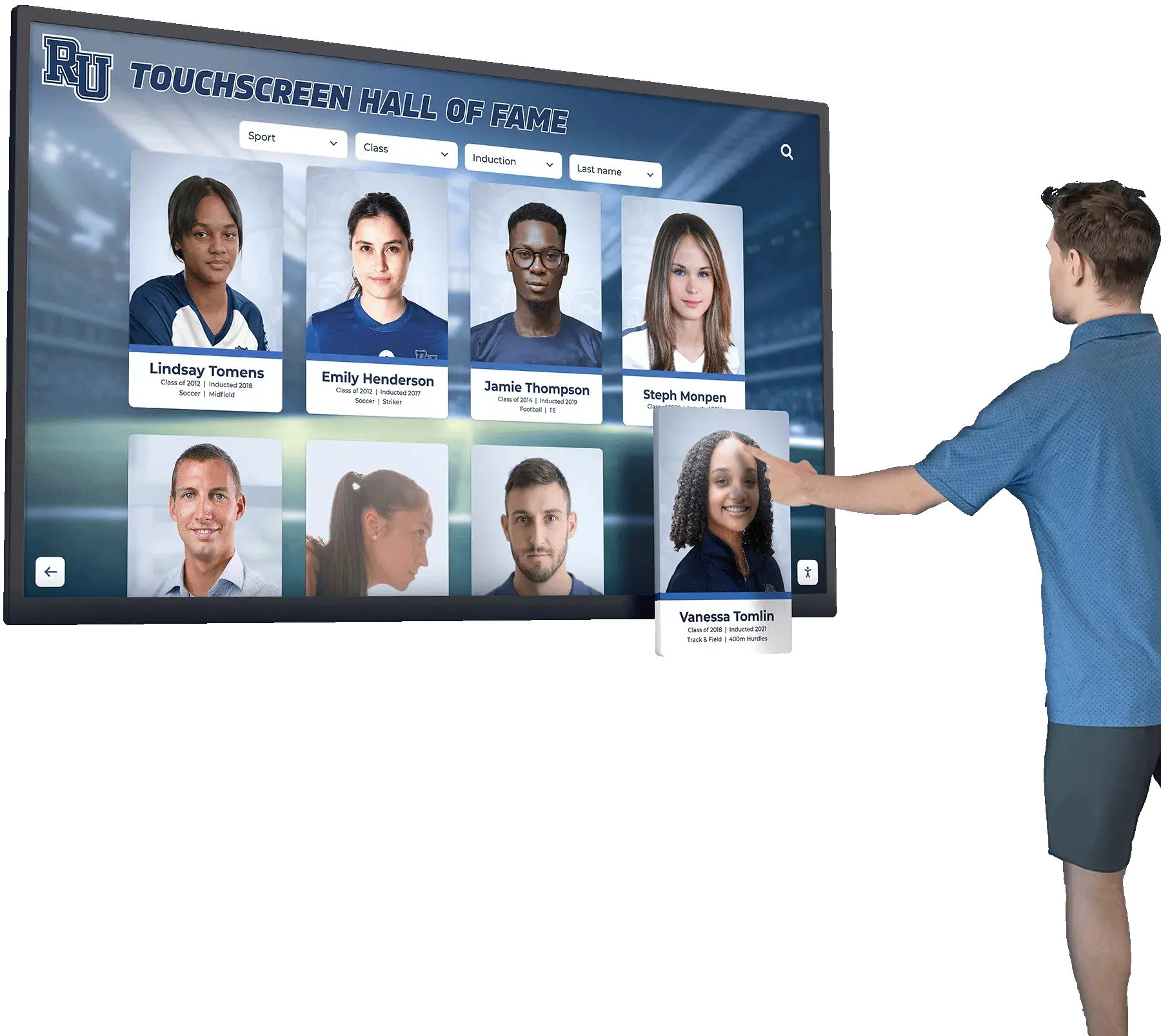
Digital recognition systems transform athletic facility hallways into engaging spaces celebrating program history while maintaining functional traffic flow and equipment access
Safety and Maintenance Considerations
Proper storage directly impacts safety and equipment longevity.
Safety Standards
Clear Pathways Accessible facilities prevent injuries:
- Minimum aisle widths ensuring safe movement even with multiple people accessing storage simultaneously
- Floor-level organization eliminating trip hazards from equipment left on floors
- Secure storage preventing equipment from falling from shelves or racks
- Emergency access maintaining clear paths to exits and emergency equipment
- Height restrictions storing heavy items at appropriate levels preventing overhead hazards
Programs maintaining clear storage pathways report 60-80% reductions in storage-area injuries compared to cluttered spaces where people trip over equipment or suffer injuries from falling objects.
Equipment Condition Storage impacts safety:
- Ventilation allowing protective gear to dry preventing bacterial growth creating health hazards
- Damage inspection during storage and retrieval identifying equipment needing replacement before failure creates injury risks
- Proper support preventing deformation that makes protective equipment ineffective
- Separation keeping incompatible items apart such as sharp equipment away from inflatable balls
- Secure mounting ensuring wall-mounted storage remains safely attached under equipment weight
Schools implementing proper equipment storage conditions report 30-50% reductions in equipment-related injuries through early identification of damage and maintaining gear in safe condition. Explore creative athletic team photo display ideas that complement organized storage facilities.
Maintenance Integration
Cleaning Stations Integrated maintenance improves longevity:
- Equipment cleaning areas with appropriate supplies for different gear types
- Drying racks for items requiring air circulation before storage
- Repair stations with basic tools for immediate maintenance preventing small problems from becoming major failures
- Inflation equipment maintaining proper pressure in balls and other inflatable equipment
- Sanitization supplies for protective gear, uniforms, and shared equipment
Athletic programs implementing integrated cleaning stations report 40-60% increases in equipment lifespan through regular maintenance that identifies problems early while keeping gear in better condition.
Inspection Protocols Systematic evaluation prevents failures:
- Pre-season inspections verifying all equipment remains safe and functional before practices begin
- Mid-season checks catching developing problems before complete failures disrupt programs
- Post-season evaluation documenting condition while identifying replacement needs for upcoming budget cycles
- Damage documentation creating records supporting budget requests and tracking equipment performance
- Replacement planning scheduling proactive purchases before equipment fails rather than emergency orders at premium prices
Schools implementing formal inspection protocols reduce emergency equipment purchases by 50-70% through planned replacement that allows competitive shopping rather than rushed orders accepting whatever suppliers have immediately available.
Technology Integration for Modern Athletic Programs
Digital solutions enhance traditional storage systems.
Digital Inventory Management
Equipment Tracking Software Technology simplifies management:
- Barcode or RFID systems enabling quick check-in and check-out without manual record-keeping
- Real-time inventory showing current quantities and locations across multiple storage areas
- Automated reordering triggering purchase requests when quantities fall below thresholds
- Usage tracking identifying which equipment needs frequent replacement versus items lasting years
- Budget planning through historical data showing actual replacement needs rather than guessing
Athletic departments implementing digital inventory report 60-80% time savings on inventory management while reducing losses by 40-60% through accurate tracking that prevents items from disappearing.
Integration Opportunities Connected systems create efficiency:
- Equipment check-out linked to team rosters ensuring accountability
- Maintenance reminders alerting staff when equipment requires scheduled servicing
- Budget tracking showing cumulative costs by sport, season, and equipment category
- Sharing coordination across multiple teams or facilities maximizing utilization
- Reporting capabilities for administrators needing program oversight without manual data collection
The same technology serving equipment management can extend recognition beyond storage areas. Modern digital display platforms showcase athletic achievements throughout facilities, celebrating current athletes while maintaining organized functional spaces that support program operations.
Digital Recognition in Athletic Facilities
While organized storage handles functional needs, contemporary athletic facilities also integrate technology celebrating achievements. Interactive touchscreen kiosks transform facility lobbies and hallways into engaging spaces showcasing athlete profiles, team histories, championship seasons, and record performances—creating professional environments that inspire current athletes while honoring program traditions.
These digital recognition systems solve the same space constraints affecting equipment storage. Just as proper storage organization accommodates growing equipment inventories without facility expansion, digital displays provide unlimited recognition capacity in spaces traditionally limited to displaying a few dozen plaques or trophies. Athletic directors can celebrate hundreds of athletes, teams, and achievements while maintaining clean, professional facility aesthetics that impress recruits, visiting teams, and community members.
Content management platforms enable athletic staff to update recognition displays as easily as updating websites—adding new achievements, correcting information, and maintaining current content without physical construction or signage replacement costs. The same staff members managing equipment inventory can maintain digital recognition systems, creating efficient operational integration that serves multiple facility management needs through unified technology platforms.
Budget-Friendly Storage Solutions
Effective organization doesn’t require extensive budgets.
Cost-Effective Strategies
Phased Implementation Gradual improvement remains affordable:
- Priority areas first focusing initial investment on highest-need or most-used storage zones
- Annual additions spreading costs across multiple budget cycles rather than requiring large one-time expenditures
- Sport-by-sport approach implementing systems as seasons end enabling focused improvements without disrupting active programs
- Grant funding for storage improvements supporting safety, efficiency, and program quality
- Booster club support for specific storage solutions benefiting programs they support
Schools implementing phased storage improvements report higher-quality results compared to comprehensive projects requiring budget compromises throughout entire facilities—patient approaches ultimately create superior systems.
DIY and Repurposing Creative solutions reduce costs:
- Repurposed commercial shelving from retail liquidations providing industrial-quality systems at fraction of retail prices
- PVC pipe storage creating custom ball racks, bat holders, and equipment organizers for minimal material costs
- Pegboard walls offering versatile storage at $30-50 per section compared to $200-500+ for commercial systems
- Painted organizational markings on floors and walls creating visual systems without expensive signage
- Student projects involving shop classes or service learning creating custom storage solutions while providing educational opportunities
Athletic programs implementing creative storage solutions report achieving 60-80% of commercial system effectiveness at 20-40% of commercial costs—creating meaningful improvements within constrained budgets. Consider how digital athletic information displays complement organized storage by communicating schedules, achievements, and program information throughout facilities.
Long-Term Value Considerations
Quality Investment Benefits Proper systems pay for themselves:
- Equipment longevity increasing 30-60% through proper storage preventing damage
- Reduced losses saving 20-40% annually through organized systems preventing misplaced items
- Time savings creating thousands of dollars in staff efficiency across full years
- Safety improvements reducing injury-related costs and liability
- Professional appearance supporting recruitment, fundraising, and community relations
Athletic directors implementing comprehensive storage systems typically achieve full cost recovery within 2-4 years through eliminated waste, reduced losses, extended equipment life, and operational efficiency—making storage organization one of the highest-return investments available to programs.
Seasonal Transition Management
Athletic programs operate year-round requiring smooth equipment transitions.
Rotation Systems
Seasonal Storage Protocols Systematic transitions maintain organization:
- End-of-season procedures for cleaning, inspecting, repairing, and properly storing equipment as programs conclude
- Off-season storage locations moving inactive equipment from prime storage to long-term areas
- Pre-season preparation retrieving seasonal equipment weeks before practices begin enabling inspection and repair
- Equipment maintenance windows during off-seasons performing necessary repairs and replacements
- Inventory verification confirming equipment quantities before and after seasons tracking losses and needs
Programs implementing formal seasonal transition protocols reduce first-week-of-practice chaos by 70-90% through advance preparation that ensures equipment readiness when practices begin rather than discovering problems after athletes arrive.
Multi-Sport Coordination Overlapping seasons require careful planning:
- Staggered transitions sequencing storage changes around practice schedules
- Temporary storage solutions during transition periods when multiple sports need simultaneous access
- Shared equipment management coordinating items serving multiple concurrent programs
- Communication systems ensuring coaching staff understands equipment availability and locations during transitions
- Flexibility accommodating schedule changes, extended playoff runs, and unexpected season overlaps
Athletic departments managing multi-sport transitions effectively report 50-70% reductions in equipment conflicts compared to programs without systematic coordination—creating smoother operations benefiting all programs simultaneously.
Training Staff and Maintaining Systems
Even excellent storage systems fail without proper training and maintenance.
Staff Education
Usage Training Everyone must understand systems:
- Coaching staff orientation teaching equipment locations, check-out procedures, and maintenance expectations
- Assistant and volunteer training enabling broader staff to maintain organization
- Student-athlete responsibilities for returning practice equipment to proper locations
- Periodic refreshers reinforcing expectations as staff changes and students graduate
- Documentation providing reference materials supporting consistent implementation
Programs providing comprehensive training report 60-80% better system adherence compared to assuming staff will figure out organizational approaches independently—formal training creates buy-in while preventing organizational drift.
System Maintenance
Ongoing Organization Storage requires active management:
- Daily reset protocols returning storage to organized state after practices and competitions
- Weekly inspections identifying organizational problems before they become chaos
- Monthly deep organization addressing gradual entropy that occurs even in good systems
- Annual evaluations assessing whether storage systems still match program needs or require adjustments
- Responsibility assignments ensuring specific staff members own maintenance rather than assuming someone else handles it
Athletic programs maintaining active organizational management report systems remaining effective 80-95% as effective as initial implementation compared to passive approaches where organization degrades 40-60% within first year without maintenance.
Implementing Your Storage Transformation
Successful implementation requires systematic approaches.
Planning Process
Assessment and Goal-Setting Foundation determines success:
- Conduct thorough inventory documenting all equipment requiring storage
- Evaluate current systems identifying what works versus what creates problems
- Define specific goals such as reducing equipment retrieval time by 50% or eliminating floor-level storage hazards
- Identify constraints including budget limits, space restrictions, and timeline requirements
- Research solutions exploring what other similar programs have implemented successfully
Athletic directors investing 10-15 hours in thorough planning report 60-80% better outcomes compared to immediately purchasing storage solutions without comprehensive assessment—planning prevents expensive mistakes while identifying optimal approaches for specific situations.
Implementation Timeline Realistic scheduling prevents disruption:
- Off-season implementation avoiding active program disruption
- Phased approach completing projects in sections rather than attempting comprehensive transformations simultaneously
- Buffer time for unexpected challenges and adjustments
- Stakeholder communication informing coaching staff about timelines and temporary access changes
- Flexibility accommodating schedule changes when implementation encounters problems
Schools allowing adequate implementation time report 50-70% higher satisfaction with results compared to rushed projects where time pressure forces compromises reducing effectiveness.
Transform Your Athletic Facility with Modern Recognition Systems
While organized equipment storage handles your program’s functional needs, contemporary athletic facilities also deserve recognition systems that celebrate achievements as effectively as your storage organizes gear. Rocket Alumni Solutions provides interactive touchscreen displays that transform facility lobbies and hallways into engaging spaces showcasing athlete profiles, team histories, championship seasons, and record performances.
Our digital recognition platforms provide unlimited capacity displaying hundreds of athletes, teams, and achievements in spaces traditionally limited to a few dozen plaques. Intuitive content management enables athletic staff to maintain current displays as easily as managing equipment inventory—updating information, adding achievements, and celebrating current athletes through the same efficient technology approach that makes modern equipment management successful.
Discover how digital recognition systems complement your organized athletic facility. Contact us today to explore solutions that celebrate your program’s excellence while maintaining the professional, organized environment your athletes deserve.
Conclusion
Effective sports equipment storage transforms athletic program operations through systems that protect gear investments, improve safety, increase efficiency, and create professional environments serving student-athletes effectively. The best storage approaches balance immediate needs with long-term flexibility, accommodate budget constraints while delivering meaningful improvements, and maintain organization through systematic protocols preventing gradual degradation.
Implementation success depends on thorough assessment identifying specific needs, thoughtful planning matching solutions to situations, realistic timelines preventing disruption, comprehensive training creating staff buy-in, and ongoing maintenance sustaining organization across years. Athletic directors investing in proper storage systems typically achieve full cost recovery within 2-4 years through reduced losses, extended equipment life, operational efficiency, and improved safety—making storage organization one of the highest-return investments available to athletic programs.
Whether managing single-sport specialization or comprehensive athletic departments serving hundreds of student-athletes across multiple seasons, the storage strategies outlined in this guide provide frameworks for creating systems serving programs effectively for decades. Start with thorough inventory and honest assessment, implement solutions addressing your highest-priority needs first, and build systematically toward comprehensive organization that elevates your entire athletic program operation.