Sports banquet program templates determine what gets preserved—and what disappears. A well-structured printed program documents every award recipient, sponsor contributor, season record, and coaching acknowledgment in a format families keep and archives reference years later. A poorly structured one becomes a single-use decoration that ends up in the recycling bin before the dessert course. Athletic directors, coaches, and advancement staff who treat the banquet program as a documentation tool rather than just an evening guide create lasting value that extends into yearbooks, digital recognition walls, alumni records, and community displays long after the season ends.
This guide provides a complete section-by-section sports banquet program template built around the information that schools most frequently need to retrieve, archive, and display—from award recipients and sponsor tiers to season records and senior profiles. Whether you’re building your first program or refining a template that has served your program for years, these frameworks help you capture the right data in the right format from the start.
The printed program distributed at a sports banquet functions as a primary source document. Unlike trophy engravings that capture names and years but little else, or ceremony remarks that fade from memory, the program creates a structured record that yearbook staff can scan, archivists can file, and communications teams can reference when building digital recognition displays. Treating it that way from the outset—planning every section deliberately—changes both what you include and how you format it.

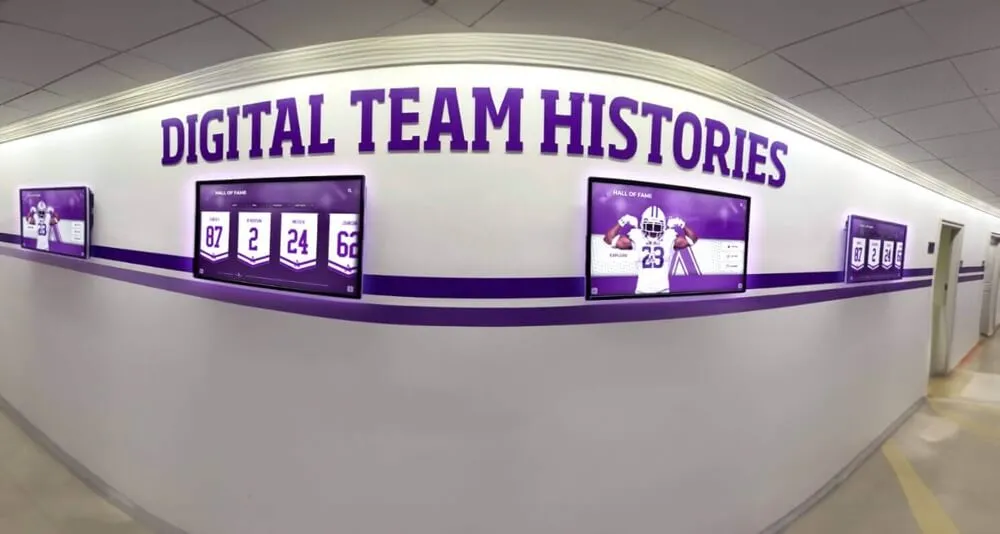
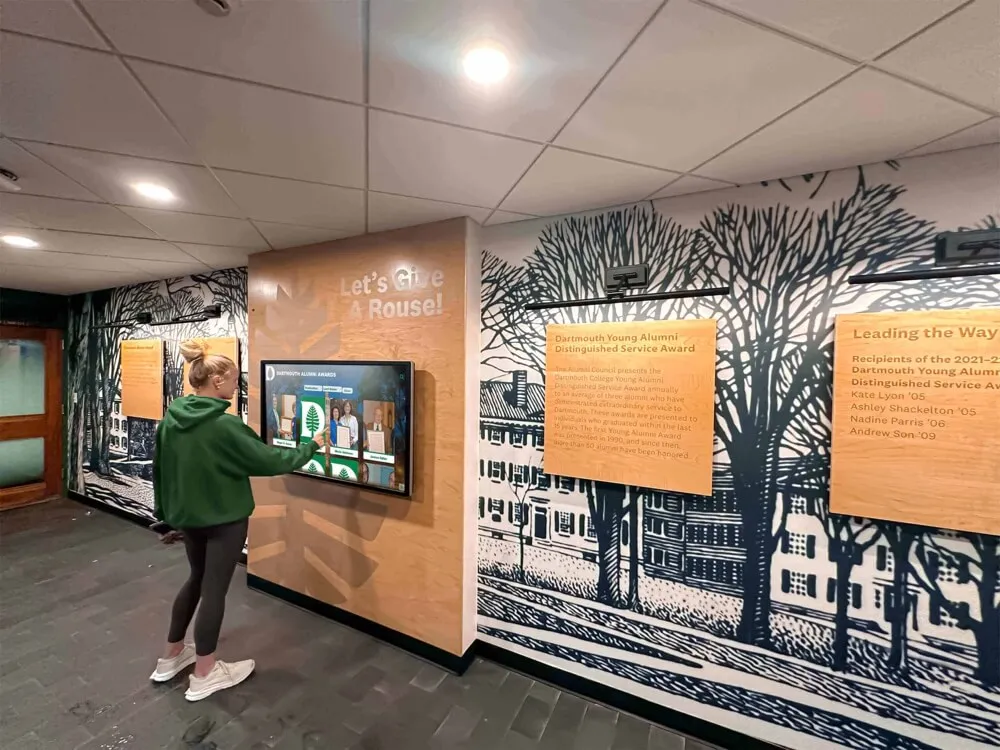
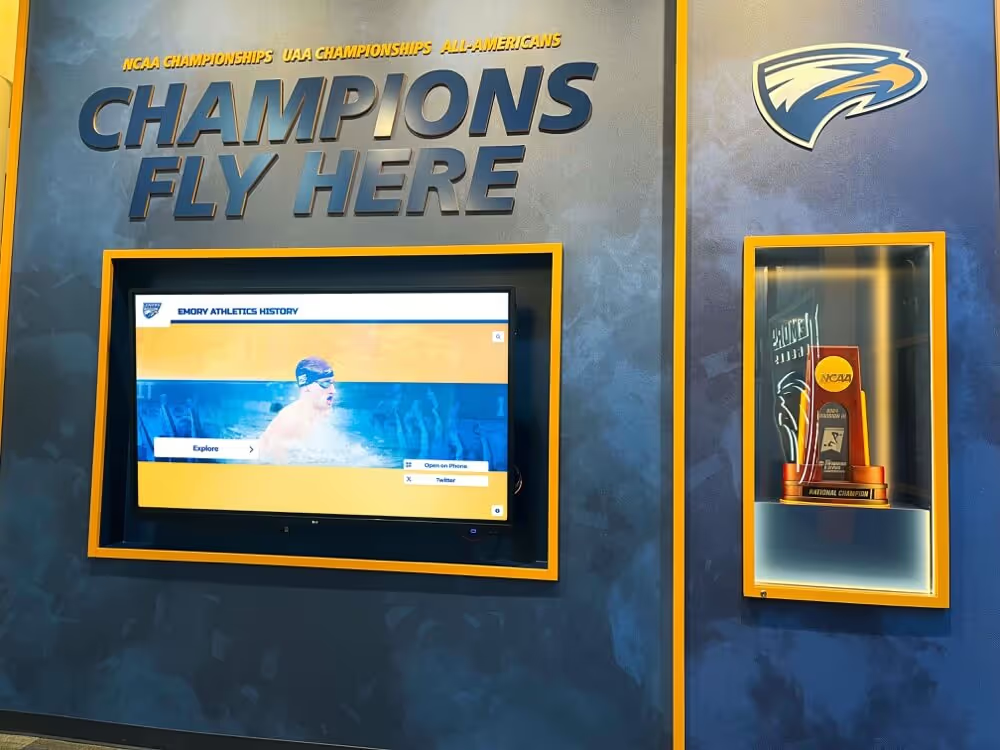
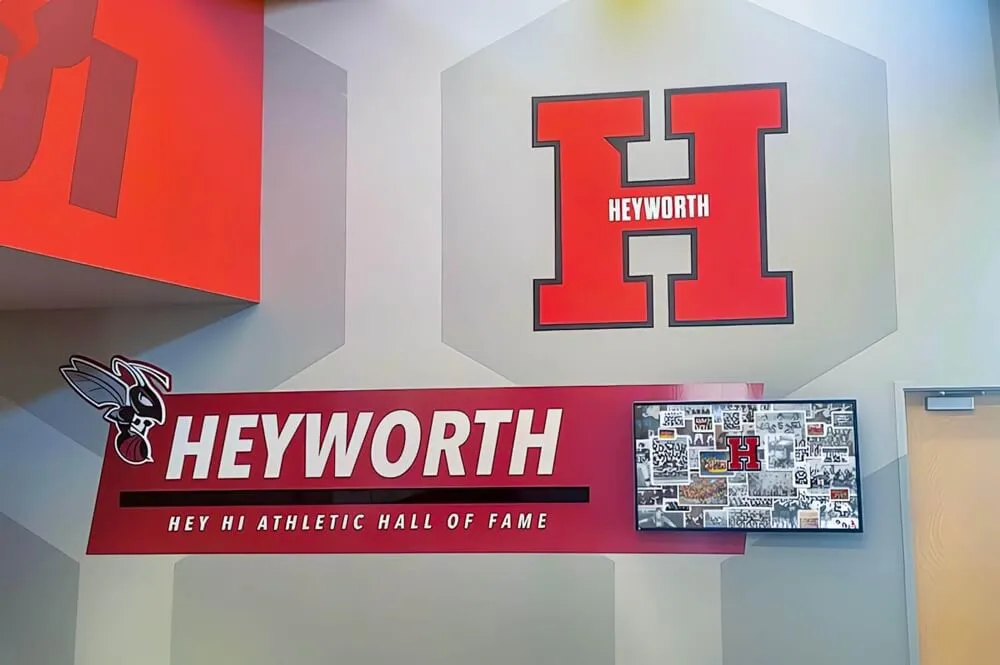
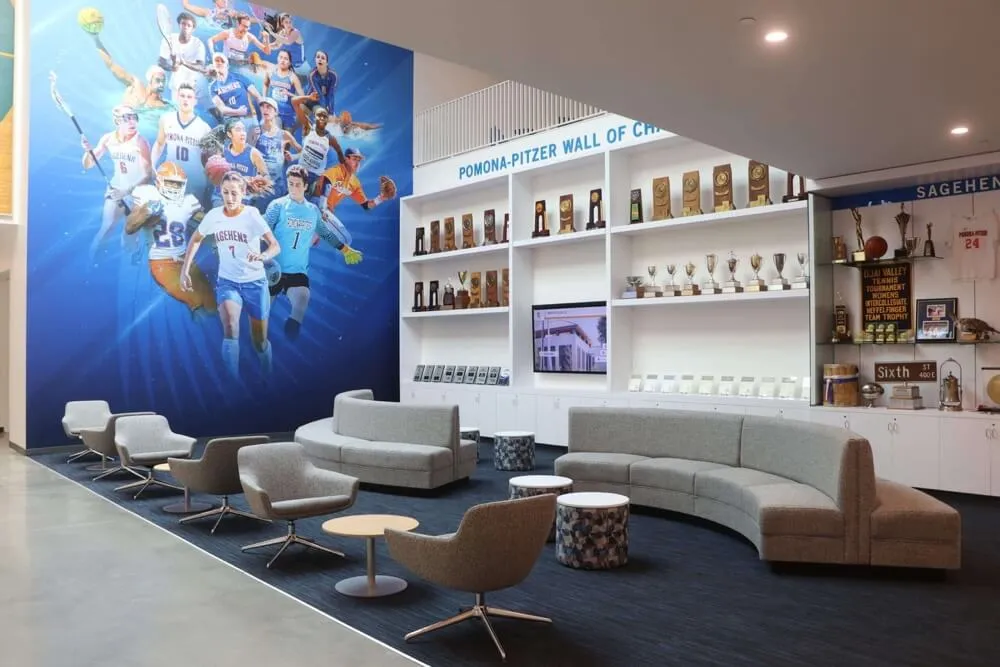
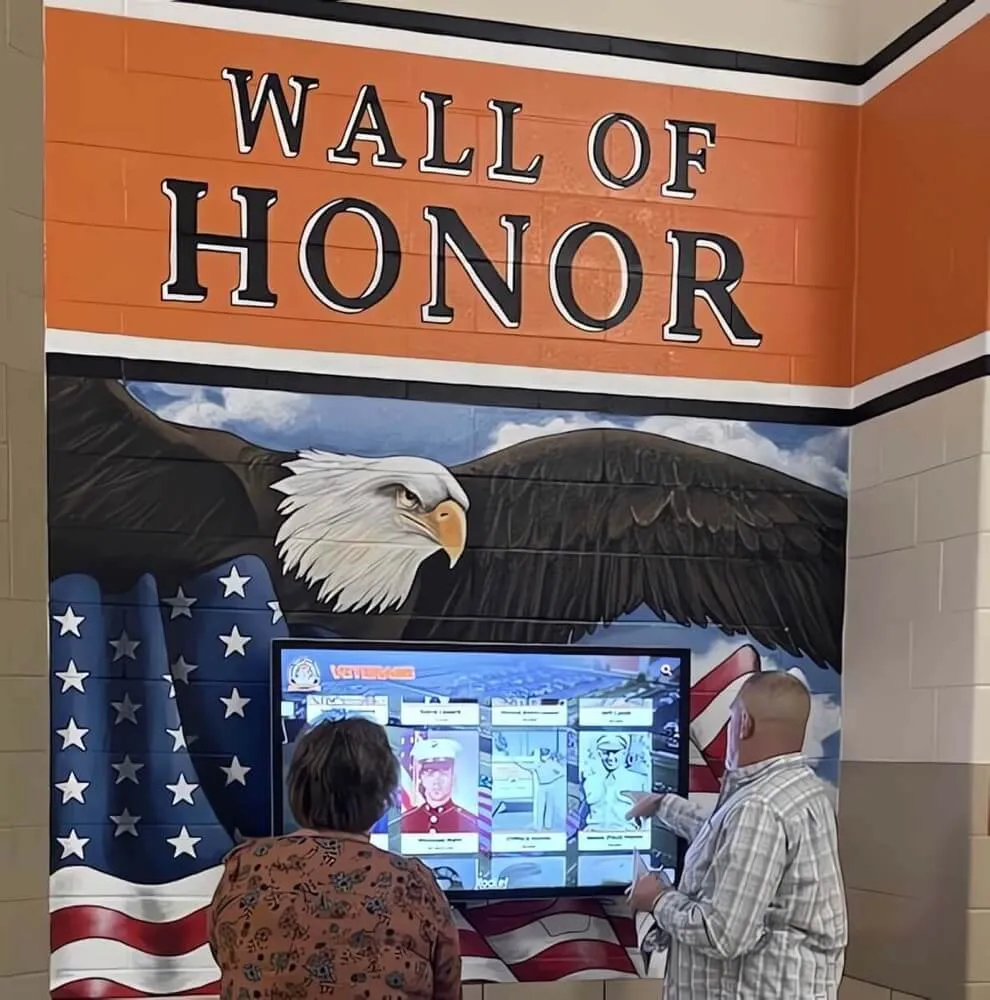
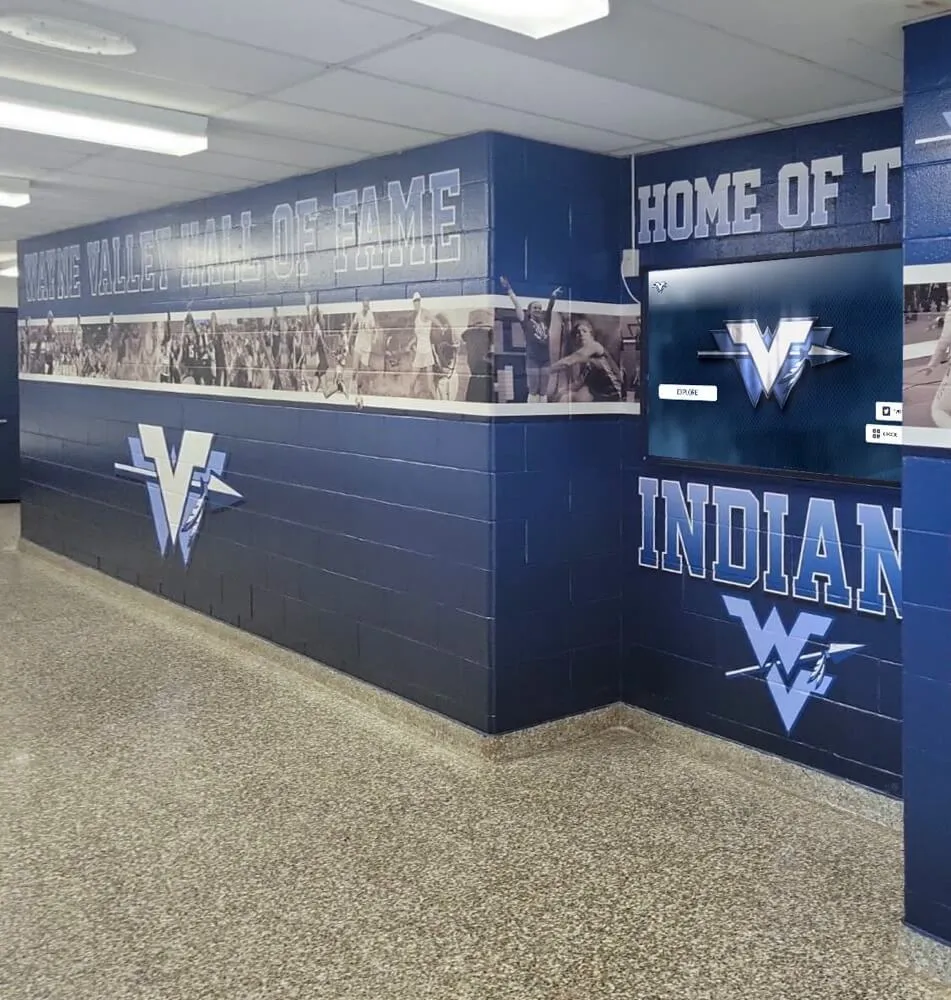
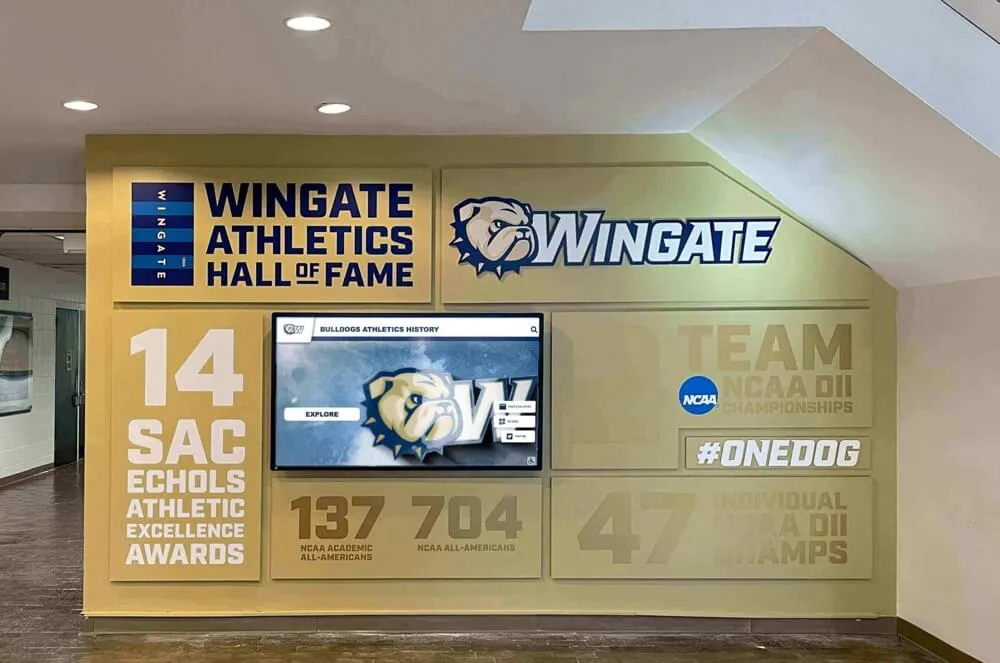
Banquet programs that document awards systematically feed directly into permanent recognition walls and trophy displays like this one
Why Program Structure Matters Beyond the Night
Most banquet programs are designed backward—starting with what will fill the pages rather than what information needs to be captured. The result is programs that look polished but omit the specifics that matter: full legal names for award plaques, sponsor tier breakdowns for future solicitation, complete game-by-game records for historical archives, or senior profile details that yearbook editors need.
A structured sports banquet program template ensures that before design begins, every data field is accounted for. Staff confirm which awards will be presented and who will receive them. Sponsors submit their logos and preferred recognition wording. Coaching staff review roster spellings. Records are verified against official scorebooks. This pre-production discipline produces a document that functions as both a ceremony guide and a permanent reference.
Programs that serve as reliable source documents share several characteristics:
- Consistent name formatting — first and last name, jersey number, graduation year, and sport position appear together on every athlete listing
- Structured award sections — each award includes a name, criteria description, and recipient rather than just a winner’s name
- Tiered sponsor documentation — sponsor recognition reflects actual contribution levels with consistent formatting that matches your program’s sponsorship agreement language
- Verifiable records — season statistics, win-loss records, and milestones cite the metric and value clearly so archives remain accurate
Section-by-Section Sports Banquet Program Template
The following template covers every section most athletic programs require. Each section includes what to include, why it matters for long-term use, and notes on formatting for archive compatibility.
1. Cover Page
What to include: School name, mascot, sport name, season year (e.g., 2025–2026), banquet date, venue, and school logo or team photo.
Archive value: The cover establishes the document’s identity in archives. Programs filed without cover identification become difficult to sort. Season year should appear as a full academic year range rather than a single calendar year to eliminate ambiguity.
Formatting note: Avoid decorative fonts that reduce readability when scanned. Program covers often become digital image thumbnails in yearbook archives—legibility at small sizes matters.
2. Welcome Message
What to include: A brief message from the athletic director, head coach, or principal. Include the author’s full name and title beneath the message.
Archive value: Coaching staff and administrative leadership change over time. Attribution anchors the welcome message to a specific person and role, which matters for historical context when the program is referenced years later.
Formatting note: Keep this section to one page or less. A brief, sincere message reads better than a lengthy address—and leaves more program space for the recognition content that families actually reference again.
3. Season Overview and Team Photo
What to include: Final win-loss record, key season milestones (conference titles, tournament placements, record-breaking performances), a team photo with a caption identifying all athletes by name and position, and the season schedule with opponent names and final scores.
Archive value: This section functions as the official season record for school archives. Yearbook editors, athletics department historians, and digital recognition platforms all reference this data when building historical profiles. Track and field programs and other sports with complex multi-event records benefit especially from including individual performance bests alongside team results.
Formatting note: List athletes in the team photo caption consistently—either by row from left to right or alphabetically by last name. Inconsistent captioning is the most common cause of misidentified athletes in archive photos.
4. Coaching Staff and Support Personnel
What to include: Head coach and all assistant coaches with full names and roles. Include team managers, athletic trainers, statisticians, and parent volunteers who served in formal capacities.
Archive value: Support personnel are frequently omitted from athletic records but often contribute decades of service to programs. Including them in the official banquet program creates a record that hall of fame committees, alumni relations staff, and advancement teams can reference when building tribute profiles.
Formatting note: List title before name (Head Coach: Jane Smith) to support search and sorting in digital archives.

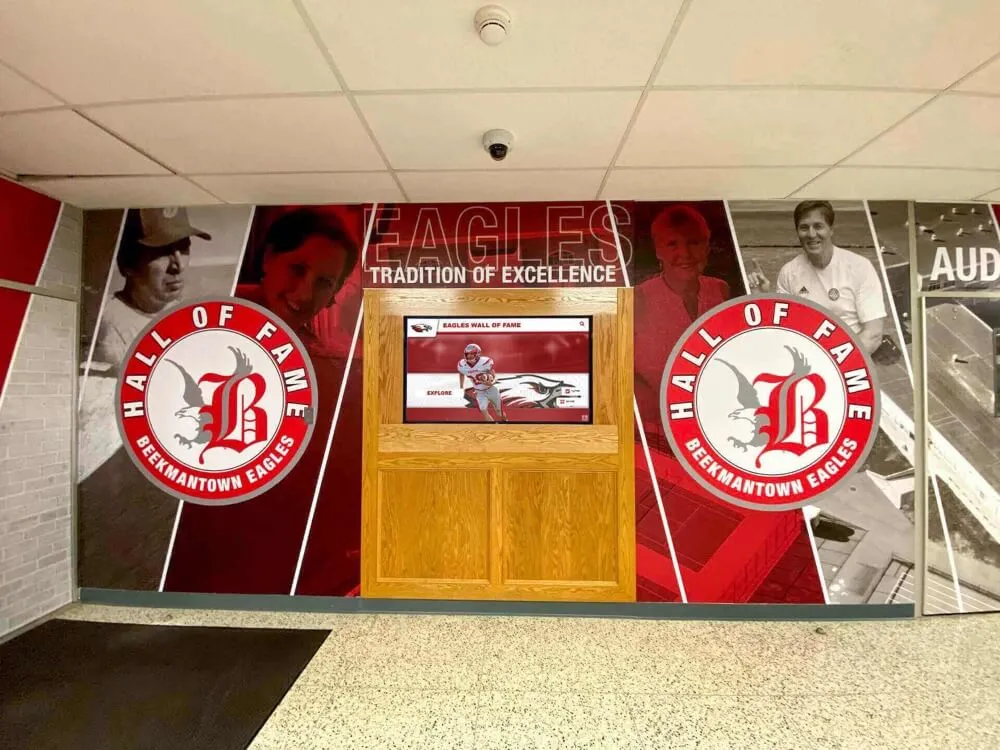
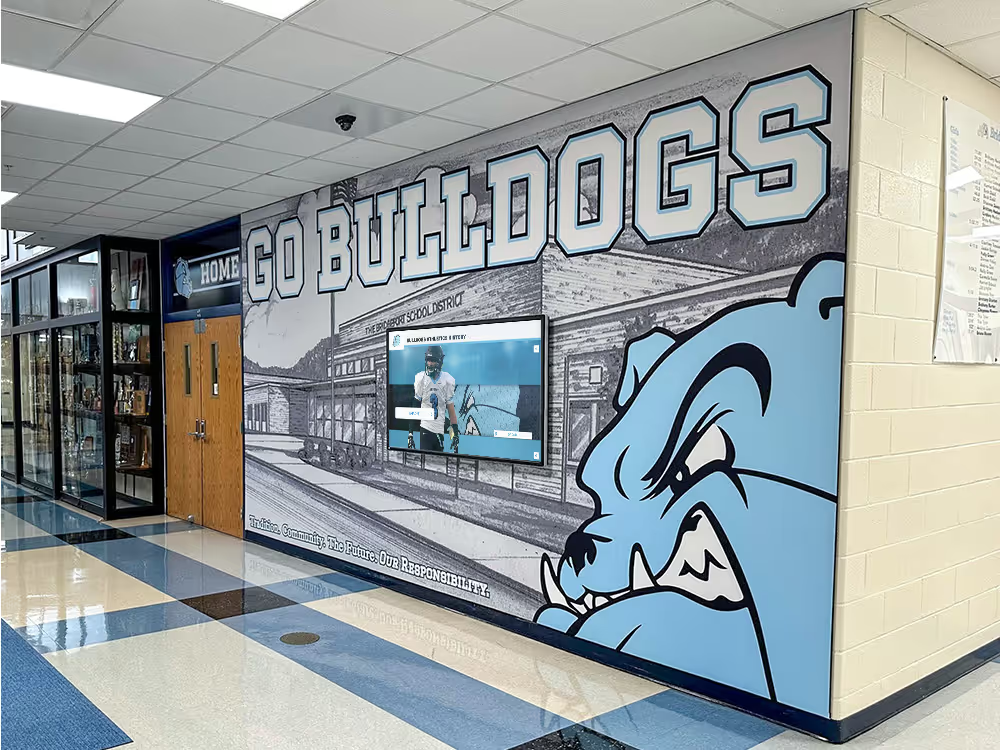
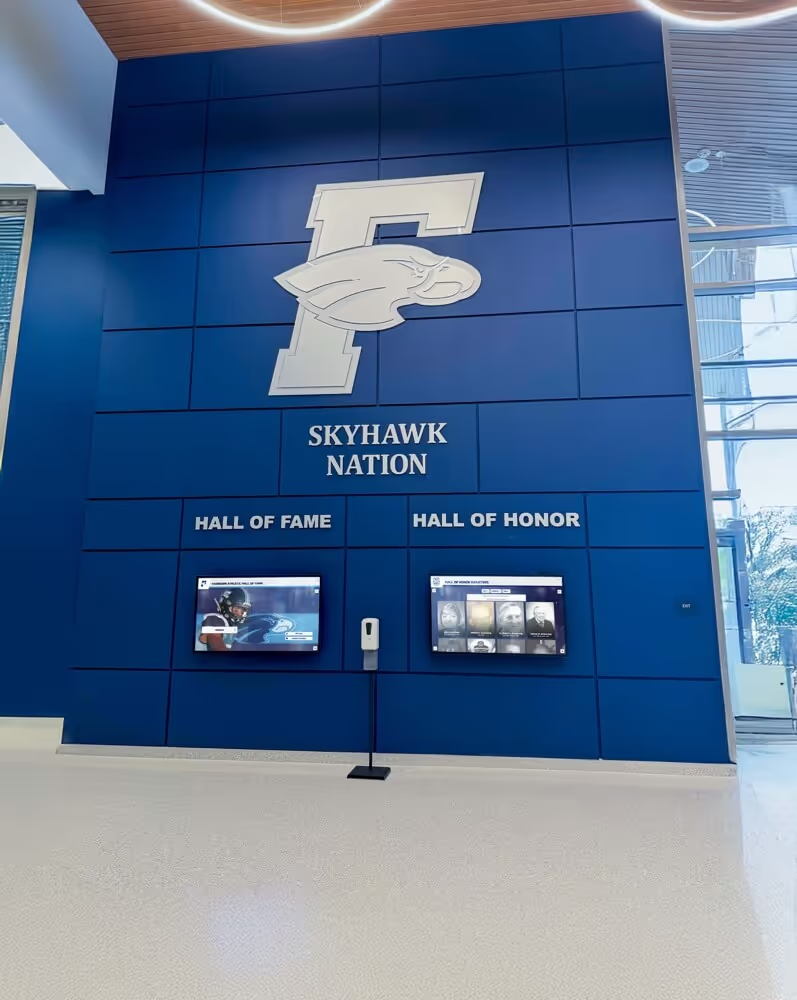
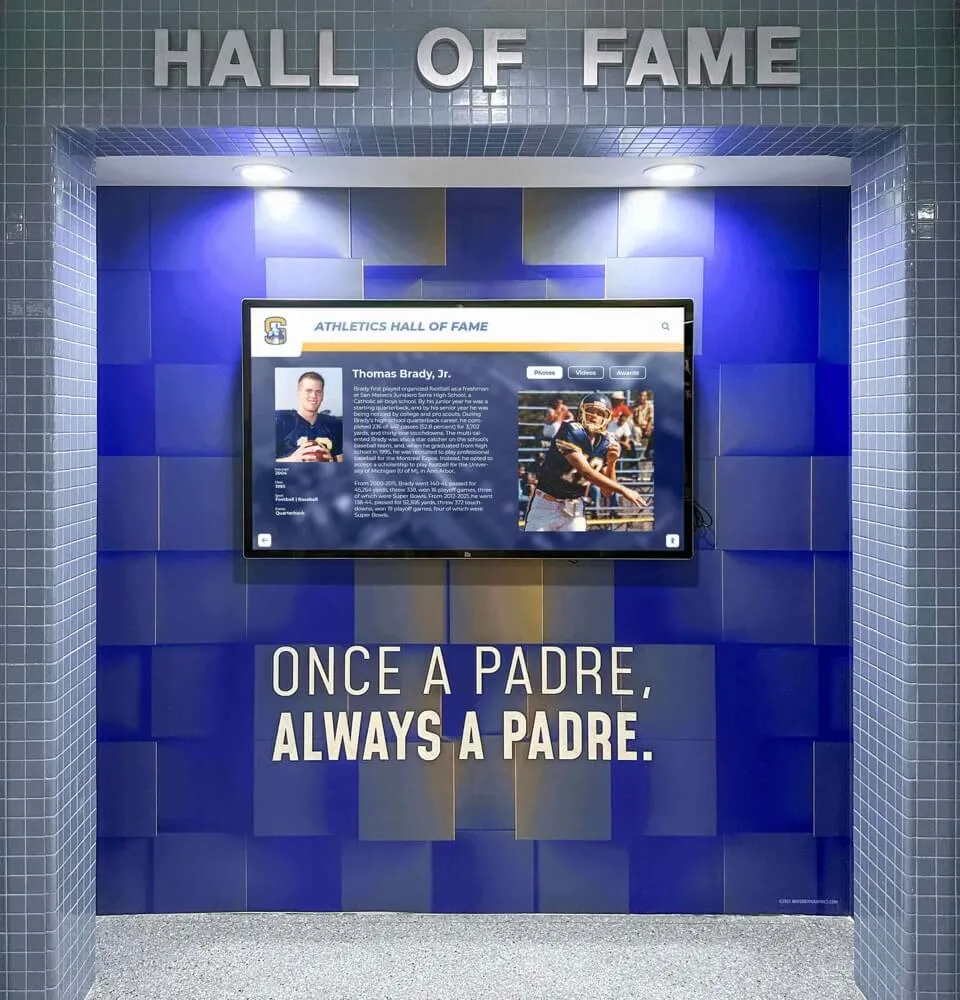
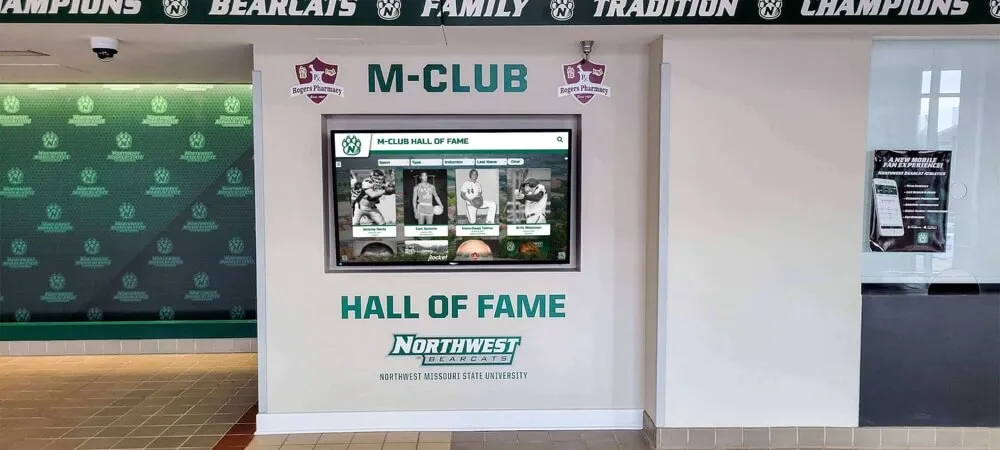
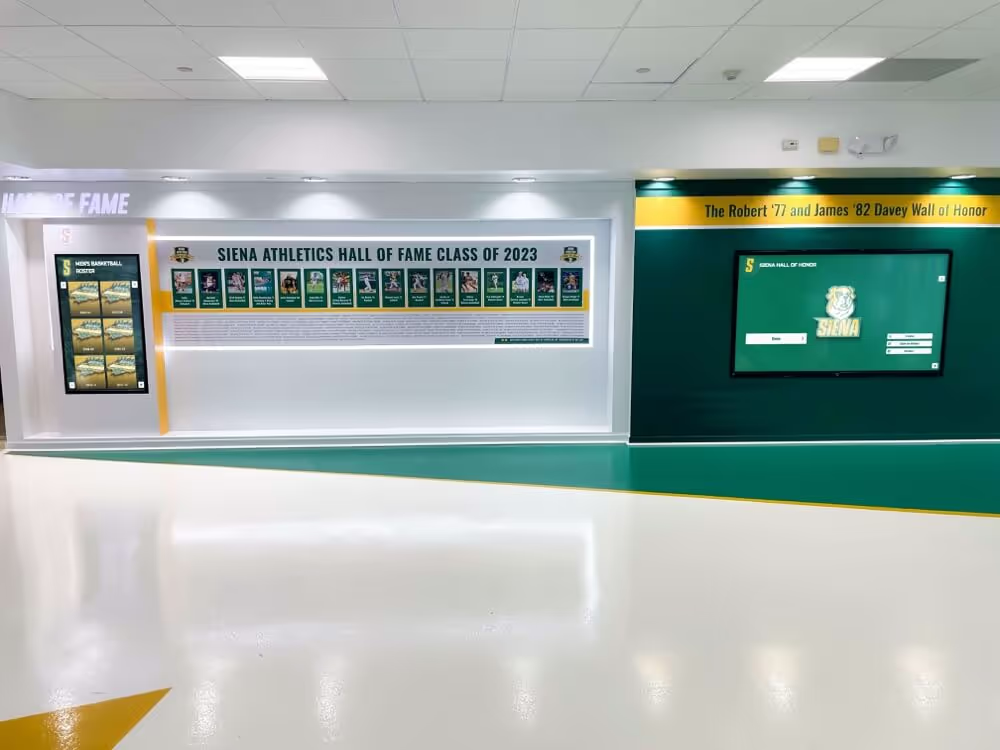
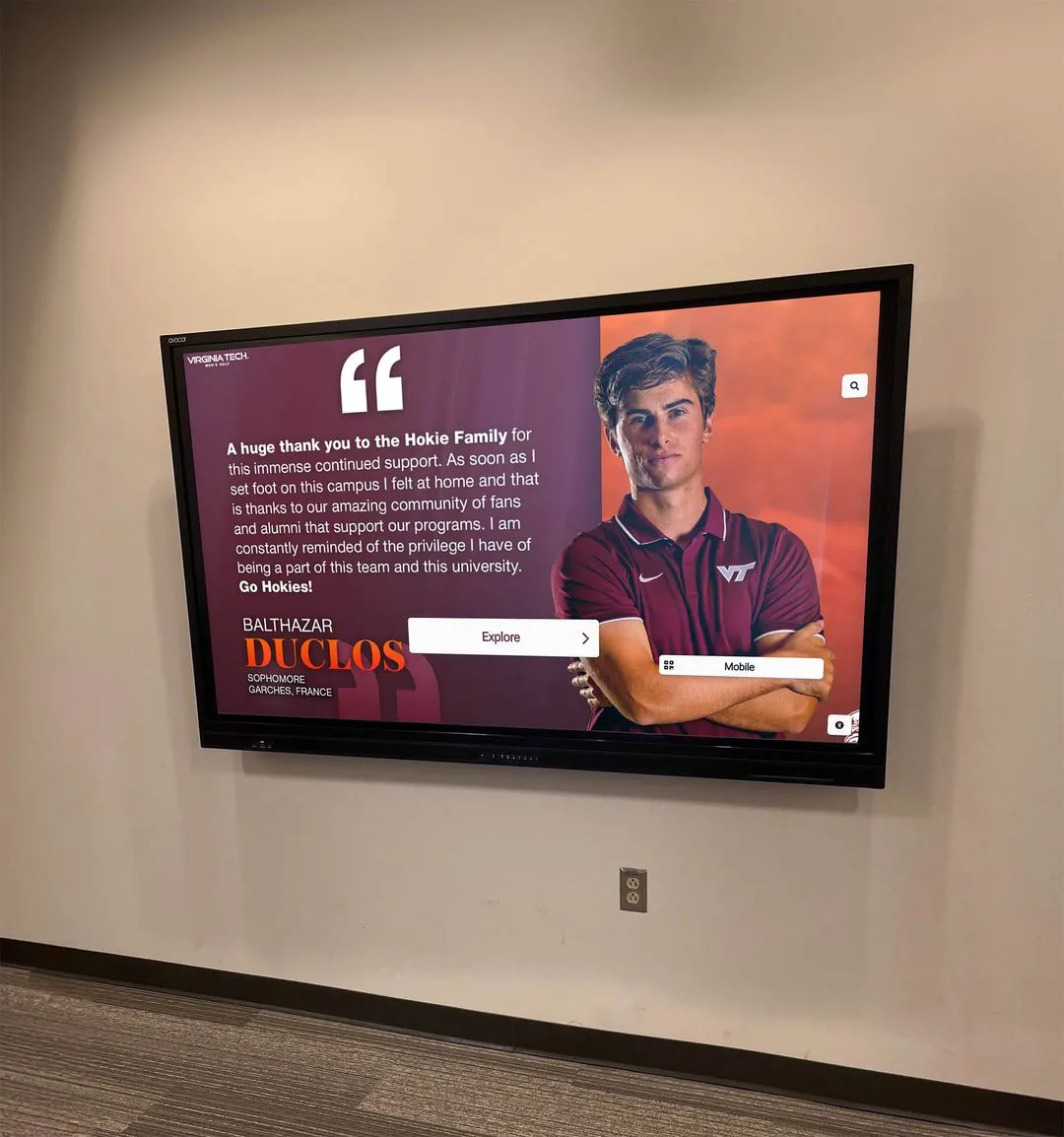
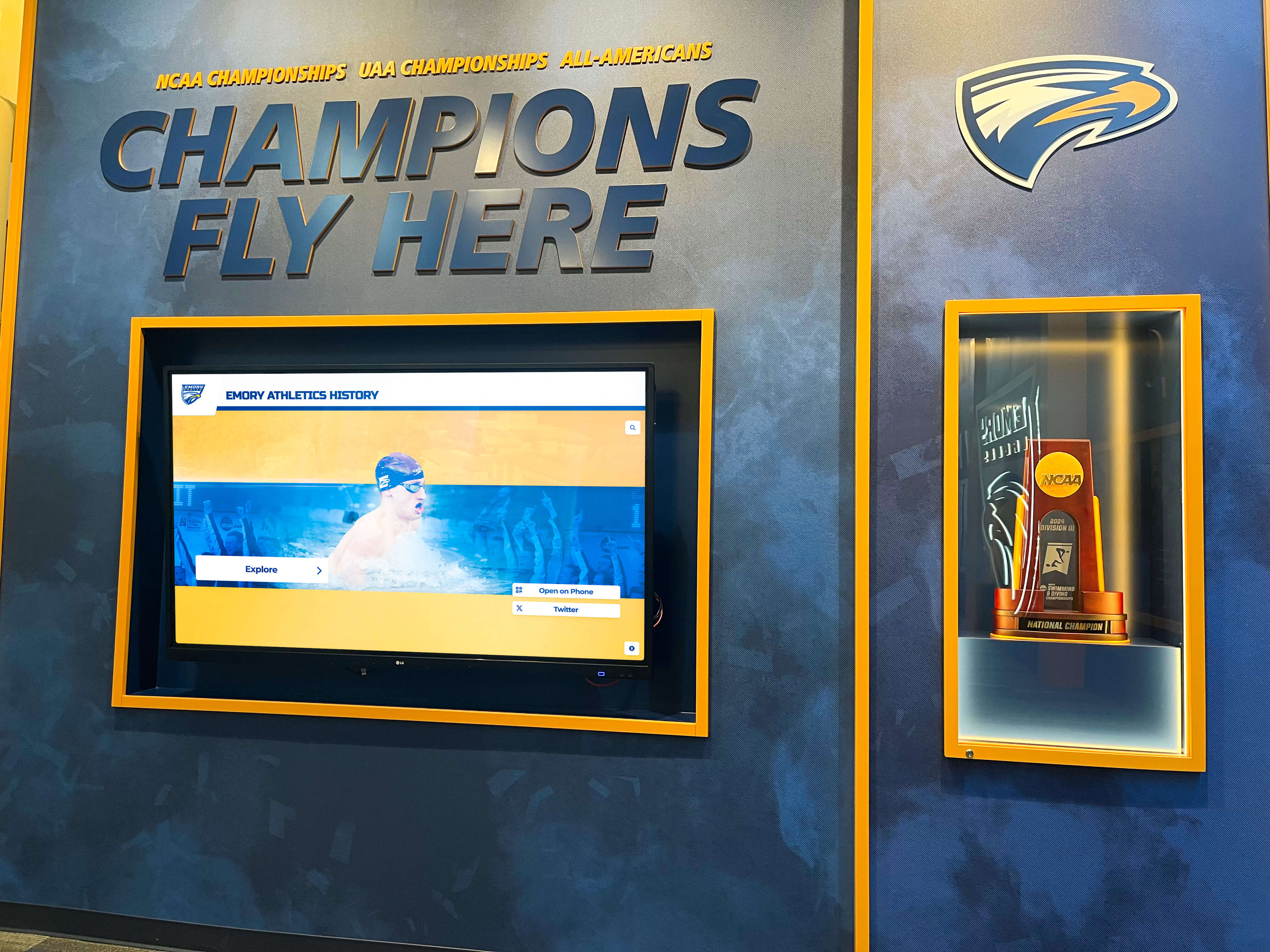
Digital recognition systems pull directly from structured banquet program records to display coaches, award recipients, and team histories
5. Complete Roster
What to include: Every athlete who participated in the program during the season, regardless of playing time. Include full name, jersey number, grade level, position, and hometown.
Archive value: Rosters are the most-referenced section of banquet programs in archives. Former athletes searching for their own records, parents documenting their children’s participation, and alumni relations staff building engagement lists all depend on complete, accurately formatted rosters. Team handbook and roster documentation practices designed for multi-year retrieval apply directly here.
Formatting note: Alphabetical by last name is standard for scanning and database entry. Include a jersey number column—numeric order matters for some display applications.
6. Individual Awards
What to include: Each award should receive its own entry with: award name, a one- to two-sentence description of the award criteria, and the recipient’s full name, jersey number, and graduation year.
Archive value: Award names without criteria descriptions become meaningless over time. “Most Valuable Player” is self-explanatory. “The Coach’s Award” is not—unless the program explains that it recognizes the athlete who best exemplifies team-first values. Future hall of fame committees, yearbook editors, and digital display managers rely on criteria descriptions to represent awards accurately.
For creative and non-standard award categories, teams often benefit from expanding recognition beyond traditional categories to capture contribution types that standard awards miss. Documenting those expanded categories in the program makes the innovation permanent rather than a one-year experiment.
Formatting note: Use a consistent layout for every award—name in bold, criteria in regular weight, recipient in a distinct visual treatment. This makes the section scannable for archive entry and visually coherent for families reading the program at the table.
7. All-Conference, All-District, and All-State Honorees
What to include: Every athlete receiving external recognition from governing bodies, conferences, or state associations. Include the designation (First Team, Second Team, Honorable Mention), the awarding body, and the season year.
Archive value: External awards from recognized governing bodies carry weight in college applications, scholarship materials, and hall of fame nominations. This section should be formatted identically to individual awards—name, designation, awarding body, year—so it can be entered directly into record systems.
8. Team Records and Season Milestones
What to include: New team records set during the season (wins in a season, points scored, consecutive games, etc.), individual records broken or equaled, and notable milestones like senior career totals.
Archive value: Records sections that simply state “New school record: 24 wins” create ambiguity when the previous record is unknown. Include the old record, the new record, and the date it was set. That level of documentation is what distinguishes programs that serve as actual archives from those that serve only as ceremony keepsakes.
9. Senior Recognition
What to include: A dedicated section for graduating seniors with each athlete’s full name, years of participation in the sport, career statistics or achievements, and a brief profile (50–100 words) recognizing their contribution to the program.
Archive value: Senior profiles in banquet programs frequently serve as the primary source for yearbook senior sports features, alumni newsletters, and digital recognition platforms. Comprehensive sports banquet recognition programs consistently include senior-specific sections because that cohort represents the transition moment that most clearly marks program history.
Formatting note: Request headshot photos from senior athletes in advance and include them with profiles. Programs with senior headshots are significantly more useful to yearbook editors and digital display managers than text-only sections.
10. Sponsor Recognition
What to include: All program sponsors organized by contribution tier. Include sponsor name, logo, and a brief acknowledgment phrase that matches the tier language in your sponsorship agreement.
Archive value: Sponsor sections in banquet programs are the primary document athletic departments use when building annual re-solicitation lists. A program that lists only logos without tier information requires staff to reconstruct contribution levels from memory or financial records. Banquet programs that structure sponsor tiers clearly make future seasons easier to plan and fund.
Formatting note: Platinum/Gold/Silver/Bronze tier labeling is standard and widely understood. Custom tier naming (e.g., “Champion Sponsors”) can be used but should appear consistently across all materials—program, social media, and thank-you correspondence.
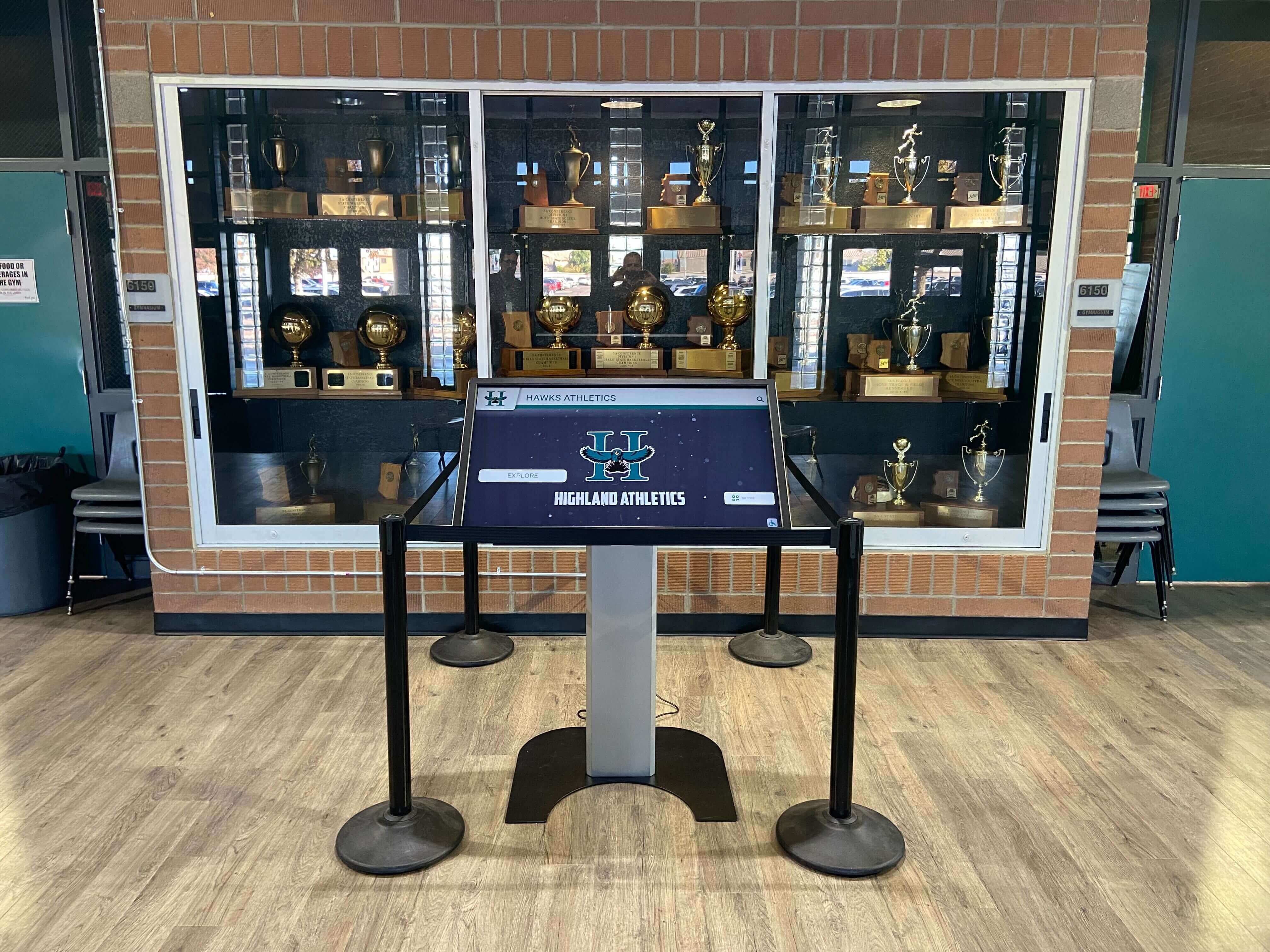
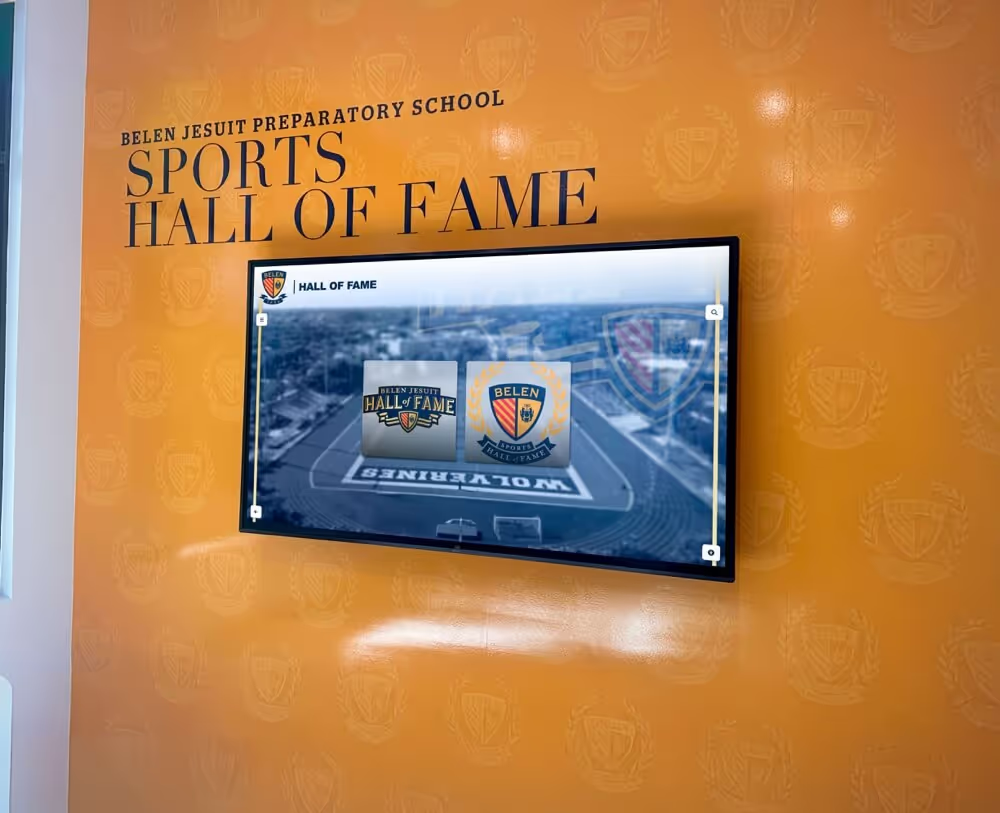
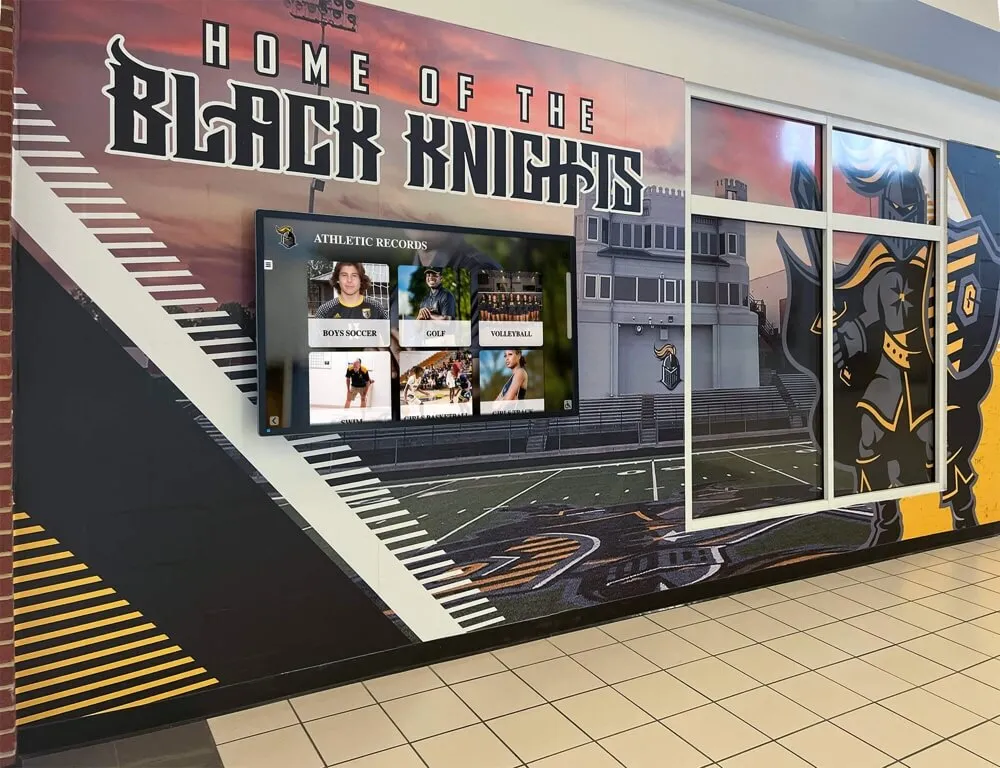
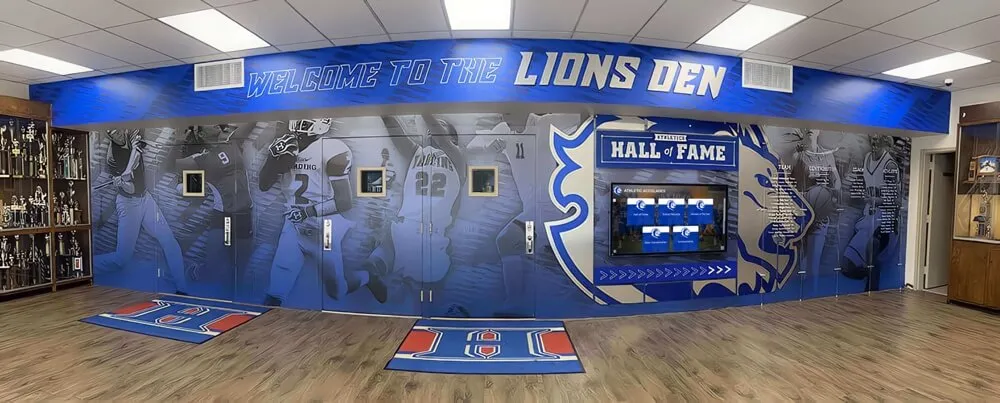
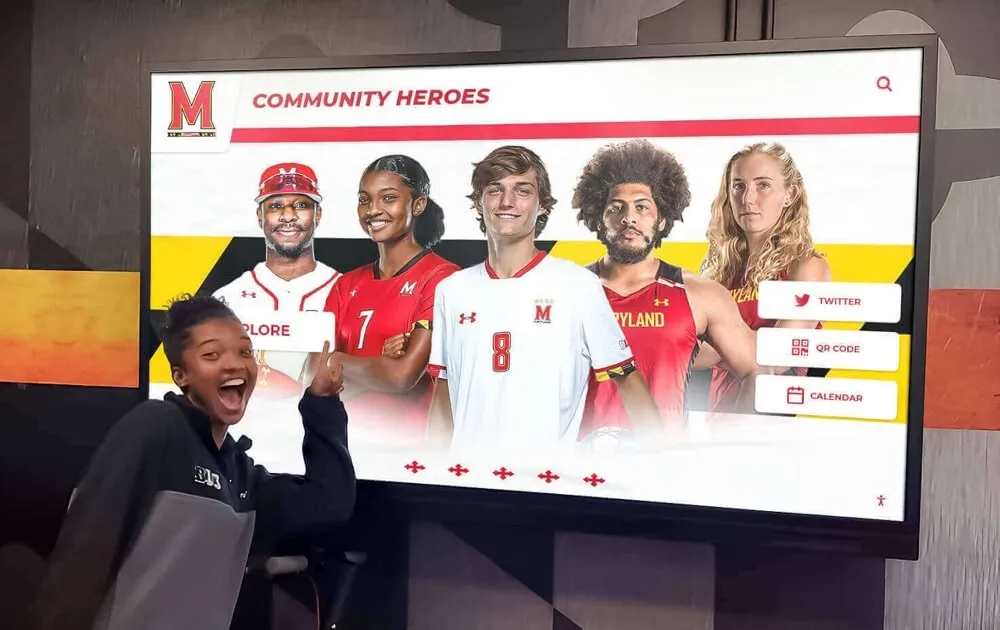
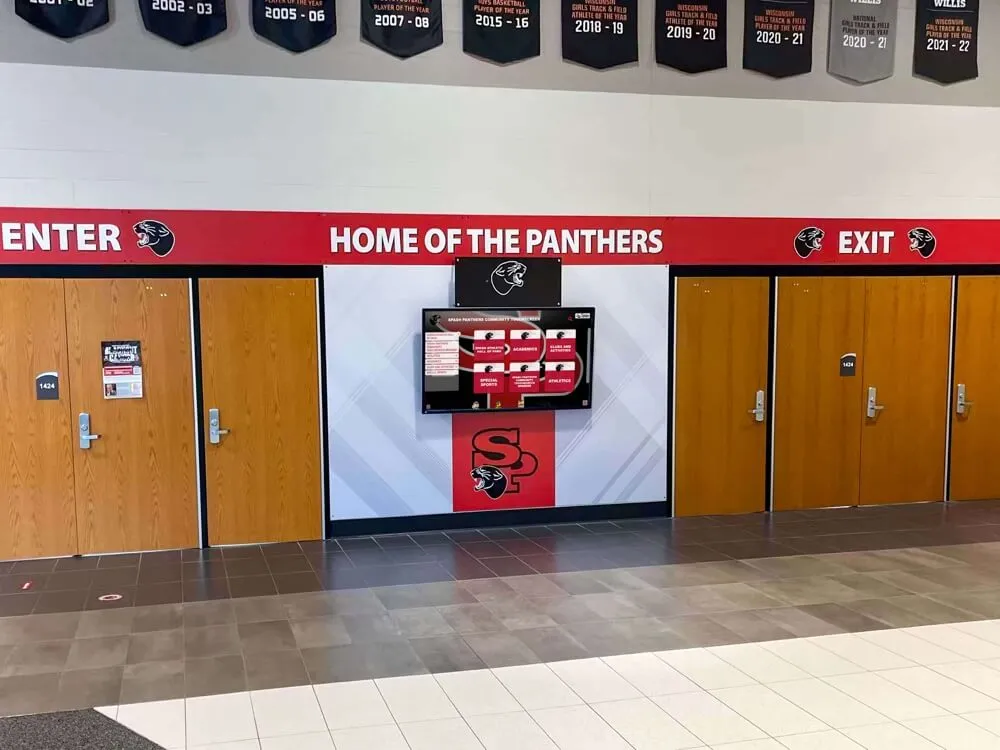
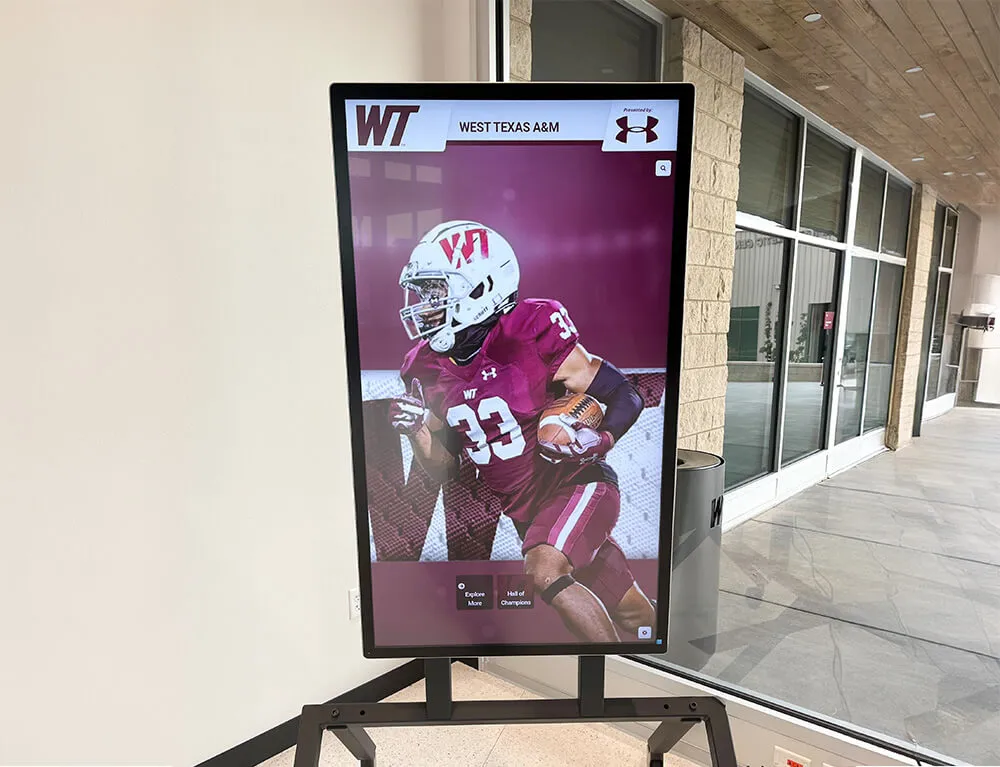
Physical programs and digital trophy cases work together—the program provides the structured data that recognition technology displays permanently
11. Special Tributes and Hall of Fame Inductees
What to include: Any coaches, staff, alumni, or community members being honored at the banquet with a formal tribute. For programs that induct hall of fame members at banquets, include inductee name, sport, years of participation, career highlights, and the induction year.
Archive value: Tributes and hall of fame sections in banquet programs often become the only complete written record of an inductee’s connection to the program. These entries feed directly into permanent recognition displays and serve as source material for future ceremony remarks.
12. Looking Ahead
What to include: A brief statement about the upcoming season, returning athletes, or program milestones on the horizon. Optional: a note about spring sport schedules or tryout dates if relevant.
Archive value: “Looking ahead” sections provide context when reviewing historical programs—they capture a program’s momentum and aspirations at a specific moment, which matters for understanding multi-year patterns in team development.
13. Acknowledgments and Thank-Yous
What to include: Parents, booster club officers, facility staff, school administration, and any volunteers who contributed to the season or banquet. Use full names and roles.
Archive value: Acknowledgments sections create records of program supporters who may become future donors, hall of fame candidates, or legacy recognition subjects. Programs that consistently document these contributions build institutional knowledge that survives staff transitions.
Design Considerations for Archive Durability
A beautifully designed program that cannot be scanned, searched, or reproduced loses most of its archive value. These design choices protect long-term usability:
Typography and contrast: Use minimum 10pt body type with high contrast between text and background. Reverse-out text (white on dark) in large sections creates scanning and photocopying problems—reserve it for headers and accents.
Page layout and margins: Standard 8.5 x 11 programs with half-inch margins reproduce cleanly on school copiers and scanners. Smaller formats (5.5 x 8.5 booklets) are common but require higher-resolution scanning for archive quality.
File retention: The original design file (InDesign, Canva, Google Slides) should be saved alongside the printed program. Design files allow future staff to extract data from text layers rather than re-entering it from PDFs or scanned images.
Print quantity: Order more programs than anticipated attendance. Extras serve as archive copies, media room references, and keepsakes for athletes who request them months after the banquet.
Building Award Sections That Feed Recognition Platforms
The way awards are documented in the program directly determines how easily they move into digital recognition systems. Award categories that honor every athlete are more valuable in digital archives when they’re consistently structured—programs that use the same format year after year make cross-season comparison and display far easier.
For each award in your program, the minimum data set for digital recognition compatibility includes:
| Field | Example |
|---|---|
| Award Name | Most Valuable Player |
| Sport | Women’s Volleyball |
| Season | 2025–2026 |
| Recipient Full Name | Maria Elena Reyes |
| Graduation Year | 2027 |
| Jersey Number | 12 |
| Award Criteria | Voted by teammates and coaches based on performance and leadership |
When banquet programs consistently capture this data, uploading seasons into digital recognition platforms becomes a data-entry task rather than a research project. Schools that have maintained consistently structured programs for a decade or more can populate multi-season digital halls of fame from their program archive with minimal effort.
Sponsor Documentation That Supports Renewal
Sponsor recognition sections serve two audiences simultaneously: the sponsors reading the program at the banquet, and the staff reviewing it when building next season’s solicitation materials. A sponsor section that works for both provides:
Full legal business name: Not just “Smith’s Hardware” but “Smith’s Hardware & Supply Co.” as it appears on the check or invoice. This prevents mismatches with financial records and ensures thank-you correspondence reaches the right business entity.
Tier assignment: Document which tier each sponsor falls into, even if the tier is not printed in the public-facing program version. Maintain a master program file with tier data alongside the print-ready version.
Contact reference: The business owner or decision-maker who authorized the sponsorship. This can be maintained in a separate internal document rather than the printed program—but it should be captured as part of the banquet program production process so the information stays with the program record.
Contribution year tracking: When sponsors appear in multiple consecutive years, that streak becomes a recognition story. Programs documenting sponsor history create the basis for “five-year sponsor” recognitions, named scholarship funds, and legacy acknowledgment that deepens sponsor relationships.
From Printed Program to Year-Round Digital Recognition
A printed banquet program is the starting point, not the endpoint, of effective athletic recognition. Spring sports banquet planning increasingly incorporates digital follow-through—where the information captured in the printed program feeds into year-round recognition that athletes, families, and alumni can access any time.
The transfer pathway from printed program to digital recognition typically works like this:
- Program production confirms all data fields during pre-production
- Final program file is archived as PDF alongside the source design file
- Award and roster data is entered into the school’s athletics database or recognition platform
- Digital displays surface this data in hallways, lobbies, and online portals
- Yearbook editors reference the program for sports section copy and statistics
Schools that plan unforgettable team celebrations understand this pipeline and build the program with the downstream steps in mind. A program designed only for the evening of the banquet misses most of the recognition value it could create.
Template Variations by Sport
Different sports have distinct data requirements that your base template should accommodate:
Team sports (football, basketball, soccer, volleyball): Full season schedule with scores, team photo with all athlete IDs, team awards alongside individual awards.
Individual scoring sports (swimming, track, wrestling, golf): Individual performance bests alongside team totals, event-by-event records, conference and state qualifying marks.
Multi-season athletes: Athletes who participate in more than one sport benefit from sport-specific roster entries in each program plus a cross-sport acknowledgment when honoring multi-sport seniors.
JV and freshman programs: Template sections for sub-varsity programs should mirror varsity structure—consistent formatting makes multi-year tracking easier and ensures JV athletes receive equivalent documentation.

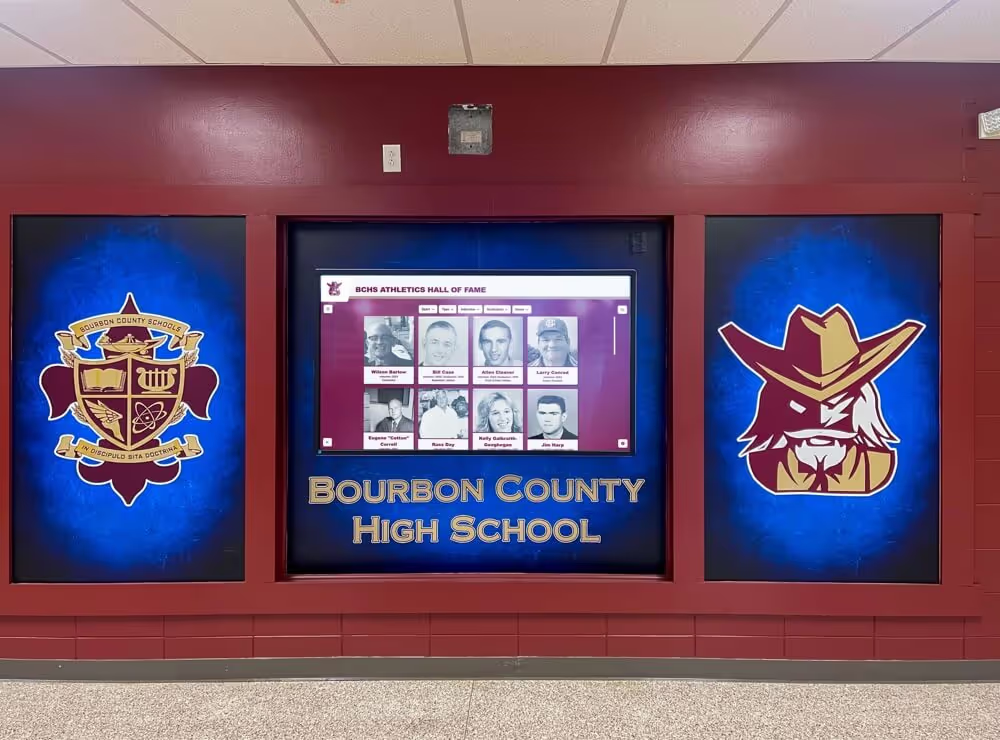
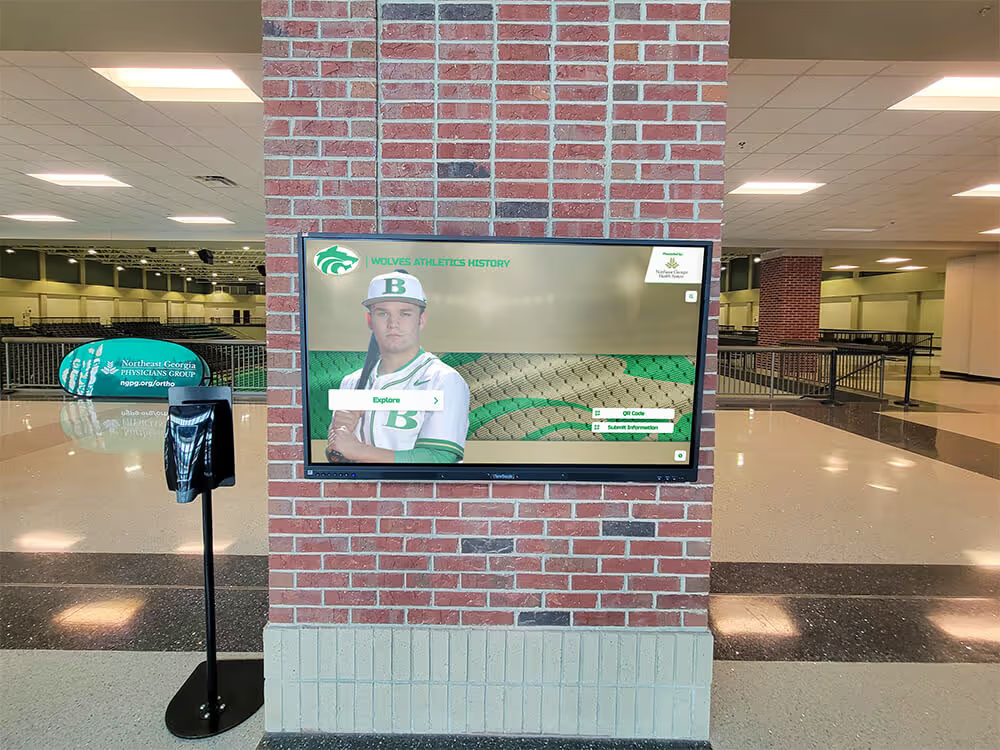
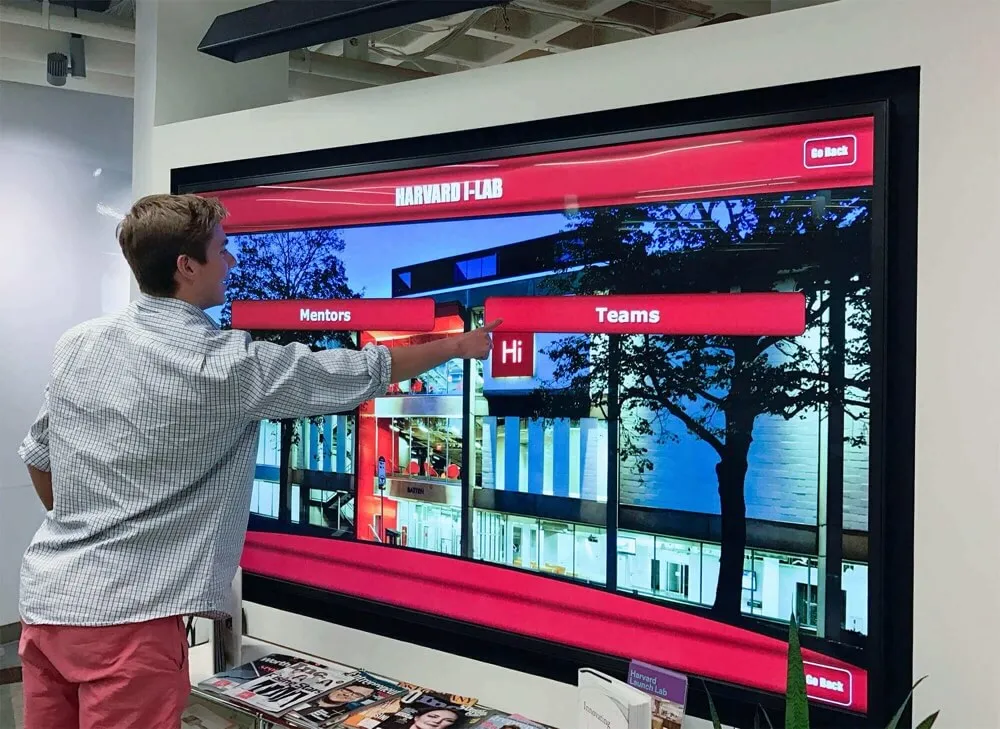
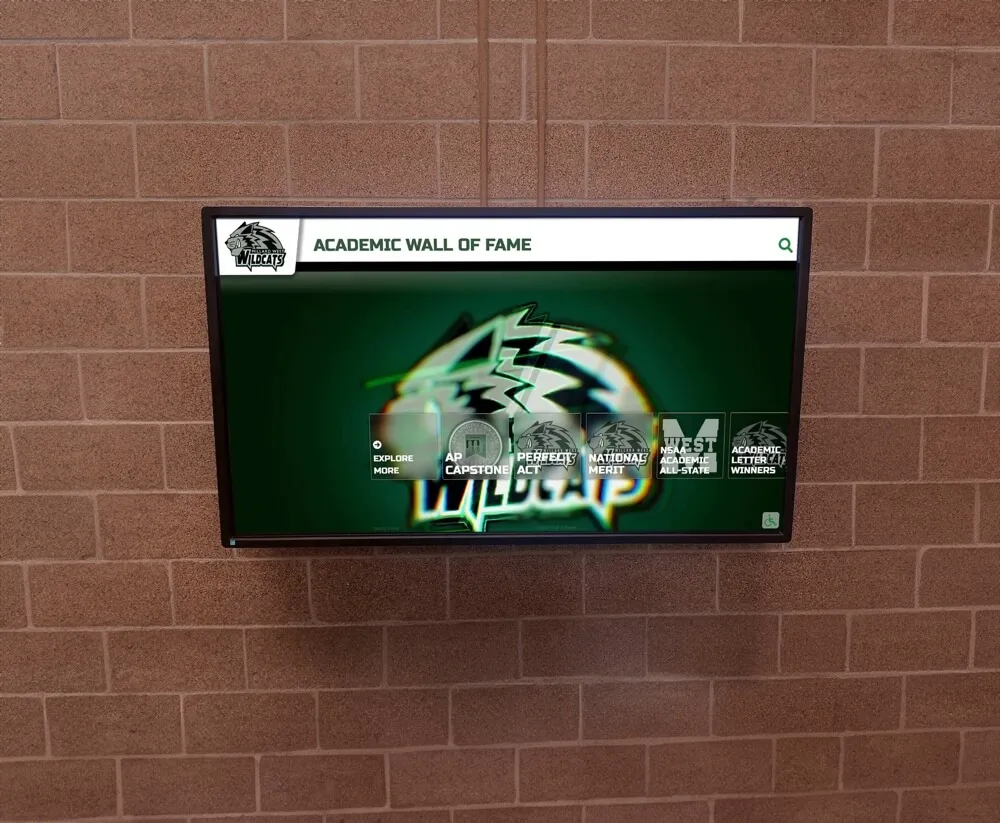
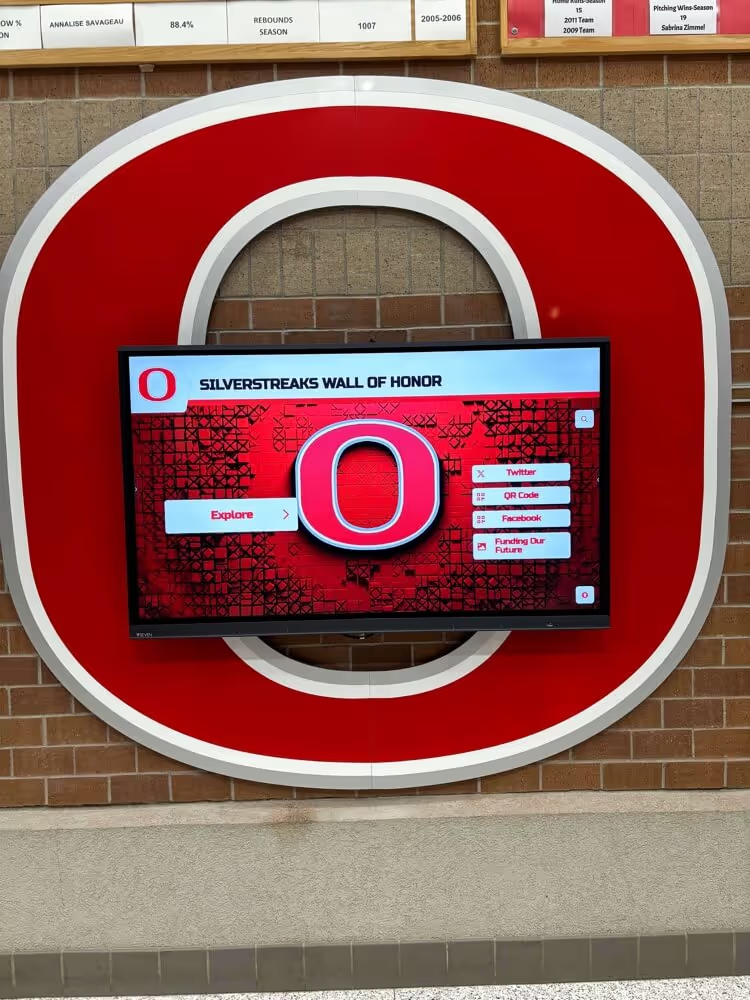
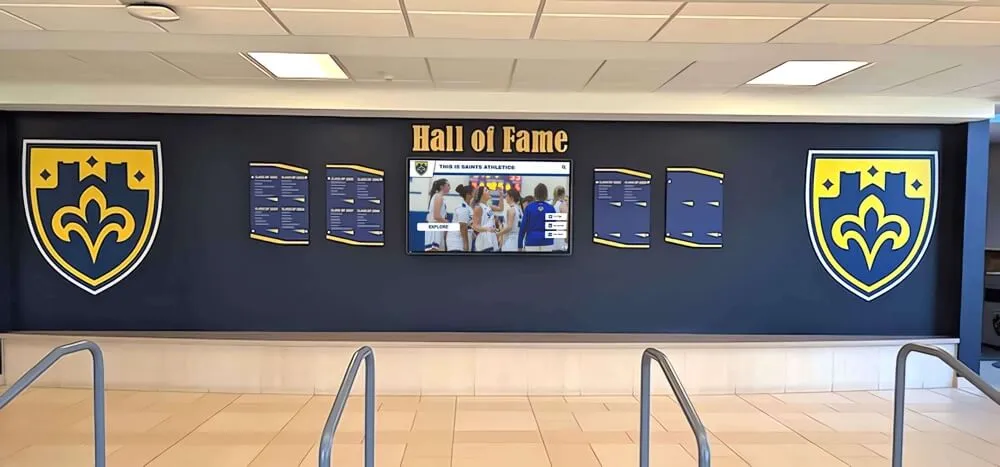
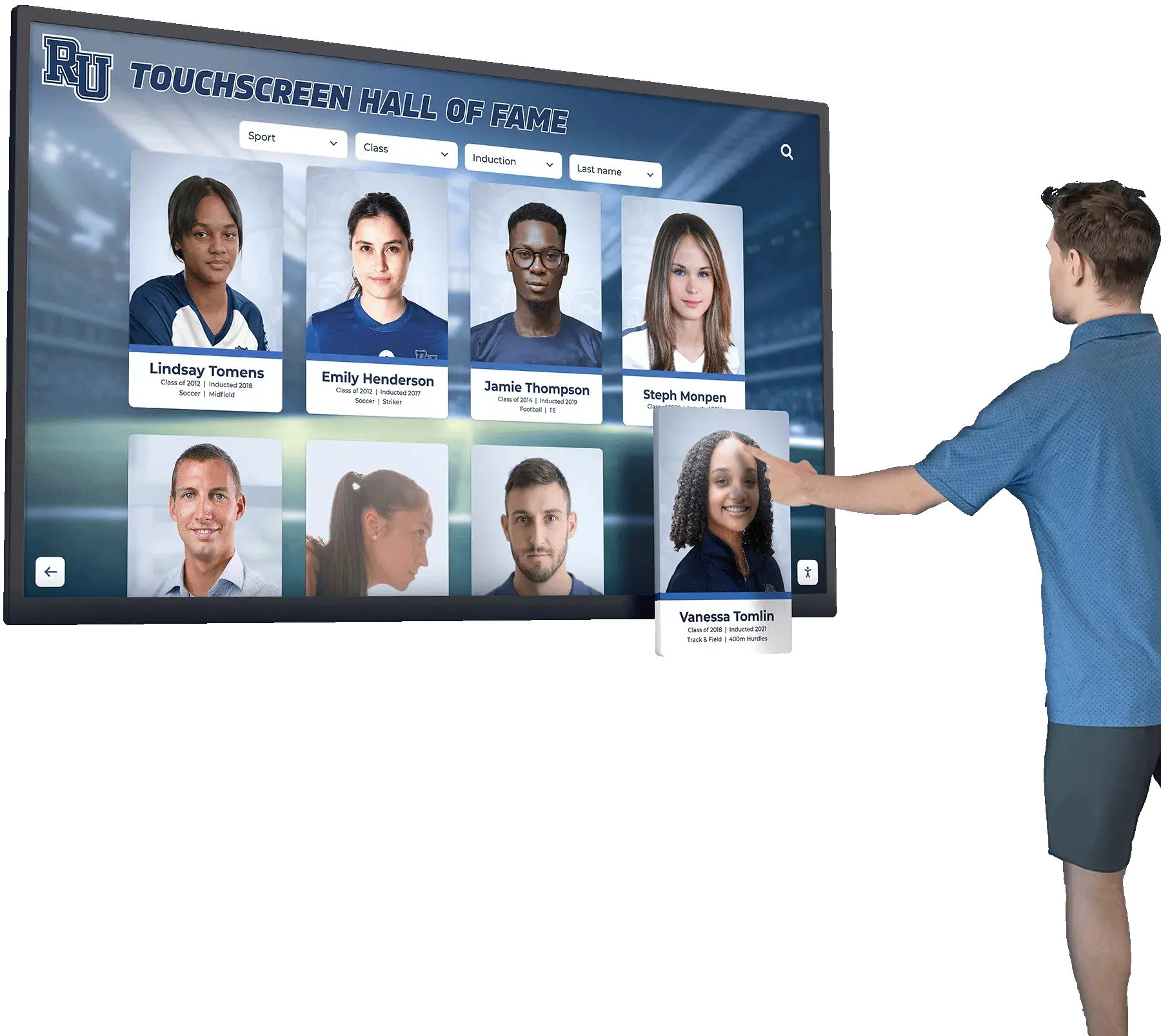
When banquet programs document awards and rosters in consistent formats, they feed interactive recognition systems like this one with minimal additional data entry
Practical Production Checklist
Before finalizing any sports banquet program, run through this pre-print checklist:
Data verification:
- All athlete names confirmed with official school enrollment records
- Jersey numbers verified against team roster
- Award recipients confirmed by coaching staff
- Season record and statistics verified against official scorebook
- Sponsor names confirmed against financial records
- Sponsor logos received at print-resolution quality (300 DPI minimum)
Content completeness:
- Cover includes full academic year (not just calendar year)
- Every award includes criteria description, not just recipient name
- Senior section includes graduation year for every athlete listed
- All-conference and external honors include awarding body name
- Records section includes previous record alongside new record
Archive preparation:
- Print-ready PDF saved to school network drive
- Source design file saved alongside PDF
- Minimum two archive copies printed beyond event quantity
- Program data entered into athletics database or recognition platform
Sponsor section:
- All sponsors listed at correct tier
- Sponsor names match legal business names
- Tier structure matches sponsorship agreement language
Banquet programs that take this pre-production approach seriously create recognition experiences that feel polished on the night and function as genuine archives for years afterward. The additional hour of pre-production verification pays dividends every time a staff member, parent, or alumnus needs to reference the record.
Connecting Banquet Programs to Permanent School Archives
Athletic recognition created at a banquet has a short natural lifespan in physical form. Trophies migrate from display cases to storage rooms. Printed programs yellow in filing cabinets. Certificates disappear into home storage. The way to extend that recognition indefinitely is to ensure banquet data flows into systems that remain actively visible and accessible.
Digital recognition platforms that integrate banquet program data give every award recipient a permanent profile that families can access from any device, that alumni can discover years after graduation, and that current athletes can explore to understand the program history they’re contributing to. Schools using these systems report that the investment in structured documentation at the program level—consistent fields, verified data, formatted archives—pays off directly in the quality and completeness of the digital recognition they’re able to build.
When a student athlete’s name and award appear in a digital hall of fame the year after their banquet recognition, that continuity communicates something important: this program keeps records. That message matters to current athletes evaluating their commitment, to prospective athletes considering joining, and to alumni donors considering whether to support a program that will remember their contributions.
Make Every Banquet Program Part of a Permanent Record
Rocket Alumni Solutions helps athletic programs turn banquet documentation into lasting digital recognition—connecting awards, rosters, records, and sponsor history into interactive displays that athletes, families, and alumni can explore year-round.
Schedule a demo with Rocket Alumni Solutions to see how your banquet program data becomes the foundation for a recognition system that never runs out of space, never takes down old records to make room for new ones, and keeps every athlete’s achievements visible long after graduation.
Every sports banquet program your program produces this season will be referenced in the future—by a yearbook editor verifying a stat, a former athlete looking up their award, a hall of fame committee reviewing a candidate, or a staff member building a digital recognition display. The sections you include, the data fields you verify, and the formatting choices you make now determine how useful that reference will be. Templates that treat the program as documentation rather than decoration create recognition that endures. That’s what your athletes’ efforts deserve.