



Athletic administrators face an increasingly complex operational landscape requiring expertise across scheduling, compliance monitoring, budget management, facility coordination, communication systems, and recognition programs. Managing high school or college athletic departments today means coordinating dozens of teams, hundreds of student-athletes, facility schedules, equipment inventories, compliance requirements, travel logistics, and stakeholder communication—all while maintaining limited budgets and small administrative staff.
The right software tools transform this overwhelming complexity into manageable systems. Modern athletic administration platforms streamline registration processes, automate compliance tracking, simplify schedule coordination, centralize communication, track budgets in real-time, and create professional recognition experiences—all while generating the data and insights administrators need to demonstrate program effectiveness and make strategic decisions.
This comprehensive guide explores the 30 most essential software products athletic administrators should consider in 2025. From all-in-one management platforms consolidating multiple functions to specialized tools addressing specific challenges, you’ll discover solutions that reduce administrative burden, improve program quality, enhance stakeholder satisfaction, and position athletic departments for sustainable success.
The sports management software market reflects the critical importance of these tools, growing from $10.20 billion in 2025 to an estimated $17.54 billion by 2030—representing a compound annual growth rate of 11.46% as athletic programs across all levels embrace digital transformation.

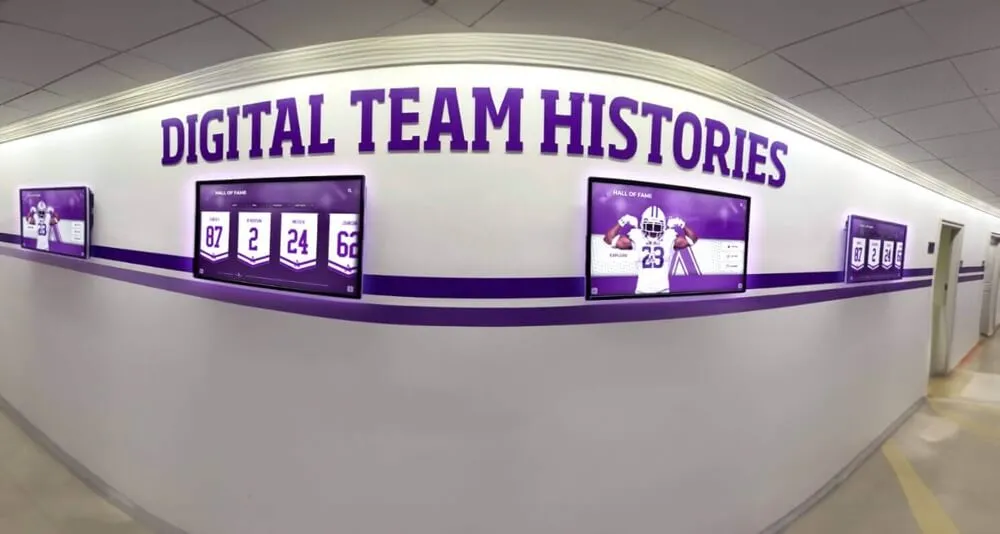
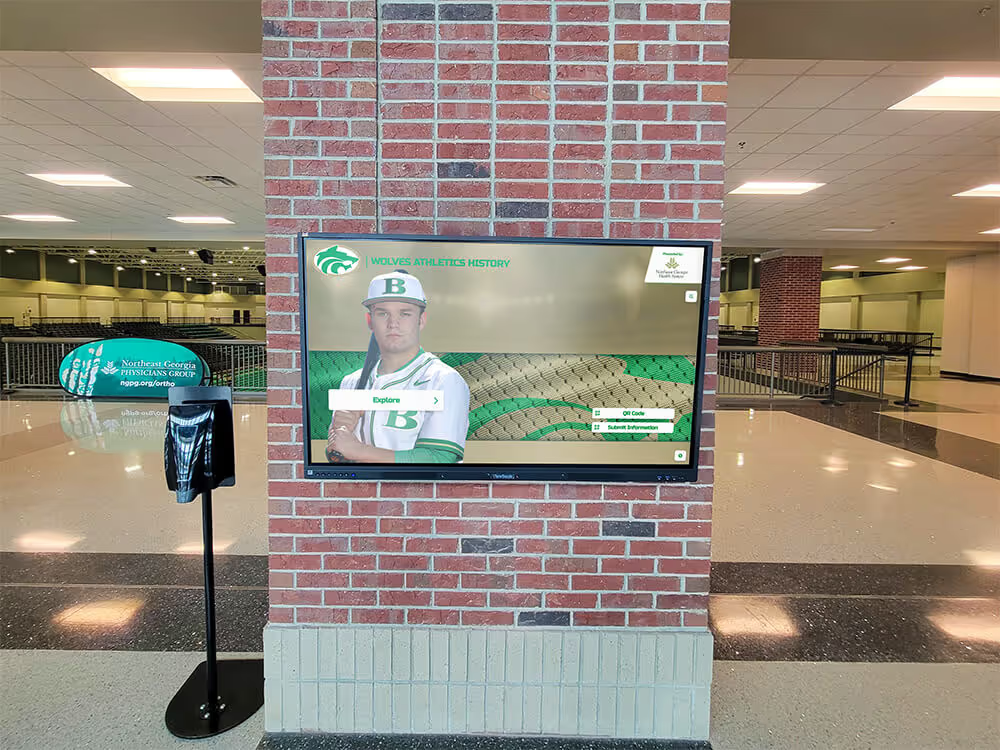
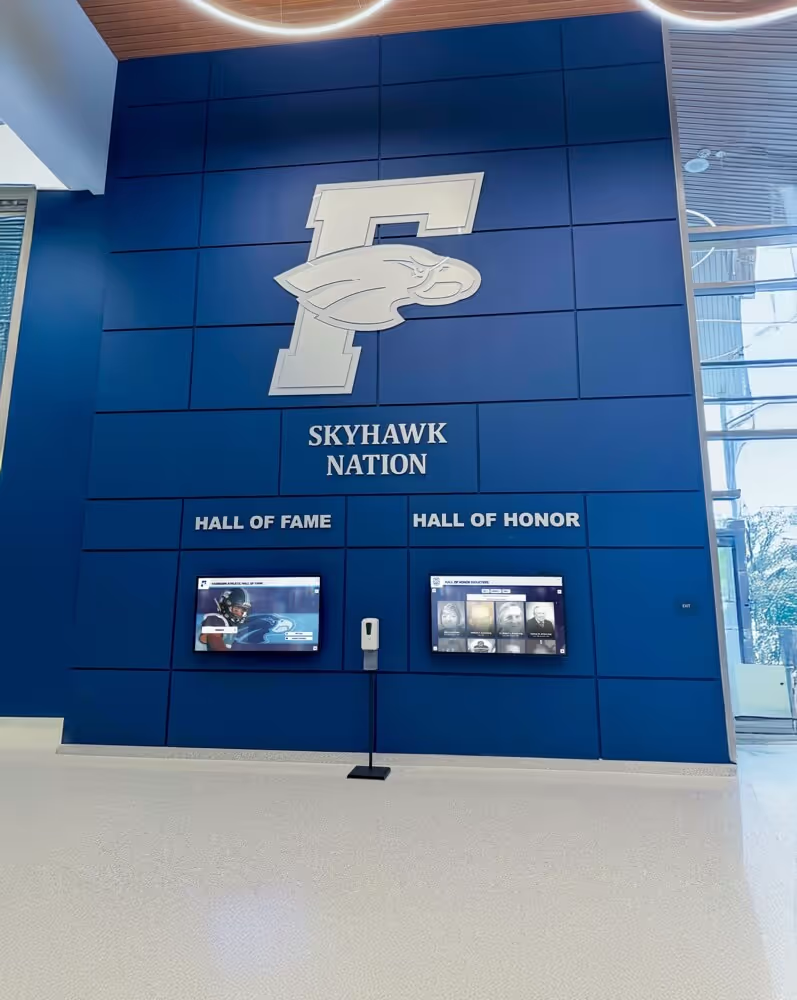
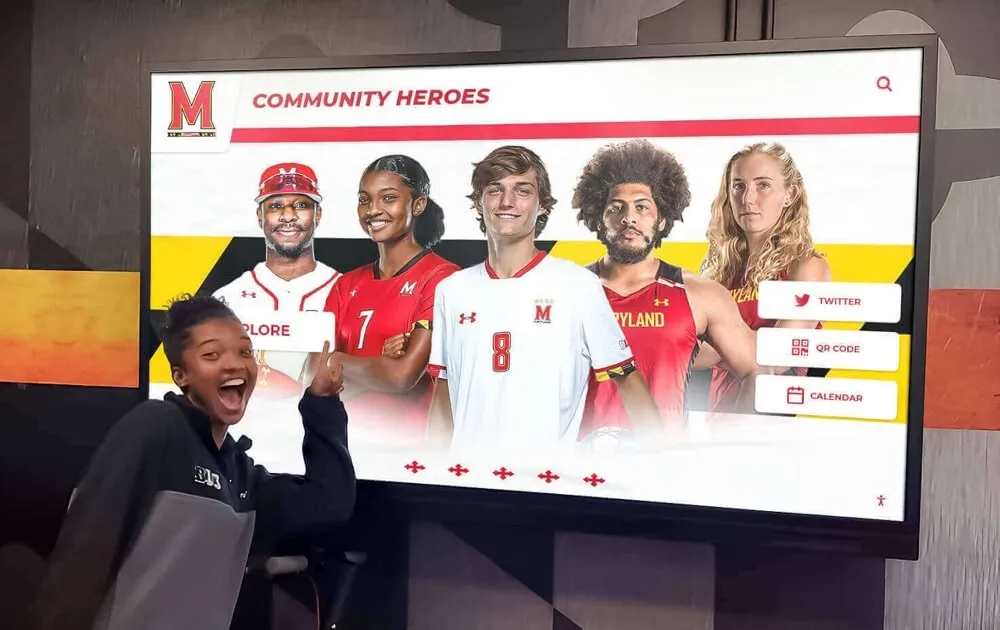
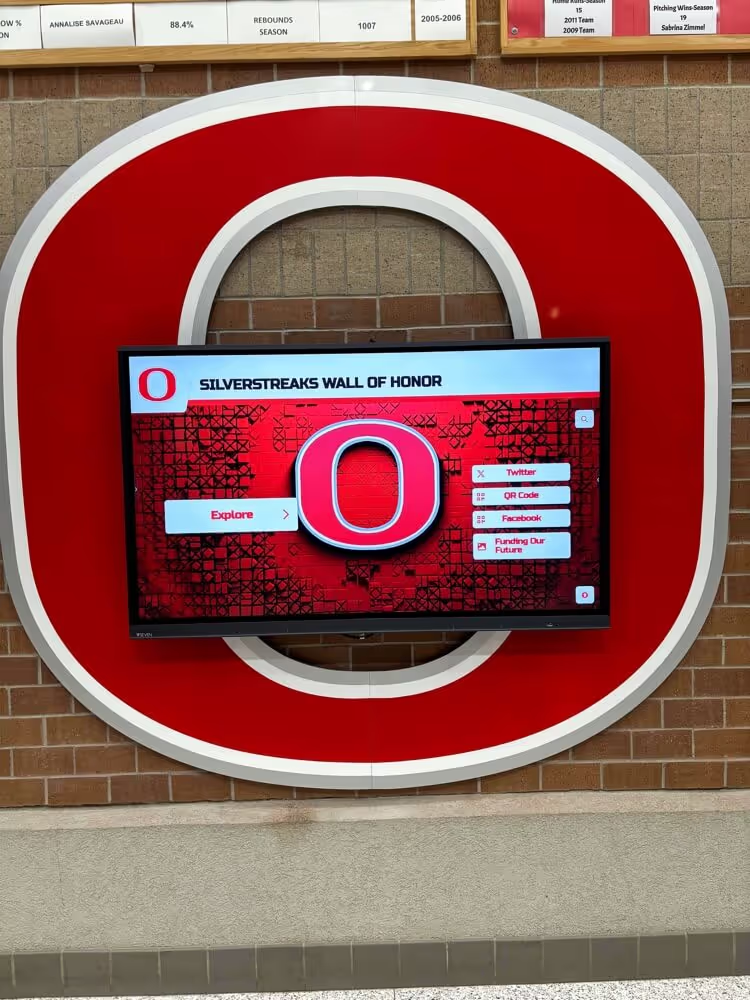
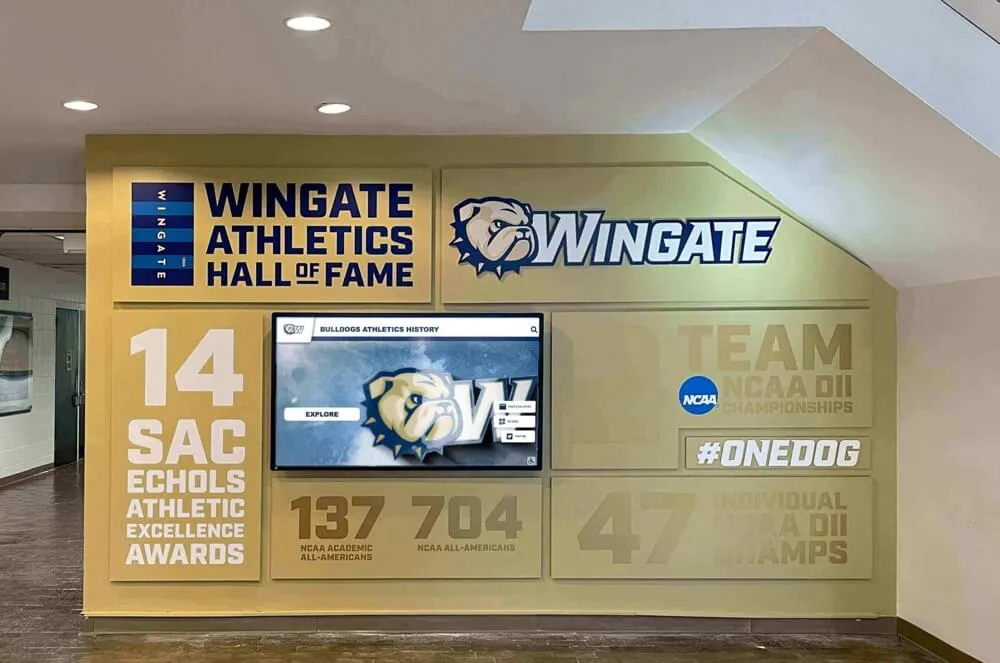
Modern digital systems help athletic administrators efficiently manage recognition programs while maintaining professional, engaging displays
Understanding the Athletic Administrator’s Technology Landscape
Athletic administrators wear multiple hats daily—scheduling coordinator, compliance officer, facility manager, budget controller, communications director, and recognition coordinator. Each responsibility traditionally required separate systems, spreadsheets, or manual processes creating inefficiency, data silos, and administrative overwhelm.
The Case for Integrated Athletic Management Systems
According to sports management software experts, modern platforms consolidate registration and enrollment management, scheduling coordination, communication tools, performance tracking capabilities, financial management features, compliance monitoring, and facility management—all within unified systems accessible from anywhere.
This integration delivers significant advantages:
Elimination of Data Duplication
When registration information automatically populates rosters, eligibility tracking, and communication lists, administrators save countless hours re-entering data across multiple systems while reducing errors inherent in manual processes.
Centralized Communication
Rather than sending separate emails, texts, and app notifications through different platforms, integrated systems enable single-point communication reaching all stakeholders through their preferred channels.
Comprehensive Reporting
Unified platforms generate insights spanning program participation trends, financial health, facility utilization patterns, compliance status, and engagement metrics—providing administrators with holistic program perspectives impossible when data lives in isolated systems.
Mobile Accessibility
Cloud-based platforms accessible via smartphones and tablets enable administrators to manage critical functions from athletic events, during facility inspections, or while traveling with teams—rather than being tethered to office computers.
Common Challenges Software Solutions Address
Athletic administrators consistently report these pain points:
Scheduling Complexity
Coordinating practices, games, facilities, transportation, officials, and equipment across multiple sports and seasons without conflicts or double-bookings consumes enormous administrative time.
Compliance Burden
Tracking student-athlete eligibility, monitoring participation requirements, maintaining proper documentation, and ensuring rule compliance across league, state, and national regulations creates significant administrative liability.
Communication Overload
Reaching coaches, athletes, parents, officials, and community stakeholders through fragmented communication channels leads to missed messages, confusion, and frustrated constituents.
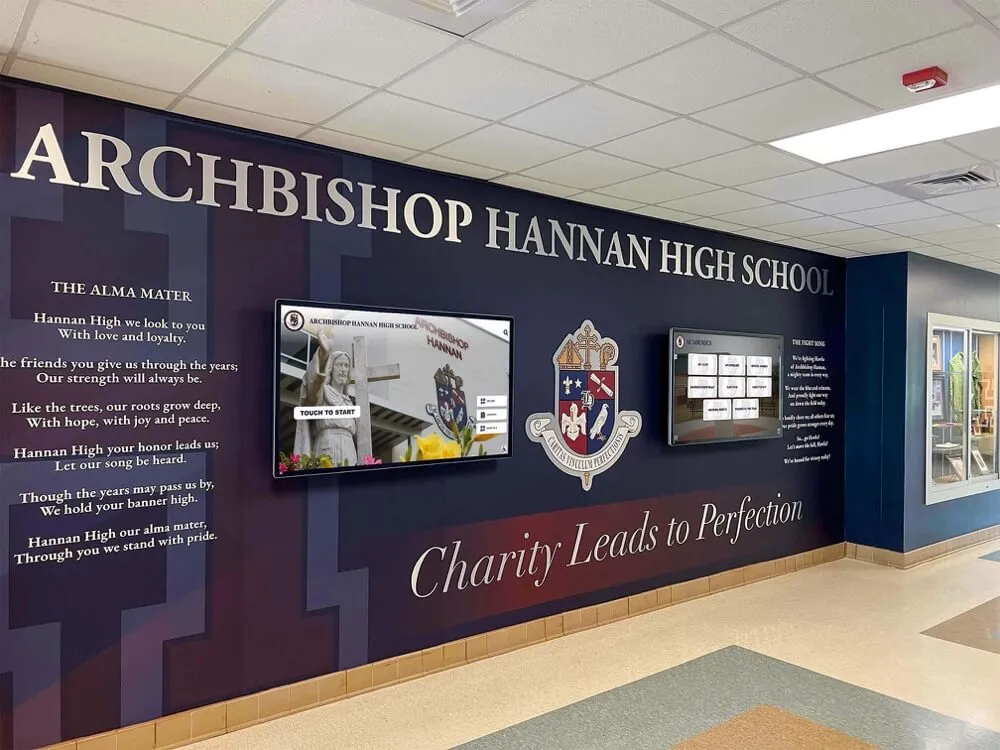
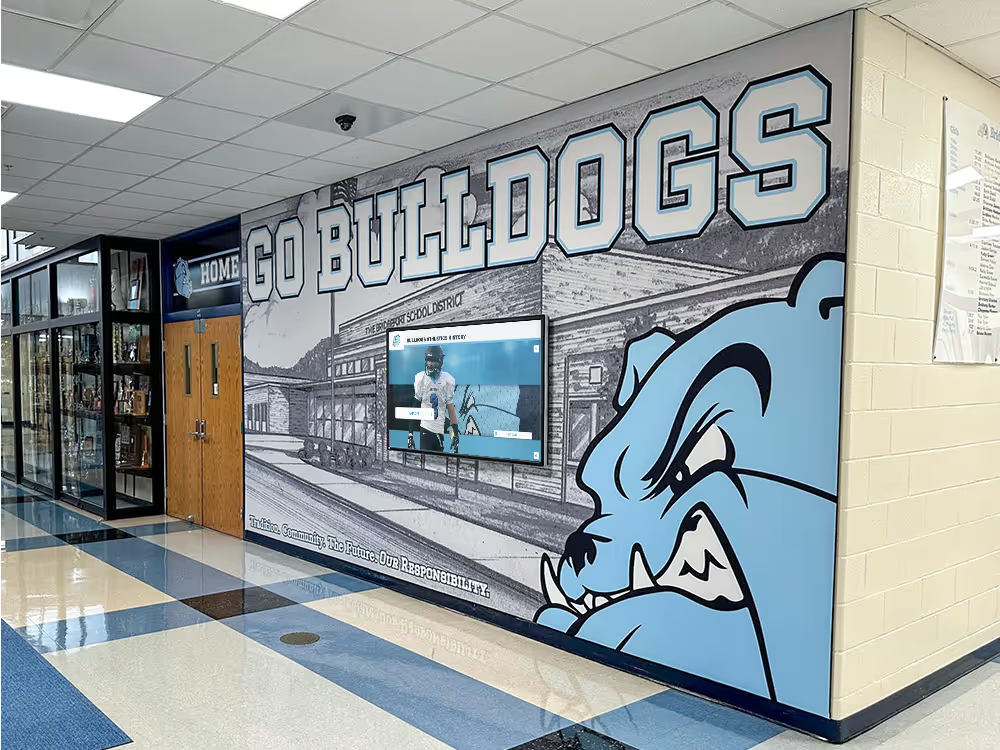
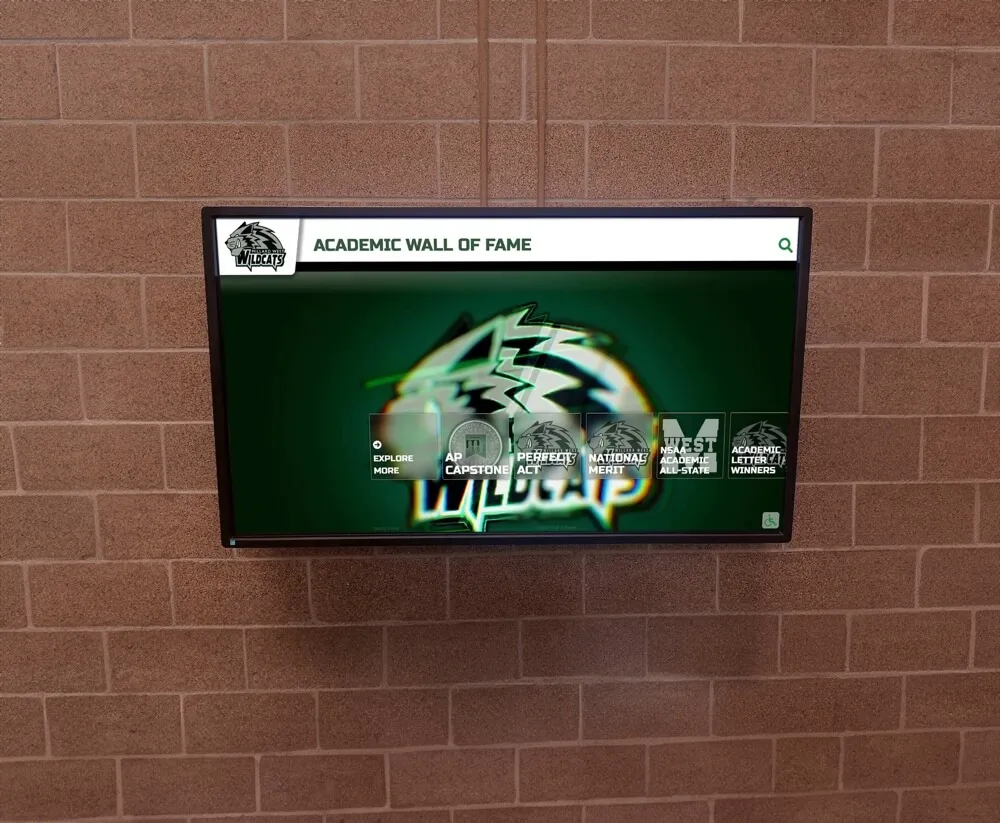
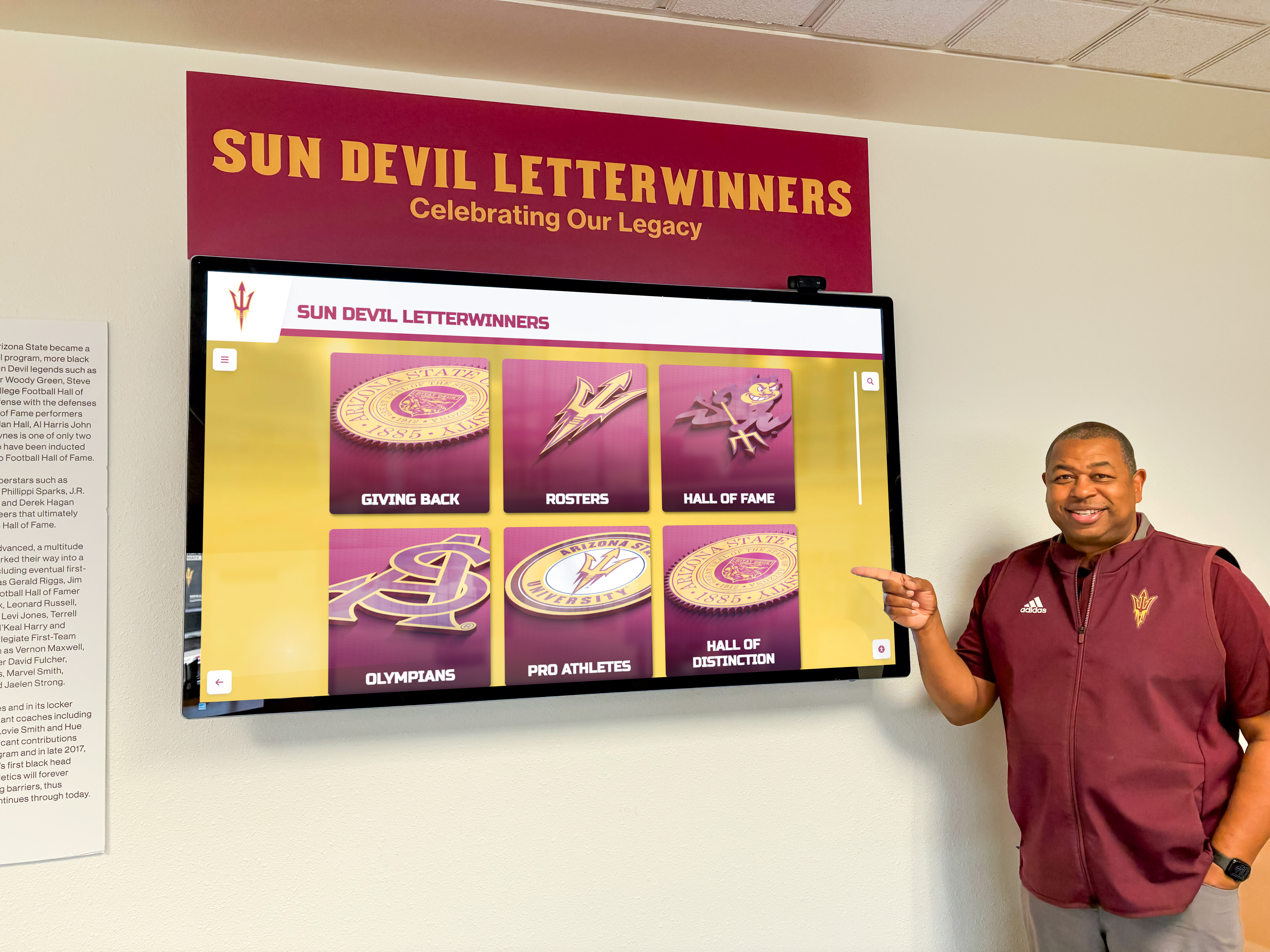
Digital displays in athletic facilities provide recognition while showcasing program achievements to visitors and recruits
Budget Management
Tracking income from registrations, gate receipts, and fundraising alongside expenses for equipment, facilities, transportation, and officials while maintaining budget accountability requires robust financial systems.
Recognition and Engagement
Celebrating athletic achievements, maintaining halls of fame, documenting program history, and engaging alumni traditionally requires separate manual processes consuming time and delivering inconsistent results.
Quality software products directly address these challenges through automation, integration, and purpose-built workflows designed specifically for athletic administration contexts.
Category 1: Comprehensive Athletic Management Platforms
All-in-one platforms provide the broadest functionality, consolidating multiple administrative functions into single systems. While these comprehensive solutions require larger investments, they deliver maximum efficiency through deep integration and unified data management.
1. Teamworks
Teamworks transforms how teams operate by streamlining talent acquisition, coordination, development, and deployment through a unified platform. The system offers operations management, performance optimization, communications and engagement tools, and compliance and eligibility tracking.
Teamworks serves major college athletic programs, professional teams, and Olympic organizations requiring enterprise-level capabilities across large departments with complex needs. The platform’s strength lies in its comprehensive approach enabling athletic departments to replace 10+ separate tools with one integrated ecosystem.
2. Spry
Spry specifically supports intercollegiate athletic department staff, coaches, and student-athletes with tools addressing each constituency’s unique needs. Core features include digital forms replacing paper-based processes, comprehensive scheduling systems, compliance monitoring with automated alerts, NIL disclosure management, and centralized communication tools.
Spry particularly appeals to NCAA Division I, II, and III programs requiring robust compliance functionality alongside operational management. The platform’s emphasis on regulatory requirements makes it valuable for administrators navigating complex eligibility and compliance landscapes.
3. BigTeams
BigTeams offers comprehensive student-athlete registration and team management software collecting digital registration forms, verifying eligibility, and compiling rosters. The platform includes scheduling, coaching staff oversight, document management, and eligibility tracking within one integrated system.
BigTeams serves K-12 schools through colleges, scaling to organizations of various sizes. The platform’s particular strength lies in eligibility management and registration workflows—critical functions consuming significant administrative time when handled manually.
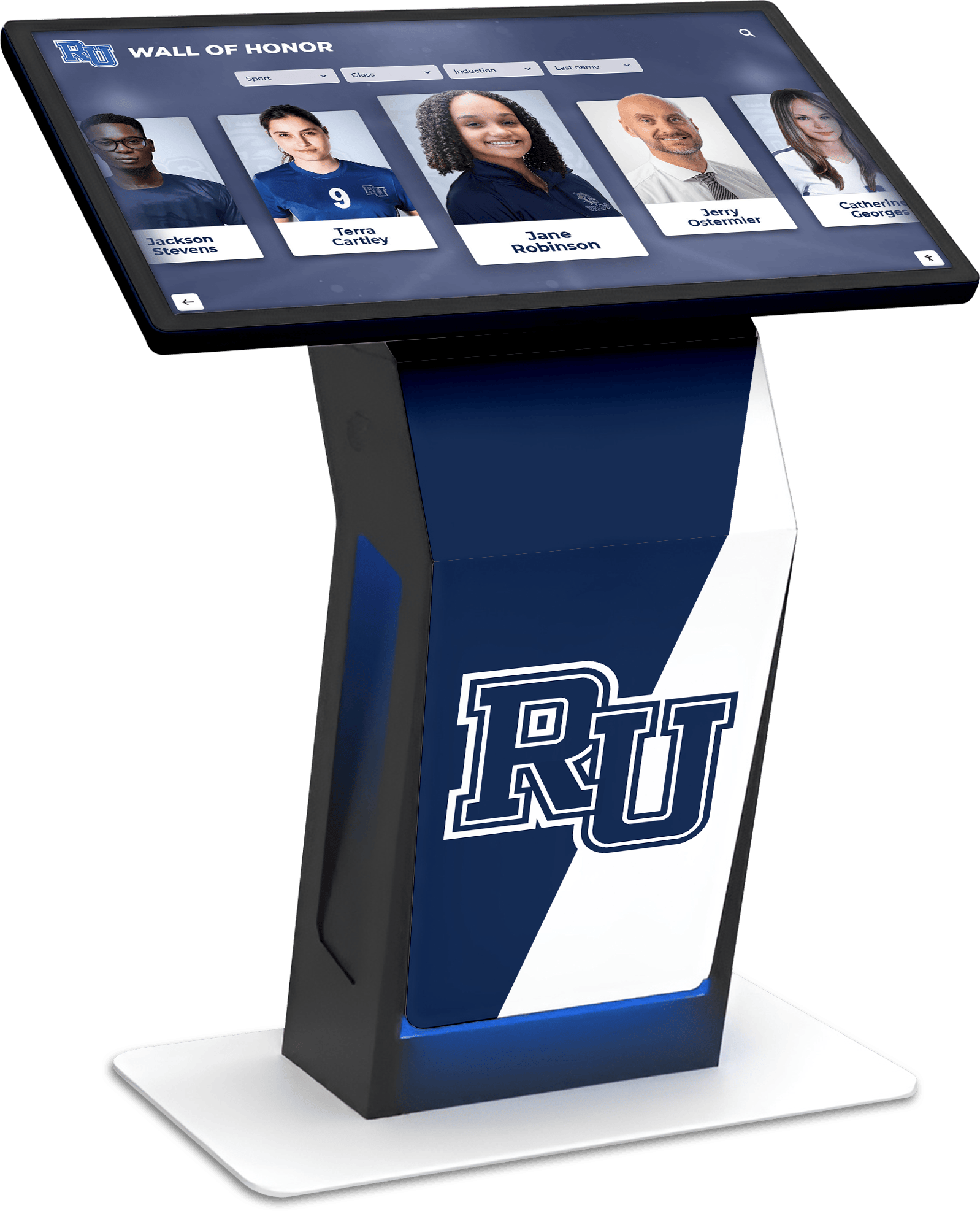
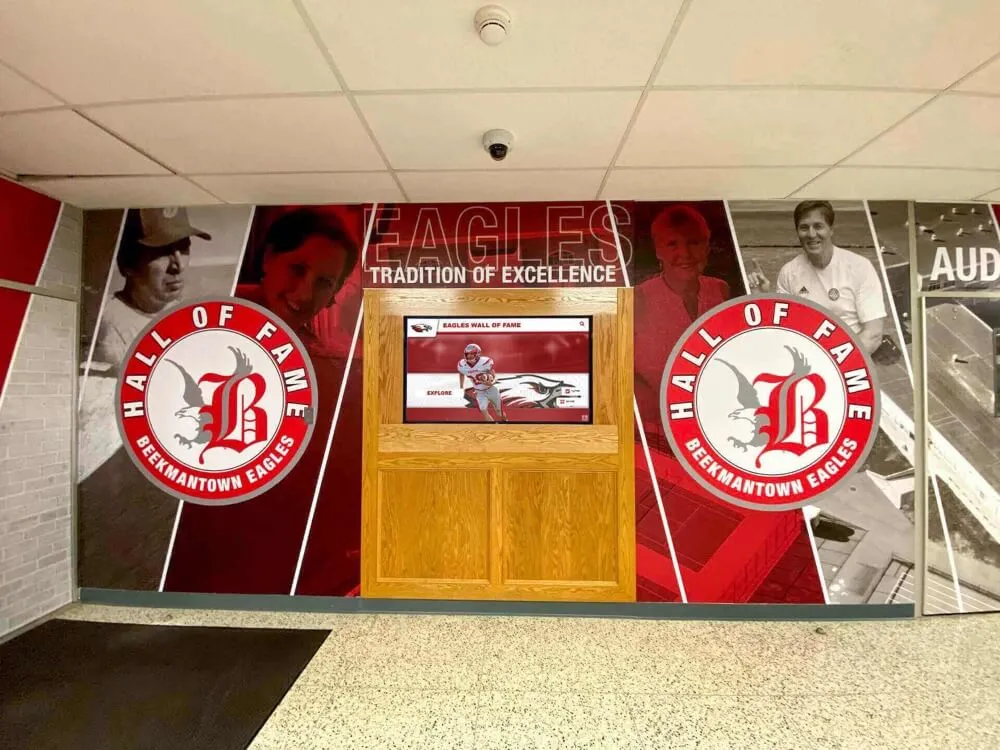
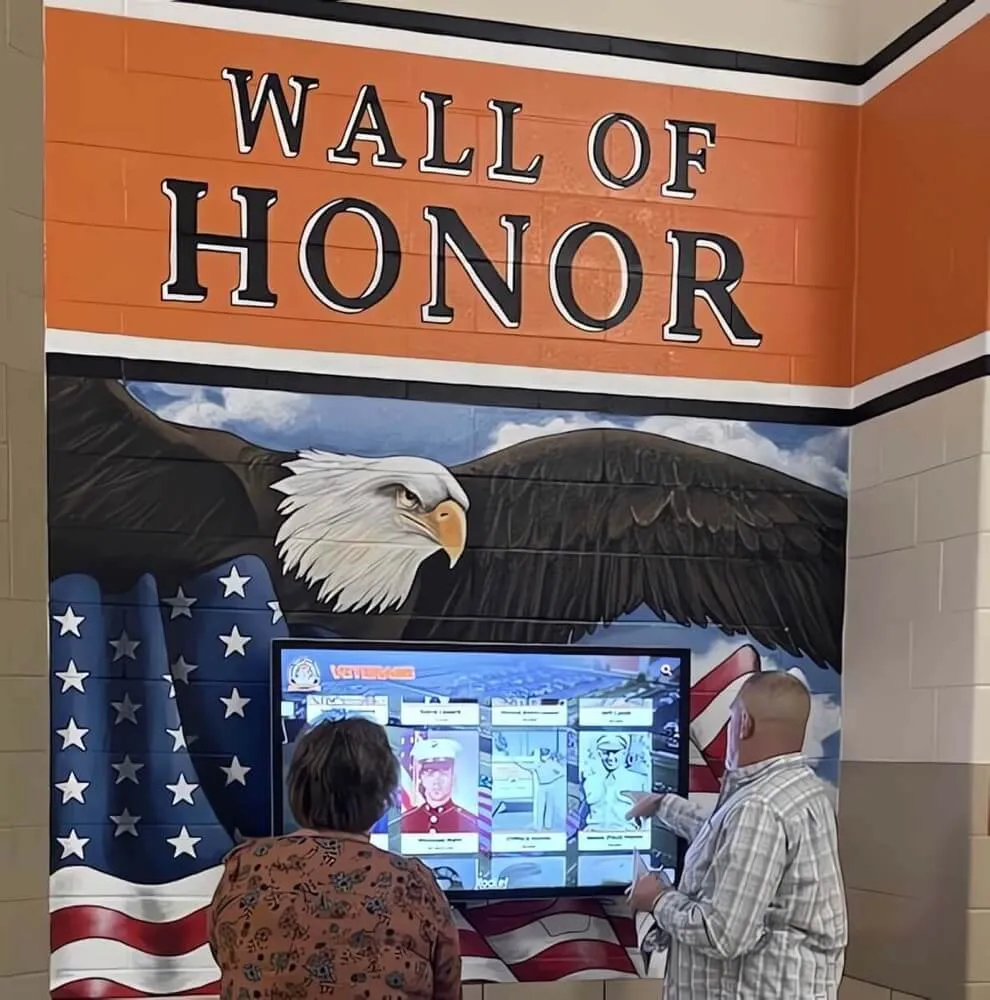
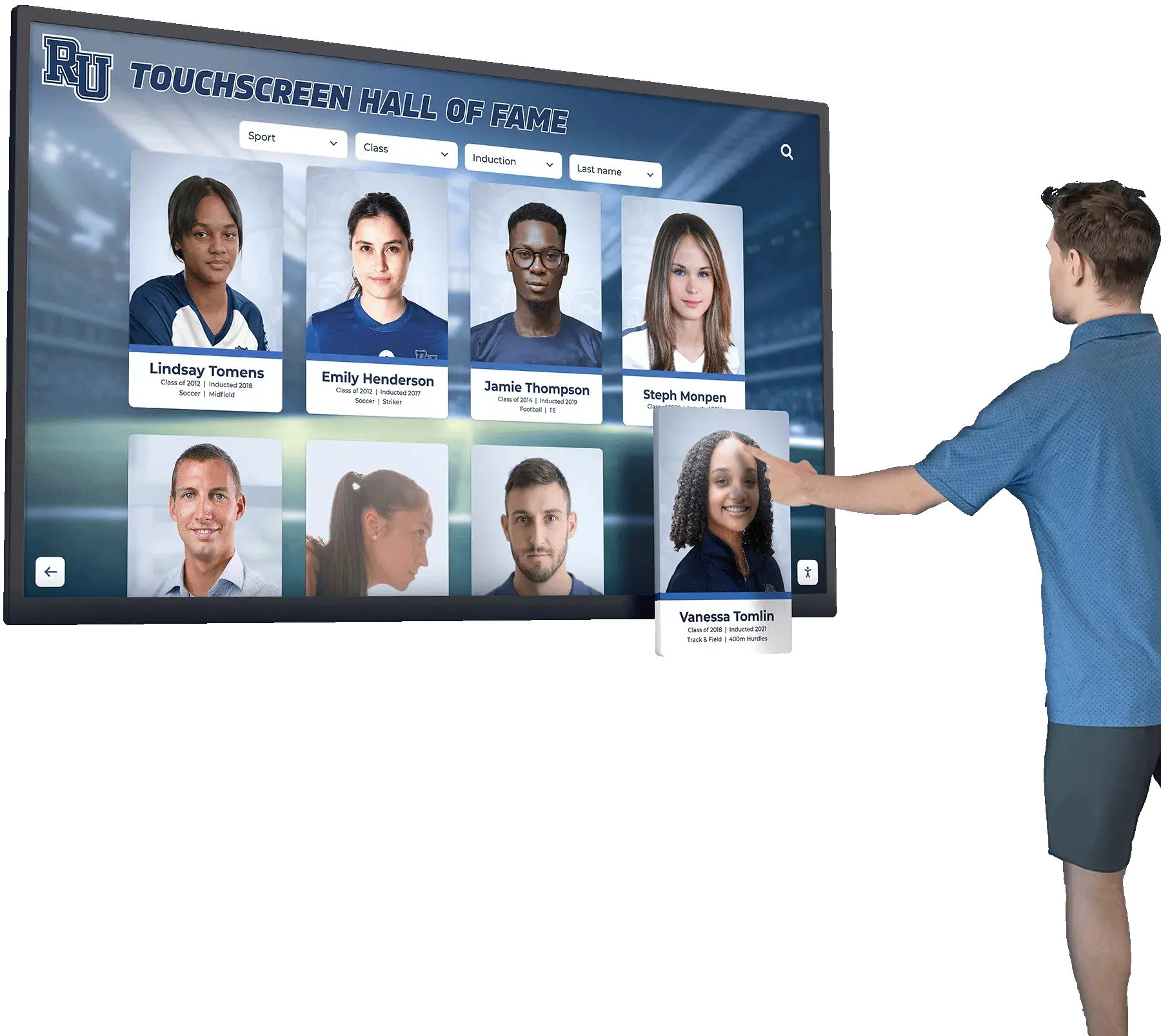
Dedicated touchscreen kiosks provide searchable athletic recognition accessible to students, alumni, and visitors
4. Bound
Bound consolidates registrations, schedules, rosters, transportation management, ticketing, and fundraising into one platform designed specifically for high school athletic programs. The system addresses the full operational lifecycle from season preparation through post-season wrap-up.
Bound particularly serves high school athletic directors managing multiple sports simultaneously with limited administrative staff. The platform’s fundraising integration distinguishes it from competitors, acknowledging the critical role booster support plays in high school athletic programs.
5. DragonFly Athletics
DragonFly Athletics focuses specifically on high school sports administration with membership management, official assignment and scheduling, secure digital payments, communication tools, player rosters and eligibility tracking, and injury report management.
DragonFly’s particular strength lies in official management—a critical but often overlooked administrative function. The platform simplifies assigning, communicating with, and paying officials while maintaining proper documentation and compliance.
Category 2: Scheduling and Event Management Tools
Scheduling represents one of the most time-consuming administrative responsibilities. Dedicated scheduling platforms prevent conflicts, facilitate coordination, and provide visibility across complex athletic calendars.
6. Arbiter
Arbiter streamlines communication, compliance, and coordination across school activities and athletics. The platform integrates payment processing, registration, eligibility verification, and comprehensive scheduling while tracking payments and generating compliance reports.
Arbiter particularly serves state athletic associations and school districts implementing standardized systems across multiple schools. The platform’s emphasis on compliance tracking and financial reporting addresses administrator accountability requirements.
7. SPORTSKEY
SportsKey provides facility booking and team management focused on educational institutions from K-12 through universities. The platform includes intuitive session organization based on staff, facility, and equipment availability with automated checks preventing double-bookings and resource conflicts.
SportsKey excels in facility management—particularly valuable for administrators coordinating shared spaces across multiple teams, physical education classes, and community programs. The system maximizes facility utilization while minimizing scheduling conflicts.
8. Playbook365
Playbook365 offers facility management software specifically designed for athletic complexes and recreation centers. Features include booking management, resource allocation, maintenance scheduling, and utilization analytics.
Playbook365 particularly serves larger athletic facilities with multiple fields, courts, and spaces requiring sophisticated coordination. The platform’s maintenance scheduling capabilities help administrators maintain facility quality and safety.
Category 3: Communication and Engagement Platforms
Effective communication with coaches, athletes, parents, and stakeholders represents a constant administrative challenge. Specialized communication platforms centralize messaging across multiple channels.
9. TeamSnap
TeamSnap provides team communication, scheduling, and management specifically designed for youth and recreational sports. Features include messaging, event RSVPs, payment collection, and availability tracking accessible via mobile apps ensuring coaches and families stay connected.
While primarily serving recreational programs, TeamSnap’s simplicity and parent-friendly interface make it valuable for high school sub-varsity programs, club teams, and summer athletic programs where ease of use outweighs advanced functionality requirements.
10. Remind
Remind offers simple, secure messaging between educators, students, and parents through text messages, app notifications, and email. For athletic administrators, Remind provides quick announcement distribution without requiring app downloads or technical sophistication from recipients.
Remind’s particular strength lies in its accessibility—reaching stakeholders regardless of technical capability or device type. The platform works particularly well for critical, time-sensitive communications requiring immediate visibility.
11. MaxPreps
MaxPreps provides comprehensive athletic program promotion including schedules, rosters, scores, statistics, and news reaching broad audiences. The platform serves dual purposes: communication tool for existing stakeholders and recruiting visibility for prospective student-athletes.
MaxPreps particularly benefits high school programs seeking broader visibility and college recruiting exposure for student-athletes. The platform’s extensive reach attracts college coaches actively searching for prospects.

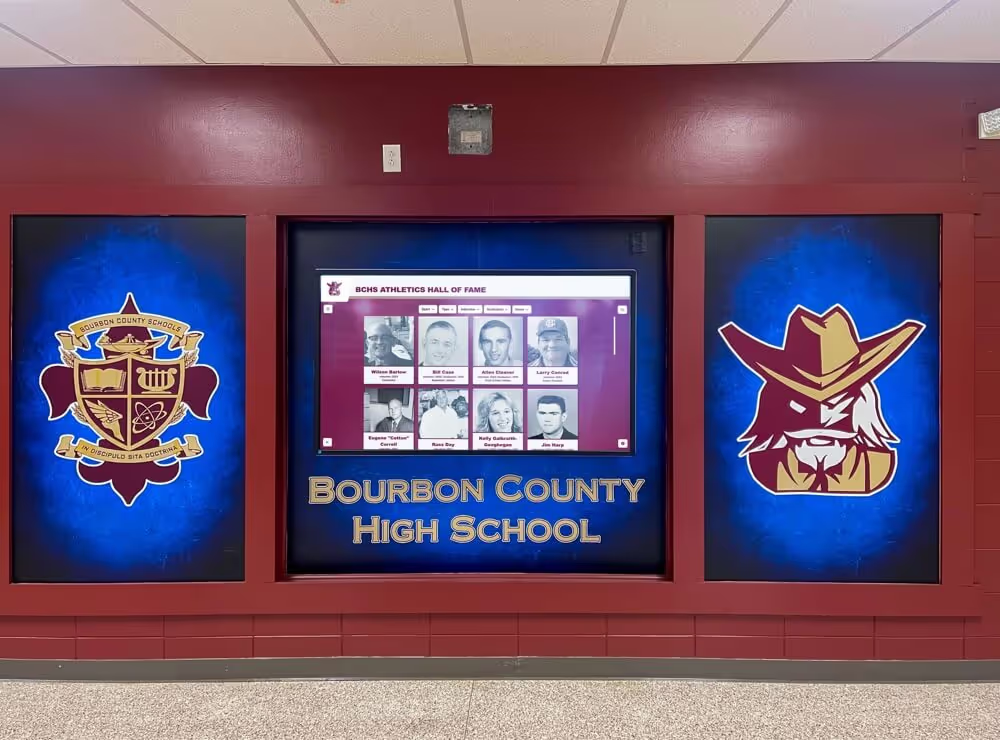
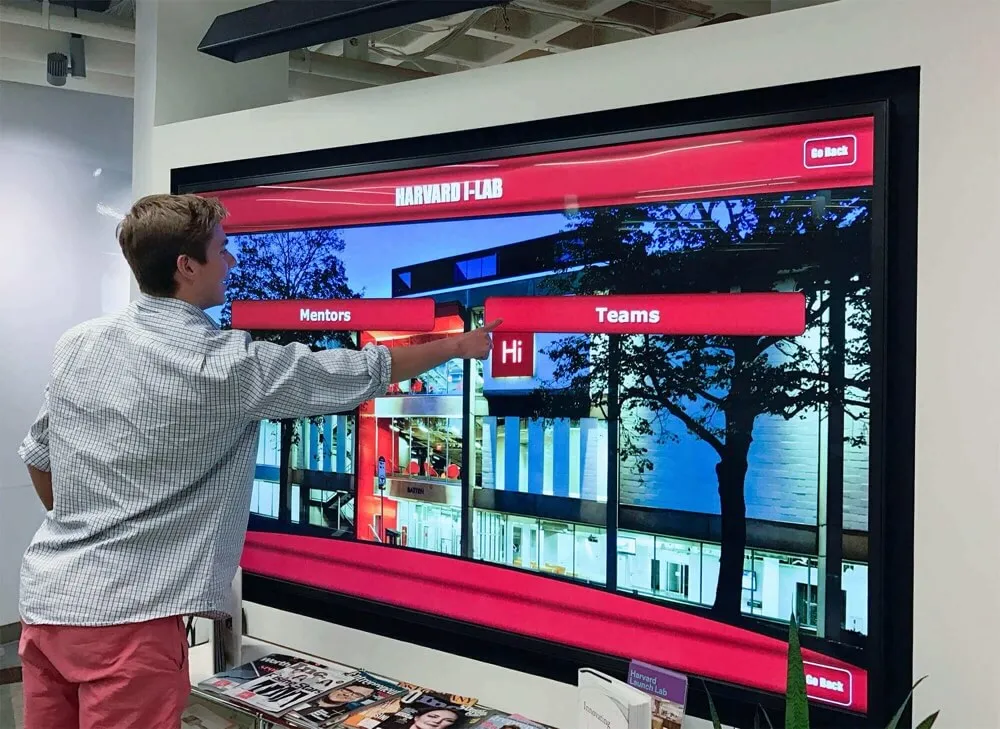
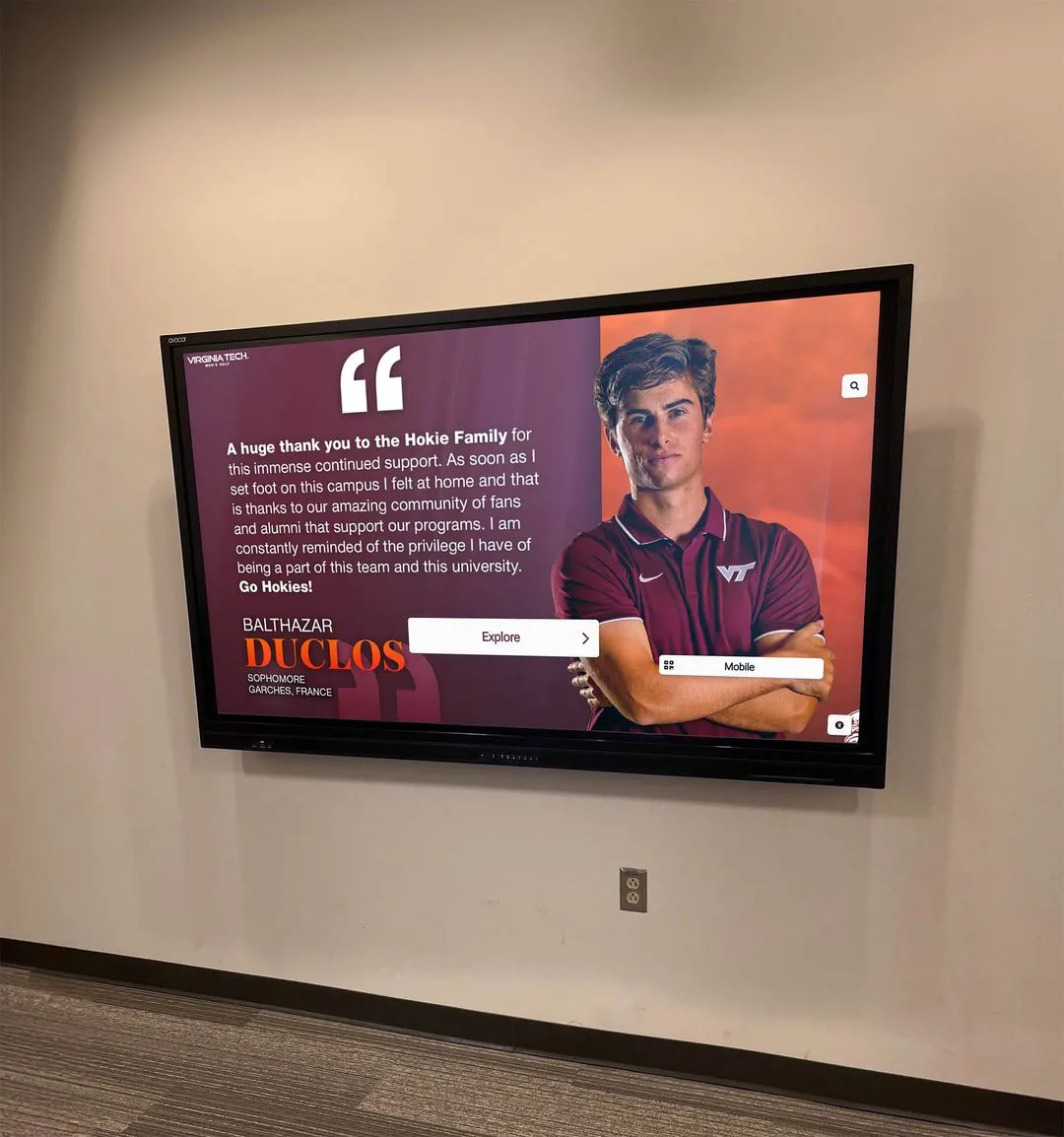
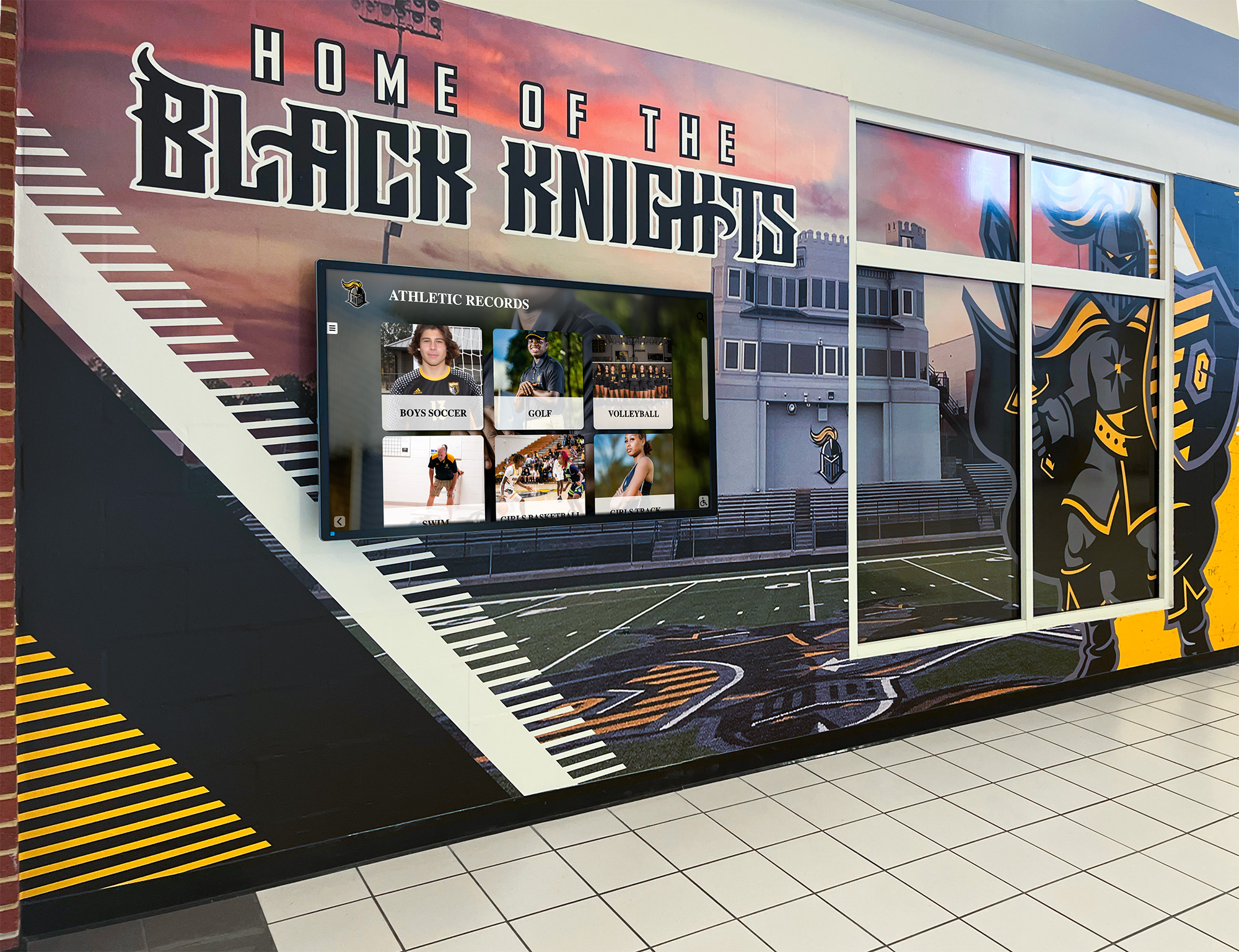
Modern touchscreen systems enable athletes and visitors to explore program history and achievements interactively
Category 4: Compliance and Eligibility Management
Maintaining compliance with league rules, state regulations, and national standards while tracking eligibility represents critical administrative responsibilities with significant liability. Specialized compliance tools reduce risk while streamlining documentation.
12. Final Forms
Final Forms digitizes athletic paperwork including physical forms, participation agreements, emergency contacts, and insurance information. The platform ensures administrators collect, organize, and access required documentation while maintaining proper records.
Final Forms particularly serves programs transitioning from paper-based processes to digital systems. The platform’s mobile accessibility enables parents to complete required forms from smartphones—significantly improving completion rates and reducing administrative follow-up.
13. ArbiterSports Eligibility
ArbiterSports Eligibility specifically tracks academic eligibility, attendance requirements, discipline records, and transfer rules. The platform automates eligibility verification, flags potential issues, and maintains audit trails demonstrating compliance.
ArbiterSports Eligibility particularly benefits programs facing complex multi-jurisdiction requirements across league, conference, state, and national rules. Automated monitoring reduces administrator workload while minimizing eligibility violation risks.
14. rSchoolToday
rSchoolToday offers facility scheduling integrated with eligibility verification, ensuring only eligible student-athletes participate in scheduled activities. The platform combines operational functions with compliance monitoring providing unified oversight.
rSchoolToday’s integration distinguishes it from standalone compliance tools, preventing scheduling participation for ineligible athletes before problems occur rather than discovering violations after the fact.
Category 5: Financial Management and Fundraising
Budget accountability, payment processing, and fundraising represent critical administrative functions requiring robust financial tracking. Dedicated platforms simplify complex financial operations while maintaining necessary documentation.
15. RevTrak
RevTrak provides secure online payment collection for registrations, fees, fundraising, and other athletic department revenue. The platform integrates with student information systems, provides comprehensive reporting, and maintains PCI compliance for secure payment processing.
RevTrak particularly serves school districts requiring standardized payment processing across multiple schools and programs. The platform’s reporting capabilities support budget management and financial accountability requirements.
16. QuickBooks Online
QuickBooks Online offers comprehensive accounting software adaptable to athletic department needs. Features include income and expense tracking, budget development, vendor management, financial reporting, and bank reconciliation.
While not sports-specific, QuickBooks provides robust financial management for programs requiring detailed budget control and audit documentation. The platform’s wide adoption means accounting-literate volunteers and staff typically possess existing QuickBooks familiarity.
17. FundScrip
FundScrip enables fundraising through gift card purchases where retailers contribute percentages to athletic programs. The platform manages participant accounts, processes orders, tracks earnings, and distributes funds—creating passive fundraising requiring minimal ongoing administration.
FundScrip particularly benefits programs seeking sustainable fundraising methods beyond traditional campaigns requiring significant volunteer coordination. The platform generates ongoing revenue from everyday family purchases.
18. Snap! Raise
Snap! Raise provides comprehensive fundraising campaign management including online donation pages, communication tools, parent participation tracking, and fund distribution. The platform specifically serves athletic teams and school programs with proven campaign templates and best practices.
Snap! Raise’s particular strength lies in its turnkey approach—providing campaign frameworks, communication templates, and guidance reducing the planning burden on administrators and volunteer coordinators.
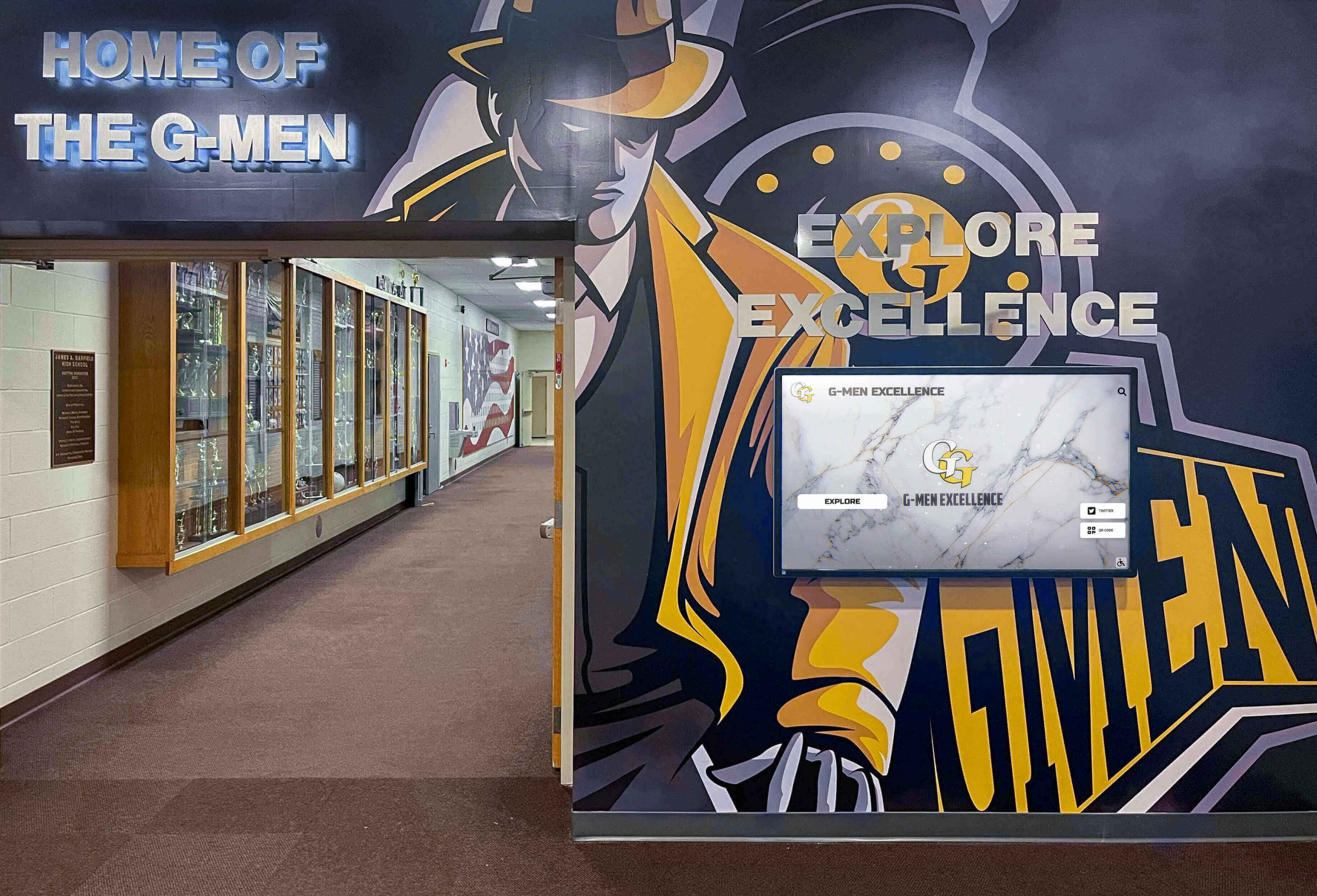
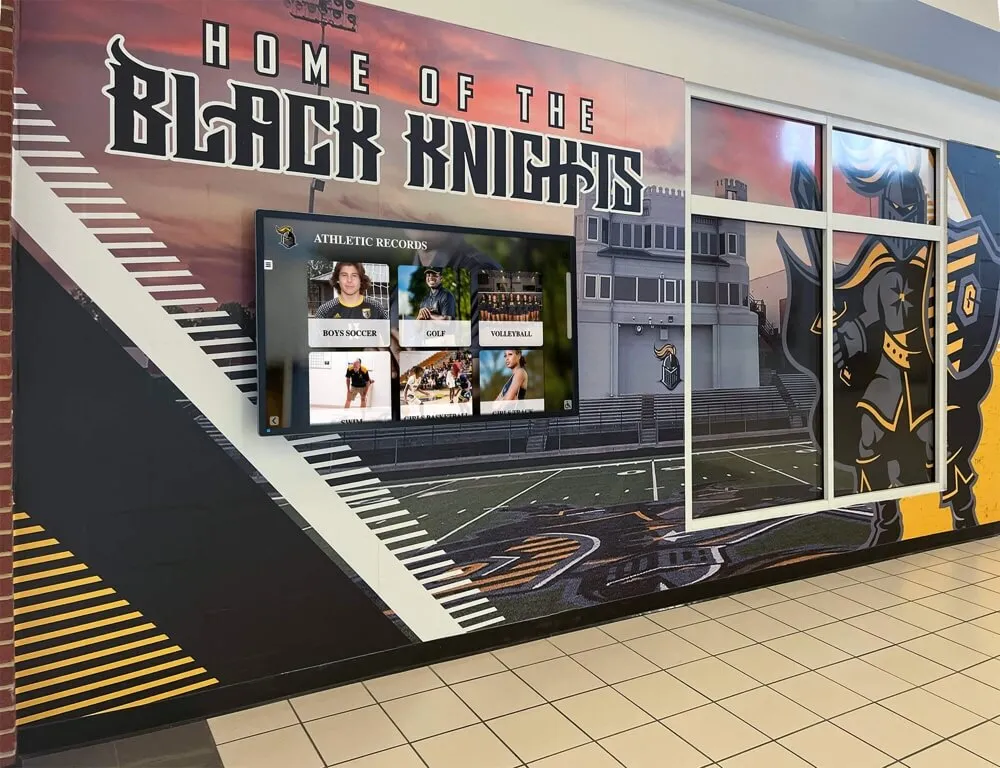
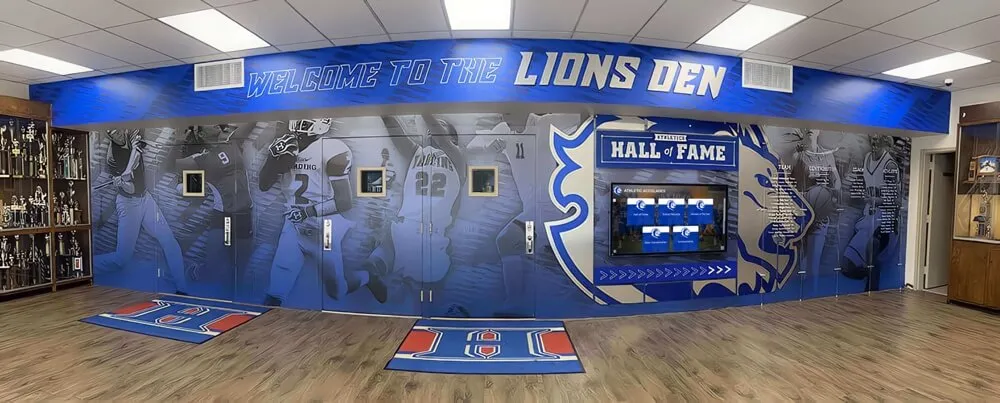
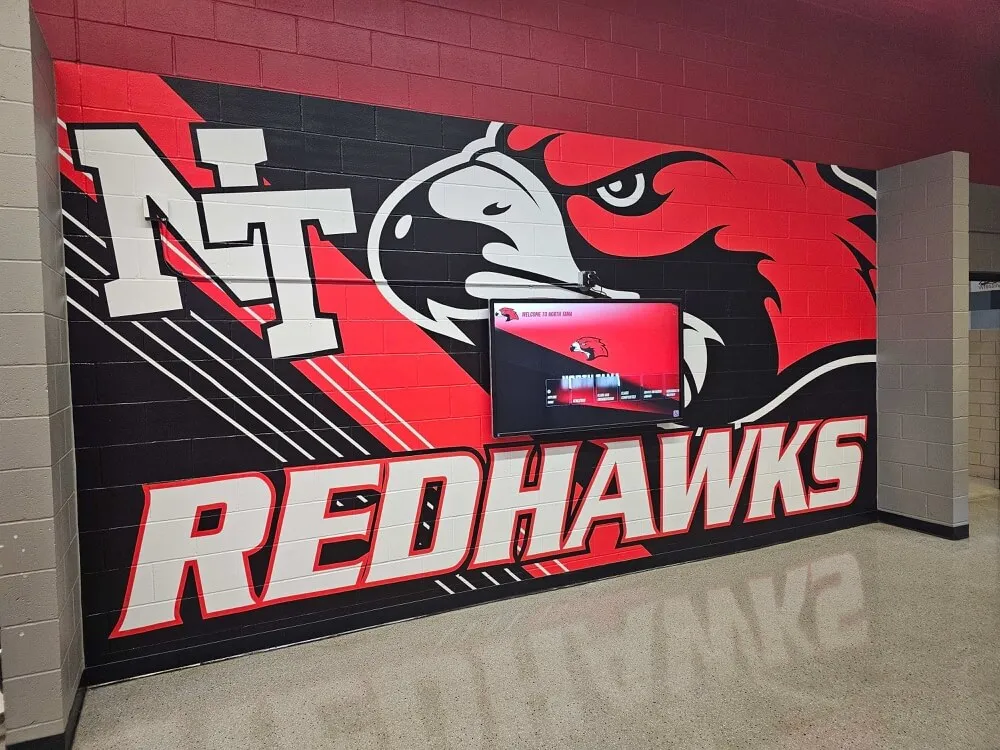
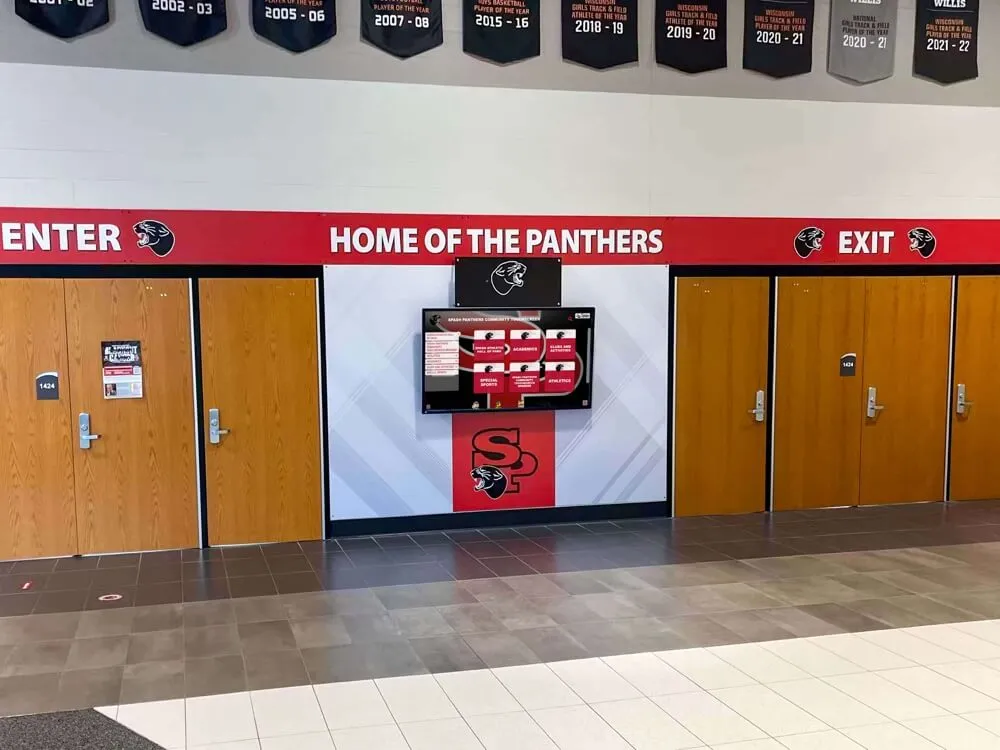
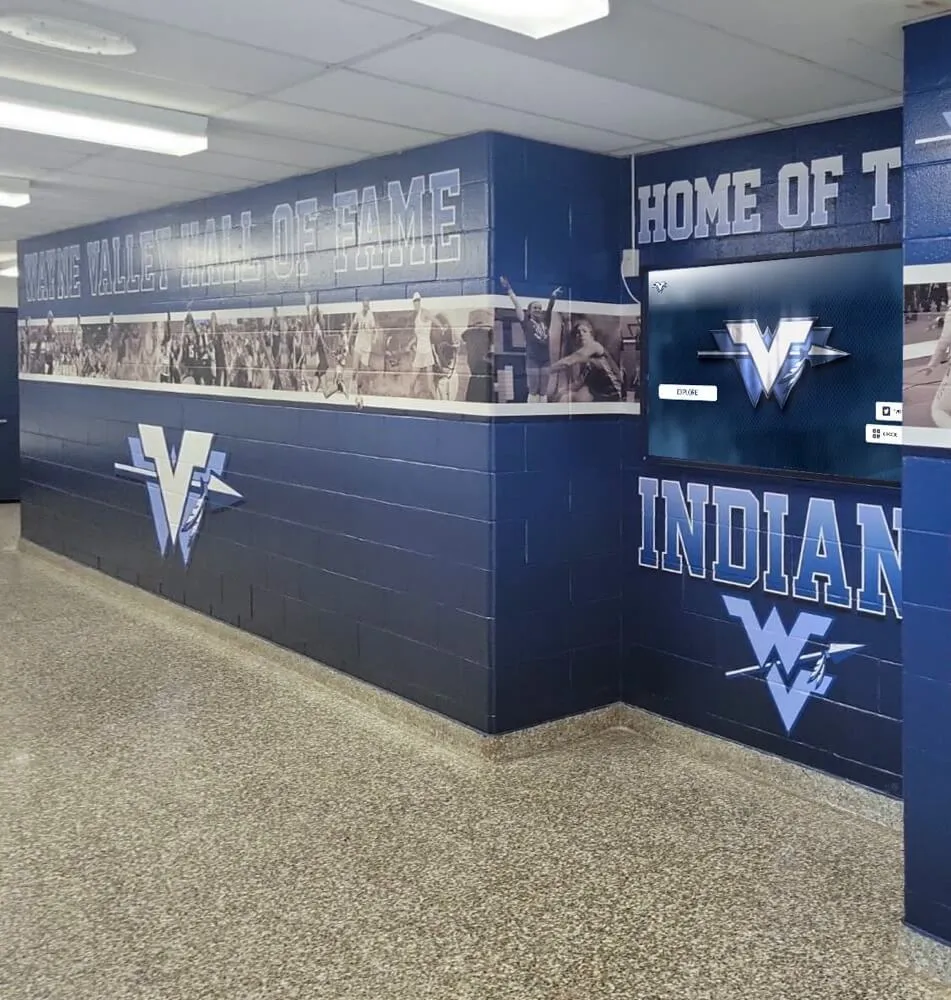
Strategic display placement in high-traffic areas maximizes visibility while complementing traditional trophy cases
Category 6: Equipment and Inventory Management
Tracking athletic equipment, uniforms, and supplies across multiple sports, teams, and seasons prevents loss, ensures accountability, and simplifies ordering and budgeting. Specialized inventory systems address athletics’ unique equipment management needs.
19. CompuSports Equipment Management
CompuSports provides athletic equipment inventory management helping coaches, equipment managers, and athletic directors collect, organize, and manage sports clothing and equipment inventories. The system tracks assignments, monitors returns, identifies missing items, and maintains equipment condition records.
CompuSports particularly serves programs with large equipment inventories across multiple sports requiring detailed tracking. The platform reduces equipment loss, improves accountability, and simplifies season-end inventory reconciliation.
20. eSPORTS
eSPORTS offers comprehensive equipment and uniform management with item-level tracking, athlete assignments, damage documentation, and replacement scheduling. The system generates reports showing inventory status, outstanding assignments, and budget requirements for upcoming purchases.
eSPORTS benefits programs implementing formal check-out systems ensuring proper equipment accountability. The platform’s damage tracking supports decisions about repair versus replacement while documenting equipment condition for budget justification.
21. TrackWrestling Roster Management
While primarily serving wrestling programs, TrackWrestling’s roster management features including equipment tracking, weight certification, and participation documentation demonstrate sport-specific inventory management approaches. Similar specialized platforms serve other sports with unique equipment or documentation requirements.
Sport-specific platforms often provide deeper functionality for particular needs compared to general-purpose systems. Athletic administrators should investigate whether specialized tools exist for their largest programs.
Category 7: Performance Tracking and Analytics
Data-driven decision-making requires capturing, analyzing, and presenting information about program participation, athlete development, competitive results, and operational effectiveness. Analytics platforms transform raw data into actionable insights.
22. Smartabase
Smartabase provides athlete management and monitoring systems used by professional teams and elite college programs. The platform captures training data, injury information, performance metrics, and wellness indicators providing coaches and sports medicine staff with comprehensive athlete profiles.
While Smartabase represents a sophisticated solution typically beyond high school budgets, programs with dedicated sports science staff or significant performance emphasis benefit from integrated athlete monitoring impossible with manual tracking.
23. PlayHQ
PlayHQ features advanced reporting tools generating insights into participation, payments, compliance, and more. The platform engages participants with live scoring, streaming integration, and custom apps where players, families, and fans access schedules, results, personal statistics, and updates.
PlayHQ particularly serves leagues and conferences seeking comprehensive participation tracking and engagement features. The platform’s statistics capabilities support recognition programs while providing athletes with achievement documentation valuable for college recruiting.
24. MaxPreps Statistics
Beyond communication functions, MaxPreps provides detailed statistics tracking across multiple sports. The platform standardizes data collection, calculates common metrics, and presents information through athlete and team profiles accessible to college recruiters.
MaxPreps statistics particularly benefit college-bound athletes seeking visibility and documented performance records. The platform’s broad adoption among college coaches increases the likelihood recruiters will discover and evaluate talent.
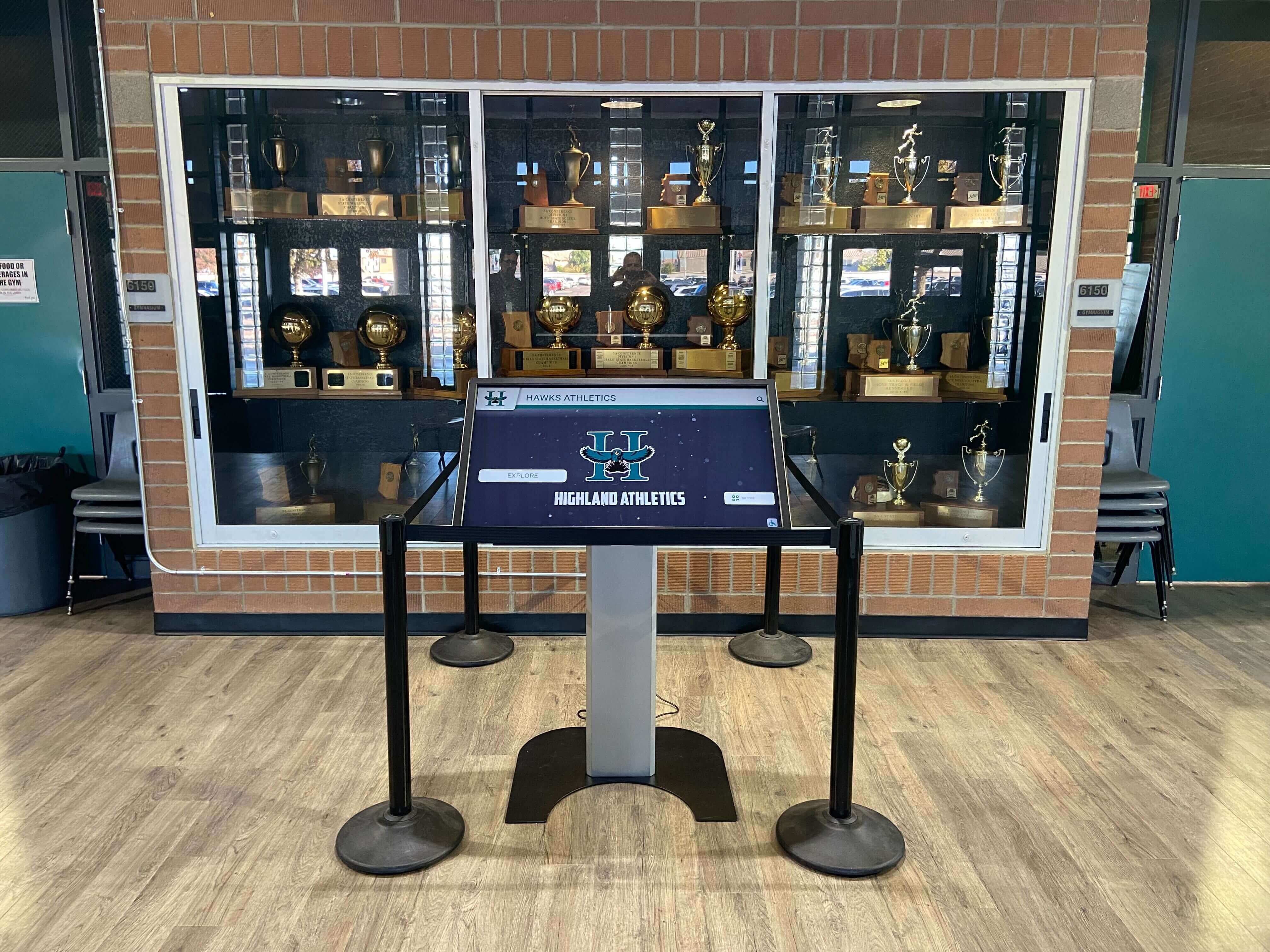
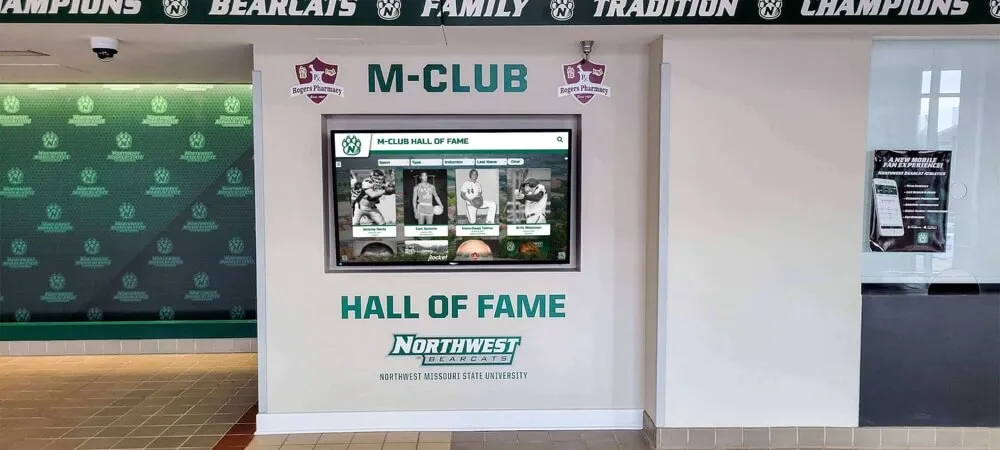
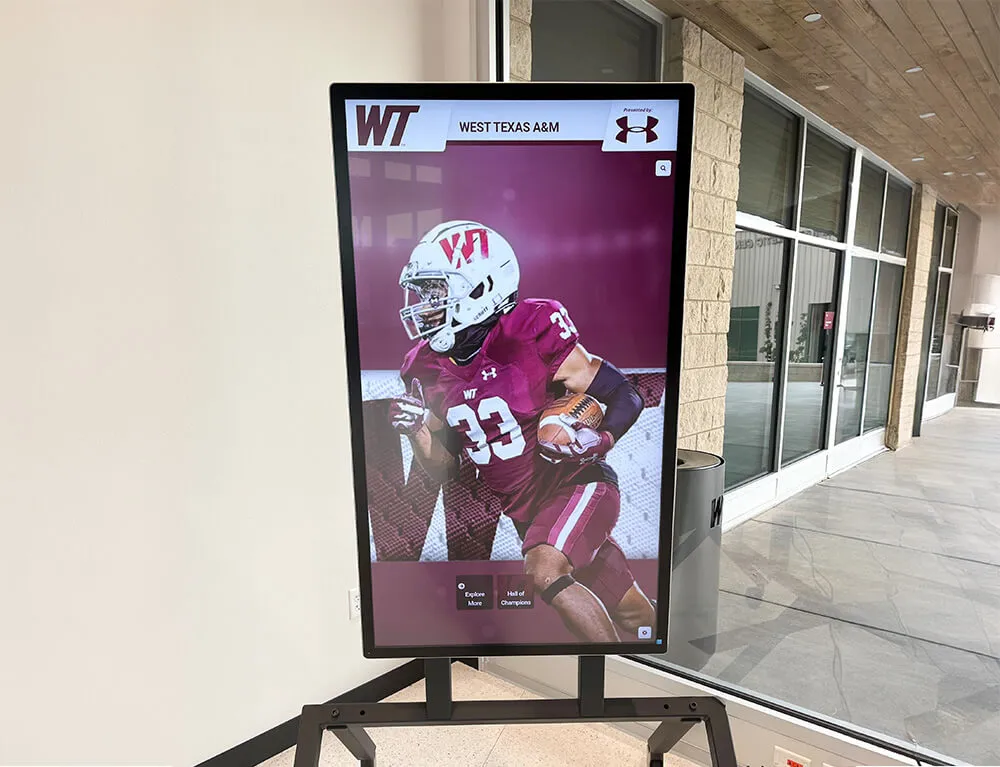
Modern touchscreen kiosks integrate seamlessly with traditional trophy displays, providing expanded recognition capacity
Category 8: Transportation and Travel Management
Coordinating team transportation, tracking travel expenses, and ensuring proper supervision during away competitions requires systematic approaches. Transportation management tools address these logistical challenges.
25. TripSpark
TripSpark provides transportation management specifically designed for school districts including athletic trip scheduling, vehicle assignment, driver management, route optimization, and cost tracking. The platform integrates with district transportation departments ensuring athletic needs coordinate with other district transportation requirements.
TripSpark particularly serves larger districts with dedicated transportation departments requiring formal coordination systems. The platform prevents scheduling conflicts while maintaining proper documentation and cost allocation.
26. Via Transportation Management
Via offers flexible transportation solutions including on-demand routing, real-time tracking, passenger communication, and utilization analytics. While not athletics-specific, Via’s capabilities address common challenges in coordinating travel for teams and events.
Via particularly benefits programs using varied transportation approaches including parent volunteers, rental vehicles, and district buses. The platform’s flexibility accommodates complex transportation ecosystems common in athletic programs.
Category 9: Digital Recognition and Engagement
Celebrating athletic achievements, maintaining halls of fame, documenting program history, and engaging alumni represent important but often neglected administrative responsibilities. Digital recognition platforms transform static displays into dynamic, accessible recognition systems.
27. Rocket Alumni Solutions
Rocket Alumni Solutions provides comprehensive digital recognition systems integrating touchscreen displays, cloud-based content management, and web accessibility. The platform enables athletic administrators to create unlimited recognition capacity showcasing hall of fame inductees, championship teams, record holders, and notable alumni through searchable databases featuring photos, videos, statistics, and biographical information.
Modern digital recognition displays eliminate space constraints inherent in traditional trophy cases and plaque walls. Administrators add new achievements instantly through simple content management dashboards without ordering physical plaques or coordinating installation. Web accessibility extends recognition beyond campus, enabling alumni to explore achievements from anywhere while sharing profiles through social media.
Rocket Alumni Solutions particularly serves programs implementing comprehensive recognition strategies integrating athletic achievement with academic recognition programs, alumni engagement initiatives, and donor acknowledgment. The platform’s flexibility supports diverse recognition categories while maintaining consistent branding and professional presentation.
Athletic administrators implementing digital recognition systems report significant benefits beyond honoring achievements. Touchscreen displays in athletic facilities attract prospective student-athletes during recruiting visits, provide conversation starters during campus tours, engage visitors during athletic events, and strengthen school pride among current students. Interactive displays showcase program depth and tradition impossible to communicate through limited physical display space.
Integration between athletic achievement recognition and broader institutional systems creates comprehensive approaches. Programs can connect athletic halls of fame with school historical timelines, senior class awards, and alumni recognition programs providing unified celebration of institutional excellence accessible year-round.
28. Social Media Management Tools (Hootsuite, Buffer)
While not athletics-specific, social media management platforms help athletic administrators efficiently share achievements, promote upcoming events, and engage communities across multiple social channels. Tools like Hootsuite and Buffer enable scheduling posts in advance, monitoring engagement, and maintaining consistent social presence without constant attention.
Social media particularly benefits programs seeking to build community support, attract prospective athletes, and celebrate achievements to broader audiences. Consistent posting demonstrates program vitality and pride while keeping stakeholders informed and engaged.
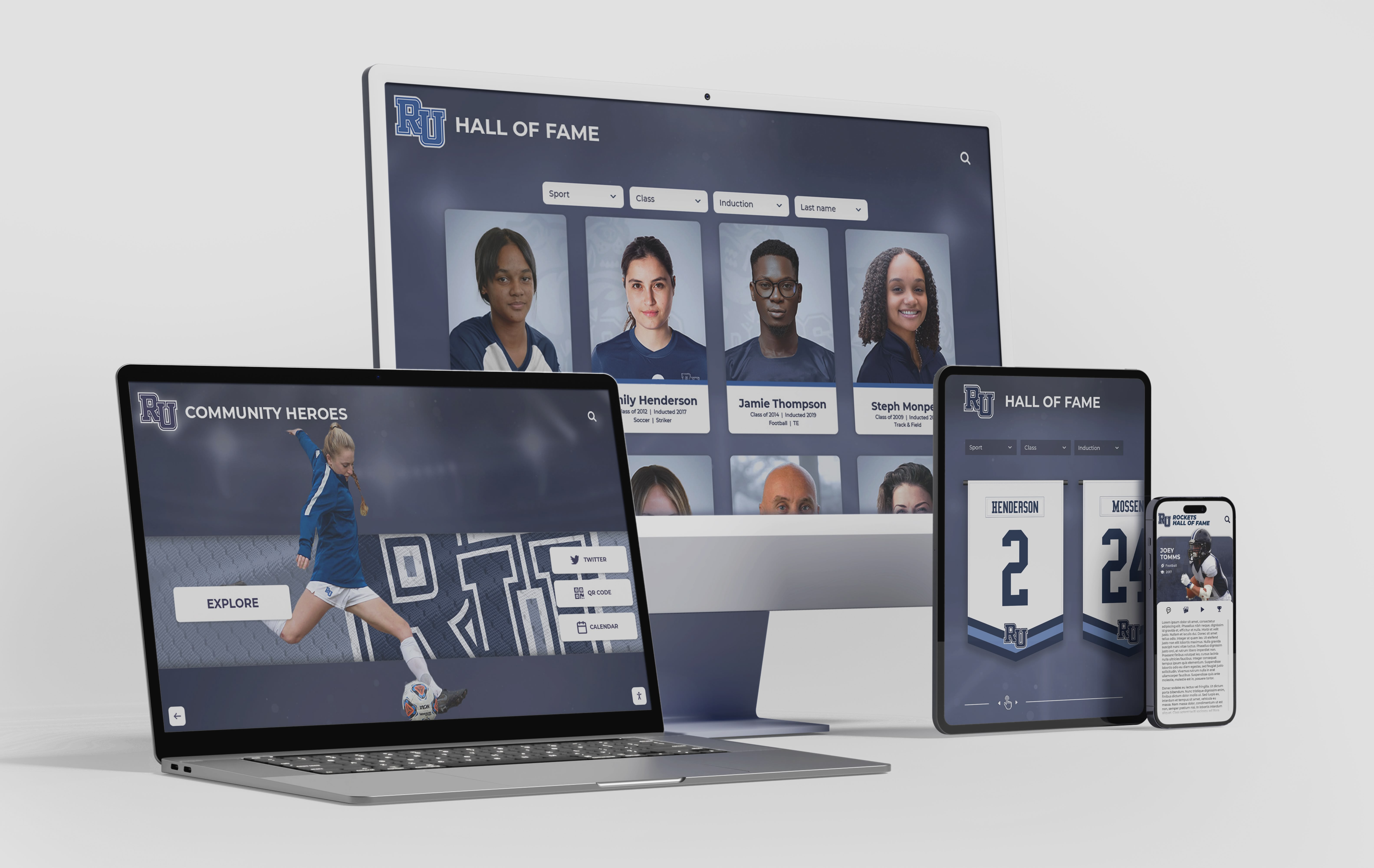
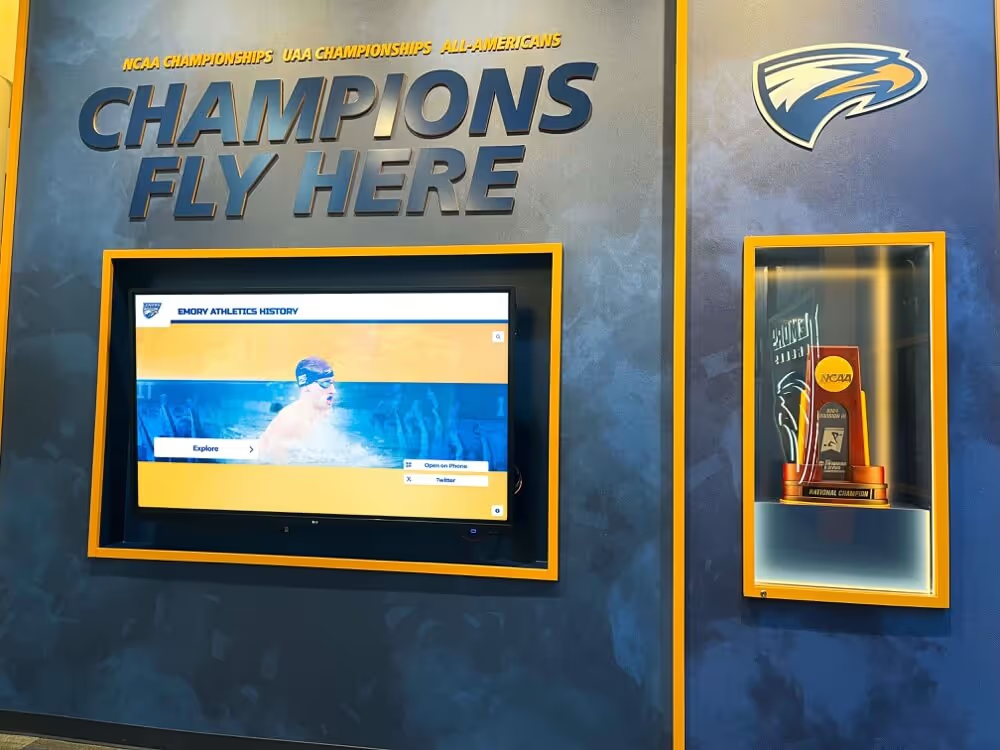
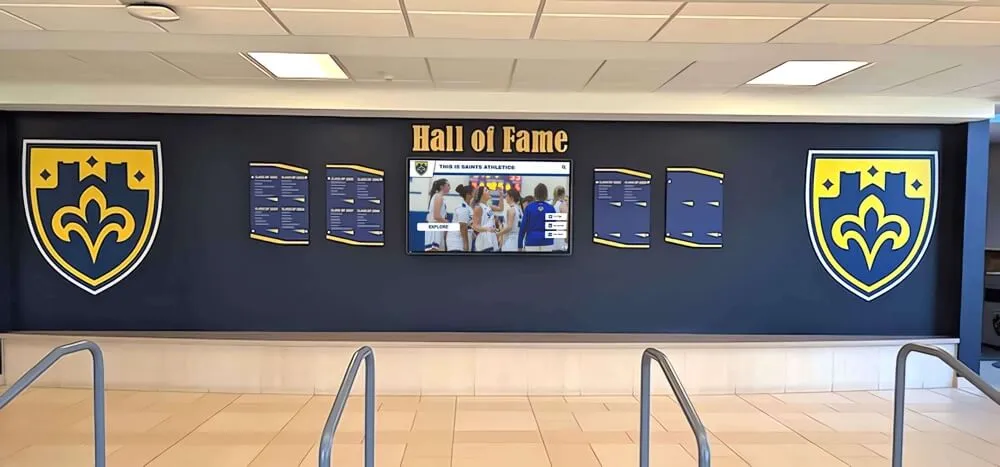
Web-based recognition extends athletic achievement visibility beyond campus, enabling alumni access from any device
29. Google Workspace for Education
Google Workspace provides communication, collaboration, and productivity tools including Gmail, Calendar, Drive, Docs, Sheets, and Forms. For athletic administrators, Google Workspace offers free or low-cost platforms for document creation, schedule sharing, data collection through forms, and file storage accessible from any device.
While basic compared to specialized athletic software, Google Workspace provides essential functions for programs with limited technology budgets. Many administrators effectively manage significant responsibilities using Google tools before or alongside specialized platforms.
30. Hudl
Hudl provides video analysis and sharing specifically designed for athletic programs. Coaches upload game and practice footage, tag plays for analysis, and share video with athletes for review. The platform supports skill development while creating video archives documenting program history.
Beyond coaching applications, Hudl video serves recognition purposes. Athletic administrators can incorporate highlight footage into digital hall of fame displays providing dynamic content impossible with static photos alone. Video brings achievements to life while engaging viewers more deeply than text and photos.
Selecting the Right Software Solutions for Your Program
The 30 software products explored above represent diverse categories, price points, and functionality levels. Most athletic administrators cannot—and should not—implement all 30 simultaneously. Strategic selection based on specific needs, budget realities, and implementation capacity creates sustainable technology ecosystems.
Assess Current Pain Points
Begin by identifying your most significant administrative challenges:
If scheduling consumes excessive time and creates frequent conflicts: Prioritize comprehensive scheduling platforms like Arbiter or SPORTSKEY providing automated conflict checking and stakeholder visibility.
If compliance tracking creates anxiety and requires manual spreadsheet management: Implement eligibility and compliance tools like ArbiterSports Eligibility or rSchoolToday providing automated monitoring and audit trails.
If communication feels fragmented with coaches, athletes, and parents missing important information: Adopt centralized communication platforms like TeamSnap or Remind ensuring messages reach all stakeholders through preferred channels.
If financial management lacks transparency and budget tracking requires manual processes: Implement financial tools like RevTrak or QuickBooks providing comprehensive income and expense tracking with reporting capabilities.
If athletic achievements receive minimal recognition and trophy cases overflow: Deploy digital recognition systems like Rocket Alumni Solutions providing unlimited recognition capacity with professional presentation and broad accessibility.
Focusing initial technology investments on your greatest pain points generates maximum return on investment while avoiding overwhelming staff with simultaneous system implementations across all administrative functions.
Consider Integration and Compatibility
Technology ecosystems function best when systems integrate seamlessly, sharing data and eliminating redundant entry. When evaluating software:
Prioritize Platforms Offering Multiple Functions
Comprehensive platforms like Teamworks, Spry, BigTeams, or Bound consolidating registration, scheduling, communication, and compliance into unified systems eliminate integration challenges inherent in stitching together separate tools.
Verify Integration Capabilities
If selecting specialized tools, confirm they integrate with systems you already use. Software claiming integration should demonstrate actual data flow—not just the ability to export and manually import files between platforms.
Consider Your Technical Infrastructure
Cloud-based platforms requiring only internet connectivity generally implement more easily than systems requiring server installation, complex networking, or significant IT support. Programs with limited technical resources should prioritize simple, cloud-based solutions over feature-rich platforms requiring extensive technical administration.
Evaluate Total Cost of Ownership
Software costs extend beyond initial purchases or subscriptions:
Implementation and Training
Factor in time required to configure systems, migrate historical data, and train staff. Solutions offering implementation assistance and comprehensive training resources reduce hidden costs associated with DIY setup struggles.
Ongoing Maintenance and Updates
Subscription models typically include updates and support, while one-time purchase software may require separate maintenance agreements or additional fees for major updates.

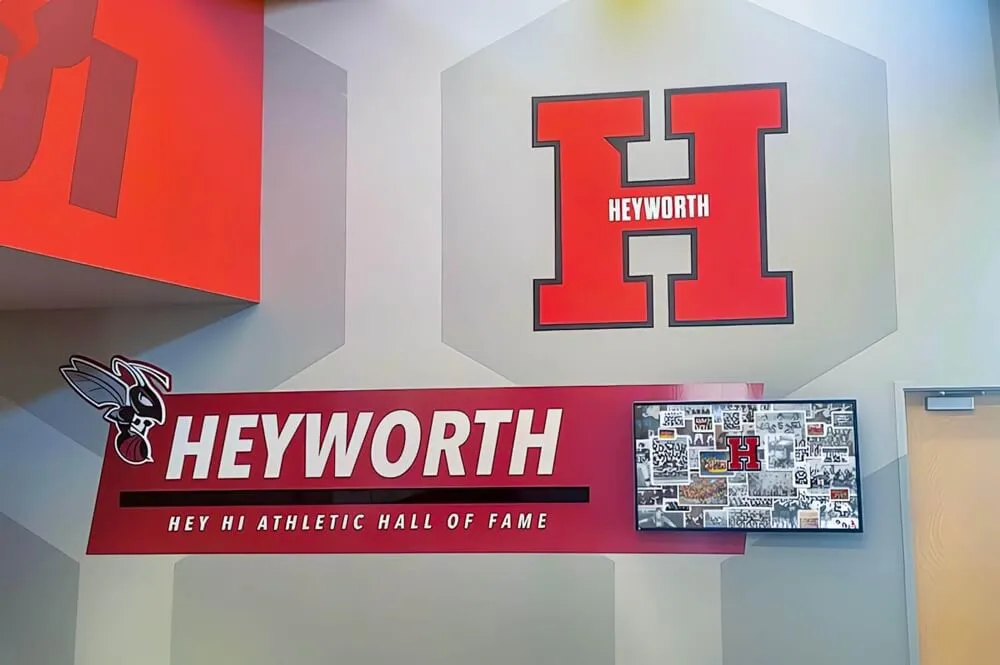
Professional digital displays demonstrate program investment in recognizing athletic excellence and preserving tradition
Staff Time for Content Management
Even the best platforms require ongoing attention—adding athletes, updating schedules, creating communications, or managing recognition content. Estimate realistic time requirements and ensure staff capacity exists for routine maintenance.
Hardware and Infrastructure
Digital recognition displays, facility management kiosks, or performance tracking systems may require purchasing touchscreens, computers, or other hardware beyond software licensing costs.
Calculate total five-year costs including all these factors rather than focusing exclusively on annual subscription fees. Sometimes higher-priced platforms delivering superior integration, training, and support provide better value than cheaper alternatives requiring extensive internal resources.
Seek References and Trial Periods
Most quality athletic software providers offer demonstrations, trial periods, or pilot programs. Before committing:
Request Demonstrations Showing Your Specific Use Cases
Generic product tours rarely reveal whether software truly addresses your particular needs. Provide vendors with specific scenarios and ask them to demonstrate how their platforms handle your actual workflows.
Contact Reference Customers Similar to Your Program
Vendors should provide references from programs with similar size, level, and characteristics. Ask reference contacts about implementation experiences, ongoing satisfaction, responsiveness to support requests, and whether they would select the same platform knowing what they now know.
Test During Actual Operations if Possible
Trial periods prove most valuable when used during actual operational periods—registration season, schedule development, or recognition updates—rather than during off-seasons when limited usage prevents thorough evaluation.
Measuring Software Impact and Return on Investment
Justifying technology investments requires demonstrating tangible value to administrators, boards, and stakeholders providing funding. Systematic assessment documents impact while identifying optimization opportunities.
Track Time Savings and Efficiency Gains
Quantify administrative time saved through software automation:
- Hours previously spent manually managing schedules, eligibility spreadsheets, or communication
- Reduction in scheduling conflicts requiring corrective action
- Decreased eligibility violations and compliance issues
- Faster response times to stakeholder inquiries and requests
- Reduced errors requiring correction and follow-up
These efficiency gains translate directly to cost savings—either through reduced administrative staffing needs or reallocation of staff time toward higher-value activities like program development, relationship building, and strategic planning.
Monitor Stakeholder Satisfaction
Technology should improve experiences for coaches, athletes, parents, and community members:
- Survey coaches about schedule visibility, communication effectiveness, and administrative support
- Gather parent feedback on registration ease, information accessibility, and overall satisfaction
- Ask athletes about schedule clarity, recognition appreciation, and program pride
- Monitor engagement metrics including social media interaction, website traffic, and digital display usage
Improved stakeholder satisfaction demonstrates technology value beyond administrative efficiency—showing investments enhance program quality and community connection.
Document Financial Performance
Track revenue and expense impacts:
- Increased registration revenue from improved online payment convenience
- Fundraising performance compared to previous manual approaches
- Equipment cost savings from improved inventory management reducing loss
- Budget compliance and financial reporting accuracy improvements
Financial metrics provide concrete evidence of technology return on investment particularly valuable when requesting budget increases or justifying renewals.
Showcase Program Growth and Achievement
Modern athletic software generates data previously difficult or impossible to capture:
- Participation trends across sports, grades, and demographics
- Achievement documentation for student-athletes supporting college recruiting
- Facility utilization patterns informing scheduling and investment decisions
- Program reach and engagement through digital platforms
- Recognition program growth and stakeholder interaction
This data enables administrators to tell compelling stories about program effectiveness, demonstrate strategic stewardship, and make evidence-based decisions elevating athletic department operations from administrative management to strategic leadership.
Implementing Software Successfully: Best Practices
Technology purchases alone don’t guarantee success. Thoughtful implementation, staff training, and change management determine whether software delivers promised benefits or becomes expensive shelfware generating frustration rather than value.
Secure Stakeholder Buy-In Before Purchase
Involve key stakeholders—coaches, athletics staff, parents, and technical support—in evaluation and selection. People support what they help create. Software imposed from above without consultation often faces resistance undermining adoption regardless of quality.
Present technology as solving problems stakeholders experience rather than adding new systems requiring learning. Frame software as making their work easier, reducing frustration, and improving their ability to serve athletes effectively.
Plan Thorough Implementation and Training
Dedicate adequate time to proper setup:
Configure Systems Thoughtfully
Customize categories, templates, and workflows matching your actual processes rather than accepting generic defaults. Time invested in proper configuration prevents ongoing friction and workarounds.
Migrate Historical Data Systematically
If importing existing information, invest in data cleaning ensuring accuracy. Poor quality historical data creates ongoing problems far exceeding short-term cleanup effort.
Train All Users Comprehensively
Provide training through multiple formats—live sessions, recorded videos, written guides, and one-on-one support—accommodating different learning preferences. Ensure all system users achieve competency before going live.
Develop Documentation and Resources
Create simple reference guides documenting common tasks, troubleshooting steps, and support contacts. Accessible documentation reduces support burdens while enabling users to self-solve routine questions.
Start Small and Expand Gradually
Avoid implementing all features simultaneously. Begin with core functions delivering greatest value, allow time for mastery, then incrementally add capabilities. Successful small implementations build confidence and competency supporting expansion better than overwhelming simultaneous deployments across all functions.
Establish Ongoing Support and Optimization
Technology implementation isn’t one-time projects but ongoing processes:
Designate System Champions
Identify staff members owning specific platforms, serving as first-line support, and coordinating with vendors on issues and optimization. Clear ownership prevents systems languishing when everyone assumes someone else manages them.
Schedule Regular Review and Optimization
Quarterly or annual software reviews assess what’s working well, identify underutilized features, gather user feedback, and plan enhancements. Many administrators discover they use only small fractions of purchased software capabilities—regular reviews maximize investment value.
Maintain Current Content
Digital recognition systems, statistics platforms, and information repositories require ongoing content updates maintaining accuracy and relevance. Stale content undermines credibility and engagement regardless of underlying platform quality.
Conclusion: Building Your Athletic Administration Technology Ecosystem
Athletic administrators in 2025 face unprecedented operational complexity alongside rising stakeholder expectations for program quality, communication effectiveness, and achievement celebration. The 30 software products explored throughout this guide represent proven tools addressing these multifaceted challenges through automation, integration, and purpose-built workflows designed specifically for athletic administration contexts.
No single solution perfectly addresses every program’s unique needs, budgets, and circumstances. The most effective approach involves strategic selection based on your specific priorities—whether scheduling efficiency, compliance confidence, communication improvement, financial transparency, or comprehensive recognition programs deserve primary focus.
Transform Your Athletic Recognition Program
Discover how modern digital recognition solutions can help athletic administrators celebrate achievements professionally while building lasting connections with athletes, alumni, and communities.
Explore Recognition SolutionsBegin where you are: assess your greatest administrative pain points, clarify improvement priorities, research solutions matching your context and budget, secure stakeholder buy-in through inclusive selection processes, and implement thoughtfully with proper training and support. Every administrative improvement—whether comprehensive platform replacing multiple systems or specialized tool addressing specific challenge—strengthens your capacity to serve student-athletes effectively while maintaining professional, well-managed athletic programs.
The software landscape continues evolving rapidly, with emerging technologies bringing artificial intelligence, advanced analytics, mobile-first design, and deeper integration. Programs investing in quality platforms today position themselves for ongoing enhancement as vendors introduce new capabilities serving administrators’ evolving needs.
Athletic administration represents challenging, multifaceted work requiring expertise across diverse functional areas. The right technology doesn’t replace administrator judgment, relationship skills, or strategic thinking—it amplifies these capabilities by reducing administrative burden, improving information access, and creating systems enabling you to focus on high-value activities that truly matter: supporting coaches, developing student-athletes, building community support, and creating athletic programs worthy of the young people whose achievements you celebrate.
Ready to explore how modern software can transform specific aspects of your athletic program? Consider starting with digital recognition solutions showcasing achievements professionally, facility management systems maximizing space utilization, or comprehensive platforms consolidating multiple administrative functions.
Sources:
- Best Athlete Management Software: User Reviews from October 2025 - G2
- Spry | All-In-One Intercollegiate Athletics Management Tool
- BigTeams: Software Products for Athletic Administrators
- The Operating System for Sports™ | Teamworks
- DragonFly Athletics | Leading Athletic Management Software Solution
- School Management Software for Sports and Activities - Arbiter
- PlayHQ: Top Sports Management Software for Leagues & Competitions
- Athletic Equipment Management Software from CompuSports
- Educational Institution Sports Facility Booking Software | SportsKey