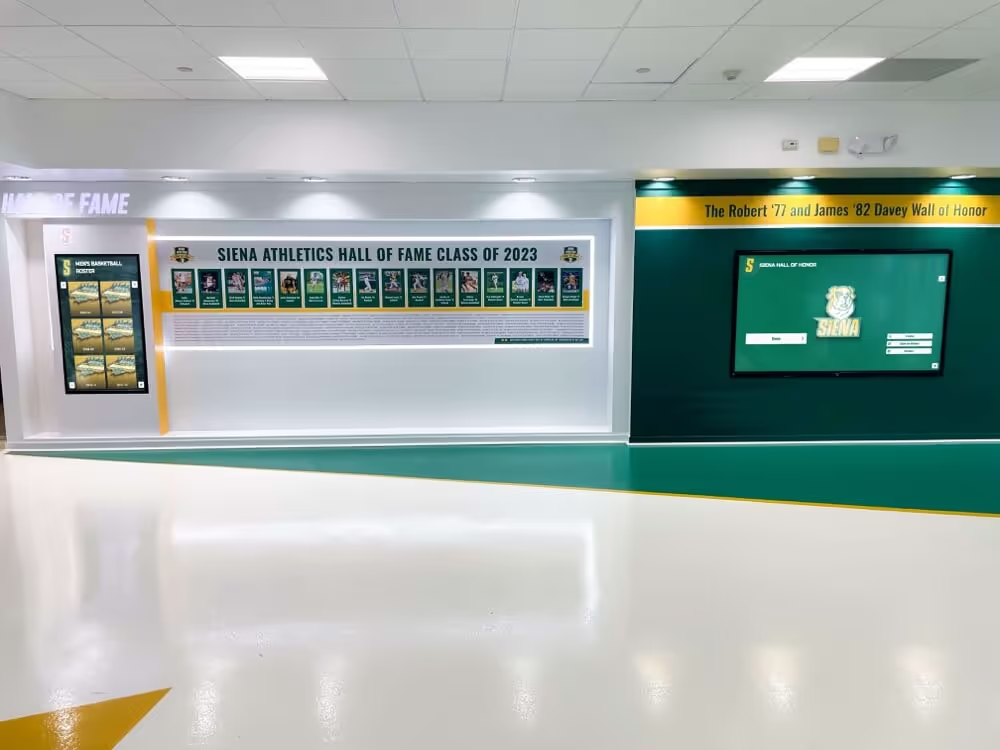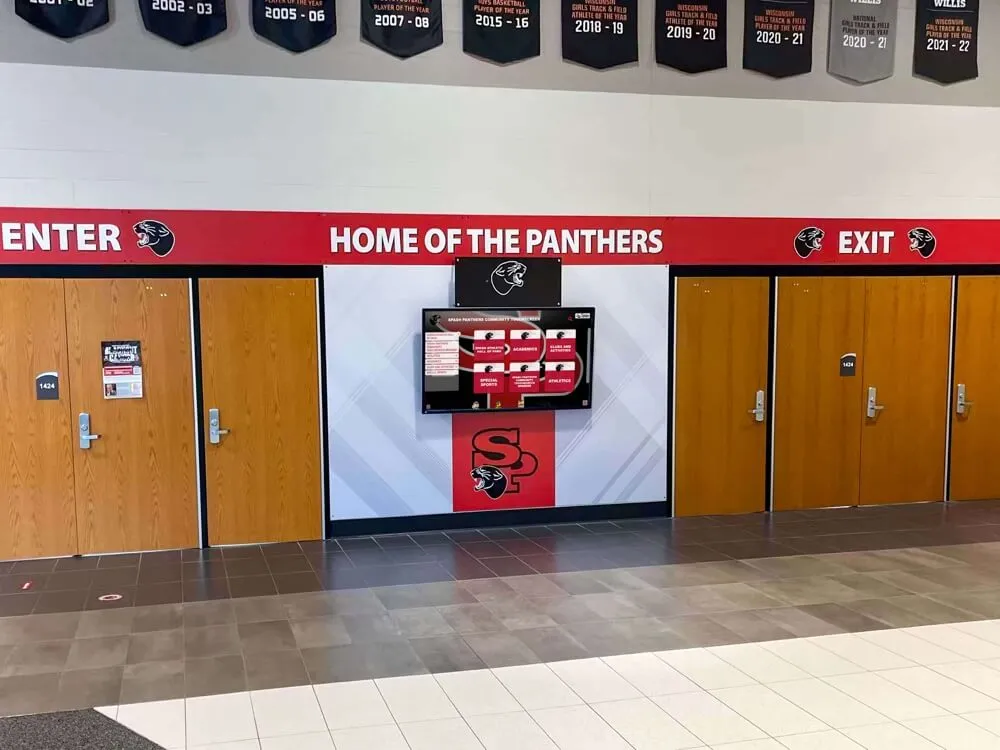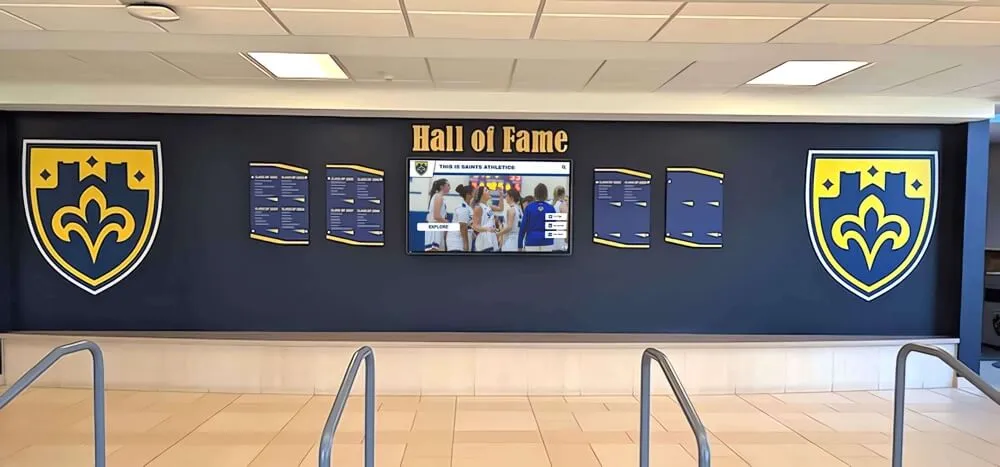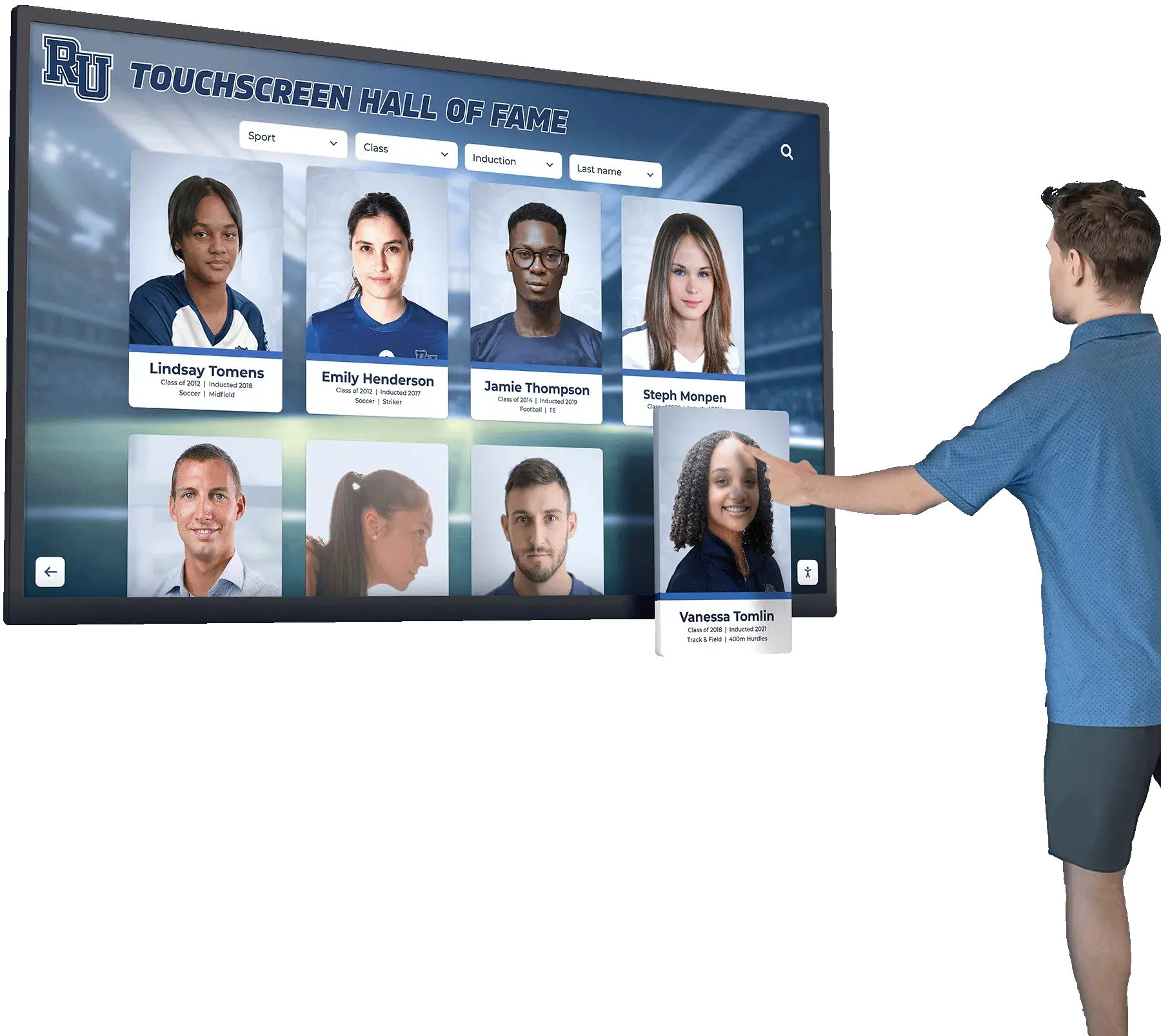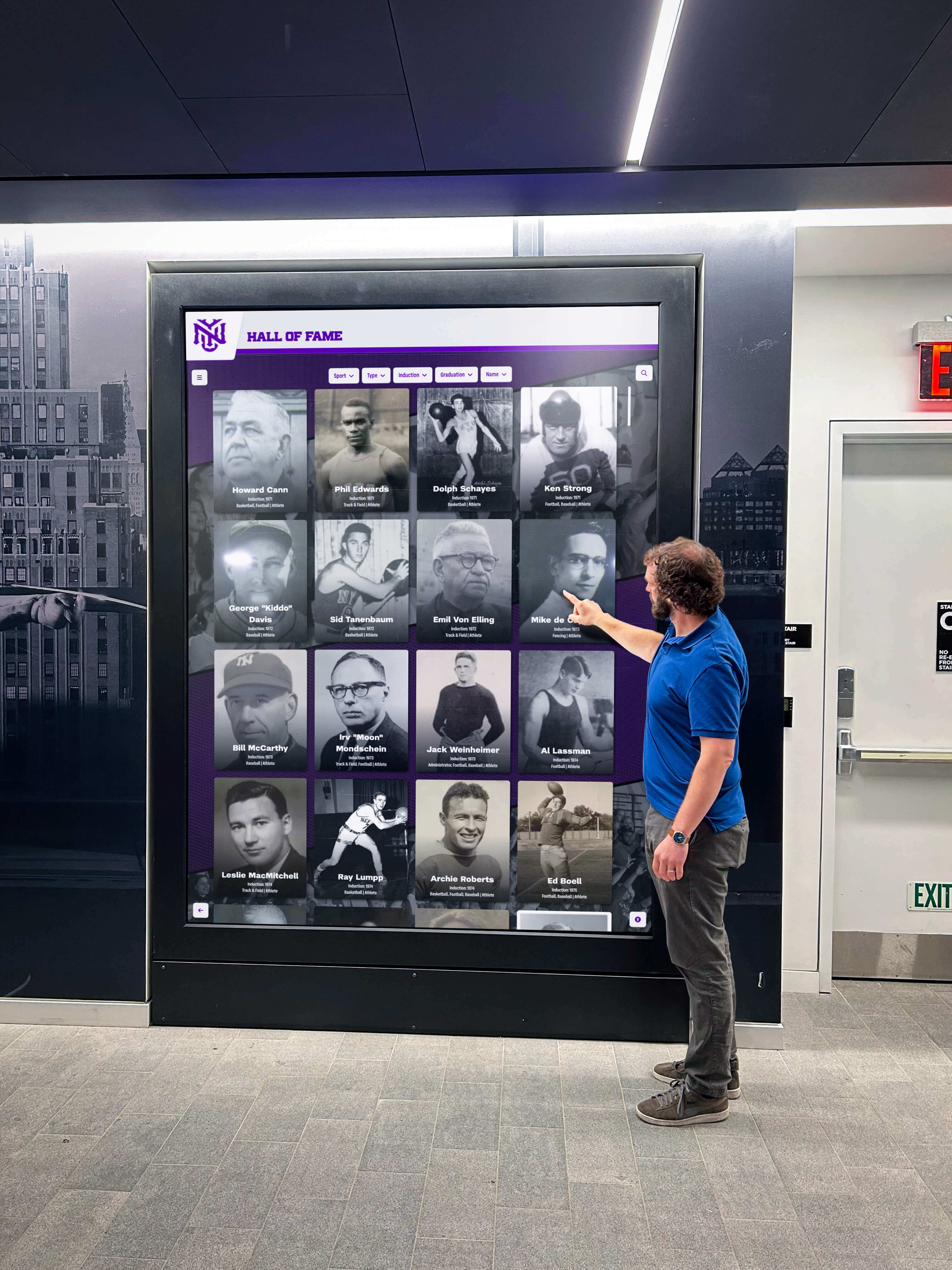
Senior living communities thrive when residents feel recognized, connected, and valued. Recognition programs celebrating resident achievements, volunteer contributions, staff excellence, and community leadership create vibrant environments where older adults remain engaged, purposeful, and connected to meaningful social networks. However, many retirement communities struggle with outdated recognition methods—faded bulletin boards, cluttered trophy cases, and static plaques that fail to capture the dynamic nature of active senior communities.
Modern touchscreen award systems transform how senior living facilities celebrate their communities. Interactive digital displays provide unlimited capacity for recognition while enabling residents, families, and visitors to explore community directories, internal committee structures, neighbor spotlights, memorial tributes, and achievement awards through intuitive, accessible interfaces. These systems address what senior living facilities care most about: resident engagement, family communication, safety transparency, and creating welcoming environments that demonstrate quality care.
This comprehensive guide explores how senior living communities can implement touchscreen recognition systems, with 20 specific ideas tailored to the unique needs of retirement facilities including independent living, assisted living, memory care, and continuing care retirement communities.
Senior living communities implementing digital recognition systems report increased resident participation in activities, improved family satisfaction scores, and enhanced ability to attract prospective residents who value modern, engaged communities that honor individual contributions and preserve community history.

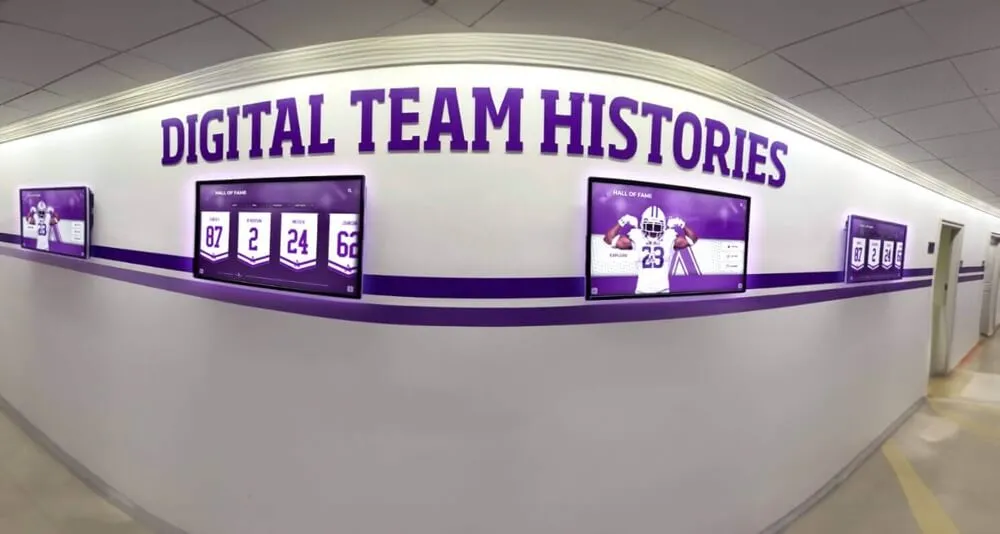
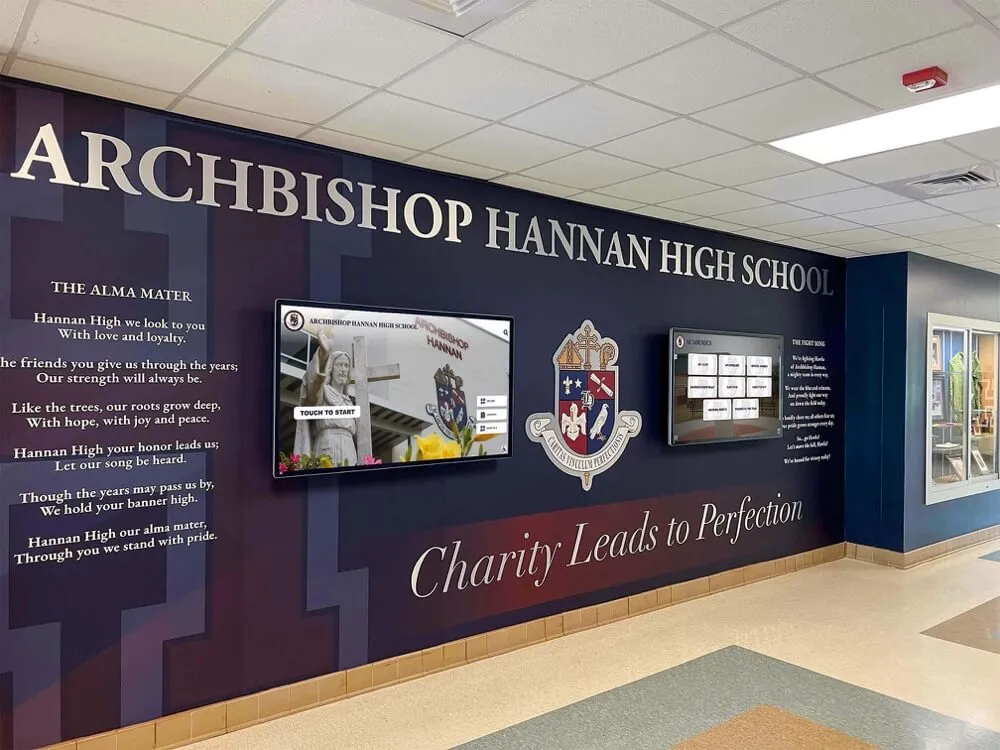
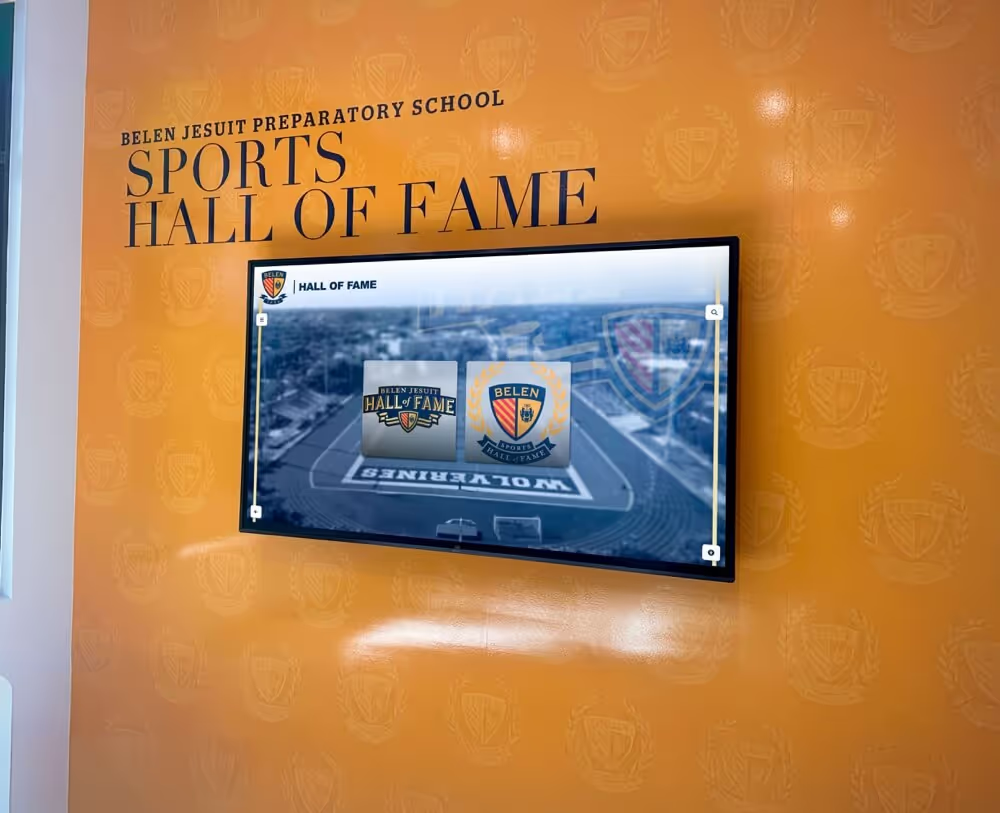
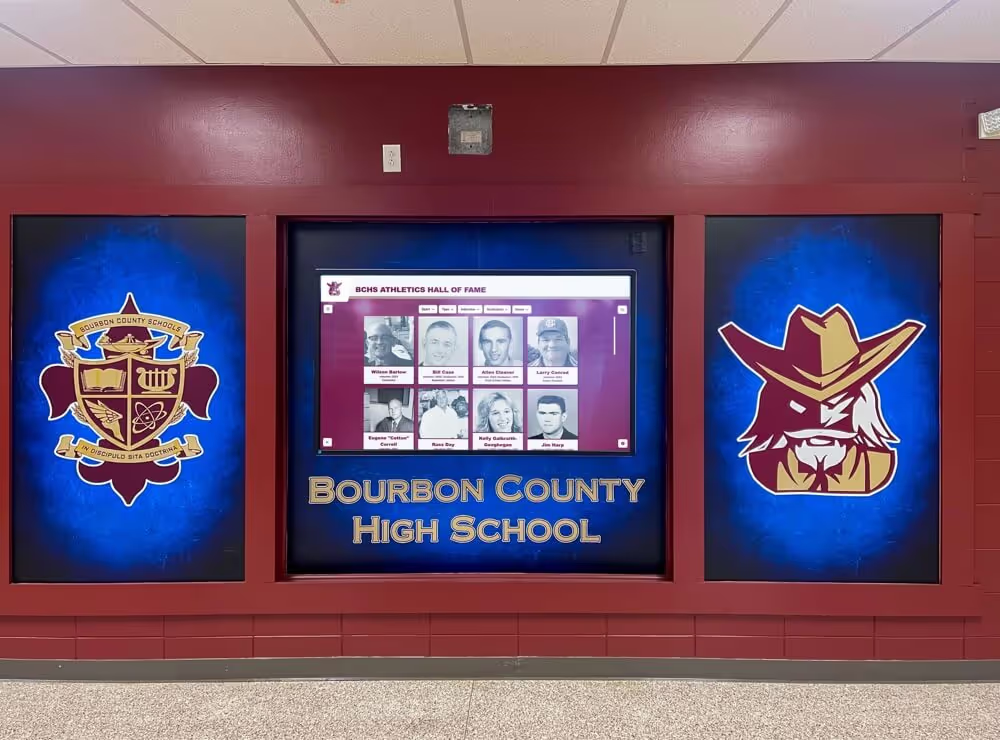
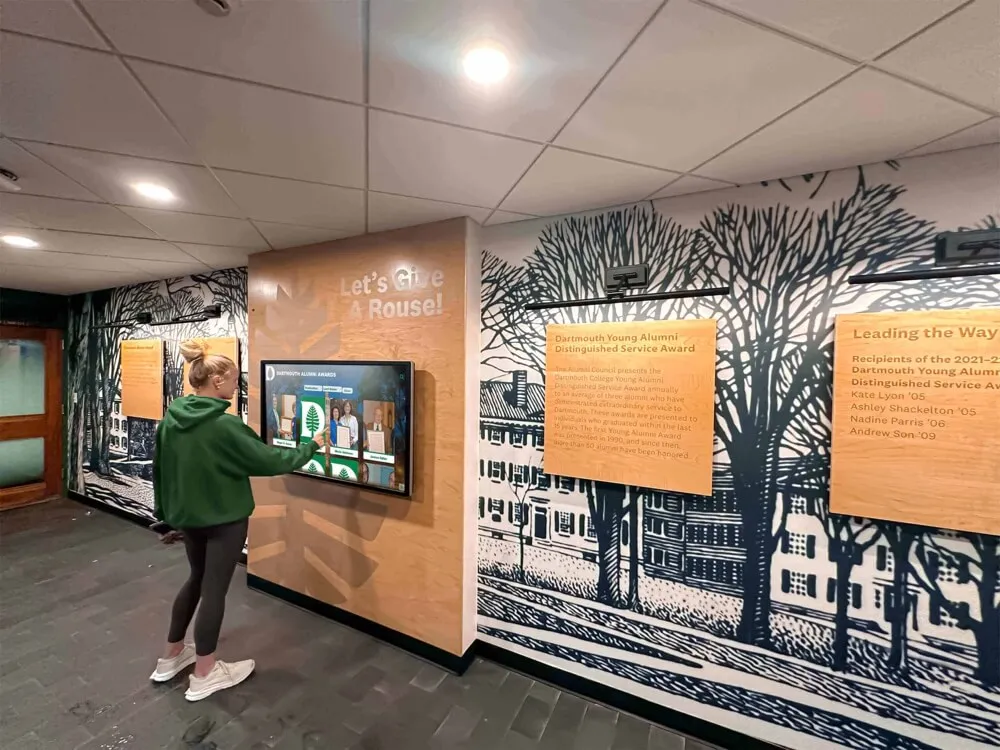
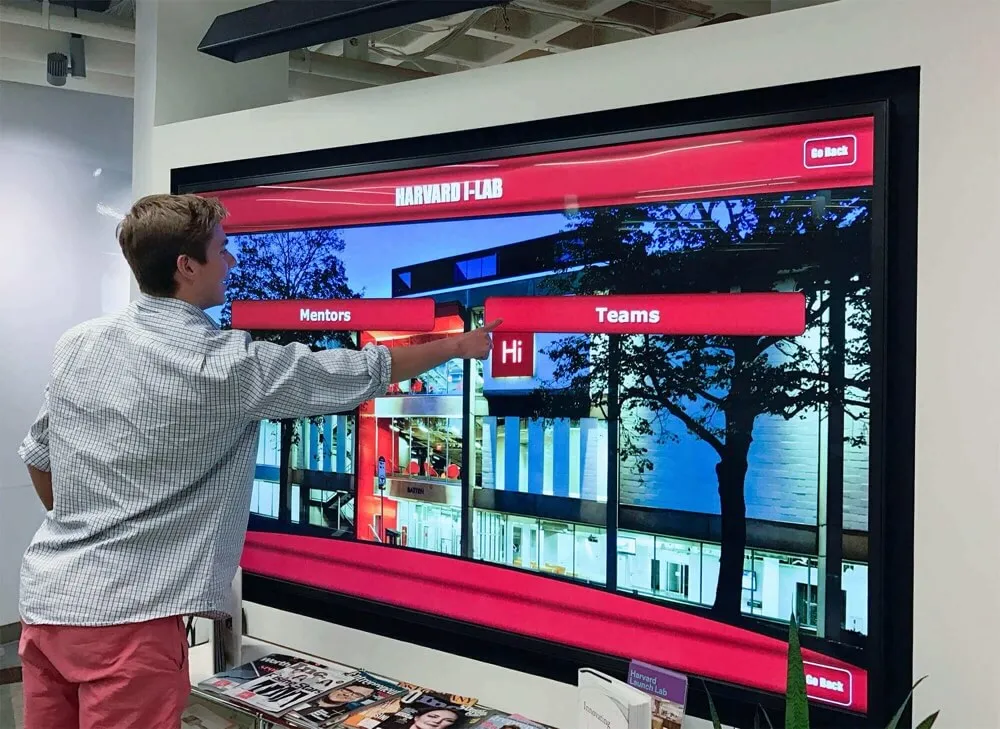
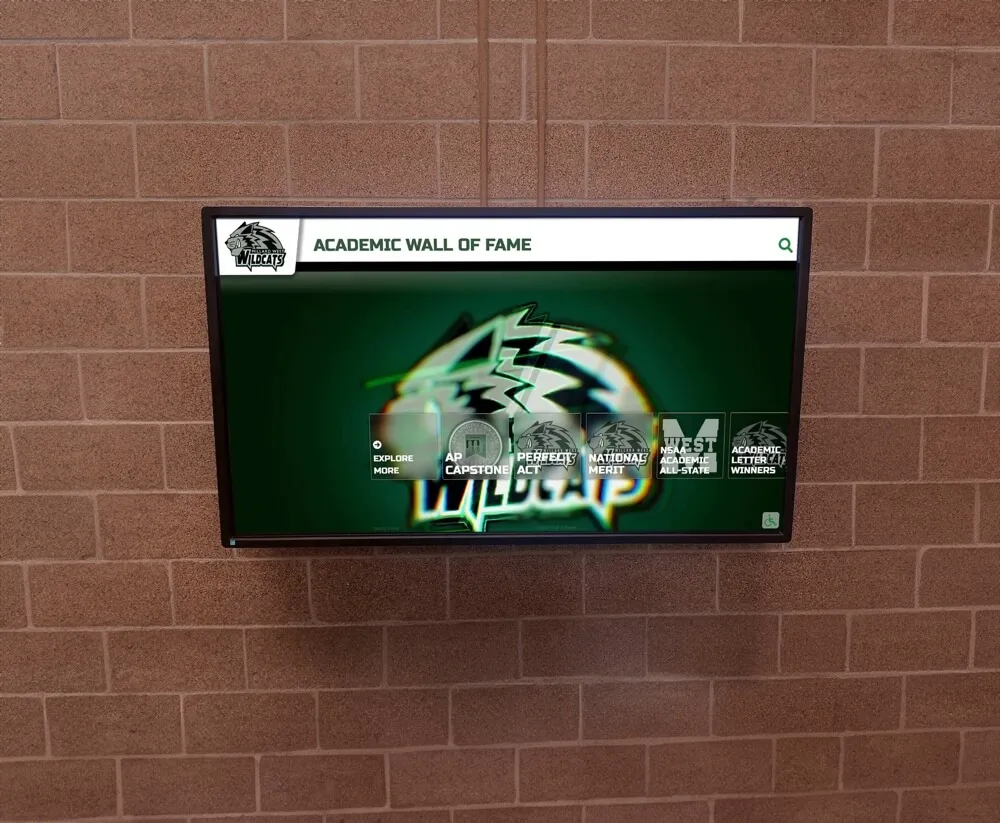
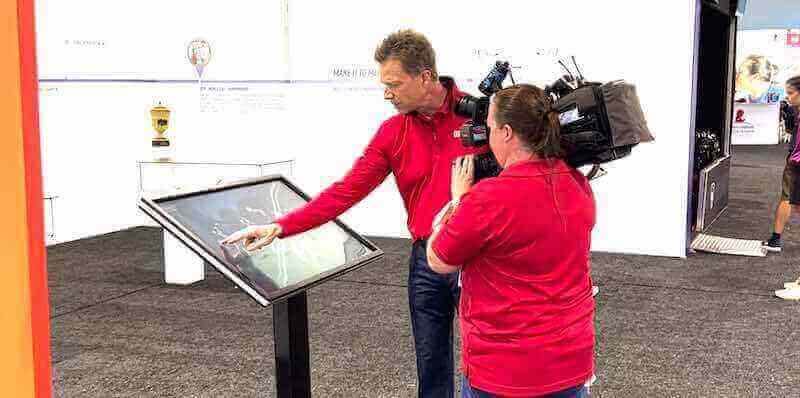
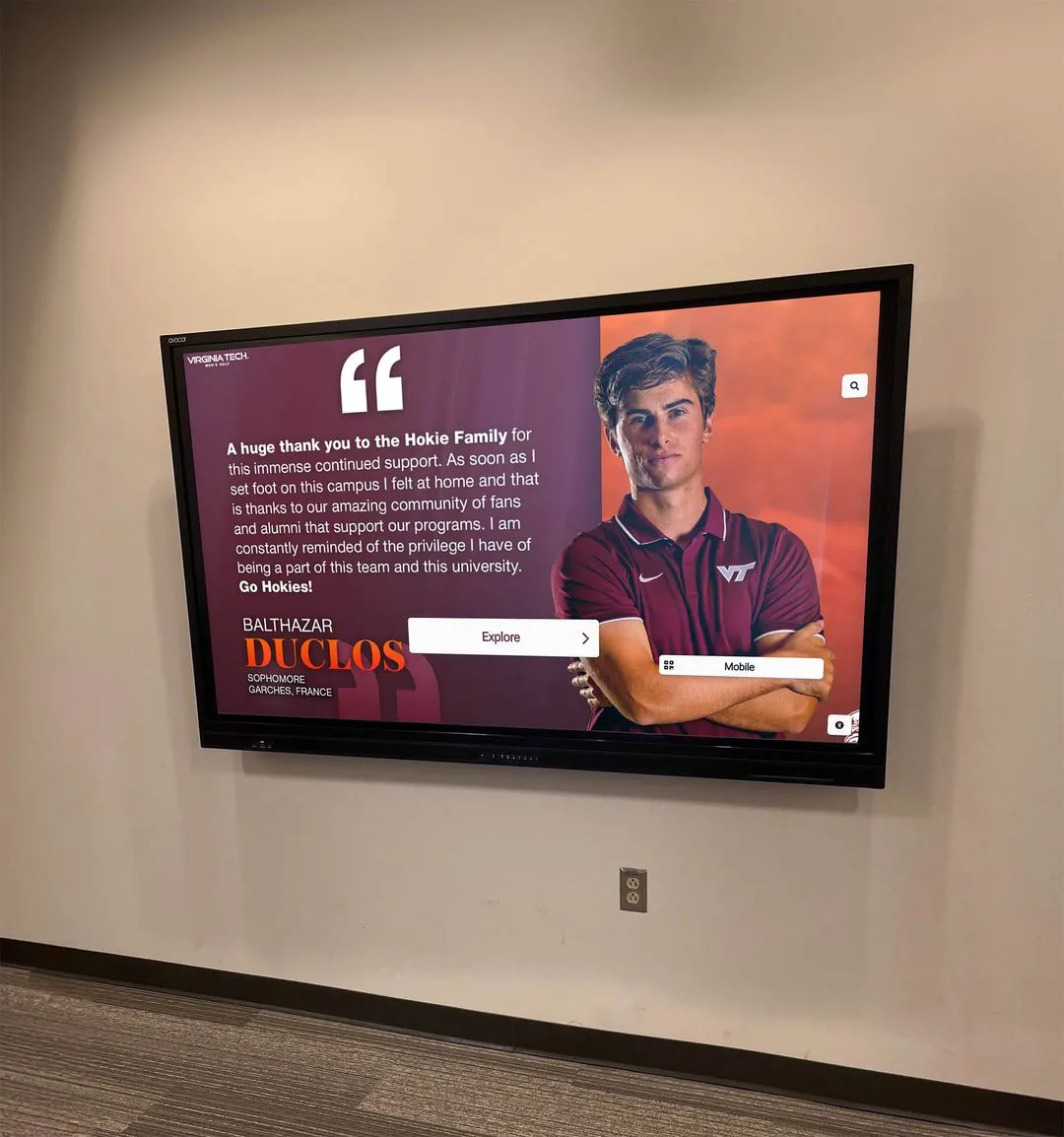
Interactive touchscreen displays in senior living lobbies provide residents and families with engaging access to community information, directories, and recognition programs
Understanding What Senior Living Communities Value Most
Before exploring specific recognition ideas, understanding the unique priorities of senior living facilities ensures touchscreen systems address genuine operational needs and resident concerns.
Safety, Security, and Transparency
Senior living facilities prioritize resident safety and clear communication about security measures. Families researching communities seek reassurance that their loved ones will receive appropriate care and live in secure environments. Touchscreen displays can communicate:
Visible Safety Information:
- Staff directory with photos, qualifications, and certifications
- Emergency response procedures and protocols
- Safety committee members and meeting schedules
- Facility security features and access controls
- Incident reporting procedures and safety improvements
- Health and wellness team credentials
Displaying this information prominently demonstrates commitment to transparency while educating residents and families about comprehensive safety systems protecting community members.
Community Engagement and Active Living
Active aging philosophies recognize that older adults thrive when opportunities for engagement, learning, contribution, and social connection remain abundant. Senior living facilities emphasize activities that prevent isolation and maintain cognitive, physical, and social wellness:
Engagement Priorities:
- Diverse activity offerings accommodating varied interests and ability levels
- Volunteer opportunities enabling continued contribution and purpose
- Committee structures giving residents voice in community decisions
- Educational programs supporting lifelong learning
- Social events building friendships and reducing loneliness
- Intergenerational programs connecting with broader community
Touchscreen recognition systems showcase these engagement opportunities while celebrating residents who actively participate, creating visible culture that encourages involvement.
Family Communication and Reassurance
Family members want confidence that their loved ones live in caring, professional communities where individual needs receive attention. Effective communication reduces family anxiety and builds trust:
Family-Focused Information:
- Staff introductions creating familiarity
- Activity calendars helping families plan visits
- Resident spotlights showing engagement and happiness
- Community achievement celebrations
- Transparent governance through visible committee structures
- Care philosophy and approach explanations
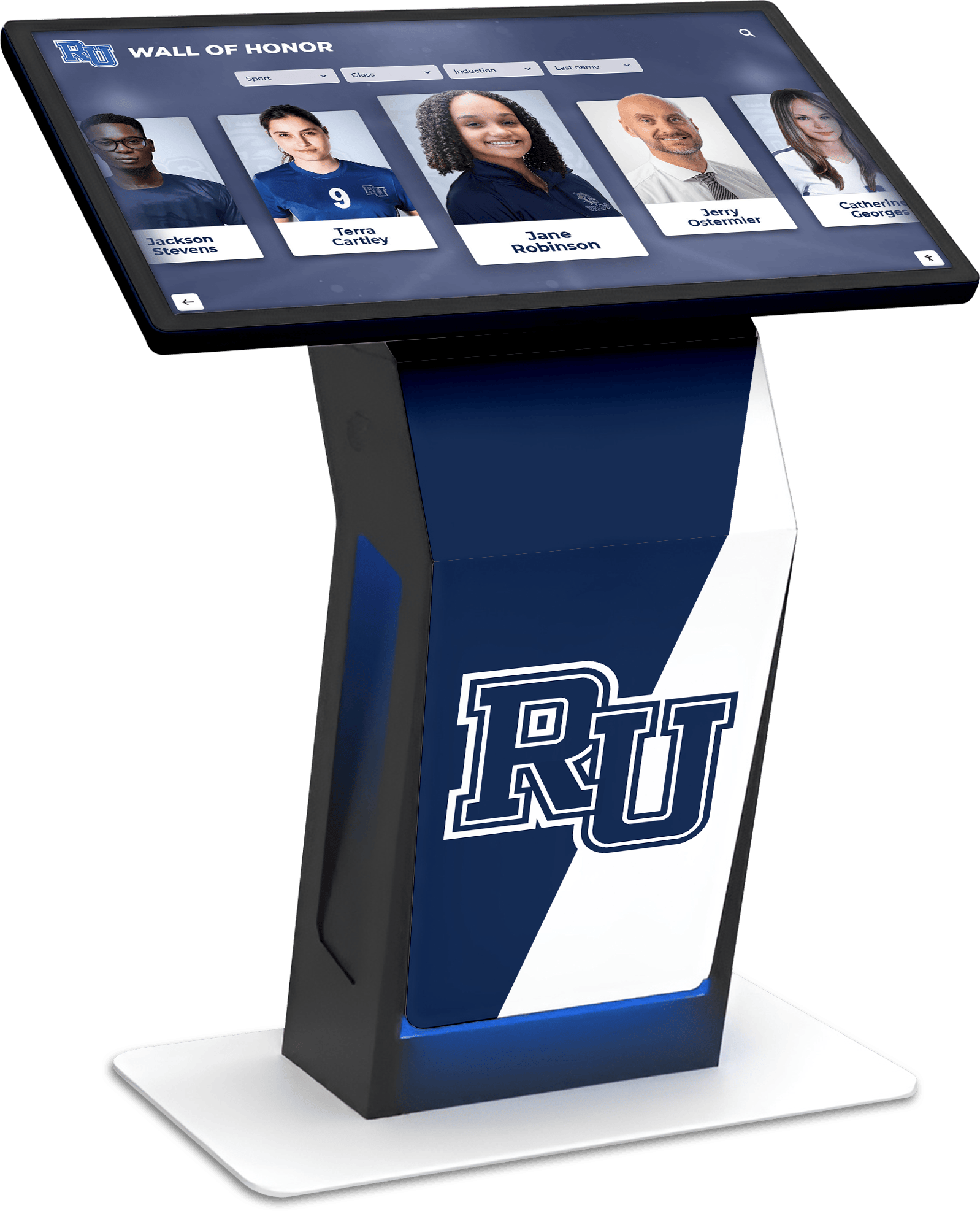
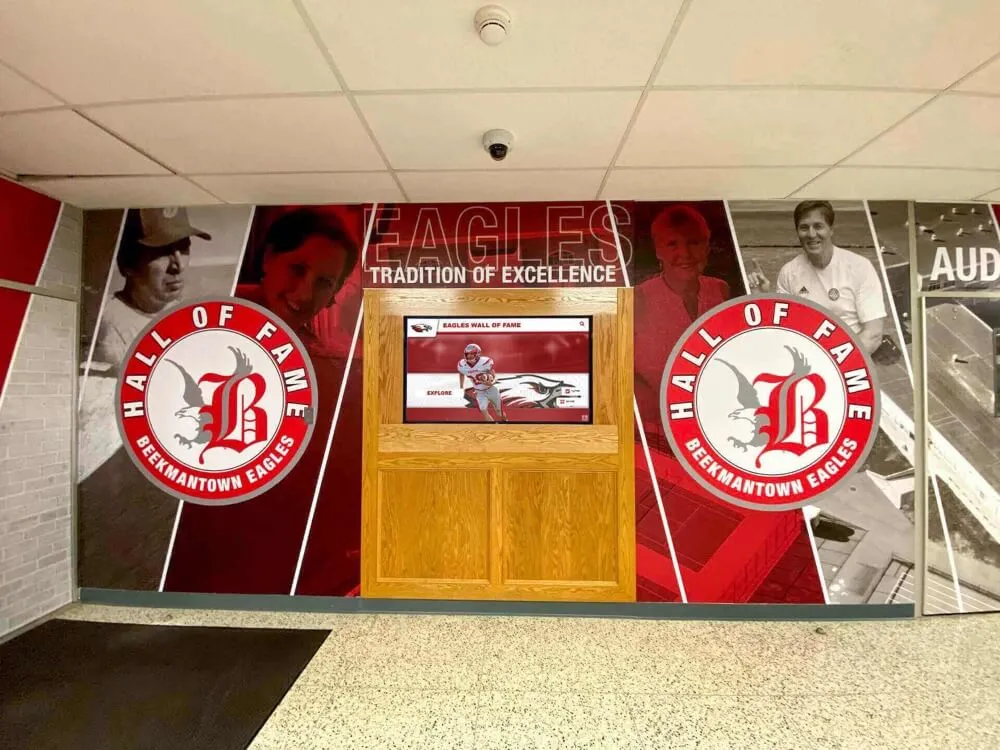
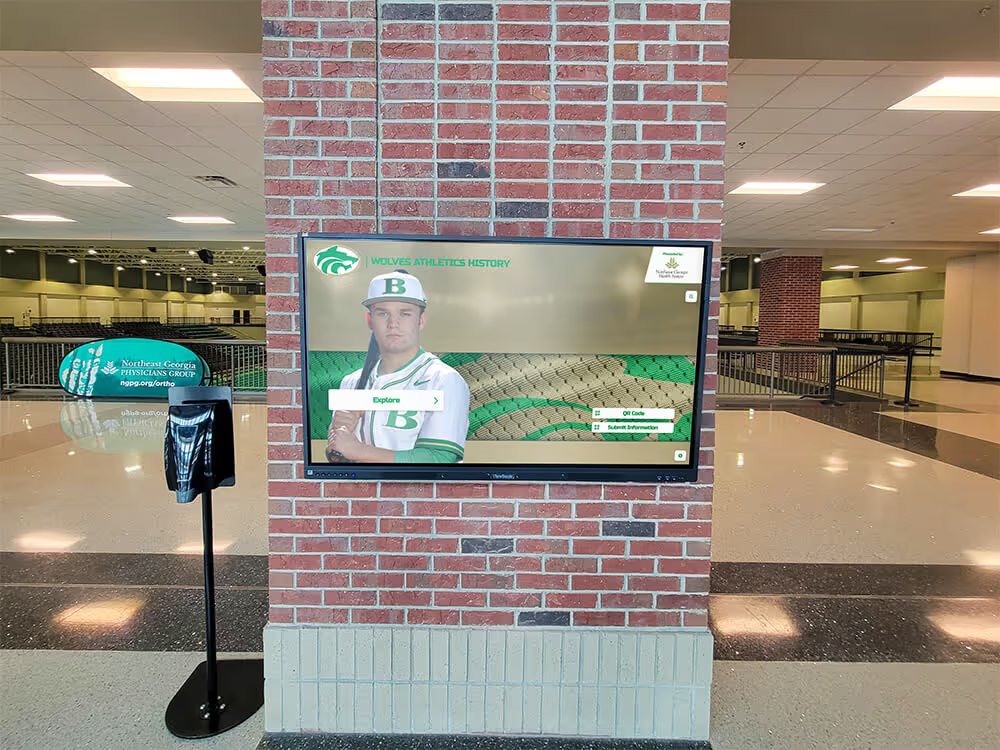
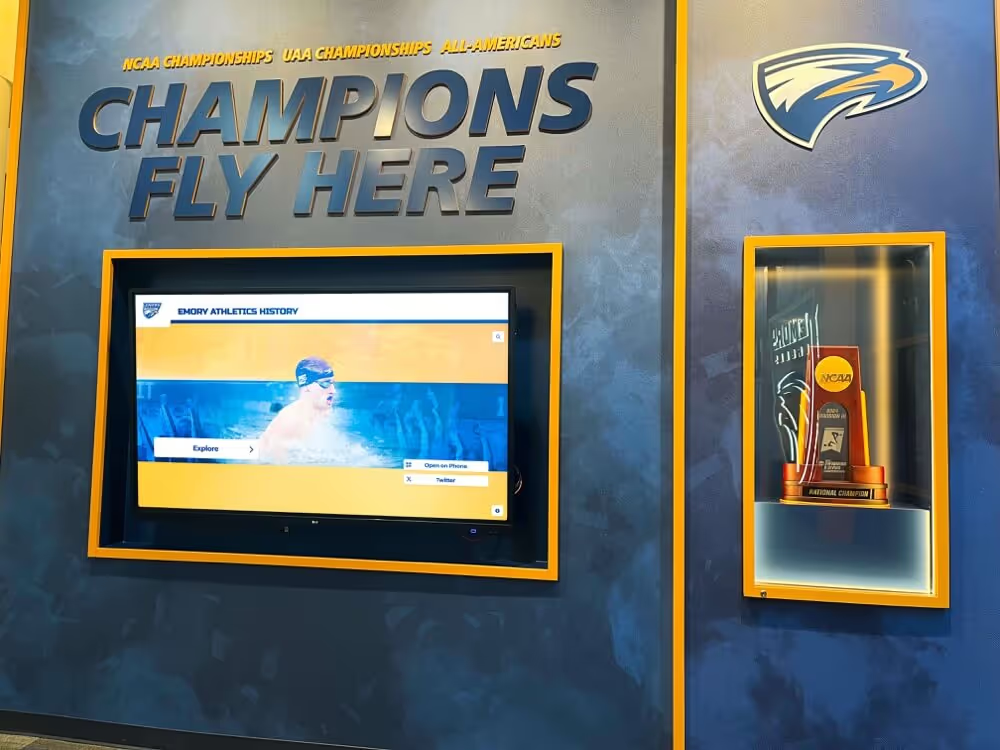
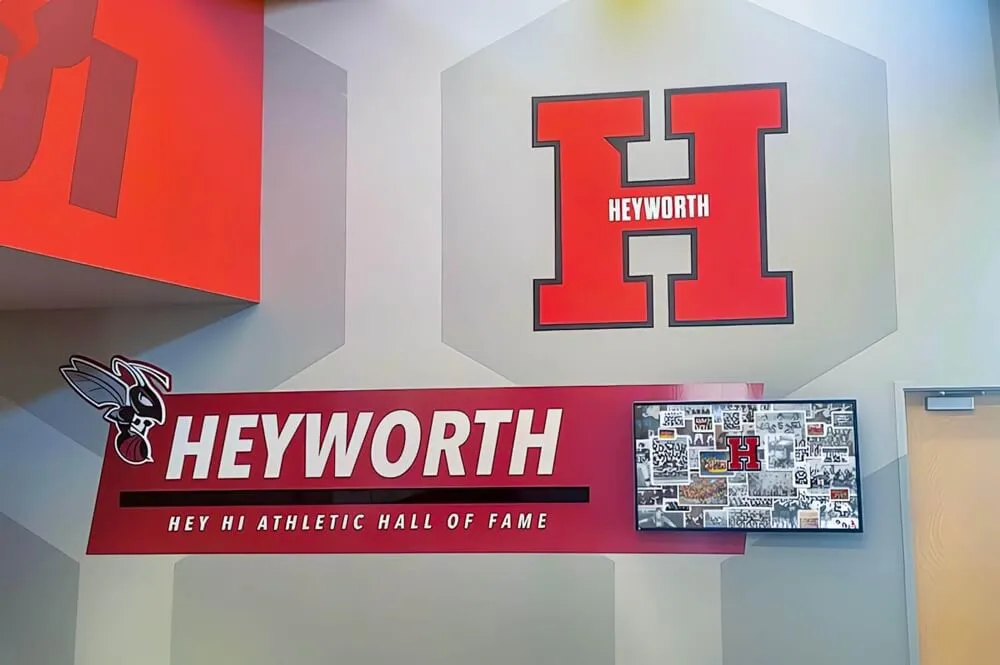
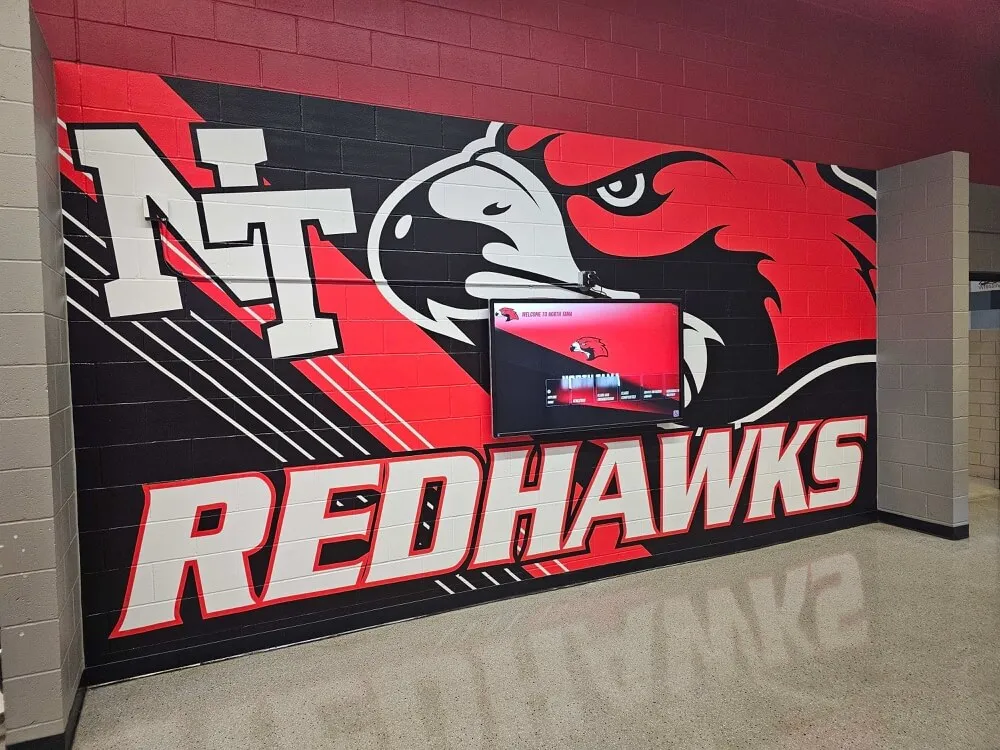
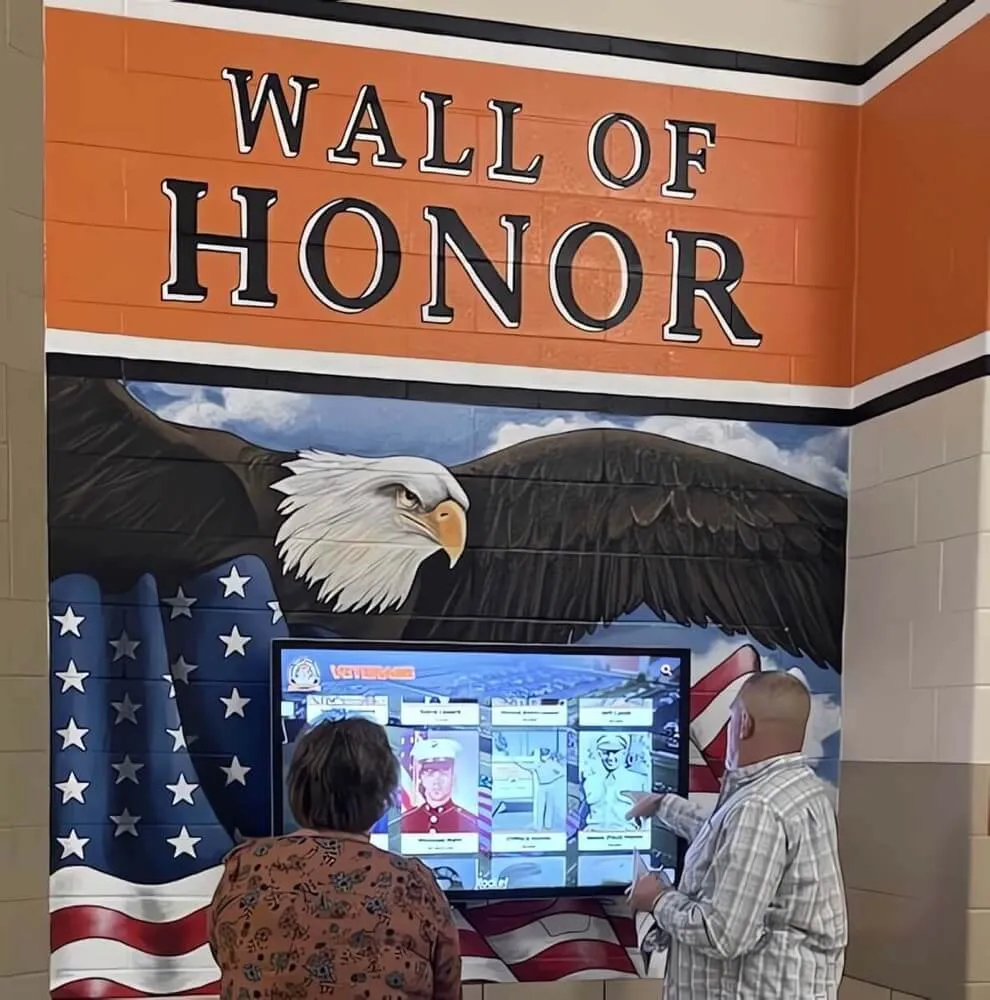
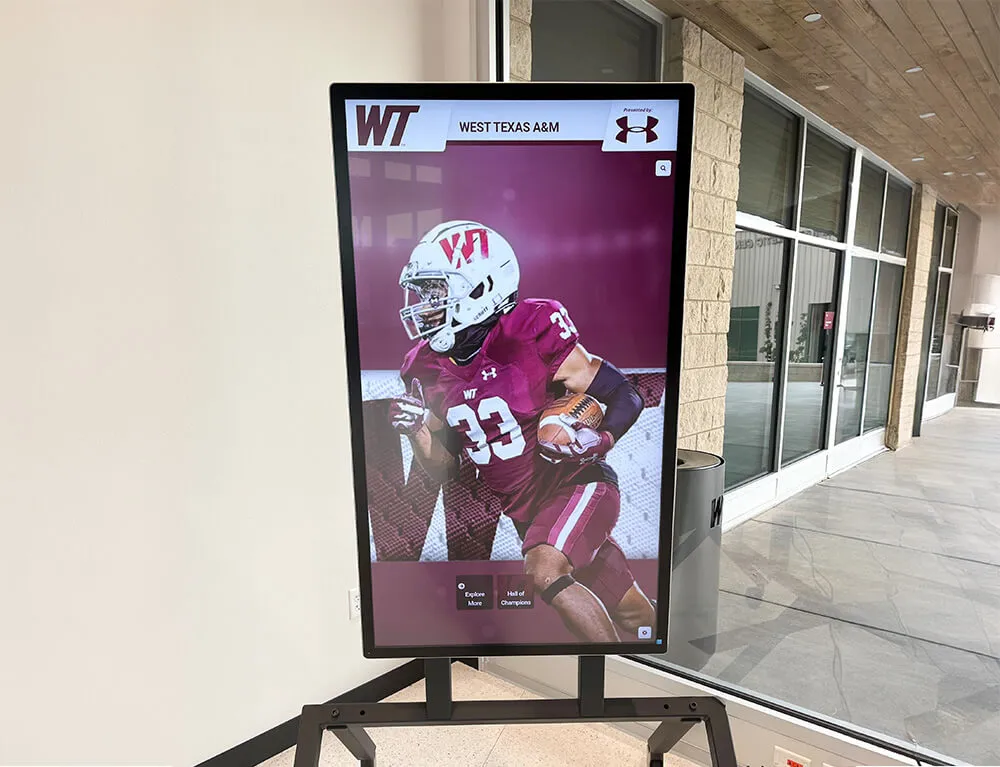
Purpose-built touchscreen kiosks provide accessible community information for residents with varying technical comfort levels
Dignity, Respect, and Individual Identity
Person-centered care recognizes each resident’s unique history, preferences, and continued identity beyond their current living situation. Recognition systems that honor individual backgrounds, achievements, and ongoing contributions reinforce dignity:
Dignity-Focused Recognition:
- Career histories and professional accomplishments
- Family legacies and generational stories
- Wartime service and military honors
- Community leadership and volunteer history
- Artistic talents and creative contributions
- Athletic achievements and recreational interests
Quality senior living facilities resist infantilization, instead treating residents as accomplished adults deserving respect for lifetime achievements and continued capabilities.
Marketing and Occupancy Management
Competitive senior living markets require facilities to differentiate themselves and demonstrate quality care. Prospective residents and families touring communities observe culture, engagement levels, and overall atmosphere:
Marketing Advantages:
- Modern technology demonstrating forward-thinking management
- Visible resident engagement suggesting vibrant community
- Comprehensive recognition showing value placed on individuals
- Professional presentation creating positive first impressions
- Family-friendly information access reducing common concerns
- Transparent governance suggesting responsive management
Touchscreen displays serve dual purposes—enhancing current resident experience while marketing community quality to prospects.
20 Touchscreen Award Ideas for Senior Living Communities
These specific recognition approaches address the priorities senior living facilities value most while creating comprehensive systems celebrating every aspect of community life.
1. Community Directory: Staff, Residents, and Services
Comprehensive directories help residents, families, and visitors navigate complex communities:
Directory Components:
- Staff directory with photos, titles, and responsibilities
- Department descriptions (nursing, activities, dining, maintenance)
- Resident directory (with appropriate privacy protections)
- Service provider information (physicians, therapists, specialists)
- Building maps and room number guides
- Operating hours for all departments and amenities
Directories particularly benefit residents with memory concerns who may struggle remembering staff names or locating services. Families touring facilities appreciate transparent information access demonstrating organization and professionalism.
Explore how digital directories enhance visitor experiences in community settings.
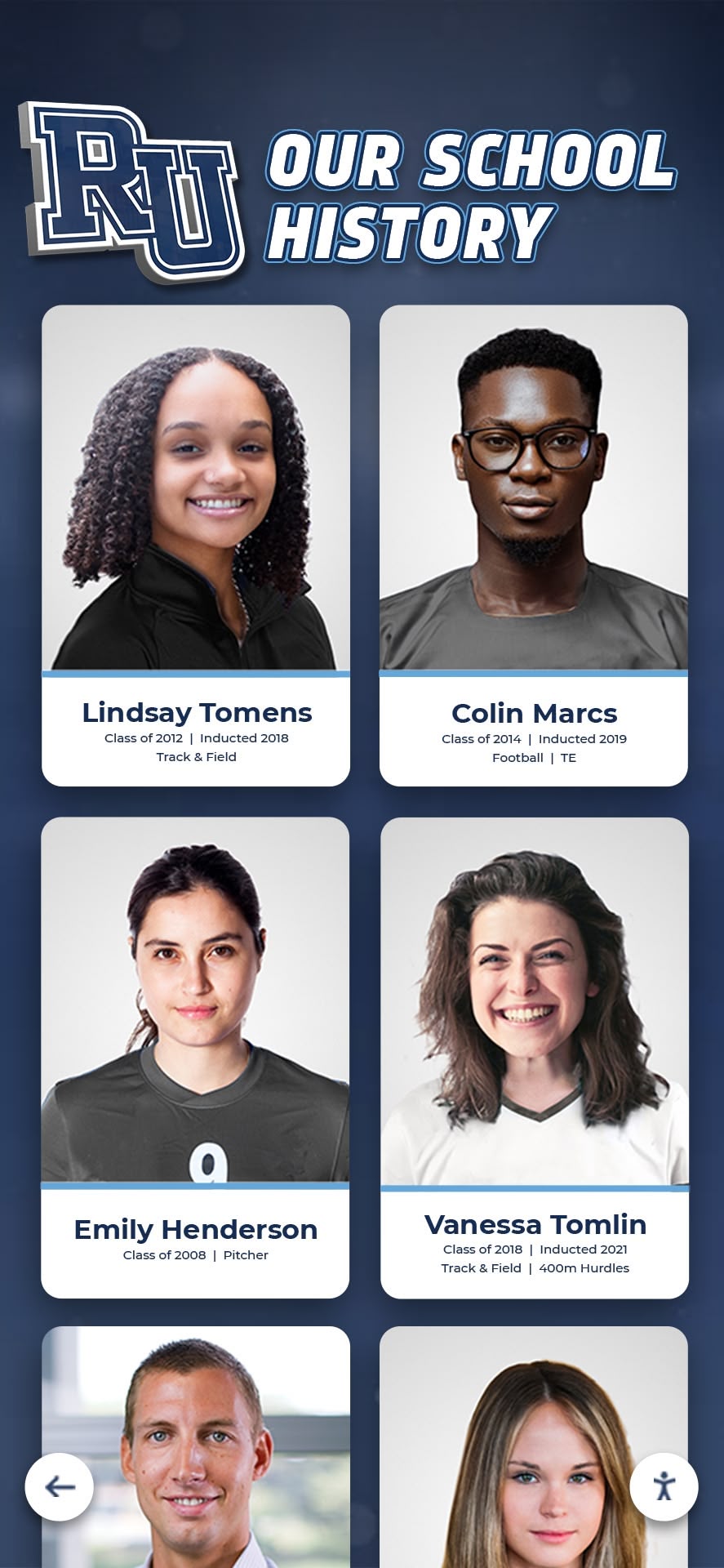
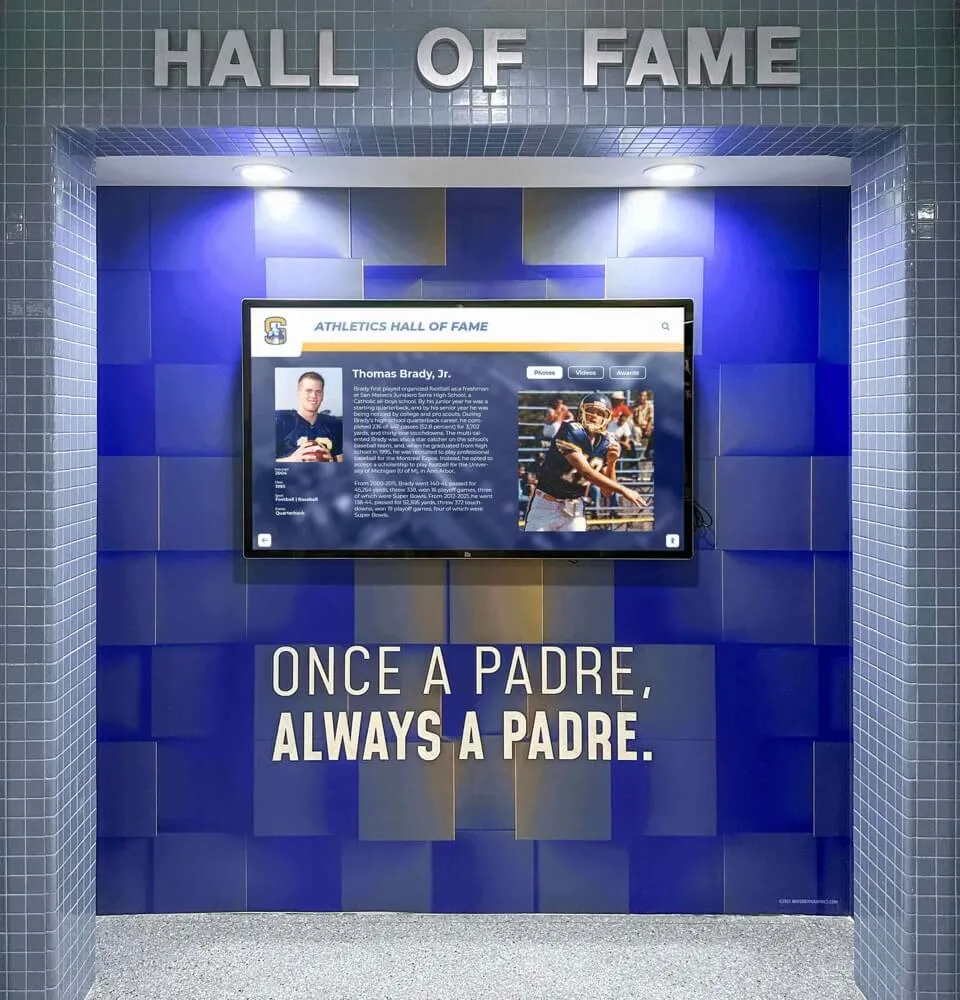
Detailed profiles with photos help residents and families learn names, roles, and backgrounds of staff and fellow community members
2. Parking Committee Recognition
Parking remains surprisingly contentious in senior living communities. Dedicated parking committees managing assignments, visitor parking, and disputes deserve recognition:
Committee Member Profiles:
- Committee chair and member names with photos
- Terms of service and election dates
- Committee meeting schedules and minutes access
- Parking policy explanations and rationale
- Contact information for parking concerns
- Recent decisions and policy updates
Visible committee recognition validates resident leadership while providing accountability and transparency in governance.
3. Internal Government and Resident Council
Many senior communities operate resident councils or internal governance structures giving residents voice in community decisions:
Governance Recognition:
- Resident council officers with photos and backgrounds
- Committee structures (activities, dining, building, welcoming)
- Meeting schedules and participation opportunities
- Recent initiatives and accomplishments
- Suggestion submission processes
- Historical governance achievements
Showcasing resident government demonstrates respect for resident autonomy while encouraging participation in community leadership. Similar principles apply in academic recognition programs celebrating student leadership.
4. Neighbor of the Week/Month Program
Regular resident spotlights build community connections and celebrate individual contributions:
Spotlight Components:
- Resident photo and brief biography
- Career highlights and professional achievements
- Family information (children, grandchildren, great-grandchildren)
- Hobbies, interests, and current activities
- Community involvement and volunteer roles
- Favorite community memories and friendships
Weekly or monthly rotation ensures all interested residents receive recognition over time. These spotlights help newer residents learn about neighbors while validating long-term residents through visible appreciation.
5. In Memoriam: Honoring Departed Community Members
Dignified memorial displays honor residents who have passed while providing closure for community members grieving losses:
Memorial Elements:
- Photos from residents’ lives (professional, family, community)
- Birth and death dates with age at passing
- Brief biographical summaries highlighting life achievements
- Community contributions during residency
- Family information and surviving relatives
- Meaningful quotes or personal philosophies
Memorial displays might remain for set periods (30-90 days) before archiving, balancing remembrance with avoiding overwhelming focus on loss. Digital systems allow families to access archived memorials indefinitely.
Understanding how memorial recognition works in community settings provides guidance for senior living applications.
6. Volunteer Recognition Wall
Many residents continue community service through volunteering. Recognition honors continued purpose and contribution:
Volunteer Categories:
- Library volunteers organizing and managing collections
- Activity assistants supporting programming
- Welcoming committee members greeting new residents
- Reading buddies for residents with vision challenges
- Technology tutors helping peers learn devices
- Garden club maintaining outdoor spaces
- Meal companions reducing dining isolation
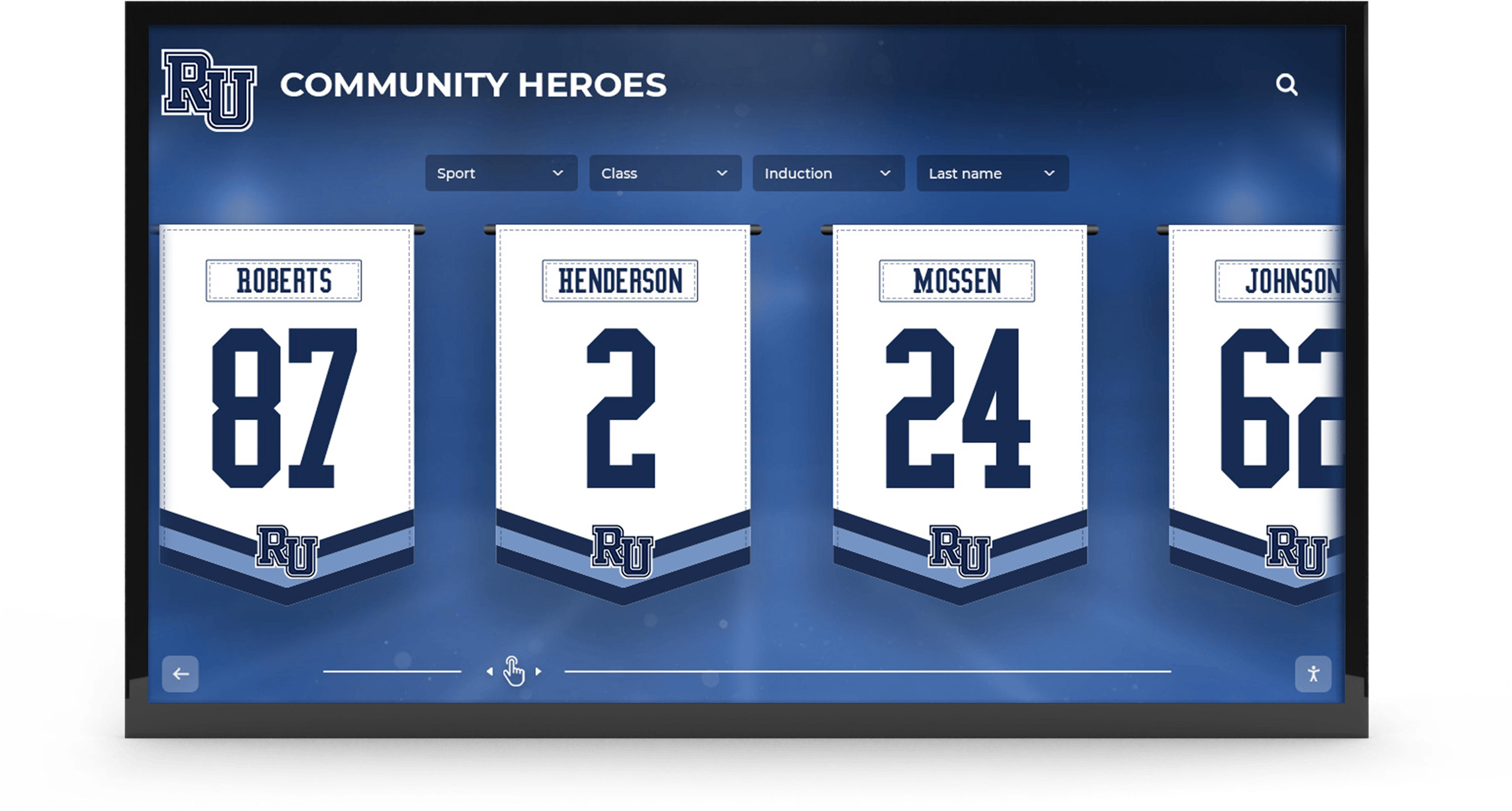
Recognition displays celebrating volunteers and active participants create culture valuing contribution and engagement
7. Longest-Tenured Residents
Celebrating residents with longest community tenure honors loyalty and provides role models for newer residents:
Tenure Recognition:
- Years of residency with move-in dates
- Evolution of community during their tenure
- Friendships formed and maintained
- Activities and committees participated in
- Family visits and generations connected to community
- Favorite memories from residency years
Tenure recognition particularly resonates in continuing care retirement communities where residents may live for decades through multiple care levels.
8. Birthday and Anniversary Celebrations
Monthly birthday boards and wedding anniversary recognition create regular celebration touchpoints:
Celebration Displays:
- Monthly birthday listings with dates and ages (if comfortable sharing)
- Milestone birthdays (75th, 80th, 85th, 90th+) with special recognition
- Wedding anniversaries with years married
- Milestone anniversaries (50th, 60th, 70th+) with couple photos
- Birthday party schedules and celebration details
- Anniversary dinner reservations and special meal options
Regular celebrations create joyful community rhythm while providing families easy visit planning around special occasions.
9. Career Achievement Hall of Fame
Honoring residents’ professional legacies validates lifetime accomplishments and provides conversation starters:
Career Categories:
- Military service members by branch and rank
- Educators (teachers, principals, professors)
- Healthcare professionals (nurses, physicians, therapists)
- Business leaders and entrepreneurs
- Public servants (government, law enforcement, fire service)
- Creative professionals (artists, writers, musicians)
- Skilled tradespeople and craftspeople
Career displays might include professional photos, achievement summaries, and quotes about career satisfaction or advice for younger generations.
10. Artistic Talents Showcase
Many residents possess artistic abilities deserving recognition:
Art Recognition:
- Rotating art displays featuring resident work
- Artist biographies and artistic journeys
- Medium descriptions and technique explanations
- Gallery-style presentations with professional framing
- Artist statements about inspirations and meanings
- Purchase information if artists sell work
Digital displays can showcase artwork that exists elsewhere while providing artist information and recognition. Learn about digital art gallery approaches applicable to senior communities.

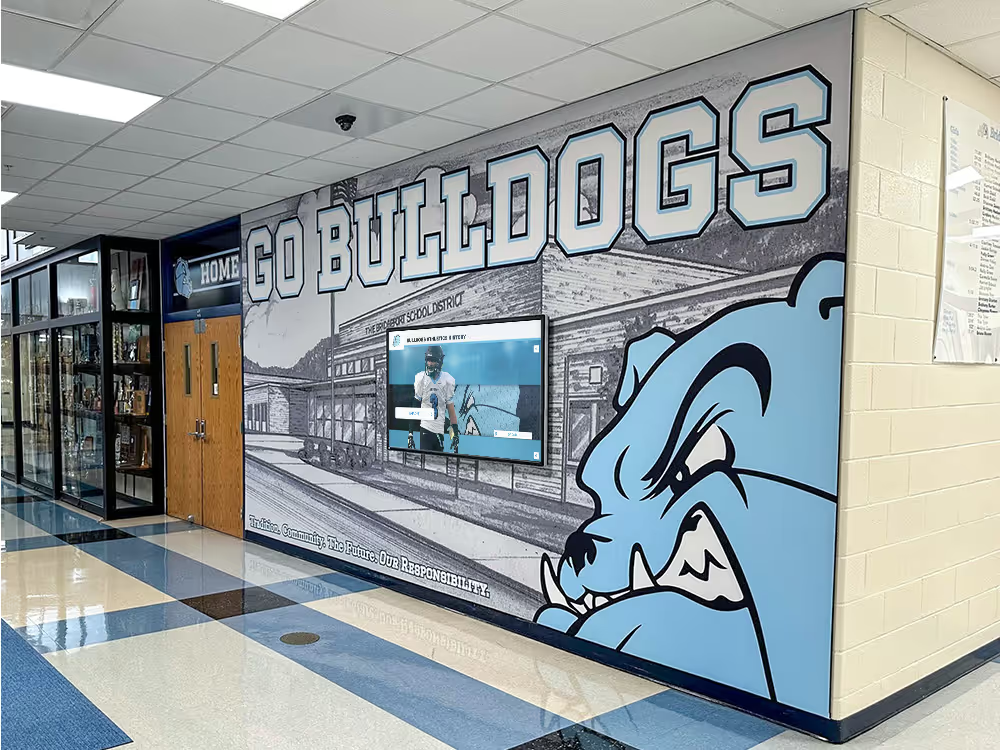
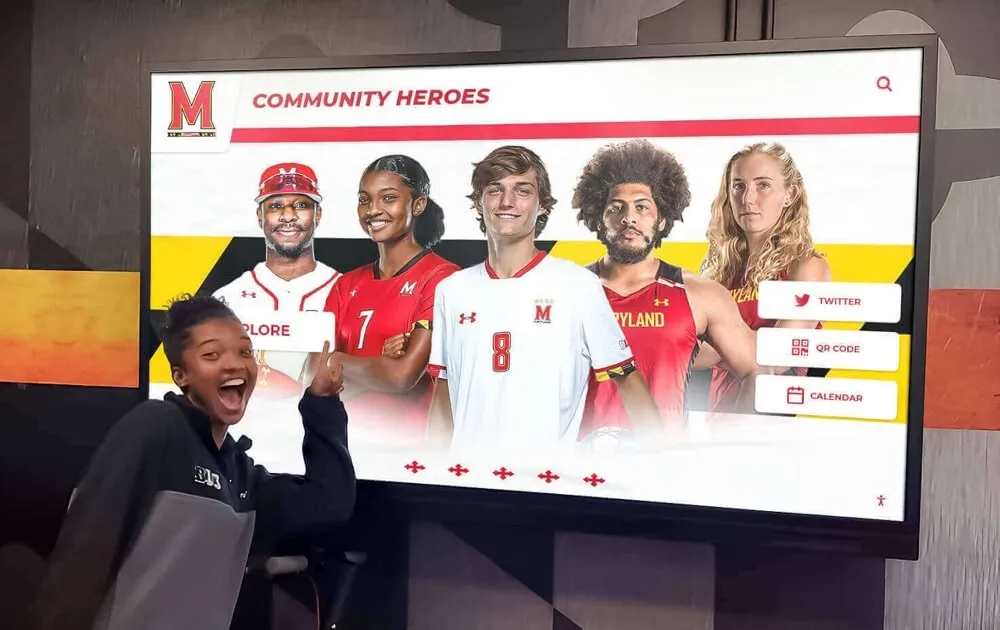
Intuitive touch interfaces enable residents with varying technical skills to explore community member profiles and achievements
11. Activity Participation Awards
Recognizing active participants encourages continued engagement:
Participation Categories:
- Most classes attended (fitness, art, education)
- Game night champions (cards, board games, trivia)
- Book club most active members
- Excursion trip frequent participants
- Walking club distance achievements
- Swimming pool regular users
Participation recognition balances ability levels—celebrating attendance and effort rather than only competitive wins ensures all residents can achieve recognition regardless of physical or cognitive abilities.
12. Fitness and Wellness Milestones
Health-focused communities celebrate wellness achievements:
Wellness Recognition:
- Group fitness class attendance milestones
- Walking program distance goals achieved
- Strength training progress benchmarks
- Balance class participation awards
- Wellness screening participation
- Health improvement celebrations (with medical team approval)
Wellness recognition requires sensitivity to privacy and individual health journeys, focusing on effort and participation rather than specific health metrics.
13. Education and Lifelong Learning
Celebrating continued learning honors intellectual curiosity:
Learning Recognition:
- Educational program completion certificates
- Lecture series attendance awards
- Technology skill development achievements
- Language learning progress milestones
- Historical research project completions
- Writing workshop participation and publications
Educational recognition reinforces that learning continues throughout life while encouraging participation in enrichment programming.
14. Intergenerational Program Participants
Programs connecting seniors with younger generations provide purpose and joy:
Intergenerational Recognition:
- Pen pal program participants connecting with students
- Story time readers visiting schools
- Mentors providing career guidance to youth
- Foster grandparents supporting young families
- School partnership volunteers
- Youth sports event attendees
Intergenerational program recognition might include photos of residents with children and thank-you notes from young participants.
15. Dining Committee Excellence
Food quality and dining experience significantly impact senior living satisfaction. Dining committees deserve recognition:
Committee Recognition:
- Dining committee members and meeting schedules
- Menu planning involvement and input processes
- Recent menu additions suggested by committee
- Special event planning contributions
- Dietary accommodation advocacy
- Restaurant-style dining program development
Dining recognition demonstrates resident voice in important quality-of-life factors while educating community about how input shapes services.
Understanding donor recognition for community supporters provides principles applicable to resident committee appreciation.
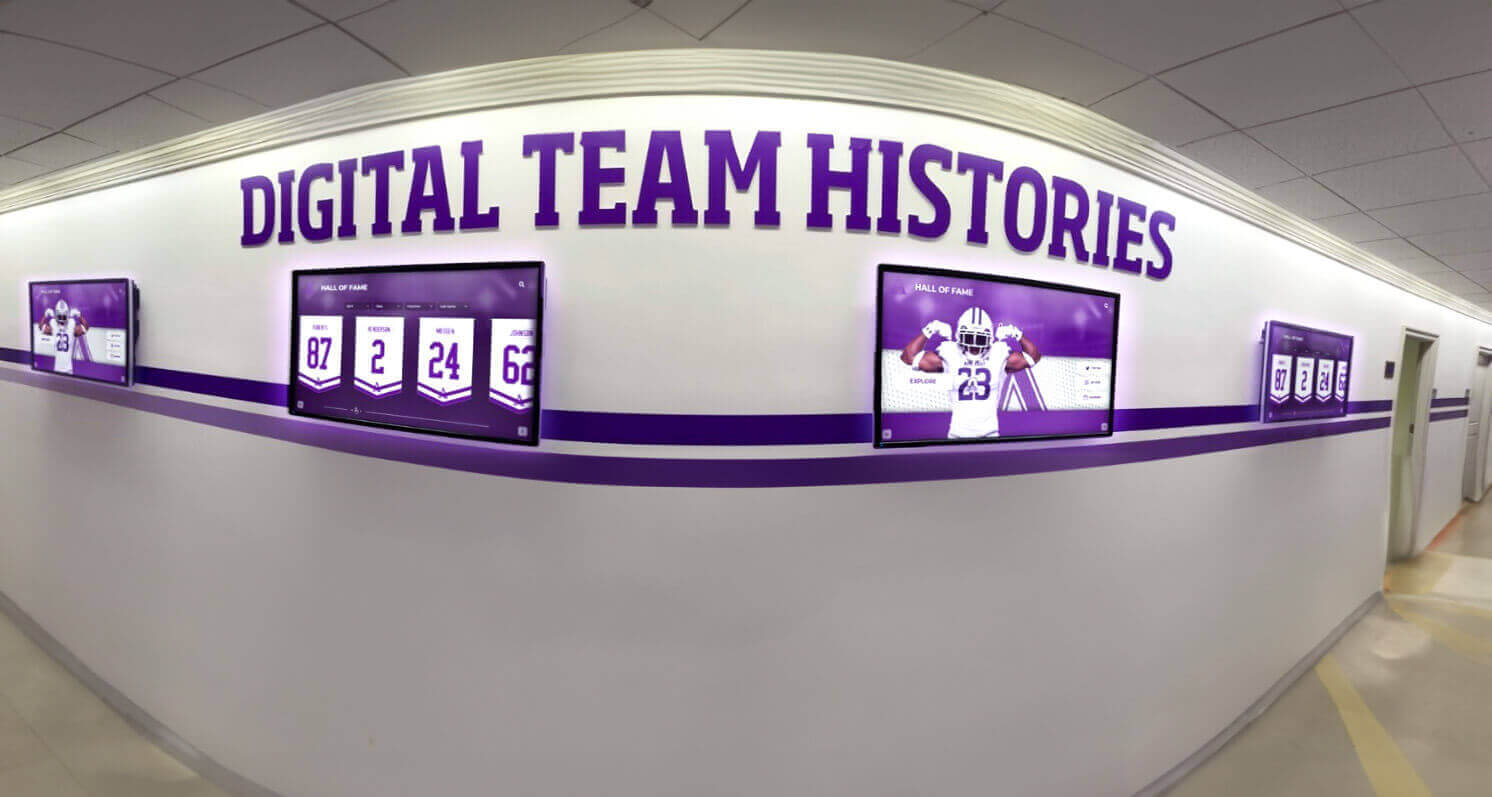
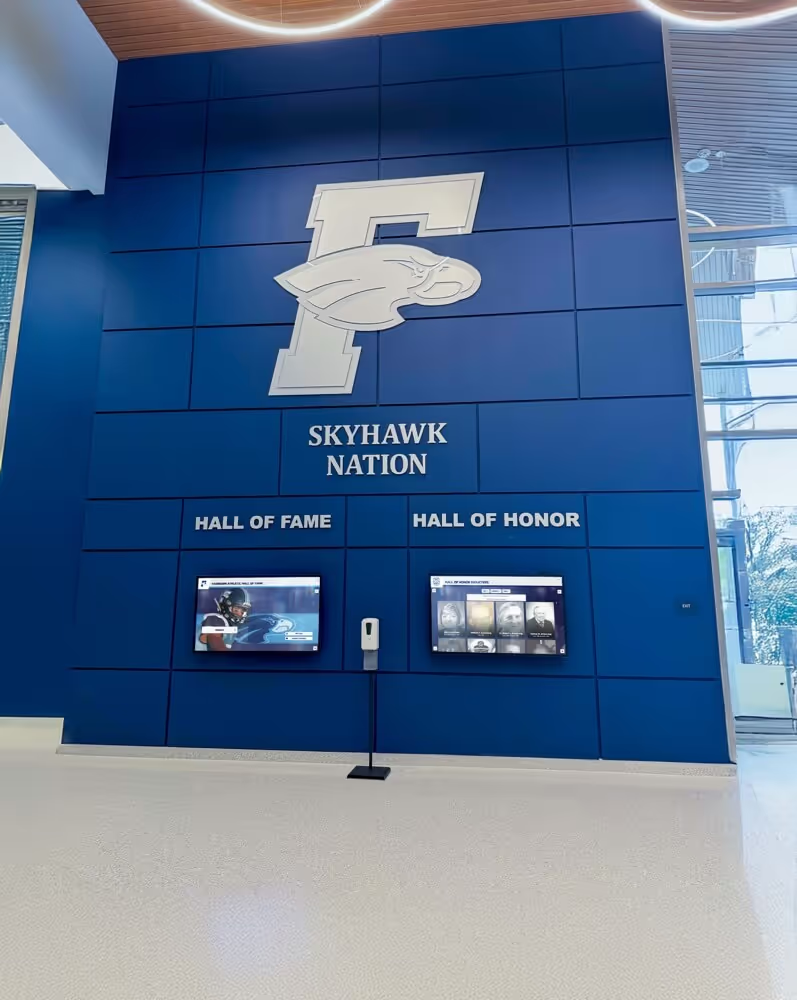
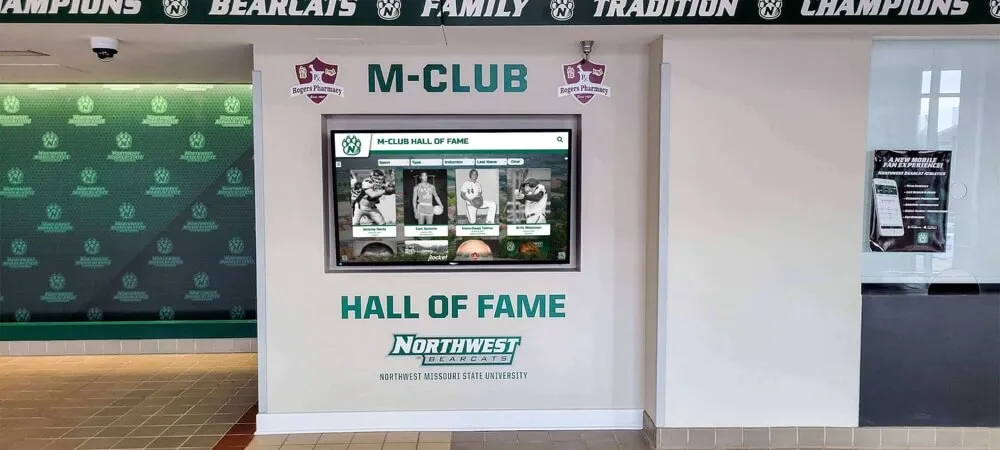
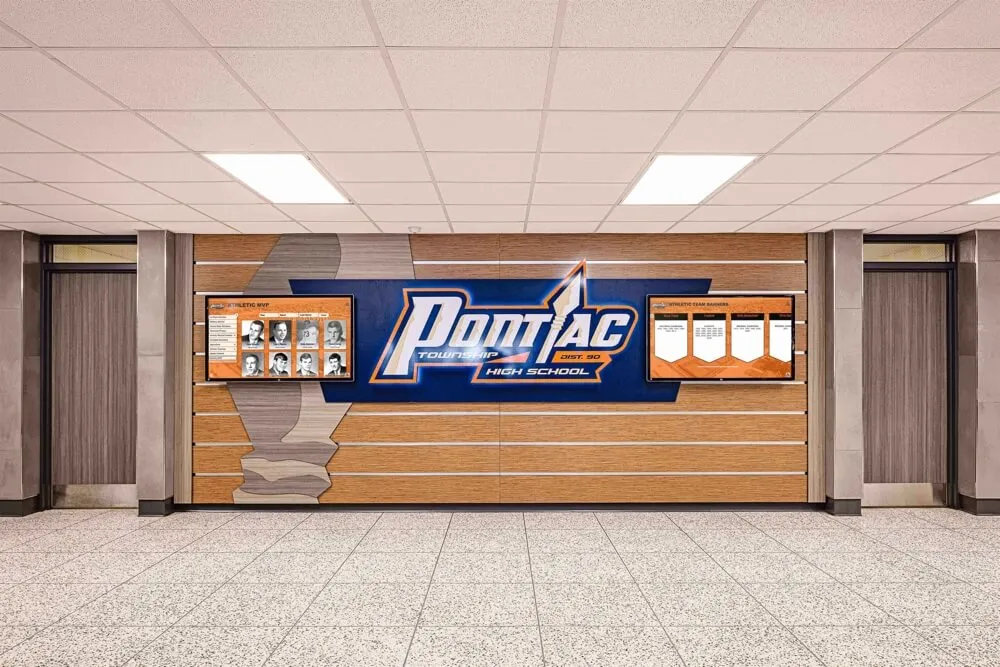
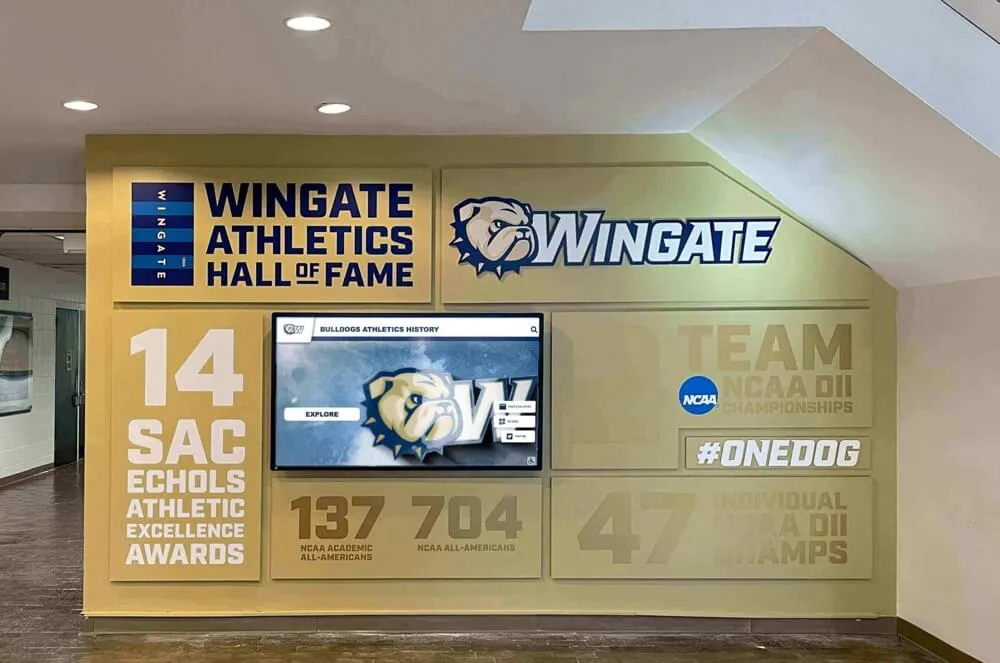
Multiple strategically placed displays throughout community ensure recognition reaches residents in high-traffic areas where they naturally gather
16. Building Maintenance and Improvement Committee
Residents serving on building committees ensuring facility quality deserve acknowledgment:
Maintenance Recognition:
- Committee members and areas of focus
- Recent improvement projects and resident input
- Upcoming maintenance schedules and impacts
- Energy efficiency initiatives and results
- Safety improvement implementations
- Resident concern response tracking
Visible committee recognition demonstrates responsive management while honoring resident partnership in facility stewardship.
17. Veterans and Military Service Recognition
Honoring military service resonates deeply in senior communities where many residents served:
Military Recognition:
- Service branch, rank, and years served
- Combat service and deployment locations
- Military decorations and awards
- Specialties and military occupational skills
- Post-service careers utilizing military training
- Veteran organization memberships and leadership
Veterans Day and Memorial Day provide natural opportunities for special recognition rotation. Military recognition demonstrates respect while preserving wartime history through living testimonies.
18. Family Legacy Stories
Multi-generational family stories create meaningful recognition:
Legacy Recognition:
- Family trees showing children, grandchildren, great-grandchildren
- Family business histories and entrepreneurship
- Geographic family spread and migration stories
- Occupational legacies (multiple generations in professions)
- Family military service across generations
- Immigration and cultural heritage stories
Family recognition particularly resonates with residents who take pride in descendants and family accomplishments.
19. Staff Excellence Awards
Staff recognition creates positive workplace culture while reassuring families about care quality:
Staff Awards:
- Employee of the month with accomplishment details
- Service milestone anniversaries (5, 10, 15, 20+ years)
- Departments of the quarter recognizing team excellence
- Resident-nominated staff appreciation awards
- Innovation awards for process improvements
- Compassionate care recognition from families
Staff recognition demonstrates organizational investment in team appreciation while marketing care quality to prospects. Learn about employee recognition approaches applicable to senior living.
20. New Resident Welcome Recognition
Welcoming new community members facilitates social integration:
Welcome Components:
- New resident photos and brief biographies
- Previous hometowns and relocation reasons
- Career backgrounds and accomplishments
- Family information and visiting plans
- Interests and hobbies seeking activity partners
- Move-in dates and community orientation
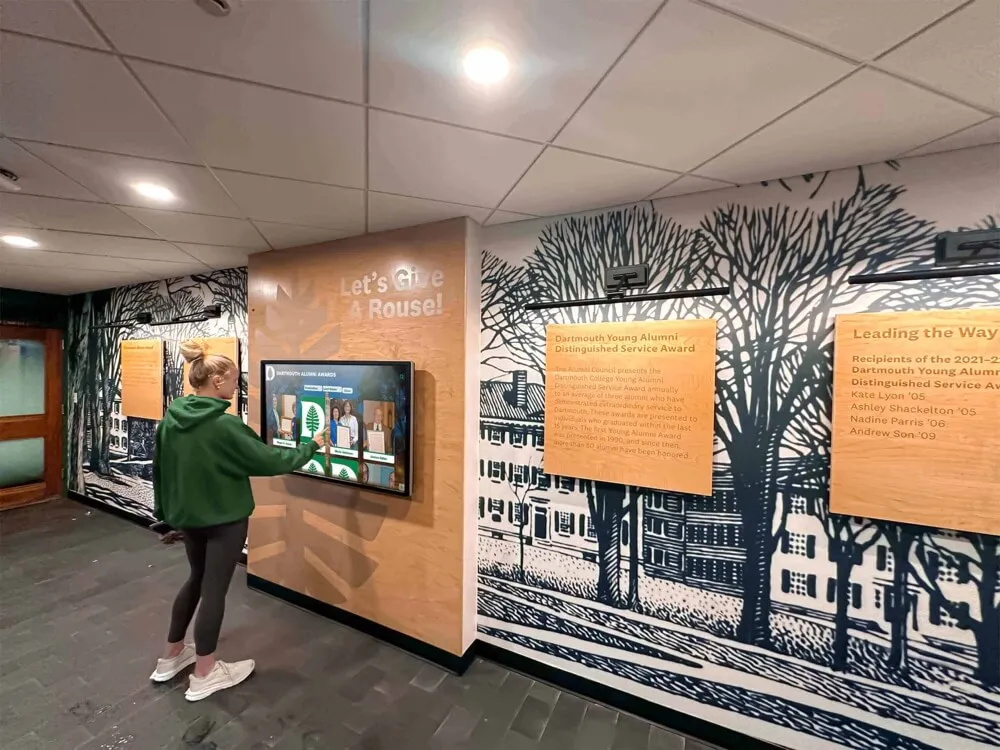
Accessible touchscreen placement and intuitive interfaces accommodate varying physical abilities and technical comfort levels
New resident recognition might remain featured for 30-60 days, giving community members time to learn about and welcome newcomers while providing conversation starters for first interactions.
Technical Considerations for Senior Living Touchscreen Systems
Implementing recognition systems in senior communities requires specific design considerations accommodating aging populations.
Accessibility and Usability for Older Adults
Senior-focused touchscreens require thoughtful design ensuring residents with varying abilities can engage successfully:
Accessibility Features:
- Large text sizes readable from wheelchairs and walkers
- High contrast color schemes (avoiding light gray text)
- Simple navigation with clear, labeled buttons
- Minimal scrolling requirements
- Touch targets large enough for arthritic hands
- Audio alternatives for vision-impaired residents
- Wheelchair-accessible height mounting (36-48 inches from floor)
Usability Considerations:
- Slower response times accommodating deliberate touches
- Confirmation prompts before navigation actions
- Simple “home” buttons for easy restart
- Minimal animation reducing confusion
- Consistent interface across all screens
- Staff assistance availability for less tech-comfortable residents
Understanding touchscreen accessibility requirements ensures inclusive design.
Privacy and Consent Management
Senior living facilities must carefully manage resident privacy and information sharing:
Privacy Protocols:
- Written consent for photo and information display
- Family notification of public recognition plans
- Opt-out processes for privacy-preferring residents
- HIPAA compliance ensuring no health information display
- Separate public versus private information categories
- Family-only access to detailed personal information
Information Categories:
- Public: Names, photos, general biographies, community involvement
- Semi-private: Room numbers, family contact information (password protected)
- Private: Health conditions, care plans, financial information (never displayed)
Privacy concerns require particular attention in memory care units where residents may not be able to provide informed consent.
Content Management and Update Processes
Sustainable recognition systems require efficient content workflows:
Content Management:
- Central database storing all resident and staff information
- Template-based design enabling consistent presentations
- Simple update processes for staff adding new content
- Scheduled reviews ensuring current information
- Archive systems preserving historical recognition
- Family photo submission processes
Staff Responsibilities:
- Activities director managing resident recognition
- Human resources updating staff information
- Marketing coordinating prospective resident content
- IT support maintaining hardware and software
- Department heads reviewing their team information
- Resident councils approving governance displays
Efficient content management ensures displays remain current and valuable rather than becoming outdated and ignored.
Display Placement Throughout Communities
Strategic location selection maximizes resident engagement:
Optimal Locations:
- Main lobbies for first impressions and visitor information
- Dining rooms where residents gather daily
- Activity rooms near program spaces
- Mailrooms with regular resident traffic
- Elevators and elevator waiting areas
- Common areas with comfortable seating
Placement Considerations:
- Wheelchair accessibility without obstruction
- Lighting avoiding screen glare
- Seating nearby for extended browsing
- Multiple displays reducing crowding
- Protective mounting preventing accidental damage
Benefits of Digital Recognition in Senior Living Communities
Touchscreen recognition systems deliver measurable benefits justifying investment:
Resident Engagement and Social Connection
Recognition displays stimulate conversation and relationship building:
Engagement Benefits:
- Residents discover shared backgrounds and interests
- Conversation starters reducing social awkwardness
- Pride in seeing recognition inspires participation
- Family discussion topics during visits
- Reduced isolation through community connection
Communities report increased activity participation after implementing recognition displays as residents see peers engaged and want similar involvement.
Family Communication and Satisfaction
Digital systems address persistent family communication challenges:
Family Benefits:
- Transparent information access reducing anxiety
- Visual proof of loved one’s engagement and happiness
- Understanding of care team qualifications
- Activity awareness for visit planning
- Community culture assessment during tours
Family satisfaction correlates directly with occupancy rates and word-of-mouth referrals, making recognition displays valuable marketing investments.
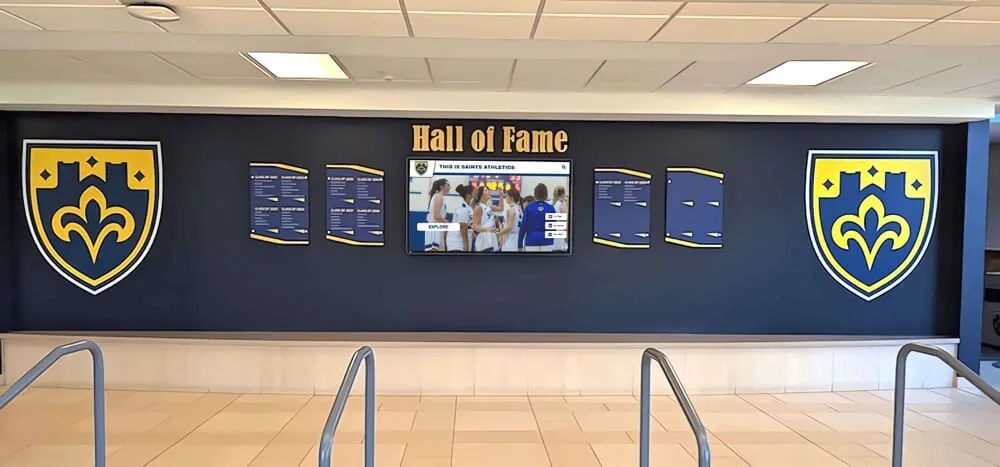
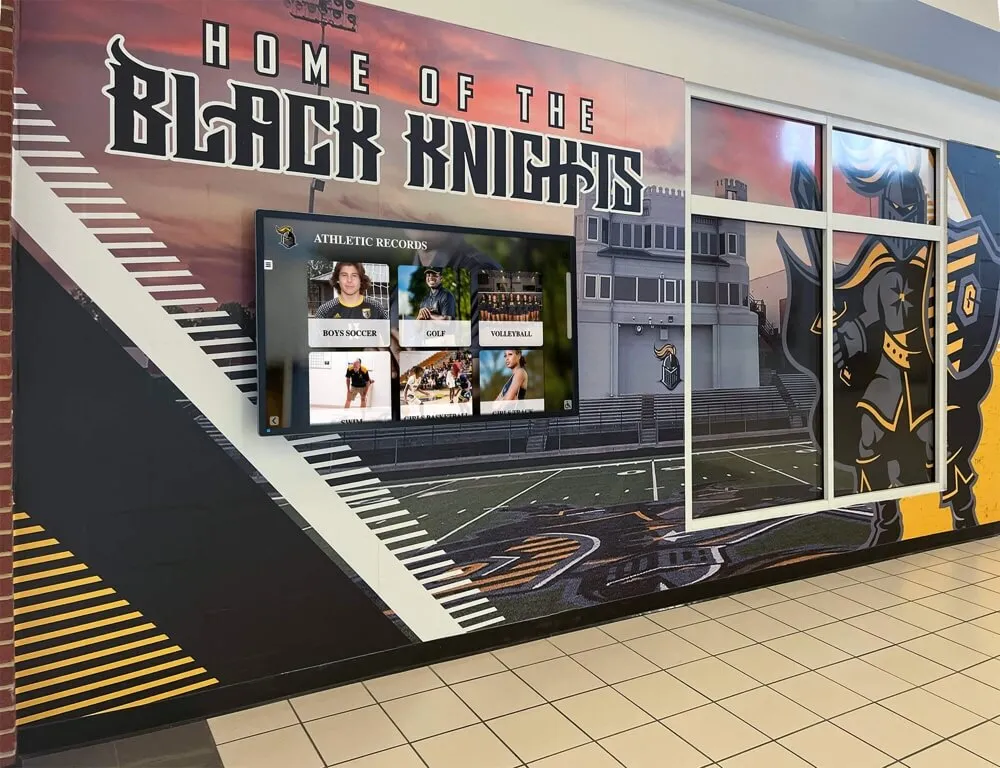
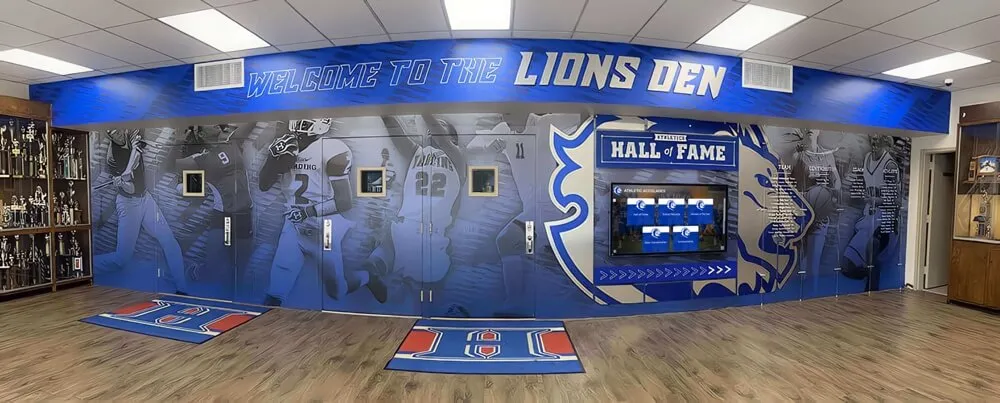
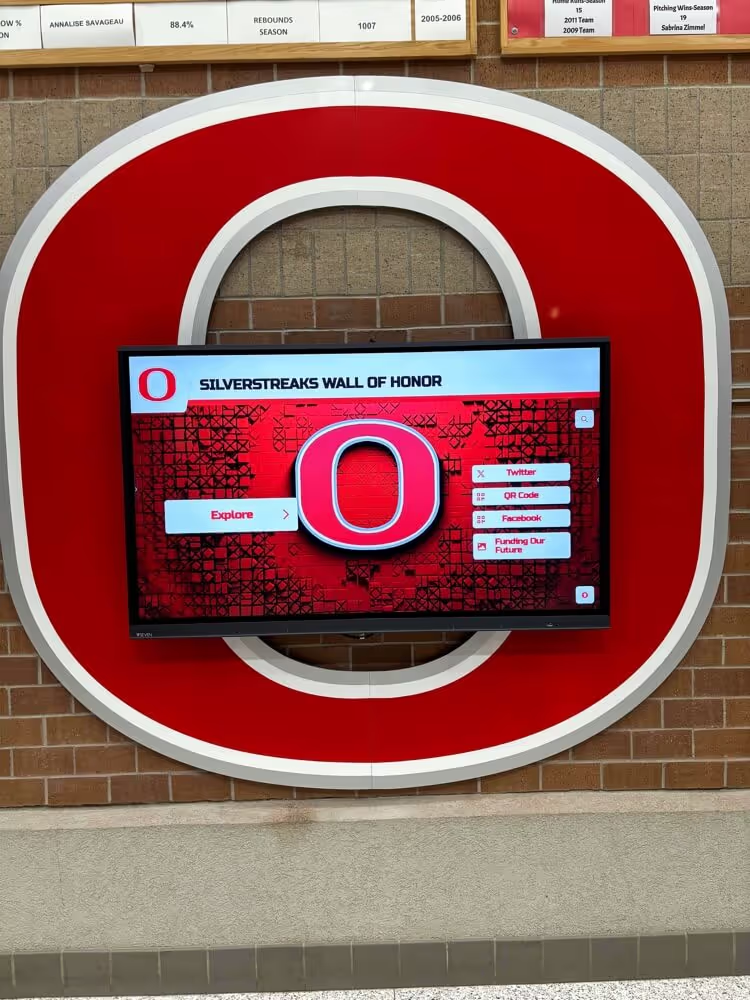
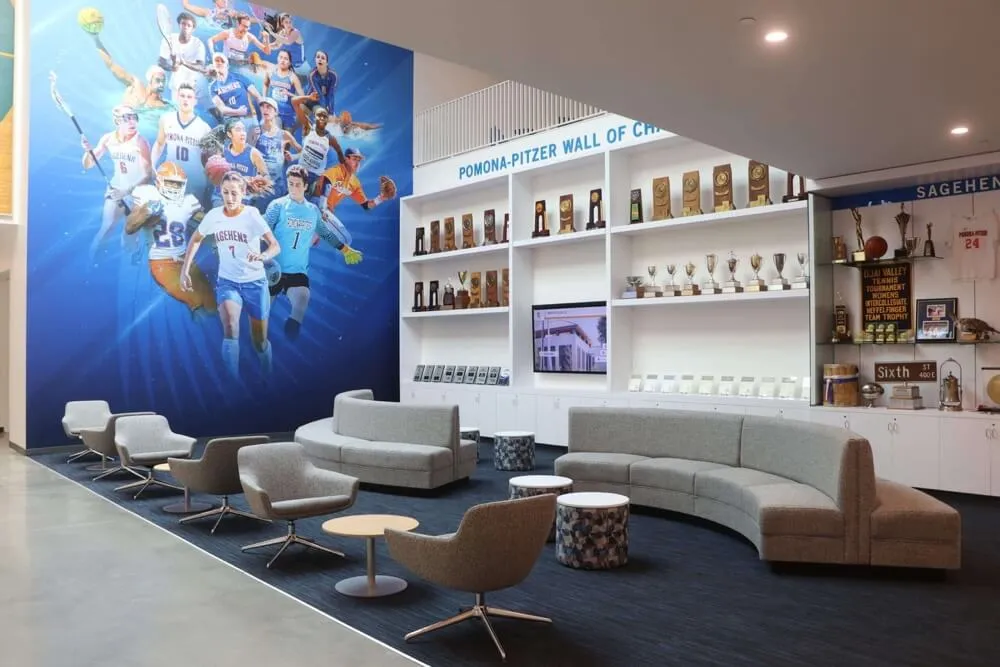
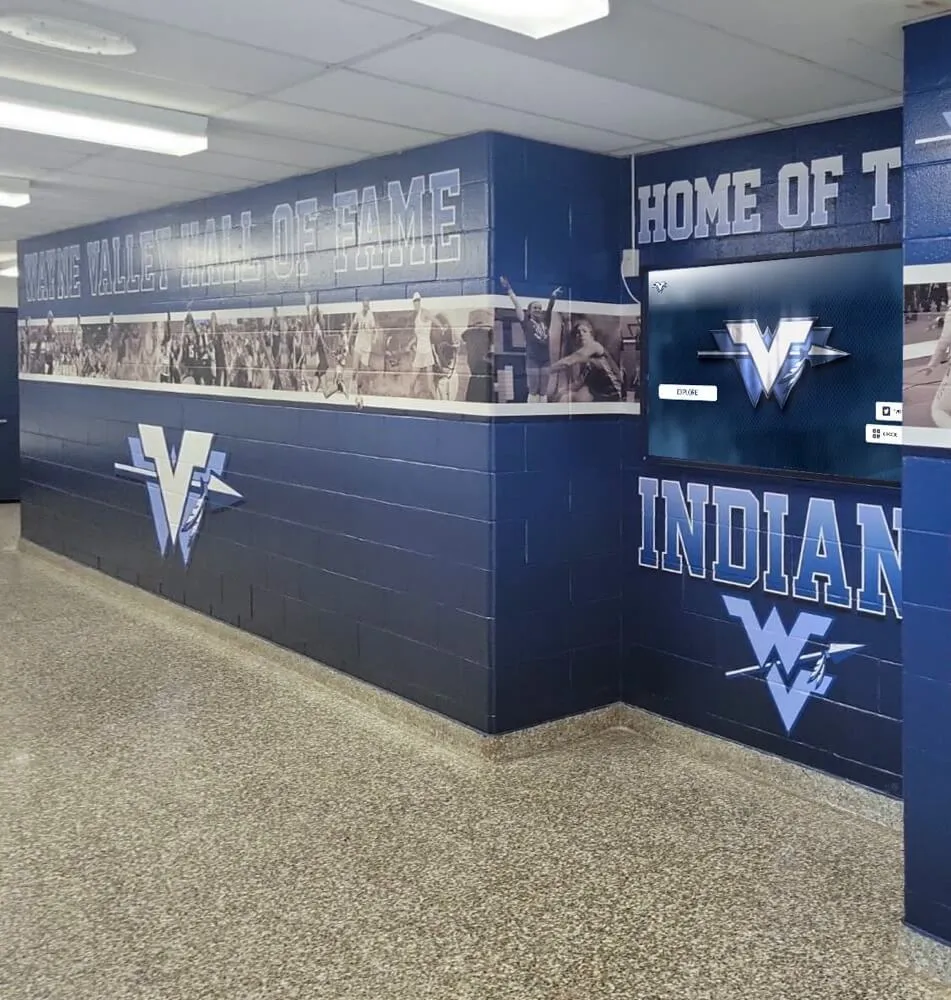
Integrated recognition systems combining traditional and digital elements create comprehensive community celebration environments
Marketing and Competitive Differentiation
Recognition systems provide marketing advantages:
Marketing Benefits:
- Modern technology demonstrating innovative management
- Visible resident engagement suggesting vibrant community
- Comprehensive information reducing prospect concerns
- Professional presentation creating positive impressions
- Social proof through resident testimonials and recognition
Prospects touring multiple communities report that recognition displays significantly influence their perceptions of community quality and resident satisfaction.
Operational Efficiency
Digital systems improve information management:
Operational Benefits:
- Unlimited capacity versus finite physical space
- Instant updates versus printed material replacement
- Cost savings from reduced printing and signage
- Centralized management across multiple locations
- Analytics tracking engagement and popular content
Initial technology investment typically pays for itself within 2-3 years through operational savings and improved occupancy rates.
Conclusion: Creating Vibrant Recognition Culture in Senior Living
Senior living communities implementing comprehensive touchscreen recognition systems transform how they celebrate residents, honor staff, communicate with families, and demonstrate quality care. From internal governance structures through volunteer recognition, from career legacy showcasing to in memoriam tributes, these 20 recognition ideas address what senior living facilities care most about while creating engaging environments where older adults thrive.
Modern recognition technology enables senior communities to honor individual dignity, facilitate social connection, provide transparent communication, and create cultures where every resident, staff member, and volunteer feels valued for their unique contributions. Unlike traditional recognition methods limited by physical space and costly updates, digital touchscreen systems provide unlimited capacity, instant updates, and engaging interfaces accessible to residents with varying abilities.
Transform Your Senior Living Community Recognition
Discover how interactive touchscreen recognition systems can help your senior living facility celebrate residents, engage families, and create the vibrant, connected community culture where older adults thrive. Modern digital displays address the communication, recognition, and transparency priorities that families and residents value most.
Explore Recognition SolutionsQuality senior living requires more than competent care—it demands environments where residents maintain identity, purpose, and connection throughout their aging journey. Recognition systems celebrating lifetime achievements, current contributions, and community participation reinforce that residents remain valuable, accomplished individuals deserving dignity and respect. When touchscreen displays showcase career legacies, volunteer service, committee leadership, and personal milestones, they communicate organizational values through action rather than rhetoric.
For senior living administrators considering recognition system implementation, start by assessing your community’s unique culture, resident demographics, and communication priorities. Engage residents, families, and staff in planning processes ensuring systems address genuine needs rather than imposing unwanted technology. Select solutions designed specifically for aging populations with accessibility features, simple interfaces, and content management systems enabling non-technical staff to maintain current information.
The 20 recognition ideas explored throughout this guide provide starting frameworks adaptable to your community’s specific needs—whether independent living, assisted living, memory care, or continuing care retirement communities. Some facilities may emphasize governance and committee structures, others may focus on volunteer recognition and activity participation, while many will implement comprehensive systems celebrating all community aspects.
As families increasingly research senior living options online and tour multiple communities before making decisions, recognition displays provide powerful differentiation demonstrating vibrant culture, resident engagement, and quality care. Prospects observing comprehensive recognition during tours gain confidence that their loved ones will receive individualized attention and live in communities valuing each person’s unique history and continued contributions.
Modern touchscreen recognition represents investment in community culture, resident satisfaction, family communication, and competitive positioning—combining to create senior living environments where older adults flourish while administrators attract and retain residents in increasingly competitive markets. From parking committees to in memoriam tributes, from neighbor spotlights to career achievement halls of fame, comprehensive recognition honors every dimension of community life.
Ready to explore how recognition technology can transform your senior living community? Learn about interactive display capabilities, discover touchscreen software options, or explore digital hall of fame approaches applicable to senior community recognition systems.