Senior ads are among the most treasured pages in any school yearbook—small but powerful spaces where families step outside the formal record and speak directly to their graduate. Unlike class portraits or activity spreads, these paid tributes let parents, grandparents, and siblings pour genuine emotion onto the page: the inside joke that no one else would understand, the childhood nickname that survived senior year, the quiet pride that struggles to fit into a single paragraph. For the student holding that yearbook twenty years later, the senior ad may be the first page they turn to.
Yet many families freeze when it comes time to actually write one. The blank text field looms large. What tone is right—sentimental, funny, or somewhere in between? How long should the message be? Which photo should accompany it? How do you compress eighteen years of love into a quarter-page layout without sounding like a greeting card?
This guide answers those questions with concrete senior ad examples, copy frameworks families can adapt, layout guidance for different page sizes, and ideas for extending these messages into permanent digital recognition that outlasts the print run. Whether you’re a parent searching for the right words, a yearbook adviser helping families submit on time, or a school administrator thinking about how to honor your graduating class beyond graduation day—you’ll find practical, usable ideas here.
Senior ads serve a role no other yearbook page can fill. Candid photos capture a moment; activity rosters document membership; but senior ads let the people who know a student best speak in their own voices—and that distinction is what makes them irreplaceable.

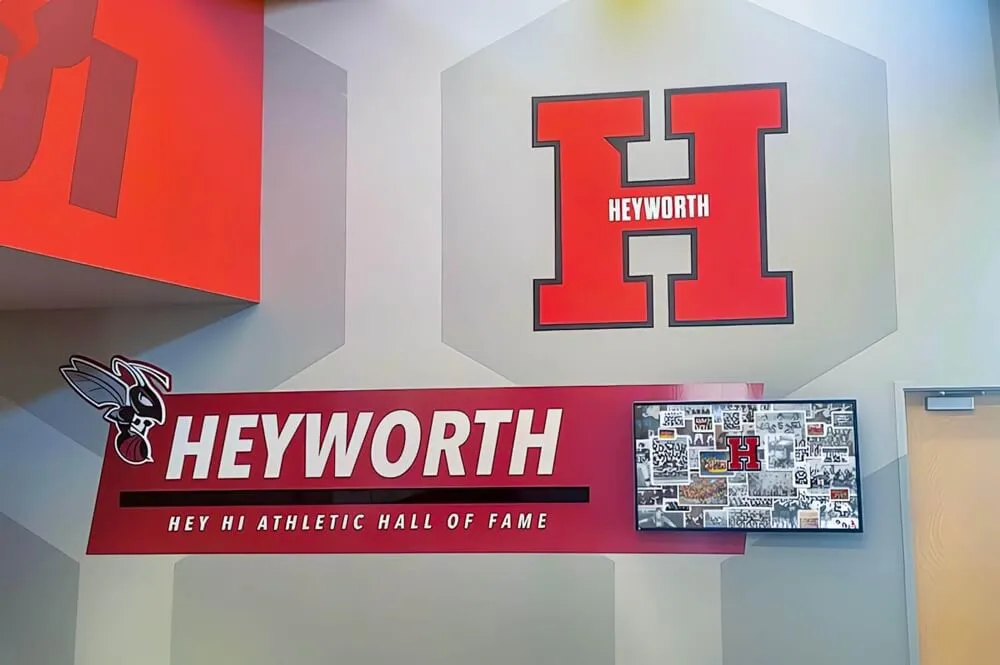
Senior recognition combines individual portraits with family messages, creating a layered tribute that outlasts any single event or ceremony
What Is a Senior Ad—and Why Do They Matter?
A senior ad (also called a senior dedication, parent ad, or family tribute) is a paid advertisement in the senior section of a high school yearbook purchased by family members to honor a graduating student. Prices and sizes vary by school, but most programs offer quarter-page, half-page, and full-page options, each accommodating different combinations of photos and text.
Unlike the student-written senior quote or the standard senior portrait, senior ads are entirely family-authored. That means the message, the photo selection, and the overall tone reflect a parent’s or grandparent’s perspective rather than the student’s own curated self-image—which is precisely what makes them resonate decades later.
Why Families Buy Senior Ads
Permanent record in the school archive. Yearbooks are preserved in school libraries, family attics, and increasingly in digital archives. A senior ad creates a timestamped family message that survives in the same physical volume as the student’s portrait and class history.
Public recognition in the school community. Classmates, teachers, and community members see the tribute during yearbook distribution—an audience that extends well beyond a graduation party guest list.
Emotional artifact for the graduate. Many alumni report that re-reading a parent’s senior ad during milestone life events—college acceptance, marriage, the birth of a child—carries more emotional weight than they expected when the yearbook first arrived.
For families exploring how to write and format these tributes, a strong collection of senior yearbook ads from parents with real examples provides a useful starting point before drafting original copy.
Senior Ad Examples: Messages by Tone
The most effective senior ads match the family’s authentic voice rather than copying a template wholesale. The examples below are organized by tone to help families identify the approach that fits their relationship and their graduate’s personality.
Heartfelt and Sentimental Examples
Sentimental messages work especially well when families want to honor the emotional journey of raising a graduate—the growth from a small child to a young adult ready for the next chapter.
Short and focused (under 75 words):
From your first steps to your graduation walk, every day with you has been a gift we never take for granted. We watched you grow into someone kind, determined, and extraordinary. Whatever path you choose next, know that your whole family is behind you—cheering, believing, and so incredibly proud. We love you endlessly. Congratulations, [Name].
Medium length (75–150 words):
There’s a photo on our refrigerator from your first day of kindergarten—backpack nearly bigger than you were, wearing that green jacket you refused to take off all year. Somewhere between that morning and today, you became someone who makes everyone around them better. You’ve done the hard work. You’ve shown up, even when it was difficult. You’ve made us proud in every way that matters. As you move into this next chapter, carry with you the knowledge that this family’s love doesn’t have a graduation date. It goes wherever you go. Congratulations, [Name]. We love you more than any yearbook page can hold.
Full-page long form (150–300 words):
Full-page senior ads give families space to weave together specific memories, milestone moments, and personal messages. Effective long-form tributes typically follow a loose structure: an opening memory or image, a reflection on who the student became, acknowledgment of specific achievements or qualities, and a closing message looking forward. The key is to include at least two or three concrete details—a specific grade, a favorite teacher, a summer job, a sport—that make the tribute unmistakably about this graduate rather than any graduating senior.
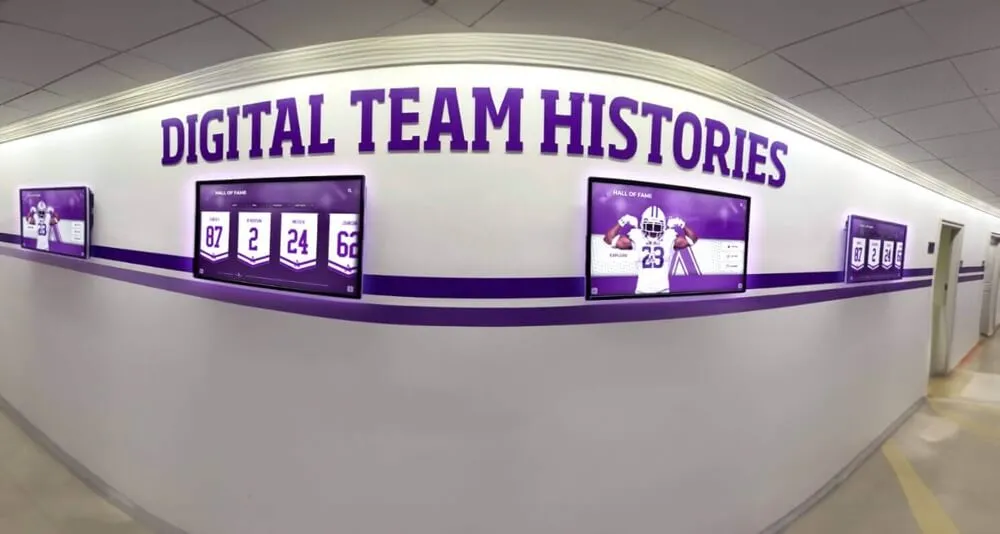
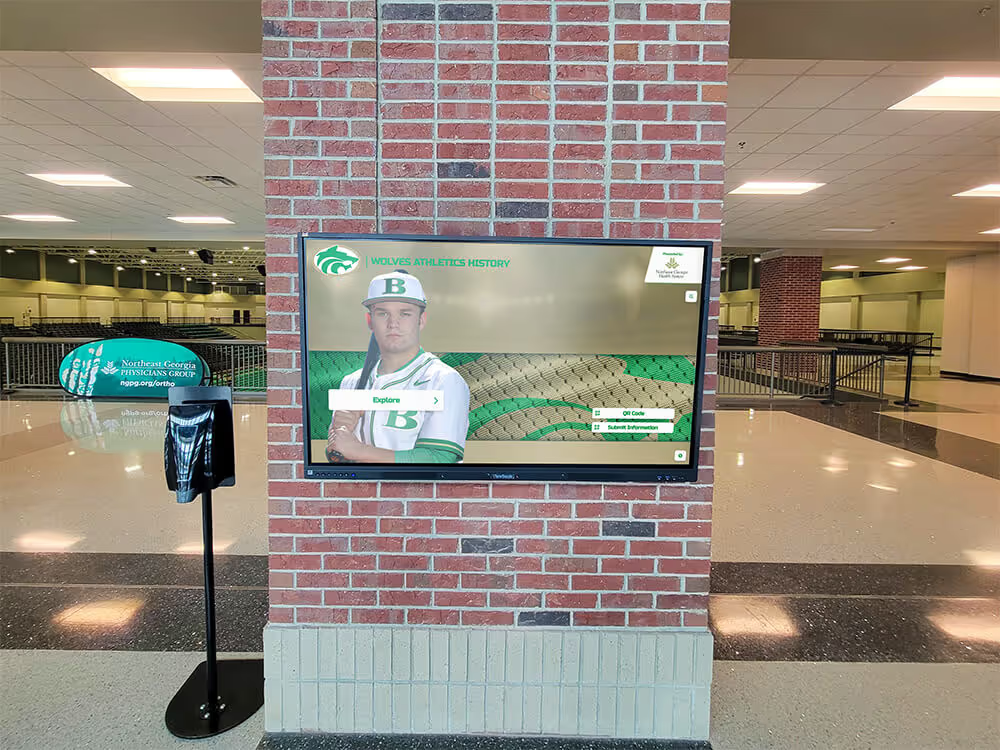
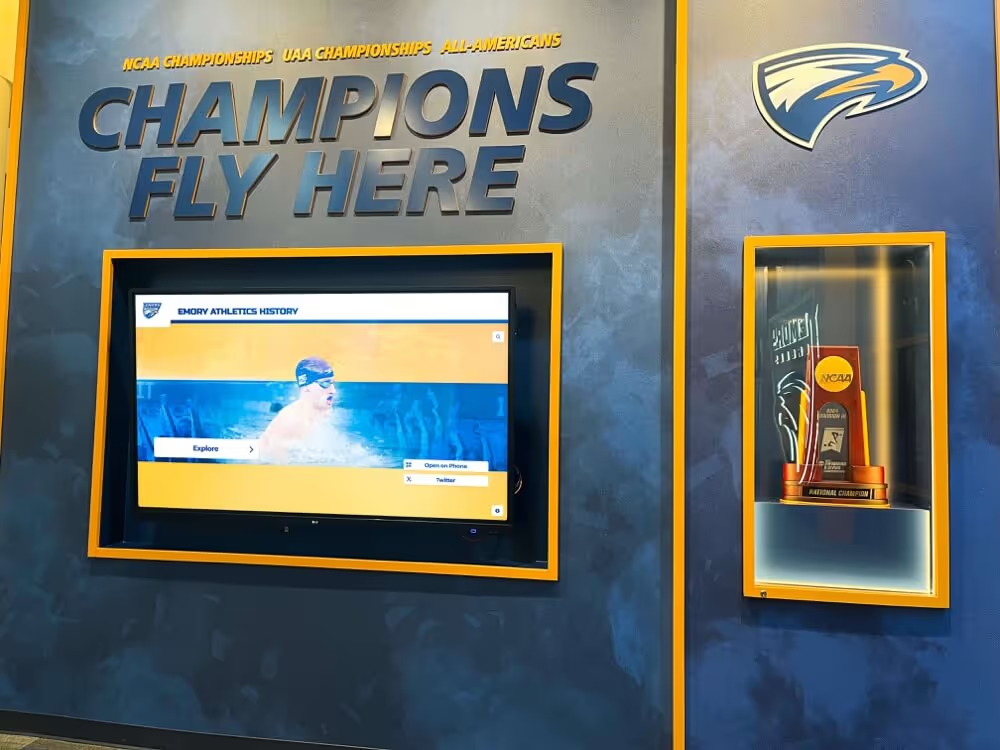
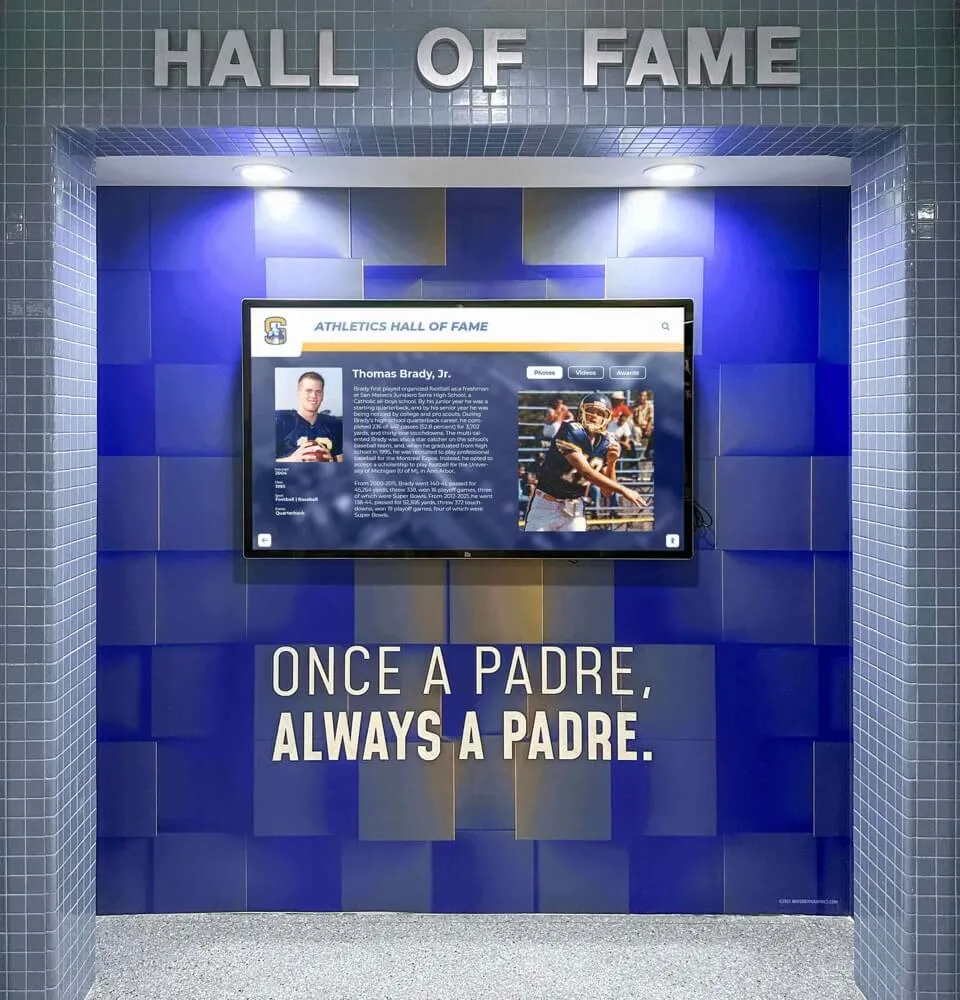
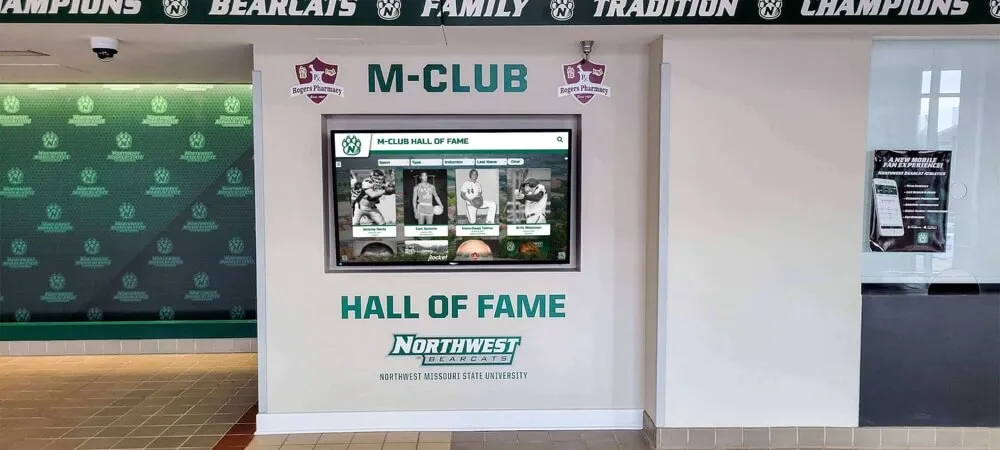
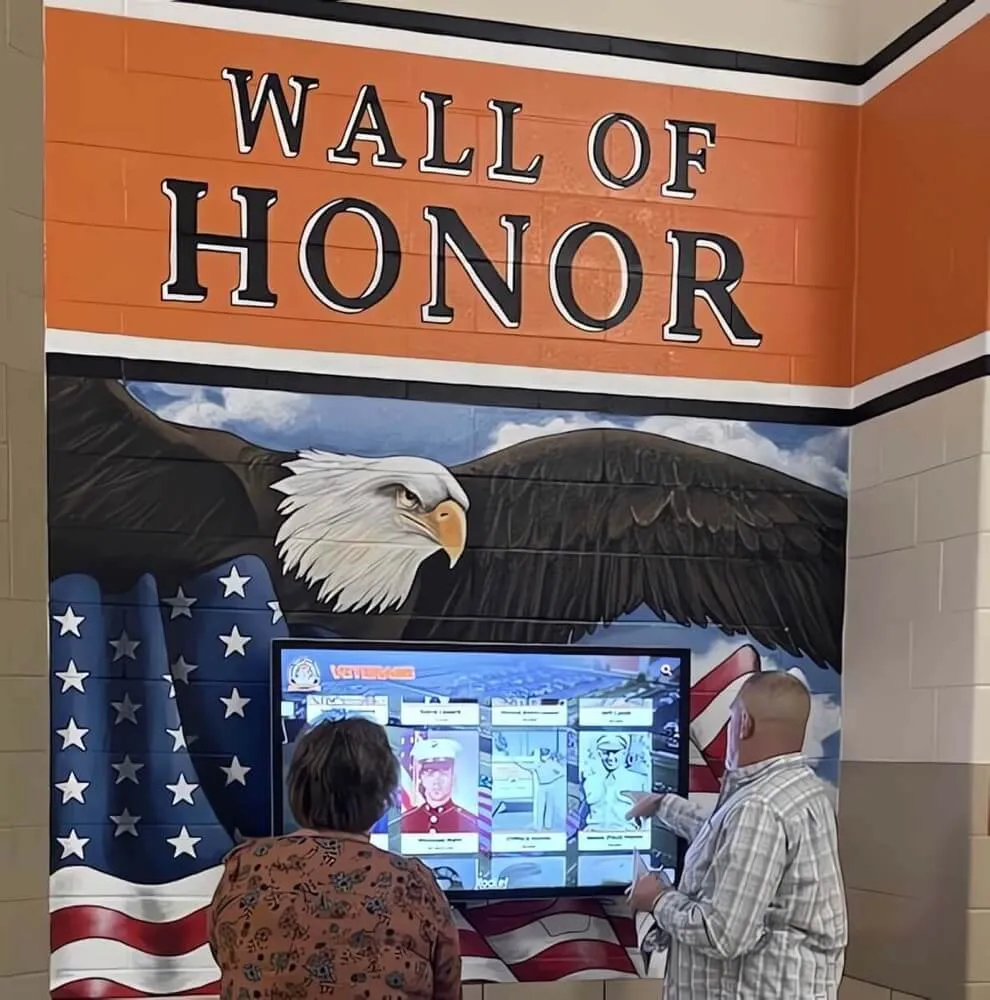
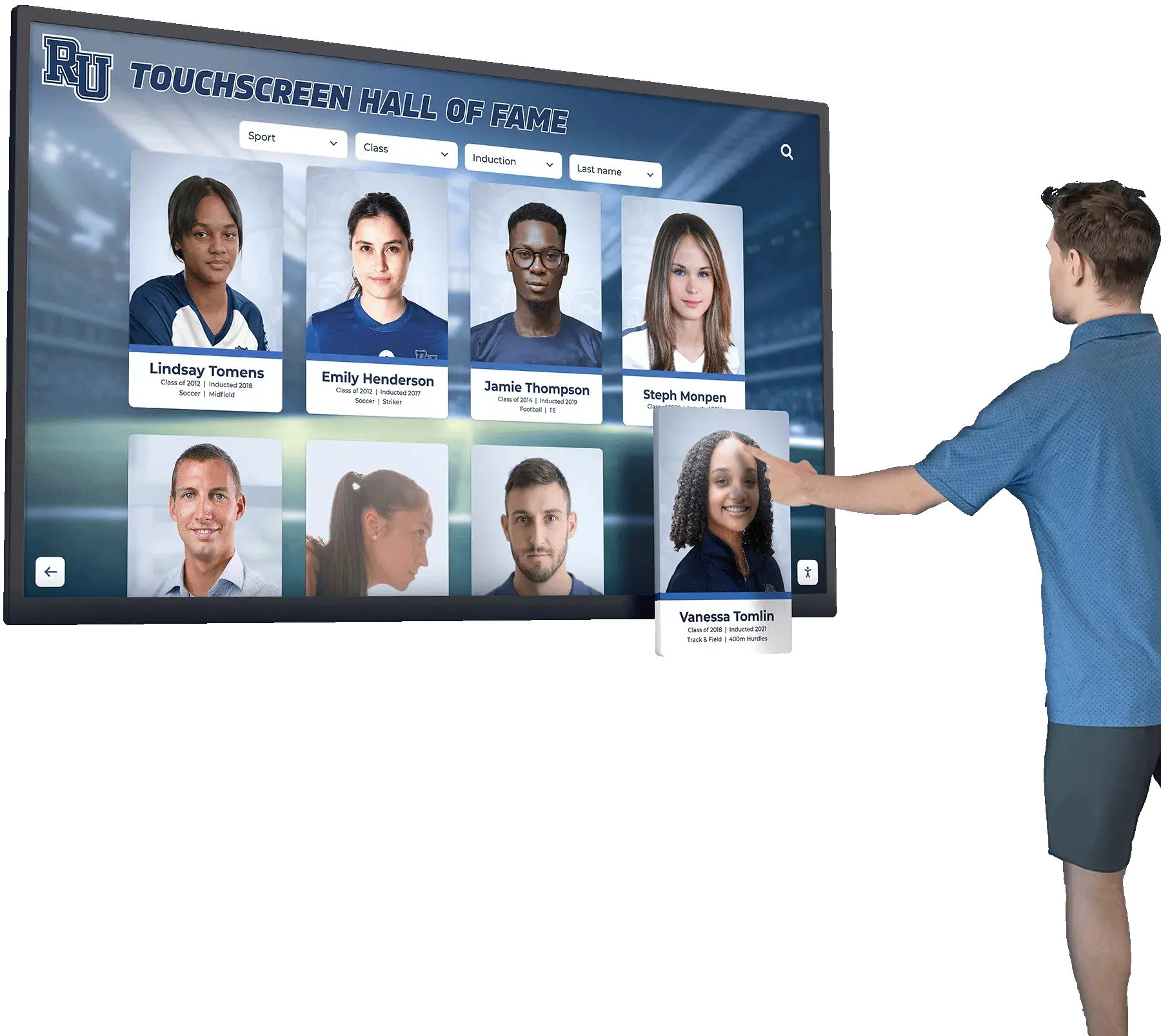
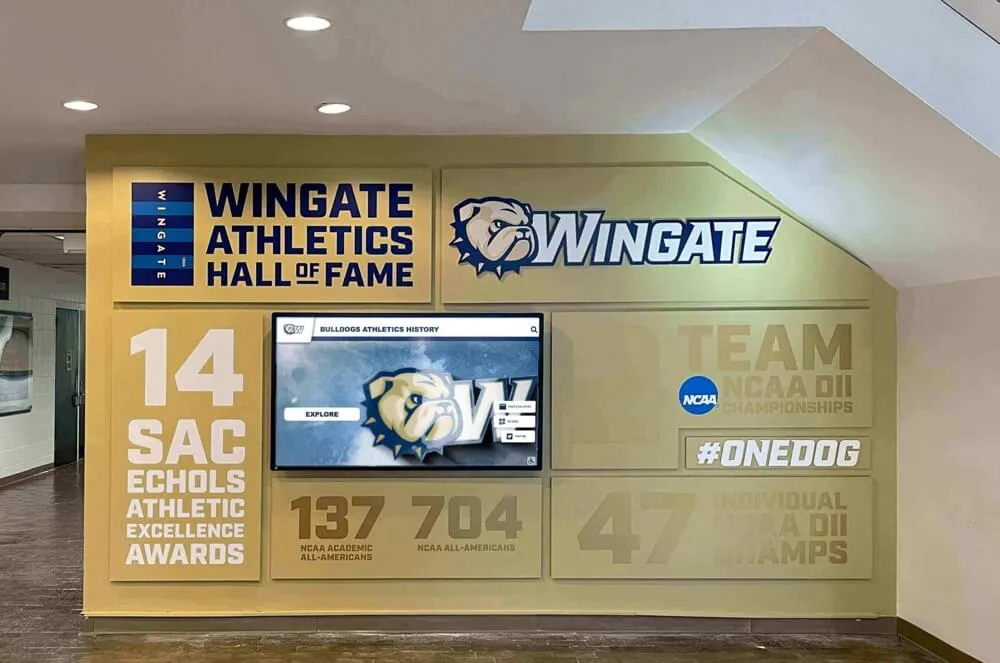
Families who craft thoughtful senior ads often look for ways to extend those tributes beyond print—digital portrait displays create a permanent home for photos and messages
Funny and Lighthearted Examples
Humor-forward senior ads work best when the graduate has a well-established sense of humor and the family relationship supports playful teasing. The goal is warmth, not embarrassment—every joke should land with love underneath it.
Roast-style opener with sincere closing:
Congratulations to the kid who once argued for forty-five minutes that “practically done” counted as “finished.” You proved us wrong every time. Whatever you tackle next, we already know you’ll find a creative way to get there. We’re proud of you—even when you’re technically still in progress. Love always, Mom and Dad.
Nostalgic humor:
We still haven’t figured out how someone who lost their lunch box every single week for three years managed to graduate with honors. Some mysteries are just better left unsolved. So proud of you. Now please update your phone password so we can stop guessing. Love you forever.
Callback to a signature personality trait:
To the person who taught us that “five more minutes” is a highly relative concept, and that snooze buttons are a philosophical position: you made it. All the way to graduation. On time. (Mostly.) We couldn’t be prouder. — Your family, who has been quietly timing you since 2008.
For more approaches to balancing humor with lasting meaning, a guide to funny yearbook quotes and senior personality in lasting recognition explores how tone translates across yearbook pages and school displays.
Inspirational and Forward-Looking Examples
Inspiration-focused messages work well for graduates entering competitive colleges, beginning military service, starting careers, or navigating major transitions. These messages tend to look forward as much as backward.
Achievement acknowledgment with forward momentum:
You set the goal. You did the work. You earned this. But the most impressive thing isn’t the diploma—it’s the integrity, resilience, and genuine curiosity you brought to every challenge along the way. Those qualities will take you further than any credential. Go change something. We’ll be watching, and cheering, every step.
Quiet confidence message:
Not every remarkable person makes headlines. Some of the best ones show up every day, treat people well, do the work without seeking the spotlight, and build something real over time. That’s who you are, and it will take you exactly where you deserve to go. We love you and we believe in you completely.
Legacy and family thread:
Every generation in this family has faced a different world than the one before. What’s stayed constant is the belief that hard work, kindness, and education matter. You carry that forward now—and you carry all of us with you. Congratulations, [Name]. We are so proud.
Families looking to pair these messages with well-designed photo layouts often benefit from reviewing senior yearbook ad ideas focused on creating memorable parent messages before finalizing copy and design decisions together.
Achievement-Focused Examples
Some graduates have specific accomplishments—academic honors, athletic records, arts achievements, community service milestones—that families want to anchor their tribute around.
Academic achievement:
Four years of early mornings, late nights, AP exams, and a GPA that made us check the grading scale twice. You earned every number on that transcript, and we watched you do it. Here’s to the next challenge—we already know you’re ready.
Athletic career:
You stepped onto that first practice field in sixth grade not quite sure if you belonged. By senior year, you led that same team with more confidence than we’ve ever seen in anyone. The scoreboard mattered, but what mattered more was watching you become a leader your teammates believed in. We’re so proud.
Arts or performance:
The house has been your stage since you were old enough to hold a microphone—or a hairbrush, or a spoon. Watching that natural joy become discipline, craft, and real skill has been one of the great privileges of our lives. Take it with you. Perform everywhere. Never stop.
Community service focus:
You gave your time when you didn’t have to, showed up for people who needed it, and demonstrated that being busy is not an excuse for not caring. Your impact on this community started before graduation. That’s rare. That’s you. We love you.
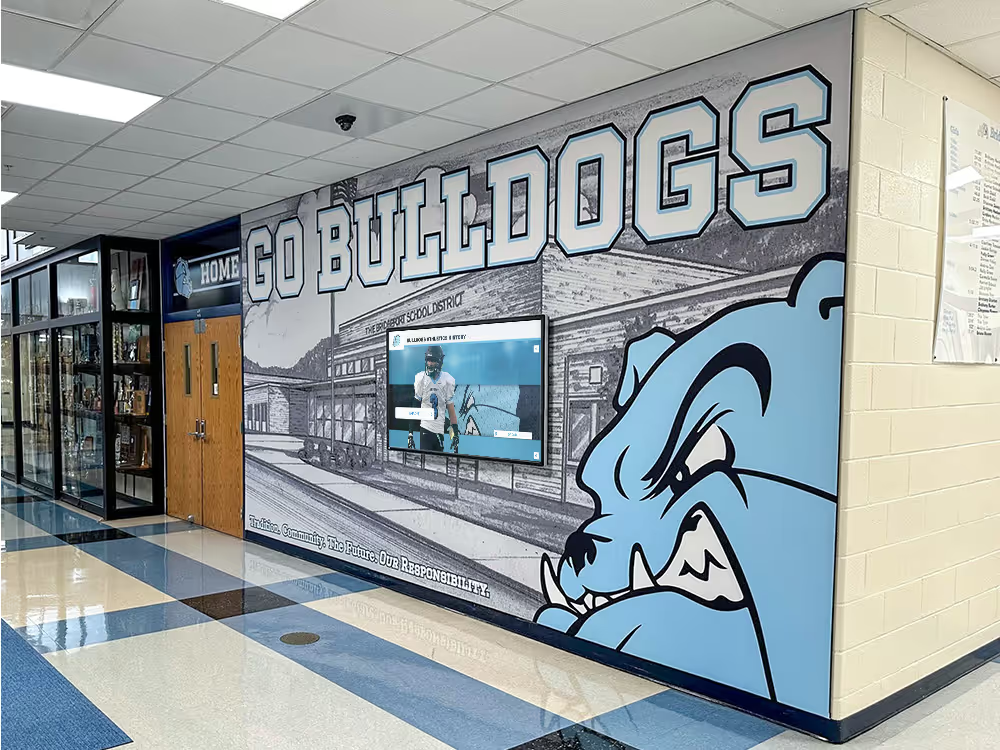
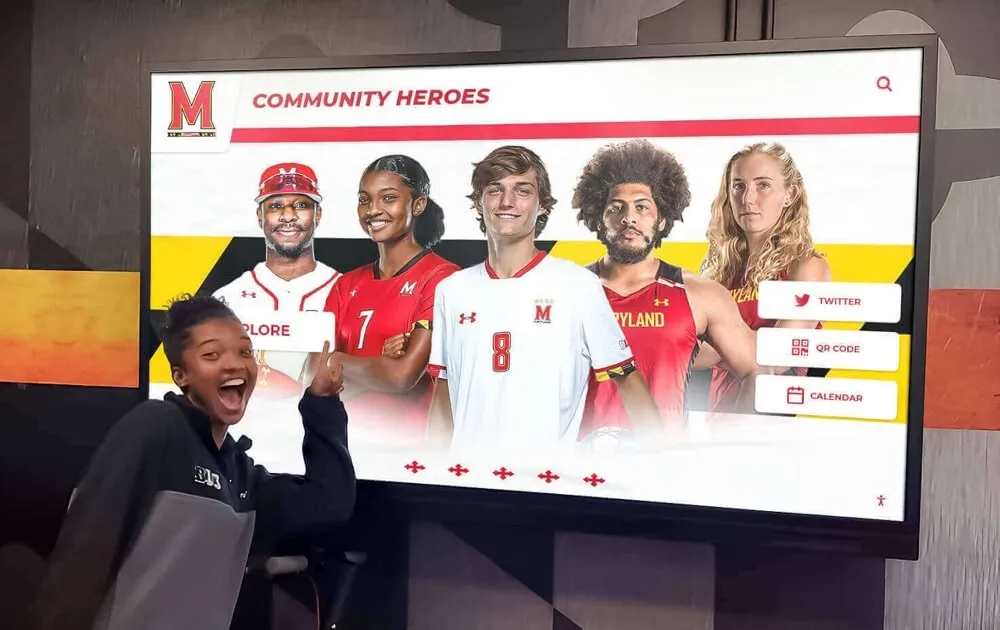
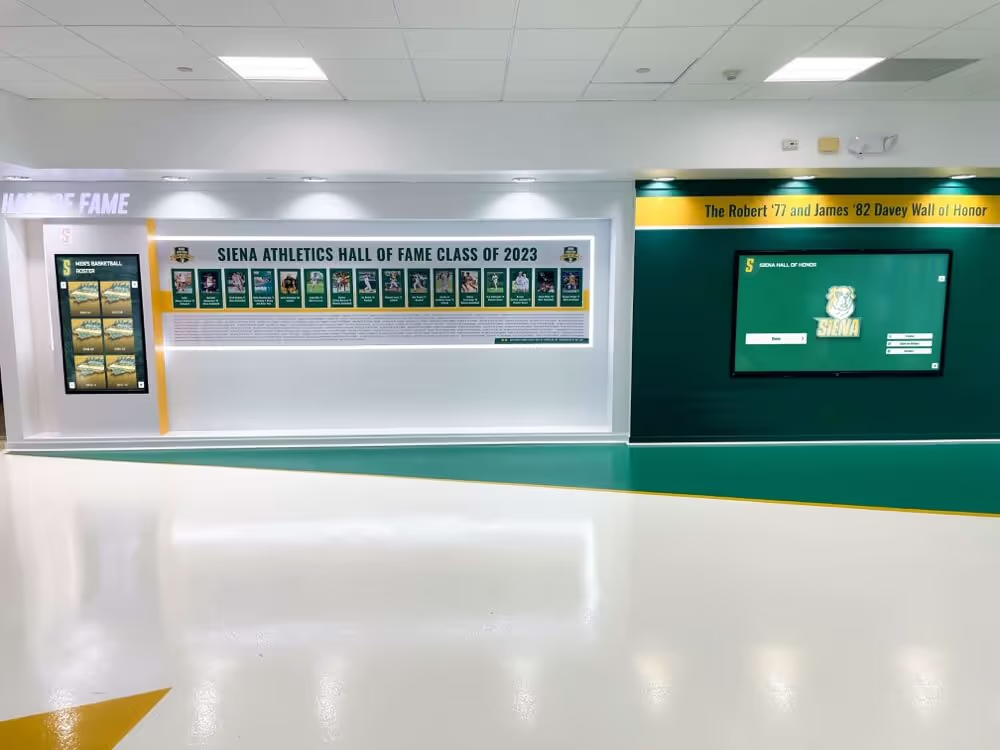
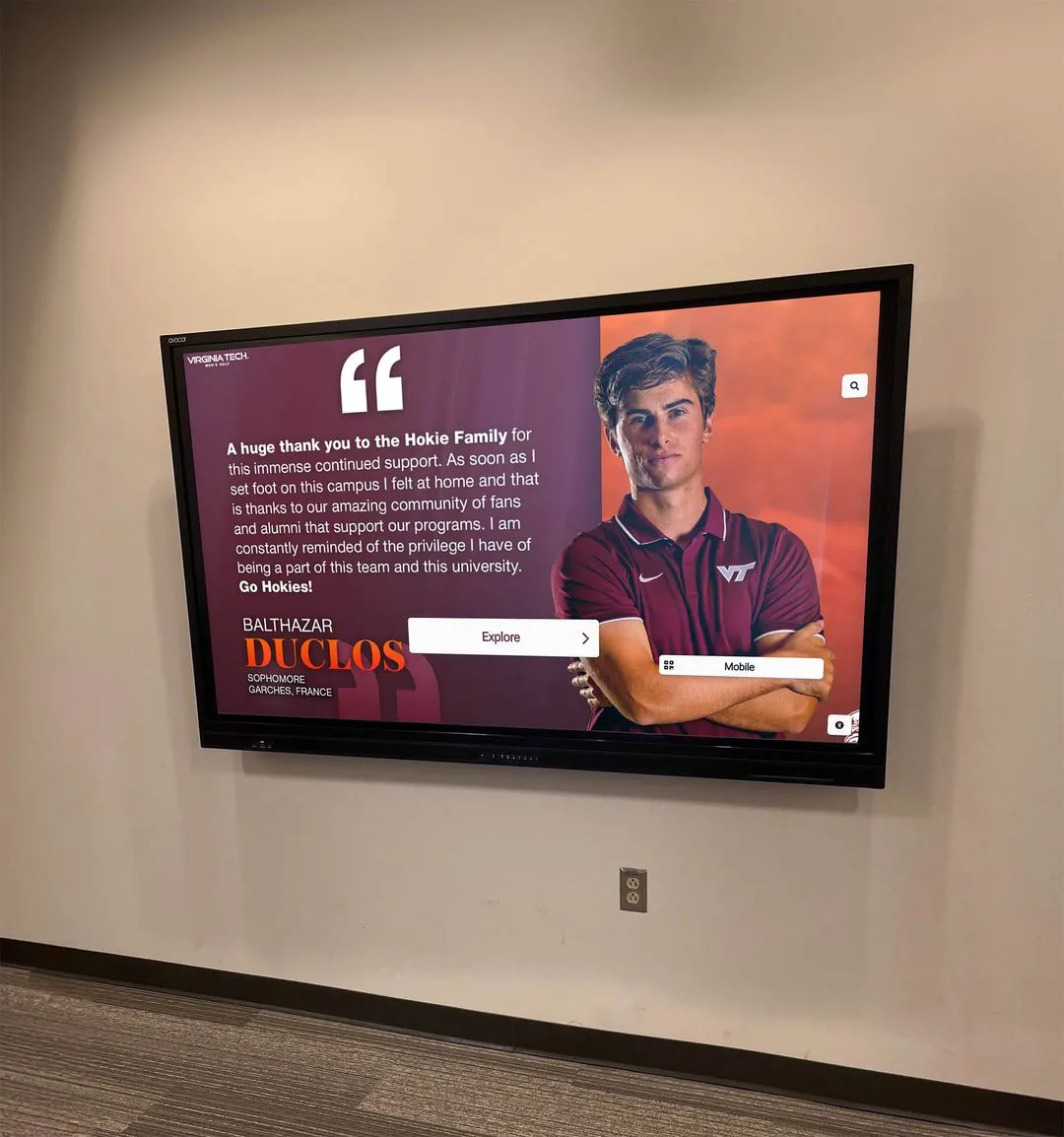
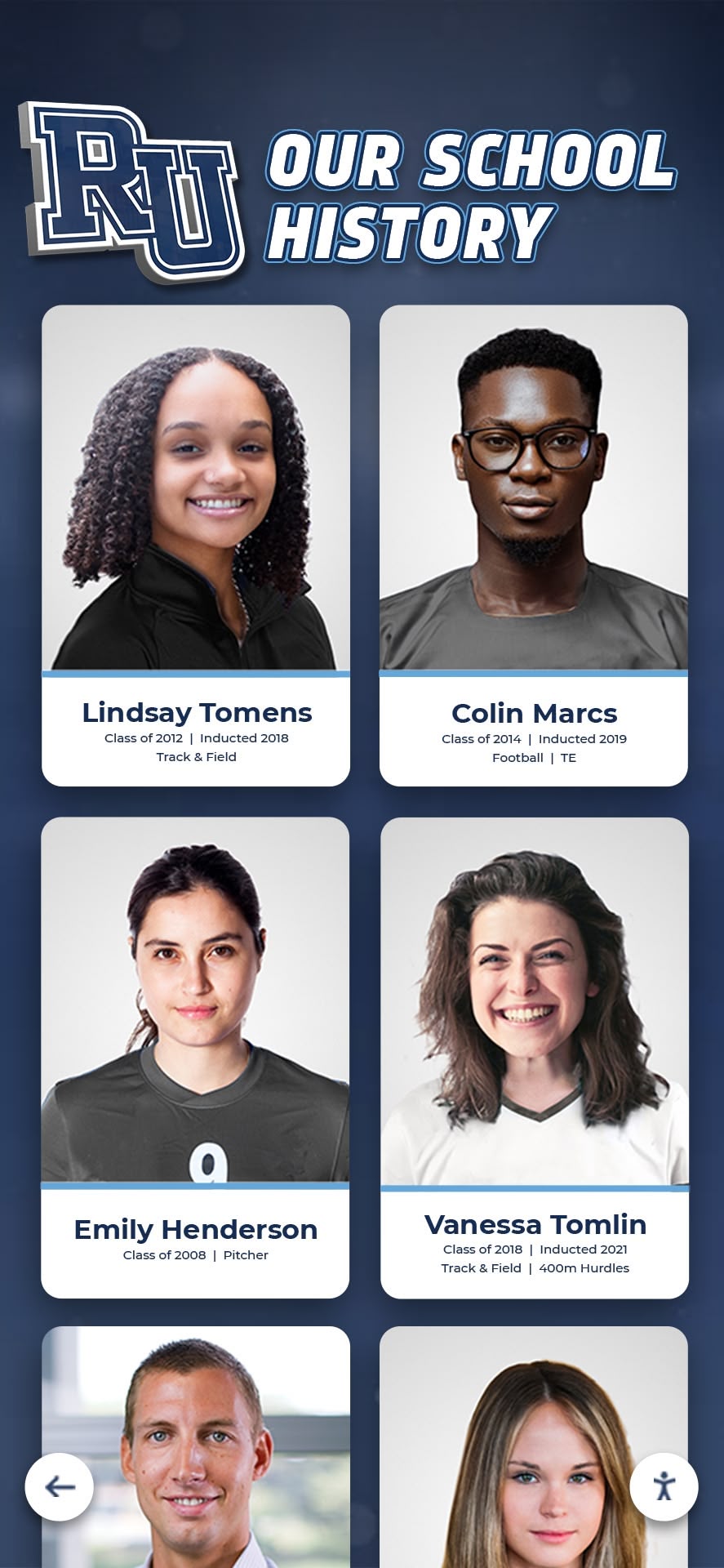
When senior ad messages are archived digitally, future students and alumni can explore the tributes that defined each graduating class
Senior Ad Layout Ideas and Design Guidance
The words matter, but how those words appear on the page shapes how they’re received. Yearbook staff and families should work together to match layout choices to message length and photo availability.
Quarter-Page Layout
Quarter-page ads offer the least space but suit families who prefer concise, punchy tributes. Effective quarter-page approaches:
- Single dominant photo (recent senior portrait or a meaningful candid) occupying roughly half the space, with text stacked below or beside it
- Short message of 30–60 words maximum—think of it as a caption rather than a letter
- Simple design treatment: one accent color, clean font, student’s name in slightly larger type
- Signature line at the bottom: “Love, Mom, Dad, and [sibling names]” personalizes even short messages significantly
Half-Page Layout
Half-page ads accommodate either two photos with brief copy or one photo with a medium-length message. Effective approaches:
- Split layout: portrait photo on one side, childhood photo on the other, message running along the bottom
- Timeline strip: three or four photos in a horizontal band showing the student at different ages, with message below
- Centered portrait with framing copy: headline above the photo (“Then and Now” or the student’s name and graduation year), body text below
- Avoid overcrowding: half-page tempts families to include more than the space can hold—prioritize one photo and one clear message over multiple competing elements
For comprehensive visual layout guidance, reviewing yearbook senior page ideas and layouts that parents and seniors treasure provides detailed design frameworks organized by format size.
Full-Page Layout
Full-page senior ads offer the greatest creative flexibility and typically produce the most memorable tributes when well designed.
Recommended full-page frameworks:
- Photo essay approach: five to seven photos arranged in a grid or organic collage, with the message running in the negative space between images. Captions beneath individual photos add specificity (“First day of kindergarten,” “Regional championship, junior year”) that body text alone can’t achieve.
- Then-and-now contrast: large childhood photo on the left half, matching current photo on the right, with a bridge message spanning both. This layout works particularly well when a clear visual parallel exists between the two images.
- Letter format: one strong hero photo at the top, followed by a full letter-style message in readable paragraph form. This approach suits families who write naturally in letter format and have a lot to say.
- Quote-anchored design: a meaningful quote in large display type as the visual anchor, with photos and message text supporting it. The quote might be a family saying, the student’s own words, or something meaningful to both parent and child.
Design principles that apply across all sizes:
- Limit font families to two: one for headlines or the student’s name, one for body text
- Maintain contrast: dark text on light backgrounds and vice versa—decorative low-contrast treatments reduce legibility
- Leave breathing room: white space is not wasted space; it gives the reader’s eye places to rest
- Match school colors thoughtfully: incorporating school colors can tie the ad to institutional identity, but use muted or desaturated versions to avoid visual competition with the portrait
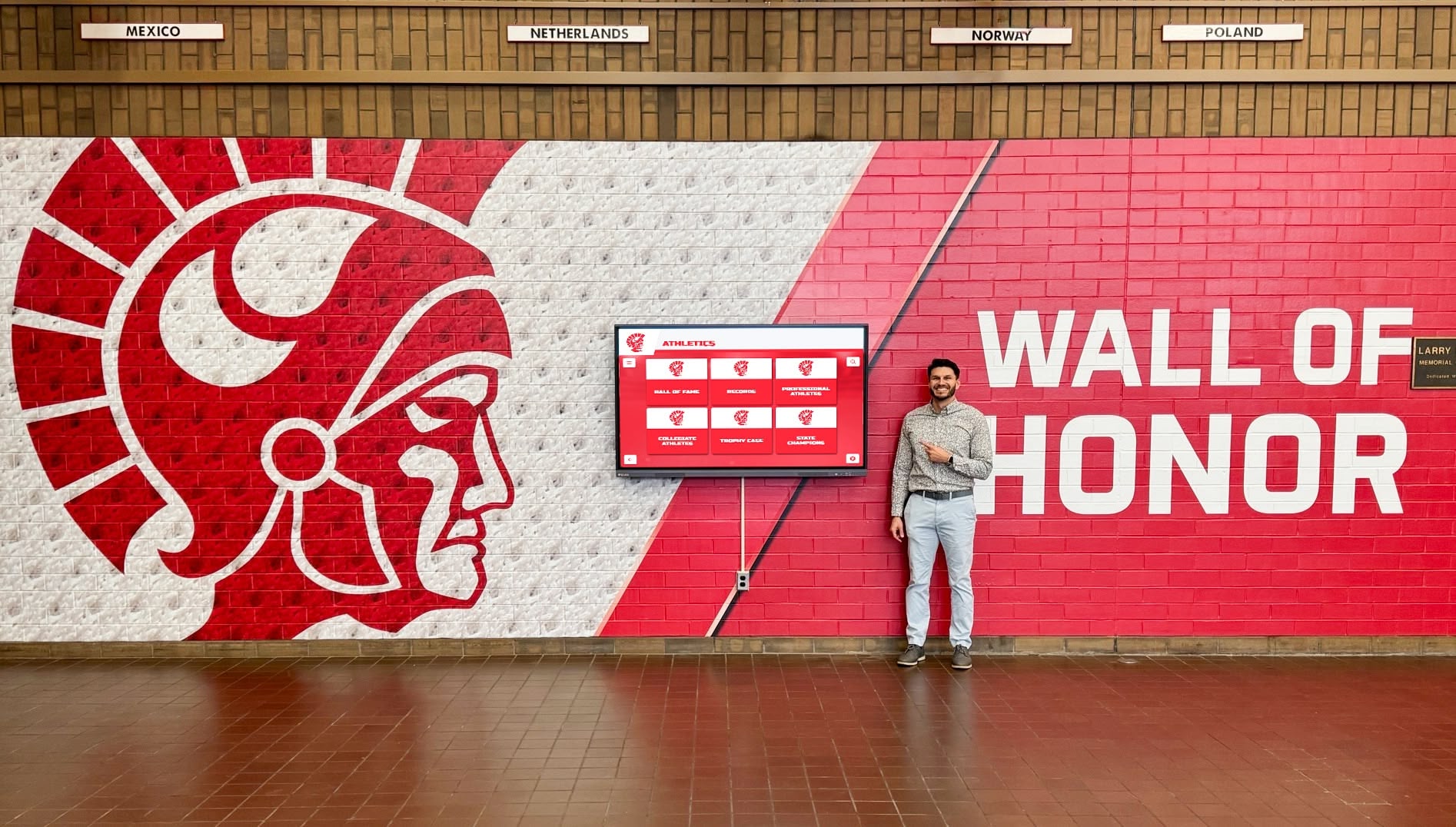
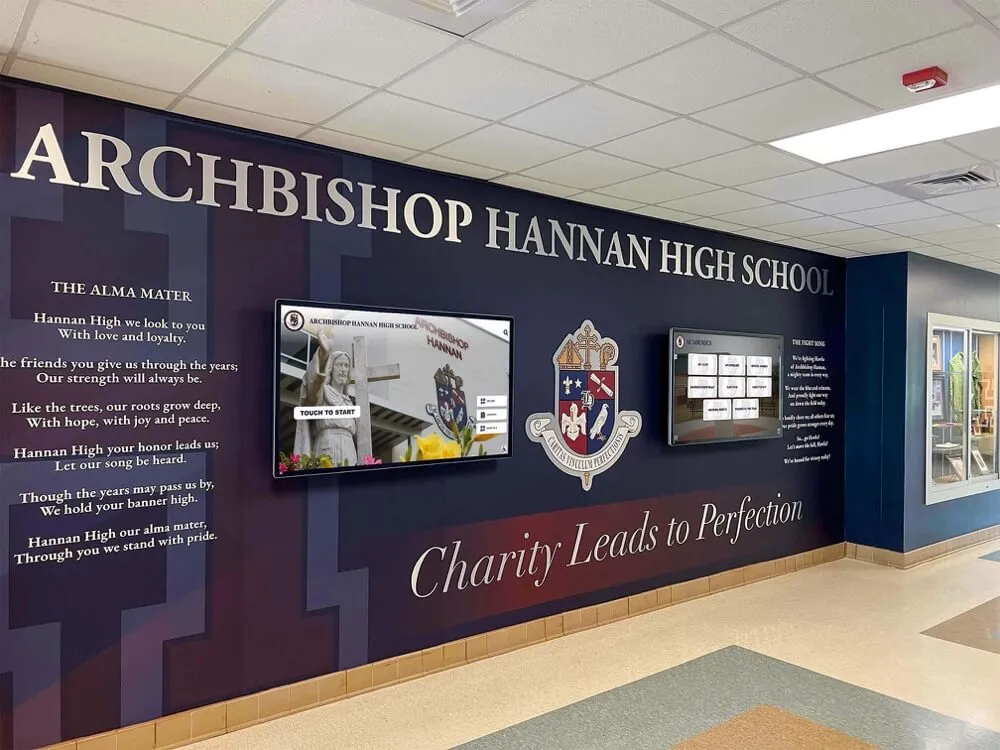
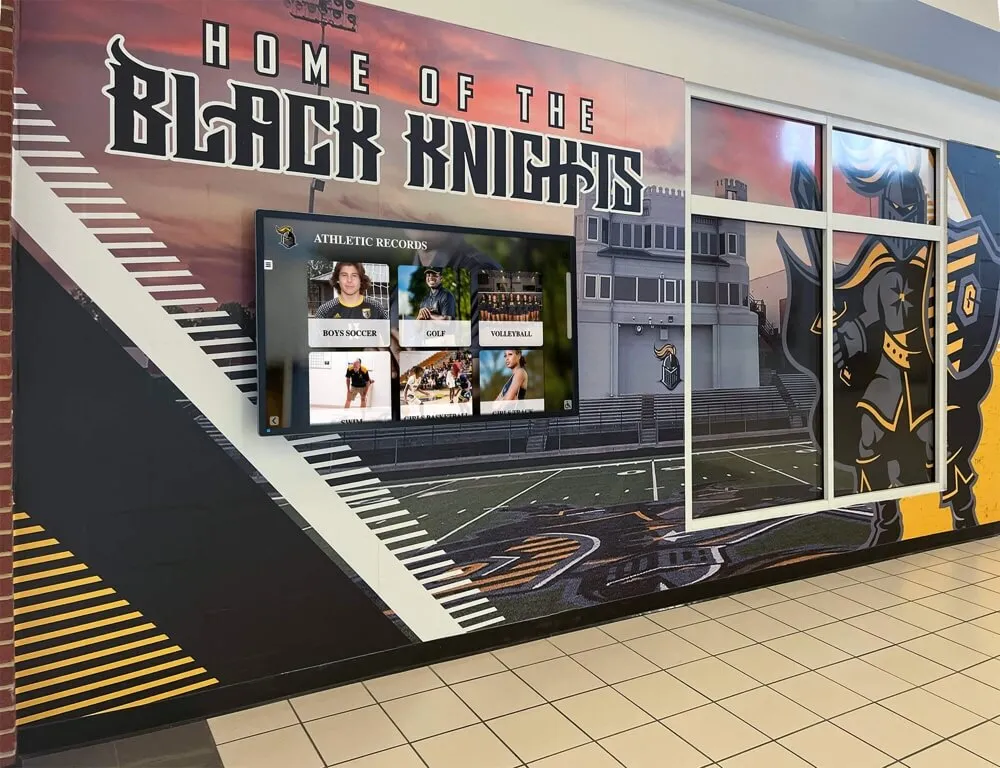
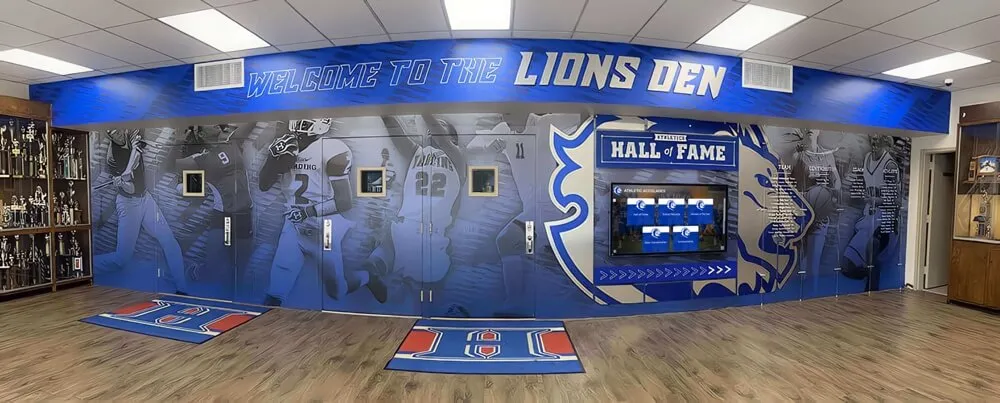
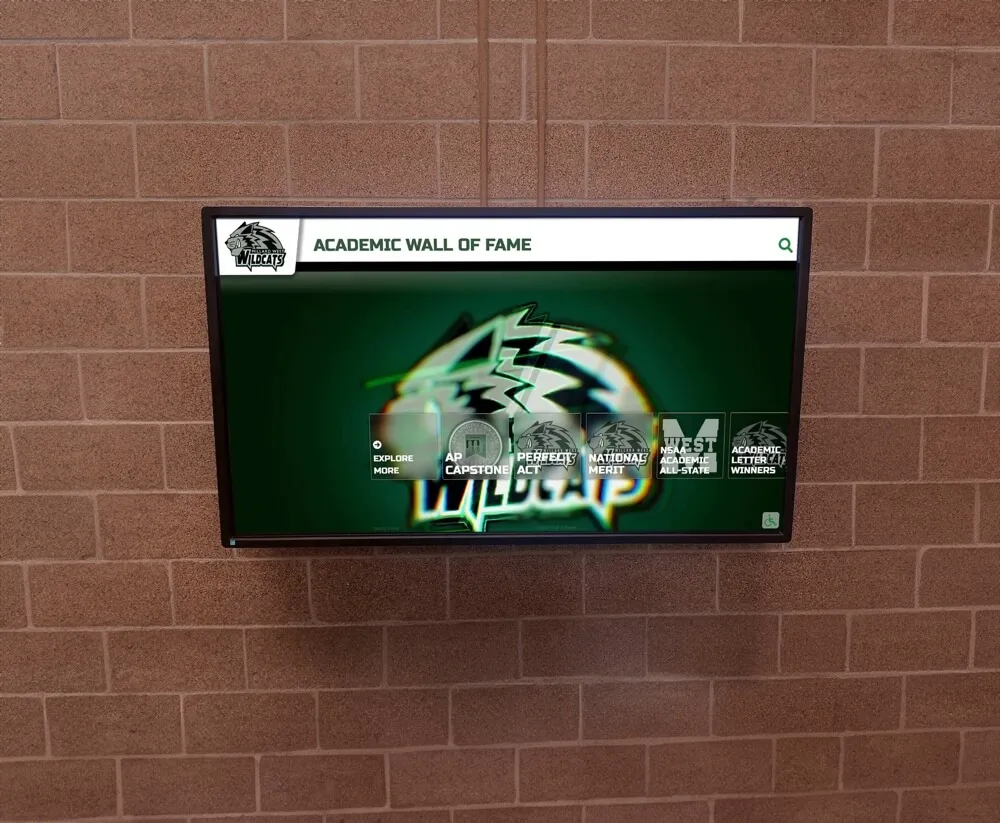
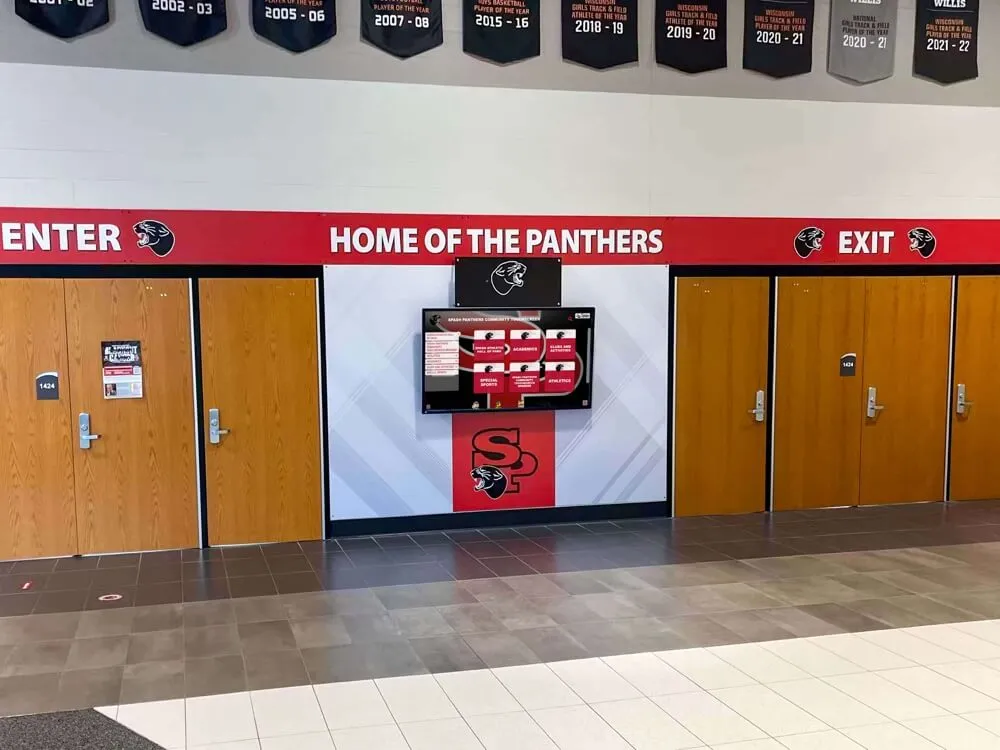
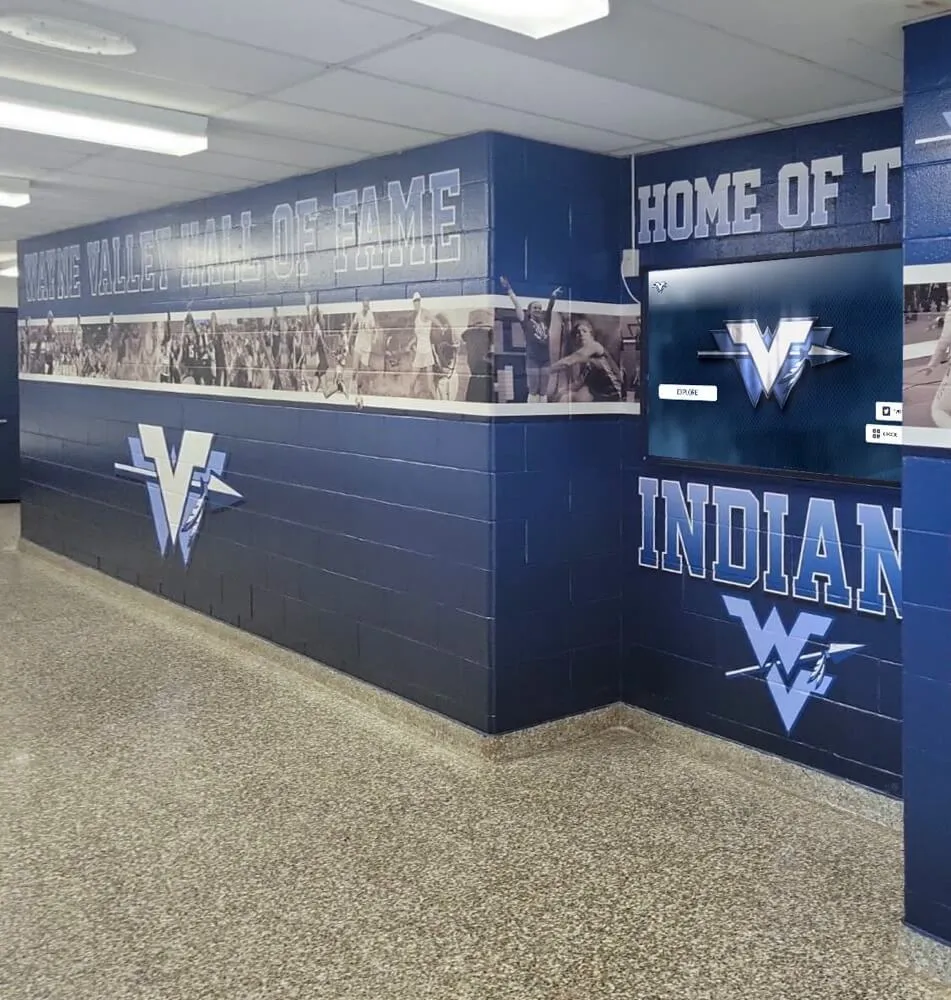
Permanent school recognition installations give families a way to honor graduates beyond the yearbook's annual publication cycle
Writing Tips for Families: Getting the Message Right
Even families with clear intentions often struggle with the blank page. These practical strategies help move from “I know what I want to say” to actual finished copy.
Start with a Specific Memory
Generic opening lines (“From the moment you were born, we knew you were special”) are both common and forgettable. Starting with a specific memory or image grounds the tribute and signals to the reader that this message is genuinely about this person.
Ask yourself: What is the one moment, image, or detail that most captures who this student is? That’s your opening. From there, the rest of the message typically follows more naturally.
Speak to the Student, Not the Audience
The most effective senior ads read like private messages made public—not like public announcements performed for the audience. Write to your graduate directly (“you,” “we”), not about them (“she has always been,” “he worked so hard”). The directness makes the message more emotionally immediate.
Decide on One Core Idea
Long messages that try to cover everything—athletic career, academic achievement, sibling relationships, childhood memories, future aspirations—often end up feeling scattered. Identify the single most important thing you want this student to carry away from reading this message, and build the tribute around that.
Let the Photos Do Work
Don’t describe photos in your text if you’re including them. If you’ve selected a childhood photo that shows the student at age five in a baseball uniform, you don’t need to mention little league in the copy—the image carries that. Use text to add what the photo can’t show: your emotional experience, what that image means to the family, what you hope the student remembers.
Read It Aloud Before Submitting
Senior ad copy that sounds slightly formal in writing often reads naturally when heard aloud. Reading the draft to another family member helps identify places where the language feels stiff, where sentences run too long, or where a line doesn’t quite land as intended.
Families exploring complete writing guidance—including advice on specific quote types, message length by format, and common mistakes—benefit from reviewing yearbook messages with heartfelt examples and writing tips before their submission deadline.
Senior Ad Quotes: Using Others’ Words in Your Tribute
Many families incorporate published quotes into their senior ads alongside original messages. When choosing external quotes, consider these approaches:
Literary and philosophical quotes work well when the student has a meaningful relationship with literature, philosophy, or a particular author. Attribution should be specific and accurate.
Quotes from the student’s own words are among the most powerful choices—a line from a speech they gave, something they said that the family has remembered, or a belief they’ve expressed about their future. These feel authentic in a way borrowed wisdom can’t quite replicate.
Family sayings and traditions often translate well into senior ad quotes: a phrase one parent always used, a family motto, something a grandparent said that passed through generations. These carry meaning that outside readers may not fully share, but the graduate will.
Song lyrics require copyright awareness—yearbooks have faced challenges over lyric reproduction, so check with your yearbook adviser before including more than a short phrase from a contemporary song.
For families focused specifically on the quote component of their message, an extensive collection of senior yearbook ad quotes from parents provides examples organized by theme and emotional tone.
Photo Selection for Senior Ads
Photo choice shapes the entire emotional register of a senior ad. Several considerations guide better photo selection:
Resolution requirements: Most yearbook systems require photos submitted at 300 DPI or higher for print quality. Old phone photos, particularly screenshots from social media, often don’t meet this threshold and will print blurry. Parents submitting photos should use original files rather than saved copies wherever possible.
Age balance: Pairing a current senior photo with one childhood image creates natural narrative progression that single-photo ads can’t achieve. The contrast between a child and the graduate holding that same yearbook creates an almost universally resonant visual.
Candid vs. formal: Formal portraits work well for professional or achievement-focused messages; candids—game highlights, performance shots, travel photos, family moments—work better for personality-forward tributes. Match the photo type to the message tone.
Group photos and family images: Including siblings, pets, or family shots in senior ads is common and meaningful, but ensure resolution holds at print size. Group photos taken at low-res settings often look acceptable on screens but print poorly.
Clearance for school photos: If using photos taken by school photographers, sports photographers, or performing arts photographers, check whether the yearbook publisher or school requires releases for commercial-use reproduction in paid advertisements.
For families navigating a complete tribute that combines photo layout decisions with written messages, a guide to yearbook dedications and meaningful parent messages honoring student achievements addresses both components together.
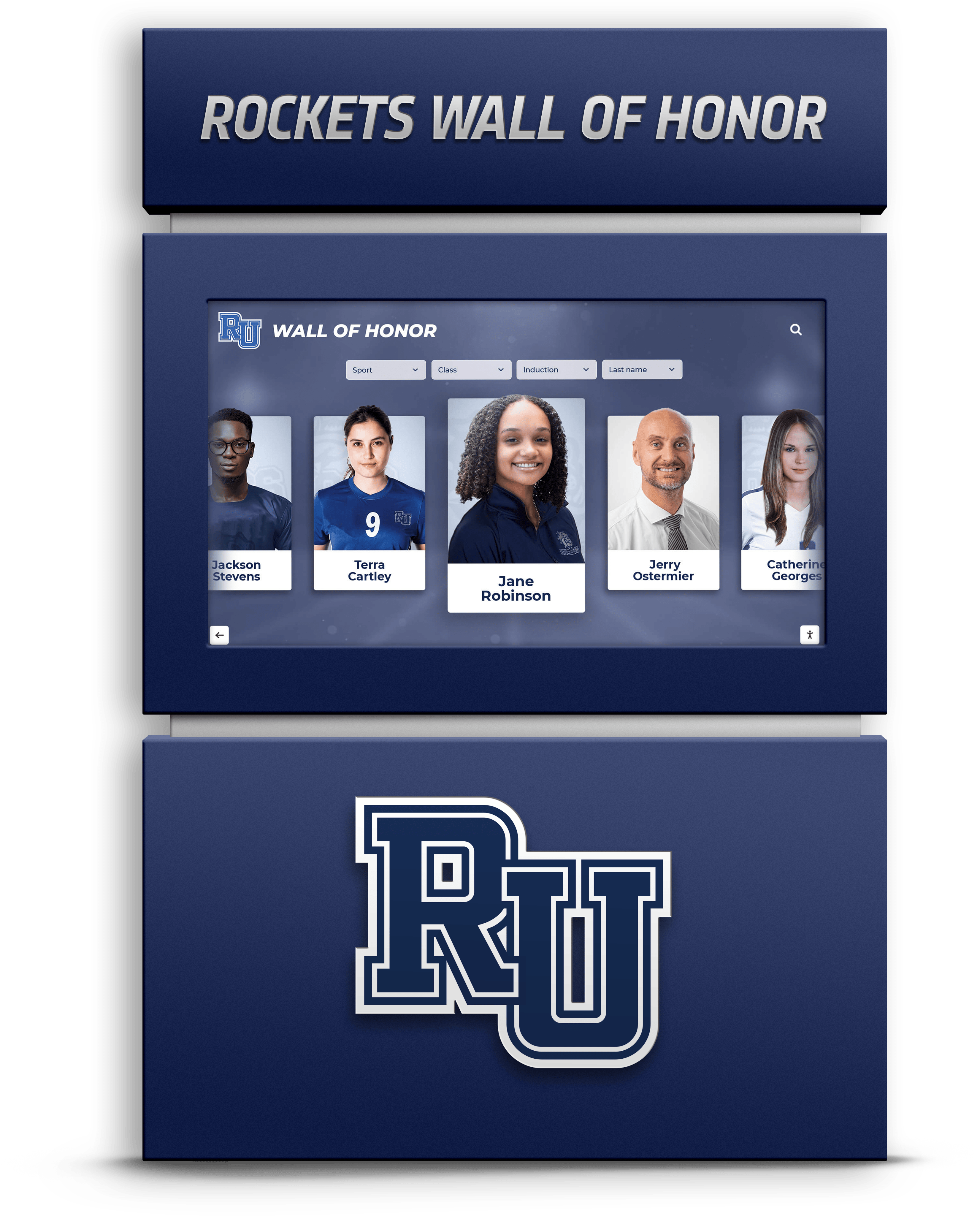
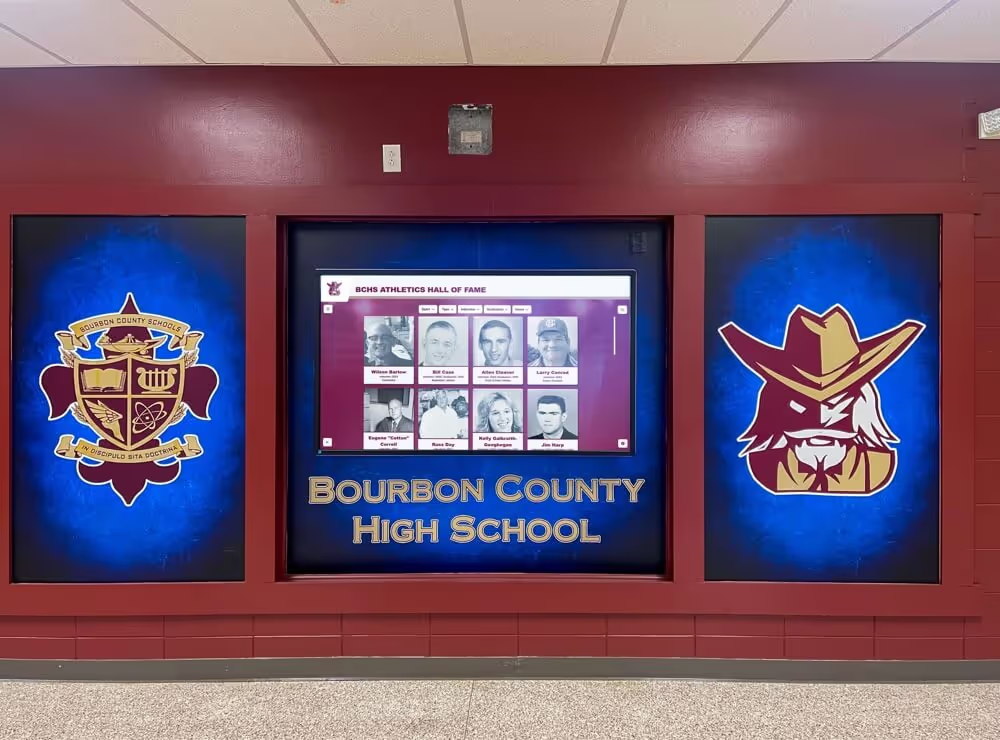
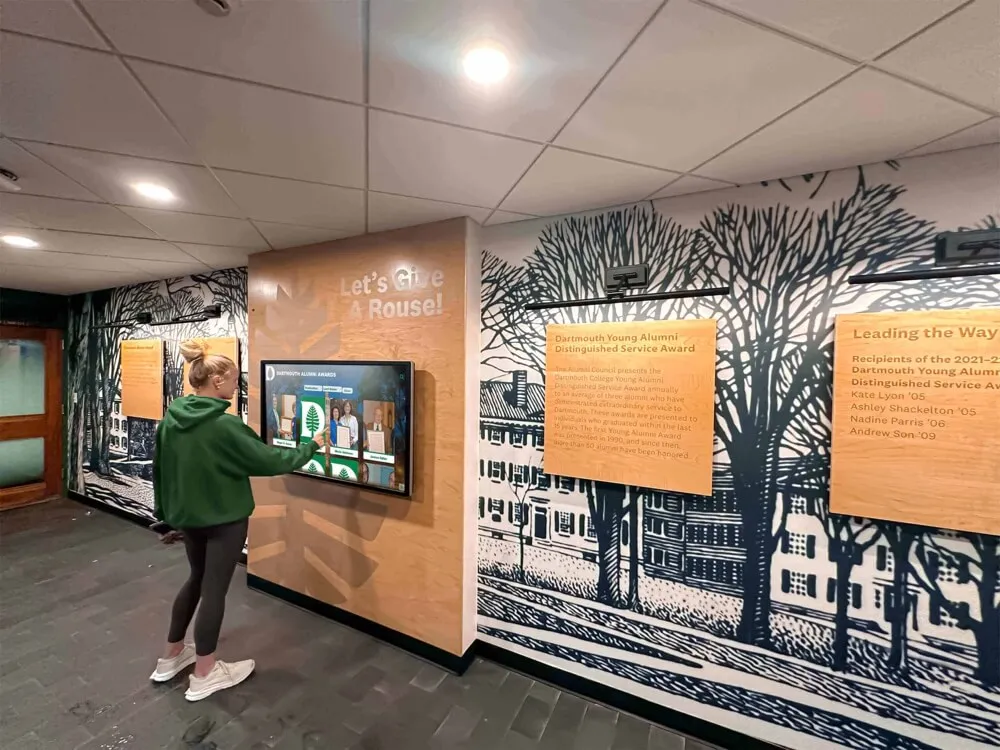
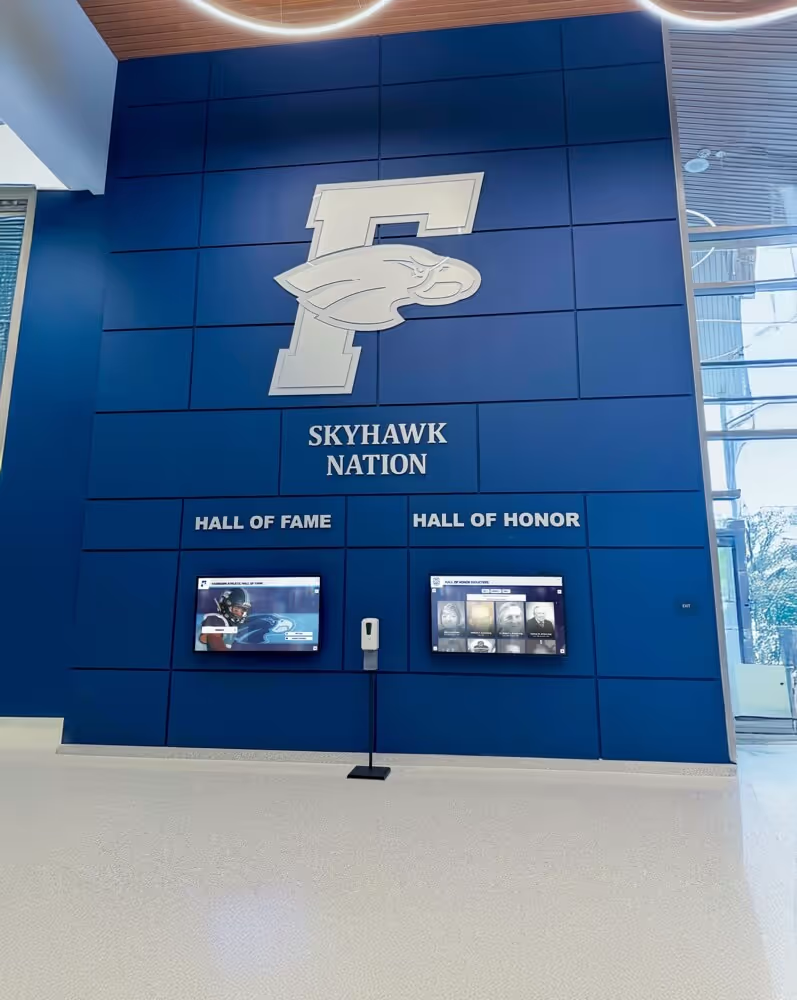
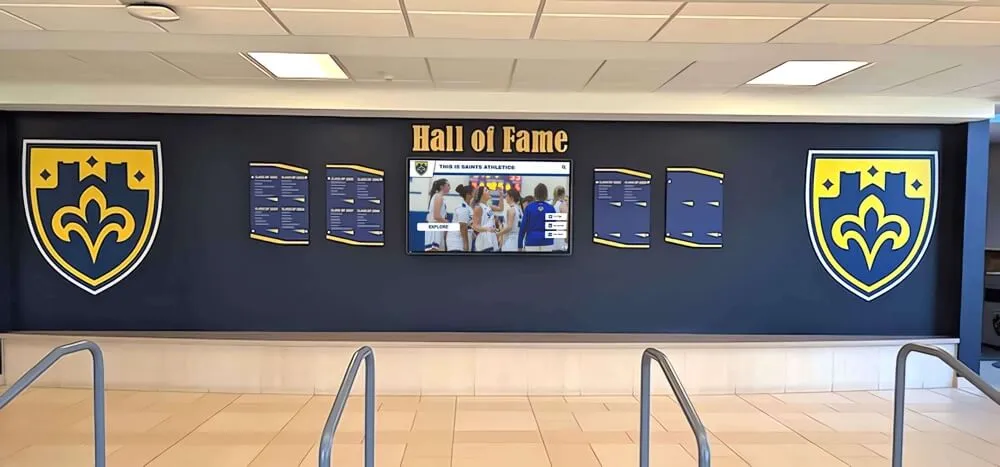
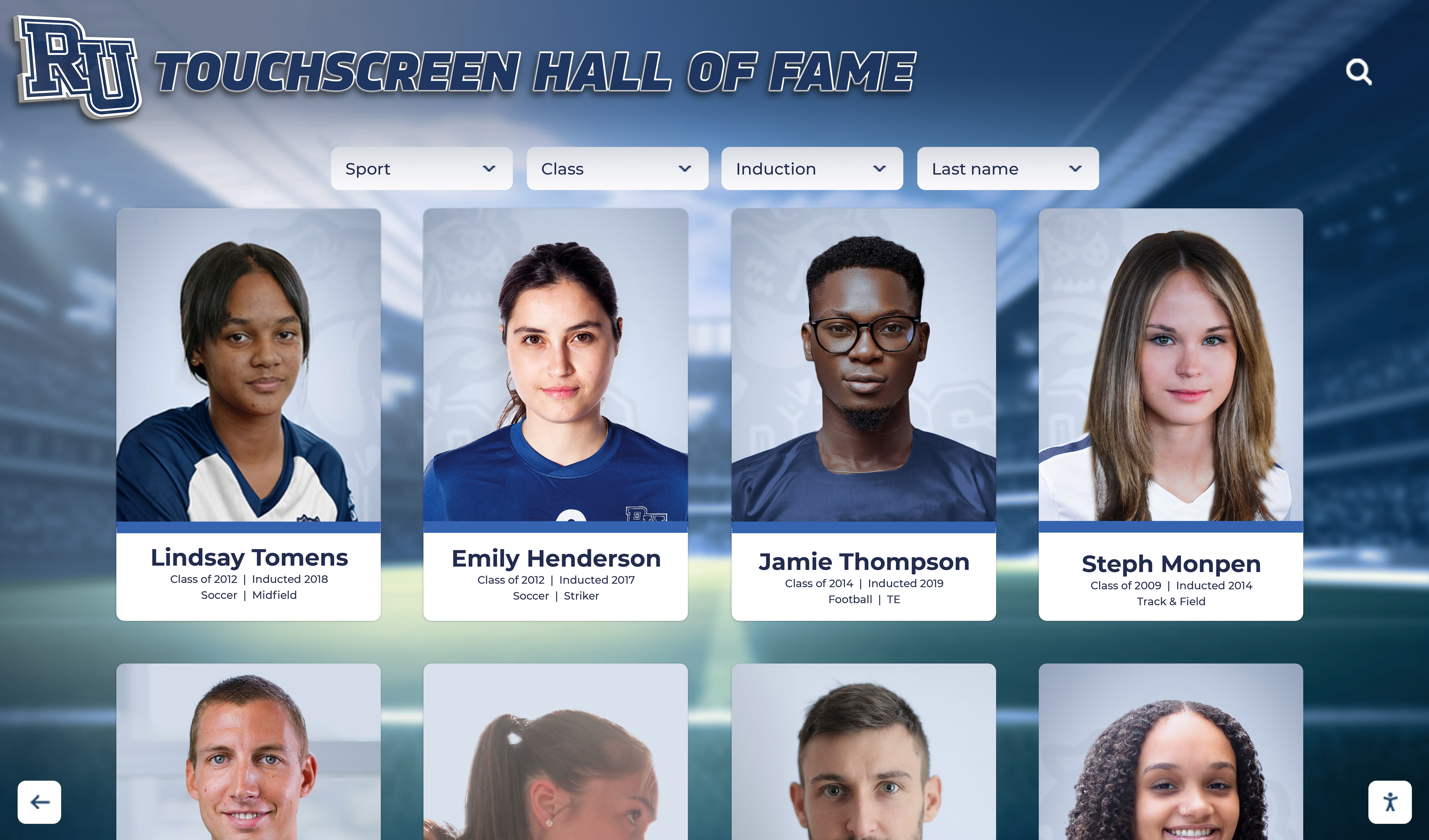
Portrait-based digital recognition walls extend senior ad concepts into permanent physical displays accessible to the entire school community year-round
Turning Senior Ads Into Lasting Digital Recognition
Senior yearbook ads represent a snapshot of recognition—published once, distributed in a single print run, and then largely inaccessible to the broader community unless someone pulls a physical book from a shelf. Many schools and families are now asking how to extend these carefully crafted tributes into formats that remain visible and searchable over time.
Digital Yearbook Archives
Schools that maintain digital yearbook archives can preserve senior ad pages in searchable, shareable formats. When a family’s tribute lives in a digital archive, the graduate can access it from anywhere—share it at a reunion, show it to their own children, or revisit it during significant life transitions—without locating a physical copy.
Senior Recognition Displays
Some schools create dedicated senior recognition installations in lobbies, hallways, or libraries that draw on yearbook content—including senior portraits and family tribute quotes—to create permanent graduation recognition. These displays:
- Feature rotating senior portraits with brief achievement summaries
- Display notable quotes or messages alongside student photos
- Create a visual record of the graduating class that current students can connect with
- Give alumni a tangible presence in the building during future visits
For schools looking at how senior-year recognition programs can connect athletic achievement, academic honors, and family tributes, examples of awards and recognition programs for schools offer a useful framework for structuring comprehensive graduation recognition.
Connecting Senior Ads to Alumni Programs
Senior yearbook ads don’t have to end at graduation. Schools with strong alumni programs use graduating class archives—including yearbook content, senior ads, and family messages—as foundational material for reunion programs, alumni spotlights, and anniversary recognition events.
The graduation moment captured in a senior ad becomes, decades later, the “then” half of an alumni where-are-they-now story. Schools that preserve these materials well and connect them to ongoing alumni engagement often find that graduates feel a stronger ongoing bond with the institution. For detailed guidance on how these graduation-era records feed into long-term alumni programming, exploring alumni recognition event planning that honors graduates and builds lasting connections offers actionable strategies for advancement and alumni relations teams.
For schools recognizing senior athletes alongside these family tributes, athletic banquet speech examples that honor senior athletes and record-breakers provides complementary content for the athletic recognition dimension of graduation season.
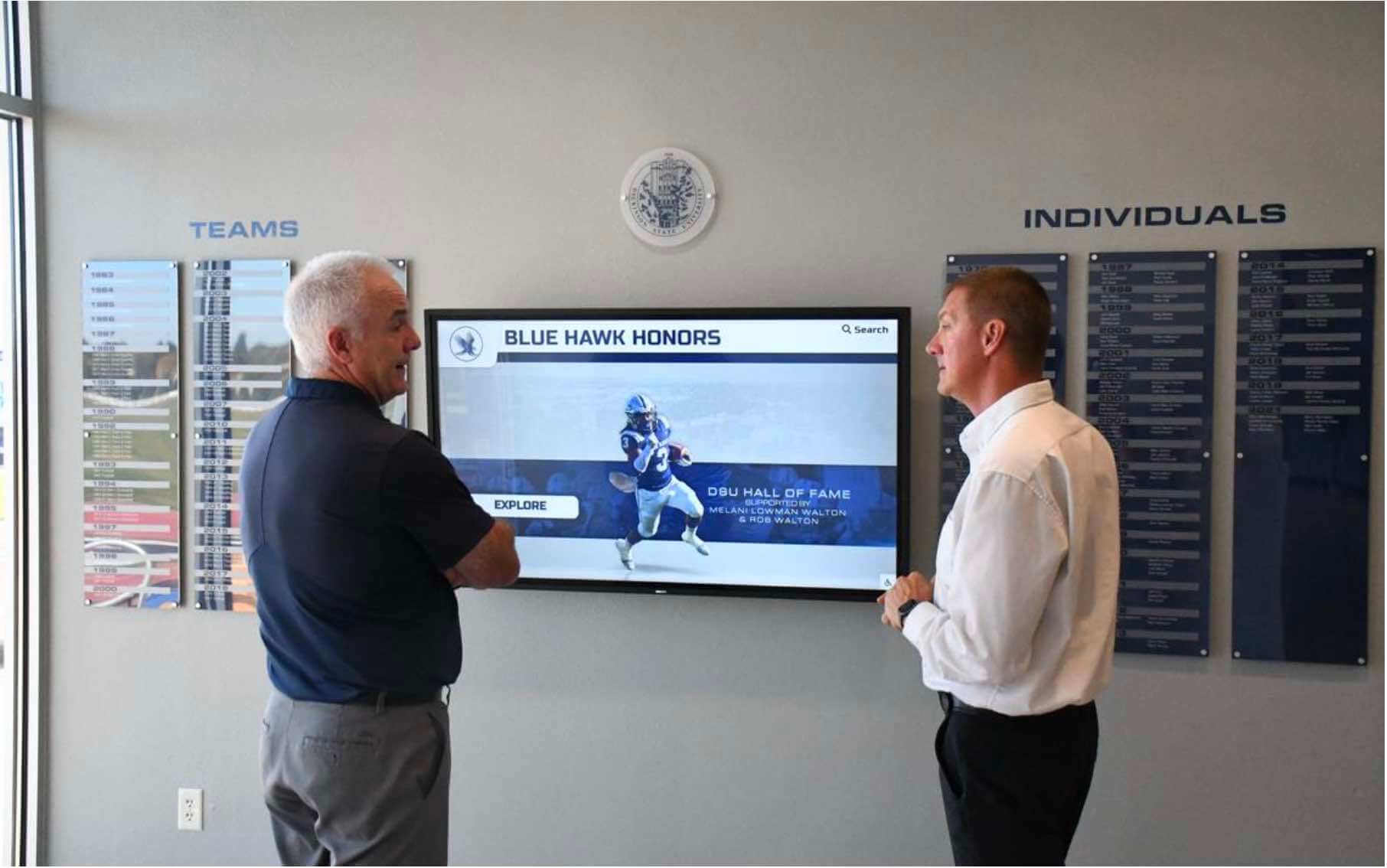
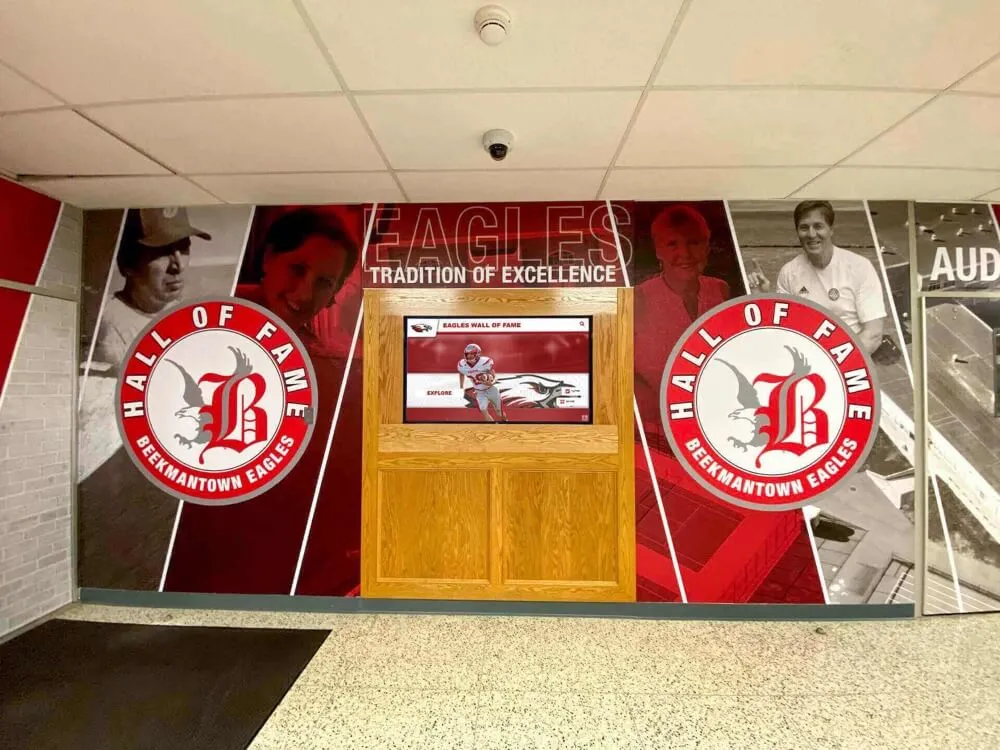
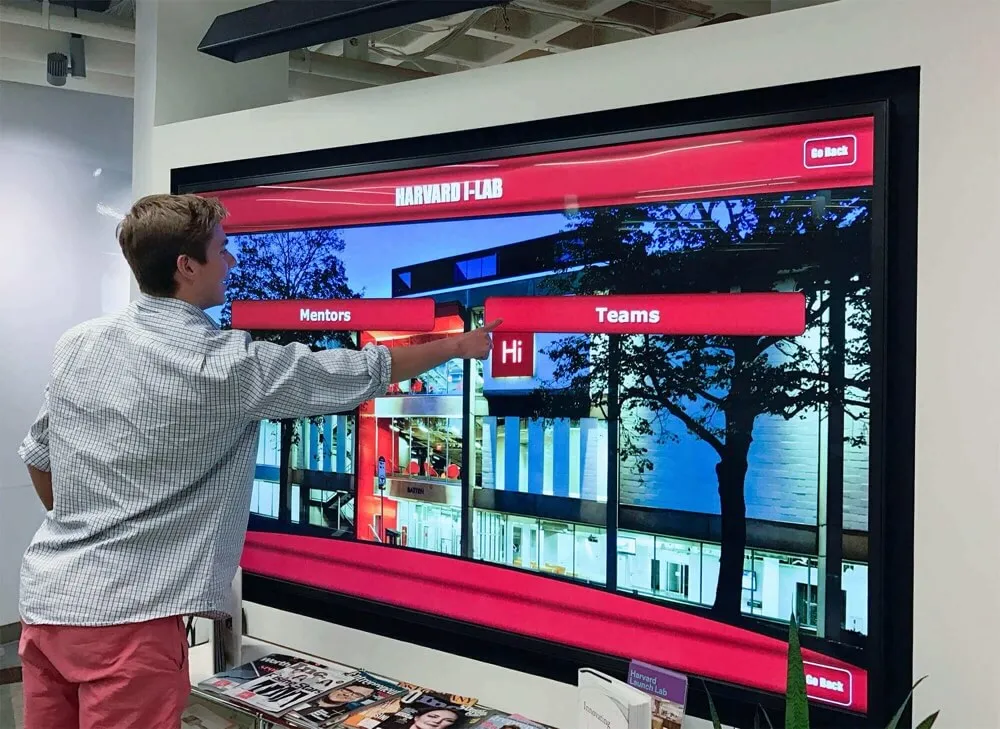
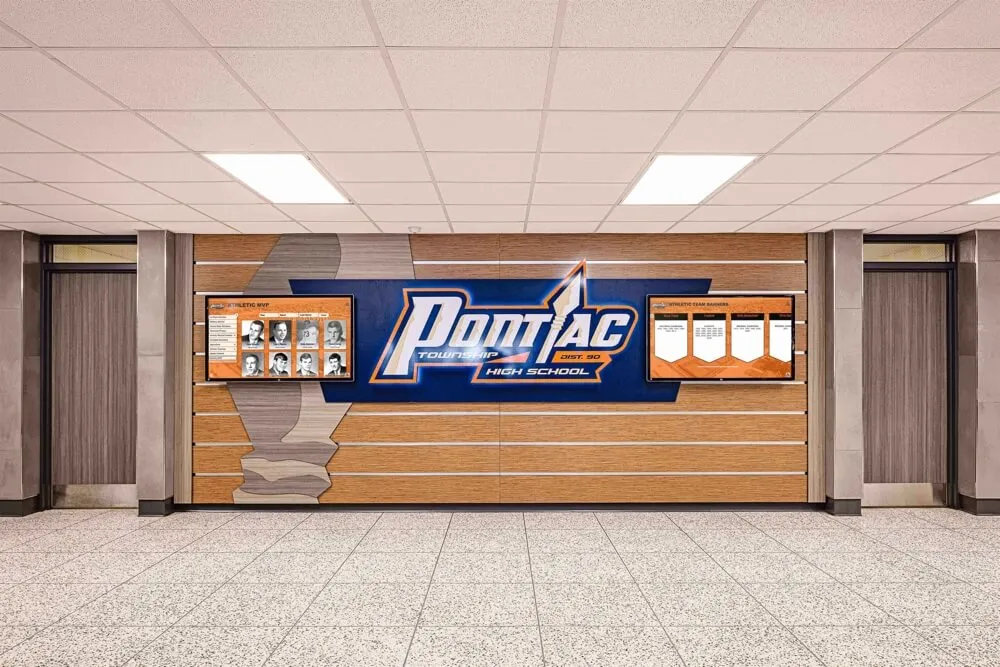
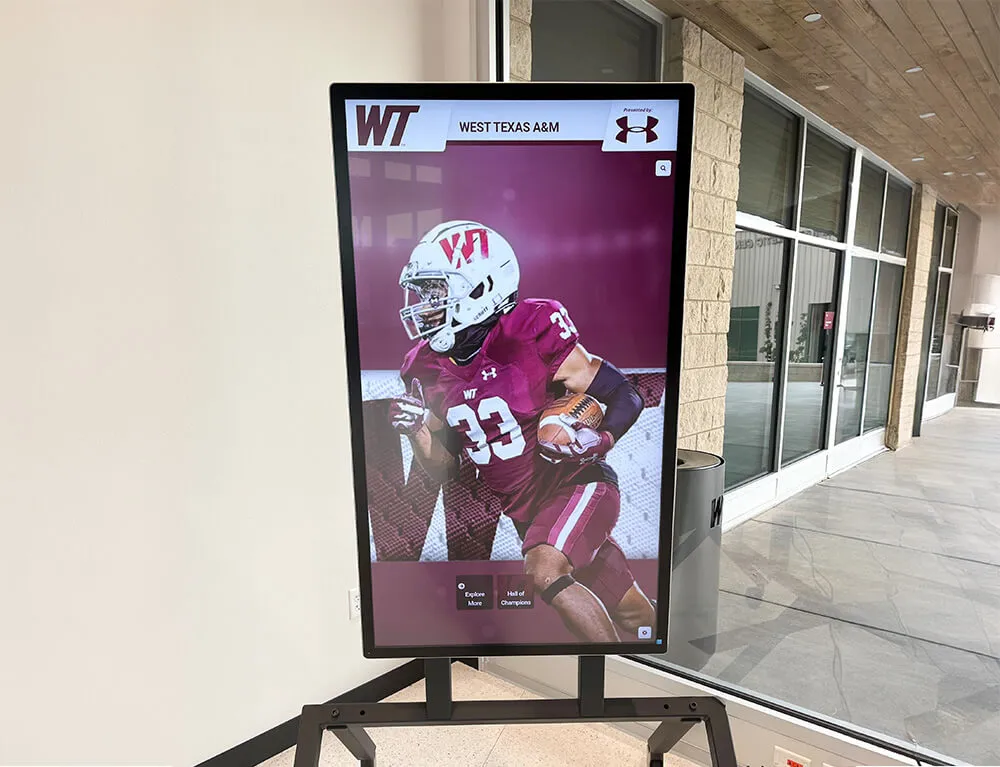
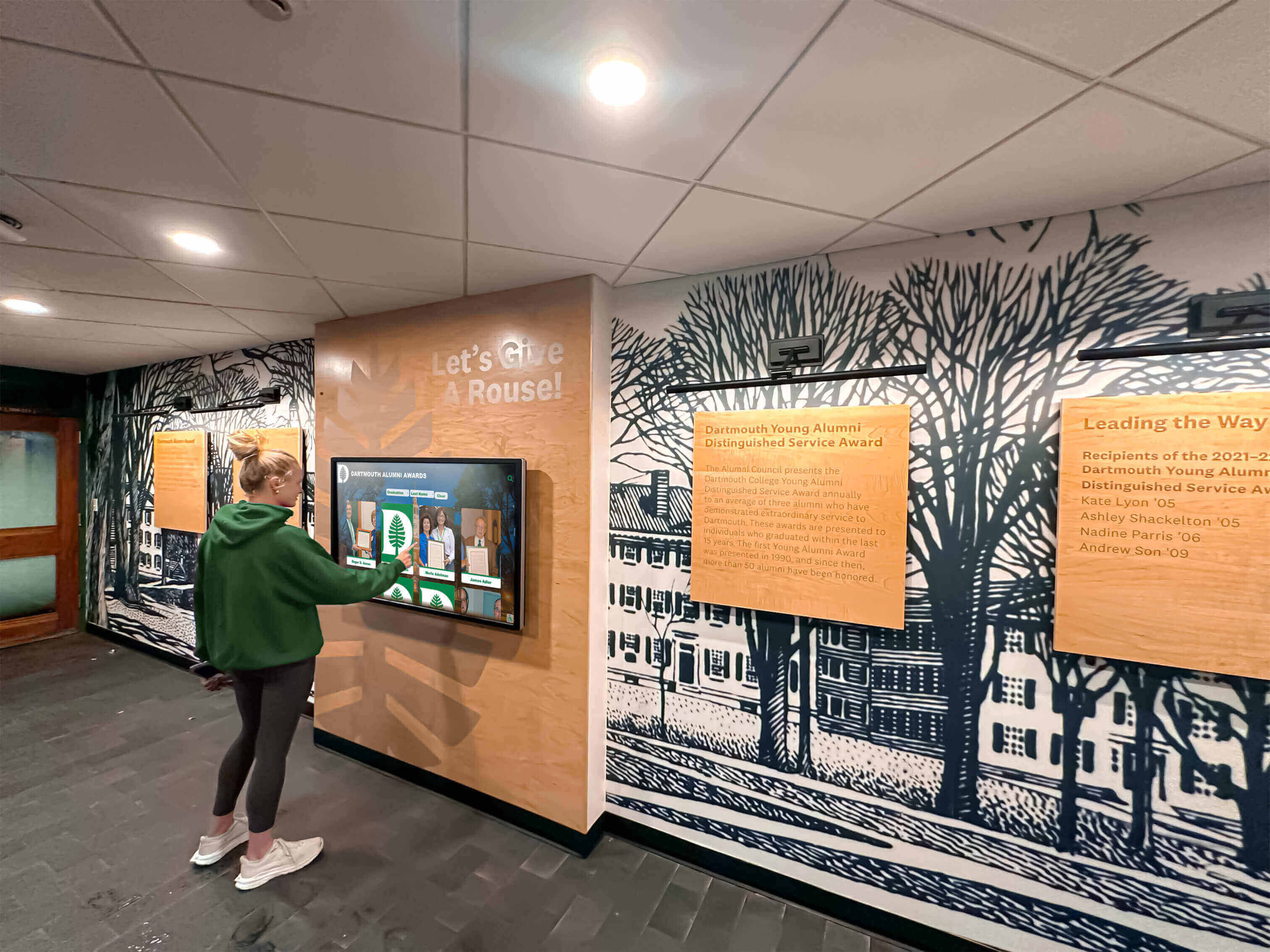
Permanent digital displays create touchpoints where the school community—current students, alumni, and families—continues to encounter senior recognition year after year
Senior Ad Submission: Practical Guidance for Families
Yearbook advisers often report that late or incomplete senior ad submissions cause significant production delays. Understanding the submission process helps families deliver materials that meet requirements the first time.
Typical submission requirements:
- Text: Finalized copy submitted within the yearbook platform’s character count limits; many systems flag overflow automatically
- Photos: High-resolution originals (300 DPI minimum) in JPEG or PNG format; some platforms accept PDF
- Design preferences: Color choices, layout selection, font preferences (if the school offers options)
- Approval deadline: Most yearbook programs require senior ad final approval several weeks before the overall yearbook submission deadline
Common submission mistakes to avoid:
- Submitting social media screenshots or downloaded images instead of original high-resolution files
- Exceeding character count, which forces editors to trim content or contact families for revisions
- Assuming a photo is “high enough quality” based on how it looks on a phone screen—print and screen resolution differ significantly
- Missing the deadline and requesting exceptions after the production schedule has closed
Yearbook advisers who communicate these requirements clearly and early—through orientation materials, email reminders with specific deadlines, and direct response to family questions—report significantly fewer last-minute submission issues.
Frequently Asked Questions About Senior Ads
What is a senior ad in a yearbook?
A senior ad is a paid tribute placed in the senior section of a high school yearbook by family members—typically parents, grandparents, or siblings—to honor a graduating student. Senior ads combine photos and personalized messages in quarter-page, half-page, or full-page formats.
How long should a senior ad message be?
Message length depends on the format purchased. Quarter-page ads typically accommodate 30–60 words; half-page ads work well with 60–120 words; full-page ads can support 150–300 words or more, especially when organized with clear structure rather than one continuous paragraph.
What photos should I use in a senior ad?
Effective senior ads often pair a current senior photo with one or two childhood images to create visual progression. Candids that show the student’s personality work well alongside formal portraits. All photos should be original high-resolution files (300 DPI or higher) to print clearly.
Can I include a quote from someone else in a senior ad?
Yes—published quotes, family sayings, and even the student’s own words are commonly included. Check with your yearbook adviser about any restrictions on song lyrics or copyrighted material before including those in the final ad.
What makes a senior ad message memorable?
The most memorable senior ads are specific rather than generic. Messages that include a concrete memory, a distinctive personality detail, or a private family reference create a much stronger emotional connection than general tributes applicable to any graduate.
When are senior ads due?
Deadlines vary by school and yearbook publisher, but most programs require senior ad submissions four to eight weeks before the final yearbook production deadline. Check your school’s yearbook website or contact the yearbook adviser for the specific date.
What happens to senior ads after the yearbook is distributed?
Printed yearbooks go home with students and families, while copies are typically archived in school libraries. Schools with digital yearbook platforms may preserve senior ad pages in searchable digital archives accessible to graduates for years after the original print run.
How are senior ads different from senior quotes?
Senior quotes are typically written by students themselves and appear next to their individual portrait in the senior section. Senior ads are purchased by family members and appear in a separate tribute section—they reflect the family’s voice and perspective rather than the student’s own.
Can senior ads be preserved in a digital format?
Yes. Schools with digital yearbook programs or online archives can preserve senior ad pages as part of the complete digital yearbook, making them searchable and shareable. Some schools also incorporate senior portrait content and family messages into physical digital recognition displays.
How much do senior ads cost?
Pricing varies widely by school and yearbook program. Quarter-page ads typically range from $50 to $150; half-page ads from $100 to $250; and full-page ads from $150 to $400 or more. Contact your school’s yearbook staff for current pricing.
From Yearbook Page to Lasting Legacy
Senior ads capture something irreplaceable: the moment a family looks at their graduate and finds words for what that person means to them. When done well, these pages hold their emotional weight for decades—outlasting the relevance of any event, score, or achievement recorded elsewhere in the same volume.
The families who write the most memorable senior ads treat them as genuinely important documents rather than checkboxes. They start with specific memories. They match tone to the real relationship. They give photos room to contribute rather than filling every pixel with text. And they write to the graduate, not for the audience.
For schools, the opportunity extends beyond the single print run. When senior ad content is preserved in digital archives, connected to alumni recognition programs, and displayed through permanent graduation installations, those family tributes become part of the institution’s living history—accessible to future students, searchable by alumni, and visible to the entire school community in ways a shelf-bound yearbook cannot achieve on its own.
Ready to give your school’s senior recognition a permanent digital home? Rocket Alumni Solutions builds interactive touchscreen displays, digital alumni walls, and searchable school archives that preserve graduation memories—including the senior portraits and family tributes that define each graduating class. Request a demo to see how your school’s recognition can extend beyond the yearbook page and into a lasting community experience.