School spirit transforms educational institutions from places students simply attend into communities they proudly represent. It’s the invisible force that turns routine assemblies into memorable celebrations, converts hallway walls into sources of inspiration, and transforms athletic events from games into unifying experiences. Strong school spirit doesn’t happen by accident—it requires intentional cultivation through recognition programs, traditions, visual identity, and opportunities for students to see themselves as valued members of something larger than individual classrooms.
Yet many schools struggle to build authentic spirit beyond superficial attempts. Generic pep rallies feel forced, recognition reaches only top performers, traditions lack meaning for current students, and school identity fails to resonate with diverse student populations. The gap between aspirational school spirit and actual student engagement reveals missed opportunities to create the vibrant, connected communities where students truly thrive.
This comprehensive guide explores creative, proven school spirit ideas that build genuine pride and lasting community connections. From recognition programs celebrating diverse achievements to visual displays honoring heritage, from inclusive traditions engaging all students to digital platforms extending spirit beyond school walls—these strategies help administrators, teachers, and student leaders create cultures where every student feels valued, connected, and proud to be part of their school community.
School spirit encompasses far more than athletic support or school colors. At its core, school spirit represents students’ emotional investment in their institution—their sense of belonging, pride in achievements, connection to peers and traditions, and willingness to contribute to community success. Schools with strong spirit see higher attendance rates, increased academic engagement, reduced behavior problems, and stronger alumni connections lasting decades beyond graduation.

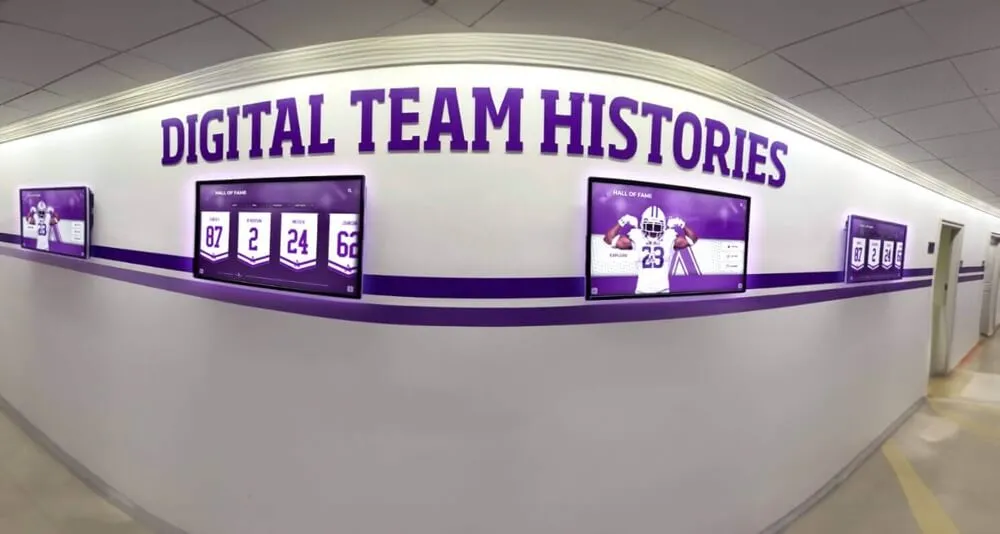
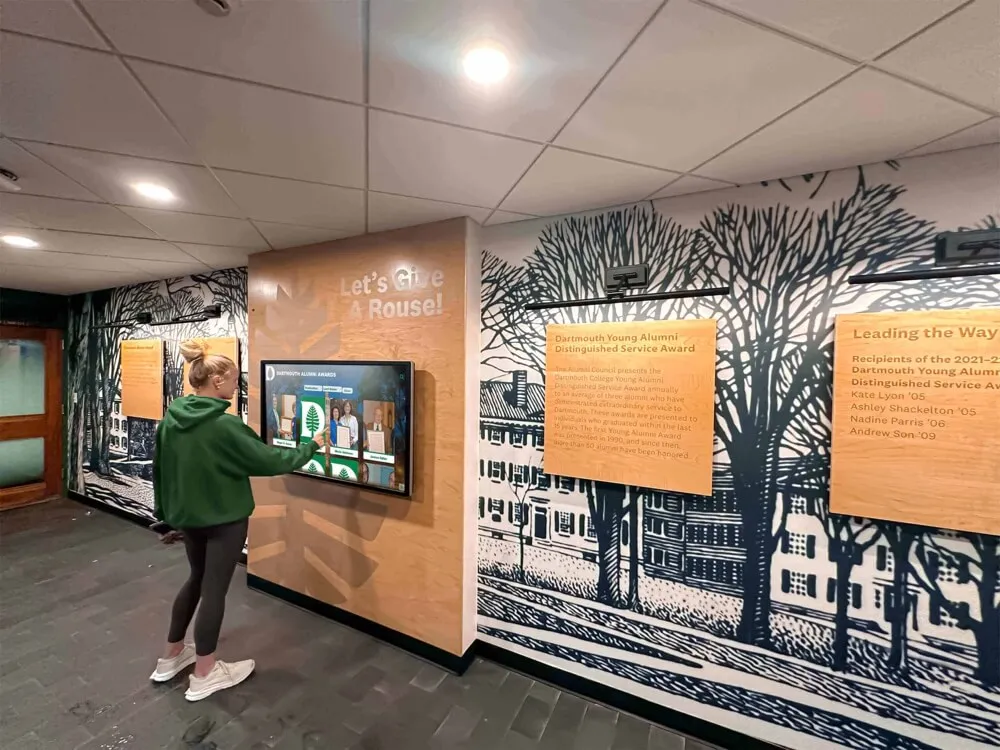
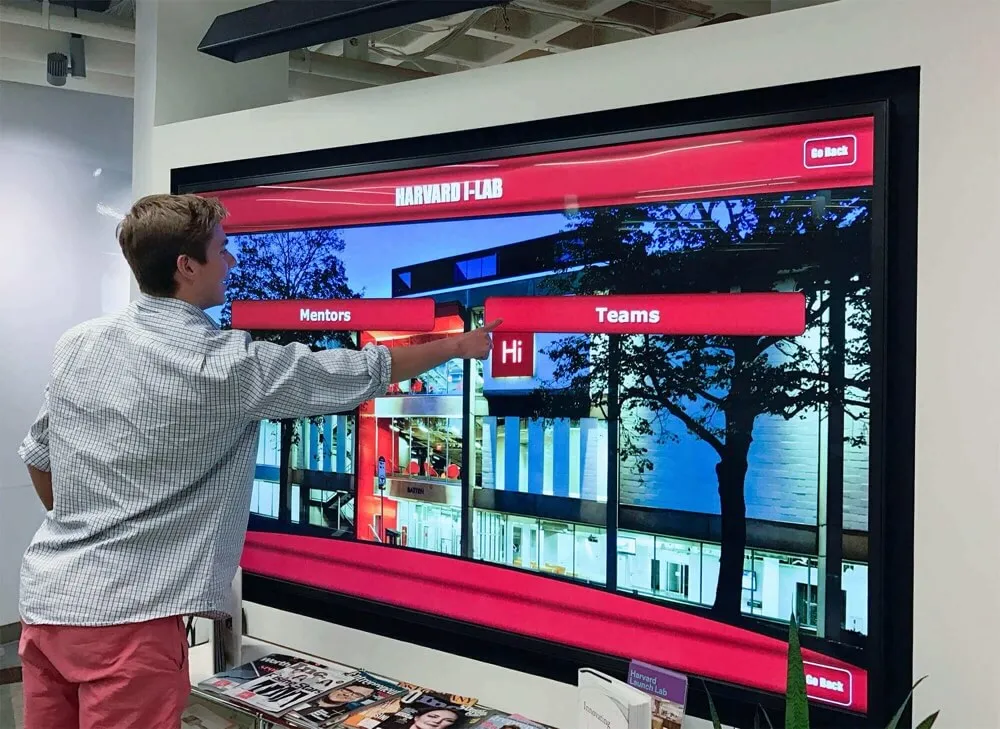
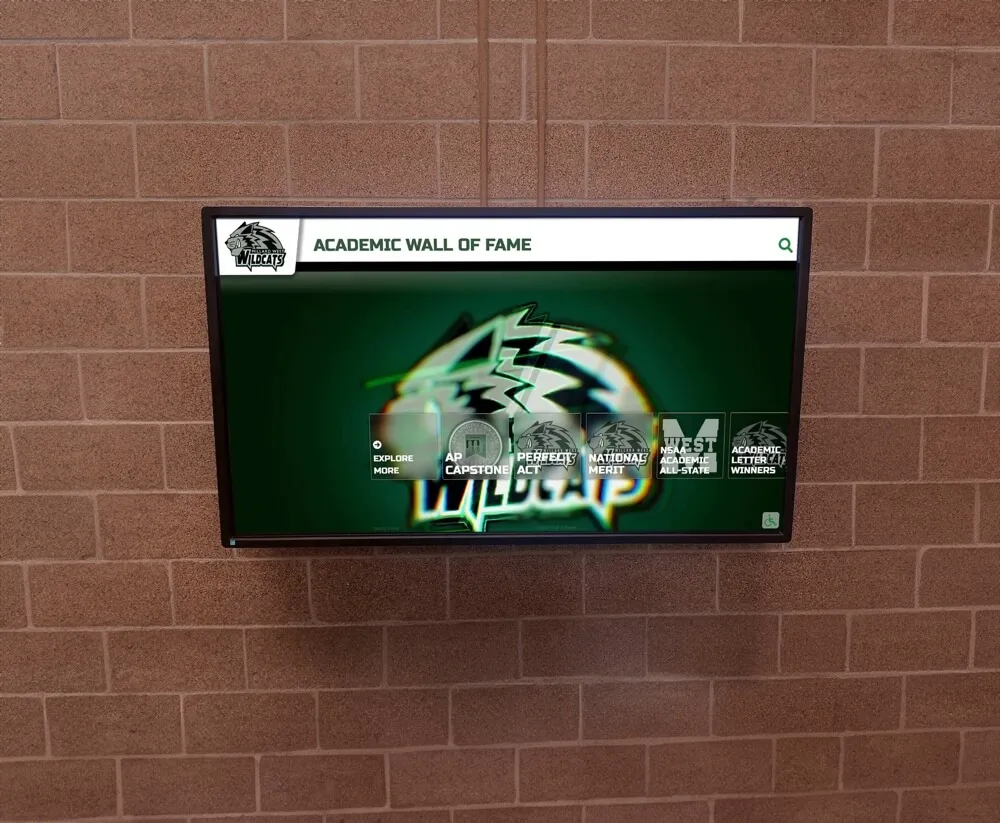
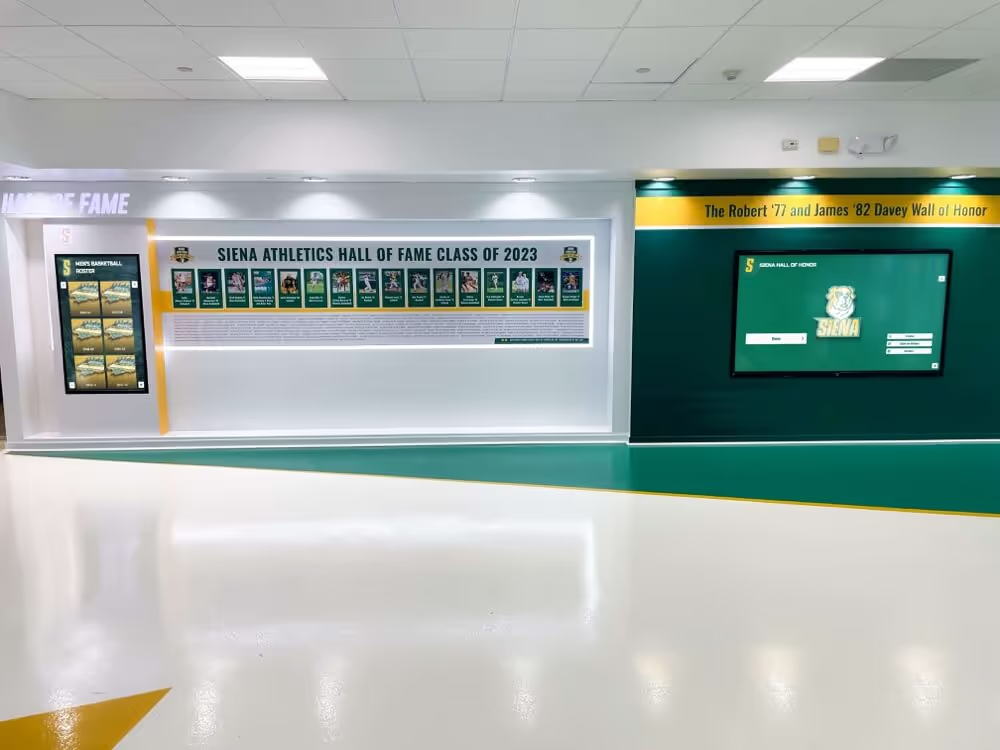
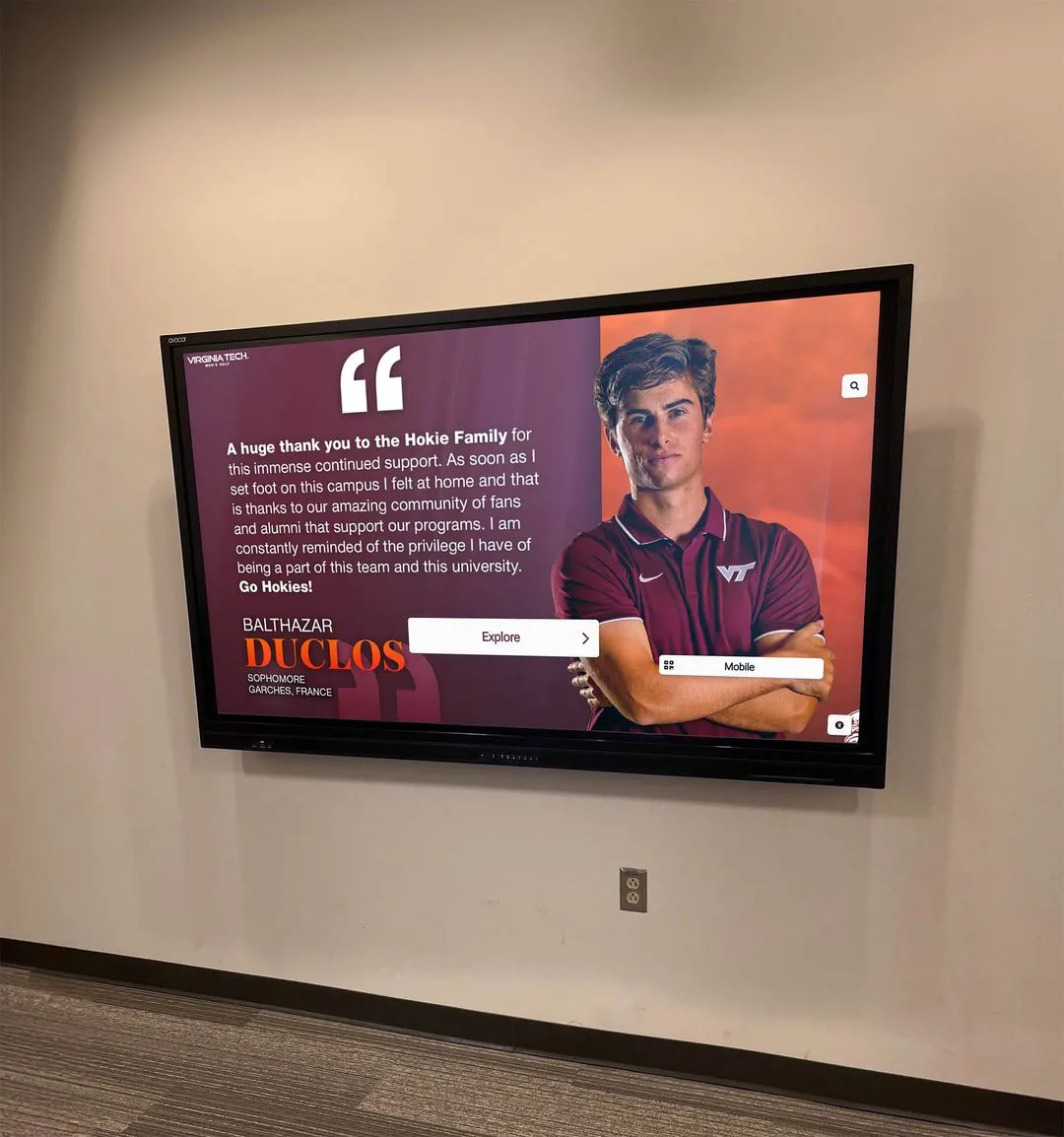
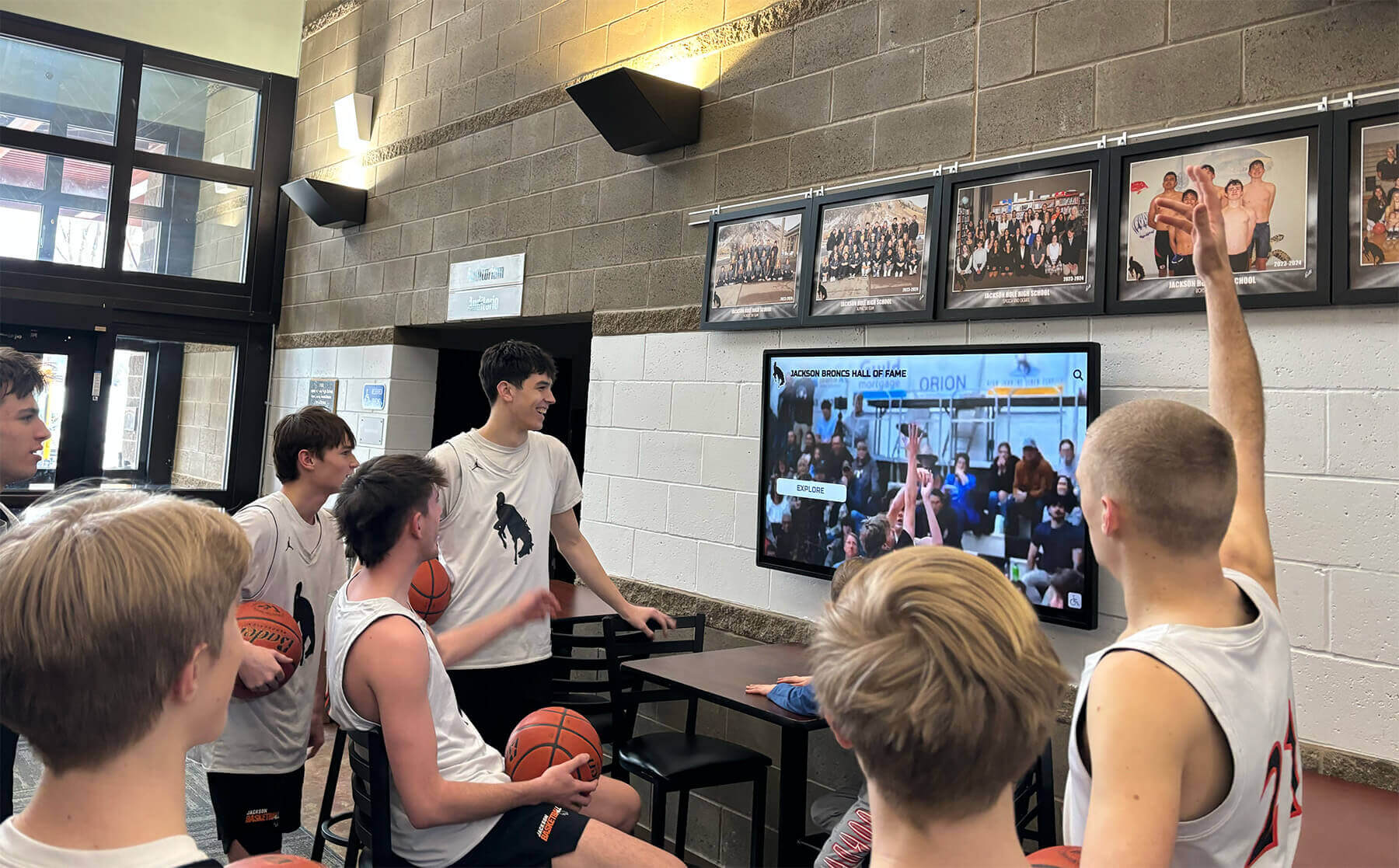
Modern recognition displays celebrate student achievements throughout school spaces, creating daily touchpoints that reinforce community pride and shared identity
Understanding What Builds Authentic School Spirit
Beyond Surface-Level Enthusiasm
Authentic school spirit differs fundamentally from manufactured excitement. While energetic pep rallies and spirited athletic events contribute to school culture, sustainable spirit requires deeper foundations that persist beyond individual events.
The Four Pillars of School Spirit
Recognition and Belonging
Students develop school spirit when they feel genuinely recognized and valued. Recognition extends beyond academic top performers and star athletes to acknowledge diverse contributions—artists, musicians, volunteers, club leaders, improved effort, and positive character. When students see people like themselves celebrated, they understand they too can belong and contribute meaningfully.
Effective recognition systems create multiple pathways for validation rather than single narrow criteria. Schools implementing comprehensive academic recognition programs celebrate excellence across subject areas, improvement regardless of starting point, and diverse achievement types from research competitions to service learning projects.
Shared Traditions and Rituals
Traditions create temporal connections—linking current students to those who came before and those who will follow. Powerful traditions feel meaningful to current participants rather than preserved simply because “we’ve always done it that way.” Regular rituals provide predictable moments students anticipate, creating the rhythm and punctuation marks of school experience.
Effective traditions balance consistency and evolution. Core elements remain stable enough for recognition and nostalgia, while adapting to remain relevant for changing student populations. Spirit week themes updated to reflect current student interests maintain the tradition’s structure while ensuring contemporary resonance.
Visual Identity and Environmental Pride
Physical school environments communicate values and identity. Spaces celebrating student achievement, displaying institutional history, showcasing school symbols and colors, and maintaining cleanliness and good condition all contribute to pride in place. Students treat spaces differently when environments demonstrate that the school values itself and its community.
Visual identity extends beyond logos and mascots to comprehensive aesthetic experiences. Coordinated hallway displays, branded athletic facilities, professional signage, and strategic use of school colors create cohesive environments that feel intentional and special.
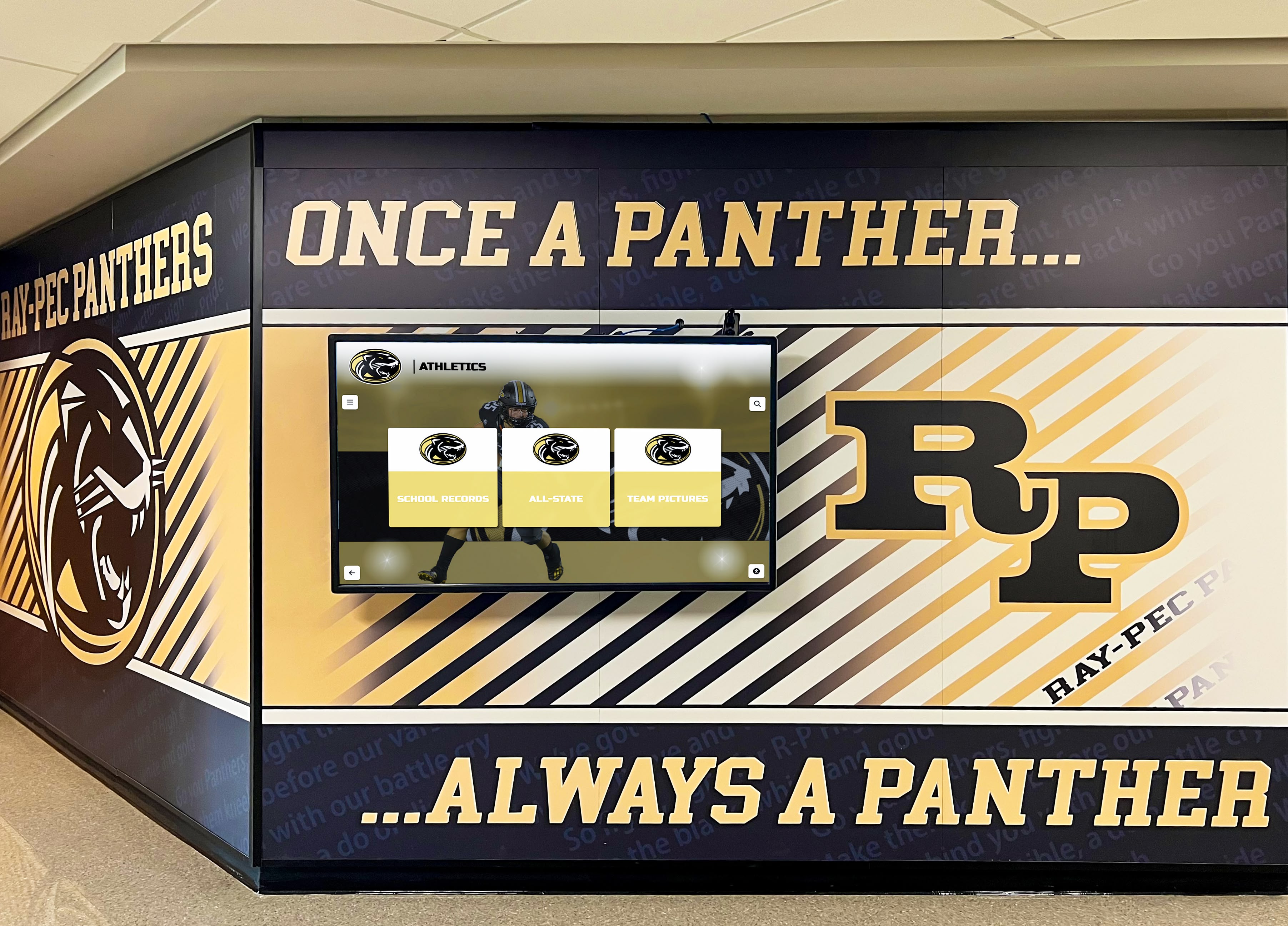
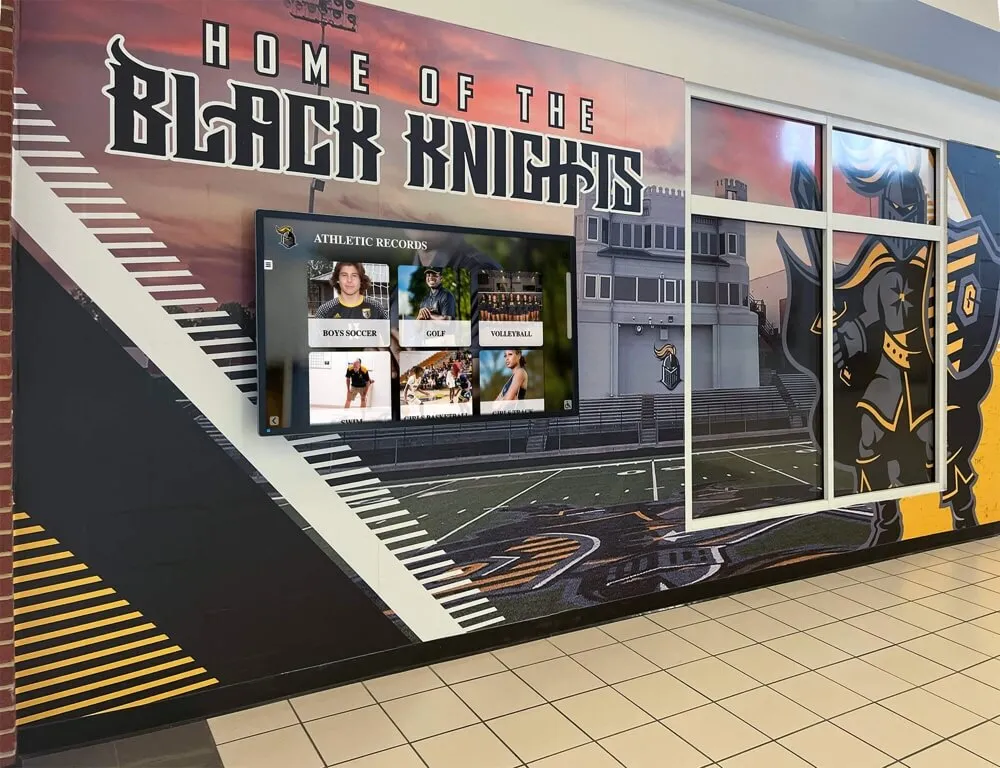
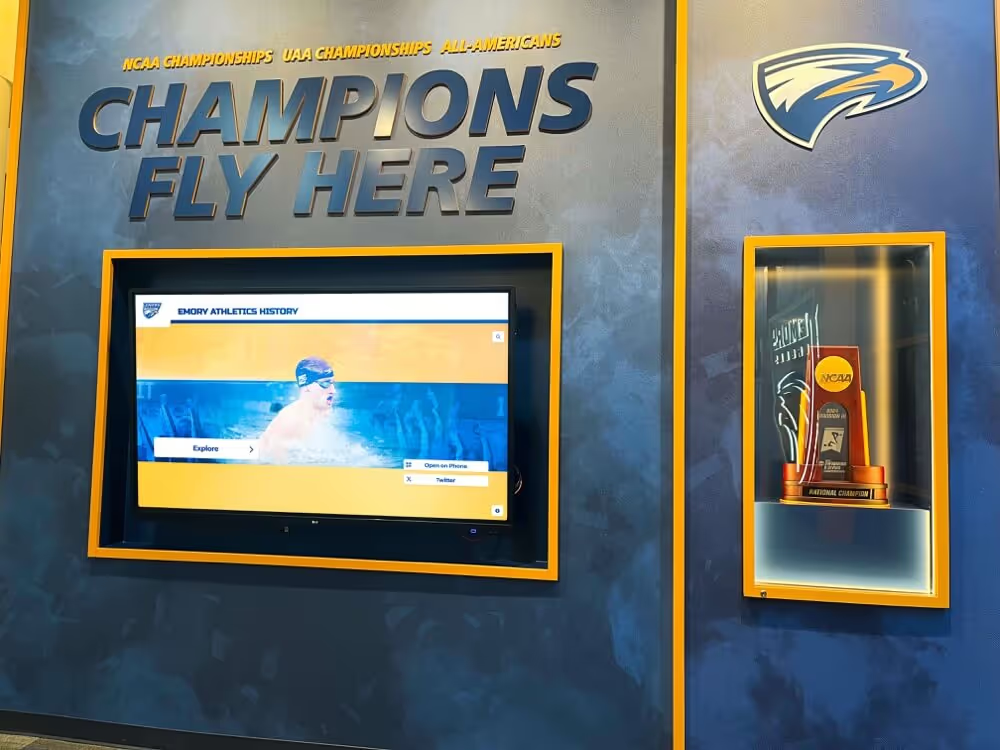
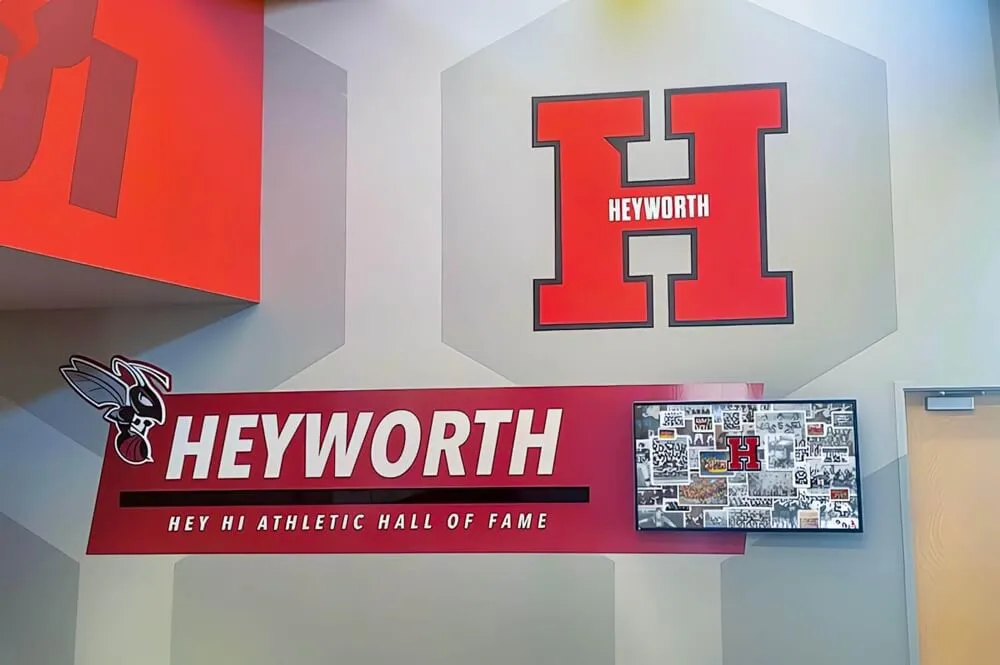
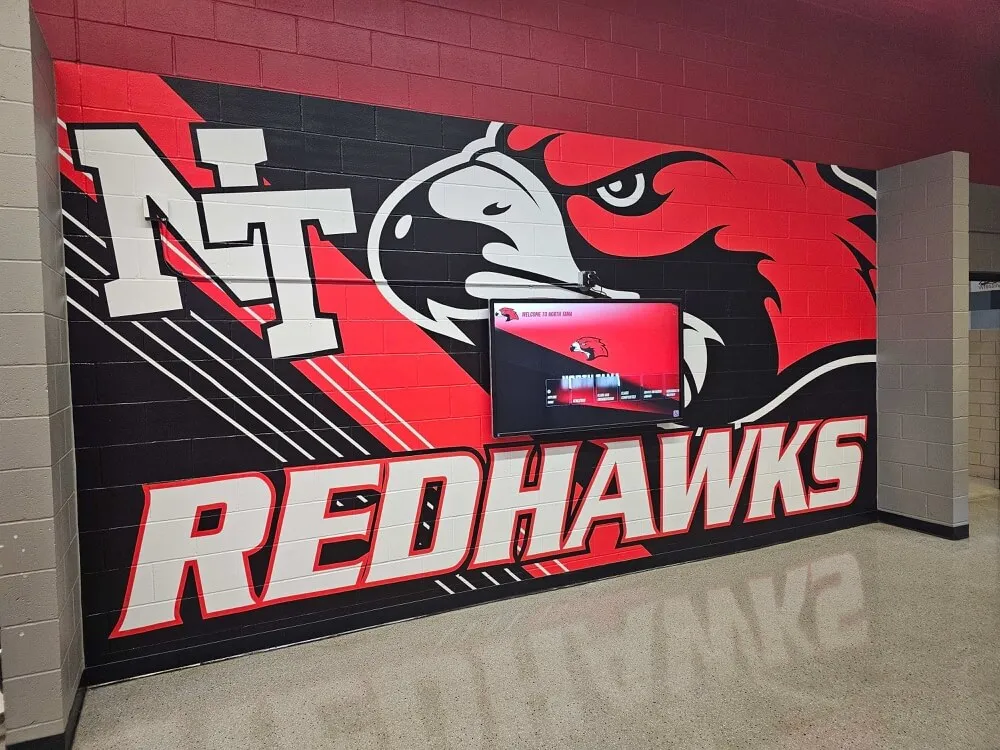
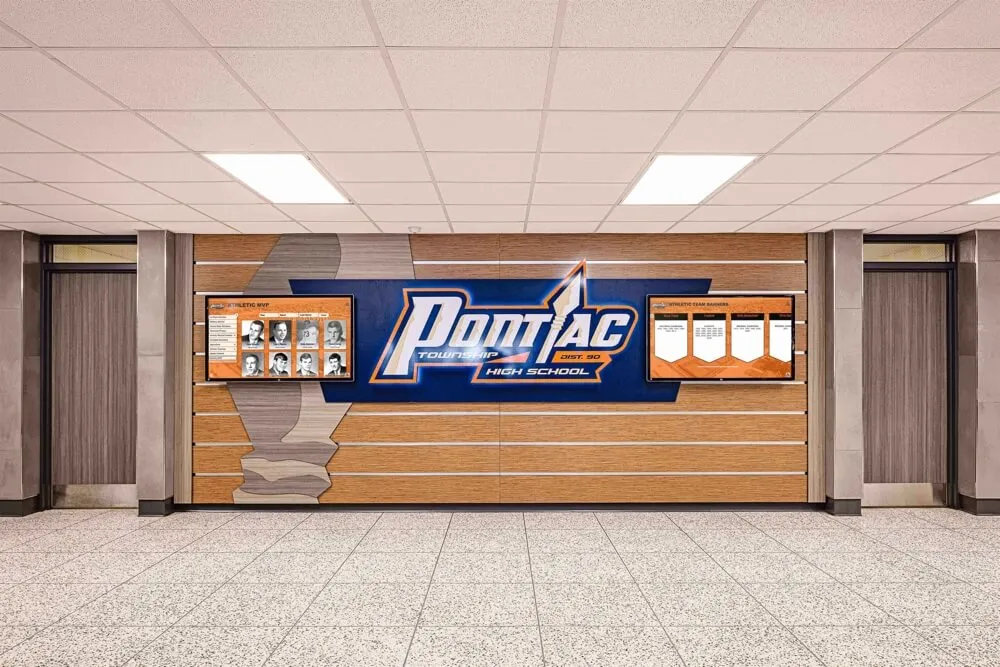
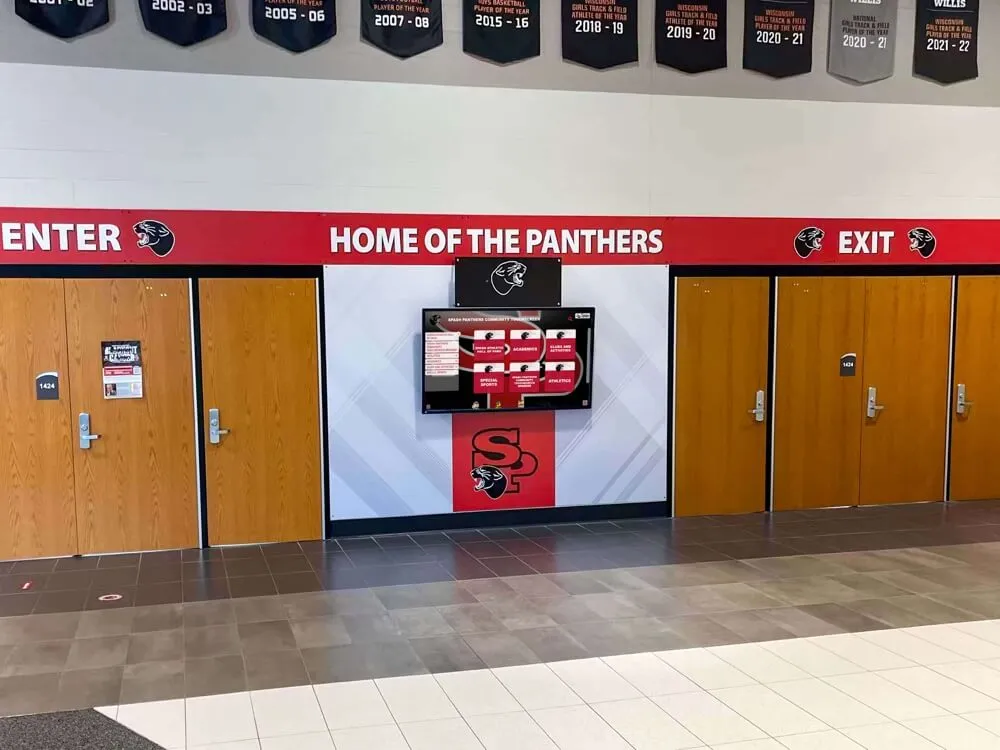
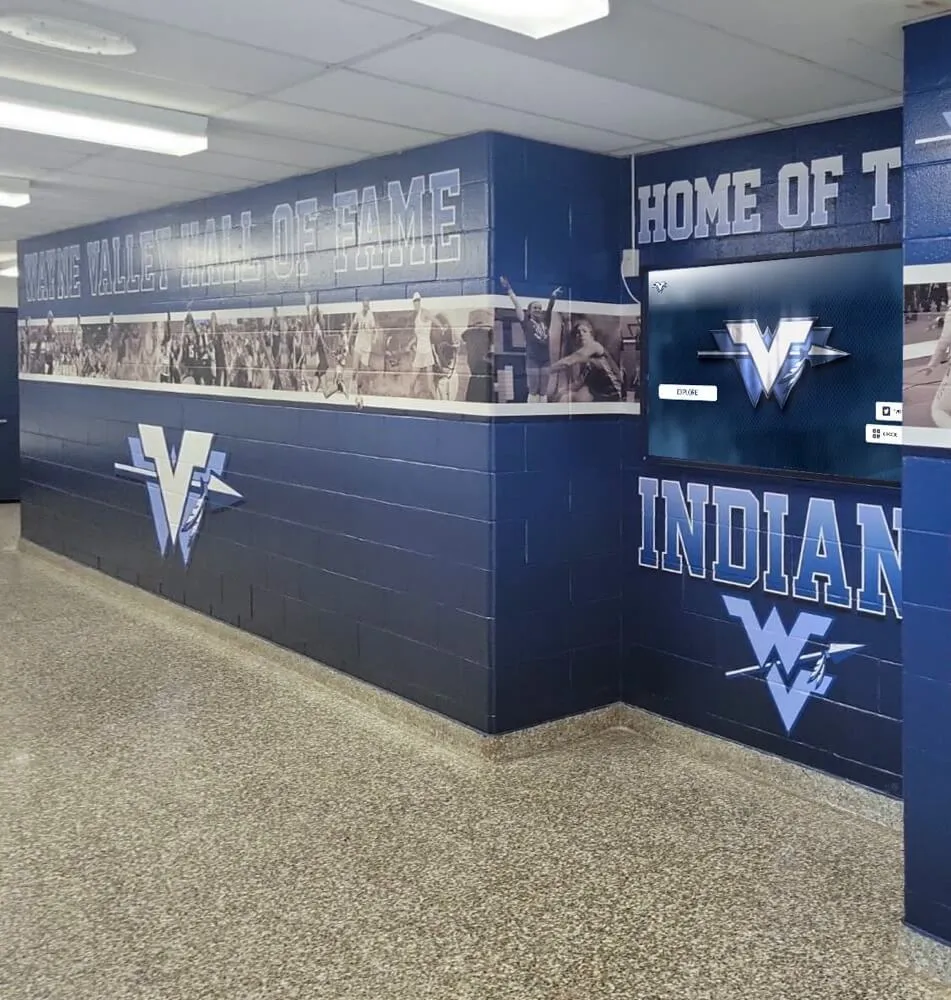
Cohesive visual branding throughout school spaces reinforces institutional identity and creates environments students proudly represent
Student Voice and Agency
Spirit grows when students shape school culture rather than passively receiving it. Opportunities for meaningful student input—through student government, activity planning committees, recognition nomination processes, and tradition development—create ownership and investment. Students support what they help create.
Authentic student voice differs from token participation. Rather than asking students to choose between predetermined options, meaningful agency involves students identifying problems, proposing solutions, implementing initiatives, and evaluating results with genuine authority over outcomes.
Recognition-Based School Spirit Ideas
Celebrating Diverse Achievements
Comprehensive recognition systems form the foundation of inclusive school spirit.
Traditional Academic Recognition Enhanced
Honor Roll Recognition with Modern Visibility
Beyond printed lists, effective honor roll programs include digital displays in high-traffic areas showcasing current achievers, quarterly recognition assemblies or events celebrating academic excellence, certificates or awards students can display at home, social media features spotlighting individual student stories, and interactive recognition systems enabling exploration of honor roll history across multiple years.
Enhanced visibility transforms honor roll from private achievement into community celebration, inspiring younger students while validating high achievers’ dedication.
Student of the Month/Quarter Programs
Well-designed programs recognize students beyond traditional academic metrics: separate categories for different achievement areas (academics, character, improvement, service), teacher or peer nominations explaining specific contributions, featured displays in prominent school locations with photos and achievement descriptions, small recognition items (certificates, t-shirts, parking privileges), and special privileges (lunch with principal, recognition at events, preferred activity access).
Effectiveness depends on selection transparency and diversity—students should see various types of students recognized across different criteria, demonstrating multiple paths to distinction.
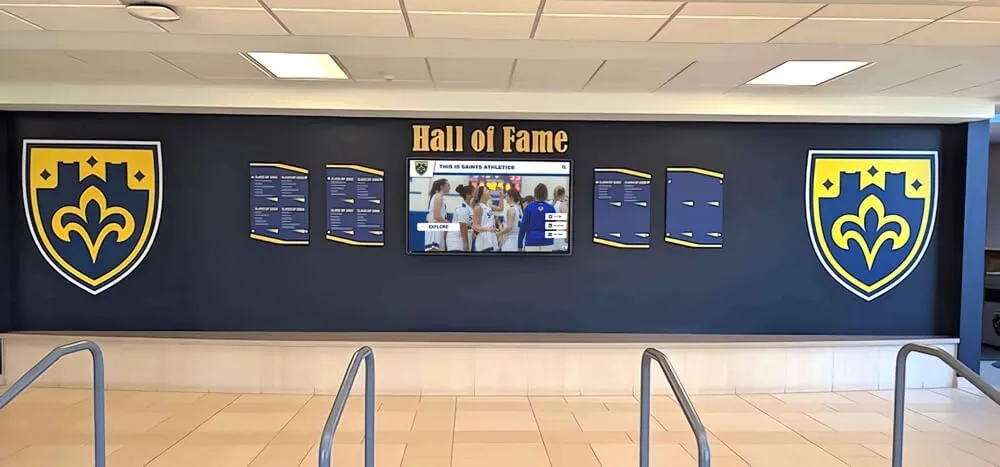
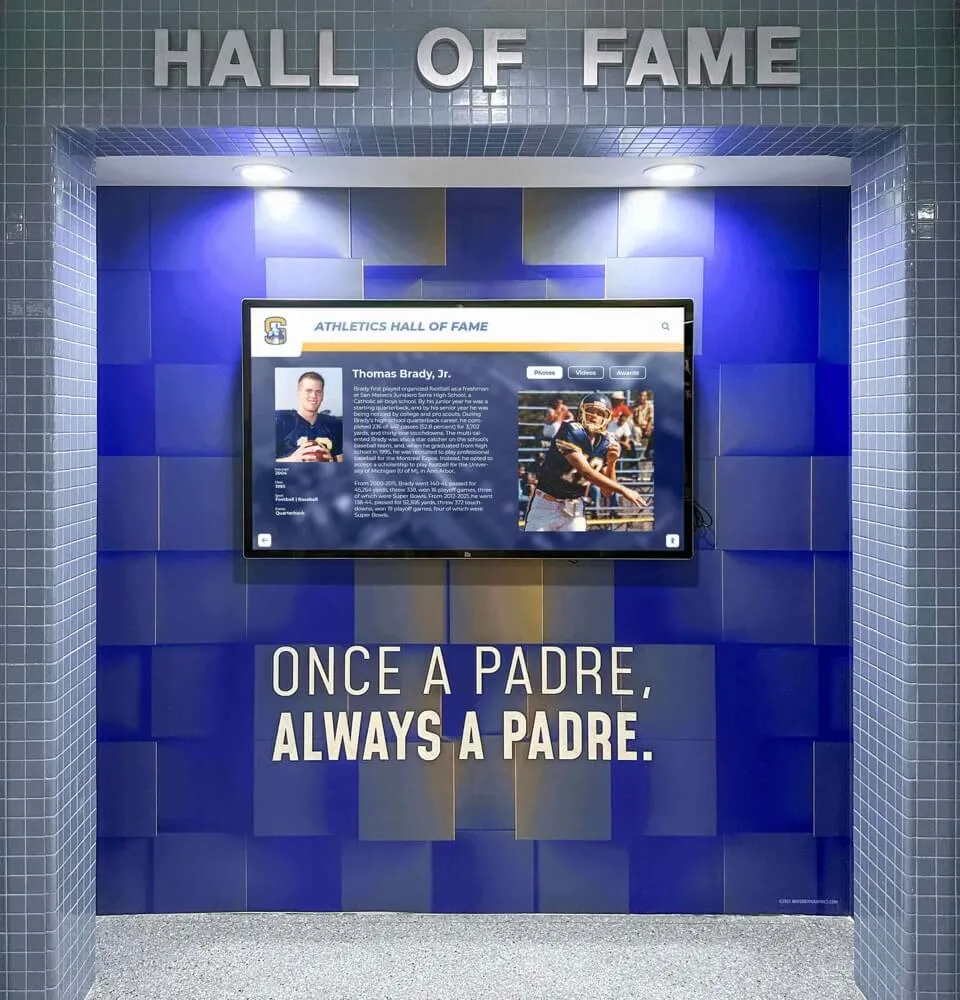
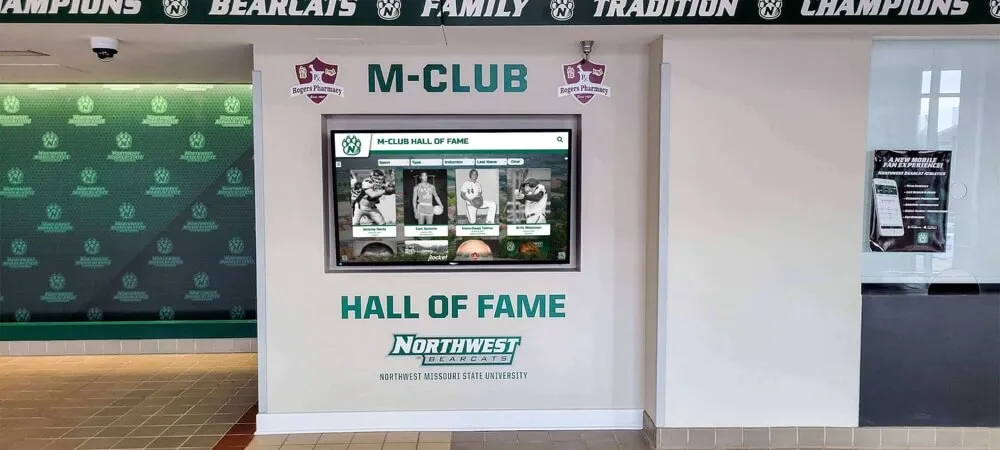
Permanent recognition displays honor achievement history while inspiring current students to pursue excellence and contribute to institutional legacy
Athletic and Extracurricular Recognition
All-Conference and All-State Celebrations
Athletic achievements deserve prominent celebration beyond team banquets: hallway displays featuring honored athletes with photos and accomplishments, digital recognition systems showcasing athletic excellence across sports and years, morning announcements recognizing recent honors, social media features celebrating individual and team achievements, and special recognition at athletic events connecting honors to program tradition.
Comprehensive athletic recognition builds pride across entire student bodies, not just participants—students support teams more enthusiastically when they understand excellence and see achievements celebrated systematically.
Senior Night and End-of-Season Celebrations
Senior recognition creates emotional moments honoring dedication while modeling commitment for younger students. Effective senior night programs feature senior athlete profiles shared before games, family participation in pre-game ceremonies, lasting recognition through permanent displays or yearbook features, video tributes showcasing athletic journeys, and connections to program history positioning seniors within larger legacy.
These ceremonies affect underclassmen profoundly—witnessing seniors’ emotional moments creates aspiration to earn similar recognition through dedication and commitment.
Performing Arts and Academic Competition Recognition
Athletic excellence receives natural visibility through public competitions, but comparable achievements in other domains require intentional celebration: concert and performance hall displays featuring outstanding musicians and performers, debate and academic competition accomplishments showcased prominently, art show and student work displays throughout common areas, recognition displays for diverse achievement types from robotics to journalism, and equity in recognition resources across different activity areas.
Balanced recognition communicates that excellence matters in all domains, building inclusive spirit that values diverse student contributions rather than narrow definitions of achievement.
Character and Improvement Recognition
Good Citizenship and Service Awards
Character recognition celebrates qualities less visible than test scores or athletic statistics but equally important to community health: regular citizenship awards recognizing positive behavior and contribution, service hour recognition for community involvement and volunteer work, peer-nominated kindness or positivity awards, teacher-selected character recognitions for specific positive actions, and special recognition during assemblies or school events creating visibility for character excellence.
Character recognition matters particularly for students who struggle academically or athletically but contribute meaningfully in other ways—these students deserve celebration that validates their value to school community.
Most Improved Recognition Programs
Improvement awards acknowledge growth and effort regardless of starting points: academic improvement recognition in specific subjects or overall GPA, attendance improvement celebrating consistent presence, behavior improvement acknowledging positive change, skill development in specific areas (reading levels, math proficiency, athletic performance), and narrative recognition explaining improvement journeys rather than just final outcomes.
Improvement recognition carries powerful messages—success isn’t reserved for those starting from advantage, effort and persistence matter as much as natural ability, and schools notice and celebrate growth wherever it occurs.
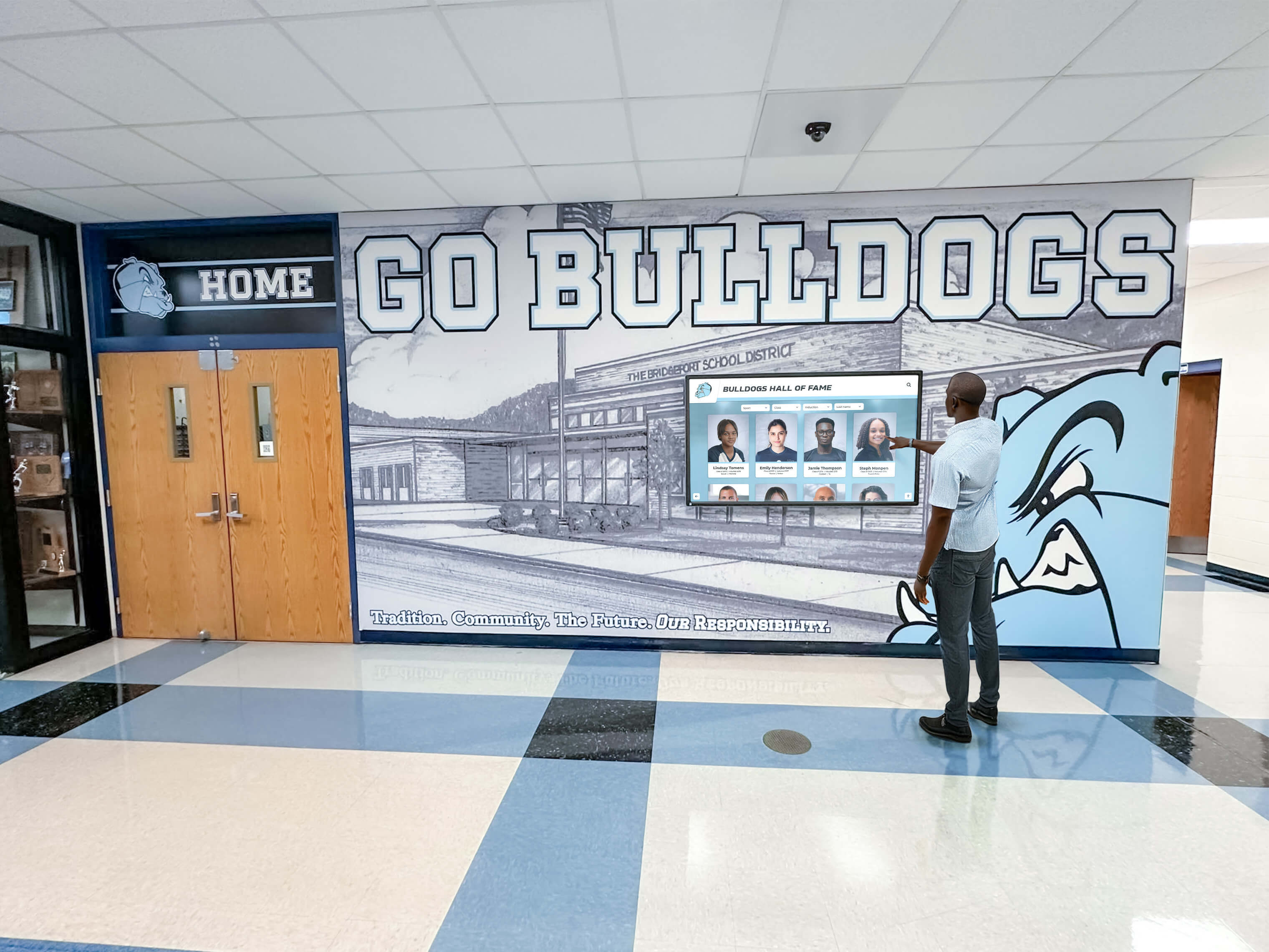
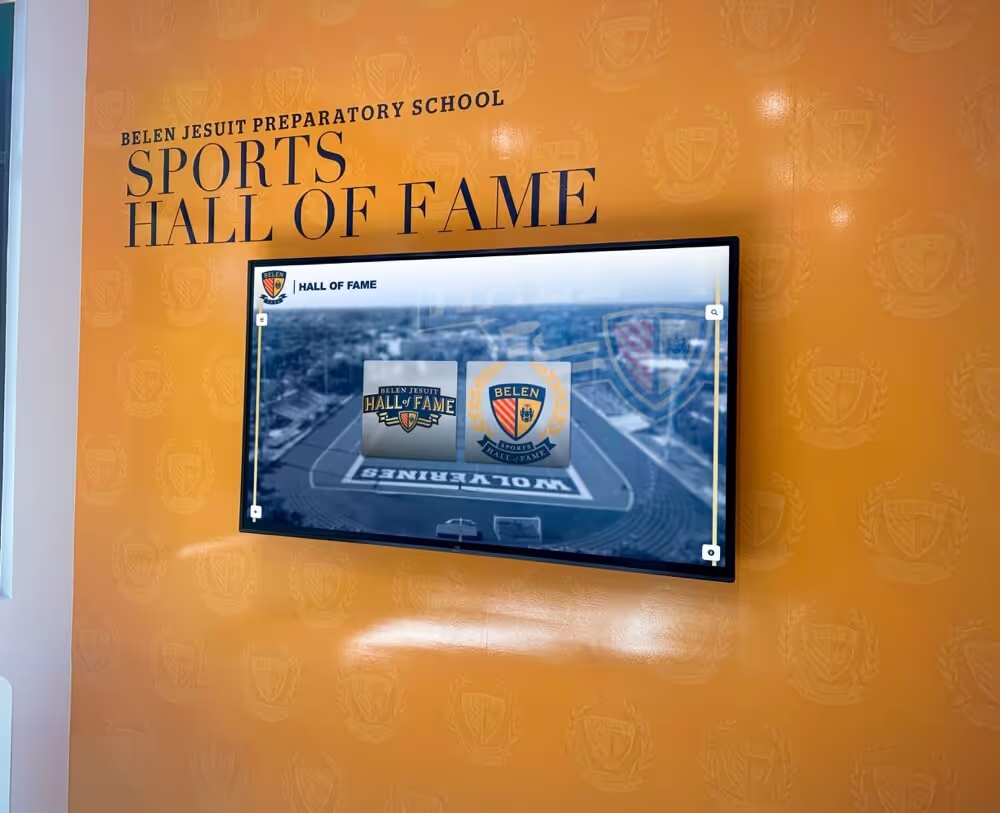
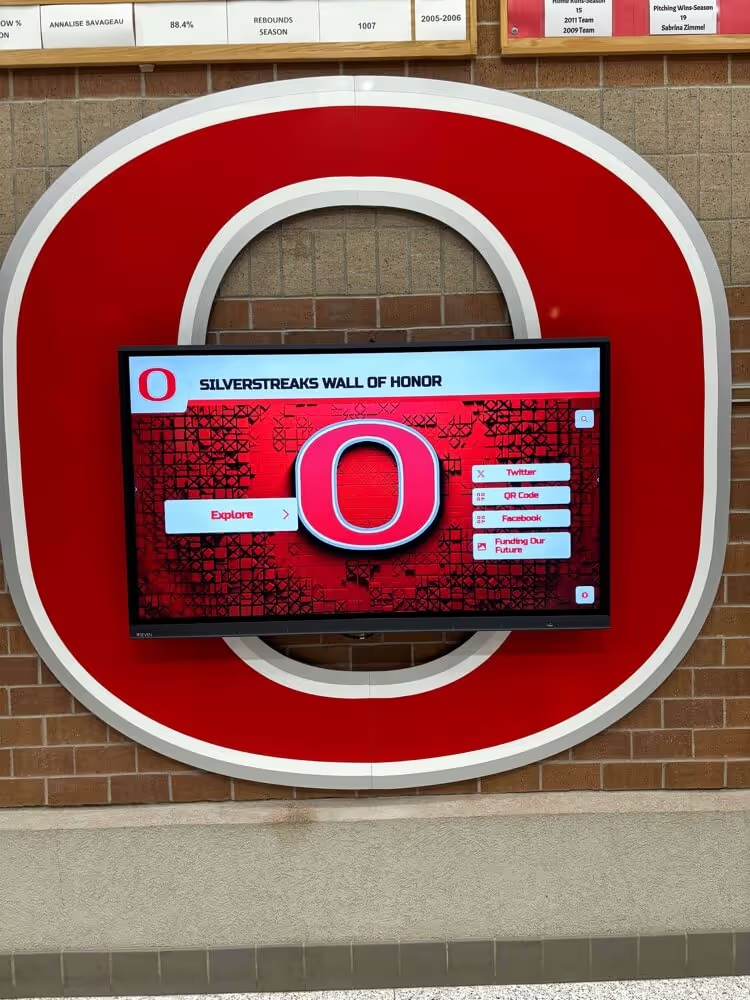
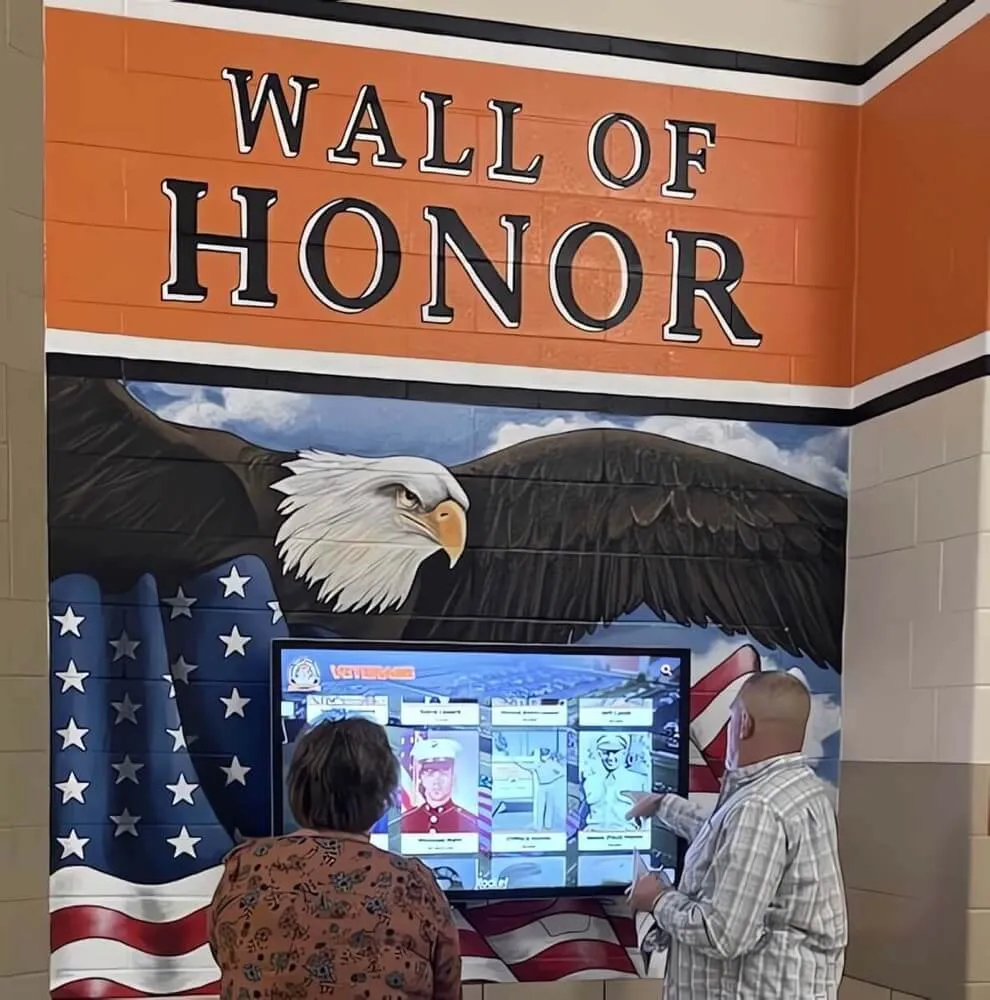
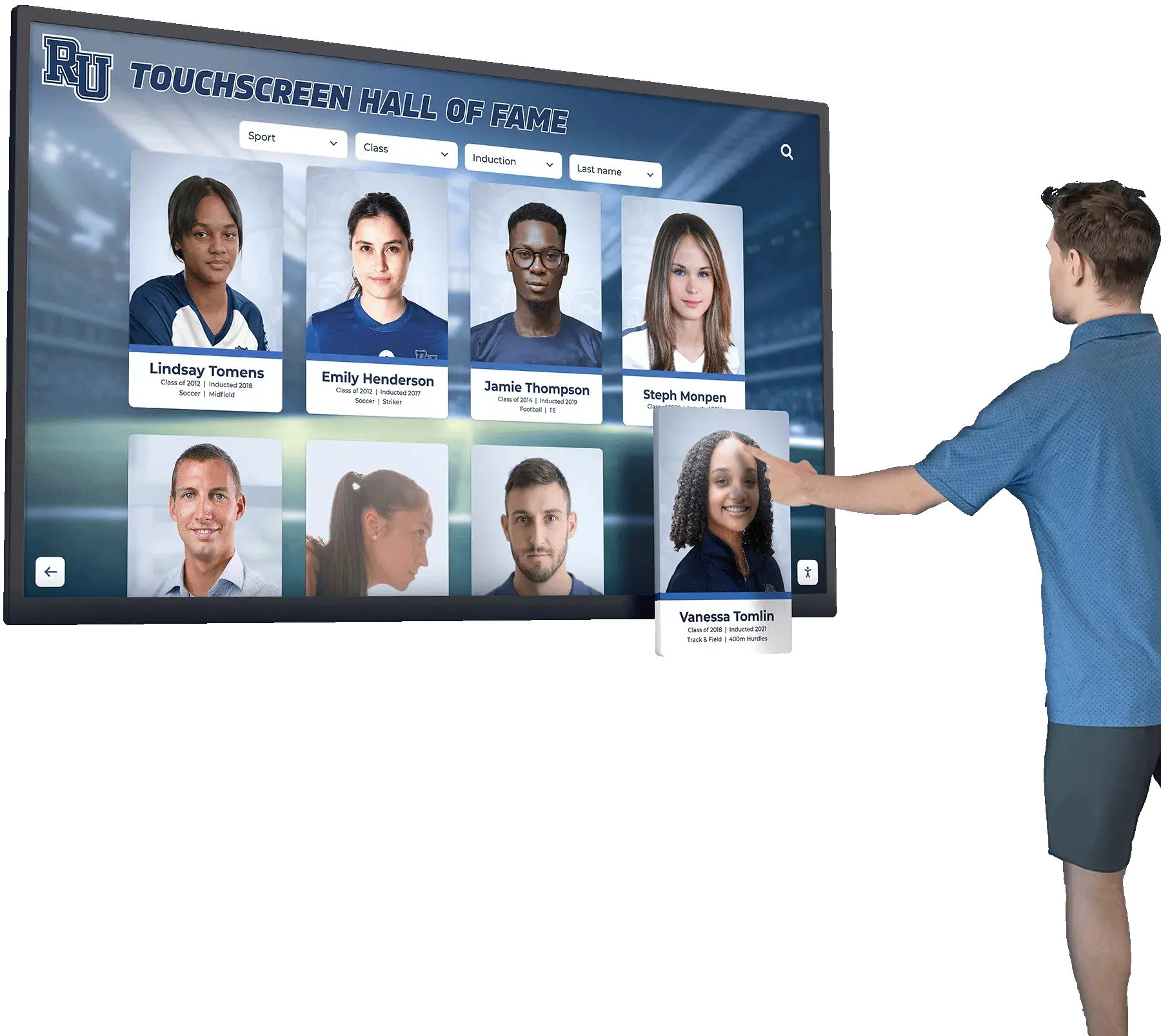
Interactive displays enable students to explore achievement history, search for specific individuals, and understand their potential place within school legacy
Event-Based School Spirit Ideas
Creating Memorable Community Experiences
Strategic events punctuate school years with moments students anticipate and remember.
Reimagined Pep Rallies and Assemblies
Theme-Based Spirit Events
Moving beyond generic pep rallies, themed events create more engagement: decade-themed spirit days (80s, 90s, 2000s) with corresponding music and activities, color war competitions dividing school into teams for various challenges, talent show assemblies showcasing diverse student abilities, cultural celebration events honoring community diversity, and class competition events building grade-level unity while maintaining school-wide connection.
Effective themes balance familiarity and novelty—some repeated annually becoming traditions, others changing to maintain freshness and surprise.
Student-Led Content and Performances
Student ownership increases engagement dramatically compared to adult-directed programming: student talent performances (music, dance, comedy, demonstrations), student-produced video content shown during events, student MC roles controlling event flow and energy, class or group performances competing for audience reaction, and student-designed games and activities involving audience participation.
Student leadership in event planning and execution develops ownership while ensuring content resonates with peer audiences more authentically than adult-designed programming.
School-Wide Competition Events
Spirit Week with Meaningful Activities
Spirit week traditions build anticipation when thoughtfully designed: dress-up days with inclusive themes accessible to all students, lunchtime competitions and challenges with clear rules and judging, class decoration competitions in designated spaces, video or performance competitions showcasing creativity, and point systems culminating in final scores creating sustained engagement across multiple days.
Successful spirit weeks balance competition and inclusion—students should feel they can participate meaningfully regardless of resources, social status, or specific talents. Learn more about creating effective spirit week programs that engage diverse student populations.
Homecoming and Major Event Traditions
Homecoming creates natural opportunities for spirit building: parade participation with creative float competitions, alumni engagement bringing former students back to campus, community involvement expanding participation beyond students, homecoming court traditions celebrating students across various criteria, and week-long activities building toward culminating game or dance.
Effective homecoming programs balance tradition and evolution, maintaining beloved rituals while ensuring current student populations find activities relevant and inclusive.
Service and Community Engagement Events
School-Wide Service Projects
Service events build spirit by uniting students toward external impact: community cleanup days improving local areas, food or supply drives supporting community needs, partnership with local nonprofits on specific projects, fundraising events for charitable causes, and recognition of service contributions celebrating student generosity and community engagement.
Service projects create spirit by connecting students to larger purposes beyond individual achievement, demonstrating that school community values contribution and making positive difference.
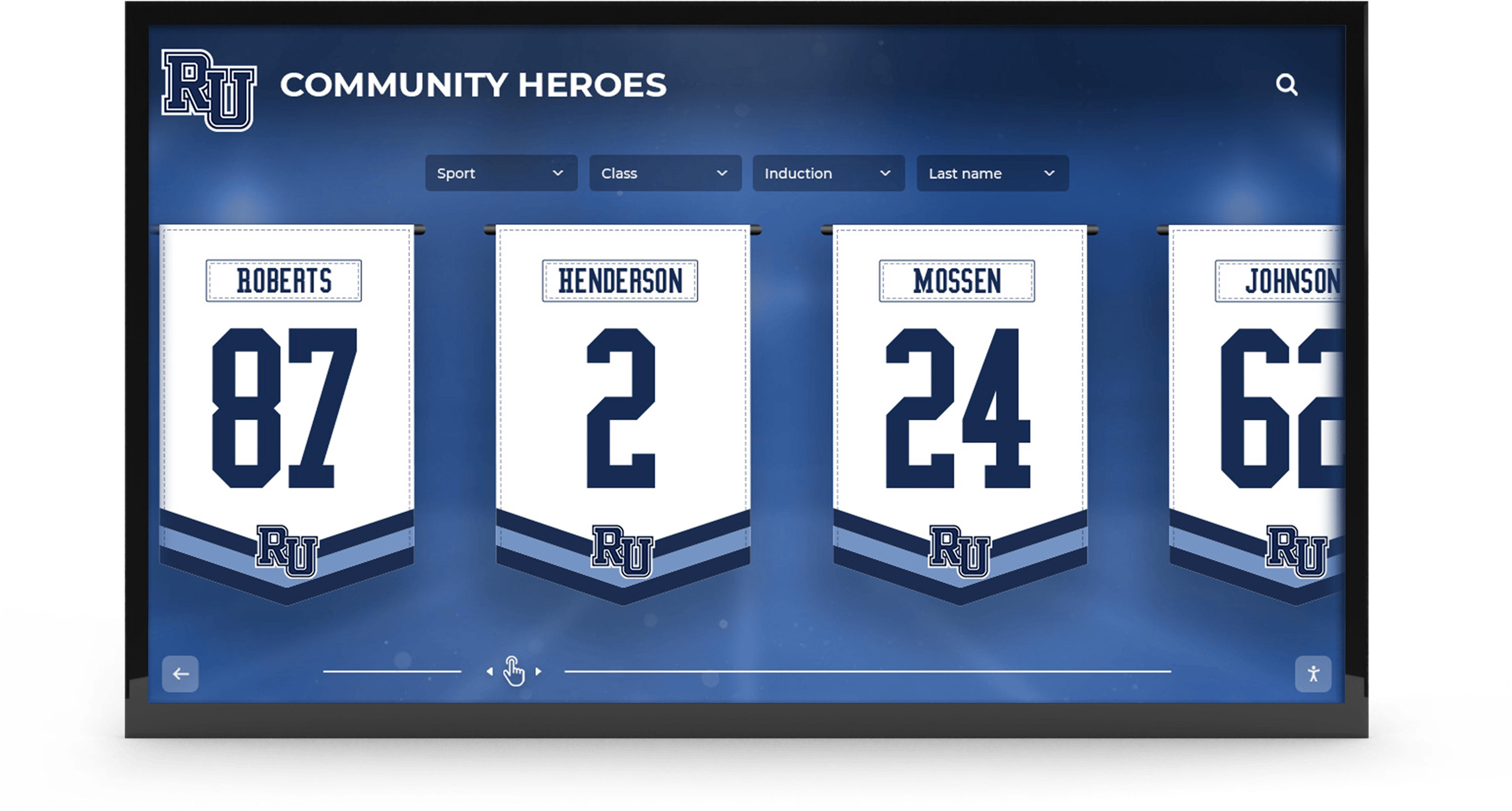
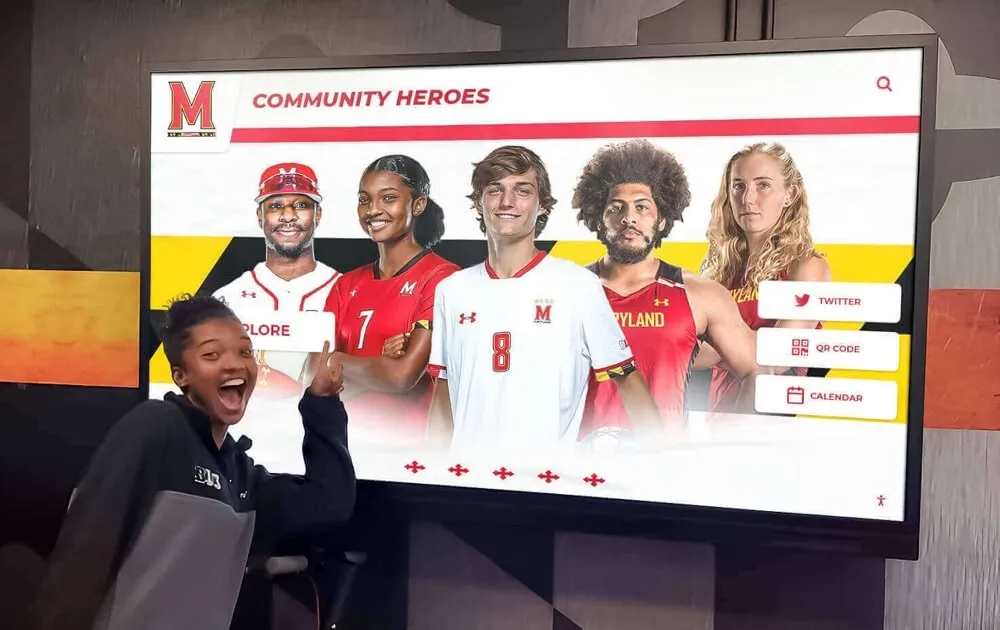
Recognition displays celebrating community contribution validate service and character alongside traditional academic and athletic achievements
Mentorship and Peer Connection Programs
Structured programs connecting students build cross-grade relationships strengthening community: upperclassmen mentoring underclassmen providing guidance and welcome, peer tutoring programs connecting academic strengths with needs, buddy programs pairing new students with established community members, and recognition of outstanding mentors modeling valued community behaviors.
Mentorship programs combat typical grade-level segregation, creating vertical connections that make schools feel like integrated communities rather than separate classes sharing space.
Visual and Environmental School Spirit Ideas
Creating Spaces that Inspire Pride
Physical environments profoundly impact student attitudes toward their schools.
Hallway and Common Area Displays
Achievement Recognition Walls
Permanent installations celebrating excellence over time: hall of fame displays honoring outstanding alumni and achievements, athletic accomplishment walls showcasing championships and records, academic achievement displays featuring honor roll and scholarship recipients, digital recognition systems offering unlimited recognition capacity and easy updates, and themed displays rotating focus across different achievement areas throughout the year.
Well-designed achievement displays balance honoring history and celebrating current students—both matter for building connections across time while maintaining relevance.
Historical Timeline Displays
School history displays connect current students to institutional legacy: photo timelines showing school evolution over decades, notable alumni profiles highlighting successful former students, historical achievement documentation preserving important moments, facility evolution documentation showing physical campus changes, and tradition history explaining origins and meaning of current practices.
Historical displays matter because they communicate that current students are part of continuing story—their achievements will be remembered and celebrated just as previous generations are honored.
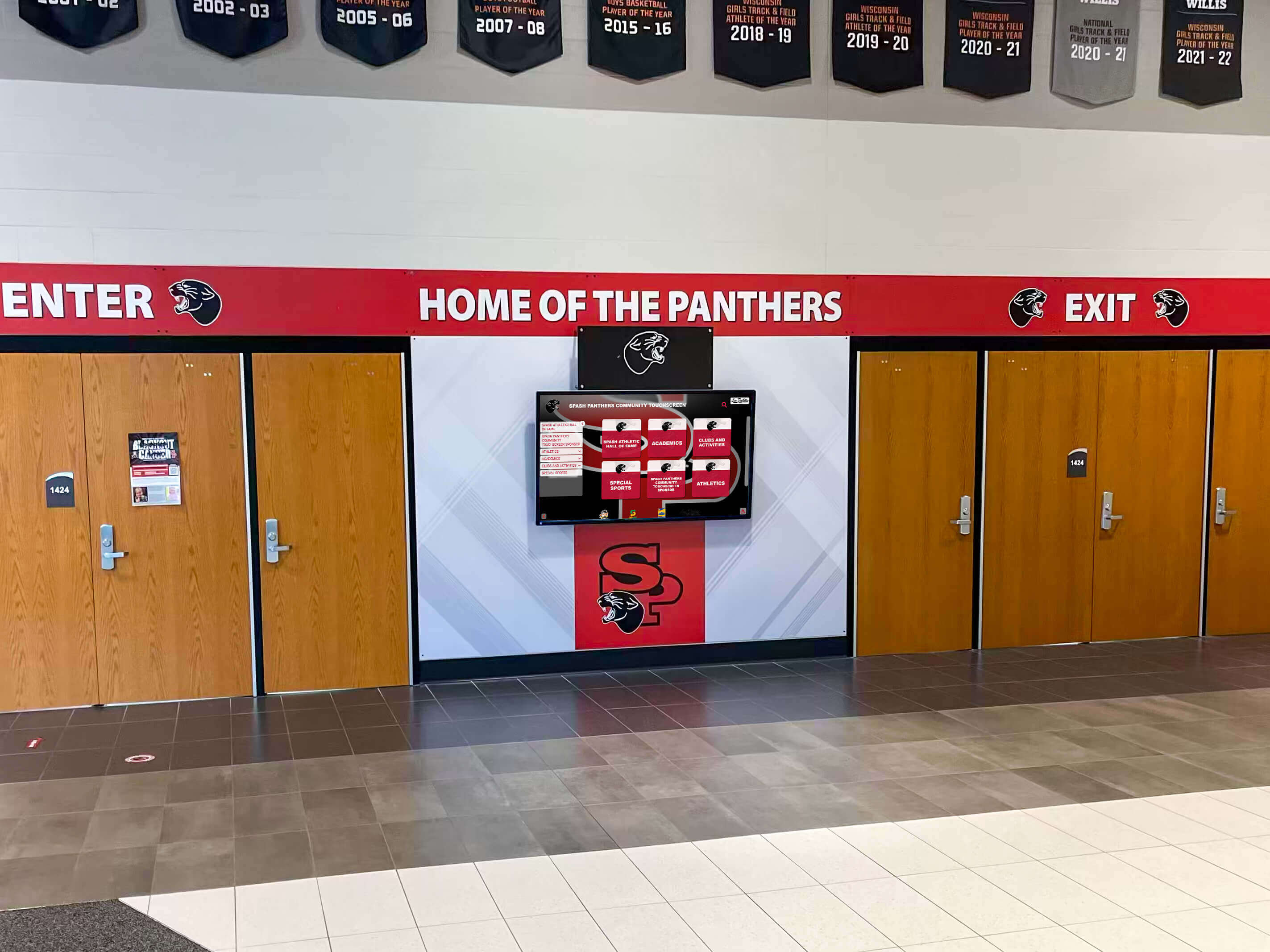
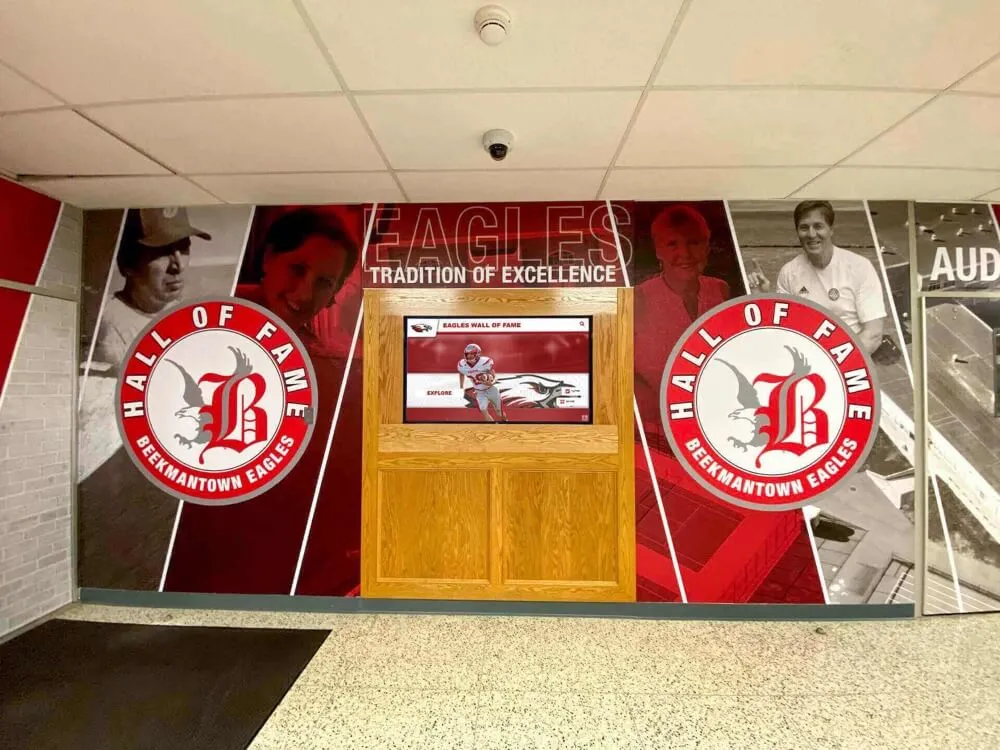
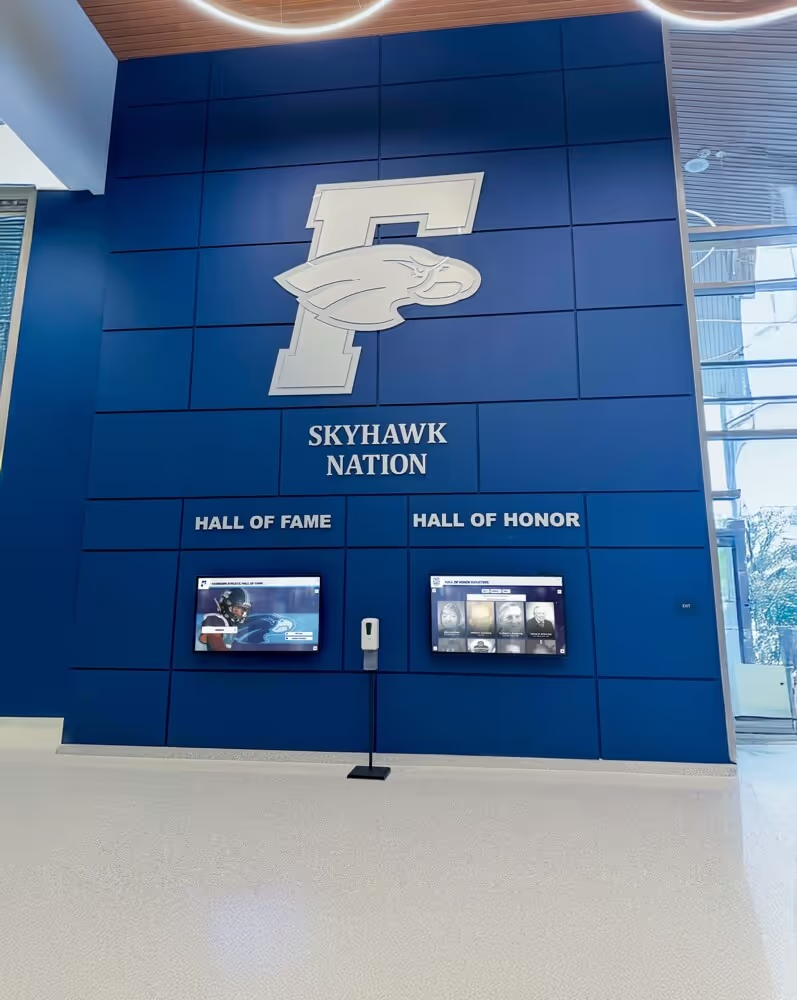
Strategic entrance displays welcome students and visitors while immediately communicating institutional identity and pride
Athletic Facility Enhancements
Championship and Record Boards
Visible documentation of athletic excellence: championship banners or displays for each sport, individual record boards tracking best performances over time, team photo displays showing season rosters and results, digital athletic recognition systems providing comprehensive achievement celebration, and facility naming opportunities honoring significant contributors or achievers.
Athletic facilities should feel like museums of excellence—spaces where history is visible and current athletes understand they’re adding to legacy rather than starting fresh each season.
Locker Room and Team Space Enhancements
Behind-the-scenes spaces matter for team culture and pride: motivational displays featuring program values and expectations, team motto or identity statements visible throughout spaces, historical achievement documentation specific to each sport, player name and number displays creating ownership and belonging, and professional appearance communicating that programs value athletes and experiences.
Quality team spaces communicate to athletes that their participation matters and that school invests in their success—this investment builds reciprocal pride and commitment.
Classroom and Learning Space Recognition
Academic Department Displays
Subject-area celebration throughout learning spaces: student work displays showcasing excellent assignments and projects, competition achievement recognition for academic contests and competitions, notable alumni displays featuring successful former students in specific fields, inspirational quotes related to subject content and learning, and current event connections showing subject relevance beyond classroom.
Department displays demonstrate that academic learning connects to larger purposes and that intellectual achievement deserves recognition comparable to athletic success.
Student Work Galleries
Systematic display of student creation: rotating art displays throughout common areas, writing or poetry displays in hallways and cafeterias, project showcase events where students present research or creative work, digital displays featuring student videos or multimedia projects, and formal gallery openings celebrating artistic achievement with community invited to attend.
When student work appears throughout schools rather than confined to individual classrooms, students see their efforts valued publicly, encouraging continued effort and creative risk-taking.
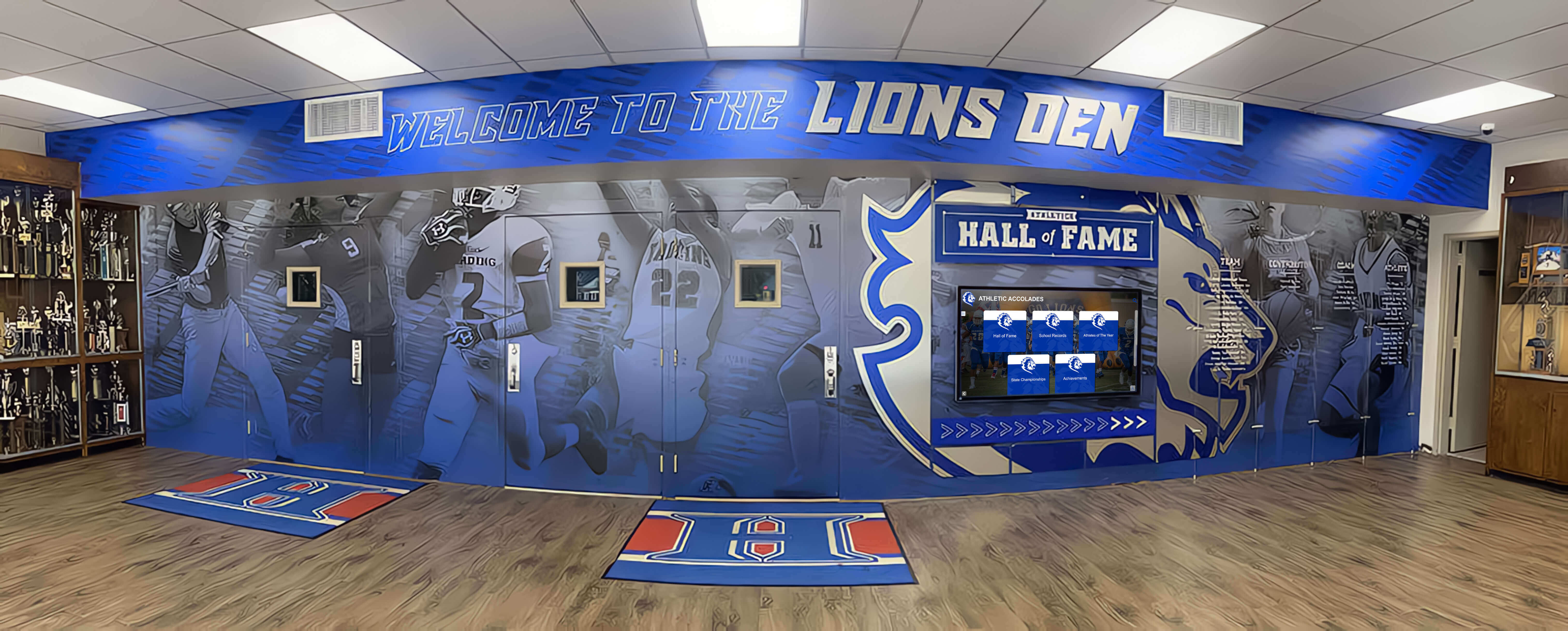
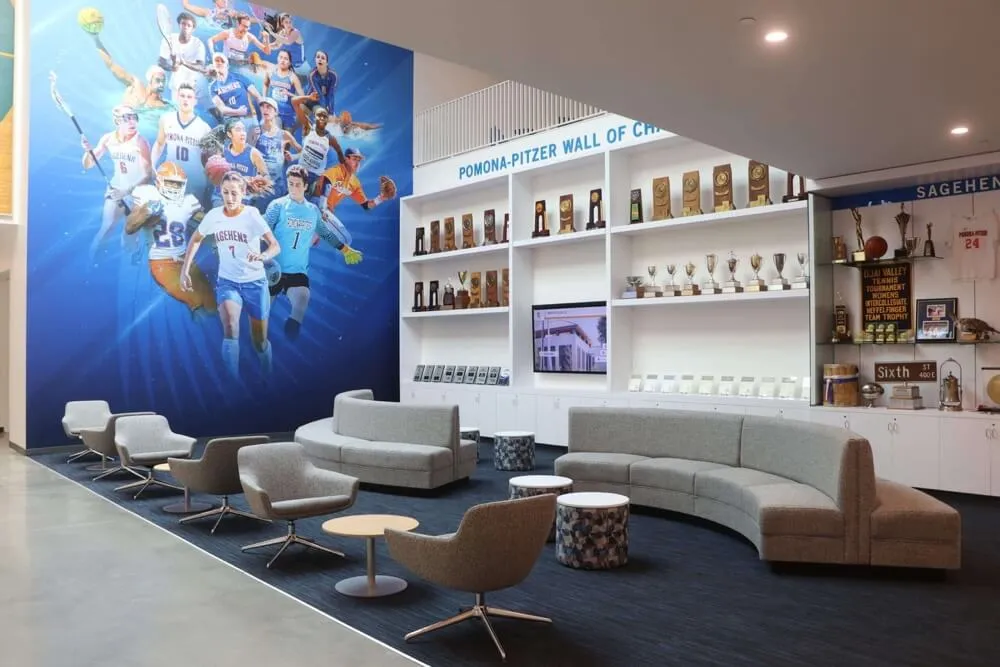
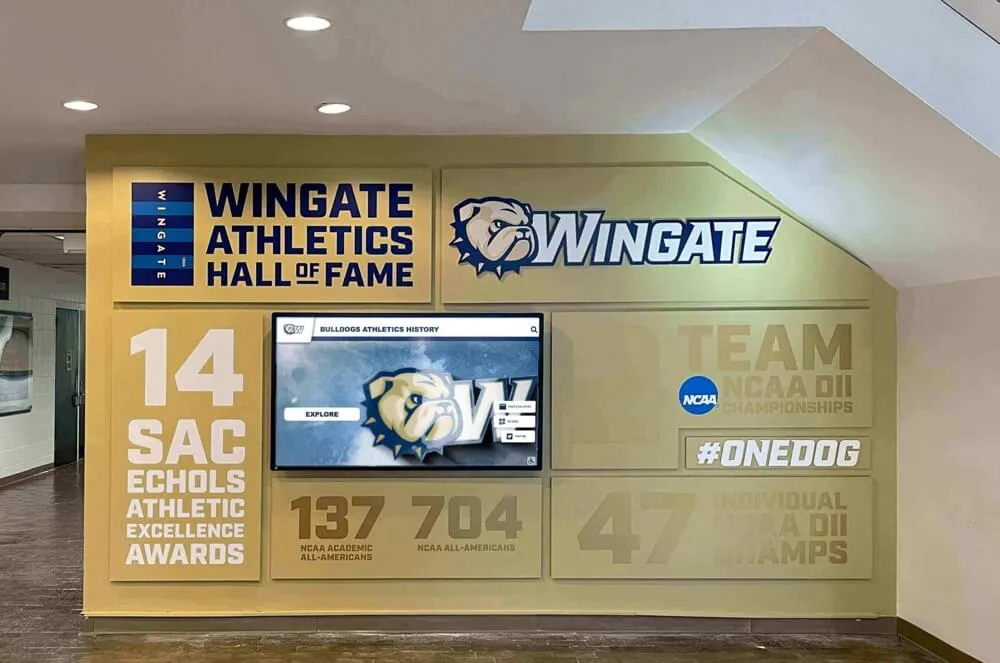
Comprehensive recognition areas combine physical trophies, visual branding, and digital displays creating impressive spaces honoring achievement history
Digital and Social Media School Spirit Ideas
Extending Spirit Beyond Campus Walls
Modern school spirit requires digital presence reaching students and families where they already spend time.
Social Media Spirit Campaigns
Student Feature Series
Regular content celebrating individual students: student spotlight posts sharing interests, achievements, and personalities, “day in the life” features following students through typical days, achievement announcements celebrating recent accomplishments or honors, student voice posts sharing opinions or advice, and student takeover days where students manage school accounts showing peer perspectives.
Effective social content feels authentic to student experience rather than filtered through adult perspectives—student voice and participation create content peers actually engage with rather than ignore.
Spirit Challenge Campaigns
Interactive campaigns building participation: photo challenges encouraging students to share school pride images, video challenge campaigns prompting creative student content, voting campaigns for spirit week themes or homecoming traditions, milestone campaigns (100 days until graduation, playoff countdowns), and hashtag campaigns creating shared language and identity across social platforms.
Challenge campaigns work because they invite participation rather than passive consumption—students become content creators rather than audiences, multiplying engagement and reach.
Interactive Digital Recognition
Touchscreen Recognition Kiosks
Interactive displays transforming recognition accessibility: searchable databases enabling students to find themselves and friends, comprehensive athlete profiles with photos, statistics, and achievements, academic honor displays with multiple recognition categories, alumni achievement showcases connecting current students to successful predecessors, and historical archives preserving school heritage in engaging formats.
Solutions like Rocket Alumni Solutions provide comprehensive platforms combining touchscreen displays, cloud-based content management, and web accessibility—enabling schools to celebrate unlimited achievements without physical space constraints. These digital recognition walls transform static trophy cases into dynamic, searchable experiences that engage current students while honoring tradition.
Mobile-Accessible Recognition Platforms
Web-based systems extending recognition beyond campus: mobile-optimized recognition websites accessible anywhere, QR codes throughout schools linking to digital achievement content, social media integration enabling easy sharing of recognition, alumni accessibility allowing former students to explore achievements remotely, and parent engagement providing families visibility into student accomplishments.
Mobile accessibility matters because recognition impact extends far beyond moments students stand in front of physical displays—students share digital recognition with family, friends, and social networks, multiplying positive impact.
Digital Signage and Display Systems
Dynamic Information and Celebration Displays
Strategic screen placement throughout campuses: lobby displays welcoming visitors and showcasing current achievements, cafeteria screens sharing daily announcements and celebrations, hallway displays rotating through different recognition categories, athletic facility screens highlighting team achievements and upcoming events, and digital signage systems providing coordinated content across multiple locations.
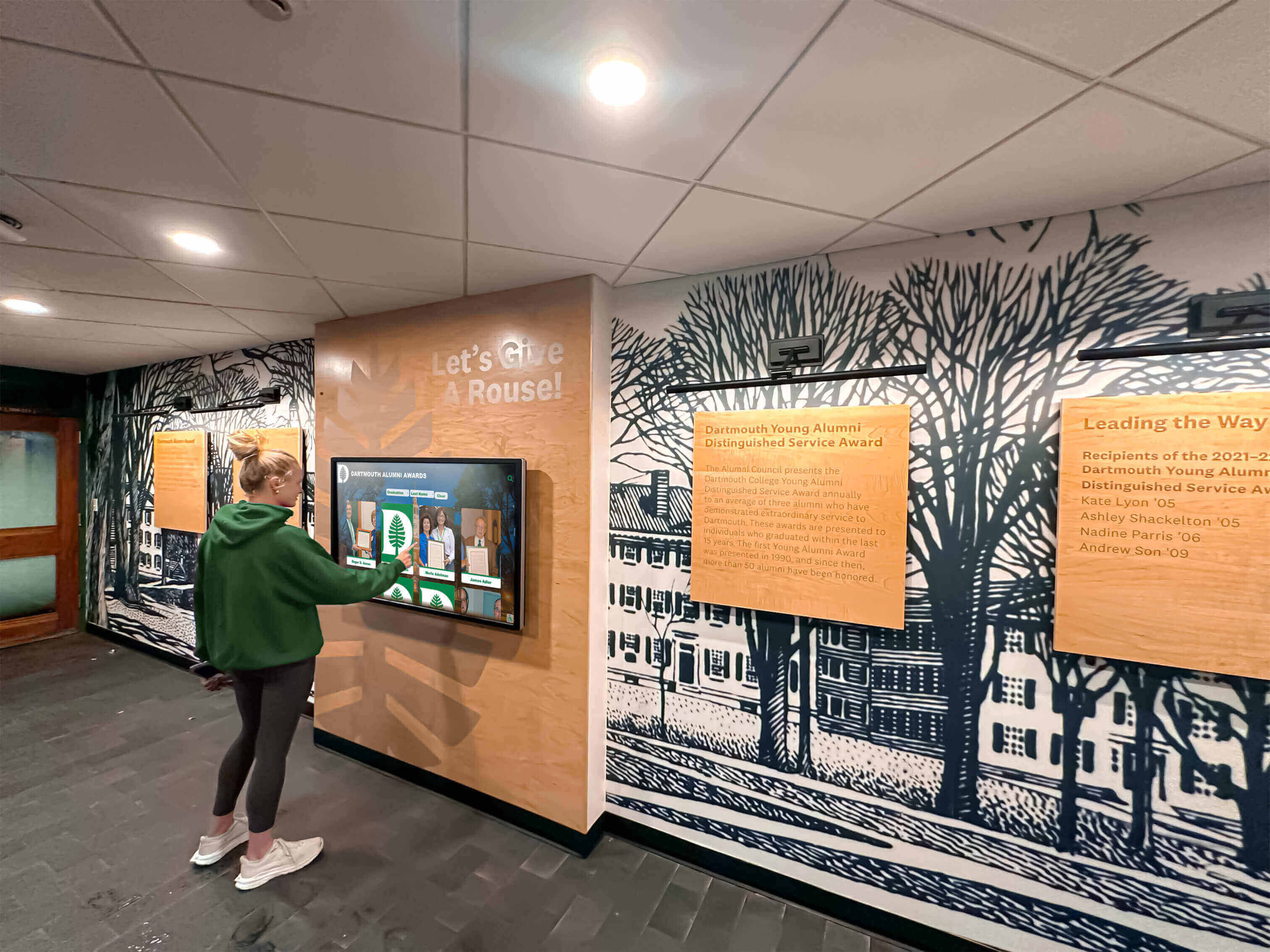
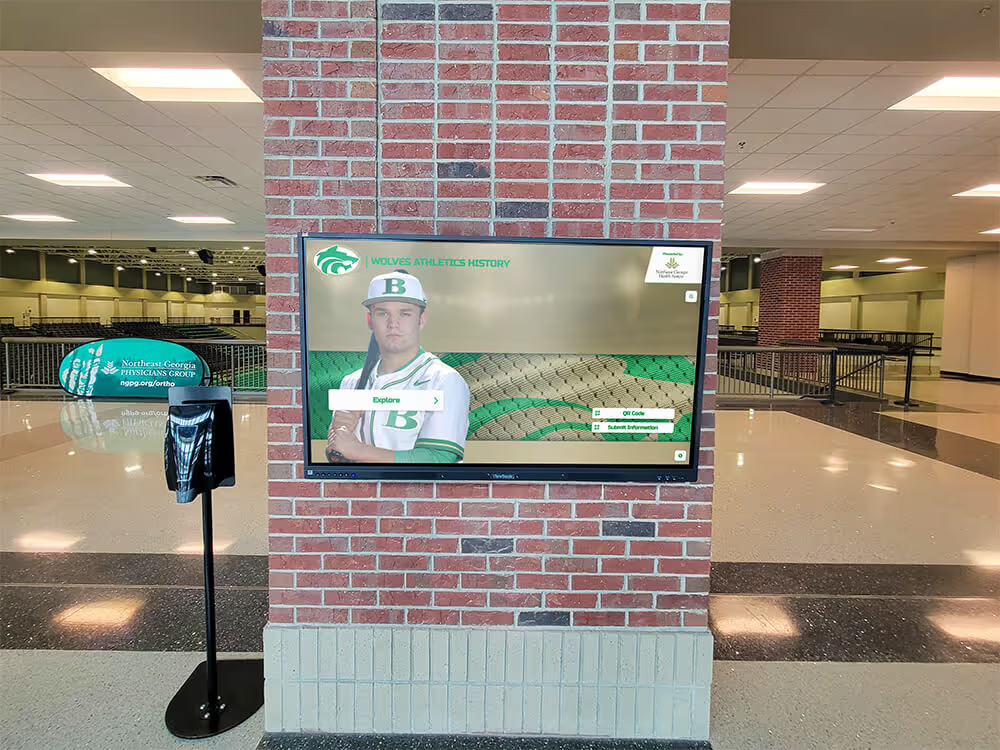
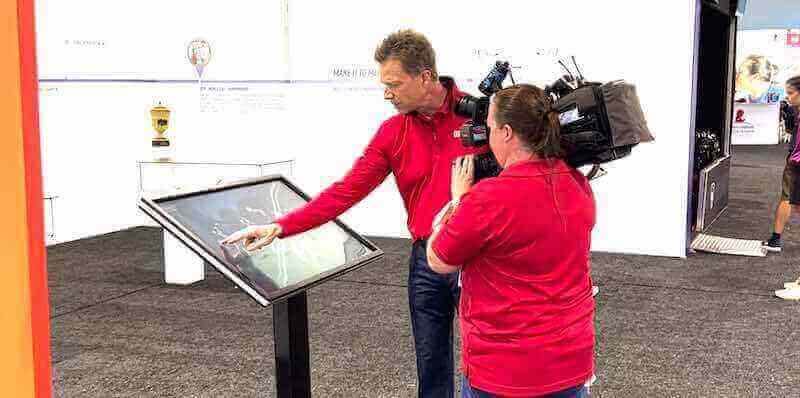
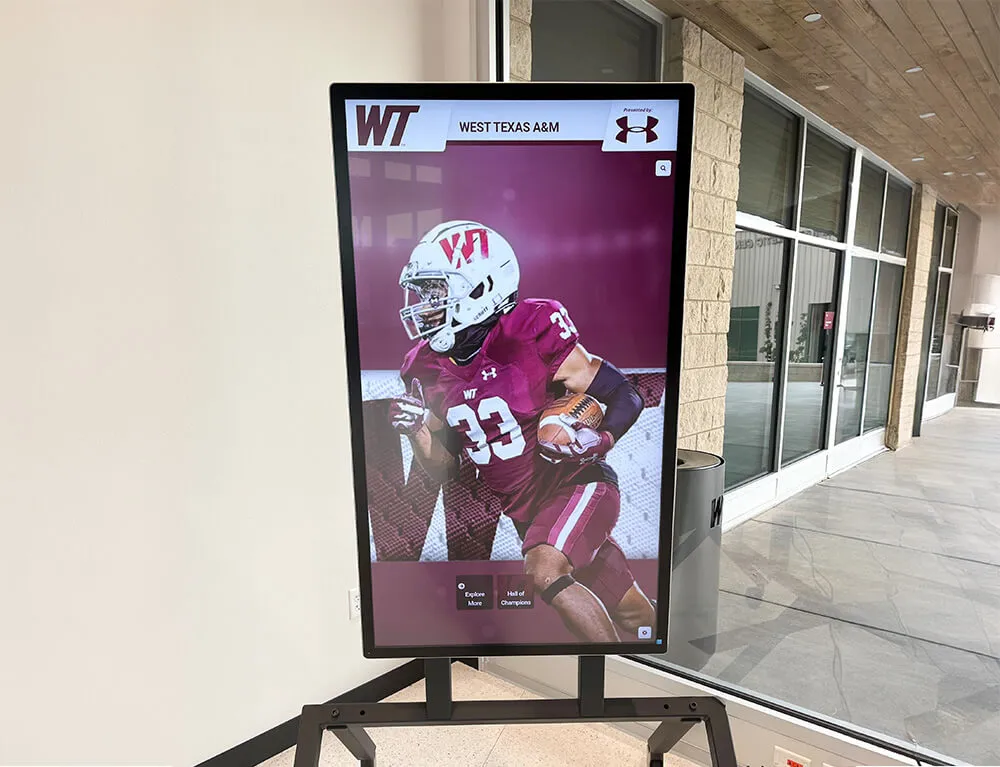
Interactive touchscreen systems invite exploration and engagement, transforming recognition from passive viewing into active discovery experiences
Real-Time Achievement Updates
Immediate celebration maintaining relevance: same-day recognition of athletic victories or individual achievements, real-time score updates during competitions, live social media feed integration showing school-related posts, countdown displays building anticipation for upcoming events, and daily announcement content replacing or supplementing traditional PA systems.
Real-time capabilities make recognition feel current and responsive rather than delayed documentation of achievements long past when enthusiasm was highest.
Student Voice and Leadership Spirit Ideas
Empowering Students to Shape Culture
Sustainable school spirit requires student agency, not just adult direction.
Student Government and Leadership Roles
Meaningful Decision-Making Authority
Moving beyond token student government to authentic influence: budget allocation decisions for student activities and events, policy input on dress codes, phone policies, or other student-affecting rules, tradition development authority creating and modifying school rituals, event planning responsibility for major school-wide activities, and recognition program design including criteria and selection processes.
Students support cultures they help create—authentic authority over meaningful decisions builds investment impossible to achieve through adult-directed participation.
Spirit Captains and Culture Ambassadors
Dedicated student roles focused specifically on spirit building: spirit coordinators planning and executing school-wide events, class representatives organizing grade-level activities and competition, social media ambassadors managing student voice on school accounts, new student ambassadors welcoming and integrating incoming students, and tradition keepers researching and explaining school history and ritual meaning.
Formal spirit roles communicate that culture building is important enough to deserve dedicated attention rather than generic student government committees juggling multiple responsibilities.
Student-Created Content and Media
Student Broadcasting and Media Programs
Student-produced content building authentic voice: morning announcement video productions replacing traditional PA systems, student newspaper or blog covering school events and issues, podcast series featuring student interviews and discussions, social media content creation with student editors and producers, and event photography or videography documenting school life from student perspectives.
Student media matters because peer-created content resonates more authentically than adult-produced communications—students pay attention when information comes from people they know and trust.
Spirit Video and Creative Content
Creative projects building excitement and engagement: hype videos for athletic events or spirit weeks, school year recap videos celebrating accomplishments, recruitment videos for incoming students, tradition explanation videos helping new students understand culture, and student voice videos sharing opinions on school experiences and improvements.
Video content succeeds because it combines entertainment value with information sharing—students consume content they enjoy rather than viewing communications as obligations.
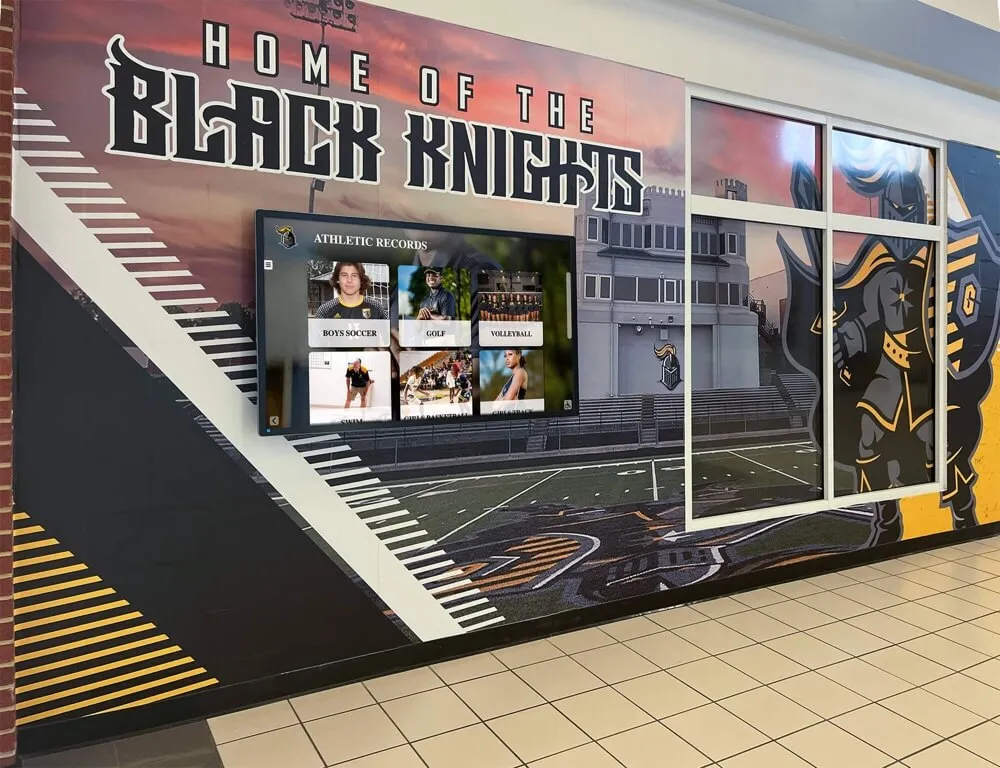
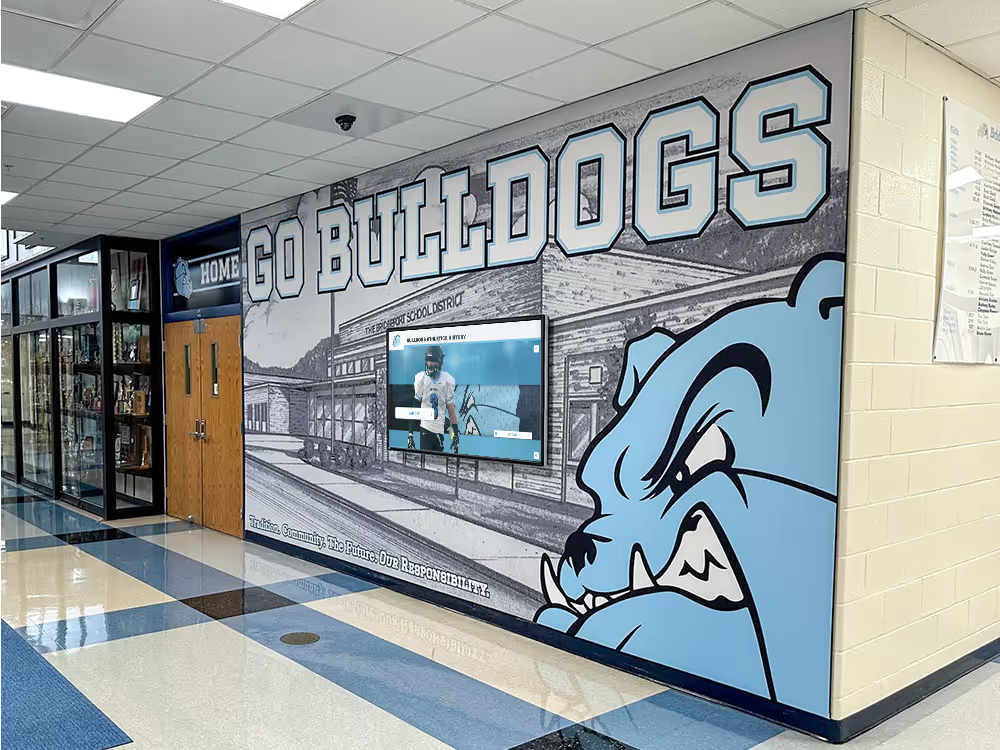
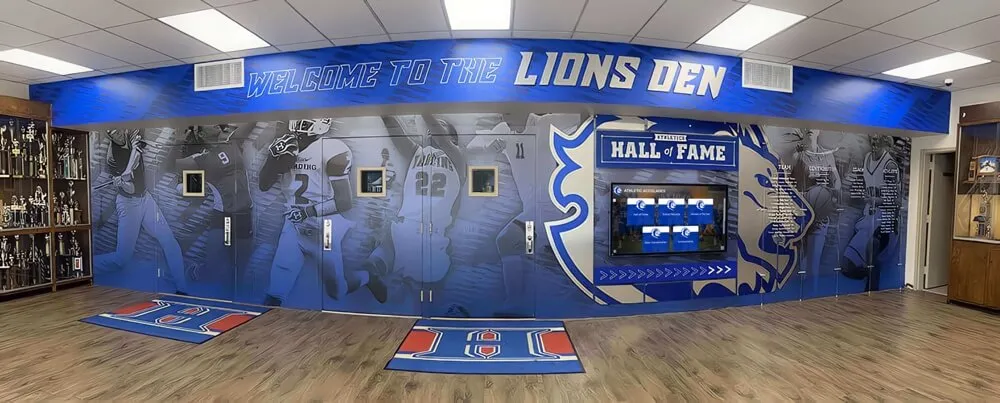
Comprehensive environmental design combining murals, branding elements, and digital displays creates immersive experiences reinforcing identity throughout daily school life
Inclusive School Spirit Ideas
Ensuring Everyone Can Participate and Belong
Inclusive spirit initiatives recognize diverse student experiences and ensure all students feel welcomed.
Culturally Responsive Spirit Programs
Heritage and Identity Celebrations
Programming honoring student diversity: cultural heritage months recognizing diverse backgrounds, international student celebrations showcasing global community members, language diversity recognition celebrating multilingual students and families, faith tradition awareness respecting diverse spiritual practices, and inclusive traditions creating shared experiences while respecting different backgrounds.
Cultural celebration matters because students cannot feel pride in schools where they don’t see themselves represented—authentic inclusion requires visible recognition of diverse student identities.
Accessibility in Spirit Activities
Ensuring participation opportunities for all: physical accessibility accommodations in events and activities, financial accessibility ensuring cost doesn’t prohibit participation, language accessibility providing translation when needed, sensory accommodations for students with processing sensitivities, and multiple participation pathways recognizing different comfort levels and abilities.
Universal design principles create more inclusive events—when activities work for students with various needs, everyone benefits from more thoughtful, accessible programming.
Recognition Beyond Traditional Metrics
Celebrating Diverse Definitions of Success
Moving beyond narrow achievement recognition: artistic achievement celebration comparable to athletic recognition, technical and vocational excellence acknowledgment, community service and leadership recognition, improvement and effort recognition regardless of outcomes, and character and citizenship celebration valuing positive contribution.
Diverse recognition communicates that schools value multiple forms of excellence rather than single definitions of success—this inclusive approach enables more students to see achievement pathways authentic to their strengths and interests.
Growth Mindset Recognition
Celebrating progress and persistence: before-and-after documentation showing improvement journeys, obstacle-overcome stories highlighting resilience, effort recognition regardless of final outcomes, collaborative achievement celebration valuing teamwork, and risk-taking recognition encouraging creative attempts even when unsuccessful.
Growth mindset recognition shifts focus from innate ability to development and effort—this approach encourages persistence and creates cultures where students aren’t afraid to attempt challenging goals.
Measuring School Spirit Impact
Understanding Effectiveness and Continuous Improvement
Strategic spirit initiatives require assessment ensuring efforts produce intended results.
Quantitative Spirit Indicators
Attendance and Participation Data
Measurable indicators of engagement: overall attendance rates showing commitment to school presence, event participation numbers tracking involvement in school activities, extracurricular enrollment showing interest in school programs, athletic event attendance indicating support for teams, and year-over-year trends revealing whether spirit grows or declines.
Participation data provides objective measures more reliable than subjective impressions—systematic tracking enables data-informed decisions about which initiatives work and which need adjustment.
Student Survey Results
Structured feedback gathering student perspectives: belonging survey questions measuring connectedness, pride indicators assessing student attitudes toward school, recognition questions understanding whether students feel valued, tradition awareness gauging knowledge of school culture, and improvement suggestions soliciting student ideas for enhancement.
Regular surveys (annually or biannually) provide trend data showing whether spirit initiatives create intended impacts—improvements in belonging or pride measures validate investments in spirit programs.
Qualitative Spirit Assessment
Student Voice and Testimonials
Narrative feedback providing deeper understanding: focus groups exploring student experiences and perceptions, individual interviews with diverse student representatives, social media sentiment analysis understanding online discussions, parent feedback reflecting family perspectives, and alumni reflections comparing current culture to their student experiences.
Qualitative data reveals nuances quantitative measures miss—why students feel particular ways, what specific initiatives resonate most powerfully, and how different student groups experience school culture differently.
Behavioral Observations
Observable indicators of spirit health: hallway climate and student interactions revealing community tone, pride symbol display showing students’ willingness to identify with school, participation enthusiasm revealing genuine versus obligatory engagement, peer support patterns indicating community solidarity, and underclassmen involvement showing whether culture extends beyond upperclass students.
Environmental scanning provides ongoing informal assessment complementing formal survey data—administrators attuned to school climate recognize shifts requiring response before annual survey data reveals problems.
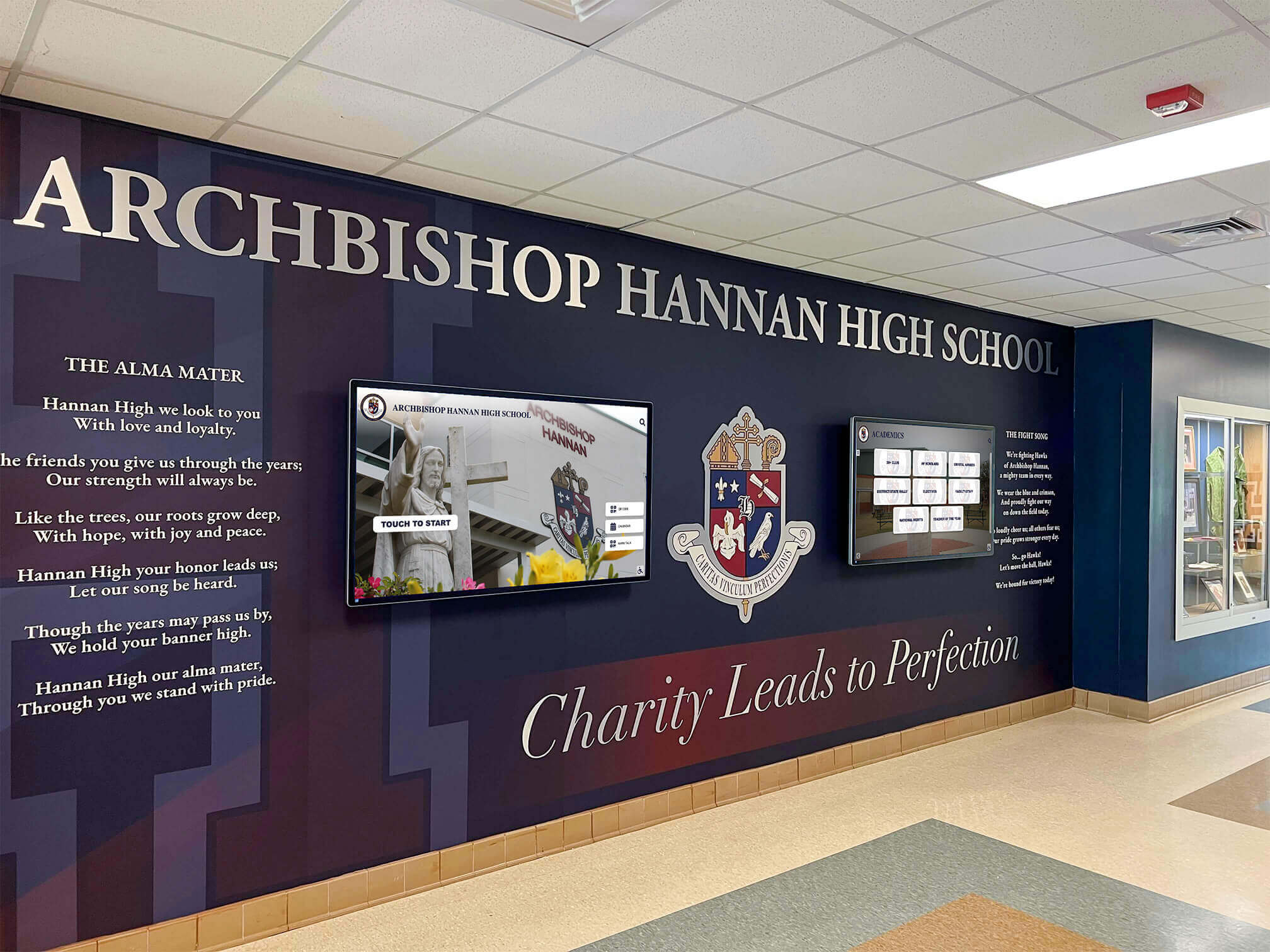
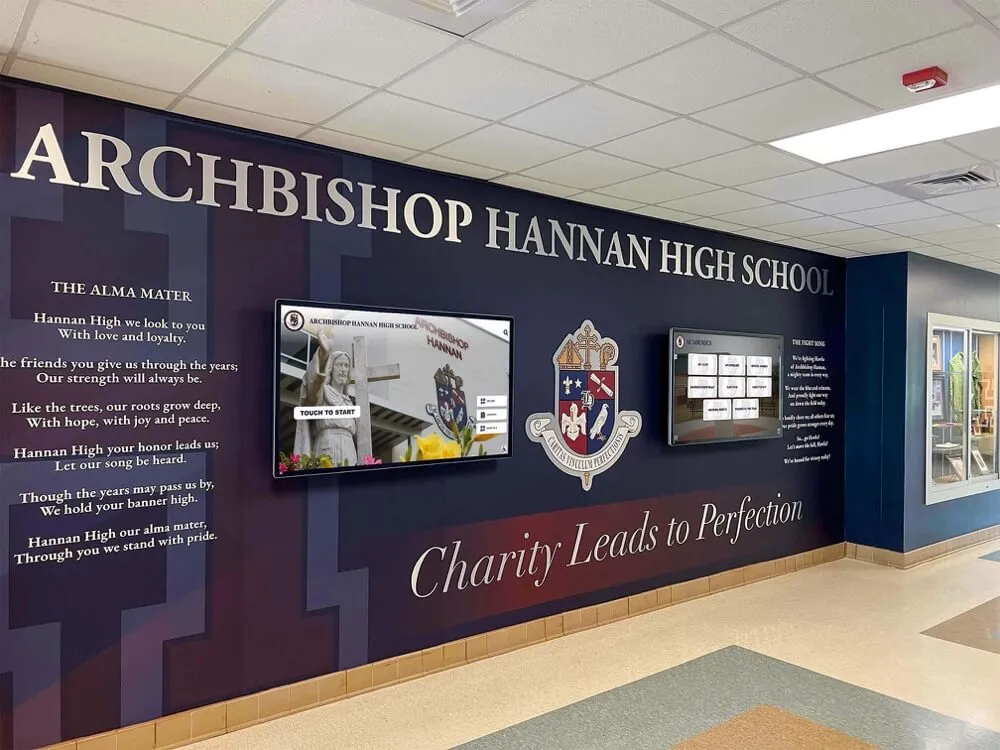
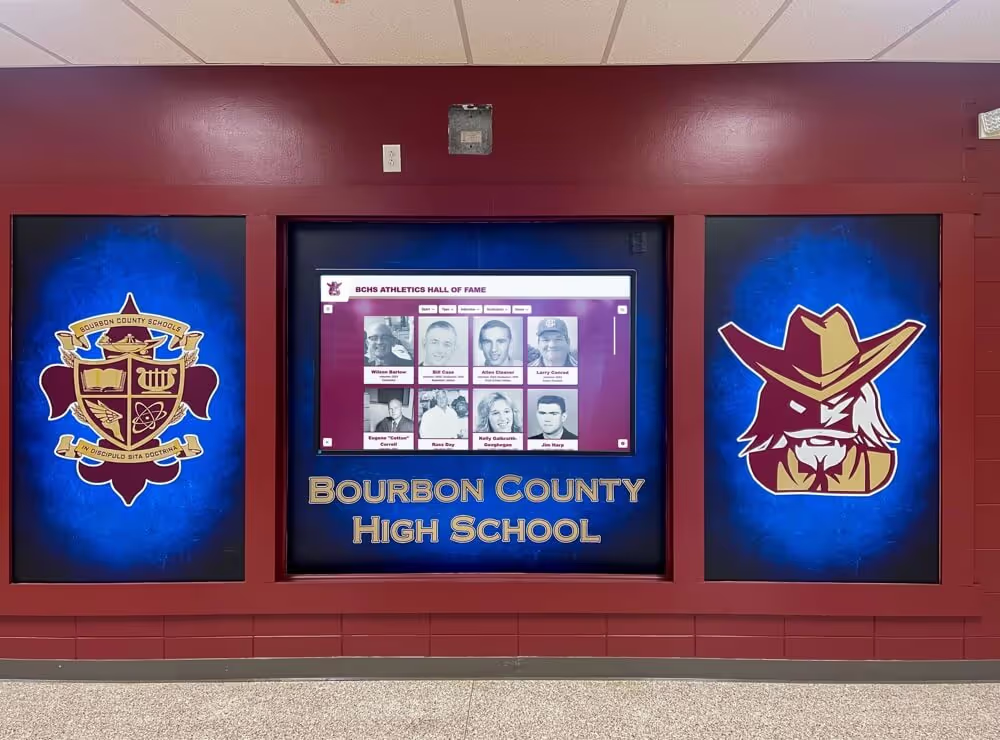
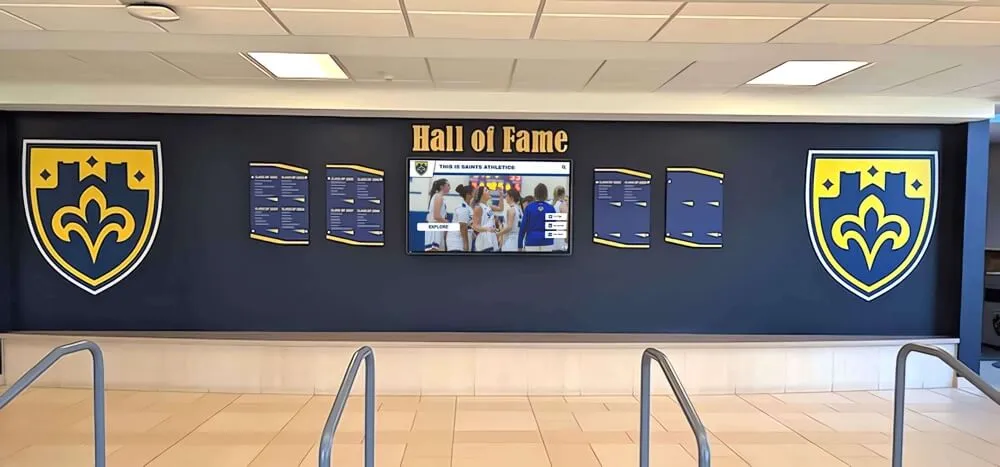
Professional entry spaces combining traditional elements (murals, crests) with modern technology (digital displays) create impressive first impressions while celebrating institutional identity
Sustaining School Spirit Long-Term
Building Cultures that Persist Beyond Individual Initiatives
Sustainable school spirit requires systematic approaches rather than one-time programs.
Institutional Commitment and Resources
Dedicated Leadership and Responsibility
Clear ownership ensuring consistent attention: designated staff coordinator overseeing spirit initiatives, student leadership positions with formal authority, dedicated budget allocation supporting programs and recognition, schedule protection ensuring time for spirit events and activities, and accountability structures measuring progress and results.
Without clear responsibility assignment, spirit initiatives depend on volunteer goodwill rather than institutional commitment—formal structures ensure programs receive necessary attention and resources.
Strategic Planning and Goal Setting
Intentional development rather than reactive programming: multi-year spirit plans establishing vision and priorities, specific measurable goals creating accountability, resource allocation decisions supporting strategic priorities, program evaluation systems assessing effectiveness, and continuous improvement processes adapting based on results.
Strategic approaches treat school spirit as important institutional outcome deserving systematic development rather than optional enhancement pursued when convenient.
Community Partnerships and Alumni Engagement
Alumni Involvement in Spirit Building
Leveraging former student connections: alumni speaker programs connecting current students to successful graduates, mentorship initiatives pairing students with alumni in career fields, alumni recognition programs celebrating notable former students, reunion programming bringing alumni back to campus, and fundraising campaigns where alumni invest financially in spirit initiatives.
Alumni engagement creates virtuous cycles—positive school experiences produce engaged alumni who support current students, strengthening programs that create positive experiences for future alumni.
Community Partner Integration
External relationships supporting spirit development: local business sponsorships funding recognition programs or events, community organization partnerships providing service opportunities, civic leader involvement in recognition and celebration, media partnerships amplifying school achievements, and parent volunteer programs supporting spirit activities.
Community connections extend school spirit beyond campus walls—when broader communities celebrate school achievements, students feel pride knowing their accomplishments receive wider recognition.
Conclusion: Building Spirit That Lasts
School spirit transforms ordinary educational institutions into communities students proudly represent long after graduation. The strategies explored throughout this guide—comprehensive recognition celebrating diverse achievements, engaging events creating memorable experiences, inspiring environments demonstrating institutional pride, digital platforms extending spirit beyond campus, authentic student leadership ensuring relevant programming, and inclusive approaches welcoming all students—provide frameworks for building vibrant school cultures where students thrive.
The most effective school spirit initiatives share common characteristics: they recognize and value all students rather than narrow elite groups, they create genuine belonging through meaningful opportunities for participation, they balance tradition and evolution maintaining heritage while remaining relevant, they leverage both physical and digital environments strategically, and they require institutional commitment rather than depending solely on volunteer enthusiasm.
Celebrate Achievement and Build Lasting School Spirit
Transform how your school recognizes achievement and builds community pride with modern digital recognition solutions that honor unlimited accomplishments while creating engaging experiences students actually explore.
Discover how solutions like Rocket Alumni Solutions help schools implement comprehensive recognition programs combining touchscreen displays, cloud-based management, and web accessibility—enabling you to celebrate athletic excellence, academic achievement, character development, and school history without physical space limitations that force difficult choices about whose accomplishments receive recognition.
With unlimited recognition capacity, instant content updates, interactive exploration features, and accessibility from anywhere, modern recognition platforms create the foundation for sustainable school spirit by ensuring every student sees pathways to belonging and contribution.
Explore Digital Recognition Solutions and see how schools build lasting pride through comprehensive achievement celebration and community storytelling.
Building strong school spirit requires consistent attention, strategic investment, and genuine commitment to creating cultures where all students feel valued. Begin by assessing current spirit climate understanding strengths and gaps, engaging students in identifying what matters most to them, selecting high-impact initiatives matching your specific community needs, allocating sufficient resources ensuring quality implementation, and establishing measurement systems tracking progress and guiding adjustments.
Remember that authentic school spirit cannot be manufactured through superficial enthusiasm or mandated participation. Real spirit grows from students’ genuine feelings of connection, belonging, and pride—emotions that develop when schools consistently demonstrate that they value every student, celebrate diverse contributions, honor heritage while embracing evolution, and create communities where students see themselves and their potential.
Your students deserve educational experiences defined not just by academic instruction but by vibrant community membership where they feel recognized, connected, and proud. The school spirit ideas explored in this guide provide starting points for creating these powerful cultures—adapt them to your unique community context, involve students authentically in development, and commit to consistent implementation over time.
The investment in building strong school spirit pays dividends far beyond graduation day. Alumni who experienced genuine community during school years remain connected throughout lives, support institutions that shaped them, and carry positive memories and relationships that continue enriching their experiences decades later. That enduring connection and pride represents the ultimate measure of successful school spirit—communities so meaningful that students never really leave them behind.
Ready to transform how your school celebrates achievement and builds community? Explore how schools implement engaging hallway displays or discover comprehensive approaches to building school pride that create lasting impact on student culture and engagement.