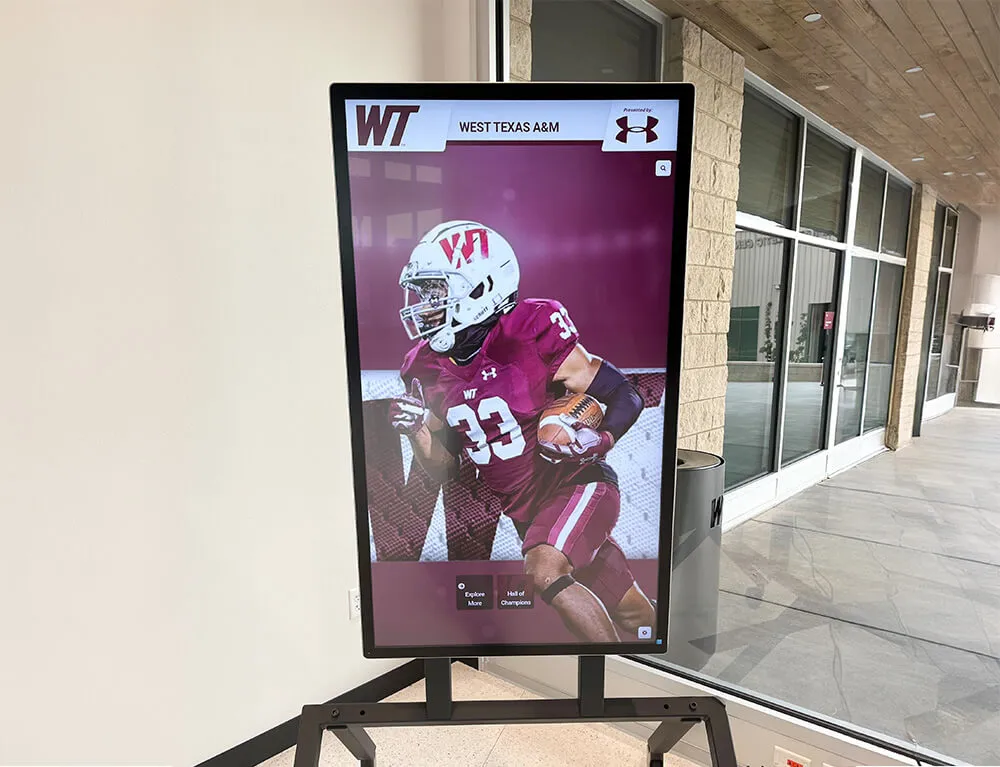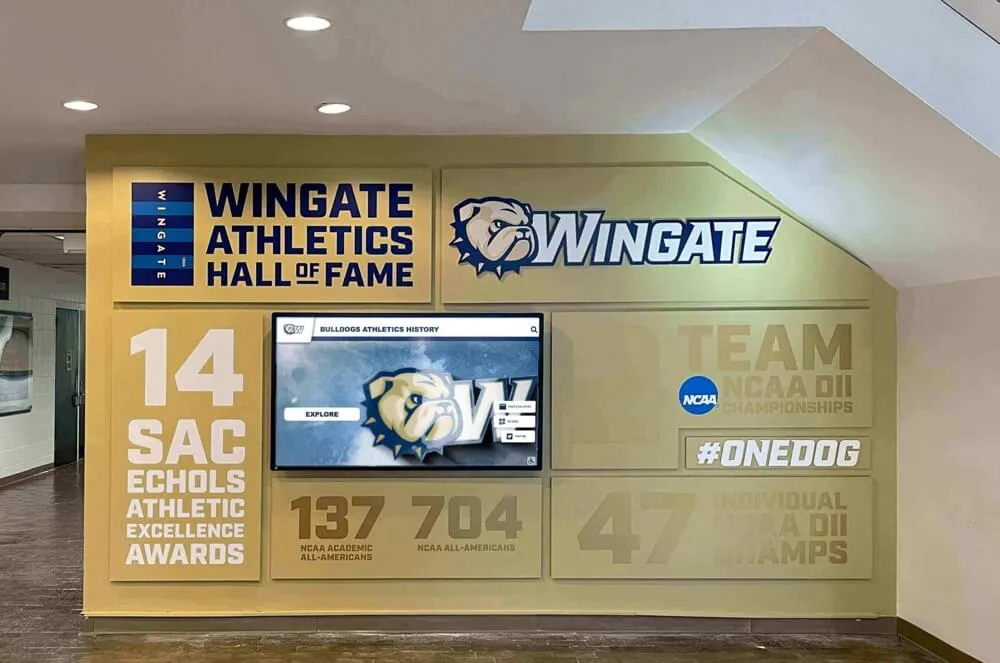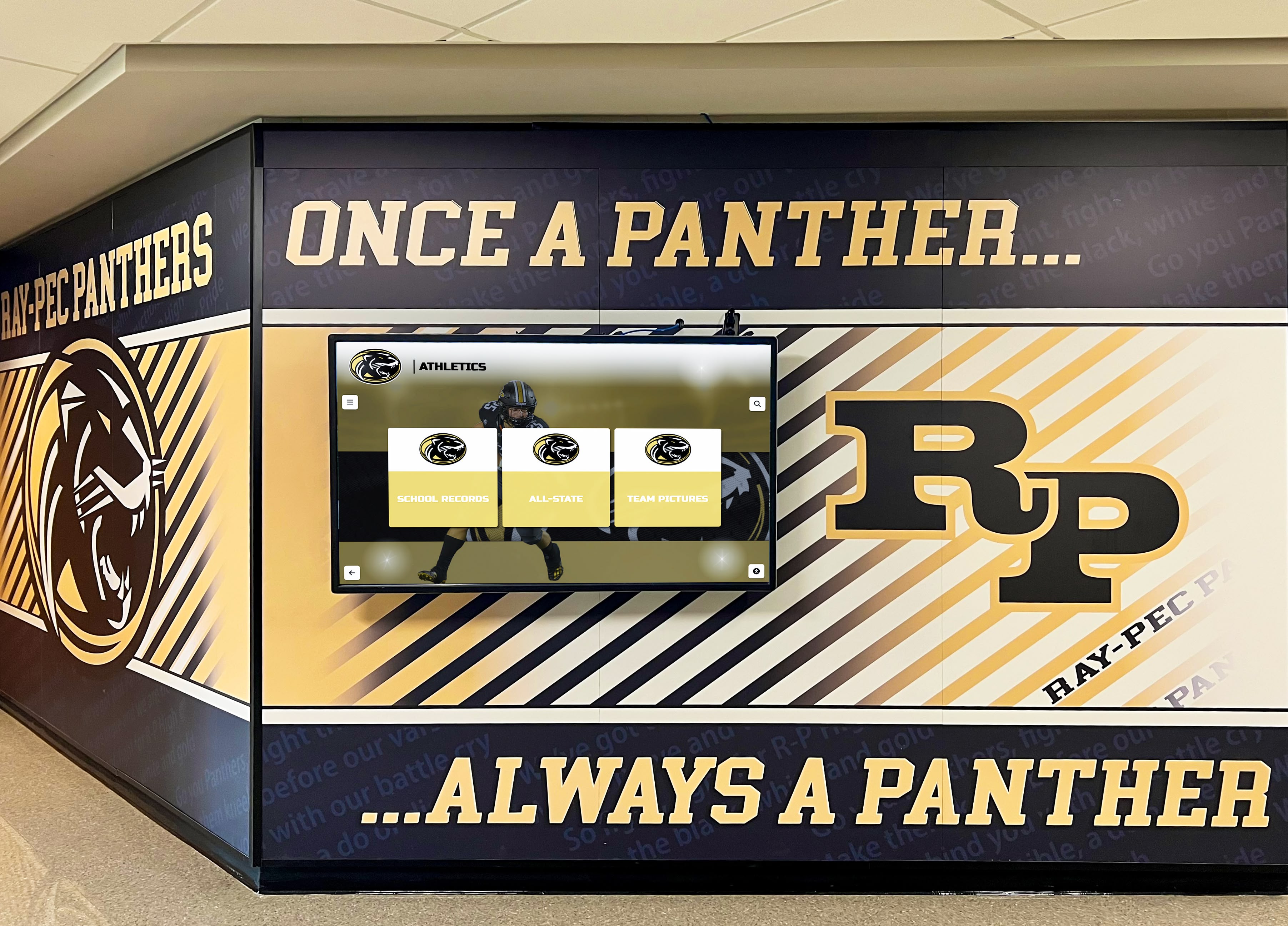
School spirit transforms buildings filled with students into vibrant communities united by shared identity, pride, and tradition. Strong school spirit creates environments where students feel connected to something larger than themselves, where traditions span generations, and where every member—from kindergarteners to seniors, from athletes to artists—finds meaningful ways to contribute and belong.
Yet building authentic school spirit proves challenging for many administrators and activity coordinators. Generic pep rallies generate temporary excitement that fades by the next day. Spirit weeks become repetitive dress-up days lacking deeper meaning. Recognition programs honor the same high-achieving students repeatedly while others feel invisible. Traditional approaches often engage already-enthusiastic students while failing to reach those who need connection most.
This comprehensive guide presents proven school spirit ideas spanning recognition programs, tradition-building activities, community events, and digital engagement strategies. Whether you’re revitalizing a school with declining spirit or building new traditions from scratch, these approaches help create authentic, inclusive school pride that resonates across your entire community.
Schools with strong spirit cultures report measurably better outcomes: higher attendance rates, improved academic performance, reduced behavioral issues, stronger parent engagement, and increased alumni connection. School spirit isn’t frivolous—it’s foundational infrastructure supporting every educational outcome your institution values.

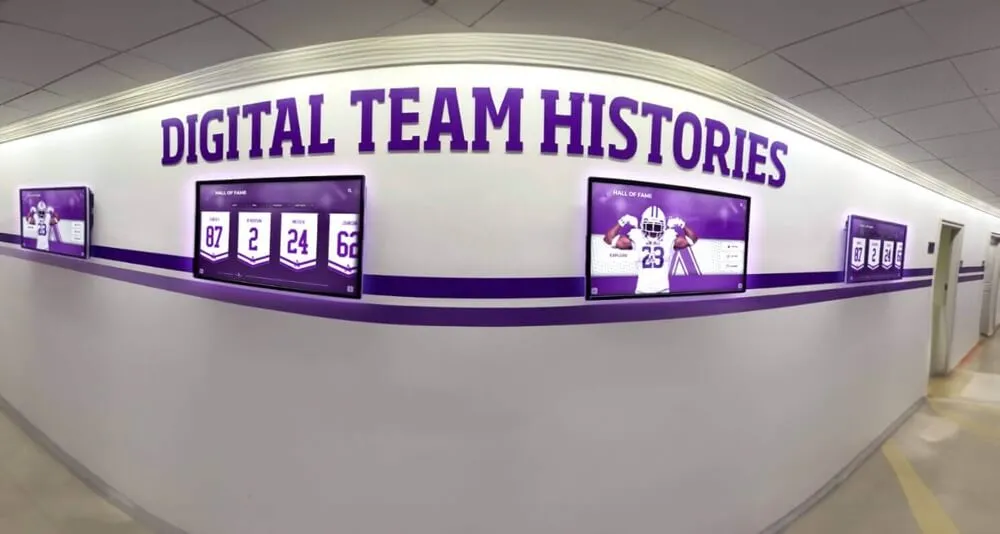
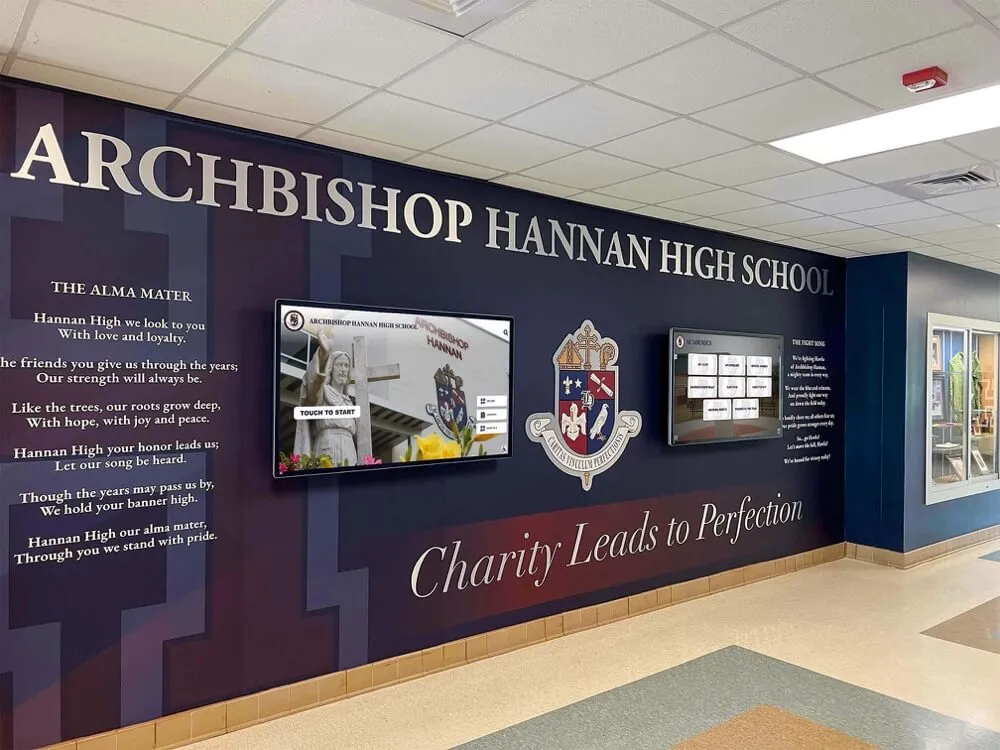
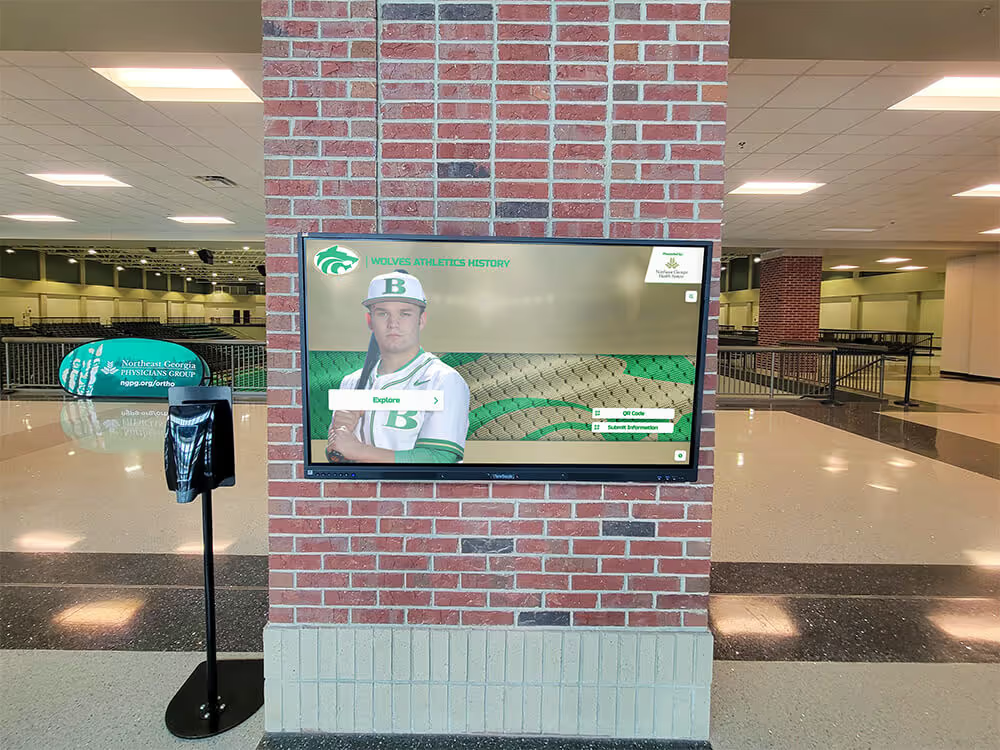
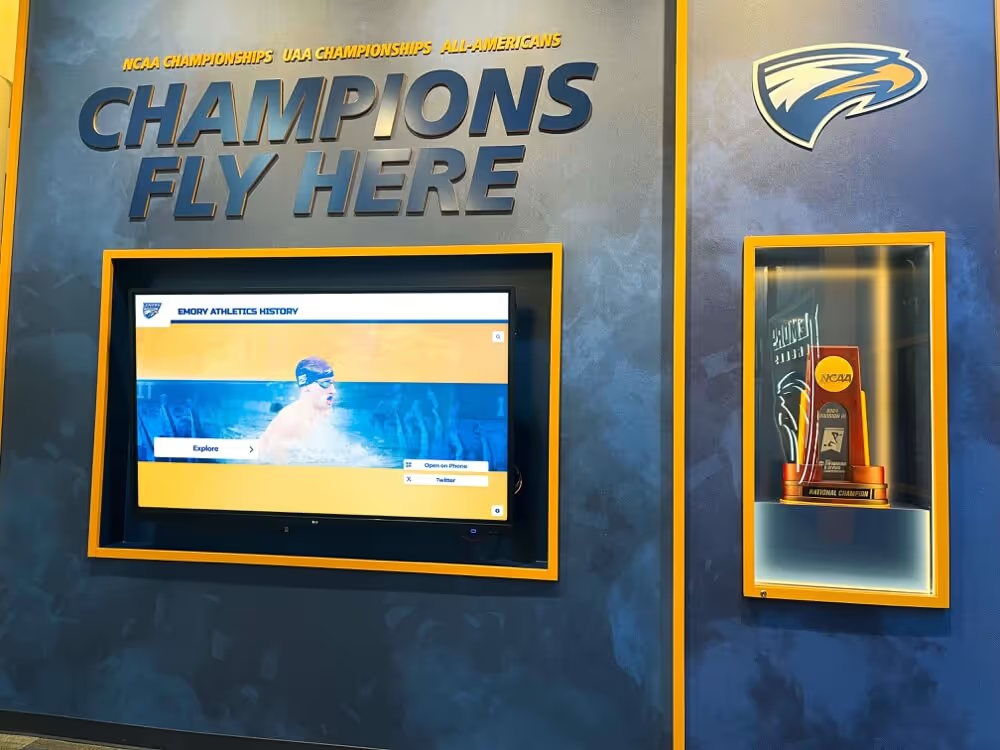
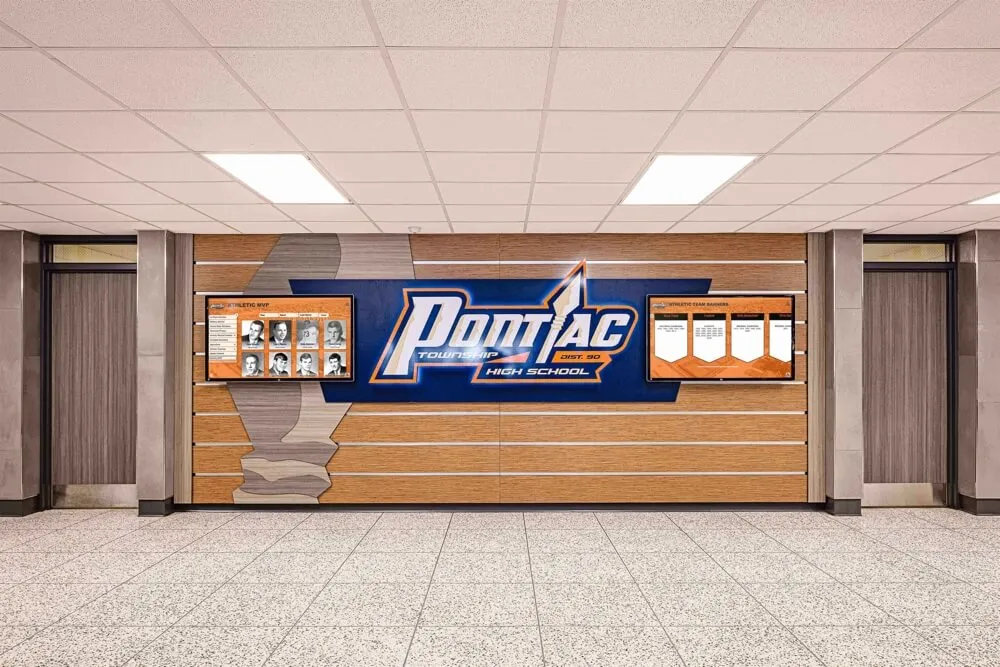
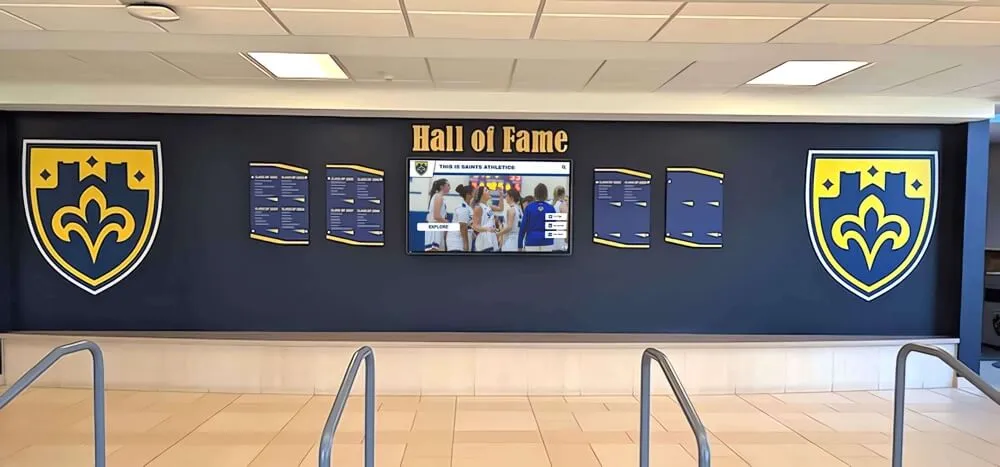
Visual displays of achievement and tradition create daily reminders of school pride and community belonging
Understanding What School Spirit Really Means
Before implementing specific programs, establishing a shared understanding of authentic school spirit proves essential.
Beyond Pep Rallies: The Foundation of School Pride
Authentic School Spirit Components
Genuine school spirit encompasses multiple interconnected elements:
- Shared Identity: Students, staff, and families identifying with institutional values and mission beyond just mascot and colors
- Inclusive Belonging: Every student finding meaningful ways to participate regardless of interests, abilities, or backgrounds
- Tradition Continuity: Practices connecting current students to alumni spanning decades, creating sense of historical significance
- Achievement Recognition: Celebrating diverse accomplishments across academics, athletics, arts, service, and character
- Community Connection: Relationships extending beyond friend groups to encompass entire school population and broader community
- Pride Expression: Students voluntarily choosing to represent and support their school in visible, authentic ways
Schools often mistake temporary excitement for lasting spirit. True school pride develops gradually through consistent, meaningful experiences that help students genuinely connect with their institution.
The Distinction Between Forced Participation and Authentic Engagement
Creating Voluntary Enthusiasm
The most sustainable school spirit grows from authentic student engagement rather than mandatory participation:
Forced Participation Warning Signs:
- Attendance requirements for spirit events
- Penalties for not wearing spirit wear
- Public shaming of non-participants
- Spirit competitions creating pressure rather than fun
- One-size-fits-all activities ignoring diverse interests
Authentic Engagement Characteristics:
- Multiple participation pathways appealing to different personalities
- Optional activities students genuinely want to attend
- Recognition of participation without punishment of non-participation
- Diverse spirit expressions respecting individual comfort levels
- Student voice in planning and leading initiatives
When students choose to participate because activities resonate personally rather than comply to avoid consequences, school spirit becomes self-sustaining rather than requiring constant administrative effort.
Recognition Programs That Build Inclusive Pride
Thoughtful recognition systems celebrate diverse contributions while helping every student feel valued.
Expanding Recognition Beyond Traditional Categories
Honoring Multiple Pathways to Excellence
Comprehensive recognition programs acknowledge achievements across the full spectrum of student contributions:
Academic Recognition
- Honor roll and academic achievement awards
- Subject-specific excellence recognition
- Academic improvement and growth celebrations
- National Honor Society achievements
- Academic competition participation and success
- Perfect attendance acknowledgment
- Graduation honors and distinctions
Athletic Excellence
- Varsity letter awards and recognition
- All-conference and all-state selections
- Team championships and records
- Individual performance milestones
- Sportsmanship and leadership awards
- Athletic improvement recognition
- Multi-sport athlete acknowledgment
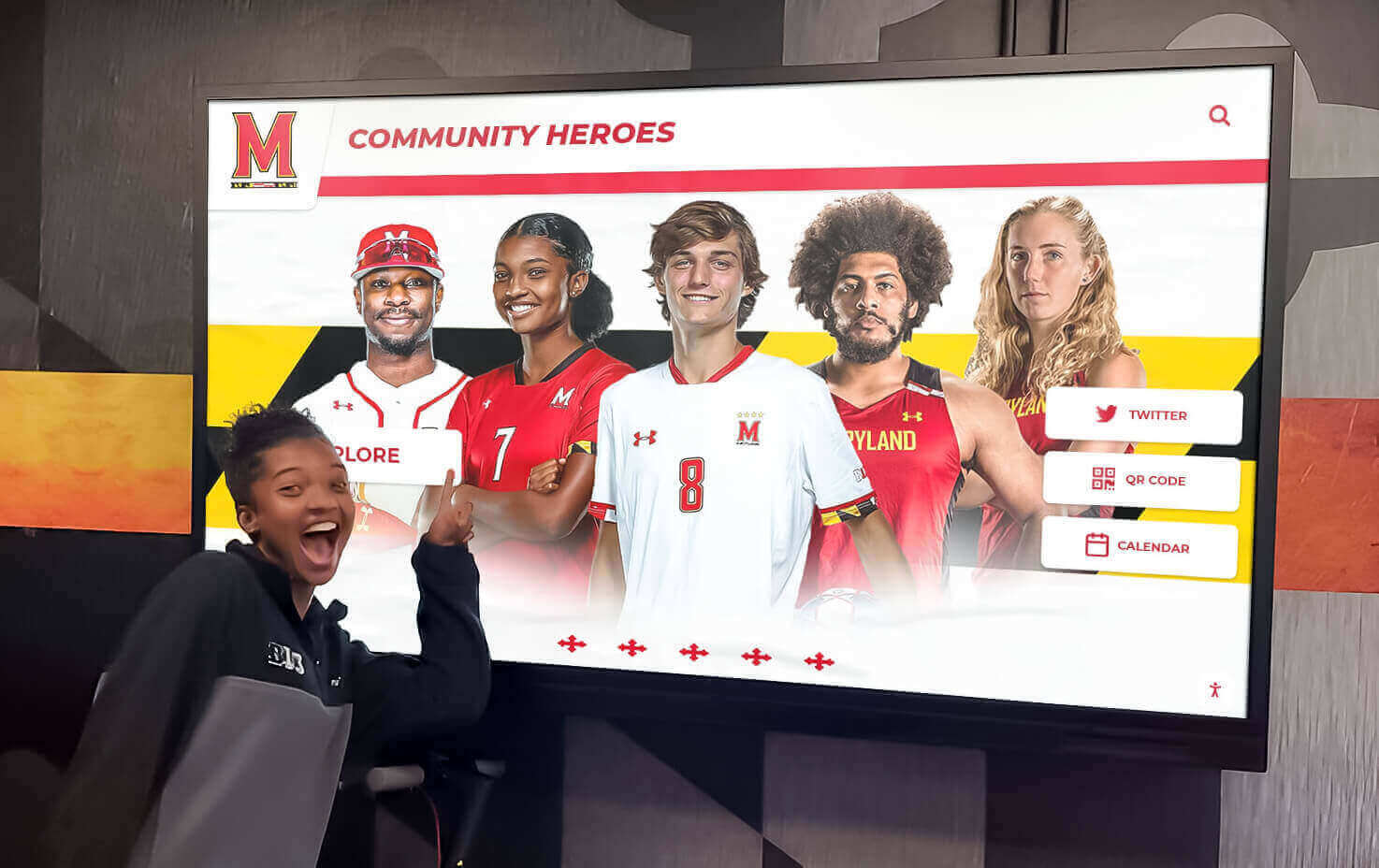
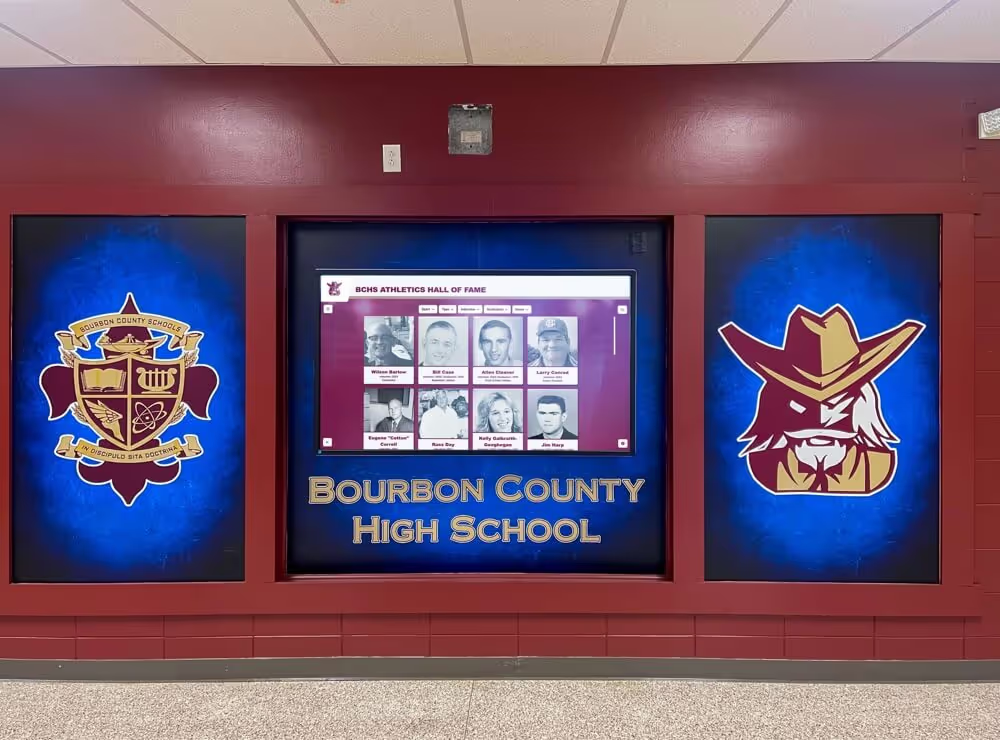
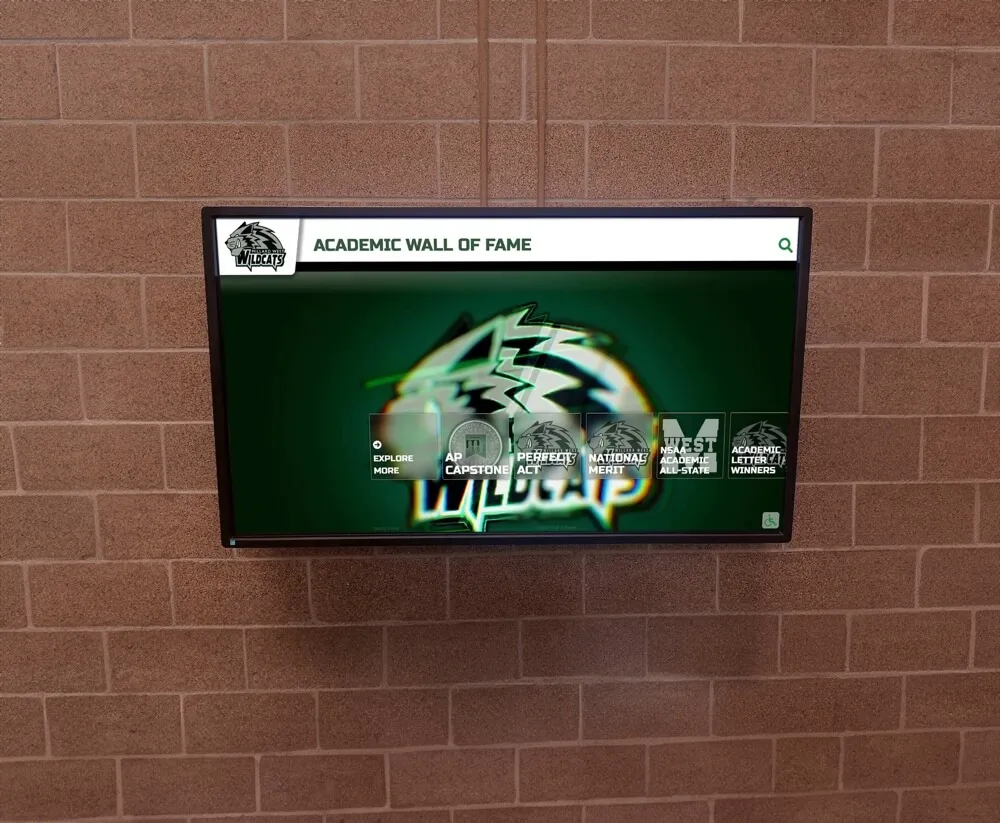
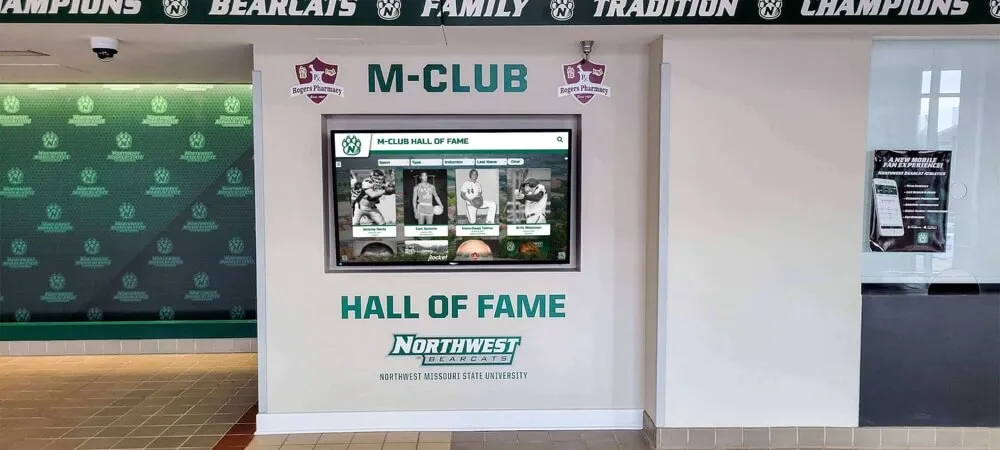
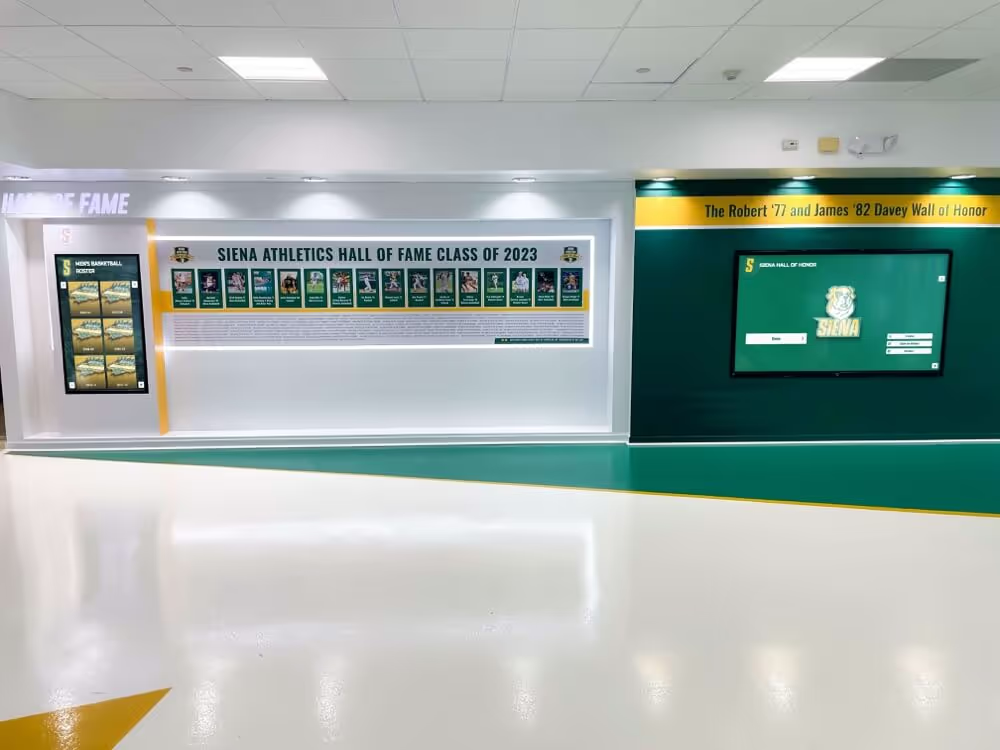
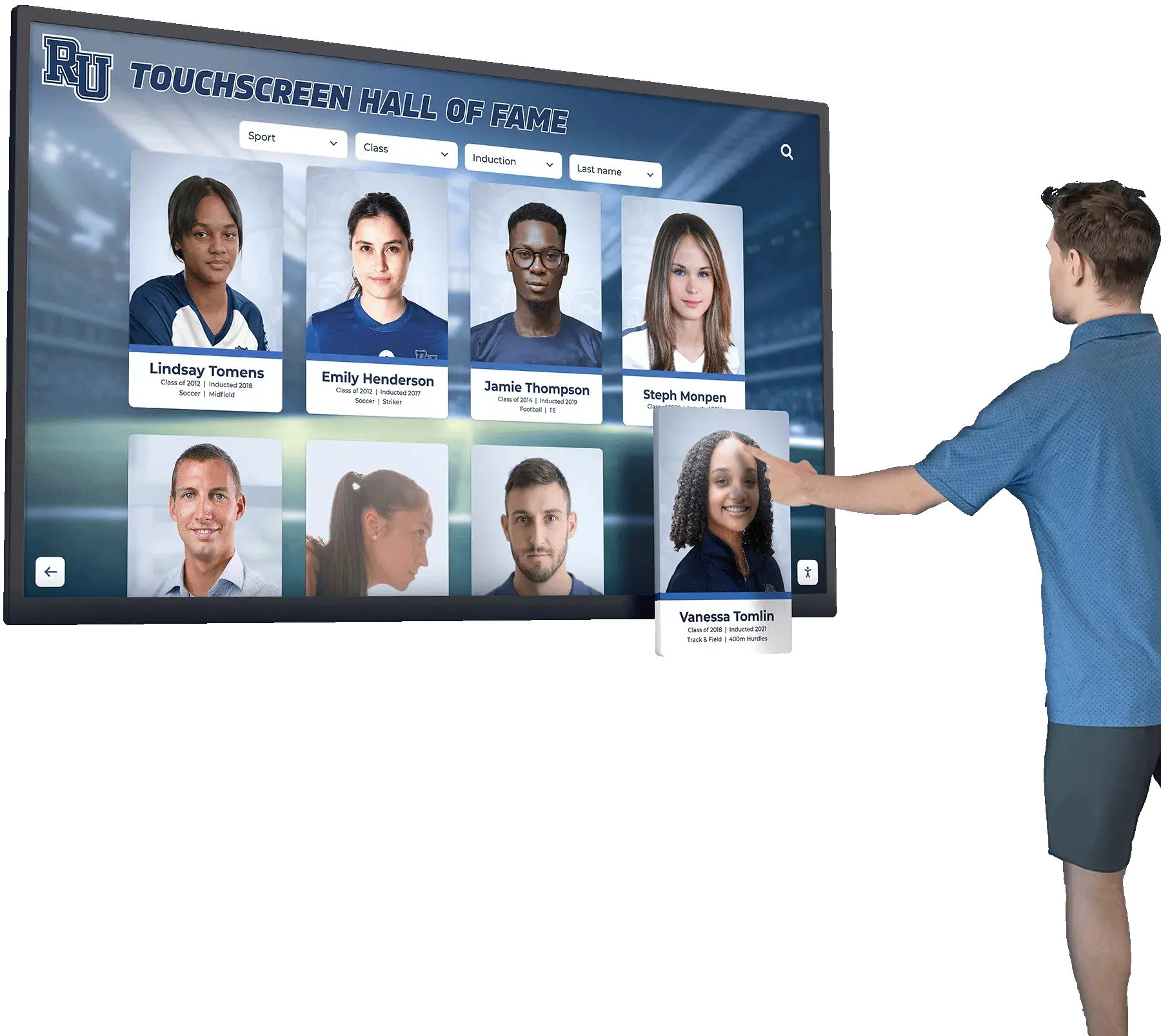
Interactive displays enable students to explore diverse achievements across their school community
Arts and Activities Recognition
- Fine arts performances and exhibitions
- Music ensemble participation and achievements
- Theater production involvement
- Debate and forensics accomplishments
- Student government leadership
- Club participation and leadership
- Community service contributions
Character and Citizenship
- Kindness and compassion recognition
- Peer mentorship and support
- School improvement initiatives
- Positive behavior acknowledgment
- Student ambassador programs
- Conflict resolution leadership
- Inclusive community building
When recognition systems honor the full range of student strengths, more students see pathways to being celebrated, strengthening their connection to school community.
Creating Visible, Accessible Recognition Systems
Modern Recognition Display Solutions
Traditional trophy cases and wall plaques face inherent limitations—finite space requires difficult decisions about whose achievements appear and whose don’t. Static displays become outdated immediately, requiring manual updates that often never happen. Physical recognition remains accessible only to those physically present at school, excluding alumni, families, and community members.
Solutions like Rocket Alumni Solutions provide digital recognition displays that address these fundamental constraints while enhancing engagement:
Unlimited Recognition Capacity Digital displays eliminate space limitations—every achievement and every student can receive appropriate recognition regardless of volume. This democratizes acknowledgment, ensuring that the performing arts student, the service leader, and the academic achiever all find equal visibility alongside traditional athletic recognition.
Automated, Current Updates New achievements, updated records, and additional honorees appear automatically without manual plaque orders or trophy engraving. Recognition remains perpetually current, showing students that their recent accomplishments matter immediately rather than disappearing into administrative backlogs.
Interactive Exploration Touchscreen interfaces enable students to search for specific individuals, explore different achievement categories, view detailed accomplishment information, and discover the breadth of excellence across their school community. This engagement creates deeper appreciation for diverse contributions beyond their personal friend groups.
Web Accessibility Recognition extending to web platforms enables alumni to revisit their achievements decades later, allows families to show extended relatives their student’s recognition, and helps prospective families understand the school’s values and breadth of programming. This accessibility multiplies recognition impact far beyond physical hallway displays.
Historical Perspective Digital systems preserve decades of school history, connecting current students to alumni who walked the same halls. This historical continuity strengthens tradition and helps students understand their place in larger institutional story.
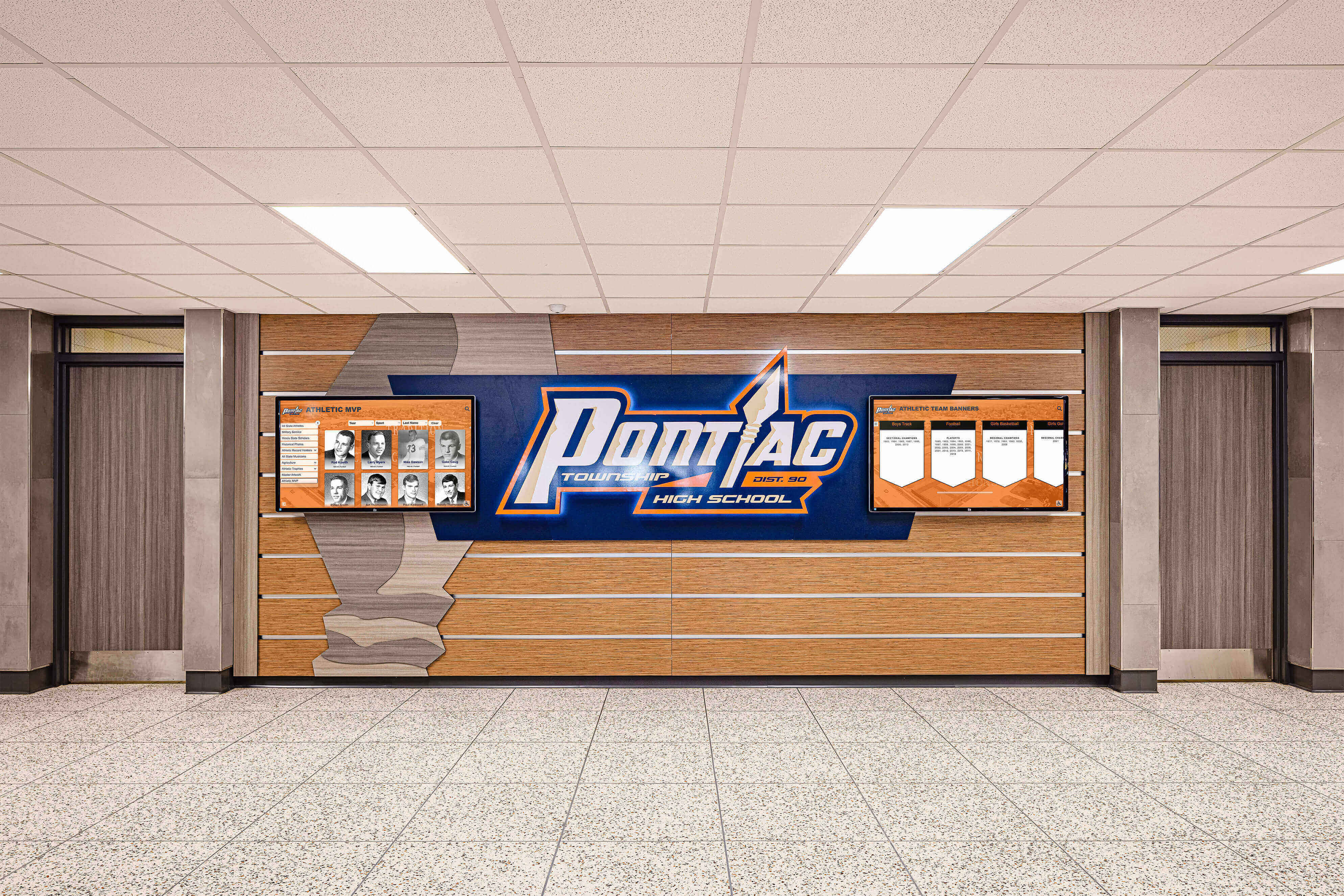
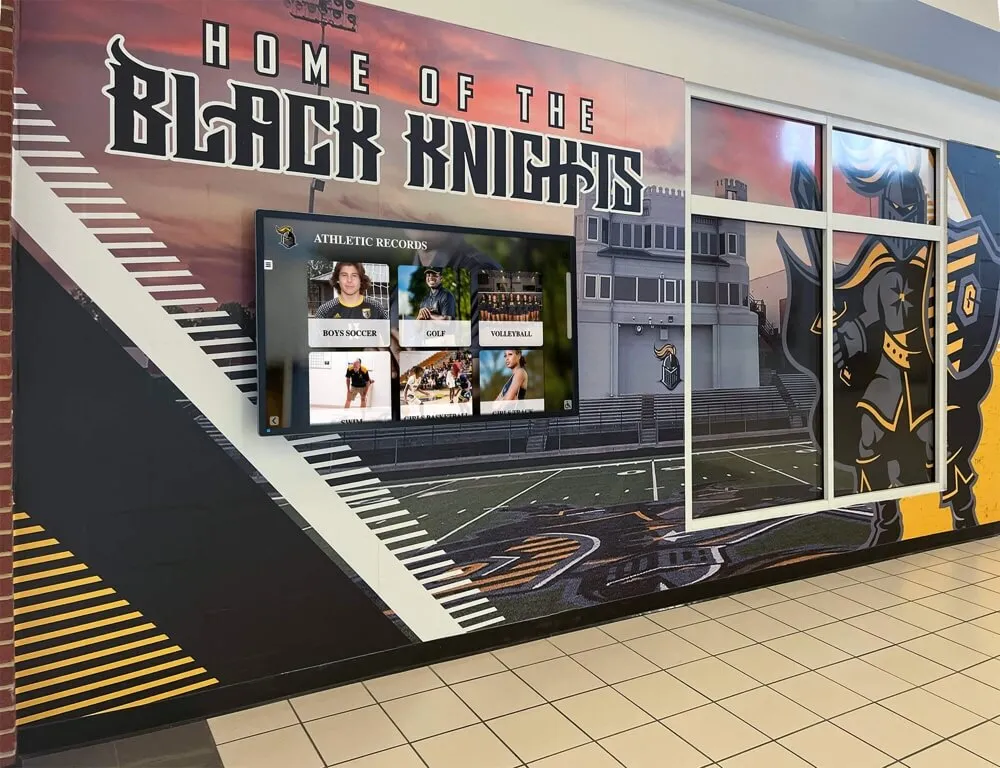
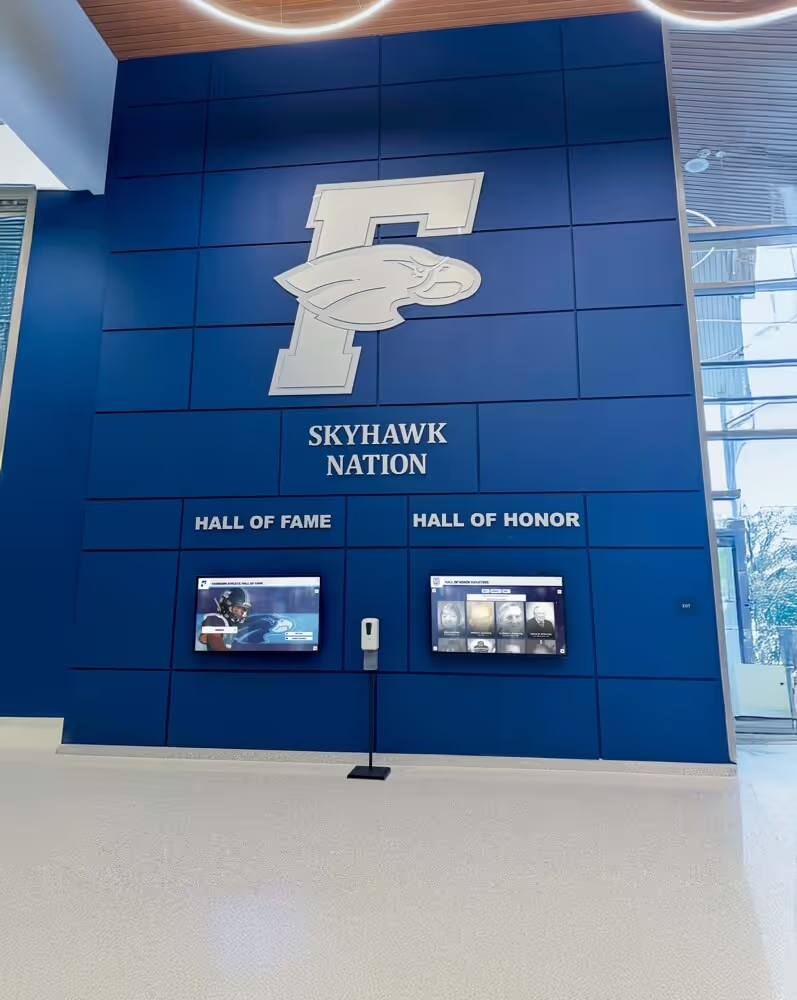
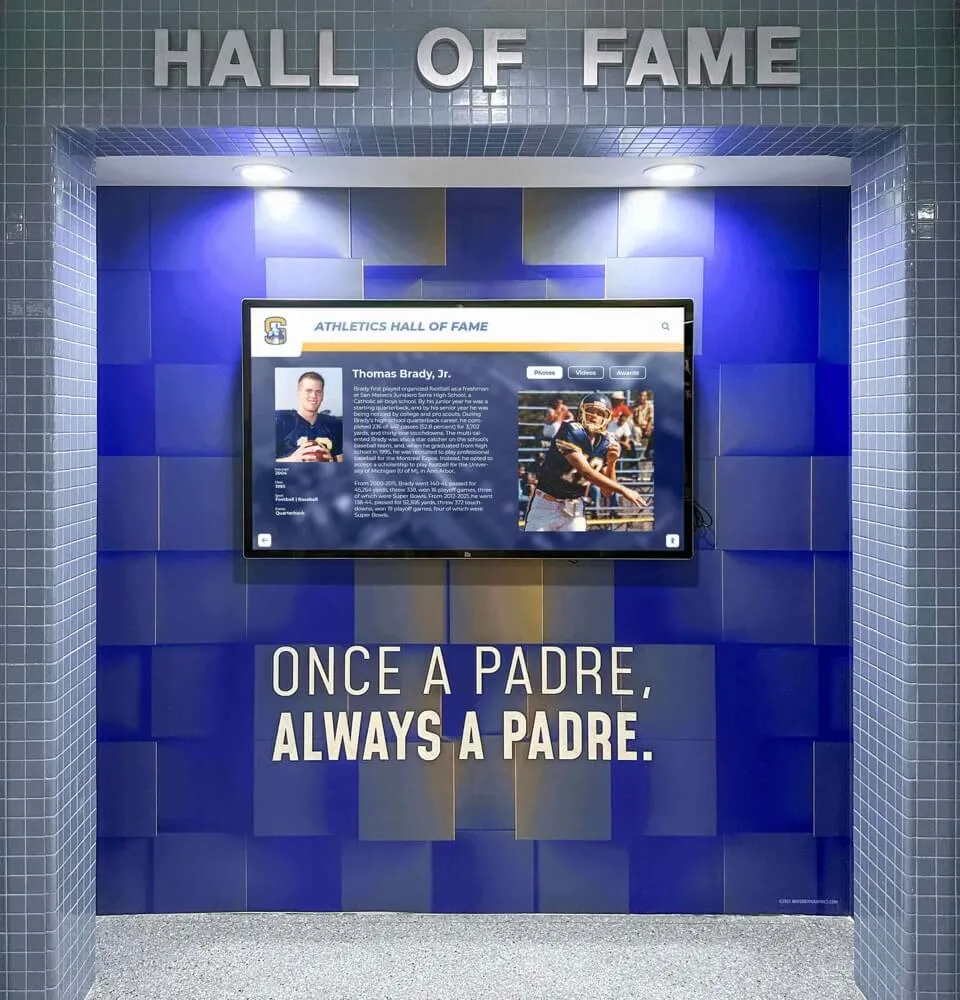
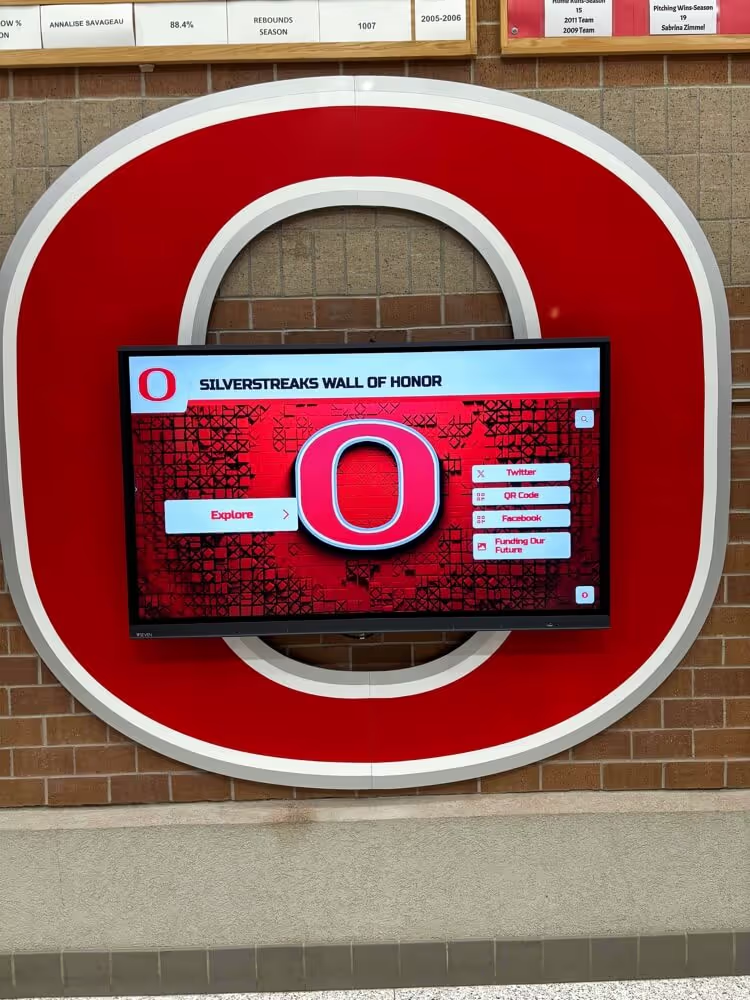
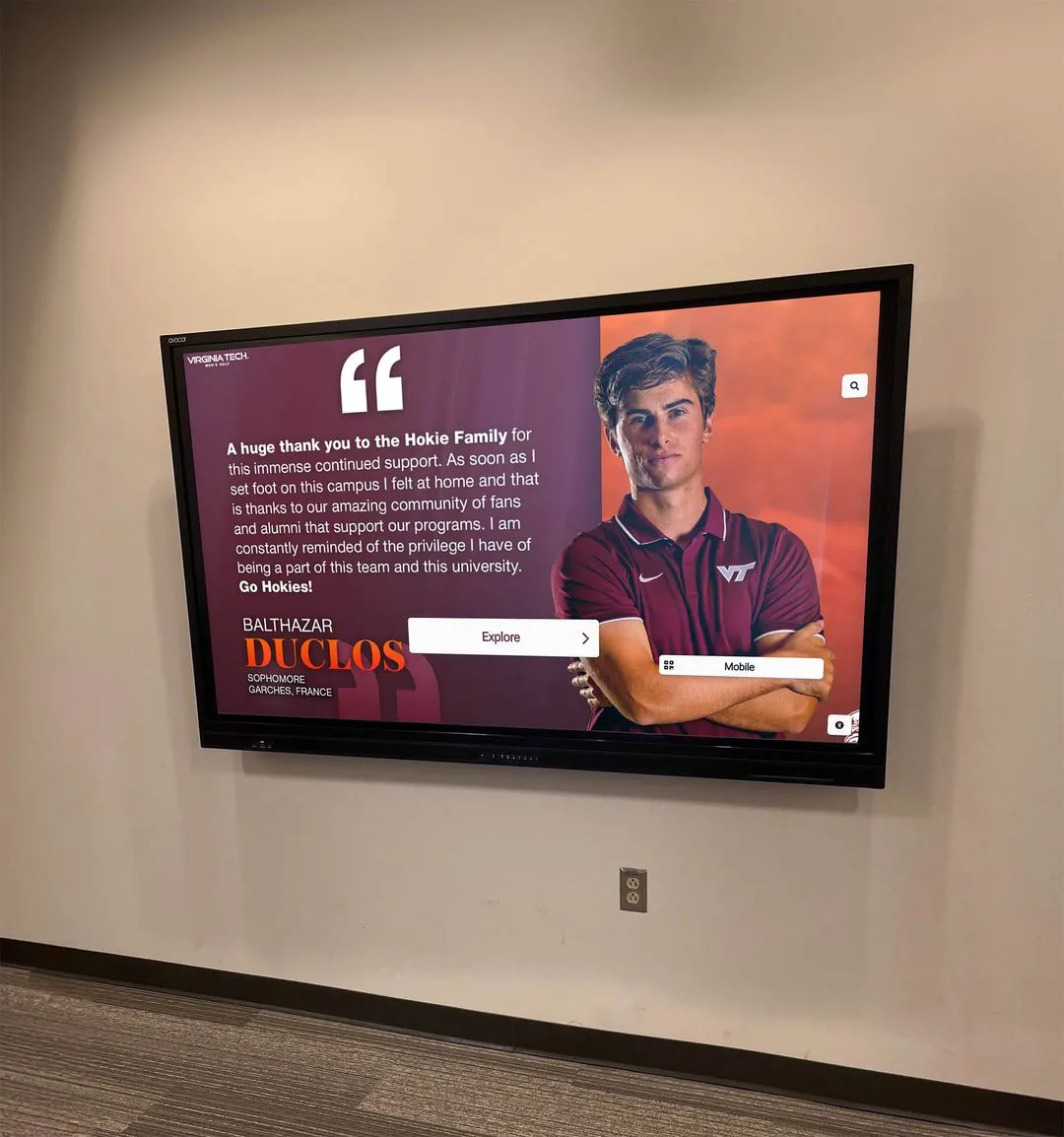
Prominent recognition displays throughout school buildings create daily touchpoints reinforcing school pride and tradition
Student of the Month and Ongoing Recognition
Sustained Acknowledgment Programs
Monthly recognition programs maintain consistent visibility of diverse contributions:
Rotating Recognition Categories
- Academic excellence months
- Athletic achievement months
- Arts celebration months
- Service and leadership months
- Character and kindness months
- Improvement and perseverance months
Nomination Processes
- Peer nominations encouraging student voice
- Teacher recommendations from all departments
- Self-nomination options for student agency
- Parent and community nominations
- Multiple monthly honorees ensuring broad representation
Public Celebration
- Featured displays in prominent school locations
- Morning announcement recognition
- Social media celebration reaching families
- School newsletter features
- Awards ceremony or recognition event
- Tangible certificate or token of acknowledgment
Consistent monthly recognition ensures fresh honorees throughout year rather than concentrating acknowledgment during end-of-year awards ceremonies.
Building School-Wide Traditions and Events
Memorable traditions create shared experiences that define school identity across generations.
Spirit Week: Reimagining a Classic Tradition
Creating Meaningful Theme Days
Spirit weeks remain popular school traditions, but thoughtful planning transforms generic dress-up days into engaging community experiences:
Rather than repeating the same tired themes annually, consider fresh spirit week themes that resonate with current student interests while maintaining broad accessibility. Successful spirit weeks balance participation ease with creative opportunities, ensuring students at all comfort levels can engage meaningfully.
Inclusive Theme Considerations
- Avoid themes requiring expensive purchases or costumes
- Ensure cultural sensitivity and inclusion
- Provide multiple interpretation options for each theme
- Consider dress code alignment and appropriate boundaries
- Offer non-dress-up participation alternatives
- Celebrate participation without ranking or competition
Beyond Daily Themes
Enhance spirit week impact through complementary activities:
- Hallway decoration competitions by grade level or advisory groups
- Lunch-time activities and entertainment
- Spirit week activities engaging diverse student interests
- Teacher participation demonstrating community-wide involvement
- Social media challenges extending engagement beyond school hours
- Culminating pep rally or community celebration
- Documentation creating yearbook memories and historical record
When spirit weeks feel inclusive and fun rather than mandatory and stressful, participation increases organically without pressure.
Homecoming and Major Annual Events
Creating Marquee Traditions
Major annual events provide focal points around which school spirit coalesces:
Homecoming Celebration Components
Understanding what homecoming truly represents helps schools maximize this tradition’s community-building potential:
- Alumni return opportunities reconnecting former students
- Spirit week building excitement throughout week
- Class competitions fostering healthy grade-level rivalry
- Coronation ceremonies celebrating student leadership
- Athletic competitions showcasing school teams
- Dance or social events creating shared memories
- Community service components adding meaningful purpose
Other Annual Tradition Opportunities
- Rivalry week celebrating traditional competitor matchups
- Fine arts showcases and spring productions
- Academic achievement celebrations and recognition nights
- Community service days uniting school in outreach
- Field day events creating fun, inclusive competition
- Senior legacy projects leaving lasting contributions
- Graduation week celebrations honoring accomplishment
Consistency matters—annual traditions gain power through repetition as students anticipate events they’ve experienced or heard older students discuss.
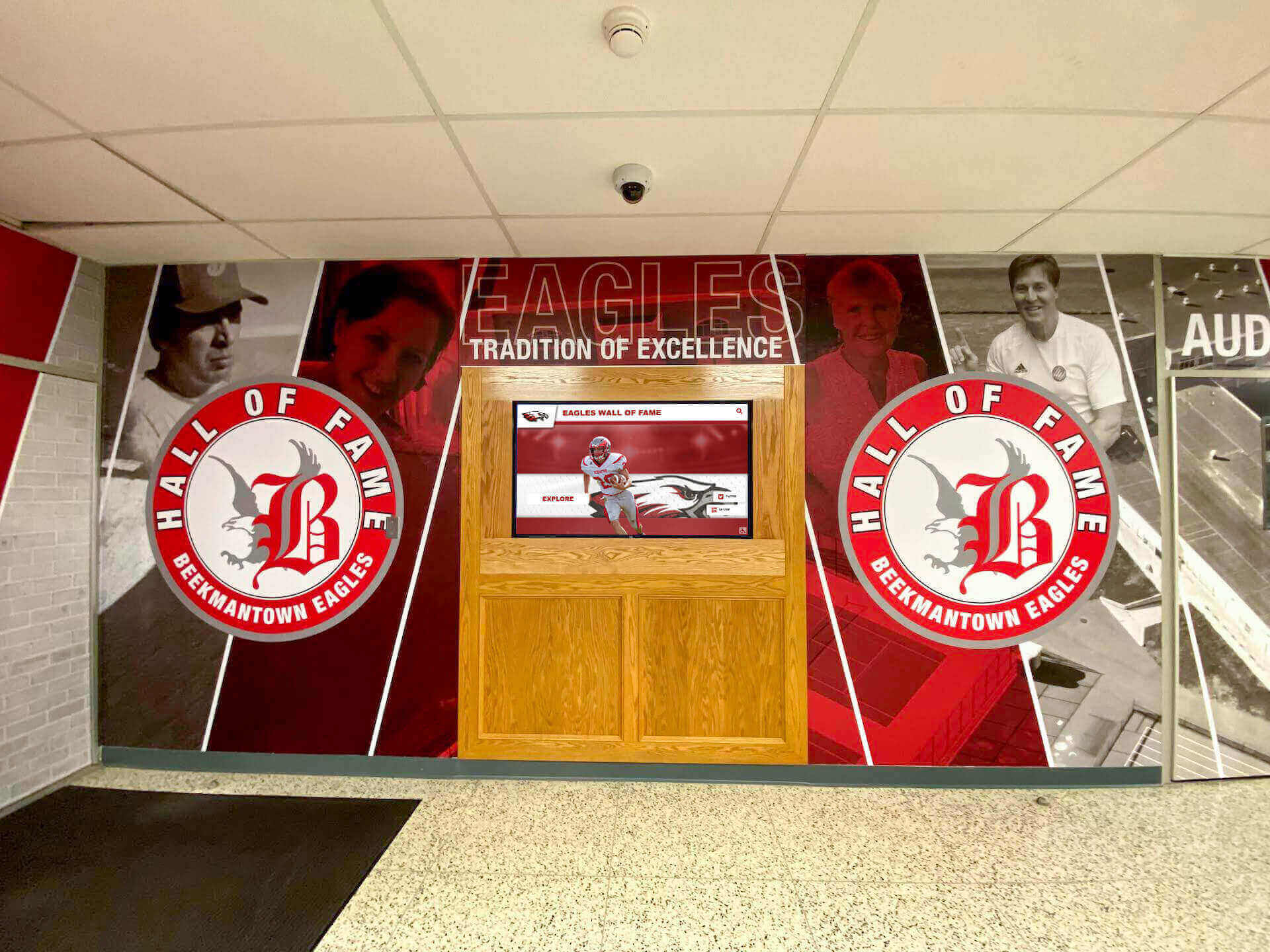
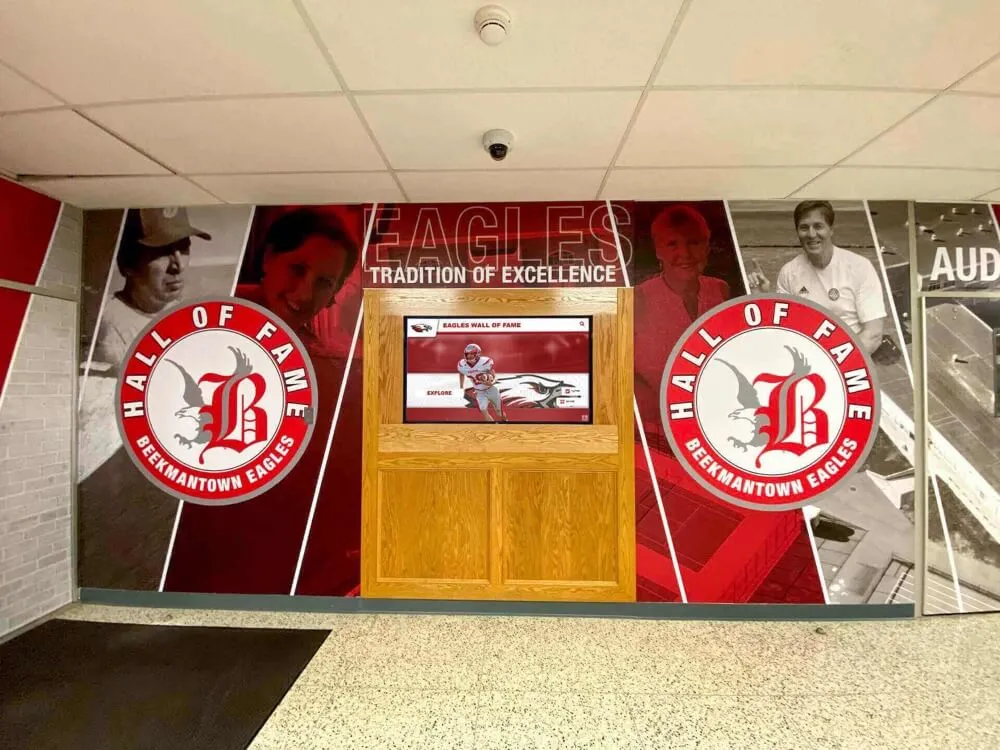
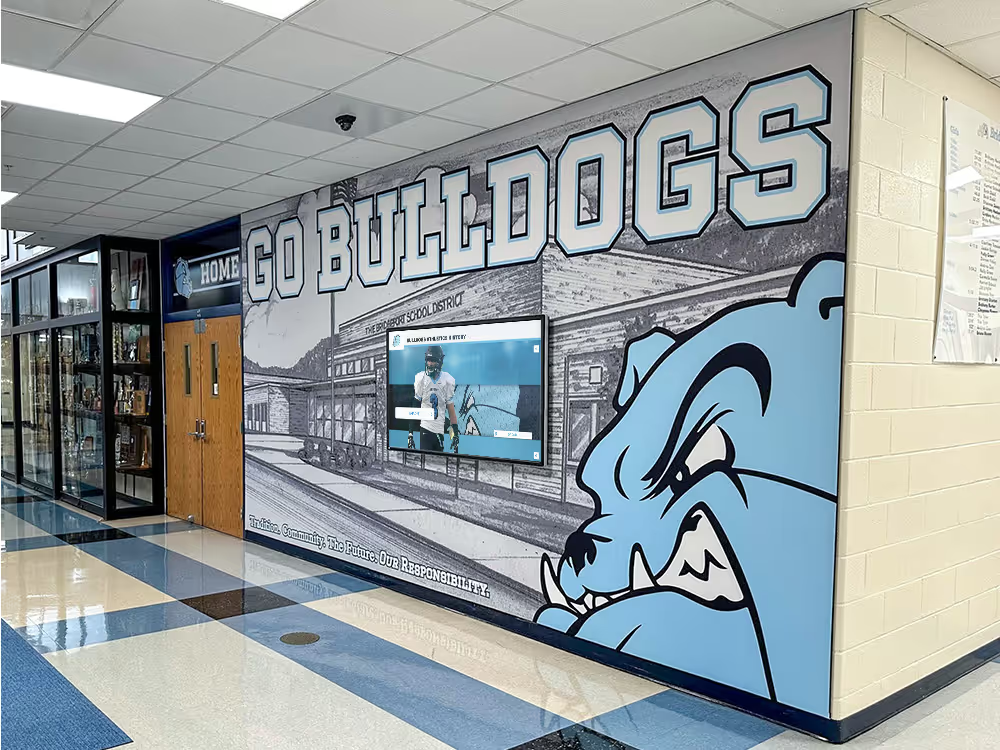
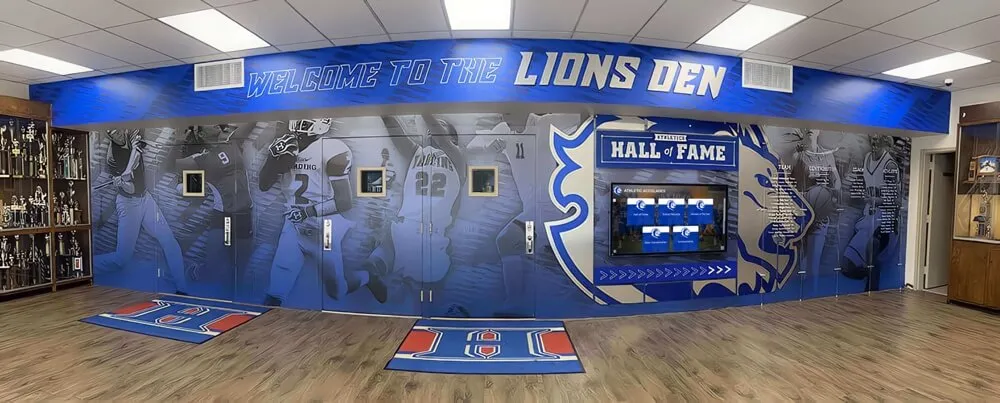
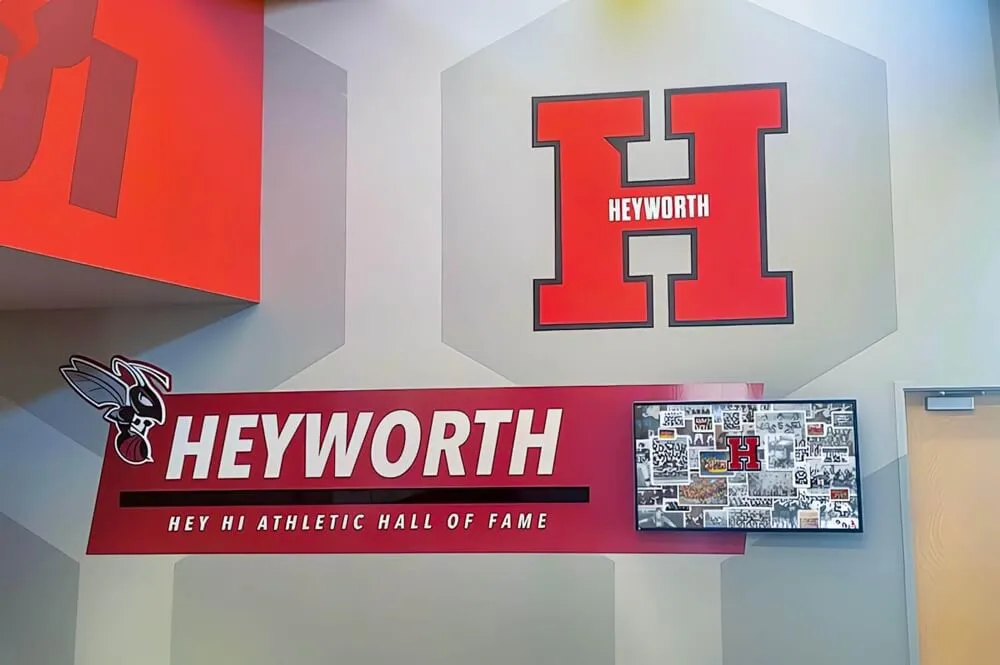
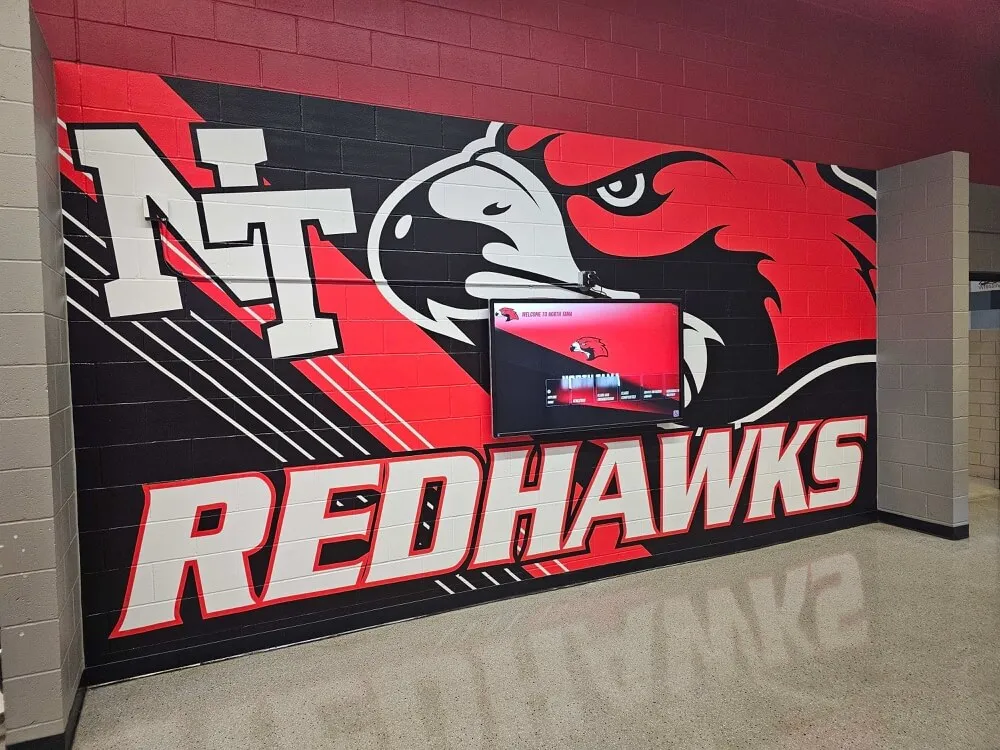
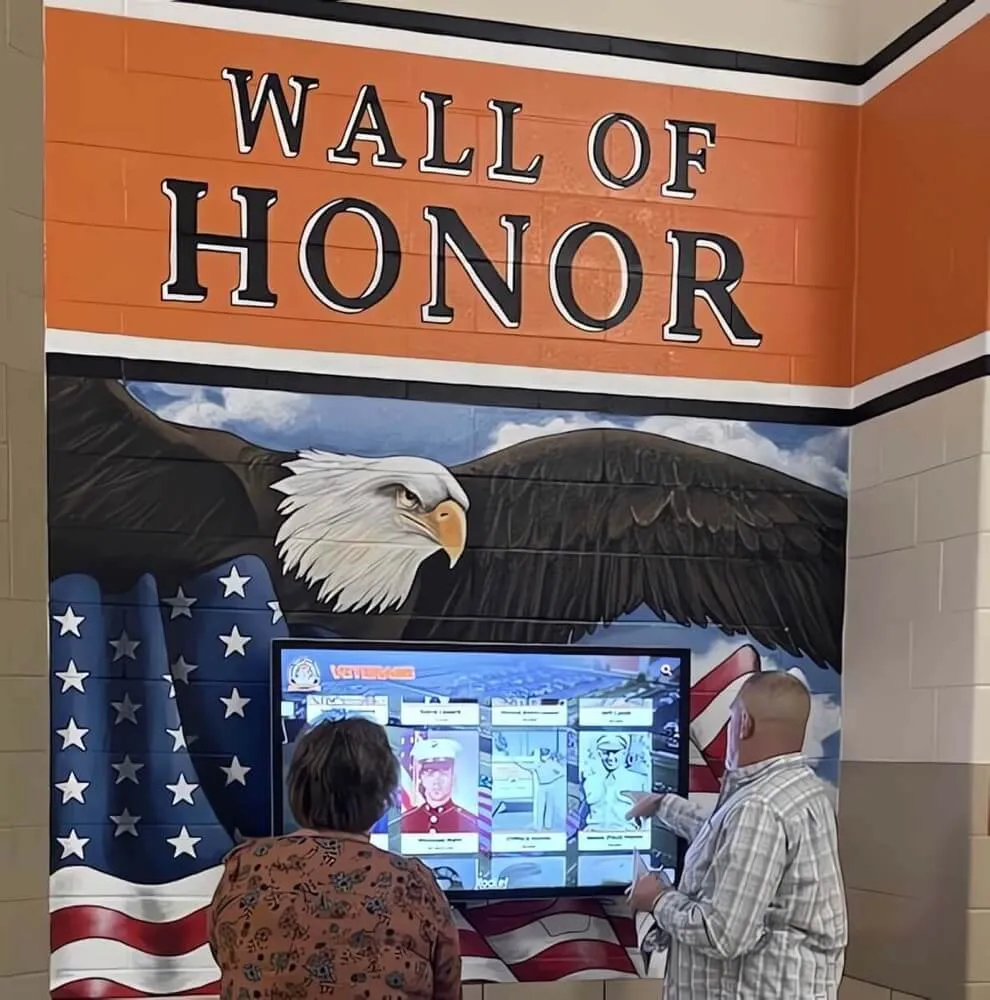
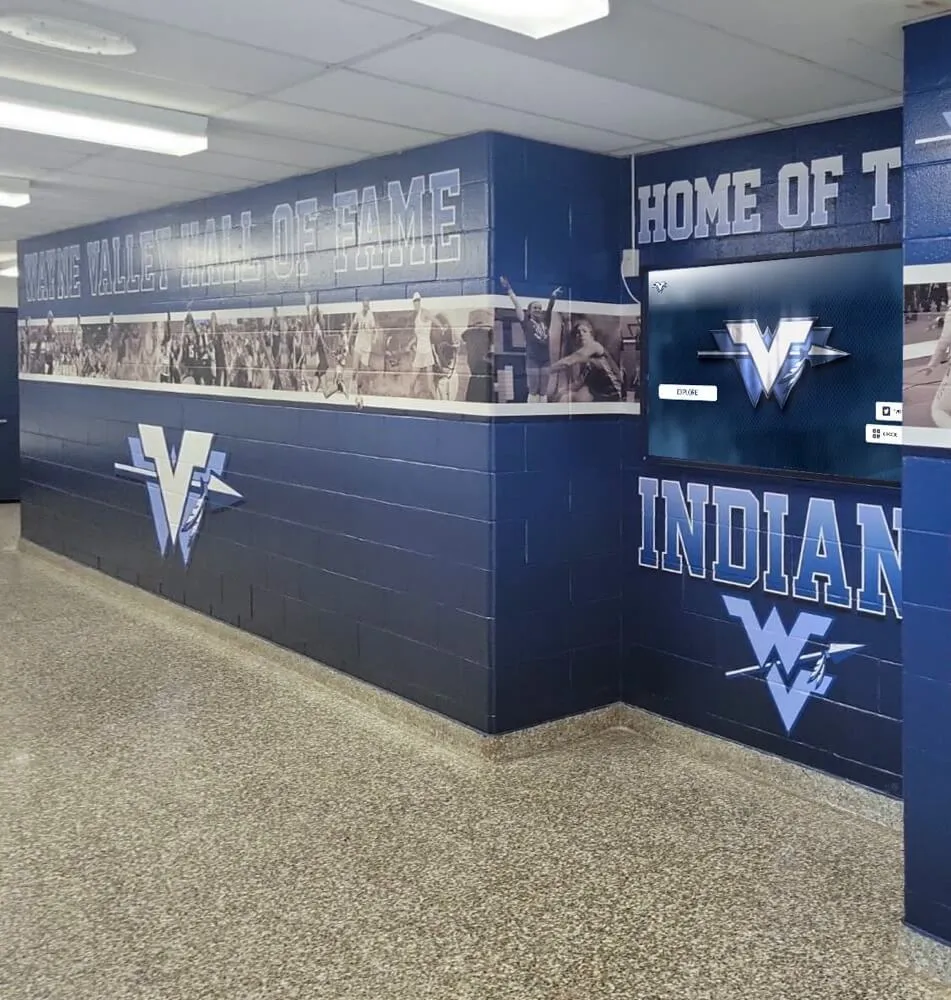
Permanent murals and recognition displays in prominent locations reinforce school identity and tradition for every visitor
Pep Rallies That Actually Engage
Moving Beyond Forced Enthusiasm
Pep rallies often suffer from predictable formats that engage already-spirited students while others endure mandatory attendance. Reimagined pep rallies create genuine excitement:
Engaging Pep Rally Elements
Incorporate pep rally games and activities that involve broader student participation:
- Interactive games involving audience members
- Staff versus student competitions creating humor
- Diverse team recognition beyond just athletics
- Student talent showcases highlighting various abilities
- Class competition activities with fair participation structures
- Surprise guest appearances or special announcements
- Music and entertainment matching student preferences
- Recognition segments honoring recent achievements
Timing and Frequency Considerations
- Avoid excessive frequency diminishing special nature
- Schedule during times minimizing instructional impact
- Consider optional attendance for older students
- Create alternative spaces for students uncomfortable with loud, crowded environments
- Plan duration respecting attention spans and schedules
Effective pep rallies feel like celebrations students want to attend rather than obligations they must endure.
Athletic Program Spirit Building
Sports provide natural focal points for school spirit when inclusive participation approaches prevent exclusive athlete-only culture.
Supporting All Athletic Programs Equally
Comprehensive Sports Recognition
Schools often concentrate spirit activities around high-profile sports like football and basketball while other programs receive minimal attention. Equitable support builds broader spirit:
Recognition Across All Sports
- Equal promotional efforts for all teams
- Comparable facility and equipment quality
- Balanced social media coverage and highlights
- Senior night celebrations for every program
- Athletic banquet recognition honoring all athletes
- Sport-specific spirit events throughout year
- Multi-sport athlete acknowledgment
Emerging Program Support
- Esports team development reflecting student interests
- Club sports recognition alongside varsity programs
- Intramural and recreational opportunities
- Adaptive sports programs ensuring accessibility
- Non-traditional athletic options broadening participation
When non-revenue sports receive respect and recognition comparable to high-profile programs, more students find athletic pathways to school involvement and spirit.
Game Day Atmosphere and Student Sections
Creating Electric Home Environments
Student sections and game day atmosphere transform athletic events into community celebrations:
Student Section Organization
- Student leadership coordinating themes and cheers
- Grade-level or class sections creating friendly rivalry
- Adult supervision balancing energy with appropriate behavior
- Theme coordination with teams and student government
- Social media promotion building attendance
- Incentives and recognition for attendance and spirit
Atmosphere Enhancement
- Quality sound systems and announcements
- Video boards showing highlights and statistics
- Between-action entertainment and contests
- Concessions and social opportunities
- Recognition of diverse attendees beyond just students
- Accessible seating and accommodations
- Photography and memory documentation
When attending games becomes social event rather than just watching competition, broader student populations participate in athletic program support.
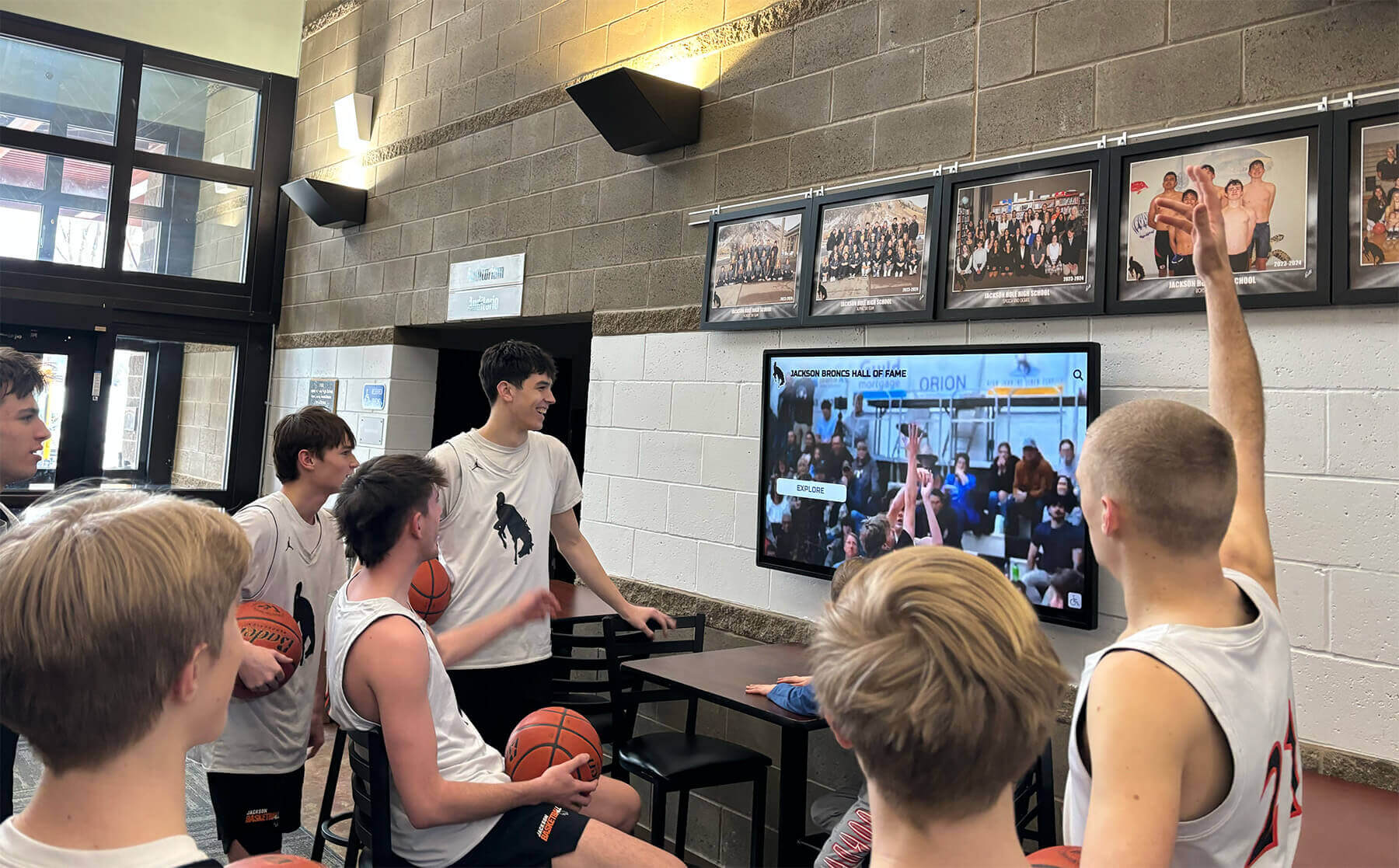
Shared viewing experiences of athletic highlights create community moments that strengthen school spirit and team support
Fine Arts and Academic Spirit Integration
School spirit extending beyond athletics creates truly inclusive community culture.
Celebrating Academic Excellence
Making Academic Achievement Cool
Schools successfully building comprehensive spirit elevate academic accomplishment with enthusiasm matching athletic celebration:
Academic Recognition Events
- Academic letter awards comparable to athletic letters
- Academic signing days celebrating college commitments
- Honor roll celebrations and acknowledgment
- Subject-specific achievement recognition
- Academic competition success celebration
- Science fair and research presentation showcases
- Spelling bee and geography bee prominence
Academic Team Spirit
- Math team, science bowl, and academic decathlon support
- Quiz bowl and knowledge bowl recognition
- Debate and forensics tournament attendance
- Academic competition travel support and sendoffs
- Victory celebrations for academic championships
- Team photos and recognition comparable to athletic teams
When schools treat academic teams as deserving of spirit support equal to athletic programs, students’ interests and strengths beyond sports receive validation.
Fine Arts Recognition and Celebration
Honoring Creative Excellence
Theater, music, visual arts, and creative programs build school spirit through shared cultural experiences:
Performance and Exhibition Events
- Drama productions and theater showcases
- Music concerts and ensemble performances
- Art exhibitions and gallery openings
- Film festival and media production screening
- Poetry slams and creative writing readings
- Dance recitals and movement showcases
Arts Program Recognition
- All-state and honor ensemble selections
- Competition success and festival participation
- Superior ratings and evaluation achievements
- Scholarship recipients and college commitments
- Community performance opportunities
- Student artwork displayed throughout building
Fine arts programs create school spirit through shared aesthetic experiences—well-attended performances and exhibitions demonstrate community value for diverse talents.
Student Leadership and Voice in Spirit Building
Authentic school spirit requires student ownership rather than adult-imposed programming.
Student Government and Spirit Leadership
Empowering Student Vision
Student government organizations and dedicated spirit committees should drive rather than merely implement spirit initiatives:
Student-Led Planning
- Spirit week theme selection and planning
- Pep rally format and content development
- Recognition program criteria and selection
- Social media content and communication
- Fundraising and resource allocation decisions
- Tradition evaluation and innovation
Leadership Development
- Training in event planning and execution
- Budget management and financial responsibility
- Communication and public speaking opportunities
- Conflict resolution and problem-solving
- Collaboration across diverse student groups
- Adult mentorship supporting rather than directing
When students genuinely lead spirit initiatives, activities reflect actual student interests and generate authentic participation rather than administrator-imagined engagement.
Ambassador and Peer Leadership Programs
Student-to-Student Connection
Peer leadership programs extend spirit building beyond formal student government:
Ambassador Roles
- New student orientation and welcome
- Campus tour leadership for prospective families
- Freshman mentorship and transition support
- Peer tutoring and academic assistance
- Conflict mediation and restorative practices
- School promotion at community events
Recognition of Leadership
- Visible acknowledgment of ambassador contributions
- Leadership development opportunities and training
- Letters of recommendation and transcript recognition
- Graduation honors for sustained service
- Alumni network connections for ambassadors
- Digital recognition displaying leadership impact
Student ambassadors become living embodiments of school spirit—their positive representation influences both internal culture and external perception.
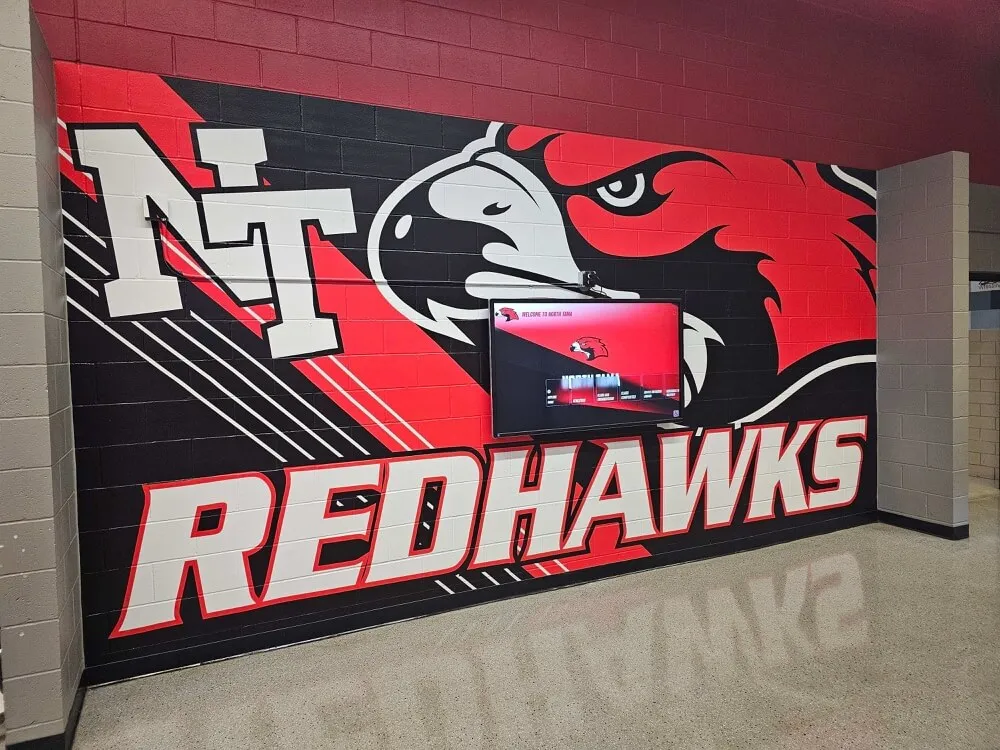
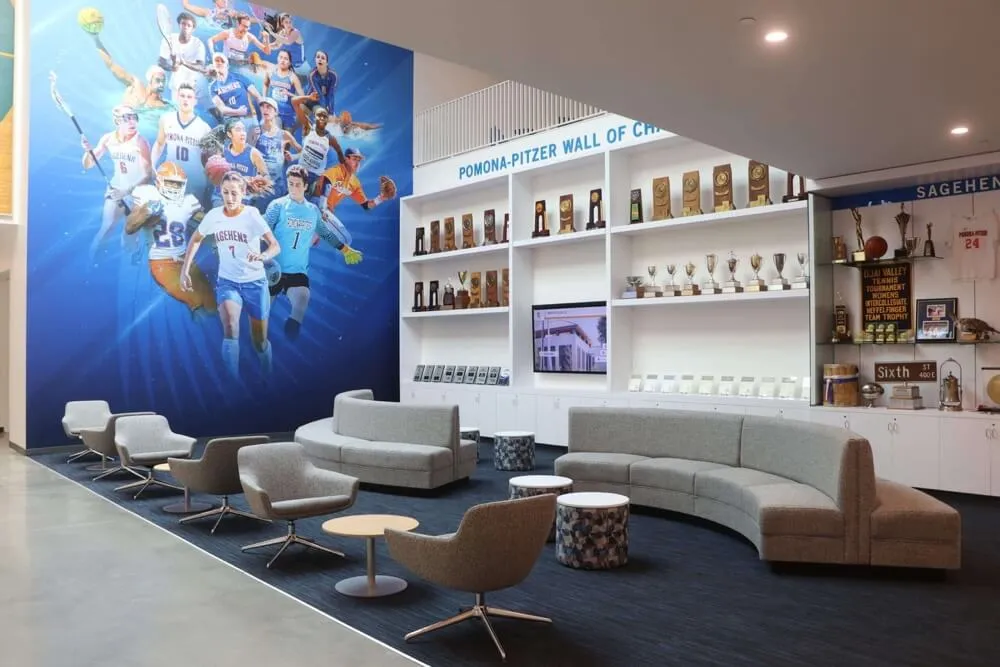
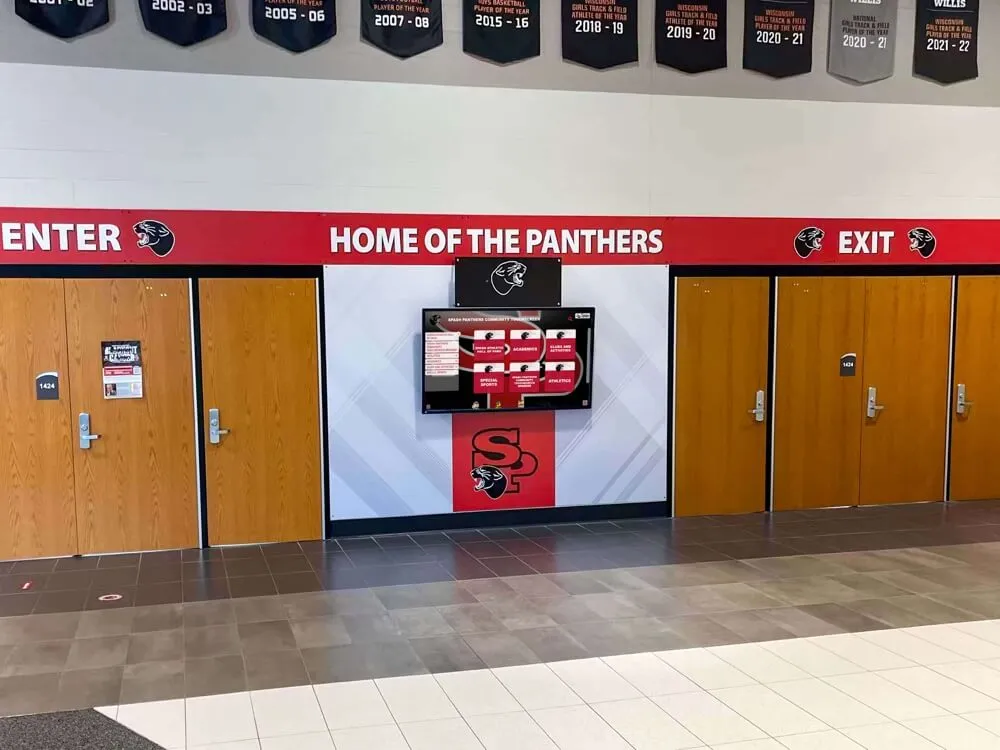
Branded hallways and recognition spaces create school identity touchpoints throughout daily student experience
Building School Pride Through Visual Identity
Physical environment powerfully communicates institutional values and creates spirit.
School Branding and Environmental Design
Creating Pride-Inspiring Spaces
Thoughtful environmental design transforms functional spaces into pride-generating experiences:
Hallway and Common Space Enhancement
- School colors and mascot imagery throughout building
- Trophy cases and achievement displays
- Historical timeline and tradition documentation
- Mission and values statements in prominent locations
- Student artwork and creative work display
- Directional signage incorporating school branding
- Photo galleries celebrating community moments
Specialized Space Design
- Athletic facilities showcasing program history
- Fine arts spaces celebrating creative excellence
- Academic wings highlighting departmental achievements
- Library and learning commons with inspiring quotes
- Cafeteria and social spaces with community imagery
- Entry lobbies making powerful first impressions
Well-designed school environments communicate that the institution values excellence, takes pride in accomplishments, and creates positive experiences for community members.
Digital Signage and Communication Systems
Dynamic, Current Information Sharing
Digital displays throughout buildings enable current, engaging communication impossible with static bulletin boards:
Digital Signage Content
- Daily announcements and upcoming events
- Achievement recognition and congratulations
- Sports scores and competition results
- Lunch menus and daily schedules
- Weather and emergency information
- Inspirational quotes and motivational messages
- Birthday recognition and celebrations
Strategic Display Placement
- Main entrance lobbies welcoming visitors
- Cafeteria and commons areas reaching students
- Athletic facilities engaging participants and spectators
- Fine arts spaces celebrating performances
- Administrative areas informing parents
- Classroom areas supporting instructional goals
Current, professionally presented information demonstrates organizational competence while keeping community informed and engaged.
Teacher and Staff Engagement in School Spirit
Faculty participation signals that school spirit encompasses entire community rather than remaining student-only concern.
Faculty Spirit Participation
Authentic Adult Engagement
Teacher and staff involvement in spirit activities multiplies impact when participation feels genuine rather than obligated:
Meaningful Faculty Participation
- Spirit week theme participation with enthusiastic engagement
- Pep rally involvement through skits, competitions, or recognition
- Athletic event attendance supporting student-athletes
- Fine arts performance attendance supporting student artists
- Club sponsorship and extracurricular involvement
- Positive relationship-building with students
- Celebration of student achievements
Supporting Rather Than Controlling
- Adult presence providing safety without dampening enthusiasm
- Facilitating student leadership rather than directing
- Celebrating alongside students rather than performing for them
- Genuine interest in student activities and achievements
- Flexibility allowing appropriate student fun
- Positive attitude modeling school pride
Students notice faculty enthusiasm—authentic teacher engagement legitimizes spirit activities while lack of participation signals that school spirit isn’t truly valued.
Staff Recognition and Appreciation
Honoring Adult Contributions
School spirit should celebrate the educators and support staff enabling student success:
Teacher Recognition Programs
- Teacher appreciation week honoring educators
- Coach appreciation recognizing athletic leadership
- Support staff acknowledgment and celebration
- Milestone recognition for service years
- Retirement celebrations honoring careers
- Teacher of the year and outstanding educator awards
- Student-nominated recognition programs
When schools honor adults contributing to student success, community culture emphasizes mutual respect and shared commitment to excellence.
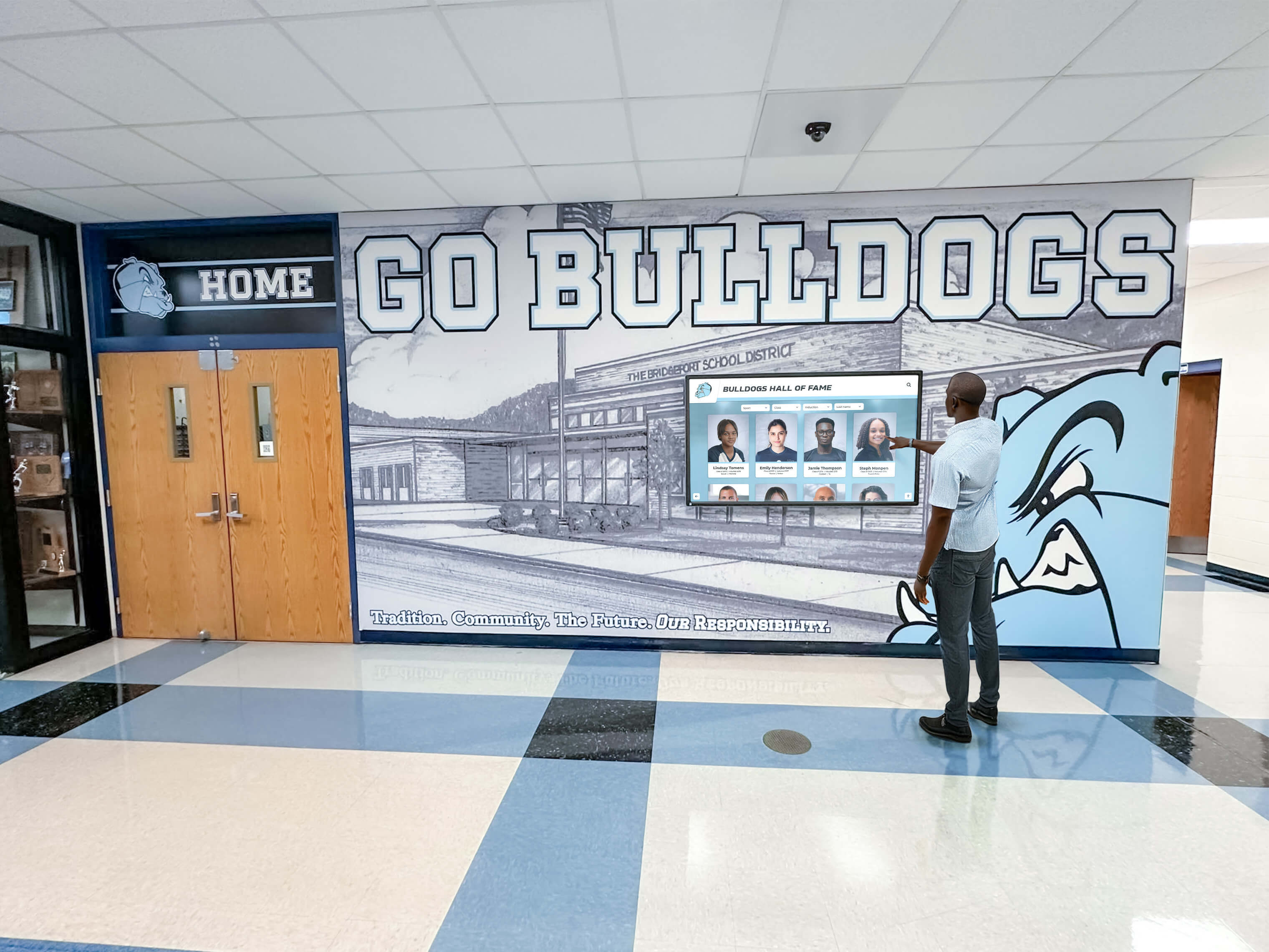
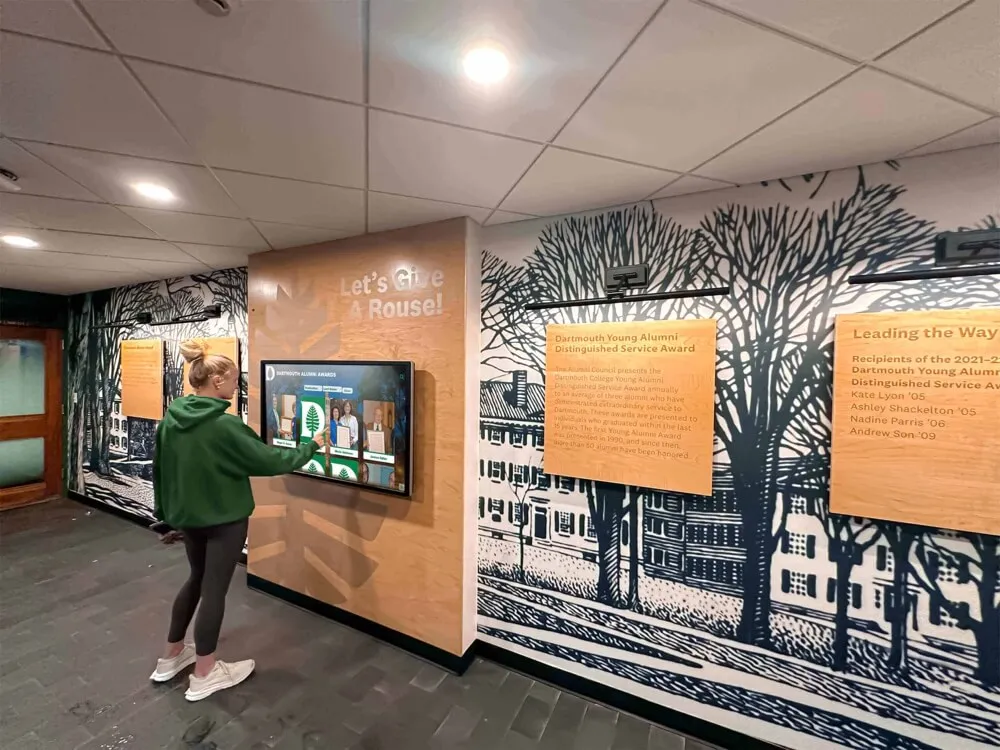
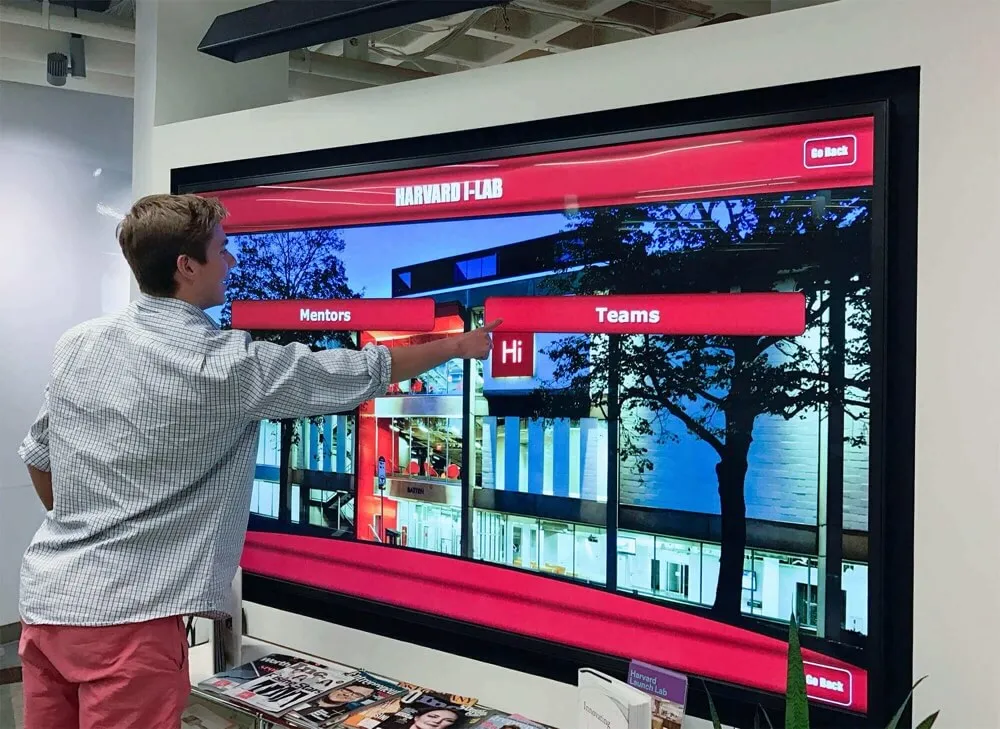
Interactive recognition systems engage visitors in exploring school history, achievements, and community stories
Parent and Community Engagement Strategies
School spirit extending beyond building walls creates sustainable institutional support.
Family Involvement Opportunities
Welcoming Parent Participation
Parent engagement strengthens school spirit while building essential support networks:
Parent Engagement Pathways
- Volunteer opportunities in classrooms and events
- Booster organization participation and leadership
- Parent-teacher organization involvement
- Athletic and fine arts event attendance
- Fundraising campaign participation
- Career day and mentorship opportunities
- Facility improvement projects
Communication and Connection
- Regular newsletters and digital updates
- Social media content showcasing student achievements
- Parent portal access to student progress
- School app notifications and reminders
- Email communication from administration
- Parent education events and workshops
- Open house and family events
Parents who feel connected to school community become advocates promoting institutional reputation while supporting programs financially and through volunteer service.
Alumni Engagement and Giving Back
Connecting Generations
Alumni relationships extend school spirit beyond graduation while building resources supporting current students:
Alumni Connection Strategies
- Homecoming weekend reunion events and recognition
- Career networking and mentorship programs
- Distinguished alumni speaker series
- Alumni directory and communication platforms
- Class reunion coordination and support
- Annual giving campaigns and fundraising
- Digital recognition of alumni achievements
- School spirit apparel and merchandise offerings
Alumni maintaining connection to institutions become donors, volunteers, advocates, and living proof that school experience creates lasting positive impact.
Community Partnership Development
Building Broader Support Networks
Strategic community partnerships expand resources while demonstrating that school serves broader community good:
Partnership Opportunities
- Local business sponsorships and donations
- Civic organization collaboration on service projects
- Higher education partnerships and programs
- Cultural institution relationships and programs
- Healthcare provider wellness initiatives
- Professional organization mentorship
- Municipal recreation department collaboration
Community members viewing school as community asset rather than isolated institution provide essential political, financial, and social support.
Social Media and Digital Spirit Building
Strategic digital presence extends school spirit engagement beyond school hours and physical campus.
Effective School Social Media Strategy
Authentic Digital Engagement
Well-managed school social media accounts build spirit while showcasing accomplishments to broader audiences:
Content Strategy
- Daily student achievement highlights and recognition
- Athletic competition results and highlights
- Fine arts performance promotion and celebration
- Academic success and competition results
- Behind-the-scenes content humanizing school experience
- Teacher and staff features building community connection
- Alumni success stories maintaining graduate connection
- Spirit event promotion and coverage
Platform Considerations
- Instagram for visual storytelling and student engagement
- Facebook for parent and community communication
- Twitter/X for real-time updates and announcements
- YouTube for video content and archived performances
- TikTok for creative, student-resonant content
- School app for direct community communication
Best Practices
- Student privacy protection and permission protocols
- Consistent posting schedule maintaining visibility
- Authentic voice reflecting institutional personality
- Balanced representation across programs and demographics
- Professional presentation maintaining credibility
- Engagement responding to comments and messages
- Crisis management protocols for negative situations
Social media presence extending school visibility generates community engagement impossible through traditional communication channels alone.
Student-Generated Content and Voice
Empowering Student Storytelling
Student-created content generates authenticity that official institutional accounts cannot replicate:
Student Content Opportunities
- Student takeover days on official accounts
- Student photography and videography programs
- Student journalism and news reporting
- Student blog and feature writing
- Student podcast production
- Student social media ambassador programs
- Student yearbook and memory documentation
When students tell their own stories, content resonates authentically with peers while providing administrators insight into actual student perspective and experience.
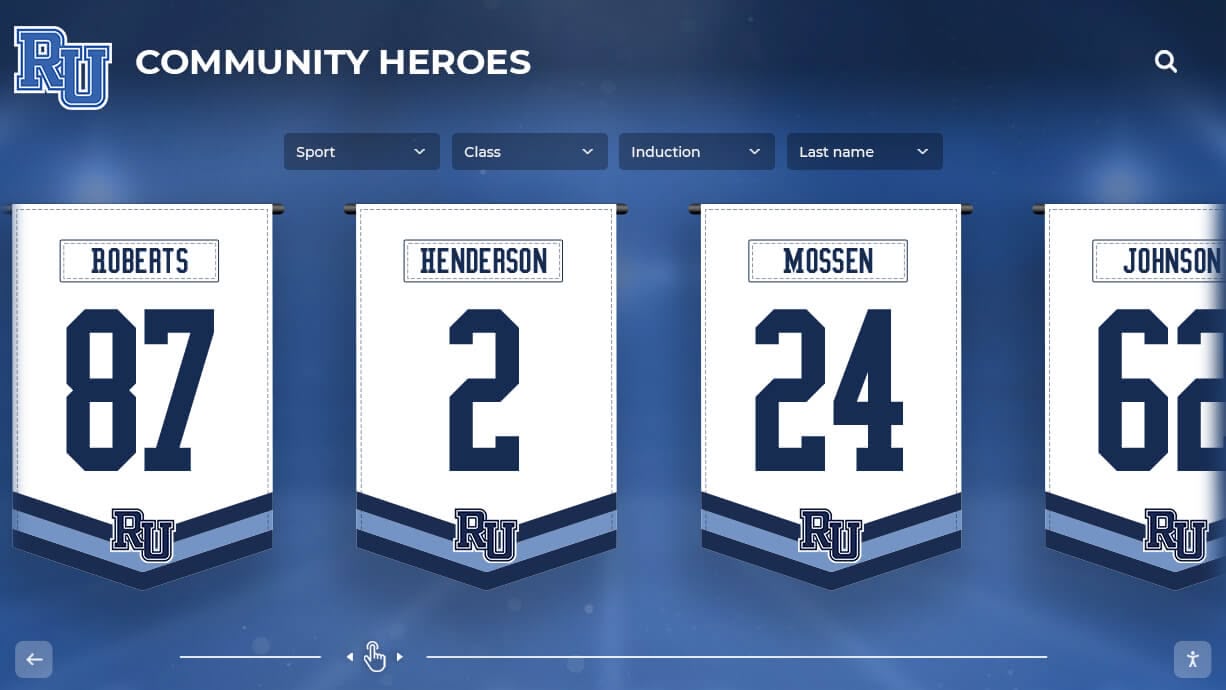
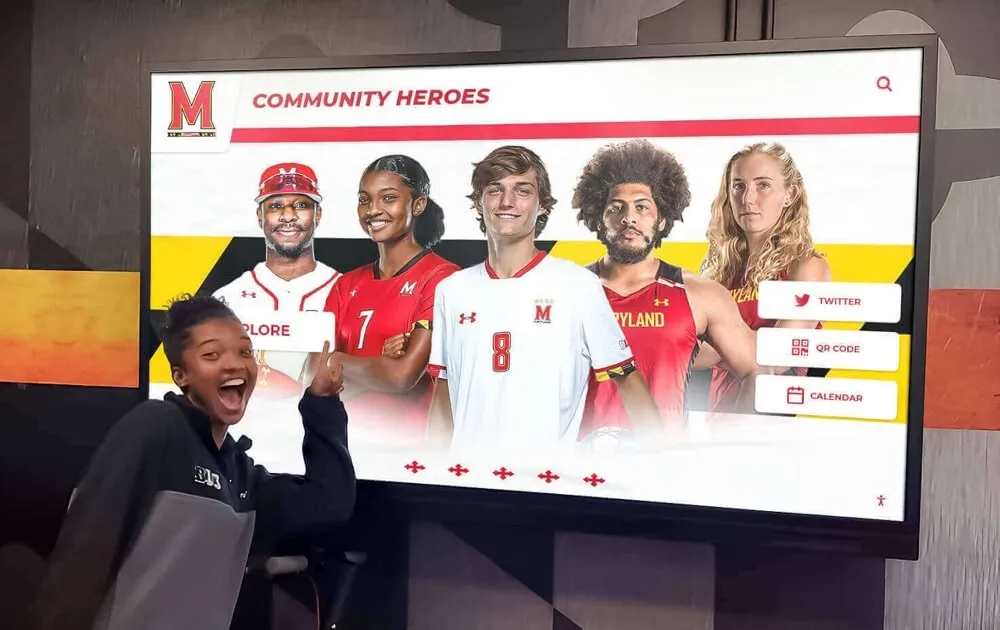
Creative recognition displays honoring diverse contributions reinforce that school spirit encompasses entire community, not just traditional athletes
Measuring and Sustaining School Spirit
Strategic assessment ensures spirit initiatives generate desired outcomes while identifying areas requiring adjustment.
Assessment Strategies and Metrics
Evaluating School Spirit Health
Systematic evaluation provides evidence of progress while identifying improvement opportunities:
Quantitative Metrics
- Attendance rates at optional spirit events
- Participation rates in voluntary activities
- Student attendance and tardiness data
- Discipline referral frequency and types
- Athletic event attendance figures
- Fine arts performance attendance
- Parent volunteer participation rates
- Alumni engagement and giving metrics
Qualitative Indicators
- Student survey responses about belonging
- Parent feedback about school culture
- Staff perception of community climate
- External visitor impressions and comments
- Student voice in focus groups
- Social media sentiment analysis
- Community reputation and word-of-mouth
Engagement Analysis
- Demographic participation patterns revealing inclusion gaps
- Program-specific engagement identifying successful initiatives
- Year-over-year trends showing culture trajectory
- Comparison with peer institutions benchmarking performance
Regular assessment ensures school spirit initiatives create meaningful impact rather than merely generating activity.
Long-Term Spirit Culture Development
Building Sustainable Systems
Authentic school spirit develops over years through consistent effort rather than appearing overnight:
Multi-Year Strategy Development
- Year one: Assessment and foundation-building
- Year two: Initiative implementation and refinement
- Year three: Tradition establishment and expansion
- Year four: Culture maturation and sustainability
- Year five and beyond: Continuous improvement and evolution
Sustainability Factors
- Leadership transition planning ensuring continuity
- Documentation of successful programs and processes
- Student leadership development creating succession
- Budget allocation demonstrating institutional commitment
- Community education about spirit importance
- Tradition protection balanced with appropriate evolution
- Regular evaluation and strategic adjustment
School spirit becomes self-sustaining when culture embeds deeply enough that community members maintain traditions and values independent of particular leaders or champions.
Overcoming Common School Spirit Challenges
Understanding typical obstacles enables proactive solutions.
Addressing Apathy and Disengagement
Re-Engaging Disconnected Students
Some students resist school spirit despite best efforts:
Common Disengagement Causes
- Feeling excluded from dominant social groups
- Not finding personal interests represented
- Previous negative school experiences
- Cultural or personal value differences
- Anxiety about large groups or public settings
- Academic or personal challenges consuming attention
- Perception that spirit activities are “uncool” or childish
Response Strategies
- Creating diverse participation pathways beyond loud pep rallies
- One-on-one relationship building by trusted adults
- Peer mentorship connecting students to welcoming groups
- Interest-based clubs and activities beyond traditional offerings
- Mental health and counseling support addressing underlying issues
- Celebration of quiet contributions alongside public recognition
- Patience recognizing that engagement timing differs by individual
Not every student will embrace school spirit enthusiastically—but ensuring every student has genuine opportunity to connect meaningfully represents reasonable success.
Managing Clique Dynamics and Exclusion
Creating Truly Inclusive Culture
School spirit initiatives can inadvertently reinforce social hierarchies:
Preventing Exclusive Spirit Culture
- Leadership roles rotating among diverse student groups
- Recognition systems honoring varied contributions equally
- Activity variety ensuring multiple participation pathways
- Adult oversight preventing bullying and exclusion
- Explicit inclusion messaging and expectations
- Intervention when activities become exclusive
- Survey and feedback revealing hidden exclusion
School spirit should unite rather than divide—monitoring equity ensures initiatives serve entire community rather than empowering already-privileged groups.
Balancing Tradition and Innovation
Respecting History While Evolving
Schools must honor traditions alumni value while adapting to current student needs:
Change Management Approaches
- Alumni consultation when considering tradition changes
- Core element preservation while updating details
- New tradition introduction complementing rather than replacing
- Clear communication about rationale for changes
- Pilot programs testing innovations before full implementation
- Student voice balanced with institutional memory
- Documentation preserving historical understanding
Change resistance diminishes when stakeholders understand that evolution honors tradition’s spirit while ensuring relevance for current students.
Getting Started: Implementing Your School Spirit Strategy
Practical roadmap for schools beginning spirit-building journey.
Assessing Current Spirit Culture
Understanding Your Starting Point
Before implementing new initiatives, evaluate current state:
Assessment Activities
- Student surveys measuring belonging and engagement
- Faculty discussion about culture strengths and challenges
- Parent focus groups gathering external perspective
- Alumni input about traditions worth preserving
- Observation of current events and participation patterns
- Review of existing recognition and celebration systems
- Analysis of demographic participation equity
Honest assessment reveals both assets to build upon and gaps requiring attention.
Building Your Spirit Team
Assembling Champions and Leaders
School spirit initiatives require committed leadership:
Spirit Team Composition
- Administrator providing authority and resources
- Activities coordinator managing logistics
- Student government representatives bringing student voice
- Faculty sponsors from diverse departments
- Parent volunteers offering community perspective
- Athletic director connecting sports programs
- Fine arts director representing creative programs
- Community liaison building external partnerships
Diverse team representation ensures initiatives serve entire community rather than narrow interests.
Creating Your Spirit Action Plan
Strategic Implementation Roadmap
Year One Priorities
- Implement 2-3 new recognition programs
- Refresh one existing tradition with student input
- Launch social media presence or enhance existing accounts
- Establish regular spirit team meetings and planning
- Create annual spirit event calendar
- Document successes and lessons learned
Year Two Expansion
- Add 2-3 additional recognition categories
- Introduce one new major spirit tradition
- Expand student leadership roles and responsibilities
- Implement digital recognition or communication system
- Develop alumni engagement initiative
- Assess first-year outcomes and adjust approach
Year Three Maturation
- Refine existing programs based on evaluation
- Establish traditions becoming annual expectations
- Expand community partnership development
- Create spirit culture documentation and guides
- Celebrate progress and recognize contributors
- Plan long-term sustainability strategies
Incremental implementation prevents overwhelming staff and students while allowing cultural adaptation.
Conclusion: Building School Spirit That Lasts
Authentic school spirit—the kind that transforms institutional experience, creates lifelong connections, and produces measurably better outcomes—develops through consistent, strategic effort honoring diverse contributions while creating inclusive opportunities for genuine belonging. The most successful schools recognize that spirit extends far beyond pep rallies and homecoming, encompassing comprehensive recognition systems, meaningful traditions, student leadership opportunities, and community connections that make every member feel valued.
Modern tools enable school spirit building impossible with traditional approaches alone. Solutions like Rocket Alumni Solutions provide digital recognition displays that celebrate unlimited achievements across athletics, academics, arts, and service—ensuring every student finds pathways to visibility and acknowledgment. These systems create engaging touchpoints throughout school buildings where students, staff, and visitors explore accomplishments, connect with institutional history, and understand the breadth of excellence their community represents.
By implementing the strategies outlined in this guide—from expanding recognition beyond traditional categories to reimagining spirit events, from empowering student leadership to building community partnerships, from leveraging digital engagement to measuring outcomes strategically—your school can build the authentic, inclusive spirit culture that benefits every student while strengthening institutional reputation and sustainability.
The students in your community deserve environments where they feel genuinely connected to something meaningful, where their unique contributions receive recognition, and where traditions create shared identity spanning generations. Strong school spirit makes this possible. Start with approaches matching your current capacity, measure results consistently, listen to student voice authentically, and build systematically toward the vibrant, unified school community your institution deserves.
Ready to implement modern recognition systems that honor diverse achievements while building school spirit across your entire community? Discover how Rocket Alumni Solutions helps schools create engaging digital displays that celebrate every student, preserve traditions, and inspire lasting school pride for generations to come.