Every school is sitting on a goldmine of untold stories—athletic records quietly broken between seasons, teachers reaching 30-year milestones, alumni doing extraordinary things in the world, and traditions whose origins even longtime staff have forgotten. The challenge for school newspaper staffs isn’t finding stories; it’s knowing where to look and how to frame what they find in ways that make readers stop and pay attention.
The most memorable school newspaper coverage doesn’t just report what happened—it connects individual achievements to the larger story of who a school community is and what it values. A profile of a student who broke a 20-year school record is also a story about institutional history, about the students who set the original record, and about what it means to be part of something bigger than a single season.
This guide provides 30 concrete story angles organized by coverage category. Each idea comes with a framing approach, practical reporting tips, and suggestions for how to deepen coverage beyond the obvious surface story. Whether your staff is planning your next issue or building a full-year editorial calendar, these ideas give you a foundation to work from—and a reminder that the stories worth telling are already happening all around you.
Why Achievement and History Stories Matter Most
Before diving into specific angles, it’s worth understanding why coverage celebrating student achievement and school history consistently outperforms other content categories in engagement, community response, and lasting impact.
Achievement stories validate what students care about. When the newspaper recognizes academic accomplishments, athletic milestones, and artistic achievements with the same rigor applied to news coverage, it signals that these efforts matter beyond the classroom or playing field. Students read publications that take their work seriously.
History stories create identity. A school’s history isn’t just nostalgia—it’s the accumulated evidence of what a community values and what it’s capable of. Students who understand their school’s history feel a sense of belonging that transcends their individual experience. They’re not just attending a school; they’re continuing a tradition.
Together, achievement and history stories build the institutional memory that yearbooks, digital archives, and recognition installations draw from for years. The profiles your newspaper writes today become the historical record future students and alumni will rely on.

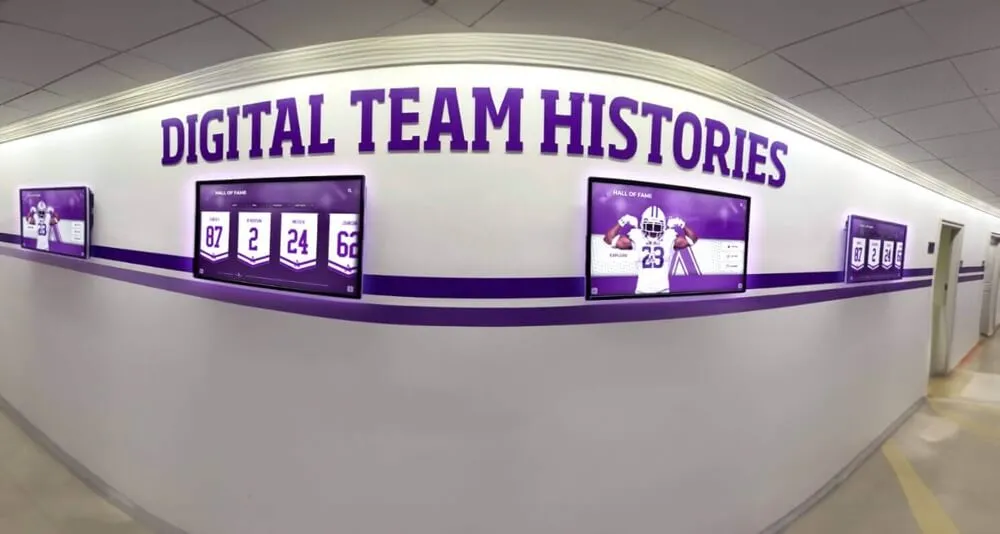
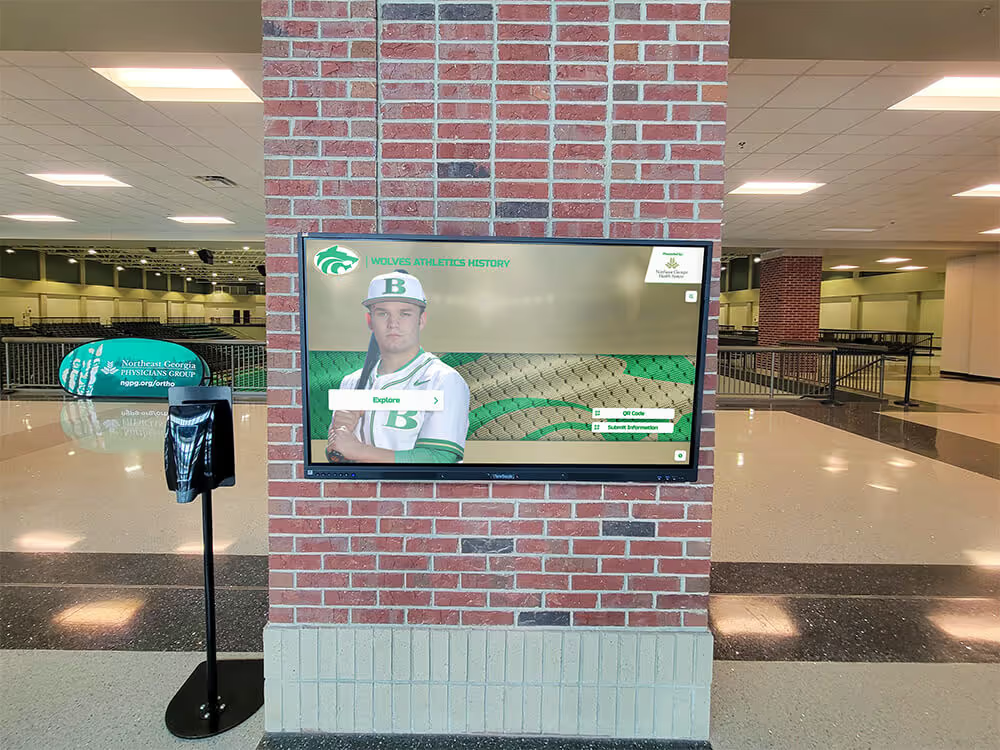
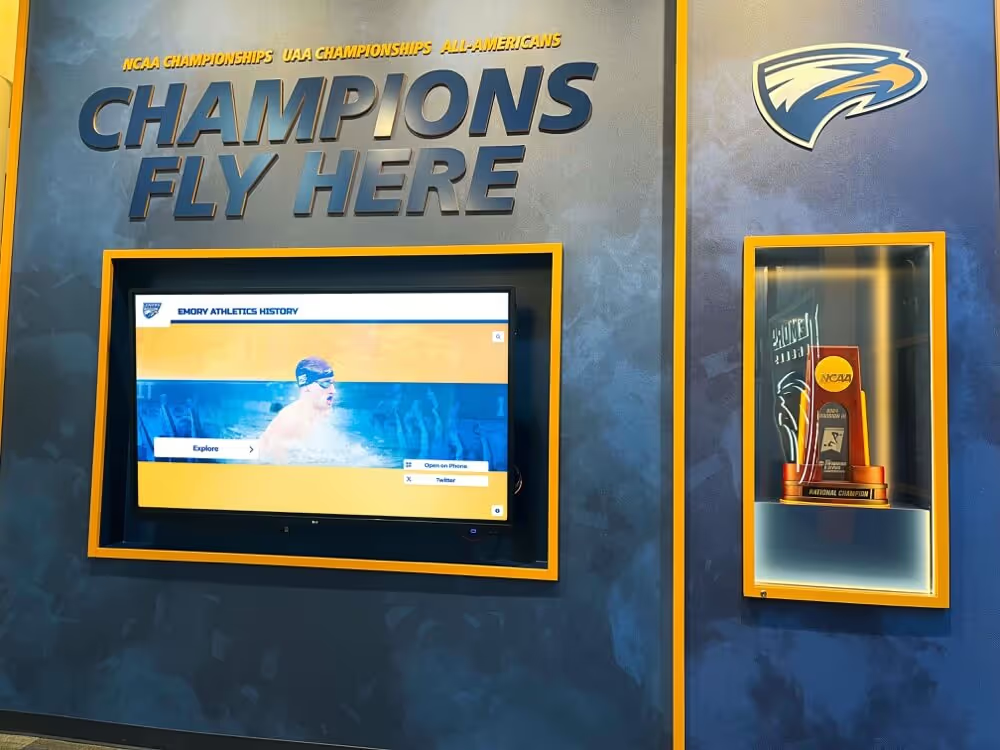
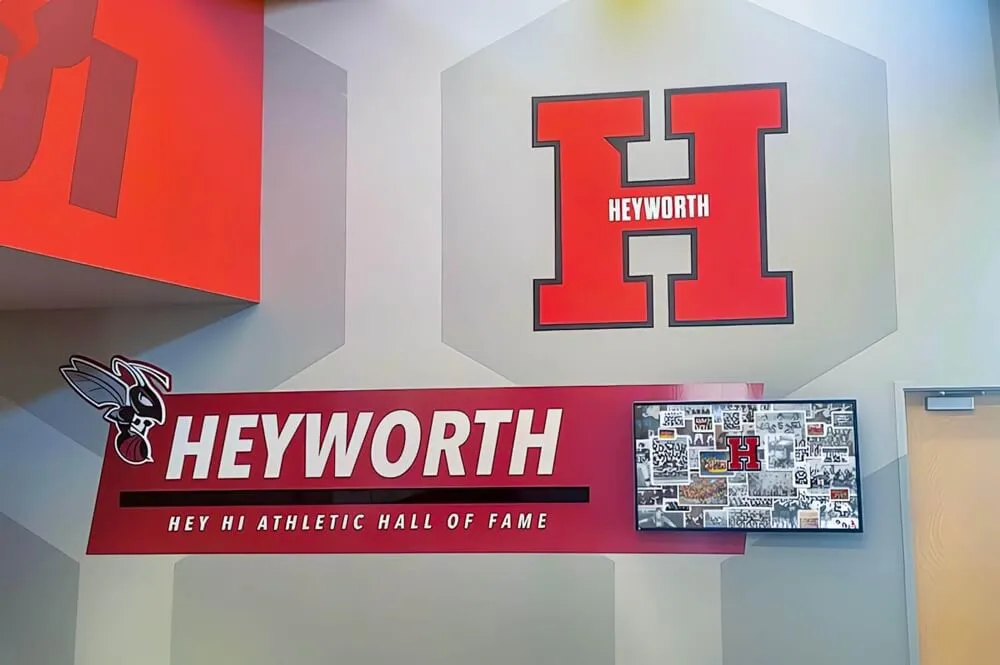
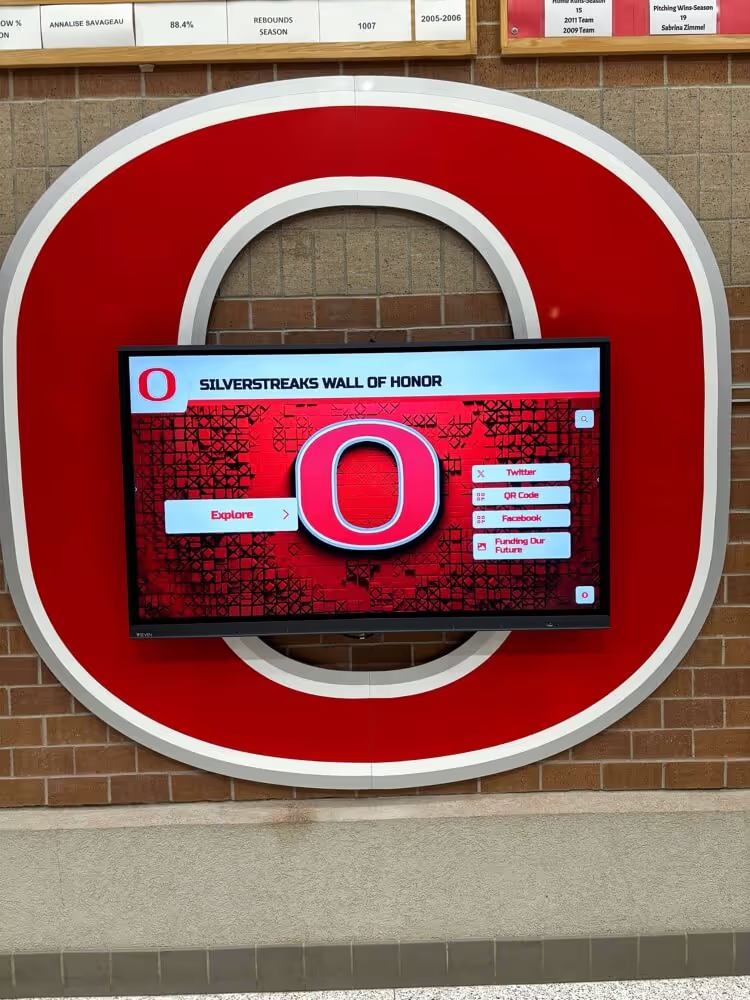
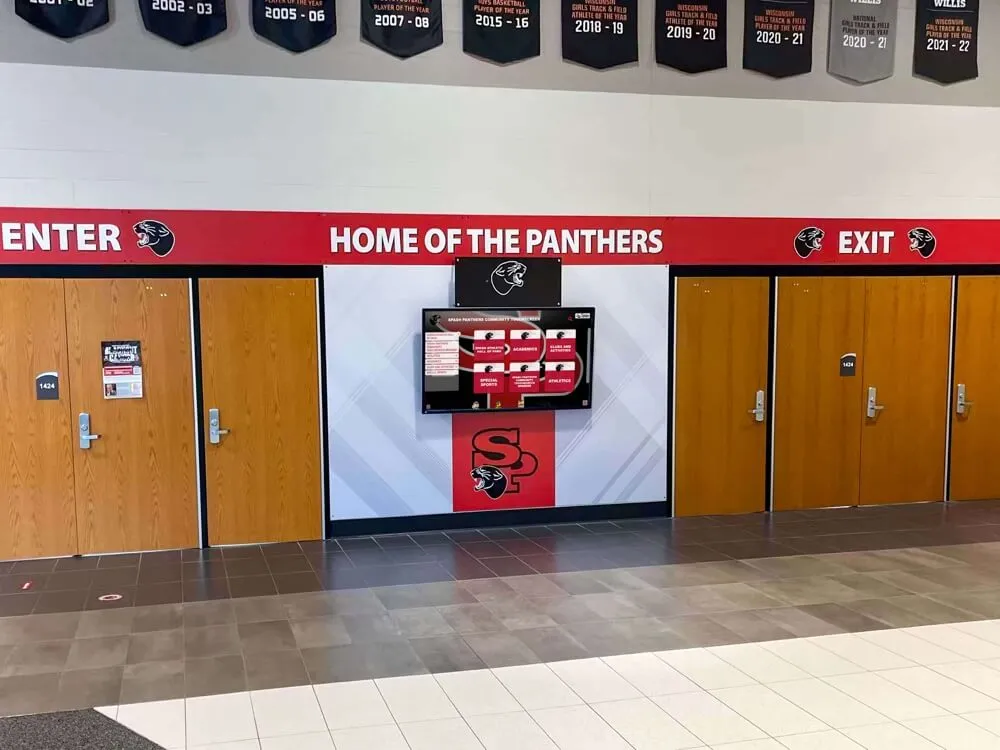
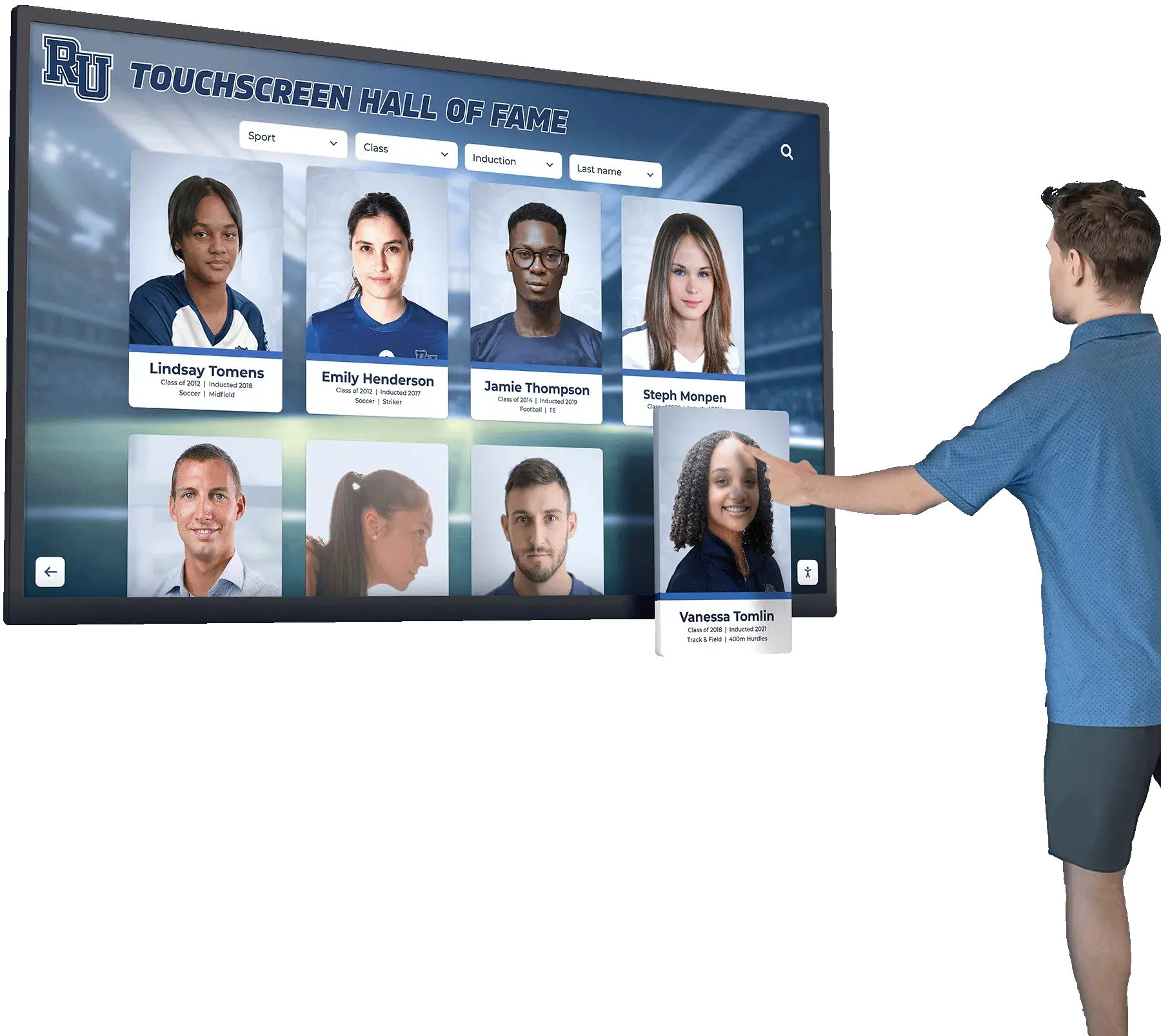
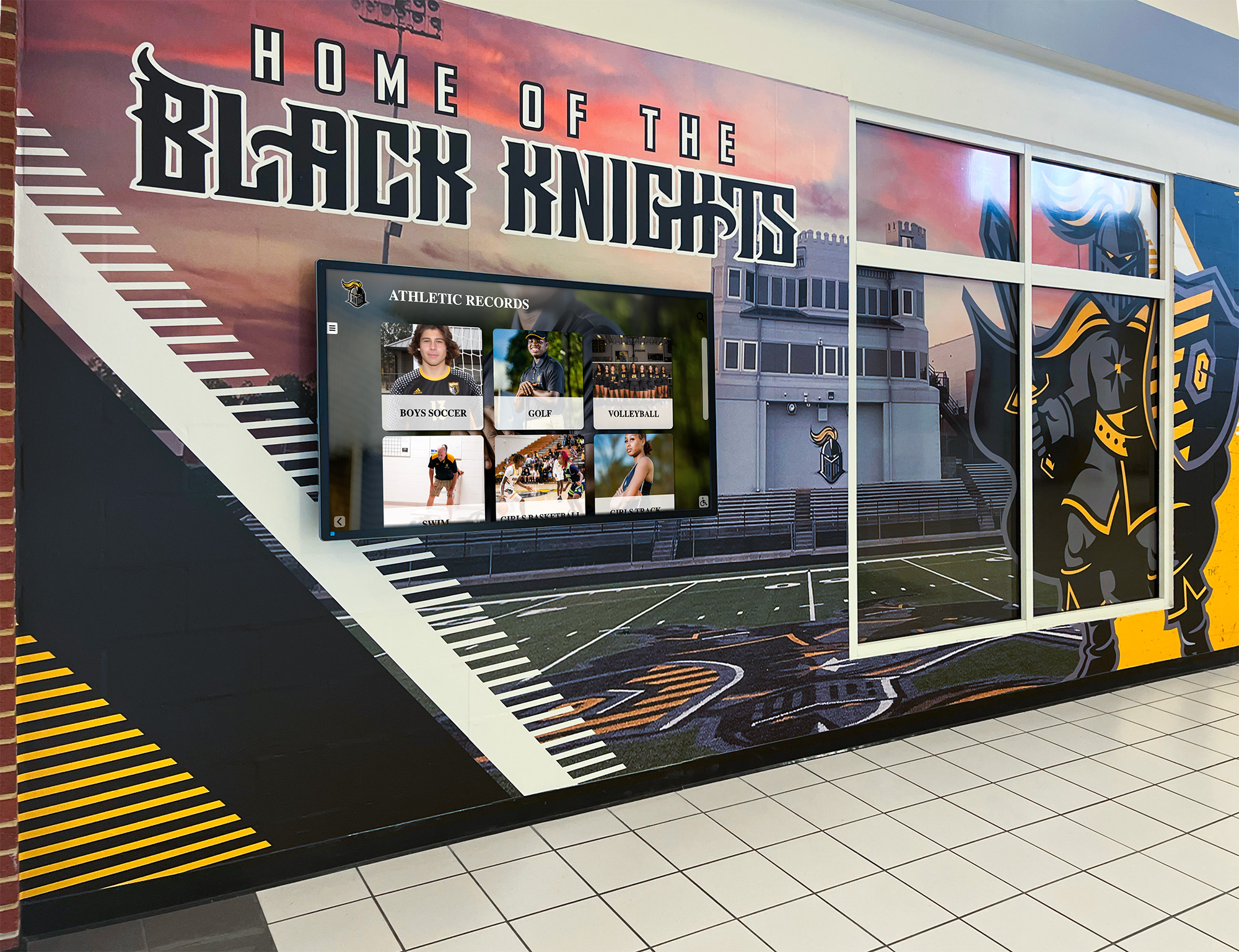
Athletic records displays in school hallways tell the ongoing story of student achievement—and give school newspapers a permanent source of story angles worth exploring
Athletic Achievement: 5 Story Angles
1. Athlete of the Week or Month: Going Beyond the Stats
Most school newspapers run athlete features that lean heavily on statistics and game recaps. The best profiles go deeper: What motivates this student outside of competition? How do they balance academics and athletics? What would they want younger students to know about the work behind visible success?
Structure these profiles around a narrative arc rather than a stat sheet. Interview coaches, teammates, and family members to build a three-dimensional portrait. The goal isn’t a career summary—it’s a story about a person.
When an athlete achieves regional or state-level recognition, their story intersects with larger categories of achievement. Coverage of Gatorade Player of the Year nominees and similar awards gives newspapers material that connects local achievement to national recognition systems students and parents care about.
2. Season-in-Review: The Story Behind the Record
Win-loss records don’t tell the whole story of any season. The most compelling season reviews examine the arc: What challenges did the team face? When did things turn? Which moment defined the year? Was there a philosophical shift in how the team approached competition?
These reviews work best when written after the season concludes and reporters have the perspective of completion. Interview players who graduated and coaches who can reflect honestly on what the experience meant.
3. School Athletic Records: When History Falls
Every school maintains records in individual sports—fastest times, longest streaks, highest single-game totals. When a current student approaches or breaks one of those records, you have a story that inherently involves school history, living alumni who set the original mark, and the emotional weight of being part of an institutional legacy.
Research the original record-holder. Can you find them for comment? What does the current student know about the history they’re about to become part of? For schools with strong track programs, coverage of high school track and field records illustrates how records function as living documents connecting generations of students.
4. Coaching Milestones and Career Retrospectives
A coach reaching their 200th win, 25th year, or retirement represents a story that is simultaneously about athletics and institutional history. Coaches often know school history better than anyone—they’ve watched it unfold across decades of seasons.
These retrospectives benefit from deep archival research. Find yearbooks from their early years. Track down former players now in careers of their own. Let the coach’s career become a lens through which readers see the school’s athletic history at large.
5. Championship Anniversaries: Looking Back at Defining Seasons
Ten, 25, or 50 years after a state championship, the story looks completely different than it did during the celebration. Where are those players now? How did that season shape their lives? Does the school still display recognition of that achievement?
Championship banner display traditions reveal how schools honor historical athletic achievement—and give newspaper staffs excellent interview hooks for reconnecting with alumni who lived those moments.
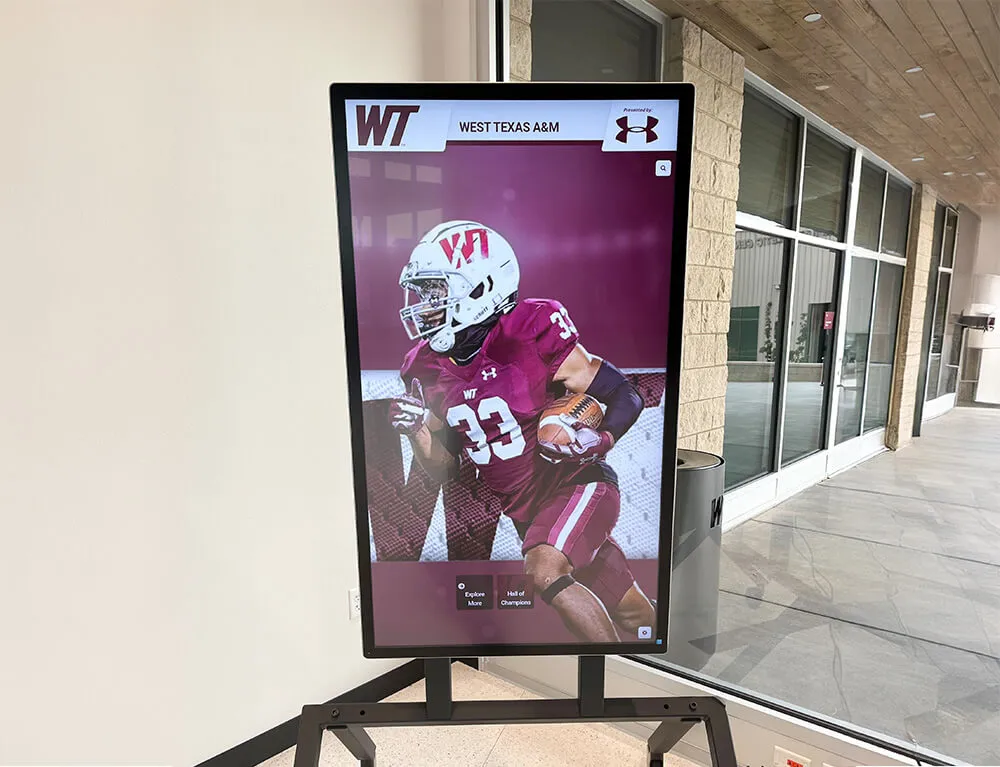
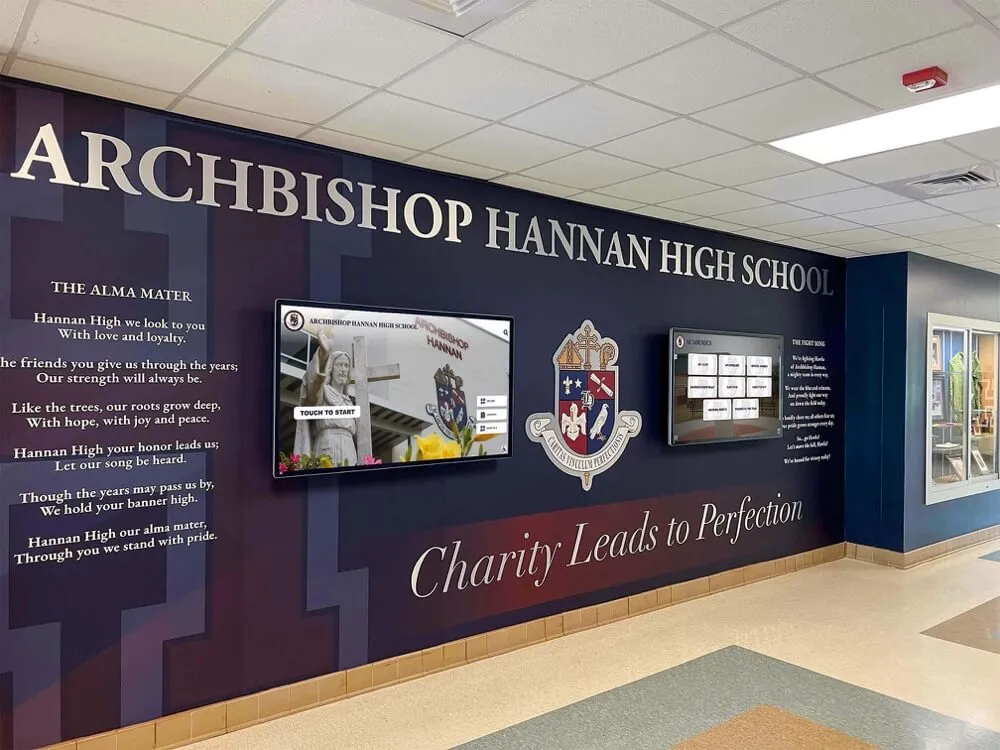
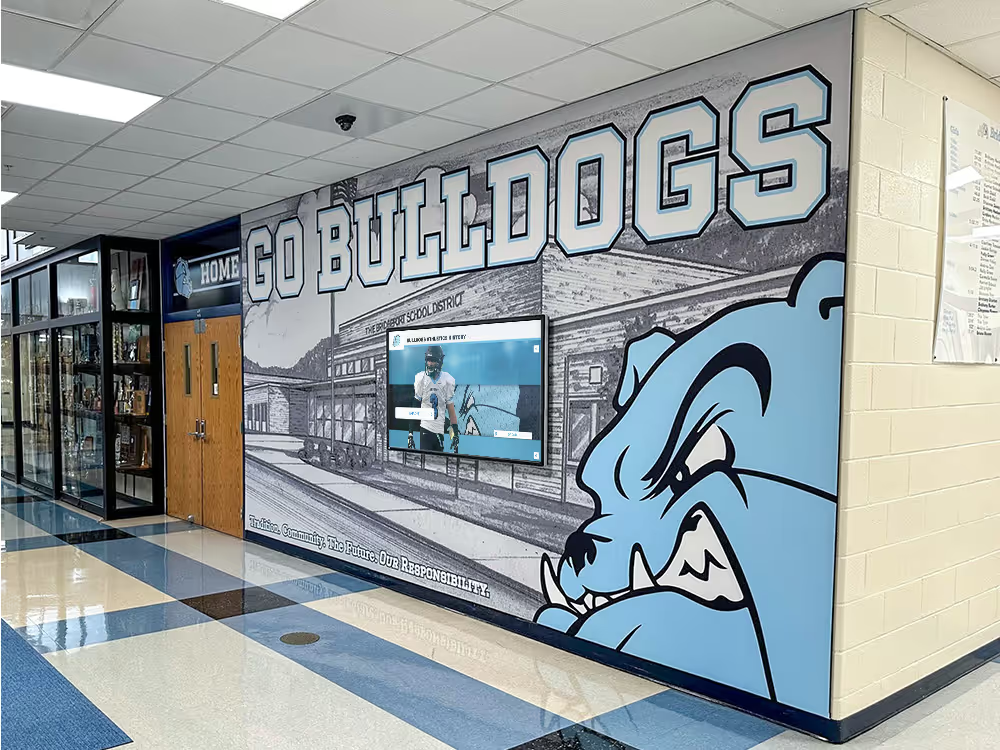
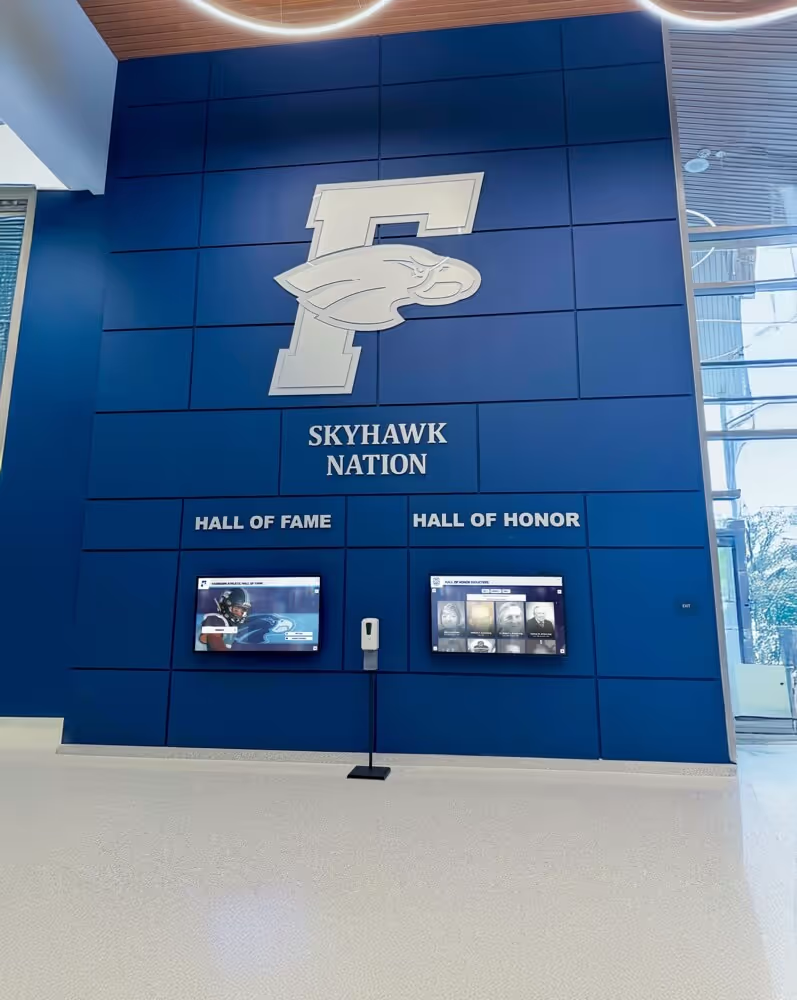
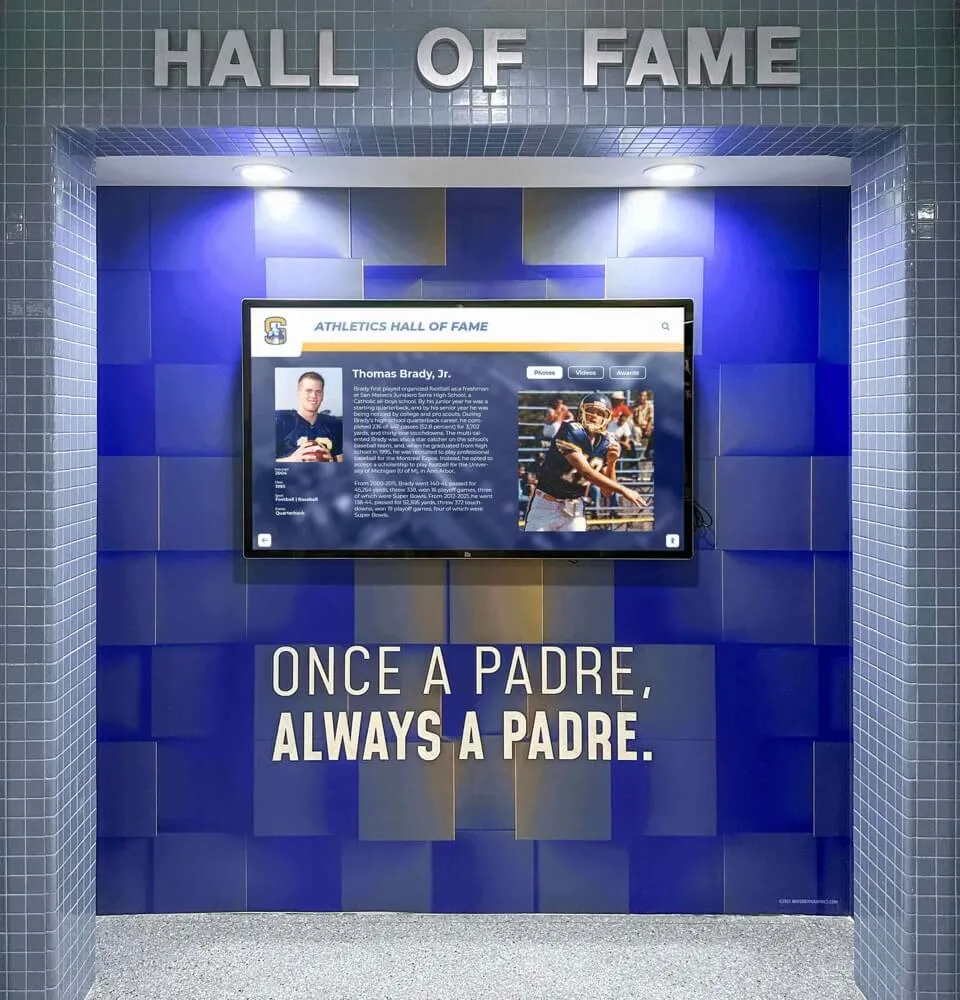
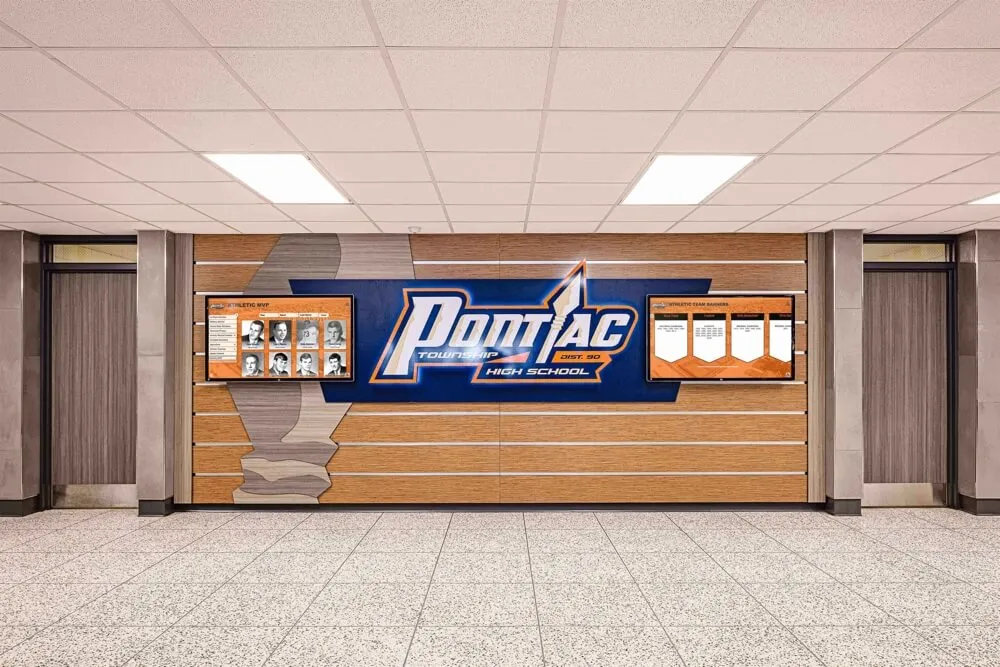
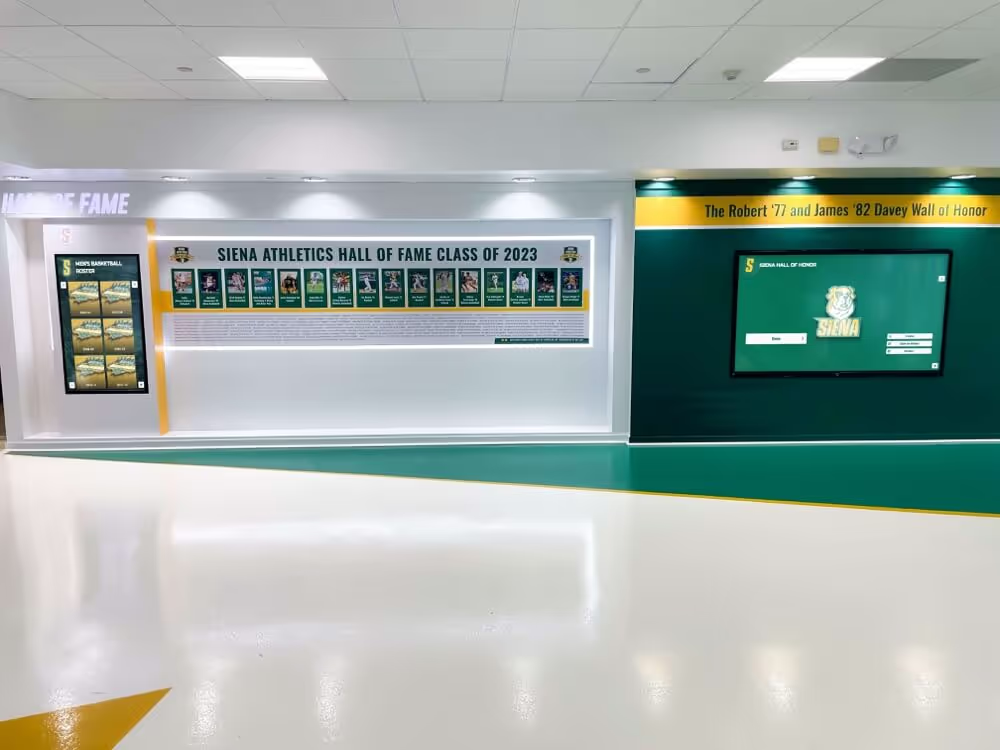
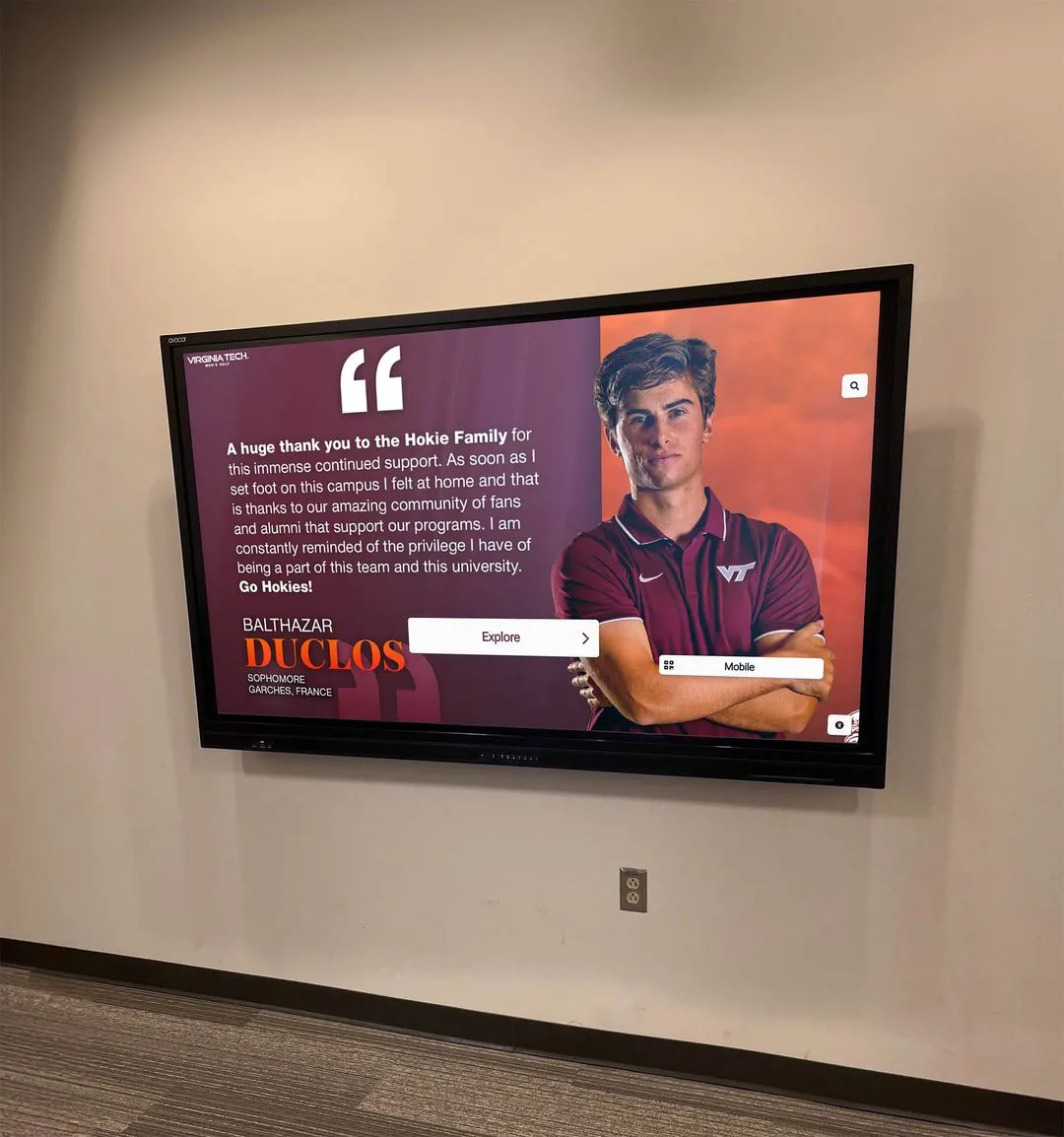
Permanent recognition installations give school newspapers historical context for achievement stories and visual anchors for profile coverage throughout the year
Academic Excellence: 5 Story Angles
6. National Honor Society Induction: More Than the Ceremony
NHS inductions happen at most high schools every year. The newspapers that make these stories genuinely compelling go beyond listing inductees to explore what the commitment actually requires. What does service look like in practice? How do these students balance academic pressure with leadership expectations? What drew them to apply?
Feature two or three inductees in depth rather than attempting to cover every name. Readers connect with individuals, not rosters. Coverage of NHS induction ceremonies shows how schools elevate academic recognition into meaningful community moments.
7. Dean’s List and Honor Roll: The Story Behind Academic Achievement
Honor roll lists appear in school communications, but newspapers can transform these names into stories. Profile a student who made the principal’s list for the first time after struggling academically. Interview a student who maintained perfect grades through a personally difficult year. Find the student whose academic achievement happens alongside a demanding extracurricular or part-time job.
Understanding what specific academic honor designations mean helps student journalists contextualize achievement for readers who may not understand the criteria or significance of different honor levels.
8. Academic Competition Coverage: The Competition Scene Few People Know
Science Olympiad, Academic Decathlon, math tournaments, mock trial, Model UN—these competitions often generate significant student achievement with minimal public attention. Schools that dominate regional or state academic competitions represent ongoing stories that deserve the same coverage energy applied to athletic championships.
Build a beat around academic competition. Attend practices. Profile competitors before major tournaments. Write follow-up coverage explaining what the competition involved and what winning—or competing at a high level—required. Schools that treat academic competitions with the same seriousness they apply to athletic coverage find their coverage elevates the status of intellectual achievement across the entire school community.
9. Scholarship Announcements: The Story Behind the Number
Each spring, many schools announce scholarship totals for the graduating class. These numbers are genuinely newsworthy and often impressive. But the more interesting story is individual: Which student earned a scholarship nobody expected? Which scholarship came with a remarkable backstory? Who chose a less obvious path that a scholarship made possible?
Feature the students whose scholarship stories represent something beyond financial reward—intellectual passion, persistence, or a commitment to a field that will benefit their community.
10. STEM Competition Winners: Engineering the Coverage They Deserve
Robotics teams, science fair finalists, engineering competition participants—these students often work with the same intensity as varsity athletes but receive a fraction of the recognition. Strong school newspaper coverage corrects this imbalance.
Follow a team through their competition season. Show the work that goes into preparation. Capture the stakes of the competition itself. Explore how student STEM projects and engineering competitions develop skills and achievements that define students’ academic identities well beyond high school.
Arts, Clubs, and Extracurriculars: 5 Story Angles
11. Performing Arts Opening Night: Behind the Curtain Coverage
Theater productions, choir concerts, and orchestra performances represent collaborative achievements involving dozens of students across weeks or months of preparation. The best performing arts coverage captures this process—not just the finished product.
Profile the students in non-lead roles whose contributions are essential but invisible. Interview the director about casting decisions and creative vision. Follow a single performer from audition through opening night, capturing the arc of preparation and the emotion of performance.
12. Student Government and Class Officers: What Leadership Actually Looks Like
Class officer and student government features work when they go beyond official roles to examine what leadership means in practice. What decisions does this student have real authority to make? What have they accomplished that wasn’t there before? What have they learned about working within institutional constraints?
Explore how recognition systems throughout the building can serve as entry points for deeper profiles of the students they highlight—connecting official recognition to the personal stories behind it.
13. Club Milestone Anniversaries: Where Traditions Come From
A club celebrating its 20th or 50th anniversary has accumulated enough history to generate a genuine feature story. Who founded it and why? How has its mission evolved? Which alumni consider it a formative experience? Are there founding members who can be interviewed?
These stories connect current students to predecessors they’ve never met, creating the sense of institutional continuity that builds school pride and identity.
14. Emerging Programs: Esports, Drone Racing, and the New Frontiers
New competitive programs—esports leagues, drone racing, coding competitions, film festivals—often have enthusiastic student participants and zero institutional recognition. Being the first newspaper to cover them seriously creates a relationship with a community that will remember being taken seriously.
These profiles also generate genuine reader interest because they cover experiences many students are having but seeing nowhere reflected in official school coverage.
15. Yearbook Staff as a Story: Behind the Annual Chronicle
The yearbook staff is producing a document that will define institutional memory for decades. That’s a story worth telling. What decisions go into which moments get preserved? How does the staff decide what the “theme” of a school year actually was? What happens to photos that don’t make the cut?
This meta-coverage of documentation itself makes for genuinely interesting reading—and creates a natural connection between newspaper and yearbook coverage of the school year.
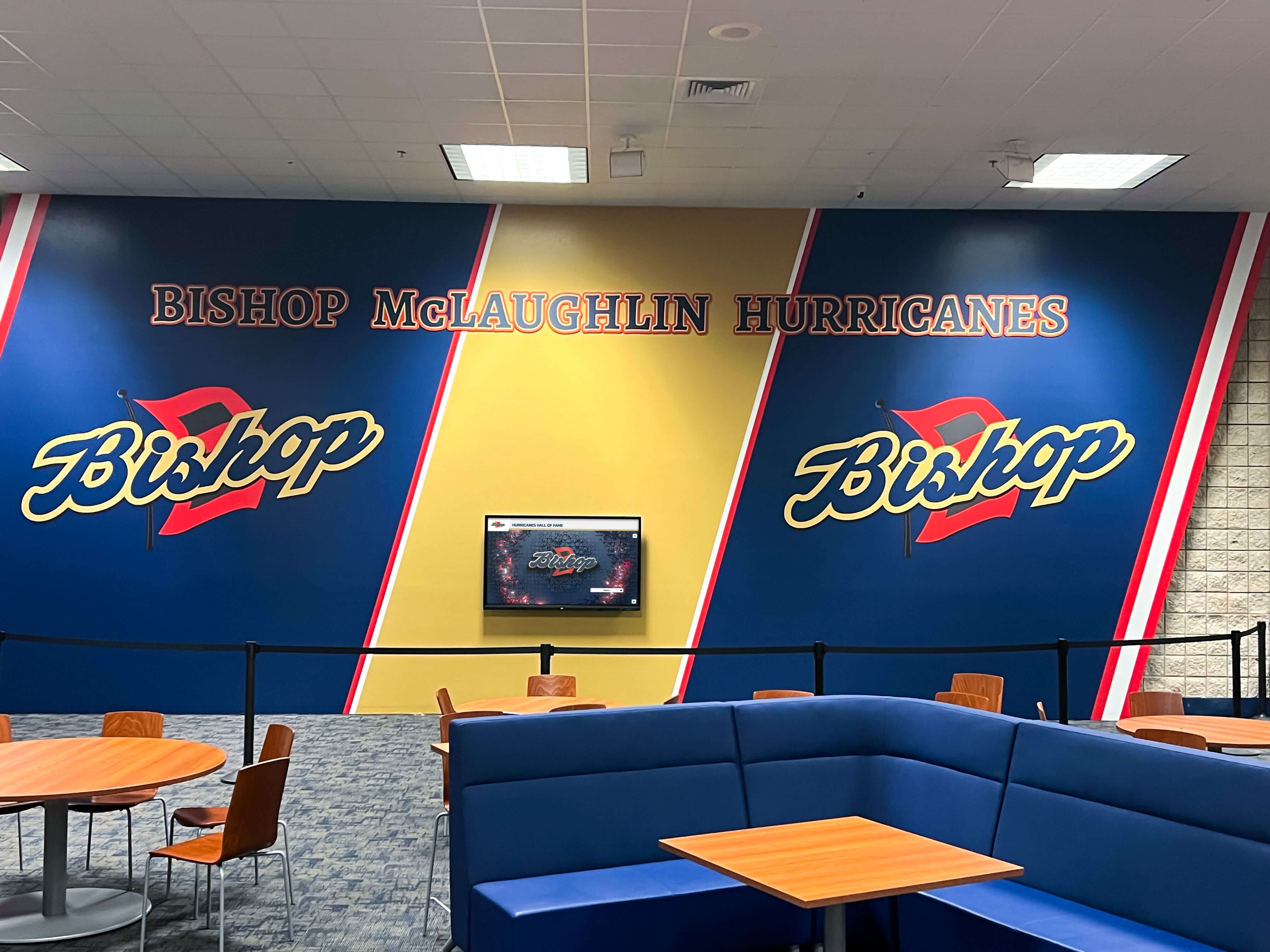
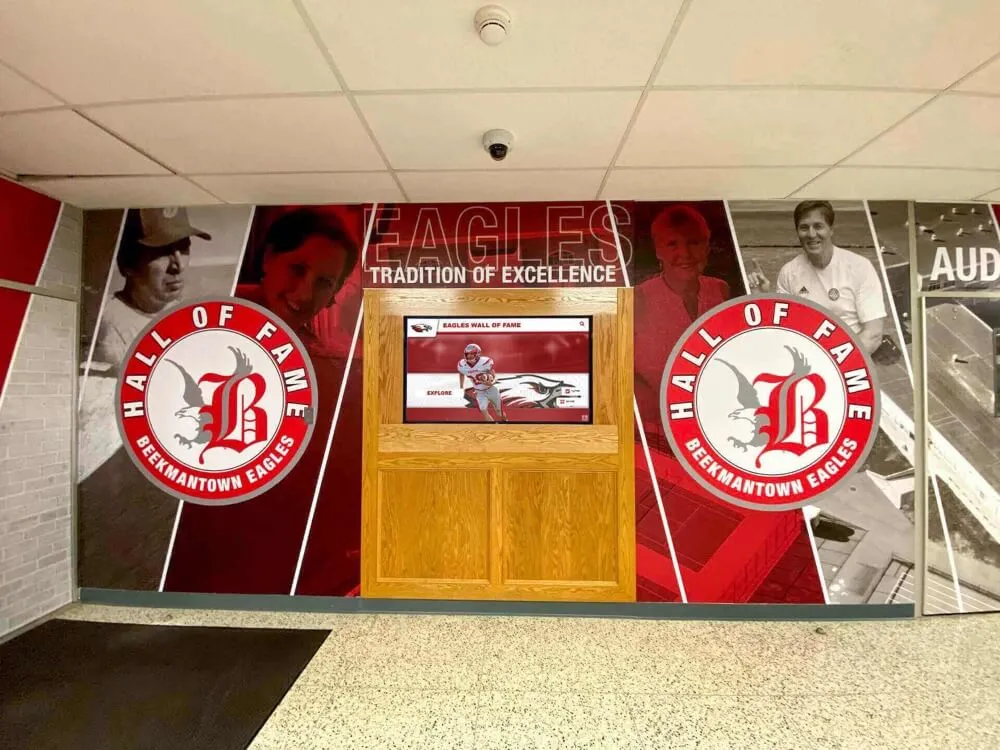
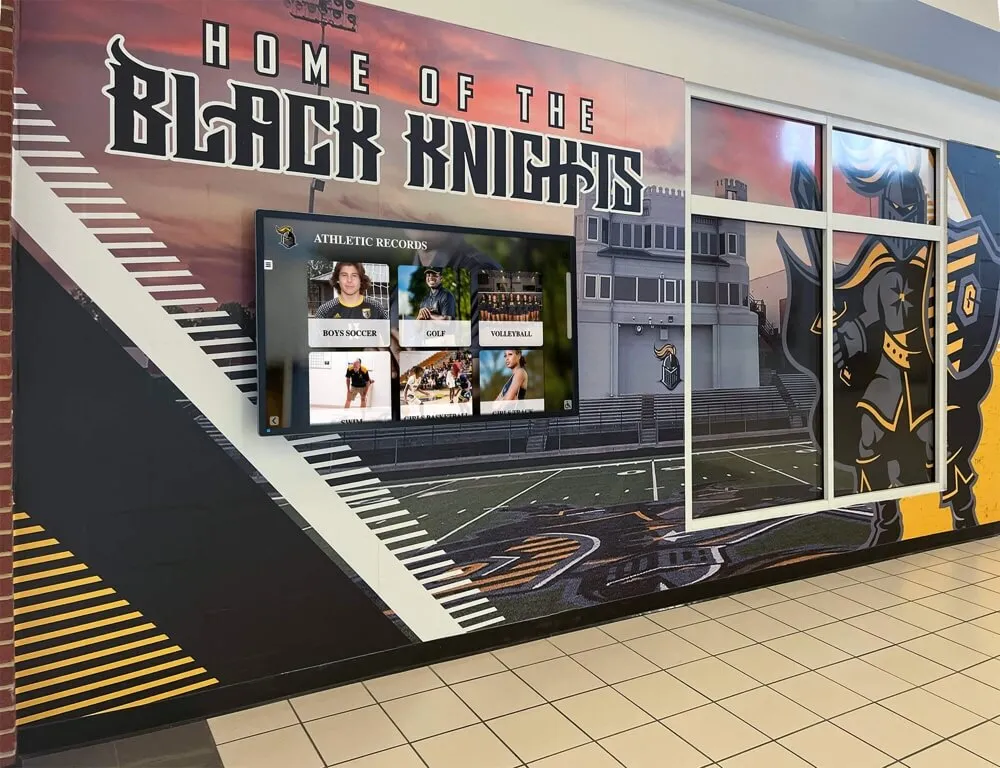
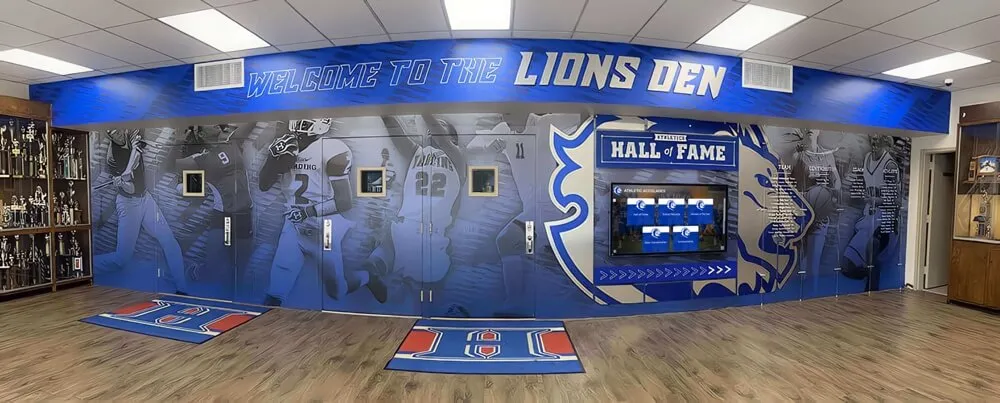
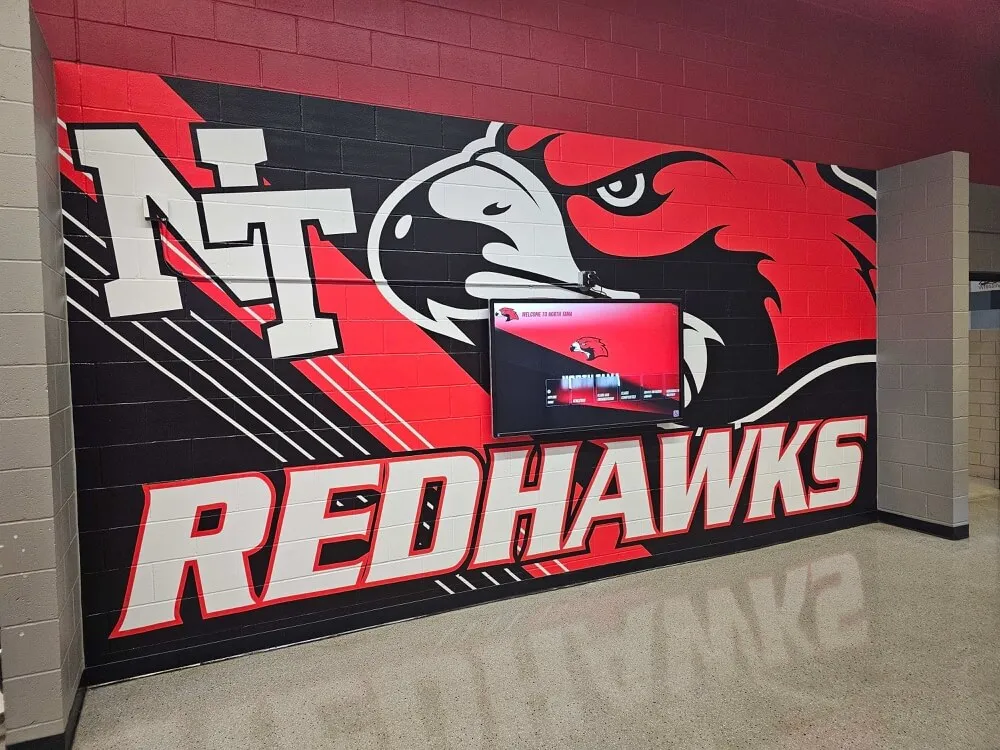
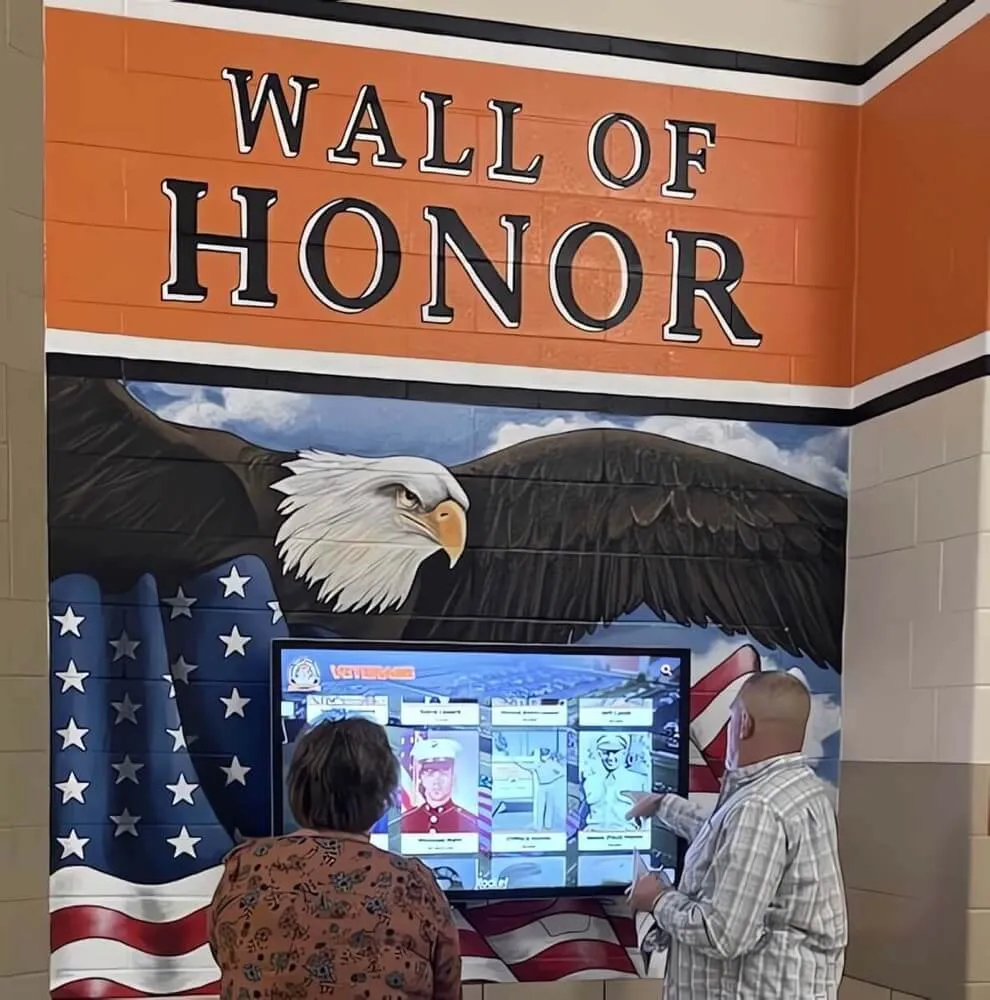
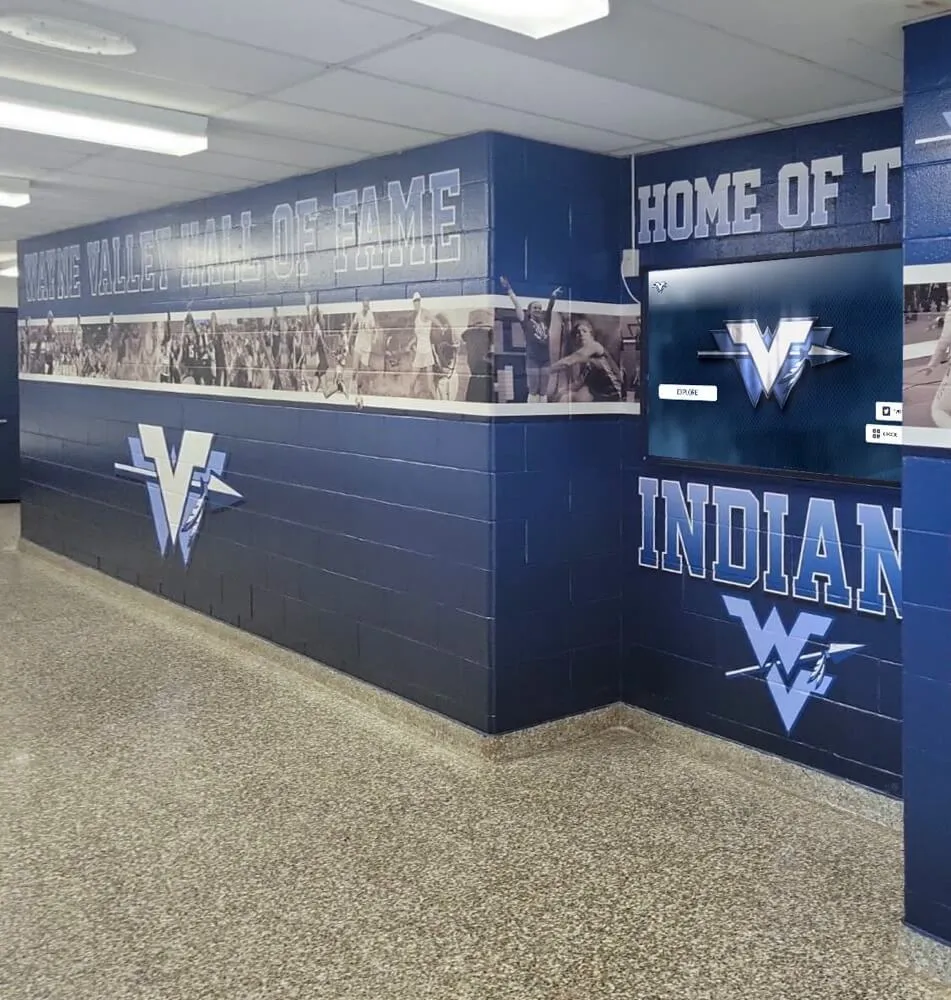
School murals and recognition displays represent decades of accumulated history—excellent source material for newspaper features exploring institutional identity and achievement
School History Deep Dives: 5 Story Angles
16. This Day in School History: The Calendar as an Editorial Framework
Most schools have archives or alumni who can identify significant historical events tied to specific dates—the year a particular team won a championship, when a beloved teacher joined the faculty, when a new building opened. Build a recurring feature around these historical anchors.
“This week in school history” gives editors a consistent, repeatable format while ensuring historical coverage appears throughout the year rather than only in anniversary issues. Comprehensive digital history archives show what sustained historical documentation can look like—and inspire approaches to maintaining living institutional memory.
17. Campus Then and Now: Documenting Physical Transformation
Schools change physically over time—buildings added or removed, gyms expanded, cafeterias renovated, athletic facilities upgraded. Archive photographs paired with current images of the same locations create compelling visual stories about institutional change.
Interview teachers who remember what those spaces looked like before. Find alumni who attended before major renovations. Explore whether changes reflect shifts in what the school community values—and let those observations drive the editorial angle.
18. Retired Staff Career Retrospectives: The Teachers Who Built the Place
When a longtime teacher or administrator retires after 25 or 30 years, the school loses a living repository of institutional memory. A thorough retrospective captures some of that knowledge: What changed most in three decades? What stayed the same? What do they hope students will remember about their class?
These profiles work best when they go beyond the subject themselves to the students they influenced. Track down former students now in meaningful careers who credit this teacher’s influence. Let the retrospective become a story about the lasting impact of excellent teaching.
19. Digitizing School Memory: When Archives Become Accessible
Many schools are undertaking projects to digitize historical class photos and archives. These projects are stories in themselves: What gets preserved? What’s already lost? Who makes decisions about what matters enough to digitize?
Feature the staff or volunteers doing this work, explore what they’ve found in the archives, and document what previously inaccessible material is becoming available to students and alumni for the first time.
20. Mascot and School Spirit History: Where Traditions Originate
Few students know why their school’s mascot was chosen, when the school colors were established, or how beloved traditions began. These origin stories make for genuinely interesting historical features—and they’re often more complicated and contested than the official version suggests.
Interview your oldest alumni. Dig through the earliest yearbooks in the archive. Find out if the mascot has ever changed or been debated. The history of school identity reveals institutional values in ways that more straightforward news coverage doesn’t reach.
Alumni Spotlights and Community Connections: 5 Story Angles
21. Where Are They Now: Alumni Career Profiles
Graduates from five, ten, or twenty-five years ago have lived enough adult life to reflect meaningfully on how their school experience shaped them. These profiles work when they’re honest: not just celebrating success, but exploring how specific teachers, experiences, or challenges at your school contributed to who the subject became.
Strong “where are they now” features include alumni who took unexpected paths—the star athlete who became a social worker, the quiet student who built a company. Variety in the subjects chosen reflects the real diversity of outcomes the school produces.
22. Hall of Fame Inductee Features: New and Historical Members
If your school has an athletic or academic hall of fame, each new induction class represents multiple profile opportunities. But so does the existing membership: Older inductees are often willing to speak at length about what the recognition means decades after their achievement and what they hope current students take from their example.
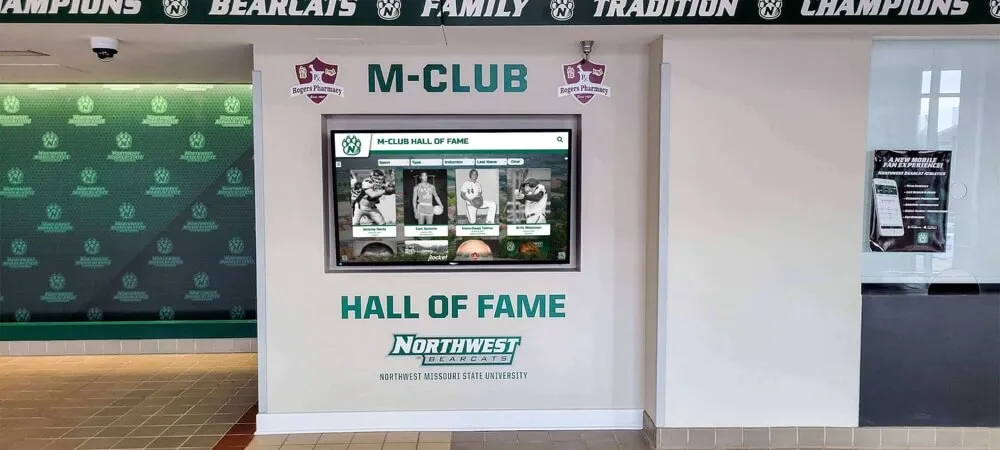
Planning coverage around virtual or in-person hall of fame induction ceremonies gives student journalists access to alumni and community figures who are already engaged and eager to talk about their school connection.
23. Alumni Donors and Supporters: The Giving That Makes Things Possible
When alumni fund a new scoreboard, endow a scholarship, or donate equipment that transforms a program, that generosity represents a story about institutional loyalty, community investment, and the long-term relationship between schools and their graduates.
These stories work best when they focus on motivation: Why did this person give back to this school? What does it mean to them that future students will benefit from their support? What connection do they maintain to the school community?
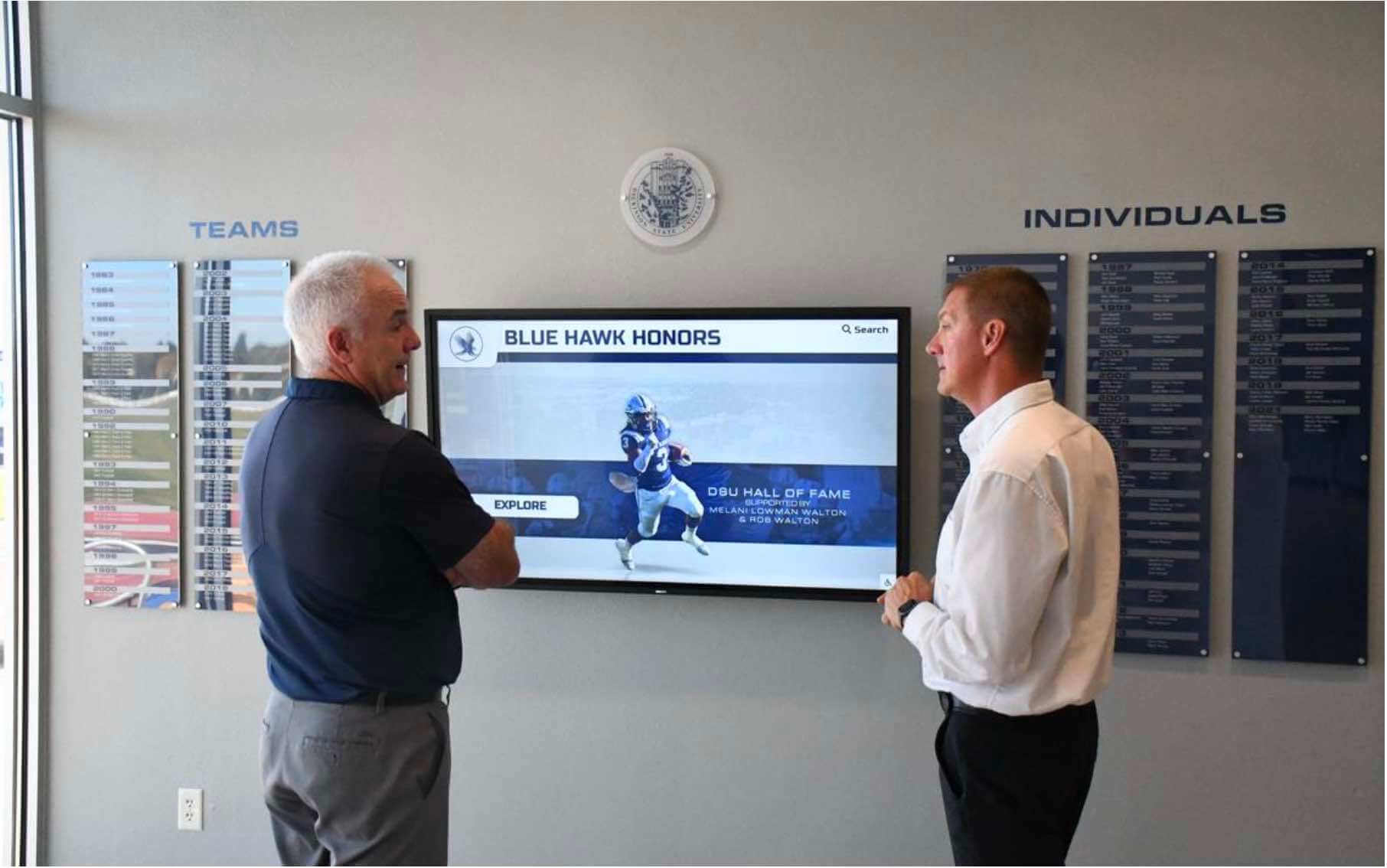
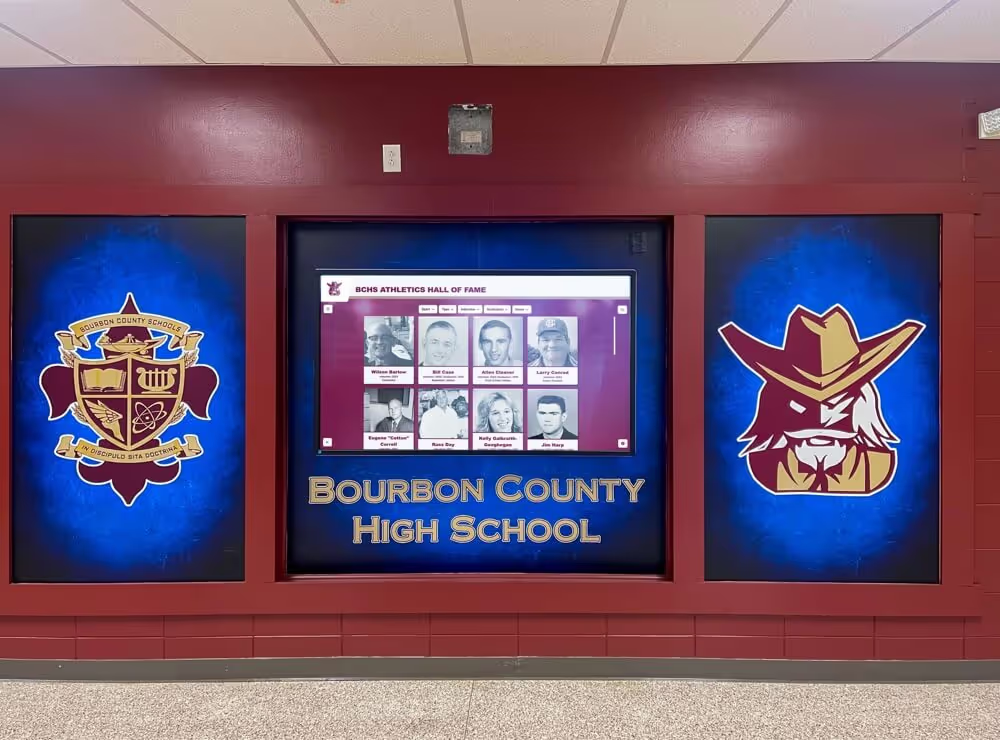
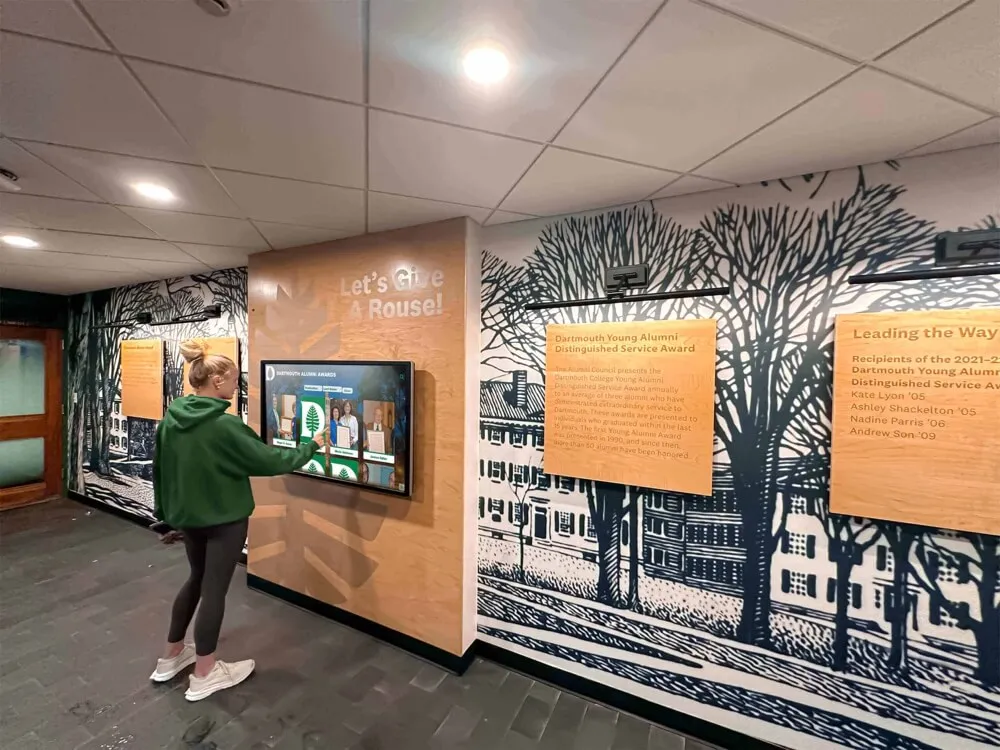
Alumni engagement with school recognition displays creates natural story opportunities for school newspapers—conversations about what the institution meant and what its future should hold
24. Generational Family Connections: When School History Is Personal
Some families send multiple generations through the same school. A current senior whose parent and grandparent attended the same institution represents a story spanning decades of school history, told through a single family’s experience of an evolving place.
These profiles generate extraordinary specificity: the grandfather who remembers a teacher who retired before the parent enrolled; the parent who attended during a championship era the current student has only heard about. Generational stories create the richest possible portrait of institutional continuity.
25. Alumni Events: Building the Returning Community
Alumni homecoming events bring former students back to campus and create natural interview opportunities for school newspapers. Cover homecoming weekend not just as a current-student event, but as a reunion for graduates reconnecting with an institution that shaped them.
Interview returning alumni about what surprised them—what changed, what didn’t, what they hope current students understand about how this school prepared them for what came next.
Unsung Heroes and Hidden Stories: 5 Story Angles
26. Behind-the-Scenes Staff Profiles: The People Who Make It Work
Custodians who have worked in a building for decades, cafeteria workers who know every student by name, administrative assistants who hold institutional knowledge no manual contains—these are the people who often understand the school’s daily reality better than anyone else and who rarely see their contributions acknowledged in print.
These profiles are among the most impactful school newspaper pieces precisely because they acknowledge people who aren’t expecting recognition. The community response is often immediate and warm.
27. Volunteer Appreciation: Parents and Boosters Making Programs Possible
Many school programs—athletic, academic, and artistic—depend on parent volunteers, booster club members, and community supporters whose contributions are essential but rarely visible to the student body. Volunteer appreciation coverage gives newspapers an opportunity to recognize contributions that make student experience possible.
These features also reveal a side of school life most students don’t see: the hundreds of hours that go into managing concession stands, organizing team travel, and fundraising for equipment upgrades.
28. Service Learning and Community Impact: Students Changing Their World
Service learning projects, community partnerships, and student-organized initiatives represent some of the most meaningful work students do—and some of the least covered. Profile a student whose service project addressed a genuine community need. Document the hours, the obstacles, and the outcomes.
Strong service learning coverage goes beyond celebration to examine what students actually learned about the problem they addressed and about their own capacity to create change.
29. Student Entrepreneurs and Innovators: The Business Inside the School
More students are launching small businesses, apps, and creative enterprises while still in high school. These students are often hiding in plain sight—running Etsy shops, building client bases for photography or design work, or developing apps between classes.
Find them through word of mouth, social media, or nominations from teachers who’ve seen the work. Profile the venture honestly: what’s working, what’s not, what they’ve learned that no class taught them.
30. Senior Legacy Profiles: Defining the Year Through Its People
The most meaningful senior coverage isn’t a list of college decisions or a “senior superlatives” recap—it’s a profile of a senior whose experience at the school captures something essential about what it means to attend there. The student who arrived unsure and became a leader. The student who built something that will outlast their enrollment. The student whose path changed completely because of an experience at this school.
Choose these profiles deliberately, with diverse representation of the different ways students engage with school community. Together, they create a portrait of the class that goes far deeper than statistics or summaries.
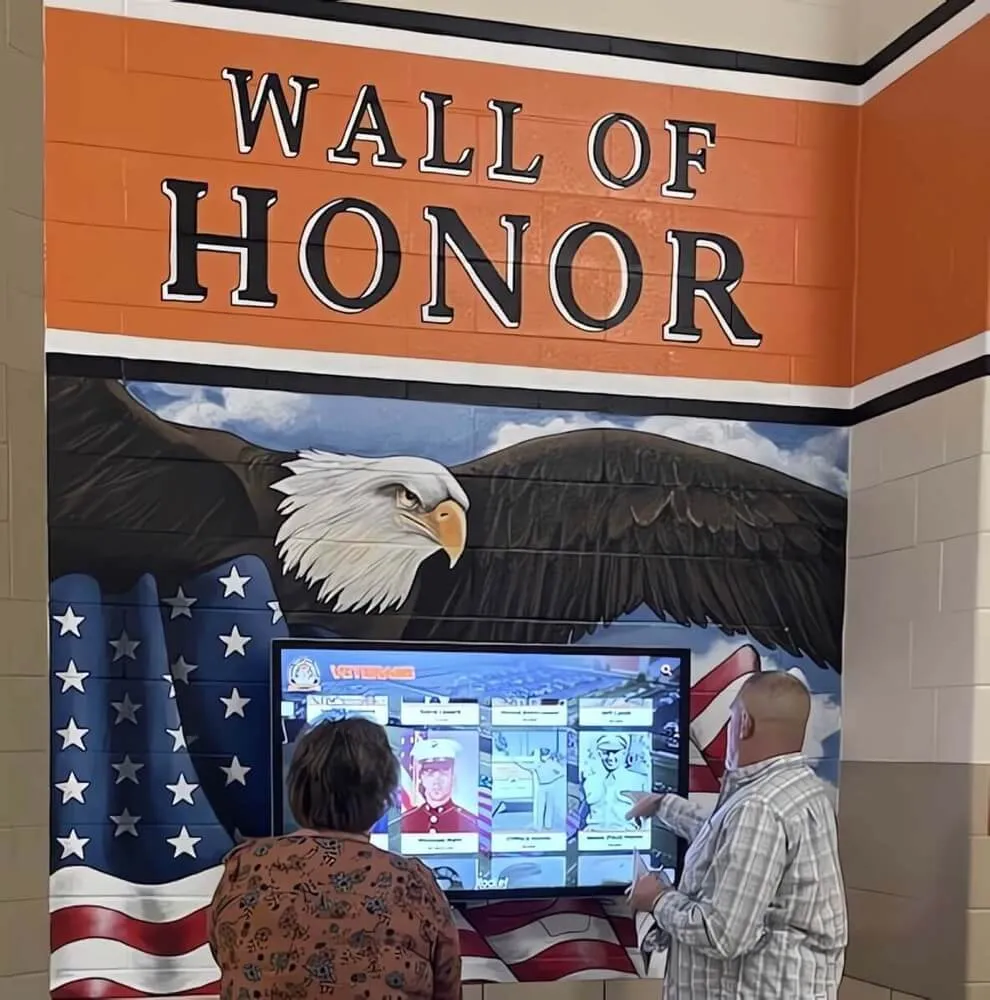
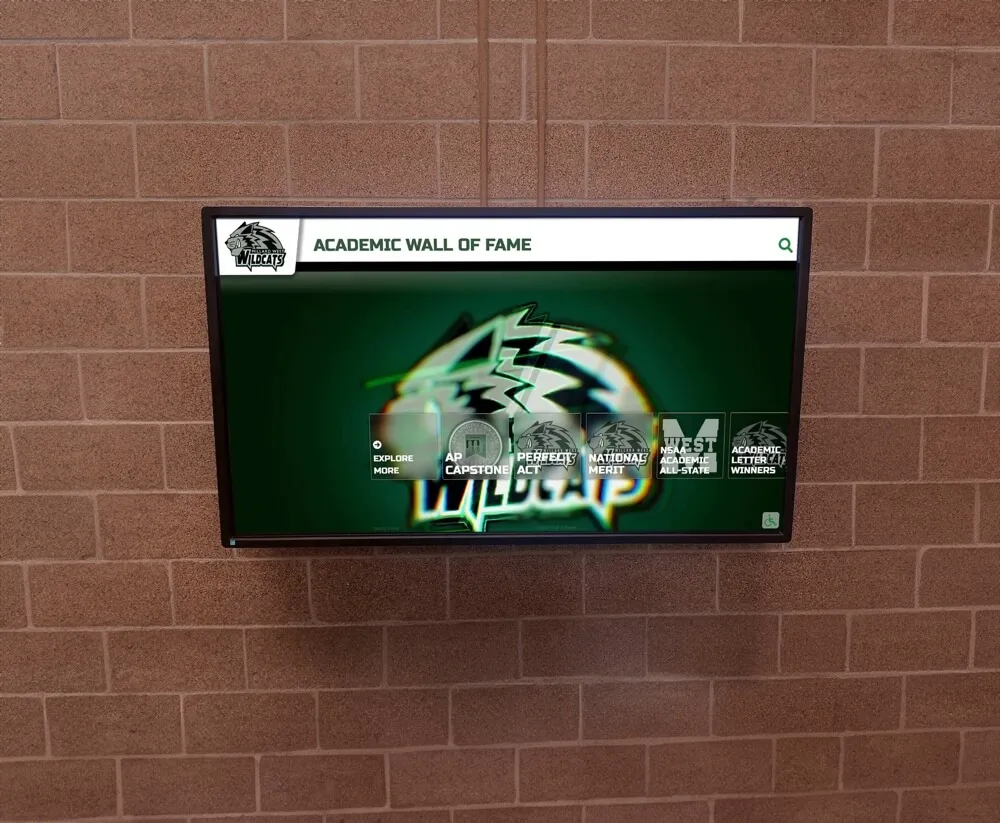
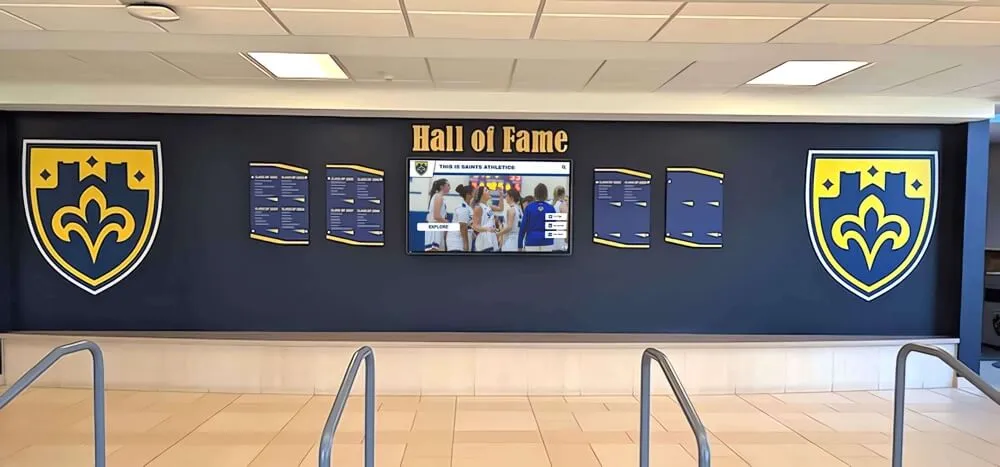
Recognition displays throughout campus create ongoing conversation about achievement and institutional history—the same themes that drive the most compelling school newspaper coverage
Building an Editorial Calendar Around These Angles
The 30 story angles above become most powerful when planned systematically rather than assigned reactively. Here’s a framework for integrating achievement and history coverage throughout the year:
Fall Issues (September–November)
Lead the year with profile-forward coverage: athlete and coach features, new teacher introductions with historical context, club and activity previews that explain each organization’s legacy within the school. Coverage of fall athletic championships—especially anniversary retrospectives—creates immediate reader investment in ongoing coverage.
Winter Issues (December–February)
Shift toward academic achievement coverage: NHS inductions, semester honor rolls, scholarship applications, and academic competition season. This is also a strong time for historical features that draw on yearbook archives and institutional memory, as the school year’s narrative arc is becoming clear.
Spring Issues (March–May)
Senior legacy coverage and graduation-adjacent features: scholarship announcements, alumni return features, retirement retrospectives for departing staff. Coverage of spring athletic and academic championships provides natural story anchors. End-of-year coverage should look both backward (what defined this year) and forward (what this class leaves behind).
Connecting Print Coverage to Permanent Recognition
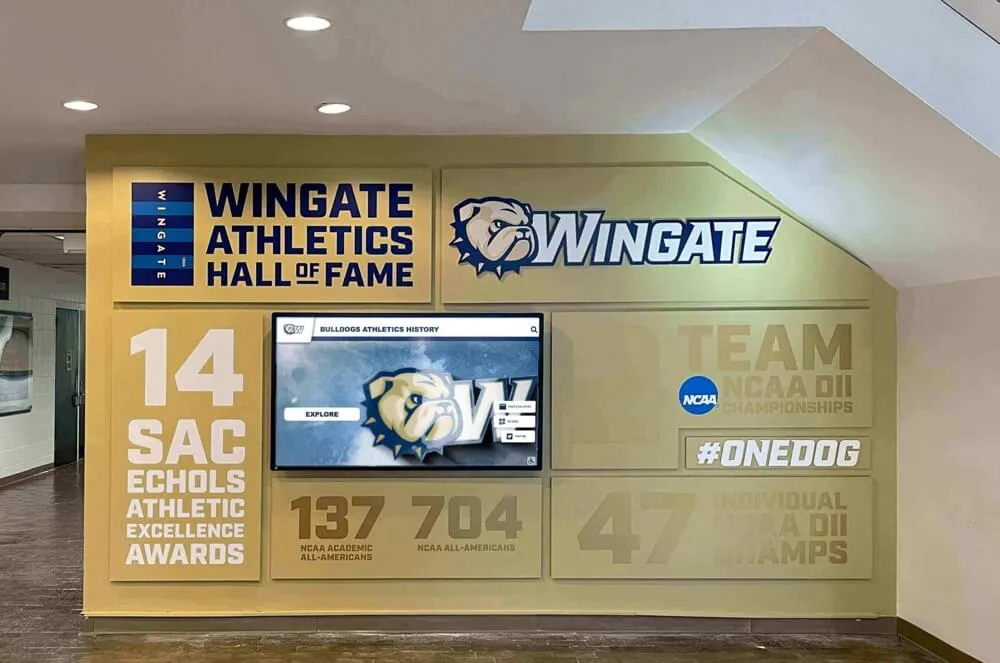
School newspapers capture moments in time, but many achievements deserve permanent visibility beyond a single issue. Increasingly, schools are discovering that the profiles and features published in student newspapers become source material for recognition installations that serve the school community for years.
Digital asset management systems for school districts create infrastructure for preserving the coverage student journalists produce—photos, profiles, and historical features that would otherwise disappear when newspaper issues are discarded or websites are redesigned.
Outstanding student recognition displays in school lobbies and hallways draw on exactly the same stories school newspapers tell: who excelled, what they accomplished, and why it mattered to this community. When newspaper coverage and physical recognition systems reinforce each other, both become more meaningful.
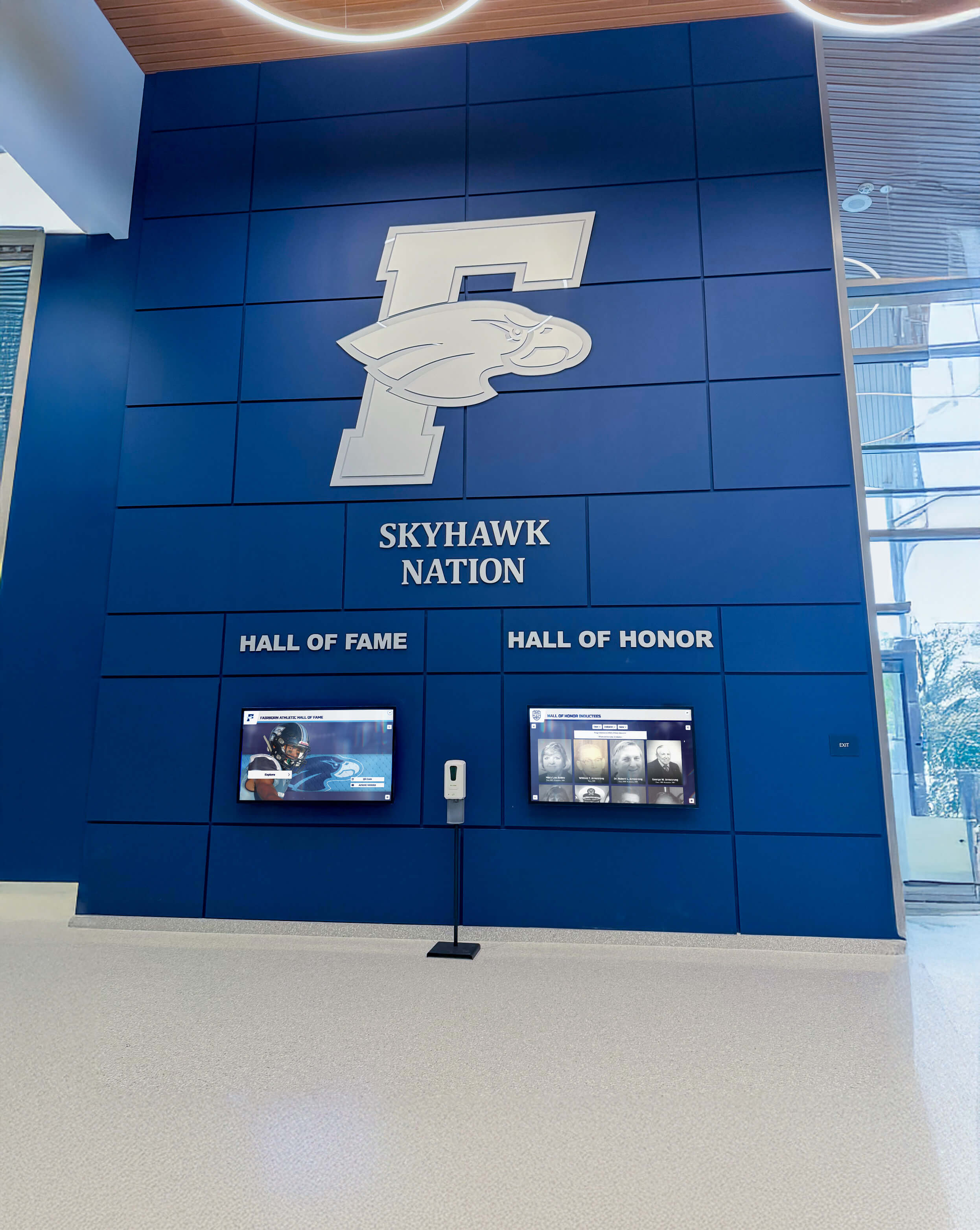
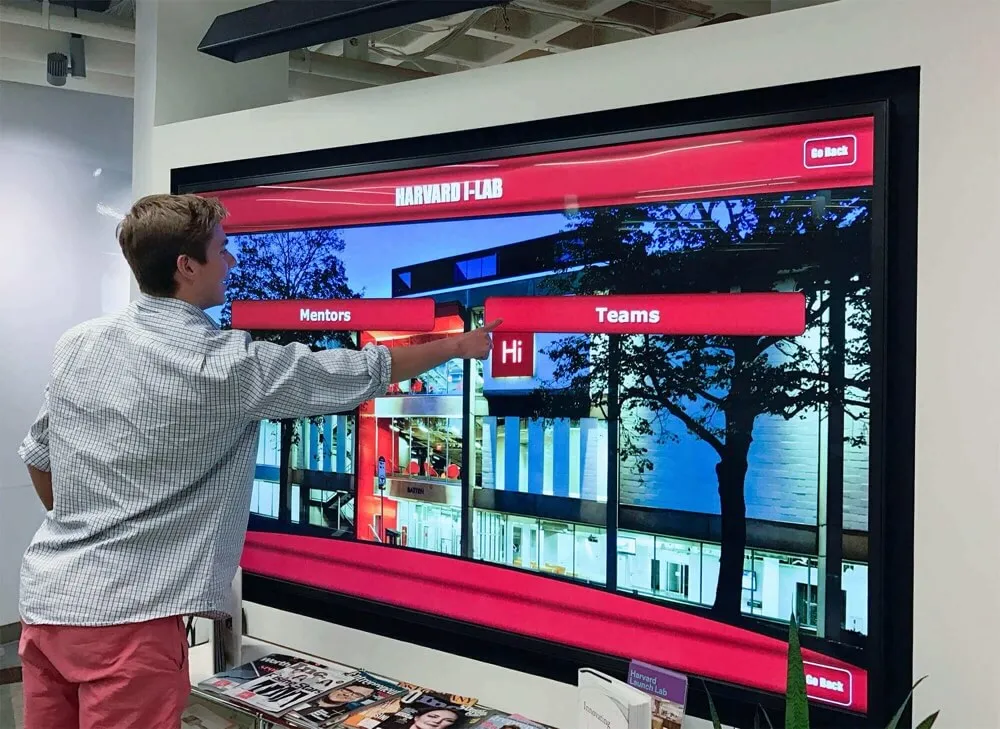
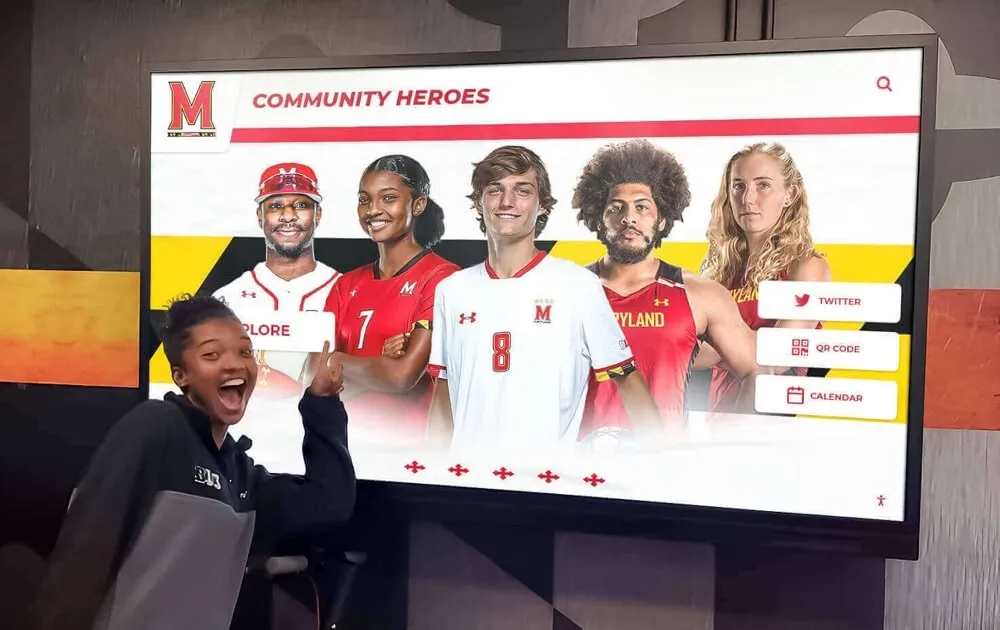
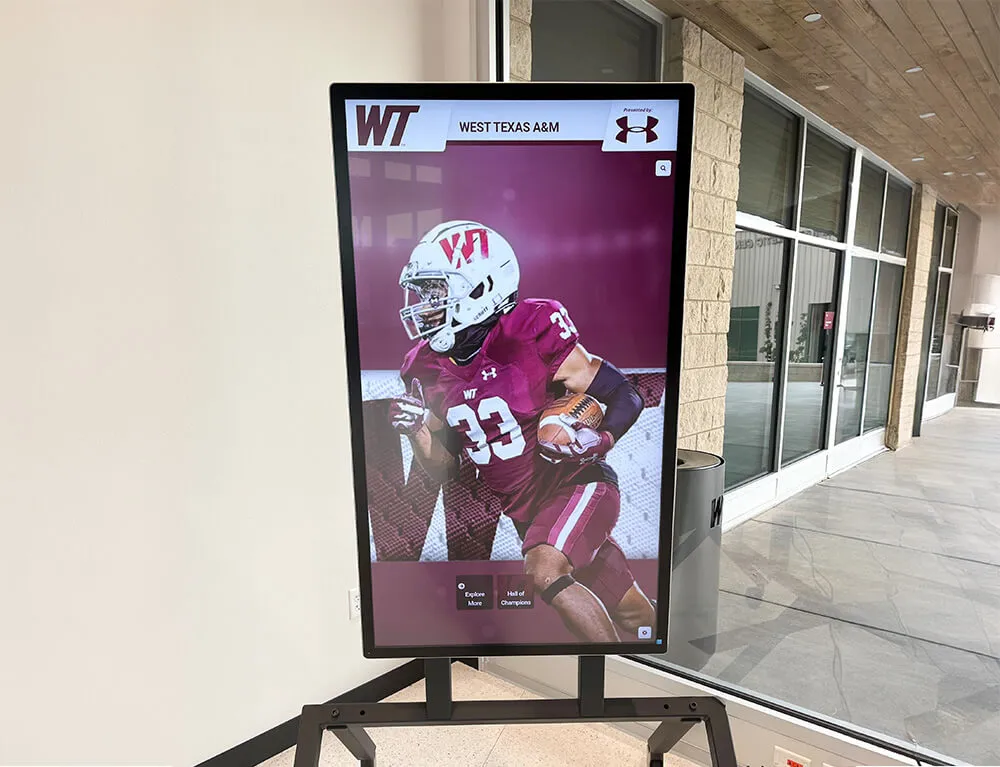
Interactive recognition installations throughout campus draw on the same stories school newspapers tell—and can extend that coverage into permanent, accessible displays that serve students, alumni, and visitors year-round
Schools using Rocket Alumni Solutions touchscreen recognition systems have found that student newspaper archives serve as rich content sources for these displays—profiles, photographs, and historical features that bring recognition installations to life with the kind of authentic storytelling that resonates with current students and returning alumni alike.
Putting These Ideas Into Practice
The most important thing school newspaper staffs can do with any list of story ideas is resist the urge to treat them as templates. Every school has its own history, its own community, and its own version of each story type. The athlete who broke a school record at your school has a specific background, specific influences, and a specific relationship to that achievement that no generic story angle captures.
Use these 30 angles as entry points—prompts that help you ask the right questions, look in the right places, and recognize which stories are worth the time it takes to tell them properly. Then do the reporting that makes each story uniquely yours.
The best school newspapers don’t cover what happens. They cover what it means—to the students living it, to the community watching it, and to the institution that will remember it long after this class graduates.
Looking to preserve student achievements beyond your printed pages? Rocket Alumni Solutions creates interactive touchscreen recognition systems that help schools celebrate student achievement, honor athletic and academic records, and maintain living connections between current students, alumni, and school history. Request a custom mock-up to see how your school’s stories can become permanent, engaging displays.