School lobbies serve as far more than transitional spaces between exterior and interior—they represent the critical first impression that shapes perceptions for prospective families touring campuses, establishes institutional identity for daily visitors and community members, creates cultural tone for students beginning and ending each school day, and demonstrates educational values through design choices that either inspire excellence or suggest mediocrity through neglect.
Yet many schools approach lobby design as purely functional afterthoughts—allocating minimal resources to spaces that receive the highest visibility, missing opportunities to showcase achievements systematically, creating uninspiring environments that communicate nothing distinctive about institutional mission or character, and wasting prime real estate that could transform casual visitors into enthusiastic advocates while motivating current students through strategic recognition and inspirational design elements.
This comprehensive guide explores evidence-based school lobby design ideas that create entrances worthy of the educational excellence happening beyond them. From strategic space planning and recognition systems through lighting, technology integration, wayfinding, and cultural elements that make lobbies memorable, these approaches help schools design or renovate entrance spaces that welcome authentically while inspiring everyone who crosses the threshold—whether prospective students evaluating educational options, alumni reconnecting with their institutional roots, or current students seeking daily affirmation that their school values achievement.
School lobby design decisions create lasting impressions influencing enrollment, community support, alumni engagement, and school culture for decades. Institutions investing thoughtful consideration in entrance design—balancing functional requirements with psychological impact, honoring tradition while embracing innovation, and creating spaces that celebrate achievement systematically—discover that lobbies become powerful communication tools advancing institutional mission far beyond architectural aesthetics.

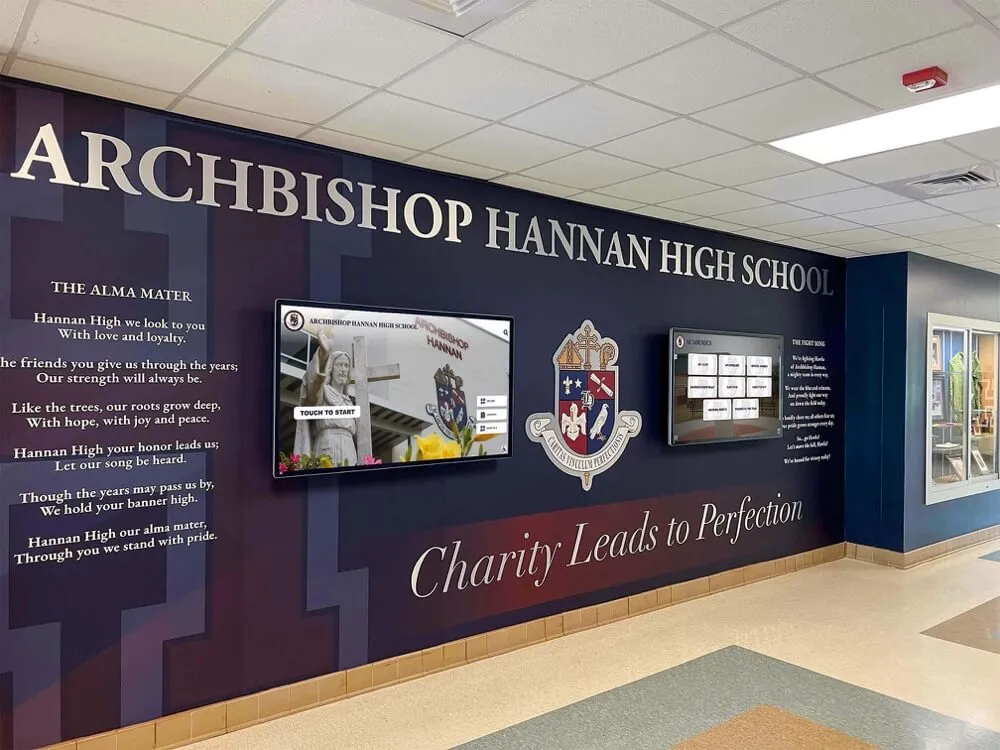
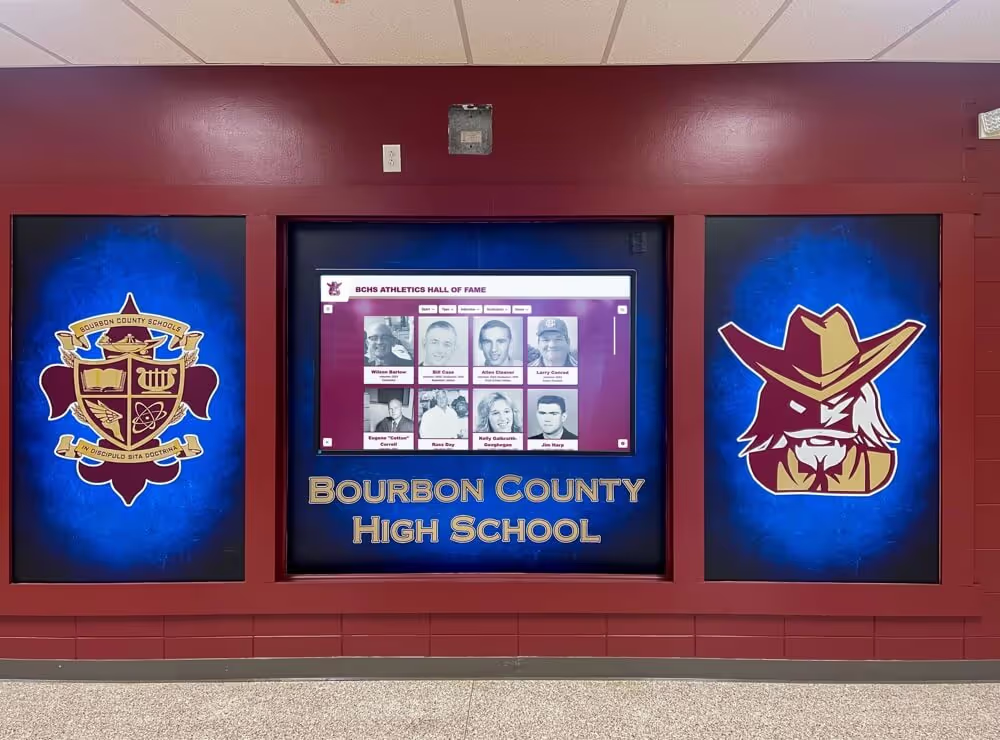
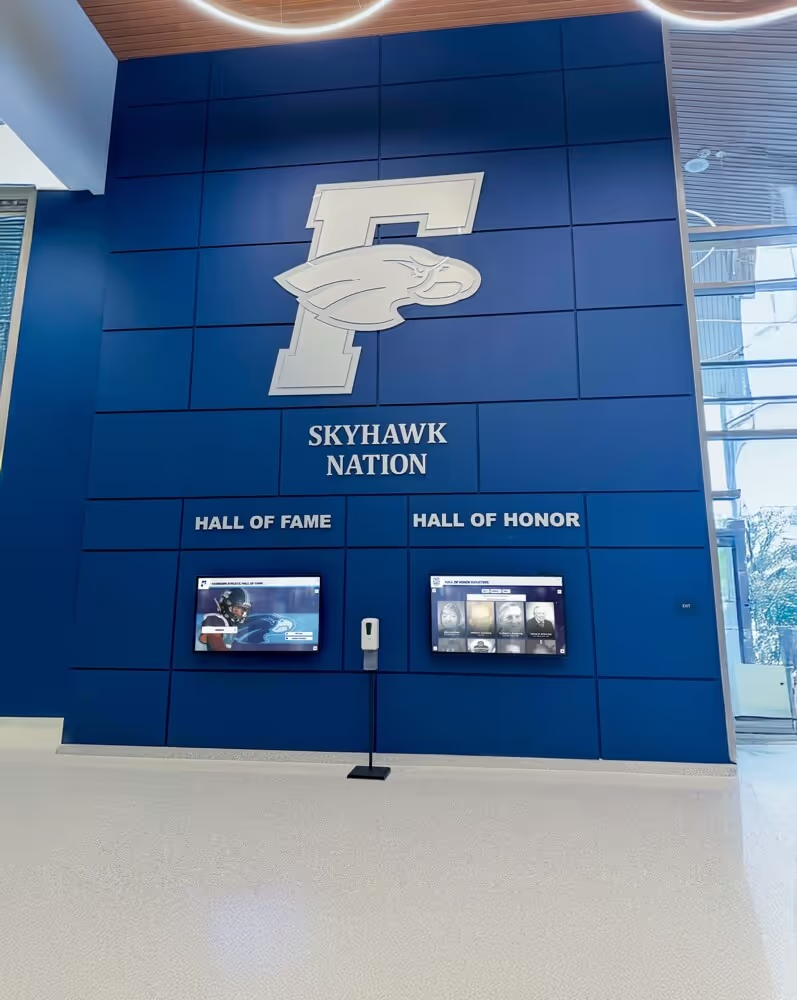
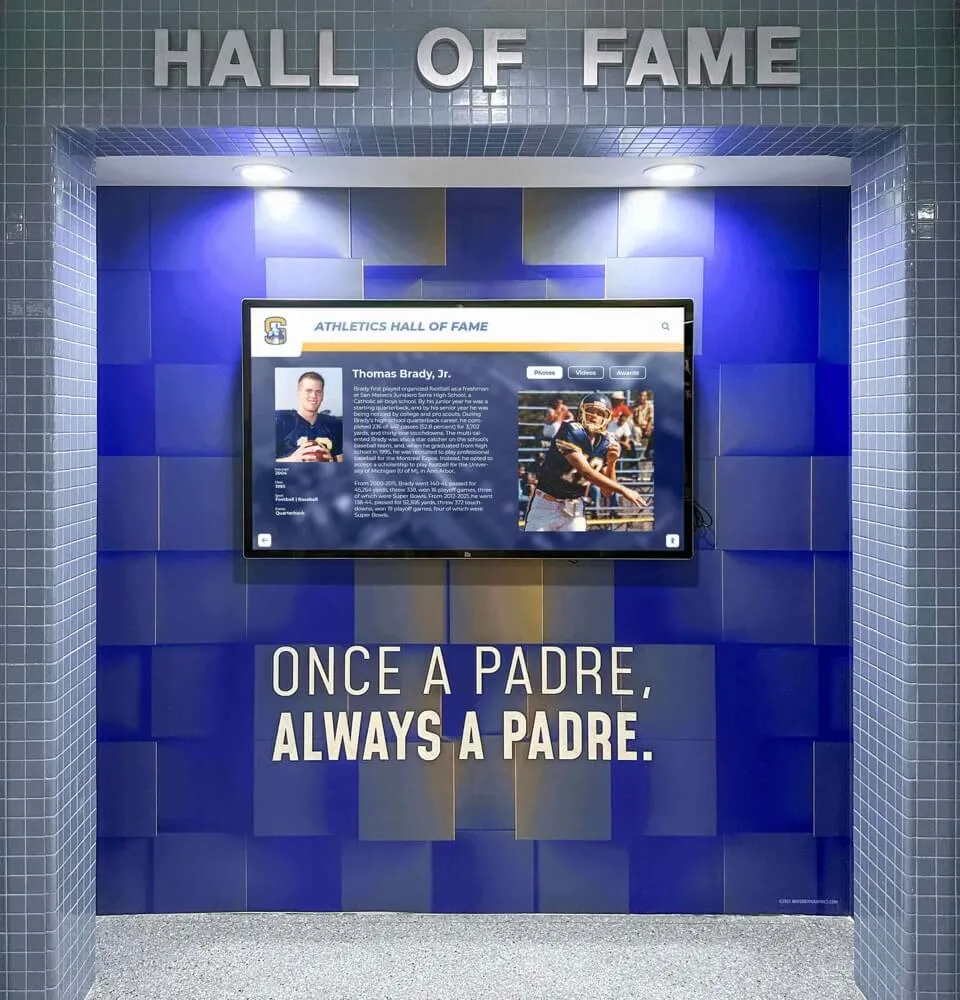
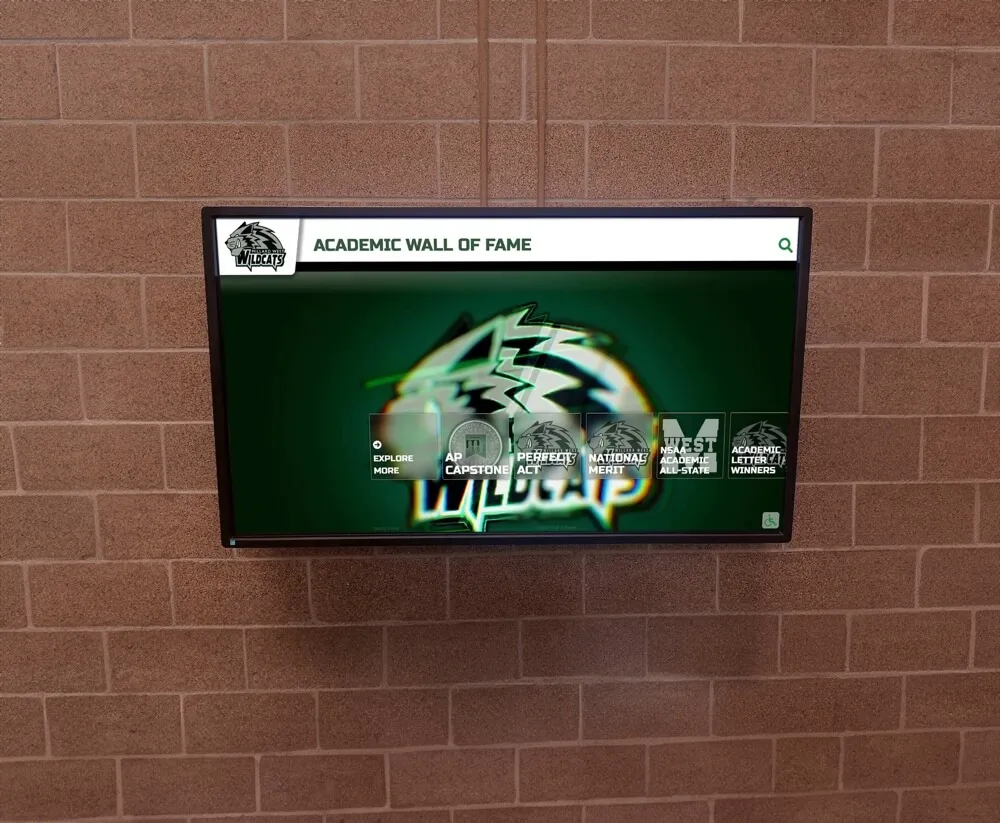
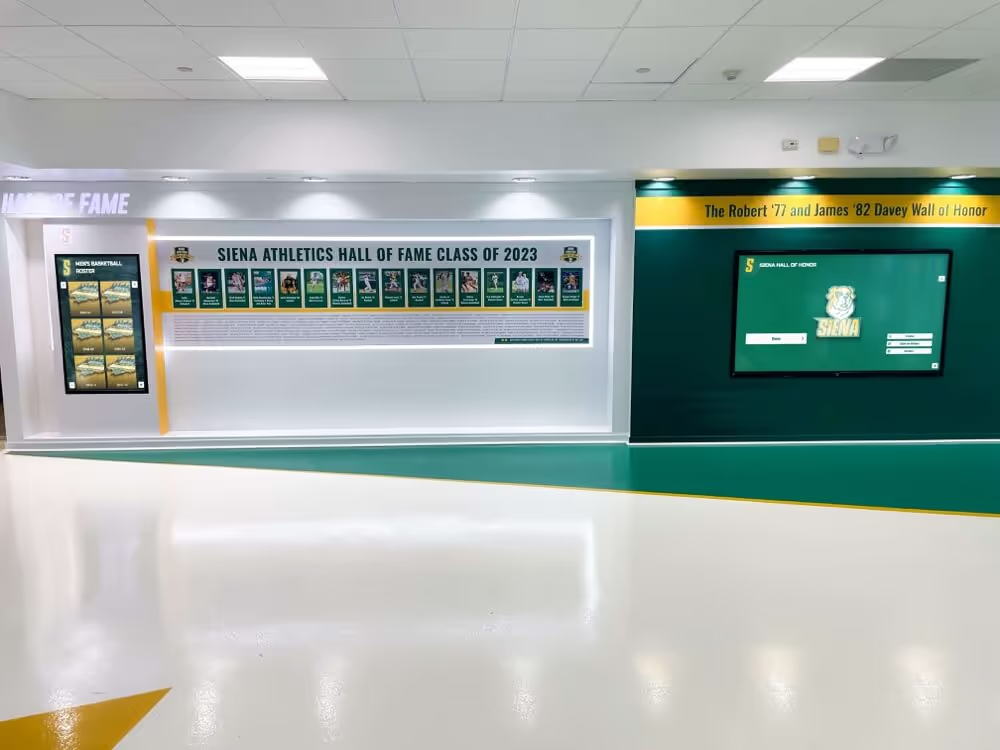
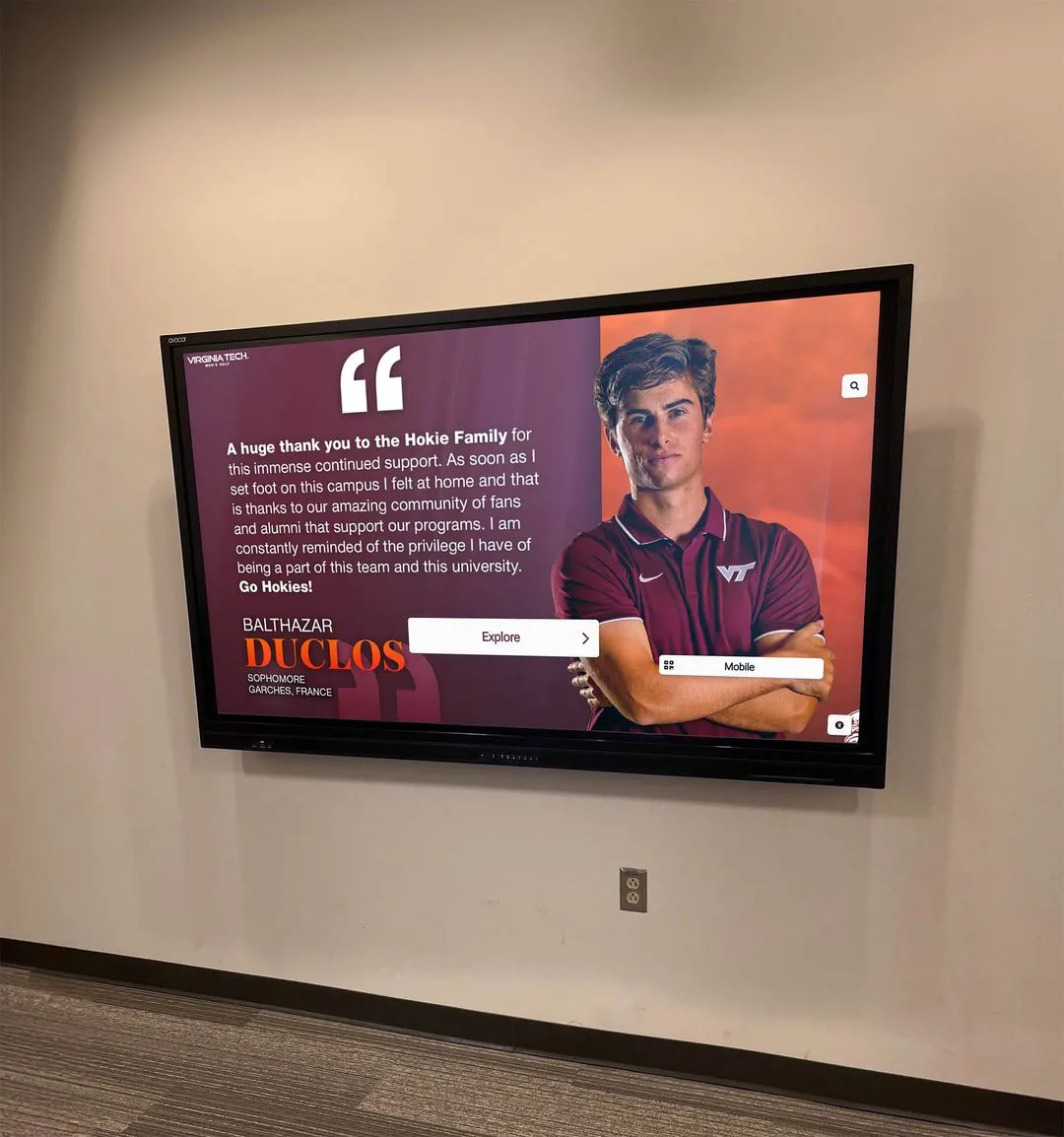
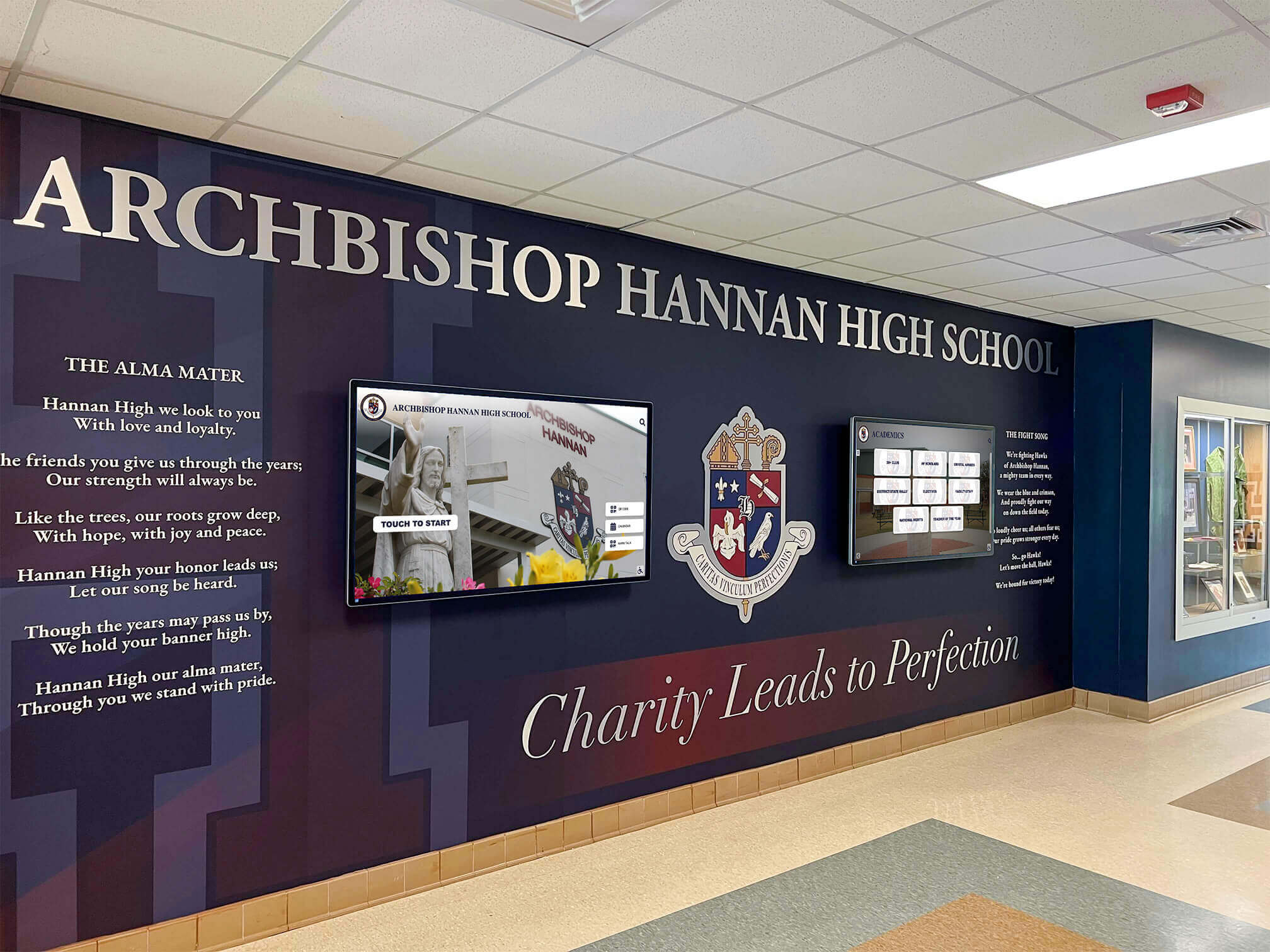
Comprehensive lobby design integrating institutional identity, visual storytelling, and digital recognition creates immediate understanding of school values and excellence
The Strategic Importance of School Lobby Design
Before exploring specific design strategies, understanding why entrance spaces deserve significant attention ensures appropriate resource allocation and thoughtful planning.
First Impressions Shape Institutional Perception
Lobby design influences visitor conclusions about educational quality, institutional priorities, and organizational competence within seconds:
Prospective Family Decision-Making Campus tours represent critical enrollment touchpoints where physical environments communicate more powerfully than marketing materials:
- Families evaluate facilities as proxies for educational quality and resource investment
- Well-designed lobbies create immediate positive associations influencing enrollment decisions
- Recognition displays demonstrate systematic celebration of achievement suggesting student-centered culture
- Professional presentation implies organizational competence and attention to detail throughout institution
- Inspiring environments differentiate schools in competitive enrollment markets
Research indicates facility quality ranks among top three factors influencing school selection decisions for families with multiple educational options—making lobby design a strategic enrollment investment rather than discretionary aesthetic expense.
Community Connection and Support Entrance spaces influence stakeholder relationships beyond enrollment:
- Alumni returning for events form impressions about institutional evolution and investment
- Donors evaluating funding opportunities assess facility stewardship through entrance presentation
- Community partners attending meetings draw conclusions about organizational professionalism
- Board members and oversight bodies perceive lobbies as indicators of leadership priorities
- Media representatives covering school events photograph entrance areas establishing public perception
Schools competing for philanthropic support, community partnerships, and positive media coverage cannot afford entrance spaces that communicate indifference through neglect or generic institutional design lacking distinctive character.
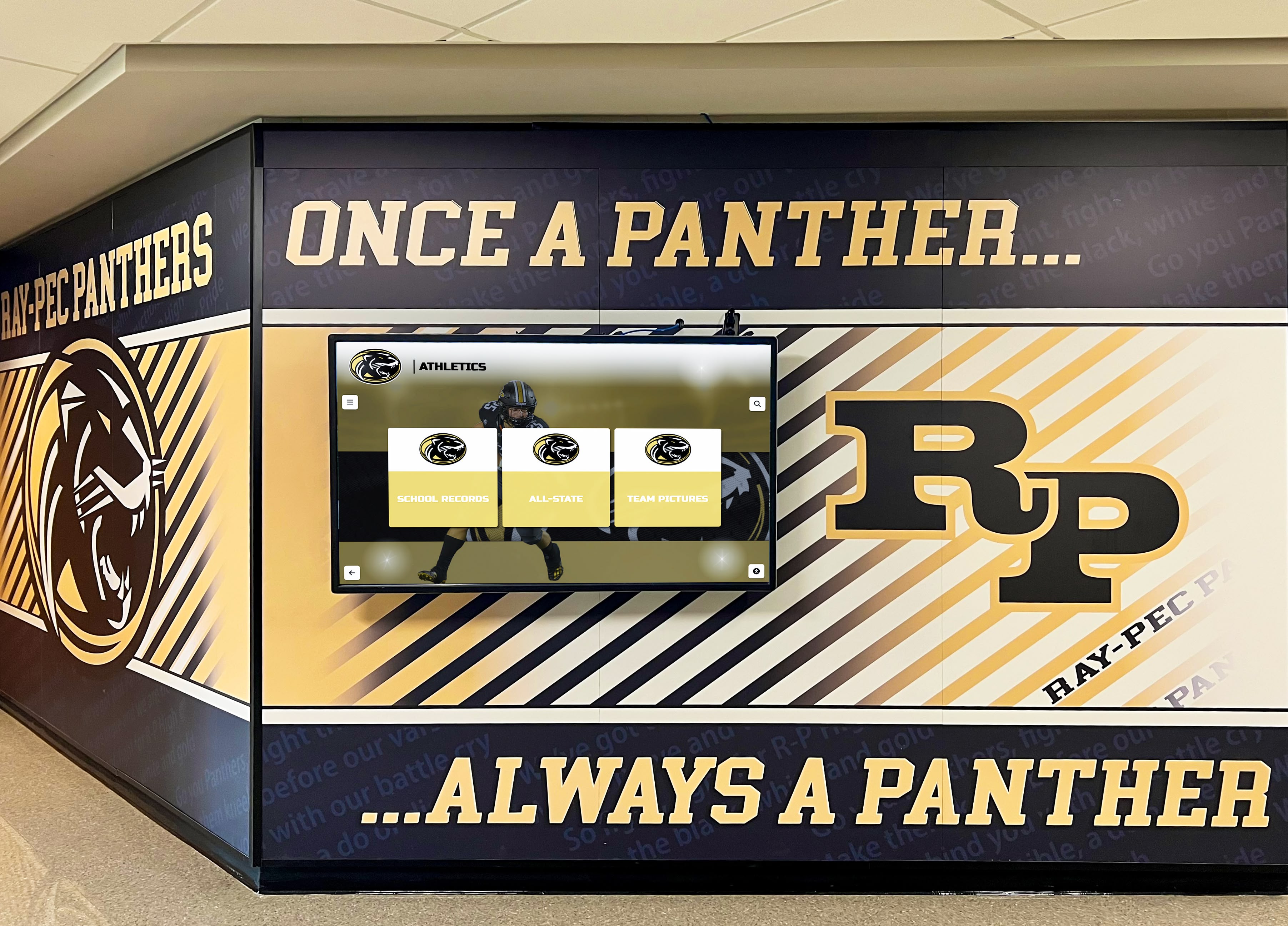
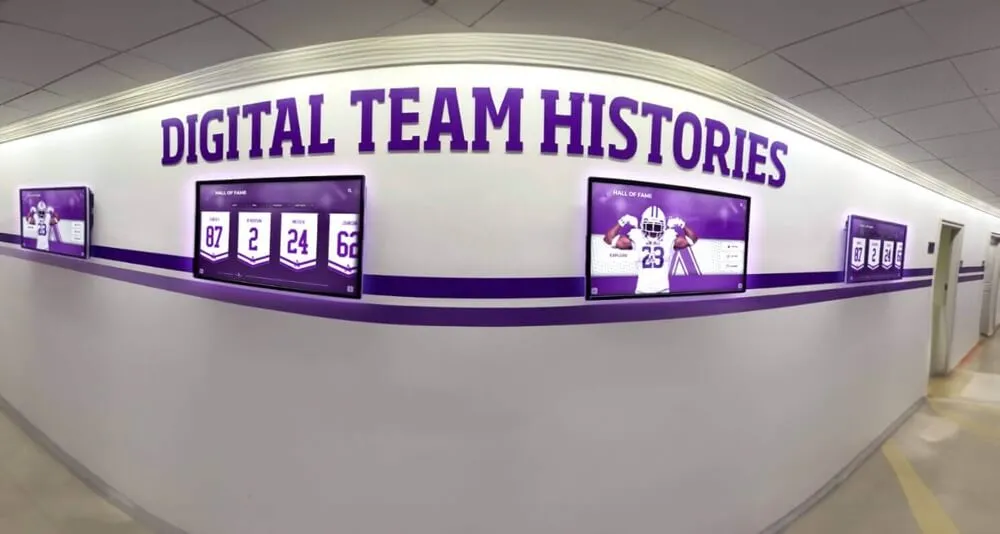
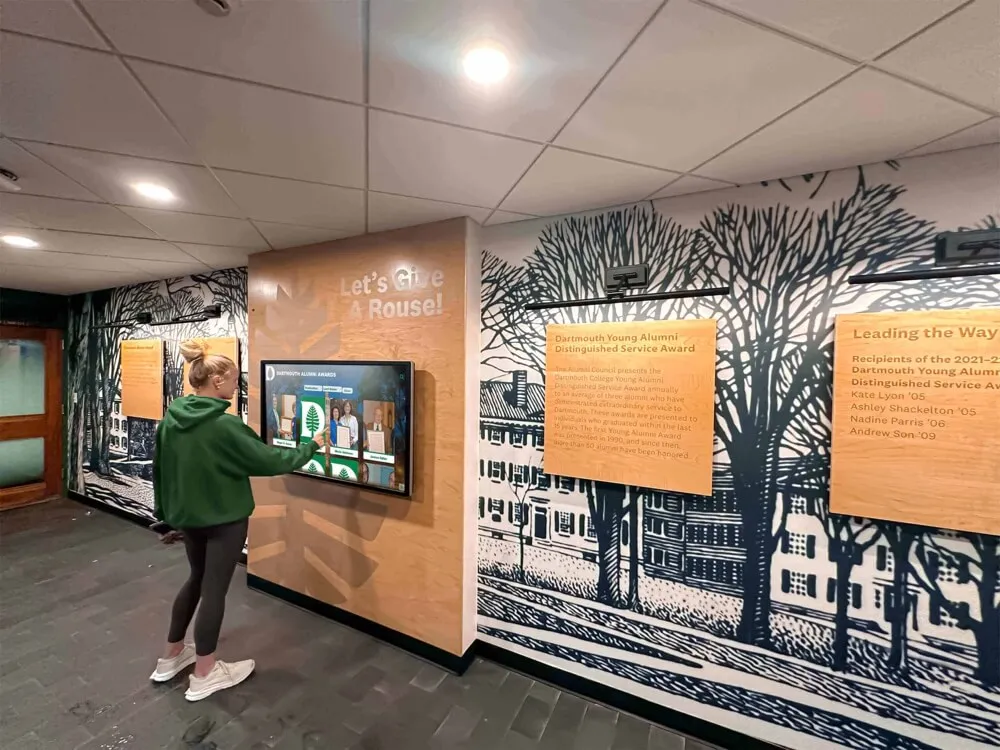
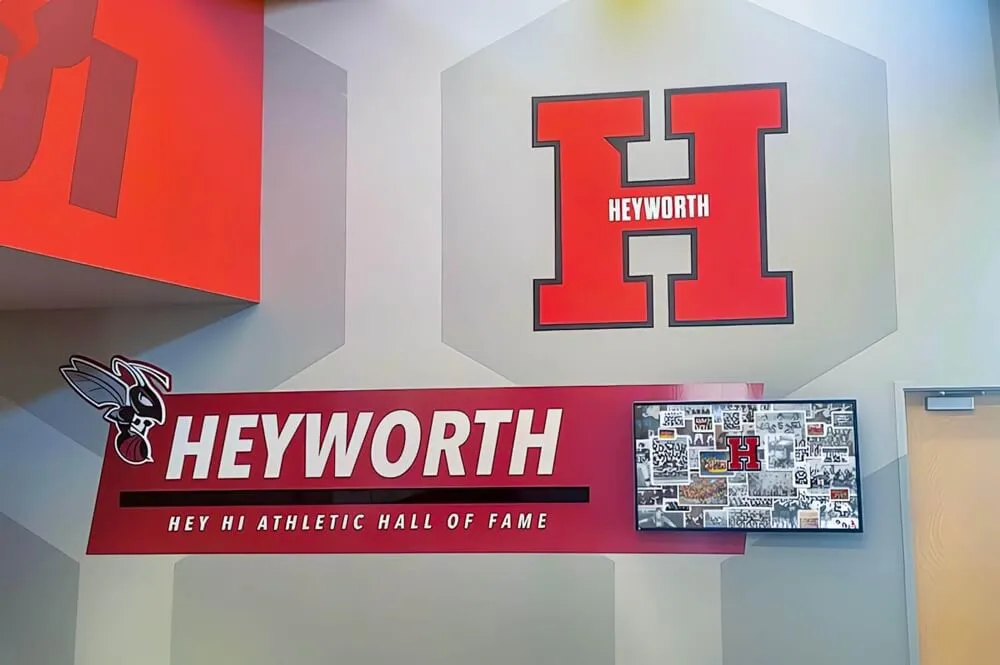
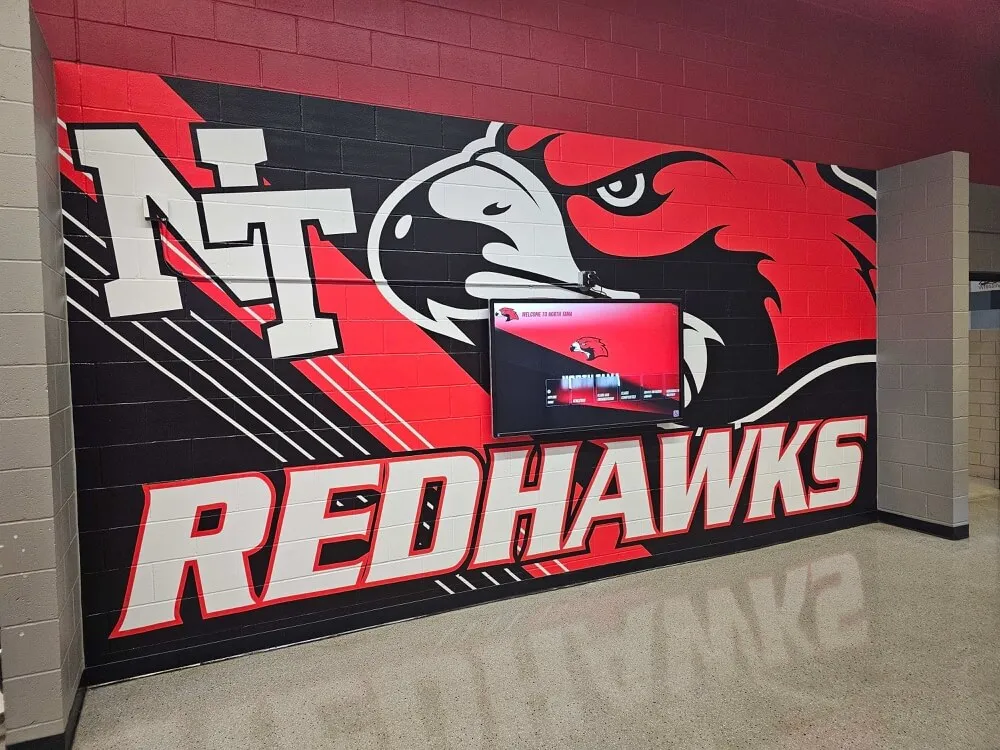
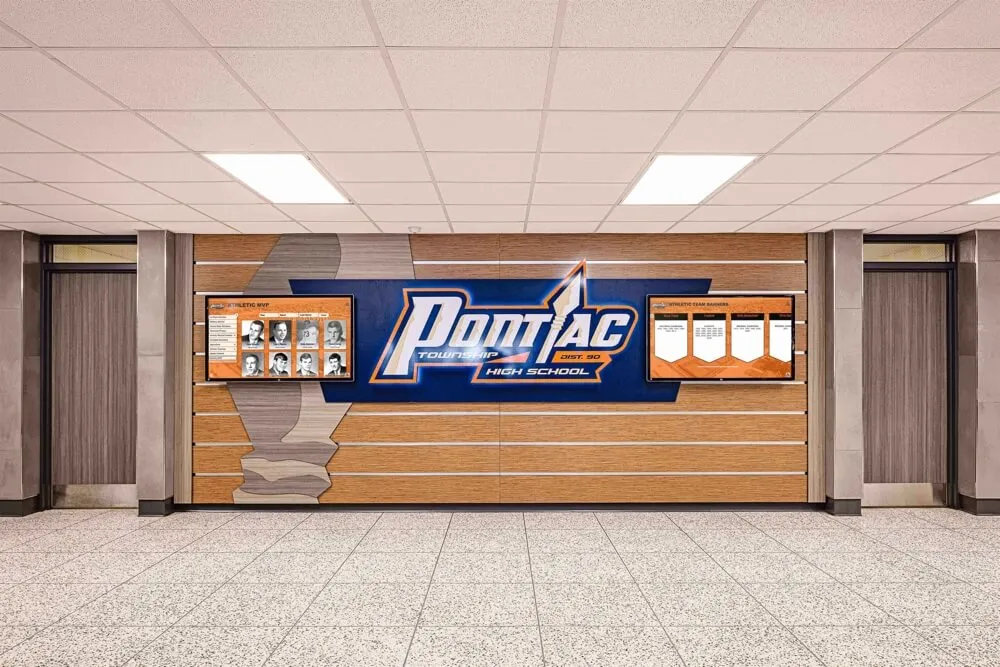
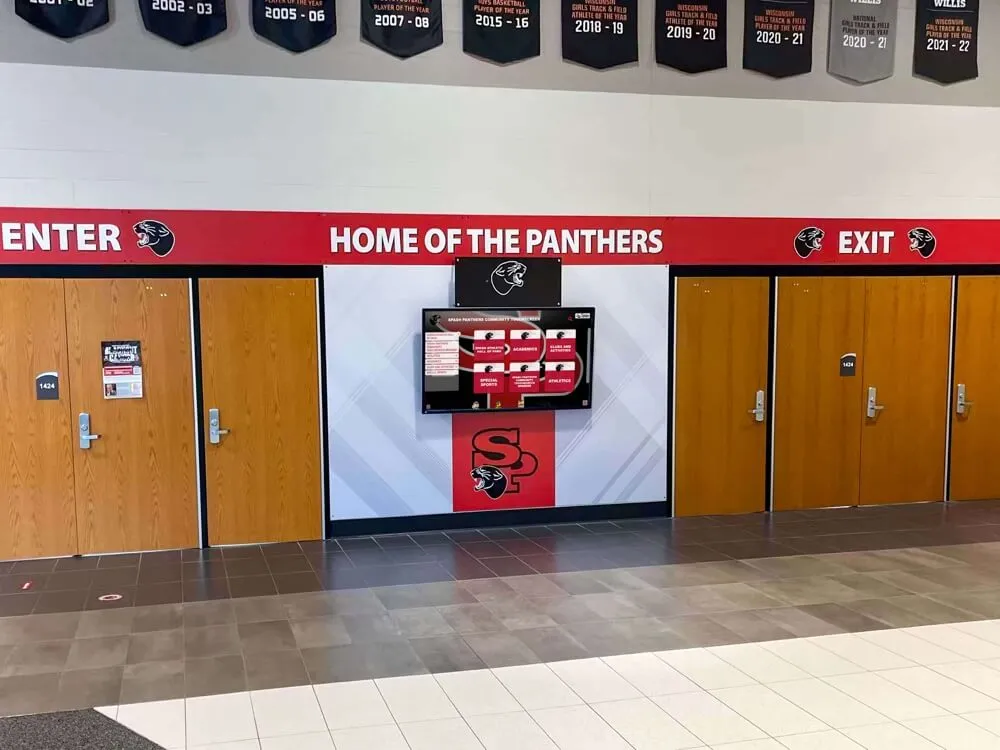
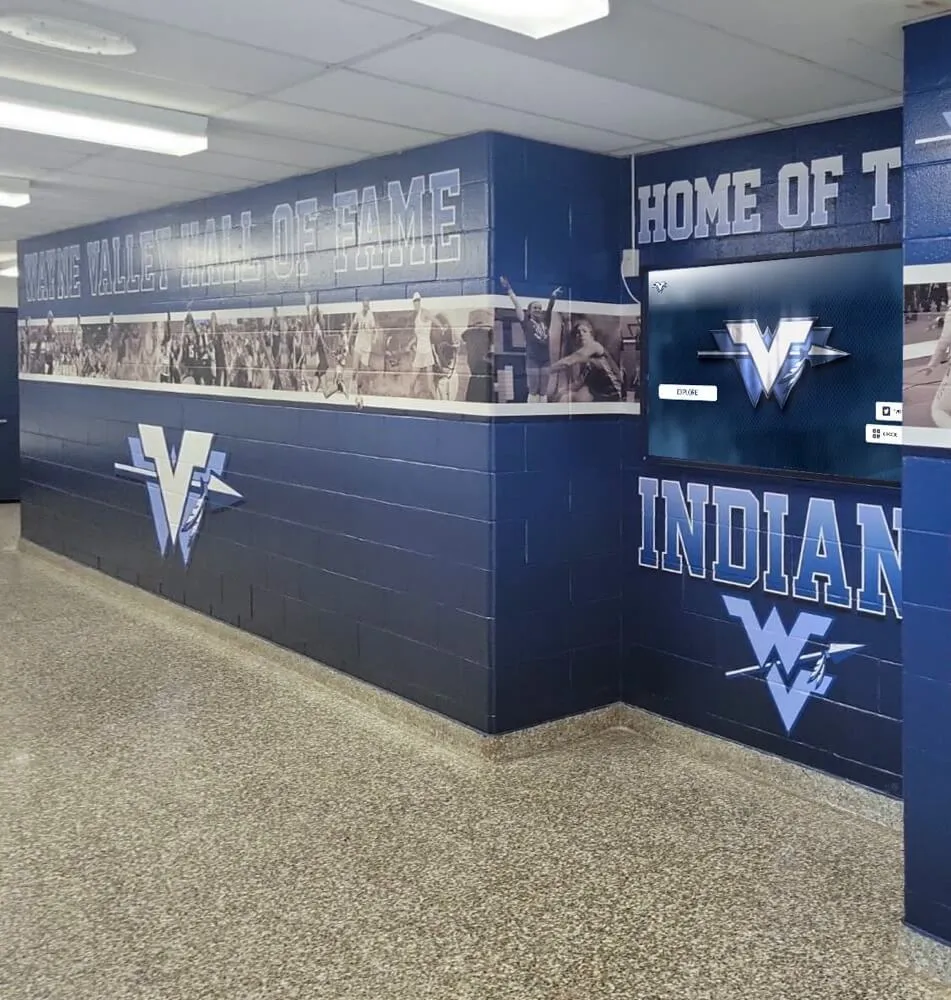
Entrance corridors establishing immediate institutional identity through coordinated visual branding and recognition technology
Daily Cultural Impact on Students
Beyond visitor impressions, lobbies influence student experience and institutional culture:
Morning and Afternoon Transitions Lobbies represent beginning and end points for each school day:
- Welcoming design creates positive associations starting daily experiences
- Recognition displays remind students that achievement receives celebration and visibility
- Inspirational elements provide daily motivation and cultural messaging
- Visual quality communicates that institutions value student environments
- School pride develops through impressive spaces reflecting positively on student identity
Students passing through well-designed lobbies hundreds of times annually absorb cultural messages about what institutions value, whether excellence receives systematic celebration, and if students attend schools worthy of pride—profoundly influencing engagement and achievement motivation.
Peer Perception and School Pride Facility quality affects student attitudes:
- Students compare their schools with competitors during athletic events and academic competitions
- Social media sharing of impressive lobby spaces builds positive reputation
- Recruiting advantages emerge when student ambassadors proudly showcase facilities
- School spirit strengthens when physical environments reflect excellence deserving celebration
- Retention improves when students develop strong positive associations with institutions
Schools struggling with enrollment retention or school spirit challenges should evaluate whether uninspiring entrance spaces inadvertently communicate messages undermining pride and connection.
Functional Requirements Beyond Aesthetics
Effective lobbies balance beauty with practical operational needs:
Security and Access Control Modern school safety requires sophisticated entrance design:
- Clear sightlines enabling staff monitoring of entrance activities
- Controlled access points funneling visitors through verification processes
- Secure vestibule designs preventing unauthorized access to building interiors
- Emergency egress capabilities maintaining safety during evacuations
- Technology integration supporting visitor management systems
Security design need not create institutional or unwelcoming atmospheres—thoughtful planning achieves safety objectives while maintaining positive, engaging environments.
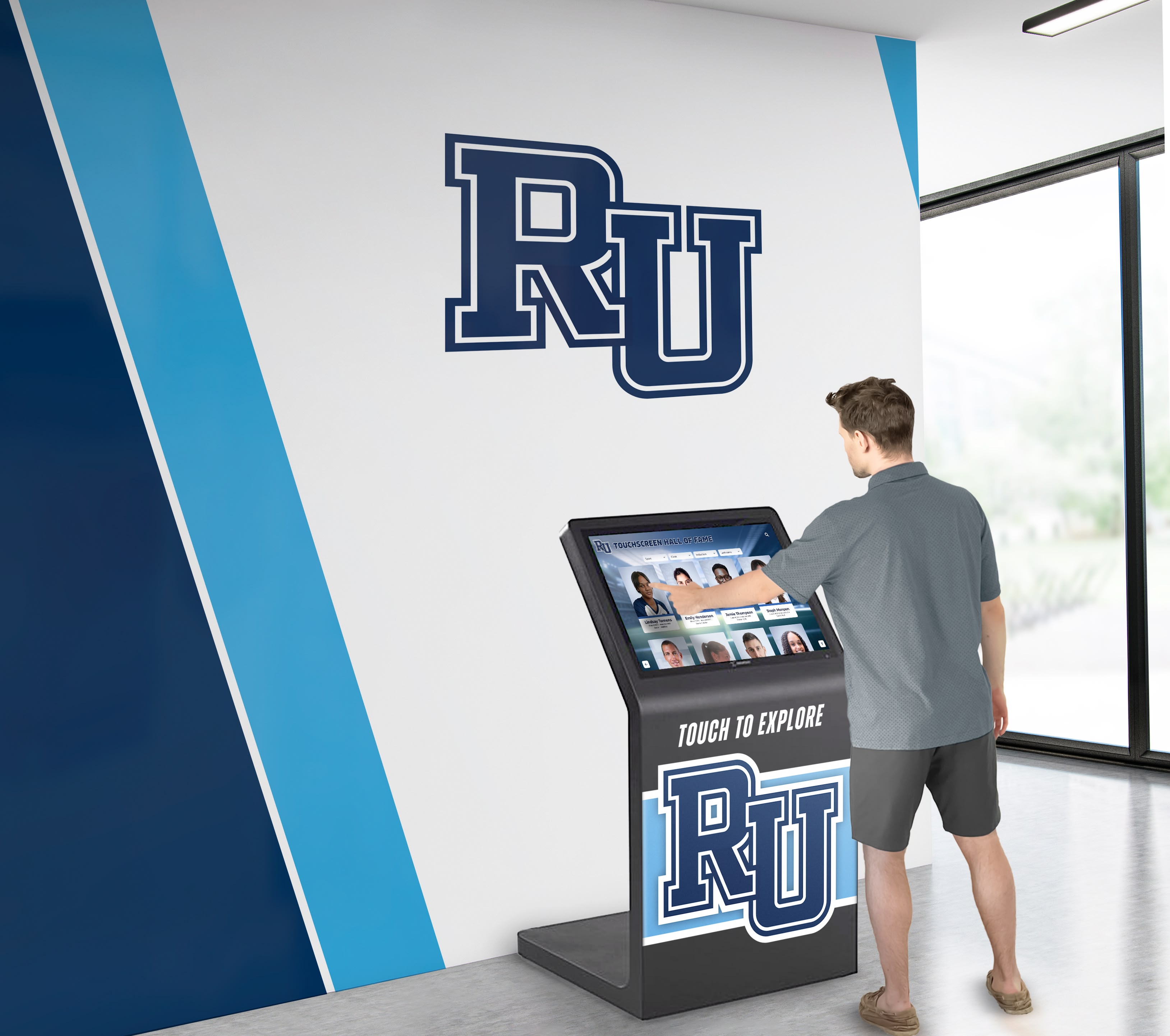
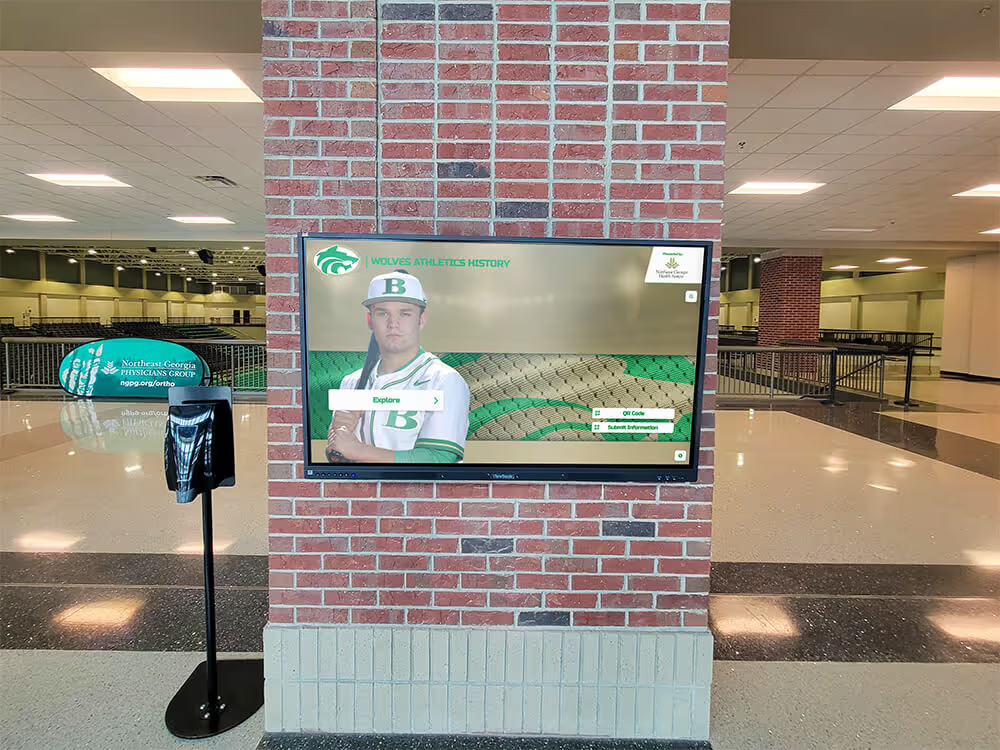
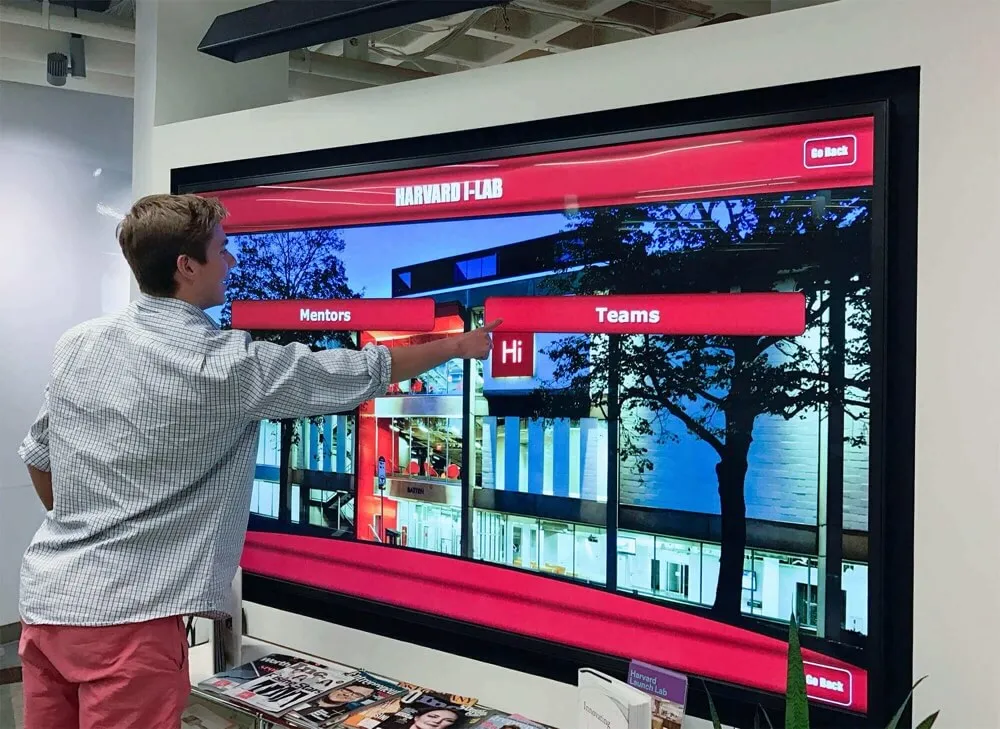
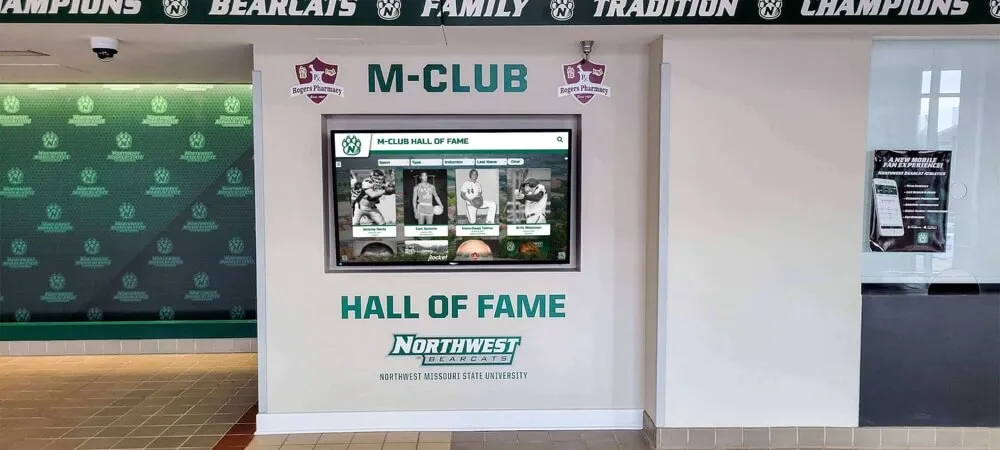
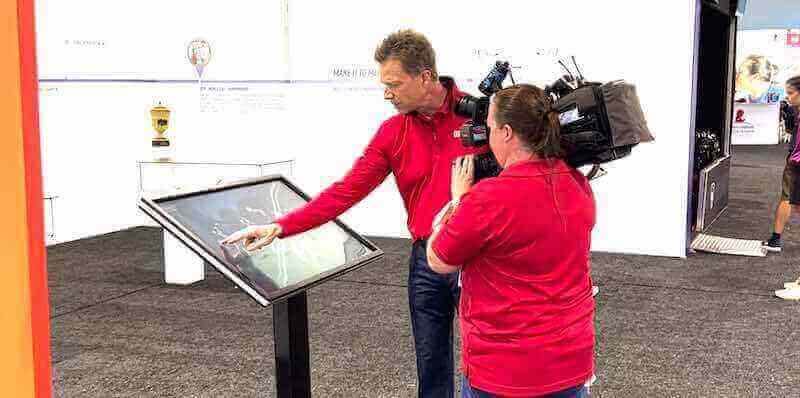
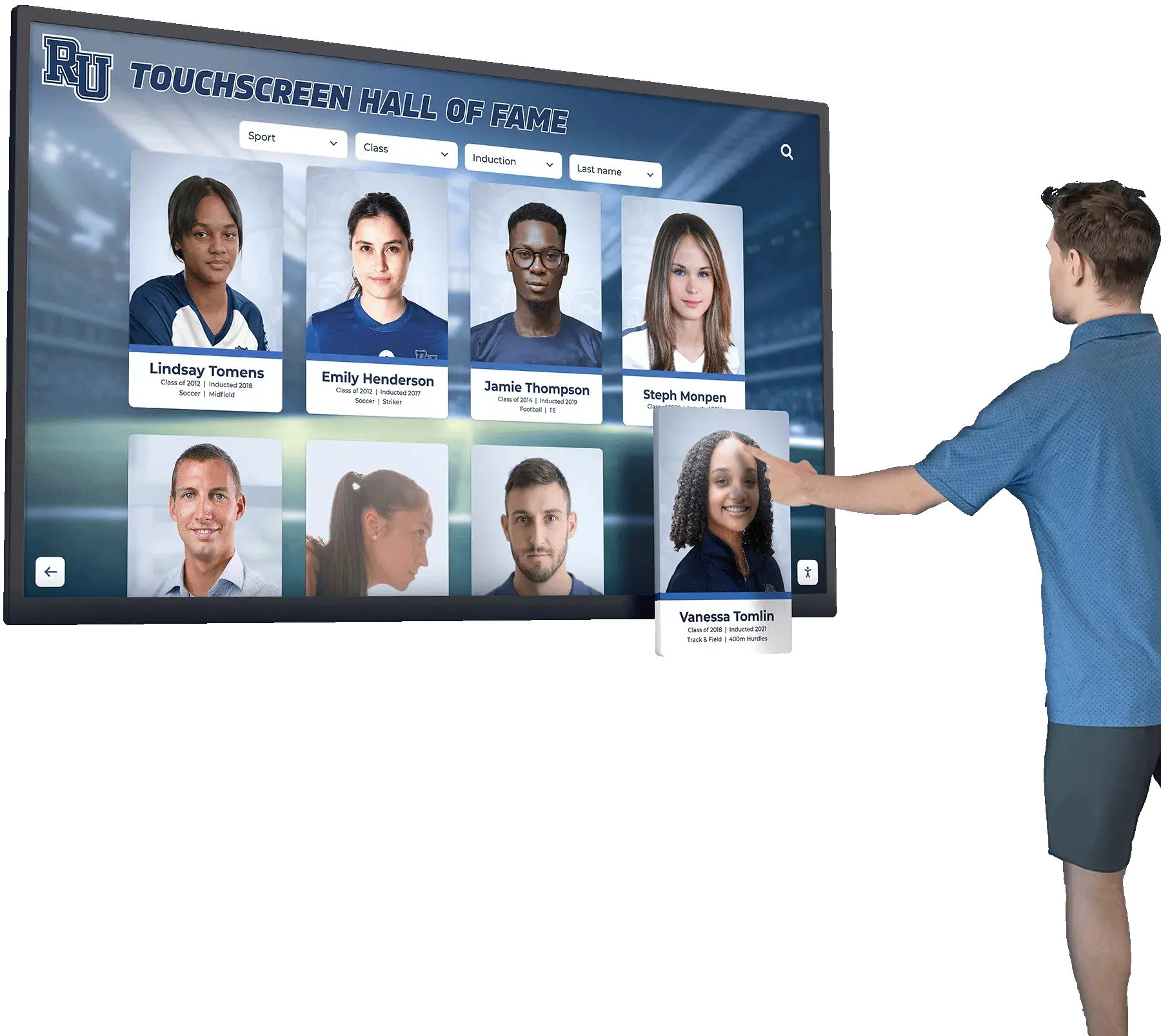
Interactive displays create engaging experiences while providing unlimited recognition capacity in high-traffic entrance areas
Wayfinding and Navigation Lobbies orient visitors within facilities:
- Clear signage directing visitors to administrative offices, meeting rooms, and common destinations
- Campus maps providing spatial orientation for first-time visitors
- Digital directories enabling self-service location lookup
- Intuitive layouts that naturally guide traffic flow without excessive signage
- Accessible design ensuring navigation works for all visitors regardless of mobility or vision
Poor wayfinding creates frustration, wastes staff time providing directions, and communicates organizational confusion—undermining positive first impressions established through attractive design elements.
Recognition and Achievement Display Strategies
School lobbies provide premium real estate for celebrating accomplishments and communicating institutional values through strategic recognition.
Digital Recognition Displays and Interactive Technology
Modern schools increasingly incorporate touchscreen technology transforming static recognition:
Interactive Hall of Fame Systems Digital platforms eliminate traditional recognition constraints:
- Unlimited capacity celebrating hundreds or thousands of students, athletes, scholars, and community members
- Rich multimedia profiles including photographs, videos, biographical narratives, and achievement details
- Searchable databases enabling visitors to find specific individuals or explore by category
- Remote content management allowing updates from any internet-connected device without facility access
- Web integration extending recognition beyond physical campus to online platforms
- Touchscreen kiosk solutions designed specifically for educational recognition
Solutions like Rocket Alumni Solutions provide purpose-built platforms specifically designed for comprehensive school recognition, combining elegant touchscreen displays with intuitive content management systems enabling administrators to celebrate achievements without technical expertise.
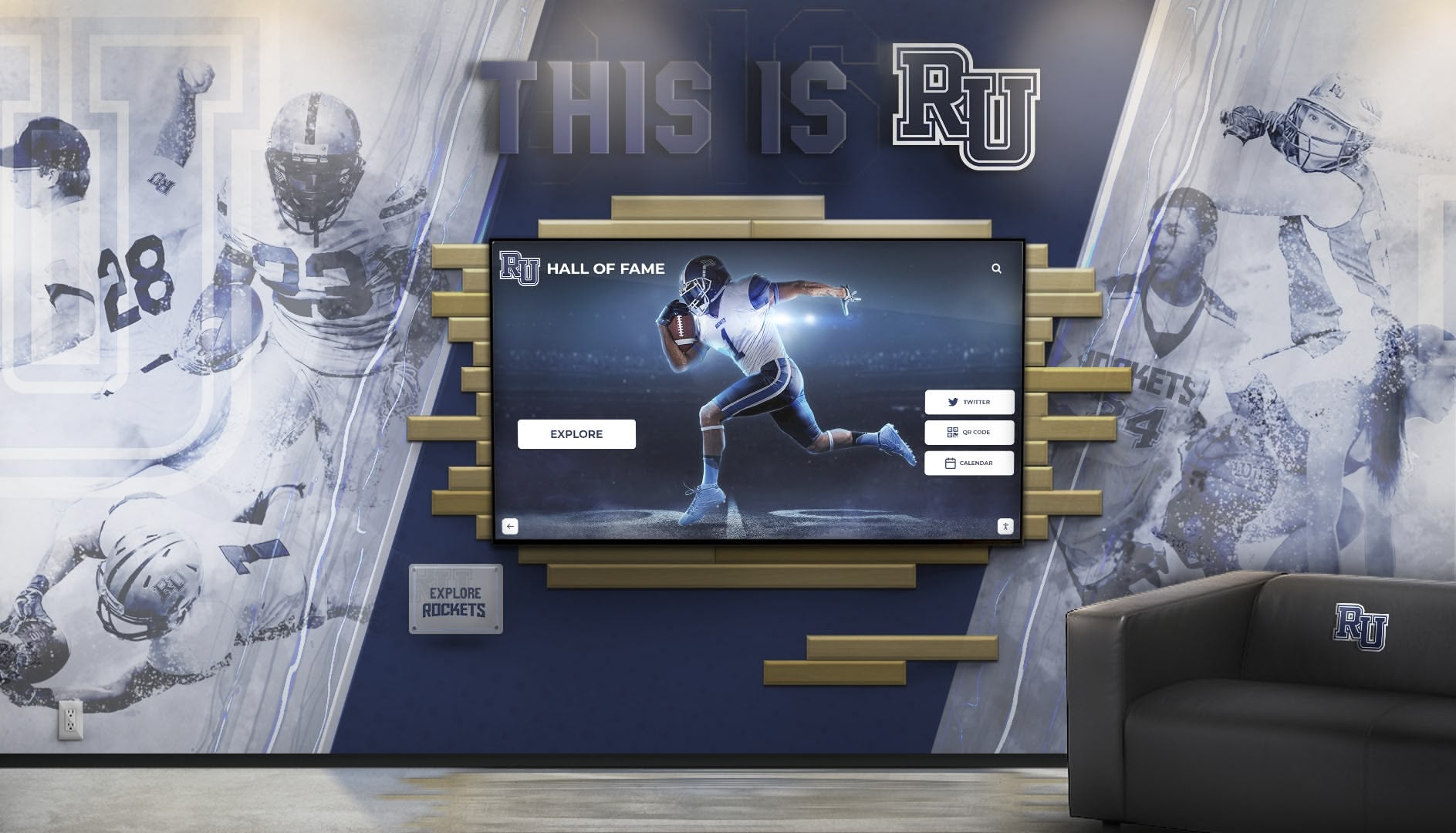
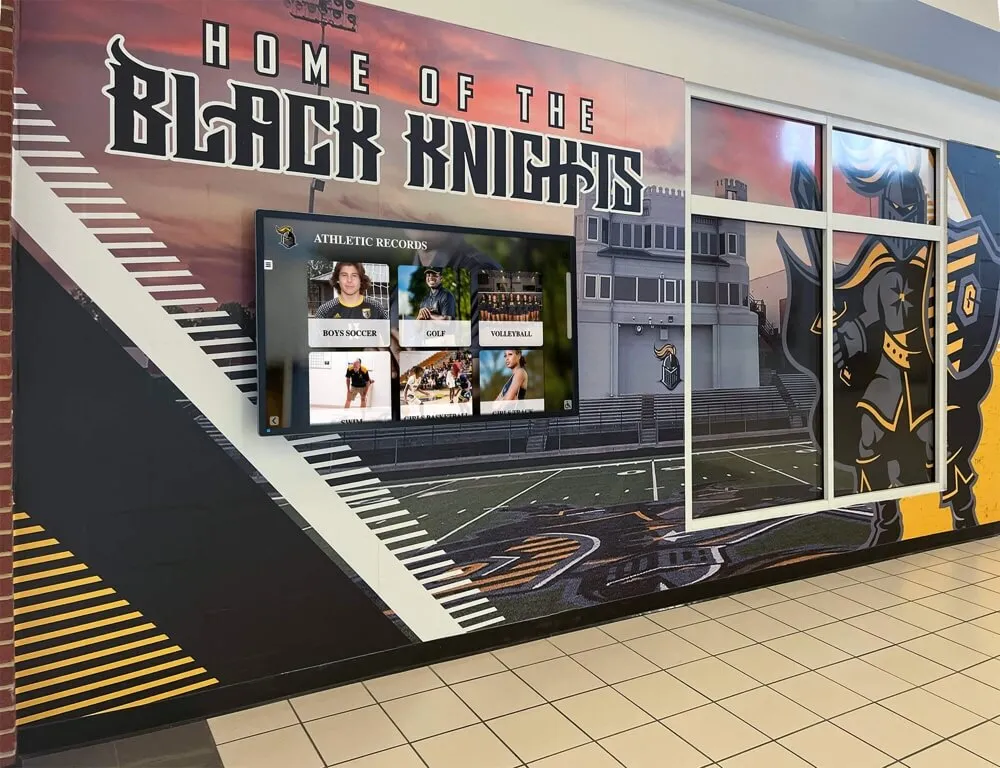
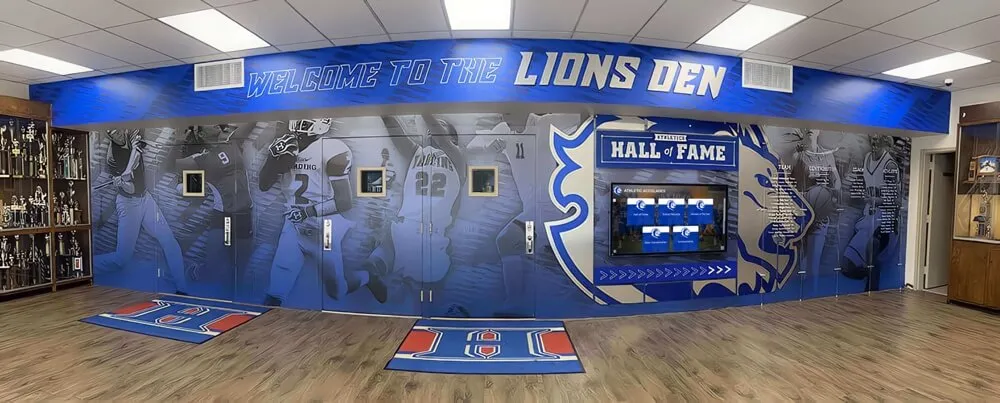
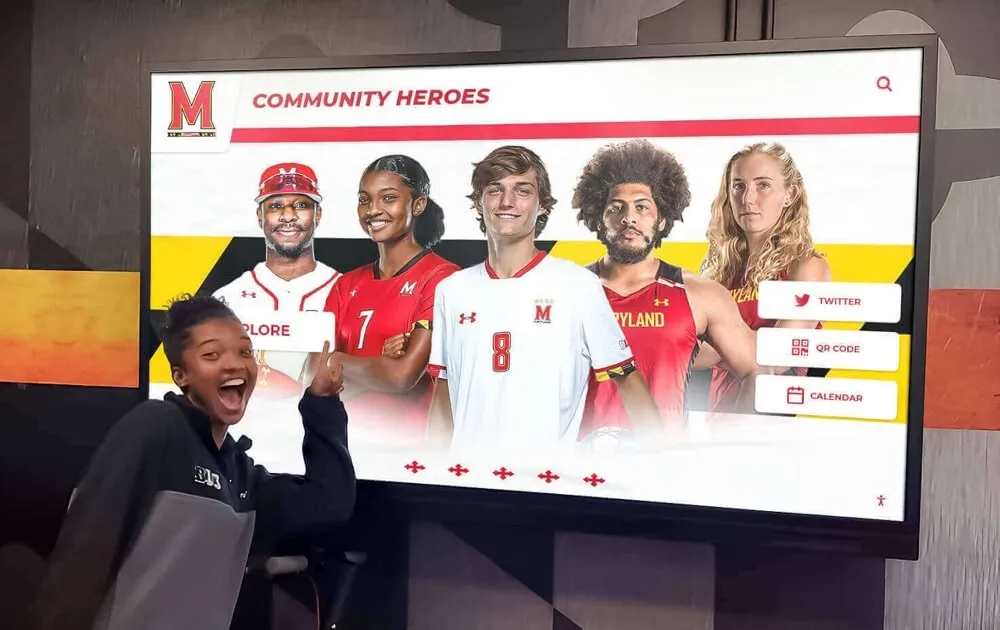
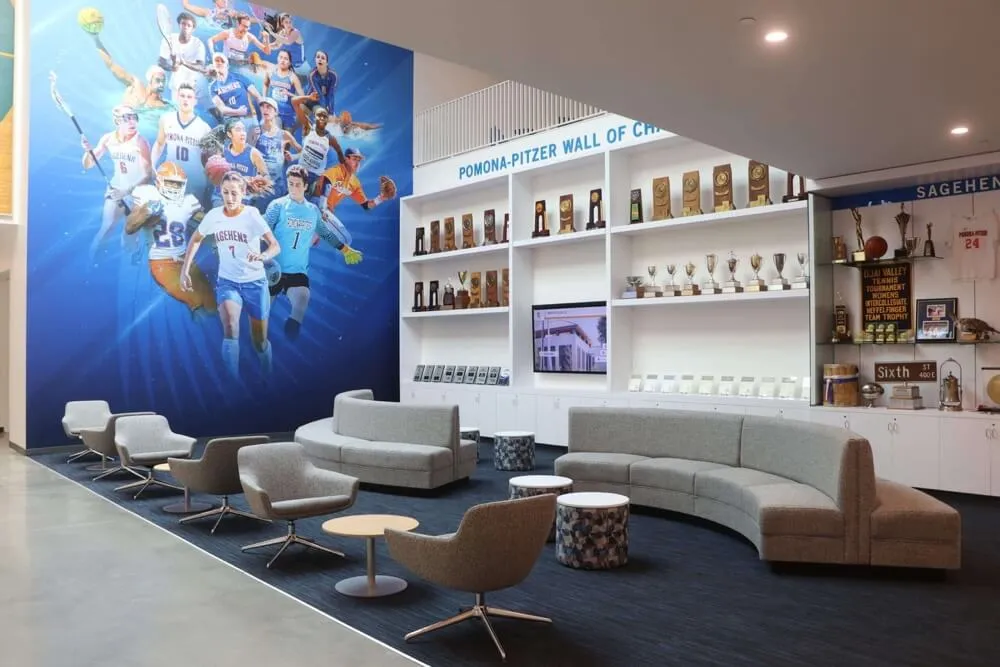
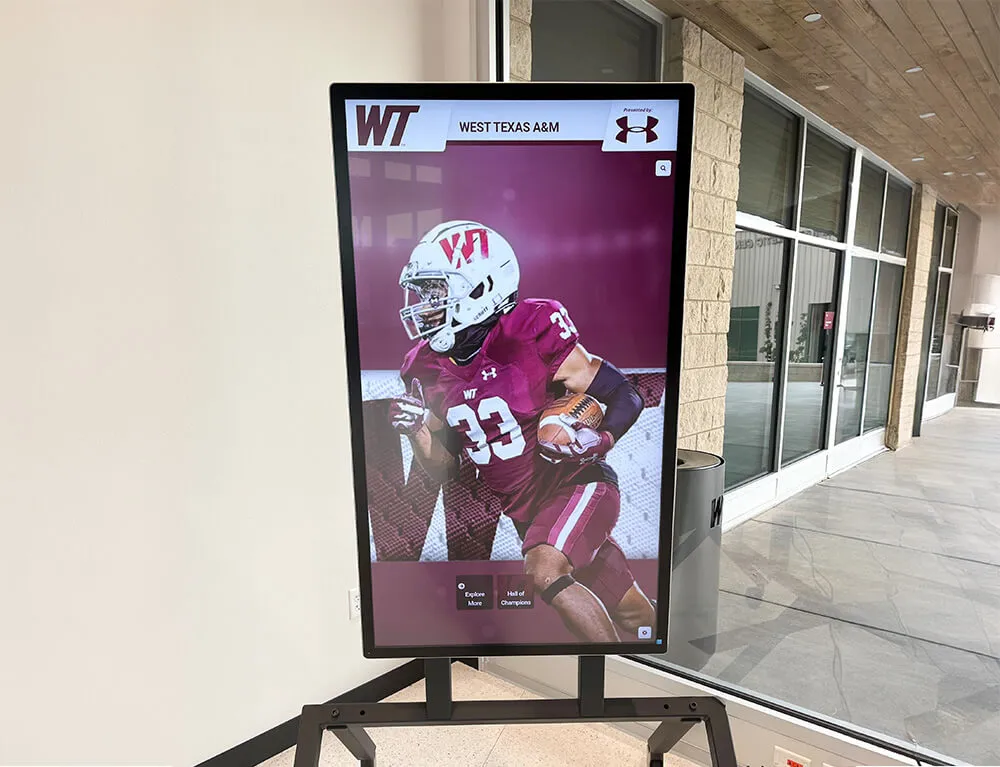
Interactive recognition walls combining digital capability with traditional athletic imagery create engaging lobby focal points
Content Management and Scalability Cloud-based systems enable efficient administration:
- Bulk upload tools adding entire graduating classes or team rosters efficiently
- Template-based design ensuring visual consistency across all profiles
- Role-based access enabling appropriate staff management without security risks
- Scheduled publishing automating announcement timing for seasonal recognition
- Analytics tracking engagement revealing how visitors interact with displays
- Multi-location support for campuses with multiple buildings requiring coordinated recognition
Schools implementing digital recognition report 80-90% reduction in administrative time compared to maintaining traditional physical displays requiring manual plaque installation for each new inductee or achievement.
Strategic Placement Throughout Lobbies Recognition effectiveness depends on visibility and integration:
- Primary displays positioned as immediate focal points upon entrance
- Eye-level mounting ensuring accessibility and optimal viewing angles
- Integration with architectural elements rather than appearing as afterthought additions
- Adequate space allowing small groups to gather without blocking traffic flow
- Lighting design emphasizing displays while avoiding screen glare
- Proximity to seating areas encouraging extended exploration
Learn about interactive touchscreen museum applications demonstrating engagement principles applicable to educational recognition.
Traditional Recognition Walls and Display Cases
Physical displays remain valuable components of comprehensive recognition strategies:
Trophy Cases and Award Displays Classic approaches showcase tangible achievements:
- Lighted cases protecting valuable awards while providing visibility
- Organized presentation by sport, academic discipline, or achievement type
- Championship trophies positioned prominently based on significance
- Individual honors including All-American certificates, scholarship recognition, and state awards
- Historical context explaining achievement significance for visitors unfamiliar with competitions
- Regular updates ensuring current accomplishments receive timely celebration
Trophy case design requires planning during lobby construction—adequate depth, proper lighting, security features, and climate control protecting valuable items from theft, damage, and deterioration.
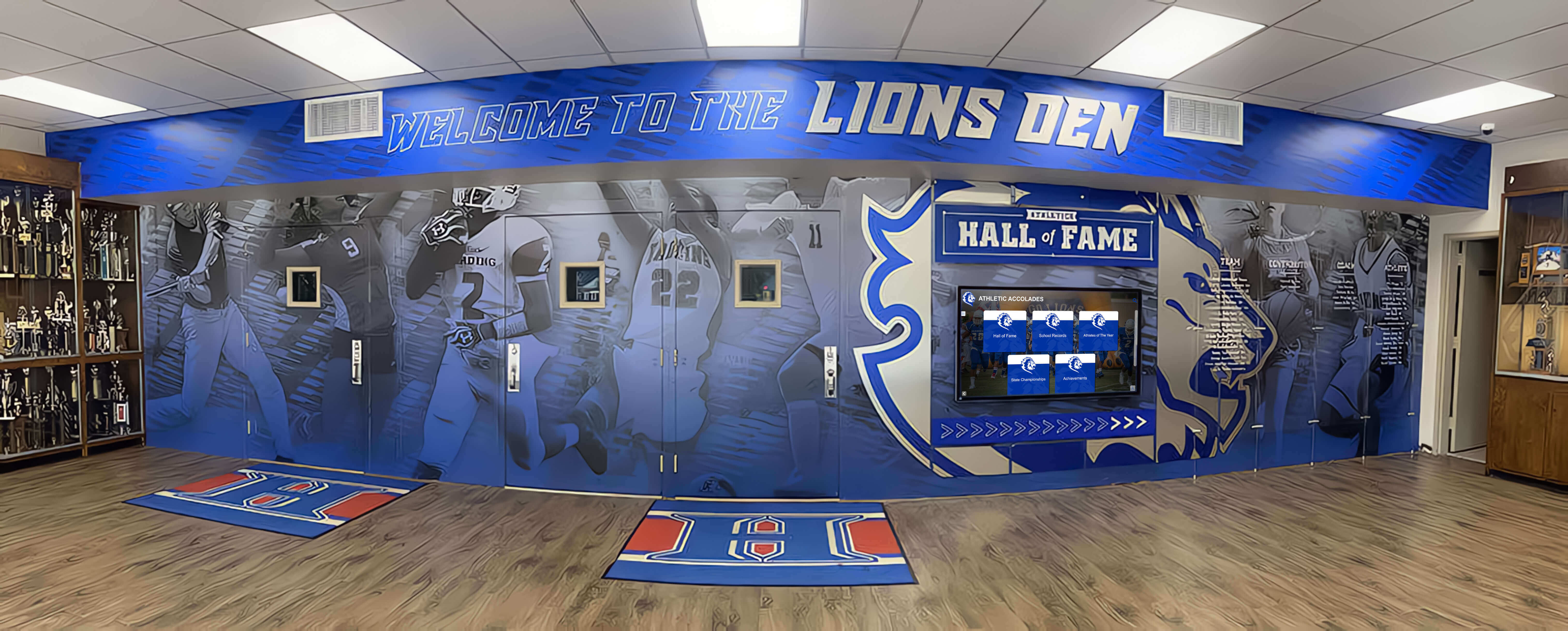
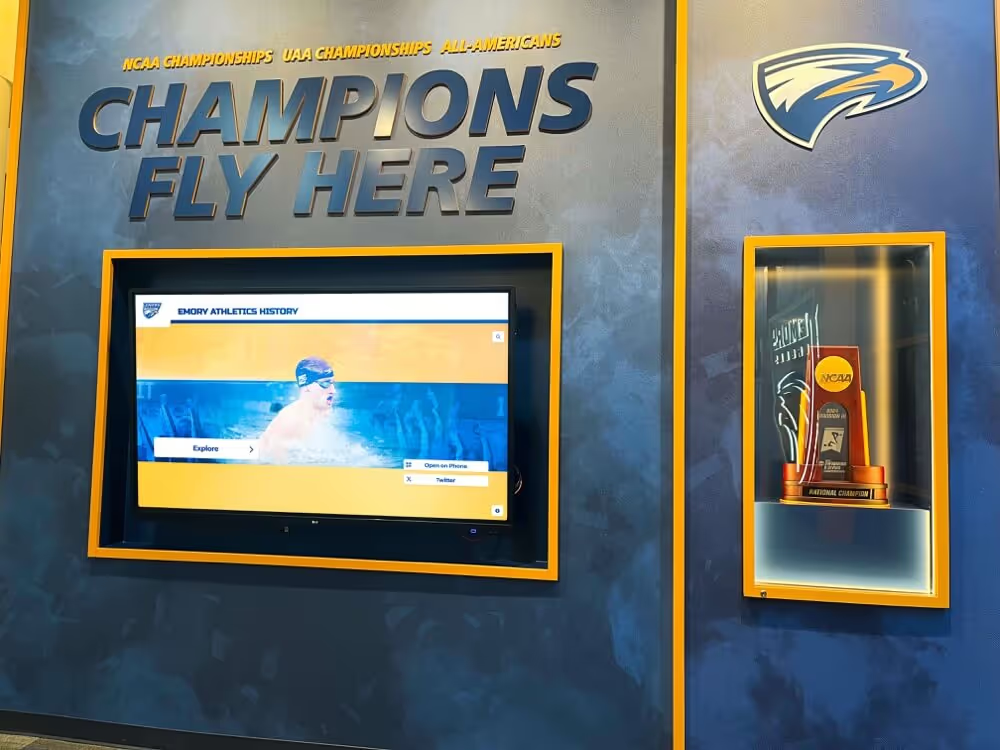
Traditional trophy cases combined with visual branding create comprehensive recognition environments in school entrances
Wall-Mounted Recognition Systems Permanent installations provide lasting acknowledgment:
- Donor recognition walls honoring capital campaign contributors and facility naming gifts
- Academic achievement boards celebrating valedictorians, National Merit Scholars, and honor roll students
- Athletic hall of fame plaques documenting program legends and championship teams
- Historical timeline displays preserving institutional memory and evolution
- Distinguished alumni recognition connecting current students with notable graduates
Physical displays require adequate wall space—schools should designate specific recognition areas during design phase rather than attempting to retrofit acknowledgment into already-completed lobbies where available space may prove inadequate or architecturally awkward.
Hybrid Recognition Approaches Combining traditional and digital elements maximizes strengths:
- Physical plaques providing permanent traditional acknowledgment alongside digital displays enabling unlimited capacity
- Interactive touchscreens supplementing trophy cases with detailed achievement stories impossible to display physically
- QR codes on traditional displays linking to digital content including videos, photographs, and extended profiles
- Coordinated design language creating cohesive aesthetic rather than appearing as disconnected elements
- Flexible systems accommodating future technology evolution without rebuilding physical infrastructure
Explore comprehensive donor wall strategies applicable to educational recognition planning.
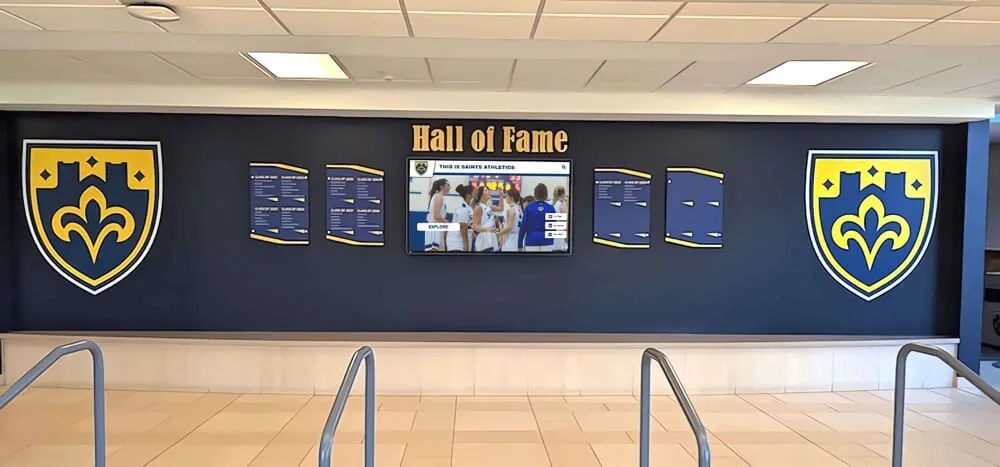
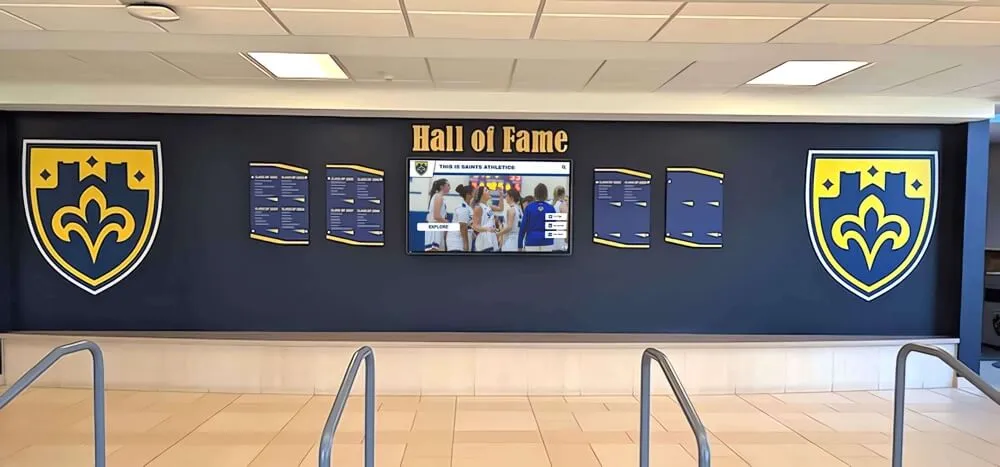
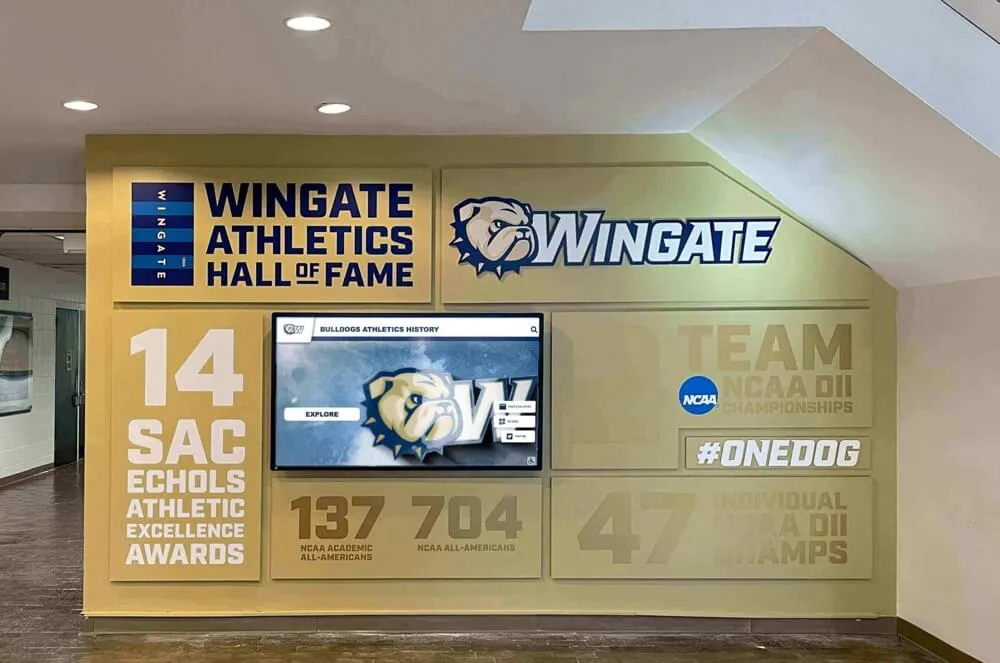
Hybrid recognition systems combining physical and digital elements honor tradition while embracing contemporary technology capabilities
Visual Identity and Branding Integration
Lobby design establishes immediate institutional identity through strategic visual elements communicating school character and values.
Color Schemes and Visual Consistency
Coordinated color application creates cohesive environments:
School Colors Throughout Design Systematic color integration reinforces identity:
- Paint selections incorporating school colors on accent walls, architectural features, and design elements
- Flooring materials including school colors through tile patterns, carpet designs, or terrazzo installations
- Furniture upholstery selections reflecting institutional palette
- Signage and wayfinding elements using consistent color applications
- Digital display frames and mounting hardware coordinating with overall color scheme
- Lighting design emphasizing school colors through accent illumination
Effective color application balances bold institutional identity with professional restraint—avoiding overwhelming environments that feel more like themed attractions than educational institutions.
Professional Design Execution Quality implementation matters as much as concept:
- Professional graphic designers creating cohesive visual language rather than disconnected elements
- Architectural coordination ensuring color integration serves broader design intent
- Quality materials and finishes maintaining appearance despite heavy traffic and use
- Maintenance planning preserving visual quality through regular refresh cycles
- Budget allocation sufficient for professional execution rather than amateur attempts
Poorly executed branding through cheap materials, amateur graphics, or inconsistent application undermines intended positive impacts—creating perception of institutional shortcomings rather than excellence.
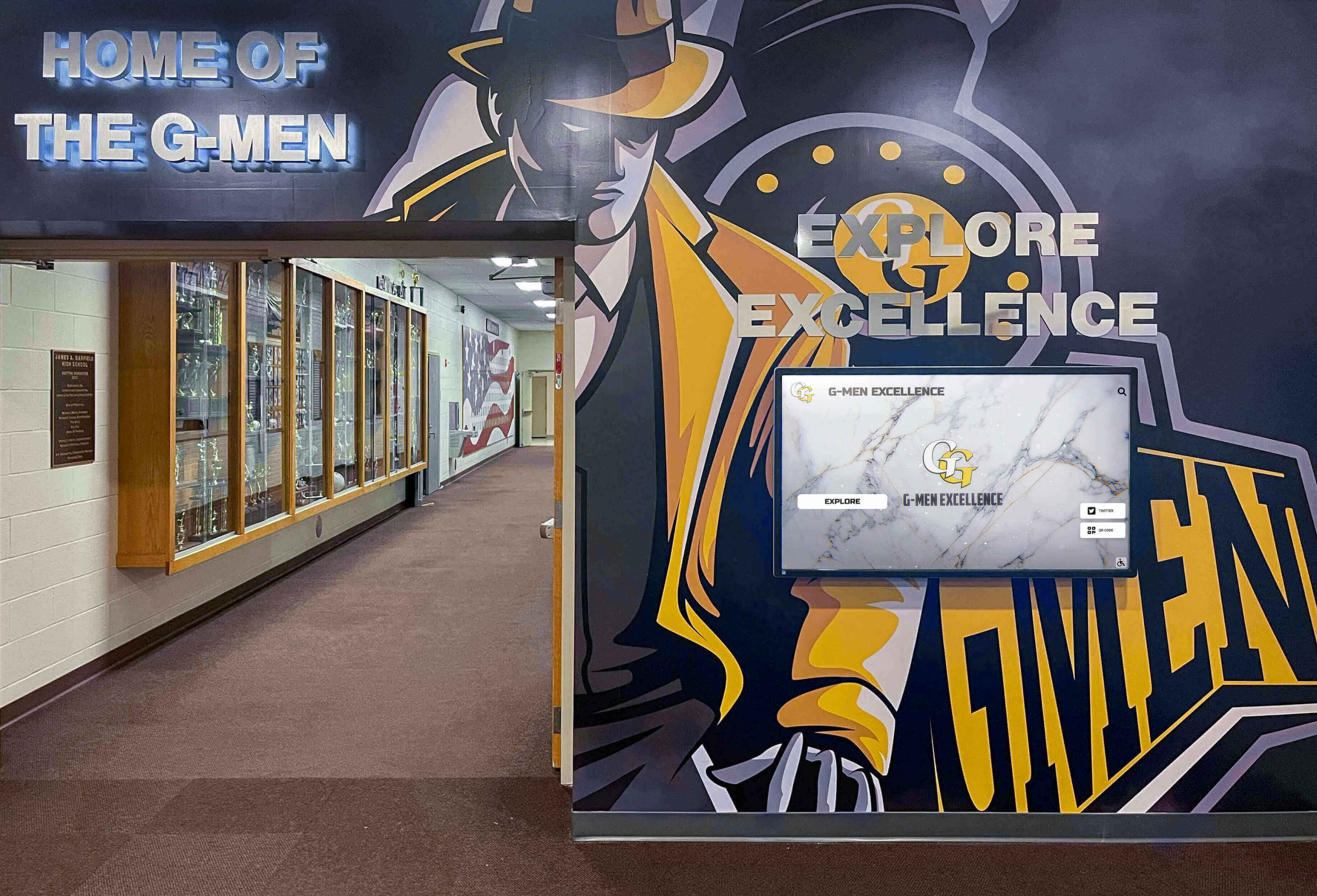
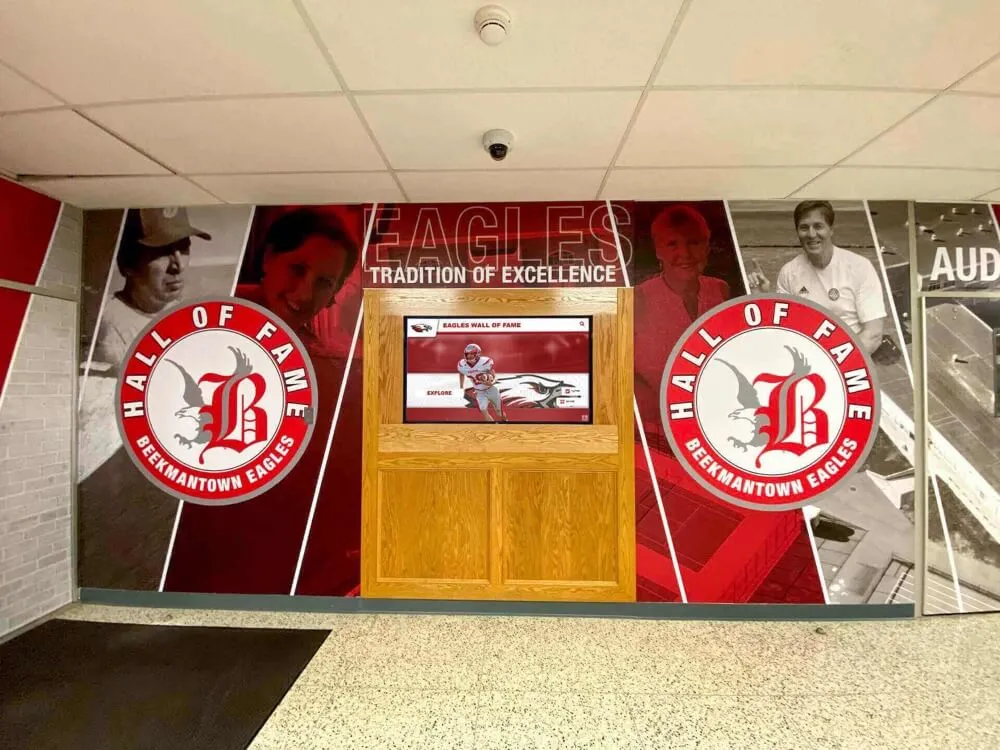
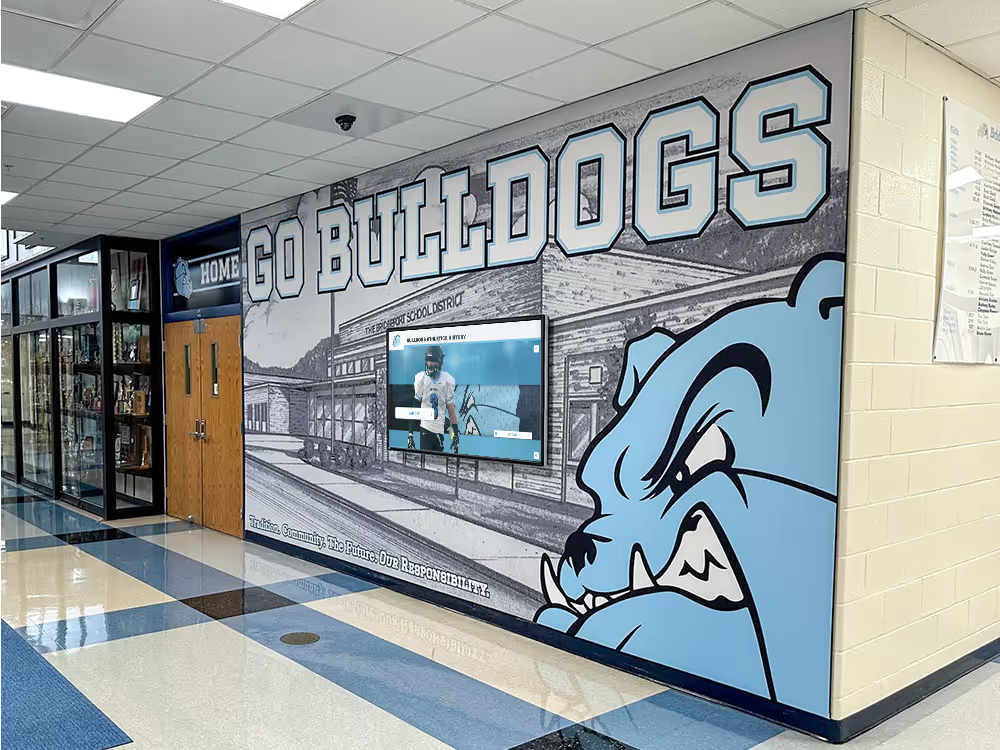
Coordinated lobby environments integrating murals, digital displays, and trophy cases create comprehensive visual identity
Mascot Imagery and Institutional Symbols
Visual symbols create immediate institutional recognition:
Mascot Integration Strategies School mascots provide distinctive visual anchors:
- Large-scale murals featuring mascot imagery as lobby focal points
- Three-dimensional sculptures creating impressive entrance statements
- Floor medallions incorporating mascot logos in durable materials
- Window graphics providing visual interest from exterior and interior perspectives
- Subtle mascot references throughout design elements avoiding overwhelming presence
Mascot integration should reflect school sophistication level—elementary schools may embrace playful representations while secondary institutions typically prefer more refined, athletic interpretations maintaining institutional dignity.
School Crests and Seal Applications Traditional heraldry communicates institutional heritage:
- Prominent crest display establishing immediate visual identity
- Historical context explanations describing seal elements and institutional meaning
- Integration with school motto or founding date providing cultural context
- Quality fabrication through cast materials, dimensional elements, or illuminated applications
- Appropriate scale commanding attention without overwhelming other design elements
Learn about digital signage content strategies enhancing lobby displays.
Inspirational Messaging and Values Communication
Strategic messaging conveys institutional philosophy:
Mission and Values Statements Core institutional principles deserve visibility:
- School mission statements displayed prominently as cultural anchors
- Values declarations explaining what institutions prioritize
- Motto or creed applications providing daily inspiration
- Typography selections reflecting institutional character and tradition
- Placement ensuring messages remain visible without blocking other elements
These statements should reflect authentic institutional values rather than generic educational clichés—meaningful content resonates while trite sayings become invisible background noise failing to inspire.
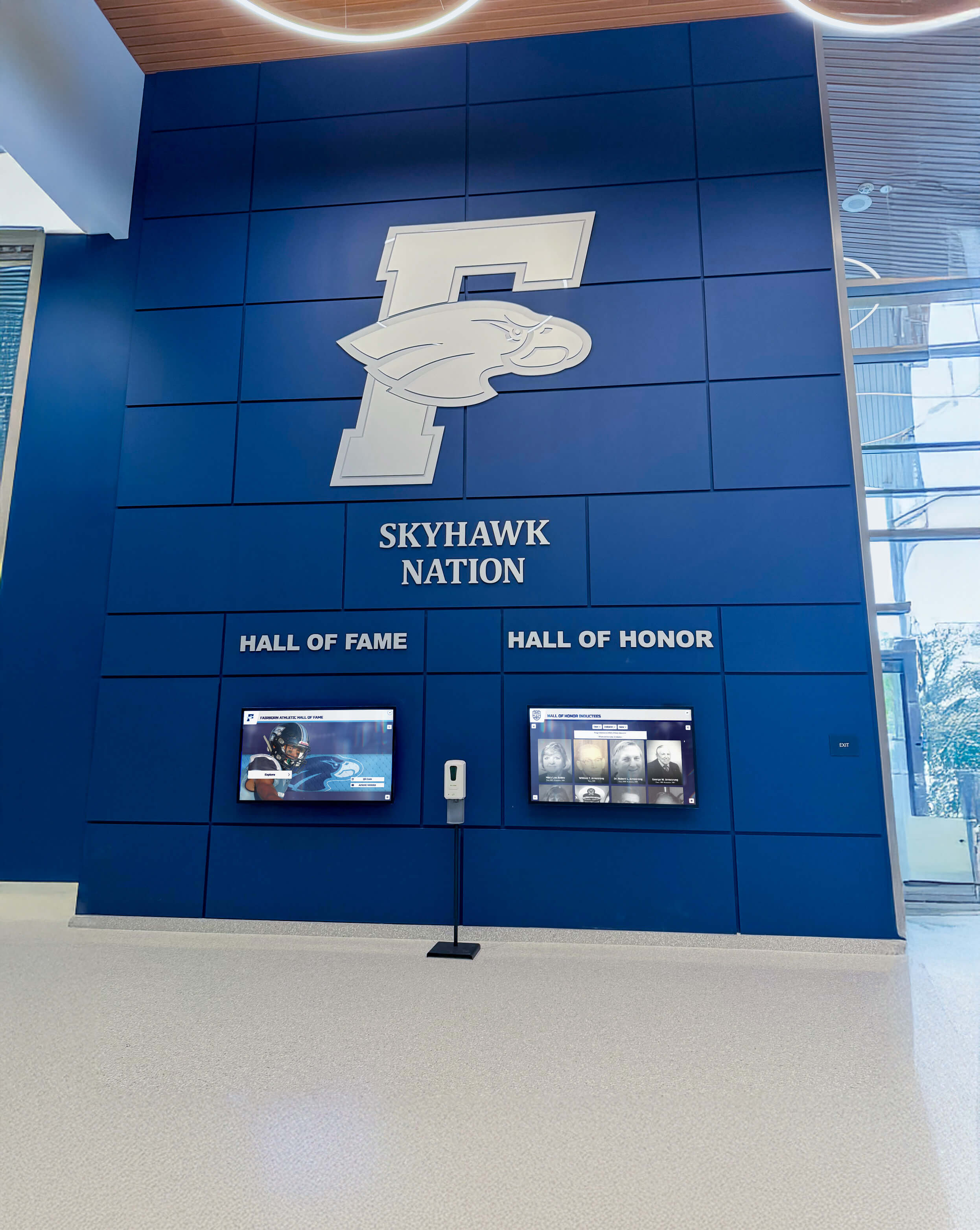
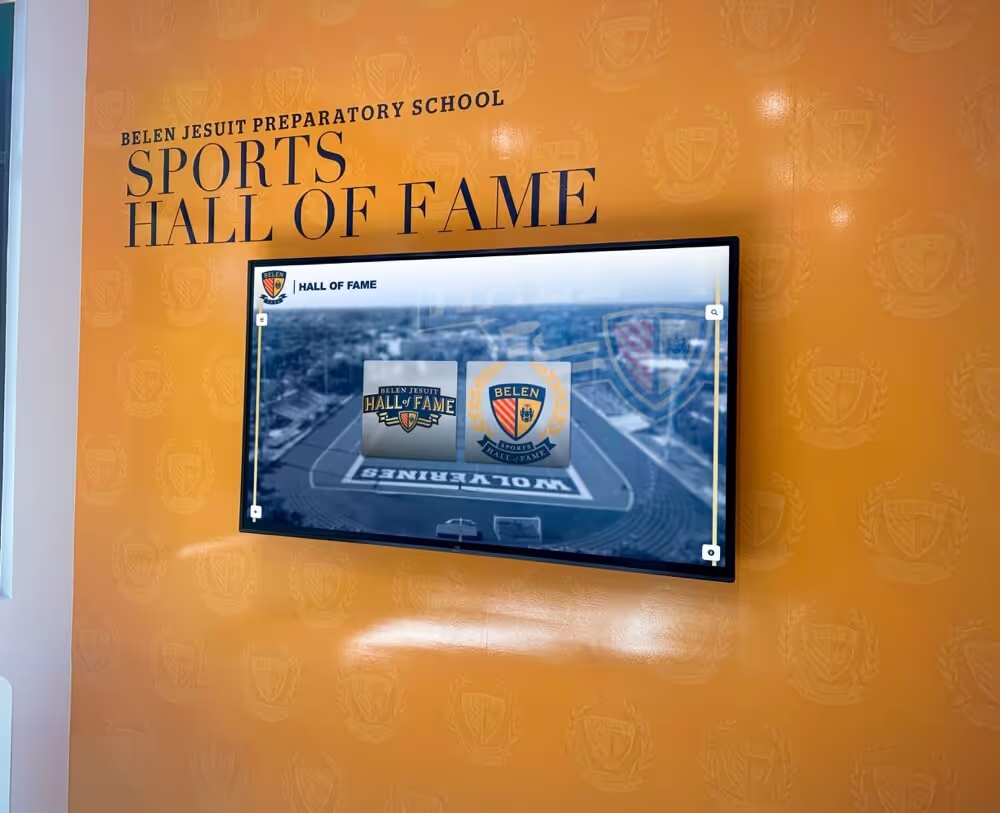
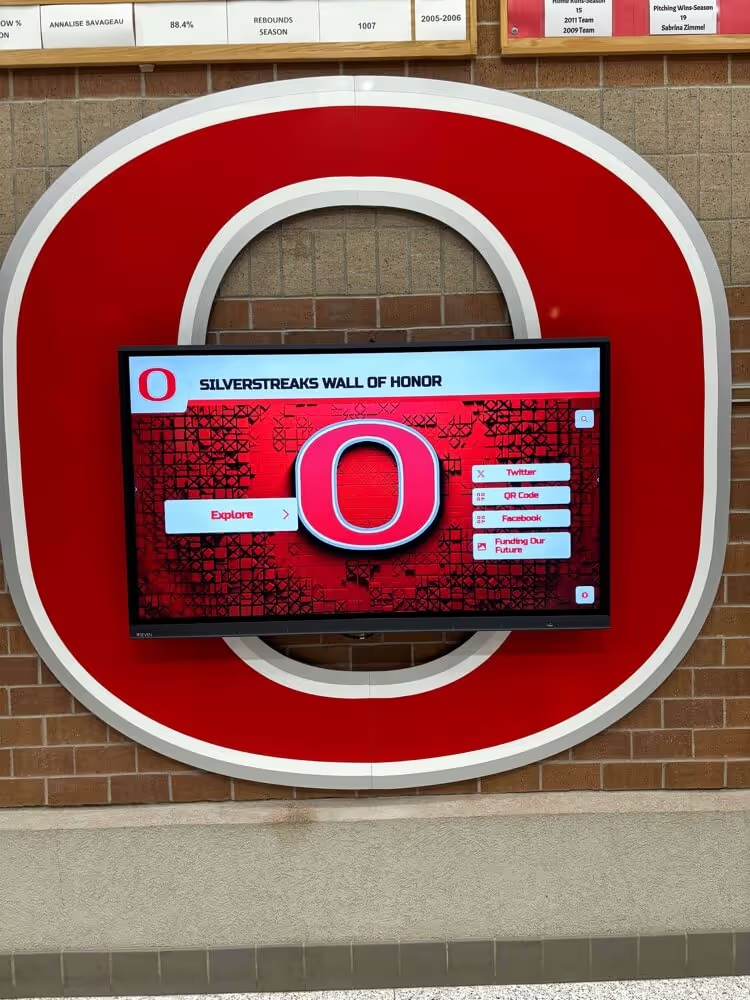
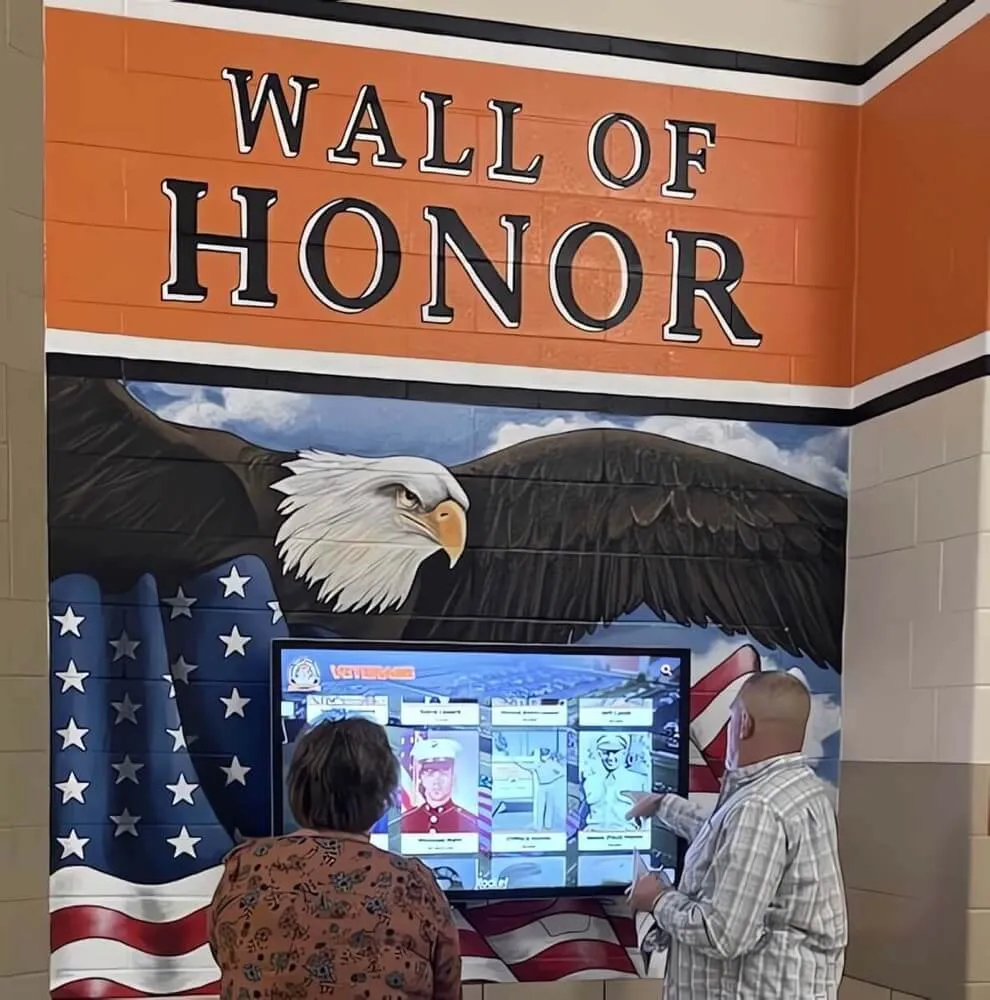
Bold color applications combined with recognition displays create memorable lobby environments establishing strong institutional identity
Motivational Quotes and Historical References Carefully selected messaging provides inspiration:
- Historical quotes from founders, legendary educators, or distinguished alumni
- Aspirational statements encouraging excellence and achievement
- Cultural references connecting institutions with broader educational traditions
- Rotating displays enabling fresh messaging throughout academic years
- Digital signage allowing dynamic content updates maintaining relevance
Explore student recognition award approaches that inform lobby recognition planning.
Lighting Design for Welcoming Environments
Strategic illumination dramatically influences lobby atmosphere and functionality.
Natural Light Maximization
Daylight creates positive psychological impacts:
Window and Glazing Design Natural light influences perception:
- Generous window areas providing abundant daylight reducing artificial lighting needs
- Clerestory windows admitting light while maintaining privacy and security
- Skylights illuminating interior spaces distant from exterior walls
- Light shelves reflecting daylight deeper into lobby areas
- Glare control through appropriate glazing specifications and shading devices
- Views connecting interior spaces with exterior campus landscapes
Natural light reduces energy consumption, improves mood and wellbeing, creates connection with time of day and seasonal changes, and makes spaces feel more open and welcoming compared to artificially illuminated environments.
Architectural Light Control Strategic design manages natural illumination:
- Overhangs and exterior shading devices preventing excessive summer heat gain
- Interior shading systems including blinds, shades, or automated controls
- Glass specifications balancing light transmission with thermal performance
- Orientation consideration during building design phase
- Landscaping integration providing natural shading without blocking desirable views
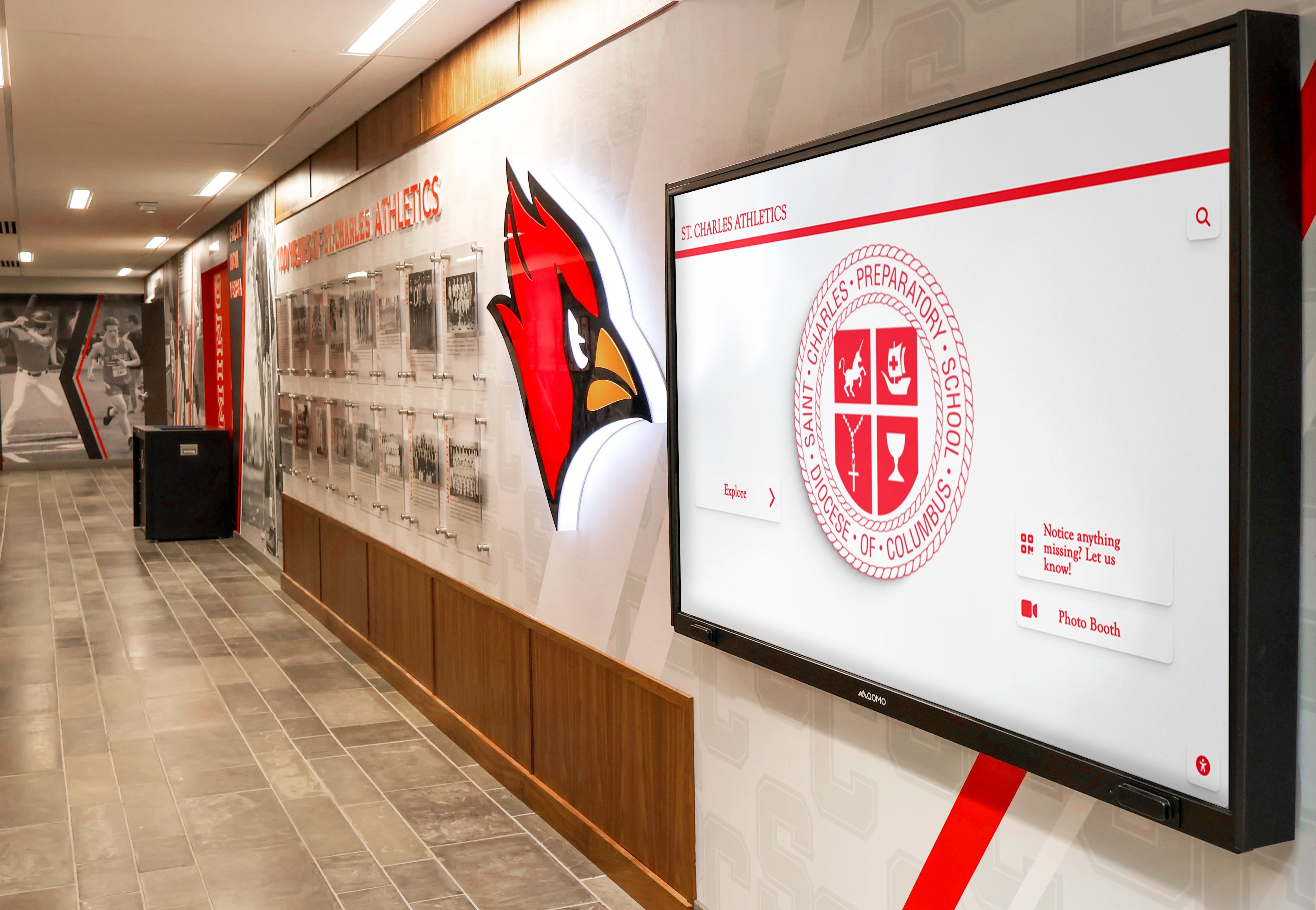
Natural lighting combined with artificial illumination creates welcoming environments highlighting recognition displays and visual identity
Artificial Lighting Strategies
Thoughtful electrical lighting complements natural illumination:
Layered Lighting Approach Multiple lighting types serve different functions:
- Ambient lighting providing general illumination throughout lobby spaces
- Accent lighting emphasizing recognition displays, artwork, and architectural features
- Task lighting supporting specific functions including reception desks and seating areas
- Decorative lighting fixtures contributing to overall design aesthetic
- Emergency lighting ensuring safe egress during power failures
Single-source lighting creates flat, uninspiring environments—layered approaches add visual interest while serving functional requirements effectively.
LED Technology Benefits Modern lighting delivers superior performance:
- Dramatic energy savings reducing operational costs 60-80% compared to traditional fixtures
- Longer bulb life reducing maintenance burden and replacement costs
- Superior color rendering improving visual quality and display visibility
- Dimming capability enabling lighting adjustments for different times and functions
- Smart controls allowing automated scheduling and occupancy-based operation
- Lower heat generation reducing cooling loads in climate-controlled buildings
LED conversion represents one of the highest-return facility investments—generating ongoing savings justifying upfront costs within typical 3-5 year payback periods.
Learn about new school building display installation timing considerations.
Seating Areas and Gathering Spaces
Lobby furniture creates opportunities for informal interaction and waiting comfort.
Functional Seating Arrangements
Thoughtful furniture placement serves multiple purposes:
Visitor Accommodation Lobbies must support various waiting scenarios:
- Comfortable seating for families awaiting appointments with administrators or counselors
- Student seating for early arrivals or parent pickup waiting
- Small group configurations supporting informal meetings and conversations
- Individual seating for visitors making phone calls or reviewing materials
- Adequate capacity for peak times including school events and tours
Insufficient seating creates negative impressions and operational inefficiencies—visitors standing awkwardly while waiting form unfavorable conclusions about institutional hospitality and planning competence.
Furniture Selection Criteria Appropriate choices balance multiple factors:
- Durability withstanding heavy daily use by diverse populations
- Comfort encouraging use without excessive lounging discouraging traffic flow
- Easy maintenance and cleaning requirements appropriate for institutional settings
- Appropriate scale matching lobby dimensions without overwhelming spaces
- Style consistency with overall design aesthetic and institutional character
- Budget considerations balancing quality with cost constraints
Cheap furniture deteriorates quickly requiring frequent replacement—ultimately costing more than quality selections while communicating low institutional standards through shabby appearance.
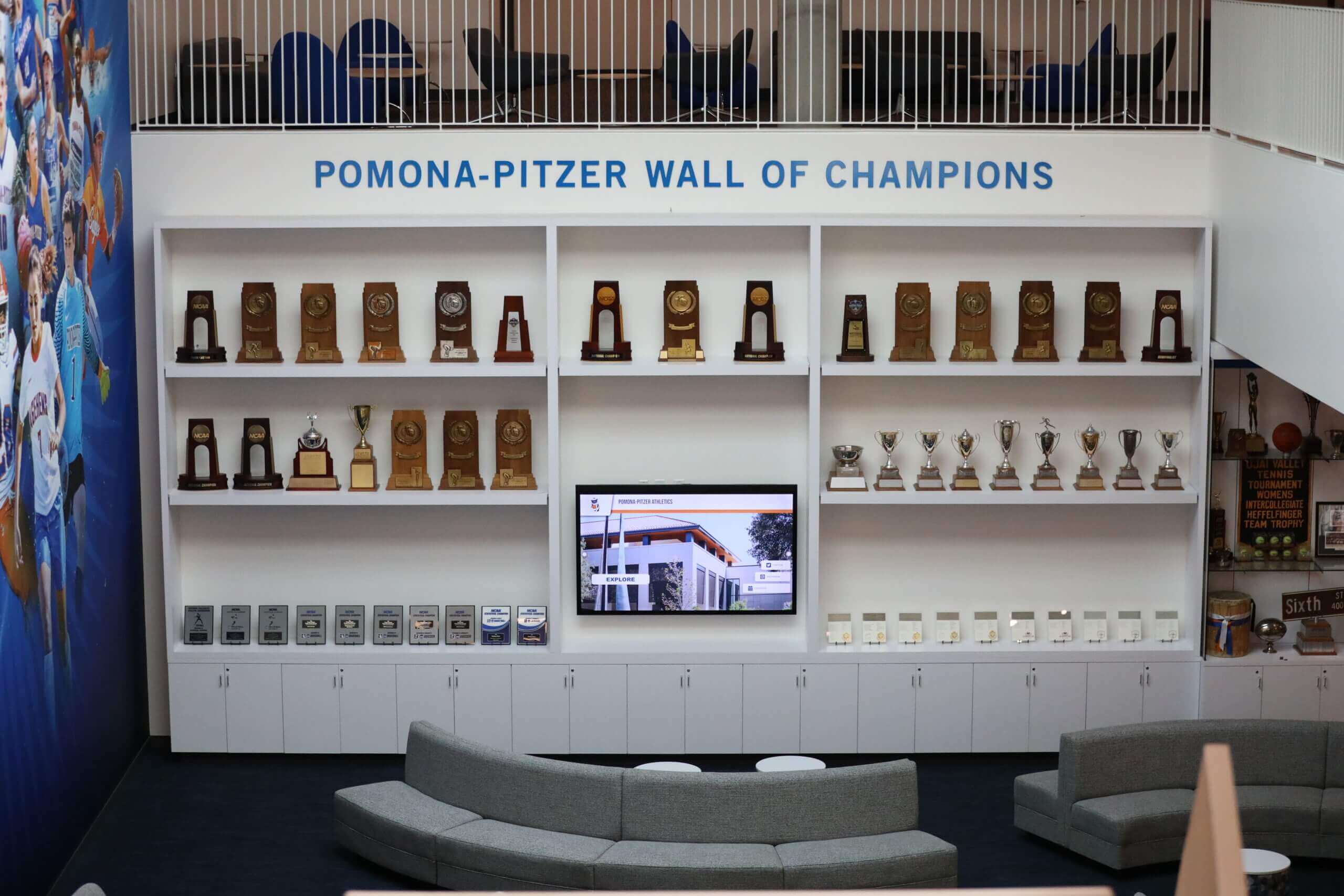
Integrated seating areas near recognition displays encourage extended exploration while providing comfortable waiting spaces
Informal Learning and Collaboration Spaces
Progressive lobby design extends beyond waiting functions:
Flexible Student Gathering Areas Modern educational spaces support spontaneous collaboration:
- Small group seating configurations enabling project work and study sessions
- Power outlets and USB charging supporting device use
- Adequate table surfaces for laptop use and materials spreading
- Sound management balancing social interaction with maintaining appropriate lobby atmosphere
- Proximity to resources including WiFi connectivity and recognition displays
These spaces acknowledge that learning extends beyond formal classrooms—creating environments where students naturally gather contributes to school culture and community building.
Technology Integration for Collaboration Digital infrastructure supports modern use:
- Robust WiFi coverage throughout lobby areas
- Adequate electrical outlets at seating areas and gathering spaces
- Display screens supporting presentations and digital content sharing
- Interactive displays encouraging exploration and engagement
- Mobile device charging stations providing visitor convenience
Inadequate technology infrastructure undermines lobby utility—students and visitors expect connectivity and digital capability as standard amenities rather than luxury features.
Explore wall wrap design approaches creating visual impact in school lobbies.
Wayfinding and Visitor Navigation
Effective directional systems reduce confusion while reinforcing institutional branding.
Signage Systems and Directories
Clear navigation serves practical and psychological functions:
Comprehensive Wayfinding Programs Multi-element systems guide visitors effectively:
- Directory boards providing alphabetical or categorical listings of destinations
- Directional signage at decision points guiding traffic flow
- Room identification signs enabling destination location
- Accessible signage meeting ADA requirements including braille and tactile elements
- Consistent design language creating unified visual system
- Appropriate scale ensuring readability from relevant viewing distances
Poor wayfinding creates frustration, wastes staff time providing directions repeatedly, and communicates organizational confusion—undermining positive first impressions established through attractive lobby design.
Digital Directories and Interactive Maps Technology enhances traditional signage:
- Touchscreen directories enabling self-service location lookup
- Interactive campus maps providing spatial orientation
- Search functionality helping visitors find specific individuals or departments
- Integration with recognition systems providing comprehensive information access
- Mobile-responsive displays accessible via personal devices
- Real-time updates reflecting schedule changes and event information
Digital directories prove particularly valuable in large or complex facilities where static signage becomes overwhelming or quickly outdated as organizational structures evolve.
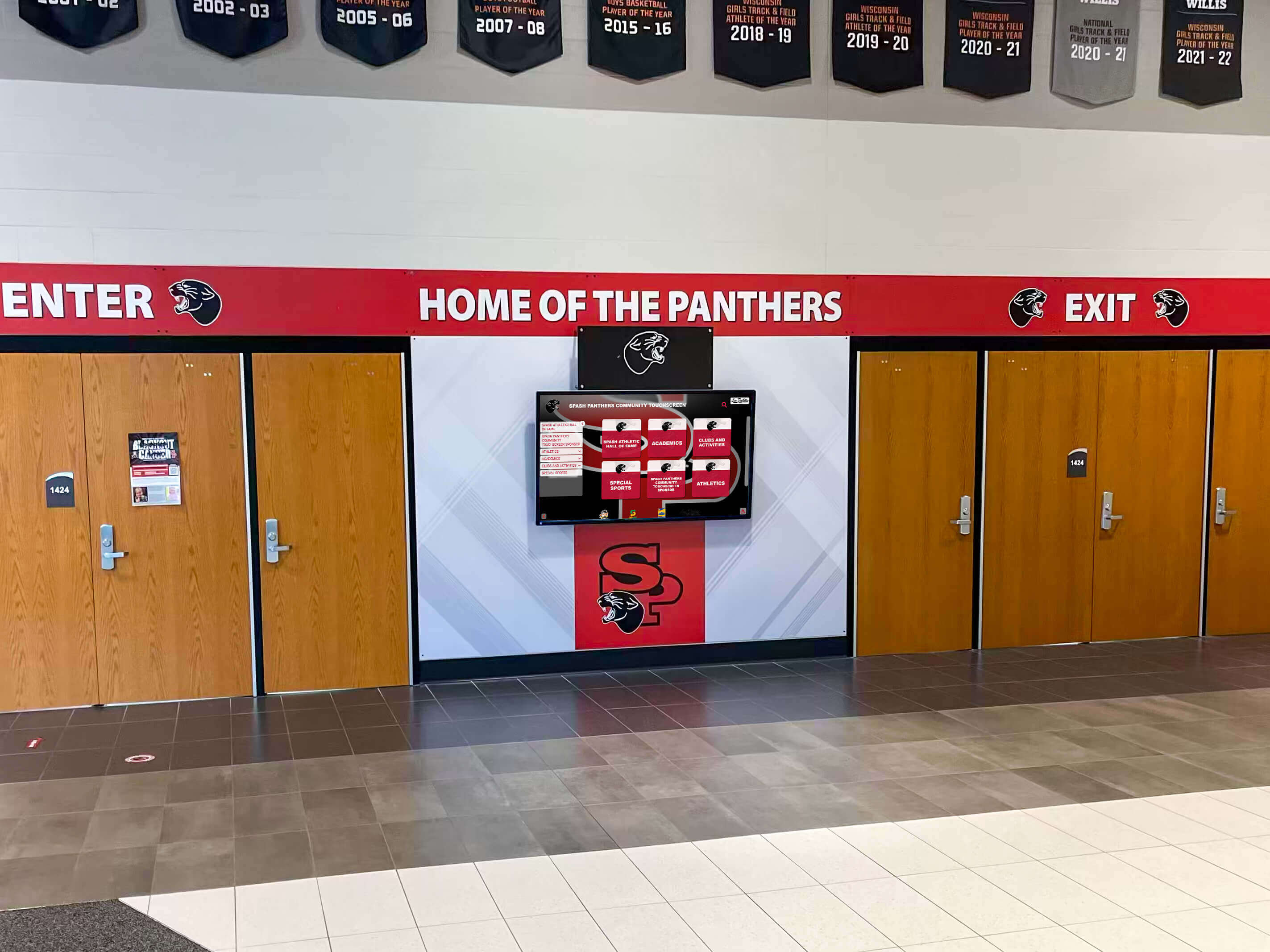
Clear entrance and exit identification combined with digital displays provides functional wayfinding while reinforcing institutional identity
Universal Design and Accessibility
Inclusive design ensures lobby functionality for all visitors:
ADA Compliance Requirements Legal obligations and best practices:
- Accessible routes from building entrances through lobbies to building interiors
- Adequate maneuvering clearances around furniture and recognition displays
- Accessible seating providing options for visitors with mobility limitations
- Signage meeting contrast, font size, and tactile requirements
- Service desk heights accommodating seated visitors
- Assistive listening systems for venues including lobby presentation capabilities
Beyond legal compliance, universal design demonstrates institutional values regarding inclusion and accessibility for all community members regardless of physical abilities.
Multi-Sensory Experience Design Comprehensive accessibility extends beyond mobility:
- Visual information supplemented with audio options for visitors with vision impairments
- Text-to-speech capabilities on interactive displays
- High-contrast visual design supporting visitors with low vision
- Quiet areas for visitors with sensory processing sensitivities
- Clear sightlines enabling visual orientation for visitors with hearing impairments
- Multilingual signage supporting diverse linguistic communities
Schools serving diverse populations should ensure lobbies welcome all community members through thoughtfully designed accessible experiences.
Learn about digital hall of fame design principles applicable to lobby displays.
Budget-Conscious Lobby Improvement Strategies
Meaningful enhancement doesn’t require complete reconstruction—strategic investments deliver substantial impact.
High-Impact, Lower-Cost Improvements
Targeted interventions create dramatic transformation:
Paint and Color Application Affordable visual refresh:
- Fresh paint in school colors dramatically improving appearance at minimal cost
- Accent walls creating focal points without painting entire lobbies
- Professional surface preparation ensuring quality finish and durability
- Coordination with existing elements avoiding color conflicts
- Volunteer or parent-organized painting parties reducing labor costs
Paint represents one of the highest return design investments—transforming dated lobbies for relatively modest expense compared to structural renovations or major construction.
Vinyl Graphics and Wall Wraps Affordable visual impact:
- Large-scale murals featuring school mascots, inspirational imagery, or historical photographs
- Dimensional lettering applications for school names and mottos
- Window graphics adding visual interest and reinforcing identity
- Removable installations allowing periodic updates without permanent commitment
- Professional design and installation ensuring quality appearance
Learn about creating collegiate experiences in high school facilities.
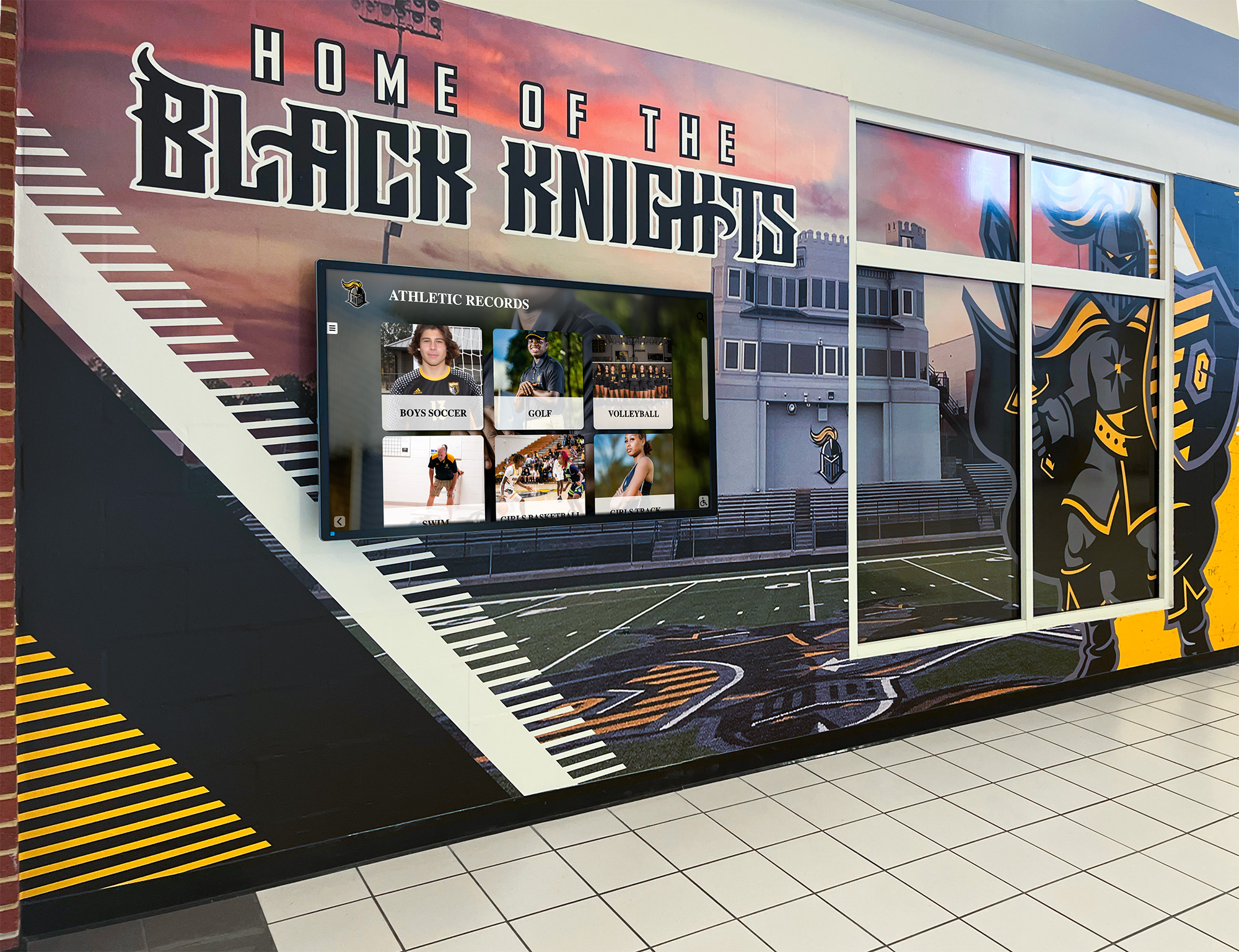
Vinyl murals combined with digital recognition displays create impressive lobby environments at moderate cost
Lighting Upgrades Transformative illumination improvements:
- LED retrofit conversions improving quality while reducing energy costs
- Accent lighting additions emphasizing recognition displays and architectural features
- Fixture replacements updating dated appearance
- Control system upgrades enabling dimming and scheduling
- Targeted improvements focusing on most visible areas maximizing impact
Lighting upgrades deliver both immediate visual improvements and ongoing operational savings—justifying investment through reduced electricity costs over fixture lifetimes.
Digital Recognition Implementation Technology replacing physical constraints:
- Digital displays eliminating expensive plaque manufacturing for each new inductee
- Cloud-managed systems reducing administrative time maintaining recognition
- Unlimited capacity enabling comprehensive achievement celebration without space constraints
- Multimedia capability creating engaging storytelling impossible with traditional displays
- Remote content management eliminating facility access requirements for updates
Schools report digital recognition systems pay for themselves within 3-5 years through eliminated plaque costs and reduced administrative labor compared to traditional physical display maintenance.
Phased Implementation Approaches
Budget constraints often necessitate staged improvements:
Priority-Based Sequencing Strategic phases maximize impact:
- Phase 1: Safety and security improvements addressing critical requirements
- Phase 2: Recognition systems establishing celebration infrastructure
- Phase 3: Visual identity elements including color application and branding
- Phase 4: Lighting and acoustic improvements enhancing atmosphere
- Phase 5: Furniture and amenity additions completing transformation
Phased approaches enable progress within budget limitations while ensuring critical needs receive attention before enhancement features—preventing situations where lobbies gain cosmetic improvements while fundamental deficiencies remain unaddressed.
Funding Strategy Development Multiple sources support improvements:
- Capital improvement budgets from general institutional funds
- Booster organization fundraising campaigns targeting specific elements
- Alumni donation initiatives including naming opportunities for major gifts
- Grant programs supporting educational facility improvements
- Parent organization contributions funding discrete projects
- Corporate partnerships providing materials or services at reduced cost
Schools should develop comprehensive funding strategies rather than waiting for complete financing before beginning—phased approaches enable progress as resources become available.
Explore donor recognition display strategies applicable to lobby fundraising acknowledgment.
Technology Integration and Smart Lobby Features
Digital infrastructure enables contemporary functionality while future-proofing facilities.
Interactive Displays and Digital Signage
Technology enhances communication and engagement:
Welcome and Information Screens Digital displays serve multiple functions:
- Daily announcements and schedule information for students and visitors
- Event calendars highlighting upcoming activities and important dates
- Emergency messaging capability for rapid crisis communication
- Weather information and school closing notifications
- Achievement celebrations highlighting recent accomplishments
- Wayfinding assistance and building directory information
Multi-purpose digital signage maximizes investment value—serving diverse communication needs through single infrastructure rather than requiring separate systems for each function.
Content Management Systems Efficient administration enables consistent use:
- Cloud-based platforms enabling updates from any internet-connected device
- Role-based access allowing appropriate staff content management authority
- Template systems ensuring visual consistency and brand compliance
- Scheduling capability automating content rotation and timing
- Multi-display management coordinating messages across multiple screens
- Analytics tracking engagement and content effectiveness
User-friendly content management determines whether digital signage becomes valuable communication tool or expensive underutilized technology—intuitive systems encourage regular use while complex interfaces result in neglect.
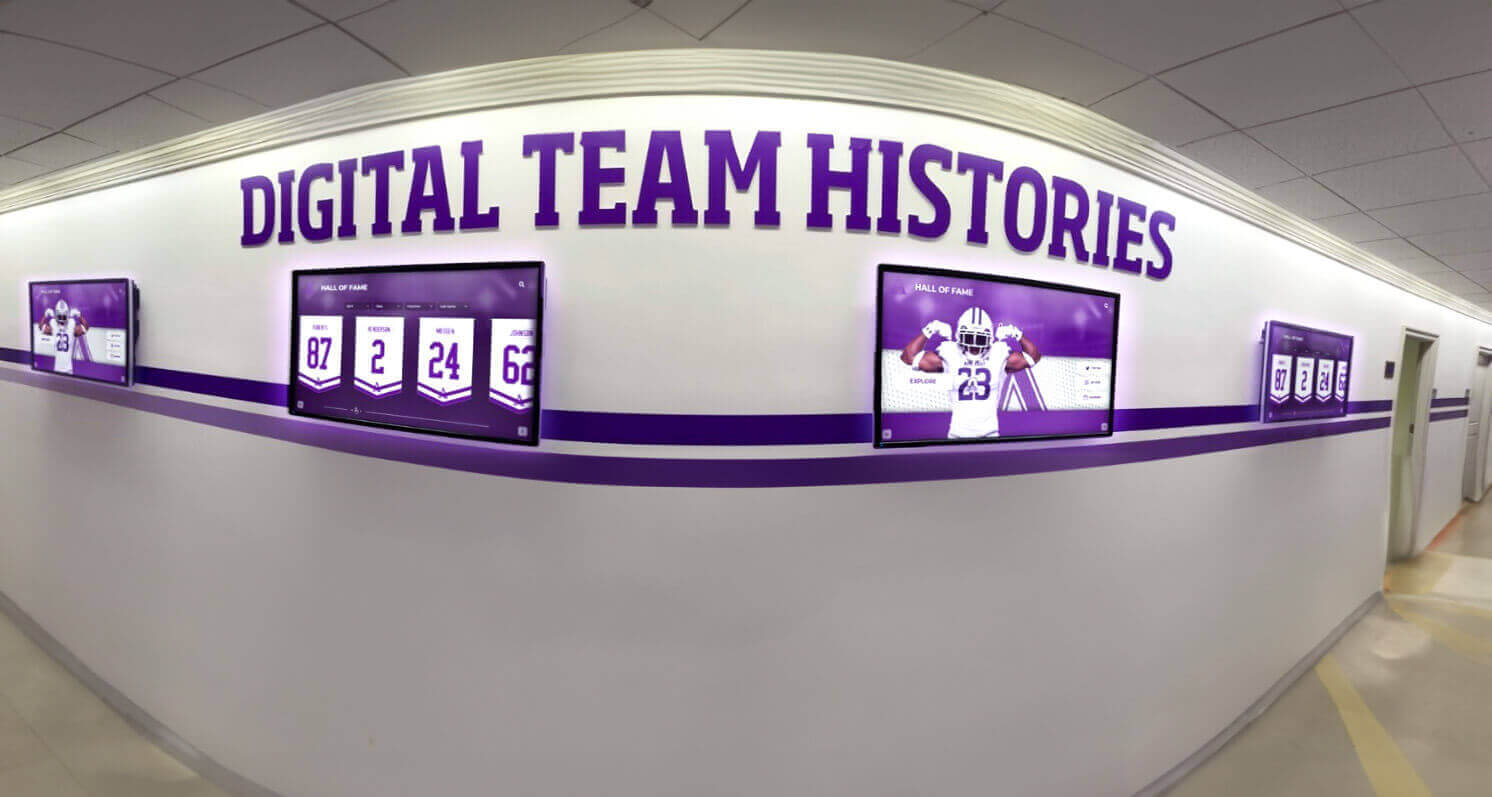
Multiple coordinated displays throughout lobby areas create comprehensive digital communication environment
Network Infrastructure and Connectivity
Robust digital foundation supports current and future needs:
Comprehensive WiFi Coverage Reliable connectivity serves multiple purposes:
- Guest network access for visitors attending meetings and events
- Student device support for bring-your-own-device educational programs
- Staff connectivity enabling mobile work throughout facilities
- Digital display and interactive kiosk network connectivity
- Adequate bandwidth supporting simultaneous users without degraded performance
Inadequate network infrastructure undermines digital initiatives—recognition displays, information screens, and visitor connectivity require enterprise-grade systems rather than consumer equipment insufficient for institutional demands.
Power and Electrical Planning Digital systems require adequate electrical service:
- Dedicated circuits for displays preventing interference and ensuring reliability
- Convenient outlet placement supporting furniture arrangements and charging needs
- Floor boxes providing flexible power access without visible extension cords
- Backup power for critical systems maintaining functionality during outages
- Future capacity accommodating technology additions as needs evolve
Retrofitting electrical service into completed lobbies proves substantially more expensive than incorporating requirements during initial design or renovation—schools should plan generously for technology power needs.
Learn about digital hall of fame software options for lobby recognition displays.
Sustainability and Maintenance Considerations
Responsible design considers lifecycle costs and long-term stewardship.
Environmentally Responsible Design
Sustainable approaches reduce environmental impact and operational costs:
Energy Efficiency Strategies Resource conservation delivers financial and environmental benefits:
- LED lighting reducing electricity consumption dramatically compared to traditional fixtures
- High-performance glazing balancing natural light with thermal efficiency
- Programmable thermostats optimizing HVAC operation based on occupancy schedules
- Motion sensors reducing lighting and climate control costs during unoccupied periods
- Energy recovery ventilation systems reducing heating and cooling loads
Efficiency investments typically generate positive financial returns through operational savings within 5-10 years—making sustainability improvements economically sensible independent of environmental considerations.
Material Selection for Durability Lifecycle thinking influences choices:
- Durable finishes reducing replacement frequency and long-term costs
- Low-maintenance materials minimizing custodial labor and chemical use
- Sustainable sourcing supporting environmental responsibility
- Indoor air quality considerations affecting occupant health and wellbeing
- Warranty evaluation ensuring long-term manufacturer support
Short-term cost minimization often proves penny-wise and pound-foolish—cheap materials requiring frequent replacement ultimately cost more than quality alternatives with higher initial prices but dramatically longer service lives.
Maintenance Planning and Facility Care
Systematic care preserves investment value:
Preventive Maintenance Programs Proactive approaches prevent deterioration:
- Regular cleaning schedules maintaining appearance despite heavy daily traffic
- Floor care programs preserving surfaces and preventing premature wear
- Display maintenance ensuring continued functionality and visual quality
- Lighting maintenance replacing bulbs before failure disrupts presentation
- Furniture inspection identifying damage requiring repair before deterioration accelerates
Schools often defer maintenance attempting to reduce short-term costs—inadvertently causing accelerated deterioration requiring substantially more expensive remediation than preventive care would have cost.
Refresh Cycle Planning Scheduled updates maintain relevance:
- Paint refresh every 5-7 years maintaining color quality
- Furniture replacement planning as pieces wear or styles become dated
- Technology upgrade cycles ensuring displays remain current
- Graphic updates keeping visual elements fresh and contemporary
- Recognition system additions celebrating recent achievements
Well-maintained lobbies communicate institutional pride and competence while neglected spaces suggest organizational dysfunction regardless of underlying educational program quality.
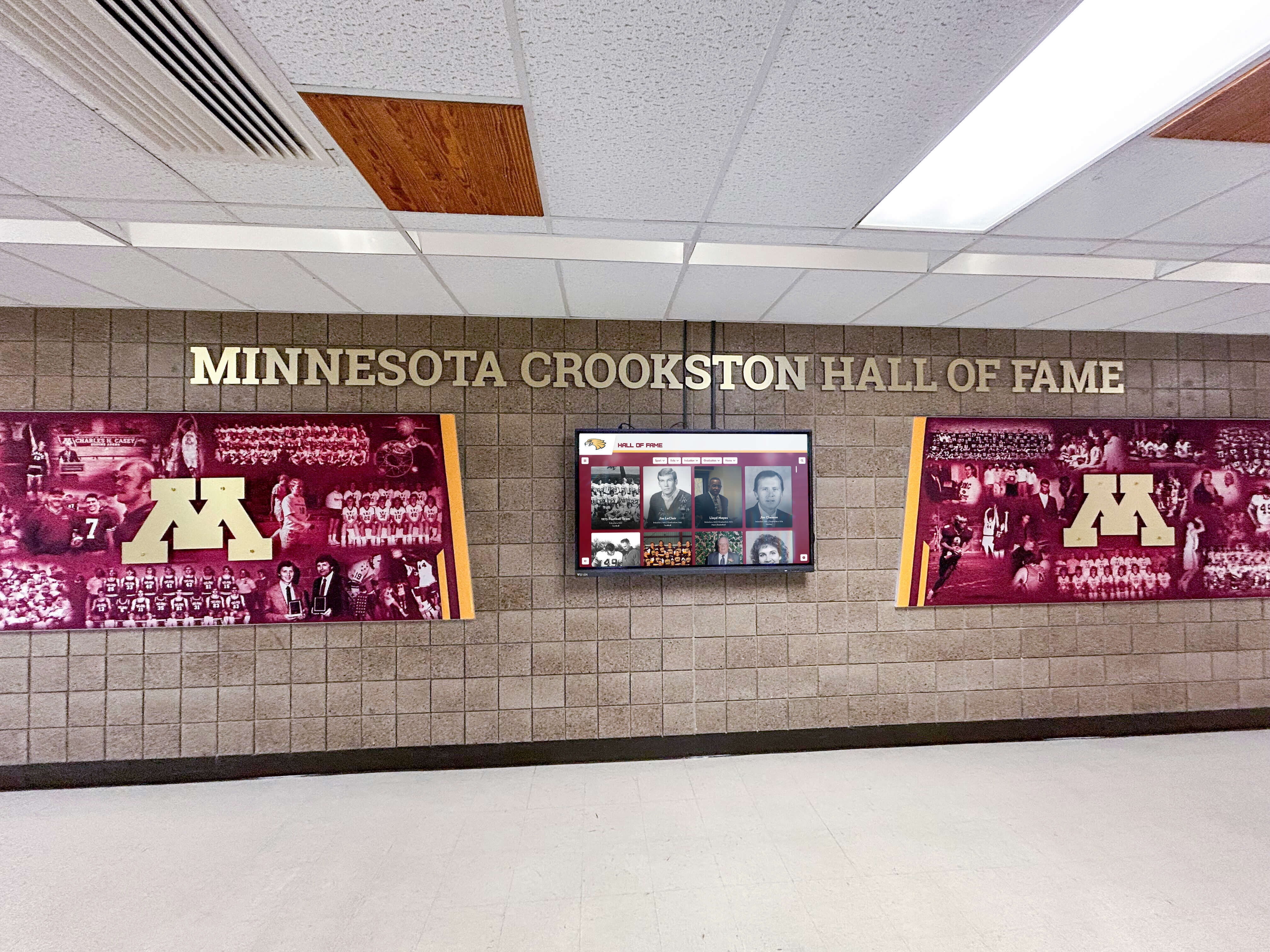
Comprehensive lobby environments integrate multiple design elements requiring coordinated maintenance planning
Conclusion: Creating School Lobbies That Welcome and Inspire
School lobby design profoundly influences first impressions, enrollment decisions, community perceptions, and daily student experiences for decades following construction or renovation investments. Institutions approaching entrance design strategically—balancing functional requirements with psychological impact, celebrating achievement systematically while honoring tradition, and creating spaces that communicate institutional values authentically—discover that lobbies become powerful tools advancing educational mission far beyond architectural aesthetics.
The most effective school lobby designs share essential characteristics: comprehensive recognition systems celebrating diverse achievements, strong visual identity establishing immediate institutional recognition, thoughtful lighting creating welcoming atmospheres, strategic technology integration supporting contemporary communication needs, accessible design ensuring inclusive experiences, and sustainable approaches ensuring long-term value. When these elements combine within cohesive design visions, lobbies transcend transitional spaces to become destinations where visitors immediately understand institutional character while students find daily inspiration and cultural affirmation.
Transform Your School Lobby With Modern Recognition
Discover how digital recognition displays can help your school lobby celebrate every achievement while creating first impressions that inspire excellence, strengthen community connections, and maximize the impact of your entrance design investment.
Explore Recognition SolutionsDigital recognition technology has fundamentally transformed what’s possible in school lobby design—eliminating space constraints that once forced difficult decisions about whose achievements received acknowledgment, enabling rich multimedia storytelling impossible through traditional plaques, providing simple content management accessible to staff without technical expertise, and extending recognition beyond physical campuses through web-accessible platforms connecting with alumni and prospective families worldwide. Solutions like Rocket Alumni Solutions provide turnkey platforms specifically designed for educational recognition, combining elegant touchscreen hardware with intuitive content management enabling administrators to celebrate achievements comprehensively without ongoing technical support requirements or expensive physical display expansions.
Yet technology represents only one component of effective lobby design. The most inspiring entrances balance sophisticated displays with fundamental design excellence—appropriate color application reinforcing institutional identity, quality lighting creating welcoming atmospheres, thoughtful furniture selections supporting visitor comfort, clear wayfinding systems reducing navigation confusion, and sustainable material choices ensuring long-term value. Recognition systems deliver maximum impact when integrated into excellently designed lobbies rather than attempting to compensate for fundamental design deficiencies through technological additions alone.
Your school’s entrance deserves design worthy of the educational excellence happening within. Prospective families evaluating enrollment options, alumni returning for reunions and events, community partners attending meetings and performances, and students beginning each school day all form lasting impressions about institutional quality, organizational competence, and cultural priorities based largely on lobby presentation. Outstanding educators dedicating careers to student development, accomplished students achieving remarkable success, committed families supporting educational mission, and generous donors enabling facility improvements all deserve entrance spaces that honor their contributions systematically while inspiring continued excellence.
Start planning your school lobby design or renovation project today. Assess current entrance spaces identifying functional deficiencies and missed opportunities, engage stakeholders understanding how lobbies can better serve institutional needs, explore modern recognition technology eliminating traditional display limitations, develop sustainable funding strategies supporting phased implementation, and create systematic approaches ensuring your lobby becomes a welcoming destination celebrating achievement while establishing positive first impressions for decades to come.
Whether planning new construction, comprehensive renovation, or focused improvements within limited budgets, thoughtful school lobby design creates lasting value extending far beyond initial investment. Every design decision—from recognition systems to lighting specifications, color selections to furniture choices, technology integration to material specifications—influences how visitors perceive your institution and how students experience their educational environment daily. With strategic planning, appropriate technology investments, authentic implementation, and sustained maintenance, you can create entrance spaces worthy of the remarkable educational community they represent while advancing institutional mission through inspiring design that welcomes and celebrates systematically.
Ready to transform your school lobby? Explore comprehensive approaches to showcasing school history, discover donor recognition best practices, or learn about digital display implementation that creates engaging experiences celebrating your school community while establishing first impressions that inspire excellence, build pride, and advance educational mission through thoughtfully designed entrance environments.