Selecting the right school gym floor represents one of the most significant decisions facilities managers and athletic directors make during renovation projects. This single surface choice impacts student safety, athletic performance, maintenance budgets, facility versatility, and the overall lifespan of your gymnasium investment—often for 20-40 years following installation.
Yet schools frequently approach flooring decisions with incomplete information, focusing primarily on upfront costs while overlooking long-term maintenance expenses, performance characteristics that affect athlete safety, or how surface choices limit or expand facility usage. A gym floor that seems economical initially can become a financial burden through excessive maintenance needs, while the wrong surface type might exclude entire categories of activities your community wants to host.
This comprehensive guide examines all major school gym floor options available in 2026, comparing performance characteristics, durability expectations, maintenance requirements, cost considerations, and ideal use cases. Whether planning new construction, managing major renovations, or evaluating replacement timelines for existing floors, these frameworks help you select surfaces that serve your students, budget, and community effectively for decades ahead.
Gymnasium flooring decisions extend throughout school operations—affecting student athlete safety, program competitiveness, community rental revenue, maintenance staff workload, and capital planning budgets. Facilities managers who systematically evaluate flooring options discover that thoughtful surface selection delivers benefits reaching far beyond the gym itself into areas directly impacting educational mission fulfillment and fiscal responsibility.

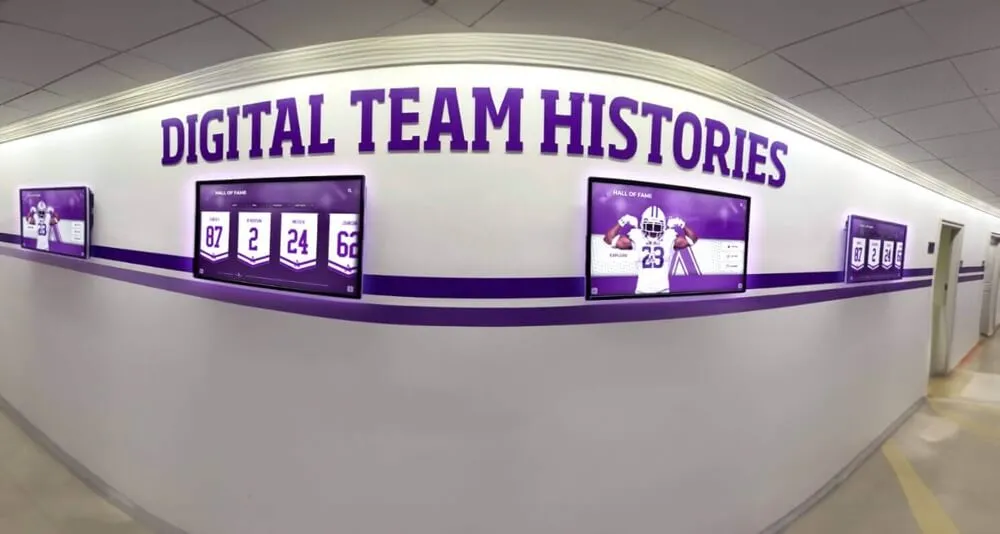
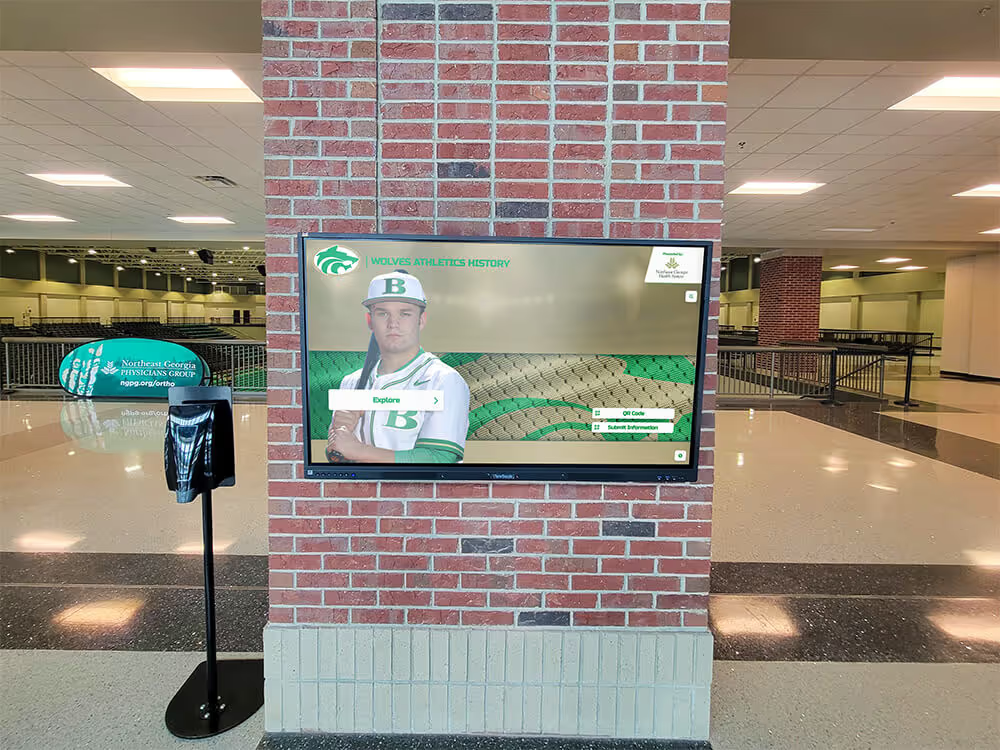
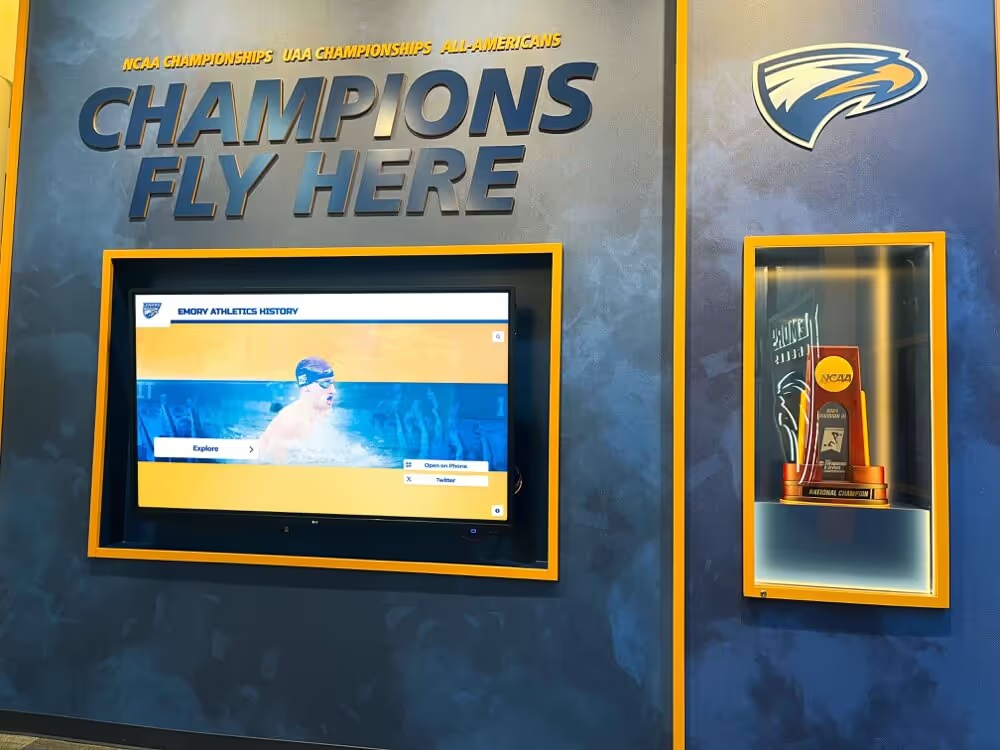
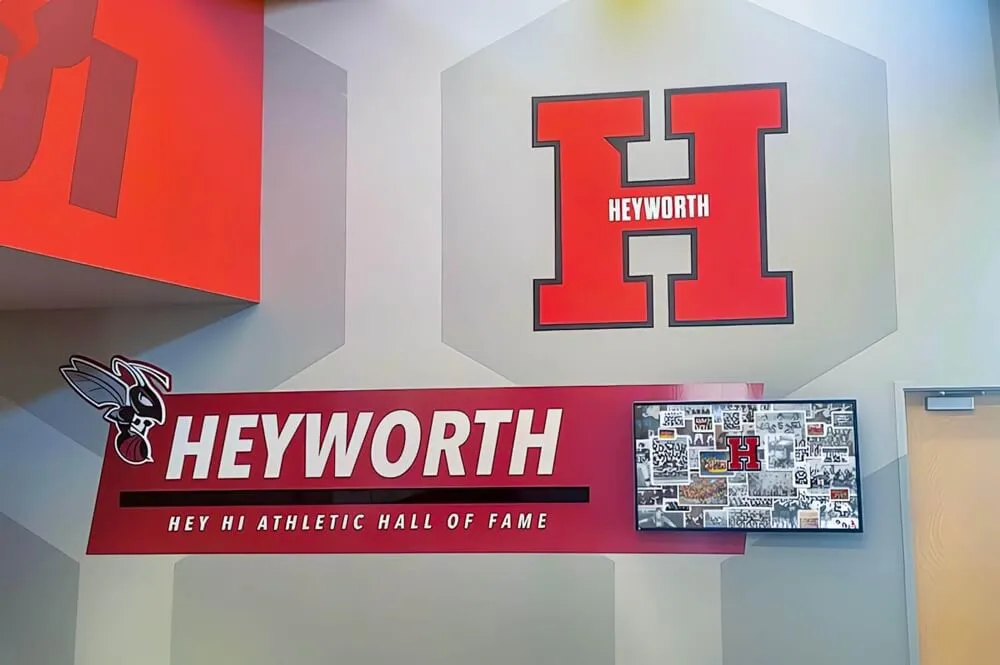
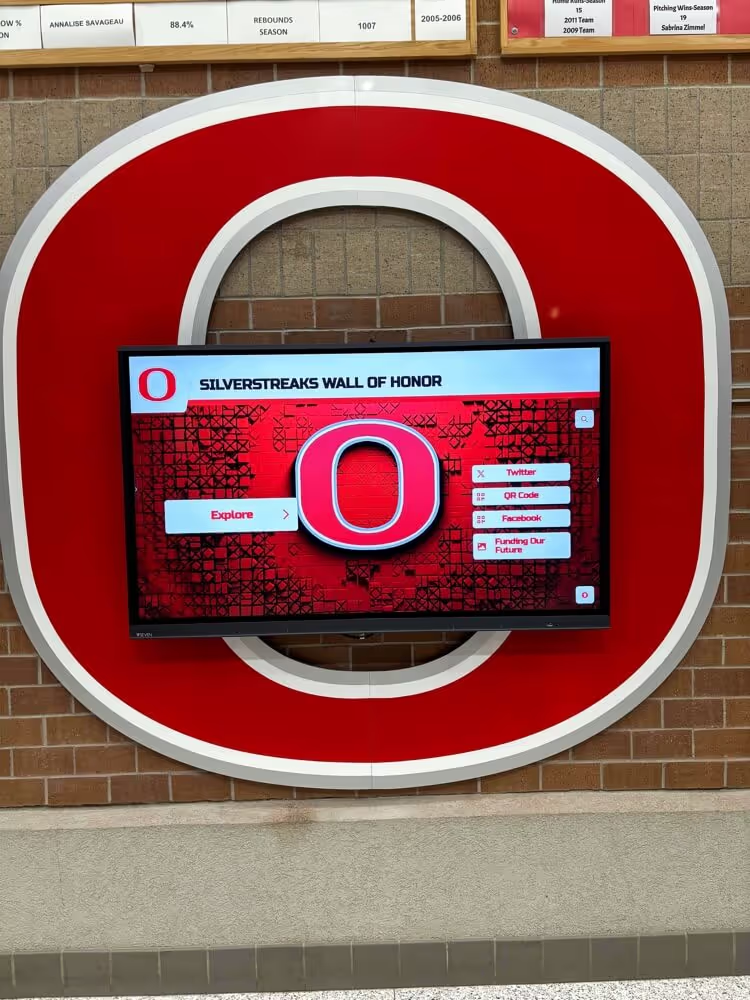
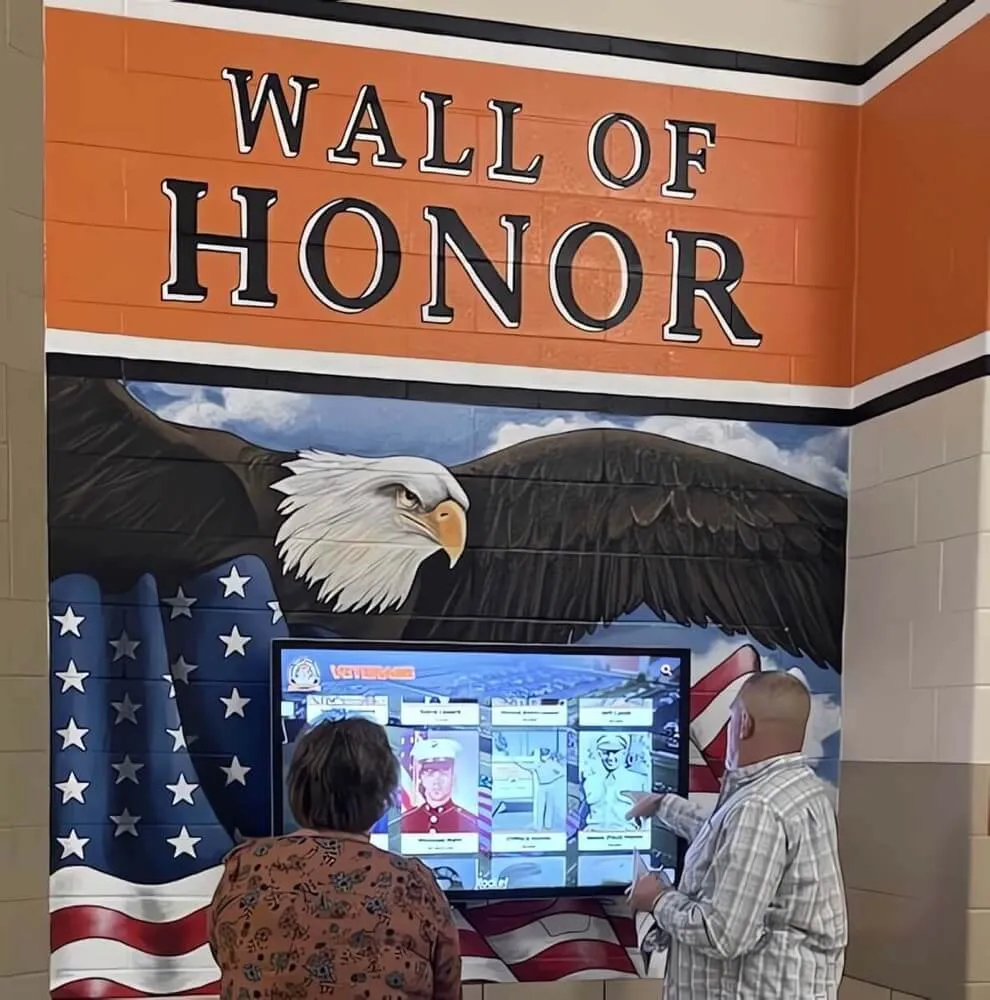
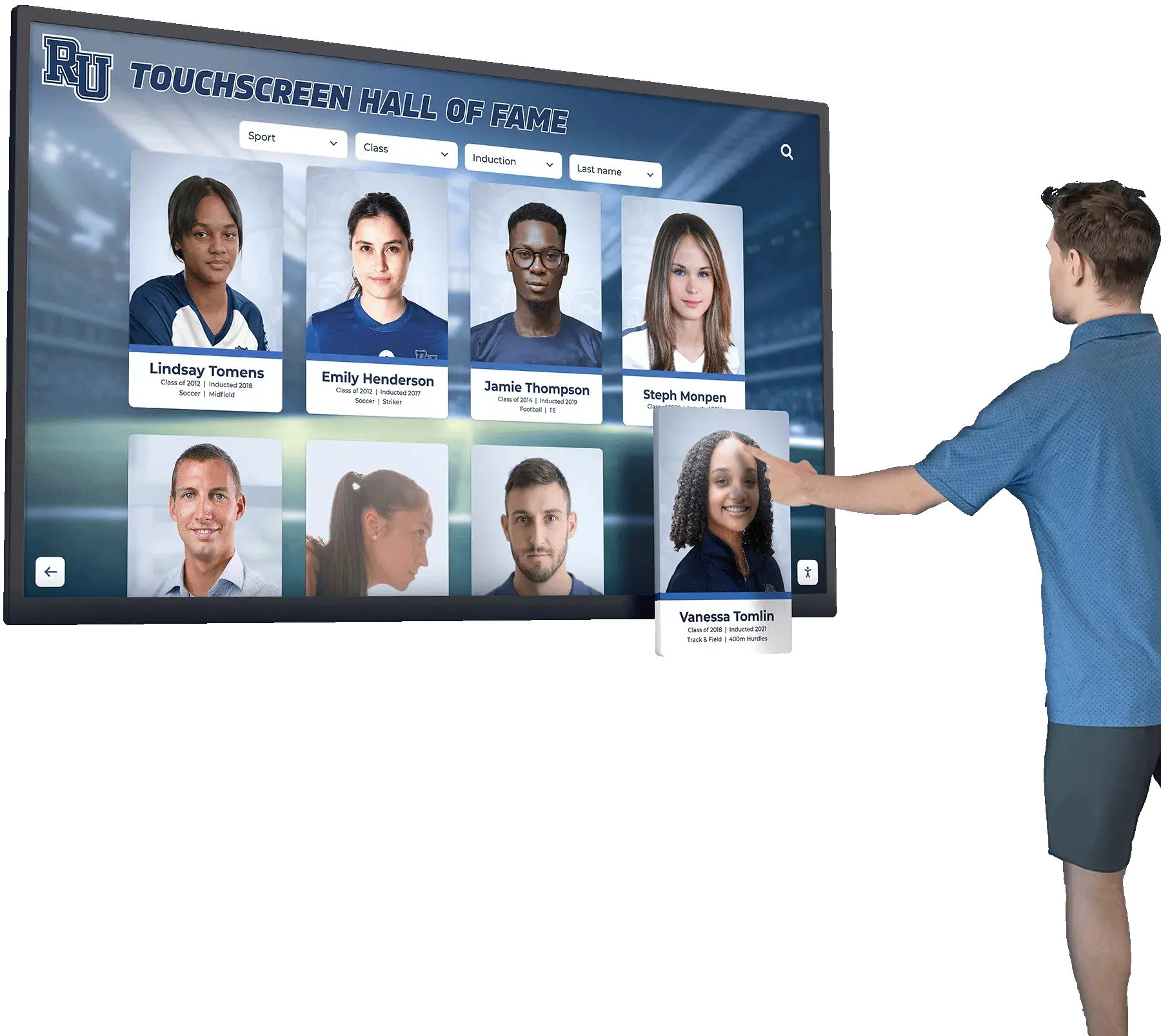
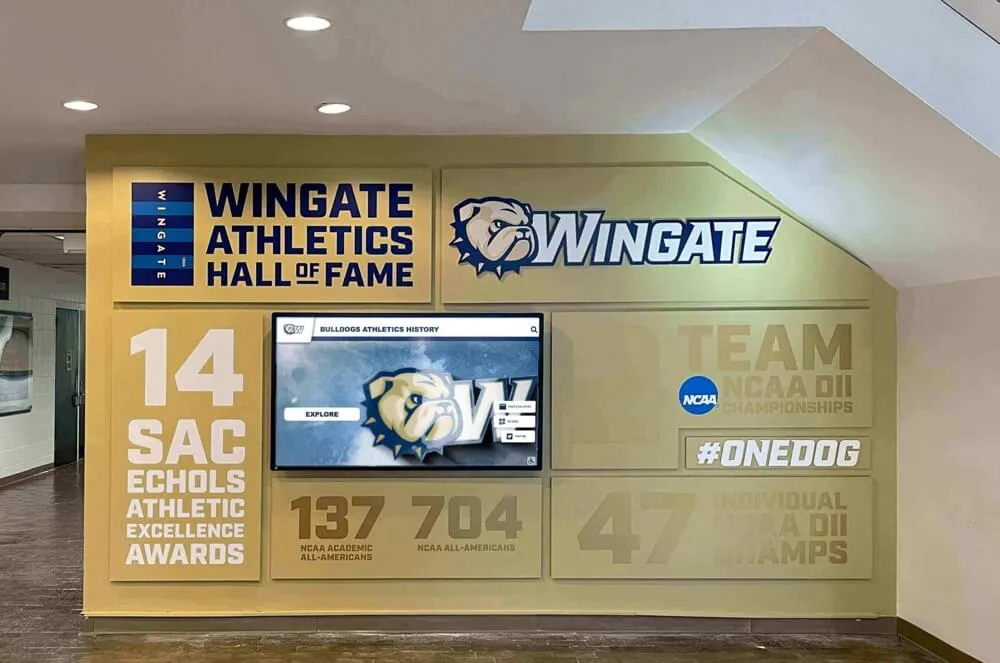
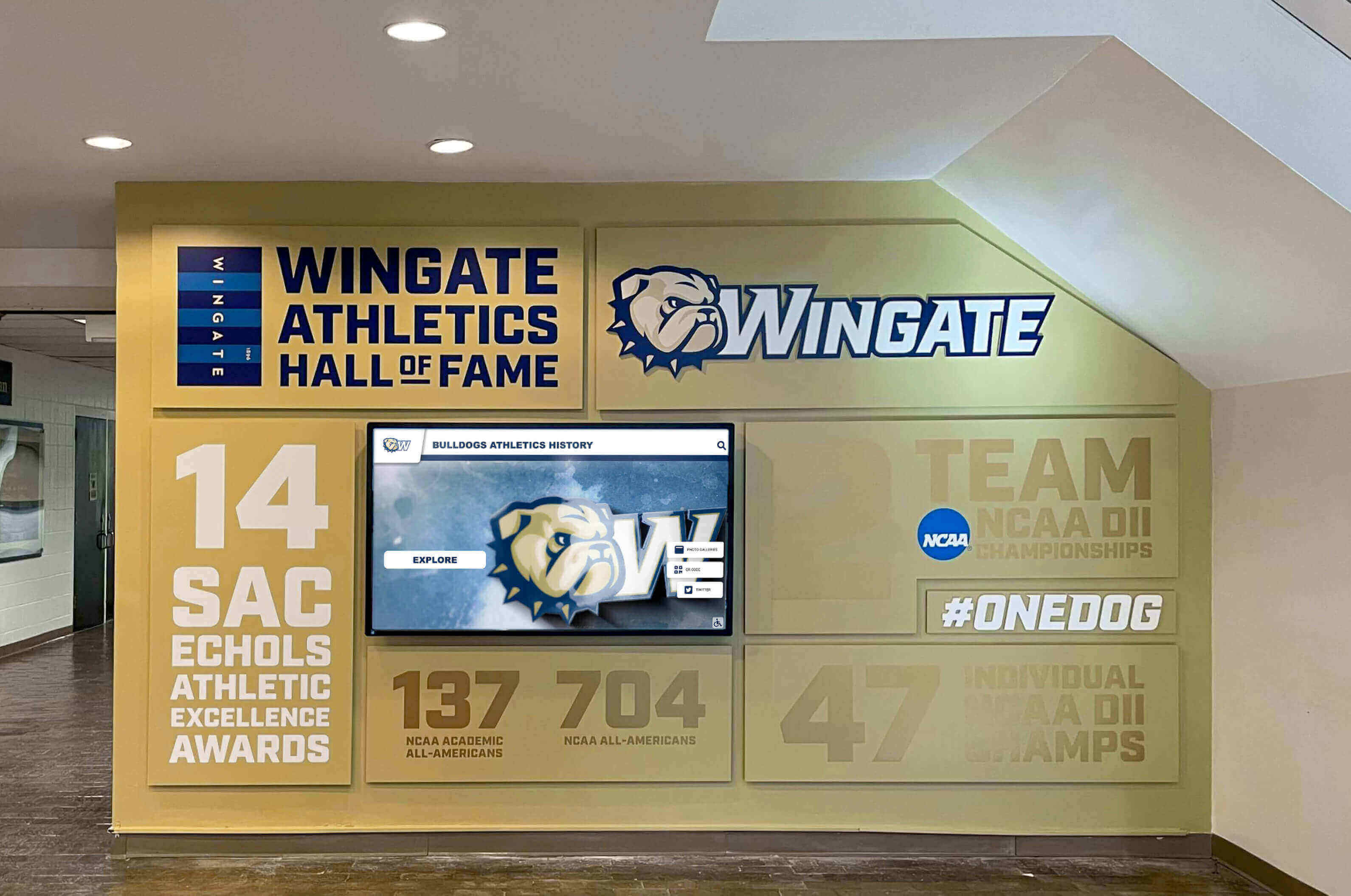
Gymnasium renovations offer opportunities to update both performance surfaces and recognition displays that celebrate athletic achievement
Understanding School Gym Floor Requirements
Before evaluating specific flooring materials, schools should clarify the functional requirements, regulatory standards, and usage patterns that determine appropriate surface selection.
Safety and Performance Standards
Athletic flooring must meet specific safety criteria protecting student athletes:
Shock Absorption and Injury Prevention Quality gym floors reduce impact forces that contribute to injuries. Standard testing measures force reduction—the percentage of impact absorbed by the floor system rather than transmitted to athletes’ joints. Most athletic associations recommend surfaces providing at least 30-40% force reduction for basketball and volleyball, though some activities benefit from higher absorption rates.
Proper shock absorption matters significantly for student development. Adolescent athletes training on inadequate surfaces face increased risk of stress fractures, joint problems, and overuse injuries that can affect lifelong health. Facilities managers balancing budget constraints against athlete welfare should understand that floor performance directly impacts injury rates and associated liability concerns.
Traction and Slip Resistance Surface friction characteristics affect both performance and safety. Floors must provide sufficient traction for quick direction changes and explosive movements while avoiding excessive grip that could cause knee injuries during pivoting. This balance—measured through coefficient of friction testing—varies by activity, with basketball requiring different characteristics than volleyball or physical education classes.
Testing standards established by organizations like ASTM International and DIN (German Institute for Standardization) provide objective measurements schools can specify during procurement to ensure surfaces meet athlete needs.
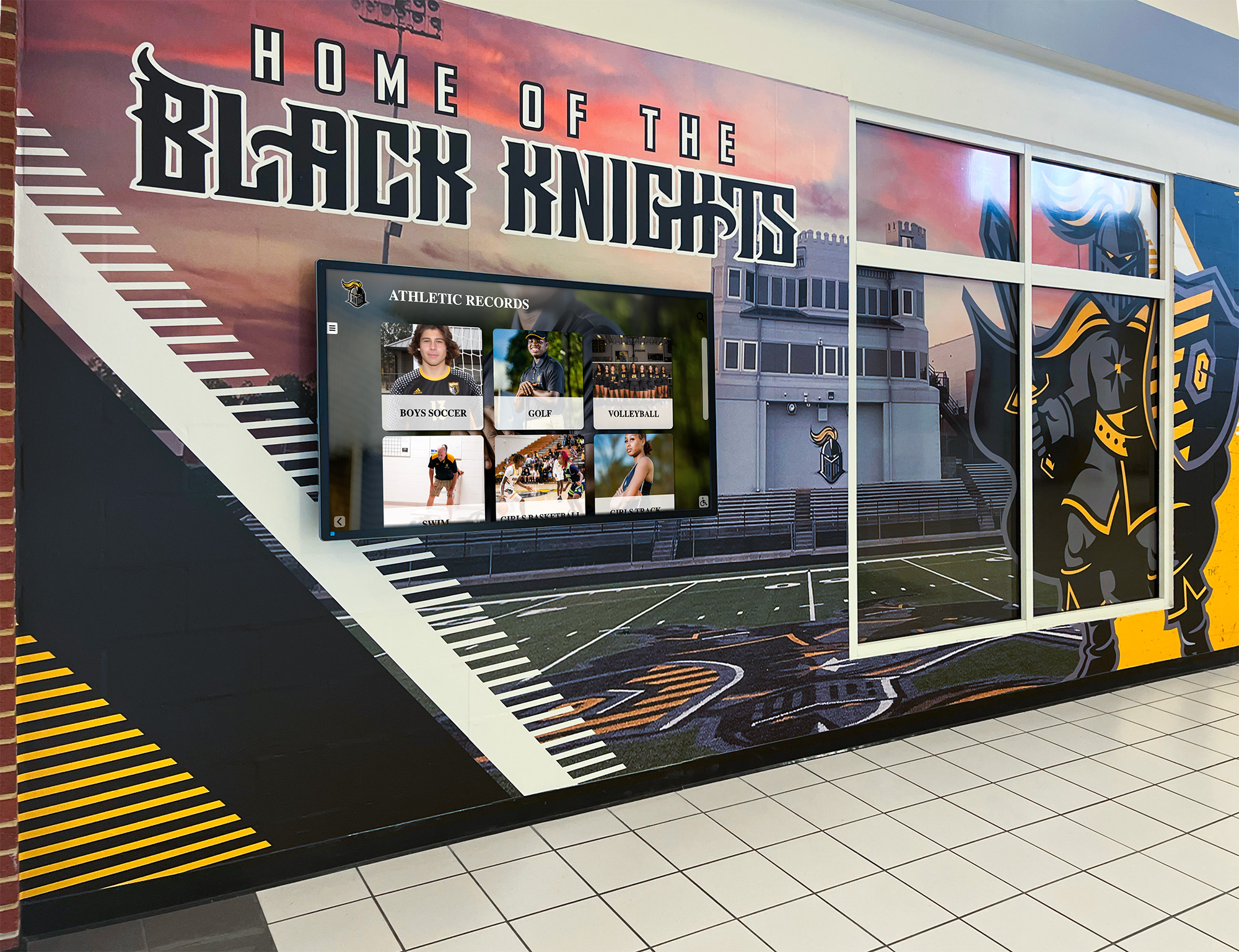
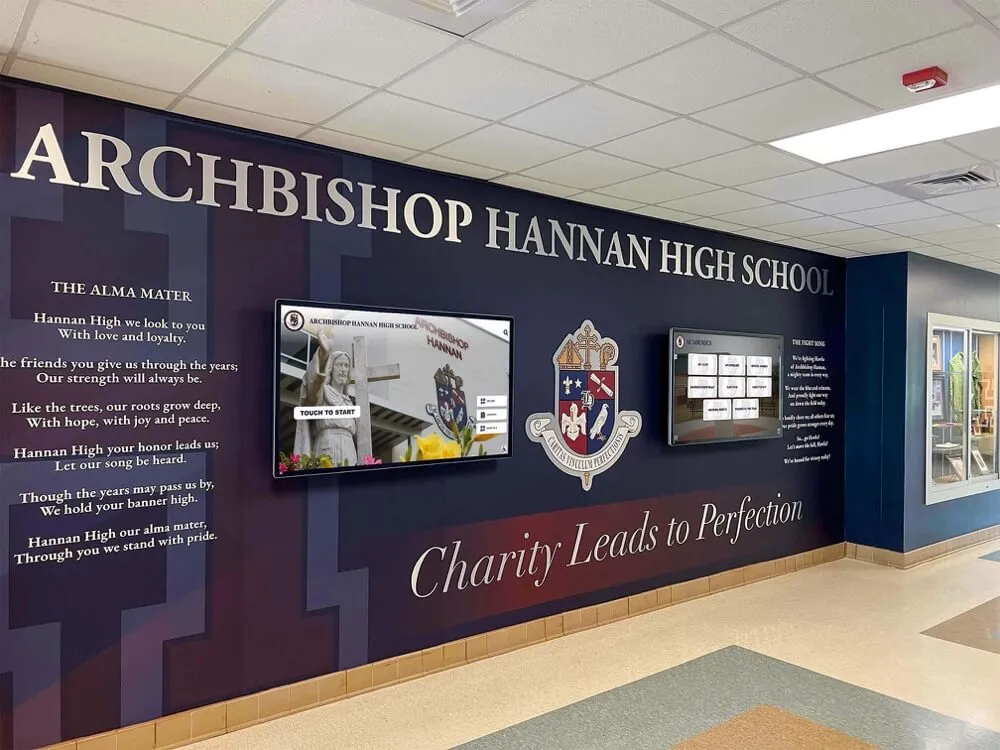
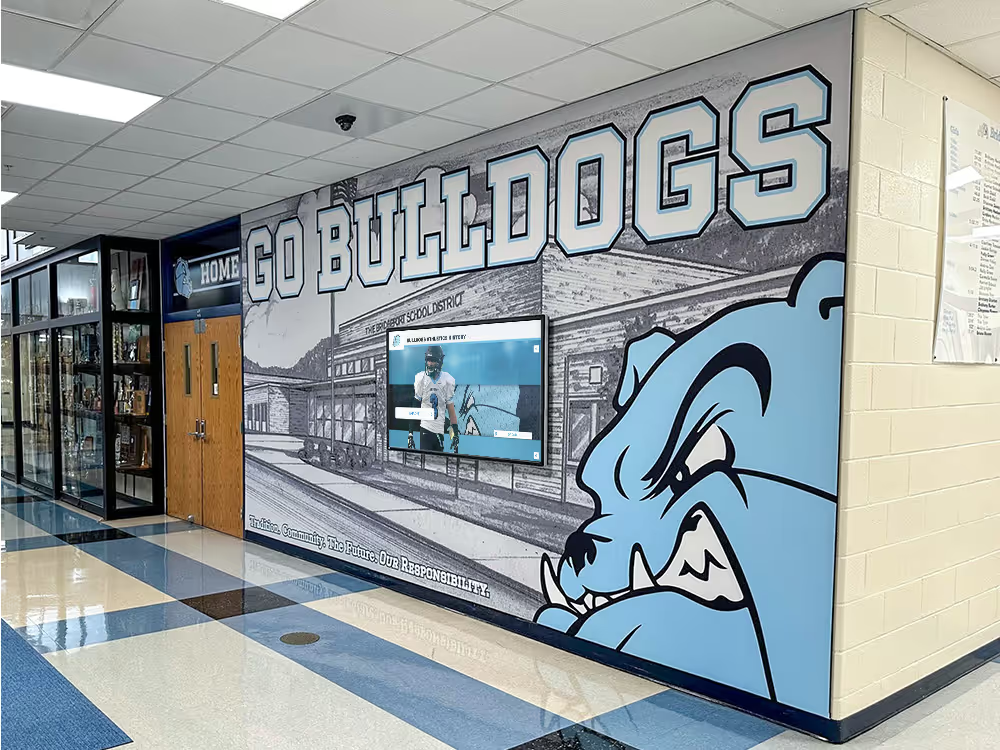
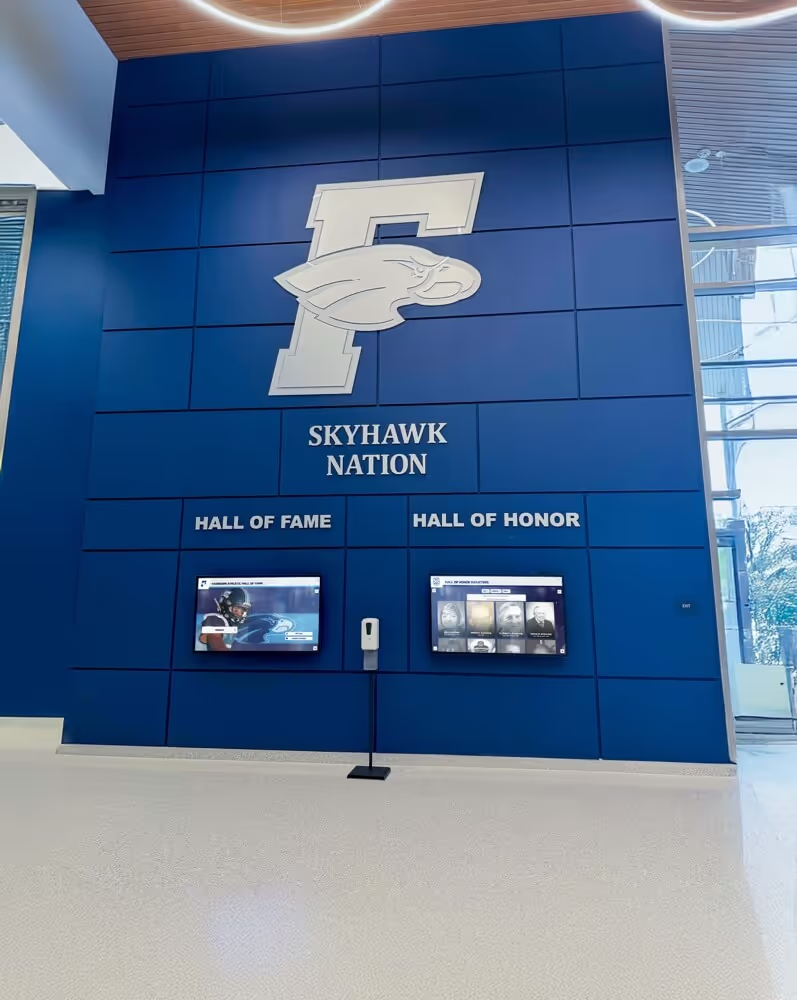
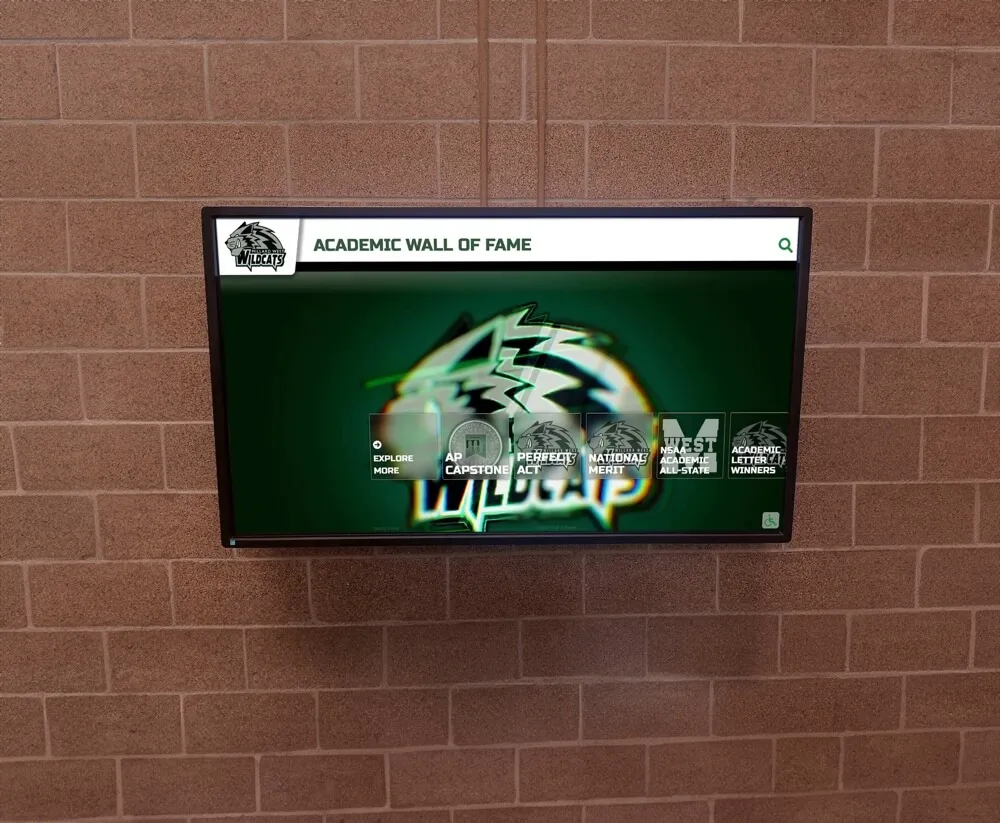
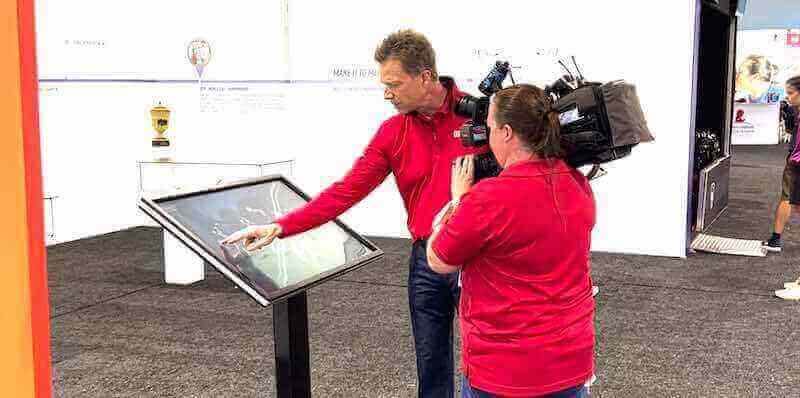
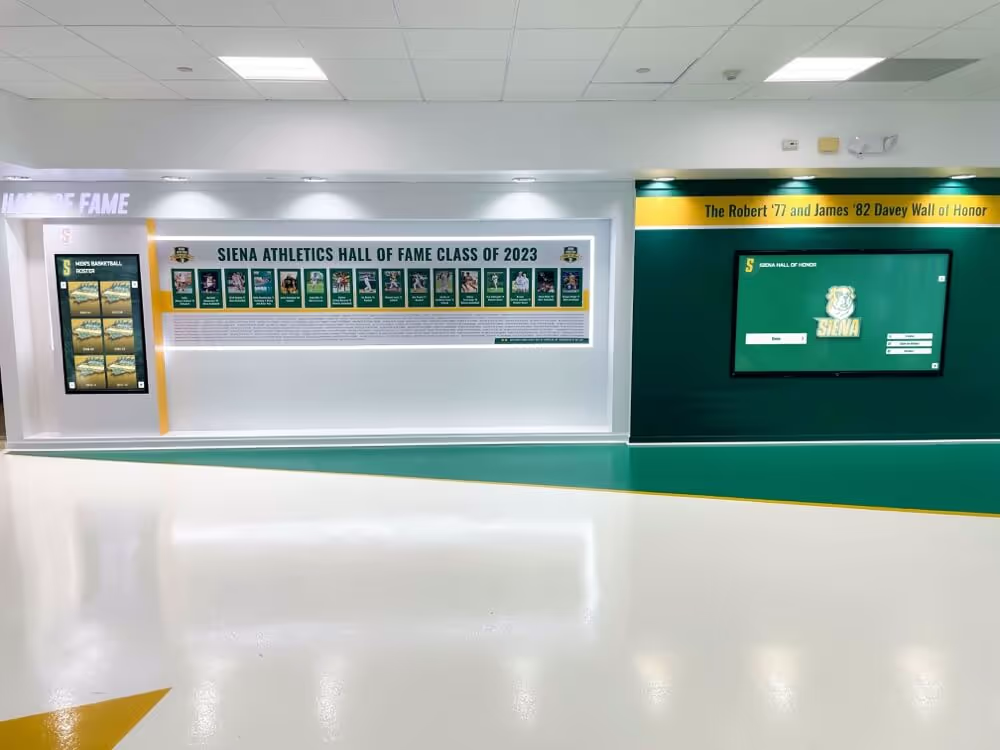
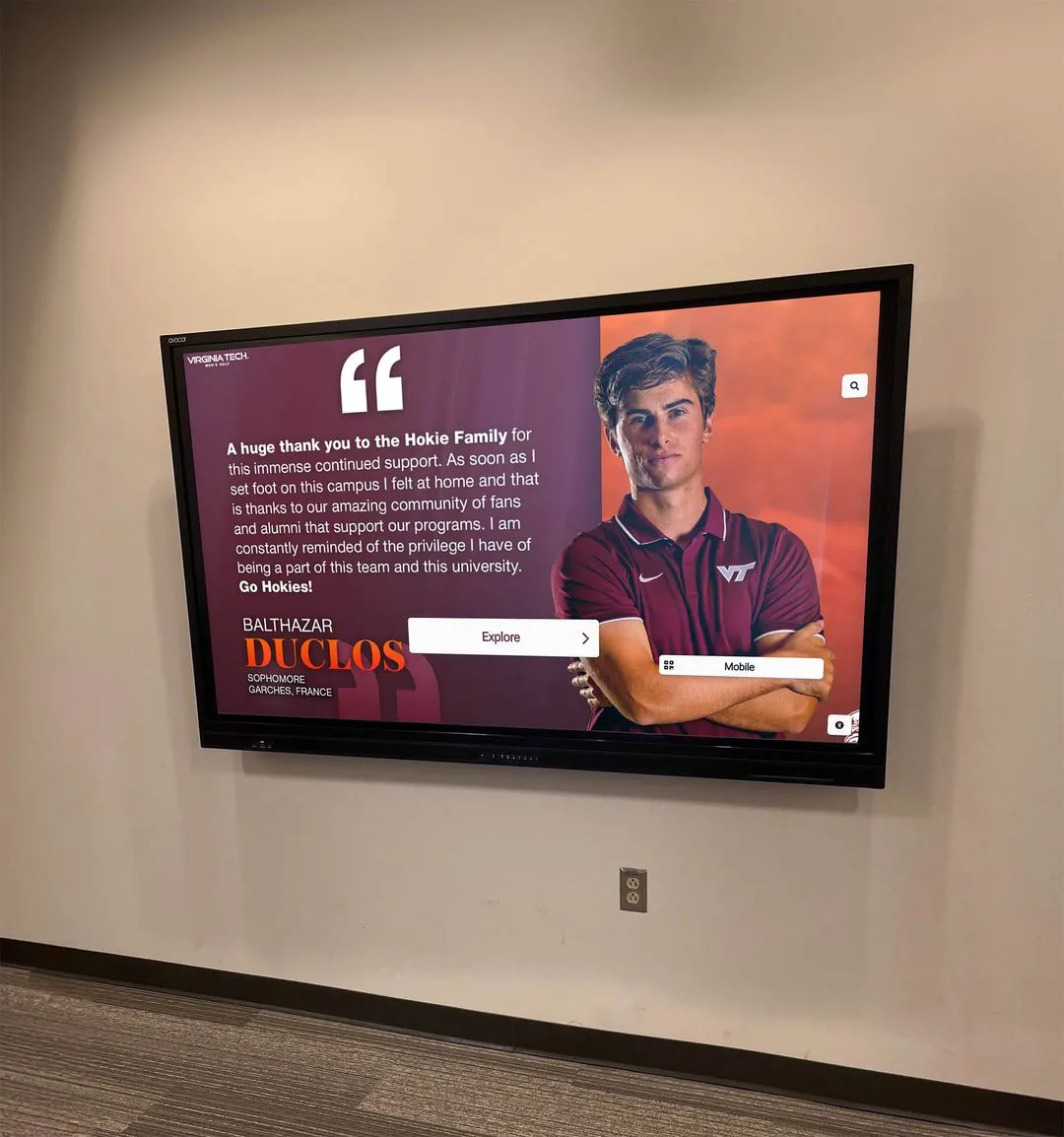
Comprehensive facility renovations address both performance surfaces and visual elements celebrating program tradition
Ball Response and Uniformity Basketball programs require consistent ball bounce characteristics across the entire playing surface. Variations in sub-floor construction, humidity levels, or surface material can create “dead spots” affecting play quality. FIBA (International Basketball Federation) and NCAA establish specific ball rebound percentages that championship-level facilities must meet.
Schools hosting competitive tournaments or seeking to attract quality opponents benefit from surfaces meeting or exceeding standard requirements—demonstrating commitment to program quality similar to how digital record boards showcase athletic excellence.
Multi-Use Facility Considerations
Most school gymnasiums serve diverse purposes beyond competitive athletics:
Activity Versatility Requirements Modern school gyms frequently host:
- Multiple sport practices and competitions (basketball, volleyball, wrestling, badminton)
- Physical education classes across grade levels
- Community recreation programs and open gym sessions
- School assemblies and large group gatherings
- Graduation ceremonies and formal events
- Community events, fundraisers, and social functions
- Emergency shelter operations during disasters
Surface selection must accommodate this range without requiring constant setup changes or risking damage from inappropriate uses.
Furniture and Equipment Impact Schools regularly place non-athletic items on gym floors:
- Folding chairs and tables for events
- Staging and sound equipment for assemblies
- Heavy equipment like voting machines during elections
- Protective covering for activities involving liquids or materials
Some flooring materials withstand occasional furniture placement better than others. Facilities managers should clarify how frequently non-athletic uses occur and specify surface durability accordingly.
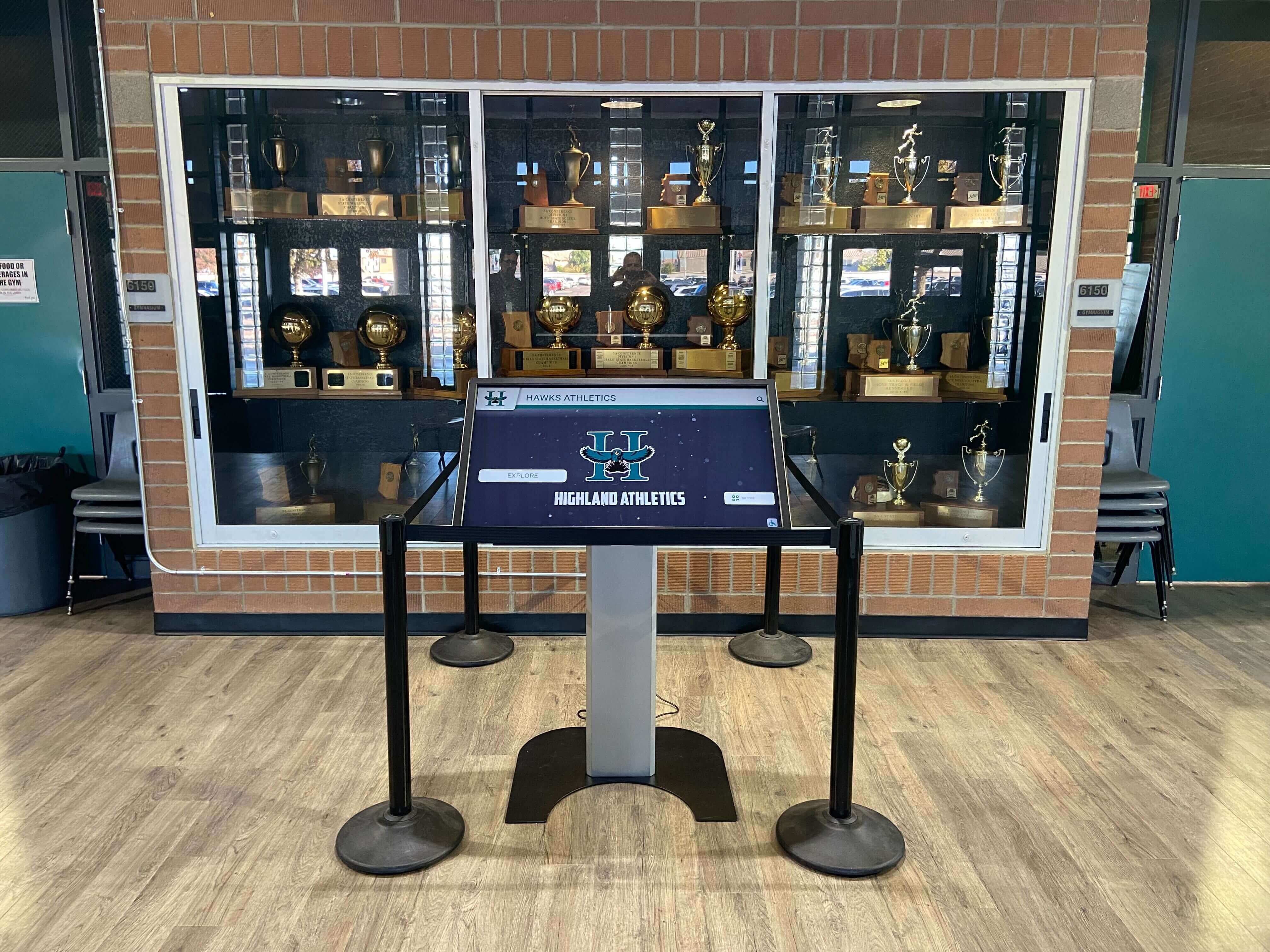
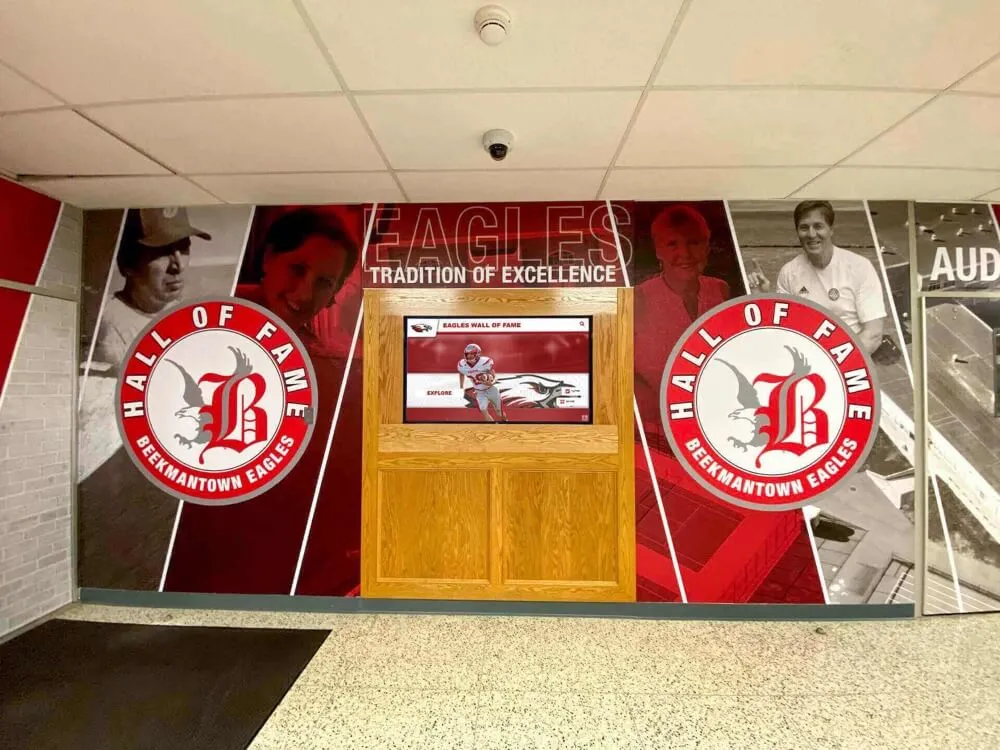
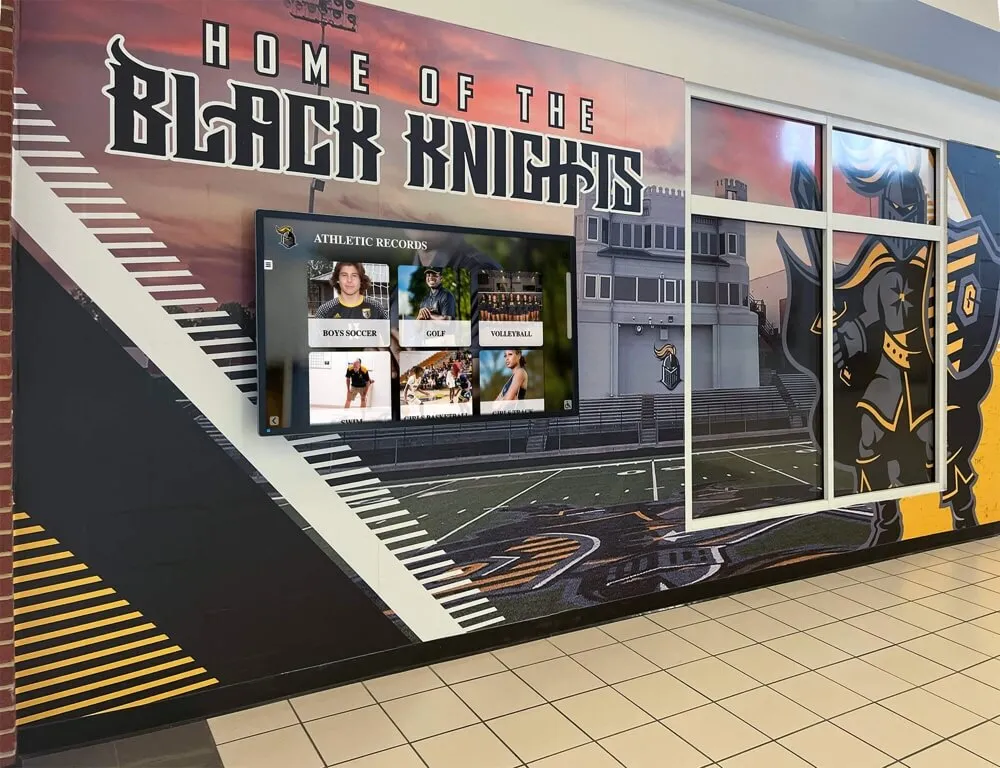
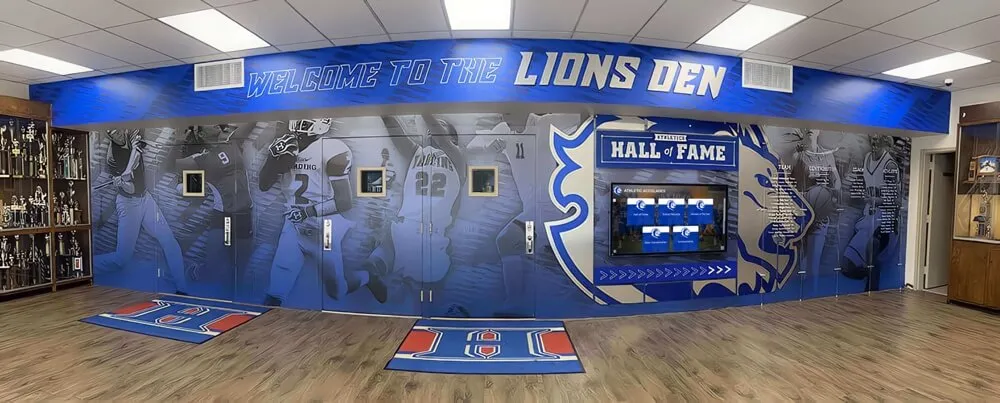
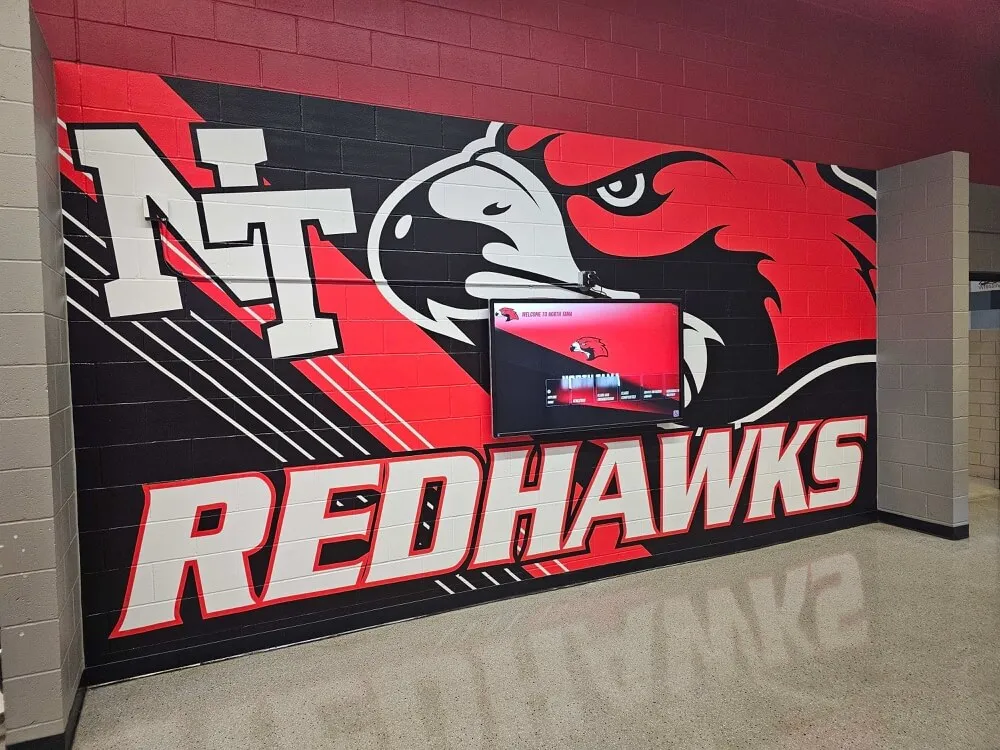
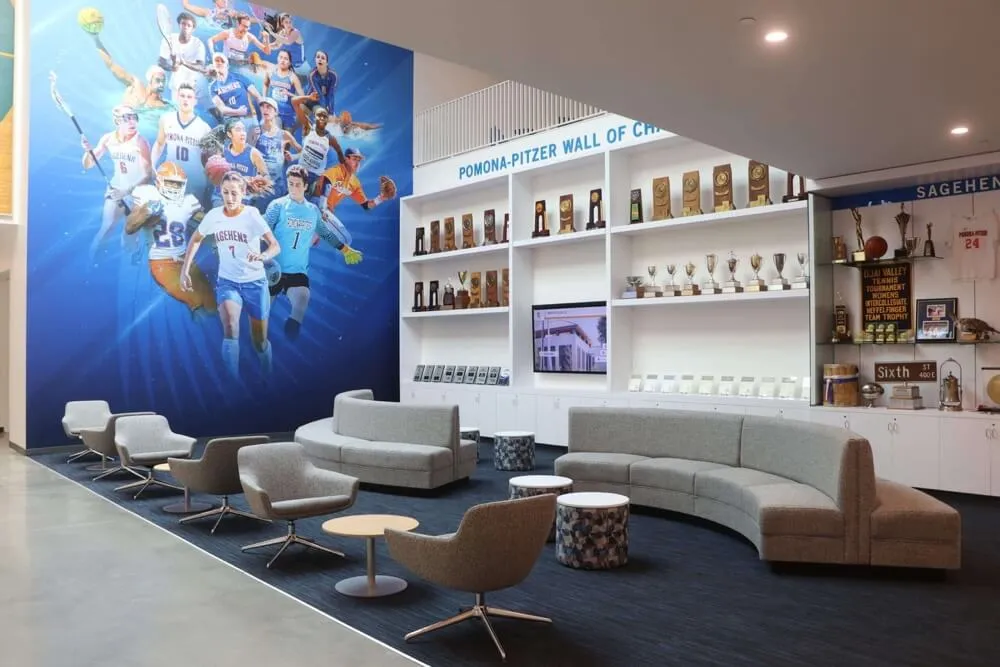
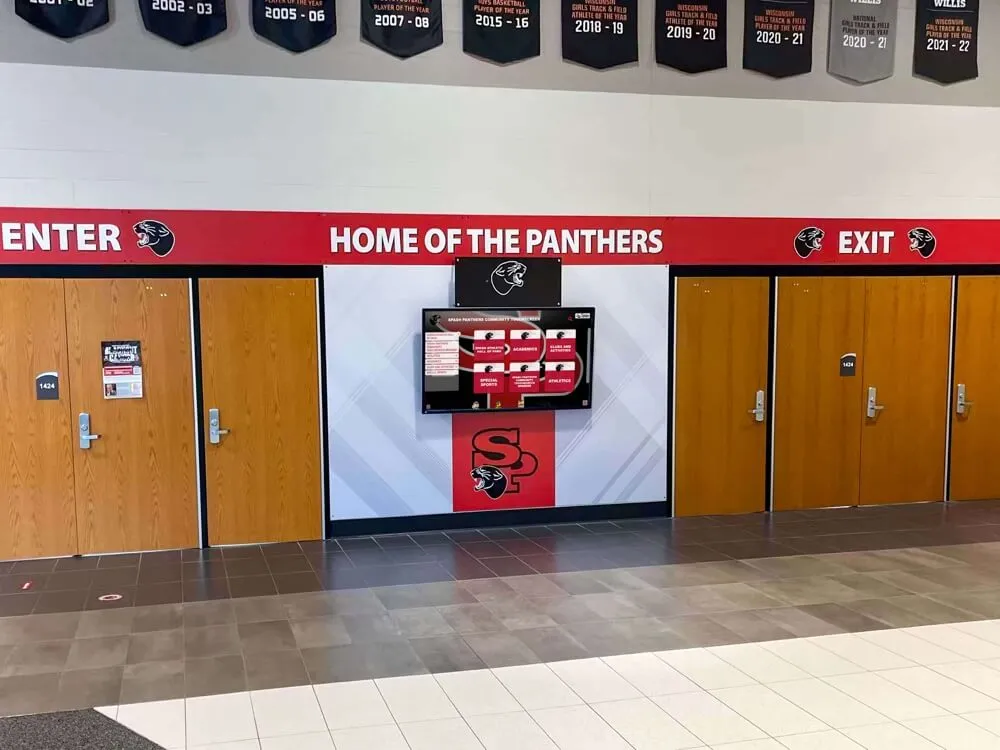
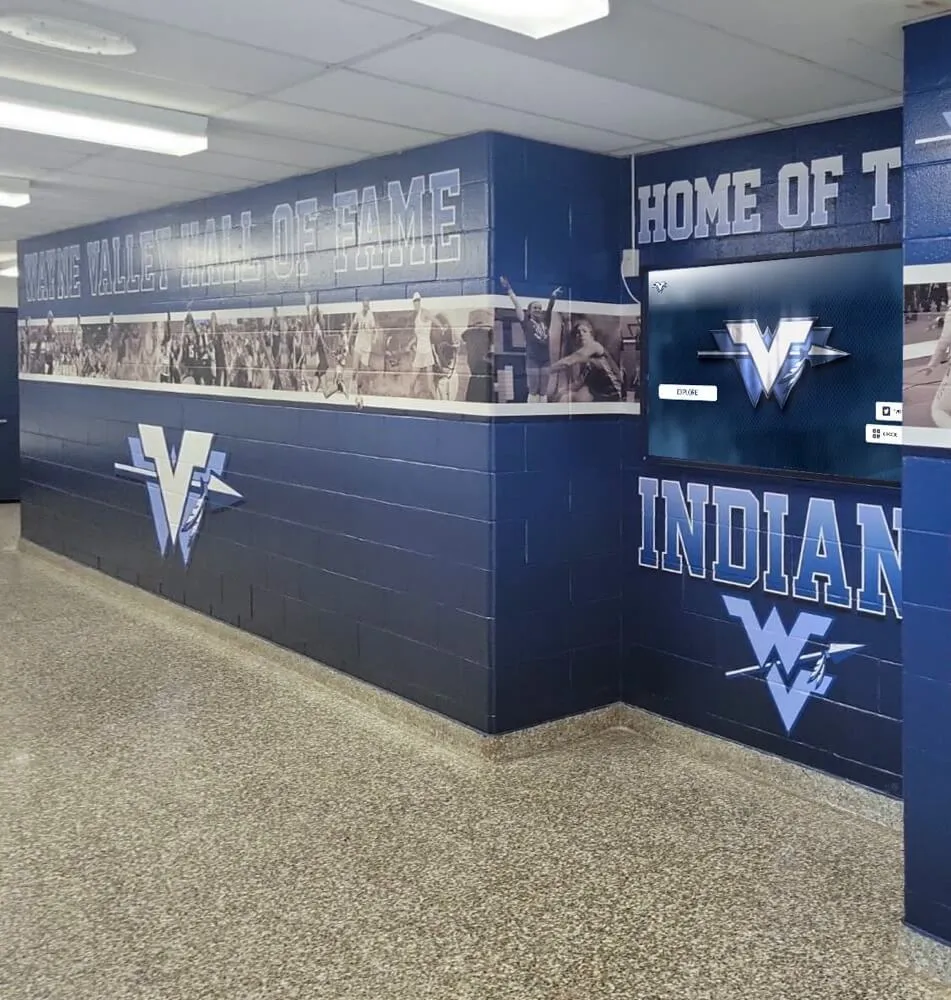
Facility upgrades often include both performance improvements and enhanced recognition systems
Climate and Environmental Factors Regional climate affects flooring performance and longevity:
- Humidity fluctuations causing hardwood expansion and contraction
- Temperature extremes in non-climate-controlled facilities
- Moisture infiltration in areas with high water tables or flooding risk
- Ventilation capacity affecting surface drying after cleaning
- Altitude impacts on certain synthetic material performance
Understanding your facility’s specific environmental conditions helps identify surfaces likely to perform reliably over extended periods.
Hardwood Gym Flooring: The Traditional Standard
Hardwood remains the gold standard for school gymnasiums, particularly where basketball performance matters most.
Hardwood Floor Characteristics
Understanding hardwood construction helps facilities managers evaluate options and bid specifications:
Wood Species Selection Hard maple dominates school gym installations due to ideal performance characteristics:
- Exceptional hardness resisting dent and wear damage
- Tight grain structure providing uniform surface
- Natural shock absorption protecting athletes
- Attractive appearance aging gracefully with proper maintenance
- Consistent performance characteristics across boards
Alternative hardwoods like beech or oak occasionally appear in specialized applications, though maple’s combination of hardness, resilience, and grain uniformity makes it preferred for athletic use.
Construction Systems Multiple hardwood installation approaches exist:
Anchored Systems attach flooring directly to sleepers (wood supports) anchored to the concrete sub-floor. This traditional approach provides excellent stability and longevity but offers minimal shock absorption beyond the wood itself. Schools prioritizing floor permanence and traditional aesthetics often select anchored construction.
Floating Floor Systems suspend hardwood over cushioning pads or resilient substructures, creating enhanced shock absorption. These systems provide superior force reduction—often 35-45% compared to 20-25% for anchored floors—but require more maintenance attention and periodic re-leveling.
Resilient Channel Systems represent middle-ground approaches, providing cushioning through rubber or foam channels beneath the flooring while maintaining some anchored system benefits.
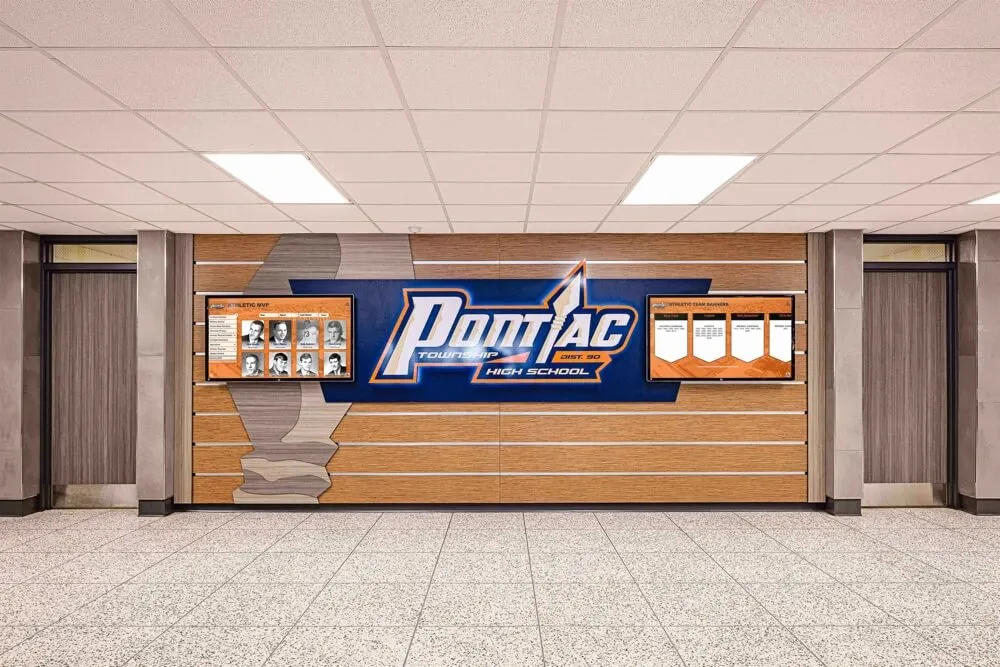
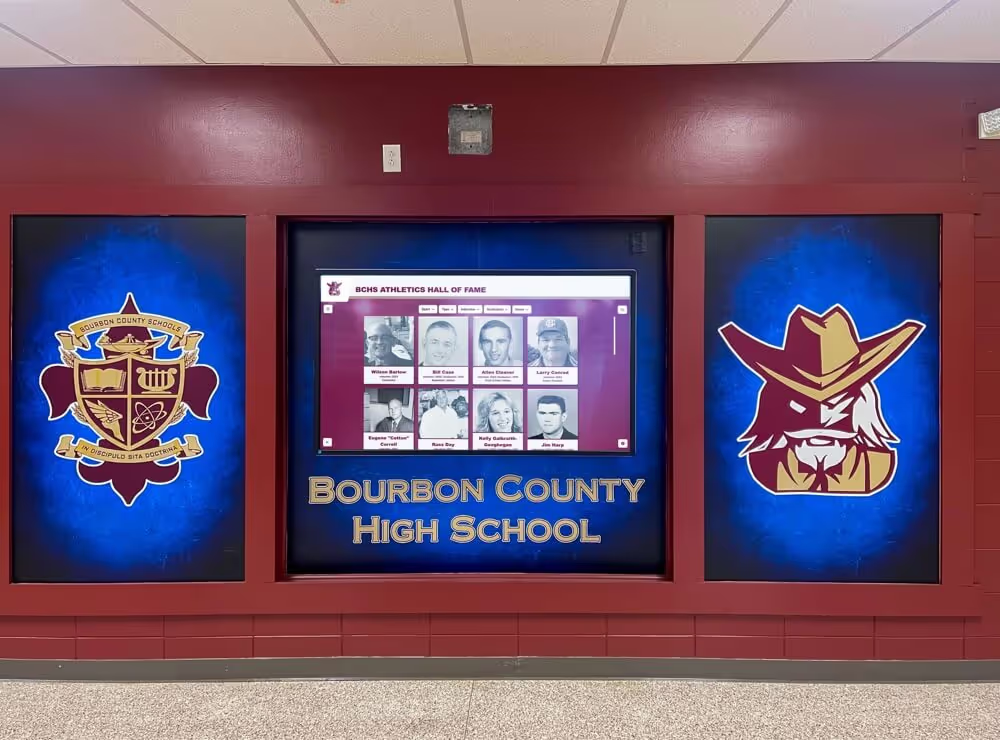
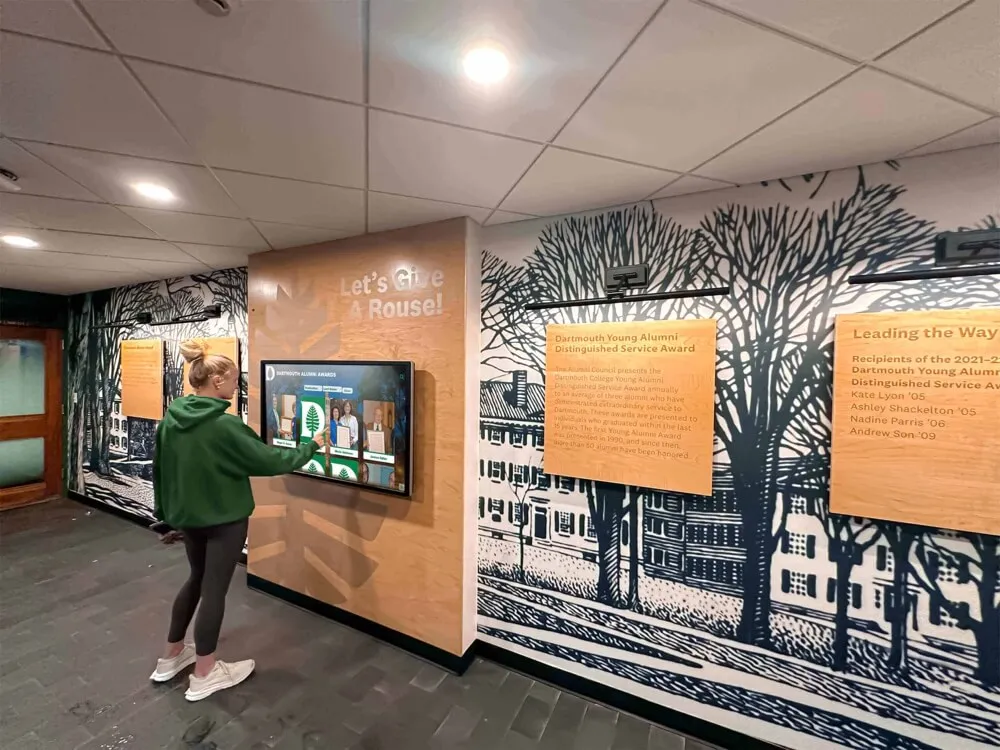
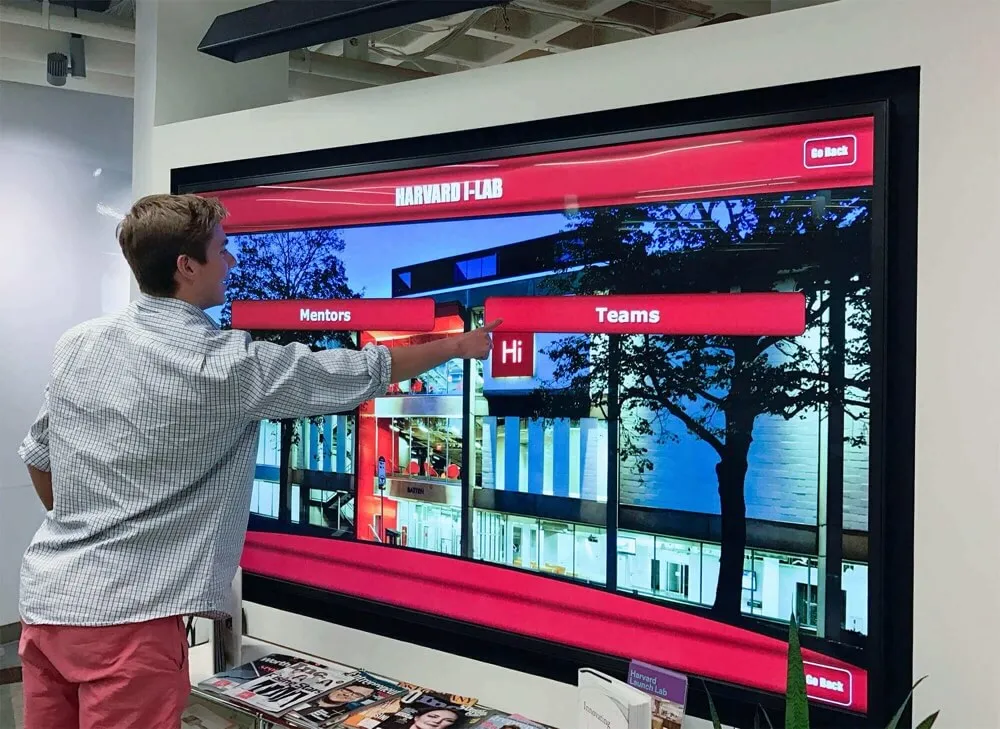
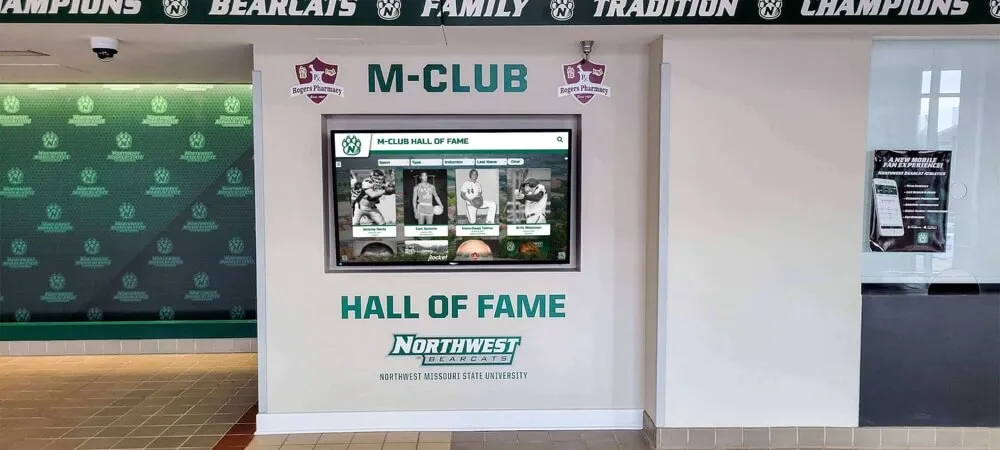
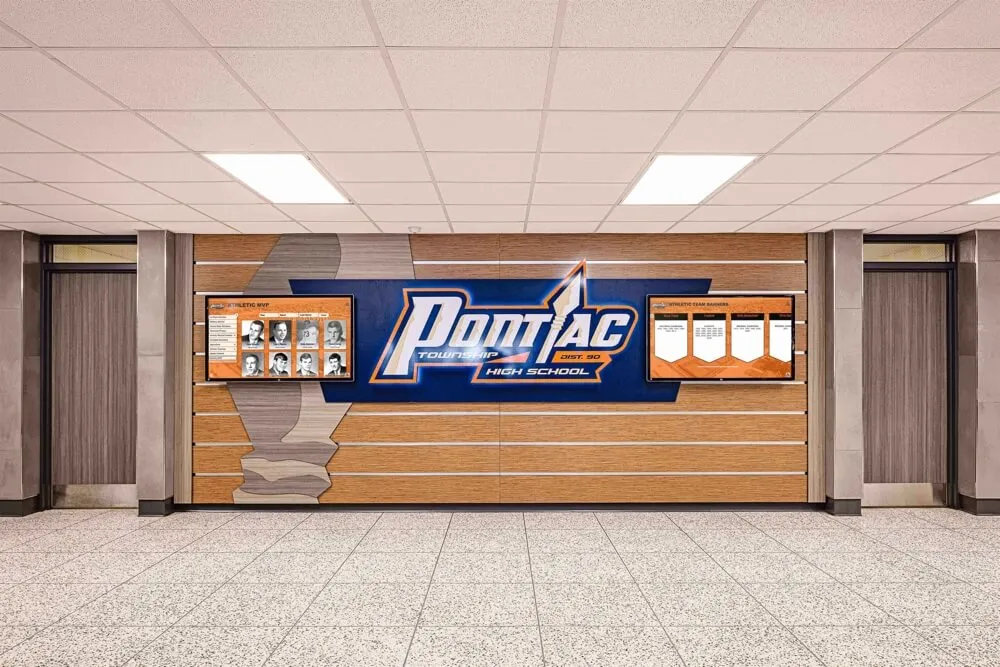
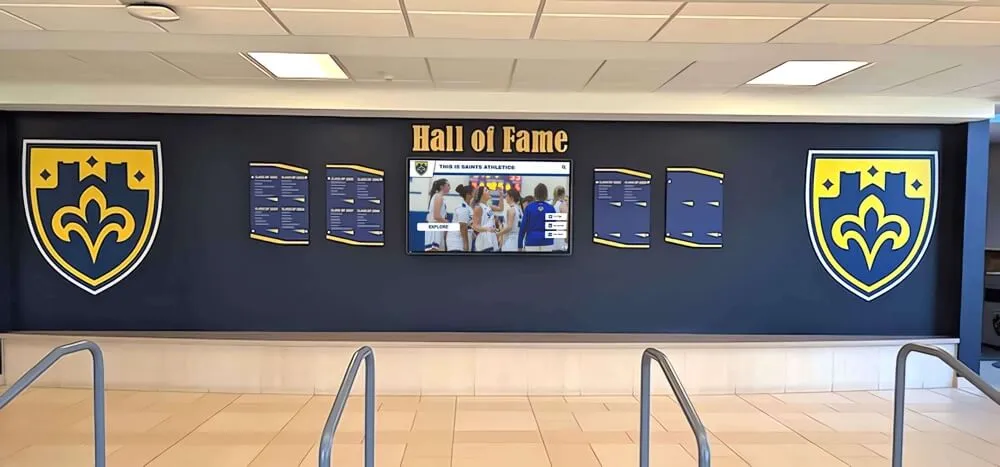
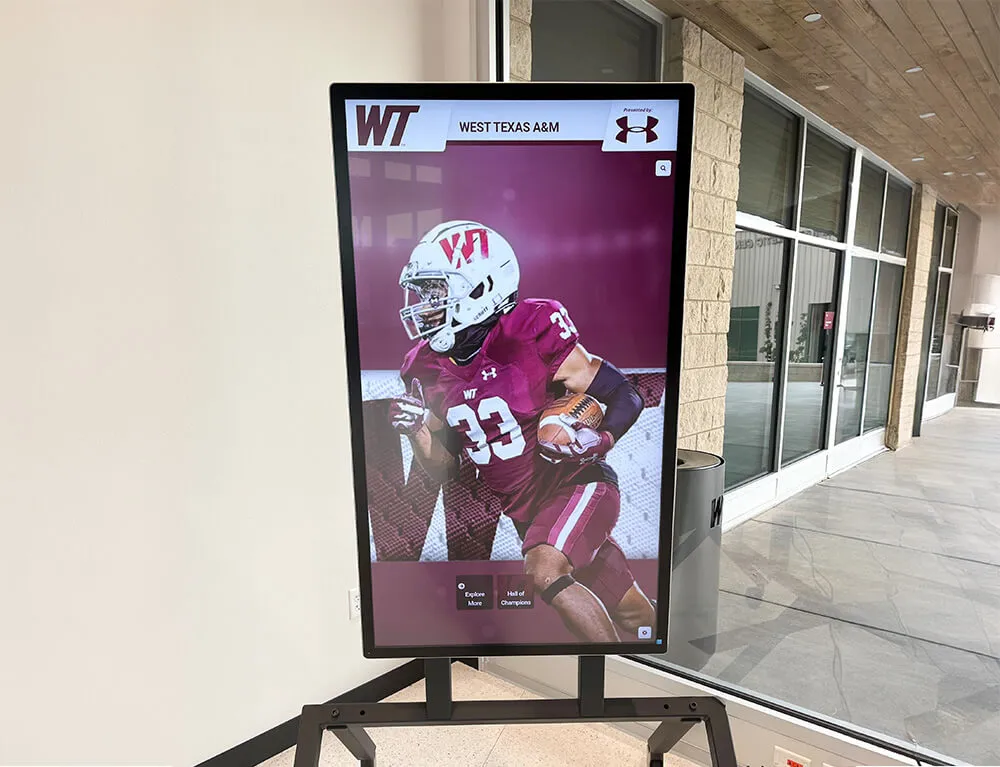
Athletic facility design integrates performance spaces with recognition areas honoring program accomplishments
Hardwood Floor Advantages
Quality hardwood delivers multiple benefits justifying continued popularity:
Performance Excellence Hardwood provides optimal playing characteristics for basketball:
- Consistent, predictable ball bounce across entire surface
- Appropriate traction balance for explosive movements and quick stops
- Superior shock absorption (in properly constructed systems)
- Professional appearance matching college and NBA standards
- Player preference based on familiarity and performance expectations
Student athletes training on quality hardwood floors develop skills translating directly to competitive environments at higher levels.
Durability and Longevity Properly maintained hardwood floors commonly last 40-60 years—far exceeding most alternative surfaces. This longevity stems from:
- Ability to refinish surfaces multiple times throughout floor life
- Resistance to damage when appropriately protected
- Gradual aging rather than sudden performance degradation
- Repair options for isolated damage without full replacement
- Improved performance as wood seasons and stabilizes
Schools implementing systematic maintenance programs maximize return on hardwood investments across multiple generations of students. Similar to how interactive displays create lasting recognition infrastructure, quality hardwood represents multi-decade investment in athletic excellence.
Aesthetic Appeal and Tradition Hardwood floors create distinctive appearance communities associate with quality athletic programs:
- Rich, natural wood appearance aging beautifully
- Custom paint schemes, logos, and graphics enhancing school identity
- Traditional “gym floor smell” and acoustic properties
- Prestige factor in recruiting and community perception
- Versatility for non-athletic events maintaining formal appearance
Many school communities specifically request hardwood based on tradition and aesthetic preferences regardless of other considerations.
Hardwood Floor Challenges
Despite advantages, hardwood presents significant considerations:
Maintenance Requirements Hardwood demands systematic, ongoing care:
- Daily dust mopping preventing abrasive particle accumulation
- Weekly damp mopping with appropriate cleaning solutions
- Periodic deep cleaning and recoating (every 2-3 years)
- Complete refinishing every 10-15 years restoring surface quality
- Humidity control preventing warping, cupping, or gapping
- Protective covering for non-athletic uses and events
These maintenance demands require dedicated staff time and specialized equipment. Schools lacking capacity for proper hardwood maintenance should seriously consider alternatives avoiding deterioration from neglect.
Environmental Sensitivity Wood responds to humidity fluctuations:
- Expansion during humid periods creating crowned boards or buckling
- Contraction during dry conditions opening gaps between boards
- Moisture damage from water intrusion or inadequate drying
- Required HVAC systems maintaining consistent conditions year-round
- Seasonal adjustments in non-climate-controlled facilities
Regions with extreme humidity variations face higher hardwood maintenance challenges than temperate climates with stable conditions.

Championship recognition becomes focal point in well-designed athletic facilities
Cost Considerations Hardwood represents significant initial investment:
- Material costs typically $8-$15 per square foot installed
- Specialized subfloor construction adding $4-$8 per square foot
- Full gymnasium installation commonly ranging $100,000-$300,000
- Refinishing costs every 10-15 years adding $3-$5 per square foot
- HVAC requirements for proper environmental control
- Higher labor costs for installation requiring specialized expertise
These costs position hardwood among the most expensive flooring options, though long service life and refinishing capability provide value over multi-decade periods.
Synthetic Gym Flooring Options
Synthetic surfaces offer alternatives addressing specific limitations of traditional hardwood while introducing different trade-offs.
Polyurethane Sport Surfaces
Poured polyurethane systems have gained acceptance in schools prioritizing durability and low maintenance:
System Characteristics Polyurethane floors consist of multiple layers:
- Base layer bonding to properly prepared concrete substrate
- Cushioning layer(s) providing shock absorption
- Wear surface offering traction and durability
- Protective top coat sealing and finishing surface
- Optional graphics and line markings integrated during installation
These seamless systems eliminate gaps and cracks where dirt and moisture accumulate, contributing to simplified maintenance.
Performance Advantages Quality polyurethane surfaces provide:
- Excellent shock absorption tuned to specific sport requirements
- Consistent performance characteristics throughout facility
- Moisture resistance superior to hardwood
- Uniform traction without dead spots or variations
- Minimal climate sensitivity enabling use in challenging environments
- Bacteriostatic properties supporting hygiene in multi-use facilities
Schools in humid climates or buildings without climate control often select polyurethane specifically for moisture resistance hardwood cannot match.
Maintenance and Durability Synthetic surfaces require different care than hardwood:
- Simple damp mopping with neutral cleaners maintaining appearance
- No refinishing requirements during typical 15-20 year lifespan
- Resistance to moisture damage and environmental fluctuations
- Lower ongoing maintenance labor compared to hardwood
- Surface replacement required when wear exceeds acceptable limits (no refinishing option)
While polyurethane eliminates refinishing needs, eventual replacement requires complete removal and reinstallation—unlike hardwood’s renewable surface.
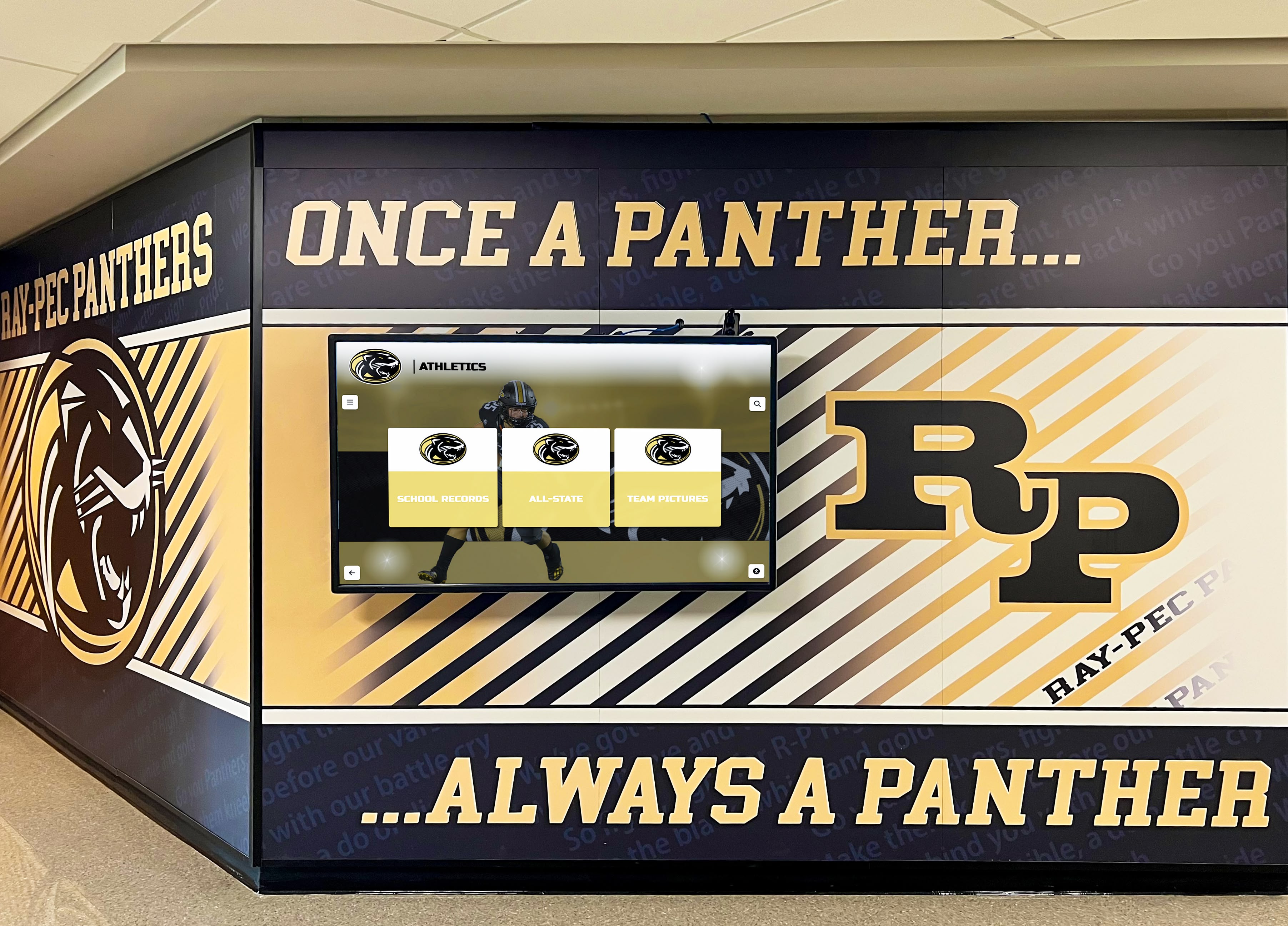
Modern athletic facilities combine performance surfaces with digital displays celebrating program achievements and school spirit
Cost Analysis Polyurethane pricing varies by system quality:
- Material and installation costs typically $6-$12 per square foot
- Lower ongoing maintenance expenses compared to hardwood
- No refinishing costs but complete replacement required at end of life
- HVAC requirements less stringent than hardwood
- Total cost of ownership potentially lower over 20-year period
Schools should evaluate lifecycle costs rather than just installation expenses when comparing polyurethane to hardwood alternatives.
Modular Sport Tiles and Roll-Out Surfaces
Interlocking tiles and roll-out surfaces provide portable or semi-permanent options:
Tile System Characteristics Modular tiles offer specific advantages:
- Interlocking connections creating stable playing surface
- Variety of base materials (polypropylene, rubber, PVC)
- Engineered cushioning layers providing shock absorption
- Installation over existing floors without adhesives (in some systems)
- Ability to remove and reinstall for multi-purpose spaces
- Custom colors and patterns including court markings
These systems particularly suit schools needing flexible space configurations or temporary surfaces.
Appropriate Applications Modular surfaces excel in specific contexts:
- Multi-purpose rooms requiring periodic floor configuration changes
- Temporary athletic facilities during construction or renovation
- Outdoor courts needing weather-resistant surfaces
- Budget-conscious schools seeking lower upfront investment
- Facilities hosting diverse activities with conflicting surface requirements
- Elementary schools prioritizing versatility over competition standards
Secondary gyms or practice facilities often implement modular surfaces while maintaining hardwood in primary competition venues.
Performance Limitations Tile systems present some constraints:
- Seams between tiles creating minor surface discontinuities
- Ball bounce characteristics differing from hardwood standards
- Traction variations between tile materials and hardwood
- Durability concerns with intensive use in high-traffic areas
- Potential for tile separation or damage requiring individual replacement
- Generally unsuitable for championship-level competition
Schools should align tile system selection with realistic usage expectations and performance requirements.
Rubber and Specialized Flooring
Rubber surfaces serve specific applications where traditional court floors prove inappropriate:
Rubber Sport Flooring
Rolled or poured rubber provides unique characteristics:
Primary Applications Rubber flooring excels for:
- Weight room and fitness center installations
- Wrestling room surfaces requiring traction and cushioning
- Multi-purpose spaces hosting diverse physical activities
- Outdoor courts and recreational areas
- Athletic training rooms and rehabilitation spaces
- Areas requiring extreme durability and impact resistance
These specialized spaces benefit from rubber’s specific performance profile even when main gymnasiums use different materials.
Performance Characteristics Rubber delivers distinct advantages:
- Superior shock absorption protecting athletes in high-impact activities
- Extreme durability under heavy equipment and intensive use
- Moisture and chemical resistance for easy sanitation
- Noise reduction valuable in multi-story buildings
- Slip resistance even when wet enhancing safety
- Minimal maintenance beyond regular cleaning
Weight rooms particularly benefit from rubber’s ability to withstand dropped equipment without damage—a critical consideration facilities managers evaluating flooring for strength and conditioning spaces.
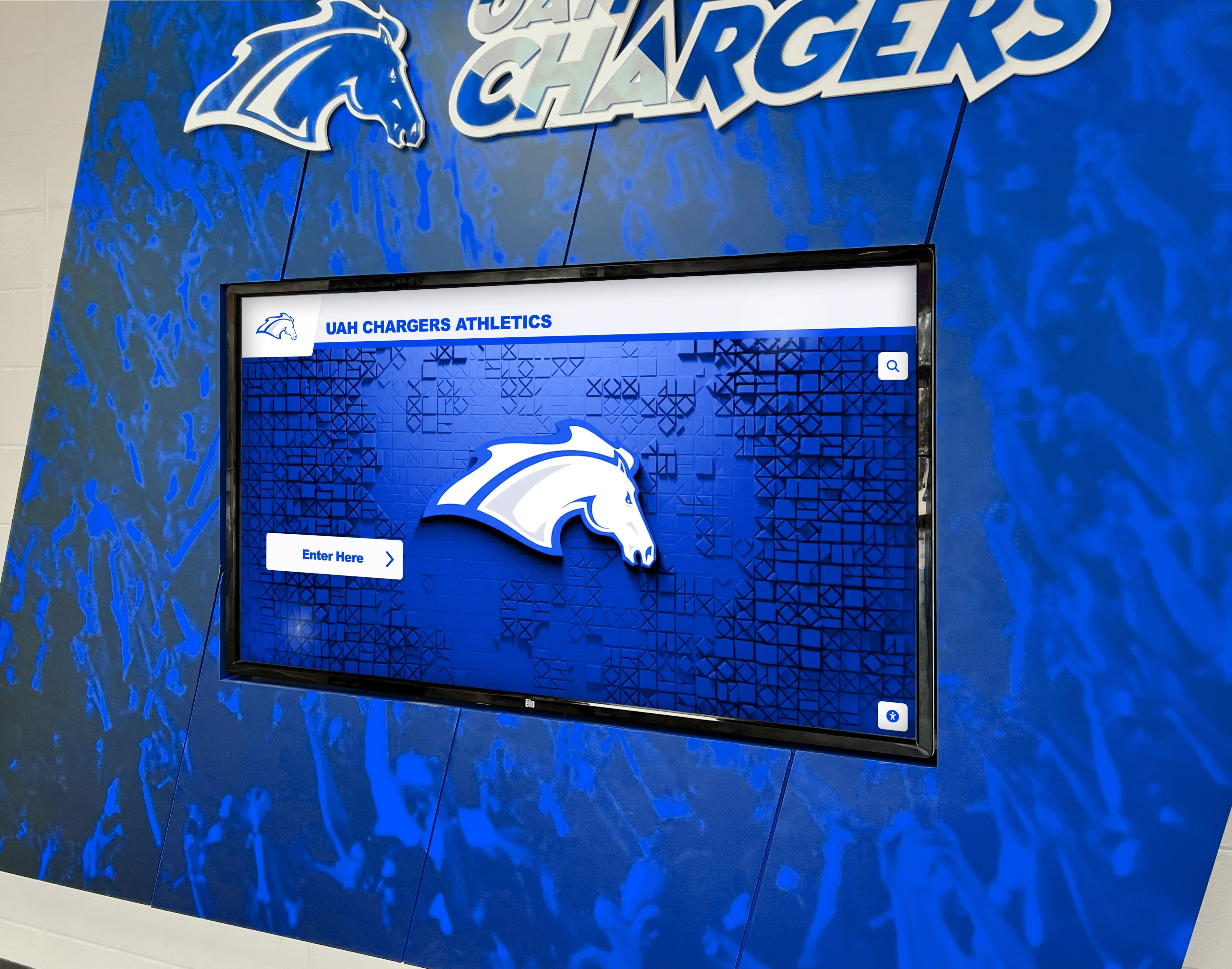
Athletic facility renovations increasingly integrate technology for both performance tracking and achievement recognition
Limitations for General Use Rubber typically proves inappropriate for primary gymnasiums:
- Ball bounce characteristics unsuitable for basketball
- Traction profile not optimized for court sports
- Appearance less formal than hardwood or polyurethane
- Higher coefficient of friction potentially limiting quick movements
- Odor concerns with some rubber formulations
- Difficulty integrating graphics and court markings
Understanding appropriate applications helps facilities managers deploy rubber where it excels while selecting different materials for spaces requiring distinct performance characteristics.
Combination and Hybrid Approaches
Many schools implement multiple flooring types across athletic facilities:
Strategic Surface Distribution Thoughtful facilities design employs:
- Premium hardwood in main gymnasium for competitions
- Polyurethane in auxiliary gym or practice facility
- Rubber in weight rooms and training areas
- Tile systems in multi-purpose spaces requiring flexibility
- Outdoor courts using weather-resistant synthetic surfaces
This layered approach optimizes each space while managing overall facility budget. Similar to how schools implement comprehensive recognition programs across multiple locations, strategic flooring distribution delivers optimal performance throughout athletic facilities.
Budget Allocation Strategy Limited capital budgets benefit from prioritization:
- Invest in top-quality surfaces for primary competition venues
- Select durable, low-maintenance options for high-traffic practice spaces
- Deploy economical solutions in secondary or occasional-use areas
- Plan phased improvements addressing highest-priority spaces first
- Consider lifecycle costs when comparing initial investment options
This systematic approach ensures student athletes receive appropriate surfaces for development while maintaining fiscal responsibility.
Flooring Selection Decision Framework
Systematic evaluation helps schools select surfaces matching specific needs and constraints:
Needs Assessment Process
Structured analysis clarifies requirements:
Usage Pattern Documentation Quantify how your gymnasium actually functions:
- Hours per week dedicated to basketball, volleyball, other court sports
- Physical education class frequency and grade levels served
- Community use agreements and external rental commitments
- Non-athletic events like assemblies, ceremonies, and gatherings
- Seasonal variation in facility demands
- Future programming expansions under consideration
Actual usage patterns often differ from assumptions. Schools discovering limited basketball use may question hardwood’s value, while facilities hosting frequent community tournaments might justify premium surfaces despite costs.
Maintenance Capacity Evaluation Assess realistic maintenance capabilities:
- Custodial staff size and skill levels
- Equipment availability and budget for specialized tools
- Time allocated specifically for athletic facility care
- Ability to enforce protective protocols for events
- Climate control systems maintaining appropriate conditions
- Historical maintenance performance on existing floors
Selecting flooring requiring more maintenance than your organization can reliably provide guarantees premature deterioration and shortened service life.
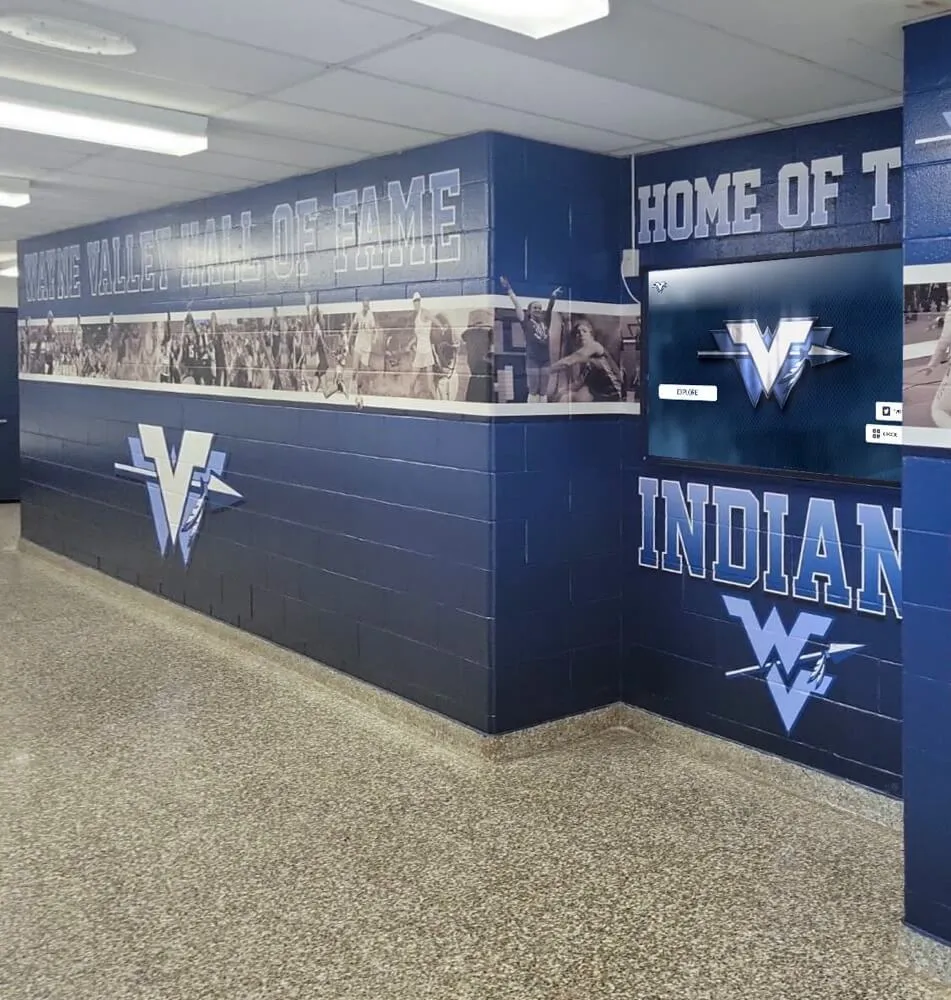
Comprehensive facility planning addresses both functional performance and recognition elements celebrating program legacy
Budget Reality Check Develop comprehensive cost understanding:
- Capital budget available for flooring installation
- Ongoing maintenance budget for routine care
- Anticipated refinishing or replacement reserves
- Grant funding or booster contributions possible
- Energy costs for HVAC requirements
- Total cost of ownership over expected floor life
Many schools focus exclusively on installation costs while overlooking maintenance expenses that accumulate significantly over decades. Comprehensive lifecycle cost analysis often reveals that surfaces with higher initial costs deliver better value through reduced maintenance needs and longer service lives.
Comparative Evaluation Matrix
Systematic comparison supports informed decisions:
Performance Criteria Scoring Rate each flooring option across key factors:
| Criteria | Hardwood | Polyurethane | Modular Tiles | Rubber |
|---|---|---|---|---|
| Basketball Performance | Excellent | Very Good | Fair-Good | Poor |
| Volleyball Performance | Excellent | Very Good | Good | Fair |
| Multi-Sport Versatility | Very Good | Excellent | Good | Fair |
| Shock Absorption | Good-Excellent* | Excellent | Good | Excellent |
| Durability (Years) | 40-60* | 15-20 | 10-15 | 20-30 |
| Maintenance Intensity | High | Low-Moderate | Low | Very Low |
| Moisture Resistance | Poor | Excellent | Good-Excellent | Excellent |
| Refinishing Capability | Yes (Multiple) | No | No | No |
| Initial Cost | High | Moderate-High | Low-Moderate | Moderate |
| Lifecycle Cost | Moderate | Moderate | Low-Moderate | Low-Moderate |
*Performance depends on specific system selected
This framework helps quantify trade-offs inherent in any flooring decision.
Stakeholder Priorities Weighting Different constituencies emphasize different factors:
- Athletic directors prioritize performance and competitive standards
- Facilities managers emphasize maintenance requirements and durability
- Business officers focus on lifecycle costs and budget impact
- Coaches seek surfaces supporting athlete development and safety
- Community users value versatility and appropriate characteristics for diverse activities
Systematic evaluation processes should gather input from relevant stakeholders while establishing clear decision authority to prevent paralysis from conflicting priorities.
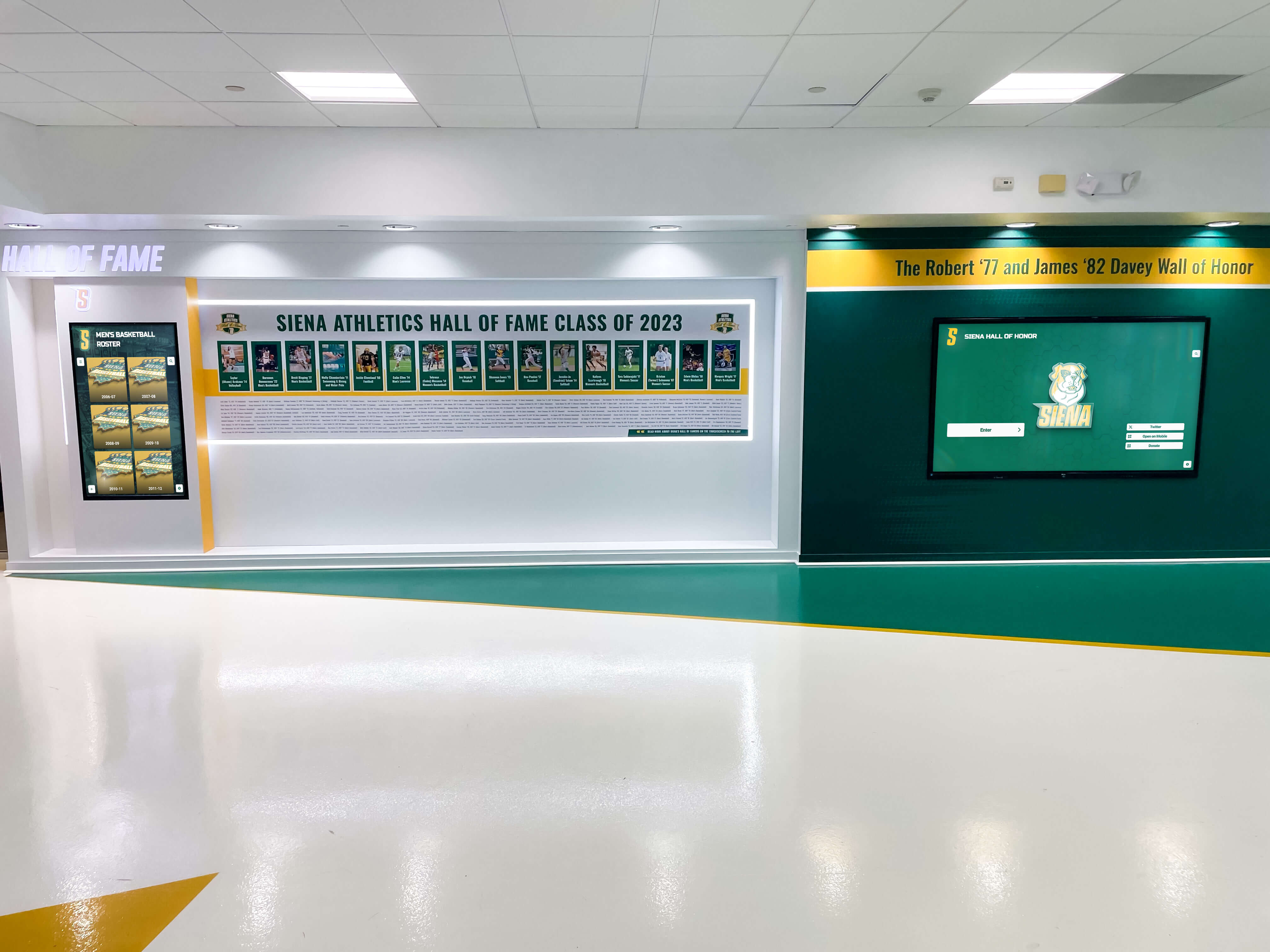
Athletic facility investments often encompass both performance surfaces and recognition displays documenting program achievements
Vendor Selection and Procurement
Flooring quality depends on installation expertise as much as material selection:
Contractor Qualification Seek vendors demonstrating:
- Specific experience with school athletic facilities
- Installation portfolio you can visit and inspect
- References from similar educational institutions
- Manufacturer certifications for systems being installed
- Comprehensive warranty coverage on materials and workmanship
- Financial stability suggesting long-term warranty viability
- Clear understanding of school procurement requirements
The lowest bid frequently proves most expensive when installation defects require remediation or premature replacement. Schools benefit from qualification-based selection processes evaluating contractor capabilities alongside pricing.
Specification Development Detailed specifications ensure appropriate installations:
- Performance characteristics required (shock absorption, ball bounce, traction)
- Material standards and acceptable manufacturers
- Subfloor preparation and moisture barrier requirements
- Installation methods and quality control procedures
- Testing and certification requirements
- Warranty terms covering materials and workmanship
- Maintenance requirements and product support
Working with experienced athletic facility consultants or architects helps schools develop specifications ensuring desired performance outcomes.
Installation Timing Strategic scheduling minimizes disruption:
- Summer installation avoiding conflicts with academic year
- Adequate curing/acclimation time before facility opens
- Coordination with other renovation projects (HVAC, lighting, etc.)
- Buffer time addressing any installation issues before student return
- Consideration of graduation ceremonies and summer programming
Rushed installations to meet arbitrary deadlines often compromise quality. Schools should establish realistic timelines allowing proper surface preparation, installation, and finishing.
Maintaining and Protecting Your Investment
Even the highest-quality flooring fails prematurely without appropriate care:
Daily and Routine Maintenance
Systematic care extends floor life significantly:
Hardwood Maintenance Protocols Daily hardwood care includes:
- Dust mopping before and after each use removing abrasive particles
- Immediate cleanup of any moisture or spills preventing damage
- Mat placement at entry points capturing dirt before reaching floor
- Humidity monitoring ensuring conditions remain within 30-50% range
- Prohibition of street shoes and inappropriate footwear
- Regular inspection identifying issues requiring attention
Weekly maintenance adds:
- Damp mopping with approved cleaners removing built-up residue
- Spot cleaning addressing specific soiled areas
- Tack cloth treatment capturing fine dust between mopping
- Detailed inspection of high-traffic areas for wear patterns
These routines prevent deterioration requiring expensive remediation while preserving appearance and performance. Many schools assign specific staff members responsibility for gym floor care, ensuring accountability and consistency. Similar to how digital displays require content updates to remain relevant, gym floors need ongoing attention to maintain quality.
Synthetic Surface Care Polyurethane and rubber floors require:
- Regular dust mopping or sweeping removing loose debris
- Damp mopping with neutral pH cleaners (avoiding harsh chemicals)
- Periodic deep cleaning removing built-up soil and residue
- Immediate spill cleanup preventing staining
- Mat systems at entrances reducing tracked-in dirt
- Regular inspection identifying damage requiring repair
While synthetic surfaces demand less intensive care than hardwood, neglect still causes premature deterioration and performance degradation.
Periodic Maintenance and Refinishing
Scheduled major maintenance preserves flooring investments:
Hardwood Refinishing Cycles Systematic refinishing maintains hardwood floors:
Screen and Recoat (Every 2-3 Years) Light maintenance addressing surface wear:
- Light sanding with screening machine removing minor scratches
- Application of fresh finish coat restoring appearance and protection
- Minimal disruption with 24-48 hour drying time
- Cost typically $1.00-$2.50 per square foot
- Extends time between major refinishing projects
Full Refinishing (Every 10-15 Years) Complete surface restoration:
- Heavy sanding removing old finish and surface damage
- Multiple finish coat applications building protective layer
- Optional color or graphics updates during refinishing
- Facility closure for 5-10 days during work and curing
- Cost typically $3-$5 per square foot
- Restores floor to like-new condition
Schools maintaining proper screen-and-recoat schedules extend intervals between expensive full refinishing while preserving floor appearance and performance.
Synthetic Surface Maintenance Polyurethane and rubber have different cycles:
- No refinishing capability—surface wear requires replacement
- Deep cleaning and minor repairs extending usable life
- Typical service life of 15-20 years for polyurethane
- Rubber often lasting 20-30 years in appropriate applications
- Planning for complete replacement rather than refinishing
Understanding these lifecycle differences helps schools budget appropriately for long-term flooring costs.
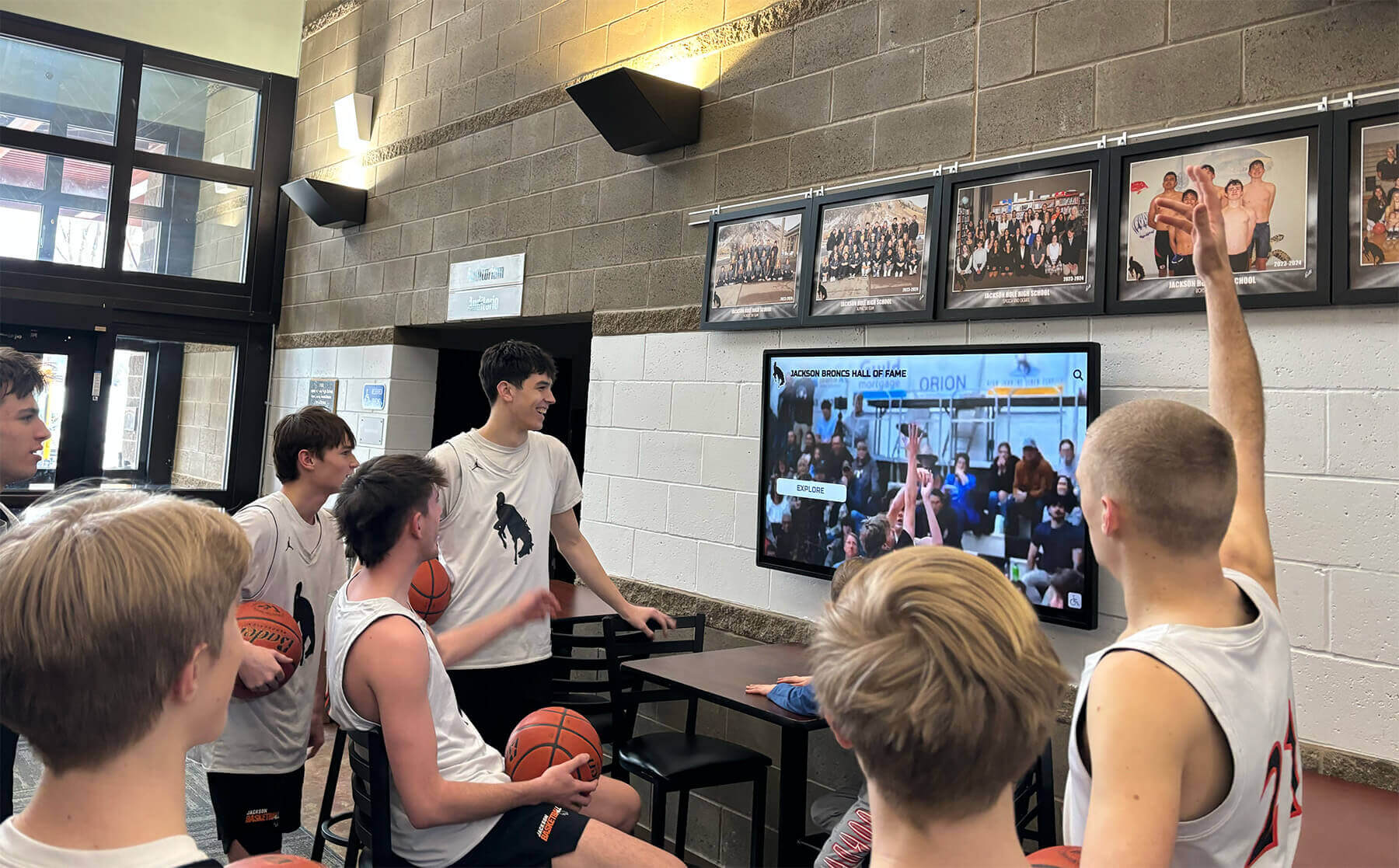
Modern athletic facilities engage students through both performance environments and interactive displays celebrating achievements
Protection Protocols for Events
Preventing damage proves easier than repairing it:
Covering Requirements Establish clear protocols for non-athletic uses:
- Heavy-duty floor covering required for any furniture placement
- Padding under chair and table legs when covering impractical
- Prohibition of food and beverages on floor surface
- Restrictions on rolling equipment and wheeled items
- Advance approval required for any non-athletic floor use
- Event staff trained in proper floor protection procedures
These policies prevent damage from activities that seem harmless but accumulate wear over repeated occurrences. Many schools require deposits for external facility rentals, incentivizing proper floor care by groups using the space.
Climate Control Maintenance Environmental conditions critically affect hardwood:
- Continuous HVAC operation maintaining stable temperature and humidity
- Dehumidification during humid periods preventing expansion
- Humidification during dry seasons preventing excessive contraction
- Monitoring systems alerting staff to condition variations
- Roof and plumbing maintenance preventing water intrusion
- Drainage systems protecting against flooding
Schools in regions with extreme climate variations should prioritize environmental control systems as essential floor protection infrastructure.
Integrating Flooring with Comprehensive Facility Upgrades
Gymnasium flooring projects create opportunities for holistic facility improvements:
Coordinated Renovation Planning
Strategic project coordination maximizes value:
Complementary Improvements Flooring replacement aligns naturally with:
- Lighting upgrades to LED systems improving visibility and reducing energy costs
- HVAC system modernization supporting floor environmental requirements
- Bleacher replacement or refurbishment for aging seating
- Paint and graphics updates refreshing overall facility appearance
- Scoreboard and timing system modernization
- Sound system improvements enhancing event quality
- Roof repairs or replacement protecting flooring investment from water damage
Coordinating these projects reduces overall costs through shared mobilization and economies of scale while minimizing disruption from multiple sequential projects.
Recognition and Display Updates Facility renovations offer ideal timing for recognition system improvements. Many schools updating gym floors simultaneously modernize how they celebrate athletic achievement through digital recognition displays that document:
- Championship teams and records
- Hall of fame inductees across decades
- Individual athletic achievements and milestones
- Program history and tradition
- Current season highlights and team rosters
Solutions like Rocket Alumni Solutions provide interactive displays integrating seamlessly with renovated athletic facilities, creating comprehensive environments that both perform excellently and celebrate achievement visibly. These digital systems overcome space limitations that restrict traditional plaque-based recognition, allowing unlimited growth as programs continue producing achievements worthy of celebration.
Funding and Budget Strategies
Major flooring projects require substantial investment:
Capital Planning Approaches Schools fund gymnasium flooring through:
- Multi-year capital improvement budget allocations
- Bond referendums for comprehensive facility improvements
- State facility improvement grants and matching programs
- Booster organization fundraising campaigns
- Community donor contributions and naming opportunities
- Facility rental revenue reserved for maintenance and replacement
- Equipment replacement reserves accumulated over floor life
Early planning helps schools accumulate necessary funding before emergency replacement becomes necessary—when options become limited and costs increase.
Return on Investment Analysis Quality flooring investments deliver measurable returns:
- Reduced injury rates decreasing liability exposure and healthcare costs
- Enhanced program competitiveness attracting students and supporting enrollment
- Improved community perception supporting levy and bond passage
- Rental revenue from tournaments and community use
- Extended facility life reducing replacement frequency
- Lower maintenance costs with appropriate surface selection
Schools that frame flooring decisions as strategic investments rather than mere expenses gain leadership and community support for adequate funding. Similar to how digital recognition systems create lasting value through ongoing engagement, quality flooring serves multiple generations of students while supporting broader institutional goals.
Emerging Trends and Future Considerations
Gymnasium flooring continues evolving with new technologies and approaches:
Sustainability and Environmental Responsibility
Modern schools increasingly prioritize environmental impact:
Sustainable Material Options Environmentally-conscious flooring includes:
- FSC-certified hardwood from responsibly managed forests
- Recycled rubber content in synthetic surfaces
- Low-VOC finishes and adhesives improving indoor air quality
- Locally-sourced materials reducing transportation impacts
- Recyclable materials at end of service life
- Energy-efficient manufacturing processes
These considerations align with broader institutional sustainability commitments while often qualifying for green building certifications and associated benefits.
Lifecycle Environmental Analysis Comprehensive evaluation considers:
- Embodied energy in material production and transportation
- Operational impacts including maintenance product requirements
- Service life duration affecting replacement frequency
- End-of-life disposal or recycling options
- Indoor air quality impacts on building occupants
Hardwood’s refinishing capability provides environmental advantages through extended service life, while some synthetic surfaces offer recycling programs accepting worn flooring for reprocessing into new products.
Technology Integration
Athletic facilities increasingly incorporate smart building features:
Performance Monitoring Systems Emerging technologies include:
- Sensors tracking floor usage patterns and wear
- Environmental monitoring ensuring optimal conditions
- Maintenance scheduling systems based on actual usage
- Athlete performance tracking integrated with floor systems
- Safety monitoring detecting surface degradation
These systems help facilities managers optimize maintenance scheduling while documenting actual floor performance over time.
Interactive and Adaptive Surfaces Future innovations may include:
- LED-integrated floors allowing instant court reconfiguration
- Adaptive cushioning systems adjusting to specific activities
- Antimicrobial surfaces supporting facility hygiene
- Enhanced data collection supporting athlete development
- Integration with comprehensive facility management systems
While many of these capabilities remain emerging or expensive, schools planning long-term flooring investments should consider infrastructure supporting future technology integration.
Conclusion: Making the Right School Gym Floor Decision
Selecting appropriate gymnasium flooring requires balancing performance requirements, durability expectations, maintenance capacity, budget constraints, and long-term strategic goals. The “best” flooring doesn’t exist in absolute terms—only the best choice for your specific circumstances, priorities, and resources.
Schools approaching flooring decisions systematically—clarifying actual usage patterns, assessing realistic maintenance capabilities, evaluating lifecycle costs comprehensively, and engaging relevant stakeholders appropriately—make informed choices serving students and communities effectively for decades ahead. Whether selecting traditional hardwood for its unmatched basketball performance and longevity, choosing synthetic surfaces for simplified maintenance and environmental resilience, or implementing strategic combinations addressing diverse facility needs, thoughtful selection ensures your flooring investment delivers expected value.
Maximize Your Athletic Facility Investment
Discover how comprehensive facility planning—combining performance surfaces with modern recognition displays—creates environments that celebrate athletic excellence while supporting student development. Explore solutions that document achievements, engage communities, and strengthen program tradition.
Explore Athletic Recognition SolutionsImplementation begins with honest facility assessment clarifying current floor condition, realistic timeline for replacement, available budget, and usage patterns that determine appropriate surface characteristics. From there, systematic evaluation of hardwood, polyurethane, modular, rubber, and hybrid approaches identifies options matching your specific requirements and constraints.
Remember that flooring represents just one element of comprehensive athletic facility quality. Many schools coordinate floor replacement with broader improvements including wayfinding systems, lighting upgrades, and recognition displays celebrating program achievements. These integrated approaches create facilities that support athletic excellence while documenting tradition and inspiring future generations.
Your gymnasium serves as the heart of school athletic programs and community gathering space for decades. Investing time in thoughtful flooring selection ensures this critical facility delivers safety, performance, durability, and value worthy of the students and athletes it serves. The strategies and frameworks explored throughout this guide provide the foundation for making confident decisions that serve your school community effectively across the entire life of your gymnasium floor investment.