School gym bleachers represent one of the most critical—yet often overlooked—components of athletic facility infrastructure. These seemingly simple seating systems dramatically impact spectator safety, facility capacity, event atmosphere, community engagement, and overall athletic program success. Yet administrators frequently underestimate the complexity involved in selecting, maintaining, and renovating bleacher systems that must safely accommodate hundreds of spectators while meeting stringent safety codes, accessibility requirements, and operational demands spanning decades.
The consequences of inadequate bleacher planning extend far beyond uncomfortable seating. Outdated bleacher systems create serious safety risks including structural failures, accessibility violations triggering legal liability, capacity limitations restricting event attendance and revenue, maintenance headaches consuming facilities budgets, and poor spectator experiences diminishing school spirit and community support for athletic programs. Meanwhile, schools that invest thoughtfully in bleacher infrastructure create safe, welcoming environments that enhance athletic events, comply with evolving regulations, and serve their communities effectively for 20-30 years or longer.
This comprehensive guide equips athletic directors, facilities managers, and school administrators with frameworks for making informed decisions about gym bleacher selection, implementing rigorous safety protocols, planning effective maintenance programs, and executing renovation projects that modernize athletic facilities while maximizing limited capital improvement budgets.
Effective bleacher management impacts multiple stakeholder groups simultaneously—ensuring student-athlete and spectator safety, maintaining regulatory compliance, maximizing facility capacity for revenue-generating events, preserving capital infrastructure investments, and creating engaging athletic environments that build school spirit and community pride around athletic programs.

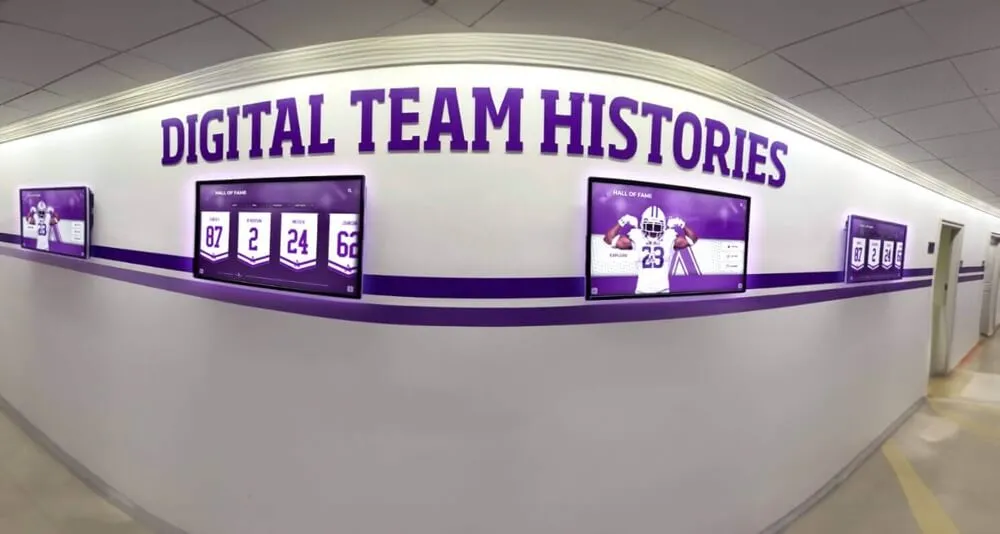
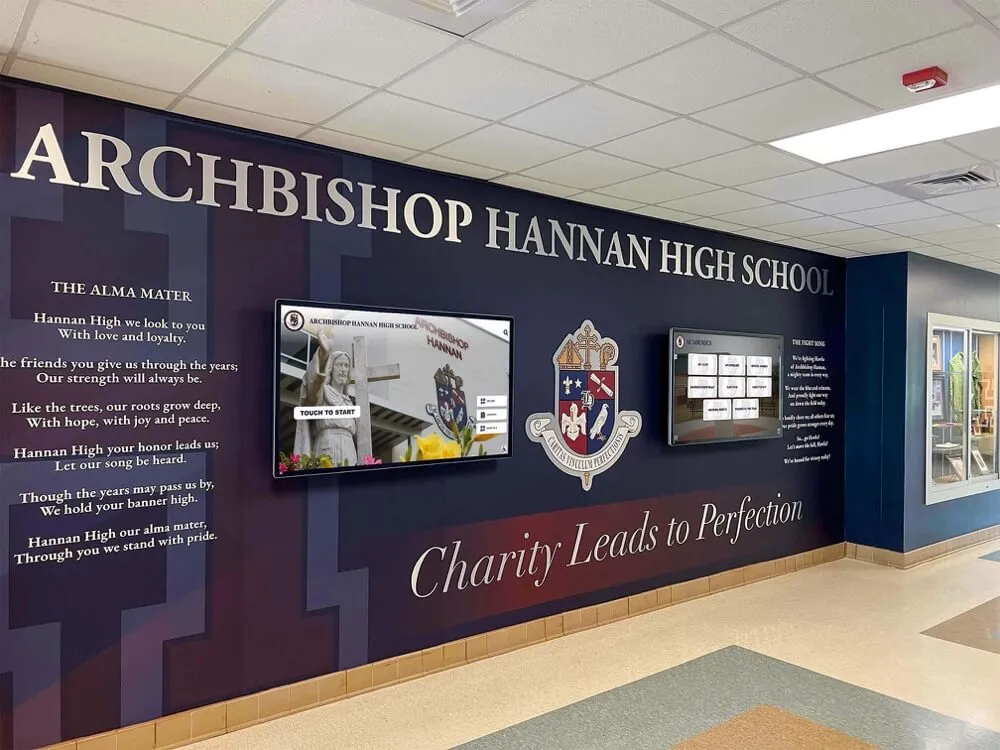
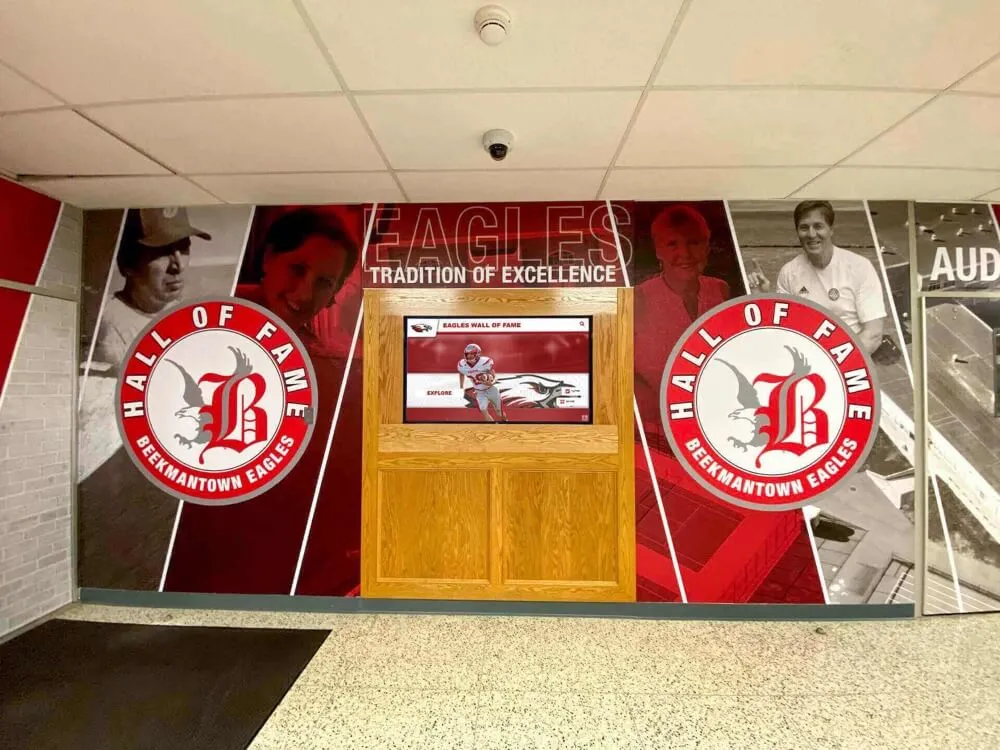
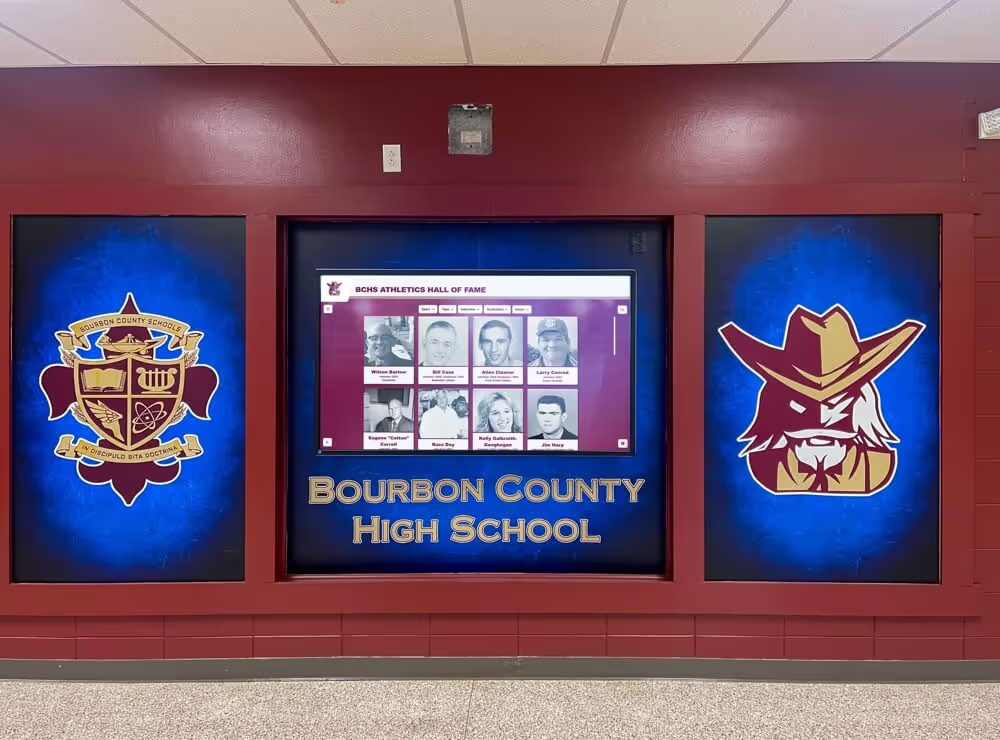
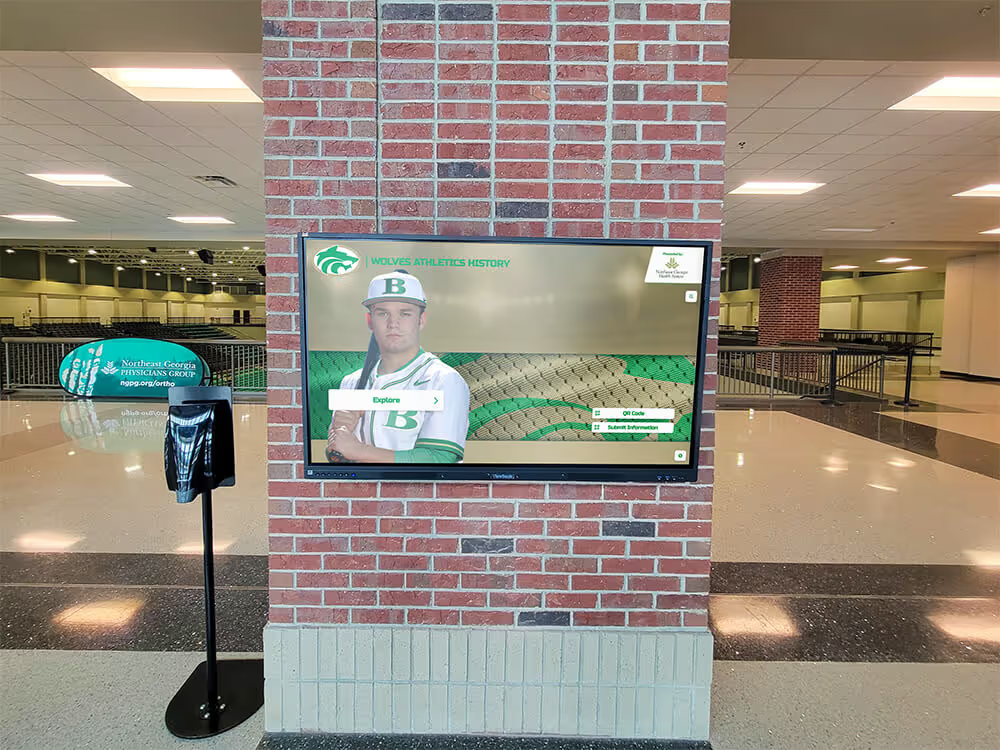
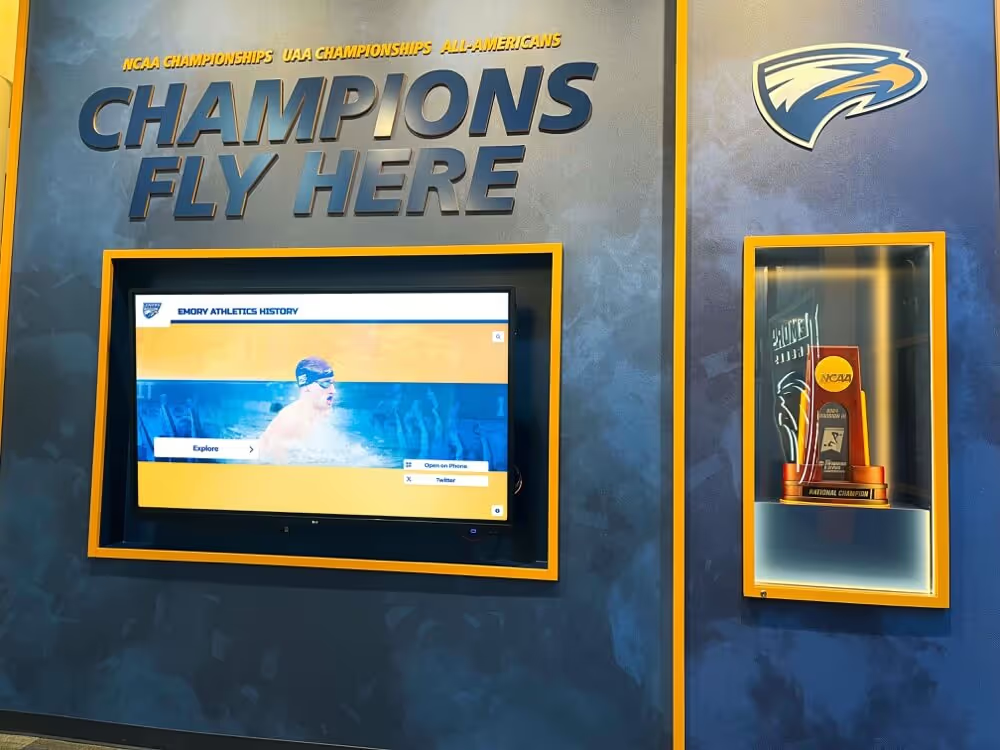
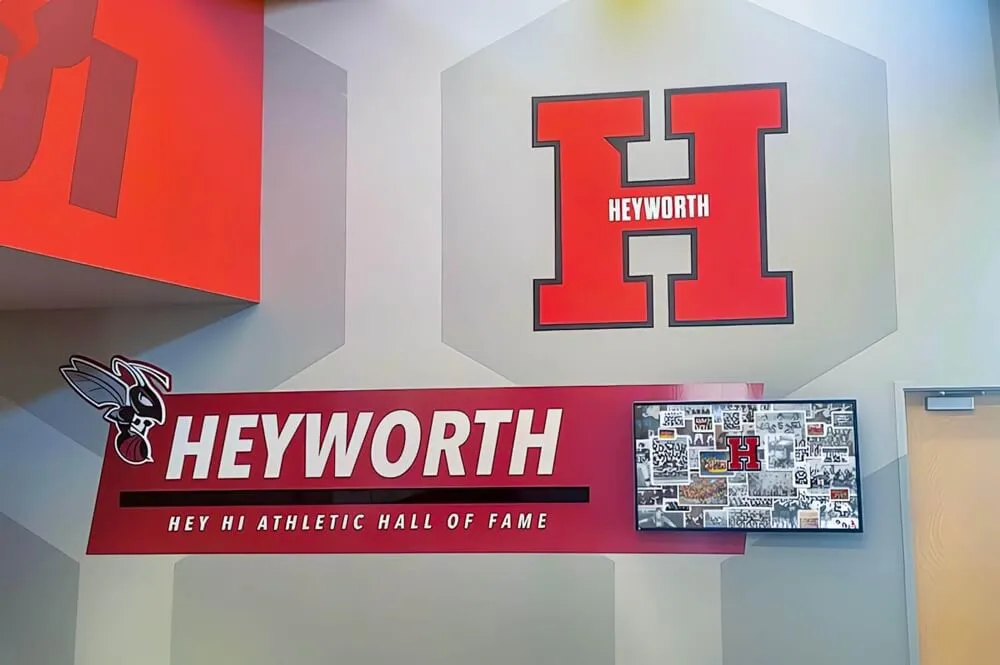
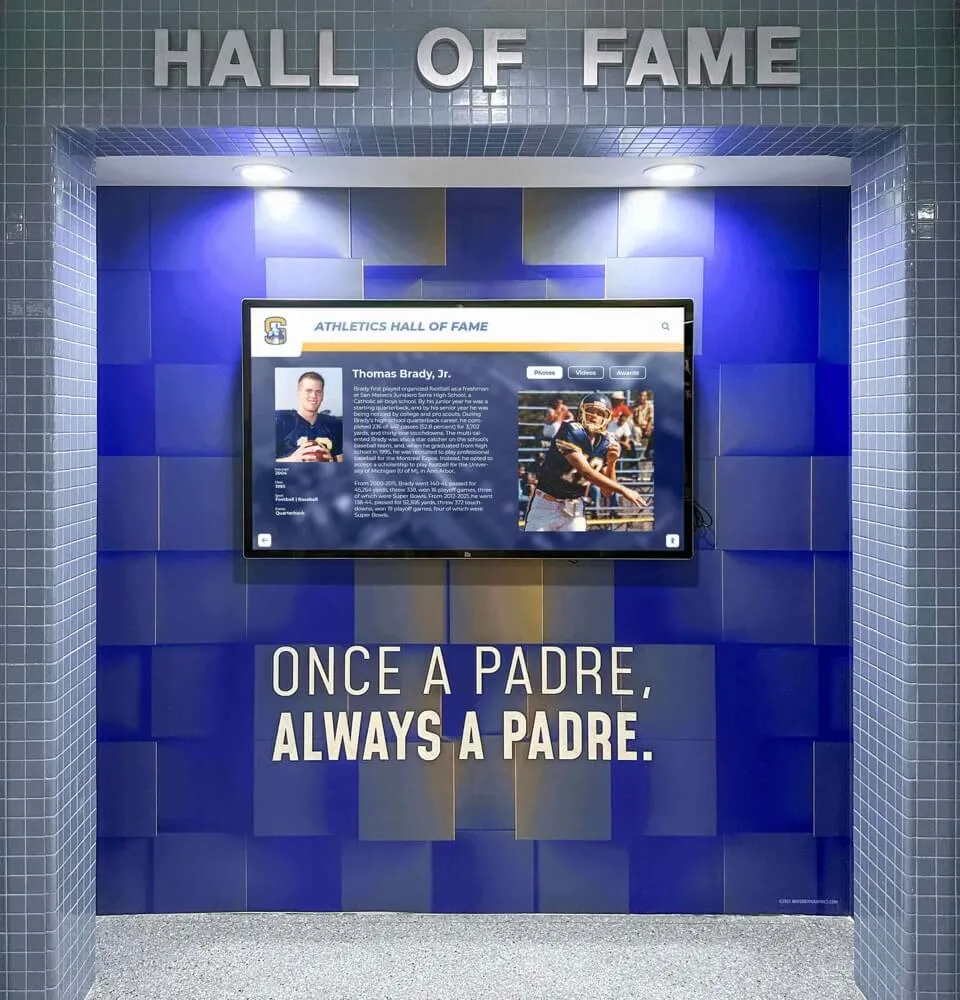
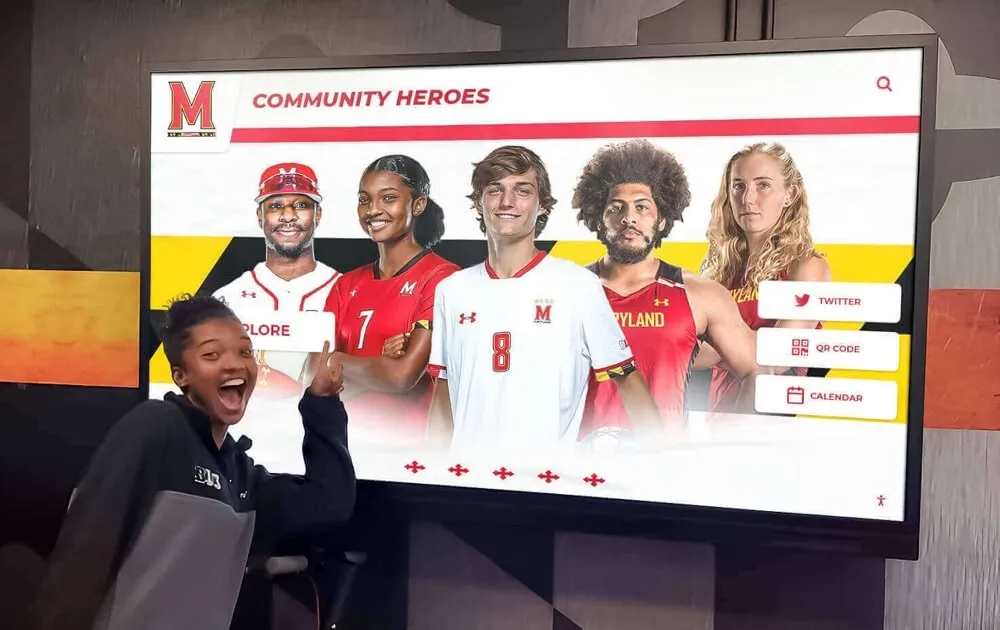
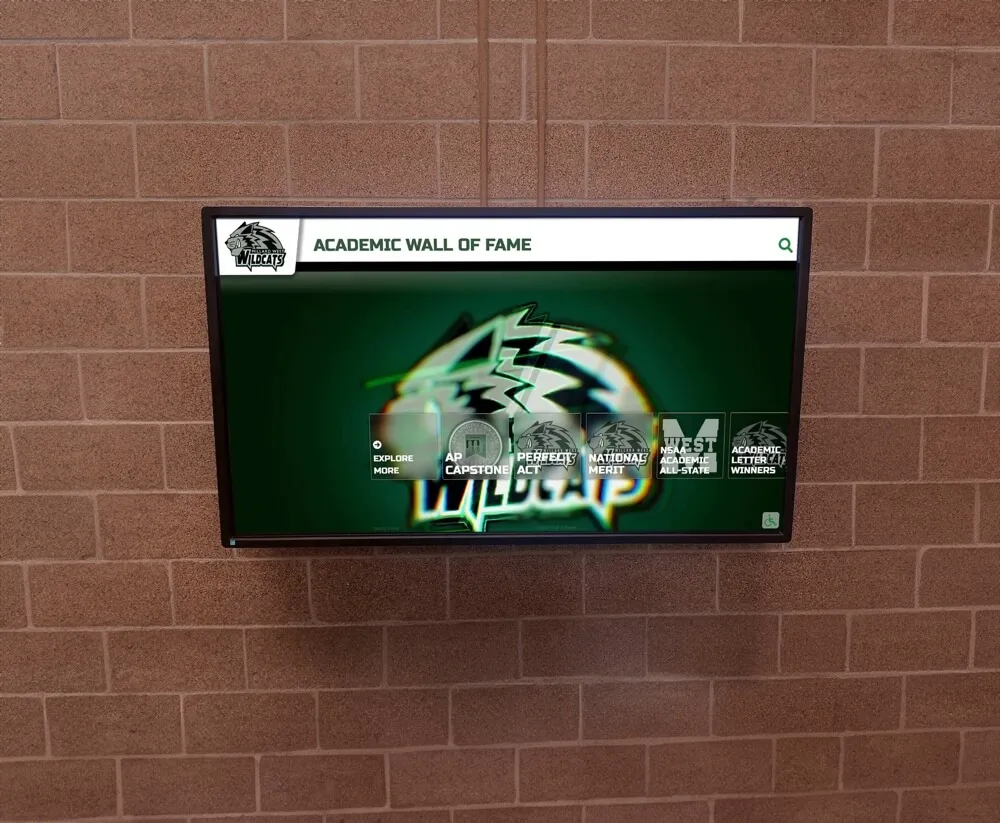
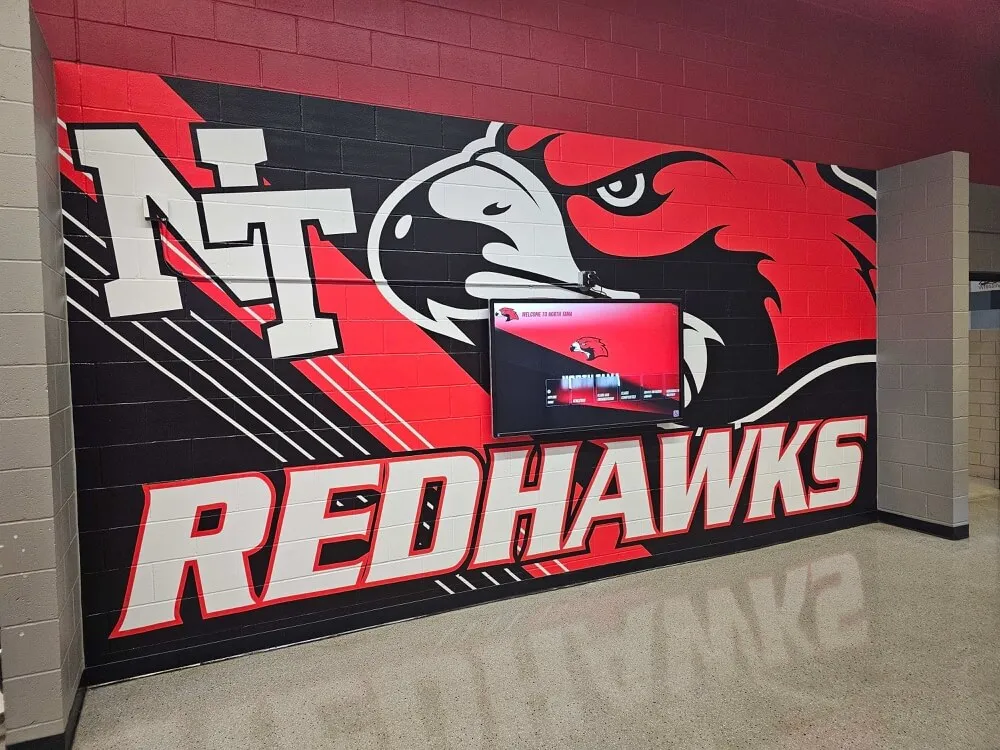
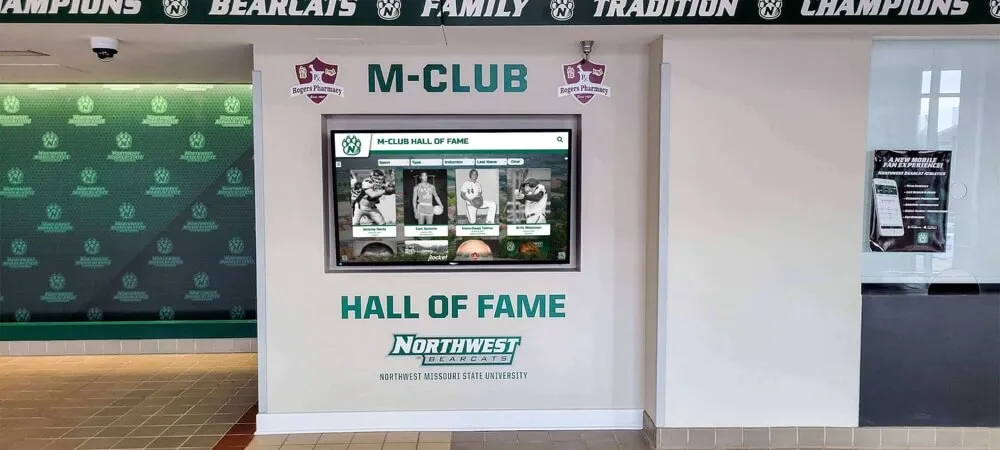
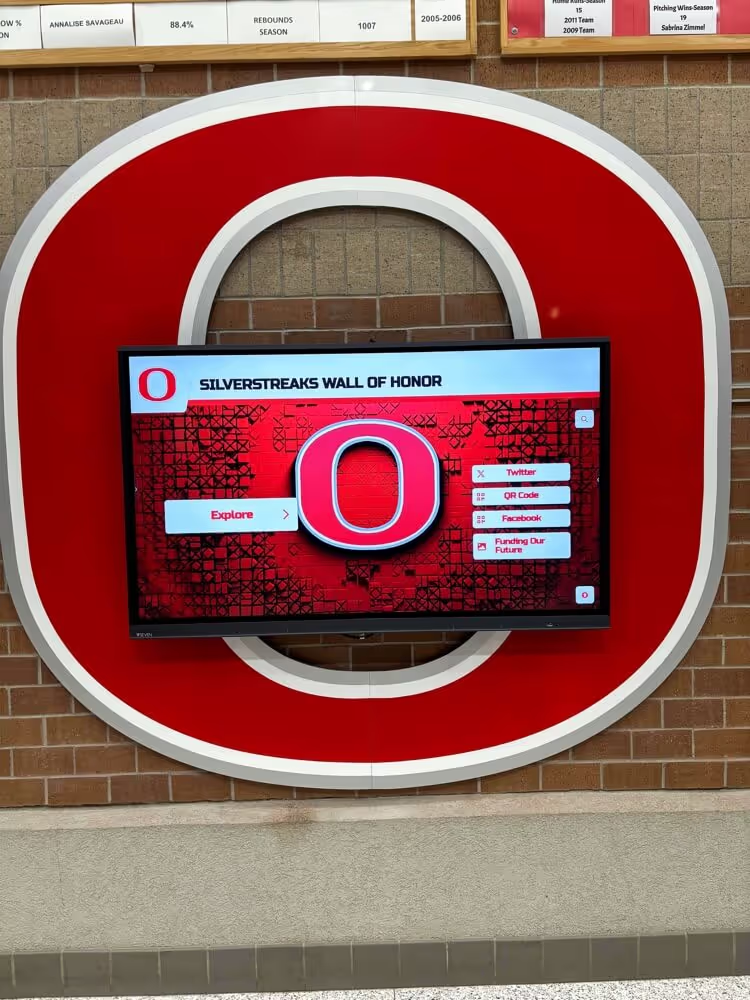
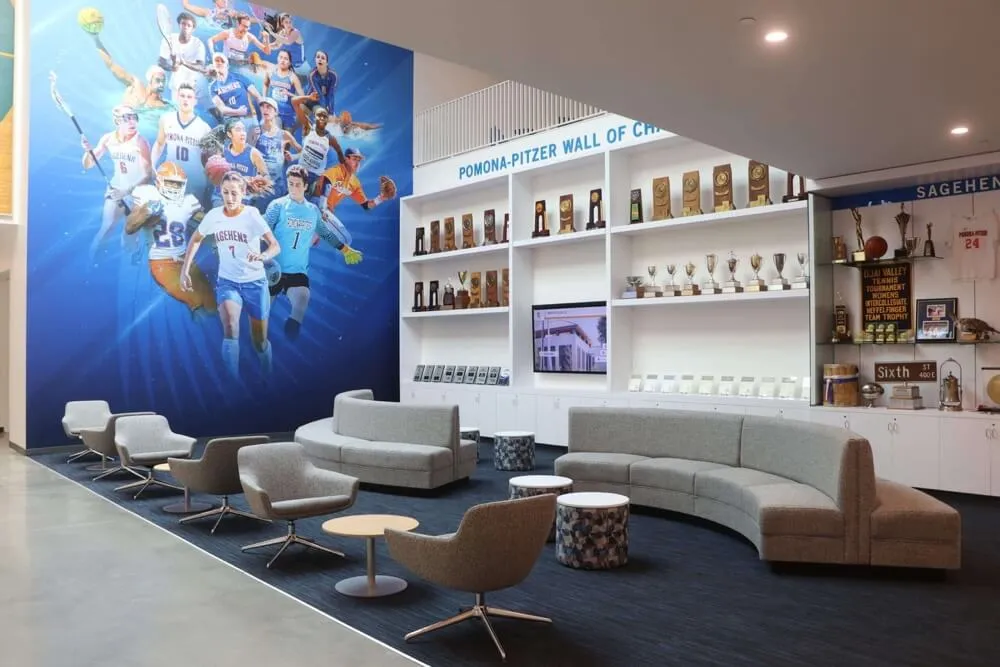
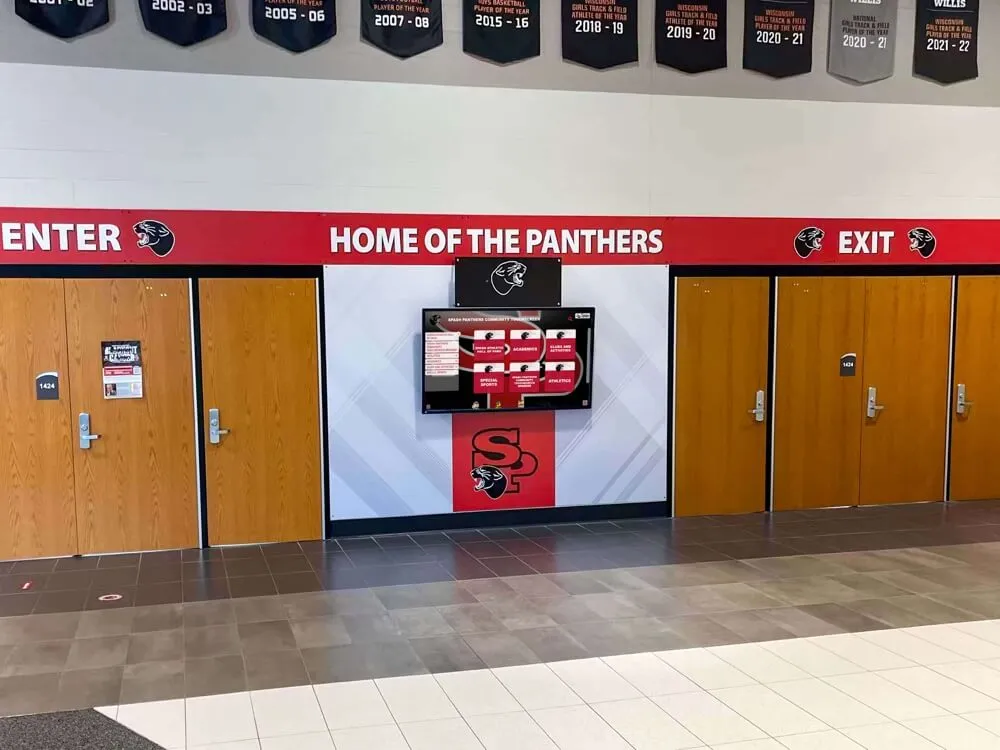
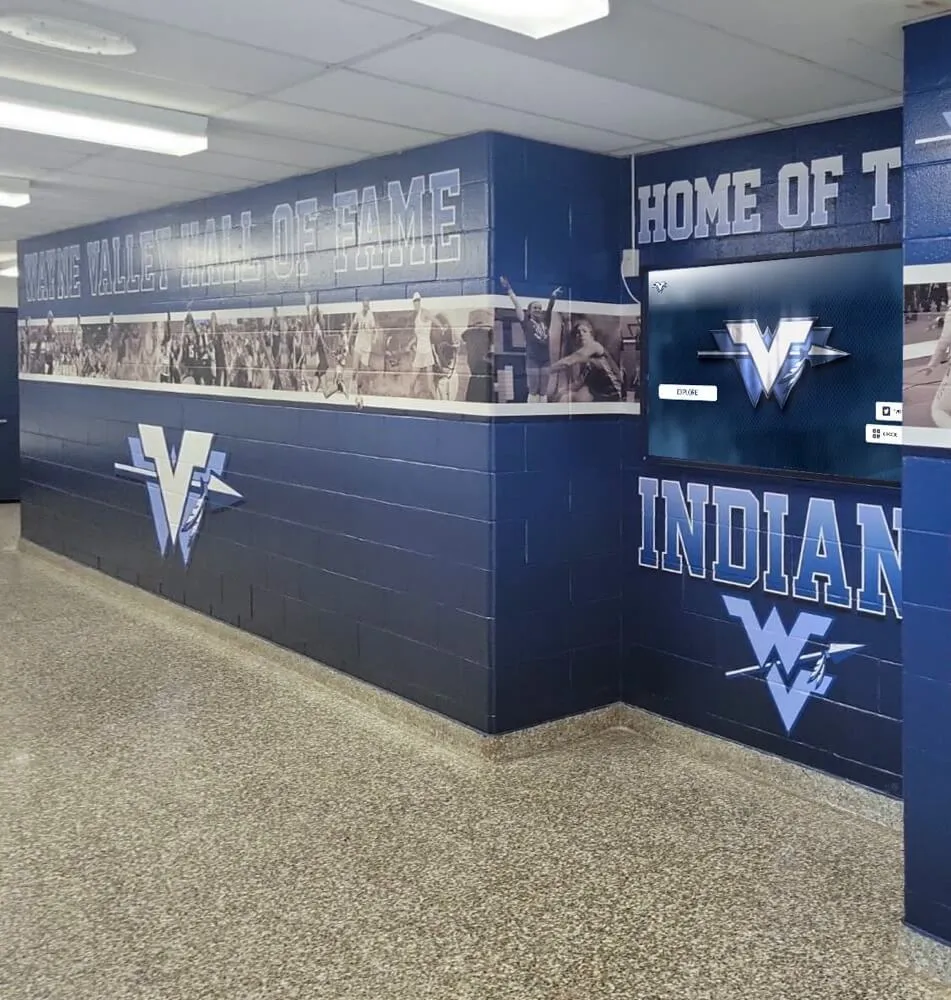
Contemporary gym renovations integrate upgraded bleacher systems with digital recognition displays that celebrate athletic achievement and enhance facility atmospheres
Understanding School Gym Bleacher Types and Configurations
Before evaluating specific products or planning renovation projects, understanding the fundamental bleacher types and their respective advantages helps administrators select systems aligned with facility constraints, usage patterns, and budget realities.
Retractable vs. Fixed Bleacher Systems
Retractable Bleacher Systems
Retractable (telescoping) bleachers provide maximum facility flexibility by collapsing against gymnasium walls when not needed for spectator seating. This versatility makes retractable systems the predominant choice for multi-purpose gymnasiums serving diverse functions beyond athletic competitions.
Key retractable bleacher advantages:
- Space maximization allowing full gymnasium floor use for physical education classes, assemblies, and non-sporting events
- Floor protection elevating seating above playing surfaces preventing damage during storage
- Capacity flexibility deploying only necessary seating sections for events with varying attendance
- Modern aesthetics creating clean, professional appearances when stored
- Acoustic benefits solid backing panels improving gymnasium sound quality during non-sporting uses
However, retractable systems require higher initial investments (typically 50-150% more than comparable fixed bleachers), demand regular mechanical maintenance for proper operation, need adequate wall support for mounting hardware, and require trained personnel for safe deployment and retraction procedures.
Schools with gymnasiums serving multiple functions—physical education classes, assemblies, community events, and athletic competitions—typically find retractable bleachers essential despite premium costs.
Fixed Bleacher Systems
Fixed bleachers remain permanently deployed, offering simpler construction, lower costs, and reduced maintenance compared to retractable alternatives. These systems suit dedicated competition venues, outdoor stadiums, and facilities where maximum seating capacity takes priority over space flexibility.
Fixed bleacher benefits include:
- Cost efficiency with installation costs 40-60% below retractable equivalents
- Structural simplicity requiring less complex engineering and fewer mechanical components
- Minimal maintenance avoiding motors, rails, and moving parts needing regular service
- Maximum capacity utilizing vertical space more efficiently for higher seating densities
- Permanent stability eliminating movement concerns during use
Fixed systems work well for dedicated competition gymnasiums, auxiliary practice facilities, and schools prioritizing seating capacity and budget efficiency over multi-purpose flexibility.
Bleacher Construction Materials and Durability
Aluminum Bleacher Systems
Modern aluminum bleachers dominate institutional markets due to durability, longevity, and low maintenance requirements:
- Corrosion resistance preventing rust and structural degradation
- Lightweight construction reducing structural support requirements
- Long service life typically lasting 25-40 years with proper maintenance
- Low maintenance needs requiring only periodic cleaning and inspections
- Recyclability supporting sustainability goals at end-of-life
Aluminum systems cost more initially but deliver superior total cost of ownership through extended lifespans and minimal maintenance expenses.
Steel Bleacher Systems
Steel bleachers offer robust construction at lower initial costs but require protective coatings preventing rust and corrosion:
- High load capacity supporting heavier spectator densities
- Lower initial cost compared to aluminum equivalents
- Durable construction withstanding heavy use in high-traffic facilities
- Coating dependency requiring regular inspection and refinishing
Steel systems suit budget-conscious installations where regular maintenance programs address coating degradation before structural issues develop.
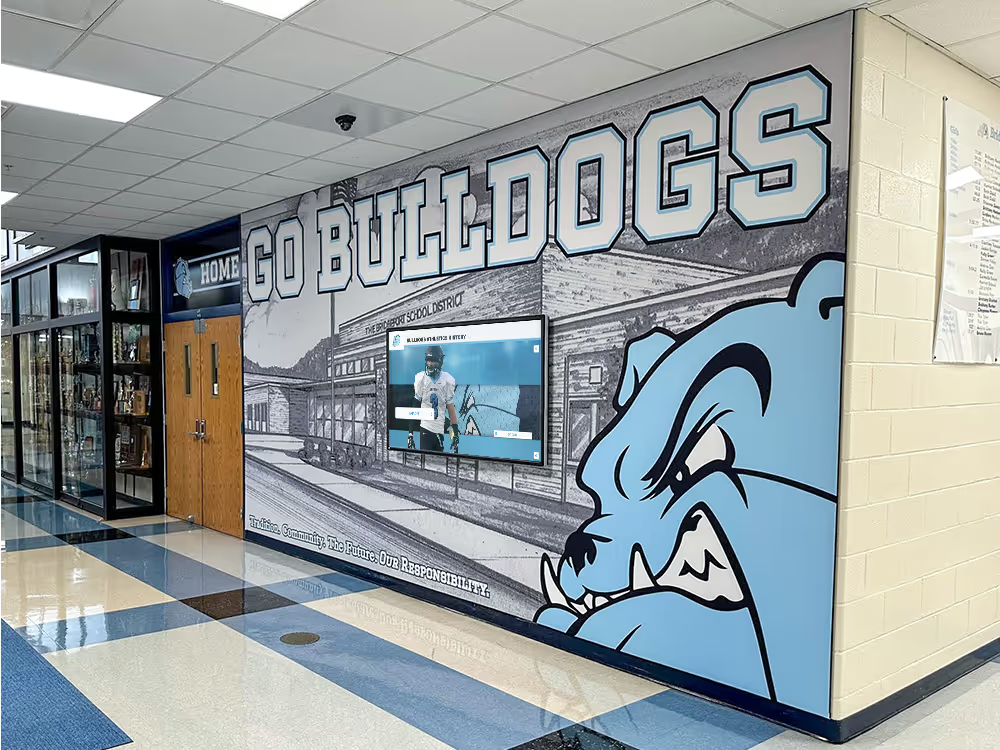
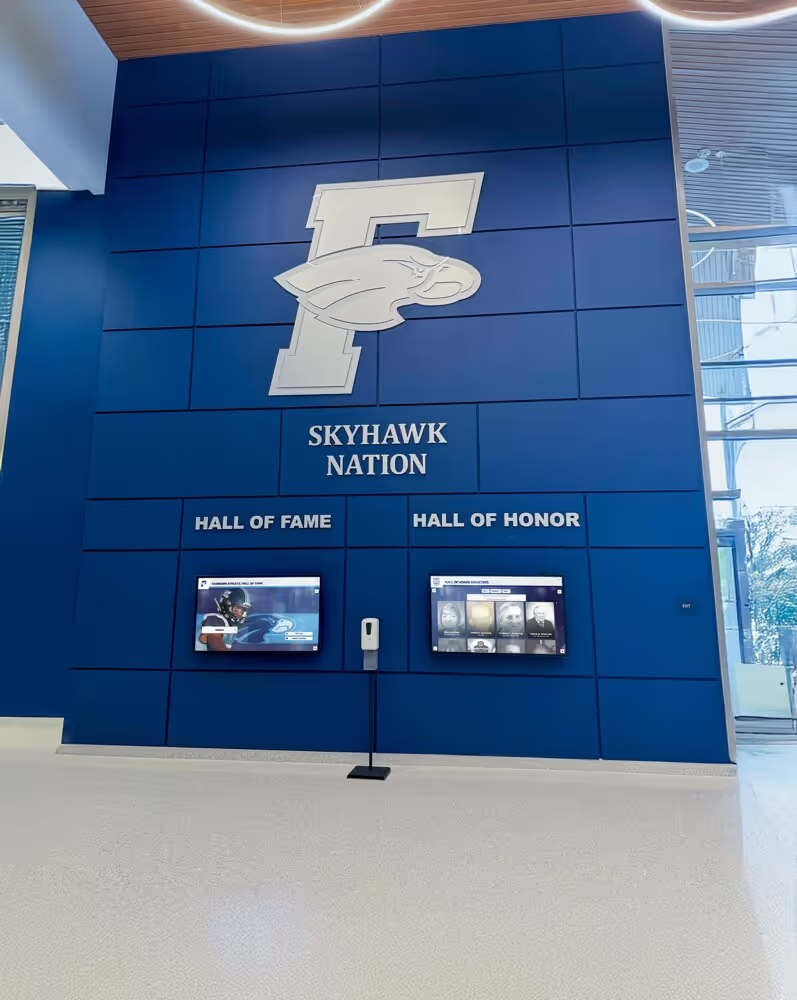
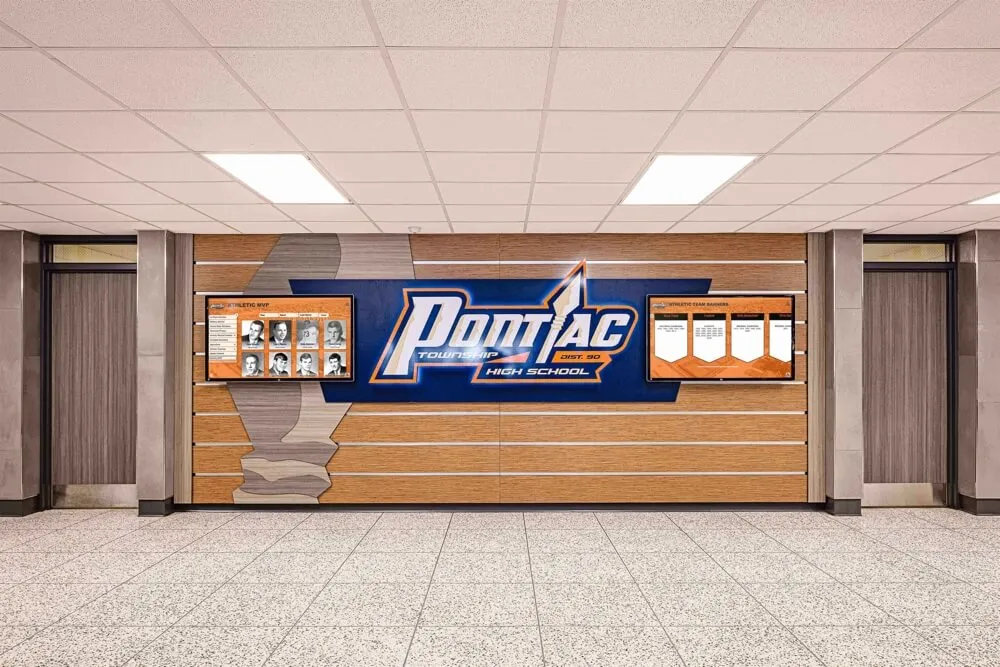
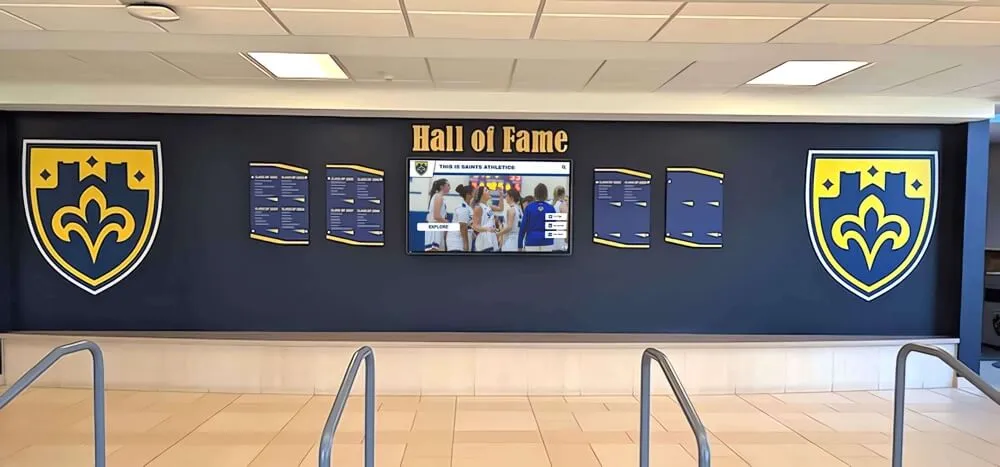
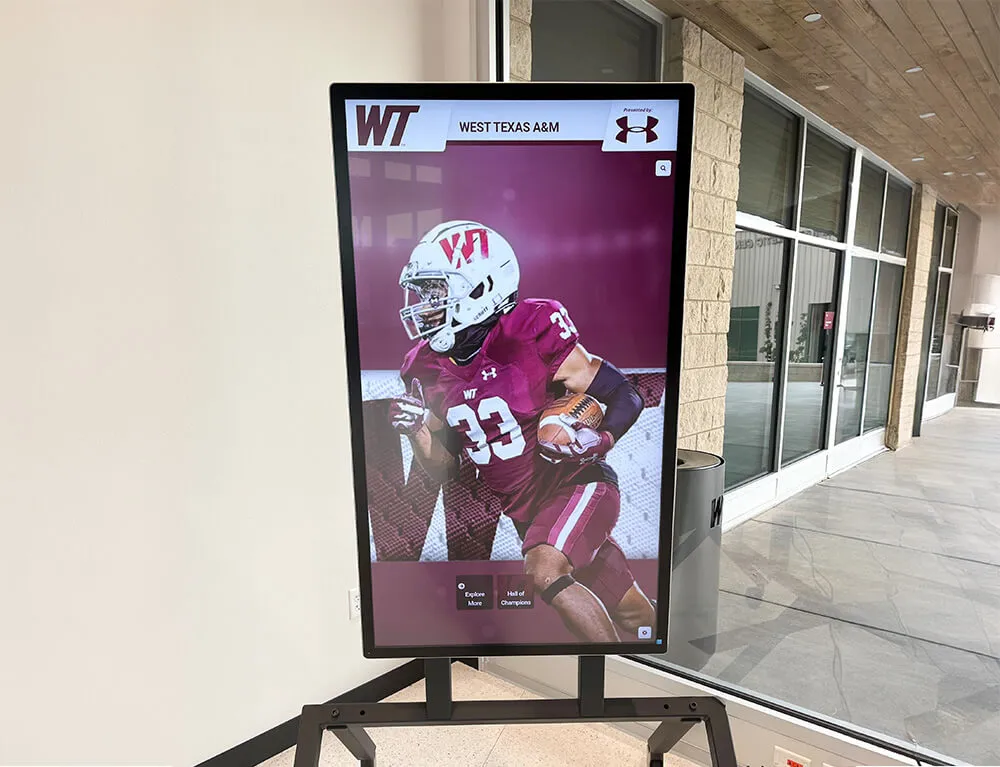
Gym renovation projects increasingly incorporate digital recognition systems alongside updated bleacher infrastructure
Critical Safety Standards and Compliance Requirements
Bleacher safety represents a non-negotiable priority given tragic incidents resulting from structural failures, inadequate guardrails, and accessibility violations. Comprehensive understanding of applicable codes ensures installations protect spectators while shielding institutions from liability.
Federal and Industry Safety Standards
IBC Building Code Requirements
The International Building Code (IBC) establishes fundamental bleacher safety standards adopted by most jurisdictions:
- Guardrail requirements mandating protective barriers for seating elevated more than 30 inches
- Minimum guardrail heights of 42 inches measured from nose of seating to top of rail
- Footboard specifications requiring toe boards preventing objects from falling to lower levels
- Aisle width standards ensuring adequate egress capacity for emergency evacuations
- Handrail requirements for aisle stairs exceeding specific heights or step counts
- Structural load capacities specifying minimum live loads bleachers must support safely
Administrators should verify their specific jurisdiction’s adopted building code version and any local amendments modifying standard IBC provisions.
ICC 300 Standard for Bleachers
The International Code Council’s ICC 300 standard provides comprehensive guidance specifically for grandstand and bleacher safety:
- Design load requirements specifying minimum structural capacity calculations
- Accessibility provisions implementing ADA requirements for bleacher installations
- Aisle and row spacing defining dimensional requirements for safe spectator movement
- Material specifications establishing quality standards for construction components
- Inspection protocols outlining frequency and scope of safety examinations
- Maintenance requirements prescribing systematic upkeep preserving structural integrity
Schools planning new bleacher installations or major renovations should ensure designs comply with current ICC 300 provisions even when local jurisdictions haven’t formally adopted the standard—following industry best practices reduces liability exposure.
ADA Accessibility Compliance
Wheelchair Seating Requirements
The Americans with Disabilities Act mandates specific accessible seating provisions based on total bleacher capacity:
- Quantity requirements ranging from 4 accessible spaces for facilities with 25-50 seats to 36+ spaces for venues exceeding 5,000 capacity
- Distribution standards requiring accessible seating across multiple price levels and viewing locations
- Companion seating providing adjacent spaces for companions accompanying wheelchair users
- Sight line requirements ensuring unobstructed views comparable to general seating
- Accessible routes maintaining continuous paths from parking and facility entrances to accessible seating
Modern bleacher designs typically incorporate accessible seating platforms at multiple levels rather than limiting wheelchair positions to ground-level locations with inferior sight lines.
Aisle Access and Circulation
ADA compliance extends beyond wheelchair spaces to comprehensive accessibility:
- Accessible routes to seating areas with maximum slopes, appropriate widths, and firm surfaces
- Handrail requirements for stairs serving accessible seating sections
- Signage standards identifying accessible seating locations and routes
- Transfer opportunities for individuals using mobility devices to access standard bleacher seating
- Service animal accommodation ensuring spaces for service animals accompanying disabled spectators
Schools should conduct accessibility audits examining entire spectator experiences—from parking through concessions to seating—rather than treating bleacher compliance as isolated from broader facility accessibility.
Administrators planning senior night celebrations and other special athletic events should ensure bleacher systems accommodate family members and community supporters of all abilities.
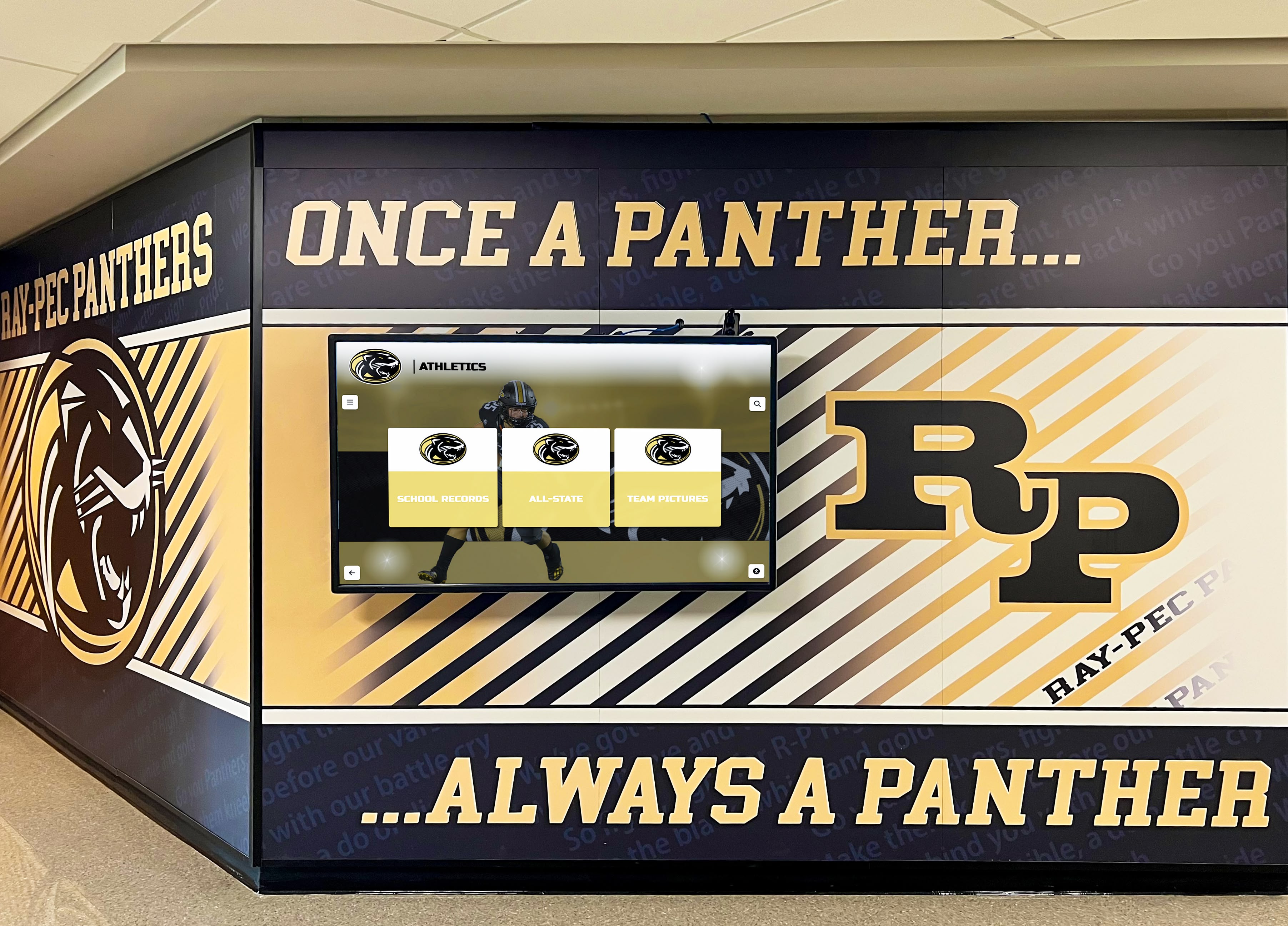
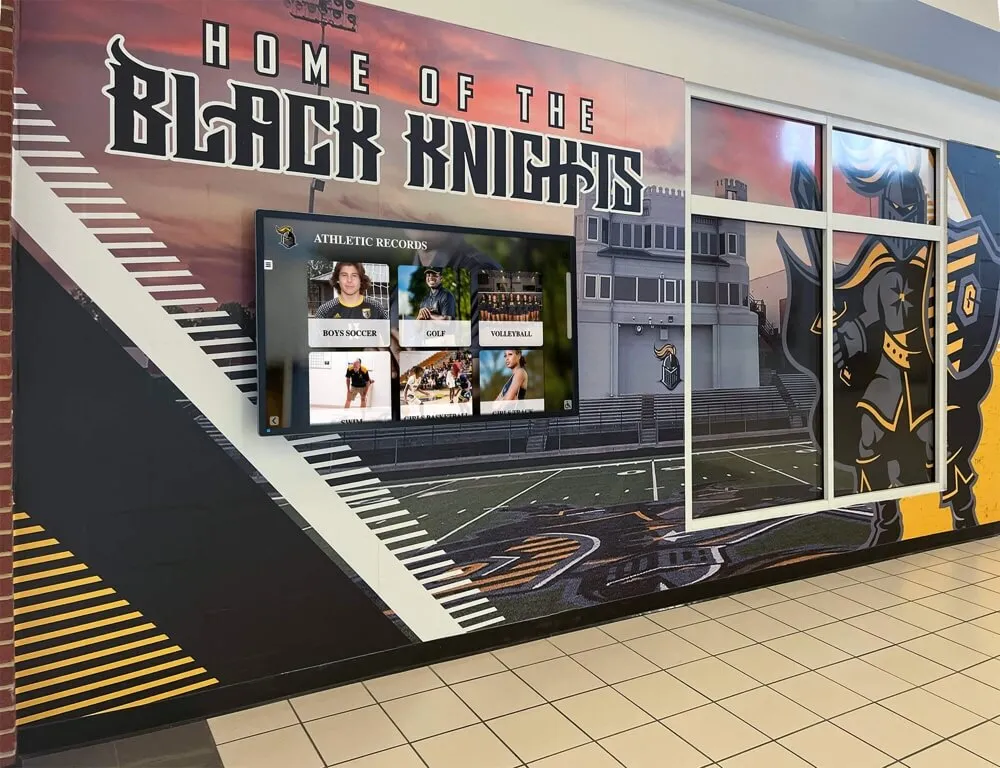
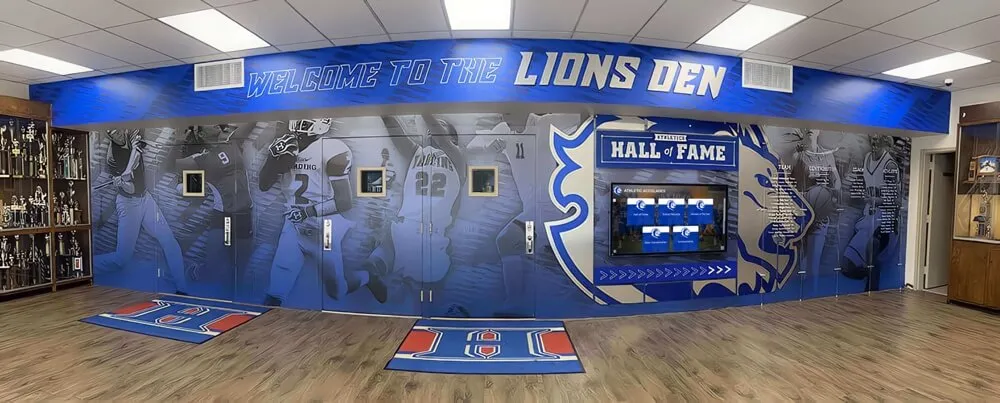
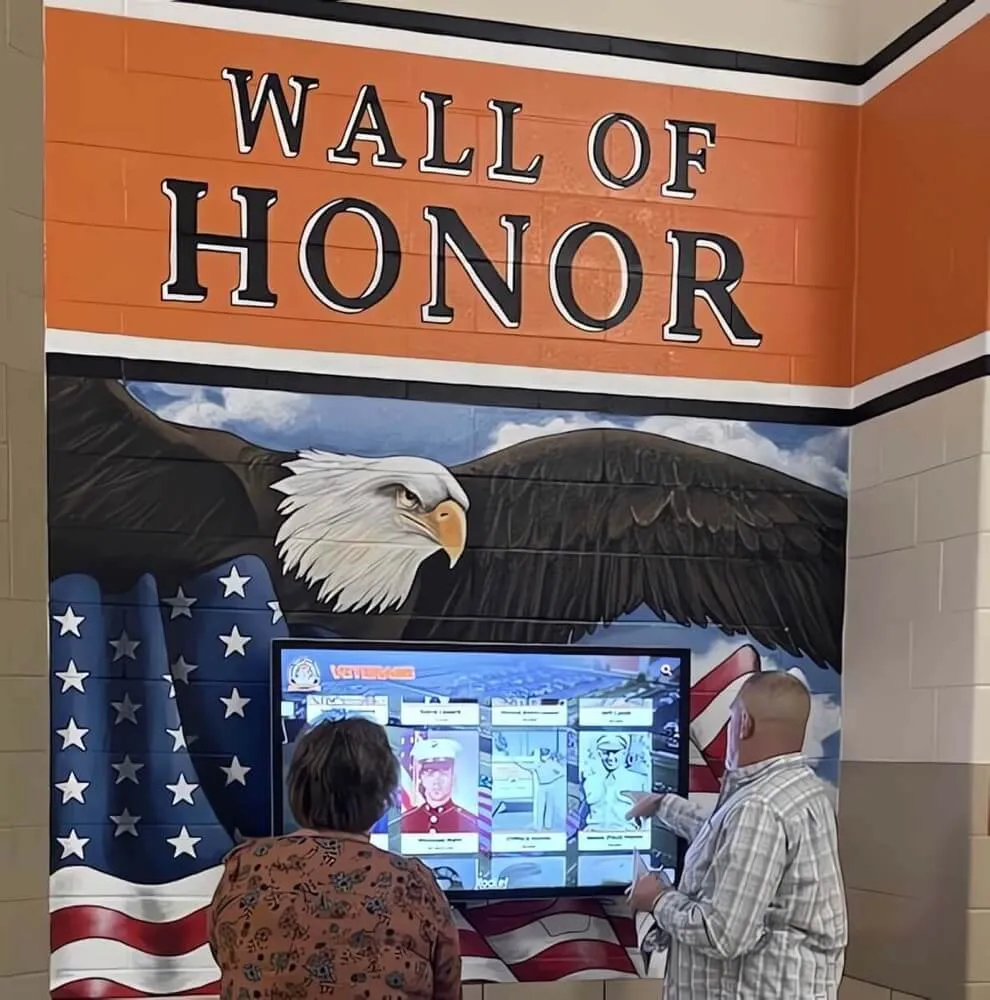
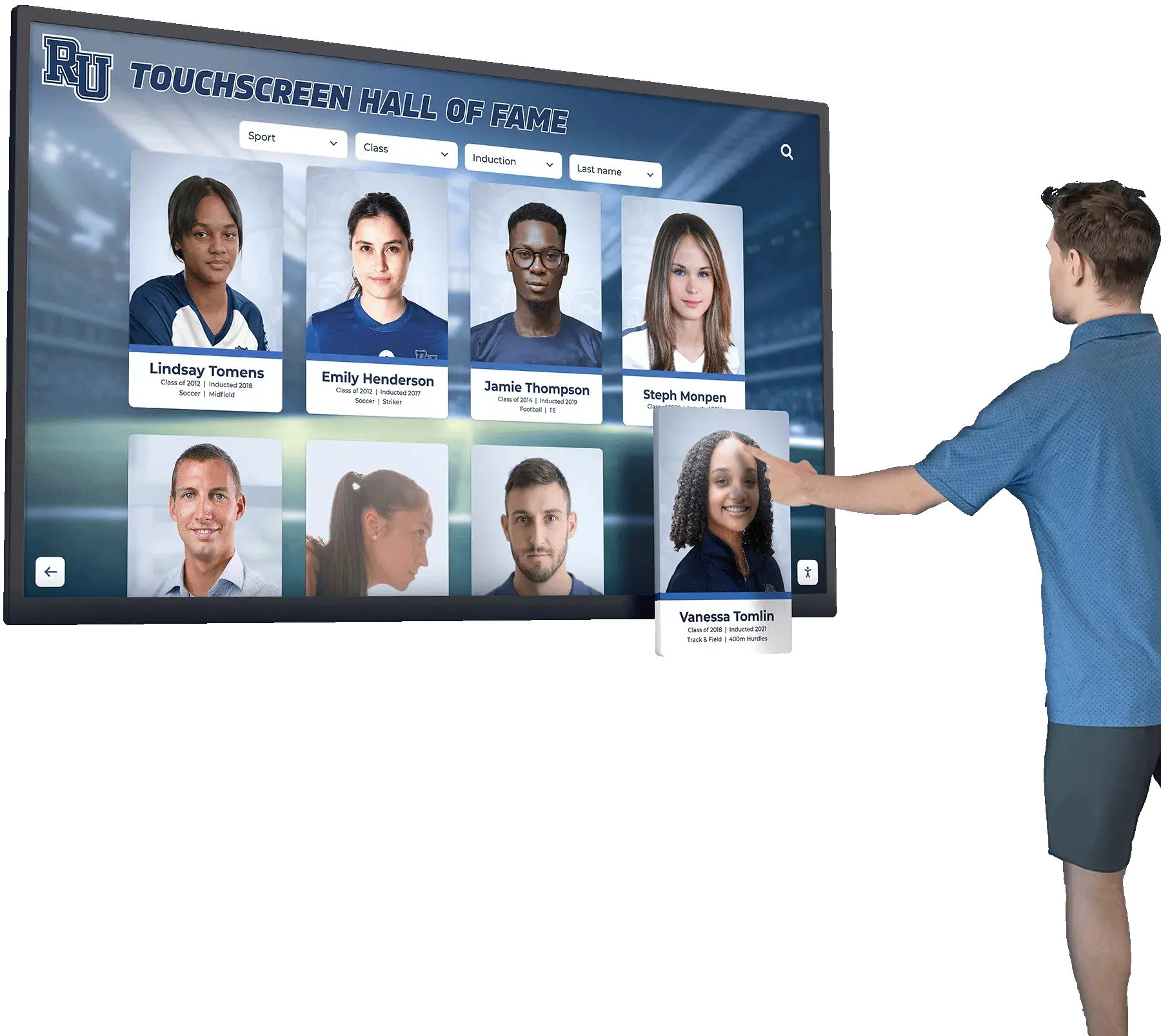
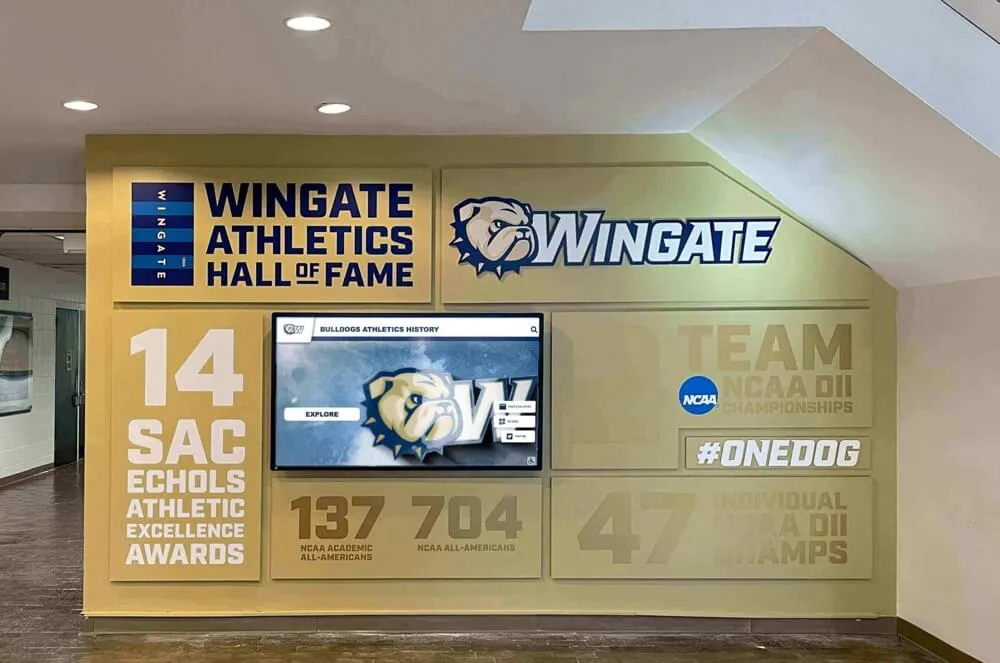
Athletic facility improvements often combine updated bleacher systems with modern recognition displays celebrating team achievements
Essential Maintenance and Inspection Programs
Systematic bleacher maintenance prevents safety hazards, extends infrastructure lifespan, and protects capital investments worth hundreds of thousands of dollars. Effective programs balance routine upkeep with specialized inspections identifying issues before they compromise safety or require expensive emergency repairs.
Regular Inspection Protocols
Annual Professional Inspections
Professional bleacher inspections by qualified engineers or certified inspectors should occur annually before each athletic season:
- Structural component examination checking frames, support beams, and connection points for cracks, corrosion, or deformation
- Guardrail and handrail assessment verifying secure attachment, appropriate heights, and absence of gaps exceeding code limits
- Decking inspection identifying worn, damaged, or missing deck boards requiring replacement
- Mechanical system evaluation testing retractable bleacher motors, cables, and operating mechanisms
- Fastener verification confirming bolts, screws, and connection hardware remain tight and functional
- Accessibility compliance review ensuring wheelchair platforms, accessible routes, and required signage remain compliant
Professional inspectors should provide written reports documenting findings, recommending repairs, and establishing priority levels for identified deficiencies. Schools should maintain inspection records demonstrating compliance with safety obligations.
Ongoing Operational Checks
Between professional inspections, facilities staff should conduct regular operational assessments:
- Pre-event visual inspections before each game or event checking for obvious hazards
- Retractable system operation testing verifying smooth extension and retraction
- Cleaning and debris removal maintaining safe walking surfaces and eliminating trip hazards
- User-reported issue documentation recording and addressing spectator safety concerns
- Quick response protocols for addressing identified hazards before subsequent events
These routine checks complement—but don’t replace—comprehensive professional inspections examining structural integrity beyond facilities staff expertise.
Preventive Maintenance Programs
Mechanical System Maintenance
Retractable bleacher systems require systematic mechanical maintenance:
- Lubrication schedules applying appropriate lubricants to motors, gears, and moving parts
- Cable inspection and tension adjustment preventing slack or fraying compromising safe operation
- Motor testing and servicing ensuring reliable deployment and retraction
- Track cleaning and alignment maintaining smooth movement along rails
- Control system verification testing safety interlocks preventing improper operation
- Emergency stop function testing confirming safety systems operate correctly
Most manufacturers recommend quarterly mechanical maintenance for frequently-used retractable systems, with more intensive annual servicing by factory-trained technicians.
Component Replacement and Refurbishment
Even well-maintained bleachers eventually require component replacement:
- Decking replacement addressing worn or damaged seat and footboards
- Guardrail refurbishment repairing or replacing damaged protective barriers
- Hardware replacement substituting corroded or failed fasteners and connections
- Coating renewal repainting steel components showing surface rust or coating failure
- Accessibility platform updates upgrading wheelchair seating to current standards
- Seating surface replacement installing new seat planks or replacing damaged components
Strategic component replacement extends bleacher service life while avoiding complete system replacement costs. Schools should budget 1-3% of bleacher replacement value annually for ongoing maintenance and component renewal.
Facilities hosting athletic banquets and recognition events rely on well-maintained bleacher systems creating safe, comfortable environments for these important community gatherings.
Planning Effective Bleacher Renovation and Replacement Projects
Bleacher systems eventually require replacement despite diligent maintenance. Typical aluminum bleacher service life reaches 25-40 years, while steel systems may need replacement after 20-30 years depending on environmental conditions and maintenance history. Strategic renovation planning maximizes value while minimizing disruption to athletic programs.
Determining When Replacement Becomes Necessary
Structural Condition Assessment
Professional structural evaluation determines whether bleachers approach end-of-life:
- Widespread corrosion or deterioration affecting primary structural members
- Repeated mechanical failures in retractable systems despite regular maintenance
- Code compliance gaps where older systems fail to meet current safety standards
- Accessibility deficiencies requiring extensive modifications approaching replacement costs
- Seating capacity inadequacy as programs grow beyond original bleacher design
- Economic analysis showing cumulative repair costs approaching replacement expenses
When annual maintenance costs consistently exceed 5-7% of replacement value, or when major structural deficiencies emerge, replacement typically becomes more economical than continued repairs.
Facility Modernization Opportunities
Many schools coordinate bleacher replacement with comprehensive gymnasium renovations:
- Floor replacement projects providing opportunity for bleacher updates without additional disruption
- HVAC system upgrades requiring gymnasium access facilitating concurrent bleacher work
- Electrical modernization enabling integration of modern amenities into new bleacher designs
- Accessibility improvements addressing comprehensive facility ADA compliance
- Technology integration adding modern scoring systems, sound reinforcement, and recognition displays
Comprehensive renovations often achieve better value than piecemeal improvements while concentrating disruption into single project periods.
Funding Bleacher Renovation Projects
Capital Funding Sources
Bleacher replacement represents significant capital expenditure requiring strategic funding approaches:
- Bond initiatives including bleacher replacement in facilities improvement programs
- Capital reserve allocations using systematically accumulated improvement funds
- State facility grants available in some jurisdictions for safety-critical infrastructure
- Community fundraising engaging booster clubs and athletic supporters
- Equipment lease programs spreading costs across multi-year periods
- Donor recognition opportunities connecting naming rights or recognition displays to major contributions
Schools should develop realistic cost estimates including project management, engineering, installation, and contingency funds beyond equipment costs alone. Total project budgets typically run 15-25% above bleacher equipment costs when accounting for all associated expenses.
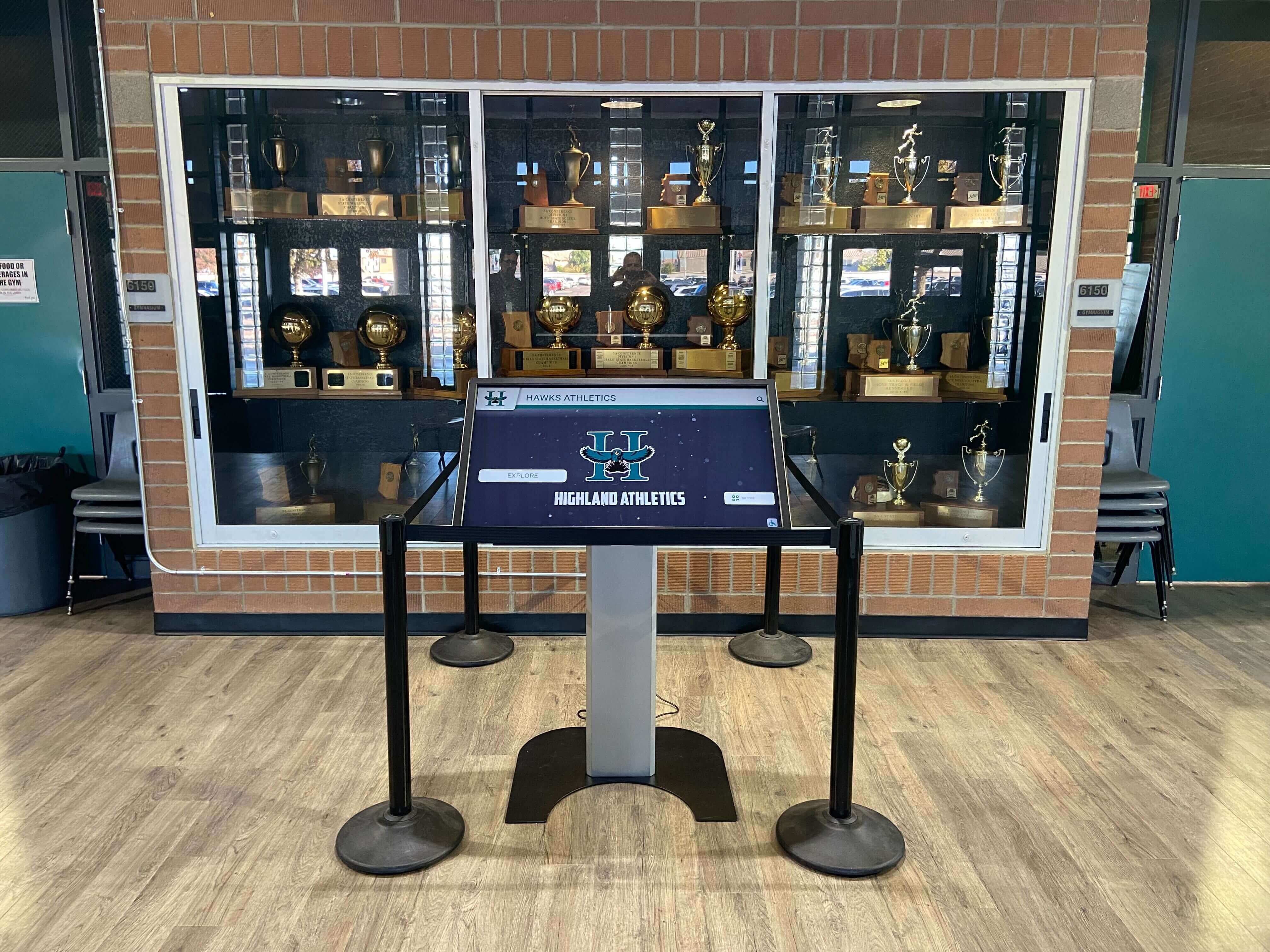
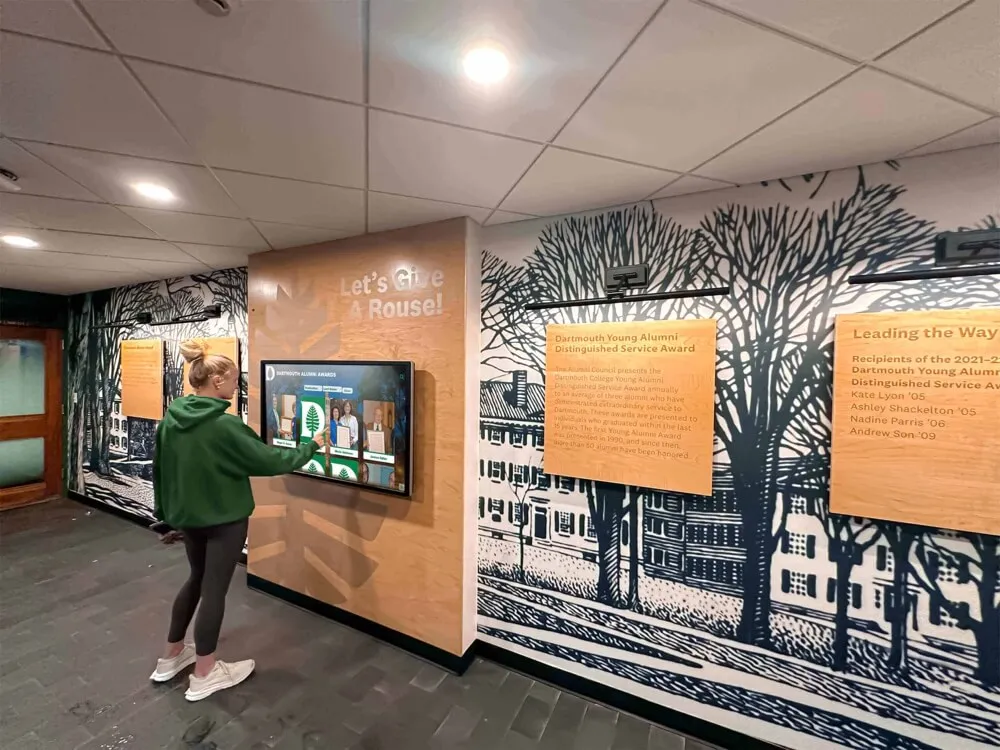
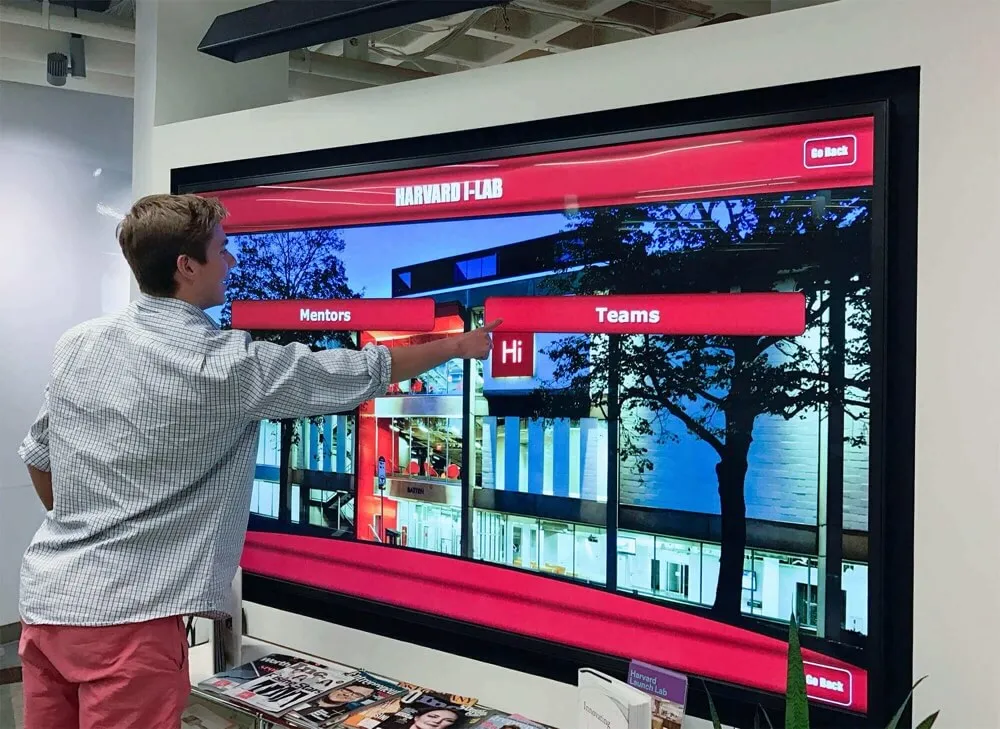
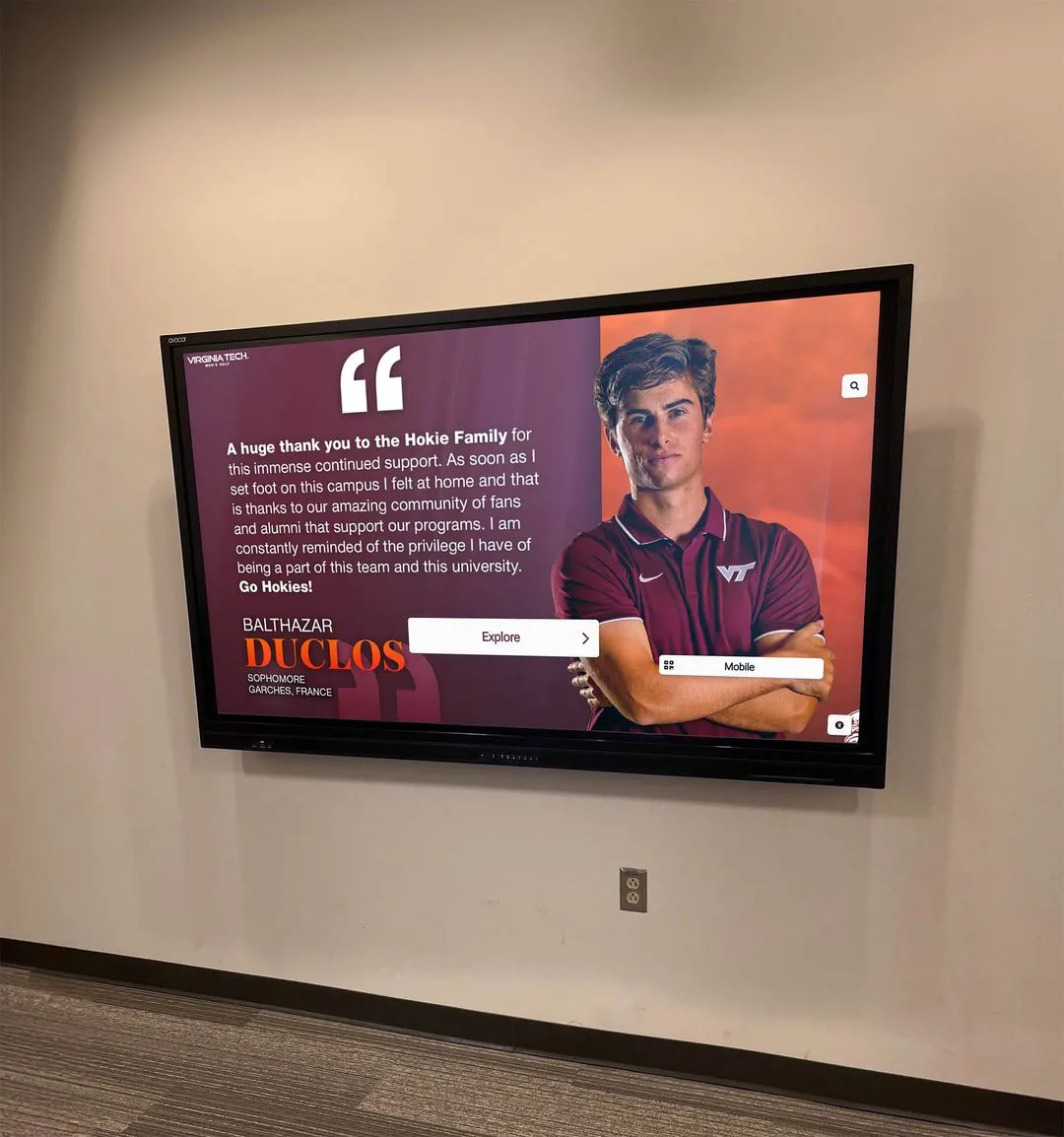
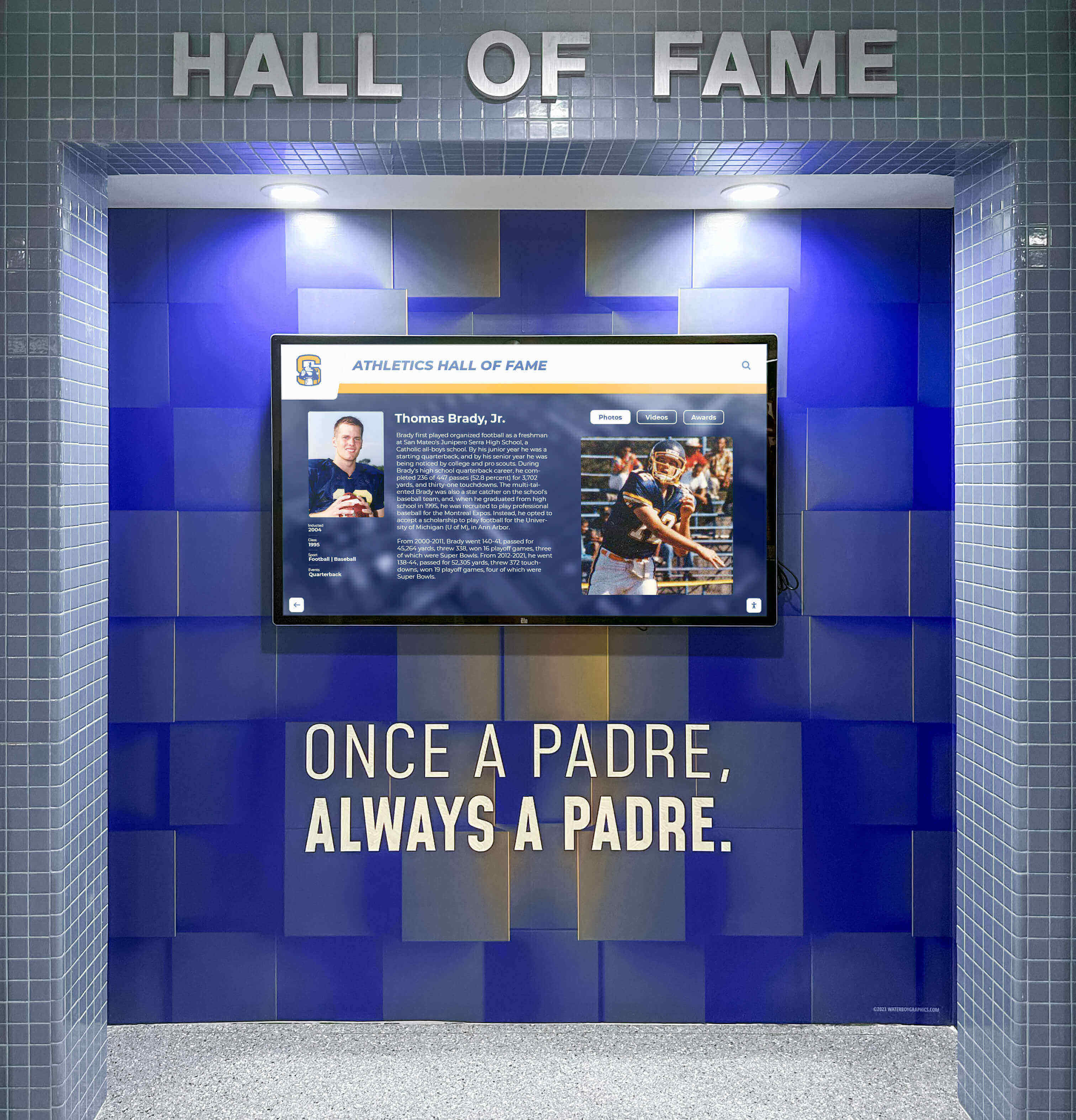
Renovation projects create opportunities to enhance athletic facilities with modern recognition systems celebrating program traditions
Donor Recognition Integration
Major bleacher renovations present valuable donor recognition opportunities. Schools increasingly incorporate digital donor recognition walls into renovated gymnasiums, creating visible acknowledgment for supporters funding facility improvements while establishing modern recognition systems celebrating athletic achievement and donor generosity simultaneously.
These digital systems allow unlimited recognition capacity without physical space constraints, enable easy updates as new donors contribute, and create engaging displays that enhance renovated facility atmospheres. Many schools find that high-quality recognition systems actually stimulate additional giving by demonstrating institutional commitment to honoring supporters appropriately.
Project Planning and Implementation
Design and Specification Development
Effective bleacher replacement begins with comprehensive design work:
- Capacity analysis determining appropriate seating quantities based on program needs and facility constraints
- Configuration planning optimizing bleacher layouts for sight lines, accessibility, and circulation
- Material selection choosing aluminum versus steel based on budget and lifecycle considerations
- Accessibility compliance integrating required wheelchair seating throughout capacity ranges
- Safety feature specification incorporating guardrails, handrails, and protective barriers exceeding minimum standards
- Technology integration planning preparing for scoreboard mounting, electrical service, and digital display infrastructure
Schools should engage architects or specialized bleacher consultants rather than relying solely on manufacturer representatives, ensuring designs prioritize institutional needs over product sales.
Construction Scheduling and Coordination
Strategic scheduling minimizes athletic program disruption:
- Summer installation completing work during off-seasons avoiding competition conflicts
- Phased implementation replacing bleacher sections sequentially to maintain partial facility use
- Temporary seating arrangements providing alternatives during extended construction periods
- Team practice coordination scheduling construction around essential training activities
- Community communication informing stakeholders about timelines and temporary impacts
- Completion verification conducting thorough inspections before reopening facilities to spectators
Most gym bleacher replacement projects require 6-12 weeks from demolition through final inspection, though complex installations or facility improvements extending beyond bleachers alone may demand longer timelines.
Schools planning renovations should explore how sports memorabilia display systems can complement updated bleacher infrastructure, creating cohesive facility improvements celebrating athletic traditions while modernizing spectator experiences.
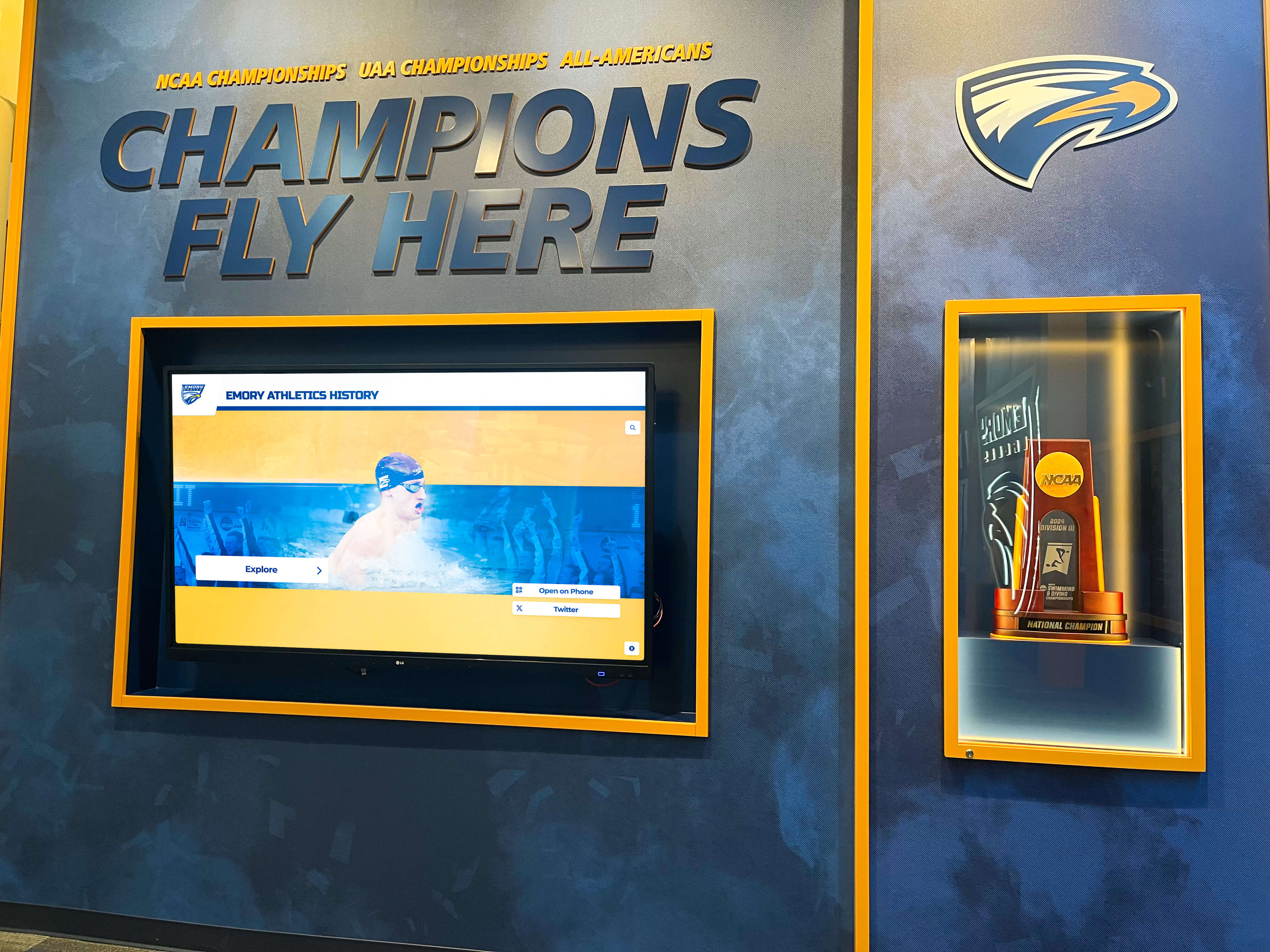
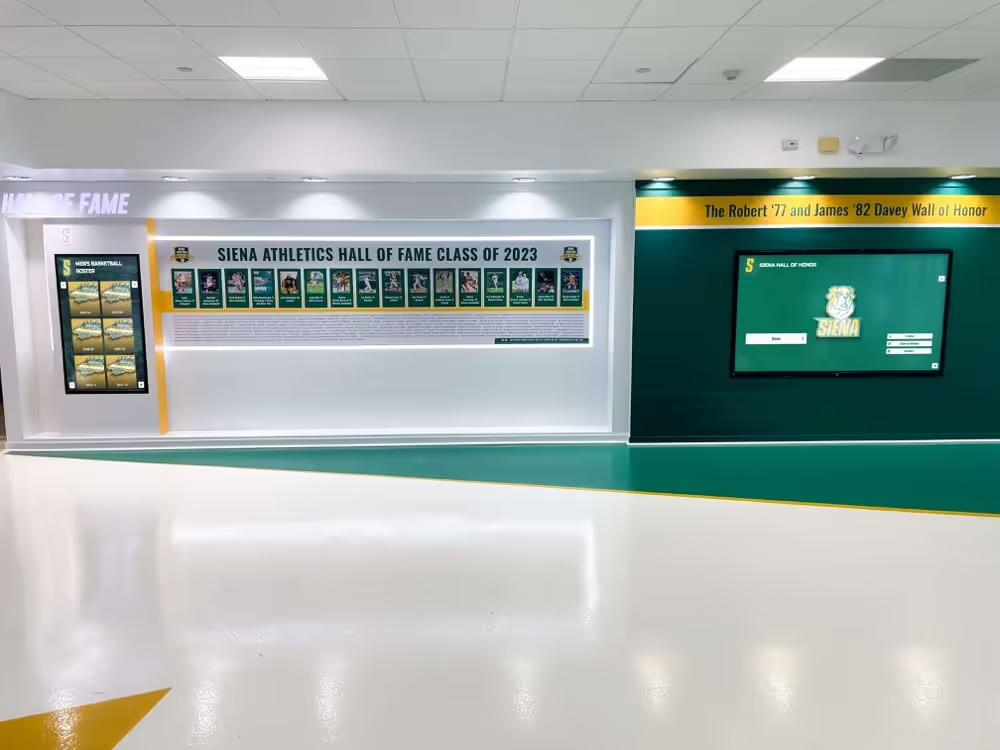
Comprehensive facility renovations integrate updated bleacher systems with recognition displays documenting championship achievements and program excellence
Modern Amenities and Spectator Experience Enhancements
Contemporary bleacher systems extend beyond basic seating to incorporate amenities enhancing spectator comfort, accessibility, and overall event experiences. Schools renovating bleacher infrastructure should consider modern features that differentiate their facilities while better serving diverse stakeholder groups.
Seating Comfort and Accessibility Upgrades
Chairback Seating Options
Many schools incorporate chairback seating sections providing enhanced comfort:
- Premium seating areas offering improved comfort for season ticket holders or donors
- Reserved sections creating tiered seating options supporting athletic program fundraising
- Accessibility companion seating providing standard-height seating adjacent to wheelchair spaces
- Comfort enhancements for aging spectator populations appreciating back support
- Visual distinction creating professional appearances elevating facility quality perceptions
Chairback sections typically reduce total capacity by 20-30% compared to bench seating in equivalent space, requiring careful analysis balancing capacity needs against comfort improvements and potential revenue enhancements from premium seating sales.
Enhanced Wheelchair Platforms
Modern accessible seating exceeds minimum ADA requirements:
- Multiple elevation levels providing wheelchair seating throughout venue rather than ground-level only
- Premium sight lines ensuring accessible seating offers viewing experiences comparable to best general seating
- Larger companion areas accommodating family groups accompanying wheelchair users
- Protective railings with designs maintaining visibility while ensuring safety
- Accessibility signage with clear wayfinding directing patrons to accessible seating locations
Schools serving aging communities or emphasizing inclusive environments often exceed code minimums, providing accessible seating representing 2-3% of total capacity rather than minimum standards.
Technology Integration and Digital Enhancements
Built-in Electrical Infrastructure
Modern bleachers increasingly incorporate electrical systems supporting technology integration:
- Scoreboard power and data connections simplifying equipment installation and reducing visible conduit
- LED lighting systems illuminating bleacher aisles for safety while enhancing facility aesthetics
- Media platform connections powering broadcast equipment, video cameras, and timing systems
- Charging stations providing spectator amenities in premium seating sections
- Digital display mounting infrastructure preparing for future technology additions
Pre-wiring bleacher systems during installation costs far less than retrofitting electrical infrastructure into existing installations.
Digital Recognition and Information Systems
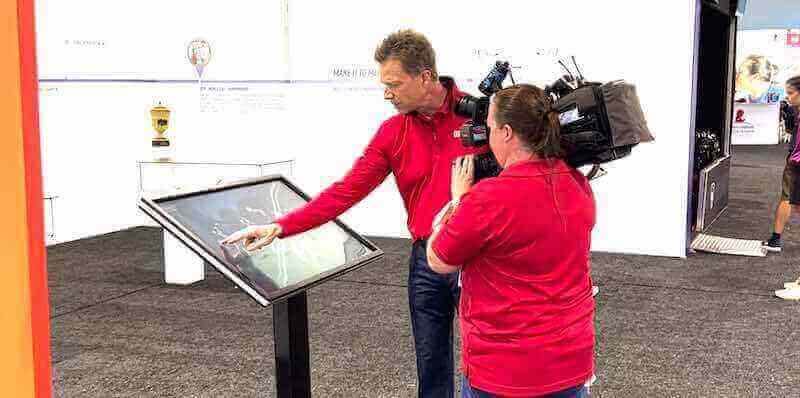
Gym renovations create natural opportunities to integrate digital recognition displays celebrating athletic achievement while providing event information to spectators. Interactive touchscreen systems mounted near bleacher entrances allow spectators to explore team records, athlete profiles, and championship histories, creating engaging pre-game experiences while building program pride.
These digital systems offer significant advantages over traditional trophy cases and static displays:
- Unlimited recognition capacity documenting entire athletic program histories without physical space constraints
- Easy content updates adding new achievements instantly without physical construction
- Multimedia storytelling incorporating photos, videos, and statistics beyond static plaques
- Interactive exploration allowing spectators to discover content matching their specific interests
- Multiple display locations showing identical content in lobbies, hallways, and gymnasium spaces
- Donor recognition integration acknowledging supporters funding facility improvements
Schools investing substantially in bleacher renovations often allocate portions of project budgets to complementary recognition systems that enhance renovated facility environments while creating visible appreciation for athletic traditions and donor support enabling facility improvements.
Rocket Alumni Solutions specializes in creating custom digital recognition displays designed specifically for athletic facilities, working with schools to develop systems celebrating sports achievements, honoring donors, and enhancing gymnasium atmospheres through engaging interactive displays that complement bleacher renovations and facility improvements.
Bleacher Safety Training and Operational Procedures
Even perfectly designed and maintained bleacher systems require proper operational procedures and trained personnel ensuring safe spectator use. Comprehensive safety programs address deployment procedures, event management protocols, and emergency response planning.
Staff Training Requirements
Retractable Bleacher Operation
Personnel operating retractable bleacher systems need specific training:
- Manufacturer operation procedures following equipment-specific protocols for safe deployment and retraction
- Pre-operation safety checks verifying clear areas, proper alignment, and system functionality before operation
- Emergency stop procedures knowing how to immediately halt operation if problems occur
- Lockout/tagout protocols securing bleachers before events preventing unauthorized operation
- Troubleshooting guidance addressing common operational issues appropriately
- Documentation requirements recording operation cycles and reporting malfunctions
Many manufacturers provide operation training during installation, but schools should ensure multiple staff members receive training and that procedures documentation remains accessible to operations personnel.
Event Safety Management
Game day personnel require briefing on bleacher-specific safety protocols:
- Capacity limits understanding maximum safe spectator loads for bleacher sections
- Prohibited activities preventing unsafe behaviors like standing on seats or climbing guardrails
- Aisle clearance maintaining egress paths free from obstructions
- Emergency evacuation procedures specific to gymnasium configurations and bleacher layouts
- Incident response knowing how to address injuries, falls, or structural concerns during events
- Communication protocols coordinating between event staff, facilities personnel, and emergency responders
Schools should incorporate bleacher safety into broader event management training programs covering athletic event operations comprehensively.
Spectator Safety Policies and Enforcement
Prohibited Behaviors and Use Restrictions
Clear policies prevent unsafe bleacher use:
- Climbing restrictions prohibiting climbing on guardrails, seat backs, or structural components
- Standing limitations restricting prolonged standing on seats during events
- Capacity enforcement preventing overcrowding beyond safe load limits
- Age-appropriate supervision requiring adult supervision for young children in bleacher areas
- Food and beverage restrictions limiting items creating slip hazards or damage to seating surfaces
- Equipment prohibitions restricting bags, strollers, or equipment obstructing aisles or seating
Posted signage communicating safety rules establishes clear expectations while demonstrating institutional commitment to spectator safety.
Event Monitoring and Enforcement
Effective safety policies require consistent enforcement:
- Event staff positioning placing personnel to observe bleacher areas and identify safety concerns
- Public address announcements reinforcing safety messages before and during events
- Immediate intervention addressing unsafe behaviors quickly before incidents occur
- Consistent enforcement applying safety rules uniformly across all spectator groups
- Documentation protocols recording incidents informing future safety improvements
Schools successfully managing bleacher safety balance proactive communication educating spectators with firm enforcement when necessary, creating cultures where spectator safety receives priority attention.
Many schools hosting school awards ceremonies and high school athletic banquets in gymnasium settings apply consistent bleacher safety protocols across athletic competitions and special events, ensuring all facility users benefit from comprehensive safety management.
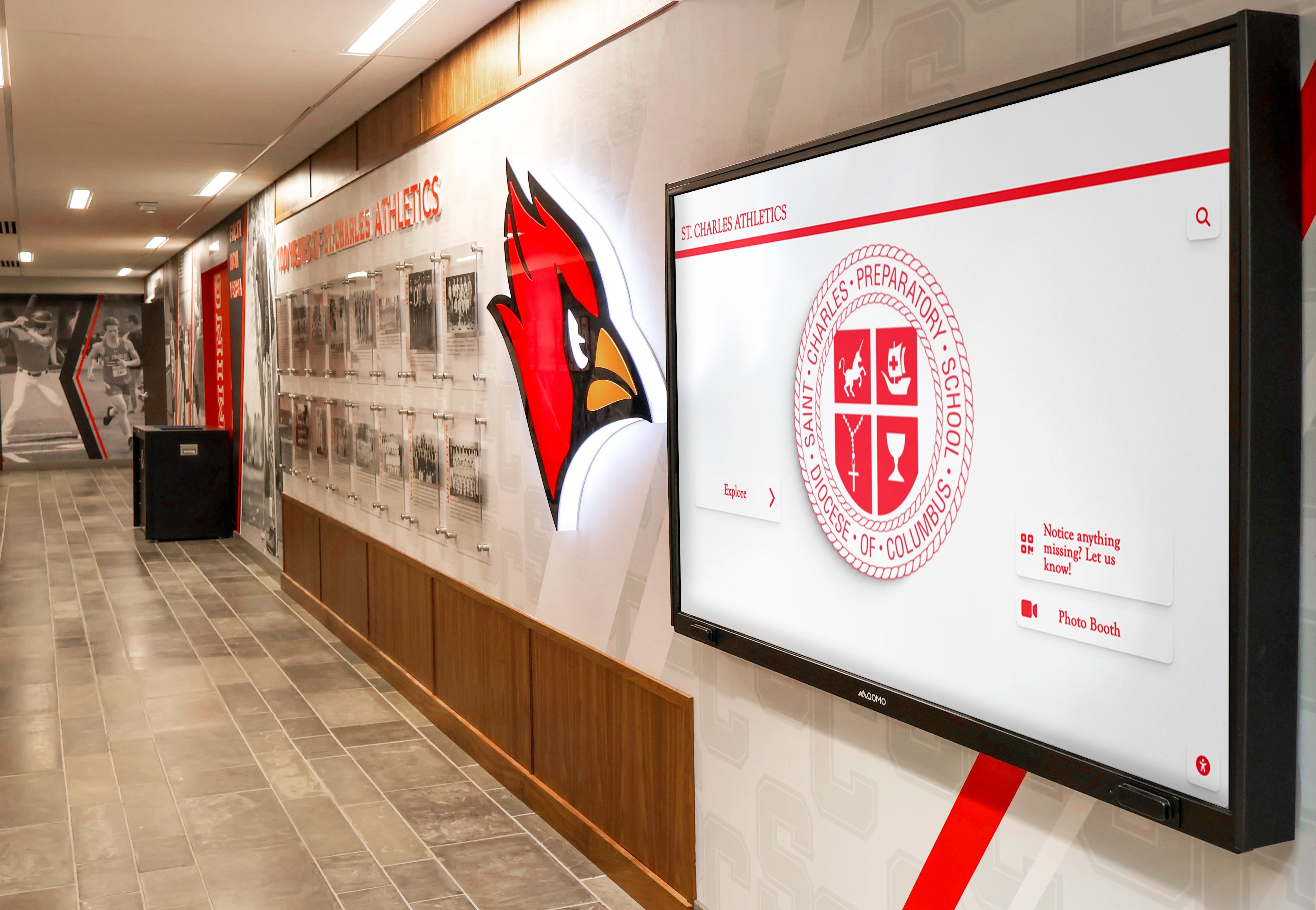
Athletic facility improvements create opportunities to enhance entire school environments with recognition systems celebrating program achievements
Long-Term Strategic Planning for Athletic Facility Infrastructure
School gym bleachers represent just one component of comprehensive athletic facility infrastructure requiring long-term strategic planning. Administrators who integrate bleacher planning into broader facility management approaches create more coherent improvement strategies while maximizing limited capital budgets.
Facility Master Planning
Comprehensive Needs Assessment
Effective facility planning begins with systematic assessment of current conditions and future requirements:
- Athletic program growth projections estimating future participation and spectator demand
- Facility condition inventories documenting age, condition, and remaining service life of major systems
- Regulatory compliance gaps identifying current deficiencies requiring correction
- Community use patterns understanding how facilities serve constituencies beyond school athletics
- Technology integration opportunities planning for digital systems enhancing facility functionality
- Competitive positioning assessing how facilities compare to peer schools affecting recruitment and perception
Comprehensive assessment creates foundation for prioritizing improvements and developing realistic implementation timelines.
Multi-Year Capital Improvement Programming
Strategic planning distributes major investments across manageable timeframes:
- Phased implementation schedules sequencing improvements based on urgency, available funding, and operational considerations
- Coordinated project bundling grouping related improvements reducing total costs and minimizing disruption
- Funding alignment matching project timelines with anticipated revenue from bonds, grants, or fundraising
- Maintenance integration balancing major capital projects with ongoing system maintenance requirements
- Flexibility provisions allowing plan adjustments responding to changing circumstances or opportunities
Schools with documented facility master plans make more strategic decisions than institutions responding reactively to emergency situations or isolated improvement opportunities.
Balancing Bleacher Investments with Broader Athletic Facility Needs
Administrators must allocate limited resources across competing facility priorities:
Integrated Facility Improvement Strategies
Smart planning coordinates bleacher renovations with related improvements:
- Gymnasium floor replacement coordinated with bleacher work accessing the same spaces
- Lighting upgrades modernizing illumination systems during bleacher projects
- HVAC improvements addressing climate control when facilities undergo major renovation
- Accessibility enhancements comprehensively addressing ADA compliance across entire facilities
- Technology infrastructure installing structured cabling, electrical systems, and network connections supporting digital displays and modern amenities
- Recognition system integration incorporating displays celebrating athletic achievement into renovated spaces
These coordinated approaches often achieve better overall value than isolated improvements while concentrating construction disruption into defined periods.
Schools exploring comprehensive facility improvements should investigate how modern digital recognition systems can enhance athletic environments while creating visible acknowledgment for supporters funding facility renovations—making recognition displays strategic investments in both facility quality and ongoing fundraising success.
Conclusion: Creating Safe, Modern Athletic Facilities Through Strategic Bleacher Management
School gym bleachers represent critical infrastructure directly impacting spectator safety, facility capacity, athletic program success, and community engagement with school activities. Administrators who approach bleacher selection, maintenance, and renovation strategically create safe, welcoming environments serving their communities effectively across decades while avoiding costly emergency situations resulting from deferred maintenance or inadequate initial planning.
Effective bleacher management requires understanding diverse system types and their respective applications, implementing rigorous safety protocols and inspection programs, maintaining systematic maintenance schedules preserving infrastructure investments, planning strategic renovations maximizing value while minimizing disruption, and integrating bleacher improvements into comprehensive facility enhancement strategies.
Schools successfully managing bleacher infrastructure recognize these systems as long-term investments deserving careful selection, diligent maintenance, and strategic improvement planning rather than treating them as commodities purchased at lowest initial cost. The difference between thoughtful bleacher management and reactive approaches appears in facility safety records, spectator experiences, maintenance budgets, and overall athletic program success across generations of student-athletes and community supporters.
As your school evaluates bleacher renovation projects or comprehensive gym improvements, consider how modern digital recognition displays can complement updated seating infrastructure. These systems create engaging environments celebrating athletic achievement, acknowledge donors supporting facility improvements, and enhance overall gymnasium atmospheres—transforming functional renovations into comprehensive facility enhancements that serve athletic programs and communities for decades.
Rocket Alumni Solutions works with schools planning athletic facility renovations to create custom digital recognition systems designed specifically for gymnasium environments. Our interactive touchscreen displays celebrate sports achievements, honor facility donors, and showcase athletic program histories through engaging multimedia presentations that enhance renovated facilities while building lasting school spirit and community pride. Contact us to explore how digital recognition systems can complement your bleacher renovation and facility improvement projects.