School calendars overflow with instructional days, testing windows, and administrative deadlines—yet the celebrations, recognition events, and cultural moments woven throughout academic years often define how students, staff, and families experience schools. Strategic celebration planning transforms routine acknowledgment into meaningful recognition that builds community, reinforces values, and creates the positive school culture that supports learning and development.
Many school leaders approach celebration days reactively—scrambling to acknowledge Teacher Appreciation Week when May arrives, organizing hasty honor roll assemblies between standardized tests, or discovering National School Counseling Week after it has already passed. This reactive approach misses opportunities to build comprehensive recognition systems that celebrate diverse achievements consistently throughout school years while creating visibility ensuring accomplishments receive sustained attention rather than brief ceremonial acknowledgment.
This complete calendar guide maps school celebration days across academic years, providing administrators, teachers, and school leaders with comprehensive frameworks for planning recognition events that honor students, staff, and community members meaningfully. From national observance days through school-specific milestone celebrations, these strategies help you create year-round recognition cultures where achievement, service, and growth receive consistent, visible celebration.
Effective school celebration planning accomplishes multiple objectives—acknowledging diverse achievements across academic, athletic, artistic, and character dimensions; building inclusive school cultures where all students see pathways to recognition; creating traditions that strengthen institutional identity and community connection; and establishing visible recognition systems that sustain celebration impact beyond single-day events or assemblies.

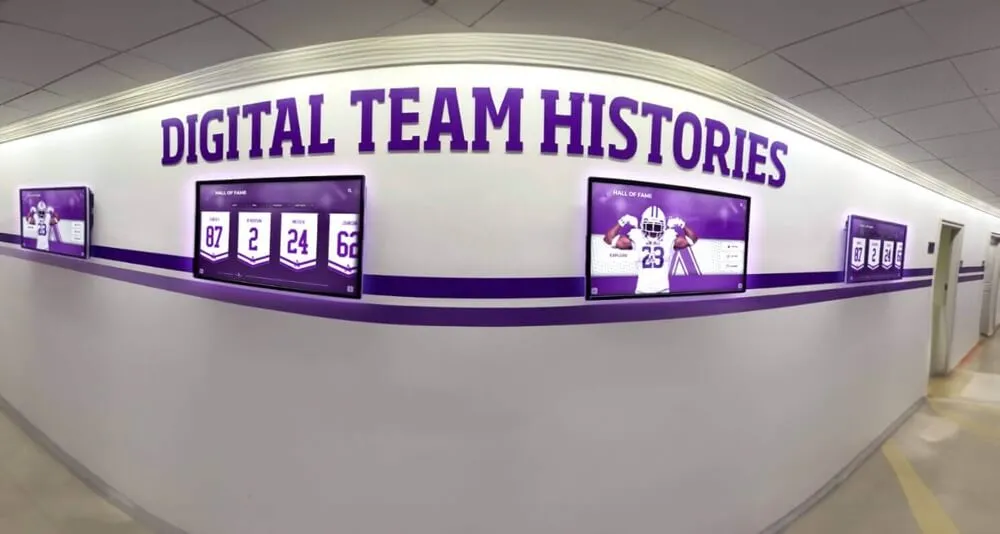
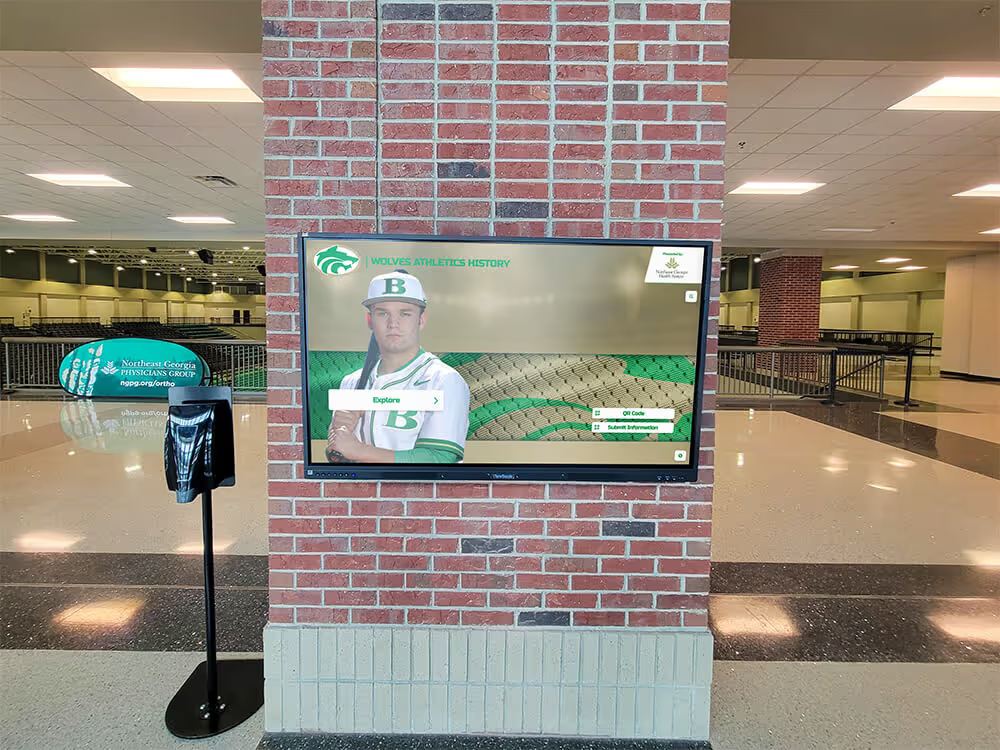
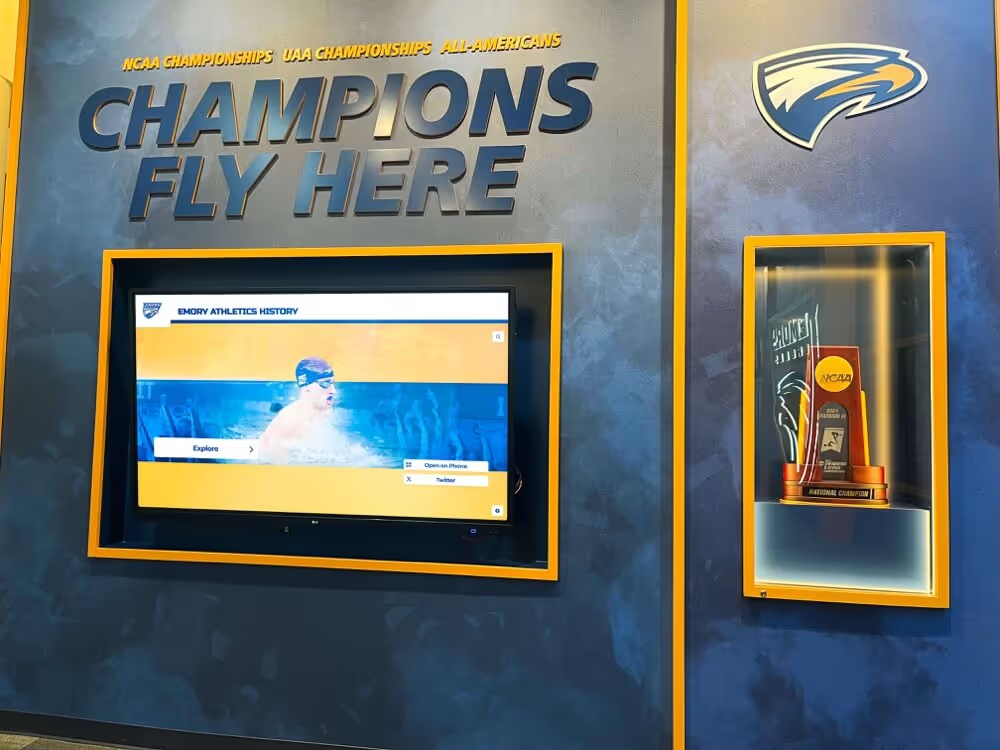
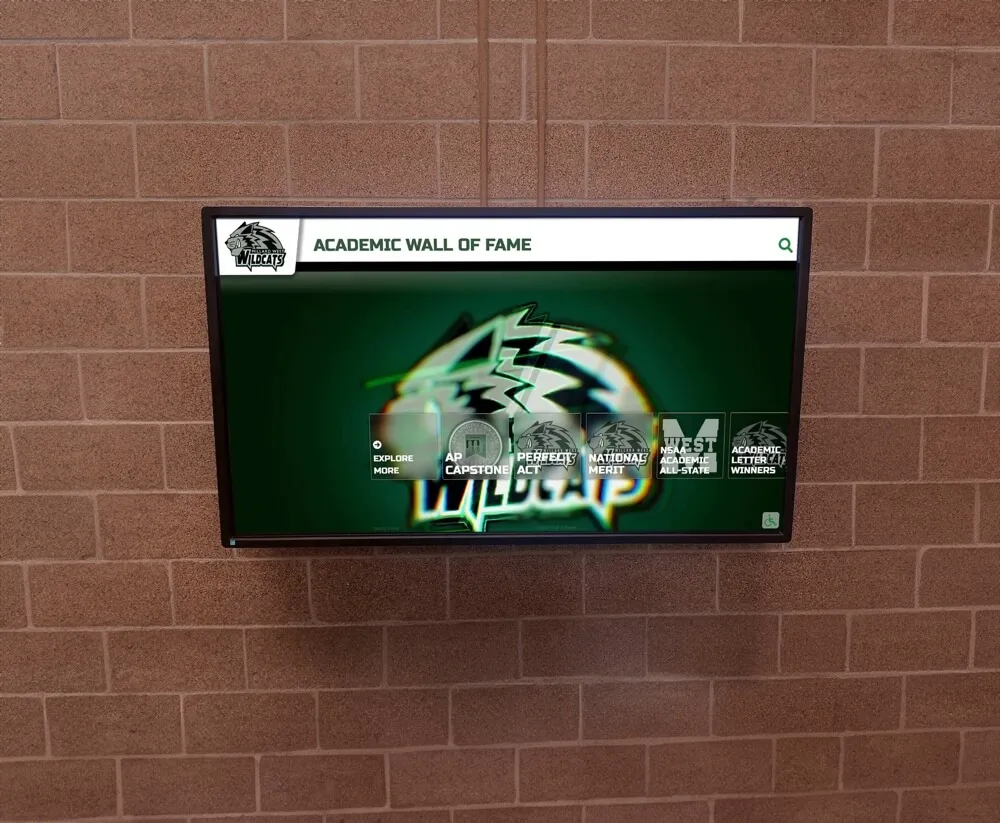
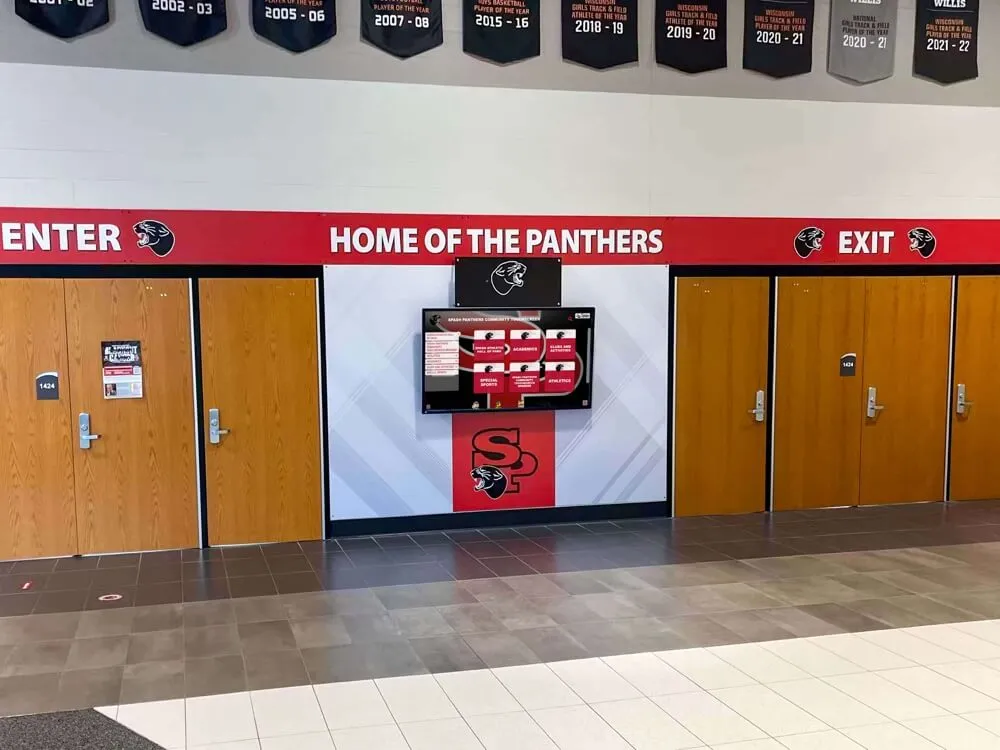
Modern recognition systems enable schools to celebrate achievement continuously throughout the year, ensuring student accomplishments receive sustained visibility beyond brief ceremony moments
Fall Semester Celebration Days and Recognition Events
The academic year’s opening months establish recognition patterns and cultural expectations that influence how schools celebrate achievement throughout entire years.
August-September: Back to School and Early Recognition
Fall semester launches create multiple celebration opportunities as school communities reunite:
First Day of School Celebrations While not a recognition event in traditional senses, opening day celebrations set cultural tones for entire years. Welcome assemblies introducing new students and staff, building tours highlighting school achievements and traditions, student organization fairs showcasing involvement opportunities, and spirit-building activities establishing community connections all contribute to positive school culture foundations.
Schools implementing comprehensive recognition systems often use opening days to introduce new display technologies or recognition platforms, demonstrating institutional commitment to celebrating achievement while building excitement about recognition opportunities throughout coming years.
Grandparents Day Recognition (First Sunday after Labor Day) Many elementary and middle schools host special Grandparents Day events where extended family members visit classrooms, participate in activities, and tour school facilities. These events create natural opportunities for showcasing student work, demonstrating academic programs, and highlighting school achievements that help grandparents understand contemporary education environments.
Hispanic Heritage Month (September 15 - October 15) This extended celebration recognizes Hispanic and Latino American contributions to culture, history, and achievement. Schools commemorate through cultural presentations and performances, student research projects on Hispanic heritage and leaders, community partnerships with Hispanic organizations, and recognition of Hispanic students, families, and staff contributions to school communities.
Effective Hispanic Heritage Month celebrations avoid tokenism by integrating recognition throughout the extended period rather than limiting acknowledgment to single assemblies or events.
October: Academic and Character Recognition
October provides opportunities for celebrating diverse achievement dimensions:
National Principals Month (October) This month-long observance recognizes school leadership contributions to student success, staff development, and community building. Recognition approaches include student-created appreciation displays or videos, staff coordinated recognition events or breakfast celebrations, parent and community acknowledgment letters or social media campaigns, and school board or district-level formal recognition of principal leadership.
Principal recognition demonstrates institutional values around leadership appreciation while modeling recognition cultures for students and staff.
National School Lunch Hero Day (First Friday in May - but schools often celebrate cafeteria staff in October) Cafeteria workers, nutrition services professionals, and food service teams deserve recognition for daily contributions to student wellbeing. Student-created thank you cards and posters, special appreciation assemblies or recognition moments, community engagement highlighting nutrition program quality, and social media campaigns celebrating cafeteria staff all acknowledge often-overlooked essential personnel.
Red Ribbon Week (Last Week of October) Originally focused on drug prevention awareness, Red Ribbon Week has evolved into broader character education and healthy lifestyle celebrations. Theme days encouraging school spirit and participation, character education presentations and discussions, student leadership showcases where peer leaders share positive choice messages, and community partnership events with health organizations all contribute to meaningful observance.
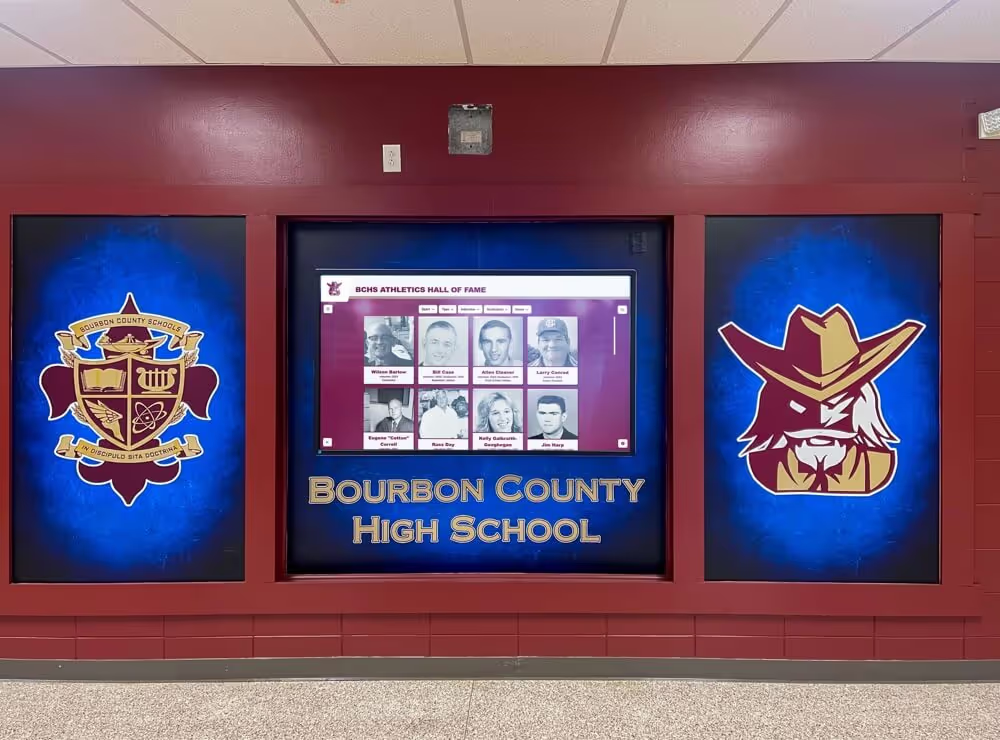
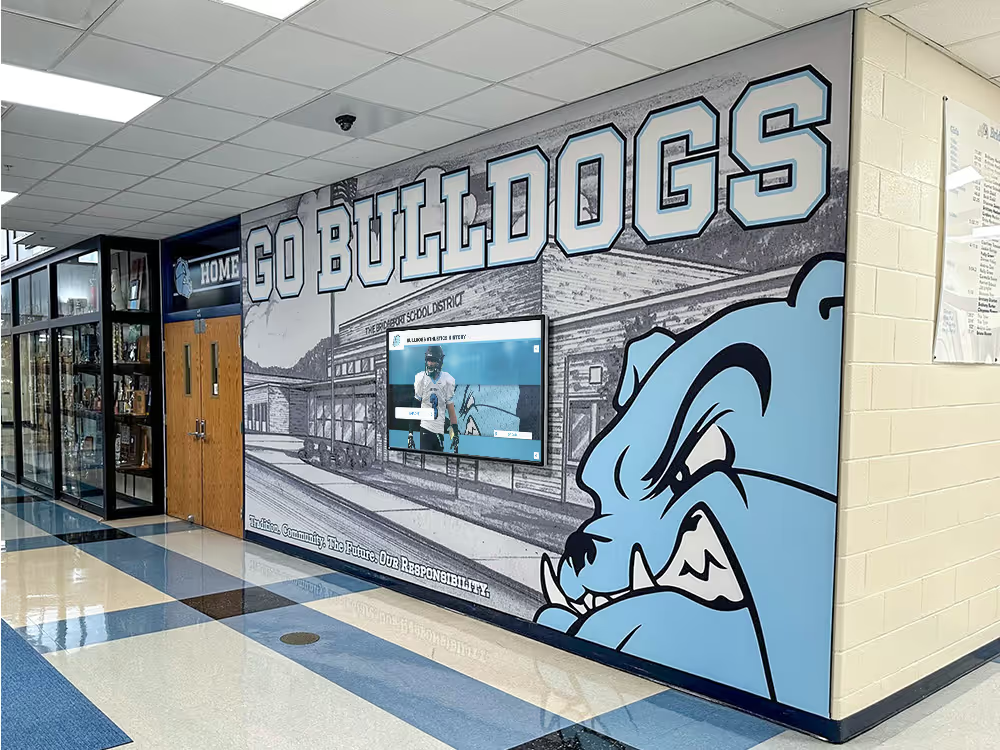
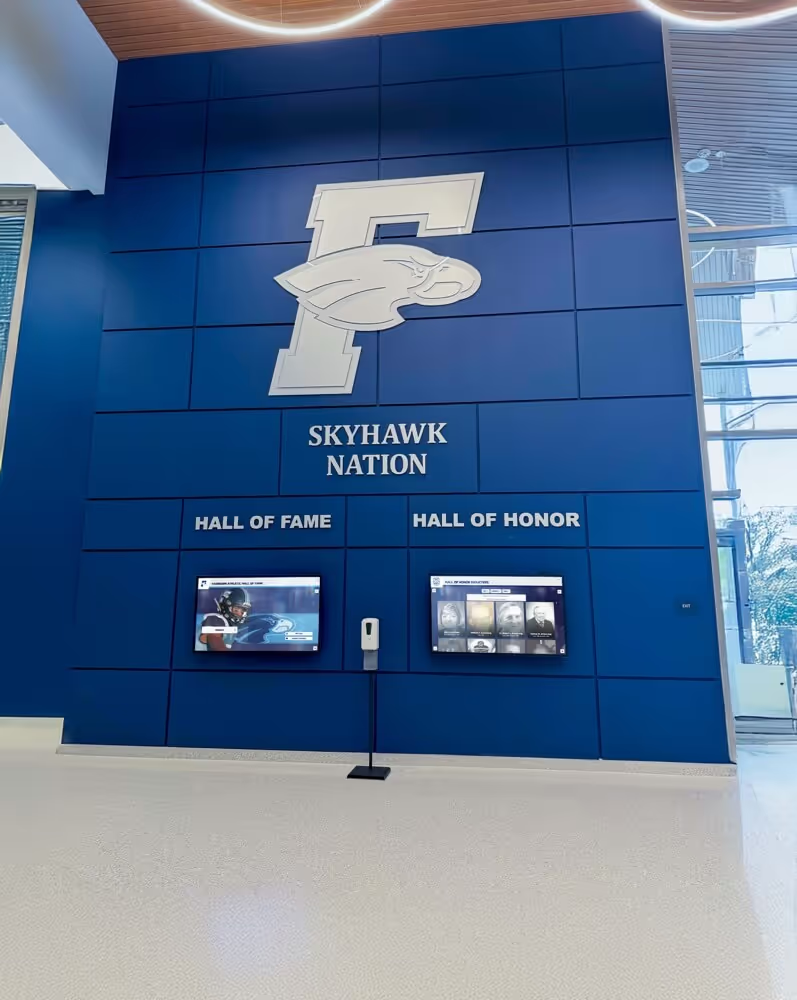
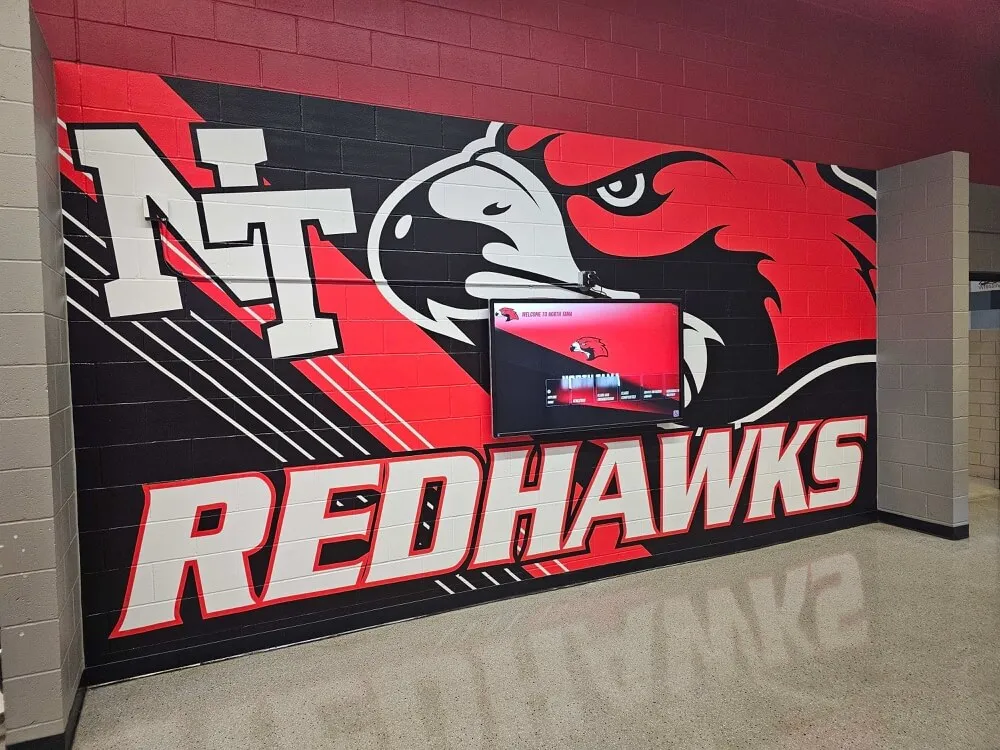
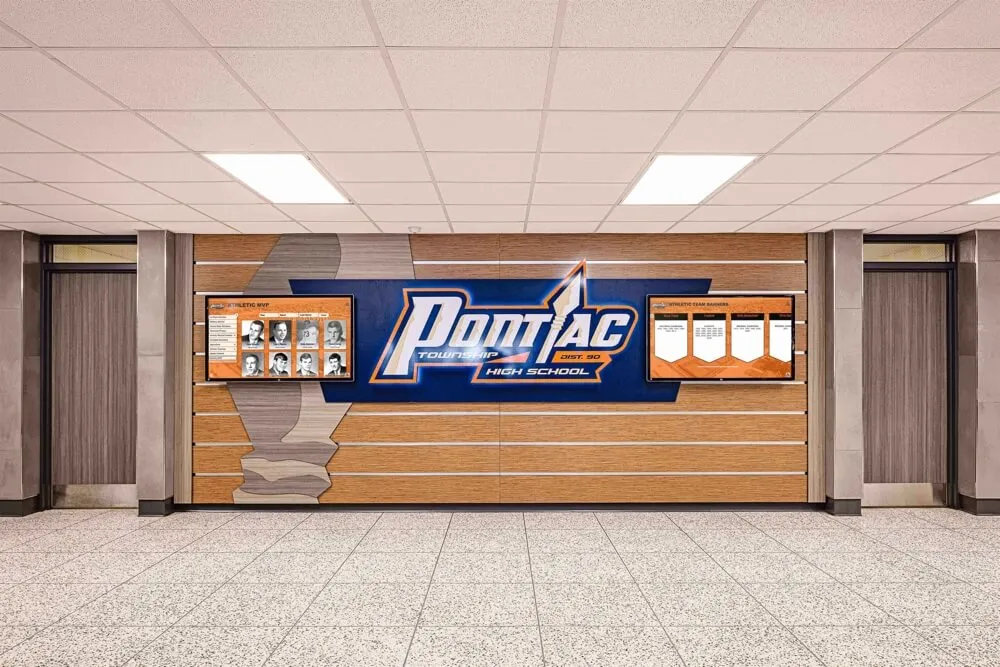
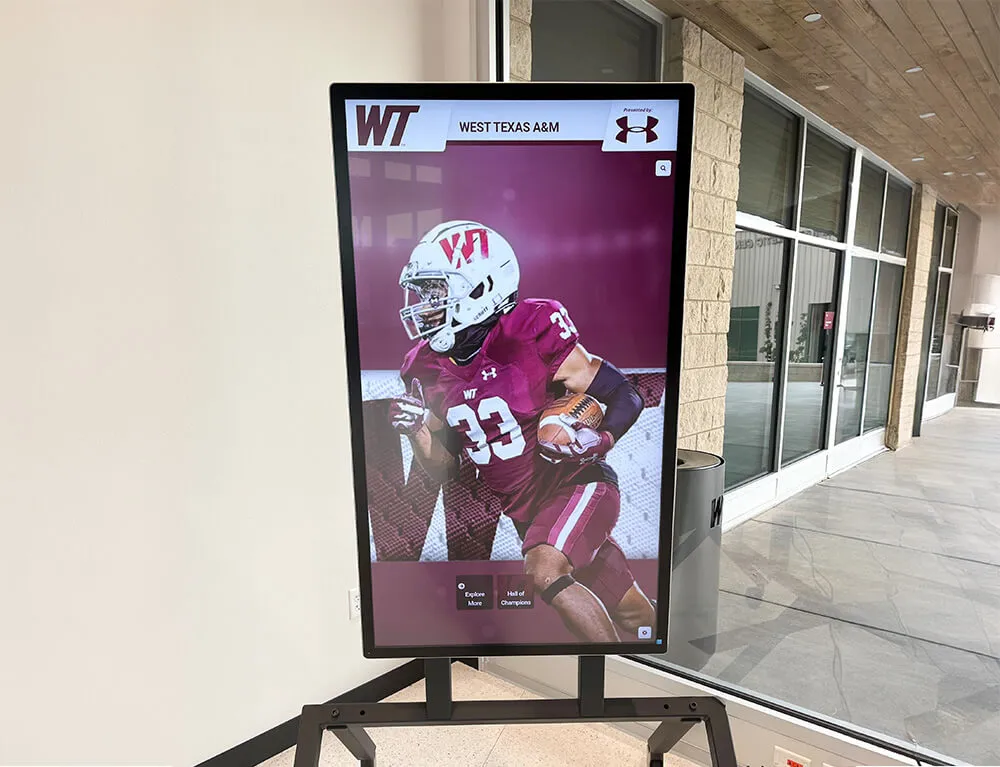
Athletic recognition displays celebrate fall sports achievements while building year-round visibility for diverse athletic accomplishments across all seasons
November: Gratitude and Service Recognition
November’s themes around gratitude create natural recognition opportunities:
American Education Week (Week Before Thanksgiving) This week-long celebration honors public education and education professionals. Daily themes might include student appreciation days recognizing learner effort, educator recognition celebrating teacher and staff contributions, parent and family engagement days highlighting family support, community partnership recognition acknowledging community education investments, and volunteer appreciation honoring those who support schools.
Many schools coordinate special events throughout this week, including open classroom observations for families, staff appreciation breakfasts or luncheons, student performances showcasing learning, and recognition assemblies celebrating school community members.
National School Psychology Week (Second Week of November) School psychologists, counselors, and mental health professionals provide critical student support services deserving recognition. Schools celebrate through awareness campaigns highlighting counseling services available, student testimonials (with appropriate consent) sharing support impact, recognition events acknowledging counselor contributions, and professional development spotlighting mental health importance in educational settings.
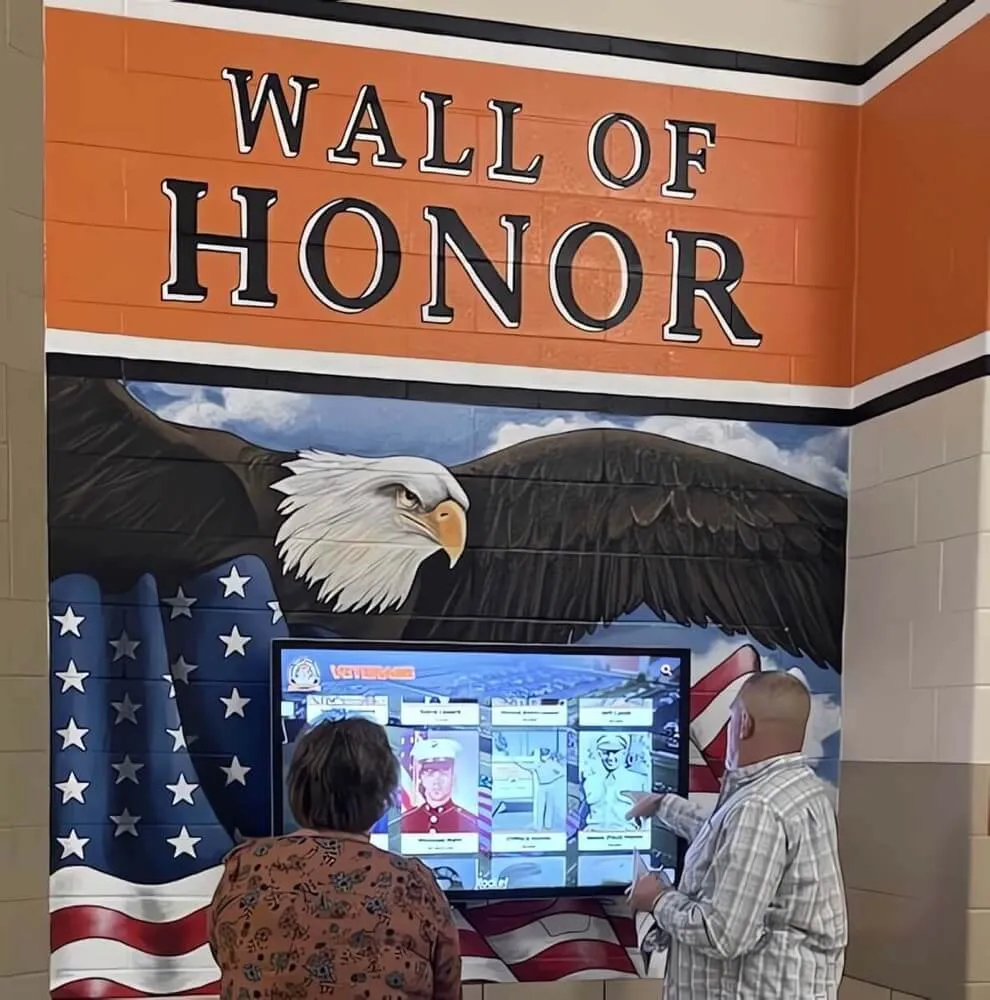
Veteran’s Day Recognition (November 11) Honoring military veterans within school communities—students with family members serving, veteran staff, and community veterans—creates meaningful patriotic education opportunities. Recognition approaches include veteran breakfast events inviting community veterans to campus, student projects researching and presenting veteran stories, memorial displays honoring fallen service members, and assemblies featuring veteran speakers sharing military service experiences.
Digital recognition platforms enable schools to maintain year-round veteran recognition rather than limiting acknowledgment to single November days, similar to comprehensive approaches schools use for employee recognition programs across various achievement dimensions.
Winter Break Through Spring: Mid-Year Recognition Events
January through March includes critical mid-year recognition opportunities often overshadowed by testing preparation and winter weather challenges.
December-January: Semester Transitions and Academic Milestones
Semester transitions create natural moments for academic recognition:
First Semester Honor Roll Recognition End of first semester provides the year’s first comprehensive academic recognition opportunity. Traditional approaches include honor roll certificates distributed during homeroom or advisory, recognition assemblies celebrating academic achievement, honor roll displays in school hallways or lobbies, and parent notification letters acknowledging student success.
However, many schools find that brief certificate distribution or single assembly recognition fails to create sustained visibility for academic excellence. Progressive schools implement continuous academic recognition through digital displays showcasing honor roll students throughout semesters, web-accessible platforms where families can explore academic achievement, social media campaigns celebrating academic excellence, and integration with school newsletters and communications.
Schools seeking comprehensive academic recognition systems often reference frameworks similar to those used for academic student of the month programs that maintain year-round achievement visibility.
New Year Goal Setting and Growth Mindset Celebrations January presents opportunities for celebrating growth mindsets and goal-setting behaviors rather than just absolute achievement. Student goal-sharing assemblies or displays, teacher-facilitated reflection activities reviewing fall semester and setting spring goals, recognition of improvement and growth trajectories beyond just highest achievers, and character education focusing on persistence and effort all reinforce values supporting long-term student development.
Martin Luther King Jr. Day (Third Monday in January) This federal holiday provides critical opportunities for civil rights education and character development. Schools commemorate through service learning projects aligned with Dr. King’s legacy, student presentations researching civil rights history, community partnership events with local civil rights organizations, and character education highlighting leadership, justice, and peaceful advocacy.
Meaningful MLK Day observance extends beyond single days, integrating civil rights education throughout January and connecting historical lessons to contemporary equity and justice conversations.
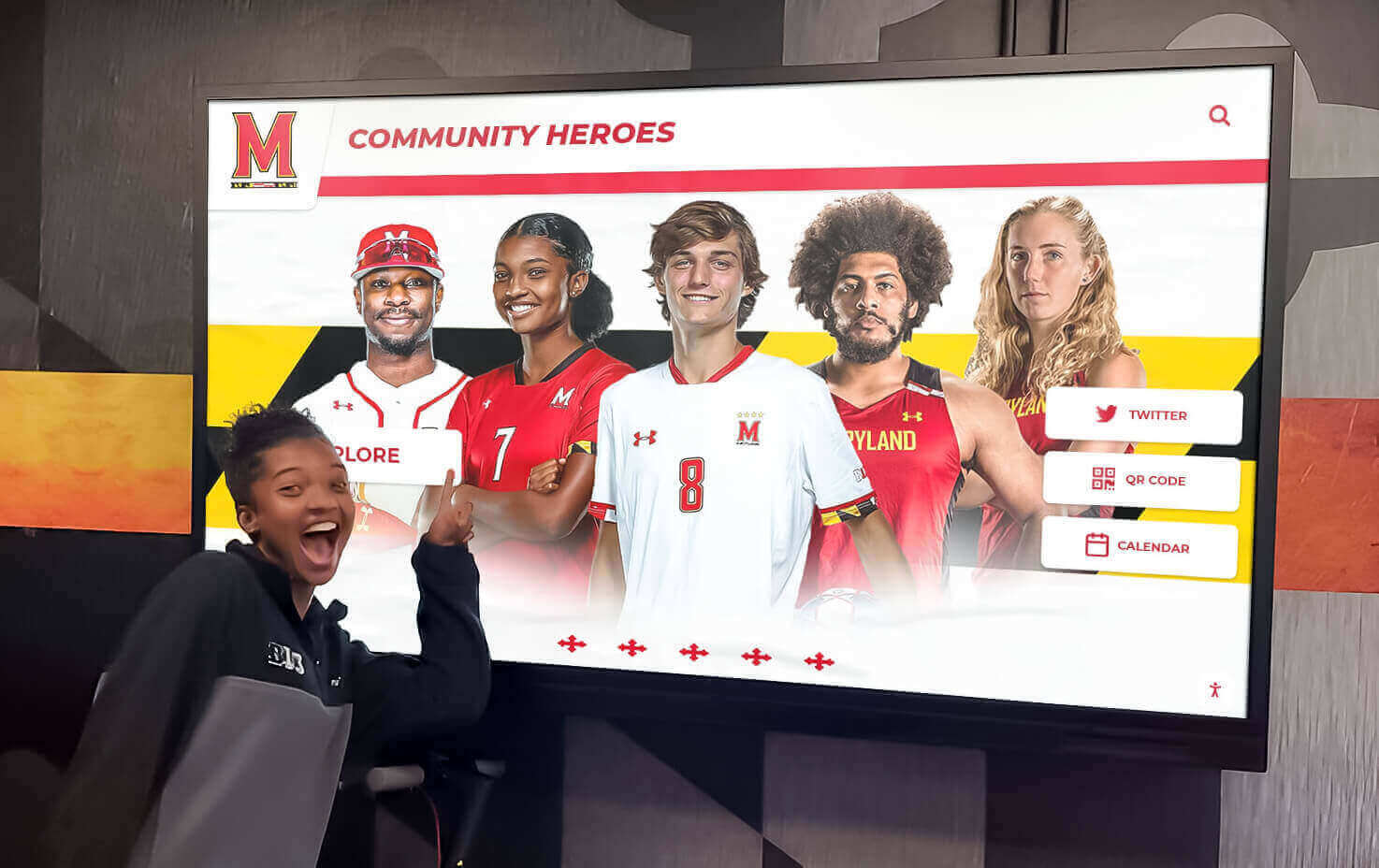
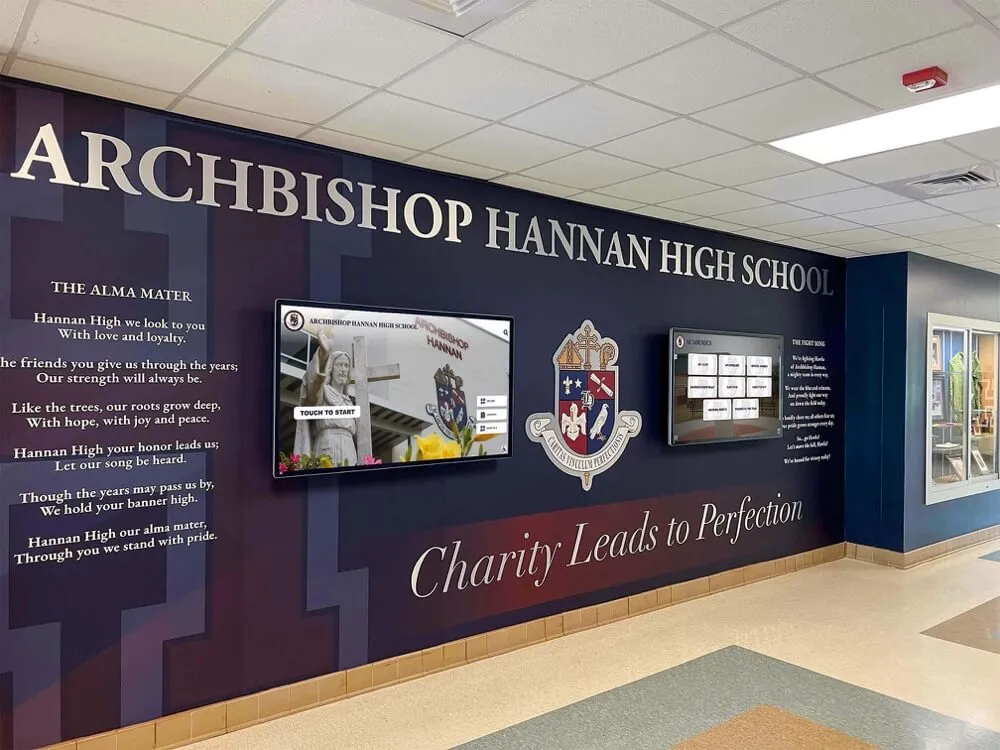
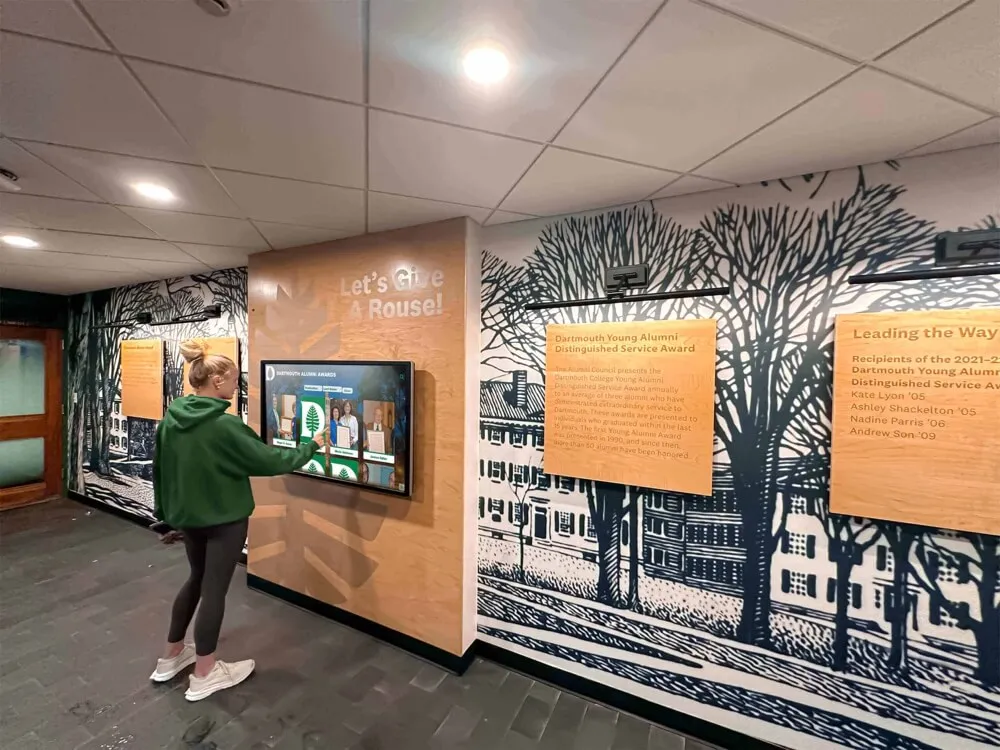
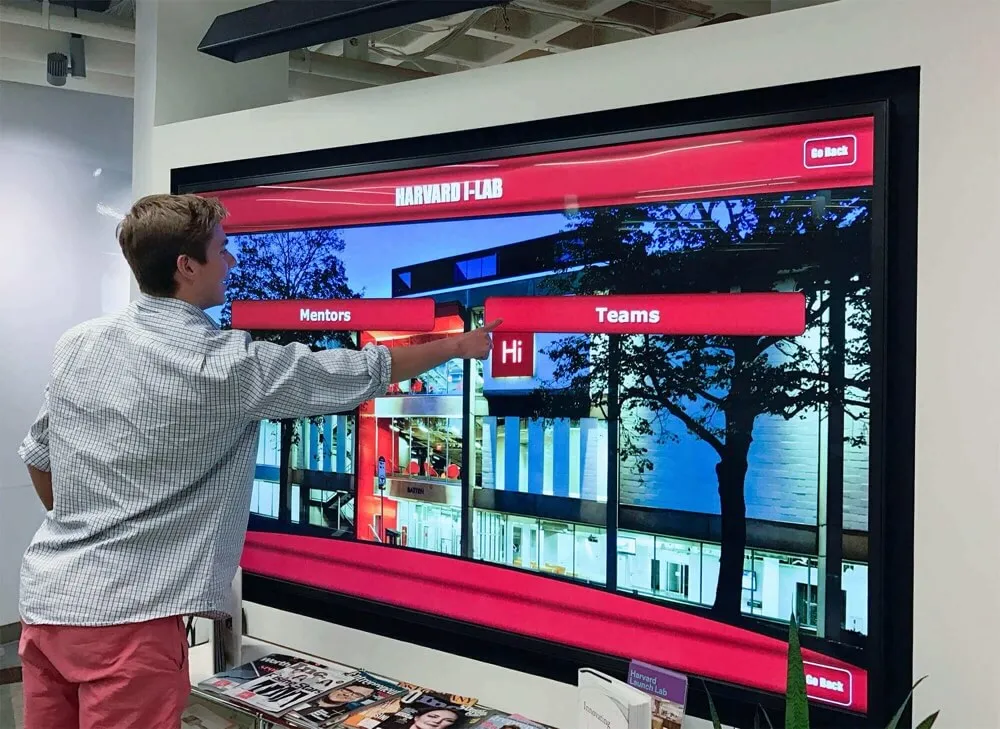
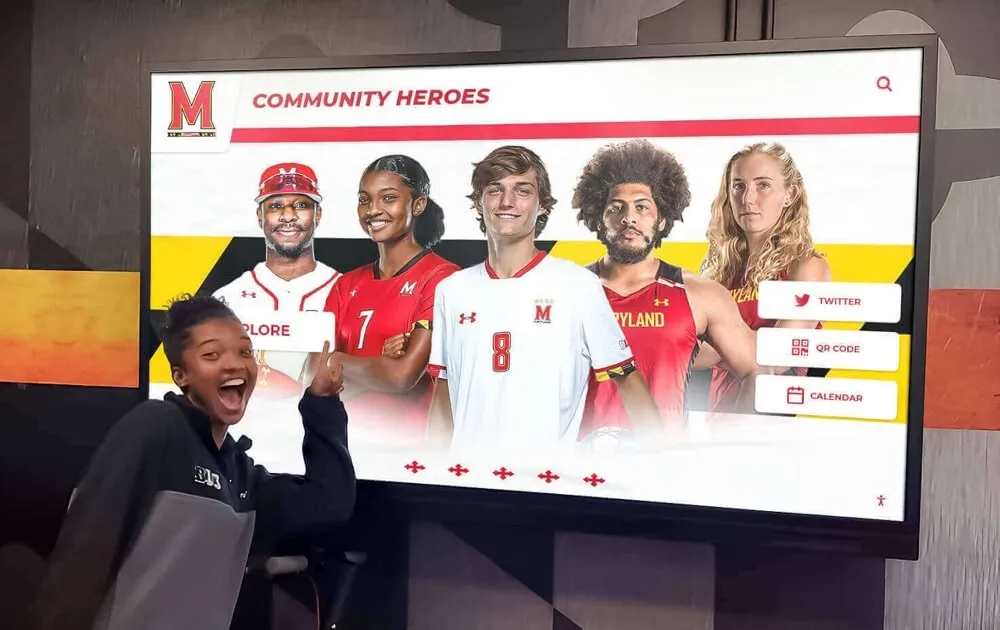
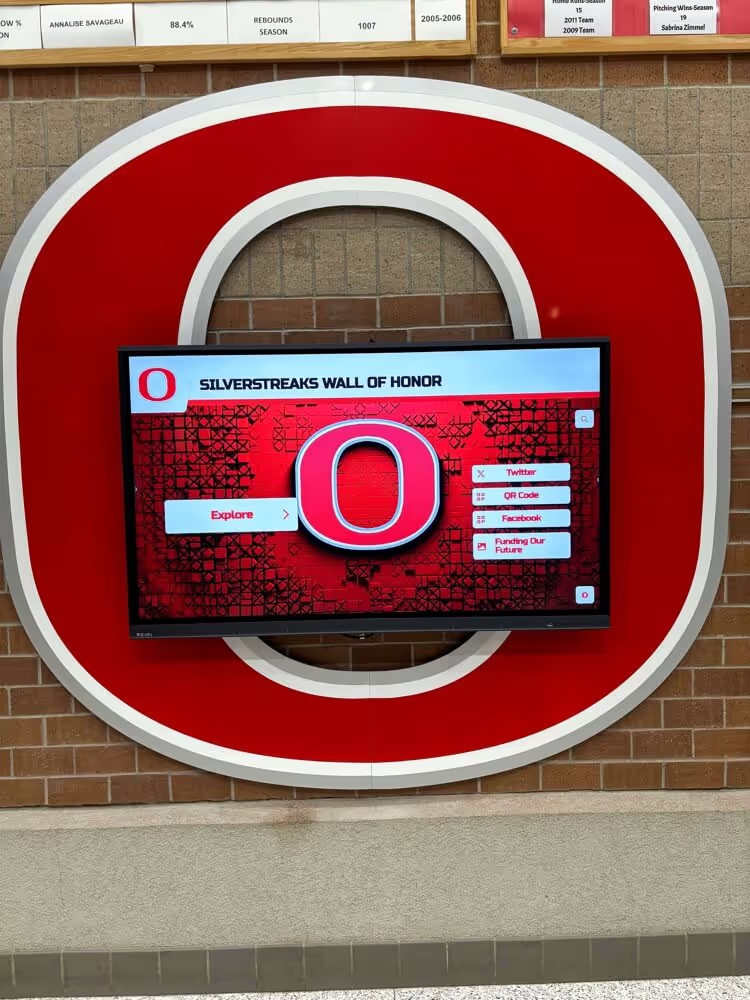
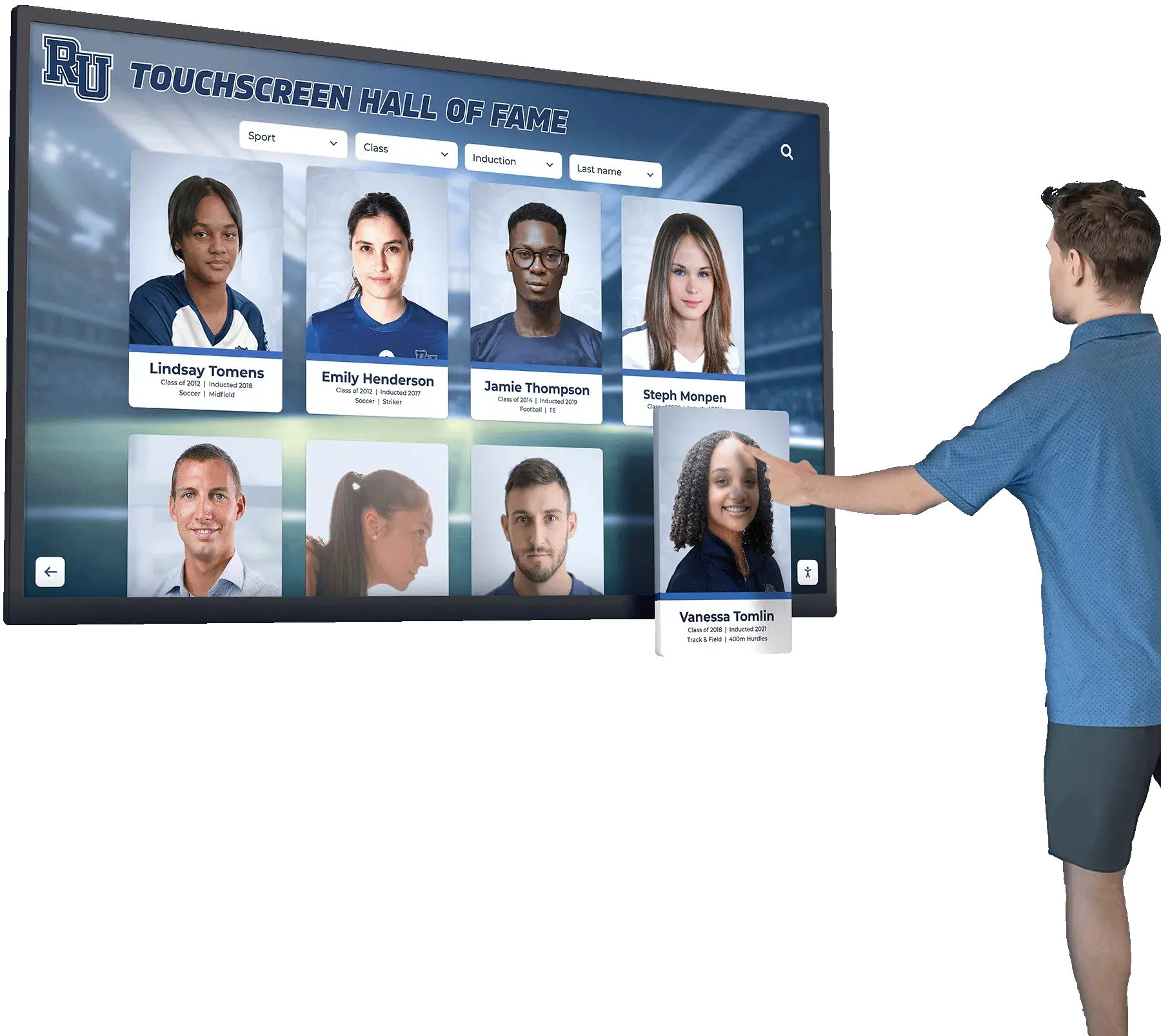
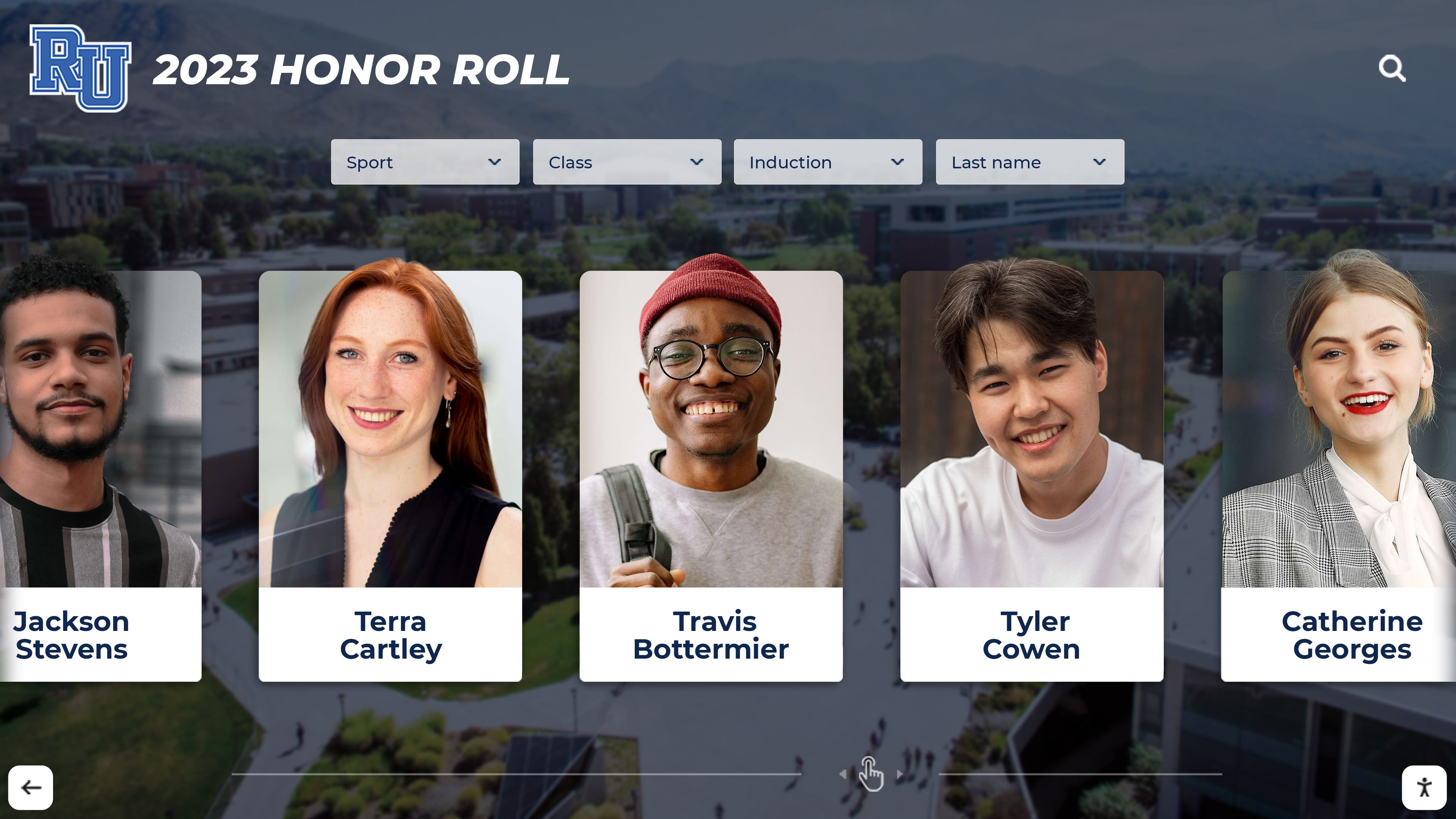
Interactive recognition displays transform passive observation into engaging exploration, enabling students to discover achievement stories and connect with school heritage
February-March: Winter Sports and Academic Competitions
Late winter months feature concentrated athletic and academic competition schedules creating recognition opportunities:
National School Counseling Week (First Full Week in February) School counselors play essential roles in academic advising, college and career preparation, social-emotional support, and crisis intervention. Recognition approaches include student testimonials and appreciation messages, counselor-led presentations on available support services, administrative recognition through special events or acknowledgments, and parent communication campaigns highlighting counseling program value.
Black History Month (February) This month-long observance celebrates African American history, culture, and contributions. Comprehensive celebration includes student research projects on Black historical figures and contemporary leaders, cultural performances featuring African American arts and music traditions, community partnerships bringing Black community leaders to campus, and recognition of Black students, families, and staff contributions to school communities.
Effective Black History Month programming integrates celebration throughout February rather than limiting recognition to single assemblies, creating sustained learning and recognition opportunities.
Read Across America Day (March 2 - Dr. Seuss’s Birthday) Particularly important in elementary schools, this literacy celebration encourages reading enthusiasm and recognizes reading achievement. Guest readers from the community visiting classrooms, reading challenges and competitions, book character dress-up days, library displays featuring diverse literature, and reading achievement recognition all support literacy celebration.
Women’s History Month (March) Recognizing women’s contributions to history, science, arts, and culture throughout March creates opportunities for gender equity education and women leader recognition. Schools celebrate through student research presentations on influential women, women professional panels bringing successful women to share career journeys, recognition of women staff members and their achievements, and STEM programs specifically highlighting women in science and technology.
Winter Sports Recognition and Banquets As winter athletic seasons conclude, comprehensive recognition becomes critical. Schools implement championship celebration assemblies for state or conference tournament teams, all-sports recognition events celebrating all winter sport participants, senior athlete recognition honoring graduating athletes, and awards banquets distributing individual achievement recognition.
Athletic programs seeking comprehensive recognition frameworks often reference resources like athletic banquet planning guides that balance traditional celebration with permanent achievement preservation.
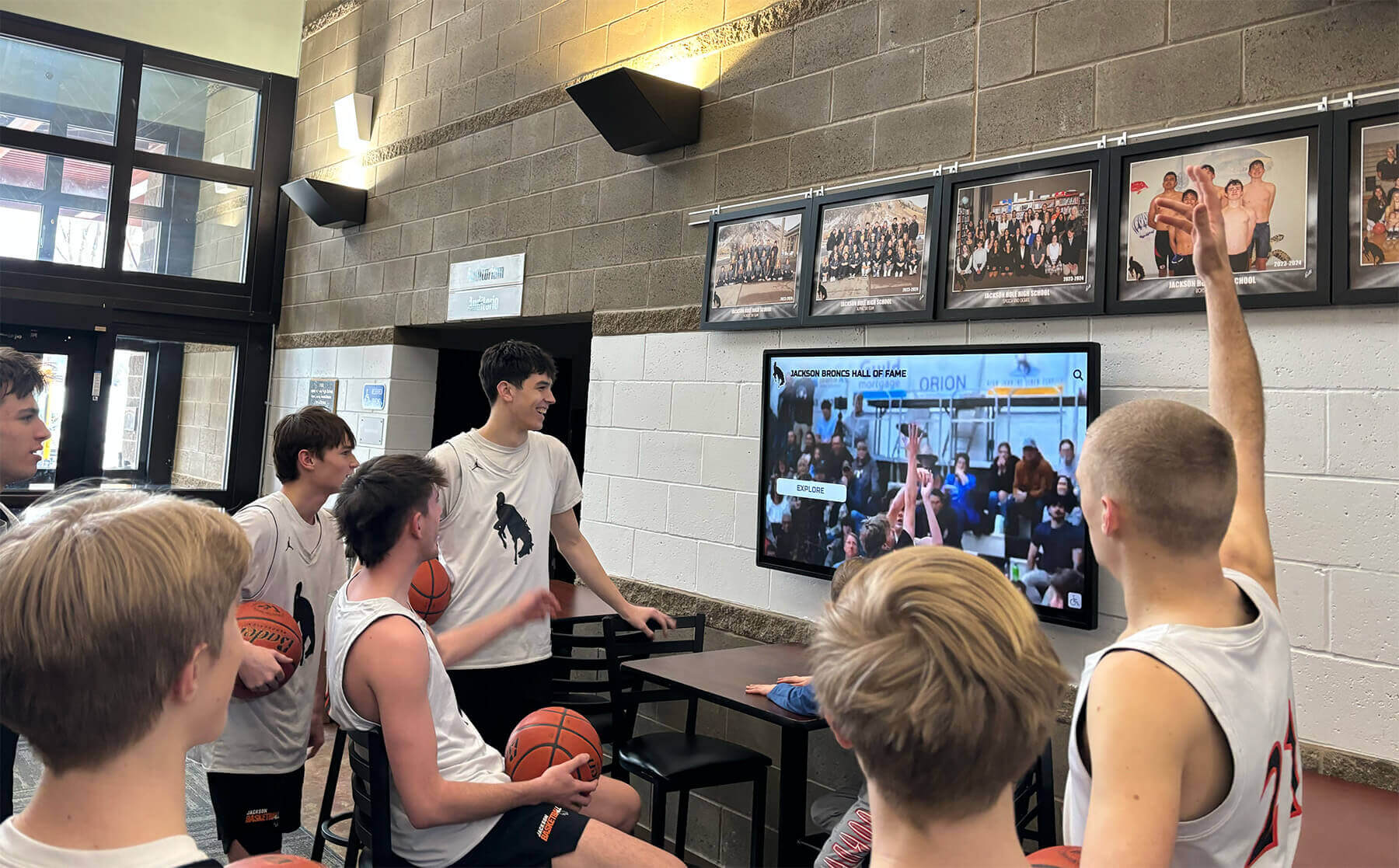
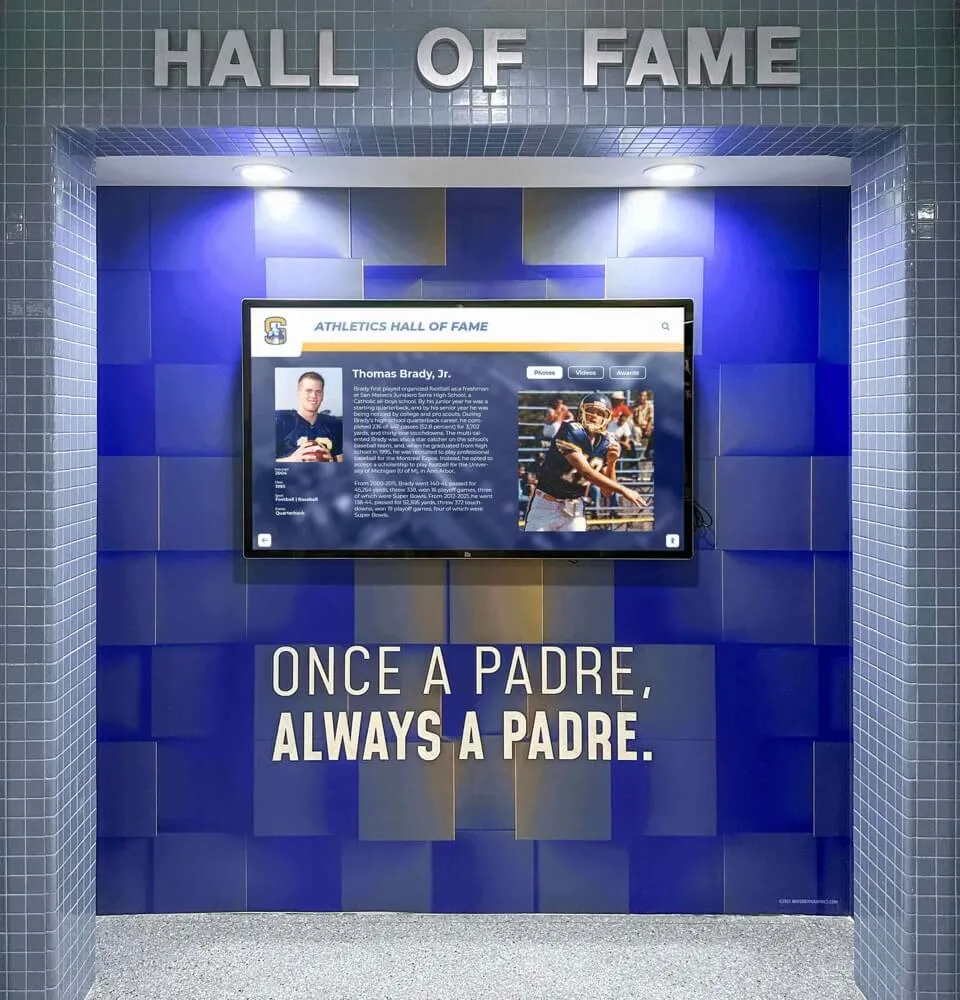
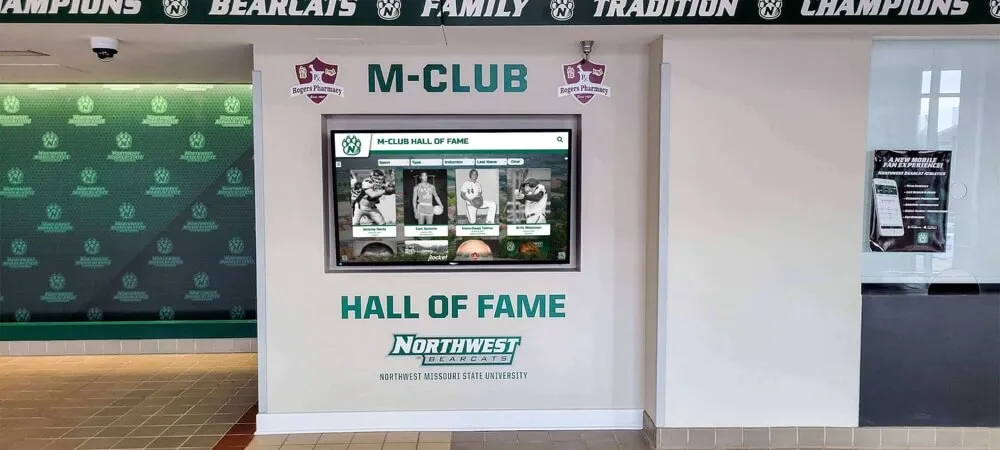
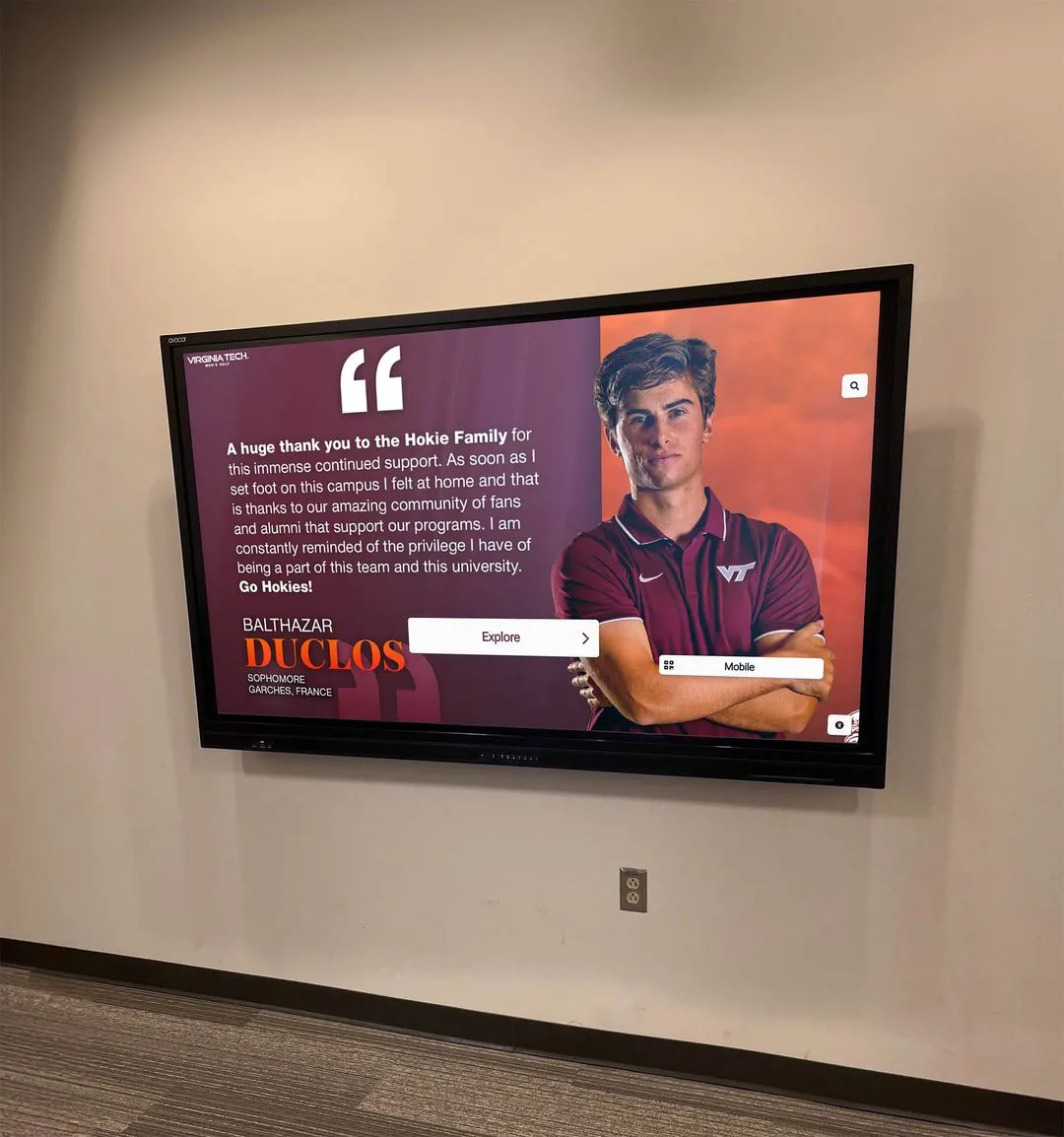
Digital displays enable continuous celebration of athletic achievements through highlight videos, game statistics, and player profiles accessible throughout school years
Spring Semester: Recognition Intensification and Year-End Celebrations
Spring months feature concentrated recognition opportunities as academic years approach conclusions and achievement patterns solidify.
April: Testing, Arts, and Staff Recognition
April balances standardized testing stress with important recognition opportunities:
National Student Athlete Day (April 6) This day recognizes student-athletes balancing academic and athletic commitments. Recognition approaches include assembly acknowledgments of student-athlete achievement, academic all-conference or all-state athlete recognition, displays highlighting student-athlete success stories, and social media campaigns celebrating athletic and academic excellence combination.
Schools can extend recognition beyond single days through comprehensive platforms showcasing student-athlete achievement year-round, similar to how many programs highlight academic achievement across diverse categories.
School Library Month (April) Celebrating libraries and media specialists who support research, literacy, and information access includes student appreciation activities and displays, librarian-led special programs or presentations, reading challenges and recognition events, and community engagement highlighting school library resources and programs.
National Administrative Professionals Day (Last Wednesday in April) School secretaries, administrative assistants, and office staff keep schools functioning smoothly and deserve dedicated recognition. Student-created appreciation cards and presentations, staff-coordinated appreciation events or luncheons, administrative acknowledgment through special recognition or gifts, and parent and community thank you campaigns all demonstrate appreciation for essential administrative support.
Spring Arts Celebrations Many schools concentrate arts performances and exhibitions in April and May as students complete year-long projects. Spring concerts featuring band, choir, and orchestra performances, art exhibitions showcasing visual arts student work, theater productions highlighting drama program achievements, and dance recitals celebrating movement arts all provide recognition opportunities for arts students often overshadowed by athletic and academic recognition.
May: Teacher Appreciation and Spring Sports Recognition
May contains some of the year’s most significant recognition opportunities:
Teacher Appreciation Week (First Full Week of May) Perhaps the most universally recognized education celebration week provides concentrated opportunities for honoring educators. Effective appreciation includes daily themed recognition with student-led activities, parent-coordinated appreciation luncheons or breakfast events, administrative recognition through special acknowledgments or gifts, community partnership support with local businesses contributing, and permanent recognition displays celebrating teaching excellence.
Schools planning comprehensive teacher appreciation often reference detailed resources like Teacher Appreciation Week planning guides that provide week-long activity calendars and recognition strategies extending beyond brief acknowledgment.
National School Nurse Day (Wednesday of Teacher Appreciation Week) School nurses provide critical health services, medication management, and student wellness support deserving dedicated recognition beyond general staff appreciation. Student thank you messages and appreciation displays, administrative recognition events or acknowledgments, parent communication campaigns highlighting nurse contributions, and social media spotlights celebrating nursing program impact all acknowledge essential health services.
Asian American and Pacific Islander Heritage Month (May) This month-long celebration recognizes Asian American and Pacific Islander contributions to American culture and history through cultural performances and presentations, student research projects on AAPI historical figures and contemporary leaders, community partnerships with AAPI organizations, and recognition of AAPI students, families, and staff.
Memorial Day Recognition (Last Monday in May) Honoring fallen military service members creates patriotic education opportunities through memorial assemblies featuring veteran speakers, student projects researching local fallen heroes, community partnership events with veteran organizations, and memorial displays in school entrances or common areas.
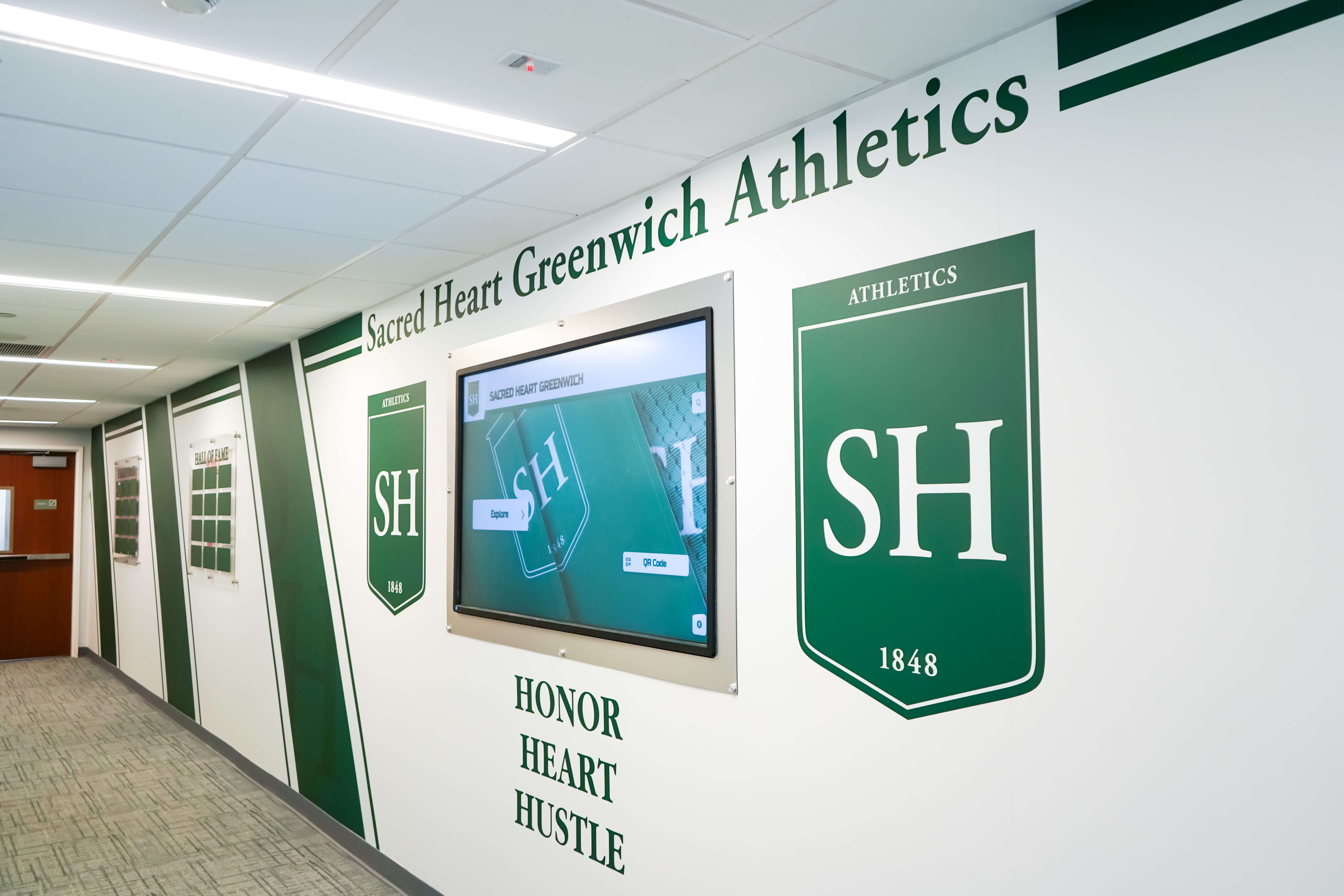
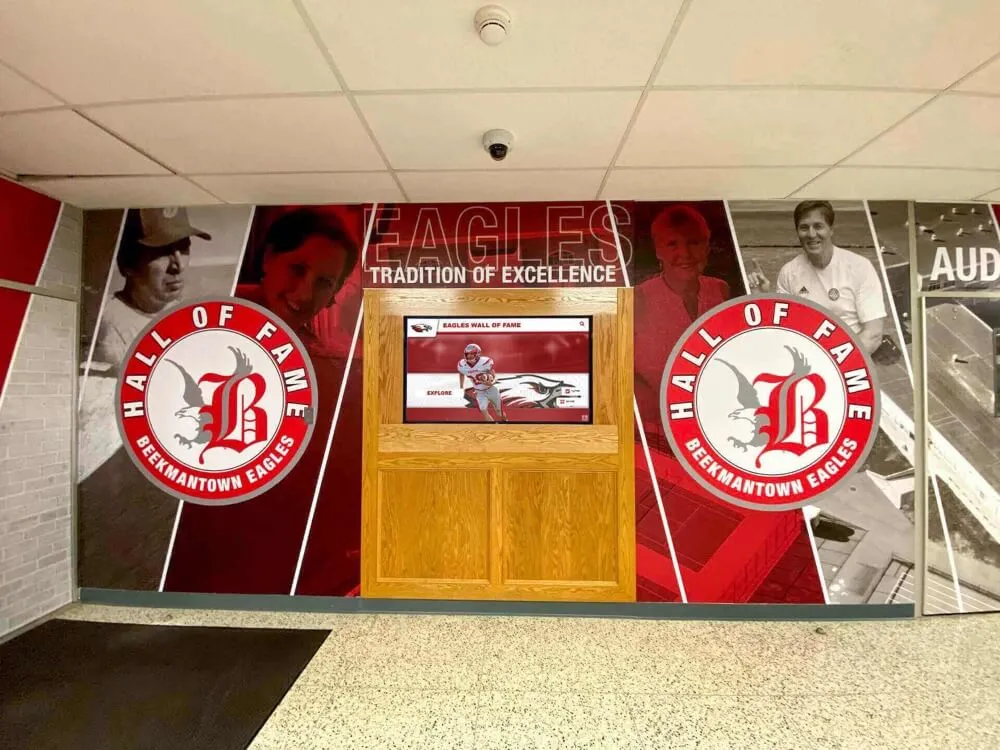
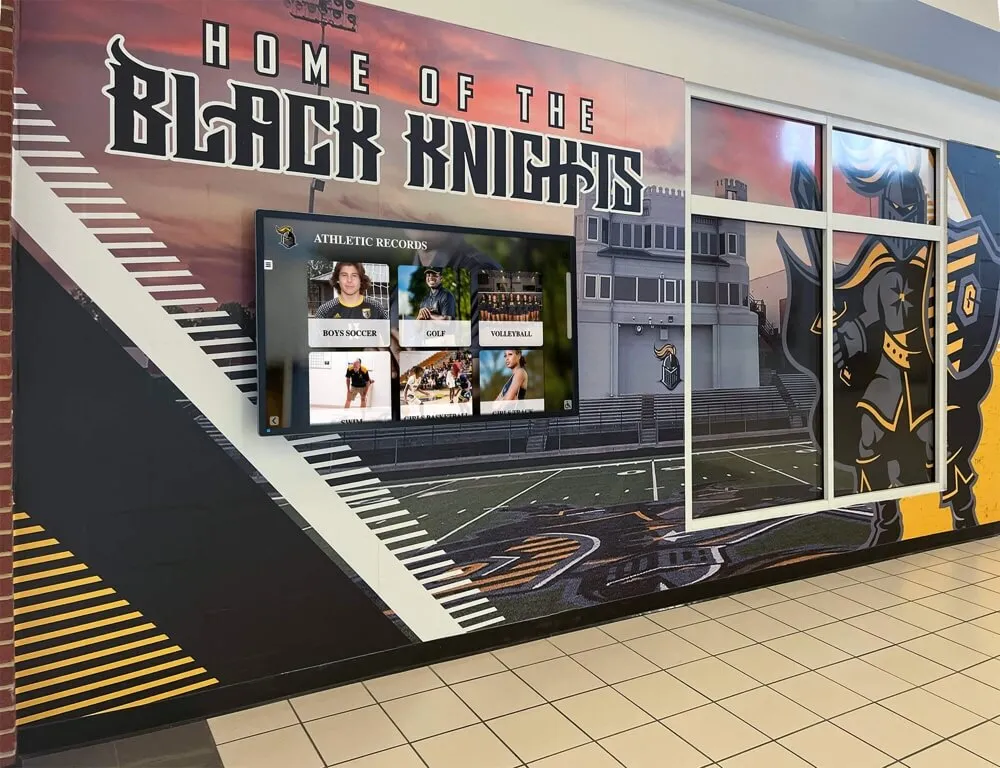
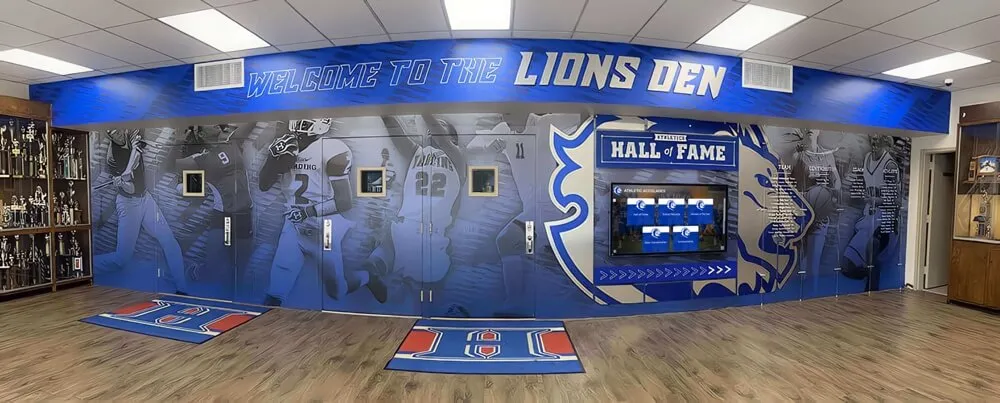
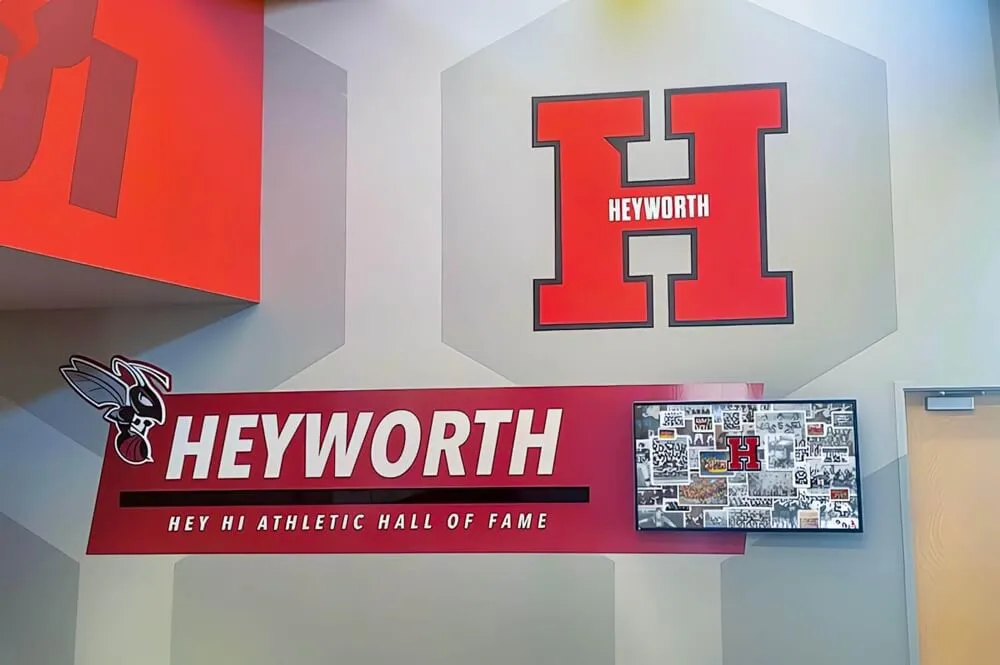
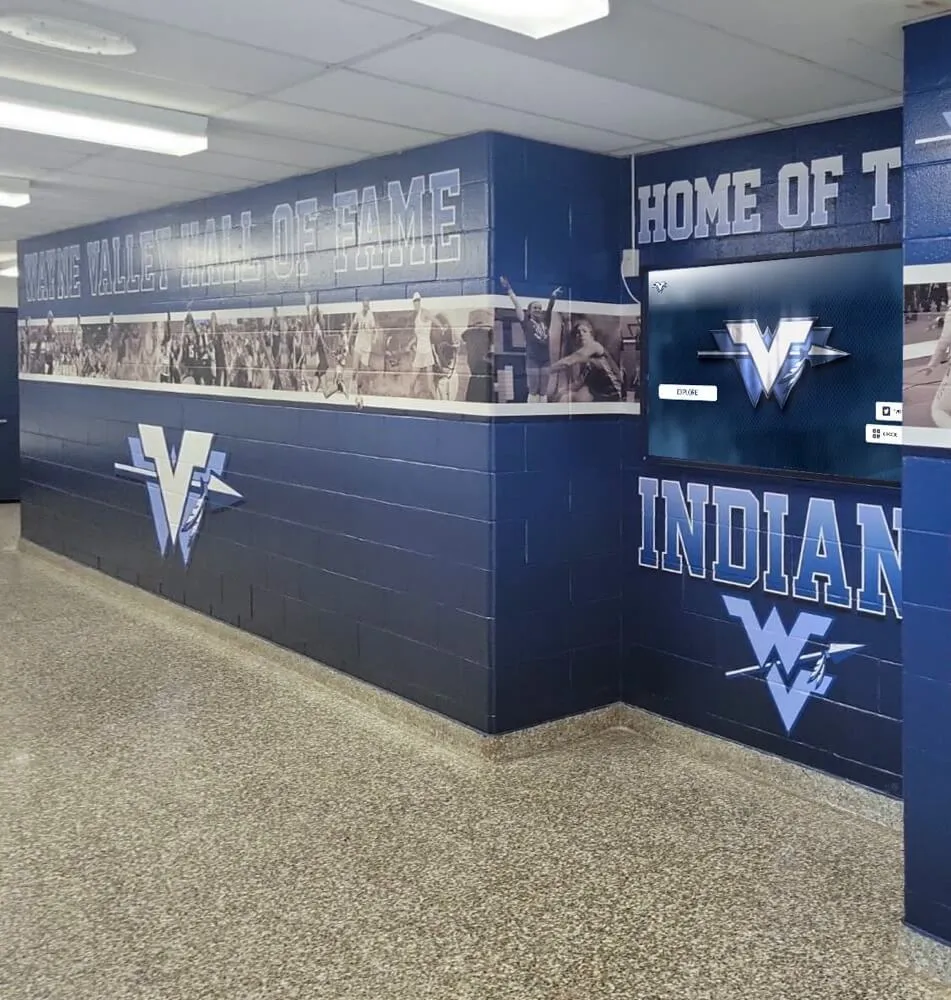
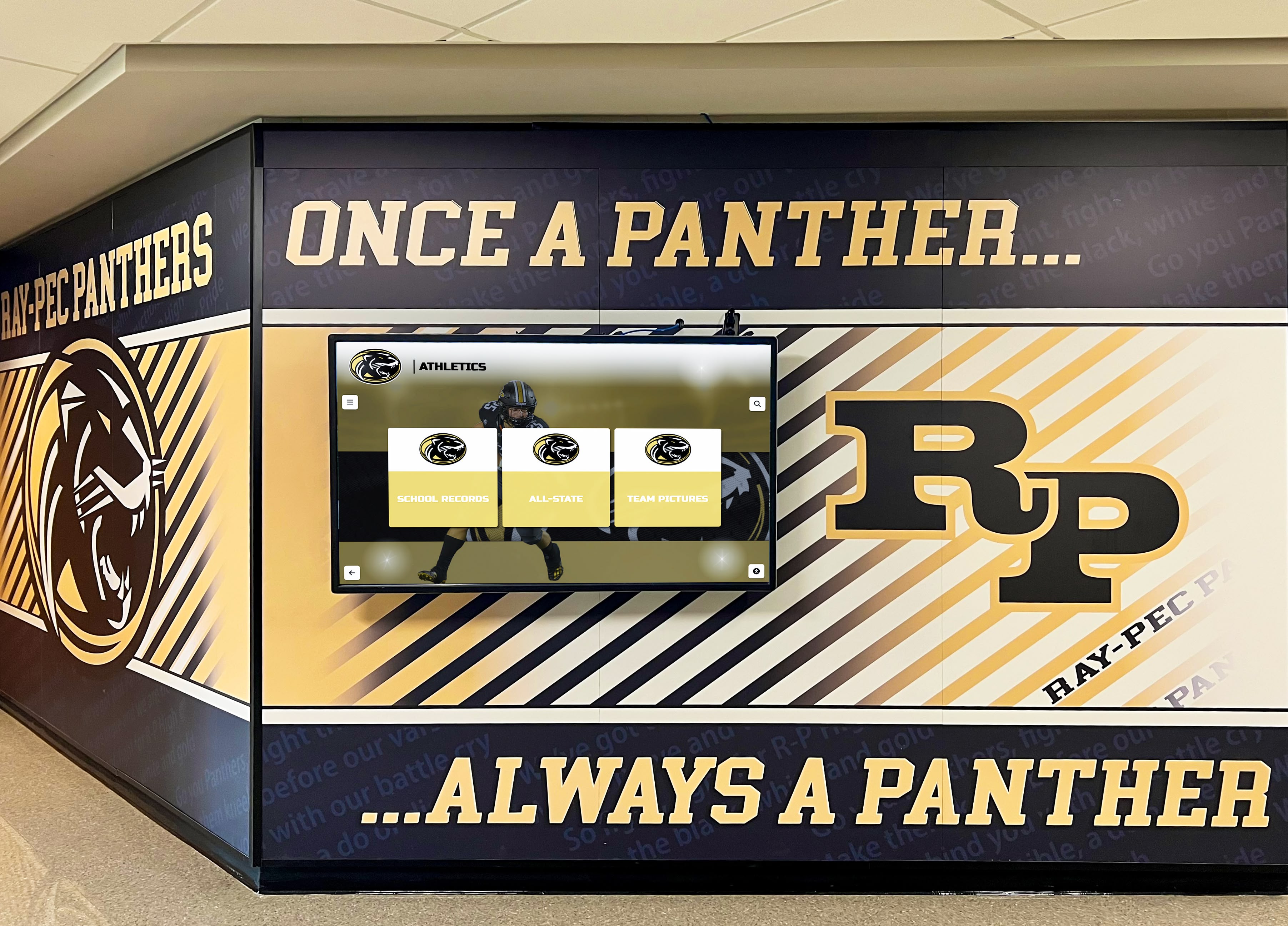
Hallway recognition displays create daily visibility for achievements across athletics, academics, and activities, building school pride through comprehensive celebration
Spring Sports Recognition and Banquets As spring athletic seasons conclude, schools implement recognition paralleling winter and fall sports celebrations through championship assembly programs, senior athlete recognition events, all-sports banquets celebrating entire athletic programs, and individual sport-specific recognition programs.
June: Year-End Recognition and Graduation Celebrations
Academic year conclusions create concentrated, high-stakes recognition opportunities:
Academic Awards Ceremonies End-of-year academic recognition represents schools’ most comprehensive achievement celebration, typically including subject-area excellence awards recognizing top students in specific disciplines, department-specific recognition like science fair winners or math competition participants, grade-level academic achievement awards, scholar-athlete recognition combining academic and athletic excellence, and character and citizenship awards acknowledging students beyond academic metrics.
Schools planning comprehensive year-end recognition ceremonies benefit from frameworks addressing common challenges like ceremony length management, equitable recognition across achievement types, family engagement and attendance, and permanent preservation of award recipient information. Resources similar to awards ceremony planning guides help schools create meaningful events balancing comprehensive recognition with sustained engagement.
Perfect Attendance Recognition While debated by some educators concerned about encouraging sick student attendance, perfect attendance recognition remains common in many schools. Recognition approaches include certificates or awards acknowledging attendance achievement, assembly recognition celebrating dedication, incentive programs providing rewards for attendance milestones, and classroom-level acknowledgment of attendance patterns.
Progressive attendance recognition focuses on improvement and consistency rather than absolute perfection, avoiding inadvertent punishment of students with legitimate illness or health conditions preventing perfect records.
Service Learning and Community Service Recognition Acknowledging students completing significant community service hours or service learning projects includes service hour recognition certificates or awards, highlight presentations where students share service experiences, partnership acknowledgment with community organizations benefiting from service, and displays showcasing service project impacts and outcomes.
Many schools establish service hour requirements for graduation or honor society membership, making year-end recognition critical for documenting achievement.
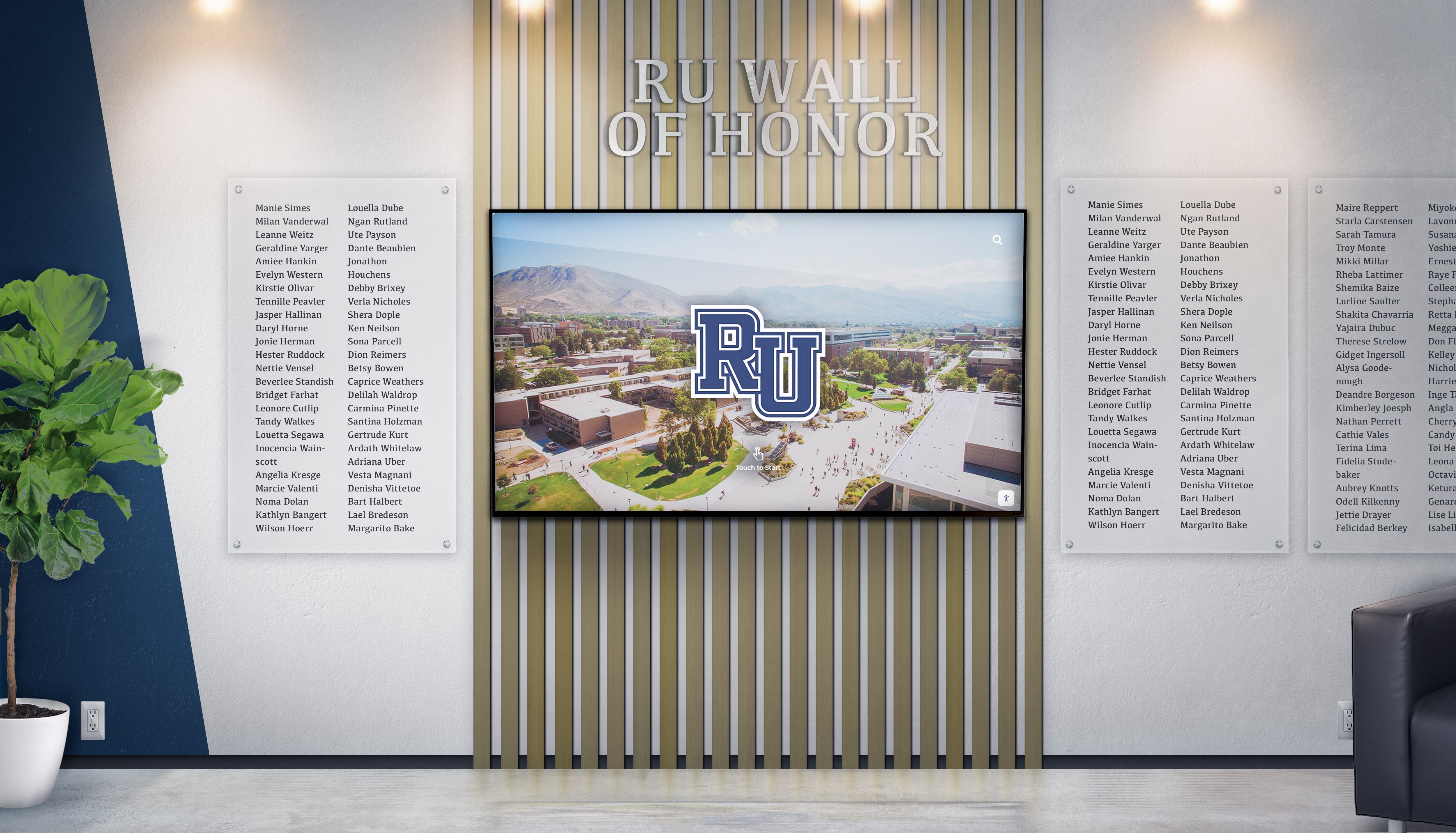
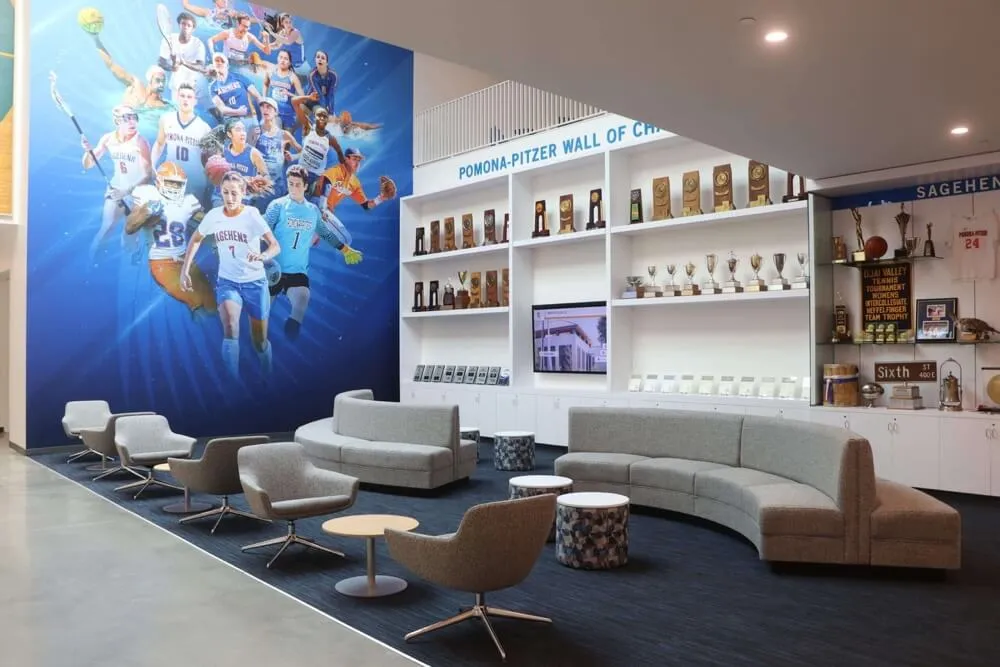
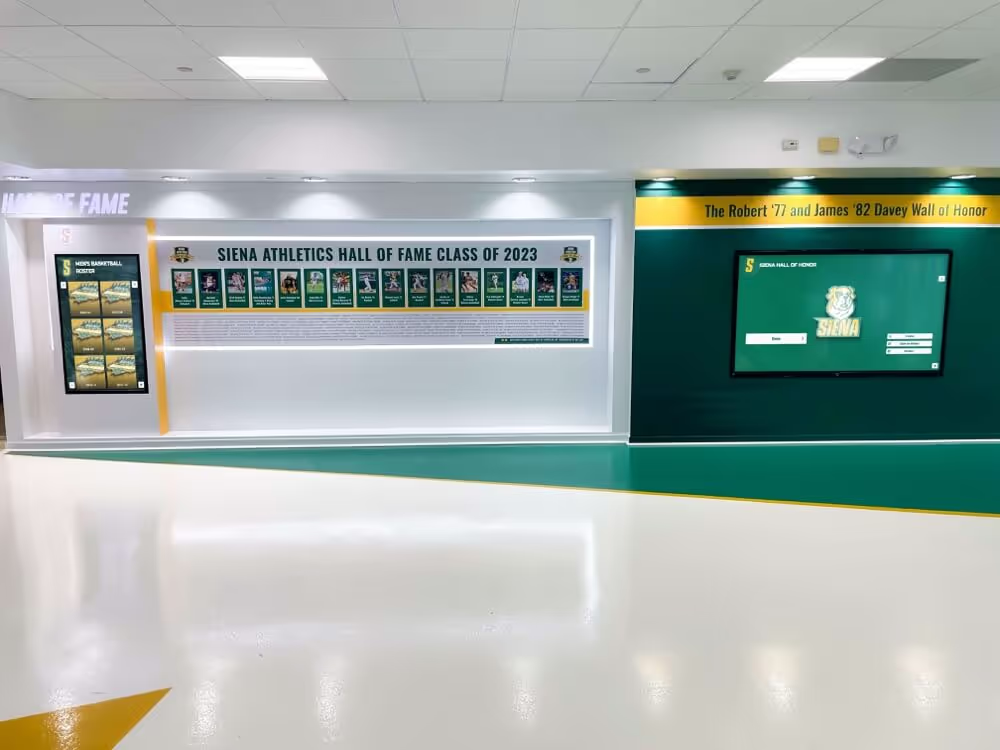
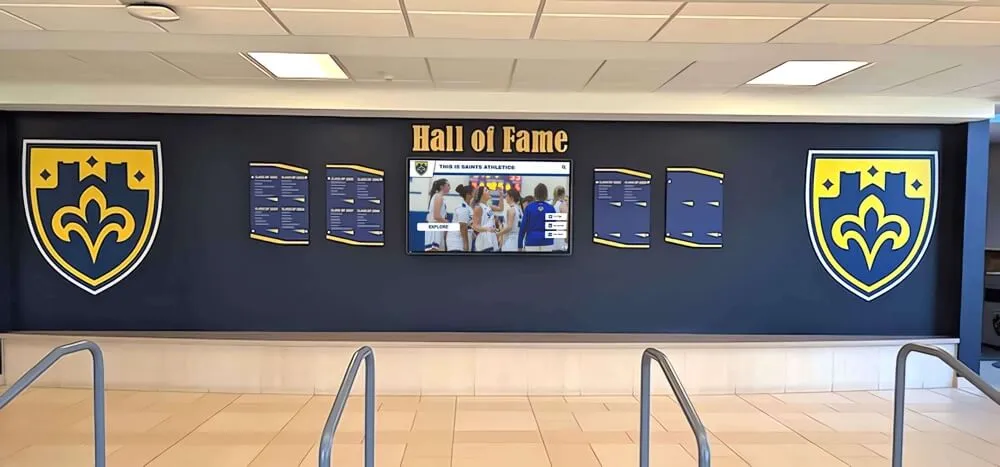
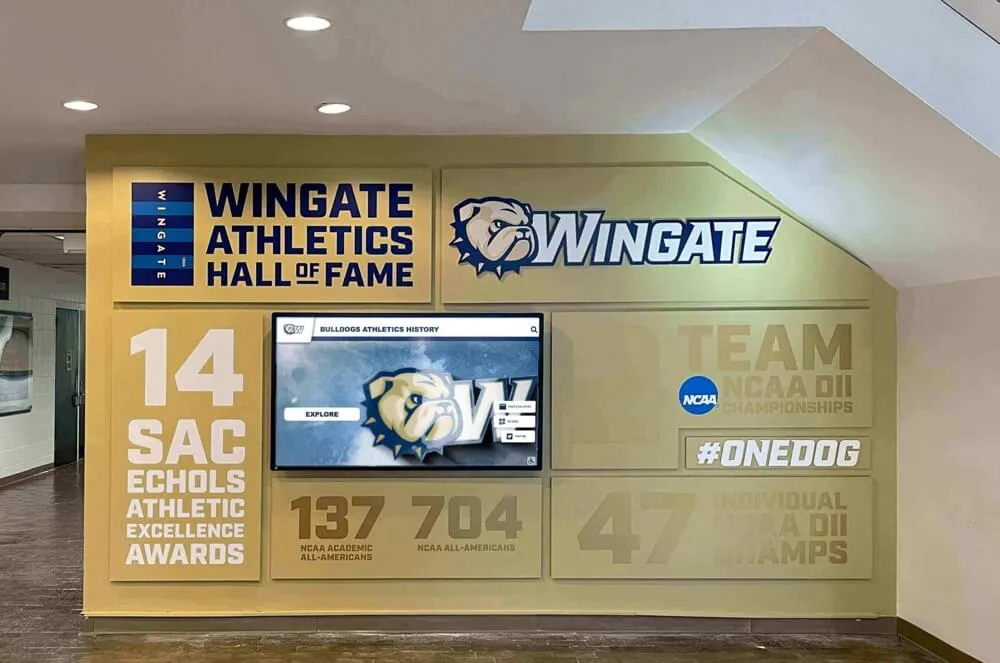
Comprehensive recognition walls combining physical elements with digital platforms enable unlimited celebration capacity while maintaining aesthetic appeal and engagement
Graduation Ceremonies and Senior Recognition High school and middle school promotion ceremonies represent pinnacle year-end celebrations including commencement ceremonies with speaker presentations and diploma distribution, honors recognition for valedictorians, salutatorians, and Latin honors, scholarship award announcements celebrating college-bound students, and senior tribute videos or slideshows documenting class experiences and achievements.
Elementary schools often hold fifth-grade or sixth-grade promotion ceremonies marking transitions to middle school with similar recognition structures adapted to younger student developmental levels.
School-Specific Celebration Days and Traditions
Beyond national observance days, school-specific traditions create unique recognition opportunities building institutional identity.
Homecoming and Spirit Week Celebrations
Most secondary schools celebrate homecoming weeks featuring spirit days with themed dress-up days building school pride, pep rallies energizing students before athletic events, homecoming court recognition celebrating student leaders, alumni return events connecting past and present students, and athletic event celebrations typically centered around football games.
Effective homecoming celebrations balance tradition preservation with inclusive evolution ensuring all students see participation pathways regardless of athletic involvement or popularity.
Founder’s Day and School Anniversary Celebrations
Schools with significant institutional histories often celebrate founding anniversaries through historical presentations documenting school evolution, alumni speaker programs bringing distinguished graduates back, time capsule activities connecting current students with school history, community partnership events celebrating school’s community impact, and permanent displays documenting school heritage and traditions.
These celebrations strengthen institutional identity while educating current students about school history and traditions they’re joining.
Academic Competition and Achievement Recognition
Throughout school years, students compete in various academic competitions deserving recognition including spelling bees and geography competitions, science fairs and engineering competitions, math competitions and academic bowl tournaments, debate and speech competitions, and music and arts competitions.
Schools can implement recognition approaches including assembly acknowledgments of competition participation and success, display boards featuring competition achievements and winners, social media campaigns celebrating academic competition excellence, and integration with comprehensive recognition platforms preserving achievement permanently.
College Signing Day Celebrations
High schools increasingly celebrate students committing to colleges and universities through signing day ceremonies modeled after athletic signing events, displays showcasing college destinations and student plans, social media campaigns highlighting college-bound students, and senior assembly programs where students share post-graduation plans.
These celebrations validate diverse post-secondary pathways including four-year universities, community colleges, technical schools, military service, and workforce entry.
Creating Year-Round Recognition Through Digital Display Systems
Traditional school celebration approaches face fundamental challenges limiting sustained impact and comprehensive coverage.
Limitations of Traditional Celebration Methods
Conventional recognition suffers from several constraints:
Temporal Limitations Assembly recognition provides brief acknowledgment—students walk across stages receiving certificates or awards before recognition disappears. Families unable to attend miss celebration moments entirely, and achievements receive no sustained visibility beyond single events. Within weeks, even students receiving recognition struggle to recall who else received awards or what achievements were celebrated.
Space and Capacity Constraints Physical recognition displays like trophy cases and bulletin boards fill completely after limited years, forcing schools to remove older achievements to accommodate recent recognition. This creates artificial scarcity where recognition capacity limits celebration rather than achievement deserving acknowledgment determining what receives visibility.
Accessibility and Engagement Barriers Traditional displays provide passive observation only—students walk past bulletin boards or trophy cases with minimal engagement. Families and community members rarely access physical displays limited to campus locations, and alumni have no mechanisms for exploring achievements from their school years or comparing their experiences with current students.
Equity and Inclusion Challenges Limited recognition capacity often results in achievement hierarchies where athletic championships receive prominent gymnasium banners while academic, arts, and character achievements receive lesser recognition in less visible locations. This unintentional prioritization communicates messages about which achievements matter most to school communities.
Digital Recognition Platform Benefits
Modern recognition technology solves traditional celebration limitations while expanding engagement:
Unlimited Recognition Capacity Digital platforms accommodate unlimited celebration content—schools can recognize every achievement across all dimensions without space constraints. Honor roll lists including every qualifying student, athletic teams preserving every roster across decades, arts performances documenting every participant, and community service recognition acknowledging every volunteer all become feasible when physical space limitations disappear.
This unlimited capacity enables genuinely comprehensive recognition where achievement determines celebration rather than artificial space constraints limiting acknowledgment.
Continuous Year-Round Visibility Rather than brief assembly moments, digital displays provide sustained recognition throughout school years. Honor roll students receive visibility throughout entire semesters rather than single announcement assemblies, athletic achievements remain visible beyond brief season conclusions, arts performances continue reaching audiences long after live events conclude, and graduating seniors receive year-long celebration rather than single commencement ceremonies.
Schools implementing comprehensive digital recognition systems report that continuous visibility creates stronger recognition impact than brief high-profile ceremony moments, as repeated exposure reinforces achievement celebration across school communities.
Interactive Engagement and Exploration Digital platforms transform passive display observation into active engagement. Interactive features enable students to search for specific individuals or achievements, filter recognition by sport, activity, achievement type, or time period, explore detailed profiles including statistics, photos, and achievement descriptions, and share recognition through social media or personal networks.
This interactivity particularly resonates with current students who expect digital experiences enabling exploration rather than passive information consumption.
Multi-Location Access and Reach Physical displays exist in single campus locations, but digital recognition extends across multiple access points including large touchscreen kiosks in school entrances or common areas, web-accessible platforms families and community members can explore remotely, mobile-responsive designs enabling smartphone and tablet access, and social media integration sharing recognition across school communication channels.
This expanded access means recognition reaches far beyond students walking hallways—parents can explore achievements from home, alumni can reconnect with their school memories, and prospective families researching schools can see comprehensive achievement culture before campus visits.
Build Comprehensive Year-Round Recognition Culture
School celebration days provide critical opportunities for acknowledging achievement, building community, and reinforcing positive school culture. Yet traditional recognition approaches limit celebration impact through temporal constraints, physical space limitations, and accessibility barriers preventing sustained achievement visibility.
Digital recognition platforms solve these fundamental limitations while expanding celebration capacity, enabling year-round continuous recognition, creating interactive engagement transforming passive displays into exploration experiences, and extending access beyond campus boundaries to families, alumni, and communities.
Rocket Alumni Solutions specializes in comprehensive recognition systems designed specifically for K-12 schools, providing touchscreen displays and web-accessible platforms that preserve unlimited achievement across academic, athletic, arts, and character dimensions. Our solutions enable schools to celebrate every recognition opportunity throughout school years while building permanent achievement records inspiring current and future students. Discover how leading schools create recognition cultures worthy of their students’ diverse accomplishments.
Planning Your School Celebration Calendar
Strategic celebration planning transforms reactive acknowledgment into comprehensive recognition systems.
Annual Calendar Development Process
Effective planning begins with systematic calendar mapping:
Inventory All Recognition Opportunities Compile comprehensive lists including national observance days relevant to your school community, state or local celebration requirements or traditions, school-specific traditions and anniversary dates, academic milestone moments like grading period conclusions, athletic and arts season endings requiring recognition, and community events creating partnership opportunities.
This inventory reveals the full scope of celebration opportunities while identifying gaps where achievement types lack dedicated recognition moments.
Priority Setting and Resource Allocation Not every celebration receives equal emphasis—schools must prioritize based on community values, student population demographics and interests, available budget and staff capacity, traditional celebrations carrying historical significance, and strategic goals around culture development and achievement emphasis.
Priority setting ensures limited resources focus on highest-impact recognition while avoiding celebration fatigue from excessive programming.
Stakeholder Engagement and Planning
Comprehensive celebration planning involves multiple stakeholders including administrative leadership providing vision and resource allocation, teacher committees planning specific recognition events, student government representing student perspective and interests, parent organizations often coordinating appreciation events, and community partners contributing resources or participation.
Distributed planning builds broader ownership while reducing work concentration on limited individuals.
Integration with Academic and Athletic Calendars
Recognition planning must account for existing schedule commitments:
Testing Window Considerations Standardized testing windows create high-stress periods where adding celebration programming may overwhelm students and staff. Strategic calendar development either schedules major recognition events outside testing windows or provides intentional stress-relief celebrations during testing periods helping students manage pressure.
Athletic and Arts Performance Schedules Recognition timing affects participation—scheduling major academic recognition ceremonies during state athletic tournament weeks may conflict with athlete attendance, while athletic recognition events during arts performance weekends create similar challenges for arts students.
Calendar integration ensures recognition events enable broad participation rather than creating attendance conflicts forcing students to choose between competing priorities.
Holiday and Break Proximity Recognition events scheduled immediately before extended breaks risk reduced impact as students and families mentally transition to vacation modes. Conversely, strategic celebration immediately before breaks can create positive associations sending students into rest periods on high notes celebrating achievement.
Equity and Inclusion in School Celebrations
Comprehensive recognition systems require intentional equity attention ensuring all students see celebration pathways.
Balancing Achievement Type Recognition
Schools must ensure recognition balance across diverse achievement dimensions:
Academic Recognition Traditional academic achievement celebrates GPA-based honors, but comprehensive approaches also recognize academic improvement and growth trajectories, subject-specific excellence beyond overall GPA measures, academic competition participation and success, and effort and persistence beyond absolute achievement levels.
This balanced approach ensures recognition reaches students demonstrating various academic excellence forms rather than limiting celebration to students achieving highest absolute GPAs.
Athletic and Physical Achievement Beyond championship team celebration, comprehensive athletic recognition acknowledges participation and commitment across all sports and levels, improvement and skill development throughout seasons, sportsmanship and character demonstration, statistical achievement in individual performance categories, and athletic academic success through scholar-athlete programs.
Balanced athletic recognition ensures all athletes receive acknowledgment rather than limiting celebration to championship teams or statistical leaders.
Arts and Creative Achievement Arts students deserve recognition parallel to athletic celebration including performance participation across music, theater, and dance, visual arts exhibition and competition success, creative writing and literary achievement, technical arts contributions like stage crew or design, and arts leadership through officer positions or peer mentorship.
Schools achieving genuine recognition equity provide arts achievements visibility matching athletic recognition rather than treating arts as secondary celebration categories.
Character and Service Recognition Non-academic achievement recognition includes community service hour completion and project leadership, peer leadership and mentorship demonstration, improvement in behavior or attendance patterns, acts of kindness or exceptional citizenship, and demonstration of school values through daily actions.
Character recognition ensures students excelling in behavioral and interpersonal dimensions receive acknowledgment alongside academic and activity achievement.
Accessibility and Inclusive Celebration Design
Recognition systems must enable participation across diverse student populations:
Economic Accessibility Celebrations requiring significant family financial investment inadvertently exclude students from lower-income families. Inclusive approaches provide recognition opportunities without mandatory fees, offer fee waiver or scholarship options for events requiring costs, limit expensive recognition elements like class rings or senior activities, and ensure core recognition remains accessible regardless of economic circumstances.
Language and Cultural Inclusion Diverse school communities require recognition approaches honoring varied cultural backgrounds including multilingual communication about celebration events, cultural celebration calendar representation beyond predominantly American observances, family engagement formats accommodating different cultural norms, and recognition criteria reflecting diverse achievement definitions across cultures.
Special Education and Diverse Learner Recognition Students with disabilities or diverse learning needs deserve recognition approaches acknowledging their achievement within appropriate contexts including IEP goal achievement and progress recognition, participation and improvement beyond absolute achievement measures, peer relationship and social development celebration, and transition milestone recognition for students preparing for post-school life.
Inclusive recognition ensures every student experiences achievement celebration rather than limiting recognition to students meeting traditional achievement metrics.
Measuring Recognition Impact and Program Improvement
Effective celebration programs assess impact and refine approaches based on outcomes:
Recognition Culture Indicators
Schools can evaluate recognition effectiveness through observable measures including student participation in recognition-eligible activities over time, family attendance and engagement at celebration events, student surveys about recognition fairness and impact perceptions, staff satisfaction with recognition systems and celebration approaches, and community awareness and engagement with school achievement.
Tracking these indicators across years reveals whether recognition systems successfully build positive school culture or require adjustment.
Achievement and Behavior Correlation
Recognition programs theoretically motivate continued excellence and improvement. Schools can examine correlations (while acknowledging causation complexity) between honor roll recognition visibility and subsequent grade trends, athletic recognition approaches and athletic participation rates, arts celebration investment and arts program enrollment, and character recognition implementation and behavioral referral patterns.
While many factors influence these outcomes, sustained recognition program investments should correlate with positive achievement and participation trajectories.
Continuous Improvement and Evolution
Recognition programs require regular review and refinement through annual celebration calendar retrospective evaluation, stakeholder feedback collection from students, families, and staff, emerging celebration opportunity identification as school communities evolve, technology and approach updates maintaining contemporary relevance, and equity audits ensuring recognition reaches diverse student populations.
Static recognition programs risk becoming stale traditions lacking meaning—continuous evolution maintains celebration relevance and impact.
Conclusion
School celebration days provide far more than enjoyable breaks from instructional routines. Strategic recognition throughout academic years builds positive school cultures, acknowledges diverse achievement dimensions, creates inclusive communities where all students see pathways to celebration, and establishes traditions strengthening institutional identity across generations.
The most effective school celebration approaches move beyond reactive acknowledgment of nationally designated observance days toward comprehensive recognition systems celebrating achievement consistently throughout school years. This strategic approach requires annual calendar planning balancing diverse recognition opportunities, stakeholder engagement distributing celebration ownership across school communities, equity attention ensuring recognition reaches all student populations, and assessment frameworks evaluating recognition impact and guiding continuous improvement.
Traditional celebration limitations—brief assembly acknowledgment, physical display space constraints, limited accessibility, and achievement hierarchy biases—no longer represent acceptable recognition constraints. Modern digital recognition platforms enable unlimited celebration capacity, year-round sustained visibility, interactive engagement, and expanded access reaching families and communities beyond campus boundaries.
Schools investing in comprehensive celebration systems signal clear messages to students: your achievements matter across all dimensions, recognition extends beyond brief moments to sustained visibility, and your school community values excellence, improvement, character, and service equally. These cultural messages influence student motivation, effort, and belonging far more powerfully than any single assembly acknowledgment or certificate distribution.
Your school community deserves recognition systems worthy of student achievement across academic, athletic, arts, character, and service dimensions. Strategic celebration planning combined with modern recognition technology enables you to honor every accomplishment throughout school years while building the positive, inclusive culture supporting student success and wellbeing.
Explore how comprehensive digital recognition platforms can transform your school’s celebration culture and create year-round achievement visibility that inspires current and future students.