Recognition programs across schools, organizations, and businesses face a common challenge: how to celebrate achievements meaningfully while managing limited space, keeping content current, and reaching distributed audiences. Traditional plaques fill walls to capacity, trophy cases overflow with decades of awards, and static displays become outdated the moment they’re installed. Meanwhile, the people you’re trying to honor—employees who drive business success, students who exemplify academic excellence, athletes who break records, donors who fuel missions—deserve recognition that matches their contributions.
Rocket Recognition addresses these fundamental challenges through comprehensive digital recognition technology that combines interactive touchscreen displays, cloud-based content management, and web accessibility into unified platforms. Unlike traditional recognition approaches constrained by physical limitations, Rocket Recognition provides unlimited capacity to honor achievements, instant updates celebrating accomplishments while they’re fresh, rich multimedia storytelling that goes beyond names and dates, and accessibility extending recognition beyond single physical locations to anywhere your community gathers online.
This complete guide explores how Rocket Recognition transforms acknowledgment across educational institutions, corporate environments, nonprofit organizations, and athletic programs—examining platform capabilities, implementation approaches, content strategies, and the measurable impact modern recognition technology delivers when celebrating the people who make organizations thrive.
Organizations implementing comprehensive recognition systems report 31% improvements in employee retention and 42% increases in community engagement compared to traditional static displays, according to workplace and educational institution research.

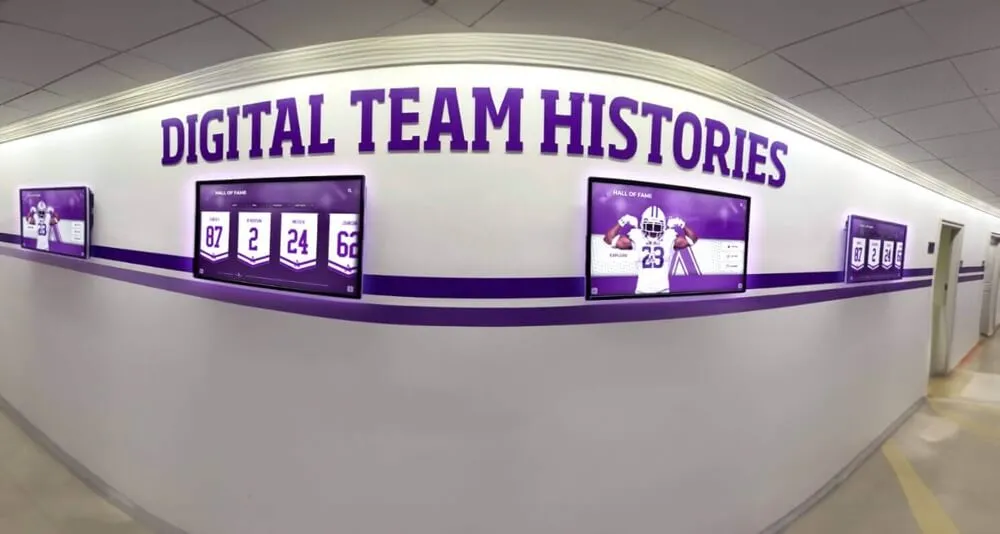
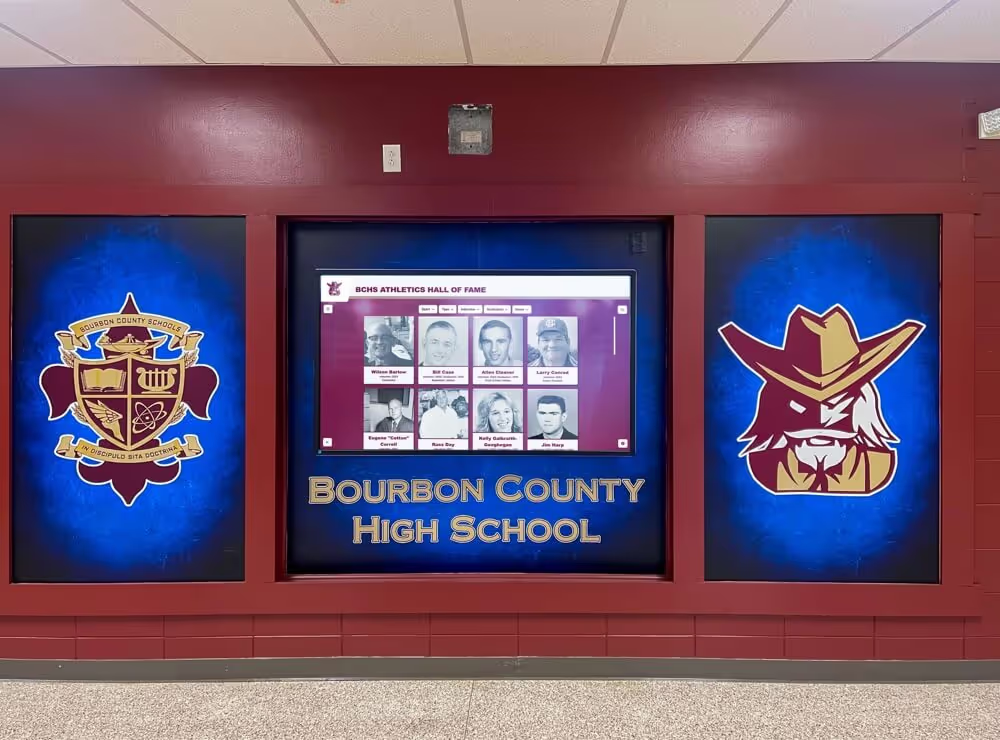
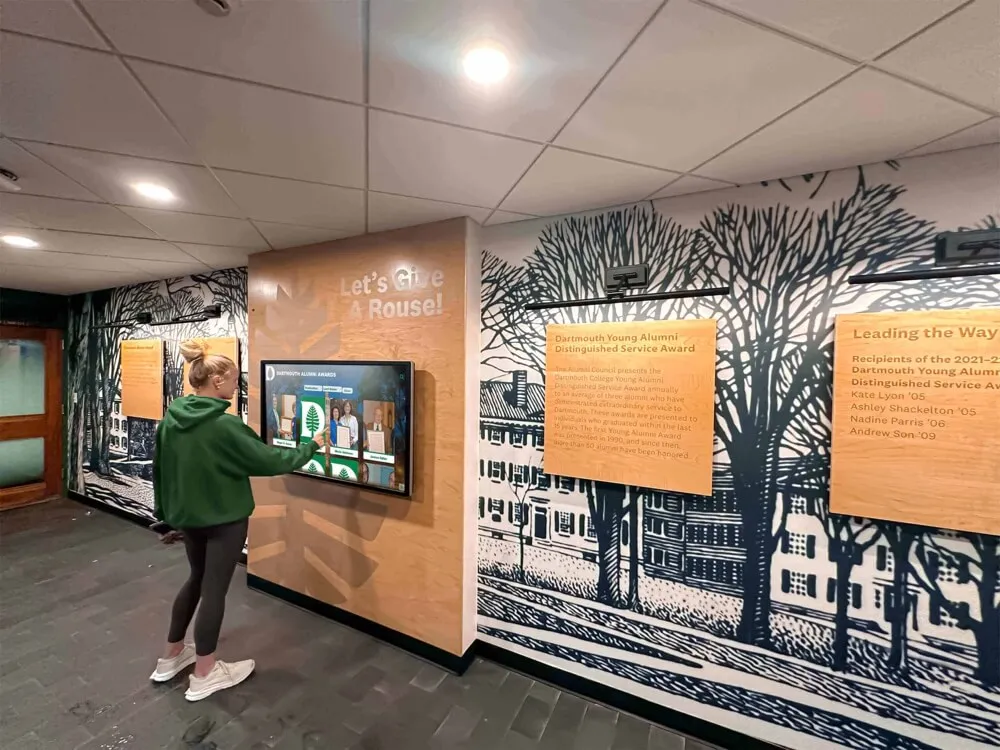
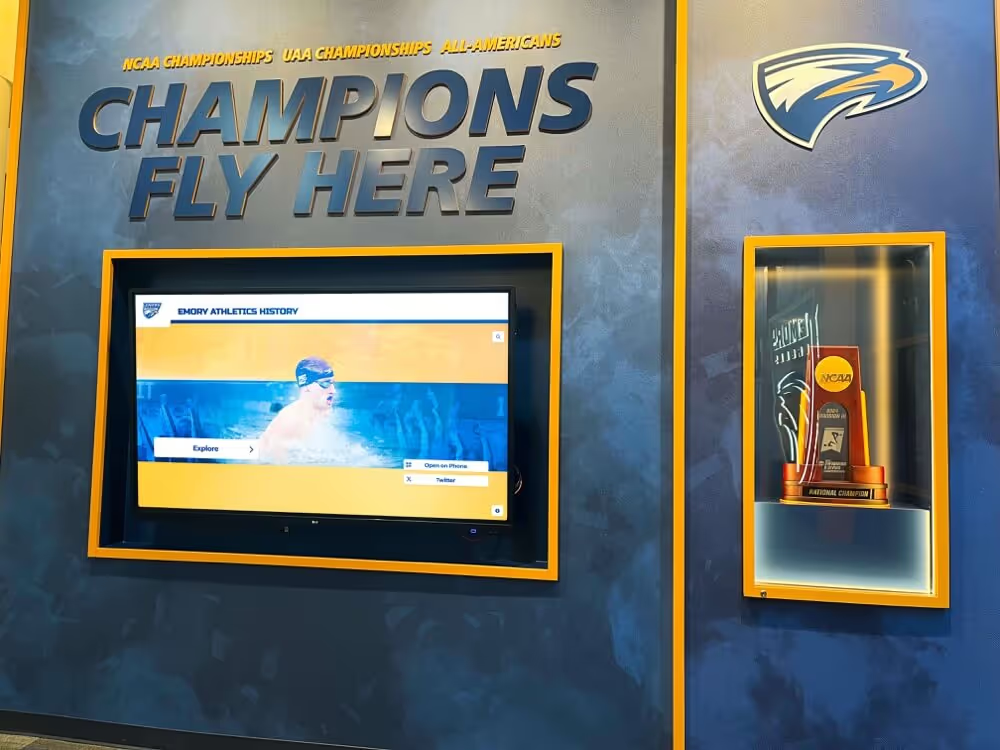
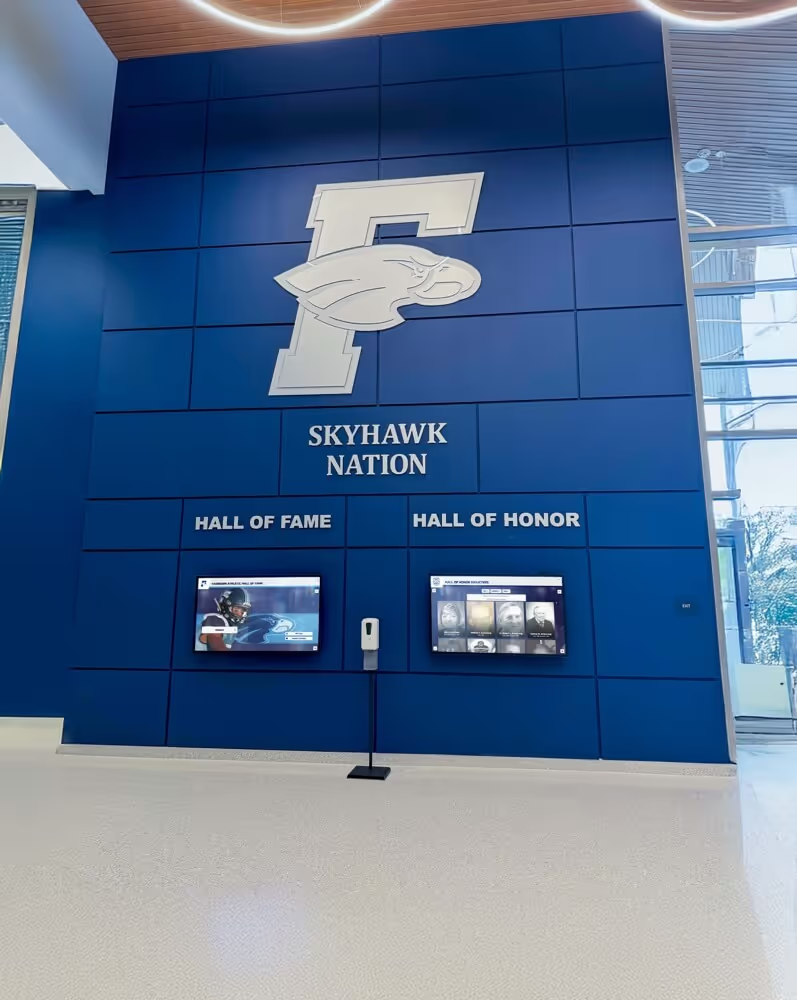
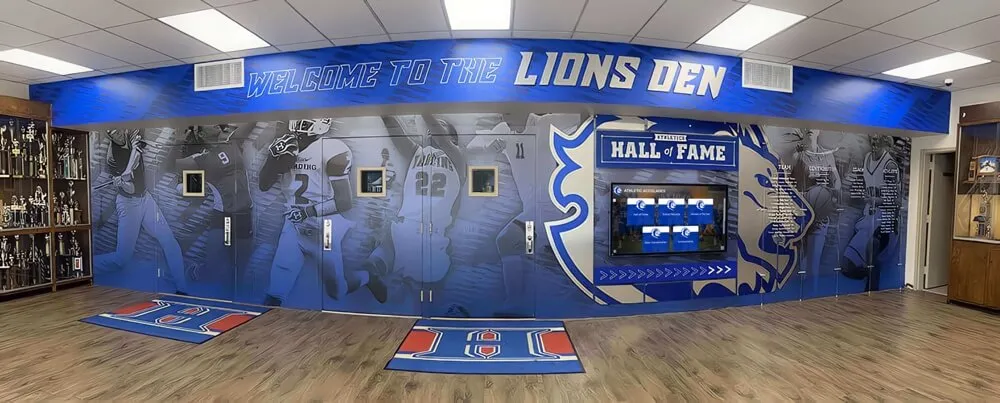
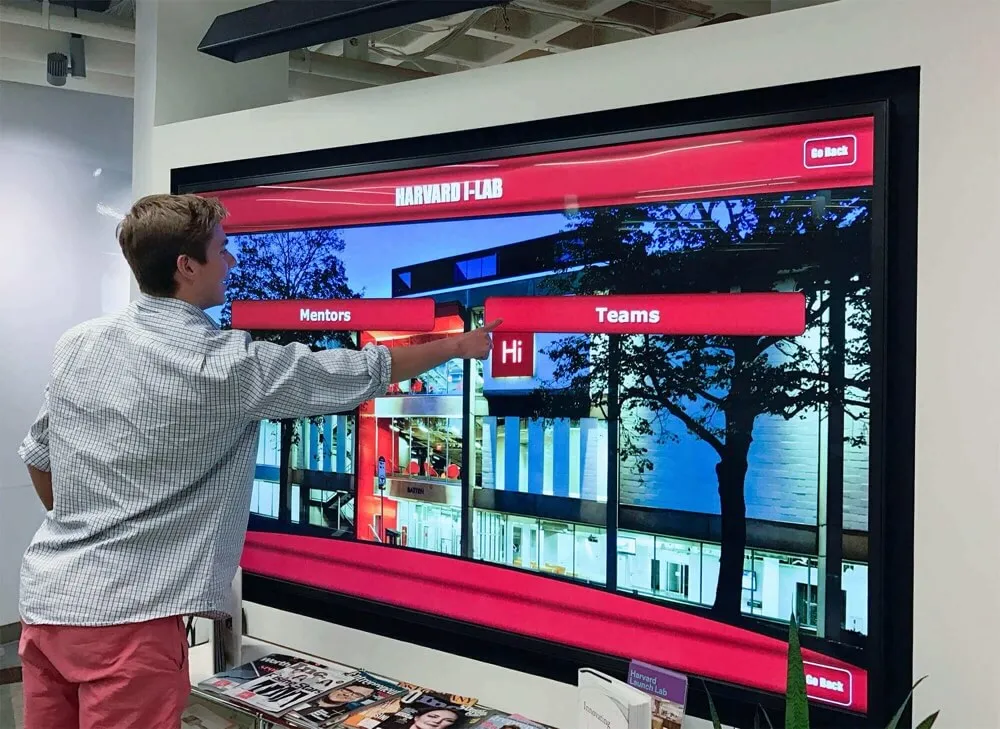
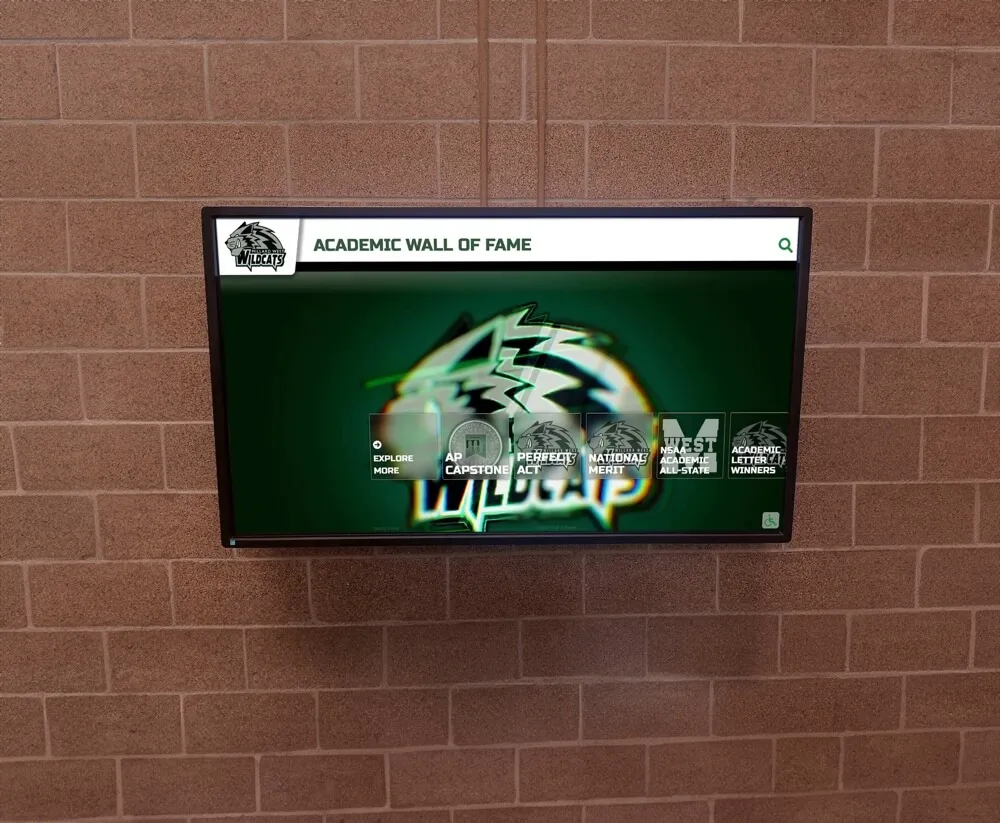
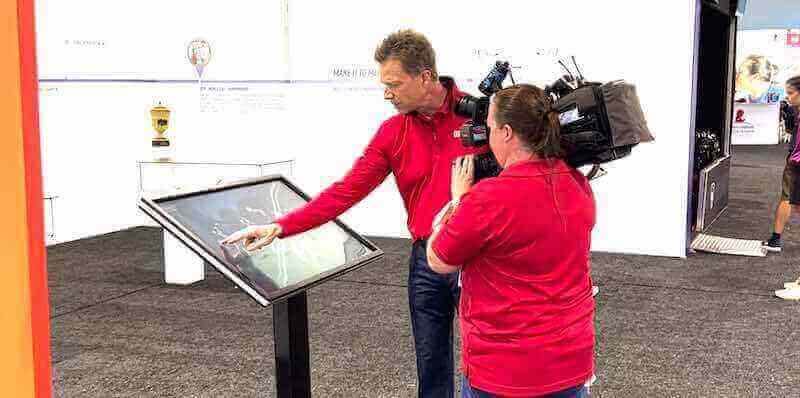
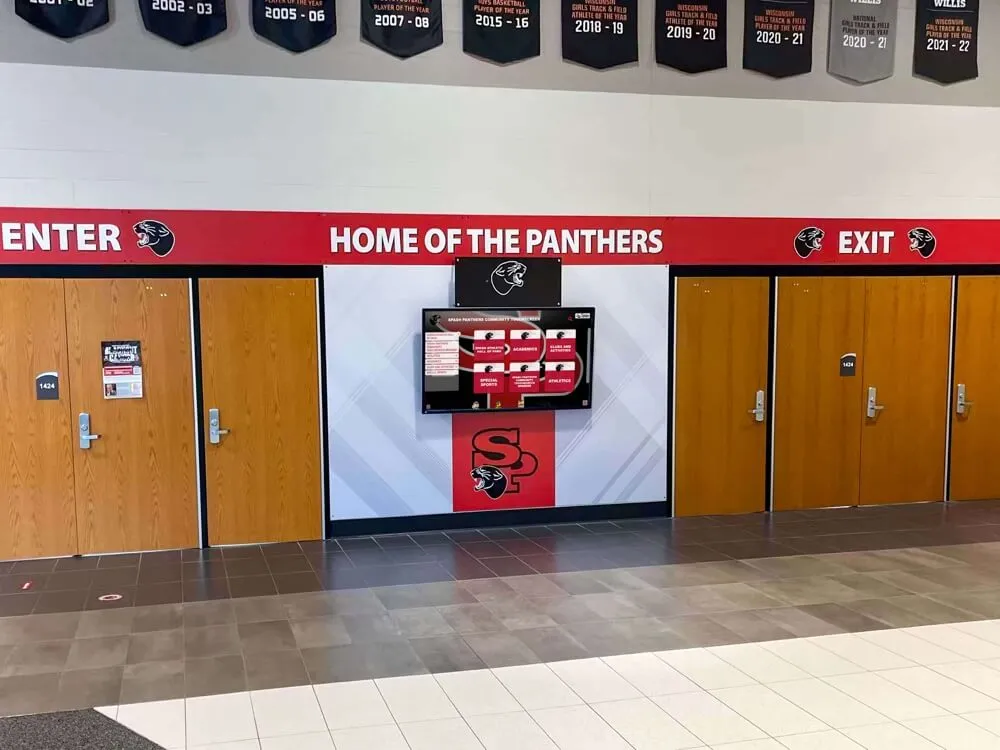
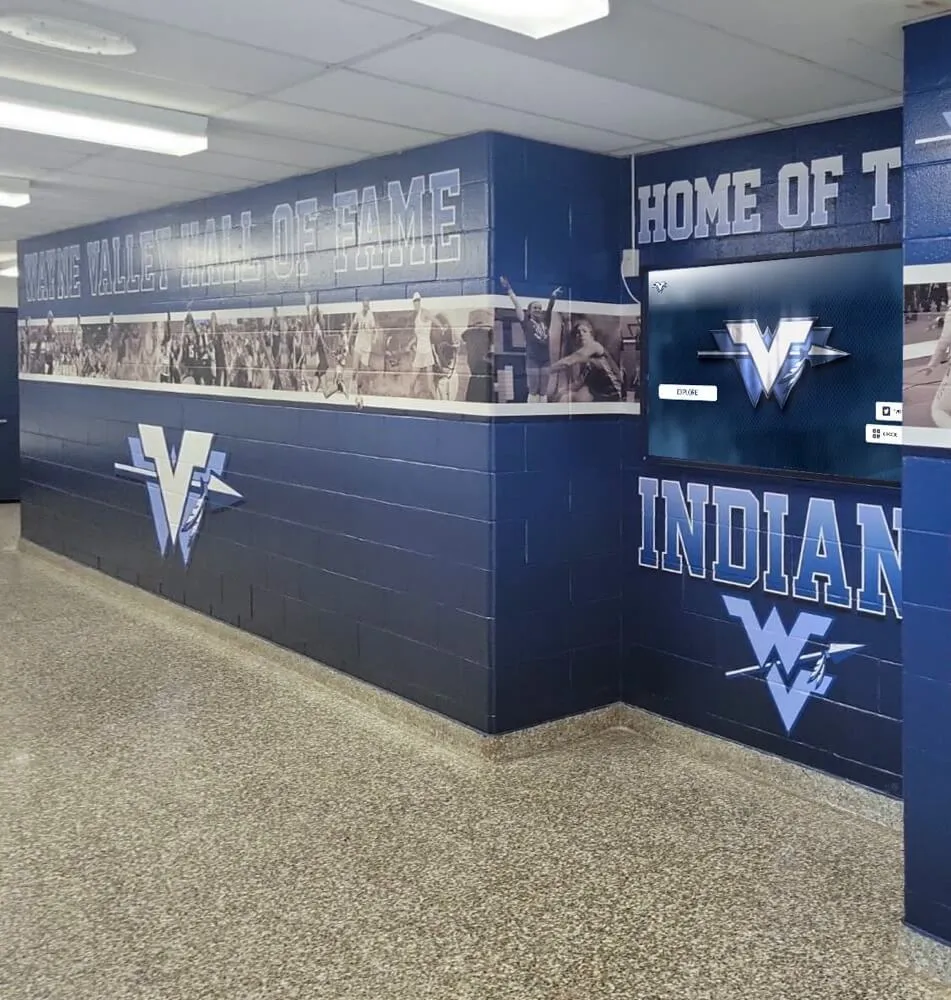
Rocket Recognition platforms combine professional touchscreen hardware with intuitive software, creating engaging recognition experiences that celebrate achievements dynamically
What Is Rocket Recognition?
Rocket Recognition represents Rocket Alumni Solutions’ comprehensive approach to modern achievement acknowledgment—combining hardware, software, and support services into complete recognition systems designed specifically for schools, businesses, nonprofits, and organizations seeking alternatives to space-constrained traditional displays.
Core Platform Components
Interactive Touchscreen Displays
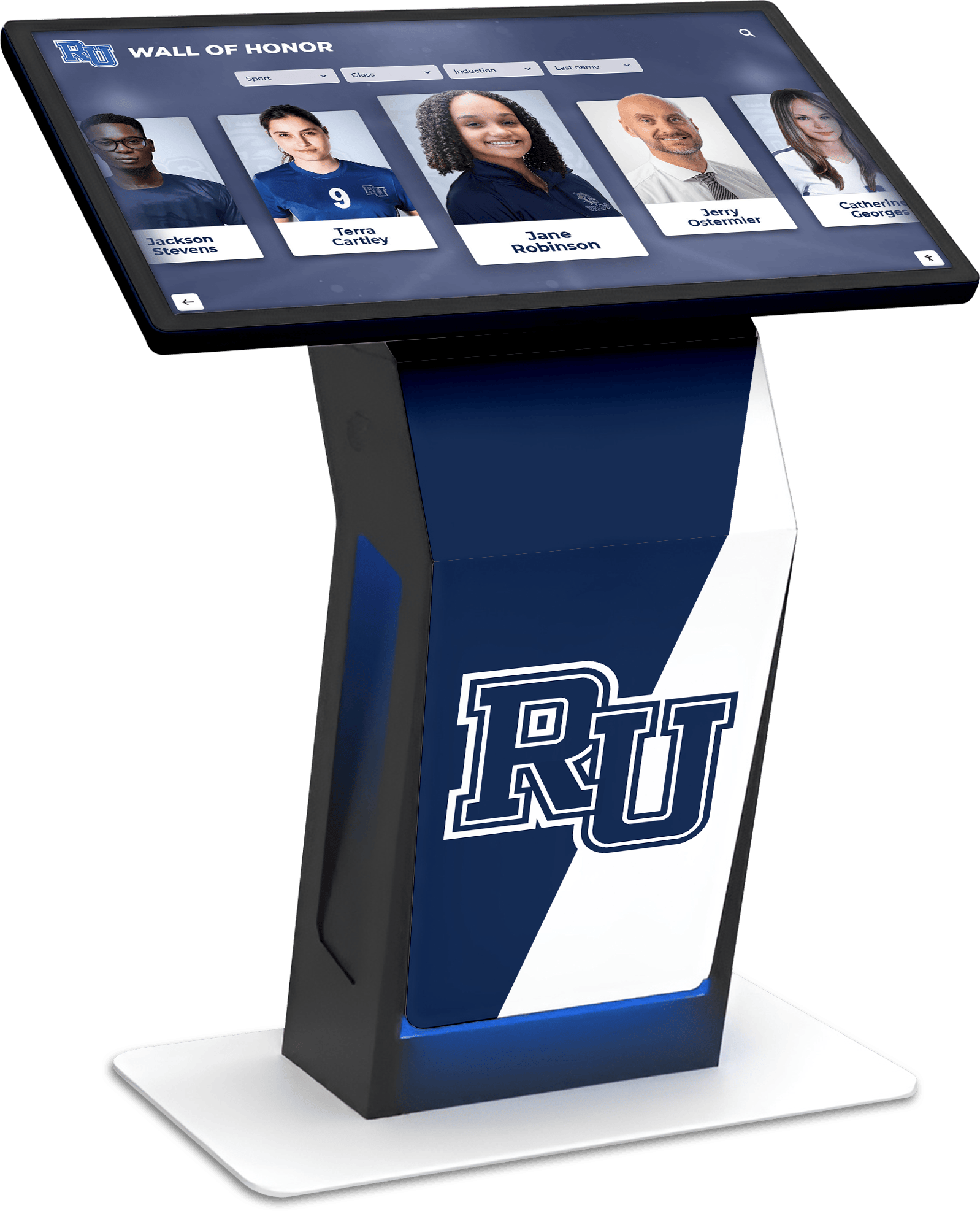
Professional-grade displays ranging from 43-inch hallway installations to 75-inch lobby centerpieces provide primary on-site recognition experiences. These touchscreen systems enable visitors to explore achievements through intuitive interfaces, search databases by name or achievement type, view detailed profiles with photos and multimedia content, filter recognition by department or time period, and discover organizational history through archived accomplishments.
Strategic placement in high-traffic locations—building lobbies, athletic facility entrances, student centers, employee break rooms, or reception areas—ensures recognition reaches broad audiences rather than requiring deliberate navigation to obscure locations.
Cloud-Based Content Management
Web-based dashboards enable authorized staff to manage all recognition content from any internet-connected device. The platform’s content management system provides drag-and-drop media uploads, visual editing with real-time previews, template-based profile creation requiring no design expertise, batch upload capabilities for adding multiple profiles efficiently, and category management organizing diverse achievement types.
Cloud infrastructure means updates appear instantly across all connected displays and web platforms—no manual synchronization, no physical hardware updates, no delays between content creation and public visibility.
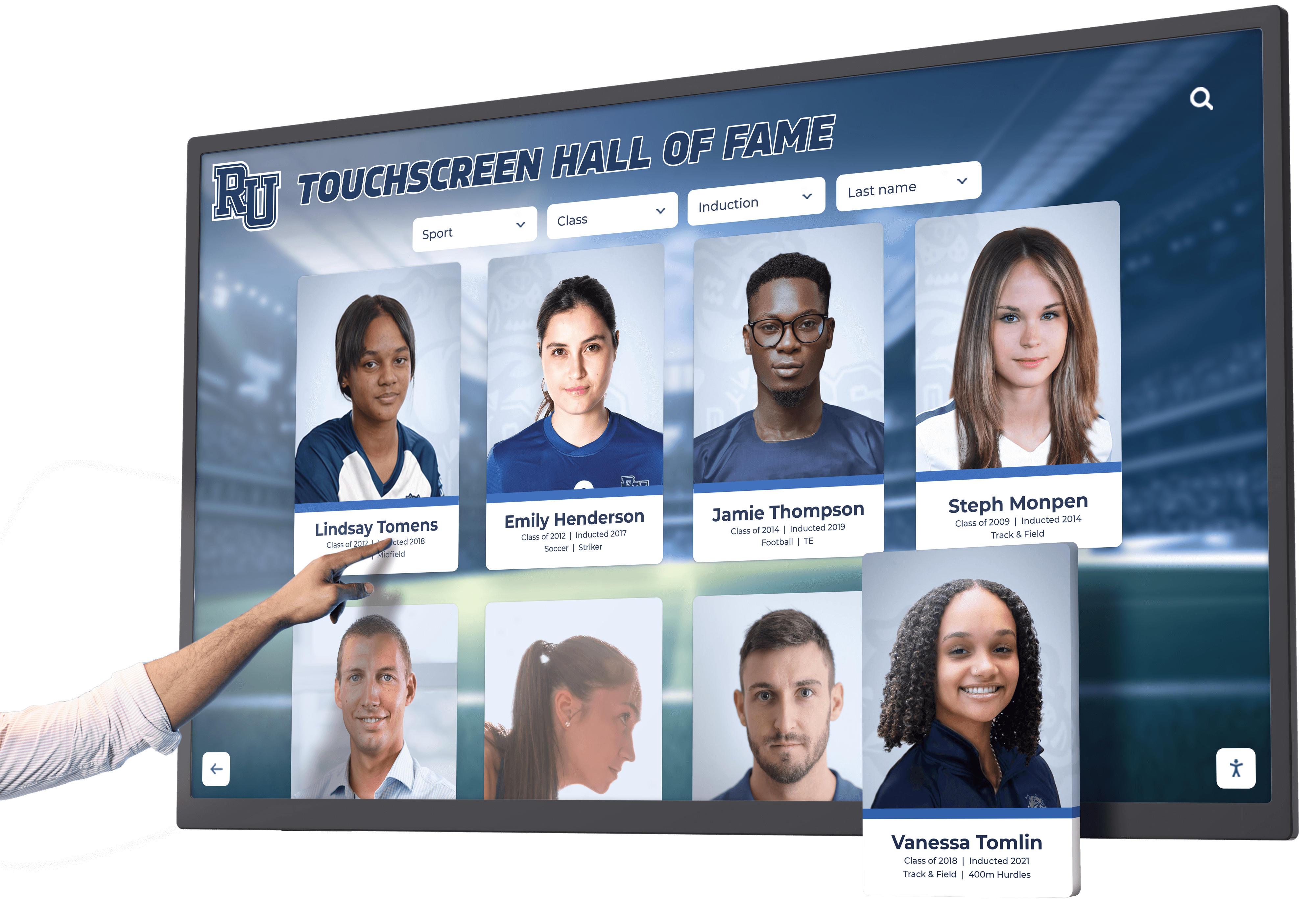
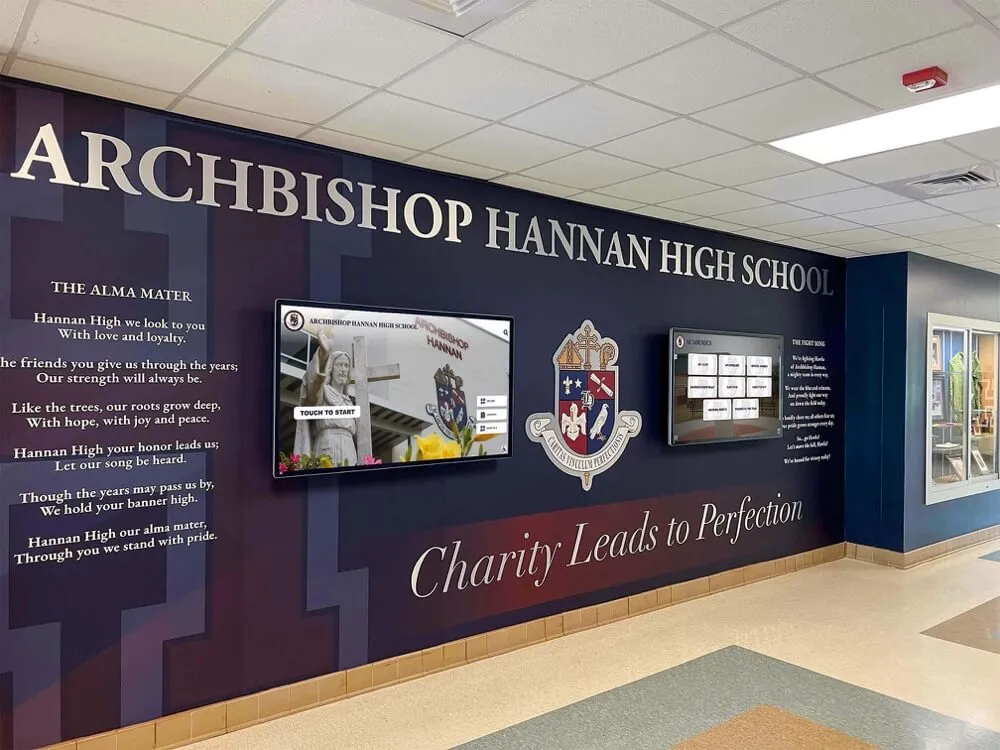
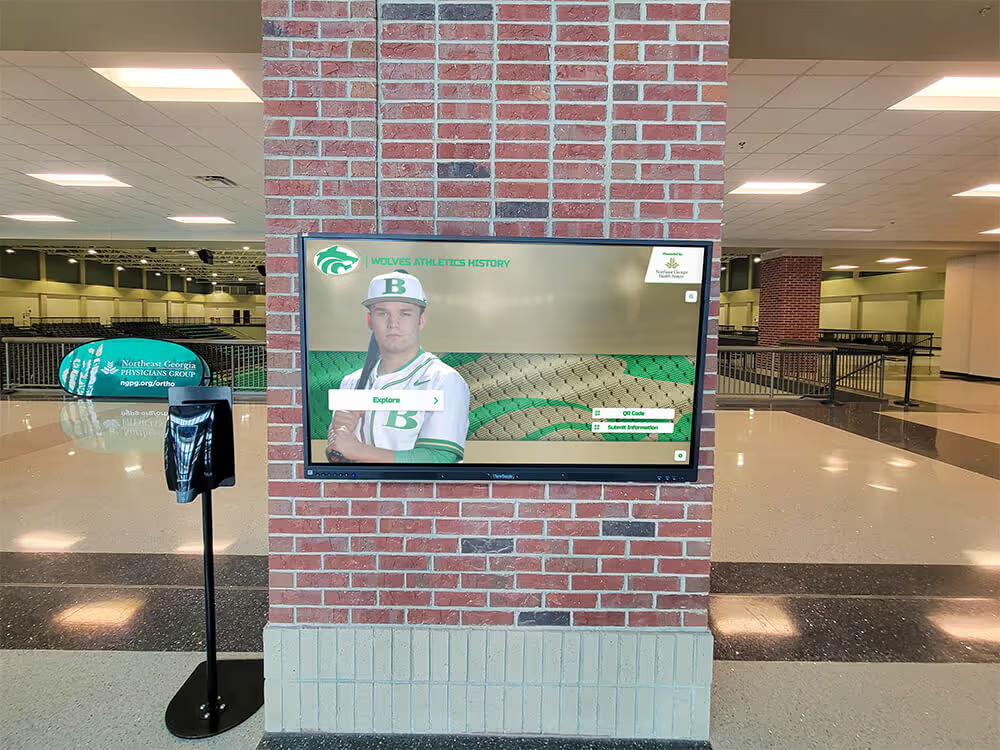
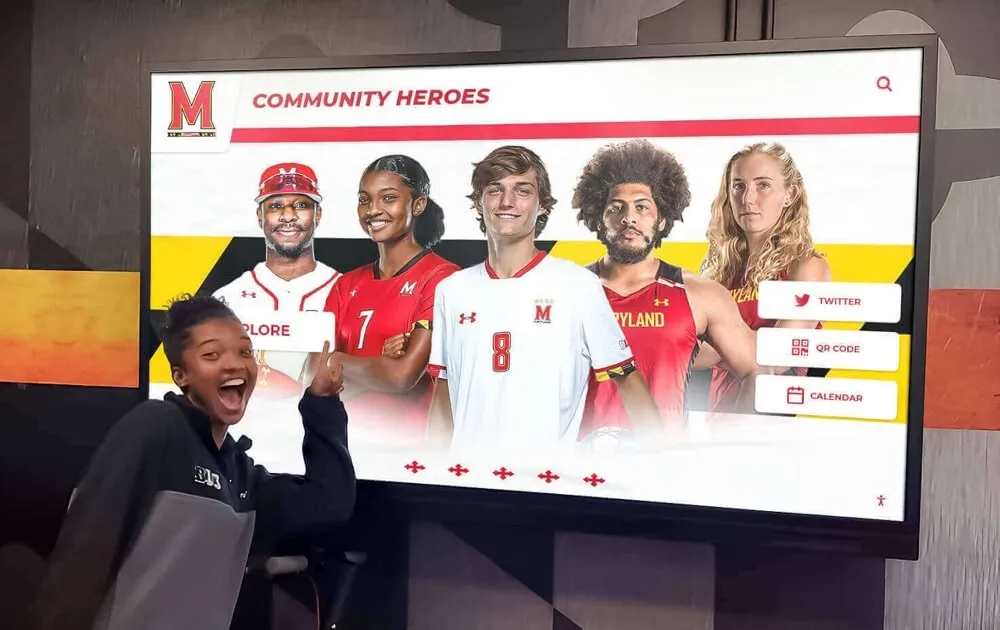
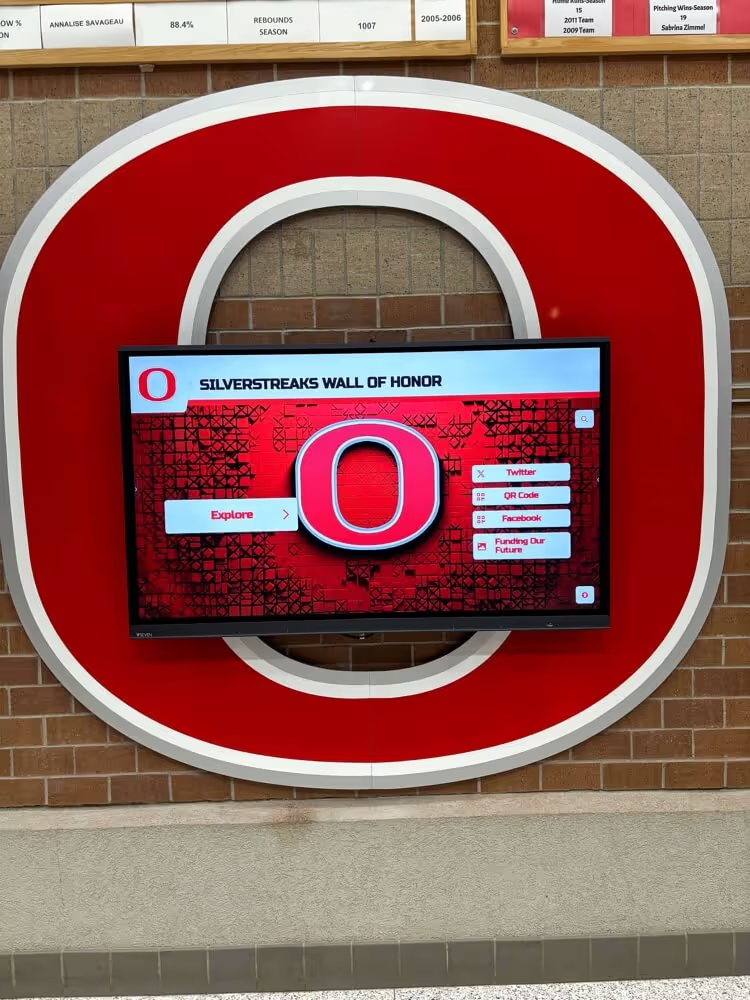
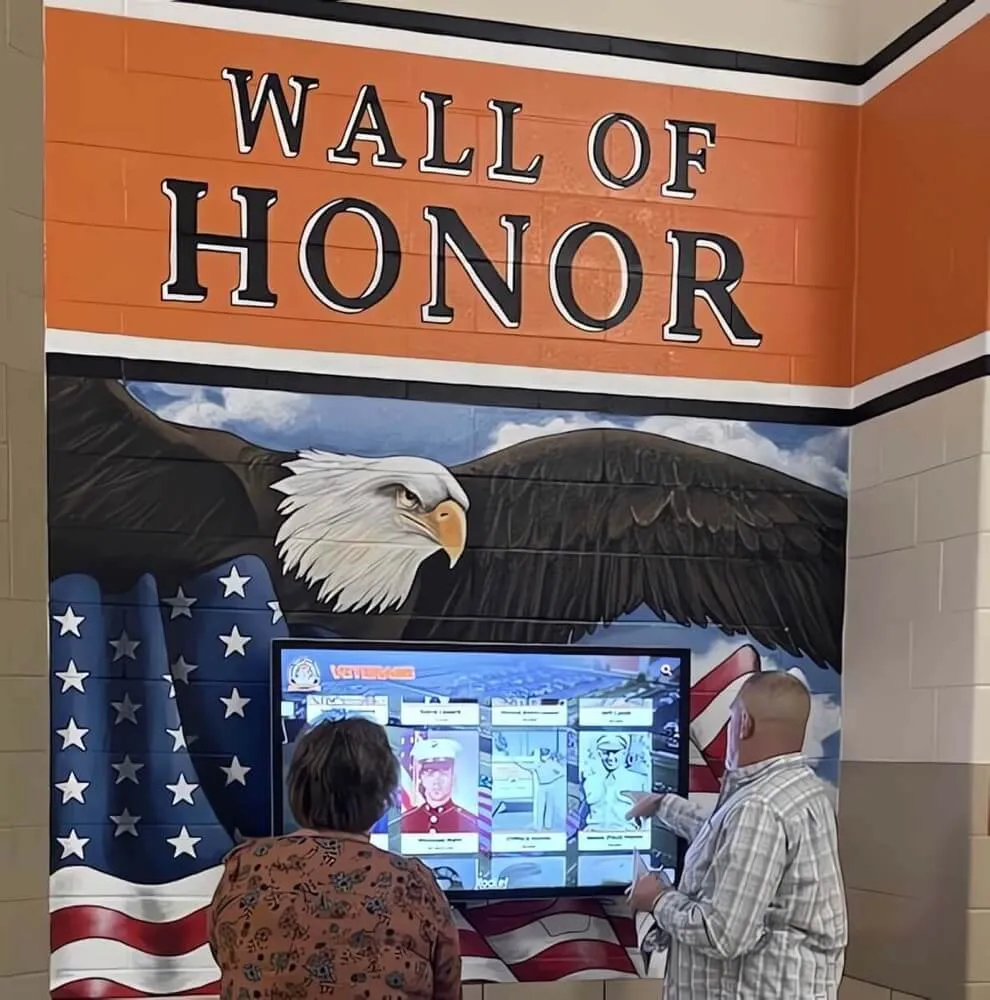
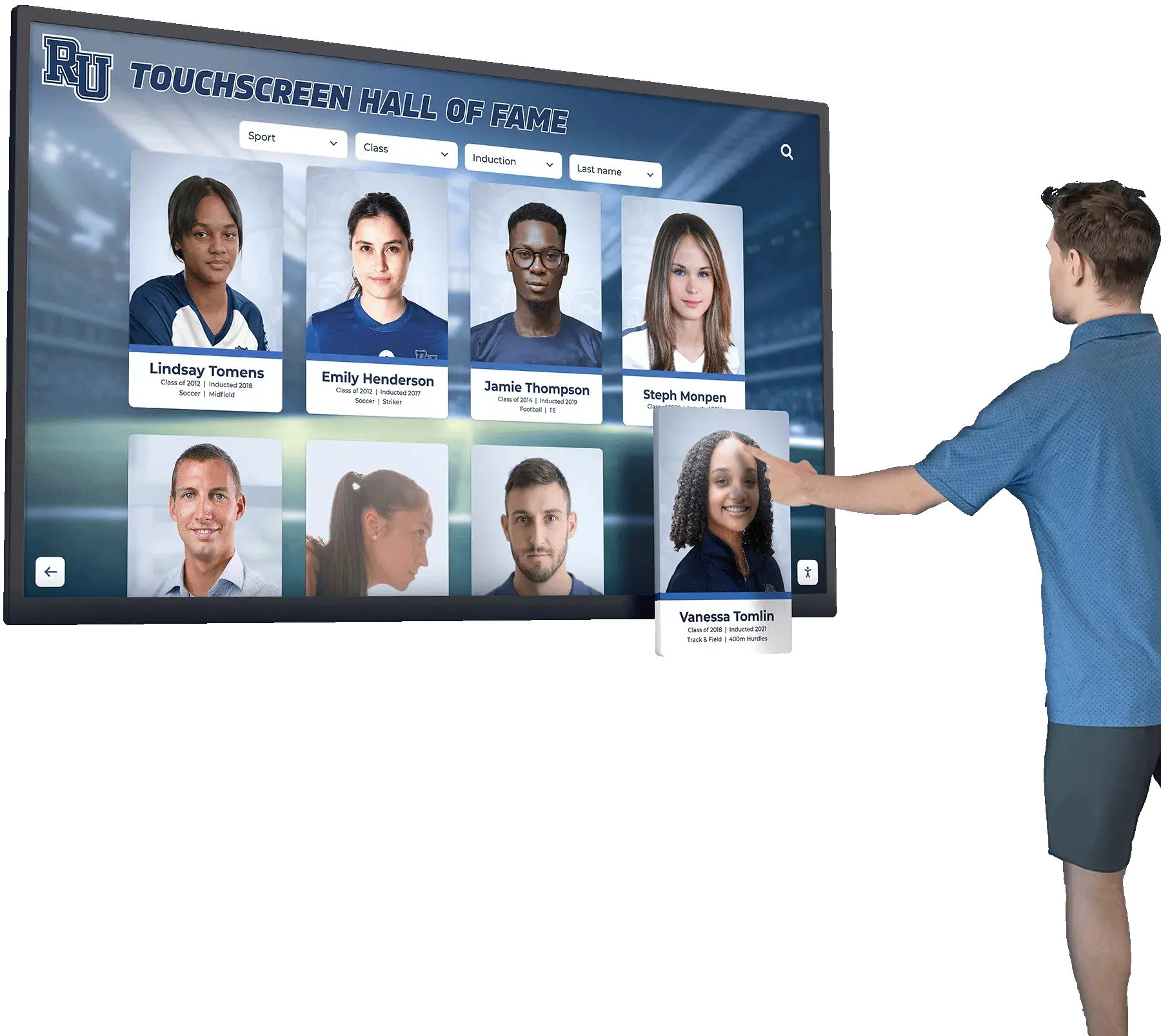
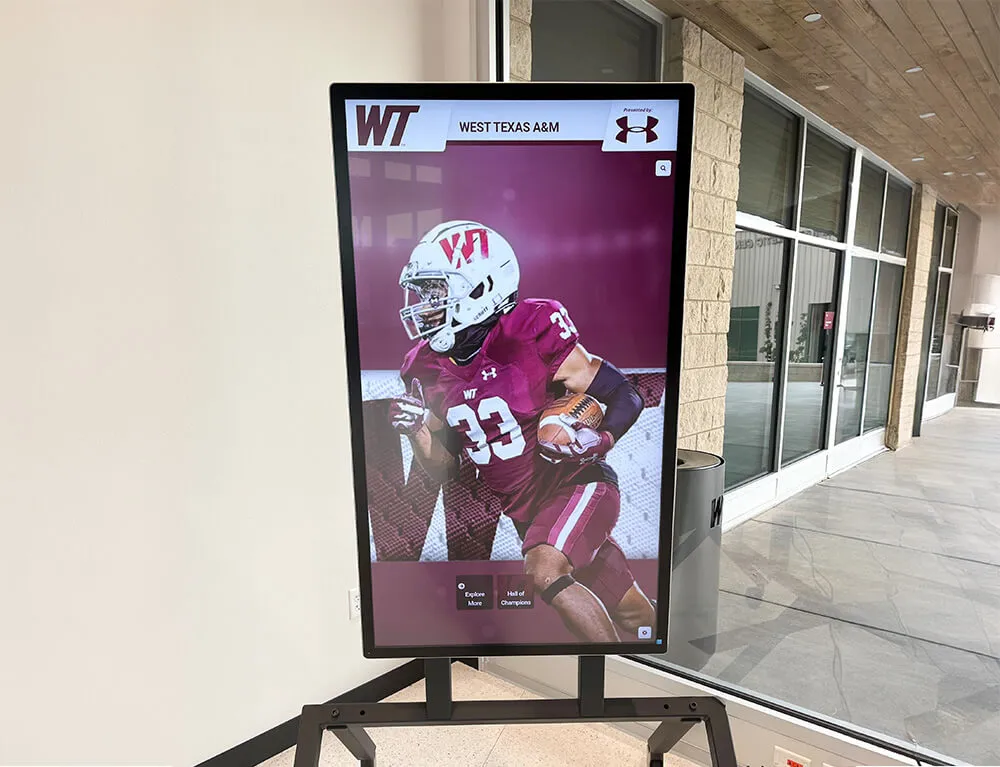
Intuitive touch interfaces make recognition exploration natural and engaging, encouraging deeper connections with honored achievements
Web-Accessible Recognition Platforms
Every physical touchscreen installation includes corresponding web platform providing worldwide access through computers, tablets, and smartphones. Mobile-responsive designs ensure excellent experiences across all devices, while social sharing features enable honorees to broadcast recognition to personal networks, amplifying program impact beyond your immediate community.
Web accessibility transforms recognition from location-specific displays into always-available resources that alumni explore from distant cities, employees share with family members, and prospective students discover during research.
Professional Implementation Support
Rocket Recognition includes comprehensive onboarding assistance—initial content strategy development, template customization matching organizational branding, staff training on content management, hardware installation guidance, and ongoing technical support ensuring systems remain operational and current.
Organizations implementing digital recognition systems benefit from professional support that accelerates time-to-value while ensuring recognition programs reflect organizational excellence from launch.
Rocket Recognition Applications Across Sectors
Flexible platform design enables Rocket Recognition to serve diverse organizational contexts with specialized approaches.
Educational Institutions: Student and Alumni Recognition
Schools and universities use Rocket Recognition to honor academic achievements, athletic accomplishments, notable alumni, and institutional history:
Academic Recognition Applications
- Honor roll and academic achievement displays updated each semester
- National Merit Scholars and standardized test excellence recognition
- Valedictorian and salutatorian historical archives
- Scholarship recipients and award winners
- Academic All-Americans and student-athlete scholars
- Perfect attendance and academic milestone celebrations
Athletic Recognition
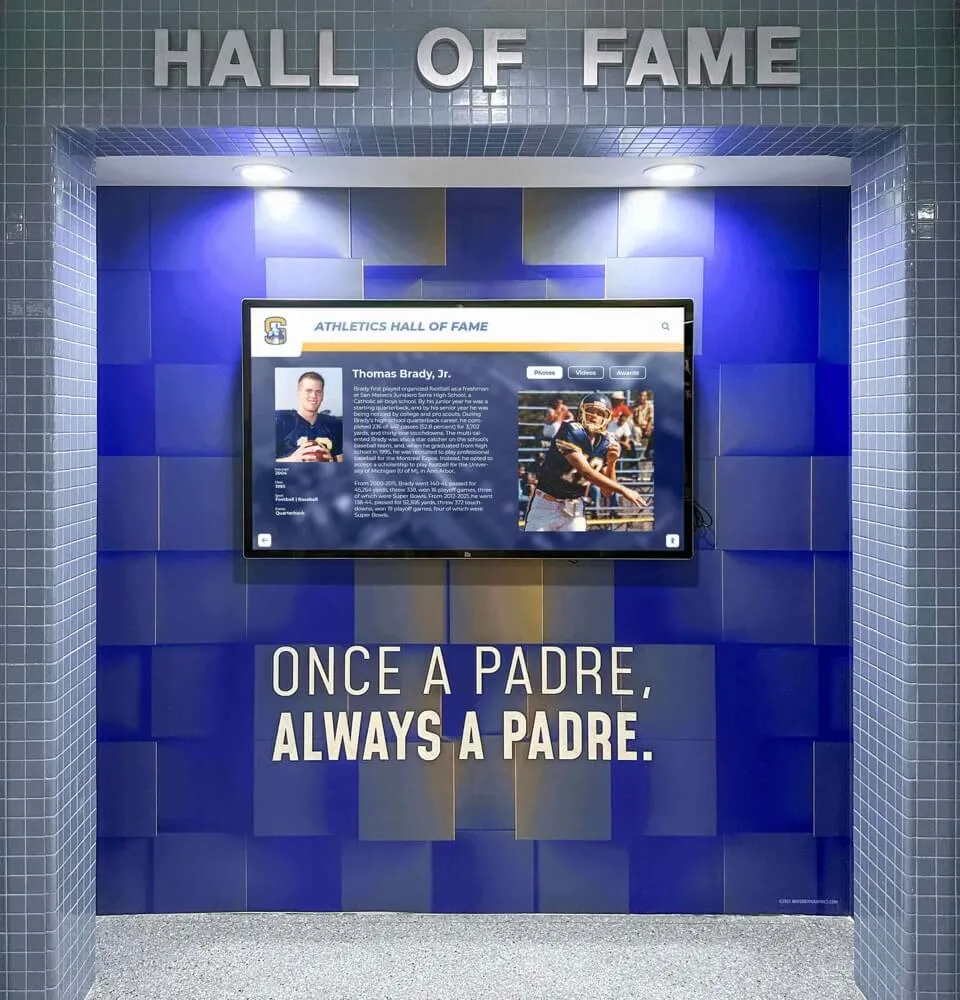
- Hall of fame inductees with comprehensive biographical profiles
- Championship teams and season achievements
- Individual records and performance milestones
- All-conference, all-state, and all-American selections
- Coaching milestones and career achievements
- Retired numbers and special honors
Alumni Engagement
- Notable alumni career achievement spotlights
- “Where are they now” profile series maintaining connections
- Distinguished alumni awards and recognition
- Career path showcases inspiring current students
- Historical class profiles and reunion support
- Legacy recognition connecting generations
Schools implementing athletic recognition programs discover that digital platforms provide flexibility impossible with traditional trophy cases and wall plaques.
Corporate Environments: Employee Recognition
Businesses implement Rocket Recognition to strengthen workplace culture through systematic acknowledgment:
Employee Recognition Categories
- Service milestone celebrations (5, 10, 15, 20+ year anniversaries)
- Performance achievement awards and quarterly recognition
- Sales excellence and customer service honors
- Innovation awards celebrating process improvements
- Leadership recognition and mentorship acknowledgment
- Team achievement celebrations and project completions
- Values-based awards reinforcing organizational culture
- Retirement tributes preserving institutional memory
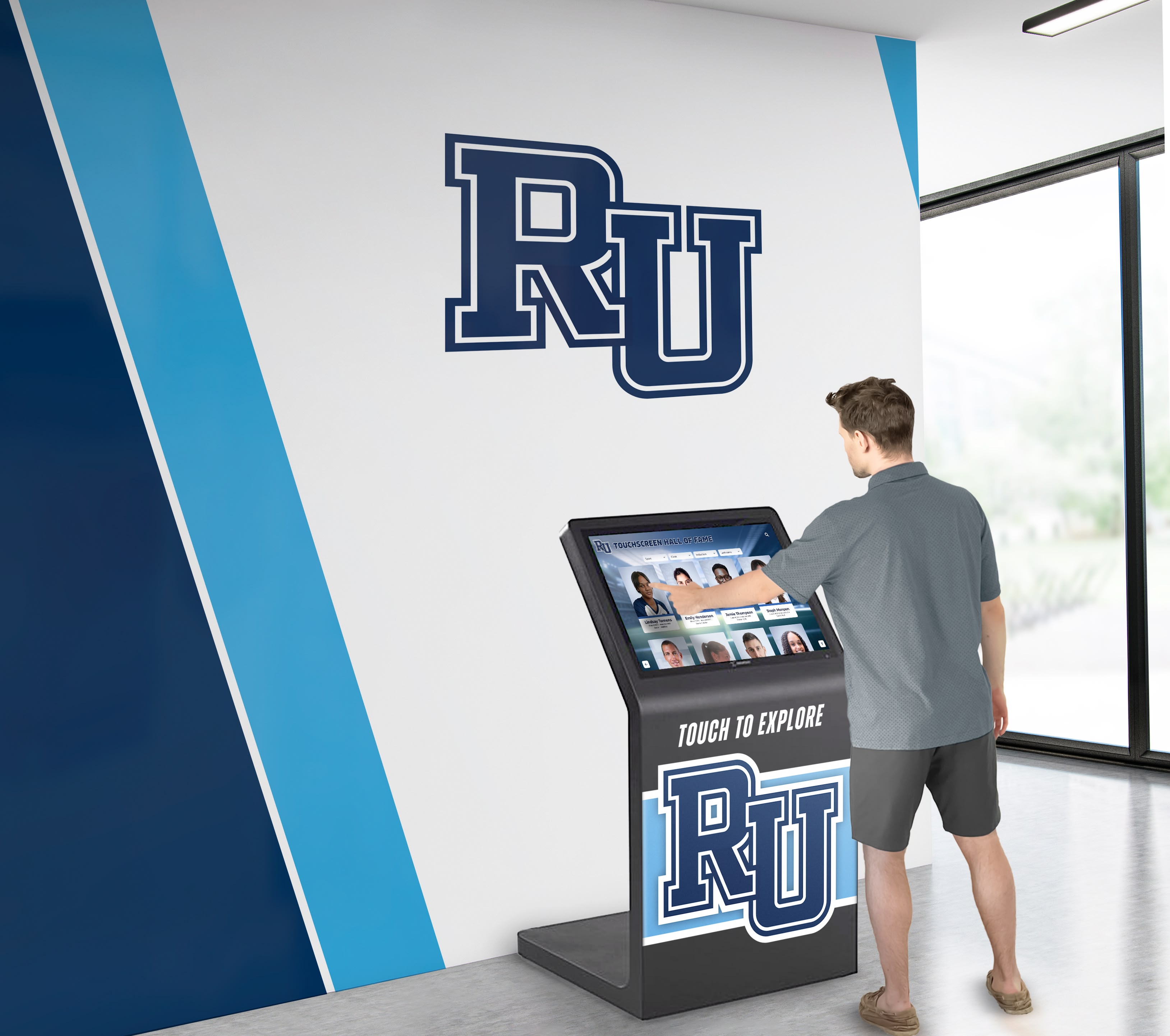
Corporate installations provide professional recognition experiences that strengthen employee engagement and workplace culture
Workplace Culture Benefits
Organizations implementing comprehensive employee recognition through Rocket Recognition report measurable improvements in retention rates, engagement scores, workplace satisfaction, internal promotion rates, and employee referral program participation.
Digital recognition systems particularly benefit distributed workforces where web accessibility ensures remote employees receive equal acknowledgment visibility as on-site staff, preventing the “out of sight, out of mind” challenge traditional physical recognition creates for remote teams.
Explore workplace recognition strategies in employee recognition program guides demonstrating comprehensive acknowledgment approaches.
Nonprofit Organizations: Donor and Volunteer Recognition
Nonprofits leverage Rocket Recognition to honor supporters driving mission success:
Donor Recognition Applications
- Major gift acknowledgment with impact storytelling
- Giving level recognition (Bronze, Silver, Gold, Platinum tiers)
- Founding donors and legacy giving recognition
- Capital campaign contributors
- Annual fund supporters and recurring donors
- In-kind contribution acknowledgment
- Corporate sponsor recognition
- Memorial and tribute giving honors
Volunteer and Community Recognition
- Volunteer milestone celebrations (hours served, years active)
- Board member recognition and leadership acknowledgment
- Community partner spotlights
- Event volunteer appreciation
- Committee member recognition
- Program-specific volunteer honors
- Advocacy champion celebrations
Organizations implementing donor recognition displays discover that digital platforms provide flexibility to update recognition as giving relationships deepen and campaigns evolve.

Interactive donor walls create engaging experiences that celebrate philanthropy while inspiring additional giving through visible acknowledgment
Museums and Cultural Institutions
Museums, historical societies, and cultural organizations use Rocket Recognition to preserve institutional memory and honor contributors:
Museum Recognition Applications
- Benefactor and patron recognition
- Board member and trustee acknowledgment
- Volunteer docent and guide honors
- Collection donor recognition
- Exhibition sponsor acknowledgment
- Research contributor spotlights
- Historical figure profiles and institutional founders
Interactive displays provide museums with dynamic exhibition capabilities, allowing historical narratives to evolve as research uncovers new information or anniversary milestones warrant enhanced storytelling.
Institutions implementing interactive museum displays benefit from platforms designed specifically for rich storytelling and archival content presentation.
Key Features That Distinguish Rocket Recognition
Platform capabilities determine whether recognition systems deliver sustained value or become administrative burdens.
Unlimited Recognition Capacity
Physical displays impose hard space limits—when trophy cases and walls fill up, recognition stops or requires expensive renovations. Rocket Recognition eliminates these constraints entirely, providing unlimited profiles, unlimited photos per profile, unlimited video storage, unlimited categories and achievement types, and unlimited historical depth.
Organizations transitioning from physical to digital recognition consistently report that removing space constraints fundamentally changes recognition philosophy—enabling celebration of broader achievements rather than restricting acknowledgment to rare exceptional accomplishments that qualified under space-limited approaches.
Real-Time Content Updates
Traditional recognition requires ordering plaques, coordinating installation, and accepting weeks or months between achievement and acknowledgment. Rocket Recognition enables instant updates through simple content management dashboards—add new inductees immediately after announcements, celebrate championships while excitement remains high, update biographical information as careers progress, correct errors instantly rather than living with permanent mistakes, and respond to privacy requests immediately.
This immediacy maintains recognition relevance and celebrates accomplishments during peak emotional impact rather than long-delayed acknowledgment that feels disconnected from achievement moments.
Rich Multimedia Storytelling
Plaques display names, dates, and minimal text—rarely enough context for meaningful storytelling. Rocket Recognition supports comprehensive profiles through multiple photos showing subjects in action, biographical narratives explaining achievements and personal journeys, video highlights and interviews, statistics and performance data, news articles and historical documents, and links to related achievements or team pages.
This rich content creates emotional connections impossible with static displays, transforming recognition from basic information presentation into compelling storytelling that honors complete achievement contexts.
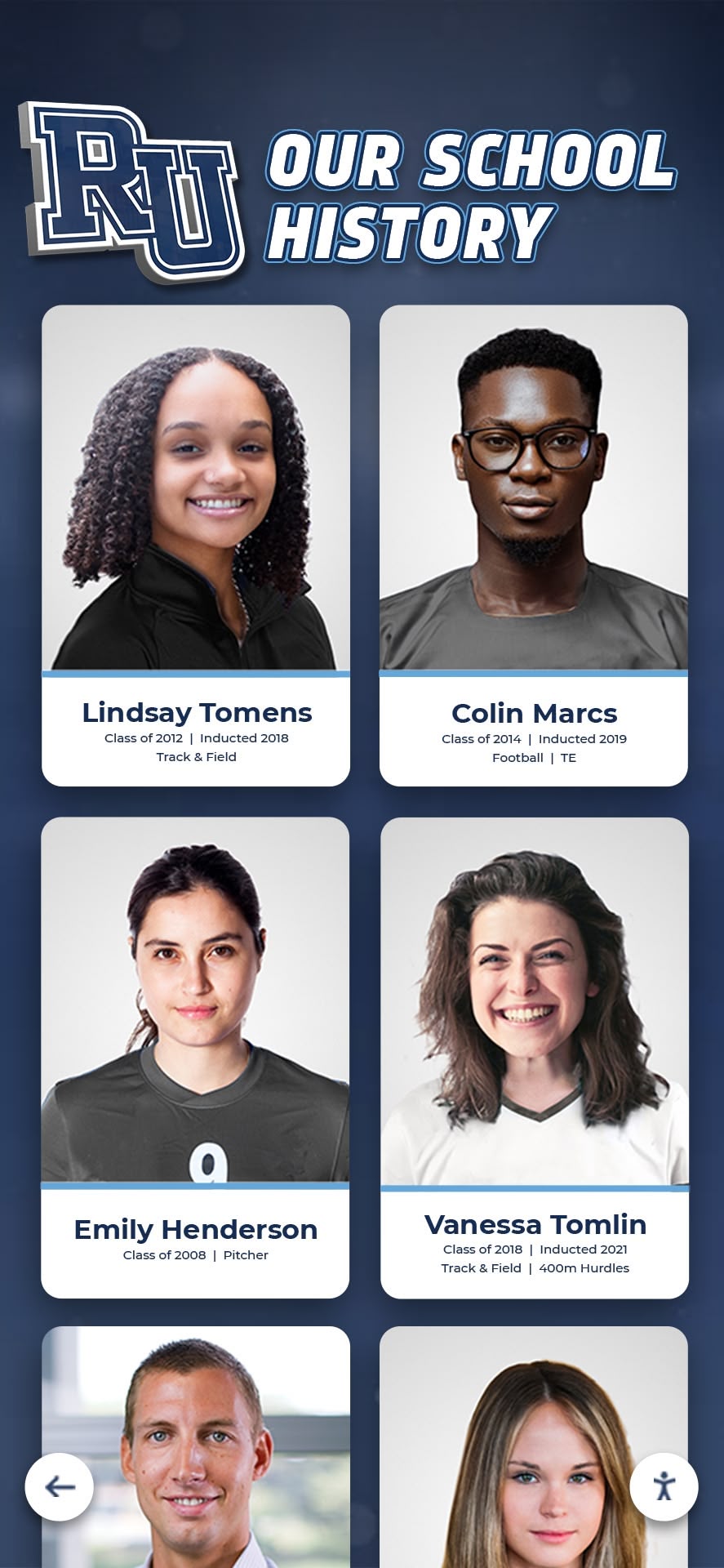
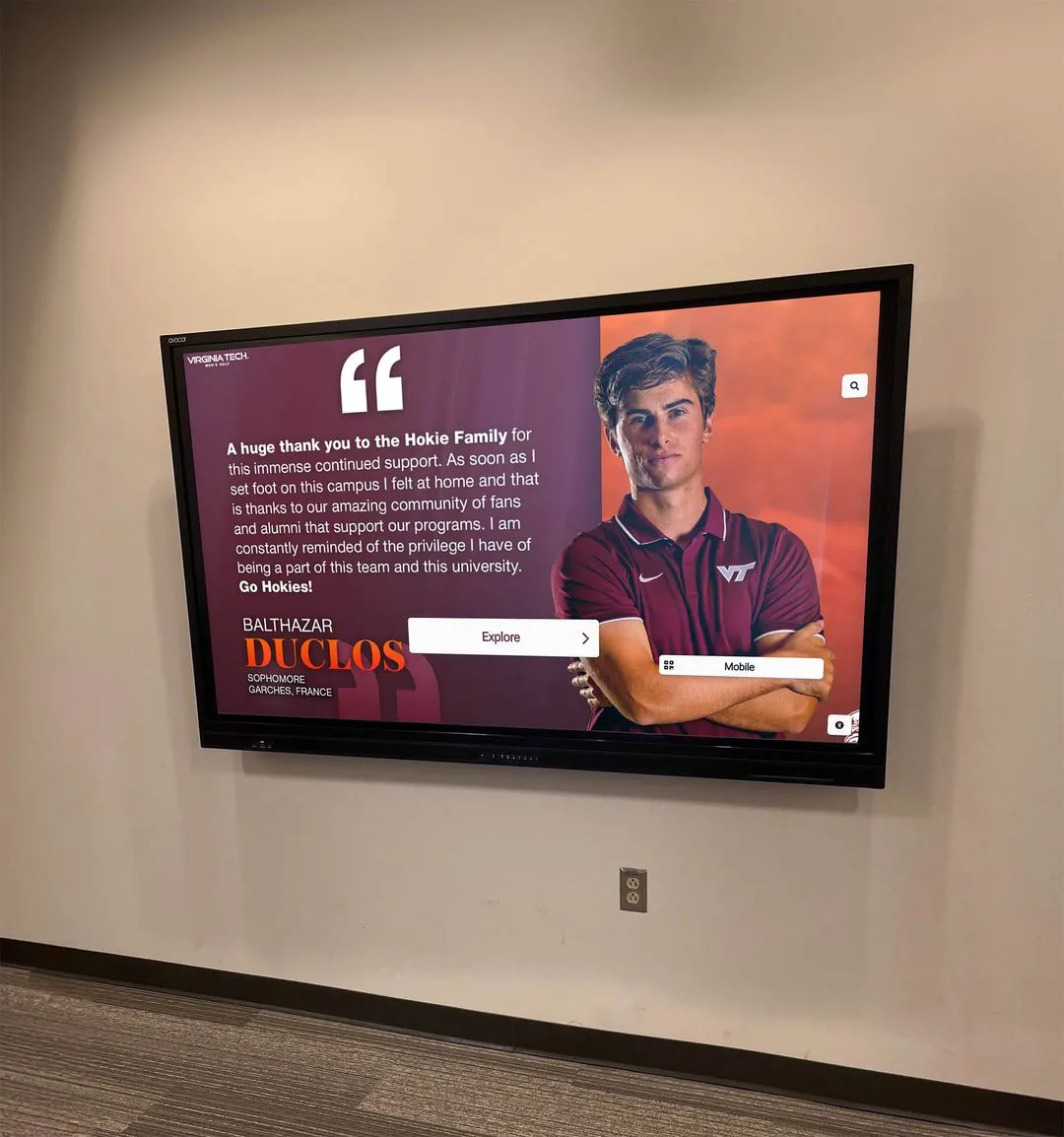
Detailed profiles celebrate complete achievement stories rather than reducing accomplishments to names and dates
Intuitive Search and Discovery
Visitors approach recognition with specific goals—finding themselves, searching for classmates or colleagues, exploring particular achievements, or browsing chronologically. Rocket Recognition supports these diverse needs through full-text search across all content, advanced filtering by category, year, or custom criteria, alphabetical browsing for systematic exploration, timeline views showing chronological development, featured content rotating highlights, and related content suggestions connecting similar achievements.
Quality search distinguishes engaging recognition from frustrating experiences—the difference between finding yourself in three seconds versus three minutes dramatically impacts satisfaction and likelihood of sharing recognition with personal networks.
Mobile-Responsive Web Platforms
Most web traffic comes from smartphones, making mobile experience non-negotiable for modern recognition systems. Rocket Recognition provides responsive designs adapting to any screen size, touch-optimized interfaces for smartphones, fast loading even on cellular networks, mobile-friendly search and navigation, and social sharing capabilities optimized for mobile sharing patterns.
Alumni, employees, and community members explore recognition whenever nostalgia strikes—not just during campus visits or office hours. Mobile optimization ensures these spontaneous recognition moments provide excellent experiences regardless of device.
Analytics and Engagement Insights
Physical displays provide no usage data. Rocket Recognition generates valuable analytics showing most-viewed profiles and popular content, peak usage times and seasonal patterns, search terms revealing what visitors seek, geographic distribution of web access, average session duration and interaction depth, and demographic information when integrated with authentication systems.
These insights inform content strategy, identify recognition gaps, demonstrate ROI to stakeholders, guide future investments, and help organizations understand how different constituencies engage with institutional heritage and accomplishments.
Organizations implementing digital recognition displays benefit from analytics that traditional plaques and trophies cannot provide.
Implementation: Launching Rocket Recognition Successfully
Systematic planning ensures recognition programs deliver intended impact from launch.
Planning Your Recognition Program
Define Recognition Scope and Categories
Begin by determining what achievements and individuals your program will honor. Schools might include athletic hall of fame, academic recognition, notable alumni, and championship teams. Businesses might focus on service milestones, performance awards, innovation recognition, and retirement tributes. Nonprofits might emphasize donor acknowledgment, volunteer recognition, and community partner spotlights.
Most organizations start with one or two categories gaining experience before expanding—athletic recognition provides natural starting points for schools given abundant photos and engagement, while service milestone recognition offers straightforward corporate entry points.
Develop Content Collection Strategy
Recognition quality depends on content richness. Plan systematic approaches for historical content sources including yearbook archives, department records, alumni files, organizational publications, video archives, and personal collections from stakeholders.
Establish ongoing content collection processes through photography at events and ceremonies, biographical questionnaires capturing subject details, interview programs providing achievement context, alumni and employee outreach soliciting updates, media relations tracking coverage and accomplishments, and nomination forms for formal recognition programs.
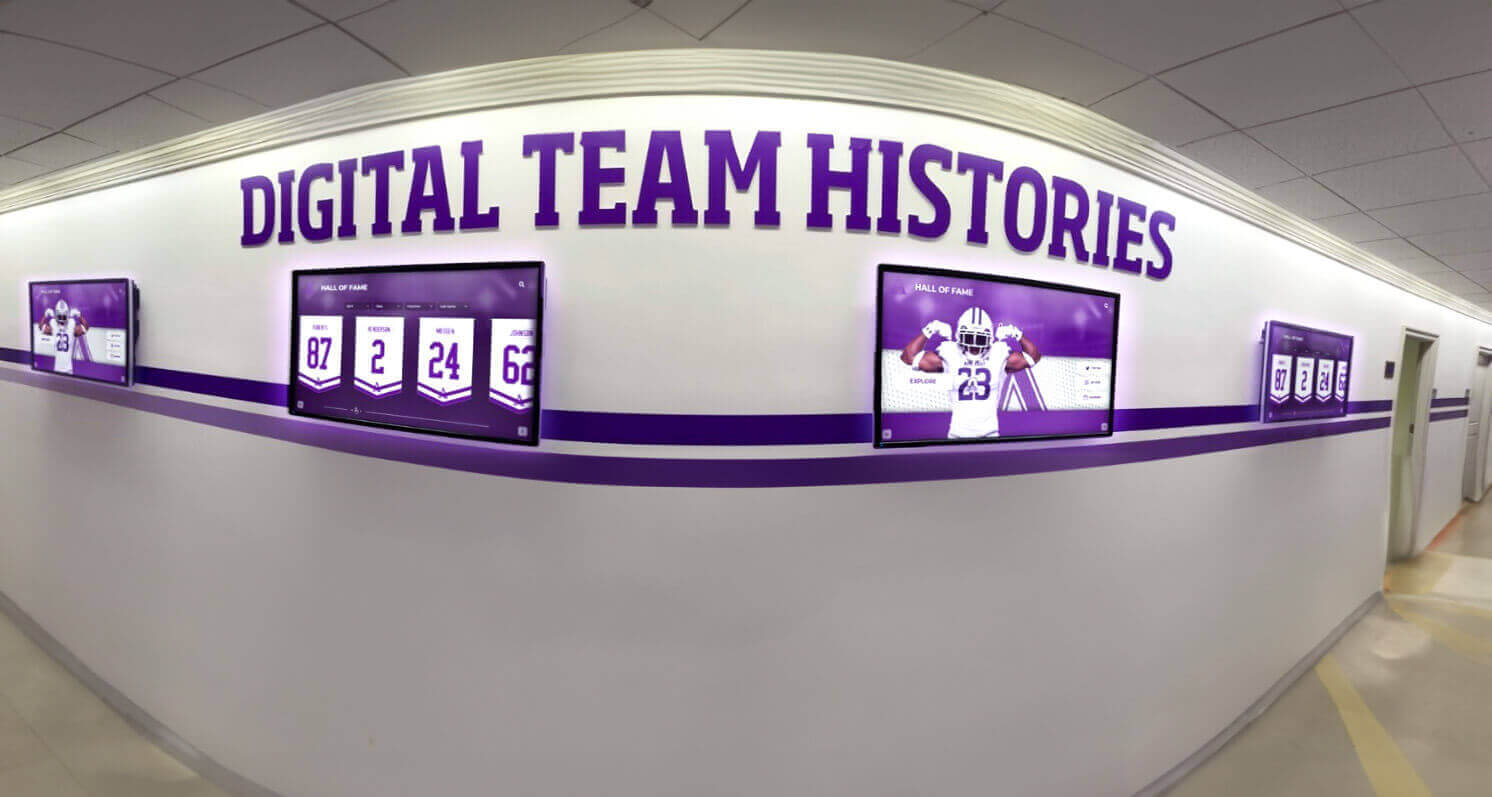
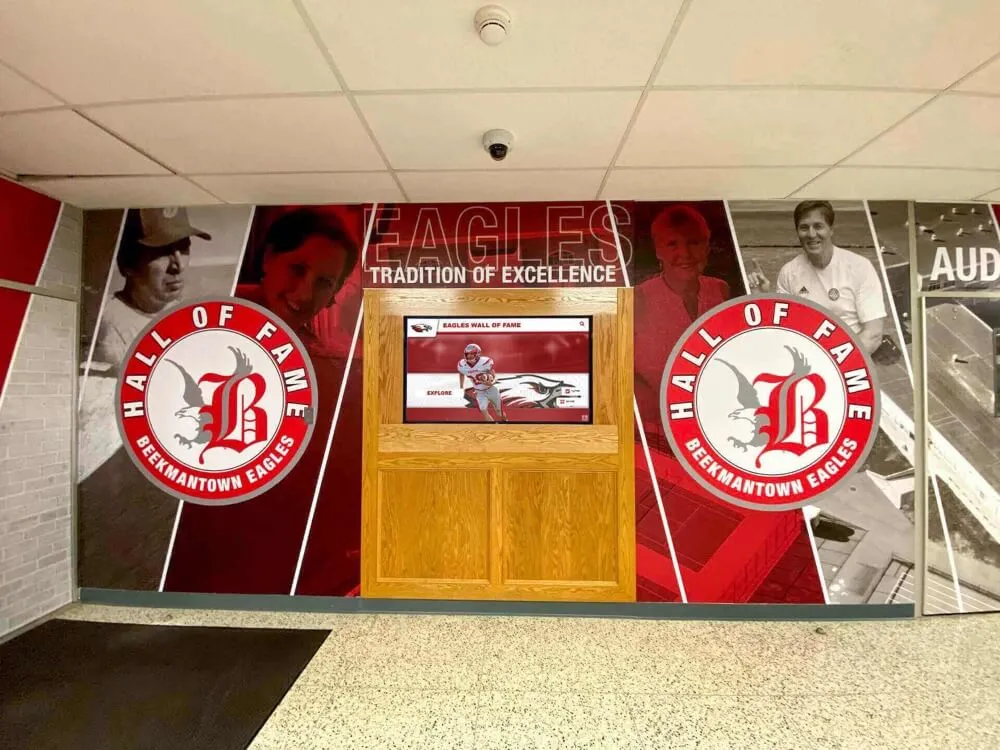
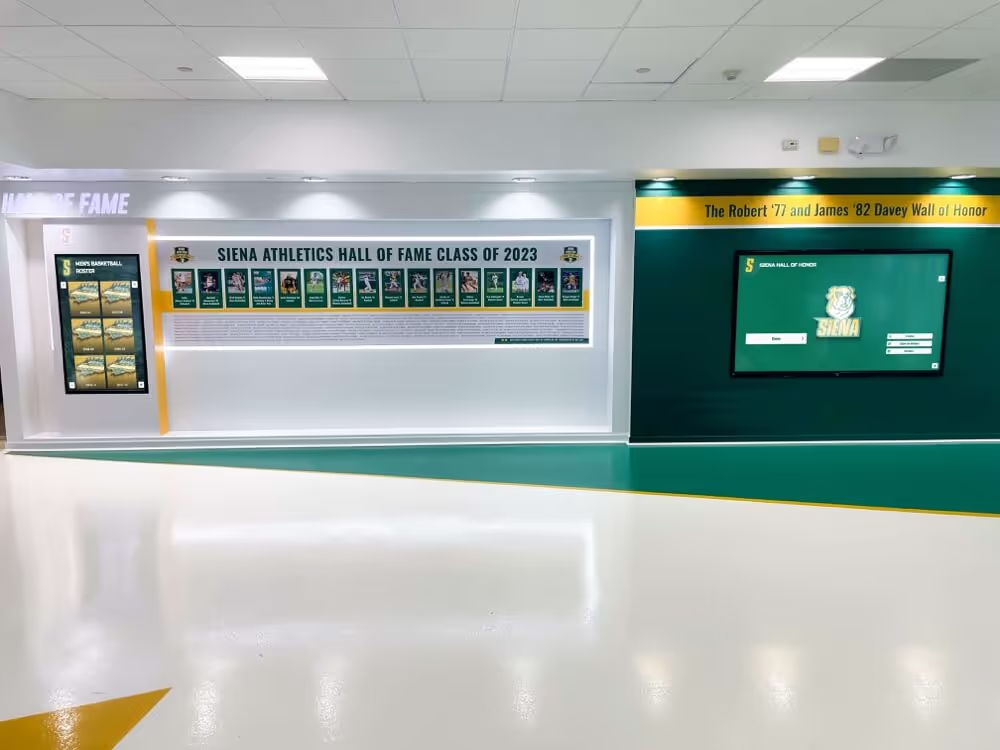
Strategic installation throughout facilities creates comprehensive recognition environments celebrating diverse achievements
Determine Budget and Funding
Comprehensive Rocket Recognition implementations typically range from $8,000-$15,000 for initial systems including hardware, software, and implementation support, plus $1,000-$3,000 annual software subscriptions. Compare this to ongoing traditional recognition costs—every inductee requiring $100-$300 plaques, periodic trophy case renovations, space expansion projects, and damaged display replacement accumulates to substantial expenses over 10-15 year timeframes.
Explore diverse funding sources including booster clubs and foundations for schools, capital campaigns and major gifts, corporate sponsorships with logo placement opportunities, alumni reunion anniversary campaigns, and grant funding for educational technology.
Organizations implementing donor recognition programs often bundle recognition displays with broader fundraising initiatives.
Implementation Timeline
Realistic timelines prevent rushed launches and ensure quality:
Months 1-2: Planning and Setup
- Define scope, goals, and recognition categories
- Select Rocket Recognition configuration
- Assemble implementation team
- Create detailed content collection plan
- Develop style guides and standards
Months 2-3: Content Collection and Hardware Preparation
- Gather historical photos, biographical data, and documentation
- Organize content by category
- Conduct stakeholder outreach for missing information
- Prepare installation locations (power, networking, mounting)
- Configure branding and customize templates
Months 3-4: Content Creation and System Configuration
- Create profiles using platform templates
- Upload content and configure categories
- Set up navigation structures
- Install hardware and configure connectivity
- Conduct staff training on management
Month 4: Testing and Launch
- Comprehensive content review and quality control
- Test all features and navigation
- Develop launch communication plan
- Create promotional materials
- Plan launch event or ceremony
Ongoing: Content Updates and Growth
- Regular additions for new achievements
- Periodic historical content expansion
- Analytics review and optimization
- Hardware maintenance
- Category expansion and enhancements
Organizations implementing systems during summer breaks minimize disruptions while allowing thorough testing before students or employees return.
Creating Compelling Recognition Content
Technology enables recognition, but content quality determines engagement and emotional impact.
Writing Effective Biographical Profiles
Strong profiles balance achievement facts with personal storytelling:
Profile Structure Elements
- Compelling headline summarizing primary achievement
- Years of participation, employment, or association
- Achievement summary providing context and significance
- Detailed accomplishments (quantitative achievements)
- Personal background and journey (qualitative narrative)
- Post-graduation or career highlights
- Quotes from subjects, colleagues, or leaders
- Interesting details humanizing individuals
Vary profile length based on available information and achievement significance—recent inductees with abundant records warrant comprehensive profiles, while historical subjects with limited documentation may require shorter treatments acknowledging information constraints.
Optimizing Photos and Visual Content
Visual content drives engagement more than text. Prioritize action photos showing subjects engaged in achievement contexts, team photos establishing collaboration and relationships, candid shots capturing personality beyond formal poses, historical photos connecting past and present, career photos showing life after achievement periods, and consistent quality maintaining professional appearance.
Technical optimization ensures fast loading and quality display through 1920x1080 minimum resolution for primary photos, compression balancing quality and file size, standardized aspect ratios for visual consistency, brightness and contrast editing for uniform appearance, and background removal when appropriate.
Organizations implementing school history displays discover that photo quality significantly impacts visitor engagement and recognition effectiveness.
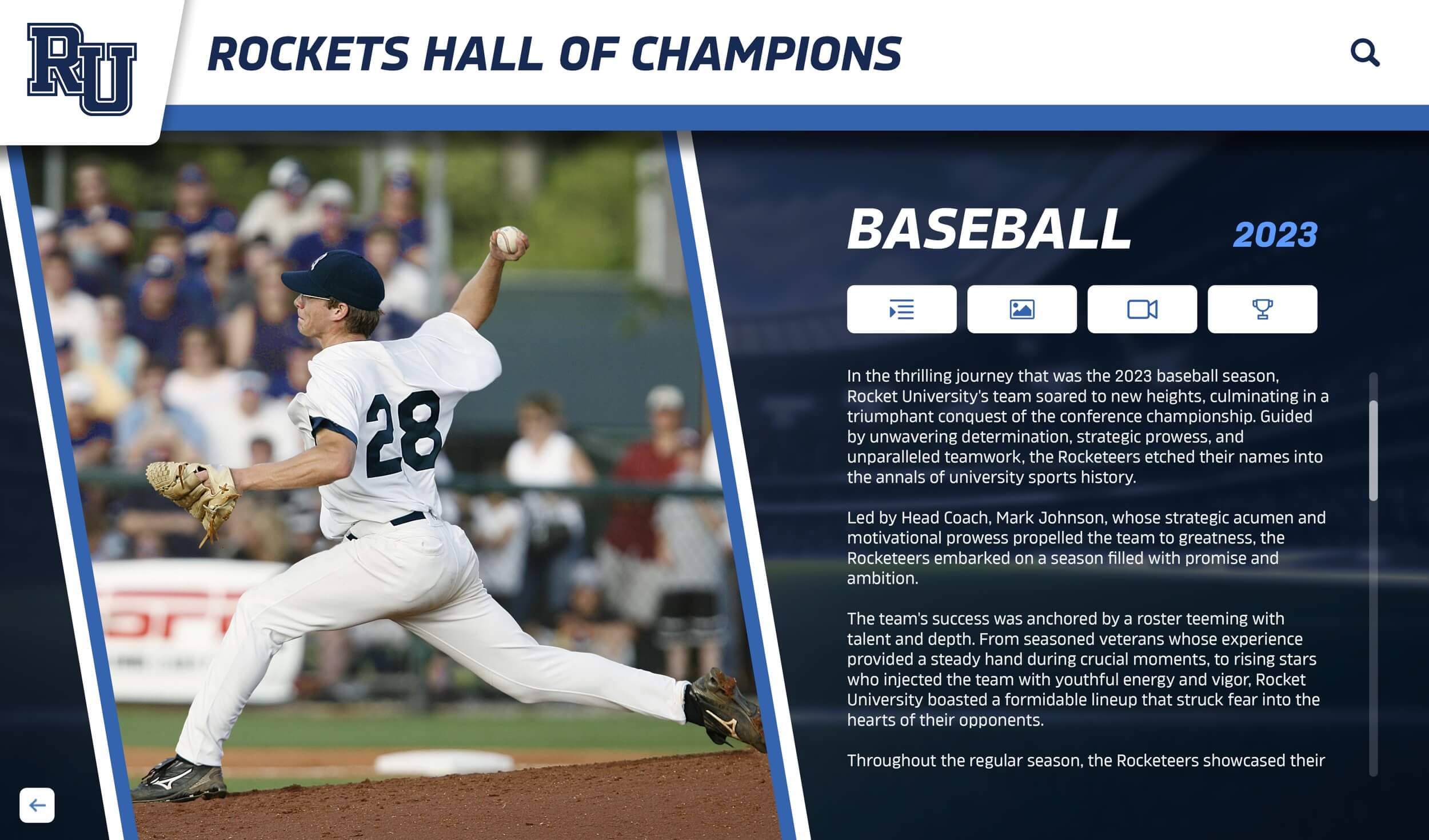
Action photography captures achievement moments, creating emotional connections that static headshots cannot match
Incorporating Video Content
Video dramatically increases engagement and session duration. Effective video types include highlight reels (2-3 minutes maximum), championship clips and pivotal moments, personal interviews and reflections, historical footage of facilities or events, celebration moments showing community joy, and colleague or teammate testimonials.
Keep videos concise—engagement drops significantly beyond 2-3 minutes. Compress videos for web delivery without excessive quality loss, typically targeting files under 100MB for optimal platform performance.
Establishing Content Standards
Visual and editorial consistency creates professional impressions distinguishing excellent recognition from amateur implementations:
Standard Documentation
- Photo specifications and cropping guidelines
- Biographical profile length and structure templates
- Capitalization and formatting conventions
- Achievement description terminology
- Date and year formats
- Handling incomplete information
Document standards in style guides ensuring multiple content contributors maintain consistency across hundreds or thousands of profiles over years of program growth.
Measuring Rocket Recognition Impact and Success
Demonstrating value justifies investments and supports program expansion.
Quantitative Performance Metrics
Track specific data showing engagement and impact:
Usage and Engagement Data
- Touchscreen interactions per day, week, and month
- Web platform sessions and unique visitors
- Average session duration and pages viewed
- Search queries indicating visitor interests
- Most-viewed profiles and popular content
- Geographic distribution of web visitors
- Device types (touchscreen, mobile, desktop)
Community Impact Indicators
- Social media shares and engagement
- Media coverage mentioning recognition
- Stakeholder feedback and testimonials
- Tour usage during admissions or recruiting
- Donor cultivation conversations referencing displays
- Alumni engagement and giving correlations
Operational Efficiency Measures
- Time required for updates versus previous processes
- Cost per addition compared to physical plaques
- Staff satisfaction with management tools
- Update frequency versus historical patterns
- Support ticket resolution times
Organizations implementing recognition analytics use data to optimize content strategies and demonstrate program value to stakeholders.
Qualitative Feedback Collection
Systematic feedback provides insights complementing quantitative metrics:
Feedback Collection Methods
- QR codes on displays linking to quick surveys
- Email campaigns asking about web platform experiences
- In-person interviews during campus or facility visits
- Social media monitoring for mentions and reactions
- Staff observations of visitor interactions
- Focus groups with stakeholders
Document compelling stories and testimonials for board presentations, fundraising campaigns, stakeholder reports, and future project justifications.
Return on Investment Analysis
Translate data into ROI narratives for leadership:
ROI Calculation Components
- Implementation investment summary
- Annual subscription costs
- Traditional recognition costs avoided
- Retention improvements attributed to recognition
- Engagement score increases
- Fundraising or sponsorship impacts
- Administrative time savings
- Space renovation costs avoided
Schools and businesses tracking total cost of ownership report that Rocket Recognition achieves cost parity with traditional approaches within 5-7 years while providing dramatically superior functionality, engagement, and user experience.
Rocket Recognition Advantages: Why Organizations Choose This Platform
Understanding what distinguishes Rocket Recognition helps organizations evaluate whether the platform matches specific needs.
Comprehensive All-in-One Solutions
Rocket Recognition provides complete systems rather than requiring organizations to assemble separate components. Hardware, software, content management, web platforms, mobile optimization, analytics, and support integrate seamlessly, eliminating technical complexity and vendor coordination headaches that plague custom implementations.
This integrated approach accelerates implementation timelines, reduces troubleshooting complexity, ensures component compatibility, simplifies vendor management, and provides single-source accountability for system performance.
Purpose-Built for Recognition
General digital signage platforms adapted for recognition purposes lack features specific to achievement acknowledgment. Rocket Recognition includes profile templates designed for biographical content, search and filtering optimized for recognition discovery, timeline views for chronological exploration, category management for diverse achievement types, and navigation structures matching how visitors approach recognition.
Purpose-built platforms eliminate customization work required when adapting general-purpose tools to recognition contexts.
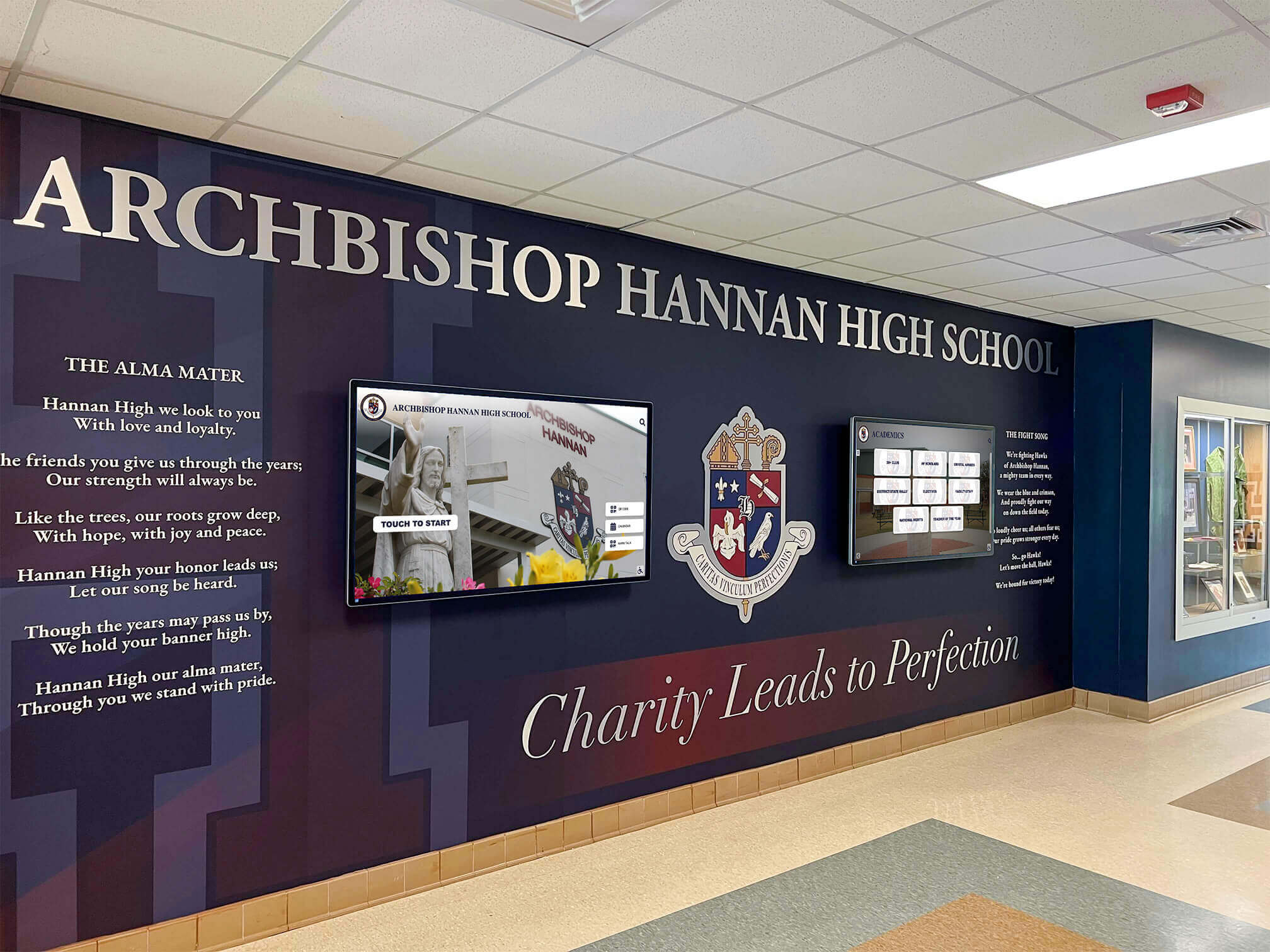
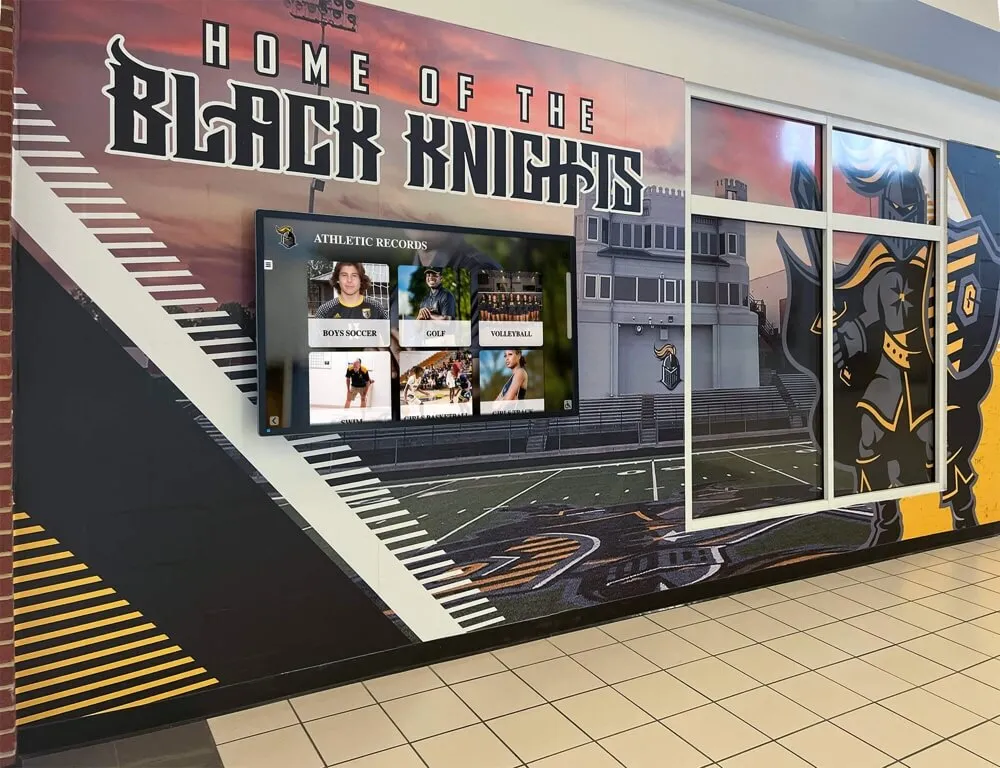
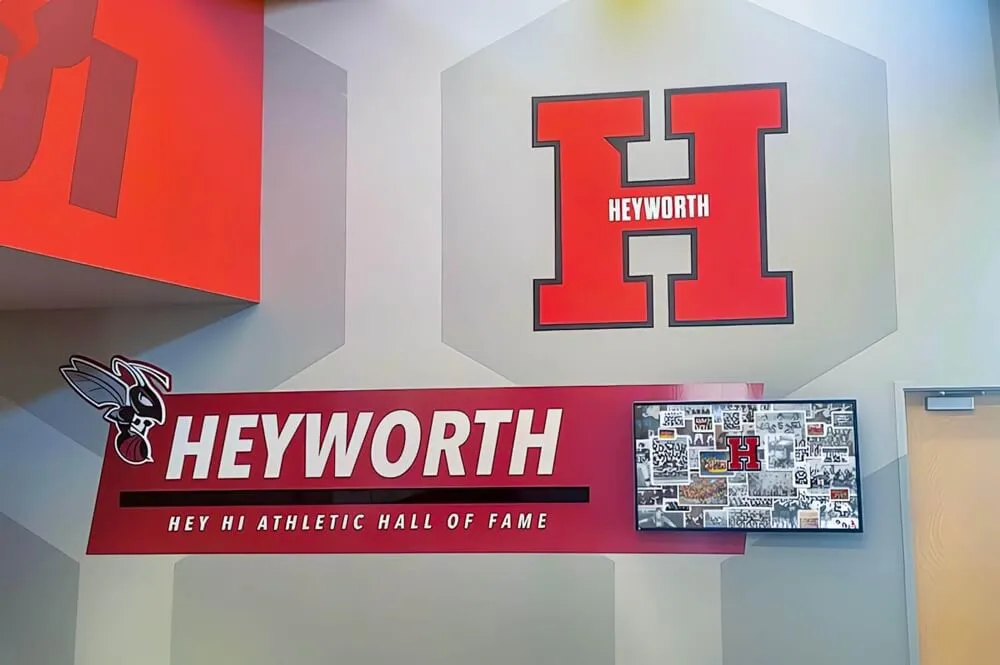
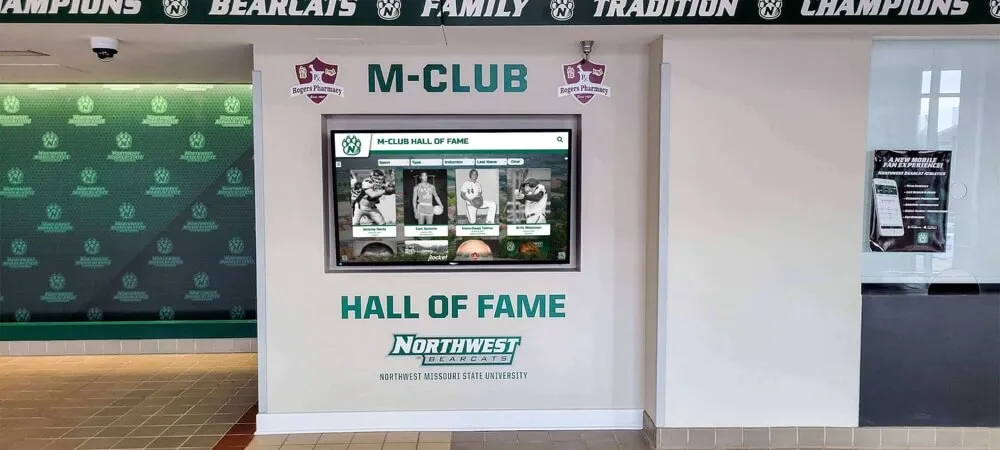
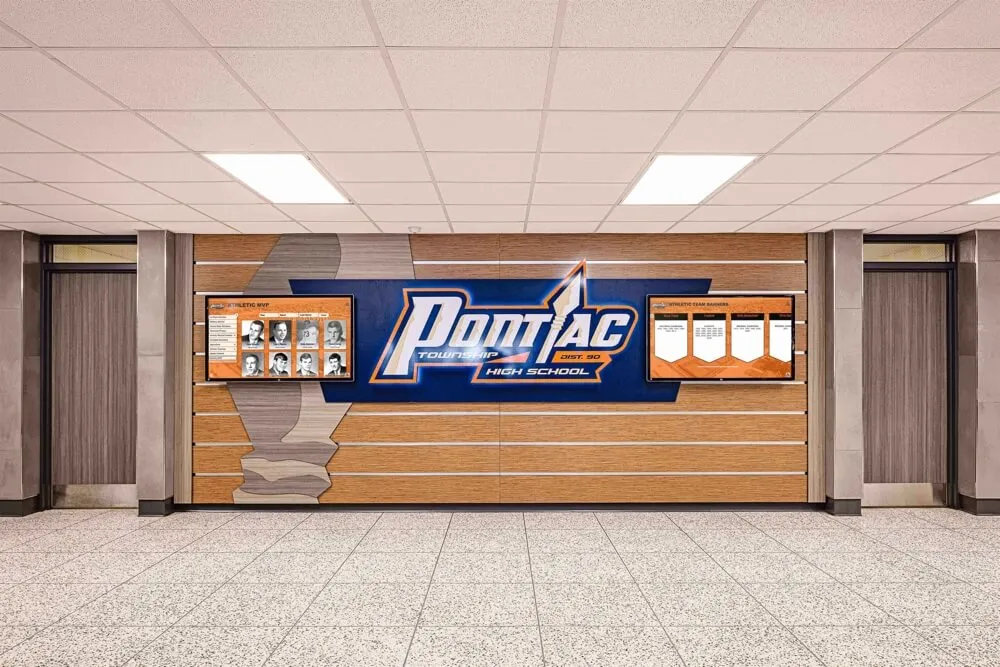
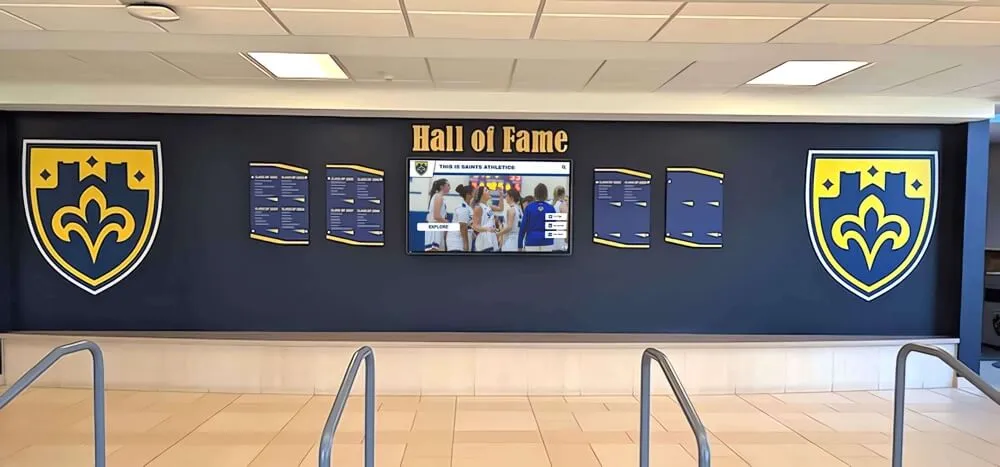
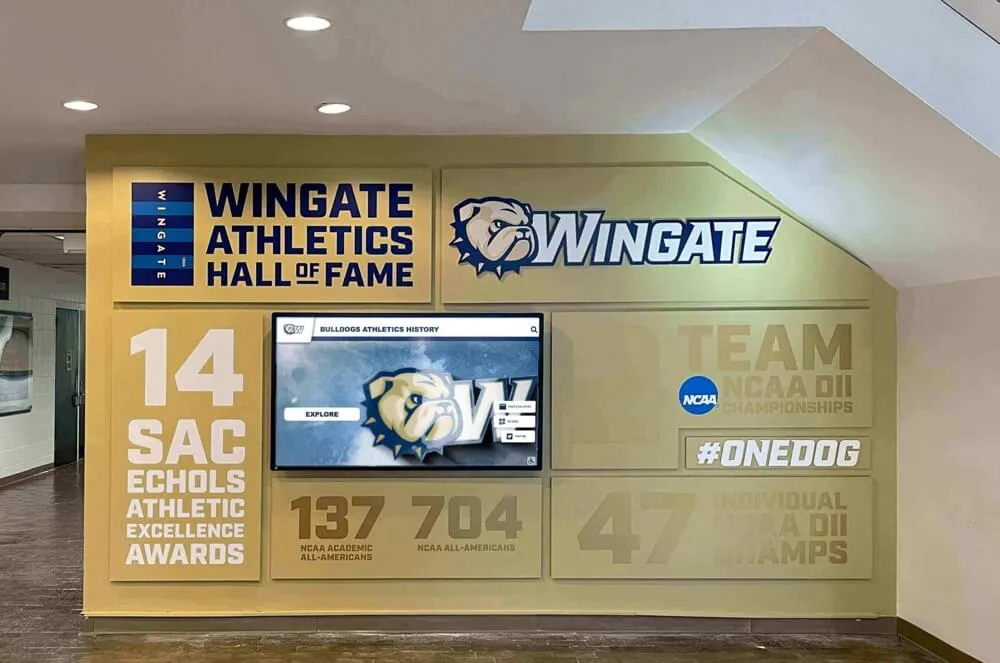
Coordinated recognition environments integrate branding, physical design, and digital displays into cohesive experiences
White-Glove Implementation Support
Many digital display providers offer software and hardware but limited implementation assistance. Rocket Recognition includes comprehensive onboarding support—initial content strategy consultation, template customization and branding setup, staff training and documentation, hardware installation guidance, and ongoing technical support ensuring issues resolve quickly.
Organizations report that professional implementation support dramatically reduces time-to-value while ensuring recognition programs reflect organizational excellence from launch rather than appearing amateurish during initial phases.
Unlimited Growth Capacity
Some recognition platforms impose per-profile fees or storage limits requiring tier upgrades as collections grow. Rocket Recognition provides unlimited profiles, unlimited photos and videos, unlimited categories, and unlimited user access, eliminating surprise costs as programs expand and ensuring pricing remains predictable across multi-year timeframes.
Flexible Hardware Options
Certain providers require purchasing specific proprietary hardware creating vendor lock-in. Rocket Recognition supports flexible hardware choices including standard commercial displays, various screen sizes and orientations, touchscreen and non-touch configurations, and hardware upgrades independent of software.
This flexibility allows organizations to match hardware to specific installation contexts, budgets, and aesthetic requirements while maintaining upgrade options as technology evolves.
Organizations exploring touchscreen kiosk solutions benefit from understanding hardware flexibility distinctions across recognition platforms.
Getting Started with Rocket Recognition
Organizations ready to transform recognition approaches follow systematic evaluation and implementation processes.
Assessing Your Recognition Needs
Begin by auditing current recognition approaches and challenges:
Current State Assessment
- What recognition programs currently exist?
- How are achievements currently acknowledged?
- What physical space constraints limit recognition?
- How current is existing recognition content?
- What stakeholder complaints or feedback exists?
- What recognition gaps need addressing?
Future Vision Definition
- What achievements deserve acknowledgment?
- Who should recognition reach (audiences)?
- What stories need telling?
- How should recognition integrate with broader culture?
- What success metrics matter?
Understanding current challenges and future aspirations helps evaluate whether Rocket Recognition addresses specific organizational needs.
Exploring Platform Capabilities
Evaluate Rocket Recognition through demonstration and consultation:
Evaluation Activities
- Schedule platform demonstration
- Explore sample implementations in similar contexts
- Test content management interface
- Review hardware options and specifications
- Discuss customization possibilities
- Clarify support and training offerings
- Request references from similar organizations
- Compare pricing against alternatives and traditional costs
Quality evaluation requires hands-on experience with platforms rather than relying exclusively on marketing materials or sales presentations.
Planning Implementation Approach
Once committed to Rocket Recognition, systematic planning ensures successful launch:
Implementation Planning Elements
- Assemble implementation team with clear roles
- Develop detailed content collection strategy
- Create implementation timeline with realistic milestones
- Establish budget and secure funding
- Define success metrics and evaluation approach
- Plan launch event and communication strategy
- Schedule staff training sessions
- Create ongoing content management plan
Organizations implementing digital hall of fame systems benefit from structured implementation approaches preventing rushed launches that undermine program credibility.
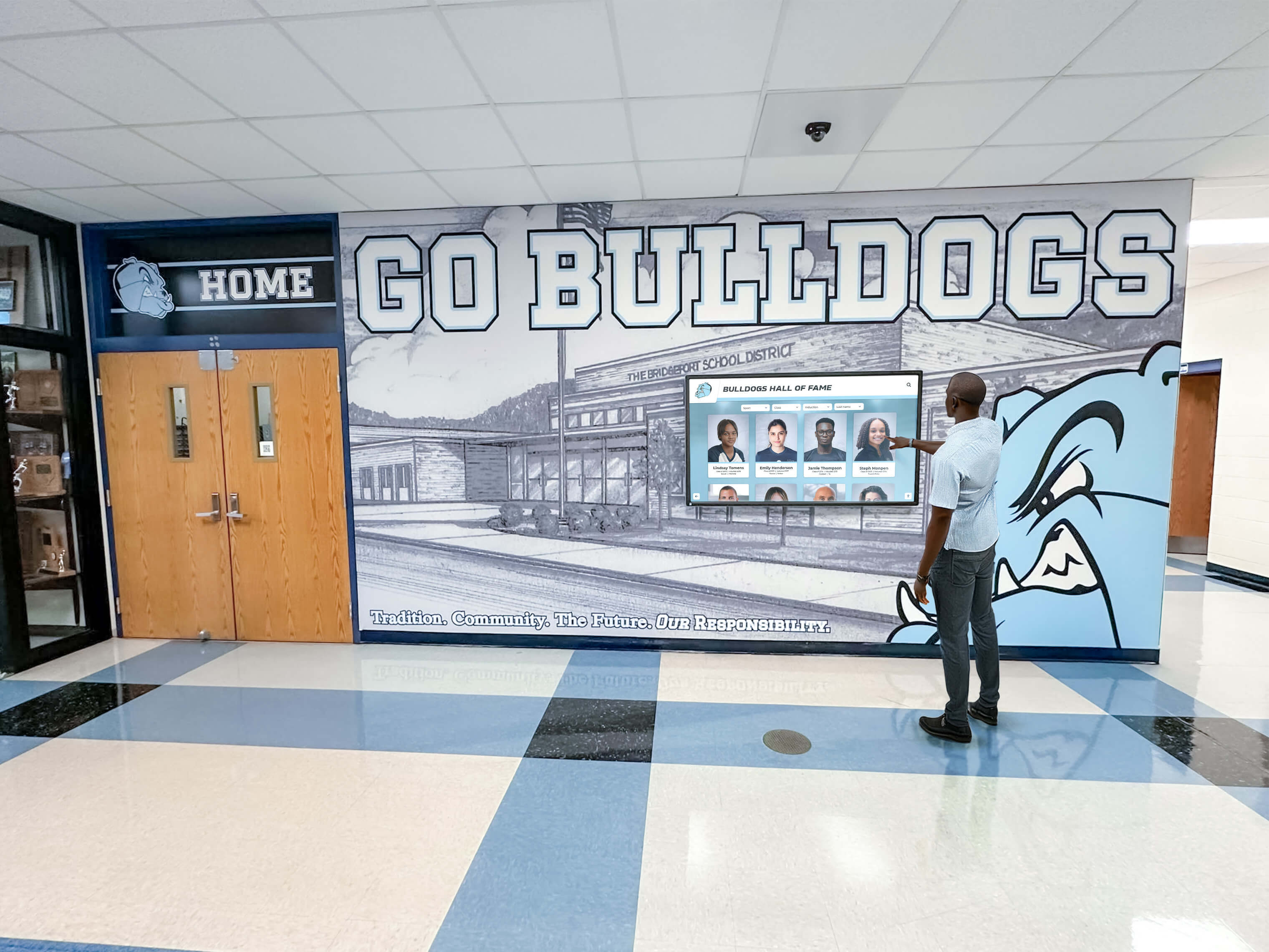
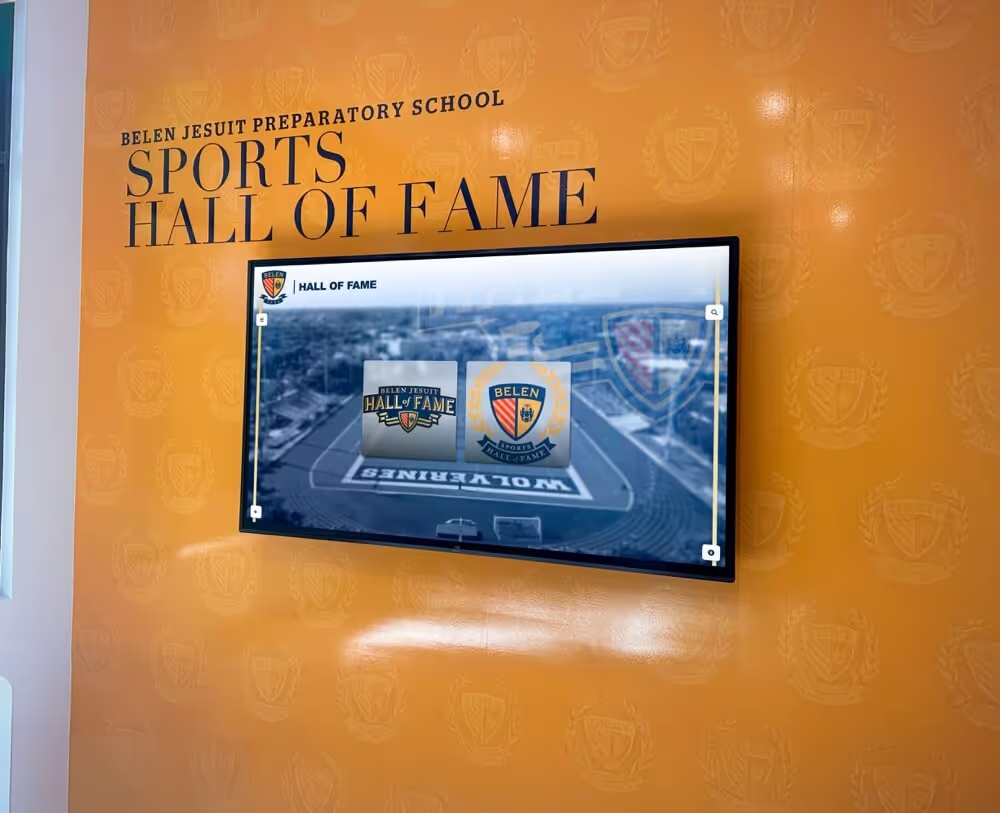
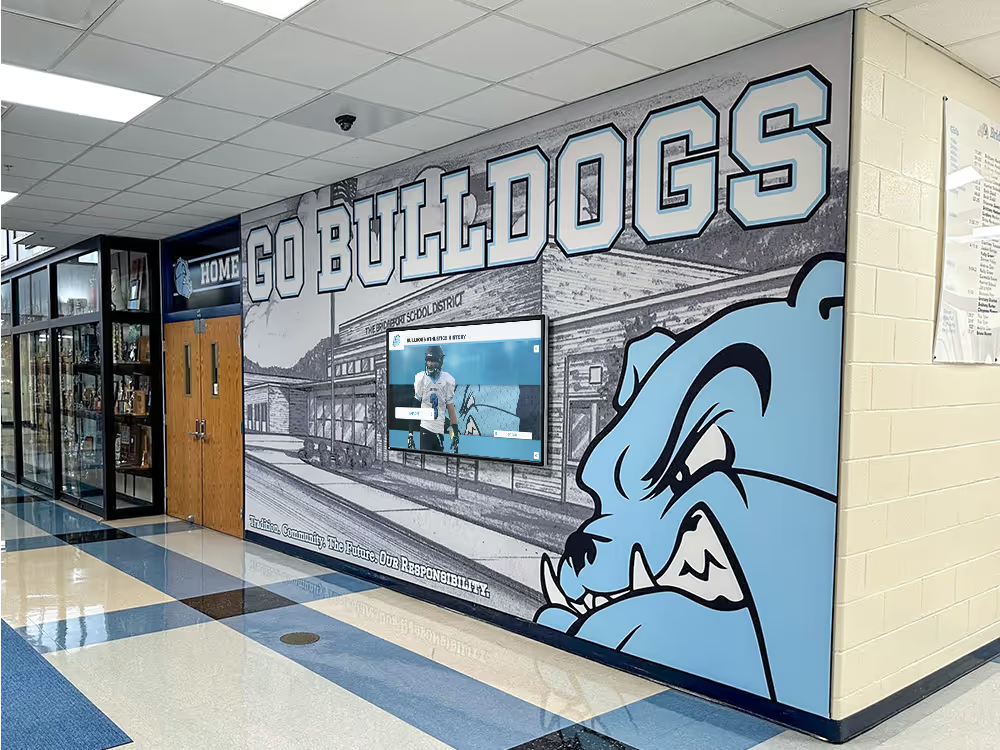
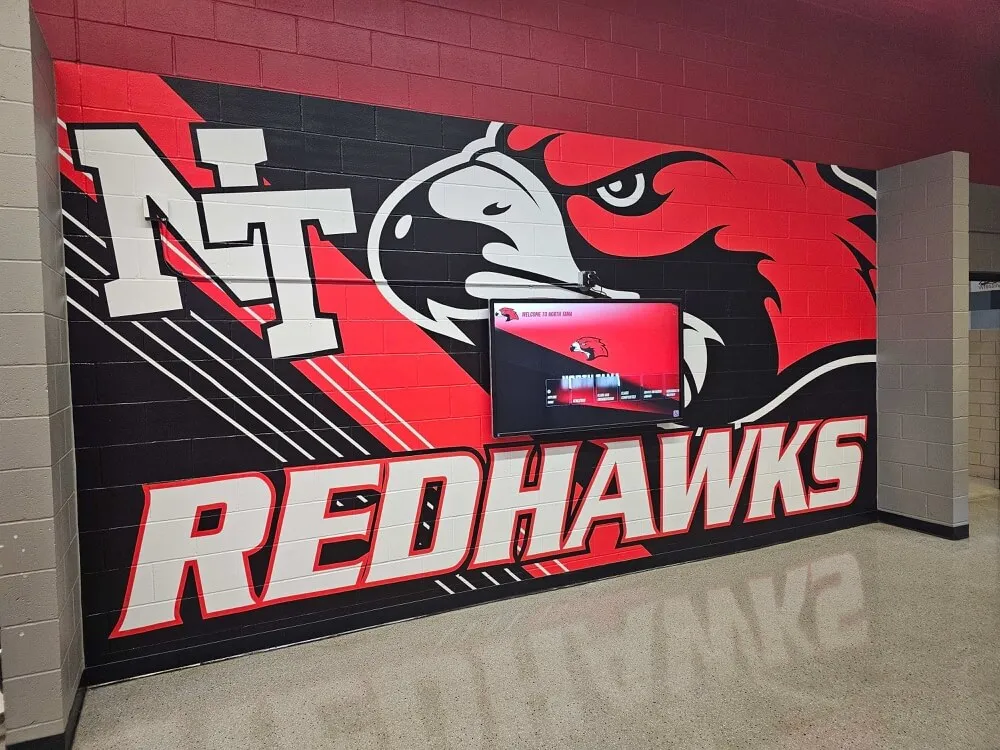
Successful installations combine strategic placement, quality content, and intuitive interfaces creating recognition experiences that engage visitors naturally
Conclusion: Transforming Recognition Through Modern Technology
Recognition programs influence organizational culture, stakeholder engagement, retention, and community connection in ways that extend far beyond simple acknowledgment gestures. When achievements receive visibility celebrating accomplishments while they’re fresh, when honorees can share recognition with personal networks amplifying program reach, and when organizations can celebrate unlimited achievements without space constraints—recognition transforms from administrative obligation into strategic culture-building infrastructure.
Rocket Recognition provides schools, businesses, nonprofits, and organizations with comprehensive platforms specifically designed for modern achievement acknowledgment needs. Through integrated touchscreen displays, intuitive content management, web accessibility, unlimited capacity, and professional support, the platform enables recognition programs that honor every contribution appropriately while building engaged communities committed to sustained excellence.
The organizations already transforming recognition through Rocket Recognition—from small schools celebrating athletic achievements to large corporations honoring employee milestones, from museums preserving institutional memory to nonprofits acknowledging donor generosity—demonstrate how modern technology creates recognition experiences matching the significance of the accomplishments being honored. By combining professional hardware, purpose-built software, rich multimedia capabilities, and comprehensive support, Rocket Recognition delivers acknowledgment programs that stakeholders treasure while advancing organizational mission through strengthened culture and community.
Recognition decisions made today influence culture for years ahead. Traditional plaques and trophies accumulate as static displays that quickly fill available space and become outdated monuments to past achievements. Digital recognition platforms grow dynamically alongside organizations, celebrating both historical heritage and current accomplishments while maintaining relevance through instant updates and rich storytelling impossible with physical displays alone.
Ready to explore how Rocket Recognition can transform your organization’s approach to celebrating achievements and honoring contributions? Book a demo to see the platform in action, discuss your specific recognition needs, and discover how purpose-built technology creates acknowledgment programs that engage your community while building the culture of appreciation that drives organizational success.
Every person who contributes to organizational excellence—from students achieving academic milestones to employees driving business results, from athletes breaking records to donors fueling missions—deserves recognition that matches their commitment and celebrates their accomplishments meaningfully. With Rocket Recognition, you can create comprehensive acknowledgment programs that honor every achievement appropriately while building the engaged, motivated communities where excellence thrives and all contributions receive the visibility they deserve.